Month: June 2026

  • Glaucoma Market Expansion Is Reshaping Competitive Dynamics Across The Industry

    Glaucoma Market Expansion Is Reshaping Competitive Dynamics Across The Industry

    Through market attractiveness analysis, total addressable market evaluation, company benchmarking matrices, interactive Excel dashboards, expanded supply chain intelligence, emerging startup coverage, and detailed product insights, The Business Research Company’s 2026 market reports provide more actionable and strategically valuable research.

    Glaucoma Market Value Expansion And Long-Term Growth Outlook

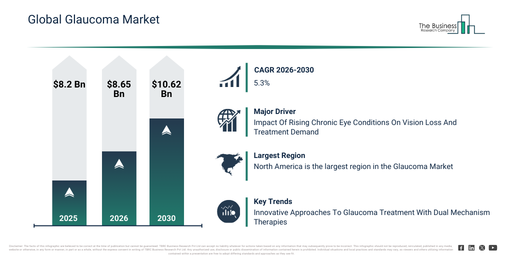
    The global glaucoma market has experienced considerable expansion lately, with projections indicating continued robust growth. It is anticipated to expand from $8.2 billion in 2025 to $8.65 billion in 2026, reflecting a compound annual growth rate of 5.5%. Factors contributing to this historical growth include a burgeoning elderly population, a rising incidence of eye conditions, progress in ophthalmic diagnostic tools, the proactive implementation of early pharmaceutical treatments, and an increase in specialized eye care facilities.

    Anticipate a robust expansion within the glaucoma sector over the ensuing years; this market is projected to reach a valuation of $10.62 billion by 2030, exhibiting a compound annual growth rate of 5.3%. This upward trajectory during the projected timeframe is underpinned by a confluence of factors, including sophisticated progress in imaging technologies, the proliferation of surgical breakthroughs, advancements in digital eye health surveillance, heightened emphasis on early detection strategies, and an increase in financial commitments directed towards ophthalmology. Key developments shaping this period encompass a growing inclination towards preemptive diagnostic screenings, an augmented utilization of multifaceted drug regimens, the escalating popularity of less invasive surgical procedures for glaucoma management, the broadening scope of at-home ocular monitoring solutions, and enhanced public awareness campaigns concerning eye health.

    Download A Free Sample Report For Comprehensive Market Insights:

    https://www.thebusinessresearchcompany.com/sample.aspx?id=20820&type=smp

    Glaucoma Market Demand Drivers Creating New Revenue Opportunities

    The increasing incidence of long-term eye afflictions is anticipated to be a key driver for the expansion of the glaucoma market in the future. These chronic eye conditions, characterized by persistent visual disturbances or discomfort and necessitating continuous care, are becoming more common due to factors such as an aging global population, extended periods spent viewing screens, evolving lifestyle choices, and a greater prevalence of health issues like diabetes and hypertension. Glaucoma management becomes crucial in addressing these chronic eye conditions to reduce intraocular pressure, avert further damage to the optic nerve, and safeguard vision, as neglect of glaucoma can result in permanent blindness. Illustrating this trend, the UK’s National Health Service (NHS) reported in December 2024 that over 2 million individuals in the UK were experiencing sight loss in 2024, with projections indicating a 27% rise to approximately 2.8 million by 2035. Consequently, the growing healthcare challenge posed by chronic eye conditions is directly fueling the glaucoma market’s growth.

    Glaucoma Market Segment Performance And Strategic Opportunities

    The glaucoma market covered in this report is segmented –

    1) By Disease Type: Open Angle Glaucoma, Angle Closure Glaucoma, Other Disease Types

    2) By Diagnosis: Tonometry, Ophthalmoscopy, Perimetry, Gonioscopy

    3) By Drug Class: Beta Blockers, Prostaglandins, Alpha Adrenergic Agonist, Carbonic Anhydrase Inhibitors, Combination Drugs, Other Drug Classes

    4) By Administration: Oral, Injections, Intravitreal, Other Administrations

    5) By End-User: Hospitals, Ophthalmic Clinics, Ambulatory Surgical Centers

    Subsegments:

    1) By Open Angle Glaucoma: Primary Open Angle Glaucoma (POAG), Secondary Open Angle Glaucoma

    2) By Angle Closure Glaucoma: Primary Angle Closure Glaucoma, Secondary Angle Closure Glaucoma

    3) By Other Disease Types: Normal-Tension Glaucoma, Pigmentary Glaucoma, Pseudoexfoliative Glaucoma, Congenital Glaucoma

    Glaucoma Market Trends Driving Strategic Industry Expansion

    Leading pharmaceutical giants within the glaucoma sector are prioritizing the creation of groundbreaking treatments, notably Rho-kinase (ROCK) inhibitors, engineered to provide a dual mode of therapeutic action by lowering intraocular pressure. This is accomplished through an improvement in aqueous humor outflow alongside the relaxation of trabecular meshwork cells, thereby enhancing their efficacy in managing glaucoma. Investigational Rho-kinase (ROCK) inhibitors are pharmaceutical agents designed to inhibit the function of Rho-kinase enzymes, which play a critical role in cellular contraction processes and are instrumental in mitigating intraocular pressure for glaucoma therapy. Illustrating this trend, Santen Pharmaceutical Co. Ltd., a prominent Japanese entity specializing in ocular care, introduced Roclanda in the United Kingdom during July 2023. This innovative medication, Roclanda, is a fixed-dose formulation comprising latanoprost and netarsudil, a pioneering Rho-kinase (ROCK) inhibitor, recognized for its effectiveness in reducing intraocular pressure (IOP) by addressing the underlying dysfunction of the trabecular meshwork. Its application is approved for adult individuals diagnosed with primary open-angle glaucoma or ocular hypertension who have not experienced sufficient IOP reduction through monotherapy with either a prostaglandin or netarsudil alone. The European debut of Roclanda signifies a landmark event, representing the first introduction of a novel drug class for glaucoma treatment in quarter of a century, heralding a significant advancement in patient care. The combined action of netarsudil and latanoprost within Roclanda creates a synergistic effect, promoting increased fluid drainage via both the trabecular (conventional) and uveoscleral (unconventional) routes, presenting a holistic strategy for handling excessively high intraocular pressure.

    Glaucoma Market Key Players: Which Companies Shape Industry Competition?

    Major companies operating in the glaucoma market are Roche Holding AG, Merck & Co. Inc., AbbVie Inc., Novartis AG, Teva Pharmaceuticals Industries Ltd., Otsuka Pharmaceutical Co. Ltd., Sun Pharmaceutical Industries Ltd., Cipla Limited, Bausch & Lomb Corp., Carl Zeiss Meditec, Santen Pharmaceuticals Co. Ltd., Topcon Corporation, Thea Laboratoires, Corza Ophthalmology, Lumenis Ltd., Alcon Inc., Glaukos Corporation, Iridex Corporation, Nova Eye Medical Ltd., Nidek Co. Ltd., Haag-Streit AG

    Access The Complete Glaucoma Market Report:

    https://www.thebusinessresearchcompany.com/report/glaucoma-global-market-report

    Glaucoma Market Regional Analysis: Which Region Leads By Revenue?

    North Americawas the largest region in the glaucoma market in 2025. Asia-Pacificis expected to be the fastest-growing region in the forecast period. The regions covered in the glaucoma market report are Asia-Pacific, South East Asia, Western Europe, Eastern Europe, North America, South America, Middle East, Africa.

    Get in touch with us:

    The Business Research Company: https://www.thebusinessresearchcompany.com/

    Americas: +1 310-496-7795

    Asia: +44 7882 955267 & +91 8897263534

    Europe: +44 7882 955267

    Email us at: marketing@tbrc.info

    Follow us on:

    LinkedIn: https://in.linkedin.com/company/the-business-research-company

    YouTube: https://www.youtube.com/channel/UC24_fI0rV8cR5DxlCpgmyFQ

    Global Market Model: https://www.thebusinessresearchcompany.com/global-market-model
  • Gingivitis Market Forecast Reveals Where Future Industry Value Will Be Created

    Gingivitis Market Forecast Reveals Where Future Industry Value Will Be Created

    Delivering more actionable and strategically valuable research, The Business Research Company’s 2026 market reports feature market attractiveness analysis, total addressable market evaluation, company benchmarking matrices, interactive Excel dashboards, expanded supply chain intelligence, emerging startup coverage, and detailed product insights.

    Gingivitis Market Expected To Reach $9.3 Billion By 2030 At 4.5% CAGR

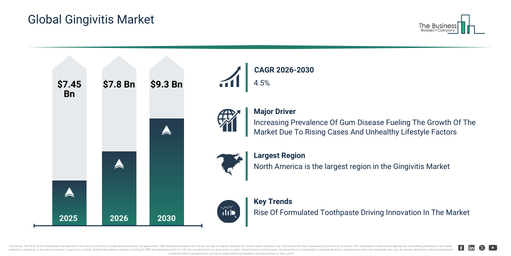
    The gingivitis market experienced consistent expansion recently, projected to increase from $7.45 billion in 2025 to $7.8 billion in 2026, reflecting a compound annual growth rate of 4.7%. Factors contributing to this upward trend historically include prevalent poor oral hygiene practices, an increase in dental check-ups, the early integration of antiseptic therapies, the impact of public dental health initiatives, and escalating sugar intake.

    The gingivitis market is poised for consistent expansion over the coming years. Projections indicate a market valuation of $9.3 billion by 2030, driven by a compound annual growth rate (CAGR) of 4.5%. This anticipated growth throughout the forecast period is fueled by several key factors, including the increasing adoption of preventive dental practices, a broader availability of oral care products, the rise of digital consultations for dental matters, the implementation of oral health initiatives in schools, and a general uplift in health literacy among the public. Significant trends expected to shape this market in the coming years encompass a heightened emphasis on preventative oral hygiene measures, a greater reliance on non-surgical treatment modalities, upward momentum in the adoption of antibacterial oral care products, the proliferation of at-home oral hygiene solutions, and an overall enhancement in public understanding concerning gum health.

    Download A Free Sample Report For Comprehensive Market Insights:

    https://www.thebusinessresearchcompany.com/sample.aspx?id=21987&type=smp

    Gingivitis Market Expansion Supported By Key Demand Factors

    The expansion of the gingivitis market is anticipated to be significantly influenced by the escalating occurrence of gum disease. Gum disease, characterized by the inflammation, infection, or degeneration of the gums and adjacent tissues, largely stems from the accumulation of plaque and insufficient oral hygiene practices. This heightened incidence of gum disease is primarily attributed to substandard oral care, which facilitates plaque buildup and subsequent bacterial invasion. Furthermore, dietary patterns rich in sugars and processed items exacerbate gum inflammation, and tobacco use compromises the body’s defense mechanisms, rendering the gums more vulnerable to infection. Gingivitis, representing the initial phase of gum disease, plays a crucial role in its overall rise by acting as an entry point to more advanced ailments like periodontitis if not addressed promptly, underscoring the critical importance of early detection and preventative measures. For example, a January 2024 publication by the UK’s Office for Health Improvement & Disparities (OHID) indicated that the proportion of adults diagnosed with gum disease escalated from 4% in the 16–24 age group to 28% among those aged 55–64, thereby illustrating a trend of increased prevalence with advancing age. Consequently, the growing rate of gum disease is a key factor propelling the gingivitis market’s advancement.

    Gingivitis Market Segment Landscape And Growth Potential

    The gingivitis market covered in this report is segmented –

    1) By Treatment Type: Medication, Surgical Procedures, Non-Surgical Treatments

    2) By Route Of Administration: Oral, Topical

    3) By Distribution Channel: Retail Pharmacies, Hospital Pharmacies, Online Pharmacies

    4) By End-User: Hospitals, Dental Clinics, Homecare Settings

    Subsegments:

    1) By Medication: Antibiotics, Antiseptic Mouthwashes, Anti-Inflammatory Drugs, Pain Relievers

    2) By Surgical Procedures: Flap Surgery, Gingivectomy, Gingivoplasty, Laser Therapy

    3) By Non-Surgical Treatments: Scaling and Root Planing, Professional Dental Cleaning, Local Drug Delivery, Lifestyle and Dietary Modifications

    Gingivitis Market Growth Trends Influencing Competitive Dynamics

    Companies leading the gingivitis market are actively engaged in creating novel solutions, including specialized toothpastes designed to combat gum inflammation, diminish plaque, and enhance general oral hygiene. These specialized toothpastes incorporate particular active components to tackle specific dental issues like decay, gingivitis, or sensitivity. As an illustration, in February of 2023, Frimline Private Limited, a healthcare and personal care entity based in India, launched its Dente91 She toothpaste. This unique toothpaste contains lactoferrin, a powerful antimicrobial protein known for its ability to ward off oral infections and inflammation. Distinguishing itself from standard toothpastes, Dente91 She is uniquely fortified with folic acid (vitamin B9) and pyridoxine (vitamin B6), offering tailored support for women’s oral health across different hormonal stages, from adolescence through to menopause.

    Gingivitis Market Competitive Landscape: Who Are The Leading Companies?

    Major companies operating in the gingivitis market are Procter & Gamble, Colgate-Palmolive Company, Haleon group, Bausch Health Companies Inc., Kivonyx Healthcare Pvt Ltd., ICPA Health Products Limited, Alarsin Pharmaceuticals, Laboratorios KIN, Ikon remedies pvt ltd., Perio Protect LLC, Algen Healthcare Ltd, Neuracle Lifesciences Private Limited, Dental Herb Company, Shreeji Pharma International, Pfizer Inc., Johnson & Johnson, 3M Company, Dentsply Sirona Inc., Sunstar Group, GC Corporation, Ivoclar Vivadent AG, Straumann Group, Ultradent Products Inc, Nobel Biocare Holdings AG

    Access The Complete Gingivitis Market Report:

    https://www.thebusinessresearchcompany.com/report/gingivitis-global-market-report

    Gingivitis Market Geographic Distribution And Regional Opportunities

    North Americawas the largest region in the gingivitis market in 2025. The regions covered in the gingivitis market report are Asia-Pacific, South East Asia, Western Europe, Eastern Europe, North America, South America, Middle East, Africa.

    Get in touch with us:

    The Business Research Company: https://www.thebusinessresearchcompany.com/

    Americas: +1 310-496-7795

    Asia: +44 7882 955267 & +91 8897263534

    Europe: +44 7882 955267

    Email us at: marketing@tbrc.info

    Follow us on:

    LinkedIn: https://in.linkedin.com/company/the-business-research-company

    YouTube: https://www.youtube.com/channel/UC24_fI0rV8cR5DxlCpgmyFQ

    Global Market Model: https://www.thebusinessresearchcompany.com/global-market-model
  • Gingival Recession Market Growth Through 2030 Creates New Strategic Opportunities

    Gingival Recession Market Growth Through 2030 Creates New Strategic Opportunities

    Enhanced with market attractiveness analysis, total addressable market evaluation, company benchmarking matrices, interactive Excel dashboards, expanded supply chain intelligence, emerging startup coverage, and detailed product insights, The Business Research Company’s 2026 market reports deliver more actionable and strategically valuable research.

    Gingival Recession Market Size And Revenue Forecast Through 2030

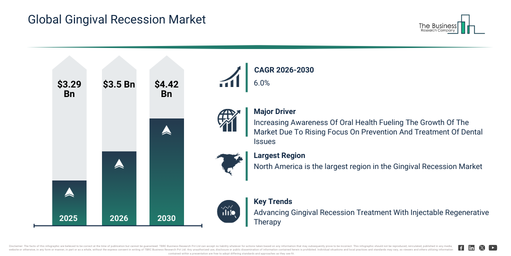
    The market for gingival recession treatments experienced robust expansion recently, projecting a rise from $3.29 billion in 2025 to $3.5 billion in 2026, reflecting a compound annual growth rate of 6.3%. This historical expansion was fueled by factors such as the widespread occurrence of periodontal disease, an increase in the number of dental facilities, the early embrace of grafting methodologies, a growing consumer desire for cosmetic dental procedures, and heightened public consciousness regarding oral hygiene.

    Projected to experience robust expansion, the gingival recession market anticipates substantial advancement over the coming years, reaching an estimated value of $4.42 billion by 2030. This notable escalation is underpinned by a compound annual growth rate (CAGR) of 6.0%, fueled by an array of contributing factors. Among these key drivers are significant breakthroughs in regenerative dentistry, a surge in the utilization of laser-based dental interventions, an uptick in dental tourism, a growing patient inclination towards treatments that are minimally invasive, and a general rise in healthcare spending on dental services. During this projected period, several important trends are expected to shape the market landscape, including an amplified demand for less invasive procedures, heightened integration of regenerative dental materials, wider acceptance of the pinhole surgical technique, a focus on achieving superior aesthetic results in dental treatments, and the ongoing expansion of preventive dental care initiatives.

    Download A Free Sample Report For Comprehensive Market Insights:

    https://www.thebusinessresearchcompany.com/sample.aspx?id=21986&type=smp

    Gingival Recession Market Growth Drivers And Industry Catalysts

    Heightened consciousness regarding dental well-being is anticipated to be a significant catalyst for the expansion of the gingival recession market in the future. This oral health encompasses the state of one’s teeth, gums, and mouth, signifying their absence of illness, discomfort, or contamination, which is crucial for effective functioning and general health. The growing recognition of oral health’s importance is fueled by greater availability of knowledge via online platforms and public health initiatives, underscoring its connection to overall vitality. Gingival recession, itself a visible and frequently uncomfortable indicator of inadequate oral hygiene, prompts individuals to seek information on its origins, methods of avoidance, and therapeutic options, consequently elevating their understanding of appropriate dental care routines. Illustratively, in January 2024, data from the Manchester Health and Wellbeing Board, a collaborative entity in the UK, revealed that from July 2022 to June 2023, NHS dental services in Manchester were utilized by 78,230 individuals under the age of 18, marking a substantial rise of 13,488 (20.8%) young patients in comparison to the preceding year. Consequently, this elevated public understanding of oral health is directly contributing to the market’s growth in addressing gingival recession.

    Gingival Recession Market Categorization By Product Type And Application

    The gingival recession market covered in this report is segmented –

    1) By Treatment Method: Soft Tissue Grafting, Regenerative Procedures, Pinhole Surgical Technique (PST)

    2) By Product Type: Tissue Regenerative Materials, Bone Grafting Materials

    3) By End-User: Hospitals, Dental Clinics, Research Institutes

    Subsegments:

    1) By Soft Tissue Grafting: Free Gingival Graft, Connective Tissue Graft, Pedicle Graft, Allograft

    2) By Regenerative Procedures: Guided Tissue Regeneration (GTR), Enamel Matrix Derivatives (EMD), Platelet-Rich Fibrin (PRF), Bone Grafting

    3) By Pinhole Surgical Technique (PST): Minimally Invasive Recession Coverage, Collagen Membrane Application, Scalpel-Free Gum Rejuvenation

    #Gingival Recession Market Trends Influencing Long-Term Demand

    Leading entities within the gingival recession market are actively pursuing novel therapeutic approaches, exemplified by injectable regenerative tissue advancement therapy, aimed at bolstering both soft and hard tissue regeneration, refining treatment efficacy, and fulfilling existing gaps in oral healthcare. This form of injectable regenerative therapy represents a less invasive intervention designed to catalyze the body’s inherent healing mechanisms, thereby restoring both soft and hard tissues through advanced regeneration. As an illustration, BioCellgraft, Inc., a biotechnology and regenerative medicine firm based in the United States, launched OraFyl in February 2025. The distinctive injectable nature of OraFyl differentiates it from established methods used in oral tissue regeneration. In contrast to standard surgical interventions, which typically involve significant procedures and extended recovery periods, OraFyl presents an alternative with minimal invasiveness for managing conditions like gum recession, papilla loss, and alveolar socket issues. By employing a human connective tissue matrix (HCTM), it aids the body’s natural healing processes, potentially leading to accelerated recovery, diminished patient discomfort, reduced healthcare expenses, and superior clinical results.

    Gingival Recession Market Company Landscape And Strategic Competition

    Major companies operating in the gingival recession market are Alfa-Perio Ltd, Zimmer Biomet Dental, Institut Straumann AG, LifeNet Health, BioHorizons, Geistlich Pharma AG, osteocom, Dentevim Dental Clinic, Uniqa Dental LTD, Focus Dental, Premiere Dental Care Center, Dentsply Sirona, ZimVie Inc, Tissue Regenix, Septodont Holding, Medical Consult Implants GmbH, Regedent AG, Regenity Biosciences, Nobel Biocare Services AG, Bioteck S.p.A, Maxigen Biotech Inc

    Access The Complete Gingival Recession Market Report:

    https://www.thebusinessresearchcompany.com/report/gingival-recession-global-market-report

    Gingival Recession Market Largest Region By Revenue And Market Share

    North Americawas the largest region in the gingival recession market in 2025. The regions covered in the gingival recession market report are Asia-Pacific, South East Asia, Western Europe, Eastern Europe, North America, South America, Middle East, Africa.

    Get in touch with us:

    The Business Research Company: https://www.thebusinessresearchcompany.com/

    Americas: +1 310-496-7795

    Asia: +44 7882 955267 & +91 8897263534

    Europe: +44 7882 955267

    Email us at: marketing@tbrc.info

    Follow us on:

    LinkedIn: https://in.linkedin.com/company/the-business-research-company

    YouTube: https://www.youtube.com/channel/UC24_fI0rV8cR5DxlCpgmyFQ

    Global Market Model: https://www.thebusinessresearchcompany.com/global-market-model

  • Giant-Cell Arteritis Market Size Projected To Increase From $1.17 Billion To $1.39 Billion During The Forecast Period

    Giant-Cell Arteritis Market Size Projected To Increase From $1.17 Billion To $1.39 Billion During The Forecast Period

    Through market attractiveness analysis, total addressable market evaluation, company benchmarking matrices, interactive Excel dashboards, expanded supply chain intelligence, emerging startup coverage, and detailed product insights, The Business Research Company’s 2026 market reports provide more actionable and strategically valuable research.

    Giant-Cell Arteritis Market Growth From $1.17 Billion In 2026 To $1.39 Billion By 2030 At A CAGR Of 4.3%

    The global market for giant-cell arteritis experienced consistent expansion recently, projected to advance from a value of $1.12 billion in 2025 to $1.18 billion in 2026, reflecting a compound annual growth rate of 4.9%. This upward trajectory during the preceding period was fueled by several key factors, including a growing elderly demographic, continued reliance on corticosteroid treatments, enhancements in the quality of rheumatological care, the proliferation of hospital-based treatment options, and heightened public and medical awareness of the condition.

    The market for giant-cell arteritis is projected to experience consistent expansion over the upcoming years, reaching an estimated $1.39 billion by 2030 with a compound annual growth rate of 4.3%. This anticipated growth is fueled by several key factors including the introduction of new biologic drugs, advancements in immunological research, enhancements in diagnostic procedures, the development of individualized treatment approaches for vasculitis, and the proliferation of specialized treatment centers. During this forecast period, prominent trends will involve a greater acceptance of biologic treatments, an intensified emphasis on prompt and precise diagnosis, wider utilization of therapies that minimize corticosteroid reliance, more effective long-term patient monitoring, and heightened public awareness regarding the prevention of vision impairment.

    Download A Free Sample Report For Comprehensive Market Insights:

    https://www.thebusinessresearchcompany.com/sample.aspx?id=17162&type=smp

    Giant-Cell Arteritis Market Opportunity Drivers: What Is Creating New Revenue Potential?

    The expanding focus on individualized medical approaches is anticipated to be a significant catalyst for the expansion of the giant-cell arteritis market. This trend toward personalized medicine, which centers on customizing treatments to an individual’s unique genetic makeup, lifestyle, and environmental influences, is gaining momentum thanks to breakthroughs in genomics, biotechnology, and data analysis. These advancements facilitate the development of therapies precisely targeted to a patient’s specific needs, thereby enhancing treatment effectiveness and minimizing unwanted side effects. In the context of GCA, personalized medicine offers the potential for highly specific interventions based on factors like a patient’s genetic susceptibility, immune system characteristics, and the particular way their disease presents. Indicating the widespread adoption of this methodology, the Personalized Medicine Coalition noted in February 2024 that personalized medicines represented more than a third of all new drug approvals by the FDA in 2023, marking the fourth year in a row this trend has held true. That same year saw 16 new personalized treatments greenlit by the FDA, predominantly for uncommon conditions, a notable increase from the 6 such approvals in 2022, with these 2023 approvals also including seven cancer drugs and three treatments for a range of other ailments. Consequently, the increasing prominence of tailored medical treatments is a key driver for the growth observed in the giant-cell arteritis market.

    Giant-Cell Arteritis Market Segment Analysis And Revenue Opportunities

    The giant-cell arteritis market covered in this report is segmented –

    1) By Therapeutics: Prednisone, Methotrexate, Tocilizumab, Aspirin

    2) By Mechanism Of Action: Corticosteroids, Immunosuppressive Agents, Anticoagulants, Other Mechanisms Of Action

    3) By Route Of Administration: Oral, Intravenous, Subcutaneous, Other Routes Of Administration

    Subsegments:

    1) By Prednisone: Oral Prednisone, Intravenous (IV) Prednisone, Low-Dose Prednisone Therapy, High-Dose Prednisone Therapy

    2) By Methotrexate: Oral Methotrexate, Subcutaneous Methotrexate, Methotrexate Monotherapy, Methotrexate Combination Therapy

    3) By Tocilizumab: Intravenous Tocilizumab, Subcutaneous Tocilizumab, Tocilizumab Monotherapy, Tocilizumab In Combination With Corticosteroids

    4) By Aspirin: Low-Dose Aspirin Therapy, Aspirin For Cardiovascular Risk Management, Aspirin In Combination Therapy, Enteric-Coated Aspirin

    Giant-Cell Arteritis Market Innovation Trends Driving Future Development

    The landscape of giant-cell arteritis treatment is being enhanced by leading pharmaceutical firms introducing novel therapeutics, including biosimilars, aimed at broadening therapeutic choices and fulfilling persistent patient requirements. A biosimilar signifies a biological medicinal product that closely mirrors an existing, authorized biologic formulation, exhibiting no significant clinical disparities in its safety profile, purity, or efficacy. By way of illustration, Fresenius SE & Co. KGaA, a health sector entity headquartered in Germany, introduced Tocilizumab-aazg in the United States during April 2024, offering a new treatment avenue for chronic autoimmune conditions. This particular biosimilar has received regulatory clearance for indications encompassing rheumatoid arthritis, systemic juvenile idiopathic arthritis, polyarticular juvenile idiopathic arthritis, and giant cell arteritis. The validation for its utilization stemmed from findings derived from a randomized, double-blind investigation conducted in phase 1, which involved a single dose administration and parallel group design, evaluating its pharmacokinetic properties, safety observations, and immunogenic response against both United States and European reference tocilizumab products across three distinct patient cohorts.

    Giant-Cell Arteritis Market Leading Players Shaping Industry Direction

    Major companies operating in the giant-cell arteritis market are Roche, AbbVie, Novartis, Pfizer, Sanofi, GlaxoSmithKline, Takeda Pharmaceutical Company Limited, Eli Lilly and Company, Amgen, Bristol-Myers Squibb, Johnson & Johnson, UCB S.A., Kiniksa Pharmaceuticals Ltd., Teva Pharmaceutical Industries Ltd., Fresenius SE & Co KGaA, CSL Limited, Dr Reddy’s Laboratories, Tianjin Tianyao Pharmaceutical Co Ltd, Gilead Sciences Inc, Sobi AB

    Access The Complete Giant-Cell Arteritis Market Report:

    https://www.thebusinessresearchcompany.com/report/giant-cell-arteritis-global-market-report

    Giant-Cell Arteritis Market Regional Analysis And Leading Geography

    North Americawas the largest region in the giant-cell arteritis market in 2025. Asia-Pacificis expected to be the fastest-growing region in the forecast period. The regions covered in the giant-cell arteritis market report are Asia-Pacific, South East Asia, Western Europe, Eastern Europe, North America, South America, Middle East, Africa.

    Get in touch with us:

    The Business Research Company: https://www.thebusinessresearchcompany.com/

    Americas: +1 310-496-7795

    Asia: +44 7882 955267 & +91 8897263534

    Europe: +44 7882 955267

    Email us at: marketing@tbrc.info

    Follow us on:

    LinkedIn: https://in.linkedin.com/company/the-business-research-company

    YouTube: https://www.youtube.com/channel/UC24_fI0rV8cR5DxlCpgmyFQ

    Global Market Model: https://www.thebusinessresearchcompany.com/global-market-model

  • GI Stool Testing Market Growth Outlook Reveals A CAGR Of 7.1% And A Market Value Of $1.98 Billion By 2030

    GI Stool Testing Market Growth Outlook Reveals A CAGR Of 7.1% And A Market Value Of $1.98 Billion By 2030

    Delivering more actionable and strategically valuable research, The Business Research Company’s 2026 market reports feature market attractiveness analysis, total addressable market evaluation, company benchmarking matrices, interactive Excel dashboards, expanded supply chain intelligence, emerging startup coverage, and detailed product insights.

    GI Stool Testing Market Expansion Outlook: What Revenue Opportunities Lie Ahead?

    The market for gastrointestinal stool testing has witnessed robust expansion recently. Projections indicate a rise from $1.41 billion in 2025 to $1.51 billion in 2026, reflecting a compound annual growth rate (CAGR) of 7.4%. Factors contributing to this growth during the historical period include an increase in gastrointestinal disorders, advancements in diagnostic laboratory capabilities, the early adoption of microbiology testing, a growing emphasis on colorectal cancer screening, and heightened public awareness regarding healthcare.

    The examination of gastrointestinal (GI) stool testing is projected for substantial expansion over the coming years, reaching an estimated market valuation of $1.99 billion by the year 2030, propelled by a compound annual growth rate (CAGR) of 7.1%. This projected expansion is fueled by several key factors, including the increasing prevalence of tailored gut health assessments, the burgeoning field of at-home diagnostic solutions, the incorporation of artificial intelligence for data analysis, a greater emphasis on proactive health management, and heightened public consciousness regarding digestive well-being. Key developments anticipated within this timeframe encompass a rising preference for non-invasive diagnostic approaches, expanded utilization of microbiome-centric testing, increased deployment of molecular diagnostic techniques, a wider availability of at-home stool testing kits, and enhanced capabilities for the early identification of GI ailments.

    Download A Free Sample Report For Comprehensive Market Insights:

    https://www.thebusinessresearchcompany.com/sample.aspx?id=23410&type=smp

    GI Stool Testing Market Growth Momentum: Which Factors Are Influencing Demand?

    The escalating occurrence of digestive system ailments is anticipated to fuel the expansion of the GI stool testing market in the future. Digestive disorders encompass conditions affecting the gastrointestinal tract, such as the stomach and intestines, manifesting in symptoms like nausea, diarrhea, constipation, and abdominal discomfort. This surge in gastrointestinal issues is primarily attributed to suboptimal dietary patterns, including heightened consumption of processed foods, excessive sugar intake, and diets low in fiber, which collectively disrupt the gut microbiome, compromise digestive health, and foster conditions like acid reflux, irritable bowel syndrome (IBS), and inflammatory bowel disease (IBD). GI stool testing becomes essential for these disorders to identify infections, inflammation, or digestive imbalances by detecting pathogens (bacteria, viruses, parasites), gut inflammation markers, and deficiencies in digestive enzymes, thereby facilitating precise diagnoses and tailored treatments. For example, the Centers for Disease Control and Prevention in the US reported in September 2024 that between 2024 and 2025, norovirus outbreaks in NoroSTAT-participating states reached 1,676, a significant increase from the 729 outbreaks recorded in the corresponding period of the previous season. Consequently, the growing prevalence of gastrointestinal disorders acts as a catalyst for the expansion of the GI stool testing market.

    Enhanced access to healthcare facilities is poised to accelerate the GI stool testing market’s growth. Healthcare infrastructure encompasses the essential physical, technological, and organizational components for delivering medical services, such as hospitals, clinics, specialized equipment, and digital health platforms. This expansion of healthcare infrastructure is primarily propelled by an increasing global population and an aging demographic, where greater life expectancy and a higher incidence of diseases necessitate more medical facilities and advanced technologies to ensure adequate healthcare accessibility and improved patient outcomes. The development of healthcare infrastructure directly contributes to more accessible and accurate GI stool testing by improving laboratory capabilities, advancing diagnostic technologies, and enhancing the expertise of medical professionals, which leads to quicker, more precise identification of gastrointestinal disorders, ultimately enabling prompt treatment and better patient prognoses. Illustratively, The Health Foundation, an independent UK charity, noted in November 2024 that the Department of Health and Social Care (DHSC) anticipates increased spending, rising from $227.6 billion in 2023/24 to $238.6 billion in 2024/25 and $250.6 billion in 2025/26, signifying an average annual real-term growth rate of 3.3%. Therefore, the expanding reach of healthcare infrastructure is a key driver for the GI stool testing market’s growth.

    GI Stool Testing Market Segmentation And Category Breakdown

    The gi stool testing market covered in this report is segmented –

    1) By Type: Immunoassay Test, Molecular Diagnostic Test, Chromatography-Based Test, Microbiological Culture Test, Enzyme-Linked Immunosorbent Assay (ELISA)

    2) By Sample Type: Fecal Samples, Serum Samples

    3) By Equipment: Automated Analyzers, Benchtop Instruments, Portable Devices

    4) By Application: Diagnosis Of Gastrointestinal Disorders, Screening For Colorectal Cancer, Monitoring Of Inflammatory Bowel Disease (IBD), Detection Of Gastrointestinal Infections, Evaluation Of Digestive Health

    5) By End User: Hospital, Diagnostic Centre And Laboratory, Academic Institution, Research Centre Organization, Homecare, Other End Users

    Subsegments:

    1) By Immunoassay Test: Rapid Immunoassay, Lateral Flow Assay, Fluorescent Immunoassay

    2) By Molecular Diagnostic Test: Polymerase Chain Reaction (PCR), Nucleic Acid Amplification Test (NAAT), Next-Generation Sequencing (NGS)

    3) By Chromatography-Based Test: Gas Chromatography (GC), Liquid Chromatography (LC), Thin-Layer Chromatography (TLC)

    4) By Microbiological Culture Test: Aerobic Culture, Anaerobic Culture, Selective Media Culture

    5) By Enzyme-Linked Immunosorbent Assay (ELISA): Direct ELISA, Indirect ELISA, Sandwich ELISA, Competitive ELISA

    GI Stool Testing Market Trends Reshaping Industry Growth

    The prominent entities within the GI stool testing market are concentrating their efforts on sophisticated testing methodologies, including all-encompassing diagnostic examinations, with the objective of enhancing precision, accelerating results, and facilitating the early identification of illnesses. An all-inclusive diagnostic examination represents a sophisticated medical instrument designed to simultaneously evaluate a multitude of health indicators, thereby providing a comprehensive appraisal of a particular ailment. As an illustration, in November 2024, EmeritusDX, a diagnostics firm based in the United States, introduced GI Detect, an extensive diagnostic test engineered to assist medical practitioners in pinpointing gastrointestinal ailments. This innovative test employs a solitary stool sample for the detection of 26 microorganisms, including bacteria, viruses, and parasites, all linked to disturbances within the digestive system. The GI Detect test, boasting a 24-hour processing period, empowers swift and well-informed clinical judgments. Beyond its extensive pathogen identification capabilities, the test also screens for Helicobacter pylori along with its damaging factors VacA, cagA, and babA, in addition to prevalent gastrointestinal parasites like Cryptosporidium, Entamoeba histolytica, and Giardia lamblia. This all-encompassing methodology guarantees the precise and prompt diagnosis of gastrointestinal infections.

    GI Stool Testing Market Competitive Analysis Of Major Industry Participants

    Major companies operating in the gi stool testing market are Thermo Fisher Scientific Inc., Abbott Laboratories Inc., Hologic Inc., Biomerieux SA, Bio-Rad Laboratories Inc., Meridian BioScience Inc., Diasorin SPA, ELITechGroup, Genova Diagnostics Inc., US BioTek Laboratories LLC, Doctor’s Data Inc., Diagnostic Solutions Laboratory LLC, Functional Medical Institute Pvt. Ltd., Walk-In Lab LLC, ScheBo Biotech AG, Qiagen NV, Roche Diagnostics, Siemens Healthineers, QuidelOrtho Corporation, Biohit Oyj, Exact Sciences Corporation

    Access The Complete GI Stool Testing Market Report:

    https://www.thebusinessresearchcompany.com/report/gi-stool-testing-global-market-report

    GI Stool Testing Market Geographic Analysis: Where Is Demand Growing The Fastest?

    North Americawas the largest region in the GI stool testing market in 2025. Asia-Pacificis expected to be the fastest-growing region in the forecast period. The regions covered in the gi stool testing market report are Asia-Pacific, South East Asia, Western Europe, Eastern Europe, North America, South America, Middle East, Africa.

    Get in touch with us:

    The Business Research Company: https://www.thebusinessresearchcompany.com/

    Americas: +1 310-496-7795

    Asia: +44 7882 955267 & +91 8897263534

    Europe: +44 7882 955267

    Email us at: marketing@tbrc.info

    Follow us on:

    LinkedIn: https://in.linkedin.com/company/the-business-research-company

    YouTube: https://www.youtube.com/channel/UC24_fI0rV8cR5DxlCpgmyFQ

    Global Market Model: https://www.thebusinessresearchcompany.com/global-market-model
  • Gestational Trophoblastic Disease Market Forecast Highlights Expansion From $2.25 Billion To $2.81 Billion Through 2030

    Gestational Trophoblastic Disease Market Forecast Highlights Expansion From $2.25 Billion To $2.81 Billion Through 2030

    Enhanced with market attractiveness analysis, total addressable market evaluation, company benchmarking matrices, interactive Excel dashboards, expanded supply chain intelligence, emerging startup coverage, and detailed product insights, The Business Research Company’s 2026 market reports deliver more actionable and strategically valuable research.

    Gestational Trophoblastic Disease Market Growth Potential: How Will Market Size Change Through 2030?

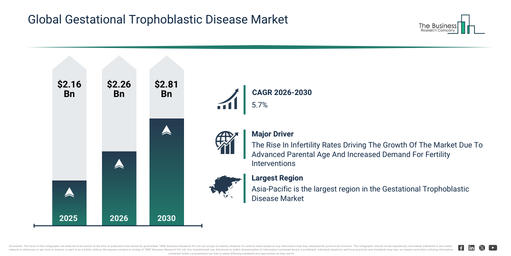
    The market for gestational trophoblastic disease has experienced consistent expansion lately. Projections indicate a rise from $2.16 billion in 2025 to $2.26 billion in 2026, reflecting a compound annual growth rate of 4.6%. Factors contributing to this growth during the past period include advancements in gynecologic oncology, the accessibility of hCG testing, increased adoption of surgical interventions, heightened public awareness regarding rare pregnancy conditions, and the implementation of clinical oncology protocols.

    The global market for gestational trophoblastic disease is projected for robust expansion over the coming years, anticipating a reach of $2.81 billion by 2030, propelled by a compound annual growth rate of 5.7%. This anticipated surge in the forecast period stems from advancements in diagnostic precision, the proliferation of oncology facilities, the establishment of uniform therapeutic protocols, enhanced accessibility to medical services, and a concentrated effort on addressing rare disease conditions. Key developments shaping this market during the forecast horizon involve enhanced monitoring through hCG-based methods, a growing reliance on chemotherapy for managing GTD, a heightened emphasis on prompt diagnosis, the broadening scope of specialized oncology care for women, and more effective surveillance following treatment.

    Download A Free Sample Report For Comprehensive Market Insights:

    https://www.thebusinessresearchcompany.com/sample.aspx?id=13271&type=smp

    Gestational Trophoblastic Disease Market Expansion Drivers: What Is Shaping Future Growth?

    Anticipated increases in infertility are poised to fuel the expansion of the gestational trophoblastic disease market. Infertility is defined as the inability of a couple or individual to achieve a pregnancy after a year of regular, unprotected intercourse, and its rising incidence is largely attributed to factors such as advanced maternal and paternal age, which negatively impacts egg and sperm viability and increases conception-related complications. While a pathological condition itself, gestational trophoblastic disease offers a unique perspective on fertility challenges, shedding light on how trophoblastic tissue influences implantation and hormonal regulation, thereby informing strategies to enhance conception success. Reflecting this global concern, the World Health Organization reported in April 2023 that approximately 17.5% of adults worldwide, or about one in six individuals, experience infertility, underscoring an urgent global need for more accessible and high-quality fertility treatments. Consequently, the escalating rates of infertility are a significant driver for the gestational trophoblastic disease market.

    The escalating trend of cigarette smoking is anticipated to stimulate the expansion of the market for gestational trophoblastic disease. Cigarette smoking, characterized by the inhalation of tobacco smoke laden with harmful chemicals and toxins, can adversely affect numerous bodily systems. It is theorized that smoking may inflict DNA damage upon trophoblastic cells, crucial for placental development, potentially leading to aberrant cellular growth and division, and consequently, gestational trophoblastic disease. Illustrating this concern, a study highlighted by the European Respiratory Society in October 2024 indicated a substantial increase in smoking among young individuals, with reported rates rising from 22.5% in 2022 to 40.1% in 2024. Therefore, the mounting prevalence of cigarette smoking is contributing to the growth of the gestational trophoblastic disease market.

    The increasing occurrence of chronic health conditions among mothers is expected to be a catalyst for the growth of the gestational trophoblastic disease market. These chronic conditions, persisting before, during, or after pregnancy, encompass ailments such as diabetes, hypertension, heart disease, and autoimmune disorders, all of which can negatively impact both maternal and fetal well-being. Poor dietary habits and inadequate nutrition are significant contributors to the rising incidence of these chronic diseases, leading to conditions like obesity, hypertension, and other metabolic irregularities before and during gestation. Gestational trophoblastic disease can worsen pre-existing chronic conditions in mothers by disrupting hormonal balance and causing vascular complications that further strain their health. Evidence from the UK’s Office for Health Improvement and Disparities in December 2024 revealed that 26.2% of women in early pregnancy were identified as obese in 2024, a slight increase from the 25.4% recorded the preceding year. Consequently, the growing prevalence of chronic diseases in mothers is a key driver for the gestational trophoblastic disease market.

    Gestational Trophoblastic Disease Market Segment Outlook: Which Categories Are Expanding The Fastest?

    The gestational trophoblastic disease market covered in this report is segmented –

    1) By Type: Hydatidiform Mole, Choriocarcinoma, Placental-Site Trophoblastic Tumor, Epithelioid Trophoblastic Tumor, Other Types

    2) By Treatment: Surgery, Chemotherapy, Suction Dilation And Curettage (D&C), Radiation Therapy

    3) By End User: Hospital And Clinics, Diagnostic Centers, Other End Users

    Subsegments:

    1) By Hydatidiform Mole: Complete Hydatidiform Mole, Partial Hydatidiform Mole

    2) By Choriocarcinoma: Non-Metastatic Choriocarcinoma, Metastatic Choriocarcinoma

    3) By Placental-Site Trophoblastic Tumor: PSTT With Normal Placentation, PSTT With Abnormal Placentation

    4) By Epithelioid Trophoblastic Tumor: Epithelioid Trophoblastic Tumor With No Evidence Of Metastasis, Epithelioid Trophoblastic Tumor With Metastasis

    5) By Other Types: Trophoblastic Tumor Of Unknown Origin, Non-Gestational Trophoblastic Neoplasia

    Gestational Trophoblastic Disease Market Key Companies And Competitive Benchmarking

    Major companies operating in the gestational trophoblastic disease market are Pfizer Inc., F. Hoffmann-La Roche AG, AbbVie Inc., Bayer AG, Novartis AG, Merck And Co. Inc., Sun Pharmaceutical Industries Ltd., GSK plc, Bristol-Myers Squibb Company, Sanofi S.A., AstraZeneca plc, Eli Lilly and Company, Daiichi Sankyo Co. Ltd., Eisai Co. Ltd.

    Access The Complete Gestational Trophoblastic Disease Market Report:

    https://www.thebusinessresearchcompany.com/report/gestational-trophoblastic-disease-global-market-report

    Gestational Trophoblastic Disease Market Global Footprint: Which Region Holds Market Leadership?

    Asia-Pacificwas the largest region in the gestational trophoblastic disease market in 2025, and is expected to be the fastest-growing region in the forecast period. The regions covered in the gestational trophoblastic disease market report are Asia-Pacific, South East Asia, Western Europe, Eastern Europe, North America, South America, Middle East, Africa.

    Get in touch with us:

    The Business Research Company: https://www.thebusinessresearchcompany.com/

    Americas: +1 310-496-7795

    Asia: +44 7882 955267 & +91 8897263534

    Europe: +44 7882 955267

    Email us at: marketing@tbrc.info

    Follow us on:

    LinkedIn: https://in.linkedin.com/company/the-business-research-company

    YouTube: https://www.youtube.com/channel/UC24_fI0rV8cR5DxlCpgmyFQ

    Global Market Model: https://www.thebusinessresearchcompany.com/global-market-model
  • Gestational Diabetes Market Expected To Reach $13.85 Billion By 2030 As Growth Accelerates At 8.7% CAGR

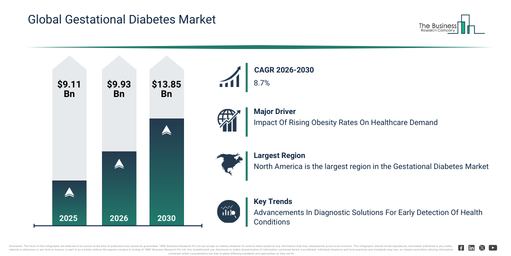
    Gestational Diabetes Market Expected To Reach $13.85 Billion By 2030 As Growth Accelerates At 8.7% CAGR

    Through market attractiveness analysis, total addressable market evaluation, company benchmarking matrices, interactive Excel dashboards, expanded supply chain intelligence, emerging startup coverage, and detailed product insights, The Business Research Company’s 2026 market reports provide more actionable and strategically valuable research.

    Gestational Diabetes Market Value Analysis: What Growth Is Expected Over The Forecast Period?

    The market for gestational diabetes experienced robust expansion historically and is projected to continue its upward trajectory, expanding from $9.11 billion in 2025 to $9.93 billion in 2026, reflecting a compound annual growth rate of 8.9%. This growth during the past period is largely due to several key factors including rising obesity trends, an increase in pregnancies among older women, the implementation of early screening for diabetes, advancements in prenatal care services, and a heightened awareness of complications associated with pregnancy.

    The market for gestational diabetes is poised for significant expansion in the coming years, projected to reach $13.85 billion by 2030, driven by a compound annual growth rate of 8.7%. This projected increase during the forecast period is largely fueled by an escalating incidence of gestational diabetes, the proliferation of digital health monitoring solutions, enhancements in prenatal diagnostic capabilities, a heightened emphasis on preventative care for expectant mothers, and supportive healthcare policies. Key developments anticipated within this timeframe include a greater uptake of blood glucose monitoring systems, augmented utilization of insulin therapy for pregnant individuals, a growing emphasis on managing this condition through lifestyle modifications, the broadening of prenatal screening initiatives, and elevated awareness surrounding maternal health.

    Download A Free Sample Report For Comprehensive Market Insights:

    https://www.thebusinessresearchcompany.com/sample.aspx?id=20818&type=smp

    Gestational Diabetes Market Development Factors: Which Trends Are Supporting Demand?

    The expanding segment of the population classified as obese, characterized by a body mass index (BMI) of 30 or greater and signifying substantial body fat, is poised to be a significant catalyst for the expansion of the gestational diabetes market. This surge in obesity rates is attributable to a confluence of factors including predominantly inactive lifestyles, a greater reliance on energy-dense, processed food items, inherent genetic tendencies, and restricted availability of nutritious food choices and physical activity venues. The management of gestational diabetes holds particular importance for this demographic, given their heightened susceptibility to insulin resistance and accelerated weight gain during pregnancy, scenarios that can precipitate adverse outcomes for both the expectant mother and the developing fetus if not properly addressed. Illustrating this trend, data from the Office for Health Improvement and Disparities, a UK governmental organization, indicated that in England, a notable 64.5% of individuals aged 18 and above were either overweight or obese between 2023 and 2024, a slight increase from the 64.0% recorded in the preceding year (2022-2023). Consequently, the growing prevalence of obesity is a primary determinant in the upward trajectory of the gestational diabetes market.

    Gestational Diabetes Market Segment Landscape: Which Areas Lead Market Development?

    The gestational diabetes market covered in this report is segmented –

    1) By Type: Type A1, Type A2, Other Types

    2) By Treatment: Monitoring, Drug Treatment, Non-pharmacological Treatment

    3) By Administration: Oral, Intravenous, Other Administrations

    4) By End User: Hospitals, Clinics, Home Care Settings, Diagnostic Centers

    Subsegments:

    1) By Type A1: Diet-Controlled Gestational Diabetes, Exercise-Controlled Gestational Diabetes

    2) By Type A2: Insulin-Controlled Gestational Diabetes, Oral Medication-Controlled Gestational Diabetes

    3) By Other Types: Pre-Gestational Diabetes, Gestational Diabetes With Complications

    Gestational Diabetes Market Transformation Trends: Which Innovations Are Driving Change?

    Within the gestational diabetes market, leading enterprises are prioritizing the creation of cutting-edge solutions, specifically diagnostic kits, to facilitate swift, precise, and user-friendly early identification of the condition; these kits serve as vital medical instruments for quantifying blood sugar levels and pinpointing instances of impaired glucose tolerance in expectant mothers, thereby supporting prompt diagnosis and effective management. Illustratively, in August of 2024, DirectSens GmbH, a biotechnology firm headquartered in Austria, introduced the XpressGT RUO kit, a diagnostic device engineered for the detection of gestational diabetes, alongside conditions like endometriosis, insulin resistance, and liver ailments, which gauges 2-hydroxybutyrate (2-HB) concentrations in venous blood with high accuracy; this metabolite, a natural byproduct of liver activity, can escalate due to reductive stress, a factor implicated in numerous endocrine and obesity-related health issues, including insulin resistance, and the kit’s compatibility with any standard clinical analyzer enables the generation of results within an impressive 8-minute timeframe, presenting a remarkably expedient diagnostic capability.

    Gestational Diabetes Market Industry Leaders And Market Competition

    Major companies operating in the gestational diabetes market are Sanofi S.A., Abbott Laboratories, Eli Lilly and Company, Novo Nordisk A/S, Becton Dickinson and Company, Dexcom Inc, Biocon Limited, Ascensia Diabetes Care Holdings AG, Roche Diabetes Care, Medtronic plc, Insulet Corporation, Tandem Diabetes Care Inc, Ypsomed Holding AG, Beta Bionics Inc, Bigfoot Biomedical Inc, Glooko Inc, Philips Healthcare, Sun Pharmaceutical Industries Ltd, Takeda Pharmaceutical Company Ltd, Pfizer Inc, Novartis AG, Adocia SA, Daiichi Sankyo Company Ltd

    Access The Complete Gestational Diabetes Market Report:

    https://www.thebusinessresearchcompany.com/report/gestational-diabetes-global-market-report

    Gestational Diabetes Market Regional Distribution: Which Areas Drive Market Expansion?

    North Americawas the largest region in the gestational diabetes market in 2025. Asia-Pacificis expected to be the fastest-growing region in the forecast period. The regions covered in the gestational diabetes market report are Asia-Pacific, South East Asia, Western Europe, Eastern Europe, North America, South America, Middle East, Africa.

    Get in touch with us:

    The Business Research Company: https://www.thebusinessresearchcompany.com/

    Americas: +1 310-496-7795

    Asia: +44 7882 955267 & +91 8897263534

    Europe: +44 7882 955267

    Email us at: marketing@tbrc.info

    Follow us on:

    LinkedIn: https://in.linkedin.com/company/the-business-research-company

    YouTube: https://www.youtube.com/channel/UC24_fI0rV8cR5DxlCpgmyFQ

    Global Market Model: https://www.thebusinessresearchcompany.com/global-market-model

  • Germ Cell Tumor Market Set To Grow From $13.18 Billion In 2026 To $22.55 Billion By 2030 At A CAGR Of 14.4%

    Germ Cell Tumor Market Set To Grow From $13.18 Billion In 2026 To $22.55 Billion By 2030 At A CAGR Of 14.4%

    Delivering more actionable and strategically valuable research, The Business Research Company’s 2026 market reports feature market attractiveness analysis, total addressable market evaluation, company benchmarking matrices, interactive Excel dashboards, expanded supply chain intelligence, emerging startup coverage, and detailed product insights.

    Germ Cell Tumor Market Size Forecast: How Large Could The Market Become By 2030?

    The global germ cell tumor market has experienced significant expansion, projected to increase from $11.61 billion in 2025 to $13.18 billion by 2026, representing a compound annual growth rate of 13.5%. This trajectory of growth during the preceding period was fueled by breakthroughs in cancer chemotherapy, enhanced diagnostic capabilities for cancer detection, the establishment of specialized oncology treatment centers, a rise in public awareness concerning testicular cancer, and an increase in the scope of clinical trials.

    The market for germ cell tumors is poised for considerable expansion over the upcoming years, projecting a valuation of $22.55 billion by 2030, driven by a compound annual growth rate of 14.4%. This anticipated growth trajectory is significantly influenced by advancements in targeted therapeutic strategies, an increasing embrace of immunotherapy, ongoing research in precision oncology, the enhancement of cancer treatment facilities, and refined screening methodologies. Key developments expected within this forecast period encompass a heightened utilization of combined chemotherapy protocols, greater integration of immunotherapy methods, a more pronounced emphasis on the early detection of tumors, the broadening of treatment options for pediatric germ cell tumors, and ultimately, improved patient survival rates through comprehensive, multi-faceted care approaches.

    Download A Free Sample Report For Comprehensive Market Insights:

    https://www.thebusinessresearchcompany.com/sample.aspx?id=13249&type=smp

    Germ Cell Tumor Market Industry Drivers: What Is Driving Revenue Growth?

    Global germ cell tumor market expansion is anticipated due to the escalating volume of clinical trials, which are meticulously planned investigations involving people to gauge the effectiveness, safety, and advantages of innovative medical approaches. These trials are instrumental in understanding germ cell cancers, helping to evaluate new drug performance and providing valuable insights into current therapeutic strategies. Evidence from Xtalks, a digital health firm based in Canada, indicates that as of May 2023, ClinicalTrials.gov hosted 452,604 registered trials worldwide, with 64,838 actively enrolling participants, thereby stimulating germ cell tumor market advancement.

    The rising incidence of cancer is poised to be a significant catalyst for the expansion of the germ cell tumor market. Characterized by the unchecked proliferation and dissemination of aberrant cells, cancer can manifest as tumors that infiltrate adjacent tissues and spread to distant bodily regions; surgical excision of the tumor, complemented by chemotherapy to eradicate residual malignant cells, constitutes the principal therapeutic regimen for germ cell tumors. As reported by the American Cancer Society Inc., a non-profit health organization in the United States, projections for 2023 estimated 1,958,310 new cancer diagnoses in the US, an increase from the 1,918,030 cases diagnosed in 2022, underscoring how heightened cancer prevalence is fostering growth within the germ cell tumor market.

    Germ Cell Tumor Market Segments: Where Are The Largest Growth Opportunities?

    The germ cell tumor market covered in this report is segmented –

    1) By Disease: Testicular, Ovarian, Other Diseases

    2) By Treatment Type: Chemotherapy, Immunotherapy

    3) By Route Of Administration: Oral, Intravenous, Intraperitoneal

    4) By End User: Hospitals And Clinics, Research Institutes, Other End Users

    Subsegments:

    1) By Testicular: Seminomas, Non-Seminomas

    2) By Ovarian: Dysgerminoma, Non-Dysgerminomatous Germ Cell Tumors

    3) By Other Diseases: Extragonadal Germ Cell Tumors, Germ Cell Tumors In Children

    #Germ Cell Tumor Market Growth Trends: What Is Influencing The Future Outlook?

    The germ cell tumor market is seeing significant activity from leading entities, with a notable emphasis on advancements such as CAR T cell therapies. This sophisticated form of immunotherapy involves genetically modifying a patient’s T cells, a component of the immune system, to include chimeric antigen receptors (CARs). These engineered receptors are designed to identify and attach exclusively to cancer cells. Subsequently, upon reintroduction into the patient’s system, these altered T cells actively pursue and eliminate the targeted tumor cells. As an illustration, a partnership was established in March 2025 between BioNTech SE, a German biotechnology firm specializing in novel immunotherapies, and Autolus Therapeutics plc, a UK biopharmaceutical company. This collaboration centers on the advancement of BNT211, a CAR T therapy targeting solid tumors that are CLDN6-positive, a category that encompasses germ cell tumors. The objective of this alliance is to expedite the creation of individualized CAR T treatments for individuals afflicted with germ cell malignancies, drawing upon BioNTech’s proficiency in RNA and cell-based therapies. This joint effort combines pioneering cellular therapy technology with focused cancer research, aiming to present novel treatment avenues for patients facing restricted therapeutic possibilities.

    Germ Cell Tumor Market Major Participants And Competitive Dynamics

    Major companies operating in the germ cell tumor market are Johnson & Johnson, Pfizer Inc., F. Hoffmann-La Roche AG, AbbVie Inc., Bayer AG, Novartis AG, Merck & Co. Inc., Bristol-Myers Squibb Company, Fresenius Kabi Oncology Limited, Sanofi S.A., AstraZeneca plc, Ipsen Pharma, Takeda Pharmaceutical Company Limited, Eli Lilly and Company, Regeneron Pharmaceuticals Inc., Sandoz International GmbH, Daiichi Sankyo Co. Ltd., Jazz Pharmaceuticals plc, Ono Pharmaceutical Co. Ltd., Kyowa Hakko Kirin Co. Ltd., Mallinckrodt Pharmaceuticals, Taiho Pharmaceutical Co. Ltd., Accord Healthcare Limited, Spectrum Pharmaceuticals Inc., Ziopharm Oncology Inc.

    Access The Complete Germ Cell Tumor Market Report:

    https://www.thebusinessresearchcompany.com/report/germ-cell-tumor-global-market-report

    Germ Cell Tumor Market Leading Geography: Which Region Generates The Most Revenue?

    North Americawas the largest region in the germ cell tumors market in 2025. Asia-Pacificis expected to be the fastest-growing region in the forecast period. The regions covered in the germ cell tumor market report are Asia-Pacific, South East Asia, Western Europe, Eastern Europe, North America, South America, Middle East, Africa.

    Get in touch with us:

    The Business Research Company: https://www.thebusinessresearchcompany.com/

    Americas: +1 310-496-7795

    Asia: +44 7882 955267 & +91 8897263534

    Europe: +44 7882 955267

    Email us at: marketing@tbrc.info

    Follow us on:

    LinkedIn: https://in.linkedin.com/company/the-business-research-company

    YouTube: https://www.youtube.com/channel/UC24_fI0rV8cR5DxlCpgmyFQ

    Global Market Model: https://www.thebusinessresearchcompany.com/global-market-model
  • Geriatric Medicines Market Opportunities Are Emerging Beyond Traditional Growth Areas

    Geriatric Medicines Market Opportunities Are Emerging Beyond Traditional Growth Areas

    Enhanced with market attractiveness analysis, total addressable market evaluation, company benchmarking matrices, interactive Excel dashboards, expanded supply chain intelligence, emerging startup coverage, and detailed product insights, The Business Research Company’s 2026 market reports deliver more actionable and strategically valuable research.

    Geriatric Medicines Market Revenue Outlook: What CAGR Is Expected Through 2030?

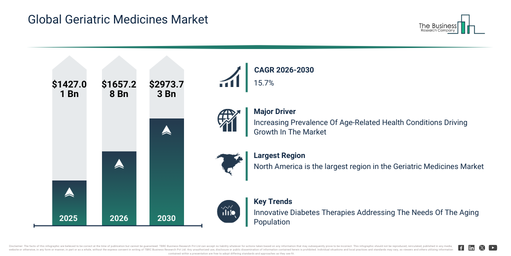
    The market for geriatric medicines has experienced substantial expansion lately, with projections indicating continued robust growth. This sector, valued at $1427.01 billion in 2025, is anticipated to ascend to $1657.28 billion by 2026, demonstrating a compound annual growth rate of 16.1%. Key factors contributing to this growth trajectory over the past period include the escalating elderly demographic, a surge in chronic health conditions, the proliferation of hospital-based pharmacies, advancements in the development of medications for seniors, and increased life expectancies.

    The market for medications targeting the elderly demographic is poised for substantial expansion in the upcoming years, projecting a rise to $2973.73 billion by the year 2030. This upward trajectory is underpinned by a compound annual growth rate (CAGR) of 15.7%, fueled by an increasing elderly populace, advancements in drug formulations offering enhanced safety profiles, the burgeoning influence of online pharmaceutical retail, a heightened emphasis on tailored care for seniors, and escalating healthcare spending. Key developments anticipated during this forecast period include a surge in the need for comprehensive polypharmacy management, a greater concentration on drug formulations specifically designed for age-related needs, a growing adoption of medications aimed at cognitive well-being, the broadening scope of therapeutic options for chronic conditions, and the implementation of superior strategies to ensure medication adherence.

    Download A Free Sample Report For Comprehensive Market Insights:

    https://www.thebusinessresearchcompany.com/sample.aspx?id=20817&type=smp

    Geriatric Medicines Market Growth Factors: Which Forces Are Supporting Market Expansion?

    The expanding market for geriatric medications is anticipated to be fueled by the rising incidence of health issues associated with aging. These age-related ailments, characterized by their increased frequency or severity as individuals grow older due to the natural aging process, are largely on the rise because of extended lifespans, improvements in medical care, and a growing elderly demographic. Geriatric pharmaceuticals play a crucial role in addressing these conditions by offering targeted therapies for seniors, thereby enhancing their well-being and improving healthcare results. Illustrative data from April 2025, citing the Centers for Disease Control and Prevention, indicates that in 2023, nearly 194 million adults in the United States, encompassing 60% of young adults, 80% of middle-aged adults, and 90% of older adults, documented at least one chronic condition, with a notable 7.0 percentage point increase in chronic conditions among young adults. Consequently, the heightened occurrence of age-associated health problems is a primary driver for the expansion of the geriatric medicines sector.

    Geriatric Medicines Market Segment Analysis: What Are The Major Market Categories?

    The geriatric medicines market covered in this report is segmented –

    1) By Therapeutics: Analgesics, Antihypertensive, Statins, Proton Pump Inhibitors, Anticoagulant, Antipsychotic, Other Therapeutics

    2) By Condition: Cardiovascular, Arthritis, Neurological, Cancer, Osteoporosis, Respiratory, Other Conditions

    3) By Route Of Administration: Oral, Parenteral, Other Routes Of Administration

    4) By Distribution Channel: Hospital Pharmacy, Retail Pharmacy, Online Pharmacy

    Subsegments:

    1) By Analgesics: Non-Opioid Analgesics (Acetaminophen, NSAIDs), Opioid Analgesics (Morphine, Oxycodone), Topical Analgesics (Lidocaine Patches)

    2) By Antihypertensive: Angiotensin-Converting Enzyme (ACE) Inhibitors, Angiotensin II Receptor Blockers (ARBs), Beta-Blockers, Calcium Channel Blockers, Diuretics, Alpha-Blockers

    3) By Statins: Atorvastatin, Simvastatin, Rosuvastatin, Pravastatin, Lovastatin

    4) By Proton Pump Inhibitors: Omeprazole, Esomeprazole, Lansoprazole, Pantoprazole, Rabeprazole

    5) By Anticoagulant: Warfarin, Direct Oral Anticoagulants (DOACs): Dabigatran, Rivaroxaban, Apixaban, Heparin

    6) By Antipsychotic: Atypical Antipsychotics, Typical Antipsychotics

    7) By Other Therapeutics: Antidepressants (SSRIs, SNRIs), Antidiabetic Medications (Insulin, Metformin), Anticonvulsants, Anti-Inflammatory Drugs (Corticosteroids), Cognitive Enhancers (Donepezil, Memantine)

    Geriatric Medicines Market Industry Trends: What Changes Are Reshaping Demand?

    Leading players within the geriatric medications sector are prioritizing the creation of innovative diabetes treatments to cater to the escalating need for efficacious remedies among the elderly demographic. These diabetes therapies encompass novel interventions aimed at improving condition management or presenting curative possibilities that exceed conventional methods, thereby boosting effectiveness, safety profiles, and overall patient results. As an illustration, in August of 2023, Akums Drugs & Pharmaceuticals Ltd., a contract manufacturing entity for pharmaceuticals based in India, unveiled a new combination treatment comprising Vildagliptin SR and Metformin SR. This sophisticated preparation is specifically engineered for the effective management of Type 2 diabetes in older individuals, aiming for robust glycemic control while mitigating significant issues like hypoglycemia and weight gain, which are especially pertinent for this age group. Through the collaborative action of both active ingredients, this combination amplifies insulin release and efficiently lowers blood glucose concentrations, guaranteeing both safety and therapeutic success. The specific formulation has secured the requisite authorization from the Drug Controller General of India (DCGI).

    Geriatric Medicines Market Leading Companies Driving Competitive Growth

    Major companies operating in the geriatric medicines market are Pfizer Inc., Merck & Co. Inc., AbbVie Inc., Sanofi S.A., Bristol-Myers Squibb Company, Novartis AG, F. Hoffmann-La Roche AG, GlaxoSmithKline plc, Eli Lilly and Company, Viatris Inc., Teva Pharmaceutical Industries Ltd., Boehringer Ingelheim GmbH, Regeneron Pharmaceuticals Inc., Macleods Pharmaceuticals Ltd., Apotex Inc., Intas Pharmaceuticals Limited, Dr. Reddy’s Laboratories, Lupin Limited, Biocon Limited, Torrent Pharmaceuticals Ltd., Endo Pharmaceuticals Inc.

    Access The Complete Geriatric Medicines Market Report:

    https://www.thebusinessresearchcompany.com/report/geriatric-medicines-global-market-report

    Geriatric Medicines Market Regional Outlook: Where Are The Largest Opportunities Located?

    North Americawas the largest region in the geriatric medicines market in 2025. Asia-Pacificis expected to be the fastest-growing region in the forecast period. The regions covered in the geriatric medicines market report are Asia-Pacific, South East Asia, Western Europe, Eastern Europe, North America, South America, Middle East, Africa.

    Get in touch with us:

    The Business Research Company: https://www.thebusinessresearchcompany.com/

    Americas: +1 310-496-7795

    Asia: +44 7882 955267 & +91 8897263534

    Europe: +44 7882 955267

    Email us at: marketing@tbrc.info

    Follow us on:

    LinkedIn: https://in.linkedin.com/company/the-business-research-company

    YouTube: https://www.youtube.com/channel/UC24_fI0rV8cR5DxlCpgmyFQ

    Global Market Model: https://www.thebusinessresearchcompany.com/global-market-model
  • Geriatric Care Services Market Expansion Is Opening New Pathways For Strategic Investment

    Geriatric Care Services Market Expansion Is Opening New Pathways For Strategic Investment

    Through market attractiveness analysis, total addressable market evaluation, company benchmarking matrices, interactive Excel dashboards, expanded supply chain intelligence, emerging startup coverage, and detailed product insights, The Business Research Company’s 2026 market reports provide more actionable and strategically valuable research.

    Geriatric Care Services Market Growth Analysis: How Will Revenue Expand During The Forecast Period?

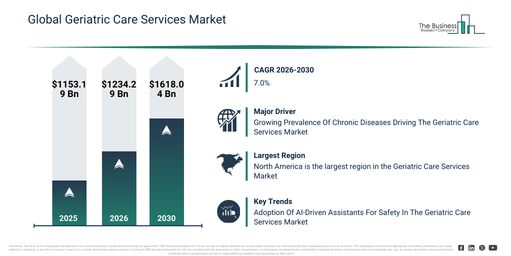
    With a robust expansion observed recently, the market for geriatric care services is projected to advance from $1153.19 billion in 2025 to $1234.29 billion in 2026, reflecting a compound annual growth rate of 7.0%. Key drivers fueling this growth trajectory during the past period have included the escalating aging demographic, a heightened average life span, evolving family dynamics, the early embrace of in-home care solutions, and the broadening of healthcare infrastructure.

    The market for geriatric care services is poised for considerable expansion over the coming years, projecting a significant increase to reach $1618.04 billion by 2030, driven by a compound annual growth rate (CAGR) of 7.0%. This anticipated growth trajectory is underpinned by several key factors, including an escalating elderly demographic, the increasing incorporation of digital health technologies, a rising demand for tailored care solutions for older adults, the proliferation of assisted living communities, and supportive government policies focused on elder care. Furthermore, prominent trends shaping this market during the forecast period encompass a growing preference for home-based care arrangements, the broader implementation of telehealth services specifically for seniors, an intensified focus on managing chronic health conditions, a greater acceptance and utilization of assisted living facilities, and the enhanced integration of services designed to support caregivers.

    Download A Free Sample Report For Comprehensive Market Insights:

    https://www.thebusinessresearchcompany.com/sample.aspx?id=15577&type=smp

    Geriatric Care Services Market Demand Drivers: What Is Fueling Industry Growth?

    Anticipated growth in the geriatric care services market is largely attributed to the escalating incidence of chronic illnesses. These long-term health conditions, characterized by their persistent nature and often incurable status requiring continuous medical attention, are becoming more widespread due to factors like an aging global population, less healthy living habits, and evolving healthcare systems. Geriatric care services play a crucial role in enhancing the lives of elderly individuals managing these ongoing health issues. They provide holistic, individualized support that addresses the physical, emotional, and medical needs of seniors. Underscoring this trend, data from the Centers for Disease Control and Prevention in April 2025 revealed that in 2023, a significant portion of US adults, specifically around 194 million, were living with at least one chronic condition. This figure included 60% of young adults, 80% of middle-aged adults, and 90% of older adults, with a noteworthy 7.0 percentage point increase in chronic condition prevalence among young adults. Consequently, the rising frequency of chronic diseases is a key driver for the geriatric care services sector.

    Geriatric Care Services Market Segment Breakdown: Which Categories Generate The Most Revenue?

    The geriatric care services market covered in this report is segmented –

    1) By Type: Homecare, Healthcare, Institutional Care Centers, Non-Medical Health Care, Hospital Based Care, Assisted Living, Independent Senior Living, Rehabilitative Care Services

    2) By Age Group: 65 To 70 Years, 70 To 75 Years, 75 To 80 Years, More Than 80 Years

    3) By Application: Respiratory Diseases, Diabetes, Osteoporosis, Other Applications

    4) By End User: Institutional Care Services, Nursing Homes, Rehabilitation Centers, Hospitals

    Subsegments:

    1) By Homecare: Personal Care Services ( Bathing, Dressing), Companionship Services, Home Health Aide Services, Nursing Care Services At Home, Physical Therapy And Rehabilitation At Home, Chronic Disease Management At Home

    2) By Healthcare: In-Home Medical Care ( Physician Visits), Telehealth And Telemedicine For Seniors, Geriatric Nursing Services, Palliative And Hospice Care, Elderly Vaccination And Preventive Health Services, Geriatric Health Screenings And Assessments

    3) By Institutional Care Centers: Nursing Homes, Long-Term Care Facilities, Memory Care Units (For Alzheimer’s Or Dementia Patients), Skilled Nursing Facilities (Snfs), Rehabilitation Centers, Geriatric Psychiatric Care Institutions

    4) By Non-Medical Health Care: Assistance With Daily Living Activities ( Meal Preparation, Housekeeping), Elderly Transportation Services, Companion Care Services, Caregiver Support And Respite Care, Home Safety And Accessibility Modifications

    5) By Hospital-Based Care: Acute Geriatric Care, Geriatric Emergency Care Services, Geriatric Surgery Services, Inpatient Rehabilitation Services, Palliative Care And Pain Management In Hospitals

    6) By Assisted Living: Independent Living With Assistance, Memory Care Assisted Living, 24/7 Supervision And Personal Care Assistance, Community-Based Assisted Living Centers, Medication Management And Assistance

    7) By Independent Senior Living: Senior Apartments And Housing Communities, Age-Restricted Independent Living Communities, Senior Retirement Communities, Community Socialization And Recreation Services, Maintenance-free Living For Seniors, Active Lifestyle Programs For Seniors

    8) By Rehabilitative Care Services: Physical Therapy And Occupational Therapy, Post-Surgery Recovery Services, Speech And Language Therapy, Cardiac And Stroke Rehabilitation, Inpatient And Outpatient Rehabilitation Services, Sports Medicine And Injury Recovery

    Geriatric Care Services Market Innovation Trends: Which Developments Are Transforming The Industry?

    Key players within the geriatric care services sector are prioritizing the creation of cutting-edge technologies, including AI-powered supportive services, designed to empower individuals in providing effective care for senior citizens. These AI-driven eldercare solutions leverage artificial intelligence to bolster the health, overall well-being, and everyday routines of older individuals. As an illustration, in February 2024 at CES, Intuition Robotics, an American enterprise specializing in AI robotics, unveiled ElliQ 3, an advanced eldercare companion robot equipped with generative AI capabilities derived from large language models. This introduction is intended by the company to expand the reach of its conversational companion for seniors, facilitating more organic and context-aware interactions while preserving memory functions and emotional responsiveness. ElliQ 3 operates on a more streamlined hardware configuration featuring an octa-core processor alongside an AI chip, and its software update is designed to be compatible with previous ElliQ units, affording current users the advantage of generative AI improvements.

    Geriatric Care Services Market Key Players And Strategic Industry Positioning

    Major companies operating in the geriatric care services market are Home Instead Senior Care Incorporated, Genesis HealthCare Corporation, Kindred Healthcare Incorporated, Benesse Holdings Inc., Brookdale Senior Living Incorporated, Amedisys Incorporated, Sunrise Senior Living Incorporated, Active Day Inc., Living Assistance Services Inc., Rosewood Care Group Inc., St Luke’s ElderCare Ltd., Epoch Elder Care Private Limited, LivHOME, GGNSC Holdings LLC, Maxim Healthcare Services, SavaSeniorCare, Senior Lifestyle Corporation, Comfort Keepers, Visiting Angels, Life Care Services, Atria Senior Living

    Access The Complete Geriatric Care Services Market Report:

    https://www.thebusinessresearchcompany.com/report/geriatric-care-services-global-market-report

    Geriatric Care Services Market Geographic Landscape: Which Region Dominates Industry Growth?

    North Americawas the largest region in the geriatric care services market in 2025. Asia-Pacificis expected to be the fastest-growing region in the forecast period. The regions covered in the geriatric care services market report are Asia-Pacific, South East Asia, Western Europe, Eastern Europe, North America, South America, Middle East, Africa.

    Get in touch with us:

    The Business Research Company: https://www.thebusinessresearchcompany.com/

    Americas: +1 310-496-7795

    Asia: +44 7882 955267 & +91 8897263534

    Europe: +44 7882 955267

    Email us at: marketing@tbrc.info

    Follow us on:

    LinkedIn: https://in.linkedin.com/company/the-business-research-company

    YouTube: https://www.youtube.com/channel/UC24_fI0rV8cR5DxlCpgmyFQ

    Global Market Model: https://www.thebusinessresearchcompany.com/global-market-model