
Month: June 2026

  • Artificial Neural Network Market Trends And Growth Drivers Point To Strong Future Potential

    Artificial Neural Network Market Trends And Growth Drivers Point To Strong Future Potential

    Delivering more actionable and strategically valuable research, The Business Research Company’s 2026 market reports feature market attractiveness analysis, total addressable market evaluation, company benchmarking matrices, interactive Excel dashboards, expanded supply chain intelligence, emerging startup coverage, and detailed product insights.

    Artificial Neural Network Market Expansion Outlook: What Revenue Opportunities Lie Ahead?

    The field of artificial neural networks has experienced significant expansion lately, with projections indicating continued robust growth. Anticipated to climb from a valuation of $0.58 billion in 2025 to $0.68 billion in 2026, this sector is set to demonstrate a compound annual growth rate of 17.4%. Key factors fueling this expansion during the preceding period include the escalating accessibility of extensive datasets, advancements in computational power, the proliferation of open-source neural network platforms, the initial embrace of machine learning by businesses, and a heightened need for technologies capable of identifying patterns.

    The artificial neural network market is poised for substantial expansion, projecting a surge to $1.27 billion by 2030, fueled by a compound annual growth rate of 17.0%. This upward trajectory in the projected period is largely driven by a growing need for instantaneous AI functionalities, augmented investments in AI accessible via cloud infrastructure, a broader implementation of AI at the “edge” of networks, increased integration of neural networks into automated processes, and their more frequent incorporation within business operational frameworks. Key developments anticipated during this forecast timeframe encompass a greater embrace of deep learning frameworks, heightened utilization of neural networks for visual and signal analysis, a more widespread deployment of cloud-based artificial neural network systems, the proliferation of ANN applications across diverse sectors, and a heightened emphasis on refining model efficiency and ensuring their scalability.

    Download A Free Sample Report For Comprehensive Market Insights:

    https://www.thebusinessresearchcompany.com/sample.aspx?id=20716&type=smp

    Artificial Neural Network Market Opportunity Drivers: What Is Creating New Revenue Potential?

    The burgeoning need for cloud-based services is poised to significantly boost the artificial neural network market in the coming years. Cloud-based solutions, defined as applications or services functioning on distant servers accessible through the internet as opposed to local installations, are seeing greater adoption due to their inherent advantages. These benefits include the capacity to scale resources as needed, cost-effectiveness, improved access to data from any location, and facilitation of teamwork across distances, all of which align with the contemporary demands of businesses. Artificial neural networks are instrumental in augmenting these cloud solutions by providing sophisticated data analysis, forward-looking predictive capabilities, and intelligent decision-making functions, thereby optimizing both operational efficiency and scalability. A relevant statistic from December 2023, as reported by Eurostat, indicates that a substantial 45.2% of businesses within the European Union had procured cloud computing services in the year 2023, underscoring the growing reliance on cloud infrastructure and, consequently, fueling the expansion of the artificial neural network market.

    Artificial Neural Network Market Segments: Where Are The Largest Growth Opportunities?

    The artificial neural network market covered in this report is segmented –

    1) By Component: Solutions, Platform Or Application Programming Interface (API), Services

    2) By Deployment Mode: On-Premises, Cloud

    3) By Enterprise: Large Enterprises, Small And Medium Enterprises

    4) By Application: Image Recognition, Signal Recognition, Data Mining

    5) By End-User: Banking, Financial Services, and Insurance (BFSI), Retail And E-Commerce, IT And Telecom, Manufacturing, Healthcare, Automotive

    Subsegments:

    1) By Solutions: Software Solutions, Hardware Solutions, Deployment Solutions, Data Management Solutions

    2) By Platform Or Application Programming Interface (API): Cloud-Based Platforms, On-Premise Platforms, Open-Source APIs, Proprietary APIs

    3) By Services: Consulting Services, Integration And Deployment Services, Support And Maintenance Services, Managed Services

    Artificial Neural Network Market Innovation Trends Driving Future Development

    Leading entities within the artificial neural network sector are actively engaged in pioneering advancements, particularly in creating cutting-edge AI training and inference GPUs that cater to the escalating needs of generative AI, extensive language models, and demanding deep learning tasks. These specialized AI GPUs leverage extensive parallel processing, embrace mixed-precision calculations, and utilize advanced memory technologies to perform neural network computations with a considerably higher degree of efficiency compared to standard CPUs. A prime example of this innovation occurred in November 2023 when NVIDIA Corporation, a prominent American enterprise focused on semiconductors and AI computing, unveiled its NVIDIA H200 Tensor Core GPU, engineered specifically for the next phase of AI training and inference. This new release boasts 141 GB of HBM3e memory, offering a substantial boost in bandwidth crucial for handling expansive neural network models, and incorporates the Transformer Engine to expedite transformer-based architectures. Consequently, the H200 facilitates enhanced throughput, diminished inference delays, and greater energy efficiency for large-scale AI deployments, empowering data centers to train and implement sophisticated AI models with unmatched performance capabilities.

    Artificial Neural Network Market Major Participants And Competitive Dynamics

    Major companies operating in the artificial neural network market are Medtronic plc, Abbott Laboratories, DexCom Inc., Insulet Corporation, Tandem Diabetes Care Inc., Roche Diabetes Care, Ypsomed, SOOIL Development, Beta Bionics Inc., Bigfoot Biomedical Inc., Diabeloop SA, Inreda Diabetic B.V., Defymed SAS, DreaMed Diabetes Ltd., Medtrum Technologies Inc., EOFlow Co. Ltd., Cellnovo, Pancreum Inc., Admetsys Corporation, GlucoModicum, MicroTech Medical

    Access The Complete Artificial Neural Network Market Report:

    https://www.thebusinessresearchcompany.com/report/artificial-neural-network-global-market-report

    Artificial Neural Network Market Geographic Landscape: Which Region Dominates Industry Growth?

    North Americawas the largest region in the artificial neural network market in 2025. Asia-Pacificis expected to be the fastest-growing region in the forecast period. The regions covered in the artificial neural network market report are Asia-Pacific, South East Asia, Western Europe, Eastern Europe, North America, South America, Middle East, Africa.

    Get in touch with us:

    The Business Research Company: https://www.thebusinessresearchcompany.com/

    Americas: +1 310-496-7795

    Asia: +44 7882 955267 & +91 8897263534

    Europe: +44 7882 955267

    Email us at: marketing@tbrc.info

    Follow us on:

    LinkedIn: https://in.linkedin.com/company/the-business-research-company

    YouTube: https://www.youtube.com/channel/UC24_fI0rV8cR5DxlCpgmyFQ

    Global Market Model: https://www.thebusinessresearchcompany.com/global-market-model
  • Antidiabetics Market Growth Is Reshaping Competitive Advantage Across The Industry

    Antidiabetics Market Growth Is Reshaping Competitive Advantage Across The Industry

    Enhanced with market attractiveness analysis, total addressable market evaluation, company benchmarking matrices, interactive Excel dashboards, expanded supply chain intelligence, emerging startup coverage, and detailed product insights, The Business Research Company’s 2026 market reports deliver more actionable and strategically valuable research.

    Antidiabetics Market Size, Value And Growth Trends Through 2030

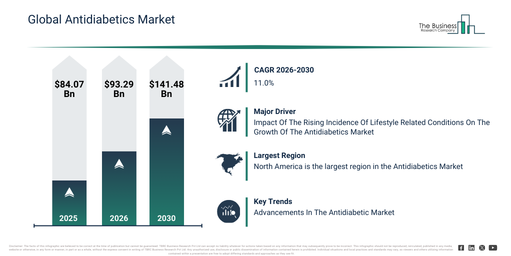
    The antidiabetics sector has witnessed substantial expansion lately, projected to increase from $84.07 billion in 2025 to $93.29 billion in 2026, indicating a compound annual growth rate of 11.0%. This upward trajectory during the historical period is linked to several key factors, including the escalating worldwide incidence of diabetes, broader accessibility to insulin treatments, the proliferation of oral antidiabetic drugs, enhanced public understanding and detection of the condition, and improved healthcare infrastructure.

    The antidiabetics sector is poised for significant expansion in the upcoming years, projecting a market value of $141.48 billion by 2030, fueled by an 11.0% compound annual growth rate. This projected surge is largely due to the increasing embrace of advanced diabetes medications, a growing emphasis on therapies designed for long-term use and infrequent administration, the wider integration of digital tools for diabetes care, elevated investment in metabolic disorder studies, and a mounting need for treatments tailored to individual patient requirements. Key developments anticipated during this period involve a greater uptake of GLP-1 and SGLT2 treatments, a heightened focus on combined drug approaches, an increased desire for personalized diabetes interventions, broader utilization of oral antidiabetic drugs, and a strengthened attention towards benefits related to cardiovascular health and weight management.

    Download A Free Sample Report For Comprehensive Market Insights:

    https://www.thebusinessresearchcompany.com/sample.aspx?id=18225&type=smp

    Antidiabetics Market Industry Drivers: What Is Driving Revenue Growth?

    The antidiabetics market is anticipated to witness expansion, primarily fueled by the increasing prevalence of conditions linked to modern lifestyles. These health concerns, often stemming from habits like unhealthy eating, insufficient physical activity, smoking, and immoderate drinking, are becoming more common due to dietary shortcomings, sedentary habits, and heightened stress. Medications designed to combat diabetes play a crucial role in managing such lifestyle-induced issues, including obesity and metabolic syndrome, by enhancing the body’s response to insulin and regulating glucose levels. To illustrate, data from Statistics Canada in August 2024 revealed that Canadian factories manufactured 1.2 billion cigarettes in July 2024, representing a 4.3% uptick from June 2024 and a 2.3% increase over July 2023. Consequently, the escalating occurrence of lifestyle-related diseases is acting as a significant driver for the antidiabetics sector.

    Antidiabetics Market Segment Outlook: Which Categories Are Expanding The Fastest?

    The antidiabetics market covered in this report is segmented –

    1) By Drug Class: Insulin, GLP-1 Receptor Agonists, DPP- 4 Inhibitors, SGLT2 Inhibitors, Other Drug Classes

    2) By Diabetes Type: Type 1, Type 2

    3) By Patient Population: Antidiabetics For Pediatrics, Antidiabetics For Adults, Antidiabetics For Geriatrics

    4) By Route Of Administration: Antidiabetics Administration Through Insulin Syringes Or Insulin Pens, Antidiabetics Administration Through Insulin Pumps, Intravenous Antidiabetics Infusion, Oral Antidiabetics Administration, Other Routes Of Antidiabetics Administration

    5) By Distribution Channel: Online Pharmacies, Hospital Pharmacies, Retail Pharmacies

    Subsegments:

    1) By Insulin: Rapid-Acting Insulin, Short-Acting Insulin, Intermediate-Acting Insulin, Long-Acting Insulin, Premixed Insulin

    2) By GLP-1 Receptor Agonists: Exenatide, Liraglutide, Dulaglutide, Semaglutide, Lixisenatide

    3) By DPP-4 Inhibitors: Sitagliptin, Saxagliptin, Linagliptin, Alogliptin

    4) By SGLT2 Inhibitors: Canagliflozin, Dapagliflozin, Empagliflozin, Ertugliflozin

    5) By Other Drug Classes: Sulfonylureas, Thiazolidinediones (TZDs), Alpha-Glucosidase Inhibitors, Meglitinides, GLP-1/Insulin Combination Therapy

    #Antidiabetics Market Growth Trends: What Is Influencing The Future Outlook?

    Leading pharmaceutical firms in the antidiabetics sector are innovating with sophisticated treatments, including biosimilar antidiabetic drugs, with the aim of enhancing blood sugar management, mitigating cardiovascular risks, and providing superior therapeutic alternatives for those suffering from diabetes. Essentially, an antidiabetic biosimilar represents a biological equivalent to a pre-existing, authorized diabetes medication, matching it in terms of safety, efficacy, and overall quality. Illustrating this, Glenmark Pharmaceuticals Limited, a prominent Indian pharmaceutical entity, introduced in January 2024 the initial biosimilar for Liraglutide, a medication designed for diabetes treatment. Marketed under the name Lirafit, this biosimilar version of the Liraglutide antidiabetic drug has demonstrated improvements in glycemic control for adult patients diagnosed with type 2 diabetes mellitus, with clinical studies confirming its capacity to reduce glycemic indicators, facilitate weight reduction, and bolster cardiovascular safety. Functioning as a GLP-1 receptor agonist, this drug promotes insulin release that is contingent on glucose levels and curtails excessive glucagon secretion, and it holds global approval for the management of type 2 diabetes in adults.

    Antidiabetics Market Key Companies And Competitive Benchmarking

    Major companies operating in the antidiabetics market are Pfizer Inc., Johnson & Johnson, Merck & Co. Inc., Sanofi S.A., Bristol-Myers Squibb Company, AstraZeneca plc, Abbott Laboratories, Novartis AG, Takeda Pharmaceutical Company Limited, GSK plc, Eli Lilly and Company, Boehringer Ingelheim International GmbH, Novo Nordisk A/S, Teva Pharmaceutical Industries Ltd., Astellas Pharma Inc., Sun Pharmaceutical Industries Limited, Cipla Limited, Dr. Reddy’s Laboratories, Lupin Limited, Torrent Pharmaceuticals Ltd, Biocon Limited, Glenmark Pharmaceuticals Ltd.

    Access The Complete Antidiabetics Market Report:

    https://www.thebusinessresearchcompany.com/report/antidiabetics-global-market-report

    Antidiabetics Market Regional Outlook: Where Are The Largest Opportunities Located?

    North Americawas the largest region in the antidiabetics market in 2025. The regions covered in the antidiabetics market report are Asia-Pacific, South East Asia, Western Europe, Eastern Europe, North America, South America, Middle East, Africa.

    Get in touch with us:

    The Business Research Company: https://www.thebusinessresearchcompany.com/

    Americas: +1 310-496-7795

    Asia: +44 7882 955267 & +91 8897263534

    Europe: +44 7882 955267

    Email us at: marketing@tbrc.info

    Follow us on:

    LinkedIn: https://in.linkedin.com/company/the-business-research-company

    YouTube: https://www.youtube.com/channel/UC24_fI0rV8cR5DxlCpgmyFQ

    Global Market Model: https://www.thebusinessresearchcompany.com/global-market-model
  • Antibody Validation Market Forecast Signals New Revenue Opportunities Through 2030

    Antibody Validation Market Forecast Signals New Revenue Opportunities Through 2030

    Through market attractiveness analysis, total addressable market evaluation, company benchmarking matrices, interactive Excel dashboards, expanded supply chain intelligence, emerging startup coverage, and detailed product insights, The Business Research Company’s 2026 market reports provide more actionable and strategically valuable research.

    Antibody Validation Market CAGR Analysis And Future Market Development

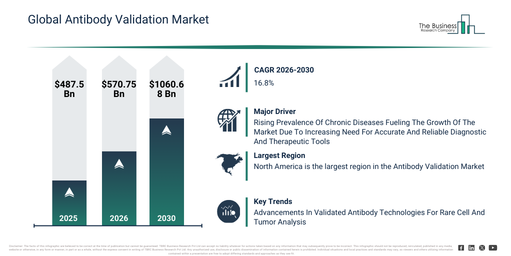
    The antibody validation market experienced substantial expansion recently and is projected to increase from $487.5 billion in 2025 to $570.75 billion in 2026, demonstrating a compound annual growth rate (CAGR) of 17.1%. This prior growth trajectory was fueled by rising worries about inconsistencies in research antibodies, the advancement of proteomics and genomics studies, heightened regulatory oversight concerning research reproducibility, the proliferation of antibody-based assays, and augmented financial investment in life sciences research.

    The antibody validation market is poised for substantial expansion, projecting a reach of $1060.68 billion by 2030, driven by a robust compound annual growth rate of 16.8%. This anticipated surge is fueled by several key factors, including the escalating need for heightened rigor and reproducibility in research, the expanding application of antibodies within clinical studies, the proliferation of precision diagnostics, the increasing integration of validated antibodies into drug discovery processes, and the growing utilization of digital platforms for validation data management. Furthermore, prominent trends shaping this market during the forecast period encompass the wider adoption of standardized protocols for antibody validation, a heightened demand for services tailored to specific applications, the increased deployment of multiplex validation methodologies, the development of testing frameworks prioritizing reproducibility, and a stronger focus on ensuring data transparency throughout the validation lifecycle.

    Download A Free Sample Report For Comprehensive Market Insights:

    https://www.thebusinessresearchcompany.com/sample.aspx?id=30194&type=smp

    #Antibody Validation Market Growth Factors: Which Forces Are Supporting Market Expansion?

    The increasing incidence of long-term health conditions is anticipated to be a significant driver for the expansion of the antibody validation market in the coming period. These enduring ailments, characterized by their gradual onset and prolonged duration, necessitate ongoing medical attention, and their escalating rates are, in part, attributed to sedentary habits where extended periods of inactivity elevate the risk of ailments like cardiovascular issues and diabetes. Antibody validation plays a crucial role in managing these persistent diseases by guaranteeing the precision, selectivity, and dependability of antibodies employed in both diagnostic procedures and therapeutic interventions. This process improves the identification of disease indicators, facilitates accurate patient monitoring, and contributes to the creation of focused treatment strategies, thereby fostering more effective and individualized chronic disease management. Illustrating this trend, data from the National Health Service in June 2024 revealed that in 2023, the United Kingdom recorded 3,615,330 individuals under general practitioner care diagnosed with non-diabetic hyperglycemia or pre-diabetes, a notable 18% surge from the 3,065,825 cases identified in 2022, underscoring the increasing burden of conditions preceding full-blown diabetes. Consequently, the burgeoning occurrence of chronic diseases is directly fueling the growth trajectory of the antibody validation market.

    Antibody Validation Market Segment Landscape: Which Areas Lead Market Development?

    The antibody validation market covered in this report is segmented –

    1) By Product Type: Monoclonal Antibodies, Polyclonal Antibodies, Anti-Body Drug Complexes

    2) By Disease Indication: Cardiovascular Diseases, Central Nervous System (CNS) Disorders, Cancer, Autoimmune Disorders

    3) By End User: Pharmaceutical And Biotechnological Firms, Contract Research Organizations, Research Institutes

    Subsegments:

    1) By Monoclonal Antibodies: Recombinant Monoclonal Antibodies, Humanized Monoclonal Antibodies, Chimeric Monoclonal Antibodies, Murine Monoclonal Antibodies

    2) By Polyclonal Antibodies: Rabbit Polyclonal Antibodies, Goat Polyclonal Antibodies, Sheep Polyclonal Antibodies, Donkey Polyclonal Antibodies

    3) By Antibody Drug Complexes: Immunoconjugates, Radioimmunoconjugates, Immunotoxins, Bispecific Antibody Drug Complexes

    Antibody Validation Market Industry Trends: What Changes Are Reshaping Demand?

    Leading entities within the antibody validation sector are directing their efforts towards cutting-edge advancements, including the utilization of Celselect slides enumeration stain kits. These innovations are designed to elevate the precision and responsiveness in pinpointing rare cells and circulating tumor cells, thereby optimizing the effectiveness of validation processes and contributing to sophisticated cancer research and diagnostic endeavors. The concept of Celselect slides enumeration stain kits encompasses specialized sets of reagents purposefully developed for the identification, staining, and counting of these specific cell types. Illustrating this trend, in March 2024, Bio-Rad Laboratories Inc., a prominent American firm in life science research, introduced its celselect slides validated antibodies. This product aims to facilitate highly sensitive and specific detection of CTC surface markers, deepen our understanding of tumor heterogeneity, and bolster high-precision cancer investigations through refined methods for capturing, isolating, and analyzing rare cells. This product introduction notably broadened Bio-Rad’s offerings in the single-cell oncology domain, equipping scientists with dependable reagents for accurate immunostaining and enumeration of CTCs.

    Antibody Validation Market Industry Leaders And Market Competition

    Major companies operating in the antibody validation market are F. Hoffmann-La Roche Ltd., Merck & Co. Inc., Thermo Fisher Scientific Inc., Danaher Corporation, Becton Dickinson and Company, Agilent Technologies Inc., PerkinElmer Inc., Bio-Rad Laboratories Inc., Azenta Inc., GenScript Biotech Corporation, Promega Corporation, Sino Biological Inc., Cell Signaling Technology Inc., Fortis Life Sciences, Proteintech Group Inc., Santa Cruz Biotechnology Inc., Novus Biologicals LLC, Creative Diagnostics, Rockland Immunochemicals Inc., Biorbyt Ltd.

    Access The Complete Antibody Validation Market Report:

    https://www.thebusinessresearchcompany.com/report/global-antibody-validation-market-report

    Antibody Validation Market Geographic Landscape: Which Region Dominates Industry Growth?

    North Americawas the largest region in the antibody validation market in 2025. The regions covered in the antibody validation market report are Asia-Pacific, South East Asia, Western Europe, Eastern Europe, North America, South America, Middle East, Africa.

    Get in touch with us:

    The Business Research Company: https://www.thebusinessresearchcompany.com/

    Americas: +1 310-496-7795

    Asia: +44 7882 955267 & +91 8897263534

    Europe: +44 7882 955267

    Email us at: marketing@tbrc.info

    Follow us on:

    LinkedIn: https://in.linkedin.com/company/the-business-research-company

    YouTube: https://www.youtube.com/channel/UC24_fI0rV8cR5DxlCpgmyFQ

    Global Market Model: https://www.thebusinessresearchcompany.com/global-market-model
  • Antibody Production Services Market Growth Is Accelerating As Industry Transformation Continues

    Antibody Production Services Market Growth Is Accelerating As Industry Transformation Continues

    Delivering more actionable and strategically valuable research, The Business Research Company’s 2026 market reports feature market attractiveness analysis, total addressable market evaluation, company benchmarking matrices, interactive Excel dashboards, expanded supply chain intelligence, emerging startup coverage, and detailed product insights.

    Antibody Production Services Market Expansion From $7.24 Billion In 2026 To $11.45 Billion In 2030

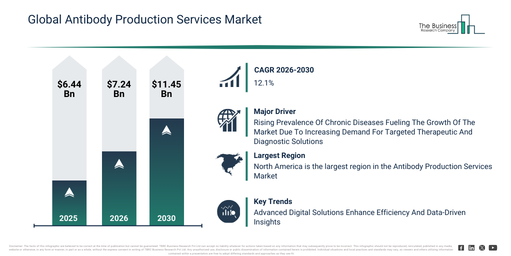
    The global market for antibody production services experienced significant expansion lately, projecting a rise from $6.44 billion in 2025 to $7.24 billion in 2026, fueled by a compound annual growth rate of 12.4%. This historical growth trajectory was primarily propelled by the escalating scope of biomedical research, an increasing prevalence of monoclonal antibody-based treatments, a greater integration of antibodies in diagnostic tools, augmented financial backing for life sciences research, and the accessibility of sophisticated antibody development methodologies.

    The antibody production services sector is poised for significant expansion over the coming years, projecting a market valuation of $11.45 billion by 2030, driven by a robust compound annual growth rate of 12.1%. This anticipated surge is fueled by several key factors, including a heightened need for personalized medical treatments, the expanding development pipelines for biologic drugs, a trend of greater outsourcing by pharmaceutical firms, the proliferation of sophisticated antibody formats, and an intensified emphasis on ensuring reproducibility and stringent quality control measures. Within this forecasting period, prominent market dynamics are identified as surging demand for bespoke antibody creation, increasing utilization of recombinant antibody technologies, a concentrated focus on developing antibodies with superior affinity and specificity, the broadening scope of outsourced antibody manufacturing services, and a reinforced commitment to upholding elevated quality validation standards.

    Download A Free Sample Report For Comprehensive Market Insights:

    https://www.thebusinessresearchcompany.com/sample.aspx?id=30193&type=smp

    Antibody Production Services Market Demand Drivers: What Is Fueling Industry Growth?

    The increasing incidence of long-term health issues is anticipated to be a significant catalyst for the expansion of the antibody production services sector.

    These long-enduring illnesses, characterized by their gradual onset and prolonged duration, necessitate ongoing medical attention and are increasingly linked to sedentary habits, where extended periods of inactivity elevate the likelihood of conditions like cardiovascular ailments and diabetes. Antibody production services play a crucial role in addressing these persistent health challenges by delivering specialized therapeutic and diagnostic tools, which are indispensable for managing conditions such as cancer, autoimmune diseases, and diabetes, thereby improving treatment accuracy through early identification, progress tracking, and customized therapies, ultimately leading to better patient results and more effective overall disease management, as illustrated by a substantial 18% surge in UK general practitioner registered cases of pre-diabetes from 3,065,825 in 2022 to 3,615,330 in 2023, as reported by the National Health Service in June 2024. Consequently, the escalating occurrence of chronic diseases is fueling the demand for antibody production services.

    Antibody Production Services Market Segments: Where Are The Largest Growth Opportunities?

    The antibody production services market covered in this report is segmented –

    1) By Type: Monoclonal Antibodies, Chimeric Antibodies, Humanized Antibodies, Recombinant Antibodies, Polyclonal Antibodies

    2) By Technology: Hybridoma Technology, Phage Display Technology, Yeast Display Technology, Cell-Based Technology

    3) By Application: Therapeutic, Research, Diagnostic

    4) By End User: Pharmaceutical and Biotechnology Companies, Academic and Research Institutes, Hospitals and Clinics, Contract Research Organizations

    Subsegments:

    1) By Monoclonal Antibodies: Human Monoclonal Antibodies, Mouse Monoclonal Antibodies, Rabbit Monoclonal Antibodies, Rat Monoclonal Antibodies

    2) By Chimeric Antibodies: Mouse-Human Chimeric Antibodies, Rat-Human Chimeric Antibodies, Rabbit-Human Chimeric Antibodies, Primate-Human Chimeric Antibodies

    3) By Humanized Antibodies: Complementarity Determining Region Grafted Antibodies, Framework Shuffling Antibodies, Resurfaced Humanized Antibodies, Germline Humanized Antibodies

    4) By Recombinant Antibodies: Single Chain Variable Fragment Antibodies, Fragment Antigen Binding Antibodies, Bispecific Recombinant Antibodies, Nanobodies

    5) By Polyclonal Antibodies: Rabbit Polyclonal Antibodies, Goat Polyclonal Antibodies, Sheep Polyclonal Antibodies, Donkey Polyclonal Antibodies

    Antibody Production Services Market Innovation Trends: Which Developments Are Transforming The Industry?

    Leading entities within the antibody production services sector are prioritizing the creation of sophisticated digital tools, including artificial intelligence-driven analytical systems, to improve operational effectiveness, gain deeper insights from data, and expedite the research and development phases. These AI-powered analytics employ intricate computational frameworks designed to analyze complex biological and chemical information, thereby forecasting results, pinpointing trends, and conceptualizing original designs, particularly for therapeutic antibodies. As an illustration, Zifo, a scientific informatics services provider based in India, unveiled the Zifo AI Engine for Antibody Engineering on the Snowflake Marketplace in August 2025. This cloud-based application harnesses generative AI and machine learning algorithms to expedite the creation and refinement of antibody-based treatments, featuring functionalities for predicting affinity maturation and humanization, which facilitates straightforward data evaluation and the generation of potential candidates on a secure, scalable data infrastructure, obviating the necessity for substantial in-house AI capabilities.

    Antibody Production Services Market Major Participants And Competitive Dynamics

    Major companies operating in the antibody production services market are Pfizer Inc., AbbVie Inc., Novartis AG, Thermo Fisher Scientific Inc., Merck KGaA, Danaher Corporation, Agilent Technologies Inc., PerkinElmer Inc., Sartorius AG, Bio-Rad Laboratories Inc., Bio-Techne Corporation, Azenta Inc., GenScript Biotech Corporation, Invenra Inc., Sino Biological Inc., Proteintech Group Inc., Rapid Novor, Rockland Immunochemicals Inc., Biorbyt Ltd., [New Company: Creative Biolabs

    Access The Complete Antibody Production Services Market Report:

    https://www.thebusinessresearchcompany.com/report/global-antibody-production-services-market-report

    #Antibody Production Services Market Largest Region: Which Geography Holds The Highest Market Share?

    North Americawas the largest region in the antibody production services market in 2025. Asia-Pacificis expected to be the fastest-growing region in the forecast period. The regions covered in the antibody production services market report are Asia-Pacific, South East Asia, Western Europe, Eastern Europe, North America, South America, Middle East, Africa.

    Get in touch with us:

    The Business Research Company: https://www.thebusinessresearchcompany.com/

    Americas: +1 310-496-7795

    Asia: +44 7882 955267 & +91 8897263534

    Europe: +44 7882 955267

    Email us at: marketing@tbrc.info

    Follow us on:

    LinkedIn: https://in.linkedin.com/company/the-business-research-company

    YouTube: https://www.youtube.com/channel/UC24_fI0rV8cR5DxlCpgmyFQ

    Global Market Model: https://www.thebusinessresearchcompany.com/global-market-model
  • Antibody Production Market Outlook Highlights The Next Major Growth Opportunities

    Antibody Production Market Outlook Highlights The Next Major Growth Opportunities

    Enhanced with market attractiveness analysis, total addressable market evaluation, company benchmarking matrices, interactive Excel dashboards, expanded supply chain intelligence, emerging startup coverage, and detailed product insights, The Business Research Company’s 2026 market reports deliver more actionable and strategically valuable research.

    Antibody Production Market Forecast Highlighting Growth From $30.02 Billion To $53.77 Billion

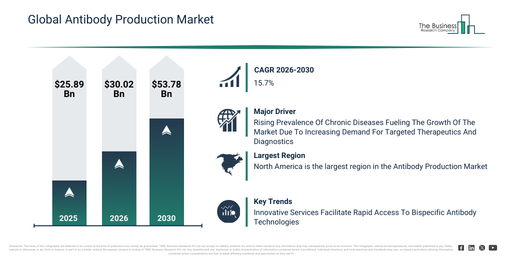
    The antibody production market has experienced significant expansion lately, projected to increase from $25.89 billion in 2025 to $30.02 billion in 2026, reflecting a compound annual growth rate of 16.0%. This past growth trajectory has been fueled by several key factors, including the broadened scope of pharmaceutical and biotechnology research, a greater integration of monoclonal antibodies into therapeutic applications, enhancements in bioprocessing techniques, a heightened need for antibodies used in research settings, and the expanding role of contract research organizations (CROs) and contract development and manufacturing organizations (CDMOs).

    The antibody production sector is poised for significant expansion in the upcoming years, projecting to reach $53.78 billion by 2030, driven by a compound annual growth rate of 15.7%. This projected growth stems from a confluence of factors including augmented capital allocation towards biologics production facilities, a greater embrace of continuous bioprocessing techniques, the broadening spectrum of therapeutic antibody candidates in development, a heightened need for economical approaches to antibody generation, and the increasing incorporation of digital technologies within biomanufacturing operations. Key developments anticipated during this period encompass a greater utilization of recombinant methodologies for antibody synthesis, escalating demand for expression systems that yield higher quantities, increased automation across both initial and subsequent processing stages, the expansion of outsourced antibody manufacturing capabilities, and a stronger emphasis on achieving scalable and consistent production outcomes.

    Download A Free Sample Report For Comprehensive Market Insights:

    https://www.thebusinessresearchcompany.com/sample.aspx?id=30192&type=smp

    Antibody Production Market Growth Drivers: What Factors Are Accelerating Expansion?

    The increasing incidence of chronic health conditions is anticipated to serve as a significant catalyst for the expansion of the antibody production sector in the foreseeable future. These chronic conditions, characterized by their gradual onset and prolonged duration, necessitate ongoing medical attention. Contributing factors to this escalating trend include sedentary lifestyles, where extended periods of inactivity significantly elevate the risk of developing ailments such as cardiovascular issues and diabetes. Antibody production plays a vital role in managing these chronic diseases by offering sophisticated therapeutic and diagnostic tools, proving indispensable for the treatment and monitoring of illnesses like cancer, autoimmune diseases, and diabetes. Through facilitated precise interventions and earlier detection, antibodies enhance the effectiveness of treatments and improve patient oversight, ultimately leading to better healthcare results. Illustrating this trend, data from June 2024, as reported by the National Health Service in the UK, revealed that in 2023, 3,615,330 individuals registered with a GP were identified as having non-diabetic hyperglycemia or pre-diabetes, a notable surge of 18% compared to the 3,065,825 cases documented in 2022. Consequently, the heightened prevalence of chronic diseases is directly fueling the advancement of the antibody production market.

    Antibody Production Market Segment Analysis: What Are The Major Market Categories?

    The antibody production market covered in this report is segmented –

    1) By Type: Monoclonal Antibody, Polyclonal Antibody

    2) By Process: Upstream Processing, Downstream Processing

    3) By End-User: Pharmaceutical and Biotechnology Companies, Research Laboratories, Contract Research Organizations And Contract Development And Manufacturing Organizations

    Subsegments:

    1) By Monoclonal Antibody: Mouse Monoclonal Antibody, Human Monoclonal Antibody, Rabbit Monoclonal Antibody, Rat Monoclonal Antibody

    2) By Polyclonal Antibody: Rabbit Polyclonal Antibody, Goat Polyclonal Antibody, Sheep Polyclonal Antibody, Donkey Polyclonal Antibody

    Antibody Production Market Trends: What Is Shaping Future Industry Growth?

    Key players in the antibody production sector are concentrating on pioneering sophisticated service arrangements, like expedited access systems, to speed up investigations, foster teamwork, and shorten the duration of development. These expedited access systems are defined as simplified service packages that permit collaborating firms to swiftly assess and employ a unique technology for their distinct drug creation initiatives. Illustratively, in April 2025, the American biotech entity, Invenra Inc., introduced its B-Body Express Service. This particular service furnishes prompt entry to Invenra’s distinguished B-Body bispecific antibody framework, thus empowering scientists to accelerate the initial phases of therapeutic exploration. The provision encompasses a uniform methodology for producing competent bispecific antibodies that target a collaborator’s chosen interests, thereby substantially decreasing the usual delay encountered before initiating the evaluation of new medicinal compounds.

    Antibody Production Market Leading Companies Driving Competitive Growth

    Major companies operating in the antibody production market are Johnson & Johnson, Roche Holding AG, Merck & Co. Inc., Pfizer Inc., AbbVie Inc., Bayer AG, Novartis AG, Thermo Fisher Scientific Inc., Amgen Inc., Danaher Corporation, Agilent Technologies Inc., Bio-Rad Laboratories Inc., Azenta Inc., GenScript Biotech Corporation, Sino Biological Inc., Proteintech Group Inc., Rapid Novor, Rockland Immunochemicals Inc., Biorbyt Ltd., Invenra Inc

    Access The Complete Antibody Production Market Report:

    https://www.thebusinessresearchcompany.com/report/global-antibody-production-market-report

    Antibody Production Market Regional Analysis: Which Region Leads By Revenue?

    North Americawas the largest region in the antibody production market in 2025. Asia-Pacificis expected to be the fastest-growing region in the forecast period. The regions covered in the antibody production market report are Asia-Pacific, South East Asia, Western Europe, Eastern Europe, North America, South America, Middle East, Africa.

    Get in touch with us:

    The Business Research Company: https://www.thebusinessresearchcompany.com/

    Americas: +1 310-496-7795

    Asia: +44 7882 955267 & +91 8897263534

    Europe: +44 7882 955267

    Email us at: marketing@tbrc.info

    Follow us on:

    LinkedIn: https://in.linkedin.com/company/the-business-research-company

    YouTube: https://www.youtube.com/channel/UC24_fI0rV8cR5DxlCpgmyFQ

    Global Market Model: https://www.thebusinessresearchcompany.com/global-market-model
  • Antibody Contract Manufacturing Market Trends And Growth Drivers Point To Strong Future Potential

    Antibody Contract Manufacturing Market Trends And Growth Drivers Point To Strong Future Potential

    Through market attractiveness analysis, total addressable market evaluation, company benchmarking matrices, interactive Excel dashboards, expanded supply chain intelligence, emerging startup coverage, and detailed product insights, The Business Research Company’s 2026 market reports provide more actionable and strategically valuable research.

    Antibody Contract Manufacturing Market Revenue Growth Supported By A CAGR Of 34.71% Through 2030

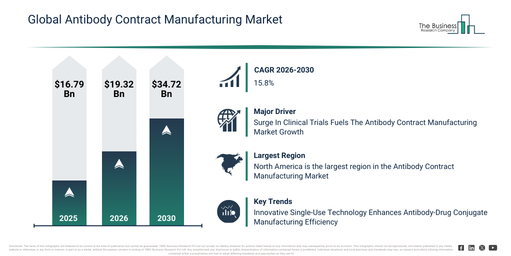
    The market for contract manufacturing of antibodies has experienced substantial expansion. Projections indicate a rise from $16.79 billion in 2025 to $19.32 billion by 2026, reflecting a compound annual growth rate of 15.0%. Factors contributing to this historic growth trajectory include an increasing number of biologics in development pipelines, a greater tendency for biopharmaceutical firms to outsource production, the advancement of mammalian cell culture technologies, an upswing in clinical trials for antibody-based therapies, and the widespread availability of specialized contract manufacturing organization (CMO) infrastructure.

    The market for antibody contract manufacturing is poised for significant expansion, with projections indicating a surge to $34.72 billion by the year 2030, driven by a robust compound annual growth rate (CAGR) of 15.8%. This accelerated growth trajectory is fueled by several key factors, including an escalating need for bulk antibody production, heightened investments in advanced biologic development, a growing emphasis on economical manufacturing approaches, the proliferation of personalized medicine initiatives, and an increase in regulatory endorsements for antibody-based treatments. During this projected period, prominent market trends encompass the scaling up of substantial antibody production facilities, a greater embrace of disposable bioprocessing technologies, a rising demand for both bispecific antibodies and antibody-drug conjugates (ADCs), a heightened focus on adaptable and scalable production methodologies, and an increased attention to adhering to stringent regulatory standards and quality assurance protocols.

    Download A Free Sample Report For Comprehensive Market Insights:

    https://www.thebusinessresearchcompany.com/sample.aspx?id=12665&type=smp

    Antibody Contract Manufacturing Market Growth Factors Supporting Long-Term Expansion

    The expansion in the quantity of clinical trials is anticipated to be a primary catalyst for the advancement of the antibody contract manufacturing sector. These trials, which are investigations involving human subjects to ascertain the safety and efficacy of novel medical approaches, treatments, or diagnostic methods, necessitate a consistent and compliant provision of high-grade antibodies as more of them focus on antibody-related therapies or diagnostics. Illustrating this trend, data from ClinicalTrials.gov, maintained by the U.S. National Institutes of Health, indicated a surge in registered studies globally, increasing from 399,499 in 2022 to 437,533 by May 2023, with a significant portion, approximately 241,498 or 53%, conducted outside the United States compared to 31% or 140,492 studies within the U.S. This escalating volume of clinical research directly fuels the demand and subsequent expansion within the antibody contract manufacturing market.

    Antibody Contract Manufacturing Market Segment Breakdown: Which Categories Generate The Most Revenue?

    The antibody contract manufacturing market covered in this report is segmented –

    1) By Product: Monoclonal Antibodies, Polyclonal Antibodies, Other Products

    2) By Source: Mammalian, Microbial

    3) By Scale Of Operation: Preclinical, Clinical, Commercial

    4) By End-User: Biopharmaceutical Companies, Research Laboratories, Other End Users

    Subsegments:

    1) By Monoclonal Antibodies: Therapeutic Monoclonal Antibodies, Diagnostic Monoclonal Antibodies

    2) By Polyclonal Antibodies: Research Polyclonal Antibodies, Therapeutic Polyclonal Antibodies

    3) By Other Products: Bispecific Antibodies, Antibody-Drug Conjugates (ADCs), Fusion Proteins

    Antibody Contract Manufacturing Market Industry Trends Shaping Future Revenue Growth

    A key trend observed among leading players in the antibody contract manufacturing sector involves the pursuit of advancements like single-use technology, which effectively mitigates concerns regarding cross-contamination and concurrently lowers operational expenditures. This single-use technology, or SUT, encompasses disposable elements and integrated systems integral to biopharmaceutical production workflows. Illustrating this, in September 2024, Merck & Co., a prominent American pharmaceutical firm, introduced the Mobius ADC Reactor, a product engineered to optimize the production of antibody-drug conjugates. This novel single-use reactor, specifically tailored for manufacturing antibody drug conjugates, boosts production output by an impressive 70% over conventional stainless steel or glass-based approaches. The inherent nature of its single-use design serves to reduce the likelihood of cross-contamination and cuts down on operational expenses, thereby facilitating quicker processing cycles. Furthermore, the incorporation of cutting-edge film technology bolsters the robustness of the bags and their resistance to leakage, thereby safeguarding the quality and stability of highly potent active pharmaceutical ingredients. Such pioneering developments empower biopharmaceutical organizations to manufacture essential therapeutic treatments with heightened safety and greater operational effectiveness.

    Antibody Contract Manufacturing Market Key Players And Strategic Industry Positioning

    Major companies operating in the antibody contract manufacturing market are Lonza Group AG, Catalent Inc, Samsung Biologics Co Ltd, Wuxi Biologics Cayman Inc, Thermo Fisher Scientific Inc, Boehringer Ingelheim BioXcellence, AGC Biologics, FUJIFILM Diosynth Biotechnologies, AbbVie Inc, Charles River Laboratories International Inc, mAbxience, KBI Biopharma Inc, Abzena Ltd, Just-Evotec Biologics, Northway Biotech, Cerbios-Pharma, Scorpius BioManufacturing, Lotte Biologics, Rentschler Biopharma SE, Cytiva (Life Sciences CDMO), Xcellon Biologics, Celonic AG, Syngene International Ltd

    Access The Complete Antibody Contract Manufacturing Market Report:

    https://www.thebusinessresearchcompany.com/report/antibody-contract-manufacturing-global-market-report

    Antibody Contract Manufacturing Market Geographic Distribution And Regional Opportunities

    North Americawas the largest region in the antibody contract manufacturing market in 2025. Asia-Pacificis expected to be the fastest-growing region in the forecast period. The regions covered in the antibody contract manufacturing market report are Asia-Pacific, South East Asia, Western Europe, Eastern Europe, North America, South America, Middle East, Africa.

    Get in touch with us:

    The Business Research Company: https://www.thebusinessresearchcompany.com/

    Americas: +1 310-496-7795

    Asia: +44 7882 955267 & +91 8897263534

    Europe: +44 7882 955267

    Email us at: marketing@tbrc.info

    Follow us on:

    LinkedIn: https://in.linkedin.com/company/the-business-research-company

    YouTube: https://www.youtube.com/channel/UC24_fI0rV8cR5DxlCpgmyFQ

    Global Market Model: https://www.thebusinessresearchcompany.com/global-market-model
  • Antibodies Market Expansion Is Reshaping Competitive Dynamics Across The Industry

    Antibodies Market Expansion Is Reshaping Competitive Dynamics Across The Industry

    Delivering more actionable and strategically valuable research, The Business Research Company’s 2026 market reports feature market attractiveness analysis, total addressable market evaluation, company benchmarking matrices, interactive Excel dashboards, expanded supply chain intelligence, emerging startup coverage, and detailed product insights.

    Antibodies Market Value Expansion And Long-Term Growth Outlook

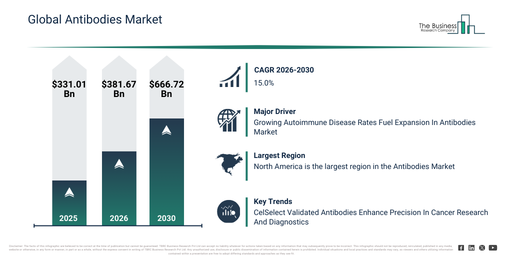
    Experiencing significant expansion, the antibodies market is projected to surge from $331.01 billion in 2025 to $381.67 billion by 2026, reflecting a robust compound annual growth rate of 15.3% over this period. This notable upward trajectory in recent times is underpinned by several key factors, including substantial progress made in immunological studies, a heightened level of financial commitment towards the creation of biological drugs, the broader implementation of cancer therapy initiatives, a rising incidence of conditions affecting the immune system, and the continuous refinement of methods for antibody manufacturing.

    The global antibodies market is poised for significant expansion, projecting a reach of $666.72 billion by 2030, fueled by an impressive compound annual growth rate of 15.0%. This upward trajectory is anticipated to be driven by several key factors: the increasing embrace of precision immunotherapies, a heightened need for advanced antibody formats, the burgeoning field of biosimilar antibody development, a greater emphasis on personalized medical approaches, and the consistent expansion of global biologics production capabilities. Throughout this forecast period, prominent trends expected to shape the market include the broadening development pipelines for monoclonal antibodies, escalating demand for antibody-drug conjugates, a sharpened focus on targeted immunotherapies, the growing application of antibodies in managing chronic conditions, and a strengthened commitment to scalable biomanufacturing processes.

    Download A Free Sample Report For Comprehensive Market Insights:

    https://www.thebusinessresearchcompany.com/sample.aspx?id=19292&type=smp

    #Antibodies Market Demand Drivers Creating New Revenue Opportunities

    The increasing incidence of autoimmune conditions is poised to be a significant driver for the expansion of the antibodies market in the future. Autoimmune diseases are characterized by the immune system mistakenly attacking and harming the body’s own healthy tissues, encompassing conditions like rheumatoid arthritis, lupus, and multiple sclerosis. This upward trend in autoimmune disorders is linked to a combination of environmental influences, inherent genetic predispositions, and shifts in lifestyle habits. Antibodies play a crucial role by identifying and neutralizing the specific immune cells or inflammatory substances that erroneously attack the body, which in turn helps to mitigate inflammation and ease associated symptoms. To illustrate this trend, data from the Multiple Sclerosis International Federation, a non-profit organization based in the UK, indicated in May 2024 that the worldwide count of individuals diagnosed with multiple sclerosis escalated from 2.8 million in 2020 to 2.9 million by 2023. Consequently, the escalating occurrence of autoimmune diseases is directly fueling the growth of the antibodies market.

    Antibodies Market Segmentation: How Is The Market Structured Across Key Categories?

    The antibodies market covered in this report is segmented –

    1) By Product Type: Monoclonal Antibodies, Polyclonal Antibodies, Antibody Drug Complexes

    2) By Disease Indication: Cardiovascular Diseases, Central Nervous System (CNS) Disorders, Cancer, Autoimmune Disorders, Other Indications

    3) By End User: Hospitals, Long Term Care Facilities, Research Institutes, Other End Users

    Subsegments:

    1) By Monoclonal Antibodies: IgG Monoclonal Antibodies, IgM Monoclonal Antibodies, IgA Monoclonal Antibodies, Other Isotypes

    2) By Polyclonal Antibodies: Serum-derived Polyclonal Antibodies, Purified Polyclonal Antibodies, Antibody Fractionation Products

    3) By Antibody Drug Complexes: Conjugated Antibodies, Bispecific Antibodies, Antibody-Drug Conjugates (ADCs)

    Antibodies Market Trends Driving Strategic Industry Expansion

    Leading entities within the antibodies sector are focused on creating rigorously tested antibodies to boost precision and deliver dependable outcomes in both diagnostic and therapeutic applications. These validated antibodies undergo thorough examination to confirm their accuracy and specificity in identifying target proteins, thereby bolstering the reliability of research findings and guaranteeing the quality and efficacy of products reliant on antibodies. As an illustration, in March of 2024, Bio-Rad Laboratories, a company situated in the US that manufactures products for life science research and clinical diagnostics, introduced Celselect slides with validated antibodies designed for the enumeration of rare cells and circulating tumor cells (CTCs), thereby improving the investigation of tumor diversity and the advancement of disease. This particular set of antibodies, which can be utilized with Bio-Rad’s Celselect Slides Enumeration Stain Kits, facilitates the exact identification of CTCs and represents a notable stride forward, supporting sophisticated cancer research and diagnostic endeavors.

    Antibodies Market Competitive Landscape And Leading Companies

    Major companies operating in the antibodies market are Pfizer Inc., Johnson & Johnson Services Inc., F. Hoffmann-La Roche Ltd., Merck & Co Inc., AbbVie Inc., Sanofi S.A., Bristol Myers Squibb Company, Novartis AG, GSK plc, Takeda Pharmaceutical Company Limited, Eli Lilly and Company, Amgen Inc., Regeneron Pharmaceuticals Inc., Biogen Inc., Alexion Pharmaceuticals Inc., Incyte Corporation, Kyowa Kirin Co Ltd, Ultragenyx Pharmaceutical Inc, Xencor Inc., MacroGenics Inc., ImmunoGen Inc., Sorrento Therapeutics Inc., Beam Therapeutics Inc., SAB Biotherapeutics Inc., bluebird bio Inc., Iovance Biotherapeutics Inc.

    Access The Complete Antibodies Market Report:

    https://www.thebusinessresearchcompany.com/report/antibodies-global-market-report

    Antibodies Market Largest Region By Revenue And Market Share

    North Americawas the largest region in the antibodies market in 2025. Asia-Pacificis expected to be the fastest-growing region in the forecast period. The regions covered in the antibodies market report are Asia-Pacific, South East Asia, Western Europe, Eastern Europe, North America, South America, Middle East, Africa.

    Get in touch with us:

    The Business Research Company: https://www.thebusinessresearchcompany.com/

    Americas: +1 310-496-7795

    Asia: +44 7882 955267 & +91 8897263534

    Europe: +44 7882 955267

    Email us at: marketing@tbrc.info

    Follow us on:

    LinkedIn: https://in.linkedin.com/company/the-business-research-company

    YouTube: https://www.youtube.com/channel/UC24_fI0rV8cR5DxlCpgmyFQ

    Global Market Model: https://www.thebusinessresearchcompany.com/global-market-model
  • Antibiotic Resistance Market Forecast Reveals Where Future Industry Value Will Be Created

    Antibiotic Resistance Market Forecast Reveals Where Future Industry Value Will Be Created

    Enhanced with market attractiveness analysis, total addressable market evaluation, company benchmarking matrices, interactive Excel dashboards, expanded supply chain intelligence, emerging startup coverage, and detailed product insights, The Business Research Company’s 2026 market reports deliver more actionable and strategically valuable research.

    Antibiotic Resistance Market Expected To Reach $18.21 Billion By 2030 At 7.3% CAGR

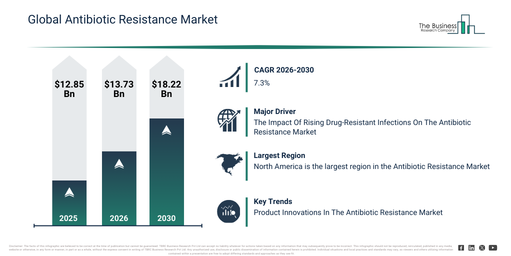
    The market for antibiotics that combat resistance has experienced robust expansion lately, projected to climb from $12.85 billion in 2025 to $13.73 billion in 2026, signifying a compound annual growth rate of 6.8%. This growth during the preceding period was fueled by factors such as the extensive overuse of antibiotics, a surge in hospital-acquired infections, the increased prescription of broad-spectrum antibiotics, a scarcity of new antibiotic development, and the escalating incidence of pathogens that have developed resistance.

    The global market for combating antibiotic resistance is on a trajectory for significant expansion, projected to reach a valuation of $18.22 billion by the year 2030, with a projected compound annual growth rate of 7.3%. This anticipated upswing during the forecast period stems from a confluence of factors including augmented investments channeled into research and development for antimicrobial agents, the increasing utilization of precise diagnostic tools, the broadening scope of international networks dedicated to monitoring resistance patterns, a heightened emphasis on alternative therapeutic approaches, and the proliferation of collaborations between public and private entities. Key developments anticipated within this timeframe involve a greater concentration on pioneering novel antibiotic discovery, a surge in the application of combination drug treatments, expanded implementation of rapid diagnostic testing, the enhancement of programs aimed at responsible antimicrobial use, and more robust monitoring of pathogens exhibiting resistance.

    Download A Free Sample Report For Comprehensive Market Insights:

    https://www.thebusinessresearchcompany.com/sample.aspx?id=12131&type=smp

    Antibiotic Resistance Market Expansion Supported By Key Demand Factors

    The increasing occurrence of infections that defy existing antibiotics is anticipated to be the primary catalyst for the expansion of the antibiotic resistance market. These infections stem from bacteria that have developed immunity to medications, rendering them exceedingly challenging or entirely untreatable. Antimicrobial resistance drugs offer a means to combat these resistant infections, providing enhanced therapeutic results by effectively addressing both the intended pathogens and other microorganisms, contingent upon the specifics of the resistance mechanisms and the interplay within the microbial community. To illustrate, data released in November 2025 by the UK Health Security Agency, the body overseeing health security in England, indicated a concerning rise in fatalities linked to antibiotic-resistant infections, climbing from 2,041 in 2023 to 2,379 in 2024, signifying a jump of 338 deaths within a twelve-month period. Consequently, the growing issue of drug-resistant infections is directly fueling the growth of the antibiotic resistance market.

    Antibiotic Resistance Market Segmentation Trends And Revenue Drivers

    The antibiotic resistance market covered in this report is segmented –

    1) By Drug Class: Beta Lactum Antibiotic, Cephalosporins, Quinolones Antibiotics, Macrolide Antibiotics, Tetracyclines, Oxazolidinones, Other Drug Classes

    2) By Pathogen: Staphylococcus Aureus, Staphylococcus Pneumonia, Neisseria Gonorrhoeae, Enterococcus Faecium, Escherichia Coli, Klebsiella Pneumonia, Shigella, Clostridium Difficile, Other Pathogens

    3) By Disease Type: Urinary Tract Infection, Intra-Abdominal Infection, Blood Stream infections, Clostridium Difficile Infections, Other Disease Types

    4) By Mechanism Of Action: Protein Synthesis Inhibitors, Cell Wall Synthesis Inhibitors, RNA Synthesis Inhibitors, DNA Synthesis Inhibitors, Other Mechanism Of Actions

    5) By End Users: Hospitals, Homecare, Specialty Clinics, Other End-users

    Subsegments:

    1) By Beta Lactam Antibiotics: Penicillins, Cephalosporins, Carbapenems, Monobactams

    2) By Cephalosporins: First-generation, Second-generation, Third-generation, Fourth-generation

    3) By Quinolones Antibiotics: Fluoroquinolones, Other Quinolones

    4) By Macrolide Antibiotics: Erythromycin, Azithromycin, Clarithromycin

    5) By Tetracyclines: Doxycycline, Minocycline, Tetracycline

    6) By Oxazolidinones: Linezolid, Tedizolid

    7) By Other Drug Classes: Glycopeptides, Lipopeptides, Streptogramins, Polymyxins

    Antibiotic Resistance Market Growth Trends Influencing Competitive Dynamics

    Leading corporations within the antibiotic resistance sector are concentrating their efforts on creating groundbreaking solutions aimed at improving therapeutic outcomes, safeguarding patient well-being, and tackling the escalating issue of infections resistant to multiple drugs (MDR). As an illustration, during January 2023, a pharmaceutical firm headquartered in India, Alkem Laboratories Limited, unveiled Zidavi, a pioneering antibiotic formulated to confront MDR infections, thereby enhancing its availability, cost-effectiveness, and reach, while simultaneously preserving the lives of individuals battling severe illnesses; this distinct formulation combines ceftazidime and avibactam, offering a means to combat infections stemming from MDR gram-negative microorganisms, and is supplied as a sterile powder intended for dissolution, with each individual dosage vial containing ceftazidime pentahydrate, corresponding to 2 grams of ceftazidime, alongside avibactam sodium, equivalent to 0.5 grams of avibactam, presenting a viable option for the management of hospital-acquired pneumonia (HAP) and serious intra-abdominal infections (IAIs) attributed to pathogens resistant to both meropenem and colistin.

    #Antibiotic Resistance Market Industry Leaders: Which Organizations Are Driving Competition?

    Major companies operating in the antibiotic resistance market are Pfizer Inc., Johnson and Johnson, F. Hoffmann-La Roche Ltd, AbbVie Inc., Novartis AG, Merck and Co. Inc., Bristol-Myers Squibb, Sanofi S.A., AstraZeneca, GlaxoSmithKline Plc, Eli Lilly and Company, Boehringer Ingelheim International GmbH, Astellas Pharma, Daiichi Sankyo, Chugai Pharmaceutical Co. Ltd., Teva Pharmaceutical Industries Ltd., Paratek Pharmaceuticals Inc., Basilea Pharmaceutica Ltd., Theravance Biopharma Inc., Nabriva Therapeutics Plc, Seres Therapeutics Inc., Armata Pharmaceuticals Inc.

    Access The Complete Antibiotic Resistance Market Report:

    https://www.thebusinessresearchcompany.com/report/antibiotic-resistance-global-market-report

    Antibiotic Resistance Market Regional Analysis And Leading Geography

    North America was the largest region in the antibiotic resistance market in 2025. Asia-Pacific is expected to be the fastest-growing region in the forecast period. The regions covered in the antibiotic resistance market report are Asia-Pacific, South East Asia, Western Europe, Eastern Europe, North America, South America, Middle East, Africa.

    Get in touch with us:

    The Business Research Company: https://www.thebusinessresearchcompany.com/

    Americas: +1 310-496-7795

    Asia: +44 7882 955267 & +91 8897263534

    Europe: +44 7882 955267

    Email us at: marketing@tbrc.info

    Follow us on:

    LinkedIn: https://in.linkedin.com/company/the-business-research-company

    YouTube: https://www.youtube.com/channel/UC24_fI0rV8cR5DxlCpgmyFQ

    Global Market Model: https://www.thebusinessresearchcompany.com/global-market-model
  • Anti-Acne Dermal Patch Market Growth Through 2030 Creates New Strategic Opportunities

    Anti-Acne Dermal Patch Market Growth Through 2030 Creates New Strategic Opportunities

    Through market attractiveness analysis, total addressable market evaluation, company benchmarking matrices, interactive Excel dashboards, expanded supply chain intelligence, emerging startup coverage, and detailed product insights, The Business Research Company’s 2026 market reports provide more actionable and strategically valuable research.

    #Anti-Acne Dermal Patch Market Size And Revenue Forecast Through 2030

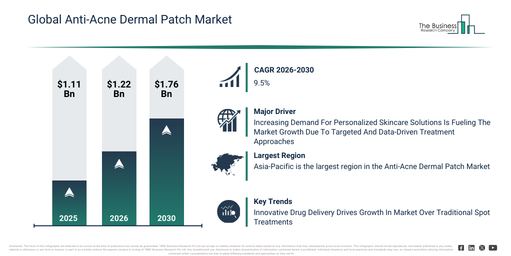
    The market for anti-acne dermal patches has experienced robust expansion, projected to increase from $1.11 billion in 2025 to $1.22 billion in 2026, reflecting a compound annual growth rate of 9.9%. This upward trajectory in recent years can be ascribed to several factors, including the escalating incidence of acne, advancements in readily available skincare options, heightened consumer understanding of specialized acne therapies, broader accessibility to personal care items, and a growing inclination towards non-invasive skincare techniques.

    The market for anti-acne dermal patches is poised for substantial expansion, projecting a valuation of $1.76 billion by 2030, driven by a compound annual growth rate of 9.5% through the projected timeframe. This upward trajectory is fueled by several key factors, including a heightened consumer desire for tailored skincare regimes, an increasing emphasis on dermatological products with transparent ingredient lists, the burgeoning e-commerce landscape for beauty products, advancements in transdermal drug delivery systems, and a growing prevalence of adult acne sufferers seeking effective solutions. During this forecast period, key market dynamics will include the escalating popularity of hydrocolloid acne patches, a surge in demand for microneedle-enhanced treatments for precise acne targeting, the proliferation of acne patch options free from active pharmaceutical ingredients, a greater emphasis on developing adhesives that are gentle on the skin, and the emergence of more subtle and clear patch designs.

    Download A Free Sample Report For Comprehensive Market Insights:

    https://www.thebusinessresearchcompany.com/sample.aspx?id=24462&type=smp

    #Anti-Acne Dermal Patch Market Growth Drivers And Industry Catalysts

    The market for anti-acne dermal patches is anticipated to experience expansion, fueled by a heightened consumer interest in customized skincare regimens. This trend towards personalization, which involves adapting products and routines based on individual skin characteristics, concerns, and daily habits through data-driven insights, is gaining traction across a population increasingly informed about their specific dermatological needs. Anti-acne dermal patches significantly contribute to this personalized approach by offering precise, localized treatment for individual skin issues. They achieve this through carefully controlled release of ingredients, targeted application, and the ability to adapt to changing skin conditions, thereby reducing irritation and boosting treatment effectiveness, perfectly aligning with the desire for bespoke dermatological care. This consumer shift is underscored by recent economic data, where US consumer expenditure on personal care, as reported in December 2024 by the Bureau of Labor Statistics, climbed from $866 in 2022 to $950 in 2023, marking a substantial 9.7% annual growth following a 12.3% increase the previous year, thus confirming the growing market for personalized skincare and, consequently, the anti-acne dermal patch sector.

    Anti-Acne Dermal Patch Market Segment Analysis Highlighting Growth Areas

    The anti-acne dermal patch market covered in this report is segmented –

    1) By Product Type: Hydrocolloid, Microneedle, Other Product Types

    2) By Source: Bovine Collagen, Marine Collagen, Pork Collagen, Chicken Collagen

    3) By Application: Cosmetics And Personal Care, Food And Beverages, Health And Nutrition, Pharmaceuticals, Other Applications

    4) By End-User: Men, Women

    Subsegments:

    1) By Hydrocolloid: With Salicylic Acid, With Tea Tree Oil, Plain Hydrocolloid (Drug-Free), Tinted Hydrocolloid, Waterproof Hydrocolloid

    2) By Microneedle: Hyaluronic Acid-Based, Niacinamide-Based, Retinol-Based, Peptide-Infused, Multi-Ingredient

    3) By Other Product Types: Silicone-Based Patches, Charcoal-Infused Patches, Clay-Based Patches, Transparent Film Patches, Herbal Or Botanical Extract-Based Patches

    #Anti-Acne Dermal Patch Market Trends Influencing Long-Term Demand

    Leading players within the anti-acne dermal patch sector are concentrating their efforts on pioneering novel approaches, notably incorporating microdart delivery mechanisms, to elevate the accuracy and potency of acne remedies. These microdart delivery systems represent sophisticated advancements in skincare, employing minuscule, dissolvable microneedles designed for the precise infusion of active compounds deep beneath the skin’s surface. Their therapeutic benefit in managing acne stems from their ability to breach the epidermal layer and administer acne-combating agents directly to the compromised region, thereby mitigating inflammation and promoting expedited recovery. A prime illustration of this innovation occurred in January 2023 when Starface, a prominent American skincare brand, introduced its Micro-Cloud patches. These patches integrate microdart delivery technology, merging the protective qualities of hydrocolloid with carefully calibrated concentrations of salicylic acid, niacinamide, and hyaluronic acid to proactively combat nascent breakouts before they fully manifest. The embedded microdarts disintegrate following application, facilitating the profound delivery of acne-targeting ingredients to assuage inflammation, soothe irritation, and hasten the healing process. This groundbreaking methodology not only serves to preempt the emergence of blemishes but also furnishes a more exact and streamlined therapeutic option when contrasted with conventional spot treatments, underscoring the escalating inclination among major enterprises to embed cutting-edge delivery technologies into their anti-acne dermal patch offerings.

    Anti-Acne Dermal Patch Market Leading Companies: Who Holds Significant Market Presence?

    Major companies operating in the anti-acne dermal patch market are 3M Company, Neogen Dermalogy Co. Ltd., Neutrogena Corporation, Redcliffe Hygiene Private Limited, Plix Life Private Limited, Peace Out Skincare Inc., Julep Beauty Inc., Peach and Lily Inc., Dr. Jart+, Innisfree Corporation, Rael Inc., Clearsil LLC, Patchology LLC, Truly Organic LLC, Starface World Inc., The Inkey List Limited, Gush Beauty, Lely’s Acne Pimple Patches, COSRX, Avarelle, ZitSticka, DermaAngel, Peach Slices, Grace & Stella

    Access The Complete Anti-Acne Dermal Patch Market Report:

    https://www.thebusinessresearchcompany.com/report/anti-acne-dermal-patch-global-market-report

    Anti-Acne Dermal Patch Market Geographic Analysis: Where Is Demand Growing The Fastest?

    Asia-Pacificwas the largest region in the anti-acne dermal patch market in 2025. North Americais expected to be the fastest-growing region in the forecast period. The regions covered in the anti-acne dermal patch market report are Asia-Pacific, South East Asia, Western Europe, Eastern Europe, North America, South America, Middle East, Africa.

    Get in touch with us:

    The Business Research Company: https://www.thebusinessresearchcompany.com/

    Americas: +1 310-496-7795

    Asia: +44 7882 955267 & +91 8897263534

    Europe: +44 7882 955267

    Email us at: marketing@tbrc.info

    Follow us on:

    LinkedIn: https://in.linkedin.com/company/the-business-research-company

    YouTube: https://www.youtube.com/channel/UC24_fI0rV8cR5DxlCpgmyFQ

    Global Market Model: https://www.thebusinessresearchcompany.com/global-market-model
  • Anti Hemagglutinin (Ha) Antibody Market Size Projected To Increase From $1.82 Billion To $2.7 Billion During The Forecast Period

    Anti Hemagglutinin (Ha) Antibody Market Size Projected To Increase From $1.82 Billion To $2.7 Billion During The Forecast Period

    Delivering more actionable and strategically valuable research, The Business Research Company’s 2026 market reports feature market attractiveness analysis, total addressable market evaluation, company benchmarking matrices, interactive Excel dashboards, expanded supply chain intelligence, emerging startup coverage, and detailed product insights.

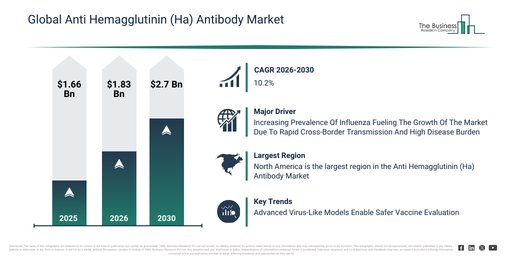
    Anti Hemagglutinin (Ha) Antibody Market Growth From $1.82 Billion In 2026 To $2.7 Billion By 2030 At A CAGR Of 10.2%

    The market for anti-hemagglutinin (HA) antibodies has experienced substantial expansion. Projections indicate a continuation of this growth, with the market value anticipated to ascend from $1.66 billion in 2025 to $1.83 billion in 2026, reflecting a compound annual growth rate (CAGR) of 10.5%. This upward trajectory observed during the historical period can be attributed to several key factors, including the heightened scope of influenza research initiatives, an increase in molecular biology investigations, the broader application of tagged protein systems, a greater need for diagnostic reagents, and significant progress in antibody engineering methodologies.

    The market for anti-hemagglutinin (HA) antibodies is poised for substantial expansion over the coming years, projecting a valuation of $2.7 billion by 2030, driven by a compound annual growth rate of 10.2%. This projected expansion is fueled by several key factors, including an escalation in investments dedicated to infectious disease research, a broader acceptance of recombinant protein expression systems, the advancement of diagnostic assay development, a heightened demand for antibodies that meet standardization criteria, and ongoing technological advancements in antibody production. Key trends anticipated within this forecast period encompass a growing requirement for research antibodies exhibiting exceptional specificity, a greater embrace of recombinant antibody formats, increased utilization in vaccine development and virology studies, the broadening scope of diagnostic testing applications, and a more pronounced emphasis on ensuring consistency across different production batches.

    Download A Free Sample Report For Comprehensive Market Insights:

    https://www.thebusinessresearchcompany.com/sample.aspx?id=30191&type=smp

    Anti Hemagglutinin (Ha) Antibody Market Opportunity Drivers: What Is Creating New Revenue Potential?

    The surge in influenza cases is poised to be a significant catalyst for the expansion of the anti-hemagglutinin (Ha) antibody market. Influenza, a notoriously contagious viral respiratory illness commonly known as the flu, manifests with symptoms like fever, coughing, a sore throat, and general body discomfort, with severity varying from mild to critical. The heightened incidence of influenza globally can be attributed to the rise in international travel, which facilitates swift transmission of this easily spread virus across borders. Anti-hemagglutinin (Ha) antibodies play a crucial role in managing influenza by specifically targeting the HA protein found on the surface of the virus, thus proving invaluable for diagnostic purposes, scientific investigation, and the creation of vaccines. These antibodies refine therapeutic approaches by allowing for precise identification and tracking of influenza infections, thereby bolstering efforts in disease management and prevention. To illustrate, data from February 2025, as reported by the World Health Organization, a global intergovernmental body headquartered in Switzerland, indicates that seasonal influenza impacts roughly one billion individuals worldwide each year, resulting in an estimated 290,000 to 650,000 annual fatalities due to respiratory complications and contributing to 3 to 5 million cases requiring significant medical intervention. Consequently, the growing prevalence of influenza directly fuels the advancement of the anti-hemagglutinin (Ha) antibody market.

    Anti Hemagglutinin (Ha) Antibody Market Segment Performance And Strategic Opportunities

    The anti hemagglutinin (ha) antibody market covered in this report is segmented –

    1) By Product Type: Monoclonal Antibodies, Polyclonal Antibodies, Recombinant Antibodies

    2) By Technology: Enzyme-Linked Immunosorbent Assay (ELISA)-Based Technologies, Flow Cytometry-Based Technologies, Immunohistochemistry Technologies, Western Blot-Based Technologies

    3) By Source: Mouse, Rabbit, Goat, Chicken

    4) By Application: Research, Diagnostics, Therapeutics

    5) By End-User: Academic Research Institutes, Biotechnology Companies, Pharmaceutical Companies, Diagnostic Laboratories

    Subsegments:

    1) By Monoclonal Antibodies: Human Monoclonal Antibodies, Humanized Monoclonal Antibodies, Chimeric Monoclonal Antibodies, Murine Monoclonal Antibodies

    2) By Polyclonal Antibodies: Rabbit Polyclonal Antibodies, Goat Polyclonal Antibodies, Sheep Polyclonal Antibodies, Donkey Polyclonal Antibodies

    3) By Recombinant Antibodies: Single Chain Variable Fragment Antibodies, Fragment Antigen Binding Antibodies, Bispecific Recombinant Antibodies, Synthetic Recombinant Antibodies

    Anti Hemagglutinin (Ha) Antibody Market Innovation Trends Driving Future Development

    Manufacturers within the anti hemagglutinin (Ha) antibody sector are prioritizing cutting-edge advancements, specifically employing authentic virus architecture, to create more secure and precise virus-like representations for assessing both vaccine effectiveness and the body’s antibody reactions. This authentic virus architecture involves a structural blueprint that very closely imitates the natural makeup and external proteins of a live virus, crucially without any of its genetic material. A prime example occurred in November 2023 when Integral Molecular, a biotechnology firm based in the United States, introduced TiterSafe influenza virus-like particles, offering a readily available and non-contagious substitute for live influenza viruses. This authentic virus architecture allows scientists to conduct hemagglutination inhibition (HAI) assays, which are recognized by the FDA as the benchmark for gauging the efficacy of influenza vaccines, in a secure and efficient manner. TiterSafe removes the necessity for cultivating infectious viruses and maintaining specialized biosafety environments, thus considerably lowering the inherent risks in laboratory settings. These particles faithfully reproduce the physical structure of live viruses, including key surface proteins like hemagglutinin (HA) and neuraminidase (NA), thereby ensuring the precision of experimental outcomes. This pioneering development facilitates high-volume and dependable testing of influenza antibodies while simultaneously bolstering laboratory safety protocols and streamlining operational processes.

    Anti Hemagglutinin (Ha) Antibody Market Key Players: Which Companies Shape Industry Competition?

    Major companies operating in the anti hemagglutinin (ha) antibody market are Johnson & Johnson, F. Hoffmann-La Roche AG, Pfizer Inc., AbbVie Inc., AstraZeneca plc, Bristol-Myers Squibb Company, Thermo Fisher Scientific Inc., Amgen Inc., Merck KGaA, Danaher Corporation, Bio-Rad Laboratories Inc., Bio-Techne Corporation, GenScript Biotech Corporation, Sino Biological Inc., Cell Signaling Technology Inc., Proteintech Group Inc., Santa Cruz Biotechnology Inc., Integral Molecular, Rockland Immunochemicals Inc., Biorbyt Ltd.

    Access The Complete Anti Hemagglutinin (Ha) Antibody Market Report:

    https://www.thebusinessresearchcompany.com/report/global-anti-hemagglutinin-ha-antibody-market-report

    Anti Hemagglutinin (Ha) Antibody Market Global Footprint: Which Region Holds Market Leadership?

    North Americawas the largest region in the anti hemagglutinin (Ha) antibody market in 2025. Asia-Pacificis expected to be the fastest-growing region in the forecast period. The regions covered in the anti hemagglutinin (ha) antibody market report are Asia-Pacific, South East Asia, Western Europe, Eastern Europe, North America, South America, Middle East, Africa.

    Get in touch with us:

    The Business Research Company: https://www.thebusinessresearchcompany.com/

    Americas: +1 310-496-7795

    Asia: +44 7882 955267 & +91 8897263534

    Europe: +44 7882 955267

    Email us at: marketing@tbrc.info

    Follow us on:

    LinkedIn: https://in.linkedin.com/company/the-business-research-company

    YouTube: https://www.youtube.com/channel/UC24_fI0rV8cR5DxlCpgmyFQ

    Global Market Model: https://www.thebusinessresearchcompany.com/global-market-model