Month: June 2026

  • Atrial Flutter Market Growth Is Reshaping Competitive Advantage Across The Industry

    Atrial Flutter Market Growth Is Reshaping Competitive Advantage Across The Industry

    Enhanced with market attractiveness analysis, total addressable market evaluation, company benchmarking matrices, interactive Excel dashboards, expanded supply chain intelligence, emerging startup coverage, and detailed product insights, The Business Research Company’s 2026 market reports deliver more actionable and strategically valuable research.

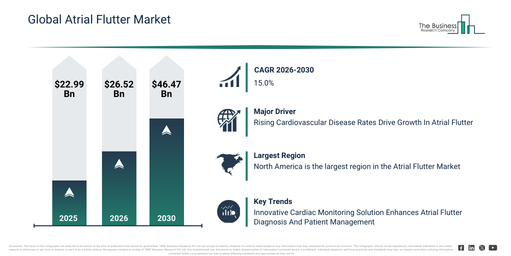
    Atrial Flutter Market Expected To Reach $46.46 Billion By 2030 At 15% CAGR

    Demonstrating substantial expansion, the atrial flutter market registered significant growth. Projections indicate a rise from $22.99 billion in 2025 to $26.52 billion by 2026, reflecting a compound annual growth rate of 15.4%. Key factors underpinning this upward trajectory during the past period include a heightened incidence of cardiac rhythm disturbances, a growing demographic of older individuals, the proliferation of specialized cardiac care centers, the increased utilization of electrocardiogram technologies for diagnosis, and the accessibility of drug-based treatments for managing heart rhythms.

    Anticipate a swift expansion within the atrial flutter market, with projections indicating a significant upswing over the forthcoming years, reaching an estimated $46.47 billion by 2030, driven by a compound annual growth rate of 15.0%. This projected expansion is underpinned by several key factors, including a heightened demand for less invasive cardiac interventions, the increasing utilization of digital tools for cardiac surveillance, the progressive development of tailored treatment strategies for arrhythmias, augmented investments in electrophysiology advancements, and a greater emphasis on proactive measures for preventing strokes. Furthermore, the outlook for this period is shaped by prevailing trends such as the wider adoption of sophisticated cardiac mapping systems, a surge in catheter ablation procedures, the growing incorporation of wearable devices for monitoring heart activity, the broadening scope of early detection and screening initiatives, and a reinforced commitment to minimally invasive therapeutic approaches.

    Download A Free Sample Report For Comprehensive Market Insights:

    https://www.thebusinessresearchcompany.com/sample.aspx?id=20495&type=smp

    Atrial Flutter Market Industry Drivers: What Is Driving Revenue Growth?

    The increasing incidence of heart and circulatory conditions is anticipated to be a significant catalyst for the expansion of the atrial flutter market. These widespread cardiovascular diseases, encompassing a range of ailments affecting the heart and vascular system, are experiencing an upward trend largely attributable to an aging global population, increasingly inactive lifestyles, detrimental dietary practices, escalating rates of obesity, and the pervasive influence of stress. As cardiovascular health issues become more prevalent, a larger segment of the population faces an elevated risk of developing atrial flutter, consequently boosting the demand for both diagnostic tools and therapeutic interventions. Illustratively, data released in September 2024 by the British Heart Foundation indicated that approximately 7.6 million people in the United Kingdom, a figure composed of 4 million men and 3.6 million women, are currently living with heart and circulatory diseases. Projections suggest this total could see an addition of one million individuals by 2030 and a further two million more than the present count by 2040. In essence, the escalating burden of cardiovascular diseases is directly fueling the growth trajectory of the atrial flutter market.

    Atrial Flutter Market Segment Performance And Strategic Opportunities

    The atrial flutter market covered in this report is segmented –

    1) By Type: Typical Atrial Flutter, Atypical Atrial Flutter, Left Atrial Flutter, Reverse Typical Atrial Flutter, Incisional Atrial Re-Entry

    2) By Treatment: Antiarrhythmics, Beta-Blockers, Anticoagulants, Cardioversion, Catheter Ablation, Surgery, Other Treatments

    3) By Diagnosis: Holter Monitoring, Blood Tests, Electrocardiography (ECG), Event Monitoring, Other Diagnosis

    4) By Route Of Administration: Oral, Intravenous, Other Routes Of Administration

    5) By End Users: Clinic, Hospital, Other End Users

    Subsegments:

    1) By Typical Atrial Flutter: Type I Atrial Flutter (Caval Tricuspid Isthmus Dependent), Type II Atrial Flutter (Right Atrial Macro-Reentry), Focal Typical Atrial Flutter, Post-Surgical Typical Atrial Flutter

    2) By Atypical Atrial Flutter: Left Atrial Atypical Flutter, Right Atrial Atypical Flutter, Focal Atypical Flutter, Multifocal Atypical Flutter

    3) By Left Atrial Flutter: Left Atrial Macro-Reentry Flutter, Left Atrial Focal Flutter, Left Atrial Flutter Post-Surgery

    4) By Reverse Typical Atrial Flutter: Reverse Typical Flutter With Counterclockwise Rotation, Reverse Typical Flutter With Clockwise Rotation, Post-Cardiac Surgery Reverse Typical Flutter

    5) By Incisional Atrial Re-Entry: Post-Surgical Atrial Flutter (Incisional Flutter), Incisional Re-Entry Flutter After Cardiac Procedures, Incisional Flutter Due To Atrial Scar Tissue

    #Atrial Flutter Market Growth Trends: What Is Influencing The Future Outlook?

    Within the atrial flutter sector, leading enterprises are prioritizing the incorporation of monitoring innovations, specifically arrhythmia identification algorithms, aiming to elevate diagnostic precision, refine therapeutic results, and streamline patient care pathways. These sophisticated software instruments are designed to scrutinize electrocardiogram (ECG) or wearable cardiac sensor information, thereby pinpointing discrepancies in the heart’s rhythm and recognizing aberrant patterns characteristic of arrhythmias, including atrial flutter. A case in point from May 2024 involves Vivalink, Inc., a US entity specializing in connected health technology, which introduced a comprehensive ambulatory cardiac surveillance system for mobile cardiac telemetry (MCT) and Holter monitoring, intended to bolster remote patient oversight. This system utilizes cutting-edge software to perpetually assess data streams from ECGs and wearable heart monitors, facilitating the immediate recognition of irregular cardiac rhythms like atrial flutter. The system is equipped with a reusable ECG patch boasting a 14-day rechargeable power source and accommodating up to 30 days of data retention. Furthermore, it encompasses a mobile gateway interconnected with a user application for uninterrupted data dissemination, a sophisticated algorithm capable of detecting more than 15 distinct arrhythmias, and a professional interface for detailed examination and tailored report generation.

    Atrial Flutter Market Key Players: Which Companies Shape Industry Competition?

    Major companies operating in the atrial flutter market are Pfizer Inc., Johnson & Johnson, Siemens AG, Bristol-Myers Squibb Company, Abbott Laboratories, Novartis AG, Medtronic PLC, Boehringer Ingelheim GmbH, Stryker Corporation, GE HealthCare Technologies Inc., Boston Scientific Corporation, Astellas Pharma Inc., Zoll Medical Corporation, St. Jude Medical Inc., Biotronik SE & Co., iRhythm Technologies Inc., AtriCure Inc., Adagio Medical Inc., Acutus Medical Inc., Abbott Vascular

    Access The Complete Atrial Flutter Market Report:

    https://www.thebusinessresearchcompany.com/report/atrial-flutter-global-market-report

    Atrial Flutter Market Regional Analysis: Which Region Leads By Revenue?

    North Americawas the largest region in the atrial flutter market in 2025. Asia-Pacificis expected to be the fastest-growing region in the forecast period. The regions covered in the atrial flutter market report are Asia-Pacific, South East Asia, Western Europe, Eastern Europe, North America, South America, Middle East, Africa.

    Get in touch with us:

    The Business Research Company: https://www.thebusinessresearchcompany.com/

    Americas: +1 310-496-7795

    Asia: +44 7882 955267 & +91 8897263534

    Europe: +44 7882 955267

    Email us at: marketing@tbrc.info

    Follow us on:

    LinkedIn: https://in.linkedin.com/company/the-business-research-company

    YouTube: https://www.youtube.com/channel/UC24_fI0rV8cR5DxlCpgmyFQ

    Global Market Model: https://www.thebusinessresearchcompany.com/global-market-model
  • Atrial Fibrillation (Afib) Alert Wearable App Market Forecast Signals New Revenue Opportunities Through 2030

    Atrial Fibrillation (Afib) Alert Wearable App Market Forecast Signals New Revenue Opportunities Through 2030

    Through market attractiveness analysis, total addressable market evaluation, company benchmarking matrices, interactive Excel dashboards, expanded supply chain intelligence, emerging startup coverage, and detailed product insights, The Business Research Company’s 2026 market reports provide more actionable and strategically valuable research.

    #Atrial Fibrillation (Afib) Alert Wearable App Market Size And Revenue Forecast Through 2030

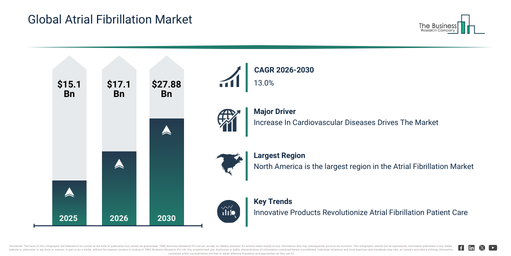
    The market for wearable apps that detect atrial fibrillation (afib) has experienced substantial expansion lately, with projections indicating a growth from $2.18 billion in 2025 to $2.61 billion by 2026, reflecting a compound annual growth rate of 19.7%. This upward trend in the historical period is fueled by several factors, including the escalating incidence of cardiovascular conditions, the burgeoning popularity of wearable health technology, heightened public consciousness regarding cardiac well-being, increased utilization of mobile health applications, and the broadening scope of remote patient monitoring initiatives.

    The market for wearable atrial fibrillation (afib) alert applications is poised for substantial expansion in the coming years, projected to reach $5.3 billion by 2030 with a compound annual growth rate (CAGR) of 19.4%. This projected growth stems from several key factors, including a heightened demand for preventative heart health solutions, the increasing utilization of artificial intelligence in wearable device analytics, the broadening scope of telecardiology services, greater integration with electronic health records, and an intensified emphasis on the early identification of afib. During this forecast period, significant trends are expected to shape the market, such as the wider adoption of continuous heart rhythm monitoring technologies, increased integration with smartwatches and fitness trackers, the growing deployment of AI-driven algorithms for arrhythmia detection, the expansion of remote cardiac care platforms, and a more pronounced focus on proactive heart health management.

    Download A Free Sample Report For Comprehensive Market Insights:

    https://www.thebusinessresearchcompany.com/sample.aspx?id=28941&type=smp

    #Atrial Fibrillation (Afib) Alert Wearable App Market Growth Factors: Which Forces Are Supporting Market Expansion?

    The increasing need for patients to be monitored from afar is poised to fuel the expansion of the market for atrial fibrillation (Afib) alert wearable applications. Remote patient monitoring, which involves employing digital tools and electronic devices to gather health information outside of conventional medical facilities, empowers healthcare professionals to oversee, track, and manage individuals’ well-being from a distance. This growing reliance on remote monitoring stems from a rising prevalence of chronic health issues like heart disease, diabetes, and high blood pressure, conditions necessitating constant observation and prompt medical attention for optimal management. Atrial fibrillation (Afib) alert wearable apps play a crucial role in this remote care paradigm by persistently analyzing heart activity, identifying anomalies as they occur, and securely relaying this data to medical practitioners, thereby facilitating prompt clinical responses and efficient condition management without the necessity for frequent face-to-face appointments. Illustrating this trend, a US-based healthcare technology firm, Vivalink, reported in August 2023 that a substantial 84% of those currently engaged with RPM intend to expand its use in 2024, with 45% of providers leveraging RPM for acute care scenarios, such as hospital-at-home initiatives, and an impressive 77% forecasting that RPM-driven healthcare will surpass conventional inpatient hospital services within the upcoming half-decade. Consequently, the amplified demand for remote patient monitoring is a key catalyst for the growth trajectory of the atrial fibrillation (Afib) alert wearable app market.

    #Atrial Fibrillation (Afib) Alert Wearable App Market Segment Landscape And Growth Potential

    The atrial fibrillation (afib) alert wearable app market covered in this report is segmented –

    1) By Product Type: Standalone Apps, Integrated Wearable Devices

    2) By Platform: iPhone Operating System (iOS), Android, Other Platforms

    3) By Distribution Channel: App Stores, Direct Sales, Third-Party Vendors

    4) By Application: Remote Patient Monitoring, Personal Health Tracking, Clinical Use, Other Applications

    5) By End-User: Hospitals And Clinics, Homecare, Individuals, Other End-Users

    Subsegments:

    1) By Standalone Apps: Mobile Standalone Atrial Fibrillation (AFib) Alert Apps, Cloud-Connected Standalone Atrial Fibrillation (AFib) Alert Apps, Subscription-Based Standalone Atrial Fibrillation (AFib) Alert Apps, Personalized Standalone Atrial Fibrillation (AFib) Alert Apps

    2) By Integrated Wearable Devices: Smartwatch-Integrated Atrial Fibrillation (AFib) Alert Apps, Fitness Band-Integrated Atrial Fibrillation (AFib) Alert Apps, Medical-Grade Wearable Integrated Atrial Fibrillation (AFib) Alert Apps, Continuous Monitoring Integrated Atrial Fibrillation (AFib) Alert Apps

    Atrial Fibrillation (Afib) Alert Wearable App Market Industry Trends: What Changes Are Reshaping Demand?

    Leading participants within the atrial fibrillation (AFib) alert wearable app sector are concentrating their efforts on pioneering advancements, exemplified by smartwatches equipped with immediate electrocardiogram (ECG) capabilities designed for the early identification of erratic heart rhythms, thereby aiding in the prevention of significant cardiac occurrences. These smartwatches function as wearable sensors that perpetually assess the heart’s electrical patterns to pinpoint anomalies, enabling individuals to recognize potential atrial fibrillation (AFib) or other cardiac concerns at an early stage and seek appropriate medical attention without delay. A pertinent illustration of this developmental trajectory is Samsung Electronics Co. Ltd., a prominent South Korean tech firm, which in May 2023 secured approval from the U.S. Food and Drug Administration (FDA) for its Irregular Heart Rhythm Notification (IHRN) feature integrated into the Samsung Health Monitor application; this functionality, coupled with its on-demand ECG feature, actively surveys heart rhythms for signs suggestive of atrial fibrillation (AFib), notifying users of possible irregularities and encouraging prompt medical consultation. The BioActive Sensor embedded within the Galaxy Watch underpins this feature, enabling continuous, background monitoring of cardiac activity to furnish users with immediate feedback on their cardiovascular well-being. Facilitating the early discovery of aberrant heart rhythms empowers individuals, particularly those who are asymptomatic or remain unaware of their condition, to proactively implement preventative measures and consult with medical experts swiftly. Such groundbreaking developments align with a pervasive movement in the wearable technology industry, where enterprises are increasingly embedding sophisticated health surveillance technologies into everyday consumer gadgets, thereby equipping individuals with practical health information and fostering the proactive management of persistent health issues like AFib.

    Atrial Fibrillation (Afib) Alert Wearable App Market Competitive Landscape: Who Are The Leading Companies?

    Major companies operating in the atrial fibrillation (afib) alert wearable app market are Apple Inc., Google LLC, Samsung Electronics Co. Ltd., Huawei Technologies Co. Ltd., Koninklijke Philips N.V., Omron Healthcare Inc., Garmin Ltd., iRhythm Technologies Inc., Beurer GmbH, Bittium Corporation, Eko Devices Inc., AliveCor Inc., VitalConnect Inc., VivaLNK Inc., Biotricity Inc., Preventicus GmbH, cardiacSense Ltd., HeartBeam Inc., FibriCheck BV, CardioSignal Inc.

    Access The Complete Atrial Fibrillation (Afib) Alert Wearable App Market Report:

    https://www.thebusinessresearchcompany.com/report/atrial-fibrillation-afib-alert-wearable-app-global-market-report

    Atrial Fibrillation (Afib) Alert Wearable App Market Geographic Distribution And Regional Opportunities

    North Americawas the largest region in the atrial fibrillation (Afib) alert wearable app market in 2025. Asia-Pacificis expected to be the fastest-growing region in the forecast period. The regions covered in the atrial fibrillation (afib) alert wearable app market report are Asia-Pacific, South East Asia, Western Europe, Eastern Europe, North America, South America, Middle East, Africa.

    Get in touch with us:

    The Business Research Company: https://www.thebusinessresearchcompany.com/

    Americas: +1 310-496-7795

    Asia: +44 7882 955267 & +91 8897263534

    Europe: +44 7882 955267

    Email us at: marketing@tbrc.info

    Follow us on:

    LinkedIn: https://in.linkedin.com/company/the-business-research-company

    YouTube: https://www.youtube.com/channel/UC24_fI0rV8cR5DxlCpgmyFQ

    Global Market Model: https://www.thebusinessresearchcompany.com/global-market-model
  • Atrial Fibrillation Market Growth Is Accelerating As Industry Transformation Continues

    Atrial Fibrillation Market Growth Is Accelerating As Industry Transformation Continues

    Delivering more actionable and strategically valuable research, The Business Research Company’s 2026 market reports feature market attractiveness analysis, total addressable market evaluation, company benchmarking matrices, interactive Excel dashboards, expanded supply chain intelligence, emerging startup coverage, and detailed product insights.

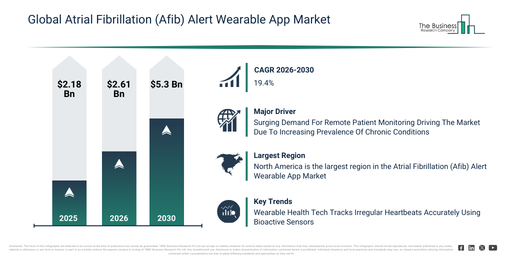
    Atrial Fibrillation Market Growth From $17.09 Billion In 2026 To $27.87 Billion By 2030 At A CAGR Of 13%

    Witnessing substantial recent expansion, the atrial fibrillation market, valued at $15.1 billion in 2025, is projected to ascend to $17.1 billion by 2026, reflecting a robust compound annual growth rate of 13.2%. This historical upward trajectory is underpinned by several key factors, including the escalating incidence of atrial fibrillation within an aging demographic, enhancements in accessing sophisticated cardiac diagnostic tools, a broader accessibility to anticoagulant treatments, the proliferation of electrophysiology laboratory infrastructure, and heightened public and professional awareness concerning stroke prevention.

    The global atrial fibrillation market is poised for substantial expansion over the coming years, projected to reach $27.88 billion by 2030, driven by a compound annual growth rate of 13.0%. This anticipated surge is underpinned by several key factors including a heightened need for individualized approaches to treating arrhythmias, increasing utilization of wearable technologies for cardiac surveillance, the broader implementation of integrated treatment strategies, greater investment in electrophysiology infrastructure, and an amplified emphasis on achieving sustainable rhythm management. Significant developments anticipated during this forecast period encompass a greater acceptance of catheter ablation techniques, the wider deployment of sophisticated cardiac mapping systems, a clear inclination toward less invasive therapeutic interventions, the advancement of drug-based therapies aimed at maintaining heart rhythm, and a strengthened focus on prompt detection and ongoing patient observation.

    Download A Free Sample Report For Comprehensive Market Insights:

    https://www.thebusinessresearchcompany.com/sample.aspx?id=8007&type=smp

    Atrial Fibrillation Market Demand Drivers: What Is Fueling Industry Growth?

    The escalating prevalence of conditions affecting the heart and circulatory system, collectively known as cardiovascular diseases, is poised to propel the atrial fibrillation market. These ailments, which include but are not limited to coronary artery disease, heart failure, and irregular heart rhythms, represent a substantial threat to cardiovascular well-being. The marked rise in cardiovascular ailments highlights an amplified need for sophisticated diagnostic tools and therapeutic interventions, consequently stimulating growth in the atrial fibrillation sector as medical communities and commercial entities address the mounting complexities presented by the increasing occurrence of these illnesses. Illustrating this point, data released by the CDC in October 2024 indicated that cardiovascular diseases were responsible for 919,032 fatalities in the U.S. during 2023, equating to one in every three deaths. Furthermore, approximately 805,000 individuals in the United States experience a heart attack annually. Consequently, the substantial global impact of cardiovascular diseases is set to be a key driver for the atrial fibrillation market.

    Atrial Fibrillation Market Categorization By Product Type And Application

    The atrial fibrillation market covered in this report is segmented –

    1) By Type: Surgical, Non-Surgical

    2) By Technology: Radiofrequency, Laser, Cryotherapy, Other Technologies

    3) By Treatment Type: Pharmacological Treatment, Non-pharmacological Treatment, Maze Surgery, Electric Cardioversion

    4) By End User: Hospitals, Electrophysiology Labs, Ambulatory Surgical Centers

    Subsegments:

    1) By Surgical: Catheter Ablation, Maze Procedure, Hybrid Ablation Procedures

    2) By Non-Surgical: Antiarrhythmic Drugs, Anticoagulants, Cardioversion Procedures

    Atrial Fibrillation Market Innovation Trends: Which Developments Are Transforming The Industry?

    Leading players within the atrial fibrillation sector are actively introducing novel offerings and approaches, like patient-focused clinical decision support systems, to bolster their competitive standing. These advanced systems, known as Clinical Decision Support Tools (CDST), are essentially software or electronic platforms engineered to aid medical practitioners in rendering prompt and well-informed choices concerning patient management by consolidating pertinent clinical data from diverse origins. A notable illustration occurred in August 2023 when GE HealthCare, a prominent American global medical technology firm, unveiled CardioVisio. This patient-centric tool is designed to empower physicians with evidence-based decision support, adhering to current atrial fibrillation directives, and to visually represent longitudinal patient data from various sources pertinent to disease progression. CardioVisio’s application in atrial fibrillation can significantly benefit cardiologists by optimizing image interpretation workflows and offering a comprehensive overview of a patient’s cardiac history and overall health trajectory, encompassing prior diagnoses, therapeutic regimens, interventional procedures, and co-existing conditions.

    Atrial Fibrillation Market Company Landscape And Strategic Competition

    Major companies operating in the atrial fibrillation market are AtriCure Inc, Abbott Laboratories, Medtronic PLC, Boston Scientific Corporation, Johnson & Johnson, Boehringer Ingelheim International GmbH, Bristol-Myers Squibb Company, Sanofi SA, Bayer AG, Pfizer Inc, Daiichi Sankyo Company Limited, AstraZeneca PLC, Biotronik SE & Co KG, Kardium Inc, Acutus Medical Inc, Apama Medical Inc, CardioFocus Inc, AliveCor Inc, iRhythm Technologies Inc, BioSig Technologies Inc

    Access The Complete Atrial Fibrillation Market Report:

    https://www.thebusinessresearchcompany.com/report/atrial-fibrillation-global-market-report

    Atrial Fibrillation Market Largest Region By Revenue And Market Share

    North Americawas the largest region in the atrial fibrillation market in 2025. Asia-Pacificis expected to be the fastest-growing region in the atrial fibrillation market report forecast period. The regions covered in the atrial fibrillation market report are Asia-Pacific, South East Asia, Western Europe, Eastern Europe, North America, South America, Middle East, Africa.

    Get in touch with us:

    The Business Research Company: https://www.thebusinessresearchcompany.com/

    Americas: +1 310-496-7795

    Asia: +44 7882 955267 & +91 8897263534

    Europe: +44 7882 955267

    Email us at: marketing@tbrc.info

    Follow us on:

    LinkedIn: https://in.linkedin.com/company/the-business-research-company

    YouTube: https://www.youtube.com/channel/UC24_fI0rV8cR5DxlCpgmyFQ

    Global Market Model: https://www.thebusinessresearchcompany.com/global-market-model
  • Atorvastatin Market Outlook Highlights The Next Major Growth Opportunities

    Atorvastatin Market Outlook Highlights The Next Major Growth Opportunities

    Enhanced with market attractiveness analysis, total addressable market evaluation, company benchmarking matrices, interactive Excel dashboards, expanded supply chain intelligence, emerging startup coverage, and detailed product insights, The Business Research Company’s 2026 market reports deliver more actionable and strategically valuable research.

    Atorvastatin Market Expansion Outlook: What Revenue Opportunities Lie Ahead?

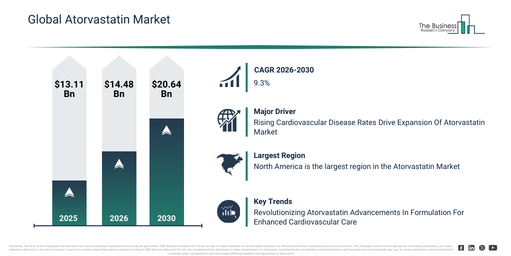
    The atorvastatin market experienced substantial expansion recently, projected to increase from $13.11 billion in 2025 to $14.48 billion by 2026, reflecting a compound annual growth rate of 10.5%. Key drivers behind this historical growth trajectory include the escalating global incidence of cardiovascular ailments, the broad clinical endorsement of statin-based treatments, an augmented rate of diagnosing lipid disorders, the existence of established chemical synthesis methodologies, and the significant market presence of generic atorvastatin formulations.

    The atorvastatin market is poised for substantial expansion over the coming years, projecting a rise to $20.64 billion by 2030 with a compound annual growth rate of 9.3%. This anticipated increase stems from several key factors including a growing elderly demographic at risk for cardiovascular issues, a heightened focus on preventative heart care strategies, increased utilization of combined treatments for lowering lipids, the growth of pharmaceutical production capabilities in developing economies, and a greater commitment to environmentally friendly methods in drug creation. Within this projected timeframe, significant market trends are expected to emerge, such as the broader implementation of manufacturing processes utilizing biocatalysis, a greater need for statin medications in generic forms, an intensified focus on producing active pharmaceutical ingredients of superior purity, an increase in the scale of commercial production facilities, and a stronger emphasis on producing medications in a cost-effective manner.

    Download A Free Sample Report For Comprehensive Market Insights:

    https://www.thebusinessresearchcompany.com/sample.aspx?id=16344&type=smp

    Atorvastatin Market Growth Drivers: What Factors Are Accelerating Expansion?

    The increasing incidence of heart and blood vessel conditions is anticipated to fuel the expansion of the atorvastatin market in the future. These cardiovascular diseases (CVDs) are on the rise due to a confluence of evolving lifestyles, demographic changes, and environmental influences. Atorvastatin plays a crucial role in mitigating the likelihood of significant cardiovascular events, including heart attacks and strokes, by effectively targeting these contributing elements. Its extensive application in individuals with elevated cholesterol and other CVD risk factors has significantly contributed to alleviating the overall impact of these diseases. As an illustration, data from the American Heart Association in January 2024 indicated a slight uptick in cardiovascular-related fatalities within the United States, totaling 931,578, which represents a modest increase of 3,000 deaths compared to the prior year’s count of 928,741. Consequently, the escalating rate of cardiovascular diseases is a primary driver for the growth of the atorvastatin market.

    Atorvastatin Market Segment Analysis And Revenue Opportunities

    The atorvastatin market covered in this report is segmented –

    1) By Type: Chemical Synthesis, Biocatalysis

    2) By Therapeutic Indication: Hypercholesterolemia, Dyslipidemia, Cardiovascular Disease Prevention, Other Therapeutic Indications

    3) By Application: Hospital Pharmacy, Retail Pharmacy, Online Pharmacy

    Subsegments:

    1) By Chemical Synthesis: Traditional Chemical Synthesis Of Atorvastatin, Semi-Synthetic Atorvastatin Production, Large-Scale Chemical Synthesis For Commercial Production

    2) By Biocatalysis: Enzyme-Catalyzed Synthesis Of Atorvastatin, Biocatalytic Pathways For Efficient Production, Green Chemistry Approaches In Atorvastatin Manufacturing, Biocatalysis For Higher Yield And Purity

    Atorvastatin Market Trends: What Is Shaping Future Industry Growth?

    In the atorvastatin market, leading enterprises are concentrating on creating novel pharmaceutical solutions, including liquid oral suspension formulations, to enhance therapies for elevated cholesterol and reduce the likelihood of cardiac events or cerebrovascular incidents. This type of ready-to-use liquid formulation simplifies medication delivery, proving especially beneficial for individuals who struggle with conventional solid drug forms. A prime example is the introduction by CMP Pharma, Inc., a U.S. pharmaceutical entity, in June 2023, of Atorvaliq (atorvastatin calcium) Oral Suspension at a 20 mg/5 mL concentration, which received approval from the U.S. Food and Drug Administration. Atorvaliq specifically caters to patients needing atorvastatin but experiencing challenges with swallowing pills, presenting a user-friendly, secure, and regulatory-sanctioned liquid alternative for both medical professionals and appropriate patient populations.

    Atorvastatin Market Leading Players Shaping Industry Direction

    Major companies operating in the atorvastatin market are Zydus Lifesciences, Pfizer Inc., Viatris Inc., Teva Pharmaceutical Industries Ltd., Hetero Ltd., Sun Pharmaceutical Industries Ltd., Dr. Reddy’s Laboratories Ltd., Cadila Pharmaceuticals Ltd., Apotex Pharmachem Inc., Glenmark Pharmaceuticals Ltd., Alembic Pharmaceuticals Ltd., Centrient Pharmaceuticals, Accord Healthcare Ltd., Wockhardt Ltd., Zhejiang Hisun Pharmaceutical Co. Ltd., Unichem Laboratories Ltd., Morepen, Ind-Swift Labs Ltd., Smilax Laboratories Limited, Saneca Pharmaceuticals AS, Srini Pharmaceuticals Pvt. Ltd., Suvan Lifesciences Ltd., Zenfold Sustainable Technologies

    Access The Complete Atorvastatin Market Report:

    https://www.thebusinessresearchcompany.com/report/atorvastatin-global-market-report

    Atorvastatin Market Regional Analysis And Leading Geography

    North Americawas the largest region in the atorvastatin market in 2025. Asia-Pacificis expected to be the fastest-growing region in the forecast period. The regions covered in the atorvastatin market report are Asia-Pacific, South East Asia, Western Europe, Eastern Europe, North America, South America, Middle East, Africa.

    Get in touch with us:

    The Business Research Company: https://www.thebusinessresearchcompany.com/

    Americas: +1 310-496-7795

    Asia: +44 7882 955267 & +91 8897263534

    Europe: +44 7882 955267

    Email us at: marketing@tbrc.info

    Follow us on:

    LinkedIn: https://in.linkedin.com/company/the-business-research-company

    YouTube: https://www.youtube.com/channel/UC24_fI0rV8cR5DxlCpgmyFQ

    Global Market Model: https://www.thebusinessresearchcompany.com/global-market-model
  • Atopic Dermatitis Clinical Trials Market Trends And Growth Drivers Point To Strong Future Potential

    Atopic Dermatitis Clinical Trials Market Trends And Growth Drivers Point To Strong Future Potential

    Through market attractiveness analysis, total addressable market evaluation, company benchmarking matrices, interactive Excel dashboards, expanded supply chain intelligence, emerging startup coverage, and detailed product insights, The Business Research Company’s 2026 market reports provide more actionable and strategically valuable research.

    Atopic Dermatitis Clinical Trials Market Growth Potential: How Will Market Size Change Through 2030?

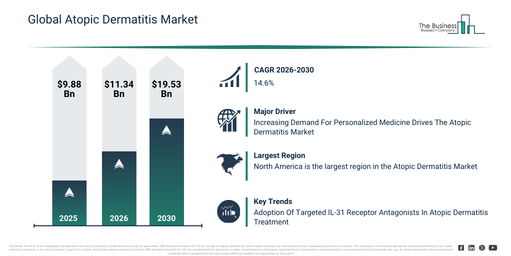
    The clinical trials market specifically for atopic dermatitis has experienced substantial expansion recently, with a projected increase from $2.74 billion in 2025 to $3.07 billion in 2026, reflecting a compound annual growth rate of 12.0%. Factors contributing to this historical growth trajectory include the escalating incidence of atopic dermatitis, the broadening development pipelines for dermatological medications, enhanced financial commitments to clinical research, increased involvement of Contract Research Organizations in dermatology studies, and advancements in the methods used for designing clinical trials.

    The market for atopic dermatitis clinical trials is poised for substantial expansion in the upcoming years, projected to reach $4.78 billion by 2030 with a compound annual growth rate of 11.7%. This projected increase is fueled by several key factors, including a burgeoning demand for innovative biologic treatments and JAK inhibitors, the increasing implementation of decentralized clinical trial methodologies, a greater reliance on real-world evidence for study conduct, the advancement of individualized treatment strategies, and a rise in regulatory endorsements for sophisticated therapeutic options. Prominent developments anticipated during this forecast period involve a greater embrace of biologic and targeted therapies within trial protocols, a more widespread utilization of digital tools for patient monitoring, a heightened concentration on trial designs that prioritize patient needs, the broadening scope of late-stage, multi-center investigations, and a more pronounced attention paid to long-term safety assessments along with quality of life outcomes.

    Download A Free Sample Report For Comprehensive Market Insights:

    https://www.thebusinessresearchcompany.com/sample.aspx?id=27213&type=smp

    Atopic Dermatitis Clinical Trials Market Growth Factors Supporting Long-Term Expansion

    Forward momentum for the atopic dermatitis clinical trials market is anticipated as pharmaceutical and biopharma sectors exhibit escalating investment, defined by financial commitments toward the discovery, refinement, production, and market introduction of drug and biologic treatments. This surge in investment is primarily attributed to a growing need for novel therapeutic approaches, which provide precise treatment avenues and enhance patient results. By financing the investigation and validation of new interventions, these substantial financial inputs bolster atopic dermatitis clinical trials, enabling thorough scientific investigations to establish both efficacy and safety. As an illustration, the Association of Australian Medical Research Institutes (AAMRI), a non-profit entity in Australia, reported that in 2023, Australian medical research institutions garnered an aggregate revenue of roughly AUD 2.5 billion (equivalent to approximately USD 1.65 billion), a figure shared in December 2024. Consequently, this amplified commitment from pharmaceutical and biopharmaceutical entities serves as a catalyst for the expansion of the atopic dermatitis clinical trials market.

    Atopic Dermatitis Clinical Trials Market Segmentation And Category Breakdown

    The atopic dermatitis clinical trials market covered in this report is segmented –

    1) By Phase: Phase I, Phase II, Phase III, Phase IV

    2) By Molecule Type: Small Molecules, Large Molecules

    3) By Study Designs: Interventional, Observational

    4) By Mode: Outsourced, In-House

    5) By Industry: Contract Research Organizations, Pharmaceutical And Biotechnology Companies, Research And Academic Institutes

    Subsegments:

    1) By Phase I: Safety And tolerability studies, Dose-Escalation studies, Pharmacokinetics (PK) And Pharmacodynamics (PD) Studies

    2) By Phase II: Dose-Ranging Studies, Efficacy And Safety Studies, Randomized Controlled Trials (RCTs), Biomarker Identification Studies

    3) By Phase III: Large-Scale Efficacy Studies, Comparative Effectiveness Trials, Multicenter Randomized Trials, Long-Term Safety Assessment

    4) By Phase IV: Post-Marketing Surveillance, Real-World Evidence Studies, Drug Utilization Studies, Health Outcomes And Quality Of Life Studies

    Atopic Dermatitis Clinical Trials Market Industry Trends Shaping Future Revenue Growth

    Leading entities within the atopic dermatitis clinical trials arena are concentrating their efforts on pioneering novel therapeutics, notably oral inhibitors, engineered to deliver sustained clinical benefits. These oral inhibitors, ingested orally, function by intercepting specific enzymatic activities or signaling cascades implicated in the advancement of the condition. As an illustration, in February of 2023, the prominent US pharmaceutical firm Pfizer Inc. disclosed that the U.S. Food and Drug Administration had granted approval for its supplemental New Drug Application concerning CIBINQO (abrocitinib), thereby broadening its eligibility to encompass adolescents between the ages of 12 and 18 years who exhibit moderate-to-severe atopic dermatitis that has proven unresponsive to alternative systemic therapies or biologic agents. Prior to this development, CIBINQO’s therapeutic application was limited to adult individuals aged 18 and above, and this recent extension now presents a fresh therapeutic avenue for younger individuals grappling with challenging forms of atopic dermatitis, supported by data derived from clinical investigations that underscored its safety profile and efficacy in the aforementioned pediatric demographic.

    Atopic Dermatitis Clinical Trials Market Competitive Analysis Of Major Industry Participants

    Major companies operating in the atopic dermatitis clinical trials market are Pfizer Inc., Johnson & Johnson, AbbVie Inc., Novartis International AG, Sanofi S.A., GlaxoSmithKline Plc, Eli Lilly and Company, Amgen Inc., Regeneron Pharmaceuticals Inc., Organon & Co., Charles River Laboratories International Inc., LEO Pharma A/S, QIMA Limited, Medpace Holdings Inc., Novotech Health Holdings Pte Ltd., Biocytogen Pharmaceuticals Co. Ltd., REPROCELL Inc., AnaptysBio Inc., Imavita S.A.S., Oncodesign Services S.A.S.

    Access The Complete Atopic Dermatitis Clinical Trials Market Report:

    https://www.thebusinessresearchcompany.com/report/atopic-dermatitis-clinical-trials-global-market-report

    Atopic Dermatitis Clinical Trials Market Geographic Analysis: Where Is Demand Growing The Fastest?

    North Americawas the largest region in the atopic dermatitis clinical trials market in 2025. Asia-Pacificis expected to be the fastest-growing region in the forecast period. The regions covered in the atopic dermatitis clinical trials market report are Asia-Pacific, South East Asia, Western Europe, Eastern Europe, North America, South America, Middle East, Africa.

    Get in touch with us:

    The Business Research Company: https://www.thebusinessresearchcompany.com/

    Americas: +1 310-496-7795

    Asia: +44 7882 955267 & +91 8897263534

    Europe: +44 7882 955267

    Email us at: marketing@tbrc.info

    Follow us on:

    LinkedIn: https://in.linkedin.com/company/the-business-research-company

    YouTube: https://www.youtube.com/channel/UC24_fI0rV8cR5DxlCpgmyFQ

    Global Market Model: https://www.thebusinessresearchcompany.com/global-market-model
  • Atopic Dermatitis Market Expansion Is Reshaping Competitive Dynamics Across The Industry

    Atopic Dermatitis Market Expansion Is Reshaping Competitive Dynamics Across The Industry

    Delivering more actionable and strategically valuable research, The Business Research Company’s 2026 market reports feature market attractiveness analysis, total addressable market evaluation, company benchmarking matrices, interactive Excel dashboards, expanded supply chain intelligence, emerging startup coverage, and detailed product insights.

    Atopic Dermatitis Market Value Analysis: What Growth Is Expected Over The Forecast Period?

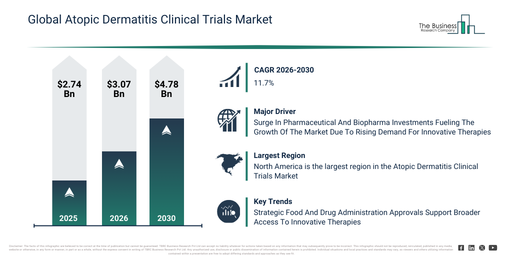
    The atopic dermatitis market is experiencing significant expansion, projected to increase from $9.88 billion in 2025 to $11.34 billion by 2026, reflecting a compound annual growth rate of 14.8%. This upward trend in the historical period has been fueled by several factors, including the rising incidence of persistent skin ailments, enhanced accessibility to topical corticosteroids, a broader reach of dermatological care offerings, heightened public understanding of eczema treatment, and improvements in the precision of diagnoses.

    The atopic dermatitis market is poised for substantial expansion, projected to reach $19.53 billion by 2030, registering an impressive 14.6% compound annual growth rate. This upward trajectory is fueled by several key factors, including a greater embrace of biologic treatments and JAK inhibitors, a heightened concentration on customized dermatological approaches, the proliferation of injectable therapeutic alternatives, augmented investment in dermatological research, and a growing need for sustained symptom relief. Foremost among the prevailing trends expected to shape the market during this forecast interval are the increasing utilization of biologic therapies, a surge in demand for immunomodulators that act on specific targets, a stronger emphasis on managing the condition over extended periods, the development and availability of sophisticated topical formulations, and a more pronounced focus on treatments tailored to individual patient needs.

    Download A Free Sample Report For Comprehensive Market Insights:

    https://www.thebusinessresearchcompany.com/sample.aspx?id=8285&type=smp

    #Atopic Dermatitis Market Demand Drivers Creating New Revenue Opportunities

    The increasing demand for personalized medicine is expected to propel the growth of the atopic dermatitis market going forward. Personalized medicine refers to an innovative approach to medical treatment and healthcare that tailors medical decisions, practices, interventions, and drug therapies to the individual patient. Personalized medicine in atopic dermatitis involves the identification of specific genetic and molecular factors influencing the disease, enabling the development of targeted therapies that address the unique characteristics of each patient. This approach not only enhances treatment efficacy but also minimizes adverse effects. For instance, in February 2024, the Personalized Medicine Coalition, a US-based advocacy group for tailored medical treatments, said the FDA approved 16 new personalized treatments for rare disease patients in 2023, up from six in 2022. Therefore, the increasing demand for personalized medicine is driving the growth of the atopic dermatitis market.

    Atopic Dermatitis Market Segment Outlook: Which Categories Are Expanding The Fastest?

    The atopic dermatitis market covered in this report is segmented –

    1) By Drug Class: Corticosteroids, Emollients Or Moisturizers, IL-4 And PDE4 Inhibitors, Calcineurin Inhibitors, Other Drug Classes

    2) By Mode of Administration: Topical, Injectable, Oral

    3) By Distribution Channel: Hospital Pharmacies, Retail Pharmacies, Online Pharmacies

    Subsegments:

    1) By Corticosteroids: Topical Corticosteroids, Systemic Corticosteroids

    2) By Emollients Or Moisturizers: Creams and Lotions, Ointments and Balms, Barrier Repair Creams

    3) By IL-4 And PDE4 Inhibitors: Dupilumab (IL-4 Inhibitor), Apremilast (PDE4 Inhibitor)

    4) By Calcineurin Inhibitors: Tacrolimus Ointment, Pimecrolimus Cream

    5) By Other Drug Classes: Biologics, JAK Inhibitors

    Atopic Dermatitis Market Trends Driving Strategic Industry Expansion

    In the evolving landscape of atopic dermatitis therapeutics, key players are dedicating resources to pioneering novel treatments, including agents that counteract the IL-31 receptor, with the aim of alleviating persistent itching, enhancing skin condition management, and minimizing adverse systemic effects in contrast to conventional steroid or immunosuppressive medications. These IL-31 receptor antagonists function by impeding the IL-31 signaling cascade, a critical pathway for itch perception and inflammatory processes, thereby presenting a more precise therapeutic strategy compared to widespread immune system dampening. As an illustration, late in 2024, Galderma, a prominent Swiss firm specializing in dermatological solutions, secured the United States Food and Drug Administration’s endorsement for Nemluvio (nemolizumab), marking the introduction of the inaugural monoclonal antibody engineered to selectively target the IL-31 receptor alpha, thereby suppressing IL-31 signaling in cases of moderate to severe atopic dermatitis. This treatment, delivered through subcutaneous injection, attaches to the IL-31 receptor, preventing its activation by the IL-31 cytokine. Clinical investigations have demonstrated its capacity to offer prompt alleviation of itching and significant amelioration of cutaneous manifestations when integrated with topical therapies.

    Atopic Dermatitis Market Key Companies And Competitive Benchmarking

    Major companies operating in the atopic dermatitis market are Sanofi SA, Regeneron Pharmaceuticals Inc., Novartis International AG, Pfizer Inc., AbbVie Inc., Astellas Pharma Inc., Arcutis Biotherapeutics Inc., Asana Biosciences LLC, Dermavant Sciences Inc., Eli Lilly and Company, Galderma SA, Incyte Corporation, Bayer AG, Bausch Health Companies Inc., GlaxoSmithKline PLC, LEO Pharma A/S, Teva Pharmaceutical Industries Ltd., Allergan PLC, Menlo Therapeutics Inc., Johnson & Johnson, Merck & Co Inc., Amgen Inc., AstraZeneca PLC, Bristol-Myers Squibb Company, Eisai Co. Ltd., Kyowa Kirin Co. Ltd., Mallinckrodt Pharmaceuticals Limited

    Access The Complete Atopic Dermatitis Market Report:

    https://www.thebusinessresearchcompany.com/report/atopic-dermatitis-global-market-report

    Atopic Dermatitis Market Global Footprint: Which Region Holds Market Leadership?

    North Americawas the largest region in the atopic dermatitis market in 2025. Asia-Pacificis expected to be the fastest-growing region in the forecast period. The regions covered in the atopic dermatitis market report are Asia-Pacific, South East Asia, Western Europe, Eastern Europe, North America, South America, Middle East, Africa.

    Get in touch with us:

    The Business Research Company: https://www.thebusinessresearchcompany.com/

    Americas: +1 310-496-7795

    Asia: +44 7882 955267 & +91 8897263534

    Europe: +44 7882 955267

    Email us at: marketing@tbrc.info

    Follow us on:

    LinkedIn: https://in.linkedin.com/company/the-business-research-company

    YouTube: https://www.youtube.com/channel/UC24_fI0rV8cR5DxlCpgmyFQ

    Global Market Model: https://www.thebusinessresearchcompany.com/global-market-model
  • At-Home Genetic Testing Market Forecast Reveals Where Future Industry Value Will Be Created

    At-Home Genetic Testing Market Forecast Reveals Where Future Industry Value Will Be Created

    Enhanced with market attractiveness analysis, total addressable market evaluation, company benchmarking matrices, interactive Excel dashboards, expanded supply chain intelligence, emerging startup coverage, and detailed product insights, The Business Research Company’s 2026 market reports deliver more actionable and strategically valuable research.

    At-Home Genetic Testing Market Size Forecast: How Large Could The Market Become By 2030?

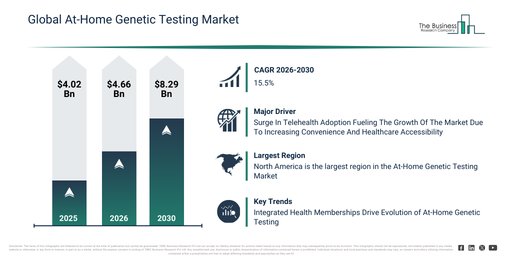
    The domestic genetic testing sector has experienced substantial expansion lately. Projections indicate a rise from 4.02 billion USD in 2025 to 4.66 billion USD in 2026, reflecting a compound annual growth rate of 15.8%. This trajectory of growth over the past period can be ascribed to heightened consumer demand for tailored health information, a reduction in the expense associated with genetic sequencing, the proliferation of digital health services, heightened consciousness regarding the risks of inherited conditions, and the accessibility of user-friendly at-home sample collection kits.

    The at-home genetic testing sector is poised for substantial expansion, projected to reach a valuation of $8.29 billion by the year 2030, fueled by a compound annual growth rate of 15.5%. This anticipated increase stems from several key drivers, including the growing synergy between genetic information and digital health ecosystems, a heightened consumer preference for proactive health management strategies, the proliferation of tailored nutritional and fitness regimens, greater regulatory certainty surrounding direct-to-consumer genetic examinations, and ongoing progress in the sophisticated analysis of genomic data. Within this growth phase, prominent developments are expected to encompass a wider uptake of direct-to-consumer genetic health kits, escalating interest in tracing ancestral origins and ethnic backgrounds, more widespread application of pharmacogenomic testing for optimized medication selection, the broadening scope of personalized wellness guidance, and a heightened emphasis on safeguarding data privacy and user consent.

    Download A Free Sample Report For Comprehensive Market Insights:

    https://www.thebusinessresearchcompany.com/sample.aspx?id=24473&type=smp

    At-Home Genetic Testing Market Expansion Supported By Key Demand Factors

    The increasing prevalence of telehealth services is anticipated to be a significant catalyst for the expansion of the at-home genetic testing market. Telehealth, which involves employing digital technologies like computers, mobile devices, and video conferencing for remote healthcare delivery and management, is gaining traction due to its inherent convenience and its capacity to enhance healthcare accessibility, particularly for individuals residing in distant, rural, or inadequately served regions. At-home genetic testing plays a crucial role in supporting telehealth by furnishing healthcare professionals with individualized genetic data that can be leveraged during virtual appointments, thereby enabling physicians to customize treatment strategies, oversee long-term health issues, and impart specific health advice remotely. Illustrating this trend, statistics from the Australian Bureau of Statistics revealed that in November 2025, 22.5% of Australians utilized telehealth services during the 2024–25 period, with 90.3% of those who experienced a telehealth consultation expressing a willingness to use the service again if available, a slight increase from 89.2% in 2023–24, underscoring a growing acceptance and sustained uptake of this remote healthcare modality. Consequently, the escalating use of telehealth is directly contributing to the growth trajectory of the at-home genetic testing market.

    At-Home Genetic Testing Market Segment Landscape: Which Areas Lead Market Development?

    The at-home genetic testing market covered in this report is segmented –

    1) By Test Type: Ancestry Testing, Health And Wellness Testing, Disease Risk Assessment, Carrier Testing, Other Test Types

    2) By Sample Type: Saliva, Blood, Cheek Swab, Urine, Other Specimens

    3) By Technology: Next-Generation Sequencing, Polymerase Chain Reaction, Microarray, Other Technologies

    4) By Application: Personal Use, Clinical Use, Research Use, Pharmaceutical Use, Nutritional Use

    5) By Distribution Channel: Online Platforms, Retail Pharmacies, Other Distribution Channels

    Subsegments:

    1) By Ancestry Testing: Ethnicity Estimation, Genetic Heritage Mapping, Migration Pattern Analysis, Deep Ancestry Tracing

    2) By Health And Wellness Testing: Nutrigenomics, Fitness and Exercise Response, Sleep Pattern Analysis, Stress and Behavioral Traits, Skin and Aging Traits

    3) By Disease Risk Assessment: Cardiovascular Disease Risk, Cancer Risk Assessment, Neurological Disorder Risk, Autoimmune Disease Risk, Metabolic Disorder Risk

    4) By Carrier Testing: Cystic Fibrosis Carrier Screening, Tay-Sachs Disease Screening, Sickle Cell Anemia Carrier Testing, Thalassemia Carrier Testing, Fragile X Syndrome Screening

    5) By Other Test Types: Pharmacogenomics (Drug Response), Prenatal Genetic Testing, Pediatric Genetic Testing, Rare Disease Screening, Behavioral Trait Testing

    At-Home Genetic Testing Market Growth Trends Influencing Competitive Dynamics

    Within the at-home genetic testing sector, leading entities are prioritizing the incorporation of novel approaches, notably health membership frameworks, to deliver sustained, individualized preventive healthcare. These membership programs, operating on a subscription basis, grant continuous engagement with services including sophisticated genetic assessments, routine biomarker surveillance, and remote physician consultations, thereby enabling individuals to proactively manage their health vulnerabilities and benefit from tailored preventative strategies. As an illustration, 23andMe, a prominent American personal genomics firm, introduced 23andMe+ Total Health in November 2023; this membership initiative features clinical-grade exome sequencing covering more than 100 genes of medical significance associated with over 55 health maladies, coupled with bi-annual testing for over 55 blood biomarkers and virtual consultations with clinicians adept in genetics. The overarching design of this offering is to foster personalized preventive planning by harmonizing advanced genetic knowledge with continuous monitoring and telehealth assistance, thereby transforming at-home genetic testing from a singular purchase into an ongoing service dedicated to health prevention.

    At-Home Genetic Testing Market Industry Leaders And Market Competition

    Major companies operating in the at-home genetic testing market are AncestryDNA, LetsGetChecked, Helix OpCo LLC, Everlywell Inc., Genos Inc., Vitagene Inc., Orig3n Inc., Mapmygenome India Limited, CircleDNA, EasyDNA Limited, African Ancestry Inc., Futura Genetics Ltd., Living DNA Ltd., Nebula Genomics Inc., TellmeGen S.L., Xcode Life Sciences Pvt Ltd., Color Health Inc., MyHeritage Ltd, FamilyTreeDNA (Gene By Gene Ltd), Color Genomics Inc, DNAfit, Pathway Genomics Inc.

    Access The Complete At-Home Genetic Testing Market Report:

    https://www.thebusinessresearchcompany.com/report/at-home-genetic-testing-global-market-report

    At-Home Genetic Testing Market Regional Distribution: Which Areas Drive Market Expansion?

    North Americawas the largest region in the at-home genetic testing market in 2025. Asia-Pacificis expected to be the fastest-growing region in the forecast period. The regions covered in the at-home genetic testing market report are Asia-Pacific, South East Asia, Western Europe, Eastern Europe, North America, South America, Middle East, Africa.

    Get in touch with us:

    The Business Research Company: https://www.thebusinessresearchcompany.com/

    Americas: +1 310-496-7795

    Asia: +44 7882 955267 & +91 8897263534

    Europe: +44 7882 955267

    Email us at: marketing@tbrc.info

    Follow us on:

    LinkedIn: https://in.linkedin.com/company/the-business-research-company

    YouTube: https://www.youtube.com/channel/UC24_fI0rV8cR5DxlCpgmyFQ

    Global Market Model: https://www.thebusinessresearchcompany.com/global-market-model
  • Atenolol Market Growth Through 2030 Creates New Strategic Opportunities

    Atenolol Market Growth Through 2030 Creates New Strategic Opportunities

    Through market attractiveness analysis, total addressable market evaluation, company benchmarking matrices, interactive Excel dashboards, expanded supply chain intelligence, emerging startup coverage, and detailed product insights, The Business Research Company’s 2026 market reports provide more actionable and strategically valuable research.

    Atenolol Market Revenue Outlook: What CAGR Is Expected Through 2030?

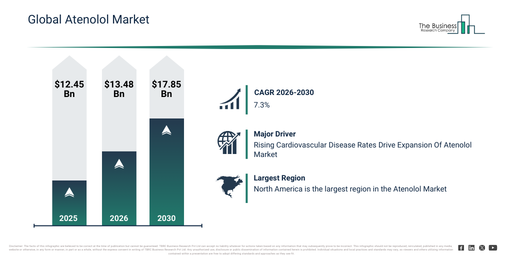
    The atenolol market experienced robust expansion lately, projected to advance from its 2025 valuation of $12.45 billion to $13.48 billion by 2026, reflecting a compound annual growth rate of 8.2%. This past growth trajectory was influenced by factors such as the escalating incidence of hypertension and cardiac conditions, the widespread uptake of generic medications, the accessibility of beta-blocker treatments, enhancements in pharmaceutical production capabilities, and broadened access to cardiovascular drugs.

    The market for atenolol is projected for substantial expansion over the coming years, reaching an estimated value of $17.85 billion by 2030, driven by a compound annual growth rate of 7.3%. This anticipated growth is fueled by several key factors, including a heightened need for accessible treatments for chronic illnesses, increased financial commitment to improving pharmaceutical quality standards, the broadening market for branded generics, an intensified focus on bolstering supply chain robustness, and the wider implementation of sophisticated drug development techniques. Throughout the projection period, significant market dynamics will include a surge in demand for generic medications targeting cardiovascular conditions, a greater emphasis on producing pharmaceutical ingredients that meet high purity specifications, a growing inclination towards oral solid dosage formulations, the expansion of manufacturing processes designed for cost-effectiveness, and a more pronounced dedication to adhering to quality regulations.

    Download A Free Sample Report For Comprehensive Market Insights:

    https://www.thebusinessresearchcompany.com/sample.aspx?id=16343&type=smp

    #Atenolol Market Growth Drivers And Industry Catalysts

    The increasing incidence of heart and blood vessel conditions is anticipated to stimulate the expansion of the atenolol market in the future. These conditions, broadly categorized as cardiovascular diseases (CVDs), are on the rise due to an expanding and aging populace, the prevalence of risk factors, and incomplete application of well-established preventive and treatment methods. Atenolol is instrumental in managing diverse cardiovascular ailments by decreasing heart rate, reducing blood pressure, alleviating angina symptoms, averting heart attacks, and addressing arrhythmias, thereby stabilizing cardiac function, regulating blood pressure, and mitigating complications for improved long-term cardiac health. For example, data from the American Heart Association in January 2024 indicated a slight uptick in total cardiovascular deaths in the US, reaching 931,578, a modest increase of 3,000 from the previous year’s 928,741, underscoring the rising impact of these diseases and, consequently, driving the atenolol market.

    The growing number of individuals experiencing high blood pressure is projected to be a key factor in expanding the atenolol market. Hypertension, characterized by persistently elevated blood pressure against artery walls, is becoming more common due to factors like lifestyle choices, dietary patterns, stress levels, and demographic shifts. Atenolol aids in controlling hypertension by slowing the heart rate, lessening the force of the heart’s contractions, and interfering with the renin-angiotensin-aldosterone system, collectively reducing blood pressure and preventing associated complications for better patient results. A notable statistic from the World Health Organization in March 2023 estimated that approximately 1.28 billion adults globally between the ages of 30 and 79 suffer from hypertension, highlighting the widespread nature of this condition and its role in fueling the atenolol market.

    Atenolol Market Segments: Where Are The Largest Growth Opportunities?

    The atenolol market covered in this report is segmented –

    1) By Type: 98% Purity, 99% Purity

    2) By Distribution Channel: Hospital Pharmacies, Drug Stores, Online Pharmacies, Other Distribution Channels

    3) By Application: Hypertension, Angina, Arrhythmia, Other Applications

    Subsegments:

    1) By 98% Purity: Atenolol With 98% Purity For Pharmaceutical Formulations, Atenolol 98% Purity For Generic Drug Production, Atenolol 98% Purity For Bulk Production And Manufacturing

    2) By 99% Purity: Atenolol With 99% Purity For High-Quality Pharmaceutical Products, Atenolol 99% Purity For Branded Drug Formulations

    Atenolol Market Major Participants And Competitive Dynamics

    Major companies operating in the atenolol market are AstraZeneca Plc, Abbott Laboratories Inc., Shanghai Pharmaceuticals Holding Co. Ltd., LGM Pharma, Torrent Pharmaceuticals GmbH, Cipla Inc., Intas Pharmaceuticals Limited, Lupin Limited, Macleods Pharmaceuticals Ltd., Ipca Laboratories Limited, Aristo Pharmaceuticals Pvt. Ltd., Medley Pharmaceuticals Ltd., Micro Labs Ltd., Unichem Laboratories Limited, Harman Finochem Ltd., Axplora, Erregierre SpA, Darou Pakhsh Pharma Chem Co., Zydus Pharmaceuticals (USA) Inc., Anant Pharmaceuticals Pvt. Ltd., Enomark LLC, Hairui Chemical, Octavius Pharma Pvt. Ltd., Hoventa Pharma

    Access The Complete Atenolol Market Report:

    https://www.thebusinessresearchcompany.com/report/atenolol-global-market-report

    Atenolol Market Leading Geography: Which Region Generates The Most Revenue?

    North Americawas the largest region in the atenolol market in 2025. Asia-Pacificis expected to be the fastest-growing region in the forecast period. The regions covered in the atenolol market report are Asia-Pacific, South East Asia, Western Europe, Eastern Europe, North America, South America, Middle East, Africa.

    Get in touch with us:

    The Business Research Company: https://www.thebusinessresearchcompany.com/

    Americas: +1 310-496-7795

    Asia: +44 7882 955267 & +91 8897263534

    Europe: +44 7882 955267

    Email us at: marketing@tbrc.info

    Follow us on:

    LinkedIn: https://in.linkedin.com/company/the-business-research-company

    YouTube: https://www.youtube.com/channel/UC24_fI0rV8cR5DxlCpgmyFQ

    Global Market Model: https://www.thebusinessresearchcompany.com/global-market-model
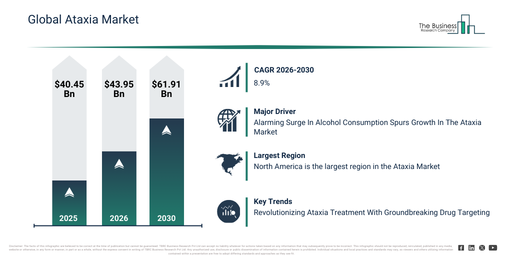
  • Ataxia Market Size Projected To Increase From $43.94 Billion To $61.91 Billion During The Forecast Period

    Ataxia Market Size Projected To Increase From $43.94 Billion To $61.91 Billion During The Forecast Period

    Delivering more actionable and strategically valuable research, The Business Research Company’s 2026 market reports feature market attractiveness analysis, total addressable market evaluation, company benchmarking matrices, interactive Excel dashboards, expanded supply chain intelligence, emerging startup coverage, and detailed product insights.

    Ataxia Market Growth Analysis: How Will Revenue Expand During The Forecast Period?

    The market for ataxia treatments has experienced a robust expansion lately, projected to increase from $40.45 billion in 2025 to $43.95 billion in 2026, reflecting a compound annual growth rate of 8.6%. This upward trajectory during the past period can be credited to several factors, including enhanced identification of neurological conditions, broader accessibility of diagnostic imaging technologies, intensified investigation into uncommon neurological ailments, heightened clinical understanding of distinct ataxia types, and the increased availability of care and support services.

    The ataxia market anticipates substantial expansion over the forthcoming years, projecting a value of $61.91 billion by 2030, driven by a compound annual growth rate of 8.9%. This projected increase stems from amplified investments in gene-based therapeutic avenues, a growing embrace of tailored neurological treatment plans, the wider implementation of digital tools for monitoring neurological ailments, a heightened concentration on developing pharmaceuticals for rare diseases, and burgeoning partnerships in neurological research. Key developments expected during this forecast period encompass a greater emphasis on genetic testing and advisory services, a surge in the utilization of symptomatic treatment methodologies, increased deployment of sophisticated neurodiagnostic instruments, the broadening of chronic disease management frameworks, and a more pronounced focus on prompt diagnosis.

    Download A Free Sample Report For Comprehensive Market Insights:

    https://www.thebusinessresearchcompany.com/sample.aspx?id=12218&type=smp

    Ataxia Market Opportunity Drivers: What Is Creating New Revenue Potential?

    An anticipated surge in alcohol intake is poised to be a significant catalyst for the expansion of the ataxia market. Alcohol consumption, defined as the ingestion of beverages containing ethanol, is directly linked to conditions like cerebellar degeneration, a common form of acquired toxic ataxia resulting from sustained excessive alcohol use. Individuals struggling with alcoholism frequently exhibit tremors in their lower limbs while standing and difficulties maintaining balance while walking. For illustration, as reported by GOV.UK in August 2024, provisional alcohol duty revenue from wine and other fermented beverages between May and July 2024 reached $1,523 million (£1,154 million), marking a $42 million (£32 million) or 2.9% increase over the corresponding period in the preceding year. Consequently, this upward trend in alcohol consumption is identified as a key factor fueling the growth trajectory of the ataxia market.

    Ataxia Market Segment Analysis: What Are The Major Market Categories?

    The ataxia market covered in this report is segmented –

    1) By Disease Type: Friedreich’s Ataxia, Ataxia-telangiectasia, Episodic Ataxia, Other Disease Types

    2) By Product: Treatment, Diagnosis

    3) By Dosage Form: Solid, Liquids, Other Dosage Forms

    4) By Route Of Administration: Oral, Parenteral, Other Routes Of Administration

    5) By End User: Hospital, Clinics, Home Healthcare, Other End-Users

    Subsegments:

    1) By Friedreich’s Ataxia: Genetic Counseling And Testing, Symptomatic Treatments

    2) By Ataxia-telangiectasia: Immunotherapy, Supportive Care

    3) By Episodic Ataxia: Medications For Episodes, Long-term Management Strategies

    4) By Other Disease Types: Spinocerebellar Ataxias (SCAs), Ataxia Due To Vitamin Deficiencies Or Toxins

    Ataxia Market Innovation Trends Driving Future Development

    The ataxia market is witnessing significant activity from leading firms, distinguished by their pursuit of pioneering treatments, including novel oral drug candidates designed to address the escalating need for interventions that can impede disease advancement and enhance functional results in uncommon neurodegenerative conditions. These orally administered therapeutics provide a user-friendly, non-surgical option compared to conventional symptom management strategies that do not target the core disease mechanisms. A prime illustration occurred in February 2023 when Reata Pharmaceuticals, a biotechnology entity based in the United States, secured FDA approval for SKYCLARYS (omavaloxolone), thereby introducing the inaugural and sole therapeutic agent approved for individuals diagnosed with Friedreich’s ataxia, encompassing both adults and adolescents aged 16 and above. Clinical trials demonstrated that at the 48-week mark, administration of the once-daily oral medication SKYCLARYS resulted in a statistically notable decrease in mFARS (modified Friedreich’s Ataxia Rating Scale) scores, signifying improved neurological function, when contrasted with a placebo group. Friedreich’s ataxia, an exceptionally infrequent inherited neurological disorder, typically manifests its initial symptoms during the adolescent years.

    Ataxia Market Leading Companies Driving Competitive Growth

    Major companies operating in the ataxia market are Pfizer Inc., Johnson & Johnson Services Inc., Eisai Co. Ltd., Genentech Inc., CRISPR Therapeutics AG, Eli Lilly & Company, GlaxoSmithKline Plc, Larimar Therapeutics Inc., Capsida Biotherapeutics Inc., Intellia Therapeutics Inc., Bluebird bio Inc., Editas Medicine Inc., Healx, Acorda Therapeutics Inc., H. Lundbeck A/S, Reata Pharmaceuticals Inc., PTC Therapeutics, Ionis Pharmaceuticals Inc., IntraBio, Biogen Inc., Novartis AG, Sanofi, Roche Holding Ltd., Teva Pharmaceuticals, Zydus Lifesciences Ltd

    Access The Complete Ataxia Market Report:

    https://www.thebusinessresearchcompany.com/report/ataxia-global-market-report

    Ataxia Market Regional Outlook: Where Are The Largest Opportunities Located?

    North Americawas the largest region in the ataxia market in 2025. Asia-Pacificis expected to be the fastest-growing region in the ataxia market report during the forecast period. The regions covered in the ataxia market report are Asia-Pacific, South East Asia, Western Europe, Eastern Europe, North America, South America, Middle East, Africa.

    Get in touch with us:

    The Business Research Company: https://www.thebusinessresearchcompany.com/

    Americas: +1 310-496-7795

    Asia: +44 7882 955267 & +91 8897263534

    Europe: +44 7882 955267

    Email us at: marketing@tbrc.info

    Follow us on:

    LinkedIn: https://in.linkedin.com/company/the-business-research-company

    YouTube: https://www.youtube.com/channel/UC24_fI0rV8cR5DxlCpgmyFQ

    Global Market Model: https://www.thebusinessresearchcompany.com/global-market-model
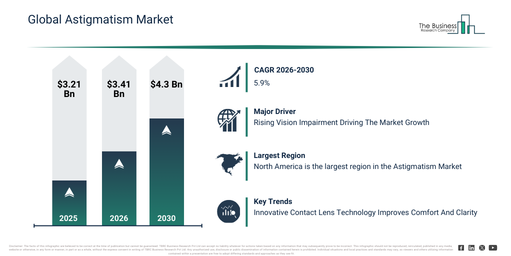
  • Astigmatism Market Growth Outlook Reveals A CAGR Of 5.9% And A Market Value Of $4.29 Billion By 2030

    Astigmatism Market Growth Outlook Reveals A CAGR Of 5.9% And A Market Value Of $4.29 Billion By 2030

    Enhanced with market attractiveness analysis, total addressable market evaluation, company benchmarking matrices, interactive Excel dashboards, expanded supply chain intelligence, emerging startup coverage, and detailed product insights, The Business Research Company’s 2026 market reports deliver more actionable and strategically valuable research.

    Astigmatism Market Forecast: What Market Value Is Expected By 2030?

    The market for astigmatism correction has experienced considerable expansion lately, projected to increase from $3.21 billion in 2025 to $3.41 billion in 2026, reflecting a compound annual growth rate (CAGR) of 6.2%. This upward trajectory during the past period is largely due to an increasing incidence of refractive vision issues, heightened public knowledge regarding vision correction methods, the proliferation of eye care facilities, accessibility to cost-effective prescription eyewear, and enhancements in the precision of diagnostic tools.

    The market for astigmatism correction is poised for significant expansion over the coming years, projected to reach a value of $4.3 billion by the year 2030. This upward trajectory is underpinned by a compound annual growth rate (CAGR) of 5.9%, driven by several key factors including a heightened demand for tailored vision solutions, a growing acceptance of laser procedures for vision correction, the broader availability of remote ophthalmology services, an escalating emphasis on proactive eye health management, and the increasing integration of artificial intelligence in diagnostic processes. During this forecast period, prominent trends anticipated to shape the market include a greater uptake of bespoke corrective lenses, increased utilization of sophisticated diagnostic imaging technologies, a shift towards less invasive vision correction techniques, the proliferation of digital eye examination platforms, and a reinforced commitment to early detection of vision impairments.

    Download A Free Sample Report For Comprehensive Market Insights:

    https://www.thebusinessresearchcompany.com/sample.aspx?id=21107&type=smp

    Astigmatism Market Growth Momentum: Which Factors Are Influencing Demand?

    The astigmatism market is poised for expansion, primarily fueled by the escalating rates of vision impairment worldwide. Vision impairment, characterized by a deficit in eyesight that prescription eyewear or medical interventions cannot entirely rectify, is on the rise due to factors such as a growing elderly demographic, a surge in diabetes rates and other ocular conditions, prolonged exposure to digital screens, and limited availability of eye care services in specific regions. Astigmatism plays a role in this vision impairment landscape by inducing blurry or misshapen vision, stemming from an atypical curvature of the eye’s cornea or lens, thereby impeding the accurate focusing of light onto the retina. Highlighting this issue, a report released in August 2024 by a U.S. national agency affiliated with the World Health Organization indicated that a staggering 2.2 billion individuals globally suffer from some form of near or distance vision impairment. Moreover, the report highlighted a significant disparity in treatment access, noting that merely 36% of those with distance vision impairment caused by refractive errors and only 17% of individuals experiencing vision impairment from cataracts have received necessary corrective measures. Consequently, the pervasive rise in vision impairment serves as a key catalyst for the expansion of the astigmatism market.

    Astigmatism Market Segment Breakdown: Which Categories Generate The Most Revenue?

    The astigmatism market covered in this report is segmented –

    1) By Type: Myopic Astigmatism, Hyperopic Astigmatism, Other Types

    2) By Treatments: Corrective Lenses, Orthokeratology, Surgeries, Other Treatments

    3) By End User: Hospitals, Clinics, Other End Users

    Subsegments:

    1) By Myopic Astigmatism: Simple Myopic Astigmatism, Compound Myopic Astigmatism

    2) By Hyperopic Astigmatism: Simple Hyperopic Astigmatism, Compound Hyperopic Astigmatism

    3) By Other Types: Regular Astigmatism, Irregular Astigmatism, Congenital Astigmatism, Post-surgical Astigmatism

    Astigmatism Market Trends Reshaping Industry Growth

    In the competitive landscape of the astigmatism market, leading corporations are prioritizing the creation of cutting-edge solutions, including water gradient technology, with the ultimate goals of elevating contact lens wearability, bolstering hydration levels, and delivering sharper eyesight to those affected by astigmatism. This water gradient technology entails a specialized contact lens construction that progressively integrates more water from its internal structure towards its outer surface, thereby amplifying both its moistening capabilities and wearer ease. Illustratively, in the month of January 2023, Alcon Inc., a prominent Swiss pharmaceutical and medical device entity, introduced TOTAL30 for Astigmatism. This groundbreaking offering stands as the initial reusable contact lens engineered with water gradient material, meticulously shaped for individuals experiencing astigmatism. Evidence from studies underscores that comfort plays a pivotal role in shaping the overall experience of wearing lenses as well as fostering enduring customer allegiance.

    Astigmatism Market Key Players And Strategic Industry Positioning

    Major companies operating in the astigmatism market are EssilorLuxottica SA, Novartis AG, HOYA Corporation, Alcon Inc, STAAR Surgical Company, Menicon Co Ltd, Rayner Intraocular Lenses Limited, Ophtec BV, Shamir Optical Industry Ltd, SEED Co Ltd, Visionary Optics LLC, Santen Pharmaceutical Co Ltd, Carl Zeiss AG, NIDEK Co Ltd, Topcon Corporation, Ziemer Ophthalmic Systems AG, SCHWIND eye-tech-solutions GmbH, BVI Medical, LENSAR Inc, Avedro Inc

    Access The Complete Astigmatism Market Report:

    https://www.thebusinessresearchcompany.com/report/astigmatism-global-market-report

    Astigmatism Market Geographic Landscape: Which Region Dominates Industry Growth?

    North Americawas the largest region in the astigmatism market in 2025. Asia-Pacificis expected to be the fastest-growing region in the forecast period. The regions covered in the astigmatism market report are Asia-Pacific, South East Asia, Western Europe, Eastern Europe, North America, South America, Middle East, Africa.

    Get in touch with us:

    The Business Research Company: https://www.thebusinessresearchcompany.com/

    Americas: +1 310-496-7795

    Asia: +44 7882 955267 & +91 8897263534

    Europe: +44 7882 955267

    Email us at: marketing@tbrc.info

    Follow us on:

    LinkedIn: https://in.linkedin.com/company/the-business-research-company

    YouTube: https://www.youtube.com/channel/UC24_fI0rV8cR5DxlCpgmyFQ

    Global Market Model: https://www.thebusinessresearchcompany.com/global-market-model