Month: June 2026

  • Ambulatory Healthcare Information Technology (IT) Market Opportunities Are Emerging Beyond Traditional Growth Areas

    Ambulatory Healthcare Information Technology (IT) Market Opportunities Are Emerging Beyond Traditional Growth Areas

    Delivering more actionable and strategically valuable research, The Business Research Company’s 2026 market reports feature market attractiveness analysis, total addressable market evaluation, company benchmarking matrices, interactive Excel dashboards, expanded supply chain intelligence, emerging startup coverage, and detailed product insights.

    Ambulatory Healthcare Information Technology (IT) Market Size Forecast: How Large Could The Market Become By 2030?

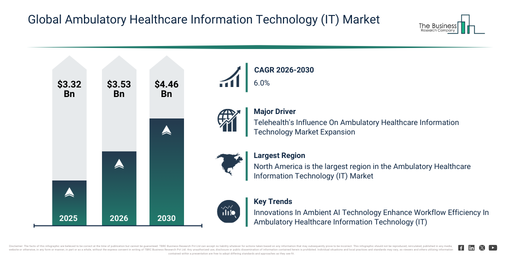
    Throughout recent years, the ambulatory healthcare information technology (IT) market has experienced robust expansion. Projections indicate a continued upward trajectory, with the market value set to increase from $3.32 billion in 2025 to $3.53 billion in 2026, reflecting a compound annual growth rate (CAGR) of 6.2%. This historical growth trend can be attributed to several key factors, including the progressive digitization of outpatient processes, a greater uptake of software solutions for scheduling and billing, the broadening of ambulatory service networks, the proactive implementation of cybersecurity protocols within healthcare settings, and the overall advancement of health information systems.

    The ambulatory healthcare information technology market is poised for significant expansion, projecting a market size of $4.46 billion by 2030, driven by a compound annual growth rate of 6.0%. This anticipated surge is fueled by several key factors: augmented investments in health IT systems that facilitate seamless data exchange, a heightened emphasis on adhering to cybersecurity regulations, the proliferation of outpatient care models that leverage data analytics, increased utilization of platforms designed to enhance patient involvement, and a greater reliance on analytical tools to optimize operational performance. Emerging trends expected to shape this market further include a greater uptake of unified ambulatory IT solutions, a rise in the application of artificial intelligence for automating work processes, a growing need for secure methods of sharing health information, the expanding deployment of cloud-based healthcare applications, and a strengthened focus on developing tools that improve patient engagement.

    Download A Free Sample Report For Comprehensive Market Insights:

    https://www.thebusinessresearchcompany.com/sample.aspx?id=13781&type=smp

    #Ambulatory Healthcare Information Technology (IT) Market Demand Drivers Creating New Revenue Opportunities

    The expanding use of telehealth is anticipated to be a significant catalyst for the ambulatory healthcare information technology (IT) market’s advancement. Telehealth, which encompasses the provision of healthcare services like virtual consultations, remote diagnostics, treatment, and patient monitoring via digital communication technologies, has emerged as an indispensable element in contemporary outpatient services. This surge in telehealth adoption is fueled by patients’ growing desires for convenience, quicker clinician access, and a lessened need for face-to-face appointments, prompting healthcare organizations to enhance their digital service offerings. Ambulatory healthcare IT solutions are instrumental in facilitating this transition by integrating virtual care functionalities, such as digital appointment booking, e-prescribing, secure communication platforms, and continuous remote patient monitoring, all of which contribute to better coordinated care and an improved patient journey. Illustrating this trend, the U.S. Department of Health and Human Services (HHS reported in April 2023 that telehealth remained a prevalent mode of care, with 22% of American adults having utilized it for at least one visit in 2023. Consequently, the increased embrace of telehealth is directly contributing to the expansion of the ambulatory healthcare IT market.

    Ambulatory Healthcare Information Technology (IT) Market Segment Analysis: What Are The Major Market Categories?

    The ambulatory healthcare information technology (it) market covered in this report is segmented –

    1) By Type: Ambulatory Services, Primary Care Offices, Outpatient Departments

    2) By Modality: Hospital Affiliated, Freestanding

    3) By Surgery Type: Ophthalmology, Gastroenterology, Pain Management, Other Surgery Types

    Subsegments:

    1) By Ambulatory Services: Electronic Health Records (EHR) Systems, Telehealth & Virtual Care Platforms, Revenue Cycle Management (RCM) Solutions, Patient Engagement & Scheduling Software

    2) By Primary Care Offices: Practice Management Systems, E-Prescribing & Medication Management Software, Clinical Decision Support Systems (CDSS), Patient Portal & Communication Tools

    3) By Outpatient Departments: Integrated Outpatient EHR Platforms, Diagnostic & Imaging Information Systems, Laboratory Information Management Systems (LIMS), Interoperability & Health Information Exchange (HIE) Solutions

    Ambulatory Healthcare Information Technology (IT) Market Trends Driving Strategic Industry Expansion

    Leading participants within the ambulatory healthcare information technology sector are concentrating their efforts on the creation of sophisticated AI-powered offerings, notably ambient clinical intelligence systems, with the objective of boosting medical professional productivity, alleviating the load of paperwork, and optimizing outpatient operational procedures. Ambient clinical intelligence describes a technological approach that automatically records, comprehends, and organizes medical discussions instantaneously, thereby empowering healthcare providers to create patient records and issue directives effortlessly during patient consultations. As an illustration, in June of 2024, NextGen Healthcare, a firm based in the United States and a supplier of cloud-based ambulatory electronic health record solutions, augmented the features of its NextGen Ambient Assist, an AI-driven tool for ambient listening and clinical record-keeping specifically tailored for ambulatory settings. The updated iteration boasts superior medical summary generation, a broader capacity for recognizing clinical intentions, and AI assistance for diagnosing conditions and placing orders, which assists clinicians in completing their documentation tasks with greater speed, while simultaneously enhancing the precision of their workflows and the contentment of healthcare providers. These progressive developments underscore the increasing movement towards intelligent, cloud-based ambulatory IT resolutions that foster superior quality and more effective outpatient healthcare provision.

    Ambulatory Healthcare Information Technology (IT) Market Leading Companies Driving Competitive Growth

    Major companies operating in the ambulatory healthcare information technology (it) market are Epic Systems Corporation, Cerner Corporation, Allscripts Healthcare Solutions, Athenahealth Inc., NextGen Healthcare, Practice Fusion, Greenway Health LLC, eClinicalWorks, MEDHOST, CPSI, Azalea Health, Aprima Medical Software, eMDs Inc., iPatientCare, ChartLogic, CareCloud, AdvancedMD, DrChrono, Kareo, Nextech Systems, athenaOne

    Access The Complete Ambulatory Healthcare Information Technology (IT) Market Report:

    https://www.thebusinessresearchcompany.com/report/ambulatory-healthcare-information-technology-it-global-market-report

    Ambulatory Healthcare Information Technology (IT) Market Geographic Analysis: Where Is Demand Growing The Fastest?

    North Americawas the largest region in the ambulatory healthcare information technology (IT) market in 2025. Asia-Pacificis expected to be the fastest-growing region in the forecast period. The regions covered in the ambulatory healthcare information technology (it) market report are Asia-Pacific, South East Asia, Western Europe, Eastern Europe, North America, South America, Middle East, Africa.

    Get in touch with us:

    The Business Research Company: https://www.thebusinessresearchcompany.com/

    Americas: +1 310-496-7795

    Asia: +44 7882 955267 & +91 8897263534

    Europe: +44 7882 955267

    Email us at: marketing@tbrc.info

    Follow us on:

    LinkedIn: https://in.linkedin.com/company/the-business-research-company

    YouTube: https://www.youtube.com/channel/UC24_fI0rV8cR5DxlCpgmyFQ

    Global Market Model: https://www.thebusinessresearchcompany.com/global-market-model
  • Ambulatory Health Care Services Market Expansion Is Opening New Pathways For Strategic Investment

    Ambulatory Health Care Services Market Expansion Is Opening New Pathways For Strategic Investment

    Enhanced with market attractiveness analysis, total addressable market evaluation, company benchmarking matrices, interactive Excel dashboards, expanded supply chain intelligence, emerging startup coverage, and detailed product insights, The Business Research Company’s 2026 market reports deliver more actionable and strategically valuable research.

    Ambulatory Health Care Services Market Revenue Outlook: What CAGR Is Expected Through 2030?

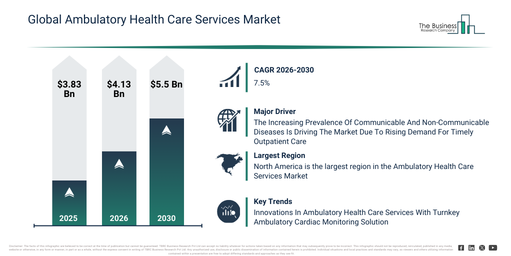
    Expansion of healthcare services delivered outside traditional hospital settings has been a significant driver of market growth. Projections indicate a rise from $3.83 billion in 2025 to $4.13 billion in 2026, reflecting a robust compound annual growth rate of 7.8%. This upward trend in the past can be linked to several factors, including the ongoing transition from inpatient to outpatient care, an increasing incidence of chronic health conditions, the proliferation of ambulatory surgical facilities, broader access to healthcare services, and a surge in demand for diagnostic and imaging capabilities.

    The market for ambulatory health care services is poised for substantial expansion in the coming years, projected to reach $5.5 billion by 2030 with a compound annual growth rate of 7.5%. This anticipated growth is propelled by several key factors, including a heightened demand for economical healthcare solutions, the proliferation of value-based healthcare frameworks, a greater embrace of remote patient monitoring technologies, increased capital allocation towards outpatient facilities, and an intensified emphasis on patient-centric approaches. Within this forecast period, significant trends are expected to shape the sector, such as the broader implementation of telehealth in outpatient settings, a rise in the utilization of minimally invasive medical interventions, the deepening integration of digital systems for patient management, the advancement of same-day care models, and a more pronounced focus on preventative health strategies.

    Download A Free Sample Report For Comprehensive Market Insights:

    https://www.thebusinessresearchcompany.com/sample.aspx?id=9447&type=smp

    Ambulatory Health Care Services Market Expansion Supported By Key Demand Factors

    The expanding global burden of both infectious and chronic illnesses is anticipated to be a key driver for the advancement of the ambulatory healthcare service market. Factors such as unhealthy habits and lifestyle choices contribute to the spread of communicable diseases from person to person. Individuals afflicted with a spectrum of communicable and non-communicable ailments will necessitate urgent medical attention for prompt intervention, thereby boosting the need for ambulatory healthcare solutions. Illustratively, data from May 2025 revealed that the UK Health Security Agency reported 16,391 hospital admissions linked to influenza, with a significant majority of 13,752 cases (83.9%) being Influenza A, peaking in the final week of 2024, and the remaining 2,639 cases (16.1%) attributed to Influenza B. Moreover, the World Health Organization (WHO) indicated in June 2025 that noncommunicable diseases contribute to 1.8 million avoidable fatalities each year and incur an annual economic cost of roughly US $514 billion. Consequently, the rising incidence of communicable and non-communicable diseases serves as a catalyst for the growth of the ambulatory healthcare service market.

    Ambulatory Health Care Services Market Segment Breakdown: Which Categories Generate The Most Revenue?

    The ambulatory health care services market covered in this report is segmented –

    1) By Type: Primary Care Offices, Surgical Specialty, Diagnosis, Consultation, Treatment, Intervention, Rehabilitation Services, Medical Specialty

    2) By Application: Orthopedics, Ophthalmology, Gastroenterology, Plastic Surgery, Pain Management, Spinal Injections, Other Applications

    3) By End User: Individual Patients (Self-Pay Or Out-of-Pocket), Insurance Providers (Private Health Insurance), Government And Public Healthcare Programs, Corporate And Employer-Sponsored Healthcare Programs, Other End Users

    Subsegments:

    1) By Primary Care Offices: Family Medicine, Internal Medicine, Pediatrics

    2) By Surgical Specialty: Outpatient Surgical Centers, Specialty Clinics

    3) By Diagnosis: Imaging Centers, Laboratory Services

    4) By Consultation: Specialist Consultations, Telehealth Consultations

    5) By Treatment: Infusion Therapy, Pain Management Clinics

    6) By Intervention: Minimally Invasive Procedures, Interventional Radiology

    7) By Rehabilitation Services: Physical Therapy, Occupational Therapy, Speech Therapy

    8) By Medical Specialty: Cardiology, Dermatology, Endocrinology, Neurology

    Ambulatory Health Care Services Market Growth Trends Influencing Competitive Dynamics

    Leading entities within the ambulatory healthcare services arena are actively integrating cutting-edge technological advancements, exemplified by arrhythmia detection algorithms, to elevate the precision of diagnoses and facilitate continuous, real-time patient observation. These specialized algorithmic tools are engineered to pinpoint aberrant heart rhythms, medically termed arrhythmias, in individuals. As an illustration, in the month of May in the year 2024, Vivalink, a provider of digital health solutions headquartered in the United States, introduced its Turnkey Ambulatory Cardiac Monitoring Solution. This offering represents a complete technological suite crafted to streamline both Mobile Cardiac Telemetry (MCT) and Holter monitoring processes. The system is equipped with advanced algorithms proficient in identifying more than 15 prevalent arrhythmias and ectopic beats, thereby furnishing healthcare professionals with crucial diagnostic data. The solution encompasses a durable, reusable ECG patch featuring a 14-day battery life that can be recharged and possesses the capability to retain data for a period extending up to 30 days. Additionally, it incorporates a mobile gateway designed to operate in tandem with a patient-facing application, ensuring uninterrupted data transmission and fostering greater patient involvement. A dedicated clinician portal is also part of this system, offering capabilities for review and annotation, which equips medical practitioners with pertinent information essential for making well-informed treatment decisions.

    Ambulatory Health Care Services Market Key Players And Strategic Industry Positioning

    Major companies operating in the ambulatory health care services market are Surgery Partners Inc., HCA Healthcare, Terveystalo Healthcare Oy, Aspen Healthcare Limited, AmSurg Corp., Symbion Inc., Tenet Healthcare Corporation, IntegraMed America Inc., Universal Health Services Inc., SCA Health, Healthway Medical Group, Envision Healthcare, Community Health Systems Inc., Ascension Health, Select Medical Holdings Corporation, United Surgical Partners International, LifePoint Health Inc., Quorum Health Corporation, Covenant Surgical Partners Inc., Surgical Care Affiliates, Mednax Inc., TeamHealth Holdings Inc.

    Access The Complete Ambulatory Health Care Services Market Report:

    https://www.thebusinessresearchcompany.com/report/ambulatory-health-care-services-global-market-report

    Ambulatory Health Care Services Market Global Footprint: Which Region Holds Market Leadership?

    North Americawas the largest region in the ambulatory healthcare services market in 2025. The regions covered in the ambulatory health care services market report are Asia-Pacific, South East Asia, Western Europe, Eastern Europe, North America, South America, Middle East, Africa.

    Get in touch with us:

    The Business Research Company: https://www.thebusinessresearchcompany.com/

    Americas: +1 310-496-7795

    Asia: +44 7882 955267 & +91 8897263534

    Europe: +44 7882 955267

    Email us at: marketing@tbrc.info

    Follow us on:

    LinkedIn: https://in.linkedin.com/company/the-business-research-company

    YouTube: https://www.youtube.com/channel/UC24_fI0rV8cR5DxlCpgmyFQ

    Global Market Model: https://www.thebusinessresearchcompany.com/global-market-model
  • Ambulatory Electronic Medical Records Market Trends Are Creating New Opportunities For Industry Leaders

    Ambulatory Electronic Medical Records Market Trends Are Creating New Opportunities For Industry Leaders

    Through market attractiveness analysis, total addressable market evaluation, company benchmarking matrices, interactive Excel dashboards, expanded supply chain intelligence, emerging startup coverage, and detailed product insights, The Business Research Company’s 2026 market reports provide more actionable and strategically valuable research.

    Ambulatory Electronic Medical Records Market Growth Analysis: How Will Revenue Expand During The Forecast Period?

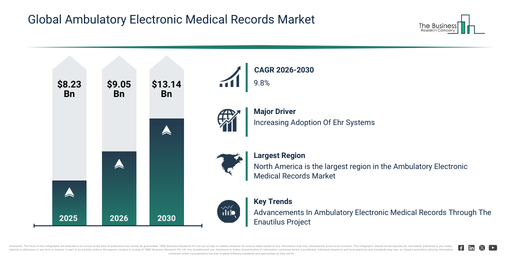
    The market for ambulatory electronic medical records has experienced robust expansion lately, projected to climb from $8.23 billion in 2025 to $9.05 billion in 2026, reflecting a compound annual growth rate of 10.0%. This historical upward trend is largely attributable to the increasing digitalization of patient records outside of hospital settings, regulatory directives promoting the use of electronic health records, the proliferation of ambulatory care facilities, a heightened uptake of practice management software solutions, and initial investments made in health information technology infrastructure.

    The market for ambulatory electronic medical records is poised for significant expansion over the coming years, projecting a reach of $13.14 billion by 2030, driven by a compound annual growth rate of 9.8%. This anticipated growth is fueled by several key factors, including a heightened demand for value-based healthcare, a greater emphasis on data-informed outpatient services, the expanding integration of telehealth capabilities, amplified investments in safeguarding healthcare data through robust cybersecurity measures, and the increasing application of predictive analytics to health insights. Key developments anticipated within this forecast period encompass a surge in the adoption of cloud-based EMR systems, a rise in the integration of AI-powered clinical decision support tools, a strengthened focus on establishing interoperability standards, the proliferation of mobile EMR applications, and a more sophisticated utilization of health analytics instruments, all contributing to a dynamic and evolving landscape for ambulatory EMRs.

    Download A Free Sample Report For Comprehensive Market Insights:

    https://www.thebusinessresearchcompany.com/sample.aspx?id=7703&type=smp

    #Ambulatory Electronic Medical Records Market Growth Drivers And Industry Catalysts

    Ongoing expansion in the utilization of electronic health record (EHR) systems is anticipated to be a primary catalyst for the advancement of the ambulatory electronic medical records sector. An EHR system essentially represents a digital compilation of a patient’s medical information, encompassing their health background, diagnosed conditions, prescribed drugs, therapeutic strategies, vaccination timelines, known allergies, imaging reports, and diagnostic test outcomes. These EHR systems enable effortless exchange of patient information among various healthcare professionals and across different healthcare environments, fostering interoperability. This enhanced interoperability subsequently promotes the adoption of EMRs, particularly within ambulatory care settings, where individuals frequently access services from a multitude of practitioners. Illustrating this trend, data from the Centers for Disease Control and Prevention (CDC), a prominent US public health organization, indicated that in November 2023, the proportion of office-based physicians employing EMR systems stood at 88.2%, a notable increase from the prior year. Consequently, the growing prevalence of EHR system implementation is acting as a significant driver for the expansion of the ambulatory electronic medical records market.

    Ambulatory Electronic Medical Records Market Segmentation: How Is The Market Structured Across Key Categories?

    The ambulatory electronic medical records market covered in this report is segmented –

    1) By Component: Hardware, Software

    2) By Practice Type: Large Practices, Small-To-Medium-Sized Practices, Solo Practices Freestanding

    3) By Delivery Mode: Cloud-Based, On-Premise

    4) By Application: Practice Management, Patient Management, E-Prescribing, Referral Management, Decision Support

    5) By End Users: Hospital- Owned Ambulatory Centers, Independent Centers

    Subsegments:

    1) By Hardware: Workstations (Desktops and Laptops), Tablets and Mobile Devices, Printers and Scanners, Networking Equipment, Servers and Storage Devices

    2) By Software: EMR Software Solutions, Practice Management Software, Billing and Revenue Cycle Management Software, Interoperability Solutions, Mobile Applications

    #Ambulatory Electronic Medical Records Market Trends Influencing Long-Term Demand

    Leading entities within the ambulatory electronic medical records sector are actively pursuing novel technological advancements, exemplified by the eNautilus Project, with the strategic objective of enhancing their market profitability. This eNautilus project is designed to deliver superior medication management, provide specialized support for oncology departments, and offer advanced clinical solutions. It operates as a comprehensive, cloud-based platform, consolidating patient information into a unified, portable health record that accompanies individuals across various healthcare providers within a given region. To illustrate, in September of 2023, the Georgian Bay Information Network (GBIN), a consortium of six healthcare organizations in Ontario dedicated to advancing their utilization of Oracle Health’s electronic health records (EHR), initiated the eNautilus project in partnership with Oracle Health. The fundamental goal of this undertaking is to expand the capabilities of Oracle Health’s EHR system, thereby enabling more effective patient care.

    Ambulatory Electronic Medical Records Market Competitive Landscape And Leading Companies

    Major companies operating in the ambulatory electronic medical records market are Cerner Corporation, Epic Systems Corporation, Allscripts Healthcare LLC, Medical Information Technology Inc., Computer Programs and Systems Inc., General Electric Company, Athenahealth Inc., MEDHOST Inc., eClinicalWorks LLC, NXGN Management LLC, InterSystems Corporation, CareCloud Inc., Cantata Health Solutions Inc., Advanced Data Systems Corporation, CureMD Healthcare Inc., Practice Fusion Inc., eMDs Inc., Virence Health Inc., CPSI Inc., Veradigm Inc., Greenway Health LLC, DrChrono Inc., Eyefinity Inc., Amazing Charts LLC, Kareo Inc., iPatientCare LLC, Azalea Health Innovations Inc., Harris Healthcare Inc., ICANotes Inc.

    Access The Complete Ambulatory Electronic Medical Records Market Report:

    https://www.thebusinessresearchcompany.com/report/ambulatory-electronic-medical-records-global-market-report

    Ambulatory Electronic Medical Records Market Regional Distribution: Which Areas Drive Market Expansion?

    North America was the largest region in the ambulatory electronic medical records market in 2025. Asia-Pacific is expected to be the fastest-growing region in the forecast period. The regions covered in the ambulatory electronic medical records market report are Asia-Pacific, South East Asia, Western Europe, Eastern Europe, North America, South America, Middle East, Africa.

    Get in touch with us:

    The Business Research Company: https://www.thebusinessresearchcompany.com/

    Americas: +1 310-496-7795

    Asia: +44 7882 955267 & +91 8897263534

    Europe: +44 7882 955267

    Email us at: marketing@tbrc.info

    Follow us on:

    LinkedIn: https://in.linkedin.com/company/the-business-research-company

    YouTube: https://www.youtube.com/channel/UC24_fI0rV8cR5DxlCpgmyFQ

    Global Market Model: https://www.thebusinessresearchcompany.com/global-market-model
  • Ambulance Services Market Growth Is Reshaping Competitive Advantage Across The Industry

    Ambulance Services Market Growth Is Reshaping Competitive Advantage Across The Industry

    Delivering more actionable and strategically valuable research, The Business Research Company’s 2026 market reports feature market attractiveness analysis, total addressable market evaluation, company benchmarking matrices, interactive Excel dashboards, expanded supply chain intelligence, emerging startup coverage, and detailed product insights.

    Ambulance Services Market Forecast: What Market Value Is Expected By 2030?

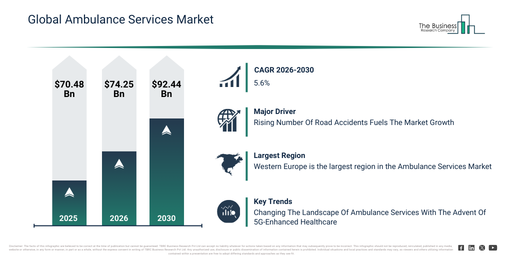
    In recent times, the ambulance services sector has experienced robust expansion, demonstrating a notable upward trajectory. Projections indicate a continued surge, with the market set to increase from its 2025 valuation of $70.48 billion to $74.25 billion by 2026, reflecting a compound annual growth rate of 5.3%. This historical growth trend can be attributed to several key factors, including the enhancement of emergency medical infrastructure, an escalating frequency of road traffic incidents, the concentration of populations in urban areas, augmented public expenditure on healthcare, and the broader implementation of ground-based ambulance services.

    The ambulance services sector is projected for significant expansion in the coming years, anticipating a market valuation of $92.44 billion by 2030, driven by a compound annual growth rate (CAGR) of 5.6%; this anticipated expansion is fueled by escalating funding directed towards intelligent emergency response mechanisms, a heightened demand for aerial medical transport, the proliferation of private emergency vehicle operators, increased utilization of electronically powered emergency medical vehicles, and the seamless incorporation of immediate patient information transfer capabilities, while key developments shaping this period encompass a greater embrace of GPS-equipped ambulance fleets, amplified integration of remote medical consultations within ambulances, a discernible surge in the deployment of electric and hybrid ambulances, an enlargement of sophisticated life support functionalities, and a concentrated effort on refining the speed of emergency responses.

    Download A Free Sample Report For Comprehensive Market Insights:

    https://www.thebusinessresearchcompany.com/sample.aspx?id=1967&type=smp

    Ambulance Services Market Opportunity Drivers: What Is Creating New Revenue Potential?

    The increasing frequency of vehicular collisions is anticipated to be a significant catalyst for the expansion of the ambulance services sector in the future. Such incidents, which involve vehicles, pedestrians, cyclists, or other road users and frequently lead to injuries necessitating immediate medical intervention, are on the rise. This upward trend in traffic mishaps is attributable to various elements, including a greater number of vehicles on the road, instances of inattentive driving, and swift urban development, consequently heightening the demand for prompt emergency response and immediate pre-hospital medical attention. Ambulance services play a crucial role in enhancing patient prognoses through swift transport, immediate on-site stabilization, and the administration of advanced life-support measures. As an illustration, Our World in Data, a scientific online publication based in the UK, reported in September 2025 that the United Kingdom presently experiences approximately 1,700 fatalities annually due to road incidents. Consequently, this escalating rate of road traffic accidents is a primary driver behind the market’s growth for ambulance services.

    Ambulance Services Market Segmentation Trends And Revenue Drivers

    The ambulance services market covered in this report is segmented –

    1) By Type: Ground Ambulance Services, Air Ambulance Services, Water Ambulance Services

    2) By Type of Expenditure: Public, Private

    3) By Ownership: Chained, Standalone

    Subsegments:

    1) By Ground Ambulance Services: Emergency Medical Services (EMS), Non-Emergency Medical Transportation (NEMT), Advanced Life Support (ALS) Ambulances, Basic Life Support (BLS) Ambulances

    2) By Air Ambulance Services: Helicopter Ambulance Services, Fixed-Wing Aircraft Ambulance Services, Critical Care Air Transport

    3) By Water Ambulance Services: Boat-Based Emergency Medical Services, Medical Evacuations by Watercraft, River or Coastal Ambulance Services

    Ambulance Services Market Innovation Trends Driving Future Development

    In the competitive landscape of ambulance services, leading companies are prioritizing the deployment of groundbreaking advancements, exemplified by 5G ambulance services, as a strategic move to elevate their market profitability. This innovative 5G ambulance service represents a significant leap in healthcare delivery, leveraging the power of fifth-generation wireless technology to augment patient diagnosis, treatment, and overall care during transit. To illustrate, a notable development occurred in August 2023 when Zenzo, a prominent Indian healthcare entity, inaugurated its inaugural 5G ambulance service in Mumbai, India. This advanced 5G ambulance, outfitted with state-of-the-art medical apparatus and telemetry instruments, ushers in a transformative period characterized by the real-time collection and analysis of critical patient data, thereby revolutionizing pre-hospital care and poised to establish a precedent for ambulance services globally.

    #Ambulance Services Market Industry Leaders: Which Organizations Are Driving Competition?

    Major companies operating in the ambulance services market are Providence Service Corporation, Alia MedFlight, Babcock International Group plc, Falck AS, Air Methods Corporation, American Medical Response Inc., Global Medical Response, Acadian Ambulance Service Inc., Boston MedFlight, Cataldo Ambulance Service, Care Ambulance Service, National Health Service England, Life EMS Ambulance, Medivic Aviation, Air Ambulance Worldwide, AirLink Critical Care Transport, AirMed International, AirMedCare Network, AirXpress, Allina Health Emergency Medical Services, Ambulance Service Company, Ambulnz, Apollo MedFlight, Arizona Ambulance Transport, ATS Medical Services, Bell Ambulance, Community Ambulance, Critical Care Medflight, Orange County Fire Rescue

    Access The Complete Ambulance Services Market Report:

    https://www.thebusinessresearchcompany.com/report/ambulance-service-global-market-report

    Ambulance Services Market Leading Geography: Which Region Generates The Most Revenue?

    Western Europewas the largest region in the ambulance services market in 2025. North Americawas the second largest region in the ambulance services market. Africawas the smallest region in the ambulance services market. The regions covered in the ambulance services market report are Asia-Pacific, South East Asia, Western Europe, Eastern Europe, North America, South America, Middle East, Africa.

    Get in touch with us:

    The Business Research Company: https://www.thebusinessresearchcompany.com/

    Americas: +1 310-496-7795

    Asia: +44 7882 955267 & +91 8897263534

    Europe: +44 7882 955267

    Email us at: marketing@tbrc.info

    Follow us on:

    LinkedIn: https://in.linkedin.com/company/the-business-research-company

    YouTube: https://www.youtube.com/channel/UC24_fI0rV8cR5DxlCpgmyFQ

    Global Market Model: https://www.thebusinessresearchcompany.com/global-market-model
  • Amblyopia Market Forecast Signals New Revenue Opportunities Through 2030

    Amblyopia Market Forecast Signals New Revenue Opportunities Through 2030

    Enhanced with market attractiveness analysis, total addressable market evaluation, company benchmarking matrices, interactive Excel dashboards, expanded supply chain intelligence, emerging startup coverage, and detailed product insights, The Business Research Company’s 2026 market reports deliver more actionable and strategically valuable research.

    Amblyopia Market Size Outlook: How Fast Will Revenue Grow Through 2030?

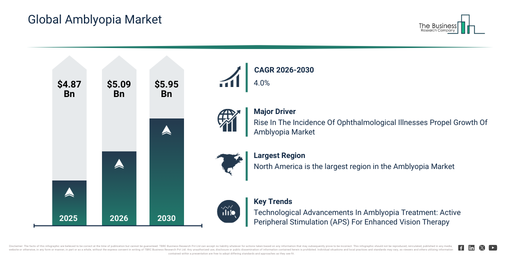
    The market for amblyopia is projected to experience sustained expansion, increasing from an estimated $4.87 billion in 2025 to $5.09 billion by 2026, reflecting a compound annual growth rate of 4.6%. Factors contributing to this expansion during the preceding period included heightened public understanding of vision impairments in children, greater accessibility to vision correction tools, increased reliance on eye patching for treatment, the broadening scope of ophthalmic care, and the early integration of atropine treatments.

    The amblyopia sector is poised for consistent expansion over the upcoming years, projected to reach a valuation of $5.95 billion by 2030, driven by a compound annual growth rate of 4.0%. This projected increase stems from a confluence of factors including a surge in demand for at-home amblyopia interventions, escalated investment in digital therapeutic solutions, a heightened emphasis on proactive eye care for children, the broadening scope of tele-ophthalmology, and innovations in neuro-visual treatment modalities. Key developments anticipated during this forecast period encompass a greater acceptance of digital vision therapy platforms, enhanced utilization of artificial intelligence in diagnostic tools, intensified efforts in early childhood vision surveillance, the proliferation of less invasive therapeutic alternatives, and a growing incorporation of game-based treatment strategies.

    Download A Free Sample Report For Comprehensive Market Insights:

    https://www.thebusinessresearchcompany.com/sample.aspx?id=16334&type=smp

    Amblyopia Market Growth Momentum: Which Factors Are Influencing Demand?

    The increasing prevalence of eye conditions is anticipated to be a primary catalyst for the expansion of the amblyopia market. These conditions, encompassing a spectrum from prevalent ailments like cataracts and glaucoma to less common disorders such as retinitis pigmentosa and eye tumors, are on the rise due to factors including extended screen usage, an aging global population, and environmental stressors like pollution. Amblyopia, or “lazy eye,” can manifest as a consequence of these broader ocular health challenges, leading the brain to disregard visual signals from the less dominant eye; untreated, this can result in lasting vision deficits and difficulties with depth perception. Illustrating this trend, data from the Centers for Disease Control and Prevention in January 2024 indicated that more than 3.4 million Americans over the age of 40 were experiencing blindness or severe visual impairment, a figure projected to double by 2030, thereby underscoring how the growing number of ophthalmological illnesses directly fuels the development of the amblyopia market.

    Amblyopia Market Segment Analysis Highlighting Growth Areas

    The amblyopia market covered in this report is segmented –

    1) By Disease Type: Strabismus Amblyopia, Refractive Amblyopia, Deprivation Amblyopia

    2) By Diagnosis: Visual Acuity Tests, Photo Screening, Bruckner Test, Other Diagnosis

    3) By Treatment: Eye Patches, Atropine Drops, Glasses, Video Games, Other Treatments

    Subsegments:

    1) By Strabismus Amblyopia: Congenital Strabismus Amblyopia, Acquired Strabismus Amblyopia, Non-Paralytic Strabismus Amblyopia, Paralytic Strabismus Amblyopia

    2) By Refractive Amblyopia: Myopic Refractive Amblyopia, Hypermetropic Refractive Amblyopia, Astigmatic Refractive Amblyopia, Treatment Through Corrective Lenses (Glasses, Contact Lenses)

    3) By Deprivation Amblyopia: Amblyopia Due To Cataracts, Amblyopia Caused By Ptosis (Drooping Eyelid), Amblyopia From Corneal Opacities, Treatment Through Surgical Interventions Or Patching

    Amblyopia Market Trends Reshaping Industry Growth

    In the amblyopia sector, leading enterprises are focusing on innovations like active peripheral stimulation (APS) as a means to boost treatments for peripheral vision issues. APS is a method designed to stimulate peripheral nerves or tissues, aiming to awaken sensory pathways and potentially aid in managing pain, supporting recovery, and addressing various neurological disorders. As an illustration, AmblyoPlay, a startup from the United States focused on digital vision therapies, launched APS in October 2024 to refine treatments for individuals experiencing deficits in their peripheral vision. This cutting-edge approach targets conditions such as amblyopia (lazy eye), strabismus, and convergence insufficiency, all of which can impair spatial perception and general visual performance. Through the direct stimulation of peripheral sight, APS tackles a significant public health concern that affects approximately 5% of people worldwide. AmblyoPlay has incorporated APS into a game-like system, thereby increasing the appeal and enjoyment of vision therapy, especially for younger patients, and fostering better commitment to prescribed treatments.

    Amblyopia Market Leading Companies: Who Holds Significant Market Presence?

    Major companies operating in the amblyopia market are Vivid Vision Inc, RevitalVision, NovaSight, Eyenovia Inc, OcuRx Vision Technologies LLC, AmblyoPlay, Adaptica Srl, Luminopia Inc, RightEye LLC, NeuroVision Imaging, Visionary Tool Inc, EyeJustRead Inc, Amblyotech, Vision Therapy Solutions LLC, Orthoptek Inc, OpticsTrainer, Vision Science Labs, Pediatric Vision Technologies, NeuroEye Therapy, Visual Cortex Solutions

    Access The Complete Amblyopia Market Report:

    https://www.thebusinessresearchcompany.com/report/amblyopia-global-market-report

    Amblyopia Market Regional Outlook: Where Are The Largest Opportunities Located?

    North Americawas the largest region in the amblyopia market in 2025. Asia-Pacificis expected to be the fastest-growing region in the forecast period. The regions covered in the amblyopia market report are Asia-Pacific, South East Asia, Western Europe, Eastern Europe, North America, South America, Middle East, Africa.

    Get in touch with us:

    The Business Research Company: https://www.thebusinessresearchcompany.com/

    Americas: +1 310-496-7795

    Asia: +44 7882 955267 & +91 8897263534

    Europe: +44 7882 955267

    Email us at: marketing@tbrc.info

    Follow us on:

    LinkedIn: https://in.linkedin.com/company/the-business-research-company

    YouTube: https://www.youtube.com/channel/UC24_fI0rV8cR5DxlCpgmyFQ

    Global Market Model: https://www.thebusinessresearchcompany.com/global-market-model
  • Ambient Digital Pharmacy Kiosk Market Growth Is Accelerating As Industry Transformation Continues

    Ambient Digital Pharmacy Kiosk Market Growth Is Accelerating As Industry Transformation Continues

    Through market attractiveness analysis, total addressable market evaluation, company benchmarking matrices, interactive Excel dashboards, expanded supply chain intelligence, emerging startup coverage, and detailed product insights, The Business Research Company’s 2026 market reports provide more actionable and strategically valuable research.

    Ambient Digital Pharmacy Kiosk Market Size, Value And Growth Trends Through 2030

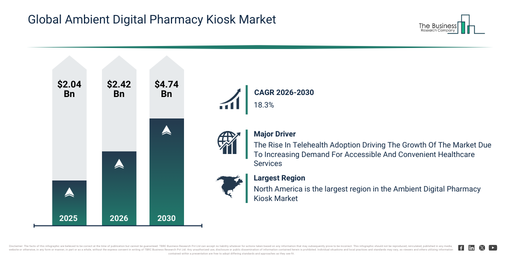
    The marketplace for unmanned digital pharmacy terminals has experienced substantial expansion lately, projecting a rise from $2.04 billion in 2025 to $2.42 billion in 2026, a trajectory marked by a compound annual growth rate of 18.6%. This upward trend in the past owes much to the proliferation of automated retail pharmacy solutions, the increasing preference for remote healthcare options, a greater need for accessible healthcare in urban settings, the integration of electronic prescription platforms, and the burgeoning popularity of patient-driven healthcare service models.

    The market for ambient digital pharmacy kiosks is poised for significant expansion, projected to reach $4.74 billion by 2030, reflecting a compounded annual growth rate of 18.3%. This anticipated surge is fueled by several key factors, including heightened investments in advanced pharmacy infrastructure, a growing consumer need for localized and accessible medication solutions, the liberalization of telepharmacy regulations, deeper incorporation with hospital data systems, and a heightened emphasis on safeguarding sensitive information and adhering to industry standards. Furthermore, prominent developments expected within this timeframe involve a greater proliferation of self-service kiosk installations, an increasing inclination towards contactless prescription fulfillment, the seamless integration of remote pharmacy services, the advancement of secure digital transaction platforms, and a concentrated effort on optimizing automated stock control procedures.

    Download A Free Sample Report For Comprehensive Market Insights:

    https://www.thebusinessresearchcompany.com/sample.aspx?id=28902&type=smp

    Ambient Digital Pharmacy Kiosk Market Expansion Drivers: What Is Shaping Future Growth?

    The increasing prevalence of telehealth is anticipated to foster the expansion of the ambient digital pharmacy kiosk market. Telehealth encompasses technology-enabled services that facilitate remote healthcare delivery, such as virtual doctor visits and ongoing patient oversight, through digital communication. This trend is fueled by a greater need for accessible healthcare, as individuals desire convenient, prompt, and remote medical attention, circumventing the necessity for physical appointments. Ambient digital pharmacy kiosks bolster telehealth capabilities by offering accessible, on-location access to prescriptions, diagnostic tools, and medical services, thereby connecting virtual consultations with tangible healthcare provision. Highlighting this trend, FAIR Health Inc. reported in April 2023 that national telehealth utilization saw a 7.3% increase in 2023, escalating from 5.5% of medical claim lines in December 2022 to 5.9% in January 2023. Consequently, the expanding use of telehealth is a key factor contributing to the growth of the ambient digital pharmacy kiosk market.

    Growing investments in sophisticated patient monitoring technologies are poised to spur the expansion of the ambient digital pharmacy kiosk sector. Increased spending within the healthcare domain, encompassing medical services, devices, and technologies aimed at enhancing health outcomes, is a significant contributor to this market’s upward trajectory. This rise in healthcare expenditure is driven by a burgeoning demand for cutting-edge medical technologies, prompting healthcare facilities to allocate greater resources towards innovative equipment and digital advancements to elevate the quality of patient care and clinical results. The heightened healthcare spending facilitates the integration of ambient digital pharmacy kiosks by permitting investments in advanced automated systems that amplify medication accessibility, optimize pharmacy workflows, and refine the overall patient experience. For example, data from the Centers for Medicare & Medicaid Services indicated in June 2025 that in 2023, national health expenditures climbed by 7.5% to reach $4.9 trillion, averaging $14,570 per individual and constituting 17.6% of the Gross Domestic Product. Medicare spending alone rose by 8.1% to $1,029.8 billion, accounting for 21% of the aggregate national health expenditures. Thus, the upward trend in healthcare expenditure is a primary driver for the ambient digital pharmacy kiosk market’s growth.

    Ambient Digital Pharmacy Kiosk Market Segment Performance And Strategic Opportunities

    The ambient digital pharmacy kiosk market covered in this report is segmented –

    1) By Component: Hardware, Software, Services

    2) By Deployment Mode: Standalone, Integrated

    3) By Application: Prescription Dispensing, Over-the-Counter Medication, Telepharmacy, Health Monitoring, Other Applications

    4) By End User: Hospitals, Retail Pharmacies, Clinics, Long-Term Care Facilities, Other End Users

    Subsegments:

    1) By Hardware: Touchscreen Display, Payment Module, Barcode Scanner, Automated Dispensing Unit, Refrigeration Unit

    2) By Software: Prescription Management Software, Inventory Management Software, User Interface Software, Telehealth Integration Software, Data Analytics Software

    3) By Services: Installation Services, Maintenance And Support Services, Software Update Services, Training Services, Remote Assistance Services

    Ambient Digital Pharmacy Kiosk Market Key Players: Which Companies Shape Industry Competition?

    Major companies operating in the ambient digital pharmacy kiosk market are Rite Aid Corporation, Zebra Technologies Corporation, Omnicell Inc., Elo Touch Solutions Inc., ScriptPro LLC, Parata Systems LLC, Kiosk Information Systems Inc., XIPHIAS Software Technologies Private Limited., Medicap Pharmacy Inc., Amazon Pharmacy Inc., RedyRef Interactive Kiosks Inc., PharmaTrust Inc., ImageHOLDERS Inc., Pharmabox Inc., InstyMeds Corporation, Smart Rx Systems Inc., MedifriendRx Inc., Pickpoint Corporation, VendRx Inc., PARTTEAM And OEMKIOSKS,S.A.

    Access The Complete Ambient Digital Pharmacy Kiosk Market Report:

    https://www.thebusinessresearchcompany.com/report/ambient-digital-pharmacy-kiosk-global-market-report

    Ambient Digital Pharmacy Kiosk Market Geographic Landscape: Which Region Dominates Industry Growth?

    North Americawas the largest region in the ambient digital pharmacy kiosk market in 2025. Asia-Pacificis expected to be the fastest-growing region in the forecast period. The regions covered in the ambient digital pharmacy kiosk market report are Asia-Pacific, South East Asia, Western Europe, Eastern Europe, North America, South America, Middle East, Africa.

    Get in touch with us:

    The Business Research Company: https://www.thebusinessresearchcompany.com/

    Americas: +1 310-496-7795

    Asia: +44 7882 955267 & +91 8897263534

    Europe: +44 7882 955267

    Email us at: marketing@tbrc.info

    Follow us on:

    LinkedIn: https://in.linkedin.com/company/the-business-research-company

    YouTube: https://www.youtube.com/channel/UC24_fI0rV8cR5DxlCpgmyFQ

    Global Market Model: https://www.thebusinessresearchcompany.com/global-market-model
  • Alzheimer’s Disease Diagnostic Market Outlook Highlights The Next Major Growth Opportunities

    Alzheimer’s Disease Diagnostic Market Outlook Highlights The Next Major Growth Opportunities

    Delivering more actionable and strategically valuable research, The Business Research Company’s 2026 market reports feature market attractiveness analysis, total addressable market evaluation, company benchmarking matrices, interactive Excel dashboards, expanded supply chain intelligence, emerging startup coverage, and detailed product insights.

    Alzheimer’s Disease Diagnostic Market CAGR Analysis And Future Market Development

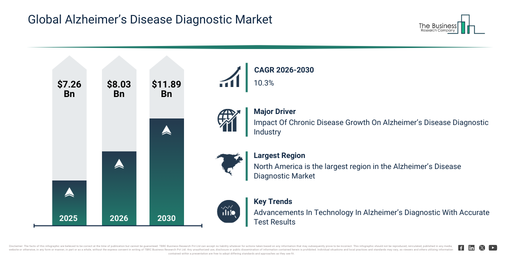
    The global market for Alzheimer’s disease diagnostics has experienced significant expansion, projected to increase from \$7.26 billion in 2025 to \$8.03 billion in 2026, reflecting a compound annual growth rate of 10.6%. This upward trajectory in the historical period is largely due to the escalating incidence of Alzheimer’s disease, heightened public consciousness regarding neurodegenerative conditions, the expanding use of MRI and PET imaging techniques, the proliferation of diagnostic facilities and healthcare institutions, and increased funding dedicated to research in cognitive assessment.

    The market for Alzheimer’s disease diagnostics is poised for significant expansion, projected to reach $11.89 billion by the year 2030, reflecting a compound annual growth rate of 10.3%. This anticipated surge is fueled by advancements in novel biomarkers and imaging tracers, the incorporation of artificial intelligence for earlier identification, increased governmental and private investment in Alzheimer’s research, broader adoption of personalized medicine strategies, and an uptick in multi-center clinical trials. Key developments anticipated during this forecast period encompass a greater reliance on diagnostics that utilize biomarkers, enhanced application of neuroimaging techniques for early detection, an escalation in cognitive assessment testing, expanded genetic testing to evaluate Alzheimer’s risk, and the integration of comprehensive, multi-modal diagnostic methodologies.

    Download A Free Sample Report For Comprehensive Market Insights:

    https://www.thebusinessresearchcompany.com/sample.aspx?id=21093&type=smp

    Alzheimer’s Disease Diagnostic Market Development Factors: Which Trends Are Supporting Demand?

    Anticipated expansion in the prevalence of chronic illnesses is poised to spur the advancement of the Alzheimer’s disease diagnostic market. Conditions like heart disease, diabetes, and high blood pressure are significantly linked to a heightened susceptibility to Alzheimer’s and other forms of dementia, consequently boosting the need for diagnostic tools that offer early and precise identification. A primary contributor to this surge in chronic ailments is the pervasive adoption of sedentary habits, as substantial public health studies consistently reveal substantially elevated incidences of conditions such as diabetes and cardiovascular issues within populations that are not physically active. Diagnostic tools for Alzheimer’s offer valuable support to healthcare frameworks by permitting early identification, enabling prompt therapeutic actions, and assisting in the management of patients to potentially decelerate the disease’s advancement. To illustrate, in November 2023, data from Heritage Health Services, a US non-profit health research entity, indicated that 6.7 million individuals over 65 in the United States were coping with Alzheimer’s dementia, with the condition becoming more widespread with advancing age, affecting 5.0% of those aged 65–74, 13.1% of those aged 75–84, and 33.3% of those aged 85 and older. This figure is forecasted to approach 13 million by the year 2050, underscoring how the increasing burden of chronic disease is fueling the growth trajectory of the Alzheimer’s disease diagnostic market.

    #Alzheimer’s Disease Diagnostic Market Segment Landscape And Growth Potential

    The alzheimer’s disease diagnostic market covered in this report is segmented –

    1) By Type: Triage, Diagnosis, Screening

    2) By Diagnostic Technique: Biomarkers, Imaging Techniques, Genetic Testing, Cognitive Assessment Tests

    3) By End User: Clinics, Hospitals, Diagnostic Centers, Pharmaceutical Companies, Academic Research Center

    Subsegments:

    1) By Triage: Cognitive Testing, Imaging Techniques

    2) By Diagnosis: Biomarker Testing, Neuroimaging

    3) By Screening: Neuropsychological Testing, Genetic Testing

    Alzheimer’s Disease Diagnostic Market Transformation Trends: Which Innovations Are Driving Change?

    Key players within the Alzheimer’s disease diagnostics sector are directing their efforts toward the development of blood-based biomarker assays, a strategic move anticipated to streamline the diagnostic pathway for Alzheimer’s, thereby lessening the dependence on more intrusive methods and enhancing the availability of prompt therapeutic interventions for individuals affected. Illustrating this trend, Quanterix, a biotechnology firm based in the United States, introduced the LucentAD p-Tau 217 test in October 2023, a blood-based indicator of Alzheimer’s pathology that exhibits considerable clinical sensitivity and specificity. Conventional diagnostic avenues for cerebrospinal fluid (CSF) biomarkers, such as positron emission tomography (PET) scans or lumbar punctures, are characterized by their expense, invasive nature, and limited accessibility. The LucentAD test further integrates Quanterix’s highly sensitive SimoaÒ technology with well-validated p-Tau 217 antibodies sourced from J&J Innovative Medicine, ensuring superior precision and a more user-friendly procedure.

    Alzheimer’s Disease Diagnostic Market Competitive Landscape: Who Are The Leading Companies?

    Major companies operating in the alzheimer’s disease diagnostic market are Hoffmann-La Roche, Eli Lilly and Company, Quest Diagnostics Incorporated, Laboratory Corporation of America Holdings, Lantheus, Quanterix, C2N Diagnostics, Sysmex, Royal Philips, Bruker Corporation, Revvity, Alamar Biosciences, ADx Neurosciences, Randox Laboratories, DiaSorin, Shenzhen Mindray Bio-Medical Electronics, Nipro Corporation, Canon Inc, Hitachi Ltd, Eisai Co Ltd

    Access The Complete Alzheimer’s Disease Diagnostic Market Report:

    https://www.thebusinessresearchcompany.com/report/alzheimers-disease-diagnostic-global-market-report

    #Alzheimer’s Disease Diagnostic Market Largest Region: Which Geography Holds The Highest Market Share?

    North Americawas the largest region in the alzheimer’s disease diagnostic market in 2025. Asia-Pacificis expected to be the fastest-growing region in the forecast period. The regions covered in the alzheimer’s disease diagnostic market report are Asia-Pacific, South East Asia, Western Europe, Eastern Europe, North America, South America, Middle East, Africa.

    Get in touch with us:

    The Business Research Company: https://www.thebusinessresearchcompany.com/

    Americas: +1 310-496-7795

    Asia: +44 7882 955267 & +91 8897263534

    Europe: +44 7882 955267

    Email us at: marketing@tbrc.info

    Follow us on:

    LinkedIn: https://in.linkedin.com/company/the-business-research-company

    YouTube: https://www.youtube.com/channel/UC24_fI0rV8cR5DxlCpgmyFQ

    Global Market Model: https://www.thebusinessresearchcompany.com/global-market-model
  • Alpha-1 Antitrypsin Deficiency Augmentation Therapy Market Trends And Growth Drivers Point To Strong Future Potential

    Alpha-1 Antitrypsin Deficiency Augmentation Therapy Market Trends And Growth Drivers Point To Strong Future Potential

    Enhanced with market attractiveness analysis, total addressable market evaluation, company benchmarking matrices, interactive Excel dashboards, expanded supply chain intelligence, emerging startup coverage, and detailed product insights, The Business Research Company’s 2026 market reports deliver more actionable and strategically valuable research.

    Alpha-1 Antitrypsin Deficiency Augmentation Therapy Market Expansion From $1.93 Billion In 2026 To $2.67 Billion In 2030

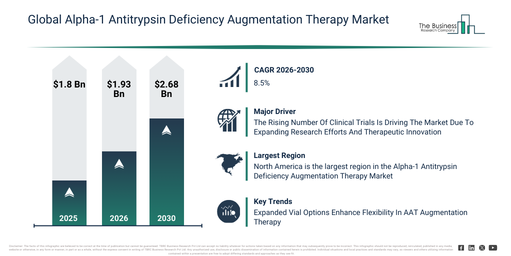
    The market for alpha-1 antitrypsin deficiency augmentation therapy has experienced significant expansion lately, with projections indicating continued robust growth. Valued at $1.8 billion in 2025, this market is anticipated to reach $1.93 billion by 2026, reflecting a compound annual growth rate (CAGR) of 7.3%. Factors contributing to the growth observed in the historical period include the scarcity of therapeutic interventions for Alpers disease, a heightened understanding of uncommon genetic conditions, a prevailing dependence on hospital settings for treatment, a rising number of pediatric patients, and the broader accessibility of supportive care initiatives.

    The market for alpha-1 antitrypsin deficiency augmentation therapy is poised for substantial expansion over the coming years, projecting a reach of $2.68 billion by 2030 with a compound annual growth rate of 8.5%. This anticipated growth is fueled by advancements in gene-targeted therapies, escalating investments in rare disease research, heightened collaboration between healthcare institutions and biotechnology companies, the embrace of innovative drug delivery systems, and the proliferation of specialized clinics for pediatric neurology. Key developments anticipated during this forecast period encompass a growing need for treatments that address symptoms and provide support, a concentrated effort on researching rare genetic disorders, an increase in therapeutic options for pediatric neurology, the wider availability of specialized clinics and hospital services, and the integration of new drug formulations and delivery approaches.

    Download A Free Sample Report For Comprehensive Market Insights:

    https://www.thebusinessresearchcompany.com/sample.aspx?id=13006&type=smp

    Alpha-1 Antitrypsin Deficiency Augmentation Therapy Market Industry Drivers: What Is Driving Revenue Growth?

    The expanding landscape of clinical trials is poised to be a significant catalyst for the advancement of the alpha-1 antitrypsin deficiency augmentation therapy market. These trials, which are essentially research investigations involving human subjects, are crucial for assessing the safety, effectiveness, and ideal application of emerging treatments like novel recombinant therapies, gene-based interventions, and extended-duration augmentation products. The upward trend in study initiation is fueled by increased funding for research, a heightened focus on cutting-edge treatment approaches, and the pressing necessity to mitigate the substantial health challenges posed by alpha-1 antitrypsin deficiency. Augmentation therapy for this condition operates by re-establishing adequate levels of the functional alpha-1 antitrypsin protein in both the bloodstream and the respiratory system, thereby decelerating the disease’s advancement, lessening pulmonary tissue deterioration, and ultimately enhancing long-term respiratory health for those afflicted, with a notable example being the increase in registered trials on ClinicalTrials.gov from 477,203 in early 2024 to 558,474 by late 2025, signifying a substantial influx of new research initiatives annually, consequently bolstering the growth trajectory of the alpha-1 antitrypsin deficiency augmentation therapy market.

    Alpha-1 Antitrypsin Deficiency Augmentation Therapy Market Categorization By Product Type And Application

    The alpha-1 antitrypsin deficiency augmentation therapy market covered in this report is segmented –

    1) By Treatment Type: Symptomatic Drug Therapy, Supportive Care Therapy, Palliative Care

    2) By Symptom Management: Seizure Management, Liver Dysfunction Management, Neurodevelopmental Support, Metabolic and Nutritional Support

    3) By Drug Class: Antiepileptic Drugs (excluding valproate), Hepatoprotective and Liver Support Medications, Metabolic Cofactor and Vitamin Therapies, Supportive Adjunct Medications

    4) By Route of Administration: Oral, Injectable

    5) By End User: Hospitals, Specialty Neurology and Metabolic Clinics, Palliative Care Centers

    Subsegments:

    1) By Symptomatic Drug Therapy: Antiepileptic Drug Therapy (non-valproate based), Acute Seizure Control Medications, Management of Movement Disorders and Spasticity, Supportive Medications for Gastrointestinal Symptoms, Infection Management and Prophylactic Medications

    2) By Supportive Care Therapy: Liver Function Monitoring and Support, Nutritional Support and Metabolic Supplementation, Respiratory Support and Assisted Ventilation, Physical, Occupational, and Speech Therapy, Management of Metabolic Decompensation

    3) By Palliative Care: Pain and Symptom Relief Management, End-of-Life Supportive Care, Psychological and Family Counseling

    #Alpha-1 Antitrypsin Deficiency Augmentation Therapy Market Growth Trends: What Is Influencing The Future Outlook?

    Within the alpha-1 antitrypsin deficiency augmentation therapy sector, key players are actively pursuing the creation of novel solutions, including augmentation therapy vials, aimed at simplifying dosage administration, enhancing infusion processes, and elevating the patient treatment journey. These augmentation therapy vials, containing plasma-derived alpha-1 antitrypsin, are presented in measured amounts designed for precise weight-based dosing and consistent AAT protein replenishment. As an illustration, in February of 2024, Grifols, a manufacturer of plasma-derived pharmaceuticals based in Spain, introduced PROLASTIN vials in both 4-gram and 5-gram sizes. The availability of these larger vial capacities allows healthcare providers to more adeptly meet weekly dosage needs, concurrently minimizing packaging waste and simplifying storage requirements. These enhanced choices contribute to a more efficient treatment preparation process and bolster the enduring PROLASTIN product line for individuals suffering from severe alpha-1 antitrypsin deficiency.

    Alpha-1 Antitrypsin Deficiency Augmentation Therapy Market Company Landscape And Strategic Competition

    Major companies operating in the alpha-1 antitrypsin deficiency augmentation therapy market are Pfizer Inc., Sanofi S.A., Takeda Pharmaceutical Company Limited, Biogen Inc., UCB S.A., Eisai Co. Ltd., Jazz Pharmaceuticals plc, GW Pharmaceuticals plc, BioMarin Pharmaceutical Inc., Ultragenyx Pharmaceutical Inc., PTC Therapeutics Inc., Alexion Pharmaceuticals Inc., Ionis Pharmaceuticals Inc., Vertex Pharmaceuticals Incorporated, Roche Holding AG, Novartis AG, Merck & Co. Inc., AbbVie Inc., Bristol Myers Squibb Company, Lundbeck A/S

    Access The Complete Alpha-1 Antitrypsin Deficiency Augmentation Therapy Market Report:

    https://www.thebusinessresearchcompany.com/report/alpha-1-antitrypsin-deficiency-augmentation-therapy-global-market-report

    Alpha-1 Antitrypsin Deficiency Augmentation Therapy Market Regional Analysis: Which Region Leads By Revenue?

    North Americawas the largest region in the alpha-1 antitrypsin deficiency augmentation therapy market in 2025. The regions covered in the alpha-1 antitrypsin deficiency augmentation therapy market report are Asia-Pacific, South East Asia, Western Europe, Eastern Europe, North America, South America, Middle East, Africa.

    Get in touch with us:

    The Business Research Company: https://www.thebusinessresearchcompany.com/

    Americas: +1 310-496-7795

    Asia: +44 7882 955267 & +91 8897263534

    Europe: +44 7882 955267

    Email us at: marketing@tbrc.info

    Follow us on:

    LinkedIn: https://in.linkedin.com/company/the-business-research-company

    YouTube: https://www.youtube.com/channel/UC24_fI0rV8cR5DxlCpgmyFQ

    Global Market Model: https://www.thebusinessresearchcompany.com/global-market-model

  • Maprotiline Hydrochloride API Market Expected To Reach $1.64 Billion By 2030 As Growth Accelerates At 6.4% CAGR

    Maprotiline Hydrochloride API Market Expected To Reach $1.64 Billion By 2030 As Growth Accelerates At 6.4% CAGR

    Through market attractiveness analysis, total addressable market evaluation, company benchmarking matrices, interactive Excel dashboards, expanded supply chain intelligence, emerging startup coverage, and detailed product insights, The Business Research Company’s 2026 market reports provide more actionable and strategically valuable research.

    Maprotiline Hydrochloride API Market CAGR Analysis And Future Market Development

    The market for maprotiline hydrochloride active pharmaceutical ingredients (API) has experienced robust expansion recently, projecting a rise from $1.2 billion in 2025 to $1.28 billion in 2026, sustained by a compound annual growth rate (CAGR) of 6.4%. This historical growth trajectory is largely due to the established history of maprotiline-based antidepressants in clinical practice, the increasing capacity of pharmaceutical manufacturing, a notable uptick in the diagnosis of depression and anxiety disorders, the existence of economical synthesis methodologies, and the broader expansion within the generic pharmaceutical sector.

    The market for maprotiline hydrochloride active pharmaceutical ingredients (APIs) is poised for substantial expansion in the coming years, projected to reach $1.64 billion by 2030 with a compound annual growth rate (CAGR) of 6.4%. This anticipated growth is underpinned by several key factors, including sustained demand for cost-effective mental health solutions, a growing preference for contract API manufacturing, escalating emphasis on stringent quality and compliance standards, an increase in pharmaceutical output from developing nations, and a consistent need from established antidepressant formulations. During this forecast period, significant market trends are expected to emerge, such as a heightened demand for well-established tricyclic and tetracyclic antidepressant APIs, an amplified focus on maintaining uniform API quality and adherence to regulatory mandates, a greater tendency to outsource API production to Contract Manufacturing Organizations (CMOs), sustained demand from the generic antidepressant manufacturing sector, and the expanding application of APIs in combination therapies and reformulated treatments.

    Download A Free Sample Report For Comprehensive Market Insights:

    https://www.thebusinessresearchcompany.com/sample.aspx?id=24287&type=smp

    Maprotiline Hydrochloride API Market Development Factors: Which Trends Are Supporting Demand?

    Escalating healthcare expenditures are anticipated to fuel the expansion of the Maprotiline Hydrochloride API market; these comprehensive outlays on medical services, encompassing hospitalizations, pharmaceuticals, and health insurance, are witnessing a substantial ascent primarily due to an aging demographic that necessitates more frequent and intricate medical interventions, consequently elevating overall health costs. This burgeoning healthcare spending bolsters the demand for Maprotiline Hydrochloride API, particularly for treating psychiatric conditions like depression, aligning with a significant rise in National Health Expenditures, which reached $4.9 trillion in 2023, representing 17.6% of GDP, with Medicare spending alone climbing 8.1% to $1,029.8 billion, underscoring the market’s growth trajectory.

    A heightened prevalence of depression and anxiety is poised to stimulate the Maprotiline Hydrochloride API market’s progression; these mental health conditions, marked by persistent sadness, worry, and fear that impede daily life, are increasingly linked to growing social isolation stemming from modern lifestyles, remote work arrangements, and diminishing community ties, fostering a sense of loneliness and emotional distress. Maprotiline Hydrochloride API plays a crucial role in managing these conditions by functioning as a tetracyclic antidepressant that modulates neurotransmitter balance within the brain, notably norepinephrine. Evidence from the American Psychiatric Association indicated a surge in adult anxiety levels in 2024, rising to 43% compared to previous years, accentuating the therapeutic need driving market expansion.

    The burgeoning pharmaceutical production landscape is expected to be a significant catalyst for the Maprotiline Hydrochloride API market’s advancement; this encompasses the manufacturing and processing of drug products, including active pharmaceutical ingredients and finished formulations designed for therapeutic application. Such growth is predominantly propelled by escalating global demand for chronic disease treatments and support for aging populations, alongside expanded access to essential medicines and increased manufacturing capacities by pharmaceutical firms to meet growing prescription volumes. Enhanced pharmaceutical production directly correlates with a greater demand for active pharmaceutical ingredients like Maprotiline Hydrochloride, the core components of antidepressant medications, as exemplified by the EU’s 6.1% increase in medicinal and pharmaceutical product imports in 2023, reaching $137.4 billion, thus contributing to the market’s upward trend.

    Maprotiline Hydrochloride API Market Segment Analysis Highlighting Growth Areas

    The maprotiline hydrochloride api market covered in this report is segmented –

    1) By Product Type: Powder, Granules, Other Product Types

    2) By Formulation Type: Tablets, Capsules, Injectables, Oral Solutions

    3) By Distribution Channel: Direct Sales, Pharmacy Chains, Online Pharmacies, Hospital Pharmacies

    4) By Application: Antidepressant, Anxiolytic, Sleep Aid, Neuropathic Pain Management

    5) By End-User: Pharmaceutical Companies, Research Institutions, Healthcare Providers, Contract Manufacturing Organizations (CMOs)

    Subsegments:

    1) By Powder: Fine Crystalline Powder, Micronized Powder, Spray-Dried Powder

    2) By Granules: Direct Compressible Granules, Wet Granulated Form, Effervescent Granules

    3) By Other Product Types: Liquid Concentrate, Pelletized Form, Lyophilized (Freeze-Dried) Form

    Maprotiline Hydrochloride API Market Leading Companies: Who Holds Significant Market Presence?

    Major companies operating in the maprotiline hydrochloride api market are Thermo Fisher Scientific Inc., Lupin Limited, Olon Società per Azioni, Cayman Chemical Company, Koa Shoji Co. Ltd., Simson Pharma Limited, Zydus Cadila, Conscientia Industrial Co. Ltd., Alsachim Société par Actions Simplifiée, Pharmaoffer B.V., SynZeal Research Private Limited, Jigs Chemical, Chem-Impex International Inc., Pharma Compass, Allmpus Corporation, Glentham Life Sciences Limited, LKT Laboratories Inc., Qingdao Fengchen Technology and Trade Co. Ltd., Beijing Merson Pharmaceutical, Enomark Pharma

    Access The Complete Maprotiline Hydrochloride API Market Report:

    https://www.thebusinessresearchcompany.com/report/maprotiline-hydrochloride-api-global-market-report

    Maprotiline Hydrochloride API Market Leading Geography: Which Region Generates The Most Revenue?

    North Americawas the largest region in the maprotiline hydrochloride API market in 2025. Asia-Pacificis expected to be the fastest-growing region in the forecast period. The regions covered in the maprotiline hydrochloride api market report are Asia-Pacific, South East Asia, Western Europe, Eastern Europe, North America, South America, Middle East, Africa.

    Get in touch with us:

    The Business Research Company: https://www.thebusinessresearchcompany.com/

    Americas: +1 310-496-7795

    Asia: +44 7882 955267 & +91 8897263534

    Europe: +44 7882 955267

    Email us at: marketing@tbrc.info

    Follow us on:

    LinkedIn: https://in.linkedin.com/company/the-business-research-company

    YouTube: https://www.youtube.com/channel/UC24_fI0rV8cR5DxlCpgmyFQ

    Global Market Model: https://www.thebusinessresearchcompany.com/global-market-model
  • Mammography Market Set To Grow From $3.16 Billion In 2026 To $4.65 Billion By 2030 At A CAGR Of 10.1%

    Mammography Market Set To Grow From $3.16 Billion In 2026 To $4.65 Billion By 2030 At A CAGR Of 10.1%

    Delivering more actionable and strategically valuable research, The Business Research Company’s 2026 market reports feature market attractiveness analysis, total addressable market evaluation, company benchmarking matrices, interactive Excel dashboards, expanded supply chain intelligence, emerging startup coverage, and detailed product insights.

    Mammography Market Expansion From $3.16 Billion In 2026 To $4.65 Billion In 2030

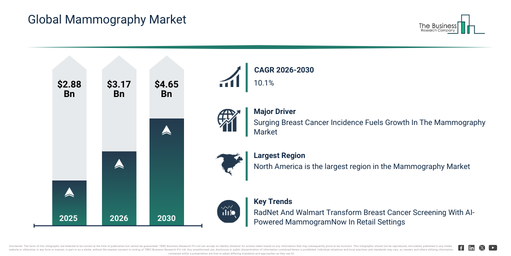
    The mammography sector experienced robust expansion recently, projecting a rise from $2.88 billion in 2025 to $3.17 billion in 2026, fueled by a compound annual growth rate of 9.8%. Factors contributing to this historical surge include escalating breast cancer occurrence rates, the broad assimilation of x-ray imaging technologies, governmental initiatives promoting breast cancer awareness, the accessibility of film screen mammography units, and the proliferation of diagnostic imaging services within hospitals.

    The mammography sector is poised for substantial expansion in the coming years, projecting a market value of $4.65 billion by 2030, fueled by a compound annual growth rate (CAGR) of 10.1%. This projected growth is underpinned by several key factors, including the proliferation of population-wide screening programs, heightened financial commitments to diagnostic tools for women’s health, a growing emphasis on prompt and precise diagnosis, the technological transition towards digital and tomosynthesis imaging techniques, and enhancements in healthcare facilities within developing nations. Significant developments anticipated during this forecast period encompass a greater embrace of digital and 3D mammography devices, an intensified concentration on proactive breast cancer detection initiatives, increased utilization of mobile mammography units in underserved areas, a surge in demand for combined minimally invasive biopsy capabilities, and the broadening of diagnostic services within nascent healthcare markets.

    Download A Free Sample Report For Comprehensive Market Insights:

    https://www.thebusinessresearchcompany.com/sample.aspx?id=10047&type=smp

    Mammography Market Industry Drivers: What Is Driving Revenue Growth?

    The escalating rate of breast cancer diagnoses is anticipated to be a primary catalyst for the expansion of the mammography market, given that breast cancer involves uncontrolled proliferation of breast cells. With a global rise in breast cancer prevalence, mammography stands out as a critically important and extensively utilized screening method for detecting the disease in its early stages. For example, Breastcancer.org reported in 2023 that an estimated 297,790 invasive breast cancer cases and 55,720 cases of DCIS were projected for U.S. women that year. Additionally, figures from the American Cancer Society in January 2023 indicated that approximately 287,850 new invasive breast cancer cases and 51,400 new non-invasive (in situ) breast cancer cases were identified in U.S. women during 2022. Consequently, the growing occurrence of breast cancer is demonstrably fueling the mammography market.

    Mammography Market Segment Performance And Strategic Opportunities

    The mammography market covered in this report is segmented –

    1) By Product: Film Screen Systems, Digital Systems, Analog Systems, Other Products

    2) By Modality: Portable Mammography Systems, Non-Portable Mammography Systems

    3) By Technology: Breast Tomosynthesis, CAD Mammography

    4) By End-User: Hospitals, Specialty Clinics, Diagnosis Centers, Other End-Users

    Subsegments:

    1) By Film Screen Systems: Standard Film Screen Systems, High-Resolution Film Screen Systems

    2) By Digital Systems: Full-Field Digital Mammography (FFDM), Digital Breast Tomosynthesis (DBT)

    3) By Analog Systems: Conventional Analog Mammography Systems

    4) By Other Products: Accessories And Consumables, Software Solutions

    #Mammography Market Growth Trends: What Is Influencing The Future Outlook?

    Leading corporations within the mammography sector are prioritizing the development of innovative solutions, including trial mammography service programs designed to boost early breast cancer identification, elevate patient results, and broaden availability

    Mammography Market Key Players: Which Companies Shape Industry Competition?

    Major companies operating in the mammography market are Hologic Inc., Fujifilm Corporation, Siemens Healthcare AG, Canon Medical Systems Corporation, GE Healthcare Company, Koninklijke Philips N.V., Metaltronica S.p.A., PLANMED OY, Villa Sistemi Medicali S.p.A., Carestream Health, Konica Minolta Inc., Agfa-Gevaert N.V., Delphinus Medical Technologies Inc., Micrima Limited, Koning Corporation, Allengers Medical Systems Ltd., Trivitron Healthcare Pvt. Ltd., Genoray Co. Ltd., Analogic Corporation, BMI Biomedical International s.r.l., General Medical Merate S.p.A., IMS Srl, Medi-Future Co. Ltd., PerkinElmer Inc., QView Medical Inc., Radmirtech Co. Ltd.

    Access The Complete Mammography Market Report:

    https://www.thebusinessresearchcompany.com/report/mammography-global-market-report

    Mammography Market Regional Outlook: Where Are The Largest Opportunities Located?

    North Americawas the largest region in the mammography market in 2025. The regions covered in the mammography market report are Asia-Pacific, South East Asia, Western Europe, Eastern Europe, North America, South America, Middle East, Africa.

    Get in touch with us:

    The Business Research Company: https://www.thebusinessresearchcompany.com/

    Americas: +1 310-496-7795

    Asia: +44 7882 955267 & +91 8897263534

    Europe: +44 7882 955267

    Email us at: marketing@tbrc.info

    Follow us on:

    LinkedIn: https://in.linkedin.com/company/the-business-research-company

    YouTube: https://www.youtube.com/channel/UC24_fI0rV8cR5DxlCpgmyFQ

    Global Market Model: https://www.thebusinessresearchcompany.com/global-market-model