Month: June 2026

  • GI Stool Testing Market Growth Outlook Reveals A CAGR Of 7.1% And A Market Value Of $1.98 Billion By 2030

    GI Stool Testing Market Growth Outlook Reveals A CAGR Of 7.1% And A Market Value Of $1.98 Billion By 2030

    Delivering more actionable and strategically valuable research, The Business Research Company’s 2026 market reports feature market attractiveness analysis, total addressable market evaluation, company benchmarking matrices, interactive Excel dashboards, expanded supply chain intelligence, emerging startup coverage, and detailed product insights.

    GI Stool Testing Market Expansion Outlook: What Revenue Opportunities Lie Ahead?

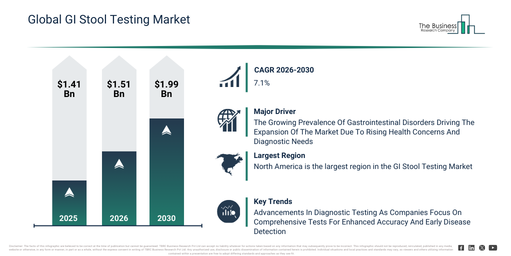
    The market for gastrointestinal stool testing has witnessed robust expansion recently. Projections indicate a rise from $1.41 billion in 2025 to $1.51 billion in 2026, reflecting a compound annual growth rate (CAGR) of 7.4%. Factors contributing to this growth during the historical period include an increase in gastrointestinal disorders, advancements in diagnostic laboratory capabilities, the early adoption of microbiology testing, a growing emphasis on colorectal cancer screening, and heightened public awareness regarding healthcare.

    The examination of gastrointestinal (GI) stool testing is projected for substantial expansion over the coming years, reaching an estimated market valuation of $1.99 billion by the year 2030, propelled by a compound annual growth rate (CAGR) of 7.1%. This projected expansion is fueled by several key factors, including the increasing prevalence of tailored gut health assessments, the burgeoning field of at-home diagnostic solutions, the incorporation of artificial intelligence for data analysis, a greater emphasis on proactive health management, and heightened public consciousness regarding digestive well-being. Key developments anticipated within this timeframe encompass a rising preference for non-invasive diagnostic approaches, expanded utilization of microbiome-centric testing, increased deployment of molecular diagnostic techniques, a wider availability of at-home stool testing kits, and enhanced capabilities for the early identification of GI ailments.

    Download A Free Sample Report For Comprehensive Market Insights:

    https://www.thebusinessresearchcompany.com/sample.aspx?id=23410&type=smp

    GI Stool Testing Market Growth Momentum: Which Factors Are Influencing Demand?

    The escalating occurrence of digestive system ailments is anticipated to fuel the expansion of the GI stool testing market in the future. Digestive disorders encompass conditions affecting the gastrointestinal tract, such as the stomach and intestines, manifesting in symptoms like nausea, diarrhea, constipation, and abdominal discomfort. This surge in gastrointestinal issues is primarily attributed to suboptimal dietary patterns, including heightened consumption of processed foods, excessive sugar intake, and diets low in fiber, which collectively disrupt the gut microbiome, compromise digestive health, and foster conditions like acid reflux, irritable bowel syndrome (IBS), and inflammatory bowel disease (IBD). GI stool testing becomes essential for these disorders to identify infections, inflammation, or digestive imbalances by detecting pathogens (bacteria, viruses, parasites), gut inflammation markers, and deficiencies in digestive enzymes, thereby facilitating precise diagnoses and tailored treatments. For example, the Centers for Disease Control and Prevention in the US reported in September 2024 that between 2024 and 2025, norovirus outbreaks in NoroSTAT-participating states reached 1,676, a significant increase from the 729 outbreaks recorded in the corresponding period of the previous season. Consequently, the growing prevalence of gastrointestinal disorders acts as a catalyst for the expansion of the GI stool testing market.

    Enhanced access to healthcare facilities is poised to accelerate the GI stool testing market’s growth. Healthcare infrastructure encompasses the essential physical, technological, and organizational components for delivering medical services, such as hospitals, clinics, specialized equipment, and digital health platforms. This expansion of healthcare infrastructure is primarily propelled by an increasing global population and an aging demographic, where greater life expectancy and a higher incidence of diseases necessitate more medical facilities and advanced technologies to ensure adequate healthcare accessibility and improved patient outcomes. The development of healthcare infrastructure directly contributes to more accessible and accurate GI stool testing by improving laboratory capabilities, advancing diagnostic technologies, and enhancing the expertise of medical professionals, which leads to quicker, more precise identification of gastrointestinal disorders, ultimately enabling prompt treatment and better patient prognoses. Illustratively, The Health Foundation, an independent UK charity, noted in November 2024 that the Department of Health and Social Care (DHSC) anticipates increased spending, rising from $227.6 billion in 2023/24 to $238.6 billion in 2024/25 and $250.6 billion in 2025/26, signifying an average annual real-term growth rate of 3.3%. Therefore, the expanding reach of healthcare infrastructure is a key driver for the GI stool testing market’s growth.

    GI Stool Testing Market Segmentation And Category Breakdown

    The gi stool testing market covered in this report is segmented –

    1) By Type: Immunoassay Test, Molecular Diagnostic Test, Chromatography-Based Test, Microbiological Culture Test, Enzyme-Linked Immunosorbent Assay (ELISA)

    2) By Sample Type: Fecal Samples, Serum Samples

    3) By Equipment: Automated Analyzers, Benchtop Instruments, Portable Devices

    4) By Application: Diagnosis Of Gastrointestinal Disorders, Screening For Colorectal Cancer, Monitoring Of Inflammatory Bowel Disease (IBD), Detection Of Gastrointestinal Infections, Evaluation Of Digestive Health

    5) By End User: Hospital, Diagnostic Centre And Laboratory, Academic Institution, Research Centre Organization, Homecare, Other End Users

    Subsegments:

    1) By Immunoassay Test: Rapid Immunoassay, Lateral Flow Assay, Fluorescent Immunoassay

    2) By Molecular Diagnostic Test: Polymerase Chain Reaction (PCR), Nucleic Acid Amplification Test (NAAT), Next-Generation Sequencing (NGS)

    3) By Chromatography-Based Test: Gas Chromatography (GC), Liquid Chromatography (LC), Thin-Layer Chromatography (TLC)

    4) By Microbiological Culture Test: Aerobic Culture, Anaerobic Culture, Selective Media Culture

    5) By Enzyme-Linked Immunosorbent Assay (ELISA): Direct ELISA, Indirect ELISA, Sandwich ELISA, Competitive ELISA

    GI Stool Testing Market Trends Reshaping Industry Growth

    The prominent entities within the GI stool testing market are concentrating their efforts on sophisticated testing methodologies, including all-encompassing diagnostic examinations, with the objective of enhancing precision, accelerating results, and facilitating the early identification of illnesses. An all-inclusive diagnostic examination represents a sophisticated medical instrument designed to simultaneously evaluate a multitude of health indicators, thereby providing a comprehensive appraisal of a particular ailment. As an illustration, in November 2024, EmeritusDX, a diagnostics firm based in the United States, introduced GI Detect, an extensive diagnostic test engineered to assist medical practitioners in pinpointing gastrointestinal ailments. This innovative test employs a solitary stool sample for the detection of 26 microorganisms, including bacteria, viruses, and parasites, all linked to disturbances within the digestive system. The GI Detect test, boasting a 24-hour processing period, empowers swift and well-informed clinical judgments. Beyond its extensive pathogen identification capabilities, the test also screens for Helicobacter pylori along with its damaging factors VacA, cagA, and babA, in addition to prevalent gastrointestinal parasites like Cryptosporidium, Entamoeba histolytica, and Giardia lamblia. This all-encompassing methodology guarantees the precise and prompt diagnosis of gastrointestinal infections.

    GI Stool Testing Market Competitive Analysis Of Major Industry Participants

    Major companies operating in the gi stool testing market are Thermo Fisher Scientific Inc., Abbott Laboratories Inc., Hologic Inc., Biomerieux SA, Bio-Rad Laboratories Inc., Meridian BioScience Inc., Diasorin SPA, ELITechGroup, Genova Diagnostics Inc., US BioTek Laboratories LLC, Doctor’s Data Inc., Diagnostic Solutions Laboratory LLC, Functional Medical Institute Pvt. Ltd., Walk-In Lab LLC, ScheBo Biotech AG, Qiagen NV, Roche Diagnostics, Siemens Healthineers, QuidelOrtho Corporation, Biohit Oyj, Exact Sciences Corporation

    Access The Complete GI Stool Testing Market Report:

    https://www.thebusinessresearchcompany.com/report/gi-stool-testing-global-market-report

    GI Stool Testing Market Geographic Analysis: Where Is Demand Growing The Fastest?

    North Americawas the largest region in the GI stool testing market in 2025. Asia-Pacificis expected to be the fastest-growing region in the forecast period. The regions covered in the gi stool testing market report are Asia-Pacific, South East Asia, Western Europe, Eastern Europe, North America, South America, Middle East, Africa.

    Get in touch with us:

    The Business Research Company: https://www.thebusinessresearchcompany.com/

    Americas: +1 310-496-7795

    Asia: +44 7882 955267 & +91 8897263534

    Europe: +44 7882 955267

    Email us at: marketing@tbrc.info

    Follow us on:

    LinkedIn: https://in.linkedin.com/company/the-business-research-company

    YouTube: https://www.youtube.com/channel/UC24_fI0rV8cR5DxlCpgmyFQ

    Global Market Model: https://www.thebusinessresearchcompany.com/global-market-model
  • Gestational Trophoblastic Disease Market Forecast Highlights Expansion From $2.25 Billion To $2.81 Billion Through 2030

    Gestational Trophoblastic Disease Market Forecast Highlights Expansion From $2.25 Billion To $2.81 Billion Through 2030

    Enhanced with market attractiveness analysis, total addressable market evaluation, company benchmarking matrices, interactive Excel dashboards, expanded supply chain intelligence, emerging startup coverage, and detailed product insights, The Business Research Company’s 2026 market reports deliver more actionable and strategically valuable research.

    Gestational Trophoblastic Disease Market Growth Potential: How Will Market Size Change Through 2030?

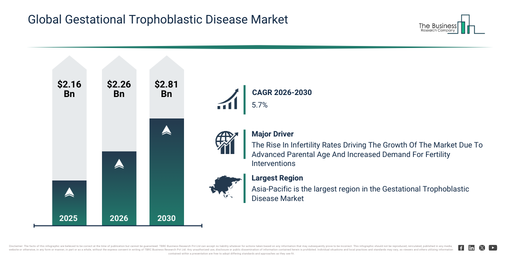
    The market for gestational trophoblastic disease has experienced consistent expansion lately. Projections indicate a rise from $2.16 billion in 2025 to $2.26 billion in 2026, reflecting a compound annual growth rate of 4.6%. Factors contributing to this growth during the past period include advancements in gynecologic oncology, the accessibility of hCG testing, increased adoption of surgical interventions, heightened public awareness regarding rare pregnancy conditions, and the implementation of clinical oncology protocols.

    The global market for gestational trophoblastic disease is projected for robust expansion over the coming years, anticipating a reach of $2.81 billion by 2030, propelled by a compound annual growth rate of 5.7%. This anticipated surge in the forecast period stems from advancements in diagnostic precision, the proliferation of oncology facilities, the establishment of uniform therapeutic protocols, enhanced accessibility to medical services, and a concentrated effort on addressing rare disease conditions. Key developments shaping this market during the forecast horizon involve enhanced monitoring through hCG-based methods, a growing reliance on chemotherapy for managing GTD, a heightened emphasis on prompt diagnosis, the broadening scope of specialized oncology care for women, and more effective surveillance following treatment.

    Download A Free Sample Report For Comprehensive Market Insights:

    https://www.thebusinessresearchcompany.com/sample.aspx?id=13271&type=smp

    Gestational Trophoblastic Disease Market Expansion Drivers: What Is Shaping Future Growth?

    Anticipated increases in infertility are poised to fuel the expansion of the gestational trophoblastic disease market. Infertility is defined as the inability of a couple or individual to achieve a pregnancy after a year of regular, unprotected intercourse, and its rising incidence is largely attributed to factors such as advanced maternal and paternal age, which negatively impacts egg and sperm viability and increases conception-related complications. While a pathological condition itself, gestational trophoblastic disease offers a unique perspective on fertility challenges, shedding light on how trophoblastic tissue influences implantation and hormonal regulation, thereby informing strategies to enhance conception success. Reflecting this global concern, the World Health Organization reported in April 2023 that approximately 17.5% of adults worldwide, or about one in six individuals, experience infertility, underscoring an urgent global need for more accessible and high-quality fertility treatments. Consequently, the escalating rates of infertility are a significant driver for the gestational trophoblastic disease market.

    The escalating trend of cigarette smoking is anticipated to stimulate the expansion of the market for gestational trophoblastic disease. Cigarette smoking, characterized by the inhalation of tobacco smoke laden with harmful chemicals and toxins, can adversely affect numerous bodily systems. It is theorized that smoking may inflict DNA damage upon trophoblastic cells, crucial for placental development, potentially leading to aberrant cellular growth and division, and consequently, gestational trophoblastic disease. Illustrating this concern, a study highlighted by the European Respiratory Society in October 2024 indicated a substantial increase in smoking among young individuals, with reported rates rising from 22.5% in 2022 to 40.1% in 2024. Therefore, the mounting prevalence of cigarette smoking is contributing to the growth of the gestational trophoblastic disease market.

    The increasing occurrence of chronic health conditions among mothers is expected to be a catalyst for the growth of the gestational trophoblastic disease market. These chronic conditions, persisting before, during, or after pregnancy, encompass ailments such as diabetes, hypertension, heart disease, and autoimmune disorders, all of which can negatively impact both maternal and fetal well-being. Poor dietary habits and inadequate nutrition are significant contributors to the rising incidence of these chronic diseases, leading to conditions like obesity, hypertension, and other metabolic irregularities before and during gestation. Gestational trophoblastic disease can worsen pre-existing chronic conditions in mothers by disrupting hormonal balance and causing vascular complications that further strain their health. Evidence from the UK’s Office for Health Improvement and Disparities in December 2024 revealed that 26.2% of women in early pregnancy were identified as obese in 2024, a slight increase from the 25.4% recorded the preceding year. Consequently, the growing prevalence of chronic diseases in mothers is a key driver for the gestational trophoblastic disease market.

    Gestational Trophoblastic Disease Market Segment Outlook: Which Categories Are Expanding The Fastest?

    The gestational trophoblastic disease market covered in this report is segmented –

    1) By Type: Hydatidiform Mole, Choriocarcinoma, Placental-Site Trophoblastic Tumor, Epithelioid Trophoblastic Tumor, Other Types

    2) By Treatment: Surgery, Chemotherapy, Suction Dilation And Curettage (D&C), Radiation Therapy

    3) By End User: Hospital And Clinics, Diagnostic Centers, Other End Users

    Subsegments:

    1) By Hydatidiform Mole: Complete Hydatidiform Mole, Partial Hydatidiform Mole

    2) By Choriocarcinoma: Non-Metastatic Choriocarcinoma, Metastatic Choriocarcinoma

    3) By Placental-Site Trophoblastic Tumor: PSTT With Normal Placentation, PSTT With Abnormal Placentation

    4) By Epithelioid Trophoblastic Tumor: Epithelioid Trophoblastic Tumor With No Evidence Of Metastasis, Epithelioid Trophoblastic Tumor With Metastasis

    5) By Other Types: Trophoblastic Tumor Of Unknown Origin, Non-Gestational Trophoblastic Neoplasia

    Gestational Trophoblastic Disease Market Key Companies And Competitive Benchmarking

    Major companies operating in the gestational trophoblastic disease market are Pfizer Inc., F. Hoffmann-La Roche AG, AbbVie Inc., Bayer AG, Novartis AG, Merck And Co. Inc., Sun Pharmaceutical Industries Ltd., GSK plc, Bristol-Myers Squibb Company, Sanofi S.A., AstraZeneca plc, Eli Lilly and Company, Daiichi Sankyo Co. Ltd., Eisai Co. Ltd.

    Access The Complete Gestational Trophoblastic Disease Market Report:

    https://www.thebusinessresearchcompany.com/report/gestational-trophoblastic-disease-global-market-report

    Gestational Trophoblastic Disease Market Global Footprint: Which Region Holds Market Leadership?

    Asia-Pacificwas the largest region in the gestational trophoblastic disease market in 2025, and is expected to be the fastest-growing region in the forecast period. The regions covered in the gestational trophoblastic disease market report are Asia-Pacific, South East Asia, Western Europe, Eastern Europe, North America, South America, Middle East, Africa.

    Get in touch with us:

    The Business Research Company: https://www.thebusinessresearchcompany.com/

    Americas: +1 310-496-7795

    Asia: +44 7882 955267 & +91 8897263534

    Europe: +44 7882 955267

    Email us at: marketing@tbrc.info

    Follow us on:

    LinkedIn: https://in.linkedin.com/company/the-business-research-company

    YouTube: https://www.youtube.com/channel/UC24_fI0rV8cR5DxlCpgmyFQ

    Global Market Model: https://www.thebusinessresearchcompany.com/global-market-model
  • Gestational Diabetes Market Expected To Reach $13.85 Billion By 2030 As Growth Accelerates At 8.7% CAGR

    Gestational Diabetes Market Expected To Reach $13.85 Billion By 2030 As Growth Accelerates At 8.7% CAGR

    Through market attractiveness analysis, total addressable market evaluation, company benchmarking matrices, interactive Excel dashboards, expanded supply chain intelligence, emerging startup coverage, and detailed product insights, The Business Research Company’s 2026 market reports provide more actionable and strategically valuable research.

    Gestational Diabetes Market Value Analysis: What Growth Is Expected Over The Forecast Period?

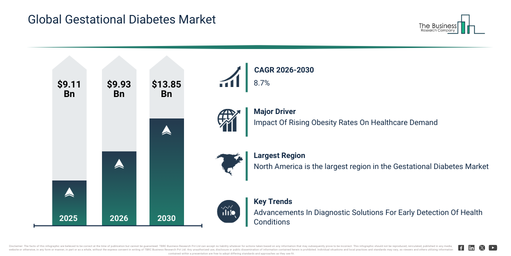
    The market for gestational diabetes experienced robust expansion historically and is projected to continue its upward trajectory, expanding from $9.11 billion in 2025 to $9.93 billion in 2026, reflecting a compound annual growth rate of 8.9%. This growth during the past period is largely due to several key factors including rising obesity trends, an increase in pregnancies among older women, the implementation of early screening for diabetes, advancements in prenatal care services, and a heightened awareness of complications associated with pregnancy.

    The market for gestational diabetes is poised for significant expansion in the coming years, projected to reach $13.85 billion by 2030, driven by a compound annual growth rate of 8.7%. This projected increase during the forecast period is largely fueled by an escalating incidence of gestational diabetes, the proliferation of digital health monitoring solutions, enhancements in prenatal diagnostic capabilities, a heightened emphasis on preventative care for expectant mothers, and supportive healthcare policies. Key developments anticipated within this timeframe include a greater uptake of blood glucose monitoring systems, augmented utilization of insulin therapy for pregnant individuals, a growing emphasis on managing this condition through lifestyle modifications, the broadening of prenatal screening initiatives, and elevated awareness surrounding maternal health.

    Download A Free Sample Report For Comprehensive Market Insights:

    https://www.thebusinessresearchcompany.com/sample.aspx?id=20818&type=smp

    Gestational Diabetes Market Development Factors: Which Trends Are Supporting Demand?

    The expanding segment of the population classified as obese, characterized by a body mass index (BMI) of 30 or greater and signifying substantial body fat, is poised to be a significant catalyst for the expansion of the gestational diabetes market. This surge in obesity rates is attributable to a confluence of factors including predominantly inactive lifestyles, a greater reliance on energy-dense, processed food items, inherent genetic tendencies, and restricted availability of nutritious food choices and physical activity venues. The management of gestational diabetes holds particular importance for this demographic, given their heightened susceptibility to insulin resistance and accelerated weight gain during pregnancy, scenarios that can precipitate adverse outcomes for both the expectant mother and the developing fetus if not properly addressed. Illustrating this trend, data from the Office for Health Improvement and Disparities, a UK governmental organization, indicated that in England, a notable 64.5% of individuals aged 18 and above were either overweight or obese between 2023 and 2024, a slight increase from the 64.0% recorded in the preceding year (2022-2023). Consequently, the growing prevalence of obesity is a primary determinant in the upward trajectory of the gestational diabetes market.

    Gestational Diabetes Market Segment Landscape: Which Areas Lead Market Development?

    The gestational diabetes market covered in this report is segmented –

    1) By Type: Type A1, Type A2, Other Types

    2) By Treatment: Monitoring, Drug Treatment, Non-pharmacological Treatment

    3) By Administration: Oral, Intravenous, Other Administrations

    4) By End User: Hospitals, Clinics, Home Care Settings, Diagnostic Centers

    Subsegments:

    1) By Type A1: Diet-Controlled Gestational Diabetes, Exercise-Controlled Gestational Diabetes

    2) By Type A2: Insulin-Controlled Gestational Diabetes, Oral Medication-Controlled Gestational Diabetes

    3) By Other Types: Pre-Gestational Diabetes, Gestational Diabetes With Complications

    Gestational Diabetes Market Transformation Trends: Which Innovations Are Driving Change?

    Within the gestational diabetes market, leading enterprises are prioritizing the creation of cutting-edge solutions, specifically diagnostic kits, to facilitate swift, precise, and user-friendly early identification of the condition; these kits serve as vital medical instruments for quantifying blood sugar levels and pinpointing instances of impaired glucose tolerance in expectant mothers, thereby supporting prompt diagnosis and effective management. Illustratively, in August of 2024, DirectSens GmbH, a biotechnology firm headquartered in Austria, introduced the XpressGT RUO kit, a diagnostic device engineered for the detection of gestational diabetes, alongside conditions like endometriosis, insulin resistance, and liver ailments, which gauges 2-hydroxybutyrate (2-HB) concentrations in venous blood with high accuracy; this metabolite, a natural byproduct of liver activity, can escalate due to reductive stress, a factor implicated in numerous endocrine and obesity-related health issues, including insulin resistance, and the kit’s compatibility with any standard clinical analyzer enables the generation of results within an impressive 8-minute timeframe, presenting a remarkably expedient diagnostic capability.

    Gestational Diabetes Market Industry Leaders And Market Competition

    Major companies operating in the gestational diabetes market are Sanofi S.A., Abbott Laboratories, Eli Lilly and Company, Novo Nordisk A/S, Becton Dickinson and Company, Dexcom Inc, Biocon Limited, Ascensia Diabetes Care Holdings AG, Roche Diabetes Care, Medtronic plc, Insulet Corporation, Tandem Diabetes Care Inc, Ypsomed Holding AG, Beta Bionics Inc, Bigfoot Biomedical Inc, Glooko Inc, Philips Healthcare, Sun Pharmaceutical Industries Ltd, Takeda Pharmaceutical Company Ltd, Pfizer Inc, Novartis AG, Adocia SA, Daiichi Sankyo Company Ltd

    Access The Complete Gestational Diabetes Market Report:

    https://www.thebusinessresearchcompany.com/report/gestational-diabetes-global-market-report

    Gestational Diabetes Market Regional Distribution: Which Areas Drive Market Expansion?

    North Americawas the largest region in the gestational diabetes market in 2025. Asia-Pacificis expected to be the fastest-growing region in the forecast period. The regions covered in the gestational diabetes market report are Asia-Pacific, South East Asia, Western Europe, Eastern Europe, North America, South America, Middle East, Africa.

    Get in touch with us:

    The Business Research Company: https://www.thebusinessresearchcompany.com/

    Americas: +1 310-496-7795

    Asia: +44 7882 955267 & +91 8897263534

    Europe: +44 7882 955267

    Email us at: marketing@tbrc.info

    Follow us on:

    LinkedIn: https://in.linkedin.com/company/the-business-research-company

    YouTube: https://www.youtube.com/channel/UC24_fI0rV8cR5DxlCpgmyFQ

    Global Market Model: https://www.thebusinessresearchcompany.com/global-market-model
  • Germ Cell Tumor Market Set To Grow From $13.18 Billion In 2026 To $22.55 Billion By 2030 At A CAGR Of 14.4%

    Germ Cell Tumor Market Set To Grow From $13.18 Billion In 2026 To $22.55 Billion By 2030 At A CAGR Of 14.4%

    Delivering more actionable and strategically valuable research, The Business Research Company’s 2026 market reports feature market attractiveness analysis, total addressable market evaluation, company benchmarking matrices, interactive Excel dashboards, expanded supply chain intelligence, emerging startup coverage, and detailed product insights.

    Germ Cell Tumor Market Size Forecast: How Large Could The Market Become By 2030?

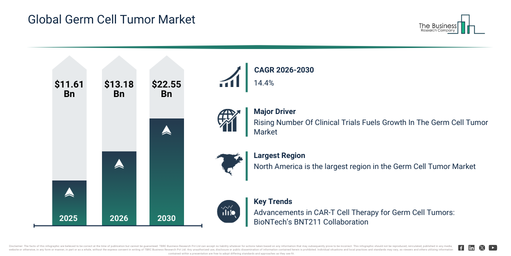
    The global germ cell tumor market has experienced significant expansion, projected to increase from $11.61 billion in 2025 to $13.18 billion by 2026, representing a compound annual growth rate of 13.5%. This trajectory of growth during the preceding period was fueled by breakthroughs in cancer chemotherapy, enhanced diagnostic capabilities for cancer detection, the establishment of specialized oncology treatment centers, a rise in public awareness concerning testicular cancer, and an increase in the scope of clinical trials.

    The market for germ cell tumors is poised for considerable expansion over the upcoming years, projecting a valuation of $22.55 billion by 2030, driven by a compound annual growth rate of 14.4%. This anticipated growth trajectory is significantly influenced by advancements in targeted therapeutic strategies, an increasing embrace of immunotherapy, ongoing research in precision oncology, the enhancement of cancer treatment facilities, and refined screening methodologies. Key developments expected within this forecast period encompass a heightened utilization of combined chemotherapy protocols, greater integration of immunotherapy methods, a more pronounced emphasis on the early detection of tumors, the broadening of treatment options for pediatric germ cell tumors, and ultimately, improved patient survival rates through comprehensive, multi-faceted care approaches.

    Download A Free Sample Report For Comprehensive Market Insights:

    https://www.thebusinessresearchcompany.com/sample.aspx?id=13249&type=smp

    Germ Cell Tumor Market Industry Drivers: What Is Driving Revenue Growth?

    Global germ cell tumor market expansion is anticipated due to the escalating volume of clinical trials, which are meticulously planned investigations involving people to gauge the effectiveness, safety, and advantages of innovative medical approaches. These trials are instrumental in understanding germ cell cancers, helping to evaluate new drug performance and providing valuable insights into current therapeutic strategies. Evidence from Xtalks, a digital health firm based in Canada, indicates that as of May 2023, ClinicalTrials.gov hosted 452,604 registered trials worldwide, with 64,838 actively enrolling participants, thereby stimulating germ cell tumor market advancement.

    The rising incidence of cancer is poised to be a significant catalyst for the expansion of the germ cell tumor market. Characterized by the unchecked proliferation and dissemination of aberrant cells, cancer can manifest as tumors that infiltrate adjacent tissues and spread to distant bodily regions; surgical excision of the tumor, complemented by chemotherapy to eradicate residual malignant cells, constitutes the principal therapeutic regimen for germ cell tumors. As reported by the American Cancer Society Inc., a non-profit health organization in the United States, projections for 2023 estimated 1,958,310 new cancer diagnoses in the US, an increase from the 1,918,030 cases diagnosed in 2022, underscoring how heightened cancer prevalence is fostering growth within the germ cell tumor market.

    Germ Cell Tumor Market Segments: Where Are The Largest Growth Opportunities?

    The germ cell tumor market covered in this report is segmented –

    1) By Disease: Testicular, Ovarian, Other Diseases

    2) By Treatment Type: Chemotherapy, Immunotherapy

    3) By Route Of Administration: Oral, Intravenous, Intraperitoneal

    4) By End User: Hospitals And Clinics, Research Institutes, Other End Users

    Subsegments:

    1) By Testicular: Seminomas, Non-Seminomas

    2) By Ovarian: Dysgerminoma, Non-Dysgerminomatous Germ Cell Tumors

    3) By Other Diseases: Extragonadal Germ Cell Tumors, Germ Cell Tumors In Children

    #Germ Cell Tumor Market Growth Trends: What Is Influencing The Future Outlook?

    The germ cell tumor market is seeing significant activity from leading entities, with a notable emphasis on advancements such as CAR T cell therapies. This sophisticated form of immunotherapy involves genetically modifying a patient’s T cells, a component of the immune system, to include chimeric antigen receptors (CARs). These engineered receptors are designed to identify and attach exclusively to cancer cells. Subsequently, upon reintroduction into the patient’s system, these altered T cells actively pursue and eliminate the targeted tumor cells. As an illustration, a partnership was established in March 2025 between BioNTech SE, a German biotechnology firm specializing in novel immunotherapies, and Autolus Therapeutics plc, a UK biopharmaceutical company. This collaboration centers on the advancement of BNT211, a CAR T therapy targeting solid tumors that are CLDN6-positive, a category that encompasses germ cell tumors. The objective of this alliance is to expedite the creation of individualized CAR T treatments for individuals afflicted with germ cell malignancies, drawing upon BioNTech’s proficiency in RNA and cell-based therapies. This joint effort combines pioneering cellular therapy technology with focused cancer research, aiming to present novel treatment avenues for patients facing restricted therapeutic possibilities.

    Germ Cell Tumor Market Major Participants And Competitive Dynamics

    Major companies operating in the germ cell tumor market are Johnson & Johnson, Pfizer Inc., F. Hoffmann-La Roche AG, AbbVie Inc., Bayer AG, Novartis AG, Merck & Co. Inc., Bristol-Myers Squibb Company, Fresenius Kabi Oncology Limited, Sanofi S.A., AstraZeneca plc, Ipsen Pharma, Takeda Pharmaceutical Company Limited, Eli Lilly and Company, Regeneron Pharmaceuticals Inc., Sandoz International GmbH, Daiichi Sankyo Co. Ltd., Jazz Pharmaceuticals plc, Ono Pharmaceutical Co. Ltd., Kyowa Hakko Kirin Co. Ltd., Mallinckrodt Pharmaceuticals, Taiho Pharmaceutical Co. Ltd., Accord Healthcare Limited, Spectrum Pharmaceuticals Inc., Ziopharm Oncology Inc.

    Access The Complete Germ Cell Tumor Market Report:

    https://www.thebusinessresearchcompany.com/report/germ-cell-tumor-global-market-report

    Germ Cell Tumor Market Leading Geography: Which Region Generates The Most Revenue?

    North Americawas the largest region in the germ cell tumors market in 2025. Asia-Pacificis expected to be the fastest-growing region in the forecast period. The regions covered in the germ cell tumor market report are Asia-Pacific, South East Asia, Western Europe, Eastern Europe, North America, South America, Middle East, Africa.

    Get in touch with us:

    The Business Research Company: https://www.thebusinessresearchcompany.com/

    Americas: +1 310-496-7795

    Asia: +44 7882 955267 & +91 8897263534

    Europe: +44 7882 955267

    Email us at: marketing@tbrc.info

    Follow us on:

    LinkedIn: https://in.linkedin.com/company/the-business-research-company

    YouTube: https://www.youtube.com/channel/UC24_fI0rV8cR5DxlCpgmyFQ

    Global Market Model: https://www.thebusinessresearchcompany.com/global-market-model
  • Geriatric Medicines Market Opportunities Are Emerging Beyond Traditional Growth Areas

    Geriatric Medicines Market Opportunities Are Emerging Beyond Traditional Growth Areas

    Enhanced with market attractiveness analysis, total addressable market evaluation, company benchmarking matrices, interactive Excel dashboards, expanded supply chain intelligence, emerging startup coverage, and detailed product insights, The Business Research Company’s 2026 market reports deliver more actionable and strategically valuable research.

    Geriatric Medicines Market Revenue Outlook: What CAGR Is Expected Through 2030?

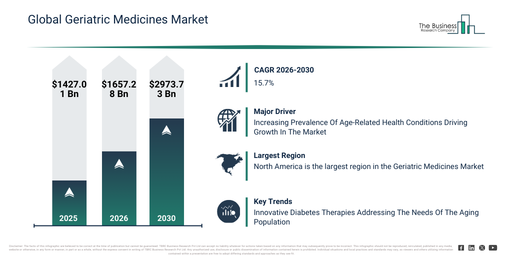
    The market for geriatric medicines has experienced substantial expansion lately, with projections indicating continued robust growth. This sector, valued at $1427.01 billion in 2025, is anticipated to ascend to $1657.28 billion by 2026, demonstrating a compound annual growth rate of 16.1%. Key factors contributing to this growth trajectory over the past period include the escalating elderly demographic, a surge in chronic health conditions, the proliferation of hospital-based pharmacies, advancements in the development of medications for seniors, and increased life expectancies.

    The market for medications targeting the elderly demographic is poised for substantial expansion in the upcoming years, projecting a rise to $2973.73 billion by the year 2030. This upward trajectory is underpinned by a compound annual growth rate (CAGR) of 15.7%, fueled by an increasing elderly populace, advancements in drug formulations offering enhanced safety profiles, the burgeoning influence of online pharmaceutical retail, a heightened emphasis on tailored care for seniors, and escalating healthcare spending. Key developments anticipated during this forecast period include a surge in the need for comprehensive polypharmacy management, a greater concentration on drug formulations specifically designed for age-related needs, a growing adoption of medications aimed at cognitive well-being, the broadening scope of therapeutic options for chronic conditions, and the implementation of superior strategies to ensure medication adherence.

    Download A Free Sample Report For Comprehensive Market Insights:

    https://www.thebusinessresearchcompany.com/sample.aspx?id=20817&type=smp

    Geriatric Medicines Market Growth Factors: Which Forces Are Supporting Market Expansion?

    The expanding market for geriatric medications is anticipated to be fueled by the rising incidence of health issues associated with aging. These age-related ailments, characterized by their increased frequency or severity as individuals grow older due to the natural aging process, are largely on the rise because of extended lifespans, improvements in medical care, and a growing elderly demographic. Geriatric pharmaceuticals play a crucial role in addressing these conditions by offering targeted therapies for seniors, thereby enhancing their well-being and improving healthcare results. Illustrative data from April 2025, citing the Centers for Disease Control and Prevention, indicates that in 2023, nearly 194 million adults in the United States, encompassing 60% of young adults, 80% of middle-aged adults, and 90% of older adults, documented at least one chronic condition, with a notable 7.0 percentage point increase in chronic conditions among young adults. Consequently, the heightened occurrence of age-associated health problems is a primary driver for the expansion of the geriatric medicines sector.

    Geriatric Medicines Market Segment Analysis: What Are The Major Market Categories?

    The geriatric medicines market covered in this report is segmented –

    1) By Therapeutics: Analgesics, Antihypertensive, Statins, Proton Pump Inhibitors, Anticoagulant, Antipsychotic, Other Therapeutics

    2) By Condition: Cardiovascular, Arthritis, Neurological, Cancer, Osteoporosis, Respiratory, Other Conditions

    3) By Route Of Administration: Oral, Parenteral, Other Routes Of Administration

    4) By Distribution Channel: Hospital Pharmacy, Retail Pharmacy, Online Pharmacy

    Subsegments:

    1) By Analgesics: Non-Opioid Analgesics (Acetaminophen, NSAIDs), Opioid Analgesics (Morphine, Oxycodone), Topical Analgesics (Lidocaine Patches)

    2) By Antihypertensive: Angiotensin-Converting Enzyme (ACE) Inhibitors, Angiotensin II Receptor Blockers (ARBs), Beta-Blockers, Calcium Channel Blockers, Diuretics, Alpha-Blockers

    3) By Statins: Atorvastatin, Simvastatin, Rosuvastatin, Pravastatin, Lovastatin

    4) By Proton Pump Inhibitors: Omeprazole, Esomeprazole, Lansoprazole, Pantoprazole, Rabeprazole

    5) By Anticoagulant: Warfarin, Direct Oral Anticoagulants (DOACs): Dabigatran, Rivaroxaban, Apixaban, Heparin

    6) By Antipsychotic: Atypical Antipsychotics, Typical Antipsychotics

    7) By Other Therapeutics: Antidepressants (SSRIs, SNRIs), Antidiabetic Medications (Insulin, Metformin), Anticonvulsants, Anti-Inflammatory Drugs (Corticosteroids), Cognitive Enhancers (Donepezil, Memantine)

    Geriatric Medicines Market Industry Trends: What Changes Are Reshaping Demand?

    Leading players within the geriatric medications sector are prioritizing the creation of innovative diabetes treatments to cater to the escalating need for efficacious remedies among the elderly demographic. These diabetes therapies encompass novel interventions aimed at improving condition management or presenting curative possibilities that exceed conventional methods, thereby boosting effectiveness, safety profiles, and overall patient results. As an illustration, in August of 2023, Akums Drugs & Pharmaceuticals Ltd., a contract manufacturing entity for pharmaceuticals based in India, unveiled a new combination treatment comprising Vildagliptin SR and Metformin SR. This sophisticated preparation is specifically engineered for the effective management of Type 2 diabetes in older individuals, aiming for robust glycemic control while mitigating significant issues like hypoglycemia and weight gain, which are especially pertinent for this age group. Through the collaborative action of both active ingredients, this combination amplifies insulin release and efficiently lowers blood glucose concentrations, guaranteeing both safety and therapeutic success. The specific formulation has secured the requisite authorization from the Drug Controller General of India (DCGI).

    Geriatric Medicines Market Leading Companies Driving Competitive Growth

    Major companies operating in the geriatric medicines market are Pfizer Inc., Merck & Co. Inc., AbbVie Inc., Sanofi S.A., Bristol-Myers Squibb Company, Novartis AG, F. Hoffmann-La Roche AG, GlaxoSmithKline plc, Eli Lilly and Company, Viatris Inc., Teva Pharmaceutical Industries Ltd., Boehringer Ingelheim GmbH, Regeneron Pharmaceuticals Inc., Macleods Pharmaceuticals Ltd., Apotex Inc., Intas Pharmaceuticals Limited, Dr. Reddy’s Laboratories, Lupin Limited, Biocon Limited, Torrent Pharmaceuticals Ltd., Endo Pharmaceuticals Inc.

    Access The Complete Geriatric Medicines Market Report:

    https://www.thebusinessresearchcompany.com/report/geriatric-medicines-global-market-report

    Geriatric Medicines Market Regional Outlook: Where Are The Largest Opportunities Located?

    North Americawas the largest region in the geriatric medicines market in 2025. Asia-Pacificis expected to be the fastest-growing region in the forecast period. The regions covered in the geriatric medicines market report are Asia-Pacific, South East Asia, Western Europe, Eastern Europe, North America, South America, Middle East, Africa.

    Get in touch with us:

    The Business Research Company: https://www.thebusinessresearchcompany.com/

    Americas: +1 310-496-7795

    Asia: +44 7882 955267 & +91 8897263534

    Europe: +44 7882 955267

    Email us at: marketing@tbrc.info

    Follow us on:

    LinkedIn: https://in.linkedin.com/company/the-business-research-company

    YouTube: https://www.youtube.com/channel/UC24_fI0rV8cR5DxlCpgmyFQ

    Global Market Model: https://www.thebusinessresearchcompany.com/global-market-model
  • Geriatric Care Services Market Expansion Is Opening New Pathways For Strategic Investment

    Geriatric Care Services Market Expansion Is Opening New Pathways For Strategic Investment

    Through market attractiveness analysis, total addressable market evaluation, company benchmarking matrices, interactive Excel dashboards, expanded supply chain intelligence, emerging startup coverage, and detailed product insights, The Business Research Company’s 2026 market reports provide more actionable and strategically valuable research.

    Geriatric Care Services Market Growth Analysis: How Will Revenue Expand During The Forecast Period?

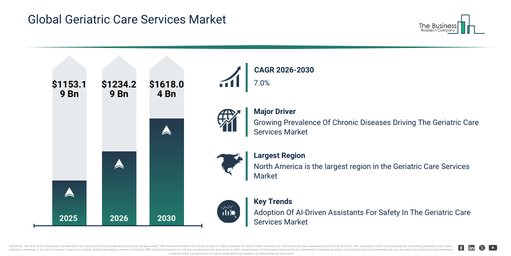
    With a robust expansion observed recently, the market for geriatric care services is projected to advance from $1153.19 billion in 2025 to $1234.29 billion in 2026, reflecting a compound annual growth rate of 7.0%. Key drivers fueling this growth trajectory during the past period have included the escalating aging demographic, a heightened average life span, evolving family dynamics, the early embrace of in-home care solutions, and the broadening of healthcare infrastructure.

    The market for geriatric care services is poised for considerable expansion over the coming years, projecting a significant increase to reach $1618.04 billion by 2030, driven by a compound annual growth rate (CAGR) of 7.0%. This anticipated growth trajectory is underpinned by several key factors, including an escalating elderly demographic, the increasing incorporation of digital health technologies, a rising demand for tailored care solutions for older adults, the proliferation of assisted living communities, and supportive government policies focused on elder care. Furthermore, prominent trends shaping this market during the forecast period encompass a growing preference for home-based care arrangements, the broader implementation of telehealth services specifically for seniors, an intensified focus on managing chronic health conditions, a greater acceptance and utilization of assisted living facilities, and the enhanced integration of services designed to support caregivers.

    Download A Free Sample Report For Comprehensive Market Insights:

    https://www.thebusinessresearchcompany.com/sample.aspx?id=15577&type=smp

    Geriatric Care Services Market Demand Drivers: What Is Fueling Industry Growth?

    Anticipated growth in the geriatric care services market is largely attributed to the escalating incidence of chronic illnesses. These long-term health conditions, characterized by their persistent nature and often incurable status requiring continuous medical attention, are becoming more widespread due to factors like an aging global population, less healthy living habits, and evolving healthcare systems. Geriatric care services play a crucial role in enhancing the lives of elderly individuals managing these ongoing health issues. They provide holistic, individualized support that addresses the physical, emotional, and medical needs of seniors. Underscoring this trend, data from the Centers for Disease Control and Prevention in April 2025 revealed that in 2023, a significant portion of US adults, specifically around 194 million, were living with at least one chronic condition. This figure included 60% of young adults, 80% of middle-aged adults, and 90% of older adults, with a noteworthy 7.0 percentage point increase in chronic condition prevalence among young adults. Consequently, the rising frequency of chronic diseases is a key driver for the geriatric care services sector.

    Geriatric Care Services Market Segment Breakdown: Which Categories Generate The Most Revenue?

    The geriatric care services market covered in this report is segmented –

    1) By Type: Homecare, Healthcare, Institutional Care Centers, Non-Medical Health Care, Hospital Based Care, Assisted Living, Independent Senior Living, Rehabilitative Care Services

    2) By Age Group: 65 To 70 Years, 70 To 75 Years, 75 To 80 Years, More Than 80 Years

    3) By Application: Respiratory Diseases, Diabetes, Osteoporosis, Other Applications

    4) By End User: Institutional Care Services, Nursing Homes, Rehabilitation Centers, Hospitals

    Subsegments:

    1) By Homecare: Personal Care Services ( Bathing, Dressing), Companionship Services, Home Health Aide Services, Nursing Care Services At Home, Physical Therapy And Rehabilitation At Home, Chronic Disease Management At Home

    2) By Healthcare: In-Home Medical Care ( Physician Visits), Telehealth And Telemedicine For Seniors, Geriatric Nursing Services, Palliative And Hospice Care, Elderly Vaccination And Preventive Health Services, Geriatric Health Screenings And Assessments

    3) By Institutional Care Centers: Nursing Homes, Long-Term Care Facilities, Memory Care Units (For Alzheimer’s Or Dementia Patients), Skilled Nursing Facilities (Snfs), Rehabilitation Centers, Geriatric Psychiatric Care Institutions

    4) By Non-Medical Health Care: Assistance With Daily Living Activities ( Meal Preparation, Housekeeping), Elderly Transportation Services, Companion Care Services, Caregiver Support And Respite Care, Home Safety And Accessibility Modifications

    5) By Hospital-Based Care: Acute Geriatric Care, Geriatric Emergency Care Services, Geriatric Surgery Services, Inpatient Rehabilitation Services, Palliative Care And Pain Management In Hospitals

    6) By Assisted Living: Independent Living With Assistance, Memory Care Assisted Living, 24/7 Supervision And Personal Care Assistance, Community-Based Assisted Living Centers, Medication Management And Assistance

    7) By Independent Senior Living: Senior Apartments And Housing Communities, Age-Restricted Independent Living Communities, Senior Retirement Communities, Community Socialization And Recreation Services, Maintenance-free Living For Seniors, Active Lifestyle Programs For Seniors

    8) By Rehabilitative Care Services: Physical Therapy And Occupational Therapy, Post-Surgery Recovery Services, Speech And Language Therapy, Cardiac And Stroke Rehabilitation, Inpatient And Outpatient Rehabilitation Services, Sports Medicine And Injury Recovery

    Geriatric Care Services Market Innovation Trends: Which Developments Are Transforming The Industry?

    Key players within the geriatric care services sector are prioritizing the creation of cutting-edge technologies, including AI-powered supportive services, designed to empower individuals in providing effective care for senior citizens. These AI-driven eldercare solutions leverage artificial intelligence to bolster the health, overall well-being, and everyday routines of older individuals. As an illustration, in February 2024 at CES, Intuition Robotics, an American enterprise specializing in AI robotics, unveiled ElliQ 3, an advanced eldercare companion robot equipped with generative AI capabilities derived from large language models. This introduction is intended by the company to expand the reach of its conversational companion for seniors, facilitating more organic and context-aware interactions while preserving memory functions and emotional responsiveness. ElliQ 3 operates on a more streamlined hardware configuration featuring an octa-core processor alongside an AI chip, and its software update is designed to be compatible with previous ElliQ units, affording current users the advantage of generative AI improvements.

    Geriatric Care Services Market Key Players And Strategic Industry Positioning

    Major companies operating in the geriatric care services market are Home Instead Senior Care Incorporated, Genesis HealthCare Corporation, Kindred Healthcare Incorporated, Benesse Holdings Inc., Brookdale Senior Living Incorporated, Amedisys Incorporated, Sunrise Senior Living Incorporated, Active Day Inc., Living Assistance Services Inc., Rosewood Care Group Inc., St Luke’s ElderCare Ltd., Epoch Elder Care Private Limited, LivHOME, GGNSC Holdings LLC, Maxim Healthcare Services, SavaSeniorCare, Senior Lifestyle Corporation, Comfort Keepers, Visiting Angels, Life Care Services, Atria Senior Living

    Access The Complete Geriatric Care Services Market Report:

    https://www.thebusinessresearchcompany.com/report/geriatric-care-services-global-market-report

    Geriatric Care Services Market Geographic Landscape: Which Region Dominates Industry Growth?

    North Americawas the largest region in the geriatric care services market in 2025. Asia-Pacificis expected to be the fastest-growing region in the forecast period. The regions covered in the geriatric care services market report are Asia-Pacific, South East Asia, Western Europe, Eastern Europe, North America, South America, Middle East, Africa.

    Get in touch with us:

    The Business Research Company: https://www.thebusinessresearchcompany.com/

    Americas: +1 310-496-7795

    Asia: +44 7882 955267 & +91 8897263534

    Europe: +44 7882 955267

    Email us at: marketing@tbrc.info

    Follow us on:

    LinkedIn: https://in.linkedin.com/company/the-business-research-company

    YouTube: https://www.youtube.com/channel/UC24_fI0rV8cR5DxlCpgmyFQ

    Global Market Model: https://www.thebusinessresearchcompany.com/global-market-model
  • Geographic Atrophy Market Trends Are Creating New Opportunities For Industry Leaders

    Geographic Atrophy Market Trends Are Creating New Opportunities For Industry Leaders

    Delivering more actionable and strategically valuable research, The Business Research Company’s 2026 market reports feature market attractiveness analysis, total addressable market evaluation, company benchmarking matrices, interactive Excel dashboards, expanded supply chain intelligence, emerging startup coverage, and detailed product insights.

    Geographic Atrophy Market Forecast: What Market Value Is Expected By 2030?

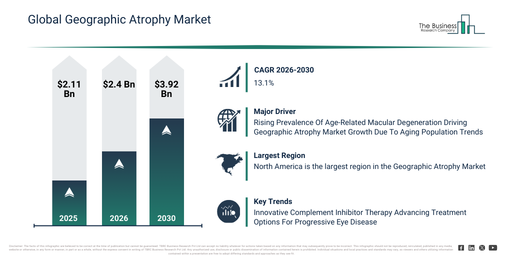
    The market for geographic atrophy has experienced substantial expansion. Projections indicate a rise from $2.11 billion in 2025 to $2.4 billion in 2026, reflecting a compound annual growth rate of 13.3%. Factors contributing to this historical growth include an increasing elderly demographic, the widespread occurrence of age-related macular degeneration, enhancements in retinal imaging techniques, progress in ophthalmic drug discovery, and increased financial support for clinical research.

    The market for geographic atrophy is poised for substantial expansion over the coming years, projected to reach $3.92 billion by 2030, reflecting a compound annual growth rate of 13.1%. This anticipated surge is propelled by several key factors, including the introduction of innovative treatments, the broadening of detection initiatives, the incorporation of artificial intelligence in diagnostic imaging, heightened patient understanding of the condition, and the overall advancement of specialized eye care services. During this projected period, significant trends are expected to shape the landscape, such as an escalating development of complement inhibitor therapies, a heightened emphasis on the early identification of retinal diseases, increased financial backing for pioneering ophthalmic medications, advancements in imaging techniques for disease progression oversight, and a greater number of clinical investigations into AMD treatments.

    Download A Free Sample Report For Comprehensive Market Insights:

    https://www.thebusinessresearchcompany.com/sample.aspx?id=21984&type=smp

    Geographic Atrophy Market Growth Drivers: What Factors Are Accelerating Expansion?

    The expanding incidence of macular degeneration linked to aging is anticipated to stimulate the expansion of the geographic atrophy market in the future. This vision impairment, known as age-related macular degeneration (AMD), affects the central retinal area in older individuals, hindering their ability to discern fine details. A primary driver for the heightened occurrence of AMD is the growing elderly demographic; as lifespans increase, the natural aging process gradually compromises eye health, amplifying susceptibility to the condition. Interventions for geographic atrophy aid those with AMD by mitigating the advancement of retinal deterioration and safeguarding remaining sight. For illustration, a report from Medical News Today, a US-based digital media entity, indicated in January 2024 that worldwide AMD diagnoses are projected to climb from 196 million to 288 million by the year 2040. Consequently, the escalating prevalence of age-related macular degeneration is a key factor fueling the geographic atrophy market’s growth.

    Geographic Atrophy Market Segmentation: How Is The Market Structured Across Key Categories?

    The geographic atrophy market covered in this report is segmented –

    1) By Drug Type: Anti-Vascular Endothelial Growth Factor (VEGF) Therapy, Complement Inhibitors, Neuroprotective Agents, Other Drug Types

    2) By Diagnosis: Fundus Autofluorescence (FAF), Optical Coherence Tomography Angiography (OCT-A), Multifocal Electroretinography (mfERG)

    3) By Route Of Administration: Intravitreal, Oral, Other Routes Of Administration

    4) By Distribution Channel: Hospital Pharmacies, Retail Pharmacies, Online Pharmacies, Other Distribution Channels

    Subsegments:

    1) By Anti-Vascular Endothelial Growth Factor (VEGF) Therapy: Ranibizumab, Aflibercept, Bevacizumab

    2) By Complement Inhibitors: Pegcetacoplan, Lfg316

    3) By Neuroprotective Agents: Latanoprost, Brimonidine

    4) By Other Drug Types: Steroids, Retinoids, Combination Therapy

    Geographic Atrophy Market Trends: What Is Shaping Future Industry Growth?

    Leading entities within the geographic atrophy sector are concentrating their efforts on pioneering treatments, notably complement inhibitor therapy, to advance therapeutic options for this condition. Complement inhibitor therapy functions by moderating an excessively active immune system associated with particular ailments, thereby safeguarding healthy cells from harm and mitigating disease advancement. Illustratively, in February of 2025, Astellas Pharma Inc., a pharmaceutical firm headquartered in Japan, revealed the Food and Drug Administration’s endorsement of IZERVAY (avacincaptad pegol intravitreal solution) for geographic atrophy; this regulatory agency is based in the United States. This clearance permits IZERVAY to be administered without any temporal restrictions on dosage frequency for the treatment of geographic atrophy (GA) that is a consequence of age-related macular degeneration (AMD), thereby furnishing enhanced adaptability in GA management and presenting extended treatment possibilities for individuals receiving care and the medical professionals overseeing it.

    Geographic Atrophy Market Competitive Landscape And Leading Companies

    Major companies operating in the geographic atrophy market are Regeneron Pharmaceuticals Inc, Ocugen Inc, Kodiak Sciences Inc, Apellis Pharmaceuticals Inc, Iveric Bio, Graybug Vision, SparingVision, Alkeus Pharmaceuticals, Kiora Pharmaceuticals, Nanoscope Therapeutics, 4D Molecular Therapeutics, Gensight Biologics, BioMarin Pharmaceutical Inc, Nightstar Therapeutics, MeiraGTx, Retinagenix Inc, Adverum Biotechnologies, AGTC Inc, Editas Therapeutics

    Access The Complete Geographic Atrophy Market Report:

    https://www.thebusinessresearchcompany.com/report/geographic-atrophy-global-market-report

    Geographic Atrophy Market Largest Region: Which Geography Holds The Highest Market Share?

    North Americawas the largest region in the geographic atrophy market in 2025. Asia-Pacificis expected to be the fastest-growing region in the forecast period. The regions covered in the geographic atrophy market report are Asia-Pacific, South East Asia, Western Europe, Eastern Europe, North America, South America, Middle East, Africa.

    Get in touch with us:

    The Business Research Company: https://www.thebusinessresearchcompany.com/

    Americas: +1 310-496-7795

    Asia: +44 7882 955267 & +91 8897263534

    Europe: +44 7882 955267

    Email us at: marketing@tbrc.info

    Follow us on:

    LinkedIn: https://in.linkedin.com/company/the-business-research-company

    YouTube: https://www.youtube.com/channel/UC24_fI0rV8cR5DxlCpgmyFQ

    Global Market Model: https://www.thebusinessresearchcompany.com/global-market-model
  • Genu Recurvatum Market Growth Is Reshaping Competitive Advantage Across The Industry

    Genu Recurvatum Market Growth Is Reshaping Competitive Advantage Across The Industry

    Enhanced with market attractiveness analysis, total addressable market evaluation, company benchmarking matrices, interactive Excel dashboards, expanded supply chain intelligence, emerging startup coverage, and detailed product insights, The Business Research Company’s 2026 market reports deliver more actionable and strategically valuable research.

    Genu Recurvatum Market Size Outlook: How Fast Will Revenue Grow Through 2030?

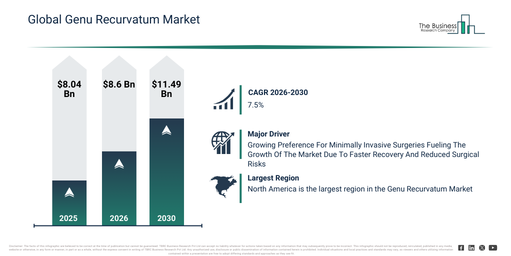
    The market for genu recurvatum has experienced robust expansion recently, projected to increase from $8.04 billion in 2025 to $8.6 billion in 2026, reflecting a compound annual growth rate of 6.9%. This upward trend during past years is largely due to heightened awareness of orthopedic conditions, the adoption of early rehabilitation methods, the accessibility of bracing technologies, the increased incidence of sports-related injuries, and advancements in orthopedic surgical procedures.

    The genu recurvatum market is poised for substantial expansion over the upcoming years, projecting a rise to $11.49 billion by 2030, driven by a compound annual growth rate (CAGR) of 7.5%. This projected upswing during the forecast period is anticipated to be fueled by innovations in orthopedic technologies, the proliferation of tailored bracing options, an increasing reliance on physiotherapy services, demographic shifts towards an older population, and advancements in diagnostic imaging capabilities. Key developments shaping the market in the coming years encompass a greater embrace of non-surgical treatment methodologies, heightened utilization of bespoke orthotic braces, escalating demand for physical therapy-centered management strategies, the broader application of minimally invasive surgical procedures, and an intensified emphasis on prompt diagnosis and intervention.

    Download A Free Sample Report For Comprehensive Market Insights:

    https://www.thebusinessresearchcompany.com/sample.aspx?id=12425&type=smp

    Genu Recurvatum Market Growth Factors Supporting Long-Term Expansion

    Advances in surgical techniques, particularly the rising adoption of minimally invasive procedures, are anticipated to fuel the expansion of the genu recurvatum market. These sophisticated medical interventions involve minimal or no incisions, employing cutting-edge instruments like cameras and specialized tools to lessen tissue trauma, expedite patient recovery, and diminish scarring when contrasted with conventional open surgeries. The inclination towards minimally invasive approaches stems from their capacity to deliver shorter recuperation periods, a reduced likelihood of infection, less prominent scarring, and abbreviated hospital stays. Genu recurvatum plays a supporting role in these procedures by enhancing knee alignment and stability, thereby enabling surgeons to perform operations with diminished tissue disturbance and increased accuracy. Illustratively, data from the American Society of Plastic Surgeons, a US non-profit, indicated in June 2024 that minimally invasive procedures saw a 7 percent upswing in 2023, outpacing the growth of surgical procedures by 2 percent, underscoring the market’s upward trajectory due to this surgical trend.

    A significant contributor to the projected expansion of the genu recurvatum market is the escalating incidence of orthopedic conditions. Orthopedic disorders encompass ailments affecting the body’s musculoskeletal framework, including bones, joints, muscles, tendons, ligaments, and cartilage. Conditions such as genu recurvatum can lead to knee discomfort and contribute to the development of knee osteoarthritis and other musculoskeletal issues. The rising number of individuals experiencing orthopedic ailments will necessitate treatment solutions, thereby bolstering market growth. Evidence from the Australian Institute of Health and Welfare (AIHW), a government research body, revealed in June 2024 that osteoarthritis represented 2.5% of the overall disease burden and constituted 20% of the total disease burden attributed to musculoskeletal conditions in 2023, highlighting the substantial impact of these disorders and the consequent demand for related treatments.

    Genu Recurvatum Market Segmentation Trends And Revenue Drivers

    The genu recurvatum market covered in this report is segmented –

    1) By Type: External Rotatory Deformity (ERD), Internal Rotatory Deformity (IRD), Non-Rotatory Deformity (NRD)

    2) By Diagnosis: Magnetic Resonance Imaging (MRI), X-Rays, Other Diagnosis

    3) By Treatment: Physical Therapy, Orthoses, Bracing, Surgery

    4) By End-Users: Hospital, Clinics, Other End-Users

    Subsegments:

    1) By External Rotatory Deformity (ERD): Mild ERD, Moderate ERD, Severe ERD

    2) By Internal Rotatory Deformity (IRD): Mild IRD, Moderate IRD, Severe IRD

    3) By Non-Rotatory Deformity (NRD): Fixed NRD, Flexible NRD

    Genu Recurvatum Market Industry Leaders: Which Organizations Are Driving Competition?

    Major companies operating in the genu recurvatum market are Johnson & Johnson MedTech, Stryker Corporation, DePuy Synthes Inc., Zimmer Inc., Smith & Nephew plc, Arthrex, DJO Global Inc., Össur hf, AliMed Inc., Thuasne Ltd., OrthoPro Inc., Performance Health, Trulife Group Limited, Breg Inc., Allard USA, Capstone Orthopedic Inc., BraceAbility, Globus Medical, Medtronic plc, ConMed Corporation, Bioventus, Medacta International, Ottobock SE & Co. KGaA, Exactech Inc.

    Access The Complete Genu Recurvatum Market Report:

    https://www.thebusinessresearchcompany.com/report/genu-recurvatum-global-market-report

    Genu Recurvatum Market Regional Analysis: Which Region Leads By Revenue?

    North Americawas the largest region in the genu recurvatum market in 2025. Asia-Pacificis expected to be the fastest-growing region in the forecast period. The regions covered in the genu recurvatum market report are Asia-Pacific, South East Asia, Western Europe, Eastern Europe, North America, South America, Middle East, Africa.

    Get in touch with us:

    The Business Research Company: https://www.thebusinessresearchcompany.com/

    Americas: +1 310-496-7795

    Asia: +44 7882 955267 & +91 8897263534

    Europe: +44 7882 955267

    Email us at: marketing@tbrc.info

    Follow us on:

    LinkedIn: https://in.linkedin.com/company/the-business-research-company

    YouTube: https://www.youtube.com/channel/UC24_fI0rV8cR5DxlCpgmyFQ

    Global Market Model: https://www.thebusinessresearchcompany.com/global-market-model
  • Genotyping Assay Market Forecast Signals New Revenue Opportunities Through 2030

    Genotyping Assay Market Forecast Signals New Revenue Opportunities Through 2030

    Through market attractiveness analysis, total addressable market evaluation, company benchmarking matrices, interactive Excel dashboards, expanded supply chain intelligence, emerging startup coverage, and detailed product insights, The Business Research Company’s 2026 market reports provide more actionable and strategically valuable research.

    Genotyping Assay Market Size, Value And Growth Trends Through 2030

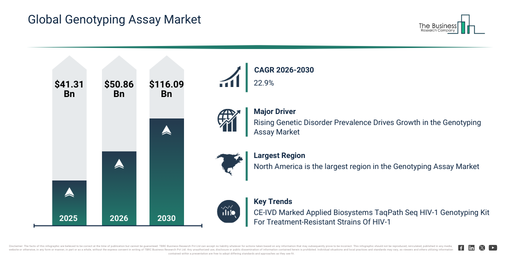
    The market for genotyping assays has experienced significant expansion lately, projecting a rise from $41.31 billion in 2025 to $50.86 billion in 2026, underpinned by a robust compound annual growth rate (CAGR) of 23.1%. This historic growth trajectory has been propelled by advancements in PCR methodologies, the burgeoning field of molecular diagnostics, the increasing demand for pharmaceutical safety evaluations, the initial commercialization of assays, and persistent interest from academic research communities.

    The genotyping assay sector is poised for significant expansion over the coming years, projecting a market value of $116.09 billion by 2030, propelled by a compound annual growth rate of 22.9%. This anticipated surge in the forecast period is underpinned by several key factors, including a heightened focus on biomarker-guided pharmaceutical research, the increasing implementation of automated laboratory systems, the broadening scope of companion diagnostics, a growing need for faster assay methodologies, and the establishment of regulatory approvals. Prominent developments anticipated within this timeframe encompass a greater preference for single nucleotide polymorphism (SNP)-based assays, a wider acceptance of polymerase chain reaction (PCR)-based genotyping techniques, advancements in highly sensitive genotyping assays, the increased utilization of genotyping assays in drug discovery processes, and the incorporation of automation in the handling of assays.

    Download A Free Sample Report For Comprehensive Market Insights:

    https://www.thebusinessresearchcompany.com/sample.aspx?id=13444&type=smp

    Genotyping Assay Market Demand Drivers Creating New Revenue Opportunities

    The expanding incidence of genetic conditions is anticipated to be a significant catalyst for the expansion of the genotyping assay market. These genetic disorders, stemming from alterations or defects within a person’s DNA, are becoming more common. Genotyping assays play a crucial role by contrasting the DNA of individuals with these conditions against that of unaffected individuals, thereby identifying specific genetic mutations or variations associated with particular genetic disorders. As a testament to this rising prevalence, in June 2023, Gene People, a UK charity supporting those with genetic conditions, highlighted that one in every 25 children in the UK experiences a genetic disorder, impacting around 30,000 newborns and young children annually, and affecting over 2.4 million individuals in the UK yearly. Consequently, the heightened occurrence of genetic disorders is directly fueling the growth trajectory of the genotyping assay market.

    Genotyping Assay Market Segment Analysis Highlighting Growth Areas

    The genotyping assay market covered in this report is segmented –

    1) By Product And Service: Reagents And Kits, Genotyping Services, Instruments, Bioinformatics

    2) By Technology: Microarrays, Polymerase Chain Reaction, Sequencing, Capillary Electrophoresis, Matrix-assisted Laser Desorption Or Ionization-Time Of Flight Mass Spectrometry, Other Technologies

    3) By End-User: Pharmacogenomics, Personalized Medicine And Diagnostics, Animal Genetics, Agricultural Biotechnology, Research And Diagnostic Laboratories, Academic Institutes

    Subsegments:

    1) By Reagents And Kits: DNA Extraction Kits, PCR Reagents, SNP Genotyping Kits

    2) By Genotyping Services: Genotyping by PCR, Whole Genome Sequencing Services, SNP Genotyping Services

    3) By Instruments: PCR Machines, Sequencing Instruments, Microarrays

    4) By Bioinformatics: Data Analysis Software, Genotyping Data Management Tools

    Genotyping Assay Market Trends Driving Strategic Industry Expansion

    Leading entities within the genotyping assay sector are actively contributing to progress in genomic studies, exemplified by the introduction of a CE-IVD marked assay designed for the identification of HIV-1 strains exhibiting resistance to therapies. The Applied Biosystems TaqPath Seq HIV-1 Genotyping Kit, which carries the CE-IVD mark, utilizes Sanger sequencing to scrutinize positive human immunodeficiency virus (HIV) samples, thereby pinpointing genetic variations that could confer resistance to standard antiretroviral treatments. As a case in point, Thermo Fisher Scientific, a prominent US corporation, released this CE-IVD marked kit in January 2023. This diagnostic tool offers notable capabilities, including the assessment of genomic mutations in HIV RNA, the detection of drug resistance-associated mutations, and employs the highly regarded Sanger sequencing methodology, all while being optimized for clinical application. The introduction of the Applied Biosystems TaqPath Seq HIV-1 Genotyping Kit has significantly enhanced the diagnostic landscape by improving the identification of HIV-1 strains resistant to treatment, offering convenient pre-prepared reagents and controls, adhering to necessary regulatory standards, demonstrating superior performance metrics, and seamlessly integrating with current sequencing instruments and laboratory protocols.

    Genotyping Assay Market Leading Companies: Who Holds Significant Market Presence?

    Major companies operating in the genotyping assay market are F. Hoffmann-La Roche Ltd., Thermo Fisher Scientific, Danaher Corporation, Eurofins Scientific SE, Agilent Technologies Inc., PerkinElmer Inc., Illumina Inc., Bio-Rad Laboratories Inc., Qiagen NV, BGI Genomics, LGC Biosearch Technologies, GenScript Biotech, Promega Corporation, Luminex Corporation, Integrated DNA Technologies Inc., 23andMe Inc., Novogene Corporation, Oxford Nanopore Technologies plc, GenMark Diagnostics Inc., Macrogen Inc., Pacific Biosciences of California Inc., Standard BioTools Inc., Genewiz Inc., New England Biolabs

    Access The Complete Genotyping Assay Market Report:

    https://www.thebusinessresearchcompany.com/report/genotyping-assay-global-market-report

    Genotyping Assay Market Geographic Distribution And Regional Opportunities

    North Americawas the largest region in the genotyping assay market in 2025. Asia-Pacificis expected to be the fastest-growing region in the forecast period. The regions covered in the genotyping assay market report are Asia-Pacific, South East Asia, Western Europe, Eastern Europe, North America, South America, Middle East, Africa.

    Get in touch with us:

    The Business Research Company: https://www.thebusinessresearchcompany.com/

    Americas: +1 310-496-7795

    Asia: +44 7882 955267 & +91 8897263534

    Europe: +44 7882 955267

    Email us at: marketing@tbrc.info

    Follow us on:

    LinkedIn: https://in.linkedin.com/company/the-business-research-company

    YouTube: https://www.youtube.com/channel/UC24_fI0rV8cR5DxlCpgmyFQ

    Global Market Model: https://www.thebusinessresearchcompany.com/global-market-model
  • Genotyping Market Growth Is Accelerating As Industry Transformation Continues

    Genotyping Market Growth Is Accelerating As Industry Transformation Continues

    Delivering more actionable and strategically valuable research, The Business Research Company’s 2026 market reports feature market attractiveness analysis, total addressable market evaluation, company benchmarking matrices, interactive Excel dashboards, expanded supply chain intelligence, emerging startup coverage, and detailed product insights.

    Genotyping Market CAGR Analysis And Future Market Development

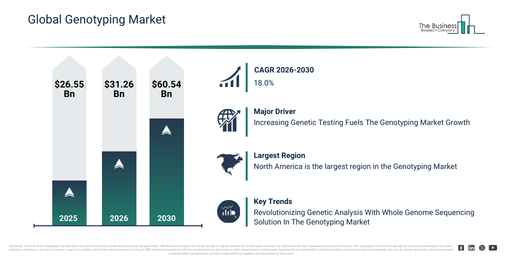
    The genotyping market has experienced substantial expansion lately, projecting a rise from 26.55 billion dollars in 2025 to 31.26 billion dollars in 2026, indicating a compound annual growth rate of 17.7%. This upward trend during the preceding period was fueled by progress in molecular biology, initial investigations into genetic variations, an increase in diagnostic laboratory services, the uptake of academic research, and the maturation of microarray technologies.

    The genotyping sector is poised for substantial expansion over the coming years, projecting a market value of $60.54 billion by 2030, driven by a compound annual growth rate (CAGR) of 18.0%. This upward trajectory is fueled by several key factors, including the burgeoning field of precision medicine, advancements in crop genetics research, a reduction in genotyping expenses, escalated investment from the biopharmaceutical industry, and the seamless integration with clinical diagnostics. Prominent trends shaping this period encompass the increasing utilization of genotyping within personalized treatment strategies, the broadening application of genotyping in agricultural biotechnology, a greater uptake of advanced high-throughput genotyping systems, a surge in demand for pharmacogenomic applications, and the incorporation of bioinformatics into genotyping processes.

    Download A Free Sample Report For Comprehensive Market Insights:

    https://www.thebusinessresearchcompany.com/sample.aspx?id=12059&type=smp

    Genotyping Market Expansion Supported By Key Demand Factors

    The increasing utilization of genetic tests is anticipated to be a primary catalyst for the expansion of the genotyping market. Genetic analysis, encompassing DNA and molecular testing, scrutinizes a person’s deoxyribonucleic acid to detect any anomalies, mutations, or changes within their inherited blueprint. Genotyping specifically serves to furnish detailed insights into an individual’s unique genetic makeup and variations. Illustratively, by February 2025, NHS England reported that in 2024, the NHS Genomic Medicine Service administered more than 810,000 genomic tests to patients throughout England, spanning all age groups. This figure represents a consistent upward trend since the inception of the service, marking an 8% increase from the preceding year, thereby underscoring the role of heightened demand for genetic testing in fueling the growth of the genotyping industry.

    Genotyping Market Segment Performance And Strategic Opportunities

    The genotyping market covered in this report is segmented –

    1) By Product And Services: Instruments, Reagents And Kits, Bioinformatics, Genotyping Service

    2) By Technology: Microarrays, Capillary Electrophoresis, Sequencing, Polymerase Chain Reaction, Matrix-Assisted Laser Desorption Or Ionization (Maldi-Tof) Mass Spectrometry, Other Technologies

    3) By Application: Pharmacogenomics, Diagnostics And Personalized Medicine, Animal Genetics, Agricultural Biotechnology, Other Applications

    4) By End-User: Pharmaceutical And Biopharmaceutical Companies, Diagnostics And Research Laboratories, Academic Institutes, Other End-Users

    Subsegments:

    1) By Instruments: Sequencers, PCR Machines, Microarrays, Genotyping Platforms

    2) By Reagents And Kits: DNA Extraction Kits, PCR Reagents, SNP Genotyping Kits, Next-Generation Sequencing (NGS) Kits

    3) By Bioinformatics: Data Analysis Software, Genomic Data Management Tools, Cloud-based Solutions

    4) By Genotyping Services: Contract Research Organizations (CRO) Services, Custom Genotyping Services, Sample Preparation Services

    Genotyping Market Growth Trends Influencing Competitive Dynamics

    Leading players within the genotyping landscape are dedicating their focus toward pioneering advanced methodologies, exemplified by the creation of high-coverage whole genome sequencing. This sophisticated approach to genome analysis involves thoroughly examining an individual’s complete genetic blueprint, ensuring an extensive level of detail. To illustrate, in September of 2023, CD Genomics, a U.S. entity specializing in genomics, transcriptomics, and bioinformatics, introduced its Genotyping by Sequencing (GBS) service. This offering leverages next-generation sequencing technologies alongside restriction enzyme digestion, facilitating cost-effective, high-throughput SNP genotyping across the entire genome for extensive collections of samples. CD Genomics’ newly unveiled Genotyping by Sequencing (GBS) provides a pathway to efficient, high-volume variant identification, complete with simplified library preparation protocols aimed at expediting genetic exploration. The system is engineered to deliver robust genome-wide marker coverage and adaptable multiplexing capabilities, thereby empowering swift and precise genotyping across a variety of organisms.

    Genotyping Market Key Players: Which Companies Shape Industry Competition?

    Major companies operating in the genotyping market are F. Hoffmann-La Roche Ltd., Thermo Fisher Scientific Inc., Laboratory Corporation of America Holdings, Eurofins Scientific SE, Agilent Technologies, PerkinElmer Inc., Illumina Inc., Bio-Rad Laboratories Inc., QIAGEN NV, BGI Genomics, LGC Biosearch Technologies, GenScript Biotech, Inotiv, Takara Bio Inc., Integrated DNA Technologies Ltd., 23andMe Inc., Novogene Corporation, Oxford Nanopore Technologies, Macrogen Inc., Pacific Biosciences of California, Standard BioTools Inc., GENEWIZ, Transnetyx, Agena Bioscience Inc., Genotypic Technology Pvt Ltd., BMG LABTECH GmbH, Bioline, Biofortuna Limited, Xcelris Genomics

    Access The Complete Genotyping Market Report:

    https://www.thebusinessresearchcompany.com/report/genotyping-global-market-report

    Genotyping Market Largest Region By Revenue And Market Share

    North America was the largest region in genotyping market in 2025. The regions covered in the genotyping market report are Asia-Pacific, South East Asia, Western Europe, Eastern Europe, North America, South America, Middle East, Africa.

    Get in touch with us:

    The Business Research Company: https://www.thebusinessresearchcompany.com/

    Americas: +1 310-496-7795

    Asia: +44 7882 955267 & +91 8897263534

    Europe: +44 7882 955267

    Email us at: marketing@tbrc.info

    Follow us on:

    LinkedIn: https://in.linkedin.com/company/the-business-research-company

    YouTube: https://www.youtube.com/channel/UC24_fI0rV8cR5DxlCpgmyFQ

    Global Market Model: https://www.thebusinessresearchcompany.com/global-market-model