Month: June 2026

  • Granulomatosis With Polyangiitis Treatment Market Expansion Is Reshaping Competitive Dynamics Across The Industry

    Granulomatosis With Polyangiitis Treatment Market Expansion Is Reshaping Competitive Dynamics Across The Industry

    Enhanced with market attractiveness analysis, total addressable market evaluation, company benchmarking matrices, interactive Excel dashboards, expanded supply chain intelligence, emerging startup coverage, and detailed product insights, The Business Research Company’s 2026 market reports deliver more actionable and strategically valuable research.

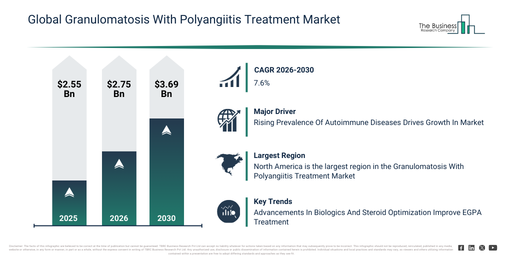
    Granulomatosis With Polyangiitis Treatment Market Expected To Reach $3.69 Billion By 2030 At 7.6% CAGR

    The global market for granulomatosis with polyangiitis treatments has experienced robust expansion, projecting a rise from $2.55 billion in 2025 to $2.75 billion in 2026, reflecting a compound annual growth rate (CAGR) of 7.9%. This historical growth surge is linked to several key factors including increased identification of autoimmune conditions, the established presence of corticosteroids, the accessibility of nephrology services within hospitals, the utilization of immunosuppressive medications, and the widespread application of diagnostic imaging techniques.

    As anticipated, the market for treating granulomatosis with polyangiitis is poised for considerable expansion over the coming years, projecting a significant increase to reach $3.69 billion by the year 2030, fueled by a compound annual growth rate of 7.6%. This projected trajectory is largely underpinned by advancements in biologic drug development, the burgeoning field of personalized autoimmune therapies, enhanced early detection through screening methods, a growing need for effective chronic disease management, and the expansion of specialized treatment centers. Key developments expected to shape this period include a greater reliance on biologic treatments, an escalating demand for identifying autoimmune conditions at earlier stages, the wider adoption of strategies aimed at achieving long-term disease remission, the integration of combination therapies for immunosuppression, and more sophisticated approaches to monitoring organ involvement.

    Download A Free Sample Report For Comprehensive Market Insights:

    https://www.thebusinessresearchcompany.com/sample.aspx?id=21196&type=smp

    Granulomatosis With Polyangiitis Treatment Market Growth Factors: Which Forces Are Supporting Market Expansion?

    The burgeoning incidence of autoimmune disorders is anticipated to fuel the expansion of the granulomatosis with polyangiitis treatment sector. These conditions arise when the body’s own immune defenses erroneously target healthy cells and tissues, resulting in inflammation and subsequent damage across various bodily systems. Factors contributing to the escalating occurrence of autoimmune diseases include exposure to environmental factors like infections, chemical agents, or pollutants, coupled with shifts in lifestyle habits. Treatments for granulomatosis with polyangiitis prove beneficial for autoimmune conditions by employing immunomodulatory approaches, such as corticosteroids and cyclophosphamide, which effectively mitigate inflammation and avert organ deterioration. This underscores the critical importance of prompt intervention and personalized treatment strategies for managing other autoimmune ailments exhibiting comparable pathological mechanisms. As an illustration, a report released in June 2023 by the Office for National Statistics, a UK governmental body, indicated that the global populace affected by multiple sclerosis, an autoimmune disease, reached 2.9 million in 2023, an increase from 2.8 million the preceding year. Consequently, the growing prevalence of autoimmune diseases serves as a catalyst for the advancement of the granulomatosis with polyangiitis treatment market.

    Increased spending on healthcare is poised to stimulate the growth trajectory of the granulomatosis with polyangiitis treatment market. Such expenditures encompass all financial resources directed by individuals, entities, or governmental bodies towards health preservation, management, and the remediation of health issues. The upward trend in healthcare spending is largely attributable to rapid progress in medical technology; novel diagnostic instruments, therapeutic interventions, and pioneering treatments typically incur substantial costs, thereby inflating overall healthcare expenditures. This augmentation in healthcare expenditure significantly aids in the progress of granulomatosis with polyangiitis treatment by facilitating enhanced investment in early diagnostic capabilities, broader availability of sophisticated immunosuppressive and biologic therapies, and the development of more robust patient care frameworks. For context, data from the Centers for Medicare & Medicaid Services, a U.S. agency overseeing Medicare and Medicaid, showed that in December 2024, U.S. healthcare expenditures saw a 7.5% rise in 2023, escalating to $4.9 trillion, which translates to approximately $14,570 per person. Therefore, amplified healthcare spending is acting as a primary driver for the expansion of the granulomatosis with polyangiitis treatment market.

    Granulomatosis With Polyangiitis Treatment Market Segmentation: How Is The Market Structured Across Key Categories?

    The granulomatosis with polyangiitis treatment market covered in this report is segmented –

    1) By Drug Type: Steroids, Immunosuppressants, Other Drug Types

    2) By Route Of Administration: Oral, Intravenous

    3) By Distribution Channel: Hospital Pharmacies, Retail Pharmacies, Online Pharmacies

    4) By End User: Hospitals, Homecare, Specialty Clinics, Other End Users

    Subsegments:

    1) By Steroids: Prednisone, Methylprednisolone, Dexamethasone, Hydrocortisone

    2) By Immunosuppressants: Cyclophosphamide, Methotrexate, Azathioprine, Mycophenolate mofetil, Rituximab

    3) By Other Drug Types: Plasma Exchange Therapy, Intravenous Immunoglobulin (IVIG), Biologic Agents, Non-Steroidal Anti-Inflammatory Drugs (NSAIDs)

    Granulomatosis With Polyangiitis Treatment Market Industry Trends: What Changes Are Reshaping Demand?

    Within the market for granulomatosis with polyangiitis therapies, key players are concentrating their efforts on pioneering novel treatments, including oral corticosteroids, aiming to furnish patients with enhanced therapeutic strategies that facilitate superior disease control while concurrently mitigating the prolonged adverse effects associated with steroid administration. Oral corticosteroids function by diminishing inflammation and modulating the immune response, representing a widely adopted therapeutic class for various conditions such as allergic reactions, autoimmune disorders, and inflammatory ailments. As an illustration, in October 2024, AstraZeneca plc, a significant pharmaceutical enterprise headquartered in the United Kingdom, disclosed that Fasenra (bevacizumab) had secured regulatory approval within the European Union, a continental bloc comprising numerous European nations, for its utilization as an adjunctive therapy in adult individuals diagnosed with relapsing or refractory eosinophilic granulomatosis with polyangiitis (EGPA). This regulatory milestone was predicated on the favorable outcomes observed in the MANDARA Phase III clinical investigation, which substantiated Fasenra’s effectiveness in inducing remission and diminishing patients’ dependence on oral corticosteroids within the EGPA patient cohort.

    Granulomatosis With Polyangiitis Treatment Market Competitive Landscape And Leading Companies

    Major companies operating in the granulomatosis with polyangiitis treatment market are Pfizer Inc., F Hoffmann La Roche Ltd, Sanofi S A, GlaxoSmithKline plc, Amgen Inc, Teva Pharmaceutical Industries Ltd, Regeneron Pharmaceuticals Inc, ChemoCentryx Inc, Medac Pharma Inc, InflaRx GmbH, AbbVie Inc, Johnson & Johnson, Bristol Myers Squibb Company, Novartis AG, Biogen Inc, Takeda Pharmaceutical Company Limited, UCB S A, Bayer AG, Merck & Co Inc, Eli Lilly and Company, Astellas Pharma Inc

    Access The Complete Granulomatosis With Polyangiitis Treatment Market Report:

    https://www.thebusinessresearchcompany.com/report/granulomatosis-with-polyangiitis-treatment-global-market-report

    Granulomatosis With Polyangiitis Treatment Market Regional Distribution: Which Areas Drive Market Expansion?

    North Americawas the largest region in the granulomatosis with polyangiitis treatment market in 2025. The regions covered in the granulomatosis with polyangiitis treatment market report are Asia-Pacific, South East Asia, Western Europe, Eastern Europe, North America, South America, Middle East, Africa.

    Get in touch with us:

    The Business Research Company: https://www.thebusinessresearchcompany.com/

    Americas: +1 310-496-7795

    Asia: +44 7882 955267 & +91 8897263534

    Europe: +44 7882 955267

    Email us at: marketing@tbrc.info

    Follow us on:

    LinkedIn: https://in.linkedin.com/company/the-business-research-company

    YouTube: https://www.youtube.com/channel/UC24_fI0rV8cR5DxlCpgmyFQ

    Global Market Model: https://www.thebusinessresearchcompany.com/global-market-model
  • Graft Versus Host Disease (GVHD) Treatment Market Forecast Reveals Where Future Industry Value Will Be Created

    Graft Versus Host Disease (GVHD) Treatment Market Forecast Reveals Where Future Industry Value Will Be Created

    Through market attractiveness analysis, total addressable market evaluation, company benchmarking matrices, interactive Excel dashboards, expanded supply chain intelligence, emerging startup coverage, and detailed product insights, The Business Research Company’s 2026 market reports provide more actionable and strategically valuable research.

    Graft Versus Host Disease (GVHD) Treatment Market Size And Revenue Forecast Through 2030

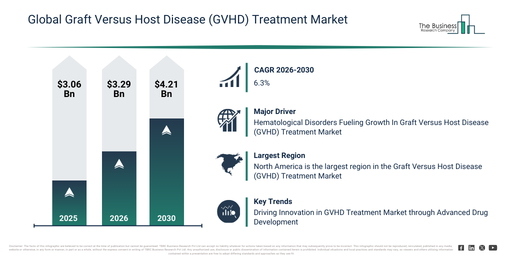
    The market for graft versus host disease (GVHD) treatments has experienced robust expansion lately, projected to advance from $3.06 billion in 2025 to $3.29 billion in 2026, reflecting a compound annual growth rate (CAGR) of 7.5%. Key factors contributing to this expansion during the historical period include increased adoption of bone marrow transplants, the availability of corticosteroids, growth in hospital oncology departments, advancements in immunosuppressive drug development, and improvements in transplant survival rates.

    Anticipated for robust expansion over the coming years, the graft versus host disease (GVHD) treatment market is projected to reach a substantial $4.21 billion by 2030, exhibiting a compound annual growth rate (CAGR) of 6.3%. This projected growth trajectory is underpinned by several key factors, including advancements in biologic therapy pipelines, the increasing adoption of personalized immunosuppression strategies, a rise in transplant procedure volumes, the influence of orphan drug incentives, and the ongoing expansion of specialty care services. During this forecast period, prominent trends shaping the market will include a greater emphasis on targeted immunotherapies, a broader acceptance of biologic treatments, a heightened focus on managing chronic GVHD, the proliferation of stem cell transplant programs, and a notable increase in clinical trial investigations.

    Download A Free Sample Report For Comprehensive Market Insights:

    https://www.thebusinessresearchcompany.com/sample.aspx?id=15579&type=smp

    Graft Versus Host Disease (GVHD) Treatment Market Demand Drivers: What Is Fueling Industry Growth?

    Increased incidences of hematological disorders are anticipated to stimulate advancements in the graft versus host disease (GVHD) treatment market. These blood-related conditions, which affect various blood components like red cells, white cells, platelets, and plasma, are becoming more prevalent due to factors such as unhealthy lifestyles, genetic predispositions, and exposure to environmental hazards including radiation, chemicals, and pollutants. The therapeutic approaches developed for managing GVHD hold considerable potential for patients suffering from hematological disorders, opening up new possibilities for immune system regulation and enhanced clinical outcomes. Illustratively, the Leukemia & Lymphoma Society reported in 2023 that leukemia, lymphoma, and myeloma were projected to result in approximately 57,380 fatalities within the United States that year, equating to roughly 157 daily deaths or over six individuals succumbing to blood cancer each hour in the US. Consequently, the growing burden of hematological disorders serves as a significant catalyst for the expansion of the GVHD treatment market.

    Graft Versus Host Disease (GVHD) Treatment Market Segmentation Trends And Revenue Drivers

    The graft versus host disease (gvhd) treatment market covered in this report is segmented –

    1) By Product Type: Corticosteroids, Monoclonal Antibodies, Immunosuppressants, Other Product Types

    2) By Disease Type: Acute GvHD, Prophylaxis GvHD, Chronic GvHD

    3) By End User: Hospitals Pharmacies, Retail Pharmacies, Online Pharmacies

    Subsegments:

    1) By Corticosteroids: Prednisolone, Methylprednisolone, Dexamethasone, Hydrocortisone, Betamethasone, Budesonide

    2) By Monoclonal Antibodies: Anti-Inf Monoclonal Antibodies ( Infliximab, Adalimumab), Anti-il-2ra Monoclonal Antibodies ( Basiliximab), Anti-cd52 Monoclonal Antibodies (Alemtuzumab), Anti-il-6 Monoclonal Antibodies (Tocilizumab), Anti-Cd20 Monoclonal Antibodies (Rituximab)

    3) By Immunosuppressants: Calcineurin Inhibitors (Cyclosporine, Tacrolimus), Methotrexate, Mycophenolate Mofetil, Azathioprine, Sirolimus (Rapamycin), Cyclophosphamide

    4) By Other Product Types: Mesenchymal Stem Cells (Mscs), Jak Inhibitors ( Ruxolitinib), Extracorporeal Photopheresis (ECP), Thalidomide, Antithymocyte Globulin (Atg), Colony-Stimulating Factors (Filgrastim)

    Graft Versus Host Disease (GVHD) Treatment Market Innovation Trends: Which Developments Are Transforming The Industry?

    Companies at the forefront of the graft versus host disease (GVHD) treatment sector are actively engaged in creating innovative pharmaceuticals and pursuing regulatory authorization to enhance their market standing. The process of obtaining product approvals is fundamental to confirming that medical solutions meet stringent requirements for patient safety, effectiveness, and overall quality prior to their distribution. As an illustration, in March of 2023, Incyte Corporation, a United States-based biopharmaceutical firm, successfully obtained approval from the Food and Drug Administration for its ruxolitinib extended-release (XR) tablets, a therapeutic agent targeting JAK1/JAK2 inhibition. This medication was specifically designed for convenient once-daily administration in the management of certain manifestations of myelofibrosis, polycythemia vera, and graft-versus-host disease (GVHD).

    Graft Versus Host Disease (GVHD) Treatment Market Industry Leaders: Which Organizations Are Driving Competition?

    Major companies operating in the graft versus host disease (gvhd) treatment market are Pfizer Inc., Johnson & Johnson Services Inc., F. Hoffmann-La Roche Ltd., Merck & Co. Inc., Sanofi SA, Novartis AG, Bristol Myers Squibb, Takeda Pharmaceutical Company Limited, Gilead Sciences Inc., Astellas Pharma Inc., Jazz Pharmaceuticals plc, Incyte Corporation, Mallinckrodt Pharmaceuticals, Mesoblast Ltd., AbbVie Inc., Eli Lilly and Company, CSL Behring Limited, Fate Therapeutics Inc., Orca Bio Inc., BioLineRx Ltd., Xenikos BV, Regeneron Pharmaceuticals Inc., AstraZeneca PLC, Amgen Inc.

    Access The Complete Graft Versus Host Disease (GVHD) Treatment Market Report:

    https://www.thebusinessresearchcompany.com/report/graft-versus-host-disease-gvhd-treatment-global-market-report

    Graft Versus Host Disease (GVHD) Treatment Market Leading Geography: Which Region Generates The Most Revenue?

    North Americawas the largest region in the graft versus host disease (GVHD) treatment market in 2025. Asia-Pacificis expected to be the fastest-growing region in the forecast period. The regions covered in the graft versus host disease (gvhd) treatment market report are Asia-Pacific, South East Asia, Western Europe, Eastern Europe, North America, South America, Middle East, Africa.

    Get in touch with us:

    The Business Research Company: https://www.thebusinessresearchcompany.com/

    Americas: +1 310-496-7795

    Asia: +44 7882 955267 & +91 8897263534

    Europe: +44 7882 955267

    Email us at: marketing@tbrc.info

    Follow us on:

    LinkedIn: https://in.linkedin.com/company/the-business-research-company

    YouTube: https://www.youtube.com/channel/UC24_fI0rV8cR5DxlCpgmyFQ

    Global Market Model: https://www.thebusinessresearchcompany.com/global-market-model
  • G-Protein Coupled Receptors Market Growth Through 2030 Creates New Strategic Opportunities

    G-Protein Coupled Receptors Market Growth Through 2030 Creates New Strategic Opportunities

    Delivering more actionable and strategically valuable research, The Business Research Company’s 2026 market reports feature market attractiveness analysis, total addressable market evaluation, company benchmarking matrices, interactive Excel dashboards, expanded supply chain intelligence, emerging startup coverage, and detailed product insights.

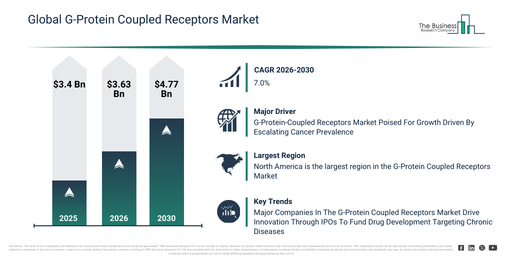
    G-Protein Coupled Receptors Market Growth From $3.63 Billion In 2026 To $4.76 Billion By 2030 At A CAGR Of 7%

    The market for G-protein coupled receptors has experienced robust expansion over past years, projecting an increase from $3.4 billion in 2025 to $3.63 billion in 2026, which represents a compound annual growth rate (CAGR) of 6.8%. This expansion during the preceding period was driven by factors including increased research into neurotransmitters, progress in receptor biology, a surge in pharmaceutical research and development, advancements in cell line development, and innovations in assay technologies.

    The global market for g-protein coupled receptors is poised for considerable expansion over the coming years, projected to reach a valuation of $4.77 billion by 2030, reflecting a compound annual growth rate of 7.0%. This anticipated growth trajectory is largely influenced by escalating requirements for precise drug targeting, advancements in AI-powered drug discovery methodologies, a burgeoning biologics pipeline, ongoing efforts in receptor deorphanization research, and increased investments directed towards translational research initiatives. Key developments expected to shape the market during this forecast period encompass the increasing adoption of GPCR targets within the drug discovery landscape, the expansion of high-throughput screening capabilities, a heightened emphasis on the investigation of orphan receptors, the advancement of cell-based assay technologies, and a growing trend of collaboration between academic institutions and pharmaceutical companies.

    Download A Free Sample Report For Comprehensive Market Insights:

    https://www.thebusinessresearchcompany.com/sample.aspx?id=11976&type=smp

    G-Protein Coupled Receptors Market Growth Drivers: What Factors Are Accelerating Expansion?

    The increasing incidence of cancer is anticipated to serve as a significant catalyst for the expansion of the G-protein-coupled receptors market in the foreseeable future. Cancer, characterized by the uncontrolled proliferation and invasion of abnormal cells into adjacent tissues, often spreads via the body’s lymphatic and vascular networks. G-protein-coupled receptors play a crucial role in regulating the very hallmarks of cancer, encompassing proliferative signaling, sustained replicative capacity, evasion of growth inhibitory signals, resistance to programmed cell death (apoptosis), and the promotion of invasion and metastasis. Illustrating this trend, the American Cancer Society, a prominent professional organization in the United States, estimated in January 2023 that approximately 1,958,310 new cancer diagnoses would occur in the US during 2023, a rise from the roughly 1.9 million cases identified in 2022. Consequently, the escalating burden of cancer is directly fueling the advancement of the G-protein-coupled receptors market.

    G-Protein Coupled Receptors Market Segment Analysis Highlighting Growth Areas

    The g-protein coupled receptors market covered in this report is segmented –

    1) By Product: Cell Lines, Detection Kits, Cell Culture Reagents, Ligands

    2) By Assay: CAMP Functional Assays, Calcium Functional Assays, ß-Arrestin Functional Assays, Radioligand Binding And GTP?S Functional Assays, Internalization Assays, Trafficking Assays

    3) By Applications: Cancer Research, CNS Research, Metabolic Research, Cardiovascular Research, Inflammation Research, Respiratory Research, Other Applications

    Subsegments:

    1) By Cell Lines: GPCR-Expressing Cell Lines, Stable And Transient Cell Lines

    2) By Detection Kits: ELISA Kits, High-Throughput Screening Kits, Reporter Gene Assays

    3) By Cell Culture Reagents: Media And Supplements, Transfection Reagents, Growth Factors

    4) By Ligands: Agonists, Antagonists, Inverse Agonists

    G-Protein Coupled Receptors Market Trends: What Is Shaping Future Industry Growth?

    Companies at the forefront of the G-protein coupled receptors sector are currently undertaking Initial Public Offerings (IPOs) with the explicit goal of advancing drug development initiatives centered on G protein-coupled receptors (GPCRs). This strategic financial maneuver is designed to expedite research and development pipelines, propel clinical trials forward, and ultimately introduce novel therapeutic solutions for a spectrum of ailments, encompassing oncological, neurological, and metabolic diseases. The capital infusion garnered is predominantly allocated to fuel the progression of their principal product candidates aimed at addressing chronic metabolic and pulmonary conditions. A key allocation of these funds will be directed towards the enhancement of their glucagon-like peptide-1 receptor (GLP-1R) agonist program, which endeavors to provide treatments for diabetes and obesity. Illustrating this trend, Structure Therapeutics Inc., an entity based in the United States, successfully concluded its IPO in February 2023, securing $161 million. This funding will be instrumental in propelling their development of therapeutics derived from G-protein coupled receptor (GPCR) platforms. The company issued 10,740,000 American depositary shares (ADSs) at a price of $15.00 per ADS, a figure that notably exceeded their initial forecasts. These shares commenced trading on the Nasdaq Global Market, identified by the ticker symbol ‘GPCR’.

    G-Protein Coupled Receptors Market Leading Companies: Who Holds Significant Market Presence?

    Major companies operating in the g-protein coupled receptors market are Pfizer Inc., Roche Holding AG, AbbVie Inc., Bayer AG, Novartis International AG, Sanofi SA, Bristol-Myers Squibb Company, AstraZeneca Plc, GlaxoSmithKline Plc, Takeda Pharmaceutical Company Limited, Eli Lilly and Company, Merck KGaA, Boehringer Ingelheim, Daiichi Sankyo Company Limited, Danaher Corporation, Thermo Fisher Scientific Inc., PerkinElmer Inc., Bio-Techne Corporation, Abcam PLC, Cara Therapeutics Inc., Sosei Heptares Ltd., Eurofins DiscoverX Corporation, Crinetics Pharmaceuticals Inc., Domain Therapeutics SA, Addex Pharmaceuticals Ltd., Structure Therapeutics, Septerna

    Access The Complete G-Protein Coupled Receptors Market Report:

    https://www.thebusinessresearchcompany.com/report/g-protein-coupled-receptors-global-market-report

    G-Protein Coupled Receptors Market Regional Outlook: Where Are The Largest Opportunities Located?

    North America was the largest region in the G-protein coupled receptors market in 2025. Asia-Pacific is expected to be the fastest-growing region in the forecast period. The regions covered in the g-protein coupled receptors market report are Asia-Pacific, South East Asia, Western Europe, Eastern Europe, North America, South America, Middle East, Africa.

    Get in touch with us:

    The Business Research Company: https://www.thebusinessresearchcompany.com/

    Americas: +1 310-496-7795

    Asia: +44 7882 955267 & +91 8897263534

    Europe: +44 7882 955267

    Email us at: marketing@tbrc.info

    Follow us on:

    LinkedIn: https://in.linkedin.com/company/the-business-research-company

    YouTube: https://www.youtube.com/channel/UC24_fI0rV8cR5DxlCpgmyFQ

    Global Market Model: https://www.thebusinessresearchcompany.com/global-market-model
  • Gouty Arthritis Market Size Projected To Increase From $3.95 Billion To $5.06 Billion During The Forecast Period

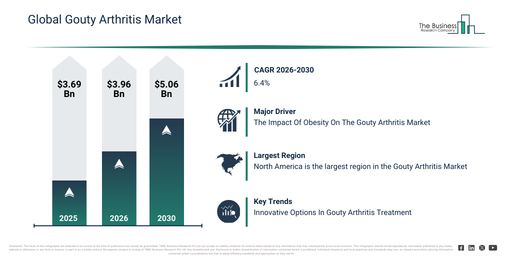
    Gouty Arthritis Market Size Projected To Increase From $3.95 Billion To $5.06 Billion During The Forecast Period

    Enhanced with market attractiveness analysis, total addressable market evaluation, company benchmarking matrices, interactive Excel dashboards, expanded supply chain intelligence, emerging startup coverage, and detailed product insights, The Business Research Company’s 2026 market reports deliver more actionable and strategically valuable research.

    Gouty Arthritis Market Expansion Outlook: What Revenue Opportunities Lie Ahead?

    The market for gouty arthritis has experienced robust expansion over the past few years. Projections indicate a shift from $3.69 billion in 2025 to $3.96 billion in 2026, reflecting a compound annual growth rate (CAGR) of 7.2%. Factors contributing to this growth trajectory in the past include evolving dietary habits, the accessibility of non-steroidal anti-inflammatory drugs (NSAIDs), a rise in arthritis diagnoses, the proliferation of rheumatology clinics, and advancements in pain management therapies.

    The market for gouty arthritis is poised for substantial expansion over the upcoming years, projecting to reach $5.06 billion by 2030 with a compound annual growth rate of 6.4%. This anticipated surge is driven by a confluence of factors, including an expanding elderly demographic, heightened public understanding of chronic illnesses, proactive measures in arthritis prevention, enhanced patient adherence to treatment regimens, and the increasing implementation of tailored therapeutic strategies for gout. Key developments anticipated during this period encompass a growing incidence of hyperuricemia, a heightened need for sustained condition management, the proliferation of combination therapies, greater use of advanced diagnostic imaging, and the broader adoption of lifestyle modifications for disease control.

    Download A Free Sample Report For Comprehensive Market Insights:

    https://www.thebusinessresearchcompany.com/sample.aspx?id=16070&type=smp

    Gouty Arthritis Market Growth Factors Supporting Long-Term Expansion

    The escalating rates of obesity are poised to be a significant catalyst for the expansion of the gouty arthritis market in the future. Obesity, defined as a health condition involving excessive accumulation of body fat to a degree that negatively impacts well-being and is commonly assessed via body mass index (BMI), is on the rise. This increase is attributed to greater consumption of calorie-dense, processed foods and a decline in physical activity. Obesity’s link to gouty arthritis stems from its dual effect on uric acid metabolism: it boosts uric acid production while simultaneously impairing the body’s capacity to eliminate it, resulting in the crystallization of uric acid within the joints. Moreover, the added burden of excess weight intensifies stress on joints, thereby worsening the inflammation and discomfort characteristic of gout. Illustrating this trend, data from May 2025, reported by the Office for Health Improvement and Disparities, a UK governmental entity, revealed that between 2023 and 2024, approximately 64.5% of adults aged 18 and above in England were classified as overweight or obese, marking an increase from 64.0% during the 2022–2023 period. Consequently, the growing incidence of obesity is directly fueling the growth trajectory of the gouty arthritis market.

    Gouty Arthritis Market Segment Performance And Strategic Opportunities

    The gouty arthritis market covered in this report is segmented –

    1) By Type: Acute Gouty Arthritis, Chronic Gouty Arthritis

    2) By Treatment: Non-Steroidal Anti-Inflammatory Drugs (NSAIDs), Pain Reliever, Corticosteroids, Xanthine Oxidase Inhibitors, Uricosurics, Other Treatments

    3) By Diagnosis: Joint Fluid Test, Blood Test, X-Ray Imaging, Ultrasound, Dual Energy Computed Tomography (CT) Scan, Other Diagnosis

    4) By Distribution Channel: Hospital Pharmacy, Retail Pharmacy, Other Distribution Channels

    5) By End-Users: Hospitals, Specialty Clinics, Other End-Users

    Subsegments:

    1) By Acute Gouty Arthritis: Monosodium Urate Crystals-Induced Acute Gout, Acute Gout Attack (Intermittent Flares), Severe Acute Gout With Joint Deformities

    2) By Chronic Gouty Arthritis: Tophaceous Gout (Presence Of Uric Acid Deposits), Chronic Gout With Joint Damage, Chronic Gout With Renal Complications, Chronic Gout With Comorbidities (Hypertension, Diabetes)

    Gouty Arthritis Market Industry Trends Shaping Future Revenue Growth

    Companies prominent within the gouty arthritis sector are intensifying their development initiatives for innovative treatments, including corticotropin gel, aiming to deliver superior and focused interventions for managing this ailment. Corticotropin gel, identified alternatively as repository corticotropin injection, represents a refined derivative of adrenocorticotropic hormone (ACTH), applied in the management of diverse inflammatory and autoimmune disorders, gouty arthritis among them. To illustrate, in October 2023, ANI Pharmaceuticals, a pharmaceutical entity based in the United States, secured authorization from the Food and Drug Administration for a new 1-mL vial configuration of Purified Cortrophin Gel. This particular formulation is designated for the supplementary management of select individuals confronting acute gouty arthritis exacerbations. Presently, Cortrophin Gel stands as the sole adrenocorticotropic hormone (ACTH) therapeutic agent sanctioned by the FDA for addressing suitable patients afflicted with acute gouty arthritis flares.

    Gouty Arthritis Market Key Players: Which Companies Shape Industry Competition?

    Major companies operating in the gouty arthritis market are Horizon Therapeutics plc, Pfizer Inc., Takeda Pharmaceutical Company Limited, AbbVie Inc., Bayer AG, Bristol Myers Squibb, Novartis International AG, Eli Lilly and Company, Amgen Inc., Gilead Sciences Inc., AstraZeneca plc, GlaxoSmithKline plc, Teijin Pharma Ltd, Regeneron Pharmaceuticals Inc., Boehringer Ingelheim International GmbH, JW Pharmaceutical, Arthrosi Therapeutics Ltd, XORTX Therapeutics Inc, Atom Therapeutics Co Ltd, Olatec Therapeutics LLC, InventisBio Co Ltd, Shanton Pharma, Selecta Biosciences Inc, LG Chem Ltd, Protalix BioTherapeutics Inc

    Access The Complete Gouty Arthritis Market Report:

    https://www.thebusinessresearchcompany.com/report/gouty-arthritis-global-market-report

    Gouty Arthritis Market Geographic Landscape: Which Region Dominates Industry Growth?

    North Americawas the largest region in the gouty arthritis market in 2025. Europeis expected to be the fastest-growing region in the forecast period. The regions covered in the gouty arthritis market report are Asia-Pacific, South East Asia, Western Europe, Eastern Europe, North America, South America, Middle East, Africa.

    Get in touch with us:

    The Business Research Company: https://www.thebusinessresearchcompany.com/

    Americas: +1 310-496-7795

    Asia: +44 7882 955267 & +91 8897263534

    Europe: +44 7882 955267

    Email us at: marketing@tbrc.info

    Follow us on:

    LinkedIn: https://in.linkedin.com/company/the-business-research-company

    YouTube: https://www.youtube.com/channel/UC24_fI0rV8cR5DxlCpgmyFQ

    Global Market Model: https://www.thebusinessresearchcompany.com/global-market-model
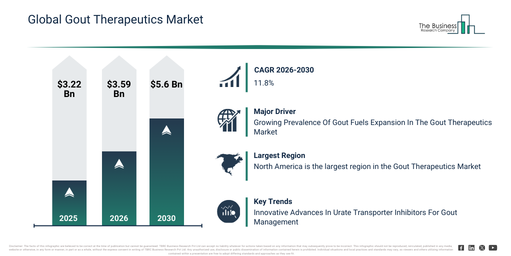
  • Gout Therapeutics Market Growth Outlook Reveals A CAGR Of 11.8% And A Market Value Of $5.6 Billion By 2030

    Gout Therapeutics Market Growth Outlook Reveals A CAGR Of 11.8% And A Market Value Of $5.6 Billion By 2030

    Through market attractiveness analysis, total addressable market evaluation, company benchmarking matrices, interactive Excel dashboards, expanded supply chain intelligence, emerging startup coverage, and detailed product insights, The Business Research Company’s 2026 market reports provide more actionable and strategically valuable research.

    Gout Therapeutics Market Growth Potential: How Will Market Size Change Through 2030?

    The market for gout treatments has experienced significant expansion lately. Projections indicate a rise from $3.22 billion in 2025 to $3.59 billion in 2026, reflecting a compounded annual growth rate of 11.6%. Earlier expansion during the historical period was spurred by shifts in dietary habits, the accessibility of non-steroidal anti-inflammatory drugs (NSAIDs), a greater number of arthritis diagnoses, the availability of rheumatology services within hospitals, and advancements in pain management drug research.

    The market for gout treatments is projected to experience considerable expansion over the upcoming years, reaching an estimated value of $5.6 billion by 2030. This upward trajectory is underpinned by an anticipated compound annual growth rate (CAGR) of 11.8%. Key drivers fueling this growth during the forecast period include an increasing elderly demographic, the escalating prevalence of chronic health conditions, a greater emphasis on proactive arthritis management, enhanced tools that support patient adherence to treatment, and the adoption of tailored therapeutic strategies. Furthermore, prevailing trends expected to shape this market encompass a rise in arthritis linked to lifestyle factors, a greater reliance on therapies designed to reduce uric acid levels, an expanded focus on the long-term management of chronic gout cases, growing public understanding regarding the importance of early detection, and advancements in the continuous monitoring of this condition over extended periods.

    Download A Free Sample Report For Comprehensive Market Insights:

    https://www.thebusinessresearchcompany.com/sample.aspx?id=12118&type=smp

    Gout Therapeutics Market Demand Drivers Creating New Revenue Opportunities

    The increasing prevalence of gout is anticipated to be a significant driver for the expansion of the gout therapeutics market. Gout, a form of inflammatory arthritis, is characterized by discomfort and joint swelling. Factors such as obesity and metabolic syndrome are increasingly contributing to this condition by elevating uric acid levels in the bloodstream, which subsequently leads to the crystallization of urates within the joints. Therapies for gout aim to mitigate the frequency and intensity of gout symptoms by decreasing uric acid concentrations, controlling inflammation, and averting acute attacks. Evidence from PubMed Central in June 2025 suggests that gout incidence and prevalence rates, adjusted for age, are predicted to climb further by 2050, highlighting a growing global health challenge. Furthermore, data from the National Library of Medicine (NLM) in June 2024 indicates that in the United States, the number of individuals with both gout and chronic kidney disease (CKD) was 7.9 million in 2023, with projections showing a 29% increase to 9.6 million by 2035 under a standard projection. Consequently, the escalating rate of gout diagnoses is fueling the growth within the gout therapeutics sector.

    Gout Therapeutics Market Segment Landscape And Growth Potential

    The gout therapeutics market covered in this report is segmented –

    1) By Type: Nonsteroidal Anti-Inflammatory Drugs (NSAIDs), Corticosteroid, Diuretics

    2) By Treatment: Xanthine Oxidase Inhibitor, Uricosuria Medication

    3) By Disease Condition: Acute, Chronic

    4) By End-Users: Hospitals, Specialty Clinics, Other End Users

    Subsegments:

    1) By Nonsteroidal Anti-Inflammatory Drugs (NSAIDs): Traditional NSAIDs, Selective COX-2 Inhibitors

    2) By Corticosteroid: Oral Corticosteroids, Injectable Corticosteroids

    3) By Diuretics: Thiazide Diuretics, Loop Diuretics

    Gout Therapeutics Market Trends Driving Strategic Industry Expansion

    Key players within the gout therapeutics sector are actively engaged in pioneering novel treatments, specifically focusing on urate transporters responsible for facilitating the reabsorption of uric acid from the urinary system back into the bloodstream; these transporters function as proteins that aid in the translocation of uric acid across cellular boundaries in the renal or intestinal tissues, thereby contributing to the regulation of circulating uric acid concentrations. As an illustration, in July of 2025, Eisai Co. Ltd., a pharmaceutical entity headquartered in Japan, introduced URECE (dotinurad), a specialized inhibitor targeting urate transporter 1 (URAT1), which is now being marketed as part of Eisai’s international specialty care offerings. This medication, URECE, is prescribed for the management of hyperuricemia linked to gout, functioning to reduce uric acid levels in the blood by enhancing its clearance through the kidneys, and it additionally presents a commendable safety record with negligible unintended effects, alongside demonstrated effectiveness in individuals experiencing mild to moderate kidney dysfunction, positioning it as a viable option for a diverse patient population suffering from gout.

    Gout Therapeutics Market Competitive Landscape: Who Are The Leading Companies?

    Major companies operating in the gout therapeutics market are Takeda Pharmaceutical Company Ltd, Novartis AG, AstraZeneca plc, GlaxoSmithKline plc, Merck & Co Inc, Regeneron Pharmaceuticals Inc, Teijin Pharma Ltd, Zydus Group, Teva Pharmaceutical Industries Ltd, Sun Pharmaceutical Industries Ltd, Dr Reddy’s Laboratories Ltd, Amneal Pharmaceuticals Inc, Lupin Limited, Ironwood Pharmaceuticals Inc, Pharvaris NV, Selecta Biosciences Inc, Dyve Biosciences Inc, Arthrosi Therapeutics Inc, Atom Therapeutics Co Ltd, Olatec Therapeutics LLC

    Access The Complete Gout Therapeutics Market Report:

    https://www.thebusinessresearchcompany.com/report/gout-therapeutics-global-market-report

    Gout Therapeutics Market Largest Region: Which Geography Holds The Highest Market Share?

    North America was the largest region in the gout therapeutics market in 2025. Asia-Pacific is expected to be the fastest-growing region in the forecast period. The regions covered in the gout therapeutics market report are Asia-Pacific, South East Asia, Western Europe, Eastern Europe, North America, South America, Middle East, Africa.

    Get in touch with us:

    The Business Research Company: https://www.thebusinessresearchcompany.com/

    Americas: +1 310-496-7795

    Asia: +44 7882 955267 & +91 8897263534

    Europe: +44 7882 955267

    Email us at: marketing@tbrc.info

    Follow us on:

    LinkedIn: https://in.linkedin.com/company/the-business-research-company

    YouTube: https://www.youtube.com/channel/UC24_fI0rV8cR5DxlCpgmyFQ

    Global Market Model: https://www.thebusinessresearchcompany.com/global-market-model
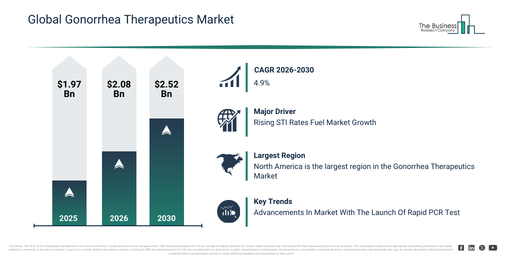
  • Gonorrhea Therapeutics Market Forecast Highlights Expansion From $2.07 Billion To $2.51 Billion Through 2030

    Gonorrhea Therapeutics Market Forecast Highlights Expansion From $2.07 Billion To $2.51 Billion Through 2030

    Delivering more actionable and strategically valuable research, The Business Research Company’s 2026 market reports feature market attractiveness analysis, total addressable market evaluation, company benchmarking matrices, interactive Excel dashboards, expanded supply chain intelligence, emerging startup coverage, and detailed product insights.

    Gonorrhea Therapeutics Market Value Analysis: What Growth Is Expected Over The Forecast Period?

    The global market for gonorrhea treatments has experienced robust expansion recently, projected to increase from $1.97 billion in 2025 to $2.08 billion by 2026, reflecting a compound annual growth rate of 5.2%. This historical growth trajectory has been propelled by several key factors, including the widespread prevalence of sexually transmitted infections worldwide, the accessibility of antibiotic medications, proactive public health initiatives, established protocols for treating hospital-acquired infections, and the increasing footprint of diagnostic laboratories.

    A consistent expansion is anticipated for the gonorrhea therapeutics market over the coming years, projecting a market value of $2.52 billion by 2030, supported by a compound annual growth rate (CAGR) of 4.9%. This projected growth is principally fueled by therapeutic advancements spurred by drug resistance, heightened efforts in sexual health screenings, augmented public health investments, the creation of new antibiotic treatments, and the utilization of telehealth for managing sexually transmitted infections. Key developments expected to shape the market during this forecast period encompass enhanced antibiotic resistance surveillance, a greater reliance on combination antibiotic treatments, the broader implementation of STI screening initiatives, amplified public health awareness campaigns, and the increased adoption of improved diagnostic testing methodologies.

    Download A Free Sample Report For Comprehensive Market Insights:

    https://www.thebusinessresearchcompany.com/sample.aspx?id=21195&type=smp

    Gonorrhea Therapeutics Market Expansion Supported By Key Demand Factors

    The burgeoning prevalence of sexually transmitted infections is anticipated to be a primary catalyst for the expansion of the gonorrhea therapeutics market. Sexually transmitted infections, defined as infections spread through intimate contact and caused by pathogens like bacteria, viruses, or parasites, are on the rise owing to several contributing elements, including non-consensual sexual activity, insufficient understanding or education, a greater number of sexual relationships, diminished condom utilization, and delayed or insufficient diagnostic and therapeutic interventions. Moreover, gonorrhea therapies are instrumental in combating these STIs by specifically addressing the Neisseria gonorrhoeae bacterium, thereby averting serious health consequences and curbing further transmission. Highlighting this trend, data from June 2024 indicated that the National Institute for Public Health and the Environment, a governmental body in the Netherlands, reported a substantial year-over-year surge in diagnosed gonorrhea cases at Sexual Health Clinics (SHCs), escalating from 10,600 in 2022 to 13,853 in 2023, a notable increase of 31%. Consequently, the escalating rates of sexually transmitted infections are directly fueling the development and growth of the gonorrhea therapeutics sector.

    Gonorrhea Therapeutics Market Categorization By Product Type And Application

    The gonorrhea therapeutics market covered in this report is segmented –

    1) By Therapeutic Class: Antibiotics, Combination Therapy

    2) By Route Of Administration: Oral, Intravenous, Intramuscular

    3) By Age Group: Pediatric, Adult, Geriatric

    4) By Distribution Channel: Hospital Pharmacies, Retail Pharmacies, Online Pharmacies

    5) By End User: Hospitals, Clinics, Home Care

    Subsegments:

    1) By Antibiotics: Beta-lactams, Macrolides, Fluoroquinolones, Aminoglycosides

    2) By Combination Therapy: Dual Antibiotic Therapy, Triple Antibiotic Therapy

    Gonorrhea Therapeutics Market Growth Trends Influencing Competitive Dynamics

    Leading entities within the gonorrhea treatment sector are introducing pioneering solutions, including swift polymerase chain reaction (PCR) assays, to facilitate prompt and precise identification of disease-causing agents and their traits, such as antibiotic resistance, directly at the service point. A rapid PCR assay serves as a diagnostic technique that amplifies and identifies distinct DNA or RNA sequences with great speed, thereby allowing for the swift recognition of pathogens or genetic material. Illustrating this, Visby Medical, Inc., a United States-based developer of medical technology, released a gonorrhea test in February 2024 that incorporates an antimicrobial resistance assessment. This speedy diagnostic tool is engineered to identify Neisseria gonorrhoeae, the microorganism causing gonorrhea, and to evaluate its sensitivity to ciprofloxacin, an antibiotic to which certain gonorrhea strains have exhibited resistance. This test operates within a self-contained, instrument-free PCR system, permitting immediate testing where medical care is administered. Support for its creation was provided by CARB-X, a United States-based non-profit entity, and the company intends to broaden the test’s capabilities to encompass the detection of other sexually transmitted infections, including Chlamydia trachomatis and Trichomonas vaginalis, in males.

    Gonorrhea Therapeutics Market Company Landscape And Strategic Competition

    Major companies operating in the gonorrhea therapeutics market are Pfizer Inc., F Hoffmann La Roche Ltd, GlaxoSmithKline plc, Aurobindo Pharma Limited, Melinta Therapeutics LLC, VenatoRx Pharmaceuticals Inc., Recce Pharmaceuticals Ltd., Therapyx Inc., Entasis Therapeutics Inc., Apotex Inc., Summit Therapeutics Inc., Merck Co Inc, AstraZeneca plc, Takeda Pharmaceutical Company Limited, Novartis AG, Sanofi S A, Bayer AG, Nobelex Biotech, Evofem Biosciences Inc., NextGen Pharma

    Access The Complete Gonorrhea Therapeutics Market Report:

    https://www.thebusinessresearchcompany.com/report/gonorrhea-therapeutics-global-market-report

    Gonorrhea Therapeutics Market Regional Analysis: Which Region Leads By Revenue?

    North Americawas the largest region in the gonorrhea therapeutics market in 2025. Asia-Pacificis expected to be the fastest-growing region in the forecast period. The regions covered in the gonorrhea therapeutics market report are Asia-Pacific, South East Asia, Western Europe, Eastern Europe, North America, South America, Middle East, Africa.

    Get in touch with us:

    The Business Research Company: https://www.thebusinessresearchcompany.com/

    Americas: +1 310-496-7795

    Asia: +44 7882 955267 & +91 8897263534

    Europe: +44 7882 955267

    Email us at: marketing@tbrc.info

    Follow us on:

    LinkedIn: https://in.linkedin.com/company/the-business-research-company

    YouTube: https://www.youtube.com/channel/UC24_fI0rV8cR5DxlCpgmyFQ

    Global Market Model: https://www.thebusinessresearchcompany.com/global-market-model
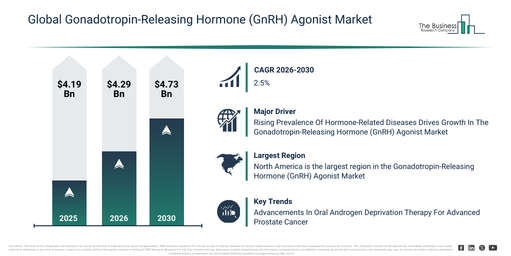
  • Gonadotropin-Releasing Hormone (GnRH) Agonist Market Expected To Reach $4.72 Billion By 2030 As Growth Accelerates At 2.5% CAGR

    Gonadotropin-Releasing Hormone (GnRH) Agonist Market Expected To Reach $4.72 Billion By 2030 As Growth Accelerates At 2.5% CAGR

    Enhanced with market attractiveness analysis, total addressable market evaluation, company benchmarking matrices, interactive Excel dashboards, expanded supply chain intelligence, emerging startup coverage, and detailed product insights, The Business Research Company’s 2026 market reports deliver more actionable and strategically valuable research.

    Gonadotropin-Releasing Hormone (GnRH) Agonist Market Size Forecast: How Large Could The Market Become By 2030?

    The market for gonadotropin-releasing hormone (GnRH) agonists has seen consistent expansion. Projections indicate a rise from $4.19 billion in 2025 to $4.29 billion in 2026, reflecting a compound annual growth rate (CAGR) of 2.4%. Factors contributing to this growth historically include the increasing prevalence of IVF procedures, wider acceptance of treatments for prostate cancer, advancements in hormone therapy, the expansion of hospital endocrinology departments, and innovations in injectable medications.

    The market for gonadotropin-releasing hormone (GnRH) agonists is poised for consistent expansion over the upcoming years, projected to reach a valuation of $4.73 billion by 2030, demonstrating a compound annual growth rate (CAGR) of 2.5%. This anticipated growth trajectory is propelled by several key factors, including escalating infertility rates, a growing demand for oncology treatments, advancements in long-acting implantable drug delivery systems, enhanced accessibility to reproductive healthcare services, and the proliferation of specialty clinics. During this forecast period, significant trends are anticipated to shape the market, such as the increased integration of GnRH agonists into fertility treatments, their expanding application in managing hormone-sensitive cancers, the wider adoption of extended-release drug formulations, a surge in the demand for assisted reproductive technologies, and improved strategies for managing hormonal disorders.

    Download A Free Sample Report For Comprehensive Market Insights:

    https://www.thebusinessresearchcompany.com/sample.aspx?id=18814&type=smp

    Gonadotropin-Releasing Hormone (GnRH) Agonist Market Growth Drivers And Industry Catalysts

    The expanding market for gonadotropin-releasing hormone (GnRH) agonists is anticipated to be significantly boosted by the growing number of hormone-related illnesses. These conditions, stemming from disruptions within the endocrine system responsible for hormone production and control, encompass ailments like diabetes, hyperthyroidism, and prostate cancer. Factors contributing to the rise in hormone-related diseases include environmental influences, increased rates of obesity and metabolic syndrome, genetic predispositions, and an aging global population. GnRH agonists provide a precise method for hormone level management, offering customized treatment strategies for conditions linked to hormonal imbalances and hormone-dependent diseases. To illustrate, recent data from the UK’s National Health Service revealed that in 2023, an additional 549,000 individuals in England were identified as being at risk for type 2 diabetes, elevating the total count of individuals with pre-diabetes (non-diabetic hyperglycemia) on GP records to 3,615,330. This figure marks a substantial jump from the 3,065,825 recorded in 2022, signifying an approximate 20% surge and underscoring the direct correlation between the rising incidence of hormone-related diseases and the expanding market for GnRH agonists.

    Gonadotropin-Releasing Hormone (GnRH) Agonist Market Segment Analysis And Revenue Opportunities

    The gonadotropin-releasing hormone (gnrh) agonist market covered in this report is segmented –

    1) By Type: Leuprorelin, Goserelin, Taltirelin, Histrelin, Other Types

    2) By Formulation: Injectable, Implants, Oral, Nasal Sprays

    3) By Distribution Channel: Hospital Pharmacies, Retail Pharmacies, Online Pharmacies

    4) By Application: Prostate Cancer, Breast Cancer, Endometriosis, Uterine Fibroids, Precocious Puberty, Fertility Treatment, Other Applications

    5) By End-User: Hospital, Specialty Clinics, Ambulatory Surgical Centers (ASCs), Other End-Users

    Subsegments:

    1) By Leuprorelin: Injectable Leuprorelin, Implantable Leuprorelin

    2) By Goserelin: Goserelin Injection, Goserelin Implant

    3) By Taltirelin: Injectable Taltirelin, Oral Taltirelin

    4) By Histrelin: Histrelin Implant, Histrelin Injection

    5) By Other Type: Triptorelin, Buserelin, Nafarelin

    #Gonadotropin-Releasing Hormone (GnRH) Agonist Market Trends Influencing Long-Term Demand

    Within the gonadotropin-releasing hormone (GnRH) agonist market, leading corporations are concentrating on the creation of sophisticated drugs for androgen deprivation therapy, aiming to boost the efficacy and accuracy of treatments for hormone-dependent cancers. Androgen deprivation therapy (ADT) medications, which encompass GnRH analogs, function by decreasing or eradicating androgen levels, thereby impeding the progression of hormone-sensitive cancers. As a prime example, in January of 2024, the pharmaceutical firm Zydus Lifesciences Limited, headquartered in India, introduced Relugolix, marketed under the brand name Rexigo. This medication holds the distinction of being India’s inaugural and sole once-daily oral treatment designed to suppress testosterone in individuals with advanced prostate cancer, thereby rendering injectable therapies obsolete. This accessible oral formulation incorporates Relugolix, an internationally acknowledged active compound renowned for its capacity to swiftly reduce testosterone levels. Notably, Rexigo offers a significant cost advantage, being 50% less expensive than the currently available injectable treatments for advanced prostate cancer within India. The arrival of Rexigo signifies a substantial leap forward in the management of prostate cancer, presenting a secure, highly effective, and user-friendly therapeutic avenue for both patients and medical professionals.

    Gonadotropin-Releasing Hormone (GnRH) Agonist Market Leading Players Shaping Industry Direction

    Major companies operating in the gonadotropin-releasing hormone (gnrh) agonist market are Pfizer Inc., AbbVie Inc., Takeda Pharmaceutical Company Limited, Sandoz Group AG, Ipsen Pharma, Aurobindo Pharma Limited, Cipla Limited, Dr Reddy’s Laboratories Ltd., Intas Pharmaceuticals Ltd., Ferring Pharmaceuticals, Amneal Pharmaceuticals Inc., Endo International plc, Lupin Limited, Gland Pharma Limited, Glenmark Pharmaceuticals Ltd., Zydus Lifesciences Limited, Sun Pharmaceutical Industries Ltd., AstraZeneca plc, Merck KGaA, Sumitomo Pharma Co Ltd, Gedeon Richter Plc, Myovant Sciences Ltd

    Access The Complete Gonadotropin-Releasing Hormone (GnRH) Agonist Market Report:

    https://www.thebusinessresearchcompany.com/report/gonadotropin-releasing-hormone-gnrh-agonist-global-market-report

    Gonadotropin-Releasing Hormone (GnRH) Agonist Market Geographic Distribution And Regional Opportunities

    North Americawas the largest region in the gonadotropin-releasing hormone (GnRH) agonist market in 2025. The regions covered in the gonadotropin-releasing hormone (gnrh) agonist market report are Asia-Pacific, South East Asia, Western Europe, Eastern Europe, North America, South America, Middle East, Africa.

    Get in touch with us:

    The Business Research Company: https://www.thebusinessresearchcompany.com/

    Americas: +1 310-496-7795

    Asia: +44 7882 955267 & +91 8897263534

    Europe: +44 7882 955267

    Email us at: marketing@tbrc.info

    Follow us on:

    LinkedIn: https://in.linkedin.com/company/the-business-research-company

    YouTube: https://www.youtube.com/channel/UC24_fI0rV8cR5DxlCpgmyFQ

    Global Market Model: https://www.thebusinessresearchcompany.com/global-market-model
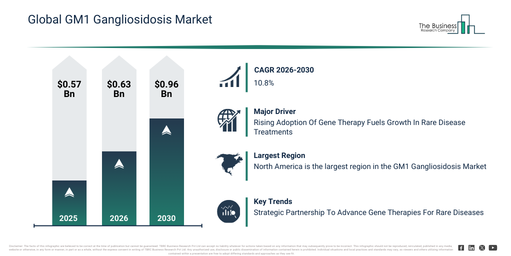
  • GM1 Gangliosidosis Market Set To Grow From $0.63 Billion In 2026 To $0.95 Billion By 2030 At A CAGR Of 10.8%

    GM1 Gangliosidosis Market Set To Grow From $0.63 Billion In 2026 To $0.95 Billion By 2030 At A CAGR Of 10.8%

    Through market attractiveness analysis, total addressable market evaluation, company benchmarking matrices, interactive Excel dashboards, expanded supply chain intelligence, emerging startup coverage, and detailed product insights, The Business Research Company’s 2026 market reports provide more actionable and strategically valuable research.

    GM1 Gangliosidosis Market Revenue Outlook: What CAGR Is Expected Through 2030?

    The market for gm1 gangliosidosis experienced substantial expansion recently, projected to increase from $0.57 billion in 2025 to $0.63 billion in 2026, reflecting an 11.1% compound annual growth rate. Historical drivers behind this market growth include dedicated research into rare diseases, enhanced capabilities in identifying enzyme deficiencies, significant progress in genetic diagnostic technologies, the availability of specialized pediatric care within hospitals, and the foundational outcomes from initial clinical investigations.

    The global market for gm1 gangliosidosis is poised for significant expansion, projecting a valuation of $0.96 billion by 2030 with a compound annual growth rate of 10.8%. This anticipated surge is propelled by several key factors, including advancements in gene therapy development and the supportive framework of orphan drug incentives. Furthermore, enhanced diagnostic capabilities, a growing voice among patient advocacy groups, and increased investment in biotechnology are contributing to this upward trajectory. Emerging trends that will shape the market during the forecast period encompass a heightened emphasis on developing treatments for rare diseases, intensified research efforts in gene therapy, broader adoption of enzyme replacement therapies, expanded genetic screening programs for newborns, and a notable increase in clinical trial initiatives.

    Download A Free Sample Report For Comprehensive Market Insights:

    https://www.thebusinessresearchcompany.com/sample.aspx?id=21194&type=smp

    GM1 Gangliosidosis Market Opportunity Drivers: What Is Creating New Revenue Potential?

    A significant driver for the expansion of the GM1 gangliosidosis market is the escalating utilization of gene therapy, a revolutionary medical approach that aims to address diseases by modifying or substituting genes within an individual’s cells. This surge in gene therapy adoption stems from progress in genetic understanding, enhanced therapeutic results for previously intractable ailments, and increasing governmental endorsement of novel treatment strategies. Specifically concerning GM1 gangliosidosis, gene therapy entails introducing a functional version of the faulty GLB1 gene into patients’ cells, thereby reinstating the activity of the ß-galactosidase enzyme and mitigating the accumulation of harmful substances. A compelling indicator of this trend is the report from the American Society of Gene & Cell Therapy in January 2024, which noted a 10% increase in the number of gene therapies progressing to Phase III during the fourth quarter of 2023, marking the first such uptick since the third quarter of 2022, thus underscoring gene therapy’s pivotal role in propelling the GM1 gangliosidosis market forward.

    GM1 Gangliosidosis Market Segmentation And Category Breakdown

    The gm1 gangliosidosis market covered in this report is segmented –

    1) By Disease Type: Type 1 GM1 Gangliosidosis, Type 2 GMT Gangliosidosis, Type 3 GMT Gangliosidosis

    2) By Treatment: Anticonvulsants, Bone Marrow Transplantation, Cord-Blood Hematopoietic Stem-Cell Transplantation, Enzyme Replacement, Gene Therapy

    3) By End-User: Research Institutes, Hospitals, Other End-Users

    Subsegments:

    1) By Type 1 GM1 Gangliosidosis: Classic Infantile Onset, Atypical Infantile Onset

    2) By Type 2 GM1 Gangliosidosis: Classic Juvenile Onset, Atypical Juvenile Onset

    3) By Type 3 GM1 Gangliosidosis: Classic Adult Onset, Atypical Adult Onset

    GM1 Gangliosidosis Market Innovation Trends Driving Future Development

    In the competitive landscape of the GM1 gangliosidosis market, leading entities are prioritizing strategic alliances to solidify their standing. These collaborations are instrumental in propelling gene therapy advancements, as they synergize specialized knowledge, pooled resources, and innovative technologies to expedite the trajectory from initial research to clinical validation and eventual market introduction. A notable instance occurred in October 2024 when GEMMA Biotherapeutics Inc., a US-based player in the biotechnology sector, joined forces with Oswaldo Cruz Foundation (Fiocruz), a prominent Brazilian health research organization. This partnership is geared towards the development of gene therapies targeting rare conditions, inclusive of GM1 gangliosidosis. The terms of this alliance stipulate potential funding up to $100 million from Fiocruz, designated for clinical investigation and production, with the ultimate goal of integrating these cutting-edge treatments into Brazil’s public healthcare infrastructure. This cooperative effort is designed to facilitate technology transfer and democratize access to therapies that have historically been confined to individuals with greater financial means.

    GM1 Gangliosidosis Market Competitive Analysis Of Major Industry Participants

    Major companies operating in the gm1 gangliosidosis market are Pfizer Inc, Sanofi S A, Novartis AG, Takeda Pharmaceutical Company Limited, Sarepta Therapeutics Inc, CRISPR Therapeutics AG, REGENXBIO Inc, Passage Bio Inc, Orchard Therapeutics plc, AVROBIO Inc, uniQure N V, Lysogene S A, Sio Gene Therapies Inc, bluebird bio Inc, Axovant Gene Therapies Ltd, Lysosomal Therapeutics Inc, Encoded Therapeutics Inc, Abeona Therapeutics Inc, JCR Pharmaceuticals Co Ltd, Sangamo Therapeutics Inc

    Access The Complete GM1 Gangliosidosis Market Report:

    https://www.thebusinessresearchcompany.com/report/gm1-gangliosidosis-global-market-report

    GM1 Gangliosidosis Market Largest Region By Revenue And Market Share

    North Americawas the largest region in the GM1 gangliosidosis market in 2025. The regions covered in the gm1 gangliosidosis market report are Asia-Pacific, South East Asia, Western Europe, Eastern Europe, North America, South America, Middle East, Africa.

    Get in touch with us:

    The Business Research Company: https://www.thebusinessresearchcompany.com/

    Americas: +1 310-496-7795

    Asia: +44 7882 955267 & +91 8897263534

    Europe: +44 7882 955267

    Email us at: marketing@tbrc.info

    Follow us on:

    LinkedIn: https://in.linkedin.com/company/the-business-research-company

    YouTube: https://www.youtube.com/channel/UC24_fI0rV8cR5DxlCpgmyFQ

    Global Market Model: https://www.thebusinessresearchcompany.com/global-market-model
  • Glycomics or Glycobiology Market Opportunities Are Emerging Beyond Traditional Growth Areas

    Glycomics or Glycobiology Market Opportunities Are Emerging Beyond Traditional Growth Areas

    Delivering more actionable and strategically valuable research, The Business Research Company’s 2026 market reports feature market attractiveness analysis, total addressable market evaluation, company benchmarking matrices, interactive Excel dashboards, expanded supply chain intelligence, emerging startup coverage, and detailed product insights.

    Glycomics or Glycobiology Market Growth Analysis: How Will Revenue Expand During The Forecast Period?

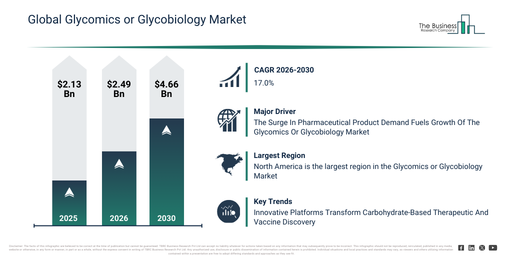
    The glycomics and glycobiology sectors have witnessed substantial expansion lately, with projections indicating continued upward momentum. This market is anticipated to expand from $2.13 billion in 2025 to $2.49 billion by 2026, reflecting a robust compound annual growth rate of 17.1%. This notable growth trajectory during the preceding period has been spurred by significant progress in carbohydrate chemistry, an increasing emphasis on life sciences research, expanded funding for academic pursuits, the foundational work in characterizing biomolecules, and the continuous refinement of analytical instrumentation.

    The field of glycomics, also known as glycobiology, is poised for substantial expansion in the coming years, with projections indicating a market value reaching $4.66 billion by 2030, driven by a compound annual growth rate of 17.0%. This anticipated growth is fueled by several key factors, including the broadening application of precision medicine strategies, significant investments in pharmaceutical research and development, an increasing need for identifying reliable biomarkers, ongoing advancements in mass spectrometry technology, and a surge in translational research initiatives. During this forecast period, prominent trends are expected to emerge, such as a more extensive exploration of glycan-based biological research, a greater incorporation of glycomics into the drug discovery process, a heightened demand for sophisticated glycan analysis instruments, a growing integration of glycobiology principles into diagnostic methodologies, and an increase in collaborative efforts between academic institutions and industrial entities.

    Download A Free Sample Report For Comprehensive Market Insights:

    https://www.thebusinessresearchcompany.com/sample.aspx?id=8749&type=smp

    Glycomics or Glycobiology Market Growth Momentum: Which Factors Are Influencing Demand?

    The expanding need for medicinal items is anticipated to fuel the advancement of the glycomics or glycobiology sector in the future. These medicinal items, which encompass drugs and medications designed to identify, ward off, manage, or remedy illnesses and health issues in both people and animals, are deeply intertwined with pharmaceutical research and development. Glycomics and glycobiology contribute significantly by illuminating the underlying causes of diseases, pinpointing potential targets for therapies, and enhancing the effectiveness and formulation of medications aimed at diverse medical challenges. As an illustration, by February 2024, the Personalized Medicine Coalition, a nonprofit entity located in the US, highlighted that in 2023, the FDA authorized 16 novel personalized therapies for individuals with rare diseases, a notable increase from the six approved in the preceding year. Furthermore, the personalized treatments granted approval in 2023 included seven specifically for cancer and three for other ailments and circumstances, underscoring the growing importance of personalized approaches. Consequently, the rising demand for pharmaceutical products is acting as a primary catalyst for the expansion of the glycomics or glycobiology market.

    Glycomics or Glycobiology Market Segment Outlook: Which Categories Are Expanding The Fastest?

    The glycomics or glycobiology market covered in this report is segmented –

    1) By Product: Enzymes, Kits, Reagents And Chemicals, Instruments, Carbohydrates

    2) By Application: Drug Discovery And Development, Disease Diagnostics, Other Applications

    3) By End-User: Academic Research Institutes, Pharmaceutical And Biotechnology Companies, Clinical Laboratories

    Subsegments:

    1) By Enzymes: Glycosidases, Glycosyltransferases, Sialidases

    2) By Kits: Glycan Analysis Kits, Glycobiology Research Kits

    3) By Reagents And Chemicals: Monosaccharides, Oligosaccharides, Chemical Modifiers

    4) By Instruments: Mass Spectrometers, Chromatography Systems, Imaging Systems

    5) By Carbohydrates: Natural Carbohydrates, Synthetic Carbohydrates

    Glycomics or Glycobiology Market Trends Reshaping Industry Growth

    Leading entities within the glycobiology sector are concentrating their efforts on creating novel tools, specifically glycan-display platforms, aimed at expediting the identification of therapeutic agents and preventative vaccines derived from carbohydrates. These platforms are engineered systems designed to exhibit a variety of sugar molecules, known as glycans, on specific surfaces or support structures; this facilitates the examination of how these glycans interact with proteins, cells, or disease-causing organisms, thereby aiding in the development of pharmaceuticals and vaccines. As an illustration, in October 2024, CD BioGlyco, a biotechnology firm headquartered in the United States, unveiled its Glycan Display Platform, a sophisticated and comprehensive glycan-display technology that encompasses several approaches—encompassing conventional glycan arrays, cell-based glycan display, neoglycolipid (NGL) display, liquid glycan arrays (LiGA), glyco-phage display, and de novo glycan display. This versatile platform is tailored to support a broad spectrum of glycobiology research endeavors, including the pursuit of new drugs and the investigation of glycan-protein interactions. The underlying mechanism of this platform involves the utilization of either synthesized or naturally occurring glycans, which are then attached to or presented on various carriers, such as lipids, phage particles, or specially designed cells, empowering researchers to thoroughly investigate glycan binding characteristics within diverse environmental conditions, for example, in fluidic versus immobilized states, or in monovalent versus multivalent presentations. These advanced capabilities facilitate high-volume screening processes, precise regulation of glycan concentration and presentation style, and offer a greater degree of alignment with biological realities when contrasted with conventional glycan microarrays, which typically fix glycans onto unyielding surfaces.

    Glycomics or Glycobiology Market Key Companies And Competitive Benchmarking

    Major companies operating in the glycomics or glycobiology market are Aligent Technologies Inc., Bruker Corporation, Merck Co. & KgaA, New England Biolabs Inc., Danaher Corporation, Shimadzu Corporation, ProZyme Inc., Takara Bio Inc., Asparia Glycomics SL, Lectenz Bio, Chemily Glycoscience LLC, Z Biotech LLC, RayBiotech Inc., Thermo Fisher Scientific Inc., Promega Corporation, Bio-Techne Corp., AMS Bio LLC, Ludger Ltd., CD BioGlyco Ltd., GlycoDiag SAS, Kode Biotech Limited, Glyxera GmBH, Glycomix Ltd., R&D Systems Inc.

    Access The Complete Glycomics or Glycobiology Market Report:

    https://www.thebusinessresearchcompany.com/report/glycomics-or-glycobiology-global-market-report

    Glycomics or Glycobiology Market Regional Analysis And Leading Geography

    North Americawas the largest region in the glycomics or glycobiology market share in 2025. Asia-Pacificis expected to be the fastest-growing region in the forecast period. The regions covered in the glycomics or glycobiology market report are Asia-Pacific, South East Asia, Western Europe, Eastern Europe, North America, South America, Middle East, Africa.

    Get in touch with us:

    The Business Research Company: https://www.thebusinessresearchcompany.com/

    Americas: +1 310-496-7795

    Asia: +44 7882 955267 & +91 8897263534

    Europe: +44 7882 955267

    Email us at: marketing@tbrc.info

    Follow us on:

    LinkedIn: https://in.linkedin.com/company/the-business-research-company

    YouTube: https://www.youtube.com/channel/UC24_fI0rV8cR5DxlCpgmyFQ

    Global Market Model: https://www.thebusinessresearchcompany.com/global-market-model
  • Glycomic Therapeutics Market Expansion Is Opening New Pathways For Strategic Investment

    Glycomic Therapeutics Market Expansion Is Opening New Pathways For Strategic Investment

    Enhanced with market attractiveness analysis, total addressable market evaluation, company benchmarking matrices, interactive Excel dashboards, expanded supply chain intelligence, emerging startup coverage, and detailed product insights, The Business Research Company’s 2026 market reports deliver more actionable and strategically valuable research.

    Glycomic Therapeutics Market Forecast: What Market Value Is Expected By 2030?

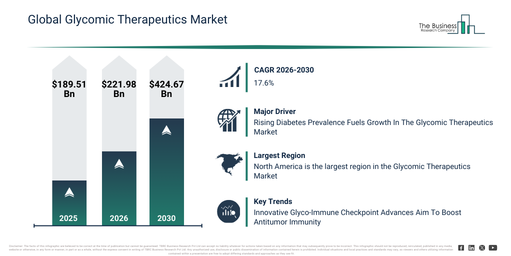
    The market for glycomic therapeutics has experienced significant expansion lately, projected to climb from $189.51 billion in 2025 to $221.98 billion in 2026, reflecting a compound annual growth rate of 17.1%. This past growth has been fueled by breakthroughs in glycobiology studies, the creation of enzyme therapies, approvals for medications targeting rare conditions, increased financial support for academic research, and the burgeoning production of biologics.

    The glycomic therapeutics sector is poised for substantial expansion, projecting a market valuation of $424.67 billion by 2030, driven by a compounded annual growth rate of 17.6%. This anticipated growth trajectory is fueled by several key factors including the increasing embrace of precision medicine, significant advancements in identifying glycan biomarkers, a broadening pipeline of orphan drugs, forward strides in synthetic biology, and amplified investment in pharmaceutical research. During this forecast period, prominent developments expected to shape the market include advancements in developing drugs based on glycans, a heightened emphasis on therapies that modulate the immune system, greater utilization of enzyme replacement treatments, intensified research into rare and metabolic conditions, and the proliferation of synthetic glycan technologies.

    Download A Free Sample Report For Comprehensive Market Insights:

    https://www.thebusinessresearchcompany.com/sample.aspx?id=11894&type=smp

    Glycomic Therapeutics Market Expansion Drivers: What Is Shaping Future Growth?

    The escalating incidence of diabetes is anticipated to stimulate the expansion of the glycomic therapeutics sector given that diabetes, a persistent health issue impairing the body’s glucose regulation, is marked by discernible glycan modifications linked to insulin resistance and metabolic irregularities, and specific glycan profiles function as diagnostic and prognostic indicators; for example, England observed a rise in recorded type 2 diabetes among adults aged 17 and above, progressing from 6.8% in March 2023 to 7.0% in March 2024 as per GOV.UK data from March 2025, a trend that consequently fuels the glycomic therapeutics market’s growth.

    The burgeoning rates of cancer are projected to be a significant catalyst for the glycomic therapeutics market’s advancement, as cancer, defined by aberrant cell proliferation and metastasis, can be addressed by glycomic therapies that selectively engage with particular cell surface glycans to modulate cellular interactions, signaling, and immune responses, thereby potentially impeding tumor progression and augmenting treatment effectiveness; a noteworthy illustration is the American Cancer Society’s report indicating an uptick in estimated new liver cancer diagnoses among US females, rising from 12,660 in 2022 to 13,230 in 2023, underscoring how this increasing cancer burden supports the glycomic therapeutics market’s upward trajectory.

    Glycomic Therapeutics Market Segment Landscape: Which Areas Lead Market Development?

    The glycomic therapeutics market covered in this report is segmented –

    1) By Class: Isolated, Synthetic

    2) By Structures: Glycoproteins, Targeting Sialic Acid, Proteoglycans, Targeting Glycosaminoglycans, Glycosylphosphatidylinositol (GPI)-Anchored Proteins And Heparin Based Glycans, Targeting Glycosphingolipids, Other Structures

    3) By Mode Of Action: Inhibits Neuraminidase, Inhibits Heparanase And Selectins And Blocks Interactions Between Growth Factors And Heparan Sulfate, Erythropoietin And Enzyme Replacement Therapy (ERT), Tissue Plasminogen Activator, Inhibits Glucosylceramide Synthase, Interleukin 1, 2 And 3, Beta And Gamma Interferons, Other Mode Of Action

    4) By Indications: Thrombosis And Chemoprophylaxis, Anemia, Anti-Adhesive And Anti-Inflammatory, Cataracts, Gaucher’s Disease, Mps-1 And IV, Cancer, Alzheimer’s Disease, Influenza Type A And B, Other Indications

    Subsegments:

    1) By Isolated: Natural Glycans, Glycan Derivatives, Glycoproteins

    2) By Synthetic: Chemically Synthesized Glycans, Recombinant Glycans, Glycopeptides

    Glycomic Therapeutics Market Strategic Trends: What Is Defining The Next Phase Of Growth?

    In the competitive glycomic therapeutics arena, leading corporations are prioritizing the creation of groundbreaking approaches, exemplified by glyco-immune checkpoint inhibitors, as a strategy to surmount tumor-induced immune suppression and elevate the effectiveness of treatments. These particular inhibitors are engineered to obstruct the immunosuppressive effects of sugar molecules present on malignant cells, thereby empowering the immune system to more effectively identify and combat cancerous growths. A relevant example of this innovation comes from Palleon Pharmaceuticals Inc., a biotechnology firm based in the United States, which disclosed in June 2023 that the initial participant had received treatment in the combination therapy arm of its Phase 1/2 GLIMMER-01 clinical investigation. This study is assessing their primary glyco-immunology agent, E-602, when administered alongside cemiplimab (marketed as Libtayo®) to individuals battling advanced stages of cancer. The trial’s scope includes evaluating E-602 both as a standalone treatment and in conjunction with cemiplimab, with the objectives of determining its safety profile, its impact on physiological processes, and its capacity to combat tumors. E-602 itself represents a novel type of glyco-immune checkpoint inhibitor, engineered to break down immunosuppressive sialoglycans found on both tumor cells and immune cells through enzymatic action, with the ultimate goal of reactivating anti-cancer immune responses.

    Glycomic Therapeutics Market Industry Leaders And Market Competition

    Major companies operating in the glycomic therapeutics market are F Hoffmann-La Roche Ltd., Sanofi SA, Thermo Fisher Scientific Inc., GlaxoSmithKline plc, Merck KGaA, Agilent Technologies Inc., AMS Bio, Shimadzu Corporation, Waters Corporation, Bruker Corporation, BioMarin Pharmaceutical Inc., Bio Techne Corp., Halozyme Therapeutics Inc., Takara Bio Inc., Vector Laboratories, New England Biolabs Inc., Protalix Biotherapeutics Inc., Genovis AB, Ludger Ltd, GlycoMar Limited

    Access The Complete Glycomic Therapeutics Market Report:

    https://www.thebusinessresearchcompany.com/report/glycomic-therapeutics-global-market-report

    Glycomic Therapeutics Market Geographic Analysis: Where Is Demand Growing The Fastest?

    North America was the largest region in the glycomic therapeutics in 2025. Asia-Pacific is expected to be the fastest-growing region in the forecast period. The regions covered in the glycomic therapeutics market report are Asia-Pacific, South East Asia, Western Europe, Eastern Europe, North America, South America, Middle East, Africa.

    Get in touch with us:

    The Business Research Company: https://www.thebusinessresearchcompany.com/

    Americas: +1 310-496-7795

    Asia: +44 7882 955267 & +91 8897263534

    Europe: +44 7882 955267

    Email us at: marketing@tbrc.info

    Follow us on:

    LinkedIn: https://in.linkedin.com/company/the-business-research-company

    YouTube: https://www.youtube.com/channel/UC24_fI0rV8cR5DxlCpgmyFQ

    Global Market Model: https://www.thebusinessresearchcompany.com/global-market-model