Month: June 2026

  • Intestine Cancer Therapeutics Market Size Projected To Increase From $16.31 Billion To $22.95 Billion During The Forecast Period

    Intestine Cancer Therapeutics Market Size Projected To Increase From $16.31 Billion To $22.95 Billion During The Forecast Period

    Enhanced with market attractiveness analysis, total addressable market evaluation, company benchmarking matrices, interactive Excel dashboards, expanded supply chain intelligence, emerging startup coverage, and detailed product insights, The Business Research Company’s 2026 market reports deliver more actionable and strategically valuable research.

    Intestine Cancer Therapeutics Market Size And Revenue Forecast Through 2030

    The market for intestinal cancer treatments has experienced robust expansion recently, anticipating a rise from $15.12 billion in 2025 to $16.31 billion in 2026, reflecting a compound annual growth rate of 7.9%. Factors contributing to this historical growth include a higher prevalence of both colorectal and small intestine cancers, heightened public awareness regarding cancers of the digestive system, significant progress in chemotherapy and surgical methodologies, the proliferation of hospital-based cancer treatment centers, and enhancements in cancer early detection initiatives.

    The realm of intestinal cancer treatments is poised for significant expansion in the coming years, with projections indicating a market valuation of $22.96 billion by 2030, driven by a compound annual growth rate of 8.9%. This projected growth is anticipated to be fueled by several key factors: the increasing embrace of immunotherapy as a treatment modality, escalating investments directed towards cancer research endeavors, a heightened demand for therapies specifically targeting cancer cells, the broadening utilization of individualized treatment strategies, and improved patient survival rates which consequently foster a sustained need for ongoing treatment. Within this forecast period, prominent trends are expected to emerge, including a greater adoption of multifaceted therapeutic regimens, an enhanced emphasis on addressing cancer in its nascent stages, a more widespread application of treatments involving multiple modalities, the proliferation of dedicated oncology treatment facilities, and augmented patient access to sophisticated cancer care solutions.

    Download A Free Sample Report For Comprehensive Market Insights:

    https://www.thebusinessresearchcompany.com/sample.aspx?id=13231&type=smp

    Intestine Cancer Therapeutics Market Growth Factors Supporting Long-Term Expansion

    Looking ahead, the expanding incidence of inherited forms of colorectal cancer is anticipated to be a primary catalyst for the expansion of the market focused on intestinal cancer treatments. These inherited syndromes, characterized by specific genetic predispositions, elevate an individual’s likelihood of developing cancer in the colon or rectum. Such genetic conditions are instrumental in the field of intestinal cancer therapeutics, offering crucial insights tied to particular genetic alterations that markedly heighten the risk of developing colorectal cancer. To illustrate, data from July 2023, as reported by the World Health Organization, a global intergovernmental body headquartered in Switzerland, forecasts a substantial surge in hereditary colorectal cancer by the year 2040, with an estimated 3.2 million new diagnoses and 1.6 million deaths occurring annually. This projected increase equates to a 63% rise in new cases and a 73% jump in mortality when contrasted with present-day figures. Consequently, the escalating presence of hereditary colorectal cancer syndromes is a key factor fueling the advancement of the intestine cancer therapeutics market.

    Intestine Cancer Therapeutics Market Segments: Where Are The Largest Growth Opportunities?

    The intestine cancer therapeutics market covered in this report is segmented –

    1) By Treatment Type: Immunotherapy, Chemotherapy, Other Treatments

    2) By Distribution Channel: Hospital Pharmacy, Online Pharmacy, Retail Pharmacy

    3) By Application: Hospitals, Homecare, Specialty Centers, Other Applications

    Subsegments:

    1) By Immunotherapy: Checkpoint Inhibitors, CAR T-Cell Therapy, Cancer Vaccines

    2) By Chemotherapy: Adjuvant Chemotherapy, Neoadjuvant Chemotherapy, Palliative Chemotherapy

    3) By Other Treatments: Targeted Therapy, Radiation Therapy, Surgery

    Intestine Cancer Therapeutics Market Industry Trends Shaping Future Revenue Growth

    In the realm of intestinal cancer treatments, leading corporations are actively pursuing novel therapeutic agents, exemplified by Lonsurf, alongside securing regulatory endorsements to broaden their market reach, thereby boosting sales figures and overall profitability. The product LONSURF, a pharmaceutical combination comprising trifluridine and tipiracil, is designated for the therapeutic management of adult individuals diagnosed with metastatic colorectal cancer. A notable development occurred in August 2023 when Taiho Oncology Inc., a pharmaceutical entity based in the United States, obtained clearance for Lonsurf from the prominent US Food and Drug Administration. This treatment is administered orally in a convenient single tablet form. The mechanism of action involves trifluridine’s role in inhibiting the proliferation of malignant cells, while tipiracil enhances trifluridine’s efficacy by prolonging its presence in the body by impeding its metabolic degradation. Consequently, the authorization of Lonsurf furnishes patients afflicted with metastatic colorectal cancer and other qualifying malignancies with an advanced therapeutic avenue potentially leading to enhanced prognoses and an improved standard of living.

    Intestine Cancer Therapeutics Market Major Participants And Competitive Dynamics

    Major companies operating in the intestine cancer therapeutics market are Pfizer Inc., Johnson & Johnson Private Limited, Roche Holding AG, AbbVie Inc., Bayer AG, Novartis AG, Sanofi S.A., Bristol-Myers Squibb Company, Takeda Pharmaceutical Company Limited, Eli Lilly and Company, Merck KGaA, Astellas Pharma Inc., Daiichi Sankyo Company Limited, Eisai Co. Ltd., Boehringer Ingelheim International GmbH, Sun Pharmaceutical Industries Ltd., Ipsen Pharma, Hikma Pharmaceuticals plc, Amneal Pharmaceuticals LLC, Cipla Inc., Aurobindo Pharma Limited, Lupin Limited

    Access The Complete Intestine Cancer Therapeutics Market Report:

    https://www.thebusinessresearchcompany.com/report/intestine-cancer-therapeutics-global-market-report

    Intestine Cancer Therapeutics Market Regional Analysis: Which Region Leads By Revenue?

    Asia-Pacificwas the largest region in the intestine cancer therapeutics market in 2025. North Americais expected to be the fastest-growing region in the forecast period. The regions covered in the intestine cancer therapeutics market report are Asia-Pacific, South East Asia, Western Europe, Eastern Europe, North America, South America, Middle East, Africa.

    Get in touch with us:

    The Business Research Company: https://www.thebusinessresearchcompany.com/

    Americas: +1 310-496-7795

    Asia: +44 7882 955267 & +91 8897263534

    Europe: +44 7882 955267

    Email us at: marketing@tbrc.info

    Follow us on:

    LinkedIn: https://in.linkedin.com/company/the-business-research-company

    YouTube: https://www.youtube.com/channel/UC24_fI0rV8cR5DxlCpgmyFQ

    Global Market Model: https://www.thebusinessresearchcompany.com/global-market-model
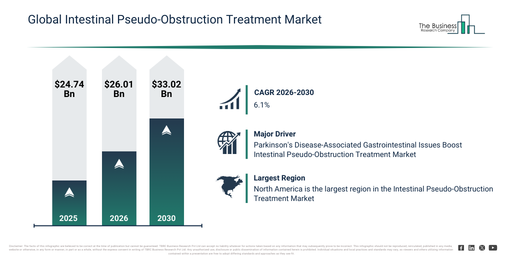
  • Intestinal Pseudo-Obstruction Treatment Market Growth Outlook Reveals A CAGR Of 6.1% And A Market Value Of $33.01 Billion By 2030

    Intestinal Pseudo-Obstruction Treatment Market Growth Outlook Reveals A CAGR Of 6.1% And A Market Value Of $33.01 Billion By 2030

    Through market attractiveness analysis, total addressable market evaluation, company benchmarking matrices, interactive Excel dashboards, expanded supply chain intelligence, emerging startup coverage, and detailed product insights, The Business Research Company’s 2026 market reports provide more actionable and strategically valuable research.

    Intestinal Pseudo-Obstruction Treatment Market Growth From $26 Billion In 2026 To $33.01 Billion By 2030 At A CAGR Of 6.1%

    The market for treating intestinal pseudo-obstruction has experienced robust expansion lately. Projections indicate a rise from $24.74 billion in 2025 to $26.01 billion in 2026, reflecting a compound annual growth rate of 5.1%. This expansion during the earlier period was influenced by factors such as a deficient grasp of gastrointestinal motility disorders, a greater number of hospital admissions due to symptoms of bowel obstruction without clear causes, a dependence on medications aimed at symptom relief, progress in diagnostic imaging techniques and motility assessments, and the proliferation of specialized gastroenterology practices.

    The market for treating intestinal pseudo-obstruction is projected to experience substantial expansion over the coming years, reaching an estimated $33.02 billion by 2030 with a compound annual growth rate of 6.1%. This anticipated growth in the upcoming forecast period is fueled by several key factors, including intensified research into disorders affecting intestinal movement, a rising demand for tailored treatment approaches for ileus and pseudo-obstruction (IPO), the increasing implementation of sophisticated diagnostic methods, the broader availability of integrated, multidisciplinary care within gastroenterology, and advancements in clinical protocols for managing uncommon gastrointestinal conditions. Significant trends expected to shape this market during the forecast horizon involve a heightened emphasis on diagnosing IPO both early and with precision, a greater utilization of comprehensive strategies for managing symptoms, a noticeable shift towards conservative and non-invasive therapeutic options, the ongoing development of long-term disease management and supportive care initiatives, and a general increase in awareness concerning rare motility disorders of the gastrointestinal tract.

    Download A Free Sample Report For Comprehensive Market Insights:

    https://www.thebusinessresearchcompany.com/sample.aspx?id=12995&type=smp

    Intestinal Pseudo-Obstruction Treatment Market Demand Drivers Creating New Revenue Opportunities

    The increasing prevalence of Parkinson’s disease is anticipated to fuel the expansion of the market for intestinal pseudo-obstruction treatments. Parkinson’s disease is characterized as a neurodegenerative disorder that primarily targets the dopamine-producing neurons within the substantia nigra region of the brain. Individuals diagnosed with Parkinson’s disease exhibit a higher occurrence of intestinal pseudo-obstruction (IPO) due to the condition’s impact on the enteric nervous system. This neurological influence leads to impaired gastrointestinal motility, potentially causing conditions like megacolon or bowel obstructions, such as acute colonic pseudo-obstruction. Illustratively, in July 2025, Sutter Health, a healthcare network operating in the United States, reported that approximately 1.1 million individuals in the U.S. were living with Parkinson’s disease as of 2025, with projections indicating this figure could reach 1.2 million by 2030. Consequently, the escalating number of Parkinson’s disease cases is a primary driver for the intestinal pseudo-obstruction treatment market’s growth.

    A burgeoning interest in personalized medicine is poised to stimulate the further development of the intestinal pseudo-obstruction (IPO) treatment market. Personalized medicine leverages an individual’s genetic data to tailor therapeutic strategies. This trend is largely driven by progress in genomics and biotechnology, alongside heightened awareness regarding genetic testing and the principles of precision healthcare. By considering a patient’s distinct genetic makeup and lifestyle elements, personalized medicine enables the customization of treatments for intestinal pseudo-obstruction, thereby enhancing symptom control and treatment efficacy. For example, in February 2024, the Personalized Medicine Coalition, a non-profit entity based in the United States, noted that the FDA authorized 16 novel personalized treatments for individuals with rare diseases in 2023, a marked increase from the six approvals granted in 2022. Therefore, the escalating demand for personalized medical approaches significantly contributes to the expansion of the intestinal pseudo-obstruction (IPO) treatment market.

    Intestinal Pseudo-Obstruction Treatment Market Segment Analysis: What Are The Major Market Categories?

    The intestinal pseudo-obstruction treatment market covered in this report is segmented –

    1) By Drug Class: Antibiotics, Antidepressants, Antidiarrheals

    2) By Treatment: Medication, Surgery, Diet, Decompression, Other Treatments

    3) By Route Of Administration: Oral, Intravenous, Other Routes Of Administration

    4) By Diagnosis: Physical Examination, Biopsy, Blood Test, Gastric Emptying Tests, Imaging Tests, Other Diagnosis

    5) By End User: Clinic, Hospitals, Other End Users

    Subsegments:

    1) By Antibiotics: Broad-Spectrum Antibiotics, Narrow-Spectrum Antibiotics

    2) By Antidepressants: Tricyclic Antidepressants (TCAs), Selective Serotonin Reuptake Inhibitors (SSRIs)

    3) By Antidiarrheals: Loperamide, Bismuth Subsalicylate

    Intestinal Pseudo-Obstruction Treatment Market Leading Companies Driving Competitive Growth

    Major companies operating in the intestinal pseudo-obstruction treatment market are F. Hoffmann-La Roche AG, Merck Sharp & Dohme Corp, Bayer AG, Sanofi S.A., AstraZeneca plc, GSK plc, Takeda Pharmaceutical Company Limited, Amgen PLC, Boehringer Ingelheim International GmbH, Teva Pharmaceutical Industries Ltd., Astellas Pharma Inc., Mylan N.V., Biogen Inc., Penn Medicine, Sun Pharmaceutical Industries Ltd., Aurobindo Pharma Ltd, Cipla Inc., Dr. Reddy’s Laboratories Ltd., Allergan plc, Torrent Pharmaceuticals Limited, Basilea Pharmaceutica Ltd, Paratek Pharmaceuticals Inc., Melinta Therapeutics LLC, Tetraphase Pharmaceuticals Inc., Callisto Pharmaceuticals Inc.

    Access The Complete Intestinal Pseudo-Obstruction Treatment Market Report:

    https://www.thebusinessresearchcompany.com/report/intestinal-pseudo-obstruction-treatment-global-market-report

    Intestinal Pseudo-Obstruction Treatment Market Geographic Distribution And Regional Opportunities

    North Americawas the largest region in the intestinal pseudo-obstruction treatment market in 2025. The regions covered in the intestinal pseudo-obstruction treatment market report are Asia-Pacific, South East Asia, Western Europe, Eastern Europe, North America, South America, Middle East, Africa.

    Get in touch with us:

    The Business Research Company: https://www.thebusinessresearchcompany.com/

    Americas: +1 310-496-7795

    Asia: +44 7882 955267 & +91 8897263534

    Europe: +44 7882 955267

    Email us at: marketing@tbrc.info

    Follow us on:

    LinkedIn: https://in.linkedin.com/company/the-business-research-company

    YouTube: https://www.youtube.com/channel/UC24_fI0rV8cR5DxlCpgmyFQ

    Global Market Model: https://www.thebusinessresearchcompany.com/global-market-model

  • Intestinal Fistula Treatment Market Forecast Highlights Expansion From $28.87 Billion To $37.25 Billion Through 2030

    Intestinal Fistula Treatment Market Forecast Highlights Expansion From $28.87 Billion To $37.25 Billion Through 2030

    Delivering more actionable and strategically valuable research, The Business Research Company’s 2026 market reports feature market attractiveness analysis, total addressable market evaluation, company benchmarking matrices, interactive Excel dashboards, expanded supply chain intelligence, emerging startup coverage, and detailed product insights.

    Intestinal Fistula Treatment Market Expansion Outlook: What Revenue Opportunities Lie Ahead?

    The marketplace for treating intestinal fistulas has exhibited robust expansion lately. Projections indicate a rise from $27.02 billion in 2025 to $28.87 billion by 2026, reflecting a compound annual growth rate of 6.8%. Factors contributing to this expansion during the past period include a surge in gastrointestinal complications following surgery, an escalating occurrence of inflammatory bowel diseases, an increase in intricate abdominal surgical procedures, progress in surgical methods for fistula repair, and enhanced nutritional support initiatives within healthcare facilities.

    The market for treating intestinal fistulas is poised for substantial expansion over the coming years, projected to reach an impressive $37.26 billion by the year 2030, reflecting a compound annual growth rate of 6.6%. This anticipated growth trajectory is underpinned by several key factors, including a burgeoning demand for less invasive therapeutic interventions, the increasing integration of sophisticated nutritional support strategies, a heightened awareness surrounding the importance of timely fistula management, ongoing innovations in endoscopic closure techniques, and the proliferation of dedicated centers focused on gastrointestinal care. Furthermore, significant shifts expected within this period involve a greater inclination towards collaborative, multidisciplinary treatment plans, a broader embrace of endoscopic and minimally invasive methodologies, a more pronounced focus on optimizing patient nutrition as a critical component of fistula care, the development of personalized treatment paradigms tailored to specific fistula characteristics, and enhanced post-operative management protocols designed to mitigate complications.

    Download A Free Sample Report For Comprehensive Market Insights:

    https://www.thebusinessresearchcompany.com/sample.aspx?id=21210&type=smp

    Intestinal Fistula Treatment Market Expansion Supported By Key Demand Factors

    Advancements in healthcare infrastructure are anticipated to fuel the expansion of the intestinal fistula treatment market. These facilities, encompassing hospitals, clinics, and diagnostic centers, are undergoing enhancements driven by factors like heightened financial input into healthcare systems, a growing emphasis on patient-centric medical approaches, escalating population figures, and an aging demographic. The effective management of intestinal fistulas, employing a blend of pharmaceutical, surgical, and nutritional strategies, directly contributes to the betterment of these healthcare settings by elevating patient recovery rates, mitigating adverse events, and maximizing the efficient use of resources. This synergy results in more streamlined medical services, shorter periods of hospitalization, and superior oversight of long-term health conditions, collectively fostering a more resilient and productive healthcare ecosystem. Illustratively, data from May 2023, as reported by the American Health Care Association, a non-profit entity in the US, indicated that the nation housed 6,129 hospitals, marking a slight increase of 0.591% compared to the 6,093 facilities recorded the preceding year. Consequently, the progressive enhancement of healthcare establishments acts as a significant catalyst for the growth observed in the intestinal fistula treatment market.

    Intestinal Fistula Treatment Market Segment Breakdown: Which Categories Generate The Most Revenue?

    The intestinal fistula treatment market covered in this report is segmented –

    1) By Treatment Type: Medications, Surgery, Nutritional Support, Other Treatment Types

    2) By Route Of Administration: Oral, Rectal, Parenteral

    3) By Distribution Channel: Hospital Pharmacy, Retail Pharmacy, Online Pharmacy

    4) By End-User: Hospitals, Ambulatory Surgical Centers, Specialty Clinics, Other End-Users

    Subsegments:

    1) By Medications: Antibiotics, Immunosuppressants, Antisecretory Agents, Pain Management Medications

    2) By Surgery: Fistula Closure Surgery, Bowel Resection Surgery, Stoma Formation Surgery

    3) By Nutritional Support: Parenteral Nutrition, Enteral Nutrition

    4) By Other Treatment Type: Hyperbaric Oxygen Therapy, Endoscopic Fistula Closure

    Intestinal Fistula Treatment Market Growth Trends Influencing Competitive Dynamics

    Key players in the intestinal fistula treatment sector are increasingly prioritizing the integration of automated chyme-reinfusion technology, specifically closed-circuit reinfusion systems, aiming to foster improved nutritional restoration, bolster intestinal function, and streamline patient care. These sophisticated medical devices are engineered to recirculate proximal intestinal fluid, commonly known as chyme, back into the lower sections of the intestine via an automated and regulated process, thereby facilitating features like uninterrupted reinfusion, precise output monitoring, and the preservation of intestinal continuity. As an illustration, in April of 2025, The Insides Company, a medical technology firm headquartered in New Zealand, introduced The Insides Channel, a pioneering closed-circuit platform engineered for chyme reinfusion, intended to aid individuals experiencing disconnected stomas and enterocutaneous fistulas by facilitating chyme recirculation to reinstate intestinal function, characterized by its bag-to-bag chyme transfer capability, a secure closed-loop design, and seamless integration with high-volume ostomy accessories, ultimately enhancing nutritional independence, therapeutic effectiveness, and general patient health results.

    Intestinal Fistula Treatment Market Key Players And Strategic Industry Positioning

    Major companies operating in the intestinal fistula treatment market are Merck & Co. KGaA, Bristol-Myers Squibb, AstraZeneca plc, Pfizer Inc., Medtronic plc, Medtronic plc, Eli Lilly and Company, Astellas Pharma Inc., Boehringer Ingelheim International GmbH, Cook Group Incorporated, Integra LifeSciences, Avante Health Solutions, Angiplast Pvt. Ltd., Angiplast Pvt. Ltd., Biolitec AG, Sklar Surgical Instruments, Livealth BioPharma, Surtex Instruments Limited, Advin Health Care

    Access The Complete Intestinal Fistula Treatment Market Report:

    https://www.thebusinessresearchcompany.com/report/intestinal-fistula-treatment-global-market-report

    Intestinal Fistula Treatment Market Largest Region By Revenue And Market Share

    North Americawas the largest region in the Intestinal Fistula Treatment market in 2025 Asia-Pacificis expected to be the fastest-growing region in the forecast period. The regions covered in the intestinal fistula treatment market report are Asia-Pacific, South East Asia, Western Europe, Eastern Europe, North America, South America, Middle East, Africa.

    Get in touch with us:

    The Business Research Company: https://www.thebusinessresearchcompany.com/

    Americas: +1 310-496-7795

    Asia: +44 7882 955267 & +91 8897263534

    Europe: +44 7882 955267

    Email us at: marketing@tbrc.info

    Follow us on:

    LinkedIn: https://in.linkedin.com/company/the-business-research-company

    YouTube: https://www.youtube.com/channel/UC24_fI0rV8cR5DxlCpgmyFQ

    Global Market Model: https://www.thebusinessresearchcompany.com/global-market-model
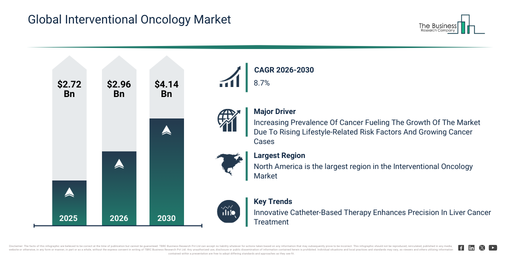
  • Interventional Oncology Market Expected To Reach $4.14 Billion By 2030 As Growth Accelerates At 8.7% CAGR

    Interventional Oncology Market Expected To Reach $4.14 Billion By 2030 As Growth Accelerates At 8.7% CAGR

    Enhanced with market attractiveness analysis, total addressable market evaluation, company benchmarking matrices, interactive Excel dashboards, expanded supply chain intelligence, emerging startup coverage, and detailed product insights, The Business Research Company’s 2026 market reports deliver more actionable and strategically valuable research.

    Interventional Oncology Market Growth Potential: How Will Market Size Change Through 2030?

    The interventional oncology sector has experienced a significant expansion lately, and this upward trajectory is projected to continue. This market, valued at $2.72 billion in 2025, is anticipated to reach $2.96 billion by 2026, reflecting a compound annual growth rate of 8.8%. Factors contributing to this robust growth during the preceding period include an increase in worldwide cancer diagnoses, the broadening scope of interventional radiology, a greater inclination towards less invasive treatments, enhanced accessibility to image-guided equipment, and amplified financial commitments from hospitals towards oncology services.

    The domain of interventional oncology is poised for substantial expansion in the coming years, projecting a market value of $4.14 billion by the year 2030, underpinned by a compound annual growth rate of 8.7%. This anticipated upswing is propelled by several key drivers, including the escalating integration of artificial intelligence in imaging guidance, a growing preference for cancer treatments administered in outpatient settings, the broadening scope of personalized oncology strategies, amplified investments in cutting-edge ablation technologies, and a heightened emphasis on expediting patient recovery periods. During this forecast interval, prominent trends are expected to manifest as a greater adoption of image-guided cancer therapies, an increased utilization of minimally invasive ablation techniques, more widespread integration of sophisticated imaging modalities, the advancement of targeted tumor treatment methodologies, and a concentrated effort towards achieving greater precision in oncology.

    Download A Free Sample Report For Comprehensive Market Insights:

    https://www.thebusinessresearchcompany.com/sample.aspx?id=27318&type=smp

    Interventional Oncology Market Growth Drivers And Industry Catalysts

    The rising incidence of cancer is anticipated to be a significant catalyst for the expansion of the interventional oncology sector. Cancer prevalence encompasses the aggregate count of individuals, encompassing both recent diagnoses and those with a prior cancer history, who are currently living at a designated moment. Factors such as sedentary lifestyles, suboptimal dietary habits, tobacco and alcohol use, and exposure to environmental contaminants are contributing to this upward trend in cancer cases, consequently heightening the likelihood of developing diverse forms of cancer. Interventional oncology plays a crucial role in managing cancer through the application of less invasive, precisely directed treatments that specifically target cancerous growths. This approach leads to enhanced patient results by minimizing harm to surrounding healthy tissues and facilitates quicker convalescence when contrasted with conventional treatment modalities. To illustrate, the World Health Organization, a Geneva-headquartered global health authority, projected in February 2024 that approximately 35 million new cancer diagnoses would occur in 2050, marking a substantial 77% surge from the estimated 20 million cases recorded in 2022. Consequently, the growing prevalence of cancer is a primary driver behind the interventional oncology market’s growth.

    Interventional Oncology Market Segmentation: How Is The Market Structured Across Key Categories?

    The interventional oncology market covered in this report is segmented –

    1) By Type: Radiation Therapy Devices, Ablation Devices, Embolization Devices

    2) By Technology Type: Ultrasound, Computed Tomography Guided, Magnetic Resonance-Guided

    3) By Procedure: Tumor Ablation, Tumor Biopsy, Vascular Interventions, Palliative Care

    4) By Application Areas: Liver Cancer, Lung Cancer, Kidney Cancer, Pancreatic Cancer, Prostate Cancer

    5) By End-Users: Hospitals, Ambulatory Surgical Centers, Specialty Clinics, Research And Academic Institutions

    Subsegments:

    1) By Radiation Therapy Devices: Linear Accelerators, Proton Therapy Systems, Brachytherapy Devices

    2) By Ablation Devices: Radiofrequency Ablation Devices, Microwave Ablation Devices, Cryoablation Devices, Irreversible Electroporation Systems

    3) By Embolization Devices: Microspheres, Coil Embolization Devices, Liquid Embolic Agents, Embolic Protection Devices

    #Interventional Oncology Market Trends Influencing Long-Term Demand

    Within the interventional oncology sector, leading entities are prioritizing the creation of cutting-edge solutions, including embolization systems utilizing microcatheters, designed to administer highly accurate, localized cancer treatments while simultaneously preserving adjacent healthy tissues. Such microcatheter-based embolization systems are sophisticated medical instruments employing extremely small, pliable catheters to precisely introduce embolic substances into vascular pathways, thereby occluding or restricting blood circulation, commonly employed for managing malignancies, aberrant blood vessel formations, or hemorrhages. As an illustration, Terumo Corporation, a medical technology firm headquartered in Japan, introduced its Occlusafe balloon occlusion catheter in March 2025, which is founded upon its sophisticated Balloon-TACE (B-TACE) methodology for addressing hepatic malignancies, specifically hepatocellular carcinoma (HCC). This particular microcatheter harnesses the phenomenon of pressure gradient differentials to reroute circulatory flow and achieve entry into the microvasculature, facilitating greater concentrations of therapeutic compounds at the neoplastic location and concurrently reducing unintended embolization. The objective of this focused strategy is to enhance therapeutic results in challenging liver cancer scenarios through elevated precision in drug administration and superior visual guidance throughout medical interventions.

    Interventional Oncology Market Competitive Landscape And Leading Companies

    Major companies operating in the interventional oncology market are Johnson & Johnson, Siemens Healthineers AG, Stryker Corporation, GE HealthCare Technologies Inc., Boston Scientific Corporation, Terumo Corporation, Hologic Inc., Teleflex Incorporated, Lantheus Holdings Inc., Penumbra Inc., Merit Medical Systems Inc., Guerbet SA, Asahi Intecc Co. Ltd., AngioDynamics Inc., Sirtex Medical Limited, Delcath Systems Inc., ABK Biomedical Inc., Profound Medical Inc., IceCure Medical Ltd., Medtronic plc, Koninklijke Philips NV, Cook Medical Incorporated

    Access The Complete Interventional Oncology Market Report:

    https://www.thebusinessresearchcompany.com/report/interventional-oncology-global-market-report

    Interventional Oncology Market Regional Analysis And Leading Geography

    North Americawas the largest region in the interventional oncology market in 2025. Asia-Pacificis expected to be the fastest-growing region in the forecast period. The regions covered in the interventional oncology market report are Asia-Pacific, South East Asia, Western Europe, Eastern Europe, North America, South America, Middle East, Africa.

    Get in touch with us:

    The Business Research Company: https://www.thebusinessresearchcompany.com/

    Americas: +1 310-496-7795

    Asia: +44 7882 955267 & +91 8897263534

    Europe: +44 7882 955267

    Email us at: marketing@tbrc.info

    Follow us on:

    LinkedIn: https://in.linkedin.com/company/the-business-research-company

    YouTube: https://www.youtube.com/channel/UC24_fI0rV8cR5DxlCpgmyFQ

    Global Market Model: https://www.thebusinessresearchcompany.com/global-market-model
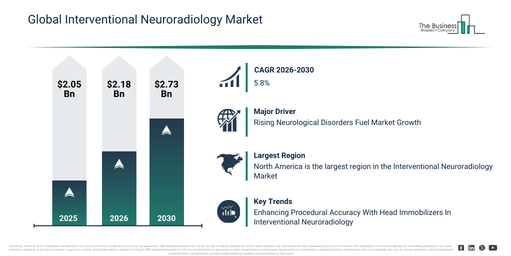
  • Interventional Neuroradiology Market Set To Grow From $2.17 Billion In 2026 To $2.72 Billion By 2030 At A CAGR Of 5.8%

    Interventional Neuroradiology Market Set To Grow From $2.17 Billion In 2026 To $2.72 Billion By 2030 At A CAGR Of 5.8%

    Through market attractiveness analysis, total addressable market evaluation, company benchmarking matrices, interactive Excel dashboards, expanded supply chain intelligence, emerging startup coverage, and detailed product insights, The Business Research Company’s 2026 market reports provide more actionable and strategically valuable research.

    Interventional Neuroradiology Market Value Analysis: What Growth Is Expected Over The Forecast Period?

    The market for interventional neuroradiology has experienced robust expansion lately; projections indicate a rise from $2.05 billion in 2025 to $2.18 billion in 2026, reflecting a compound annual growth rate of 6.1%. This expansion during the past period is largely due to a greater incidence of cerebral aneurysms and strokes, improvements in medical imaging capabilities, the drawbacks associated with traditional open neurosurgery, a larger pool of skilled interventional specialists, and the enhanced development of neurovascular care facilities.

    The global market for interventional neuroradiology is poised for significant expansion over the coming years, projecting a valuation of $2.73 billion by 2030, fueled by a compound annual growth rate (CAGR) of 5.8%. This projected increase in the forecast period is underpinned by several key factors, including the escalating worldwide prevalence of neurological conditions, a greater uptake of flow diversion and embolization techniques, the increasing need for expedited stroke interventions, continuous progress in microcatheter and guidewire technology, and amplified investments dedicated to neurointerventional research. Prominent trends anticipated during this forecast period encompass a rising inclination towards minimally invasive neurovascular treatments, a surge in the utilization of endovascular therapies for acute stroke cases, the broadening of sophisticated neurovascular device offerings, an intensified concentration on enhancing both the precision and safety of procedures, and the proliferation of specialized interventional neuroradiology facilities.

    Download A Free Sample Report For Comprehensive Market Insights:

    https://www.thebusinessresearchcompany.com/sample.aspx?id=20853&type=smp

    Interventional Neuroradiology Market Opportunity Drivers: What Is Creating New Revenue Potential?

    The expansion of the interventional neuroradiology sector is anticipated to be fueled by the increasing incidence of neurological conditions. These conditions, which encompass ailments affecting the brain, spinal cord, and nerves, can hinder functions like movement, sensory perception, cognitive processes, and communication abilities. Factors contributing to the rise in neurological disorders include an aging worldwide demographic, leading to a greater likelihood of age-related diseases such as Alzheimer’s, and advancements in diagnostic tools that facilitate earlier and more precise identification of these ailments. Interventional neuroradiology plays a crucial role in managing neurological disorders through the application of minimally invasive, image-guided procedures for the diagnosis and treatment of conditions including aneurysms, strokes, and arteriovenous malformations. Specifically, as reported in October 2023 by the World Federation of Neurology (WFN), an international non-profit organization based in the UK, over 40% of the world’s population currently experiences a neurological condition, with projections indicating that the total burden of neurological diseases could nearly double by the year 2050. Consequently, the escalating prevalence of neurological disorders serves as a significant driver for the growth of the interventional neuroradiology market.

    Interventional Neuroradiology Market Segmentation Trends And Revenue Drivers

    The interventional neuroradiology market covered in this report is segmented –

    1) By Device Type: Microcatheters, Neurovascular Embolization And Coiling Assist Devices, Embolic Coils, Flow Diversion Devices, Liquid Embolic Agents, Accessories, Micro Guidewires

    2) By Disease: Cerebral Aneurysms, Intra-Cranial Tumors, Acute Strokes, Other Diseases

    3) By End Users: Hospitals, Ambulatory Surgical Centers, Diagnostic Centers

    Subsegments:

    1) By Microcatheters: Single-Lumen Microcatheters, Dual-Lumen Microcatheters, High-Flow Microcatheters

    2) By Neurovascular Embolization And Coiling Assist Devices: Coiling Assist Devices, Embolization Assist Devices

    3) By Embolic Coils: Soft Coils, Stiff Coils, Detachable Coils

    4) By Flow Diversion Devices: Stent-Based Flow Diversion Devices, Non-Stent-Based Flow Diversion Devices

    5) By Liquid Embolic Agents: Polymer-Based Liquid Embolic Agents, Gel-Based Liquid Embolic Agents, Onyx Liquid Embolic Agents

    6) By Accessories: Guide Catheters, Sheath Introducers, Vascular Access Devices

    7) By Micro Guidewires: Hydrophilic Micro Guidewires, Pushable Micro Guidewires, Coated Micro Guidewires

    Interventional Neuroradiology Market Innovation Trends Driving Future Development

    Leading participants within the interventional neuroradiology sector are prioritizing the creation of sophisticated technological innovations, specifically head immobilizers engineered to bolster imaging fidelity and patient well-being throughout interventional radiology and neuroradiology interventions; these devices function as medical equipment intended to temporarily stabilize a patient’s head and neck region, chiefly to guarantee security and steadiness in instances of suspected head or spinal trauma; a pertinent example occurred in June 2023 when Adept Medical, a medical device manufacturer based in New Zealand, introduced a novel head immobilizer intended to elevate both patient comfort and image clarity during neuro-interventional procedures, this cutting-edge apparatus incorporates vacuum suction capabilities for robust head securing, a radiolucent construction to reduce X-ray interference, and adaptability with diverse imaging platforms, further facilitating efficient procedures through its rapid deployment mechanism and accommodating various cranial dimensions for enhanced patient comfort.

    Interventional Neuroradiology Market Industry Leaders: Which Organizations Are Driving Competition?

    Major companies operating in the interventional neuroradiology market are Medtronic PLC, Siemens Healthineers AG, Fujifilm Corporation, Philips Healthcare, Stryker Corporation, GE Healthcare Life Sciences, Boston Scientific Corporation, Terumo Corporation, Canon Medical Systems Corporation, W. L. Gore & Associates Inc., Teleflex Incorporated, Cook Medical LLC, Merit Medical Systems Inc., MicroPort Scientific Corporation, Penumbra Inc., Guerbet Group, Mediterra LLC, Acandis GmbH, Medico’s Hirata Inc.

    Access The Complete Interventional Neuroradiology Market Report:

    https://www.thebusinessresearchcompany.com/report/interventional-neuroradiology-global-market-report

    Interventional Neuroradiology Market Geographic Analysis: Where Is Demand Growing The Fastest?

    North Americawas the largest region in the interventional neuroradiology market in 2025. Asia-Pacificis expected to be the fastest-growing region in the forecast period. The regions covered in the interventional neuroradiology market report are Asia-Pacific, South East Asia, Western Europe, Eastern Europe, North America, South America, Middle East, Africa.

    Get in touch with us:

    The Business Research Company: https://www.thebusinessresearchcompany.com/

    Americas: +1 310-496-7795

    Asia: +44 7882 955267 & +91 8897263534

    Europe: +44 7882 955267

    Email us at: marketing@tbrc.info

    Follow us on:

    LinkedIn: https://in.linkedin.com/company/the-business-research-company

    YouTube: https://www.youtube.com/channel/UC24_fI0rV8cR5DxlCpgmyFQ

    Global Market Model: https://www.thebusinessresearchcompany.com/global-market-model

  • Interstitial Lung Disease Market Opportunities Are Emerging Beyond Traditional Growth Areas

    Interstitial Lung Disease Market Opportunities Are Emerging Beyond Traditional Growth Areas

    Delivering more actionable and strategically valuable research, The Business Research Company’s 2026 market reports feature market attractiveness analysis, total addressable market evaluation, company benchmarking matrices, interactive Excel dashboards, expanded supply chain intelligence, emerging startup coverage, and detailed product insights.

    Interstitial Lung Disease Market Size Forecast: How Large Could The Market Become By 2030?

    The market for interstitial lung disease has experienced robust expansion recently, projecting a significant increase from $2.09 billion in 2025 to $2.24 billion in 2026, demonstrating a compound annual growth rate of 7.2%. This upward trajectory in the historical period has been propelled by factors such as the escalating incidence of chronic respiratory ailments, heightened exposure to industrial and environmental contaminants, progress in diagnostic imaging for lung conditions, greater recognition of idiopathic pulmonary fibrosis, and the proliferation of specialized respiratory care centers.

    The market for interstitial lung disease is poised for substantial expansion in the upcoming years, projected to reach $3.09 billion by 2030, reflecting a compound annual growth rate (CAGR) of 8.4%. This anticipated growth trajectory during the forecast period is underpinned by several key factors, including an expanding elderly demographic, heightened rates of interstitial lung disorder diagnoses, increased utilization of specialized anti-fibrotic medications, advancements in research for innovative ILD treatments, and enhancements in patient screening and ongoing monitoring initiatives. Significant trends anticipated within this timeframe involve a greater focus on achieving early and precise ILD diagnoses, wider acceptance and application of anti-fibrotic treatments, elevated attention towards managing the progression of the disease, a broader implementation of comprehensive, multidisciplinary care models, and improved accessibility to sustained ILD treatment strategies.

    Download A Free Sample Report For Comprehensive Market Insights:

    https://www.thebusinessresearchcompany.com/sample.aspx?id=13019&type=smp

    Interstitial Lung Disease Market Growth Momentum: Which Factors Are Influencing Demand?

    The escalating prevalence of autoimmune disorders is anticipated to stimulate expansion within the interstitial lung disease (ILD) market. Autoimmune conditions are characterized by the immune system’s misdirected attack on the body’s own healthy tissues and cells. This increasing occurrence of autoimmune issues positively influences the ILD market by boosting the need for ILD-specific medical services, encouraging further scientific inquiry and product development, and fostering progress in treatment strategies and patient management. For example, projections from the Institute for Health Metrics and Evaluation, a research entity focused on global health based in the United States, indicated in September 2023 that the worldwide number of rheumatoid arthritis cases is forecasted to reach 31.7 million by the year 2050, signifying a substantial increase in occurrences over this timeframe. Consequently, the escalating rate of autoimmune diseases is a key driver propelling the growth trajectory of the interstitial lung disease market.

    Interstitial Lung Disease Market Segment Analysis Highlighting Growth Areas

    The interstitial lung disease market covered in this report is segmented –

    1) By Drug Type: Oral Corticosteroids, Immune Suppressing, Anti-Fibrotic Medication, Other Drugs

    2) By Disease Type: Interstitial Pneumonia, Idiopathic Pulmonary Fibrosis, Nonspecific Interstitial Pneumonitis, Hypersensitivity Pneumonitis, Cryptogenic Organizing Pneumonia (COP), Sarcoidosis, Acute Interstitial Pneumonitis

    3) By Application: Adults, Children

    4) By Distribution Channel: Hospital Pharmacies, Retail Pharmacies, Online Pharmacies

    Subsegments:

    1) By Oral Corticosteroids: Prednisone, Methylprednisolone, Dexamethasone

    2) By Immune Suppressing: Azathioprine, Methotrexate, Mycophenolate Mofetil

    3) By Anti-Fibrotic Medication: Pirfenidone, Nintedanib

    4) By Other Drugs: Antioxidants, Anticoagulants, Other Novel Therapies

    Interstitial Lung Disease Market Trends Reshaping Industry Growth

    Key players within the interstitial lung disease sector are prioritizing strategic initiatives centered on introducing novel treatments, particularly for conditions like idiopathic pulmonary fibrosis (IPF). IPF, characterized by persistent lung tissue scarring, results in compromised respiration and diminished oxygen uptake capacity. Illustrating this trend, the FDA granted approval in February 2024 to C.H. Boehringer Sohn AG & Co. KG, a German biopharmaceutical entity, for its BI 1015550 treatment. This innovative oral therapy targets phosphodiesterase 4B (PDE4B), leveraging its antifibrotic and anti-inflammatory properties to mitigate the progression of lung function deterioration in patients diagnosed with idiopathic pulmonary fibrosis (IPF).

    Interstitial Lung Disease Market Leading Companies: Who Holds Significant Market Presence?

    Major companies operating in the interstitial lung disease market are Roche Laboratories Inc., Merck & Co. Inc., Bayer AG, Novartis Pharmaceuticals Corporation, The Bristol-Myers Squibb Company, Amgen Inc., Boehringer Ingelheim, Teva Pharmaceuticals USA Inc., AstraZeneca plc, Horizon Pharma USA Inc., Genentech Inc., Amneal Pharmaceuticals LLC, Insmed Inc., EmphyCorp Inc., Verseau Therapeutics, Regend Therapeutics Co., LTT Bio-Pharma Co. Ltd., Galecto Biotech, Pulmatrix Inc., PureTech Health plc, Pneuma Respiratory Inc., Bellerophon Therapeutics Inc., MediciNova Inc., Altavant Sciences Inc., Verona Pharma plc

    Access The Complete Interstitial Lung Disease Market Report:

    https://www.thebusinessresearchcompany.com/report/interstitial-lung-disease-global-market-report

    Interstitial Lung Disease Market Global Footprint: Which Region Holds Market Leadership?

    North Americawas the largest region in the interstitial lung disease market in 2025. Asia-Pacificis expected to be the fastest-growing region in the forecast period. The regions covered in the interstitial lung disease market report are Asia-Pacific, South East Asia, Western Europe, Eastern Europe, North America, South America, Middle East, Africa.

    Get in touch with us:

    The Business Research Company: https://www.thebusinessresearchcompany.com/

    Americas: +1 310-496-7795

    Asia: +44 7882 955267 & +91 8897263534

    Europe: +44 7882 955267

    Email us at: marketing@tbrc.info

    Follow us on:

    LinkedIn: https://in.linkedin.com/company/the-business-research-company

    YouTube: https://www.youtube.com/channel/UC24_fI0rV8cR5DxlCpgmyFQ

    Global Market Model: https://www.thebusinessresearchcompany.com/global-market-model
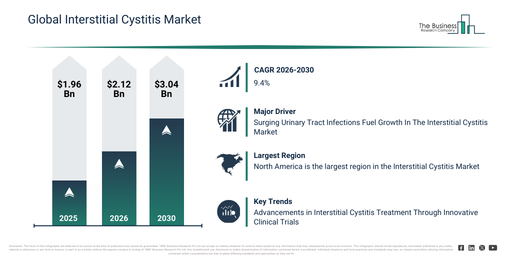
  • Interstitial Cystitis Market Expansion Is Opening New Pathways For Strategic Investment

    Interstitial Cystitis Market Expansion Is Opening New Pathways For Strategic Investment

    Enhanced with market attractiveness analysis, total addressable market evaluation, company benchmarking matrices, interactive Excel dashboards, expanded supply chain intelligence, emerging startup coverage, and detailed product insights, The Business Research Company’s 2026 market reports deliver more actionable and strategically valuable research.

    Interstitial Cystitis Market Revenue Outlook: What CAGR Is Expected Through 2030?

    The market for interstitial cystitis experienced robust expansion recently, projecting a rise from $1.96 billion in 2025 to $2.12 billion in 2026, reflecting a compound annual growth rate of 8.2%. This historical growth trajectory was influenced by several factors, including the underestimation of interstitial cystitis cases, a surge in chronic pelvic pain conditions, increased prescription of oral antidepressants and antihistamines, the proliferation of specialized urology clinics, and a growing number of healthcare visits related to bladder discomfort.

    The market for interstitial cystitis is poised for significant expansion over the coming years, projecting a rise to $3.04 billion by 2030, driven by a compound annual growth rate of 9.4%. This anticipated growth is fueled by several key factors, including intensified research into the underlying pathophysiology of IC, a growing demand for tailored treatment plans, increased uptake of nerve stimulation techniques, a broadening array of home-based treatment alternatives, and enhancements in both clinical guidance and diagnostic standards. During the forecast period, prominent trends are expected to include a greater emphasis on prompt and precise diagnosis, a rise in the application of comprehensive pain management strategies, wider adoption of less invasive therapeutic options, the development of patient-centric and extended care frameworks, and heightened awareness and earlier detection of chronic bladder conditions.

    Download A Free Sample Report For Comprehensive Market Insights:

    https://www.thebusinessresearchcompany.com/sample.aspx?id=13041&type=smp

    Interstitial Cystitis Market Expansion Drivers: What Is Shaping Future Growth?

    The increasing incidence of urinary tract infections is anticipated to be a significant catalyst for the expansion of the interstitial cystitis market, given that these infections, stemming from bacteria entering the urethra, can affect any part of the urinary system. UTIs can directly or indirectly trigger bacterial cystitis, and if left unaddressed, can escalate into chronic bladder inflammation, which is fundamentally what interstitial cystitis entails. Effective management of urinary tract infections, particularly in cases associated with interstitial cystitis, demonstrably enhances pain relief and elevates the overall quality of life for affected individuals. Illustratively, a research piece from January 2024, released by the National Kidney Foundation Inc., a US entity dedicated to kidney disease awareness, prevention, and treatment, highlighted that approximately 50% to 60% of women encounter a UTI at least once during their lives, underscoring the widespread nature of this condition and its potential impact on the interstitial cystitis market.

    Interstitial Cystitis Market Segment Performance And Strategic Opportunities

    The interstitial cystitis market covered in this report is segmented –

    1) By Treatment: Medications, Bladder Instillation, Botulinum Toxin A, Nerve Stimulation, Surgery

    2) By Patient Type: Pediatric Patients, Adult Patients

    3) By Drug Type: Over-The-Counter (OTC) Drugs, Prescription Drugs

    4) By End User: Hospitals And Clinics, Homecare

    Subsegments:

    1) By Medications: Oral Medications, Antihistamines, Nonsteroidal Anti-Inflammatory Drugs (NSAIDs), Antidepressants

    2) By Bladder Instillation: Dimethyl Sulfoxide (DMSO) Instillations, Heparin Instillations, Lidocaine Instillations

    3) By Botulinum Toxin A: Intravesical Botulinum Toxin Injections

    4) By Nerve Stimulation: Sacral Nerve Stimulation, Percutaneous Tibial Nerve Stimulation (PTNS)

    5) By Surgery: Bladder Augmentation, Cystectomy, Fulguration

    Interstitial Cystitis Market Strategic Trends: What Is Defining The Next Phase Of Growth?

    Key players within the interstitial cystitis treatment sector are concentrating their efforts on initiating new clinical study phases aimed at discovering novel therapies and boosting market earnings. These advancements in treatment modalities are designed to improve the care and prognosis for individuals managing this persistent and often intricate bladder condition. As an illustration, in May of 2023, a collaboration was established between Vaneltix Pharma, Inc. and Prevail Infoworks, Inc. to commence a Phase 2 clinical investigation. The purpose of this study is to evaluate how safe and effective VNX001 is, contrasting it with its individual constituents (lidocaine and heparin) or a placebo, for those diagnosed with interstitial cystitis/bladder pain syndrome (IC/BPS). This collaborative initiative, currently engaged in participant recruitment, merges pharmaceutical knowledge with analytical proficiency to propel forward promising treatments for IC/BPS, underscoring a dedication to pioneering advancements in healthcare.

    Interstitial Cystitis Market Key Players: Which Companies Shape Industry Competition?

    Major companies operating in the interstitial cystitis market are Astellas Pharma Inc, Perrigo Company plc, Aurobindo Pharma Ltd, Purdue Pharma LP, Apotex Inc, Endo International plc, Amneal Pharmaceuticals Inc, Alvogen Inc., Kyorin Pharmaceutical Co. Ltd, Seikagaku Corp, Strides Pharma Science Limited, AlgoTherapeutix SAS

    Access The Complete Interstitial Cystitis Market Report:

    https://www.thebusinessresearchcompany.com/report/interstitial-cystitis-global-market-report

    Interstitial Cystitis Market Regional Distribution: Which Areas Drive Market Expansion?

    North Americawas the largest region in the interstitial cystitis market in 2025. The regions covered in the interstitial cystitis market report are Asia-Pacific, South East Asia, Western Europe, Eastern Europe, North America, South America, Middle East, Africa.

    Get in touch with us:

    The Business Research Company: https://www.thebusinessresearchcompany.com/

    Americas: +1 310-496-7795

    Asia: +44 7882 955267 & +91 8897263534

    Europe: +44 7882 955267

    Email us at: marketing@tbrc.info

    Follow us on:

    LinkedIn: https://in.linkedin.com/company/the-business-research-company

    YouTube: https://www.youtube.com/channel/UC24_fI0rV8cR5DxlCpgmyFQ

    Global Market Model: https://www.thebusinessresearchcompany.com/global-market-model
  • Intermittent Claudication Market Trends Are Creating New Opportunities For Industry Leaders

    Intermittent Claudication Market Trends Are Creating New Opportunities For Industry Leaders

    Through market attractiveness analysis, total addressable market evaluation, company benchmarking matrices, interactive Excel dashboards, expanded supply chain intelligence, emerging startup coverage, and detailed product insights, The Business Research Company’s 2026 market reports provide more actionable and strategically valuable research.

    Intermittent Claudication Market Growth Analysis: How Will Revenue Expand During The Forecast Period?

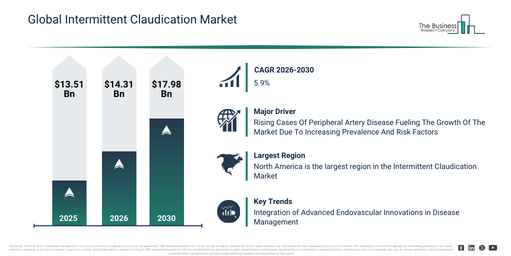
    The market for intermittent claudication experienced robust expansion over recent years, projecting a value of $13.51 billion in 2025, set to increase to $14.31 billion by 2026, reflecting a compound annual growth rate of 5.9%. This growth trajectory during the historical period was influenced by several key factors, including the escalating occurrence of peripheral artery disease, a continually aging demographic, a significant number of vascular issues linked to smoking, the increasing burden of cardiovascular diseases, and the broader accessibility of vascular intervention techniques.

    The market for intermittent claudication is poised for substantial expansion over the coming years, projecting a valuation of $17.98 billion by 2030 with a compound annual growth rate (CAGR) of 5.9%. This upward trajectory is anticipated to be fueled by heightened public understanding of peripheral artery disease symptoms, a burgeoning demand for less invasive vascular interventions, innovations in drug treatments, increased utilization of remote disease management strategies, and enhancements in screening and diagnostic methodologies. Key developments shaping the forecast period encompass a heightened emphasis on the early detection of peripheral artery disease, a greater inclination towards utilizing combination drug regimens, a growing shift towards outpatient revascularization procedures, the broadened availability of supervised exercise therapy, and enhanced patient education and self-management of the condition.

    Download A Free Sample Report For Comprehensive Market Insights:

    https://www.thebusinessresearchcompany.com/sample.aspx?id=22021&type=smp

    Intermittent Claudication Market Development Factors: Which Trends Are Supporting Demand?

    The projected expansion of the intermittent claudication market is anticipated to be propelled by the rising incidence of peripheral artery disease (PAD), a condition characterized by constricted arteries that impede blood circulation to the extremities, resulting in discomfort, insensitivity, and potential health issues. This surge in PAD is linked to a confluence of factors, including an aging demographic, prevalent conditions like diabetes and hypertension, habits such as smoking, and lifestyle choices involving excessive weight and inactivity. PAD precipitates intermittent claudication by restricting oxygen supply to leg muscles during physical exertion, thereby inducing pain and spasms. To illustrate, data published in June 2023 by the American Heart Association Journals, a leading US-based scholarly publication, indicates that peripheral artery disease impacts between 7 and 12 million individuals in the United States and affects a staggering 200 million people worldwide, underscoring its role as a primary catalyst for the intermittent claudication market’s expansion.

    Intermittent Claudication Market Segment Landscape And Growth Potential

    The intermittent claudication market covered in this report is segmented –

    1) By Type: Medication Therapies, Revascularization

    2) By Route Of Administration: Parenteral Route, Oral Route, Other Routes Of Administration

    3) By Application: Hospitals, Clinics, Home Healthcare, Other Applications

    4) By Distribution Channel: Hospital Pharmacies, Retail Pharmacies, Online Pharmacies

    Subsegments:

    1) By Medication Therapies: Antiplatelet Agents, Vasodilators, Phosphodiesterase Inhibitors, Cilostazol, Pentoxifylline

    2) By Revascularization: Angioplasty, Stenting, Bypass Surgery, Endarterectomy

    Intermittent Claudication Market Transformation Trends: Which Innovations Are Driving Change?

    Within the market for intermittent claudication, key players are actively integrating cutting-edge, minimally invasive endovascular techniques, specifically percutaneous bypass systems, with the aim of boosting treatment effectiveness, increasing procedural success rates, and ultimately improving patient results. These sophisticated vascular technologies, known as percutaneous bypass systems, establish an endovascular bypass route through the use of specialized stent grafts and catheters. This innovation allows for the restoration of blood flow through extensive arterial blockages, thereby diminishing the necessity for traditional open surgical bypass procedures and facilitating quicker recuperation for patients. As an illustration of this advancement, in June of 2023, Endologix LLC, a prominent US entity dedicated to vascular disease therapies, secured FDA authorization for its DETOUR System. This particular system represents a pioneering, minimally invasive approach to percutaneous bypass, engineered to manage lengthy and intricate superficial femoropopliteal obstructions in individuals afflicted with peripheral artery disease (PAD). The DETOUR System incorporates the TORUS stent graft platform, which constitutes a novel endovascular bypass methodology, and possesses the capacity to tackle long arterial segment blockages, thereby offering an effective therapeutic avenue for formidable femoropopliteal occlusions. Consequently, the DETOUR System not only improves blood flow restoration but also curtails procedural complications and broadens the therapeutic choices available to patients experiencing symptomatic PAD and intermittent claudication.

    Intermittent Claudication Market Competitive Landscape: Who Are The Leading Companies?

    Major companies operating in the intermittent claudication market are Pfizer Inc., Bristol Myers Squibb Company, AstraZeneca PLC, Novartis AG, Teva Pharmaceutical, Otsuka Pharmaceutical Co. Ltd., Sanofi S.A., Bayer AG, Hikma Pharmaceuticals PLC, Dr. Reddy’s Laboratories, Alkem Laboratories, Aastrid Life Sciences Pvt. Ltd., Manus Aktteva Biopharma LLP, Enomark Pharma.

    Access The Complete Intermittent Claudication Market Report:

    https://www.thebusinessresearchcompany.com/report/intermittent-claudication-global-market-report

    Intermittent Claudication Market Leading Geography: Which Region Generates The Most Revenue?

    North Americawas the largest region in the intermittent claudication market in 2025. Asia-Pacificis expected to be the fastest-growing region in the forecast period. The regions covered in the intermittent claudication market report are Asia-Pacific, South East Asia, Western Europe, Eastern Europe, North America, South America, Middle East, Africa.

    Get in touch with us:

    The Business Research Company: https://www.thebusinessresearchcompany.com/

    Americas: +1 310-496-7795

    Asia: +44 7882 955267 & +91 8897263534

    Europe: +44 7882 955267

    Email us at: marketing@tbrc.info

    Follow us on:

    LinkedIn: https://in.linkedin.com/company/the-business-research-company

    YouTube: https://www.youtube.com/channel/UC24_fI0rV8cR5DxlCpgmyFQ

    Global Market Model: https://www.thebusinessresearchcompany.com/global-market-model

  • Interleukin (IL)-4 Antibody Market Growth Is Reshaping Competitive Advantage Across The Industry

    Interleukin (IL)-4 Antibody Market Growth Is Reshaping Competitive Advantage Across The Industry

    Delivering more actionable and strategically valuable research, The Business Research Company’s 2026 market reports feature market attractiveness analysis, total addressable market evaluation, company benchmarking matrices, interactive Excel dashboards, expanded supply chain intelligence, emerging startup coverage, and detailed product insights.

    Interleukin (IL)-4 Antibody Market Forecast: What Market Value Is Expected By 2030?

    The market for interleukin (IL)-4 antibodies experienced robust expansion recently, projecting a rise from $2.32 billion in 2025 to $2.53 billion in 2026, demonstrating a compound annual growth rate (CAGR) of 8.8%. This upward trend during the preceding period was propelled by advancements in allergy and asthma research, a surge in the utilization of cytokine assays, an broadening scope of academic immunology investigations, enhanced accessibility of monoclonal antibody platforms, and an increase in funding for biomedical research.

    The market for interleukin (IL)-4 antibodies is poised for substantial expansion in the coming years, projecting a rise to $3.5 billion by 2030, driven by a compound annual growth rate (CAGR) of 8.5%. This projected expansion is underpinned by several key factors, including a heightened demand for precise immunomodulatory agents, a broadening scope in autoimmune disease research, increased capital infusion into biologic drug development, a greater emphasis on translational research endeavors, and a growing acceptance of sophisticated immunoassays. During this forecast period, significant trends are anticipated to shape the market, such as the escalating utilization of IL-4 antibodies within immunological studies, an upswing in the creation of targeted immunotherapies, a greater embrace of highly specific monoclonal antibodies, the diversification of cytokine profiling applications, and a more rigorous adherence to antibody validation standards.

    Download A Free Sample Report For Comprehensive Market Insights:

    https://www.thebusinessresearchcompany.com/sample.aspx?id=30307&type=smp

    Interleukin (IL)-4 Antibody Market Industry Drivers: What Is Driving Revenue Growth?

    The expanding incidence of allergic conditions is anticipated to fuel the expansion of the interleukin (IL)-4 antibody market. Allergic disorders, characterized by exaggerated immune responses to non-harmful agents like pollen or food, result in symptoms such as inflammation and respiratory distress. Urbanization and shifts in the environment, which heighten exposure to allergens, contribute to the greater occurrence of these conditions. Interleukin (IL)-4 antibodies offer a therapeutic approach by precisely inhibiting IL-4 signaling, thereby mitigating excessive immune activity and consequently easing symptoms. This leads to an improvement in patient well-being and overall life quality. Illustrating this trend, the National Asthma Council Australia reported 474 asthma fatalities in February 2025, a slight uptick from 473 in 2022, with women comprising the majority of these deaths. Consequently, the escalating rates of allergic diseases are a key factor in the market’s positive trajectory for interleukin (IL)-4 antibodies.

    Interleukin (IL)-4 Antibody Market Categorization By Product Type And Application

    The interleukin (il)-4 antibody market covered in this report is segmented –

    1) By Type: Monoclonal Antibodies, Polyclonal Antibodies

    2) By Application: Enzyme Linked Immunosorbent Assay, Immunohistochemistry Frozen, Immunohistochemistry Paraffin, Western Blot, Other Applications

    3) By End User: Pharmaceutical Companies, Biotechnology Companies, Academic And Research Institutions, Contract Research Organizations (CROs)

    Subsegments:

    1) By Monoclonal Antibodies: Humanized Monoclonal Antibodies, Chimeric Monoclonal Antibodies, Fully Human Monoclonal Antibodies, Murine Monoclonal Antibodies

    2) By Polyclonal Antibodies: Rabbit Polyclonal Antibodies, Goat Polyclonal Antibodies, Sheep Polyclonal Antibodies, Mouse Polyclonal Antibodies, Donkey Polyclonal Antibodies

    #Interleukin (IL)-4 Antibody Market Growth Trends: What Is Influencing The Future Outlook?

    Within the interleukin (IL)-4 antibody market, leading corporations are actively engaged in creating advanced therapeutic solutions, including next-generation bispecific antibodies, with the strategic goal of surmounting tumor resistance and bolstering their effectiveness against cancer. These next-generation bispecific antibodies are sophisticated immunological agents engineered to attach to two distinct antigens or epitopes concurrently, thereby amplifying their therapeutic impact by orchestrating multiple biological pathways simultaneously, augmenting precision, and potentially mitigating adverse effects when contrasted with conventional antibodies that target only a single entity. To illustrate, in February of 2025, Akeso Inc., a biopharmaceutical enterprise headquartered in China, secured approval from the China National Medical Products Administration (NMPA) to proceed with clinical trials for AK139, a bispecific antibody that has been granted Investigational New Drug (IND) acceptance. AK139 employs a dual-targeting strategy, engaging both the interleukin-4 receptor alpha and the ST2 receptor to concurrently inhibit the interleukin-4/interleukin-13 and interleukin-33 signaling pathways, thereby conferring a synergistic advantage over therapies that target a solitary pathway. This particular structural design is intended to achieve a more pronounced reduction in the release of inflammatory cytokines and a diminished infiltration of tissues, potentially leading to more robust and sustained management of type-2 and associated inflammatory conditions affecting the respiratory system and skin.

    Interleukin (IL)-4 Antibody Market Company Landscape And Strategic Competition

    Major companies operating in the interleukin (il)-4 antibody market are Sanofi S.A., Thermo Fisher Scientific Inc., Merck KGaA, Becton Dickinson and Company, Regeneron Pharmaceuticals Inc., Bio-Rad Laboratories Inc., GeneTex Inc., Miltenyi Biotec B.V. & Co. KG, GenScript Biotech Corporation, Cell Signaling Technology Inc., Elabscience Biotechnology Inc., RayBiotech Life Inc., Santa Cruz Biotechnology Inc., Atlas Antibodies AB, Creative Biolabs Inc., Abnova (Taiwan) Corporation, Wuhan Fine Biotech Co. Ltd., United States Biological LLC, NSJ Bioreagents, Boster Biological Technology Co. Ltd.

    Access The Complete Interleukin (IL)-4 Antibody Market Report:

    https://www.thebusinessresearchcompany.com/report/global-interleukin-il-4-antibody-market-report

    Interleukin (IL)-4 Antibody Market Regional Outlook: Where Are The Largest Opportunities Located?

    North Americawas the largest region in the interleukin (IL)-4 antibody market in 2025. Asia-Pacificis expected to be the fastest-growing region in the forecast period. The regions covered in the interleukin (il)-4 antibody market report are Asia-Pacific, South East Asia, Western Europe, Eastern Europe, North America, South America, Middle East, Africa.

    Get in touch with us:

    The Business Research Company: https://www.thebusinessresearchcompany.com/

    Americas: +1 310-496-7795

    Asia: +44 7882 955267 & +91 8897263534

    Europe: +44 7882 955267

    Email us at: marketing@tbrc.info

    Follow us on:

    LinkedIn: https://in.linkedin.com/company/the-business-research-company

    YouTube: https://www.youtube.com/channel/UC24_fI0rV8cR5DxlCpgmyFQ

    Global Market Model: https://www.thebusinessresearchcompany.com/global-market-model

  • Interactive Wound Dressing Market Forecast Signals New Revenue Opportunities Through 2030

    Interactive Wound Dressing Market Forecast Signals New Revenue Opportunities Through 2030

    Enhanced with market attractiveness analysis, total addressable market evaluation, company benchmarking matrices, interactive Excel dashboards, expanded supply chain intelligence, emerging startup coverage, and detailed product insights, The Business Research Company’s 2026 market reports deliver more actionable and strategically valuable research.

    Interactive Wound Dressing Market Size Outlook: How Fast Will Revenue Grow Through 2030?

    The market for interactive wound dressings has experienced robust expansion recently, projected to increase from $4.66 billion in 2025 to $4.92 billion in 2026, reflecting a compound annual growth rate of 5.5%. Factors contributing to this historical growth include a higher occurrence of chronic wounds, a growing number of diabetes cases and pressure ulcers, an increase in surgical interventions, the adoption of contemporary wound management techniques, and the expansion of healthcare facilities, both in hospitals and outpatient settings.

    The market for interactive wound dressings is poised for substantial expansion over the upcoming years, projected to reach a value of $6.2 billion by 2030 with a compound annual growth rate of 6.0%. This anticipated growth trajectory is fueled by several key factors, including an escalating elderly demographic, a burgeoning need for sophisticated wound healing technologies, the increasing prevalence of home-based healthcare services, continuous innovation in wound dressing materials, and a heightened understanding of the benefits of accelerated wound recovery. Over the forecast period, prominent trends shaping the market include a greater uptake of cutting-edge wound care products, increasing preference for moist wound healing methodologies, a heightened emphasis on preventing infections within wound management strategies, the broadening scope of at-home wound care interventions, and the creation of dressings that are both economical and user-friendly.

    Download A Free Sample Report For Comprehensive Market Insights:

    https://www.thebusinessresearchcompany.com/sample.aspx?id=12344&type=smp

    Interactive Wound Dressing Market Growth Factors: Which Forces Are Supporting Market Expansion?

    An upward trend in accident occurrences is anticipated to drive the expansion of the interactive wound dressing sector in the future; accidents, defined as unforeseen occurrences that may result in harm, injury, or damage, particularly in transportation contexts, necessitate the use of interactive wound dressings for managing minor abrasions and scrapes that could otherwise escalate into more severe injuries like lacerations, burns, and puncture wounds. Illustratively, data from December 2023, provided by the Bureau of Infrastructure and Transport Research Economics (BITRE), an Australian government body, indicated that Australia recorded a total of 1,266 road fatalities in 2023, a 7.3% increase from the preceding year, thereby underscoring how a rise in accident rates is fueling the growth of the interactive wound dressing market.

    Interactive Wound Dressing Market Segment Analysis And Revenue Opportunities

    The interactive wound dressing market covered in this report is segmented –

    1) By Product: Semi-Permeable Films Dressing, Semi-Permeable Foams Dressing, Hydrogel Dressing

    2) By Application: Chronic Wounds, Acute Wounds

    3) By End-User: Hospitals, Outpatient Facilities, Home Care, Research And Manufacturing

    Subsegments:

    1) By Semi-Permeable Films Dressing: Transparent Film Dressings, Adhesive Film Dressings, Non-Adhesive Film Dressings

    2) By Semi-Permeable Foams Dressing: Hydrophilic Foam Dressings, Hydrophobic Foam Dressings, Adhesive Foam Dressings

    3) By Hydrogel Dressing: Sheet Hydrogel Dressings, Gel-Based Hydrogel Dressings, Hydrogel Impregnated Dressings

    Interactive Wound Dressing Market Industry Trends: What Changes Are Reshaping Demand?

    Leading entities within the interactive wound dressing sector are actively innovating, introducing sophisticated merchandise distinguished by novel technological attributes, including silicone technology, with the strategic aims of broadening their customer reach, boosting sales volumes, and augmenting overall revenue. The incorporation of silicone technology into interactive wound dressings provides a spectrum of benefits, encompassing greater patient comfort, a diminished likelihood of infection, and accelerated wound recuperation. Illustratively, in January of 2023, Convatec Group PLC, a prominent medical device firm hailing from the United Kingdom, unveiled ConvaFoam. This sophisticated foam dressing, ConvaFoam, has been meticulously engineered to address the varied requirements of both healthcare professionals and individuals under their care. Its standout characteristics encompass advanced silicone technology engineered for exceptional adherence, superior management of wound exudate through enhanced absorbency, an extended wear duration of up to seven days, a creatively patterned film overlay that aids in visual assessment of exudate levels, and the integration of a highly absorbent core. Furthermore, ConvaFoam’s inherent adaptability allows it to be custom-cut, thereby simplifying its application to complex wound sites that are typically challenging to manage. This extensive array of functionalities positions ConvaFoam as an optimal solution for comprehensive wound care and skin integrity preservation throughout all phases of the healing process.

    Interactive Wound Dressing Market Leading Players Shaping Industry Direction

    Major companies operating in the interactive wound dressing market are McKesson Corporation, Cardinal Health Inc., Johnson & Johnson Services Inc., 3M Co, Medline Industries Inc., Essity AB, B Braun Melsungen AG, Smith & Nephew PLC, Coloplast AS, Paul Hartmann AG, Mativ Holdings Inc., ConvaTec Group PLC, Molnlycke Health Care AB, Integra LifeSciences Holdings Corp, Derma Sciences, Hollister Incorporated, Organogenesis, BSN Medical, MiMedx, MediWound Ltd., Vomaris Wound Care Inc.

    Access The Complete Interactive Wound Dressing Market Report:

    https://www.thebusinessresearchcompany.com/report/interactive-wound-dressing-global-market-report

    Interactive Wound Dressing Market Geographic Landscape: Which Region Dominates Industry Growth?

    North Americawas the largest region in the interactive wound dressing market in 2025. Asia-Pacificis expected to be the fastest-growing region in the forecast period. The regions covered in the interactive wound dressing market report are Asia-Pacific, South East Asia, Western Europe, Eastern Europe, North America, South America, Middle East, Africa.

    Get in touch with us:

    The Business Research Company: https://www.thebusinessresearchcompany.com/

    Americas: +1 310-496-7795

    Asia: +44 7882 955267 & +91 8897263534

    Europe: +44 7882 955267

    Email us at: marketing@tbrc.info

    Follow us on:

    LinkedIn: https://in.linkedin.com/company/the-business-research-company

    YouTube: https://www.youtube.com/channel/UC24_fI0rV8cR5DxlCpgmyFQ

    Global Market Model: https://www.thebusinessresearchcompany.com/global-market-model