Month: June 2026

  • Irradiation Sterilization Services Market Trends And Growth Drivers Point To Strong Future Potential

    Irradiation Sterilization Services Market Trends And Growth Drivers Point To Strong Future Potential

    Through market attractiveness analysis, total addressable market evaluation, company benchmarking matrices, interactive Excel dashboards, expanded supply chain intelligence, emerging startup coverage, and detailed product insights, The Business Research Company’s 2026 market reports provide more actionable and strategically valuable research.

    Irradiation Sterilization Services Market Revenue Growth Supported By A CAGR Of 5.32% Through 2030

    The worldwide market for irradiation sterilization services has seen a significant surge in recent times, with projections indicating continued expansion. This industry is anticipated to increase from a valuation of $3.01 billion in 2025 to $3.41 billion by 2026, demonstrating a robust compound annual growth rate of 13.4%. The factors that fueled this growth during the preceding period include the rise in medical device production, heightened concerns regarding healthcare-associated infections, stringent regulatory requirements for sterile products, an upswing in pharmaceutical manufacturing, and the well-established efficacy of irradiation as a sterilization method.

    The market for irradiation sterilization services is poised for significant expansion over the coming years, with projections indicating a rise to $5.33 billion by 2030, driven by a compound annual growth rate of 11.8%. This anticipated growth trajectory is fueled by several key factors, including an increase in the production of biologics and injectable medications, a heightened need for sterile food processing techniques, the expanding landscape of contract sterilization providers, the enhancement of healthcare facilities in developing economies, and innovations in irradiation technologies. Key developments anticipated during this forecast period involve a greater reliance on disposable medical equipment, a growing tendency for companies to outsource their sterilization needs, increased utilization within the pharmaceutical and biologics sectors, broader applications in food and laboratory sterilization, and an intensified emphasis on adherence to regulatory standards and thorough validation processes.

    Download A Free Sample Report For Comprehensive Market Insights:

    https://www.thebusinessresearchcompany.com/sample.aspx?id=15839&type=smp

    Irradiation Sterilization Services Market Opportunity Drivers: What Is Creating New Revenue Potential?

    The escalating incidence of infections contracted in healthcare settings is anticipated to act as a significant catalyst for the expansion of the irradiation sterilization services market in the future. Such healthcare-associated infections (HAIs), defined as ailments contracted by patients during medical care within facilities like hospitals, extended care centers, and outpatient clinics—infections that are generally absent or dormant upon admission but manifest subsequently—are on the rise due to factors such as growing antibiotic resistance, insufficient infection prevention protocols, and the increasing intricacy of medical interventions. Consequently, irradiation sterilization services play a crucial role in the healthcare sector by mitigating the risk of HAIs through the meticulous elimination of hazardous microbes from medical equipment and surfaces. Illustratively, in May 2024, the European Centre for Disease Prevention and Control, a governmental body situated in Sweden dedicated to public health and infectious disease surveillance, reported that annually, 4.3 million hospital patients across the EU/EEA fall victim to healthcare-associated infections. This widespread problem underscores the direct correlation between the heightened occurrence of HAIs and the burgeoning demand for irradiation sterilization services.

    Irradiation Sterilization Services Market Segment Performance And Strategic Opportunities

    The irradiation sterilization services market covered in this report is segmented –

    1) By Type: Onsite Sterilization Services, Offsite Sterilization Services

    2) By Technology: Gamma Irradiation, X-Ray Irradiation, E-Beam Irradiation

    3) By Application: Medical Instruments, Drug, Food And Laboratory, Other Applications

    Subsegments:

    1) By Onsite Sterilization Services: Mobile Irradiation Units, In-Facility Contract Sterilization Services

    2) By Offsite Sterilization Services: Centralized Commercial Irradiation Facilities, Third-Party Contract Sterilization Services

    Irradiation Sterilization Services Market Innovation Trends Driving Future Development

    Leading players within the irradiation sterilization services sector are actively introducing groundbreaking solutions, exemplified by intelligent UVC disinfection, aimed at providing clients with enhanced functionalities. This sophisticated UVC disinfection approach leverages cutting-edge UV-C light capabilities to efficiently eradicate microbes from both surfaces and the air, thereby guaranteeing superior hygiene standards. A notable case occurred in March 2023 when PDI Healthcare, an American enterprise dedicated to infection prevention across healthcare, hospitality, and public settings, unveiled the Tru-D SmartUVC, representing the latest advancement in intelligent UVC disinfection offerings. Designed to neutralize pathogens within clinical settings, this apparatus deploys ultraviolet-C (UVC) light for germicidal purposes. Its mechanism involves emitting UVC light energy that disrupts the genetic material (DNA or RNA) of infectious agents, thus rendering dangerous microorganisms like MRSA and C. difficile inert. Such technological integration forms a crucial component of a broader initiative to bolster infection containment measures and minimize the incidence of hospital-associated infections (HAIs) through the implementation of sophisticated sterilization methodologies.

    Irradiation Sterilization Services Market Key Players: Which Companies Shape Industry Competition?

    Major companies operating in the irradiation sterilization services market are Steris plc, Sotera Health, Sterigenics N.V., Synergy Health plc, IBA Industrial, Nordion Inc., Ionisos SAS, BGS Beta-Gamma-Service GmbH & Co. KG, E-BEAM Services Inc., SteriTek, Microtrol Sterilisation Services Pvt. Ltd., BBF Sterilisationsservice GmbH, Gamma Service Recycling GmbH, VPT Rad Inc., Reviss Services (UK) Ltd., Scapa Sterilisation Services, Medisafe International, Aragogamma SA, Radiation Sterilization Services Inc.

    Access The Complete Irradiation Sterilization Services Market Report:

    https://www.thebusinessresearchcompany.com/report/irradiation-sterilization-services-global-market-report

    Irradiation Sterilization Services Market Largest Region By Revenue And Market Share

    North Americawas the largest region in the irradiation sterilization services market in 2025. Asia-Pacificis expected to be the fastest-growing region in the forecast period. The regions covered in the irradiation sterilization services market report are Asia-Pacific, South East Asia, Western Europe, Eastern Europe, North America, South America, Middle East, Africa.

    Get in touch with us:

    The Business Research Company: https://www.thebusinessresearchcompany.com/

    Americas: +1 310-496-7795

    Asia: +44 7882 955267 & +91 8897263534

    Europe: +44 7882 955267

    Email us at: marketing@tbrc.info

    Follow us on:

    LinkedIn: https://in.linkedin.com/company/the-business-research-company

    YouTube: https://www.youtube.com/channel/UC24_fI0rV8cR5DxlCpgmyFQ

    Global Market Model: https://www.thebusinessresearchcompany.com/global-market-model

  • Iron Deficiency Injectable Market Expansion Is Reshaping Competitive Dynamics Across The Industry

    Iron Deficiency Injectable Market Expansion Is Reshaping Competitive Dynamics Across The Industry

    Delivering more actionable and strategically valuable research, The Business Research Company’s 2026 market reports feature market attractiveness analysis, total addressable market evaluation, company benchmarking matrices, interactive Excel dashboards, expanded supply chain intelligence, emerging startup coverage, and detailed product insights.

    Iron Deficiency Injectable Market Value Expansion And Long-Term Growth Outlook

    The market for injectable iron deficiency treatments has experienced robust expansion recently. Projections indicate a notable increase, with the market value set to climb from $15.22 billion in 2025 to $16.74 billion in 2026, reflecting a compound annual growth rate of 10.0%. Factors driving this historical growth trajectory include the widespread occurrence of iron deficiency anemia, the relative limitations of oral iron treatments, a rising incidence of chronic kidney disease, the proliferation of intravenous infusion therapies in healthcare settings, and a growing acceptance of iron injections within clinical practice.

    The market for injectable iron deficiency treatments is poised for substantial expansion in the coming years, projecting a market value of $25.69 billion by 2030 with an anticipated compound annual growth rate of 11.3%. This anticipated surge is underpinned by several key factors, including an increasing elderly demographic, a higher incidence of cancer and inflammatory bowel disease, the broadening availability of home infusion services, enhanced safety characteristics of recently developed formulations, and improved healthcare accessibility in developing economies. Key market developments expected during this forecast period encompass a growing inclination towards injectable iron therapies over oral alternatives, their increased utilization in managing chronic kidney disease, the rise of outpatient and brief infusion procedures, the proliferation of generic injectable iron options, and a greater uptake in the treatment of oncological and chronic conditions.

    Download A Free Sample Report For Comprehensive Market Insights:

    https://www.thebusinessresearchcompany.com/sample.aspx?id=12907&type=smp

    Iron Deficiency Injectable Market Growth Momentum: Which Factors Are Influencing Demand?

    The escalating incidence of polycystic ovary syndrome (PCOS) is anticipated to be a significant catalyst for the expansion of the iron deficiency injectables market in the coming period. This prevalent hormonal condition, polycystic ovary syndrome (PCOS), impacts individuals with ovaries, predominantly women during their childbearing years, leading to iron accumulation. This condition consequently results in substantial blood loss during menstrual cycles, causing anemia in patients, which can be effectively treated with injectable iron deficiency therapies. As an illustration, data from June 2023, provided by the World Health Organization, a specialized health entity based in the United States, indicates that polycystic ovary syndrome (PCOS) affects approximately 8% to 13% of women of reproductive age worldwide, with a striking 70% of these individuals remaining undiagnosed. Consequently, the widespread occurrence of polycystic ovary syndrome (PCOS) is directly fueling the advancement of the iron deficiency injectables market.

    Iron Deficiency Injectable Market Segment Landscape And Growth Potential

    The iron deficiency injectable market covered in this report is segmented –

    1) By Type: Iron Dextran, Ferric Carboxymaltose

    2) By Branded or Generics: Branded, Generics

    3) By Application: Chronic Kidney Disease, Inflammatory Bowel Disease, Cancer, Other Applications

    4) By End User: Hospitals, Homecare, Specialty Clinics, Other End Users

    Subsegments:

    1) By Iron Dextran: Low Molecular Weight Iron Dextran, High Molecular Weight Iron Dextran

    2) By Ferric Carboxymaltose: Injectafer, Ferinject

    Iron Deficiency Injectable Market Trends Reshaping Industry Growth

    The iron deficiency injectables market is being shaped by leading pharmaceutical entities introducing novel treatments like INJECTAFER to solidify their market standing. As an illustration, Daiichi Sankyo Company, a US healthcare firm, and American Regent Inc., a U.S. manufacturer of injectable drugs, introduced INJECTAFER (ferric carboxymaltose injection) in June 2023 for treating iron deficiency, following its authorization by the U.S. Food and Drug Administration (FDA). Notably, this marks the inaugural and sole FDA-approved intravenous iron replacement therapy specifically for adult individuals experiencing chronic and progressive heart failure. The efficacy of INJECTAFER has been substantiated through an extensive analysis of over 40 clinical trials, encompassing more than 8,800 participants globally. This recent endorsement further reinforces the established and proven utility of INJECTAFER in managing iron-deficient anemia and heart failure among both adult and pediatric populations.

    Iron Deficiency Injectable Market Competitive Landscape: Who Are The Leading Companies?

    Major companies operating in the iron deficiency injectable market are Daiichi Sankyo Company Limited, Pfizer Inc., Fresenius Medical Care, AbbVie Inc., Bayer AG, AstraZeneca Plc, GSK Plc, Teva Pharmaceutical Industries Ltd., Mylan N.V., B Braun Medical Inc., Sandoz, Fresenius Kabi AG, AMAG Pharmaceuticals Inc., Luitpold Pharmaceuticals Inc., Akebia Therapeutics Inc., Covis Pharma GmbH , Keryx Biopharmaceuticals Inc., Rockwell Medical Inc., American Regent Inc.

    Access The Complete Iron Deficiency Injectable Market Report:

    https://www.thebusinessresearchcompany.com/report/iron-deficiency-injectable-global-market-report

    Iron Deficiency Injectable Market Regional Analysis And Leading Geography

    North Americawas the largest region in the iron deficiency injectable market in 2025. The regions covered in the iron deficiency injectable market report are Asia-Pacific, South East Asia, Western Europe, Eastern Europe, North America, South America, Middle East, Africa.

    Get in touch with us:

    The Business Research Company: https://www.thebusinessresearchcompany.com/

    Americas: +1 310-496-7795

    Asia: +44 7882 955267 & +91 8897263534

    Europe: +44 7882 955267

    Email us at: marketing@tbrc.info

    Follow us on:

    LinkedIn: https://in.linkedin.com/company/the-business-research-company

    YouTube: https://www.youtube.com/channel/UC24_fI0rV8cR5DxlCpgmyFQ

    Global Market Model: https://www.thebusinessresearchcompany.com/global-market-model

  • Iron Deficiency Anemia Market Forecast Reveals Where Future Industry Value Will Be Created

    Iron Deficiency Anemia Market Forecast Reveals Where Future Industry Value Will Be Created

    Enhanced with market attractiveness analysis, total addressable market evaluation, company benchmarking matrices, interactive Excel dashboards, expanded supply chain intelligence, emerging startup coverage, and detailed product insights, The Business Research Company’s 2026 market reports deliver more actionable and strategically valuable research.

    Iron Deficiency Anemia Market Expected To Reach $4.78 Billion By 2030 At 6% CAGR

    The market for iron deficiency anemia treatments has experienced robust expansion recently. Projections indicate a rise from $3.57 billion in 2025 to $3.79 billion in 2026, reflecting a compound annual growth rate of 6.2%. This historical growth trajectory is largely due to factors such as the extensive occurrence of iron deficiency linked to nutrition, the broad adoption of oral iron supplements, persistent blood loss stemming from gastrointestinal conditions, the prevalence of anemia among mothers in developing nations, and restricted availability of sophisticated intravenous treatment options.

    Foreseeing robust expansion, the market for iron deficiency anemia is projected to ascend to USD 4.78 billion by 2030, demonstrating a compound annual growth rate of 6.0%. This anticipated upswing stems from an escalating global prevalence of anemia, a heightened inclination towards intravenous iron treatments, an aging global populace, enhanced healthcare accessibility within developing economies, and advancements in diagnostic and screening methodologies. Key developments anticipated within this timeframe encompass a greater embrace of parenteral iron interventions, a concentrated effort on managing anemia in mothers and children, the burgeoning application of potent and extended-release iron formulations, the proliferation of at-home anemia treatment and infusion services, and a surge in awareness campaigns and screening programs dedicated to combating iron deficiency.

    Download A Free Sample Report For Comprehensive Market Insights:

    https://www.thebusinessresearchcompany.com/sample.aspx?id=21212&type=smp

    Iron Deficiency Anemia Market Expansion Drivers: What Is Shaping Future Growth?

    The expanding prevalence of insufficient nutrient intake is poised to fuel the market for iron deficiency anemia treatments. This state of nutritional inadequacy arises when an organism fails to absorb or obtain enough essential nourishment, encompassing elements like vitamins, minerals, proteins, and fats, which are vital for peak bodily functions. Such deficiencies are becoming more common due to less healthy eating habits, marked by the extensive consumption of processed food items and circumstances of food insecurity that restrict access to foods rich in nutrients for economically disadvantaged groups. Iron deficiency anemia, a prevalent manifestation of nutritional deficiency, emerges from a deficit of iron in one’s diet, resulting in a reduction of red blood cells and consequently hindering the body’s capacity to circulate oxygen. As an illustration, by February 2025, projections from the World Health Organization, an international body headquartered in Switzerland, indicate that anemia impacts an estimated 40% of children aged six months to five years, 37% of expectant mothers, and 30% of women within the reproductive age bracket of fifteen to forty-nine years. Consequently, the growing incidence of deficiencies in essential nutrients serves as a primary impetus for the iron deficiency anemia market.

    Iron Deficiency Anemia Market Categorization By Product Type And Application

    The iron deficiency anemia market covered in this report is segmented –

    1) By Therapy Type: Oral Iron Therapy, Parenteral Iron Therapy, Red Blood Cell Transfusion

    2) By Distribution Channel: Hospital Pharmacy, Drug Stores and Retail Pharmacies, Online Pharmacies

    3) By End Users: Hospitals, Clinics, Home Healthcare

    Subsegments:

    1) By Oral Iron Therapy: Ferrous Sulfate, Ferrous Gluconate, Ferrous Fumarate, Polysaccharide-Iron Complex, Carbonyl Iron

    2) By Parenteral Iron Therapy: Iron Sucrose, Ferric Carboxymaltose, Iron Dextran, Ferumoxytol, Ferric Gluconate

    3) By Red Blood Cell Transfusion: Leukocyte-Reduced Red Blood Cell Transfusion, Washed Red Blood Cell Transfusion, Irradiated Red Blood Cell Transfusion

    Iron Deficiency Anemia Market Strategic Trends: What Is Defining The Next Phase Of Growth?

    Within the iron deficiency anemia market, leading enterprises are prioritizing the creation of novel therapeutic approaches, notably through intravenous iron administration, which ensures optimal nutrient delivery for superior absorption and improved patient comfort, thereby tackling iron deficiency effectively. This method involves introducing iron directly into the circulatory system to combat iron deficiency or anemia when traditional oral supplements prove inadequate or ineffective. A notable development occurred in March 2024 when Cadila Pharmaceuticals, an Indian pharmaceutical firm, introduced Redshot FCM, an intravenous iron injection containing ferric carboxymaltose, designed for the efficient treatment of iron deficiency anemia (IDA). This groundbreaking medication is appropriate for individuals of all ages, including children above one year, who experience intolerance to oral iron therapies. Featuring an excellent safety record and a low risk of allergic reactions, Redshot FCM enables the delivery of substantial iron doses in a single treatment, promoting swift enhancements in hemoglobin counts, and is particularly advantageous for at-risk populations like expectant mothers, seniors, and those undergoing cancer treatment.

    Iron Deficiency Anemia Market Company Landscape And Strategic Competition

    Major companies operating in the iron deficiency anemia market are Sanofi S.A., Abbott Laboratories, Fresenius SE & Co. KGaA, Sandoz International GmbH, Perrigo Company, Cipla Limited, Dr. Reddy’s Laboratories Limited, Cadila Healthcare Limited, Zydus Cadila, Lupin Limited, Alkem Laboratories Limited, AMAG Pharmaceuticals Inc., Rockwell Medical Inc., Pharmacosmos A/S, Shield Therapeutics plc, AdvaCare Pharma LLC

    Access The Complete Iron Deficiency Anemia Market Report:

    https://www.thebusinessresearchcompany.com/report/iron-deficiency-anemia-global-market-report

    Iron Deficiency Anemia Market Geographic Analysis: Where Is Demand Growing The Fastest?

    North Americawas the largest region in the iron deficiency anemia market in 2025. Asia-Pacificis expected to be the fastest-growing region in the forecast period. The regions covered in the iron deficiency anemia market report are Asia-Pacific, South East Asia, Western Europe, Eastern Europe, North America, South America, Middle East, Africa.

    Get in touch with us:

    The Business Research Company: https://www.thebusinessresearchcompany.com/

    Americas: +1 310-496-7795

    Asia: +44 7882 955267 & +91 8897263534

    Europe: +44 7882 955267

    Email us at: marketing@tbrc.info

    Follow us on:

    LinkedIn: https://in.linkedin.com/company/the-business-research-company

    YouTube: https://www.youtube.com/channel/UC24_fI0rV8cR5DxlCpgmyFQ

    Global Market Model: https://www.thebusinessresearchcompany.com/global-market-model

  • Iron Chelation Therapy Market Growth Through 2030 Creates New Strategic Opportunities

    Iron Chelation Therapy Market Growth Through 2030 Creates New Strategic Opportunities

    Through market attractiveness analysis, total addressable market evaluation, company benchmarking matrices, interactive Excel dashboards, expanded supply chain intelligence, emerging startup coverage, and detailed product insights, The Business Research Company’s 2026 market reports provide more actionable and strategically valuable research.

    Iron Chelation Therapy Market Size And Revenue Forecast Through 2030

    The market for iron chelation therapy has experienced robust expansion recently, projecting a rise from $2.68 billion in 2025 to $2.86 billion in 2026, reflecting a compound annual growth rate of 6.8%. This significant expansion during the historical period is underpinned by several key factors, including the escalating incidence of anemias requiring frequent transfusions, enhanced accessibility to chelation medications, the scaling up of pediatric hematology services, better survival rates among thalassemia patients, and a heightened clinical understanding of the dangers associated with iron overload.

    Anticipate a robust expansion within the iron chelation therapy market over the forthcoming years, projected to reach a valuation of $3.68 billion by 2030, driven by a compound annual growth rate of 6.5%. This anticipated growth stems from several key factors, including the escalating embrace of patient-focused treatment strategies, the continuous innovation and development of advanced chelating agents, the widening availability of at-home iron management solutions, a heightened emphasis on mitigating the adverse effects associated with therapies, and increased funding directed towards treatments for rare diseases. During this forecast period, prominent market trends will involve a discernible shift towards oral chelation treatments, a greater concentration on improving patient adherence and compliance, the increasing implementation of individualized iron management approaches, an expanded scope for long-term monitoring of iron overload, and ongoing advancements in the creation of modified-release drug formulations.

    Download A Free Sample Report For Comprehensive Market Insights:

    https://www.thebusinessresearchcompany.com/sample.aspx?id=24576&type=smp

    Iron Chelation Therapy Market Development Factors: Which Trends Are Supporting Demand?

    The expanding need for blood transfusions is anticipated to be a primary catalyst for the iron chelation therapy market’s advancement. Blood transfusions, a medical procedure where a patient receives donated blood, are essential for replenishing lost blood volume or managing conditions like anemia and hemorrhage. This surge in transfusions is largely attributable to the growing number of intricate surgical procedures, many of which result in substantial blood loss necessitating transfusions to ensure circulatory stability and aid in patient recuperation. Iron chelation therapy plays a crucial role in managing the excess iron buildup that can occur as a consequence of repeated blood transfusions. A substantial number of blood components, approximately 16 million annually in the United States, are transfused each year, as indicated by the American Red Cross. Furthermore, with conditions like sickle cell disease impacting between 90,000 to 100,000 individuals in the US and affecting about 1,000 newborns each year, many affected patients require transfusions throughout their lives. Consequently, the escalating frequency of blood transfusions directly contributes to the expansion of the iron chelation therapy market.

    Iron Chelation Therapy Market Segment Analysis And Revenue Opportunities

    The iron chelation therapy market covered in this report is segmented –

    1) By Drug Type: Deferasirox, Deferoxamine, Deferiprone

    2) By Route Of Administration: Intravenous Administration, Subcutaneous Delivery

    3) By Indication: Thalassemia, Sickle Cell Disease, Myelodysplastic Syndromes (MDS), Non-Transfusion-Dependent Thalassemia (NTDT)

    4) By Patient Demographics: Pediatric Patients, Adult Patients, Elderly Patients

    5) By End-User: Hospitals, Specialty Clinics, Homecare Settings, Other End-Users

    Subsegments:

    1) By Deferasirox: Dispersible Tablets (DT), Film-Coated Tablets (FCT), Oral Suspension

    2) By Deferoxamine: Injectable Solution, Subcutaneous Infusion, Intramuscular Injection, Intravenous Infusion

    3) By Deferiprone: Oral Solution, Oral Tablets, Modified-Release Tablets

    Iron Chelation Therapy Market Transformation Trends: Which Innovations Are Driving Change?

    Key players in the iron chelation therapy sector are prioritizing the creation of advanced chelators that boast superior bioavailability, with the ultimate goals of boosting treatment effectiveness, minimizing adverse reactions, and elevating patient cooperation. These next-generation chelators, engineered for better absorption, aim to refine the administration of iron chelation treatments, thereby optimizing patient dosing regimens and fostering greater compliance in the management of conditions characterized by iron overload. A relevant development occurred in March 2023 when Chiesi Farmaceutici S.p.A., an Italian pharmaceutical firm, secured Health Canada’s authorization for FERRIPROX MR. This novel, extended-release iron chelator, designed for twice-daily administration, is intended for individuals suffering from thalassemia, sickle cell disease, and other forms of anemia requiring iron overload management, presenting an option that enhances patient convenience and sustains the provision of care for rare diseases. Clinical evidence confirms that FERRIPROX MR at a 1,000 mg dosage demonstrates both efficacy and safety for the specified patient group, presenting a safety profile that is deemed suitable for individuals experiencing iron overload.

    Iron Chelation Therapy Market Leading Players Shaping Industry Direction

    Major companies operating in the iron chelation therapy market are Novartis AG, Bayer AG, Vifor Pharma Group, Teva Pharmaceutical Industries Ltd., Sun Pharmaceutical Industries Ltd., Aurobindo Pharma Ltd., Dr Reddys Laboratories Ltd., Cipla Ltd., Zydus Cadila, Natco Pharma Ltd., Apotex Inc., Mylan NV (Viatris Inc.), Chiesi Farmaceutici S.pA., Lupin Limited, Taro Pharmaceutical Industries Ltd., Unichem Laboratories Ltd., Accord Healthcare, Sandoz International GmbH, Recordati S.p.A., Swedish Orphan Biovitrum AB, Glenmark Pharmaceuticals Ltd., Fresenius Kabi AG, Hikma Pharmaceuticals PLC, Amneal Pharmaceuticals Inc., Keryx Biopharmaceuticals Inc.

    Access The Complete Iron Chelation Therapy Market Report:

    https://www.thebusinessresearchcompany.com/report/iron-chelation-therapy-global-market-report

    Iron Chelation Therapy Market Global Footprint: Which Region Holds Market Leadership?

    North Americawas the largest region in the iron chelation therapy market in 2025. Asia-Pacificis expected to be the fastest-growing region in the forecast period. The regions covered in the iron chelation therapy market report are Asia-Pacific, South East Asia, Western Europe, Eastern Europe, North America, South America, Middle East, Africa.

    Get in touch with us:

    The Business Research Company: https://www.thebusinessresearchcompany.com/

    Americas: +1 310-496-7795

    Asia: +44 7882 955267 & +91 8897263534

    Europe: +44 7882 955267

    Email us at: marketing@tbrc.info

    Follow us on:

    LinkedIn: https://in.linkedin.com/company/the-business-research-company

    YouTube: https://www.youtube.com/channel/UC24_fI0rV8cR5DxlCpgmyFQ

    Global Market Model: https://www.thebusinessresearchcompany.com/global-market-model
  • Ion Chromatography Market Size Projected To Increase From $2.81 Billion To $3.87 Billion During The Forecast Period

    Ion Chromatography Market Size Projected To Increase From $2.81 Billion To $3.87 Billion During The Forecast Period

    Delivering more actionable and strategically valuable research, The Business Research Company’s 2026 market reports feature market attractiveness analysis, total addressable market evaluation, company benchmarking matrices, interactive Excel dashboards, expanded supply chain intelligence, emerging startup coverage, and detailed product insights.

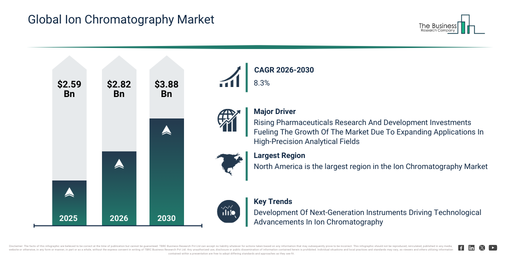
    Ion Chromatography Market Growth From $2.81 Billion In 2026 To $3.87 Billion By 2030 At A CAGR Of 8.3%

    The market for ion chromatography has experienced robust expansion lately, projecting a transition from $2.59 billion in 2025 to $2.82 billion by 2026, which represents a compound annual growth rate of 8.6%. This upward trajectory in the historical period is largely attributable to a confluence of factors, including escalating demands for regulatory compliance testing, the broadening scope of environmental monitoring initiatives, the escalating utilization of chromatographic techniques within pharmaceutical research and development, the expanding landscape of food safety assessments, and the increasing accessibility of sophisticated ion exchange resins.

    The ion chromatography market is poised for substantial expansion, projected to reach $3.88 billion by 2030, exhibiting a compound annual growth rate of 8.3% over the upcoming years. This projected expansion is fueled by a confluence of factors, including the escalating demand for analytical systems capable of high-throughput analysis, a heightened emphasis on detecting ions at trace levels, the broadening scope of industrial quality control testing, increased investments in automating laboratory processes, and continuous advancements in chromatography detector technology. Key developments anticipated during this forecast period involve the growing integration of high-pressure ion chromatography systems, a surge in the need for automated sample preparation solutions, the increased utilization of capillary ion chromatography, the expanding application across environmental and pharmaceutical testing sectors, and a heightened commitment to achieving greater analytical precision.

    Download A Free Sample Report For Comprehensive Market Insights:

    https://www.thebusinessresearchcompany.com/sample.aspx?id=24575&type=smp

    Ion Chromatography Market Industry Drivers: What Is Driving Revenue Growth?

    Increased funding directed towards pharmaceutical research and development efforts is projected to stimulate expansion within the ion chromatography market. This research and development encompasses the scientific stages of discovering, formulating, evaluating, and commercializing novel medications designed to address or prevent illnesses. The escalation in pharmaceutical R&D is a consequence of the growing incidence of chronic and intricate conditions like cancer, diabetes, and neurodegenerative ailments, thereby creating an imperative for the development of new and enhanced therapeutic options. Within the pharmaceutical sector, ion chromatography serves a vital function, facilitating the precise identification and measurement of ionic substances such as active pharmaceutical ingredients (APIs), excipients, and contaminants. Illustratively, in July 2024, UK government data from the Department for Science, Innovation, and Technology indicated that UK businesses invested $12.1 billion (£9.0 billion) in pharmaceutical research and development during 2022, a figure equivalent to 0.36% of the United Kingdom’s gross domestic product. Consequently, the escalating investments in pharmaceutical research and development are poised to invigorate the growth trajectory of the ion chromatography market.

    Heightened public consciousness regarding health is fueling a greater need for water quality assessments, which in turn is anticipated to accelerate the expansion of the ion chromatography market. Water quality testing involves evaluating water for its chemical, physical, and biological attributes to confirm its safety and suitability for various applications. This surge in testing is largely attributable to increased health awareness, as individuals are increasingly prioritizing the consumption of safe water to avert illness and maintain general well-being. Ion chromatography is instrumental in water quality analysis, offering precise identification and quantification of minute ion concentrations, thereby facilitating a thorough evaluation of potential contaminants and the overall safety profile of water sources. As an example, the UK’s Department for Environment, Food & Rural Affairs reported in November 2025 that in 2025, 66.1 percent of England’s 297 designated bathing waters achieved the ‘Excellent’ standard as defined by the Bathing Water Regulations. Therefore, the growing emphasis on water quality testing driven by health concerns is a significant factor propelling the ion chromatography market forward.

    Ion Chromatography Market Segmentation And Category Breakdown

    The ion chromatography market covered in this report is segmented –

    1) By Product Type: Ion Chromatographs, Ion Exchange Resins, Sample Preparation Systems

    2) By Technique Type: Suppressed Ion Chromatography, Non-Suppressed Ion Chromatography, Capillary Ion Chromatography

    3) By Application: Environmental Testing, Pharmaceutical Industry, Food Industry, Chemical Industry, Other Applications

    Subsegments:

    1) By Ion Chromatographs: Benchtop Ion Chromatographs, Portable Ion Chromatographs, High-Pressure Ion Chromatographs, Capillary Ion Chromatographs

    2) By Ion Exchange Resins: Cation Exchange Resins, Anion Exchange Resins, Mixed Bed Resins, Specialty Resins

    3) By Sample Preparation Systems: Filtration Units, Solid Phase Extraction (SPE) Systems, Liquid-Liquid Extraction Systems, Automated Sample Preparation Workstations

    #Ion Chromatography Market Growth Trends: What Is Influencing The Future Outlook?

    Leading players within the ion chromatography sphere are channeling their efforts into pioneering sophisticated offerings, including advanced instrumentation, to bolster dependability, operational effectiveness, and versatility in laboratory environments spanning diverse industries. Such cutting-edge instrumentation represents a sophisticated apparatus engineered with the most recent technological advancements, aiming to provide heightened performance, accuracy, and adaptability. As an illustration, during February 2024, Thermo Fisher Scientific, a prominent biotechnology firm headquartered in the United States, introduced the Thermo Scientific Dionex Inuvion Ion Chromatography (IC) system. This particular system incorporates groundbreaking pump technology meticulously designed to expedite operational pace, refine analytical precision, and guarantee dependable repeatability. Its user-centric configuration facilitates straightforward access to internal elements, thereby streamlining both the initial setup and the regular upkeep of the apparatus. It facilitates reagent-free ion chromatography (RFIC) by incorporating automated eluent generation, which contributes to time savings and supports consistent performance. Furthermore, the system provides adaptable suppression options, encompassing both chemical and electrolytic methods, allowing for the optimization of sensitivity according to specific application needs. Its adaptable and configurable framework readily accommodates the incorporation of user-installed add-ons, rendering it agile in meeting evolving analytical requirements. Engineered with a space-saving design and a sophisticated software interface, this system delivers efficient capabilities along with trustworthy, high-caliber outcomes across a broad spectrum of industrial applications.

    Ion Chromatography Market Competitive Analysis Of Major Industry Participants

    Major companies operating in the ion chromatography market are Thermo Fisher Scientific, Agilent Technologies Inc., Shimadzu Corporation, Waters Corporation, Metrohm AG, Tosoh Bioscience LLC, MembraPure GmbH, Sykam Chromatography, Qingdao Shenghan Chromatograph Technology Co. Ltd., Qingdao Puren Instrument, East & West Analytical Instruments, Qingdao Luhai, Cecil Instruments, Nittoseiko Analytech Co. Ltd., JASCO Corporation, Analytik Jena GmbH, Hach Company, Scion Instruments, Hamilton Company

    Access The Complete Ion Chromatography Market Report:

    https://www.thebusinessresearchcompany.com/report/ion-chromatography-global-market-report

    Ion Chromatography Market Regional Distribution: Which Areas Drive Market Expansion?

    North Americawas the largest region in the ion chromatography market in 2025. Asia-Pacificis expected to be the fastest-growing region in the forecast period. The regions covered in the ion chromatography market report are Asia-Pacific, South East Asia, Western Europe, Eastern Europe, North America, South America, Middle East, Africa.

    Get in touch with us:

    The Business Research Company: https://www.thebusinessresearchcompany.com/

    Americas: +1 310-496-7795

    Asia: +44 7882 955267 & +91 8897263534

    Europe: +44 7882 955267

    Email us at: marketing@tbrc.info

    Follow us on:

    LinkedIn: https://in.linkedin.com/company/the-business-research-company

    YouTube: https://www.youtube.com/channel/UC24_fI0rV8cR5DxlCpgmyFQ

    Global Market Model: https://www.thebusinessresearchcompany.com/global-market-model
  • Iodine Market Growth Outlook Reveals A CAGR Of 8.2% And A Market Value Of $4.37 Billion By 2030

    Iodine Market Growth Outlook Reveals A CAGR Of 8.2% And A Market Value Of $4.37 Billion By 2030

    Enhanced with market attractiveness analysis, total addressable market evaluation, company benchmarking matrices, interactive Excel dashboards, expanded supply chain intelligence, emerging startup coverage, and detailed product insights, The Business Research Company’s 2026 market reports deliver more actionable and strategically valuable research.

    Iodine Market Expansion Outlook: What Revenue Opportunities Lie Ahead?

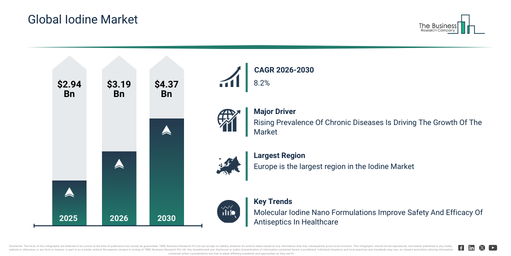
    The global iodine market experienced robust expansion recently, with projections indicating a rise from $2.94 billion in 2025 to $3.19 billion in 2026, reflecting a compound annual growth rate of 8.5%. This upward trajectory in the historical period was influenced by several factors: the increasing prevalence of iodine deficiency disorders which spurred the adoption of iodized salt, the long-standing application of iodine in antiseptic products, the expanding utilization of iodine in x-ray contrast media, the reliance on extraction from caliche ore and brine, and the growing use of iodine as a supplement in animal feed.

    The global iodine sector is poised for substantial expansion over the coming years, projecting a valuation of $4.37 billion by 2030, driven by a compound annual growth rate of 8.2%. This anticipated surge is underpinned by several key factors, including a greater prevalence of diagnostic imaging procedures, a heightened emphasis on micronutrient fortification, advancements in pharmaceutical production, the innovation of eco-friendly iodine recovery techniques, and the broadening application of iodine in cutting-edge materials and electronic components. Emerging trends shaping this forecast period encompass a heightened need for iodine in medical imaging and diagnostic realms, augmented utilization within the pharmaceutical and nutritional industries, increased deployment of iodine-based biocides and sanitizers, advancements in iodine recycling and sustainable sourcing strategies, and a growing demand for iodine in the manufacturing of polymers and electronics.

    Download A Free Sample Report For Comprehensive Market Insights:

    https://www.thebusinessresearchcompany.com/sample.aspx?id=20858&type=smp

    Iodine Market Growth Factors: Which Forces Are Supporting Market Expansion?

    The increasing incidence of long-term health conditions is anticipated to be a significant factor in the expansion of the iodine market. Chronic illnesses, characterized by their duration of over three months and gradual progression, necessitate treatments and preventative measures that often involve iodine. Its indispensable function in medical diagnostics, the production of pharmaceuticals, and the formulation of nutritional supplements to address conditions like thyroid issues, heart disease, and cancer directly fuels the consumption of iodine. Furthermore, iodine’s contribution to maintaining optimal thyroid activity, balancing metabolic processes, bolstering the immune system, and mitigating inflammatory responses underscores its importance in managing chronic ailments and fostering robust health. A notable projection from the National Library of Medicine in January 2023 indicated that by the year 2050, an estimated 142.66 million individuals in the United States aged 50 and above will be contending with at least one chronic illness, thereby underscoring the market’s upward trajectory fueled by this growing health concern.

    Iodine Market Segment Outlook: Which Categories Are Expanding The Fastest?

    The iodine market covered in this report is segmented –

    1) By Form: Inorganic Salts And Complexes, Elemental And Isotopes, Organic Compound

    2) By Source: Underground Brines, Seaweeds, Caliche Ore, Recycling

    3) By Application: Pharmaceuticals, Biocides, Iodophors, X-Ray Contrast Media, Catalyst In Polymer Processing, Optical Polarizing Films, Human Nutrition, Fluorochemicals, Animal Feed, Other Applications

    Subsegments:

    1) By Inorganic Salts And Complexes: Sodium Iodide, Potassium Iodide, Calcium Iodate

    2) By Elemental And Isotopes: Elemental Iodine, Iodine-131, Iodine-123

    3) By Organic Compound: Iodophors, Iodinated Contrast Media, Iodinated Organic Chemicals

    Iodine Market Industry Trends: What Changes Are Reshaping Demand?

    Leading businesses within the iodine sector are concentrating on the integration of sophisticated nanotechnology, specifically nano-iodine infusion techniques, aiming to elevate both the efficacy and the adaptability of their offerings. This nano-iodine infusion involves the systemic administration of iodine particles precisely engineered at the nanoscale, which in turn leads to augmented iodine uptake and superior antimicrobial capabilities within a single product composition. As a concrete illustration, during September 2024, I2Pure, a US entity specializing in unique iodine formulations, unveiled its proprietary nano-iodine platform, a technological advancement engineered to yield iodine solutions that are stable at room temperature, neutral in pH, and suitable for antiseptic uses, wound care, and oral hygiene applications, characterized by elevated free-iodine concentrations (significantly surpassing conventional products), storage at ambient temperatures, and immediate sterile usability. The I2Pure nano-iodine platform contributes to enhanced fiscal management, streamlined manufacturing processes, and more informed strategic choices in the development of healthcare products by facilitating optimized dosages and expediting the introduction of iodine-based treatments into the market.

    Iodine Market Key Companies And Competitive Benchmarking

    Major companies operating in the iodine market are Sociedad Química y Minera de Chile S.A., MilliporeSigma, ACF Minera S.A., Nippoh Chemicals Co. Ltd., ISE Chemicals Corporation, Algorta Norte S.A., Godo Shigen Co. Ltd., Iofina plc, American Elements, Deepwater Chemicals Inc., Kanto Chemical Co. Inc., Eskay Iodine, Salvi Chemicals Industries Limited, Azer Yod LLC, Junsei Chemical Co. Ltd.

    Access The Complete Iodine Market Report:

    https://www.thebusinessresearchcompany.com/report/iodine-global-market-report

    Iodine Market Leading Geography: Which Region Generates The Most Revenue?

    Europewas the largest region in the iodine market in 2025. Asia-Pacificis expected to be the fastest-growing region in the forecast period. The regions covered in the iodine market report are Asia-Pacific, South East Asia, Western Europe, Eastern Europe, North America, South America, Middle East, Africa.

    Get in touch with us:

    The Business Research Company: https://www.thebusinessresearchcompany.com/

    Americas: +1 310-496-7795

    Asia: +44 7882 955267 & +91 8897263534

    Europe: +44 7882 955267

    Email us at: marketing@tbrc.info

    Follow us on:

    LinkedIn: https://in.linkedin.com/company/the-business-research-company

    YouTube: https://www.youtube.com/channel/UC24_fI0rV8cR5DxlCpgmyFQ

    Global Market Model: https://www.thebusinessresearchcompany.com/global-market-model
  • In-Vitro Toxicology Testing Market Forecast Highlights Expansion From $14.11 Billion To $20.87 Billion Through 2030

    In-Vitro Toxicology Testing Market Forecast Highlights Expansion From $14.11 Billion To $20.87 Billion Through 2030

    Through market attractiveness analysis, total addressable market evaluation, company benchmarking matrices, interactive Excel dashboards, expanded supply chain intelligence, emerging startup coverage, and detailed product insights, The Business Research Company’s 2026 market reports provide more actionable and strategically valuable research.

    In-Vitro Toxicology Testing Market Growth Potential: How Will Market Size Change Through 2030?

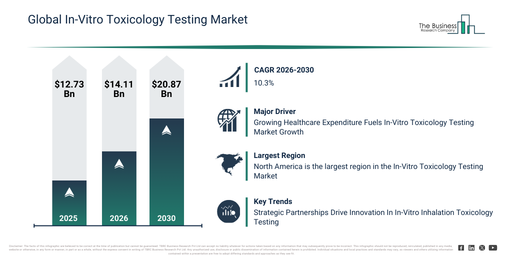
    The field of in-vitro toxicology testing has experienced significant expansion recently and is projected to continue this upward trend. This market, valued at $12.73 billion in 2025, is expected to reach $14.11 billion by 2026, reflecting a compound annual growth rate of 10.9%. Factors contributing to this growth during the previous period include heightened ethical considerations surrounding animal testing, a surge in pharmaceutical research and development, the early embrace of cell-based assay methodologies, evolving regulatory limitations on animal experimentation, and an increase in safety testing for cosmetic products.

    The global in-vitro toxicology testing market is poised for significant expansion in the coming years, projected to reach $20.87 billion by the year 2030. This impressive growth trajectory, with a compound annual growth rate (CAGR) of 10.3%, is being fueled by several key drivers. These include breakthroughs in toxicogenomics and predictive modeling, a heightened need for safety assessments in personalized medicine, increased funding for alternative testing methodologies, the broadening scope of regulations favoring in-vitro approaches, and the robust expansion of the biotechnology and biopharmaceutical sectors. Observing the trends within this forecast period, we can expect a discernible transition from in vivo to in vitro toxicology models, a greater embrace of high-throughput screening technologies, a growing emphasis on early-stage toxicity evaluations during drug discovery, the proliferation of cell-based and organ-on-chip assays, and a further endorsement of alternative toxicology methods by regulatory bodies.

    Download A Free Sample Report For Comprehensive Market Insights:

    https://www.thebusinessresearchcompany.com/sample.aspx?id=7987&type=smp

    In-Vitro Toxicology Testing Market Demand Drivers: What Is Fueling Industry Growth?

    The global in-vitro toxicology testing market is anticipated to experience growth fueled by escalating healthcare spending, which encompasses financial outlays by individuals and governments on services like hospitals, home care, pharmaceuticals, nursing homes, and personal health; this worldwide increase in health expenditure is largely attributed to the growing incidence of illnesses necessitating in-vitro toxicology assessments, as exemplified by the US Centers for Medicare & Medicaid Services’ projection of a 5.6% annual growth in national health expenditure from 2023 to 2032, exceeding the anticipated 4.3% GDP growth rate and consequently raising health spending’s share of GDP from 17.3% in 2022 to 19.7% by 2032, thus positioning increased healthcare expenditure as a primary catalyst for the expansion of the in-vitro toxicology testing sector.

    In-Vitro Toxicology Testing Market Segment Landscape: Which Areas Lead Market Development?

    The in-vitro toxicology testing market covered in this report is segmented –

    1) By Product And Service: Consumables, Assays, Equipment, Software, Services

    2) By Technology: Cell Culture Technologies, High-throughput Technologies, Toxicogenomics

    3) By Applications: Neurotoxicity, Dermal toxicity, Cytotoxicity, Other Applications

    4) By Industry: Pharmaceuticals And Biopharmaceuticals, Cosmetic And Household Products, Food, Chemicals

    Subsegments:

    1) By Consumables: Reagents, Cell Culture Media, Plates And Vials

    2) By Assays: Cell-Based Assays, Biochemical Assays, Genetic Toxicity Assays

    3) By Equipment: Automated Systems, Microscopes, Plate Readers

    4) By Software: Data Analysis Software, Laboratory Information Management Systems (LIMS), Toxicology Modeling Software

    5) By Services: Testing Services, Consultation Services, Regulatory Compliance Services

    In-Vitro Toxicology Testing Market Innovation Trends: Which Developments Are Transforming The Industry?

    Within the in-vitro toxicology testing sector, prominent organizations are increasingly engaging in strategic alliances to bolster their standing in the realm of inhalation toxicology services. These collaborations involve entities pooling their distinct capabilities and assets to foster shared prosperity and advancement. A prime illustration occurred in November 2024 when Charles River Laboratories International Inc., a significant American supplier of pharmaceutical support, joined forces with MetTak Life Sciences, a US-based innovator in biotechnology. Their joint effort aims to engineer a novel approach methodology (NAM) for inhalation toxicology assessment, thereby diminishing the dependence on conventional animal testing protocols. Through the incorporation of MatTek’s cutting-edge three-dimensional human tissue models into existing toxicology evaluation frameworks, this initiative effectively narrows the disparity between animal-based studies and the complexities of human physiology.

    In-Vitro Toxicology Testing Market Industry Leaders And Market Competition

    Major companies operating in the in-vitro toxicology testing market are Thermo Fisher Scientific Inc., Merck KGaA, Laboratory Corporation of America Holdings (LabCorp), Gentronix Limited (a subsidiary of Eurofins Scientific SE), Bio-Rad Laboratories Inc., Eurofins Scientific SE, Charles River Laboratories International Inc., Promega Corporation, Agilent Technologies Inc., Evotec SE, SGS SA, BioIVT LLC, MB Research Laboratories LLC, Creative Biolabs Inc., Creative Bioarray Inc., InSphero AG, PerkinElmer Inc., Cyprotex PLC, MatTek Corporation, Danaher Corporation, Ncardia AG, Sekisui Chemical Co. Ltd., BioReliance Corporation, CellSystems Biotechnologie Vertrieb GmbH, Taconic Biosciences Inc., Biopredic International, MultiCell Technologies Inc., Altasciences Clinical Research Holdings Inc., Molecular Toxicology Inc., Toxys BV, XenoTech LLC, Optivia Biotechnology Inc., Toxikon Corporation

    Access The Complete In-Vitro Toxicology Testing Market Report:

    https://www.thebusinessresearchcompany.com/report/in-vitro-toxicology-testing-global-market-report

    In-Vitro Toxicology Testing Market Regional Outlook: Where Are The Largest Opportunities Located?

    North Americawas the largest region in the in- vitro toxicology testing market in 2025. Asia-Pacificis expected to be the fastest-growing region in the in- vitro toxicology testing market report during the forecast period. The regions covered in the in-vitro toxicology testing market report are Asia-Pacific, South East Asia, Western Europe, Eastern Europe, North America, South America, Middle East, Africa.

    Get in touch with us:

    The Business Research Company: https://www.thebusinessresearchcompany.com/

    Americas: +1 310-496-7795

    Asia: +44 7882 955267 & +91 8897263534

    Europe: +44 7882 955267

    Email us at: marketing@tbrc.info

    Follow us on:

    LinkedIn: https://in.linkedin.com/company/the-business-research-company

    YouTube: https://www.youtube.com/channel/UC24_fI0rV8cR5DxlCpgmyFQ

    Global Market Model: https://www.thebusinessresearchcompany.com/global-market-model

  • In-vitro Colorectal Cancer Screening Tests Market Expected To Reach $1.82 Billion By 2030 As Growth Accelerates At 6.8% CAGR

    In-vitro Colorectal Cancer Screening Tests Market Expected To Reach $1.82 Billion By 2030 As Growth Accelerates At 6.8% CAGR

    Delivering more actionable and strategically valuable research, The Business Research Company’s 2026 market reports feature market attractiveness analysis, total addressable market evaluation, company benchmarking matrices, interactive Excel dashboards, expanded supply chain intelligence, emerging startup coverage, and detailed product insights.

    In-vitro Colorectal Cancer Screening Tests Market Value Analysis: What Growth Is Expected Over The Forecast Period?

    The market for in-vitro colorectal cancer screening diagnostics has experienced robust expansion lately, with projections indicating a substantial increase from $1.3 billion in 2025 to $1.4 billion in 2026, reflecting a compound annual growth rate of 7.7%. This historical growth trajectory is largely attributable to a confluence of factors, including the rising prevalence of colorectal cancer, the widening reach of public screening initiatives, a heightened societal emphasis on early cancer identification, the established availability of diagnostic laboratory facilities, and advancements in pinpointing relevant biomarkers.

    The market for in-vitro colorectal cancer screening tests is poised for substantial expansion in the upcoming years, projecting a valuation of $1.82 billion by 2030 with a compound annual growth rate (CAGR) of 6.8%. This projected growth is primarily fueled by the increasing embrace of individualized screening methodologies, a burgeoning demand for convenient diagnostic options available in the home setting, the proactive expansion of preventive healthcare programs, the escalating utilization of artificial intelligence in interpreting test results, and a heightened emphasis on cost-efficient cancer detection strategies. Key developments anticipated during this forecast period involve a greater adoption of non-invasive screening methodologies, increased deployment of stool DNA tests capable of detecting multiple targets, enhanced integration of blood-based biomarker assays, broader availability of home-based sample collection kits, and a more concentrated effort on early detection within populations that exhibit no symptoms.

    Download A Free Sample Report For Comprehensive Market Insights:

    https://www.thebusinessresearchcompany.com/sample.aspx?id=27319&type=smp

    In-vitro Colorectal Cancer Screening Tests Market Growth Drivers: What Factors Are Accelerating Expansion?

    The increasing incidence of colorectal cancer is anticipated to be a significant catalyst for the expansion of the in vitro colorectal cancer screening tests market in the future. Colorectal cancer, which originates in the colon or rectum and frequently develops from precancerous growths called polyps, is becoming more common. This surge in prevalence can be attributed to modern lifestyle choices, including inadequate dietary habits, insufficient physical activity, and obesity, all of which elevate the likelihood of polyp development and subsequent cancer. Inertestin vitro screening solutions contribute to the identification of colorectal cancer by providing less invasive techniques for the early detection of the disease. These tests enhance the precision of screening through sophisticated biomarker identification, thereby facilitating prompt treatment and improving patient prognoses. For example, in February 2025, the American Cancer Society, a non-profit organization based in the United States, reported an estimated 154,270 new cases of colorectal cancer, marking an increase from the 152,810 cases recorded in 2024. Consequently, the escalating rate of colorectal cancer is a primary driver behind the growth trajectory of the in vitro market for its screening tests.

    In-vitro Colorectal Cancer Screening Tests Market Segments: Where Are The Largest Growth Opportunities?

    The in-vitro colorectal cancer screening tests market covered in this report is segmented –

    1) By Test Type: Fecal Occult Blood Test, Stool Deoxyribonucleic Acid Test, Blood Biomarker Test, Other Test Types

    2) By Imaging Type: In-vitro Confirmatory Diagnostics, Laboratory-Based Molecular Testing, Companion Diagnostic Testing, Genetic And Epigenetic Testing, Biomarker Validation Testing, Risk Stratification Assays

    3) By Application: Screening, Diagnosis, Monitoring, Risk Assessment, Post-Treatment Surveillance

    4) By End User: Hospitals, Diagnostic Laboratories, Outpatient Clinics, Home Care Settings, Research Institutions

    Subsegments:

    1) By Fecal Occult Blood Test: Guaiac Based Fecal Occult Blood Test, Immunochemical Fecal Occult Blood Test

    2) By Stool Deoxyribonucleic Acid Test: Single Target Stool Deoxyribonucleic Acid Test, Multi Target Stool Deoxyribonucleic Acid Test

    3) By Blood Biomarker Test: Methylated Septin 9 Deoxyribonucleic Acid Test, Circulating Tumor Deoxyribonucleic Acid Test, Protein Biomarker Based Blood Test

    4) By Other Test Types: Urine Based Biomarker Test, Serum Based Biomarker Test, Breath Based Volatile Organic Compound Test

    In-vitro Colorectal Cancer Screening Tests Market Trends: What Is Shaping Future Industry Growth?

    Key players within the in vitro colorectal cancer screening tests sector are prioritizing the creation of sophisticated diagnostic technologies, exemplified by multi-target stool DNA tests. The primary objectives behind this innovation are to elevate the precision of early detection, augment user-friendliness for patients, and ultimately decrease mortality rates linked to colorectal cancer. Multi-target stool DNA tests represent pioneering screening instruments designed to scrutinize stool specimens for genetic and biochemical indicators pertinent to colorectal cancer and its precursor lesions. As an illustration, in March 2025, Exact Sciences Corp., an American enterprise specializing in molecular diagnostics, introduced Cologuard Plus, an improved at-home screening test for colorectal cancer. This particular test is intended for individuals at average risk who are 45 years of age and above, and it leverages cutting-edge biomarker technology to achieve superior sensitivity and specificity when contrasted with its earlier iteration. Employing a more sophisticated algorithm, Cologuard Plus identifies both DNA alterations and hemoglobin biomarkers, thereby refining the detection capabilities for colorectal cancer and advanced adenomas alike. The Cologuard Plus test offers a screening method that is both non-invasive and user-friendly, obviating the necessity for bowel cleansing or adherence to dietary limitations, consequently fostering greater compliance among patients with established screening recommendations.

    In-vitro Colorectal Cancer Screening Tests Market Major Participants And Competitive Dynamics

    Major companies operating in the in-vitro colorectal cancer screening tests market are Thermo Fisher Scientific Inc., Abbott Laboratories, Siemens Healthineers, Quest Diagnostics Incorporated, Roche Diagnostics International AG, Illumina Inc., Sysmex Corporation, Bio-Rad Laboratories Inc., Qiagen N.V., Exact Sciences Corporation, Natera Inc., BGI Genomics Co. Ltd., NeoGenomics Inc., Guardant Health Inc., CellMax Life Inc., Epigenomics AG, Acuamark Diagnostics Inc., Beacon Biomedical Inc., Mainz Biomed NV, Hologic Inc., Danaher Corporation, Agilent Technologies Inc.

    Access The Complete In-vitro Colorectal Cancer Screening Tests Market Report:

    https://www.thebusinessresearchcompany.com/report/in-vitro-colorectal-cancer-screening-tests-global-market-report

    In-vitro Colorectal Cancer Screening Tests Market Geographic Landscape: Which Region Dominates Industry Growth?

    North Americawas the largest region in the in-vitro colorectal cancer screening tests market in 2025. Asia-Pacificis expected to be the fastest-growing region in the forecast period. The regions covered in the in-vitro colorectal cancer screening tests market report are Asia-Pacific, South East Asia, Western Europe, Eastern Europe, North America, South America, Middle East, Africa.

    Get in touch with us:

    The Business Research Company: https://www.thebusinessresearchcompany.com/

    Americas: +1 310-496-7795

    Asia: +44 7882 955267 & +91 8897263534

    Europe: +44 7882 955267

    Email us at: marketing@tbrc.info

    Follow us on:

    LinkedIn: https://in.linkedin.com/company/the-business-research-company

    YouTube: https://www.youtube.com/channel/UC24_fI0rV8cR5DxlCpgmyFQ

    Global Market Model: https://www.thebusinessresearchcompany.com/global-market-model
  • Invisible Orthodontics Market Set To Grow From $7.13 Billion In 2026 To $11.82 Billion By 2030 At A CAGR Of 13.5%

    Invisible Orthodontics Market Set To Grow From $7.13 Billion In 2026 To $11.82 Billion By 2030 At A CAGR Of 13.5%

    Enhanced with market attractiveness analysis, total addressable market evaluation, company benchmarking matrices, interactive Excel dashboards, expanded supply chain intelligence, emerging startup coverage, and detailed product insights, The Business Research Company’s 2026 market reports deliver more actionable and strategically valuable research.

    Invisible Orthodontics Market Size Forecast: How Large Could The Market Become By 2030?

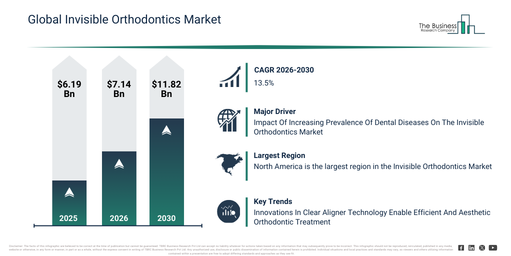
    The invisible orthodontics sector has witnessed substantial expansion lately, projected to surge from $6.19 billion in 2025 to $7.14 billion by 2026, reflecting a compound annual growth rate of 15.2%. Factors contributing to this past expansion include a heightened emphasis on dental appearance, the drawbacks associated with conventional metal braces, an increase in specialized orthodontic practices, escalating purchasing power among city dwellers, and the early embrace of ceramic brace technology.

    In the coming years, the market for invisible orthodontics is poised for substantial expansion, projected to reach eleven point eight two billion dollars by twenty thirty, driven by a compound annual growth rate of thirteen point five percent. This anticipated surge is fueled by several key factors, including innovations in clear aligner materials, a heightened demand for orthodontic care among adults, the proliferation of digital orthodontic platforms, the persuasive impact of social media on dental appearance, and an increasing foothold in developing economies. Throughout this forecast period, prominent trends are expected to shape the market, such as a growing inclination towards aesthetically pleasing and subtle orthodontic treatments, increased acceptance of clear aligners by adult patients, the advancement of direct-to-consumer invisible orthodontic services, the wider implementation of digital scanning and treatment planning technologies, and a greater call for customized treatment plans with reduced durations.

    Download A Free Sample Report For Comprehensive Market Insights:

    https://www.thebusinessresearchcompany.com/sample.aspx?id=15836&type=smp

    Invisible Orthodontics Market Growth Factors Supporting Long-Term Expansion

    The escalating occurrence of dental ailments is anticipated to be a significant catalyst for the expansion of the invisible orthodontics market in the future. These dental diseases, which affect the teeth, gums, and the entire oral cavity, are often exacerbated by inadequate oral hygiene practices, the frequent consumption of foods and drinks high in sugar and acid, and insufficient access to dental care and oral health education. Invisible orthodontics offers a solution for various dental conditions by rectifying misaligned teeth and bite issues, thereby improving both the visual appearance of a smile and overall dental well-being. This improvement contributes to better oral hygiene, reduces the risk of cavities and gum disease, enhances chewing function, and helps prevent dental injuries. To illustrate, by March 2023, the World Health Organization (WHO), an international intergovernmental body headquartered in Switzerland, reported that oral diseases impact nearly 3.5 billion individuals, with a disproportionate number, three out of every four, living in middle-income nations. Furthermore, it’s estimated that around 2 billion individuals grapple with cavities in their permanent teeth, and an additional 514 million children are affected by cavities in their primary teeth. Consequently, the burgeoning incidence of dental diseases serves as a primary driver for the invisible orthodontics market.

    Invisible Orthodontics Market Segment Analysis: What Are The Major Market Categories?

    The invisible orthodontics market covered in this report is segmented –

    1) By Product: Clear Aligners, Ceramic Braces, Lingual Braces

    2) By Age Group: Children, Adolescents, Adults

    3) By Application: Excessive Spacing, Crowding, Open Bite, Deep Bite, Cross Bite, Abnormal Eruption, Other Applications

    4) By End-Use: Hospitals, Stand Alone Practices, Group Practices, Other End-Uses

    Subsegments:

    1) By Clear Aligners: Invisalign, SmileDirectClub, Candid, ClearCorrect, Other Brands

    2) By Ceramic Braces: Traditional Ceramic Braces, Self-Ligating Ceramic Braces

    3) By Lingual Braces: Incognito, WIN, Other Lingual Braces

    Invisible Orthodontics Market Industry Trends Shaping Future Revenue Growth

    Leading entities within the invisible orthodontics sector are prioritizing the creation of sophisticated treatments, including clear aligners designed for mandibular advancement, aiming to elevate treatment outcomes, visual appeal, and user ease. These specialized clear aligners, manufactured to precise specifications, feature discreet occlusal blocks that facilitate controlled advancement of the lower jaw while concurrently straightening teeth, presenting a substitute for conventional metal braces which necessitate attachments and wiring. As an illustration, in July of 2025, Align Technology, a medical technology firm headquartered in the United States, introduced its Invisalign System incorporating mandibular advancement; this system embeds robust occlusal blocks directly into the aligner design, allowing for correction of vertical bite issues, sustained contact, and effective management of Class II conditions. Such advancements broaden the spectrum of therapeutic possibilities within the clear aligner domain, advocating for patient-centric orthodontic interventions and extending the reach of non-intrusive dental corrections.

    Invisible Orthodontics Market Leading Companies Driving Competitive Growth

    Major companies operating in the invisible orthodontics market are 3M Company, Dentsply Sirona Inc., Angelalign Technology Co. Ltd., Align Technology Inc., Byte Technology LLC, SmileDirectClub Inc., ClearCorrect LLC, Candid Care Co., InBrace Inc., Zenyum Pte Ltd., Great Lakes Orthodontics Ltd., Ormco Corporation, KLAR Inc., TP Orthodontics Inc., SouSmile, Spark Orthodontics, OrthoFX Inc., Inman Aligner Ltd., OrthoSnap Inc., WonderSmile Pty Ltd

    Access The Complete Invisible Orthodontics Market Report:

    https://www.thebusinessresearchcompany.com/report/invisible-orthodontics-global-market-report

    Invisible Orthodontics Market Largest Region: Which Geography Holds The Highest Market Share?

    North Americawas the largest region in the invisible orthodontics market in 2025. Asia-Pacificis expected to be the fastest-growing region in the forecast period. The regions covered in the invisible orthodontics market report are Asia-Pacific, South East Asia, Western Europe, Eastern Europe, North America, South America, Middle East, Africa.

    Get in touch with us:

    The Business Research Company: https://www.thebusinessresearchcompany.com/

    Americas: +1 310-496-7795

    Asia: +44 7882 955267 & +91 8897263534

    Europe: +44 7882 955267

    Email us at: marketing@tbrc.info

    Follow us on:

    LinkedIn: https://in.linkedin.com/company/the-business-research-company

    YouTube: https://www.youtube.com/channel/UC24_fI0rV8cR5DxlCpgmyFQ

    Global Market Model: https://www.thebusinessresearchcompany.com/global-market-model
  • Invasive Fungal Infections Market Opportunities Are Emerging Beyond Traditional Growth Areas

    Invasive Fungal Infections Market Opportunities Are Emerging Beyond Traditional Growth Areas

    Through market attractiveness analysis, total addressable market evaluation, company benchmarking matrices, interactive Excel dashboards, expanded supply chain intelligence, emerging startup coverage, and detailed product insights, The Business Research Company’s 2026 market reports provide more actionable and strategically valuable research.

    Invasive Fungal Infections Market Revenue Outlook: What CAGR Is Expected Through 2030?

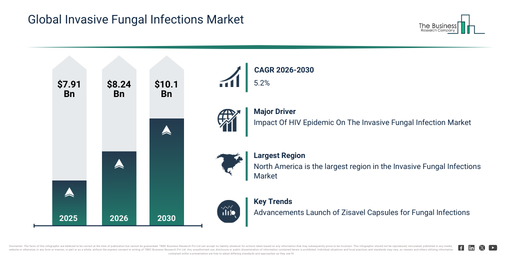
    The market for invasive fungal infections has experienced consistent expansion lately, with projections indicating a rise from $7.91 billion in 2025 to $8.24 billion in 2026, reflecting a compounded annual growth rate of 4.1%. Historically, this growth has been fueled by several key factors, including the escalating number of individuals with HIV and cancer, the extensive prescription of broad-spectrum antibiotics, the established presence of amphotericin B in healthcare settings, an increase in organ transplant surgeries, and a growing occurrence of hospital-acquired fungal infections.

    The market for invasive fungal infections is poised for substantial expansion, projected to reach $10.1 billion by 2030, demonstrating a compound annual growth rate of 5.2%. This upward trajectory is fueled by several key factors including the creation of new antifungal drug types, heightened awareness surrounding antifungal resistance, the proliferation of critical care facilities, enhancements in diagnosing fungal ailments, and increased funding for infectious disease research. Looking ahead, predominant market trends encompass a rise in invasive fungal infections among individuals with compromised immune systems, greater utilization of echinocandins as initial treatment, expanded application of combination antifungal therapies, the growth of antifungal management initiatives within hospitals, and a heightened demand for antifungal medications that are both broad-spectrum and specifically targeted.

    Download A Free Sample Report For Comprehensive Market Insights:

    https://www.thebusinessresearchcompany.com/sample.aspx?id=13189&type=smp

    Invasive Fungal Infections Market Demand Drivers Creating New Revenue Opportunities

    The increasing prevalence of human immunodeficiency virus (HIV) is anticipated to be a significant driver for the expansion of the invasive fungal infection market. HIV, a virus that weakens the immune system’s defenses, leads to a greater vulnerability to invasive fungal infections among affected individuals, including those with AIDS. This heightened susceptibility presents a market opportunity for companies to innovate and provide advanced antifungal treatments. Data from the Joint United Nations Programme on HIV/AIDS (UNAIDS) indicates a substantial global HIV burden, with 40.8 million people living with the virus in 2024, alongside 1.3 million new infections and 630,000 AIDS-related deaths in the same year; consequently, the growing number of people living with HIV is expected to fuel the market for invasive fungal infection solutions.

    Invasive Fungal Infections Market Segment Breakdown: Which Categories Generate The Most Revenue?

    The invasive fungal infections market covered in this report is segmented –

    1) By Disease Type: Candidemia And Invasive Candidiasis, Intra Abdominal Candidiasis, Cryptococcal Meningitis, Esophageal Candidiasis, Histoplasmosis Acute Pulmonary, Other Disease Types

    2) By Drug Type: Polyenes, Triazoles, Echinocandins, Flucytosine, Other Drug Types

    3) By End-Users: Hospitals, Homecare, Specialty Clinics, Other End-Users

    Subsegments:

    1) By Candidemia And Invasive Candidiasis: Bloodstream Infections, Disseminated Candidiasis

    2) By Intra-Abdominal Candidiasis: Peritoneal Candidiasis, Abscess Formation

    3) By Cryptococcal Meningitis: Primary Cryptococcal Meningitis, Secondary Cryptococcal Meningitis

    4) By Esophageal Candidiasis: Acute Esophageal Candidiasis, Chronic Esophageal Candidiasis

    5) By Histoplasmosis Acute Pulmonary: Disseminated Histoplasmosis, Chronic Pulmonary Histoplasmosis

    6) By Other Disease Types: Aspergillosis, Mucormycosis, Other Rare Fungal Infections

    Invasive Fungal Infections Market Trends Driving Strategic Industry Expansion

    Key players within the invasive fungal infection sector are prioritizing the development of novel therapeutic agents, exemplified by Zisavel capsules, which are engineered to boost treatment effectiveness, refine patient prognoses, and broaden availability for individuals confronting severe fungal ailments. Zisavel capsules represent a non-proprietary antifungal pharmaceutical, based on isavuconazole, intended for the management of invasive aspergillosis and mucormycosis, with the 100 mg dosage form offering a cost-effective option to improve patient access to vital therapies. Illustrating this, BDR Pharmaceuticals, an Indian entity specializing in generic and advanced pharmaceuticals, introduced Zisavel Capsules in October 2023 as a generic antifungal solution for invasive aspergillosis and mucormycosis, both exceedingly serious and potentially fatal fungal conditions. The availability of Zisavel is specifically designated for addressing invasive aspergillosis and mucormycosis, and its launch is strategically aimed at democratizing treatment access by substantially reducing the financial burden on patients relative to existing treatments such as voriconazole and posaconazole.

    Invasive Fungal Infections Market Key Players And Strategic Industry Positioning

    Major companies operating in the invasive fungal infections market are Pfizer Inc., Merck And Co. Inc., Bayer AG, Abbott Laboratories, GSK plc, Gilead Sciences Inc., Mylan N.V., Astellas Pharma Inc., Sun Pharmaceutical Industries Ltd., BioMarin Pharmaceutical Inc., Xellia Pharmaceuticals, Basilea Pharmaceutica, Cidara Therapeutic Inc., Pulmocide Ltd., NovaBiotics Ltd, F2G Ltd., Giner Inc., Ciron Drugs And Pharmaceuticals Pvt. Ltd., Hexima Limited, Scynexis Inc., Enzon Pharmaceuticals Inc., Matinas BioPharma Holdings Inc., Biosergen AB

    Access The Complete Invasive Fungal Infections Market Report:

    https://www.thebusinessresearchcompany.com/report/invasive-fungal-infections-global-market-report

    Invasive Fungal Infections Market Regional Analysis: Which Region Leads By Revenue?

    North Americawas the largest region in the invasive fungal infections market in 2025. Asia-Pacificis expected to be the fastest-growing region in the forecast period. The regions covered in the invasive fungal infections market report are Asia-Pacific, South East Asia, Western Europe, Eastern Europe, North America, South America, Middle East, Africa.

    Get in touch with us:

    The Business Research Company: https://www.thebusinessresearchcompany.com/

    Americas: +1 310-496-7795

    Asia: +44 7882 955267 & +91 8897263534

    Europe: +44 7882 955267

    Email us at: marketing@tbrc.info

    Follow us on:

    LinkedIn: https://in.linkedin.com/company/the-business-research-company

    YouTube: https://www.youtube.com/channel/UC24_fI0rV8cR5DxlCpgmyFQ

    Global Market Model: https://www.thebusinessresearchcompany.com/global-market-model