Month: June 2026

  • Healthcare IoT Security Market Outlook Highlights The Next Major Growth Opportunities

    Healthcare IoT Security Market Outlook Highlights The Next Major Growth Opportunities

    Enhanced with market attractiveness analysis, total addressable market evaluation, company benchmarking matrices, interactive Excel dashboards, expanded supply chain intelligence, emerging startup coverage, and detailed product insights, The Business Research Company’s 2026 market reports deliver more actionable and strategically valuable research.

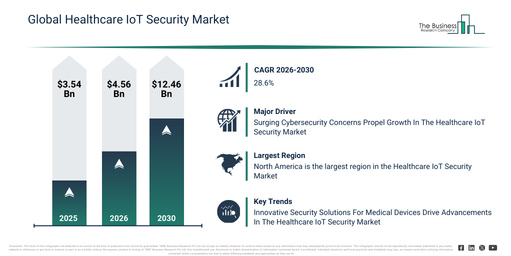
    Healthcare IoT Security Market Growth From $4.56 Billion In 2026 To $12.46 Billion By 2030 At A CAGR Of 28.6%

    The security sector for healthcare IoT has experienced substantial expansion lately. From an estimated $3.54 billion in 2025, this market is projected to reach $4.56 billion by 2026, demonstrating a compound annual growth rate of 28.8%. Factors fueling this expansion historically include the widespread integration of networked medical equipment, a surge in breaches of sensitive healthcare information, the proliferation of telehealth monitoring solutions, the increasing use of cloud infrastructure for healthcare services, and heightened governmental oversight concerning the protection of patient data.

    Anticipate a period of dramatic expansion for the healthcare IoT security market, projecting a surge to $12.46 billion by 2030, fueled by a compound annual growth rate of 28.6%. This upward trajectory in the coming years is anticipated due to a confluence of factors, including heightened investment in AI-powered security analytics, a growing preference for comprehensive IoT security platforms that cover the entire process, the broadening scope of telehealth services, a greater emphasis on security measures that align with regulatory requirements, and an increasing reliance on outsourced managed security solutions within the healthcare sector. Key developments shaping this market during the forecast period are expected to include a more widespread implementation of zero-trust security models, a greater deployment of systems designed to verify device identities, more extensive utilization of secure, encrypted communication for medical IoT devices, the expansion of cloud-based security solutions specifically for healthcare IoT, and a stronger commitment to identifying and mitigating threats as they emerge in real-time.

    Download A Free Sample Report For Comprehensive Market Insights:

    https://www.thebusinessresearchcompany.com/sample.aspx?id=13853&type=smp

    Healthcare IoT Security Market Growth Drivers And Industry Catalysts

    The escalating apprehension surrounding cybersecurity is anticipated to serve as a significant catalyst for the expansion of the healthcare IoT security market in the future. Cybersecurity concerns encompass the inherent threats, potential risks, and vulnerabilities that arise from the integration and utilization of information technology and digital frameworks. Within the healthcare domain, IoT security functions by mitigating these cybersecurity risks, thereby ensuring the safeguarding of sensitive patient data and critical medical records. Illustratively, data from the Australian Signals Directorate, a governmental agency in Australia, indicates that during the fiscal year 2024–25, the Australian Cyber Security Centre (ACSC) handled more than 42,500 calls to its dedicated hotline, marking a substantial 16% increase compared to the prior year. Furthermore, the ACSC actively addressed over 1,200 cybersecurity incidents, demonstrating an 11% rise in such responses. Consequently, the growing prevalence of cybersecurity concerns is directly fueling the upward trajectory of the healthcare IoT security market.

    Healthcare IoT Security Market Segment Breakdown: Which Categories Generate The Most Revenue?

    The healthcare iot security market covered in this report is segmented –

    1) By Component: Solution, Services

    2) By Security Type: Application Security, Cloud Security, Endpoint Security, Network Security, Other Security Types

    3) By End-use: Hospitals, Surgical Centers, and Clinics, Clinical Research Organizations, Research and Diagnostic Laboratories

    Subsegments:

    1) By Solution: Identity And Access Management (IAM), Data Encryption And Tokenization, Intrusion Detection And Prevention Systems (IDPS), Device Authentication And Management, Secure Network Communication

    2) By Services: Consulting Services, Risk Assessment And Management, Managed Security Services, Training And Education Services, Support And Maintenance Services

    #Healthcare IoT Security Market Trends Influencing Long-Term Demand

    Key players within the healthcare IoT security sector are prioritizing the creation of novel offerings, exemplified by AI-powered patient data summarization. This technology aims to convert extensive data from connected health devices into practical clinical recommendations and enhance care processes. Essentially, AI-driven patient data summarization empowers AI systems to meticulously examine data collected over time from sensors and devices, identify critical shifts or potential hazards, and produce concise, clinician-approved summaries and notes suitable for incorporation into electronic health records (EHRs). As an illustration, in February 2025, Validic Inc., a digital health firm based in the United States, unveiled its comprehensive suite of health IoT and remote patient management solutions, leveraging generative AI and available on the AWS Marketplace. This platform accommodates a multitude of FDA-approved in-home monitoring devices and consumer wearables, channeling real-world data into client applications for user engagement, outcome monitoring, and management of device ecosystems. It facilitates the integration of long-term personal health data into EHRs, supports programs for managing chronic conditions, high-risk pregnancies, GLP-1 weight management, care transitions, and physical activity monitoring, thereby enabling the deployment of large-scale enterprise programs without necessitating additional integrations.

    Healthcare IoT Security Market Key Players And Strategic Industry Positioning

    Major companies operating in the healthcare iot security market are Microsoft Corporation, Deutsche Telekom AG, Dell Corporation, Intel Corporation, IBM Corporation, Cisco Systems, Oracle Corporation, Palo Alto Networks Inc., Fortinet Inc., Symantec Corporation (NortonLifeLock), Check Point Software Technologies, Trend Micro Inc., Kaspersky Lab, Sophos Group Plc, Claroty, Eurotech SpA, Inside Secure SA, CloudWave, Cynerio, ICterra, Medigate by Claroty, Asimily, CyberMDX, SecureFLO LLC, Agile Cyber Security Solutions LLC, Intelen Inc., Security Mentor

    Access The Complete Healthcare IoT Security Market Report:

    https://www.thebusinessresearchcompany.com/report/healthcare-iot-security-global-market-report

    Healthcare IoT Security Market Regional Distribution: Which Areas Drive Market Expansion?

    North Americawas the largest region in the healthcare IoT security market in 2025. The regions covered in the healthcare iot security market report are Asia-Pacific, South East Asia, Western Europe, Eastern Europe, North America, South America, Middle East, Africa.

    Get in touch with us:

    The Business Research Company: https://www.thebusinessresearchcompany.com/

    Americas: +1 310-496-7795

    Asia: +44 7882 955267 & +91 8897263534

    Europe: +44 7882 955267

    Email us at: marketing@tbrc.info

    Follow us on:

    LinkedIn: https://in.linkedin.com/company/the-business-research-company

    YouTube: https://www.youtube.com/channel/UC24_fI0rV8cR5DxlCpgmyFQ

    Global Market Model: https://www.thebusinessresearchcompany.com/global-market-model
  • Healthcare Information Technology (IT) Outsourcing Market Trends And Growth Drivers Point To Strong Future Potential

    Healthcare Information Technology (IT) Outsourcing Market Trends And Growth Drivers Point To Strong Future Potential

    Through market attractiveness analysis, total addressable market evaluation, company benchmarking matrices, interactive Excel dashboards, expanded supply chain intelligence, emerging startup coverage, and detailed product insights, The Business Research Company’s 2026 market reports provide more actionable and strategically valuable research.

    Healthcare Information Technology (IT) Outsourcing Market Expansion Outlook: What Revenue Opportunities Lie Ahead?

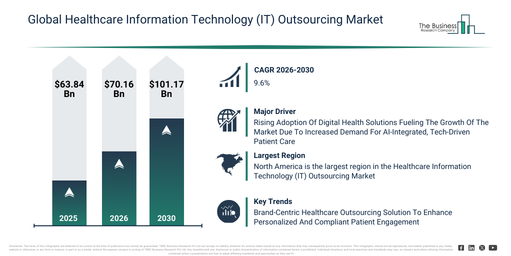
    The global healthcare information technology outsourcing sector has experienced robust expansion. Projections indicate a continued upward trajectory, with market value set to increase from $63.84 billion in 2025 to $70.16 billion in 2026, reflecting a compound annual growth rate of 9.9%. During the preceding years, key factors fueling this growth included the escalating complexity of healthcare digitization efforts, mounting pressure from rising operational expenses, the widespread adoption of electronic health record systems, a growing deficit in in-house IT talent, and the increasing necessity to adhere to stringent regulatory compliance mandates.

    The global market for healthcare information technology (IT) outsourcing is poised for significant expansion over the coming years, projecting a reach of $101.17 billion by 2030, driven by a compound annual growth rate (CAGR) of 9.6%. This anticipated surge is underpinned by several key factors, including the escalating implementation of cloud-native healthcare systems, increased financial commitment towards AI-powered IT solutions, a burgeoning need for secure data management outsourcing, the widening scope of healthcare interoperability efforts, and a heightened emphasis on IT support aligned with value-based care principles. Within this forecast horizon, prominent market dynamics are expected to encompass a greater reliance on outsourcing healthcare IT operations, a surging demand for managed cloud and infrastructure services, accelerated adoption of cybersecurity outsourcing within the healthcare sector, broader utilization of revenue cycle management outsourcing, and an increased focus on adaptable IT support frameworks.

    Download A Free Sample Report For Comprehensive Market Insights:

    https://www.thebusinessresearchcompany.com/sample.aspx?id=25777&type=smp

    Healthcare Information Technology (IT) Outsourcing Market Opportunity Drivers: What Is Creating New Revenue Potential?

    The increasing integration of digital health tools is poised to be a significant catalyst for the expansion of the healthcare information technology (IT) outsourcing market. These digital health solutions encompass a range of technological advancements and digital platforms designed to improve healthcare services, patient involvement, and health oversight, incorporating innovations like remote consultations, mobile health applications, and wearable technology. The surge in digital health adoption stems from healthcare organizations actively pursuing economical methods of delivering patient care, leveraging technologies such as telehealth and remote patient monitoring to decrease the necessity for physical hospital visits and optimize their operational workflows. The outsourcing of healthcare IT functions plays a crucial role in facilitating digital health advancements by providing the specialized knowledge and technological frameworks required for effective data administration, bolstering security measures, and expediting the implementation of these digital health solutions. An illustrative example can be seen in July 2024, when the European Commission, headquartered in Belgium, reported through its Digital Decade e Health Indicator Study that the average utilization of electronic health records (EHR) accessible via online patient portals across the European Union reached 79%, an increase from the 72% recorded in 2022. Consequently, the growing embrace of digital health solutions is directly contributing to the growth trajectory of the healthcare information technology (IT) outsourcing market.

    Healthcare Information Technology (IT) Outsourcing Market Segmentation: How Is The Market Structured Across Key Categories?

    The healthcare information technology (it) outsourcing market covered in this report is segmented –

    1) By Type: Provider Healthcare IT Outsourcing, Electronic Health Records (EHR), Payers Healthcare IT Outsourcing, Operational Healthcare IT Outsourcing, Life Sciences Healthcare IT Outsourcing, Information Technology (IT) Infrastructure Outsourcing

    2) By Technology: Artificial Intelligence And Machine Learning, Blockchain Technology, Internet Of Things, Big Data Analytics, Cybersecurity Solutions

    3) By Deployment Model: On-Premises, Cloud-Based, Hybrid

    4) By End User: Healthcare Provider System, Pharmaceutical, Biotechnology, Clinical Research Organization (CRO), Health Insurance

    Subsegments:

    1) By Provider Healthcare IT Outsourcing: Hospital Information Technology Outsourcing, Clinic Information Technology Outsourcing, Ambulatory Care Information Technology Outsourcing

    2) By Electronic Health Records (EHR): EHR Implementation Outsourcing, EHR Maintenance And Support, EHR Data Migration Services

    3) By Payers Healthcare IT Outsourcing: Claims Processing Outsourcing, Member Management Outsourcing, Billing And Payment Services Outsourcing

    4) By Operational Healthcare IT Outsourcing: Revenue Cycle Management (RCM), Medical Coding And Billing, Appointment Scheduling And Patient Management

    5) By Life Sciences Healthcare IT Outsourcing: Clinical Data Management, Regulatory Compliance And Reporting, Drug Safety And Pharmacovigilance

    6) By Information Technology (IT) Infrastructure Outsourcing: Network Management, Data Center Management, Cloud Infrastructure Services

    Healthcare Information Technology (IT) Outsourcing Market Innovation Trends Driving Future Development

    The leading entities within the healthcare information technology outsourcing sector are actively developing novel service models, including brand-aligned healthcare outsourcing, driven by the escalating need for tailored patient interaction, enhanced operational performance, and distinct service provision. This approach signifies the provision of outsourced healthcare services that integrate seamlessly with a healthcare entity’s established brand, guaranteeing uniformity, personalization, and superior patient encounters across every engagement point. Illustratively, in March 2025, Clear Harbor LLC, a US-based provider of customer care and business process outsourcing, unveiled a dedicated brand-centric healthcare outsourcing offering, engineered to furnish clinics, hospitals, and health networks with high-touch, compassionate patient experiences. This innovative service adapts Clear Harbor’s established brand-centric outsourcing framework to address the unique sensitivities and regulatory prerequisites of the healthcare industry, ensuring that patient communications authentically reflect the provider’s brand ethos with both empathy and precision. The offering includes nearshore operational hubs populated by agents fluent in English and extensively trained in healthcare regulations and adult learning methodologies, with a particular focus on patient privacy, HIPAA compliance, and sensitive communication practices.

    Healthcare Information Technology (IT) Outsourcing Market Competitive Landscape And Leading Companies

    Major companies operating in the healthcare information technology (it) outsourcing market are McKesson Corporation, Optum Inc, Dell Technologies Inc, Accenture plc, International Business Machines Corporation, Oracle Corporation, Hewlett Packard Enterprise Company, Tata Consultancy Services Limited, Capgemini SE, NTT DATA Corporation, Cognizant Technology Solutions Corporation, Infosys Limited, DXC Technology Company, Wipro Limited, Epic Systems Corporation, Change Healthcare Holdings LLC, Exela Technologies Inc, Omega Healthcare Management Services Private Limited, Veradigm Inc, Cerner Corporation, Allscripts Healthcare Solutions, HCL Technologies Limited

    Access The Complete Healthcare Information Technology (IT) Outsourcing Market Report:

    https://www.thebusinessresearchcompany.com/report/healthcare-information-technology-it-outsourcing-global-market-report

    Healthcare Information Technology (IT) Outsourcing Market Leading Geography: Which Region Generates The Most Revenue?

    North Americawas the largest region in the healthcare information technology (IT) outsourcing market in 2025. Asia-Pacificis expected to be the fastest-growing region in the forecast period. The regions covered in the healthcare information technology (it) outsourcing market report are Asia-Pacific, South East Asia, Western Europe, Eastern Europe, North America, South America, Middle East, Africa.

    Get in touch with us:

    The Business Research Company: https://www.thebusinessresearchcompany.com/

    Americas: +1 310-496-7795

    Asia: +44 7882 955267 & +91 8897263534

    Europe: +44 7882 955267

    Email us at: marketing@tbrc.info

    Follow us on:

    LinkedIn: https://in.linkedin.com/company/the-business-research-company

    YouTube: https://www.youtube.com/channel/UC24_fI0rV8cR5DxlCpgmyFQ

    Global Market Model: https://www.thebusinessresearchcompany.com/global-market-model
  • Healthcare Information System Market Expansion Is Reshaping Competitive Dynamics Across The Industry

    Healthcare Information System Market Expansion Is Reshaping Competitive Dynamics Across The Industry

    Delivering more actionable and strategically valuable research, The Business Research Company’s 2026 market reports feature market attractiveness analysis, total addressable market evaluation, company benchmarking matrices, interactive Excel dashboards, expanded supply chain intelligence, emerging startup coverage, and detailed product insights.

    Healthcare Information System Market Growth Potential: How Will Market Size Change Through 2030?

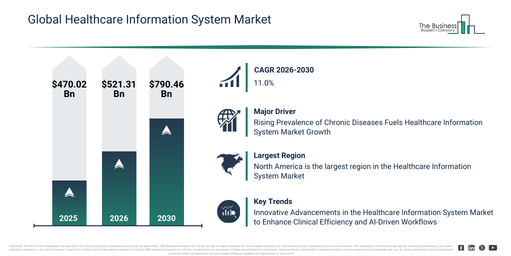
    The market for healthcare information systems has experienced accelerated expansion, and this upward trajectory is projected to continue, moving from an estimated $470.02 billion in 2025 to $521.31 billion by 2026 with a compound annual growth rate of 10.9%. Factors underpinning this historical expansion include the widespread digitization of patient information, the increasing integration of electronic health records within hospital settings, the broadening of healthcare infrastructure, a heightened need for efficient hospital operations, and the sheer increase in the volume of healthcare data generated.

    The healthcare information system market anticipates a period of accelerated expansion, projecting a valuation of $790.46 billion by the year 2030, underpinned by a compound annual growth rate (CAGR) of 11.0%. This upward trajectory is fueled by several key drivers, including amplified investments in cloud-native healthcare solutions, a heightened emphasis on managing the health of entire populations, the increasing application of AI in clinical analytics, a stronger regulatory push towards data transparency, and a growing need for seamless interaction between different healthcare systems. During this projection timeframe, significant market movements are expected to involve greater adoption of unified hospital information platforms, a surge in the implementation of cloud-based HIS, a continued focus on achieving interoperability across various healthcare entities, the broader use of data-driven tools for clinical decision support, and a more pronounced concentration on secure management of health data in the face of evolving cybersecurity threats.

    Download A Free Sample Report For Comprehensive Market Insights:

    https://www.thebusinessresearchcompany.com/sample.aspx?id=13673&type=smp

    Healthcare Information System Market Growth Momentum: Which Factors Are Influencing Demand?

    The increasing incidence of long-term health conditions is anticipated to fuel the expansion of the healthcare information system sector. These persistent ailments, which often necessitate continuous medical management and can restrict daily functioning, are becoming more widespread. Healthcare information systems offer valuable support to medical professionals, aiding them in managing patient records, monitoring health outcomes, and improving the quality of care for individuals afflicted with chronic illnesses. Illustrating this trend, data from the Centers for Disease Control and Prevention, a U.S. federal body, indicated that in 2023, approximately 76.4% of American adults lived with at least one of twelve specified chronic conditions, with a significant 51.4% experiencing multiple such conditions. Consequently, the growing burden of chronic diseases is a key factor propelling the market for healthcare information systems.

    Healthcare Information System Market Segmentation Trends And Revenue Drivers

    The healthcare information system market covered in this report is segmented –

    1) By Component: Hardware, Software And Systems, Services

    2) By Deployment: Web-based, On-Premises, Cloud-Based

    3) By Application: Hospital Information System, Pharmacy Automation Systems, Laboratory Informatics, Revenue Cycle Management, Medical Imaging Information System

    4) By End-Use: Hospitals, Diagnostic Centers, Academic And Research Institutes

    Subsegments:

    1) By Hardware: Servers, Networking Equipment, Storage Devices

    2) By Software And Systems: Electronic Health Records (EHR), Practice Management Software, Radiology Information Systems (RIS), Laboratory Information Systems (LIS), Health Information Exchange (HIE)

    3) By Services: Consulting Services, Implementation Services, Maintenance And Support Services, Training And Education Services, Managed Services

    Healthcare Information System Market Trends Reshaping Industry Growth

    The healthcare information system sector is witnessing a pronounced shift as leading entities prioritize innovation, notably through AI-driven, voice-activated electronic health record (EHR) systems. This strategic direction addresses the escalating need for more efficient clinical processes, a lessened documentation load, and superior decision-making capabilities, all spurred by physician exhaustion, increasing patient numbers, and the transition to value-based healthcare models. Unlike conventional EHRs that necessitate extensive manual input and possess inflexible user interfaces, contemporary AI-powered, voice-first EHRs incorporate generative AI, natural language understanding, and spoken commands. This integration facilitates a more natural interaction for healthcare providers, automates the documentation process, and provides immediate access to critical information. Illustrative of this trend, Oracle Health, a prominent US health IT firm, introduced its advanced AI-enabled EHR in August 2025. This solution is architected as a voice-first system augmented with built-in AI agents and utilizes Oracle Cloud Infrastructure for seamless multimedia interactions via voice and screen. Clinicians can now issue verbal commands, call up patient information, synthesize recent medical notes, and benefit from AI-generated clinical guidance. Furthermore, the platform accommodates the incorporation of bespoke AI models and external applications, thereby boosting customization, operational speed, and adaptability across diverse healthcare environments, with the overarching objective of minimizing manual actions, elevating data precision, and refining patient care pathways.

    Healthcare Information System Market Industry Leaders: Which Organizations Are Driving Competition?

    Major companies operating in the healthcare information system market are McKesson Corporation, Hewlett Packard, Siemens Healthineers, Philips Healthcare, GE Healthcare, 3M Health Care, Wipro Limited, Cerner Corporation, Infor, Epic Systems Corporation, Agfa Gevaert Group, Allscripts Healthcare LLC, Athenahealth Inc., Neusoft Medical Systems Co. Ltd., eClinicalWorks, Carestream Health, Medidata Solutions Inc., NextGen Healthcare, NXGN Management LLC, Greenway Health LLC, Dedalus S.p.A, e-MDs Incorporation, Novarad Corporation

    Access The Complete Healthcare Information System Market Report:

    https://www.thebusinessresearchcompany.com/report/healthcare-information-system-global-market-report

    Healthcare Information System Market Regional Outlook: Where Are The Largest Opportunities Located?

    North Americawas the largest region in the healthcare information system market in 2025. Asia-Pacificis expected to be the fastest-growing region in the forecast period. The regions covered in the healthcare information system market report are Asia-Pacific, South East Asia, Western Europe, Eastern Europe, North America, South America, Middle East, Africa.

    Get in touch with us:

    The Business Research Company: https://www.thebusinessresearchcompany.com/

    Americas: +1 310-496-7795

    Asia: +44 7882 955267 & +91 8897263534

    Europe: +44 7882 955267

    Email us at: marketing@tbrc.info

    Follow us on:

    LinkedIn: https://in.linkedin.com/company/the-business-research-company

    YouTube: https://www.youtube.com/channel/UC24_fI0rV8cR5DxlCpgmyFQ

    Global Market Model: https://www.thebusinessresearchcompany.com/global-market-model
  • Healthcare Identity Management Market Forecast Reveals Where Future Industry Value Will Be Created

    Healthcare Identity Management Market Forecast Reveals Where Future Industry Value Will Be Created

    Enhanced with market attractiveness analysis, total addressable market evaluation, company benchmarking matrices, interactive Excel dashboards, expanded supply chain intelligence, emerging startup coverage, and detailed product insights, The Business Research Company’s 2026 market reports deliver more actionable and strategically valuable research.

    Healthcare Identity Management Market Value Analysis: What Growth Is Expected Over The Forecast Period?

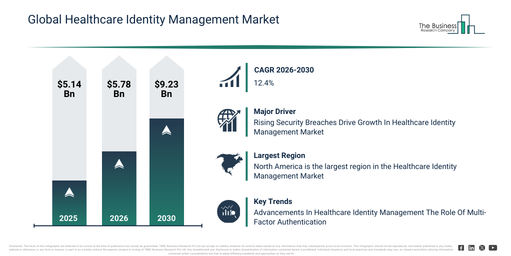
    The sector dedicated to managing identities within healthcare has experienced substantial expansion recently, with projections indicating a rise from $5.14 billion in 2025 to $5.78 billion by 2026, reflecting a compound annual growth rate of 12.5%. This upward trajectory during the past period is largely due to the increasing move towards digital healthcare records, the escalation of cybersecurity risks, the widespread implementation of electronic health records, stricter governmental requirements for data safeguarding, and the broadening scope of healthcare IT infrastructure.

    The healthcare identity management sector is poised for substantial expansion in the impending years, projected to reach a valuation of $9.23 billion by 2030, reflecting a compound annual growth rate of 12.4%. This accelerated growth trajectory is anticipated to be propelled by several key factors, including escalating investments in zero-trust security frameworks, a growing need for streamlined patient identity verification processes, the widening adoption of cloud-based healthcare solutions, increased integration of IoT device authentication, and a heightened emphasis on privacy-enhancing technologies. During this forecast period, significant trends are expected to emerge, such as a greater uptake of biometric authentication methods, a rise in the utilization of multi-factor authentication within healthcare settings, expanded deployment of cloud-managed identity solutions, the development of more interoperable identity platforms, and a sharpened focus on adhering to regulatory mandates and bolstering data security measures.

    Download A Free Sample Report For Comprehensive Market Insights:

    https://www.thebusinessresearchcompany.com/sample.aspx?id=19084&type=smp

    Healthcare Identity Management Market Expansion Drivers: What Is Shaping Future Growth?

    The increasing frequency of security incidents is anticipated to be a primary driver for the expansion of the healthcare identity management sector. A security breach, defined as the unauthorized access or revelation of confidential data, systems, or networks, carries the potential for harm or misuse. Factors contributing to the escalation of such breaches include an intensification of cyber threats, the broadening of digital frameworks, and occasional human mistakes. Within healthcare, identity management solutions utilize advanced methods like multi-factor authentication and biometric validation to ensure that only authorized personnel can access sensitive patient data, thereby substantially reducing the likelihood of unauthorized entry and strengthening defenses against potential breaches. Illustrating this trend, the Identity Theft Resource Center, a US non-profit, reported approximately 725 data breaches in 2023, leading to the compromise or unauthorized disclosure of more than 133 million records, underscoring a persistent rise in healthcare data vulnerabilities. Consequently, the proliferation of security breaches is fuelling the advancement of the healthcare identity management market.

    Healthcare Identity Management Market Segment Analysis Highlighting Growth Areas

    The healthcare identity management market covered in this report is segmented –

    1) By Solution: Identity And Access Management (IAM), Authentication, Verification, Access Management And Authorization

    2) By Deployment Mode: On-Premises, Cloud-Based, Hybrid

    3) By Technology: Biometric Authentication, Radio Frequency Identification And Smart Card, Single Sign-On (SSO), Multi-Factor Authentication (MFA), Internet Of Things Authentication

    4) By End User: Hospitals And Clinics, Diagnostic Laboratories, Research Institutions, Health Insurance Companies

    Subsegments:

    1) By Identity And Access Management (IAM): User Provisioning And De-Provisioning, Role-Based Access Control (RBAC), Single Sign-On (SSO), Directory Services

    2) By Authentication: Multi-Factor Authentication (MFA), Biometric Authentication, Passwordless Authentication, One-Time Password (OTP) Authentication

    3) By Verification: Identity Verification Solutions, Credential Verification Services, Document Verification Systems

    4) By Access Management And Authorization: Access Control Policies, User Role Management, Session Management, Audit And Compliance Management

    Healthcare Identity Management Market Strategic Trends: What Is Defining The Next Phase Of Growth?

    Within the healthcare identity management sector, key players are concentrating their efforts on innovating sophisticated security measures, including multi-factor authentication, to bolster defenses against illicit system entry. MFA is a security framework that strengthens user authentication by demanding a minimum of two distinct verification factors to affirm an individual’s identity for access. As an illustration, in March of 2023, Clario, a technology enterprise headquartered in the United States, introduced its Federated Identity Management (FIM) System. This innovative system serves to improve both security and user ease by permitting individuals to log into a multitude of systems and organizations using only one set of login credentials, thereby simplifying the entire authentication procedure. The FIM solution seamlessly connects with outside identity providers, empowering clients to leverage their existing, trusted credentials for secure entry into Clario’s platform. Furthermore, it integrates features like single-sign-on (SSO) and the aforementioned multi-factor authentication (MFA) to fortify security protocols, offering particularly robust protection for those participating in clinical research.

    Healthcare Identity Management Market Leading Companies: Who Holds Significant Market Presence?

    Major companies operating in the healthcare identity management market are Deloitte Touche Tohmatsu Limited, Oracle Corporation, Infosys Limited, Atos SE, Okta Inc., CyberArk Software Ltd., SailPoint Technologies Holdings Inc., Ping Identity Corporation, Saviynt Inc., ForgeRock Inc., Simeio Solutions LLC, One Identity LLC, Veritis Group Inc., Radiant Logic Inc., Promobi Technologies Private Limited, Ubisecure Inc., Zluri Inc., Evidian, Optimal IdM LLC, My1Login Limited

    Access The Complete Healthcare Identity Management Market Report:

    https://www.thebusinessresearchcompany.com/report/healthcare-identity-management-global-market-report

    Healthcare Identity Management Market Geographic Landscape: Which Region Dominates Industry Growth?

    North Americawas the largest region in the healthcare identity management market in 2025. Asia-Pacificis expected to be the fastest-growing region in the forecast period. The regions covered in the healthcare identity management market report are Asia-Pacific, South East Asia, Western Europe, Eastern Europe, North America, South America, Middle East, Africa.

    Get in touch with us:

    The Business Research Company: https://www.thebusinessresearchcompany.com/

    Americas: +1 310-496-7795

    Asia: +44 7882 955267 & +91 8897263534

    Europe: +44 7882 955267

    Email us at: marketing@tbrc.info

    Follow us on:

    LinkedIn: https://in.linkedin.com/company/the-business-research-company

    YouTube: https://www.youtube.com/channel/UC24_fI0rV8cR5DxlCpgmyFQ

    Global Market Model: https://www.thebusinessresearchcompany.com/global-market-model
  • Healthcare Gamification Market Growth Through 2030 Creates New Strategic Opportunities

    Healthcare Gamification Market Growth Through 2030 Creates New Strategic Opportunities

    Through market attractiveness analysis, total addressable market evaluation, company benchmarking matrices, interactive Excel dashboards, expanded supply chain intelligence, emerging startup coverage, and detailed product insights, The Business Research Company’s 2026 market reports provide more actionable and strategically valuable research.

    Healthcare Gamification Market Size Forecast: How Large Could The Market Become By 2030?

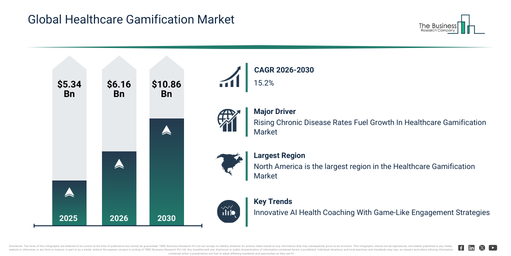
    The healthcare gamification sector has experienced substantial expansion, projecting a rise from $5.34 billion in 2025 to $6.16 billion in 2026, driven by a compound annual growth rate of 15.3%. Key factors fueling this growth during the prior period included the widespread use of smartphones in healthcare settings, a heightened need for tools designed to boost patient involvement, the increasing acceptance of digital wellness solutions, the proliferation of remote care initiatives, and the assimilation of gamified approaches into medical training.

    The healthcare gamification sector is poised for substantial expansion in the coming years, projected to reach $10.86 billion by 2030, driven by a compound annual growth rate of 15.2%. This accelerated growth trajectory is fueled by several key factors, including the escalating integration of AI-powered personalized gamification approaches, a heightened demand for proactive health and wellness solutions, the broadening scope of digital therapeutics, a sustained emphasis on ensuring long-term patient compliance, and amplified investments in technologies designed to boost health engagement. Furthermore, the upcoming forecast period is expected to witness significant trends, such as a greater embrace of gamified platforms for patient interaction, increased utilization of mobile health games, wider implementation of gamification within therapeutic programs, the flourishing of applications focused on behavioral modification and overall well-being, and a more concentrated effort on delivering tailored health experiences.

    Download A Free Sample Report For Comprehensive Market Insights:

    https://www.thebusinessresearchcompany.com/sample.aspx?id=14112&type=smp

    Healthcare Gamification Market Development Factors: Which Trends Are Supporting Demand?

    The escalating prevalence of chronic and lifestyle-induced illnesses is anticipated to be a primary catalyst for the expansion of the healthcare gamification sector. These conditions, often stemming from or worsened by daily habits and choices, alongside enduring environmental factors, present a significant public health challenge. Healthcare gamification proves effective in tackling these very challenges, employing game principles and design approaches to inspire people to embrace healthier lifestyles and more actively manage their well-being. Illustrating this trend, a June 2023 report from the Institute for Health Metrics and Evaluation indicated that over 500 million individuals worldwide currently have diabetes, a figure projected to exceed 1.3 billion by 2050. Consequently, the rising numbers of those affected by lifestyle-related and chronic diseases are directly fueling the advancement of markets focused on healthcare gamification.

    Healthcare Gamification Market Segment Performance And Strategic Opportunities

    The healthcare gamification market covered in this report is segmented –

    1) By Type: Casual Games, Serious Games, Exercise Games, Brain Training Games, Other Types

    2) By Application: Health And Wellness Management, Medical Training And Education, Patient Engagement, Physical Therapy And Rehabilitation, Behavior Change And Lifestyle Improvement, Other Applications

    3) By End User: Hospitals And Clinics, Pharmaceutical Companies, Medical Schools And Training Institutions, Patients, Healthcare Professionals, Other End Users

    Subsegments:

    1) By Casual Games: Mobile Casual Games, Web-Based Casual Games

    2) By Serious Games: Educational Healthcare Games, Simulation-Based Training Games

    3) By Exercise Games: Fitness Games, Motion-Sensing Games

    4) By Brain Training Games: Cognitive Skill Games, Memory Improvement Games, Attention And Focus Games

    5) By Other Types: Virtual Reality (VR) Games, Augmented Reality (AR) Games, Social And Multiplayer Health Games

    Healthcare Gamification Market Transformation Trends: Which Innovations Are Driving Change?

    Key players within the healthcare gamification sector are prioritizing the creation of cutting-edge solutions incorporating sophisticated technologies like AI-powered health coaching modules that leverage gamification principles to enhance their market standing and financial performance. Essentially, an AI health coach blended with gamification represents a digital system that employs artificial intelligence to deliver tailored health guidance and encouragement, integrating game-associated features to captivate and motivate individuals toward accomplishing their wellness and fitness objectives. Illustrating this trend, T-Systems International GmbH, a German information technology firm, introduced MagMoves in May 2023. This platform is engineered to transform remote healthcare delivery by synergizing gamified health experiences, user adaptability, and individualized approaches, thereby fostering a mindset geared towards proactive and preventive health management. The application’s core design principle is to render healthcare interactions both stimulating and pleasurable, elevating the standard of virtual care exceptionally. Through the integration of artificial intelligence, it offers a gamified virtual health coaching experience, actively fostering a proactive stance in how individuals manage their well-being.

    Healthcare Gamification Market Key Players: Which Companies Shape Industry Competition?

    Major companies operating in the healthcare gamification market are Nike Inc., Adidas AG, Omada Health Inc., Happify Inc., WellDoc Inc., Akili Inc., Kaia Health, Mango Health, Pear Therapeutics, CogniFit Inc., Ayogo Health Inc., Freespira, Syandus Inc., Badgeville Inc., Google LLC, Microsoft Corporation, Medtronic PLC, Cognizant, Rally Health, BioSerenity, Biofourmis, MPS Interactive Systems Limited, Axonify Inc.

    Access The Complete Healthcare Gamification Market Report:

    https://www.thebusinessresearchcompany.com/report/healthcare-gamification-global-market-report

    Healthcare Gamification Market Largest Region: Which Geography Holds The Highest Market Share?

    North Americawas the largest region in the healthcare gamification market in 2025. Europewas the fastest-growing region in the forecast period. The regions covered in the healthcare gamification market report are Asia-Pacific, South East Asia, Western Europe, Eastern Europe, North America, South America, Middle East, Africa.

    Get in touch with us:

    The Business Research Company: https://www.thebusinessresearchcompany.com/

    Americas: +1 310-496-7795

    Asia: +44 7882 955267 & +91 8897263534

    Europe: +44 7882 955267

    Email us at: marketing@tbrc.info

    Follow us on:

    LinkedIn: https://in.linkedin.com/company/the-business-research-company

    YouTube: https://www.youtube.com/channel/UC24_fI0rV8cR5DxlCpgmyFQ

    Global Market Model: https://www.thebusinessresearchcompany.com/global-market-model
  • Healthcare Gamification Market Growth Through 2030 Creates New Strategic Opportunities

    Through market attractiveness analysis, total addressable market evaluation, company benchmarking matrices, interactive Excel dashboards, expanded supply chain intelligence, emerging startup coverage, and detailed product insights, The Business Research Company’s 2026 market reports provide more actionable and strategically valuable research.

    Healthcare Gamification Market Size Forecast: How Large Could The Market Become By 2030?

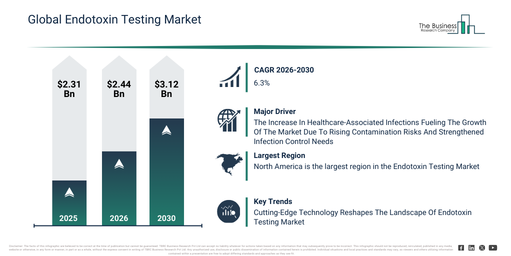
    The healthcare gamification sector has experienced substantial expansion, projecting a rise from $5.34 billion in 2025 to $6.16 billion in 2026, driven by a compound annual growth rate of 15.3%. Key factors fueling this growth during the prior period included the widespread use of smartphones in healthcare settings, a heightened need for tools designed to boost patient involvement, the increasing acceptance of digital wellness solutions, the proliferation of remote care initiatives, and the assimilation of gamified approaches into medical training.

    The healthcare gamification sector is poised for substantial expansion in the coming years, projected to reach $10.86 billion by 2030, driven by a compound annual growth rate of 15.2%. This accelerated growth trajectory is fueled by several key factors, including the escalating integration of AI-powered personalized gamification approaches, a heightened demand for proactive health and wellness solutions, the broadening scope of digital therapeutics, a sustained emphasis on ensuring long-term patient compliance, and amplified investments in technologies designed to boost health engagement. Furthermore, the upcoming forecast period is expected to witness significant trends, such as a greater embrace of gamified platforms for patient interaction, increased utilization of mobile health games, wider implementation of gamification within therapeutic programs, the flourishing of applications focused on behavioral modification and overall well-being, and a more concentrated effort on delivering tailored health experiences.

    Download A Free Sample Report For Comprehensive Market Insights:

    https://www.thebusinessresearchcompany.com/sample.aspx?id=14112&type=smp

    Healthcare Gamification Market Development Factors: Which Trends Are Supporting Demand?

    The escalating prevalence of chronic and lifestyle-induced illnesses is anticipated to be a primary catalyst for the expansion of the healthcare gamification sector. These conditions, often stemming from or worsened by daily habits and choices, alongside enduring environmental factors, present a significant public health challenge. Healthcare gamification proves effective in tackling these very challenges, employing game principles and design approaches to inspire people to embrace healthier lifestyles and more actively manage their well-being. Illustrating this trend, a June 2023 report from the Institute for Health Metrics and Evaluation indicated that over 500 million individuals worldwide currently have diabetes, a figure projected to exceed 1.3 billion by 2050. Consequently, the rising numbers of those affected by lifestyle-related and chronic diseases are directly fueling the advancement of markets focused on healthcare gamification.

    Healthcare Gamification Market Segment Performance And Strategic Opportunities

    The healthcare gamification market covered in this report is segmented –

    1) By Type: Casual Games, Serious Games, Exercise Games, Brain Training Games, Other Types

    2) By Application: Health And Wellness Management, Medical Training And Education, Patient Engagement, Physical Therapy And Rehabilitation, Behavior Change And Lifestyle Improvement, Other Applications

    3) By End User: Hospitals And Clinics, Pharmaceutical Companies, Medical Schools And Training Institutions, Patients, Healthcare Professionals, Other End Users

    Subsegments:

    1) By Casual Games: Mobile Casual Games, Web-Based Casual Games

    2) By Serious Games: Educational Healthcare Games, Simulation-Based Training Games

    3) By Exercise Games: Fitness Games, Motion-Sensing Games

    4) By Brain Training Games: Cognitive Skill Games, Memory Improvement Games, Attention And Focus Games

    5) By Other Types: Virtual Reality (VR) Games, Augmented Reality (AR) Games, Social And Multiplayer Health Games

    Healthcare Gamification Market Transformation Trends: Which Innovations Are Driving Change?

    Key players within the healthcare gamification sector are prioritizing the creation of cutting-edge solutions incorporating sophisticated technologies like AI-powered health coaching modules that leverage gamification principles to enhance their market standing and financial performance. Essentially, an AI health coach blended with gamification represents a digital system that employs artificial intelligence to deliver tailored health guidance and encouragement, integrating game-associated features to captivate and motivate individuals toward accomplishing their wellness and fitness objectives. Illustrating this trend, T-Systems International GmbH, a German information technology firm, introduced MagMoves in May 2023. This platform is engineered to transform remote healthcare delivery by synergizing gamified health experiences, user adaptability, and individualized approaches, thereby fostering a mindset geared towards proactive and preventive health management. The application’s core design principle is to render healthcare interactions both stimulating and pleasurable, elevating the standard of virtual care exceptionally. Through the integration of artificial intelligence, it offers a gamified virtual health coaching experience, actively fostering a proactive stance in how individuals manage their well-being.

    Healthcare Gamification Market Key Players: Which Companies Shape Industry Competition?

    Major companies operating in the healthcare gamification market are Nike Inc., Adidas AG, Omada Health Inc., Happify Inc., WellDoc Inc., Akili Inc., Kaia Health, Mango Health, Pear Therapeutics, CogniFit Inc., Ayogo Health Inc., Freespira, Syandus Inc., Badgeville Inc., Google LLC, Microsoft Corporation, Medtronic PLC, Cognizant, Rally Health, BioSerenity, Biofourmis, MPS Interactive Systems Limited, Axonify Inc.

    Access The Complete Healthcare Gamification Market Report:

    https://www.thebusinessresearchcompany.com/report/healthcare-gamification-global-market-report

    Healthcare Gamification Market Largest Region: Which Geography Holds The Highest Market Share?

    North Americawas the largest region in the healthcare gamification market in 2025. Europewas the fastest-growing region in the forecast period. The regions covered in the healthcare gamification market report are Asia-Pacific, South East Asia, Western Europe, Eastern Europe, North America, South America, Middle East, Africa.

    Get in touch with us:

    The Business Research Company: https://www.thebusinessresearchcompany.com/

    Americas: +1 310-496-7795

    Asia: +44 7882 955267 & +91 8897263534

    Europe: +44 7882 955267

    Email us at: marketing@tbrc.info

    Follow us on:

    LinkedIn: https://in.linkedin.com/company/the-business-research-company

    YouTube: https://www.youtube.com/channel/UC24_fI0rV8cR5DxlCpgmyFQ

    Global Market Model: https://www.thebusinessresearchcompany.com/global-market-model
  • Healthcare Gamification Market Growth Through 2030 Creates New Strategic Opportunities

    Through market attractiveness analysis, total addressable market evaluation, company benchmarking matrices, interactive Excel dashboards, expanded supply chain intelligence, emerging startup coverage, and detailed product insights, The Business Research Company’s 2026 market reports provide more actionable and strategically valuable research.

    Healthcare Gamification Market Size Forecast: How Large Could The Market Become By 2030?

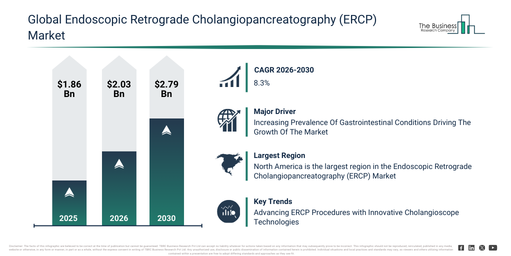
    The healthcare gamification sector has experienced substantial expansion, projecting a rise from $5.34 billion in 2025 to $6.16 billion in 2026, driven by a compound annual growth rate of 15.3%. Key factors fueling this growth during the prior period included the widespread use of smartphones in healthcare settings, a heightened need for tools designed to boost patient involvement, the increasing acceptance of digital wellness solutions, the proliferation of remote care initiatives, and the assimilation of gamified approaches into medical training.

    The healthcare gamification sector is poised for substantial expansion in the coming years, projected to reach $10.86 billion by 2030, driven by a compound annual growth rate of 15.2%. This accelerated growth trajectory is fueled by several key factors, including the escalating integration of AI-powered personalized gamification approaches, a heightened demand for proactive health and wellness solutions, the broadening scope of digital therapeutics, a sustained emphasis on ensuring long-term patient compliance, and amplified investments in technologies designed to boost health engagement. Furthermore, the upcoming forecast period is expected to witness significant trends, such as a greater embrace of gamified platforms for patient interaction, increased utilization of mobile health games, wider implementation of gamification within therapeutic programs, the flourishing of applications focused on behavioral modification and overall well-being, and a more concentrated effort on delivering tailored health experiences.

    Download A Free Sample Report For Comprehensive Market Insights:

    https://www.thebusinessresearchcompany.com/sample.aspx?id=14112&type=smp

    Healthcare Gamification Market Development Factors: Which Trends Are Supporting Demand?

    The escalating prevalence of chronic and lifestyle-induced illnesses is anticipated to be a primary catalyst for the expansion of the healthcare gamification sector. These conditions, often stemming from or worsened by daily habits and choices, alongside enduring environmental factors, present a significant public health challenge. Healthcare gamification proves effective in tackling these very challenges, employing game principles and design approaches to inspire people to embrace healthier lifestyles and more actively manage their well-being. Illustrating this trend, a June 2023 report from the Institute for Health Metrics and Evaluation indicated that over 500 million individuals worldwide currently have diabetes, a figure projected to exceed 1.3 billion by 2050. Consequently, the rising numbers of those affected by lifestyle-related and chronic diseases are directly fueling the advancement of markets focused on healthcare gamification.

    Healthcare Gamification Market Segment Performance And Strategic Opportunities

    The healthcare gamification market covered in this report is segmented –

    1) By Type: Casual Games, Serious Games, Exercise Games, Brain Training Games, Other Types

    2) By Application: Health And Wellness Management, Medical Training And Education, Patient Engagement, Physical Therapy And Rehabilitation, Behavior Change And Lifestyle Improvement, Other Applications

    3) By End User: Hospitals And Clinics, Pharmaceutical Companies, Medical Schools And Training Institutions, Patients, Healthcare Professionals, Other End Users

    Subsegments:

    1) By Casual Games: Mobile Casual Games, Web-Based Casual Games

    2) By Serious Games: Educational Healthcare Games, Simulation-Based Training Games

    3) By Exercise Games: Fitness Games, Motion-Sensing Games

    4) By Brain Training Games: Cognitive Skill Games, Memory Improvement Games, Attention And Focus Games

    5) By Other Types: Virtual Reality (VR) Games, Augmented Reality (AR) Games, Social And Multiplayer Health Games

    Healthcare Gamification Market Transformation Trends: Which Innovations Are Driving Change?

    Key players within the healthcare gamification sector are prioritizing the creation of cutting-edge solutions incorporating sophisticated technologies like AI-powered health coaching modules that leverage gamification principles to enhance their market standing and financial performance. Essentially, an AI health coach blended with gamification represents a digital system that employs artificial intelligence to deliver tailored health guidance and encouragement, integrating game-associated features to captivate and motivate individuals toward accomplishing their wellness and fitness objectives. Illustrating this trend, T-Systems International GmbH, a German information technology firm, introduced MagMoves in May 2023. This platform is engineered to transform remote healthcare delivery by synergizing gamified health experiences, user adaptability, and individualized approaches, thereby fostering a mindset geared towards proactive and preventive health management. The application’s core design principle is to render healthcare interactions both stimulating and pleasurable, elevating the standard of virtual care exceptionally. Through the integration of artificial intelligence, it offers a gamified virtual health coaching experience, actively fostering a proactive stance in how individuals manage their well-being.

    Healthcare Gamification Market Key Players: Which Companies Shape Industry Competition?

    Major companies operating in the healthcare gamification market are Nike Inc., Adidas AG, Omada Health Inc., Happify Inc., WellDoc Inc., Akili Inc., Kaia Health, Mango Health, Pear Therapeutics, CogniFit Inc., Ayogo Health Inc., Freespira, Syandus Inc., Badgeville Inc., Google LLC, Microsoft Corporation, Medtronic PLC, Cognizant, Rally Health, BioSerenity, Biofourmis, MPS Interactive Systems Limited, Axonify Inc.

    Access The Complete Healthcare Gamification Market Report:

    https://www.thebusinessresearchcompany.com/report/healthcare-gamification-global-market-report

    Healthcare Gamification Market Largest Region: Which Geography Holds The Highest Market Share?

    North Americawas the largest region in the healthcare gamification market in 2025. Europewas the fastest-growing region in the forecast period. The regions covered in the healthcare gamification market report are Asia-Pacific, South East Asia, Western Europe, Eastern Europe, North America, South America, Middle East, Africa.

    Get in touch with us:

    The Business Research Company: https://www.thebusinessresearchcompany.com/

    Americas: +1 310-496-7795

    Asia: +44 7882 955267 & +91 8897263534

    Europe: +44 7882 955267

    Email us at: marketing@tbrc.info

    Follow us on:

    LinkedIn: https://in.linkedin.com/company/the-business-research-company

    YouTube: https://www.youtube.com/channel/UC24_fI0rV8cR5DxlCpgmyFQ

    Global Market Model: https://www.thebusinessresearchcompany.com/global-market-model
  • Endotoxin Testing Market Opportunities Are Emerging Beyond Traditional Growth Areas

    Endotoxin Testing Market Opportunities Are Emerging Beyond Traditional Growth Areas

    Delivering more actionable and strategically valuable research, The Business Research Company’s 2026 market reports feature market attractiveness analysis, total addressable market evaluation, company benchmarking matrices, interactive Excel dashboards, expanded supply chain intelligence, emerging startup coverage, and detailed product insights.

    Endotoxin Testing Market Value Expansion And Long-Term Growth Outlook

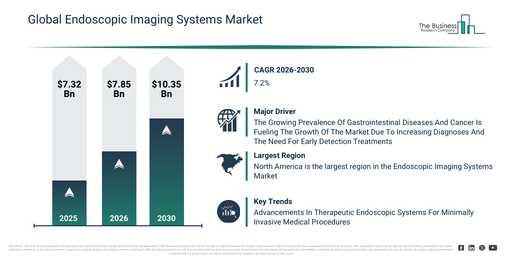
    The market for endotoxin testing has experienced robust expansion lately, with projections indicating a rise from $2.31 billion in 2025 to $2.44 billion in 2026, reflecting a compound annual growth rate of 5.5%. The historical growth trajectory of this market can be ascribed to several key factors, including stringent drug safety regulations, the increasing scale of pharmaceutical production, elevated quality standards for medical devices, a heightened focus on patient safety, and the broadening scope of laboratory testing services.

    The market for endotoxin testing is poised for substantial expansion over the coming years, projected to reach a value of $3.12 billion by 2030, driven by a compound annual growth rate of 6.3%. This anticipated growth trajectory is largely influenced by several key factors, including the escalating development of biologic drugs, increasingly rigorous regulatory scrutiny, the integration of automation into quality control processes, advancements in medical device technology, and a heightened emphasis on managing contamination risks. Furthermore, the forecast period will likely witness significant trends such as an amplified focus on pharmaceutical safety, more stringent regulatory compliance mandates, an increase in quality testing for medical devices, the broader adoption of in vitro diagnostic testing, and a growing need for precise endotoxin detection methods.

    Download A Free Sample Report For Comprehensive Market Insights:

    https://www.thebusinessresearchcompany.com/sample.aspx?id=12932&type=smp

    Endotoxin Testing Market Growth Momentum: Which Factors Are Influencing Demand?

    The expanding prevalence of infections contracted within healthcare settings is anticipated to be a primary catalyst for the advancement of the endotoxin testing market. Infections acquired during medical treatment that were not present upon admission to a healthcare facility are referred to as healthcare-associated infections, or HAIs. Factors contributing to the surge in HAIs include insufficient protocols for infection prevention and control, contact with contaminated medical instruments, and the escalating presence of pathogens resistant to medications. By detecting bacterial endotoxins in medical apparatus, injectable medications, and prosthetic devices, endotoxin testing significantly contributes to patient well-being, mitigating the potential for sepsis, inflammatory responses, and complications linked to medical devices. Illustratively, the World Health Organization, a public health entity headquartered in Switzerland, indicated in its Global Report on Infection Prevention and Control 2024, released in November 2024, that despite 71% of nations implementing active infection prevention and control (IPC) programs, merely 6% adhered to all essential IPC criteria set by the WHO during the 2023-2024 period, thereby exposing numerous patients to elevated risks of HAIs. Consequently, the growing occurrence of infections acquired in healthcare environments is directly fueling the expansion of the endotoxin testing market.

    Endotoxin Testing Market Segment Landscape: Which Areas Lead Market Development?

    The endotoxin testing market covered in this report is segmented –

    1) By Test Type: LAL (Limulus Amebocyte Lysate) Test, Chromogenic Tests, Turbidimetric Tests, Gel Clot Tests, MAT Test, Rabbit Pyrogen Test, Recombinant Factor C (rFC) Assay

    2) By Application: Medical Devices, Pharmaceuticals, Packaging, Raw Materials

    3) By End-User: Hospitals, Laboratories, Research Institutes

    Subsegments:

    1) By LAL (Limulus Amebocyte Lysate) Test: Gel Clot LAL Test, Kinetic LAL Test, Endpoint LAL Test

    2) By Chromogenic Tests: Chromogenic LAL Test, Chromogenic Factor C Assay

    3) By Turbidimetric Tests: Turbidimetric LAL Test, Turbidimetric Factor C Assay

    4) By Gel Clot Tests: Gel Clot LAL Test

    5) By MAT Test (Monocyte Activation Test): Direct MAT, Indirect MAT

    6) By Rabbit Pyrogen Test: Standard Rabbit Pyrogen Test

    7) By Recombinant Factor C (rFC) Assay: RFC Assay For Endotoxin Detection

    Endotoxin Testing Market Trends Reshaping Industry Growth

    Within the endotoxin detection sector, leading enterprises are prioritizing the creation of sophisticated instruments, exemplified by integrated absorbance microplate readers, aiming to elevate testing precision, optimize laboratory processes, and enhance adherence to data integrity mandates. These cutting-edge absorbance readers are conceived to interface effortlessly with proprietary assay software, uphold validated operational sequences, and produce dependable outcomes consistent with established industry benchmarks. Illustratively, Lonza Group AG, a prominent Swiss entity involved in pharmaceutical, biotechnological, and nutritional production, introduced the Nebula Absorbance Reader in August 2023. This innovative microplate reader is specifically crafted to simplify endotoxin and pyrogen assessment procedures. Seamlessly integrated with Lonza’s state-of-the-art WinKQCL software, this system ensures compliance with data integrity regulations, alleviates validation complexities, and reduces training requirements by enabling current WinKQCL users to operate the new device without the need for supplementary software instruction. Positioned as a technologically superior successor to the superseded ELx808 absorbance reader, the Nebula system offers equivalent performance and is expertly tailored for Lonza’s absorbance-based endotoxin assays, notably the PYROGENT 5000 Turbidimetric and Kinetic-QCL Chromogenic Endotoxin Assays.

    Endotoxin Testing Market Industry Leaders And Market Competition

    Major companies operating in the endotoxin testing market are Thermo Fisher Scientific Inc., Merck KGaA, bioMérieux SA., Eurofins Scientific SE, Lonza Group Ltd., WuXi AppTec Co. Ltd., Bio-Rad Laboratories Inc., Maravai LifeSciences Holdings Inc., Cambrex Corporation, GenScript Biotech Corporation, Charles River Laboratories International Inc., Nelson Laboratories LLC, Lifecore Biomedical Inc., Stellar Biotechnologies Inc., Biovision Inc., Associates of Cape Cod Inc., FUJIFILM Wako Pure Chemical Corporation, InvivoGen Inc., Tebu-bio Nv., MatTek Corporation, Microcoat Biotechnologie GmbH, Accelagen Inc., BioAssay Systems LLC, BioThema AB, Hycult Biotech Inc., Pacific Biolabs Inc., Xiamen Bioendo Technology Co. Ltd., Zhanjiang A&C Biological Ltd., Accugen Laboratories Inc.

    Access The Complete Endotoxin Testing Market Report:

    https://www.thebusinessresearchcompany.com/report/endotoxin-testing-global-market-report

    Endotoxin Testing Market Geographic Analysis: Where Is Demand Growing The Fastest?

    North Americawas the largest region in the endotoxin testing market in 2025. Asia-Pacificis expected to be the fastest-growing region in the forecast period. The regions covered in the endotoxin testing market report are Asia-Pacific, South East Asia, Western Europe, Eastern Europe, North America, South America, Middle East, Africa.

    Get in touch with us:

    The Business Research Company: https://www.thebusinessresearchcompany.com/

    Americas: +1 310-496-7795

    Asia: +44 7882 955267 & +91 8897263534

    Europe: +44 7882 955267

    Email us at: marketing@tbrc.info

    Follow us on:

    LinkedIn: https://in.linkedin.com/company/the-business-research-company

    YouTube: https://www.youtube.com/channel/UC24_fI0rV8cR5DxlCpgmyFQ

    Global Market Model: https://www.thebusinessresearchcompany.com/global-market-model

  • Endoscopic Retrograde Cholangiopancreatography (ERCP) Market Expansion Is Opening New Pathways For Strategic Investment

    Endoscopic Retrograde Cholangiopancreatography (ERCP) Market Expansion Is Opening New Pathways For Strategic Investment

    Enhanced with market attractiveness analysis, total addressable market evaluation, company benchmarking matrices, interactive Excel dashboards, expanded supply chain intelligence, emerging startup coverage, and detailed product insights, The Business Research Company’s 2026 market reports deliver more actionable and strategically valuable research.

    Endoscopic Retrograde Cholangiopancreatography (ERCP) Market Expected To Reach $2.78 Billion By 2030 At 8.3% CAGR

    The global market for ERCP procedures experienced substantial expansion recently, with projections indicating continued robust growth. This market is expected to advance from an estimated $1.86 billion in 2025 to $2.03 billion by 2026, reflecting a compound annual growth rate of 8.6%. Key factors contributing to this growth during the preceding period included the increasing incidence of gallstones, an aging demographic, the widespread burden of gastrointestinal diseases, the broader adoption of endoscopy within hospitals, and the rise of imaging-guided interventions.

    The market for endoscopic retrograde cholangiopancreatography (ERCP) is poised for considerable expansion in the upcoming years, projected to reach $2.79 billion by 2030 with a compound annual growth rate (CAGR) of 8.3%. This anticipated growth stems from several key drivers, including enhanced endoscopic training programs, improvements in the early detection of pancreatic conditions, an increase in therapeutic procedures, upgraded hospital facilities, and a growing patient preference for minimally invasive treatments. During this forecast period, significant market trends are expected to emerge, such as a rise in the prevalence of biliary disorders, a greater adoption of therapeutic endoscopy, an overall increase in minimally invasive gastrointestinal interventions, the establishment of more advanced endoscopy units, and a heightened emphasis on the prompt diagnosis of pancreatic ailments.

    Download A Free Sample Report For Comprehensive Market Insights:

    https://www.thebusinessresearchcompany.com/sample.aspx?id=20770&type=smp

    Endoscopic Retrograde Cholangiopancreatography (ERCP) Market Expansion Drivers: What Is Shaping Future Growth?

    The expanding incidence of digestive system ailments is anticipated to be a primary catalyst for the advancement of the endoscopic retrograde cholangiopancreatography (ERCP) market in the future. These digestive system conditions encompass a wide spectrum of disorders affecting the entire gastrointestinal system, from the mouth to the anus, and also include associated organs like the liver, gallbladder, and pancreas. Factors contributing to the rise in these conditions include shifts in eating habits, an aging global population, increased antibiotic consumption, changes in lifestyle, and environmental impacts. ERCP serves as a crucial tool in managing patients with gastrointestinal problems by offering a less invasive approach for both identifying and resolving obstructions or abnormalities within the bile and pancreatic ducts, such as gallstones, blockages, growths, or infections. As an illustration, data from the American Cancer Society indicated an estimated 26,890 new stomach cancer diagnoses in the United States in January 2024, with projections of approximately 10,880 fatalities from this cancer. Consequently, the growing number of gastrointestinal conditions directly fuels the expansion of the ERCP market.

    Endoscopic Retrograde Cholangiopancreatography (ERCP) Market Segments: Where Are The Largest Growth Opportunities?

    The endoscopic retrograde cholangiopancreatography (ercp) market covered in this report is segmented –

    1) By Product: Endoscopes, Endotherapy Devices, Visualization Systems, Energy Devices

    2) By Application: Biliary Sphincterotomy, Biliary Dilatation, Biliary Stenting, Pancreatic Sphincterotomy, Pancreatic Duct Dilatation, Pancreatic Duct Stentin

    3) By End User: Hospitals And Clinics, Ambulatory Surgery Centers, Other End Users

    Subsegments:

    1) By Endoscopes: Flexible Endoscopes, Semi-Rigid Endoscopes, High-Resolution Endoscopes

    2) By Endotherapy Devices: Stone Extraction Devices, Balloon Dilatation Catheters, Stents, Biopsy Forceps

    3) By Visualization Systems: High-Definition Visualization Systems, Endoscopic Imaging Systems, Video Endoscopes

    4) By Energy Devices: Electrosurgical Devices, Laser Devices, Argon Plasma Coagulation Systems

    Endoscopic Retrograde Cholangiopancreatography (ERCP) Market Strategic Trends: What Is Defining The Next Phase Of Growth?

    Key players in the ERCP market are actively pursuing technological advancements, exemplified by the development of cholangioscope direct visualization systems, which aim to deliver superior, high-definition direct imaging of the bile and pancreatic ducts. This sophisticated medical instrument offers enhanced visualization capabilities for these critical anatomical structures during ERCP interventions. As an illustration, in July 2024, the UK firm Penlon Limited introduced its VedVision Cholangioscope Direct Visualisation System, a cutting-edge device engineered for precise, high-resolution direct viewing of the bile and pancreatic ducts, thereby improving diagnostic accuracy and therapeutic effectiveness in ERCP procedures. The system is equipped with a 2 mm accessory channel and a specialized guidewire channel facilitating secure passage, complemented by a comprehensive suite of accessories including biopsy forceps, stone retrieval baskets, cytology brushes, and polypectomy snares.

    Endoscopic Retrograde Cholangiopancreatography (ERCP) Market Major Participants And Competitive Dynamics

    Major companies operating in the endoscopic retrograde cholangiopancreatography (ercp) market are Medtronic plc, Fujifilm Holdings Corporation, Siemens Healthineers AG, Stryker Corporation, Boston Scientific Corporation, B. Braun Melsungen AG, Olympus Corporation, Ottomed Endoscopy, W. L. Gore & Associates Inc., Streis plc, Cook Group, KARL STORZ SE & Co. KG, CONMED Corporation, PENTAX Medical Inc., AMBU Inc., Samsung Medison Co. Ltd., Medi-Globe GmbH, Telemed System Inc., Micro-Tech Endoscopy Inc., Hobbs Medical Inc., Shaili Endoscopy Pvt. Ltd.

    Access The Complete Endoscopic Retrograde Cholangiopancreatography (ERCP) Market Report:

    https://www.thebusinessresearchcompany.com/report/endoscopic-retrograde-cholangiopancreatography-ercp-global-market-report

    Endoscopic Retrograde Cholangiopancreatography (ERCP) Market Global Footprint: Which Region Holds Market Leadership?

    North Americawas the largest region in the endoscopic retrograde cholangiopancreatography (ERCP) market in 2025. Asia-Pacificis expected to be the fastest-growing region in the forecast period. The regions covered in the endoscopic retrograde cholangiopancreatography (ercp) market report are Asia-Pacific, South East Asia, Western Europe, Eastern Europe, North America, South America, Middle East, Africa.

    Get in touch with us:

    The Business Research Company: https://www.thebusinessresearchcompany.com/

    Americas: +1 310-496-7795

    Asia: +44 7882 955267 & +91 8897263534

    Europe: +44 7882 955267

    Email us at: marketing@tbrc.info

    Follow us on:

    LinkedIn: https://in.linkedin.com/company/the-business-research-company

    YouTube: https://www.youtube.com/channel/UC24_fI0rV8cR5DxlCpgmyFQ

    Global Market Model: https://www.thebusinessresearchcompany.com/global-market-model

  • Endoscopic Imaging Systems Market Trends Are Creating New Opportunities For Industry Leaders

    Endoscopic Imaging Systems Market Trends Are Creating New Opportunities For Industry Leaders

    Through market attractiveness analysis, total addressable market evaluation, company benchmarking matrices, interactive Excel dashboards, expanded supply chain intelligence, emerging startup coverage, and detailed product insights, The Business Research Company’s 2026 market reports provide more actionable and strategically valuable research.

    Endoscopic Imaging Systems Market Size And Revenue Forecast Through 2030

    The market for endoscopic imaging systems has experienced significant expansion lately, with projections indicating a rise from $7.32 billion in 2025 to $7.85 billion in 2026, reflecting a compound annual growth rate of 7.3%. This robust growth during the historical period stems from increased surgical interventions, enhancements in hospital imaging capabilities, a greater embrace of minimally invasive procedures, the increasing demand from medical professionals for enhanced precision, and continuous technological progress.

    The market for endoscopic imaging systems is poised for substantial expansion over the coming years, projected to reach a valuation of $10.35 billion by 2030, driven by a compound annual growth rate of 7.2%. This anticipated expansion in the forecast period is largely fueled by advancements such as AI-enhanced visualization, an increasing demand for 3D imaging capabilities, the burgeoning trend of outpatient surgeries, seamless integration of imaging workflows, and the imperative for enhanced surgical precision. Key developments shaping the market’s trajectory include the escalating embrace of minimally invasive surgical techniques, a growing preference for high-definition imaging, the rising need for real-time visualization during surgical procedures, the broadening scope of multi-specialty endoscopy, and the increasing incorporation of sophisticated imaging software solutions.

    Download A Free Sample Report For Comprehensive Market Insights:

    https://www.thebusinessresearchcompany.com/sample.aspx?id=24215&type=smp

    Endoscopic Imaging Systems Market Development Factors: Which Trends Are Supporting Demand?

    The projected increase in gastrointestinal afflictions is poised to stimulate advancement within the endoscopic imaging systems sector. These gastrointestinal (GI) conditions encompass a wide spectrum of ailments impacting the entire digestive apparatus, from the esophagus down to the rectum, including associated organs like the liver, pancreas, and gallbladder. Compromised dietary patterns, characterized by insufficient fiber and excessive consumption of processed foods, are known to undermine intestinal well-being and amplify the likelihood of developing GI issues. Endoscopic imaging technology offers detailed, immediate visualization of the internal digestive tract, facilitating the prompt identification and accurate diagnosis of GI maladies, including cancers. Such systems are instrumental in guiding precise tissue sampling as well as minimally invasive therapeutic interventions, ultimately improving patient prognoses and shortening recuperation periods. As an illustration, the American Cancer Society, a non-profit entity in the U.S., anticipates around 30,300 new stomach cancer diagnoses in the United States in January 2025, with males (17,720 instances) experiencing a notably higher incidence than females (12,580 instances). Consequently, the escalating incidence of gastrointestinal disorders and related cancers is acting as a significant catalyst for the expansion of the endoscopic imaging systems market.

    Endoscopic Imaging Systems Market Segment Analysis: What Are The Major Market Categories?

    The endoscopic imaging systems market covered in this report is segmented –

    1) By Product Type: Flexible Endoscopes, Rigid Endoscopes, Endoscopic Video Systems, Endoscopic Accessories, Endoscopic Imaging Software

    2) By Technology: Traditional Endoscopy, High-Definition Endoscopy, Three-Dimensional (3D) Endoscopy, Capsule Endoscopy, Ultrasound Endoscopy

    3) By Application: Gastroenterology, Pulmonology, Orthopedics, Cardiology, Urology, Gynecology

    4) By End-User: Hospitals, Ambulatory Surgical Centers, Diagnostic Centers, Specialty Clinics, Other End-Users

    Subsegments:

    1) By Flexible Endoscopes: Gastroscopes, Colonoscopes, Bronchoscopes, Duodenoscopes, Sigmoidoscopes, Laryngoscopes, Enteroscopes

    2) By Rigid Endoscopes: Laparoscopes, Arthroscopes, Hysteroscopes, Cystoscopes, Sinuscopes, Neuroendoscopes, Thoracoscopes

    3) By Endoscopic Video Systems: Camera Control Units (CCU), Light Sources, Video Processors, Monitors Or Displays, Image Capture Devices, Insufflators

    4) By Endoscopic Accessories: Biopsy Forceps, Graspers, Snares, Cytology Brushes, Needles And Injection Needles, Guidewires, Dilators And Balloons, Trocars

    5) By Endoscopic Imaging Software: Image Management Software, Video Recording And Archiving Software, Workflow Integration Software, Artificial Intelligence–Based Diagnostic Tools, Three-Dimensional (3D) Reconstruction Software

    Endoscopic Imaging Systems Market Transformation Trends: Which Innovations Are Driving Change?

    Companies leading the endoscopic imaging systems sector are prioritizing the creation of innovative solutions, including therapeutic endoscopic systems, aimed at delivering less invasive treatment options for various health issues. These advanced therapeutic endoscopic systems are engineered to both identify and manage internal ailments through minimally invasive methods. A notable example occurred in April 2025 when FUJIFILM India, a key player in endoscopy technology in India, introduced its ELUXEO 8000, a state-of-the-art therapeutic endoscopy system designed to boost diagnostic clarity, expand treatment functionalities, and streamline healthcare operations within India. The ELUXEO 8000 incorporates sophisticated features like Amber-red Color Imaging (ACI), Triple Noise Reduction (TNR), and Extended Dynamic Range Image Processing (E-DRIP), thereby providing exceptionally clear, high-definition imagery crucial for detailed and intricate endoscopic interventions, especially when navigating confined spaces within the body.

    Endoscopic Imaging Systems Market Leading Companies Driving Competitive Growth

    Major companies operating in the endoscopic imaging systems market are Johnson & Johnson, Medtronic plc, Fujifilm Holdings Corporation, Stryker Corporation, Boston Scientific Corporation, Zimmer Biomet Holdings Inc., Olympus Corporation, Smith & Nephew plc, Mindray Medical International Limited, Arthrex Inc., Karl Storz SE & Co. KG, Cook Medical Inc., CONMED Corporation, Richard Wolf GmbH, B. Braun Melsungen AG, SonoScape Medical Corp, Optomic España S.A., XION GmbH, Schölly Fiberoptic GmbH, Ottomed Endoscopy

    Access The Complete Endoscopic Imaging Systems Market Report:

    https://www.thebusinessresearchcompany.com/report/endoscopic-imaging-systems-global-market-report

    Endoscopic Imaging Systems Market Regional Distribution: Which Areas Drive Market Expansion?

    North Americawas the largest region in the endoscopic imaging systems market in 2025. Asia-Pacificis expected to be the fastest-growing region in the forecast period. The regions covered in the endoscopic imaging systems market report are Asia-Pacific, South East Asia, Western Europe, Eastern Europe, North America, South America, Middle East, Africa.

    Get in touch with us:

    The Business Research Company: https://www.thebusinessresearchcompany.com/

    Americas: +1 310-496-7795

    Asia: +44 7882 955267 & +91 8897263534

    Europe: +44 7882 955267

    Email us at: marketing@tbrc.info

    Follow us on:

    LinkedIn: https://in.linkedin.com/company/the-business-research-company

    YouTube: https://www.youtube.com/channel/UC24_fI0rV8cR5DxlCpgmyFQ

    Global Market Model: https://www.thebusinessresearchcompany.com/global-market-model