Month: June 2026

  • Ear Health Market Size Projected To Increase From $1.83 Billion To $2.3 Billion During The Forecast Period

    Ear Health Market Size Projected To Increase From $1.83 Billion To $2.3 Billion During The Forecast Period

    Enhanced with market attractiveness analysis, total addressable market evaluation, company benchmarking matrices, interactive Excel dashboards, expanded supply chain intelligence, emerging startup coverage, and detailed product insights, The Business Research Company’s 2026 market reports deliver more actionable and strategically valuable research.

    Ear Health Market Growth Analysis: How Will Revenue Expand During The Forecast Period?

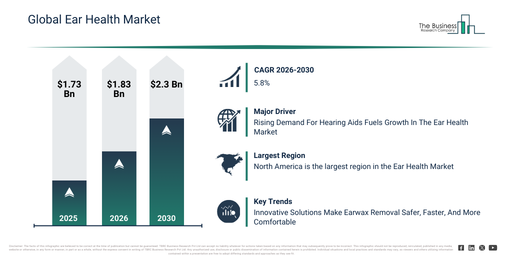
    The ear health sector has experienced robust expansion lately, projected to advance from $1.73 billion in 2025 to $1.83 billion in 2026, reflecting a compound annual growth rate of 5.9%. Key factors fueling this historical development include the widespread occurrence of ear infections, increasing public consciousness about hearing loss, heightened exposure to urban noise pollution, greater accessibility to diagnostic tools, and the availability of over-the-counter medicinal options.

    The global ear health sector is poised for significant expansion, projected to reach a valuation of $2.3 billion by the year 2030, driven by a compound annual growth rate of 5.8%. This upward trajectory over the anticipated timeframe is underpinned by several key factors, including the increasing audiological requirements of an aging demographic, the proliferation of intelligent hearing aids, a heightened emphasis on proactive health management, the availability of diagnostic tools for home use, and enhanced public understanding of ear health. Prominent developments shaping this market during the forecast period encompass the increasing integration of hearing aids and diagnostic equipment, a burgeoning demand for products aimed at preventing ear-related issues, a greater reliance on readily accessible over-the-counter ear treatments, the broadening market for tinnitus management supplements, and a heightened consciousness regarding hearing impairment stemming from exposure to loud noises.

    Download A Free Sample Report For Comprehensive Market Insights:

    https://www.thebusinessresearchcompany.com/sample.aspx?id=13642&type=smp

    Ear Health Market Growth Factors Supporting Long-Term Expansion

    The ear health market is poised for expansion, largely fueled by an escalating need for hearing aids. These sophisticated electronic instruments are engineered to magnify sound, thereby improving the auditory capabilities of those facing hearing impairments. Factors contributing to this surge in demand include a global demographic shift towards older age groups, heightened consciousness regarding auditory well-being, and continuous technological innovation that renders these devices more potent, intuitive, and readily available. The ear health industry plays a crucial role in this dynamic by providing cutting-edge hearing solutions and professional services that facilitate better communication, streamline everyday activities, and elevate the overall quality of life for individuals with diminished hearing. Illustratively, the British Academy of Audiology (BAA), a prominent professional body in the UK as of 2024, reported that by April 2025, total sales of hearing instruments had seen a 4% increase, ascending to 2,245,540 units from the 2,155,033 units sold in 2023, thus underscoring how the growing preference for hearing aids is a principal catalyst for the ear health market’s development.

    Ear Health Market Segmentation: How Is The Market Structured Across Key Categories?

    The ear health market covered in this report is segmented –

    1) By Product: Ear Health Devices, Diagnostic Devices, Tinnitus And Ear Impairment Care Supplements, Ear Infection Treatment Medication

    2) By Application: Households, Hospitals And Clinics, Other Applications

    3) By Distribution Channel: Convenience Stores, Pharmacy Stores, Hypermarkets And Supermarkets, Online Stores

    Subsegments:

    1) By Ear Health Devices: Hearing Aids, Ear Wax Removal Devices, Ear Plugs And Noise-Canceling Devices

    2) By Diagnostic Devices: Otoscopes, Audiometers, Tympanometers

    3) By Tinnitus And Ear Impairment Care Supplements: Herbal Supplements, Vitamins And Minerals, Homeopathic Remedies

    4) By Ear Infection Treatment Medication: Antibiotics, Antifungal Medications, Pain Relievers And Anti-inflammatory Drugs

    Ear Health Market Industry Trends Shaping Future Revenue Growth

    In the ear health sector, leading corporations are prioritizing novel approaches like portable digital microsuction systems to ensure earwax removal is swifter, more secure, and user-friendly than conventional techniques. These portable digital microsuction platforms represent a compact, handheld medical apparatus employing delicate suction coupled with digital imaging for the secure and effective extraction of earwax, thereby presenting a more accurate and pleasant substitute for customary ear hygiene practices. Illustrating this trend, Bestway National Chemists Limited, a pharmacy network situated in the UK, introduced an enhanced ear and hearing care offering in May 2025, incorporating sophisticated TympaHealth technology that provides high-definition visuals, microsuction for earwax, and auditory assessments. Such services are intended to support individuals across all age groups, with a particular emphasis on younger demographics who are increasingly encountering ear and hearing health challenges correlated with the usage of wireless earbuds. Medical professionals caution that extended utilization of wireless earbuds can potentially drive earwax further inward and exacerbate wax accumulation, potentially leading to diminished hearing and other auditory complications if listening behaviors are not managed responsibly.

    Ear Health Market Competitive Landscape And Leading Companies

    Major companies operating in the ear health market are Pfizer Inc., Johnson & Johnson Private Limited, Bayer AG, Novartis AG, GlaxoSmithKline plc, Medtronic Plc, Siemens Healthineers, Reckitt Benckiser Group plc, DAIICHI SANKYO COMPANY LIMITED, Olympus Corp., Sonova Holdings AG, William Demant Holdings A/S, Apotex Inc., GN Store Nord A/S, Amplifon S.p.A., Starkey Hearing Technologies, Karl Storz GMBH & Co. KG, Cochlear Limited, Prestige Consumer Healthcare Inc., Oticon A/S, Miracle-Ear Inc., Resound, Widex A/S, Audika Groupe SA

    Access The Complete Ear Health Market Report:

    https://www.thebusinessresearchcompany.com/report/ear-health-global-market-report

    Ear Health Market Regional Analysis And Leading Geography

    North Americawas the largest region in the ear health market in 2025 Asia-Pacificis expected to be the fastest-growing region in the forecast period. The regions covered in the ear health market report are Asia-Pacific, South East Asia, Western Europe, Eastern Europe, North America, South America, Middle East, Africa.

    Get in touch with us:

    The Business Research Company: https://www.thebusinessresearchcompany.com/

    Americas: +1 310-496-7795

    Asia: +44 7882 955267 & +91 8897263534

    Europe: +44 7882 955267

    Email us at: marketing@tbrc.info

    Follow us on:

    LinkedIn: https://in.linkedin.com/company/the-business-research-company

    YouTube: https://www.youtube.com/channel/UC24_fI0rV8cR5DxlCpgmyFQ

    Global Market Model: https://www.thebusinessresearchcompany.com/global-market-model
  • Dysthymia Market Growth Outlook Reveals A CAGR Of 8.7% And A Market Value Of $21.87 Billion By 2030

    Dysthymia Market Growth Outlook Reveals A CAGR Of 8.7% And A Market Value Of $21.87 Billion By 2030

    Through market attractiveness analysis, total addressable market evaluation, company benchmarking matrices, interactive Excel dashboards, expanded supply chain intelligence, emerging startup coverage, and detailed product insights, The Business Research Company’s 2026 market reports provide more actionable and strategically valuable research.

    Dysthymia Market Forecast: What Market Value Is Expected By 2030?

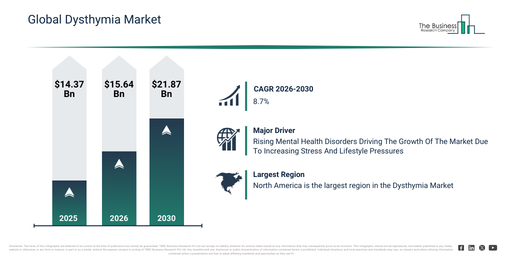
    The market for dysthymia therapeutics has demonstrated considerable expansion lately, moving from $14.37 billion in 2025 to an anticipated $15.64 billion in 2026, reflecting a compound annual growth rate of 8.9%. This past expansion can be attributed to several key factors, including increased public awareness surrounding mental health issues, greater availability of antidepressant medications, the proliferation of psychiatric clinics, the frequent co-occurrence of dysthymia with anxiety disorders, and successful efforts to reduce societal stigma associated with mental health conditions.

    The market for dysthymia is poised for substantial expansion over the ensuing years, projecting a valuation of $21.87 billion by 2030, driven by a compound annual growth rate (CAGR) of 8.7%. This anticipated growth trajectory is underpinned by several key factors, including the increasing uptake of telepsychiatry services, the development of individualized mental health care plans, the proliferation of digital cognitive therapy instruments, a greater emphasis on prompt identification of the condition, and enhanced governmental backing for mental well-being initiatives. During this forecast interval, prominent market dynamics are expected to encompass a rise in the utilization of prolonged antidepressant regimens, a greater reliance on psychotherapy-driven interventions, heightened public consciousness regarding persistent depressive conditions, the broadening application of combined treatment strategies, and the seamless integration of digital platforms dedicated to mental health.

    Download A Free Sample Report For Comprehensive Market Insights:

    https://www.thebusinessresearchcompany.com/sample.aspx?id=21946&type=smp

    Dysthymia Market Demand Drivers Creating New Revenue Opportunities

    The expanding healthcare infrastructure is anticipated to be a significant catalyst for the advancement of the dysthymia market in the foreseeable future. This encompasses the indispensable physical structures, organizational frameworks, and resource allocations necessary for the provision of competent medical services. The proliferation of these healthcare facilities is a response to evolving exigencies in medicine, where progress in diagnostic capabilities and therapeutic interventions necessitate upgraded infrastructures adept at addressing intricate physical and psychological ailments. The dysthymia market contributes to this expansion by leveraging readily available medical centers, proficient medical practitioners, and dependable frameworks for treatment dissemination, thereby guaranteeing prompt identification and sustained management for those affected. For example, data from the American Hospital Association indicated that in 2024, the United States boasted a total of 6,120 hospitals, an uptick from the 6,093 facilities recorded in 2022. Consequently, the augmentation of healthcare facilities is an instrumental factor propelling the dysthymia market forward.

    Dysthymia Market Segmentation Trends And Revenue Drivers

    The dysthymia market covered in this report is segmented –

    1) By Treatment: Psychotherapy, Pharmacotherapy, Combination Of Psychotherapy And Pharmacotherapy

    2) By Severity: Mild, Moderate, Severe

    3) By Comorbidities: Anxiety Disorders, Depression, Substance Abuse

    4) By Distribution Channel: Online, Offline

    5) By End-Users: Hospitals, Clinics

    Subsegments:

    1) By Psychotherapy: Cognitive Behavioral Therapy (CBT), Interpersonal Therapy (IPT), Psychodynamic Therapy

    2) By Pharmacotherapy: Antidepressants (SSRIs, SNRIs, Tricyclic Antidepressants), Antipsychotics, Mood Stabilizers

    3) By Combination Of Psychotherapy And Pharmacotherapy: Cognitive Behavioral Therapy (CBT) With Antidepressants, Interpersonal Therapy (IPT) With Antipsychotics, Psychodynamic Therapy With Mood Stabilizers

    Dysthymia Market Industry Leaders: Which Organizations Are Driving Competition?

    Major companies operating in the dysthymia market are Pfizer Inc., Johnson & Johnson, Merck & Co. Inc., Sanofi SA, Bristol‑Myers Squibb Company, AstraZeneca plc, Eli Lilly and Company, Teva Pharmaceutical Industries Ltd., Cipla Limited, Lupin Pharmaceuticals, GlaxoSmithKline plc, H Lundbeck A/S, Otsuka Pharmaceutical Co Ltd, Takeda Pharmaceutical Company Limited, Alkermes plc, Boehringer Ingelheim GmbH, Sun Pharmaceutical Industries Ltd, Dr Reddy’s Laboratories, Torrent Pharmaceuticals Ltd, Glenmark Pharmaceuticals Ltd, Sage Therapeutics Inc, MindMed Inc, Compass Pathways plc, Pierre Fabre Medicament, Neurolixis Inc

    Access The Complete Dysthymia Market Report:

    https://www.thebusinessresearchcompany.com/report/dysthymia-global-market-report

    Dysthymia Market Geographic Analysis: Where Is Demand Growing The Fastest?

    North Americawas the largest region in the dysthymia market in 2025. Asia-Pacificis expected to be the fastest-growing region in the forecast period. The regions covered in the dysthymia market report are Asia-Pacific, South East Asia, Western Europe, Eastern Europe, North America, South America, Middle East, Africa.

    Get in touch with us:

    The Business Research Company: https://www.thebusinessresearchcompany.com/

    Americas: +1 310-496-7795

    Asia: +44 7882 955267 & +91 8897263534

    Europe: +44 7882 955267

    Email us at: marketing@tbrc.info

    Follow us on:

    LinkedIn: https://in.linkedin.com/company/the-business-research-company

    YouTube: https://www.youtube.com/channel/UC24_fI0rV8cR5DxlCpgmyFQ

    Global Market Model: https://www.thebusinessresearchcompany.com/global-market-model
  • Dyspnea Market Forecast Highlights Expansion From $7.22 Billion To $9.5 Billion Through 2030

    Dyspnea Market Forecast Highlights Expansion From $7.22 Billion To $9.5 Billion Through 2030

    Delivering more actionable and strategically valuable research, The Business Research Company’s 2026 market reports feature market attractiveness analysis, total addressable market evaluation, company benchmarking matrices, interactive Excel dashboards, expanded supply chain intelligence, emerging startup coverage, and detailed product insights.

    Dyspnea Market Size Outlook: How Fast Will Revenue Grow Through 2030?

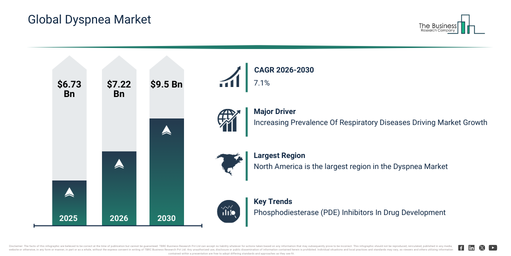
    The market for dyspnea treatments experienced robust expansion recently, projecting a rise from $6.73 billion in 2025 to $7.22 billion in 2026, reflecting a compound annual growth rate of 7.4%. Factors underpinning this expansion during the preceding period included the increasing incidence of chronic respiratory ailments, a higher volume of emergency hospital admissions, the prevalence of smoking-induced conditions, an aging demographic, and the overall impact of cardiopulmonary diseases.

    In the upcoming years, the market for dyspnea is poised for substantial expansion, projecting a valuation of $9.5 billion by 2030, driven by a compound annual growth rate (CAGR) of 7.1%. This anticipated growth stems from heightened demand for portable oxygen systems, increased adoption of remote respiratory monitoring, a greater emphasis on personalized dyspnea management strategies, the burgeoning homecare sector, and the growing utilization of digital tools for symptom tracking. Key developments shaping this forecast period involve the escalating use of oxygen therapy devices, a notable shift towards home-based respiratory care solutions, a more pronounced focus on therapies aimed at symptom alleviation, the incorporation of breathing and relaxation techniques into treatment plans, and advancements in the diagnostic evaluation of respiratory conditions.

    Download A Free Sample Report For Comprehensive Market Insights:

    https://www.thebusinessresearchcompany.com/sample.aspx?id=21178&type=smp

    Dyspnea Market Expansion Supported By Key Demand Factors

    The expanding incidence of respiratory ailments is anticipated to be a significant catalyst for the advancement of the dyspnea market in the future. Conditions affecting the lungs and the entire respiratory system, which compromise airflow and diminish oxygen exchange, fall under the umbrella of respiratory diseases. Factors such as environmental contamination, tobacco use, exposure to harmful substances in the environment, shifts in climate patterns, and an increasing vulnerability among the elderly population are contributing to the rise in these respiratory conditions. The dyspnea market plays a crucial role in this evolving landscape, as shortness of breath is a key sign of compromised lung function, assisting healthcare professionals in identifying respiratory disorders, formulating effective treatment strategies, and observing how a disease progresses. Illustrating this point, Australian government data from June 2024 revealed that in 2023, Chronic Obstructive Pulmonary Disease (COPD) was responsible for 3.6% of the total disease load and constituted half of the entire burden attributed to respiratory illnesses. Furthermore, in 2022, COPD was identified as the principal reason for 7,691 fatalities, with a death rate of 29.6 for every 100,000 individuals, making up 4.0% of all recorded deaths. Consequently, the escalating rate of respiratory diseases is directly fueling the expansion of the dyspnea market.

    Dyspnea Market Segment Analysis Highlighting Growth Areas

    The dyspnea market covered in this report is segmented –

    1) By Treatment Type: Supplemental Oxygen Therapy, Relaxation Therapy

    2) By Drug Class: Antianxiety, Antibiotics, Anticholinergic Agents, Corticosteroids, Other Drug Classes

    3) By Route Of Administration: Oral, Inhalation, Other Route Of Administrations

    4) By End User: Hospitals, Homecare, Specialty Clinics, Ambulatory Services, Other End Users

    Subsegments:

    1) By Supplemental Oxygen Therapy: Continuous Flow Oxygen Therapy, Pulse Dose Oxygen Therapy, Oxygen Concentrators, Portable Oxygen Cylinders

    2) By Relaxation Therapy: Breathing Exercises, Meditation and Mindfulness, Progressive Muscle Relaxation, Biofeedback Therapy

    Dyspnea Market Growth Trends Influencing Competitive Dynamics

    Within the dyspnea market, leading enterprises are prioritizing the innovation of novel pharmaceutical treatments, specifically phosphodiesterase (PDE) inhibitors, with the aim of enhancing therapeutic outcomes, alleviating respiratory ailments, and offering superior comfort to individuals experiencing persistent breathing challenges. These PDE inhibitor medications function by inhibiting PDE enzymes, thereby elevating intracellular cyclic AMP or cyclic GMP concentrations, which in turn facilitates bronchodilation, mitigates inflammation, and boosts overall respiratory system performance. Illustratively, Verona Pharma Plc, a biopharmaceutical entity based in the United Kingdom, indicated in May 2024 that it was preparing for the anticipated introduction in the United States of ensifentrine, a pioneering dual PDE3/4 inhibitor designed for chronic obstructive pulmonary disease (COPD), with a projected launch in the third quarter of 2024, contingent upon Food and Drug Administration (FDA) approval. Ensifentrine, administered through nebulization, demonstrated a notable decrease in COPD exacerbation frequency and a significant improvement in dyspnea during Phase III clinical evaluations, and Verona successfully secured $650 million in funding to facilitate its commercialization and continued advancement, including an upcoming Phase II trial investigating a fixed-dose combination with glycopyrrolate for COPD maintenance treatment.

    Dyspnea Market Leading Companies: Who Holds Significant Market Presence?

    Major companies operating in the dyspnea market are Pfizer Inc., Merck And Co. Inc., Bayer AG, Sanofi S.A., AstraZeneca, Novartis AG, GlaxoSmithKline, Teva Pharmaceutical Industries Ltd., Boehringer Ingelheim, Amneal Pharmaceuticals LLC, Lupin Ltd, Inogen Inc, Fisher & Paykel Healthcare, ResMed Inc, Koninklijke Philips N.V, Masimo Corporation, Breas Medical, PARI Medical Holding GmbH, BMC Medical, Hamilton Medical, Nihon Kohden Corporation, Cipla Inc

    Access The Complete Dyspnea Market Report:

    https://www.thebusinessresearchcompany.com/report/dyspnea-global-market-report

    Dyspnea Market Global Footprint: Which Region Holds Market Leadership?

    North Americawas the largest region in the dyspnea market in 2025. Asia-Pacificis expected to be the fastest-growing region in the forecast period. The regions covered in the dyspnea market report are Asia-Pacific, South East Asia, Western Europe, Eastern Europe, North America, South America, Middle East, Africa.

    Get in touch with us:

    The Business Research Company: https://www.thebusinessresearchcompany.com/

    Americas: +1 310-496-7795

    Asia: +44 7882 955267 & +91 8897263534

    Europe: +44 7882 955267

    Email us at: marketing@tbrc.info

    Follow us on:

    LinkedIn: https://in.linkedin.com/company/the-business-research-company

    YouTube: https://www.youtube.com/channel/UC24_fI0rV8cR5DxlCpgmyFQ

    Global Market Model: https://www.thebusinessresearchcompany.com/global-market-model
  • Dysphagia Supplement Market Expected To Reach $1.93 Billion By 2030 As Growth Accelerates At 6.1% CAGR

    Dysphagia Supplement Market Expected To Reach $1.93 Billion By 2030 As Growth Accelerates At 6.1% CAGR

    Enhanced with market attractiveness analysis, total addressable market evaluation, company benchmarking matrices, interactive Excel dashboards, expanded supply chain intelligence, emerging startup coverage, and detailed product insights, The Business Research Company’s 2026 market reports deliver more actionable and strategically valuable research.

    Dysphagia Supplement Market Size, Value And Growth Trends Through 2030

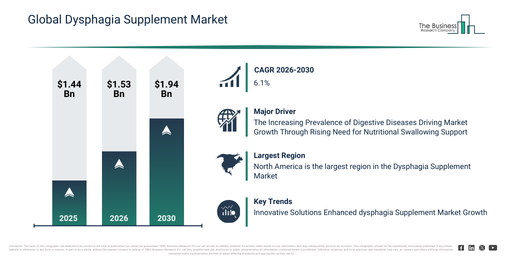
    The market for dysphagia supplements has experienced considerable expansion lately, projecting an increase from $1.44 billion in 2025 to $1.53 billion in 2026, with a compound annual growth rate (CAGR) of 6.0%. Key factors driving this growth historically include the increasing elderly demographic, a rise in dysphagia cases stemming from strokes, established hospital nutrition guidelines, greater public consciousness regarding malnutrition, and the broader development of long-term care facilities.

    The market for dysphagia supplements is poised for substantial expansion, projected to reach $1.94 billion by 2030, reflecting a compound annual growth rate of 6.1%. This anticipated surge is driven by several key factors, including the increasing prevalence of homecare nutrition solutions, a growing preference for high-quality clinical supplements, the emergence of personalized nutrition offerings, an uptick in chronic neurological conditions, and enhanced reimbursement for healthcare nutrition. During this forecast period, significant market trends will encompass a heightened demand for nutrition with modified textures, greater utilization of ready-to-drink thickened beverages, an intensified focus on clinical nutrition within elderly care settings, the proliferation of protein and calorie-rich supplements, and the development of enhanced formulations aimed at improving taste and overall palatability.

    Download A Free Sample Report For Comprehensive Market Insights:

    https://www.thebusinessresearchcompany.com/sample.aspx?id=18343&type=smp

    Dysphagia Supplement Market Growth Drivers And Industry Catalysts

    The expanding incidence of gastrointestinal ailments is anticipated to be a significant catalyst for the advancement of the dysphagia supplement sector in the coming period. Gastrointestinal conditions encompass a broad spectrum of illnesses impacting the esophagus, stomach, intestines, liver, and pancreas, and their rising prevalence is attributed to factors such as an aging global population, suboptimal dietary habits, inactive lifestyles, increasing rates of obesity, and various environmental determinants. In response to this trend, the dysphagia supplement market offers specialized, nutrient-rich formulas designed for ease of swallowing, aiding individuals experiencing difficulty with deglutition to sustain appropriate nutritional intake as their digestive disease progresses. Illustratively, the IBD Registry, a UK-based charitable entity, reported in December 2023 that its reach had extended to over 5,300 individuals living with Inflammatory Bowel Disease (IBD) by that year, marking a substantial increase of more than 3,000 members from the previous year, 2022. Consequently, this escalating occurrence of digestive diseases is directly fueling the expansion of the dysphagia supplement market.

    Dysphagia Supplement Market Segment Performance And Strategic Opportunities

    The dysphagia supplement market covered in this report is segmented –

    1) By Type: Powder Thickener, Ready To Drink Thickened Beverages, Instant Food, Oral Nutritional Supplements

    2) By Indication: Oropharyngeal Dysphagia, Esophageal Dysphagia

    3) By Applications: Hospitals, Nursing Homes, Retail Pharmacies, Drug Stores, Supermarkets

    Subsegments:

    1) By Powder Thickener: Starch-Based Thickeners, Gum-Based Thickeners

    2) By Ready To Drink Thickened Beverages: Thickened Water, Thickened Juices, Thickened Milk And Dairy Beverages

    3) By Instant Food: Instant Soups, Instant Porridge, Instant Pureed Meals

    4) By Oral Nutritional Supplements: Protein Supplements, Fiber Supplements, Caloric Supplements, Vitamin And Mineral Supplements

    Dysphagia Supplement Market Trends Influencing Long-Term Demand

    Companies dominant in the dysphagia supplement sector are actively engaged in creating novel solutions, particularly food and beverage thickeners, aimed at bolstering swallowing safety, elevating patient well-being, and mitigating aspiration risks for those affected by dysphagia. These thickeners function by altering the viscosity of foods and liquids, thereby facilitating easier and more secure ingestion; this adjustment aligns the food’s texture with the individual’s swallowing capacity and significantly lowers the potential for choking. A notable instance occurred in January 2023 when Nestlé India introduced ThickenUp Clear, a product formulated with xanthan gum, specifically engineered to assist individuals experiencing oropharyngeal dysphagia. Characterized by its neutrality in taste, color, and smell, and its resistance to amylase, this thickener can be seamlessly incorporated into both warm and cold beverages without compromising its structural integrity, providing an immediate and potent thickening effect that improves swallowing safety and presents a beneficial, eco-conscious choice for dysphagia management.

    Dysphagia Supplement Market Key Players: Which Companies Shape Industry Competition?

    Major companies operating in the dysphagia supplement market are Nestlé S.A., Abbott Laboratories, Fresenius SE & Co. KGaA, Ingredion Incorporated, Tate & Lyle PLC, Kent Precision Foods Group, Prosource, Matsun Nutrition Inc., Medtrition Inc., Simply Thick LLC, Hormel Health Labs, Nutrinovo Ltd., Nutridrinks Limited, RTH Nutrition, Nutritional Research, NutriLicious, Thick‑It, Slo Drinks, Nutra Balance Products, Nutilis, Clinico Co Ltd, Kissei Pharmaceutical Co Ltd, Nutri Co Ltd, HiPP GmbH & Co Vertrieb KG, Foods Group Inc.

    Access The Complete Dysphagia Supplement Market Report:

    https://www.thebusinessresearchcompany.com/report/dysphagia-supplement-global-market-report

    Dysphagia Supplement Market Regional Distribution: Which Areas Drive Market Expansion?

    North Americawas the largest region in the dysphagia supplement market in 2025. North Americais expected to be the fastest-growing region in the forecast period. The regions covered in the dysphagia supplement market report are Asia-Pacific, South East Asia, Western Europe, Eastern Europe, North America, South America, Middle East, Africa.

    Get in touch with us:

    The Business Research Company: https://www.thebusinessresearchcompany.com/

    Americas: +1 310-496-7795

    Asia: +44 7882 955267 & +91 8897263534

    Europe: +44 7882 955267

    Email us at: marketing@tbrc.info

    Follow us on:

    LinkedIn: https://in.linkedin.com/company/the-business-research-company

    YouTube: https://www.youtube.com/channel/UC24_fI0rV8cR5DxlCpgmyFQ

    Global Market Model: https://www.thebusinessresearchcompany.com/global-market-model
  • Dysphagia Management Market Set To Grow From $4.65 Billion In 2026 To $5.98 Billion By 2030 At A CAGR Of 6.5%

    Dysphagia Management Market Set To Grow From $4.65 Billion In 2026 To $5.98 Billion By 2030 At A CAGR Of 6.5%

    Through market attractiveness analysis, total addressable market evaluation, company benchmarking matrices, interactive Excel dashboards, expanded supply chain intelligence, emerging startup coverage, and detailed product insights, The Business Research Company’s 2026 market reports provide more actionable and strategically valuable research.

    Dysphagia Management Market CAGR Analysis And Future Market Development

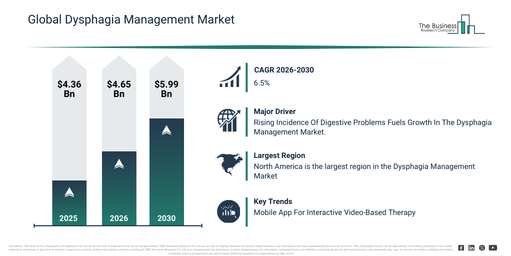
    The market for dysphagia management has experienced significant expansion lately. Projections indicate this sector will climb from a valuation of $4.36 billion in 2025 to $4.65 billion by 2026, reflecting a compound annual growth rate of 6.7%. Key factors contributing to this robust historical growth include the prevalence of neurological diseases, an increasing elderly demographic, the broader acceptance of speech therapy interventions, established nutrition support within hospital settings, and heightened awareness surrounding dysphagia.

    The market for managing dysphagia is poised for considerable expansion in the upcoming years, reaching an estimated USD 5.99 billion by 2030, driven by a compound annual growth rate (CAGR) of 6.5%. This projected expansion over the forecast period is underpinned by advancements in home-based care strategies, sophisticated nutritional supplements, proactive screening measures, integration of digital therapeutic technologies, and the broadening scope of long-term care services. Key developments shaping this market include the escalating incidence of swallowing difficulties, a greater reliance on nutritional support systems, an increase in interventions involving feeding tubes, the proliferation of comprehensive, multi-disciplinary therapy approaches, and enhancements in diagnostic capabilities and clinical evaluations.

    Download A Free Sample Report For Comprehensive Market Insights:

    https://www.thebusinessresearchcompany.com/sample.aspx?id=18578&type=smp

    Dysphagia Management Market Opportunity Drivers: What Is Creating New Revenue Potential?

    The increasing frequency of gastrointestinal ailments is anticipated to fuel the expansion of the dysphagia management market. These digestive health concerns encompass a wide spectrum of disorders that impact the digestive system, ranging from minor discomforts like acid reflux to critical conditions such as malignancies and functional disorders of the digestive tract. Factors contributing to this surge in digestive issues include an aging demographic, shifts in eating habits, inactive lifestyles, elevated stress levels, and metabolic imbalances linked to obesity. The dysphagia management sector plays a crucial role in addressing this trend by providing interventions designed to ease swallowing impairments stemming from conditions like GERD, achalasia, and esophageal tumors. Demonstrating this trend, the UK Gut Health Report 2023, released in January 2023 by Holland & Barrett International Limited, revealed that in the United Kingdom, a significant 58% of the population encountered gut health challenges, with 45% experiencing persistent digestive problems for a duration exceeding three months. Consequently, the escalating prevalence of digestive issues is a primary catalyst for the growth witnessed in the dysphagia management market.

    Dysphagia Management Market Segment Landscape And Growth Potential

    The dysphagia management market covered in this report is segmented –

    1) By Product: Drug (Proton Pump Inhibitors), Feeding Tube, Nutritional Solutions

    2) By Treatment And Therapies: Esophageal Dysphagia, Oropharyngeal Dysphagia, Severe Dysphagia

    3) By Distribution Channel: Hospital Pharmacies, Retail Pharmacies, Drug Stores

    Subsegments:

    1) By Drug (Proton Pump Inhibitors): Oral Proton Pump Inhibitors (Ppis), Injectable Proton Pump Inhibitors

    2) By Feeding Tube: Nasogastric Tubes (Ng Tubes), Percutaneous Endoscopic Gastrostomy (Peg) Tubes, Gastrostomy Tubes (G-Tubes), Jejunostomy Tubes (J-Tubes), Balloon Tubes

    3) By Nutritional Solutions: Liquid Nutritional Supplements, High-Calorie Nutritional Drinks, Modified Texture Foods, Enteral Nutrition Formulas

    Dysphagia Management Market Innovation Trends Driving Future Development

    Leading enterprises within the dysphagia management sector are prioritizing the creation of novel approaches, exemplified by mobile applications facilitating interactive, video-guided therapeutic interventions. This strategic direction aims to elevate patient well-being, broaden access to treatment, and foster improved swallowing capabilities. These digital platforms for dysphagia management serve as conduits for remote, real-time therapeutic engagement via video, incorporating functionalities like immediate consultations, monitoring of advancements, appointment coordination, and structured exercise regimens to underpin individualized and ongoing patient support. An illustrative instance occurred in October 2023 when Amrita Hospital, a healthcare institution located in India, introduced SWALLO, a mobile application engineered to aid individuals affected by dysphagia by facilitating live, video-based therapy sessions conducted by healthcare professionals. This innovation allows patients to undergo therapy remotely, alleviating the necessity for daily hospital visits. The application facilitates live, scheduled sessions, presently supports communication in Malayalam with English subtitles, and has plans for further linguistic integration across other Indian languages, thereby enhancing its reach and patient interaction potential.

    Dysphagia Management Market Competitive Landscape: Who Are The Leading Companies?

    Major companies operating in the dysphagia management market are Nestlé Health Science, Danone S.A., Medline Industries LP, Fresenius Kabi AG, Phagenesis Ltd., Nutricia Advanced Medical Nutrition, VitalStim UK Ltd., Abbott Laboratories, SimplyThick LLC, Kent Precision Foods Group, B Braun Melsungen AG, Medtrition, RTH Nutrition, Nutritional Research, NutriLicious, Cook Medical Inc., Medtronic plc, Smiths Medical, Boston Scientific Corporation, Becton Dickinson and Company, Olympus Corporation, KARL STORZ, Otsuka Pharmaceutical Co Ltd, Eisai Co Ltd, Cardinal Health, Avanos Medical Inc, Dysphagia Systems Inc.

    Access The Complete Dysphagia Management Market Report:

    https://www.thebusinessresearchcompany.com/report/dysphagia-management-global-market-report

    Dysphagia Management Market Leading Geography: Which Region Generates The Most Revenue?

    North Americawas the largest region in the dysphagia management market in 2025. The regions covered in the dysphagia management market report are Asia-Pacific, South East Asia, Western Europe, Eastern Europe, North America, South America, Middle East, Africa.

    Get in touch with us:

    The Business Research Company: https://www.thebusinessresearchcompany.com/

    Americas: +1 310-496-7795

    Asia: +44 7882 955267 & +91 8897263534

    Europe: +44 7882 955267

    Email us at: marketing@tbrc.info

    Follow us on:

    LinkedIn: https://in.linkedin.com/company/the-business-research-company

    YouTube: https://www.youtube.com/channel/UC24_fI0rV8cR5DxlCpgmyFQ

    Global Market Model: https://www.thebusinessresearchcompany.com/global-market-model
  • Dyslipidemia Market Opportunities Are Emerging Beyond Traditional Growth Areas

    Dyslipidemia Market Opportunities Are Emerging Beyond Traditional Growth Areas

    Delivering more actionable and strategically valuable research, The Business Research Company’s 2026 market reports feature market attractiveness analysis, total addressable market evaluation, company benchmarking matrices, interactive Excel dashboards, expanded supply chain intelligence, emerging startup coverage, and detailed product insights.

    Dyslipidemia Market Expansion From $19.75 Billion In 2026 To $29.07 Billion In 2030

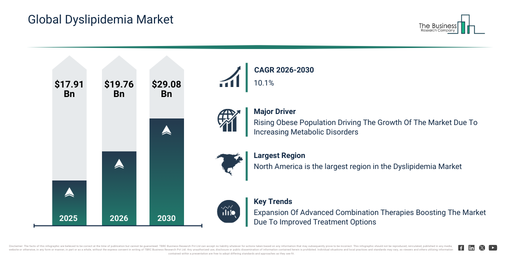
    The dyslipidemia market has experienced substantial expansion lately, projected to advance from a valuation of $17.91 billion in 2025 to $19.76 billion by 2026, reflecting a compound annual growth rate of 10.3%. Previously, this market’s expansion was fueled by factors such as the widespread prevalence of cardiovascular diseases, the increasing uptake of statin treatments, the implementation of lipid screening initiatives, revised clinical guidelines, and the broadening of primary healthcare services.

    The dyslipidemia market is poised for significant expansion in the coming years, projected to reach $29.08 billion by 2030. This impressive growth trajectory, boasting a compound annual growth rate of 10.1%, is fueled by several key drivers including advancements in precision cardiology, the emergence of innovative lipid-lowering treatments, the adoption of digital tools for lipid monitoring, a heightened emphasis on preventive healthcare strategies, and the demographic shift towards an older population. During this forecast period, prominent market trends will encompass the increasing utilization of sophisticated lipid-lowering therapies, a greater uptake of PCSK9 inhibitors and siRNA medications, a concentrated effort on mitigating cardiovascular risk, the broader application of combination drug regimens, and enhanced patient oversight and adherence to treatment protocols.

    Download A Free Sample Report For Comprehensive Market Insights:

    https://www.thebusinessresearchcompany.com/sample.aspx?id=21945&type=smp

    Dyslipidemia Market Growth Momentum: Which Factors Are Influencing Demand?

    The expansion of the dyslipidemia market is anticipated to be significantly influenced by the growing prevalence of obesity. This condition, characterized by an excessive accumulation of body fat, presents serious health challenges, notably metabolic disturbances and cardiovascular issues. The global surge in obesity can be attributed to shifts in daily habits that contribute to a persistent energy surplus, such as predominantly inactive lifestyles, consumption of energy-dense foods, decreased engagement in physical activities, along with broader environmental and socio-economic factors. The dyslipidemia sector benefits from this trend as obesity adversely affects the body’s processing of fats, resulting in unhealthy concentrations of cholesterol and triglycerides, thereby elevating the risk of heart disease and necessitating therapeutic interventions. Illustratively, as reported by the World Health Organization in March 2024, a global health body headquartered in Switzerland, roughly 12.5% of the world’s population was categorized as obese. This figure encompasses 2.5 billion adults aged 18 and above, and an additional 37 million children younger than five years old were classified as overweight. Consequently, the rising number of individuals classified as obese is a key driver for the advancement of the dyslipidemia market.

    Dyslipidemia Market Categorization By Product Type And Application

    The dyslipidemia market covered in this report is segmented –

    1) By Treatment: Statins, Bile Acid Sequestrants, PCSK9 Inhibitors, Small Interfering RNA (siRNA), Cholesterol Absorption Inhibitors, Fibrates, Niacins, Omega-3 Fatty Acid Derivatives, Other Treatments

    2) By Route Of Administration: Oral, Parental

    3) By Distribution Channel: Hospital Pharmacies, Retail Pharmacies, Drug Store, Online Pharmacies

    Subsegments:

    1) By Statins: Atorvastatin, Simvastatin, Rosuvastatin, Pravastatin

    2) By Bile Acid Sequestrants: Cholestyramine, Colesevelam

    3) By PCSK9 Inhibitors: Evolocumab, Alirocumab

    4) By Small Interfering RNA (siRNA): Inclisiran

    5) By Cholesterol Absorption Inhibitors: Ezetimibe

    6) By Fibrates: Fenofibrate, Gemfibrozil

    7) By Niacins: Nicotinic Acid

    8) By Omega-3 Fatty Acid Derivatives: Eicosapentaenoic Acid (EPA), Docosahexaenoic Acid (DHA)

    9) By Other Treatments: Herbal Supplements, Combination Therapies

    Dyslipidemia Market Trends Reshaping Industry Growth

    Within the dyslipidemia sector, key players are concentrating their efforts on pioneering sophisticated combination treatments aimed at boosting therapeutic success, improving patient adherence, and managing diverse lipid issues through a unified approach; these advanced remedies involve combining multiple medications to affect various lipid metabolism pathways, leading to enhanced results, fewer adverse effects, and more adaptable management of challenging lipid conditions. As an illustration, Esperion Therapeutics Inc., a pharmaceutical firm based in the United States, revealed in March 2024 that its products, NEXLETOL (bempedoic acid) and NEXLIZET (a blend of bempedoic acid and ezetimibe), had secured updated endorsements from the U.S. Food and Drug Administration, permitting their application either independently or alongside statin treatments; these oral medications, distinct from statins, are engineered to decrease low-density lipoprotein cholesterol (LDL-C) and mitigate cardiovascular risks, presenting a crucial alternative for individuals who cannot tolerate statins or seek different methods for cholesterol reduction.

    Dyslipidemia Market Company Landscape And Strategic Competition

    Major companies operating in the dyslipidemia market are Pfizer Inc, Merck & Co Inc, Sanofi SA, AstraZeneca plc, Novartis AG, Amgen Inc, Viatris Inc, Teva Pharmaceutical Industries Ltd, Zydus Lifesciences Ltd, Lupin Pharmaceuticals Inc, Alnylam Pharmaceuticals Inc, Amarin Corporation, Esperion Therapeutics Inc, NewAmsterdam Pharma Holding BV, Regeneron Pharmaceuticals Inc, Johnson & Johnson, Bristol‑Myers Squibb Company, Bayer AG, AbbVie Inc, GlaxoSmithKline plc, Takeda Pharmaceutical Company Limited, Sun Pharmaceutical Industries Ltd, Dr Reddys Laboratories Ltd, Cipla Limited, Torrent Pharmaceuticals Ltd, Roche Holding AG, Boehringer Ingelheim GmbH, Novo Nordisk A/S

    Access The Complete Dyslipidemia Market Report:

    https://www.thebusinessresearchcompany.com/report/dyslipidemia-global-market-report

    Dyslipidemia Market Regional Outlook: Where Are The Largest Opportunities Located?

    North Americawas the largest region in the dyslipidemia market in 2025. Asia-Pacificis expected to be the fastest-growing region in the forecast period. The regions covered in the dyslipidemia market report are Asia-Pacific, South East Asia, Western Europe, Eastern Europe, North America, South America, Middle East, Africa.

    Get in touch with us:

    The Business Research Company: https://www.thebusinessresearchcompany.com/

    Americas: +1 310-496-7795

    Asia: +44 7882 955267 & +91 8897263534

    Europe: +44 7882 955267

    Email us at: marketing@tbrc.info

    Follow us on:

    LinkedIn: https://in.linkedin.com/company/the-business-research-company

    YouTube: https://www.youtube.com/channel/UC24_fI0rV8cR5DxlCpgmyFQ

    Global Market Model: https://www.thebusinessresearchcompany.com/global-market-model
  • Dyslexia Treatment Market Expansion Is Opening New Pathways For Strategic Investment

    Dyslexia Treatment Market Expansion Is Opening New Pathways For Strategic Investment

    Enhanced with market attractiveness analysis, total addressable market evaluation, company benchmarking matrices, interactive Excel dashboards, expanded supply chain intelligence, emerging startup coverage, and detailed product insights, The Business Research Company’s 2026 market reports deliver more actionable and strategically valuable research.

    Dyslexia Treatment Market Forecast Highlighting Growth From $32.26 Billion To $40.92 Billion

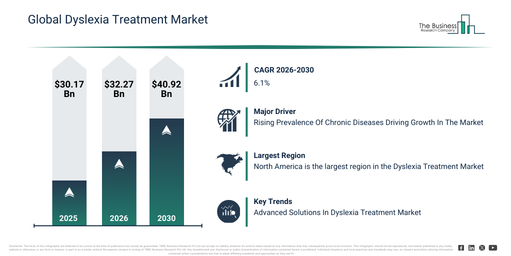
    The market for dyslexia treatments has experienced robust expansion lately, projecting an increase from $30.17 billion in 2025 to $32.27 billion in 2026, reflecting a compound annual growth rate of 6.9%. This historical growth trajectory can be linked to factors such as heightened awareness of learning disabilities, the proliferation of special education programs, increased adoption of interventions within schools, advancements in literacy curricula, and better access to qualified therapists.

    The global market for dyslexia treatments is poised for significant expansion, projected to reach $40.92 billion by the year 2030, expanding at a compound annual growth rate of 6.1%. This anticipated surge in growth over the upcoming forecast period is largely fueled by several key factors, including the proliferation of digital educational resources, the increasing implementation of tailored learning methodologies, enhancements in early identification initiatives, a widening availability of home-based therapeutic interventions, and the supportive development of inclusive educational frameworks. Emerging trends expected to shape this market throughout the forecast period encompass a greater embrace of structured literacy curricula, a more widespread application of multisensory learning techniques, the augmented utilization of digital learning tools and assistive technologies, an intensified emphasis on intervening during early childhood stages, and a more cohesive integration of speech and occupational therapy services.

    Download A Free Sample Report For Comprehensive Market Insights:

    https://www.thebusinessresearchcompany.com/sample.aspx?id=16402&type=smp

    Dyslexia Treatment Market Expansion Drivers: What Is Shaping Future Growth?

    The burgeoning number of individuals experiencing chronic illnesses is anticipated to fuel the expansion of the dysautonomia (autonomic dysfunction) market, as persistent health conditions lasting longer than three months, often characterized by the concurrent diagnosis of multiple ailments, are becoming more common. Dysautonomia significantly impacts the management of these ongoing health issues by impairing the body’s self-regulatory mechanisms for vital processes such as blood pressure, heart rate, and digestion, thus intensifying symptoms and complicating treatment strategies. Evidence suggests a substantial increase, with an estimate that by 2035, 17% of the United Kingdom’s populace might be managing four or more long-term health problems, highlighting the direct correlation between the escalating rates of chronic diseases and the growing dysautonomia (autonomic dysfunction) sector.

    The escalating occurrence of neurological conditions is poised to stimulate advancements within the dyslexia treatment market. Neurological disorders, encompassing ailments affecting the brain, spinal cord, and nerves, are on the rise, influenced by factors such as an aging demographic, shifts in lifestyle, environmental influences, and enhanced diagnostic capabilities that refine identification and reporting. The dyslexia treatment market contributes to addressing this trend by providing various therapeutic avenues, including multisensory education, cognitive skill enhancement, and specialized interventions designed to bolster brain adaptability and refine information processing for those facing learning difficulties linked to neurological conditions. For illustration, as of March 2023, the Alzheimer’s Association indicated that around 6.7 million Americans aged 65 and above were living with Alzheimer’s dementia in 2023, with projections indicating this figure could reach 13.8 million by 2060, underscoring how the increasing prevalence of neurological disorders directly contributes to the growth of the dyslexia treatment market.

    Dyslexia Treatment Market Segment Analysis And Revenue Opportunities

    The dyslexia treatment market covered in this report is segmented –

    1) By Type: Double Deficit Dyslexia, Visual Dyslexia, Phonological Dyslexia, Other Types

    2) By Therapy: Occupational Therapy, Speech Therapy, Cognitive Behavioral Therapy

    3) By Distribution Channel: Hospital Pharmacies, Retail Pharmacies, Other Distribution Channels

    4) By End Users: Psychiatric Institutions, Rehabilitation Centers, Home Care, Other End-users

    Subsegments:

    1) By Double Deficit Dyslexia: Phonological And Visual Processing Treatment, Integrated Therapy Approaches

    2) By Visual Dyslexia: Visual Processing Treatment, Optometric And Visual Therapy, Color Overlay Therapy

    3) By Phonological Dyslexia: Phonics-Based Treatment, Speech And Language Therapy, Auditory Training And Exercises

    4) By Other Types: Rapid Naming Dyslexia, Motor Dyslexia, Surface Dyslexia

    Dyslexia Treatment Market Strategic Trends: What Is Defining The Next Phase Of Growth?

    Key players within the market for dyslexia interventions are prioritizing the creation of sophisticated tools, notably incorporating white noise functionality, with the aim of sharpening concentration, minimizing disruptions, and boosting reading proficiency for learners with neurodivergent profiles. This white noise feature serves as an aural aid, introducing a steady ambient sound that fosters attention and aids in cognitive functions, proving especially advantageous for those experiencing dyslexia, ADHD, or similar learning challenges. Illustrating this trend, in October of 2024, Promova Limited, a technology firm headquartered in the United States, introduced Dyslexia Mode 2.0, an upgraded accessibility feature engineered to refine language acquisition for individuals with dyslexia and other neurodevelopmental conditions. This enhanced iteration boasts customizable font dimensions, color alterations designed to decrease visual strain, and the elimination of all-capitalized text to bolster legibility, complemented by beneficial auditory components like white noise. The development of Dyslexia Mode 2.0 benefitted from the insights of specialists, including input from dyslexic designer Martin Pysny, ultimately resulting in a learning atmosphere that is more accommodating and pleasant, specifically customized for users who possess distinct cognitive and visual processing requirements.

    Dyslexia Treatment Market Leading Players Shaping Industry Direction

    Major companies operating in the dyslexia treatment market are Pfizer Inc., Astrazeneca Plc, Novartis AG, Takeda Pharmaceutical Company Limited, Eli Lilly and Company, Viatris Inc., Teva Pharmaceutical Industries Ltd., Purdue Pharma, Apotex Corporation, Endo International Plc, Amneal Pharmaceuticals LLC, Unither Pharmaceuticals LLC, RPG Life Sciences Ltd., Jubilant Pharma Limited, Breckenridge Pharmaceutical Inc., Rhodes Pharmaceuticals L.P., Cian Healthcare Pvt. Ltd, Lexia Learning Systems LLC, Wallace Pharmaceuticals Ltd., Ironshore Pharmaceuticals Inc., DK Pharmachem Pvt Ltd., Speechify Inc., Lingit AS, Lyfta, Nessy Learning Ltd.

    Access The Complete Dyslexia Treatment Market Report:

    https://www.thebusinessresearchcompany.com/report/dyslexia-treatment-global-market-report

    Dyslexia Treatment Market Geographic Landscape: Which Region Dominates Industry Growth?

    North Americawas the largest region in the dyslexia treatment market in 2025. Asia-Pacificis expected to be the fastest-growing region in the forecast period. The regions covered in the dyslexia treatment market report are Asia-Pacific, South East Asia, Western Europe, Eastern Europe, North America, South America, Middle East, Africa.

    Get in touch with us:

    The Business Research Company: https://www.thebusinessresearchcompany.com/

    Americas: +1 310-496-7795

    Asia: +44 7882 955267 & +91 8897263534

    Europe: +44 7882 955267

    Email us at: marketing@tbrc.info

    Follow us on:

    LinkedIn: https://in.linkedin.com/company/the-business-research-company

    YouTube: https://www.youtube.com/channel/UC24_fI0rV8cR5DxlCpgmyFQ

    Global Market Model: https://www.thebusinessresearchcompany.com/global-market-model
  • Dysautonomia (Autonomic Dysfunction) Market Trends Are Creating New Opportunities For Industry Leaders

    Dysautonomia (Autonomic Dysfunction) Market Trends Are Creating New Opportunities For Industry Leaders

    Through market attractiveness analysis, total addressable market evaluation, company benchmarking matrices, interactive Excel dashboards, expanded supply chain intelligence, emerging startup coverage, and detailed product insights, The Business Research Company’s 2026 market reports provide more actionable and strategically valuable research.

    Dysautonomia (Autonomic Dysfunction) Market Revenue Growth Supported By A CAGR Of 4.97% Through 2030

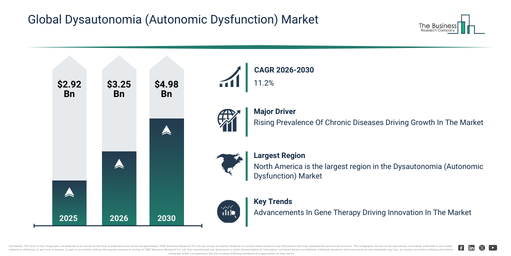
    The market for dysautonomia, also known as autonomic dysfunction, has experienced substantial expansion. Projections indicate a leap from $2.92 billion in 2025 to $3.25 billion in 2026, demonstrating a compound annual growth rate of 11.5%. Key factors fueling this expansion during the preceding period include the increasing incidence of neurological disorders, greater accessibility to diagnostic testing, advancements in autonomic research, the proliferation of specialized clinics, and the impactful efforts of patient advocacy groups.

    The market for dysautonomia, also known as autonomic dysfunction, is poised for significant expansion over the coming years, projecting to reach $4.98 billion by 2030 with a compound annual growth rate of 11.2%. This anticipated growth throughout the forecast period is fueled by several key factors, including the increasing adoption of wearable monitoring devices, the development of tailored treatment plans, advancements in genetic research, the integration of digital health solutions, and a growing demand for long-term care. Key trends shaping this market in the coming years are the heightened awareness surrounding disorders of the autonomic nervous system, a greater reliance on comprehensive diagnostic assessments, a surge in multidisciplinary treatment strategies, the proliferation of therapies focused on symptom management, and an intensified emphasis on the continuous monitoring of chronic conditions.

    Download A Free Sample Report For Comprehensive Market Insights:

    https://www.thebusinessresearchcompany.com/sample.aspx?id=21177&type=smp

    Dysautonomia (Autonomic Dysfunction) Market Development Factors: Which Trends Are Supporting Demand?

    The escalating incidence of chronic ailments is anticipated to fuel the expansion of the dysautonomia (autonomic dysfunction) market in the future. Chronic illnesses are protracted health conditions, generally lasting over three months, necessitating ongoing medical attention. This surge in chronic diseases is attributed to a rise in multimorbidity, where individuals concurrently experience multiple chronic conditions, a phenomenon influenced by aging demographics, inactive lifestyles, suboptimal dietary habits, and ecological risk factors. The dysautonomia market aligns with this trajectory by addressing the worsening cardiovascular, metabolic, and neurological symptoms observed in chronic disease patients due to impaired autonomic function, which disrupts critical processes like heart rate and blood pressure regulation, as well as digestion. For example, the World Health Organization reported in September 2023 that chronic noncommunicable diseases were responsible for 41 million deaths annually, accounting for 74% of all global fatalities. Consequently, the growing prevalence of chronic diseases is a key driver for the dysautonomia (autonomic dysfunction) market.

    A surge in autoimmune and neurological conditions is projected to stimulate the expansion of the dysautonomia (autonomic dysfunction) market going forward. These disorders involve the immune system or pathological mechanisms damaging the central or peripheral nervous system, resulting in inflammation, nerve malfuntion and compromised autonomic control. Factors contributing to the rise in these conditions include genetic predispositions, environmental influences, shifts in lifestyle, infectious agents, and enhanced diagnostic capabilities. The dysautonomia market plays a role by aiding medical professionals in identifying early autonomic involvement in ailments such as Sjögren’s syndrome, multiple sclerosis, Parkinson’s disease, and multiple system atrophy (MSA), thereby facilitating superior patient monitoring and customized treatment plans. As an illustration, the Alzheimer’s Association indicated in March 2023 that around 6.7 million Americans aged 65 and above were living with Alzheimer’s dementia in 2023, with projections suggesting this figure could reach 13.8 million by 2060. Therefore, the increasing incidence of autoimmune and neurological disorders is a significant factor driving market growth for dysautonomia (autonomic dysfunction).

    Dysautonomia (Autonomic Dysfunction) Market Segmentation And Category Breakdown

    The dysautonomia (autonomic dysfunction) market covered in this report is segmented –

    1) By Type: Neurogenic Orthostatic Hypotension (NOH), Postural Orthostatic Tachycardia Syndrome (POTS), Multiple System Atrophy (MSA), Pure Autonomic Failure (PAF), Other Types

    2) By Tests: Cardiovagal and Vasomotor Function Tests, Thermoregulatory Sweat Test (TST), Sympathetic Skin Response (SSR), Quantitative Sudomotor Axon Reflex Test, Other Tests

    3) By Treatment: Physical Therapy, Exercise Therapy, Counseling, Other Treatments

    4) By Distribution Channel: Hospital Pharmacy, Online Pharmacy, Retail Pharmacy

    5) By End User: Hospitals, Clinics, Diagnostic Centers, Research Institutes

    Subsegments:

    1) By Neurogenic Orthostatic Hypotension (NOH): Primary NOH, Secondary NOH (due to Parkinson’s Disease, Diabetes, etc.), Pharmacological Management of NOH, Non-Pharmacological Interventions

    2) By Postural Orthostatic Tachycardia Syndrome (POTS): Hyperadrenergic POTS, Hypovolemic POTS, Neuropathic POTS, Autoimmune POTS, Treatment With Beta-Blockers, Fludrocortisone, And Salt Supplements

    3) By Multiple System Atrophy (MSA): MSA-P (Parkinsonism), MSA-C (Cerebellar), MSA-A (Autonomic), Disease-Modifying and Symptomatic Treatment

    4) By Pure Autonomic Failure (PAF): Idiopathic PAF, Secondary PAF (due to neurodegenerative diseases), Autonomic Supportive Treatments

    5) By Other Types: Familial Dysautonomia (FD), Diabetic Autonomic Neuropathy, Horner’s Syndrome, Autoimmune Autonomic Ganglionopathy, Chronic Fatigue Syndrome-related Dysautonomia

    Dysautonomia (Autonomic Dysfunction) Market Transformation Trends: Which Innovations Are Driving Change?

    Within the dysautonomia market, key players are directing their efforts toward the evolution of gene therapy techniques, specifically employing recombinant adeno-associated virus (rAAV) methodologies. These advancements are designed to elevate the precision of gene delivery and augment the efficacy of treatments for individuals afflicted with hereditary types of autonomic dysfunction. The rAAV system involves a refined, harmless viral vector that has been engineered to transport therapeutic genes into particular cells, facilitating the sustained production of corrected or functional proteins without inducing illness. As an illustration, in January 2025, the US biotechnology firm Tikun Therapeutics Inc. secured designations from the U.S. Food and Drug Administration (FDA) for Orphan Drug and Rare Pediatric Disease status for two of its investigational treatments: rAAV2-U1a-hELP1, a gene therapy candidate targeting optic neuropathy in familial dysautonomia, and BPN-36964, a small-molecule agent intended to modulate splicing for systemic administration. The overarching goal of these therapeutic interventions is to rectify the fundamental genetic anomalies that lead to familial dysautonomia, thereby presenting the possibility of achieving lasting, disease-altering improvements that extend beyond mere symptom alleviation.

    Dysautonomia (Autonomic Dysfunction) Market Competitive Analysis Of Major Industry Participants

    Major companies operating in the dysautonomia (autonomic dysfunction) market are Teva Pharmaceutical Industries Ltd., Aurobindo Pharma Limited, Hikma Pharmaceuticals PLC, Cadila Healthcare Limited Zydus Cadila, Lupin Limited, Nemours Children’s Health Delaware, Aurora Health Care Inc., Camber Pharmaceuticals Inc., DyAnsys Inc., Mylan Pharmaceuticals Private Limited, Chelsea Therapeutics International Ltd., Tikun Therapeutics Inc., Pfizer Inc., Novartis AG, Takeda Pharmaceutical Company Limited, Eli Lilly and Company, GlaxoSmithKline plc, Merck and Co Inc., AstraZeneca plc, UCB S.A., Amgen Inc., Johnson and Johnson, Bausch Health Companies Inc., AbbVie Inc., Robinhood Therapeutics, Santhera Pharmaceuticals AG, Valeant Pharmaceuticals

    Access The Complete Dysautonomia (Autonomic Dysfunction) Market Report:

    https://www.thebusinessresearchcompany.com/report/dysautonomia-autonomic-dysfunction-global-market-report

    Dysautonomia (Autonomic Dysfunction) Market Largest Region: Which Geography Holds The Highest Market Share?

    North Americawas the largest region in the dysautonomia (autonomic dysfunction) market in 2025. Asia-Pacificis expected to be the fastest-growing region in the forecast period. The regions covered in the dysautonomia (autonomic dysfunction) market report are Asia-Pacific, South East Asia, Western Europe, Eastern Europe, North America, South America, Middle East, Africa.

    Get in touch with us:

    The Business Research Company: https://www.thebusinessresearchcompany.com/

    Americas: +1 310-496-7795

    Asia: +44 7882 955267 & +91 8897263534

    Europe: +44 7882 955267

    Email us at: marketing@tbrc.info

    Follow us on:

    LinkedIn: https://in.linkedin.com/company/the-business-research-company

    YouTube: https://www.youtube.com/channel/UC24_fI0rV8cR5DxlCpgmyFQ

    Global Market Model: https://www.thebusinessresearchcompany.com/global-market-model
  • Dupuytren’s Disease Market Growth Is Reshaping Competitive Advantage Across The Industry

    Dupuytren’s Disease Market Growth Is Reshaping Competitive Advantage Across The Industry

    Delivering more actionable and strategically valuable research, The Business Research Company’s 2026 market reports feature market attractiveness analysis, total addressable market evaluation, company benchmarking matrices, interactive Excel dashboards, expanded supply chain intelligence, emerging startup coverage, and detailed product insights.

    Dupuytren’s Disease Market Value Expansion And Long-Term Growth Outlook

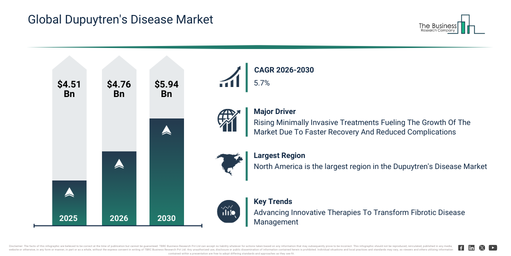
    The Dupuytren’s disease market experienced significant expansion lately, projecting a rise from $4.51 billion in 2025 to $4.76 billion in 2026, reflecting a compound annual growth rate of 5.7%. This past growth trajectory was influenced by factors including an increasing elderly demographic, the widespread occurrence of orthopedic conditions, the accessibility of surgical interventions, the establishment of consistent diagnostic practices, and the increasing acceptance of hand therapy.

    The global market for treating Dupuytren’s disease is projected for substantial expansion over the coming years, anticipating a valuation of $5.94 billion by 2030, fueled by a compound annual growth rate (CAGR) of 5.7%. This anticipated expansion in the upcoming period is largely ascribed to advancements in biologic therapies, innovations in less invasive procedures, the broadening scope of outpatient care, a heightened emphasis on improving patient quality of life, and the expansion of rehabilitation services. Key trends expected to shape the market during this forecast period encompass a greater embrace of minimally invasive treatment modalities, an increasing utilization of enzyme injection therapies, a growing inclination towards surgical interventions performed in outpatient settings, enhanced efforts in early diagnosis and physical examination, and a strengthened focus on comprehensive post-treatment rehabilitation.

    Download A Free Sample Report For Comprehensive Market Insights:

    https://www.thebusinessresearchcompany.com/sample.aspx?id=21944&type=smp

    Dupuytren’s Disease Market Industry Drivers: What Is Driving Revenue Growth?

    The expansion of the Dupuytren’s disease market is anticipated to be significantly influenced by the increasing prevalence of minimally invasive medical interventions. These advanced procedures, characterized by small incisions and minimal tissue damage, lead to less pain, quicker healing, and less noticeable scarring. Such treatments are gaining traction as both patients and healthcare providers increasingly favor interventions offering shorter recovery periods, diminished discomfort, and a lower likelihood of complications compared to conventional surgical methods. The Dupuytren’s disease sector is contributing to this shift by providing less invasive therapeutic options designed to restore hand functionality, alleviate finger stiffness, and improve patient recovery, thereby boosting the Dupuytren’s disease market. Evidence from a June 2024 report by the American Society of Plastic Surgeons indicates that minimally invasive procedures saw a 7% increase in 2023, exceeding the growth of surgical procedures by 2%, with hand surgeries like those for carpal tunnel, arthritis, and trigger finger amounting to 207,887, a 2% increment from the previous year. Consequently, the growing preference for less invasive approaches is a key driver for the Dupuytren’s disease market’s upward trajectory.

    Dupuytren’s Disease Market Segment Outlook: Which Categories Are Expanding The Fastest?

    The dupuytren’s disease market covered in this report is segmented –

    1) By Disease Type: Type I, Type II, Type III

    2) By Treatment: Surgery, Radiation Therapy, Needle Aponeurotomy, Steroid Shot, Enzyme Injection, Occupational Therapy, Other Treatments

    3) By Route of Administration: Oral, Parenteral, Other Routes Of Administration

    4) By Diagnosis: Physical Examination, X-Ray, Other Diagnosis

    5) By End-User: Hospitals, Clinics, Academic And Research Institute, Other End-Users

    Subsegments:

    1) By Type I: Classical Dupuytren’s Disease, Familial Dupuytren’s Disease

    2) By Type II: Palmar Fasciitis, Ledderhose Disease

    3) By Type III: Garrod’s Pads, Peyronie’s Disease

    #Dupuytren’s Disease Market Growth Trends: What Is Influencing The Future Outlook?

    Key players within the Dupuytren’s disease market are prioritizing clinical investigations to pioneer innovative, initial-stage, disease-altering therapies designed to decelerate or reverse fibrotic advancement, with clinical trials representing systematic research endeavors that evaluate the safety, effectiveness, and possible adverse outcomes of new pharmaceuticals, interventions, or medical techniques in human subjects prior to official sanction and broad medical deployment, evidenced by Ventoux Biosciences, a US-based biopharmaceutical entity concentrating on non-operative treatments for this condition, disclosing favorable preclinical data in April 2023 for its primary fibrosis therapy, VEN-201, a repurposed existing medication that exhibited a capacity to decrease dermal fibrosis in murine models mirroring Dupuytren’s contracture, leading the firm to commence capital acquisition initiatives to progress VEN-201 toward clinical testing as a prospective disease-modifying intervention.

    Dupuytren’s Disease Market Key Companies And Competitive Benchmarking

    Major companies operating in the dupuytren’s disease market are Pfizer Inc., Aetna Inc., Mayo clinic, Penn Medicine, Mercy Health, Endo Inc., Resilience Orthopedics, Raleigh Orthopaedic, Hoag Orthopedic Institute, OSS Health, Connext Inc., University of Utah Health, Ventoux Biosciences Inc., Auxilium Pharmaceuticals, 180 Life Sciences Corp., Brigid Freyne MD, Nantong Jinghua Pharmaceutical Co. Ltd., Sumitomo Dainippon Pharma Co. Ltd., Actiza Pharmaceutical Private Limited, Spear Pharmaceuticals

    Access The Complete Dupuytren’s Disease Market Report:

    https://www.thebusinessresearchcompany.com/report/dupuytrens-disease-global-market-report

    Dupuytren’s Disease Market Regional Analysis: Which Region Leads By Revenue?

    North Americawas the largest region in the dupuytren’s disease market in 2025. Asia-Pacificis expected to be the fastest-growing region in the forecast period. The regions covered in the dupuytren’s disease market report are Asia-Pacific, South East Asia, Western Europe, Eastern Europe, North America, South America, Middle East, Africa.

    Get in touch with us:

    The Business Research Company: https://www.thebusinessresearchcompany.com/

    Americas: +1 310-496-7795

    Asia: +44 7882 955267 & +91 8897263534

    Europe: +44 7882 955267

    Email us at: marketing@tbrc.info

    Follow us on:

    LinkedIn: https://in.linkedin.com/company/the-business-research-company

    YouTube: https://www.youtube.com/channel/UC24_fI0rV8cR5DxlCpgmyFQ

    Global Market Model: https://www.thebusinessresearchcompany.com/global-market-model
  • Duodenal Ulcer Treatment Market Forecast Signals New Revenue Opportunities Through 2030

    Duodenal Ulcer Treatment Market Forecast Signals New Revenue Opportunities Through 2030

    Enhanced with market attractiveness analysis, total addressable market evaluation, company benchmarking matrices, interactive Excel dashboards, expanded supply chain intelligence, emerging startup coverage, and detailed product insights, The Business Research Company’s 2026 market reports deliver more actionable and strategically valuable research.

    Duodenal Ulcer Treatment Market Expected To Reach $151.77 Billion By 2030 At 7.1% CAGR

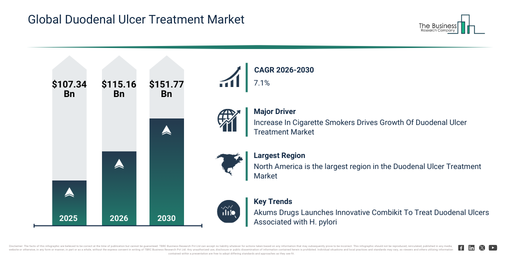
    The global market for treating duodenal ulcers has experienced robust expansion. Projections suggest this sector will see continued growth, moving from an estimated $107.34 billion in 2025 to $115.16 billion by 2026, reflecting a compound annual growth rate of 7.3%. Key factors contributing to this expansion during the preceding period include the increasing use of acid-suppressing medications, the identification of Helicobacter pylori as a causative agent, the significant prevalence of gastrointestinal disorders, improved accessibility to endoscopic procedures, and the establishment of standardized antibiotic treatment protocols.

    The market for treating duodenal ulcers is poised for substantial expansion in the coming years, projected to reach $151.77 billion by 2030, driven by a compound annual growth rate (CAGR) of 7.1%. This anticipated growth trajectory is largely fueled by advancements in managing antibiotic resistance, the development of innovative acid-blocking medications, the implementation of early diagnostic initiatives, the increasing prevalence of outpatient ulcer care, and a shift towards tailored gastroenterological treatments. Key developments shaping this market during the forecast period encompass a greater reliance on combination drug therapies, an intensified emphasis on eradicating Helicobacter pylori infections, broader adoption of proton pump inhibitors, an increase in minimally invasive surgical procedures, and enhanced patient adherence to treatment plans due to more straightforward therapeutic approaches.

    Download A Free Sample Report For Comprehensive Market Insights:

    https://www.thebusinessresearchcompany.com/sample.aspx?id=18339&type=smp

    Duodenal Ulcer Treatment Market Growth Factors: Which Forces Are Supporting Market Expansion?

    The rising prevalence of cigarette smoking is anticipated to be a key driver for the duodenal ulcer treatment market’s expansion. Individuals who regularly smoke cigarettes, characterized by the burning and inhalation of tobacco, contribute to this trend. Factors such as societal norms, economic conditions, stress management techniques, and increased availability of nicotine-based products are contributing to the upward trajectory of smoking rates. The duodenal ulcer treatment market actively responds to this by offering specialized treatments for ulcers, aiding in smoking cessation efforts, providing recommendations for lifestyle adjustments, and implementing ongoing patient monitoring to promote healing and minimize the likelihood of ulcer recurrence. A striking illustration of this trend is a study conducted by the European Respiratory Society (ERS), a nonprofit entity based in Switzerland, which in October 2024 highlighted a marked increase in smoking among young individuals, showing that 40.1% of participants reported smoking in 2024, a notable jump from the 22.5% recorded in 2022. Consequently, the growing number of cigarette smokers is directly fueling the advancement of the duodenal ulcer treatment market.

    Duodenal Ulcer Treatment Market Segment Landscape: Which Areas Lead Market Development?

    The duodenal ulcer treatment market covered in this report is segmented –

    1) By Type: Antibiotics, Proton Pump Inhibitors, Antacids, Potassium-Competitive Acid Blockers, H2-Antagonist, Ulcer Protective Drugs, Surgery

    2) By Application: Adult, Elderly

    3) By Distribution Channel: Hospital Pharmacy, Retail Pharmacy, Online Pharmacy

    Subsegments:

    1) By Antibiotics: Amoxicillin, Clarithromycin, Metronidazole, Tetracycline, Levofloxacin

    2) By Proton Pump Inhibitors (PPIs): Omeprazole, Esomeprazole, Lansoprazole, Pantoprazole, Rabeprazole

    3) By Antacids: Magnesium Hydroxide, Aluminum Hydroxide, Calcium Carbonate, Sodium Bicarbonate

    4) By Potassium-Competitive Acid Blockers (P-CABs): Vonoprazan, Tegoprazan

    5) By H2-Antagonists (H2 Blockers): Ranitidine, Famotidine, Cimetidine, Nizatidine

    6) By Ulcer Protective Drugs: Sucralfate, Misoprostol, Bismuth Subsalicylate

    7) By Surgery: Partial Gastrectomy, Vagotomy, Pyloroplasty, Endoscopic Therapy

    Duodenal Ulcer Treatment Market Industry Trends: What Changes Are Reshaping Demand?

    Key players in the duodenal ulcer treatment sector are concentrating their efforts on pioneering new solutions, specifically combikits designed for duodenal ulcers and H. pylori infections, aiming to optimize healing results and boost therapeutic efficacy. A combikit for duodenal ulcer and H. pylori infection is essentially a consolidated treatment package comprised of various pharmaceuticals. These are engineered to synergize in their mission to eliminate H. pylori bacteria while simultaneously diminishing stomach acid output, thereby tackling both the root cause and the symptomatic manifestations of duodenal ulcers. As an illustration, evidence from April 2023 shows Akums Drugs and Pharmaceutical Limited, an Indian pharmaceutical entity, introduced a novel Combikit specifically for the management of duodenal ulcers linked to H. pylori infection. This kit amalgamates amoxicillin, clarithromycin, and esomeprazole, a tripartite formulation proven to suppress bacterial proliferation and decrease gastric acid secretion. Having received the nod from the Central Drugs Standard Control Organization (CDSCO), this Combikit presents a streamlined and potent strategy for addressing duodenal ulcers and eradicating H. pylori in individuals experiencing active or previously healed peptic ulcers.

    Duodenal Ulcer Treatment Market Industry Leaders And Market Competition

    Major companies operating in the duodenal ulcer treatment market are Pfizer Inc., Merck & Co. Inc., Bayer AG, Sanofi S.A, Bristol-Myers Squibb, AstraZeneca plc, Abbott Laboratories, GlaxoSmithKline plc, Takeda Pharmaceutical Company Limited, Teva Pharmaceutical Industries Ltd., Mylan N.V., Sandoz AG, Sun Pharmaceutical Industries Limited, Eisai Co. Ltd., Aurobindo Pharma Limited, Cipla Inc., Dr. Reddy’s Laboratories Limited, Intas Pharmaceuticals Limited, Apotex Inc., Lupin Limited, Glenmark Pharmaceuticals Limited, Alkem Laboratories Limited, Jubilant Pharma Limited, Torrent Pharmaceuticals Limited

    Access The Complete Duodenal Ulcer Treatment Market Report:

    https://www.thebusinessresearchcompany.com/report/duodenal-ulcer-treatment-global-market-report

    Duodenal Ulcer Treatment Market Geographic Distribution And Regional Opportunities

    North Americawas the largest region in the duodenal ulcer treatment market in 2025. The regions covered in the duodenal ulcer treatment market report are Asia-Pacific, South East Asia, Western Europe, Eastern Europe, North America, South America, Middle East, Africa.

    Get in touch with us:

    The Business Research Company: https://www.thebusinessresearchcompany.com/

    Americas: +1 310-496-7795

    Asia: +44 7882 955267 & +91 8897263534

    Europe: +44 7882 955267

    Email us at: marketing@tbrc.info

    Follow us on:

    LinkedIn: https://in.linkedin.com/company/the-business-research-company

    YouTube: https://www.youtube.com/channel/UC24_fI0rV8cR5DxlCpgmyFQ

    Global Market Model: https://www.thebusinessresearchcompany.com/global-market-model