Month: June 2026

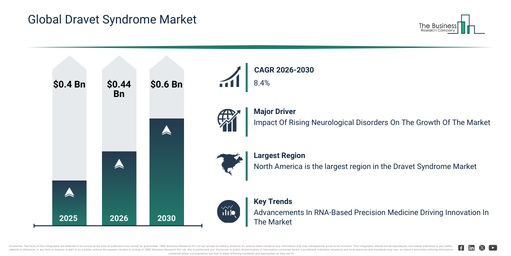
  • Dravet Syndrome Market Set To Grow From $0.43 Billion In 2026 To $0.6 Billion By 2030 At A CAGR Of 8.4%

    Dravet Syndrome Market Set To Grow From $0.43 Billion In 2026 To $0.6 Billion By 2030 At A CAGR Of 8.4%

    Delivering more actionable and strategically valuable research, The Business Research Company’s 2026 market reports feature market attractiveness analysis, total addressable market evaluation, company benchmarking matrices, interactive Excel dashboards, expanded supply chain intelligence, emerging startup coverage, and detailed product insights.

    Dravet Syndrome Market Size, Value And Growth Trends Through 2030

    The market for Dravet syndrome has experienced substantial expansion recently, projected to increase from $0.4 billion in 2025 to $0.44 billion in 2026, reflecting a compound annual growth rate of 8.7%. Factors contributing to this historical growth include heightened awareness of rare epilepsies, the identification of the SCN1A gene, advancements in anticonvulsant medication, a growing focus on pediatric neurology, and the availability of incentives for orphan drugs.

    The market for Dravet syndrome is poised for significant expansion in the coming years, projecting a rise to $0.6 billion by 2030, fueled by a compound annual growth rate (CAGR) of 8.4%. This projected growth over the forecast period is underpinned by advancements in gene therapy research, the implementation of precision neurology treatments, the increasing prevalence of early genetic screening, the broadening scope of patient registries, and innovations in supportive care strategies. Key developments anticipated within this timeframe encompass the escalating development of antiepileptic drugs tailored to specific targets, a greater reliance on genetic testing for diagnostic purposes, an intensified emphasis on therapies for rare diseases, the broader acceptance of treatments incorporating cannabidiol, and the expanding integration of multidisciplinary care models.

    Download A Free Sample Report For Comprehensive Market Insights:

    https://www.thebusinessresearchcompany.com/sample.aspx?id=21175&type=smp

    Dravet Syndrome Market Industry Drivers: What Is Driving Revenue Growth?

    The increasing incidence of neurological conditions is anticipated to fuel the expansion of the Dravet syndrome market. These neurological ailments, affecting the brain, spinal cord, and nervous system, lead to deficits in understanding, physical activity, feeling, and overall neural functionality. Factors such as an aging populace, shifts in lifestyle habits, environmental influences, improved diagnostic tools, and elevated occurrences of autoimmune and infectious neurological diseases are contributing to this rise. The Dravet syndrome market aligns with this broader trend by fostering advancements in the study of genetic alterations, neuronal overactivity, and specific treatments that underpin general progress in neurological disorder innovation. For example, figures from the Alzheimer’s Association revealed in March 2023 that an estimated 6.7 million Americans over 65 are currently dealing with Alzheimer’s dementia, a number expected to reach 13.8 million by 2060. Consequently, the escalating commonality of neurological disorders is a key driver for the growth observed in the Dravet syndrome market.

    Dravet Syndrome Market Segmentation And Category Breakdown

    The dravet syndrome market covered in this report is segmented –

    1) By Treatment And Management: Seizure Medications, Ketogenic Diet, Vagus Nerve Stimulation, Other Treatments And Managements

    2) By Diagnosis: Magnetic Resonance Imaging Testing, Electroencephalography Testing, Sodium Voltage-Gated Channel Alpha Subunit 1 Testing, Other Diagnosis

    3) By Route Of Administration: Parenteral Route, Oral Route, Other Routes Of Administrations

    4) By End-User: Pharmaceutical Companies, Hospitals, Diagnostic Laboratories, Academic And Research Institutes, Other End-Users

    Subsegments:

    1) By Seizure Medications: Anticonvulsants, Benzodiazepines, Levetiracetam, Cannabidiol (CBD) Based Medications, Topiramate, Lamotrigine

    2) By Ketogenic Diet: Standard Ketogenic Diet (SKD), Modified Atkins Diet (MAD), Low Glycemic Index Treatment (LGIT), MCT (Medium Chain Triglyceride) Diet

    3) By Vagus Nerve Stimulation: Implantable Vagus Nerve Stimulator (VNS), Non-Invasive Vagus Nerve Stimulation (NIVNS), Adjunct Therapy With VNS For Seizure Control

    4) By Other Treatments And Managements: Physical and Occupational Therapy, Speech Therapy, Epilepsy Surgery, Cognitive Behavioral Therapy (CBT), Genetic Counseling And Support

    #Dravet Syndrome Market Growth Trends: What Is Influencing The Future Outlook?

    Companies actively participating in the Dravet syndrome market are prioritizing the development of precision medicine approaches, with a particular emphasis on RNA-based therapeutics. These innovative treatments aim to target the specific genetic abnormalities responsible for the condition, consequently enhancing treatment effectiveness while minimizing adverse reactions. RNA-based therapies function by employing RNA molecules to influence gene expression or protein synthesis, thereby rectifying cellular malfunctions at their origin instead of merely alleviating symptoms. As a significant development, Stoke Therapeutics Inc., a US biotechnology firm, secured FDA clearance in December 2024 for zorevunersen, a medication developed to boost the expression of the SCN1A gene, which is frequently altered in individuals suffering from Dravet syndrome, thus tackling the fundamental genetic deficit. Through the application of RNA-based precision medicine to re-establish appropriate neurological activity, zorevunersen offers a promising avenue for decreasing seizure occurrences and improving cognitive results, marking a substantial step forward in specialized Dravet syndrome treatments.

    Dravet Syndrome Market Competitive Analysis Of Major Industry Participants

    Major companies operating in the dravet syndrome market are Takeda Pharmaceutical Company Limited, Biogen Inc., UCB S.A., Eisai Co. Ltd., Jazz Pharmaceuticals plc, H. Lundbeck A/S, BioMarin Pharmaceutical Inc., PTC Therapeutics Inc., Supernus Pharmaceuticals Inc., Zogenix Inc., Biocodex S.A., Encoded Therapeutics Inc., Marinus Pharmaceuticals Inc., Arvelle Therapeutics GmbH, Stoke Therapeutics Inc., Longboard Pharmaceuticals Inc., Xenon Pharmaceuticals Inc., Aeovian Pharmaceuticals Inc., GW Pharmaceuticals plc, Ovid Therapeutics Inc.

    Access The Complete Dravet Syndrome Market Report:

    https://www.thebusinessresearchcompany.com/report/dravet-syndrome-global-market-report

    Dravet Syndrome Market Geographic Distribution And Regional Opportunities

    North Americawas the largest region in the dravet syndrome market in 2025. Asia-Pacificis expected to be the fastest-growing region in the forecast period. The regions covered in the dravet syndrome market report are Asia-Pacific, South East Asia, Western Europe, Eastern Europe, North America, South America, Middle East, Africa.

    Get in touch with us:

    The Business Research Company: https://www.thebusinessresearchcompany.com/

    Americas: +1 310-496-7795

    Asia: +44 7882 955267 & +91 8897263534

    Europe: +44 7882 955267

    Email us at: marketing@tbrc.info

    Follow us on:

    LinkedIn: https://in.linkedin.com/company/the-business-research-company

    YouTube: https://www.youtube.com/channel/UC24_fI0rV8cR5DxlCpgmyFQ

    Global Market Model: https://www.thebusinessresearchcompany.com/global-market-model
  • Downstream Processing Market Opportunities Are Emerging Beyond Traditional Growth Areas

    Downstream Processing Market Opportunities Are Emerging Beyond Traditional Growth Areas

    Enhanced with market attractiveness analysis, total addressable market evaluation, company benchmarking matrices, interactive Excel dashboards, expanded supply chain intelligence, emerging startup coverage, and detailed product insights, The Business Research Company’s 2026 market reports deliver more actionable and strategically valuable research.

    Downstream Processing Market CAGR Analysis And Future Market Development

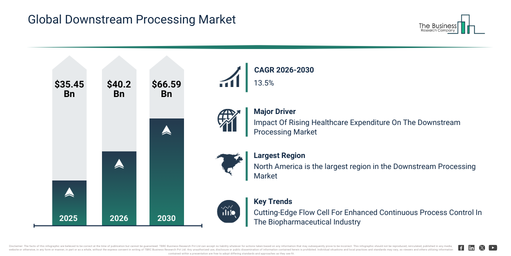
    The market for downstream processing has experienced accelerated expansion recently, projecting a rise from $35.45 billion in 2025 to $40.2 billion in 2026, indicating a compound annual growth rate of 13.4%. Factors contributing to this expansion during the historical period include the burgeoning biologics sector, increased production of monoclonal antibodies, substantial investments in biopharmaceuticals, the prevailing reliance on traditional batch processing methods, and adherence to stringent regulatory quality standards.

    The expansion of biosimilar production, coupled with increased vaccine manufacturing, is a key driver for the substantial growth anticipated in the downstream processing market, which is projected to reach $66.59 billion by 2030, demonstrating a compound annual growth rate of 13.5%. This robust expansion is further fueled by the increasing automation within bioprocessing, a rising demand for cost-effective purification methods, and the overall expansion of contract development and manufacturing organization (CDMO) capacities. Furthermore, the forecast period is characterized by significant market trends, including a growing appetite for the purification of biologic drugs, a more widespread adoption of continuous processing techniques, a greater utilization of single-use technologies, an increased focus on chromatography-based purification strategies, and an overarching emphasis on optimizing process yields.

    Download A Free Sample Report For Comprehensive Market Insights:

    https://www.thebusinessresearchcompany.com/sample.aspx?id=10155&type=smp

    Downstream Processing Market Growth Factors: Which Forces Are Supporting Market Expansion?

    Driven by escalating healthcare spending, the downstream processing market is poised for significant expansion. This surge in healthcare expenditure, encompassing all costs associated with health services, family planning, nutrition initiatives, and emergency health aid, directly fuels demand for downstream processing solutions. These processes are crucial for isolating active pharmaceutical ingredients from biological sources, like microbial or mammalian cells, and then refining them to a high degree of purity. Illustrating this trend, official figures from May 2024, provided by the UK’s Office for National Statistics, revealed that overall healthcare spending saw a nominal increase of 5.6% from 2022 to 2023, a notable acceleration from the 0.9% growth recorded in the preceding year. Consequently, the upward trajectory of healthcare expenditure is acting as a primary catalyst for the growth observed in the downstream processing sector.

    Downstream Processing Market Segment Outlook: Which Categories Are Expanding The Fastest?

    The downstream processing market covered in this report is segmented –

    1) By Product: Centrifuges, Dryers, Chromatography Systems, Filters, Evaporators, Other Products

    2) By Technique: Purification Techniques, Solid-Liquid Separation, Clarification Or Concentration

    3) By Application: Monoclonal Antibody Production, Vaccine Production, Insulin Production, Immunoglobulin Production, Erythropoietin Production, Other Applications

    Subsegments:

    1) By Centrifuges: Analytical Centrifuges, Preparative Centrifuges

    2) By Dryers: Spray Dryers, Freeze Dryers, Fluidized Bed Dryers

    3) By Chromatography Systems: Liquid Chromatography Systems, Gas Chromatography Systems, Affinity Chromatography Systems

    4) By Filters: Membrane Filters, Depth Filters, Cartridge Filters

    5) By Evaporators: Thin Film Evaporators, Forced Circulation Evaporators, Falling Film Evaporators

    6) By Other Products: Mixers, Precipitation Systems, Storage Tanks

    Downstream Processing Market Industry Trends: What Changes Are Reshaping Demand?

    In the realm of downstream processing, leading enterprises are actively engaged in pioneering advancements, notably through the integration of flow cells. These innovative devices are instrumental in refining process oversight, boosting operational productivity, and solidifying their market standing. Essentially, a flow cell facilitates the uninterrupted flow of liquid samples, thereby permitting immediate scrutiny, evaluation, and regulation of bioprocess environments throughout downstream stages. As an illustration, during October 2023, SCHOTT AG, a German conglomerate renowned for its expertise in specialty glass and glass-ceramics, introduced ViewCell. This particular flow cell component is engineered to ensure secure and consistent process management within biopharmaceutical production. ViewCell notably elevates the adaptability of bioprocess surveillance, empowering biopharmaceutical downstream operations to achieve heightened levels of efficiency and effectiveness through the precise, instantaneous management of vital process metrics.

    Downstream Processing Market Key Companies And Competitive Benchmarking

    Major companies operating in the downstream processing market are Sartorius AG, General Electric Company, Merck KGaA, Thermo Fisher Scientific Inc., Danaher Corporation, Repligen Corporation, Lonza Group Ltd., Eppendorf AG, Corning Corporation, Ashai Kasei Corporation, Finesse Solutions Inc., MilliporeSigma, Pall Corporation, Bio-Rad Laboratories, Charles River Laboratories International Inc., Waters Corporation, Becton Dickinson and Company (BD), Entegris Inc., Novasep, Avantor Sciences, Tecan Group, Agilent Technologies, Boehringer Ingelheim International GmbH, Ahlstrom-Munksjö Oyj, Grifols S.A., GenScript Biotech Corporation

    Access The Complete Downstream Processing Market Report:

    https://www.thebusinessresearchcompany.com/report/downstream-processing-global-market-report

    Downstream Processing Market Largest Region By Revenue And Market Share

    North Americawas the largest region in the downstream processing market in 2025. Asia-Pacificis expected to be the fastest-growing region in the global downstream processing market report during the forecast period. The regions covered in the downstream processing market report are Asia-Pacific, South East Asia, Western Europe, Eastern Europe, North America, South America, Middle East, Africa.

    Get in touch with us:

    The Business Research Company: https://www.thebusinessresearchcompany.com/

    Americas: +1 310-496-7795

    Asia: +44 7882 955267 & +91 8897263534

    Europe: +44 7882 955267

    Email us at: marketing@tbrc.info

    Follow us on:

    LinkedIn: https://in.linkedin.com/company/the-business-research-company

    YouTube: https://www.youtube.com/channel/UC24_fI0rV8cR5DxlCpgmyFQ

    Global Market Model: https://www.thebusinessresearchcompany.com/global-market-model
  • Donor Egg In Vitro Fertilization (IVF) Services Market Expansion Is Opening New Pathways For Strategic Investment

    Donor Egg In Vitro Fertilization (IVF) Services Market Expansion Is Opening New Pathways For Strategic Investment

    Through market attractiveness analysis, total addressable market evaluation, company benchmarking matrices, interactive Excel dashboards, expanded supply chain intelligence, emerging startup coverage, and detailed product insights, The Business Research Company’s 2026 market reports provide more actionable and strategically valuable research.

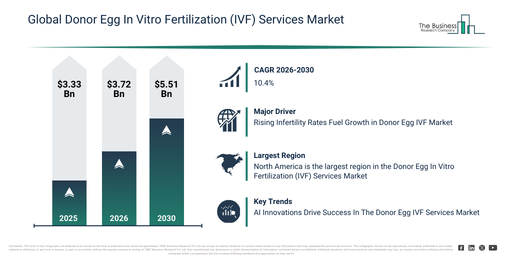
    Donor Egg In Vitro Fertilization (IVF) Services Market Expansion From $3.71 Billion In 2026 To $5.51 Billion In 2030

    The market for donor egg in vitro fertilization (IVF) services has experienced robust expansion recently, and this upward trajectory is projected to continue. From an estimated $3.33 billion in 2025, the market is anticipated to reach $3.72 billion by 2026, demonstrating a compound annual growth rate (CAGR) of 11.7%. This past period of growth was driven by several key factors, including rising infertility challenges, an increasing average maternal age, enhancements in IVF success rates, broader accessibility to donor eggs, and crucial regulatory endorsements for assisted reproductive technologies.

    Anticipate a swift expansion within the donor egg in vitro fertilization (IVF) services market, projected to reach $5.51 billion by 2030. This impressive growth, occurring at a compound annual growth rate (CAGR) of 10.4%, will be fueled by several key factors. These include the increasing popularity of international fertility tourism, a heightened demand for genetic screening procedures, the development of tailored fertility treatment plans, the broadening of clinic networks, and enhancements in insurance coverage. Emerging trends expected to shape this market over the forecast period involve a heightened need for donor egg IVF driven by later-than-usual decisions to start families, a greater societal acceptance of assisted reproductive technologies, the further development and utilization of frozen donor egg programs, a greater prevalence of pre-implantation genetic testing, and the proliferation of dedicated fertility clinics.

    Download A Free Sample Report For Comprehensive Market Insights:

    https://www.thebusinessresearchcompany.com/sample.aspx?id=16664&type=smp

    Donor Egg In Vitro Fertilization (IVF) Services Market Demand Drivers: What Is Fueling Industry Growth?

    An escalating infertility rate is anticipated to catalyze the expansion of the donor egg IVF services sector. Infertility, defined as the inability to achieve conception or sustain a pregnancy for a minimum of twelve months of consistent, unprotected sexual activity, is on the rise attributable to factors including unaddressed sexually transmitted infections, postponed parenthood, and restricted availability of contemporary reproductive healthcare. The market for donor egg IVF services plays a crucial role by facilitating conception through the utilization of eggs from fertile donors, thereby offering a practical path to parenthood for individuals and couples facing natural conception challenges. Illustrating this trend, data from the Centers for Disease Control and Prevention (CDC) in March 2025 indicated that in 2023, among 3,596,017 live births recorded in the United States, 88,185 births, representing 2.45%, were achieved through infertility treatments, with a notable increase in success rates correlated with maternal age, progressing from 0.2 per 1,000 births for mothers under twenty to 120 per 1,000 for those aged forty to fifty-four. Consequently, the increasing prevalence of infertility is a primary driver for the growth experienced in the donor egg IVF services market.

    Donor Egg In Vitro Fertilization (IVF) Services Market Segment Landscape: Which Areas Lead Market Development?

    The donor egg in vitro fertilization (ivf) services market covered in this report is segmented –

    1) By Offering: In Vitro Fertilization (IVF) Drugs, In Vitro Fertilization (IVF) Media And Reagents, In Vitro Fertilization (IVF) And Intrauterine Insemination (IUI) Services

    2) By Procedure: Fresh Donor Egg, Frozen Donor Egg, Other Procedures

    3) By End User: Clinical Research Institutes, Surgical Centers, Hospitals, Fertility Clinics, Other End Users

    Subsegments:

    1) By In Vitro Fertilization (IVF) Drugs: Hormonal Medications), Ovulation Induction Drugs (e.g., Clomid, hCG), Progesterone And Estrogen Supplements, Medications For Luteal Phase Support, Injectable Fertility Drugs

    2) By In Vitro Fertilization (IVF) Media And Reagents: Embryo Culture Media, Sperm Processing Media, Egg Freezing And Thawing Media, Cryopreservation Reagents, Media For Embryo Transfer

    3) By In Vitro Fertilization (IVF) And Intrauterine Insemination (IUI) Services: Donor Egg IVF Services (Egg Donation), Traditional IVF With Patient’s Own Eggs, IUI Services Using Donor Sperm Or Partner Sperm, Pre-Implantation Genetic Testing (PGT) Services, Embryo Freezing And Storage Services, IVF With Genetic Screening

    Donor Egg In Vitro Fertilization (IVF) Services Market Innovation Trends: Which Developments Are Transforming The Industry?

    In the realm of donor egg in vitro fertilization (IVF) services, leading market participants are prioritizing the innovation of sophisticated IVF methodologies, particularly those leveraging artificial intelligence (AI), to elevate the precision of embryo selection, boost success probabilities, and refine patient results. These AI-driven IVF systems are essentially digital frameworks employing machine learning computations and data analysis to aid clinicians in their choices, simplify laboratory processes, and increase the dependability and performance of IVF interventions. As a notable example, in September 2023, AIVF, a software firm originating from Israel, introduced EMA, an AI-enhanced operating system for IVF, conceived to bolster decision-making within IVF facilities, optimize functional processes, and fortify the connection between clinics and their patients. EMA integrates profound learning architectures, developed using vast troves of data, and includes a component for embryo appraisal that not only streamlines workflow but also achieves 38% superior accuracy compared to conventional evaluations by embryologists, thereby facilitating more exact and potent IVF therapy.

    Donor Egg In Vitro Fertilization (IVF) Services Market Industry Leaders And Market Competition

    Major companies operating in the donor egg in vitro fertilization (ivf) services market are Raffles Medical Group, United Family Healthcare, Thomson Medical Group, Virtus Health, Genetics & IVF Institute, Fertility Associates, SAFE Fertility Center, TMC Fertility, TRIO Fertility, Sims IVF, Procrea Fertility, KL Fertility Centre, Morpheus Life Sciences Pvt Ltd, Bourn Hall Fertility Center, The Montreal Fertility Center, Cape Fertility Clinic, ReproMed Fertility Clinics, Merrion Fertility Clinic, Medfem Fertility Clinic, Flinders Fertility, Fertility First, Cloudnine Fertility, Beacon CARE Fertility, Aevitas Fertility Clinic

    Access The Complete Donor Egg In Vitro Fertilization (IVF) Services Market Report:

    https://www.thebusinessresearchcompany.com/report/donor-egg-in-vitro-fertilization-ivf-services-global-market-report

    Donor Egg In Vitro Fertilization (IVF) Services Market Regional Analysis And Leading Geography

    North Americawas the largest region in the donor egg in vitro fertilization (IVF) services market in 2025. The regions covered in the donor egg in vitro fertilization (ivf) services market report are Asia-Pacific, South East Asia, Western Europe, Eastern Europe, North America, South America, Middle East, Africa.

    Get in touch with us:

    The Business Research Company: https://www.thebusinessresearchcompany.com/

    Americas: +1 310-496-7795

    Asia: +44 7882 955267 & +91 8897263534

    Europe: +44 7882 955267

    Email us at: marketing@tbrc.info

    Follow us on:

    LinkedIn: https://in.linkedin.com/company/the-business-research-company

    YouTube: https://www.youtube.com/channel/UC24_fI0rV8cR5DxlCpgmyFQ

    Global Market Model: https://www.thebusinessresearchcompany.com/global-market-model
  • Dog Training Equipment Market Trends Are Creating New Opportunities For Industry Leaders

    Dog Training Equipment Market Trends Are Creating New Opportunities For Industry Leaders

    Delivering more actionable and strategically valuable research, The Business Research Company’s 2026 market reports feature market attractiveness analysis, total addressable market evaluation, company benchmarking matrices, interactive Excel dashboards, expanded supply chain intelligence, emerging startup coverage, and detailed product insights.

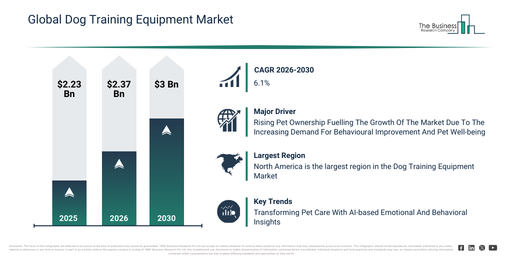
    Dog Training Equipment Market Forecast Highlighting Growth From $2.36 Billion To $3 Billion

    The dog training equipment market experienced robust expansion recently, with projections indicating a rise from $2.23 billion in 2025 to $2.37 billion in 2026, demonstrating a compound annual growth rate of 6.3%. Key factors contributing to this historical growth trajectory include an increase in pet ownership, the continued prevalence of traditional obedience training approaches, ongoing urbanization, the expansion of the retail pet product sector, and heightened consumer expenditure on pets.

    The dog training equipment market is poised for substantial expansion over the coming years, with projections indicating it will reach $3 billion by 2030, driven by a compound annual growth rate of 6.1%. This projected increase is fueled by several key factors, including the rising adoption of smart pet technologies, the increasing tendency to view pets as family members, the growth of online retail channels, the burgeoning demand for professional dog training services, and a greater emphasis on environmentally friendly pet products. Within this forecast period, several significant trends are anticipated to shape the market, such as a greater embrace of training methods that employ positive reinforcement, an escalating demand for intelligent and GPS-equipped devices, a heightened concern for the safety and well-being of pets, an expansion in the availability of dog training solutions for home use, and a distinct preference for products that are both long-lasting and environmentally conscious.

    Download A Free Sample Report For Comprehensive Market Insights:

    https://www.thebusinessresearchcompany.com/sample.aspx?id=24212&type=smp

    Dog Training Equipment Market Growth Drivers: What Factors Are Accelerating Expansion?

    The increasing number of households welcoming pets is a significant factor anticipated to fuel the expansion of the dog training equipment sector. This trend in pet adoption, characterized by the commitment to caring for animals, encompasses essential aspects like nourishment, housing, hygiene, and social interaction. A key driver behind this surge in pet ownership is the deepening emotional connection individuals develop with their animal companions, as pets offer solace and a means of alleviating everyday stress. Within this context, the market for dog training gear plays a crucial role by supplying a variety of implements and accoutrements, such as specialized collars, agility apparatus, and obedience aids, which empower owners to effectively interact with their canine friends, foster desirable conduct, and enrich the overall experience of having a pet; illustrating this phenomenon, U.S. consumer spending within the pet industry reached an estimated $152 billion in 2024, a notable rise from the $147 billion tallied in 2023, signifying an approximate $5 billion increase in expenditure that aligns with a growing pet population. Consequently, the burgeoning trend of pet ownership is directly contributing to the advancement of the dog training equipment market.

    Dog Training Equipment Market Segments: Where Are The Largest Growth Opportunities?

    The dog training equipment market covered in this report is segmented –

    1) By Product Type: Collars, Leashes, Harnesses, Training Pads, Clickers, Whistles, Other Product Types

    2) By Material Type: Nylon, Leather, Metal, Plastic, Other Material Types

    3) By Dog Size: Small Dogs, Medium Dogs, Large Dogs, Extra Large Dogs

    4) By Distribution Channel: Online Stores, Pet Specialty Stores, Supermarkets Or Hypermarkets, Other Distribution Channels

    5) By Application: Household, Professional Training, Other Applications

    Subsegments:

    1) By Collars: Standard Collars, Martingale Collars, Electronic (E-Collars), Head Collars, Global Positioning System (Gps) Tracking Collars

    2) By Leashes: Standard Leashes, Retractable Leashes, Slip Leashes, Adjustable Leashes, Training Leashes

    3) By Harnesses: Front-Clip Harnesses, Back-Clip Harnesses, Dual-Clip Harnesses, No-Pull Harnesses, Step-In Harnesses

    4) By Training Pads: Disposable Training Pads, Reusable Or Washable Training Pads, Scented Training Pads, Attractant Training Pads, Grass Training Pads

    5) By Clickers: Standard Clickers, Box Clickers, Button Clickers, Adjustable Volume Clickers, Wristband Clickers

    6) By Whistles: Standard Whistles, Silent Whistles, Dual-Tone Whistles, Pea Whistles, Electronic Whistles

    7) By Other Product Types: Muzzles, Agility Training Tools, Treat Dispensers, Target Sticks, Remote Trainers

    Dog Training Equipment Market Trends: What Is Shaping Future Industry Growth?

    Leading players within the canine training gear sector are prioritizing the creation of novel solutions, specifically smart devices integrating artificial intelligence, with the aim of boosting training efficacy, furnishing tailored guidance, and elevating the complete engagement for both pet guardians and professionals. These AI-driven canine training implements are essentially intelligent instruments employing advanced algorithms to scrutinize a dog’s present conduct and bodily indicators, thereby facilitating automatic adjustments, providing unique perspectives, and achieving more streamlined training results. As an illustration, in the initial month of 2025, Traini, a domestic entity in the United States specializing in dog training apparatus, introduced a sophisticated smart collar powered by AI. This device possesses the capability to observe a dog’s emotional and physical conditions through the analysis of vocalizations, cardiac rhythm, body heat, and motion patterns, autonomously identifying more than ten distinct emotional states like happiness, unease, and suffering, and consequently delivering immediate feedback via a linked mobile application, which issues notifications, charts emotional shifts, and suggests customized care advice to assist owners in managing behavioral challenges and promoting their pet’s holistic health.

    Dog Training Equipment Market Major Participants And Competitive Dynamics

    Major companies operating in the dog training equipment market are Garmin Ltd, PetSafe, Coastal Pet Products Inc., SportDOG Brand, Julius-K9, Prevue Pet Products Inc., Ray Allen Manufacturing LLC, Delta Canine, The Company of Animals Ltd, Kyjen, Dogtra Company, E-Collar Technologies Inc., ActiveDogs Inc., Zorba International, Harddog’s Requisites, Mendota Products, Black Dog Wear, TrustyPaws, Better Sporting Dogs, Shenzhen SmartPet Technology Co. Ltd

    Access The Complete Dog Training Equipment Market Report:

    https://www.thebusinessresearchcompany.com/report/dog-training-equipment-global-market-report

    Dog Training Equipment Market Geographic Analysis: Where Is Demand Growing The Fastest?

    North Americawas the largest region in the dog training equipment market in 2025. Asia-Pacificis expected to be the fastest-growing region in the forecast period. The regions covered in the dog training equipment market report are Asia-Pacific, South East Asia, Western Europe, Eastern Europe, North America, South America, Middle East, Africa.

    Get in touch with us:

    The Business Research Company: https://www.thebusinessresearchcompany.com/

    Americas: +1 310-496-7795

    Asia: +44 7882 955267 & +91 8897263534

    Europe: +44 7882 955267

    Email us at: marketing@tbrc.info

    Follow us on:

    LinkedIn: https://in.linkedin.com/company/the-business-research-company

    YouTube: https://www.youtube.com/channel/UC24_fI0rV8cR5DxlCpgmyFQ

    Global Market Model: https://www.thebusinessresearchcompany.com/global-market-model
  • DNA/RNA Sample Extraction And Isolation Market Growth Is Reshaping Competitive Advantage Across The Industry

    DNA/RNA Sample Extraction And Isolation Market Growth Is Reshaping Competitive Advantage Across The Industry

    Enhanced with market attractiveness analysis, total addressable market evaluation, company benchmarking matrices, interactive Excel dashboards, expanded supply chain intelligence, emerging startup coverage, and detailed product insights, The Business Research Company’s 2026 market reports deliver more actionable and strategically valuable research.

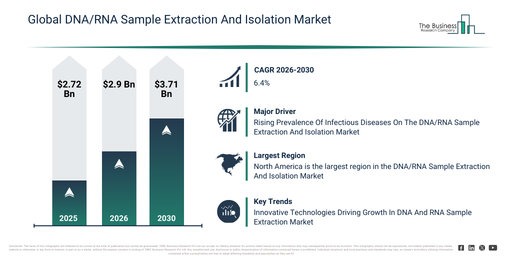
    DNA/RNA Sample Extraction And Isolation Market Revenue Growth Supported By A CAGR Of 3.7% Through 2030

    The market for DNA/RNA sample extraction and isolation has experienced robust expansion recently, with projections indicating a rise from $2.72 billion in 2025 to $2.9 billion in 2026, driven by a compound annual growth rate (CAGR) of 6.5%. Factors contributing to this historical growth trajectory include the burgeoning field of genomics research, an increased demand for infectious disease testing, the inherent limitations of manual extraction methods, a growing emphasis on laboratory standardization, and the widespread adoption of reagent-based workflows.

    The market for DNA/RNA sample extraction and isolation is poised for significant expansion, projected to reach $3.71 billion by 2030 with a compound annual growth rate of 6.4%. This upward trajectory is anticipated to be fueled by several key factors including the increasing automation within molecular laboratories, the growing demand for high-throughput diagnostic services, the broadening scope of biopharmaceutical research and development, the implementation of precision medicine approaches, and the continuous drive to enhance laboratory operational efficiency. During this anticipated growth phase, several prominent trends are expected to shape the market, such as an escalating need for genetic material of superior purity, augmented utilization in polymerase chain reaction (PCR) and sequencing processes, a wider deployment of automated extraction platforms, the proliferation of both research and diagnostic applications, and a greater acceptance of standardized extraction kits.

    Download A Free Sample Report For Comprehensive Market Insights:

    https://www.thebusinessresearchcompany.com/sample.aspx?id=13842&type=smp

    DNA/RNA Sample Extraction And Isolation Market Growth Factors Supporting Long-Term Expansion

    An upward trend in the occurrence of infectious diseases is anticipated to be a primary catalyst for the expansion of the DNA/RNA sample extraction and isolation market. These conditions, characterized by invasions and multiplications of disease-causing agents like viruses, bacteria, fungi, and parasites within an organism, are becoming more widespread. Factors contributing to this increase include expanding urban environments, increased international travel, geographic shifts in disease vectors influenced by climate change, and the growing challenge of antibiotic resistance. The necessity of DNA/RNA extraction and isolation services is heightened by this surge, as these processes underpin crucial molecular diagnostic techniques such as PCR. By facilitating the direct detection of pathogen genetic material from patient specimens, these methods significantly enhance diagnostic precision and bolster efforts to manage disease outbreaks. To illustrate, the World Health Organization reported that from January 1 to December 11, 2023, the Americas documented 4.1 million suspected dengue cases, translating to 419 cases per 100,000 individuals. This figure encompassed 6,710 severe instances (0.16%) and resulted in 2,049 fatalities (a case fatality rate of 0.05%) across 42 nations. Notably, 15 countries were experiencing ongoing outbreaks, with 1,895,122 cases (45%) confirmed through laboratory testing by EW 48. Consequently, the escalating incidence of infectious diseases is a direct driver for the growth observed in the DNA/RNA sample extraction and isolation market.

    DNA/RNA Sample Extraction And Isolation Market Segment Analysis: What Are The Major Market Categories?

    The dna/rna sample extraction and isolation market covered in this report is segmented –

    1) By Product: Consumables, Instruments

    2) By Technology: Consumable-Based Technology, Instrument-Based Technology

    3) By Application: Polymerase Chain Reaction (PCR), Next-Generation Sequencing (NGS), Cloning, Microarray, Blotting Techniques, Other Applications

    4) By End-User: Clinical Diagnostic And Forensic Laboratories, Research Academics And Institutions, Pharmaceutical And Biotechnology Companies, Contract Research Organizations (CRO), Other End-Users

    Subsegments:

    1) By Consumables: Kits, Reagents And Chemicals, Consumable Supplies

    2) By Instruments: Automated Extraction Systems, Manual Extraction Devices, Centrifuges, Pipettes And Liquid Handling Systems

    DNA/RNA Sample Extraction And Isolation Market Industry Trends Shaping Future Revenue Growth

    The primary players within the DNA/RNA sample extraction and isolation sector are prioritizing the integration of sophisticated automated systems for both sample preparation and subsequent analysis. This strategic move aims to bolster workflow efficiency, elevate precision, and facilitate large-scale molecular investigations. An automated approach to sample preparation and analysis signifies a mechanized, technology-powered framework that handles crucial laboratory procedures like sample breaking, purification, and nucleic acid separation. Such systems are designed to lessen the reliance on manual intervention, curtail mistakes, and consistently deliver superior outcomes regardless of the sample’s origin or composition. Illustrating this trend, Qiagen N.V., a prominent German entity in biotechnology and life sciences, introduced its TissueLyser III and RNeasy PowerMax Soil Pro Kit in November 2023. The TissueLyser III is engineered for high-volume mechanical lysis of difficult biological specimens, including bone, tissue, and cells, thereby streamlining sample preparation. Complementing this, the RNeasy PowerMax Soil Pro Kit utilizes QIAGEN’s cutting-edge inhibitor removal technology to isolate exceptionally pure RNA from soil samples laden with inhibitors, ensuring dependable extraction even from intricate environmental samples.

    DNA/RNA Sample Extraction And Isolation Market Leading Companies Driving Competitive Growth

    Major companies operating in the dna/rna sample extraction and isolation market are F Hoffmann-La Roche AG, Thermo Fisher Scientific Inc., Danaher Corporation, MilliporeSigma, Agilent Technologies, Illumina Inc., PerkinElmer Inc., Sigma-Aldrich, Bio-Rad Laboratories Inc., Qiagen N.V., Eppendorf AG, Macherey-Nagel GmbH & Co. KG, Tecan Group, Promega Corporation, Takara Bio Inc., New England Biolabs, Omega Bio-tek Inc., Zymo Research, PCR Biosystems, Biotium Inc., Beckman Coulter, Norgen Biotek Inc.

    Access The Complete DNA/RNA Sample Extraction And Isolation Market Report:

    https://www.thebusinessresearchcompany.com/report/dna-or-rna-sample-extraction-and-isolation-global-market-report

    DNA/RNA Sample Extraction And Isolation Market Global Footprint: Which Region Holds Market Leadership?

    North Americawas the largest region in the DNA/RNA sample extraction and isolation market in 2025. Asia-Pacificis expected to be the fastest-growing region in the forecast period. The regions covered in the dna/rna sample extraction and isolation market report are Asia-Pacific, South East Asia, Western Europe, Eastern Europe, North America, South America, Middle East, Africa.

    Get in touch with us:

    The Business Research Company: https://www.thebusinessresearchcompany.com/

    Americas: +1 310-496-7795

    Asia: +44 7882 955267 & +91 8897263534

    Europe: +44 7882 955267

    Email us at: marketing@tbrc.info

    Follow us on:

    LinkedIn: https://in.linkedin.com/company/the-business-research-company

    YouTube: https://www.youtube.com/channel/UC24_fI0rV8cR5DxlCpgmyFQ

    Global Market Model: https://www.thebusinessresearchcompany.com/global-market-model
  • DNA Testing Market Forecast Signals New Revenue Opportunities Through 2030

    DNA Testing Market Forecast Signals New Revenue Opportunities Through 2030

    Through market attractiveness analysis, total addressable market evaluation, company benchmarking matrices, interactive Excel dashboards, expanded supply chain intelligence, emerging startup coverage, and detailed product insights, The Business Research Company’s 2026 market reports provide more actionable and strategically valuable research.

    DNA Testing Market Value Expansion And Long-Term Growth Outlook

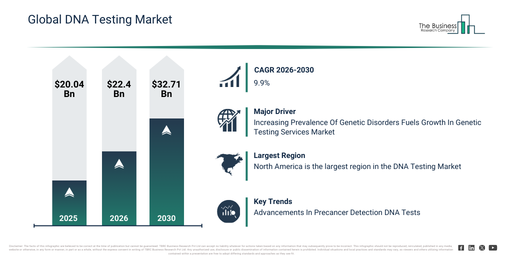
    The DNA testing sector has experienced substantial expansion recently. Projections indicate a rise from $20.04 billion in 2025 to $22.4 billion by 2026, reflecting a compound annual growth rate (CAGR) of 11.8%. Factors contributing to this expansion during the past period include progress in molecular diagnostics, increased demand for infectious disease analysis, wider acceptance of cancer screening methods, advancements in laboratory automation, and increased investment in genetic research.

    Anticipating substantial expansion in the coming years, the DNA testing market is projected to reach a valuation of $32.71 billion by 2030, exhibiting a compound annual growth rate (CAGR) of 9.9%. This anticipated surge is underpinned by several key drivers, including the increasing integration of precision medicine, advancements in AI for genetic interpretation, the proliferation of population screening initiatives, the broadening scope of clinical genomics, and supportive regulatory frameworks for molecular diagnostics. Furthermore, the forecast period is marked by significant trends such as the expanding application of DNA testing within clinical diagnostics, a growing utilization in prenatal and newborn screenings, heightened adoption in oncology and pharmacogenomics, the integration of automated testing platforms, and a burgeoning demand for personalized genetic insights.

    Download A Free Sample Report For Comprehensive Market Insights:

    https://www.thebusinessresearchcompany.com/sample.aspx?id=15358&type=smp

    DNA Testing Market Demand Drivers Creating New Revenue Opportunities

    The growing incidence of genetic conditions is anticipated to be a significant catalyst for the expansion of the DNA testing market in the future. These medical conditions, stemming from alterations in an individual’s genetic code, manifest as impairments in physical development or bodily functions. Factors contributing to the escalating rate of genetic disorders include broader genetic screening initiatives, enhanced diagnostic technologies, heightened public understanding, and the persistent practice of marriage between close relatives in specific demographics. The DNA testing market plays a crucial role in addressing this challenge by facilitating prompt and precise diagnoses, aiding in the evaluation of disease progression, guiding the development of tailored therapies, and empowering individuals to make well-informed decisions regarding family planning, all informed by their unique genetic makeup. For illustrative purposes, the World Health Organization (WHO) reported in February 2023 that congenital diseases were responsible for an estimated 240,000 infant fatalities worldwide within the initial month of life annually. Furthermore, the Centers for Disease Control and Prevention (CDC) indicated that roughly 6,000 infants are born with Down syndrome each year in the United States, a figure equivalent to one in every 700 births. Consequently, the heightened occurrence of genetic disorders is directly fueling the advancement of the DNA testing market.

    DNA Testing Market Segment Breakdown: Which Categories Generate The Most Revenue?

    The dna testing market covered in this report is segmented –

    1) By Product Type: Equipment, Consumables, Software And Services

    2) By Technology: Polymerase Chain Reaction (PCR) Based, In-Situ Hybridization, Microarray, Next-Generation Sequencing (NGS) DNA Diagnosis

    3) By Application: Newborn DNA Screening, Pre-Natal DNA Carrier Screening, Oncology Diagnostics And Histopathology, Pre-implantation Diagnosis, Infectious Disease Diagnostics, Pharmacogenomics Diagnostic Testing, Identify Diagnostics And Forensic, Other Applications

    Subsegments:

    1) By Equipment: PCR (Polymerase Chain Reaction) Machines, Sequencing Instruments, Microarray Systems, Electrophoresis Equipment

    2) By Consumables: PCR Reagents, Sequencing Reagents, Hybridization Reagents, Enzymes And Buffers

    3) By Software And Services: Data Analysis Software, Laboratory Information Management Systems (LIMS), Bioinformatics Services, Consulting And Technical Support

    DNA Testing Market Trends Driving Strategic Industry Expansion

    Key players within the DNA testing sector are channeling efforts into creating sophisticated diagnostic tools, particularly DNA tests for precancerous conditions, aiming to boost early detection capabilities, facilitate prompt treatment, and ultimately improve patient results in oncology. These precancer detection DNA tests function as molecular diagnostic assays designed to pinpoint nascent genetic or epigenetic changes, such as specific mutations or methylation profiles, that are indicative of the earliest phases of cancer proliferation, thereby empowering healthcare providers to identify malignancies prior to the manifestation of any clinical signs. As an illustration, in November of 2023, Lucid Diagnostics Inc., an American firm dedicated to the prevention of esophageal cancer through diagnostics, introduced EsoGuard 2.0. This advanced esophageal DNA test leverages enhanced molecular methodologies and achieves a greater DNA yield, resulting in superior assay performance and decreased expenses. By employing the EsoCheck Cell Collection Device, the test thoroughly scrutinizes DNA from esophageal cells, employing processes like bisulfite conversion, polymerase chain reaction (PCR) amplification, and next-generation sequencing to identify gene-specific methylation shifts linked to precancerous and cancerous states of the esophagus, thus equipping clinicians with a formidable instrument for the proactive identification and mitigation of cancer.

    DNA Testing Market Key Players And Strategic Industry Positioning

    Major companies operating in the dna testing market are F. Hoffmann-La Roche Ltd., Thermo Fisher Scientific Inc., Abbott Laboratories, Danaher Corporation, Siemens Healthineers GmbH, Becton, Dickinson and Company, GE HealthCare Technologies Inc., Laboratory Corporation of America Holdings (LabCorp), Quest Diagnostics Incorporated, Eurofins Scientific SE, Agilent Technologies, Illumina Inc., PerkinElmer Inc., bioMérieux SA, Beckman Coulter Inc., Bio-Rad Laboratories Inc., QIAGEN N.V., Natera Inc, Myriad Genetics Inc., BGI Genomics Co. Ltd., Cepheid, NeoGenomics Laboratories Inc, Ancestry.com LLC, 23andMe Holding Co, Ambry Genetics Corporation, MyHeritage Ltd, Biocartis SA, CENTOGENE N.V., Everlywell Inc, Atlas Biomed Group Limited, Veritas Genetics

    Access The Complete DNA Testing Market Report:

    https://www.thebusinessresearchcompany.com/report/dna-testing-global-market-report

    DNA Testing Market Regional Distribution: Which Areas Drive Market Expansion?

    North Americawas the largest region in the DNA testing market in 2025. The regions covered in the dna testing market report are Asia-Pacific, South East Asia, Western Europe, Eastern Europe, North America, South America, Middle East, Africa.

    Get in touch with us:

    The Business Research Company: https://www.thebusinessresearchcompany.com/

    Americas: +1 310-496-7795

    Asia: +44 7882 955267 & +91 8897263534

    Europe: +44 7882 955267

    Email us at: marketing@tbrc.info

    Follow us on:

    LinkedIn: https://in.linkedin.com/company/the-business-research-company

    YouTube: https://www.youtube.com/channel/UC24_fI0rV8cR5DxlCpgmyFQ

    Global Market Model: https://www.thebusinessresearchcompany.com/global-market-model
  • DNA Test Kits Market Growth Is Accelerating As Industry Transformation Continues

    DNA Test Kits Market Growth Is Accelerating As Industry Transformation Continues

    Delivering more actionable and strategically valuable research, The Business Research Company’s 2026 market reports feature market attractiveness analysis, total addressable market evaluation, company benchmarking matrices, interactive Excel dashboards, expanded supply chain intelligence, emerging startup coverage, and detailed product insights.

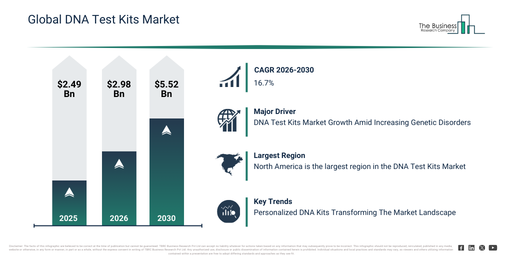
    DNA Test Kits Market Expected To Reach $5.51 Billion By 2030 At 16.7% CAGR

    The market for DNA testing kits has experienced significant expansion lately, projecting a progression from $2.49 billion in 2025 to $2.98 billion in 2026, driven by a projected compound annual growth rate (CAGR) of 19.7%. Factors contributing to this growth during the past period include a heightened consumer fascination with tracing their lineage, the availability of early genetic screening, the proliferation of e-commerce platforms, a reduction in the expense of testing, and a greater societal emphasis on personal health.

    The market for DNA testing kits is poised for substantial expansion over the coming years, projecting a rise to $5.52 billion by 2030, fueled by a compound annual growth rate of 16.7%. This anticipated growth trajectory is principally driven by the increasing embrace of personalized wellness strategies, the proliferation of digital health solutions, growing regulatory assurance surrounding consumer-grade genetic tests, a heightened emphasis on preventive healthcare measures, and the sophisticated management of lifestyles informed by personal data. Key developments shaping this market during the forecast period encompass a surge in the popularity of direct-to-consumer genetic testing services, escalating demand for kits focused on ancestry and the identification of health predispositions, a broader adoption of at-home sample collection methods, heightened public consciousness regarding genetic health indicators, and the increasing integration of digital platforms to facilitate the understanding and application of test results.

    Download A Free Sample Report For Comprehensive Market Insights:

    https://www.thebusinessresearchcompany.com/sample.aspx?id=15357&type=smp

    DNA Test Kits Market Expansion Supported By Key Demand Factors

    An upswing in genetic conditions is anticipated to be a primary driver for the expansion of the DNA test kits market. These genetic disorders, stemming from alterations within an individual’s genome, can manifest as issues with single genes, multiple genes, or even entire chromosomes. The rising incidence of these disorders is attributed to a confluence of factors including heightened public awareness, advancements in diagnostic capabilities, shifts in lifestyle patterns, and environmental influences that can trigger genetic mutations. DNA test kits play a crucial role in the context of genetic disorders by pinpointing particular gene mutations or variations linked to hereditary afflictions, thereby facilitating accurate diagnoses and the development of tailored therapeutic strategies. Illustratively, data from April 2024, provided by the Centers for Disease Control and Prevention (CDC), an American public health authority, indicates that annually, approximately 6,000 infants, or one out of every 700 newborns, are diagnosed with Down syndrome. Moreover, insights from February 2023, shared by the World Health Organization (WHO), a United Nations agency headquartered in Switzerland and dedicated to global public health, reveal that congenital diseases were responsible for an estimated 240,000 neonatal deaths worldwide each year within the first 28 days of life. Consequently, the escalating prevalence of genetic disorders directly fuels the growth trajectory of the DNA test kits market.

    DNA Test Kits Market Segmentation: How Is The Market Structured Across Key Categories?

    The dna test kits market covered in this report is segmented –

    1) By Sample Type: Saliva, Blood, Tissue, Teeth And Bone, Hairs, Other Sample Types

    2) By Application: Ancestry Testing, Diet And Nutrition, Disease Risk Assessment, Other Applications

    3) By End User: Hospitals, Diagnostics And Forensics Laboratories, Academic And Research Institutes, Other End Users

    Subsegments:

    1) By Saliva: Oral Swabs (Cotton Or Synthetic), Saliva Collection Devices, Home Dna Test Kits (Saliva-Based), Genealogy Dna Tests (Saliva Sample)

    2) By Blood: Blood Collection Tubes (Venous Or Capillary), Fingerstick Blood Collection Kits, Blood-Based Paternity Testing Kits, Ancestry And Health Genetic Test Kits (Blood-Based)

    3) By Tissue: Biopsy Samples, Skin Or Organ Tissue, Dna Extraction From Tissue Samples (For Cancer Diagnosis ), Forensic Dna Testing (Tissue Samples)

    4) By Teeth And Bone: Dental Dna Kits (For Forensic Analysis), Bone Marrow Samples, Dental Paternity Or Ancestry Tests, Dna Extraction From Teeth For Forensic Purposes

    5) By Hairs: Hair Follicle Dna Testing, Hair Shaft Dna Collection (For Forensic Or Paternity Tests), Genetic Testing Using Hair Samples

    6) By Other Sample Types: Urine, Semen, Sweat Or Skin Cells, Fecal Samples, Hairbrush Or Comb Residues, Nasal Swabs, Environmental Samples (Dust, Soil)

    DNA Test Kits Market Growth Trends Influencing Competitive Dynamics

    Companies that are significant players in the DNA test kits marketplace are dedicating their efforts towards creating groundbreaking offerings like personalized DNA kits, aiming to secure a more advantageous market position. These personalized DNA kits function by examining an individual’s genetic material to deliver tailored information concerning their health, lineage, and personal characteristics. As an illustration, in the month of April 2023, MapMyGenome, a genomics firm originating from India, introduced BeautyMap, which stands as India’s inaugural DNA-based testing kit designed to furnish bespoke suggestions for skincare and haircare items, all derived from an individual’s distinct genetic blueprint. This particular test also encompasses a complimentary consultation with a credentialed genetic counselor, who aids the user in understanding the outcomes and facilitating knowledgeable choices regarding their individualized beauty routines.

    DNA Test Kits Market Competitive Landscape And Leading Companies

    Major companies operating in the dna test kits market are F. Hoffmann-La Roche Ltd., Thermo Fisher Scientific Inc., Abbott Laboratories, Danaher Corporation, Becton, Dickinson and Company, GE HealthCare Technologies Inc., Laboratory Corporation of America Holdings (LabCorp), Quest Diagnostics Incorporated, Eurofins Scientific SE, Agilent Technologies Inc., Illumina Inc., PerkinElmer Inc., Beckman Coulter Inc., Bio-Rad Laboratories Inc., QIAGEN N.V., Natera Inc., Myriad Genetics Inc., BGI Genomics Co. Ltd., NeoGenomics Laboratories Inc., Ancestry.com LLC, 23andMe Holding Co, Ambry Genetics Corporation, MyHeritage Ltd., CENTOGENE N.V., Everlywell Inc., Gene by Gene Ltd., Zymo Research Corporation, Devyser, Living DNA Ltd, Veritas Genetics, Nebula Genomics

    Access The Complete DNA Test Kits Market Report:

    https://www.thebusinessresearchcompany.com/report/dna-test-kits-global-market-report

    DNA Test Kits Market Leading Geography: Which Region Generates The Most Revenue?

    North Americawas the largest region in the DNA test kits market in 2025. Asia-Pacificis expected to be the fastest-growing region in the forecast period. The regions covered in the dna test kits market report are Asia-Pacific, South East Asia, Western Europe, Eastern Europe, North America, South America, Middle East, Africa.

    Get in touch with us:

    The Business Research Company: https://www.thebusinessresearchcompany.com/

    Americas: +1 310-496-7795

    Asia: +44 7882 955267 & +91 8897263534

    Europe: +44 7882 955267

    Email us at: marketing@tbrc.info

    Follow us on:

    LinkedIn: https://in.linkedin.com/company/the-business-research-company

    YouTube: https://www.youtube.com/channel/UC24_fI0rV8cR5DxlCpgmyFQ

    Global Market Model: https://www.thebusinessresearchcompany.com/global-market-model
  • DNA Sequencing Market Outlook Highlights The Next Major Growth Opportunities

    DNA Sequencing Market Outlook Highlights The Next Major Growth Opportunities

    Enhanced with market attractiveness analysis, total addressable market evaluation, company benchmarking matrices, interactive Excel dashboards, expanded supply chain intelligence, emerging startup coverage, and detailed product insights, The Business Research Company’s 2026 market reports deliver more actionable and strategically valuable research.

    DNA Sequencing Market Size And Revenue Forecast Through 2030

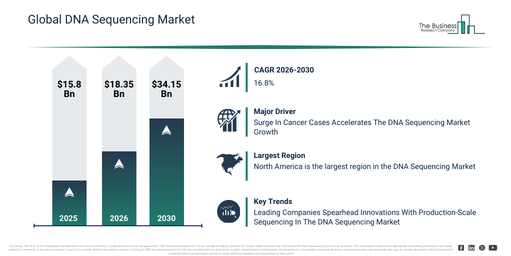
    Market data indicates a substantial expansion within the DNA sequencing sector; a valuation of $15.8 billion in 2025 is projected to ascend to $18.35 billion by 2026, reflecting a compound annual growth rate of 16.2%. Factors contributing to this historical surge include the culmination of the human genome project, significant reductions in sequencing expenses, an increase in academic genomic research endeavors, burgeoning demand from pharmaceutical research and development, and the initial embrace of Sanger sequencing technologies.

    The global dna sequencing market is poised for substantial expansion in the upcoming years, projecting a rise to $34.15 billion by 2030, driven by a robust compound annual growth rate (CAGR) of 16.8%. This anticipated surge is underpinned by several key factors, including the increasing prevalence of precision medicine, widespread implementation of population genomics projects, advancements in AI for data interpretation, growth within oncology diagnostics, and enhanced financial backing for clinical sequencing. Significant developments anticipated during this forecast period involve a greater uptake of next-generation sequencing technologies, expanded application of sequencing within clinical diagnostic settings, amplified utilization in cancer and rare disease research, seamless integration of sequencing with bioinformatics tools, and an escalating demand for high-throughput sequencing services.

    Download A Free Sample Report For Comprehensive Market Insights:

    https://www.thebusinessresearchcompany.com/sample.aspx?id=12604&type=smp

    DNA Sequencing Market Growth Drivers And Industry Catalysts

    Anticipated advancements in the DNA sequencing sector are strongly linked to the escalating incidence of cancer. Cancer, characterized by the unregulated proliferation and dissemination of aberrant cells capable of infiltrating or damaging healthy tissues throughout the body, is becoming more common. Factors contributing to this rise include expanding elderly demographics, lifestyle-related risk elements, environmental influences, and enhanced diagnostic capabilities. The DNA sequencing market plays a crucial role in addressing this situation by facilitating the pinpointing of genetic alterations, fostering a more profound comprehension of tumor characteristics, and enabling tailored therapeutic strategies that lead to better patient results. Illustrating this trend, data from the American Cancer Society, a prominent US non-profit organization dedicated to cancer advocacy, indicated a jump in cancer diagnoses from 1,958,310 in 2023 to 2,001,140 in 2024, signifying a 2.19% increase. Consequently, the growing number of cancer cases is a significant catalyst for the expansion of the DNA sequencing market.

    DNA Sequencing Market Segmentation Trends And Revenue Drivers

    The dna sequencing market covered in this report is segmented –

    1) By Product: Instruments, Consumables, Services

    2) By Technology: Third Generation DNA Sequencing, Next-Generation Sequencing, Sanger Sequencing

    3) By Application: Diagnostics, Biomarkers And Cancer, Reproductive Health, Personalized Medicine, Forensics, Other Applications

    4) By End User: Hospitals And Healthcare Organizations, Academics And Research Institutions, Pharmaceutical And Biotechnology Companies, Other End Users

    Subsegments:

    1) By Instruments: Next-Generation Sequencing (NGS) Systems, Sanger Sequencing Systems, Single-Molecule Sequencing Instruments

    2) By Consumables: Reagents, Kits, Chips And Flow Cells

    3) By Services: Sequencing Services, Data Analysis Services, Bioinformatics Services

    DNA Sequencing Market Trends Influencing Long-Term Demand

    The principal entities within the worldwide DNA sequencing sector are actively engaged in pioneering novel systems, including compact, cost-effective benchtop sequencers and immediate analytical capabilities, aiming to broaden accessibility, expedite processing durations, and elevate the extensibility of genetic diagnostics. These sophisticated sequencing frameworks represent cutting-edge apparatus and software suites engineered to lower the expense per genome, augment output, facilitate distributed analysis, and yield swifter outcomes for both medical and scientific investigations. Illustratively, in October 2024, Illumina Inc., a prominent biotechnology firm headquartered in the United States, unveiled its latest MiSeq i100 gene sequencers, which are smaller, more economical benchtop units capable of delivering findings in roughly four hours and retailing for a starting price of USD 49,000. This particular model is conceived to render high-volume sequencing attainable for a greater number of research and diagnostic laboratories, consequently fostering advancements throughout the DNA sequencing field. These miniature installations provide improved operational effectiveness without sacrificing the caliber of the data. Their economic viability empowers smaller establishments to embrace sophisticated sequencing methodologies that were previously inaccessible.

    DNA Sequencing Market Industry Leaders: Which Organizations Are Driving Competition?

    Major companies operating in the dna sequencing market are F. Hoffmann-La Roche Ltd, Abbott Laboratories Inc., Thermo Fisher Scientific Inc., Danaher Corporation, Merck KGaA, Siemens Healthineers AG, Eurofins Scientific SE, Agilent Technologies Inc., Illumina Inc., PerkinElmer Inc., Bio-Rad Laboratories Inc., QIAGEN N.V., BGI Genomics, Myriad Genetics Inc., Natera Inc., 10x Genomics Inc., GenScript Biotech Corporation, Novogene Corporation, Twist Bioscience, Genewiz LLC, Oxford Nanopore Technologies Ltd., Pacific Biosciences of California Inc., Macrogen Inc., LI-COR Inc., MGI Tech Co. Ltd., Zymo Research Corporation, Igenomix, Codex DNA, GenapSys Inc., SeqOnce Biosciences Inc.

    Access The Complete DNA Sequencing Market Report:

    https://www.thebusinessresearchcompany.com/report/dna-sequencing-global-market-report

    DNA Sequencing Market Regional Outlook: Where Are The Largest Opportunities Located?

    North Americawas the largest region in the DNA sequencing market in 2025. Asia-Pacificis expected to be the fastest-growing region in the forecast period. The regions covered in the dna sequencing market report are Asia-Pacific, South East Asia, Western Europe, Eastern Europe, North America, South America, Middle East, Africa.

    Get in touch with us:

    The Business Research Company: https://www.thebusinessresearchcompany.com/

    Americas: +1 310-496-7795

    Asia: +44 7882 955267 & +91 8897263534

    Europe: +44 7882 955267

    Email us at: marketing@tbrc.info

    Follow us on:

    LinkedIn: https://in.linkedin.com/company/the-business-research-company

    YouTube: https://www.youtube.com/channel/UC24_fI0rV8cR5DxlCpgmyFQ

    Global Market Model: https://www.thebusinessresearchcompany.com/global-market-model
  • DNA Modifying Enzymes Market Trends And Growth Drivers Point To Strong Future Potential

    DNA Modifying Enzymes Market Trends And Growth Drivers Point To Strong Future Potential

    Delivering more actionable and strategically valuable research, The Business Research Company’s 2026 market reports feature market attractiveness analysis, total addressable market evaluation, company benchmarking matrices, interactive Excel dashboards, expanded supply chain intelligence, emerging startup coverage, and detailed product insights.

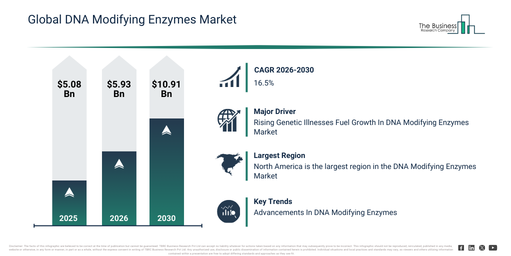
    DNA Modifying Enzymes Market Growth From $5.92 Billion In 2026 To $10.9 Billion By 2030 At A CAGR Of 16.5%

    The market for DNA modifying enzymes has experienced significant expansion recently, with projections indicating a rise from $5.08 billion in 2025 to $5.93 billion in 2026, reflecting a compound annual growth rate of 16.8%. This past growth trajectory has been fueled by several key factors, including the broadening scope of molecular biology research, the escalating utilization of enzymes within genomic studies, the proliferation of academic and clinical research laboratories, the increasing adoption of DNA sequencing technologies, and the widespread availability of standardized enzyme kits.

    The industry for DNA modifying enzymes anticipates a period of substantial expansion, with projections indicating a market valuation of $10.91 billion by the year 2030, reflecting a compound annual growth rate of 16.5%. This projected surge is propelled by several key factors, including greater financial commitment to gene therapy investigations, escalating demand for sophisticated gene editing technologies, broader utilization of synthetic biology in various fields, increased enzyme application in diagnostic processes, and a heightened emphasis on the advancement of precision medicine. Furthermore, significant market currents shaping this forecast encompass a growing appetite for CRISPR-associated enzymes, a rise in the adoption of high-fidelity polymerases, the expanding implementation of gene editing across diverse applications, the proliferation of enzyme-driven diagnostic solutions, and a more pronounced concentration on refining enzyme specificity and overall effectiveness.

    Download A Free Sample Report For Comprehensive Market Insights:

    https://www.thebusinessresearchcompany.com/sample.aspx?id=20545&type=smp

    DNA Modifying Enzymes Market Opportunity Drivers: What Is Creating New Revenue Potential?

    The burgeoning occurrence of genetic conditions is anticipated to significantly boost the expansion of the DNA modifying enzymes market in the future. These health issues, stemming from irregularities in an individual’s genetic makeup, are becoming more prevalent due to a combination of inherited predispositions, heightened diagnostic capabilities and public understanding, and external environmental influences. Enzymes involved in DNA modification, like DNA polymerase and DNA ligase, play a crucial role in genetic analysis by facilitating DNA amplification and sequencing, which in turn aids in pinpointing the specific genetic alterations responsible for these disorders. Supporting this trend, data from March 2024 by the Gene People, a UK charity dedicated to individuals with genetic disorders, indicates that more than 6,000 distinct genetic conditions are currently recognized, with ongoing discoveries of new ones. In the United Kingdom alone, genetic disorders impact one in every twenty-five children, leading to approximately 30,000 new diagnoses each year and affecting over 2.4 million people who are currently living with such conditions. Consequently, the rising incidence of genetic illnesses is a key driver for the growth observed in the DNA modifying enzymes market.

    DNA Modifying Enzymes Market Segment Analysis Highlighting Growth Areas

    The dna modifying enzymes market covered in this report is segmented –

    1) By Type: Restriction Enzymes, Polymerases, Ligases, Nucleases, Methylases, Other Enzyme Types

    2) By Applications: Genomics And Gene Editing, Molecular Biology Research, Diagnostics And Forensics, Biotechnology And Synthetic Biology, Diagnostics, Drug Discovery And Development

    3) By End User: Academics And Research Institutes, Pharmaceutical And Biotechnology Companies, Diagnostic Laboratories, Forensic Laboratories, Hospitals And Clinics, Contract Research Organizations

    Subsegments:

    1) By Restriction Enzymes: Type I Restriction Enzymes, Type II Restriction Enzymes, Type III Restriction Enzymes, Type IV Restriction Enzymes, Type V Restriction Enzymes

    2) By Polymerases: DNA Polymerases, RNA Polymerases, Reverse Transcriptases, High-Fidelity Polymerases, Taq Polymerase

    3) By Ligases: T4 DNA Ligase, E. coli DNA Ligase, ATP-Dependent DNA Ligase, NAD+-Dependent DNA Ligase

    4) By Nucleases: Exonucleases, Endonucleases, DNase I, RNase H, CRISPR-associated Nucleases

    5) By Methylases: DNA Methyltransferases, Cytosine Methylases, Adenine Methylases, Restriction-Modification System Methylases

    6) By Other Enzyme Types: Helicases, Topoisomerases, Kinases, Phosphatases, Acetylases

    DNA Modifying Enzymes Market Innovation Trends Driving Future Development

    Leading entities within the DNA modifying enzymes sector are concentrating on creating cutting-edge methodologies, exemplified by a sequential enzymatic transformation process, to enhance their market standing. This two-stage enzymatic conversion approach facilitates precise identification of 5-hydroxymethylcytosine (5 hmC) with single-base precision, concurrently reducing potential DNA degradation. As a case in point, in February of 2024, New England Biolabs, an enterprise situated in the United States specializing in life sciences, unveiled the NEBNext Enzymatic 5hmC-seq Kit, designed for enzyme-driven 5hmC detection at single-base resolution. This innovative kit marks a considerable step forward in epigenetic studies, especially concerning the investigation of DNA alterations that are instrumental in governing gene expression. The NEBNext Enzymatic 5hmC-seq Kit employs a distinctive enzymatic strategy, enabling scientists to chart 5hmC throughout the genome without confronting the limitations inherent in conventional bisulfite sequencing techniques.

    DNA Modifying Enzymes Market Leading Companies: Who Holds Significant Market Presence?

    Major companies operating in the dna modifying enzymes market are Merck & Co. Inc., Thermo Fisher Scientific Inc., F. Hoffmann-La Roche AG, Illumina Inc., Revvity Inc., Bio-Rad Laboratories Inc., QIAGEN N.V., Integrated DNA Technologies Inc., Promega Corporation, Aldevron LLC, Takara Bio Inc., New England Biolabs Inc., Diagenode SA, Zymo Research Corporation, Lucigen Corporation, Creative Diagnostics, Active Motif Inc., BPS Bioscience Inc., Abnova Corporation, Creative Biogene, Jena Bioscience GmbH, ABclonal Inc., EpiCypher Inc.

    Access The Complete DNA Modifying Enzymes Market Report:

    https://www.thebusinessresearchcompany.com/report/dna-modifying-enzymes-global-market-report

    DNA Modifying Enzymes Market Geographic Landscape: Which Region Dominates Industry Growth?

    North Americawas the largest region in the DNA modifying enzymes market in 2025. The regions covered in the dna modifying enzymes market report are Asia-Pacific, South East Asia, Western Europe, Eastern Europe, North America, South America, Middle East, Africa.

    Get in touch with us:

    The Business Research Company: https://www.thebusinessresearchcompany.com/

    Americas: +1 310-496-7795

    Asia: +44 7882 955267 & +91 8897263534

    Europe: +44 7882 955267

    Email us at: marketing@tbrc.info

    Follow us on:

    LinkedIn: https://in.linkedin.com/company/the-business-research-company

    YouTube: https://www.youtube.com/channel/UC24_fI0rV8cR5DxlCpgmyFQ

    Global Market Model: https://www.thebusinessresearchcompany.com/global-market-model
  • DNA Microarray Market Expansion Is Reshaping Competitive Dynamics Across The Industry

    DNA Microarray Market Expansion Is Reshaping Competitive Dynamics Across The Industry

    Enhanced with market attractiveness analysis, total addressable market evaluation, company benchmarking matrices, interactive Excel dashboards, expanded supply chain intelligence, emerging startup coverage, and detailed product insights, The Business Research Company’s 2026 market reports deliver more actionable and strategically valuable research.

    DNA Microarray Market Expansion Outlook: What Revenue Opportunities Lie Ahead?

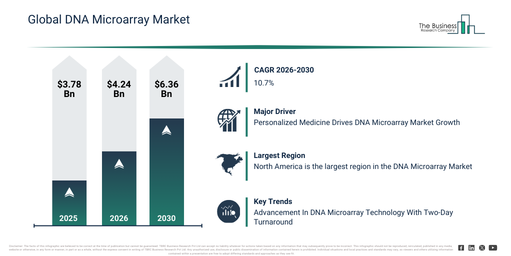
    The domain of DNA microarrays has experienced substantial expansion lately, projecting a trajectory from $3.78 billion in 2025 to $4.24 billion in 2026, reflecting a compound annual growth rate of 12.1%. This surge in the preceding period was propelled by the advancement of genomic research, initial investigations into gene expression, the demands of pharmaceutical research and development, financial backing for academic endeavors, and the identification of disease biomarkers.

    The dnamicroarray market is projected for substantial expansion in the upcoming years, anticipating a valuation of $6.36 billion by 2030, underpinned by a compound annual growth rate (CAGR) of 10.7%. This anticipated upsurge is fueled by advancements in precision medicine investigations, the synergistic incorporation of AI analytics, escalating progress in translational genomics, enhanced capabilities in identifying drug targets, and the burgeoning field of personalized healthcare research. Key developments shaping this period include a heightened reliance on gene expression profiling, the broadening scope of microarray applications within research settings, a greater uptake in biomarker discovery initiatives, the seamless integration with sophisticated data analysis instruments, and a sustained demand for high-throughput genomic screening capabilities.

    Download A Free Sample Report For Comprehensive Market Insights:

    https://www.thebusinessresearchcompany.com/sample.aspx?id=16039&type=smp

    DNA Microarray Market Growth Momentum: Which Factors Are Influencing Demand?

    The increasing embrace of personalized medicine is anticipated to be a significant catalyst for the expansion of the DNA microarray market in the coming period. Personalized medicine, which involves customizing healthcare interventions based on a patient’s unique genetic makeup, environmental influences, and lifestyle choices, is gaining traction. This surge in adoption is fueled by advancements in ‘omics’ technologies, enhanced data integration, and a heightened understanding among medical practitioners and the public regarding the feasibility and accessibility of patient-specific treatments. DNA microarrays play a crucial role in this evolution by facilitating gene expression profiling and genomic investigations, which are fundamental to developing individualized treatment strategies and precise diagnostic tools. Illustrating this trend, the Personalized Medicine Coalition (PMC) reported that in 2023, the U.S. Food and Drug Administration (FDA) sanctioned 16 new personalized therapies for rare conditions, a notable increase from the 6 approved in 2022, indicating a faster integration of precision medicine methodologies. Consequently, the swift implementation of personalized medicine is fueling the growth trajectory of the DNA microarray market.

    DNA Microarray Market Segment Performance And Strategic Opportunities

    The dna microarray market covered in this report is segmented –

    1) By Type: Complementary DNA Microarrays, Oligonucleotide DNA Microarrays, Other Types

    2) By Application: Gene Expression Analysis, Genotyping, Other Applications

    3) By End-user: Pharmaceutical And Biotechnology Companies, Diagnostic Centers, Hospitals And Clinics, Academic And Research Institute, Other End-Users

    Subsegments:

    1) By Complementary DNA Microarrays: Gene Expression Profiling, Comparative Genomic Hybridization (CGH), Quantitative Analysis

    2) By Oligonucleotide DNA Microarrays: Gene Expression Microarrays, Single Nucleotide Polymorphism (SNP) Arrays, DNA Methylation Arrays, Pathogen Detection Arrays

    3) By Other Types: Protein-DNA Microarrays, Tissue Microarrays, Affinity Microarrays, Spotted DNA Microarrays

    DNA Microarray Market Trends Reshaping Industry Growth

    Leading entities within the DNA microarray sector are prioritizing the creation of cutting-edge solutions, for example, expeditiously processed microarray systems, with the aim of enhancing operational smoothness, expediting the provision of data, and bolstering their market standing. Such a swiftly processed microarray system is essentially a sophisticated genomic diagnostic tool engineered to produce thorough outcomes in a condensed period, commonly within a two-day span, thereby facilitating accelerated research endeavors and more prompt clinical judgments. Illustratively, in the month of August 2023, Thermo Fisher Scientific Inc., a prominent American biotechnology firm, unveiled the Applied Biosystems CytoScan HD Accel array, a chromosomal microarray boasting a premier two-day completion period and expanded coverage across the entire genome, encompassing over 5,000 crucial genomic segments, empowering cytogenetic facilities to attain superior output, enhanced effectiveness, and more practical findings for research related to prenatal, postnatal, and cancer studies.

    DNA Microarray Market Key Players: Which Companies Shape Industry Competition?

    Major companies operating in the dna microarray market are Roche Holding AG, Thermo Fisher Scientific Inc., Danaher Corporation, Merck KGaA, Agilent Technologies Inc., PerkinElmer Inc., Illumina Inc., bioMérieux SA, Schott AG, Bio-Rad Laboratories Inc., QIAGEN N.V., Bioneer Corporation, CapitalBio Technology Co. Ltd., Eurofins Genomics LLC, Savyon Diagnostics Ltd., Oxford Gene Technology, Sengenics Corporation LLC, Affymetrix, BioCat GmbH, Scienion AG, LC Sciences, Arrayit Corporation, Akonni Biosystems Inc., Arraystar Inc., Febit Holding GmbH

    Access The Complete DNA Microarray Market Report:

    https://www.thebusinessresearchcompany.com/report/dna-microarray-global-market-report

    #DNA Microarray Market Largest Region: Which Geography Holds The Highest Market Share?

    North Americawas the largest region in the DNA microarray market in 2025. Asia-Pacificis expected to be the fastest-growing region in the forecast period. The regions covered in the dna microarray market report are Asia-Pacific, South East Asia, Western Europe, Eastern Europe, North America, South America, Middle East, Africa.

    Get in touch with us:

    The Business Research Company: https://www.thebusinessresearchcompany.com/

    Americas: +1 310-496-7795

    Asia: +44 7882 955267 & +91 8897263534

    Europe: +44 7882 955267

    Email us at: marketing@tbrc.info

    Follow us on:

    LinkedIn: https://in.linkedin.com/company/the-business-research-company

    YouTube: https://www.youtube.com/channel/UC24_fI0rV8cR5DxlCpgmyFQ

    Global Market Model: https://www.thebusinessresearchcompany.com/global-market-model