Month: June 2026

  • Tay-Sachs Disease Treatment Market Outlook Highlights The Next Major Growth Opportunities

    Tay-Sachs Disease Treatment Market Outlook Highlights The Next Major Growth Opportunities

    Enhanced with market attractiveness analysis, total addressable market evaluation, company benchmarking matrices, interactive Excel dashboards, expanded supply chain intelligence, emerging startup coverage, and detailed product insights, The Business Research Company’s 2026 market reports deliver more actionable and strategically valuable research.

    Tay-Sachs Disease Treatment Market Value Analysis: What Growth Is Expected Over The Forecast Period?

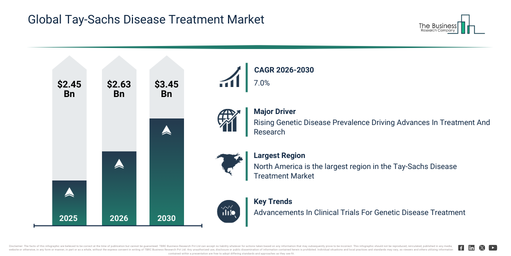
    The market for Tay-Sachs disease treatments has experienced robust expansion, projected to increase from $2.45 billion in 2025 to $2.63 billion in 2026, reflecting a compound annual growth rate of 7.3%. This recent surge in market value is underpinned by several key factors including enhanced genetic screening technologies, heightened public and medical awareness concerning uncommon genetic conditions, the broadening of pediatric neurological care services, the provision of effective supportive therapies, and the advancement of research initiatives focused on orphan drugs.

    The market for Tay-Sachs disease treatments is poised for considerable expansion over the coming years, projecting a rise to $3.45 billion by 2030, underpinned by a compound annual growth rate of 7.0%. This anticipated growth trajectory is fueled by several key factors, including a surge in clinical trials exploring gene-based therapeutic approaches, augmented regulatory backing for medications targeting rare conditions, the increasing application of personalized medicine in addressing uncommon ailments, the proliferation of patient advocacy efforts, and escalating investments in cutting-edge biotechnological advancements. During this forecast period, prominent trends are expected to shape the market, such as a heightened concentration on advancing gene therapies, broader exploration into enzyme replacement strategies, greater adoption of substrate reduction therapies, increased financial commitment to developing pharmaceuticals for rare diseases, and the refinement of patient support protocols.

    Download A Free Sample Report For Comprehensive Market Insights:

    https://www.thebusinessresearchcompany.com/sample.aspx?id=21295&type=smp

    Tay-Sachs Disease Treatment Market Development Factors: Which Trends Are Supporting Demand?

    The increasing incidence of inherited disorders is projected to be a key catalyst for the tay-sachs disease treatment market. These inherited disorders stem from alterations within a person’s genetic makeup, which can be passed down through generations or arise from new mutations. Factors such as improved diagnostic capabilities, heightened public understanding, environmental influences, and elevated mutation risks associated with later childbearing and evolving lifestyles contribute to the expansion of genetic diseases. The escalating occurrence of these conditions underscores the necessity for progress in tay-sachs disease therapies, thereby stimulating inquiry into areas like gene editing, enzyme replenishment strategies, and swift detection methods. As an illustration, in October 2024, data from the Cystic Fibrosis Trust, an organization in the United Kingdom committed to assisting individuals with cystic fibrosis, indicated that in 2022, approximately 11,148 individuals with cystic fibrosis, a genetic condition, were recorded, with this figure rising to 11,318 in 2023, signifying an annual growth of 1.5% in recorded patients. Consequently, the expanding prevalence of genetic diseases is expected to propel the tay-sachs disease treatment market.

    Tay-Sachs Disease Treatment Market Segmentation And Category Breakdown

    The tay-sachs disease treatment market covered in this report is segmented –

    1) By Treatment: Medication, Respiratory Care, Physical Therapy

    2) By Mode Of Administration: Injectable, Oral, Other Mode Of Administration

    3) By End-Users: Hospitals, Homecare, Specialty Clinics

    Subsegments:

    1) By Medication: Antiepileptic Drugs, Miglustat, Supportive Symptomatic Medications

    2) By Respiratory Care: Mechanical Ventilation, Airway Clearance Therapy, Oxygen Therapy

    3) By Physical Therapy: Motor Function Exercises, Hydrotherapy, Assistive Mobility Devices

    Tay-Sachs Disease Treatment Market Transformation Trends: Which Innovations Are Driving Change?

    The key players within the tay-sachs disease treatment sector are actively pursuing the development of novel therapeutic approaches, undertaking clinical investigations into cutting-edge interventions like gene therapy, enzyme replacement strategies, and pharmaceutical compounds designed to enhance patient well-being. A clinical trial serves as a scientific investigation aimed at assessing the safety, efficacy, and potential adverse reactions of medical interventions, pharmaceuticals, or methodologies in human subjects. As an illustration, in July 2024, IntraBio Inc., a pharmaceutical firm headquartered in the United States, declared that it had secured clearance from the U.S. Food and Drug Administration (FDA) to proceed with initiating a clinical trial (under the Investigational New Drug application, IND, designation IB1001-202) for its compound IB1001, with the objective of treating GM2 Gangliosidosis, encompassing both Tay-Sachs and Sandhoff Diseases. This study is currently underway across the U.S., the United Kingdom, Germany, and Spain, with the overarching goal of finding solutions for these fatal neurodegenerative conditions for which no effective treatments are presently available. The chairman of IntraBio underscored the critical need for expeditious development of robust therapeutic options for these profoundly disabling illnesses.

    Tay-Sachs Disease Treatment Market Competitive Analysis Of Major Industry Participants

    Major companies operating in the tay-sachs disease treatment market are Pfizer Inc., Sanofi S.A., Novartis AG, Takeda Pharmaceutical Company Limited, Regeneron Pharmaceuticals Inc., Biogen Inc., Vertex Pharmaceuticals Incorporated, BioMarin Pharmaceutical Inc., Sarepta Therapeutics Inc., Ultragenyx Pharmaceutical Inc., Amicus Therapeutics Inc., Spark Therapeutics Inc., Rocket Pharmaceuticals Inc., RegenxBio Inc., Forge Biologics Inc., Passage Bio Inc., Protalix BioTherapeutics Inc., Orchard Therapeutics plc, Affinia Therapeutics Inc., IntraBio Inc., Taysha Gene Therapies Inc.

    Access The Complete Tay-Sachs Disease Treatment Market Report:

    https://www.thebusinessresearchcompany.com/report/tay-sachs-disease-treatment-global-market-report

    Tay-Sachs Disease Treatment Market Regional Analysis And Leading Geography

    North Americawas the largest region in the tay-sachs disease treatment market in 2025. Asia-Pacificis expected to be the fastest-growing region in the forecast period. The regions covered in the tay-sachs disease treatment market report are Asia-Pacific, South East Asia, Western Europe, Eastern Europe, North America, South America, Middle East, Africa.

    Get in touch with us:

    The Business Research Company: https://www.thebusinessresearchcompany.com/

    Americas: +1 310-496-7795

    Asia: +44 7882 955267 & +91 8897263534

    Europe: +44 7882 955267

    Email us at: marketing@tbrc.info

    Follow us on:

    LinkedIn: https://in.linkedin.com/company/the-business-research-company

    YouTube: https://www.youtube.com/channel/UC24_fI0rV8cR5DxlCpgmyFQ

    Global Market Model: https://www.thebusinessresearchcompany.com/global-market-model
  • Targeted Therapy Market Trends And Growth Drivers Point To Strong Future Potential

    Targeted Therapy Market Trends And Growth Drivers Point To Strong Future Potential

    Through market attractiveness analysis, total addressable market evaluation, company benchmarking matrices, interactive Excel dashboards, expanded supply chain intelligence, emerging startup coverage, and detailed product insights, The Business Research Company’s 2026 market reports provide more actionable and strategically valuable research.

    Targeted Therapy Market Size Forecast: How Large Could The Market Become By 2030?

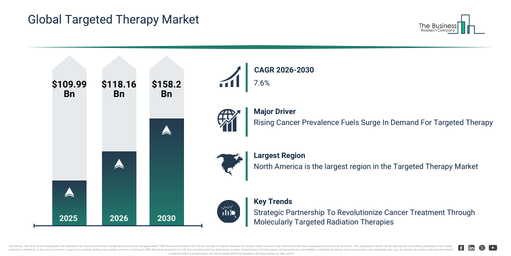
    The market for targeted therapies has experienced robust expansion lately, projected to climb from 109.99 billion dollars in 2025 to 118.16 billion dollars in 2026, exhibiting a compound annual growth rate of 7.4%. This historical growth trajectory is supported by factors such as the escalating global rates of cancer diagnosis, increased investment in oncology research, the broader utilization of monoclonal antibodies, breakthroughs in molecular biology studies, and a continuous rise in the number of targeted cancer drug approvals.

    The market for targeted therapies is poised for significant expansion, projecting a rise to $158.2 billion by 2030, with an anticipated compound annual growth rate of 7.6%. This upward trajectory is fueled by a confluence of factors, including escalating investments in personalized medicine approaches, the burgeoning application of artificial intelligence in drug discovery processes, wider adoption of precision diagnostic tools, a growing preference for cancer treatments with reduced toxicity, and heightened clinical trial endeavors within the field of oncology. Key developments anticipated during this forecast period involve a greater emphasis on developing precision oncology medications, increased utilization of biomarker-guided treatment selection, the broader implementation of combination targeted therapy strategies, expanded use of companion diagnostics, and a more concentrated effort on designing drugs tailored to specific tumor characteristics.

    Download A Free Sample Report For Comprehensive Market Insights:

    https://www.thebusinessresearchcompany.com/sample.aspx?id=9129&type=smp

    Targeted Therapy Market Industry Drivers: What Is Driving Revenue Growth?

    The escalating incidence of cancer is poised to be a significant catalyst for the expansion of the targeted therapy market. Cancer, characterized by the uncontrolled proliferation and invasion of abnormal cells into adjacent tissues, presents a critical healthcare challenge. Targeted therapies offer a sophisticated approach by obstructing the cellular pathways that fuel cancer cell proliferation or by instigating programmed cell death within these malignant cells. These treatments leverage pharmaceuticals designed to precisely identify and neutralize the specific genes and proteins vital for cancer cell propagation and sustenance, thereby augmenting market demand. Illustratively, data from the American Cancer Society indicated a rise in cancer diagnoses to 2,001,140 in January 2024, a notable increase from the 1,958,310 cases reported in 2023, signifying a 2.19% escalation. Consequently, the growing burden of cancer worldwide is anticipated to fuel the advancement and market reach of targeted therapies.

    Targeted Therapy Market Segment Outlook: Which Categories Are Expanding The Fastest?

    The targeted therapy market covered in this report is segmented –

    1) By Type: Small Molecule Medicines, Monoclonal Antibodies

    2) By Distribution Channel: Hospital Pharmacies, Retail Pharmacies, Online Pharmacies

    3) By Application: Breast Cancer, Colorectal Cancer, Leukemia, Lung Cancer, Lymphoma, Renal Cancer, Other Applications

    Subsegments:

    1) By Small Molecule Medicines: Tyrosine Kinase Inhibitors (TKIs), Proteasome Inhibitors, Phosphatidylinositol 3-Kinase (PI3K) Inhibitors, Other Small Molecule Therapies

    2) By Monoclonal Antibodies: Immune Checkpoint Inhibitors, Antibody-Drug Conjugates (ADCs), Cytokine Blockers, Other Monoclonal Antibodies

    #Targeted Therapy Market Growth Trends: What Is Influencing The Future Outlook?

    In the realm of targeted therapy, leading entities are prioritizing collaborative ventures to ensure dependable customer service. A strategic alliance represents a cooperative agreement among several entities, mutually aiding one another to accomplish their individual objectives. As an illustration, in September of 2023, Shine Technologies, a US firm within the pharmaceutical sector specializing in the production of radioactive isotopes for medical use, entered into a collaborative agreement with Curadh MTR Inc., an organization committed to expediting the advancement of molecularly targeted radiation treatments for solid tumors. This particular alliance is geared towards leveraging the capabilities of radioisotopes to accurately identify and eradicate cancerous cells, thereby providing a renewed sense of optimism for patients and revolutionizing the landscape of cancer care.

    Targeted Therapy Market Key Companies And Competitive Benchmarking

    Major companies operating in the targeted therapy market are Pfizer Inc., Johnson & Johnson, F. Hoffmann-La Roche Ltd, Merck & Co Inc., AbbVie Inc., Bayer AG, Novartis AG, Sanofi SA, Bristol Myers Squibb, AstraZeneca, GlaxoSmithKline plc, Takeda Pharmaceutical Company Limited, Eli Lilly and Company, Gilead Sciences Inc., Amgen Inc., Genmab A/S, Regeneron Pharmaceuticals Inc., Biogen Inc., Vertex Pharmaceuticals Incorporated, Agilent Technologies Inc., Illumina Inc., Incyte Corporation, Sysmex Corporation, Exact Sciences Corporation, Seagen Inc., Exelixis Inc., Seattle Genetics Inc., Genentech Inc., Daiichi Sankyo Company Limited

    Access The Complete Targeted Therapy Market Report:

    https://www.thebusinessresearchcompany.com/report/targeted-therapy-global-market-report

    Targeted Therapy Market Geographic Analysis: Where Is Demand Growing The Fastest?

    North Americawas the largest region in the targeted therapy market in 2025. The regions covered in the targeted therapy market report are Asia-Pacific, South East Asia, Western Europe, Eastern Europe, North America, South America, Middle East, Africa.

    Get in touch with us:

    The Business Research Company: https://www.thebusinessresearchcompany.com/

    Americas: +1 310-496-7795

    Asia: +44 7882 955267 & +91 8897263534

    Europe: +44 7882 955267

    Email us at: marketing@tbrc.info

    Follow us on:

    LinkedIn: https://in.linkedin.com/company/the-business-research-company

    YouTube: https://www.youtube.com/channel/UC24_fI0rV8cR5DxlCpgmyFQ

    Global Market Model: https://www.thebusinessresearchcompany.com/global-market-model
  • Tadalafil Market Expansion Is Reshaping Competitive Dynamics Across The Industry

    Tadalafil Market Expansion Is Reshaping Competitive Dynamics Across The Industry

    Delivering more actionable and strategically valuable research, The Business Research Company’s 2026 market reports feature market attractiveness analysis, total addressable market evaluation, company benchmarking matrices, interactive Excel dashboards, expanded supply chain intelligence, emerging startup coverage, and detailed product insights.

    Tadalafil Market Revenue Outlook: What CAGR Is Expected Through 2030?

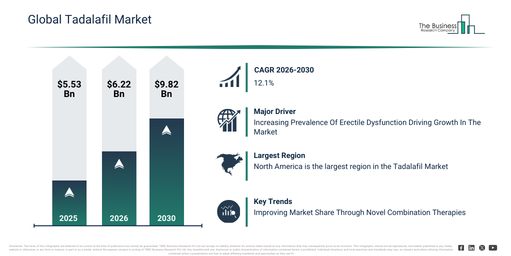
    The tadalafil market experienced substantial expansion recently, projecting a rise from $5.53 billion in 2025 to $6.22 billion in 2026, fueled by a compound annual growth rate (CAGR) of 12.4%. Historical growth factors included a higher incidence of erectile dysfunction, greater identification of pulmonary arterial hypertension, enhanced accessibility of trademarked tadalafil, the proliferation of retail pharmacy chains, and a heightened understanding among medical practitioners regarding PDE5 inhibitors.

    Anticipating substantial expansion, the tadalafil market is projected to reach a value of $9.82 billion by 2030, demonstrating a compound annual growth rate of 12.1%. This upward trajectory is fueled by several key factors, including the burgeoning elderly male demographic, a greater willingness to utilize online prescription services, intensified efforts in managing chronic conditions, ongoing investigations into combination therapies, and enhanced availability of cost-effective generic alternatives. Key developments shaping the market during this period involve a growing preference for generic tadalafil versions, escalating demand for PDE5 inhibitors with extended duration of action, broader reach through online pharmaceutical channels, a heightened emphasis on personalized patient dosing regimens, and advancements in the production efficiency of oral solid medications.

    Download A Free Sample Report For Comprehensive Market Insights:

    https://www.thebusinessresearchcompany.com/sample.aspx?id=20974&type=smp

    Tadalafil Market Growth Factors: Which Forces Are Supporting Market Expansion?

    The escalating occurrence of erectile dysfunction is anticipated to be a significant catalyst for the expansion of the tadalafil market. Erectile dysfunction, defined by the persistent difficulty in obtaining or sustaining an erection suitable for sexual activity, is becoming more common. This rise is attributed to several contributing factors, including an aging demographic, the presence of long-term health issues, unhealthy lifestyle habits, mental strain, and adverse reactions from certain pharmaceutical treatments. Tadalafil functions by facilitating the relaxation of muscles surrounding penile blood vessels, thereby improving circulation and making it possible to achieve and maintain an erection when sexually aroused. Illustrating this trend, a report from February 2024 by the U.S. National Library of Medicine, part of the National Institutes of Health, indicated that erectile dysfunction, assessed via IIEF-5 scores, affects 24.2% of the general populace, with rates notably higher among older age groups, reaching 52.2% for those 75 and above and 48.0% for individuals aged 65 to 74. Consequently, the growing incidence of erectile dysfunction is directly fueling the growth trajectory of the tadalafil market.

    Tadalafil Market Segment Landscape: Which Areas Lead Market Development?

    The tadalafil market covered in this report is segmented –

    1) By Product Type: Tablets, Oral Suspensions

    2) By Distribution Channel: Hospital Pharmacy, Retail Pharmacy, Online Pharmacy

    3) By Application: Erectile Dysfunction, Pulmonary Arterial Hypertension, Benign Prostatic Hyperplasia

    Subsegments:

    1) By Tablets: 2.5 mg Tablets, 5 mg Tablets, 10 mg Tablets, 20 mg Tablets

    2) By Oral Suspensions: 2.5 mg/5 mL Oral Suspension, 10 mg Oral Suspension, Custom Dosing Oral Suspensions

    Tadalafil Market Industry Trends: What Changes Are Reshaping Demand?

    Manufacturers of tadalafil are prioritizing the development of novel treatment approaches, including combination therapies, with the aim of boosting treatment effectiveness, furthering patient adherence, and increasing their market presence in addressing erectile dysfunction and pulmonary arterial hypertension. Combination therapy involves the concurrent administration of multiple therapeutic agents or methods to amplify treatment results, elevate efficacy, and tackle various facets of a specific illness or health concern. As an illustration, in March 2024, Johnson & Johnson, a prominent American healthcare enterprise, disclosed that the U.S. Food and Drug Administration (FDA) had given its assent to OPSYNVI, a pharmaceutical administered as a single tablet that incorporates macitentan, an antagonist of endothelin receptors (ERA), alongside tadalafil, a phosphodiesterase type 5 (PDE5) inhibitor. This pioneering intervention is designated for the ongoing management of pulmonary arterial hypertension (PAH) (classified under WHO Group I) in adult individuals categorized within WHO functional classes II to III. OPSYNVI serves as an appropriate therapeutic option for individuals initiating treatment as well as those presently undergoing therapy with ERAs, PDE5 inhibitors, or a combination of both. Furthermore, it presents a simplified regimen for patients who have achieved stability with macitentan 10 mg and tadalafil 40 mg (administered as 20 mg twice daily) when taken as separate medications.

    Tadalafil Market Industry Leaders And Market Competition

    Major companies operating in the tadalafil market are Eli Lilly and Company, Teva Pharmaceutical Industries Ltd., Sun Pharmaceutical Industries Limited, Cipla Limited, Aurobindo Pharma Limited, Dr. Reddy’s Laboratories Limited, Lupin Limited, Glenmark Pharmaceuticals Limited, Torrent Pharmaceuticals Limited, Jubilant Pharma Limited, Jiangsu Lianhuan Pharmaceutical Co. Ltd., Alembic Pharmaceuticals Limited, Polpharma SA, SMS Pharmaceuticals Limited, Camber Pharmaceuticals Inc., Century Pharmaceuticals Limited, Rakshit Drugs Private Limited, Ami Lifesciences Private Limited, Hangzhou Longshine Bio-Tech Co. Ltd., Dolphin Pharmaceuticals

    Access The Complete Tadalafil Market Report:

    https://www.thebusinessresearchcompany.com/report/tadalafil-global-market-report

    Tadalafil Market Global Footprint: Which Region Holds Market Leadership?

    North Americawas the largest region in the tadalafil market in 2025. Asia-Pacificis expected to be the fastest-growing region in the forecast period. The regions covered in the tadalafil market report are Asia-Pacific, South East Asia, Western Europe, Eastern Europe, North America, South America, Middle East, Africa.

    Get in touch with us:

    The Business Research Company: https://www.thebusinessresearchcompany.com/

    Americas: +1 310-496-7795

    Asia: +44 7882 955267 & +91 8897263534

    Europe: +44 7882 955267

    Email us at: marketing@tbrc.info

    Follow us on:

    LinkedIn: https://in.linkedin.com/company/the-business-research-company

    YouTube: https://www.youtube.com/channel/UC24_fI0rV8cR5DxlCpgmyFQ

    Global Market Model: https://www.thebusinessresearchcompany.com/global-market-model
  • Systemic Juvenile Idiopathic Arthritis Market Forecast Reveals Where Future Industry Value Will Be Created

    Systemic Juvenile Idiopathic Arthritis Market Forecast Reveals Where Future Industry Value Will Be Created

    Enhanced with market attractiveness analysis, total addressable market evaluation, company benchmarking matrices, interactive Excel dashboards, expanded supply chain intelligence, emerging startup coverage, and detailed product insights, The Business Research Company’s 2026 market reports deliver more actionable and strategically valuable research.

    Systemic Juvenile Idiopathic Arthritis Market Growth Analysis: How Will Revenue Expand During The Forecast Period?

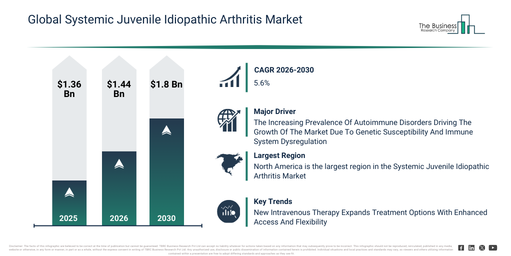
    The market for systemic juvenile idiopathic arthritis has experienced robust expansion over the preceding years, anticipating a rise from $1.36 billion in 2025 to $1.44 billion in 2026, reflecting a compound annual growth rate of 5.9%. Historical growth drivers included a heightened awareness of sJIA as a unique diagnosis, a greater accessibility to biological therapies, the proliferation of specialized pediatric care, advancements in academic research initiatives, and refinement in diagnostic standards for inflammatory ailments.

    The global market for systemic juvenile idiopathic arthritis is poised for substantial expansion over the upcoming years, projected to reach $1.8 billion by 2030, fueled by a compound annual growth rate of 5.6%. This anticipated growth trajectory is primarily driven by heightened investments in pediatric autoimmune disease research, a greater embrace of therapies targeting interleukins, the widening scope of clinical trials for rare conditions, an intensified emphasis on individualized treatment approaches, and improved accessibility to specialized pediatric healthcare services. Key developments shaping this market during the forecast period involve a burgeoning adoption of targeted biologic treatments, a stronger emphasis on achieving timely and precise diagnoses of SJIA, an increased utilization of tailored therapeutic plans, an expansion of research endeavors within pediatric rheumatology, and more robust monitoring of how the disease progresses.

    Download A Free Sample Report For Comprehensive Market Insights:

    https://www.thebusinessresearchcompany.com/sample.aspx?id=30417&type=smp

    Systemic Juvenile Idiopathic Arthritis Market Demand Drivers: What Is Fueling Industry Growth?

    The expansion of the systemic juvenile idiopathic arthritis market is anticipated to be fueled by the escalating incidence of autoimmune conditions. These conditions are characterized by the immune system erroneously targeting the body’s own healthy components. A primary driver for the rise in autoimmune disorders is genetic predisposition, where inherited genetic factors can make individuals more susceptible to aberrant immune reactions directed against their own tissues. Systemic juvenile idiopathic arthritis represents a specific autoimmune ailment that illuminates the processes of immune system imbalance and the inflammatory cascades leading to disease advancement. Investigating SJIA enables scientists to better comprehend how faulty immune responses lead to the generalized inflammation and tissue injury commonly observed in autoimmune diseases. Illustratively, data from Arthritis Australia in February 2024 indicated that approximately 212,136 men and 362,137 women were anticipated to have rheumatoid arthritis (RA), with projections suggesting these figures will climb to about 280,040 men and 479,828 women by 2040. Consequently, the heightened occurrence of autoimmune diseases is a key factor stimulating the systemic juvenile idiopathic arthritis market.

    Systemic Juvenile Idiopathic Arthritis Market Segments: Where Are The Largest Growth Opportunities?

    The systemic juvenile idiopathic arthritis market covered in this report is segmented –

    1) By Treatment Type: Drug Treatment, Biologics, Other Treatment Types

    2) By Age Group: Infants, Children, Adolescents

    3) By Distribution Channel: Hospital Pharmacies, Retail Pharmacies, Online Pharmacies

    4) By End-User: Hospitals, Specialty Clinics, Academic Research Centers, Other End-Users

    Subsegments:

    1) By Drug Treatment: Nonsteroidal Anti-Inflammatory Drugs, Corticosteroids, Disease-Modifying Antirheumatic Drugs

    2) By Biologics: Interleukin-1 Inhibitors, Interleukin-6 Inhibitors, Tumor Necrosis Factor Inhibitors

    3) By Other Treatment Types: Physical Therapy, Occupational Therapy, Supportive Care, Experimental Therapies

    Systemic Juvenile Idiopathic Arthritis Market Innovation Trends: Which Developments Are Transforming The Industry?

    Within the market for systemic juvenile idiopathic arthritis, prominent players are concentrating their efforts on creating novel therapeutic solutions, including intravenous preparations, aiming to elevate treatment effectiveness, safety profiles, and the ease with which patients adhere to their prescribed regimens. Medications designed for intravenous administration are engineered for direct insertion into a vein, facilitating swift absorption into the circulatory system to achieve prompt and precisely managed therapeutic benefits. As an illustration, consider the development in October 2025 by Celltrion Inc., a biopharmaceutical firm headquartered in South Korea, which launched AVTOZMA, a tocilizumab biosimilar formulated for intravenous delivery, into the United States market. This biosimilar represents a viable substitute for the established Actemra, having secured approval from regulatory bodies for a range of conditions encompassing systemic juvenile idiopathic arthritis (sJIA), rheumatoid arthritis, and cytokine release syndrome. The debut of AVTOZMA is projected to substantially broaden patient access to cutting-edge treatments by presenting an economically advantageous therapeutic choice, all while upholding parity in safety, efficacy, and quality attributes with the original medication. The availability of AVTOZMA in both intravenous and subcutaneous forms equips healthcare providers with enhanced adaptability in customizing treatment plans to address the varied requirements of individual patients, ultimately improving therapeutic results across a spectrum of clinical environments.

    Systemic Juvenile Idiopathic Arthritis Market Major Participants And Competitive Dynamics

    Major companies operating in the systemic juvenile idiopathic arthritis market are Johnson And Johnson, F. Hoffmann-La Roche Limited, Merck & Co. Inc., Pfizer Inc., AbbVie Inc., Sanofi S.A., Novartis AG, AstraZeneca PLC, Bristol-Myers Squibb Company, Eli Lilly And Company, Takeda Pharmaceutical Company Limited, Amgen Incorporated, Boehringer Ingelheim, Regeneron Pharmaceuticals Incorporated, Chugai Pharmaceutical Company Limited, Genentech Incorporated, Swedish Orphan Biovitrum Aktiebolag, Zydus Lifesciences Limited, Celltrion Incorporated, Mycenax Biotech Incorporated.

    Access The Complete Systemic Juvenile Idiopathic Arthritis Market Report:

    https://www.thebusinessresearchcompany.com/report/global-systemic-juvenile-idiopathic-arthritis-market-report

    Systemic Juvenile Idiopathic Arthritis Market Regional Distribution: Which Areas Drive Market Expansion?

    North Americawas the largest region in the systemic juvenile idiopathic arthritis market in 2025. Asia-Pacificis expected to be the fastest-growing region in the forecast period. The regions covered in the systemic juvenile idiopathic arthritis market report are Asia-Pacific, South East Asia, Western Europe, Eastern Europe, North America, South America, Middle East, Africa.

    Get in touch with us:

    The Business Research Company: https://www.thebusinessresearchcompany.com/

    Americas: +1 310-496-7795

    Asia: +44 7882 955267 & +91 8897263534

    Europe: +44 7882 955267

    Email us at: marketing@tbrc.info

    Follow us on:

    LinkedIn: https://in.linkedin.com/company/the-business-research-company

    YouTube: https://www.youtube.com/channel/UC24_fI0rV8cR5DxlCpgmyFQ

    Global Market Model: https://www.thebusinessresearchcompany.com/global-market-model
  • Systemic Aspergillosis And Systemic Candidiasis Market Growth Through 2030 Creates New Strategic Opportunities

    Systemic Aspergillosis And Systemic Candidiasis Market Growth Through 2030 Creates New Strategic Opportunities

    Through market attractiveness analysis, total addressable market evaluation, company benchmarking matrices, interactive Excel dashboards, expanded supply chain intelligence, emerging startup coverage, and detailed product insights, The Business Research Company’s 2026 market reports provide more actionable and strategically valuable research.

    Systemic Aspergillosis And Systemic Candidiasis Market Forecast: What Market Value Is Expected By 2030?

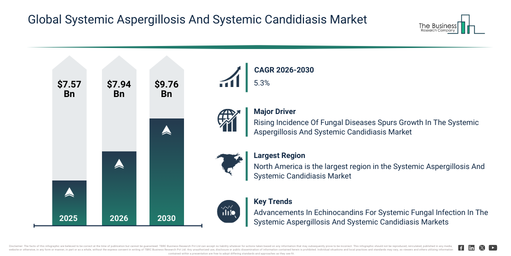
    In recent times, the market encompassing systemic aspergillosis and candidiasis has experienced consistent expansion, projected to increase from $7.57 billion in 2025 to $7.94 billion in 2026, reflecting a compound annual growth rate of 4.9%. This upward trend during the past period is largely attributable to a growing number of patients with weakened immune systems, a higher incidence of invasive fungal infections, the accessibility of both azole and amphotericin treatments, the enlargement of hospital intensive care facilities, and enhanced understanding and recognition of diagnostic methods for these conditions.

    The market for treating invasive aspergillosis and invasive candidiasis is projected for significant expansion in the coming years, reaching an estimated $9.76 billion by 2030, fueled by a compound annual growth rate of 5.3%. This anticipated growth trajectory is underpinned by several key drivers, including the ongoing development of innovative antifungal medications, a heightened emphasis on strategies to combat antifungal resistance, the broader application of specialized antifungal treatments, escalating investments in research concerning infectious diseases, and a growing inclination toward employing combined treatment strategies. Furthermore, the forecast period is expected to be characterized by significant trends such as the increased utilization of sophisticated antifungal therapies, a greater focus on the prompt identification of systemic fungal infections, the proliferation of combined approaches to antifungal therapy, a surge in demand for antifungals used in critical hospital care settings, and improved surveillance of drug resistance trends.

    Download A Free Sample Report For Comprehensive Market Insights:

    https://www.thebusinessresearchcompany.com/sample.aspx?id=12148&type=smp

    Systemic Aspergillosis And Systemic Candidiasis Market Growth Drivers: What Factors Are Accelerating Expansion?

    The rising prevalence of fungal infections is anticipated to be a significant catalyst for the expansion of the market for systemic aspergillosis and systemic candidiasis. Fungal diseases encompass a broad spectrum of ailments caused by fungi, capable of impacting diverse bodily regions and leading to a variety of symptoms and adverse outcomes. These infections range from superficial skin afflictions and respiratory issues to deep-seated systemic invasions. Treatment for these conditions typically involves antifungal agents, including oral azoles, voriconazole, and liposomal amphotericin B. Illustrating this trend, data from the UK Health Security Agency revealed that in 2023, England experienced a 4% increase in bloodstream infections attributed to yeast compared to the preceding year. Consequently, the escalating occurrences of fungal diseases are directly fueling the development of the systemic aspergillosis and systemic candidiasis market.

    Systemic Aspergillosis And Systemic Candidiasis Market Segment Analysis: What Are The Major Market Categories?

    The systemic aspergillosis and systemic candidiasis market covered in this report is segmented –

    1) By Type: Systemic Oral Azoles, Voriconazole, Liposomal Amphotericin B, Topical Antifungal Agents, Other Types

    2) By Application: Allergic Bronchopulmonary Aspergillosis (ABPA), Chronic Pulmonary Aspergillosis (CPA), Gastrointestinal Candidiasis, Genitourinary Tract Candidiasis, Other Applications

    3) By End User: Clinic, Hospital, Other End Users

    Subsegments:

    1) By Systemic Oral Azoles: Fluconazole, Itraconazole, Posaconazole, Voriconazole

    2) By Voriconazole: Voriconazole Tablets, Voriconazole Injection

    3) By Liposomal Amphotericin B: Liposomal Amphotericin B For Systemic Aspergillosis, Liposomal Amphotericin B For Systemic Candidiasis

    4) By Topical Antifungal Agents: Topical Azoles, Topical Polyenes, Topical Allylamines

    5) By Other Types: Echinocandins, Antifungal Combination Therapies, Other Emerging Antifungal Agents

    Systemic Aspergillosis And Systemic Candidiasis Market Trends: What Is Shaping Future Industry Growth?

    Leading players within the systemic aspergillosis and systemic candidiasis sectors are prioritizing the creation of cutting-edge therapies, including echinocandins, aiming to boost treatment success rates and combat the increasing problem of antifungal resistance. Echinocandins function by disrupting the production of ß-glucan, a vital element of the fungal cell’s outer layer. Illustrating this progress, in March of 2023, Cidara Therapeutics and Melinta Therapeutics, both American biotechnology firms, secured approval from the U.S. Food and Drug Administration for REZZAYO, an injectable form of rezafungin. This new, once-weekly echinocandin formulation is intended for treating candidemia in adult patients who have exhausted or have no other viable treatment alternatives. REZZAYO’s design, emphasizing a simplified once-weekly administration schedule, facilitates treatment adherence and ensures uninterrupted care for individuals suffering from invasive candidiasis, offering significant advantages particularly in hospital environments where prompt and effective management of these serious infections is paramount.

    Systemic Aspergillosis And Systemic Candidiasis Market Leading Companies Driving Competitive Growth

    Major companies operating in the systemic aspergillosis and systemic candidiasis market are Pfizer Inc, Merck & Co. Inc, AbbVie Inc, Bayer AG, Novartis AG, Bristol-Myers Squibb Company, Abbott Laboratories, Sanofi S.A, GlaxoSmithKline PLC, Gilead Sciences Inc, Astellas Pharma Inc, Matinas BioPharma Holdings Inc, Shionogi & Co. Ltd, Cipla Limited, Basilea Pharmaceutica Ltd, Cidara Therapeutics Inc, Entasis Therapeutics Inc, F2G Ltd, Mycovia Pharmaceuticals Inc, ContraFect Corporation, Enzon Pharmaceutical Inc, Pacgen Life Science Corporation, Biosergen AS

    Access The Complete Systemic Aspergillosis And Systemic Candidiasis Market Report:

    https://www.thebusinessresearchcompany.com/report/systemic-aspergillosis-and-systemic-candidiasis-global-market-report

    Systemic Aspergillosis And Systemic Candidiasis Market Leading Geography: Which Region Generates The Most Revenue?

    North America was the largest region in the systemic aspergillosis and systemic candidiasis market in 2025. Asia-Pacific is expected to be the fastest-growing region in the forecast period. The regions covered in the systemic aspergillosis and systemic candidiasis market report are Asia-Pacific, South East Asia, Western Europe, Eastern Europe, North America, South America, Middle East, Africa.

    Get in touch with us:

    The Business Research Company: https://www.thebusinessresearchcompany.com/

    Americas: +1 310-496-7795

    Asia: +44 7882 955267 & +91 8897263534

    Europe: +44 7882 955267

    Email us at: marketing@tbrc.info

    Follow us on:

    LinkedIn: https://in.linkedin.com/company/the-business-research-company

    YouTube: https://www.youtube.com/channel/UC24_fI0rV8cR5DxlCpgmyFQ

    Global Market Model: https://www.thebusinessresearchcompany.com/global-market-model
  • Syphilis Immunoassay Diagnostics Market Size Projected To Increase From $36.05 Billion To $46.9 Billion During The Forecast Period

    Syphilis Immunoassay Diagnostics Market Size Projected To Increase From $36.05 Billion To $46.9 Billion During The Forecast Period

    Delivering more actionable and strategically valuable research, The Business Research Company’s 2026 market reports feature market attractiveness analysis, total addressable market evaluation, company benchmarking matrices, interactive Excel dashboards, expanded supply chain intelligence, emerging startup coverage, and detailed product insights.

    Syphilis Immunoassay Diagnostics Market Size Outlook: How Fast Will Revenue Grow Through 2030?

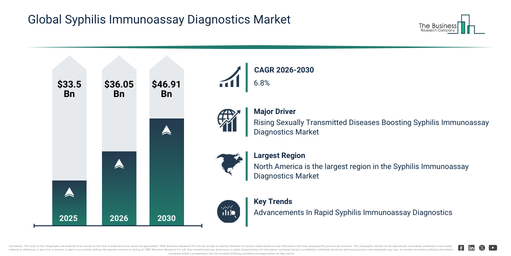
    The market for syphilis immunoassay diagnostics has experienced robust expansion, projected to increase from $33.5 billion in 2025 to $36.05 billion in 2026, reflecting a compound annual growth rate of 7.6%. This historical growth trend is largely attributable to a surge in sexually transmitted infections, the broadening scope of systematic screening initiatives, enhancements in laboratory capabilities, the proliferation of ELISA and CLIA methodologies, and a heightened emphasis on detecting syphilis in its early stages.

    The syphilis immunoassay diagnostics sector is poised for robust expansion over the coming years, projecting a market value of $46.91 billion by 2030, driven by a compound annual growth rate (CAGR) of 6.8%. This anticipated surge in the forecast period is fueled by several key factors: the escalating incorporation of rapid diagnostic tests, a heightened emphasis on decentralized testing methodologies, the broadening of screening initiatives in developing nations, escalating investments in laboratory automation, and a burgeoning demand for high-throughput diagnostic platforms. Prominent trends anticipated within this timeframe include the increasing uptake of automated immunoassay analyzers, a growing need for diagnostic kits with superior sensitivity, the proliferation of point-of-care syphilis testing, enhanced integration of digital laboratory workflows, and an intensified focus on the early and precise detection of the disease.

    Download A Free Sample Report For Comprehensive Market Insights:

    https://www.thebusinessresearchcompany.com/sample.aspx?id=16806&type=smp

    Syphilis Immunoassay Diagnostics Market Growth Factors Supporting Long-Term Expansion

    Advancements in syphilis immunoassay diagnostics are anticipated to fuel market expansion, largely driven by an increase in sexually transmitted diseases. These infections, often referred to as STIs, are transmitted through intimate contact, encompassing vaginal, anal, and oral forms of sexual activity. Factors contributing to the escalating rates of STDs include reduced reliance on condoms, the growing challenge of antibiotic resistance, insufficient sexual health education, shifts in societal behaviors, persistent stigma, diminished financial support for STD initiatives, and increased global mobility. Syphilis immunoassay diagnostics play a crucial role in identifying and controlling STDs by offering precise and prompt detection of syphilis, which facilitates effective treatment and preventative strategies. Illustrating this trend, a report from the Terrence Higgins Trust in June 2024 indicated that the UK Health Security Agency (UKHSA) recorded 401,800 sexually transmitted infections in England during 2023, marking a 5% increase from the prior year. Consequently, the growing prevalence of sexually transmitted diseases is a key impetus for the syphilis immunoassay diagnostics market.

    Syphilis Immunoassay Diagnostics Market Segment Breakdown: Which Categories Generate The Most Revenue?

    The syphilis immunoassay diagnostics market covered in this report is segmented –

    1) By Product: Analyzers, Reagents, Kits, Other Products

    2) By Technology: Chemiluminescence Immunoassay (CLIA), Enzyme-Linked Immunosorbent Assay (ELISA), Other Technologies

    3) By Application: Men, Women

    4) By End-User: Hospitals, Blood Banks, Diagnostics Labs, Other End-Users

    Subsegments:

    1) By Analyzers: Automated Analyzers, Semi-Automated Analyzers, Manual Analyzers

    2) By Reagents: Enzyme-Linked Immunosorbent Assay Reagents, Chemiluminescent Immunoassay Reagents, Rapid Plasma Reagin Reagents, Treponemal And Non-Treponemal Reagents

    3) By Kits: ELISA Kits, Rapid Diagnostic Test Kits, CLIA Kits, Point-Of-Care Test Kits

    4) By Other Products: Control And Calibration Materials, Sample Collection Devices, Ancillary Testing Accessories

    Syphilis Immunoassay Diagnostics Market Industry Trends Shaping Future Revenue Growth

    The leading participants within the syphilis immunoassay diagnostics sector are concentrating their efforts on originating groundbreaking advancements, including the creation of rapid syphilis testing methods, with the primary objective of elevating both the effectiveness and precision of syphilis identification processes. These rapid syphilis tests function as uncomplicated, point-of-care instruments capable of identifying syphilis antibodies in blood or other bodily secretions within mere minutes, thereby facilitating prompt diagnostic outcomes and the initiation of early therapeutic interventions. As an illustration, during February of 2023, Chembio Diagnostics Inc., a diagnostic enterprise situated in the United States that specializes in infectious disease diagnostics, was granted a CLIA waiver by the Food and Drug Administration (FDA) for its DPP HIV-Syphilis System. This particular system represents a sophisticated dual rapid test engineered to simultaneously identify antibodies against both HIV 1/2 and Treponema pallidum, the specific bacterium responsible for causing syphilis. The overarching goal of this swift, 15-minute diagnostic procedure is to refine the diagnostic process and subsequent treatment strategies, with a particular emphasis on averting the transmission of syphilis from mother to child and concurrently mitigating the likelihood of HIV acquisition among individuals diagnosed with syphilis.

    Syphilis Immunoassay Diagnostics Market Key Players And Strategic Industry Positioning

    Major companies operating in the syphilis immunoassay diagnostics market are F. Hoffmann-La Roche Ltd, Thermo Fisher Scientific Inc, Abbott Laboratories, Siemens Healthineers, Becton Dickinson and Company, bioMérieux SA, Bio-Rad Laboratories Inc, Meril Life Sciences Pvt Ltd, Randox Laboratories Ltd, SEKISUI Diagnostics, Trinity Biotech, Fujirebio, CTK Biotech Inc, bioLytical Laboratories Inc, ACON Laboratories Inc, InTec PRODUCTS INC, Quidel Corporation, Alere Inc, Ortho Clinical Diagnostics, DiaSorin Inc, Sekisui Medical, Beckman Coulter

    Access The Complete Syphilis Immunoassay Diagnostics Market Report:

    https://www.thebusinessresearchcompany.com/report/syphilis-immunoassay-diagnostics-global-market-report

    Syphilis Immunoassay Diagnostics Market Regional Outlook: Where Are The Largest Opportunities Located?

    North Americawas the largest region in the syphilis immunoassay diagnostics market in 2025. Asia-Pacificis expected to be the fastest-growing region in the forecast period. The regions covered in the syphilis immunoassay diagnostics market report are Asia-Pacific, South East Asia, Western Europe, Eastern Europe, North America, South America, Middle East, Africa.

    Get in touch with us:

    The Business Research Company: https://www.thebusinessresearchcompany.com/

    Americas: +1 310-496-7795

    Asia: +44 7882 955267 & +91 8897263534

    Europe: +44 7882 955267

    Email us at: marketing@tbrc.info

    Follow us on:

    LinkedIn: https://in.linkedin.com/company/the-business-research-company

    YouTube: https://www.youtube.com/channel/UC24_fI0rV8cR5DxlCpgmyFQ

    Global Market Model: https://www.thebusinessresearchcompany.com/global-market-model
  • Synthetic Biology Market Growth Outlook Reveals A CAGR Of 18.2% And A Market Value Of $62.48 Billion By 2030

    Synthetic Biology Market Growth Outlook Reveals A CAGR Of 18.2% And A Market Value Of $62.48 Billion By 2030

    Enhanced with market attractiveness analysis, total addressable market evaluation, company benchmarking matrices, interactive Excel dashboards, expanded supply chain intelligence, emerging startup coverage, and detailed product insights, The Business Research Company’s 2026 market reports deliver more actionable and strategically valuable research.

    Synthetic Biology Market Size, Value And Growth Trends Through 2030

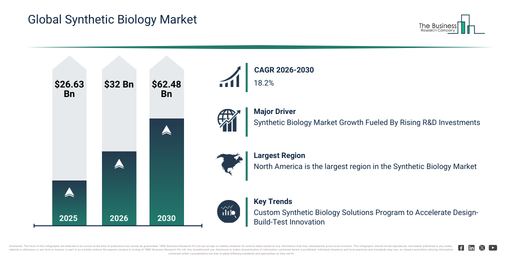
    The synthetic biology market experienced substantial growth, projected to expand from $26.63 billion in 2025 to $32 billion in 2026, reflecting a compound annual growth rate (CAGR) of 20.2% during this timeframe. Key drivers behind this upward trajectory in the preceding period included significant progress in genetic engineering methodologies, increased investment in both academic and industrial research endeavors, the heightened accessibility of sequencing technologies, the initial commercial rollout of synthetic organisms, and a strengthening of partnerships between academic institutions and commercial enterprises.

    The synthetic biology sector is poised for substantial expansion, with projections indicating a market valuation of $62.48 billion by 2030, reflecting a compound annual growth rate (CAGR) of 18.2%. This anticipated surge is fueled by several key drivers, including augmented investments directed towards bio-manufacturing, a growing consumer and industrial demand for environmentally friendly chemicals and fuels, the broadening application of synthetic biology across the healthcare spectrum, the increasing incorporation of artificial intelligence in biological design processes, and a clearer regulatory landscape for genetically engineered organisms. Notable developments expected during this period involve the widespread adoption of CRISPR gene-editing technologies, a greater reliance on bioinformatics for design purposes, the scaling up of synthetic gene construction platforms, a heightened emphasis on sustainable bio-based manufacturing, and advancements in the automation of biological engineering processes.

    Download A Free Sample Report For Comprehensive Market Insights:

    https://www.thebusinessresearchcompany.com/sample.aspx?id=2508&type=smp

    Synthetic Biology Market Demand Drivers Creating New Revenue Opportunities

    The synthetic biology market is poised for expansion, largely fueled by escalating investments in research and development. Recognizing the critical role of R&D, which involves systematic investigation and innovation to generate novel knowledge, technologies, and products, companies are channeling more resources into this area. This surge in R&D funding is a direct response to heightened competition, a persistent demand for innovative solutions, rapid technological progress, and the necessity for businesses to remain agile amidst evolving consumer tastes and market conditions. Synthetic biology’s potential to engineer biological systems for specific applications, thereby offering sustainable solutions in domains like healthcare, agriculture, and environmental stewardship, hinges on robust R&D endeavors. Illustrating this trend, the UK’s net expenditure on R&D reached £17.4 billion ($22.1 billion) in 2023, an increase from the £16.1 billion ($20.45 billion) recorded in 2022, signifying an 8.2% uptick, as reported by the Office for National Statistics. Consequently, this heightened commitment to research and development is a primary catalyst for the synthetic biology sector’s growth.

    Synthetic Biology Market Segmentation: How Is The Market Structured Across Key Categories?

    The synthetic biology market covered in this report is segmented –

    1) By Technology: Nucleotide Synthesis And Sequencing, Bioinformatics, Microfluidics, Genetic Engineering

    2) By Product Type: Oligonucleotides, Enzymes, Cloning And Assembly Kits, Xeno-Nucleic Acids (XNA), Chassis Organism

    3) By Application: Pharmaceuticals And Diagnostics, Chemicals, Biofuels, Bioplastics, Other Application

    Subsegments:

    1) By Nucleotide Synthesis And Sequencing: DNA Synthesis Technologies, Next-Generation Sequencing (NGS), Sanger Sequencing

    2) By Bioinformatics: Software Tools For Genomic Data Analysis, Databases For Gene/Protein Information, Algorithms For Gene Editing And Design

    3) By Microfluidics: Lab-On-A-Chip Technologies, Microfluidic Devices For Biological Assays, Applications In Drug Discovery And Diagnostics

    4) By Genetic Engineering: CRISPR/Cas9 Technology, Recombinant DNA Technology, Synthetic Gene Construction And Assembly

    Synthetic Biology Market Trends Driving Strategic Industry Expansion

    Leading entities within the synthetic biology sector are concentrating their efforts on pioneering novel offerings, exemplified by bespoke service packages designed to streamline the design-build-test phases, thereby expediting customized synthetic biology endeavors. These individualized service arrangements afford clients the opportunity to collaborate directly with specialized professionals for the creation, construction, and validation of synthetic DNA sequences, moving beyond the limitations of pre-existing inventory. A notable illustration occurred in June of 2025 when Integrated DNA Technologies (IDT), a biotechnology firm headquartered in the United States, introduced its Synthetic Biology Custom Solutions Program. This premium manufacturing provision grants clientele direct engagement with IDT’s internal scientific and engineering personnel to undertake bespoke projects, encompassing everything from intricate gene sequences to atypical DNA segments. Prominent characteristics encompass a devoted team to facilitate design-build-test methodologies, bespoke production capabilities within IDT’s extensive 25,000-square-foot synthetic biology facility, broad acceptance of diverse project scopes (including but not limited to high-efficiency non-standard gene fragments, genes exceeding 5 kilobases, and multi-site cloning techniques), and accelerated project completion by eliminating stringent high-throughput limitations. Ultimately, this initiative equips advancements and innovators in synthetic biology with the ability to accelerate their iterative processes and surmount obstacles within their research and development pipelines.

    Synthetic Biology Market Competitive Landscape And Leading Companies

    Major companies operating in the synthetic biology market are Thermo Fisher Scientific Inc, Danaher Corporation, Eurofins Scientific, Merck KGaA, Novozymes A/S, Agilent Technologies, New England Biolabs Inc, Precigen Inc, Amyris, Inc, Genscript Biotech Corporation, Codex Genetics, Cathay Biotech, Bota Biosciences, Bluepha, Spiber, OriCiro Genomics Inc, Provectus Algae, Puraffinity, Royal DSM NV, Colorifix, Phytoform Labs, Desktop Genetics, NanoSyrinx, Pulmobiotics S.L, EnginZyme, Chain Biotech, Nuclera Nucleics, Biosynthetics GmbH, Entelechon GmbH, Sloning BioTechnology GmbH, Prokarium Ltd, Synbio, Captor Therapeutics, Gero.ai, ARNA Genomics, Solvo Omixon, Soft flow, Algenol, Genomatica, Integrated DNA Technologies, Sana Biotechnology, Impossible Foods, Apeel Sciences, Twist Bioscience, Synlogic, Zymergen Inc, Ginkgo Bioworks, Codexis, Arzeda Corporation, Synthetic Genomics, Conagen, Dupont, Oxitec Ltd, Sentebiolab, GEEN Biotechnology Inc, Genbiotek Biosistem Laboratory Ltd

    Access The Complete Synthetic Biology Market Report:

    https://www.thebusinessresearchcompany.com/report/synthetic-biology-global-market-report

    Synthetic Biology Market Geographic Landscape: Which Region Dominates Industry Growth?

    North Americawas the largest region in the synthetic biology market in 2025. Western Europewas the second largest region in the global synthetic biology market share. The regions covered in the synthetic biology market report are Asia-Pacific, South East Asia, Western Europe, Eastern Europe, North America, South America, Middle East, Africa.

    Get in touch with us:

    The Business Research Company: https://www.thebusinessresearchcompany.com/

    Americas: +1 310-496-7795

    Asia: +44 7882 955267 & +91 8897263534

    Europe: +44 7882 955267

    Email us at: marketing@tbrc.info

    Follow us on:

    LinkedIn: https://in.linkedin.com/company/the-business-research-company

    YouTube: https://www.youtube.com/channel/UC24_fI0rV8cR5DxlCpgmyFQ

    Global Market Model: https://www.thebusinessresearchcompany.com/global-market-model
  • Swine Flu Vaccination Market Forecast Highlights Expansion From $16.01 Billion To $20.35 Billion Through 2030

    Swine Flu Vaccination Market Forecast Highlights Expansion From $16.01 Billion To $20.35 Billion Through 2030

    Through market attractiveness analysis, total addressable market evaluation, company benchmarking matrices, interactive Excel dashboards, expanded supply chain intelligence, emerging startup coverage, and detailed product insights, The Business Research Company’s 2026 market reports provide more actionable and strategically valuable research.

    Swine Flu Vaccination Market CAGR Analysis And Future Market Development

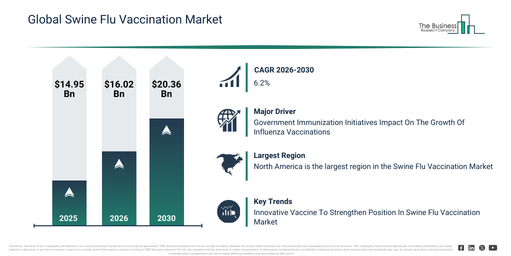
    The global market for swine flu vaccines has experienced robust expansion lately, with projections indicating continued strong performance. This market, valued at $14.95 billion in 2025, is anticipated to climb to $16.02 billion by 2026, demonstrating a compound annual growth rate (CAGR) of 7.2%. Key factors contributing to this historical growth trajectory include the recurrent emergence of influenza strains originating from swine, the broadened scope of government immunization initiatives, enhanced monitoring of disease transmission between animals and humans, a rise in collaborative efforts between veterinary and public health sectors, and the availability of advanced inactivated vaccine technologies.

    The market for swine flu vaccinations is poised for substantial expansion, projected to reach $20.36 billion by the year 2030, reflecting a compound annual growth rate (CAGR) of 6.2%. This anticipated growth during the forecast period is fueled by several key factors, including heightened investments in readiness for pandemics, a greater embrace of cutting-edge vaccine technologies, the broadening of worldwide vaccination initiatives, a more pronounced focus on swiftly implemented immunization plans, and augmented financial backing for research into infectious diseases. Within this same timeframe, significant market trends are expected to emerge, such as the wider use of sophisticated influenza vaccine systems, an increased concentration on averting zoonotic diseases, the proliferation of DNA-based and recombinant vaccines, a heightened emphasis on accelerating vaccine development timelines, and improvements in the infrastructure for cold chain management and vaccine distribution.

    Download A Free Sample Report For Comprehensive Market Insights:

    https://www.thebusinessresearchcompany.com/sample.aspx?id=15678&type=smp

    Swine Flu Vaccination Market Expansion Supported By Key Demand Factors

    Anticipated advancements in the swine flu vaccination market are largely attributed to governmental commitments to vaccination initiatives. These governmental commitments encompass the implementation of strategies and measures aimed at encouraging and supporting widespread immunization efforts. By ensuring the availability of essential vaccines and allocating necessary resources to manage outbreaks efficiently, governments are motivated to emphasize immunization programs, thereby reinforcing public health endeavors. As an illustration, data released in September 2024 from the Centers for Disease Control and Prevention, a prominent US agency dedicated to preventing and managing the transmission of contagious illnesses, indicated that throughout the 2023–24 influenza season, 55.4% of individuals between the ages of 6 months and 17 years were administered at least one dose of the influenza vaccine. Furthermore, a reserve of 9.3 million doses of the adult influenza vaccine has been set aside by the government to address potential supply shortages. Consequently, the expanding commitment of governments to vaccination programs serves as a catalyst for the expansion of the swine flu vaccination market.

    Swine Flu Vaccination Market Segmentation Trends And Revenue Drivers

    The swine flu vaccination market covered in this report is segmented –

    1) By Vaccine Type: Intranasal, Toxoid, Conjugate, Inactivated Vaccine, Attenuated Vaccine, Other Vaccine Type

    2) By Treatment Type: Influenza, Live Attenuated Influenza Vaccine

    3) By End User: Hospital, Clinic, Other End User

    Subsegments:

    1) By Intranasal: Live Attenuated Intranasal Vaccines, Inactivated Intranasal Vaccines

    2) By Toxoid: Formaldehyde-Inactivated Toxoid Vaccines

    3) By Conjugate: Protein Conjugate Vaccines

    4) By Inactivated Vaccine: Injectable Inactivated Vaccines, Inactivated Subunit Vaccines

    5) By Attenuated Vaccine: Live Attenuated Influenza Vaccines

    6) By Other Vaccine Type: DNA Vaccines, Recombinant Vaccines

    Swine Flu Vaccination Market Growth Trends Influencing Competitive Dynamics

    Leading players within the swine flu vaccination arena are concentrating their efforts on the creation of novel offerings, specifically the quadrivalent influenza vaccine, as a strategic move to enhance their market standing. This particular vaccine is engineered to confer immunity against four distinct strains of the influenza virus. As an illustration, in March of 2024, Cadila Pharmaceuticals, an entity originating from India’s pharmaceutical sector, unveiled its sophisticated quadrivalent influenza vaccine, marketed as Cadiflu Tetra, with the express purpose of safeguarding individuals from influenza. The Cadiflu Tetra Vaccine, a quadrivalent preparation, is formulated to combat four strains of influenza viruses, encompassing both type A and type B. Utilizing nano-sized particle technology, it replicates the external architecture of the virus, thereby boosting both its effectiveness and safety profile without the inclusion of complete genetic material. This sophisticated methodology amplifies protection across a broader spectrum of influenza strains, presenting a technologically advanced method for the prevention of seasonal outbreaks.

    Swine Flu Vaccination Market Industry Leaders: Which Organizations Are Driving Competition?

    Major companies operating in the swine flu vaccination market are Pfizer Inc., Sanofi SA, GlaxoSmithKline plc, Moderna Inc., Serum Institute of India Private Limited, Bharat Biotech International Limited, Zoetis Inc., Elanco Animal Health, IDT Biologika GmbH, Vetoquinol SA, Medicago Inc., Panacea Biotec, Sinovac Biotech Ltd., Seqirus Pty Ltd, CSL Limited, Novavax Inc., Hualan Biological Engineering Inc., Valneva SE, Anhui Zhifei Longcom Biopharmaceutical Co Ltd, GSK Vaccines, AstraZeneca Plc, Sanofi Pasteur, Janssen Pharmaceuticals

    Access The Complete Swine Flu Vaccination Market Report:

    https://www.thebusinessresearchcompany.com/report/swine-flu-vaccination-global-market-report

    Swine Flu Vaccination Market Largest Region: Which Geography Holds The Highest Market Share?

    North Americawas the largest region in the Swine Flu Vaccination market in 2025. The regions covered in the swine flu vaccination market report are Asia-Pacific, South East Asia, Western Europe, Eastern Europe, North America, South America, Middle East, Africa.

    Get in touch with us:

    The Business Research Company: https://www.thebusinessresearchcompany.com/

    Americas: +1 310-496-7795

    Asia: +44 7882 955267 & +91 8897263534

    Europe: +44 7882 955267

    Email us at: marketing@tbrc.info

    Follow us on:

    LinkedIn: https://in.linkedin.com/company/the-business-research-company

    YouTube: https://www.youtube.com/channel/UC24_fI0rV8cR5DxlCpgmyFQ

    Global Market Model: https://www.thebusinessresearchcompany.com/global-market-model
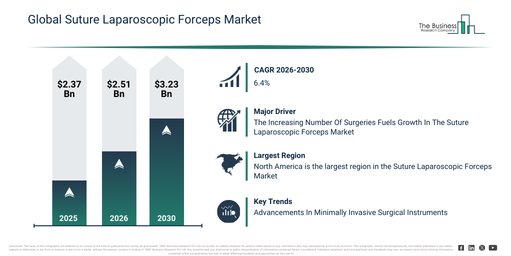
  • Suture Laparoscopic Forceps Market Expected To Reach $3.22 Billion By 2030 As Growth Accelerates At 6.4% CAGR

    Suture Laparoscopic Forceps Market Expected To Reach $3.22 Billion By 2030 As Growth Accelerates At 6.4% CAGR

    Delivering more actionable and strategically valuable research, The Business Research Company’s 2026 market reports feature market attractiveness analysis, total addressable market evaluation, company benchmarking matrices, interactive Excel dashboards, expanded supply chain intelligence, emerging startup coverage, and detailed product insights.

    Suture Laparoscopic Forceps Market Expansion From $2.51 Billion In 2026 To $3.22 Billion In 2030

    The market for suture laparoscopic forceps has experienced robust expansion recently, with projections indicating a rise from $2.37 billion in 2025 to $2.51 billion in 2026, demonstrating a compound annual growth rate of 6.0%. This historical growth trajectory is underpinned by several key factors, including an escalation in the number of laparoscopic surgical procedures performed, a discernible shift toward minimally invasive interventions, the enhancement of surgical facilities within hospitals, a greater number of proficient laparoscopic surgeons becoming available, and enhanced accessibility to sophisticated surgical instrumentation.

    The market for laparoscopic suture forceps is projected for substantial expansion over the coming years, anticipated to reach $3.23 billion by 2030 with a compound annual growth rate of 6.4%. This anticipated surge is propelled by several key factors including the escalating use of robotic systems in laparoscopic surgeries, a concurrent rise in the demand for single-use instruments designed for infection control, the proliferation of ambulatory surgical facilities, a heightened emphasis on boosting surgical effectiveness, and increased capital allocation towards the production of sophisticated surgical implements. Key developments expected to shape this market during the forecast period encompass a greater embrace of instruments for minimally invasive surgery, a growing need for highly accurate suturing devices, an increasing inclination towards surgical forceps that can be reused, developments in ergonomic instrument design, and a stronger focus on ensuring the precision of instruments controlled by surgeons.

    Download A Free Sample Report For Comprehensive Market Insights:

    https://www.thebusinessresearchcompany.com/sample.aspx?id=18477&type=smp

    Suture Laparoscopic Forceps Market Growth Drivers And Industry Catalysts

    The increasing volume of surgical procedures is anticipated to be a primary catalyst for the expansion of the suture laparoscopic forceps market. This surge in surgeries is largely attributable to the continuous progress in medical technology, particularly the proliferation of minimally invasive approaches like laparoscopy, which are known for their benefits such as accelerated patient recovery, shorter hospitalizations, and enhanced overall outcomes when contrasted with conventional open surgical methods. Suture laparoscopic forceps play a crucial role in these operations by enabling the accurate manipulation and placement of sutures internally, thereby minimizing tissue damage and contributing to quicker healing. Illustrating this trend, data from May 2024, reported by the Government of British Columbia, a Canadian administrative authority, revealed that a total of 365,825 surgeries, encompassing both planned and emergency procedures, were performed, marking an increase of 14,939 surgeries compared to the 2022-23 period. Consequently, the escalating number of surgeries directly fuels the expansion of the suture laparoscopic forceps market.

    Suture Laparoscopic Forceps Market Segment Analysis Highlighting Growth Areas

    The suture laparoscopic forceps market covered in this report is segmented –

    1) By Product Type: Reusable Forceps, Disposable Forceps

    2) By Material: Stainless Steel, Titanium

    3) By Length: Short, Long

    4) By Applications: Laparoscopic, Surgery, Other Applications

    5) By End-User: Adults, Pediatrics

    Subsegments:

    1) By Reusable Forceps: Standard Reusable Forceps, Scissor-Type Reusable Forceps, Needle Holder Reusable Forceps, Grasping Reusable Forceps, Surgical Reusable Forceps

    2) By Disposable Forceps: Standard Disposable Forceps, Scissor-Type Disposable Forceps, Needle Holder Disposable Forceps, Grasping Disposable Forceps, Surgical Disposable Forceps

    #Suture Laparoscopic Forceps Market Trends Influencing Long-Term Demand

    Within the suture laparoscopic forceps sector, key players are committed to innovating sophisticated minimally invasive surgical instruments aimed at boosting accuracy, lessening tissue damage, and streamlining surgical processes. These tools are crafted to empower surgeons in manipulating tissues, executing sutures, and undertaking intricate maneuvers via small incisions, thereby shortening patient recuperation periods. As an illustration, in May 2025, Applied Medical, a medical device firm headquartered in the United States, introduced RHAPSO and GEMINI, novel laparoscopic forceps meticulously designed to offer superior ergonomics, dependable tissue grip, and finer suturing control during minimally invasive operations, consequently contributing to safer and more effective surgical results. Furthermore, these instruments demonstrate compatibility with a broad spectrum of laparoscopic suturing methodologies, providing adaptability for diverse surgical uses.

    Suture Laparoscopic Forceps Market Leading Companies: Who Holds Significant Market Presence?

    Major companies operating in the suture laparoscopic forceps market are Johnson & Johnson, Medtronic plc, Stryker Corporation, Boston Scientific Corporation, Olympus Corporation, B. Braun Medical Ltd, Teleflex Incorporated, ConMed Corporation, Applied Medical Resources Corporation, Ackermann Instrumente GmbH, Zhejiang Geyi Medical Instrument Co. Ltd, Sklar Instruments, Purple Surgical International Ltd., Mediflex, Microline Surgical Inc., LaproSurge Ltd., Maxer Endoscopy GmbH, Victor Medical Instruments Co. Ltd., Hospiinz International, Grena Ltd.

    Access The Complete Suture Laparoscopic Forceps Market Report:

    https://www.thebusinessresearchcompany.com/report/suture-laparoscopic-forceps-global-market-report

    Suture Laparoscopic Forceps Market Regional Analysis: Which Region Leads By Revenue?

    North Americawas the largest region in the suture laparoscopic forceps market in 2025. Asia-Pacificis expected to be the fastest-growing region in the forecast period. The regions covered in the suture laparoscopic forceps market report are Asia-Pacific, South East Asia, Western Europe, Eastern Europe, North America, South America, Middle East, Africa.

    Get in touch with us:

    The Business Research Company: https://www.thebusinessresearchcompany.com/

    Americas: +1 310-496-7795

    Asia: +44 7882 955267 & +91 8897263534

    Europe: +44 7882 955267

    Email us at: marketing@tbrc.info

    Follow us on:

    LinkedIn: https://in.linkedin.com/company/the-business-research-company

    YouTube: https://www.youtube.com/channel/UC24_fI0rV8cR5DxlCpgmyFQ

    Global Market Model: https://www.thebusinessresearchcompany.com/global-market-model
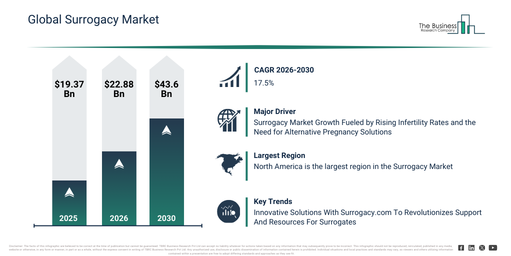
  • Surrogacy Market Set To Grow From $22.88 Billion In 2026 To $43.6 Billion By 2030 At A CAGR Of 17.5%

    Surrogacy Market Set To Grow From $22.88 Billion In 2026 To $43.6 Billion By 2030 At A CAGR Of 17.5%

    Enhanced with market attractiveness analysis, total addressable market evaluation, company benchmarking matrices, interactive Excel dashboards, expanded supply chain intelligence, emerging startup coverage, and detailed product insights, The Business Research Company’s 2026 market reports deliver more actionable and strategically valuable research.

    Surrogacy Market Forecast Highlighting Growth From $22.88 Billion To $43.6 Billion

    The global surrogacy market has experienced substantial expansion, projected to increase from $19.37 billion in 2025 to $22.88 billion in 2026, reflecting a significant compound annual growth rate of 18.1%. This remarkable growth trajectory is underpinned by several key factors observed in the historical period, including a notable rise in infertility diagnoses, the increasing societal acceptance of assisted reproductive procedures, the proliferation of specialized fertility clinics, enhancements in the success rates associated with in vitro fertilization (IVF) treatments, and a heightened public awareness regarding diverse avenues for building a family.

    The global surrogacy industry is poised for substantial expansion in the coming years, with projections indicating a surge to $43.6 billion by 2030, driven by a compound annual growth rate of 17.5%. This upward trajectory during the forecast period is fueled by several key factors, including a heightened consumer desire for tailored reproductive options, the increasing utilization of genetic testing within surrogacy processes, the proliferation of formalized surrogacy regulations, the growing adoption of online platforms for fertility management, and augmented investments in reproductive health services. Furthermore, significant trends expected to shape the market include a greater demand for gestational surrogacy, the wider implementation of cutting-edge IVF techniques, the increasing reliance on digital tools for fertility care, an uptick in international surrogacy agreements, and a strengthened emphasis on adhering to ethical and legal standards.

    Download A Free Sample Report For Comprehensive Market Insights:

    https://www.thebusinessresearchcompany.com/sample.aspx?id=13741&type=smp

    Surrogacy Market Opportunity Drivers: What Is Creating New Revenue Potential?

    Rising infertility globally is anticipated to be a significant catalyst for the expansion of the surrogacy sector. Infertility is commonly understood as the inability to conceive after a year or more of consistent, unprotected intercourse. Surrogacy emerges as a viable option for intended parents, whether individuals or couples, facing challenges with natural conception or carrying a pregnancy. With approximately 17.5% of adults worldwide, roughly one in every six people, affected by infertility according to the World Health Organization’s April 2023 data, there is a clear and present need to improve access to cost-effective, high-quality fertility treatments for those in need of assisted reproductive services. Consequently, the escalating prevalence of infertility is directly contributing to the upward trajectory of the surrogacy market.

    Surrogacy Market Segment Performance And Strategic Opportunities

    The surrogacy market covered in this report is segmented –

    1) By Type: Gestational Surrogacy, Traditional Surrogacy

    2) By Technology: In Vitro Fertilization (IVF) With Intracytoplasmic Sperm Injection (ICSI), In Vitro Fertilization (IVF) Without Intracytoplasmic Sperm Injection (ICSI), Intrauterine Insemination

    3) By Application: Fertility Clinics, Surrogacy Agencies, Surrogacy Lawyers

    Subsegments:

    1) By Gestational Surrogacy: IVF-Based Gestational Surrogacy, Egg Donor Involvement

    2) By Traditional Surrogacy: Direct Insemination, Use Of Intended Father’s Sperm

    Surrogacy Market Innovation Trends Driving Future Development

    Within the surrogacy sector, leading entities are dedicated to pioneering new offerings, exemplified by surrogacy.com, designed to support surrogates and their families through every phase of the surrogacy experience. This platform, surrogacy.com, serves as a hub for prospective surrogates, current surrogates, and their allies, furnishing essential support and resources for all participants. As an illustration, in November of 2023, Northstar Fertility, a U.S. provider of egg donation and fertility services, introduced surrogacy.com, a creation originating from surrogates themselves. It leverages the practical insights and honest perspectives of experienced surrogates, linking them to the community and resources that facilitate a smooth journey through the surrogacy process.

    Surrogacy Market Key Players: Which Companies Shape Industry Competition?

    Major companies operating in the surrogacy market are Care Fertility Group, Nova IVI Fertility, IVIRMA, Houston Fertility Center, Circle Surrogacy, Ovation Fertility, ConceiveAbilities, Oasis Center, New Hope Fertility Center, Growing Generations, Family Creations, Bourn Hall Clinic, AVA Clinic Scanfert, Clinic Scanfert, Extraordinary Conceptions, Surrogate Solutions, Simple Surrogacy, Gift of Life Surrogacy Agency, ART Reproductive Center, Conceptual Options, New Life Global Network, Reproductive Possibilities, Surrogacy America, Surrogacy Center India

    Access The Complete Surrogacy Market Report:

    https://www.thebusinessresearchcompany.com/report/surrogacy-global-market-report

    Surrogacy Market Geographic Distribution And Regional Opportunities

    North Americawas the largest region in the surrogacy market in 2025. Asia-Pacificis expected to be the fastest-growing region in the forecast period. The regions covered in the surrogacy market report are Asia-Pacific, South East Asia, Western Europe, Eastern Europe, North America, South America, Middle East, Africa.

    Get in touch with us:

    The Business Research Company: https://www.thebusinessresearchcompany.com/

    Americas: +1 310-496-7795

    Asia: +44 7882 955267 & +91 8897263534

    Europe: +44 7882 955267

    Email us at: marketing@tbrc.info

    Follow us on:

    LinkedIn: https://in.linkedin.com/company/the-business-research-company

    YouTube: https://www.youtube.com/channel/UC24_fI0rV8cR5DxlCpgmyFQ

    Global Market Model: https://www.thebusinessresearchcompany.com/global-market-model