Month: June 2026

  • Artificial Intelligence (AI) In In Vitro Diagnostics (IVD) Market Trends And Growth Drivers Point To Strong Future Potential

    Artificial Intelligence (AI) In In Vitro Diagnostics (IVD) Market Trends And Growth Drivers Point To Strong Future Potential

    Through market attractiveness analysis, total addressable market evaluation, company benchmarking matrices, interactive Excel dashboards, expanded supply chain intelligence, emerging startup coverage, and detailed product insights, The Business Research Company’s 2026 market reports provide more actionable and strategically valuable research.

    The integration of artificial intelligence into in vitro diagnostics is transforming the healthcare landscape with rapid advancements and growing demand. As technology continues to evolve, this market is set to experience significant expansion, driven by innovations that enhance diagnostic accuracy and personalized patient care. Let’s explore the current market size, key growth factors, emerging trends, top players, and regional insights shaping this dynamic sector.

    Steady Growth and Market Size Projections for AI in In Vitro Diagnostics

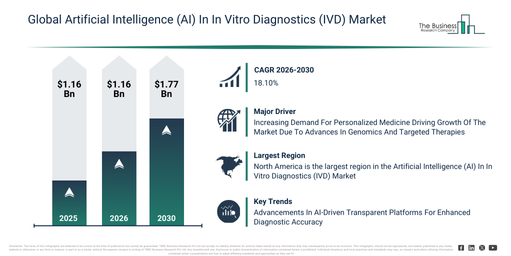
    The artificial intelligence in in vitro diagnostics market has seen impressive growth in recent years. It is projected to rise from $3.04 billion in 2025 to $3.6 billion in 2026, marking a compound annual growth rate (CAGR) of 18.4%. This growth during the historical period has been fueled by heightened demand for precise diagnostic tools, expanding laboratory infrastructure, the increasing burden of chronic diseases, the adoption of digital diagnostic technologies, and progress in biomarker research.

    Download A Free Sample Report For Comprehensive Market Insights:

    https://www.thebusinessresearchcompany.com/sample.aspx?id=28120&type=smp

    Looking further ahead, the market is expected to surge to $7.01 billion by 2030, with a compound annual growth rate of 18.1%. Key factors driving this expansion include the growth of cloud-based diagnostic platforms, deeper integration of AI with genomics, the development of point-of-care AI diagnostics, rising investments in personalized medicine, and the growing need for faster and more affordable testing solutions. Among the trends shaping the future of this market are AI-powered laboratory automation, predictive diagnostics for diseases, data-driven interpretation of tests, cloud-based platforms, and personalized patient profiling.

    Personalized Medicine as a Catalyst for AI in In Vitro Diagnostics Growth

    One of the foremost factors propelling the AI in in vitro diagnostics market is the increasing emphasis on personalized medicine. This healthcare approach customizes prevention, diagnosis, and treatment based on an individual’s genetic makeup, lifestyle, and environment. Advances in genomic sequencing and data analytics are enabling more precise and targeted therapies tailored to individual patients, which in turn demand sophisticated diagnostic tools powered by AI.

    https://www.thebusinessresearchcompany.com/report/artificial-intelligence-ai-in-in-vitro-diagnostics-ivd-global-market-report

    Artificial Intelligence (AI) In In Vitro Diagnostics (IVD) Market Global Footprint: Which Region Holds Market Leadership?

    Artificial intelligence plays a crucial role by analyzing complex diagnostic data to uncover patient-specific disease patterns, enabling timely and accurate treatment decisions. For example, in February 2024, the Personalized Medicine Coalition reported that the FDA approved 16 new personalized treatments for rare diseases in 2023, a significant rise from six approvals in 2022. These new treatments include seven cancer drugs and three for other conditions, highlighting the growing reliance on personalized approaches that are driving demand for AI-enhanced diagnostics.

    Segment Breakdown Highlighting Rapidly Expanding Categories in the AI in In Vitro Diagnostics Market

    This market is segmented by component, technology, deployment model, application, and end user to provide a comprehensive view of its scope. Components include software, hardware, and services, while technologies involve machine learning, natural language processing, computer vision, robotic process automation, and deep learning. Deployment models range from cloud-based and on-premise to hybrid solutions.

    Applications cover diagnostic imaging, laboratory testing, pathology, genomics, and personalized medicine. End users consist of hospitals and clinics, diagnostic laboratories, research institutes, pharmaceutical companies, and medical device manufacturers. Further subcategories include software types such as diagnostic algorithms, data analytics platforms, and decision support systems; hardware like laboratory instruments, imaging devices, and point-of-care devices; and services including consulting, implementation, maintenance, support, training, and education.

    Innovative Industry Trends Enhancing Market Growth for AI in In Vitro Diagnostics

    Leading companies in this space are focusing on creating advanced AI solutions that improve diagnostic accuracy and streamline clinical workflows. A notable development is the emergence of CE-IVDR-certified transparent AI platforms, which comply with EU regulations while offering clear and auditable decision-making processes to build clinical trust and ensure compliance.

    For instance, in May 2025, Diagnostics.ai, a UK-based company, introduced PCR.AI, a smart tool designed to accelerate and improve the accuracy of PCR diagnostics. This platform automates real-time interpretation with over 99.9% accuracy and provides transparency on how results are generated, enhancing laboratory efficiency and regulatory adherence in molecular diagnostics.

    Top Companies Driving Innovation and Competition in the AI in In Vitro Diagnostics Market

    Several key players dominate the artificial intelligence in in vitro diagnostics market, including Roche Diagnostics GmbH, Thermo Fisher Scientific Inc., Abbott Laboratories, Danaher Corporation, Siemens Healthineers AG, Illumina Inc., Hologic Inc., Sysmex Corporation, QIAGEN N.V., Tempus Labs Inc., BillionToOne Inc., PathAI Inc., Proscia Inc., Indica Labs Inc., Visiopharm A/S, aetherAI Co. Ltd., Ibex Medical Analytics Ltd., Mindpeak GmbH, OncoHost Ltd., Qritive, and Aiforia Technologies Oyj. These companies are leading efforts to advance AI technologies and expand their application across diagnostic fields.

    Regional Market Leadership and Growth Prospects in AI for In Vitro Diagnostics

    In 2025, North America held the largest share of the artificial intelligence in in vitro diagnostics market, reflecting strong adoption and infrastructure. Meanwhile, the Asia-Pacific region is anticipated to be the fastest-growing market over the forecast period, driven by expanding healthcare systems and increasing investments. Other regions analyzed include South East Asia, Western and Eastern Europe, South America, the Middle East, and Africa, providing a global perspective on market trends and opportunities.

    Get in touch with us:

    The Business Research Company: https://www.thebusinessresearchcompany.com/

    Americas: +1 310-496-7795

    Asia: +44 7882 955267 & +91 8897263534

    Europe: +44 7882 955267

    Email us at: marketing@tbrc.info

    Follow us on:

    LinkedIn: https://in.linkedin.com/company/the-business-research-company

    YouTube: https://www.youtube.com/channel/UC24_fI0rV8cR5DxlCpgmyFQ

    Global Market Model: https://www.thebusinessresearchcompany.com/global-market-model
  • Artificial Intelligence (AI) In Endoscopy Market Expansion Is Reshaping Competitive Dynamics Across The Industry

    Artificial Intelligence (AI) In Endoscopy Market Expansion Is Reshaping Competitive Dynamics Across The Industry

    Delivering more actionable and strategically valuable research, The Business Research Company’s 2026 market reports feature market attractiveness analysis, total addressable market evaluation, company benchmarking matrices, interactive Excel dashboards, expanded supply chain intelligence, emerging startup coverage, and detailed product insights.

    The integration of artificial intelligence (AI) into endoscopy is revolutionizing the way medical professionals diagnose and treat gastrointestinal and other related conditions. This rapidly growing market is transforming healthcare by enhancing diagnostic accuracy, streamlining procedures, and supporting early disease detection. Let’s explore the current market size, key drivers, leading companies, emerging trends, and regional insights shaping the AI in endoscopy industry.

    Artificial Intelligence in Endoscopy Market Size and Projected Growth

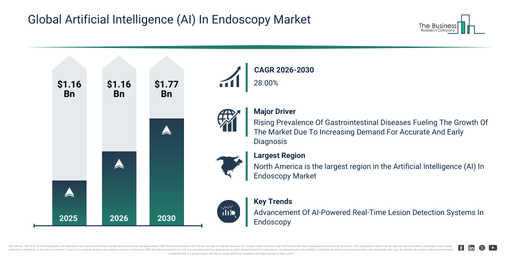
    The AI in endoscopy market has experienced remarkable expansion in recent years. It is projected to increase from $13.52 billion in 2025 to $17.34 billion in 2026, representing a compound annual growth rate (CAGR) of 28.3%. This growth during the historical period is largely driven by the rising prevalence of gastrointestinal and colorectal diseases, challenges associated with traditional endoscopic interpretations, an increase in endoscopy procedures, growing awareness regarding early cancer detection, and the adoption of digital endoscopy platforms. Looking ahead, the market is expected to surge to $46.53 billion by 2030, growing at a CAGR of 28.0%. Factors fueling this forecast include breakthroughs in machine learning algorithms tailored for medical imaging, heightened investments in AI-enabled healthcare solutions, the expansion of minimally invasive diagnostics, broader acceptance of clinical decision support tools, and regulatory support for AI-based medical devices. Key trends anticipated during this period involve widespread adoption of real-time lesion detection during endoscopy, enhanced integration of AI software with existing endoscopic devices, a demand for higher diagnostic precision with fewer missed lesions, growth in AI-assisted training and simulation, and an increased focus on workflow optimization and standardization of procedures.

    Download A Free Sample Report For Comprehensive Market Insights:

    https://www.thebusinessresearchcompany.com/sample.aspx?id=25698&type=smp

    The Influence of Gastrointestinal Disease Trends on AI in Endoscopy Market

    The rising incidence of gastrointestinal diseases is a significant factor driving growth within the AI in endoscopy market. These diseases encompass a broad spectrum of digestive tract disorders characterized by symptoms such as abdominal discomfort, bloating, and changes in bowel habits. A major contributor to this rise is the increased consumption of highly processed foods, which negatively impact gut microbiota and promote chronic digestive inflammation. AI enhances the diagnosis of these conditions by providing real-time image analysis that accurately identifies abnormalities, enabling earlier interventions, reducing diagnostic errors, and improving patient outcomes. For example, in December 2023, the UK’s IBD Registry, a nonprofit organization, reported that membership grew to over 5,300 individuals with inflammatory bowel disease (IBD) in 2023—an increase of more than 3,000 compared to 2022—highlighting the growing patient population influencing demand for AI-assisted endoscopy.

    Product and Application Segmentation in AI in Endoscopy Market

    This report divides the AI in endoscopy market into several categories for a detailed understanding:

    1) By Product Type: AI-driven imaging systems, AI-powered endoscopic equipment, wearable endoscopy devices, consumables used in AI endoscopy, and AI integration software solutions.

    2) By Functionality: Image capture and processing, data management, enhanced visualization, real-time decision support, and training and simulation systems.

    3) By Application: Gastrointestinal, respiratory, urological, pancreatic, and neurological endoscopy.

    4) By End-User: Hospitals, endoscopy centers, outpatient surgical centers, research institutions, and specialized clinics.

    Further subcategories identify specific technologies, including high-definition imaging platforms; 3D visualization systems; fluorescence-based imaging; flexible and rigid AI-powered endoscopic tools; swallowable capsule endoscopes; biopsy forceps compatible with AI; and real-time lesion detection software, among others.

    https://www.thebusinessresearchcompany.com/report/artificial-intelligence-ai-in-endoscopy-global-market-report

    Artificial Intelligence (AI) In Endoscopy Market Regional Distribution: Which Areas Drive Market Expansion?

    Technological Advancements and Innovations Shaping the AI in Endoscopy Market

    Leading companies in the AI in endoscopy space are heavily investing in technologies like AI-powered real-time lesion detection to enhance clinical decision-making during gastrointestinal exams. These systems continuously analyze live endoscopic video feeds to detect and highlight suspicious lesions such as polyps and tumors, improving diagnostic accuracy and reducing false positives. For instance, in August 2024, Singapore-based Ainex Corporation introduced its Endoscopy AI system designed to assist clinicians by detecting gastrointestinal lesions in real time during both upper and lower endoscopies. The system incorporates advanced machine learning algorithms to improve visualization of mucosal abnormalities, streamline clinical workflows, shorten procedure times, and facilitate earlier detection of gastrointestinal cancers and other diseases.

    Key Players Competing in the AI in Endoscopy Industry

    The AI in endoscopy market features several prominent companies driving innovation and competition. Notable players include Medtronic plc, Fujifilm Holdings Corporation, Olympus Corporation, Iterative Health, CapsoVision Inc, EndoSoft Inc, Mauna Kea Technologies SA, LPixel Inc, Sky Engine Limited, Endovision Limited, BioCam Sp z o o, MAIA Labs Inc, Magentiq Eye Ltd, EndoSurg AI Inc, iEndoscopic GmbH, Intelliscopes LLC, Odin Vision, Wision AI, NEC Corporation Medical AI, Shanghai Wision AI Co Ltd, Shanghai Ankon Technologies Co Ltd, and Fujifilm Medical AI Solutions.

    Regional Market Overview Highlighting Growth Areas in AI in Endoscopy

    In 2025, North America accounted for the largest share of the AI in endoscopy market. Meanwhile, the Asia-Pacific region is projected to be the fastest-growing market during the forecast period. The market analysis encompasses key geographic areas such as Asia-Pacific, Southeast Asia, Western Europe, Eastern Europe, North America, South America, the Middle East, and Africa, providing a broad perspective on global market trends and opportunities.

    Get in touch with us:

    The Business Research Company: https://www.thebusinessresearchcompany.com/

    Americas: +1 310-496-7795

    Asia: +44 7882 955267 & +91 8897263534

    Europe: +44 7882 955267

    Email us at: marketing@tbrc.info

    Follow us on:

    LinkedIn: https://in.linkedin.com/company/the-business-research-company

    YouTube: https://www.youtube.com/channel/UC24_fI0rV8cR5DxlCpgmyFQ

    Global Market Model: https://www.thebusinessresearchcompany.com/global-market-model
  • Artificial Intelligence (AI) Electrocardiogram (ECG) Analysis Market Forecast Reveals Where Future Industry Value Will Be Created

    Artificial Intelligence (AI) Electrocardiogram (ECG) Analysis Market Forecast Reveals Where Future Industry Value Will Be Created

    Enhanced with market attractiveness analysis, total addressable market evaluation, company benchmarking matrices, interactive Excel dashboards, expanded supply chain intelligence, emerging startup coverage, and detailed product insights, The Business Research Company’s 2026 market reports deliver more actionable and strategically valuable research.

    The artificial intelligence (AI) electrocardiogram (ECG) analysis market is experiencing rapid growth as technology advances and healthcare increasingly embraces digital solutions. This sector is transforming cardiac care by offering more precise and efficient diagnostic tools, which is driving substantial interest from healthcare providers and technology developers alike. Let’s explore the market’s size, key growth drivers, segmentation, competitive landscape, and regional dynamics shaping its future.

    Current Size and Future Expansion of the AI Electrocardiogram Analysis Market

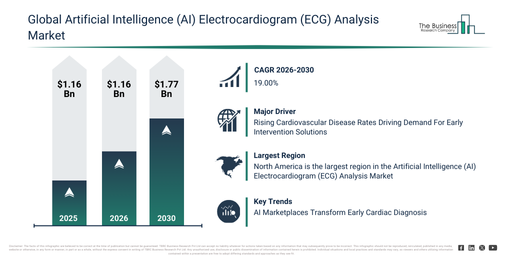
    The AI-based ECG analysis market has witnessed swift growth recently and is projected to rise from $2.01 billion in 2025 to $2.4 billion in 2026, marking a compound annual growth rate (CAGR) of 19.3%. Historically, this growth was due to the limited availability of AI ECG analysis tools, reliance on manual ECG interpretation, increasing cases of cardiac conditions, heightened healthcare digitization, and dependence on hospital-based ECG systems. Looking ahead, the market is expected to expand further, reaching $4.81 billion by 2030 with a CAGR of 19.0%. Key factors fueling this anticipated growth include advancements in deep learning algorithms for ECG, wider adoption of wearable and portable ECG devices, growth in telehealth and remote monitoring services, investments in cloud-based healthcare platforms, and regulatory approvals for AI-assisted diagnostic solutions. Emerging trends within this timeframe highlight increased use of AI-driven ECG analysis in hospitals, integration of wearable ECG monitors with AI systems, greater demand for remote ECG monitoring and telecardiology, enhanced real-time cardiac data visualization and decision support, and expansion of cloud-based ECG analysis tools.

    Download A Free Sample Report For Comprehensive Market Insights:

    https://www.thebusinessresearchcompany.com/sample.aspx?id=27202&type=smp

    Primary Drivers Accelerating Demand in the AI Electrocardiogram Analysis Market

    A major factor propelling the AI ECG analysis market is the growing prevalence of cardiovascular diseases worldwide. These illnesses encompass a range of conditions affecting the heart and blood vessels, such as coronary heart disease, heart failure, stroke, and hypertension. The rise in these diseases is linked to aging populations, metabolic risk factors, unhealthy diets, and sedentary lifestyles, all contributing to increased cardiac complications. AI-powered ECG analysis helps healthcare providers by enabling earlier detection of heart abnormalities, streamlining diagnosis, and enhancing clinical decision-making to improve patient outcomes.

    Supporting this trend, data from October 2024 by the US Centers for Disease Control and Prevention revealed that in 2023, cardiovascular diseases were responsible for 919,032 deaths—equating to one in every three fatalities. Coronary heart disease remained the most common cause, with approximately one in six cardiovascular-related deaths occurring in adults under 65. This significant health burden underscores the urgent need for AI-assisted ECG analysis solutions, which are increasingly being adopted to address the growing cardiac disease challenge.

    https://www.thebusinessresearchcompany.com/report/artificial-intelligence-ai-electrocardiogram-ecg-analysis-global-market-report

    Artificial Intelligence (AI) Electrocardiogram (ECG) Analysis Market Leading Geography: Which Region Generates The Most Revenue?

    Detailed Segmentation of the AI Electrocardiogram Analysis Market Reveals Key Opportunities

    This market is categorized into several segments to better understand growth prospects and product focus areas:

    1) Component Type: Software, Hardware, and Services

    2) Deployment Model: On-Premise and Cloud-Based

    3) Medical Conditions Addressed: Cardiac Arrhythmias, Heart Failure, Ischemic Heart Disease, and Coronary Artery Disease

    4) Application Settings: Hospitals, Clinics, and Other Facilities

    Further breakdown within these categories includes:

    – Software offerings such as AI ECG interpretation platforms, machine learning diagnostic tools, deep learning analysis software, cloud-based ECG systems, and real-time data visualization applications.

    – Hardware products like wearable ECG monitors, portable acquisition units, smart ECG patches, multi-lead recording machines, and sensor-integrated devices.

    – Service segments covering remote ECG monitoring, data annotation and labeling, AI algorithm training and validation, technical support and software integration, and clinical reporting and interpretation.

    How Technological Trends Are Shaping AI ECG Analysis Market Competition

    Leading players in the AI ECG analysis field are dedicating efforts to create advanced technological solutions that streamline cardiac diagnosis and improve clinical workflows. One notable innovation is the development of AI marketplaces—centralized platforms offering access to multiple validated AI diagnostic tools. These marketplaces enable healthcare providers to incorporate sophisticated algorithms directly into clinical operations for quicker and more accurate assessments.

    For example, in July 2025, Koninklijke Philips N.V., a health tech company based in the Netherlands, launched its electrocardiogram AI marketplace. This platform integrates AI-powered diagnostic tools within Philips’ IntelliSpace ECG and cardiograph systems. The marketplace initially includes FDA-cleared algorithms, such as Anumana’s AI tool for detecting low ejection fraction via standard 12-lead resting ECGs. This innovation accelerates ECG reviews, facilitates earlier heart failure detection, and boosts clinical efficiency and diagnostic precision at the point of care.

    Key Industry Players Driving the AI Electrocardiogram Analysis Market

    The market features several prominent companies advancing AI ECG analysis technology, including iRhythm Technologies Inc., Viz.ai Inc., Tempus Labs Inc., HeartSciences Inc., Neurosoft Software Production S.A., Tricog Health Services Pvt. Ltd., Anumana Inc., IDOVEN S.L., Ultromics Limited, VUNO Inc., Cardio.AI Inc., Powerful Medical s.r.o., RSIP Vision Ltd., AccurKardia Inc., Cardiologs Technologies SAS, Cardiomatics Sp. z o.o., Cordys Analytics B.V., PulseAI Ltd., Vektor Medical Inc., and DeepECG Inc. These organizations are influential in shaping market dynamics through continuous innovation and strategic partnerships.

    Geographical Market Leadership and Growth Prospects

    In 2025, North America held the dominant share of the AI ECG analysis market, benefiting from advanced healthcare infrastructure and early technology adoption. Meanwhile, the Asia-Pacific region is expected to experience the fastest growth during the forecast period, fueled by rising healthcare investments, growing awareness, and expanding telehealth initiatives. The market report covers regions including Asia-Pacific, South East Asia, Western Europe, Eastern Europe, North America, South America, the Middle East, and Africa, providing a global perspective on market trends and opportunities.

    Get in touch with us:

    The Business Research Company: https://www.thebusinessresearchcompany.com/

    Americas: +1 310-496-7795

    Asia: +44 7882 955267 & +91 8897263534

    Europe: +44 7882 955267

    Email us at: marketing@tbrc.info

    Follow us on:

    LinkedIn: https://in.linkedin.com/company/the-business-research-company

    YouTube: https://www.youtube.com/channel/UC24_fI0rV8cR5DxlCpgmyFQ

    Global Market Model: https://www.thebusinessresearchcompany.com/global-market-model
  • Artificial Eye Market Growth Through 2030 Creates New Strategic Opportunities

    Artificial Eye Market Growth Through 2030 Creates New Strategic Opportunities

    Through market attractiveness analysis, total addressable market evaluation, company benchmarking matrices, interactive Excel dashboards, expanded supply chain intelligence, emerging startup coverage, and detailed product insights, The Business Research Company’s 2026 market reports provide more actionable and strategically valuable research.

    The artificial eye market is experiencing steady expansion driven by technological advancements and increasing demand for vision restoration solutions. As eye-related health challenges continue to grow globally, this sector is set to witness significant growth and innovation in the coming years. Let’s explore the current market size, key growth factors, main players, emerging trends, and regional prospects shaping this industry.

    Strong Growth Projections for the Artificial Eye Market

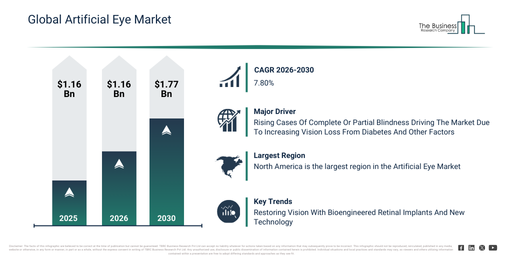
    The artificial eye market has shown robust growth in recent years and is projected to expand further. From $2.16 billion in 2025, the market is expected to reach $2.34 billion in 2026, with a compound annual growth rate (CAGR) of 8.0%. This past growth has been driven by factors such as the rising incidence of eye trauma, cases requiring cancer-related enucleation, increased demand for cosmetic rehabilitation, expansion of hospital ophthalmic services, and advancements in prosthetic technologies. Looking ahead, the market is forecasted to grow steadily, reaching $3.16 billion by 2030 with a CAGR of 7.8%. Key drivers for this future growth include the adoption of 3D printing technologies, higher demand for personalized prosthetics, improved healthcare accessibility, greater emphasis on psychological rehabilitation, and innovations in material science. The forecast period is expected to see trends like custom-made ocular prosthetics, wider use of digital eye printing, a focus on enhanced aesthetic results, development of lightweight and biocompatible materials, and increasing awareness about ocular rehabilitation.

    Download A Free Sample Report For Comprehensive Market Insights:

    https://www.thebusinessresearchcompany.com/sample.aspx?id=23311&type=smp

    Rising Blindness Rates Fuel Demand in the Artificial Eye Market

    A primary factor propelling the artificial eye market is the growing number of people experiencing complete or partial blindness. These conditions involve significant or total vision loss, which severely impacts an individual’s ability to perceive light, shapes, or their surroundings, thereby affecting daily life. The increase in blindness cases is closely linked to the rise of retinal degenerative diseases that progressively destroy photoreceptor cells, leading to irreversible vision impairment. Artificial eye technology offers innovative solutions such as bioengineered retinal implants that can restore or improve vision, thus greatly enhancing patient quality of life. For example, in May 2024, a report by the East Sussex Joint Strategic Needs Assessment highlighted that around 2 million people in the UK live with some degree of sight loss, with projections estimating this will rise to 2.7 million by 2030. This growing population of individuals with vision impairment is a key growth driver for the artificial eye market.

    Technological Advancements and Bioengineered Retinal Implants Impact Market Growth

    Innovation is a major force shaping the artificial eye sector, particularly through the development of advanced bioengineered retinal implants. These implants are lab-created devices designed to replace or enhance damaged retinal tissue to restore or improve vision for those suffering from retinal degenerative conditions. For instance, in May 2024, LambdaVision Inc., a biotechnology firm based in the US, announced the successful closing of its seed funding round to advance preclinical studies of a protein-based artificial retina. This novel implant uses bacteriorhodopsin, a light-sensitive protein, to replicate the natural photoreceptor function found in the human eye, potentially offering a more natural vision restoration compared to traditional electronic implants. Additionally, LambdaVision is pioneering microgravity-based manufacturing aboard the International Space Station, aiming to improve production quality and efficiency. These cutting-edge developments are setting new standards in retinal prosthetics and driving innovation in the artificial eye market.

    https://www.thebusinessresearchcompany.com/report/artificial-eye-global-market-report

    Artificial Eye Market Regional Outlook: Where Are The Largest Opportunities Located?

    Overview of Key Players Steering the Artificial Eye Market

    Several leading companies are actively shaping the competitive landscape of the artificial eye market. Notable players include Midwest Eye Laboratories Inc., Advanced Artificial Eyes, Boston Ocular Prosthetics Inc., Erickson Laboratories Inc., F.Ad. Muller Sohne GmbH & Co KG, Irises Unlimited Inc., Ocular Prosthetics Incorporated, International Prosthetic Eye Center Private Limited, New Zealand Prosthetic Eye Service, Southeastern Ocularists Inc., The Artificial Eye Co., John O. Hughes Prosthetic Eye Laboratory, Chadwick Optical Inc., Prosthetic Eye Center of New York, American Artificial Eye Center, Hanger Ocular Prosthetics, Romford Artificial Eye Service, Artificial Eye Services Australia, Queensland Artificial Eye Service, Moorfields Ocular Prosthetics Department, Artificial Eye Clinic of India, and National Artificial Eye Service. These organizations contribute to innovation, distribution, and service delivery across the global artificial eye market.

    Segmentation of the Artificial Eye Market by Product, Technology, and Users

    This market report categorizes the artificial eye market into several key segments:

    1) By Product Type: Integrated, Semi-Integrated, and Non-Integrated prosthetic eyes

    2) By Technology: Passive Prosthetic Technology and Mechanical systems

    3) By Distribution Channel: Direct Sales, Online Sales, Third Party Distributors, and Specialized Ocular Prosthetic Clinics

    4) By Application: Orbital Support and Aesthetic Restoration, Cosmetic Enhancement, Medical Treatment, and Reconstructive Surgery

    5) By End User: Hospitals, Ambulatory Surgical Centers, and other end users

    Further subcategories under product types include Integrated prosthetics such as Hydroxyapatite (HA), Porous Polyethylene (Medpor), and Bioceramic; Semi-Integrated prosthetics including Acrylic-Based, Silicone-Based, and Polymer Composite; and Non-Integrated options like Glass Prosthetic Eye, Acrylic Prosthetic Eye, and Digital-Printed Prosthetic Eye.

    Geographical Insights Highlighting Opportunities in the Artificial Eye Market

    In 2025, North America accounted for the largest share of the artificial eye market. However, the Asia-Pacific region is expected to emerge as the fastest-growing market during the forecast period. The market analysis covers multiple regions including Asia-Pacific, South East Asia, Western Europe, Eastern Europe, North America, South America, the Middle East, and Africa, providing a comprehensive overview of global market dynamics and growth opportunities.

    Get in touch with us:

    The Business Research Company: https://www.thebusinessresearchcompany.com/

    Americas: +1 310-496-7795

    Asia: +44 7882 955267 & +91 8897263534

    Europe: +44 7882 955267

    Email us at: marketing@tbrc.info

    Follow us on:

    LinkedIn: https://in.linkedin.com/company/the-business-research-company

    YouTube: https://www.youtube.com/channel/UC24_fI0rV8cR5DxlCpgmyFQ

    Global Market Model: https://www.thebusinessresearchcompany.com/global-market-model
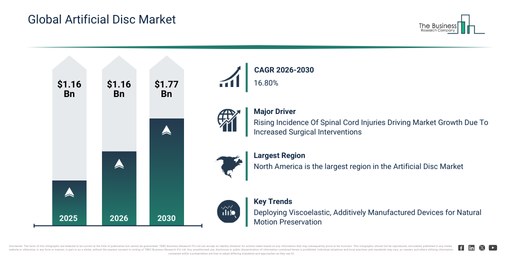
  • Artificial Disc Market Size Projected To Increase From $3.7 Billion To $6.89 Billion During The Forecast Period

    Artificial Disc Market Size Projected To Increase From $3.7 Billion To $6.89 Billion During The Forecast Period

    Delivering more actionable and strategically valuable research, The Business Research Company’s 2026 market reports feature market attractiveness analysis, total addressable market evaluation, company benchmarking matrices, interactive Excel dashboards, expanded supply chain intelligence, emerging startup coverage, and detailed product insights.

    The artificial disc market has experienced significant expansion in recent years, driven by advancements in spinal care and increasing demand for better treatment options. As medical technology evolves and patient preferences shift, this market is set to continue its rapid growth, creating new opportunities for innovation and improved outcomes in spinal health.

    Steady Expansion in the Artificial Disc Market Size

    The artificial disc market has seen rapid growth recently, with its size projected to rise from $3.19 billion in 2025 to $3.71 billion in 2026, representing a compound annual growth rate (CAGR) of 16.0%. This growth during the historical period has been fueled by a growing prevalence of degenerative spine disorders, a shift toward disc replacement procedures rather than spinal fusion, the introduction of advanced spinal implant designs, the expansion of spine surgery centers, and improvements in surgical techniques.

    Download A Free Sample Report For Comprehensive Market Insights:

    https://www.thebusinessresearchcompany.com/sample.aspx?id=13283&type=smp

    Strong Growth Outlook for the Artificial Disc Market Through 2030

    Looking ahead, the artificial disc market is expected to expand rapidly, reaching $6.9 billion by 2030 with an increased CAGR of 16.8%. Factors supporting this forecast include an aging population experiencing spinal disorders, a rising preference for motion-preserving treatments, greater adoption of outpatient spine surgeries, increased investments in next-generation spinal implant technologies, and higher demand for solutions that promote faster patient recovery. Key trends expected to influence the market involve wider use of motion-preserving implants, greater demand for cervical disc replacements, advancements in biomaterials, growth of minimally invasive spinal procedures, and enhanced focus on the long-term performance of implants.

    Key Drivers Behind the Artificial Disc Market Expansion

    One of the primary forces propelling the artificial disc market is the rising incidence of spinal cord injuries worldwide. These injuries, which affect the vertebrae, intervertebral discs, ligaments, muscles, nerves, and surrounding support structures, are often the result of high-impact motor vehicle accidents and falls from significant heights—both leading causes of traumatic spinal damage globally.

    https://www.thebusinessresearchcompany.com/report/artificial-disc-global-market-report

    Artificial Disc Market Geographic Landscape: Which Region Dominates Industry Growth?

    The benefits of artificial discs make them an attractive alternative to traditional spinal fusion surgeries. They help restore natural spinal motion, reduce discogenic back pain, offer flexibility, and minimize potential complications linked to fusion procedures. For example, a study published in July 2024 by the Journal of Global Health analyzed 2.22 million young individuals in Scotland and found scoliosis—a condition related to spinal deformity—in 1.20% of cases. The prevalence was notably higher among girls, especially between ages 13-14. Such data emphasize the growing need for advanced spinal treatments, which is driving demand within the artificial disc market.

    Artificial Disc Market Segmentation Highlights Revenue-Generating Areas

    This report segments the artificial disc market into several categories for a clearer understanding of revenue streams:

    By Type:

    – Cervical Disc

    – Artificial Disc (general)

    – Lumbar Disc

    By Material:

    – Metal and Plastic

    – Metal Only

    By Indication:

    – Spinal Trauma

    – Degenerative Spine Disease

    By End User:

    – Hospitals

    – Specialty Clinics

    Further subcategories include single-level and multi-level cervical discs, total disc replacements, semi-constrained and motion-preserving disc implants, as well as single-level and multi-level lumbar discs.

    Innovation Trends Shaping the Future of the Artificial Disc Market

    Leading companies in this sector are focusing on developing next-generation artificial discs that blend biomechanical sophistication with easier surgical implantation. These advanced prostheses aim to closely replicate natural spinal motion, reduce wear over time, and simplify the surgical process. Often, they incorporate cutting-edge materials such as additively manufactured metals and viscoelastic cores to enable movement across all six degrees of freedom, potentially improving patient outcomes and expanding market adoption.

    As an illustration, in February 2024, German medical device firm NGMedical launched its MOVE-C artificial cervical disc in the United Arab Emirates. The first successful implantation took place in Abu Dhabi. MOVE-C stands out with its second-generation viscoelastic design offering axial damping and progressive resistance, alongside a simplified implantation technique similar to cervical cages. Importantly, it uses additively manufactured titanium endplates and eliminates the need for polyethylene cores, which can reduce long-term wear and tear on the implant.

    Leading Players and Their Strategic Roles in the Artificial Disc Market

    Major companies driving growth and innovation in the artificial disc market include Johnson & Johnson, Medtronic plc, Stryker Corporation, Zimmer Biomet Holding Inc., SIGNUS Medizintechnik GmbH, Globus Medical Inc., Medacta International SA, Aesculap Inc., NuVasive Inc., Orthofix Medical Inc., Spineart, VTI – Vertebral Technologies Inc., Life Spine Inc., Spinal Elements, DePuy Synthes, Neuro France Implants, Paradigm Spine LLC, Xenco Medical, Osimplant, Synergy Spine Solutions Inc., Ranier Technology Limited, FH Orthopedics S.A.S, X-spine Systems Inc., Aditus Medical GmbH, and AxioMed LLC.

    Regional Market Dynamics Highlighting Growth Leaders

    In 2025, North America held the largest share of the artificial disc market. However, Asia-Pacific is anticipated to be the fastest-growing region during the forecast period. The geographic scope of the market includes Asia-Pacific, South East Asia, Western Europe, Eastern Europe, North America, South America, the Middle East, and Africa, providing a comprehensive view of global market trends and opportunities.

    Get in touch with us:

    The Business Research Company: https://www.thebusinessresearchcompany.com/

    Americas: +1 310-496-7795

    Asia: +44 7882 955267 & +91 8897263534

    Europe: +44 7882 955267

    Email us at: marketing@tbrc.info

    Follow us on:

    LinkedIn: https://in.linkedin.com/company/the-business-research-company

    YouTube: https://www.youtube.com/channel/UC24_fI0rV8cR5DxlCpgmyFQ

    Global Market Model: https://www.thebusinessresearchcompany.com/global-market-model
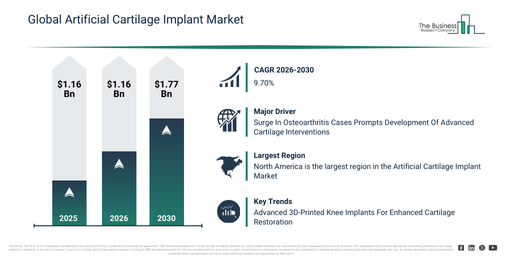
  • Artificial Cartilage Implant Market Growth Outlook Reveals A CAGR Of 9.7% And A Market Value Of $2.45 Billion By 2030

    Artificial Cartilage Implant Market Growth Outlook Reveals A CAGR Of 9.7% And A Market Value Of $2.45 Billion By 2030

    Enhanced with market attractiveness analysis, total addressable market evaluation, company benchmarking matrices, interactive Excel dashboards, expanded supply chain intelligence, emerging startup coverage, and detailed product insights, The Business Research Company’s 2026 market reports deliver more actionable and strategically valuable research.

    The artificial cartilage implant market is witnessing remarkable growth, driven by rising demand for innovative joint replacement solutions. As awareness of joint health increases and technological advancements emerge, the market is poised for substantial expansion in the coming years. Let’s explore the current market size, key factors fueling growth, industry trends, major players, and regional insights shaping this sector’s future.

    Recent Market Size and Projected Growth in the Artificial Cartilage Implant Market

    The artificial cartilage implant market has shown significant growth in recent years. From a valuation of $1.54 billion in 2025, it is expected to reach $1.69 billion in 2026, growing at a compound annual growth rate (CAGR) of 9.7%. This past growth was largely influenced by the limited availability of advanced implant materials, an increase in orthopedic surgeries, heightened joint health awareness, and reliance on imported implants due to insufficient local manufacturing. Looking ahead, the market is anticipated to expand further to $2.45 billion by 2030, maintaining the same CAGR of 9.7%. This forecasted rise is fueled by innovations in synthetic and smart implant technologies, growing needs for knee and hip replacements, the spread of ambulatory surgical centers, and increased use of 3D-printed, patient-specific implants. Additionally, growing investment in orthopedic research and clinical applications supports this upward trajectory. Key trends shaping the market include a rising incidence of osteoarthritis, widespread adoption of minimally invasive procedures, demand for durable and biocompatible implants, expanding clinical trials, and growing customization options for implants.

    Download A Free Sample Report For Comprehensive Market Insights:

    https://www.thebusinessresearchcompany.com/sample.aspx?id=27201&type=smp

    Factors Pushing Demand in the Artificial Cartilage Implant Market

    One of the primary factors driving the artificial cartilage implant market is the increasing prevalence of osteoarthritis, a degenerative condition characterized by cartilage deterioration that causes pain, stiffness, and restricted movement. This condition is worsening due to rising obesity rates, which add extra stress to joints and accelerate cartilage damage. Artificial cartilage implants help by replacing the damaged tissue, restoring smooth joint surfaces, reducing friction, easing pain, and improving mobility, thereby slowing disease progression. For example, a report released in August 2023 by the Institute for Health Metrics and Evaluation, a US-based health research organization, predicts that by 2050 nearly 1 billion people globally will suffer from osteoarthritis. The knees and hands are the most commonly affected areas, with knee osteoarthritis expected to increase by 75% and hand osteoarthritis by 50% by that time. This growing disease burden is a major driver for the market’s expansion.

    Innovations and Evolving Treatments Shaping Market Growth

    Advancements in implant technologies are significantly influencing the artificial cartilage implant market. The development of three-dimensional (3D) printed knee implants, for example, is enhancing the precision and longevity of joint replacements. These patient-specific implants are created layer by layer using advanced 3D printing methods, resulting in a highly accurate anatomical fit and improved functional outcomes that support faster recovery. A notable example is the July 2025 launch of Chondrograft by US-based startup Nanochon, which received approval from Health Canada. This synthetic implant is designed to replace damaged knee cartilage and closely mimics the natural porosity and structure of human cartilage, promoting integration with surrounding tissue and encouraging new growth. As an off-the-shelf product, it offers a minimally invasive alternative to traditional knee replacements and aims to restore cartilage function while potentially delaying more invasive surgeries.

    https://www.thebusinessresearchcompany.com/report/artificial-cartilage-implant-global-market-report

    #Artificial Cartilage Implant Market Largest Region: Which Geography Holds The Highest Market Share?

    Structure and Segmentation of the Artificial Cartilage Implant Market

    This market is broadly categorized by several factors:

    1) Implant Type: Biological, Synthetic, Composite, and Smart implants

    2) Product Type: Implants for upper extremity joints, lower extremity joints, and vertebral joints

    3) Distribution Channel: Direct sales, online retail, distributors, and specialty clinics

    4) Application Areas: Knee replacement, hip replacement, shoulder reconstruction, and ankle replacement

    5) End-Users: Hospitals, orthopedic clinics, ambulatory surgical centers, research institutes, and others

    Further classifications include subtypes such as autografts, allografts, xenografts, and tissue-engineered implants under biological implants; polymer-based, hydrogel, silicone, and polyurethane implants under synthetic implants; polymer-ceramic and polymer-metal composites under composite implants; and sensor-integrated, drug-eluting, shape-memory, and stimuli-responsive implants under smart implants.

    Key Industry Players Leading the Artificial Cartilage Implant Market

    The market features several prominent companies driving innovation and competition, including Johnson & Johnson, B. Braun Melsungen AG, Medtronic plc, Zimmer Biomet Holdings Inc., Smith & Nephew plc, Stryker Corporation, Arthrex Inc., Conmed Corporation, Orthofix Medical, Corin Group, Anika Therapeutics Inc., Vericel Corporation, Tissue Regenix Group plc, Nusurface, Uteshiya Medicare Inc., Sparta Biomedical Inc., BioPoly LLC, Orthocell Ltd, Sartorius CellGenix GmbH, and CytoSeek Limited.

    Geographical Market Distribution and Regional Growth Patterns

    In 2025, North America held the largest share of the artificial cartilage implant market, reflecting the region’s advanced healthcare infrastructure and high adoption rates of orthopedic procedures. Meanwhile, the fastest-growing market over the forecast period is anticipated to be Asia-Pacific, driven by increasing healthcare expenditures, rising awareness of joint health, and expanding access to advanced surgical technologies. Other significant regions covered include South East Asia, Western Europe, Eastern Europe, South America, the Middle East, and Africa, providing a comprehensive global perspective on market trends and opportunities.

    Get in touch with us:

    The Business Research Company: https://www.thebusinessresearchcompany.com/

    Americas: +1 310-496-7795

    Asia: +44 7882 955267 & +91 8897263534

    Europe: +44 7882 955267

    Email us at: marketing@tbrc.info

    Follow us on:

    LinkedIn: https://in.linkedin.com/company/the-business-research-company

    YouTube: https://www.youtube.com/channel/UC24_fI0rV8cR5DxlCpgmyFQ

    Global Market Model: https://www.thebusinessresearchcompany.com/global-market-model
  • Articulating Paper Forceps Market Forecast Highlights Expansion From $1.31 Billion To $1.68 Billion Through 2030

    Articulating Paper Forceps Market Forecast Highlights Expansion From $1.31 Billion To $1.68 Billion Through 2030

    Through market attractiveness analysis, total addressable market evaluation, company benchmarking matrices, interactive Excel dashboards, expanded supply chain intelligence, emerging startup coverage, and detailed product insights, The Business Research Company’s 2026 market reports provide more actionable and strategically valuable research.

    The articulating paper forceps market has witnessed solid growth in recent years, supported by evolving dental and surgical practices. As healthcare providers increasingly adopt advanced tools for precision and efficiency, this market is set to continue expanding. Let’s explore the current market size, key growth drivers, segmentation, leading players, and regional dynamics shaping this sector.

    Current Market Size and Growth Outlook for Articulating Paper Forceps

    The articulating paper forceps market has shown considerable progress, with its value rising from $1.23 billion in 2025 to an estimated $1.31 billion in 2026. This reflects a steady compound annual growth rate (CAGR) of 6.5%. The market’s historical expansion can be linked to longstanding reliance on stainless steel instruments, limited exposure to ergonomic designs, constrained dental and surgical infrastructure, manual sourcing methods, and dependence on local suppliers.

    Download A Free Sample Report For Comprehensive Market Insights:

    https://www.thebusinessresearchcompany.com/sample.aspx?id=27200&type=smp

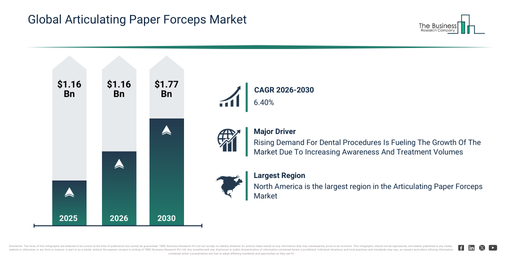
    Looking ahead, the market is forecast to reach $1.68 billion by 2030, growing at a CAGR of 6.4%. This anticipated increase is driven by innovations in lightweight and durable materials, wider adoption of minimally invasive surgeries, increased investments in dental and surgical clinics, the rise of e-commerce channels for medical equipment, and a growing emphasis on tools suited for multiple surgical specialties. Key trends during this period include a rising demand for precision instruments, preference for ergonomic and lightweight designs, expanded use in multidisciplinary procedures, popularity of sterilizable and reusable materials, and growth of online distribution platforms.

    Major Factors Encouraging Growth in the Articulating Paper Forceps Market

    The growing demand for dental procedures is a significant catalyst behind the expanding articulating paper forceps market. Dental care involves treatments focused on diagnosing, preventing, and managing oral health issues affecting teeth, gums, and jaws. Increasing public awareness about oral hygiene encourages more frequent dental visits and early interventions such as cleanings, fillings, and gum care. Articulating paper forceps play an essential role in these procedures by enabling dentists to accurately assess bite alignment, which leads to improved treatment outcomes and oral function.

    https://www.thebusinessresearchcompany.com/report/articulating-paper-forceps-global-market-report

    Articulating Paper Forceps Market Regional Analysis: Which Region Leads By Revenue?

    For instance, in August 2024, the British Society of Dental Hygiene and Therapy (BSDHT) reported that 34 million dental procedures were performed in the UK during 2023–2024, marking a 4.3% increase compared to the previous year. Additionally, total dental activity units reached 73 million, a 3.4% rise from 2022 to 2023. This upward trend in dental procedures directly supports growth in the articulating paper forceps market.

    Increasing Prevalence of Dental Disorders Is Bolstering Market Demand

    Another critical growth driver is the rising number of dental disorders, which encompass conditions such as tooth decay, gum disease, infections, and bite misalignments. These issues have become more common due to higher consumption of sugary and processed foods, contributing to cavities and gingivitis. Articulating paper forceps assist dental professionals in diagnosing and managing these disorders by offering precise bite alignment assessments. Correcting malocclusion and preventing uneven tooth wear rely heavily on these tools.

    As an example, the American Cancer Society projected that in January 2025, the United States would see around 59,660 new cases of oral cavity and oropharyngeal cancer, along with approximately 12,770 related deaths. The prevalence of such dental conditions fuels the need for specialized instruments like articulating paper forceps, thereby driving market growth.

    How the Articulating Paper Forceps Market Is Categorized for Revenue Analysis

    This market is segmented by several criteria to better understand demand and sales patterns:

    1) By Type: Straight articulating paper forceps and curved articulating paper forceps

    2) By Material: Stainless steel, titanium, plastic, and carbon fiber

    3) By Application: Dental procedures, occlusal adjustments, restorative dentistry, prosthodontics

    4) By Distribution Channel: Direct sales, online sales, and medical supply distributors

    5) By End User: Hospitals, dental clinics, ambulatory surgical centers, and research institutes

    Further breakdown includes subtypes for straight forceps such as standard, fine-tip, heavy-duty, and locking models. Curved forceps are similarly subdivided into standard, fine-tip, heavy-duty, and locking variants.

    Top Players Steering Competition in the Articulating Paper Forceps Sector

    Several key companies lead the articulating paper forceps market, contributing to innovation and distribution globally. These include Henry Schein Inc., Dentsply Sirona Inc., Patterson Dental Supply Inc., Coltene Holding AG, Brasseler USA Dental LLC, GC Corporation, Tashmed Pvt. Ltd., Maxill Inc., Carl Martin GmbH, ASA Dental S.p.A., Medesy S.r.l., A. Titan Instruments Inc., Collateral Medical Pvt. Ltd., Dental Sky UK Ltd., Wittex GmbH, J&J Instruments Inc., VeeCare Dental Instruments, New Surgical Instruments Co., GDC Fine Crafted Dental Precision Instruments Pvt. Ltd., and Pure Life India Private Limited.

    Regional Overview Emphasizes North America’s Leadership and Asia-Pacific’s Rapid Growth

    In 2025, North America held the largest share of the articulating paper forceps market, supported by advanced healthcare infrastructure and widespread adoption of dental technologies. Meanwhile, the Asia-Pacific region is expected to experience the fastest growth over the coming years, driven by expanding healthcare facilities, increasing awareness of oral health, and rising disposable incomes. Additional regions analyzed include South East Asia, Western Europe, Eastern Europe, South America, the Middle East, and Africa, providing a comprehensive global perspective on market trends.

    Get in touch with us:

    The Business Research Company: https://www.thebusinessresearchcompany.com/

    Americas: +1 310-496-7795

    Asia: +44 7882 955267 & +91 8897263534

    Europe: +44 7882 955267

    Email us at: marketing@tbrc.info

    Follow us on:

    LinkedIn: https://in.linkedin.com/company/the-business-research-company

    YouTube: https://www.youtube.com/channel/UC24_fI0rV8cR5DxlCpgmyFQ

    Global Market Model: https://www.thebusinessresearchcompany.com/global-market-model
  • Arthroscopy Devices And Equipment Market Expected To Reach $9.1 Billion By 2030 As Growth Accelerates At 7.9% CAGR

    Arthroscopy Devices And Equipment Market Expected To Reach $9.1 Billion By 2030 As Growth Accelerates At 7.9% CAGR

    Delivering more actionable and strategically valuable research, The Business Research Company’s 2026 market reports feature market attractiveness analysis, total addressable market evaluation, company benchmarking matrices, interactive Excel dashboards, expanded supply chain intelligence, emerging startup coverage, and detailed product insights.

    The arthroscopy devices and equipment market has been on a solid growth trajectory, driven by advancements in medical technology and increasing demand for minimally invasive orthopedic procedures. As healthcare providers focus on enhancing patient outcomes and efficiency, this sector is set to witness substantial expansion over the coming years. Let’s explore the current market size, key growth drivers, influential industry players, emerging trends, and regional dynamics shaping the arthroscopy devices and equipment landscape.

    Arthroscopy Devices and Equipment Market Size and Growth Forecast

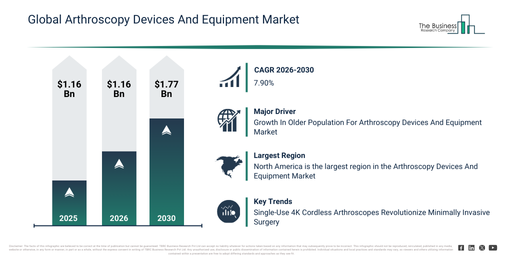
    The market for arthroscopy devices and equipment has shown impressive growth in recent years. It is projected to rise from $6.23 billion in 2025 to $6.71 billion in 2026, representing a compound annual growth rate (CAGR) of 7.7%. This upward trend has been driven by factors such as a rise in sports-related injuries, the expansion of orthopedic surgeries, growing preference for minimally invasive techniques, enhanced designs of arthroscopy instruments, and greater availability of specialized trauma centers. Looking ahead, the market is expected to continue its strong momentum, reaching $9.1 billion by 2030 with a CAGR of 7.9%. The forecasted growth reflects an aging population with joint disorders, increasing demand for outpatient arthroscopy procedures, the expansion of robotic-assisted orthopedic surgeries, investments in advanced surgical visualization technology, and a heightened focus on accelerating patient recovery. Key trends include wider adoption of minimally invasive procedures, increased use of high-definition visualization systems, growing demand for advanced implants, expansion of radiofrequency-based treatment methods, and a focus on precision surgical instruments.

    Download A Free Sample Report For Comprehensive Market Insights:

    https://www.thebusinessresearchcompany.com/sample.aspx?id=2405&type=smp

    The Impact of an Aging Population on Arthroscopy Market Expansion

    One of the primary factors boosting demand in the arthroscopy devices and equipment market is the growing elderly population. Older adults are more susceptible to orthopedic conditions such as arthritis, rheumatoid arthritis, and osteoarthritis, many of which require arthroscopic intervention for diagnosis and treatment. For example, in October 2025, the World Health Organization reported that the global population aged 80 and above is expected to triple by 2050, reaching around 426 million. This demographic shift is anticipated to significantly increase the need for arthroscopic procedures, thereby fueling market growth throughout the forecast period.

    Breakdown of Market Segments Highlighting Key Areas in Arthroscopy Devices and Equipment

    This market is categorized into several vital segments:

    1) Product Types: Arthroscopes, Arthroscopy Shavers, Arthroscopy Fluid Management Systems, Arthroscopy Radiofrequency Systems, Arthroscopy Visualization Systems, and Arthroscopy Implants.

    2) Applications: Knee Arthroscopy, Hip Arthroscopy, Spine Arthroscopy, Foot and Ankle Arthroscopy, Shoulder and Elbow Arthroscopy, and other applications.

    3) End Users: Hospitals, Ambulatory Care Centers, and Trauma Centers.

    Further subcategories include rigid and flexible arthroscopes; electric and pneumatic arthroscopy shavers; gravity-based and pump-based fluid management systems; monopolar and bipolar radiofrequency systems; video and high-definition visualization systems; and implants for knee, shoulder, and hip arthroscopies.

    https://www.thebusinessresearchcompany.com/report/arthroscopy-devices-and-equipment-global-market-report

    Arthroscopy Devices And Equipment Market Geographic Distribution And Regional Opportunities

    Innovations Driving Change in the Arthroscopy Devices and Equipment Market

    Leading companies in this field are focusing on innovative solutions, such as single-use arthroscopes, which ensure consistent, high-quality imaging and sterility for each procedure. These disposable devices eliminate the need for reprocessing, reducing the risk of contamination while streamlining operating room workflow. For instance, in November 2023, US-based Pristine Surgical introduced Summit, a fully integrated 4K single-use surgical arthroscope. This device offers crystal-clear imaging in a sterile, cost-effective package, ready to use straight out of the box. It also integrates Pristine Connect software, which supports cloud storage for surgical visuals and automates inventory management, enhancing operational efficiency.

    Key Players Leading the Arthroscopy Devices and Equipment Market

    The arthroscopy devices and equipment sector is dominated by several prominent companies, including Arthrex Inc., Smith & Nephew plc, ConMed Corporation, Stryker Corporation, Karl Storz SE & Co. KG, ArthroCare, Richard Wolf GmbH, DePuy Synthes Companies, Aesculap AG & Company, CorTek Endoscopy, Vimex Sp. z o.o., Wright Medical Group N.V., Zimmer Biomet Holdings Inc., GPC Medical Ltd., RTI Surgical Holdings, Outcare Medical Devices Pvt. Ltd., Medacta Group SA, Globus Medical Inc., Joimax GmbH, and Pilling Surgical. These firms are instrumental in advancing technology and expanding the reach of arthroscopic solutions worldwide.

    Regional Overview and Growth Potential in the Arthroscopy Devices and Equipment Market

    In 2025, North America held the largest share of the global arthroscopy devices and equipment market, supported by advanced healthcare infrastructure and high adoption rates of innovative procedures. Western Europe ranked as the second-largest regional market during this period. Other key regions covered in the market analysis include Asia-Pacific, Southeast Asia, Eastern Europe, South America, the Middle East, and Africa, each presenting unique growth opportunities based on demographic trends, healthcare development, and investment in orthopedic care.

    Get in touch with us:

    The Business Research Company: https://www.thebusinessresearchcompany.com/

    Americas: +1 310-496-7795

    Asia: +44 7882 955267 & +91 8897263534

    Europe: +44 7882 955267

    Email us at: marketing@tbrc.info

    Follow us on:

    LinkedIn: https://in.linkedin.com/company/the-business-research-company

    YouTube: https://www.youtube.com/channel/UC24_fI0rV8cR5DxlCpgmyFQ

    Global Market Model: https://www.thebusinessresearchcompany.com/global-market-model
  • Arthroscopic Visualization Instruments Market Set To Grow From $2.7 Billion In 2026 To $3.41 Billion By 2030 At A CAGR Of 6%

    Arthroscopic Visualization Instruments Market Set To Grow From $2.7 Billion In 2026 To $3.41 Billion By 2030 At A CAGR Of 6%

    Enhanced with market attractiveness analysis, total addressable market evaluation, company benchmarking matrices, interactive Excel dashboards, expanded supply chain intelligence, emerging startup coverage, and detailed product insights, The Business Research Company’s 2026 market reports deliver more actionable and strategically valuable research.

    The arthroscopic visualization instruments market is experiencing notable growth, driven by advancements in medical technology and increasing demand for minimally invasive orthopedic procedures. As surgeons seek better imaging and precision tools, this sector is set to expand steadily in the coming years. Below, we explore the current market size, key drivers, major segments, industry developments, and regional insights that are shaping the future of this specialized market.

    Arthroscopic Visualization Instruments Market Size and Growth Forecast

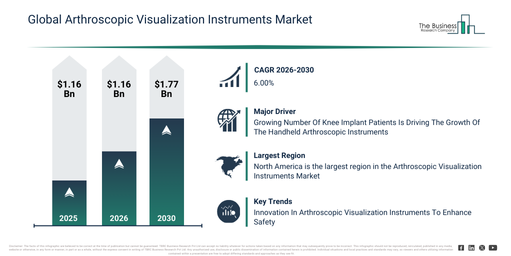
    The arthroscopic visualization instruments market has shown strong expansion recently and is projected to grow from $2.55 billion in 2025 to $2.71 billion in 2026, with a compound annual growth rate (CAGR) of 6.3%. This upward trend during the historical period is largely due to limited availability of advanced visualization systems, continued use of conventional arthroscopy tools, a rise in orthopedic surgeries, improved hospital infrastructure, and a growing need for high-quality imaging in joint operations. Looking ahead, the market is expected to reach $3.42 billion by 2030, sustaining a CAGR of 6.0%. The forecasted growth is supported by innovations such as 4K and HD arthroscopes, increasing preference for bioabsorbable implants, progress in fluid management technologies, and greater adoption of minimally invasive surgical techniques. Additional trends poised to impact the market include the integration of advanced software and visualization analytics, as well as expanded use of motorized and radiofrequency instruments.

    Download A Free Sample Report For Comprehensive Market Insights:

    https://www.thebusinessresearchcompany.com/sample.aspx?id=19298&type=smp

    Key Factors Fueling Arthroscopic Visualization Instruments Market Expansion

    A primary driver behind the market’s growth is the rising number of patients undergoing knee replacement surgeries. These patients receive prosthetic knee joints, and their increasing numbers are influenced by factors such as growing obesity rates, advancements in surgical procedures, higher lifestyle expectations, extended life spans, strong patient satisfaction, and improvements in implant technology. This expanding patient base has heightened demand for arthroscopic visualization instruments that support minimally invasive surgeries, which improve accuracy and speed recovery. For example, data published by Springer Nature Group in February 2025 highlighted that cases of knee osteoarthritis were approximately 12.94 million among males and 18.80 million among females in 2022, with projections estimating these figures to rise to 18.45 million and 25.60 million respectively by 2046. This increase underscores the expanding need for arthroscopic tools in orthopedic care.

    Arthroscopic Visualization Instruments Market Segmentation and Opportunities

    The market is categorized into several key segments based on product, application, and end-user. Product types include arthroscopic implants, arthroscopes, visualization systems, motorized shavers, fluid management systems, and radiofrequency devices. Application areas cover knee arthroscopy, hip arthroscopy, shoulder arthroscopy, and other surgical uses. End-users primarily consist of hospitals, ambulatory surgery centers, and other healthcare providers. Within these categories, further subdivisions exist such as bioabsorbable and non-bioabsorbable implants, various types of arthroscopes including rigid, flexible, and single-use models, LED and high-definition visualization components, different motorized shavers, and advanced fluid management systems including insufflation and irrigation technologies, as well as radiofrequency units designed for cutting and coagulation.

    https://www.thebusinessresearchcompany.com/report/arthroscopic-visualization-instruments-global-market-report

    Arthroscopic Visualization Instruments Market Largest Region By Revenue And Market Share

    Innovations and Trends Driving Market Developments in Arthroscopic Visualization Instruments

    Leading industry players are focusing on introducing cutting-edge solutions to improve surgical outcomes and patient safety. A key innovation gaining traction is the development of single-use arthroscopes, which help reduce infection risks and eliminate the need for sterilization between procedures. These disposable devices offer a cost-effective alternative to reusable instruments while maintaining high imaging quality. For instance, in November 2023, Pristine Surgical unveiled the Summit 4K single-use surgical arthroscope in the U.S., marking a significant advancement. This device features sterile, single-use design with 4K high-definition imaging that enhances visualization during surgeries and minimizes contamination risks.

    Top Companies Shaping the Arthroscopic Visualization Instruments Market

    Several prominent organizations play a vital role in the arthroscopic visualization instruments market, including Johnson & Johnson Services Inc., Medtronic plc, Medline Industries Inc., Stryker Corporation, Boston Scientific Corporation, Zimmer Biomet Holdings Inc., Olympus Corporation, Smith & Nephew plc, Smiths Medical, B. Braun Medical Inc., Arthrex Inc., Teleflex Incorporated, KARL STORZ SE & Co. KG, CONMED Corporation, KLS Martin Group, Richard Wolf GmbH, Anika Therapeutics Inc., GPC Medical Ltd., Tekno-Medical Optik-Chirurgie GmbH, Millennium Surgical Corp., DePuy Synthes, and WISAP Medical Technology GmbH. These companies continuously invest in R&D and strategic partnerships to maintain competitive edges and meet evolving clinical needs.

    Regional Market Leadership and Growth Prospects

    North America dominated the arthroscopic visualization instruments market in 2025, holding the largest regional share. The comprehensive market analysis also covers regions including Asia-Pacific, South East Asia, Western Europe, Eastern Europe, South America, the Middle East, and Africa. While North America leads in revenue, significant growth opportunities are anticipated in emerging regions driven by increasing healthcare infrastructure investments and rising awareness of minimally invasive procedures.

    Get in touch with us:

    The Business Research Company: https://www.thebusinessresearchcompany.com/

    Americas: +1 310-496-7795

    Asia: +44 7882 955267 & +91 8897263534

    Europe: +44 7882 955267

    Email us at: marketing@tbrc.info

    Follow us on:

    LinkedIn: https://in.linkedin.com/company/the-business-research-company

    YouTube: https://www.youtube.com/channel/UC24_fI0rV8cR5DxlCpgmyFQ

    Global Market Model: https://www.thebusinessresearchcompany.com/global-market-model
  • Arthroscopic Shavers Market Opportunities Are Emerging Beyond Traditional Growth Areas

    Arthroscopic Shavers Market Opportunities Are Emerging Beyond Traditional Growth Areas

    Through market attractiveness analysis, total addressable market evaluation, company benchmarking matrices, interactive Excel dashboards, expanded supply chain intelligence, emerging startup coverage, and detailed product insights, The Business Research Company’s 2026 market reports provide more actionable and strategically valuable research.

    The arthroscopic shavers market is experiencing significant growth, driven by advancements in medical technology and rising demand for minimally invasive orthopedic procedures. As the prevalence of sports injuries increases and surgical techniques evolve, this market is set to expand steadily in the coming years. Let’s explore the market size, key growth drivers, segment details, emerging trends, major players, and regional insights shaping this industry.

    Market Size and Projected Growth in the Arthroscopic Shavers Market

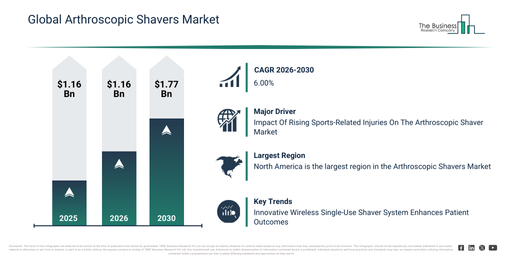
    The arthroscopic shavers market has seen robust expansion recently, with the market size expected to grow from $2.07 billion in 2025 to $2.21 billion in 2026, reflecting a compound annual growth rate (CAGR) of 6.6%. Looking ahead, analysts forecast it will reach $2.79 billion by 2030, maintaining a CAGR of 6.0% over the forecast period. This growth is attributed to increasing orthopedic sports injury cases, wider adoption of arthroscopic surgery techniques, improved availability of powered shaver systems, expanded hospital surgery capacities, and a growing preference for joint preservation procedures.

    Download A Free Sample Report For Comprehensive Market Insights:

    https://www.thebusinessresearchcompany.com/sample.aspx?id=17064&type=smp

    Key Drivers Supporting Arthroscopic Shavers Market Expansion

    The rising incidence of sports-related injuries is a major factor propelling the arthroscopic shavers market forward. These injuries often occur during athletic activities, affecting muscles, bones, and joints. Greater participation in sports, intensified training regimens, and enhanced sports equipment have collectively contributed to an uptick in injury rates globally. Arthroscopic shaver systems play a vital role in treating these injuries by enabling minimally invasive procedures that efficiently remove damaged tissue and facilitate joint repair, thereby promoting quicker recovery times.

    Supporting this trend, in July 2024, the National Safety Council reported that 3.7 million Americans sought emergency treatment for injuries related to sports and recreational equipment in 2023. Activities such as exercise, cycling, and basketball were most commonly linked to these injuries. Notably, injuries involving exercise equipment increased by 8% in 2023, rising from 445,642 cases in 2022 to 482,886. This growing number of injuries will continue to drive demand for arthroscopic shavers.

    https://www.thebusinessresearchcompany.com/report/arthroscopic-shavers-global-market-report

    Arthroscopic Shavers Market Regional Analysis And Leading Geography

    Detailed Segment Overview for the Arthroscopic Shavers Market

    This market is segmented based on product type, application, and end users. Key product categories include Arthroscopic Shaver Systems and Arthroscopic Shaver Accessories. The former breaks down further into handheld, powered, and electric systems, while accessories include shaver blades, burrs, sheaths, drills, and motors.

    Applications cover a wide range of orthopedic procedures such as knee, hip, shoulder and elbow, spine, foot and ankle arthroscopy, along with other specialized uses. End users primarily consist of hospitals, ambulatory surgical centers, and orthopedic clinics, reflecting the broad adoption of these devices across healthcare facilities.

    Emerging Industry Trends Reshaping Demand in the Arthroscopic Shavers Market

    Technological innovation is a significant trend among leading companies in this sector. Many are focusing on wireless, single-use arthroscopic shaver systems designed to improve surgical efficiency and patient outcomes. These devices are battery-powered and disposable, offering surgeons freedom from power cords and reducing infection risks.

    For example, in January 2024, Integrated Endoscopy, a US-based firm specializing in advanced endoscopic imaging systems, collaborated with UK-based Frii Medical to launch a proprietary wireless single-use shaver system worldwide. This product features a reusable motor/battery module and a recharging station. It eliminates the need for sterilization, lowers costs, and provides consistent device quality, marking a notable advancement in arthroscopic technology.

    Key Players Leading the Arthroscopic Shavers Market

    The arthroscopic shavers market includes numerous prominent companies such as Stryker Corporation, B. Braun Melsungen AG, Zimmer Biomet Holdings Inc., Olympus Corporation, Smith & Nephew plc, Arthrex Inc., DePuy Synthes Companies, KARL STORZ SE & Co. KG, CONMED Corporation, Richard Wolf GmbH, De Soutter Medical Limited, Sklar Surgical Instruments, Ceterix Orthopaedics Inc, Novetech Surgery, GENUINE MEDICA PVT. LTD., EndoMed Systems, Arthrocare Corporation, Linvatec, Medivis Surgical, Biomet Sports Medicine, and Smith & Nephew Endoscopy. These companies are driving innovation and expanding market reach through new product introductions and strategic partnerships.

    Regional Outlook and Market Leadership in Arthroscopic Shavers

    In 2025, North America accounted for the largest share of the arthroscopic shavers market. However, the Asia-Pacific region is projected to experience the fastest growth throughout the forecast period. The market analysis considers key regions including Asia-Pacific, South East Asia, Western Europe, Eastern Europe, North America, South America, the Middle East, and Africa, providing a comprehensive view of global market dynamics.

    Get in touch with us:

    The Business Research Company: https://www.thebusinessresearchcompany.com/

    Americas: +1 310-496-7795

    Asia: +44 7882 955267 & +91 8897263534

    Europe: +44 7882 955267

    Email us at: marketing@tbrc.info

    Follow us on:

    LinkedIn: https://in.linkedin.com/company/the-business-research-company

    YouTube: https://www.youtube.com/channel/UC24_fI0rV8cR5DxlCpgmyFQ

    Global Market Model: https://www.thebusinessresearchcompany.com/global-market-model