Month: June 2026

  • Biologics Sterile Fill-Finish Services Market Expected to Reach $8.35 Billion by 2030 at 10.7% CAGR

    Biologics Sterile Fill-Finish Services Market Expected to Reach $8.35 Billion by 2030 at 10.7% CAGR

    The Business Research Company’s 2026 market reports feature advanced enhancements such as market attractiveness analysis, total addressable market evaluation, company benchmarking matrices, interactive Excel dashboards, expanded supply chain intelligence, emerging startup coverage, and detailed product insights, delivering more actionable and strategically valuable research.

    By 2030, How Much Growth In Market Size Is Expected For The Biologics Sterile Fill-Finish Services Market?

    The biologics sterile fill-finish services market size has seen rapid expansion in recent years. It is anticipated to expand from $5.04 billion in 2025 to $5.57 billion in 2026, achieving a compound annual growth rate (CAGR) of 10.4%. This historical growth can be attributed to the broadening of biologics clinical trial pipelines, increasing commercialization of injectable biologics, the rise of vaccine production programs, growing outsourcing of fill-finish services, and strengthening regulatory requirements for sterility.

    The biologics sterile fill-finish services market size is projected to undergo rapid expansion in the coming years. It is expected to reach $8.35 billion in 2030, with a compound annual growth rate (CAGR) of 10.7%. The growth anticipated over the forecast period is primarily driven by the increasing demand for commercial-scale biologics filling, the rising adoption of advanced aseptic technologies, the expansion of high-potency biologic products, a growing emphasis on flexible and modular fill-finish facilities, and increasing serialization and traceability requirements. Major trends influencing this period include the increasing adoption of automated aseptic filling lines, a rising demand for high-capacity lyophilization services, the expansion of prefilled syringe filling capabilities, a heightened focus on contamination control, and the enhanced use of isolator and rabs technologies.

    Download A Free Sample Report For Comprehensive Market Insights:

    https://www.thebusinessresearchcompany.com/sample.aspx?id=33041&type=smp

    Which Strategic Drivers Are Supporting The Biologics Sterile Fill-Finish Services Market Development?

    The anticipated expansion of the biologics sterile fill-finish services market is linked to the increasing rate of biosimilar approvals. Biosimilar approvals represent formal regulatory authorizations that allow a biosimilar drug to be marketed and dispensed as comparable to an existing reference biologic. The rise in biosimilar approvals stems from a heightened need for economical alternatives to costly biologics, thereby enhancing patient accessibility and lowering healthcare expenditures. These biologics sterile fill-finish services facilitate biosimilar approvals by guaranteeing the safe production, sterility, and uniformity of the ultimate drug product, thus complying with stringent regulatory quality benchmarks essential for both approval and clinical application. For example, data from the MBIP, an Australia-based government department, indicates that by September 2025, the count of Australian biosimilars had reached 65 in 2024, including an unprecedented 22 new approvals within that single year. Additionally, Cardinal Health Inc., a US-based healthcare company, reported in 2024 that 46 biosimilars had secured FDA approval as of 2023. Consequently, the increasing number of biosimilar approvals serves as a key driver for the expansion of the biologics sterile fill-finish services market.

    What Segment Types Are Included In The Biologics Sterile Fill-Finish Services Market Analysis?

    The biologics sterile fill-finish services market covered in this report is segmented –

    1) By Service Type: Liquid Filling; Lyophilization; Aseptic Filling; Labeling And Packaging

    2) By Container Type: Glass Containers; Plastic Containers; Pre Filled Syringes; Bulk Bags

    3) By Technology: Automated Filling Systems; Manual Filling Systems; Isolator Technology; Restricted Access Barrier Systems; Advanced Aseptic Processing Technologies

    4) By End User: Pharmaceutical Companies; Biotechnology Firms; Contract Development And Manufacturing Organizations; Academic And Research Institutions; Government Agencies

    Subsegments:

    1) By Liquid Filling: Vial Liquid Filling; Syringe Liquid Filling; Cartridge Liquid Filling; Bottle Liquid Filling; Ampoule Liquid Filling

    2) By Lyophilization: Single Chamber Lyophilization; Dual Chamber Lyophilization; Controlled Rate Lyophilization; High Capacity Lyophilization; Continuous Lyophilization

    3) By Aseptic Filling: Vial Aseptic Filling; Syringe Aseptic Filling; Cartridge Aseptic Filling; Ampoule Aseptic Filling; Bag Aseptic Filling

    4) By Labeling And Packaging: Primary Packaging; Secondary Packaging; Tertiary Packaging; Serialized Packaging; Tamper Evident Packaging

    Which Trends Are Contributing To Changes In The Biologics Sterile Fill-Finish Services Market?

    Leading companies within the biologics sterile fill-finish services market are concentrating on creating advanced solutions, like single-use filling systems, to boost production efficiency, mitigate contamination risks, and support adaptive manufacturing of biologics. A single-use filling system describes a pre-sterilized, disposable configuration utilized in biologics manufacturing that enables direct drug product filling without the need for repetitive cleaning, thereby reducing cross-contamination and operational downtime. For example, in October 2025, Shenzhen China Resources Gosun Pharmaceutical Co. Ltd., a pharmaceutical company based in China, introduced a biologics aseptic fill-finish line to expand its capabilities for sterile biologic drug production. This line directly facilitates sterile fill-finish services for biologics, drawing on over 30 years of expertise with automated SKAN isolators, single-use systems, and 100% in-line checks to guarantee zero contamination, minimal waste, and adherence to GMP standards. Its benefits encompass reduced human intervention, precise filling without shear stress, quicker scalability, and high yields for sensitive products such as monoclonal antibodies. The fundamental aim is to connect upstream biologics production with safe, sterile, patient-ready injectables amidst increasing demand for CDMO services.

    Which Companies Are Engaged In The Biologics Sterile Fill-Finish Services Market Environment?

    Major companies operating in the biologics sterile fill-finish services market are Thermo Fisher Scientific Inc., Baxter International Inc., Lonza Group AG, Samsung Biologics, WuXi Biologics, Recipharm AB, Vetter Pharma-Fertigung GmbH & Co. KG, Emergent BioSolutions Inc., Aenova Holding GmbH, Ajinomoto Bio-Pharma Services, Novasep Group, Grand River Aseptic Manufacturing, Akron Biotech Inc., Seikagaku Corporation, Jubilant HollisterStier LLC, Boehringer Ingelheim BioXcellence, Symbiosis Pharmaceutical Services Ltd., HALIX B.V., Afton Scientific Inc., Jiangsu YaoHAI Bio-Pharmaceutical Co. Ltd., Cognate BioServices, TAIYO Pharma Tech Co. Ltd.

    Access The Complete Biologics Sterile Fill-Finish Services Market Report:

    https://www.thebusinessresearchcompany.com/report/biologics-sterile-fill-finish-services-market-report

    Which Geographic Region Represents The Largest Biologics Sterile Fill-Finish Services Market Share?

    North America was the largest region in the biologics sterile fill-finish services market in 2025. Asia-Pacific is expected to be the fastest-growing region in the forecast period. The regions covered in the biologics sterile fill-finish services market report are Asia-Pacific, South East Asia, Western Europe, Eastern Europe, North America, South America, Middle East, Africa.

    Access a Customized Biologics Sterile Fill-Finish Services Market Report for Deeper Competitive Insights

    Get in touch with us:

    The Business Research Company: https://www.thebusinessresearchcompany.com/

    Americas: +1 310-496-7795

    Asia: +44 7882 955267 & +91 8897263534

    Europe: +44 7882 955267

    Email us at: marketing@tbrc.info

    Follow us on:

    LinkedIn: https://in.linkedin.com/company/the-business-research-company

    YouTube: https://www.youtube.com/channel/UC24_fI0rV8cR5DxlCpgmyFQ

    Global Market Model: https://www.thebusinessresearchcompany.com/global-market-model

  • Biologics API Market Revenue Forecast to Hit $101.84 Billion by 2030 at 8.8% CAGR

    Biologics API Market Revenue Forecast to Hit $101.84 Billion by 2030 at 8.8% CAGR

    The Business Research Company’s 2026 market reports feature advanced enhancements such as market attractiveness analysis, total addressable market evaluation, company benchmarking matrices, interactive Excel dashboards, expanded supply chain intelligence, emerging startup coverage, and detailed product insights, delivering more actionable and strategically valuable research.

    What Market Value Trend Is Expected For The Biologics Active Pharmaceutical Ingredient (API) Market From 2026 To 2030?

    In recent years, the market for biologics active pharmaceutical ingredient (api) has demonstrated considerable growth. This market is projected to expand from $66.82 billion in 2025 to $72.57 billion in 2026, registering a compound annual growth rate (CAGR) of 8.6%. Historically, this expansion has been driven by the rising incidence of chronic and autoimmune conditions, the broadening of monoclonal antibody development pipelines, the surge in recombinant protein therapeutics, greater investments in biologics manufacturing infrastructure, and increased outsourcing to biologics cmos.

    The biologics active pharmaceutical ingredient (API) market size is projected to experience strong growth in the next few years. It is anticipated to expand to $101.84 billion by 2030, demonstrating a compound annual growth rate (CAGR) of 8.8%. The growth during this forecast period can be attributed to the increasing development of cell and gene therapies, the rising demand for personalized biologic medicines, the expansion of commercial-scale biologics production, a growing focus on process scalability and consistency, and an increasing regulatory emphasis on API quality and traceability. Major trends expected in the forecast period include the increasing adoption of single-use bioprocessing systems, a rising demand for high-purity biologics APIs, the expansion of large-scale commercial biomanufacturing, a growing focus on cold chain integrity, and enhanced integration of advanced purification technologies.

    Download A Free Sample Report For Comprehensive Market Insights:

    https://www.thebusinessresearchcompany.com/sample.aspx?id=33040&type=smp

    What Major Growth Factors Are Impacting The Biologics Active Pharmaceutical Ingredient (API) Market?

    The increasing need for personalized medicine is projected to propel the expansion of the biologics active pharmaceutical ingredients market moving forward. Personalized medicine refers to a healthcare approach that customizes disease prevention, diagnosis, and treatment strategies according to an individual’s genetic profile, biomarkers, lifestyle, and environmental elements. The rising demand for personalized medicine is driven by its improved treatment effectiveness, as therapies tailored to a person’s genetic and molecular makeup enhance clinical outcomes while simultaneously reducing unfavorable drug reactions. This growing requirement for personalized medicine supports the growth in biologics active pharmaceutical ingredient (API) production by escalating the necessity for precise, patient-specific biologic compounds. This, in turn, boosts the demand for complex, high-quality biologic APIs utilized in precision treatment strategies. For instance, in February 2024, information from the Personalized Medicine Coalition, a US-based nonprofit industry alliance, indicated that the Food and Drug Administration approved 16 new personalized treatments for rare diseases in 2023, which was a substantial increase from 6 approvals in 2022. Therefore, the escalating demand for personalized medicine is a significant catalyst for the growth of the biologics active pharmaceutical ingredients market.

    Which Segment Divisions Form The Structure Of The Biologics Active Pharmaceutical Ingredient (API) Market?

    The biologics active pharmaceutical ingredient (api) market covered in this report is segmented –

    1) By Type Of Modality: Monoclonal Antibodies; Recombinant Proteins; Vaccines; Enzymes; Other Biologics

    2) By Scale Of Operation: Preclinical Or Clinical Scale; Commercial Scale

    3) By Service: Upstream Processing; Downstream Purification; Formulation And Fill-Finish Services; Analytical Testing And Quality Control

    4) By End-Users: Pharmaceutical Companies; Biotechnology Companies; Academic And Research Institutions; Contract Research Organizations

    Subsegments:

    1) By Monoclonal Antibodies: Therapeutic Monoclonal Antibodies; Diagnostic Monoclonal Antibodies; Human Monoclonal Antibodies

    2) By Recombinant Proteins: Hormonal Proteins; Growth Factor Proteins; Cytokine Proteins

    3) By Vaccines: Live Attenuated Vaccines; Inactivated Vaccines; Subunit Vaccines

    4) By Enzymes: Replacement Enzymes; Digestive Enzymes; Metabolic Enzymes

    5) By Other Biologics: Cell And Gene Therapy Products; Fusion Proteins; Plasma Derived Products

    What Trends Are Shaping The Biologics Active Pharmaceutical Ingredient (API) Market Structure?

    Major companies active in the biologics active pharmaceutical ingredients (APIs) market are concentrating on innovating advanced solutions, such as biosimilar development platforms, to improve drug effectiveness and broaden treatment accessibility. Biosimilar development platforms denote structured frameworks and methods that facilitate the creation of biologic medications closely resembling approved reference products, thereby guaranteeing comparable safety, potency, and quality while simultaneously addressing concerns of affordability and supply. For instance, in March 2023, Enzene Biosciences, an India-based biopharmaceutical company, launched its biosimilar rendition of adalimumab, a commonly prescribed therapeutic monoclonal antibody. This offering aims to deliver clinical performance on par with the original product while also providing a cost-effective choice for patients and healthcare systems. The platform incorporates advanced bioprocessing and analytical methods to uphold consistent batch quality, achieve high purity, and satisfy regulatory benchmarks, which enables large-scale production and a steady supply. It is specifically designed to cater to the escalating demand for readily available biologic therapies across various chronic and autoimmune diseases, thereby expanding patient reach and offering sustainable treatment alternatives.

    Who Are The Prominent Players Across The Biologics Active Pharmaceutical Ingredient (API) Market?

    Major companies operating in the biologics active pharmaceutical ingredient (api) market are F Hoffmann-La Roche Ltd, Pfizer Inc, AbbVie Inc, Sanofi SA, Novartis AG, AstraZeneca PLC, Bristol-Myers Squibb Company, Thermo Fisher Scientific Inc, GSK plc, Eli Lilly and Company, Amgen Inc, Danaher Corporation, Boehringer Ingelheim International GmbH, AGC Inc, Biogen Inc, Lonza Group AG, Novo Holdings AS, FUJIFILM Biotechnologies Inc, Curia Global Inc, Almac Group Ltd, Syngene International Limited, and Hepalink USA Inc.

    Access The Complete Biologics Active Pharmaceutical Ingredient (API) Market Report:

    https://www.thebusinessresearchcompany.com/report/biologics-active-pharmaceutical-ingredient-api-market-report

    Which Region Leads The Biologics Active Pharmaceutical Ingredient (API) Market By Size?

    North America was the largest region in the biologics active pharmaceutical ingredients (API) market in 2025. Asia-Pacific is expected to be the fastest-growing region in the forecast period. The regions covered in the biologics active pharmaceutical ingredient (api) market report are Asia-Pacific, South East Asia, Western Europe, Eastern Europe, North America, South America, Middle East, Africa.

    Access a Customized Biologics Active Pharmaceutical Ingredient (API) Market Report for Deeper Competitive Insights

    Get in touch with us:

    The Business Research Company: https://www.thebusinessresearchcompany.com/

    Americas: +1 310-496-7795

    Asia: +44 7882 955267 & +91 8897263534

    Europe: +44 7882 955267

    Email us at: marketing@tbrc.info

    Follow us on:

    LinkedIn: https://in.linkedin.com/company/the-business-research-company

    YouTube: https://www.youtube.com/channel/UC24_fI0rV8cR5DxlCpgmyFQ

    Global Market Model: https://www.thebusinessresearchcompany.com/global-market-model

  • Global Bioconjugation Market Projected to Reach $11.11 Billion by 2030 with 12.7% CAGR

    Global Bioconjugation Market Projected to Reach $11.11 Billion by 2030 with 12.7% CAGR

    The Business Research Company’s 2026 market reports feature advanced enhancements such as market attractiveness analysis, total addressable market evaluation, company benchmarking matrices, interactive Excel dashboards, expanded supply chain intelligence, emerging startup coverage, and detailed product insights, delivering more actionable and strategically valuable research.

    How Does The Forecasted Market Size Of The Bioconjugation Market Compare Between 2026 And 2030?

    The bioconjugation market size has experienced significant growth in recent years. The market is set to expand from $6.12 billion in 2025 to $6.89 billion in 2026, achieving a compound annual growth rate (CAGR) of 12.5%. This historical growth can be ascribed to several factors, including increasing biologics research activity, the expansion of antibody-based therapeutics, the development of diagnostic assays, the rising adoption of protein labeling techniques, and the availability of standardized conjugation kits.

    The bioconjugation market is poised for rapid expansion in the coming years, with its size projected to reach $11.12 billion in 2030, demonstrating a compound annual growth rate (CAGR) of 12.7%. This anticipated growth can be attributed to the increasing development of targeted drug conjugates, a rise in investments in precision medicine research, the expansion of companion diagnostics, the growing application of conjugated biomolecules in imaging, and an increasing demand for scalable conjugation workflows. Throughout the forecast period, significant trends are expected to include the increasing adoption of site-specific conjugation techniques, a rising use of advanced linker chemistries, a growing demand for high-purity conjugation reagents, the expansion of automated conjugation platforms, and an enhanced focus on stability and reproducibility.

    Download A Free Sample Report For Comprehensive Market Insights:

    https://www.thebusinessresearchcompany.com/sample.aspx?id=33039&type=smp

    What Market Drivers Are Helping Shape The Bioconjugation Market Expansion?

    The bioconjugation market is expected to expand moving forward, driven by the escalating need for targeted therapeutics. These are medical treatments specifically crafted to identify and act upon disease-causing cells or molecules, thereby enhancing treatment effectiveness and minimizing harm to healthy tissues. The surge in targeted therapeutics is attributed to the rising desire for precision medicine, which enables more exact treatment strategies, leading to improved patient outcomes and fewer adverse reactions. Bioconjugation plays a crucial role in supporting targeted therapeutics by allowing for the precise linkage of drugs to specific targeting molecules, thus facilitating selective delivery to diseased cells and boosting therapeutic efficacy. For instance, in February 2024, information from the West China Hospital, Sichuan University, a China-based medical research center focused on advancing targeted therapies, indicated that over 47 novel targeted therapeutics were approved by the U.S. Food and Drug Administration in 2023. This figure represented about 85.5% of all new drug approvals, highlighting an increasing emphasis on precision-targeted treatment options in the United States. Therefore, the growing demand for targeted therapeutics is propelling the growth of the bioconjugation market.

    How Are Different Segment Groups Identified Within The Bioconjugation Market?

    The bioconjugation market covered in this report is segmented –

    1) By Product And Service: Consumables; Instruments; Service

    2) By Biomolecule Type: Antibodies; Proteins; Peptides; Oligonucleotides; Other Biomolecules

    3) By Technique: Chemical Conjugation; Enzyme-Mediated Conjugation; Click Chemistry; Photoreactive Crosslinking; Other Techniques

    4) By Application: Therapeutics; Research And Development; Diagnostics

    5) By End Use: Pharmaceutical And Biotechnology Companies; Contract Research Organizations (CRO) And Contract Manufacturing Organizations (CMOs); Academic And Research Institutes; Hospitals, Clinical And Diagnostic Laboratories

    Subsegments:

    1) By Consumables: Reagents; Buffers; Linkers; Kits; Resins; Chromatography Materials; Protein Purification Materials

    2) By Instruments: Chromatography Systems; Spectroscopy Systems; Electrophoresis Systems; Automated Conjugation Platforms; Imaging Systems; Bioreactors

    3) By Service: Custom Conjugation Services; Antibody Modification Services; Protein Labeling Services; Contract Research Services; Analytical Testing Services; Purification Services

    Which Trends Are Supporting The Evolution Of The Bioconjugation Market?

    Leading companies in the bioconjugation market are prioritizing the creation of advanced platforms, such as site-specific conjugation methods, to enhance drug delivery accuracy, improve coupling stability, and reduce off-target toxicity. Site-specific conjugation methods are bioconjugation techniques that enable the controlled attachment of therapeutic molecules, like drugs or RNAi, to biomolecules such as antibodies, peptides, or oligonucleotides, ensuring reliable activity and safety. For instance, in August 2023, BOCSCI Inc., a US-based provider of research chemicals and bioconjugation services, introduced the XDC bioconjugation platform, a next-generation solution aimed at optimizing bioconjugate synthesis. By employing advanced conjugation strategies, including unnatural amino acid incorporation, engineered cysteine conjugation, enzyme-assisted ligation, and glycoconjugation generation, the platform allows for the precise manufacturing of antibody-drug conjugates, siRNA conjugates, and other targeted drug delivery molecules, thereby empowering researchers to develop safer and more effective biopharmaceuticals.

    Which Companies Form The Competitive Landscape Of The Bioconjugation Market?

    Major companies operating in the bioconjugation market are Thermo Fisher Scientific Inc., Merck KGaA, Danaher Corporation, Lonza Group AG, Agilent Technologies Inc., Charles River Laboratories International Inc., Sartorius AG, Bio-Rad Laboratories Inc., Vector Laboratories Inc., Promega Corporation, LGC Biosearch Technologies Ltd., TriLink BioTechnologies LLC, Creative PEGWorks Inc., Lumiprobe Corporation, Biotium Inc., Jena Bioscience GmbH, Quanta BioDesign Ltd., Setareh Biotech Inc., Baseclick GmbH, Biosynth Carbosynth Ltd., Glen Research Inc., BroadPharm Inc., and Biorbyt Ltd.

    Access The Complete Bioconjugation Market Report:

    https://www.thebusinessresearchcompany.com/report/bioconjugation-market-report

    Which Region Has The Strongest Presence In The Bioconjugation Market?

    North America was the largest region in the bioconjugation market in 2025. Asia-Pacific is expected to be the fastest-growing region in the forecast period. The regions covered in the bioconjugation market report are Asia-Pacific, South East Asia, Western Europe, Eastern Europe, North America, South America, Middle East, Africa.

    Access a Customized Bioconjugation Market Report for Deeper Competitive Insights

    Get in touch with us:

    The Business Research Company: https://www.thebusinessresearchcompany.com/

    Americas: +1 310-496-7795

    Asia: +44 7882 955267 & +91 8897263534

    Europe: +44 7882 955267

    Email us at: marketing@tbrc.info

    Follow us on:

    LinkedIn: https://in.linkedin.com/company/the-business-research-company

    YouTube: https://www.youtube.com/channel/UC24_fI0rV8cR5DxlCpgmyFQ

    Global Market Model: https://www.thebusinessresearchcompany.com/global-market-model
  • At-Home Lab Testing Market Expected to Reach $17.37 Billion by 2030 at 9.3% CAGR

    At-Home Lab Testing Market Expected to Reach $17.37 Billion by 2030 at 9.3% CAGR

    The Business Research Company’s 2026 market reports feature advanced enhancements such as market attractiveness analysis, total addressable market evaluation, company benchmarking matrices, interactive Excel dashboards, expanded supply chain intelligence, emerging startup coverage, and detailed product insights, delivering more actionable and strategically valuable research.

    What Increase In Market Value Is Predicted For The At-Home Lab Testing Market During The 2026–2030 Period?

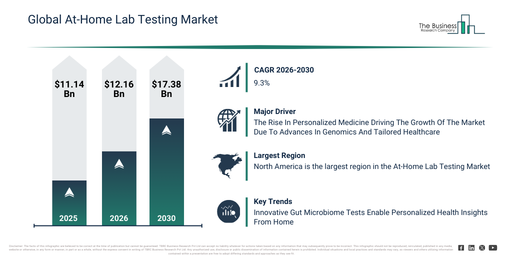
    The at-home lab testing market has experienced substantial growth in recent years. It is forecast to increase from $11.14 billion in 2025 to $12.16 billion in 2026, reflecting a compound annual growth rate (CAGR) of 9.1%. The expansion observed in prior periods can be attributed to a rising consumer preference for home-based healthcare, the broader reach of telehealth services, a greater understanding of preventive diagnostics, the increasing availability of mail-in testing kits, and enhancements in laboratory processing technologies.

    The at-home lab testing market is anticipated to experience robust growth in the coming years, with its size projected to reach $17.38 billion in 2030, exhibiting a compound annual growth rate (CAGR) of 9.3%. This expansion over the forecast period is attributable to an increasing demand for personalized health insights, the rising adoption of genetic and hormone testing, the broadening of digital diagnostics ecosystems, growing investments in home healthcare services, and a heightened focus on data-driven health management. Key trends identified for this period include the increasing adoption of self-collection diagnostic kits, a rising demand for remote health monitoring solutions, the growing integration of digital health platforms, an expansion of direct-to-consumer testing services, and an enhanced emphasis on preventive healthcare.

    Download A Free Sample Report For Comprehensive Market Insights:

    https://www.thebusinessresearchcompany.com/sample.aspx?id=33029&type=smp

    Which Significant Factors Are Encouraging Growth In The At-Home Lab Testing Market?

    The expansion of personalized medicine is expected to propel the future growth of the at-home lab testing market. This medical approach involves customizing the prevention, diagnosis, and treatment of diseases based on an individual’s genetic, environmental, and lifestyle factors. The increasing prevalence of personalized medicine is attributed to advancements in genomics, which enable the analysis of an individual’s genetic makeup to tailor medical treatments and interventions for more precise, effective, and targeted healthcare outcomes. Personalized medicine enhances at-home lab testing by adapting diagnostic approaches and recommendations to an individual’s genetic, lifestyle, and health profile, leading to more accurate, actionable, and convenient healthcare insights. For instance, in February 2024, the Personalized Medicine Coalition, a US-based non-profit organization, reported that in 2023, the FDA approved 16 new personalized treatments for rare disease patients, an increase from six in 2022. The newly approved personalized treatments for 2023 also included seven cancer drugs and three for other diseases and conditions. Consequently, the rise in personalized medicine is a key driver for the growth of the at-home lab testing market.

    What Segment Categories Are Evaluated In The At-Home Lab Testing Market Study?

    The at-home lab testing market covered in this report is segmented –

    1) By Test Type: Glucose Test Kits; Infectious Disease Test Kits; Pregnancy And Fertility Test Kits; Cholesterol And Lipid Test Kits; Genetic Test Kits; Hormone Test Kits; Allergy Test Kits; Drug And Alcohol Test Kits; Coagulation And INR Test Kits; Other Test Kits

    2) By Sample Type: Blood; Saliva; Urine; Swab Samples; Other Sample Types

    3) By Distribution Channel: Hospital Pharmacies; Retail Pharmacies; Online Pharmacies

    4) By End User: Individuals; Healthcare Providers; Employers And Organizations; Other End Users

    Subsegments:

    1) By Glucose Test Kits: Blood Glucose Monitoring Kits; Continuous Glucose Monitoring Kits; Post Meal Glucose Test Kits; Fasting Glucose Test Kits

    2) By Infectious Disease Test Kits: Viral Infection Test Kits; Bacterial Infection Test Kits; Respiratory Infection Test Kits; Sexually Transmitted Infection Test Kits

    3) By Pregnancy And Fertility Test Kits: Pregnancy Detection Test Kits; Ovulation Prediction Test Kits; Fertility Hormone Test Kits; Early Pregnancy Confirmation Test Kits

    4) By Cholesterol And Lipid Test Kits: Total Cholesterol Test Kits; High Density Lipoprotein Cholesterol Test Kits; Low Density Lipoprotein Cholesterol Test Kits; Triglyceride Test Kits

    5) By Genetic Test Kits: Ancestry Genetic Test Kits; Health Risk Genetic Test Kits; Carrier Screening Test Kits; Personalized Genetic Wellness Test Kits

    6) By Hormone Test Kits: Thyroid Hormone Test Kits; Reproductive Hormone Test Kits; Stress Hormone Test Kits; Metabolic Hormone Test Kits

    7) By Allergy Test Kits: Food Allergy Test Kits; Environmental Allergy Test Kits; Pet Allergy Test Kits; Respiratory Allergy Test Kits

    8) By Drug And Alcohol Test Kits: Alcohol Detection Test Kits; Prescription Drug Test Kits; Illicit Drug Test Kits; Multi Substance Test Kits

    9) By Coagulation And INR Test Kits: Prothrombin Time Test Kits; International Normalized Ratio Monitoring Kits; Blood Clotting Function Test Kits; Anticoagulant Therapy Monitoring Test Kits

    10) By Other Test Kits: Vitamin Deficiency Test Kits; Metabolic Health Test Kits; Kidney Function Test Kits; Liver Function Test Kits

    What Trends Are Affecting The Growth Of The At-Home Lab Testing Market?

    Major companies in the at-home lab testing market are concentrating on developing innovative solutions, such as direct-to-consumer gut microbiome test kits, to deliver personalized health insights without requiring clinic visits. A direct-to-consumer gut microbiome test kit is a product allowing individuals to collect a sample at home and receive an analysis of their gut bacteria and tailored health insights without needing a doctor’s visit. For instance, in January 2025, CJ Bioscience Inc., a South Korea-based biotech company, launched a gut microbiome testing service aimed at enabling personalized nutrition recommendations. This service, named SMILE GUT, enables users to collect a stool sample at home and obtain a detailed analysis of their gut bacterial composition. Utilizing AI and a database of over 140,000 profiles, the test generates a Gut Microbiome Index score and identifies areas for dietary or probiotic adjustments. The company also provides personalized guidance on food and supplements, supporting overall gut health and facilitating the development of tailored functional food products.

    Who Are The Key Market Participants In The At-Home Lab Testing Market?

    Major companies operating in the at-home lab testing market are Roche Diagnostics AG, Abbott Laboratories, Siemens Healthineers AG, Becton, Dickinson and Company, Laboratory Corporation of America Holdings, Quest Diagnostics Incorporated, QuidelOrtho Corporation, OraSure Technologies Inc., 23andMe Holding Co., Everlywell Inc., Tiny Health Inc., Acon Laboratories Inc., Vault Health Inc., iHealth Labs Inc., Healthy.io Ltd., Getlabs Inc., Thriva Ltd., BioIQ Inc., myLAB Box LLC, Medichecks.com Ltd.

    Access The Complete At-Home Lab Testing Market Report:

    https://www.thebusinessresearchcompany.com/report/at-home-lab-testing-market-report

    Which Region Stands As The Largest Contributor To The At-Home Lab Testing Market?

    North America was the largest region in the at-home lab testings market in 2025. Asia-Pacific is expected to be the fastest-growing region in the forecast period. The regions covered in the at-home lab testing market report are Asia-Pacific, South East Asia, Western Europe, Eastern Europe, North America, South America, Middle East, Africa.

    Access a Customized At-Home Lab Testing Market Report for Deeper Competitive Insights

    Get in touch with us:

    The Business Research Company: https://www.thebusinessresearchcompany.com/

    Americas: +1 310-496-7795

    Asia: +44 7882 955267 & +91 8897263534

    Europe: +44 7882 955267

    Email us at: marketing@tbrc.info

    Follow us on:

    LinkedIn: https://in.linkedin.com/company/the-business-research-company

    YouTube: https://www.youtube.com/channel/UC24_fI0rV8cR5DxlCpgmyFQ

    Global Market Model: https://www.thebusinessresearchcompany.com/global-market-model
  • AI in Disease Outbreak Prediction Market Outlook 2026–2035 Highlighting Expansion Trends

    AI in Disease Outbreak Prediction Market Outlook 2026–2035 Highlighting Expansion Trends

    The Business Research Company’s 2026 market reports feature advanced enhancements such as market attractiveness analysis, total addressable market evaluation, company benchmarking matrices, interactive Excel dashboards, expanded supply chain intelligence, emerging startup coverage, and detailed product insights, delivering more actionable and strategically valuable research.

    How Will The Market Size Of The Artificial Intelligence (AI) In Disease Outbreak Prediction Market Progress Through 2030?

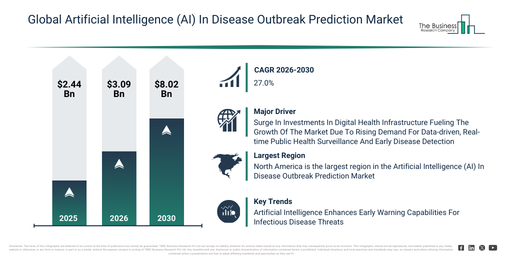
    The artificial intelligence (AI) in disease outbreak prediction market has seen significant expansion in recent years. This market is forecast to grow from $2.44 billion in 2025 to $3.09 billion in 2026, exhibiting a compound annual growth rate (CAGR) of 26.7%. The growth observed in previous periods is attributable to the increasing frequency of infectious disease outbreaks, the expansion of public health surveillance programs, the growth of health data digitization, early adoption of AI analytics in epidemiology, and increased collaboration between health agencies.

    The artificial intelligence (AI) in disease outbreak prediction market size is projected to experience substantial growth in the upcoming years. It will grow to $8.02 billion in 2030 at a compound annual growth rate (CAGR) of 27.0%. This expansion during the forecast period is driven by factors such as the development of predictive public health infrastructure, increased funding for AI-powered disease readiness, wider adoption of real-time health monitoring data, greater integration of climate and mobility analytical tools, and the broadening of global health intelligence networks. Key trends expected over the forecast period encompass a surge in real-time epidemiological modeling, enhanced incorporation of mobility and environmental data, a rise in the implementation of AI-powered surveillance dashboards, the extension of predictive risk assessment platforms, and a heightened emphasis on early warning systems.

    Download A Free Sample Report For Comprehensive Market Insights:

    https://www.thebusinessresearchcompany.com/sample.aspx?id=33023&type=smp

    What Core Drivers Are Transforming The Artificial Intelligence (AI) In Disease Outbreak Prediction Market?

    The increasing investments in digital health infrastructure are projected to drive the future growth of the artificial intelligence in disease outbreak prediction market. Digital health infrastructure refers to the integrated digital systems, platforms, data networks, and technologies that facilitate the secure collection, exchange, analysis, and application of health information to support healthcare delivery, public health surveillance, and decision-making. The escalation in investments in digital health infrastructure is motivated by the necessity for more efficient, interconnected, and data-centric healthcare systems that enhance care provision, accessibility, and operational effectiveness. Artificial intelligence in disease outbreak prediction utilizes digital health infrastructure by employing large-scale, real-time health data for the early identification of disease patterns and timely public health interventions, thereby establishing advanced digital systems as a crucial foundation for these AI applications. For instance, in May 2023, the Australian Department of Health and Aged Care, an Australia-based government department, revealed an approximately $6.1 billion investment aimed at strengthening Medicare, encompassing $2.2 billion for new and amended PBS listings, $259.5 million for critical health infrastructure, and a $951.2 million digital health package. Consequently, the rising investments in digital health infrastructure are stimulating the expansion of the artificial intelligence in disease outbreak prediction market.

    How Is The Artificial Intelligence (AI) In Disease Outbreak Prediction Market Examined Through Segment Analysis?

    The artificial intelligence (AI) in disease outbreak prediction market covered in this report is segmented –

    1) By Component: Software; Hardware; Services

    2) By Deployment Mode: On-Premises; Cloud

    3) By Application: Healthcare Providers; Government Agencies; Research Institutes; Pharmaceutical Companies; Other Applications

    4) By End-User: Hospitals And Clinics; Public Health Organizations; Academic And Research Centers; Other End Users

    Subsegments:

    1) By Software: Machine Learning Platforms; Predictive Analytics Software; Data Visualization Software; Epidemiological Modeling Software; Cloud-Based Analytics Software

    2) By Hardware: Health Monitoring Device; Geographic Information System Devices; Wearable Health Trackers; Diagnostic Devices; Sensor Devices

    3) By Services: Disease Surveillance Services; Outbreak Modeling Services; Predictive Analytics Services; Public Health Consulting; Data Integration Services; Epidemiological Risk Assessment

    Which Trends Are Influencing The Direction Of The Artificial Intelligence (AI) In Disease Outbreak Prediction Market?

    Leading firms within the artificial intelligence in disease outbreak prediction market are prioritizing the creation of sophisticated solutions, particularly artificial intelligence–driven global disease surveillance platforms, aiming to enhance early outbreak detection, expedite response times, and bolster public health readiness. These platforms leverage artificial intelligence, machine learning, and natural language processing techniques to process extensive global data, encompassing news reports, public health documentation, airline travel information, and environmental metrics. This capability allows them to pinpoint potential disease outbreaks more rapidly than conventional surveillance approaches. As an illustration, BlueDot, a digital health and artificial intelligence company based in Canada, introduced its advanced global infectious disease surveillance solution in August 2024, specifically engineered to substantially decrease the time spent on manual detection. This platform utilizes sophisticated AI models for continuous, near real-time scanning and interpretation of worldwide data, thereby cutting manual detection efforts by almost 90%. Such an improved capacity empowers health authorities and various organizations to identify emerging infectious threats with greater speed, evaluate risks with increased precision, and deploy prompt containment strategies.

    Which Organizations Are Operating Within The Artificial Intelligence (AI) In Disease Outbreak Prediction Market?

    Major companies operating in the artificial intelligence (AI) in disease outbreak prediction market are Amazon Web Services Inc., Oracle Corporation, SAP SE, Siemens Healthineers AG, SAS Institute Inc., Clarivate Plc, Tempus AI Inc., Seegene Inc., Ginkgo Bioworks Inc., Dataminr Inc., Komodo Health Inc., H2O.ai, Evidation Health Inc., Qventus Inc., Airfinity Ltd., SparkBeyond Inc., Blue Dot Inc., GIDEON Informatics Inc., Hyfe Inc., EPIWATCH Pty Ltd., EpiDetect AI Inc.

    Access The Complete Artificial Intelligence (AI) In Disease Outbreak Prediction Market Report:

    https://www.thebusinessresearchcompany.com/report/artificial-intelligence-ai-in-disease-outbreak-prediction-market-report

    What Is The Largest Regional Market In The Artificial Intelligence (AI) In Disease Outbreak Prediction Market?

    North America was the largest region in the artificial intelligence in disease outbreak prediction in 2025. Asia-Pacific is expected to be the fastest-growing region in the forecast period. The regions covered in the artificial intelligence (AI) in disease outbreak prediction market report are Asia-Pacific, South East Asia, Western Europe, Eastern Europe, North America, South America, Middle East, Africa.

    Access a Customized Artificial Intelligence (AI) In Disease Outbreak Prediction Market Report for Deeper Competitive Insights

    Get in touch with us:

    The Business Research Company: https://www.thebusinessresearchcompany.com/

    Americas: +1 310-496-7795

    Asia: +44 7882 955267 & +91 8897263534

    Europe: +44 7882 955267

    Email us at: marketing@tbrc.info

    Follow us on:

    LinkedIn: https://in.linkedin.com/company/the-business-research-company

    YouTube: https://www.youtube.com/channel/UC24_fI0rV8cR5DxlCpgmyFQ

    Global Market Model: https://www.thebusinessresearchcompany.com/global-market-model

  • Global CRISPR Screening Market Analysis 2026–2030 Offering Strategic Insights for Businesses

    Global CRISPR Screening Market Analysis 2026–2030 Offering Strategic Insights for Businesses

    The Business Research Company’s 2026 market reports feature advanced enhancements such as market attractiveness analysis, total addressable market evaluation, company benchmarking matrices, interactive Excel dashboards, expanded supply chain intelligence, emerging startup coverage, and detailed product insights, delivering more actionable and strategically valuable research.

    What Is The Expected Market Size Of The Arrayed Clustered Regularly Interspaced Short Palindromic Repeats (CRISPR) Screening Market In 2026 And How Much Will It Reach By 2030?

    The market size for arrayed clustered regularly interspaced short palindromic repeats (crispr) screening has seen rapid growth recently. It is forecast to increase from $1.52 billion in 2025 to $1.79 billion in 2026, achieving a compound annual growth rate (CAGR) of 17.5%. The expansion witnessed in prior periods can be attributed to the broader scope of functional genomics research, the availability of crispr editing reagents, the development of academic screening programs, the early adoption of arrayed screening methods, and the increased application of cell-based assays.

    The arrayed clustered regularly interspaced short palindromic repeats (crispr) screening market size is forecast to experience significant growth in the upcoming years, reaching $3.43 billion by 2030, with a compound annual growth rate (CAGR) of 17.7%. This expansion during the forecast period can be attributed to a heightened need for precision drug discovery, increasing investments in gene therapy research, broader applications for disease modeling, a rising adoption of bioinformatics-driven screening, and strengthened collaboration between academia and industry. Prominent trends expected in this timeframe include a growing demand for targeted gene validation screens, increased deployment of high-throughput arrayed crispr assays, greater integration of phenotypic data analytics, an expansion of custom crispr screening services, and an enhanced emphasis on the accuracy of functional genomics.

    Download A Free Sample Report For Comprehensive Market Insights:

    https://www.thebusinessresearchcompany.com/sample.aspx?id=33018&type=smp

    Which Growth Factors Are Strengthening The Arrayed Clustered Regularly Interspaced Short Palindromic Repeats (CRISPR) Screening Market Landscape?

    An elevated emphasis on personalized medicine is anticipated to stimulate the expansion of the arrayed clustered regularly interspaced short palindromic repeats (CRISPR) screening market in the coming years. This medical discipline tailors therapeutic and preventative methods according to a person’s unique genetic makeup, biological factors, and lifestyle attributes. Its uptake is growing, driven by advancements in genomics and molecular diagnostics, enabling therapies to be precisely matched to an individual’s genetic profile for improved results. Arrayed CRISPR screening supports personalized medicine through the systematic evaluation of how particular gene edits influence individual cell reactions. This facilitates the discovery of patient-specific drug targets, the forecasting of treatment effectiveness, and the creation of customized therapies informed by an individual’s genetic and cellular characteristics. As an illustration, in February 2024, the Personalized Medicine Coalition, a US-based non-profit organization, reported that the FDA cleared 16 novel personalized treatments for patients with rare diseases in 2023, an increase from six approvals in 2022. Among the personalized treatments sanctioned in 2023 were also seven medications for cancer and three for various other illnesses and states. Consequently, the heightened emphasis on personalized medicine is propelling the expansion of the arrayed clustered regularly interspaced short palindromic repeats (CRISPR) screening market.

    Which Segment Groups Define The Arrayed Clustered Regularly Interspaced Short Palindromic Repeats (CRISPR) Screening Market Landscape?

    The arrayed clustered regularly interspaced short palindromic repeats (crispr) screening market covered in this report is segmented –

    1) By Product Type: Clustered Regularly Interspaced Short Palindromic Repeats Libraries; Reagents And Consumables; Instruments; Software And Services

    2) By Application: Functional Genomics; Drug Discovery; Disease Modeling; Gene Validation; Other Applications

    3) By End User: Pharmaceutical And Biotechnology Companies; Academic And Research Institutes; Contract Research Organizations; Other End Users

    Subsegments:

    1) By Clustered Regularly Interspaced Short Palindromic Repeats Libraries: Genome Wide Knockout Libraries; Targeted Gene Libraries; Activation Libraries; Repression Libraries; Custom Designed Libraries

    2) By Reagents And Consumables: Guide Ribonucleic Acid Reagents; Cas Enzyme Reagents; Transfection Reagents; Cell Culture Reagents; Assay And Detection Reagents

    3) By Instruments: Automated Liquid Handling Systems; High Throughput Screening Systems; Cell Imaging Systems; Flow Cytometry Instruments; Genomic Analysis Instruments

    4) By Software And Services: Screening Design Software; Data Analysis Software; Bioinformatics Services; Screening Execution Services; Custom Assay Development Services

    What Trends Are Driving Changes In The Arrayed Clustered Regularly Interspaced Short Palindromic Repeats (CRISPR) Screening Market?

    Companies operating in the arrayed clustered regularly interspaced short palindromic repeats (CRISPR) screening market are concentrating on forging strategic partnerships to enhance the precision of high-throughput phenotypic screening. A strategic partnership represents a formal collaboration where organizations pool resources, expertise, or technologies to attain shared goals, facilitating faster innovation, mitigating risk, and broadening market reach without requiring a merger or acquisition. For instance, in November 2023, AstraZeneca Plc, a UK-based science-led biopharmaceutical company, collaborated with the Medical Research Council (MRC), a UK-based government agency, and the Milner Therapeutics Institute (MTI) at the University of Cambridge, a UK-based biomedical research institute, to launch a Functional Genomics Screening Laboratory (FGSL). This state-of-the-art facility is dedicated to advancing drug discovery by mapping gene-phenotype relationships in chronic conditions such as cardiovascular and metabolic disorders, thereby boosting UK genomics leadership through open academic collaborations. Key advantages include high-throughput automation for accurate imaging and phenotyping in organoids or iPSCs, surpassing the effectiveness of pooled methods; benefits extend to providing free access for researchers, accelerating target validation, and sharing expertise to expedite the development of therapies.

    Who Are The Businesses Driving Activity In The Arrayed Clustered Regularly Interspaced Short Palindromic Repeats (CRISPR) Screening Market?

    Major companies operating in the arrayed clustered regularly interspaced short palindromic repeats (crispr) screening market are Thermo Fisher Scientific Inc, Merck KGaA, GE HealthCare Technologies Inc, Applied Biological Materials Inc, Agilent Technologies Inc, Charles River Laboratories International Inc, Integrated DNA Technologies Inc, GenScript Biotech Corporation, Synthego Holdings LLC, Santa Cruz Biotechnology Inc, Creative Biolabs Inc, VectorBuilder Inc, Admera Health LLC, Addgene Inc, Ncardia, BioCat GmbH, Cellecta Inc, GeneCopoeia Inc, Creative Biogene Inc, and Aelian Biotechnology.

    Access The Complete Arrayed Clustered Regularly Interspaced Short Palindromic Repeats (CRISPR) Screening Market Report:

    https://www.thebusinessresearchcompany.com/report/arrayed-clustered-regularly-interspaced-short-palindromic-repeats-crispr-screening-market-report

    Which Region Contributes The Most To The Arrayed Clustered Regularly Interspaced Short Palindromic Repeats (CRISPR) Screening Market?

    North America was the largest region in the arrayed clustered regularly interspaced short palindromic repeats (CRISPR) screening market in 2025. Asia-Pacific is expected to be the fastest-growing region in the forecast period. The regions covered in the arrayed clustered regularly interspaced short palindromic repeats (crispr) screening market report are Asia-Pacific, South East Asia, Western Europe, Eastern Europe, North America, South America, Middle East, Africa.

    Access a Customized Arrayed Clustered Regularly Interspaced Short Palindromic Repeats (CRISPR) Screening Market Report for Deeper Competitive Insights

    Get in touch with us:

    The Business Research Company: https://www.thebusinessresearchcompany.com/

    Americas: +1 310-496-7795

    Asia: +44 7882 955267 & +91 8897263534

    Europe: +44 7882 955267

    Email us at: marketing@tbrc.info

    Follow us on:

    LinkedIn: https://in.linkedin.com/company/the-business-research-company

    YouTube: https://www.youtube.com/channel/UC24_fI0rV8cR5DxlCpgmyFQ

    Global Market Model: https://www.thebusinessresearchcompany.com/global-market-model
  • Aortic Valve Replacement Devices Market Forecast 2026–2035 Driven by Key Industry Factors

    Aortic Valve Replacement Devices Market Forecast 2026–2035 Driven by Key Industry Factors

    The Business Research Company’s 2026 market reports feature advanced enhancements such as market attractiveness analysis, total addressable market evaluation, company benchmarking matrices, interactive Excel dashboards, expanded supply chain intelligence, emerging startup coverage, and detailed product insights, delivering more actionable and strategically valuable research.

    What Market Size Is Forecasted For The Aortic Valve Replacement Devices Market By 2030 Based On Its 2026 Value?

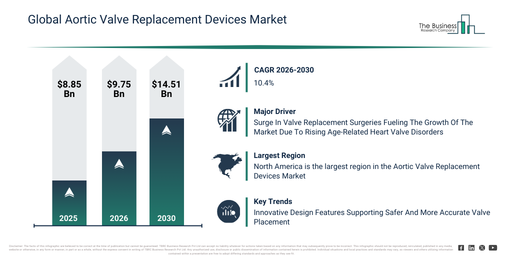
    The aortic valve replacement devices market has experienced significant growth in recent years. It is anticipated to increase from $8.85 billion in 2025 to $9.75 billion in 2026, achieving a compound annual growth rate (CAGR) of 10.2%. Historically, this expansion has been driven by an aging population with valvular diseases, the broadening of cardiac surgery capabilities, a rise in the diagnosis of aortic stenosis, the early adoption of surgical valve replacements, and advancements in cardiovascular imaging.

    The market for aortic valve replacement devices is projected to experience substantial expansion over the coming years. By 2030, its valuation is anticipated to reach $14.51 billion, growing at a compound annual growth rate (CAGR) of 10.4%. This projected increase during the forecast period stems from factors such as a greater inclination towards transcatheter procedures, increased financial commitments to structural heart initiatives, a rising need for outpatient cardiac interventions, the broader application of advanced biomaterials, and improved procedural success rates. Key developments foreseen in this period encompass the growing adoption of minimally invasive valve replacement, wider utilization of transcatheter valve technologies, an escalating demand for self-expandable valves, the proliferation of patient-specific valve designs, and a heightened emphasis on the long-term durability of valves.

    Download A Free Sample Report For Comprehensive Market Insights:

    https://www.thebusinessresearchcompany.com/sample.aspx?id=33017&type=smp

    What Important Drivers Are Powering The Aortic Valve Replacement Devices Market Growth?

    The expanding volume of valve replacement procedures is anticipated to fuel the progress of the aortic valve replacement devices market in the foreseeable future. These surgeries are medical interventions aimed at mending or substituting impaired heart valves to re-establish proper blood circulation and enhance heart performance. The surge in valve replacement surgeries, largely attributable to the growing prevalence of age-associated heart valve conditions, is creating a greater need for surgical solutions to address declining valve functionality and avert complications. Aortic valve replacement devices facilitate these procedures by allowing for safer and more efficacious valve repair or replacement, thereby enhancing patient outcomes and promoting broader surgical implementation. As an illustration, in June 2025, information from the British Heart Foundation, a UK-based cardiovascular research charity, indicates that in the United Kingdom during 2022/23, more than 13,034 aortic valve replacement (AVR) and almost 7,695 transcatheter aortic valve implantation (TAVI) procedures were carried out. The rise in TAVI procedures highlights the increasing embrace of less invasive valve replacement techniques. Consequently, the expanding volume of valve replacement operations is stimulating the advancement of the aortic valve replacement devices market.

    What Key Segment Areas Are Included In The Aortic Valve Replacement Devices Market Assessment?

    The aortic valve replacement devices market covered in this report is segmented –

    1) By Product: Balloon-Expandable; Self-Expandable; Mechanically Expandable; Aortic Regurgitation

    2) By Leaflet Material: Bovine Pericardium; Porcine Pericardium

    3) By Frame Material: Cobalt-Chromium; Nitinol

    4) By End-Use: Inpatient Facilities; Outpatient Facilities

    Subsegments:

    1) By Balloon-Expandable: Balloon Pre-Dilation; Balloon Post-Dilation; Balloon Valves

    2) By Self-Expandable: Supra-Annular Valves; Intra-Annular Valves; Resheathable Valves

    3) By Mechanically Expandable: Mechanically Adjustable Valves; Radial Force Valves; Repositionable Valves

    4) By Aortic Regurgitation: Surgical Valve Replacement; Transcatheter Valve Replacement; Repair Devices

    Which Trends Are Shaping The Aortic Valve Replacement Devices Market Landscape?

    Major companies operating in the aortic valve replacement devices market are prioritizing advanced innovations, such as three radiopaque vision markers, to boost procedural visibility, improve deployment accuracy, and enable precise valve positioning during transcatheter implantation procedures. These three radiopaque vision markers are distinct reference points embedded within a medical device that amplify fluoroscopic visibility, aiding clinicians in accurately positioning and deploying the device during minimally invasive procedures. For instance, in January 2025, Abbott Laboratories, the US-based healthcare company, introduced Navitor Vision in India, which is the latest iteration of its transcatheter aortic valve implantation/replacement (TAVI/TAVR) system. This device is engineered to treat patients diagnosed with symptomatic severe aortic stenosis who present with high or extreme surgical risk. Navitor Vision incorporates three radiopaque vision markers for heightened visibility during implantation, features a dynamic sealing cuff to minimize blood leakage, and is deployed using Abbott’s FlexNav delivery system for accurate, minimally invasive valve placement. It presents a less invasive option compared to surgical aortic valve replacement, thereby enhancing outcomes and accessibility for high-risk patients.

    Which Firms Are Competing In The Aortic Valve Replacement Devices Market?

    Major companies operating in the aortic valve replacement devices market are Abbott Laboratories, Medtronic Plc, Boston Scientific Corporation, Edwards Lifesciences Corporation, Bracco SpA, Biotronik SE & Co. KG, LivaNova Plc, Lepu Medical Technology Co. Ltd., MicroPort Scientific Corporation, Artivion Inc., LifeTech Scientific Corporation, TTK Healthcare Limited, Braile Biomedica, Venus Medtech Inc., SMT Pvt Ltd, JenaValve Technology Inc., Peijia Medical Limited, CryoLife Inc., CorLife, and Colibri Heart Valve LLC.

    Access The Complete Aortic Valve Replacement Devices Market Report:

    https://www.thebusinessresearchcompany.com/report/aortic-valve-replacement-devices-market-report

    Which Regional Market Leads The Aortic Valve Replacement Devices Market?

    North America was the largest region in the aortic valve replacement devices market in 2025. Asia-Pacific is expected to be the fastest-growing region in the forecast period. The regions covered in the aortic valve replacement devices market report are Asia-Pacific, South East Asia, Western Europe, Eastern Europe, North America, South America, Middle East, Africa.

    Access a Customized Aortic Valve Replacement Devices Market Report for Deeper Competitive Insights

    Get in touch with us:

    The Business Research Company: https://www.thebusinessresearchcompany.com/

    Americas: +1 310-496-7795

    Asia: +44 7882 955267 & +91 8897263534

    Europe: +44 7882 955267

    Email us at: marketing@tbrc.info

    Follow us on:

    LinkedIn: https://in.linkedin.com/company/the-business-research-company

    YouTube: https://www.youtube.com/channel/UC24_fI0rV8cR5DxlCpgmyFQ

    Global Market Model: https://www.thebusinessresearchcompany.com/global-market-model

  • Antibiotics API Market Trends and Growth Opportunities Across 2026–2030

    Antibiotics API Market Trends and Growth Opportunities Across 2026–2030

    The Business Research Company’s 2026 market reports feature advanced enhancements such as market attractiveness analysis, total addressable market evaluation, company benchmarking matrices, interactive Excel dashboards, expanded supply chain intelligence, emerging startup coverage, and detailed product insights, delivering more actionable and strategically valuable research.

    How Is The Market Value Of The Antibiotics Active Pharmaceutical Ingredient (API) Market Projected To Expand During 2026–2030?

    The antibiotics active pharmaceutical ingredient (API) market size has experienced rapid expansion in recent years. It is anticipated to grow from $26.4 billion in 2025 to $29.26 billion in 2026, exhibiting a compound annual growth rate (CAGR) of 10.8%. The historical growth of this market is attributable to the widespread increase in global antibiotic consumption, the availability of low-cost manufacturing regions, the expansion of generic pharmaceutical production, a rising incidence of bacterial infections, and the early practice of outsourcing API manufacturing.

    The antibiotics active pharmaceutical ingredient (api) market is anticipated to undergo significant expansion in the coming years, with its size projected to reach $44.5 billion in 2030, driven by a compound annual growth rate (CAGR) of 11.1%. This projected growth during the forecast period stems from factors such as a heightened focus on managing antimicrobial resistance, increased investments in domestic api manufacturing, a growing need for hospital-grade antibiotics, the broadening of regulated pharmaceutical markets, and a greater emphasis on the security of supply chains. Key developments expected within this period involve the greater integration of fermentation-based api production, an elevated emphasis on high-purity antibiotic apis, an escalating demand for broad-spectrum antibiotics, the expansion of contract api manufacturing services, and a strengthened commitment to regulatory adherence.

    Download A Free Sample Report For Comprehensive Market Insights:

    https://www.thebusinessresearchcompany.com/sample.aspx?id=33016&type=smp

    Which Major Factors Are Contributing To The Development Of The Antibiotics Active Pharmaceutical Ingredient (API) Market?

    The growing occurrence of bacterial infections is projected to stimulate the expansion of the antibiotics active pharmaceutical ingredient (API) market in the future. These infections are conditions resulting from detrimental bacteria invading the human body, necessitating antibacterial interventions. The escalation in bacterial infections is largely attributable to increasing rates of antibiotic-resistant bacteria, which pose significant challenges to existing treatment options and result in more frequent, severe, and enduring illnesses. The active pharmaceutical ingredient (API) for antibiotics is vital for creating and producing effective antibiotic medications that address bacterial infections and adapt to resistance patterns by providing essential active drug substances. For instance, in November 2024, the UK Health Security Agency, a UK-based government department, reported an estimated 66,730 serious antibiotic-resistant infections in 2023, accompanied by a 2.4% rise in antibiotic consumption compared to 2022. Consequently, the increasing prevalence of bacterial infections is propelling the growth of the antibiotic active pharmaceutical ingredient (API) market.

    How Is Segment Classification Applied In The Antibiotics Active Pharmaceutical Ingredient (API) Market?

    The antibiotics active pharmaceutical ingredient (api) market covered in this report is segmented –

    1) By Product Type: Beta-Lactams; Aminoglycosides; Macrolides; Tetracyclines; Glycopeptides; Quinolones; Polypeptides; Sulfonamides

    2) By Formulation Type: Injectable; Oral; Topical; Inhalation

    3) By Route of Administration: Oral Administration; Intravenous Administration; Intramuscular Administration; Topical Application; Inhalation Therapy

    4) By Therapeutic Application: Bacterial Infections; Respiratory Tract Infections; Skin Infections; Sepsis

    5) By End-User: Hospitals; Pharmacies; Clinics; Homecare Settings; Long-Term Care Facilities

    Subsegments:

    1) By Beta-Lactams: Penicillins; Cephalosporins; Carbapenems; Monobactams

    2) By Aminoglycosides: Streptomycin Based Antibiotics; Gentamicin Based Antibiotics; Amikacin Based Antibiotics; Tobramycin Based Antibiotics

    3) By Macrolides: Erythromycin Based Antibiotics; Azithromycin Based Antibiotics; Clarithromycin Based Antibiotics; Roxithromycin Based Antibiotics

    4) By Tetracyclines: Doxycycline Based Antibiotics; Minocycline Based Antibiotics; Oxytetracycline Based Antibiotics; Chlortetracycline Based Antibiotics

    5) By Glycopeptides: Vancomycin Based Antibiotics; Teicoplanin Based Antibiotics; Dalbavancin Based Antibiotics; Oritavancin Based Antibiotics

    6) By Quinolones: Ciprofloxacin Based Antibiotics; Levofloxacin Based Antibiotics; Moxifloxacin Based Antibiotics; Ofloxacin Based Antibiotics

    7) By Polypeptides: Bacitracin Based Antibiotics; Polymyxin Based Antibiotics; Colistin Based Antibiotics; Gramicidin Based Antibiotics

    8) By Sulfonamides: Sulfamethoxazole Based Antibiotics; Sulfadiazine Based Antibiotics; Sulfisoxazole Based Antibiotics; Sulfacetamide Based Antibiotics

    What Trends Are Influencing The Antibiotics Active Pharmaceutical Ingredient (API) Market Outlook?

    Leading companies in the antibiotic active pharmaceutical ingredient (API) market are prioritizing the enhancement of manufacturing capabilities and strengthening regulatory compliance. This strategic focus aims to guarantee a consistent supply, superior quality, and global market access for essential antibiotic drugs. Manufacturing capabilities refer to the capacity to produce antibiotic APIs at a large scale while consistently maintaining quality, purity, and controlled processes. Regulatory compliance, on the other hand, ensures these APIs conform to global regulatory and Good Manufacturing Practice (GMP) standards, supporting their safety, efficacy, and commercial approval. For instance, in March 2024, Zydus Lifesciences, an India-based pharmaceutical company, secured approval from the US Food and Drug Administration for commercial production at its Ahmedabad API manufacturing facility. This authorization enables the company to manufacture antibiotic APIs for regulated markets, reinforcing dependable supply chains and adherence to international quality standards. The facility utilizes robust process controls, comprehensive quality checks, and manufacturing methods that meet regulations to ensure the APIs are consistently pure, safe, and effective. It is engineered to support high-volume production while upholding rigorous compliance requirements, thereby bolstering supply security for essential antibiotics and meeting worldwide demand for high-quality antimicrobial APIs.

    Who Are The Major Companies Operating In The Antibiotics Active Pharmaceutical Ingredient (API) Market?

    Major companies operating in the antibiotics active pharmaceutical ingredient (api) market are Sanofi S.A., Sun Pharmaceutical Industries Limited, Zydus Lifesciences Limited, Zhejiang NHU Co Ltd, Almac Group Limited, Jubilant Pharmova Limited, Esteve Healthcare S L, Granules India Limited, Teva Pharmaceutical Industries Ltd, Neuland Laboratories Ltd, Fermion Oy, Century Pharmaceuticals Ltd, Sreepathi Lab Private Limited, Virchow Biotech Private Limited, AMGIS Lifescience Ltd., Midas Pharma GmbH, Sinoway Industrial ShanghAI Co Ltd, Penam Laboratories Limited, and Noreva Biotech.

    Access The Complete Antibiotics Active Pharmaceutical Ingredient (API) Market Report:

    https://www.thebusinessresearchcompany.com/report/antibiotics-active-pharmaceutical-ingredient-api-market-report

    Which Region Holds The Largest Share In The Antibiotics Active Pharmaceutical Ingredient (API) Market?

    North America was the largest region in the antibiotics active pharmaceutical ingredient (API) market in 2025. Asia-Pacific is expected to be the fastest-growing region in the forecast period. The regions covered in the antibiotics active pharmaceutical ingredient (api) market report are Asia-Pacific, South East Asia, Western Europe, Eastern Europe, North America, South America, Middle East, Africa.

    Access a Customized Antibiotics Active Pharmaceutical Ingredient (API) Market Report for Deeper Competitive Insights

    Get in touch with us:

    The Business Research Company: https://www.thebusinessresearchcompany.com/

    Americas: +1 310-496-7795

    Asia: +44 7882 955267 & +91 8897263534

    Europe: +44 7882 955267

    Email us at: marketing@tbrc.info

    Follow us on:

    LinkedIn: https://in.linkedin.com/company/the-business-research-company

    YouTube: https://www.youtube.com/channel/UC24_fI0rV8cR5DxlCpgmyFQ

    Global Market Model: https://www.thebusinessresearchcompany.com/global-market-model
  • Global Adaptive Neuromodulation Therapy Devices Market Forecast 2026–2035 with Long-Term Growth Perspective

    Global Adaptive Neuromodulation Therapy Devices Market Forecast 2026–2035 with Long-Term Growth Perspective

    The Business Research Company’s 2026 market reports feature advanced enhancements such as market attractiveness analysis, total addressable market evaluation, company benchmarking matrices, interactive Excel dashboards, expanded supply chain intelligence, emerging startup coverage, and detailed product insights, delivering more actionable and strategically valuable research.

    What Are The Forecasted Market Size Figures For The Adaptive Neuromodulation Therapy Devices Market In 2026 And 2030?

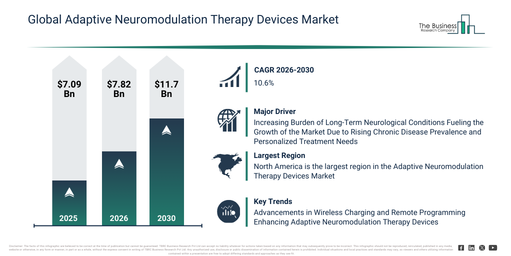
    The adaptive neuromodulation therapy devices market size has seen significant expansion in recent years. This market is set to increase from $7.09 billion in 2025 to $7.82 billion in 2026, exhibiting a compound annual growth rate (CAGR) of 10.4%. The historical growth of the market can be linked to several factors, including advancements in implantable neuromodulation devices, a rising prevalence of neurological disorders, the initial adoption of deep brain stimulation therapies, enhancements in neural signal processing, and the establishment of more specialized neurology centers.

    The adaptive neuromodulation therapy devices market is anticipated to experience significant expansion in the coming years. Projections indicate that it will reach a valuation of $11.7 billion by 2030, demonstrating a compound annual growth rate (CAGR) of 10.6%. This projected growth during the forecast period is primarily driven by factors such as an increasing demand for personalized neuromodulation therapies, growing investments in brain-computer interface technologies, the broader application of non-invasive neuromodulation techniques, an enhanced emphasis on long-term therapy management, and the increasing incorporation of AI-driven adaptive stimulation. Key trends anticipated during this period include the wider adoption of closed-loop neuromodulation systems, a rise in the integration of real-time neural sensing, the expanded utilization of personalized stimulation algorithms, the proliferation of wearable and non-invasive neuromodulation devices, and a heightened focus on optimizing therapy outcomes while reducing side effects.

    Download A Free Sample Report For Comprehensive Market Insights:

    https://www.thebusinessresearchcompany.com/sample.aspx?id=33007&type=smp

    What Key Growth Drivers Are Influencing The Adaptive Neuromodulation Therapy Devices Market?

    The expanding occurrence of long-term neurological conditions is anticipated to boost the adaptive neuromodulation therapy devices market. These conditions are chronic disorders impacting the brain, spinal cord, or nervous system, leading to ongoing issues with movement, thinking, sensation, or behavior. The growing burden of such conditions stems from increased life expectancy, which fosters a greater incidence of age-related neurological decline and prolonged illness. Adaptive neuromodulation therapy devices aid in managing these conditions by providing tailored, real-time electrical stimulation that adapts to individual neural activity, thus enhancing symptom management and long-term neurological results. For example, in March 2023, the Alzheimer’s Association, a US-based nonprofit voluntary health organization, stated that 6.7 million Americans aged 65+ suffer from Alzheimer’s, with this figure expected to reach 13.8 million by 2060. Consequently, the rising prevalence of long-term neurological conditions is propelling the growth of the adaptive neuromodulation therapy devices market.

    What Are The Core Segment Classifications In The Adaptive Neuromodulation Therapy Devices Market?

    The adaptive neuromodulation therapy devices market covered in this report is segmented –

    1) By Product Type: Implantable Adaptive Neuromodulation Devices; Non-Implantable Adaptive Neuromodulation Devices; Rechargeable Adaptive Neuromodulation Devices; Non-Rechargeable Adaptive Neuromodulation Devices

    2) By Device Type: Deep Brain Stimulation Systems; Spinal Cord Stimulation Systems; Vagus Nerve Stimulation Systems; Sacral Nerve Stimulation Systems; Responsive Neurostimulation Systems

    3) By Technology: Closed-Loop Electrical Neuromodulation Technology; Closed-Loop Magnetic Neuromodulation Technology; Responsive Neurostimulation Technology; Adaptive Deep Brain Stimulation Technology

    4) By Application: Epilepsy; Parkinson’s Disease (PD); Mixed Urinary Incontinence (MUI); Other Applications

    5) By End User: Hospitals; Neurology Clinics; Specialty Neurosurgical Centers; Research And Academic Institutes

    Subsegments:

    1) By Implantable Adaptive Neuromodulation Devices: Deep Brain Stimulation Systems; Spinal Cord Stimulation Systems; Vagus Nerve Stimulation Systems; Sacral Nerve Stimulation Systems; Peripheral Nerve Stimulation Systems

    2) By Non-Implantable Adaptive Neuromodulation Devices: Transcranial Magnetic Stimulation Devices; Transcranial Direct Current Stimulation Devices; External Vagus Nerve Stimulation Devices; Wearable Neurostimulation Systems

    3) By Rechargeable Adaptive Neuromodulation Devices: Rechargeable Implantable Pulse Generators; Wireless Rechargeable Neurostimulators; Long Life Rechargeable Stimulation Systems

    4) By Non-Rechargeable Adaptive Neuromodulation Devices: Primary Cell Implantable Neurostimulators; Single Use Implantable Stimulation Devices; Fixed Life Pulse Generator Systems

    Which Trends Are Expected To Shape The Adaptive Neuromodulation Therapy Devices Market?

    Leading companies active in the adaptive neuromodulation therapy devices market are concentrating on creating advanced solutions, like flexible wireless charging, to enable patients to stay active while recharging and decrease therapy interruptions. This flexible wireless charging allows patients to power their neuromodulation devices without stopping their daily activities. As an illustration, in January 2024, Abbott Laboratories, a US-based medical device company, released the Liberta RC DBS system, which is a rechargeable deep brain stimulation platform developed to treat movement disorders with increased flexibility and patient ease. The system includes one of the smallest available rechargeable implantable pulse generators, which enhances patient comfort and supports minimally invasive implantation. It provides remote programming and monitoring, giving clinicians the ability to adjust therapy settings without needing frequent in-person visits. Moreover, Liberta RC supports adaptive stimulation functionalities that allow for personalized therapy optimization over time, based on how the patient responds, thereby improving treatment consistency and long-term disease management.

    Which Companies Are Influencing The Adaptive Neuromodulation Therapy Devices Market?

    Major companies operating in the adaptive neuromodulation therapy devices market are Abbott Laboratories, Medtronic Plc, Boston Scientific Corporation, Biotronik AG, LivaNova plc, Bioventus LLC, NEVRO Corp., Axonics, Inc, Neuronetics, Inc., NeuroPace, Inc., Cala Health Inc, BrainsWay Ltd, SPR Therapeutics, Inc., ElectroCore, Inc., Mainstay Medical Ltd., Blackrock Neurotech, Inc., Soterix Medical Inc., Synapse Biomedical Inc., NeuroSigma, Inc., Aleva Neurotherapeutics SA, Magstim Company Ltd.

    Access The Complete Adaptive Neuromodulation Therapy Devices Market Report:

    https://www.thebusinessresearchcompany.com/report/adaptive-neuromodulation-therapy-devices-market-report

    Which Region Is The Dominant Market In The Adaptive Neuromodulation Therapy Devices Market?

    North America was the largest region in the adaptive neuromodulation therapy devices market in 2025. Asia-Pacific is expected to be the fastest-growing region in the forecast period. The regions covered in the adaptive neuromodulation therapy devices market report are Asia-Pacific, South East Asia, Western Europe, Eastern Europe, North America, South America, Middle East, Africa.

    Access a Customized Adaptive Neuromodulation Therapy Devices Market Report for Deeper Competitive Insights

    Get in touch with us:

    The Business Research Company: https://www.thebusinessresearchcompany.com/

    Americas: +1 310-496-7795

    Asia: +44 7882 955267 & +91 8897263534

    Europe: +44 7882 955267

    Email us at: marketing@tbrc.info

    Follow us on:

    LinkedIn: https://in.linkedin.com/company/the-business-research-company

    YouTube: https://www.youtube.com/channel/UC24_fI0rV8cR5DxlCpgmyFQ

    Global Market Model: https://www.thebusinessresearchcompany.com/global-market-model
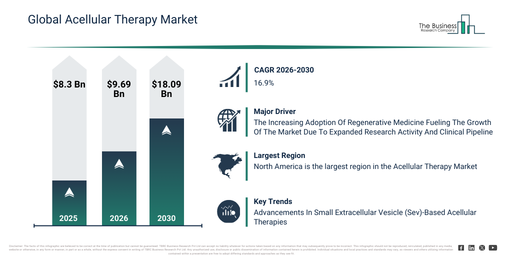
  • Acellular Therapy Market Insights 2026–2030 Highlighting Emerging Business Opportunities

    Acellular Therapy Market Insights 2026–2030 Highlighting Emerging Business Opportunities

    The Business Research Company’s 2026 market reports feature advanced enhancements such as market attractiveness analysis, total addressable market evaluation, company benchmarking matrices, interactive Excel dashboards, expanded supply chain intelligence, emerging startup coverage, and detailed product insights, delivering more actionable and strategically valuable research.

    How Much Larger Will The Acellular Therapy Market Become By 2030 Compared To 2026?

    The acellular therapy market has experienced substantial expansion in recent years. Its valuation is projected to increase from $8.3 billion in 2025 to $9.69 billion in 2026, achieving a compound annual growth rate (CAGR) of 16.7%. This historical growth can be attributed to several factors, including heightened research activity in regenerative medicine, the early clinical adoption of acellular matrices, a rising demand for immune-safe therapies, the expansion of wound care applications, and improvements in biomaterial processing techniques.

    The acellular therapy market is projected to experience significant expansion in the coming years. Its valuation is set to reach $18.09 billion in 2030, exhibiting a compound annual growth rate (CAGR) of 16.9%. This anticipated growth during the forecast timeframe is primarily driven by several factors, including the surging demand for tailored regenerative treatments, enhanced investments in sophisticated biomaterials, the broadening of clinical applications for acellular therapies, a heightened emphasis on scalable regenerative solutions, and increased regulatory backing for non-cellular therapies. Key trends anticipated during this period encompass the growing acceptance of growth factor-centric therapies, an uptick in the utilization of extracellular matrix scaffolds, a sharpened focus on cell-free regenerative approaches, the wider availability of ready-to-use regenerative products, and improved integration of translational research platforms.

    Download A Free Sample Report For Comprehensive Market Insights:

    https://www.thebusinessresearchcompany.com/sample.aspx?id=33006&type=smp

    Which Core Factors Are Supporting The Expansion Of The Acellular Therapy Market?

    The acellular therapy market is anticipated to expand due to the growing acceptance of regenerative medicine. Regenerative medicine encompasses medical strategies designed to repair, replace, or regenerate human cells, tissues, or organs using biological processes and treatments to restore normal bodily function. The uptake of regenerative medicine is on the rise, driven by a global surge in biotechnology research, characterized by an increased number of developers, more extensive pipelines, and wider therapeutic investigations. Acellular therapy (AT) plays a crucial role in this trend by offering bioactive, cell-free therapeutic substances, including extracellular vesicles, secretomes, and other biologically active compounds, which enhance regenerative approaches with improved safety and consistent dosing. For instance, in june 2024, the Centre for Commercialization of Regenerative Medicine (CCRM), a Canada-based regenerative medicine organization, reported 2,848 cell and gene therapy developers globally as of april 2024, marking an 11% increase from quarter four (Q4) 2023, and 1,751 active regenerative medicine clinical trials worldwide as of april 2024, indicating ongoing clinical engagement and expansion in regenerative research. Consequently, the increasing embrace of regenerative medicine is fueling the expansion of the acellular therapy market.

    How Is The Acellular Therapy Market Structured Across Different Market Segments?

    The acellular therapy market covered in this report is segmented –

    1) By Type: Acellular Dermal Matrices; Acellular Amniotic Membranes; Acellular Umbilical Cord Products; Other Types

    2) By Disease: Parkinson’s; Alzheimer’s; Chronic Wounds; Sclerosis; Cancer

    3) By Scaffold: Fused Deposition Modeling (FDM); Cell Laden Hydrogel; Extracellular Matrix (ECM); Selective Laser Sintering (SLS)

    4) By Application: Hepatology; Orthopedic; Cardiology; Neurology; Oncology; Gastroenterology

    5) By End-User: Hospitals; Clinics; Ambulatory Surgical Centers; Research Institutes

    Subsegments:

    1) By Acellular Dermal Matrices: Human Derived Dermal Matrices; Animal Derived Dermal Matrices; Cross Linked Dermal Matrices; Non Cross Linked Dermal Matrices

    2) By Acellular Amniotic Membranes: Cryopreserved Amniotic Membranes; Dehydrated Amniotic Membranes; Lyophilized Amniotic Membranes; Laminated Amniotic Membranes

    3) By Acellular Umbilical Cord Products: Wharton Jelly Based Products; Umbilical Cord Patch Products; Umbilical Cord Powder Products; Umbilical Cord Sheet Products

    4) By Other Types: Acellular Cartilage Matrices; Acellular Bone Matrices; Acellular Vascular Grafts; Acellular Tendon And Ligament Scaffolds

    What Trends Are Affecting The Acellular Therapy Market Dynamics?

    Leading firms in the acellular therapy market are prioritizing the creation of small extracellular vesicle (sEV) therapies. These therapies aim to improve tissue regeneration, lessen inflammation, and adjust immune responses through the direct delivery of bioactive vesicles to target tissues, eliminating the need for living cells. Defined as acellular products originating from cultured cells, small extracellular vesicle (sEV) therapies transport proteins, ribonucleic acids (RNAs), and signaling molecules. This allows for precise control over cellular activity, the mending of injured tissue, and immune system regulation. A notable example occurred in march 2025 when evast bio, an US-based biotechnology company, introduced an sEV therapy specifically for knee osteoarthritis. This development was intended to tackle significant issues associated with inflammatory joint conditions. This treatment works by delivering exosomes to inflamed cartilage, encouraging the regeneration of the cartilage extracellular matrix, decreasing inflammatory markers, and enhancing joint function. Consequently, it stands as a groundbreaking acellular therapy (AT) for musculoskeletal inflammation and sets a precedent for subsequent extracellular vesicle (sEV) based therapies.

    Who Are The Companies Shaping The Acellular Therapy Market Landscape?

    Major companies operating in the acellular therapy market are Thermo Fisher Scientific, FUJIFILM Holdings Corp., Lonza Group AG, Smith+Nephew, Charles River Laboratories, Sartorius AG, Integra LifeSciences, AGC Biologics, Organogenesis Holdings Inc., MiMedx Group Inc., Vericel Corporation, Avita Medical, Capricor Therapeutics, RoosterBio Inc., Creative Biolabs, Evox Therapeutics Ltd., ILIAS Biologics, Aruna Biomedical, Stem Cell Medicine Ltd., Aegle Therapeutics Corp, Direct Biologics LLC., BioCardia Inc., BioRestorative Therapies Inc., and EverZom.

    Access The Complete Acellular Therapy Market Report:

    https://www.thebusinessresearchcompany.com/report/acellular-therapy-market-report

    Which Area Represents The Largest Portion Of The Acellular Therapy Market?

    North America was the largest region in the acellular therapy market in 2025. Asia-Pacific is expected to be the fastest-growing region in the forecast period. The regions covered in the acellular therapy market report are Asia-Pacific, South East Asia, Western Europe, Eastern Europe, North America, South America, Middle East, Africa.

    Access a Customized Acellular Therapy Market Report for Deeper Competitive Insights

    Get in touch with us:

    The Business Research Company: https://www.thebusinessresearchcompany.com/

    Americas: +1 310-496-7795

    Asia: +44 7882 955267 & +91 8897263534

    Europe: +44 7882 955267

    Email us at: marketing@tbrc.info

    Follow us on:

    LinkedIn: https://in.linkedin.com/company/the-business-research-company

    YouTube: https://www.youtube.com/channel/UC24_fI0rV8cR5DxlCpgmyFQ

    Global Market Model: https://www.thebusinessresearchcompany.com/global-market-model