Month: June 2026

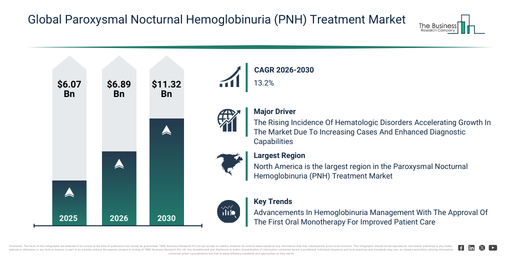
  • Paroxysmal Nocturnal Hemoglobinuria (PNH) Treatment Market Expected To Reach $11.32 Billion By 2030 As Growth Accelerates At 13.2% CAGR

    Paroxysmal Nocturnal Hemoglobinuria (PNH) Treatment Market Expected To Reach $11.32 Billion By 2030 As Growth Accelerates At 13.2% CAGR

    Through market attractiveness analysis, total addressable market evaluation, company benchmarking matrices, interactive Excel dashboards, expanded supply chain intelligence, emerging startup coverage, and detailed product insights, The Business Research Company’s 2026 market reports provide more actionable and strategically valuable research.

    Paroxysmal Nocturnal Hemoglobinuria (PNH) Treatment Market Size And Revenue Forecast Through 2030

    The market for paroxysmal nocturnal hemoglobinuria (pnh) treatments has experienced substantial expansion recently, with projections indicating a rise from $6.07 billion in 2025 to $6.89 billion by 2026, reflecting a compound annual growth rate of 13.4%. This historical growth trajectory was largely influenced by a scarcity of effective targeted therapies, a prevailing dependence on supportive care and blood transfusions, diagnostic delays stemming from the condition’s rarity, the significant peril of life-threatening thrombosis, and an absence of established, long-term treatment guidelines.

    The market for paroxysmal nocturnal hemoglobinuria treatments is poised for substantial expansion over the coming years, projecting a reach of $11.32 billion by 2030 with a compound annual growth rate of 13.2%. This projected increase is largely fueled by advancements in next-generation complement inhibitors, a broadening array of oral and subcutaneous treatment options in clinical development, a heightened commitment to innovative treatments for rare diseases, enhanced diagnostic capabilities via sophisticated testing methods, and more comprehensive insurance coverage for rare blood disorders. Key developments anticipated during this period encompass a greater acceptance of complement C5 inhibitor therapies, a discernible move towards longer-lasting and subcutaneous drug delivery systems, the advancement of alternative pathway inhibitors, the exploration of combined and dual complement inhibition approaches, and more effective management of clot-related and bone marrow issues.

    Download A Free Sample Report For Comprehensive Market Insights:

    https://www.thebusinessresearchcompany.com/sample.aspx?id=23469&type=smp

    Paroxysmal Nocturnal Hemoglobinuria (PNH) Treatment Market Growth Drivers: What Factors Are Accelerating Expansion?

    The rising rates of blood-related conditions are anticipated to fuel the expansion of the market for treating paroxysmal nocturnal hemoglobinuria (PNH) in the future. Hematologic disorders encompass a wide spectrum of ailments affecting the blood and the organs responsible for its production, characterized by issues with red cells, white cells, platelets, bone marrow, and the clotting mechanisms, potentially resulting in conditions like anemia, bleeding or clotting problems, or cancers. Factors such as an aging global population and inherited vulnerabilities contribute to the growing occurrence of these blood disorders, with genetic alterations being particularly significant as they can initiate aberrant blood cell development, ultimately causing diverse hematologic problems. Treatments for PNH play a crucial role in managing hematologic disorders by providing specific interventions that alleviate the destruction of red blood cells driven by the complement system, decrease the risk of blood clots, and enhance patient longevity. For example, data from Cancer Research UK in July 2024 indicated projected figures for new leukemia cases, another hematologic disorder, in the United Kingdom, with numbers expected to rise from roughly 12,400 during the 2023-2025 period to approximately 14,500 by 2038-2040. Consequently, the escalating prevalence of hematologic disorders serves as a key driver for the growth observed in the paroxysmal nocturnal hemoglobinuria (PNH) treatment sector.

    Paroxysmal Nocturnal Hemoglobinuria (PNH) Treatment Market Segment Analysis: What Are The Major Market Categories?

    The paroxysmal nocturnal hemoglobinuria (pnh) treatment market covered in this report is segmented –

    1) By Treatment Type: Complement C5 Inhibitors, Anti-Complement Component 5a Receptor (C5aR) Monoclonal Antibodies, Alternative Pathway Inhibitors, Hematopoietic Stem Cell Transplantation, Other Therapies

    2) By Route Of Administration: Intravenous, Subcutaneous, Oral

    3) By Market Availability: Approved, In Pipeline, Investigational

    4) By End-Use: Hospitals, Specialty Clinics, Homecare Settings, Other End-Users

    Subsegments:

    1) By Complement: C5 InhibitorsEculizumab (Soliris), Ravulizumab (Ultomiris), Emerging C5 Inhibitors, Biosimilars Of C5 Inhibitors,

    2) By Anti-Complement Component 5a Receptor Monoclonal Antibodies: Avacopan (Tavneos), Other Investigational C5aR mAbs, Monotherapy vs Combination Therapy, Clinical Trial Phase (Phase I, II, III)

    3) By Alternative Pathway Inhibitors: C3 Inhibitors, Factor B Inhibitors, Factor D Inhibitors, Targeting Complement Amplification, Combination Therapies And Dual Inhibition

    4) By Hematopoietic Stem Cell Transplantation (HSCT): Autologous HSCT vs. Allogeneic HSCT, Pre-Transplant Conditioning Therapies, Post-Transplant Immunosuppressive Therapies

    5) By Other Therapies: Immunosuppressive Therapy, Supportive Care, Anticoagulation Therapy, Gene Therapy

    Paroxysmal Nocturnal Hemoglobinuria (PNH) Treatment Market Trends: What Is Shaping Future Industry Growth?

    Leading entities within the paroxysmal nocturnal hemoglobinuria (PNH) therapeutic arena are concentrating their efforts on pioneering advancements like oral Factor B inhibitors, intending to present a new treatment modality that boosts therapeutic outcomes and simplifies PNH management for patients. These oral Factor B inhibitors function as precision-engineered small-molecule agents designed to specifically impede Factor B within the alternative complement cascade, thereby moderating the immune system’s excessive response and diminishing inflammation associated with complement-driven pathologies. A significant development occurred in December 2023 when Novartis AG, a pharmaceutical giant headquartered in Switzerland, secured FDA authorization for Fabhalta (iptacopan), establishing it as the inaugural oral monotherapy available for PNH. This innovative Factor B inhibitor introduces a more holistic strategy for managing complement-mediated red blood cell destruction by intervening at an earlier juncture in the alternative complement pathway, leading to better hemoglobin concentrations and a decreased reliance on blood transfusions, thus revolutionizing the therapeutic paradigm for this uncommon blood disorder.

    Paroxysmal Nocturnal Hemoglobinuria (PNH) Treatment Market Leading Companies Driving Competitive Growth

    Major companies operating in the paroxysmal nocturnal hemoglobinuria (pnh) treatment market are F. Hoffmann-La Roche Ltd, Novartis AG, Mayo Clinic, Cleveland Clinic Foundation, Johns Hopkins Medicine, Memorial Sloan Kettering Cancer Center, Stanford Health Care, University of California San Francisco (UCSF) Health, Emory Healthcare, Cedars-Sinai Medical Center, Duke University Health System, Mount Sinai Health System, Dana-Farber Cancer Institute, Swedish Orphan Biovitrum, Alnylam Pharmaceuticals, BioCryst Pharmaceuticals, Apellis Pharmaceuticals, Omeros Corporation, Takeda Pharmaceutical Company, Sanofi S A, Pfizer Inc, Akari Therapeutics Plc, NovelMed Therapeutics, Ionis Pharmaceuticals, Johnson & Johnson, Biogen Inc.

    Access The Complete Paroxysmal Nocturnal Hemoglobinuria (PNH) Treatment Market Report:

    https://www.thebusinessresearchcompany.com/report/paroxysmal-nocturnal-hemoglobinuria-pnh-treatment-global-market-report

    Paroxysmal Nocturnal Hemoglobinuria (PNH) Treatment Market Largest Region By Revenue And Market Share

    North Americawas the largest region in the paroxysmal nocturnal hemoglobinuria (PNH) treatment market in 2025. Asia-Pacificis expected to be the fastest-growing region in the forecast period. The regions covered in the paroxysmal nocturnal hemoglobinuria (pnh) treatment market report are Asia-Pacific, South East Asia, Western Europe, Eastern Europe, North America, South America, Middle East, Africa.

    Get in touch with us:

    The Business Research Company: https://www.thebusinessresearchcompany.com/

    Americas: +1 310-496-7795

    Asia: +44 7882 955267 & +91 8897263534

    Europe: +44 7882 955267

    Email us at: marketing@tbrc.info

    Follow us on:

    LinkedIn: https://in.linkedin.com/company/the-business-research-company

    YouTube: https://www.youtube.com/channel/UC24_fI0rV8cR5DxlCpgmyFQ

    Global Market Model: https://www.thebusinessresearchcompany.com/global-market-model
  • Paroxysmal Nocturnal Hemoglobinuria (PNH) And Atypical Hemolytic Uremic Syndrome (aHUS) Market Set To Grow From $6.4 Billion In 2026 To $8.41 Billion By 2030 At A CAGR Of 7.1%

    Paroxysmal Nocturnal Hemoglobinuria (PNH) And Atypical Hemolytic Uremic Syndrome (aHUS) Market Set To Grow From $6.4 Billion In 2026 To $8.41 Billion By 2030 At A CAGR Of 7.1%

    Delivering more actionable and strategically valuable research, The Business Research Company’s 2026 market reports feature market attractiveness analysis, total addressable market evaluation, company benchmarking matrices, interactive Excel dashboards, expanded supply chain intelligence, emerging startup coverage, and detailed product insights.

    Paroxysmal Nocturnal Hemoglobinuria (PNH) And Atypical Hemolytic Uremic Syndrome (aHUS) Market Growth From $6.4 Billion In 2026 To $8.41 Billion By 2030 At A CAGR Of 7.1%

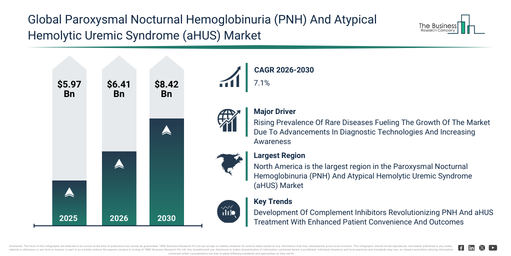
    The market for paroxysmal nocturnal hemoglobinuria (pnh) and atypical hemolytic uremic syndrome (ahus) has experienced significant expansion lately, projected to advance from $5.97 billion in 2025 to $6.41 billion in 2026, reflecting a compound annual growth rate of 7.3%. Factors contributing to this historical growth trajectory include the restricted availability of specialized complement therapies, diagnostic delays stemming from the rarity of these conditions, a prevailing reliance on plasma exchange and supportive measures, elevated treatment expenses hindering accessibility, and a general lack of awareness regarding complement-mediated disorders.

    The market for paroxysmal nocturnal hemoglobinuria (pnh) and atypical hemolytic uremic syndrome (ahus) is poised for significant expansion in the coming years, projecting to reach $8.42 billion by 2030 with a compound annual growth rate of 7.1%. This anticipated growth is fueled by several key factors, including the creation of innovative complement inhibitors, enhanced diagnostic capabilities through sophisticated testing, a heightened emphasis on developing treatments for rare diseases, broader insurance coverage for these conditions, and the proliferation of specialized centers for hematology and nephrology. During this forecast period, prominent trends will encompass a greater acceptance of complement inhibitor treatments, increased utilization of genetic and biomarker analyses, the emergence of extended-release complement inhibition medications, the expansion of dedicated rare disease treatment facilities, and advancements in the early identification of complement-mediated conditions.

    Download A Free Sample Report For Comprehensive Market Insights:

    https://www.thebusinessresearchcompany.com/sample.aspx?id=24357&type=smp

    Paroxysmal Nocturnal Hemoglobinuria (PNH) And Atypical Hemolytic Uremic Syndrome (aHUS) Market Growth Factors Supporting Long-Term Expansion

    The expanding landscape of rare diseases is poised to stimulate considerable expansion within the paroxysmal nocturnal hemoglobinuria (PNH) and atypical hemolytic uremic syndrome (aHUS) market. These rare conditions, by definition affecting a small segment of the populace, often fewer than 200,000 people, are frequently marked by their intricate nature, significant severity, and the necessity for specialized medical interventions. A key factor contributing to the heightened incidence of rare diseases is the progress in diagnostic methodologies, which facilitates superior detection and recognition of conditions that were formerly overlooked or remained unidentified. PNH and aHUS play a crucial role in advancing the comprehension and management of rare diseases, offering valuable perspectives on the underlying mechanisms and potential intervention points for illnesses that currently possess limited therapeutic avenues. To illustrate, as of November 2024, the U.S. Food and Drug Administration reported that over 7,000 distinct rare diseases affected more than 30 million individuals across the United States. Consequently, the increasing occurrence of rare diseases is acting as a significant catalyst for the growth trajectory of the PNH and aHUS market.

    Paroxysmal Nocturnal Hemoglobinuria (PNH) And Atypical Hemolytic Uremic Syndrome (aHUS) Market Segment Breakdown: Which Categories Generate The Most Revenue?

    The paroxysmal nocturnal hemoglobinuria (pnh) and atypical hemolytic uremic syndrome (ahus) market covered in this report is segmented –

    1) By Type: Soliris, Ultomiris

    2) By Disease Type: Paroxysmal Nocturnal Hemoglobinuria(PNH), Atypical Hemolytic Uremic Syndrome(aHUS)

    3) By Treatment Type: Complement Inhibitors, Plasma Exchange Or Infusion, Other Symptomatic Treatments

    4) By Diagnosis Method: Clinical Diagnosis, Genetic Testing, Biomarker Testing

    5) By End-User: Hospitals, Specialty Clinics, Research Institutes, Other End-Users

    Subsegments:

    1) By Soliris: Eculizumab For PNH, Eculizumab For aHUS, Eculizumab Biosimilars

    2) By Ultomiris: Ravulizumab For PNH, Ravulizumab For aHUS, Ravulizumab Extended-Interval Dosing

    Paroxysmal Nocturnal Hemoglobinuria (PNH) And Atypical Hemolytic Uremic Syndrome (aHUS) Market Industry Trends Shaping Future Revenue Growth

    Within the paroxysmal nocturnal hemoglobinuria (PNH) and atypical hemolytic uremic syndrome (aHUS) market, leading entities are actively pursuing the creation of novel therapeutic options, specifically complement inhibitors, aiming to enhance patient results and streamline treatment accessibility. Complement inhibitors function by impeding particular elements of the complement system, an immune network integral to removing infectious agents and compromised cells. As an illustration, in December of 2023, the U.S. Food and Drug Administration (FDA) granted approval to Fabhalta (iptacopan), developed by the Swiss pharmaceutical firm Novartis AG, marking it as the inaugural oral monotherapy designed for adult patients diagnosed with paroxysmal nocturnal hemoglobinuria; this treatment notably achieves superior hemoglobin stabilization, obviating the necessity for blood transfusions. This cutting-edge complement inhibitor exerts its effect by targeting and inhibiting Factor B within the alternative complement pathway, thereby affording thorough management of both intravascular and extravascular hemolytic processes. Furthermore, its convenient oral administration simplifies the complexities of managing the condition and elevates the overall quality of life for individuals affected by PNH, relieving them of the challenges inherent in regular intravenous infusions.

    Paroxysmal Nocturnal Hemoglobinuria (PNH) And Atypical Hemolytic Uremic Syndrome (aHUS) Market Key Players And Strategic Industry Positioning

    Major companies operating in the paroxysmal nocturnal hemoglobinuria (pnh) and atypical hemolytic uremic syndrome (ahus) market are Roche Holding AG, Alexion Pharmaceuticals Inc, Genentech Inc, Novartis AG, Apellis Pharmaceuticals Inc, Omeros Corporation, BioCryst Pharmaceuticals Inc, ChemoCentryx Inc, Sanofi SA, CSL Behring, Takeda Pharmaceutical Company, Pfizer Inc, Regeneron Pharmaceuticals Inc, Ionis Pharmaceuticals Inc, Horizon Therapeutics, Achillion Pharmaceuticals Inc, Sobi Swedish Orphan Biovitrum AB, ImmunoForge Co Ltd, Care Pharma, Daiichi Sankyo Co Ltd, Astellas Pharma Inc, Mallinckrodt Pharmaceuticals, CANbridge Pharmaceuticals Inc.

    Access The Complete Paroxysmal Nocturnal Hemoglobinuria (PNH) And Atypical Hemolytic Uremic Syndrome (aHUS) Market Report:

    https://www.thebusinessresearchcompany.com/report/paroxysmal-nocturnal-hemoglobinuria-pnh-and-atypical-hemolytic-uremic-syndrome-ahus-global-market-report

    Paroxysmal Nocturnal Hemoglobinuria (PNH) And Atypical Hemolytic Uremic Syndrome (aHUS) Market Regional Analysis And Leading Geography

    North Americawas the largest region in the paroxysmal nocturnal hemoglobinuria (PNH) and atypical hemolytic uremic syndrome (aHUS) market in 2025. Asia-Pacificis expected to be the fastest-growing region in the forecast period. The regions covered in the paroxysmal nocturnal hemoglobinuria (pnh) and atypical hemolytic uremic syndrome (ahus) market report are Asia-Pacific, South East Asia, Western Europe, Eastern Europe, North America, South America, Middle East, Africa.

    Get in touch with us:

    The Business Research Company: https://www.thebusinessresearchcompany.com/

    Americas: +1 310-496-7795

    Asia: +44 7882 955267 & +91 8897263534

    Europe: +44 7882 955267

    Email us at: marketing@tbrc.info

    Follow us on:

    LinkedIn: https://in.linkedin.com/company/the-business-research-company

    YouTube: https://www.youtube.com/channel/UC24_fI0rV8cR5DxlCpgmyFQ

    Global Market Model: https://www.thebusinessresearchcompany.com/global-market-model
  • Paroxysmal Nocturnal Hemoglobinuria (PNH) Market Opportunities Are Emerging Beyond Traditional Growth Areas

    Paroxysmal Nocturnal Hemoglobinuria (PNH) Market Opportunities Are Emerging Beyond Traditional Growth Areas

    Enhanced with market attractiveness analysis, total addressable market evaluation, company benchmarking matrices, interactive Excel dashboards, expanded supply chain intelligence, emerging startup coverage, and detailed product insights, The Business Research Company’s 2026 market reports deliver more actionable and strategically valuable research.

    Paroxysmal Nocturnal Hemoglobinuria (PNH) Market Expansion Outlook: What Revenue Opportunities Lie Ahead?

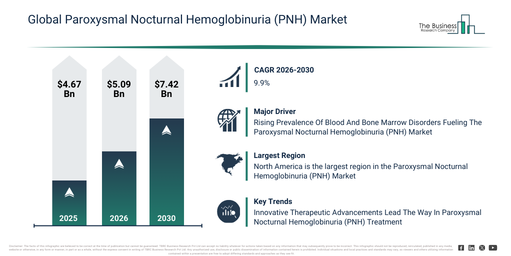
    The market for paroxysmal nocturnal hemoglobinuria (pnh) has experienced robust expansion lately, with projections indicating a rise from $4.67 billion in 2025 to $5.09 billion in 2026, reflecting a compound annual growth rate of 9.1%. Factors contributing to this historical growth trajectory include the scarcity of effective, specialized treatments, compounded by diagnostic delays stemming from the disease’s rarity, a prevalent dependence on supportive measures and blood transfusions, the significant mortality risks linked to unaddressed pnh, and a general deficit in awareness among primary healthcare professionals.

    The market for paroxysmal nocturnal hemoglobinuria (pnh) is poised for significant expansion over the coming years. Projections indicate a market valuation of $7.42 billion by the year 2030, driven by a compound annual growth rate (CAGR) of 9.9%. This anticipated growth throughout the forecast period stems from several key factors, including the advancement of novel complement inhibitors, enhanced diagnostic capabilities fueled by sophisticated testing methods, a heightened emphasis on treating orphan diseases, expanded accessibility to specialized hematology treatment centers, and a broader scope of reimbursement for therapies targeting rare conditions. Furthermore, the outlook is shaped by prevailing trends such as the increasing uptake of complement inhibitor treatments, greater reliance on flow cytometry for precise diagnostic identification, the emergence of long-acting monoclonal antibody therapies, the broadening of programs dedicated to specialized rare hematology care, and refined strategies for managing complications associated with thrombosis and hemolysis.

    Download A Free Sample Report For Comprehensive Market Insights:

    https://www.thebusinessresearchcompany.com/sample.aspx?id=12936&type=smp

    Paroxysmal Nocturnal Hemoglobinuria (PNH) Market Demand Drivers Creating New Revenue Opportunities

    An increasing prevalence of blood and bone marrow afflictions is anticipated to stimulate the expansion of the paroxysmal nocturnal hemoglobinuria (PNH) market. Blood disorders encompass conditions impacting the formation, function, and output of blood and its constituent elements, while bone marrow disorders arise from either deficient production of red blood cells, white blood cells, or platelets within the bone marrow or from abnormalities in the generated blood cells. PNH shares a significant connection with these broader categories due to its detrimental effects on blood cell generation, immune system performance, and the bone marrow’s internal environment. This uncommon blood malady, linked to bone marrow failure syndromes, stems from a genetic defect that impairs the functionality of red blood cells and platelets. For illustrative purposes, Blood Cancer United, a UK charitable organization focused on enhancing awareness and providing aid to individuals affected by blood cancers, estimates that in 2025, the United States will witness roughly 192,070 new diagnoses of leukemia, lymphoma, or myeloma. Consequently, the escalating incidence of both blood disorders and bone marrow-related conditions serves as a catalyst for the growth observed in the PNH market.

    Paroxysmal Nocturnal Hemoglobinuria (PNH) Market Segmentation: How Is The Market Structured Across Key Categories?

    The paroxysmal nocturnal hemoglobinuria (pnh) market covered in this report is segmented –

    1) By Treatment Type: Medications, Bone Marrow Transplantation, Blood Transfusion, Immunosuppressive Therapy, Other Treatment Types

    2) By Diagnosis Type: Flow Cytometry, High-Resolution Mass Spectrometry, Other Diagnosis Types

    3) By End Use: Hospitals, Clinics, Other End Users

    Subsegments:

    1) By Medications: Eculizumab, Ravulizumab, Complement Inhibitors, Supportive Care Medications

    2) By Bone Marrow Transplantation: Allogeneic Stem Cell Transplantation, Autologous Stem Cell transplantation

    3) By Blood Transfusion: Red blood Cell Transfusion, Platelet Transfusion, Fresh Frozen Plasma Transfusion

    4) By Immunosuppressive Therapy: Corticosteroids, Azathioprine, Cyclophosphamide, Mycophenolate Mofetil

    5) By Other Treatment Types: Supportive Therapies, Management Of Complications

    Paroxysmal Nocturnal Hemoglobinuria (PNH) Market Trends Driving Strategic Industry Expansion

    In the realm of paroxysmal nocturnal hemoglobinuria (PNH) treatments, leading pharmaceutical entities are actively pursuing novel drug candidates and therapeutic strategies, specifically the integration of injectable C5 inhibitors, to solidify their competitive standing. These C5 inhibitors function as advanced monoclonal antibodies designed to impede the C5 complement protein, thereby mitigating the inflammatory responses and cellular damage associated with autoimmune disorders, including paroxysmal nocturnal hemoglobinuria (PNH). A notable development occurred in February 2024 when Chugai Pharmaceutical Co., a prominent Japanese firm, secured priority review status from China’s National Medical Products Administration (NMPA) for a PNH therapeutic. This pivotal approval positions China as the inaugural market for PIASKY, preceding its introduction in other significant global regions, and consequently paves the way for discussions regarding inclusion on the National Reimbursement Drug List (NRDL) within the same calendar year. Given that paroxysmal nocturnal hemoglobinuria (PNH) is categorized as an infrequent condition, with an estimated patient population of 12,740 in China, this represents a substantial market opportunity.

    Paroxysmal Nocturnal Hemoglobinuria (PNH) Market Competitive Landscape And Leading Companies

    Major companies operating in the paroxysmal nocturnal hemoglobinuria (pnh) market are Pfizer Inc, Novartis AG, Thermo Fisher Scientific Inc, GE Healthcare, Grifols S.A, Genentech Inc, Bioverativ Inc, BioCryst Pharmaceuticals, Hansa Biopharma AB, Apellis Pharmaceuticals Inc, Akari Therapeutics Plc, RA Pharmaceuticals Inc, C5 Therapeutics Inc, Omeros Corporation, Amyndas Pharmaceuticals SA, CANbridge Pharmaceuticals, NovelMed Therapeutics Inc, Annexon Inc, Dianthus Therapeutics, DynamiCure Biotechnology, Kira Pharmaceuticals Ltd, Kyowa Kirin Co Ltd, Swedish Orphan Biovitrum AB, Arrowhead Pharmaceuticals, ReAlta Life Sciences, Q32 Bio, ISU Abxis

    Access The Complete Paroxysmal Nocturnal Hemoglobinuria (PNH) Market Report:

    https://www.thebusinessresearchcompany.com/report/paroxysmal-nocturnal-hemoglobinuria-pnh-global-market-report

    Paroxysmal Nocturnal Hemoglobinuria (PNH) Market Geographic Analysis: Where Is Demand Growing The Fastest?

    North Americawas the largest region in the paroxysmal nocturnal hemoglobinuria (PNH) market in 2025. The regions covered in the paroxysmal nocturnal hemoglobinuria (pnh) market report are Asia-Pacific, South East Asia, Western Europe, Eastern Europe, North America, South America, Middle East, Africa.

    Get in touch with us:

    The Business Research Company: https://www.thebusinessresearchcompany.com/

    Americas: +1 310-496-7795

    Asia: +44 7882 955267 & +91 8897263534

    Europe: +44 7882 955267

    Email us at: marketing@tbrc.info

    Follow us on:

    LinkedIn: https://in.linkedin.com/company/the-business-research-company

    YouTube: https://www.youtube.com/channel/UC24_fI0rV8cR5DxlCpgmyFQ

    Global Market Model: https://www.thebusinessresearchcompany.com/global-market-model
  • Parkinson’s Disease Market Expansion Is Opening New Pathways For Strategic Investment

    Parkinson’s Disease Market Expansion Is Opening New Pathways For Strategic Investment

    Through market attractiveness analysis, total addressable market evaluation, company benchmarking matrices, interactive Excel dashboards, expanded supply chain intelligence, emerging startup coverage, and detailed product insights, The Business Research Company’s 2026 market reports provide more actionable and strategically valuable research.

    Parkinson’s Disease Market Growth Potential: How Will Market Size Change Through 2030?

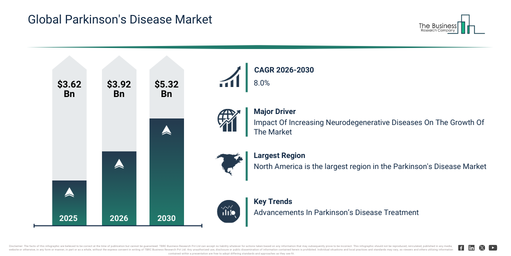
    The market for Parkinson’s disease treatments experienced substantial expansion, projected to advance from an estimated $3.62 billion in 2025 to $3.92 billion in 2026, reflecting a compound annual growth rate (CAGR) of 8.2% during this period. Factors contributing to the expansion observed in the past include the scarcity of therapies capable of halting disease advancement, a strong dependence on levodopa-based treatments, diagnostic delays stemming from overlapping symptoms, a deficiency in dedicated movement disorder clinics, and inconsistent availability of sophisticated surgical procedures.

    The market for Parkinson’s disease treatments is poised for significant expansion, projected to reach $5.32 billion by 2030, exhibiting a compound annual growth rate of 8.0%. This anticipated growth is fueled by several key factors, including advancements in both dopamine-based and non-dopamine-based therapeutic options, a larger aging demographic, increased utilization of deep brain stimulation techniques, a greater emphasis on tailored medical strategies, and the proliferation of specialized neurology centers. Furthermore, prominent trends shaping this market landscape encompass a greater embrace of combination drug therapies, a surge in the application of deep brain stimulation, enhanced early detection and intervention capabilities, the broadening of comprehensive care programs for Parkinson’s patients, and refined symptom management via individualized treatment regimens.

    Download A Free Sample Report For Comprehensive Market Insights:

    https://www.thebusinessresearchcompany.com/sample.aspx?id=21247&type=smp

    Parkinson’s Disease Market Expansion Supported By Key Demand Factors

    The expanding incidence of conditions affecting nerve cells is anticipated to fuel the trajectory of the Parkinson’s disease market. These neurodegenerative disorders, defined by the gradual deterioration and functional loss of brain and nervous system neurons, are on the rise due to an aging global population, inherited susceptibilities, environmental factors, enhanced diagnostic capabilities, an increase in long-term health issues, and shifts in lifestyle patterns.

    The study of Parkinson’s disease contributes significantly to our comprehension of neurodegenerative ailments, offering invaluable perspectives on their fundamental processes, promising avenues for treatment, and the creation of novel therapeutic strategies. Illustratively, projections from the National Institutes of Health (NIH), the principal medical research body of the United States, suggest that by 2050, Parkinson’s disease will affect an estimated 267 individuals out of every 100,000 people, with potential figures ranging from 230 to 320. Consequently, the heightened occurrence of neurodegenerative diseases is a key factor propelling the expansion of the Parkinson’s disease market.

    Parkinson’s Disease Market Segmentation Trends And Revenue Drivers

    The parkinson’s disease market covered in this report is segmented –

    1) By Drug Class: Dopamine Agonists, Catechol-O-Methyltransferase Inhibitors, Monoamine Oxidase B Inhibitors, Anticholinergics, Carbidopa-Levodopa, Other Drug Classes

    2) By Route Of Administration: Oral, Injectable, Intestinal infusion, Subcutaneous, Other Routes Of Administrations

    3) By Distribution Channel: Retail Pharmacies, Hospital Pharmacies, Online Pharmacies

    4) By Patient Care Setting: Clinics, Hospitals

    Subsegments:

    1) By Dopamine Agonists: Ergot Derivatives, Non-Ergot Derivatives

    2) By Catechol-O-Methyltransferase (COMT) Inhibitors: Entacapone, Tolcapone, Opicapone

    3) By Monoamine Oxidase B (MAO-B) Inhibitors: Selegiline, Rasagiline, Safinamide

    4) By Anticholinergics: Trihexyphenidyl, Benztropine, Procyclidine

    5) By Carbidopa-Levodopa: Immediate-Release Formulation, Extended-Release Formulation, Inhaled And Intestinal Gel Formulations

    6) By Other Drug Classes: Amantadine And Derivatives, Adenosine A2A Receptor Antagonists, Glutamate Antagonists

    Parkinson’s Disease Market Growth Trends Influencing Competitive Dynamics

    The Parkinson’s disease market is characterized by leading firms concentrating on pioneering advancements, particularly levodopa-based treatments, aimed at enhancing motor capabilities and offering sustained symptom control for individuals with advanced stages of the condition. This therapeutic approach utilizes levodopa, a pharmaceutical agent that transforms into dopamine within the brain, to bolster motor function and alleviate Parkinson’s symptoms. A notable development occurred in October 2024 when AbbVie Inc., a pharmaceutical entity headquartered in the United States, secured approval from the U.S. Food and Drug Administration (FDA) for VYALEV, a combined therapy of levodopa and carbidopa designed for Parkinson’s disease management. The design of this treatment seeks to boost levodopa’s effectiveness by preventing its premature degradation before it reaches the brain, ultimately leading to elevated dopamine concentrations. This drug proves beneficial in addressing the motor impairments associated with Parkinson’s disease, such as involuntary shaking, stiffness, and slowness of movement, thereby improving a patient’s capacity for daily activities. It is acknowledged as a primary therapeutic strategy for Parkinson’s patients encountering unpredictable fluctuations in their motor symptoms.

    Parkinson’s Disease Market Industry Leaders: Which Organizations Are Driving Competition?

    Major companies operating in the parkinson’s disease market are Roche Holding AG, AbbVie Inc., Novo Nordisk A/S, Takeda Pharmaceutical Company Limited, UCB S.A., Eisai Co. Ltd., Kyowa Kirin Co. Ltd., Amneal Pharmaceuticals Inc., Neurocrine Biosciences Inc., Supernus Pharmaceuticals Inc., Sunovion Pharmaceuticals Inc., Intracellular Therapies Inc., Voyager Therapeutics Inc., Sage Therapeutics Inc., Adamas Pharmaceuticals Inc., Sun Pharma Advanced Research Company Ltd., Neuraly Inc., Mitsubishi Tanabe Pharma Corporation, Athira Pharma Inc., VistaGen Therapeutics Inc.

    Access The Complete Parkinson’s Disease Market Report:

    https://www.thebusinessresearchcompany.com/report/parkinsons-disease-global-market-report

    Parkinson’s Disease Market Global Footprint: Which Region Holds Market Leadership?

    North Americawas the largest region in the parkinson’s disease market in 2025. Asia-Pacificis expected to be the fastest-growing region in the forecast period. The regions covered in the parkinson’s disease market report are Asia-Pacific, South East Asia, Western Europe, Eastern Europe, North America, South America, Middle East, Africa.

    Get in touch with us:

    The Business Research Company: https://www.thebusinessresearchcompany.com/

    Americas: +1 310-496-7795

    Asia: +44 7882 955267 & +91 8897263534

    Europe: +44 7882 955267

    Email us at: marketing@tbrc.info

    Follow us on:

    LinkedIn: https://in.linkedin.com/company/the-business-research-company

    YouTube: https://www.youtube.com/channel/UC24_fI0rV8cR5DxlCpgmyFQ

    Global Market Model: https://www.thebusinessresearchcompany.com/global-market-model
  • Paranasal Sinus Cancer Market Trends Are Creating New Opportunities For Industry Leaders

    Paranasal Sinus Cancer Market Trends Are Creating New Opportunities For Industry Leaders

    Delivering more actionable and strategically valuable research, The Business Research Company’s 2026 market reports feature market attractiveness analysis, total addressable market evaluation, company benchmarking matrices, interactive Excel dashboards, expanded supply chain intelligence, emerging startup coverage, and detailed product insights.

    Paranasal Sinus Cancer Market Value Analysis: What Growth Is Expected Over The Forecast Period?

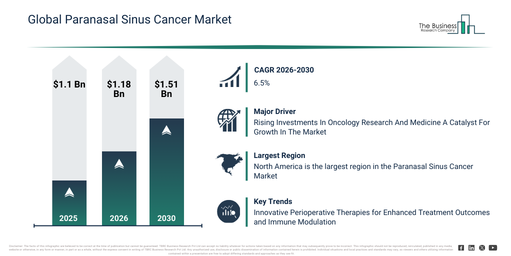
    The market for paranasal sinus cancer has experienced significant expansion lately, projected to increase from $1.1 billion in 2025 to $1.18 billion in 2026, reflecting a compound annual growth rate of 6.7%. This historical growth spurt is largely attributable to factors such as delayed diagnoses stemming from vague symptoms, restricted accessibility to specialized cancer treatment facilities, a reliance on traditional surgical and radiation interventions, a general lack of awareness concerning less common sinonasal malignancies, and disjointed procedures for diagnosis and patient referral.

    The market for paranasal sinus cancer is poised for significant expansion over the coming years, projected to reach $1.51 billion by the year 2030, reflecting a compound annual growth rate of 6.5%. This anticipated growth trajectory is fueled by several key factors including the development of novel targeted therapies and immunotherapies, the increasing integration of artificial intelligence in diagnostic imaging, augmented investment in research concerning rare cancers, the broader implementation of integrated cancer care approaches across multiple disciplines, and the enhancement of hospital-based oncology facilities. Furthermore, prevalent trends expected to shape this market include a greater reliance on precision oncology, the wider application of less invasive surgical methods, the expansion of comprehensive treatment plans combining various modalities, improved utilization of advanced imaging for earlier detection, and a heightened emphasis on cancer care prioritizing patient quality of life.

    Download A Free Sample Report For Comprehensive Market Insights:

    https://www.thebusinessresearchcompany.com/sample.aspx?id=21246&type=smp

    Paranasal Sinus Cancer Market Growth Drivers And Industry Catalysts

    The escalating financial commitments directed towards oncology research and medical advancements are anticipated to fuel the expansion of the paranasal sinus cancer market. These financial outlays encompass resources allocated by governmental bodies, pharmaceutical entities, academic research centers, and private investors, all aimed at enhancing our comprehension, preventive strategies, diagnostic capabilities, and therapeutic interventions for cancer. A confluence of factors underpins this surge in investment, including the escalating global cancer burden, the maturation of precision medicine approaches, a heightened demand for novel therapeutic solutions, the proliferation of clinical investigations, supportive government and private funding initiatives, and the development of targeted and immunotherapeutic agents. Such investments play a crucial role in advancing paranasal sinus cancer care by facilitating earlier detection methods, refining therapeutic strategies like targeted therapies and immunotherapies, supporting the clinical evaluation of more efficacious pharmaceuticals, bolstering the infrastructure for pediatric cancer management, and championing pioneering research endeavors to deepen our understanding of the disease’s underlying biology and its progression. Illustratively, IQVIA, an information technology firm based in India specializing in advanced analytics, reported in May 2024 that global expenditure on cancer medicines reached $223 billion in 2023, an increase of $25 billion from the preceding year, with projections indicating a rise to $409 billion by 2028. Consequently, the heightened investment in oncology research and medicine serves as a significant impetus for the paranasal sinus cancer market.

    An uptick in the number of clinical trials is poised to stimulate the growth trajectory of the paranasal sinus cancer market. These research endeavors involve human participants to rigorously assess the safety, efficacy, and potential benefits of novel treatment modalities or therapeutic interventions. Several key drivers contribute to this proliferation of clinical trials, including breakthroughs in medical science, the imperative for innovative treatment options, the increasing incidence of chronic health conditions, favorable regulatory environments, and escalating investments within the biotechnology and pharmaceutical sectors. The intensification of clinical trials focused on paranasal sinus cancer serves to expedite the development of superior treatment protocols, deepen insights into the disease’s characteristics, and rigorously test cutting-edge therapies, ultimately leading to improved patient outcomes, a reduction in adverse effects, and overall advancements in patient care. As an example, the Association of the British Pharmaceutical Industry, a non-profit organization in the UK, noted in December 2024 that the count of industry-led clinical trials conducted within the UK saw an increase from 411 in 2022 to 426 in 2023, representing a growth of 3.7%. Therefore, the expanding landscape of clinical trials is a primary driver propelling the expansion of the paranasal sinus cancer market.

    Paranasal Sinus Cancer Market Segment Analysis Highlighting Growth Areas

    The paranasal sinus cancer market covered in this report is segmented –

    1) By Type: Squamous Cell Carcinoma, Adenocarcinoma, Mucoepidermoid Carcinoma, Other Types

    2) By Diagnosis: Medical History And Physical Examination, Imaging Tests, Biopsy, Other Diagnosis

    3) By Treatment: Surgery, Radiation Therapy, Chemotherapy, Targeted Therapy, Immunotherapy

    4) By End-User: Hospital And Clinics, Cancer Treatment And Research Center, Research Laboratories, Other End-Users

    Subsegments:

    1) By Squamous Cell Carcinoma: Keratinizing Squamous Cell Carcinoma, Non-Keratinizing Squamous Cell Carcinoma, Basaloid Squamous Cell Carcinoma

    2) By Adenocarcinoma: Intestinal-Type Adenocarcinoma, Non-Intestinal-Type Adenocarcinoma

    3) By Mucoepidermoid Carcinoma: Low-Grade Mucoepidermoid Carcinoma, Intermediate-Grade Mucoepidermoid Carcinoma, High-Grade Mucoepidermoid Carcinoma

    4) By Other Types: Sinonasal Undifferentiated Carcinoma, Neuroendocrine Carcinoma, Adenoid Cystic Carcinoma, Melanoma, Sarcomas, Lymphoma

    #Paranasal Sinus Cancer Market Trends Influencing Long-Term Demand

    Within the competitive landscape of the paranasal sinus cancer market, leading pharmaceutical entities are actively pursuing pioneering advancements, exemplified by the emergence of perioperative chemo immunotherapy strategies designed to enhance their market standing. This therapeutic methodology integrates immune checkpoint inhibitors, such as PD-1 antibodies, with conventional chemotherapy administered prior to surgical intervention, with the objective of diminishing tumor size and optimizing surgical results. A pertinent illustration of this development is the Phase II clinical trial initiated in June 2025 by Coherus Biosciences, a United States-based biotechnology firm, evaluating the efficacy of toripalimab in conjunction with carboplatin and docetaxel for individuals diagnosed with sinonasal cancers. This combined treatment offers the prospect of preoperative tumor reduction, continuous monitoring of the immune system’s response, and seamless incorporation into established treatment protocols. Such innovative approaches hold the potential to broaden the array of treatment options available for less common paranasal sinus cancers and ultimately lead to better patient prognoses, contingent upon the validation of sustained effectiveness and successful navigation of regulatory processes.

    Paranasal Sinus Cancer Market Leading Companies: Who Holds Significant Market Presence?

    Major companies operating in the paranasal sinus cancer market are Bristol-Myers Squibb, Penn Medicine, MD Anderson Cancer Center, RWJBarnabas Health, Mayo Foundation for Medical Education and Research, Stanford Health Care, Memorial Sloan Kettering Cancer Center, Massachusetts General Hospital, The University of Chicago Medical Center, City of Hope, Moffitt Cancer Center, Northwestern Medicine, UK Markey Cancer Center, Karmanos Cancer Institute, Dana-Farber Cancer Institute Inc., VCU Massey Cancer Center, Vanderbilt-Ingram Cancer Center, Fulgent Pharma, Duke University Health System

    Access The Complete Paranasal Sinus Cancer Market Report:

    https://www.thebusinessresearchcompany.com/report/paranasal-sinus-cancer-global-market-report

    Paranasal Sinus Cancer Market Regional Distribution: Which Areas Drive Market Expansion?

    North Americawas the largest region in the paranasal sinus cancer market in 2025. Asia-Pacificis expected to be the fastest-growing region in the forecast period. The regions covered in the paranasal sinus cancer market report are Asia-Pacific, South East Asia, Western Europe, Eastern Europe, North America, South America, Middle East, Africa.

    Get in touch with us:

    The Business Research Company: https://www.thebusinessresearchcompany.com/

    Americas: +1 310-496-7795

    Asia: +44 7882 955267 & +91 8897263534

    Europe: +44 7882 955267

    Email us at: marketing@tbrc.info

    Follow us on:

    LinkedIn: https://in.linkedin.com/company/the-business-research-company

    YouTube: https://www.youtube.com/channel/UC24_fI0rV8cR5DxlCpgmyFQ

    Global Market Model: https://www.thebusinessresearchcompany.com/global-market-model
  • Paraganglioma Market Growth Is Reshaping Competitive Advantage Across The Industry

    Paraganglioma Market Growth Is Reshaping Competitive Advantage Across The Industry

    Enhanced with market attractiveness analysis, total addressable market evaluation, company benchmarking matrices, interactive Excel dashboards, expanded supply chain intelligence, emerging startup coverage, and detailed product insights, The Business Research Company’s 2026 market reports deliver more actionable and strategically valuable research.

    Paraganglioma Market Size Forecast: How Large Could The Market Become By 2030?

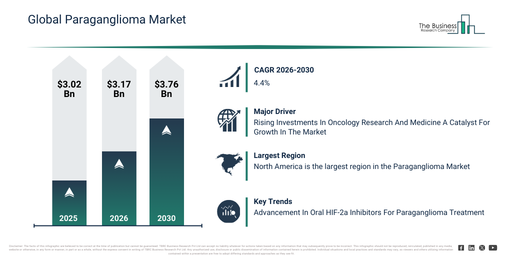
    The paraganglioma market is poised for consistent expansion, projected to increase from $3.02 billion in 2025 to $3.17 billion in 2026, reflecting a compound annual growth rate of 4.7%. Factors that have historically fueled this market’s ascent include restricted availability of ophthalmology specialists, a reliance on corticosteroid treatments, the absence of sophisticated diagnostic technologies, insufficient public knowledge regarding panuveitis complications, and a dispersed treatment framework.

    The paraganglioma market is poised for consistent expansion over the upcoming years, anticipating a valuation of $3.76 billion by 2030, fueled by a compound annual growth rate of 4.4%. This projected expansion throughout the forecast period will be driven by several key factors, including the development of novel biologic and immunotherapy treatments, a rise in the incidence of autoimmune and infectious ocular conditions, the proliferation of teleophthalmology and digital monitoring technologies, escalating investments in AI-driven diagnostic solutions, and the broadening reach of hospital and specialized clinic distribution networks. Notable trends anticipated during this period encompass a growing preference for biologic and targeted therapeutic approaches, the seamless integration of teleophthalmology with remote patient monitoring, the utilization of AI tools to aid in uveitis diagnostics, the advancement of tailored eye care strategies, and the increased establishment of dedicated ophthalmology facilities.

    Download A Free Sample Report For Comprehensive Market Insights:

    https://www.thebusinessresearchcompany.com/sample.aspx?id=21245&type=smp

    Paraganglioma Market Opportunity Drivers: What Is Creating New Revenue Potential?

    The expanding financial commitments towards oncology research and medical advancements are anticipated to stimulate the expansion of the paraganglioma market moving ahead. These financial commitments encompass resources allocated by governmental bodies, pharmaceutical corporations, academic research facilities, and private financiers aimed at enhancing the comprehension, prevention, detection, and management of cancer. Such increased investment stems from the escalating global impact of cancer, breakthroughs in precision medicine, the escalating demand for novel therapeutic interventions, the proliferation of clinical studies, supportive government and private funding initiatives, and the development of treatments focused on specific targets and immunotherapies. Funding directed towards oncology research and medicine aids the paraganglioma sector by fostering progress in early detection methods, augmenting therapeutic alternatives like targeted therapies and immunotherapy, financing clinical trials for more efficacious pharmaceuticals, bolstering the infrastructure for pediatric cancer care, and encouraging pioneering research to deepen the understanding of the disease’s biological mechanisms and progression. Illustratively, in May 2024, IQVIA reported that global expenditure on cancer medications reached $223 billion in 2023, a $25 billion rise from 2022, with projections indicating a figure of $409 billion by 2028. Consequently, the augmentation of investments in oncology research and medicine serves as a catalyst for the paraganglioma market.

    A heightened focus on individualized treatment strategies is poised to invigorate the paraganglioma market’s trajectory. Personalized medicine centers on customizing therapeutic interventions and monitoring based on an individual’s unique genetic makeup, molecular characteristics, or clinical presentation. The growing emphasis on these tailored approaches arises from their capacity to align treatments with an individual’s specific genetic profile, thereby enhancing treatment success rates and minimizing unfavorable side effects. This approach holds particular significance for paraganglioma, given that numerous instances involve germline mutations in genes such as SDHB, SDHD, RET, and VHL. For example, it was noted in February 2024 by the Personalized Medicine Coalition, a US-based non-profit organization, that the FDA authorized 16 novel personalized therapies for individuals with rare diseases in 2023, an increase from the six approvals granted in 2022. Within these approvals, seven were dedicated to cancer treatments, while three addressed other ailments and conditions. Therefore, the increasing consideration of personalized medicine methodologies is expected to be a driving force behind the expansion of the paraganglioma market.

    Paraganglioma Market Segment Performance And Strategic Opportunities

    The paraganglioma market covered in this report is segmented –

    1) By Type: Sympathetic Paragangliomas, Parasympathetic Paragangliomas, Carotid Paragangliomas, Cervical Paragangliomas, Jugular Paragangliomas, Secretory Paragangliomas, Temporal Paragangliomas

    2) By Origin: Head And Neck, Abdomen, Pelvis, Other Origins

    3) By Treatment Type: Peptide Receptor Radionuclide Therapy, Surgery, Chemotherapy, Radiation Therapy, Other Treatment Types

    4) By Distribution Channel: Hospital Pharmacies, Drug Stores And Retail Pharmacies, Online Pharmacies

    5) By End-User: Hospitals, Specialty Clinics, Cancer Research Institutes, Other End-Users

    Subsegments:

    1) By Sympathetic Paragangliomas: Adrenal Sympathetic Paragangliomas, Extra-Adrenal Sympathetic Paragangliomas

    2) By Parasympathetic Paragangliomas: Head And Neck Parasympathetic Paragangliomas, Thoracic Parasympathetic Paragangliomas

    3) By Carotid Paragangliomas: Unilateral Carotid Paragangliomas, Bilateral Carotid Paragangliomas

    4) By Cervical Paragangliomas: Vagal Paragangliomas, Hypoglossal Paragangliomas

    5) By Jugular Paragangliomas: Type A, Type B, Type C, Type D

    6) By Secretory Paragangliomas: Catecholamine-Secreting Paragangliomas, Non-Catecholamine-Secreting Paragangliomas

    7) By Temporal Paragangliomas: Tympanic Paragangliomas, Mastoid Paragangliomas

    Paraganglioma Market Innovation Trends Driving Future Development

    Within the paraganglioma sector, prominent entities are directing their efforts toward pioneering sophisticated treatment modalities, exemplified by the creation of oral hypoxia-inducible factor-2 alpha (HIF-2α) inhibitors, which aim to provide personalized therapeutic avenues for individuals affected by paraganglioma. This form of oral HIF-2α inhibitor represents a precision medicine approach that curbs the action of HIF-2α, a critical element in tumor proliferation within hypoxic environments, thereby aiding in decelerating the advancement of malignancies such as paraganglioma. By way of illustration, in January 2025, Merck, a pharmaceutical giant hailing from the United States, revealed the U.S. Food and Drug Administration’s (FDA) decision to grant priority review for its supplementary new drug application concerning Welireg (belzutifan). This therapeutic agent is intended for both adult and adolescent patients aged twelve and above diagnosed with advanced, unresectable, or metastatic pheochromocytoma and paraganglioma (PPGL). The basis for this supplemental new drug application stems from the objective response rate (ORR) and duration of response (DOR) findings derived from the Phase 2 LITESPARK-015 clinical investigation.

    Paraganglioma Market Key Players: Which Companies Shape Industry Competition?

    Major companies operating in the paraganglioma market are F. Hoffmann-La Roche Ltd., Merck & Co. Inc. , Mount Sinai, Penn Medicine, Stanford Health Care, St. Jude Children’s Research Hospital, UT Health San Antonio, The University of Chicago Medical Center, Fred Hutchinson Cancer Center, Florida Cancer Specialists & Research Institute, Invitae Corp., Clinigen Group plc, Fulgent Genetics, Dana-Farber Cancer Institute Inc., Oncology Hematology Care Inc., Enterome , National Institutes of Health Clinical Center, Progenics Pharmaceuticals Inc., Pheo Para Alliance, Saint John’s Cancer Institute

    Access The Complete Paraganglioma Market Report:

    https://www.thebusinessresearchcompany.com/report/paraganglioma-global-market-report

    Paraganglioma Market Leading Geography: Which Region Generates The Most Revenue?

    North Americawas the largest region in the paraganglioma market in 2025. Asia-Pacificis expected to be the fastest-growing region in the forecast period. The regions covered in the paraganglioma market report are Asia-Pacific, South East Asia, Western Europe, Eastern Europe, North America, South America, Middle East, Africa.

    Get in touch with us:

    The Business Research Company: https://www.thebusinessresearchcompany.com/

    Americas: +1 310-496-7795

    Asia: +44 7882 955267 & +91 8897263534

    Europe: +44 7882 955267

    Email us at: marketing@tbrc.info

    Follow us on:

    LinkedIn: https://in.linkedin.com/company/the-business-research-company

    YouTube: https://www.youtube.com/channel/UC24_fI0rV8cR5DxlCpgmyFQ

    Global Market Model: https://www.thebusinessresearchcompany.com/global-market-model
  • Panuveitis Treatment Market Forecast Signals New Revenue Opportunities Through 2030

    Panuveitis Treatment Market Forecast Signals New Revenue Opportunities Through 2030

    Through market attractiveness analysis, total addressable market evaluation, company benchmarking matrices, interactive Excel dashboards, expanded supply chain intelligence, emerging startup coverage, and detailed product insights, The Business Research Company’s 2026 market reports provide more actionable and strategically valuable research.

    Panuveitis Treatment Market Revenue Outlook: What CAGR Is Expected Through 2030?

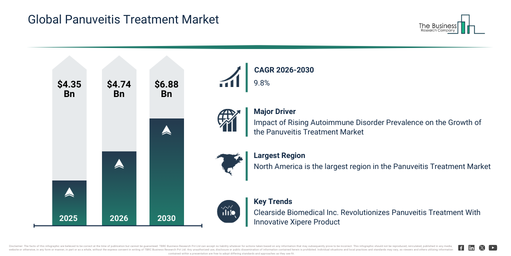
    The global market for panuveitis treatments has experienced robust expansion recently, projecting a rise from $4.35 billion in 2025 to $4.74 billion in 2026, reflecting an 8.8% compound annual growth rate. Factors contributing to this historical growth trajectory include restricted access to specialized eye care professionals, reliance on corticosteroid treatments, a deficiency in sophisticated diagnostic capabilities, minimal awareness regarding the complications associated with panuveitis, and a disconnected treatment framework.

    The market for panuveitis treatments is poised for significant expansion over the upcoming years, projected to reach $6.88 billion by 2030, with a compound annual growth rate of 9.8%. This anticipated growth stems from several key factors, including the development of innovative biologic and immunotherapy treatments, a higher incidence of both autoimmune and infectious conditions affecting the eyes, the increasing utilization of teleophthalmology and digital patient monitoring systems, escalating investments in artificial intelligence for diagnostic purposes, and the broadening of distribution networks through hospitals and specialized clinics. Within this forecast period, prominent trends will include a greater embrace of biologic and specialized therapies, the seamless integration of remote patient monitoring and teleophthalmology, the deployment of AI-powered diagnostic instruments for uveitis detection, the emergence and growth of tailored eye care approaches, and the proliferation of dedicated ophthalmology facilities.

    Download A Free Sample Report For Comprehensive Market Insights:

    https://www.thebusinessresearchcompany.com/sample.aspx?id=13157&type=smp

    Panuveitis Treatment Market Growth Momentum: Which Factors Are Influencing Demand?

    The increasing incidence of autoimmune conditions is anticipated to stimulate expansion within the panuveitis treatment sector. Factors contributing to the surge in autoimmune disorders include genetic susceptibilities, environmental influences such as pollution and altered diets, and heightened exposure to specific infections and stressors that can disrupt immune system balance. These autoimmune conditions enhance panuveitis treatment development by fostering investigations into immune system regulation, as a significant portion of panuveitis instances are linked to autoimmune responses. For illustration, by May 2023, data from the University of Oxford indicated that autoimmune disorders impact 10% globally, with a 13% prevalence among women and 7% among men. Consequently, the escalating rate of autoimmune disorders is a key driver for the panuveitis treatment market’s growth.

    Panuveitis Treatment Market Segment Landscape And Growth Potential

    The panuveitis treatment market covered in this report is segmented –

    1) By Drug Class: Anti-Inflammatory, Antimicrobial Drugs, Immunotherapy And Targeted Therapies

    2) By Route Of Administration: Oral, Topical

    3) By End Users: Hospitals, Home Care, Specialty Clinics, Other End Users

    Subsegments:

    1) By Anti-Inflammatory: Corticosteroids, Non-Steroidal Anti-Inflammatory Drugs (NSAIDs)

    2) By Antimicrobial Drugs: Antibiotics, Antifungal Agents, Antiviral Medications

    3) By Immunotherapy And Targeted Therapies: Biologic Agents, Janus Kinase (JAK) Inhibitors, Cytokine Modulators

    Panuveitis Treatment Market Trends Reshaping Industry Growth

    Regarding the panuveitis treatment market, key industry players are strategically investing in novel therapeutic avenues such as oral dual TYK2/JAK1 inhibitors with the aim of securing a leading market position. These small-molecule immunomodulators are designed to effectively dampen a spectrum of inflammatory cytokine signaling pathways, thereby mitigating inflammation within the eye and providing the ease of administration through oral intake. A pertinent illustration of this development comes from Priovant Therapeutics, a biotechnology firm based in the United States, which in April 2024 disclosed compelling results from a mid-stage clinical trial for its oral drug brepocitinib. This agent, targeting TYK2 and JAK1, demonstrated significant effectiveness in treating non-infectious uveitis, notably leading to a reduction in macular edema for a number of participants. The primary benefits associated with this approach encompass widespread inhibition of cytokines, the simplicity of taking a once-daily oral medication, and a decreased dependence on injections directly into the eye. Nevertheless, potential drawbacks consist of the possibility of generalized immunosuppression and unintended side effects arising from action on non-target pathways, necessitating diligent and prolonged patient observation.

    Panuveitis Treatment Market Competitive Landscape: Who Are The Leading Companies?

    Major companies operating in the panuveitis treatment market are Pfizer Inc., Johnson and Johnson Pvt. Ltd., Bausch Health Companies Inc., AbbVie Inc., Novartis AG, Allergan Inc., Regeneron Pharmaceuticals Inc., Santen Pharmaceutical Co. Ltd., Ocular Therapeutix Inc., EyeGate Pharmaceuticals Inc., Eyepoint Pharmaceuticals Inc., Graybug Vision Inc., Aciont Inc., Clearside Biomedical Inc., Aldeyra Therapeutics Inc., UCB S.A., Amgen Inc., Sanofi S.A., Galapagos NV, Kiora Pharmaceuticals Inc., ONL Therapeutics, Eyevensys, Nicox S.A., Abbott Laboratories

    Access The Complete Panuveitis Treatment Market Report:

    https://www.thebusinessresearchcompany.com/report/panuveitis-treatment-global-market-report

    Panuveitis Treatment Market Regional Outlook: Where Are The Largest Opportunities Located?

    North Americawas the largest region in the panuveitis treatment market in 2025. The regions covered in the panuveitis treatment market report are Asia-Pacific, South East Asia, Western Europe, Eastern Europe, North America, South America, Middle East, Africa.

    Get in touch with us:

    The Business Research Company: https://www.thebusinessresearchcompany.com/

    Americas: +1 310-496-7795

    Asia: +44 7882 955267 & +91 8897263534

    Europe: +44 7882 955267

    Email us at: marketing@tbrc.info

    Follow us on:

    LinkedIn: https://in.linkedin.com/company/the-business-research-company

    YouTube: https://www.youtube.com/channel/UC24_fI0rV8cR5DxlCpgmyFQ

    Global Market Model: https://www.thebusinessresearchcompany.com/global-market-model
  • Panuveitis Market Growth Is Accelerating As Industry Transformation Continues

    Panuveitis Market Growth Is Accelerating As Industry Transformation Continues

    Delivering more actionable and strategically valuable research, The Business Research Company’s 2026 market reports feature market attractiveness analysis, total addressable market evaluation, company benchmarking matrices, interactive Excel dashboards, expanded supply chain intelligence, emerging startup coverage, and detailed product insights.

    Panuveitis Market Growth Analysis: How Will Revenue Expand During The Forecast Period?

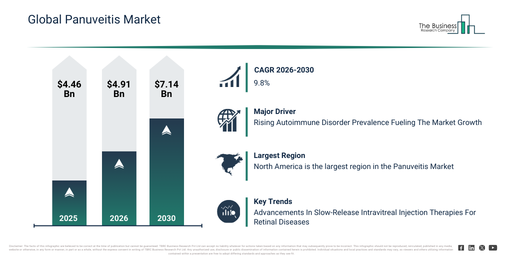
    The global panuveitis market experienced substantial expansion, projected to surge from $4.46 billion in 2025 to $4.91 billion in 2026, reflecting a robust compound annual growth rate of 10.1%. During the preceding period, this growth was shaped by factors such as insufficient public knowledge of panuveitis, a predominant reliance on traditional corticosteroid treatments, restricted access to specialized eye care professionals, a disjointed healthcare system for treatment, and a gradual uptake of advanced diagnostic imaging tools.

    The global market for panuveitis is poised for significant expansion over the upcoming years, projected to reach $7.14 billion by 2030, driven by a compound annual growth rate of 9.8%; this anticipated growth is fueled by several key factors including remarkable progress in biologic and immunomodulatory treatments, a growing incidence of autoimmune and infectious conditions affecting the eyes, the expanding reach of teleophthalmology services, increased funding for artificial intelligence in diagnostic applications, and the broadening of distribution networks through hospitals and retail pharmacies, while prominent trends shaping this market during the forecast period encompass a greater embrace of targeted biologic treatments, escalating utilization of teleophthalmology and remote patient monitoring, the incorporation of AI-powered diagnostic instruments for ocular inflammation, a rise in customized therapeutic strategies, and the proliferation of dedicated ophthalmology facilities.

    Download A Free Sample Report For Comprehensive Market Insights:

    https://www.thebusinessresearchcompany.com/sample.aspx?id=21244&type=smp

    Panuveitis Market Expansion Drivers: What Is Shaping Future Growth?

    The increasing incidence of autoimmune conditions is anticipated to fuel the expansion of the panuveitis market in the future. Autoimmune ailments occur when an individual’s immune defense mechanisms mistakenly attack and harm their own healthy cells and bodily tissues. Several factors contribute to the growing number of autoimmune diseases, including a complex interplay of inherited genetic susceptibilities, external influences like environmental pollution and shifts in dietary habits, and heightened exposure to specific infections and stressors that can disrupt immune system balance. These autoimmune disorders indirectly foster progress in panuveitis therapeutic strategies by stimulating investigations into methods for regulating the immune response, given that a significant portion of panuveitis instances are linked to autoimmune processes. Illustratively, a report from the University of Oxford in May 2023 indicated that autoimmune disorders impact approximately 10% of the global populace, with a higher prevalence observed in women at 13% compared to men at 7%. Consequently, the escalating rate of autoimmune disorders is a key driver for the development of the panuveitis market.

    Panuveitis Market Categorization By Product Type And Application

    The panuveitis market covered in this report is segmented –

    1) By Type: Infectious Panuveitis, Non-Infectious Panuveitis

    2) By Treatment: Pharmacological, Surgical, Phototherapy

    3) By Route Of Administration: Oral, Intravitreal, Topical

    4) By Distribution Channel: Hospital Pharmacies, Retail Pharmacies, Online Pharmacies

    Subsegments:

    1) By Infectious Panuveitis: Bacterial Panuveitis, Viral Panuveitis, Fungal Panuveitis, Parasitic Panuveitis

    2) By Non-Infectious Panuveitis: Autoimmune-Related Panuveitis, Idiopathic Panuveitis, Drug-Induced Panuveitis

    Panuveitis Market Strategic Trends: What Is Defining The Next Phase Of Growth?

    To distinguish themselves in the panuveitis sector, leading entities are concentrating on pioneering therapeutic avenues, specifically the creation of oral TYK2/JAK-1 inhibitors as a strategic enhancement. These orally administered agents function as small-molecule immunomodulators, effectively curbing inflammatory signals by simultaneously impeding TYK2 and JAK-1 kinases, which in turn mitigates inflammation within the eye driven by cytokines. Demonstrating this trend, Roivant Sciences, a biopharmaceutical firm based in the United States, revealed encouraging Phase 2 trial results in April 2024 for brepocitinib, a component of its NEPTUNE investigation into non-infectious uveitis, a category encompassing panuveitis. This particular medication proved effective in diminishing both inflammation and macular swelling, while also exhibiting a favorable safety profile with no emergent concerns. Concurrently, Alumis, another US-based biotherapeutic enterprise, commenced patient treatment in its Phase 2 exploratory study in June 2023 for ESK-001, targeting non-infectious uveitis, including its panuveitis manifestation; this drug candidate boasts high selectivity, oral availability, and is engineered to limit unintended effects through allosteric inhibition of TYK2.

    Panuveitis Market Company Landscape And Strategic Competition

    Major companies operating in the panuveitis market are Pfizer Inc., AbbVie, Amgen, Mallinckrodt plc, EyePoint Pharmaceuticals Inc., Clearside Biomedical Inc., pSivida Corp., Santen Pharmaceutical Co Ltd, Alimera Sciences Inc, Novartis AG, F Hoffmann‑La Roche AG, Regeneron Pharmaceuticals Inc, Sanofi S A, Bausch Health Companies Inc, Johnson & Johnson, UCB SA, Aldeyra Therapeutics Inc, Kiora Pharmaceuticals Inc, Lux Biosciences Inc, Aciont Inc, Sirion Therapeutics Inc, EyeGate Pharmaceuticals Inc, Oculis Pharma AG, Alcon Inc, Sun Pharmaceutical Industries Ltd, Aerie Pharmaceuticals Inc.

    Access The Complete Panuveitis Market Report:

    https://www.thebusinessresearchcompany.com/report/panuveitis-global-market-report

    Panuveitis Market Geographic Landscape: Which Region Dominates Industry Growth?

    North Americawas the largest region in the panuveitis market in 2025. The regions covered in the panuveitis market report are Asia-Pacific, South East Asia, Western Europe, Eastern Europe, North America, South America, Middle East, Africa.

    Get in touch with us:

    The Business Research Company: https://www.thebusinessresearchcompany.com/

    Americas: +1 310-496-7795

    Asia: +44 7882 955267 & +91 8897263534

    Europe: +44 7882 955267

    Email us at: marketing@tbrc.info

    Follow us on:

    LinkedIn: https://in.linkedin.com/company/the-business-research-company

    YouTube: https://www.youtube.com/channel/UC24_fI0rV8cR5DxlCpgmyFQ

    Global Market Model: https://www.thebusinessresearchcompany.com/global-market-model
  • Panic Disorders Market Outlook Highlights The Next Major Growth Opportunities

    Panic Disorders Market Outlook Highlights The Next Major Growth Opportunities

    Enhanced with market attractiveness analysis, total addressable market evaluation, company benchmarking matrices, interactive Excel dashboards, expanded supply chain intelligence, emerging startup coverage, and detailed product insights, The Business Research Company’s 2026 market reports deliver more actionable and strategically valuable research.

    Panic Disorders Market Forecast: What Market Value Is Expected By 2030?

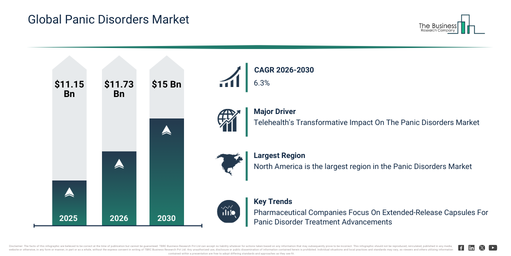
    In recent years, the market for panic disorders has experienced robust expansion, projecting a rise from $11.15 billion in 2025 to $11.73 billion in 2026, reflecting a compound annual growth rate of 5.3%. This historical growth trajectory was influenced by factors such as a lack of widespread understanding regarding panic disorders, a prevalent dependence on conventional face-to-face therapeutic approaches, considerable expenses associated with medications, a decentralized mental healthcare system, and limited uptake of digital therapeutic solutions.

    The market for panic disorder treatments is projected for considerable expansion over the upcoming years, estimating a reach of $15 billion by 2030 with a CAGR of 6.3%. This projected increase is fueled by a rise in anxiety and panic disorder diagnoses, a greater acceptance of telepsychiatry services, innovations in virtual reality and neurofeedback therapeutic approaches, the broader availability through online pharmacies and hospital networks, and a growing need for tailored mental health strategies. Key developments anticipated within this timeframe involve increased utilization of telepsychiatry and mobile mental health platforms, the incorporation of virtual reality for anxiety treatment, more frequent application of biofeedback and neurofeedback methods, a trend towards individualized treatment plans for panic disorders, and an overall enhancement of mental healthcare infrastructure and hospital-based offerings.

    Download A Free Sample Report For Comprehensive Market Insights:

    https://www.thebusinessresearchcompany.com/sample.aspx?id=13191&type=smp

    Panic Disorders Market Development Factors: Which Trends Are Supporting Demand?

    The expanding adoption of remote healthcare solutions is anticipated to be a key driver for the advancement of the panic disorders market in the future. Telehealth, which encompasses the delivery of health services and medical advice from a distance through electronic means like video calls, phone conversations, and encrypted messaging, plays a significant role in this trend by enabling mental health professionals to deliver psychotherapy and counseling to individuals experiencing panic disorders. These remote sessions can take various forms, including one-on-one therapy, group discussions, or support forums, all conducted through secure video conferencing technology. Illustrating this trend, data from FAIR Health Inc. in April 2023 revealed a nationwide uptick in telehealth engagement, with its proportion among medical claim lines climbing from 5.5% in December 2022 to 5.9% in January 2023, marking a 7.3% increase. Consequently, the growing incorporation of telehealth services is directly contributing to the expansion of the panic disorders market.

    Panic Disorders Market Segment Analysis And Revenue Opportunities

    The panic disorders market covered in this report is segmented –

    1) By Treatment Type: Pharmacotherapies, Psychotherapeutic Interventions, Digital Or Tech-Enabled Therapies

    2) By Disorder Type: Panic Disorder Without Agoraphobia, Panic Disorder With Agoraphobia, Mild Panic Disorder, Moderate Panic Disorder, Severe Panic Disorder, Panic Disorder With Comorbidities

    3) By Age Group: Children And Adolescents, Adults, Elderly

    4) By End User: Hospitals, Specialty Mental Health Clinics, Primary Care Clinics, Telehealth And Digital Platforms, Home Healthcare Services

    Subsegments:

    1) By Pharmacotherapies: Antidepressants, Benzodiazepines, Beta-Blockers

    2) By Psychotherapeutic Interventions: Cognitive Behavioral Therapy (CBT), Exposure Therapy, Psychodynamic Therapy, Group And Family Therapy

    3) By Digital Or Tech-Enabled Therapies: Mental Health Apps, Telepsychiatry Or Teletherapy, Virtual CBT Programs

    Panic Disorders Market Transformation Trends: Which Innovations Are Driving Change?

    The primary participants in the panic disorder market are actively engaged in the creation of sophisticated therapeutic options, exemplified by extended-release capsules, as a strategy to secure their competitive standing. These extended-release capsules are engineered to progressively dispense their therapeutic components over an extended duration, spanning typically twelve to twenty-four hours, thereby addressing medical needs that necessitate sustained medication delivery. Illustrating this trend, in May of 2023, the pharmaceutical firm Granules India Ltd., headquartered in India, obtained approval for their abbreviated new drug application (ANDA) from the United States Food & Drug Administration (USFDA) for venlafaxine hydrochloride extended-release capsules, which have been shown to be bioequivalent to the Effexor XR Extended-Release Capsules, the reference-listed drug product manufactured by Upjohn US 2 LLC. This medication, venlafaxine HCl extended-release capsules, is indicated for the treatment of several conditions, encompassing generalized anxiety disorder (GAD), major depressive disorder (MDD), panic disorder (PD), and social anxiety disorder (SAD), by enhancing neurotransmitter levels of serotonin and norepinephrine within the brain, with initial dosages commonly set at 75 mg daily, subject to upward adjustment by a healthcare provider based on patient requirements.

    Panic Disorders Market Leading Players Shaping Industry Direction

    Major companies operating in the panic disorders market are F. Hoffmann‑La Roche Ltd, Sanofi S.A, Bristol‑Myers Squibb Company, AstraZeneca plc, Abbott Laboratories, GlaxoSmithKline plc, Eli Lilly and Company, Boehringer Ingelheim International GmbH, Teva Pharmaceutical Industries Ltd, Mylan N.V., Pfizer Inc, Sun Pharmaceutical Industries Ltd, H. Lundbeck A/S, Neurocrine Biosciences Inc, Neuraxpharm, Actavis Plc, Sumitomo Pharma Co Ltd, LIFECARE NEURO PRODUCTS LTD, Merck & Co Inc, Johnson & Johnson, Novartis AG, Otsuka Pharmaceutical Co Ltd.

    Access The Complete Panic Disorders Market Report:

    https://www.thebusinessresearchcompany.com/report/panic-disorders-global-market-report

    Panic Disorders Market Largest Region: Which Geography Holds The Highest Market Share?

    North Americawas the largest region in the panic disorders market in 2025. Asia Pacificis expected to be the fastest-growing region in the forecast period. The regions covered in the panic disorders market report are Asia-Pacific, South East Asia, Western Europe, Eastern Europe, North America, South America, Middle East, Africa.

    Get in touch with us:

    The Business Research Company: https://www.thebusinessresearchcompany.com/

    Americas: +1 310-496-7795

    Asia: +44 7882 955267 & +91 8897263534

    Europe: +44 7882 955267

    Email us at: marketing@tbrc.info

    Follow us on:

    LinkedIn: https://in.linkedin.com/company/the-business-research-company

    YouTube: https://www.youtube.com/channel/UC24_fI0rV8cR5DxlCpgmyFQ

    Global Market Model: https://www.thebusinessresearchcompany.com/global-market-model
  • Panic Attack Treatment Market Trends And Growth Drivers Point To Strong Future Potential

    Panic Attack Treatment Market Trends And Growth Drivers Point To Strong Future Potential

    Through market attractiveness analysis, total addressable market evaluation, company benchmarking matrices, interactive Excel dashboards, expanded supply chain intelligence, emerging startup coverage, and detailed product insights, The Business Research Company’s 2026 market reports provide more actionable and strategically valuable research.

    Panic Attack Treatment Market Size Outlook: How Fast Will Revenue Grow Through 2030?

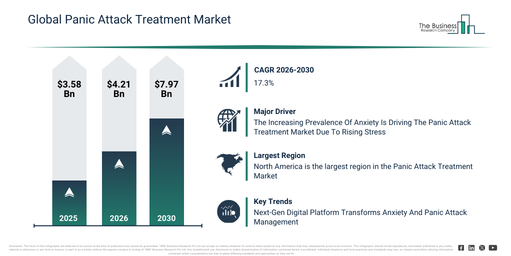
    Witnessing substantial expansion, the market for panic attack treatments has experienced significant recent growth. Projections indicate continued ascendance, with the market value set to increase from $3.58 billion in 2025 to $4.21 billion in 2026, reflecting a compound annual growth rate of 17.6%. Factors contributing to this historical upswing include a nascent understanding of available treatments, a prevailing inclination towards traditional in-person therapeutic approaches, the considerable expense associated with specialized pharmaceuticals, a dispersed network of mental healthcare services, and a slow uptake of virtual therapeutic technologies.

    The market for panic attack treatments is poised for considerable expansion in the coming years, projecting a valuation of $7.97 billion by 2030, fueled by a compound annual growth rate of 17.3%. This anticipated expansion owes much to the increasing embrace of telehealth services, the burgeoning fields of virtual reality and digital therapeutics, a rise in anxiety and panic disorder diagnoses, progress in tailored medical approaches, and the widening reach of online pharmacies and hospital networks. Key developments shaping this period include a growing trend towards telepsychiatry and mHealth applications, the incorporation of virtual reality for panic disorder management, a greater reliance on neurofeedback and biofeedback methods, the development of individualized treatment plans, and the broader availability of mental health services in clinics and hospitals.

    Download A Free Sample Report For Comprehensive Market Insights:

    https://www.thebusinessresearchcompany.com/sample.aspx?id=24356&type=smp

    Panic Attack Treatment Market Industry Drivers: What Is Driving Revenue Growth?

    With the rising incidence of anxiety anticipated to fuel advancements in the panic attack treatment sector, the market is poised for expansion; anxiety, a condition marked by persistent unease, apprehension, and dread, frequently manifests with physical manifestations like agitation, a quickened pulse, and impaired focus, while contemporary life’s demands for perpetual high performance, fiscal security, and social achievement, with minimal respite for recuperation or emotional regulation, intensify these anxieties, consequently, treatments for panic attacks offer viable avenues for symptom relief, fostering enhanced emotional health, and empowering individuals to reclaim command of their lives through tailored and prompt therapeutic actions, further substantiating this trend, survey data from May 2024, as reported by the American Psychiatric Association, an organization representing American psychiatrists, indicates a significant uptick in anxiety among U.S. adults, with 43% reporting elevated anxiety in 2024, contrasting with 37% in 2023 and 32% in 2022, underscoring how the escalating presence of anxiety is stimulating the panic attack treatment market.

    Panic Attack Treatment Market Segmentation And Category Breakdown

    The panic attack treatment market covered in this report is segmented –

    1) By Treatment Type: Cognitive Behavioral Therapy (CBT), Medications, Other Treatment Types

    2) By Drug Class: Antidepressants, Anti-Anxiety Drugs, Calcitonin Gene-Related Peptide (CGRP) Antagonists, Other Drug Classes

    3) By Route Of Administration: Oral, Sublingual, Other Routes Of Administration

    4) By Distribution Channel: Hospital Pharmacies, Retail Pharmacies, Online Pharmacies

    5) By Application: Hospitals, Mental Healthcare Centers, Other Applications

    Subsegments:

    1) By Cognitive Behavioral Therapy (CBT): Exposure Therapy, Dialectical Behavior Therapy (DBT), Acceptance And Commitment Therapy (ACT), Mindfulness-Based Cognitive Therapy (MBCT), Rational Emotive Behavior Therapy (REBT)

    2) By Medications: Beta Blockers, Buspirone, Anticonvulsants, Atypical Antipsychotics, Herbal And Natural Supplements

    3) By Other Treatment Types: Telepsychiatry, Biofeedback And Neurofeedback, Virtual Reality Therapy, Mobile Health Applications, Support Groups And Counseling Services

    #Panic Attack Treatment Market Growth Trends: What Is Influencing The Future Outlook?

    The leading entities in the panic attack treatment sector are dedicating their efforts to pioneering enhancements in medical technology, notably through the creation of digital anxiety relief platforms, aiming to improve how anxiety and panic attacks are handled by offering convenient, tech-enabled approaches. These digital anxiety relief platforms function as tech-driven applications or services that assist individuals in controlling and alleviating anxiety by providing features like guided meditation, modules for cognitive behavioral therapy, mood monitoring, and relaxation practices. A prime illustration of this trend occurred in October 2024, when CalmiGo, a mental health innovator based in the United States, introduced CalmiGo Plus, a sophisticated digital platform engineered to empower users in managing anxiety and panic attacks with greater efficacy. This platform integrates a patented exhaler device equipped with sensors alongside a complementary mobile app that employs gamified elements and tailored therapeutic methods to foster better mental health results. Such advancements offer users the benefit of instant, non-pharmacological relief while simultaneously allowing them to monitor their progress longitudinally, signifying a major stride in readily available and evidence-based strategies for anxiety treatment.

    Panic Attack Treatment Market Competitive Analysis Of Major Industry Participants

    Major companies operating in the panic attack treatment market are Pfizer Inc., Johnson & Johnson Services Inc., F. Hoffmann‑La Roche Ltd., Sanofi S.A., AstraZeneca Plc, Novartis AG, GlaxoSmithKline plc, Takeda Pharmaceutical Company Limited, Eli Lilly and Company, Viatris Inc., Teva Pharmaceutical Industries Ltd., Sun Pharmaceutical Industries Ltd., Sumitomo Dainippon Pharma, Lundbeck A/S, Torrent Pharmaceuticals Ltd., Merck & Co Inc., Bristol‑Myers Squibb Company, Otsuka Pharmaceutical Co Ltd, Boehringer Ingelheim International GmbH, Allergan plc, Alkermes plc, Jazz Pharmaceuticals plc, Bayer AG, Amgen Inc., Cipla Limited

    Access The Complete Panic Attack Treatment Market Report:

    https://www.thebusinessresearchcompany.com/report/panic-attack-treatment-global-market-report

    Panic Attack Treatment Market Regional Analysis: Which Region Leads By Revenue?

    North Americawas the largest region in the panic attack treatment market in 2025. Asia-Pacificis expected to be the fastest-growing region in the forecast period. The regions covered in the panic attack treatment market report are Asia-Pacific, South East Asia, Western Europe, Eastern Europe, North America, South America, Middle East, Africa.

    Get in touch with us:

    The Business Research Company: https://www.thebusinessresearchcompany.com/

    Americas: +1 310-496-7795

    Asia: +44 7882 955267 & +91 8897263534

    Europe: +44 7882 955267

    Email us at: marketing@tbrc.info

    Follow us on:

    LinkedIn: https://in.linkedin.com/company/the-business-research-company

    YouTube: https://www.youtube.com/channel/UC24_fI0rV8cR5DxlCpgmyFQ

    Global Market Model: https://www.thebusinessresearchcompany.com/global-market-model