Month: June 2026

  • Oral Mucositis Market Opportunities Are Emerging Beyond Traditional Growth Areas

    Oral Mucositis Market Opportunities Are Emerging Beyond Traditional Growth Areas

    Enhanced with market attractiveness analysis, total addressable market evaluation, company benchmarking matrices, interactive Excel dashboards, expanded supply chain intelligence, emerging startup coverage, and detailed product insights, The Business Research Company’s 2026 market reports deliver more actionable and strategically valuable research.

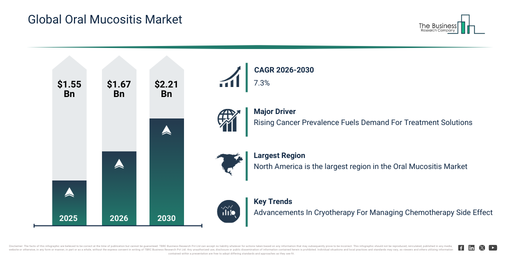
    Oral Mucositis Market Expected To Reach $2.21 Billion By 2030 At 7.3% CAGR

    The oral mucositis market experienced robust expansion recently, projecting a rise from $1.55 billion in 2025 to $1.67 billion in 2026, driven by a compound annual growth rate (CAGR) of 7.6%. Key factors fueling this historical growth include the greater adoption of intensive chemotherapy protocols, an upward trend in head and neck cancer diagnoses, a higher volume of hematopoietic stem cell transplant procedures, a scarcity of potent preventative treatments, and an increase in hospital admissions due to cancer treatment-related complications.

    The market for oral mucositis therapeutics is poised for significant expansion, projected to reach a value of $2.21 billion by the year 2030, reflecting a compound annual growth rate of 7.3% over the upcoming years. This anticipated expansion is fueled by several key factors, including augmented investments in research pertaining to oncology supportive care, a greater number of approvals for innovative therapeutic agents targeting mucositis, heightened awareness surrounding the early detection and effective management of oral mucositis, the broadening of oncology treatment infrastructure within developing economies, and an increasing emphasis on patient-centered strategies in cancer care. Furthermore, several prevailing trends are expected to influence this market during the forecast period, such as the escalating occurrence of oral mucositis induced by chemotherapy and radiotherapy, the growing utilization of targeted and biologic treatments for mucositis management, an intensified focus on preventative oral care protocols within oncology environments, a surge in demand for readily consumable and liquid dosage formulations, and a greater clinical imperative to enhance the overall quality of life for individuals undergoing cancer treatment.

    Download A Free Sample Report For Comprehensive Market Insights:

    https://www.thebusinessresearchcompany.com/sample.aspx?id=21237&type=smp

    Oral Mucositis Market Demand Drivers Creating New Revenue Opportunities

    The escalating incidence of cancer is anticipated to be a significant catalyst for the expansion of the oral mucositis market. Cancer, identified by the erratic proliferation and dissemination of aberrant cells within the body, possesses the capacity to infiltrate and compromise healthy tissues. This surge in cancer diagnoses can be attributed to several contributing elements, including an aging global demographic, shifts in lifestyle patterns, environmental influences, pathogenic infections, and inherent genetic susceptibilities. Treatments for oral mucositis serve a crucial role in supporting cancer patients by offering relief from pain, mitigating inflammation, preventing superimposed infections, and facilitating the more rapid regeneration of oral tissues, thereby enhancing their comfort levels, capacity for nutritional consumption, and general well-being during treatments such as chemotherapy or radiation therapy. Illustratively, data from May 2024, cited by the National Cancer Institute, a governmental entity within the United States, indicated that in the year 2022, the globe witnessed roughly 20 million new cancer diagnoses and 9.7 million fatalities linked to the disease. Forecasts further suggest a potential rise to 29.9 million new cases and 15.3 million deaths on an annual basis by the year 2040. Consequently, the rising tide of cancer is directly fueling the growth trajectory of the oral mucositis market.

    Oral Mucositis Market Segment Landscape: Which Areas Lead Market Development?

    The oral mucositis market covered in this report is segmented –

    1) By Indication: Chemotherapy, Radiotherapy, Hematopoietic Stem Cell Transplantation

    2) By Product Type: Solid Dosage Form, Liquid Dosage Form

    3) By Treatment: Palifermin, Amifostine, Chlorhexidine, Sucralfate, Avasopasem, Dusquetide

    4) By Distribution Channel: Hospital Pharmacies, Retail Pharmacies, Online Pharmacies

    5) By End User: Hospitals, Dental Clinics, Oncology Hospitals, Research Institutes

    Subsegments:

    1) By Chemotherapy: High-Dose Chemotherapy-Induced Oral Mucositis, Standard-Dose Chemotherapy-Induced Oral Mucositis

    2) By Radiotherapy: Head And Neck Cancer Radiotherapy-Induced Oral Mucositis, Total Body Irradiation-Induced Oral Mucositis

    3) By Hematopoietic Stem Cell Transplantation: Autologous Stem Cell Transplantation-Induced Oral Mucositis, Allogeneic Stem Cell Transplantation-Induced Oral Mucositis

    Oral Mucositis Market Trends Driving Strategic Industry Expansion

    Cryotherapy, a treatment method employing extreme cold to eliminate aberrant or diseased tissue and manage conditions like warts or tumors, is being prioritized by dominant players within the oral mucositis sector as they strive to create novel interventions. This cold therapy approach aims to mitigate both the occurrence and severity of oral mucositis by limiting damage to the delicate tissues of the mouth. Illustrative of this trend, in February 2024, Chemo Mouthpiece LLC, a medical device enterprise based in the United States, revealed its chemo mouthpiece device had received approval from the Food and Drug Administration, a regulatory body in the US. This intraoral ice pack functions by administering cryotherapy directly to the oral cavity of individuals undergoing chemotherapy, thereby offering proactive management and treatment for oral mucositis, a prevalent and distressing adverse effect frequently associated with such cancer treatments.

    Oral Mucositis Market Industry Leaders And Market Competition

    Major companies operating in the oral mucositis market are Mundipharma International Limited, EUSA Pharma, Galera Therapeutics Inc., Enzychem Lifesciences Corporation, Oragenics Inc., Soligenix Inc., Monopar Therapeutics Inc., EpicentRx, Cellceutix Corporation, GlycoMira Therapeutics Inc., Solasia Pharma KK, 3M Healthcare, GlaxoSmithKline plc, Pfizer Inc., Colgate‑Palmolive Company, CANbridge Pharmaceuticals Inc., Helsinn Healthcare SA, Camurus AB, Norgine B.V., Clinigen Group plc, Alliance Pharma plc, Amag Pharmaceuticals, Izun Pharmaceuticals Corporation, Spherium Biomed, Mission Pharmacal, Access Pharmaceuticals Inc., Otsuka Pharmaceuticals

    Access The Complete Oral Mucositis Market Report:

    https://www.thebusinessresearchcompany.com/report/oral-mucositis-global-market-report

    Oral Mucositis Market Regional Outlook: Where Are The Largest Opportunities Located?

    North Americawas the largest region in the oral mucositis market in 2025. Asia-Pacificis expected to be the fastest-growing region in the forecast period. The regions covered in the oral mucositis market report are Asia-Pacific, South East Asia, Western Europe, Eastern Europe, North America, South America, Middle East, Africa.

    Get in touch with us:

    The Business Research Company: https://www.thebusinessresearchcompany.com/

    Americas: +1 310-496-7795

    Asia: +44 7882 955267 & +91 8897263534

    Europe: +44 7882 955267

    Email us at: marketing@tbrc.info

    Follow us on:

    LinkedIn: https://in.linkedin.com/company/the-business-research-company

    YouTube: https://www.youtube.com/channel/UC24_fI0rV8cR5DxlCpgmyFQ

    Global Market Model: https://www.thebusinessresearchcompany.com/global-market-model
  • Oral Hygiene Market Expansion Is Opening New Pathways For Strategic Investment

    Oral Hygiene Market Expansion Is Opening New Pathways For Strategic Investment

    Through market attractiveness analysis, total addressable market evaluation, company benchmarking matrices, interactive Excel dashboards, expanded supply chain intelligence, emerging startup coverage, and detailed product insights, The Business Research Company’s 2026 market reports provide more actionable and strategically valuable research.

    Oral Hygiene Market Size And Revenue Forecast Through 2030

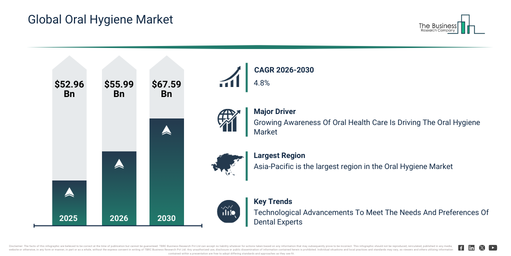
    The oral hygiene sector has experienced robust expansion lately, projected to climb from $52.96 billion in 2025 to $55.99 billion by 2026, demonstrating a compound annual growth rate of 5.7%. This upward trajectory in the past is linked to a higher incidence of dental decay and gum ailments, escalating urbanization coupled with shifts in lifestyle, enhanced accessibility of oral care items through retail outlets, greater emphasis on daily dental hygiene by dental professionals, and increased consumer expenditure on personal grooming goods.

    The oral hygiene sector is projected for consistent expansion over the coming years, anticipating a market value of $67.59 billion by 2030, with a compound annual growth rate of 4.8%. This anticipated growth trajectory is fueled by several key factors, including a heightened focus on proactive health measures and overall well-being, greater accessibility to oral care items via online retail channels, advancements in intelligent and interconnected oral hygiene technologies, a growing understanding of the connections between oral health and systemic conditions, and a rising consumer preference for environmentally responsible and sustainable oral care products. Key developments shaping this market during the forecast period encompass heightened consciousness regarding preventative dental care routines, an escalating demand for oral hygiene solutions derived from natural and herbal sources, a broader uptake of electric toothbrushes and sophisticated oral care devices, a stronger inclination towards alcohol-free and medicinally beneficial mouthwashes, and an increasing emphasis on specialized oral hygiene products designed for children and infants.

    Download A Free Sample Report For Comprehensive Market Insights:

    https://www.thebusinessresearchcompany.com/sample.aspx?id=15228&type=smp

    Oral Hygiene Market Expansion Supported By Key Demand Factors

    The increasing consciousness regarding the importance of dental care is anticipated to be a major catalyst for the expansion of the oral hygiene market. This encompasses the diligent upkeep of the mouth, teeth, gums, and associated oral structures to avert dental ailments and foster general wellness. A heightened understanding of oral health’s significance stems from its role in implementing preventive dental measures, thereby mitigating long-term healthcare expenditures. Products dedicated to oral care are meticulously formulated to enhance the cleanliness, health, and hygiene of the oral cavity, contributing to overall well-being. Illustratively, a report from the Centers for Medicare & Medicaid Services indicated that expenditures on dental services in the US surged by 6.2 percent to reach $173.8 billion during 2023, highlighting substantial investment in this sector. Consequently, this burgeoning oral health awareness is directly fueling the growth trajectory of the oral hygiene market.

    Oral Hygiene Market Segments: Where Are The Largest Growth Opportunities?

    The oral hygiene market covered in this report is segmented –

    1) By Product: Toothpaste, Toothbrushes And Accessories, Mouthwash And Rinses, Dental Accessories And Ancillaries, Denture Products, Dental Prosthesis Cleaning Solutions, Other Products

    2) By Distribution Channel: Supermarkets And Hypermarkets, Convenience Stores, Pharmacies, Online Stores, Other Distribution Channels

    3) By Application: Adults, Kids, Infants

    Subsegments:

    1) By Toothpaste: Fluoride Toothpaste, Herbal Toothpaste, Whitening Toothpaste, Sensitivity Toothpaste

    2) By Toothbrushes And Accessories: Manual Toothbrushes, Electric Toothbrushes, Toothbrush Heads, Toothbrush Holders

    3) By Mouthwash And Rinses: Antiseptic Mouthwash, Whitening Mouthwash, Alcohol-Free Mouthwash, Therapeutic Mouthwash

    4) By Dental Accessories And Ancillaries: Dental Floss, Tongue Scrapers, Dental Picks, Interdental Brushes

    5) By Denture Products: Denture Adhesives, Denture Cleaners, Denture Repair Kits

    6) By Dental Prosthesis Cleaning Solutions: Ultrasonic Cleaning Solutions, Chemical Cleaning Solutions

    7) By Other Products: Teeth Whitening Kits, Dental Sealants, Breath Fresheners

    Oral Hygiene Market Growth Trends Influencing Competitive Dynamics

    The oral hygiene sector sees leading firms concentrating on introducing products that leverage sophisticated technology, specifically smart, responsive toothbrushes powered by software. These intelligent toothbrushes integrate cutting-edge technology and software to elevate the user’s brushing routine. Equipped with sensors and specialized software, they meticulously track multiple facets of the brushing process. As an illustration, in October 2023, Burst Oral Care, an American entity in the oral hygiene sphere, unveiled its Pro Sonic Toothbrush and Curve Sonic Toothbrush, innovations derived from insights gathered from over 35,000 dental practitioners. The Pro Sonic Toothbrush boasts a new premium color LED display, intelligent and adaptive software, an exceptional rechargeable battery that lasts up to nine months, and a sensor delivering real-time feedback during each brushing instance. Complementing this, the Curve Sonic Toothbrush is outfitted with exceptionally soft, tapered bristles, generates cleansing sonic vibrations via a robust motor, offers specific modes for whitening and sensitive care, and includes a built-in two-minute timer.

    Oral Hygiene Market Major Participants And Competitive Dynamics

    Major companies operating in the oral hygiene market are The Procter & Gamble Company, Johnson & Johnson, GlaxoSmithKline plc, Koninklijke Philips NV, Colgate-Palmolive Company, Reckitt Benckiser Group plc, Church & Dwight Co. Inc., Patanjali Ayurved Limited, Lion Corporation, Dabur India Ltd., Sunstar Suisse SA, Ranir LLC, Dr Fresh LLC, Haleon plc, Burst Oral Care, Hismile, Quip, Trisa AG, Dentaid, Perrigo Company plc, Amway Corp, The Himalaya Drug Company, Orkla, LG Household & Health Care Ltd, LUSH Ltd, Curaden AG, PerioSciences, Purexa Global Private Limited, ORACURA

    Access The Complete Oral Hygiene Market Report:

    https://www.thebusinessresearchcompany.com/report/oral-hygiene-global-market-report

    Oral Hygiene Market Geographic Landscape: Which Region Dominates Industry Growth?

    Asia-Pacificwas the largest region in the oral hygiene market in 2025. Europeis expected to be the fastest-growing region in the forecast period. The regions covered in the oral hygiene market report are Asia-Pacific, South East Asia, Western Europe, Eastern Europe, North America, South America, Middle East, Africa.

    Get in touch with us:

    The Business Research Company: https://www.thebusinessresearchcompany.com/

    Americas: +1 310-496-7795

    Asia: +44 7882 955267 & +91 8897263534

    Europe: +44 7882 955267

    Email us at: marketing@tbrc.info

    Follow us on:

    LinkedIn: https://in.linkedin.com/company/the-business-research-company

    YouTube: https://www.youtube.com/channel/UC24_fI0rV8cR5DxlCpgmyFQ

    Global Market Model: https://www.thebusinessresearchcompany.com/global-market-model

  • Oral Expectorant Market Trends Are Creating New Opportunities For Industry Leaders

    Oral Expectorant Market Trends Are Creating New Opportunities For Industry Leaders

    Delivering more actionable and strategically valuable research, The Business Research Company’s 2026 market reports feature market attractiveness analysis, total addressable market evaluation, company benchmarking matrices, interactive Excel dashboards, expanded supply chain intelligence, emerging startup coverage, and detailed product insights.

    Oral Expectorant Market Growth From $4.57 Billion In 2026 To $5.36 Billion By 2030 At A CAGR Of 4.1%

    Throughout recent years, the oral expectorant market has experienced consistent expansion, projected to increase from a value of $4.37 billion in 2025 to $4.57 billion in 2026, reflecting a compound annual growth rate of 4.7%. Key factors driving this expansion during the historical period included a rise in respiratory infections, escalating urban air pollution, a growing demographic of smokers, the extensive accessibility of over-the-counter cough remedies, and the proliferation of retail pharmacy chains.

    The oral expectorant sector is poised for consistent expansion over the coming years, projecting a market value of $5.36 billion by 2030, driven by a compound annual growth rate of 4.1%. This anticipated increase during the forecast period is largely fueled by several key factors: a heightened demand for respiratory treatments that do not require invasive procedures, a greater emphasis on individuals managing their own healthcare through self-medication, the expanding reach of online pharmacies, a growing consciousness regarding the importance of addressing respiratory symptoms early, and continuous advancements in the development of mucolytic formulations. Prominent trends expected to shape this market moving forward include the increasing incidence of respiratory illnesses and the subsequent demand for related products, a growing inclination towards over-the-counter oral expectorants, a rise in the utilization of liquid oral formulations for their expedited symptom relief, increased adoption of medications that simultaneously address cough and cold symptoms, and a growing need for expectorants specifically designed for both pediatric and geriatric populations.

    Download A Free Sample Report For Comprehensive Market Insights:

    https://www.thebusinessresearchcompany.com/sample.aspx?id=16496&type=smp

    Oral Expectorant Market Growth Drivers And Industry Catalysts

    The increasing prevalence of respiratory ailments is anticipated to be a significant catalyst for the expansion of the oral expectorant market. Respiratory illnesses encompass a range of conditions affecting the breathing apparatus, such as the lungs and airways, and arise from factors including environmental pollution, tobacco use, infectious agents, and the growing incidence of chronic diseases like asthma and COPD. Oral expectorants serve to mitigate the symptoms associated with these conditions and enhance respiratory function for affected individuals, facilitating mucus clearance, easing respiration, and contributing to recovery and general well-being. For example, data from the U.S. Centers for Disease Control in 2024 indicated that approximately 8.6% of adults aged 18 and above currently suffer from asthma, while 6.5% of children under 18 years also have asthma. Consequently, a growing demographic of individuals experiencing these respiratory issues is fueling the demand within the oral expectorant market.

    Oral Expectorant Market Segment Analysis: What Are The Major Market Categories?

    The oral expectorant market covered in this report is segmented –

    1) By Drug Type: Secretion Enhancer, Mucolytics

    2) By Dosage Form: Oral Solids, Oral Liquids, Inhalants

    3) By Medication: Prescription drugs, Over The Counter Drugs

    4) By Distribution Channel: Hospital Pharmacy, Retail Store And Drug Store, Online Pharmacies

    Subsegments:

    1) By Secretion Enhancer: Guaifenesin, Potassium Iodide

    2) By Mucolytics: Acetylcysteine, Bromhexine, Carbocisteine

    #Oral Expectorant Market Trends Influencing Long-Term Demand

    Within the realm of the oral expectorant market, key players are actively pursuing technological innovations, specifically the creation of extended-release tablet formulations designed for progressive drug dispensation. This strategic development aims to boost patient convenience by ensuring steady therapeutic concentrations and encouraging greater adherence to medication regimens. Such extended-release formulations work by steadily diffusing the primary mucus-thinning compound, typically guaifenesin, throughout an extended timeframe. Consequently, the need for frequent dosing, often associated with traditional immediate-release syrups or tablets, is diminished, while still achieving equivalent effectiveness in mucus mobilization. Illustrating this trend, Marksans Pharma, an Indian pharmaceutical entity, secured approval from the U.S. FDA in August 2023 for its Guaifenesin Extended-Release Tablets, available in 600 mg and 1,200 mg over-the-counter strengths. This particular product facilitates a gradual, 12-hour release of guaifenesin, thereby promoting sustained loosening and thinning of bronchial secretions for more productive coughs and significantly lowering the daily dosage requirement.

    Oral Expectorant Market Leading Companies Driving Competitive Growth

    Major companies operating in the oral expectorant market are Bayer AG, Sanofi S.A., GlaxoSmithKline (GSK) plc, Reckitt Benckiser Group PLC, C.H. Boehringer Sohn AG And Co. KG, Genexa Inc., Johnson & Johnson, Procter & Gamble Co., Pfizer Inc., Roche Holding AG, Merck KGaA, Perrigo Company plc, Sun Pharmaceutical Industries Ltd., Cipla Limited, Aurobindo Pharma Ltd., AstraZeneca plc, Novartis AG, Acella Pharmaceuticals LLC, Glenmark Pharmaceuticals Limited, Dabur India Ltd, ARPIMED, Mayne Pharma Inc., Aytu BioScience Inc., Tris Pharma Inc., Vernalis plc, Prestige Consumer Healthcare Inc.

    Access The Complete Oral Expectorant Market Report:

    https://www.thebusinessresearchcompany.com/report/oral-expectorant-global-market-report

    Oral Expectorant Market Largest Region: Which Geography Holds The Highest Market Share?

    North Americawas the largest region in the oral expectorant market in 2025. The regions covered in the oral expectorant market report are Asia-Pacific, South East Asia, Western Europe, Eastern Europe, North America, South America, Middle East, Africa.

    Get in touch with us:

    The Business Research Company: https://www.thebusinessresearchcompany.com/

    Americas: +1 310-496-7795

    Asia: +44 7882 955267 & +91 8897263534

    Europe: +44 7882 955267

    Email us at: marketing@tbrc.info

    Follow us on:

    LinkedIn: https://in.linkedin.com/company/the-business-research-company

    YouTube: https://www.youtube.com/channel/UC24_fI0rV8cR5DxlCpgmyFQ

    Global Market Model: https://www.thebusinessresearchcompany.com/global-market-model

  • Oral Care Market Growth Is Reshaping Competitive Advantage Across The Industry

    Oral Care Market Growth Is Reshaping Competitive Advantage Across The Industry

    Enhanced with market attractiveness analysis, total addressable market evaluation, company benchmarking matrices, interactive Excel dashboards, expanded supply chain intelligence, emerging startup coverage, and detailed product insights, The Business Research Company’s 2026 market reports deliver more actionable and strategically valuable research.

    Oral Care Market Expansion Outlook: What Revenue Opportunities Lie Ahead?

    The oral care sector has experienced significant expansion lately, projecting a rise from 54.68 billion dollars in 2025 to 59.54 billion dollars in 2026, reflecting a compound annual growth rate of 8.9%. Factors contributing to this growth during the past period include a higher incidence of dental decay and gum ailments, an increasing urban demographic coupled with evolving lifestyles, greater accessibility to fundamental oral hygiene items, an broadened retail and in-store distribution network, and a rise in endorsements from dental practitioners.

    The oral care sector is projected for significant expansion over the upcoming years, anticipating an increase to $81.9 billion by 2030. This upward trajectory is underpinned by a compound annual growth rate (CAGR) of 8.3%. Key drivers fueling this expansion anticipated within the forecast period comprise a heightened demand for high-end and specialized oral hygiene items, a greater emphasis on expenditures related to preventive health, the escalating popularity of electric and battery-powered toothbrushes, the broadening reach of non-store-based and e-commerce distribution, and burgeoning oral health education initiatives in developing nations. Prominent trends expected to shape the market during this timeframe include a growing consciousness regarding preventive oral hygiene measures, a rising preference for oral care products derived from herbal and natural ingredients, an increase in the consumption of teeth-whitening and cosmetic dental goods, the wider integration of daily oral care habits across diverse age demographics, and a heightened concentration on addressing concerns related to dental sensitivity and gum health.

    Download A Free Sample Report For Comprehensive Market Insights:

    https://www.thebusinessresearchcompany.com/sample.aspx?id=7432&type=smp

    Oral Care Market Opportunity Drivers: What Is Creating New Revenue Potential?

    A heightened consciousness regarding dental healthcare practices is a significant catalyst for the expansion of the oral care market. Oral health encompasses the well-being of teeth, gums, and the entire mouth, with the primary objective of maintaining oral hygiene and preventing conditions such as gum disease and tooth decay. Several elements, including the intake of sugar, tobacco use, alcohol consumption, and insufficient oral hygiene routines, are recognized as primary contributors to oral health ailments. Consequently, oral care plays a crucial role in upholding cleanliness and ensuring an oral environment free from disease. As an illustration, data from August 2025, provided by the NHS, the publicly funded healthcare system in the U.K., indicated that between 2024 and 2025, a total of 35 million courses of treatment (COTs) were administered, representing a 4% increase compared to the period of 2023-2024. Moreover, during 2024-2025, there was a 2% rise in COTs for adult patients, reaching 23 million, and a 7% increase for child patients, totaling 12 million. This underscores how enhanced awareness of dental healthcare directly fuels the growth trajectory of the oral care market.

    Escalating demand for dental interventions is poised to significantly boost the oral care market’s expansion. Dental interventions encompass the medical procedures and services undertaken by dental practitioners to resolve predicaments and conditions affecting oral health. These treatments are fundamentally linked to oral care, emphasizing the identification, prevention, and management of issues concerning the mouth. For exemplification, a report published in May 2023 by the National Health Service, a United Kingdom-based public healthcare provider, revealed that 18.1 million adults received care from an NHS dentist within the 24 months concluding on June 30, 2023, marking a notable increase of 1.7 million (or 10%) over the preceding year. Therefore, this heightened requirement for dental treatments will serve as a driving force for the advancement of the oral care market.

    Oral Care Market Segment Breakdown: Which Categories Generate The Most Revenue?

    The oral care market covered in this report is segmented –

    1) By Product Type: Toothpaste, Mouth Wash And Rinse, Teeth Whitening, Dental Floss, Tooth Brush, Orthodontic Wax

    2) By Distribution Channel: Store-Based, Non-Store-Based

    3) By End User: Hospitals, Dental Clinics

    Subsegments:

    1) By Toothpaste: Whitening Toothpaste, Sensitive Toothpaste, Herbal Toothpaste, Fluoride Toothpaste, Children’s Toothpaste

    2) By Mouth Wash And Rinse: Antiseptic Mouthwash, Cosmetic Mouthwash, Fluoride Rinse, Herbal Mouthwash

    3) By Teeth Whitening: Whitening Strips, Whitening Gels, Whitening Kits, Whitening Toothpaste

    4) By Dental Floss: Waxed Floss, Unwaxed Floss, Floss Picks, Dental Tape

    5) By Tooth Brush: Manual Toothbrush, Electric Toothbrush, Battery-Operated Toothbrush, Children’s Toothbrush

    6) By Orthodontic Wax: Mint-Flavored Wax, Unflavored Wax, Colored Orthodontic Wax

    Oral Care Market Innovation Trends Driving Future Development

    Leading players in the oral care sector are innovating by introducing sophisticated products, exemplified by the ComfortFit LED Teeth Whitening Kit and Express Teeth Whitening Pen, aiming to solidify their market standing. These products, including the ComfortFit LED Teeth Whitening Kit featuring Wavelength Technology and the Express Teeth Whitening Pen, leverage specific light spectrums, such as blue or violet wavelengths, to amplify the results of teeth whitening procedures. A notable example is the February 2023 introduction of the Colgate Optic White ComfortFit LED Teeth Whitening Kit by Colgate-Palmolive Company, a prominent American manufacturer of dental and personal care items, which incorporates wavelength technology. This particular kit was meticulously designed to elevate the consumer’s journey by prioritizing comfort, consistent whitening outcomes, straightforward application, proven effectiveness, and rapid results. Employing its wavelength technology, the kit facilitates the application of a slender layer of whitening serum onto teeth via the included LED apparatus, requiring a daily 10-minute treatment over a 10-day course to efficiently eliminate discoloration. The kit encompasses a pliable LED whitening light and a teeth whitening pen, and its power source can be conveniently linked to a smartphone, supporting both iPhone and Android operating systems.

    Oral Care Market Key Players And Strategic Industry Positioning

    Major companies operating in the oral care market are Procter & Gamble Co., Johnson & Johnson Services Inc., GlaxoSmithKline Plc, Church & Dwight Co. Inc., Colgate Palmolive Co., Ranir a Perrigo Company, Sunstar Group, The Clorox Company, Unilever plc, Water Pik Inc., Haleon plc, Lion Corporation, Henkel AG & Co. KGaA, Amway Corporation, GC Corporation, Dabur India Ltd., The Himalaya Drug Company, Quip, Burst, Hismile, TePe, Bite, Dr Fresh LLC, Forever Living Products International Inc., Curaprox, TePe, Oral Care AB

    Access The Complete Oral Care Market Report:

    https://www.thebusinessresearchcompany.com/report/oral-care-global-market-report

    Oral Care Market Regional Analysis: Which Region Leads By Revenue?

    Asia-Pacificwas the largest region in the oral care market in 2025. The regions covered in the oral care market report are Asia-Pacific, South East Asia, Western Europe, Eastern Europe, North America, South America, Middle East, Africa.

    Get in touch with us:

    The Business Research Company: https://www.thebusinessresearchcompany.com/

    Americas: +1 310-496-7795

    Asia: +44 7882 955267 & +91 8897263534

    Europe: +44 7882 955267

    Email us at: marketing@tbrc.info

    Follow us on:

    LinkedIn: https://in.linkedin.com/company/the-business-research-company

    YouTube: https://www.youtube.com/channel/UC24_fI0rV8cR5DxlCpgmyFQ

    Global Market Model: https://www.thebusinessresearchcompany.com/global-market-model
  • Oral Cancer Treatment Market Forecast Signals New Revenue Opportunities Through 2030

    Oral Cancer Treatment Market Forecast Signals New Revenue Opportunities Through 2030

    Through market attractiveness analysis, total addressable market evaluation, company benchmarking matrices, interactive Excel dashboards, expanded supply chain intelligence, emerging startup coverage, and detailed product insights, The Business Research Company’s 2026 market reports provide more actionable and strategically valuable research.

    Oral Cancer Treatment Market Growth Potential: How Will Market Size Change Through 2030?

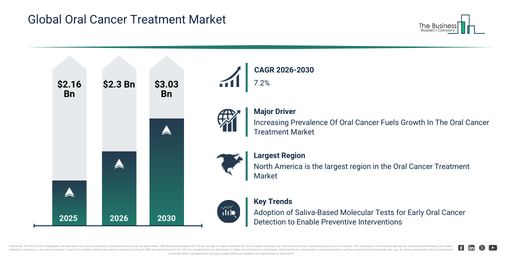
    The market for oral cancer therapies has experienced robust expansion recently, projected to advance from $2.16 billion in 2025 to $2.3 billion by 2026, reflecting a compound annual growth rate of 6.1%. This historical growth trajectory has been fueled by factors such as escalating rates of tobacco and alcohol usage, a growing number of oral squamous cell carcinoma cases, a lack of widespread knowledge regarding early warning signs of oral cancer, an increasing accessibility to chemotherapy and radiation services, and the broader development of oncology units within hospital settings.

    The global market for oral cancer treatments is poised for substantial expansion, projected to reach $3.03 billion by 2030, exhibiting a compound annual growth rate of 7.2% over the forecast period. This anticipated growth is fueled by several key factors, including an escalating demand for biological therapies and immunotherapies, heightened emphasis on early detection initiatives through screening programs, the increasing implementation of personalized approaches in oncology care, the proliferation of specialized clinics dedicated to cancer treatment, and improved access to healthcare services in developing nations. Prominent trends shaping the market landscape through 2030 involve a greater embrace of multidisciplinary treatment strategies for oral cancer, augmented utilization of combined chemotherapy and radiation therapies, a more pronounced focus on early diagnosis and treatment planning tailored to disease stage, a growing preference for targeted and biological treatment options, and an increasing inclination towards individualized treatment regimens that consider the unique health status of each patient.

    Download A Free Sample Report For Comprehensive Market Insights:

    https://www.thebusinessresearchcompany.com/sample.aspx?id=13254&type=smp

    Oral Cancer Treatment Market Growth Momentum: Which Factors Are Influencing Demand?

    The rising incidence of oral cancer is poised to be a significant driver for the expansion of the oral cancer treatment market. Oral cancer, a serious condition involving abnormal and invasive cell proliferation within the oral cavity, commonly requires a multi-faceted treatment approach combining surgical removal, radiation, and chemotherapy, tailored to the specific stage and severity of the illness. As an illustration, projected data from the American Cancer Society indicates that by 2025, an estimated 59,660 individuals in the United States will receive a new diagnosis for cancers affecting the mouth and throat, with an anticipated 12,770 fatalities. Notably, men exhibit an incidence rate approximately three times greater than that of women, underscoring the impact of this disease and consequently fueling the demand within the oral cancer treatment sector.

    Oral Cancer Treatment Market Segmentation: How Is The Market Structured Across Key Categories?

    The oral cancer treatment market covered in this report is segmented –

    1) By Type: Oral Squamous Cell Carcinoma, Oral Verrucous Carcinoma, Mucoepidermoid Carcinoma, Oral Cavity Lymphomas

    2) By Therapy Type: Chemotherapy, Radiation Therapy, Biological Therapy

    3) By Route Of Administration: Oral, Injectable, Other Routes Of Administration

    4) By End-User: Hospitals, Homecare, Specialty Clinics, Other End-Users

    Subsegments:

    1) By Oral Squamous Cell Carcinoma: Surgery, Radiation Therapy, Chemotherapy, Targeted Therapy

    2) By Oral Verrucous Carcinoma: Surgical Excision, Radiation Therapy

    3) By Mucoepidermoid Carcinoma: Surgical Resection, Radiation Therapy, Chemotherapy

    4) By Oral Cavity Lymphomas: Chemotherapy, Radiation Therapy, Immunotherapy

    Oral Cancer Treatment Market Trends Reshaping Industry Growth

    In the realm of oral cancer treatment, key players are prioritizing innovation through advanced technologies like molecular diagnostic tests utilizing saliva samples, aiming to facilitate early identification and preventative measures. Such saliva-based tests perform an analysis of both microbial and mitochondrial functions, measure the levels of various biochemical pathways, and employ machine learning algorithms to detect early molecular indicators of oral cancer prior to the manifestation of visible sores, thereby paving the way for prompt treatment decisions and reduced risk. An illustrative example is the introduction of ORAONCO in November 2025 by Genefitletics, an emerging biotechnology firm based in India. This saliva diagnostic tool scrutinizes 27 distinct biochemical pathways and 7 molecular mechanisms, offering predictive analysis for adults identified as high-risk and suggesting dietary and therapeutic strategies to lower the presence of cancer-causing molecules before the disease advances.

    Oral Cancer Treatment Market Competitive Landscape And Leading Companies

    Major companies operating in the oral cancer treatment market are Pfizer Inc., F. Hoffmann La Roche Ltd., Merck & Co., AbbVie Inc., Novartis AG, Bayer AG, Sanofi-Aventis LLC, Bristol Myers Squibb, AstraZeneca plc, GlaxoSmithKline plc, Eli Lilly and Company, C.H. Boehringer Sohn AG & Co. KG., Viatris Inc., Teva Pharmaceuticals Industries Ltd., MD Anderson Cancer Center, Memorial Sloan Kettering Cancer Center, Fred Hutchinson Cancer Research Center, Genentech Inc., BioNTech SE, Transgene S A, ALX Oncology Inc., Iovance Biotherapeutics Inc., Kura Oncology Inc., NeoImmuneTech Inc.

    Access The Complete Oral Cancer Treatment Market Report:

    https://www.thebusinessresearchcompany.com/report/oral-cancer-treatment-global-market-report

    Oral Cancer Treatment Market Geographic Distribution And Regional Opportunities

    North Americawas the largest region in the oral cancer treatment market in 2025. Asia-Pacificis expected to be the fastest-growing region in the forecast period. The regions covered in the oral cancer treatment market report are Asia-Pacific, South East Asia, Western Europe, Eastern Europe, North America, South America, Middle East, Africa.

    Get in touch with us:

    The Business Research Company: https://www.thebusinessresearchcompany.com/

    Americas: +1 310-496-7795

    Asia: +44 7882 955267 & +91 8897263534

    Europe: +44 7882 955267

    Email us at: marketing@tbrc.info

    Follow us on:

    LinkedIn: https://in.linkedin.com/company/the-business-research-company

    YouTube: https://www.youtube.com/channel/UC24_fI0rV8cR5DxlCpgmyFQ

    Global Market Model: https://www.thebusinessresearchcompany.com/global-market-model

  • Optical Genome Mapping Market Growth Is Accelerating As Industry Transformation Continues

    Optical Genome Mapping Market Growth Is Accelerating As Industry Transformation Continues

    Delivering more actionable and strategically valuable research, The Business Research Company’s 2026 market reports feature market attractiveness analysis, total addressable market evaluation, company benchmarking matrices, interactive Excel dashboards, expanded supply chain intelligence, emerging startup coverage, and detailed product insights.

    Optical Genome Mapping Market Value Analysis: What Growth Is Expected Over The Forecast Period?

    The market for optical genome mapping has experienced remarkable expansion, projecting a rise from $0.23 billion in 2025 to $0.29 billion in 2026, driven by a substantial compound annual growth rate of 29.4%. This preceding period of accelerated growth was spurred by several key factors, including the inherent constraints of next generation sequencing when identifying significant structural variations, augmented financial support for genomic research initiatives, an escalating incidence of hereditary ailments, a heightened need for sophisticated cytogenetic methodologies, and ongoing innovations in imaging technologies and DNA marking techniques.

    The field of optical genome mapping is poised for remarkable expansion, projecting a substantial market valuation of $0.74 billion by the year 2030, driven by a compound annual growth rate of 25.9%. This anticipated surge in growth is fueled by several key factors, including the increasing incorporation of optical genome mapping within clinical laboratory settings, a heightened level of investment in precision medicine research and development, the broader acceptance of automated systems for genomic analysis, the widening application of this technology in the study of oncology and blood-related cancers, and the continually decreasing expenses associated with genomic analysis tools. Furthermore, the upcoming period is expected to witness significant trends such as the elevated utilization of optical genome mapping for identifying structural variations in the genome, its growing application in research concerning rare diseases and cancer, an increased demand for genomic analysis that offers high resolution and long reads, the expansion of optical genome mapping’s utility in clinical diagnostic processes, and a growing inclination towards employing optical genome mapping in conjunction with sequencing techniques.

    Download A Free Sample Report For Comprehensive Market Insights:

    https://www.thebusinessresearchcompany.com/sample.aspx?id=15882&type=smp

    Optical Genome Mapping Market Expansion Drivers: What Is Shaping Future Growth?

    The escalating need for personalized medical interventions is anticipated to be a key catalyst for the expansion of the optical genome mapping sector. This personalized medicine strategy aims to tailor treatments and preventive measures based on an individual’s unique genetic composition, lifestyle choices, and environmental factors. Factors fueling this demand include the growing incidence of long-term illnesses, innovations in genetic analysis

    Optical Genome Mapping Market Segmentation Trends And Revenue Drivers

    The optical genome mapping market covered in this report is segmented –

    1) By Product: Instruments, Consumables And Reagents, Software, Services

    2) By Application: Structural Variant Detection, Genome Assembly, Microbial Strain Typing, Other Applications

    3) By End-User: Biotechnology And Pharmaceutical Companies, Clinical Laboratories, Academic Research Institutes, Other End-Users

    Subsegments:

    1) By Instruments: Optical Genome Mapping Systems, Imaging Systems, Detection And Analysis Devices

    2) By Consumables And Reagents: DNA Preparation Kits, Labeling Reagents, Flow Cells

    3) By Software: Data Analysis Software, Image Processing Software, Mapping Software

    4) By Services: Data Analysis Services, Technical Support Services, Training And Consultation Services

    Optical Genome Mapping Market Strategic Trends: What Is Defining The Next Phase Of Growth?

    The optical genome mapping (OGM) market is characterized by leading entities actively pursuing technological improvements, specifically the creation of OGM-based laboratory-developed tests (LDTs) designed for the comprehensive identification of structural variants across the genome. These advancements aim to elevate diagnostic precision, streamline laboratory processes, and lessen the dependence on a variety of conventional cytogenetic methodologies. An OGM-based LDT functions by employing exceptionally long, high-molecular-weight DNA molecules that are tagged with fluorescent markers and aligned within nanochannels. This configuration facilitates high-resolution imaging, enabling the detection of genomic alterations such as insertions, deletions, translocations, and expanded repeat regions capabilities that might be overlooked by short-read sequencing or microarray techniques. Illustrating this, Bionano Laboratories, a U.S.-based subsidiary of Bionano Genomics holding CLIA certification, introduced its OGM Dx Postnatal Whole Genome SV test in March 2023. This test facilitates genome-wide identification of structural variants in individuals affected by developmental disorders, intellectual disabilities, autism spectrum disorders, epilepsy, or previously undiagnosed genetic conditions. By merging high-resolution OGM with variant calling within a unified testing workflow, it diminishes the necessity for multiple traditional cytogenetic analyses, thereby delivering expedited and more thorough diagnostic findings.

    Optical Genome Mapping Market Industry Leaders: Which Organizations Are Driving Competition?

    Major companies operating in the optical genome mapping market are Bionano Genomics Inc., 10x Genomics Inc., Oxford Nanopore Technologies plc, Pacific Biosciences of California Inc., BioSkryb Genomics, Phase Genomics Inc., Nabsys, Daicel Arbor Biosciences, OpGen, Thermo Fisher Scientific Inc., Roche Sequencing Solutions, Genomic Vision SA, INRAE French Plant Genomic Resources Center, Source BioScience, Resolve Biosciences, Arima Genomics Inc., GnuBIO Inc., Longas Technologies, GE Healthcare Life Sciences, Danaher Corporation, Strand Life Sciences, Berry Genomics, Dante Genomics

    Access The Complete Optical Genome Mapping Market Report:

    https://www.thebusinessresearchcompany.com/report/optical-genome-mapping-global-market-report

    Optical Genome Mapping Market Largest Region By Revenue And Market Share

    North Americawas the largest region in the optical genome mapping market in 2025. Asia-Pacificis expected to be the fastest-growing region in the forecast period. The regions covered in the optical genome mapping market report are Asia-Pacific, South East Asia, Western Europe, Eastern Europe, North America, South America, Middle East, Africa.

    Get in touch with us:

    The Business Research Company: https://www.thebusinessresearchcompany.com/

    Americas: +1 310-496-7795

    Asia: +44 7882 955267 & +91 8897263534

    Europe: +44 7882 955267

    Email us at: marketing@tbrc.info

    Follow us on:

    LinkedIn: https://in.linkedin.com/company/the-business-research-company

    YouTube: https://www.youtube.com/channel/UC24_fI0rV8cR5DxlCpgmyFQ

    Global Market Model: https://www.thebusinessresearchcompany.com/global-market-model

  • Optic Neuropathy Management Market Outlook Highlights The Next Major Growth Opportunities

    Optic Neuropathy Management Market Outlook Highlights The Next Major Growth Opportunities

    Enhanced with market attractiveness analysis, total addressable market evaluation, company benchmarking matrices, interactive Excel dashboards, expanded supply chain intelligence, emerging startup coverage, and detailed product insights, The Business Research Company’s 2026 market reports deliver more actionable and strategically valuable research.

    Optic Neuropathy Management Market Size Forecast: How Large Could The Market Become By 2030?

    The market for optic neuropathy management experienced robust expansion recently, with projections indicating a rise from $3.83 billion in 2025 to $4.06 billion in 2026, reflecting a compound annual growth rate of 6.0%. This historical growth trajectory is largely explained by several key factors: a higher occurrence of glaucoma-associated optic neuropathy, the constrained availability of treatments for severe optic nerve deterioration, an escalating rate of ischemic and inflammatory optic neuropathies, the increased application of corticosteroids for acute care, and the presence of limited awareness coupled with delayed diagnoses during the initial phases of the condition.

    The sector dedicated to managing optic neuropathy is poised for substantial expansion over the forthcoming years, projected to reach a value of $5.07 billion by 2030, exhibiting a compound annual growth rate of 5.7%. This anticipated upswing during the forecast period is underpinned by several key factors: the escalating integration of stem cell and gene therapy techniques into clinical practice, augmented investments in research focused on neuroprotection, a heightened demand for bespoke treatment regimens tailored to individual optic neuropathy cases, the proliferation of specialized ophthalmology and neurology practices, and enhanced accessibility to sophisticated diagnostic imaging tools. Prominent trends shaping this market in the upcoming years encompass an intensifying emphasis on the early detection and ongoing surveillance of optic neuropathy, a greater embrace of neuroprotective and antioxidant pharmaceutical agents, a rise in minimally invasive surgical procedures aimed at addressing optic nerve damage, increased consumer interest in vision rehabilitation services and assistive devices for the visually impaired, and a growing trend towards incorporating comprehensive, multidisciplinary care models into the overall management strategy for optic neuropathy.

    Download A Free Sample Report For Comprehensive Market Insights:

    https://www.thebusinessresearchcompany.com/sample.aspx?id=21236&type=smp

    Optic Neuropathy Management Market Development Factors: Which Trends Are Supporting Demand?

    An increasing incidence of eye conditions is anticipated to fuel the expansion of the optic neuropathy management market in the future. Eye disease encompasses any ailment impacting the eye’s structure or function, resulting in diminished eyesight or associated symptoms. Factors contributing to the heightened prevalence of eye disease include an aging global population, extended periods of screen engagement, unhealthy lifestyle habits, and pre-existing health issues like diabetes. Optic neuropathy management plays a crucial role in mitigating the impact of eye disease by preventing additional damage to the optic nerve and safeguarding visual capability. For example, data from the UK’s Department of Health and Social Care indicated that in February 2025, around 2 million individuals in the United Kingdom were experiencing some form of vision impairment, with projections suggesting this figure could reach 2.7 million by 2030. Consequently, the escalating rate of eye disease is a significant driver for the growth of the optic neuropathy management market.

    Optic Neuropathy Management Market Segment Analysis Highlighting Growth Areas

    The optic neuropathy management market covered in this report is segmented –

    1) By Treatment Type: Medications, Surgery, Other Treatment Types

    2) By Diagnosis: Imaging Tests, Blood Tests, Other Diagnosis

    3) By End-User: Hospitals, Specialty Clinics, Ambulatory Surgical Centers, Other End-Users

    Subsegments:

    1) By Medications: Corticosteroids, Neuroprotective Agents, Antioxidants, Immunosuppressants, Prostaglandin Analogs

    2) By Surgery: Optic Nerve Decompression Surgery, Optic Nerve Transplantation, Retinal Implant Surgery

    3) By Other Treatment Types: Low Vision Aids, Stem Cell Therapy, Gene Therapy

    Optic Neuropathy Management Market Transformation Trends: Which Innovations Are Driving Change?

    Within the optic neuropathy management market, leading entities are strategically focusing on pioneering novel therapeutic approaches, including monoclonal antibody treatments, as a means to secure a superior market position. Monoclonal antibodies, essentially engineered proteins, are developed to replicate the body’s natural defense mechanisms against detrimental agents like viruses and bacteria. A case in point is Horizon Therapeutics, an Irish firm, which in March 2023, shared updated MRI data concerning their medication, UPLIZNA (inebilizumab). This research indicated that UPLIZNA effectively curbs the development of silent optic nerve lesions in patients diagnosed with neuromyelitis optica spectrum disorder (NMOSD), underscoring Horizon’s dedication to delivering groundbreaking treatments for conditions such as NMOSD, gout, and thyroid eye disease. UPLIZNA functions as a monoclonal antibody specifically formulated to manage NMOSD by targeting and eliminating pathogenic B cells, thereby mitigating inflammation and safeguarding the central nervous system and optic nerves from further detriment, ultimately leading to fewer relapses and the preservation of sight.

    Optic Neuropathy Management Market Leading Companies: Who Holds Significant Market Presence?

    Major companies operating in the optic neuropathy management market are Pfizer Inc., F. Hoffmann-La Roche AG, Bayer AG, Novartis AG, Merck KGaA, Regeneron Pharmaceuticals Inc., Bausch Health Companies Inc., Santen Pharmaceutical Co. Ltd., Aerie Pharmaceuticals, Neurophth Therapeutics, GenSight Biologics S.A., Stealth BioTherapeutics, Oculis Holding AG, Neurotech Pharmaceuticals Inc., Quark Pharmaceuticals Inc., Astellas Pharma Inc., Ionis Pharmaceuticals Inc., Apellis Pharmaceuticals, Biogen Inc., Johnson & Johnson Vision, Sanofi S.A., Sun Pharmaceutical Industries Ltd., Alcon Inc., NicOx SA

    Access The Complete Optic Neuropathy Management Market Report:

    https://www.thebusinessresearchcompany.com/report/optic-neuropathy-management-global-market-report

    Optic Neuropathy Management Market Regional Analysis And Leading Geography

    North Americawas the largest region in the optic neuropathy management market in 2025. Asia-Pacificis expected to be the fastest-growing region in the forecast period. The regions covered in the optic neuropathy management market report are Asia-Pacific, South East Asia, Western Europe, Eastern Europe, North America, South America, Middle East, Africa.

    Get in touch with us:

    The Business Research Company: https://www.thebusinessresearchcompany.com/

    Americas: +1 310-496-7795

    Asia: +44 7882 955267 & +91 8897263534

    Europe: +44 7882 955267

    Email us at: marketing@tbrc.info

    Follow us on:

    LinkedIn: https://in.linkedin.com/company/the-business-research-company

    YouTube: https://www.youtube.com/channel/UC24_fI0rV8cR5DxlCpgmyFQ

    Global Market Model: https://www.thebusinessresearchcompany.com/global-market-model
  • Optic Nerve Disorders Treatment Market Trends And Growth Drivers Point To Strong Future Potential

    Optic Nerve Disorders Treatment Market Trends And Growth Drivers Point To Strong Future Potential

    Through market attractiveness analysis, total addressable market evaluation, company benchmarking matrices, interactive Excel dashboards, expanded supply chain intelligence, emerging startup coverage, and detailed product insights, The Business Research Company’s 2026 market reports provide more actionable and strategically valuable research.

    Optic Nerve Disorders Treatment Market Revenue Outlook: What CAGR Is Expected Through 2030?

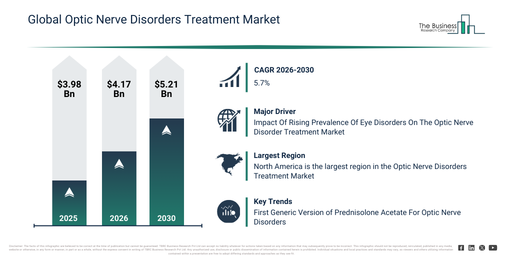
    The market for optic nerve disorder treatments has demonstrated consistent expansion throughout recent periods, projecting a rise from $3.98 billion in 2025 to $4.17 billion in 2026, fueled by a compound annual growth rate of 4.6%. This historical growth trajectory found its impetus in several key factors, including the significant incidence of glaucoma and optic neuritis, the limitations associated with conventional single-drug treatments, a rising number of optic nerve disorders linked to autoimmune responses, the expanding application of corticosteroids for acute optic issues, and challenges in accessing early diagnostic tools within developing economies.

    The market for treating optic nerve disorders is poised for considerable expansion over the coming years, projected to reach $5.21 billion by 2030, reflecting a compound annual growth rate of 5.7%. This anticipated growth trajectory is fueled by several key factors, including intensified clinical research into neuroprotection strategies, a rise in the utilization of immunomodulatory drugs and biologics, greater public awareness concerning hereditary optic nerve conditions, the proliferation of specialized eye care facilities, and an escalating demand for tailored treatment plans. Dominant trends expected to shape this market during the forecast period involve a heightened emphasis on the early detection and management of optic nerve damage, increased use of combination therapies for both inflammatory and degenerative optic disorders, a stronger focus on sustained disease management to preserve vision, a growing preference for neuroprotective and supportive therapeutic interventions, and a more integrated approach to optic nerve disorder treatment involving multiple medical disciplines.

    Download A Free Sample Report For Comprehensive Market Insights:

    https://www.thebusinessresearchcompany.com/sample.aspx?id=12997&type=smp

    Optic Nerve Disorders Treatment Market Industry Drivers: What Is Driving Revenue Growth?

    A rising incidence of vision impairments is anticipated to serve as a significant catalyst for the expansion of the optic nerve disorder treatment sector. Vision impairments encompass a spectrum of ailments and conditions impacting the intricate structures and elements of the eyes. Treatments for optic nerve disorders are designed to assist individuals afflicted with these eye conditions, addressing diverse ocular issues, including glaucoma, by mitigating or halting progressive damage to the optic nerve. Illustratively, data released in July 2025 by GOV.UK, a governmental body in the United Kingdom, indicated that during the fiscal year concluding in 2024, approximately 3.7 million individuals received hospital outpatient care for vision-related concerns in England. This translates to a rate of 6,127 (ranging from 6,121 to 6,134) per 100,000 individuals. Consequently, the escalating occurrence of vision disorders is fueling the growth trajectory of the optic nerve disorder treatment market.

    Optic Nerve Disorders Treatment Market Segment Performance And Strategic Opportunities

    The optic nerve disorders treatment market covered in this report is segmented –

    1) By Treatment Type: Steroidal Therapy, Immunomodulators therapy, Other Treatment Types

    2) By Indication: Glaucoma, Optic Neuritis, Optic Neuropathy, Congenital Optic Atrophy, Other Indications

    3) By End User: Hospitals, Ambulatory Surgery Centers, Clinics, Other End Users

    Subsegments:

    1) By Steroidal Therapy: Corticosteroids, Intravitreal Steroid Injections, Oral Steroids

    2) By Immunomodulators Therapy: Disease-Modifying Antirheumatic Drugs (DMARDs), Biologic Agents, Intravenous Immunoglobulin (IVIG)

    3) By Other Treatment Types: Optical Nerve Decompression Surgery, Neuroprotective Agents, Supportive Therapies

    #Optic Nerve Disorders Treatment Market Growth Trends: What Is Influencing The Future Outlook?

    Key players within the optic nerve disorder treatment market are actively pursuing new strategies, such as the introduction of generic suspensions, to solidify their market presence. These generic suspensions, commonly incorporating corticosteroids or other anti-inflammatory substances in a liquid base, are specifically developed to alleviate inflammation and address symptomology in conditions affecting the optic nerve, like optic neuritis. A notable development occurred in October 2024 when Lupin, a pharmaceutical firm based in India, unveiled the inaugural generic equivalent of prednisolone acetate ophthalmic suspension. This introduction represents a substantial progression in the therapeutic avenues available to individuals afflicted with optic nerve disorders, offering a cost-effective substitute for its branded counterpart and thereby enhancing patient accessibility. This particular formulation is engineered to combat inflammation and manage a spectrum of ocular ailments, specifically encompassing those that impact the optic nerve.

    Optic Nerve Disorders Treatment Market Key Players: Which Companies Shape Industry Competition?

    Major companies operating in the optic nerve disorders treatment market are Pfizer Inc., F. Hoffmann-La Roche Ltd., Merck and Co. Inc., Novartis AG, Regeneron Pharmaceuticals Inc., Alcon Inc., Sun Pharmaceutical Industries Limited, Bausch + Lomb Corporation, Horizon Therapeutics Inc., Santen Pharmaceutical Co. Ltd., Allergan Inc., Akorn Inc., Ionis Pharmaceuticals Inc., Lumenis Ltd., Glaukos Corporation, Nidek Co. Ltd., Aerie Pharmaceuticals Inc., Spark Therapeutics Inc., IRIDEX Corporation, Kowa Company Limited, New World Medical Inc., Heidelberg Engineering GmbH, Editas Medicine Inc., Quark Pharmaceuticals Inc., iSTAR Medical SA, Neurotech Pharmaceuticals Inc., Nicox SA., GenSight Biologics S.A., Inotek Pharmaceuticals Co., Oculis Holding AG

    Access The Complete Optic Nerve Disorders Treatment Market Report:

    https://www.thebusinessresearchcompany.com/report/optic-nerve-disorders-treatment-global-market-report

    Optic Nerve Disorders Treatment Market Geographic Analysis: Where Is Demand Growing The Fastest?

    North Americawas the largest region in the optic nerve disorders treatment market in 2025. The regions covered in the optic nerve disorders treatment market report are Asia-Pacific, South East Asia, Western Europe, Eastern Europe, North America, South America, Middle East, Africa.

    Get in touch with us:

    The Business Research Company: https://www.thebusinessresearchcompany.com/

    Americas: +1 310-496-7795

    Asia: +44 7882 955267 & +91 8897263534

    Europe: +44 7882 955267

    Email us at: marketing@tbrc.info

    Follow us on:

    LinkedIn: https://in.linkedin.com/company/the-business-research-company

    YouTube: https://www.youtube.com/channel/UC24_fI0rV8cR5DxlCpgmyFQ

    Global Market Model: https://www.thebusinessresearchcompany.com/global-market-model

  • Optic Atrophy Management Market Expansion Is Reshaping Competitive Dynamics Across The Industry

    Optic Atrophy Management Market Expansion Is Reshaping Competitive Dynamics Across The Industry

    Delivering more actionable and strategically valuable research, The Business Research Company’s 2026 market reports feature market attractiveness analysis, total addressable market evaluation, company benchmarking matrices, interactive Excel dashboards, expanded supply chain intelligence, emerging startup coverage, and detailed product insights.

    Optic Atrophy Management Market Growth Analysis: How Will Revenue Expand During The Forecast Period?

    The market for managing optic atrophy has experienced robust expansion recently, projected to advance from $8.91 billion in 2025 to $9.51 billion in 2026, demonstrating a compound annual growth rate of 6.8%. This recent growth trajectory is fueled by several key factors, including the significant prevalence of optic nerve damage stemming from conditions like glaucoma and ischemic disorders, a scarcity of definitive treatment options, an increasing rate of infectious and medication-induced optic neuropathy, and diagnostic delays within developing healthcare infrastructures, all of which necessitate a continued reliance on treatments focused on symptom relief and supportive care.

    The market dedicated to managing optic atrophy is poised for substantial expansion over the upcoming years, with projections indicating a rise to $12.32 billion by 2030, propelled by a compound annual growth rate of 6.7%. This anticipated growth trajectory is underpinned by several key factors, including augmented investment in neuro-ophthalmology research, heightened awareness of optic atrophy among healthcare professionals, an expanding elderly demographic susceptible to neurodegenerative conditions, the proliferation of sophisticated diagnostic and imaging technologies, and an intensified focus on individualized and sustained vision care strategies. Key developments anticipated within this forecast period involve a greater emphasis on the early detection and tracking of optic nerve degeneration, increased integration of vision rehabilitation and supportive care services, a growing concentration on addressing the root causes of neurological and systemic ailments, escalating demand for therapies aimed at neuroprotection and disease stabilization, and a more widespread utilization of integrated multidisciplinary approaches in the realm of vision management.

    Download A Free Sample Report For Comprehensive Market Insights:

    https://www.thebusinessresearchcompany.com/sample.aspx?id=13499&type=smp

    Optic Atrophy Management Market Growth Factors: Which Forces Are Supporting Market Expansion?

    The rising occurrence of diabetes is anticipated to be a significant catalyst for the expansion of the optic atrophy management market. Diabetes, a persistent ailment defined by heightened blood sugar levels stemming from inadequate insulin secretion or inefficient insulin utilization, has direct implications for vision. Optic atrophy management offers crucial benefits to individuals with diabetes, especially those grappling with syndromes like Wolfram syndrome, by targeting the gradual decline in eyesight linked to nerve degradation, thereby aiming to avert or mitigate the advancement of diabetes-related ocular issues. Corroborating this trend, Diabetes Canada, a Canadian non-profit, reported in February 2023 that diabetes cases in Canada are forecasted to climb from an estimated 2,409,000 individuals (representing 15% of the populace) in 2023 to 3,009,000 individuals (constituting 17% of the populace) by 2033. Consequently, this escalating prevalence of diabetes is a key determinant in the growth trajectory of the optic atrophy management market.

    Optic Atrophy Management Market Segment Landscape And Growth Potential

    The optic atrophy management market covered in this report is segmented –

    1) By Drug Type: Disulfiram, Amebicides, Ethambutol, Isoniazid, Chloramphenicol, Vincristine, Ciclosporin, Cimetidine

    2) By Route Of Administration: Oral, Injectable

    3) By Distribution Channel: Hospital Pharmacies, Retail Pharmacies, Online Pharmacies

    4) By End-User: Hospitals, Specialty Clinics, Ambulatory Surgical Centers, Rehabilitation Centers

    Subsegments:

    1) By Disulfiram: Oral Disulfiram Tablets, Low-Dose Disulfiram Therapy, Adjunct Neuroprotective Disulfiram Use

    2) By Amebicides: Metronidazole-Based Amebicides, Tinidazole-Based Amebicides, Combination Amebicidal Therapy

    3) By Ethambutol: Low-Dose Ethambutol Regimens, Dose-Adjusted Ethambutol Therapy, Ethambutol With Visual Monitoring Protocols

    4) By Isoniazid: Standard Isoniazid Therapy, Pyridoxine-Supplemented Isoniazid Therapy, Modified-Dose Isoniazid Regimens

    5) By Chloramphenicol: Oral Chloramphenicol Therapy, Injectable Chloramphenicol Therapy, Short-Term Chloramphenicol Use

    6) By Vincristine: Low-Dose Vincristine Therapy, Intravenous Vincristine Administration, Combination Chemotherapy Regimens With Vincristine

    7) By Ciclosporin: Oral Ciclosporin Therapy, Immunomodulatory Ciclosporin Regimens, Dose-Titrated Ciclosporin Treatment

    8) By Cimetidine: Oral Cimetidine Therapy, Adjunctive Cimetidine Use, Dose-Adjusted Cimetidine Regimens

    Optic Atrophy Management Market Industry Trends: What Changes Are Reshaping Demand?

    The dominant players within the optic atrophy management market are intensifying their efforts to innovate through clinical trials, aiming to create specialized treatments for uncommon genetic conditions and thus enhance their market standing. These specialized treatments are designed to address the underlying genetic causes of the illness. The process typically involves introducing genetic material into the body’s cells to correct or replace a defective gene, thereby tackling the disease at its source. A pertinent example occurred in April 2023 when Stoke Therapeutics, Inc., a biotechnology firm based in the United States, secured authorization from the UK’s Medicines and Healthcare Products Regulatory Agency (MHRA) to proceed with its clinical trial application. This approval greenlit the commencement of the Phase I/II OSPREY study involving STK-002. This particular investigation focuses on treating autosomal dominant optic atrophy (ADOA), which stands as the most frequently encountered hereditary disorder affecting the optic nerve, leading to gradual and irreparable vision impairment in both eyes, often manifesting around the age of ten. It is significant to note that no treatments are presently approved for this ailment, and the STK-002 therapy holds the promise of slowing or possibly halting the deterioration of vision in those diagnosed with autosomal dominant optic atrophy (ADOA).

    Optic Atrophy Management Market Competitive Landscape: Who Are The Leading Companies?

    Major companies operating in the optic atrophy management market are Pfizer Inc., Johnson And Johnson, F. Hoffmann-La Roche AG, AbbVie Inc., Bayer AG, Novartis AG, Bristol-Myers Squibb Company, Sanofi SA, GlaxoSmithKline plc, Eli Lilly And Company, Boehringer Ingelheim International GmbH., Teva Pharmaceuticals, Viatris (Mylan N.V.), Astellas Pharma Inc, Bausch Health Companies Inc., Sumitomo Dainippon Pharma Co. Ltd, Bausch And Lomb Inc., Aurobindo Pharma, Cipla Ltd, Apotex Inc. , Zydus Cadila, Santen Pharmaceutical Co. Ltd, Lupin, Allergan ple., LEO Pharma A/S, Aerie Pharmaceuticals Inc., Neurophth Therapeutics Inc, Stoke Therapeutics Inc, Bionure Farma S.L., Mallinckrodt Pharmaceuticals, Ixchel Pharma LLC

    Access The Complete Optic Atrophy Management Market Report:

    https://www.thebusinessresearchcompany.com/report/optic-atrophy-management-global-market-report

    Optic Atrophy Management Market Global Footprint: Which Region Holds Market Leadership?

    North Americawas the largest region in the optic atrophy management market in 2025. The regions covered in the optic atrophy management market report are Asia-Pacific, South East Asia, Western Europe, Eastern Europe, North America, South America, Middle East, Africa.

    Get in touch with us:

    The Business Research Company: https://www.thebusinessresearchcompany.com/

    Americas: +1 310-496-7795

    Asia: +44 7882 955267 & +91 8897263534

    Europe: +44 7882 955267

    Email us at: marketing@tbrc.info

    Follow us on:

    LinkedIn: https://in.linkedin.com/company/the-business-research-company

    YouTube: https://www.youtube.com/channel/UC24_fI0rV8cR5DxlCpgmyFQ

    Global Market Model: https://www.thebusinessresearchcompany.com/global-market-model

  • Opioid-Induced Constipation Treatment Market Forecast Reveals Where Future Industry Value Will Be Created

    Opioid-Induced Constipation Treatment Market Forecast Reveals Where Future Industry Value Will Be Created

    Enhanced with market attractiveness analysis, total addressable market evaluation, company benchmarking matrices, interactive Excel dashboards, expanded supply chain intelligence, emerging startup coverage, and detailed product insights, The Business Research Company’s 2026 market reports deliver more actionable and strategically valuable research.

    Opioid-Induced Constipation Treatment Market Forecast: What Market Value Is Expected By 2030?

    The market catering to treatments for opioid-induced constipation has experienced robust expansion recently. Projections indicate a rise from $1.9 billion in 2025 to $2.02 billion in 2026, reflecting a compound annual growth rate of 6.7%. This past expansion was fueled by several key factors: the extensive prescription of opioids for managing persistent pain, the insufficient efficacy of conventional laxative treatments, an increasing incidence of pain associated with cancer, a deficiency in therapies specifically designed for opioid-induced constipation early on, and a greater number of hospital admissions arising from adverse opioid reactions.

    The market for treatments addressing opioid-induced constipation is projected for significant expansion over the forthcoming years, anticipating a valuation of $2.54 billion by 2030, fueled by a compound annual growth rate of 5.9%. This projected expansion stems from several key drivers: escalating demand for therapies centered on PAMORA, a consistent increase in long-term opioid prescriptions, particularly within an aging demographic, a heightened clinical emphasis on pain management approaches that prioritize the patient’s experience, enhanced accessibility through both online and traditional retail pharmacies, and augmented investments in the development of drugs for gastrointestinal conditions. Significant trends expected to shape this market during the forecast period involve a greater uptake of peripherally acting µ-opioid receptor antagonists, a growing inclination towards OIC therapies that specifically target the condition without compromising pain relief, an increased integration of both medicinal and non-medicinal treatment strategies, a stronger emphasis on enhancing the quality of life for individuals managing chronic pain, and a rising level of awareness alongside improved diagnosis rates for opioid-induced constipation.

    Download A Free Sample Report For Comprehensive Market Insights:

    https://www.thebusinessresearchcompany.com/sample.aspx?id=15881&type=smp

    Opioid-Induced Constipation Treatment Market Demand Drivers: What Is Fueling Industry Growth?

    The increasing utilization of opioids for managing both cancer-related and non-cancer pain is anticipated to be a significant driver for the opioid-induced constipation treatment market’s expansion. Cancer pain stems from the disease itself or its therapeutic interventions, whereas non-cancer pain originates from conditions independent of malignancy. The prescription of opioids for these pain conditions is predominantly motivated by the necessity for effective management of moderate to severe pain, taking into account pain severity, duration, individual patient responses to alternative therapies, and the overarching therapeutic objective of enhancing life quality while diligently mitigating addiction risks and adverse effects. Treatments designed for opioid-induced constipation (OIC) offer relief to patients experiencing discomfort from opioid use, regardless of whether their pain is cancer-related or not. By alleviating this specific side effect, OIC treatments contribute to greater patient comfort, improved compliance with prescribed pain management plans, and an overall better quality of life without sacrificing the efficacy of pain relief. Illustrating this trend, the Centers for Disease Control and Prevention, a prominent US health authority, reported in November 2024 that in 2023, approximately 37.5 opioid prescriptions were dispensed for every 100 individuals. High dispensing rates were observed in states such as Arkansas with 71.5, Alabama with 71.4, Mississippi with 63.1, and Louisiana with 62.7 prescriptions per 100 individuals in 2023. Consequently, the elevated use of opioids for managing cancer and non-cancer pain directly fuels the growth trajectory of the market dedicated to treating opioid-induced constipation.

    Opioid-Induced Constipation Treatment Market Categorization By Product Type And Application

    The opioid-induced constipation treatment market covered in this report is segmented –

    1) By Drug Class: Laxatives, Peripherally Acting µ-opioid Receptor Antagonists, Serotonin Receptor Agonists

    2) By Type: Oral, Parenteral

    3) By Distribution Channel: Hospital Pharmacies, Online Pharmacies, Retail Pharmacies

    Subsegments:

    1) By Laxatives: Osmotic Laxatives, Stimulant Laxatives, Bulk-Forming Laxatives

    2) By Peripherally Acting µ-Opioid Receptor Antagonists: Naloxegol, Methylnaltrexone, Alvimopan

    3) By Serotonin Receptor Agonists: Prucalopride, Tegaserod

    Opioid-Induced Constipation Treatment Market Innovation Trends: Which Developments Are Transforming The Industry?

    Within the market for treatments targeting opioid-induced constipation, prominent pharmaceutical entities are actively engaged in pioneering novel therapeutic approaches. Their efforts are particularly concentrated on the development of innovations like peripherally acting µ-opioid receptor antagonists (PAMORAs). These agents are designed for precise modulation of receptors within the gastrointestinal tract, aiming to elevate treatment effectiveness, foster greater patient adherence, and mitigate undesirable systemic reactions that can occur during opioid-based pain management. A key characteristic of PAMORAs is their ability to selectively impede µ-opioid receptors exclusively in the digestive system, without permeating the blood-brain barrier. This targeted action facilitates the restoration of normal bowel movements while preserving the pain-relieving effects provided by central pain management strategies, distinguishing them from conventional laxatives which fail to address the root cause of constipation stemming from receptor activity. Illustrating this advancement, in May 2025, Luye Pharma, a pharmaceutical firm headquartered in China, introduced Mimeixin, a formulation combining oral oxycodone and naloxone in a sustained-release tablet format, specifically engineered for OIC management. This once-daily treatment not only provides pain relief but also counteracts opioid activity in the gut, offering enhanced bowel regularity and a reduction in gastrointestinal adverse effects when contrasted with earlier treatment options. Consequently, Mimeixin presents a convenient solution for patients, integrating pain alleviation and constipation control into a single, easy-to-take medication.

    Opioid-Induced Constipation Treatment Market Company Landscape And Strategic Competition

    Major companies operating in the opioid-induced constipation treatment market are Pfizer Inc., AstraZeneca plc, Takeda Pharmaceutical Company Limited, Bausch Health Companies Inc., Ironwood Pharmaceuticals Inc., Collegium Pharmaceutical Inc., Cumberland Pharmaceuticals Inc., RedHill Biopharma Ltd., Theravance Biopharma Inc., Mundipharma International Limited, Daiichi Sankyo Co Ltd, Progenics Pharmaceuticals Inc, Shionogi & Co Ltd, Purdue Pharma, Nektar Therapeutics, S L A Pharma AG, Bristol-Myers Squibb Company, Fresenius Kabi AG, Viatris Inc, Novartis AG, Teva Pharmaceutical Industries Ltd, F Hoffmann-La Roche Ltd, Aurobindo Pharma, Abbott Laboratories, Daewoong Pharmaceutical Company

    Access The Complete Opioid-Induced Constipation Treatment Market Report:

    https://www.thebusinessresearchcompany.com/report/opioid-induced-constipation-treatment-global-market-report

    Opioid-Induced Constipation Treatment Market Regional Distribution: Which Areas Drive Market Expansion?

    North Americawas the largest region in the opioid-induced constipation treatment market in 2025. Asia-Pacificis expected to be the fastest-growing region in the forecast period. The regions covered in the opioid-induced constipation treatment market report are Asia-Pacific, South East Asia, Western Europe, Eastern Europe, North America, South America, Middle East, Africa.

    Get in touch with us:

    The Business Research Company: https://www.thebusinessresearchcompany.com/

    Americas: +1 310-496-7795

    Asia: +44 7882 955267 & +91 8897263534

    Europe: +44 7882 955267

    Email us at: marketing@tbrc.info

    Follow us on:

    LinkedIn: https://in.linkedin.com/company/the-business-research-company

    YouTube: https://www.youtube.com/channel/UC24_fI0rV8cR5DxlCpgmyFQ

    Global Market Model: https://www.thebusinessresearchcompany.com/global-market-model