Month: June 2026

  • Opioid Use Disorder (OUD) Market Growth Through 2030 Creates New Strategic Opportunities

    Opioid Use Disorder (OUD) Market Growth Through 2030 Creates New Strategic Opportunities

    Through market attractiveness analysis, total addressable market evaluation, company benchmarking matrices, interactive Excel dashboards, expanded supply chain intelligence, emerging startup coverage, and detailed product insights, The Business Research Company’s 2026 market reports provide more actionable and strategically valuable research.

    Opioid Use Disorder (OUD) Market Size Outlook: How Fast Will Revenue Grow Through 2030?

    The market for Opioid Use Disorder (OUD) has experienced substantial expansion. Projections indicate a growth from $4.37 billion in 2025 to $4.89 billion in 2026, reflecting a compound annual growth rate of 11.8%. Factors contributing to its expansion during the preceding period include the widespread prescription of opioid analgesics, a rise in the incidence of persistent pain, restricted availability of initial addiction interventions, societal prejudices concerning addiction treatment, and the increasing accessibility of illegal opioids.

    Anticipated to expand significantly in the coming years, the opioid use disorder (OUD) market is projected to reach a valuation of $7.82 billion by 2030, driven by a compound annual growth rate (CAGR) of 12.5%. This upward trajectory during the forecast period is bolstered by several key factors, including increased financial contributions from governments towards addiction treatment initiatives, a greater acceptance of medication-assisted treatment, the proliferation of virtual and telehealth services for addiction support, broader insurance coverage for OUD interventions, and a heightened emphasis on strategies aimed at prevention and harm reduction. Furthermore, prominent trends expected to shape the market include a growing embrace of medication-assisted treatment programs, the enhanced combination of behavioral therapy with pharmaceutical treatments, the wider establishment of community-based opioid treatment facilities, a surge in interest for long-acting injectable treatments for OUD, and a more pronounced focus on preventing relapse and supporting sustained recovery.

    Download A Free Sample Report For Comprehensive Market Insights:

    https://www.thebusinessresearchcompany.com/sample.aspx?id=12586&type=smp

    Opioid Use Disorder (OUD) Market Growth Drivers: What Factors Are Accelerating Expansion?

    The increasing prevalence of opioid addiction is anticipated to fuel the expansion of the opioid use disorder (OUD) market. Opioid addiction, a condition marked by persistent and uncontrolled opioid consumption with detrimental health outcomes, stems from the euphoric and pain-relieving properties of these substances. Sustained use can result in the development of tolerance, necessitating increased dosages for the same effect, which may ultimately lead to opioid use disorder. Illustrating this trend, the Centers for Disease Control and Prevention reported that in 2023, there were 79,358 drug overdose deaths involving any opioid in the United States, translating to 23.7 deaths per 100,000 individuals. Consequently, the rising incidence of opioid addiction is a primary driver for the growth observed in the opioid use disorder (OUD) market.

    Opioid Use Disorder (OUD) Market Segment Analysis And Revenue Opportunities

    The opioid use disorder (oud) market covered in this report is segmented –

    1) By Drug Type: Buprenorphine, Naltrexone, Methadone

    2) By Route Of Administration: Oral, Parenteral

    3) By Age Group: 19 To 40, 41 To 60, 61 And Over

    4) By Distribution Channel: Hospital Pharmacies, Retail Pharmacies And Stores, Online Pharmacies

    Subsegments:

    1) By Buprenorphine: Suboxone, Buprenorphine Tablets, Buprenorphine Film

    2) By Naltrexone: Naltrexone Tablets, Vivitrol

    3) By Methadone: Methadone Tablets, Methadone Oral Solution

    Opioid Use Disorder (OUD) Market Trends: What Is Shaping Future Industry Growth?

    The leading businesses within the opioid use disorder (OUD) sector are concentrating their efforts on crafting novel treatments, specifically advanced extended-release buprenorphine formulations, in response to the escalating need for long-duration therapies that aid compliance, alleviate withdrawal phenomena, and enhance recovery achievements. These extended-release buprenorphine products ensure a continuous supply of medication across weekly or monthly periods, presenting superior ease of use and consistent therapeutic levels when contrasted with daily oral or sublingual methods that potentially elevate the likelihood of relapse. A notable development occurred in May 2023 when Brixadi (buprenorphine) extended-release injection received approval from the U.S. Food and Drug Administration, a federal entity in the United States, for the management of moderate to severe opioid use disorder (OUD). Brixadi is offered in two distinct administrations: a weekly injection suitable for individuals initiating treatment with a single dose of a transmucosal buprenorphine product or those currently on the medication, and a monthly option designated for patients already undergoing treatment.

    Opioid Use Disorder (OUD) Market Leading Players Shaping Industry Direction

    Major companies operating in the opioid use disorder (oud) market are Indivior Plc., Alkermes Inc., Braeburn Pharmaceuticals Inc., Titan Pharmaceuticals Inc., BioDelivery Sciences International Inc., Camurus AB, Orexo US Inc., Rhodes Pharmaceuticals L P, Mallinckrodt Pharmaceuticals, Hikma Pharmaceuticals Plc., Teva Pharmaceutical Industries Ltd., Viatris Inc., Mylan NV, Adapt Pharma Inc., Opiant Pharmaceuticals Inc., Dr Reddy’s Laboratories Ltd., Cipla Limited, Luye Pharma Group, Amneal Pharmaceuticals Inc., Sun Pharmaceutical Industries Ltd., Knight Therapeutics, BioCorRx Inc., Lannett Company Inc., Zydus Cadila, Apotex Inc., Intas Biopharmaceuticals, Glenmark Pharmaceuticals Ltd., InterveXion Therapeutics

    Access The Complete Opioid Use Disorder (OUD) Market Report:

    https://www.thebusinessresearchcompany.com/report/opioid-use-disorder-oud-global-market-report

    Opioid Use Disorder (OUD) Market Leading Geography: Which Region Generates The Most Revenue?

    North Americawas the largest region in the opioid use disorder (OUD) market in 2025. The regions covered in the opioid use disorder (oud) market report are Asia-Pacific, South East Asia, Western Europe, Eastern Europe, North America, South America, Middle East, Africa.

    Get in touch with us:

    The Business Research Company: https://www.thebusinessresearchcompany.com/

    Americas: +1 310-496-7795

    Asia: +44 7882 955267 & +91 8897263534

    Europe: +44 7882 955267

    Email us at: marketing@tbrc.info

    Follow us on:

    LinkedIn: https://in.linkedin.com/company/the-business-research-company

    YouTube: https://www.youtube.com/channel/UC24_fI0rV8cR5DxlCpgmyFQ

    Global Market Model: https://www.thebusinessresearchcompany.com/global-market-model
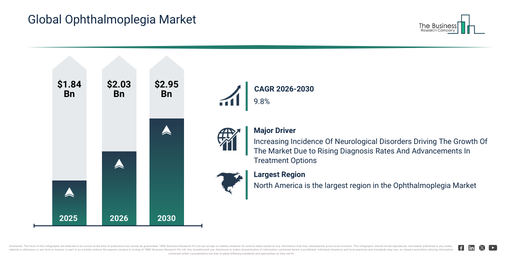
  • Ophthalmoplegia Market Size Projected To Increase From $2.03 Billion To $2.95 Billion During The Forecast Period

    Ophthalmoplegia Market Size Projected To Increase From $2.03 Billion To $2.95 Billion During The Forecast Period

    Delivering more actionable and strategically valuable research, The Business Research Company’s 2026 market reports feature market attractiveness analysis, total addressable market evaluation, company benchmarking matrices, interactive Excel dashboards, expanded supply chain intelligence, emerging startup coverage, and detailed product insights.

    Ophthalmoplegia Market Size, Value And Growth Trends Through 2030

    The market for ophthalmoplegia is poised for substantial expansion, forecasted to climb from $1.84 billion in 2025 to $2.03 billion in 2026, exhibiting a compound annual growth rate of 10.1%. This projected growth is underpinned by several factors that have historically driven the market. These include the scarcity of effective therapeutic interventions for ophthalmoplegia, a deficit in dedicated eye care facilities, insufficient public understanding of conditions affecting eye muscles, a prevailing dependence on traditional surgical methods, and a rise in neuromuscular ailments that impact vision.

    The global ophthalmoplegia market is poised for substantial expansion over the upcoming years, projected to reach $2.95 billion by 2030, fueled by a compound annual growth rate of 9.8%. This anticipated surge is largely driven by innovations in less invasive surgical procedures, the development of specialized pharmaceutical treatments, increased uptake of remote eye care services, elevated government backing for the management of uncommon ocular ailments, and progress in personalized medicine and genetic testing. Key developments expected during this period encompass a greater embrace of minimally invasive surgeries for ophthalmoplegia, enhanced utilization of targeted drug interventions for ocular muscle infirmities, a heightened emphasis on early detection and screening protocols, the broader implementation of tele-ophthalmology for routine patient oversight, and a growing public understanding of neurological and muscular eye conditions.

    Download A Free Sample Report For Comprehensive Market Insights:

    https://www.thebusinessresearchcompany.com/sample.aspx?id=22081&type=smp

    Ophthalmoplegia Market Growth Factors Supporting Long-Term Expansion

    The escalating occurrence of neurological disorders is anticipated to fuel the expansion of the ophthalmoplegia market in the future. Neurological disorders encompass a range of medical conditions affecting the brain, spinal cord, and nerves, manifesting as symptoms like muscle weakness, difficulties with coordination, and cognitive deficits. Contributing factors to the rise in neurological conditions include a predisposition due to genetics, rendering individuals more vulnerable to ailments such as Alzheimer’s and Parkinson’s, alongside lifestyle shifts like suboptimal nutrition, sedentary habits, and persistent stress, all of which can lead to neurodegeneration and compromised brain function. Ophthalmoplegia plays a crucial role in diagnosing neurological disorders like Alzheimer’s disease, multiple sclerosis, and stroke by signaling impaired control over eye muscles, which in turn reflects underlying dysfunction within the nervous system. As an illustration, the Alzheimer’s Association reported in March 2023 that approximately 6.7 million Americans aged 65 and older were living with Alzheimer

    Ophthalmoplegia Market Segmentation And Category Breakdown

    The ophthalmoplegia market covered in this report is segmented –

    1) By Type: External Opthalmoplegia, Internuclear Opthalmoplegia

    2) By Treatment: Surgery, Drug Treatment

    3) By End-User: Hospitals, Clinics, Ambulatory Clinics

    Subsegments:

    1) By External Ophthalmoplegia: Chronic Progressive External Ophthalmoplegia (CPEO), Myasthenic External Ophthalmoplegia, Mitochondrial Myopathy-Associated External Ophthalmoplegia

    2) By Internuclear Ophthalmoplegia: Unilateral Internuclear Ophthalmoplegia, Bilateral Internuclear Ophthalmoplegia

    Ophthalmoplegia Market Competitive Analysis Of Major Industry Participants

    Major companies operating in the ophthalmoplegia market are Hoffmann-La Roche Ltd., AbbVie Inc., Novartis AG., Regeneron Pharmaceuticals Inc., Bausch Health Companies Inc., Sun Pharmaceutical Industries Limited, Bayer AG., Santen Pharmaceutical Co. Ltd., Oculis Holding AG., Clearside Biomedical Inc., ViGeneron GmbH, GenSight Biologics SA, EyeBio Inc., Pfizer Inc., Johnson & Johnson, Merck & Co. Inc., Eli Lilly and Company, Bristol-Myers Squibb, Amgen Inc., Vertex Pharmaceuticals Inc., Acorda Therapeutics Inc., Biogen Inc., NicOx S.A.

    Access The Complete Ophthalmoplegia Market Report:

    https://www.thebusinessresearchcompany.com/report/ophthalmoplegia-global-market-report

    Ophthalmoplegia Market Regional Outlook: Where Are The Largest Opportunities Located?

    North Americawas the largest region in the ophthalmoplegia market in 2025. Asia-Pacificis expected to be the fastest-growing region in the forecast period. The regions covered in the ophthalmoplegia market report are Asia-Pacific, South East Asia, Western Europe, Eastern Europe, North America, South America, Middle East, Africa.

    Get in touch with us:

    The Business Research Company: https://www.thebusinessresearchcompany.com/

    Americas: +1 310-496-7795

    Asia: +44 7882 955267 & +91 8897263534

    Europe: +44 7882 955267

    Email us at: marketing@tbrc.info

    Follow us on:

    LinkedIn: https://in.linkedin.com/company/the-business-research-company

    YouTube: https://www.youtube.com/channel/UC24_fI0rV8cR5DxlCpgmyFQ

    Global Market Model: https://www.thebusinessresearchcompany.com/global-market-model

  • Ophthalmology Medical Service Market Growth Outlook Reveals A CAGR Of 6% And A Market Value Of $65.9 Billion By 2030

    Ophthalmology Medical Service Market Growth Outlook Reveals A CAGR Of 6% And A Market Value Of $65.9 Billion By 2030

    Enhanced with market attractiveness analysis, total addressable market evaluation, company benchmarking matrices, interactive Excel dashboards, expanded supply chain intelligence, emerging startup coverage, and detailed product insights, The Business Research Company’s 2026 market reports deliver more actionable and strategically valuable research.

    Ophthalmology Medical Service Market CAGR Analysis And Future Market Development

    The ophthalmology medical service sector has experienced robust expansion lately, with projections indicating a rise from $49.11 billion in 2025 to $52.17 billion in 2026, reflecting a compound annual growth rate of 6.2%. Factors contributing to this historical growth trajectory include restricted access to specialized eye care services, a prevailing preference for conventional surgical techniques, a general lack of awareness regarding preventative eye health measures, a growing incidence of conditions like cataracts and glaucoma, and deficiencies in diagnostic capabilities.

    The ophthalmology medical service sector is poised for substantial expansion over the approaching years, projected to reach $65.9 billion by 2030 with a compound annual growth rate of 6.0%. This anticipated upswing is fueled by several key factors, including innovations in imaging modalities such as OCT and fundus photography, an increase in cataract and refractive surgical procedures, the growing integration of tele-ophthalmology, supportive government efforts focused on eye health, and the development of customized ophthalmological care leveraging genomics and biotechnology. During this forecast period, prominent trends will encompass the increased utilization of sophisticated diagnostic instruments within ophthalmology, a heightened demand for refractive and vision correction interventions, a greater prevalence of minimally invasive surgical approaches, the broader implementation of tele-ophthalmology and remote patient monitoring, and an intensified emphasis on specialized ophthalmological services for pediatric and geriatric populations.

    Download A Free Sample Report For Comprehensive Market Insights:

    https://www.thebusinessresearchcompany.com/sample.aspx?id=24346&type=smp

    Ophthalmology Medical Service Market Demand Drivers Creating New Revenue Opportunities

    The ophthalmology medical service market is poised for expansion, largely driven by the escalating incidence of eye health issues in children. These conditions encompass a broad spectrum of visual impairments and ocular disorders affecting individuals from infancy through their teenage years. Factors contributing to this rise include prolonged exposure to digital screens, which results in eye fatigue, dryness, and an increased propensity for early-onset myopia. Ophthalmic medical services are instrumental in managing these pediatric eye conditions, offering essential early detection, tailored therapeutic interventions, and protective measures to foster optimal visual development in youngsters. To illustrate, projected data from the BMJ Group indicates that by 2030, myopia is anticipated to affect 600 million individuals worldwide, with this figure climbing past 740 million by 2050, representing approximately 40% of the global population. Consequently, the growing burden of pediatric eye conditions is a significant catalyst for the advancement of the ophthalmology medical service sector.

    Ophthalmology Medical Service Market Segment Outlook: Which Categories Are Expanding The Fastest?

    The ophthalmology medical service market covered in this report is segmented –

    1) By Type Of Services: Vision Correction Services, Diagnostic Services, Treatment Services

    2) By Product Type: Devices, Medications

    3) By Disease: Glaucoma, Cataract, Age-Related Macular Degeneration, Refractive Disorders

    4) By Age Group: Pediatric, Adult, Geriatric

    5) By End User Industry: Hospitals, Medical Institutes And Research Organizations, Healthcare Service Providers, Government And Academic Institutions

    Subsegments:

    1) By Vision Correction Services: Refractive Surgery, Eyeglasses And Contact, Implantable Lenses

    2) By Diagnostic Services: Eye Examinations And Screening, Optical Coherence Tomography (OCT), Visual Field Testing, Fundus Photography, Retinal Imaging, Fluorescein Angiography

    3) By Treatment Services: Cataract Surgery, Glaucoma Treatment, Retina Treatments, Corneal Transplant, Oculoplastic Surgery, Low Vision Rehabilitation, Pediatric Ophthalmology Treatments

    Ophthalmology Medical Service Market Trends Driving Strategic Industry Expansion

    The ophthalmology medical service sector sees leading corporations dedicating resources toward pioneering advancements like the SmartTracker 2 fixation tracking technology, aiming to elevate diagnostic precision, optimize operational processes, and boost patient experience. Smarttracker 2 fixation tracking technology represents a sophisticated system integrated into ophthalmic diagnostic instruments to continuously observe and follow a patient’s eye gaze during examinations. To illustrate, in January 2024, OCULUS Inc., an American manufacturer of ophthalmic diagnostic devices, introduced the Easyfield VR, a virtual reality headset engineered for swift and comfortable vision assessments, encompassing visual field examinations, color perception, contrast sensitivity, and stereo vision testing. This cutting-edge equipment not only simplifies clinical procedures and enhances patient comfort but also integrates fluidly with current OCULUS diagnostic hardware, thereby improving testing effectiveness and the general standard of patient treatment.

    Ophthalmology Medical Service Market Key Companies And Competitive Benchmarking

    Major companies operating in the ophthalmology medical service market are Johnson & Johnson Vision Care Inc., Merck & Co. Inc., AbbVie Inc., Bayer AG, Novartis AG, Medtronic plc, Regeneron Pharmaceuticals Inc., Alcon Inc., Hoya Corporation, Bausch & Lomb Inc., Carl Zeiss Meditec AG, Santen Pharmaceutical Co. Ltd., Lumenis Be Ltd., Staar Surgical Company, Heidelberg Engineering GmbH, Rayner Surgical Group Limited, Iridex Corporation, Ellex Medical Lasers, Kowa Co. Ltd., TearLab Corporation.

    Access The Complete Ophthalmology Medical Service Market Report:

    https://www.thebusinessresearchcompany.com/report/ophthalmology-medical-service-global-market-report

    Ophthalmology Medical Service Market Geographic Landscape: Which Region Dominates Industry Growth?

    North Americawas the largest region in the ophthalmology medical service market in 2025. Asia-Pacificis expected to be the fastest-growing region in the forecast period. The regions covered in the ophthalmology medical service market report are Asia-Pacific, South East Asia, Western Europe, Eastern Europe, North America, South America, Middle East, Africa.

    Get in touch with us:

    The Business Research Company: https://www.thebusinessresearchcompany.com/

    Americas: +1 310-496-7795

    Asia: +44 7882 955267 & +91 8897263534

    Europe: +44 7882 955267

    Email us at: marketing@tbrc.info

    Follow us on:

    LinkedIn: https://in.linkedin.com/company/the-business-research-company

    YouTube: https://www.youtube.com/channel/UC24_fI0rV8cR5DxlCpgmyFQ

    Global Market Model: https://www.thebusinessresearchcompany.com/global-market-model

  • Ophthalmology Contract Research Organization Market Forecast Highlights Expansion From $3.21 Billion To $4.39 Billion Through 2030

    Ophthalmology Contract Research Organization Market Forecast Highlights Expansion From $3.21 Billion To $4.39 Billion Through 2030

    Through market attractiveness analysis, total addressable market evaluation, company benchmarking matrices, interactive Excel dashboards, expanded supply chain intelligence, emerging startup coverage, and detailed product insights, The Business Research Company’s 2026 market reports provide more actionable and strategically valuable research.

    Ophthalmology Contract Research Organization Market Expansion From $3.21 Billion In 2026 To $4.39 Billion In 2030

    The ophthalmology contract research organization sector has experienced robust expansion lately, with projections indicating a continued upward trajectory. This market is estimated to increase from $2.97 billion in 2025 to $3.22 billion in 2026, reflecting a compound annual growth rate of 8.4%. Factors fueling this historical growth encompass a heightened incidence of eye conditions, escalating investment in vision care research and development, growing intricacy in clinical trial designs, a greater need for specialized trial knowledge, and more rigorous regulatory oversight.

    The market for ophthalmology contract research organizations is poised for significant expansion in the coming years, projecting a rise to $4.39 billion by 2030 with a compound annual growth rate of 8.1%. This projected growth is fueled by several key factors, including heightened financial commitments to gene and cell therapies targeting ocular ailments, a burgeoning need for studies generating real-world evidence, the proliferation of digital platforms for trial administration, an intensified concentration on uncommon ophthalmic conditions, and the increasing internationalization of clinical research efforts. During this forecast period, prominent trends are expected to emerge, such as a greater prevalence of outsourcing ophthalmic clinical trials, an escalated demand for niche contract research services catering to specific eye diseases, wider implementation of sophisticated imaging and diagnostic techniques, the broader scope of global multi-center trials, and a reinforced emphasis on assisting with regulatory adherence.

    Download A Free Sample Report For Comprehensive Market Insights:

    https://www.thebusinessresearchcompany.com/sample.aspx?id=24637&type=smp

    Ophthalmology Contract Research Organization Market Expansion Supported By Key Demand Factors

    The escalating incidence of eye conditions is anticipated to fuel the expansion of the ophthalmology contract research organization sector in the future. These eye conditions encompass a broad spectrum of ailments impacting the eye’s form or function, potentially leading to visual impairment or unease. A significant factor contributing to the increased occurrence of eye disorders is the demographic shift towards an older population, where age-related issues like cataracts, glaucoma, macular degeneration, and diabetic retinopathy are more frequently observed as individuals grow older. Ophthalmology contract research organizations play a crucial role in facilitating the progress of treatments for these eye disorders by offering specialized clinical research services that expedite the creation, evaluation, and authorization of novel ophthalmic treatments. To illustrate, data from the Welsh Government, a UK governmental body, indicated that in August 2024, ophthalmology units in Wales documented in excess of 35,000 patient admissions during the 2023-24 period, signifying a 5.8% rise compared to the preceding year. Consequently, the growing prevalence of eye disorders is a key driver for the market’s advancement in ophthalmology contract research organizations.

    Ophthalmology Contract Research Organization Market Segment Landscape: Which Areas Lead Market Development?

    The ophthalmology contract research organization market covered in this report is segmented –

    1) By Service Type: Early Phase Development Services, Clinical Research, Laboratory Services, Regulatory Consulting Services

    2) By Therapy: Traditional Interventions, Anti-Inflammatory Interventions, Corticosteroids, Non-Steroidal Anti-Inflammatory Drugs, Other Anti-Inflammatory Interventions, Anti-Oxidative Interventions, Other Traditional Interventions, Advanced Interventions

    3) By End-User: Pharma Or Biopharma companies, Medical Device Companies, Academic Institutes

    Subsegments:

    1) By Early Phase Development Services: Preclinical Trials, Pharmacokinetics (PK) And Pharmacodynamics (PD) Studies, Toxicology Studies, First-In-Human (FIH) Studies, Formulation Development

    2) By Clinical Research: Phase I Trials, Phase II Trials, Phase III Trials, Phase IV (Post-Marketing Surveillance), Site Management, Patient Recruitment and Retention

    3) By Laboratory Services: Bioanalytical Testing, Biomarker Analysis, Central Laboratory Services, Histopathology, Genomic And Proteomic Services

    4) By Regulatory Consulting Services: Regulatory Strategy Development, Investigational New Drug Or Clinical Trial Application Preparation And Submission, Regulatory Writing And Documentation, Health Authority Meeting Support, Labeling And Compliance Consulting

    Ophthalmology Contract Research Organization Market Growth Trends Influencing Competitive Dynamics

    Leading entities within the ophthalmology contract research organization sector are prioritizing the creation of novel approaches, exemplified by integrated trial platforms, aimed at optimizing study implementation and bolstering data oversight effectiveness. These comprehensive trial platforms serve as cohesive digital frameworks that simplify every phase of clinical studies, encompassing participant enrollment, data acquisition, and adherence to regulations, thereby empowering ophthalmology CROs to elevate their operational performance, minimize inaccuracies, and expedite the advancement of vision-related therapies. As an illustration, in September 2024, Lindus Health Limited, a biotechnology firm situated in the United Kingdom, unveiled its All-in-One Ophthalmology CRO, featuring its proprietary integrated trial platform known as Citrus. This sophisticated platform is engineered to consolidate all pivotal elements of ophthalmology clinical trials, spanning participant recruitment, electronic data capture (EDC), electronic consent (eConsent), patient appointment coordination, and clinical trial management system (CTMS) capabilities. Through the amalgamation of these crucial functionalities within a solitary, adaptable digital environment, Citrus significantly boosts operational workflows, curtails data discrepancies, and upholds regulatory conformity across the entirety of the trial process.

    Ophthalmology Contract Research Organization Market Industry Leaders And Market Competition

    Major companies operating in the ophthalmology contract research organization market are IQVIA Holdings Inc, Eurofins Scientific SE, Syneos Health Inc, Charles River Laboratories International Inc, Parexel International Corporation, Fortrea Holdings Inc, Medpace Holdings Inc, PSI CRO AG, Worldwide Clinical Trials, The Emmes Company LLC, TFS HealthScience, QPS Holdings LLC, ProTrial Research Inc, Lexitas Pharma Services Inc, Covance Inc, Cliantha Research Limited, Iris Pharma, WuXi AppTec Co Ltd, ORA Inc, Novotech Health Holdings Pty Limited, SGS Life Sciences, ICON plc

    Access The Complete Ophthalmology Contract Research Organization Market Report:

    https://www.thebusinessresearchcompany.com/report/ophthalmology-contract-research-organization-global-market-report

    Ophthalmology Contract Research Organization Market Largest Region: Which Geography Holds The Highest Market Share?

    North Americawas the largest region in the ophthalmology contract research organization market in 2025. Europeis expected to be the fastest-growing region in the forecast period. The regions covered in the ophthalmology contract research organization market report are Asia-Pacific, South East Asia, Western Europe, Eastern Europe, North America, South America, Middle East, Africa.

    Get in touch with us:

    The Business Research Company: https://www.thebusinessresearchcompany.com/

    Americas: +1 310-496-7795

    Asia: +44 7882 955267 & +91 8897263534

    Europe: +44 7882 955267

    Email us at: marketing@tbrc.info

    Follow us on:

    LinkedIn: https://in.linkedin.com/company/the-business-research-company

    YouTube: https://www.youtube.com/channel/UC24_fI0rV8cR5DxlCpgmyFQ

    Global Market Model: https://www.thebusinessresearchcompany.com/global-market-model
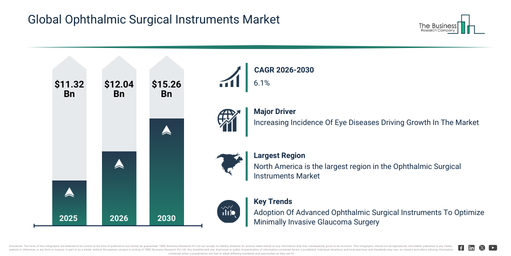
  • Ophthalmic Surgical Instruments Market Expected To Reach $15.26 Billion By 2030 As Growth Accelerates At 6.1% CAGR

    Ophthalmic Surgical Instruments Market Expected To Reach $15.26 Billion By 2030 As Growth Accelerates At 6.1% CAGR

    Delivering more actionable and strategically valuable research, The Business Research Company’s 2026 market reports feature market attractiveness analysis, total addressable market evaluation, company benchmarking matrices, interactive Excel dashboards, expanded supply chain intelligence, emerging startup coverage, and detailed product insights.

    Ophthalmic Surgical Instruments Market Forecast Highlighting Growth From $12.03 Billion To $15.26 Billion

    The market for ophthalmic surgical instruments has experienced robust expansion recently, with projections indicating a significant increase. It is anticipated to expand from $11.32 billion in 2025 to $12.04 billion in 2026, reflecting a compound annual growth rate (CAGR) of 6.4%. This historical growth trajectory can be attributed to factors such as the limitations in precision offered by traditional surgical instruments, a rising incidence of conditions like cataracts and glaucoma, a continued dependence on manual microsurgical tools, an increasing volume of ophthalmic surgical procedures performed, and a deficiency in advanced intraocular lens (IOL) choices.

    The market for ophthalmic surgical instruments is poised for significant expansion in the coming years, projecting a valuation of $15.26 billion by 2030, driven by a compound annual growth rate (CAGR) of 6.1%. This anticipated expansion is fueled by several key factors, including progressive developments in phacoemulsification techniques, a greater inclination towards laser-assisted eye surgeries, a heightened demand for digital ophthalmic microscopes, the increasing prevalence of multifocal and accommodative intraocular lenses, and a growing emphasis on less invasive surgical approaches for eye conditions. Within this forecast period, notable trends include a surge in the utilization of phacoemulsification tools for cataract removal, the greater incorporation of sophisticated illumination systems in surgical theaters, expanding interest in intraocular lenses featuring multifocal and toric capabilities, increased application of viscoelastic devices and balanced salt solutions, and a rising need for specialized surgical adjuncts and micro-instruments.

    Download A Free Sample Report For Comprehensive Market Insights:

    https://www.thebusinessresearchcompany.com/sample.aspx?id=20913&type=smp

    Ophthalmic Surgical Instruments Market Growth Drivers And Industry Catalysts

    The expanding prevalence of vision impairments is anticipated to be a key driver for the ophthalmic surgical instruments market’s expansion in the future. This rise in eye conditions can be attributed to demographic shifts like an aging global population, modern lifestyle habits including prolonged digital device usage, and external environmental factors such as air contamination. These sophisticated surgical tools are instrumental in accurately diagnosing, effectively treating, and proficiently managing a wide spectrum of ocular ailments, enabling delicate operations on the eye’s sensitive components. To illustrate, data from the Centers for Disease Control and Prevention in May 2024 indicated that within the United States, an estimated 17.2% of individuals aged 40 and above, equating to approximately 20.5 million people, are projected to have cataracts in at least one eye in 2024, with projections suggesting this figure could surpass 30 million by 2028. Consequently, the escalating rate of eye diseases is acting as a significant catalyst for the growth trajectory of the ophthalmic surgical instruments sector.

    Ophthalmic Surgical Instruments Market Segments: Where Are The Largest Growth Opportunities?

    The ophthalmic surgical instruments market covered in this report is segmented –

    1) By Product: Microscopes, Illumination Devices, Phacoemulsification Instruments, Lasers, Intraocular Lenses, Shunts And Related Drainage Devices

    2) By Application: Cataract Surgery, Glaucoma Surgery, Refractive Surgery, Vitreoretinal Surgery, Other Applications

    3) By End User: Hospitals, Clinics, Ambulatory Surgery Centers, Other End Users

    Subsegments:

    1) By Microscopes: Operating Microscopes, Handheld Microscopes, Digital Ophthalmic Microscopes

    2) By Illumination Devices: Slit Lamps, Surgical Headlights, Operating Room Lighting

    3) By Phacoemulsification Instruments: Phacoemulsifiers, Phaco Tips, Handpieces and Foot Pedals

    4) By Lasers: Diode Lasers, YAG Lasers, Argon Lasers

    5) By Intraocular Lenses: Monofocal Intraocular Lenses, Multifocal Intraocular Lenses, Toric Intraocular Lenses, Accommodative Intraocular Lenses

    6) By Shunts And Related Drainage Devices: Glaucoma Shunts, Drainage Implants

    #Ophthalmic Surgical Instruments Market Trends Influencing Long-Term Demand

    Within the ophthalmic surgical instruments market, prominent players are concentrating on innovations like bladeless excisional devices. These advancements aim to elevate surgical accuracy, bolster patient safety, and minimize tissue injury during ophthalmic operations. Unlike conventional instruments with sharp blades, a bladeless excisional device employs a grasping or microengineered mechanism for tissue removal. This approach facilitates a more precise and controlled excision, thereby lowering the probability of unintended tissue damage. As an illustration, in April 2025, Sight Sciences, an American enterprise specializing in eye care technology, introduced the OMNI Edge Surgical System. This system is specifically engineered for minimally invasive glaucoma surgery (MIGS). Through its proprietary TruSync system, which synchronizes viscoelastic infusion with surgical rotation, the OMNI Edge device executes canaloplasty and trabeculotomy with enhanced precision and consistency. The OMNI Edge is developed for secure, single-use applications, addresses the three fundamental areas of resistance to aqueous outflow, and contributes to achieving optimal intraocular pressure management for individuals diagnosed with glaucoma.

    Ophthalmic Surgical Instruments Market Major Participants And Competitive Dynamics

    Major companies operating in the ophthalmic surgical instruments market are Johnson & Johnson, Alcon Inc., Hoya Corporation, Carl Zeiss Meditec AG, Santen Pharmaceutical, Corza Ophthalmology, Lumenis, Haag-Streit Group, Accutome Inc., Millennium Surgical Corp, Appasamy Associates, Tomey Corporation, IndoSurgicals, Microtrack Surgicals, INKA Surgical Instruments, Surgical Holdings, Devine Meditech, Ambler Surgical, ASICO LLC, Topcon Corporation, NIDEK Co Ltd, OCULUS Optikgeräte GmbH, Ziemer Ophthalmic Systems AG, Kowa Company Ltd

    Access The Complete Ophthalmic Surgical Instruments Market Report:

    https://www.thebusinessresearchcompany.com/report/ophthalmic-surgical-instruments-global-market-report

    Ophthalmic Surgical Instruments Market Regional Analysis: Which Region Leads By Revenue?

    North Americawas the largest region in the ophthalmic surgical instruments market in 2025. The regions covered in the ophthalmic surgical instruments market report are Asia-Pacific, South East Asia, Western Europe, Eastern Europe, North America, South America, Middle East, Africa.

    Get in touch with us:

    The Business Research Company: https://www.thebusinessresearchcompany.com/

    Americas: +1 310-496-7795

    Asia: +44 7882 955267 & +91 8897263534

    Europe: +44 7882 955267

    Email us at: marketing@tbrc.info

    Follow us on:

    LinkedIn: https://in.linkedin.com/company/the-business-research-company

    YouTube: https://www.youtube.com/channel/UC24_fI0rV8cR5DxlCpgmyFQ

    Global Market Model: https://www.thebusinessresearchcompany.com/global-market-model
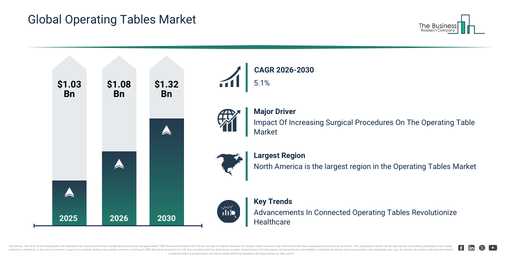
  • Operating Tables Market Set To Grow From $1.08 Billion In 2026 To $1.31 Billion By 2030 At A CAGR Of 5.1%

    Operating Tables Market Set To Grow From $1.08 Billion In 2026 To $1.31 Billion By 2030 At A CAGR Of 5.1%

    Enhanced with market attractiveness analysis, total addressable market evaluation, company benchmarking matrices, interactive Excel dashboards, expanded supply chain intelligence, emerging startup coverage, and detailed product insights, The Business Research Company’s 2026 market reports deliver more actionable and strategically valuable research.

    Operating Tables Market Revenue Growth Supported By A CAGR Of 1.31% Through 2030

    The global market for operating tables experienced robust expansion lately and is projected to continue this upward trajectory, increasing from $1.03 billion in 2025 to $1.08 billion in 2026, reflecting a compound annual growth rate of 5.1%. This historical growth was fueled by factors such as the prevalence of manual operating tables offering restricted capabilities, a rising volume of surgical interventions, substantial demand for tables suitable for general surgery, an insufficient availability of adaptable and specialized tables, and a general dependence on existing hospital frameworks for achieving proper surgical positioning.

    The global market for operating tables is poised for substantial expansion, projected to reach a value of $1.32 billion by the year 2030. This upward trajectory is anticipated to occur at a compound annual growth rate (CAGR) of 5.1% over the coming years. Key drivers fueling this expansion include the ongoing

    Download A Free Sample Report For Comprehensive Market Insights:

    https://www.thebusinessresearchcompany.com/sample.aspx?id=18419&type=smp

    Operating Tables Market Opportunity Drivers: What Is Creating New Revenue Potential?

    A surge in surgical interventions is projected to propel the operating table market forward. This rise in surgical activity can be attributed to several factors, including enhancements in medical technology, improved access to healthcare services, and an expanding elderly demographic. Operating tables are indispensable for surgical interventions, offering a stable and adaptable surface that allows for optimal patient positioning tailored to the specific operation. As an illustration, data from the American Society of Plastic Surgeons indicated that in 2023, close to 1.6 million cosmetic surgical procedures were conducted in the United States. Liposuction emerged as the most common procedure, with 347,782 instances, representing a 7% increase compared to the previous year, while breast augmentation followed with 304,181 procedures, marking a 2% increase. Consequently, the growing volume of surgical procedures is expected to be a key driver for the operating table market.

    Operating Tables Market Segment Analysis: What Are The Major Market Categories?

    The operating tables market covered in this report is segmented –

    1) By Product Type: General Surgery Tables, Radiolucent Operating Tables, Specialty Surgery Tables, Pediatric Operating Tables

    2) By Technology: Powered Operating Tables, Non-Powered Operating Tables, Hybrid Operating Tables

    3) By End User: Hospitals, Ambulatory Surgical Centers, Clinics, Other End Users

    Subsegments:

    1) By General Surgery Tables: Manual General Surgery Tables, Electric General Surgery Tables, Hydraulic General Surgery Tables, Hybrid General Surgery Tables

    2) By Radiolucent Operating Tables: Fixed Radiolucent Operating Tables, Adjustable Radiolucent Operating Tables, Radiolucent Tables With Imaging Capability

    3) By Specialty Surgery Tables: Orthopedic Surgery Tables, Neurosurgery Tables, Cardiac Surgery Tables, Urology Surgery Tables, Obstetrics And Gynecology Surgery Tables, Bariatric Surgery Tables, Ent (Ear, Nose, And Throat) Surgery Tables

    4) By Pediatric Operating Tables: Manual Pediatric Operating Tables, Electric Pediatric Operating Tables, Adjustable Pediatric Operating Tables, Pediatric Surgery Tables With Height Adjustments

    Operating Tables Market Innovation Trends Driving Future Development

    In the operating table sector, key players are prioritizing the creation of innovative solutions, like integrated operating tables, to secure a stronger market position. These integrated operating tables represent sophisticated surgical platforms incorporating technological advancements and network capabilities. As an illustration, Getinge, a medical technology firm headquartered in Sweden, introduced the Maquet Corin in October 2023, a cutting-edge operating room table engineered to transform future healthcare delivery. The networked functionality of the Maquet Corin facilitates expedited and more effective upkeep, granting service personnel access to crucial device status data prior to their on-site inspections, thereby enabling them to offer remote guidance or arrive fully equipped. This sophisticated technology is specifically aimed at elevating the safety standards for individuals undergoing procedures and for the surgical team, optimizing operational processes and upholding superior levels of patient and clinician security.

    Operating Tables Market Leading Companies Driving Competitive Growth

    Major companies operating in the operating tables market are Stryker Corporation, Steris PLC, Getinge AB, DIXION, KLS Martin Group, Biçakcilar, Mizuho OSI, BenQ Medical Technology Corporation, Alvo Medical, Shandong Mingtai Medical Equipment Group Co. Ltd., Skytron LLC, Schmitz u. Söhne GmbH & Co. KG, Eschmann Equipment, Merivaara Corp., Lojer Group, Schaerer Medical USA Inc., Stille AB, UFSK-International OSYS GmbH, Denyers International, Medifa-Hesse GmbH & Co. KG, OPT SurgiSystems, AGA Sanitätsartikel GmbH, SternMed GmbH, Infinium Medical, Fazzini S.r.l.

    Access The Complete Operating Tables Market Report:

    https://www.thebusinessresearchcompany.com/report/operating-tables-global-market-report

    Operating Tables Market Geographic Distribution And Regional Opportunities

    North Americawas the largest region in the operating tables market in 2025. Asia-Pacificis expected to be the fastest-growing region in the forecast period. The regions covered in the operating tables market report are Asia-Pacific, South East Asia, Western Europe, Eastern Europe, North America, South America, Middle East, Africa.

    Get in touch with us:

    The Business Research Company: https://www.thebusinessresearchcompany.com/

    Americas: +1 310-496-7795

    Asia: +44 7882 955267 & +91 8897263534

    Europe: +44 7882 955267

    Email us at: marketing@tbrc.info

    Follow us on:

    LinkedIn: https://in.linkedin.com/company/the-business-research-company

    YouTube: https://www.youtube.com/channel/UC24_fI0rV8cR5DxlCpgmyFQ

    Global Market Model: https://www.thebusinessresearchcompany.com/global-market-model

  • Operating Room Management Market Opportunities Are Emerging Beyond Traditional Growth Areas

    Operating Room Management Market Opportunities Are Emerging Beyond Traditional Growth Areas

    Through market attractiveness analysis, total addressable market evaluation, company benchmarking matrices, interactive Excel dashboards, expanded supply chain intelligence, emerging startup coverage, and detailed product insights, The Business Research Company’s 2026 market reports provide more actionable and strategically valuable research.

    Operating Room Management Market Value Expansion And Long-Term Growth Outlook

    The realm of operating room management has witnessed substantial expansion lately, projecting a progression from $3.58 billion in 2025 to $3.95 billion in 2026, fueled by a compound annual growth rate of 10.5%. This noteworthy advancement during the preceding period can be attributed to a confluence of factors, including a greater number of surgical interventions, the broadening of healthcare facility infrastructure, the integration of sophisticated digital management systems within hospitals, a heightened emphasis on optimizing operating room performance, and the increasing availability of comprehensive information technology solutions for healthcare institutions.

    The market for operating room management solutions is poised for significant expansion in the coming years, projecting a rise to $5.82 billion by 2030, driven by a robust compound annual growth rate of 10.1%. This anticipated growth throughout the forecast period is fueled by several key factors: the escalating implementation of intelligent operating room technologies, a heightened demand for sophisticated predictive analytics in surgical planning, the broader adoption of cloud-based systems for hospital administration, a concentrated emphasis on value-based healthcare provision, and increased financial commitment towards automating surgical processes. Key trends shaping this market during the forecast’s duration encompass a growing embrace of AI-powered surgical scheduling tools, enhanced integration of real-time data analytics, wider utilization of cloud-based management platforms, advancements in automated tracking for inventory and supplies, and a strengthened focus on optimizing operational workflows.

    Download A Free Sample Report For Comprehensive Market Insights:

    https://www.thebusinessresearchcompany.com/sample.aspx?id=19628&type=smp

    Operating Room Management Market Growth Momentum: Which Factors Are Influencing Demand?

    The expanding volume of surgical interventions is anticipated to be a primary catalyst for the expansion of the operating room management market. These medical interventions, which entail bodily incisions for diagnosis, treatment, or functional enhancement, are experiencing an upward trend due to factors such as an aging global demographic, innovations in medical technology, heightened health consciousness, and improved healthcare accessibility. Operating room management systems are instrumental in enhancing the effectiveness of these procedures by streamlining scheduling, optimizing staffing, and coordinating workflows, thereby boosting efficiency, maximizing resource allocation, and ultimately improving patient results. To illustrate, data from the American Society of Plastic Surgeons indicated that approximately 1.6 million cosmetic surgical procedures were performed in the United States in 2023. Consequently, this surge in surgical activities directly fuels the growth trajectory of the operating room management market.

    Operating Room Management Market Segment Breakdown: Which Categories Generate The Most Revenue?

    The operating room management market covered in this report is segmented –

    1) By Type: Scheduling And Workflow Management Solutions, Data Management And Communication Solutions, Supply Management Solutions, Anesthesia Information Management Solutions, Performance Management Solutions, Other Types

    2) By Component: Software, Services

    3) By Workflow: Preoperative, Intraoperative, Postoperative

    4) By Delivery Mode: On-Premise Model, Cloud-Based Or Web-Based Model

    5) By End User: Hospitals, Ambulatory Surgical Centers, Specialty Clinics, Other End Users

    Subsegments:

    1) By Scheduling And Workflow Management Solutions: Surgery Scheduling Software, Staff Allocation Software, Patient Tracking Systems

    2) By Data Management And Communication Solutions: Electronic Health Records Integration, Clinical Communication Systems, Data Analytics Software

    3) By Supply Management Solutions: Inventory Tracking Systems, Surgical Instrument Management, Consumable Supply Management

    4) By Anesthesia Information Management Solutions: Anesthesia Monitoring Software, Drug Management Systems, Anesthesia Documentation Solutions

    5) By Performance Management Solutions: Quality Improvement Software, Performance Analytics Tools, Benchmarking Systems

    6) By Other Types: Billing And Revenue Cycle Solutions, Compliance Management Software, Training And Simulation Tools

    Operating Room Management Market Trends Reshaping Industry Growth

    Leading entities within the operating room management sector are prioritizing the creation of groundbreaking offerings, including artificial intelligence (AI) driven technological services, with the aim of boosting hospital operational effectiveness, elevating surgical throughput, and augmenting financial returns through AI facilitated enhancements of operating room asset allocation and procedural sequences. AI-powered technological services leverage machine learning and analogous AI methodologies to automate, refine, and optimize a multitude of operations and procedures across diverse fields, delivering smart resolutions that evolve and advance continually. Illustratively, in the month of March 2023, LeanTaaS Inc., a software enterprise headquartered in the United States, introduced Perioperative Transformation as a Service (TaaS). This comprehensive platform integrates AI capabilities and automated workflow systems alongside specialized perioperative professional support to refine surgical case volumes, optimize the usage of operating rooms, and improve staff allocation. The service is designed to achieve substantial gains in hospital operational performance, profitability, and the quality of patient treatment by expanding access to surgical suites, streamlining appointment scheduling, and deploying evidence-based management of operational blocks.

    Operating Room Management Market Key Players And Strategic Industry Positioning

    Major companies operating in the operating room management market are Epic Systems Corporation, Cerner Corporation, Medical Information Technology, Surgical Information Systems, Caresyntax, Qventus Inc., Picis Clinical Solutions Inc, Censis Technologies, eClinicalWorks, LeanTaaS, GE Healthcare Command Center, TeleTracking Technologies, Spacelabs Healthcare, Brainlab AG, Barco, Tedisel Medical, caseCTRL, Medicad, Surgimate, Napier Healthcare

    Access The Complete Operating Room Management Market Report:

    https://www.thebusinessresearchcompany.com/report/operating-room-management-global-market-report

    Operating Room Management Market Largest Region By Revenue And Market Share

    North Americawas the largest region in the operating room management market in 2025. Asia-Pacificis expected to be the fastest-growing region in the forecast period. The regions covered in the operating room management market report are Asia-Pacific, South East Asia, Western Europe, Eastern Europe, North America, South America, Middle East, Africa.

    Get in touch with us:

    The Business Research Company: https://www.thebusinessresearchcompany.com/

    Americas: +1 310-496-7795

    Asia: +44 7882 955267 & +91 8897263534

    Europe: +44 7882 955267

    Email us at: marketing@tbrc.info

    Follow us on:

    LinkedIn: https://in.linkedin.com/company/the-business-research-company

    YouTube: https://www.youtube.com/channel/UC24_fI0rV8cR5DxlCpgmyFQ

    Global Market Model: https://www.thebusinessresearchcompany.com/global-market-model

  • Operating Room Integration Market Expansion Is Opening New Pathways For Strategic Investment

    Operating Room Integration Market Expansion Is Opening New Pathways For Strategic Investment

    Delivering more actionable and strategically valuable research, The Business Research Company’s 2026 market reports feature market attractiveness analysis, total addressable market evaluation, company benchmarking matrices, interactive Excel dashboards, expanded supply chain intelligence, emerging startup coverage, and detailed product insights.

    Operating Room Integration Market Expected To Reach $4.02 Billion By 2030 At 10.5% CAGR

    The market for operating room integration solutions has experienced significant expansion lately, with projections indicating a surge from $2.44 billion in 2025 to $2.7 billion in 2026, reflecting a compound annual growth rate of 10.7%. This past growth trajectory is largely attributable to factors such as the diverse array of existing operating room technologies, an increasing volume of surgical interventions, a growing need for enhanced surgical performance, the prevalent lack of seamless connectivity among medical devices and systems, and the continued dependence on manual processes for managing surgical workflows.

    The domain of operating room integration is projected to experience substantial expansion over the forthcoming years, reaching a valuation of $4.02 billion by 2030, propelled by a compound annual growth rate (CAGR) of 10.5%. This amplified growth during the projected timeframe is largely fueled by sophisticated developments in surgical data analysis conducted in real-time, a heightened embrace of AI-powered surgical apparatus, the burgeoning field of tele-surgery coupled with remote patient observation systems, escalating financial commitments towards integrated operating room technologies that facilitate seamless data exchange, and the broader availability of integration services specialized for hospitals and outpatient surgical facilities. Key emerging patterns prominent within this forecast period encompass a growing preference for integrated solutions that streamline surgical processes, a more frequent application of real-time data analytics within operating environments, the expanding deployment of remote surgical oversight and advisory capabilities, a steadily increasing need for the integration of minimally invasive surgical techniques and technologies, and a heightened emphasis on ensuring compatible communication and functionality between diverse medical devices and systems.

    Download A Free Sample Report For Comprehensive Market Insights:

    https://www.thebusinessresearchcompany.com/sample.aspx?id=13893&type=smp

    Operating Room Integration Market Expansion Drivers: What Is Shaping Future Growth?

    The burgeoning volume of surgical interventions is poised to be a significant catalyst for the expansion of the operating room integration market. Surgical interventions encompass medical operations aimed at addressing diverse ailments and conditions through incisions or other invasive techniques. Operating room integration optimizes these procedures by establishing seamless connectivity and synchronization among medical equipment and data systems, thereby facilitating effective communication, amplifying accuracy, and ultimately leading to superior surgical results and enhanced patient well-being. As an illustration, data from the International Society of Aesthetic Plastic Surgery, a US-based non-profit entity, indicated a rise in total surgical procedures from 14,986,982 in 2022 to 15,813,353 in 2023, as of July 2025. Consequently, the escalating count of surgical procedures is acting as a primary driver behind the market’s growth in operating room integration.

    Operating Room Integration Market Segmentation: How Is The Market Structured Across Key Categories?

    The operating room integration market covered in this report is segmented –

    1) By Component: Software, Services

    2) By Device Type: Audio Video Management System, Display System

    3) By Application: General Surgery, Orthopedic Surgery, Cardiovascular Surgery, Neurosurgery

    4) By End-Use: Hospitals, Ambulatory Surgical Centers

    Subsegments:

    1) By Software: Operating Room Management Software, Data Management Software, Visualization Software, Communication Software, Surgical Workflow Software

    2) By Services: Installation Services, Maintenance And Support Services, Consulting Services, Training And Education Services, System Integration Services

    Operating Room Integration Market Strategic Trends: What Is Defining The Next Phase Of Growth?

    Within the operating room integration sector, leading enterprises are prioritizing the development and implementation of cutting-edge technological advancements, particularly in visualization and integration systems, as a strategy to enhance their market standing. Such visualization and integration solutions are developed to consolidate various data streams and operational workflows into a single, easily digestible visual representation. An illustrative example is the introduction of Olympus Corporation’s EasySuite ES-IP system in July 2023, a sophisticated procedure room visualization and integration platform. This system, crafted to be adaptable and workflow-oriented, aims to equip healthcare professionals with pertinent information precisely when needed, thereby facilitating a greater concentration on patient well-being. Its capabilities extend to include an AVoIP solution tailored for digital operating rooms and catheterization labs, offering support for hardware augmentation and seamless integration of current, past, and future medical equipment. Furthermore, the platform supports 4K video transmission through IP-based fiber optic switching, ensures seamless communication among different medical devices, and provides the functionality to exhibit and record diverse visual inputs, from live endoscopic feeds to vital patient statistics.

    Operating Room Integration Market Competitive Landscape And Leading Companies

    Major companies operating in the operating room integration market are Johnson & Johnson, Sony Electronics Inc., Siemens Healthineers, Fujifilm Holdings Corporation, Stryker Corporation, GE Healthcare, Zimmer Biomet Holdings Inc., Olympus Corporation, Smith & Nephew plc, Steris Corporation, Arthrex Inc., Hill-Rom Holdings Inc., Getinge AB, Karl Storz SE & Co. KG, Nihon Kohden Corporation, Canon Medical Systems, Barco NV, EIZO Corporation, Richard Wolf GmbH, Brainlab AG, Mizuho OSI, Skytron, NDS Surgical Imaging, Merivaara Corporation, IntegriTech

    Access The Complete Operating Room Integration Market Report:

    https://www.thebusinessresearchcompany.com/report/operating-room-integration-global-market-report

    Operating Room Integration Market Regional Analysis And Leading Geography

    North Americawas the largest region in the operating room integration market in 2025. Asia-Pacificis expected to be the fastest-growing region in the forecast period. The regions covered in the operating room integration market report are Asia-Pacific, South East Asia, Western Europe, Eastern Europe, North America, South America, Middle East, Africa.

    Get in touch with us:

    The Business Research Company: https://www.thebusinessresearchcompany.com/

    Americas: +1 310-496-7795

    Asia: +44 7882 955267 & +91 8897263534

    Europe: +44 7882 955267

    Email us at: marketing@tbrc.info

    Follow us on:

    LinkedIn: https://in.linkedin.com/company/the-business-research-company

    YouTube: https://www.youtube.com/channel/UC24_fI0rV8cR5DxlCpgmyFQ

    Global Market Model: https://www.thebusinessresearchcompany.com/global-market-model

  • Open-Angle Glaucoma (OAG) Market Trends Are Creating New Opportunities For Industry Leaders

    Open-Angle Glaucoma (OAG) Market Trends Are Creating New Opportunities For Industry Leaders

    Enhanced with market attractiveness analysis, total addressable market evaluation, company benchmarking matrices, interactive Excel dashboards, expanded supply chain intelligence, emerging startup coverage, and detailed product insights, The Business Research Company’s 2026 market reports deliver more actionable and strategically valuable research.

    Open-Angle Glaucoma (OAG) Market Size And Revenue Forecast Through 2030

    The open-angle glaucoma (oag) sector experienced a robust expansion lately and is projected to continue this trajectory, expanding from $6.53 billion in 2025 to $6.96 billion in 2026 with a compound annual growth rate (CAGR) of 6.5%. This historical growth surge was fueled by several factors, including restricted availability of face-to-face mental health support, an increasing incidence of anxiety and depression, heightened recognition of mental well-being’s significance, the escalating adoption of telemedicine services, and the early integration of online therapy solutions.

    The market for open-angle glaucoma (oag) is poised for substantial expansion in the coming years, projected to reach $8.86 billion by 2030 with a compound annual growth rate of 6.2%. This anticipated growth is fueled by several key factors including an escalating demand for telehealth services, wider acceptance of digital counseling platforms, the growing incorporation of artificial intelligence in mental well-being solutions, the increasing prevalence of blended therapy approaches that merge one-on-one and group sessions, and a broader availability of online therapeutic options across both commercial and residential sectors. Significant developments expected during this forecast period involve a greater uptake of prostaglandin analog medications, increased utilization of micro-invasive surgical procedures for glaucoma, enhanced public awareness concerning early detection and screening protocols, a rise in remote ophthalmology consultations for managing oag, and ongoing advancements in the creation of combined pharmaceutical treatments.

    Download A Free Sample Report For Comprehensive Market Insights:

    https://www.thebusinessresearchcompany.com/sample.aspx?id=20911&type=smp

    Open-Angle Glaucoma (OAG) Market Development Factors: Which Trends Are Supporting Demand?

    Increased consciousness regarding ocular ailments is anticipated to bolster the expansion of the open-angle glaucoma (OAG) market. Ocular conditions, which involve disorders affecting the physical integrity, performance, or visual capabilities of the eyes, span a spectrum from minor issues like dry eye to severe conditions such as glaucoma and macular degeneration. The increasing incidence of these conditions is linked to an aging global demographic, extended periods spent viewing digital screens, a rise in diabetes diagnoses, environmental contamination, and lifestyle choices detrimental to eye well-being. Open-angle glaucoma (OAG), a primary contributor to vision impairment, particularly in older individuals, highlights the imperative for regular eye examinations, prompt identification, and timely management to prevent permanent vision deterioration. Illustratively, in October 2023, the Royal National Institute of Blind People (RNIB) reported that UK outpatient appointments for eye care surpassed eight million during the 2021/22 period, establishing it as the foremost sought-after medical specialty. Furthermore, the existing population experiencing vision loss, already exceeding two million, is forecasted to double, reaching over four million by the year 2050. Consequently, heightened awareness surrounding eye diseases is fueling the expansion of the open-angle glaucoma (OAG) market.

    Open-Angle Glaucoma (OAG) Market Segmentation Trends And Revenue Drivers

    The open-angle glaucoma (oag) market covered in this report is segmented –

    1) By Disease Type: Open Angle Glaucoma, Angle Closure Glaucoma, Other Disease Types

    2) By Drug Class: Prostaglandin Analog, Beta Blockers, Adrenergic Agonist, Carbonic Anhydrase Inhibitors, Other Drug Classes

    3) By End User: Hospitals, Homecare, Specialty Clinics, Other End Users

    4) By Distribution Channel: Hospital Pharmacy, Online Pharmacy, Retail Pharmacy

    Subsegments:

    1) By Open Angle Glaucoma (OAG): Primary Open-Angle Glaucoma (POAG), Secondary Open-Angle Glaucoma

    2) By Angle Closure Glaucoma: Acute Angle-Closure Glaucoma, Chronic Angle-Closure Glaucoma

    3) By Other Disease Types: Normal-Tension Glaucoma, Congenital Glaucoma, Secondary Glaucoma

    Open-Angle Glaucoma (OAG) Market Transformation Trends: Which Innovations Are Driving Change?

    Within the open-angle glaucoma (OAG) sector, leading businesses are actively focusing on creating novel approaches, exemplified by the advancement of minimally invasive glaucoma devices (MIGDs), which serve as sophisticated, gentler options for addressing primary open-angle glaucoma and diminishing the need for established interventions. A minimally invasive glaucoma device (MIGD) encompasses a spectrum of surgical implants and procedures engineered to decrease intraocular pressure in individuals with glaucoma, employing tiny incisions and minimal disturbance to the eye’s delicate tissues. As an illustration, in December 2023, the Belgian medtech firm iSTAR Medical introduced MINIject to the Dutch market. This innovative bio-integrating therapeutic employs a distinctive porous STAR material, specifically designed to improve fluid drainage and thereby lower intraocular pressure. Consequently, by lessening the reliance on conventional treatments, MINIject signifies a pivotal progression in glaucoma management, presenting a more secure and efficacious strategy for handling this primary contributor to irreversible vision loss.

    Open-Angle Glaucoma (OAG) Market Industry Leaders: Which Organizations Are Driving Competition?

    Major companies operating in the open-angle glaucoma (oag) market are Pfizer Inc., Merck & Co. Inc., AbbVie Inc., Novartis AG, Teva Pharmaceutical Industries Ltd., Alcon Inc., Bausch Health Companies Inc., Sun Pharmaceutical Industries Ltd., Santen Pharmaceuticals, Théa Pharma, Glaukos Corporation, Quantel Medical, EyePoint Pharmaceuticals Inc., iSTAR Medical, Nicox Ophthalmics, Visus Therapeutics, Inotek Pharmaceuticals, Hoya Corporation, Boston Scientific, Ocular Therapeutix Inc., Carl Zeiss Meditec AG, Topcon Corporation, Nidek Co. Ltd., Heidelberg Engineering GmbH, New World Medical Inc.

    Access The Complete Open-Angle Glaucoma (OAG) Market Report:

    https://www.thebusinessresearchcompany.com/report/open-angle-glaucoma-oag-global-market-report

    Open-Angle Glaucoma (OAG) Market Geographic Analysis: Where Is Demand Growing The Fastest?

    North Americawas the largest region in the open-angle glaucoma (OAG) market in 2025. Asia-Pacificis expected to be the fastest-growing region in the forecast period. The regions covered in the open-angle glaucoma (oag) market report are Asia-Pacific, South East Asia, Western Europe, Eastern Europe, North America, South America, Middle East, Africa.

    Get in touch with us:

    The Business Research Company: https://www.thebusinessresearchcompany.com/

    Americas: +1 310-496-7795

    Asia: +44 7882 955267 & +91 8897263534

    Europe: +44 7882 955267

    Email us at: marketing@tbrc.info

    Follow us on:

    LinkedIn: https://in.linkedin.com/company/the-business-research-company

    YouTube: https://www.youtube.com/channel/UC24_fI0rV8cR5DxlCpgmyFQ

    Global Market Model: https://www.thebusinessresearchcompany.com/global-market-model
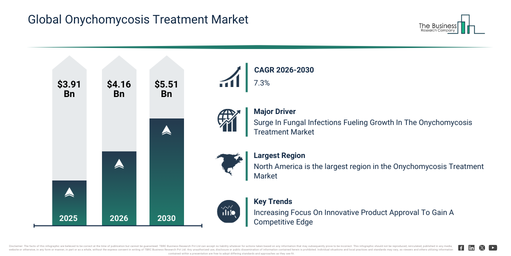
  • Onychomycosis Treatment Market Growth Is Reshaping Competitive Advantage Across The Industry

    Onychomycosis Treatment Market Growth Is Reshaping Competitive Advantage Across The Industry

    Through market attractiveness analysis, total addressable market evaluation, company benchmarking matrices, interactive Excel dashboards, expanded supply chain intelligence, emerging startup coverage, and detailed product insights, The Business Research Company’s 2026 market reports provide more actionable and strategically valuable research.

    Onychomycosis Treatment Market Growth From $4.16 Billion In 2026 To $5.51 Billion By 2030 At A CAGR Of 7.3%

    The market for onychomycosis therapies has experienced robust expansion lately, projected to increase from $3.91 billion in 2025 to $4.16 billion in 2026, reflecting a compound annual growth rate of 6.5%. This upward trend during the preceding period was fueled by several factors, including a high incidence of onychomycosis, a scarcity of sophisticated antifungal medications, heightened consciousness regarding nail cleanliness, escalating demand for topical antifungal solutions, and a greater prevalence of fungal infections among the elderly demographic.

    The market for onychomycosis treatments is poised for significant expansion over the coming years, projected to reach $5.51 billion by 2030, fueled by a compound annual growth rate of 7.3%. This anticipated surge is largely driven by innovations in laser and photodynamic therapies, a growing preference for combined treatment strategies, an increased utilization of remote dermatology consultations, broader accessibility through hospital and retail pharmacy networks, and ongoing research efforts targeting drug-resistant fungal varieties. Key developments expected during this timeframe include a greater embrace of therapeutic regimens that blend medication with laser treatments, expanded application of photodynamic therapy for persistent infections, heightened public consciousness regarding proactive nail health, the integration of artificial intelligence within diagnostic tools for fungal conditions, and a continued rise in telehealth services for managing onychomycosis.

    Download A Free Sample Report For Comprehensive Market Insights:

    https://www.thebusinessresearchcompany.com/sample.aspx?id=12941&type=smp

    Onychomycosis Treatment Market Industry Drivers: What Is Driving Revenue Growth?

    The rising incidence of fungal infections is poised to stimulate expansion within the onychomycosis treatment sector. Fungal infections, identified as illnesses stemming from diverse fungi, can manifest in various bodily regions or result in distinct ailments. Onychomycosis, specifically a fungal infection affecting the nails, is commonly addressed through oral antifungal drugs or topical antifungal preparations aimed at eradicating the root fungal cause and encouraging the return of healthy nail development. Illustrating this trend, the UK Health Security Agency reported in May 2025 that bloodstream infections attributed to yeasts in England saw a 31% surge from 2015 levels and a 4% increase compared to 2023 data from the year 2024. Moreover, the period between 2023 and 2024 witnessed a 4% rise in laboratory notifications of fungemia caused by yeasts in England, escalating from 2,170 to 2,247 reports. Consequently, the escalating prevalence of fungal infections is acting as a catalyst for the growth of the onychomycosis treatment market.

    Onychomycosis Treatment Market Segment Analysis Highlighting Growth Areas

    The onychomycosis treatment market covered in this report is segmented –

    1) By Type: Distal Subungual Onychomycosis, White Superficial Onychomycosis, Proximal Subungual Onychomycosis, Candida Onychomycosis, Other Types

    2) By Treatment Type: Drugs, Laser Therapy, Photodynamic Therapy

    3) By Age Group: 0 To 18 Years, 18 To 39 Years, 40 To 64 Years, 65 Years And Above

    4) By Distribution Channel: Hospital Pharmacies, Retail Pharmacies, Other Distribution Channels

    #Onychomycosis Treatment Market Growth Trends: What Is Influencing The Future Outlook?

    In the realm of the onychomycosis treatment market, leading pharmaceutical firms are strategically concentrating their efforts on innovating and securing regulatory endorsements for novel therapies, like MOB-015, as a means to solidify their market standing. A prime illustration of this trend is Moberg Pharma AB, a Swedish entity, which successfully obtained European Union authorization in June 2023 for MOB-015, a treatment intended for adult nail fungal infections of mild to moderate severity. This European approval signifies the pioneering onychomycosis drug’s inaugural international go-ahead for commercialization. Evidence from two pivotal Phase 3 studies, which underpinned the approval, revealed a significantly enhanced mycological cure rate (76% compared to a maximum of 42% for control groups) and a markedly superior overall cure rate compared to the placebo, all while maintaining an excellent safety profile free from serious adverse events. MOB-015, a topical terbinafine preparation, ensures that therapeutically effective levels of terbinafine penetrate the nail and nail bed, circumventing the systemic risks inherent in oral terbinafine administration.

    Onychomycosis Treatment Market Leading Companies: Who Holds Significant Market Presence?

    Major companies operating in the onychomycosis treatment market are Johnson & Johnson Services Inc., Bristol-Myers Squibb Company, Viatris Inc., Teva Pharmaceutical Industries Ltd., Hetero Drugs Ltd., Sun Pharmaceutical Industries Limited, Cadila Pharmaceuticals Ltd., Dr. Reddys Laboratories Ltd., Intas Pharmaceuticals Limited, Cipla Limited, Lupin Limited, Glenmark Pharmaceuticals Ltd., Aurobindo Pharma Limited, Alkem Laboratories Limited, Jubilant Life Sciences Ltd., Torrent Pharmaceuticals Ltd., Mankind Pharma Ltd., Biocon Limited, Emcure Pharmaceuticals Limited, Alembic Pharmaceuticals Ltd., Laurus Labs Limited, Strides Pharma Science Limited, Aarti Drugs Ltd., NATCO Pharma Ltd., Unichem Laboratories Ltd., Indoco Remedies Ltd., Apex Laboratories Pvt. Ltd., Wockhardt Ltd.

    Access The Complete Onychomycosis Treatment Market Report:

    https://www.thebusinessresearchcompany.com/report/onychomycosis-treatment-global-market-report

    Onychomycosis Treatment Market Global Footprint: Which Region Holds Market Leadership?

    North Americawas the largest region in the onychomycosis treatment market in 2025. Asia-Pacificis expected to be the fastest-growing region in the forecast period. The regions covered in the onychomycosis treatment market report are Asia-Pacific, South East Asia, Western Europe, Eastern Europe, North America, South America, Middle East, Africa.

    Get in touch with us:

    The Business Research Company: https://www.thebusinessresearchcompany.com/

    Americas: +1 310-496-7795

    Asia: +44 7882 955267 & +91 8897263534

    Europe: +44 7882 955267

    Email us at: marketing@tbrc.info

    Follow us on:

    LinkedIn: https://in.linkedin.com/company/the-business-research-company

    YouTube: https://www.youtube.com/channel/UC24_fI0rV8cR5DxlCpgmyFQ

    Global Market Model: https://www.thebusinessresearchcompany.com/global-market-model