Month: June 2026

  • Menopause Digital Hormone Balancing App Market Opportunities Are Emerging Beyond Traditional Growth Areas

    Menopause Digital Hormone Balancing App Market Opportunities Are Emerging Beyond Traditional Growth Areas

    Through market attractiveness analysis, total addressable market evaluation, company benchmarking matrices, interactive Excel dashboards, expanded supply chain intelligence, emerging startup coverage, and detailed product insights, The Business Research Company’s 2026 market reports provide more actionable and strategically valuable research.

    Menopause Digital Hormone Balancing App Market Growth From $1.78 Billion In 2026 To $3.34 Billion By 2030 At A CAGR Of 17%

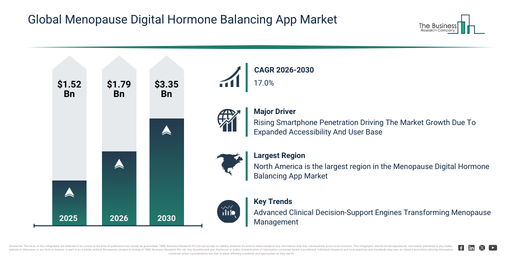
    The menopause digital hormone balancing app market has experienced rapid expansion in recent years. This market is projected to expand from $1.52 billion in 2025 to reach $1.79 billion by 2026, demonstrating a compound annual growth rate (CAGR) of 17.3%. Factors contributing to its historical growth include a heightened understanding of menopause health management, increased smartphone usage among women, a surge in the adoption of digital health solutions, the proliferation of wellness-oriented mobile applications, and a greater emphasis on preventive healthcare.

    The menopause digital hormone balancing app market size is projected to experience substantial growth in the coming years. It is foreseen to expand to $3.35 billion by 2030, exhibiting a compound annual growth rate (CAGR) of 17.0%. This anticipated expansion during the forecast period can be ascribed to elements such as the escalating demand for tailored digital therapeutics, enhanced integration with wearable health devices, the proliferation of subscription-based health applications, an intensifying focus on holistic menopause care, and the increasing embrace of AI-driven health insights. Noteworthy trends for the forecast period include a heightened adoption of personalized menopause management apps, a growing reliance on symptom tracking and analytics, an increased embedding of hormone monitoring capabilities, the expansion of virtual health coaching offerings, and a sharpened emphasis on user-centric app design.

    Download A Free Sample Report For Comprehensive Market Insights:

    https://www.thebusinessresearchcompany.com/sample.aspx?id=28265&type=smp

    Menopause Digital Hormone Balancing App Market Demand Drivers Creating New Revenue Opportunities

    The rising smartphone penetration is expected to fuel the growth of the menopause digital hormone balancing app market going forward. Smartphone penetration refers to the percentage of a population or target market that owns or actively uses a smartphone. This increase in smartphone penetration is driven by the greater affordability of smartphones, making them accessible to a larger population. Higher smartphone penetration assists menopause digital hormone balancing apps by expanding their potential user base, enabling more women to conveniently access symptom tracking, hormone monitoring, lifestyle guidance, and educational resources on their devices. For instance, in February 2023, according to the GSM Association (GSMA), a UK-based industry organization that represents the interests of mobile network operators and companies, smartphone penetration in sub-Saharan Africa is projected to rise significantly, reaching 87% by 2030, up from 51% in 2022. Therefore, the increasing smartphone penetration is a key driver for the growth of the menopause digital hormone balancing app market.

    Menopause Digital Hormone Balancing App Market Segment Analysis Highlighting Growth Areas

    The menopause digital hormone balancing app market covered in this report is segmented –

    1) By App Type: Symptom Tracking, Hormone Monitoring, Lifestyle Management, Educational Apps, Other App Types

    2) By Platform: iPhone Operating System, Android, Web-Based

    3) By Subscription Model: Free, Paid, Freemium

    4) By End-User: Women, Healthcare Providers, Clinics, Other End-Users

    Subsegments:

    1) By Symptom Tracking: Hot Flashes, Mood Swings, Sleep Disturbances

    2) By Hormone Monitoring: Estrogen Levels, Progesterone Levels, Testosterone Levels

    3) By Lifestyle Management: Nutrition Guidance, Exercise Regimens, Stress Management

    4) By Educational Apps: Menopause Education, Hormone Therapy Information, Bone Health

    5) By Other App Types: Community Support Platforms, Virtual Consultations, Medication Reminders

    Menopause Digital Hormone Balancing App Market Trends Driving Strategic Industry Expansion

    Leading companies in the menopause digital hormone balancing app market are concentrating on developing advanced solutions, such as a clinical decision-support engine, which enables the structured collection of patient data and real-time assessment against evidence-based menopause pathways to provide tailored management recommendations directly at the point of care. A clinical decision-support engine refers to a software system designed to assist healthcare providers in making informed and evidence-based decisions about patient care, offering structured guidance and recommendations based on specific patient data. For example, in July 2025, University College London Hospitals (UCLH), a UK-based healthcare provider specializing in women’s health and menopause care, in collaboration with University College London (UCL), launched the MENO.pause app. This digital clinical decision-support platform is designed to help clinicians manage patients’ menopause symptoms, integrating evidence-based clinical guidelines from the National Institute for Health and Care Excellence (NICE), the British Menopause Society (BMS), and the British Gynaecological Cancer Society (BGCS) to offer personalized treatment recommendations based on patient history and risk factors. Additionally, the platform supports risk stratification for high-risk patients, optimizes hormone replacement therapy (HRT) decisions, and streamlines referral pathways for complex or specialist cases through an intuitive workflow-integrated interface suitable for use in both primary and secondary care.

    Menopause Digital Hormone Balancing App Market Leading Companies: Who Holds Significant Market Presence?

    Major companies operating in the menopause digital hormone balancing app market are Chorus Health Inc., Noom Inc., Maven Clinic Co., Forth Ltd., Join Olivia AB, Clue by BioWink GmbH, Balance App Ltd., Peppy Health Ltd., Elektra Health Inc., Eli Health Inc., FemTech Health Inc., Health and Her Ltd., Hormona Ltd., Lisa Health Inc., Mira Fertility Inc., Oova Life Inc., Stella LLC, Vira Health Ltd., Wild AI Ltd., Gennev Inc.

    Access The Complete Menopause Digital Hormone Balancing App Market Report:

    https://www.thebusinessresearchcompany.com/report/menopause-digital-hormone-balancing-app-global-market-report

    Menopause Digital Hormone Balancing App Market Regional Distribution: Which Areas Drive Market Expansion?

    North Americawas the largest region in the menopause digital hormone balancing app market in 2025. Asia-Pacific is expected to be the fastest-growing region in the forecast period. The regions covered in the menopause digital hormone balancing app market report are Asia-Pacific, South East Asia, Western Europe, Eastern Europe, North America, South America, Middle East, Africa.

    Get in touch with us:

    The Business Research Company: https://www.thebusinessresearchcompany.com/

    Americas: +1 310-496-7795

    Asia: +44 7882 955267 & +91 8897263534

    Europe: +44 7882 955267

    Email us at: marketing@tbrc.info

    Follow us on:

    LinkedIn: https://in.linkedin.com/company/the-business-research-company

    YouTube: https://www.youtube.com/channel/UC24_fI0rV8cR5DxlCpgmyFQ

    Global Market Model: https://www.thebusinessresearchcompany.com/global-market-model
  • Menopause Market Expansion Is Opening New Pathways For Strategic Investment

    Menopause Market Expansion Is Opening New Pathways For Strategic Investment

    Delivering more actionable and strategically valuable research, The Business Research Company’s 2026 market reports feature market attractiveness analysis, total addressable market evaluation, company benchmarking matrices, interactive Excel dashboards, expanded supply chain intelligence, emerging startup coverage, and detailed product insights.

    Menopause Market Expansion Outlook: What Revenue Opportunities Lie Ahead?

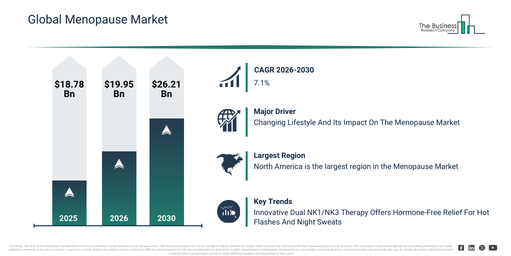
    The market size for menopause-related products and services has experienced robust growth recently. This market is projected to expand from $18.78 billion in 2025 to $19.95 billion by 2026, demonstrating a compound annual growth rate (CAGR) of 6.2%. Historically, this expansion has been driven by factors such as an aging female demographic, enhanced life expectancy for women, the extensive adoption of hormone replacement therapy, rising recognition of menopausal symptoms, and the broadening of women’s healthcare provisions.

    The menopause market is projected to demonstrate significant growth in the upcoming years. By 2030, it is forecast to expand to $26.21 billion, achieving a compound annual growth rate (CAGR) of 7.1%. Contributing to this growth during the forecast period are factors such as the increasing demand for safer long-term therapies, the expansion of digital health platforms dedicated to menopause, an elevated focus on preventive women’s health, enhanced access to online pharmacies, and a wider acceptance of alternative and lifestyle-based treatments. Significant trends expected in the forecast period include the increasing adoption of non-hormonal menopause treatments, greater awareness and proactive management of menopause, a growing preference for dietary supplements and natural remedies, the proliferation of personalized menopause care programs, and a heightened demand for symptom-specific treatment solutions.

    Download A Free Sample Report For Comprehensive Market Insights:

    https://www.thebusinessresearchcompany.com/sample.aspx?id=13190&type=smp

    Menopause Market Expansion Supported By Key Demand Factors

    The menopause market is anticipated to expand due to the growing trend of evolving lifestyles. An evolving lifestyle encompasses alterations in individuals’ living habits and decisions affecting their health and overall welfare. During this natural biological stage, adapting one’s lifestyle can assist in managing menopausal symptoms and improving overall well-being. Menopause can prompt various lifestyle modifications, such as adopting a nutritious diet, regular physical activity, adequate sleep, avoiding smoking and excessive alcohol consumption, and participating in calming pastimes. For example, a press release from the US-based Global Wellness Institution in November 2023 indicated that in 2022, the wellness economy accounted for 5.6% of global economic output and is forecast to reach $8.5 trillion by 2027, demonstrating an average annual growth rate of 8.6%. Consequently, the escalating adoption of changing lifestyles is fueling the expansion of the menopause market.

    Menopause Market Segment Performance And Strategic Opportunities

    The menopause market covered in this report is segmented –

    1) By Treatment: Dietary Supplements, Over-The-Counter (OTC) Pharma Products

    2) By Route Of Administration: Topical, Oral, Injectables

    3) By Distribution Channel: Hospital, Retail, Online Pharmacies

    4) By End User: Hospital, Diagnostic Centers, Specialty Clinics, Other End Users

    Subsegments:

    1) By Dietary Supplements: Herbal Supplements, Vitamins And Minerals, Phytoestrogens, Omega-3 Fatty Acids, Probiotics

    2) By Over-The-Counter (OTC) Pharma Products: Hormone Replacement Therapy (HRT), Non-Hormonal OTC Products, Antidepressants For Mood Swings, Sleep Aids, Pain Relievers

    Menopause Market Growth Trends Influencing Competitive Dynamics

    Leading companies in the menopause market are prioritizing the development of innovative therapies, such as dual neurokinin 1/neurokinin 3 (NK1/NK3) receptor antagonists, to provide non-hormonal alternatives for vasomotor symptoms (hot flashes and night sweats) and enhance the quality of life for menopausal women. Dual neurokinin 1/neurokinin 3 receptor antagonists are oral pharmaceuticals designed to concurrently block both NK1 and NK3 receptors in the hypothalamus, consequently modulating the neuropeptide pathways responsible for thermoregulation and sweat responses, which reduces the frequency and severity of hot flashes and associated sleep disturbances. For example, in October 2025, Bayer AG, a Germany-based pharmaceutical company, secured approval from the U.S. Food and Drug Administration (FDA) for Lynkuet (elinzanetant) 60 mg capsules. This product is recognized as the world’s first dual-NK1/NK3 receptor antagonist sanctioned for addressing moderate to severe hot flashes resulting from menopause. Lynkuet provides once-daily bedtime dosing, demonstrated significant reductions in both the frequency and severity of hot flashes across three Phase III trials (OASIS 1/2/3), and employs a non-hormonal mechanism of action, thereby expanding treatment possibilities for women for whom hormone therapy is contraindicated.

    Menopause Market Key Players: Which Companies Shape Industry Competition?

    Major companies operating in the menopause market are Pfizer Inc., Johnson & Johnson Inc., The Procter & Gamble Company, Merck & Co. Inc., AbbVie Inc., Bayer AG, Sanofi S.A, Abbott Laboratories Ltd., GSK plc, Eli Lilly and Company, Teva Pharmaceutical Industries Ltd., Sun Pharmaceutical Industries Limited, Cipla Inc., Dr. Reddy’s Laboratories Ltd., Apotex Inc., Rainbow Light Nutritional Systems LLC, Mithra Pharmaceuticals SA, TherapeuticsMD Inc., Theramex SpA, Pure Encapsulations LLC., Mylan N.V., Serenity Pharmaceuticals LLC

    Access The Complete Menopause Market Report:

    https://www.thebusinessresearchcompany.com/report/menopause-global-market-report

    Menopause Market Leading Geography: Which Region Generates The Most Revenue?

    North Americawas the largest region in the menopause market in 2025. The regions covered in the menopause market report are Asia-Pacific, South East Asia, Western Europe, Eastern Europe, North America, South America, Middle East, Africa.

    Get in touch with us:

    The Business Research Company: https://www.thebusinessresearchcompany.com/

    Americas: +1 310-496-7795

    Asia: +44 7882 955267 & +91 8897263534

    Europe: +44 7882 955267

    Email us at: marketing@tbrc.info

    Follow us on:

    LinkedIn: https://in.linkedin.com/company/the-business-research-company

    YouTube: https://www.youtube.com/channel/UC24_fI0rV8cR5DxlCpgmyFQ

    Global Market Model: https://www.thebusinessresearchcompany.com/global-market-model
  • Menopausal Hot Flashes Market Trends Are Creating New Opportunities For Industry Leaders

    Menopausal Hot Flashes Market Trends Are Creating New Opportunities For Industry Leaders

    Enhanced with market attractiveness analysis, total addressable market evaluation, company benchmarking matrices, interactive Excel dashboards, expanded supply chain intelligence, emerging startup coverage, and detailed product insights, The Business Research Company’s 2026 market reports deliver more actionable and strategically valuable research.

    Menopausal Hot Flashes Market Growth Potential: How Will Market Size Change Through 2030?

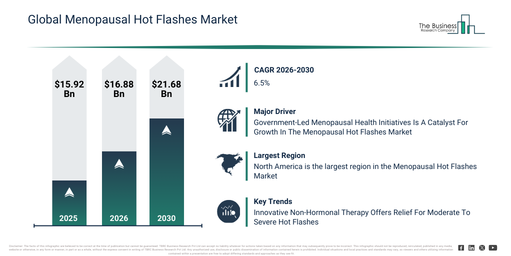
    The menopausal hot flashes market has shown significant growth in recent years. It is anticipated to expand from $15.92 billion in 2025 to $16.88 billion in 2026, with a compound annual growth rate (CAGR) of 6.0%. The expansion observed in the historic period is attributable to an aging female population, increased life expectancy among women, the widespread use of hormone replacement therapy, growing awareness of menopausal health, and the expansion of gynecological healthcare services.

    The market for menopausal hot flashes is anticipated to experience substantial expansion in the coming years. Projections indicate it will reach $21.68 billion by 2030, demonstrating a compound annual growth rate (CAGR) of 6.5%. This growth over the forecast period is fueled by several factors, including an increased demand for safer non-hormonal treatments, the expansion of healthcare initiatives centered on menopause, a heightened emphasis on women’s health research, the proliferation of online and digital health consultations, and a greater embrace of alternative therapeutic approaches. Key trends anticipated during this period encompass a growing inclination towards non-hormonal solutions, enhanced awareness and diagnosis of menopausal symptoms, wider adoption of alternative and lifestyle-based therapies, the development of personalized menopause management strategies, and an elevated need for long-term solutions for symptom management.

    Download A Free Sample Report For Comprehensive Market Insights:

    https://www.thebusinessresearchcompany.com/sample.aspx?id=12592&type=smp

    Menopausal Hot Flashes Market Growth Drivers And Industry Catalysts

    The future expansion of the menopausal hot flashes market is anticipated to be significantly influenced by governmental efforts concerning women’s health during menopause. These government initiatives for menopausal health involve specific programs, financial provisions, and policy actions designed to enhance care, bolster research, and broaden access to services for women experiencing symptoms related to menopause. Such initiatives are on the rise as governments increasingly recognize the importance of better education, early detection, and effective treatment solutions to support women’s well-being throughout the menopausal transition. The menopausal hot flashes market benefits from these endeavors by reinforcing research activities, accelerating innovation, and improving the availability of evidence-based treatments for symptom alleviation. As an illustration, in January 2023, the Government of New South Wales, an Australia-based government agency, committed **0.0403 billion** over **four years (2022–2023 to 2025–2026)** to establish up to 16 new programs dedicated to supporting women with severe menopausal symptoms. Consequently, the government’s initiatives for women’s health in menopause are acting as a catalyst for the growth of the menopausal hot flashes market.

    Menopausal Hot Flashes Market Segment Landscape And Growth Potential

    The menopausal hot flashes market covered in this report is segmented –

    1) By Type: Hormonal Treatment, Non-Hormonal Treatment, Alternative Treatment

    2) By Pipeline Analysis: Phase III Drugs, Phase I And II Drugs

    3) By Distribution Channel: Retail Pharmacies, Online Pharmacies, Hospital Pharmacies

    4) By Application: 51-55 Year Old Woman, 46-50 Year Old Woman, 40-45 Year Old Woman

    Subsegments:

    1) By Hormonal Treatment: Estrogen Therapy, Combined Hormonal Therapy

    2) By Non-Hormonal Treatment: Selective Serotonin Reuptake Inhibitors, Gabapentinoids, Clonidine

    3) By Alternative Treatment: Herbal Supplements, Acupuncture, Lifestyle Modifications

    #Menopausal Hot Flashes Market Trends Influencing Long-Term Demand

    Leading companies operating in the global menopausal hot flashes market are concentrating on developing innovative treatments, such as non-hormonal neurokinin-3 (NK3) receptor antagonists, aiming to provide safer and more effective therapeutic alternatives for women who cannot or prefer not to use hormone therapy. Non-hormonal NK3 receptor antagonists are targeted medications that function by obstructing neurokinin-3 receptors in the brain’s thermoregulatory center, thereby reducing the occurrence and severity of vasomotor symptoms, including moderate to severe hot flashes. For instance, in May 2023, Astellas Pharma Inc., a Japan-based pharmaceutical company, secured approval from the Food and Drug Administration (FDA) for Veozah (fezolinetant), an oral medicine designed for the treatment of moderate to severe vasomotor symptoms, or hot flashes, associated with menopause. This product is the world’s first non-hormonal NK3 receptor antagonist specifically formulated for menopausal hot flashes. Veozah offers a novel non-hormonal mechanism of action, once-daily oral administration, and has clinically demonstrated reductions in both the frequency and intensity of vasomotor symptoms, representing a significant advancement for women seeking non-hormonal relief from menopause-related symptoms.

    Menopausal Hot Flashes Market Competitive Landscape: Who Are The Leading Companies?

    Major companies operating in the menopausal hot flashes market are Pfizer Inc., Johnson & Johnson, The Procter & Gamble Company, Merck & Co. Inc., Bayer AG, Novartis AG, AstraZeneca plc, GlaxoSmithKline plc., Takeda Pharmaceutical Company Limited, Eli Lilly and Co Ltd., Boehringer Ingelheim International GmbH, Teva Pharmaceutical Industries Ltd., Astellas Pharma Inc., Eisai Co. Ltd., Otsuka Pharmaceutical Co. Ltd., Shionogi & Co. Ltd., Gedeon Richter Plc, Lupin Limited, Hisamitsu Pharmaceutical Co. Inc., Noven Pharmaceuticals Inc., Ligand Pharmaceuticals Inc., Mithra Pharmaceuticals SA, TherapeuticsMD Inc., Theramex Ltd., Ascend Therapeutics Inc., EndoCeutics Inc., Sermonix Pharmaceuticals LLC, Ralington pharma LLP

    Access The Complete Menopausal Hot Flashes Market Report:

    https://www.thebusinessresearchcompany.com/report/menopausal-hot-flashes-global-market-report

    Menopausal Hot Flashes Market Regional Outlook: Where Are The Largest Opportunities Located?

    North Americawas the largest region in the Menopausal Hot Flashes market in 2025. Asia-Pacificis expected to be the fastest-growing region in the forecast period. The regions covered in the menopausal hot flashes market report are Asia-Pacific, South East Asia, Western Europe, Eastern Europe, North America, South America, Middle East, Africa.

    Get in touch with us:

    The Business Research Company: https://www.thebusinessresearchcompany.com/

    Americas: +1 310-496-7795

    Asia: +44 7882 955267 & +91 8897263534

    Europe: +44 7882 955267

    Email us at: marketing@tbrc.info

    Follow us on:

    LinkedIn: https://in.linkedin.com/company/the-business-research-company

    YouTube: https://www.youtube.com/channel/UC24_fI0rV8cR5DxlCpgmyFQ

    Global Market Model: https://www.thebusinessresearchcompany.com/global-market-model
  • Meningococcal Disease Vaccine Market Growth Is Reshaping Competitive Advantage Across The Industry

    Meningococcal Disease Vaccine Market Growth Is Reshaping Competitive Advantage Across The Industry

    Through market attractiveness analysis, total addressable market evaluation, company benchmarking matrices, interactive Excel dashboards, expanded supply chain intelligence, emerging startup coverage, and detailed product insights, The Business Research Company’s 2026 market reports provide more actionable and strategically valuable research.

    Meningococcal Disease Vaccine Market Value Analysis: What Growth Is Expected Over The Forecast Period?

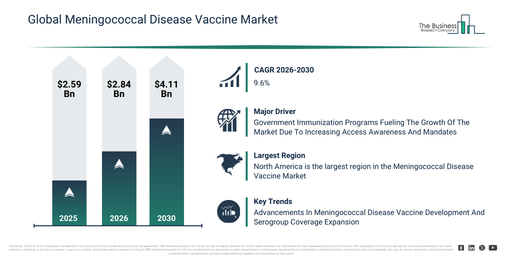
    The meningococcal disease vaccine market has demonstrated robust growth in recent years. The market is anticipated to increase from $2.59 billion in 2025 to $2.84 billion in 2026, achieving a compound annual growth rate (CAGR) of 9.7%. Historically, this expansion has been driven by factors such as recurring meningococcal disease outbreaks, high mortality and morbidity rates, government-supported vaccination programs, enhanced awareness of bacterial meningitis, and the broadening of pediatric immunization schedules.

    The meningococcal disease vaccine market is projected to experience substantial expansion over the upcoming years. Its value is anticipated to reach $4.11 billion by 2030, demonstrating a compound annual growth rate (CAGR) of 9.6%. This projected growth during the forecast period is fueled by factors such as increased global travel and migration, a heightened emphasis on preventive healthcare, broader vaccine coverage in developing nations, a surge in adolescent immunization programs, and ongoing progress in vaccine research and development. Key trends identified for the forecast period encompass a greater uptake of conjugate and recombinant vaccines, an expansion of established immunization initiatives, a sharpened focus on vaccinating adolescents and adults, an increase in vaccinations driven by travel requirements and outbreaks, and a stronger emphasis on early preventive immunization.

    Download A Free Sample Report For Comprehensive Market Insights:

    https://www.thebusinessresearchcompany.com/sample.aspx?id=24317&type=smp

    Meningococcal Disease Vaccine Market Opportunity Drivers: What Is Creating New Revenue Potential?

    The expanding scope of government immunization programs is projected to boost the meningococcal disease vaccine market’s growth in the coming period. These programs are public health initiatives providing no-cost or affordable vaccines to protect populations from infectious illnesses. Their expansion stems from a greater focus on preventing infectious diseases and reducing healthcare strain via extensive vaccination efforts. Such programs stimulate the demand for meningococcal vaccines by broadening access, boosting vaccination coverage, enhancing public awareness, and ultimately lowering disease occurrence. Additionally, they generate demand through mandatory vaccinations and the promotion of overall public health. As an illustration, in April 2024, the Pan American Health Organization (PAHO), a US-based specialized agency, launched the 22nd Vaccination Week in the Americas (VWA) under the theme “Engage now to protect your future. GetVax.” This initiative aimed to administer over 65 million doses to improve vaccination coverage, particularly in underserved regions. Its focus included countering misinformation and improving vaccine accessibility through community involvement and customized campaigns. Consequently, the expansion of government immunization programs is a key driver for the growth of the meningococcal disease vaccine market.

    Meningococcal Disease Vaccine Market Categorization By Product Type And Application

    The meningococcal disease vaccine market covered in this report is segmented –

    1) By Vaccine Type: Conjugate Vaccines, Polysaccharide Vaccines, Recombinant Vaccines, Live Attenuated Vaccines

    2) By Age Group: Infants, Children, Adults, Older Adults

    3) By Indication: Preventive Vaccination, Post-Exposure Prophylaxis, Travel-Related Vaccination, Outbreak Response

    4) By Distribution Channel: Hospital Pharmacy, Retail Pharmacy, Online Pharmacy, Other Distribution Channels

    5) By End-Users: Hospitals, Specialty Clinics, Homecare, Other End-Users

    Subsegments:

    1) By Conjugate Vaccines: Monovalent Conjugate Vaccines, Quadrivalent Conjugate Vaccines, Pediatric Conjugate Vaccines, Adolescent Or Adult Conjugate Vaccines

    2) By Polysaccharide Vaccines: Bivalent Polysaccharide Vaccines, Trivalent Polysaccharide Vaccines, Quadrivalent Polysaccharide Vaccines, Age-Specific Polysaccharide Formulations

    3) By Recombinant Vaccines: Serogroup B Recombinant Protein Vaccines, Multicomponent Recombinant Vaccines, Outer Membrane Vesicle (OMV) Based Recombinant Vaccines

    4) By Live Attenuated Vaccines: Experimental Intranasal Live Attenuated Vaccines, Genetically Engineered Attenuated Strain Vaccines, Combined Live Attenuated Vaccines

    Meningococcal Disease Vaccine Market Innovation Trends Driving Future Development

    Major companies in the meningococcal disease vaccine market are concentrating on developing advanced products, such as pentavalent meningococcal vaccines, to broaden serogroup coverage, streamline immunization schedules, and enhance disease prevention. A pentavalent meningococcal vaccine is an advanced immunization solution designed to target five major serogroups of Neisseria meningitidis in a single dose, which reduces the need for multiple separate vaccinations and improves patient compliance. For instance, in October 2023, US-based biopharmaceutical company Pfizer Inc. announced that the Food and Drug Administration (FDA) had approved PENBRAYA, the first and only vaccine for preventing meningococcal disease in individuals aged 10 to 25 years. This innovative vaccine integrates components from two existing meningococcal vaccines, Trumenba and Nimenrix, to offer protection against the five most common serogroups (A, B, C, W, and Y) of Neisseria meningitidis, which are responsible for the majority of invasive meningococcal disease (IMD) globally. PENBRAYA signifies a notable advancement in meningococcal disease prevention, providing the broadest serogroup coverage of any meningococcal vaccine currently available in the U.S. and potentially simplifying the vaccination schedule by reducing the total number of doses required for full protection.

    Meningococcal Disease Vaccine Market Company Landscape And Strategic Competition

    Major companies operating in the meningococcal disease vaccine market are Pfizer Inc, Merck & Co Inc, Sanofi SA, GlaxoSmithKline plc, Serum Institute of India Pvt Ltd, Biovac Institute, Bio Manguinhos, Finlay Institute of Vaccines, Walvax Biotechnology Co Ltd, CSL Limited, China National Biotec Group, Hualan Biological Engineering Inc, Chongqing Zhifei Biological Products Co Ltd, Hangzhou Jinjiang Group Co Ltd, Shenzhen Kangtai Biological Products Co Ltd, Panacea Biotec, Biological E Limited, Instituto Butantan, Incepta Pharmaceuticals Ltd, Bio Med Pvt Ltd, Bharat Biotech International Ltd, Zhejiang Tianyuan Bio Pharmaceutical Co Ltd, Beijing Tiantan Biological Products Co Ltd.

    Access The Complete Meningococcal Disease Vaccine Market Report:

    https://www.thebusinessresearchcompany.com/report/meningococcal-disease-vaccine-global-market-report

    Meningococcal Disease Vaccine Market Geographic Landscape: Which Region Dominates Industry Growth?

    North Americawas the largest region in the meningococcal disease vaccine market in 2025. Asia-Pacificis expected to be the fastest-growing region in the forecast period. The regions covered in the meningococcal disease vaccine market report are Asia-Pacific, South East Asia, Western Europe, Eastern Europe, North America, South America, Middle East, Africa.

    Get in touch with us:

    The Business Research Company: https://www.thebusinessresearchcompany.com/

    Americas: +1 310-496-7795

    Asia: +44 7882 955267 & +91 8897263534

    Europe: +44 7882 955267

    Email us at: marketing@tbrc.info

    Follow us on:

    LinkedIn: https://in.linkedin.com/company/the-business-research-company

    YouTube: https://www.youtube.com/channel/UC24_fI0rV8cR5DxlCpgmyFQ

    Global Market Model: https://www.thebusinessresearchcompany.com/global-market-model
  • Melatonin Market Forecast Signals New Revenue Opportunities Through 2030

    Melatonin Market Forecast Signals New Revenue Opportunities Through 2030

    Delivering more actionable and strategically valuable research, The Business Research Company’s 2026 market reports feature market attractiveness analysis, total addressable market evaluation, company benchmarking matrices, interactive Excel dashboards, expanded supply chain intelligence, emerging startup coverage, and detailed product insights.

    Melatonin Market Size Forecast: How Large Could The Market Become By 2030?

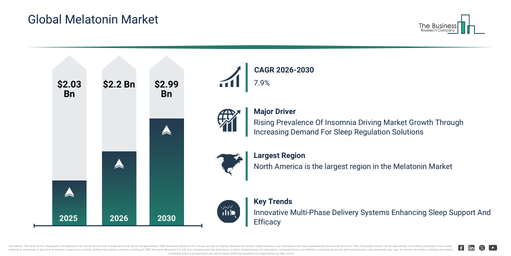
    The melatonin market has shown significant growth in recent years. It is anticipated to expand from $2.03 billion in 2025 to $2.2 billion in 2026, at a compound annual growth rate (CAGR) of 8.3%. This historical growth can be linked to several factors, including increasing prevalence of sleep disorders, rising stress and lifestyle imbalance, expansion of dietary supplement consumption, greater awareness of circadian rhythm health, and availability of otc melatonin products.

    The melatonin market is projected to experience substantial expansion in the coming years. Its valuation is anticipated to reach $2.99 billion by 2030, driven by a compound annual growth rate (CAGR) of 7.9%. This growth during the forecast period is primarily attributable to several factors, including the escalating demand for tailored sleep solutions, a heightened emphasis on mental wellness, the expansion of e-commerce channels for supplement sales, increasing acceptance of preventive healthcare practices, and enhanced research efforts in sleep health. Key trends shaping the market during this period encompass a rising demand for natural sleep aids, the increasing uptake of over-the-counter (OTC) sleep supplements, a developing preference for solutions that are non-habit forming, the availability of diverse dosage formats, and a greater concentration on circadian health.

    Download A Free Sample Report For Comprehensive Market Insights:

    https://www.thebusinessresearchcompany.com/sample.aspx?id=24603&type=smp

    Melatonin Market Growth Momentum: Which Factors Are Influencing Demand?

    The increasing incidence of insomnia is projected to fuel the expansion of the melatonin market in the foreseeable future. Insomnia, a sleep condition, is defined by struggles with initiating sleep, maintaining sleep, or premature waking without the ability to return to sleep, even when sleep is available. The number of insomnia sufferers is increasing, attributed to factors such as elevated stress levels, prolonged screen exposure, inconsistent sleep routines, an aging demographic, and the expanding occurrence of chronic illnesses. Melatonin proves beneficial for insomnia by assisting in the regulation of the body’s sleep-wake cycle, thereby facilitating easier sleep onset and maintenance, particularly when circadian rhythms are disturbed. For example, in April 2024, data from Oxford University Press, a publishing firm based in the UK, indicated that in 2024, about 19.5% of adult females and 14.0% of adult males in the Americas experienced insomnia, amounting to approximately 123 million individuals. Consequently, the rising occurrence of insomnia is a primary driver behind the expansion of the melatonin market.

    Melatonin Market Segment Analysis And Revenue Opportunities

    The melatonin market covered in this report is segmented –

    1) By Source Type: Natural Melatonin, Synthetic Melatonin

    2) By Product Type: Tablets, Capsules, Liquid Solutions, Gummies, Sublingual Tablets

    3) By Treatment Type: Dietary Supplements, Pharmaceuticals

    4) By Application: Insomnia Treatment, Jet Lag Management, Sleep Disorders, Stress Relief, Circadian Rhythm Regulation

    5) By Distribution Channel: Online Retailers, Pharmacies, Health Food Stores, Supermarkets, Hypermarkets, Specialty Stores

    Subsegments:

    1) By Natural Melatonin: Plant-Based Melatonin, Animal-Based Melatonin

    2) By Synthetic Melatonin: Prescription-Based Synthetic Melatonin, Over-the-Counter (OTC) Synthetic Melatonin

    Melatonin Market Trends Reshaping Industry Growth

    Major companies in the melatonin market are concentrating on developing innovative technologies, such as three-in-one tablet-in-capsule technology, to improve controlled release, enhance absorption efficiency, and provide prolonged sleep support for better consumer outcomes. This three-in-one tablet-in-capsule technology integrates three tablets within a single capsule to release ingredients at different times, thereby boosting how the body absorbs them and making treatment more efficient and convenient. For instance, in September 2023, Ritual, a US-based wellness company, launched a new melatonin supplement that features its innovative BioSeries technology, a three-phase release system within a single capsule, delivering melatonin in stages to align with the body’s natural sleep-wake cycle. This method improves sleep quality by facilitating quicker sleep onset, maintaining restful sleep, and ensuring a refreshed feeling upon waking.

    Melatonin Market Leading Players Shaping Industry Direction

    Major companies operating in the melatonin market are Church and Dwight Co Inc, Herbalife Nutrition Ltd, Zenith Nutrition, Amway Corporation, Aurobindo Pharma, Aspen Holdings, Nu Skin Enterprises Inc, GNC Holdings LLC, Pharmavite LLC, Jamieson Wellness Inc, Rexall Sundown Inc, Natures Way Brands LLC, Schiff Nutrition International, Natrol LLC, Solgar Inc, Biotics Research Corporation, Herbaland Naturals Inc, Lactonova Nutripharm Pvt Ltd, Prime Health Ltd, Nestle Health Science, Bayer Consumer Health, Abbott Nutrition

    Access The Complete Melatonin Market Report:

    https://www.thebusinessresearchcompany.com/report/melatonin-global-market-report

    Melatonin Market Largest Region: Which Geography Holds The Highest Market Share?

    North Americawas the largest region in the melatonin market in 2025. Asia-Pacificis expected to be the fastest-growing region in the forecast period. The regions covered in the melatonin market report are Asia-Pacific, South East Asia, Western Europe, Eastern Europe, North America, South America, Middle East, Africa.

    Get in touch with us:

    The Business Research Company: https://www.thebusinessresearchcompany.com/

    Americas: +1 310-496-7795

    Asia: +44 7882 955267 & +91 8897263534

    Europe: +44 7882 955267

    Email us at: marketing@tbrc.info

    Follow us on:

    LinkedIn: https://in.linkedin.com/company/the-business-research-company

    YouTube: https://www.youtube.com/channel/UC24_fI0rV8cR5DxlCpgmyFQ

    Global Market Model: https://www.thebusinessresearchcompany.com/global-market-model
  • Meibomian Gland Dysfunction Market Growth Is Accelerating As Industry Transformation Continues

    Meibomian Gland Dysfunction Market Growth Is Accelerating As Industry Transformation Continues

    Enhanced with market attractiveness analysis, total addressable market evaluation, company benchmarking matrices, interactive Excel dashboards, expanded supply chain intelligence, emerging startup coverage, and detailed product insights, The Business Research Company’s 2026 market reports deliver more actionable and strategically valuable research.

    Meibomian Gland Dysfunction Market Revenue Outlook: What CAGR Is Expected Through 2030?

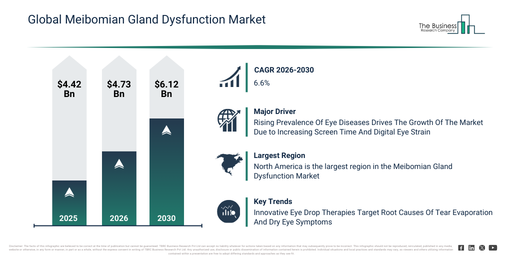
    The meibomian gland dysfunction market has experienced substantial expansion in recent years. It is forecast to expand from $4.42 billion in 2025 to $4.73 billion in 2026, exhibiting a compound annual growth rate (CAGR) of 7.0%. Factors contributing to its historical growth include the escalating incidence of dry eye disease, heightened screen time exposure, an expanding aging population, more extensive clinical recognition of mgd, and the presence of fundamental treatment options.

    The meibomian gland dysfunction market is projected to experience substantial growth in the coming years, with its size reaching $6.12 billion by 2030, at a compound annual growth rate (CAGR) of 6.6%. This expansion during the forecast period is propelled by factors such as the increasing embrace of device-assisted therapies, escalating investments in ophthalmic care, heightened awareness of chronic eye conditions, the broadening availability of home-use treatment devices, and a stronger emphasis on personalized eye care. Key developments anticipated in this period encompass the wider acceptance of advanced diagnostic tools, an increase in the utilization of device-based therapies, a rising inclination towards combined treatment approaches, the growth of home-based management options, and a greater focus on detecting diseases early.

    Download A Free Sample Report For Comprehensive Market Insights:

    https://www.thebusinessresearchcompany.com/sample.aspx?id=24602&type=smp

    Meibomian Gland Dysfunction Market Expansion Drivers: What Is Shaping Future Growth?

    An increase in eye disease instances is projected to boost the meibomian gland dysfunction (MGD) market going forward. An eye disease is defined as any ailment or condition impacting the eye or visual system, detrimentally affecting its structure, function, or general well-being. The surge in eye disease cases stems from extended screen time and digital eye strain, manifesting in symptoms like dryness, blurred vision, and potential long-term retinal damage from sustained blue light exposure. Meibomian gland dysfunction exacerbates eye disease by destabilizing the tear film, leading to inflammation, ocular dryness, and an elevated susceptibility to surface eye conditions. As an illustration, the National Institutes of Health (NIH), a US government agency, indicated in February 2025 that the worldwide prevalence of myopia is predicted to reach 36.59% by 2040 and 39.80% by 2050, with over 740 million total cases projected by 2050. Consequently, the increasing incidence of eye disease is propelling the expansion of the meibomian gland dysfunction (MGD) market.

    Meibomian Gland Dysfunction Market Segmentation And Category Breakdown

    The meibomian gland dysfunction market covered in this report is segmented –

    1) By Treatment Type: Medication, Surgery, Lifestyle Modifications

    2) By Dysfunction Type: Obstructive Meibomian Gland Dysfunction, Evaporative Meibomian Gland Dysfunction, Mixed Meibomian Gland Dysfunction

    3) By Disease Severity: Mild Meibomian Gland Dysfunction, Moderate Meibomian Gland Dysfunction, Severe Meibomian Gland Dysfunction

    4) By Distribution channel: Hospitals And Clinics, Pharmacies, Online Retailers

    5) By End-User: Hospitals, Ophthalmology Clinics, Home Care Settings

    Subsegments:

    1) By Medication: Topical Antibiotics, Topical Steroids, Lubricating Eye Drops, Topical Cyclosporine, Omega-3 Supplements

    2) By Surgery: Meibomian Gland Probing, Intense Pulsed Light (IPL) Therapy, Thermal Pulsation Treatment, BlephEx

    3) By Lifestyle Modifications: Warm Compress Therapy, Lid Hygiene, Dietary Adjustments, Blinking Exercises

    Meibomian Gland Dysfunction Market Strategic Trends: What Is Defining The Next Phase Of Growth?

    Leading companies in the meibomian gland dysfunction market are concentrating on developing novel therapies, such as prescription eye drop solutions, to minimize tear evaporation and alleviate dry eye symptoms. These prescription eye drop solutions, including anti-inflammatory or antibiotic varieties, assist in managing meibomian gland dysfunction by reducing inflammation, clearing gland blockages, and improving the stability of the tear film. For example, in May 2023, Bausch + Lomb Corporation, a Canada-based eye health company, unveiled MIEBO (perfluorohexyloctane ophthalmic solution), an innovative prescription eye drop specifically designed for treating dry eye disease (DED). As the first and only prescription eye drop to directly target tear evaporation, which is the primary cause of DED, MIEBO establishes a protective, enduring layer over the eye’s surface. Its distinctive water-free formulation delivers effective and prolonged relief, particularly for patients experiencing dry eye symptoms connected to Meibomian gland dysfunction.

    Meibomian Gland Dysfunction Market Competitive Analysis Of Major Industry Participants

    Major companies operating in the meibomian gland dysfunction market are Johnson And Johnson, Alcon Inc., Bausch Lomb Corporation, Santen Pharmaceutical, Lumenis Ltd, Topcon Healthcare Solutions Inc, AFT Pharmaceuticals, Sight Sciences Inc, OASIS Medical Inc, OCuSOFT Inc, Novaliq GmbH, Scope Ophthalmics Ltd, Medmont International Pty Ltd, Azura Ophthalmics Ltd, BlephEx LLC, Bruder Healthcare Company, ESW Vision Inc, MiBo Medical Group Inc, Kala Pharmaceuticals Inc, Allergan Eye Care, TearScience Inc, Sun Pharmaceutical Industries Ltd

    Access The Complete Meibomian Gland Dysfunction Market Report:

    https://www.thebusinessresearchcompany.com/report/meibomian-gland-dysfunction-global-market-report

    Meibomian Gland Dysfunction Market Regional Analysis: Which Region Leads By Revenue?

    North Americawas the largest region in the meibomian gland dysfunction market in 2025. The regions covered in the meibomian gland dysfunction market report are Asia-Pacific, South East Asia, Western Europe, Eastern Europe, North America, South America, Middle East, Africa.

    Get in touch with us:

    The Business Research Company: https://www.thebusinessresearchcompany.com/

    Americas: +1 310-496-7795

    Asia: +44 7882 955267 & +91 8897263534

    Europe: +44 7882 955267

    Email us at: marketing@tbrc.info

    Follow us on:

    LinkedIn: https://in.linkedin.com/company/the-business-research-company

    YouTube: https://www.youtube.com/channel/UC24_fI0rV8cR5DxlCpgmyFQ

    Global Market Model: https://www.thebusinessresearchcompany.com/global-market-model
  • Medications For Heart Failure Market Outlook Highlights The Next Major Growth Opportunities

    Medications For Heart Failure Market Outlook Highlights The Next Major Growth Opportunities

    Through market attractiveness analysis, total addressable market evaluation, company benchmarking matrices, interactive Excel dashboards, expanded supply chain intelligence, emerging startup coverage, and detailed product insights, The Business Research Company’s 2026 market reports provide more actionable and strategically valuable research.

    Medications For Heart Failure Market Growth Analysis: How Will Revenue Expand During The Forecast Period?

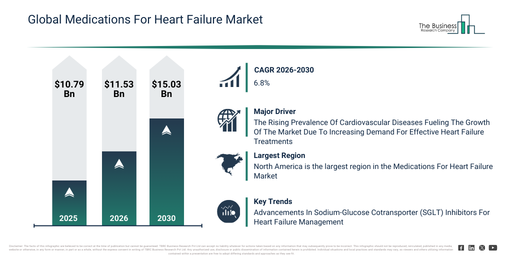
    The market for medications for heart failure has experienced significant growth in recent years. It is anticipated to expand from $10.79 billion in 2025 to $11.53 billion in 2026, reflecting a compound annual growth rate (CAGR) of 6.8%. This historical growth can be linked to several factors, including the increasing prevalence of cardiovascular diseases, the aging global demographic, a rise in the incidence of hypertension and diabetes, enhanced access to vital cardiac medications, and the expansion of hospital-based cardiac care facilities.

    The market for heart failure medications is projected to experience substantial expansion in the coming years, anticipated to reach $15.03 billion by 2030, exhibiting a compound annual growth rate (CAGR) of 6.8%. Several factors will drive this growth over the forecast period, including an expanding population of heart failure patients, the greater uptake of innovative drug categories, a heightened focus on individualized cardiovascular treatments, the proliferation of outpatient and home-based care options, and a stronger emphasis on preventive cardiology. Key trends foreseen during this period involve the increasing adoption of combination drug regimens, the expanding application of SGLT2 inhibitors for heart failure treatment, a stronger emphasis on early detection and sustained disease management, the broadening of evidence-based treatment protocols, and an elevated focus on decreasing heart failure-related hospital admissions.

    Download A Free Sample Report For Comprehensive Market Insights:

    https://www.thebusinessresearchcompany.com/sample.aspx?id=24315&type=smp

    Medications For Heart Failure Market Development Factors: Which Trends Are Supporting Demand?

    The escalating occurrence of cardiovascular diseases is anticipated to fuel the expansion of the medications for the heart failure market in the future. Cardiovascular diseases refer to conditions impacting the heart and blood vessels, frequently leading to serious issues such as heart attacks and strokes. This increase in cardiovascular diseases is largely attributed to sedentary lifestyles, which progressively weaken heart and vessel health. As the rates of cardiovascular disease climb, the demand for effective treatments also grows, encouraging greater investment in heart failure medications. With the condition becoming more prevalent, pharmaceutical companies are prioritizing the development and refinement of therapies to better manage symptoms and enhance patient outcomes. For instance, in September 2024, the Heart Failure Society of America (HFSA), a US-based organization of heart failure experts, reported that approximately 6.7 million Americans aged 20 and older currently live with heart failure (HF), a number projected to rise to 8.7 million by 2030, 10.3 million by 2040, and 11.4 million by 2050. Hence, the increasing prevalence of cardiovascular diseases is a primary driver for the growth of medications for the heart failure market.

    Medications For Heart Failure Market Segment Outlook: Which Categories Are Expanding The Fastest?

    The medications for heart failure market covered in this report is segmented –

    1) By Drug Class: Angiotensin-Converting Enzyme (ACE) Inhibitors, Beta Blockers, Diuretics, Aldosterone Antagonists, Angiotensin II Receptor Blockers (ARBs), Other Drug Classes

    2) By Route Of Administration: Oral, Intravenous, Other Routes Of Administrations

    3) By Distribution Channel: Hospital Pharmacies, Retail Pharmacies, Online Pharmacies, Other Distribution Channels

    4) By Application: Hospital, Clinic, Other Applications

    Subsegments:

    1) By Angiotensin-Converting Enzyme (ACE) Inhibitors: Enalapril, Lisinopril, Ramipril, Captopril, Perindopril

    2) By Beta Blockers: Carvedilol, Metoprolol Succinate, Bisoprolol, Nebivolol

    3) By Diuretics: Loop Diuretics, Thiazide Diuretics, Potassium-Sparing Diuretics

    4) By Aldosterone Antagonists: Spironolactone, Eplerenone

    5) By Angiotensin II Receptor Blockers (ARBs): Valsartan, Losartan, Candesartan, Irbesartan

    6) By Other Drug Classes: Angiotensin Receptor-Neprilysin Inhibitors, Ivabradine, Sodium-Glucose Cotransporter-2 (SGLT2) Inhibitors, Hydralazine Or Isosorbide Dinitrate, Digoxin

    Medications For Heart Failure Market Transformation Trends: Which Innovations Are Driving Change?

    Leading companies in the medication for heart failure market are concentrating on developing advanced drugs, such as sodium-glucose cotransporter (SGLT) inhibitors, to facilitate more effective long-term management of heart failure symptoms and complications. An SGLT inhibitor is a sophisticated medication that targets glucose reabsorption mechanisms to address heart failure, boost efficiency, and enhance cardiovascular health. For instance, in May 2023, Lexicon Pharmaceuticals, a US-based biopharmaceutical company, unveiled Inpefa (sotagliflozin), which received approval from the Food and Drug Administration (FDA). This is a once-daily oral tablet designed to diminish the risk of cardiovascular death, hospitalization for heart failure, and urgent heart failure visits in adults with heart failure or type 2 diabetes mellitus, chronic kidney disease, and other cardiovascular risk factors. This approval signifies a significant milestone for Lexicon, as Inpefa is the first dual SGLT1/SGLT2 inhibitor to enter the market, providing a new treatment option for heart failure patients across a wide array of conditions.

    Medications For Heart Failure Market Key Companies And Competitive Benchmarking

    Major companies operating in the medications for heart failure market are Merck & Co. Inc., Bayer AG, Sanofi SA, Bristol-Myers Squibb, AstraZeneca plc, Novartis AG, Eli Lilly and Company, Boehringer Ingelheim Pharmaceuticals Inc., CSPC Pharmaceutical, Hikma Pharmaceuticals PLC, Cadila Pharmaceuticals, Ionis Pharmaceuticals Inc., Hainan Poly Pharm Co Ltd, Lunan Pharmaceutical Group, Mylan Laboratories Inc., JM Laboratories, Lexicon Pharmaceuticals, Pfizer Inc, Johnson & Johnson, GlaxoSmithKline plc, Teva Pharmaceutical Industries Ltd, Amgen Inc, Otsuka Pharmaceutical Co Ltd

    Access The Complete Medications For Heart Failure Market Report:

    https://www.thebusinessresearchcompany.com/report/medications-for-heart-failure-global-market-report

    Medications For Heart Failure Market Geographic Distribution And Regional Opportunities

    North Americawas the largest region in the medications for the heart failure market in 2025. Asia-Pacificis expected to be the fastest-growing region in the forecast period. The regions covered in the medications for heart failure market report are Asia-Pacific, South East Asia, Western Europe, Eastern Europe, North America, South America, Middle East, Africa.

    Get in touch with us:

    The Business Research Company: https://www.thebusinessresearchcompany.com/

    Americas: +1 310-496-7795

    Asia: +44 7882 955267 & +91 8897263534

    Europe: +44 7882 955267

    Email us at: marketing@tbrc.info

    Follow us on:

    LinkedIn: https://in.linkedin.com/company/the-business-research-company

    YouTube: https://www.youtube.com/channel/UC24_fI0rV8cR5DxlCpgmyFQ

    Global Market Model: https://www.thebusinessresearchcompany.com/global-market-model
  • Medication Side-Effect Tracker App Market Trends And Growth Drivers Point To Strong Future Potential

    Medication Side-Effect Tracker App Market Trends And Growth Drivers Point To Strong Future Potential

    Delivering more actionable and strategically valuable research, The Business Research Company’s 2026 market reports feature market attractiveness analysis, total addressable market evaluation, company benchmarking matrices, interactive Excel dashboards, expanded supply chain intelligence, emerging startup coverage, and detailed product insights.

    Medication Side-Effect Tracker App Market Forecast: What Market Value Is Expected By 2030?

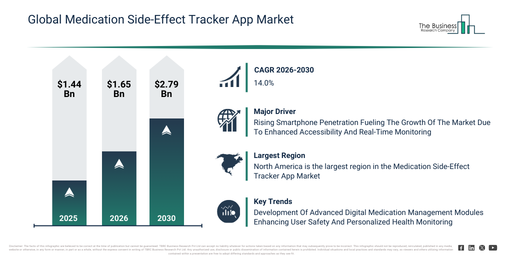
    The medication side-effect tracker app market has witnessed significant expansion in recent years. This market is anticipated to expand from $1.44 billion in 2025 to $1.65 billion in 2026, achieving a compound annual growth rate (CAGR) of 14.3%. The growth observed in previous periods is largely due to increased smartphone adoption in healthcare, the rising incidence of chronic medication use, heightened awareness regarding adverse drug reactions, the broadening availability of digital health applications, and greater patient participation in self-monitoring.

    The medication side-effect tracker app market size is projected to undergo rapid expansion in the upcoming years. It is anticipated to grow to $2.79 billion by 2030, exhibiting a compound annual growth rate (CAGR) of 14.0%. This growth during the forecast period is fueled by an escalating demand for personalized digital therapeutics, increasing integration with electronic health records, the growing application of predictive analytics in medication management, a wider embrace of remote patient monitoring, and a heightened focus on preventive healthcare tools. Significant trends expected during this period include a rising adoption of personalized medication monitoring instruments, enhanced integration of AI-driven symptom analysis, expanded utilization of wearable and health app integrations, broader data sharing with healthcare providers, and an intensified emphasis on medication safety and adherence.

    Download A Free Sample Report For Comprehensive Market Insights:

    https://www.thebusinessresearchcompany.com/sample.aspx?id=29121&type=smp

    Medication Side-Effect Tracker App Market Industry Drivers: What Is Driving Revenue Growth?

    The increasing adoption of smartphones is anticipated to drive the expansion of the medication side-effect tracker app market. Smartphones are mobile devices that provide users with on-the-go access to the internet, applications, and digital services. Their penetration is growing as more individuals depend on mobile devices for daily communication, information, and various services. Extensive smartphone usage enables easier access to medication side-effect tracker apps, allowing for real-time monitoring of adverse reactions and enhancing the safety of treatments. For instance, a report published in February 2023 by Uswitch Limited, a UK-based online and telephone comparison and switching service provider, projects that by 2025, 95% of the 68.3 million people residing in the UK will own smartphones. Thus, the rising penetration of smartphones is a significant driver for the growth of the medication side-effect tracker app market.

    Medication Side-Effect Tracker App Market Segment Landscape: Which Areas Lead Market Development?

    The medication side-effect tracker app market covered in this report is segmented –

    1) By Platform: iPhone Operating System, Android, Web-Based

    2) By Subscription Model: Free, Freemium, Paid

    3) By Functionality: Symptom Tracking, Medication Reminders, Data Analytics, Reporting And Sharing, Other Functionalities

    4) By End-User: Patients, Caregivers, Healthcare Providers, Other End-Users

    Subsegments:

    1) By iPhone Operating System: iPhone Apps, iPad Apps, Apple Watch Apps, Apple Health Integration

    2) By Android: Smartphone Apps, Tablet Apps, Wearable Device Apps, Google Fit Integration

    3) By Web-Based: Browser-Based Platforms, Cloud-Based Dashboards, Institutional Or Enterprise Solutions, Cross-Platform Access

    #Medication Side-Effect Tracker App Market Growth Trends: What Is Influencing The Future Outlook?

    Major companies in the medication side-effect tracker app market are prioritizing the development of advanced solutions, such as digital medication adherence and management modules, to improve user safety, personalize medication management, and prevent harmful drug interactions by delivering predictive alerts, customized guidance, and integrated digital tracking platforms. This digital medication adherence and management module represents a technology-driven system that leverages AI and machine learning algorithms to oversee medication intake, anticipate potential adverse effects, and provide tailored safety alerts for individual users. For instance, in December 2023, Samsung Ltd., a South Korea-based electronics company, unveiled a medication side-effect tracking feature within its Samsung Health app. This functionality empowers users to log their medications and access comprehensive information on potential side effects and drug interactions. Samsung Electronics announced that this module will enhance the Samsung Health app by assisting users in managing their health more effectively. It enables users to monitor both prescription and over-the-counter medications while offering essential guidance and tips, making it particularly beneficial for individuals who regularly take medications or use supplements for general wellness.

    Medication Side-Effect Tracker App Market Industry Leaders And Market Competition

    Major companies operating in the medication side-effect tracker app market are F Hoffmann La Roche Ltd., Janssen Healthcare Innovation, GoodRx Holdings Inc., Sidekick Health, WellDoc Inc., CareZone, DarioHealth, Medisafe Inc., Mango Health Inc., Ampersand Health LLC, Montuno Software LLC, Round Health, MedCoach Inc., Flaredown, EveryDose, smartpatient GmbH, CareClinic, Tiga Health, Bearable, Ada Health GmbH

    Access The Complete Medication Side-Effect Tracker App Market Report:

    https://www.thebusinessresearchcompany.com/report/medication-side-effect-tracker-app-global-market-report

    Medication Side-Effect Tracker App Market Largest Region By Revenue And Market Share

    North Americawas the largest region in the medication side-effect tracker app market in 2025. Asia-Pacificis expected to be the fastest-growing region in the forecast period. The regions covered in the medication side-effect tracker app market report are Asia-Pacific, South East Asia, Western Europe, Eastern Europe, North America, South America, Middle East, Africa.

    Get in touch with us:

    The Business Research Company: https://www.thebusinessresearchcompany.com/

    Americas: +1 310-496-7795

    Asia: +44 7882 955267 & +91 8897263534

    Europe: +44 7882 955267

    Email us at: marketing@tbrc.info

    Follow us on:

    LinkedIn: https://in.linkedin.com/company/the-business-research-company

    YouTube: https://www.youtube.com/channel/UC24_fI0rV8cR5DxlCpgmyFQ

    Global Market Model: https://www.thebusinessresearchcompany.com/global-market-model
  • Medication Management System Market Expansion Is Reshaping Competitive Dynamics Across The Industry

    Medication Management System Market Expansion Is Reshaping Competitive Dynamics Across The Industry

    Enhanced with market attractiveness analysis, total addressable market evaluation, company benchmarking matrices, interactive Excel dashboards, expanded supply chain intelligence, emerging startup coverage, and detailed product insights, The Business Research Company’s 2026 market reports deliver more actionable and strategically valuable research.

    Medication Management System Market Size Outlook: How Fast Will Revenue Grow Through 2030?

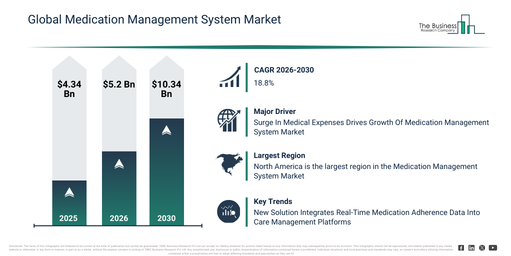
    The medication management system market has experienced swift expansion in recent years. Projections indicate it will grow from $4.34 billion in 2025 to $5.2 billion in 2026, demonstrating a compound annual growth rate (CAGR) of 19.7%. This historic growth can be ascribed to an uptick in medication-related errors, increased hospital patient volumes, the widespread adoption of electronic health records, the necessity for efficient prescription management, and the increasing complexity of drug regimens.

    The medication management system market is anticipated to experience substantial expansion in the coming years. This market is projected to reach $10.34 billion by 2030, exhibiting a compound annual growth rate (CAGR) of 18.8%. This projected growth during the forecast period is fueled by several factors, including the proliferation of value-based healthcare models, the increasing integration of automation within pharmacies, a heightened emphasis on clinical decision support tools, the expansion of digital hospital infrastructures, and a growing need for real-time medication tracking capabilities. Key trends emerging over this period involve the wider adoption of integrated medication workflow platforms, an intensified effort to minimize medication errors, the development of cloud-based medication management systems, a rising call for interoperable healthcare software, and an elevated prioritization of patient safety and care coordination.

    Download A Free Sample Report For Comprehensive Market Insights:

    https://www.thebusinessresearchcompany.com/sample.aspx?id=7091&type=smp

    Medication Management System Market Growth Factors: Which Forces Are Supporting Market Expansion?

    Rising medical expenses are anticipated to drive the expansion of the medication management system market in the future. These costs encompass expenditures by individuals for healthcare services and by hospitals for equipment, treatments, and operational necessities. The surge in medical costs stems from heightened demand for healthcare, the growing burden of chronic diseases, advancements in technology, and increased labor and operational expenditures throughout healthcare systems. Medication management systems address this necessity by enhancing efficiency, minimizing medication errors, optimizing workflows, and decreasing total healthcare spending. As an illustration, data from December 2023, provided by the Centers for Medicare & Medicaid Services, a U.S.-based government agency, revealed that national health expenditure climbed by 4.1% to $4,500 billion in 2022. Furthermore, national health spending is forecast to hit $6,200 billion by 2028, indicating a significant rise in healthcare costs. Consequently, the upward trend in medical costs is fueling the expansion of the medication management systems market.

    Medication Management System Market Segments: Where Are The Largest Growth Opportunities?

    The medication management system market covered in this report is segmented –

    1) By Product Type: Computerized Physician Order Entry, Clinical Decision Support System Solutions, Electronic Medication Administration Record, Inventory Management Solutions, Other Product Types

    2) By Mode Of Delivery: Web-Based, Cloud-Based, On-Premise

    3) By End Users: Pharmacies, Hospitals, Other End Users

    Subsegments:

    1) By Computerized Physician Order Entry (CPOE): Standalone CPOE Systems, Integrated CPOE with EHR

    2) By Clinical Decision Support System Solutions: Drug Interaction Checkers, Dosing Assistance Tools, Clinical Guidelines And Protocols

    3) By Electronic Medication Administration Record (eMAR): Patient-Specific eMAR Solutions, Mobile eMAR Applications

    4) By Inventory Management Solutions: Automated Inventory Tracking Systems, Pharmacy Management Software

    5) By Other Product Types: Medication Reconciliation Tools, Patient Adherence Monitoring Systems, Medication Therapy Management Solutions

    Medication Management System Market Industry Trends: What Changes Are Reshaping Demand?

    Leading entities within the medication management system market are prioritizing the development of innovations, such as enabling real-time data access to assess treatment effectiveness and facilitate well-informed decision-making. This capability signifies the immediate retrieval and analysis of data as it is produced or updated, without significant delay. For instance, in June 2024, PatchRx, a US-based medication adherence technology firm, unveiled PatchRx Connect, specifically designed to incorporate real-time medication adherence data into existing care management platforms. This innovative tool smoothly integrates real-time medication adherence data into existing care management platforms, empowering clinical teams to gain insights into patients’ medication-taking behaviors without disrupting their established workflows. The solution incorporates a smart device that monitors medication usage, thereby offering actionable insights for healthcare providers. Additionally, it features patient engagement mechanisms, such as SMS alerts, aimed at improving adherence rates.

    Medication Management System Market Major Participants And Competitive Dynamics

    Major companies operating in the medication management system market are McKesson Corporation, Optum Inc., Cardinal Health Inc., Cerner Corporation, Epic Systems Corporation, Omnicell Inc., Genoa Healthcare LLC, Allscripts Healthcare Solutions Inc., Swisslog Healthcare (US) Inc., QuadraMed Affinity Corporation, AdhereHealth LLC, Hero Health Inc., ARxIUM Inc., Talyst LLC, Jini Health Inc., CareRight Technologies LLC, eMARneek BIQHS, CARI Health, Healthera Ltd.

    Access The Complete Medication Management System Market Report:

    https://www.thebusinessresearchcompany.com/report/medication-management-system-global-market-report

    Medication Management System Market Regional Analysis And Leading Geography

    North Americawas the largest region in the medication management system market in 2025. The regions covered in the medication management system market report are Asia-Pacific, South East Asia, Western Europe, Eastern Europe, North America, South America, Middle East, Africa.

    Get in touch with us:

    The Business Research Company: https://www.thebusinessresearchcompany.com/

    Americas: +1 310-496-7795

    Asia: +44 7882 955267 & +91 8897263534

    Europe: +44 7882 955267

    Email us at: marketing@tbrc.info

    Follow us on:

    LinkedIn: https://in.linkedin.com/company/the-business-research-company

    YouTube: https://www.youtube.com/channel/UC24_fI0rV8cR5DxlCpgmyFQ

    Global Market Model: https://www.thebusinessresearchcompany.com/global-market-model
  • Medication Adherence Market Forecast Reveals Where Future Industry Value Will Be Created

    Medication Adherence Market Forecast Reveals Where Future Industry Value Will Be Created

    Through market attractiveness analysis, total addressable market evaluation, company benchmarking matrices, interactive Excel dashboards, expanded supply chain intelligence, emerging startup coverage, and detailed product insights, The Business Research Company’s 2026 market reports provide more actionable and strategically valuable research.

    Medication Adherence Market Size, Value And Growth Trends Through 2030

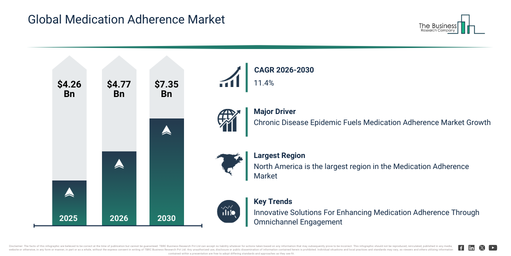
    The medication adherence market has demonstrated substantial growth in recent years. It is projected to expand from $4.26 billion in 2025 to $4.77 billion in 2026, achieving a compound annual growth rate (CAGR) of 12.0%. This historical growth can be linked to several factors, including widespread medication non-adherence, the escalating prevalence of chronic illnesses, increasing healthcare expenditures stemming from inadequate adherence, the broadening of digital health solutions, and the expanding senior population.

    The medication adherence market is expected to experience rapid growth in the coming years, with its size projected to reach $7.35 billion by 2030, demonstrating a compound annual growth rate (CAGR) of 11.4%. This anticipated expansion in the forecast period is driven by factors such as the growth of remote patient monitoring programs, increasing adoption of smart healthcare devices, a rising focus on value-based healthcare, the expansion of telehealth services, and the growing use of data-driven patient management. Key trends for this period include the increasing adoption of remote medication monitoring, an intensified focus on chronic disease management, the expansion of home-based medication adherence solutions, greater integration with healthcare provider workflows, and a heightened emphasis on patient engagement and behavior change.

    Download A Free Sample Report For Comprehensive Market Insights:

    https://www.thebusinessresearchcompany.com/sample.aspx?id=4012&type=smp

    Medication Adherence Market Demand Drivers: What Is Fueling Industry Growth?

    An increase in chronic disease cases is anticipated to drive the expansion of the medication adherence market in the coming years. These long-lasting conditions require ongoing medical management, hinder daily functions, or exhibit both characteristics. The primary factor behind the growing prevalence of chronic diseases is the aging demographic, given that older people are more prone to developing conditions such as diabetes, cardiovascular diseases, and arthritis due to age-related physiological shifts. Typically, chronic illnesses are defined as health issues that endure for a minimum of one year. For individuals with chronic diseases, consistent medication adherence is vital to halt disease progression and reduce mortality risk. Improved medication compliance can lead to enhanced clinical outcomes, reduced healthcare expenditures, greater patient understanding, and the development of sustained drug adherence programs. For instance, in April 2025, according to the NHS Confederation, a UK-based national association, it is projected that by 2035, 17% of the UK population could be living with four or more chronic conditions. Consequently, the increasing occurrence of chronic diseases is a significant driver for the medication adherence industry.

    Medication Adherence Market Segment Analysis: What Are The Major Market Categories?

    The medication adherence market covered in this report is segmented –

    1) By Type: Hardware Centric, Software Centric

    2) By Medication: Cardiovascular, Central Nervous System, Diabetes, Oncology, Respiratory, Gastrointestinal, Rheumatology, Other Medications

    3) By Application: Hospital, Retail Pharmacies, Long-Term Care Facilities, Mail-Order Pharmacies

    Subsegments:

    1) By Hardware Centric: Smart Pill Dispensers, Medication Adherence Packaging, Wearable Devices, Electronic Pill Bottles, Smart Inhalers

    2) By Software Centric: Mobile Health (mHealth) Apps, Medication Reminders And Tracking Apps, Telemedicine Solutions, Electronic Health Records (EHR) Integration, Patient Management Systems With Adherence Features

    Medication Adherence Market Innovation Trends: Which Developments Are Transforming The Industry?

    Leading companies in the medication adherence market are prioritizing innovation, including omnichannel engagement, to bolster refill adherence and encourage positive behavioral changes among patients. Omnichannel engagement refers to a unified and comprehensive approach to interacting with customers across various channels and touchpoints. For instance, in May 2024, Ushur, a US-based software development company, unveiled a prebuilt healthcare solution intended to improve medication adherence for patients. This new prebuilt digital self-service solution is now available to support healthcare organizations in automating medication adherence journeys. The innovative platform aims to identify barriers to medication adherence, promote refill compliance, and encourage positive health behaviors, leveraging advanced automation and AI to engage patients at risk of non-adherence through secure, HIPAA-compliant communication channels.

    Medication Adherence Market Leading Companies Driving Competitive Growth

    Major companies operating in the medication adherence market are Omnicell Inc., Cardinal Health, McKesson Corporation, Allscripts Healthcare Solutions, Inc., DrFirst.com, Inc., AdhereTech Inc, MedMinder, Caredose, MedAdvisor International Pty Ltd., Adherium, Aardex Group, Propeller Health, Umotif, Echo, Popit, Tinylogics, Adherence Solutions LLC, SMRxT Inc., emocha, DIMAGI, INC., Seamless MD, Wisepill Technologies

    Access The Complete Medication Adherence Market Report:

    https://www.thebusinessresearchcompany.com/report/medication-adherence-global-market-report

    Medication Adherence Market Geographic Analysis: Where Is Demand Growing The Fastest?

    North Americawas the largest region in the medication adherence market in 2025. Western Europewas the second largest region in the global medication adherence market share. The regions covered in the medication adherence market report are Asia-Pacific, South East Asia, Western Europe, Eastern Europe, North America, South America, Middle East, Africa.

    Get in touch with us:

    The Business Research Company: https://www.thebusinessresearchcompany.com/

    Americas: +1 310-496-7795

    Asia: +44 7882 955267 & +91 8897263534

    Europe: +44 7882 955267

    Email us at: marketing@tbrc.info

    Follow us on:

    LinkedIn: https://in.linkedin.com/company/the-business-research-company

    YouTube: https://www.youtube.com/channel/UC24_fI0rV8cR5DxlCpgmyFQ

    Global Market Model: https://www.thebusinessresearchcompany.com/global-market-model