Month: July 2026

  • Pulmonary Or Respiratory Drug Delivery Market Growth Through 2030 Creates New Strategic Opportunities

    Pulmonary Or Respiratory Drug Delivery Market Growth Through 2030 Creates New Strategic Opportunities

    Enhanced with market attractiveness analysis, total addressable market evaluation, company benchmarking matrices, interactive Excel dashboards, expanded supply chain intelligence, emerging startup coverage, and detailed product insights, The Business Research Company’s 2026 market reports deliver more actionable and strategically valuable research.

    Pulmonary Or Respiratory Drug Delivery Market Value Analysis: What Growth Is Expected Over The Forecast Period?

    The market for pulmonary or respiratory drug delivery has experienced robust expansion in recent years. Projected to rise from $75.67 billion in 2025 to $82.23 billion in 2026, it reflects a compound annual growth rate (CAGR) of 8.7%. This historical growth has been driven by factors such as the increasing prevalence of asthma and COPD, the widespread use of inhalers, the expansion of respiratory hospitals, advancements in aerosol technologies, and the broadening of homecare treatment options.

    The pulmonary drug delivery market, often referred to as the respiratory drug delivery market, is projected to experience significant growth in the coming years. By 2030, its value is anticipated to reach $114.23 billion, reflecting a compound annual growth rate (CAGR) of 8.6%. This expansion during the forecast period is driven by several key factors, including an aging population, increased exposure to air pollution, the rise of digital inhalers, the growing prevalence of homecare settings, and a higher incidence of chronic respiratory conditions. Notable trends shaping this period involve the heightened adoption of inhalation-based drug delivery methods, a surge in demand for respiratory therapies administered at home, increased utilization of dry powder and metered dose inhalers, the broadening of chronic disease management programs for respiratory issues, and a stronger emphasis on developing user-friendly delivery devices.

    Download A Free Sample Report For Comprehensive Market Insights:

    https://www.thebusinessresearchcompany.com/sample.aspx?id=20939&type=smp&utm_source=BlogsPR&utm_medium=Paid&utm_campaign=Jul_PR

    Pulmonary Or Respiratory Drug Delivery Market Growth Drivers: What Factors Are Accelerating Expansion?

    The anticipated growth of the pulmonary or respiratory drug delivery market is being driven forward by the rising incidence of pneumonia. This lung infection triggers inflammation in the air sacs, which can become filled with fluid or pus, resulting in symptoms such as coughing, fever, and breathing difficulties. Factors contributing to the growing prevalence of pneumonia include aging populations, compromised immune systems, respiratory infections, air pollution, smoking, and the emergence of antibiotic-resistant bacteria. By delivering medications like antibiotics, bronchodilators, or anti-inflammatory agents directly to the lungs, pulmonary or respiratory drug delivery offers pneumonia patients faster and more effective treatment, helping to alleviate symptoms, reduce inflammation, clear infections, and enhance respiratory function, which ultimately supports recovery and prevents complications. For example, data from Clinical Trials Arena, a UK-based clinical research news platform, showed that in December 2024, hospital admissions for Mycoplasma pneumoniae surged by 461% between October 2023 and February 2024, climbing from 110 to 617 admissions. Among these, 20.2% of pneumonia cases were found in children aged 0 to 4 years, 25.4% in those aged 5 to 9 years, and 17.5% in children aged 10 to 14 years, accounting for 410 of the 650 reported cases. Consequently, the increasing prevalence of pneumonia is fueling the expansion of the pulmonary or respiratory drug delivery market.

    Pulmonary Or Respiratory Drug Delivery Market Segment Analysis And Revenue Opportunities

    The pulmonary or respiratory drug delivery market covered in this report is segmented –

    1) By Product: Formulation Type, Device Type

    2) By Canister Type: Plain Canister, Coated Canister

    3) By Application: Chronic Obstructive Pulmonary Disease, Asthma, Cystic Fibrosis, Other Applications

    4) By End-User: Hospitals, Clinics, Home Care Settings

    Subsegments:

    1) By Formulation Type: Dry Powder Inhalers (DPIs), Metered Dose Inhalers (MDIs), Nebulizers, Liquid Aerosols, Nasal Sprays

    2) By Device Type: Inhalers (Manual and Digital), Nebulizers (Compressor, Ultrasonic, Mesh), Breath-Activated Devices, Spacer Devices, Nasal Drug Delivery Devices

    Pulmonary Or Respiratory Drug Delivery Market Trends: What Is Shaping Future Industry Growth?

    Key players in the pulmonary and respiratory drug delivery sector are placing significant emphasis on technological innovations, particularly through the development of complex drug delivery systems designed to improve both treatment effectiveness and patient adherence. These advanced systems facilitate targeted drug delivery and controlled release of therapeutic compounds, thereby enhancing clinical outcomes. A notable example occurred in July 2023, when Viatris Inc., a U.S.-based manufacturer of generic and branded pharmaceuticals, collaborated with Kindeva Drug Delivery L.P., a U.S. drug delivery firm, to introduce Breyna (budesonide and formoterol fumarate dihydrate) Inhalation Aerosol. This product received approval from the Food and Drug Administration, a U.S. regulatory agency, and represents the first generic alternative to AstraZeneca’s Symbicort. It functions as a metered-dose inhaler combining budesonide and formoterol for the management of asthma and chronic obstructive pulmonary disease, and is offered in two dosage strengths: 80 micrograms with 4.5 micrograms of formoterol, and 160 micrograms with 4.5 micrograms of formoterol.

    Pulmonary Or Respiratory Drug Delivery Market Leading Players Shaping Industry Direction

    Major companies operating in the pulmonary or respiratory drug delivery market are Merck & Co. Inc., Novartis AG, Thermo Fisher Scientific Inc., AstraZeneca plc, Abbott Laboratories, 3M Company, Koninklijke Philips N.V., GlaxoSmithKline, Omron Corporation, Teva Pharmaceutical Industries Ltd., Aptar Pharma, Sumitomo Pharma America Inc., Chiesi Farmaceutici S.p.A., Cipla Inc., Boehringer Ingelheim GmbH, Kindeva Drug Delivery Limited, Nemera Group, Hovione, H And T Presspart Group, Vectura Group plc

    Access The Complete Pulmonary Or Respiratory Drug Delivery Market Report:

    https://www.thebusinessresearchcompany.com/report/pulmonary-or-respiratory-drug-delivery-global-market-report?utm_source=BlogsPR&utm_medium=Paid&utm_campaign=Jul_PR

    Pulmonary Or Respiratory Drug Delivery Market Geographic Analysis: Where Is Demand Growing The Fastest?

    North America was the largest region in the pulmonary or respiratory drug delivery market in 2025. Asia-Pacific is expected to be the fastest-growing region in the forecast period. The regions covered in the pulmonary or respiratory drug delivery market report are Asia-Pacific, South East Asia, Western Europe, Eastern Europe, North America, South America, Middle East, Africa.

    Get in touch with us:

    The Business Research Company: https://www.thebusinessresearchcompany.com/?utm_source=BlogsPR&utm_medium=Paid&utm_campaign=home_page_test

    Americas: +1 310-496-7795

    Asia: +44 7882 955267 & +91 8897263534

    Europe: +44 7882 955267

    Email us at: marketing@tbrc.info

    Follow us on:

    LinkedIn: https://in.linkedin.com/company/the-business-research-company

    YouTube: https://www.youtube.com/channel/UC24_fI0rV8cR5DxlCpgmyFQ

    Global Market Model: https://www.thebusinessresearchcompany.com/global-market-model
  • Pulmonary Drugs Market Size Projected To Increase From $60.06 Billion To $74.13 Billion During The Forecast Period

    Pulmonary Drugs Market Size Projected To Increase From $60.06 Billion To $74.13 Billion During The Forecast Period

    Through market attractiveness analysis, total addressable market evaluation, company benchmarking matrices, interactive Excel dashboards, expanded supply chain intelligence, emerging startup coverage, and detailed product insights, The Business Research Company’s 2026 market reports provide more actionable and strategically valuable research.

    Pulmonary Drugs Market Size Forecast: How Large Could The Market Become By 2030?

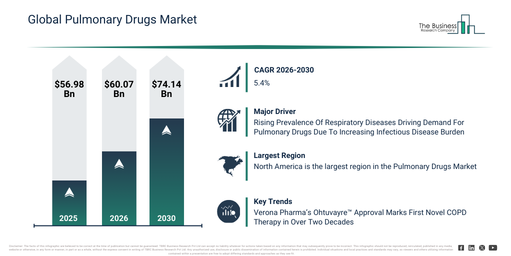
    The pulmonary drugs market has experienced robust expansion over recent years, with projections indicating growth from $56.98 billion in 2025 to $60.07 billion in 2026, reflecting a compound annual growth rate (CAGR) of 5.4%. This historical period’s progress was driven by factors such as a higher prevalence of asthma, an increasing incidence of chronic obstructive pulmonary disease (COPD), urban air pollution intensification, broader adoption of inhalation drug delivery systems, and enhanced diagnostic methods for respiratory conditions.

    The pulmonary drugs market is projected to experience robust expansion over the coming years, with its value anticipated to reach $74.14 billion by 2030, reflecting a compound annual growth rate (CAGR) of 5.4%. This forecasted growth is driven by factors such as an increasing elderly population, the development of biologic pulmonary medications, the integration of precision respiratory medicine, a higher prevalence of smoking-related conditions, and enhanced availability of inhaled therapies. Key trends shaping the market during this period include a growing emphasis on targeted respiratory therapies, the emergence of combination inhalation products, a stronger focus on long-term disease management, the expansion of biologic-based pulmonary treatments, and a transition toward personalized respiratory care.

    Download A Free Sample Report For Comprehensive Market Insights:

    https://www.thebusinessresearchcompany.com/sample.aspx?id=23489&type=smp&utm_source=BlogsPR&utm_medium=Paid&utm_campaign=Jul_PR

    Pulmonary Drugs Market Growth Factors Supporting Long-Term Expansion

    The pulmonary drugs market is experiencing growth driven by the rising prevalence of respiratory diseases, which impair normal breathing and oxygen exchange by affecting the lungs and airways. An increase in respiratory disorders is linked to factors such as higher smoking rates, which cause lung damage and contribute to chronic conditions, while pulmonary drugs are essential for managing these issues by enhancing lung function, reducing inflammation, and alleviating airway obstructions to facilitate better breathing. Data from the Centers for Disease Control and Prevention, a US-based government agency, indicated in May 2025 that in 2023, age-adjusted COPD prevalence among adults 18 and older stood at 3.8%, with rates higher in women at 4.1% compared to men at 3.4%, and this prevalence increased sharply with age from 0.4% in those aged 18–24 to 10.5% in individuals 75 and older. Consequently, the escalating incidence of respiratory diseases is fueling expansion in the pulmonary drugs market.

    Pulmonary Drugs Market Segmentation And Category Breakdown

    The pulmonary drugs market covered in this report is segmented –

    1) By Drug Class: Inhaled Corticosteroids, Long Acting Beta-2 Agonists, Antihistamines, Vasodilators, Short Acting Beta-2 Agonists, Other Drug Classes

    2) By Indication: Asthma, Chronic Obstructive Pulmonary Disease (COPD), Allergic Rhinitis, Pulmonary Arterial Hypertension, Cystic Fibrosis, Other Indications

    3) By Distribution Channel: Retail Pharmacies, Online Pharmacies, Hospitals Pharmacies

    Subsegments:

    1) By Inhaled Corticosteroids: Beclomethasone, Budesonide, Fluticasone, Mometasone, Ciclesonide

    2) By Long-Acting Beta-2 Agonists: Salmeterol, Formoterol, Indacaterol, Olodaterol, Vilanterol

    3) By Antihistamines: Cetirizine, Loratadine, Fexofenadine, Diphenhydramine, Levocetirizine

    4) By Vasodilators: Endothelin Receptor Antagonists, Phosphodiesterase-5 Inhibitors, Prostacyclin Analogues

    5) By Short-Acting Beta-2 Agonists (SABA): Albuterol, Levalbuterol, Terbutaline, Fenoterol, Pirbuterol

    6) By Other Drug Classes: Monoclonal Antibodies, Enzymes, Antibiotics, Antileukotrienes

    Pulmonary Drugs Market Industry Trends Shaping Future Revenue Growth

    Key players in the pulmonary drugs market are concentrating on therapeutic breakthroughs, including the use of inhaled dual PDE3 and PDE4 inhibition, which delivers both bronchodilator and non-steroidal anti-inflammatory effects in a single compound for long-term COPD management. This dual inhibition allows airway dilation and decreases lung inflammation simultaneously, tackling ongoing COPD symptoms more efficiently compared to conventional treatments and streamlining dosing without needing intricate inhalation methods. For example, in June 2024, Verona Pharma plc, a biopharmaceutical firm based in the UK, gained U.S. FDA approval for Ohtuvayre (ensifentrine), the first inhaled medication in over two decades to feature this dual-action mechanism. Administered with a standard jet nebulizer, Ohtuvayre offers bronchodilation and anti-inflammatory action in one dose, demonstrating clinical effectiveness as a standalone therapy or combined with other maintenance drugs in the Phase 3 ENHANCE trials, and is set to become accessible via U.S. specialty pharmacies by the third quarter of 2024.

    Pulmonary Drugs Market Competitive Analysis Of Major Industry Participants

    Major companies operating in the pulmonary drugs market are AstraZeneca plc, GlaxoSmithKline plc, Novartis AG, Boehringer Ingelheim International GmbH, Chiesi Farmaceutici S.p.A., Cipla Limited, Teva Pharmaceutical Industries Ltd., Mylan N.V., Bayer AG, United Therapeutics Corporation, Sanofi S.A., F. Hoffmann-La Roche Ltd., Pfizer Inc., Merck Sharp & Dohme Limited, Glenmark Pharmaceuticals Limited, Lupin Pharmaceuticals Inc., Grifols S.A., Mallinckrodt Pharmaceuticals plc, Circassia Pharmaceuticals plc, AbbVie Inc.

    Access The Complete Pulmonary Drugs Market Report:

    https://www.thebusinessresearchcompany.com/report/pulmonary-drugs-global-market-report?utm_source=BlogsPR&utm_medium=Paid&utm_campaign=Jul_PR

    Pulmonary Drugs Market Global Footprint: Which Region Holds Market Leadership?

    North America was the largest region in the pulmonary drugs market in 2025. Asia-Pacific is expected to be the fastest-growing region in the forecast period. The regions covered in the pulmonary drugs market report are Asia-Pacific, South East Asia, Western Europe, Eastern Europe, North America, South America, Middle East, Africa.

    Get in touch with us:

    The Business Research Company: https://www.thebusinessresearchcompany.com/?utm_source=BlogsPR&utm_medium=Paid&utm_campaign=home_page_test

    Americas: +1 310-496-7795

    Asia: +44 7882 955267 & +91 8897263534

    Europe: +44 7882 955267

    Email us at: marketing@tbrc.info

    Follow us on:

    LinkedIn: https://in.linkedin.com/company/the-business-research-company

    YouTube: https://www.youtube.com/channel/UC24_fI0rV8cR5DxlCpgmyFQ

    Global Market Model: https://www.thebusinessresearchcompany.com/global-market-model

  • Pulmonary Arterial Hypertension Market Growth Outlook Reveals A CAGR Of 8.5% And A Market Value Of $13.74 Billion By 2030

    Pulmonary Arterial Hypertension Market Growth Outlook Reveals A CAGR Of 8.5% And A Market Value Of $13.74 Billion By 2030

    Delivering more actionable and strategically valuable research, The Business Research Company’s 2026 market reports feature market attractiveness analysis, total addressable market evaluation, company benchmarking matrices, interactive Excel dashboards, expanded supply chain intelligence, emerging startup coverage, and detailed product insights.

    Pulmonary Arterial Hypertension Market Revenue Outlook: What CAGR Is Expected Through 2030?

    The pulmonary arterial hypertension market has experienced robust expansion in recent years. Projections indicate an increase from $9.15 billion in 2025 to $9.94 billion in 2026, reflecting a compound annual growth rate (CAGR) of 8.6%. This historical growth has been driven by several factors, including a higher incidence of pulmonary arterial hypertension, constraints in early diagnostic methods, significant unmet medical requirements, the presence of established conventional therapies, and heightened awareness among healthcare providers.

    Over the coming years, the pulmonary arterial hypertension market is projected to experience robust expansion, reaching an estimated value of $13.75 billion by 2030, driven by a compound annual growth rate (CAGR) of 8.5%. This anticipated growth during the forecast period is largely due to the emergence of innovative treatments, the broader use of telemedicine, enhanced government support for healthcare, an increased reliance on combination therapies, and the proliferation of dedicated treatment facilities. Key developments shaping this period include the rise of personalized therapeutic approaches for pulmonary hypertension, the introduction of cutting-edge drug delivery technologies, ongoing efforts to develop combination regimens, the integration of telehealth for continuous patient observation, and the establishment of new regional treatment centers.

    Download A Free Sample Report For Comprehensive Market Insights:

    https://www.thebusinessresearchcompany.com/sample.aspx?id=5954&type=smp&utm_source=BlogsPR&utm_medium=Paid&utm_campaign=Jul_PR

    Pulmonary Arterial Hypertension Market Demand Drivers Creating New Revenue Opportunities

    The growing number of clinical trials aimed at drug development is anticipated to drive expansion in the pulmonary arterial hypertension market. These trials are research initiatives designed to assess the safety, effectiveness, and possible adverse effects of novel drugs or therapeutic approaches in human subjects. In the context of pulmonary arterial hypertension, such trials can pave the way for innovative and more potent therapies, enhancing patients’ quality of life, boosting safety and efficacy, providing earlier access to treatment, and aiding in the identification of cost-effective options. For example, as reported in May 2023 by Xtalks, a Canada-based firm that organizes life science webinars and virtual events, 452,604 clinical studies were recorded on ClinicalTrials.gov as of May 17, 2023. Of these, 64,838 studies are actively recruiting participants, marking a rise from the 365,000 registered trials in 2021. Consequently, this increase in clinical research for drug development is fueling the growth of the pulmonary arterial hypertension market.

    Pulmonary Arterial Hypertension Market Segment Outlook: Which Categories Are Expanding The Fastest?

    The pulmonary arterial hypertension market covered in this report is segmented –

    1) By Drug Class: Endothelin Receptor Antagonists (ERAs), PDE-5 Inhibitors, Prostacyclin and Prostacyclin Analogs, SGC Stimulators

    2) By Route Of Administration: Oral, Intravenous Or subcutaneous, Inhalational

    3) By Distribution channel: Retail, Online

    Subsegments:

    1) By Endothelin Receptor Antagonists (ERAs): Bosentan, Ambrisentan, Macitentan

    2) By PDE-5 Inhibitors: Sildenafil, Tadalafil

    3) By Prostacyclin And Prostacyclin Analogs: Epoprostenol, Treprostinil, Iloprost

    4) By SGC Stimulators: Riociguat, Vericiguat

    Pulmonary Arterial Hypertension Market Trends Driving Strategic Industry Expansion

    Leading companies in the pulmonary arterial hypertension market are developing cutting-edge therapies like OPSYNVI to deliver better care and improved quality of life for patients managing this severe illness. In March 2024, Johnson & Johnson, an American multinational firm involved in pharmaceuticals, biotechnology, and medical devices, introduced OPSYNVI for the long-term management of pulmonary arterial hypertension in adult patients. This medication is appropriate for individuals newly starting treatment or those already taking an endothelin receptor antagonist (ERA), a PDE5 inhibitor, or both. It is also indicated for patients stabilized on separate doses of macitentan 10 mg and tadalafil 40 mg.

    Pulmonary Arterial Hypertension Market Key Companies And Competitive Benchmarking

    Major companies operating in the pulmonary arterial hypertension market are United Therapeutics Corporation, Acceleron Pharma Inc., Actelion Pharmaceuticals US Inc., Bayer AG, Eli Lilly and Company, Gilead Sciences Inc., GlaxoSmithKline plc, Johnson & Johnson, Liquidia Technologies Inc., Lupin Pharmaceuticals Inc., Natco Pharma Ltd., Pfizer Inc., Sandoz AG, Teva Pharmaceutical Industries Ltd., Zydus Pharmaceutical USA Inc., Merck KGaA, Novartis International AG, Bristol-Myers Squibb Company, AstraZeneca plc, Daiichi Sankyo Company Limited

    Access The Complete Pulmonary Arterial Hypertension Market Report:

    https://www.thebusinessresearchcompany.com/report/pulmonary-arterial-hypertension-global-market-report?utm_source=BlogsPR&utm_medium=Paid&utm_campaign=Jul_PR

    Pulmonary Arterial Hypertension Market Regional Distribution: Which Areas Drive Market Expansion?

    North America was the largest region in the pulmonary arterial hypertension market in 2025. The regions covered in the pulmonary arterial hypertension market report are Asia-Pacific, South East Asia, Western Europe, Eastern Europe, North America, South America, Middle East, Africa.

    Get in touch with us:

    The Business Research Company: https://www.thebusinessresearchcompany.com/?utm_source=BlogsPR&utm_medium=Paid&utm_campaign=home_page_test

    Americas: +1 310-496-7795

    Asia: +44 7882 955267 & +91 8897263534

    Europe: +44 7882 955267

    Email us at: marketing@tbrc.info

    Follow us on:

    LinkedIn: https://in.linkedin.com/company/the-business-research-company

    YouTube: https://www.youtube.com/channel/UC24_fI0rV8cR5DxlCpgmyFQ

    Global Market Model: https://www.thebusinessresearchcompany.com/global-market-model
  • Psychedelic Drugs Market Forecast Highlights Expansion From $7.36 Billion To $13.66 Billion Through 2030

    Psychedelic Drugs Market Forecast Highlights Expansion From $7.36 Billion To $13.66 Billion Through 2030

    Enhanced with market attractiveness analysis, total addressable market evaluation, company benchmarking matrices, interactive Excel dashboards, expanded supply chain intelligence, emerging startup coverage, and detailed product insights, The Business Research Company’s 2026 market reports deliver more actionable and strategically valuable research.

    Psychedelic Drugs Market Growth Analysis: How Will Revenue Expand During The Forecast Period?

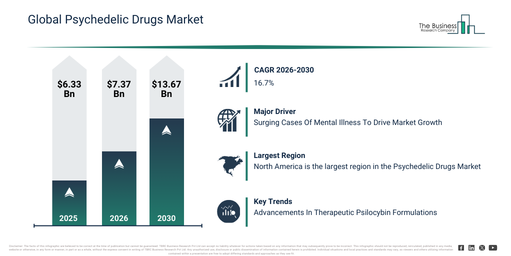
    The psychedelic drugs sector has experienced swift expansion in recent years, with its market value rising from $6.33 billion in 2025 to an anticipated $7.37 billion in 2026, reflecting a compound annual growth rate (CAGR) of 16.4%. This historical growth has been driven by a significant unmet need for effective depression therapies, foundational academic investigations into psychedelics, instances of underground and compassionate use, the constrained effectiveness of traditional antidepressants, and an increasing public focus on mental health.

    The psychedelic drugs market is projected to experience rapid expansion over the coming years, reaching an estimated $13.67 billion by 2030 with a compound annual growth rate (CAGR) of 16.7%. This anticipated growth during the forecast period is driven by several key factors: regulatory approvals for medical use, increasing adoption by psychiatrists, a broadening pipeline of therapeutic indications, improved data on patient outcomes, and strategic collaborations between biotechnology firms and healthcare providers. Significant trends shaping this period include the growth of psychedelic-assisted therapy programs, a rising number of clinical trials targeting mental health conditions, greater acceptance of alternative psychiatric approaches, clearer regulatory pathways for controlled substances, and heightened investment from venture capital and pharmaceutical companies.

    Download A Free Sample Report For Comprehensive Market Insights:

    https://www.thebusinessresearchcompany.com/sample.aspx?id=6345&type=smp&utm_source=BlogsPR&utm_medium=Paid&utm_campaign=Jul_PR

    Psychedelic Drugs Market Expansion Supported By Key Demand Factors

    The rising prevalence of mental health disorders is anticipated to drive the expansion of the psychedelic drugs market in the coming period. Mental illnesses are health conditions characterized by alterations in mood, thought processes, or behavior, encompassing issues such as distress and post-traumatic stress disorder (PTSD). Psychedelic drugs are utilized for treating depression and PTSD, with their consistent application contributing to a reduction in mental illness cases. For example, in November 2023, data from the National Health Service, a UK governmental agency, revealed that about one in five individuals aged 8 to 25 had a probable mental disorder that year, representing 20.3% of 8 to 16-year-olds, 23.3% of 17 to 19-year-olds, and 21.7% of 20 to 25-year-olds. Consequently, the growing number of mental illness cases is fueling the growth of the psychedelic drugs market.

    Psychedelic Drugs Market Segment Landscape: Which Areas Lead Market Development?

    The psychedelic drugs market covered in this report is segmented –

    1) By Type: Lysergic Acid Diethylamide (LSD), Ketamine, Phencyclidine, Gamma Hydroxybutyric Acid (GHB), Salvia

    2) By Disease Indication: Depression, PTSD

    3) By Origin: Natural, Synthetic

    4) By Application: Treatment-Resistant Depression, Opiate addiction, Post- Traumatic Stress Disorder, Narcolepsy, Panic Disorders

    5) By Distribution Channel: Hospitals Pharmacy, Retail Pharmacy, Online Pharmacy

    Subsegments:

    1) By Lysergic Acid Diethylamide (LSD): LSD Tablets, LSD Liquid, LSD Blotters

    2) By Ketamine: Ketamine Infusion, Ketamine Nasal Spray, Ketamine Injectable

    3) By Phencyclidine (PCP): PCP Powder, PCP Tablets, PCP Liquid

    4) By Gamma Hydroxybutyric Acid (GHB): GHB Liquid, GHB Powder, GHB Capsules

    5) By Salvia: Salvia Extract, Salvia Dried Leaves, Salvia Tinctures

    Psychedelic Drugs Market Growth Trends Influencing Competitive Dynamics

    Key players in the psychedelic drugs market are placing increasing emphasis on the creation of pharmaceutical-grade psilocybin formulations, designed to boost therapeutic effectiveness, improve safety profiles, and broaden available treatments for mental health conditions. Such formulations involve psilocybin that is manufactured and calibrated to meet strict pharmaceutical benchmarks, ensuring dependable purity, consistent strength, and safe clinical application. In September 2025, for example, Optimi Health, a psychedelic therapeutics company based in Australia, introduced its natural psilocybin capsules into the Australian market specifically for treating treatment-resistant depression (TRD). Through this introduction, Optimi Health seeks to offer patients a clinically validated therapeutic choice, strengthen its foothold in Australia’s mental health sector, and speed up the wider acceptance of psychedelic-assisted therapeutic approaches.

    Psychedelic Drugs Market Industry Leaders And Market Competition

    Major companies operating in the psychedelic drugs market are Atai Life Sciences, Cybin Inc., Mind Medicine Inc., Compass Pathways, Seelos Therapeutics, Numinus Wellness Inc., GH Research, Revive Therapeutics, Havn Life Sciences, PharmaTher Holdings, Field Trip Health, Small Pharma, Incannex Healthcare, Optimi Health, NeonMind Biosciences, Entheon Biomedical, Mydecine Innovations Group, Red Light Holland, Eleusis, MAPS Public Benefit Corporation, Beckley Psytech, Awakn Life Sciences, Psygen Industries, Enveric Biosciences, Filament Health, Tactogen, Bexson Biomedical, BetterLife Pharma, Clairvoyant Therapeutics, Universal Ibogaine

    Access The Complete Psychedelic Drugs Market Report:

    https://www.thebusinessresearchcompany.com/report/psychedelic-drugs-global-market-report?utm_source=BlogsPR&utm_medium=Paid&utm_campaign=Jul_PR

    Psychedelic Drugs Market Leading Geography: Which Region Generates The Most Revenue?

    North America was the largest region in the psychedelic drugs market in 2025. Asia-Pacific is expected to be the fastest-growing region in the forecast period. The regions covered in the psychedelic drugs market report are Asia-Pacific, South East Asia, Western Europe, Eastern Europe, North America, South America, Middle East, Africa.

    Get in touch with us:

    The Business Research Company: https://www.thebusinessresearchcompany.com/?utm_source=BlogsPR&utm_medium=Paid&utm_campaign=home_page_test

    Americas: +1 310-496-7795

    Asia: +44 7882 955267 & +91 8897263534

    Europe: +44 7882 955267

    Email us at: marketing@tbrc.info

    Follow us on:

    LinkedIn: https://in.linkedin.com/company/the-business-research-company

    YouTube: https://www.youtube.com/channel/UC24_fI0rV8cR5DxlCpgmyFQ

    Global Market Model: https://www.thebusinessresearchcompany.com/global-market-model

  • Psoriatic Arthritis Treatment Market Expected To Reach $20.62 Billion By 2030 As Growth Accelerates At 9.5% CAGR

    Psoriatic Arthritis Treatment Market Expected To Reach $20.62 Billion By 2030 As Growth Accelerates At 9.5% CAGR

    Through market attractiveness analysis, total addressable market evaluation, company benchmarking matrices, interactive Excel dashboards, expanded supply chain intelligence, emerging startup coverage, and detailed product insights, The Business Research Company’s 2026 market reports provide more actionable and strategically valuable research.

    Psoriatic Arthritis Treatment Market Forecast: What Market Value Is Expected By 2030?

    The psoriatic arthritis treatment market has experienced notable expansion over the past few years. Projected to climb from $13.17 billion in 2025 to $14.36 billion in 2026, it is anticipated to achieve a compound annual growth rate (CAGR) of 9.0%. This historical growth has been driven by several factors, including restricted access to advanced treatment options, heavy dependence on traditional NSAIDs and DMARDs, a rising incidence of psoriatic arthritis, heightened awareness among patients, and the broadening of hospital and retail pharmacy networks.

    The market for psoriatic arthritis treatments is set to undergo substantial expansion in the coming years, reaching an estimated $20.62 billion by 2030 with a compound annual growth rate (CAGR) of 9.5%. This projected growth during the forecast period is driven by factors such as the advancement of interleukin and JAK inhibitors, a rising reliance on biologic therapies, the emergence of personalized medicine, increased use of telemedicine for managing chronic conditions, and heightened financial backing from governments and insurers. Key trends shaping this period include the growing acceptance of biologics and targeted synthetic DMARDs, a greater focus on early detection and management of psoriatic arthritis, the development of tailored treatments addressing both joint and skin manifestations, an expanded reach through hospital and specialized pharmacy channels, and the incorporation of telehealth along with remote patient monitoring.

    Download A Free Sample Report For Comprehensive Market Insights:

    https://www.thebusinessresearchcompany.com/sample.aspx?id=3458&type=smp&utm_source=BlogsPR&utm_medium=Paid&utm_campaign=Jul_PR

    Psoriatic Arthritis Treatment Market Growth Drivers And Industry Catalysts

    The expected rise in healthcare spending is set to drive forward the expansion of the psoriatic arthritis treatment market in the coming period. Healthcare spending, which can also be referred to as healthcare expenditure, involves the financial resources that are directed toward supporting the delivery of medical services, products, and programs within a given country, region, or healthcare framework. This funding aids the diagnostic process by covering the costs associated with medical consultations, laboratory tests, and imaging procedures that are needed for accurate disease identification. For individuals with PsA, a detailed assessment is frequently conducted to confirm the diagnosis, evaluate the degree of joint damage, and identify any coexisting health conditions that may be present. As an example, data from December 2024 provided by the Centers for Medicare & Medicaid Services, a U.S. agency responsible for overseeing the Medicare and Medicaid programs, indicated that healthcare expenditures in the United States rose by 7.5% in 2023, reaching $4.9 trillion, which equates to approximately $14,570 per person. Consequently, this growth in healthcare spending is stimulating the advancement of the psoriatic arthritis treatment market.

    Psoriatic Arthritis Treatment Market Segments: Where Are The Largest Growth Opportunities?

    The psoriatic arthritis treatment market covered in this report is segmented –

    1) By Drug Class: Nonsteroidal Anti-Inflammatory Drugs (NSAIDS), Disease-Modifying Anti-Rheumatic Drugs (DMARDS), Biologics, Other Drug Classes

    2) By Route Of Administration: Oral, Parenteral, Topical

    3) By Distribution Channel: Hospital Pharmacies, Retail Pharmacies, Online Pharmacies

    Subsegments:

    1) By Nonsteroidal Anti-Inflammatory Drugs (NSAIDs): Traditional NSAIDs, COX-2 Inhibitors

    2) By Disease-Modifying Anti-Rheumatic Drugs (DMARDs): Conventional DMARDs, Targeted Synthetic DMARDs

    3) By Biologics: Tumor Necrosis Factor (TNF) Inhibitors, Interleukin Inhibitors, Other Biologics

    4) By Other Drug Classes: Corticosteroids, Topical Treatments, Janus Kinase (JAK) Inhibitors

    Psoriatic Arthritis Treatment Market Trends Influencing Long-Term Demand

    Major pharmaceutical players in the psoriatic arthritis treatment sector are securing approvals for new therapies, including Cosentyx, as a strategy to enhance their market profitability. Cosentyx is prescribed for autoimmune disorders such as non-radiographic axial spondyloarthritis, plaque psoriasis, psoriatic arthritis, ankylosing spondylitis, and enthesitis-related arthritis. For example, in October 2023, the Switzerland-based company Novartis reported that the Food and Drug Administration had granted approval for their novel drug, Cosentyx. This medication operates as a human interleukin-17A antagonist, working to inhibit the activity of the IL-17A protein, which in turn minimizes potential adverse effects in patients, including swelling, discomfort, and skin rashes. Clinical evidence demonstrates that Cosentyx effectively alleviates psoriatic arthritis symptoms, with some patients noticing improvement within just three weeks. The drug addresses multiple manifestations of the condition, such as joint pain and tenderness, back discomfort, and dermatological issues.

    Psoriatic Arthritis Treatment Market Major Participants And Competitive Dynamics

    Major companies operating in the psoriatic arthritis treatment market are AbbVie Inc., Amgen Astellas BioPharma K.K., Johnson & Johnson Services Inc., Bristol-Myers Squibb Company, Celgene Corporation, Novartis International AG, Eli Lilly and Company, Pfizer Inc., Merck & Co. Inc., AstraZeneca plc, Sanofi SA, Otsuka Pharmaceutical Co. Ltd., Sumitomo Dainippon Pharma Co. Ltd., Bayer AG, Eisai Inc., Janssen Pharmaceuticals Inc., Gilead Sciences Inc., GlaxoSmithKline plc, Regeneron Pharmaceuticals Inc., Sun Pharmaceutical Industries Ltd., Takeda Pharmaceutical Company Limited, Teva Pharmaceutical Industries Ltd., Chugai Pharmaceutical Co. Ltd., Kyowa Kirin Co. Ltd.

    Access The Complete Psoriatic Arthritis Treatment Market Report:

    https://www.thebusinessresearchcompany.com/report/psoriatic-arthritis-treatments-global-market-report?utm_source=BlogsPR&utm_medium=Paid&utm_campaign=Jul_PR

    Psoriatic Arthritis Treatment Market Regional Outlook: Where Are The Largest Opportunities Located?

    North America was the largest region in the psoriatic arthritis treatment market in 2025. The regions covered in the psoriatic arthritis treatment market report are Asia-Pacific, South East Asia, Western Europe, Eastern Europe, North America, South America, Middle East, Africa.

    Get in touch with us:

    The Business Research Company: https://www.thebusinessresearchcompany.com/?utm_source=BlogsPR&utm_medium=Paid&utm_campaign=home_page_test

    Americas: +1 310-496-7795

    Asia: +44 7882 955267 & +91 8897263534

    Europe: +44 7882 955267

    Email us at: marketing@tbrc.info

    Follow us on:

    LinkedIn: https://in.linkedin.com/company/the-business-research-company

    YouTube: https://www.youtube.com/channel/UC24_fI0rV8cR5DxlCpgmyFQ

    Global Market Model: https://www.thebusinessresearchcompany.com/global-market-model
  • Psoriasis Biosimilars Market Set To Grow From $9.07 Billion In 2026 To $13.78 Billion By 2030 At A CAGR Of 11%

    Psoriasis Biosimilars Market Set To Grow From $9.07 Billion In 2026 To $13.78 Billion By 2030 At A CAGR Of 11%

    Delivering more actionable and strategically valuable research, The Business Research Company’s 2026 market reports feature market attractiveness analysis, total addressable market evaluation, company benchmarking matrices, interactive Excel dashboards, expanded supply chain intelligence, emerging startup coverage, and detailed product insights.

    Psoriasis Biosimilars Market Size Outlook: How Fast Will Revenue Grow Through 2030?

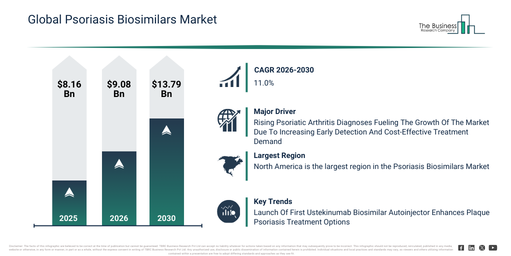
    The psoriasis biosimilars market has experienced rapid expansion over the last few years. From $8.16 billion in 2025, it is forecasted to reach $9.08 billion by 2026, reflecting an 11.3% compound annual growth rate (CAGR). Historically, this growth has been driven by the expensive nature of reference biologics, restricted patient access to therapies, a rising incidence of moderate to severe psoriasis, heightened physician awareness and prescription rates, and the initial regulatory approvals given to TNF-alpha inhibitors.

    The market for psoriasis biosimilars is projected to experience rapid expansion in the coming years, reaching an estimated value of $13.79 billion by 2030, with a compound annual growth rate (CAGR) of 11.0%. This anticipated growth during the forecast period is driven by factors such as the introduction of new biosimilars for drugs like infliximab, etanercept, and adalimumab, the broadening of hospital-based and online pharmacy networks, an increase in dermatological healthcare spending, expanded use of patient assistance programs, and a rising number of clinical trials focused on innovative biosimilars. Key trends expected to shape this period include a growing preference for cost-effective psoriasis biosimilars, a heightened emphasis on patient accessibility and affordability, the expansion of both subcutaneous and intravenous administration methods, the broadening of distribution networks through hospitals and retail pharmacies, and the creation of targeted therapies designed for various forms of psoriasis.

    Download A Free Sample Report For Comprehensive Market Insights:

    https://www.thebusinessresearchcompany.com/sample.aspx?id=27399&type=smp&utm_source=BlogsPR&utm_medium=Paid&utm_campaign=Jul_PR

    Psoriasis Biosimilars Market Opportunity Drivers: What Is Creating New Revenue Potential?

    The anticipated expansion of the psoriasis biosimilars market is being driven forward by increasing diagnosis rates of psoriatic arthritis. This condition is a chronic autoimmune disorder characterized by inflammation affecting both the joints and the skin, most commonly seen in individuals who have a history of psoriasis. Detection rates are climbing, largely due to improved screening practices for psoriasis patients, enabling earlier identification and more precise diagnosis by picking up on subtle joint symptoms that were previously missed. Psoriasis biosimilars offer a cost-effective substitute for biologic treatments, effectively decreasing joint inflammation and skin manifestations associated with psoriatic arthritis. According to the National Psoriasis Foundation (NPF), a non-profit patient advocacy group based in the United States, roughly one out of every three people with psoriasis also suffers from psoriatic arthritis, with as many as 2.4 million Americans affected—and over 15% of psoriasis patients may have undiagnosed psoriatic arthritis, underscoring both heightened awareness and ongoing gaps in detection. As a result, the rising prevalence of diagnosed psoriatic arthritis is fueling growth in the psoriasis biosimilars market.

    Psoriasis Biosimilars Market Segment Analysis: What Are The Major Market Categories?

    The psoriasis biosimilars market covered in this report is segmented –

    1) By Drug Class: TNF-Alpha Inhibitors, Infliximab, Etanercept, Adalimumab, Other Biosimilars

    2) By Disease Type: Plaque Psoriasis, Guttate Psoriasis, Inverse Psoriasis, Pustular Psoriasis

    3) By Route Of Administration: Subcutaneous, Intravenous, Oral, Topical

    4) By Distribution Channel: Hospital Pharmacies, Retail Pharmacies, Online Pharmacies

    Subsegments:

    1) By TNF-Alpha Inhibitors: Monoclonal Antibody Biosimilars, Fusion Protein Biosimilars

    2) By Infliximab: Remicade Biosimilars, CT-P13 Biosimilars

    3) By Etanercept: Enbrel Biosimilars, SB4 Biosimilars

    4) By Adalimumab: Humira Biosimilars, ABP 501 Biosimilars

    5) By Other Biosimilars: Ustekinumab Biosimilars, Secukinumab Biosimilars

    Psoriasis Biosimilars Market Innovation Trends Driving Future Development

    Key players within the psoriasis biosimilars market are prioritising the development of cutting-edge options, specifically biosimilars designed for plaque psoriasis, to broaden treatment availability, cut healthcare expenses, and boost patient outcomes. These biosimilars, which are affordable and highly comparable to sanctioned biologic therapies, address the chronic autoimmune disorder characterised by inflamed, scaly skin patches. In May 2025, for instance, Sandoz Group AG, a Swiss firm dedicated to generic drugs and biosimilars, unveiled the Pyzchiva autoinjector—the first commercially accessible ustekinumab biosimilar autoinjector. This product has received approval for managing plaque psoriasis in adults, psoriatic arthritis, Crohn’s disease, and paediatric patients aged six and older (with a weight exceeding 60 kg) suffering from plaque psoriasis. Crafted to improve patient compliance and well-being, the autoinjector offers precise automatic dosing, minimised injection discomfort, a sleek build, and adaptable storage solutions to facilitate more convenient self-administration.

    Psoriasis Biosimilars Market Leading Companies Driving Competitive Growth

    Major companies operating in the psoriasis biosimilars market are Pfizer Inc., Amgen Inc., Sandoz Group AG, Fresenius Kabi AG, Intas Pharmaceuticals Ltd., STADA Arzneimittel AG, Aurobindo Pharma Ltd., Dr. Reddy’s Laboratories Ltd., Samsung Bioepis Co. Ltd., Zydus Lifesciences Ltd., Celltrion Inc., Bio-Thera Solutions Ltd., Coherus BioSciences Inc., mAbxience S.A., Alvotech hf.

    Access The Complete Psoriasis Biosimilars Market Report:

    https://www.thebusinessresearchcompany.com/report/psoriasis-biosimilars-global-market-report?utm_source=BlogsPR&utm_medium=Paid&utm_campaign=Jul_PR

    Psoriasis Biosimilars Market Geographic Landscape: Which Region Dominates Industry Growth?

    North America was the largest region in the psoriasis biosimilars market in 2025. Asia-Pacific is expected to be the fastest-growing region in the forecast period. The regions covered in the psoriasis biosimilars market report are Asia-Pacific, South East Asia, Western Europe, Eastern Europe, North America, South America, Middle East, Africa.

    Get in touch with us:

    The Business Research Company: https://www.thebusinessresearchcompany.com/?utm_source=BlogsPR&utm_medium=Paid&utm_campaign=home_page_test

    Americas: +1 310-496-7795

    Asia: +44 7882 955267 & +91 8897263534

    Europe: +44 7882 955267

    Email us at: marketing@tbrc.info

    Follow us on:

    LinkedIn: https://in.linkedin.com/company/the-business-research-company

    YouTube: https://www.youtube.com/channel/UC24_fI0rV8cR5DxlCpgmyFQ

    Global Market Model: https://www.thebusinessresearchcompany.com/global-market-model
  • Psoriasis Market Opportunities Are Emerging Beyond Traditional Growth Areas

    Psoriasis Market Opportunities Are Emerging Beyond Traditional Growth Areas

    Enhanced with market attractiveness analysis, total addressable market evaluation, company benchmarking matrices, interactive Excel dashboards, expanded supply chain intelligence, emerging startup coverage, and detailed product insights, The Business Research Company’s 2026 market reports deliver more actionable and strategically valuable research.

    Psoriasis Market Size, Value And Growth Trends Through 2030

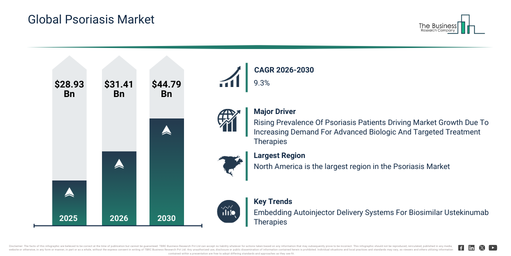
    The psoriasis market has experienced notable expansion over the past few years. Its value is projected to rise from $28.93 billion in 2025 to $31.41 billion in 2026, reflecting a compound annual growth rate (CAGR) of 8.5%. This historical growth has been driven by factors such as the rising incidence of autoimmune skin conditions, extensive use of corticosteroids, enhanced diagnostic capabilities in dermatology, the proliferation of hospital-based dermatology departments, and increased public understanding of chronic skin disorders.

    The market for psoriasis treatments is anticipated to experience significant expansion in the coming years, reaching a valuation of $44.79 billion by 2030 with a compound annual growth rate (CAGR) of 9.3%. This projected growth during the forecast period is driven by factors such as the increasing approval of biologic drugs, heightened awareness among patients, more frequent diagnoses of severe psoriasis, the proliferation of specialized clinics, and elevated healthcare expenditures dedicated to dermatology. Key trends shaping this period include a growing preference for biologic therapies to manage the condition, a shift toward longer-term disease management strategies, escalating demand for injectable treatment options, the broadening of hospital-based and specialty dermatology services, and an intensified emphasis on addressing moderate-to-severe cases of psoriasis.

    Download A Free Sample Report For Comprehensive Market Insights:

    https://www.thebusinessresearchcompany.com/sample.aspx?id=2414&type=smp&utm_source=BlogsPR&utm_medium=Paid&utm_campaign=Jul_PR

    Psoriasis Market Growth Momentum: Which Factors Are Influencing Demand?

    The increasing number of individuals diagnosed with psoriasis is anticipated to boost the expansion of the psoriasis market moving forward. Psoriasis represents a persistent autoimmune skin condition where abnormally rapid skin cell accumulation results in inflammation, flaking, and physical distress, frequently necessitating ongoing medical care and oversight. This rise in psoriasis cases stems from an overactive immune mechanism that erroneously targets healthy skin cells, a process frequently initiated or worsened by environmental influences like infections, psychological strain, or cutaneous damage. The growing frequency of psoriasis fuels demand for biologics, topical medications, immunomodulators, and phototherapy treatments intended to minimize exacerbations, alleviate symptoms, and elevate patient well-being. For example, in 2025, based on data from the Global Psoriasis Atlas—a UK-based research entity specializing in psoriasis—approximately 43 million people have psoriasis as identified through physician or dermatologist assessments, whereas about 102 million individuals report having the condition via self-diagnosed cases. Consequently, the escalating occurrence of psoriasis patients is propelling the advancement of the psoriasis market.

    Psoriasis Market Segment Breakdown: Which Categories Generate The Most Revenue?

    The psoriasis market covered in this report is segmented –

    1) By Drug class: Interleukin Inhibitors, Corticosteroids, Anti-Inflammatory, Tumor Necrosis Factor Inhibitor

    2) By Drug Types: Small molecules, Biologics

    3) By Disease Indication: Plaque Psoriasis, Nail Psoriasis, Guttate Psoriasis, Pustular Psoriasis, Erythrodermic Psoriasis

    4) By Route Of Administration: Oral, Topical, Injectable

    5) By Distribution Channel: Hospitals, Retail Pharmacies, E-Commerce

    Subsegments:

    1) By Interleukin Inhibitors: IL-12/23 Inhibitors (Ustekinumab), IL-17 Inhibitors (Secukinumab, Ixekizumab)

    2) By Corticosteroids: Topical Corticosteroids (Hydrocortisone, Betamethasone), Systemic Corticosteroids (Prednisone)

    3) By Anti-Inflammatory: Non-Steroidal Anti-Inflammatory Drugs (NSAIDs)

    4) By Tumor Necrosis Factor (TNF) Inhibitors: Adalimumab (Humira), Etanercept (Enbrel), Infliximab (Remicade)

    Psoriasis Market Trends Reshaping Industry Growth

    Key players in the psoriasis market are prioritizing product innovation and formulation improvements, including autoinjector delivery systems for biosimilars, to boost patient adherence, convenience, and treatment results while preserving the effectiveness and safety profiles of reference biologics. These systems allow for self-administration, lessen injection discomfort, and encourage wider acceptance of biosimilar therapies throughout Europe and other regions. For example, in May 2025, Sandoz, a biopharmaceutical firm based in Switzerland, introduced the Pyzchiva autoinjector, the first commercially accessible autoinjector for ustekinumab biosimilars in Europe. The Pyzchiva autoinjector is engineered to offer straightforward, precise, and patient-friendly administration of biosimilar ustekinumab, fostering better adherence in the management of chronic psoriasis. This introduction underscores a market shift toward improving patient-focused delivery options for biologics and biosimilars, thereby enhancing accessibility and convenience for those affected by psoriasis.

    Psoriasis Market Key Players And Strategic Industry Positioning

    Major companies operating in the psoriasis market are AbbVie Inc., Pfizer Inc., Novartis AG, Eli Lilly and Company, Johnson & Johnson, Amgen Inc., Merck & Co. Inc., Janssen Biotech Inc., Takeda Pharmaceutical Company Limited, Union Chimique Belge SA, Sun Pharmaceutical Industries Ltd., Almirall SA, Bausch Health Companies Inc., Biogen Inc., Biocon Biopharmaceuticals Pvt. Ltd., Celltrion Inc., Dr.Reddy’s Laboratories Inc., Arcutis Biotherapeutics Inc., Bayer AG, Bristol Myers Squibb Co., Galderma SA, GlaxoSmithKline Plc, Incyte Pharmaceuticals Corp., LEO Pharmacy

    Access The Complete Psoriasis Market Report:

    https://www.thebusinessresearchcompany.com/report/psoriasis-drugs-global-market-report?utm_source=BlogsPR&utm_medium=Paid&utm_campaign=Jul_PR

    Psoriasis Market Largest Region: Which Geography Holds The Highest Market Share?

    North America was the largest region in the psoriasis market in 2025. Middle East is expected to be the fastest-growing region in the psoriasis market during the forecast period. The regions covered in the psoriasis market report are Asia-Pacific, South East Asia, Western Europe, Eastern Europe, North America, South America, Middle East, Africa.

    Get in touch with us:

    The Business Research Company: https://www.thebusinessresearchcompany.com/?utm_source=BlogsPR&utm_medium=Paid&utm_campaign=home_page_test

    Americas: +1 310-496-7795

    Asia: +44 7882 955267 & +91 8897263534

    Europe: +44 7882 955267

    Email us at: marketing@tbrc.info

    Follow us on:

    LinkedIn: https://in.linkedin.com/company/the-business-research-company

    YouTube: https://www.youtube.com/channel/UC24_fI0rV8cR5DxlCpgmyFQ

    Global Market Model: https://www.thebusinessresearchcompany.com/global-market-model

  • Pseudomonas Aeruginosa Infection Treatment Market Expansion Is Opening New Pathways For Strategic Investment

    Pseudomonas Aeruginosa Infection Treatment Market Expansion Is Opening New Pathways For Strategic Investment

    Through market attractiveness analysis, total addressable market evaluation, company benchmarking matrices, interactive Excel dashboards, expanded supply chain intelligence, emerging startup coverage, and detailed product insights, The Business Research Company’s 2026 market reports provide more actionable and strategically valuable research.

    Pseudomonas Aeruginosa Infection Treatment Market CAGR Analysis And Future Market Development

    The market for treating Pseudomonas aeruginosa infections has experienced notable expansion over the past few years. In 2025, its value stood at $2.65 billion, and projections indicate it will climb to $2.86 billion by 2026, achieving a compound annual growth rate (CAGR) of 8.1%. This historical growth has been driven by several key factors, including a higher incidence of hospital-acquired infections, a constrained pipeline of new antibiotics, increased public awareness regarding Pseudomonas infections, improvements in hospital infrastructure, and a continued reliance on intravenous treatment methods.

    The market for treating infections caused by Pseudomonas aeruginosa is projected to experience significant expansion over the coming years. By 2030, its value is anticipated to reach $3.89 billion, reflecting a compound annual growth rate (CAGR) of 8.0%. This upward trajectory during the forecast period is largely driven by progress in combination therapy approaches, the creation of new antipseudomonal drugs, the broadening reach of online pharmacy channels, a growing emphasis on personalized treatment strategies, and the incorporation of telehealth services along with remote patient monitoring. Key developments shaping the future include heightened focus on antimicrobial resistance, improved management of hospital-acquired infections, a greater reliance on combination protocols for Pseudomonas aeruginosa infections, the spread of intravenous drug administration systems, and the increasing use of telemedicine for ongoing patient monitoring.

    Download A Free Sample Report For Comprehensive Market Insights:

    https://www.thebusinessresearchcompany.com/sample.aspx?id=9174&type=smp&utm_source=BlogsPR&utm_medium=Paid&utm_campaign=Jul_PR

    Pseudomonas Aeruginosa Infection Treatment Market Expansion Drivers: What Is Shaping Future Growth?

    The growth of the Pseudomonas aeruginosa infection treatment market is anticipated to be fueled by the rising prevalence of comorbidities such as pneumonia, cystic fibrosis, urinary tract infections, and bloodstream infections. A comorbidity is defined as any concurrent medical condition, often chronic in nature and capable of impacting either physical or mental health. For example, data from a September 2023 article published by PubMed—a US-based biomedical library affiliated with the Center for Computational Biology and Biomedical Informatics—revealed that 65.5% of individuals with cystic fibrosis (pwCF) had encountered at least one bacterial or fungal initial acquisition (IA), while 27.9% had experienced at least one chronic colonization (CC). The median age for Pa-IA was 5.1 years, and by 14.7 years, Pa-CC was present in 25% of pwCF. Additionally, 50% of this population acquired MSSA at 2.1 years, with half progressing to chronic MSSA colonization by 8.4 years. At 7.9 and 9.7 years, 25% of pwCF were infected by S. maltophilia and Aspergillus spp., respectively. The risk of both Pa-IA and Pa-CC increased with IAs from all other species, reflected in hazard ratios as high as 2.19 (95% confidence interval 1.18–4.07). Consequently, the growing incidence of comorbidities like pneumonia, cystic fibrosis, urinary tract infection, and bloodstream infection is driving expansion of the Pseudomonas aeruginosa infection treatment market.

    Pseudomonas Aeruginosa Infection Treatment Market Segmentation: How Is The Market Structured Across Key Categories?

    The pseudomonas aeruginosa infection treatment market covered in this report is segmented –

    1) By Medication: Monotherapy, Combination Therapy

    2) By Drug Class: Aminoglycoside, Cephalosporin, Carbapenem, Monobactum, Other Drug Classes

    3) By Route Of Administration: Nasal, Oral, Intravenous

    4) By Distribution Channel: Hospital Pharmacies, Retail Pharmacies, Online Pharmacies

    Subsegments:

    1) By Monotherapy: Antibiotics, Antipseudomonal Agents

    2) By Combination Therapy: Beta-lactam And Aminoglycoside Combinations, Beta-lactam And Fluoroquinolone Combinations, Other Combinations

    Pseudomonas Aeruginosa Infection Treatment Market Strategic Trends: What Is Defining The Next Phase Of Growth?

    Major players in the pseudomonas aeruginosa infection treatment market are increasingly turning to strategic partnerships as a method to significantly reshape how antibiotics are accessed globally. Such collaborations involve companies combining their resources and expertise to achieve shared goals and mutual advantages. A notable example occurred in June 2023, when Shionogi & Co. Ltd., a pharmaceutical firm based in Japan, joined forces with the Global Antibiotic Research and Development Partnership (GARDP), a nonprofit organization from Switzerland, and the Clinton Health Access Initiative (CHAI), a health entity based in the United States. Through this alliance, access to cefiderocol—an antibiotic aimed at treating severe Gram-negative bacterial infections that may be unresponsive to other antibiotic options—was expanded. This drug, recently added to the World Health Organization (WHO) Model List of Essential Medicines, targets a variety of Gram-negative pathogens considered a priority by the WHO.

    Pseudomonas Aeruginosa Infection Treatment Market Competitive Landscape And Leading Companies

    Major companies operating in the pseudomonas aeruginosa infection treatment market are AbbVie Inc., Teva Pharmaceutical Industries Ltd., Merck & Co Inc., Pfizer Inc., Lupin Limited, AstraZeneca plc, Novartis Pharmaceuticals Corporation, Bayer AG, Johnson & Johnson, Neopharma LLC, Sanofi SA, GlaxoSmithKline plc, Astellas Pharma Inc., Sun Pharmaceutical Industries Ltd., Sandoz International GmbH, Dr. Reddy’s Laboratories Ltd., Cipla Inc., Hikma Pharmaceuticals plc, Zydus Cadila Healthcare Limited, Wockhardt Ltd., Mayne Pharma Group Limited, Glenmark Pharmaceuticals Ltd., Perrigo Company plc, Amneal Pharmaceuticals LLC, Apotex Inc., Cadila Healthcare Ltd.

    Access The Complete Pseudomonas Aeruginosa Infection Treatment Market Report:

    https://www.thebusinessresearchcompany.com/report/pseudomonas-aeruginosa-infection-treatment-global-market-report?utm_source=BlogsPR&utm_medium=Paid&utm_campaign=Jul_PR

    Pseudomonas Aeruginosa Infection Treatment Market Regional Analysis: Which Region Leads By Revenue?

    Europe was the largest region in the pseudomonas aeruginosa infection treatment market in 2025. North America is expected to be the fastest-growing region in the pseudomonas aeruginosa infection treatment market report during the forecast period. The regions covered in the pseudomonas aeruginosa infection treatment market report are Asia-Pacific, South East Asia, Western Europe, Eastern Europe, North America, South America, Middle East, Africa.

    Get in touch with us:

    The Business Research Company: https://www.thebusinessresearchcompany.com/?utm_source=BlogsPR&utm_medium=Paid&utm_campaign=home_page_test

    Americas: +1 310-496-7795

    Asia: +44 7882 955267 & +91 8897263534

    Europe: +44 7882 955267

    Email us at: marketing@tbrc.info

    Follow us on:

    LinkedIn: https://in.linkedin.com/company/the-business-research-company

    YouTube: https://www.youtube.com/channel/UC24_fI0rV8cR5DxlCpgmyFQ

    Global Market Model: https://www.thebusinessresearchcompany.com/global-market-model
  • Pruritus Therapeutics Market Trends Are Creating New Opportunities For Industry Leaders

    Pruritus Therapeutics Market Trends Are Creating New Opportunities For Industry Leaders

    Delivering more actionable and strategically valuable research, The Business Research Company’s 2026 market reports feature market attractiveness analysis, total addressable market evaluation, company benchmarking matrices, interactive Excel dashboards, expanded supply chain intelligence, emerging startup coverage, and detailed product insights.

    Pruritus Therapeutics Market Expansion From $13.07 Billion In 2026 To $16.87 Billion In 2030

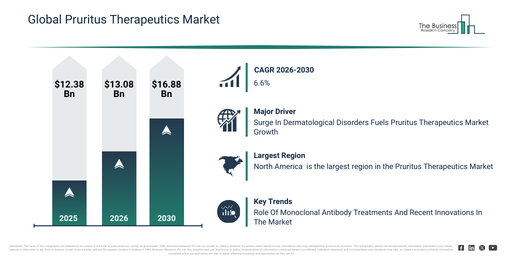
    The market for pruritus therapeutics has experienced robust expansion over recent years. Its value is projected to rise from $12.38 billion in 2025 to $13.08 billion in 2026, reflecting a compound annual growth rate (CAGR) of 5.6%. This growth during the historical period was driven by several key factors, including a higher incidence of inflammatory skin conditions, greater reliance on corticosteroids and antihistamines, increased investment in dermatological research, broader networks of hospitals and clinics, and the early implementation of topical treatment approaches.

    The market for pruritus therapeutics is anticipated to experience substantial expansion over the coming years. By 2030, it is projected to reach a value of $16.88 billion, driven by a compound annual growth rate (CAGR) of 6.6%. Several factors are expected to fuel this growth during the forecast period, including progress in genomics and precision medicine, the development of novel immunosuppressants, the expansion of digital health and teledermatology services, a greater availability of over-the-counter pruritus treatments, and an intensified emphasis on managing chronic skin diseases. Key developments shaping the forecast period include more customized approaches to treating pruritus, a stronger emphasis on anti-inflammatory therapies, advancements in topical drug formulations and delivery technologies, a wider selection of over-the-counter products for itch relief, and growing public awareness regarding chronic skin conditions.

    Download A Free Sample Report For Comprehensive Market Insights:

    https://www.thebusinessresearchcompany.com/sample.aspx?id=11907&type=smp&utm_source=BlogsPR&utm_medium=Paid&utm_campaign=Jul_PR

    Pruritus Therapeutics Market Development Factors: Which Trends Are Supporting Demand?

    An expected increase in the frequency of skin-related conditions is anticipated to drive the advancement of the pruritus treatment market in the coming years. Dermatological disorders involve issues affecting the skin, hair, nails, and mucous membranes, including conditions like acne, eczema, skin cancer, and fungal infections. The choice of pruritus therapies for such illnesses is frequently guided by the root cause of the itching. These treatments encompass topical applications, emollients and moisturizers, immunosuppressive drugs, and medications for itch relief. As an example, in January 2024, the American Cancer Society, a non-profit organization in the US focused on cancer elimination, projected 108,270 new skin cancer diagnoses, marking a 3.2% rise compared to the 104,930 cases noted in 2023. Consequently, the growing prevalence of dermatological disorders is fueling expansion in the pruritus therapeutics market.

    Pruritus Therapeutics Market Segmentation Trends And Revenue Drivers

    The pruritus therapeutics market covered in this report is segmented –

    1) By Product: Corticosteroids, Antihistamines, Local Anesthetics, Counterirritants, Immunosuppressants, Calcineurin Inhibitors, Other Products

    2) By Route Of Administration: Oral, Parenteral, Topical

    3) By Disease Type: Atopic Dermatitis, Allergic Contact Dermatitis, Urticaria, Cutaneous T-Cell, Other Disease Types

    4) By End-User: Hospitals, Clinics, Other End Users

    Subsegments:

    1) By Corticosteroids: Topical Corticosteroids, Systemic Corticosteroids

    2) By Antihistamines: First-Generation Antihistamines, Second-Generation Antihistamines

    3) By Local Anesthetics: Topical Local Anesthetics

    4) By Counterirritants: Menthol-Based Products, Camphor-Based Products

    5) By Immunosuppressants: Topical Immunosuppressants, Systemic Immunosuppressants

    6) By Calcineurin Inhibitors: Tacrolimus Ointment, Pimecrolimus Cream

    7) By Other Products: Moisturizers And Emollients, Antipruritic Herbal Remedies, Combination Therapies

    Pruritus Therapeutics Market Transformation Trends: Which Innovations Are Driving Change?

    Key players in the pruritus therapeutics space are placing a strong emphasis on the development of advanced biologic therapies, most notably monoclonal antibody treatments, designed to precisely address and relieve itching linked to conditions like atopic dermatitis and prurigo nodularis. These monoclonal antibody therapies are built around lab-developed molecules that are specifically crafted to home in on certain proteins associated with disease processes in the body. As an example, Maruho Co., Ltd., a pharmaceutical firm based in Japan, introduced Mitchga Subcutaneous Injection, available in 30mg vials, in June 2024 for the Japanese market. This product is intended to manage pruritus resulting from atopic dermatitis in children aged 6 to 13, as well as prurigo nodularis in both adults and adolescents who are 13 years or older, particularly when existing therapeutic options prove insufficient. The formulation includes nemolizumab, which is a humanized monoclonal antibody that targets the interleukin-31 receptor, thereby working to block IL-31. Through this mechanism, the drug aims to diminish itchiness and enhance the overall quality of life for individuals dealing with these challenging skin conditions.

    Pruritus Therapeutics Market Industry Leaders: Which Organizations Are Driving Competition?

    Major companies operating in the pruritus therapeutics market are Pfizer Inc., Johnson & Johnson, AbbVie Inc., Sanofi S.A., Bristol-Myers Squibb Company, Eli Lilly and Company, Regeneron Pharmaceuticals Inc., Bausch Health Companies Inc., Galderma Laboratories LP, Cipla Limited, LEO Pharma AS, Cara Therapeutics Inc., GlaxoSmithKline Plc, Novan Inc., Trevi Therapeutics Inc., AbbVie Biopharmaceuticals, Amgen Inc., Allergan plc, Horizon Therapeutics plc, Kyowa Kirin Co. Ltd., Dermira Inc., Pfizer Consumer Healthcare

    Access The Complete Pruritus Therapeutics Market Report:

    https://www.thebusinessresearchcompany.com/report/pruritus-therapeutics-global-market-report?utm_source=BlogsPR&utm_medium=Paid&utm_campaign=Jul_PR

    Pruritus Therapeutics Market Geographic Distribution And Regional Opportunities

    North America was the largest region in the pruritus treatment market in 2025. Asia-Pacific is expected to be the fastest-growing region in the forecast period. The regions covered in the pruritus therapeutics market report are Asia-Pacific, South East Asia, Western Europe, Eastern Europe, North America, South America, Middle East, Africa.

    Get in touch with us:

    The Business Research Company: https://www.thebusinessresearchcompany.com/?utm_source=BlogsPR&utm_medium=Paid&utm_campaign=home_page_test

    Americas: +1 310-496-7795

    Asia: +44 7882 955267 & +91 8897263534

    Europe: +44 7882 955267

    Email us at: marketing@tbrc.info

    Follow us on:

    LinkedIn: https://in.linkedin.com/company/the-business-research-company

    YouTube: https://www.youtube.com/channel/UC24_fI0rV8cR5DxlCpgmyFQ

    Global Market Model: https://www.thebusinessresearchcompany.com/global-market-model

  • Proton Pump Inhibitors Market Growth Is Reshaping Competitive Advantage Across The Industry

    Proton Pump Inhibitors Market Growth Is Reshaping Competitive Advantage Across The Industry

    Enhanced with market attractiveness analysis, total addressable market evaluation, company benchmarking matrices, interactive Excel dashboards, expanded supply chain intelligence, emerging startup coverage, and detailed product insights, The Business Research Company’s 2026 market reports deliver more actionable and strategically valuable research.

    Proton Pump Inhibitors Market Forecast Highlighting Growth From $3.67 Billion To $4.56 Billion

    The proton pump inhibitors market has experienced consistent growth over recent years, with projections indicating a rise from $3.51 billion in 2025 to $3.67 billion in 2026, reflecting a compound annual growth rate (CAGR) of 4.7%. This expansion during the historical period was driven by factors such as a higher prevalence of acid-related conditions, increased utilization of PPI treatments within hospital settings, greater public awareness regarding gastric wellness, widespread access to generic PPIs, and a tendency among healthcare providers to prescribe omeprazole.

    Over the forecast period, the proton pump inhibitors market is anticipated to experience robust expansion. Its value is projected to reach $4.57 billion by 2030, achieving a compound annual growth rate (CAGR) of 5.6%. Several key factors are driving this growth, including the introduction of novel targeted PPI formulations, the expanding over-the-counter PPI segment, the broadening of hospital and clinic infrastructure, a heightened emphasis on healthcare for both pediatric and elderly populations, and the increased use of combination therapy approaches. Notable developments shaping the future of this market encompass the customization of PPI treatments for individual patients, the growing incidence of gastroesophageal reflux disease (GERD), a marked transition toward OTC PPIs, progress in crafting combination therapies, and a concerted focus on formulations tailored specifically for children and older adults.

    Download A Free Sample Report For Comprehensive Market Insights:

    https://www.thebusinessresearchcompany.com/sample.aspx?id=10791&type=smp&utm_source=BlogsPR&utm_medium=Paid&utm_campaign=Jul_PR

    Proton Pump Inhibitors Market Industry Drivers: What Is Driving Revenue Growth?

    The expected expansion of the proton pump inhibitor market is being fueled by the rising incidence of gastrointestinal disorders. These disorders encompass a variety of conditions, including nausea, vomiting, food poisoning, and diarrhea, which negatively affect the overall biological functioning of the gastrointestinal (GI) tract. Proton pump inhibitors (PPIs) are frequently prescribed to manage heartburn and other acid-related ailments by decreasing the production of stomach acid from glands in the stomach lining. This upward trend in gastrointestinal disorder cases is boosting the demand for PPIs. As an example, data from September 2025 released by the UK Health Security Agency (UKHSA), a government entity in the United Kingdom, revealed that Campylobacter laboratory reports significantly increased between 2022 and 2024. The infection rate per 100,000 population rose by 27.0%, climbing from 96.1 in 2022 to 122.0 in 2024, indicating a notably higher disease burden over that two-year period. Consequently, the growing prevalence of gastrointestinal disorders is anticipated to drive the proton pump inhibitor market forward.

    The growth of the proton pump inhibitors market is being significantly propelled by heightened investments in research and development. These R&D investments represent the financial resources pharmaceutical companies and research institutions allocate to discover, develop, and launch new medications and treatments. This increase in investment is largely motivated by the imperative to create innovative therapies for chronic diseases, as healthcare systems around the world face mounting demand for more effective solutions to address unmet medical needs. With greater R&D spending, pharmaceutical companies can advance their drug development initiatives, including those focused on proton pump inhibitors for treating acid-related conditions, resulting in better formulations and a wider range of therapeutic uses. For example, in February 2025, the National Center for Science and Engineering Statistics (NCSES), a U.S. government statistical agency, reported that American research and development expenditures grew from $892 billion in 2022 to $940 billion in 2023, an increase of $48 billion. Thus, rising research and development investments are driving the expansion of the proton pump inhibitors market.

    Proton Pump Inhibitors Market Segment Analysis Highlighting Growth Areas

    The proton pump inhibitors market covered in this report is segmented –

    1) By Type: Pantoprazole, Omeprazole, Lansoprazole, Esomeprazole, Rabeprazole, Dexlansoprazole, Other Types

    2) By Disease Allocation: Ulcers, Gastroesophageal Reflux Disease, Other Disease Indications

    3) By Application: Hospitals, Clinic, Other Applications

    Subsegments:

    1) By Pantoprazole: Tablet Formulations, Injectable Formulations

    2) By Omeprazole: Over-The-Counter (OTC) Omeprazole, Prescription Omeprazole

    3) By Lansoprazole: Fast-Acting Lansoprazole, Delayed-Release Lansoprazole

    4) By Esomeprazole: Oral Esomeprazole, Intravenous Esomeprazole

    5) By Rabeprazole: Rabeprazole Tablets, Extended-Release Rabeprazole

    6) By Dexlansoprazole: Standard Dexlansoprazole, Modified-Release Dexlansoprazole

    7) By Other Types: Combination Formulations, Lesser-Known PPIs

    Proton Pump Inhibitors Market Growth Trends: What Is Influencing The Future Outlook?

    Key players in the proton pump inhibitors market are placing significant emphasis on innovative developments, specifically the introduction of Rabeprazole + Levosulpiride SR Capsules, as a means to enhance the management of acid-related conditions. This particular combination medication represents a new therapeutic option aimed at tackling gastrointestinal issues, including gastroesophageal reflux disease (GERD) and irritable bowel syndrome (IBS). A notable example occurred in June 2024, when Akums Drugs & Pharmaceuticals, a pharmaceutical firm headquartered in India, officially launched the Rabeprazole + Levosulpiride SR Capsules. These sustained-release capsules combine two active ingredients to address various acid-related gastrointestinal disorders, such as GERD, functional dyspepsia, and other conditions characterized by excessive stomach acid and impaired digestive motility.

    Proton Pump Inhibitors Market Leading Companies: Who Holds Significant Market Presence?

    Major companies operating in the proton pump inhibitors market are AstraZeneca plc, Pfizer Inc., Cadila Pharmaceuticals Limited, Eisai Pharmaceuticals India Pvt. Ltd, Wyeth LLC, Bayer AG, Takeda Pharmaceutical Company, Santarus Inc., Janssen Pharmaceuticals, GlaxoSmithKline plc, Changzhou Siyao Pharmaceuticals, Yangzhou Pharmaceutical, Sanofi S.A., Johnson & Johnson, Novartis International AG, Teva Pharmaceutical Industries Ltd., Mylan N.V., Sun Pharmaceutical Industries Ltd., Dr. Reddy’s Laboratories Ltd., Lupin Limited, Torrent Pharmaceuticals Ltd., Glenmark Pharmaceuticals Ltd., Alkem Laboratories Ltd., Cipla Limited, Hetero Drugs Limited, Intas Pharmaceuticals Ltd., Macleods Pharmaceuticals Ltd., Micro Labs Ltd., Natco Pharma Limited, Panacea Biotec Ltd., Strides Pharma Science Limited, Wockhardt Ltd

    Access The Complete Proton Pump Inhibitors Market Report:

    https://www.thebusinessresearchcompany.com/report/proton-pump-inhibitors-global-market-report?utm_source=BlogsPR&utm_medium=Paid&utm_campaign=Jul_PR

    Proton Pump Inhibitors Market Largest Region By Revenue And Market Share

    North America was the largest region in the proton pump inhibitors market in 2025. Asia-Pacific is expected to be the fastest-growing region in the global proton pump inhibitors market size during the forecast period. The regions covered in the proton pump inhibitors market report are Asia-Pacific, South East Asia, Western Europe, Eastern Europe, North America, South America, Middle East, Africa.

    Get in touch with us:

    The Business Research Company: https://www.thebusinessresearchcompany.com/?utm_source=BlogsPR&utm_medium=Paid&utm_campaign=home_page_test

    Americas: +1 310-496-7795

    Asia: +44 7882 955267 & +91 8897263534

    Europe: +44 7882 955267

    Email us at: marketing@tbrc.info

    Follow us on:

    LinkedIn: https://in.linkedin.com/company/the-business-research-company

    YouTube: https://www.youtube.com/channel/UC24_fI0rV8cR5DxlCpgmyFQ

    Global Market Model: https://www.thebusinessresearchcompany.com/global-market-model