Month: July 2026

  • Proteins And Amino Acids Market Forecast Signals New Revenue Opportunities Through 2030

    Proteins And Amino Acids Market Forecast Signals New Revenue Opportunities Through 2030

    Through market attractiveness analysis, total addressable market evaluation, company benchmarking matrices, interactive Excel dashboards, expanded supply chain intelligence, emerging startup coverage, and detailed product insights, The Business Research Company’s 2026 market reports provide more actionable and strategically valuable research.

    Proteins And Amino Acids Market Revenue Growth Supported By A CAGR Of 63.66% Through 2030

    The market for proteins and amino acids has experienced robust expansion over the last few years. From $41.18 billion in 2025, its value is projected to reach $45.04 billion by 2026, representing a compound annual growth rate (CAGR) of 9.4%. This historical upward trend is driven by factors such as scarce protein and amino acid sources, a continued dependence on conventional animal-derived proteins, heightened consumer awareness regarding nutritional supplements, greater fortification of food and beverages, and the growing adoption of protein-enriched animal feed.

    The market for proteins and amino acids is projected to experience substantial expansion in the coming years, reaching a value of $63.67 billion by 2030 with a compound annual growth rate (CAGR) of 9.0%. This anticipated growth during the forecast period is driven by factors such as the development of plant-based and synthetic proteins, rising demand for functional foods and nutraceuticals, the broadening dietary supplements market, advancements in protein extraction methods and amino acid synthesis, and a heightened emphasis on sustainable and ethical sourcing. Key trends shaping this period include a growing preference for plant-based proteins and amino acids, expansion in the dietary supplements and functional foods sectors, increased integration of proteins and amino acids in animal feed, progress in protein fortification and nutraceutical applications, and a focus on high-quality, bioavailable, and specialty amino acids.

    Download A Free Sample Report For Comprehensive Market Insights:

    https://www.thebusinessresearchcompany.com/sample.aspx?id=24673&type=smp&utm_source=BlogsPR&utm_medium=Paid&utm_campaign=Jul_PR

    #Proteins And Amino Acids Market Growth Factors: Which Forces Are Supporting Market Expansion?

    The rising intake of dietary supplements is anticipated to accelerate the expansion of the proteins and amino acid market in the coming period. These supplements, taken orally, consist of one or more components such as vitamins, minerals, herbs, amino acids, or other substances designed to enrich the diet and aid in maintaining overall health or specific physiological processes. This growth in supplement consumption stems from heightened health consciousness, as more people look to actively enhance their well-being, immune function, and long-term health through nutritional means. Essential to these products are proteins and amino acids, which facilitate muscle development, tissue repair, sports performance, and metabolic health, while also fulfilling daily protein requirements, particularly for those with active lifestyles. As an example, a report from the National Library of Medicine, a US-based institution, published in April 2024, noted that by 2023, supplement usage had modestly increased, with 1,163 respondents (72.7%) indicating use, up from 1,131 respondents (71.6%) in 2022, signaling a growing trend. Consequently, the rising consumption of dietary supplements is fueling the advancement of the proteins and amino acids market.

    Proteins And Amino Acids Market Segment Performance And Strategic Opportunities

    The proteins and amino acids market covered in this report is segmented –

    1) By Type: Amino Acid, Protein

    2) By Source: Plant-Based, Animal-Based, Synthetic

    3) By Application: Food And Beverage, Dietary Supplements, Animal Feed, Other Applications

    Subsegments:

    1) By Amino Acid: Essential Amino Acids, Non-Essential Amino Acids, Branched-Chain Amino Acids (BCAAs), Functional Amino Acids

    2) By Protein: Animal-Based Protein, Plant-Based Protein, Dairy Protein, Soy Protein, Pea Protein

    Proteins And Amino Acids Market Industry Trends: What Changes Are Reshaping Demand?

    Key industry players within the protein and amino acid market are prioritizing the development of plant-based protein sources, driven by rising consumer interest in healthy and ethically sourced nutritional options. Plant-based protein, obtained from sources like legumes, grains, nuts, seeds, and vegetables, provides a sustainable and frequently allergen-friendly substitute for animal-derived protein. As an example, in November 2024, DSM-Firmenich AG, a food products company headquartered in the Netherlands, introduced Vertis CanolaPRO, a premium canola protein isolate. This product stands out as a complete plant-based protein made from canola, containing all nine essential amino acids, which positions it as a high-quality, whole protein on par with animal-based varieties. It is also devoid of common allergens like soy, gluten, and dairy, making it appropriate for individuals with dietary limitations. Furthermore, its outstanding functional attributes enhance the texture and mouthfeel of plant-based items such as meat and dairy substitutes, establishing it as a flexible and nutritious component suitable across diverse applications.

    Proteins And Amino Acids Market Key Players: Which Companies Shape Industry Competition?

    Major companies operating in the proteins and amino acids market are Cargill Incorporated, Archer Daniels Midland Company, BASF SE, Fufeng Group Limited, CJ CheilJedang Corporation, Sumitomo Chemical Co Ltd., Sumitomo Chemical Company, Evonik Industries AG, DSM-Firmenich AG , Ajinomoto Co. Inc., Kerry Group plc, Lonza Group AG, Meihua Holdings Group Co. Ltd., Daesang Corporation, Kyowa Hakko Bio Co. Ltd., Alltech Inc., Novus International Inc., Tokyo Chemical Industry Co Ltd. (TCI), AMCO Proteins, Iris Biotech GmbH

    Access The Complete Proteins And Amino Acids Market Report:

    https://www.thebusinessresearchcompany.com/report/proteins-and-amino-acids-global-market-report?utm_source=BlogsPR&utm_medium=Paid&utm_campaign=Jul_PR

    Proteins And Amino Acids Market Regional Analysis And Leading Geography

    North America was the largest region in the proteins and amino acids market in 2025. Asia-Pacific is expected to be the fastest-growing region in the forecast period. The regions covered in the proteins and amino acids market report are Asia-Pacific, South East Asia, Western Europe, Eastern Europe, North America, South America, Middle East, Africa.

    Get in touch with us:

    The Business Research Company: https://www.thebusinessresearchcompany.com/?utm_source=BlogsPR&utm_medium=Paid&utm_campaign=home_page_test

    Americas: +1 310-496-7795

    Asia: +44 7882 955267 & +91 8897263534

    Europe: +44 7882 955267

    Email us at: marketing@tbrc.info

    Follow us on:

    LinkedIn: https://in.linkedin.com/company/the-business-research-company

    YouTube: https://www.youtube.com/channel/UC24_fI0rV8cR5DxlCpgmyFQ

    Global Market Model: https://www.thebusinessresearchcompany.com/global-market-model
  • Protein Purification Equipment Market Growth Is Accelerating As Industry Transformation Continues

    Protein Purification Equipment Market Growth Is Accelerating As Industry Transformation Continues

    Delivering more actionable and strategically valuable research, The Business Research Company’s 2026 market reports feature market attractiveness analysis, total addressable market evaluation, company benchmarking matrices, interactive Excel dashboards, expanded supply chain intelligence, emerging startup coverage, and detailed product insights.

    Protein Purification Equipment Market Value Expansion And Long-Term Growth Outlook

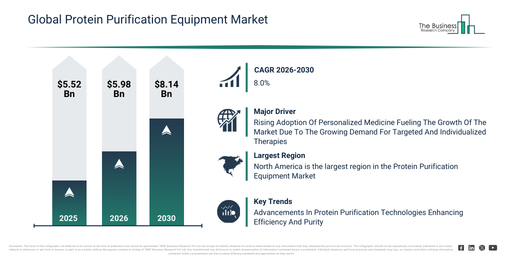
    The protein purification equipment market has experienced significant expansion in recent years. Its value is projected to increase from $5.52 billion in 2025 to $5.98 billion in 2026, reflecting a compound annual growth rate (CAGR) of 8.3%. This historical growth has been driven by the rise in biopharmaceutical research efforts, the expansion of vaccine development initiatives, the growing application of recombinant proteins, the broader implementation of chromatography-based purification methods, and the greater availability of sophisticated laboratory instruments.

    The market for protein purification equipment is anticipated to experience robust expansion in the coming years, reaching a valuation of $8.14 billion by 2030, driven by a compound annual growth rate (CAGR) of 8.0%. This projected growth over the forecast period is fueled by factors such as the rising need for biologics and biosimilars, greater investments in protein-based therapeutics, advancements in precision medicine research, the widespread implementation of high-throughput purification workflows, and an increased reliance on contract research organizations (CROs for outsourcing). Key developments shaping the market include the growing preference for automated chromatography systems, a heightened demand for high-purity protein isolation, the broader application of affinity and ion exchange technologies, the introduction of modular and scalable purification platforms, and a stronger emphasis on protecting sample integrity.

    Download A Free Sample Report For Comprehensive Market Insights:

    https://www.thebusinessresearchcompany.com/sample.aspx?id=29158&type=smp&utm_source=BlogsPR&utm_medium=Paid&utm_campaign=Jul_PR

    Protein Purification Equipment Market Demand Drivers: What Is Fueling Industry Growth?

    A growing emphasis on personalized medicine is anticipated to drive expansion in the protein purification equipment market moving forward. This medical strategy involves customizing treatments for individuals with chronic or genetic conditions by considering their distinct genetic profiles, environmental factors, and lifestyle choices. Its rising adoption stems from the heightened demand for targeted therapies aimed at challenging and persistent illnesses. Protein purification instruments are crucial for isolating and analyzing specific proteins, thereby facilitating the creation of tailored treatments that meet each patient’s unique needs. By way of illustration, the Personalized Medicine Coalition, a nonprofit based in the US, reported in February 2024 that 16 new personalized therapies for rare diseases received FDA approval in 2023—a substantial jump from only six approvals in 2022. Consequently, the advancing focus on personalized medicine continues to fuel growth within the protein purification equipment market.

    Protein Purification Equipment Market Segment Landscape And Growth Potential

    The protein purification equipment market covered in this report is segmented –

    1) By Product Type: Chromatography Systems, Electrophoresis Systems, Protein Fractionation Systems, Protein Concentration Systems, Other Product Types

    2) By Technology: Ion Exchange Chromatography, Affinity Chromatography, Size Exclusion Chromatography, High-Performance Liquid Chromatography, Other Technologies

    3) By Application: Drug Discovery, Vaccine Preparation, Genetic Engineering, Other Applications

    4) By End-User: Pharmaceutical And Biotechnological Companies, Academic Research Institutes, Contract Research Organizations, Other End-Users

    Subsegments:

    1) By Chromatography Systems: Affinity Chromatography Systems, Ion Exchange Chromatography Systems, Size Exclusion Chromatography Systems, Hydrophobic Interaction Chromatography Systems, Mixed Mode Chromatography Systems

    2) By Electrophoresis Systems: Polyacrylamide Gel Electrophoresis Systems, Capillary Electrophoresis Systems, Isoelectric Focusing Electrophoresis Systems, Two Dimensional Electrophoresis Systems, Agarose Gel Electrophoresis Systems

    3) By Protein Fractionation Systems: Ultrafiltration Fractionation Systems, Precipitation Based Fractionation Systems, Centrifugation Fractionation Systems, Membrane Based Fractionation Systems, Field Flow Fractionation Systems

    4) By Protein Concentration Systems: Centrifugal Concentration Systems, Ultrafiltration Concentration Systems, Lyophilization Concentration Systems, Precipitation Based Concentration Systems, Vacuum Evaporation Concentration Systems

    5) By Other Product Types: Magnetic Bead Based Protein Purification Systems, Spin Column Protein Purification Systems, Dialysis Protein Purification Systems, Microplate Based Protein Purification Systems, Filter Based Protein Purification Systems

    Protein Purification Equipment Market Innovation Trends: Which Developments Are Transforming The Industry?

    Key players within the protein purification equipment industry are prioritizing the creation of cutting-edge technologies, specifically protein purification methods, to achieve exact isolation of target proteins, guaranteeing elevated purity and functionality for both research and therapeutic uses. These protein purification technologies encompass a variety of procedures and strategies designed to extract and acquire proteins in a purified state from intricate biological materials, leveraging their distinct attributes. A case in point is Cytiva, a biotechnology firm headquartered in the United States, which introduced Protein Select, a novel protein purification solution, in November 2023. This innovation simplifies and speeds up the purification process of recombinant proteins. It employs a self-cleaving tag that leaves no trace, paired with a compatible affinity chromatography resin, thus standardizing purification for any protein without the necessity of particular binding partners. Through the Protein Select technology, scientists can obtain highly pure, native proteins following a straightforward protocol, with no leftover tag components. Consequently, process developers can realize quicker, simpler, and more efficient protein purification.

    Protein Purification Equipment Market Competitive Landscape: Who Are The Leading Companies?

    Major companies operating in the protein purification equipment market are Roche Diagnostics, Repligen Corporation, Thermo Fisher Scientific Inc., Danaher Corporation, Merck KGaA, GE Healthcare Technologies Inc., Becton, Dickinson and Company (BD), ECOLAB Inc., Lonza Group Ltd., Tosoh Corporation, Agilent Technologies Inc., Sartorius AG, Shimadzu Corporation, PerkinElmer Inc., Waters Corporation, JSR Corporation, Bio-Rad Laboratories inc., Qiagen N.V., Tecan Group Ltd., Eppendorf AG, Bio-Techne Corporation, Promega Corporation, Takara Bio Inc., Biotage AB, Shanghai Biotechnology Corporation, I&L Biosystems GmbH, LabGeni, PromoChrom Technologies Ltd., Inscinstech Co. Ltd., Taidu Biotech Co. Ltd.

    Access The Complete Protein Purification Equipment Market Report:

    https://www.thebusinessresearchcompany.com/report/protein-purification-equipment-global-market-report?utm_source=BlogsPR&utm_medium=Paid&utm_campaign=Jul_PR

    Protein Purification Equipment Market Geographic Analysis: Where Is Demand Growing The Fastest?

    North America was the largest region in the protein purification equipment market in 2025. Asia-Pacific is expected to be the fastest-growing region in the forecast period. The regions covered in the protein purification equipment market report are Asia-Pacific, South East Asia, Western Europe, Eastern Europe, North America, South America, Middle East, Africa.

    Get in touch with us:

    The Business Research Company: https://www.thebusinessresearchcompany.com/?utm_source=BlogsPR&utm_medium=Paid&utm_campaign=home_page_test

    Americas: +1 310-496-7795

    Asia: +44 7882 955267 & +91 8897263534

    Europe: +44 7882 955267

    Email us at: marketing@tbrc.info

    Follow us on:

    LinkedIn: https://in.linkedin.com/company/the-business-research-company

    YouTube: https://www.youtube.com/channel/UC24_fI0rV8cR5DxlCpgmyFQ

    Global Market Model: https://www.thebusinessresearchcompany.com/global-market-model

  • Protein Purification and Isolation Market Outlook Highlights The Next Major Growth Opportunities

    Protein Purification and Isolation Market Outlook Highlights The Next Major Growth Opportunities

    Enhanced with market attractiveness analysis, total addressable market evaluation, company benchmarking matrices, interactive Excel dashboards, expanded supply chain intelligence, emerging startup coverage, and detailed product insights, The Business Research Company’s 2026 market reports deliver more actionable and strategically valuable research.

    Protein Purification and Isolation Market Expected To Reach $17.84 Billion By 2030 At 11.5% CAGR

    The protein purification and isolation sector has experienced swift expansion in recent times, with its market value projected to rise from $10.36 billion in 2025 to $11.53 billion in 2026, reflecting a compound annual growth rate (CAGR) of 11.3%. This historical growth has been driven by progress in chromatography methods, a rising need for protein-based drugs, the advancement of biotechnology research, the uptake of automated lab instruments, and the growth of contract research organizations.

    The protein purification and isolation sector is projected to experience robust expansion in the coming years. By 2030, its value is anticipated to reach $17.84 billion, reflecting a compound annual growth rate (CAGR) of 11.5%. This upward trajectory during the forecast period is driven by the emergence of novel protein biomarkers, the growing adoption of precision medicine, the integration of artificial intelligence into purification processes, the expansion of proteomics services, and enhanced collaboration between pharmaceutical and biotechnology companies. Key developments shaping this landscape encompass high-throughput protein screening, single-cell protein analysis, automated workflows for protein isolation, advanced consumables and reagents for purification, and the fusion of proteomics with drug discovery initiatives.

    Download A Free Sample Report For Comprehensive Market Insights:

    https://www.thebusinessresearchcompany.com/sample.aspx?id=7467&type=smp&utm_source=BlogsPR&utm_medium=Paid&utm_campaign=Jul_PR

    Protein Purification and Isolation Market Growth Drivers: What Factors Are Accelerating Expansion?

    Government investment in research and development within the pharmaceutical and biotechnology sectors is anticipated to drive expansion in the protein purification and isolation market. Research and development involves acquiring knowledge to develop new products or improve existing ones. Boosting R&D funding facilitates the creation of advanced protein purification methods and yields additional advantages, such as purified growth factors, hormones, DNA polymerases, and reverse transcriptase. For example, in March 2023, the White House—the official residence and workplace of the U.S. President—allocated over $3.4 billion for Cancer Moonshot-related R&D, supporting a varied array of research programs in laboratory, clinical, public health, and environmental health domains across multiple departments and agencies. From this sum, $2.9 billion is assigned to the Department of Health and Human Services, strengthening Cancer Moonshot efforts at the National Cancer Institute and ARPA-H. Furthermore, it emphasizes suicide prevention and mental health for veterans, with more than $135 million reserved for the Department of Veterans Affairs medical care. Consequently, heightened government spending on R&D in pharmaceuticals and biotechnology is energizing the growth of the protein purification and isolation markets.

    Protein Purification and Isolation Market Categorization By Product Type And Application

    The protein purification and isolation market covered in this report is segmented –

    1) By Product: Instruments, Consumables

    2) By Technology: Ultrafiltration, Precipitation, Preparative Chromatography, Electrophoresis, Western Blotting, Dialysis And Diafiltration, Centrifugation

    3) By Application: Drug Screening, Protein-Protein Interaction Studies, Biomarker Discovery, Target Identification, Protein Therapeutics, Disease Diagnostics And Monitoring

    4) By End User: Academic Medical Institutes, Hospitals And Diagnostic Centers, Pharmaceutical And Biotechnology Companies, Contract Research Organizations

    Subsegments:

    1) By Instruments: Chromatography Systems, Centrifuges, Electrophoresis Systems, Filtration Systems, Other Instruments

    2) By Consumables: Resins And Media, Columns, Kits And Reagents, Membranes, Other Consumables

    Protein Purification and Isolation Market Trends: What Is Shaping Future Industry Growth?

    Major players in the protein purification and isolation market are developing cutting-edge products like Amspher A+ to boost the efficiency and impact of protein separation processes, as well as to elevate yield and purity levels in biopharmaceutical applications. A notable example occurred in September 2024, when JSR Life Sciences, LLC, a biotechnology firm based in the United States, introduced Amsphere A+. This product features a proprietary protein ligand and advanced polymer technology, offering improvements over its forerunner, Amsphere A3, in binding capacity, alkali stability, and pressure-flow characteristics. These upgrades contribute to heightened efficiency throughout the production process. Consequently, Amsphere A+ marks a substantial leap forward in overall performance.

    Protein Purification and Isolation Market Company Landscape And Strategic Competition

    Major companies operating in the protein purification and isolation market are Abcam PLC, Agilent Technologies Inc, Thermo Fisher Scientific Inc., Bio-Rad Laboratories Inc., BioVision Inc., Norgen Biotek Corp., GE Healthcare Technologies Inc., GEA Group AG, Expedeon Ltd., Creative Biostructure, Qiagen NV, Geno Technology Inc., The Merck Group, Labome, Promega Corporation, OPRL Biosciences Pvt. Ltd., Purolite LLC, Takara Bio Inc., F. Hoffmann-La Roche Ltd, Sigma-Aldrich Chemicals Private Limited, Cygnus Technologies LLC, Novasep, Kinnakeet Biotechnology LLC, Cambryn Biologics LLC, Worthington Biochemical Corporation, GenScript Biotech Corporation, Creative BioMart, OriGene Technologies Inc., Proteintech Group Inc., Rockland Immunochemicals Inc., Sino Biological Inc.

    Access The Complete Protein Purification and Isolation Market Report:

    https://www.thebusinessresearchcompany.com/report/protein-purification-and-isolation-global-market-report?utm_source=BlogsPR&utm_medium=Paid&utm_campaign=Jul_PR

    Protein Purification and Isolation Market Global Footprint: Which Region Holds Market Leadership?

    North America was the largest region in the protein purification and isolation market in 2025. The regions covered in the protein purification and isolation market report are Asia-Pacific, South East Asia, Western Europe, Eastern Europe, North America, South America, Middle East, Africa.

    Get in touch with us:

    The Business Research Company: https://www.thebusinessresearchcompany.com/?utm_source=BlogsPR&utm_medium=Paid&utm_campaign=home_page_test

    Americas: +1 310-496-7795

    Asia: +44 7882 955267 & +91 8897263534

    Europe: +44 7882 955267

    Email us at: marketing@tbrc.info

    Follow us on:

    LinkedIn: https://in.linkedin.com/company/the-business-research-company

    YouTube: https://www.youtube.com/channel/UC24_fI0rV8cR5DxlCpgmyFQ

    Global Market Model: https://www.thebusinessresearchcompany.com/global-market-model
  • Protein Labeling Market Trends And Growth Drivers Point To Strong Future Potential

    Protein Labeling Market Trends And Growth Drivers Point To Strong Future Potential

    Through market attractiveness analysis, total addressable market evaluation, company benchmarking matrices, interactive Excel dashboards, expanded supply chain intelligence, emerging startup coverage, and detailed product insights, The Business Research Company’s 2026 market reports provide more actionable and strategically valuable research.

    Protein Labeling Market Size And Revenue Forecast Through 2030

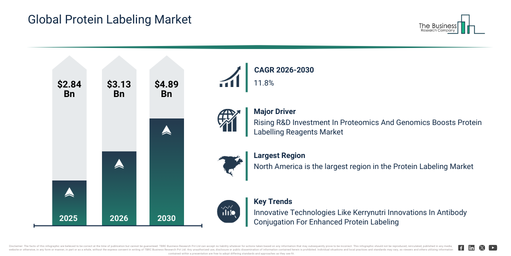
    The protein labeling market valuation has seen rapid expansion in recent years. It is projected to increase from $2.84 billion in 2025 to $3.13 billion in 2026, reflecting a compound annual growth rate (CAGR) of 10.1%. Past growth was driven by a limited supply of specialized protein labels, dependence on conventional fluorescent dyes, rising demand for cell-based assays, expanding proteomics research, and the uptake of enzyme-conjugated labeling methods.

    Over the coming years, the protein labeling market is anticipated to experience substantial expansion. By 2030, its value is projected to reach $4.89 billion, reflecting an 11.8% compound annual growth rate (CAGR). This upward trajectory during the forecast period is driven by factors such as the creation of novel fluorophore probes, a broader utilization of recombinant and modified proteins, the growing preference for automated labeling systems, heightened activity in proteomics and genomics research, and the increasing combination of protein labeling with mass spectrometry and high-throughput assays. Key trends shaping this period encompass a heightened demand for fluorescent and chemiluminescent labels, greater reliance on recombinant and modified proteins in research settings, a rise in the adoption of both in-vitro and in-vivo labeling methods, the broadening of their use in cell-based assays and fluorescence microscopy, and the growing application of monoclonal antibodies in immunological techniques and protein microassays.

    Download A Free Sample Report For Comprehensive Market Insights:

    https://www.thebusinessresearchcompany.com/sample.aspx?id=3417&type=smp&utm_source=BlogsPR&utm_medium=Paid&utm_campaign=Jul_PR

    Protein Labeling Market Growth Factors Supporting Long-Term Expansion

    The market for protein labeling reagents is being propelled forward by rising investments in the research and development of proteomics and genomics. Proteomics focuses on examining the complete set of proteins present within a cell, tissue, or living organism. Techniques for labeling proteins prior to their separation and analysis play a critical role in proteomic profiling approaches. For example, data from the Office for National Statistics, a UK government agency, reveals that the country’s net expenditure on R&D reached £17.4 billion ($22.1 billion) in 2023, compared to £16.1 billion ($20.45 billion) in 2022, reflecting an 8.2% growth. Consequently, the market expansion is driven by the heightened funding directed toward proteomics and genomics R&D.

    Protein Labeling Market Segment Analysis And Revenue Opportunities

    The protein labeling market covered in this report is segmented –

    1) By Product: Reagents, Protein, Enzymes, Probes/ Tags, Monoclonal Antibodies

    2) By Labeling Method: In-vitro Labeling, In-vivo Labeling

    3) By Application: Cell Based-Assay, Fluorescence Microscopy, Immunological Techniques, Mass Spectrometry, Protein Micro Assay

    Subsegments:

    1) By Reagents: Fluorescent Dyes, Enzyme Labels, Chemiluminescent Reagents, Radioactive Labels

    2) By Protein: Recombinant Proteins, Native Proteins, Modified Proteins

    3) By Enzymes: Alkaline Phosphatase, Horseradish Peroxidase, Other Enzymatic Labels

    4) By Probes Or Tags: Biotin Labels, Antibody Tags, Fluorophore Probes, Affinity Tags

    5) By Monoclonal Antibodies: Primary Monoclonal Antibodies, Secondary Monoclonal Antibodies, Conjugated Monoclonal Antibodies

    Protein Labeling Market Industry Trends Shaping Future Revenue Growth

    Leading firms within the protein labeling sector are prioritizing the creation of cutting-edge products, particularly those involving antibody conjugation with StarBright dyes, to boost detection sensitivity, expand multiplexing capabilities, and elevate overall assay performance. StarBright dyes represent fluorescent markers known for their brightness and photostability, ideally suited for high-quality antibody and protein labeling. As an example, Bio-Rad Laboratories Inc., a life sciences company headquartered in the US, introduced the TrailBlazer Tag and TrailBlazer StarBright Dye Label Kits in January 2025. These kits allow scientists to quickly attach antibodies to StarBright dyes, facilitating advanced flow cytometry and imaging studies. By simplifying the labeling workflow, they enhance signal quality and enable intricate multi-color experiments in biomedical research.

    Protein Labeling Market Leading Players Shaping Industry Direction

    Major companies operating in the protein labeling market are Thermo Fisher Scientific Inc., Merck KGaA, PerkinElmer Inc., GE HealthCare Technologies Inc., F. Hoffmann-La Roche AG, Agilent Technologies Inc., BIO-RAD LABORATORIES, LI-COR Inc., Promega Corporation, Eurogentec S.A., Luminex Corporation, New England Biolabs Inc., Abcam plc., TriLink BioTechnologies LLC., Waters Corporation, AMETEK Inc., HORIBA Ltd., Spectris plc., METTLER TOLEDO International Inc., Shimadzu Corporation, Hitachi High-Tech Corporation.

    Access The Complete Protein Labeling Market Report:

    https://www.thebusinessresearchcompany.com/report/protein-labelings-global-market-report?utm_source=BlogsPR&utm_medium=Paid&utm_campaign=Jul_PR

    Protein Labeling Market Regional Distribution: Which Areas Drive Market Expansion?

    North America was the largest region in the protein labeling market in 2025. The regions covered in the protein labeling market report are Asia-Pacific, South East Asia, Western Europe, Eastern Europe, North America, South America, Middle East, Africa.

    Get in touch with us:

    The Business Research Company: https://www.thebusinessresearchcompany.com/?utm_source=BlogsPR&utm_medium=Paid&utm_campaign=home_page_test

    Americas: +1 310-496-7795

    Asia: +44 7882 955267 & +91 8897263534

    Europe: +44 7882 955267

    Email us at: marketing@tbrc.info

    Follow us on:

    LinkedIn: https://in.linkedin.com/company/the-business-research-company

    YouTube: https://www.youtube.com/channel/UC24_fI0rV8cR5DxlCpgmyFQ

    Global Market Model: https://www.thebusinessresearchcompany.com/global-market-model
  • Protein Inhibitors Market Expansion Is Reshaping Competitive Dynamics Across The Industry

    Protein Inhibitors Market Expansion Is Reshaping Competitive Dynamics Across The Industry

    Delivering more actionable and strategically valuable research, The Business Research Company’s 2026 market reports feature market attractiveness analysis, total addressable market evaluation, company benchmarking matrices, interactive Excel dashboards, expanded supply chain intelligence, emerging startup coverage, and detailed product insights.

    Protein Inhibitors Market Growth From $105.43 Billion In 2026 To $148.82 Billion By 2030 At A CAGR Of 9%

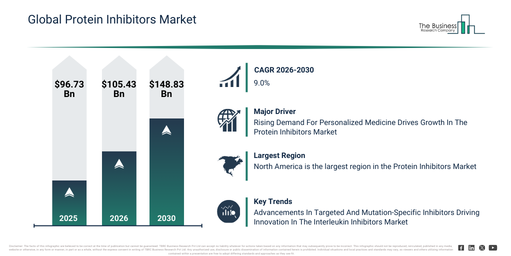
    The market for protein inhibitors has experienced robust expansion in recent years, with projections indicating a rise from $96.73 billion in 2025 to $105.43 billion in 2026, reflecting a compound annual growth rate (CAGR) of 9.0%. Several factors drove this growth during the historical period, including the scarcity of protein inhibitor treatments, a continued dependence on standard chemotherapy, a higher incidence of cancer and inflammatory conditions, greater recognition of targeted therapeutic approaches, and the increasing utilization of hospital pharmacy distribution networks.

    The market for protein inhibitors is anticipated to experience robust expansion over the coming years. By 2030, its value is projected to reach $148.83 billion, reflecting a compound annual growth rate (CAGR) of 9.0%. This forecast period growth is driven by several factors, including the creation of both selective and non-selective kinase inhibitors, progress in biologic monoclonal antibodies, the growth of online pharmacies and digital distribution channels, heightened research into protein degradation methods, and increased funding for customized protein inhibitor therapies. Key trends shaping this period include a growing need for targeted protein inhibitor therapies, a greater focus on oncology-related applications of protein kinase inhibitors, the broadening use of treatments based on monoclonal antibodies, a higher rate of adoption for combination therapy products, and increased attention on inhibitors derived from small molecules and peptides.

    Download A Free Sample Report For Comprehensive Market Insights:

    https://www.thebusinessresearchcompany.com/sample.aspx?id=3429&type=smp&utm_source=BlogsPR&utm_medium=Paid&utm_campaign=Jul_PR

    Protein Inhibitors Market Demand Drivers Creating New Revenue Opportunities

    The growing need for tailored medical approaches is anticipated to boost the expansion of the protein inhibitors market in the coming years. Personalized medicine customizes healthcare interventions to an individual’s distinct genetic characteristics, enabling more precise and effective treatments. Protein inhibitors play a vital role in this field by blocking specific proteins to address diseases according to a person’s genetic profile. As an example, in February 2024, the Personalized Medicine Coalition, a professional membership organization based in the United States, reported that the FDA approved 16 new personalized therapies for rare disease patients in 2023, a significant increase from six in 2022. Of the 35 therapeutic new molecular entities, about 34%—or 12 of them—are recognized as personalized medicines by the Personalized Medicine Coalition. Consequently, the increasing demand for personalized medicine is fueling growth in the protein inhibitors market.

    Protein Inhibitors Market Segmentation And Category Breakdown

    The protein inhibitors market covered in this report is segmented –

    1) By Product: Protein Kinase Inhibitors, Monoclonal Antibody, Other Products

    2) By Application: Oncology, Inflammatory Diseases, Other Applications

    3) By Distribution Channel: Hospital Pharmacies, Independent Pharmacies, Online Pharmacies

    Subsegments:

    1) By Protein Kinase Inhibitors: Selective Kinase Inhibitors, Non-selective Kinase Inhibitors, Small Molecule Kinase Inhibitors, Biologic Kinase Inhibitors

    2) By Monoclonal Antibodies: Chimeric Monoclonal Antibodies, Humanized Monoclonal Antibodies, Fully Human Monoclonal Antibodies, Conjugated Monoclonal Antibodies

    3) By Other Products: Peptide Inhibitors, Protein Degradation Technologies, Small Molecule Inhibitors, Combination Therapy Products

    Protein Inhibitors Market Trends Driving Strategic Industry Expansion

    Leading players in the protein inhibitors market are prioritizing the development of novel treatments, particularly tyrosine kinase inhibitors, designed to block specific signaling pathways, boost therapeutic effectiveness, and enhance health outcomes for individuals dealing with cancer alongside other chronic illnesses. A tyrosine kinase inhibitor (TKI) denotes a pharmaceutical agent that inhibits the function of tyrosine kinases—enzymes responsible for triggering proteins that drive cell signaling, growth, and division—thus impeding the spread of cancerous or abnormal cells. As an illustration, in April 2024, F. Hoffmann-La Roche AG, a healthcare firm headquartered in Switzerland, secured FDA approval for Alecensa (alectinib) as an initial adjuvant therapy for patients with ALK-positive early-stage non-small cell lung cancer (NSCLC) who had previously undergone surgical removal of their tumor.

    Protein Inhibitors Market Competitive Analysis Of Major Industry Participants

    Major companies operating in the protein inhibitors market are Bayer AG, AstraZeneca plc, F. Hoffmann-La Roche Ltd., Teva Pharmaceutical Industries Ltd., Apotex Inc., Novartis International AG, GlaxoSmithKline plc, Pfizer Inc., Boehringer Ingelheim International GmbH, Abbott Laboratories, Amgen Inc., Baxter International Inc., Merck & Co. Inc., AbbVie Inc., Bristol Myers Squibb Company, Biogen Inc., Eli Lilly and Company, Gilead Sciences Inc., Johnson & Johnson, Regeneron Pharmaceuticals Inc., Sanofi S.A., Takeda Pharmaceutical Company Limited, Vertex Pharmaceuticals Inc., Lonza Group AG, Catalent Inc., Thermo Fisher Scientific Inc., Charles River Laboratories International Inc., WuXi AppTec Co. Ltd.

    Access The Complete Protein Inhibitors Market Report:

    https://www.thebusinessresearchcompany.com/report/protein-inhibitor-global-market-report?utm_source=BlogsPR&utm_medium=Paid&utm_campaign=Jul_PR

    Protein Inhibitors Market Leading Geography: Which Region Generates The Most Revenue?

    North America was the largest region in the protein inhibitors market in 2025. The regions covered in the protein inhibitors market report are Asia-Pacific, South East Asia, Western Europe, Eastern Europe, North America, South America, Middle East, Africa.

    Get in touch with us:

    The Business Research Company: https://www.thebusinessresearchcompany.com/?utm_source=BlogsPR&utm_medium=Paid&utm_campaign=home_page_test

    Americas: +1 310-496-7795

    Asia: +44 7882 955267 & +91 8897263534

    Europe: +44 7882 955267

    Email us at: marketing@tbrc.info

    Follow us on:

    LinkedIn: https://in.linkedin.com/company/the-business-research-company

    YouTube: https://www.youtube.com/channel/UC24_fI0rV8cR5DxlCpgmyFQ

    Global Market Model: https://www.thebusinessresearchcompany.com/global-market-model
  • Protein Hydrolysis Enzymes Market Forecast Reveals Where Future Industry Value Will Be Created

    Protein Hydrolysis Enzymes Market Forecast Reveals Where Future Industry Value Will Be Created

    Enhanced with market attractiveness analysis, total addressable market evaluation, company benchmarking matrices, interactive Excel dashboards, expanded supply chain intelligence, emerging startup coverage, and detailed product insights, The Business Research Company’s 2026 market reports deliver more actionable and strategically valuable research.

    Protein Hydrolysis Enzymes Market Expansion Outlook: What Revenue Opportunities Lie Ahead?

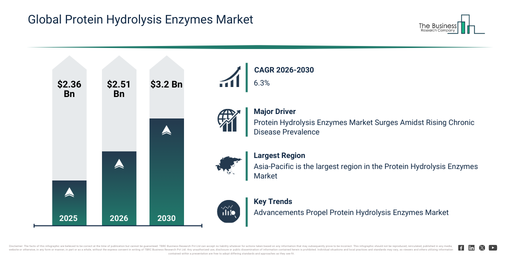
    The protein hydrolysis enzymes market has experienced robust expansion in recent years, with its valuation climbing from $2.36 billion in 2025 to reach $2.51 billion by 2026, reflecting a compound annual growth rate of 6.3%. Several factors have driven this historical growth, including a growing appetite for functional foods, greater incorporation of protein into animal feed formulations, and the continued expansion of both the dairy and beverage sectors. Further contributing to this upward trajectory have been improvements in fermentation methods and an elevated public awareness regarding protein quality standards.

    The protein hydrolysis enzymes market is projected to experience robust expansion over the coming years, reaching a valuation of $3.2 billion by 2030, with a compound annual growth rate (CAGR) of 6.3%. This anticipated growth during the forecast period is driven by several factors, including the rising demand for plant-based protein products, the growing adoption of enzyme solutions within the nutraceutical sector, the expansion of the processed food industry, an increased focus on improving protein digestibility and bioavailability, and heightened research and development efforts in enzyme technology. Key trends shaping the forecast period encompass enzyme-based protein modification, innovations in plant-derived enzymes, the development of high-solubility protein formulations, low-viscosity protein solutions, and the creation of specialty protein hydrolysates.

    Download A Free Sample Report For Comprehensive Market Insights:

    https://www.thebusinessresearchcompany.com/sample.aspx?id=9113&type=smp&utm_source=BlogsPR&utm_medium=Paid&utm_campaign=Jul_PR

    Protein Hydrolysis Enzymes Market Expansion Supported By Key Demand Factors

    A rising incidence of chronic illnesses is anticipated to propel the expansion of the protein hydrolysis enzymes market in the coming period. Chronic disease is defined as a health condition that evolves gradually or persists over an extended duration, often leading to long-term consequences. Through protein hydrolysis, physiologically active peptides are generated using enzymes, and these peptides can aid in preventing cancer and other ailments by influencing antioxidant enzymes, which serve as a critical regulatory mechanism for the body’s pro-inflammatory responses. Consequently, the growing prevalence of chronic diseases is expected to increase the demand for protein hydrolysis enzymes. For example, in June 2024, the National Health Service, a UK governmental department, reported that 3,615,330 individuals registered with a general practitioner (GP) were diagnosed with non-diabetic hyperglycemia or pre-diabetes—a condition involving elevated blood sugar levels insufficient for a diabetes diagnosis—in 2023, reflecting an 18% rise from 3,065,825 cases in 2022. Thus, the increasing prevalence of chronic diseases is fueling growth in the protein hydrolysis enzymes market.

    Protein Hydrolysis Enzymes Market Segment Outlook: Which Categories Are Expanding The Fastest?

    The protein hydrolysis enzymes market covered in this report is segmented –

    1) By Type: Microorganisms, Animals, Plants

    2) By Method Of Production: Extraction, Fermentation

    3) By Application: Detergent And Cleaning, Food And Beverage, Animal Feed, Textile, Dairy, Other Applications

    Subsegments:

    1) By Microorganisms: Bacterial Enzymes, Fungal Enzymes, Yeast-Derived Enzymes

    2) By Animals: Animal-Derived Enzymes, Rennet

    3) By Plants: Plant-Derived Enzymes, Seed-Derived Enzymes

    Protein Hydrolysis Enzymes Market Growth Trends Influencing Competitive Dynamics

    Key players in the protein hydrolysis enzyme market are prioritizing the development of advanced formulations, including optimized enzyme blends, to boost nutrient absorption, elevate livestock output, and tackle distinct hurdles in animal farming. An optimized enzyme blend represents a precisely crafted combination of multiple enzymes aimed at improving the breakdown and absorption of nutrients in feed. A notable example is from March 2023, when International Flavors & Fragrances Inc., an American company specializing in food and health ingredients, unveiled Axtra PRIME. This newly developed optimized blend is engineered to enhance nutrient digestion and elevate piglet performance in animal nutrition, addressing critical issues during the weaning phase by integrating xylanase, beta-glucanase, alpha-amylase, and protease enzymes to foster improved growth and efficient feed conversion.

    Protein Hydrolysis Enzymes Market Key Companies And Competitive Benchmarking

    Major companies operating in the protein hydrolysis enzymes market are Novozymes A/S, Royal DSM, DuPont de Nemours Inc., AB Enzymes GmbH, Advanced Enzyme Technologies, Dyadic International Inc., Jiangsu Boli Bioproducts Co. Ltd., Specialty Enzymes & Biotechnologies Co, Solvay Enzymes, Amano Enzyme Inc., Biocatalysts, Rossari Biotech Limited, Enzyme Solutions, DSM Nutritional Products, Chr. Hansen Holding A/S, Noor Enzymes, Enzyme Development Corporation, Enzyme Supplies Limited, Enzyme Innovation, Enzybel Group

    Access The Complete Protein Hydrolysis Enzymes Market Report:

    https://www.thebusinessresearchcompany.com/report/protein-hydrolysis-enzymes-global-market-report?utm_source=BlogsPR&utm_medium=Paid&utm_campaign=Jul_PR

    Protein Hydrolysis Enzymes Market Regional Outlook: Where Are The Largest Opportunities Located?

    Asia-Pacific was the largest region in the protein hydrolysis enzymes market in 2025. Asia-Pacific is expected to be the fastest-growing region in the protein hydrolysis enzymes market during the forecast period. The regions covered in the protein hydrolysis enzymes market report are Asia-Pacific, South East Asia, Western Europe, Eastern Europe, North America, South America, Middle East, Africa.

    Get in touch with us:

    The Business Research Company: https://www.thebusinessresearchcompany.com/?utm_source=BlogsPR&utm_medium=Paid&utm_campaign=home_page_test

    Americas: +1 310-496-7795

    Asia: +44 7882 955267 & +91 8897263534

    Europe: +44 7882 955267

    Email us at: marketing@tbrc.info

    Follow us on:

    LinkedIn: https://in.linkedin.com/company/the-business-research-company

    YouTube: https://www.youtube.com/channel/UC24_fI0rV8cR5DxlCpgmyFQ

    Global Market Model: https://www.thebusinessresearchcompany.com/global-market-model

  • Protein Degradation Therapy Market Growth Through 2030 Creates New Strategic Opportunities

    Protein Degradation Therapy Market Growth Through 2030 Creates New Strategic Opportunities

    Through market attractiveness analysis, total addressable market evaluation, company benchmarking matrices, interactive Excel dashboards, expanded supply chain intelligence, emerging startup coverage, and detailed product insights, The Business Research Company’s 2026 market reports provide more actionable and strategically valuable research.

    Protein Degradation Therapy Market Growth Potential: How Will Market Size Change Through 2030?

    The protein degradation therapy market has experienced robust expansion in recent times, with its size projected to increase from $1.25 billion in 2025 to $1.35 billion in 2026, reflecting a compound annual growth rate (CAGR) of 8.1%. This historical growth has been propelled by progress in molecular biology research, the broadening scope of targeted cancer treatments, a deeper comprehension of protein dysfunction across various diseases, promising results in early-phase clinical trials, and a surge in venture capital investment within the biotechnology sector.

    The protein degradation therapy market is projected to experience robust expansion over the coming years, reaching a valuation of $1.83 billion by 2030, driven by a compound annual growth rate (CAGR) of 7.8%. This anticipated growth during the forecast period is fueled by a heightened demand for innovative cancer treatments, increased funding directed toward precision oncology, the broadening of protein degradation technology platforms, a surge in clinical trial initiatives, and enhanced regulatory backing for novel therapeutic approaches. Key developments shaping this period include the accelerated creation of targeted protein degraders, a pronounced emphasis on oncology-related uses, greater investment in PROTAC-based therapies, an expanding roster of clinical pipeline candidates, and strengthened partnerships between pharmaceutical companies and biotechnology firms.

    Download A Free Sample Report For Comprehensive Market Insights:

    https://www.thebusinessresearchcompany.com/sample.aspx?id=20603&type=smp&utm_source=BlogsPR&utm_medium=Paid&utm_campaign=Jul_PR

    Protein Degradation Therapy Market Growth Drivers And Industry Catalysts

    The rising prevalence of cancer is anticipated to drive expansion in the protein degradation therapy market moving forward. Cancer encompasses a spectrum of disorders characterized by abnormal cell growth and spread throughout the body. Its incidence is climbing largely due to a mix of influences, with an aging populace as a key factor. Lifestyle choices, including tobacco use, unhealthy eating, insufficient exercise, and growing obesity rates, have also elevated the likelihood of developing various cancers. Protein degradation therapy is essential in cancer treatment because it identifies and removes specific proteins responsible for fueling cancer progression and survival, potentially bypassing resistance to conventional therapies. As an example, in February 2024, a report from the World Health Organization, an intergovernmental body based in Switzerland, projected over 35 million new cancer cases globally by 2050, marking a 77% rise from the estimated 20 million cases in 2022. Furthermore, nations with a high human development index (HDI) are expected to experience the most significant absolute increase, with an extra 4.8 million new cases predicted by 2050 relative to 2022 figures. Consequently, the increasing cancer burden is fueling growth in the protein degradation therapy market.

    Protein Degradation Therapy Market Segment Landscape: Which Areas Lead Market Development?

    The protein degradation therapy market covered in this report is segmented –

    1) By Type: Bavdegalutamide (ARV – 110), Vepdegestrant (ARV – 471)

    2) By Application: Oncology, Neurodegenerative Diseases, Infectious Diseases, Other Applications

    3) By End-User: Pharmaceutical Companies, Biotechnology Companies, Academic And Research Institutes

    Subsegments:

    1) By Bavdegalutamide (ARV-110): Androgen Receptor Degraders, Prostate Cancer Therapy

    2) By Vepdegestrant (ARV-471): Estrogen Receptor Degraders, Breast Cancer Therapy

    Protein Degradation Therapy Market Trends Influencing Long-Term Demand

    Leading companies in the protein degradation therapy sector are increasingly turning to strategic partnerships as a means to create groundbreaking treatments, pool complementary skills, share available resources, and speed up the process of identifying and advancing new drug candidates that target proteins responsible for disease. Such collaborations allow firms to tap into each other’s unique capabilities and assets, fostering mutual advantages and collective accomplishment. A notable example occurred in February 2024, when Arvinas, a biotechnology firm based in the United States, unveiled its first orally administered PROTAC degrader, designated ARV-102. This compound is engineered to penetrate the blood-brain barrier and specifically act on LRRK2, with applications aimed at neurodegenerative conditions. ARV-102 exhibits oral bioavailability, a profile capable of crossing into the brain, and a strong affinity for LRRK2. By tackling targets previously considered undruggable, this advancement bolsters the pipelines of companies in this space, although obstacles persist regarding sustained safety, intricacies in manufacturing, and the fine-tuning of pharmacokinetic properties due to the compound’s larger molecular dimensions.

    Protein Degradation Therapy Market Industry Leaders And Market Competition

    Major companies operating in the protein degradation therapy market are Relay Therapeutics, Arvinas Holding Company LLC, Kymera Therapeutics, Nurix Therapeutics, Vividion Therapeutics, Mission Therapeutics Ltd., C4 Therapeutics Inc., Cullgen Inc., Frontier Medicines, Foghorn Therapeutics, Aileron Therapeutics, Ribometrix Inc., Nimbus Therapeutics, Jnana Therapeutics, KSQ Therapeutics, Stoke Therapeutics, Flare Therapeutics, Accent Therapeutics, Monte Rosa Therapeutics, Lycia Therapeutics, Dialectic Therapeutics, Amphista Therapeutics, Biotheryx Inc., Cedilla Therapeutics, Dewpoint Therapeutics Inc

    Access The Complete Protein Degradation Therapy Market Report:

    https://www.thebusinessresearchcompany.com/report/protein-degradation-therapy-global-market-report?utm_source=BlogsPR&utm_medium=Paid&utm_campaign=Jul_PR

    Protein Degradation Therapy Market Geographic Landscape: Which Region Dominates Industry Growth?

    North America was the largest region in the protein degradation therapy market in 2025. Asia-Pacific is expected to be the fastest-growing region in the forecast period. The regions covered in the protein degradation therapy market report are Asia-Pacific, South East Asia, Western Europe, Eastern Europe, North America, South America, Middle East, Africa.

    Get in touch with us:

    The Business Research Company: https://www.thebusinessresearchcompany.com/?utm_source=BlogsPR&utm_medium=Paid&utm_campaign=home_page_test

    Americas: +1 310-496-7795

    Asia: +44 7882 955267 & +91 8897263534

    Europe: +44 7882 955267

    Email us at: marketing@tbrc.info

    Follow us on:

    LinkedIn: https://in.linkedin.com/company/the-business-research-company

    YouTube: https://www.youtube.com/channel/UC24_fI0rV8cR5DxlCpgmyFQ

    Global Market Model: https://www.thebusinessresearchcompany.com/global-market-model
  • Proteasome Inhibitors Market Size Projected To Increase From $2.36 Billion To $3.48 Billion During The Forecast Period

    Proteasome Inhibitors Market Size Projected To Increase From $2.36 Billion To $3.48 Billion During The Forecast Period

    Delivering more actionable and strategically valuable research, The Business Research Company’s 2026 market reports feature market attractiveness analysis, total addressable market evaluation, company benchmarking matrices, interactive Excel dashboards, expanded supply chain intelligence, emerging startup coverage, and detailed product insights.

    Proteasome Inhibitors Market Value Analysis: What Growth Is Expected Over The Forecast Period?

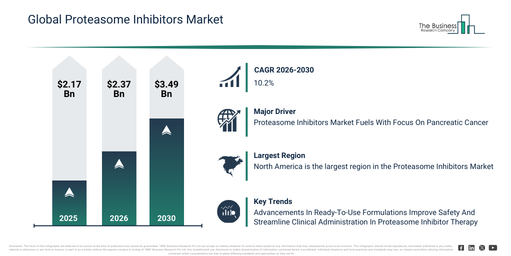
    The proteasome inhibitors market has experienced notable expansion over the past few years. In 2025, it was valued at $2.17 billion, and projections indicate it will reach $2.37 billion by 2026, reflecting a compound annual growth rate (CAGR) of 9.2%. This historic growth has been driven by factors such as the initial approval of proteasome inhibitors, a growing incidence of multiple myeloma, heightened funding for oncology research, progress in cancer diagnostic methods, and the development of hospital-based oncology units.

    The proteasome inhibitors market is projected to experience swift expansion over the coming years. By 2030, its value is anticipated to reach $3.49 billion, reflecting a compound annual growth rate (CAGR) of 10.2%. This forecasted growth is driven by factors such as the broadening pipeline of proteasome inhibitors, the incorporation of artificial intelligence into drug discovery, an increasing need for combination treatment approaches, the creation of oral dosage forms, and the rising prominence of oncology markets in emerging regions. Key developments shaping this period involve the advancement of personalized cancer treatments, more precise proteasome targeting, ongoing work on combination therapies, enhanced methods for drug delivery, and a broader scope of clinical trial initiatives.

    Download A Free Sample Report For Comprehensive Market Insights:

    https://www.thebusinessresearchcompany.com/sample.aspx?id=12251&type=smp&utm_source=BlogsPR&utm_medium=Paid&utm_campaign=Jul_PR

    Proteasome Inhibitors Market Opportunity Drivers: What Is Creating New Revenue Potential?

    The rising incidence of pancreatic cancer is anticipated to drive the expansion of the proteasome inhibitors market in the near future. This disease develops within the cells of the pancreas—an organ situated behind the stomach in the abdominal cavity. These inhibitors are primarily utilized in treating pancreatic cancer because the proteasome plays a vital part in fostering cell survival and growth by breaking down proteins that regulate cell cycle progression and programmed cell death. It impedes the survival of cancer cells, curbs tumor development, and halts metastasis. For example, data from the American Cancer Society, a health organization based in the United States, indicated in January 2024 that roughly 64,050 adults in the U.S. were identified with pancreatic cancer by 2023, while 50,550 individuals died from it. Moreover, these figures rose to 66,440 new cases and 51,750 deaths. Consequently, the growing prevalence of pancreatic cancer is fueling growth within the proteasome inhibitors market.

    Growing government allocations for research and development are expected to accelerate the proteasome inhibitors market forward. Government funding describes financial resources provided by a state for designated purposes. It is crucial in furthering proteasome inhibitor research by funding scientific studies, clinical trials, and drug creation. As an illustration, in September 2023, the National Cancer Institute—a U.S. government entity—was allocated a budget of $7.3 billion by the United States Congress during fiscal year 2023, reflecting a $408 million increase compared to 2022. Hence, heightened government investment in research and development is propelling the proteasome inhibitors market’s growth.

    Proteasome Inhibitors Market Segments: Where Are The Largest Growth Opportunities?

    The proteasome inhibitors market covered in this report is segmented –

    1) By Product: Velcade, Kyprolis, Ninlaro, Other Products

    2) By Drugs: Bortezomib, Carfilzomib, Ixazomib

    3) By Indication: Lymphoma, Mantle Cell Lymphoma, Multiple Myeloma

    4) By Distribution Channel: Hospital Pharmacy, Online Pharmacy, Retail Pharmacy

    5) By End-User: Hospital, Specialty Clinics, Other End-Users

    Subsegments:

    1) By Velcade: Injectable Velcade (Bortezomib), Oral Formulations

    2) By Kyprolis: Injectable Kyprolis (Carfilzomib), Combination Therapies With Kyprolis

    3) By Ninlaro: Oral Ninlaro (Ixazomib), Combination Therapies With Ninlaro

    4) By Other Products: Investigational Proteasome Inhibitors, Combination Products

    Proteasome Inhibitors Market Innovation Trends Driving Future Development

    Leading players in the proteasome inhibitors sector are prioritizing the development of advanced, pre-prepared formulations aimed at boosting treatment effectiveness, streamlining clinical procedures, and strengthening patient safety. These ready-to-administer injectables remove the requirement for on-site mixing, thereby cutting down preparation time, decreasing the likelihood of dosage mistakes, and facilitating a more efficient approach to oncology care. As an example, in April 2025, Amneal Pharmaceuticals Inc., a specialty pharmaceutical firm based in the United States, introduced BORUZU, the first injection of bortezomib that is ready to use, directed at multiple myeloma and mantle cell lymphoma. By allowing direct administration without the need for reconstitution, this product enhances clinical processes, enabling healthcare professionals to deliver faster and more dependable proteasome inhibitor therapy within outpatient and hospital environments.

    Proteasome Inhibitors Market Major Participants And Competitive Dynamics

    Major companies operating in the proteasome inhibitors market are Pfizer Inc., Johnson And Johnson, Onyx Pharmaceuticals Inc., Progenra Inc., Nurix Inc., Cephalon Inc., Cleave Therapeutics, Apotex Inc., Amgen Inc., Takeda Pharmaceutical Company Limited, Millennium Pharmaceuticals, Bristol-Myers Squibb Company, Janssen Pharmaceuticals, AbbVie, Karyopharm Therapeutics, OncoArendi Therapeutics, Novartis AG, GlaxoSmithKline plc, Sanofi S.A., Eli Lilly and Company

    Access The Complete Proteasome Inhibitors Market Report:

    https://www.thebusinessresearchcompany.com/report/proteasome-inhibitors-global-market-report?utm_source=BlogsPR&utm_medium=Paid&utm_campaign=Jul_PR

    Proteasome Inhibitors Market Largest Region: Which Geography Holds The Highest Market Share?

    North America was the largest region in the proteasome inhibitors market in 2025. The regions covered in the proteasome inhibitors market report are Asia-Pacific, South East Asia, Western Europe, Eastern Europe, North America, South America, Middle East, Africa.

    Get in touch with us:

    The Business Research Company: https://www.thebusinessresearchcompany.com/?utm_source=BlogsPR&utm_medium=Paid&utm_campaign=home_page_test

    Americas: +1 310-496-7795

    Asia: +44 7882 955267 & +91 8897263534

    Europe: +44 7882 955267

    Email us at: marketing@tbrc.info

    Follow us on:

    LinkedIn: https://in.linkedin.com/company/the-business-research-company

    YouTube: https://www.youtube.com/channel/UC24_fI0rV8cR5DxlCpgmyFQ

    Global Market Model: https://www.thebusinessresearchcompany.com/global-market-model

  • Prostate Cancer Therapeutics Market Growth Outlook Reveals A CAGR Of 8.4% And A Market Value Of $19.25 Billion By 2030

    Prostate Cancer Therapeutics Market Growth Outlook Reveals A CAGR Of 8.4% And A Market Value Of $19.25 Billion By 2030

    Enhanced with market attractiveness analysis, total addressable market evaluation, company benchmarking matrices, interactive Excel dashboards, expanded supply chain intelligence, emerging startup coverage, and detailed product insights, The Business Research Company’s 2026 market reports deliver more actionable and strategically valuable research.

    Prostate Cancer Therapeutics Market Size Forecast: How Large Could The Market Become By 2030?

    The prostate cancer therapeutics market has experienced robust expansion in recent years, with projections indicating an increase from $12.88 billion in 2025 to $13.96 billion in 2026, reflecting a compound annual growth rate (CAGR) of 8.4%. This historical growth has been driven by factors such as a higher prevalence of prostate cancer, an aging male demographic, progress in oncology drug development, the provision of cancer care within hospital settings, and a greater emphasis on cancer screening initiatives.

    The size of the prostate cancer therapeutics market is anticipated to experience robust expansion over the coming years. By 2030, it is projected to reach $19.25 billion, reflecting a compound annual growth rate (CAGR) of 8.4%. Several factors are driving this forecasted growth, including the adoption of precision oncology, the rise of biomarker-driven therapies, an increase in oral oncology drugs, an expanding immunotherapy pipeline, and higher healthcare spending. Key trends shaping this period encompass a growing preference for targeted therapies, increased utilization of PARP inhibitors, the broader application of immunotherapy in oncology, a transition toward oral cancer medications, and treatment selections guided by precision medicine.

    Download A Free Sample Report For Comprehensive Market Insights:

    https://www.thebusinessresearchcompany.com/sample.aspx?id=24389&type=smp&utm_source=BlogsPR&utm_medium=Paid&utm_campaign=Jul_PR

    Prostate Cancer Therapeutics Market Growth Momentum: Which Factors Are Influencing Demand?

    The rising prevalence of prostate cancer is anticipated to drive expansion in the prostate cancer therapeutics market moving forward. This disease involves the formation of malignant cells within the prostate gland tissues, predominantly affecting older men. Its growing incidence is linked to an aging population, as the likelihood of developing the condition significantly increases with age, and extended life expectancy allows more men to reach ages where it commonly occurs. Prostate cancer therapeutics are designed to manage the illness by focusing on cancerous cells, decelerating disease progression, and enhancing quality of life through interventions like surgery, radiation, hormone therapy, and emerging options such as immunotherapy. As an example, in January 2025, data from Prostate Cancer UK, a nonprofit cancer research and advocacy organization based in the UK, revealed that diagnosed prostate cancer cases rose from 50,751 in 2022 to 55,033 in 2023. Consequently, the escalating incidence of prostate cancer is fueling growth in the prostate cancer therapeutics market.

    Prostate Cancer Therapeutics Market Segment Analysis: What Are The Major Market Categories?

    The prostate cancer therapeutics market covered in this report is segmented –

    1) By Therapy: Hormonal Therapy, Chemotherapy, Immunotherapy, Targeted Therapy, Other Therapies

    2) By Drug Class: Androgen Receptor Inhibitors, GnRH Receptor Antagonists, PARP Inhibitors, Immune Checkpoint Inhibitors, Other Drug Classes

    3) By Route Of Administration: Oral, Injectable

    4) By Distribution Channel: Hospital Pharmacies, Retail Pharmacies

    5) By End User: Clinics, Hospitals, Other End Users

    Subsegments:

    1) By Hormonal Therapy: Luteinizing Hormone-Releasing Hormone (LHRH) Agonists, LHRH Antagonists, Anti-Androgens, Androgen Synthesis Inhibitors

    2) By Chemotherapy: Docetaxel, Cabazitaxel, Mitoxantrone, Combination Chemotherapy Regimens

    3) By Immunotherapy: Sipuleucel-T, Immune Checkpoint Inhibitors, Cancer Vaccines

    4) By Targeted Therapy: PARP Inhibitors, Radioligand Therapy

    5) By Other Therapies: Radiotherapy, Bone-Targeted Therapies, Cryotherapy, High-Intensity Focused Ultrasound

    Prostate Cancer Therapeutics Market Trends Reshaping Industry Growth

    Key players in the prostate cancer therapeutics sector are intensifying efforts to develop innovative treatments like a once-daily oral pill designed for advanced stages of the disease, aiming to boost patient adherence and enhance therapeutic results. This type of medication is taken each day to address metastatic castration-resistant prostate cancer by blocking the effects of testosterone on malignant cells. A notable example occurred in January 2024, when Zydus Lifesciences, a pharmaceutical firm based in India, introduced Rexigo, the country’s first daily oral tablet containing relugolix for those with advanced prostate cancer. This option serves as an accessible and cost-effective substitute for injectable hormone therapies, rapidly reducing testosterone levels to curb tumor progression, while also providing a more favorable cardiovascular risk profile. Since it is taken orally, patients no longer need to visit healthcare professionals for injections, significantly improving convenience. The introduction of this treatment marks a major step forward in managing prostate cancer within India, equipping both patients and physicians with a novel, practical, safer, and economical solution.

    Prostate Cancer Therapeutics Market Leading Companies Driving Competitive Growth

    Major companies operating in the prostate cancer therapeutics market are Johnson & Johnson, Merck & Co. Inc., AbbVie Inc., Novartis AG, AstraZeneca plc, Sanofi S.A., Astellas Pharma Inc., Jiangsu Hengrui Medicine Co. Ltd., Telix Pharmaceuticals, Bayer AG, Curium Pharma SAS, Dendreon Pharmaceuticals, Myovant Sciences GmbH, Clovis Oncology Inc., Ipsen S.A., Veru Inc., Bristol-Myers Squibb Company, F. Hoffmann-La Roche Ltd, Dendreon Pharmaceuticals LLC, Pfizer Inc., Ferring B.V.

    Access The Complete Prostate Cancer Therapeutics Market Report:

    https://www.thebusinessresearchcompany.com/report/prostate-cancer-therapeutics-global-market-report?utm_source=BlogsPR&utm_medium=Paid&utm_campaign=Jul_PR

    Prostate Cancer Therapeutics Market Regional Analysis: Which Region Leads By Revenue?

    North America was the largest region in the prostate cancer therapeutics market in 2025. Asia-Pacific is expected to be the fastest-growing region in the forecast period. The regions covered in the prostate cancer therapeutics market report are Asia-Pacific, South East Asia, Western Europe, Eastern Europe, North America, South America, Middle East, Africa.

    Get in touch with us:

    The Business Research Company: https://www.thebusinessresearchcompany.com/?utm_source=BlogsPR&utm_medium=Paid&utm_campaign=home_page_test

    Americas: +1 310-496-7795

    Asia: +44 7882 955267 & +91 8897263534

    Europe: +44 7882 955267

    Email us at: marketing@tbrc.info

    Follow us on:

    LinkedIn: https://in.linkedin.com/company/the-business-research-company

    YouTube: https://www.youtube.com/channel/UC24_fI0rV8cR5DxlCpgmyFQ

    Global Market Model: https://www.thebusinessresearchcompany.com/global-market-model

  • Prostate Cancer Drugs Market Forecast Highlights Expansion From $20.54 Billion To $26.14 Billion Through 2030

    Prostate Cancer Drugs Market Forecast Highlights Expansion From $20.54 Billion To $26.14 Billion Through 2030

    Through market attractiveness analysis, total addressable market evaluation, company benchmarking matrices, interactive Excel dashboards, expanded supply chain intelligence, emerging startup coverage, and detailed product insights, The Business Research Company’s 2026 market reports provide more actionable and strategically valuable research.

    Prostate Cancer Drugs Market Revenue Outlook: What CAGR Is Expected Through 2030?

    The market for prostate cancer medications has experienced notable expansion in recent years. Its value is projected to increase from $19.51 billion in 2025 to $20.54 billion in 2026, reflecting a compound annual growth rate (CAGR) of 5.3%. This historical growth has been driven by factors such as an aging male demographic, greater utilization of prostate cancer screening, broad acceptance of hormone-based treatments, a growing number of oncology facilities, and heightened public awareness of cancer.

    The market for prostate cancer drugs is anticipated to experience substantial expansion over the coming years, with projections indicating it will reach $26.15 billion by 2030, reflecting a compound annual growth rate (CAGR) of 6.2%. This forecasted growth is driven by several factors, including advancements in targeted and immunotherapy drugs, a higher prevalence of advanced prostate cancer, a shift toward more personalized treatment approaches, improved healthcare accessibility, and rising expenditures in oncology. Notable trends shaping the market during this period encompass the growing application of hormonal therapy at earlier stages of treatment, a greater reliance on targeted prostate cancer medications, an intensified focus on castration-resistant prostate cancer, the increasing use of combination therapy strategies, and a rise in prostate cancer care delivered within hospital settings.

    Download A Free Sample Report For Comprehensive Market Insights:

    https://www.thebusinessresearchcompany.com/sample.aspx?id=2592&type=smp&utm_source=BlogsPR&utm_medium=Paid&utm_campaign=Jul_PR

    Prostate Cancer Drugs Market Expansion Drivers: What Is Shaping Future Growth?

    The forecasted growth of the prostate cancer drugs market is being significantly driven by an expanding elderly male population. This demographic, defined as men aged 65 and older, faces a higher likelihood of age-associated health issues and requires specialized medical care. This increase in the aging male population is attributed to enhanced healthcare accessibility, reduced death rates, and extended lifespans worldwide. A larger geriatric male demographic boosts the prostate cancer drugs market by raising the number of patients who need hormonal therapies, immunotherapies, chemotherapy, and targeted medications for managing the disease and enhancing survival rates. According to data from February 2025 by the World Health Organization, a global public health agency based in Switzerland, worldwide life expectancy at birth hit 73.3 years in 2024. Furthermore, the number of individuals aged 60 and older globally is expected to grow from 1.1 billion in 2023 to 1.4 billion by 2030. Consequently, the increase in the elderly male population is fueling the expansion of the prostate cancer market.

    Prostate Cancer Drugs Market Driver: Surge In Incidences Of Prostate Cancer Driving Market Growth Due To Aging Population And Advancements In Targeted Therapies

    A key factor anticipated to boost the expansion of the prostate cancer drugs market is the growing occurrence of prostate cancer. Prostate cancer is a harmful condition that originates in the prostate gland, necessitating prompt and effective treatment to lower complications and improve patient results. The higher prevalence of prostate cancer is mainly caused by an aging population and greater utilization of screening techniques, such as prostate-specific antigen (PSA) testing, which results in increased detection rates. Drugs designed for prostate cancer can be advantageous in treating the condition by focusing on specific genetic alterations within cancer cells that promote their growth, operating differently from chemotherapy or hormone therapy drugs. The American Cancer Society, a US-based nonprofit health organization focused on fighting cancer, estimated in January 2023 that there would be around 288,300 new prostate cancer cases and roughly 34,700 deaths from the disease, with approximately 1 in 8 men being diagnosed with prostate cancer at some point in their lives. For this reason, the escalating prevalence of this cancer is propelling the growth of the prostate cancer drugs market.

    Prostate Cancer Drugs Market Segment Breakdown: Which Categories Generate The Most Revenue?

    The prostate cancer drugs market covered in this report is segmented –

    1) By Type: Hormone Sensitive Prostate Cancer, Hormone Refractory Prostate Cancer

    2) By Therapy: Hormonal Therapy, Chemotherapy, Immunotherapy, Targeted Therapy

    3) By End User: Hospitals, Clinics, Other End-Users

    Subsegments:

    1) By Hormone Sensitive Prostate Cancer: Early-Stage Prostate Cancer, Locally Advanced Prostate Cancer, Metastatic Prostate Cancer

    2) By Hormone Refractory Prostate Cancer: Castration-Resistant Prostate Cancer (CRPC), Metastatic Castration-Resistant Prostate Cancer (mCRPC)

    Prostate Cancer Drugs Market Strategic Trends: What Is Defining The Next Phase Of Growth?

    Key players within the prostate cancer therapeutics field are actively combining their resources to introduce novel treatments and secure regulatory approvals from federal bodies, thereby enhancing their market revenue potential. The pathway for drug development and its subsequent authorization is inherently protracted and intricate, making it imperative for drug developers to fully comprehend the regulatory frameworks and commercialization routes that provide a justified guarantee of safety and efficacy. As a case in point, in June 2023, two major pharmaceutical entities—AstraZeneca PLC, based in the United Kingdom, and Merck & Co. Inc., headquartered in the United States—announced that the U.S. Food and Drug Administration (USFDA), a federal agency operating under the Department of Health and Human Services, had granted approval for LYNPARZA (olaparib) when combined with Abiraterone and either Prednisone or Prednisolone. This regimen is intended for the treatment of adult patients diagnosed with BRCA-mutated metastatic castration-resistant prostate cancer (mCRPC). The combination of LYNPARZA with abi/pred showed clinically significant benefits in terms of both radiographic progression-free survival (rPFS) and overall survival (OS) when measured against treatment with abi/pred alone, as evidenced by an exploratory subgroup analysis from the Phase 3 PROpel trial, which provided the evidentiary basis for this endorsement.

    Prostate Cancer Drugs Market Key Players And Strategic Industry Positioning

    Major companies operating in the prostate cancer drugs market are Astellas Pharma Inc., AstraZeneca PLC, Johnson & Johnson, Sanofi S.A., Bayer AG, Abbott Laboratories, Pfizer Inc., Novartis International AG, F. Hoffmann-La Roche Ltd., Tolmar Inc., AbbVie Inc., Siemens Healthineers AG, Genomic Health Inc., OPKO Health Inc., Siemens Healthcare GmbH, MDxHealth SA, Myriad Genetics Inc., Janssen Biotech Inc., Clovis Oncology Inc., Merck Sharp & Dohme Corp., Dendreon Corporation, Ferring Pharmaceuticals Inc., Ipsen Biopharmaceuticals Inc., Merck & Co. Inc., Eli Lilly and Company Inc., Bristol-Myers Squibb Company, Takeda Pharmaceutical Company Limited, Novartis AG, Amgen Inc., Regeneron Pharmaceuticals Inc., Exelixis Inc.

    Access The Complete Prostate Cancer Drugs Market Report:

    https://www.thebusinessresearchcompany.com/report/prostate-cancer-drugs-global-market-report?utm_source=BlogsPR&utm_medium=Paid&utm_campaign=Jul_PR

    Prostate Cancer Drugs Market Geographic Distribution And Regional Opportunities

    North America was the largest region in the prostate cancer drugs market in 2025. Middle East is expected to be the fastest-growing region in the prostate cancer drugs market during the forecast period. The regions covered in the prostate cancer drugs market report are Asia-Pacific, South East Asia, Western Europe, Eastern Europe, North America, South America, Middle East, Africa.

    Get in touch with us:

    The Business Research Company: https://www.thebusinessresearchcompany.com/?utm_source=BlogsPR&utm_medium=Paid&utm_campaign=home_page_test

    Americas: +1 310-496-7795

    Asia: +44 7882 955267 & +91 8897263534

    Europe: +44 7882 955267

    Email us at: marketing@tbrc.info

    Follow us on:

    LinkedIn: https://in.linkedin.com/company/the-business-research-company

    YouTube: https://www.youtube.com/channel/UC24_fI0rV8cR5DxlCpgmyFQ

    Global Market Model: https://www.thebusinessresearchcompany.com/global-market-model