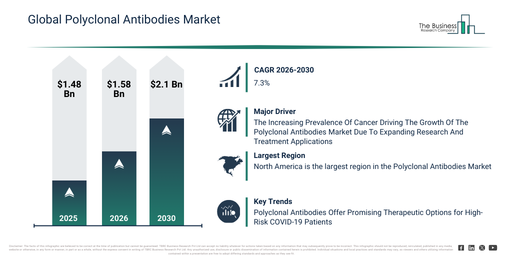
Month: July 2026

  • Polyclonal Antibodies Market Growth Outlook Reveals A CAGR Of 7.3% And A Market Value Of $2.09 Billion By 2030

    Polyclonal Antibodies Market Growth Outlook Reveals A CAGR Of 7.3% And A Market Value Of $2.09 Billion By 2030

    Delivering more actionable and strategically valuable research, The Business Research Company’s 2026 market reports feature market attractiveness analysis, total addressable market evaluation, company benchmarking matrices, interactive Excel dashboards, expanded supply chain intelligence, emerging startup coverage, and detailed product insights.

    Polyclonal Antibodies Market Growth Potential: How Will Market Size Change Through 2030?

    The market for polyclonal antibodies has experienced robust expansion in recent years, with projections indicating an increase from $1.48 billion in 2025 to $1.58 billion in 2026, reflecting a compound annual growth rate (CAGR) of 6.4%. This historical growth has been largely driven by a growing need for immunoassays, the widespread use of polyclonal antibodies in research settings, an expanding biotechnology industry, heightened academic research efforts, and the ready availability of animal models for antibody generation.

    The polyclonal antibodies market is anticipated to experience robust expansion over the coming years. By 2030, it is projected to reach a valuation of $2.1 billion, reflecting a compound annual growth rate (CAGR) of 7.3%. This upward trajectory in the forecast period is driven by the broadening of precision medicine efforts, a surge in therapeutic antibody uses, innovations in antibody manufacturing, enhanced funding for diagnostics exploration, and heightened partnerships between pharmaceutical firms and research institutions. Key developments shaping this period encompass sophisticated methods for producing polyclonal antibodies, specialized services for custom antibody creation, their growing adoption in diagnostic tools, a rise in therapeutic research pursuits, and an increase in cooperative ventures between academic and pharmaceutical research groups.

    Download A Free Sample Report For Comprehensive Market Insights:

    https://www.thebusinessresearchcompany.com/sample.aspx?id=10790&type=smp&utm_source=BlogsPR&utm_medium=Paid&utm_campaign=Jul_PR

    Polyclonal Antibodies Market Demand Drivers Creating New Revenue Opportunities

    The anticipated rise in cancer incidence is set to drive expansion in the polyclonal antibodies market moving forward. Cancer encompasses a range of disorders marked by uncontrolled cell growth and multiplication, resulting in tissue harm and possible spread to other parts of the body, while continuing to be a leading cause of illness and death globally. The growing number of cancer cases is influenced by factors including aging populations, modifications in lifestyle, and contact with environmental elements. Polyclonal antibodies play a key role in cancer research and treatment through applications such as detecting biomarkers, performing immunohistochemistry, conducting targeted therapy, and enabling immunotherapy, thereby enhancing diagnostic accuracy, treatment effectiveness, and patient results. As an example, in February 2024, data from the World Health Organization, an intergovernmental entity headquartered in Switzerland, indicated that more than 35 million new cancer cases are expected by 2050, reflecting a 77 percent rise from the roughly 20 million cases estimated in 2022. Consequently, the growing prevalence of cancer is fueling progress in the polyclonal antibodies market.

    Polyclonal Antibodies Market Segment Landscape And Growth Potential

    The polyclonal antibodies market covered in this report is segmented –

    1) By Product Type: Primary Antibody, Secondary Antibody

    2) By Source: Rabbits, Goats, Sheep, Other Sources

    3) By Application: Research, Diagnostics, Therapy

    4) By End-User: Academic and Research Center , Pharmaceutical and Biotechnology Companies, Diagnostic Centers , Hospitals

    Subsegments:

    1) By Primary Antibody: Immunoglobulin G (IgG), Immunoglobulin M (IgM), Immunoglobulin A (IgA), Immunoglobulin E (IgE)

    2) By Secondary Antibody: Anti-Mouse IgG, Anti-Rabbit IgG, Anti-Goat IgG, Other Secondary Antibodies

    Polyclonal Antibodies Market Trends Driving Strategic Industry Expansion

    Market leaders within the polyclonal antibodies industry are placing strong emphasis on creating next-generation solutions, particularly hyperimmune antibody therapies, as a means to boost patient recovery rates, lower the risk of serious adverse events, and strengthen immune defenses. These hyperimmune treatments utilize polyclonal antibodies sourced from plasma donors possessing elevated neutralizing antibody levels, thereby offering tailored immune defense against viral pathogens. As a concrete example, SAB Biotherapeutics, a biotechnology firm based in the United States, revealed in April 2023 encouraging Phase 3 clinical data for its product SAB-185, a fully human polyclonal antibody therapy intended for individuals with a high probability of severe COVID-19 outcomes. By efficiently neutralizing SARS-CoV-2, SAB-185 was found to be both safe and effective, underscoring the capability of polyclonal antibody strategies to enhance treatment results for at-risk patient groups.

    Polyclonal Antibodies Market Competitive Landscape: Who Are The Leading Companies?

    Major companies operating in the polyclonal antibodies market are Abcam plc, GenScript Biotech Corporation, Merck KGaA, Thermo Fisher Scientific Inc., Becton Dickinson and Company, BioLegend Inc., Bio-Rad Laboratories Inc., Cell Signaling Technology Inc., F. Hoffmann-La Roche Ltd., PerkinElmer Inc., Creative Diagnostics, Agilent Technologies, Analytik Jena GmbH, Atlas Antibodies, Danaher Corporation, DC Biosciences Ltd., ImmonoPresice Antibodies Ltd, Fujirebio, Omega BioTek Inc., Abnova Corporation, Santa Cruz Biotechnology Inc., Enzo Life Sciences Inc., Rockland Immunochemicals Inc., IGY Life Sciences, Genway Biotech, Good Biotech, Gallus Immunotech Inc., BioGenes GmbH, Capralogics Inc., Bio X Cell

    Access The Complete Polyclonal Antibodies Market Report:

    https://www.thebusinessresearchcompany.com/report/polyclonal-antibodies-global-market-report?utm_source=BlogsPR&utm_medium=Paid&utm_campaign=Jul_PR

    Polyclonal Antibodies Market Largest Region: Which Geography Holds The Highest Market Share?

    North America was the largest region in the polyclonal antibodies market in 2025. Asia-Pacific is expected to be the fastest-growing region in the global polyclonal antibodies market size forecast period. The regions covered in the polyclonal antibodies market report are Asia-Pacific, South East Asia, Western Europe, Eastern Europe, North America, South America, Middle East, Africa.

    Get in touch with us:

    The Business Research Company: https://www.thebusinessresearchcompany.com/?utm_source=BlogsPR&utm_medium=Paid&utm_campaign=home_page_test

    Americas: +1 310-496-7795

    Asia: +44 7882 955267 & +91 8897263534

    Europe: +44 7882 955267

    Email us at: marketing@tbrc.info

    Follow us on:

    LinkedIn: https://in.linkedin.com/company/the-business-research-company

    YouTube: https://www.youtube.com/channel/UC24_fI0rV8cR5DxlCpgmyFQ

    Global Market Model: https://www.thebusinessresearchcompany.com/global-market-model

  • Point of Care Connectivity Solutions Market Forecast Highlights Expansion From $1.46 Billion To $2.12 Billion Through 2030

    Point of Care Connectivity Solutions Market Forecast Highlights Expansion From $1.46 Billion To $2.12 Billion Through 2030

    Enhanced with market attractiveness analysis, total addressable market evaluation, company benchmarking matrices, interactive Excel dashboards, expanded supply chain intelligence, emerging startup coverage, and detailed product insights, The Business Research Company’s 2026 market reports deliver more actionable and strategically valuable research.

    Point of Care Connectivity Solutions Market Value Analysis: What Growth Is Expected Over The Forecast Period?

    The market for point-of-care connectivity solutions has experienced swift expansion in recent years. Projected to rise from $1.33 billion in 2025 to $1.46 billion in 2026, this growth reflects a compound annual growth rate (CAGR) of 10.2%. Several factors drove this historical increase, including the expansion of point-of-care testing, the embrace of digital healthcare, a demand for quicker clinical decision-making, the broadening of hospital IT infrastructures, and regulatory efforts aimed at standardizing data.

    The market for point of care connectivity solutions is projected to experience robust expansion over the coming years. By 2030, its value is anticipated to reach $2.13 billion, reflecting a compound annual growth rate (CAGR) of 9.8%. This forward-looking growth is driven by factors such as the increasing prevalence of remote patient monitoring, the enforcement of interoperability standards, the broadening use of AI-powered diagnostics, the growing burden of chronic diseases, and the accelerating digital transformation of healthcare. Key developments shaping this period include the seamless linking of POC devices with electronic health records, a heightened need for real-time diagnostic information, the broadened scope of remote and decentralized care models, the increased uptake of interoperable healthcare platforms, and a stronger emphasis on data precision and regulatory adherence.

    Download A Free Sample Report For Comprehensive Market Insights:

    https://www.thebusinessresearchcompany.com/sample.aspx?id=23478&type=smp&utm_source=BlogsPR&utm_medium=Paid&utm_campaign=Jul_PR

    Point of Care Connectivity Solutions Market Expansion Supported By Key Demand Factors

    The increasing incidence of diabetes is anticipated to drive expansion in the point of care connectivity solutions market moving forward. Diabetes encompasses a range of disorders that influence the body’s processing of blood sugar (glucose), frequently leading to elevated blood sugar levels. This condition is becoming more widespread because excess body fat can contribute to insulin resistance, which hinders the body’s ability to effectively regulate glucose levels. Point of care connectivity solutions support diabetes management by enabling healthcare providers to remotely and continuously track patients’ health, simplifying timely treatment and helping patients maintain control over their condition. For example, in April 2025, the International Diabetes Federation, a Belgium-based nonprofit organization, reported that in 2024, over 9.5 million individuals were living with type 1 diabetes, including 1.9 million children and adolescents under the age of 20. Projections indicate that by 2050, the global diabetic population could rise to 853 million. Consequently, the growing prevalence of diabetes is fueling momentum in the point of care connectivity solutions market.

    Point of Care Connectivity Solutions Market Categorization By Product Type And Application

    The point of care connectivity solutions market covered in this report is segmented –

    1) By Type: Software, Services

    2) By Application: Glucose Monitoring, Coagulation Monitoring, Electrolyte and Blood Gas Analysis, Infectious Disease Devices, Cardio Metabolic Monitoring, Other Applications

    3) By End User: Hospitals And Clinics, Diagnostic And Specialty Centers, Other End Users

    Subsegments:

    1) By Software: Electronic Medical Records (EMR) Integration, Device Connectivity Software, Data Management And Analytics, Interface Software, Middleware Solutions

    2) By Services: Support and Maintenance, Implementation and Integration, Consulting, Training and Education, Managed Services

    Point of Care Connectivity Solutions Market Growth Trends Influencing Competitive Dynamics

    Major players in the point-of-care connectivity solutions space are prioritizing technological advancements, including dual-vector respiration rate sensing embedded in IoMT-enabled wearable monitoring platforms, to enhance early detection of patient decline and facilitate mobility throughout recovery. By capturing respiratory signals across multiple axes and applying algorithm-driven analysis, this dual-vector approach delivers more precise and uninterrupted measurement of breathing patterns, even when patients are moving, thereby improving clinical decision-making and overcoming the constraints of conventional periodic spot checks. In August 2023, for example, GE HealthCare—a US firm specializing in medical technology and digital health solutions—received FDA 510(k) clearance for its Portrait Mobile system, a groundbreaking wireless, wearable monitoring solution that provides continuous, real-time tracking of essential vital signs. This system employs patient-worn wireless sensors alongside a compact handheld monitor, roughly the size of a smartphone, to offer a personalized, non-stop view of respiration rate, SpO2, and pulse rate while enabling patients to maintain full mobility, assisting clinicians in identifying instability sooner and enhancing overall recovery results.

    Point of Care Connectivity Solutions Market Company Landscape And Strategic Competition

    Major companies operating in the point of care connectivity solutions market are F. Hoffmann-La Roche AG, Siemens Healthineers AG, Koninklijke Philips N.V., Becton Dickinson and Company, GE HealthCare Technologies Inc., Abbott Laboratories, Shenzhen Mindray Bio-Medical Electronics Co. Ltd., WerfenLife S.A., Radiometer Medical ApS, Nova Biomedical Corporation, LumiraDx Limited, EKF Diagnostics Holdings plc, Orchard Software Corporation, Cerner Corporation, Epic Systems Corporation, McKesson Corporation, Honeywell International Inc., TE Connectivity Ltd., Bio-Rad Laboratories Inc., Thermo Fisher Scientific Inc.

    Access The Complete Point of Care Connectivity Solutions Market Report:

    https://www.thebusinessresearchcompany.com/report/point-of-care-connectivity-solutions-global-market-report?utm_source=BlogsPR&utm_medium=Paid&utm_campaign=Jul_PR

    Point of Care Connectivity Solutions Market Regional Analysis: Which Region Leads By Revenue?

    North America was the largest region in the point-of-care connectivity solutions market in 2025. Asia-Pacific is expected to be the fastest-growing region in the forecast period. The regions covered in the point of care connectivity solutions market report are Asia-Pacific, South East Asia, Western Europe, Eastern Europe, North America, South America, Middle East, Africa.

    Get in touch with us:

    The Business Research Company: https://www.thebusinessresearchcompany.com/?utm_source=BlogsPR&utm_medium=Paid&utm_campaign=home_page_test

    Americas: +1 310-496-7795

    Asia: +44 7882 955267 & +91 8897263534

    Europe: +44 7882 955267

    Email us at: marketing@tbrc.info

    Follow us on:

    LinkedIn: https://in.linkedin.com/company/the-business-research-company

    YouTube: https://www.youtube.com/channel/UC24_fI0rV8cR5DxlCpgmyFQ

    Global Market Model: https://www.thebusinessresearchcompany.com/global-market-model
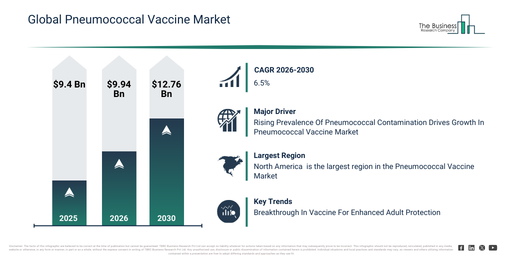
  • Pneumococcal Vaccine Market Expected To Reach $12.76 Billion By 2030 As Growth Accelerates At 6.5% CAGR

    Pneumococcal Vaccine Market Expected To Reach $12.76 Billion By 2030 As Growth Accelerates At 6.5% CAGR

    Through market attractiveness analysis, total addressable market evaluation, company benchmarking matrices, interactive Excel dashboards, expanded supply chain intelligence, emerging startup coverage, and detailed product insights, The Business Research Company’s 2026 market reports provide more actionable and strategically valuable research.

    Pneumococcal Vaccine Market Size Forecast: How Large Could The Market Become By 2030?

    The pneumococcal vaccine market has experienced significant expansion in recent years, with its value projected to rise from $9.4 billion in 2025 to $9.94 billion by 2026, reflecting a compound annual growth rate of 5.7%. This past growth has been driven by several key factors, including a high burden of childhood pneumonia, the integration of these vaccines into national immunization schedules, robust backing from international health bodies, increased public awareness of invasive pneumococcal disease, and the well-documented effectiveness of PCV vaccines.

    The pneumococcal vaccine market is projected to experience robust expansion over the coming years, reaching a valuation of $12.76 billion by 2030, driven by a compound annual growth rate (CAGR) of 6.5%. This anticipated growth during the forecast period is fueled by the introduction of next-generation PCV vaccines, broader adult vaccination recommendations, improved healthcare accessibility in emerging markets, heightened concerns over antimicrobial resistance, and increased government investment in preventive immunization programs. Key trends shaping this period include the development of conjugate vaccines targeting a wider range of serotypes, a stronger emphasis on immunization initiatives for both children and the elderly, growing adoption of combination and booster vaccination approaches, enhanced public-private collaborations to expand vaccine coverage, and a general shift toward preventive healthcare and the integration of vaccines into national immunization schedules.

    Download A Free Sample Report For Comprehensive Market Insights:

    https://www.thebusinessresearchcompany.com/sample.aspx?id=11950&type=smp&utm_source=BlogsPR&utm_medium=Paid&utm_campaign=Jul_PR

    Pneumococcal Vaccine Market Growth Drivers And Industry Catalysts

    The anticipated expansion of the pneumococcal vaccine market is being driven by the rising incidence of pneumococcal contamination. This type of contamination encompasses infections caused by the bacterium Streptococcus pneumoniae, also known as pneumococcus, which includes conditions like pneumonia, bloodstream infections, ear infections, and sinus infections. By triggering the production of antibodies that target pneumococcal bacteria, the vaccine works to diminish or eliminate disease-causing organisms and their toxins, providing protection against various pneumococcal infections for children, the elderly, and individuals with compromised immune systems. For example, data from July 2025, released by the Immunisation Coalition—an independent non-profit charity based in Australia—indicates that cases of invasive pneumococcal disease (IPD) have risen consistently year over year, climbing from 1,869 in 2022 to 2,265 in 2023, and further increasing to 2,379 in 2024. Consequently, this growing prevalence of pneumococcal contamination is fueling momentum in the pneumococcal vaccine market.

    Pneumococcal Vaccine Market Segment Analysis And Revenue Opportunities

    The pneumococcal vaccine market covered in this report is segmented –

    1) By Product Type: Prevnar 13, Synflorix, Pneumovax23, Other Products

    2) By Route of Administration: Intravenous, Intramuscular, Subcutaneous

    3) By Distribution Channel: Pharmacies, Community Clinics, Public Health Agencies, Other Distribution Channels

    4) By End User: Pediatrics, Adults

    Subsegments:

    1) By Prevnar 13: Pediatric Formulation, Adult Formulation

    2) By Synflorix: Pediatric Formulation, Adult Formulation

    3) By Pneumovax23: Single-Dose Vials, Pre-Filled Syringes

    4) By Other Products: PCV15 (Vaxneuvance), PCV20 (Prevnar 20), Other Regional Pneumococcal Vaccines

    Pneumococcal Vaccine Market Trends Influencing Long-Term Demand

    Key players in the pneumococcal vaccine market are developing new products to enhance their competitive edge and profitability. For example, in July 2023, Merck & Co Inc., a pharmaceutical company headquartered in the United States, launched the V116 vaccine. This vaccine is specifically designed to address eight distinct serotypes of Streptococcus pneumoniae that are most commonly linked to pneumococcal disease in adults. V116 has demonstrated superior immunogenicity compared to other pneumococcal vaccines across a range of serotypes in adult populations, and it has elicited robust immune responses in both individuals who have never been vaccinated and those who have received prior vaccinations. The U.S. Food and Drug Administration (FDA) has granted V116 breakthrough therapy designation, and it is currently undergoing Phase 3 clinical trials.

    Pneumococcal Vaccine Market Leading Players Shaping Industry Direction

    Major companies operating in the pneumococcal vaccine market are Pfizer Inc., Merck & Co. Inc., Sanofi S.A., GlaxoSmithKline plc, CSL Limited, Anhui Zhifei Longcom Biopharmaceutical Co. Ltd, Serum Institute of India Private Limited, Walvax Biotechnology Co. Ltd, Biological E Limited, Hualan Biological Engineering Inc., Beijing Minhai Biotechnology Limited Company, NPO Petrovax Pharm LLC, Vaxcyte Inc., Panacea Biotec Ltd, PnuVax Incorporated, SK Bioscience Co Ltd, Bharat Biotech International Ltd, Medicago Inc., Emergent BioSolutions Inc., Valneva SE

    Access The Complete Pneumococcal Vaccine Market Report:

    https://www.thebusinessresearchcompany.com/report/pneumococcal-vaccine-global-market-report?utm_source=BlogsPR&utm_medium=Paid&utm_campaign=Jul_PR

    Pneumococcal Vaccine Market Geographic Distribution And Regional Opportunities

    North America was the largest region in the pneumococcal vaccine market in 2025. Asia-Pacific is expected to be the fastest-growing region in the forecast period. The regions covered in the pneumococcal vaccine market report are Asia-Pacific, South East Asia, Western Europe, Eastern Europe, North America, South America, Middle East, Africa.

    Get in touch with us:

    The Business Research Company: https://www.thebusinessresearchcompany.com/?utm_source=BlogsPR&utm_medium=Paid&utm_campaign=home_page_test

    Americas: +1 310-496-7795

    Asia: +44 7882 955267 & +91 8897263534

    Europe: +44 7882 955267

    Email us at: marketing@tbrc.info

    Follow us on:

    LinkedIn: https://in.linkedin.com/company/the-business-research-company

    YouTube: https://www.youtube.com/channel/UC24_fI0rV8cR5DxlCpgmyFQ

    Global Market Model: https://www.thebusinessresearchcompany.com/global-market-model
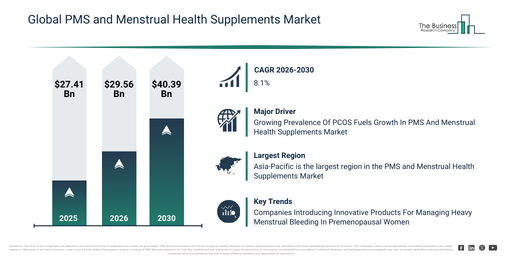
  • PMS and Menstrual Health Supplements Market Set To Grow From $29.56 Billion In 2026 To $40.38 Billion By 2030 At A CAGR Of 8.1%

    PMS and Menstrual Health Supplements Market Set To Grow From $29.56 Billion In 2026 To $40.38 Billion By 2030 At A CAGR Of 8.1%

    Delivering more actionable and strategically valuable research, The Business Research Company’s 2026 market reports feature market attractiveness analysis, total addressable market evaluation, company benchmarking matrices, interactive Excel dashboards, expanded supply chain intelligence, emerging startup coverage, and detailed product insights.

    PMS and Menstrual Health Supplements Market Revenue Outlook: What CAGR Is Expected Through 2030?

    Between 2025 and 2026, the market for PMS and menstrual health supplements is projected to expand from $27.41 billion to $29.56 billion, demonstrating robust recent growth with a compound annual growth rate (CAGR) of 7.8%. Historically, this expansion has been fueled by heightened awareness of menstrual and premenstrual health issues, a growing preference for herbal solutions, broader retail access, a shift in consumer behavior toward natural treatments, and the early adoption of supplements like magnesium and vitamin B6.

    Projections indicate robust expansion for the market of PMS and menstrual health supplements over the coming years. By 2030, its value is anticipated to reach $40.39 billion, reflecting a compound annual growth rate (CAGR) of 8.1%. Several factors are expected to drive this growth throughout the forecast period, including progress in precision medicine tailored to menstrual health, the incorporation of wearable health technologies, a surge in online supplement purchases, a growing preference for multi-vitamin and omega-3 product combinations, and a heightened emphasis on mental well-being during menstrual cycles. Key developments shaping the market’s future involve the emergence of customized nutritional solutions, a shift toward herbal and natural supplement choices, a stronger focus on mental health and emotional regulation, the seamless integration of wearable devices, and the expansion of subscription-based health offerings.

    Download A Free Sample Report For Comprehensive Market Insights:

    https://www.thebusinessresearchcompany.com/sample.aspx?id=9681&type=smp&utm_source=BlogsPR&utm_medium=Paid&utm_campaign=Jul_PR

    PMS and Menstrual Health Supplements Market Opportunity Drivers: What Is Creating New Revenue Potential?

    The forward momentum of the PMS and menstrual health supplements market is anticipated to be driven by the rising incidence of polycystic ovary syndrome (PCOS). As a prevalent and intricate endocrine and metabolic disorder, PCOS commonly impacts women during their reproductive years. It is associated with various menstrual issues, such as irregular cycles, excessive bleeding, and painful periods. This has led to a greater demand for natural and holistic strategies to address PCOS symptoms, subsequently fueling the market for menstrual health supplements. For example, in June 2023, data from the World Health Organization, a specialized agency of the United Nations based in Switzerland, indicated that PCOS affects an estimated 8–13% of women of reproductive age. Alarmingly, up to 70% of those affected remain undiagnosed globally, with around 116 million women (3.4%) experiencing PCOS worldwide. Consequently, the growing prevalence of this condition is a key factor propelling the expansion of the PMS and menstrual health supplements market.

    PMS and Menstrual Health Supplements Market Segmentation And Category Breakdown

    The pms and menstrual health supplements market covered in this report is segmented –

    1) By Products: Combined Nutritional Supplements, Single Nutritional Supplements

    2) By Formulation: Softgels, Capsules Or Tablets, Powder, Other Types

    3) By Consumer Group: Perimenopause, Premenstrual Syndrome (PMS)

    4) By Sales Channel: Direct Sales Channel, Online Sales Channel, Pharmacies Or Drug Stores, Other Offline Channels

    Subsegments:

    1) By Combined Nutritional Supplements: Multi-vitamin Formulations, Herbal Blends, Omega-3 Fatty Acids with Vitamins

    2) By Single Nutritional Supplements: Magnesium, Calcium, Vitamin B6, Evening Primrose Oil, Other Individual Herbs (Chaste Tree Berry)

    PMS and Menstrual Health Supplements Market Innovation Trends Driving Future Development

    Major players in the PMS and menstrual health supplement market are increasingly prioritizing innovation, developing specialized functional formulas that target hormone support and urinary health to address the growing demand for tailored women’s wellness products designed to help manage hormonal equilibrium, PMS-related symptoms, and urinary discomfort. Unlike standard multivitamins or general women’s health options, these cutting-edge supplement technologies combine clinically studied botanicals, essential vitamins, and functional ingredients to deliver more precise health benefits. A case in point occurred in August 2024, when INTIMINA, a Swedish company focused on women’s health products, introduced two new hormone-supporting supplements named Balance and Clear. The Balance formula, featuring B vitamins and red clover, aims to support hormonal steadiness and reduce fluctuations tied to PMS, while Clear, made with D-mannose and cranberry extract, is designed to enhance urinary tract health and alleviate discomfort linked to UTIs. These evidence-based products underscore INTIMINA’s dedication to offering targeted solutions that foster hormonal balance and overall urinary wellness.

    PMS and Menstrual Health Supplements Market Competitive Analysis Of Major Industry Participants

    Major companies operating in the pms and menstrual health supplements market are Herbalife International of America Inc., Pharmavite LLC, The Nature’s Bounty Co., Amway Corp., GNC Holdings LLC, Usana Health Sciences Inc., GlaxoSmithKline plc, Metp Pharma AG, Rbk Nutraceuticals Pty Ltd., Archer-Daniels-Midland Company, Aesthetic Nutrition Pvt Ltd., Looni, DM Pharma Marketing Pvt. Ltd., SMP Nutra, Grace & Green Ltd., Bayer AG, Nutraceutical Wellness Inc., The Honest Company Inc., Moon Juice LLC, New Chapter Inc., Garden of Life LLC, Pure Encapsulations Inc., Thorne Research Inc., Integrative Therapeutics LLC, Jarrow Formulas Inc., Life Extension Foundation, Solgar Inc., Source Naturals Inc., Rainbow Light Nutritional Systems, MegaFood Inc., Vital Nutrients Inc., Gaia Herbs Inc., LifeSeasons Inc., Vitanica LLC, Pure Essence Labs, EuroPharma Inc., Natural Factors Nutritional Products Ltd.

    Access The Complete PMS and Menstrual Health Supplements Market Report:

    https://www.thebusinessresearchcompany.com/report/pms-and-menstrual-health-supplements-global-market-report?utm_source=BlogsPR&utm_medium=Paid&utm_campaign=Jul_PR

    PMS and Menstrual Health Supplements Market Largest Region By Revenue And Market Share

    Asia-Pacific was the largest region in the PMS and Menstrual Health Supplements market in 2025. Middle East & Africa is expected to be the fastest-growing region in the PMS and menstrual health supplement market report during the forecast period. The regions covered in the pms and menstrual health supplements market report are Asia-Pacific, South East Asia, Western Europe, Eastern Europe, North America, South America, Middle East, Africa.

    Get in touch with us:

    The Business Research Company: https://www.thebusinessresearchcompany.com/?utm_source=BlogsPR&utm_medium=Paid&utm_campaign=home_page_test

    Americas: +1 310-496-7795

    Asia: +44 7882 955267 & +91 8897263534

    Europe: +44 7882 955267

    Email us at: marketing@tbrc.info

    Follow us on:

    LinkedIn: https://in.linkedin.com/company/the-business-research-company

    YouTube: https://www.youtube.com/channel/UC24_fI0rV8cR5DxlCpgmyFQ

    Global Market Model: https://www.thebusinessresearchcompany.com/global-market-model

  • Plexiform Neurofibroma Treatment Market Opportunities Are Emerging Beyond Traditional Growth Areas

    Plexiform Neurofibroma Treatment Market Opportunities Are Emerging Beyond Traditional Growth Areas

    Enhanced with market attractiveness analysis, total addressable market evaluation, company benchmarking matrices, interactive Excel dashboards, expanded supply chain intelligence, emerging startup coverage, and detailed product insights, The Business Research Company’s 2026 market reports deliver more actionable and strategically valuable research.

    Plexiform Neurofibroma Treatment Market Growth Analysis: How Will Revenue Expand During The Forecast Period?

    The market for plexiform neurofibroma treatments has experienced notable expansion in recent times. Projections indicate an increase from $1.45 billion in 2025 to $1.57 billion in 2026, reflecting a compound annual growth rate of 8.4%. This upward trend during the historical period has been driven by factors such as the scarcity of therapeutic alternatives for intricate nerve sheath tumors, a heavy dependence on surgical procedures to alleviate symptoms, minimal public awareness and diagnostic rates, elevated expenses associated with care, and the restricted number of specialized medical facilities available.

    The market for plexiform neurofibroma treatments is anticipated to experience robust expansion over the coming years, projected to reach $2.14 billion by 2030, reflecting an 8.1% compound annual growth rate (CAGR). This forecast period growth is driven by progress in targeted and precision therapies, heightened clinical research and drug authorizations, increased recognition of rare genetic conditions, the broadening of pediatric oncology offerings, and the incorporation of customized treatment strategies. Key developments shaping the market landscape include the greater utilization of targeted therapies to manage tumors, the escalating adoption of less invasive and robotic surgical techniques, a heightened emphasis on tailored pediatric care protocols, the broadening of combination treatment regimens, and enhanced approaches to symptom management and patient quality of life.

    Download A Free Sample Report For Comprehensive Market Insights:

    https://www.thebusinessresearchcompany.com/sample.aspx?id=24660&type=smp&utm_source=BlogsPR&utm_medium=Paid&utm_campaign=Jul_PR

    Plexiform Neurofibroma Treatment Market Growth Momentum: Which Factors Are Influencing Demand?

    The anticipated expansion of the plexiform neurofibroma treatment market is being driven by a rising need for personalized medicine. This approach tailors medical therapies to each patient’s genetic makeup and molecular markers, creating highly specific interventions for unique tumor biology and genetic mutations. A growing emphasis on rare-disease patients and mutation-targeted therapies fuels this trend. The surge in personalized medicine propels progress in treating Plexiform Neurofibroma by promoting targeted therapies and precision-based strategies, which customize interventions according to individual genetic and molecular profiles. This enhances treatment effectiveness, reduces adverse effects, and addresses the diverse presentation of tumors. For example, in February 2024, the Personalized Medicine Coalition, a US professional organization, reported that the U.S. FDA granted approval to 26 new personalized treatments, comprising 20 molecular entities and six gene- or cell-based therapies. Notably, 16 of these were designed for rare-disease patients, more than doubling the 6 approvals in 2022. Consequently, the heightened demand for personalized medicine is fueling market growth for plexiform neurofibroma treatments.

    Plexiform Neurofibroma Treatment Market Segment Outlook: Which Categories Are Expanding The Fastest?

    The plexiform neurofibroma treatment market covered in this report is segmented –

    1) By Type: Surgery, Radiation Therapy, Chemotherapy, Targeted Therapy

    2) By Indication: Pain Management, Tumor Reduction, Functional Restoration

    3) By Patient Population: Pediatric, Adult

    4) By End User: Hospitals, Clinics, Home Care Settings

    Subsegments:

    1) By Surgery: Open Surgery, Minimally Invasive Surgery, Robotic Surgery, Laparoscopic Surgery, Laser Surgery

    2) By Radiation Therapy: External Beam Radiation Therapy (EBRT), Internal Radiation Therapy (Brachytherapy)

    3) By Chemotherapy: Alkylating Agents, Antimetabolites, Anti-Tumor Antibiotics, Plant Alkaloids, Topoisomerase Inhibitors, Miscellaneous Agents, Combination Chemotherapy

    4) By Targeted Therapy: Monoclonal Antibodies, Small Molecule Inhibitors, Angiogenesis Inhibitors, Tyrosine Kinase Inhibitors, mTOR Inhibitors, PARP Inhibitors, CDK Inhibitors

    Plexiform Neurofibroma Treatment Market Trends Reshaping Industry Growth

    Key players in the plexiform neurofibroma treatment market are prioritizing the development of innovative therapies, including small-molecule inhibitors, to improve patient outcomes. These inhibitors are low-molecular-weight compounds engineered to target specific proteins or enzymes, thereby disrupting abnormal cellular activity. A notable example occurred in February 2025, when SpringWorks Therapeutics, a biopharmaceutical firm based in the United States, received FDA approval for Gomekli, an oral small-molecule MEK inhibitor. This drug is intended for adults and children aged two years and older with neurofibromatosis type 1 (NF1) who have symptomatic plexiform neurofibromas that cannot be fully surgically removed. According to clinical trial results, a confirmed reduction in tumor size was achieved in 41% of adult patients and 52% of pediatric patients. The average tumor volume decreased by 41% in adults and 42% in children. Furthermore, responses lasting at least 12 months were seen in 88% of adults and 90% of children, with nearly half of all participants in both groups maintaining their response for over 24 months.

    Plexiform Neurofibroma Treatment Market Key Companies And Competitive Benchmarking

    Major companies operating in the plexiform neurofibroma treatment market are SpringWorks Therapeutics, AstraZeneca, Roche Holding AG, Novartis AG, Bayer AG, Eli Lilly and Company, Pfizer Inc., Sanofi, Takeda Pharmaceutical Company Limited, Regeneron Pharmaceuticals Inc., AbbVie Inc., Merck KGaA, Ipsen Pharma, Bristol-Myers Squibb, BioMarin Pharmaceutical Inc., Sangamo Therapeutics, Recursion Pharmaceuticals, Day One Biopharmaceuticals, BridgeBio Pharma, Loxo Oncology (Eli Lilly subsidiary), Blueprint Medicines, Kura Oncology, Exelixis Inc., Natera Inc., Amgen Inc., Taiho Pharmaceutical Co. Ltd., Zai Lab Limited, Innovent Biologics, BeiGene Ltd., Deciphera Pharmaceuticals, Cullinan Oncology

    Access The Complete Plexiform Neurofibroma Treatment Market Report:

    https://www.thebusinessresearchcompany.com/report/plexiform-neurofibroma-treatment-global-market-report?utm_source=BlogsPR&utm_medium=Paid&utm_campaign=Jul_PR

    Plexiform Neurofibroma Treatment Market Regional Analysis And Leading Geography

    North America was the largest region in the plexiform neurofibroma treatment market in 2025. The regions covered in the plexiform neurofibroma treatment market report are Asia-Pacific, South East Asia, Western Europe, Eastern Europe, North America, South America, Middle East, Africa.

    Get in touch with us:

    The Business Research Company: https://www.thebusinessresearchcompany.com/?utm_source=BlogsPR&utm_medium=Paid&utm_campaign=home_page_test

    Americas: +1 310-496-7795

    Asia: +44 7882 955267 & +91 8897263534

    Europe: +44 7882 955267

    Email us at: marketing@tbrc.info

    Follow us on:

    LinkedIn: https://in.linkedin.com/company/the-business-research-company

    YouTube: https://www.youtube.com/channel/UC24_fI0rV8cR5DxlCpgmyFQ

    Global Market Model: https://www.thebusinessresearchcompany.com/global-market-model
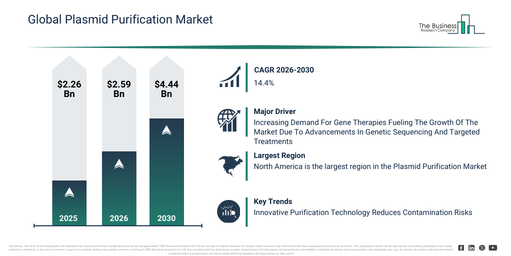
  • Plasmid Purification Market Expansion Is Opening New Pathways For Strategic Investment

    Plasmid Purification Market Expansion Is Opening New Pathways For Strategic Investment

    Through market attractiveness analysis, total addressable market evaluation, company benchmarking matrices, interactive Excel dashboards, expanded supply chain intelligence, emerging startup coverage, and detailed product insights, The Business Research Company’s 2026 market reports provide more actionable and strategically valuable research.

    Plasmid Purification Market Forecast: What Market Value Is Expected By 2030?

    The plasmid purification market experienced substantial expansion in recent years, with its value advancing from $2.26 billion in 2025 to an anticipated $2.59 billion in 2026, reflecting a compound annual growth rate of 14.6%. This historic period growth was driven by factors such as the restricted supply of purification kits, dependence on manual techniques for plasmid isolation, the broadening scope of molecular biology investigations, heightened financial support for academic research, and the integration of conventional genetic engineering practices.

    The plasmid purification market is projected to experience swift expansion in the coming years, reaching a valuation of $4.44 billion by 2030, driven by a 14.4% compound annual growth rate (CAGR). This anticipated growth during the forecast period is fueled by several factors, including the creation of automated high-throughput purification systems, a heightened need for large-scale plasmid manufacturing, progress in vaccine and gene therapy applications, greater collaboration between biotechnology and pharmaceutical companies, and the incorporation of magnetic bead and cutting-edge filtration technologies. Key trends shaping this period consist of a growing requirement for high-purity plasmid DNA in molecular biology research, the uptake of automated purification solutions and high-throughput methods, the expansion of vaccine development and genetic engineering projects, the rising popularity of magnetic bead and spin column-based purification kits, and increased funding for academic and pharmaceutical research programs.

    Download A Free Sample Report For Comprehensive Market Insights:

    https://www.thebusinessresearchcompany.com/sample.aspx?id=27385&type=smp&utm_source=BlogsPR&utm_medium=Paid&utm_campaign=Jul_PR

    Plasmid Purification Market Expansion Drivers: What Is Shaping Future Growth?

    The growing need for gene therapies is set to fuel the expansion of the plasmid purification market in the coming years. Gene therapy is a medical approach focused on altering or replacing defective genes to address or prevent illnesses. This rising demand stems from progress in genetic sequencing and diagnostic tools, which allow for accurate identification of disease-causing genes, supporting targeted therapies. Plasmid purification plays a critical role in advancing gene therapy by supplying high-quality, pure plasmid DNA, vital for creating effective and safe therapeutic solutions. It minimizes production constraints through scalable and reproducible plasmid extraction, enhancing both research and biomanufacturing efficiency. As an example, in December 2024, data from the American Society of Gene & Cell Therapy (ASGCT), a US nonprofit medical and scientific group, showed that the Food and Drug Administration (FDA) authorized six gene therapy products in 2023, compared to five in 2022. Consequently, the escalating demand for gene therapies is driving the plasmid purification market forward.

    Plasmid Purification Market Segment Landscape: Which Areas Lead Market Development?

    The plasmid purification market covered in this report is segmented –

    1) By Product Type: Mini Plasmid Purification Kits, Midi Plasmid Purification Kits, Maxi Plasmid Purification Kits, Reagents And Consumables, Instruments And Systems, Other Product Types

    2) By Technology: Alkaline Lysis Method, Spin Column Method, Magnetic Bead-Based Method, Filter-Based Method

    3) By Application: Genetic Engineering, Cloning, Transfection, Vaccines Development

    4) By End-User: Academic Research Institutions, Pharmaceutical Companies, Biotechnology Firms, Contract Research Organizations (CROs)

    Subsegments:

    1) By Mini Plasmid Purification Kits: Spin Column Kits, Magnetic Bead Kits, Filter Plate Kits, Manual Kit Systems

    2) By Midi Plasmid Purification Kits: Spin Column Kits, Gravity Flow Kits, Vacuum Filtration Kits, Automated Midi Kits

    3) By Maxi Plasmid Purification Kits: Gravity Flow Kits, Vacuum Filtration Kits, Large-Scale Automated Kits, Membrane Adsorption Kits

    4) By Reagents And Consumables: Buffers, Enzymes, Solutions, Columns, Membranes

    5) By Instruments And Systems: Automated Purification Systems, Centrifuges, Magnetic Separators, Filtration Devices

    6) By Other Product Types: Kits For Endotoxin Removal, Kits For Ribonucleic Acid (RNA) Removal, Kits For Genomic Deoxyribonucleic Acid (DNA) Removal, Accessories And Others

    Plasmid Purification Market Strategic Trends: What Is Defining The Next Phase Of Growth?

    In the plasmid purification market, leading players are directing their efforts toward the development of advanced technological solutions, including automated plasmid maxi-prep purification systems, which are designed to improve operational efficiency, boost yield, and guarantee elevated purity levels for plasmid DNA. An automated plasmid maxi-prep purification system is a technology that autonomously isolates significant quantities of high-purity plasmid DNA from bacterial cultures, thereby streamlining the entire purification process to achieve greater efficiency and uniformity. For instance, in June 2023, GenScript Biotech Corporation, a biotechnology firm based in the United States, introduced the AmMag Quatro, a sophisticated and fully automated high-throughput plasmid maxi-prep purification platform. This scalable and modular system is capable of concurrently managing up to four independent purification modules, allowing it to process 24 samples within approximately two hours. By utilizing magnetic silica bead technology, the AmMag Quatro delivers transfection-grade plasmid DNA characterized by low endotoxin content and a high ratio of supercoiled DNA, resulting in plasmids that are immediately suitable for downstream applications. Its thoughtfully engineered design ensures outstanding reproducibility, lessens the likelihood of contamination, and substantially enhances processing capacity, positioning it as an optimal choice for large-scale research and bioproduction activities.

    Plasmid Purification Market Industry Leaders And Market Competition

    Major companies operating in the plasmid purification market are Thermo Fisher Scientific Inc., Merck KGaA, Bio-Rad Laboratories Inc., Qiagen N.V., GenScript Biotech Corporation, Takara Bio Inc., Promega Corporation, Aldevron LLC, New England Biolabs Inc., Origene Technologies Inc., Applied Biological Materials, InvivoGen, Omega Bio-tek Inc., ABP Biosciences, Zymo Research Corporation, Oxford Genetics Ltd., Norgen Biotek Corp., PlasmidFactory GmbH & Co. KG.

    Access The Complete Plasmid Purification Market Report:

    https://www.thebusinessresearchcompany.com/report/plasmid-purification-global-market-report?utm_source=BlogsPR&utm_medium=Paid&utm_campaign=Jul_PR

    Plasmid Purification Market Geographic Analysis: Where Is Demand Growing The Fastest?

    North America was the largest region in the plasmid purification market in 2025. Asia-Pacific is expected to be the fastest-growing region in the forecast period. The regions covered in the plasmid purification market report are Asia-Pacific, South East Asia, Western Europe, Eastern Europe, North America, South America, Middle East, Africa.

    Get in touch with us:

    The Business Research Company: https://www.thebusinessresearchcompany.com/?utm_source=BlogsPR&utm_medium=Paid&utm_campaign=home_page_test

    Americas: +1 310-496-7795

    Asia: +44 7882 955267 & +91 8897263534

    Europe: +44 7882 955267

    Email us at: marketing@tbrc.info

    Follow us on:

    LinkedIn: https://in.linkedin.com/company/the-business-research-company

    YouTube: https://www.youtube.com/channel/UC24_fI0rV8cR5DxlCpgmyFQ

    Global Market Model: https://www.thebusinessresearchcompany.com/global-market-model
  • Plasma Therapy Market Trends Are Creating New Opportunities For Industry Leaders

    Plasma Therapy Market Trends Are Creating New Opportunities For Industry Leaders

    Delivering more actionable and strategically valuable research, The Business Research Company’s 2026 market reports feature market attractiveness analysis, total addressable market evaluation, company benchmarking matrices, interactive Excel dashboards, expanded supply chain intelligence, emerging startup coverage, and detailed product insights.

    Plasma Therapy Market Size Outlook: How Fast Will Revenue Grow Through 2030?

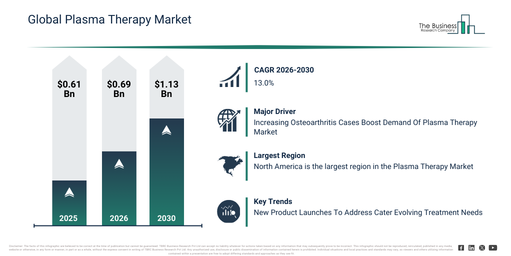
    The plasma therapy market has experienced rapid expansion in recent years, with its size projected to increase from $0.61 billion in 2025 to $0.69 billion in 2026, representing a compound annual growth rate (CAGR) of 12.6%. The growth observed during the historical period is largely driven by factors such as limited awareness of the benefits associated with plasma therapy, a continued dependence on conventional treatment methods, an increase in orthopedic and sports medicine procedures, the enhancement of hospital and clinic infrastructure, and early adoption of platelet-rich plasma (PRP) in cosmetic applications.

    Market projections for the plasma therapy sector indicate swift expansion in the coming years, with a forecasted rise to $1.13 billion by 2030, reflecting a compound annual growth rate (CAGR) of 13.0%. This upward trend during the projection period is driven by advancements in the creation of sophisticated PRP and PRF formulas, heightened activity in regenerative medicine research, a broader range of plasma therapy applications for chronic conditions and cardiac injuries, increased usage in dermatology and dental care, and a surge in clinical trials and research institutions. Key trends shaping this outlook encompass the widespread uptake of platelet-rich plasma (PRP) and platelet-rich fibrin (PRF) therapies, the growing scope of regenerative medicine and orthopedic uses, heightened application in dermatology, hair restoration, and plastic surgery, stronger demand for injectable and membrane-based fibrin products, as well as the integration of research initiatives and clinical trials aimed at improving therapeutic results.

    Download A Free Sample Report For Comprehensive Market Insights:

    https://www.thebusinessresearchcompany.com/sample.aspx?id=3278&type=smp&utm_source=BlogsPR&utm_medium=Paid&utm_campaign=Jul_PR

    Plasma Therapy Market Development Factors: Which Trends Are Supporting Demand?

    The increasing prevalence of osteoarthritis is anticipated to fuel growth in the plasma therapy market throughout the forecast period. Platelet-rich plasma (PRP), a form of plasma therapy, is regarded as a secure and effective option for managing osteoarthritis. PRP consists of concentrated autologous growth factors derived from blood, which are injected into the joint to alleviate symptoms by reducing inflammation and decelerating disease progression. For example, a September 2023 report from the Netherlands-based publishing company Elsevier, published in the Journal of Elsevier, projects that by 2050, global osteoarthritis cases will rise by 74.9% (range: 59.4% to 89.9%) for the knee, 48.6% (range: 35.9% to 67.1%) for the hand, 78.6% (range: 57.7% to 105.3%) for the hip, and 95.1% (range: 68.1% to 135.0%) for other types. Common treatments for osteoarthritis include autologous chondrocyte implantation and scaffold implants. Consequently, a higher incidence of osteoarthritis is expected to boost demand for plasma therapy.

    Plasma Therapy Market Segments: Where Are The Largest Growth Opportunities?

    The plasma therapy market covered in this report is segmented –

    1) By Type: Pure PRP, Leukocyte-rich PRP, Pure Platelet-rich Fibrin (PRF), Leukocyte-rich Fibrin (L-PRF)

    2) By Application: Orthopedics, Arthritis, Chronic Tendinitis, Bone Repair & Regeneration, Dermatology, Androgenic Alopecia, Plastic Surgery, Dental, Cardiac Muscle Injury, Other Applications

    3) By End-Users: Hospitals & Clinics, Laboratories: Research Institutes

    Subsegments:

    1) By Pure PRP: High Concentration PRP, Low Concentration PRP

    2) By Leukocyte-Rich PRP: PRP With White Blood Cells, PRP With Growth Factors

    3) By Pure Platelet-rich Fibrin (PRF): Injectable PRF, Membrane PRF

    4) By Leukocyte-rich Fibrin (L-PRF): L-PRF Clots, L-PRF Membranes

    Plasma Therapy Market Transformation Trends: Which Innovations Are Driving Change?

    Leading companies in the plasma therapy sector are responding to growing demand by rolling out advanced products like the ESG-410 to broaden treatment possibilities. This Electrosurgical Generator is specifically engineered to deliver greater flexibility and efficiency when managing non-muscle-invasive bladder cancer (NMIBC) and benign prostatic hyperplasia (BPH). A notable example occurred in June 2023, when Olympus Corporation, a Japanese medical technology firm, introduced the next-generation ESG-410 device for treating bladder cancer and enlarged prostate. Its design incorporates upgraded capacitors that enhance plasma stability during ignition, ensuring faster activation and more consistent performance compared to the previous ESG-400 model—especially when used with various loop sizes and oval electrodes. By supplying a diverse selection of resection loops, electrodes, and vaporization tools, the ESG-410 offers improved therapeutic options for both NMIBC and BPH.

    Plasma Therapy Market Major Participants And Competitive Dynamics

    Major companies operating in the plasma therapy market are Takeda Pharmaceutical Company Limited, Bio Products Laboratory Ltd., Arthrex Inc., Biotest AG, China Biologic Products Holdings Inc., DePuy Synthes Companies, CSL Limited, Grifols S.A., Octapharma AG, Terumo BCT Inc., Pfizer Inc., Kedrion Biopharma, ADMA Biologics Inc., SK Plasma Co. Ltd., Kamada Ltd., Fusion HealthCare, LFB Plasma, Baxter International Inc., Bayer AG, GC Biopharma Corp, Hualan Biological Engineering Inc., Japan Blood Products Organization, PlasmaCare Inc., ProMetic Life Sciences Inc., Sanquin, Shanghai RAAS Blood Products Co. Ltd., Canadian Plasma Resources, B Positive Plasma, Proesis Biologics Inc.

    Access The Complete Plasma Therapy Market Report:

    https://www.thebusinessresearchcompany.com/report/plasmas-therapy-global-market-report?utm_source=BlogsPR&utm_medium=Paid&utm_campaign=Jul_PR

    Plasma Therapy Market Global Footprint: Which Region Holds Market Leadership?

    North America was the largest region in the plasma therapy market in 2025. The Middle East is expected to be the fastest-growing region in the global plasma therapy market share during the forecast period. The regions covered in the plasma therapy market report are Asia-Pacific, South East Asia, Western Europe, Eastern Europe, North America, South America, Middle East, Africa.

    Get in touch with us:

    The Business Research Company: https://www.thebusinessresearchcompany.com/?utm_source=BlogsPR&utm_medium=Paid&utm_campaign=home_page_test

    Americas: +1 310-496-7795

    Asia: +44 7882 955267 & +91 8897263534

    Europe: +44 7882 955267

    Email us at: marketing@tbrc.info

    Follow us on:

    LinkedIn: https://in.linkedin.com/company/the-business-research-company

    YouTube: https://www.youtube.com/channel/UC24_fI0rV8cR5DxlCpgmyFQ

    Global Market Model: https://www.thebusinessresearchcompany.com/global-market-model

  • Plasma Protein Therapeutics Market Growth Is Reshaping Competitive Advantage Across The Industry

    Plasma Protein Therapeutics Market Growth Is Reshaping Competitive Advantage Across The Industry

    Enhanced with market attractiveness analysis, total addressable market evaluation, company benchmarking matrices, interactive Excel dashboards, expanded supply chain intelligence, emerging startup coverage, and detailed product insights, The Business Research Company’s 2026 market reports deliver more actionable and strategically valuable research.

    Plasma Protein Therapeutics Market Size, Value And Growth Trends Through 2030

    The plasma protein therapeutics market has experienced notable expansion in recent years. Valued at $34.68 billion in 2025, it is projected to reach $37.09 billion by 2026, reflecting a compound annual growth rate (CAGR) of 6.9%. This historic growth has been driven by factors such as a higher incidence of primary immunodeficiency disorders, increased reliance on immunoglobulin therapies, constraints within plasma donation infrastructure, improvements in protein purification techniques, and regulatory endorsements for plasma-derived products.

    The plasma protein therapeutics market is projected to experience robust expansion over the coming years, reaching an estimated $48.98 billion by 2030, driven by a compound annual growth rate (CAGR) of 7.2%. This anticipated growth during the forecast period is fueled by the rising demand for recombinant albumin and coagulation factors, the broader implementation of subcutaneous delivery methods, increased healthcare spending in developing economies, progress in precision medicine technologies, and a surge in public-private partnerships focused on plasma collection. Key developments shaping this period include the advancement of personalized plasma protein therapies, the growing production of recombinant proteins, the wider use of subcutaneous administration, heightened awareness regarding rare blood disorders, and improvements in supply chain and cold chain management.

    Download A Free Sample Report For Comprehensive Market Insights:

    https://www.thebusinessresearchcompany.com/sample.aspx?id=9213&type=smp&utm_source=BlogsPR&utm_medium=Paid&utm_campaign=Jul_PR

    Plasma Protein Therapeutics Market Industry Drivers: What Is Driving Revenue Growth?

    The rising occurrence of autoimmune conditions is anticipated to drive forward the expansion of the plasma protein therapeutics market. An autoimmune disorder arises when the immune system mistakenly targets and damages the body’s own healthy cells. Therapeutic plasma exchange serves as a treatment for these conditions, which occur when the body incorrectly identifies a part of itself as foreign and generates proteins, called autoantibodies, that attack that misidentified area. A study conducted in May 2023 by the University of Glasgow, a public university in the UK, analyzed data from 22 million people and revealed that autoimmune disorders impact roughly 10% of the UK population, surpassing earlier estimates from 2022. Consequently, the growing incidence of autoimmune diseases is fueling the market’s growth for plasma protein therapeutics.

    Plasma Protein Therapeutics Market Segment Analysis: What Are The Major Market Categories?

    The plasma protein therapeutics market covered in this report is segmented –

    1) By Product: Immunoglobulin, Albumin, Coagulation Factor, C1-esterase Inhibitors, Other Products

    2) By Route Of Administration: Intravenous, Subcutaneous

    3) By Applications: Primary Immunodeficiency Disorder (PID), Idiopathic Thrombocytopenic Purpura, Secondary Immunodeficiency, Hereditary Angioedema, Other Applications

    Subsegments:

    1) By Immunoglobulin: Intravenous Immunoglobulin (IVIG), Subcutaneous Immunoglobulin (SCIG)

    2) By Albumin: Human Serum Albumin, Recombinant Albumin

    3) By Coagulation Factor: Factor VIII, Factor IX, Prothrombin Complex Concentrates

    4) By C1-Esterase Inhibitors: Human C1-Esterase Inhibitors, Recombinant C1-Esterase Inhibitors

    5) By Other Products: Fibrinogen, Alpha-1 Antitrypsin, Clotting Factor Concentrates

    Plasma Protein Therapeutics Market Growth Trends: What Is Influencing The Future Outlook?

    Key players in the plasma protein therapeutics industry are placing significant emphasis on developing novel offerings, including lyophilized plasma formulations, in order to address the increasing need for portable, stable, and quickly deployable blood products in emergency and pre-hospital care environments. These freeze-dried plasma products provide extended shelf life, simplified storage requirements, and faster reconstitution when compared to conventional frozen plasma, making them exceptionally appropriate for trauma care, emergency medicine, and fieldwork settings. For example, in October 2023, Octapharma AG, a Swiss pharmaceutical company, secured approval from European health regulators for the lyophilized version of its octaplasLG product. This advanced formulation facilitates convenient transfusion prior to hospital arrival, delivering rapid usability, easier handling, and enhanced stability in critical care scenarios. The product supports efficient treatment of trauma and bleeding emergencies, underscoring Octapharma’s dedication to improving patient outcomes through innovative plasma-derived therapies.

    Plasma Protein Therapeutics Market Leading Companies Driving Competitive Growth

    Major companies operating in the plasma protein therapeutics market are CSL Behring LLC, Grifols SA, China Biologic Products Holdings Inc., Takeda Pharmaceutical Company Limited, Baxter International Inc., Kedrion SpA, LFB SA, Emergent BioSolutions Inc., Reliance Life Sciences Private Limited, ADMA Biologics Inc., Prothya Biosolutions BV, Bio Products Laboratory Ltd., Biotest AG, Taibang Biological Group Co Ltd, Octapharma Plasma Inc., Green Cross Corporation, China National Biotec Group Company Limited, Kamada Ltd., Shire PLC, Octapharma AG

    Access The Complete Plasma Protein Therapeutics Market Report:

    https://www.thebusinessresearchcompany.com/report/plasma-protein-therapeutics-global-market-report?utm_source=BlogsPR&utm_medium=Paid&utm_campaign=Jul_PR

    Plasma Protein Therapeutics Market Regional Distribution: Which Areas Drive Market Expansion?

    North America was the largest region in the plasma protein therapeutics market in 2025. Asia-Pacific is expected to be the fastest-growing region in the forecast period. The regions covered in the plasma protein therapeutics market report are Asia-Pacific, South East Asia, Western Europe, Eastern Europe, North America, South America, Middle East, Africa.

    Get in touch with us:

    The Business Research Company: https://www.thebusinessresearchcompany.com/?utm_source=BlogsPR&utm_medium=Paid&utm_campaign=home_page_test

    Americas: +1 310-496-7795

    Asia: +44 7882 955267 & +91 8897263534

    Europe: +44 7882 955267

    Email us at: marketing@tbrc.info

    Follow us on:

    LinkedIn: https://in.linkedin.com/company/the-business-research-company

    YouTube: https://www.youtube.com/channel/UC24_fI0rV8cR5DxlCpgmyFQ

    Global Market Model: https://www.thebusinessresearchcompany.com/global-market-model
  • Plasma Powder Market Forecast Signals New Revenue Opportunities Through 2030

    Plasma Powder Market Forecast Signals New Revenue Opportunities Through 2030

    Through market attractiveness analysis, total addressable market evaluation, company benchmarking matrices, interactive Excel dashboards, expanded supply chain intelligence, emerging startup coverage, and detailed product insights, The Business Research Company’s 2026 market reports provide more actionable and strategically valuable research.

    Plasma Powder Market CAGR Analysis And Future Market Development

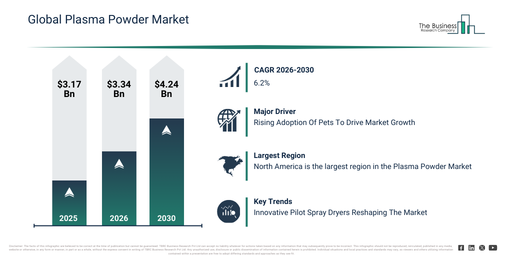
    Recent years have witnessed robust expansion in the plasma powder market, with projections indicating a rise from $3.17 billion in 2025 to $3.34 billion in 2026, reflecting a compound annual growth rate of 5.3%. This historical growth has been fueled by factors such as the expansion of industrial livestock farming, a higher incorporation of animal protein into feed formulations, greater pet ownership worldwide, the well-documented advantages of plasma proteins for animal health, and the growth of commercial feed manufacturing.

    The plasma powder market is anticipated to experience robust expansion over the coming years, with projections indicating it will reach a valuation of $4.24 billion by 2030, driven by a compound annual growth rate (CAGR) of 6.2%. This forecasted growth is largely propelled by several key factors, including the rising demand for high-performance animal nutrition, the expansion of premium and functional pet food segments, a heightened emphasis on feed efficiency and gut health, the broadening of the aquaculture feed market, and ongoing advancements in the processing of animal-derived proteins. Prominent trends shaping this period include the growing utilization of plasma powder in high-end pet nutrition, its increased application in diets for young animals and during weaning, a shifting preference towards functional protein ingredients, the widening integration of plasma powder within aqua feed formulations, and an escalating need for enhanced feed palatability and digestibility.

    Download A Free Sample Report For Comprehensive Market Insights:

    https://www.thebusinessresearchcompany.com/sample.aspx?id=12355&type=smp&utm_source=BlogsPR&utm_medium=Paid&utm_campaign=Jul_PR

    #Plasma Powder Market Growth Factors: Which Forces Are Supporting Market Expansion?

    A growing number of pets finding new homes is anticipated to drive future expansion in the plasma powder market. Adopting a pet means giving an animal, often from a rescue or shelter, a lasting home and care. In pet food, plasma powder serves as a premium protein source, sourced from blood plasma. Used in various pet food recipes, this ingredient supplies essential amino acids and vital nutrients, which improves pets’ nutritional health and overall welfare. As an example, the American Pet Products Association, a nonprofit based in the U.S., reported in March 2025 that 94 million American households now have at least one pet, up from 82 million in 2023. Consequently, this rise in pet adoption is fueling market growth for plasma powder.

    Plasma Powder Market Segment Breakdown: Which Categories Generate The Most Revenue?

    The plasma powder market covered in this report is segmented –

    1) By Source: Bovine, Porcine, Ovine, Other Sources

    2) By Form: Dry, Wet

    3) By Sales Channel: Online, Offline

    4) By Application: Pet Food, Pig Feed, Poultry Feed, Aqua Feed, Ruminant Feed, Human Food, Other Applications

    Subsegments:

    1) By Bovine: Bovine Serum Powder, Bovine Plasma Protein

    2) By Porcine: Porcine Serum Powder, Porcine Plasma Protein

    3) By Ovine: Ovine Serum Powder, Ovine Plasma Protein

    4) By Other Sources: Equine (Horse), Avian (Chicken), Other Animal Sources

    Plasma Powder Market Industry Trends: What Changes Are Reshaping Demand?

    Major firms in the plasma powder market are currently focusing on the creation of innovative pilot spray dryers to strengthen their competitive position. These pilot spray dryers are smaller versions of industrial spray dryers, utilized to produce powdered or granulated materials from liquid or slurry feedstocks. In April 2023, for example, RELCO LLC, a food processing equipment manufacturer based in the US, introduced the Parvus pilot spray dryer, engineered for diverse food industry uses. This system comes in two variations: the Parvus Nomad, which is a single-stage dryer suited for trial batches and reduced production quantities, alongside the Parvus Multi-Stage, which employs a wide-body design tailored for larger-scale output. Offering flexibility in initial assessments and scalability, the pilot spray dryer allows combination with other pilot technologies to facilitate full-scale planning. It delivers moisture regulation and powder handling features akin to those of full-scale units, but is specifically designed for smaller volumes and experimental purposes. The device is built for straightforward assembly and disassembly, with a compact size that addresses space limitations and transport needs. This pilot spray dryer is tailored to capture emerging market opportunities in areas such as plant proteins and alternative proteins.

    Plasma Powder Market Key Players And Strategic Industry Positioning

    Major companies operating in the plasma powder market are Takeda, CSL Behring, Darling Ingredients, Grifols, Octapharma, Valley Proteins Inc., Proliant Biologicals, Veos Group, Uruguayan Animal Proteins, Haripro SpA, Lihme Protein Solutions, Saria SE & Co. KG, Acontex GmbH, APC Inc., British Aqua Feeds, Shenzhen Taier Biotechnology Co. Ltd, Animix LLC, Kraeber & Co GmbH, Rocky Mountain Biologicals, MB Sugars & Pharmaceuticals Limited

    Access The Complete Plasma Powder Market Report:

    https://www.thebusinessresearchcompany.com/report/plasma-powder-global-market-report?utm_source=BlogsPR&utm_medium=Paid&utm_campaign=Jul_PR

    Plasma Powder Market Leading Geography: Which Region Generates The Most Revenue?

    North America was the largest region in the plasma powder market in 2025. Asia-Pacific is expected to be the fastest-growing region in the forecast period. The regions covered in the plasma powder market report are Asia-Pacific, South East Asia, Western Europe, Eastern Europe, North America, South America, Middle East, Africa.

    Get in touch with us:

    The Business Research Company: https://www.thebusinessresearchcompany.com/?utm_source=BlogsPR&utm_medium=Paid&utm_campaign=home_page_test

    Americas: +1 310-496-7795

    Asia: +44 7882 955267 & +91 8897263534

    Europe: +44 7882 955267

    Email us at: marketing@tbrc.info

    Follow us on:

    LinkedIn: https://in.linkedin.com/company/the-business-research-company

    YouTube: https://www.youtube.com/channel/UC24_fI0rV8cR5DxlCpgmyFQ

    Global Market Model: https://www.thebusinessresearchcompany.com/global-market-model
  • Plasma Fractionation Market Growth Is Accelerating As Industry Transformation Continues

    Plasma Fractionation Market Growth Is Accelerating As Industry Transformation Continues

    Delivering more actionable and strategically valuable research, The Business Research Company’s 2026 market reports feature market attractiveness analysis, total addressable market evaluation, company benchmarking matrices, interactive Excel dashboards, expanded supply chain intelligence, emerging startup coverage, and detailed product insights.

    Plasma Fractionation Market Expansion From $37.62 Billion In 2026 To $55.85 Billion In 2030

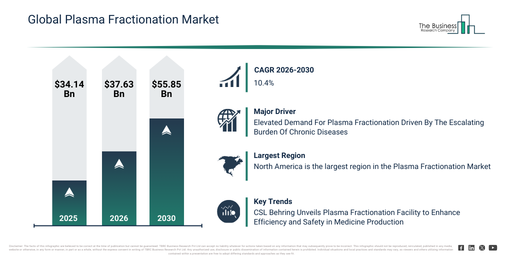
    The value of the plasma fractionation market has experienced considerable expansion in recent years, increasing from $34.14 billion in 2025 to $37.63 billion in 2026, which reflects a compound annual growth rate (CAGR) of 10.2%. This historical growth has been primarily driven by a heightened demand for immunoglobulins, a growing incidence of hematological disorders, progress in plasma fractionation technology, the development of healthcare facilities such as hospitals and clinics, and greater public awareness of therapies derived from plasma.

    The plasma fractionation market is anticipated to experience significant expansion in the coming years, with projections indicating it will reach $55.85 billion by 2030, driven by a compound annual growth rate (CAGR) of 10.4%. This forecasted growth is fueled by factors such as the rising uptake of precision medicine, the incorporation of artificial intelligence into plasma manufacturing processes, the growth of worldwide biopharmaceutical partnerships, increased funding for plasma collection facilities, and the creation of innovative plasma-derived treatments. Key developments shaping this period include the emergence of sophisticated plasma fractionation methods, a broader range of biopharmaceutical offerings, stricter quality assurance and regulatory adherence, the growth of contract manufacturing organizations (CMOs/CDMOs), and improvements in the supply chain for plasma-based products.

    Download A Free Sample Report For Comprehensive Market Insights:

    https://www.thebusinessresearchcompany.com/sample.aspx?id=7543&type=smp&utm_source=BlogsPR&utm_medium=Paid&utm_campaign=Jul_PR

    Plasma Fractionation Market Demand Drivers: What Is Fueling Industry Growth?

    The rising prevalence of chronic conditions is anticipated to drive expansion in the plasma fractionation market moving forward. Chronic diseases are characterized as health issues lasting a year or more, demanding continuous medical care, with examples including heart disease, cancer, and diabetes. Managing patients with these conditions through access to plasma-derived products reduces illness rates, enhances life quality, and offers cost-effectiveness, consequently boosting the need for plasma fractionation. For example, in March 2025, GOV.UK, a non-profit UK government entity, reported that general practitioners recorded type 2 diabetes prevalence at 7.0% among adults aged 17 and over in England in March 2024, up from 6.8% in March 2023. As a result, a growing number of chronic diseases across all age groups is expected to foster plasma fractionation market growth.

    Plasma Fractionation Market Segmentation: How Is The Market Structured Across Key Categories?

    The plasma fractionation market covered in this report is segmented –

    1) By Product: Immunoglobulins, Coagulation Factors, Albumin, Protease Inhibitors

    2) By Application: Immunology, Hematology, Neurology, Critical Care, Hemato-Oncology, Rheumatology

    3) By End User: Hospitals and Clinics, Clinical Research Laboratories, Academic Institutes

    Subsegments:

    1) By Immunoglobulins: Intravenous Immunoglobulin (IVIG), Subcutaneous Immunoglobulin (SCIG)

    2) By Coagulation Factors: Factor VIII, Factor IX, Prothrombin Complex Concentrates (PCC)

    3) By Albumin: Human Albumin, Bovine Serum Albumin (BSA)

    4) By Protease Inhibitors: Alpha-1 Antitrypsin (AAT), C1 Esterase Inhibitor (C1-INH)

    Plasma Fractionation Market Innovation Trends: Which Developments Are Transforming The Industry?

    Major players in this sector are rolling out innovative technologies, such as state-of-the-art facility processes that convert donated human plasma into vital medications, leveraging advanced systems to boost both efficiency and safety. For example, in March 2023, CSL Behring, a firm based in Germany, launched a new plasma fractionation facility valued at $470 million. This plant employs cutting-edge technology to enhance the effectiveness and security of plasma processing, thereby ensuring the production of higher-quality and more dependable medicines. By expanding the availability of these essential treatments, the facility addresses the increasing demand, allowing a greater number of patients to access life-saving therapies. Through the use of sophisticated automation and self-cleaning mechanisms, it minimizes contamination risks and elevates hygienic standards, ultimately strengthening patient safety.

    Plasma Fractionation Market Competitive Landscape And Leading Companies

    Major companies operating in the plasma fractionation market are Baxter International Inc., Bio Products Laboratory Limited, Biotest AG, CSL Limited, Grifols S. A, ADMA Biologics Inc., Green Cross Corporation, Hualan Bioengineering Inc., Intas Pharmaceuticals Ltd., Japan Blood Products Organization, Kedrion S. P. A., Kamada Ltd., LFB Biomedicaments S. A. S, Octapharma AG, Sanquin Plasma Products B. V., Shanghai Raas Blood Products Co. Ltd., Takeda Pharmaceutical Company, Terumo BCT, China Biologic Products Holdings Inc., China National Biotec Group, Emergent BioSolutions Inc., Bharat Serum Vaccines Limited, Plasma Therapeutics, Prothya Biosolutions B. V., BioPharma Plasma LLC, BioLife Plasma Services LP

    Access The Complete Plasma Fractionation Market Report:

    https://www.thebusinessresearchcompany.com/report/plasma-fractionation-global-market-report?utm_source=BlogsPR&utm_medium=Paid&utm_campaign=Jul_PR

    Plasma Fractionation Market Regional Outlook: Where Are The Largest Opportunities Located?

    North America was the largest region in the plasma fractionation market in 2025.Asia-Pacific is expected to be the fastest-growing region in the forecast period. The regions covered in the plasma fractionation market report are Asia-Pacific, South East Asia, Western Europe, Eastern Europe, North America, South America, Middle East, Africa.

    Get in touch with us:

    The Business Research Company: https://www.thebusinessresearchcompany.com/?utm_source=BlogsPR&utm_medium=Paid&utm_campaign=home_page_test

    Americas: +1 310-496-7795

    Asia: +44 7882 955267 & +91 8897263534

    Europe: +44 7882 955267

    Email us at: marketing@tbrc.info

    Follow us on:

    LinkedIn: https://in.linkedin.com/company/the-business-research-company

    YouTube: https://www.youtube.com/channel/UC24_fI0rV8cR5DxlCpgmyFQ

    Global Market Model: https://www.thebusinessresearchcompany.com/global-market-model