Month: July 2026

  • Plant-Based Vaccines Market Outlook Highlights The Next Major Growth Opportunities

    Plant-Based Vaccines Market Outlook Highlights The Next Major Growth Opportunities

    Enhanced with market attractiveness analysis, total addressable market evaluation, company benchmarking matrices, interactive Excel dashboards, expanded supply chain intelligence, emerging startup coverage, and detailed product insights, The Business Research Company’s 2026 market reports deliver more actionable and strategically valuable research.

    Plant-Based Vaccines Market Forecast Highlighting Growth From $1.99 Billion To $3.05 Billion

    The plant-based vaccines market size has grown rapidly in recent years. It will grow from $1.81 billion in 2025 to $1.99 billion in 2026 at a compound annual growth rate (CAGR) of 10.2%. The growth in the historic period can be attributed to limited cold chain infrastructure in developing regions, high cost of conventional vaccine production, increasing prevalence of zoonotic diseases, early academic research in plant molecular farming, government support for alternative biologics.

    The plant-based vaccines market is anticipated to experience swift expansion over the coming years. By 2030, it is projected to reach a value of $3.06 billion, driven by a compound annual growth rate (CAGR) of 11.3%. Several factors are fueling this growth during the forecast period, including a rising need for scalable vaccine platforms, enhanced pandemic preparedness initiatives, greater investment in plant biotechnology startups, a demand for affordable veterinary vaccines, and regulatory advancements for novel vaccine platforms. Key trends shaping the forecast period involve the expansion of recombinant antigen expression in plants, increased adoption of plant-based platforms for animal vaccines, a stronger emphasis on developing oral and edible vaccines, growing public and private funding for alternative vaccine platforms, and improvements in downstream processing and purification technologies.

    Download A Free Sample Report For Comprehensive Market Insights:

    https://www.thebusinessresearchcompany.com/sample.aspx?id=12144&type=smp&utm_source=BlogsPR&utm_medium=Paid&utm_campaign=Jul_PR

    Plant-Based Vaccines Market Growth Drivers: What Factors Are Accelerating Expansion?

    The growth of the plant-based vaccines market is expected to be propelled forward by the high prevalence of infectious diseases. These diseases, caused by harmful microorganisms like bacteria, viruses, or parasites, are transmitted directly or indirectly and represent substantial health threats across the globe. A rise in infectious disease cases is attributed to enhanced global mobility, urban crowding, and reduced immunity in certain groups. Plant-based vaccines present innovative platforms that are quickly scalable and adaptable to tackle these escalating health issues. For example, data from the Centers for Disease Control and Prevention (CDC), a US federal agency, indicated in March 2024 that tuberculosis (TB) case counts increased from 8,320 in 2022 to 9,615 in 2023, marking a rise of 1,295 cases. Consequently, the high prevalence of infectious diseases is driving market growth in plant-based vaccines.

    Plant-Based Vaccines Market Segmentation Trends And Revenue Drivers

    The plant-based vaccines market covered in this report is segmented –

    1) By Vaccine Type: Bacterial Vaccines, Viral Vaccines, Parasite Vaccines, Other Vaccine Types

    2) By Source: Tobacco Plant, Maize, Potato, Other Sources

    3) By Application: Influenza, Zika Virus, Ebola Virus, Poultry Disease, Other Applications

    Subsegments:

    1) By Bacterial Vaccines: Recombinant Bacterial Vaccines, Conjugate Bacterial Vaccines, DNA-Based Bacterial Vaccines

    2) By Viral Vaccines: Inactivated Viral Vaccines, Live Attenuated Viral Vaccines, Subunit Viral Vaccines

    3) By Parasite Vaccines: Recombinant Parasite Vaccines, DNA-Based Parasite Vaccines

    4) By Other Vaccine Types: Fungal Vaccines, Multivalent Vaccines, Toxin-Based Vaccines

    Plant-Based Vaccines Market Trends: What Is Shaping Future Industry Growth?

    Key players in the plant-based vaccines market are actively pursuing strategic manufacturing partnerships to broaden their clinical-stage production capabilities and speed up the development of next-generation VLP-based vaccines. These collaborations are designed to improve downstream processing efficiency, maintain GMP-compliant manufacturing standards, and facilitate a smooth transition from early research into clinical development. For example, in December 2024, Aramis Biotechnologies Inc., a Canadian firm focused on plant-based biomanufacturing of innovative vaccines, entered into a partnership with Biodextris Inc., a Canadian CDMO specializing in cGMP complex biologic products, to support Phase 1 and Phase 2 clinical trials. Through this agreement, the partner will handle purification, formulation, and fill-finish tasks for plant-expressed VLP vaccine candidates, allowing for quicker scale-up, enhanced production quality, and better preparedness for advanced clinical testing.

    Plant-Based Vaccines Market Industry Leaders: Which Organizations Are Driving Competition?

    Major companies operating in the plant-based vaccines market are British American Tobacco PLC, Medicago Inc., Creative Biolabs Inc., Fraunhofer USA Inc., Biodextris Inc., Avesthagen Limited, Calyxt Inc., Mapp Biopharmaceutical Inc., Kentucky BioProcessing Inc., Planet Biotechnology Inc., Icon Genetics GmbH, PlantForm Corporation, LenioBio GmbH, iBio Inc., Lumen Bioscience Inc., Baiya Phytopharm Co. Ltd., Greenovation Biotech GmbH, Pevion Biotech AG, Zyus Life Sciences Inc., Agenus Inc.

    Access The Complete Plant-Based Vaccines Market Report:

    https://www.thebusinessresearchcompany.com/report/plant-based-vaccines-global-market-report?utm_source=BlogsPR&utm_medium=Paid&utm_campaign=Jul_PR

    Plant-Based Vaccines Market Geographic Landscape: Which Region Dominates Industry Growth?

    North America was the largest region in the plant-based vaccines market in 2025. The regions covered in the plant-based vaccines market report are Asia-Pacific, South East Asia, Western Europe, Eastern Europe, North America, South America, Middle East, Africa.

    Get in touch with us:

    The Business Research Company: https://www.thebusinessresearchcompany.com/?utm_source=BlogsPR&utm_medium=Paid&utm_campaign=home_page_test

    Americas: +1 310-496-7795

    Asia: +44 7882 955267 & +91 8897263534

    Europe: +44 7882 955267

    Email us at: marketing@tbrc.info

    Follow us on:

    LinkedIn: https://in.linkedin.com/company/the-business-research-company

    YouTube: https://www.youtube.com/channel/UC24_fI0rV8cR5DxlCpgmyFQ

    Global Market Model: https://www.thebusinessresearchcompany.com/global-market-model
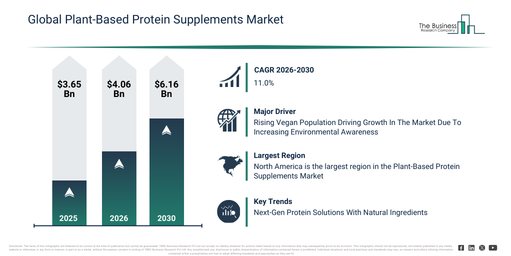
  • Plant-Based Protein Supplements Market Trends And Growth Drivers Point To Strong Future Potential

    Plant-Based Protein Supplements Market Trends And Growth Drivers Point To Strong Future Potential

    Through market attractiveness analysis, total addressable market evaluation, company benchmarking matrices, interactive Excel dashboards, expanded supply chain intelligence, emerging startup coverage, and detailed product insights, The Business Research Company’s 2026 market reports provide more actionable and strategically valuable research.

    Plant-Based Protein Supplements Market Revenue Growth Supported By A CAGR Of 6.16% Through 2030

    The market for plant-based protein supplements has experienced significant expansion in recent years, with its valuation climbing from $3.65 billion in 2025 to an anticipated $4.06 billion by 2026, reflecting a compound annual growth rate (CAGR) of 11.3%. This upward trajectory during the historical period has been driven by several factors, including a growing segment of individuals adhering to vegetarian and vegan diets, heightened public understanding of the importance of protein in nutrition, and the constrained supply of plant-derived protein options. Additionally, early integration of these supplements into sports nutrition routines, coupled with increasing issues related to lactose intolerance, has further fueled this progress.

    The plant-based protein supplements market is anticipated to witness substantial growth in the upcoming years, reaching $6.16 billion by 2030, driven by a compound annual growth rate (CAGR) of 11.0%. This expansion in the forecast period is fueled by the broadening use of functional food applications, a heightened need for sustainable protein sources, advancements in plant protein extraction technologies, the expansion of online retail channels, and a growing emphasis on health and wellness. Key trends shaping the forward-looking landscape include a noticeable shift among consumers toward vegan and plant-based diets, increased demand for clean label and non-GMO protein supplements, rising consumption in sports and fitness nutrition, innovations in product flavor and texture, and a growing preference for allergen-free and non-GMO options.

    Download A Free Sample Report For Comprehensive Market Insights:

    https://www.thebusinessresearchcompany.com/sample.aspx?id=24658&type=smp&utm_source=BlogsPR&utm_medium=Paid&utm_campaign=Jul_PR

    Plant-Based Protein Supplements Market Growth Factors Supporting Long-Term Expansion

    The expansion of the plant-based protein supplements market is expected to be driven forward by the rising number of vegans. This population consists of individuals in a particular area, nation, or worldwide who embrace a vegan diet and way of life. Their growing numbers stem from heightened environmental consciousness, as many people turn to veganism to lower their carbon footprint and lessen the ecological toll of animal farming. For those following a vegan lifestyle, plant-based protein supplements serve a crucial purpose by offering a convenient and premium source of necessary nutrients and protein, which supports muscle development, recovery, and general well-being without the need for animal-derived substances. A case in point is data from January 2025 provided by Finder UK, a financial comparison site based in the United Kingdom, which reveals that about 2.5 million adults in the UK—constituting 4.7% of the populace—were following a vegan diet as of early 2024, reflecting a significant rise of 1.1 million individuals from the prior year. Consequently, the growth of this demographic is fueling the advancement of the plant-based protein supplements market.

    Plant-Based Protein Supplements Market Segment Analysis Highlighting Growth Areas

    The plant-based protein supplements market covered in this report is segmented –

    1) By Type: Soy Protein, Wheat Protein, Pea Protein, Other Types

    2) By Product Form: Protein Powder, Protein Bars, Ready-To-Drink, Other Product Forms

    3) By Distribution Channel: Mass Merchandisers, Pharmacies Or Drugstores, Specialty Stores, Online Retail, Other Distribution Channels

    4) By Application: Sports Nutrition, Functional Food, Other Applications

    Subsegments:

    1) By Soy Protein: Concentrate, Isolate, Hydrolysate

    2) By Wheat Protein: Gluten, Hydrolyzed Wheat Protein, Wheat Protein Isolate

    3) By Pea Protein: Pea Protein Isolate, Pea Protein Concentrate

    4) By Other Types: Rice Protein, Hemp Protein, Pumpkin Seed Protein, Chia Protein

    Plant-Based Protein Supplements Market Industry Trends Shaping Future Revenue Growth

    Major players in the plant-based protein supplements market are actively pursuing product innovation—particularly through items like plant-based protein powder—to strengthen their competitive standing and adapt to shifting consumer preferences. A plant-based protein powder is a dietary supplement sourced exclusively from plants, offering a concentrated protein option for those looking to avoid animal-based sources. For example, in January 2025, Zyra Protein, a wellness and fitness services firm from Columbia, introduced a plant-based protein powder notable for its straightforward, clean formula. This product contains just four natural, allergen-free components, free from any artificial flavors or sweeteners such as monk fruit, stevia, or sucralose. It is gluten-free, soy-free, and vegan, thus accommodating a broad spectrum of dietary requirements.

    Plant-Based Protein Supplements Market Leading Companies: Who Holds Significant Market Presence?

    Major companies operating in the plant-based protein supplements market are Abbott Laboratories, Glanbia plc, NOW Foods Inc., Garden of Life LLC, Myprotein, Huel Ltd, Ghost Lifestyle LLC, Bulk Ltd, Ritual Inc., Nutiva Inc., Sunwarrior LLC, TB12 Sports Inc., Nutrabay Online Services Pvt. Ltd., Naked Nutrition, Ka’Chava Inc., MuscleBlaze, Plantigo Nutritional Supplements Pvt Ltd, Ora Organic Inc., Vega, Genetic Nutrition Pvt Ltd, Amazing Grass, Orgain, Vega Sport, KOS Naturals, Aloha, Four Sigmatic, Prana Organic, PlantFusion, True Nutrition, MyVegan, Tone It Up, Purely Inspired, Bob’s Red Mill, Nature’s Way, Future Kind.

    Access The Complete Plant-Based Protein Supplements Market Report:

    https://www.thebusinessresearchcompany.com/report/plant-based-protein-supplements-global-market-report?utm_source=BlogsPR&utm_medium=Paid&utm_campaign=Jul_PR

    Plant-Based Protein Supplements Market Largest Region: Which Geography Holds The Highest Market Share?

    North America was the largest region in the plant-based protein supplements market in 2025. The regions covered in the plant-based protein supplements market report are Asia-Pacific, South East Asia, Western Europe, Eastern Europe, North America, South America, Middle East, Africa.

    Get in touch with us:

    The Business Research Company: https://www.thebusinessresearchcompany.com/?utm_source=BlogsPR&utm_medium=Paid&utm_campaign=home_page_test

    Americas: +1 310-496-7795

    Asia: +44 7882 955267 & +91 8897263534

    Europe: +44 7882 955267

    Email us at: marketing@tbrc.info

    Follow us on:

    LinkedIn: https://in.linkedin.com/company/the-business-research-company

    YouTube: https://www.youtube.com/channel/UC24_fI0rV8cR5DxlCpgmyFQ

    Global Market Model: https://www.thebusinessresearchcompany.com/global-market-model

  • Plant-Based Active Pharmaceutical Ingredients (API) Market Expansion Is Reshaping Competitive Dynamics Across The Industry

    Plant-Based Active Pharmaceutical Ingredients (API) Market Expansion Is Reshaping Competitive Dynamics Across The Industry

    Delivering more actionable and strategically valuable research, The Business Research Company’s 2026 market reports feature market attractiveness analysis, total addressable market evaluation, company benchmarking matrices, interactive Excel dashboards, expanded supply chain intelligence, emerging startup coverage, and detailed product insights.

    Plant-Based Active Pharmaceutical Ingredients (API) Market Value Expansion And Long-Term Growth Outlook

    The market for plant-based active pharmaceutical ingredients (APIs) has experienced robust expansion in recent years. From a value of $32.08 billion in 2025, it is projected to rise to $34.2 billion in 2026, reflecting a compound annual growth rate (CAGR) of 6.6%. This historical growth has been driven by the widespread acceptance of traditional medicine, the abundant supply of medicinal plants, their cost-effectiveness compared to synthetic alternatives, the increasing development of herbal drug formulations, and a growing consumer shift toward natural products.

    The plant-based active pharmaceutical ingredients (API) market is anticipated to experience robust expansion over the coming years, reaching a projected value of $44.05 billion by 2030, driven by a compound annual growth rate (CAGR) of 6.5%. This forecasted growth is fueled by several key factors, including a shift toward sustainability in API sourcing, the broadening of plant-based drug development pipelines, an increasing convergence between nutraceuticals and pharmaceuticals, advancements in standardization methods, and a worldwide push for eco-friendly pharmaceutical products. Major trends shaping this period encompass a growing preference for natural and herbal APIs, the advancement of phytochemical extraction technologies, a heightened application of plant-derived APIs in the management of chronic conditions, growing regulatory acceptance of herbal-based APIs, and a strategic move toward more sustainable procurement practices for these ingredients.

    Download A Free Sample Report For Comprehensive Market Insights:

    https://www.thebusinessresearchcompany.com/sample.aspx?id=23477&type=smp&utm_source=BlogsPR&utm_medium=Paid&utm_campaign=Jul_PR

    Plant-Based Active Pharmaceutical Ingredients (API) Market Demand Drivers Creating New Revenue Opportunities

    The increasing consumer shift toward natural and organic goods is anticipated to fuel expansion in the plant-based active pharmaceutical ingredients (API) market in the years ahead. Items classified as natural or organic are those derived from minimally processed, naturally occurring sources and are devoid of synthetic chemicals as well as genetically modified organisms (GMOs). This trend is largely driven by rising health awareness and heightened worries about artificial additives, with consumers becoming more alert to the possible dangers linked to synthetic components. Plant-based APIs contribute to natural and organic products by supplying medicinal benefits that are both effective and free from chemicals, thereby meeting the public’s desire for clean, safe, and sustainable healthcare options. As an example, in April 2025 the Organic Trade Association—a U.S.-based business membership organization—reported that American sales of certified organic items surged in 2024, increasing by 5.2%, which is more than double the 2.5% growth rate seen across the broader market. Additionally, organic sales reached a new high of $71.6 billion for that year. Consequently, the mounting consumer appetite for natural and organic products is propelling the plant-based active pharmaceutical ingredients (API) market forward.

    Plant-Based Active Pharmaceutical Ingredients (API) Market Segment Performance And Strategic Opportunities

    The plant-based active pharmaceutical ingredients (api) market covered in this report is segmented –

    1) By Product Type: Alkaloids, Glycosides, Cannabinoids, Flavonoid, Terpenes And Terpenoids, Polyphenols, Saponins, Other Product Types

    2) By Source: Leaves, Roots, Bark, Flowers, Seeds, Fruits, Resin And Gums, Other Sources

    3) By Distribution Channel: Online Retailers, Supermarkets Or Hypermarkets, Specialty Food Stores, Foodservice

    4) By End-Use: Pharmaceuticals, Nutraceuticals, Herbal Based Industries, Other End-Uses

    Subsegments:

    1) By Alkaloids: Morphine Alkaloids, Tropane Alkaloids, Quinolizidine Alkaloids, Indole Alkaloids, Isoquinoline Alkaloids, Pyrrolizidine Alkaloids

    2) By Glycosides: Cardiac Glycosides, Anthraquinone Glycosides, Flavonoid Glycosides, Saponin Glycosides, Cyanogenic Glycosides

    3) By Cannabinoids: Tetrahydrocannabinol (THC), Cannabidiol (CBD), Cannabigerol (CBG), Cannabichromene (CBC), Cannabinol (CBN)

    4) By Flavonoid: Flavones, Flavonols, Isoflavones, Flavanones, Anthocyanins

    5) By Terpenes And Terpenoids: Monoterpenes, Sesquiterpenes, Diterpenes, Triterpenes, Tetraterpenes

    6) By Polyphenols: Phenolic Acids, Stilbenes, Lignans, Flavonoid Polyphenols

    7) By Saponins: Steroidal Saponins, Triterpenoid Saponins

    8) By Other Product Types: Coumarins, Tannins, Lignins, Phenolic Glycosides

    Plant-Based Active Pharmaceutical Ingredients (API) Market Trends Driving Strategic Industry Expansion

    Key players in the plant-based active pharmaceutical ingredients (API) market are actively pursuing the creation of novel products, including plant-derived squalene, as a way to deliver sustainable and ethical alternatives that replace conventional animal-based sources. This plant-derived squalene, obtained from sources like amaranth, olives, and sugarcane, serves as a responsible and ethical substitute for shark-sourced squalene, finding applications in pharmaceuticals, cosmetics, and vaccines. In October 2023, for example, Evonik Industries AG, a German specialty chemicals firm, introduced PhytoSquene, the first GMP-certified plant-based squalene produced from amaranth oil. This innovation presents a sustainable replacement for shark-derived squalene, while also guaranteeing high purity, consistent batch-to-batch quality, and adherence to European Pharmacopoeia (Ph. Eur.) standards. Squalene is essential in vaccine adjuvants for boosting immune responses, and by providing a plant-based option, PhytoSquene helps mitigate biodiversity issues, lessens dependence on animal resources, and accommodates cultural and religious considerations.

    Plant-Based Active Pharmaceutical Ingredients (API) Market Key Players: Which Companies Shape Industry Competition?

    Major companies operating in the plant-based active pharmaceutical ingredients (api) market are Indena S.p.A., Centroflora Group, Alkaloids Corporation, Alchem International Pvt. Ltd., C2 Pharma, Brains Bioceutical Corp., Bright Green Corporation, Sichuan Xieli Pharmaceutical Co. Ltd., Roquette Frères, Koninklijke DSM N.V., Evonik Industries AG, Sun Pharmaceutical Industries Ltd., Aurobindo Pharma Limited, Alembic Pharmaceuticals Ltd., Seppic, PAI Pharma, SCL Lifesciences Ltd., AMGIS Lifescience Ltd., Organotechnie, HimPharm

    Access The Complete Plant-Based Active Pharmaceutical Ingredients (API) Market Report:

    https://www.thebusinessresearchcompany.com/report/plant-based-active-pharmaceutical-ingredients-api-global-market-report?utm_source=BlogsPR&utm_medium=Paid&utm_campaign=Jul_PR

    Plant-Based Active Pharmaceutical Ingredients (API) Market Regional Analysis: Which Region Leads By Revenue?

    North America was the largest region in the plant-based active pharmaceutical ingredients (API) market in 2025. Asia-Pacific is expected to be the fastest-growing region in the forecast period. The regions covered in the plant-based active pharmaceutical ingredients (api) market report are Asia-Pacific, South East Asia, Western Europe, Eastern Europe, North America, South America, Middle East, Africa.

    Get in touch with us:

    The Business Research Company: https://www.thebusinessresearchcompany.com/?utm_source=BlogsPR&utm_medium=Paid&utm_campaign=home_page_test

    Americas: +1 310-496-7795

    Asia: +44 7882 955267 & +91 8897263534

    Europe: +44 7882 955267

    Email us at: marketing@tbrc.info

    Follow us on:

    LinkedIn: https://in.linkedin.com/company/the-business-research-company

    YouTube: https://www.youtube.com/channel/UC24_fI0rV8cR5DxlCpgmyFQ

    Global Market Model: https://www.thebusinessresearchcompany.com/global-market-model
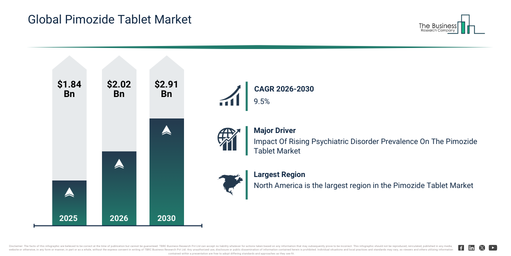
  • Pimozide Tablet Market Forecast Reveals Where Future Industry Value Will Be Created

    Pimozide Tablet Market Forecast Reveals Where Future Industry Value Will Be Created

    Enhanced with market attractiveness analysis, total addressable market evaluation, company benchmarking matrices, interactive Excel dashboards, expanded supply chain intelligence, emerging startup coverage, and detailed product insights, The Business Research Company’s 2026 market reports deliver more actionable and strategically valuable research.

    Pimozide Tablet Market Expected To Reach $2.9 Billion By 2030 At 9.5% CAGR

    The market for pimozide tablets has experienced notable expansion over the past few years. Projections indicate a rise from $1.84 billion in 2025 to $2.02 billion in 2026, reflecting a compound annual growth rate (CAGR) of 9.9%. This historical growth has been driven by restricted therapeutic alternatives for Tourette’s syndrome, a higher incidence of chronic schizophrenia, enhanced hospital and clinic facilities, greater recognition of antipsychotic treatments, and continued dependence on conventional brick-and-mortar pharmacies.

    The pimozide tablet market is anticipated to experience robust expansion over the coming years, with its value projected to reach $2.91 billion by 2030, reflecting a compound annual growth rate (CAGR) of 9.5%. This growth during the forecast period is driven by the creation of low-dose and unit-dose pimozide tablets, the growing presence of online pharmacy services, the increasing trend of home healthcare adoption, heightened government initiatives targeting mental health, and the integration of digital tools for medication adherence monitoring. Key trends influencing this period encompass a rising awareness of Tourette’s syndrome and chronic schizophrenia, a growing preference for oral antipsychotic medications, a surge in home-based mental health care and therapy, the broadening of online pharmaceutical distribution channels, and the advancement of personalized dosing and packaging options.

    Download A Free Sample Report For Comprehensive Market Insights:

    https://www.thebusinessresearchcompany.com/sample.aspx?id=19655&type=smp&utm_source=BlogsPR&utm_medium=Paid&utm_campaign=Jul_PR

    Pimozide Tablet Market Expansion Supported By Key Demand Factors

    The growing incidence of psychiatric disorders is anticipated to boost the pimozide tablet market in the upcoming period. These disorders are mental health conditions marked by major disruptions in thinking, emotions, or behavior, resulting in distress or compromised functionality. This rise in psychiatric conditions is largely due to heightened stress, shifting social standards, improved diagnosis and awareness, and genetic vulnerabilities. Pimozide tablets are employed to treat symptoms like delusions and tics by blocking dopamine receptors, thus lowering irregular brain activity. For example, in August 2025, the Substance Abuse and Mental Health Services Administration (SAMHSA), a U.S. federal agency, reported that 23.4% of adults aged 18 and older (roughly 61.5 million individuals) had any mental illness (AMI), with about 5.6% experiencing a serious mental illness (SMI). In comparison, data from 2023 showed 22.8% (58.7 million people) and 5.7% (14.6 million people) of adults reported AMI and SMI, respectively. Consequently, the increasing prevalence of psychiatric disorders is fueling the pimozide tablet market.

    Higher healthcare spending is set to drive the pimozide tablet market forward in the future. This spending is climbing due to the growing costs of advanced medical technologies, aging demographics, and the rising burden of chronic illnesses. As healthcare expenditure increases, it improves access to mental health services and expands insurance coverage for psychiatric drugs, thereby boosting demand for Pimozide tablets. Take, for instance, May 2024 data from the Office for National Statistics, a UK government agency, which showed that healthcare spending in the UK went from £277 ($319.91) billion in 2022 to £292 ($337.23) billion in 2023, marking a nominal increase from the prior year. Therefore, the rise in healthcare expenditure is propelling the pimozide tablet market forward.

    Growing investments in pharmaceutical manufacturing are expected to accelerate the pimozide tablet market in the coming period. This sector involves creating medicines through combining, processing, and packaging chemical or biological substances under rigorous quality controls to guarantee safety, efficacy, and patient suitability. The expansion in pharmaceutical manufacturing is driven by a rising need for affordable generic medications, prompting companies to boost output to address patient healthcare demands. Pimozide tablets support this manufacturing landscape by offering a marketable central nervous system drug that stimulates production, formulation, and distribution activities. For example, in June 2025, Les Entreprises du Médicament (Leem), a French professional body for pharmaceutical firms, noted that manufacturing-related investments in France grew by 38% in 2024 compared to 2023. Thus, increased investment in pharmaceutical manufacturing is fueling the pimozide tablet market growth.

    Pimozide Tablet Market Segment Landscape And Growth Potential

    The pimozide tablet market covered in this report is segmented –

    1) By Type: 1 Milligram, 2 Milligram, 4 Milligram

    2) By Distribution Channel: Online, Offline

    3) By Application: Tourette’s Syndrome, Chronic Schizophrenia

    4) By End User: Hospitals, Clinics, Home Use

    Pimozide Tablet Market Competitive Landscape: Who Are The Leading Companies?

    Major companies operating in the pimozide tablet market are Pfizer Inc., Johnson & Johnson, AbbVie Inc., Novartis AG, Bristol-Myers Squibb, GlaxoSmithKline plc, C.H. Boehringer Sohn AG & Co. KG, Teva Pharmaceutical Industries Ltd., Hetero Drugs, Sun Pharmaceutical Industries Ltd., Jazz Pharmaceuticals, Aurobindo Pharma, Cipla Limited, Apotex Inc., H. Lundbeck A/S, Dr. Reddy’s Laboratories, Hikma Pharmaceuticals, Amneal Pharmaceuticals, Endo International, Lupin Limited, Zydus Cadila, Alkem Laboratories, Torrent Pharmaceuticals, Glenmark Pharmaceuticals, Mallinckrodt Pharmaceuticals, Jubilant Life Sciences, Alembic Pharmaceuticals, Wockhardt, AA Pharma, Taj Pharmaceuticals

    Access The Complete Pimozide Tablet Market Report:

    https://www.thebusinessresearchcompany.com/report/pimozide-tablet-global-market-report?utm_source=BlogsPR&utm_medium=Paid&utm_campaign=Jul_PR

    Pimozide Tablet Market Geographic Distribution And Regional Opportunities

    North America was the largest region in the pimozide tablet market in 2025. The regions covered in the pimozide tablet market report are Asia-Pacific, South East Asia, Western Europe, Eastern Europe, North America, South America, Middle East, Africa.

    Get in touch with us:

    The Business Research Company: https://www.thebusinessresearchcompany.com/?utm_source=BlogsPR&utm_medium=Paid&utm_campaign=home_page_test

    Americas: +1 310-496-7795

    Asia: +44 7882 955267 & +91 8897263534

    Europe: +44 7882 955267

    Email us at: marketing@tbrc.info

    Follow us on:

    LinkedIn: https://in.linkedin.com/company/the-business-research-company

    YouTube: https://www.youtube.com/channel/UC24_fI0rV8cR5DxlCpgmyFQ

    Global Market Model: https://www.thebusinessresearchcompany.com/global-market-model

  • Phytogenic Feed Additives Market Growth Through 2030 Creates New Strategic Opportunities

    Phytogenic Feed Additives Market Growth Through 2030 Creates New Strategic Opportunities

    Through market attractiveness analysis, total addressable market evaluation, company benchmarking matrices, interactive Excel dashboards, expanded supply chain intelligence, emerging startup coverage, and detailed product insights, The Business Research Company’s 2026 market reports provide more actionable and strategically valuable research.

    Phytogenic Feed Additives Market Size And Revenue Forecast Through 2030

    The market for phytogenic feed additives has experienced significant expansion in recent years. Revenue is projected to increase from $1.17 billion in 2025 to $1.26 billion in 2026, reflecting a compound annual growth rate (CAGR) of 7.9%. This historic growth is driven by several key factors, including the regulatory prohibition of antibiotic growth promoters, a heightened demand for animal protein, the longstanding practice of incorporating herbs and spices into feed, the expansion of commercial livestock operations, and a growing understanding of the importance of animal gut health.

    The phytogenic feed additives market is projected to experience substantial expansion over the coming years. By 2030, its value is anticipated to reach $1.71 billion, representing a compound annual growth rate (CAGR) of 7.9%. This forecasted growth is driven by several factors, including the expansion of sustainable animal farming, a growing consumer preference for antibiotic-free meat, the broadening of aquaculture feed applications, technological progress in plant extract development, and an enhanced emphasis on animal welfare. Key developments shaping the market during this period involve the growing adoption of these additives as alternatives to antibiotics in animal feed, an uptick in demand for natural growth enhancers, their increased incorporation into poultry and livestock nutrition, the proliferation of organic and sustainable feed options, and a heightened focus on improving gut health and feed efficiency.

    Download A Free Sample Report For Comprehensive Market Insights:

    https://www.thebusinessresearchcompany.com/sample.aspx?id=24379&type=smp&utm_source=BlogsPR&utm_medium=Paid&utm_campaign=Jul_PR

    Phytogenic Feed Additives Market Growth Drivers And Industry Catalysts

    The expansion of the animal feed sector is anticipated to drive the phytogenic feed additives market forward. This sector encompasses the manufacturing, processing, and distribution of feed products designed to fulfill the nutritional requirements of livestock, poultry, aquaculture, and other animals. The sector’s growth is largely attributed to the increasing global demand for animal protein, fueled by population growth and evolving dietary habits. Phytogenic feed additives support the animal feed industry by providing natural, plant-derived solutions that boost animal health and performance. These additives enhance gut health, strengthen immunity, and facilitate growth, thereby enabling sustainable and efficient livestock practices. For example, in July 2024, the UK-based Department for Environment, Food and Rural Affairs reported that total animal feed production rose to 31,128 tonnes in 2023, compared to 29,397 tonnes in 2022. Consequently, the growing animal feed industry is propelling the phytogenic feed additives market.

    Phytogenic Feed Additives Market Categorization By Product Type And Application

    The phytogenic feed additives market covered in this report is segmented –

    1) By Type: Essential Oils, Flavonoids, Saponins, Oleoresins, Other Types

    2) By Form: Powder, Liquid, Granules

    3) By Application: Antimicrobial Effect, Digestion Enhancement, Growth Promotion, Other Applications

    4) By End-Use Industry: Animal Feed Industry, Pet Food Industry, Aquaculture Industry

    Subsegments:

    1) By Essential Oils: Thyme Oil, Oregano Oil, Peppermint Oil, Eucalyptus Oil, Garlic Oil

    2) By Flavonoids: Citrus Flavonoids, Soy Flavonoids, Tea Flavonoids

    3) By Saponins: Quillaja Saponins, Yucca Saponins

    4) By Oleoresins: Capsicum Oleoresin, Turmeric Oleoresin, Paprika Oleoresin, Ginger Oleoresin

    5) By Other Types: Tannins, Alkaloids, Limonoids, Terpenoids

    Phytogenic Feed Additives Market Trends Influencing Long-Term Demand

    Key players within the phytogenic feed additives sector are concentrating on creating cutting-edge products, including shrimp supplementation solutions, to boost growth, strengthen immune systems, and elevate the overall effectiveness of shrimp production. A shrimp supplementation product is defined as a feed additive or nutritional supplement tailored to improve the growth, well-being, immunity, and general output of shrimp in aquaculture settings. For example, in April 2023, Kemin AquaScience, a biotechnology research firm headquartered in the United States, unveiled Pathorol—a natural phytogenic feed additive aimed at enhancing the health of farmed shrimp. This shrimp supplementation product is engineered to support the hepatopancreas, a critical organ involved in shrimp digestion. It improves feed digestibility and growth performance, reduces size variation among shrimp, and thereby encourages robust growth and heightened productivity.

    Phytogenic Feed Additives Market Company Landscape And Strategic Competition

    Major companies operating in the phytogenic feed additives market are Cargill Incorporated, Archer-Daniels-Midland Company, BASF SE, SHV Holdings, DuPont de Nemours Inc., DSM-Firmenich AG, Land O’Lakes Inc., Alltech Inc., Kemin Industries Inc., Synthite Industries Private Limited, Natural Remedies Pvt. Ltd., Esseco Group, Biovet, Nutrex N.V, Camlin Fine Sciences Ltd, Phytobiotics Futterzusatzstoffe GmbH?, Growell India Private Limited, Indian Herbs Specialities Pvt. Ltd., Green Pharma, Phytosynthese S.A.S.

    Access The Complete Phytogenic Feed Additives Market Report:

    https://www.thebusinessresearchcompany.com/report/phytogenic-feed-additives-global-market-report?utm_source=BlogsPR&utm_medium=Paid&utm_campaign=Jul_PR

    Phytogenic Feed Additives Market Largest Region By Revenue And Market Share

    North America was the largest region in the phytogenic feed additives market in 2025. Asia-Pacific is expected to be the fastest-growing region in the forecast period. The regions covered in the phytogenic feed additives market report are Asia-Pacific, South East Asia, Western Europe, Eastern Europe, North America, South America, Middle East, Africa.

    Get in touch with us:

    The Business Research Company: https://www.thebusinessresearchcompany.com/?utm_source=BlogsPR&utm_medium=Paid&utm_campaign=home_page_test

    Americas: +1 310-496-7795

    Asia: +44 7882 955267 & +91 8897263534

    Europe: +44 7882 955267

    Email us at: marketing@tbrc.info

    Follow us on:

    LinkedIn: https://in.linkedin.com/company/the-business-research-company

    YouTube: https://www.youtube.com/channel/UC24_fI0rV8cR5DxlCpgmyFQ

    Global Market Model: https://www.thebusinessresearchcompany.com/global-market-model
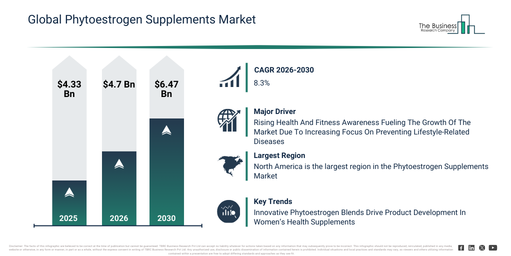
  • Phytoestrogen Supplements Market Size Projected To Increase From $4.7 Billion To $6.47 Billion During The Forecast Period

    Phytoestrogen Supplements Market Size Projected To Increase From $4.7 Billion To $6.47 Billion During The Forecast Period

    Delivering more actionable and strategically valuable research, The Business Research Company’s 2026 market reports feature market attractiveness analysis, total addressable market evaluation, company benchmarking matrices, interactive Excel dashboards, expanded supply chain intelligence, emerging startup coverage, and detailed product insights.

    Phytoestrogen Supplements Market Growth From $4.7 Billion In 2026 To $6.47 Billion By 2030 At A CAGR Of 8.3%

    The market for phytoestrogen supplements has experienced robust expansion in recent years, with its value expected to rise from $4.33 billion in 2025 to $4.7 billion in 2026, reflecting a compound annual growth rate (CAGR) of 8.5%. This growth during the historical period is primarily driven by restricted understanding of phytoestrogen advantages, a continued dependence on conventional hormone replacement treatments, a rising number of aging women, a growing frequency of menopausal discomforts, and the broadening scope of the health and wellness sector.

    The phytoestrogen supplements market is projected to experience substantial expansion over the coming years, with its value anticipated to reach $6.47 billion by 2030, reflecting a compound annual growth rate (CAGR) of 8.3%. This upward trajectory during the forecast period is driven by factors such as a growing preference for plant-based supplements, the introduction of innovative phytoestrogen formulations, the rise of online nutraceutical platforms, enhanced government and healthcare programs focused on women’s health, and the integration of personalized nutrition approaches. Key trends shaping this period include increased demand for supplements targeting menopause and hormonal balance, a shift toward natural and plant-derived dietary products, heightened consumer awareness regarding bone and cardiovascular health, the broadening of online and retail distribution networks for nutraceuticals, and the creation of specialized phytoestrogen blends and combinations.

    Download A Free Sample Report For Comprehensive Market Insights:

    https://www.thebusinessresearchcompany.com/sample.aspx?id=27383&type=smp&utm_source=BlogsPR&utm_medium=Paid&utm_campaign=Jul_PR

    Phytoestrogen Supplements Market Opportunity Drivers: What Is Creating New Revenue Potential?

    The rising emphasis on health and wellness is anticipated to accelerate the expansion of the phytoestrogen supplements market in the near future. This concept encompasses the maintenance of overall physical and mental well-being via consistent exercise, balanced nutrition, and healthy living practices. The growing attention to health and fitness stems from heightened awareness of the dangers posed by lifestyle diseases like obesity, diabetes, and cardiovascular issues. Phytoestrogen supplements contribute to this by fostering hormonal equilibrium, strengthening bone density, and boosting general vigor, especially among women. For example, in June 2024, the International Food Information Council (IFIC), a nonprofit organization based in the United States, reported that 54% of Americans have adhered to a specific diet or eating pattern over the past year. Meanwhile, the desire to increase protein intake has climbed from 59% in 2022 to 67% in 2023, and further to 71% in 2024. Furthermore, around half of all consumers prioritize consuming more fresh foods, perceived as the most beneficial choices. Consequently, the intensifying focus on health and fitness is propelling the growth of the phytoestrogen supplements market.

    Phytoestrogen Supplements Market Segment Analysis And Revenue Opportunities

    The phytoestrogen supplements market covered in this report is segmented –

    1) By Type: Flavonoids, Daidzen, Denistein, Glycitein, Biochanin A, Coumestans, Prenyl Flavonoids, Lignans, Stilbenes, Other Types

    2) By Source: Nuts And Oilseeds, Soy Products, Cereal And Bread, Legumes, Meat Products, Other Sources

    3) By Distribution Channel: Online Stores, Pharmacies, Health Stores, Other Distribution Channel

    4) By Application: Food And Beverages, Nutraceuticals, Cosmetics, Other Applications

    5) By End-User: Hospital And Clinics, Wellness Centers, Other End-Users

    Subsegments:

    1) By Flavonoids: Isoflavones, Flavonols, Flavanones

    2) By Daidzen: Natural Daidzein Extracts, Synthetic Daidzein Compounds

    3) By Denistein: Fermented Soy-Derived Genistein, Non-Fermented Soy Genistein

    4) By Glycitein: Soy-Based Glycitein, Red Clover-Based Glycitein

    5) By Biochanin A: Red Clover Extracts, Chickpea-Derived Biochanin A

    6) By Coumestans: Coumestrol, Coumestan-Rich Legume Extracts

    7) By Prenyl Flavonoids: 8-Prenylnaringenin, Xanthohumol

    8) By Lignans: Flaxseed-Derived Lignans, Sesame Seed-Derived Lignans

    9) By Stilbenes: Resveratrol, Pterostilbene

    10) By Other Types: Mycoestrogens, Enterolignans, Phlorotannins

    Phytoestrogen Supplements Market Innovation Trends Driving Future Development

    Leading players in the phytoestrogen supplements market are actively developing novel offerings, particularly phytoestrogen blends, with the goal of improving product efficacy and bioavailability. These blends are formulations that integrate multiple plant-based estrogenic compounds to bolster hormonal support and deliver broader health advantages. A case in point is Designs for Health, a US firm specializing in premium nutritional supplements, which unveiled a phytoestrogen blend in August 2023 as part of a new women’s health supplement line. This initiative was designed to naturally aid hormonal equilibrium and ease menopausal symptoms. By leveraging plant-derived phytoestrogens—substances that can mimic or regulate estrogen activity—the product targets key women’s health concerns, including menopause management, bone density preservation, and overall wellness maintenance. This launch underscores a rising appetite for natural substitutes to conventional hormone treatments and showcases Designs for Health’s commitment to research-driven, clinician-endorsed solutions tailored for women at every life stage.

    Phytoestrogen Supplements Market Leading Players Shaping Industry Direction

    Major companies operating in the phytoestrogen supplements market are Archer Daniels Midland Company, Herbalife Ltd., GNC Holdings Inc., Helios Lifestyle Private Limited, NOW Health Group Inc., Blackmores Limited, Vitacost.com Inc., Nature’s Way, Swanson Health Products, Gaia Herbs Inc., Natural Organics Inc., Solaray LLC, Nutra Green Biotechnology Co. Ltd., Medisys Biotech Pvt. Ltd., Frutarom Ltd., HerboNutra, Tradichem S.L., Aushadhi Herbal.

    Access The Complete Phytoestrogen Supplements Market Report:

    https://www.thebusinessresearchcompany.com/report/phytoestrogen-supplements-global-market-report?utm_source=BlogsPR&utm_medium=Paid&utm_campaign=Jul_PR

    Phytoestrogen Supplements Market Regional Analysis And Leading Geography

    North America was the largest region in the phytoestrogen supplements market in 2025. Asia-Pacific is expected to be the fastest-growing region in the forecast period. The regions covered in the phytoestrogen supplements market report are Asia-Pacific, South East Asia, Western Europe, Eastern Europe, North America, South America, Middle East, Africa.

    Get in touch with us:

    The Business Research Company: https://www.thebusinessresearchcompany.com/?utm_source=BlogsPR&utm_medium=Paid&utm_campaign=home_page_test

    Americas: +1 310-496-7795

    Asia: +44 7882 955267 & +91 8897263534

    Europe: +44 7882 955267

    Email us at: marketing@tbrc.info

    Follow us on:

    LinkedIn: https://in.linkedin.com/company/the-business-research-company

    YouTube: https://www.youtube.com/channel/UC24_fI0rV8cR5DxlCpgmyFQ

    Global Market Model: https://www.thebusinessresearchcompany.com/global-market-model
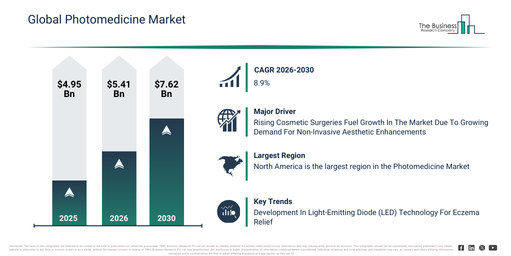
  • Photomedicine Market Growth Outlook Reveals A CAGR Of 8.9% And A Market Value Of $7.62 Billion By 2030

    Photomedicine Market Growth Outlook Reveals A CAGR Of 8.9% And A Market Value Of $7.62 Billion By 2030

    Enhanced with market attractiveness analysis, total addressable market evaluation, company benchmarking matrices, interactive Excel dashboards, expanded supply chain intelligence, emerging startup coverage, and detailed product insights, The Business Research Company’s 2026 market reports deliver more actionable and strategically valuable research.

    Photomedicine Market Expansion Outlook: What Revenue Opportunities Lie Ahead?

    The photomedicine market has experienced robust expansion in recent years, with projections indicating a rise from $4.95 billion in 2025 to $5.41 billion in 2026, reflecting a compound annual growth rate (CAGR) of 9.3%. Historical growth has been driven by factors such as the restricted supply of photomedicine devices, dependence on traditional therapeutic approaches, a higher incidence of skin and dental disorders, improvements in hospital and clinic facilities, and an increasing recognition of non-invasive treatment options.

    The photomedicine sector is anticipated to experience robust expansion over the coming years, with projections indicating a market value of $7.62 billion by 2030, representing a compound annual growth rate (CAGR) of 8.9%. This forecasted growth is driven by several key factors, including progress in LED and laser technologies, a greater incorporation of wearable photomedicine devices, the broadening of home-based therapy options, heightened research into tissue regeneration uses, and a growing uptake of digital monitoring and remote therapy platforms. Among the major trends shaping this period are the increasing adoption of light-based therapies in oncology and dermatology, the expansion of home-use photomedicine devices and therapeutic systems, a heightened focus on non-invasive pain management techniques, the growth of aesthetic and cosmetic photomedicine procedures, and the integration of photomedicine into dental and ophthalmic practices.

    Download A Free Sample Report For Comprehensive Market Insights:

    https://www.thebusinessresearchcompany.com/sample.aspx?id=27382&type=smp&utm_source=BlogsPR&utm_medium=Paid&utm_campaign=Jul_PR

    Photomedicine Market Growth Momentum: Which Factors Are Influencing Demand?

    The anticipated growth in the number of cosmetic surgeries is set to drive the photomedicine market forward in the coming period. These aesthetic procedures are carried out to enhance or modify a person’s physical appearance. Their increasing prevalence stems from the expanding impact of social media and a heightened desire for a better self-image, driven by constant exposure to prevailing beauty ideals and trends. Photomedicine plays a vital role in cosmetic surgery by facilitating accurate, non-invasive methods that improve skin texture, diminish imperfections, and elevate overall facial and body aesthetics while requiring little recovery time. As an example, the British Association of Aesthetic Plastic Surgeons (BAAPS), a surgical body based in the UK, reported in April 2025 that 27,462 cosmetic surgical operations took place, representing a 5 percent rise from the figures in 2023. Consequently, the rising rate of cosmetic surgeries is fueling the expansion of the photomedicine market.

    Photomedicine Market Segmentation And Category Breakdown

    The photomedicine market covered in this report is segmented –

    1) By Type: Light Emitting Diodes, Lasers, Full Spectrum Light, Polychromatic Polarized Light, Dichroic Lamps, Fluorescent Lamps

    2) By Application: Oncology, Dermatology, Pain Management, Dental Procedures, Aesthetics, Ophthalmology, Other Applications

    3) By End Users: Hospitals And Clinics, Dermatology And Ophthalmology Centers, Home-Based Therapy, Research And Academic Institutions

    Subsegments:

    1) By Light Emitting Diodes: Red Light Therapy, Blue Light Therapy, Infrared Light Emitting Diode Therapy

    2) By Lasers: Low Level Laser Therapy (LLLT), High Intensity Laser Therapy (HILT), Pulsed Dye Lasers

    3) By Full Spectrum Light: White Light Therapy, Bright Light Therapy, Seasonal Affective Disorder (SAD) Lamps

    4) By Polychromatic Polarized Light: Bioptron Light Therapy, Polarized Multicolor Light Emitting Diode Systems

    5) By Dichroic Lamps: Infrared Dichroic Lamps, Ultraviolet Dichroic Lamps, Visible Light Dichroic Lamps

    6) By Fluorescent Lamps: Narrowband Ultraviolet B Lamps, Broadband Ultraviolet B Lamps, Ultraviolet A Lamps

    Photomedicine Market Trends Reshaping Industry Growth

    Major players in the photomedicine sector are dedicating significant resources to crafting innovative products, particularly light-emitting diode (LED) devices, so as to boost therapeutic efficacy and broaden their applicability across both medical and cosmetic fields. These non-invasive LED technologies operate by delivering precise light wavelengths that activate cellular mechanisms and facilitate tissue repair; they find extensive use in photomedicine for wound healing, pain relief, skin rejuvenation, and a variety of other therapeutic applications. As an illustration, in April 2024, Bestqool—a US enterprise focused on red light therapy—unveiled a device tailored for eczema management. It employs advanced wavelengths to mitigate itching, swelling, and inflammation, thereby supporting skin healing without unwanted side effects. This approach presents a non-pharmaceutical alternative that has yielded encouraging clinical improvements in eczema symptoms.

    Photomedicine Market Competitive Analysis Of Major Industry Participants

    Major companies operating in the photomedicine market are BIOLASE Inc., Lumenis Ltd., Candela Medical Inc., Fotona d.o.o., IRIDEX Corporation, PhotoCure ASA, Clinuvel Pharmaceuticals Limited, Erchonia Lasers Limited, Biolitec biomedical technology GmbH, Lynton Lasers Limited, Aspen Laser Systems LLC, Carl Zeiss AG, LightStim LLC, PhotoMedex Inc., Quanta Systems Ltd., THOR Photomedicine Limited

    Access The Complete Photomedicine Market Report:

    https://www.thebusinessresearchcompany.com/report/photomedicine-global-market-report?utm_source=BlogsPR&utm_medium=Paid&utm_campaign=Jul_PR

    Photomedicine Market Geographic Analysis: Where Is Demand Growing The Fastest?

    North America was the largest region in the photomedicine market in 2025. Asia-Pacific is expected to be the fastest-growing region in the forecast period. The regions covered in the photomedicine market report are Asia-Pacific, South East Asia, Western Europe, Eastern Europe, North America, South America, Middle East, Africa.

    Get in touch with us:

    The Business Research Company: https://www.thebusinessresearchcompany.com/?utm_source=BlogsPR&utm_medium=Paid&utm_campaign=home_page_test

    Americas: +1 310-496-7795

    Asia: +44 7882 955267 & +91 8897263534

    Europe: +44 7882 955267

    Email us at: marketing@tbrc.info

    Follow us on:

    LinkedIn: https://in.linkedin.com/company/the-business-research-company

    YouTube: https://www.youtube.com/channel/UC24_fI0rV8cR5DxlCpgmyFQ

    Global Market Model: https://www.thebusinessresearchcompany.com/global-market-model
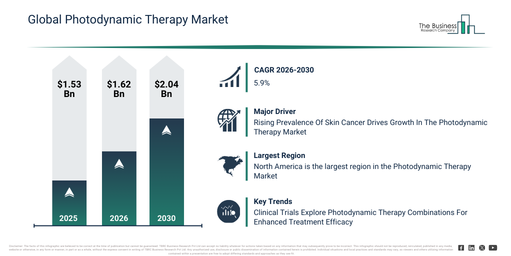
  • Photodynamic Therapy Market Forecast Highlights Expansion From $1.62 Billion To $2.04 Billion Through 2030

    Photodynamic Therapy Market Forecast Highlights Expansion From $1.62 Billion To $2.04 Billion Through 2030

    Through market attractiveness analysis, total addressable market evaluation, company benchmarking matrices, interactive Excel dashboards, expanded supply chain intelligence, emerging startup coverage, and detailed product insights, The Business Research Company’s 2026 market reports provide more actionable and strategically valuable research.

    Photodynamic Therapy Market Growth Potential: How Will Market Size Change Through 2030?

    The photodynamic therapy market has experienced robust expansion in recent years. Its value is projected to rise from $1.53 billion in 2025 to $1.62 billion in 2026, reflecting a compound annual growth rate (CAGR) of 6.1%. This historical growth has been driven by several factors, including a higher incidence of skin cancer and precancerous conditions, a growing preference for minimally invasive treatments, early-stage clinical confirmation of photosensitizers, increased public knowledge about non-surgical alternatives, and the widespread availability of laser-based medical equipment.

    The market for photodynamic therapy is anticipated to experience substantial expansion over the coming years. By 2030, it is projected to reach a value of $2.04 billion, reflecting a compound annual growth rate (CAGR) of 5.9%. This forecasted growth is driven by innovations in new photosensitizer formulations, broader applications outside of oncology, a growing preference for outpatient procedures, heightened investments in cancer treatment facilities, and an increased focus on targeted and precision-based therapies. Key developments shaping this period involve the broader integration of photodynamic therapy in cancer care, its rising prominence in dermatology and cosmetic treatments, the creation of advanced photosensitizers, a trend toward less invasive cancer interventions, and the increasing adoption of combination treatment strategies.

    Download A Free Sample Report For Comprehensive Market Insights:

    https://www.thebusinessresearchcompany.com/sample.aspx?id=5246&type=smp&utm_source=BlogsPR&utm_medium=Paid&utm_campaign=Jul_PR

    Photodynamic Therapy Market Expansion Drivers: What Is Shaping Future Growth?

    The expansion of the photodynamic therapy market is being driven by the rising incidence of skin cancer. Skin cancer is identified as the most prevalent form of cancer among all types. Although melanoma makes up only about 1% of skin cancer cases, it is responsible for a significant proportion of skin cancer-related fatalities. Photodynamic therapy (PDT) involves using a light-sensitive drug combined with intense light exposure to eliminate cancer cells. A cream containing a light-sensitizing agent is applied by the physician to both the skin cancer lesion and the adjacent area. As an example, Cancer Australia, a governmental agency based in Australia, reported that in 2023, roughly 8,257 new diagnoses of skin melanoma were made, which represented 2.6% of all cancer deaths. Consequently, the growing prevalence of skin cancer is anticipated to boost the photodynamic therapy market in the years ahead.

    Photodynamic Therapy Market Segment Outlook: Which Categories Are Expanding The Fastest?

    The photodynamic therapy market covered in this report is segmented –

    1) By Product: Drugs, Devices

    2) By Application: Actinic Keratosis (AK), Cancer, Acne, Psoriasis, Other Applications

    3) By End-User: Cosmetics And Dermatology Clinics, Hospitals, Cancer Treatment Centers, Other End-Users

    Subsegments:

    1) By Drugs: Photosensitizers, Combination Drug Therapies, Novel Photosensitizer Formulations

    2) By Devices: Light Sources (Laser Systems, LED Systems), Delivery Devices (Fiber Optics, Handheld Devices), Treatment Systems (Portable Devices, Fixed Systems)

    Photodynamic Therapy Market Strategic Trends: What Is Defining The Next Phase Of Growth?

    Key players in the photodynamic therapy (PDT) market are placing significant emphasis on clinical research to examine the use of PDT alongside various medications, aiming to improve treatment results. Photodynamic therapy employs light-activated compounds to precisely target and eliminate cancerous or diseased cells. As an example, Kintara Therapeutics, a biotechnology firm headquartered in the US, launched a clinical trial in February 2024 for its REM-001 therapy, designed to treat cutaneous metastatic breast cancer (CMBC). This open-label study (NCT05374915) includes 15 participants and assesses a 0.8 mg dose of the second-generation PDT agent REM-001. The goal is to refine the trial design before proceeding to a Phase 3 study, with a focus on the Best Overall Objective Response Rate (bORR) over 24 weeks, utilizing primary endpoints that gauge both complete and partial reactions within the treated areas.

    Photodynamic Therapy Market Key Companies And Competitive Benchmarking

    Major companies operating in the photodynamic therapy market are Galderma S.A., Bausch Health, Lumenis Ltd., Biofrontera, Modlight Inc., PhotoMedex Inc., Soligenix Inc., Quest PharmaTech Inc., Theralase Technologies Inc., Quantel Medical, Axcan Pharma, Sihealth, MediGlobus, Steba Biotech, Ambicare Health, Nuovo Therapy, Pharmstandard, Rusatom Healthcare, Hologic Inc., Dusa Pharmaceuticals, PDT Pharma Indústria e Comércio de Produtos Farmacêuticos, MMOptics Ltd, Global Healthcare Solutions Perú, DMC Equipmentos LTDA, Biolite, SyMed LLC, Alma Lasers, Candela Medica, Velt International Group Inc.

    Access The Complete Photodynamic Therapy Market Report:

    https://www.thebusinessresearchcompany.com/report/photodynamic-therapy-global-market-report?utm_source=BlogsPR&utm_medium=Paid&utm_campaign=Jul_PR

    Photodynamic Therapy Market Global Footprint: Which Region Holds Market Leadership?

    North America was the largest region in the photodynamic therapy market in 2025. The regions covered in the photodynamic therapy market report are Asia-Pacific, South East Asia, Western Europe, Eastern Europe, North America, South America, Middle East, Africa.

    Get in touch with us:

    The Business Research Company: https://www.thebusinessresearchcompany.com/?utm_source=BlogsPR&utm_medium=Paid&utm_campaign=home_page_test

    Americas: +1 310-496-7795

    Asia: +44 7882 955267 & +91 8897263534

    Europe: +44 7882 955267

    Email us at: marketing@tbrc.info

    Follow us on:

    LinkedIn: https://in.linkedin.com/company/the-business-research-company

    YouTube: https://www.youtube.com/channel/UC24_fI0rV8cR5DxlCpgmyFQ

    Global Market Model: https://www.thebusinessresearchcompany.com/global-market-model
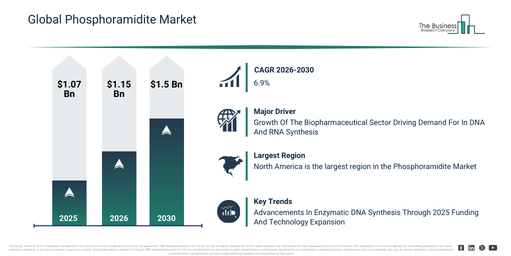
  • Phosphoramidite Market Expected To Reach $1.49 Billion By 2030 As Growth Accelerates At 6.9% CAGR

    Phosphoramidite Market Expected To Reach $1.49 Billion By 2030 As Growth Accelerates At 6.9% CAGR

    Delivering more actionable and strategically valuable research, The Business Research Company’s 2026 market reports feature market attractiveness analysis, total addressable market evaluation, company benchmarking matrices, interactive Excel dashboards, expanded supply chain intelligence, emerging startup coverage, and detailed product insights.

    Phosphoramidite Market Value Analysis: What Growth Is Expected Over The Forecast Period?

    The phosphoramidite market has experienced notable expansion over recent years, with its value projected to increase from $1.07 billion in 2025 to $1.15 billion in 2026, reflecting a compound annual growth rate (CAGR) of 7.1%. This historical growth has been driven by several factors, including a rise in DNA sequencing activities, the broadening of academic research funding, a greater utilization of synthetic nucleic acids, advances in solid-phase synthesis methods, and a growing need for molecular diagnostics.

    The phosphoramidite sector is projected to experience robust expansion over the coming years, with its valuation anticipated to reach $1.5 billion by 2030, reflecting a compound annual growth rate (CAGR) of 6.9%. This forecast period growth is driven by factors such as the proliferation of RNA-based therapeutics, advancements in gene editing techniques, heightened investment in pharmaceutical research and development, an increased need for tailor-made oligonucleotides, and the expansion of automated synthesis platforms. Among the key trends shaping the market are the growing requirement for materials used in oligonucleotide synthesis, the broadening scope of gene therapy and RNA-focused treatments, their rising utility in diagnostic and research contexts, the widespread uptake of automated solid-phase synthesis processes, and an enhanced emphasis on high-purity chemical components.

    Download A Free Sample Report For Comprehensive Market Insights:

    https://www.thebusinessresearchcompany.com/sample.aspx?id=22096&type=smp&utm_source=BlogsPR&utm_medium=Paid&utm_campaign=Jul_PR

    Phosphoramidite Market Development Factors: Which Trends Are Supporting Demand?

    The anticipated growth of the phosphoramidite market is being driven forward by the expansion of the biopharmaceutical sector. This sector encompasses the research, development, manufacturing, and marketing of biologically based medical products, such as vaccines, gene therapies, monoclonal antibodies, and recombinant proteins. Its expansion is fueled by progress in biotechnology, a rising incidence of chronic diseases, and greater investments in research and development. Innovations in biotechnology—including gene editing and monoclonal antibody therapies—have led to more effective and precisely targeted treatments. As an example, in October 2025, the UK-based Office for National Statistics reported that the country’s life sciences industry in 2024 consisted of 6,170 businesses across 7,320 sites, employing 359,600 people and generating £146.9 billion ($191 billion) in turnover. The medical technology subsector was the largest in terms of both company count and workforce, accounting for 60% of all firms and 55% of total employment. Consequently, the ongoing expansion of the biopharmaceutical sector is significantly boosting the phosphoramidite market.

    Phosphoramidite Market Segment Landscape: Which Areas Lead Market Development?

    The phosphoramidite market covered in this report is segmented –

    1) By Type: Deoxyribonucleic Acid (DNA) Phosphoramidites, Ribonucleic Acid (RNA) Phosphoramidites, Labeled Phosphoramidites, Modifier Phosphoramidites, Other Types

    2) By Synthesis Method: H-Phosphonate Method, Phosphoramidite Method, Trivalent Phosphorus Compounds Method

    3) By Application: Gene Synthesis, Deoxyribonucleic Acid (DNA) Sequencing, Deoxyribonucleic Acid (DNA) Amplification

    4) By End-User: Academic Research, Pharmaceutical Industry, Biotechnology Industry

    Subsegments:

    1) By Deoxyribonucleic Acid (DNA) Phosphoramidites: Standard DNA Phosphoramidites, Degenerate DNA Phosphoramidites, Methylated DNA Phosphoramidites, Backbone-Modified DNA Phosphoramidites

    2) By Ribonucleic Acid (RNA) Phosphoramidites: Standard RNA Phosphoramidites, 2′-O-Methyl RNA Phosphoramidites, 2′-Fluoro RNA Phosphoramidites, 2′-O-TBDMS Protected RNA Phosphoramidites

    3) By Labeled Phosphoramidites: Fluorescent-Labeled Phosphoramidites, Biotin-Labeled Phosphoramidites, Digoxigenin-Labeled Phosphoramidites, Radioisotope-Labeled Phosphoramidites

    4) By Modifier Phosphoramidites: Amine-Modified Phosphoramidites, Thiol-Modified Phosphoramidites, Spacer Phosphoramidites, Azide-Modified Phosphoramidites

    5) By Other Types: Chimeric Phosphoramidites, Phosphorothioate Phosphoramidites, PEGylated Phosphoramidites, Photo-Cleavable Phosphoramidites

    Phosphoramidite Market Transformation Trends: Which Innovations Are Driving Change?

    Leading players in the phosphoramidite market are concentrating on developing advanced DNA synthesis techniques, including convertible-preferred stock financing rounds, to boost the adoption and progress of Gibson SOLA technology for fast DNA and mRNA synthesis. Convertible-preferred stock financing is a capital-raising strategy where firms issue preferred shares that can be transformed into a set number of common shares at a later time. For example, in March 2025, Telesis Bio Inc., a biotechnology company based in the US, announced it had obtained up to $21 million in new funding to speed up the commercialization of its innovative enzymatic DNA synthesis platform, Gibson SOLA, backed by several strategic investors. This investment is intended to grow the firm’s fully enzymatic DNA synthesis technology, enhance its research, development, and manufacturing capacities, and improve access to quick, customizable long-DNA production. The company employs a proprietary enzymatic method that allows for the rapid and accurate synthesis of extended DNA sequences, tackling existing limitations linked to traditional phosphoramidite-based processes.

    Phosphoramidite Market Industry Leaders And Market Competition

    Major companies operating in the phosphoramidite market are Thermo Fisher Scientific Inc., Agilent Technologies Inc., Aragen Life Sciences, Twist Bioscience, Innovassynth Technologies (I) Ltd., Tokyo Chemical Industry Co. Ltd. (TCI), Aurigene Services, Eurofins Genomics, LGC Biosearch Technologies, Link Technologies Ltd., Creative Biolabs, Biosynth Carbosynth, TriLink BioTechnologies, ChemGenes Corporation, Berry & Associates Inc., Lumiprobe Corporation, Hongene Biotech Corporation, Carbolink India Pvt. Ltd., PolyOrg Inc., Glen Research, Gene Link Inc., emp BIOTECH GmbH

    Access The Complete Phosphoramidite Market Report:

    https://www.thebusinessresearchcompany.com/report/phosphoramidite-global-market-report?utm_source=BlogsPR&utm_medium=Paid&utm_campaign=Jul_PR

    Phosphoramidite Market Regional Distribution: Which Areas Drive Market Expansion?

    North America was the largest region in the phosphoramidite market in 2025. Europe is expected to be the fastest-growing region during the forecast period. The regions covered in the phosphoramidite market report are Asia-Pacific, South East Asia, Western Europe, Eastern Europe, North America, South America, Middle East, Africa.

    Get in touch with us:

    The Business Research Company: https://www.thebusinessresearchcompany.com/?utm_source=BlogsPR&utm_medium=Paid&utm_campaign=home_page_test

    Americas: +1 310-496-7795

    Asia: +44 7882 955267 & +91 8897263534

    Europe: +44 7882 955267

    Email us at: marketing@tbrc.info

    Follow us on:

    LinkedIn: https://in.linkedin.com/company/the-business-research-company

    YouTube: https://www.youtube.com/channel/UC24_fI0rV8cR5DxlCpgmyFQ

    Global Market Model: https://www.thebusinessresearchcompany.com/global-market-model

  • Phosphoinositide 3-Kinase (PI3K) Inhibitors Market Set To Grow From $1.76 Billion In 2026 To $2.88 Billion By 2030 At A CAGR Of 13.1%

    Phosphoinositide 3-Kinase (PI3K) Inhibitors Market Set To Grow From $1.76 Billion In 2026 To $2.88 Billion By 2030 At A CAGR Of 13.1%

    Enhanced with market attractiveness analysis, total addressable market evaluation, company benchmarking matrices, interactive Excel dashboards, expanded supply chain intelligence, emerging startup coverage, and detailed product insights, The Business Research Company’s 2026 market reports deliver more actionable and strategically valuable research.

    Phosphoinositide 3-Kinase (PI3K) Inhibitors Market Size Forecast: How Large Could The Market Become By 2030?

    The market for phosphoinositide 3-kinase (PI3K) inhibitors has experienced substantial expansion in recent years. Valued at $1.56 billion in 2025, it is projected to reach $1.76 billion by 2026, reflecting a compound annual growth rate (CAGR) of 13.2%. Historical growth has been driven by factors such as the rising incidence of cancer, the approval of early-generation PI3K inhibitors, progress in molecular oncology, heightened investment in oncology research and development, and persistent unmet requirements in the treatment of hematologic malignancies.

    The phosphoinositide 3-kinase (PI3K) inhibitors market is projected to experience rapid expansion over the coming years. By 2030, its value is anticipated to reach $2.88 billion, supported by a compound annual growth rate (CAGR) of 13.1%. This forecasted growth is driven by factors such as an expanding pipeline of next-generation PI3K therapies, increasing applications in autoimmune diseases, enhanced safety profiles, broader adoption of personalized oncology, and a rising number of combination therapy clinical trials. Key trends shaping the market during this period include a growing emphasis on targeted cancer treatments, accelerated development of isoform-selective inhibitors, increased use of combination oncology protocols, a stronger focus on biomarker-driven patient selection, and a continued transition toward oral targeted drug formulations.

    Download A Free Sample Report For Comprehensive Market Insights:

    https://www.thebusinessresearchcompany.com/sample.aspx?id=23474&type=smp&utm_source=BlogsPR&utm_medium=Paid&utm_campaign=Jul_PR

    Phosphoinositide 3-Kinase (PI3K) Inhibitors Market Industry Drivers: What Is Driving Revenue Growth?

    The growth of the phosphoinositide 3-kinase (PI3K) inhibitors market is expected to be significantly driven by the rising occurrence of cancer and autoimmune diseases going forward. Cancer involves diseases marked by unregulated cell growth and multiplication, while autoimmune disorders occur when the immune system erroneously attacks healthy tissues, resulting in persistent inflammation and tissue harm. This uptick in cancer and autoimmune disease cases is largely attributed to heightened genetic predisposition, which over time causes an accumulation of genetic mutations and immune system dysfunction. By targeting abnormal PI3K signaling—a pathway involved in tumor advancement and immune system irregularities—PI3K inhibitors play a crucial role in addressing the growing burden of these conditions. Through precision medicine strategies, they provide therapeutic advantages that boost treatment effectiveness and improve patient outcomes. As an illustration, in May 2025, data from the National Cancer Institute, a US government agency, revealed that the number of cancer survivors in the United States stood at 18.1 million in 2022 and is anticipated to reach 22.5 million by 2032, with about 40.5% of people expected to receive a cancer diagnosis at some point in their lives. Consequently, the escalating prevalence of both cancer and autoimmune diseases is fueling the expansion of the PI3K inhibitors market.

    Phosphoinositide 3-Kinase (PI3K) Inhibitors Market Segments: Where Are The Largest Growth Opportunities?

    The phosphoinositide 3-kinase (pi3k) inhibitors market covered in this report is segmented –

    1) By Type Of Inhibitor: Isoform Selective Inhibitors, Pan-Phosphoinositide 3-Kinase (PI3K) Inhibitors, Dual Phosphoinositide 3-Kinase (PI3K) Or Mechanistic Target Of Rapamycin (mTOR) Inhibitors, Novel Targeted Inhibitors

    2) By Distribution Channel: Hospital Pharmacies, Retail Pharmacies, Online Pharmacies, Other Distribution Channel

    3) By Application Areas: Cancer Treatment, Metabolic Disorders, Autoimmune Diseases, Neurological Disorders

    4) By End User: Hospitals, Research Institutes, Pharmaceutical Companies, Contract Research Organizations (CROs)

    Subsegments:

    1) By Isoform Selective Inhibitors: Phosphoinositide 3-Kinase Alpha (PI3Ka), Phosphoinositide 3-Kinase Beta (PI3Kß), Phosphoinositide 3-Kinase Delta (PI3Kd), Phosphoinositide 3-Kinase Gamma (PI3K?)

    2) By Pan-Phosphoinositide 3-Kinase (PI3K) Inhibitors: Class I Phosphoinositide 3-Kinase (PI3K), Non-Isoform Specific Phosphoinositide 3-Kinase (PI3K), Phosphoinositide 3-Kinase Kinase Domain

    3) By Dual Phosphoinositide 3-Kinase (PI3K) Or Mechanistic Target of Rapamycin (mTOR) Inhibitors: Phosphoinositide 3-Kinase (PI3K) and Mechanistic Target of Rapamycin (mTOR) Inhibition, Adenosine Triphosphate-Competitive Dual Inhibitors, Allosteric Dual Inhibitors

    4) By Novel Targeted Inhibitors: Next-Generation Phosphoinositide 3-Kinase, Targeting Mutant Phosphoinositide 3-Kinase Isoforms, Combination Therapies

    Phosphoinositide 3-Kinase (PI3K) Inhibitors Market Growth Trends: What Is Influencing The Future Outlook?

    Leading industry players in the phosphoinositide 3-kinase (PI3K) inhibitors market are prioritizing the development of advanced therapeutic approaches, specifically PI3K delta inhibitor therapies, designed to deliver precise intervention for conditions involving irregular phosphoinositide 3-kinase (PI3K) signaling. This particular therapy operates by blocking the PI3K delta enzyme, which is essential for immune cell communication, thereby helping to manage inflammation, autoimmune activity, and certain blood cancers where this pathway is disrupted. A notable example occurred in March 2023 when the U.S. Food and Drug Administration (FDA), a federal regulatory authority based in the United States, granted approval to Joenja (leniolisib) as the first treatment option for activated phosphoinositide 3-kinase delta syndrome (APDS) in individuals aged 12 years and older. This decision represented a significant advancement in targeted treatments, introducing a precision medicine strategy aimed at correcting immune dysfunction linked to genetic alterations in the PIK3CD or PIK3R1 genes. The introduction of Joenja (leniolisib) not only broadens the utility of phosphoinositide 3-kinase (PI3K) inhibitors beyond cancer care but also highlights an increasing emphasis on tailored therapies for uncommon immunological conditions.

    Phosphoinositide 3-Kinase (PI3K) Inhibitors Market Major Participants And Competitive Dynamics

    Major companies operating in the phosphoinositide 3-kinase (pi3k) inhibitors market are Novartis AG, Gilead Sciences Inc., TG Therapeutics Inc., Verastem Oncology Inc., Bayer AG, AstraZeneca PLC, Pfizer Inc., AbbVie Inc., F. Hoffmann-La Roche Ltd, Genentech Inc., Takeda Pharmaceutical Company Limited, Incyte Corporation, Boehringer Ingelheim, Sanofi S.A., Bristol Myers Squibb, Eli Lilly and Company, Merck KGaA, Relay Therapeutics Inc., Ideaya Biosciences Inc., BeiGene Ltd.

    Access The Complete Phosphoinositide 3-Kinase (PI3K) Inhibitors Market Report:

    https://www.thebusinessresearchcompany.com/report/phosphoinositide-3-kinase-pi3k-inhibitors-global-market-report?utm_source=BlogsPR&utm_medium=Paid&utm_campaign=Jul_PR

    Phosphoinositide 3-Kinase (PI3K) Inhibitors Market Leading Geography: Which Region Generates The Most Revenue?

    North America was the largest region in the phosphoinositide 3-kinase (PI3K) inhibitors market in 2025. Asia-Pacific is expected to be the fastest-growing region in the forecast period. The regions covered in the phosphoinositide 3-kinase (pi3k) inhibitors market report are Asia-Pacific, South East Asia, Western Europe, Eastern Europe, North America, South America, Middle East, Africa.

    Get in touch with us:

    The Business Research Company: https://www.thebusinessresearchcompany.com/?utm_source=BlogsPR&utm_medium=Paid&utm_campaign=home_page_test

    Americas: +1 310-496-7795

    Asia: +44 7882 955267 & +91 8897263534

    Europe: +44 7882 955267

    Email us at: marketing@tbrc.info

    Follow us on:

    LinkedIn: https://in.linkedin.com/company/the-business-research-company

    YouTube: https://www.youtube.com/channel/UC24_fI0rV8cR5DxlCpgmyFQ

    Global Market Model: https://www.thebusinessresearchcompany.com/global-market-model