Month: July 2026

  • Pediatric Asthma Treatment Market Outlook Highlights The Next Major Growth Opportunities

    Pediatric Asthma Treatment Market Outlook Highlights The Next Major Growth Opportunities

    Delivering more actionable and strategically valuable research, The Business Research Company’s 2026 market reports feature market attractiveness analysis, total addressable market evaluation, company benchmarking matrices, interactive Excel dashboards, expanded supply chain intelligence, emerging startup coverage, and detailed product insights.

    Pediatric Asthma Treatment Market Forecast: What Market Value Is Expected By 2030?

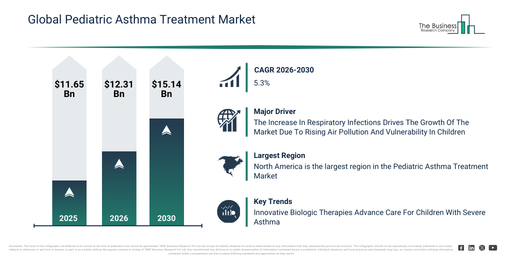
    The market for pediatric asthma treatments has experienced robust expansion in recent years, with its valuation projected to rise from $11.65 billion in 2025 to $12.31 billion in 2026, reflecting a compound annual growth rate (CAGR) of 5.7%. This historical growth has been driven by several factors, including the constrained accessibility of medications specifically formulated for children, a heavy dependence on hospital-centered care, a rising incidence of asthma among pediatric populations, heightened awareness among caregivers, and the widespread use of traditional inhalers along with short-acting beta agonists.

    The pediatric asthma treatment market is projected to experience robust growth over the coming years, with an anticipated increase to $15.14 billion by 2030, reflecting a compound annual growth rate (CAGR) of 5.3%. This expansion during the forecast period is driven by advancements in biologics and combination therapies, the integration of digital health monitoring devices, the growth of home care services, the rising adoption of online pharmacies, and an increase in regulatory approvals for pediatric asthma medications. Key trends shaping this period include a growing emphasis on personalized therapies for young patients, a higher utilization of biologic treatments and combination inhalers, a shift towards home care and remote patient monitoring, an expansion of online and retail pharmacy channels, and a greater focus on early diagnosis and preventive asthma management strategies.

    Download A Free Sample Report For Comprehensive Market Insights:

    https://www.thebusinessresearchcompany.com/sample.aspx?id=25868&type=smp&utm_source=BlogsPR&utm_medium=Paid&utm_campaign=Jul_PR

    Pediatric Asthma Treatment Market Development Factors: Which Trends Are Supporting Demand?

    The anticipated growth of the pediatric asthma treatment market is being driven by the rising frequency of respiratory infections. These infections are caused by viruses, bacteria, or other pathogens affecting the respiratory tract, including the nose, throat, airways, and lungs. Their increasing occurrence is largely attributed to worsening air pollution, where exposure to pollutants like particulate matter and nitrogen dioxide compromises respiratory health and heightens susceptibility to infections. By enhancing airway function and reducing inflammation, pediatric asthma treatment lessens both the frequency and severity of such infections, thereby decreasing vulnerability to infectious triggers. For example, the Australian Institute of Health and Welfare, a government agency based in Australia, reported in June 2024 that chronic obstructive pulmonary disease represented 3.6% of the total disease burden in 2023 and accounted for half of all respiratory condition burdens. Consequently, this uptick in respiratory infections is fueling expansion within the pediatric asthma treatment market.

    Pediatric Asthma Treatment Market Segment Performance And Strategic Opportunities

    The pediatric asthma treatment market covered in this report is segmented –

    1) By Type: Long-Term Control Medications, Quick-Relief Medications, Other Types

    2) By Drug Class: Inhaled Corticosteroids, Long-Acting Beta Agonists, Leukotriene Modifiers, Antihistamines, Biologics

    3) By Route Of Administration: Oral Route, Nasal Route, Injectable Route

    4) By Distribution Channel: Hospital Pharmacies, Retail Pharmacies, Online Pharmacies

    5) By End User: Hospitals, Clinics, Home Care, Other End users

    Subsegments:

    1) By Long-Term Control Medications: Inhaled Corticosteroids, Leukotriene Modifiers, Long-Acting Beta Agonists, Combination Inhalers, Biologic Therapies

    2) By Quick-Relief Medications: Short-Acting Beta Agonists, Anticholinergics, Systemic Corticosteroids

    3) By Other Types: Immunotherapy, Methylxanthines, Alternative Therapies

    Pediatric Asthma Treatment Market Transformation Trends: Which Innovations Are Driving Change?

    Key players in the pediatric asthma treatment market are concentrating on the development of innovative therapies, including monoclonal antibodies, aimed at specifically targeting and decreasing airway inflammation in children. Monoclonal antibodies are proteins generated in a laboratory setting, engineered to replicate how the immune system naturally combats harmful pathogens by precisely attaching to particular cells or substances. For example, in April 2024, AstraZeneca PLC, a UK-headquartered pharmaceutical and biotechnology firm, secured approval from the U.S. Food and Drug Administration for FASENRA (benralizumab) as an additional maintenance therapy for children between the ages of 6 and 11 who suffer from severe asthma with an eosinophilic phenotype. This antibody functions by targeting and eliminating eosinophils, thereby reducing asthma exacerbations and enhancing symptom management. FASENRA is given as a subcutaneous injection every four weeks for the initial three doses, and then every eight weeks thereafter, with pediatric dosing modified according to the child’s needs.

    Pediatric Asthma Treatment Market Key Players: Which Companies Shape Industry Competition?

    Major companies operating in the pediatric asthma treatment market are Pfizer Inc., Merck And Co Inc., Novartis AG, Sanofi S.A., AstraZeneca plc, GlaxoSmithKline plc, Takeda Pharmaceutical Company Limited, Amgen Inc., Boehringer Ingelheim International GmbH, Viatris Inc., Teva Pharmaceutical Industries Limited, Regeneron Pharmaceuticals Inc., Sun Pharmaceutical Industries Limited, Genentech Inc., Chiesi Farmaceutici S.p.A, Dr. Reddy’s Laboratories Ltd, Cipla Ltd, Lupin Limited, Zydus Lifesciences Ltd.

    Access The Complete Pediatric Asthma Treatment Market Report:

    https://www.thebusinessresearchcompany.com/report/pediatric-asthma-treatment-global-market-report?utm_source=BlogsPR&utm_medium=Paid&utm_campaign=Jul_PR

    Pediatric Asthma Treatment Market Geographic Distribution And Regional Opportunities

    North America was the largest region in the pediatric asthma treatment market in 2025. Asia-Pacific is expected to be the fastest-growing region in the forecast period. The regions covered in the pediatric asthma treatment market report are Asia-Pacific, South East Asia, Western Europe, Eastern Europe, North America, South America, Middle East, Africa.

    Get in touch with us:

    The Business Research Company: https://www.thebusinessresearchcompany.com/?utm_source=BlogsPR&utm_medium=Paid&utm_campaign=home_page_test

    Americas: +1 310-496-7795

    Asia: +44 7882 955267 & +91 8897263534

    Europe: +44 7882 955267

    Email us at: marketing@tbrc.info

    Follow us on:

    LinkedIn: https://in.linkedin.com/company/the-business-research-company

    YouTube: https://www.youtube.com/channel/UC24_fI0rV8cR5DxlCpgmyFQ

    Global Market Model: https://www.thebusinessresearchcompany.com/global-market-model
  • Peanut Allergy Treatment Market Trends And Growth Drivers Point To Strong Future Potential

    Peanut Allergy Treatment Market Trends And Growth Drivers Point To Strong Future Potential

    Enhanced with market attractiveness analysis, total addressable market evaluation, company benchmarking matrices, interactive Excel dashboards, expanded supply chain intelligence, emerging startup coverage, and detailed product insights, The Business Research Company’s 2026 market reports deliver more actionable and strategically valuable research.

    Peanut Allergy Treatment Market Size Outlook: How Fast Will Revenue Grow Through 2030?

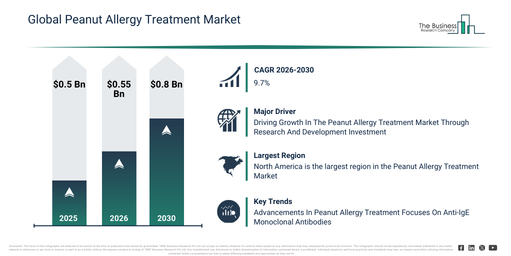
    The market for peanut allergy treatments has seen significant expansion in recent years, with projections indicating an increase from $0.5 billion in 2025 to $0.55 billion in 2026, reflecting a compound annual growth rate (CAGR) of 10.8%. This historical growth can be explained by several factors, including a higher incidence of peanut allergies among children, the limited success of management strategies that rely solely on avoidance, a growing number of diagnosed food allergies, a heavy dependence on epinephrine for emergency care, and heightened awareness among medical professionals.

    The market for peanut allergy treatments is projected to experience robust expansion over the coming years. By 2030, its value is anticipated to reach $0.8 billion, driven by a compound annual growth rate (CAGR) of 9.7%. This anticipated growth during the forecast period is fueled by progress in immunotherapy techniques, a higher number of approved disease-modifying therapies, increasing consumer interest in preventive allergy care, the development of biologics that target allergic pathways, and greater financial support for food allergy studies. Key developments shaping this period include the increased application of oral immunotherapy to achieve peanut desensitization, the expanding utilization of epicutaneous immunotherapy patches, the growing incorporation of biologic agents into allergy treatment protocols, the development of more pediatric-focused therapies for peanut allergies, and a heightened focus on sustainable, long-term methods for managing allergies.

    Download A Free Sample Report For Comprehensive Market Insights:

    https://www.thebusinessresearchcompany.com/sample.aspx?id=15888&type=smp&utm_source=BlogsPR&utm_medium=Paid&utm_campaign=Jul_PR

    Peanut Allergy Treatment Market Industry Drivers: What Is Driving Revenue Growth?

    The growth of the peanut allergy treatment market is anticipated to be driven by investments in research and development for allergy therapies. Research and development (R&D) investment involves financial resources channeled by companies, organizations, or governments into activities focused on innovation, product advancement, and technological progress. Such investment in allergy treatment R&D plays a vital role in progressing peanut allergy therapies. It enables the development of novel immunotherapies and desensitization methods designed to minimize allergic responses and enhance the quality of life for individuals with peanut allergies. For example, in January 2024, the Victorian Government committed a strategic $12 million to Aravax, an Australian clinical-stage biotechnology company, to boost global peanut allergy treatment efforts. This funding was part of a larger $66 million round intended to advance Aravax’s innovative immunotherapy, PVX108. The initiative has received Phase 2 trial approvals from both the U.S. Food and Drug Administration (FDA) and Australia’s Therapeutic Goods Administration (TGA), highlighting its potential worldwide public health impact. Consequently, increased R&D investment in allergy treatments is propelling the expansion of the peanut allergy treatment market.

    Peanut Allergy Treatment Market Segment Landscape And Growth Potential

    The peanut allergy treatment market covered in this report is segmented –

    1) By Drug Class: Antihistamines, Immunotherapies, Epinephrine, Other Drug Classes

    2) By Route Of Administration: Injectable, Oral, Other Routes Of Administration

    3) By Distribution Channel: Retail Pharmacy, Hospital Pharmacy, Other Distribution Channels

    Subsegments:

    1) By Antihistamines: Oral Antihistamines, Topical Antihistamines

    2) By Immunotherapies: Oral Immunotherapy (OIT), Sublingual Immunotherapy (SLIT), Epicutaneous Immunotherapy (EPIT)

    3) By Epinephrine: Epinephrine Auto-Injectors, Epinephrine Inhalers

    4) By Other Drug Classes: Leukotriene Receptor Antagonists, Monoclonal Antibodies, Corticosteroids

    Peanut Allergy Treatment Market Growth Trends: What Is Influencing The Future Outlook?

    Key players in the market for treating peanut allergies are concentrating their efforts on the development of biologic therapies—specifically anti-IgE monoclonal antibodies—with the goal of delivering more precise and effective approaches to managing peanut allergies, ultimately enhancing patient outcomes and overall quality of life. These monoclonal antibodies are therapeutic agents engineered to bind to and neutralize immunoglobulin E (IgE) antibodies within the body. A notable example occurred in February 2024, when Novartis Pharmaceuticals Corporation, headquartered in Switzerland, received FDA approval for Xolair (omalizumab). This drug is designed to lessen allergic reactions, including anaphylaxis, in individuals aged one year and older who suffer from IgE-mediated food allergies. The approval was supported by findings from the NIH-sponsored Phase III OUtMATCH study, which demonstrated that patients treated with Xolair achieved significantly greater tolerance to food allergens compared to those given a placebo.

    Peanut Allergy Treatment Market Competitive Landscape: Who Are The Leading Companies?

    Major companies operating in the peanut allergy treatment market are Pfizer Inc., F. Hoffmann-La Roche AG, Sanofi SA, Novartis AG, Takeda Pharmaceutical Company Limited, Viatris Inc., Regeneron Pharmaceuticals Inc., Hikma Pharmaceuticals plc, ALK-Abelló A/S, Amneal Pharmaceuticals Inc., Amphastar Pharmaceuticals Inc, Stallergenes Greer plc, kaleo Inc., Aquestive Therapeutics Inc., Vedanta Biosciences Inc., Aimmune Therapeutics Inc., AnaptysBio Inc., Alladapt Immunotherapeutics Inc., Aravax Pty Ltd, Intrommune Therapeutics Inc., IgGenix Inc., DBV Technologies SA, Camallergy Ltd., HAL Allergy Group, Prota Therapeutics Pty Ltd.

    Access The Complete Peanut Allergy Treatment Market Report:

    https://www.thebusinessresearchcompany.com/report/peanut-allergy-treatment-global-market-report?utm_source=BlogsPR&utm_medium=Paid&utm_campaign=Jul_PR

    Peanut Allergy Treatment Market Largest Region By Revenue And Market Share

    North America was the largest region in the peanut allergy treatment market in 2025. Asia-Pacific is expected to be the fastest-growing region in the forecast period. The regions covered in the peanut allergy treatment market report are Asia-Pacific, South East Asia, Western Europe, Eastern Europe, North America, South America, Middle East, Africa.

    Get in touch with us:

    The Business Research Company: https://www.thebusinessresearchcompany.com/?utm_source=BlogsPR&utm_medium=Paid&utm_campaign=home_page_test

    Americas: +1 310-496-7795

    Asia: +44 7882 955267 & +91 8897263534

    Europe: +44 7882 955267

    Email us at: marketing@tbrc.info

    Follow us on:

    LinkedIn: https://in.linkedin.com/company/the-business-research-company

    YouTube: https://www.youtube.com/channel/UC24_fI0rV8cR5DxlCpgmyFQ

    Global Market Model: https://www.thebusinessresearchcompany.com/global-market-model
  • PD-1 and PDL1 Inhibitors/ Immune Checkpoint Inhibitors Market Expansion Is Reshaping Competitive Dynamics Across The Industry

    PD-1 and PDL1 Inhibitors/ Immune Checkpoint Inhibitors Market Expansion Is Reshaping Competitive Dynamics Across The Industry

    Through market attractiveness analysis, total addressable market evaluation, company benchmarking matrices, interactive Excel dashboards, expanded supply chain intelligence, emerging startup coverage, and detailed product insights, The Business Research Company’s 2026 market reports provide more actionable and strategically valuable research.

    PD-1 and PDL1 Inhibitors/ Immune Checkpoint Inhibitors Market Size, Value And Growth Trends Through 2030

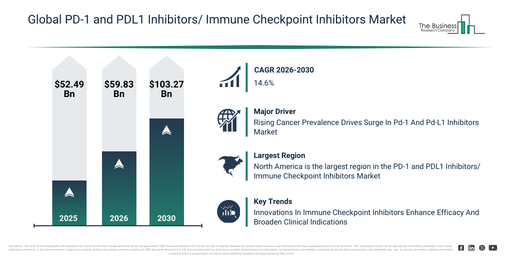
    The market for PD-1 and PDL1 inhibitors, which are types of immune checkpoint inhibitors, has experienced rapid expansion over the past few years, advancing from $52.49 billion in 2025 to a projected $59.83 billion in 2026, representing a compound annual growth rate (CAGR) of 14.0%. This historic growth is largely the result of multiple key trends, including the rising incidence of cancer around the world, the early and encouraging clinical outcomes achieved with PD-1 and PDL1 inhibitors, substantial funding directed toward oncology research and development, the regulatory endorsement of early-generation checkpoint inhibitors, and a general increase in healthcare spending aimed at cancer treatments.

    The market for PD-1 and PD-L1 inhibitors, also referred to as immune checkpoint inhibitors, is anticipated to experience robust expansion in the coming years. Projections indicate it will reach $103.27 billion by 2030, driven by a compound annual growth rate (CAGR) of 14.6%. This future growth is propelled by factors such as an increasing need for customized cancer therapies, a rise in clinical trials examining combination approaches, a higher number of approvals within emerging markets, better survival rates among patients, and broader adoption in treating both solid tumors and blood cancers. Key developments expected in this period involve the spread of combination immunotherapy protocols, a greater emphasis on patient selection using biomarkers, a surge in approvals for various cancer types, more frequent use in initial treatment stages, and a substantial pipeline for next-generation checkpoint inhibitors.

    Download A Free Sample Report For Comprehensive Market Insights:

    https://www.thebusinessresearchcompany.com/sample.aspx?id=10788&type=smp&utm_source=BlogsPR&utm_medium=Paid&utm_campaign=Jul_PR

    #PD-1 and PDL1 Inhibitors/ Immune Checkpoint Inhibitors Market Growth Factors: Which Forces Are Supporting Market Expansion?

    An anticipated increase in cancer prevalence is set to drive the expansion of the PD-1 and PDL1 Inhibitors/ Immune checkpoint inhibitors market. Cancer is characterized by the uncontrolled growth of cells that can spread to other areas of the body. These inhibitors work by leveraging the immune system to target and destroy cancer cells. As a result, the growing number of cancer cases is fueling the market’s development. For example, in February 2024, the World Health Organization, an intergovernmental agency based in Switzerland, projected over 35 million new cancer cases by 2050—a 77% rise from the estimated 20 million cases in 2022. Consequently, the increasing prevalence of cancer will accelerate growth in the PD-1 and PDL1 Inhibitors/ Immune checkpoint inhibitors market.

    PD-1 and PDL1 Inhibitors/ Immune Checkpoint Inhibitors Market Categorization By Product Type And Application

    The pd-1 and pdl1 inhibitors/ immune checkpoint inhibitors market covered in this report is segmented –

    1) By Product: Nivolumab, Pembrolizumab, Atezolizumab, Avelumab, Durvalumab

    2) By Distribution Channel: Hospital pharmacies, Retail pharmacies, Online pharmacies

    3) By Application: Lung Cancer, Bladder Cancer, Melanoma, Hodgkin Lymphoma, Colorectal Cancer, Other Applications

    4) By End-Users : Hospitals, Specialty Clinics, Academic and Research Institutions

    PD-1 and PDL1 Inhibitors/ Immune Checkpoint Inhibitors Market Industry Trends: What Changes Are Reshaping Demand?

    Leading players in the PD-1 and PD-L1 inhibitor market, particularly within the immune checkpoint inhibitor space, are heavily investing in next-generation immuno-oncology approaches designed to boost treatment outcomes and expand patient access. These immuno-oncology solutions leverage the immune system to selectively identify and eliminate cancer cells while minimizing harm to healthy tissue. A notable case occurred in September 2023 when BeiGene, an oncology company headquartered in China, reclaimed global rights for the PD-1 inhibitor tislelizumab from Novartis and introduced it in Europe under the Tevimbra label for previously treated esophageal squamous cell carcinoma. This therapy shows promise across both first-line and second-line settings, enabling BeiGene to retain complete authority over pricing decisions and commercial strategy. Tislelizumab remains involved in active clinical trials, such as a phase 3 investigation combining it with ociperlimab and chemotherapy for metastatic non-small cell lung cancer, as well as a mid-stage trial pairing it with a LAG-3 inhibitor in colorectal cancer. These developments underscore an increasing focus on combination regimens and scalable market rollouts within the fiercely competitive arena of immune checkpoint blockade.

    PD-1 and PDL1 Inhibitors/ Immune Checkpoint Inhibitors Market Company Landscape And Strategic Competition

    Major companies operating in the pd-1 and pdl1 inhibitors/ immune checkpoint inhibitors market are Bristol-Myers Squibb Company, Merck and Company, F. Hoffmann-La Roche AG, Amgen Inc., AstraZeneca plc, Pfizer Inc., Regeneron Pharmaceuticals Inc., BeiGene Ltd, Shanghai Jhunsi Biosciences Ltd., Akeso Inc., Alphamab Oncology, Eli Lilly and Company, Xencor Inc., Jiangsu Alphamab Biopharmaceuticals Co. Ltd, Laekna Therapeutics, Genentech Inc., Tracon Pharmaceuticals Inc., Hangzhou Sumgen Co. Ltd, Agenus Inc., Celldex Therapeutics Inc., CytomX Therapeutics Inc.

    Access The Complete PD-1 and PDL1 Inhibitors/ Immune Checkpoint Inhibitors Market Report:

    https://www.thebusinessresearchcompany.com/report/pd-1-and-pdl1-inhibitors-or-immune-checkpoint-inhibitors-global-market-report?utm_source=BlogsPR&utm_medium=Paid&utm_campaign=Jul_PR

    PD-1 and PDL1 Inhibitors/ Immune Checkpoint Inhibitors Market Regional Analysis And Leading Geography

    North America was the largest region in the PD-1 and PDL1 inhibitors market in 2025. The regions covered in the pd-1 and pdl1 inhibitors/ immune checkpoint inhibitors market report are Asia-Pacific, South East Asia, Western Europe, Eastern Europe, North America, South America, Middle East, Africa.

    Get in touch with us:

    The Business Research Company: https://www.thebusinessresearchcompany.com/?utm_source=BlogsPR&utm_medium=Paid&utm_campaign=home_page_test

    Americas: +1 310-496-7795

    Asia: +44 7882 955267 & +91 8897263534

    Europe: +44 7882 955267

    Email us at: marketing@tbrc.info

    Follow us on:

    LinkedIn: https://in.linkedin.com/company/the-business-research-company

    YouTube: https://www.youtube.com/channel/UC24_fI0rV8cR5DxlCpgmyFQ

    Global Market Model: https://www.thebusinessresearchcompany.com/global-market-model
  • PCSK9 Inhibitor Market Forecast Reveals Where Future Industry Value Will Be Created

    PCSK9 Inhibitor Market Forecast Reveals Where Future Industry Value Will Be Created

    Delivering more actionable and strategically valuable research, The Business Research Company’s 2026 market reports feature market attractiveness analysis, total addressable market evaluation, company benchmarking matrices, interactive Excel dashboards, expanded supply chain intelligence, emerging startup coverage, and detailed product insights.

    PCSK9 Inhibitor Market CAGR Analysis And Future Market Development

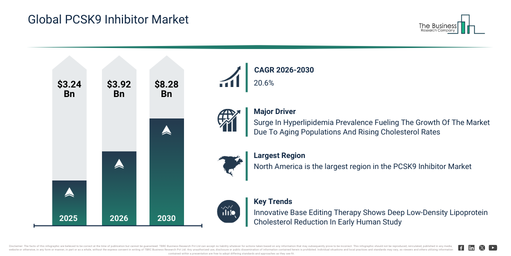
    The market for PCSK9 inhibitors has experienced rapid expansion over the past few years. Its value is projected to increase from $3.24 billion in 2025 to $3.92 billion in 2026, representing a compound annual growth rate (CAGR) of 21.0%. Several factors drove this historical growth, including the restricted supply of PCSK9 inhibitors, a dependence on monoclonal antibody treatments, heightened awareness about cardiovascular disease dangers, a rise in prescriptions written by physicians for lipid-lowering medications, and regulatory endorsements granted to first-generation PCSK9 inhibitors.

    The projected growth of the pcsk9 inhibitor market appears set to accelerate significantly in the coming years. By 2030, it is forecast to reach $8.28 billion, indicating a compound annual growth rate (CAGR) of 20.6%. Several factors are expected to drive this expansion during the forecast period, including the launch of inclisiran alongside other siRNA-based therapies, an increase in the availability of combination treatment options, a growing shift toward personalized medicine, rising healthcare spending dedicated to managing cardiovascular disease, and the introduction of digital tools for patient monitoring and adherence. Among the major trends shaping this period are the increasing incidence of hypercholesterolemia and related cardiovascular conditions, broader use of subcutaneous and intravenous administration methods, the emergence of biosimilars and combination therapies, heightened investment in customized lipid-lowering treatments, and the growth of specialized clinics and hospital-based programs focused on pcsk9 therapy.

    Download A Free Sample Report For Comprehensive Market Insights:

    https://www.thebusinessresearchcompany.com/sample.aspx?id=25867&type=smp&utm_source=BlogsPR&utm_medium=Paid&utm_campaign=Jul_PR

    PCSK9 Inhibitor Market Demand Drivers: What Is Fueling Industry Growth?

    The anticipated growth of the PCSK9 inhibitor market is being driven by the rising prevalence of hyperlipidemia. This condition involves abnormally high concentrations of lipids, such as cholesterol and triglycerides, in the blood, which elevates the likelihood of cardiovascular disease. Its increasing occurrence is largely attributed to aging demographics, as cholesterol levels typically rise significantly with age, particularly after 45. PCSK9 inhibitors tackle hyperlipidemia by boosting the liver’s capacity to clear excess LDL cholesterol from the blood, thereby enhancing lipid profiles. For example, data from the Australian Bureau of Statistics, a government entity in Australia, released in December 2023, shows a sharp increase in high cholesterol rates—from 1.1% among individuals aged 18–34 to 29.0% in those 75 and older. Consequently, the escalating prevalence of hyperlipidemia is fueling the expansion of the PCSK9 inhibitor market.

    PCSK9 Inhibitor Market Segment Analysis And Revenue Opportunities

    The pcsk9 inhibitor market covered in this report is segmented –

    1) By Drug Type: Alirocumab, Evolocumab, Inclisiran, Bococizumab, Other Types

    2) By Route of Administration: Oral, Subcutaneous Injection, Intravenous Injection

    3) By Modality: Fully-Humanized Monoclonal Antibodies, Small Interfering RNA (siRNA)

    4) By Application: Hypercholesterolemia, Hyperlipidemia, Cardiovascular Disease Prevention, Familial Hypercholesterolemia

    5) By Sales Channel: Hospitals, Specialty Clinics, Retail Pharmacies, Online Pharmacies

    Subsegments:

    1) By Alirocumab: Dosage Forms, Indications, Administration Frequency

    2) By Evolocumab: Dosage Forms, Indications, Administration Frequency

    3) By Inclisiran: Dosage Forms, Indications, Dosing Schedule

    4) By Bococizumab: Dosage Forms, Indications, Development Status

    5) By Other Types: Emerging PCSK9 Inhibitors, Combination Therapies, Biosimilars Or Generics

    PCSK9 Inhibitor Market Innovation Trends: Which Developments Are Transforming The Industry?

    Leading players in the PCSK9 inhibitor landscape are channeling their efforts into pioneering approaches like in vivo gene therapy, aiming to develop durable or one-time treatments capable of permanently decreasing LDL cholesterol in individuals facing elevated cardiovascular risk. Through in vivo gene therapy, genetic material is directly delivered into the patient’s body to correct or replace defective genes within specific target cells, thus producing therapeutic effects directly at the disease source. For example, in April 2025, Verve Therapeutics Inc., a clinical-stage company based in the US, disclosed early findings from its Heart-2 Phase 1b trial involving VERVE-102. This particular study focused on individuals diagnosed with heterozygous familial hypercholesterolemia (HeFH) and premature coronary artery disease (CAD)—conditions that demand significant and sustained reductions in LDL cholesterol. Following a solitary dose of VERVE-102, participants demonstrated dose-dependent decreases in both PCSK9 protein and LDL-C levels. Within the group receiving 0.6 mg per kg, the average reduction in low-density lipoprotein cholesterol reached 53%, and some patients experienced a maximum decline of 69%. Such outcomes underscore the promise of VERVE-102 as a potent therapeutic agent for lowering cholesterol.

    PCSK9 Inhibitor Market Leading Players Shaping Industry Direction

    Major companies operating in the pcsk9 inhibitor market are Sanofi S.A, Novartis AG, Amgen Inc., Regeneron Pharmaceuticals Inc., Alnylam Pharmaceuticals Inc., Ionis Pharmaceuticals Inc., Innovent Biologics Inc., Shanghai Junshi Biosciences Co. Ltd., Akeso Inc., Verve Therapeutics Inc., LIB Therapeutics LLC, Vaxxinity Inc., Jiangsu Hengrui Pharmaceuticals Co. Ltd., Shenyang Xinlitai Pharmaceutical Co. Ltd.

    Access The Complete PCSK9 Inhibitor Market Report:

    https://www.thebusinessresearchcompany.com/report/pcsk9-inhibitor-global-market-report?utm_source=BlogsPR&utm_medium=Paid&utm_campaign=Jul_PR

    PCSK9 Inhibitor Market Geographic Analysis: Where Is Demand Growing The Fastest?

    North America was the largest region in the PCSK9 inhibitor market in 2025. Asia-Pacific is expected to be the fastest-growing region in the forecast period. The regions covered in the pcsk9 inhibitor market report are Asia-Pacific, South East Asia, Western Europe, Eastern Europe, North America, South America, Middle East, Africa.

    Get in touch with us:

    The Business Research Company: https://www.thebusinessresearchcompany.com/?utm_source=BlogsPR&utm_medium=Paid&utm_campaign=home_page_test

    Americas: +1 310-496-7795

    Asia: +44 7882 955267 & +91 8897263534

    Europe: +44 7882 955267

    Email us at: marketing@tbrc.info

    Follow us on:

    LinkedIn: https://in.linkedin.com/company/the-business-research-company

    YouTube: https://www.youtube.com/channel/UC24_fI0rV8cR5DxlCpgmyFQ

    Global Market Model: https://www.thebusinessresearchcompany.com/global-market-model
  • Parenteral Nutrition Market Growth Through 2030 Creates New Strategic Opportunities

    Parenteral Nutrition Market Growth Through 2030 Creates New Strategic Opportunities

    Enhanced with market attractiveness analysis, total addressable market evaluation, company benchmarking matrices, interactive Excel dashboards, expanded supply chain intelligence, emerging startup coverage, and detailed product insights, The Business Research Company’s 2026 market reports deliver more actionable and strategically valuable research.

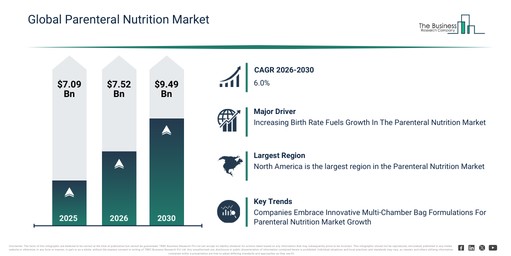
    Parenteral Nutrition Market Expansion From $7.51 Billion In 2026 To $9.49 Billion In 2030

    The parenteral nutrition market has experienced notable expansion in recent times. Projections indicate an increase from $7.09 billion in 2025 to $7.52 billion in 2026, reflecting a compound annual growth rate (CAGR) of 6.1%. This historical growth is driven by factors such as a rising prevalence of malnutrition, higher rates of hospital admissions, insufficient awareness surrounding parenteral nutrition, limited uptake in homecare settings, and growing demand for nutrition in critical care.

    The parenteral nutrition market is forecasted to experience robust expansion in the coming years, reaching a valuation of $9.49 billion by 2030, driven by a compound annual growth rate (CAGR) of 6.0%. This projected increase is fueled by factors such as a growing elderly demographic, the broadening scope of home healthcare services, breakthroughs in nutrient composition, governmental backing for nutritional initiatives, and the incorporation of digital tracking into PN therapies. Key developments shaping this future period encompass sophisticated nutrient blends, the widening use of home-based parenteral nutrition, individually tailored nutritional approaches, minimally invasive delivery tools, and heightened focus on regulatory adherence and safety upgrades.

    Download A Free Sample Report For Comprehensive Market Insights:

    https://www.thebusinessresearchcompany.com/sample.aspx?id=6705&type=smp&utm_source=BlogsPR&utm_medium=Paid&utm_campaign=Jul_PR

    Parenteral Nutrition Market Growth Drivers: What Factors Are Accelerating Expansion?

    The growth of the parenteral nutrition market is expected to be fueled by rising birth rates in the coming period. The birth rate is defined as the number of live births occurring per 1,000 people in a given population annually. Higher birth and fertility rates significantly increase the likelihood of malnutrition among women of childbearing age and new mothers, which in turn boosts the need for parenteral nutrition. As an example, data from the Office for National Statistics Census, a UK government body, shows that in 2024, there were 594,677 live births in England and Wales—an increase of 3,605 births, or 0.6%, compared to the 591,072 live births recorded in 2023. As a result, the upward trend in birth rates is set to drive expansion in the parenteral nutrition market.

    Parenteral Nutrition Market Segmentation And Category Breakdown

    The parenteral nutrition market covered in this report is segmented –

    1) By Composition: Amino Acids, Fats, Carbohydrates, Trace Elements, Vitamins, Minerals, Other Compositions

    2) By Consumer Type: Children and New-born, Adults

    3) By End-User: Hospitals, Clinics, Homecare, Other End Users

    Subsegments:

    1) By Amino Acids: Essential Amino Acids, Non-Essential Amino Acids, Specialized Amino Acid Solutions

    2) By Fats: Lipid Emulsions (Soybean Oil, Olive Oil), Fish Oil-Based Lipid Emulsions, Medium-Chain Triglycerides (MCTs)

    3) By Carbohydrates: Dextrose Solutions, Maltodextrin, Fructose

    4) By Trace Elements: Zinc, Copper, Selenium, Manganese

    5) By Vitamins: Water-Soluble Vitamins (B-complex, Vitamin C), Fat-Soluble Vitamins (A, D, E, K)

    6) By Minerals: Electrolytes (Sodium, Potassium, Calcium, Magnesium), Phosphorus

    7) By Other Compositions: Antioxidants, Additives, Specialty Nutrients

    Parenteral Nutrition Market Trends: What Is Shaping Future Industry Growth?

    Key players in the parenteral nutrition market are concentrating on the creation of advanced formulations, including high-calorie injections containing amino acids, glucose, electrolytes, fats, and multivitamins, to enhance nutritional care for individuals with long-term illnesses. These intravenous solutions deliver complete macronutrient and micronutrient support to patients who cannot meet their dietary requirements through oral or enteral means. As an example, in November 2024, Otsuka Pharmaceutical Factory, a pharmaceutical firm based in Japan, introduced KIDPAREN Injection, specifically formulated for high-calorie parenteral nutrition in patients suffering from chronic kidney disease. This product is intended to improve patient outcomes by offering thorough nutrient delivery, optimizing energy consumption, and aiding overall metabolic functions in the management of chronic kidney disease.

    Parenteral Nutrition Market Competitive Analysis Of Major Industry Participants

    Major companies operating in the parenteral nutrition market are Fresenius Kabi, Baxter International Inc., B. Braun Melsungen AG, ICU Medical Inc., Otsuka Pharmaceutical Co Ltd, Claris Lifesciences Limited, Sichuan Kelun Pharmaceutical Co Ltd, JW Pharmaceuticals, Aculife Healthcare Pvt Ltd, Aspen Pharmacare, Ajinomoto Co Inc, Braun Medical Inc, Laboratoires Aguettant, AnazaoHealth Corporation, Baxter Healthcare Corporation, Sichuan Pharmaceutical Co, Calea UK, Meiji Holdings Co Ltd, United Pharmaceuticals, BioScrip Inc.

    Access The Complete Parenteral Nutrition Market Report:

    https://www.thebusinessresearchcompany.com/report/parenteral-nutrition-global-market-report?utm_source=BlogsPR&utm_medium=Paid&utm_campaign=Jul_PR

    Parenteral Nutrition Market Global Footprint: Which Region Holds Market Leadership?

    North America was the largest region in the parenteral nutrition market in 2025. Asia-Pacific is expected to be the fastest-growing region in the forecast period. The regions covered in the parenteral nutrition market report are Asia-Pacific, South East Asia, Western Europe, Eastern Europe, North America, South America, Middle East, Africa.

    Get in touch with us:

    The Business Research Company: https://www.thebusinessresearchcompany.com/?utm_source=BlogsPR&utm_medium=Paid&utm_campaign=home_page_test

    Americas: +1 310-496-7795

    Asia: +44 7882 955267 & +91 8897263534

    Europe: +44 7882 955267

    Email us at: marketing@tbrc.info

    Follow us on:

    LinkedIn: https://in.linkedin.com/company/the-business-research-company

    YouTube: https://www.youtube.com/channel/UC24_fI0rV8cR5DxlCpgmyFQ

    Global Market Model: https://www.thebusinessresearchcompany.com/global-market-model

  • Parathyroid Hormone Market Size Projected To Increase From $2.8 Billion To $4.39 Billion During The Forecast Period

    Parathyroid Hormone Market Size Projected To Increase From $2.8 Billion To $4.39 Billion During The Forecast Period

    Through market attractiveness analysis, total addressable market evaluation, company benchmarking matrices, interactive Excel dashboards, expanded supply chain intelligence, emerging startup coverage, and detailed product insights, The Business Research Company’s 2026 market reports provide more actionable and strategically valuable research.

    Parathyroid Hormone Market Forecast Highlighting Growth From $2.8 Billion To $4.39 Billion

    The market for parathyroid hormone has experienced rapid expansion in recent years, with projections indicating an increase from $2.51 billion in 2025 to $2.8 billion in 2026, reflecting a compound annual growth rate (CAGR) of 11.5%. This historical growth has been driven by factors such as the restricted supply of recombinant parathyroid hormone, limited patient awareness of the disease, a continued dependence on conventional vitamin D therapy, the expansion of hospital and clinic facilities, and a rising incidence of post-surgical parathyroid complications.

    The market for parathyroid hormone is projected to experience significant expansion in the coming years, reaching a valuation of $4.4 billion by 2030 with a compound annual growth rate (CAGR) of 11.9%. This growth during the forecast period is driven by factors such as the development of advanced parathyroid hormone analogues, the increasing adoption of personalized medicine strategies, the growth of hospitals and specialty clinics, the integration of digital tools for patient monitoring, and enhanced government and healthcare initiatives targeting hypocalcemia and hypoparathyroidism. Key trends shaping the forecast period include a higher prevalence of hypocalcemia and hypoparathyroidism, the expanding use of recombinant parathyroid hormone therapies, the rise of tailored parathyroid hormone analogues for individual treatment, the expansion of hospital- and clinic-based parathyroid care programs, and a stronger focus on post-surgical management alongside vitamin D supplementation.

    Download A Free Sample Report For Comprehensive Market Insights:

    https://www.thebusinessresearchcompany.com/sample.aspx?id=3427&type=smp&utm_source=BlogsPR&utm_medium=Paid&utm_campaign=Jul_PR

    Parathyroid Hormone Market Growth Factors Supporting Long-Term Expansion

    The growing number of older adults is anticipated to drive expansion in the parathyroid hormone market in the coming years. This demographic, consisting of individuals aged 65 and above, often faces age-associated health issues and requires tailored medical attention. Factors such as longer life expectancy, improved healthcare services, and reduced birth rates contribute to this shift, leading to a larger share of elderly people within the population. Parathyroid hormone plays a critical role for seniors by managing calcium levels and bone metabolism, thereby lowering the risk of osteoporosis and fractures that frequently affect this age group. For example, in January 2024, the Population Reference Bureau, a U.S.-based nonprofit, reported that the number of Americans aged 65 and older is forecasted to rise from 58 million in 2022 to 82 million by 2050—a 47% increase. Additionally, the proportion of this segment in the overall population is expected to climb from 17% to 23% over the same timeframe. Consequently, the rising elderly population is fueling growth in the parathyroid hormone market.

    Parathyroid Hormone Market Segment Outlook: Which Categories Are Expanding The Fastest?

    The parathyroid hormone market covered in this report is segmented –

    1) By Disease Type: Hypocalcemia, Hypoparathyroidism

    2) By Product Type: Recombinant Parathyroid Hormone, Parathyroid Hormone Analogues

    3) By End-User: Hospitals, Clinics, Other End-Users

    Subsegments:

    1) By Hypocalcemia: Pseudohypoparathyroidism, Vitamin D Deficiency

    2) By Hypoparathyroidism: Post-Surgical Hypoparathyroidism, Idiopathic Hypoparathyroidism

    Parathyroid Hormone Market Industry Trends Shaping Future Revenue Growth

    Major players in the parathyroid hormone market are concentrating on the creation of biosimilars for parathyroid-based therapies, including prodrugs of parathyroid hormone (PTH), aimed at broadening the range of available treatments. These prodrugs, which are inactive forms that convert into active PTH once administered, facilitate a delayed release mechanism that delivers stable therapeutic effects for managing calcium balance and bone health. A notable example is the FDA’s approval in August 2024 of YORVIPATH (palopegteriparatide) by Ascendis Pharma A/S, a biopharmaceutical company headquartered in Denmark, marking it as the exclusive therapy for adult hypoparathyroidism. Administered once daily, this prodrug ensures uninterrupted PTH exposure, benefiting approximately 70,000 to 90,000 individuals in the United States. Patient support is offered by Ascendis Pharma through the ascendis signature access program (A.S.A.P.), yet it necessitates regular serum calcium monitoring to prevent hypercalcemia or hypocalcemia.

    Parathyroid Hormone Market Key Companies And Competitive Benchmarking

    Major companies operating in the parathyroid hormone market are Pfizer Inc., Eli Lilly and Company, Radius Health Inc., Ascendis Pharma, Entera Bio Ltd., Extend Biosciences Inc., Gedeon Richter Plc., Abbott Laboratories, Amgen Inc., Merck & Co. Inc., Novartis AG, F. Hoffmann-La Roche AG, Teva Pharmaceutical Industries Ltd., Alcon Laboratories Inc., Bayer Healthcare, AstraZeneca PLC, Biocon, Dr. Reddy’s Laboratories, Glenmark Pharmaceuticals, Jubilant Life Sciences, Lupin Limited, Sun Pharmaceutical Industries, Torrent Pharmaceuticals, Wockhardt, Cipla Limited

    Access The Complete Parathyroid Hormone Market Report:

    https://www.thebusinessresearchcompany.com/report/parathyroid-hormones-global-market-report?utm_source=BlogsPR&utm_medium=Paid&utm_campaign=Jul_PR

    Parathyroid Hormone Market Regional Distribution: Which Areas Drive Market Expansion?

    North America was the largest region in the parathyroid hormone market in 2025. The Middle East is expected to be the fastest-growing region in the global parathyroid hormone market share during the forecast period. The regions covered in the parathyroid hormone market report are Asia-Pacific, South East Asia, Western Europe, Eastern Europe, North America, South America, Middle East, Africa.

    Get in touch with us:

    The Business Research Company: https://www.thebusinessresearchcompany.com/?utm_source=BlogsPR&utm_medium=Paid&utm_campaign=home_page_test

    Americas: +1 310-496-7795

    Asia: +44 7882 955267 & +91 8897263534

    Europe: +44 7882 955267

    Email us at: marketing@tbrc.info

    Follow us on:

    LinkedIn: https://in.linkedin.com/company/the-business-research-company

    YouTube: https://www.youtube.com/channel/UC24_fI0rV8cR5DxlCpgmyFQ

    Global Market Model: https://www.thebusinessresearchcompany.com/global-market-model
  • Parathyroid Disease Treatment Market Growth Outlook Reveals A CAGR Of 6.8% And A Market Value Of $3.31 Billion By 2030

    Parathyroid Disease Treatment Market Growth Outlook Reveals A CAGR Of 6.8% And A Market Value Of $3.31 Billion By 2030

    Delivering more actionable and strategically valuable research, The Business Research Company’s 2026 market reports feature market attractiveness analysis, total addressable market evaluation, company benchmarking matrices, interactive Excel dashboards, expanded supply chain intelligence, emerging startup coverage, and detailed product insights.

    Parathyroid Disease Treatment Market Revenue Growth Supported By A CAGR Of 3.31% Through 2030

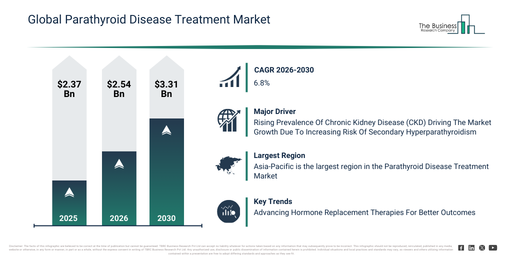
    Over the past several years, the market for treatments addressing parathyroid disease has demonstrated robust growth, with projections indicating an increase from $2.37 billion in 2025 to $2.54 billion in 2026, reflecting a compound annual growth rate (CAGR) of 7.2%. This expansion during the historical period is largely driven by a growing incidence of hyperparathyroidism, insufficient public understanding of parathyroid conditions, reliance on traditional hormone replacement therapies, limited availability of sophisticated surgical options, and underdeveloped hospital pharmacy systems.

    The market for parathyroid disease treatment is projected to experience significant expansion over the coming years. By 2030, it is anticipated to reach a value of $3.31 billion, reflecting a compound annual growth rate (CAGR) of 6.8%. This forecasted growth is driven by rising demand for calcimimetics and bisphosphonates, progress in parathyroid imaging and diagnostic techniques, the expansion of homecare and telemedicine services, regulatory backing for precision medicine, and the development of specialized endocrine disorder centers. Key trends expected to shape the market include the growing use of calcimimetics and bisphosphonates, a shift toward parenteral delivery over oral options in severe cases, the broadening of hospital and specialty care facilities, increased emphasis on customized hormone replacement therapies, and the inclusion of lifestyle and nutritional strategies in treatment protocols.

    Download A Free Sample Report For Comprehensive Market Insights:

    https://www.thebusinessresearchcompany.com/sample.aspx?id=25866&type=smp&utm_source=BlogsPR&utm_medium=Paid&utm_campaign=Jul_PR

    Parathyroid Disease Treatment Market Demand Drivers Creating New Revenue Opportunities

    The growing frequency of chronic kidney disease (CKD) is anticipated to boost the expansion of the parathyroid disease treatment market in the coming period. As a long-term disorder, chronic kidney disease involves a progressive decline in kidney function, which triggers disruptions in mineral levels like calcium and phosphorus. This rise in CKD cases is largely driven by the increasing occurrence of diabetes, since sustained high blood glucose can gradually impair the kidneys’ filtering structures, resulting in diabetic nephropathy. Treatment for parathyroid disease becomes critical in managing CKD, particularly by addressing secondary hyperparathyroidism—a common issue in advanced stages that alters calcium and phosphorus balance, leads to bone disorders, and fosters vascular calcification. By May 2024, data from the Centers for Disease Control and Prevention (CDC), a U.S. government public health body, revealed that over one in seven American adults—roughly 35.5 million individuals or about 14%—were estimated to have chronic kidney disease in 2023, with nearly 90% of those affected remaining unaware. Consequently, the rising incidence of chronic kidney disease is fueling growth within the parathyroid disease treatment market.

    Parathyroid Disease Treatment Market Segment Landscape: Which Areas Lead Market Development?

    The parathyroid disease treatment market covered in this report is segmented –

    1) By Treatment: Calcimimetics, Bisphosphonates, Plicamycin, Hormone Replacement Therapy, Other Treatments

    2) By Route Of Administration: Oral, Parenteral

    3) By Distribution Channel: Hospital Pharmacy, Online Pharmacy, Retail Pharmacy

    4) By End-Users: Hospitals, Homecare, Specialty Centers, Other End-Users

    Subsegments:

    1) By Calcimimetics: Cinacalcet, Etelcalcetide

    2) By Bisphosphonates: Alendronate, Ibandronate, Risedronate, Zoledronic Acid

    3) By Plicamycin: Mithramycin (Plicamycin) Monotherapy, Combination Therapies Involving Plicamycin

    4) By Hormone Replacement Therapy: Estrogen Therapy, Progesterone Therapy, Combined Hormonal Therapies, Selective Estrogen Receptor Modulators (SERMs)

    5) By Other Treatments: Parathyroid Hormone (PTH) Analogues, Surgery (Parathyroidectomy), Dietary Supplements, Lifestyle And Nutritional Interventions

    Parathyroid Disease Treatment Market Trends Driving Strategic Industry Expansion

    Key industry players in the parathyroid disease treatment market are prioritizing the creation of novel solutions like parathyroid hormone prodrugs, designed to enhance calcium regulation and lower the frequency of dosing for individuals with hypoparathyroidism. Prodrugs of parathyroid hormone (PTH) are inactive substances that transform into active PTH within the body, helping to maintain calcium and phosphate equilibrium. As an example, in August 2024, Ascendis Pharma A/S, a biopharmaceutical firm headquartered in Denmark, secured approval from the US Food and Drug Administration (FDA) for YORVIPATH (palopegteriparatide), a parathyroid hormone (PTH[1-34]) prodrug intended for managing chronic hypoparathyroidism in adults. This once-daily treatment ensures sustained parathyroid hormone activity throughout a 24-hour period, presenting an alternative to standard calcium and vitamin D supplementation by directly targeting the root hormone deficiency. The clearance of YORVIPATH highlights the growing focus on advanced hormone replacement approaches, aimed at boosting treatment compliance and achieving improved health results for those affected by parathyroid conditions.

    Parathyroid Disease Treatment Market Industry Leaders And Market Competition

    Major companies operating in the parathyroid disease treatment market are AstraZeneca PLC, Amgen Inc., Kyowa Kirin Co. Ltd., OPKO Health Inc., Septerna Inc., Entera Bio Ltd., Visen Pharmaceuticals (Shanghai) Co. Ltd., Ascendis Pharma A/S, Aeterna Zentaris Inc., MBX Biosciences Inc., Crinetics Pharmaceuticals Inc., Vidasym Inc., Rani Therapeutics LLC, Pathalys Pharma Inc.

    Access The Complete Parathyroid Disease Treatment Market Report:

    https://www.thebusinessresearchcompany.com/report/parathyroid-disease-treatment-global-market-report?utm_source=BlogsPR&utm_medium=Paid&utm_campaign=Jul_PR

    Parathyroid Disease Treatment Market Leading Geography: Which Region Generates The Most Revenue?

    Asia-Pacific was the largest region in the parathyroid disease treatment market in 2025. The regions covered in the parathyroid disease treatment market report are Asia-Pacific, South East Asia, Western Europe, Eastern Europe, North America, South America, Middle East, Africa.

    Get in touch with us:

    The Business Research Company: https://www.thebusinessresearchcompany.com/?utm_source=BlogsPR&utm_medium=Paid&utm_campaign=home_page_test

    Americas: +1 310-496-7795

    Asia: +44 7882 955267 & +91 8897263534

    Europe: +44 7882 955267

    Email us at: marketing@tbrc.info

    Follow us on:

    LinkedIn: https://in.linkedin.com/company/the-business-research-company

    YouTube: https://www.youtube.com/channel/UC24_fI0rV8cR5DxlCpgmyFQ

    Global Market Model: https://www.thebusinessresearchcompany.com/global-market-model

  • Pancreatic Cancer Precision Medicine Market Forecast Highlights Expansion From $0.67 Billion To $1.24 Billion Through 2030

    Pancreatic Cancer Precision Medicine Market Forecast Highlights Expansion From $0.67 Billion To $1.24 Billion Through 2030

    Enhanced with market attractiveness analysis, total addressable market evaluation, company benchmarking matrices, interactive Excel dashboards, expanded supply chain intelligence, emerging startup coverage, and detailed product insights, The Business Research Company’s 2026 market reports deliver more actionable and strategically valuable research.

    Pancreatic Cancer Precision Medicine Market Value Expansion And Long-Term Growth Outlook

    From $0.58 billion in 2025, the pancreatic cancer precision medicine market is expected to reach $0.67 billion by 2026, reflecting a strong compound annual growth rate of 16.7% over this period. This recent rapid expansion has been driven historically by several key factors, including the notably poor survival outcomes associated with standard treatment approaches, significant progress in the field of cancer genomics, a rising number of pancreatic cancer cases, increased financial support allocated to oncology research, and the promising early results achieved through targeted therapeutic strategies.

    The pancreatic cancer precision medicine market is projected to experience robust growth over the coming years. By 2030, its value is anticipated to reach $1.24 billion, reflecting a compound annual growth rate (CAGR) of 16.6%. This upward trajectory during the forecast period is driven by a number of factors, including the expanding adoption of precision oncology, increased funding for pancreatic cancer research, progress in diagnostic tools, the broadening of immunotherapy development programs, and a greater reliance on companion diagnostics. Among the key developments shaping this period are the heightened application of genomic and molecular profiling, a wider acceptance of biomarker-guided treatments, the emergence of integrated targeted therapy and immunotherapy regimens, the growing utilization of liquid biopsy techniques, and an intensified emphasis on customized care strategies.

    Download A Free Sample Report For Comprehensive Market Insights:

    https://www.thebusinessresearchcompany.com/sample.aspx?id=24354&type=smp&utm_source=BlogsPR&utm_medium=Paid&utm_campaign=Jul_PR

    Pancreatic Cancer Precision Medicine Market Expansion Supported By Key Demand Factors

    The increasing incidence of pancreatic cancer is anticipated to drive expansion in the pancreatic cancer precision medicine market moving forward. This malignancy originates in the tissues of the pancreas, an organ vital for digestive and blood sugar regulatory functions. Case numbers are climbing as a result of an aging demographic, alongside a growing frequency of contributing risk factors like obesity, diabetes, and smoking. By utilizing genetic and molecular data, precision medicine offers customized treatment strategies, thereby enhancing therapeutic outcomes and minimizing adverse effects—making it an essential approach for more effective disease management. Cancer Australia, a government agency based in the country, reported in February 2025 that 4,641 new diagnoses occurred in 2024 (2,414 among males and 2,227 among females), a notable rise from the 3,968 cases recorded in 2023. Consequently, this growing prevalence of pancreatic cancer is fueling the advancement of the precision medicine market dedicated to it.

    Pancreatic Cancer Precision Medicine Market Segments: Where Are The Largest Growth Opportunities?

    The pancreatic cancer precision medicine market covered in this report is segmented –

    1) By Therapeutic Approach: Targeted Therapy, Immunotherapy, Chemotherapy-Precision Combinations, Other Therapeutic Approaches

    2) By Diagnostic Technology: Genomic Testing, Molecular Diagnostics, Liquid Biopsy, Biomarker-Based Companion Diagnostics, Other Diagnostic Technologies

    3) By Application: Hospitals, Specialty Clinics, Academic And Research Institutes, Diagnostic Centers

    Subsegments:

    1) By Targeted Therapy: Kinase Inhibitors, PARP Inhibitors

    2) By Immunotherapy: Immune Checkpoint Inhibitors, Cancer Vaccines, Adoptive Cell Therapy

    3) By Chemotherapy-Precision Combinations: Gemcitabine-Based Combinations, Fluorouracil-Based Combinations, Nab-Paclitaxel-Based Combinations

    4) By Other Therapeutic Approaches: RNA-Based Therapies, Epigenetic Modulators, Antibody-Drug Conjugates (ADCs)

    Pancreatic Cancer Precision Medicine Market Growth Trends Influencing Competitive Dynamics

    Key players in the pancreatic cancer precision medicine market are increasingly advancing technologies like precision medical tools, aiming to improve early detection, enable precise tumor profiling, and tailor personalized treatment strategies to boost patient outcomes. A precision medical tool refers to a specialized device designed to accurately diagnose and treat diseases by considering an individual’s unique biological characteristics. For example, in January 2024, Cedars-Sinai, a hospital and healthcare company based in the US, unveiled the molecular twin precision oncology platform—a precision medical tool that enhances survival predictions for pancreatic cancer through the identification of crucial biomarkers. By leveraging blood and tissue samples from 74 patients diagnosed with pancreatic ductal adenocarcinoma, this platform shows significant promise in guiding treatment decisions, particularly in settings with limited resources, thereby offering a more accurate and accessible method for precision oncology.

    Pancreatic Cancer Precision Medicine Market Major Participants And Competitive Dynamics

    Major companies operating in the pancreatic cancer precision medicine market are Pfizer Inc., F. Hoffmann-La Roche Ltd., Merck & Co. Inc., Bristol-Myers Squibb Company, AstraZeneca Plc, Novartis AG, Amgen Inc., Eli Lilly and Company, Genentech Inc., Ipsen Pharma, Bayer AG, Thermo Fisher Scientific Inc., Illumina Inc., Guardant Health, Foundation Medicine Inc., Oncolytics Biotech Inc., Erytech Pharma, PharmaCyte Biotech Inc., Celgene Corporation, Natera Inc.

    Access The Complete Pancreatic Cancer Precision Medicine Market Report:

    https://www.thebusinessresearchcompany.com/report/pancreatic-cancer-precision-medicine-global-market-report?utm_source=BlogsPR&utm_medium=Paid&utm_campaign=Jul_PR

    Pancreatic Cancer Precision Medicine Market Regional Outlook: Where Are The Largest Opportunities Located?

    North America was the largest region in the pancreatic cancer precision medicine market in 2025. Asia-Pacific is expected to be the fastest-growing region in the forecast period. The regions covered in the pancreatic cancer precision medicine market report are Asia-Pacific, South East Asia, Western Europe, Eastern Europe, North America, South America, Middle East, Africa.

    Get in touch with us:

    The Business Research Company: https://www.thebusinessresearchcompany.com/?utm_source=BlogsPR&utm_medium=Paid&utm_campaign=home_page_test

    Americas: +1 310-496-7795

    Asia: +44 7882 955267 & +91 8897263534

    Europe: +44 7882 955267

    Email us at: marketing@tbrc.info

    Follow us on:

    LinkedIn: https://in.linkedin.com/company/the-business-research-company

    YouTube: https://www.youtube.com/channel/UC24_fI0rV8cR5DxlCpgmyFQ

    Global Market Model: https://www.thebusinessresearchcompany.com/global-market-model
  • Pancreatic Cancer Drugs Market Expected To Reach $4.87 Billion By 2030 As Growth Accelerates At 3.9% CAGR

    Pancreatic Cancer Drugs Market Expected To Reach $4.87 Billion By 2030 As Growth Accelerates At 3.9% CAGR

    Through market attractiveness analysis, total addressable market evaluation, company benchmarking matrices, interactive Excel dashboards, expanded supply chain intelligence, emerging startup coverage, and detailed product insights, The Business Research Company’s 2026 market reports provide more actionable and strategically valuable research.

    Pancreatic Cancer Drugs Market Expected To Reach $4.87 Billion By 2030 At 3.9% CAGR

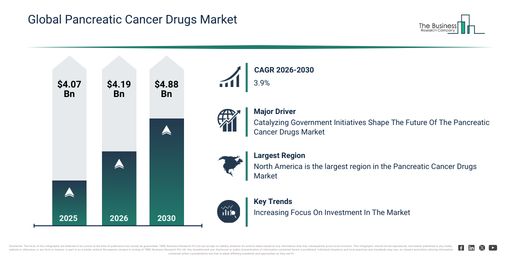
    The pancreatic cancer drugs market has experienced consistent expansion in recent times, with projections indicating an increase from $4.07 billion in 2025 to $4.19 billion in 2026, reflecting a compound annual growth rate (CAGR) of 3.0%. This historic growth has been driven by a higher prevalence of pancreatic cancer, a scarcity of available treatments, improvements in chemotherapy methods, enhanced public awareness of the disease, and the development of hospital infrastructure.

    The market for pancreatic cancer therapeutics is anticipated to experience consistent expansion over the coming years. By 2030, its value is projected to reach $4.88 billion, reflecting a compound annual growth rate (CAGR) of 3.9%. This projected expansion during the forecast period is driven by several key factors including the advancement of targeted treatments, the broadening scope of precision medicine, the increased utilization of immunotherapies, the incorporation of artificial intelligence into drug development processes, and a growing preference for combination therapy strategies. Among the prominent developments expected to shape this period are the creation of personalized treatment plans, the refinement of drug delivery mechanisms designed to target specific tissues, the introduction of innovative immunotherapeutic techniques, the implementation of multi-agent chemotherapy approaches, and the enhanced incorporation of early detection methods alongside diagnostic tools.

    Download A Free Sample Report For Comprehensive Market Insights:

    https://www.thebusinessresearchcompany.com/sample.aspx?id=2565&type=smp&utm_source=BlogsPR&utm_medium=Paid&utm_campaign=Jul_PR

    Pancreatic Cancer Drugs Market Growth Drivers And Industry Catalysts

    Government-backed programs and financial support for pancreatic cancer are anticipated to accelerate the expansion of the pancreatic cancer drugs market in the coming years. Such initiatives and funding represent a form of governmental financial assistance provided to selected entities whose ideas or projects aim to enhance public services and stimulate economic growth. This aid is directed toward pancreatic cancer research to improve patient quality of life and survival rates. For example, in April 2025, the American Medical Association, a U.S.-based professional organization, reported that U.S. health spending rose by 7.5% in 2023, reaching $4.9 trillion, or $14,570 per capita, surpassing the 4.6% increase observed in 2022. Consequently, government initiatives and funding for pancreatic cancer are fueling the growth of the pancreatic cancer drugs market.

    Pancreatic Cancer Drugs Market Segment Analysis: What Are The Major Market Categories?

    The pancreatic cancer drugs market covered in this report is segmented –

    1) By Type: Pancreatic Neuroendocrine Cancer Drugs, Pancreatic Exocrine Cancer Drugs

    2) By Drug Combination: Single, Double, Triplet, Quadruplet

    3) By End User: Hospital Pharmacies, Retail Pharmacies, Other End-Users

    Subsegments:

    1) By Pancreatic Neuroendocrine Cancer Drugs: Somatostatin Analogs, Targeted Therapy Drugs, Chemotherapy Agents

    2) By Pancreatic Exocrine Cancer Drugs: Chemotherapy Agents, Targeted Therapy Drugs, Immunotherapy Drugs

    Pancreatic Cancer Drugs Market Trends Influencing Long-Term Demand

    Leading companies in the pancreatic cancer drugs market are prioritizing investments in localized drug delivery systems to secure a competitive advantage. This approach involves administering medication directly to the targeted site, thereby enhancing therapeutic effectiveness and minimizing adverse effects. For example, in April 2023, OncoLize, a Netherlands-based drug development and oncology firm, secured US$ 1.7 million in seed funding to further its preclinical research on a local delivery method for treating pancreatic and lung cancer. The technology utilizes specialized liquid formulations to administer various anti-cancer agents more efficiently, benefiting both conventional chemotherapies and modern immunotherapies.

    Pancreatic Cancer Drugs Market Leading Companies Driving Competitive Growth

    Major companies operating in the pancreatic cancer drugs market are Pfizer Inc., AstraZeneca PLC, F. Hoffmann-La Roche AG, Novartis AG, Bristol-Myers Squibb Company, Merck & Co. Inc., Eli Lilly And Company, Teva Pharmaceutical Industries, GlaxoSmithKline Plc, Celgene Corporation, Johnson & Johnson, Bayer AG, Sanofi, Amgen Inc., AbbVie Inc., Clovis Oncology, Eisai Co. Ltd., BeiGene, Genentech, Exelixis, Mirati Therapeutics, Astellas Pharma Inc., Ipsen

    Access The Complete Pancreatic Cancer Drugs Market Report:

    https://www.thebusinessresearchcompany.com/report/pancreatic-cancer-drugs-global-market-report?utm_source=BlogsPR&utm_medium=Paid&utm_campaign=Jul_PR

    Pancreatic Cancer Drugs Market Geographic Landscape: Which Region Dominates Industry Growth?

    North America was the largest region in the pancreatic cancer drugs market in 2025. Middle East is expected to be the fastest-growing region in the global pancreatic cancer drugs market share during the forecast period. The regions covered in the pancreatic cancer drugs market report are Asia-Pacific, South East Asia, Western Europe, Eastern Europe, North America, South America, Middle East, Africa.

    Get in touch with us:

    The Business Research Company: https://www.thebusinessresearchcompany.com/?utm_source=BlogsPR&utm_medium=Paid&utm_campaign=home_page_test

    Americas: +1 310-496-7795

    Asia: +44 7882 955267 & +91 8897263534

    Europe: +44 7882 955267

    Email us at: marketing@tbrc.info

    Follow us on:

    LinkedIn: https://in.linkedin.com/company/the-business-research-company

    YouTube: https://www.youtube.com/channel/UC24_fI0rV8cR5DxlCpgmyFQ

    Global Market Model: https://www.thebusinessresearchcompany.com/global-market-model

  • Pain Management Drugs Market Set To Grow From $89.3 Billion In 2026 To $108.86 Billion By 2030 At A CAGR Of 5.1%

    Pain Management Drugs Market Set To Grow From $89.3 Billion In 2026 To $108.86 Billion By 2030 At A CAGR Of 5.1%

    Delivering more actionable and strategically valuable research, The Business Research Company’s 2026 market reports feature market attractiveness analysis, total addressable market evaluation, company benchmarking matrices, interactive Excel dashboards, expanded supply chain intelligence, emerging startup coverage, and detailed product insights.

    Pain Management Drugs Market Size And Revenue Forecast Through 2030

    The market for pain management drugs has experienced robust expansion over the last few years. Its value is projected to increase from $84.79 billion in 2025 to $89.3 billion in 2026, reflecting a compound annual growth rate (CAGR) of 5.3%. This historical growth has been driven by factors such as the growing frequency of chronic pain conditions, an aging global population, heightened awareness surrounding pain treatment, the widening reach of both hospital and retail pharmacy networks, and progress made in the development of analgesic medications.

    The pain management drugs market is projected to experience significant expansion over the coming years. By 2030, it is anticipated to reach $108.86 billion, with a compound annual growth rate (CAGR) of 5.1%. This forward-looking growth is driven by several key factors, including the growing use of biologics for managing pain, a heightened incorporation of digital health tools, an increased preference for minimally invasive procedures, a broadening of home healthcare services, and ongoing advancements in combination therapies. Notable trends shaping this period encompass tailored pain management approaches, the use of telemedicine for remote pain tracking, the development of new analgesic drug formulations, less invasive pain relief methods, and the application of combination therapy strategies.

    Download A Free Sample Report For Comprehensive Market Insights:

    https://www.thebusinessresearchcompany.com/sample.aspx?id=9846&type=smp&utm_source=BlogsPR&utm_medium=Paid&utm_campaign=Jul_PR

    Pain Management Drugs Market Opportunity Drivers: What Is Creating New Revenue Potential?

    The expected growth of the pain management drugs market is being propelled forward by the increasing number of elderly individuals. The term “geriatric population” describes those who are 65 years of age or older. Since elderly patients frequently require pain management drugs to address conditions like arthritis, cancer, neurological disorders, and other ailments that become more prevalent with advanced age, this demographic shift is anticipated to significantly support the market’s expansion. As an example, in November 2025, the Organisation for Economic Co-operation and Development (OECD), an intergovernmental economic organization based in France, highlighted that the proportion of people aged 65 and over has, on average, doubled across OECD countries over the last half-century, rising from 18.5% in 2023. Consequently, the expansion of the geriatric population is fueling growth within the pain management drugs market.

    Pain Management Drugs Market Segment Breakdown: Which Categories Generate The Most Revenue?

    The pain management drugs market covered in this report is segmented –

    1) By Drug Class: Non-Steroidal Anti-Inflammatory Drugs (NSAIDs), Anesthetics, Anticonvulsants, Anti-Migraine Agents, Antidepressants, Opioids, Nonnarcotic Analgesics

    2) By Indication: Arthritic Pain, Neuropathic Pain, Cancer Pain, Chronic Back Pain, Postoperative Pain, Migraine, Fibromyalgia, Muscle Sprain Or Strain, Bone Fracture, Other Indications

    3) By Distribution Channel: Hospital Pharmacies, Retail Pharmacies, Online Pharmacies

    Subsegments:

    1) By Non-Steroidal Anti-Inflammatory Drugs (NSAIDs): Ibuprofen, Naproxen, Aspirin, Diclofenac, Ketorolac

    2) By Anesthetics: Local Anesthetics, General Anesthetics

    3) By Anticonvulsants: Gabapentin, Pregabalin, Carbamazepine, Topiramate

    4) By Anti-Migraine Agents: Triptans, Ergot Alkaloids, CGRP Inhibitors

    5) By Antidepressants: Tricyclic Antidepressants, SNRIs

    6) By Opioids: Morphine, Oxycodone, Hydrocodone, Fentanyl

    7) By Nonnarcotic Analgesics: Acetaminophen, Aspirin, Other Analgesics

    Pain Management Drugs Market Innovation Trends Driving Future Development

    Major players in the pain management drugs market are creating new medications and securing FDA clearance to address the requirements of individuals suffering from either short-term or long-term pain. The FDA grants regulatory approval to confirm that a medical product has passed the essential safety and effectiveness benchmarks, allowing it to be sold across the United States. As an example, in October 2023, Hyloris Pharmaceuticals, a pharmaceutical firm based in Belgium, gained approval from the U.S. FDA for Maxigesic IV. This medication marks the first non-opioid pain reliever to receive FDA authorization in over two decades. Maxigesic IV is a non-opioid intravenous painkiller that works by combining paracetamol and ibuprofen, offering a two-pronged approach to alleviating pain. This approval marks a notable milestone in the pain management drugs market because it introduces a new non-opioid remedy designed for managing pain after surgery.

    Pain Management Drugs Market Key Players And Strategic Industry Positioning

    Major companies operating in the pain management drugs market are Novartis AG, Eli Lilly And Company, Abbott Laboratories, Endo International plc, Pfizer Inc., Merck & Co. Inc., Johnson & Johnson Services Inc., GlaxoSmithKline plc, AbbVie Inc., Bristol-Myers Squibb Company, Teva Pharmaceutical Industries Ltd., AstraZeneca plc, Bausch Health Companies Inc., Sanofi, F. Hoffmann-La Roche Ltd., Boehringer Ingelheim, Mallinckrodt Pharmaceuticals, Daiichi Sankyo Company Limited, Grünenthal GmbH, Mundipharma International Limited, Sun Pharmaceutical Industries Ltd., Takeda Pharmaceutical Company Limited, Zydus Cadila, Lupin Pharmaceuticals Inc., Torrent Pharmaceuticals Ltd.

    Access The Complete Pain Management Drugs Market Report:

    https://www.thebusinessresearchcompany.com/report/pain-management-drugs-global-market-report?utm_source=BlogsPR&utm_medium=Paid&utm_campaign=Jul_PR

    Pain Management Drugs Market Largest Region: Which Geography Holds The Highest Market Share?

    North America was the largest region in the pain management drugs market in 2025. Asia-Pacific is expected to be the fastest-growing region in the pain management drug market report during the forecast period. The regions covered in the pain management drugs market report are Asia-Pacific, South East Asia, Western Europe, Eastern Europe, North America, South America, Middle East, Africa.

    Get in touch with us:

    The Business Research Company: https://www.thebusinessresearchcompany.com/?utm_source=BlogsPR&utm_medium=Paid&utm_campaign=home_page_test

    Americas: +1 310-496-7795

    Asia: +44 7882 955267 & +91 8897263534

    Europe: +44 7882 955267

    Email us at: marketing@tbrc.info

    Follow us on:

    LinkedIn: https://in.linkedin.com/company/the-business-research-company

    YouTube: https://www.youtube.com/channel/UC24_fI0rV8cR5DxlCpgmyFQ

    Global Market Model: https://www.thebusinessresearchcompany.com/global-market-model