Month: July 2026

  • Leuprorelin Drugs Market Expansion Is Reshaping Competitive Dynamics Across The Industry

    Leuprorelin Drugs Market Expansion Is Reshaping Competitive Dynamics Across The Industry

    Delivering more actionable and strategically valuable research, The Business Research Company’s 2026 market reports feature market attractiveness analysis, total addressable market evaluation, company benchmarking matrices, interactive Excel dashboards, expanded supply chain intelligence, emerging startup coverage, and detailed product insights.

    Leuprorelin Drugs Market Revenue Growth Supported By A CAGR Of 3.95% Through 2030

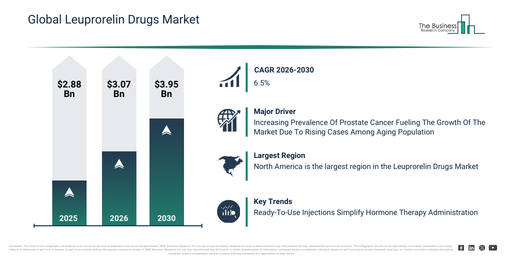
    The leuprorelin drugs market has experienced notable expansion in recent years. Its size is projected to rise from $2.88 billion in 2025 to $3.07 billion in 2026, reflecting a compound annual growth rate (CAGR) of 6.6%. This historical growth has been driven by factors such as the restricted supply of long-acting leuprorelin formulations, a dependency on hospital-based administration, an uptick in prostate cancer and endometriosis cases, heightened recognition of hormone regulation therapies, and the widespread use of monthly and short-term depot injections.

    The leuprorelin pharmaceutical market is anticipated to experience robust expansion in the coming years, projected to reach a valuation of $3.95 billion by 2030 with a compound annual growth rate (CAGR) of 6.5%. This forecasted growth is driven by factors such as the creation of extended-release implants and tablets, a rise in administration through home care and specialty clinics, broader use of pediatric hormonal therapies, greater implementation of combined hormone treatments, and the use of digital tools to ensure patient adherence to therapy. Key emerging trends in this period encompass a growing preference for depot injections and long-acting implants, heightened public understanding of hormone-based treatments for conditions like prostate cancer and endometriosis, increased availability of pediatric hormone therapy initiatives, the launch of subcutaneous and ready-to-administer formulations, and a stronger emphasis on delivering care via home health services and specialized clinic environments.

    Download A Free Sample Report For Comprehensive Market Insights:

    https://www.thebusinessresearchcompany.com/sample.aspx?id=27328&type=smp&utm_source=BlogsPR&utm_medium=Paid&utm_campaign=Jul_PR

    Leuprorelin Drugs Market Demand Drivers Creating New Revenue Opportunities

    The projected expansion of the leuprorelin drugs market is being driven forward by the growing incidence of prostate cancer. Prostate cancer is a malignancy that originates in the prostate gland, a small male reproductive organ situated beneath the bladder and in front of the rectum. This rising prevalence is largely attributed to an aging population, given that the likelihood of developing prostate cancer escalates considerably with advancing age. Leuprorelin medications aid in prostate cancer treatment by modulating hormone levels and decelerating tumor progression. They enhance patient outcomes through consistent administration, slowing disease advancement, and improving overall well-being. For example, as reported in January 2025 by Prostate Cancer UK, a UK-based charity focused on prostate cancer research, awareness, and support, the number of prostate cancer diagnoses in England rose from 50,751 cases in 2022 to 55,033 cases in 2023, demonstrating a distinct upward trend in annual incidence. Consequently, the increasing prevalence of prostate cancer is fueling the leuprorelin drugs market’s growth.

    The leuprorelin drugs market is being propelled by the rising demand for in vitro fertilization (IVF) treatments due to greater reliance on hormonal cycle-regulation therapies. IVF treatments are assisted reproductive techniques where an egg and sperm are combined outside the body in a laboratory setting to form an embryo, which is subsequently placed into the uterus to achieve pregnancy. The growing demand for IVF is driven by increasing delays in starting families, resulting in higher age-related infertility and a greater dependence on assisted reproductive technologies. This heightened demand for IVF treatments supports leuprorelin drugs by boosting the need for controlled ovarian stimulation and cycle-regulation protocols, where leuprorelin is frequently employed to prevent premature ovulation and optimize both the timing and success of IVF procedures. For instance, in April 2025, the American Society for Reproductive Medicine, a US-based non-profit organization, reported that IVF-related births in the U.S. rose from 91,771 in 2022 to 95,860 in 2023, comprising 2.6% of all births nationwide. Additionally, the number of IVF cycles performed at the 371 reporting SART clinics increased from 389,993 in 2022 to 432,641 in 2023. Thus, the growing demand for IVF treatments is driving the leuprorelin drugs market forward.

    Leuprorelin Drugs Market Categorization By Product Type And Application

    The leuprorelin drugs market covered in this report is segmented –

    1) By Type: Injections, Tablets, Implants

    2) By Dosage Formulation: Depot Injection, Ready-To-Use Injections

    3) By Route Of Administration: Intramuscular, Subcutaneous

    4) By Application: Advanced Prostate Cancer, Central Precocious Puberty, Uterine Fibroids, Endometriosis, Other Applications

    5) By End Users: Home Care Settings, Hospitals, Specialty Clinics

    Subsegments:

    1) By Injections: Monthly Depot Injections, 3-Month Depot Injections, 6-Month Depot Injections, Pediatric Doses, Subcutaneous Injections, Intramuscular Injections, Pre-Filled Syringes, Multi-Dose Vials

    2) By Tablets: Low-Dose Hormone Regulation Tablets, High-Dose Hormonal Suppression Tablets, Combination Hormone Therapy Tablets, Extended-Release Oral Tablets

    3) By Implants: Biodegradable Polymer Implants, Non-Biodegradable Subdermal Implants, Short-Term Release Implants, Long-Term Release Implants, Implant Kits For Fertility Suppression, Pediatric Hormonal Implants

    Leuprorelin Drugs Market Trends Driving Strategic Industry Expansion

    Within the leuprorelin drugs market, key players are prioritizing the creation of advanced formulations like ready-to-use injections to boost patient ease, support better treatment compliance, and minimize preparation mistakes. These ready-to-use injections are pre-filled, sterile preparations of leuprolide acetate designed to bypass the need for reconstitution, making administration easier for both healthcare professionals and patients. In June 2025, Avenacy Inc., a U.S.-based biopharmaceutical firm, introduced a leuprolide acetate injection, a synthetic hormone therapy primarily utilized for the palliative management of advanced prostate cancer. This ready-to-use formulation provides a convenient and dependable treatment option, removing the necessity for manual mixing and lowering the chances of dosing errors and contamination, all while ensuring consistent therapeutic effectiveness. It functions as a gonadotropin-releasing hormone (GnRH) agonist, initially raising testosterone levels and then substantially reducing them, which aids in slowing the proliferation of hormone-sensitive cancer cells.

    Leuprorelin Drugs Market Company Landscape And Strategic Competition

    Major companies operating in the leuprorelin drugs market are Takeda Pharmaceutical Company Limited, Astellas Pharma Inc., Sandoz Group AG, Sun Pharmaceutical Industries Limited, Aurobindo Pharma Limited, Cipla Limited, Ferring B.V., Hikma Pharmaceuticals PLC, Amneal Pharmaceuticals LLC, Zydus Lifesciences Limited, Lupin Limited, Livzon Pharmaceutical Group Inc., Alkem Laboratories Limited, Daewoong Pharmaceutical Co. Ltd., Emcure Pharmaceuticals Limited, Gland Pharma Limited, Tolmar Pharmaceuticals Inc., Beijing Biote Pharmaceutical Co. Ltd., Accord Healthcare Limited, Intas Pharmaceuticals Limited, Foresee Pharmaceuticals Co Ltd., Samarth Life Sciences Private Limited

    Access The Complete Leuprorelin Drugs Market Report:

    https://www.thebusinessresearchcompany.com/report/leuprorelin-drugs-global-market-report?utm_source=BlogsPR&utm_medium=Paid&utm_campaign=Jul_PR

    Leuprorelin Drugs Market Largest Region By Revenue And Market Share

    North America was the largest region in the leuprorelin drugs market in 2025. Asia-Pacific is expected to be the fastest-growing region in the forecast period. The regions covered in the leuprorelin drugs market report are Asia-Pacific, South East Asia, Western Europe, Eastern Europe, North America, South America, Middle East, Africa.

    Get in touch with us:

    The Business Research Company: https://www.thebusinessresearchcompany.com/?utm_source=BlogsPR&utm_medium=Paid&utm_campaign=home_page_test

    Americas: +1 310-496-7795

    Asia: +44 7882 955267 & +91 8897263534

    Europe: +44 7882 955267

    Email us at: marketing@tbrc.info

    Follow us on:

    LinkedIn: https://in.linkedin.com/company/the-business-research-company

    YouTube: https://www.youtube.com/channel/UC24_fI0rV8cR5DxlCpgmyFQ

    Global Market Model: https://www.thebusinessresearchcompany.com/global-market-model
  • Leuprolide Acetate Market Forecast Reveals Where Future Industry Value Will Be Created

    Leuprolide Acetate Market Forecast Reveals Where Future Industry Value Will Be Created

    Enhanced with market attractiveness analysis, total addressable market evaluation, company benchmarking matrices, interactive Excel dashboards, expanded supply chain intelligence, emerging startup coverage, and detailed product insights, The Business Research Company’s 2026 market reports deliver more actionable and strategically valuable research.

    Leuprolide Acetate Market Value Expansion And Long-Term Growth Outlook

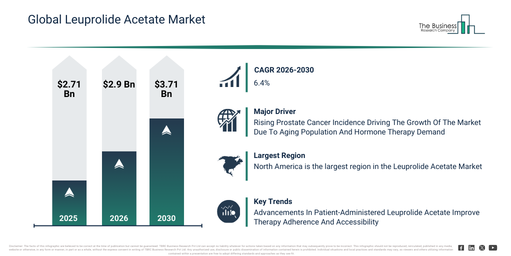
    The leuprolide acetate market has experienced robust expansion in recent times. Its value is projected to increase from $2.71 billion in 2025 to $2.9 billion in 2026, reflecting a compound annual growth rate (CAGR) of 6.7%. This historical growth has been driven by factors such as the incidence of prostate cancer, requirements for endometriosis treatment, the administration of hormone therapies in hospital settings, the uptake of injectable medications, and the well-documented effectiveness of GnRH agonists.

    The leuprolide acetate market is projected to experience significant expansion in the coming years, with its value anticipated to reach $3.71 billion by 2030, reflecting a compound annual growth rate (CAGR) of 6.4%. This upward trajectory during the forecast period is driven by factors like the growing number of older males, a rise in uterine fibroid diagnoses, heightened demand for long-acting formulations, expansion of outpatient hormone therapies, and the increasing scope of fertility treatments. Key developments shaping this period include a greater reliance on the drug for hormone-dependent conditions, the broadening of long-acting depot injection options, advancements in both oncology and gynecology applications, a stronger preference for injectable hormone treatments, and ongoing innovations in controlled-release drug delivery systems.

    Download A Free Sample Report For Comprehensive Market Insights:

    https://www.thebusinessresearchcompany.com/sample.aspx?id=24589&type=smp&utm_source=BlogsPR&utm_medium=Paid&utm_campaign=Jul_PR

    Leuprolide Acetate Market Expansion Supported By Key Demand Factors

    The rising occurrence of prostate cancer is anticipated to drive forward the expansion of the leuprolide acetate market in the coming period. This condition arises within the prostate’s glandular cells—a male-specific organ situated beneath the bladder—and ranks among the most prevalent cancers affecting men globally. A significant increase in its incidence can be attributed mainly to an aging population, given that the likelihood of developing the disease substantially grows with advancing age. Through its action in reducing testosterone levels, leuprolide acetate aids in treating prostate cancer by decelerating tumor growth and handling advanced stages of the disease, thereby enhancing patient results. As an example, data from January 2025 provided by the Centers for Disease Control and Prevention, a US governmental body, indicated that 255,395 new instances of prostate cancer were recorded in the United States during 2022, while 33,881 men lost their lives to the condition in 2023. Consequently, the heightened prevalence of this cancer type is fueling the progression of the leuprolide acetate market.

    Leuprolide Acetate Market Segment Analysis And Revenue Opportunities

    The leuprolide acetate market covered in this report is segmented –

    1) By Product: Vials, Prefilled Syringes, Lyophilized Powder

    2) By Route Of Administration: Intramuscular, Subcutaneous

    3) By Distribution Channel: Hospital Pharmacy, Retail Pharmacy, Online Pharmacy

    4) By Application: Prostate Cancer, Endometriosis, Uterine Fibroids, Central Precocious Puberty, Other Applications

    5) By End-User: Hospitals, Clinics, Homecare Settings, Research Laboratories

    Subsegments:

    1) By Vials: Single-Dose Vials, Multi-Dose Vials

    2) By Prefilled Syringes: Disposable Prefilled Syringes, Reusable Prefilled Syringes

    3) By Lyophilized Powder: Powder For Reconstitution, Ready-To-Mix Formulations

    Leuprolide Acetate Market Growth Trends Influencing Competitive Dynamics

    Key players within the leuprolide acetate market are concentrating their efforts on creating novel solutions, including generic injectable preparations, to improve affordability and lower treatment expenses. These generic injectable formulations represent unbranded versions of injectable medications that contain identical active substances and dosages as their branded counterparts, thereby facilitating greater accessibility and cost-effectiveness for patients. A concrete example occurred in June 2025, when Avenacy, a specialty pharmaceutical firm based in the United States, introduced a Leuprolide Acetate Injection presented as a generic alternative within a 14-day patient-administration package. This package contains a 14 mg per 2.8 mL multi-dose vial delivering 1 mg per 0.2 mL, along with 14 single-use syringes and 28 alcohol swabs, enabling individuals to safely administer their own doses over a fortnight. By minimizing the necessity for clinic-based treatment, this kit provides financial advantages, enhanced convenience, and optimized packaging to support precise medication selection, making it especially appropriate for distribution through retail outlets and mail-order pharmacy services.

    Leuprolide Acetate Market Leading Players Shaping Industry Direction

    Major companies operating in the leuprolide acetate market are Abbott Laboratories, Teva Pharmaceutical Industries Ltd., Viatris Inc., Sandoz International GmbH, Apotex Inc., Aurobindo Pharma Limited, Lupin Limited, Baxter International Inc., Accord Healthcare Ltd., Glenmark Pharmaceuticals Limited, Strides Pharma Science Limited, Amring Pharmaceuticals Inc., MSN Laboratories Pvt Ltd., Wockhardt Limited, Bharat Parenterals Limited, Reliance Life Sciences Pvt Ltd., Nanjing Chia Tai Tianqing Pharmaceutical Co. Ltd., Zhejiang Hisun Pharmaceutical Co. Ltd., Livzon Pharmaceutical Group Inc., Harbin Pharmaceutical Group Co. Ltd., Hengrui Medicine Co. Ltd., CSPC Pharmaceutical Group Limited, Qilu Pharmaceutical Co. Ltd., Kelun Pharmaceutical Co. Ltd., Chengdu Tiantaishan Pharmaceutical Co. Ltd., Beijing SL Pharmaceutical Co. Ltd.

    Access The Complete Leuprolide Acetate Market Report:

    https://www.thebusinessresearchcompany.com/report/leuprolide-acetate-global-market-report?utm_source=BlogsPR&utm_medium=Paid&utm_campaign=Jul_PR

    Leuprolide Acetate Market Regional Analysis And Leading Geography

    North America was the largest region in the leuprolide acetate market in 2025. Asia-Pacific is expected to be the fastest-growing region in the forecast period. The regions covered in the leuprolide acetate market report are Asia-Pacific, South East Asia, Western Europe, Eastern Europe, North America, South America, Middle East, Africa.

    Get in touch with us:

    The Business Research Company: https://www.thebusinessresearchcompany.com/?utm_source=BlogsPR&utm_medium=Paid&utm_campaign=home_page_test

    Americas: +1 310-496-7795

    Asia: +44 7882 955267 & +91 8897263534

    Europe: +44 7882 955267

    Email us at: marketing@tbrc.info

    Follow us on:

    LinkedIn: https://in.linkedin.com/company/the-business-research-company

    YouTube: https://www.youtube.com/channel/UC24_fI0rV8cR5DxlCpgmyFQ

    Global Market Model: https://www.thebusinessresearchcompany.com/global-market-model
  • Leukotriene Modifiers Market Growth Through 2030 Creates New Strategic Opportunities

    Leukotriene Modifiers Market Growth Through 2030 Creates New Strategic Opportunities

    Through market attractiveness analysis, total addressable market evaluation, company benchmarking matrices, interactive Excel dashboards, expanded supply chain intelligence, emerging startup coverage, and detailed product insights, The Business Research Company’s 2026 market reports provide more actionable and strategically valuable research.

    Leukotriene Modifiers Market Expected To Reach $30.62 Billion By 2030 At 5.3% CAGR

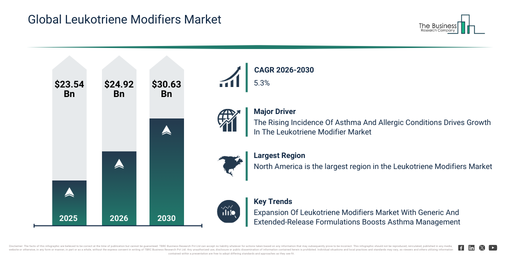
    The market for leukotriene modifiers has experienced robust expansion over recent years. Its value is projected to rise from $23.54 billion in 2025 to $24.92 billion in 2026, reflecting a compound annual growth rate (CAGR) of 5.9%. This historical growth can be linked to several factors: the widespread occurrence of asthma and allergic rhinitis, the proven clinical effectiveness of montelukast and similar medications, a growing preference for non-steroidal asthma treatments, significant use in managing pediatric asthma, and the availability of various oral dosage forms.

    The market for leukotriene modifiers is anticipated to experience robust expansion over the coming years. By 2030, it is projected to reach $30.63 billion, advancing at a compound annual growth rate (CAGR) of 5.3%. This forecasted growth is driven by the rising worldwide incidence of respiratory and allergic conditions, higher rates of asthma and rhinitis diagnoses, increased demand for convenient oral treatments, broader penetration of generic medications, and enhanced accessibility to respiratory care in developing markets. Key trends shaping this period include the continued reliance on leukotriene modifiers for managing chronic asthma, a shift toward oral and child-friendly drug formats, their expanding application in treating allergic rhinitis, the widespread presence of generic alternatives, and their use alongside inhaled corticosteroids as an additional therapeutic option.

    Download A Free Sample Report For Comprehensive Market Insights:

    https://www.thebusinessresearchcompany.com/sample.aspx?id=16109&type=smp&utm_source=BlogsPR&utm_medium=Paid&utm_campaign=Jul_PR

    Leukotriene Modifiers Market Growth Drivers And Industry Catalysts

    The rising prevalence of asthma and allergic disorders is anticipated to fuel the expansion of the leukotriene modifier market in the coming period. Asthma and allergic conditions are defined as diseases in which the immune system reacts excessively to allergens, resulting in inflammation, airway narrowing, and various respiratory issues. The growing occurrence of these conditions is driven by heightened exposure to pollutants, elevated temperatures, shifting climatic patterns, and more densely populated areas. The market for leukotriene modifiers plays a crucial role in supporting respiratory health by offering treatments that decrease inflammation, enhance airway function, and assist in controlling symptoms of asthma and allergic ailments. For example, in October 2024, the National Asthma Council, an Australian non-profit organization, reported that in 2023, there were 474 asthma-related fatalities in Australia, consisting of 325 women and 149 men. This number closely matches the 473 asthma deaths recorded in 2022, indicating a steady trend in asthma mortality over this two-year period. Consequently, the increasing frequency of asthma and allergic conditions is propelling growth within the leukotriene modifier market.

    Leukotriene Modifiers Market Segmentation And Category Breakdown

    The leukotriene modifiers market covered in this report is segmented –

    1) By Drug Type: Montelukast, Zafirlukast, Zileuton ER, Zileuton

    2) By Form: Tablets, Chewable Tablets, Oral Granules

    3) By Distribution Channel: Hospitals Pharmacies, Retail Pharmacies, Drug Stores, Online Pharmacies

    Leukotriene Modifiers Market Trends Influencing Long-Term Demand

    Major players in the leukotriene modifier market are prioritizing the development of generic extended-release (ER) formulations to broaden treatment possibilities, enhance dosing convenience, and address the rising demand for long-acting respiratory therapies. These generic extended-release tablets are pharmaceutical products engineered to release the active ingredient gradually over a prolonged duration, ensuring stable therapeutic levels, decreasing the frequency of administration, and improving patient compliance when compared to immediate-release versions. For example, in April 2023, Camber Pharmaceuticals Inc., a pharmaceutical company based in the United States, introduced Zileuton ER Tablets to its product line, featuring a 600 mg extended-release formulation designed for the prevention and ongoing management of asthma in adults and adolescents aged 12 years and older, delivering sustained therapeutic benefits and supporting uninterrupted use during acute asthma episodes.

    Leukotriene Modifiers Market Competitive Analysis Of Major Industry Participants

    Major companies operating in the leukotriene modifiers market are Merck And Co., AstraZeneca PLC, Novartis AG, GlaxoSmithKline plc, Boehringer Ingelheim International GmbH, Viatris Inc., Teva Pharmaceutical Industries Ltd., Hetero Drugs Limited, Sun Pharmaceutical Industries, Sumitomo Dainippon Pharma, Cipla Limited, Aurobindo Pharma Limited, Dr. Reddy’s Laboratories, Apotex Pharmaceutical Holdings Inc., Torrent Pharmaceuticals Ltd., DAVA Pharmaceuticals, Alembic Pharmaceuticals Ltd., Lannett Company, Accord Healthcare, Jubilant Life Sciences Ltd., Aytu BioScience

    Access The Complete Leukotriene Modifiers Market Report:

    https://www.thebusinessresearchcompany.com/report/leukotriene-modifiers-global-market-report?utm_source=BlogsPR&utm_medium=Paid&utm_campaign=Jul_PR

    Leukotriene Modifiers Market Geographic Analysis: Where Is Demand Growing The Fastest?

    North America was the largest region in the leukotriene modifiers market in 2025. The regions covered in the leukotriene modifiers market report are Asia-Pacific, South East Asia, Western Europe, Eastern Europe, North America, South America, Middle East, Africa.

    Get in touch with us:

    The Business Research Company: https://www.thebusinessresearchcompany.com/?utm_source=BlogsPR&utm_medium=Paid&utm_campaign=home_page_test

    Americas: +1 310-496-7795

    Asia: +44 7882 955267 & +91 8897263534

    Europe: +44 7882 955267

    Email us at: marketing@tbrc.info

    Follow us on:

    LinkedIn: https://in.linkedin.com/company/the-business-research-company

    YouTube: https://www.youtube.com/channel/UC24_fI0rV8cR5DxlCpgmyFQ

    Global Market Model: https://www.thebusinessresearchcompany.com/global-market-model
  • Leukemia Therapeutics Market Size Projected To Increase From $20.13 Billion To $27.4 Billion During The Forecast Period

    Leukemia Therapeutics Market Size Projected To Increase From $20.13 Billion To $27.4 Billion During The Forecast Period

    Delivering more actionable and strategically valuable research, The Business Research Company’s 2026 market reports feature market attractiveness analysis, total addressable market evaluation, company benchmarking matrices, interactive Excel dashboards, expanded supply chain intelligence, emerging startup coverage, and detailed product insights.

    Leukemia Therapeutics Market Size And Revenue Forecast Through 2030

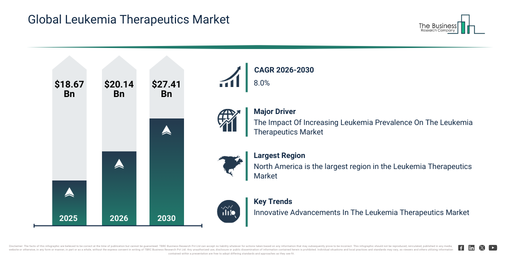
    Over recent years, the leukemia therapeutics market has experienced robust expansion. Projections indicate it will increase from $18.67 billion in 2025 to $20.14 billion in 2026, reflecting a compound annual growth rate (CAGR) of 7.9%. The historic period’s growth was driven by several key factors: rising incidence rates of leukemia, the creation of early-generation chemotherapy drugs, higher healthcare spending in developed nations, progress in bone marrow transplantation techniques, and expanding research into biologics.

    Strong upward momentum is anticipated for the leukemia therapeutics market over the coming years, with projections reaching $27.41 billion by 2030, reflecting a compound annual growth rate (CAGR) of 8.0%. This forecasted expansion is driven by factors such as the broadening application of CAR T-cell therapies, increased uptake of precision medicine strategies, the incorporation of artificial intelligence into treatment plans, a rise in homecare treatment options, and the creation of innovative targeted therapies. Key developments shaping this period involve a shift toward personalized leukemia care, the integration of advanced diagnostic tools, a greater emphasis on outpatient and home-based treatment models, progress in combination therapy approaches, and a dedicated focus on rare and treatment-resistant forms of leukemia.

    Download A Free Sample Report For Comprehensive Market Insights:

    https://www.thebusinessresearchcompany.com/sample.aspx?id=6358&type=smp&utm_source=BlogsPR&utm_medium=Paid&utm_campaign=Jul_PR

    Leukemia Therapeutics Market Opportunity Drivers: What Is Creating New Revenue Potential?

    The expansion of the leukemia therapeutics market is being propelled by the increasing incidence of this condition. Leukemia, a blood cancer originating in the bone marrow, is marked by the unchecked proliferation of blood cells. Worldwide, greater patient access to medical care alongside a broader array of therapeutic choices has fueled a higher demand for leukemia treatments. To illustrate, a January 2023 report from the American Cancer Society, a health organization based in the United States, projected around 59,610 new diagnoses of all leukemia types in the U.S. in 2023, along with roughly 23,710 deaths from the disease that same year. It further estimated about 20,380 new acute myeloid leukemia (AML) cases and around 11,310 fatalities linked to AML. Consequently, the growing prevalence of leukemia is a key factor driving market growth.

    Leukemia Therapeutics Market Segment Outlook: Which Categories Are Expanding The Fastest?

    The leukemia therapeutics market covered in this report is segmented –

    1) By Treatment Type: Chemotherapy, Immunotherapy, Targeted Therapy, Other Treatments

    2) By Type Of Leukemia: Acute Lymphocytic Leukemia, Acute Myeloid Leukemia, Chronic Lymphocytic Leukemia, Chronic Myeloid Leukemia, Other Type Of Leukemia

    3) By Molecule Type: Small Molecules, Biologics

    4) By End-Users: Hospitals, Homecare, Specialty Clinics, Other End-Users

    Subsegments:

    1) By Chemotherapy: Alkylating Agents, Antimetabolites, Plant Alkaloids, Corticosteroids

    2) By Immunotherapy: Monoclonal Antibodies, CAR T-Cell Therapy, Immune Checkpoint Inhibitors, Vaccines

    3) By Targeted Therapy: Tyrosine Kinase Inhibitors (TKIs), BCL-2 Inhibitors, IDH Inhibitors, Other Targeted Agents

    4) By Other Treatments: Radiation Therapy, Stem Cell Transplantation, Supportive Care Treatments

    Leukemia Therapeutics Market Innovation Trends Driving Future Development

    Key players in the leukemia therapeutics market are concentrating on developing advanced products, including CAR T therapies, to expand their customer reach, boost sales, and drive revenue growth. Chimeric Antigen Receptor T-cell (CAR-T) therapy represents a revolutionary immunotherapeutic approach aimed at treating specific cancer types. As an example, in March 2024, Bristol-Myers Squibb Company, a pharmaceutical firm based in the United States, received approval from the US Food and Drug Administration (FDA) for Breyanzi (lisocabtagene maraleucel; liso-cel). This therapy is a CD19-directed CAR T cell treatment intended for adult patients suffering from relapsed or refractory chronic lymphocytic leukemia (CLL) or small lymphocytic lymphoma (SLL), specifically those who have received at least two prior lines of therapy, including both a Bruton tyrosine kinase (BTK) inhibitor and a B-cell lymphoma 2 (BCL-2) inhibitor.

    Leukemia Therapeutics Market Key Companies And Competitive Benchmarking

    Major companies operating in the leukemia therapeutics market are Novartis International AG, AbbVie Inc., Bristol Myers Squibb Company, F. Hoffmann-La Roche AG, Sanofi S. A., Agios Pharmaceuticals, Amgen Inc., Argenx SE, Astellas Pharma Inc., BioLineRx Ltd., Cellerant Therapeutics Inc., Daiichi Sankyo Company Limited, Forma Therapeutics Inc., Gilead Sciences Inc., Incyte Corporation, Jazz Pharmaceuticals plc, Johnson & Johnson, Mirati Therapeutics Inc., Molecular Templates Inc., Ono Pharmaceutical Co. Ltd., Pfizer Inc., Seattle Genetics Inc., Stemline Therapeutics Inc., Sunesis Pharmaceuticals Inc., Takeda Pharmaceutical Company Limited, TG Therapeutics Inc., Allogene Therapeutics Inc., Blueprint Medicines Corporation, Karyopharm Therapeutics Inc., Verastem Oncology Inc.

    Access The Complete Leukemia Therapeutics Market Report:

    https://www.thebusinessresearchcompany.com/report/leukemia-therapeutics-global-market-report?utm_source=BlogsPR&utm_medium=Paid&utm_campaign=Jul_PR

    Leukemia Therapeutics Market Global Footprint: Which Region Holds Market Leadership?

    North America was the largest region in the leukemia therapeutics market in 2025. Asia-Pacific is expected to be the fastest-growing region in the forecast period. The regions covered in the leukemia therapeutics market report are Asia-Pacific, South East Asia, Western Europe, Eastern Europe, North America, South America, Middle East, Africa.

    Get in touch with us:

    The Business Research Company: https://www.thebusinessresearchcompany.com/?utm_source=BlogsPR&utm_medium=Paid&utm_campaign=home_page_test

    Americas: +1 310-496-7795

    Asia: +44 7882 955267 & +91 8897263534

    Europe: +44 7882 955267

    Email us at: marketing@tbrc.info

    Follow us on:

    LinkedIn: https://in.linkedin.com/company/the-business-research-company

    YouTube: https://www.youtube.com/channel/UC24_fI0rV8cR5DxlCpgmyFQ

    Global Market Model: https://www.thebusinessresearchcompany.com/global-market-model
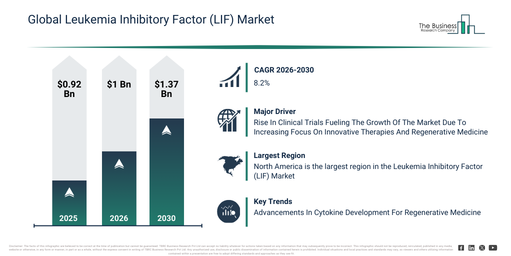
  • Leukemia Inhibitory Factor (LIF) Market Growth Outlook Reveals A CAGR Of 8.2% And A Market Value Of $1.37 Billion By 2030

    Leukemia Inhibitory Factor (LIF) Market Growth Outlook Reveals A CAGR Of 8.2% And A Market Value Of $1.37 Billion By 2030

    Enhanced with market attractiveness analysis, total addressable market evaluation, company benchmarking matrices, interactive Excel dashboards, expanded supply chain intelligence, emerging startup coverage, and detailed product insights, The Business Research Company’s 2026 market reports deliver more actionable and strategically valuable research.

    Leukemia Inhibitory Factor (LIF) Market Growth From $1 Billion In 2026 To $1.37 Billion By 2030 At A CAGR Of 8.2%

    The market for leukemia inhibitory factor (LIF) has experienced significant expansion over recent years. Projections indicate it will increase from $0.92 billion in 2025 to $1 billion in 2026, reflecting a compound annual growth rate (CAGR) of 8.7%. This past growth has been driven by factors such as the restricted supply of recombinant LIF, dependence on cytokines sourced from animals, a rise in stem cell research programs, heightened applications in cancer studies, and growing recognition of fertility treatment options.

    The leukemia inhibitory factor (LIF) market is poised for substantial expansion in the coming years, with projections indicating it will reach a value of $1.37 billion by 2030. This growth, characterized by a compound annual growth rate (CAGR) of 8.2%, is being driven by several key developments in the forecast period, including the creation of human recombinant and animal-free LIF variants, a widening scope of applications for neurological disorders, a surge in biotechnology research funding, the growing utilization of monoclonal antibodies and antibody-drug conjugate therapies, and the incorporation of LIF into precision medicine frameworks. Concurrently, the market is witnessing significant trends such as an escalating need for recombinant LIF products, a broadening of its role in stem cell research, heightened adoption within fertility treatments, an uptick in investigations for cancer therapies leveraging LIF, and a greater emphasis on preclinical and diagnostic antibody development initiatives.

    Download A Free Sample Report For Comprehensive Market Insights:

    https://www.thebusinessresearchcompany.com/sample.aspx?id=25808&type=smp&utm_source=BlogsPR&utm_medium=Paid&utm_campaign=Jul_PR

    Leukemia Inhibitory Factor (LIF) Market Growth Momentum: Which Factors Are Influencing Demand?

    The growing number of clinical trials is set to drive the expansion of the leukemia inhibitory factor (LIF) market in the coming period. Clinical trials are defined as research studies conducted on human participants to assess the safety, efficacy, and potential side effects of new medical treatments, pharmaceuticals, therapies, or devices. This upward trend in clinical trials is largely fueled by heightened investment in pharmaceutical research and development, which speeds up the creation of novel therapies and necessitates more trials to verify their safety and effectiveness. By providing scientific evidence on LIF’s efficacy in addressing conditions such as cancer and neurodegenerative diseases, clinical trials bolster the demand for leukemia inhibitory factors, thereby enhancing their credibility and promoting broader application in medical research and therapeutic innovation. As an example, in December 2024, the Association of the British Pharmaceutical Industry, a trade association based in the UK, reported that the count of industry-led clinical trial initiatives climbed to 426 in 2023, compared to 411 in 2022. Consequently, the rising number of clinical trials is fueling the growth of the leukemia inhibitory factor (LIF) market.

    Growing healthcare expenditure is anticipated to drive the advancement of the leukemia inhibitory factor (LIF) market in the future. Healthcare expenditure denotes the total amount spent on medical services, healthcare goods, and public health initiatives within a nation or region. This rise in spending is linked to an increasing prevalence of chronic diseases, as the ongoing management of long-term conditions requires consistent treatment, diagnostics, and monitoring, thereby elevating overall healthcare costs. Higher healthcare expenditure supports leukemia inhibitory factors (LIF) by channeling more funds into cutting-edge research and clinical assessments, which facilitates the development and deployment of LIF-based therapies in regenerative medicine and disease treatment. For instance, in April 2025, the American Medical Association, a US-based professional organization, noted that health spending in the United States surged by 7.5% in 2023 to $4.9 trillion, equal to $14,570 per person, representing a significant uptick from the 4.6% growth rate seen in 2022. Thus, the escalation in healthcare expenditure is propelling the leukemia inhibitory factor (LIF) market forward.

    Leukemia Inhibitory Factor (LIF) Market Segment Landscape: Which Areas Lead Market Development?

    The leukemia inhibitory factor (lif) market covered in this report is segmented –

    1) By Product Type: Recombinant Leukemia Inhibitory Factor, Monoclonal Antibodies, Antibodies And Antibody-Drug Conjugates, Cytokine Mixes

    2) By Distribution Channel: Direct Sales, Online Sales, Third-Party Retailers

    3) By Application: Cancer Treatment, Stem Cell Research, Neurological Disorders, Fertility Treatment, Other Applications

    4) By End-User: Hospitals, Research Institutes, Biotechnology Companies, Other End Users

    Subsegments:

    1) By Recombinant Leukemia Inhibitory Factor: Human Recombinant Leukemia Inhibitory Factor, Mouse Recombinant Leukemia Inhibitory Factor, Rat Recombinant Leukemia Inhibitory Factor, GMP-Grade Leukemia Inhibitory Factor, Animal-Free Recombinant Leukemia Inhibitory Factor

    2) By Monoclonal Antibodies: Anti-Leukemia Inhibitory Factor Monoclonal Antibodies, Anti-Leukemia Inhibitory Factor Receptor Antibodies, Neutralizing Monoclonal Antibodies, Diagnostic Use Monoclonal Antibodies

    3) By Antibodies and Antibody-Drug Conjugates: Leukemia Inhibitory Factor Targeted Antibody-Drug Conjugates, Bispecific Antibodies Involving Leukemia Inhibitory Factor, Antibody Fragments Against Leukemia Inhibitory Factor, Preclinical Antibody-Drug Conjugate Candidates

    4) By Cytokine Mixes: Leukemia Inhibitory Factor With IL-6 Cytokine Mix, Leukemia Inhibitory Factor With BMP And FGF Mixes, Stem Cell Culture Cytokine Cocktails Containing Leukemia Inhibitory Factor, Tumor Microenvironment Cytokine Panels Including Leukemia Inhibitory Factor

    Leukemia Inhibitory Factor (LIF) Market Trends Reshaping Industry Growth

    Key players in the leukemia inhibitory factor (LIF) market are prioritizing the creation of cutting-edge solutions, including stem cell research, to advance regenerative therapies and broaden LIF’s clinical use in tissue repair and cell differentiation. Stem cell research focuses on examining stem cells to unlock their capacity for tissue regeneration and disease treatment. For example, in August 2023, Sino Biological Inc., a biotech firm based in China, introduced a series of GMP-grade recombinant cytokines aimed at supporting stem cell research by delivering high-purity, high-bioactivity reagents that adhere to rigorous clinical and manufacturing requirements. Produced under strict good manufacturing practice (GMP) guidelines, these cytokines are free from endotoxins, animal-derived components, and microbial contaminants. Each batch undergoes thorough testing to verify its safety, stability, and biological effectiveness. These attributes make them well-suited for advanced applications such as stem cell preservation, differentiation, and tissue repair, providing consistent research outcomes and aiding progress toward clinical uses in regenerative medicine and cell therapy.

    Leukemia Inhibitory Factor (LIF) Market Industry Leaders And Market Competition

    Major companies operating in the leukemia inhibitory factor (lif) market are Thermo Fisher Scientific Inc., Merck KGaA, Bio-Techne Corporation, STEMCELL Technologies Inc., GenScript Biotech Corporation, Abcam Plc, BioLegend Inc., Sino Biological Inc., Cell Signaling Technology Inc., RayBiotech Inc., Proteintech Group Inc., Santa Cruz Biotechnology Inc., Creative BioMart Inc., Aviva Systems Biology Corporation, ReproCELL Inc., G Biosciences, Abbiotec LLC, Boster Biological Technology Co. Ltd., ProSpec-Tany TechnoGene Ltd., and InVitria.

    Access The Complete Leukemia Inhibitory Factor (LIF) Market Report:

    https://www.thebusinessresearchcompany.com/report/leukemia-inhibitory-factor-lif-global-market-report?utm_source=BlogsPR&utm_medium=Paid&utm_campaign=Jul_PR

    Leukemia Inhibitory Factor (LIF) Market Regional Distribution: Which Areas Drive Market Expansion?

    North America was the largest region in the leukemia inhibitory factor (LIF) market in 2025. Asia-Pacific is expected to be the fastest-growing region in the forecast period. The regions covered in the leukemia inhibitory factor (lif) market report are Asia-Pacific, South East Asia, Western Europe, Eastern Europe, North America, South America, Middle East, Africa.

    Get in touch with us:

    The Business Research Company: https://www.thebusinessresearchcompany.com/?utm_source=BlogsPR&utm_medium=Paid&utm_campaign=home_page_test

    Americas: +1 310-496-7795

    Asia: +44 7882 955267 & +91 8897263534

    Europe: +44 7882 955267

    Email us at: marketing@tbrc.info

    Follow us on:

    LinkedIn: https://in.linkedin.com/company/the-business-research-company

    YouTube: https://www.youtube.com/channel/UC24_fI0rV8cR5DxlCpgmyFQ

    Global Market Model: https://www.thebusinessresearchcompany.com/global-market-model
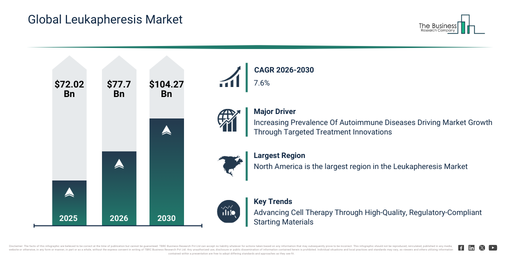
  • Leukapheresis Market Forecast Highlights Expansion From $77.69 Billion To $104.27 Billion Through 2030

    Leukapheresis Market Forecast Highlights Expansion From $77.69 Billion To $104.27 Billion Through 2030

    Through market attractiveness analysis, total addressable market evaluation, company benchmarking matrices, interactive Excel dashboards, expanded supply chain intelligence, emerging startup coverage, and detailed product insights, The Business Research Company’s 2026 market reports provide more actionable and strategically valuable research.

    Leukapheresis Market Expansion Outlook: What Revenue Opportunities Lie Ahead?

    The size of the leukapheresis market has experienced notable growth in recent times. It is projected to increase from $72.02 billion in 2025 to $77.7 billion in 2026, achieving a compound annual growth rate (CAGR) of 7.9%. This expansion during the historical period can be linked to factors such as a rise in hematologic disorders, broader cancer research initiatives, greater adoption of apheresis within blood centers, improvements in centrifugation technologies, and enhanced funding for clinical research.

    The leukapheresis market is anticipated to experience robust expansion over the coming years, projected to reach $104.27 billion by 2030, reflecting a compound annual growth rate (CAGR) of 7.6%. This forecasted growth is driven by several key factors, including the expansion of CAR-T and cell-based therapies, heightened investment in immunology research, a growing need for personalized medicine, the scaling up of biopharmaceutical manufacturing, and progress in apheresis automation technologies. Emerging trends likely to shape this period include the growing application of leukapheresis in cell and gene therapies, heightened demand for immune cell collection in oncology, wider implementation of automated apheresis devices, its increasing use in clinical research, and a stronger emphasis on patient-safe, disposable apheresis kits.

    Download A Free Sample Report For Comprehensive Market Insights:

    https://www.thebusinessresearchcompany.com/sample.aspx?id=24277&type=smp&utm_source=BlogsPR&utm_medium=Paid&utm_campaign=Jul_PR

    Leukapheresis Market Expansion Drivers: What Is Shaping Future Growth?

    The anticipated increase in autoimmune diseases is set to drive expansion in the leukapheresis market. These disorders occur when the immune system erroneously attacks healthy tissues in the body. Factors such as diminished microbial exposure in early childhood and contemporary environmental influences are disrupting immune equilibrium, resulting in a greater prevalence of autoimmune conditions. Leukapheresis addresses this by selectively eliminating harmful white blood cells that trigger the immune system’s assault on the body’s own tissues. For example, in September 2025, GetValue.co, a digital platform based in the United States, reported that autoimmune diseases impact an estimated 3–10% of the global population, which translates to roughly 600–800 million individuals worldwide. Consequently, the rising incidence of autoimmune diseases is fueling the growth of the leukapheresis market.

    Leukapheresis Market Segments: Where Are The Largest Growth Opportunities?

    The leukapheresis market covered in this report is segmented –

    1) By Apheresis Type: Granulocyte Apheresis, Lymphocyte Apheresis, Monocyte Apheresis

    2) By Product: Leukapheresis Devices, Centrifugal Devices, Membrane Separators, Leukapheresis Disposables

    3) By Application: Research Application, Cancer Research, Immunology Research, Therapeutics Application, Hematologic Disorders, Autoimmune Diseases, Other Applications

    4) By End User: Blood Component Providers And Blood Centers, Academic And Research Institutes, Pharmaceutical And Biotechnology Companies, Hospitals And Transfusion Centers

    Subsegments:

    1) By Granulocyte Apheresis: Neutrophil Apheresis, Eosinophil Apheresis, Basophil Apheresis

    2) By Lymphocyte Apheresis: T-Cell Apheresis, B-Cell Apheresis, Natural Killer (NK) Cell Apheresis

    3) By Monocyte Apheresis: Classical Monocytes, Non-Classical Monocytes, Intermediate Monocytes

    Leukapheresis Market Strategic Trends: What Is Defining The Next Phase Of Growth?

    Leading players in the leukapheresis industry are prioritizing innovations like the creation of GMP-grade leukopaks to boost the quality and effectiveness of cell therapy production. These leukopaks are derived from leukapheresis and manufactured under rigorous good manufacturing practice (GMP) guidelines, guaranteeing that the collected cells retain high viability and functionality for therapeutic use. A case in point is Sanguine Biosciences, a US biotechnology firm, which introduced LeukoCer in November 2024—a GMP-grade leukopak aimed at simplifying processes and speeding up the development of cell therapies. Available as fresh whole or half packs, LeukoCer supplies top-tier starting materials produced in compliance with strict GMP protocols, thus enabling researchers to progress their work and accelerate the launch of new cell therapies.

    Leukapheresis Market Major Participants And Competitive Dynamics

    Major companies operating in the leukapheresis market are Fresenius Kabi, Grifols S.A., Terumo BCT Inc., Nikkiso Co., Haemonetics Corporation, Macopharma, MEDICA S.p.A, Caltag Medsystems Ltd., Miltenyi Biotec, Puriblood Medical, Cytopheron Technologies, STEMCELL Technologies Inc., Discovery Life Sciences, BioIVT LLC, StemExpress LLC, AllCells LLC, HemaCare Corporation, Key Biologics LLC, Immune Therapy Holdings AB, Cellsep Laboratories

    Access The Complete Leukapheresis Market Report:

    https://www.thebusinessresearchcompany.com/report/leukapheresis-global-market-report?utm_source=BlogsPR&utm_medium=Paid&utm_campaign=Jul_PR

    Leukapheresis Market Leading Geography: Which Region Generates The Most Revenue?

    North America was the largest region in the leukapheresis market in 2025. Asia-Pacific is expected to be the fastest-growing region in the forecast period. The regions covered in the leukapheresis market report are Asia-Pacific, South East Asia, Western Europe, Eastern Europe, North America, South America, Middle East, Africa.

    Get in touch with us:

    The Business Research Company: https://www.thebusinessresearchcompany.com/?utm_source=BlogsPR&utm_medium=Paid&utm_campaign=home_page_test

    Americas: +1 310-496-7795

    Asia: +44 7882 955267 & +91 8897263534

    Europe: +44 7882 955267

    Email us at: marketing@tbrc.info

    Follow us on:

    LinkedIn: https://in.linkedin.com/company/the-business-research-company

    YouTube: https://www.youtube.com/channel/UC24_fI0rV8cR5DxlCpgmyFQ

    Global Market Model: https://www.thebusinessresearchcompany.com/global-market-model
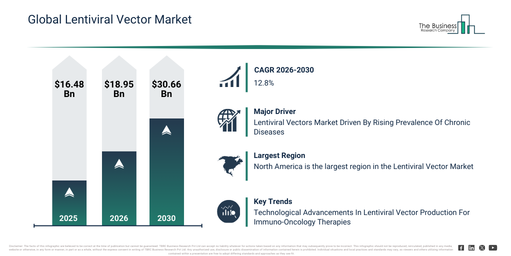
  • Lentiviral Vector Market Expected To Reach $30.66 Billion By 2030 As Growth Accelerates At 12.8% CAGR

    Lentiviral Vector Market Expected To Reach $30.66 Billion By 2030 As Growth Accelerates At 12.8% CAGR

    Delivering more actionable and strategically valuable research, The Business Research Company’s 2026 market reports feature market attractiveness analysis, total addressable market evaluation, company benchmarking matrices, interactive Excel dashboards, expanded supply chain intelligence, emerging startup coverage, and detailed product insights.

    Lentiviral Vector Market Growth Potential: How Will Market Size Change Through 2030?

    The lentiviral vector market has experienced swift expansion in recent years, rising from $16.48 billion in 2025 to an estimated $18.95 billion in 2026, reflecting a compound annual growth rate (CAGR) of 15.0%. This historical growth has been driven by advancements in stable lentiviral production techniques, a rising incidence of genetic disorders, expanded academic and clinical research activities, increased funding for gene therapy research and development, and the widespread availability of transduction and packaging kits.

    Over the next several years, the market for lentiviral vectors is projected to experience substantial growth. By 2030, its value is forecast to reach $30.66 billion, reflecting a compound annual growth rate (CAGR) of 12.8%. This upward trajectory can be credited to a broader expansion of gene therapy pipelines, the growing use of automated systems for vector production, deeper collaborations between biotechnology and pharmaceutical companies, the rise of novel applications for lentiviral vectors, and increasing demand from emerging economies. Among the key trends shaping the forecast period are rising adoption of gene therapies, progress in viral vector engineering, faster regulatory approvals and compliance, expanded research funding for genetic diseases, and the scaling up of contract manufacturing services.

    Download A Free Sample Report For Comprehensive Market Insights:

    https://www.thebusinessresearchcompany.com/sample.aspx?id=14742&type=smp&utm_source=BlogsPR&utm_medium=Paid&utm_campaign=Jul_PR

    Lentiviral Vector Market Development Factors: Which Trends Are Supporting Demand?

    The rising incidence of chronic diseases is anticipated to drive forward the lentiviral vectors market. Chronic diseases are defined as long-lasting health conditions that generally advance gradually over time and frequently endure for years or a lifetime. Their growing prevalence is fueled by factors such as aging populations, unhealthy lifestyles, urbanization, and environmental influences. Lentiviral vectors provide versatile and effective means for creating vaccines and therapeutic approaches for chronic illnesses, helping to satisfy unmet medical needs and enhance patient outcomes. For example, in September 2024, data from the British Heart Foundation, a cardiovascular research charity based in the UK, indicated that around 7.6 million individuals in the United Kingdom are impacted by heart and circulatory conditions, with about 4 million men and 3.6 million women living with these issues. These ailments account for roughly 27% of all UK fatalities, which amounts to more than 170,000 deaths each year, approximately 480 daily, or one death every three minutes. Consequently, the increasing occurrence of chronic diseases is propelling the expansion of the lentiviral vectors market.

    Lentiviral Vector Market Segment Analysis: What Are The Major Market Categories?

    The lentiviral vector market covered in this report is segmented –

    1) By Product Type: Kits, Reagents And Consumables

    2) By Indication: Cancer, Genetic Disorder, Infectious Disease, Veterinary Disease, Other Indications

    3) By End User: Biotechnology Companies, Pharmaceutical Companies, Contract Research Organization (CRO), Academic And Research Institutes

    Subsegments:

    1) By Kits: Lentiviral Transduction Kits, Lentiviral Packaging Kits, Lentiviral Vector Production Kits

    2) By Reagents and Consumables: Lentiviral Packaging Reagents, Lentiviral Vector Concentration Reagents, Transfection Reagents for Lentiviral Vectors

    Lentiviral Vector Market Transformation Trends: Which Innovations Are Driving Change?

    Major players in the lentiviral vector industry are concentrating their efforts on creating LV vector production systems like LentiSure, which are intended to boost the effectiveness and reliability of manufacturing lentivirus vectors for cell-based immuno-oncology treatments. LentiSure functions as an LV vector production platform that generates lentiviral vectors utilized in cell-based immuno-oncology therapies. Its design aims to improve both the productivity and dependability of vector generation. For example, in May 2023, Yposkesi sk pharmteco, a French manufacturer specializing in viral vectors, introduced LentiSure, a state-of-the-art platform tailored to boost the production of lentiviral (LV) vectors with a focus on increasing the durability and effectiveness of lentivirus production. This system is meant to satisfy the rising need for dependable and cost-effective viral-vector manufacturing technologies within the cell and gene therapy sectors. It guarantees consistent product quality, achieving average titers at cell culture harvest of 10e7 IG/mL per bioreactor volume, thereby enhancing productivity and success rates for developers of cell therapies.

    Lentiviral Vector Market Leading Companies Driving Competitive Growth

    Major companies operating in the lentiviral vector market are Thermo Fisher Scientific Inc., Lonza Group AG, Cytiva, Takara Bio Inc., Promega Corporation, Bio-Rad Laboratories Inc., Merck KGaA, Agilent Technologies Inc., Oxford Biomedica, Sirion-Biotech GmbH, Yposkesi, Applied Biological Materials Inc., OriGene Technologies Inc., Sino Biological Inc., Charles River Laboratories, Vigene Biosciences, VectorBuilder, Cell Biolabs Inc., Addgene, GeneCopoeia Inc.

    Access The Complete Lentiviral Vector Market Report:

    https://www.thebusinessresearchcompany.com/report/lentiviral-vector-global-market-report?utm_source=BlogsPR&utm_medium=Paid&utm_campaign=Jul_PR

    Lentiviral Vector Market Regional Outlook: Where Are The Largest Opportunities Located?

    North America was the largest region in the lentiviral vector market in 2025. Asia-Pacific is expected to be the fastest-growing region in the forecast period. The regions covered in the lentiviral vector market report are Asia-Pacific, South East Asia, Western Europe, Eastern Europe, North America, South America, Middle East, Africa.

    Get in touch with us:

    The Business Research Company: https://www.thebusinessresearchcompany.com/?utm_source=BlogsPR&utm_medium=Paid&utm_campaign=home_page_test

    Americas: +1 310-496-7795

    Asia: +44 7882 955267 & +91 8897263534

    Europe: +44 7882 955267

    Email us at: marketing@tbrc.info

    Follow us on:

    LinkedIn: https://in.linkedin.com/company/the-business-research-company

    YouTube: https://www.youtube.com/channel/UC24_fI0rV8cR5DxlCpgmyFQ

    Global Market Model: https://www.thebusinessresearchcompany.com/global-market-model
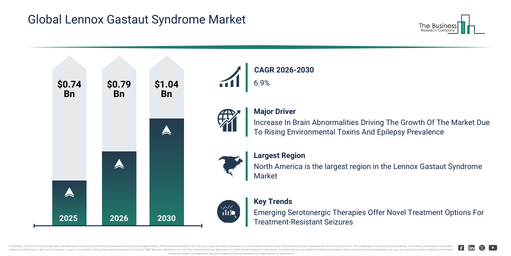
  • Lennox Gastaut Syndrome Market Set To Grow From $0.79 Billion In 2026 To $1.03 Billion By 2030 At A CAGR Of 6.9%

    Lennox Gastaut Syndrome Market Set To Grow From $0.79 Billion In 2026 To $1.03 Billion By 2030 At A CAGR Of 6.9%

    Enhanced with market attractiveness analysis, total addressable market evaluation, company benchmarking matrices, interactive Excel dashboards, expanded supply chain intelligence, emerging startup coverage, and detailed product insights, The Business Research Company’s 2026 market reports deliver more actionable and strategically valuable research.

    Lennox Gastaut Syndrome Market Value Analysis: What Growth Is Expected Over The Forecast Period?

    The value of the lennox gastaut syndrome market has experienced robust expansion in recent years. Projections show it rising from $0.74 billion in 2025 to $0.79 billion in 2026, reflecting a compound annual growth rate (CAGR) of 7.2%. This historical growth has been driven by factors such as the scarcity of effective seizure control methods, the prevalence of pediatric epilepsy, reliance on neurology care within hospital settings, progress in antiepileptic drug development, and heightened awareness among caregivers.

    The market for Lennox-Gastaut syndrome is projected to experience robust expansion in the coming years. By 2030, its value is forecasted to reach $1.04 billion, driven by a compound annual growth rate (CAGR) of 6.9%. This anticipated growth during the forecast period is fueled by several factors, including the development of novel antiepileptic drug pipelines, the advancement of personalized seizure management strategies, broader approvals for cannabidiol-based treatments, funding initiatives dedicated to rare diseases, and enhanced diagnostic capabilities. Among the key trends shaping this period are the increasing adoption of CBD-based therapies, the broadening of treatment options in pediatric neurology, a greater reliance on multimodal approaches for seizure control, progress in dietary and device-oriented therapies, and a heightened emphasis on addressing rare neurological disorders.

    Download A Free Sample Report For Comprehensive Market Insights:

    https://www.thebusinessresearchcompany.com/sample.aspx?id=24588&type=smp&utm_source=BlogsPR&utm_medium=Paid&utm_campaign=Jul_PR

    Lennox Gastaut Syndrome Market Industry Drivers: What Is Driving Revenue Growth?

    The anticipated growth of the Lennox-Gastaut syndrome market is being driven by the rising frequency of brain abnormalities. These abnormalities involve structural or functional deviations from typical brain development or function. Their increase is linked to greater exposure to environmental toxins like air pollutants and industrial chemicals, which can disrupt brain development and neurological processes, especially in early childhood. Managing brain abnormalities often requires treatment for Lennox-Gastaut syndrome (LGS), as this condition triggers severe, medication-resistant seizures that can result in developmental delays, cognitive impairments, and lasting neurological harm if not properly addressed. For example, in November 2024, the Centers for Disease Control and Prevention (CDC), a U.S. federal health agency, reported that among babies born annually in the United States, anencephaly occurs in roughly 1 per 5,246 births (about 700 babies per year), encephalocele in approximately 1 per 10,365 births (around 354 babies per year), and spina bifida (excluding anencephaly) in about 1 per 2,875 births (approximately 1,278 babies per year). Consequently, the growing incidence of brain abnormalities is expected to fuel the expansion of the Lennox-Gastaut syndrome market.

    Lennox Gastaut Syndrome Market Segment Breakdown: Which Categories Generate The Most Revenue?

    The lennox gastaut syndrome market covered in this report is segmented –

    1) By Treatment: Antiepileptic Drugs, Vagus Nerve Stimulation, Ketogenic Diet, Cannabidiol, Cannabinoids

    2) By Epileptic Type: Atonic Seizures, Myoclonic Seizures, Tonic Seizures, Atypical Absence Seizures, Other Types

    3) By Age Group: Pediatric, Adult, Geriatric

    4) By Route of Administration: Oral, Parenteral

    5) By End-Users: Hospitals, Specialty Clinics, Other End Users

    Subsegments:

    1) By Antiepileptic Drugs: Valproate, Lamotrigine, Topiramate, Rufinamide, Clobazam, Felbamate, Levetiracetam, Other Antiepileptic Drugs

    2) By Ketogenic Diet: Classic Ketogenic Diet, Modified Atkins Diet, Medium Chain Triglyceride (MCT) Diet, Low Glycemic Index Treatment

    3) By Vagus Nerve Stimulation: Implantable Vagus Nerve Stimulation Devices, External Vagus Nerve Stimulation Devices

    4) By Cannabidiol: Epidiolex (FDA Approved), Other Prescription Cannabidiol Products

    5) By Cannabinoids: THC-based Products, Synthetic Cannabinoids, Combined THC or CBD Formulations

    Lennox Gastaut Syndrome Market Growth Trends: What Is Influencing The Future Outlook?

    Major industry participants within the lennox gastaut syndrome landscape are placing emphasis on advancing new treatment options, particularly fenfluramine oral solutions, to address the growing need for more effective supplementary therapies aimed at managing treatment-resistant seizures linked to LGS. This fenfluramine oral solution acts as a pharmaceutical intervention by modulating serotonin activity within the brain, thereby aiding in the reduction of both seizure occurrence and their intensity. A notable example is the February 2023 launch by UCB, a Belgian biopharmaceutical firm, which introduced the Fintepla oral solution across the European Union as an additional therapy for LGS-associated seizures. This Fintepla preparation is meticulously formulated to enable precise dosing tailored to a patient’s body weight, ensures convenient oral intake, and has achieved marked decreases in seizure frequency during clinical studies. Its distinguishing characteristics involve a novel mode of action that sets it apart from conventional antiepileptic medications, possible enhancements in patients’ overall well-being, and its appropriateness for extended use under proper medical supervision.

    Lennox Gastaut Syndrome Market Key Players And Strategic Industry Positioning

    Major companies operating in the lennox gastaut syndrome market are GW Pharmaceuticals plc, Pfizer Inc., Novartis AG, Sun Pharmaceutical Industries Ltd., Dr. Reddy’s Laboratories Ltd., Aurobindo Pharma Ltd., Zydus Lifesciences Ltd., Lupin Limited, Glenmark Pharmaceuticals Ltd., Abbott Laboratories, Medtronic plc, Boston Scientific Corporation, LivaNova PLC, SK Biopharmaceuticals Co. Ltd., Otsuka Pharmaceutical Co. Ltd., Bial – Portela & Cª S.A., Eisai Co. Ltd., UCB Pharma S.A., Teva Pharmaceutical Industries Ltd., Marinus Pharmaceuticals Inc., Supernus Pharmaceuticals Inc., Xenon Pharmaceuticals Inc., Ovid Therapeutics Inc., Aquestive Therapeutics Inc., Neurocrine Biosciences Inc., Sunovion Pharmaceuticals Inc., Alkem Laboratories Ltd., Cipla Ltd., Torrent Pharmaceuticals Ltd., Hikma Pharmaceuticals PLC.

    Access The Complete Lennox Gastaut Syndrome Market Report:

    https://www.thebusinessresearchcompany.com/report/lennox-gastaut-syndrome-global-market-report?utm_source=BlogsPR&utm_medium=Paid&utm_campaign=Jul_PR

    Lennox Gastaut Syndrome Market Geographic Landscape: Which Region Dominates Industry Growth?

    North America was the largest region in the lennox gastaut syndrome market in 2025. The regions covered in the lennox gastaut syndrome market report are Asia-Pacific, South East Asia, Western Europe, Eastern Europe, North America, South America, Middle East, Africa.

    Get in touch with us:

    The Business Research Company: https://www.thebusinessresearchcompany.com/?utm_source=BlogsPR&utm_medium=Paid&utm_campaign=home_page_test

    Americas: +1 310-496-7795

    Asia: +44 7882 955267 & +91 8897263534

    Europe: +44 7882 955267

    Email us at: marketing@tbrc.info

    Follow us on:

    LinkedIn: https://in.linkedin.com/company/the-business-research-company

    YouTube: https://www.youtube.com/channel/UC24_fI0rV8cR5DxlCpgmyFQ

    Global Market Model: https://www.thebusinessresearchcompany.com/global-market-model
  • Lenalidomide Market Opportunities Are Emerging Beyond Traditional Growth Areas

    Lenalidomide Market Opportunities Are Emerging Beyond Traditional Growth Areas

    Through market attractiveness analysis, total addressable market evaluation, company benchmarking matrices, interactive Excel dashboards, expanded supply chain intelligence, emerging startup coverage, and detailed product insights, The Business Research Company’s 2026 market reports provide more actionable and strategically valuable research.

    Lenalidomide Market Size Forecast: How Large Could The Market Become By 2030?

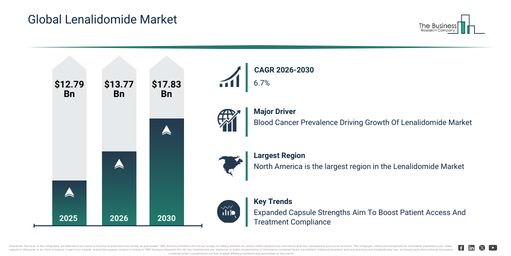
    Recent years have witnessed substantial expansion in the lenalidomide market value. This sector is projected to increase from $12.79 billion in 2025 to $13.77 billion in 2026, reflecting a compound annual growth rate (CAGR) of 7.7%. The historical growth can be explained by factors such as the proven clinical effectiveness of lenalidomide in managing multiple myeloma, its authorization for addressing myelodysplastic syndromes, enhanced patient survival rates relative to previous treatment options, broad integration into standard oncology protocols, and the provision of various dosage options enabling adaptable therapeutic regimens.

    The projected growth of the lenalidomide market is anticipated to be robust over the coming years. By 2030, it is forecast to reach $17.83 billion, expanding at a compound annual growth rate (CAGR) of 6.7%. This anticipated expansion during the forecast period is driven by key factors such as the rising global incidence of multiple myeloma, an increased adoption of maintenance therapy protocols, better access to oncology treatments in developing regions, the growing use of combination and sequential therapy approaches, and persistent demand for effective immunomodulatory cancer drugs. Among the prominent trends shaping this market are the continuous use of lenalidomide as a foundational therapy for multiple myeloma, its rising incorporation into combination treatment plans, the greater availability of generic lenalidomide options, the increased application of maintenance therapy for long-term myeloma care, and the broadening of lenalidomide’s use to other hematological conditions.

    Download A Free Sample Report For Comprehensive Market Insights:

    https://www.thebusinessresearchcompany.com/sample.aspx?id=15598&type=smp&utm_source=BlogsPR&utm_medium=Paid&utm_campaign=Jul_PR

    #Lenalidomide Market Growth Factors: Which Forces Are Supporting Market Expansion?

    The anticipated expansion of the lenalidomide market is being driven forward by the growing incidence of blood cancer cases. Blood cancer encompasses a range of malignancies affecting blood cells, bone marrow, or the lymphatic system, which disrupt normal blood formation and immune function. Its rising prevalence is attributed to factors such as aging populations, exposure to environmental toxins, genetic predispositions, and lifestyle choices. Lenalidomide plays a crucial role in blood cancer treatment by modulating immune responses, suppressing cancer cell growth, and facilitating the elimination of malignant cells. For example, based on the Cancer Facts & Figures 2023 report from the American Cancer Society—a U.S.-based nonprofit organization—an estimated 35,730 new myeloma cases were projected in the U.S. for 2023, comprising 19,860 men and 15,870 women. Additionally, approximately 184,720 individuals were expected to receive a leukemia, lymphoma, or myeloma diagnosis that same year. Hence, the climb in blood cancer prevalence is fueling the growth of the lenalidomide market.

    Lenalidomide Market Segmentation: How Is The Market Structured Across Key Categories?

    The lenalidomide market covered in this report is segmented –

    1) By Type: 5Mg Capsules, 10Mg Capsules, 15Mg Capsules, 25Mg Capsules

    2) By Application: Multiple Myeloma (MM), Myelodysplastic Syndromes (MDS), Lymphoma, Other Applications

    3) By End-User: Hospitals, Cancer Treatment Centers, Research Institutes

    Lenalidomide Market Industry Trends: What Changes Are Reshaping Demand?

    Key players in the lenalidomide market are prioritizing the creation of advanced solutions like complex generic capsule formulations to boost drug accessibility and foster better patient adherence. These formulations represent sophisticated iterations of existing medications, crafted to deliver efficacy and safety comparable to the original product while addressing hurdles in manufacturing or distribution. A notable example occurred in March 2023 when Teva Pharmaceutical Industries Ltd., a pharmaceutical firm based in Israel, joined forces with Natco Pharma Limited, a company headquartered in India, to introduce additional dosages—specifically 2.5 mg and 20 mg—of the generic version of Revlimid® (lenalidomide capsules) within the United States. This move broadens patient availability to a critical therapy for multiple myeloma and similar disorders. Through this partnership, the full range of lenalidomide capsule strengths is made accessible by prescription, supporting a diverse array of treatment possibilities.

    Lenalidomide Market Competitive Landscape And Leading Companies

    Major companies operating in the lenalidomide market are Bristol-Myers Squibb Company, Teva Pharmaceutical Industries Ltd., Sun Pharmaceutical Industries Ltd., Intas Pharmaceuticals Ltd, Aurobindo Pharma, Dr. Reddy’s Laboratories, Cipla Limited, Apotex Inc, Zydus Lifesciences Limited, Alvogen, Lotus Pharmaceutical, Natco Pharma Limited, Accord Healthcare, Avra Laboratories Pvt. Ltd., Camber Pharmaceuticals Inc., Rochem International Inc, Florencia Healthcare, Alleviare Life Sciences Pvt Ltd., Sarv Biolabs Pvt Ltd, Speciality Medicines Private Limited, Healthiza Lifescience Private Limited.

    Access The Complete Lenalidomide Market Report:

    https://www.thebusinessresearchcompany.com/report/lenalidomide-global-market-report?utm_source=BlogsPR&utm_medium=Paid&utm_campaign=Jul_PR

    Lenalidomide Market Largest Region: Which Geography Holds The Highest Market Share?

    North America was the largest region in the lenalidomide market in 2025. Asia-Pacific is expected to be the fastest-growing region in the forecast period. The regions covered in the lenalidomide market report are Asia-Pacific, South East Asia, Western Europe, Eastern Europe, North America, South America, Middle East, Africa.

    Get in touch with us:

    The Business Research Company: https://www.thebusinessresearchcompany.com/?utm_source=BlogsPR&utm_medium=Paid&utm_campaign=home_page_test

    Americas: +1 310-496-7795

    Asia: +44 7882 955267 & +91 8897263534

    Europe: +44 7882 955267

    Email us at: marketing@tbrc.info

    Follow us on:

    LinkedIn: https://in.linkedin.com/company/the-business-research-company

    YouTube: https://www.youtube.com/channel/UC24_fI0rV8cR5DxlCpgmyFQ

    Global Market Model: https://www.thebusinessresearchcompany.com/global-market-model
  • Leiomyosarcoma Drug Market Expansion Is Opening New Pathways For Strategic Investment

    Leiomyosarcoma Drug Market Expansion Is Opening New Pathways For Strategic Investment

    Delivering more actionable and strategically valuable research, The Business Research Company’s 2026 market reports feature market attractiveness analysis, total addressable market evaluation, company benchmarking matrices, interactive Excel dashboards, expanded supply chain intelligence, emerging startup coverage, and detailed product insights.

    Leiomyosarcoma Drug Market Revenue Outlook: What CAGR Is Expected Through 2030?

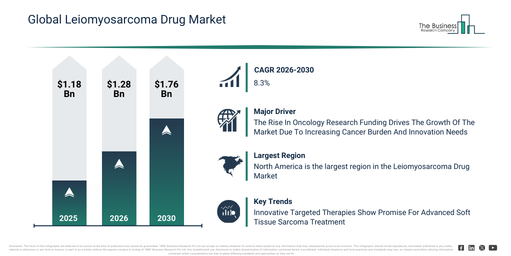
    The market for leiomyosarcoma medications has seen robust expansion in recent years. Projections indicate an increase from $1.18 billion in 2025 to $1.28 billion in 2026, reflecting a compound annual growth rate (CAGR) of 8.6%. This historical period’s growth can be traced to factors such as chemotherapy-based approaches to treating sarcomas, the limitations of surgical outcomes, the broadening of oncology drug pipelines, cancer care delivered within hospital settings, and incentives offered for orphan drug development.

    The leiomyosarcoma drug market is projected to experience robust expansion over the coming years. By 2030, its value is anticipated to reach $1.76 billion, reflecting a compound annual growth rate (CAGR) of 8.3%. This forecasted growth is driven by factors such as the increasing adoption of precision oncology, detailed molecular profiling of tumors, broader clinical trials focused on rare cancers, the development of combination immunotherapies, and regulatory incentives for orphan drugs. Key trends shaping this period include a growing reliance on targeted cancer therapies, the expansion of combination treatment approaches, heightened emphasis on developing drugs for rare cancers, the expanding role of immunotherapy, and ongoing progress in precision oncology.

    Download A Free Sample Report For Comprehensive Market Insights:

    https://www.thebusinessresearchcompany.com/sample.aspx?id=24587&type=smp&utm_source=BlogsPR&utm_medium=Paid&utm_campaign=Jul_PR

    Leiomyosarcoma Drug Market Demand Drivers: What Is Fueling Industry Growth?

    The ongoing expansion of funding for oncology research is anticipated to accelerate the leiomyosarcoma drug market’s growth. Oncology research encompasses the scientific examination of cancer’s origins, progression, detection, therapeutic approaches, and preventive measures. This increased financial commitment is largely spurred by the escalating prevalence of cancer cases, which necessitates more sophisticated treatments and enhanced patient outcomes. Progress in developing leiomyosarcoma medications propels oncology research investments by encouraging innovation in targeted therapies and securing funding for advancements in rare cancer treatments. By 2023, for example, the American Society for Radiation Oncology (ASTRO), a US-based entity focused on advancing radiation oncology, reported that the National Institutes of Health (NIH) secured $51 billion in funding, with $9.988 billion directed to the National Cancer Institute (NCI)—a $2.7 billion rise compared to 2022. Consequently, the surge in oncology research investments is fueling the expansion of the leiomyosarcoma drug market.

    Leiomyosarcoma Drug Market Segmentation Trends And Revenue Drivers

    The leiomyosarcoma drug market covered in this report is segmented –

    1) By Drug Type: Chemotherapy Agents, Targeted Therapy, Immunotherapy, Radiation Therapy, Combination Therapy

    2) By Drug Class: Anthracyclines, Alkylating Agents, Antimetabolites, Other Drug Class

    3) By Route of Administration: Oral, Intravenous, Subcutaneous, Topical, Intramuscular

    4) By Distribution Channel: Hospital Pharmacies, Retail Pharmacies, Online Pharmacies, Other Distribution Channels

    5) By End User: Hospitals, Specialized Clinics, Research Laboratories, Homecare Settings, Pharmaceutical Companies

    Subsegments:

    1) By Chemotherapy Agents: Anthracyclines, Alkylating Agents, Antimetabolites, Topoisomerase Inhibitors, Taxanes

    2) By Targeted Therapy: Deoxyribonucleic Acid Minor Groove Binders, Tyrosine Kinase Inhibitors, Mechanistic Target Of Rapamycin Inhibitors, Vascular Endothelial Growth Factor Inhibitors

    3) By Immunotherapy: Immune Checkpoint Inhibitors, Cancer Vaccines, Adoptive Cell Transfer

    4) By Radiation Therapy: External Beam Radiation Therapy, Stereotactic Body Radiation Therapy, Intensity-Modulated Radiation Therapy

    5) By Combination Therapy: Chemotherapy + Targeted Therapy, Chemotherapy + Radiation Therapy, Immunotherapy + Targeted Therapy

    Leiomyosarcoma Drug Market Innovation Trends: Which Developments Are Transforming The Industry?

    Key players in the leiomyosarcoma drug market are placing considerable emphasis on the development of innovative targeted therapies, including lurbinectedin-based treatment regimens, with the goal of enhancing clinical results for individuals suffering from advanced or therapy-resistant tumors. Such regimens employ lurbinectedin as a targeted cancer drug designed to directly assault leiomyosarcoma cells, thereby boosting therapeutic efficacy. As an illustration, in October 2023, Pharma Mar S.A., a pharmaceutical enterprise headquartered in Spain, launched a Phase IIb/III clinical study known as SaLuDo. This investigation seeks to assess the potential of combining Zepzelca (lurbinectedin) with doxorubicin for the management of patients diagnosed with metastatic leiomyosarcoma (LMS). The study’s objective is to determine whether this drug combination can yield superior results compared to existing therapeutic alternatives for this particularly difficult malignancy. It is primarily designed to monitor progression-free survival and overall survival rates, thereby evaluating the possible benefits of the regimen. Should it prove effective, the SaLuDo trial might pave the way for a novel standard of care, offering fresh optimism to patients battling metastatic leiomyosarcoma.

    Leiomyosarcoma Drug Market Industry Leaders: Which Organizations Are Driving Competition?

    Major companies operating in the leiomyosarcoma drug market are Pfizer Inc., Johnson And Johnson, Merck And Co. Inc., Bayer AG, Bristol-Myers Squibb Company, AstraZeneca Plc, Novartis AG, GlaxoSmithKline plc, Eli Lilly And Co, Philogen S.p.A, Eisai Co. Ltd, Incyte Corp, PharmaMar SA, Karyopharm Therapeutics Inc., Taiho Pharmaceutical Co. Ltd., Agenus Inc., Adaptimmune Therapeutics plc, BioInvent International AB, Advenchen Laboratories LLC, Radiopharm Theranostics Limited.

    Access The Complete Leiomyosarcoma Drug Market Report:

    https://www.thebusinessresearchcompany.com/report/leiomyosarcoma-drug-global-market-report?utm_source=BlogsPR&utm_medium=Paid&utm_campaign=Jul_PR

    Leiomyosarcoma Drug Market Regional Analysis: Which Region Leads By Revenue?

    North America was the largest region in the leiomyosarcoma drug market in 2025. Asia-Pacific is expected to be the fastest-growing region in the forecast period. The regions covered in the leiomyosarcoma drug market report are Asia-Pacific, South East Asia, Western Europe, Eastern Europe, North America, South America, Middle East, Africa.

    Get in touch with us:

    The Business Research Company: https://www.thebusinessresearchcompany.com/?utm_source=BlogsPR&utm_medium=Paid&utm_campaign=home_page_test

    Americas: +1 310-496-7795

    Asia: +44 7882 955267 & +91 8897263534

    Europe: +44 7882 955267

    Email us at: marketing@tbrc.info

    Follow us on:

    LinkedIn: https://in.linkedin.com/company/the-business-research-company

    YouTube: https://www.youtube.com/channel/UC24_fI0rV8cR5DxlCpgmyFQ

    Global Market Model: https://www.thebusinessresearchcompany.com/global-market-model