Month: July 2026

  • Lecithin Supplements Market Trends Are Creating New Opportunities For Industry Leaders

    Lecithin Supplements Market Trends Are Creating New Opportunities For Industry Leaders

    Enhanced with market attractiveness analysis, total addressable market evaluation, company benchmarking matrices, interactive Excel dashboards, expanded supply chain intelligence, emerging startup coverage, and detailed product insights, The Business Research Company’s 2026 market reports deliver more actionable and strategically valuable research.

    Lecithin Supplements Market Growth Analysis: How Will Revenue Expand During The Forecast Period?

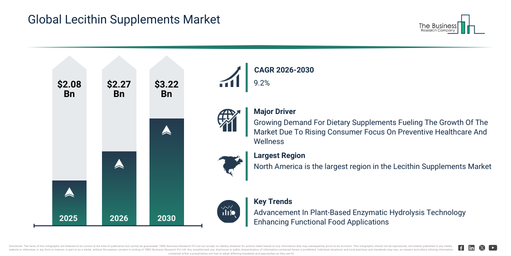
    The lecithin supplements market has experienced notable expansion in recent times. Projected to rise from $2.08 billion in 2025 to $2.27 billion in 2026, it is expected to achieve a compound annual growth rate (CAGR) of 9.3%. This historical growth is driven by factors such as increasing intake of dietary supplements, heightened awareness regarding advantages for lipid metabolism, expanded manufacturing of soy and sunflower lecithin, a growing number of health-focused consumers, and the widespread availability of various lecithin product formats.

    The lecithin supplements sector is projected to undergo significant expansion over the coming years. By 2030, its value is anticipated to climb to $3.22 billion, driven by a compound annual growth rate (CAGR) of 9.2%. This upward trajectory in the forecast timeframe can be linked to the growing popularity of plant-based eating habits, heightened demand for supplements that support cognitive function and liver wellness, the broadening of clean-label supplement categories, increased online retail penetration, and progress in lecithin extraction methods. Key developments shaping this period involve a higher preference for plant-derived lecithin sources, a growing uptake of non-GMO and clean-label supplement products, broader utilization in formulations aimed at heart and brain health, the proliferation of diverse supplement formats, and a stronger emphasis on lipid-based nutritional enhancements.

    Download A Free Sample Report For Comprehensive Market Insights:

    https://www.thebusinessresearchcompany.com/sample.aspx?id=30312&type=smp&utm_source=BlogsPR&utm_medium=Paid&utm_campaign=Jul_PR

    Lecithin Supplements Market Growth Drivers: What Factors Are Accelerating Expansion?

    The increasing popularity of dietary supplements is anticipated to boost the lecithin supplements market in the coming period. These supplements encompass a broad array of items, including vitamins, minerals, amino acids, and other nutrients, all intended to enhance a person’s diet and promote general wellness. The rising consumer focus on health and the growing emphasis on preventive care and well-being are driving this higher demand for supplements. Lecithin products, which may support brain function, liver health, and fat breakdown, are used by individuals in various ways. For example, a September 2025 report from the Australian Bureau of Statistics revealed that in 2023, roughly one-third of Australians (33.6%) reported consuming dietary supplements, with use being notably more prevalent among adult women (43.7%) than adult men (30.8%). As a result, the expansion of the lecithin supplements market is being propelled by the rising need for dietary supplements.

    Lecithin Supplements Market Segment Analysis Highlighting Growth Areas

    The lecithin supplements market covered in this report is segmented –

    1) By Product Form: Liquid Lecithin, Granulated Lecithin, Softgel Capsules, Powdered Lecithin

    2) By Type: Soy Lecithin, Sunflower Lecithin, Egg Lecithin, Other Types

    3) By Consumer Demographics: Age Groups, Gender, Health Conscious Consumers

    4) By Distribution Channel: Online Retail, Health Food Stores, Pharmacies, Supermarkets And Hypermarkets

    5) By End-User: Dietary Supplements, Food And Beverages, Pharmaceuticals, Cosmetics And Personal Care Products

    Subsegments:

    1) By Liquid Lecithin: Soy-Based Liquid Lecithin, Sunflower-Based Liquid Lecithin, Rapeseed-Based Liquid Lecithin, Egg-Based Liquid Lecithin, Non-GMO Liquid Lecithin

    2) By Granulated Lecithin: Soy Granulated Lecithin, Sunflower Granulated Lecithin, Rapeseed Granulated Lecithin, Egg Granulated Lecithin

    3) By Softgel Capsules: Soy Lecithin Softgels, Sunflower Lecithin Softgels, Non-GMO Lecithin Softgels, Phosphatidylcholine-Rich Softgels

    4) By Powdered Lecithin: Soy Powdered Lecithin, Sunflower Powdered Lecithin, Rapeseed Powdered Lecithin, Egg Powdered Lecithin, Non-GMO Powdered Lecithin

    Lecithin Supplements Market Trends: What Is Shaping Future Industry Growth?

    Major players in the lecithin supplements market are placing increased emphasis on creating novel plant-based products through enzymatic hydrolysis, a technique where enzymes, aided by water, break down intricate molecules into simpler components. This approach is designed to boost product performance, support environmental goals, and align with current needs in both nutrition and functional food applications. As an illustration, Austrade Inc., an American food and beverage firm, unveiled in June 2025 a non-GMO hydrolyzed sunflower lecithin powder intended for use in functional drinks. By applying enzymatic hydrolysis and concentration methods, this ingredient attains a Hydrophilic-Lipophilic Balance (HLB) value between 9 and 10, which enhances how well it stabilizes oil-in-water emulsions. The advanced lecithin powder delivers better effectiveness even when used in smaller amounts, while also preserving a neutral color and taste, making it well-suited for plant-based coffee whiteners, nutritional beverages, protein formulas, and frozen sweets. This product debut highlights Austrade’s dedication to sustainable and creative solutions that tackle formulation difficulties and cater to the rising need for clean-label, plant-derived components within the functional drink market.

    Lecithin Supplements Market Leading Companies: Who Holds Significant Market Presence?

    Major companies operating in the lecithin supplements market are Cargill Incorporated, Archer Daniels Midland Company (ADM), Louis Dreyfus Company, NOW Health Group Inc., Robinson Pharma Inc., Swanson Health Products Inc., Jarrow Formulas Inc., Life Extension Foundation Buyers Club Inc., Nature’s Way Products LLC, Swanson Health Products Inc., Natrol LLC, Integrative Therapeutics LLC, Pure Encapsulations LLC, Solgar Inc., Bulksupplements.com LLC, Jamieson Wellness Inc., Weihai Baihe Biology Technological Co. Ltd., Solaray Inc., Austrade Inc., NutraBlast Inc.

    Access The Complete Lecithin Supplements Market Report:

    https://www.thebusinessresearchcompany.com/report/global-lecithin-supplements-market-report?utm_source=BlogsPR&utm_medium=Paid&utm_campaign=Jul_PR

    Lecithin Supplements Market Geographic Distribution And Regional Opportunities

    North America was the largest region in the lecithin supplements market in 2025. Asia-Pacific is expected to be the fastest-growing region in the forecast period. The regions covered in the lecithin supplements market report are Asia-Pacific, South East Asia, Western Europe, Eastern Europe, North America, South America, Middle East, Africa.

    Get in touch with us:

    The Business Research Company: https://www.thebusinessresearchcompany.com/?utm_source=BlogsPR&utm_medium=Paid&utm_campaign=home_page_test

    Americas: +1 310-496-7795

    Asia: +44 7882 955267 & +91 8897263534

    Europe: +44 7882 955267

    Email us at: marketing@tbrc.info

    Follow us on:

    LinkedIn: https://in.linkedin.com/company/the-business-research-company

    YouTube: https://www.youtube.com/channel/UC24_fI0rV8cR5DxlCpgmyFQ

    Global Market Model: https://www.thebusinessresearchcompany.com/global-market-model
  • Laxatives Market Growth Is Reshaping Competitive Advantage Across The Industry

    Laxatives Market Growth Is Reshaping Competitive Advantage Across The Industry

    Through market attractiveness analysis, total addressable market evaluation, company benchmarking matrices, interactive Excel dashboards, expanded supply chain intelligence, emerging startup coverage, and detailed product insights, The Business Research Company’s 2026 market reports provide more actionable and strategically valuable research.

    Laxatives Market Forecast: What Market Value Is Expected By 2030?

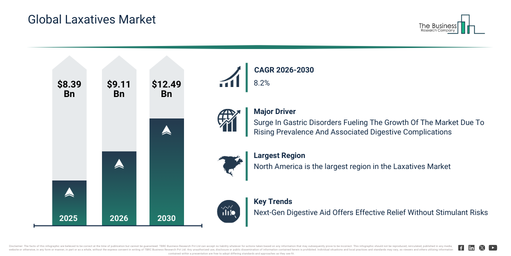
    The market for laxatives has experienced robust expansion over the past several years. Projections indicate it will increase from $8.39 billion in 2025 to $9.11 billion in 2026, reflecting a compound annual growth rate (CAGR) of 8.5%. This historical growth has been driven by factors such as insufficient dietary fiber intake, sedentary habits, an older demographic, constipation management within hospital settings, and the widespread availability of over-the-counter medications.

    The laxatives market is projected to experience robust growth in the coming years, reaching a value of $12.49 billion by 2030 with a compound annual growth rate (CAGR) of 8.2%. During the forecast period, expansion is driven by factors such as a heightened emphasis on preventive digestive health, rising consumer demand for clean-label laxative options, the expansion of e-commerce pharmacies, an increasing prevalence of irritable bowel syndrome (IBS), and innovations in formulations tailored for pediatric and geriatric populations. Key trends shaping this period include a growing preference for over-the-counter digestive remedies, increased uptake of fiber-based and natural laxative products, broader public awareness regarding gut health, the rapid growth of online pharmaceutical sales channels, and ongoing product development aimed at delivering innovative solutions in this category.

    Download A Free Sample Report For Comprehensive Market Insights:

    https://www.thebusinessresearchcompany.com/sample.aspx?id=24586&type=smp&utm_source=BlogsPR&utm_medium=Paid&utm_campaign=Jul_PR

    Laxatives Market Growth Factors Supporting Long-Term Expansion

    The growing incidence of stomach-related ailments is anticipated to boost the expansion of the laxatives market moving forward. Gastric disorders involve medical issues that impair the stomach’s operation and anatomy, leading to symptoms like pain, poor digestion, and swelling. This rise in gastric conditions is fueled by greater intake of processed and fast foods, which frequently harm gut health by triggering inflammation and acid irregularities. Laxatives assist in handling gastric disorders by encouraging bowel movements, easing constipation, and lessening unease from digestive obstructions. As an example, in February 2025, Cancer Australia—a government body based in Australia—reported that in 2023, an estimated 2,576 new cases of stomach cancer were identified, with a lifetime diagnosis risk by age 85 of 0.85% overall (1.1% for men and 0.61% for women). Consequently, the increasing prevalence of gastric disorders is fueling the growth of the laxatives market.

    Laxatives Market Segment Performance And Strategic Opportunities

    The laxatives market covered in this report is segmented –

    1) By Type: Hypertonic Laxative, Lubricating Laxative, Stimulant Laxative, Swelling Laxative, Other Types

    2) By Formulation: Tablets, Powder, Liquid, Suppositories, Gels

    3) By Applications: Chronic Constipation, Irritable Bowel Syndrome (IBS), Post-Surgery Recovery, Weight Loss And Detox

    4) By End User: Hospitals, Clinics, Retail Pharmacies, Other End-Users

    Subsegments:

    1) By Hypertonic Laxative: Saline Laxatives, Osmotic Laxatives, Fleet Phospho-soda, Lactulose

    2) By Lubricating Laxative: Mineral Oil, Glycerin Suppositories, Emollient Enemas

    3) By Stimulant Laxative: Bisacodyl, Senna (Sennosides), Castor Oil, Sodium Picosulfate

    4) By Swelling Laxative: Psyllium Husk, Methylcellulose, Calcium Polycarbophil, Bran

    5) By Other Types: Enemas, Suppositories, Herbal Laxatives, Probiotic-Based Laxatives

    Laxatives Market Industry Trends Shaping Future Revenue Growth

    Leading players in the laxatives sector are placing significant emphasis on creating next-generation products, particularly osmotic laxatives, aimed at enhancing digestive health outcomes while addressing consumer demand for safe and non-addictive alternatives. These osmotic laxatives work as non-stimulant agents by drawing water into the colon, which softens feces and encourages regular bowel activity. Typical ingredients in these formulations include polyethylene glycol (PEG) or lactulose. A case in point occurred in June 2024, when Glenmark Pharmaceuticals, an Indian pharmaceutical firm, introduced LaxaGo, an over-the-counter osmotic laxative. This product utilizes a PEG 3350 formulation combined with balanced electrolytes to deliver effective yet gentle relief, boasts improved palatability through a neutral flavor designed to boost patient adherence, and relies on a non-stimulant action that eliminates the risk of dependency from prolonged usage.

    Laxatives Market Key Players: Which Companies Shape Industry Competition?

    Major companies operating in the laxatives market are Pfizer Inc., The Procter & Gamble Company, Johnson & Johnson, Sanofi S.A., Abbott Laboratories, GlaxoSmithKline plc, Takeda Pharmaceutical Company Limited, Reckitt Benckiser Group plc, Bausch Health Companies Inc., Nestlé Health Science, Sun Pharmaceutical Industries Ltd., Aurobindo Pharma Limited, Dr. Reddy’s Laboratories Ltd., Zydus Lifesciences Limited, Glenmark Pharmaceuticals Ltd., Purdue Pharma L.P., Boiron S.A., Ironwood Pharmaceuticals Inc., Ferring Pharmaceuticals, C.B. Fleet Company Inc.

    Access The Complete Laxatives Market Report:

    https://www.thebusinessresearchcompany.com/report/laxatives-global-market-report?utm_source=BlogsPR&utm_medium=Paid&utm_campaign=Jul_PR

    Laxatives Market Largest Region By Revenue And Market Share

    North America was the largest region in the laxatives market in 2025. Asia-Pacific is expected to be the fastest-growing region in the forecast period. The regions covered in the laxatives market report are Asia-Pacific, South East Asia, Western Europe, Eastern Europe, North America, South America, Middle East, Africa.

    Get in touch with us:

    The Business Research Company: https://www.thebusinessresearchcompany.com/?utm_source=BlogsPR&utm_medium=Paid&utm_campaign=home_page_test

    Americas: +1 310-496-7795

    Asia: +44 7882 955267 & +91 8897263534

    Europe: +44 7882 955267

    Email us at: marketing@tbrc.info

    Follow us on:

    LinkedIn: https://in.linkedin.com/company/the-business-research-company

    YouTube: https://www.youtube.com/channel/UC24_fI0rV8cR5DxlCpgmyFQ

    Global Market Model: https://www.thebusinessresearchcompany.com/global-market-model
  • Lateral Epicondylitis Treatment Market Forecast Signals New Revenue Opportunities Through 2030

    Lateral Epicondylitis Treatment Market Forecast Signals New Revenue Opportunities Through 2030

    Delivering more actionable and strategically valuable research, The Business Research Company’s 2026 market reports feature market attractiveness analysis, total addressable market evaluation, company benchmarking matrices, interactive Excel dashboards, expanded supply chain intelligence, emerging startup coverage, and detailed product insights.

    Lateral Epicondylitis Treatment Market Size Outlook: How Fast Will Revenue Grow Through 2030?

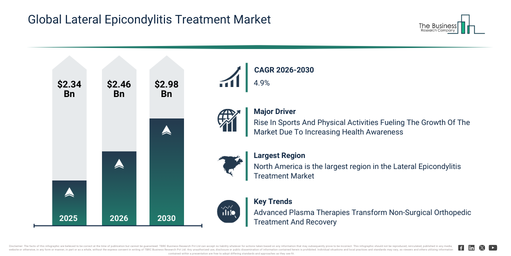
    The market for lateral epicondylitis treatments has experienced robust expansion in recent years. Projected to rise from $2.34 billion in 2025 to $2.46 billion in 2026, it reflects a compound annual growth rate (CAGR) of 5.2%. This historical growth has been driven by factors such as the high incidence of sports-related injuries, repetitive strain from occupational activities, the proliferation of orthopedic clinics, widespread use of conventional physiotherapy, and reliance on NSAID-based pain management approaches.

    The lateral epicondylitis treatment market is anticipated to experience consistent expansion over the coming years. By 2030, its value is projected to reach $2.98 billion, reflecting a compound annual growth rate (CAGR) of 4.9%. This upward trajectory during the forecast period is driven by factors such as the increasing acceptance of minimally invasive procedures, the growing number of older workers, the rise of digital physiotherapy platforms, a heightened need for quicker recovery options, and progress in outpatient surgical techniques. Key developments shaping this period include a stronger emphasis on non-surgical treatments, wider implementation of physical therapy regimens, greater utilization of injection methods guided by imaging, the broadening of outpatient orthopedic services, and the merging of rehabilitation efforts with pain management approaches.

    Download A Free Sample Report For Comprehensive Market Insights:

    https://www.thebusinessresearchcompany.com/sample.aspx?id=24585&type=smp&utm_source=BlogsPR&utm_medium=Paid&utm_campaign=Jul_PR

    Lateral Epicondylitis Treatment Market Demand Drivers Creating New Revenue Opportunities

    The expansion of sports and physical activities is projected to propel the lateral epicondylitis treatment market forward. These activities encompass structured or recreational bodily movements aimed at enhancing physical fitness, preserving health, or participating in competitive or leisure events. Their prevalence is climbing due to heightened health consciousness, with more individuals prioritizing exercise to ward off illnesses and boost both mental and physical health. Lateral epicondylitis treatment proves advantageous for such activities by facilitating pain-free arm function restoration, enabling individuals to perform actions like gripping and swinging without discomfort or limitations. For example, in February 2024, the Sports and Fitness Industry Association (SFIA), a US-based trade group, reported that 78.8% of Americans—equivalent to 242 million people—engaged in at least one physical activity in 2023, marking a 2.2% increase from 2022. Consequently, the rising engagement in sports and physical activities is fueling growth in the lateral epicondylitis treatment market.

    Lateral Epicondylitis Treatment Market Segment Landscape And Growth Potential

    The lateral epicondylitis treatment market covered in this report is segmented –

    1) By Treatment Type: Non-Surgical Treatment, Surgical Treatment

    2) By Age Group: Pediatric, Adult, Geriatric

    3) By Application: Athlete, Other Applications

    4) By End Use: Hospitals, Ambulatory Surgical Centers, Orthopedic Clinics, Homecare Settings, Other End Uses

    Subsegments:

    1) By Non-Surgical Treatment: Physical Therapy, Pharmacological Therapy, Orthotic Devices, Injections

    2) By Surgical Treatment: Open Surgery, Arthroscopic Surgery

    Lateral Epicondylitis Treatment Market Trends Driving Strategic Industry Expansion

    Leading market players in the lateral epicondylitis treatment space are concentrating on novel product development, particularly plasma-based therapies, to broaden therapeutic offerings and deliver sophisticated, non-invasive care for individuals suffering from orthopedic issues. These plasma therapies utilize blood plasma components—such as antibodies or growth factors—to manage various health conditions and promote the body’s innate healing mechanisms. A case in point is Tree Top Hospital (TTH), a cutting-edge healthcare facility in the Maldives, which introduced platelet-rich plasma (PRP) treatments in December 2023 as part of its advanced orthopedic services. This state-of-the-art approach harnesses the patient’s own regenerative capabilities to address certain musculoskeletal problems, including lateral epicondylitis (commonly known as tennis elbow), early-stage knee arthritis, and tendon injuries linked to sports activities. With the rollout of PRP therapy, TTH seeks to improve patient outcomes through evidence-based, minimally invasive regenerative techniques, thereby diminishing the reliance on conventional surgical interventions.

    Lateral Epicondylitis Treatment Market Competitive Landscape: Who Are The Leading Companies?

    Major companies operating in the lateral epicondylitis treatment market are Merck & Co. Inc., 3M Company, Mayo Foundation for Medical Education and Research (MFMER), Cleveland Clinic, Chugai Pharmaceutical, Johns Hopkins Medicine, MedStar Health, Cipla Inc., Enovis Corporation, OttoBock HealthCare, Ossur Corporate, Max Healthcare, Seikagaku Corporation, Texas Orthopedic Specialists, Johari Digital, Mediheal Group of Hospitals, Scandinavian Physiotherapy Center, Veritas Health LLC, Folsom Orthopaedics & Sports Medicine, ReLiva Physiotherapy & Rehab, Molecular Pharmacology Limited

    Access The Complete Lateral Epicondylitis Treatment Market Report:

    https://www.thebusinessresearchcompany.com/report/lateral-epicondylitis-treatment-global-market-report?utm_source=BlogsPR&utm_medium=Paid&utm_campaign=Jul_PR

    Lateral Epicondylitis Treatment Market Regional Analysis And Leading Geography

    North America was the largest region in the lateral epicondylitis treatment market in 2025. Asia-Pacific is expected to be the fastest-growing region in the forecast period. The regions covered in the lateral epicondylitis treatment market report are Asia-Pacific, South East Asia, Western Europe, Eastern Europe, North America, South America, Middle East, Africa.

    Get in touch with us:

    The Business Research Company: https://www.thebusinessresearchcompany.com/?utm_source=BlogsPR&utm_medium=Paid&utm_campaign=home_page_test

    Americas: +1 310-496-7795

    Asia: +44 7882 955267 & +91 8897263534

    Europe: +44 7882 955267

    Email us at: marketing@tbrc.info

    Follow us on:

    LinkedIn: https://in.linkedin.com/company/the-business-research-company

    YouTube: https://www.youtube.com/channel/UC24_fI0rV8cR5DxlCpgmyFQ

    Global Market Model: https://www.thebusinessresearchcompany.com/global-market-model
  • Late Stage Chronic Kidney Disease Drugs Market Growth Is Accelerating As Industry Transformation Continues

    Late Stage Chronic Kidney Disease Drugs Market Growth Is Accelerating As Industry Transformation Continues

    Enhanced with market attractiveness analysis, total addressable market evaluation, company benchmarking matrices, interactive Excel dashboards, expanded supply chain intelligence, emerging startup coverage, and detailed product insights, The Business Research Company’s 2026 market reports deliver more actionable and strategically valuable research.

    Late Stage Chronic Kidney Disease Drugs Market Size, Value And Growth Trends Through 2030

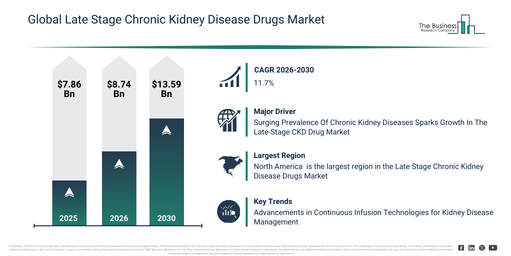
    The market for late-stage chronic kidney disease medications has seen significant expansion in recent times. Expected to rise from $7.86 billion in 2025 to $8.74 billion in 2026, it reflects a compound annual growth rate (CAGR) of 11.1%. This historical upward trend is driven by factors such as a higher incidence of chronic kidney disease, insufficient knowledge about late-stage therapies, greater reliance on dialysis, an expanding elderly demographic, and limited availability of specialized medical services.

    The market for late-stage chronic kidney disease pharmaceuticals is projected to experience swift expansion over the coming years. By 2030, this sector is anticipated to reach a valuation of $13.59 billion, driven by a compound annual growth rate (CAGR) of 11.7%. Several factors are fueling this upward trajectory during the forecast period, including progress in precision medicine, the widespread adoption of digital health platforms, an increased uptake of innovative drug therapies, expanded government initiatives in healthcare, and heightened investment in patient monitoring technologies. Key developments shaping the future of this market encompass personalized treatment approaches, advanced drug formulations tailored to late-stage CKD, strategies aimed at optimizing symptom management, solutions for improving patient adherence and monitoring, and decision-support tools for healthcare providers.

    Download A Free Sample Report For Comprehensive Market Insights:

    https://www.thebusinessresearchcompany.com/sample.aspx?id=12196&type=smp&utm_source=BlogsPR&utm_medium=Paid&utm_campaign=Jul_PR

    Late Stage Chronic Kidney Disease Drugs Market Expansion Supported By Key Demand Factors

    The growing number of individuals affected by chronic kidney conditions is set to drive expansion in the late-stage chronic kidney disease drug market moving forward. These conditions involve a wide array of disorders impacting the kidneys’ structure and function. Medications designed for late-stage chronic kidney disease aim to regulate patients’ blood pressure and minimize protein loss, thereby slowing the progression of kidney damage, addressing symptoms, and preventing complications. For example, in May 2024, data from the Centers for Disease Control and Prevention (CDC), a U.S. public health authority, indicated that roughly 14% of American adults—about 35.5 million people—live with chronic kidney disease. As a result, the widespread occurrence of this illness is fueling growth in the late-stage chronic kidney disease drug market.

    Late Stage Chronic Kidney Disease Drugs Market Categorization By Product Type And Application

    The late stage chronic kidney disease drugs market covered in this report is segmented –

    1) By Product Type: Calcimimetics, Vitamin D, Sterols, Potassium Binders, Calcium-Based Phosphate Binders

    2) By Indication Type: Late Stage Chronic Kidney Disease Induced Hyperparathyroidism, Late Stage Chronic Kidney Disease Induced Hyperphosphatemia, Late Stage Chronic Kidney Disease Induced Hyperkalemia

    3) By Distribution Channel: Hospital Pharmacies, Online Pharmacies, Retail Pharmacies

    Subsegments:

    1) By Calcimimetics: Cinacalcet, Etelcalcetide

    2) By Vitamin D: Calcitriol, Doxercalciferol, Paricalcitol

    3) By Sterols: Ergocalciferol, Cholecalciferol

    4) By Potassium Binders: Sodium Polystyrene Sulfonate, Patiromer, Sodium Zirconium Cyclosilicate

    5) By Calcium-Based Phosphate Binders: Calcium Acetate, Calcium Carbonate

    Late Stage Chronic Kidney Disease Drugs Market Growth Trends Influencing Competitive Dynamics

    Major players in the late-stage chronic kidney disease drugs sector are focusing on innovations like continuous subcutaneous infusion methods to boost treatment effectiveness, optimize patient experiences, and accelerate drug development cycles. This technology relies on a small implantable device that delivers medication at a constant rate, ensuring stable therapeutic concentrations and fostering better patient compliance. A notable example occurred in January 2024, when AbbVie Inc., a pharmaceutical firm based in the United States, introduced PRODUODOPA (comprising levodopa and foscarbidopa). By enabling a continuous subcutaneous infusion of levodopa, this approach maintains steady dopamine levels in the bloodstream, a key factor in symptom management, as it prolongs periods of well-controlled ‘on’ time while reducing episodes when symptoms recur.

    Late Stage Chronic Kidney Disease Drugs Market Company Landscape And Strategic Competition

    Major companies operating in the late stage chronic kidney disease drugs market are Pfizer Inc., Johnson & Johnson, AbbVie Inc., Bayer AG, Novartis AG, Sanofi SA, Bristol-Myers Squibb Company, AstraZeneca plc, Eli Lilly and Company, C.H. Boehringer Sohn AG & Co. KG, Amgen Inc., Novo Nordisk A/S, Teva Pharmaceutical Industries Ltd., Otsuka Pharmaceutical Co. Ltd., Takeda Pharmaceutical Company Limited, Kyowa Kirin Co Ltd., OPKO Health Inc., Akebia Therapeutics Inc., Ardelyx Inc., Pharmaxis Limited, Deltanoid Pharmaceuticals Inc., Liminal BioSciences Inc., Chinook Therapeutics Inc., Allena Pharmaceuticals Inc., Shield Therapeutics Plc

    Access The Complete Late Stage Chronic Kidney Disease Drugs Market Report:

    https://www.thebusinessresearchcompany.com/report/late-stage-chronic-kidney-disease-drugs-global-market-report?utm_source=BlogsPR&utm_medium=Paid&utm_campaign=Jul_PR

    Late Stage Chronic Kidney Disease Drugs Market Geographic Analysis: Where Is Demand Growing The Fastest?

    North America was the largest region in the late-stage chronic kidney disease drugs market in 2025. The regions covered in the late stage chronic kidney disease drugs market report are Asia-Pacific, South East Asia, Western Europe, Eastern Europe, North America, South America, Middle East, Africa.

    Get in touch with us:

    The Business Research Company: https://www.thebusinessresearchcompany.com/?utm_source=BlogsPR&utm_medium=Paid&utm_campaign=home_page_test

    Americas: +1 310-496-7795

    Asia: +44 7882 955267 & +91 8897263534

    Europe: +44 7882 955267

    Email us at: marketing@tbrc.info

    Follow us on:

    LinkedIn: https://in.linkedin.com/company/the-business-research-company

    YouTube: https://www.youtube.com/channel/UC24_fI0rV8cR5DxlCpgmyFQ

    Global Market Model: https://www.thebusinessresearchcompany.com/global-market-model
  • Lactose Intolerance Treatment Market Outlook Highlights The Next Major Growth Opportunities

    Lactose Intolerance Treatment Market Outlook Highlights The Next Major Growth Opportunities

    Through market attractiveness analysis, total addressable market evaluation, company benchmarking matrices, interactive Excel dashboards, expanded supply chain intelligence, emerging startup coverage, and detailed product insights, The Business Research Company’s 2026 market reports provide more actionable and strategically valuable research.

    Lactose Intolerance Treatment Market CAGR Analysis And Future Market Development

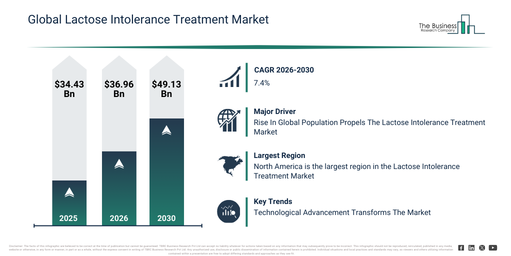
    The market for lactose intolerance treatments has experienced substantial expansion in recent years, climbing from $34.43 billion in 2025 to an anticipated $36.96 billion in 2026, representing a compound annual growth rate (CAGR) of 7.3%. This historical growth was primarily driven by a higher incidence of lactose intolerance, a scarcity of lactose-free options in the market, limited public understanding of the condition, dependence on conventional remedies, and a growing number of gastrointestinal disorders.

    The market for lactose intolerance treatments is projected to experience significant expansion over the coming years, reaching an estimated value of $49.13 billion by 2030, driven by a compound annual growth rate (CAGR) of 7.4%. This upward trajectory is fueled by factors such as a rising preference for personalized therapeutic approaches, breakthroughs in enzyme formulation technology, a broader range of functional dairy substitutes, higher levels of healthcare spending, and a growing shift toward home-based care. Key developments shaping this period include the emergence of tailored treatments for lactose intolerance, the proliferation of functional foods and dairy alternatives, an increased reliance on enzyme supplements, heightened public awareness and educational initiatives regarding digestive wellness, and the wider availability of solutions designed for at-home management.

    Download A Free Sample Report For Comprehensive Market Insights:

    https://www.thebusinessresearchcompany.com/sample.aspx?id=9478&type=smp&utm_source=BlogsPR&utm_medium=Paid&utm_campaign=Jul_PR

    Lactose Intolerance Treatment Market Growth Drivers And Industry Catalysts

    The rising number of people worldwide is anticipated to bolster the lactose intolerance treatment market over the projected period. As the global population continues to expand and eating habits evolve, a greater prevalence of lactose intolerance is observed, which in turn fuels the need for efficient treatments and management approaches. This demographic trend, along with growing public awareness of lactose intolerance, is poised to encourage innovation and financial backing for therapeutic solutions. For example, in January 2024, the United States Census Bureau, a U.S. federal agency, reported that the worldwide population is expected to hit 8,019,876,189—a rise of 75,162,541 individuals, or 0.95%, compared to 2023. Consequently, this population growth will boost demand within the lactose intolerance treatment market.

    Lactose Intolerance Treatment Market Segment Analysis And Revenue Opportunities

    The lactose intolerance treatment market covered in this report is segmented –

    1) By Treatment: Food Supplements, Enzyme Lactase Supplements, Probiotics, Other Treatments

    2) By Intolerance Type: Primary Lactose Intolerance, Secondary Lactose Intolerance, Congenital Lactose Intolerance, Developmental Lactose Intolerance

    3) By Route Of Administration: Oral, Injectable

    4) By End Users: Hospitals, Homecare, Specialty Clinics, Other End Users

    Subsegments:

    1) By Food Supplements: Lactose-Free Dairy Products, Fortified Foods

    2) By Enzyme Lactase Supplements: Capsules, Tablets, Chewable Tablets, Liquid Formulations

    3) By Probiotics: Probiotic Yogurts, Probiotic Capsules, Probiotic Powders

    4) By Other Treatments: Dietary Modifications, Prescription Medications

    Lactose Intolerance Treatment Market Trends Influencing Long-Term Demand

    Major players in the lactose intolerance treatment industry are placing a strong emphasis on the creation of novel solutions, including cutting-edge sugar-reduction and lactose-modification technologies, in order to address the growing need for dairy products that are low in lactose, low in sugar, and gentle on digestion. These technologies function through the enzymatic breakdown of lactose and the reduction of inherent sugar content, providing an effective substitute for conventional lactose-free processing methods while improving overall nutritional value. As an example, in July 2023, Nestlé, a food and beverage corporation based in Switzerland, launched a flexible and affordable sugar-reduction technology suitable for use across various product ranges. This innovation not only lowers total sugar levels but can also be employed to produce low-lactose and skimmed milk-based items, thus catering to both lactose intolerance and sugar reduction requirements among consumers.

    Lactose Intolerance Treatment Market Leading Players Shaping Industry Direction

    Major companies operating in the lactose intolerance treatment market are Abbott Laboratories Inc., Macleods Pharmaceuticals Limited, Ganeden Inc., Deerland Probiotics & Enzymes Inc., Novozymes A/S, Cargill Incorporated, Lupin Pharmaceuticals Inc., Nestlé S.A., Glenmark Pharmaceuticals Limited, Intas Pharmaceuticals Ltd., Wockhardt Ltd., Alkem Laboratories Limited, Teva Pharmaceutical Industries Ltd., Dr. Reddy’s Laboratories Ltd., Torrent Pharmaceuticals Ltd., DuPont Nutrition & Biosciences Inc., Kerry Group plc, Koninklijke DSM N.V., Solvay S.A., Chr. Hansen Holding A/S, Bio-Cat Inc.

    Access The Complete Lactose Intolerance Treatment Market Report:

    https://www.thebusinessresearchcompany.com/report/lactose-intolerance-treatment-global-market-report?utm_source=BlogsPR&utm_medium=Paid&utm_campaign=Jul_PR

    Lactose Intolerance Treatment Market Global Footprint: Which Region Holds Market Leadership?

    North America was the largest region in the lactose intolerance treatment market in 2025. The regions covered in the lactose intolerance treatment market report are Asia-Pacific, South East Asia, Western Europe, Eastern Europe, North America, South America, Middle East, Africa.

    Get in touch with us:

    The Business Research Company: https://www.thebusinessresearchcompany.com/?utm_source=BlogsPR&utm_medium=Paid&utm_campaign=home_page_test

    Americas: +1 310-496-7795

    Asia: +44 7882 955267 & +91 8897263534

    Europe: +44 7882 955267

    Email us at: marketing@tbrc.info

    Follow us on:

    LinkedIn: https://in.linkedin.com/company/the-business-research-company

    YouTube: https://www.youtube.com/channel/UC24_fI0rV8cR5DxlCpgmyFQ

    Global Market Model: https://www.thebusinessresearchcompany.com/global-market-model
  • Lactation Support Supplements Market Trends And Growth Drivers Point To Strong Future Potential

    Lactation Support Supplements Market Trends And Growth Drivers Point To Strong Future Potential

    Delivering more actionable and strategically valuable research, The Business Research Company’s 2026 market reports feature market attractiveness analysis, total addressable market evaluation, company benchmarking matrices, interactive Excel dashboards, expanded supply chain intelligence, emerging startup coverage, and detailed product insights.

    Lactation Support Supplements Market Expansion From $1.02 Billion In 2026 To $1.33 Billion In 2030

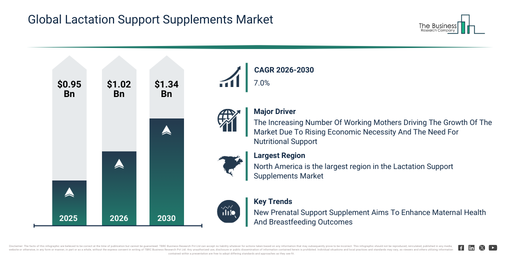
    Recent years have seen robust growth in the lactation support supplements market, with its size moving from $0.95 billion in 2025 to an anticipated $1.02 billion by 2026, corresponding to a compound annual growth rate (CAGR) of 7.3%. The expansion during the historic period is attributed to rising breastfeeding awareness, the embrace of traditional herbal medicine, a stronger emphasis on postpartum nutrition, the increased availability of supplements through pharmacies, and maternal healthcare initiatives.

    The lactation support supplements market is anticipated to experience robust growth over the coming years, with projections indicating an increase to $1.34 billion by 2030, reflecting a compound annual growth rate (CAGR) of 7.0%. This expansion during the forecast period is driven by the rise of online platforms dedicated to maternal wellness, a growing consumer preference for clean-label products, an increasing number of working mothers, a rising demand for personalized nutritional solutions tailored to maternal needs, and the broader growth of health-focused brands targeting women. Key trends shaping this period include a heightened demand for natural and herbal lactation aids, greater utilization of plant-based galactagogues, the expansion of direct-to-consumer sales channels for supplements, increased awareness regarding postpartum nutrition, and ongoing innovation in the development of convenient dosage forms for these products.

    Download A Free Sample Report For Comprehensive Market Insights:

    https://www.thebusinessresearchcompany.com/sample.aspx?id=24582&type=smp&utm_source=BlogsPR&utm_medium=Paid&utm_campaign=Jul_PR

    Lactation Support Supplements Market Opportunity Drivers: What Is Creating New Revenue Potential?

    The growth of the lactation support supplements market is anticipated to be driven by the rising number of working mothers. A working mother is defined as a woman who balances professional or career duties with caregiving and parenting, often juggling obligations at home and in the workplace. This increase is fueled by economic pressures, as many families depend on two incomes to afford rising living expenses, meet household needs, and ensure financial security. By supplying essential nutrients that boost milk production, lactation support supplements enable these mothers to fulfill both their breastfeeding and work commitments without sacrificing their own well-being or their baby’s nutritional intake. For example, in May 2025, data from the U.S. Bureau of Labor Statistics (BLS), a federal agency, revealed that in 2024, the labor force participation rate for mothers with a youngest child aged 6–17 reached 78.0%, up from 68.3% for those with children under 6. Consequently, the expanding population of working mothers is fueling the momentum of the lactation support supplements market.

    Lactation Support Supplements Market Segmentation And Category Breakdown

    The lactation support supplements market covered in this report is segmented –

    1) By Product Type: Capsules, Tablets, Powders, Teas

    2) By Ingredient Type: Fenugreek, Moringa, Milk Thistle, Fennel, Oatmeal, Other Ingredient Types

    3) By Sales Channel: Online Sales Channel, Direct Sales Channel, Pharmacies Or Drug Stores, Other Offline Channels

    Subsegments:

    1) By Capsules: Softgel Capsules, Hard Gel Capsules, Liquid Capsules

    2) By Tablets: Chewable Tablets, Regular Tablets, Effervescent Tablets

    3) By Powders: Single Serve Powders, Bulk Powders

    4) By Teas: Loose Leaf Teas, Tea Bags

    Lactation Support Supplements Market Innovation Trends Driving Future Development

    Key players in the lactation support supplements market are concentrating on the creation of novel products, like prenatal support supplements, aimed at improving maternal health and breastfeeding success. Prenatal support supplements are specially crafted items that supply crucial vitamins, minerals, and nutrients to aid the well-being of both the mother and the unborn child throughout pregnancy. As an example, in October 2024, Synevit, a nutraceutical company based in the US, introduced Prenelact, a dietary supplement intended to assist women during pregnancy and lactation. This formulation offers a precisely balanced mix of 19 essential vitamins and minerals, customized to address the distinct dietary needs of pregnant and breastfeeding mothers. Every component is incorporated at clinically suggested daily dosages to promote effective absorption and safety, thereby preventing the problems associated with insufficient or excessive intake.

    Lactation Support Supplements Market Competitive Analysis Of Major Industry Participants

    Major companies operating in the lactation support supplements market are Nestlé S.A., Nature’s Way Products LLC, Munchkin Inc., Traditional Medicinals Inc., Willow Innovations Inc, Pink Stork LLC, Boobie Superfoods, UpSpring Baby LLC, Motherlove Herbal Company, Earth Mama Organics LLC, Fairhaven Health LLC, Holistic Lactation LLC, Legendairy Milk LLC, Majka LLC, Maxi Health Research LLC, Milky Mama LLC, Nutrizoe Nutriifoods Private Limited, Oat Mama LLC, Rumina Naturals Inc, Vitalpax

    Access The Complete Lactation Support Supplements Market Report:

    https://www.thebusinessresearchcompany.com/report/lactation-support-supplements-global-market-report?utm_source=BlogsPR&utm_medium=Paid&utm_campaign=Jul_PR

    Lactation Support Supplements Market Regional Distribution: Which Areas Drive Market Expansion?

    North America was the largest region in the lactation support supplements market in 2025. Asia-Pacific is expected to be the fastest-growing region in the forecast period. The regions covered in the lactation support supplements market report are Asia-Pacific, South East Asia, Western Europe, Eastern Europe, North America, South America, Middle East, Africa.

    Get in touch with us:

    The Business Research Company: https://www.thebusinessresearchcompany.com/?utm_source=BlogsPR&utm_medium=Paid&utm_campaign=home_page_test

    Americas: +1 310-496-7795

    Asia: +44 7882 955267 & +91 8897263534

    Europe: +44 7882 955267

    Email us at: marketing@tbrc.info

    Follow us on:

    LinkedIn: https://in.linkedin.com/company/the-business-research-company

    YouTube: https://www.youtube.com/channel/UC24_fI0rV8cR5DxlCpgmyFQ

    Global Market Model: https://www.thebusinessresearchcompany.com/global-market-model
  • Lab Automation In Drug Discovery Market Expansion Is Reshaping Competitive Dynamics Across The Industry

    Lab Automation In Drug Discovery Market Expansion Is Reshaping Competitive Dynamics Across The Industry

    Enhanced with market attractiveness analysis, total addressable market evaluation, company benchmarking matrices, interactive Excel dashboards, expanded supply chain intelligence, emerging startup coverage, and detailed product insights, The Business Research Company’s 2026 market reports deliver more actionable and strategically valuable research.

    Lab Automation In Drug Discovery Market Forecast Highlighting Growth From $7.11 Billion To $8.71 Billion

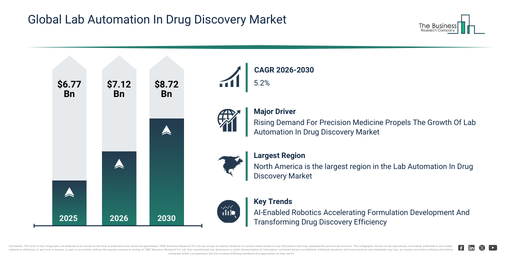
    The market for lab automation in drug discovery has experienced robust expansion over the past few years. Projected to rise from $6.77 billion in 2025 to $7.12 billion in 2026, it reflects a compound annual growth rate (CAGR) of 5.1%. This historical growth has been driven by several factors, including the deployment of robotic arms in laboratory settings, heightened expenditure on pharmaceutical research and development, a growing need for error-reducing automation, the incorporation of lab information management systems, and advances in high-throughput screening methods.

    The laboratory automation sector within drug discovery is anticipated to experience significant expansion over the coming years. By 2030, the market value is projected to reach $8.72 billion, reflecting a compound annual growth rate (CAGR) of 5.2%. This projected growth during the forecast period is driven by several key factors, including the rise of AI-enhanced drug discovery platforms, a heightened need for personalized therapeutics, the growing implementation of cloud-based laboratory management systems, the adoption of sophisticated robotics for sample processing, and an increase in strategic alliances between pharmaceutical and biotechnology firms. Among the pivotal trends shaping this period are the automation of high-throughput screening, the creation of integrated laboratory workflows, the application of predictive analytics in the discovery process, the downsizing of laboratory procedures, and the management of labs via cloud-based solutions.

    Download A Free Sample Report For Comprehensive Market Insights:

    https://www.thebusinessresearchcompany.com/sample.aspx?id=14410&type=smp&utm_source=BlogsPR&utm_medium=Paid&utm_campaign=Jul_PR

    Lab Automation In Drug Discovery Market Growth Momentum: Which Factors Are Influencing Demand?

    The growing demand for personalized medicine is anticipated to drive advancements in laboratory automation within the drug discovery sector. This approach, often referred to as tailored therapy, customizes medical prevention and treatment by factoring in each person’s unique genetic, environmental, and lifestyle differences. By speeding up research, enhancing experimental reproducibility, and boosting the overall efficiency of precision medicine and drug development processes, lab automation facilitates the creation of more effective drugs and diagnostics designed for individual patients. As an example, in February 2024, the Personalized Medicine Coalition, a US-based nonprofit, noted that the FDA approved 16 new personalized treatments for rare diseases in 2023—a substantial jump from the six approvals seen in 2022. Thus, the escalating need for precision medicine is fueling the expansion of lab automation in the drug discovery market.

    Lab Automation In Drug Discovery Market Segment Outlook: Which Categories Are Expanding The Fastest?

    The lab automation in drug discovery market covered in this report is segmented –

    1) By Type: Automated Liquid Handlers, Automated Plate Handlers, Robotic Arms, Automated Storage And Retrieval Systems, Other Types

    2) By Component: Instruments, Software, Services

    3) By Application: High-Throughput Screening, Compound Management, Sample Preparation, Other Applications

    4) By End-User: Biotechnology And Pharmaceutical Industries, Research Institutes, Other End-Users

    Subsegments:

    1) By Automated Liquid Handlers: Automated Liquid Handlers, Multi-Channel Pipettes, Reagent Dispensing Systems, Automated Titrators, Liquid Handling Workstations

    2) By Automated Plate Handlers: Automated Plate Handlers, Microplate Stacker Systems, Plate Transportation Systems, Plate Sorting Systems

    3) By Robotic Arms: Robotic Arms, Cartesian Robots, SCARA Robots, Articulated Robots, Delta Robots

    4) By Automated Storage And Retrieval Systems (ASRS): Automated Storage and Retrieval Systems (ASRS), Vertical Lift Modules (VLM), Automated Guided Vehicles (AGVs), Carousel-Based Systems, High-Density Storage Systems

    5) By Other Types: Automated Sample Preparation Systems, Laboratory Information Management Systems (LIMS), Microarray Processors, Automated Screening Systems

    Lab Automation In Drug Discovery Market Trends Reshaping Industry Growth

    Major pharmaceutical firms in the lab automation segment of the drug discovery market are increasingly prioritising the incorporation of AI-driven and robotics-based systems to accelerate formulation development while boosting overall research and development productivity. Such AI-enhanced and robot-assisted platforms leverage sophisticated algorithms and automated machinery to improve task execution, elevate accuracy, and expedite operational workflows. As a notable illustration in May 2025, Intrepid Labs, a research laboratory based in Canada, officially introduced its Valiant platform—a system driven by artificial intelligence and robotics that is engineered to significantly fast-track drug formulation processes. Backed by over $11 million in total funding, which includes a recent $7 million seed round spearheaded by AVANT Bio, this initiative is designed to replace conventional slow and trial-driven formulation methods with rapid and data-informed optimisation approaches. The Valiant platform autonomously explores complete formulation design spaces, compressing timelines from months to just days while simultaneously enhancing both therapeutic efficacy and safety profiles. Since its establishment in 2023, Intrepid Labs has managed to forge collaborations with major pharmaceutical companies and contract research organisations, while also advancing proprietary oral and long-acting injectable technologies available for licensing.

    Lab Automation In Drug Discovery Market Key Companies And Competitive Benchmarking

    Major companies operating in the lab automation in drug discovery market are Thermo Fisher Scientific Inc., Abbott Diagnostics, Roche Holdings Inc., Beckman Coulter, Siemens Healthineers, Becton Dickinson and Company, Agilent Technologies Inc., PerkinElmer Inc., Endress+Hauser, Shimadzu Corporation, Waters Corporation, Bio-Rad Laboratories Inc., QIAGEN, Beckhoff Automation GmbH & Co. KG, Eppendorf AG, Tecan Group Ltd., Brooks Automation Inc., Hamilton Company, Hudson Robotics Inc., OpenTrons Labworks Inc., Quanterix Corporation, The Technology Partnership, HighRes Biosolutions Inc., Biosero Inc., Peak Analysis and Automation Ltd., Aurora Biomed Inc., Synchron Lab Automation

    Access The Complete Lab Automation In Drug Discovery Market Report:

    https://www.thebusinessresearchcompany.com/report/lab-automation-in-drug-discovery-global-market-report?utm_source=BlogsPR&utm_medium=Paid&utm_campaign=Jul_PR

    Lab Automation In Drug Discovery Market Leading Geography: Which Region Generates The Most Revenue?

    North America was the largest region in the lab automation in drug discovery market in 2025. Asia-Pacific is expected to be the fastest-growing region in the forecast period. The regions covered in the lab automation in drug discovery market report are Asia-Pacific, South East Asia, Western Europe, Eastern Europe, North America, South America, Middle East, Africa.

    Get in touch with us:

    The Business Research Company: https://www.thebusinessresearchcompany.com/?utm_source=BlogsPR&utm_medium=Paid&utm_campaign=home_page_test

    Americas: +1 310-496-7795

    Asia: +44 7882 955267 & +91 8897263534

    Europe: +44 7882 955267

    Email us at: marketing@tbrc.info

    Follow us on:

    LinkedIn: https://in.linkedin.com/company/the-business-research-company

    YouTube: https://www.youtube.com/channel/UC24_fI0rV8cR5DxlCpgmyFQ

    Global Market Model: https://www.thebusinessresearchcompany.com/global-market-model
  • Kinase Inhibitors Market Forecast Reveals Where Future Industry Value Will Be Created

    Kinase Inhibitors Market Forecast Reveals Where Future Industry Value Will Be Created

    Through market attractiveness analysis, total addressable market evaluation, company benchmarking matrices, interactive Excel dashboards, expanded supply chain intelligence, emerging startup coverage, and detailed product insights, The Business Research Company’s 2026 market reports provide more actionable and strategically valuable research.

    Kinase Inhibitors Market Revenue Growth Supported By A CAGR Of 94% Through 2030

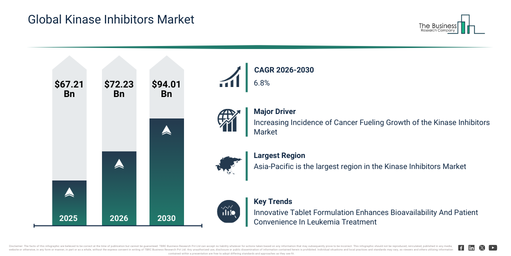
    The market for kinase inhibitors has exhibited robust expansion over recent years, reaching a valuation of $67.21 billion in 2025 and projected to climb to $72.23 billion by 2026, reflecting a compound annual growth rate of 7.5%. This historical growth has been driven by the groundbreaking clinical achievements of early tyrosine kinase inhibitors, a deeper comprehension of kinase-related disease mechanisms, a global increase in cancer cases, the presence of well-established molecular targets, and the broadening of specialized oncology care facilities.

    The kinase inhibitors market is projected to experience robust expansion over the coming years, with an anticipated increase to $94.01 billion by 2030, reflecting a compound annual growth rate (CAGR) of 6.8%. This forecast period’s growth is driven by factors such as the ongoing advancement of precision oncology approaches, a broadening pipeline of drugs targeting kinases, expanded utilization of kinase inhibitors for inflammatory conditions, growing demand for tailored treatment strategies, and consistent progress in the development of selective kinase inhibition. Key trends shaping this sector include the widespread adoption of targeted kinase inhibitors in cancer care, a greater emphasis on combination therapies that incorporate these agents, an increasing preference for oral kinase inhibitor formulations, an extension of kinase inhibitor use into areas beyond oncology, and a notable transition toward next-generation inhibitors designed for enhanced selectivity.

    Download A Free Sample Report For Comprehensive Market Insights:

    https://www.thebusinessresearchcompany.com/sample.aspx?id=15841&type=smp&utm_source=BlogsPR&utm_medium=Paid&utm_campaign=Jul_PR

    Kinase Inhibitors Market Expansion Drivers: What Is Shaping Future Growth?

    A projected surge in the kinase inhibitors market is anticipated, primarily fueled by the growing occurrence of cancer. Cancer encompasses a range of diseases defined by the abnormal and uncontrolled division and spread of cells throughout the body. This rising incidence is influenced by aging demographics, lifestyle factors like tobacco consumption and dietary habits, along with advancements in diagnostic methods that lead to more frequent detection. By providing medications that inhibit essential signaling enzymes known as kinases, kinase inhibitors aid cancer treatment by halting tumor cell growth, survival, and replication. To illustrate, data from the National Health Service (NHS), a UK governmental health body, released in October 2025, revealed that 354,820 new cancer cases were diagnosed in 2023—an average of 972 each day—representing an increase of 8,605 from 2022. Consequently, this escalating prevalence of cancer is propelling the expansion of the kinase inhibitors market.

    Kinase Inhibitors Market Segment Landscape: Which Areas Lead Market Development?

    The kinase inhibitors market covered in this report is segmented –

    1) By Type: Tyrosine Kinase Inhibitors, Multikinase Inhibitors, mTOR Kinase Inhibitors, Other Types

    2) By Route of Administration: Oral, Parenteral, Other Routes

    3) By Application: Oncology, Inflammatory Diseases

    4) By Distribution Channel: Hospital Pharmacy, Online Pharmacy, Retail Pharmacy

    5) By End User: Hospitals, Homecare, Specialty Clinics, Other End-Users

    Subsegments:

    1) By Tyrosine Kinase Inhibitors: EGFR Inhibitors, HER2 Inhibitors, BCR-ABL Inhibitors, Other Tyrosine Kinase Inhibitors

    2) By Multikinase Inhibitors: VEGFR Inhibitors, PDGFR Inhibitors, FGFR Inhibitors, Other Multikinase Inhibitors

    3) By MTOR Kinase Inhibitors: Everolimus, Temsirolimus, Other MTOR Kinase Inhibitors

    4) By Other Types: JAK Inhibitors, ROCK Inhibitors, CDK Inhibitors, Other Kinase Inhibitors

    Kinase Inhibitors Market Strategic Trends: What Is Defining The Next Phase Of Growth?

    Major firms competing in the kinase inhibitors market are placing heightened emphasis on creating advanced formulations, including new dasatinib tablet variants, aimed at enhancing drug absorption and boosting patient compliance. These novel dasatinib tablet formulations represent updated iterations of the cancer medication dasatinib, engineered to improve uptake, minimize adverse effects, or facilitate easier dosing schedules relative to conventional tablets. As an example, during October 2025, Cycle Pharmaceuticals Ltd., a biopharmaceutical entity headquartered in the UK, joined forces with Handa Therapeutics, LLC, a US-based pharmaceutical company, to debut their first oncology offering in the United States, known as PHYRAGO™ (dasatinib) tablets. This FDA-sanctioned tyrosine kinase inhibitor is prescribed for managing Philadelphia chromosome-positive chronic myeloid leukemia (Ph+ CML) and Philadelphia chromosome-positive acute lymphoblastic leukemia (Ph+ ALL) in adults, encompassing both newly diagnosed patients and those exhibiting resistance or intolerance to earlier treatments such as imatinib. The product stands out due to its compatibility with proton pump inhibitors (PPIs) and H2 receptor antagonists, aiding in the control of gastric acid-related issues that frequently arise in affected individuals.

    Kinase Inhibitors Market Industry Leaders And Market Competition

    Major companies operating in the kinase inhibitors market are Pfizer Inc., Johnson & Johnson, F. Hoffmann-La Roche Ltd, Merck & Co. Inc., Bristol-Myers Squibb Company, AstraZeneca Plc, Novartis AG, GlaxoSmithKline PLC, Takeda Pharmaceutical Company Limited, Eli Lilly and Company, Teva Pharmaceutical Industries Ltd, Astellas Pharma Inc, Cipla Inc, Dr. Reddy’s Laboratories Ltd, Amneal Pharmaceuticals LLC, Lupin Limited, Exelixis Inc, Glenmark Pharmaceuticals Ltd, Torrent Pharmaceuticals Ltd, Hutchison China MediTech Limited, Sierra Oncology Inc.

    Access The Complete Kinase Inhibitors Market Report:

    https://www.thebusinessresearchcompany.com/report/kinase-inhibitors-global-market-report?utm_source=BlogsPR&utm_medium=Paid&utm_campaign=Jul_PR

    Kinase Inhibitors Market Regional Outlook: Where Are The Largest Opportunities Located?

    Asia-Pacific was the largest region in the kinase inhibitors market in 2025. Asia-Pacific is expected to be the fastest-growing region in the forecast period. The regions covered in the kinase inhibitors market report are Asia-Pacific, South East Asia, Western Europe, Eastern Europe, North America, South America, Middle East, Africa.

    Get in touch with us:

    The Business Research Company: https://www.thebusinessresearchcompany.com/?utm_source=BlogsPR&utm_medium=Paid&utm_campaign=home_page_test

    Americas: +1 310-496-7795

    Asia: +44 7882 955267 & +91 8897263534

    Europe: +44 7882 955267

    Email us at: marketing@tbrc.info

    Follow us on:

    LinkedIn: https://in.linkedin.com/company/the-business-research-company

    YouTube: https://www.youtube.com/channel/UC24_fI0rV8cR5DxlCpgmyFQ

    Global Market Model: https://www.thebusinessresearchcompany.com/global-market-model
  • Kidney Fibrosis Treatment Market Growth Through 2030 Creates New Strategic Opportunities

    Kidney Fibrosis Treatment Market Growth Through 2030 Creates New Strategic Opportunities

    Delivering more actionable and strategically valuable research, The Business Research Company’s 2026 market reports feature market attractiveness analysis, total addressable market evaluation, company benchmarking matrices, interactive Excel dashboards, expanded supply chain intelligence, emerging startup coverage, and detailed product insights.

    Kidney Fibrosis Treatment Market Value Expansion And Long-Term Growth Outlook

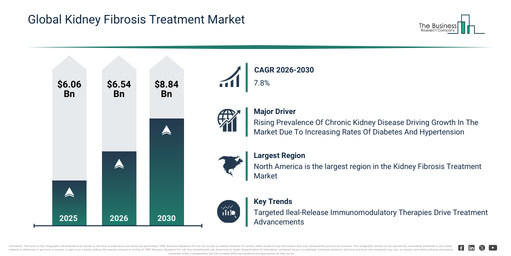
    The kidney fibrosis treatment market has experienced robust expansion in recent years, projected to rise from $6.06 billion in 2025 to $6.54 billion in 2026, achieving a compound annual growth rate (CAGR) of 8.0%. This historic growth is driven by factors such as the increasing incidence of chronic kidney disease, the insufficient efficacy of standard treatments, a greater reliance on ACE inhibitors and ARBs, the escalating healthcare strain associated with renal failure, and the broader availability of nephrology care services.

    The kidney fibrosis treatment market is projected to experience robust expansion over the coming years, reaching an estimated value of $8.84 billion by 2030, driven by a compound annual growth rate (CAGR) of 7.8%. This anticipated growth during the forecast period is fueled by progress in developing targeted antifibrotic agents, a rising elderly population affected by chronic kidney disease (CKD), the increasing application of precision medicine within nephrology, heightened investment in renal research, and enhanced capabilities for early-stage kidney disease detection. Key trends shaping the forecast period include a heightened emphasis on creating antifibrotic drugs, a growing adoption of combination therapies for CKD, expanding investigations into stem cell and regenerative treatments, the broadening availability of early diagnostic and monitoring technologies, and a surge in clinical trials focused on renal fibrosis pathways.

    Download A Free Sample Report For Comprehensive Market Insights:

    https://www.thebusinessresearchcompany.com/sample.aspx?id=24271&type=smp&utm_source=BlogsPR&utm_medium=Paid&utm_campaign=Jul_PR

    Kidney Fibrosis Treatment Market Development Factors: Which Trends Are Supporting Demand?

    The growth of the kidney fibrosis treatment market is anticipated to be driven forward by the rising incidence of chronic kidney diseases. Chronic kidney disease (CKD) entails a gradual decline in kidney functionality over an extended period, frequently stemming from ailments such as diabetes or hypertension, which lead to the buildup of bodily waste. This escalating prevalence of CKD is predominantly fueled by increasing diabetes rates, a condition that harms kidney blood vessels and compromises their filtration capabilities. Kidney fibrosis treatment benefits CKD sufferers by addressing the scarring of renal tissue, diminishing inflammation, and decelerating kidney damage progression, thereby helping to maintain renal function. As reported in July 2025 by Hamadan University of Medical Sciences, an Iranian academic institution, the worldwide number of new chronic kidney disease diagnoses is expected to reach 25.06 million by 2030. Consequently, the increasing occurrence of chronic kidney diseases is propelling expansion within the kidney fibrosis treatment market.

    Kidney Fibrosis Treatment Market Segments: Where Are The Largest Growth Opportunities?

    The kidney fibrosis treatment market covered in this report is segmented –

    1) By Treatment Type: Angiotensin-Converting Enzyme (Ace) Inhibitors, Angiotensin Ii Receptor Blockers (Arbs), Pirfenidone, Renin Inhibitors, Vasopeptidase Inhibitors, Other Treatment Types

    2) By Diagnosis: Blood Tests, Urine Tests, Imaging Tests

    3) By Application: Chronic Kidney Diseases, Kidney Cancer Treatment, Other Applications

    4) By End-User: Clinics, Research Center, Hospitals

    Subsegments:

    1) By Angiotensin-Converting Enzyme (Ace) Inhibitors: Enalapril, Captopri, Lisinopril, Ramipril

    2) By Angiotensin Ii Receptor Blockers (Arbs): Losartan, Telmisartan, Valsartan, Irbesartan

    3) By Pirfenidone: Branded Pirfenidone, Generic Pirfenidone

    4) By Renin Inhibitors: Aliskiren, Experimental Renin Inhibitors

    5) By Vasopeptidase Inhibitors: Omapatrilat, Sampatrilat

    6) By Other Treatment Types: Anti-Inflammatory Agents, Stem Cell Therapy, Antifibrotic Agents Under Clinical Trials, Gene Therapy

    Kidney Fibrosis Treatment Market Transformation Trends: Which Innovations Are Driving Change?

    Leading players in the kidney fibrosis treatment space are placing emphasis on targeted ileal-release immunomodulatory approaches, including NEFECON, which is an oral delayed-release budesonide capsule designed to deliver the medication precisely to the distal ileum. This mechanism modulates gut-associated B-cells, curbing pathogenic IgA production, and thereby decelerating kidney fibrosis progression in individuals with IgA nephropathy. As an example, Everest Medicines, a biopharmaceutical company based in China, introduced NEFECON in June 2024. This therapy employs an enteric-coated, delayed-release formulation to limit systemic steroid exposure, acts on mucosal B-cells in the gut to tackle the underlying cause of IgA nephropathy, and has been shown to substantially reduce the decline in kidney function.

    Kidney Fibrosis Treatment Market Major Participants And Competitive Dynamics

    Major companies operating in the kidney fibrosis treatment market are F. Hoffmann-La Roche Ltd., Merck & Co. Inc., Bayer AG, AstraZeneca PLC, Gilead Sciences Inc., Novo Nordisk A/S, Boehringer Ingelheim International GmbH, Chinook Therapeutics Inc., Akebia Therapeutics Inc., Travere Therapeutics Inc., Reata Pharmaceuticals Inc., ProKidney LLC, Tvardi Therapeutics Inc., Alentis Therapeutics AG, Galecto Biotech AB, Vertex Pharmaceuticals Incorporated, Insilico Medicine Inc., Purespring Therapeutics Inc., La Jolla Pharmaceutical Company, Cara Therapeutics Inc

    Access The Complete Kidney Fibrosis Treatment Market Report:

    https://www.thebusinessresearchcompany.com/report/kidney-fibrosis-treatment-global-market-report?utm_source=BlogsPR&utm_medium=Paid&utm_campaign=Jul_PR

    Kidney Fibrosis Treatment Market Geographic Landscape: Which Region Dominates Industry Growth?

    North America was the largest region in the kidney fibrosis treatment market in 2025. Asia-Pacific is expected to be the fastest-growing region in the forecast period. The regions covered in the kidney fibrosis treatment market report are Asia-Pacific, South East Asia, Western Europe, Eastern Europe, North America, South America, Middle East, Africa.

    Get in touch with us:

    The Business Research Company: https://www.thebusinessresearchcompany.com/?utm_source=BlogsPR&utm_medium=Paid&utm_campaign=home_page_test

    Americas: +1 310-496-7795

    Asia: +44 7882 955267 & +91 8897263534

    Europe: +44 7882 955267

    Email us at: marketing@tbrc.info

    Follow us on:

    LinkedIn: https://in.linkedin.com/company/the-business-research-company

    YouTube: https://www.youtube.com/channel/UC24_fI0rV8cR5DxlCpgmyFQ

    Global Market Model: https://www.thebusinessresearchcompany.com/global-market-model

  • Kidney Fibrosis Treatment Market Growth Through 2030 Creates New Strategic Opportunities

    Delivering more actionable and strategically valuable research, The Business Research Company’s 2026 market reports feature market attractiveness analysis, total addressable market evaluation, company benchmarking matrices, interactive Excel dashboards, expanded supply chain intelligence, emerging startup coverage, and detailed product insights.

    Kidney Fibrosis Treatment Market Value Expansion And Long-Term Growth Outlook

    The kidney fibrosis treatment market has experienced robust expansion in recent years, projected to rise from $6.06 billion in 2025 to $6.54 billion in 2026, achieving a compound annual growth rate (CAGR) of 8.0%. This historic growth is driven by factors such as the increasing incidence of chronic kidney disease, the insufficient efficacy of standard treatments, a greater reliance on ACE inhibitors and ARBs, the escalating healthcare strain associated with renal failure, and the broader availability of nephrology care services.

    The kidney fibrosis treatment market is projected to experience robust expansion over the coming years, reaching an estimated value of $8.84 billion by 2030, driven by a compound annual growth rate (CAGR) of 7.8%. This anticipated growth during the forecast period is fueled by progress in developing targeted antifibrotic agents, a rising elderly population affected by chronic kidney disease (CKD), the increasing application of precision medicine within nephrology, heightened investment in renal research, and enhanced capabilities for early-stage kidney disease detection. Key trends shaping the forecast period include a heightened emphasis on creating antifibrotic drugs, a growing adoption of combination therapies for CKD, expanding investigations into stem cell and regenerative treatments, the broadening availability of early diagnostic and monitoring technologies, and a surge in clinical trials focused on renal fibrosis pathways.

    Download A Free Sample Report For Comprehensive Market Insights:

    https://www.thebusinessresearchcompany.com/sample.aspx?id=24271&type=smp&utm_source=BlogsPR&utm_medium=Paid&utm_campaign=Jul_PR

    Kidney Fibrosis Treatment Market Development Factors: Which Trends Are Supporting Demand?

    The growth of the kidney fibrosis treatment market is anticipated to be driven forward by the rising incidence of chronic kidney diseases. Chronic kidney disease (CKD) entails a gradual decline in kidney functionality over an extended period, frequently stemming from ailments such as diabetes or hypertension, which lead to the buildup of bodily waste. This escalating prevalence of CKD is predominantly fueled by increasing diabetes rates, a condition that harms kidney blood vessels and compromises their filtration capabilities. Kidney fibrosis treatment benefits CKD sufferers by addressing the scarring of renal tissue, diminishing inflammation, and decelerating kidney damage progression, thereby helping to maintain renal function. As reported in July 2025 by Hamadan University of Medical Sciences, an Iranian academic institution, the worldwide number of new chronic kidney disease diagnoses is expected to reach 25.06 million by 2030. Consequently, the increasing occurrence of chronic kidney diseases is propelling expansion within the kidney fibrosis treatment market.

    Kidney Fibrosis Treatment Market Segments: Where Are The Largest Growth Opportunities?

    The kidney fibrosis treatment market covered in this report is segmented –

    1) By Treatment Type: Angiotensin-Converting Enzyme (Ace) Inhibitors, Angiotensin Ii Receptor Blockers (Arbs), Pirfenidone, Renin Inhibitors, Vasopeptidase Inhibitors, Other Treatment Types

    2) By Diagnosis: Blood Tests, Urine Tests, Imaging Tests

    3) By Application: Chronic Kidney Diseases, Kidney Cancer Treatment, Other Applications

    4) By End-User: Clinics, Research Center, Hospitals

    Subsegments:

    1) By Angiotensin-Converting Enzyme (Ace) Inhibitors: Enalapril, Captopri, Lisinopril, Ramipril

    2) By Angiotensin Ii Receptor Blockers (Arbs): Losartan, Telmisartan, Valsartan, Irbesartan

    3) By Pirfenidone: Branded Pirfenidone, Generic Pirfenidone

    4) By Renin Inhibitors: Aliskiren, Experimental Renin Inhibitors

    5) By Vasopeptidase Inhibitors: Omapatrilat, Sampatrilat

    6) By Other Treatment Types: Anti-Inflammatory Agents, Stem Cell Therapy, Antifibrotic Agents Under Clinical Trials, Gene Therapy

    Kidney Fibrosis Treatment Market Transformation Trends: Which Innovations Are Driving Change?

    Leading players in the kidney fibrosis treatment space are placing emphasis on targeted ileal-release immunomodulatory approaches, including NEFECON, which is an oral delayed-release budesonide capsule designed to deliver the medication precisely to the distal ileum. This mechanism modulates gut-associated B-cells, curbing pathogenic IgA production, and thereby decelerating kidney fibrosis progression in individuals with IgA nephropathy. As an example, Everest Medicines, a biopharmaceutical company based in China, introduced NEFECON in June 2024. This therapy employs an enteric-coated, delayed-release formulation to limit systemic steroid exposure, acts on mucosal B-cells in the gut to tackle the underlying cause of IgA nephropathy, and has been shown to substantially reduce the decline in kidney function.

    Kidney Fibrosis Treatment Market Major Participants And Competitive Dynamics

    Major companies operating in the kidney fibrosis treatment market are F. Hoffmann-La Roche Ltd., Merck & Co. Inc., Bayer AG, AstraZeneca PLC, Gilead Sciences Inc., Novo Nordisk A/S, Boehringer Ingelheim International GmbH, Chinook Therapeutics Inc., Akebia Therapeutics Inc., Travere Therapeutics Inc., Reata Pharmaceuticals Inc., ProKidney LLC, Tvardi Therapeutics Inc., Alentis Therapeutics AG, Galecto Biotech AB, Vertex Pharmaceuticals Incorporated, Insilico Medicine Inc., Purespring Therapeutics Inc., La Jolla Pharmaceutical Company, Cara Therapeutics Inc

    Access The Complete Kidney Fibrosis Treatment Market Report:

    https://www.thebusinessresearchcompany.com/report/kidney-fibrosis-treatment-global-market-report?utm_source=BlogsPR&utm_medium=Paid&utm_campaign=Jul_PR

    Kidney Fibrosis Treatment Market Geographic Landscape: Which Region Dominates Industry Growth?

    North America was the largest region in the kidney fibrosis treatment market in 2025. Asia-Pacific is expected to be the fastest-growing region in the forecast period. The regions covered in the kidney fibrosis treatment market report are Asia-Pacific, South East Asia, Western Europe, Eastern Europe, North America, South America, Middle East, Africa.

    Get in touch with us:

    The Business Research Company: https://www.thebusinessresearchcompany.com/?utm_source=BlogsPR&utm_medium=Paid&utm_campaign=home_page_test

    Americas: +1 310-496-7795

    Asia: +44 7882 955267 & +91 8897263534

    Europe: +44 7882 955267

    Email us at: marketing@tbrc.info

    Follow us on:

    LinkedIn: https://in.linkedin.com/company/the-business-research-company

    YouTube: https://www.youtube.com/channel/UC24_fI0rV8cR5DxlCpgmyFQ

    Global Market Model: https://www.thebusinessresearchcompany.com/global-market-model