Month: July 2026

  • Human Epidermal Growth Factor Receptor 2 (HER2)-Positive Gastric Cancer Market Trends And Growth Drivers Point To Strong Future Potential

    Human Epidermal Growth Factor Receptor 2 (HER2)-Positive Gastric Cancer Market Trends And Growth Drivers Point To Strong Future Potential

    Through market attractiveness analysis, total addressable market evaluation, company benchmarking matrices, interactive Excel dashboards, expanded supply chain intelligence, emerging startup coverage, and detailed product insights, The Business Research Company’s 2026 market reports provide more actionable and strategically valuable research.

    Human Epidermal Growth Factor Receptor 2 (HER2)-Positive Gastric Cancer Market Growth Analysis: How Will Revenue Expand During The Forecast Period?

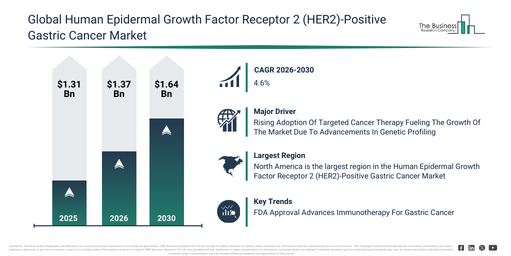
    The market for human epidermal growth factor receptor 2 (HER2)-positive gastric cancer has experienced consistent expansion in recent times. Forecasts indicate an increase from $1.31 billion in 2025 to $1.37 billion in 2026, reflecting a compound annual growth rate (CAGR) of 4.6%. Several factors contributed to this past growth, including a scarcity of targeted treatment options, dependence on standard chemotherapy and radiation approaches, limited understanding of HER2-positive gastric cancer, reduced availability of specialized medical facilities, and a sluggish uptake of immunotherapeutic strategies.

    The market for human epidermal growth factor receptor 2 (HER2)-positive gastric cancer is projected to undergo consistent expansion over the coming years. By 2030, it is anticipated to reach $1.64 billion, reflecting a compound annual growth rate (CAGR) of 4.6%. This forecasted growth is fueled by several factors, including the development of innovative antibody-drug conjugates, a rise in clinical trials for HER2-targeted therapies, improvements in healthcare infrastructure within emerging markets, the advancement of precision medicine alongside biomarker testing, and the growing number of ambulatory surgery centers and specialized oncology clinics. Key trends shaping this period involve the increased uptake of HER2-targeted treatments, heightened awareness of gastric cancer subtypes, broader application of immunotherapy and monoclonal antibodies, a shift toward personalized therapeutic strategies, and a stronger emphasis on early detection and diagnostic tests.

    Download A Free Sample Report For Comprehensive Market Insights:

    https://www.thebusinessresearchcompany.com/sample.aspx?id=25787&type=smp&utm_source=BlogsPR&utm_medium=Paid&utm_campaign=Jul_PR

    Human Epidermal Growth Factor Receptor 2 (HER2)-Positive Gastric Cancer Market Growth Factors Supporting Long-Term Expansion

    The increasing uptake of targeted cancer therapies is anticipated to drive expansion in the human epidermal growth factor receptor 2 (HER2)-positive gastric cancer market going forward. Targeted therapy, often referred to as precision medicine, involves the use of specific agents or substances designed to hinder cancer growth by zeroing in on key molecules involved in tumor progression. The growing reliance on targeted therapy stems largely from enhancements in genetic profiling, which enable more accurate treatments tailored to a patient’s distinct tumor characteristics, resulting in greater efficacy and reduced adverse effects. Within HER2-positive gastric cancer, this therapeutic method works by directly targeting the HER2 protein—overexpressed in these malignancies—thereby decelerating disease advancement and improving patient outcomes. For example, in February 2024, the Personalized Medicine Coalition, a US-based professional membership organization, reported that the Food and Drug Administration (FDA) approved 16 new personalized treatments in 2023, including seven for cancer and three for other diseases and conditions, marking an increase from six approvals in 2022. Thus, the growing adoption of targeted cancer therapies is fueling expansion in the human epidermal growth factor receptor 2 (HER2)-positive gastric cancer market.

    Human Epidermal Growth Factor Receptor 2 (HER2)-Positive Gastric Cancer Market Segment Landscape: Which Areas Lead Market Development?

    The human epidermal growth factor receptor 2 (her2)-positive gastric cancer market covered in this report is segmented –

    1) By Therapy: Chemotherapy, Immunotherapy, Radiation Therapy, Targeted Therapy

    2) By Stage: Stage I, Stage II, Stage III, Stage IV

    3) By End-User: Ambulatory Surgery Centers, Hospitals And Specialty Clinics, Other End-Users

    Subsegments:

    1) By Chemotherapy: Fluoropyrimidines, Platinum-Based Agents, Taxanes, Irinotecan, Anthracyclines

    2) By Immunotherapy: Immune Checkpoint Inhibitors, Monoclonal Antibodies, Cancer Vaccines, Cytokine-Based Therapies

    3) By Radiation Therapy: External Beam Radiation Therapy, Intensity-Modulated Radiation Therapy, Stereotactic Body Radiation Therapy, 3D Conformal Radiation Therapy

    4) By Targeted Therapy: HER2-Targeted Therapies, Tyrosine Kinase Inhibitors, Antibody-Drug Conjugates, mTOR Inhibitors, PI3K/AKT/mTOR Pathway Inhibitors

    Human Epidermal Growth Factor Receptor 2 (HER2)-Positive Gastric Cancer Market Industry Trends Shaping Future Revenue Growth

    Major pharmaceutical corporations dominating the human epidermal growth factor receptor 2 (HER2)-positive gastric cancer market are actively pursuing regulatory approvals for cutting-edge therapies, particularly advanced immunotherapy-enhanced combination strategies that incorporate immune checkpoint inhibitors alongside targeted agents and chemotherapy, aiming to substantially boost patient outcomes in first-line therapeutic contexts. This sophisticated approach for advanced immunotherapy-enhanced combination regimens functions by engaging the immune system through inhibition of programmed death (PD)-1 or its ligand PD-L1 interactions, while concurrently targeting HER2 receptors and applying chemotherapeutic drugs, thus intensifying anti-tumor effects and extending survival rates. A notable example occurred in March 2025 when Merck & Co., Inc., a biopharmaceutical firm headquartered in the United States, secured approval from the U.S. Food and Drug Administration (FDA) for its product pembrolizumab (Keytruda) administered jointly with trastuzumab and chemotherapy, designated as an initial treatment for adult patients diagnosed with HER2-positive unresectable or metastatic gastric or gastroesophageal junction (GEJ) adenocarcinoma exhibiting PD-L1 expression on tumor cells. Results from this newly authorized combination therapy revealed a notable enhancement in median progression-free survival and overall survival when compared against conventional treatment protocols, and with an overall response rate reaching 73% coupled with an extended median duration of response, this intervention marks a transformative shift in managing advanced HER2-positive gastric malignancies.

    Human Epidermal Growth Factor Receptor 2 (HER2)-Positive Gastric Cancer Market Industry Leaders And Market Competition

    Major companies operating in the human epidermal growth factor receptor 2 (her2)-positive gastric cancer market are Pfizer Inc., Roche Holding AG, Merck & Co Inc., Bayer Aktiengesellschaft, Eli Lilly and Company, Bristol-Myers Squibb Company, AstraZeneca PLC, Novartis AG, Amgen Inc., Astellas Pharma Inc., Daiichi Sankyo Company Limited, Genentech Inc., Ono Pharmaceutical Co Ltd., Shanghai Henlius Biotech Inc., MacroGenics Inc., Hutchison Medipharma Limited , ALX Oncology Holdings Inc., Taiho Pharmaceutical Co Ltd., Ambrx Biopharma Inc., LintonPharm Co Ltd.

    Access The Complete Human Epidermal Growth Factor Receptor 2 (HER2)-Positive Gastric Cancer Market Report:

    https://www.thebusinessresearchcompany.com/report/human-epidermal-growth-factor-receptor-2-her2-positive-gastric-cancer-global-market-report?utm_source=BlogsPR&utm_medium=Paid&utm_campaign=Jul_PR

    Human Epidermal Growth Factor Receptor 2 (HER2)-Positive Gastric Cancer Market Geographic Landscape: Which Region Dominates Industry Growth?

    North America was the largest region in the human epidermal growth factor receptor 2 (HER2)-positive gastric cancer market in 2025. Asia-Pacific is expected to be the fastest-growing region in the forecast period. The regions covered in the human epidermal growth factor receptor 2 (her2)-positive gastric cancer market report are Asia-Pacific, South East Asia, Western Europe, Eastern Europe, North America, South America, Middle East, Africa.

    Get in touch with us:

    The Business Research Company: https://www.thebusinessresearchcompany.com/?utm_source=BlogsPR&utm_medium=Paid&utm_campaign=home_page_test

    Americas: +1 310-496-7795

    Asia: +44 7882 955267 & +91 8897263534

    Europe: +44 7882 955267

    Email us at: marketing@tbrc.info

    Follow us on:

    LinkedIn: https://in.linkedin.com/company/the-business-research-company

    YouTube: https://www.youtube.com/channel/UC24_fI0rV8cR5DxlCpgmyFQ

    Global Market Model: https://www.thebusinessresearchcompany.com/global-market-model
  • HPV Associated Disorders Market Expansion Is Reshaping Competitive Dynamics Across The Industry

    HPV Associated Disorders Market Expansion Is Reshaping Competitive Dynamics Across The Industry

    Delivering more actionable and strategically valuable research, The Business Research Company’s 2026 market reports feature market attractiveness analysis, total addressable market evaluation, company benchmarking matrices, interactive Excel dashboards, expanded supply chain intelligence, emerging startup coverage, and detailed product insights.

    HPV Associated Disorders Market Forecast: What Market Value Is Expected By 2030?

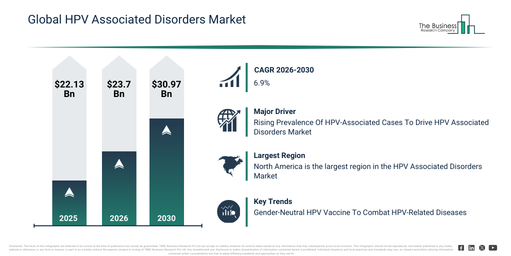
    The market for HPV-associated disorders has experienced substantial expansion in recent years, with projections indicating an increase from $22.13 billion in 2025 to $23.7 billion in 2026, reflecting a compound annual growth rate (CAGR) of 7.1%. Historically, this growth has been driven by a high prevalence of HPV infections, the launch of prophylactic HPV vaccines, the expansion of cervical cancer screening initiatives, higher healthcare spending on oncology, and a growing emphasis on public health awareness campaigns.

    The market for HPV-associated disorders is projected to experience robust expansion over the coming years. By 2030, it is anticipated to reach $30.97 billion, reflecting a compound annual growth rate (CAGR) of 6.9%. This forecasted growth is driven by the broadening of gender-neutral vaccination policies, progress in molecular diagnostic techniques, a rising prevalence of HPV-linked oropharyngeal cancers, enhanced healthcare accessibility in emerging economies, and the development of therapeutic HPV vaccines in the pipeline. Key trends shaping this period include the widening scope of HPV vaccination initiatives, a greater emphasis on early detection and screening, a heightened focus on non-invasive therapeutic approaches, increased public awareness of HPV-related malignancies, and a movement toward integrated prevention and treatment strategies.

    Download A Free Sample Report For Comprehensive Market Insights:

    https://www.thebusinessresearchcompany.com/sample.aspx?id=7777&type=smp&utm_source=BlogsPR&utm_medium=Paid&utm_campaign=Jul_PR

    HPV Associated Disorders Market Demand Drivers Creating New Revenue Opportunities

    The anticipated rise in HPV case numbers is set to fuel expansion within the market for HPV-associated disorders. These disorders encompass conditions such as benign verrucae vulgates, condylomas acuminata, and malignancies affecting the cervix, vulva, anus, and penis, in addition to anogenital warts, recurrent respiratory papillomatosis, and cancers of the anogenital and oropharyngeal regions. Worldwide, HPV infection demonstrates significant prevalence, especially among women. As an example, in June 2025, the Centers for Disease Control and Prevention—a government body in the United States—reported that roughly 13,000 women receive a cervical cancer diagnosis annually in the country, with approximately 4,000 losing their lives to the disease each year. Consequently, the growing number of HPV cases is accelerating market growth for HPV-associated disorders.

    HPV Associated Disorders Market Segments: Where Are The Largest Growth Opportunities?

    The hpv associated disorders market covered in this report is segmented –

    1) By Indication: Cervical Intraepithelial Neoplasia (CIN), Cervical Cancer, Anal Intraepithelial Neoplasia (AIN), Anal Cancer, Genital Warts, Other Indications

    2) By Therapy: Prevention, Treatment

    3) By Distribution Channel: Hospital Pharmacies, Retail Pharmacies, Online Pharmacies

    Subsegments:

    1) By Cervical Intraepithelial Neoplasia (CIN): CIN 1, CIN 2, CIN 3

    2) By Cervical Cancer: Squamous Cell Carcinoma, Adenocarcinoma

    3) By Anal Intraepithelial Neoplasia (AIN): AIN 1, AIN 2, AIN 3

    4) By Anal Cancer: Squamous Cell Carcinoma, Other Types

    5) By Genital Warts: Condylomata Acuminata

    6) By Other Indications: Oropharyngeal Cancer, Vulvar and Vaginal Cancers, Other HPV-Related Conditions

    HPV Associated Disorders Market Trends Driving Strategic Industry Expansion

    Leading players in the HPV associated disorders market are introducing HPV vaccines to address conditions linked to the virus. These vaccines are vital for public health, as they help lower the occurrence of HPV-related illnesses and support initiatives for cervical cancer screening and prevention. A notable example occurred in January 2023, when the Serum Institute of India, based in India, launched CERVAVAC—the country’s first domestically developed human papillomavirus (HPV) vaccine, designed to prevent cervical cancer in women. This vaccine relies on L1 virus-like particles (VLPs) to trigger an immune defense without causing an infection. By doing so, it effectively prepares the immune system to identify and fight HPV upon future exposure.

    HPV Associated Disorders Market Major Participants And Competitive Dynamics

    Major companies operating in the hpv associated disorders market are AstraZeneca plc, F. Hoffmann-La Roche Ltd, Biocon Ltd, GlaxoSmithKline plc, Merck & Co Inc., Pfizer Inc., Sanofi S. A., Novartis AG, Bristol-Myers Squibb Company, Johnson & Johnson Inc., Takeda Pharmaceutical Company Limited, Amgen Inc., Bayer AG, Eisai Co. Ltd., Genentech Inc., MSD Pharmaceuticals, Seqirus, Bavarian Nordic, Serum Institute of India, Moderna Inc

    Access The Complete HPV Associated Disorders Market Report:

    https://www.thebusinessresearchcompany.com/report/hpv-associated-disorders-global-market-report?utm_source=BlogsPR&utm_medium=Paid&utm_campaign=Jul_PR

    HPV Associated Disorders Market Largest Region: Which Geography Holds The Highest Market Share?

    North America was the largest region in the HPV associated disorders market in 2025. Asia-Pacific is expected to be the fastest-growing region in the forecast period. The regions covered in the hpv associated disorders market report are Asia-Pacific, South East Asia, Western Europe, Eastern Europe, North America, South America, Middle East, Africa.

    Get in touch with us:

    The Business Research Company: https://www.thebusinessresearchcompany.com/?utm_source=BlogsPR&utm_medium=Paid&utm_campaign=home_page_test

    Americas: +1 310-496-7795

    Asia: +44 7882 955267 & +91 8897263534

    Europe: +44 7882 955267

    Email us at: marketing@tbrc.info

    Follow us on:

    LinkedIn: https://in.linkedin.com/company/the-business-research-company

    YouTube: https://www.youtube.com/channel/UC24_fI0rV8cR5DxlCpgmyFQ

    Global Market Model: https://www.thebusinessresearchcompany.com/global-market-model
  • HP (High Potency) APIs Market Forecast Reveals Where Future Industry Value Will Be Created

    HP (High Potency) APIs Market Forecast Reveals Where Future Industry Value Will Be Created

    Enhanced with market attractiveness analysis, total addressable market evaluation, company benchmarking matrices, interactive Excel dashboards, expanded supply chain intelligence, emerging startup coverage, and detailed product insights, The Business Research Company’s 2026 market reports deliver more actionable and strategically valuable research.

    HP (High Potency) APIs Market Size Outlook: How Fast Will Revenue Grow Through 2030?

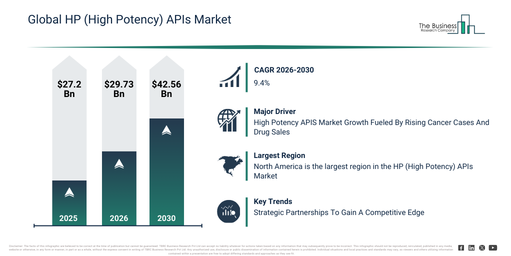
    The high potency active pharmaceutical ingredients market has experienced robust expansion over recent years, with projections indicating an increase from $27.2 billion in 2025 to $29.73 billion in 2026, reflecting a compound annual growth rate of 9.3%. This historical growth has been driven by factors such as the growing incidence of cancer and hormonal disorders, the expansion of the generic high potency APIs market, progress in synthetic manufacturing techniques, heightened emphasis on drug effectiveness at low dosages, and the initial uptake of biotech high potency APIs in developed areas.

    The high potency active pharmaceutical ingredients (HPAPIs) market is projected to experience substantial expansion over the coming years. By 2030, its value is anticipated to reach $42.56 billion, reflecting a strong compound annual growth rate (CAGR) of 9.4%. This upward trajectory during the forecast period is fueled by several factors, including the broader application of HPAPIs in oncology and hormonal treatments, heightened investment in precision medicine, a greater reliance on automated production methods, the expansion of contract manufacturing services, and breakthroughs in HPAPI delivery systems. Key developments shaping the market include the implementation of stricter safety measures for HPAPI handling, the emergence of advanced formulation techniques, a rising need for cancer and hormonal therapies, a surge in collaborative contract manufacturing agreements, and a focus on meeting regulatory standards and ensuring quality consistency.

    Download A Free Sample Report For Comprehensive Market Insights:

    https://www.thebusinessresearchcompany.com/sample.aspx?id=2814&type=smp&utm_source=BlogsPR&utm_medium=Paid&utm_campaign=Jul_PR

    HP (High Potency) APIs Market Expansion Supported By Key Demand Factors

    A growing number of cancer diagnoses, along with increased sales of oncology medications, has fueled the expansion of the high potency APIs market. Cancer involves the uncontrolled growth of abnormal cells that may spread to other areas of the body. As cancer incidence rises, research and development efforts for anticancer drugs intensify, which in turn drives demand within this market. High potency APIs contribute to cancer treatment by providing extremely potent active pharmaceutical ingredients at precise, low dosages, enabling effective targeting of malignant cells while reducing harm to healthy tissue. For example, according to the American Cancer Society, a U.S.-based professional organization, approximately 313,780 new prostate cancer cases are projected in the United States during 2025. The likelihood of developing prostate cancer rises sharply with age, climbing from 0.2% for men under 50 to 6.5% among those aged 70 to 79. Consequently, the rising number of cancer cases is anticipated to boost revenue generation for the high potency APIs market.

    HP (High Potency) APIs Market Segment Analysis: What Are The Major Market Categories?

    The hp (high potency) apis market covered in this report is segmented –

    1) By Type: Innovative HPAPI, Generic HPAPI

    2) By Synthesis Type: Synthetic HPAPI, Biotech HPAPI

    3) By Therapeutic Application: Oncology, Hormonal Disorder, Glaucoma, Other Therapeutic Applications

    Subsegments:

    1) By Innovative HPAPI: Branded High Potency APIs, Newly Developed, Patented APIs

    2) By Generic HPAPI: Off-Patent High Potency APIs, Generic Versions Of Innovative HPAPIs

    HP (High Potency) APIs Market Growth Trends Influencing Competitive Dynamics

    Key players in the high potency API (HP API) market are placing a strong emphasis on forging strategic alliances to boost their revenue streams. Such collaborations offer numerous benefits, like gaining access to cutting-edge technology, expanding customer options, delivering worldwide service capabilities, providing a joint global platform, and offering integrated services. A case in point is the partnership formed in March 2023 between CatSci Ltd., a UK firm specializing in innovative process research and development services, and AGC Pharma Chemicals Europe S.L.U. Thanks to this agreement, clients are now able to utilize an extensive array of manufacturing technologies, including fluorination and bromination, among others. Moreover, the collaboration allows AGC Pharma Chemicals’ clientele to leverage advanced expertise in chemical development and analytical techniques.

    HP (High Potency) APIs Market Leading Companies Driving Competitive Growth

    Major companies operating in the hp (high potency) apis market are Merck KGaA, Pfizer Inc, Thermo Fisher Scientific Inc, Teva Pharmaceuticals, Lonza Group AG, Sanofi (EUROAPI), Corden Pharma International, Dr. Reddy’s Laboratories Ltd., Siegfried Holding AG, Novartis, Roche India, Cstone Pharma (China), Beigene (China), Takeda Pharmaceuticals (Japan), Astellas Pharma Inc (Japan), Otsuka Pharmaceutical Co Ltd (Japan), Abbott Laboratories, Eli Lilly And Company, Bristol-Myers Squibb Company, Apotex, Gilead Sciences, Abbvie Inc, GlaxoSmithKline, Ferring Pharmaceuticals, Cipla, Bayer, Johnson & Johnson, AstraZeneca Pharmaceutical (Pty) Ltd

    Access The Complete HP (High Potency) APIs Market Report:

    https://www.thebusinessresearchcompany.com/report/hp-high-potency-api-global-market-report?utm_source=BlogsPR&utm_medium=Paid&utm_campaign=Jul_PR

    HP (High Potency) APIs Market Regional Analysis: Which Region Leads By Revenue?

    North America was the largest region in the global HP (high potency) APIS market in 2025. Middle East is expected to be the fastest growing region in the HP (high potency) APIS market report during the forecast period. The regions covered in the hp (high potency) apis market report are Asia-Pacific, South East Asia, Western Europe, Eastern Europe, North America, South America, Middle East, Africa.

    Get in touch with us:

    The Business Research Company: https://www.thebusinessresearchcompany.com/?utm_source=BlogsPR&utm_medium=Paid&utm_campaign=home_page_test

    Americas: +1 310-496-7795

    Asia: +44 7882 955267 & +91 8897263534

    Europe: +44 7882 955267

    Email us at: marketing@tbrc.info

    Follow us on:

    LinkedIn: https://in.linkedin.com/company/the-business-research-company

    YouTube: https://www.youtube.com/channel/UC24_fI0rV8cR5DxlCpgmyFQ

    Global Market Model: https://www.thebusinessresearchcompany.com/global-market-model
  • Hormone Therapy Market Growth Through 2030 Creates New Strategic Opportunities

    Hormone Therapy Market Growth Through 2030 Creates New Strategic Opportunities

    Through market attractiveness analysis, total addressable market evaluation, company benchmarking matrices, interactive Excel dashboards, expanded supply chain intelligence, emerging startup coverage, and detailed product insights, The Business Research Company’s 2026 market reports provide more actionable and strategically valuable research.

    Hormone Therapy Market Size, Value And Growth Trends Through 2030

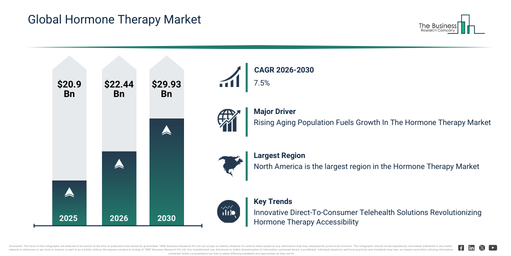
    The hormone therapy market has experienced notable expansion over the past few years, with projections indicating a rise from $20.9 billion in 2025 to $22.44 billion in 2026, reflecting a compound annual growth rate (CAGR) of 7.4%. This historical growth has been driven by factors such as the increasing incidence of hormonal disorders, heightened awareness surrounding hormone replacement therapy, higher diagnostic rates for hypothyroidism, broader hospital pharmacy networks, and the widespread availability of affordable generic hormones.

    The hormone therapy market is projected to experience robust expansion over the coming years. By 2030, it is anticipated to reach a valuation of $29.93 billion, driven by a compound annual growth rate (CAGR) of 7.5%. This forecasted growth is fueled by several key factors, including an increasingly aging global population, a rise in treatments for menopause, a heightened emphasis on therapies that improve quality of life, the growing presence of online pharmacies, and continuous advancements in hormone delivery systems. Among the prominent trends shaping the future are the growing preference for customized hormone regimens, an uptick in demand for bioidentical hormones, the broadening application of hormone therapy among older demographics, more frequent use of combination hormone treatments, and a notable shift toward convenient, long-lasting formulations.

    Download A Free Sample Report For Comprehensive Market Insights:

    https://www.thebusinessresearchcompany.com/sample.aspx?id=9246&type=smp&utm_source=BlogsPR&utm_medium=Paid&utm_campaign=Jul_PR

    Hormone Therapy Market Growth Drivers And Industry Catalysts

    The rising population of older adults is anticipated to boost the expansion of the hormone therapy market in the upcoming years. Elderly individuals, those in the later stages of life commonly linked to seniors or the aged demographic, are central to this trend. Hormonal treatment in this group, especially concerning health issues tied to aging, focuses on correcting hormone imbalances and addressing specific age-related diseases. As an example, in July 2024, the UK Parliament—a governmental entity based in the United Kingdom—reported that the nation’s population is projected to hit 70 million by 2026. Moreover, the population is undergoing aging, with 19% of people being 65 or older in 2022, a proportion forecasted to climb to 27% by 2072. Consequently, the growing count of elderly individuals is fueling the hormone therapy market’s growth.

    Hormone Therapy Market Segment Breakdown: Which Categories Generate The Most Revenue?

    The hormone therapy market covered in this report is segmented –

    1) By Therapy: Estrogen Hormone Replacement, Growth Hormone Replacement, Thyroid Hormone Replacement, Testosterone Replacement

    2) By Route Of Administration: Oral, Parenteral, Other Routes Of Administration

    3) By Indication: Menopause, Hypothyroidism, Growth Hormone Deficiency, Other Indications

    4) By Distribution Channel: Hospitals Pharmacies, Retail Pharmacies And Stores, Online Pharmacies

    Subsegments:

    1) By Estrogen Hormone Replacement: Systemic Estrogen Therapy, Local Estrogen Therapy, Combination Estrogen-Progestin Therapy

    2) By Growth Hormone Replacement: Recombinant Growth Hormones, Synthetic Growth Hormones

    3) By Thyroid Hormone Replacement: Levothyroxine, Liothyronine, Natural Desiccated Thyroid

    4) By Testosterone Replacement: Injectable Testosterone, Transdermal Testosterone, Oral Testosterone, Pellets

    Hormone Therapy Market Trends Influencing Long-Term Demand

    Major players within the hormone therapy market are increasingly concentrating on the creation of groundbreaking solutions, particularly direct-to-consumer telehealth platforms for hormone therapy, aimed at improving both patient accessibility and convenience. This direct-to-consumer telehealth model for hormone therapy describes a healthcare delivery framework that enables patients to receive hormone therapy services from a distance, bypassing the necessity of conventional in-person medical visits. For example, in September 2023, LifeMD, a US-based telehealth provider, joined forces with ASCEND Therapeutics, a US pharmaceutical firm, to introduce a comprehensive direct-to-consumer telehealth approach for hormone therapy, with an emphasis on EstroGel (estradiol gel) for managing menopausal symptoms. Through this collaboration, patients can directly access LifeMD’s telehealth offerings via the EstroGel website, enabling consultations with licensed healthcare professionals who can prescribe the appropriate medication and arrange for its delivery to their homes. By streamlining access and tackling obstacles like prolonged waiting periods, this effort strives to improve health outcomes for women seeking treatment for menopause.

    Hormone Therapy Market Key Players And Strategic Industry Positioning

    Major companies operating in the hormone therapy market are Abbott Laboratories, Bayer AG, Eli Lilly and Company, F. Hoffmann-La Roche, Merck KGaA, Mylan NV, Novartis AG, Novo Nordisk AS, Pfizer Inc., Abbvie Inc., Teva Pharmaceutical Industries Ltd., Perrigo Company Plc., Cipla Inc., Lupin Limited, Sun Pharmaceuticals Industries Ltd., Hikma Pharmaceuticals PLC., Johnsons & Johnsons Services Inc., Boehringer Ingelheim International GmbH, Sanofi S.A., AstraZeneca plc, TherapeuticsMD Inc., Amgen Inc., Genentech Inc., Dr. Reddy’s Laboratories Ltd, Allergan PLC, GlaxoSmithKline plc, Bristol-Myers Squibb Company, Takeda Pharmaceutical Company Limited, Astellas Pharma Inc., Daiichi Sankyo Company Limited

    Access The Complete Hormone Therapy Market Report:

    https://www.thebusinessresearchcompany.com/report/hormone-therapy-global-market-report?utm_source=BlogsPR&utm_medium=Paid&utm_campaign=Jul_PR

    Hormone Therapy Market Geographic Distribution And Regional Opportunities

    North America was the largest region in the hormone therapy market in 2025. The regions covered in the hormone therapy market report are Asia-Pacific, South East Asia, Western Europe, Eastern Europe, North America, South America, Middle East, Africa.

    Get in touch with us:

    The Business Research Company: https://www.thebusinessresearchcompany.com/?utm_source=BlogsPR&utm_medium=Paid&utm_campaign=home_page_test

    Americas: +1 310-496-7795

    Asia: +44 7882 955267 & +91 8897263534

    Europe: +44 7882 955267

    Email us at: marketing@tbrc.info

    Follow us on:

    LinkedIn: https://in.linkedin.com/company/the-business-research-company

    YouTube: https://www.youtube.com/channel/UC24_fI0rV8cR5DxlCpgmyFQ

    Global Market Model: https://www.thebusinessresearchcompany.com/global-market-model
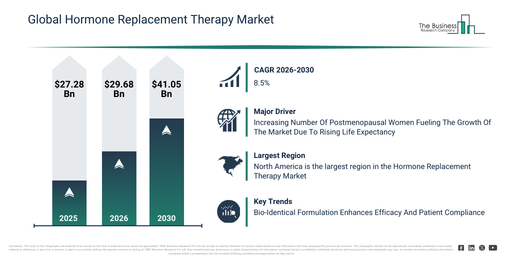
  • Hormone Replacement Therapy Market Size Projected To Increase From $29.67 Billion To $41.05 Billion During The Forecast Period

    Hormone Replacement Therapy Market Size Projected To Increase From $29.67 Billion To $41.05 Billion During The Forecast Period

    Delivering more actionable and strategically valuable research, The Business Research Company’s 2026 market reports feature market attractiveness analysis, total addressable market evaluation, company benchmarking matrices, interactive Excel dashboards, expanded supply chain intelligence, emerging startup coverage, and detailed product insights.

    Hormone Replacement Therapy Market CAGR Analysis And Future Market Development

    The hormone replacement therapy market has experienced robust expansion in recent years, with projections indicating an increase from $27.28 billion in 2025 to $29.68 billion in 2026, reflecting a compound annual growth rate (CAGR) of 8.8%. This historical growth has been driven by factors such as the management of menopause symptoms, a rising aging population, the prevalence of thyroid disorders, the diagnosis of endocrine conditions, and the utilization of hormone therapy in hospital settings.

    The market for hormone replacement therapy is anticipated to experience robust expansion over the coming years. By 2030, its value is projected to reach $41.05 billion, driven by a compound annual growth rate (CAGR) of 8.5%. This forecasted growth is supported by factors such as the increasing acceptance of personalized hormone treatments, a worldwide aging population, hormonal disruptions linked to lifestyle choices, the incorporation of telemedicine services, and a sustained need for long-term hormone management. Key developments shaping this period include a greater focus on therapies for managing menopause, a heightened demand for bioidentical hormones, broader application of transdermal hormone delivery systems, an uptick in treatments for male hormone deficiencies, and enhanced patient education leading to more accurate diagnoses.

    Download A Free Sample Report For Comprehensive Market Insights:

    https://www.thebusinessresearchcompany.com/sample.aspx?id=24563&type=smp&utm_source=BlogsPR&utm_medium=Paid&utm_campaign=Jul_PR

    Hormone Replacement Therapy Market Opportunity Drivers: What Is Creating New Revenue Potential?

    The anticipated growth of the hormone replacement therapy market is being fueled by a rising number of postmenopausal women. These women are characterized by the permanent cessation of menstruation caused by a natural decline in reproductive hormones, typically occurring twelve months after their final menstrual period. This demographic increase is largely attributed to longer life expectancies, as women are living longer, leading to a growing elderly female population navigating menopause. Hormone replacement therapy benefits postmenopausal women by easing frequent symptoms like hot flashes and night sweats, thereby enhancing their quality of life. By providing tailored treatments, it helps restore hormonal balance, lessens discomfort, and supports overall health. As an example, the National Menopause Foundation, a US-based nonprofit, reported in November 2023 that around 1.3 million women in the United States enter menopause annually, with the global count of postmenopausal women expected to hit 1.1 billion by 2025. Consequently, the expanding number of postmenopausal women is accelerating the expansion of the hormone replacement therapy market.

    Hormone Replacement Therapy Market Segmentation: How Is The Market Structured Across Key Categories?

    The hormone replacement therapy market covered in this report is segmented –

    1) By Therapy Type: Estrogen Replacement Therapy, Human Growth Hormone Replacement Therapy, Thyroid Hormone Replacement Therapy, Testosterone Replacement Therapy, Other Therapy Types

    2) By Indication: Menopause, Hypothyroidism, Male Hypogonadism, Growth Hormone Deficiency, Other Indications

    3) By Route Of Administration: Oral, Transdermal, Injectable, Other Routes Of Administration

    4) By Distribution Channel: Hospital Pharmacies, Retail Pharmacies, Online Pharmacies, Other Distribution Channels

    Subsegments:

    1) By Estrogen Replacement Therapy: Oral Estrogen, Transdermal Estrogen, Topical Estrogen, Vaginal Estrogen, Injectable Estrogen

    2) By Human Growth Hormone (hGH) Replacement Therap: Somatropin, Somatrem, Recombinant Human Growth Hormone (rhGH), Pegylated hGH, Other Human Growth Hormone (hGH) Replacement Therapies

    3) By Thyroid Hormone Replacement Therapy: Levothyroxine (T4), Liothyronine (T3), Natural Desiccated Thyroid (NDT), Combination T3 Or T4 Therapy

    4) By Testosterone Replacement Therapy: Gels And Creams, Injections, Patches, Oral Testosterone, Pellets

    5) By Other Therapy Types: Progesterone Replacement Therapy, Combined Estrogen-Progesterone Therapy, Dehydroepiandrosterone Therapy, Melatonin Replacement Therapy

    Hormone Replacement Therapy Market Innovation Trends Driving Future Development

    Key players in the hormone replacement therapy market are increasingly prioritizing the creation of cutting-edge products, specifically bio-identical hormone formulations, to boost treatment effectiveness and encourage better patient adherence. These bio-identical formulations utilize hormones that are chemically identical to those the human body naturally produces, offering a more natural approach to symptom relief while reducing undesirable side effects. A notable example occurred in May 2024, when Jagsonpal Pharmaceuticals Ltd., headquartered in India, introduced MemUp—a bio-identical hormone replacement therapy available as a single, once-daily oral pill that blends estradiol and progesterone. This treatment is specifically developed to alleviate typical menopausal symptoms, like hot flashes and night sweats, and its simplified dosing schedule aims to improve both convenience and patient compliance.

    Hormone Replacement Therapy Market Competitive Landscape And Leading Companies

    Major companies operating in the hormone replacement therapy market are Viatris Inc., Organon & Co., Endo International plc, Ferring Pharmaceuticals, Besins Healthcare, Ascendis Pharma A/S, Astellas Pharma Inc., Kyowa Kirin Co. Ltd., Sun Pharmaceutical Industries Ltd., Dr. Reddy’s Laboratories Ltd., Zydus Lifesciences Ltd., Torrent Pharmaceuticals Ltd., Alvogen Pharma, Perrigo Company plc, Hikma Pharmaceuticals PLC, Accord Healthcare Ltd., Glenmark Pharmaceuticals Ltd., Intas Pharmaceuticals Ltd., Alkem Laboratories Ltd., Piramal Pharma Ltd.

    Access The Complete Hormone Replacement Therapy Market Report:

    https://www.thebusinessresearchcompany.com/report/hormone-replacement-therapy-global-market-report?utm_source=BlogsPR&utm_medium=Paid&utm_campaign=Jul_PR

    Hormone Replacement Therapy Market Largest Region By Revenue And Market Share

    North America was the largest region in the hormone replacement therapy market in 2025. Asia-Pacific is expected to be the fastest-growing region in the forecast period. The regions covered in the hormone replacement therapy market report are Asia-Pacific, South East Asia, Western Europe, Eastern Europe, North America, South America, Middle East, Africa.

    Get in touch with us:

    The Business Research Company: https://www.thebusinessresearchcompany.com/?utm_source=BlogsPR&utm_medium=Paid&utm_campaign=home_page_test

    Americas: +1 310-496-7795

    Asia: +44 7882 955267 & +91 8897263534

    Europe: +44 7882 955267

    Email us at: marketing@tbrc.info

    Follow us on:

    LinkedIn: https://in.linkedin.com/company/the-business-research-company

    YouTube: https://www.youtube.com/channel/UC24_fI0rV8cR5DxlCpgmyFQ

    Global Market Model: https://www.thebusinessresearchcompany.com/global-market-model
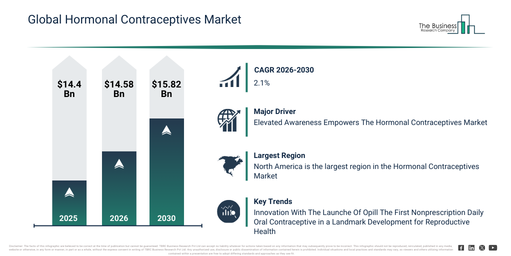
  • Hormonal Contraceptives Market Growth Outlook Reveals A CAGR Of 2.1% And A Market Value Of $15.82 Billion By 2030

    Hormonal Contraceptives Market Growth Outlook Reveals A CAGR Of 2.1% And A Market Value Of $15.82 Billion By 2030

    Enhanced with market attractiveness analysis, total addressable market evaluation, company benchmarking matrices, interactive Excel dashboards, expanded supply chain intelligence, emerging startup coverage, and detailed product insights, The Business Research Company’s 2026 market reports deliver more actionable and strategically valuable research.

    Hormonal Contraceptives Market Expansion From $14.57 Billion In 2026 To $15.82 Billion In 2030

    The market for hormonal contraceptives experienced slight expansion in recent times, with its valuation increasing from $14.4 billion in 2025 to $14.58 billion in 2026, reflecting a compound annual growth rate (CAGR) of 1.2%. This historical growth was fueled by greater awareness regarding family planning, the launch of combined oral contraceptives, government-led reproductive health programs, higher levels of urbanization, and a rising number of gynecology clinics.

    The size of the hormonal contraceptives market is anticipated to experience consistent expansion over the coming years, ultimately reaching $15.82 billion by 2030, reflecting a compound annual growth rate (CAGR) of 2.1%. This projected growth during the forecast period is driven by factors such as progress in tailoring hormone therapies to individuals, the emergence of contraceptive products for men, the growing reach of online sales channels for contraceptives, the incorporation of digital health tools, and a heightened emphasis on preventing sexually transmitted diseases. Key developments expected in this timeframe encompass the growing adoption of personalized, hormone-based birth control methods, heightened awareness among consumers regarding both reversible and permanent options, the expansion of telehealth services and online contraceptive access, the rollout of new male birth control alternatives, and a stronger emphasis on contraceptives that offer dual protection against STDs.

    Download A Free Sample Report For Comprehensive Market Insights:

    https://www.thebusinessresearchcompany.com/sample.aspx?id=2440&type=smp&utm_source=BlogsPR&utm_medium=Paid&utm_campaign=Jul_PR

    Hormonal Contraceptives Market Growth Momentum: Which Factors Are Influencing Demand?

    Growing knowledge about hormonal contraceptives has fostered a more informed and empowered population, enabling individuals to select options that fit their reproductive aspirations and way of life. With greater understanding of contraceptive choices, people are more capable of making improved decisions regarding their reproductive health, which subsequently boosts the uptake of hormonal contraceptives that suit their family planning needs and lifestyle preferences. For example, in July 2025, the World Health Organization (WHO), a Switzerland-based UN agency specializing in international public health, reported that 874 million women are currently using modern contraceptives, and access to family planning bolsters public health, advances gender equality, strengthens health systems, and fosters economic development. A further 70 million women are expected to gain access by 2030. Heightened awareness of contraceptive benefits and usage significantly drives the hormonal contraceptives market forward.

    Healthcare spending is on the rise, and this is anticipated to fuel expansion in the hormonal contraceptives market going forward. Healthcare expenditure encompasses the total financial resources allocated by individuals, organizations, or governments to prevent, treat, and manage health conditions. It is growing due to progress in medical technology, as new diagnostic instruments, treatments, and innovative therapies often come with higher costs, leading to increased overall spending in the sector. This increase promotes the use of hormonal contraceptives by enhancing access, affordability, awareness, and by supporting research and development along with family planning initiatives. As an illustration, in December 2024, the Centers for Medicare & Medicaid Services, a US agency that oversees Medicare and Medicaid programs, noted that in 2023, U.S. healthcare spending rose by 7.5%, reaching $4.9 trillion, roughly $14,570 per person. Consequently, the rising healthcare expenditure is propelling growth in the hormonal contraceptives market.

    Hormonal Contraceptives Market Segmentation Trends And Revenue Drivers

    The hormonal contraceptives market covered in this report is segmented –

    1) By Product: Pills, Injectable Birth Control, Vaginal Rings, Others

    2) By End User: Hospitals, Homecare Settings, Gynecology Centers, Clinics, Ambulatory Surgical Centers

    3) By Hormones: Progestin-Only, Combined Hormones

    4) By Distribution Channel: Drug Stores, Gynecology Or Fertility Clinics, E-Commerce, Other Distribution Channels

    Subsegments:

    1) By Pills: Combined Oral Contraceptives (COCs), Progestin-Only Pills (POPs), Emergency Contraceptive Pills

    2) By Injectable Birth Control: Depot Medroxyprogesterone Acetate (DMPA), Combination Injectable Contraceptives, Subdermal Implants

    3) By Vaginal Rings: NuvaRing, Annovera, Other Hormonal Vaginal Rings

    4) By Others: Transdermal Patches, Intrauterine Devices (IUDs) with Hormones, Hormonal Implants, Contraceptive Tablets For Men

    Hormonal Contraceptives Market Trends Reshaping Industry Growth

    Key players in the hormonal contraceptives sector are developing groundbreaking items, including over-the-counter daily oral birth control pills, aimed at improving user access and simplicity. An over-the-counter daily oral contraceptive refers to a birth control pill accessible for purchase without requiring a prescription from a medical professional. As an example, in July 2023, Perrigo Company PLC, a U.S.-based producer of private-label nonprescription pharmaceuticals, secured clearance from the Food and Drug Administration (FDA), a U.S. federal agency dedicated to safeguarding public health, for its product Opill. Opill represents the first daily oral contraceptive available without a prescription, becoming obtainable for consumers without needing a doctor’s order. The launch of Opill signifies a critical milestone in reproductive healthcare, enabling individuals to obtain reliable contraception free from the obstacles associated with securing a prescription or scheduling a medical visit.

    Hormonal Contraceptives Market Industry Leaders: Which Organizations Are Driving Competition?

    Major companies operating in the hormonal contraceptives market are Bayer AG, Merck & Co. Inc, Viatris, Gedeon Richter, AbbVie, Pfizer, Teva Pharmaceuticals, Mayne Pharma Group Limited, Lupin Limited, HLL Lifecare Limited, Amneal Pharmaceuticals, DKT International, Piramal Pharma Limited, Allergan, Afaxys Inc., Agile Therapeutic, Cipla Limited, Glenmark Pharmaceuticals, Novartis AG, Sun Pharmaceutical Industries Ltd., Apothecus Pharmaceutical Corporation, Famy Care, Mylan Laboratories

    Access The Complete Hormonal Contraceptives Market Report:

    https://www.thebusinessresearchcompany.com/report/hormonal-contraceptives-global-market-report?utm_source=BlogsPR&utm_medium=Paid&utm_campaign=Jul_PR

    Hormonal Contraceptives Market Regional Analysis And Leading Geography

    North America was the largest region in the hormonal contraceptives market share in 2025. Middle East is expected to be the fastest-growing region in the global hormonal contraceptives market analysis during the forecast period. The regions covered in the hormonal contraceptives market report are Asia-Pacific, South East Asia, Western Europe, Eastern Europe, North America, South America, Middle East, Africa.

    Get in touch with us:

    The Business Research Company: https://www.thebusinessresearchcompany.com/?utm_source=BlogsPR&utm_medium=Paid&utm_campaign=home_page_test

    Americas: +1 310-496-7795

    Asia: +44 7882 955267 & +91 8897263534

    Europe: +44 7882 955267

    Email us at: marketing@tbrc.info

    Follow us on:

    LinkedIn: https://in.linkedin.com/company/the-business-research-company

    YouTube: https://www.youtube.com/channel/UC24_fI0rV8cR5DxlCpgmyFQ

    Global Market Model: https://www.thebusinessresearchcompany.com/global-market-model
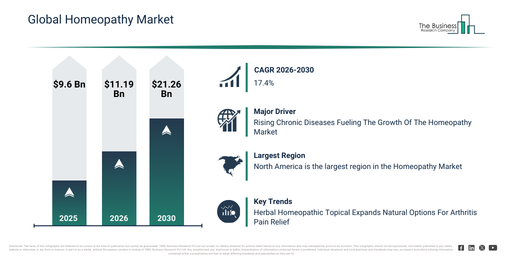
  • Homeopathy Market Forecast Highlights Expansion From $11.18 Billion To $21.25 Billion Through 2030

    Homeopathy Market Forecast Highlights Expansion From $11.18 Billion To $21.25 Billion Through 2030

    Through market attractiveness analysis, total addressable market evaluation, company benchmarking matrices, interactive Excel dashboards, expanded supply chain intelligence, emerging startup coverage, and detailed product insights, The Business Research Company’s 2026 market reports provide more actionable and strategically valuable research.

    Homeopathy Market Forecast Highlighting Growth From $11.18 Billion To $21.25 Billion

    The homeopathy sector has witnessed rapid expansion in recent times. Valued at $9.6 billion in 2025, it is projected to reach $11.19 billion by 2026, reflecting a compound annual growth rate (CAGR) of 16.5%. This historical growth has been driven by heightened recognition of natural treatments, a surge in chronic illness cases, a greater number of homeopathic facilities, a growing inclination toward noninvasive therapeutic options, and the enduring influence of traditional wisdom along with cultural endorsement.

    The homeopathy market is projected to experience robust expansion in the coming years, reaching an estimated $21.26 billion by 2030, driven by a compound annual growth rate (CAGR) of 17.4%. This forecasted growth is fueled by several key factors, including the integration of homeopathic services with digital health platforms, the rising focus on personalized medicine, the expansion of e-commerce distribution channels, increased funding for research and development, and growing adoption in emerging markets. Additionally, major trends shaping the market include the development of customized homeopathic treatment plans, a shift toward preventive and holistic healthcare approaches, the growth of specialized homeopathic e-commerce platforms, heightened consumer awareness of natural and non-toxic remedies, and the incorporation of mobile health applications to support homeopathic practices.

    Download A Free Sample Report For Comprehensive Market Insights:

    https://www.thebusinessresearchcompany.com/sample.aspx?id=10712&type=smp&utm_source=BlogsPR&utm_medium=Paid&utm_campaign=Jul_PR

    Homeopathy Market Expansion Drivers: What Is Shaping Future Growth?

    The ongoing increase in chronic illnesses is anticipated to drive expansion in the homeopathy market in the coming years. Chronic diseases are defined as medical conditions that last for a prolonged duration, usually three months or longer. Homeopathy is utilized for managing such conditions because of its comprehensive methodology and the notion that it can activate the body’s innate healing mechanisms against disease. For example, in April 2024, Allergy UK, a national charity based in the United Kingdom, reported that over 21 million individuals in the UK suffer from allergies, making this the most frequently reported chronic health issue in 2022, with forecasts suggesting that by 2026, half of Europe’s population will encounter at least one allergic condition. Hence, the rising prevalence of chronic diseases is fueling the growth of the homeopathy market.

    Homeopathy Market Segment Analysis Highlighting Growth Areas

    The homeopathy market covered in this report is segmented –

    1) By Type: Dilutions, Tinctures, Biochemics, Ointments, Tablets, Other Types

    2) By Source: Plants, Animals, Minerals

    3) By Distribution Channel: Homeopathic Clinics, Retailers, E-Retailers, Other Distribution Channels

    4) By Application: Analgesic And Antipyretic, Respiratory, Neurology, Immunology, Gastroenterology, Dermatology, Other Applications

    Subsegments:

    1) By Dilutions: Low Potency Dilutions, High Potency Dilutions

    2) By Tinctures: Mother Tinctures, Herbal Tinctures

    3) By Biochemics: Tissue Salts, Cell Salts

    4) By Ointments: Skin Ointments, Pain Relief Ointments

    5) By Tablets: Sugar-Based Tablets, Lactose-Free Tablets

    6) By Other Types: Drops, Powders

    Homeopathy Market Strategic Trends: What Is Defining The Next Phase Of Growth?

    Key players in the homeopathy sector are concentrating on creating innovative products, such as botanically enhanced topical treatments, to improve relief from joint pain and stiffness linked to arthritis. These enhanced topicals blend classical homeopathic ingredients with plant-derived components to offer more specific symptom management. As an example, in July 2023, Boiron USA, a manufacturer of homeopathic medicines based in the United States, introduced Arnicare Arthritis Cream, which incorporates herbal elements like Arnica montana and Harpagophytum (also known as devil’s claw). This cream delivers short-term relief from minor joint and muscle discomfort and stiffness due to arthritis for individuals aged 12 and older. With a fast-absorbing and fragrance-free formulation, it can be applied to various joints, including the hands, knees, hips, feet, and lower back, while steering clear of counterirritants such as camphor or menthol, which might lead to burning or stinging sensations. Available in a 2.5 oz tube, this product broadens the range of over-the-counter homeopathic solutions for naturally oriented arthritis pain relief.

    Homeopathy Market Leading Companies: Who Holds Significant Market Presence?

    Major companies operating in the homeopathy market are Boiron Group, Dr. Reckeweg and Co. GmbH, Hyland’s Inc., Hahnemann Laboratories Inc., Dr. Willmar Schwabe GmbH and Co. KG, Bombay Homeolab, JNSON LABORATORIES PVT. LTD., Hapdco Herbals Pvt. Ltd., Fourrts Laboratories Pvt. Ltd., Bjain Pharmaceuticals Pvt. Ltd., Ainsworths London Limited, Powell Laboratories Pvt. Ltd., Similasan Corp., PEKANA Naturheilmittel GmbH, GMP Laboratories of America Inc., Allen Healthcare Co. Ltd., Nelson Pharmacies Limited, DHU-Arzneimittel GmbH & Co. KG, Weleda UK, A Nelson & Co Ltd., Doliosis Homoeo Pharma Pvt. Ltd., Standard Homeopathic Co., Homeocan Inc., R. S. Bhargava Pharmacy Pvt. Ltd., Bakson Drugs & Pharmaceuticals Pvt. Ltd., Bhandari Homoeopathic Laboratories, Bioforce AG, Biologische Heilmittel Heel GmbH, Blackmores Limited, SBL Pvt. Ltd., Natural Health Supply, Hevert – Arzneimittel GmbH & Co. KG, Lord’s Homoeopathic Laboratory, Medilife Impex Pvt. Ltd., Medisynth Chemicals Pvt. Ltd.

    Access The Complete Homeopathy Market Report:

    https://www.thebusinessresearchcompany.com/report/homeopathy-global-market-report?utm_source=BlogsPR&utm_medium=Paid&utm_campaign=Jul_PR

    Homeopathy Market Geographic Analysis: Where Is Demand Growing The Fastest?

    North America was the largest region in the homeopathy market in 2025. Asia-Pacific is expected to be the fastest-growing region in the global homeopathy market report during the forecast period. The regions covered in the homeopathy market report are Asia-Pacific, South East Asia, Western Europe, Eastern Europe, North America, South America, Middle East, Africa.

    Get in touch with us:

    The Business Research Company: https://www.thebusinessresearchcompany.com/?utm_source=BlogsPR&utm_medium=Paid&utm_campaign=home_page_test

    Americas: +1 310-496-7795

    Asia: +44 7882 955267 & +91 8897263534

    Europe: +44 7882 955267

    Email us at: marketing@tbrc.info

    Follow us on:

    LinkedIn: https://in.linkedin.com/company/the-business-research-company

    YouTube: https://www.youtube.com/channel/UC24_fI0rV8cR5DxlCpgmyFQ

    Global Market Model: https://www.thebusinessresearchcompany.com/global-market-model
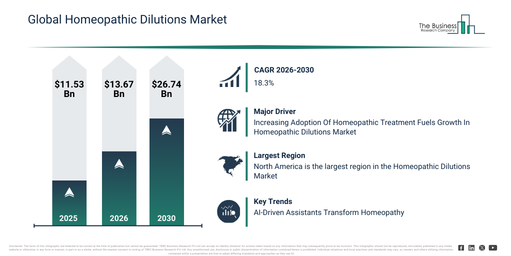
  • Homeopathic Dilutions Market Expected To Reach $26.74 Billion By 2030 As Growth Accelerates At 18.3% CAGR

    Homeopathic Dilutions Market Expected To Reach $26.74 Billion By 2030 As Growth Accelerates At 18.3% CAGR

    Delivering more actionable and strategically valuable research, The Business Research Company’s 2026 market reports feature market attractiveness analysis, total addressable market evaluation, company benchmarking matrices, interactive Excel dashboards, expanded supply chain intelligence, emerging startup coverage, and detailed product insights.

    Homeopathic Dilutions Market Revenue Growth Supported By A CAGR Of 26.74% Through 2030

    The homeopathic dilutions market has experienced rapid expansion in recent years, with its size projected to rise from $11.53 billion in 2025 to $13.67 billion in 2026, reflecting a compound annual growth rate (CAGR) of 18.6%. This historical growth has been driven by the traditional application of homeopathy across diverse cultures, heightened consumer awareness of natural treatment options, an expanding network of homeopathic practitioners, restricted availability of conventional medications in rural regions, and an increasing preference for low-potency remedies.

    The homeopathic dilutions market is anticipated to see strong expansion in the coming years. Its value is projected to reach $26.74 billion by 2030, expanding at a compound annual growth rate (CAGR) of 18.3%. This growth during the forecast period can be explained by the creation of high-potency and multi-component formulations, the broadening of online homeopathic sales channels, deeper incorporation into healthcare facilities, a heightened emphasis on customized homeopathic approaches, and increased consciousness of homeopathy’s role in managing chronic diseases. Key developments expected in this timeframe consist of a higher demand for both single and combination homeopathic dilutions, a surge in the popularity of high-potency treatments, the growth of online and specialized homeopathy retail outlets, a greater use of homeopathic solutions for persistent health conditions, and the adoption of homeopathic therapies in clinical and hospital environments.

    Download A Free Sample Report For Comprehensive Market Insights:

    https://www.thebusinessresearchcompany.com/sample.aspx?id=19510&type=smp&utm_source=BlogsPR&utm_medium=Paid&utm_campaign=Jul_PR

    Homeopathic Dilutions Market Development Factors: Which Trends Are Supporting Demand?

    The expanding use of homeopathic therapies is anticipated to boost the market for homeopathic dilutions in the near future. These medicines are a vital part of homeopathy, prescribed according to a patient’s distinct symptoms along with their mental, emotional, and physical traits. The increasing appeal of homeopathy, attributed to its lack of side effects and the rising demand for personalized, holistic care that offers tailored treatments, highlights its effectiveness. As an example, in August 2024, the Health government, a federal health body in Switzerland, reported that 20% of Canadians had utilized homeopathic remedies in 2024. Consequently, the growing preference for homeopathic treatment is driving the expansion of the homeopathic dilutions market.

    Homeopathic Dilutions Market Segment Performance And Strategic Opportunities

    The homeopathic dilutions market covered in this report is segmented –

    1) By Dilution Type: Single Dilutions, Combination Dilutions

    2) By Potency: Low Potency, Medium Potency, High Potency

    3) By Distribution Channel: Pharmacies And Drug Stores, Online Retailers, Specialty Homeopathy Stores, Other Distribution Channels

    4) By Application: Acute Conditions, Chronic Conditions

    5) By End-User: Consumers, Practitioners, Hospitals And Clinics

    Subsegments:

    1) By Single Dilutions: 30C Dilutions, 200C Dilutions, 1M Dilutions, 10M Dilutions

    2) By Combination Dilutions: Multi-Ingredient Formulations, Specific Condition Formulations, Seasonal Allergy Combos, Stress Relief Combos

    Homeopathic Dilutions Market Transformation Trends: Which Innovations Are Driving Change?

    Key players in the homeopathic dilutions market are channeling their efforts into developing AI-powered health assistants to secure a competitive edge in healthcare services. By merging modern technology with traditional practices, AI-driven health assistants improve both accessibility and precision within homeopathic methods. A notable example is Homeopathic.AI, a retail health and personal care company based in Canada, which unveiled the first AI assistant exclusively for homeopathic medicine in April 2024. This pioneering system relies on sophisticated algorithms and an extensive database to deliver tailored, precise health recommendations to users. Its goal is to address the rising demand for alternative medicine by expanding global access to homeopathic advice. This move toward incorporating AI underscores the industry’s transition toward harnessing technology to broaden the impact and efficacy of homeopathic treatments.

    Homeopathic Dilutions Market Key Players: Which Companies Shape Industry Competition?

    Major companies operating in the homeopathic dilutions market are Dr. Willmar Schwabe GmbH & Co. KG, Fourrts Laboratories Pvt. Limited, Boiron Group, Weleda AG, Heel GmbH, Bhargava Phytolab Pvt Ltd., Nelson Pharmacies Limited, Hyland’s, HAPCO, DHU-Arzneimittel GmbH & Co. KG, Ainsworths Limited, Apotheca Inc., Bioforce Homeopathy, Helios Homoeopathy, SBL Pvt Ltd., Wheezal, Medisynth Chemicals Pvt. Ltd., Dr. Reckeweg & Co. GmbH, LORD’S Homeopathic Lab Pvt. Ltd., Washington Homeopathic Products, Medilife Impex Pvt Ltd, Doliosis Holistic Medicine and Foods Private Limited, Healwell Homeo Private Limited, Neiss Labs Pvt Ltd

    Access The Complete Homeopathic Dilutions Market Report:

    https://www.thebusinessresearchcompany.com/report/homeopathic-dilutions-global-market-report?utm_source=BlogsPR&utm_medium=Paid&utm_campaign=Jul_PR

    Homeopathic Dilutions Market Global Footprint: Which Region Holds Market Leadership?

    North America was the largest region in the homeopathic dilutions market in 2025. Asia-Pacific is expected to be the fastest-growing region in the forecast period. The regions covered in the homeopathic dilutions market report are Asia-Pacific, South East Asia, Western Europe, Eastern Europe, North America, South America, Middle East, Africa.

    Get in touch with us:

    The Business Research Company: https://www.thebusinessresearchcompany.com/?utm_source=BlogsPR&utm_medium=Paid&utm_campaign=home_page_test

    Americas: +1 310-496-7795

    Asia: +44 7882 955267 & +91 8897263534

    Europe: +44 7882 955267

    Email us at: marketing@tbrc.info

    Follow us on:

    LinkedIn: https://in.linkedin.com/company/the-business-research-company

    YouTube: https://www.youtube.com/channel/UC24_fI0rV8cR5DxlCpgmyFQ

    Global Market Model: https://www.thebusinessresearchcompany.com/global-market-model
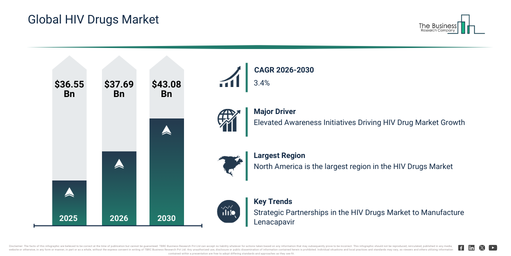
  • HIV Drugs Market Set To Grow From $37.69 Billion In 2026 To $43.07 Billion By 2030 At A CAGR Of 3.4%

    HIV Drugs Market Set To Grow From $37.69 Billion In 2026 To $43.07 Billion By 2030 At A CAGR Of 3.4%

    Enhanced with market attractiveness analysis, total addressable market evaluation, company benchmarking matrices, interactive Excel dashboards, expanded supply chain intelligence, emerging startup coverage, and detailed product insights, The Business Research Company’s 2026 market reports deliver more actionable and strategically valuable research.

    HIV Drugs Market Value Expansion And Long-Term Growth Outlook

    The hiv drugs market has experienced consistent expansion over the past few years. The market is projected to increase from $36.55 billion in 2025 to $37.69 billion in 2026, reflecting a compound annual growth rate (CAGR) of 3.1%. This historical growth has been driven by several factors, including the approval of initial antiretroviral therapies, extensive public awareness initiatives, the broader implementation of hiv testing programs, the development of global healthcare systems, and early governmental investments in hiv research.

    The hiv drugs market is anticipated to experience consistent expansion over the coming years, climbing to a valuation of $43.08 billion by 2030, with a compound annual growth rate (CAGR) of 3.4%. This predicted growth during the forecast period is driven by factors including the rise of long-acting therapies, progress in precision medicine, the incorporation of artificial intelligence into drug discovery, improved healthcare accessibility within emerging markets, and the creation of combination antiretroviral treatments. Key developments shaping this period involve tailored antiretroviral therapy, injectable long-acting hiv drugs, monitoring of hiv drug resistance, the progress of combination therapies, and access initiatives in emerging economies.

    Download A Free Sample Report For Comprehensive Market Insights:

    https://www.thebusinessresearchcompany.com/sample.aspx?id=2834&type=smp&utm_source=BlogsPR&utm_medium=Paid&utm_campaign=Jul_PR

    HIV Drugs Market Industry Drivers: What Is Driving Revenue Growth?

    Growing public understanding of HIV diagnosis and treatment plays a crucial role in propelling the HIV drug market forward. This awareness encompasses knowledge about how the disease is identified, managed, and prevented, which facilitates early detection and proper care. A more informed population tends to seek testing and treatment sooner, leading to better health results and a lower rate of transmission. HIV medications themselves contribute to this awareness by emphasizing the necessity of treatment and motivating individuals to undergo testing and pursue medical attention, thereby strengthening community knowledge about controlling and avoiding HIV. As an example, in July 2024, the United Nations International Children’s Emergency Fund (UNICEF), a humanitarian organization based in the United States, reported that approximately 40.0 million people globally were living with HIV in 2023. Thus, the rising level of public consciousness regarding HIV diagnosis and treatment serves as a key factor in driving growth within the HIV drug market.

    Government investment is anticipated to accelerate the expansion of the HIV drugs market in the coming period. Public spending, defined as the total funds a government allocates and disburses to support its operations, programs, and services, directly impacts this sector. Higher levels of government funding enable progress across multiple dimensions of the HIV drug market, including research and development, enhanced access to medications, educational campaigns, and efforts to lessen the social and economic consequences of the disease. Such financial commitments positively influence market expansion and the overall fight against the HIV and AIDS crisis. For instance, in March 2023, the Budget of the U.S. Government report, issued by the US government, indicated that President Joe Biden’s Fiscal Year (FY) 2024 budget proposal included roughly $850 million for the CDC, HRSA, IHS, and NIH. This allocation was intended to sustain and broaden the reach of the Ending the HIV Epidemic in the U.S. initiative, representing a notable rise of $277 million, or 48%, compared to the funding enacted in FY23. Consequently, the increase in government spending is driving growth in the HIV drug market.

    HIV Drugs Market Segment Landscape And Growth Potential

    The hiv drugs market covered in this report is segmented –

    1) By Type: Nucleoside Reverse Transcriptase Inhibitors (NRT’s), Non- Nucleoside Reverse Transcriptase Inhibitors (NNRT’s), Protease Inhibitors, Integrase strand transfer inhibitors (INSTIs), Other Types

    2) By Administration: Oral, Parenteral

    3) By Application: Hospital Pharmacies, Retail Pharmacies, Other Applications

    Subsegments:

    1) By Nucleoside Reverse Transcriptase Inhibitors (NRTIs): Zidovudine (AZT), Lamivudine (3TC), Abacavir (ABC), Tenofovir disoproxil fumarate (TDF)

    2) By Non-Nucleoside Reverse Transcriptase Inhibitors (NNRTIs): Efavirenz (EFV), Nevirapine (NVP), Etravirine (ETR), Rilpivirine (RPV)

    3) By Protease Inhibitors (PIs): Ritonavir (RTV), Lopinavir (LPV), Darunavir (DRV), Atazanavir (ATV)

    4) By Integrase Strand Transfer Inhibitors (INSTIs): Raltegravir (RAL), Dolutegravir (DTG), Bictegravir (BIC)

    5) By Other Types: Entry Inhibitors, Fusion Inhibitors, Combination Therapies

    HIV Drugs Market Growth Trends: What Is Influencing The Future Outlook?

    In the HIV drugs market, leading companies are entering into strategic collaborations to produce Lenacapavir, accelerating drug development, broadening treatment accessibility, and strengthening their global market footprint. As a first-in-class HIV-1 capsid inhibitor, Lenacapavir demonstrates efficacy when used alongside other antiretrovirals, targeting multiple phases of the HIV lifecycle, thereby offering a viable solution for patients who have limited therapeutic options. A notable example occurred in August 2023, when Dr. Reddy’s Laboratories and Hetero, both India-based pharmaceutical firms, formed a partnership with Gilead Sciences Inc., a US-based biopharmaceutical company. Through this alliance, Dr. Reddy’s Laboratories and Hetero are committed to manufacturing and distributing the HIV drug Lenacapavir across 120 primarily low- and lower-middle-income countries (LMICs), an initiative designed to expand access to this innovative treatment, which is especially advantageous for heavily treatment-experienced individuals dealing with multi-drug-resistant HIV.

    HIV Drugs Market Competitive Landscape: Who Are The Leading Companies?

    Major companies operating in the hiv drugs market are Gilead Sciences Inc., Johnson & Johnson, Merck & Co. Inc., Boehringer Ingelheim International GmbH, Cipla, Aurobindo Pharma, AbbVie, Emcure Pharmaceuticals, Micro Labs Limited, Northeast Pharmaceutical Group Co. Ltd, Dr. Reddy’s Laboratories Ltd., Sun Pharmaceutical Industries Ltd, Strides Arcolab Limited, Hetero Labs Limited, Shanghai Desano Bio-pharmaceutical Co., Anhui Biochem Biopharmaceutical Co. Ltd., Shanghai Xinxing Medicine Co. Ltd., China Meheco Xinxing Pharma Co. Ltd., CytoDyn Inc., Janssen Pharmaceutical, Roche Laboratories, Mylan N.V., Bristol-Myers Squibb Company, F. Hoffmann-La Roche AG, Teva Canada, ViiV Healthcare Canada, GSK, Abbott Laboratories, Aspen Pharmacare Limited, Pharmacare Ltd.

    Access The Complete HIV Drugs Market Report:

    https://www.thebusinessresearchcompany.com/report/hiv-drug-global-market-report?utm_source=BlogsPR&utm_medium=Paid&utm_campaign=Jul_PR

    HIV Drugs Market Regional Distribution: Which Areas Drive Market Expansion?

    North America was the largest region in the HIV drugs market share in 2025. Middle East is expected to be the largest growing region in the global HIV drug market during the forecast period. The regions covered in the hiv drugs market report are Asia-Pacific, South East Asia, Western Europe, Eastern Europe, North America, South America, Middle East, Africa.

    Get in touch with us:

    The Business Research Company: https://www.thebusinessresearchcompany.com/?utm_source=BlogsPR&utm_medium=Paid&utm_campaign=home_page_test

    Americas: +1 310-496-7795

    Asia: +44 7882 955267 & +91 8897263534

    Europe: +44 7882 955267

    Email us at: marketing@tbrc.info

    Follow us on:

    LinkedIn: https://in.linkedin.com/company/the-business-research-company

    YouTube: https://www.youtube.com/channel/UC24_fI0rV8cR5DxlCpgmyFQ

    Global Market Model: https://www.thebusinessresearchcompany.com/global-market-model
  • Histone Deacetylase Inhibitors Market Opportunities Are Emerging Beyond Traditional Growth Areas

    Histone Deacetylase Inhibitors Market Opportunities Are Emerging Beyond Traditional Growth Areas

    Through market attractiveness analysis, total addressable market evaluation, company benchmarking matrices, interactive Excel dashboards, expanded supply chain intelligence, emerging startup coverage, and detailed product insights, The Business Research Company’s 2026 market reports provide more actionable and strategically valuable research.

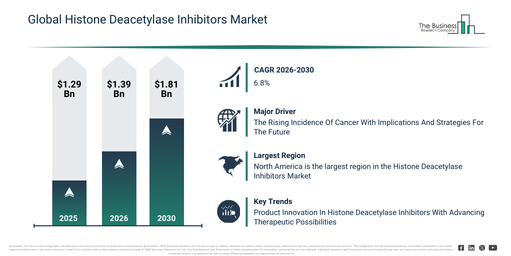
    Histone Deacetylase Inhibitors Market Expected To Reach $1.81 Billion By 2030 At 6.8% CAGR

    The histone deacetylase inhibitors market has experienced significant expansion over recent years. Projections indicate that its value will rise from $1.29 billion in 2025 to $1.39 billion in 2026, reflecting a compound annual growth rate (CAGR) of 7.6%. Several factors drove this growth in the historical period, including the initial achievements of HDAC inhibitors in treating hematological malignancies, a deepening comprehension of epigenetic regulation in various diseases, the accessibility of approved first-generation HDAC inhibitors, an expanded infrastructure for cancer research, and heightened investment in targeted cancer therapies.

    The histone deacetylase inhibitors market is anticipated to experience robust expansion over the coming years, reaching a projected value of $1.81 billion by 2030, with a compound annual growth rate (CAGR) of 6.8%. This forecasted growth is driven by several factors, including a rising global incidence of cancer, an expanding pipeline of epigenetic-based therapies, an intensified emphasis on precision oncology approaches, a broadening of clinical trials targeting neurological and inflammatory conditions, and a growing demand for more selective and safer epigenetic drugs. Key trends shaping the market during this period involve the increasing integration of HDAC inhibitors into oncology treatment protocols, a heightened focus on developing selective and isoform-specific HDAC inhibitors, a rising uptake of combination therapies that incorporate HDAC inhibitors, an extension of HDAC inhibitor research into areas beyond cancer, and steady progress in the development of oral HDAC inhibitor formulations.

    Download A Free Sample Report For Comprehensive Market Insights:

    https://www.thebusinessresearchcompany.com/sample.aspx?id=17170&type=smp&utm_source=BlogsPR&utm_medium=Paid&utm_campaign=Jul_PR

    #Histone Deacetylase Inhibitors Market Growth Factors: Which Forces Are Supporting Market Expansion?

    The histone deacetylase inhibitors market is anticipated to experience growth driven by the rising prevalence of cancer. This surge in cancer cases can largely be traced back to factors such as an aging population, heightened exposure to risks like tobacco use, dietary habits, and environmental contaminants, along with advancements in diagnostic methods that facilitate earlier and more frequent detection of the disease. By modifying chromatin structure, histone deacetylase inhibitors work to activate tumor suppressor genes while suppressing oncogenes, consequently leading to cell cycle arrest and apoptosis within cancerous cells. As an illustration, the World Health Organization, a US-based intergovernmental body, projected in February 2024 that there would be around 35 million new cancer diagnoses globally by 2050—a 77 percent increase over the estimated 20 million cases recorded in 2022. Hence, the growing incidence of cancer serves as a key factor fueling the expansion of the histone deacetylase inhibitors market.

    Histone Deacetylase Inhibitors Market Categorization By Product Type And Application

    The histone deacetylase inhibitors market covered in this report is segmented –

    1) By Classification: Class I Histone Deacetylases (HDACs), Class II Histone Deacetylases (HDACs), Class III Histone Deacetylases (HDACs), Other Classifications

    2) By Route Of Administration: Oral, Injectable, Other Routes Of Administration

    3) By Distribution Channel: Hospital Pharmacy, Online Pharmacy, Retail Pharmacy, Other Distribution Channels

    4) By Application: Oncology, Neurology, Other Applications

    5) By End Users: Hospitals, Homecare, Specialty Clinics, Other End Users

    Subsegments:

    1) By Class I Histone Deacetylases (HDACs): HDAC1 Inhibitors, HDAC2 Inhibitors, HDAC3 Inhibitors, HDAC8 Inhibitors

    2) By Class II Histone Deacetylases (HDACs): HDAC4 Inhibitors, HDAC5 Inhibitors, HDAC6 Inhibitors, HDAC7 Inhibitors, HDAC9 Inhibitors, HDAC10 Inhibitors

    3) By Class III Histone Deacetylases (HDACs): Sirtuin 1 (SIRT1) Inhibitors, Sirtuin 2 (SIRT2) Inhibitors, Sirtuin 3 (SIRT3) Inhibitors, Sirtuin 4 (SIRT4) Inhibitors, Sirtuin 5 (SIRT5) Inhibitors, Sirtuin 6 (SIRT6) Inhibitors, Sirtuin 7 (SIRT7) Inhibitors

    4) By Other Classifications: Dual-acting HDAC Inhibitors, Pan-HDAC Inhibitors, Selective HDAC Inhibitors, Combination Inhibitors (HDAC + Other Mechanisms)

    Histone Deacetylase Inhibitors Market Industry Trends: What Changes Are Reshaping Demand?

    Leading firms in the histone deacetylase inhibitors market are prioritizing the development of novel product formats, specifically oral histone deacetylase (HDAC) inhibitors, to broaden therapeutic possibilities and enhance patient ease of use and adherence. An oral HDAC inhibitor is a medication administered orally that targets HDAC enzymes involved in gene expression, with potential applications in treating conditions such as cancer and inflammatory diseases. To illustrate, in March 2024, Italfarmaco S.p.A., a pharmaceutical company headquartered in Italy, secured Food and Drug Administration approval for Duvyzat (givinostat), an oral HDAC inhibitor, intended for managing Duchenne muscular dystrophy (DMD) in patients six years or older. Duvyzat functions as an HDAC inhibitor that counteracts the chain of events causing muscle harm, thereby possibly decelerating the advancement of muscle degeneration tied to DMD. By curbing excessive HDAC activity, it lessens inflammation and fibrosis while encouraging the regrowth of muscle fibers. This clearance was supported by the pivotal phase 3 EPIDYS trial, which achieved its main objective, revealing that individuals treated with Duvyzat experienced a statistically notable reduction in the duration needed to finish the four-stair climb test relative to those given a placebo.

    Histone Deacetylase Inhibitors Market Company Landscape And Strategic Competition

    Major companies operating in the histone deacetylase inhibitors market are Syndax Pharmaceuticals Inc., MEI Pharma Inc., Italfarmaco S.p.A., Shenzhen Chipscreen Biosciences Co. Ltd., Celgene Corporation, Spectrum Pharmaceuticals Inc., Curis Inc., Onxeo SA, Celleron Therapeutics, Forum Pharmaceuticals Inc., Merck & Co. Inc., AstraZeneca plc, Novartis AG, Eisai Co. Ltd., Karyopharm Therapeutics Inc., Medivir AB, Huya Bioscience International LLC, Crystal Genomics Inc., Midatech Pharma PLC, Regenacy Pharmaceuticals Inc.

    Access The Complete Histone Deacetylase Inhibitors Market Report:

    https://www.thebusinessresearchcompany.com/report/histone-deacetylase-inhibitors-global-market-report?utm_source=BlogsPR&utm_medium=Paid&utm_campaign=Jul_PR

    Histone Deacetylase Inhibitors Market Leading Geography: Which Region Generates The Most Revenue?

    North America was the largest region in the histone deacetylase inhibitors market in 2025. Asia-Pacific is expected to be the fastest-growing region in the forecast period. The regions covered in the histone deacetylase inhibitors market report are Asia-Pacific, South East Asia, Western Europe, Eastern Europe, North America, South America, Middle East, Africa.

    Get in touch with us:

    The Business Research Company: https://www.thebusinessresearchcompany.com/?utm_source=BlogsPR&utm_medium=Paid&utm_campaign=home_page_test

    Americas: +1 310-496-7795

    Asia: +44 7882 955267 & +91 8897263534

    Europe: +44 7882 955267

    Email us at: marketing@tbrc.info

    Follow us on:

    LinkedIn: https://in.linkedin.com/company/the-business-research-company

    YouTube: https://www.youtube.com/channel/UC24_fI0rV8cR5DxlCpgmyFQ

    Global Market Model: https://www.thebusinessresearchcompany.com/global-market-model