Month: July 2026

  • Ethical Pharmaceuticals Market Set To Grow From $9 Billion In 2026 To $14.79 Billion By 2030 At A CAGR Of 13.2%

    Ethical Pharmaceuticals Market Set To Grow From $9 Billion In 2026 To $14.79 Billion By 2030 At A CAGR Of 13.2%

    Through market attractiveness analysis, total addressable market evaluation, company benchmarking matrices, interactive Excel dashboards, expanded supply chain intelligence, emerging startup coverage, and detailed product insights, The Business Research Company’s 2026 market reports provide more actionable and strategically valuable research.

    Ethical Pharmaceuticals Market Forecast: What Market Value Is Expected By 2030?

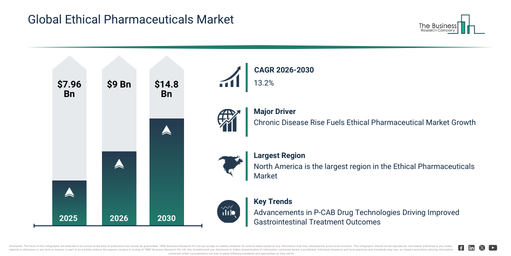
    The market for ethical pharmaceuticals has expanded at a swift pace over the last few years. Its value is projected to increase from $7.96 billion in 2025 to $9 billion in 2026, reflecting a compound annual growth rate (CAGR) of 13.1%. This historical growth has been driven by factors such as the rising prevalence of chronic and lifestyle-related conditions, the broadening of hospital and clinical facilities, a growing inclination among physicians toward prescription medications, stricter enforcement of regulations governing prescription-only drugs, and higher overall spending on healthcare.

    The ethical pharmaceuticals market is projected to undergo substantial expansion over the coming years, with its valuation anticipated to hit $14.8 billion by 2030, reflecting a robust compound annual growth rate (CAGR) of 13.2%. This anticipated surge is largely driven by factors such as the growing need for long-term medication among an aging demographic, the heightened uptake of specialized ethical drugs, the broadening scope of hospital-based pharmacy networks, an increasing public consciousness regarding both preventive and therapeutic treatments, and the amplification of financial commitments directed toward pharmaceutical research and development. Key developments shaping the future landscape encompass the proliferation of prescription-focused therapies targeting chronic illnesses, an intensifying emphasis on regulatory compliance and the establishment of harmonized standards, a heightened appetite for branded generics and ethically produced formulations, the consolidation of drug distribution models centered within hospital settings, and a stronger concentration on aspects related to drug safety, therapeutic efficacy, and post-market pharmacovigilance practices.

    Download A Free Sample Report For Comprehensive Market Insights:

    https://www.thebusinessresearchcompany.com/sample.aspx?id=8258&type=smp&utm_source=BlogsPR&utm_medium=Paid&utm_campaign=Jul_PR

    Ethical Pharmaceuticals Market Growth Factors Supporting Long-Term Expansion

    The growing occurrence of long-term illnesses is a significant factor fueling expansion in the ethical pharmaceutical market. Chronic diseases are health issues that persist for at least a year and require continuous medical attention, with examples including diabetes, cancer, and heart disease. Ethical pharmaceuticals are frequently used in the ongoing management of such conditions, leading to a corresponding rise in their demand. As a case in point, data from the National Health Service, a government body in the UK, released in June 2024, revealed that in 2023, roughly 3,615,330 patients registered with a general practitioner were identified as having non-diabetic hyperglycemia or pre-diabetes, a state defined by elevated blood sugar that does not yet meet diabetes criteria. This figure reflects an 18% jump compared to the 3,065,825 cases reported in 2022. Consequently, the increasing incidence of chronic diseases is anticipated to drive the ethical pharmaceutical market forward.

    Ethical Pharmaceuticals Market Segment Breakdown: Which Categories Generate The Most Revenue?

    The ethical pharmaceuticals market covered in this report is segmented –

    1) By Type: Lipid Regulators, Narcotic Analgesics, ACE Inhibitors, Respiratory Agents, Diuretics, Calcium Antagonists, Hormonal Contraceptives, Penicillin, Vitamin, Minerals

    2) By Distribution Channel: Hospital Pharmacy, Retail Pharmacies, Other Distribution Channels

    3) By Application: Hospitals And Clinics, Pharmaceutical Company

    Subsegments:

    1) By Lipid Regulators: Statins, Fibrates, Omega-3 Fatty Acids

    2) By Narcotic Analgesics: Opioids, Combination Pain Relievers

    3) By ACE Inhibitors: Enalapril, Lisinopril, Ramipril

    4) By Respiratory Agents: Bronchodilators, Corticosteroids, Leukotriene Receptor Antagonists

    5) By Diuretics: Thiazide Diuretics, Loop Diuretics, Potassium-Sparing Diuretics

    6) By Calcium Antagonists: Dihydropyridines, Non-Dihydropyridines

    7) By Hormonal Contraceptives: Oral Contraceptives, Intrauterine Devices (IUDs), Injectable Contraceptives

    8) By Penicillin: Natural Penicillin, Aminopenicillin, Penicillinase-Resistant Penicillin

    9) By Vitamins: Water-Soluble Vitamins, Water-Soluble Vitamins

    10) By Minerals: Calcium, Iron, Magnesium

    Ethical Pharmaceuticals Market Industry Trends Shaping Future Revenue Growth

    Leading firms in the ethical pharmaceuticals sector are prioritizing progress in drug development technologies, including Abeprazan, to boost treatment efficacy and elevate patient results. Abeprazan represents a new potassium-competitive acid blocker (P-CAB) engineered to deliver quick and enduring suppression of gastric acid secretion for ailments like erosive esophagitis, gastroesophageal reflux disease, and other acid-related conditions. As an example, in April 2025, Sun Pharmaceutical Industries Limited, a pharmaceutical company based in India, introduced fexuprazan in India, designed to improve acid suppression and offer effective relief for individuals suffering from erosive esophagitis and associated gastrointestinal issues. This product launch introduces an advanced P-CAB therapy that ensures a faster onset and more prolonged acid suppression than conventional proton pump inhibitors. Additionally, it facilitates enhanced symptom relief and mucosal healing in erosive esophagitis, thereby promoting superior treatment outcomes for patients.

    Ethical Pharmaceuticals Market Key Players And Strategic Industry Positioning

    Major companies operating in the ethical pharmaceuticals market are Johnson & Johnson Services Inc., GlaxoSmithKline PLC, Teva Pharmaceutical Industries Ltd., Merck & Co. Inc., Novartis AG, AstraZeneca PLC, Bristol-Myers Squibb Company, Eli Lilly and Company, Mylan NV, Pfizer Inc., Sanofi S.A., AbbVie Inc., Amgen Inc., Biogen Inc., Boehringer Ingelheim International GmbH, Gilead Sciences Inc., Novo Nordisk A/S, Regeneron Pharmaceuticals Inc., Roche Holding AG, Takeda Pharmaceutical Company Limited, Abbott Laboratories, Bayer AG, Daiichi Sankyo Company Limited, Eisai Co. Ltd., Ipsen Biopharmaceuticals Inc., Kyowa Kirin Co. Ltd., Mallinckrodt Pharmaceuticals, Sun Pharmaceutical Industries Ltd., Amarin Corporation PLC, Vertex Pharmaceuticals Incorporated, Aimmune Therapeutics Inc.

    Access The Complete Ethical Pharmaceuticals Market Report:

    https://www.thebusinessresearchcompany.com/report/ethical-pharmaceuticals-global-market-report?utm_source=BlogsPR&utm_medium=Paid&utm_campaign=Jul_PR

    Ethical Pharmaceuticals Market Regional Outlook: Where Are The Largest Opportunities Located?

    North America was the largest region in the ethical pharmaceutical market share in 2025. Asia-Pacific is expected to be the fastest-growing region in the forecast period. The regions covered in the ethical pharmaceuticals market report are Asia-Pacific, South East Asia, Western Europe, Eastern Europe, North America, South America, Middle East, Africa.

    Get in touch with us:

    The Business Research Company: https://www.thebusinessresearchcompany.com/?utm_source=BlogsPR&utm_medium=Paid&utm_campaign=home_page_test

    Americas: +1 310-496-7795

    Asia: +44 7882 955267 & +91 8897263534

    Europe: +44 7882 955267

    Email us at: marketing@tbrc.info

    Follow us on:

    LinkedIn: https://in.linkedin.com/company/the-business-research-company

    YouTube: https://www.youtube.com/channel/UC24_fI0rV8cR5DxlCpgmyFQ

    Global Market Model: https://www.thebusinessresearchcompany.com/global-market-model
  • Estrogen Replacement Therapy Market Opportunities Are Emerging Beyond Traditional Growth Areas

    Estrogen Replacement Therapy Market Opportunities Are Emerging Beyond Traditional Growth Areas

    Delivering more actionable and strategically valuable research, The Business Research Company’s 2026 market reports feature market attractiveness analysis, total addressable market evaluation, company benchmarking matrices, interactive Excel dashboards, expanded supply chain intelligence, emerging startup coverage, and detailed product insights.

    Estrogen Replacement Therapy Market Size Outlook: How Fast Will Revenue Grow Through 2030?

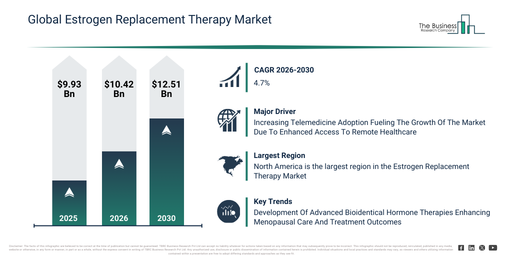
    The estrogen replacement therapy market has shown consistent expansion in recent years. Starting from $9.93 billion in 2025, it is projected to rise to $10.42 billion by 2026, achieving a compound annual growth rate (CAGR) of 4.9%. Historical growth can be linked to factors such as restricted understanding of hormone replacement advantages, dependence on oral estrogen products, a rising number of older women, more clinical investigations into menopause, and broader coverage of hospitals and clinics.

    The market for estrogen replacement therapy is projected to experience consistent expansion over the coming years, reaching an estimated $12.51 billion by 2030 with a compound annual growth rate (CAGR) of 4.7%. This anticipated growth during the forecast period is being driven by several key factors, including the development of transdermal and vaginal delivery methods, a growing preference for personalized and bioidentical estrogen treatments, the expansion of online and retail pharmacy channels, an increase in regulatory approvals for new dosage forms, and a heightened focus on managing conditions such as osteoporosis and hypogonadism. Notable trends shaping this period involve a rising demand for menopause management therapies, a growing inclination toward non-oral estrogen delivery systems, the spread of homecare and remote patient monitoring solutions, an intensified emphasis on treating osteoporosis and hypogonadism, and the increasing adoption of customized hormone replacement therapies.

    Download A Free Sample Report For Comprehensive Market Insights:

    https://www.thebusinessresearchcompany.com/sample.aspx?id=25764&type=smp&utm_source=BlogsPR&utm_medium=Paid&utm_campaign=Jul_PR

    Estrogen Replacement Therapy Market Demand Drivers Creating New Revenue Opportunities

    The estrogen replacement therapy market is expected to benefit from the rising adoption of telemedicine in the foreseeable future. This approach to healthcare delivers medical services remotely through digital communication tools, enabling patients to receive consultations and prescribed treatments without needing to be physically present. Its usage has grown due to better accessibility, particularly benefitting people in remote or underserved regions who can now more conveniently connect with healthcare providers. As telemedicine becomes more widely accepted, it bolsters the demand for estrogen replacement therapy by allowing women to access specialist consultations and hormone treatment prescriptions without frequent in-person visits, especially in areas with limited gynecological services. To illustrate, data from the Australian Bureau of Statistics (ABS), a government statistical agency in Australia, showed that 22.5% of Australians used telehealth services in 2024–25. Of those who had a telehealth consultation, 90.3% indicated they would opt for it again if available, which was an increase from 89.2% in 2023–24, reflecting growing acceptance and sustained adoption. Consequently, the expanding use of telemedicine is propelling the growth of the estrogen replacement therapy market.

    Estrogen Replacement Therapy Market Segmentation: How Is The Market Structured Across Key Categories?

    The estrogen replacement therapy market covered in this report is segmented –

    1) By Type: Oral, Topical, Transdermal, Vaginal, Parenteral

    2) By Dosage Form: Tablets, Patches, Gels, Implants, Injections, Suppositories

    3) By Distribution Channel: Hospital Pharmacies, Retail Pharmacies, Online Pharmacies, Other Distribution Channels

    4) By Application: Menopause, Hypogonadism, Osteoporosis, Other Applications

    5) By End-User: Hospitals, Clinics, Homecare, Other End-Users

    Subsegments:

    1) By Oral: Conjugated Estrogens Tablets, Estradiol Tablets, Estropipate Tablets, Combined Estrogen-Progestin Tablets

    2) By Topical: Estrogen Creams, Estrogen Gels, Estrogen Sprays, Estrogen Emulsions

    3) By Transdermal: Transdermal Patches, Transdermal Gels, Microneedle Patches

    4) By Vaginal: Vaginal Creams, Vaginal Tablets Or Inserts, Vaginal Rings, Vaginal Suppositories

    5) By Parenteral: Intramuscular Injections, Subcutaneous Implants, Intravenous Formulations

    Estrogen Replacement Therapy Market Trends Driving Strategic Industry Expansion

    Leading firms in the estrogen replacement therapy market are prioritizing the creation of innovative solutions, including bioidentical estradiol, to address specific hormonal requirements and dosage needs. Bioidentical estradiol refers to a synthetic version of estrogen with a molecular structure identical to that produced naturally in the human body, frequently utilized in hormone therapy. A case in point is Jagsonpal Pharmaceuticals Limited, an Indian pharmaceutical company, which launched MemUp in May 2024. This hormone replacement therapy (HRT) product provides a once-daily oral dose combining bioidentical estradiol and bioidentical progesterone, both sanctioned by the United States Food and Drug Administration. Representing a significant stride in women’s healthcare, it is tailored to effectively alleviate menopause-related symptoms like hot flashes, night sweats, and sleep disturbances. This solution addresses the rising demand for modern and efficient hormone therapy options. By employing a formulation that closely mimics the body’s natural hormones, it delivers a more balanced and organic therapeutic approach. Its convenient single-capsule form further enhances patient adherence and boosts treatment effectiveness.

    Estrogen Replacement Therapy Market Competitive Landscape And Leading Companies

    Major companies operating in the estrogen replacement therapy market are Pfizer Inc., Merck & Co. Inc., Bayer AG, AstraZeneca PLC, Abbott Laboratories Inc., Novartis AG, Novo Nordisk A/S, Viatris Inc., Teva Pharmaceutical Industries Ltd., Perrigo Company Plc, Gedeon Richter Plc, Orion Corporation, Hisamitsu Pharmaceutical Co. Inc., ANI Pharmaceuticals Inc., Theramex Limited, Noven Pharmaceuticals Inc., Besins Healthcare S.A., TherapeuticsMD Inc., Montage Labs Inc., Gynogen GmbH.

    Access The Complete Estrogen Replacement Therapy Market Report:

    https://www.thebusinessresearchcompany.com/report/estrogen-replacement-therapy-global-market-report?utm_source=BlogsPR&utm_medium=Paid&utm_campaign=Jul_PR

    Estrogen Replacement Therapy Market Geographic Landscape: Which Region Dominates Industry Growth?

    North America was the largest region in the estrogen replacement therapy market in 2025. Asia-Pacific is expected to be the fastest-growing region in the forecast period. The regions covered in the estrogen replacement therapy market report are Asia-Pacific, South East Asia, Western Europe, Eastern Europe, North America, South America, Middle East, Africa.

    Get in touch with us:

    The Business Research Company: https://www.thebusinessresearchcompany.com/?utm_source=BlogsPR&utm_medium=Paid&utm_campaign=home_page_test

    Americas: +1 310-496-7795

    Asia: +44 7882 955267 & +91 8897263534

    Europe: +44 7882 955267

    Email us at: marketing@tbrc.info

    Follow us on:

    LinkedIn: https://in.linkedin.com/company/the-business-research-company

    YouTube: https://www.youtube.com/channel/UC24_fI0rV8cR5DxlCpgmyFQ

    Global Market Model: https://www.thebusinessresearchcompany.com/global-market-model
  • Estrogen Receptor Modulators Market Expansion Is Opening New Pathways For Strategic Investment

    Estrogen Receptor Modulators Market Expansion Is Opening New Pathways For Strategic Investment

    Enhanced with market attractiveness analysis, total addressable market evaluation, company benchmarking matrices, interactive Excel dashboards, expanded supply chain intelligence, emerging startup coverage, and detailed product insights, The Business Research Company’s 2026 market reports deliver more actionable and strategically valuable research.

    Estrogen Receptor Modulators Market Size, Value And Growth Trends Through 2030

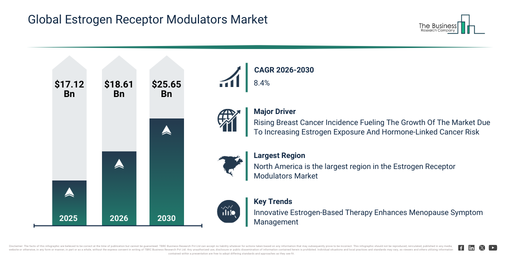
    The estrogen receptor modulators market has experienced robust expansion over the past several years. Projections indicate a rise from $17.12 billion in 2025 to $18.61 billion in 2026, reflecting a compound annual growth rate (CAGR) of 8.7%. Historical growth has been largely driven by factors such as the high incidence of breast cancer, widespread use of tamoxifen, growing acceptance of hormone therapy, regulatory approvals for oncology drugs, and the expansion of hospital-based oncology services.

    The estrogen receptor modulators market is projected to experience robust expansion over the coming years, reaching a valuation of $25.65 billion by 2030, with a compound annual growth rate (CAGR) of 8.4%. This anticipated growth during the forecast period is driven by factors such as the development of oral selective estrogen receptor degraders (SERDs), advancements in precision oncology, an increasing number of aging women, broader oncology indications, and the rise of specialty pharmacy services. Key trends shaping this period include the growing application in breast cancer treatment, the emergence of oral SERDs, expanding uses for osteoporosis, a heightened emphasis on targeted hormonal therapies, and the increasing penetration of generic drugs.

    Download A Free Sample Report For Comprehensive Market Insights:

    https://www.thebusinessresearchcompany.com/sample.aspx?id=24529&type=smp&utm_source=BlogsPR&utm_medium=Paid&utm_campaign=Jul_PR

    Estrogen Receptor Modulators Market Expansion Supported By Key Demand Factors

    The anticipated growth of the estrogen receptor modulators market is being driven forward by the increasing incidence of breast cancer. Breast cancer is characterized by the uncontrolled proliferation of abnormal cells within the breast, leading to the formation of a tumor that may invade adjacent tissues or metastasize throughout the body. This rise in breast cancer cases is attributed to a growing number of women postponing childbirth, which results in hormonal shifts and heightened lifetime estrogen exposure, thereby raising cancer risk. Estrogen receptor modulators are employed in breast cancer treatment to alter or inhibit estrogen’s effects on cancerous cells, thereby slowing or halting their proliferation and lowering the likelihood of disease advancement or relapse. As an example, in February 2025, the United Nations, a US-based intergovernmental entity, reported that breast cancer was responsible for approximately 2.3 million new diagnoses and 670,000 fatalities globally in 2022. Projections indicate that by 2050, there will be a 38% surge in new cases and a 68% increase in annual deaths worldwide, underscoring a substantial and escalating disease burden. Consequently, the growing prevalence of breast cancer is fueling expansion in the estrogen receptor modulators market.

    Estrogen Receptor Modulators Market Segmentation Trends And Revenue Drivers

    The estrogen receptor modulators market covered in this report is segmented –

    1) By Type: Select Estrogen Receptor Modulators, Non-Selective Estrogen Receptor Modulators, Selective Estrogen Receptor Downregulators (SERDs)

    2) By Route Of Administration: Oral, Injectable, Topical

    3) By Application: Breast Cancer Treatment, Osteoporosis Treatment, Infertility Treatment, Hormone Replacement Therapy (HRT)

    4) By Distribution Channel: Hospital Pharmacy, Online Pharmacy, Retail Pharmacy

    5) By End-Users: Homecare, Speciality Centres, Other End Users

    Subsegments:

    1) By Select Estrogen Receptor Modulators: Tamoxifen, Raloxifene, Toremifene, Bazedoxifene, Lasofoxifene

    2) By Non-Selective Estrogen Receptor Modulators: Clomiphene, Diethylstilbestrol (DES), Other Non-Selective Modulators

    3) By Selective Estrogen Receptor Downregulators (SERDs): Fulvestrant, Elacestrant, OP-1250 (Investigational), Other Oral SERDs

    Estrogen Receptor Modulators Market Growth Trends Influencing Competitive Dynamics

    Major players in the estrogen receptor modulators market are concentrating their efforts on creating innovative treatments like estrogen-based menopause hormone therapy, designed to address menopausal symptoms such as hot flashes while lowering the likelihood of hormone-related cancers and cardiovascular issues. Estrogen-based menopause hormone therapy involves administering estrogen, either by itself or together with progestin, as a medical intervention to ease symptoms that arise during menopause. For example, in June 2023, Pfizer Inc., a pharmaceutical and biotechnology company headquartered in the US, reintroduced DUAVEE (conjugated estrogens/bazedoxifene) to the market with enhanced packaging. This hormone therapy, intended for postmenopausal women with a uterus, combines conjugated estrogens with bazedoxifene, a selective estrogen receptor modulator, providing a substitute for conventional estrogen-progestin treatments by decreasing the risk of uterine lining thickening. Administered as a once-daily oral tablet, it is advised for the shortest feasible duration to control symptoms, with frequent side effects including muscle spasms, nausea, and upset stomach.

    Estrogen Receptor Modulators Market Industry Leaders: Which Organizations Are Driving Competition?

    Major companies operating in the estrogen receptor modulators market are Gedeon Richter Plc., Pfizer CentreOne, Viatris Inc., Amneal Pharmaceuticals Inc., Lupin Limited, Cipla Limited, Hikma Pharmaceuticals PLC, Zydus Lifesciences Ltd., Dr. Reddy’s Laboratories Ltd., Glenmark Pharmaceuticals Ltd., Torrent Pharmaceuticals Ltd., Natco Pharma Ltd., Cadila Healthcare Ltd., Mylan N.V., Accord Healthcare Ltd., Intas Pharmaceuticals Ltd., Sunovion Pharmaceuticals Inc., Taiho Pharmaceutical Co. Ltd., Radius Health Inc., Menarini Group, Chugai Pharmaceutical Co. Ltd., Eisai Co. Ltd., Jiangsu Chia Tai Tianqing Pharmaceutical Co. Ltd., Shanghai Fosun Pharmaceutical Group Co. Ltd., Zhejiang Hisun Pharmaceutical Co. Ltd., Laurus Labs Ltd., Strides Pharma Science Ltd., Alembic Pharmaceuticals Ltd., Wockhardt Ltd., Emcure Pharmaceuticals Ltd., Macleods Pharmaceuticals Ltd., Biocon Ltd.

    Access The Complete Estrogen Receptor Modulators Market Report:

    https://www.thebusinessresearchcompany.com/report/estrogen-receptor-modulators-global-market-report?utm_source=BlogsPR&utm_medium=Paid&utm_campaign=Jul_PR

    Estrogen Receptor Modulators Market Largest Region: Which Geography Holds The Highest Market Share?

    North America was the largest region in the estrogen receptor modulators market in 2025. Asia-Pacific is expected to be the fastest-growing region in the forecast period. The regions covered in the estrogen receptor modulators market report are Asia-Pacific, South East Asia, Western Europe, Eastern Europe, North America, South America, Middle East, Africa.

    Get in touch with us:

    The Business Research Company: https://www.thebusinessresearchcompany.com/?utm_source=BlogsPR&utm_medium=Paid&utm_campaign=home_page_test

    Americas: +1 310-496-7795

    Asia: +44 7882 955267 & +91 8897263534

    Europe: +44 7882 955267

    Email us at: marketing@tbrc.info

    Follow us on:

    LinkedIn: https://in.linkedin.com/company/the-business-research-company

    YouTube: https://www.youtube.com/channel/UC24_fI0rV8cR5DxlCpgmyFQ

    Global Market Model: https://www.thebusinessresearchcompany.com/global-market-model
  • Estrogen Blockers Market Trends Are Creating New Opportunities For Industry Leaders

    Estrogen Blockers Market Trends Are Creating New Opportunities For Industry Leaders

    Through market attractiveness analysis, total addressable market evaluation, company benchmarking matrices, interactive Excel dashboards, expanded supply chain intelligence, emerging startup coverage, and detailed product insights, The Business Research Company’s 2026 market reports provide more actionable and strategically valuable research.

    Estrogen Blockers Market CAGR Analysis And Future Market Development

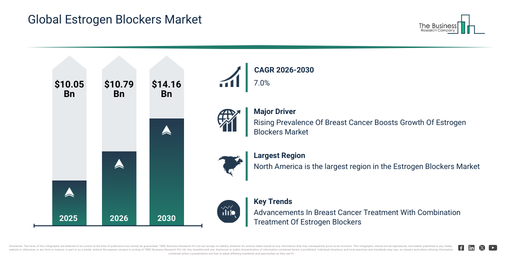
    Over recent years, the market for estrogen blockers has experienced solid expansion. Projections indicate it will rise from $10.05 billion in 2025 to $10.79 billion in 2026, reflecting a compound annual growth rate (CAGR) of 7.3%. This historic growth has been driven by factors such as the restricted supply of estrogen blockers, a continued dependence on traditional chemotherapy, a rising prevalence of breast cancer, limited public knowledge regarding hormone-based treatments, and the ongoing development of hospital and oncology clinic facilities.

    The estrogen blockers market is projected to experience robust expansion over the coming years, reaching a valuation of $14.16 billion by 2030, with a compound annual growth rate (CAGR) of 7.0%. This anticipated growth during the forecast period is driven by factors such as the development of combination therapies and natural estrogen blockers, the broadening of personalized medicine strategies, a growing preference for online pharmacy channels, heightened government and healthcare initiatives targeting breast cancer, and advancements in diagnostics for hormone receptor testing. Key trends shaping this period include the increasing utilization of selective estrogen receptor modulators (SERMs) and aromatase inhibitors, a greater application of estrogen blockers in hormone replacement therapy (HRT), the emergence of tailored breast cancer treatment protocols, the expansion of both online and retail pharmacy distribution networks, and a heightened focus on managing infertility and post-menopausal osteoporosis.

    Download A Free Sample Report For Comprehensive Market Insights:

    https://www.thebusinessresearchcompany.com/sample.aspx?id=19422&type=smp&utm_source=BlogsPR&utm_medium=Paid&utm_campaign=Jul_PR

    Estrogen Blockers Market Growth Drivers And Industry Catalysts

    The increasing occurrence of breast cancer is anticipated to drive the expansion of the estrogen blocker market in the coming period. Breast cancer is a malignancy that begins in breast tissue, largely impacting the milk ducts and lobules. It arises when typical breast cells experience mutations, resulting in unregulated proliferation and the development of tumors. The incidence of breast cancer is climbing due to multiple reasons, including an older demographic, lifestyle modifications like elevated alcohol intake and sedentary behaviors, and better detection through enhanced screening and diagnostic methods. Estrogen blockers assist in managing breast cancer by blocking the action of estrogen, a hormone that can encourage the growth of specific breast cancer cells, and they can decelerate or halt the progression of hormone receptor-positive breast cancers, thus contributing to therapy and possibly lowering the chance of recurrence. For example, in January 2024, the Australian Institute of Health and Welfare, a government body in Australia, reported that in 2023, around 20,458 breast cancer cases were detected in women, reflecting an age-standardized incidence rate of 128.6 per 100,000 females. In 2022, roughly 20,004 breast cancer cases were identified in women, with an age-standardized incidence rate of 128.2 per 100,000 females. Consequently, the growing prevalence of breast cancer is propelling the expansion of the estrogen blocker market.

    Estrogen Blockers Market Segment Analysis Highlighting Growth Areas

    The estrogen blockers market covered in this report is segmented –

    1) By Product: Selective Estrogen Receptor Modulators (SERMs), Aromatase Inhibitors, Estrogen Receptor Downregulators (ERDs), Other Products

    2) By Distribution Channel: Hospital Pharmacies, Retail Pharmacies, Online Pharmacies

    3) By Application: Breast Cancer Treatment, Hormone Replacement Therapy (HRT), Infertility Treatment, Post-Menopausal Osteoporosis, Other Applications

    Subsegments:

    1) By Selective Estrogen Receptor Modulators (SERMs): Tamoxifen, Raloxifene, Toremifene, Fulvestrant

    2) By Aromatase Inhibitors: Anastrozole, Letrozole, Exemestane, Vorozole

    3) By Estrogen Receptor Downregulators (ERDs): Fulvestrant, Elacestrant, Giredestrant

    4) By Other Products: Phytochemicals, Natural Estrogen Blockers, Combination Therapies

    Estrogen Blockers Market Trends Influencing Long-Term Demand

    Key players in the estrogen blocker market are concentrating on the creation of advanced estrogen-blocking medications that combine AKT (Protein Kinase B) inhibitors with selective estrogen receptor degraders (SERDs). This fusion is designed to boost therapeutic effectiveness and tackle resistance challenges in breast cancer therapy. By targeting cancer cell survival pathways and breaking down estrogen receptors, the strategy works to suppress tumor growth and counteract resistance to hormonal treatments. A notable example occurred in November 2023, when AstraZeneca, a UK-based pharmaceutical firm, gained U.S. Food and Drug Administration (FDA) approval for Truqap (capivasertib), an AKT inhibitor, used alongside Faslodex (fulvestrant), a SERD. The approval covers adult patients with hormone receptor (HR)-positive, HER2-negative locally advanced or metastatic breast cancer who carry specific biomarker changes, such as PIK3CA, AKT1, or PTEN. This milestone is particularly impactful as it addresses individuals whose disease has advanced after at least one endocrine-based therapy or who have relapsed within 12 months of completing adjuvant treatment.

    Estrogen Blockers Market Leading Companies: Who Holds Significant Market Presence?

    Major companies operating in the estrogen blockers market are Pfizer Inc, F. Hoffmann-La Roche AG, Merck & Co. Inc, Novartis AG, Sanofi S.A, AstraZeneca PLC, GlaxoSmithKline plc, Eli Lilly and Company, Viatris Inc, Teva Pharmaceutical Industries Ltd., Fresenius Kabi AG, Sun Pharmaceutical Industries Ltd., Ipsen S.A., Cadila Pharmaceuticals Ltd., Intas Pharmaceuticals Limited, Dr. Reddy’s Laboratories Ltd., Hikma Pharmaceuticals PLC, Amneal Pharmaceuticals Inc., Lupin Limited, Glenmark Pharmaceuticals Limited, Alvogen Inc., Alembic Pharmaceuticals Limited, Olema Pharmaceuticals Inc, Cipla Inc, Criterium Inc

    Access The Complete Estrogen Blockers Market Report:

    https://www.thebusinessresearchcompany.com/report/estrogen-blockers-global-market-report?utm_source=BlogsPR&utm_medium=Paid&utm_campaign=Jul_PR

    Estrogen Blockers Market Regional Analysis: Which Region Leads By Revenue?

    North America was the largest region in the estrogen blockers market in 2025. The regions covered in the estrogen blockers market report are Asia-Pacific, South East Asia, Western Europe, Eastern Europe, North America, South America, Middle East, Africa.

    Get in touch with us:

    The Business Research Company: https://www.thebusinessresearchcompany.com/?utm_source=BlogsPR&utm_medium=Paid&utm_campaign=home_page_test

    Americas: +1 310-496-7795

    Asia: +44 7882 955267 & +91 8897263534

    Europe: +44 7882 955267

    Email us at: marketing@tbrc.info

    Follow us on:

    LinkedIn: https://in.linkedin.com/company/the-business-research-company

    YouTube: https://www.youtube.com/channel/UC24_fI0rV8cR5DxlCpgmyFQ

    Global Market Model: https://www.thebusinessresearchcompany.com/global-market-model
  • Esketamine Market Growth Is Reshaping Competitive Advantage Across The Industry

    Esketamine Market Growth Is Reshaping Competitive Advantage Across The Industry

    Delivering more actionable and strategically valuable research, The Business Research Company’s 2026 market reports feature market attractiveness analysis, total addressable market evaluation, company benchmarking matrices, interactive Excel dashboards, expanded supply chain intelligence, emerging startup coverage, and detailed product insights.

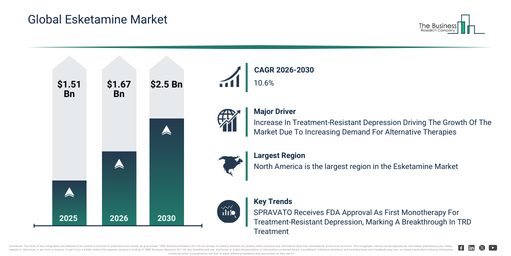
    Esketamine Market Expansion From $1.66 Billion In 2026 To $2.49 Billion In 2030

    The esketamine market has undergone rapid expansion over the last several years. Its value is projected to increase from $1.51 billion in 2025 to $1.67 billion in 2026, reflecting a compound annual growth rate (CAGR) of 10.8%. The historical growth is largely explained by factors such as the significant unmet demands in treating major depressive disorder, the well-documented shortcomings of conventional antidepressant therapies, the regulatory endorsement of intranasal esketamine, a growing societal focus on mental health issues, and the proliferation of specialized psychiatric care facilities.

    The esketamine market is projected to experience swift expansion over the coming years. By 2030, its value is anticipated to reach $2.5 billion, driven by a compound annual growth rate (CAGR) of 10.6%. This forecasted growth is fueled by factors such as the rising incidence of treatment-resistant depression, a growing need for therapies that work quickly, the expansion of supervised outpatient treatment programs, enhanced mental health infrastructure, and sustained investment in clinical research. Key developments shaping the market during this period include a broader uptake of esketamine for treatment-resistant depression, wider use of nasal spray delivery methods, increasing application in acute psychiatric care settings, stricter monitoring and controlled distribution practices, and ongoing research into rapid-acting antidepressant options.

    Download A Free Sample Report For Comprehensive Market Insights:

    https://www.thebusinessresearchcompany.com/sample.aspx?id=23393&type=smp&utm_source=BlogsPR&utm_medium=Paid&utm_campaign=Jul_PR

    Esketamine Market Opportunity Drivers: What Is Creating New Revenue Potential?

    The growing number of cases of treatment-resistant depression (TRD) is anticipated to accelerate the expansion of the esketamine market in the foreseeable future. This condition is defined as depression that fails to respond after at least two separate trials of antidepressant medications, each taken at an adequate dosage and for a sufficient period. The rise in treatment-resistant depression stems from the limited effectiveness of conventional antidepressants, resulting in prolonged and recurring depressive episodes. Esketamine addresses TRD through its rapid-acting mechanism, which specifically targets NMDA receptors, providing relief for individuals who do not benefit from standard antidepressant therapies. A notable illustration comes from September 2023, when the National Institute of Mental Health (NIMH), a federal entity based in the United States, reported that approximately 30% of Americans diagnosed with major depressive disorder in 2023 exhibit resistance to conventional treatments. Consequently, the increasing frequency of treatment-resistant depression is fueling the upward trajectory of the esketamine market.

    Esketamine Market Segment Performance And Strategic Opportunities

    The esketamine market covered in this report is segmented –

    1) By Formulation Type: Nasal Spray, Injectable Form

    2) By Indication: Treatment-Resistant Depression (TRD), Major Depressive Disorder with Suicidal Ideation or Behavior

    3) By Patient Type: Adult Patients

    4) By Treatment Setting: Hospital-Based Administration, Certified Specialty Clinics

    5) By Distribution Channel: Hospital Pharmacies, Specialty Pharmacies

    Subsegments:

    1) By Nasal Spray: Single-Agent Esketamine Nasal Spray, Esketamine + Oral Antidepressant Combination Therapy

    2) By Injectable Form: Intravenous (IV) Esketamine, Intramuscular (IM) Esketamine

    Esketamine Market Innovation Trends Driving Future Development

    Key players in the esketamine market are prioritizing the creation of cutting-edge therapeutic approaches, particularly monotherapy, to achieve superior relief from depressive symptoms compared to a placebo. Monotherapy involves managing a medical condition with a single drug or treatment, avoiding the use of multiple combined therapies. For example, Johnson & Johnson, a pharmaceutical firm based in the U.S., announced in January 2025 that the FDA had approved SPRAVATO (esketamine) as the first standalone monotherapy for adults facing treatment-resistant depression (TRD). Clinical trial results supported this approval, showing that SPRAVATO could rapidly reduce depressive symptoms, with notable improvements appearing within 24 hours. This innovation offers a vital alternative for roughly 30% of patients who fail to benefit from conventional antidepressants, removing the requirement for additional oral medications. Although SPRAVATO presents a favorable safety profile, its administration is governed by a Risk Evaluation and Mitigation Strategy (REMS) to manage possible adverse effects. This achievement represents a substantial step forward in TRD management, providing renewed optimism for enhanced patient outcomes.

    Esketamine Market Key Players: Which Companies Shape Industry Competition?

    Major companies operating in the esketamine market are Johnson & Johnson, Janssen Pharmaceuticals, Sage Therapeutics Inc., VistaGen Therapeutics Inc., Cerecor Inc., Celon Pharma S.A., Hikma Pharmaceuticals plc, Seqens Group, Arevipharma GmbH, Nortec Química S.A., Supriya Lifescience Ltd., Maithri Drugs Pvt. Ltd., SynZeal Research Pvt. Ltd., XWPharma Ltd., Sun Pharmaceutical Industries Ltd., Dr. Reddy’s Laboratories Ltd., Lupin Limited, Aurobindo Pharma Ltd., H. Lundbeck A/S, Otsuka Pharmaceutical Co. Ltd.

    Access The Complete Esketamine Market Report:

    https://www.thebusinessresearchcompany.com/report/esketamine-global-market-report?utm_source=BlogsPR&utm_medium=Paid&utm_campaign=Jul_PR

    Esketamine Market Geographic Distribution And Regional Opportunities

    North America was the largest region in the esketamine market in 2025. The regions covered in the esketamine market report are Asia-Pacific, South East Asia, Western Europe, Eastern Europe, North America, South America, Middle East, Africa.

    Get in touch with us:

    The Business Research Company: https://www.thebusinessresearchcompany.com/?utm_source=BlogsPR&utm_medium=Paid&utm_campaign=home_page_test

    Americas: +1 310-496-7795

    Asia: +44 7882 955267 & +91 8897263534

    Europe: +44 7882 955267

    Email us at: marketing@tbrc.info

    Follow us on:

    LinkedIn: https://in.linkedin.com/company/the-business-research-company

    YouTube: https://www.youtube.com/channel/UC24_fI0rV8cR5DxlCpgmyFQ

    Global Market Model: https://www.thebusinessresearchcompany.com/global-market-model
  • Erythropoietin (EPO) Market Forecast Signals New Revenue Opportunities Through 2030

    Erythropoietin (EPO) Market Forecast Signals New Revenue Opportunities Through 2030

    Enhanced with market attractiveness analysis, total addressable market evaluation, company benchmarking matrices, interactive Excel dashboards, expanded supply chain intelligence, emerging startup coverage, and detailed product insights, The Business Research Company’s 2026 market reports deliver more actionable and strategically valuable research.

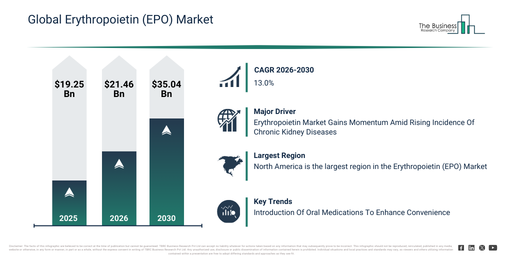
    Erythropoietin (EPO) Market Forecast Highlighting Growth From $21.45 Billion To $35.04 Billion

    The market size for erythropoietin (epo) has experienced rapid expansion in recent years. It is projected to increase from $19.25 billion in 2025 to $21.46 billion in 2026, reflecting a compound annual growth rate (CAGR) of 11.5%. Historically, this growth has been driven by factors such as a higher prevalence of anemia, a growing occurrence of chronic kidney disease, the well-established clinical efficacy of epo treatment, progress in recombinant biologic production, and the expanding application of epo in managing anemia linked to cancer.

    The erythropoietin (epo) market is anticipated to experience substantial expansion in the coming years, reaching an estimated $35.04 billion by 2030, driven by a compound annual growth rate (CAGR) of 13.0%. This forecasted growth is fueled by factors such as the widening approval of biosimilars, an aging global population, a rising number of dialysis patients worldwide, innovations in sustained-release epo formulations, and enhanced access to biologic therapies in developing economies. Key trends shaping the future include the broader application of erythropoietin in managing chronic kidney disease, a greater uptake of biosimilar epo treatments, increasing demand for long-acting versions of the drug, expanded use of epo in supportive oncology care, and tighter regulatory controls concerning epo safety and proper dosing.

    Download A Free Sample Report For Comprehensive Market Insights:

    https://www.thebusinessresearchcompany.com/sample.aspx?id=3436&type=smp&utm_source=BlogsPR&utm_medium=Paid&utm_campaign=Jul_PR

    Erythropoietin (EPO) Market Growth Momentum: Which Factors Are Influencing Demand?

    The growing demand for erythropoietin is expected to be driven by the increasing prevalence of chronic kidney diseases in the coming years. As more individuals develop chronic kidney conditions, the need for erythropoietin administration rises, as it plays a crucial role in producing red blood cells to strengthen the immune system. For example, data from the Centers for Disease Control, a U.S. federal agency, indicates that in 2023, around 14% of American adults—approximately 35.5 million people—are estimated to have chronic kidney disease (CKD). Consequently, this upward trend in chronic kidney disease cases is fueling the requirement for erythropoietin, thereby boosting market revenue.

    The anticipated growth of the erythropoietin market is set to be propelled by the rising occurrence of hematologic cancers in the future. Hematologic cancer encompasses malignancies that originate in the blood, affecting the blood, bone marrow, and lymphatic system, with conditions like leukemia, lymphoma, and myeloma being prime examples. In the treatment of cancer-related anemia, erythropoietin (EPO) serves a vital function. By stimulating red blood cell production, it aids in mitigating anemia among cancer patients, especially those receiving chemotherapy. As reported by the American Cancer Society, a U.S.-based nonprofit organization dedicated to cancer elimination, leukemia is predicted to impact 59,610 Americans in 2023 and result in 23,710 fatalities. Additionally, new cases of non-Hodgkin lymphoma are expected to affect 80,550 people across the United States, causing 20,180 deaths. Hence, the growing incidence of hematologic cancers is driving the expansion of the erythropoietin market.

    Erythropoietin (EPO) Market Segment Landscape And Growth Potential

    The erythropoietin (epo) market covered in this report is segmented –

    1) By Product: Epoetin-alfa, Epoetin-beta, Darbepoetin-alfa, Other Products

    2) By Drug Class: Biologist, Biosimilar

    3) By Application: Cancer, Hematology, Renal Diseases, Neurology, Other Applications

    Subsegments:

    1) By Epoetin-Alfa: Epoetin-Alfa, Epoetin-Alfa Biosimilars

    2) By Epoetin-Beta: Epoetin-Beta, Epoetin-Beta Biosimilars

    3) By Darbepoetin-Alfa: Darbepoetin-Alfa, Darbepoetin-Alfa Biosimilars

    4) By Other Products: Peginesatide, Novel EPO Products

    Erythropoietin (EPO) Market Trends Reshaping Industry Growth

    Leading players in the erythropoietin market are prioritizing the development of oral medications, which serve as a simpler substitute for standard injectable treatments. This strategy is designed to enhance patient ease, adherence, and therapeutic adaptability, especially for those coping with long-term illnesses such as anemia linked to chronic kidney disease (CKD). For example, in February 2023, GlaxoSmithKline (GSK), a prominent UK-based pharmaceutical and biotech firm, introduced Jesduvroq (daprodustat) tablets. This oral drug works by elevating erythropoietin production to control anemia in CKD patients, ensuring hemoglobin levels remain within a specified range. The primary objective of Jesduvroq is to deliver a more practical option than injectable therapies, thereby boosting patient comfort, compliance, and treatment versatility for those undergoing dialysis.

    Erythropoietin (EPO) Market Competitive Landscape: Who Are The Leading Companies?

    Major companies operating in the erythropoietin (epo) market are Amgen Inc., Roche Holding AG, Pfizer Inc., Merck & Co., Teva Pharmaceutical Industries Ltd., 3SBio Inc., Celltrion Inc., Intas Pharmaceuticals Ltd., Boehringer Ingelheim GmbH, Dr. Reddy’s Laboratories Ltd., Sun Pharmaceutical Industries Ltd., Reliance Life Sciences Pvt. Ltd., Biocon Limited, Chugai Pharmaceutical Co., Kyowa Kirin Co. Ltd., Apotex Inc., CJ Healthcare Corp., STADA Arzneimittel AG, Hospira Inc., Sandoz International GmbH, Torrent Pharmaceuticals Ltd., LG Life Sciences Ltd., Sanofi S.A., Bayer AG, Hikma Pharmaceuticals.

    Access The Complete Erythropoietin (EPO) Market Report:

    https://www.thebusinessresearchcompany.com/report/erythropoietins-global-market-report?utm_source=BlogsPR&utm_medium=Paid&utm_campaign=Jul_PR

    Erythropoietin (EPO) Market Largest Region By Revenue And Market Share

    North America was the largest region in the erythropoietin (EPO) market in 2025. The Middle East is expected to be the fastest growing region in the global erythropoietin (EPO) market analysis in the forecast period. The regions covered in the erythropoietin (epo) market report are Asia-Pacific, South East Asia, Western Europe, Eastern Europe, North America, South America, Middle East, Africa.

    Get in touch with us:

    The Business Research Company: https://www.thebusinessresearchcompany.com/?utm_source=BlogsPR&utm_medium=Paid&utm_campaign=home_page_test

    Americas: +1 310-496-7795

    Asia: +44 7882 955267 & +91 8897263534

    Europe: +44 7882 955267

    Email us at: marketing@tbrc.info

    Follow us on:

    LinkedIn: https://in.linkedin.com/company/the-business-research-company

    YouTube: https://www.youtube.com/channel/UC24_fI0rV8cR5DxlCpgmyFQ

    Global Market Model: https://www.thebusinessresearchcompany.com/global-market-model
  • Erythrocytes Monoclonal Antibody Market Growth Is Accelerating As Industry Transformation Continues

    Erythrocytes Monoclonal Antibody Market Growth Is Accelerating As Industry Transformation Continues

    Through market attractiveness analysis, total addressable market evaluation, company benchmarking matrices, interactive Excel dashboards, expanded supply chain intelligence, emerging startup coverage, and detailed product insights, The Business Research Company’s 2026 market reports provide more actionable and strategically valuable research.

    Erythrocytes Monoclonal Antibody Market Revenue Growth Supported By A CAGR Of 6.2% Through 2030

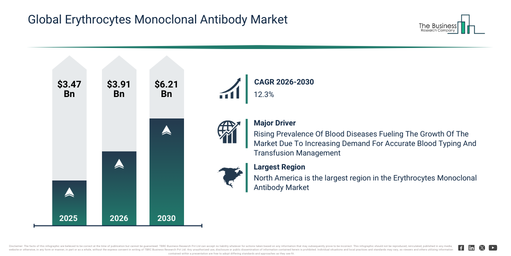
    The erythrocytes monoclonal antibody market has experienced rapid expansion over the last few years, with its value reaching $3.47 billion in 2025 and projected to hit $3.91 billion by 2026, reflecting a compound annual growth rate of 12.6%. This historical growth has been driven by the proliferation of clinical diagnostic laboratories, a higher volume of blood transfusion procedures, greater implementation of standardized blood testing protocols, advances in immunohematology research, and the increasing availability of monoclonal antibody technologies.

    The erythrocytes monoclonal antibody market is anticipated to experience robust expansion over the coming years. By 2030, its value is projected to reach $6.21 billion, reflecting a compound annual growth rate (CAGR) of 12.3%. This forecasted growth is driven by several factors, including heightened investment in automated blood testing platforms, a growing need for swift and precise diagnostic tools, the broadening scope of precision laboratory medicine, the increasing incorporation of artificial intelligence into diagnostic processes, and a stronger emphasis on blood safety regulations. Key trends shaping this period involve the growing application of monoclonal antibodies for blood typing, the wider adoption of automated immunohematology systems, the development of more advanced diagnostic assays, a rising demand for high-specificity antibody reagents, and an intensified focus on ensuring transfusion safety.

    Download A Free Sample Report For Comprehensive Market Insights:

    https://www.thebusinessresearchcompany.com/sample.aspx?id=30272&type=smp&utm_source=BlogsPR&utm_medium=Paid&utm_campaign=Jul_PR

    Erythrocytes Monoclonal Antibody Market Expansion Drivers: What Is Shaping Future Growth?

    The increasing frequency of blood disorders is anticipated to drive the expansion of the erythrocytes monoclonal antibody market moving forward. Blood disorders encompass medical conditions impacting the composition, function, or generation of blood, involving issues with red blood cells, white blood cells, platelets, hemoglobin, or plasma. This rise in blood diseases is largely attributed to the growing occurrence of chronic illnesses, which directly affect blood health and necessitate continuous surveillance. Erythrocytes monoclonal antibodies contribute to blood disease management by focusing on red blood cell antigens, facilitating accurate blood typing and compatibility testing. They assist in diagnosing and monitoring transfusion-associated conditions, enhancing patient safety and treatment results. For example, in July 2024, data from the Perth Blood Institute, an Australian nonprofit, indicates that around 19,400 Australians are diagnosed with blood cancers each year, with projections suggesting this number could climb to 275,000 by 2035. Thus, the growing incidence of blood diseases is fueling the advancement of the erythrocytes monoclonal antibody market.

    The growing preference for personalized medicine is expected to spur growth in the erythrocytes monoclonal antibody market going forward. Personalized medicine involves customizing treatments for individual patients based on their genetic, environmental, and lifestyle characteristics to achieve better outcomes and enhance care. The heightened demand for this approach stems from progress in genomic technologies, which allow for exact identification of genetic differences and customized therapies. Erythrocytes monoclonal antibodies boost personalized medicine by facilitating precise blood typing and antigen matching, making them suitable for tailored transfusions and targeted interventions. They enhance patient outcomes by aiding accurate diagnosis, monitoring, and management of blood-related conditions. As an example, in February 2024, the Personalized Medicine Coalition (PMC), a US-based nonprofit, reported that the U.S. Food and Drug Administration (FDA) authorized 26 new personalized medicines in 2023, marking a notable rise from the 12 approved in 2022. Consequently, the increasing need for personalized medicine is propelling the erythrocytes monoclonal antibody market.

    Erythrocytes Monoclonal Antibody Market Categorization By Product Type And Application

    The erythrocytes monoclonal antibody market covered in this report is segmented –

    1) By Type: Immunoglobulin G (IgG) Monoclonal Antibody, Immunoglobulin M (IgM) Monoclonal Antibody, Immunoglobulin A (IgA) Monoclonal Antibody, Immunoglobulin E (IgE) Monoclonal Antibody

    2) By Source: Human-Derived, Mouse- Derived, Chimeric, Humanized

    3) By Application: Flow Cytometry, ELISA (Enzyme-Linked Immunosorbent Assay), Western Blot, Immunoprecipitation, Other Applications

    4) By End Use: Hospital, Clinical Laboratories, Academic And Research Institutes, Pharmaceutical Companies

    Subsegments:

    1) By Immunoglobulin G (IgG) Monoclonal Antibody: Humanized Immunoglobulin G, Fully Human Immunoglobulin G, Chimeric Immunoglobulin G, Murine Immunoglobulin G

    2) By Immunoglobulin M (IgM) Monoclonal Antibody: Pentameric Immunoglobulin M, Hexameric Immunoglobulin M, Recombinant Immunoglobulin M

    3) By Immunoglobulin A (IgA) Monoclonal Antibody: Secretory Immunoglobulin A, Serum Immunoglobulin A, Dimeric Immunoglobulin A

    4) By Immunoglobulin E (IgE) Monoclonal Antibody: Allergen-Specific Immunoglobulin E, Anti-Immunoglobulin E Therapeutic Antibody

    Erythrocytes Monoclonal Antibody Market Company Landscape And Strategic Competition

    Major companies operating in the erythrocytes monoclonal antibody market are Micro Life Sciences Pvt. Ltd., Bio-Rad Laboratories Inc., Bio-Techne Corporation, OriGene Technologies Inc., RayBiotech Inc., Creative Diagnostics Inc., Diagast S.A., JMitra & Co. Pvt. Ltd., Mediclone Biotech Pvt. Ltd., LifeSpan BioSciences Inc., Arigo Biolaboratories Corporation, Alba Bioscience Ltd., MyBioSource Inc., Siwa Biotech Corp., Lorne Laboratories Ltd., Tulip Diagnostics Pvt. Ltd., Shiva Scientific Pvt. Ltd., Biorbyt Ltd., Assay Genie Pvt. Ltd., Abbexa Ltd.

    Access The Complete Erythrocytes Monoclonal Antibody Market Report:

    https://www.thebusinessresearchcompany.com/report/global-erythrocytes-monoclonal-antibody-market-report?utm_source=BlogsPR&utm_medium=Paid&utm_campaign=Jul_PR

    Erythrocytes Monoclonal Antibody Market Regional Analysis And Leading Geography

    North America was the largest region in the erythrocytes monoclonal antibody market in 2025. Asia-Pacific is expected to be the fastest-growing region in the forecast period. The regions covered in the erythrocytes monoclonal antibody market report are Asia-Pacific, South East Asia, Western Europe, Eastern Europe, North America, South America, Middle East, Africa.

    Get in touch with us:

    The Business Research Company: https://www.thebusinessresearchcompany.com/?utm_source=BlogsPR&utm_medium=Paid&utm_campaign=home_page_test

    Americas: +1 310-496-7795

    Asia: +44 7882 955267 & +91 8897263534

    Europe: +44 7882 955267

    Email us at: marketing@tbrc.info

    Follow us on:

    LinkedIn: https://in.linkedin.com/company/the-business-research-company

    YouTube: https://www.youtube.com/channel/UC24_fI0rV8cR5DxlCpgmyFQ

    Global Market Model: https://www.thebusinessresearchcompany.com/global-market-model
  • Erleada Market Outlook Highlights The Next Major Growth Opportunities

    Erleada Market Outlook Highlights The Next Major Growth Opportunities

    Delivering more actionable and strategically valuable research, The Business Research Company’s 2026 market reports feature market attractiveness analysis, total addressable market evaluation, company benchmarking matrices, interactive Excel dashboards, expanded supply chain intelligence, emerging startup coverage, and detailed product insights.

    Erleada Market Value Expansion And Long-Term Growth Outlook

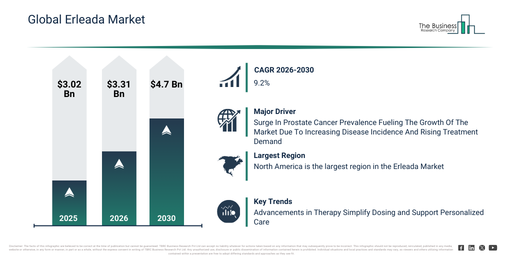
    The erleada market has experienced robust expansion in recent times. Its valuation is projected to climb from $3.02 billion in 2025 to $3.31 billion in 2026, representing a compound annual growth rate (CAGR) of 9.5%. Several factors have contributed to this historical growth, including a rise in prostate cancer diagnoses, enhanced availability of cutting-edge oncology treatments, the broadening of hormone-based cancer therapies, increased adoption of oral cancer medications, and regulatory endorsements for targeted prostate cancer drugs.

    The erleada market is projected to experience robust expansion over the coming years, reaching a value of $4.7 billion by 2030 with a compound annual growth rate (CAGR) of 9.2%. This anticipated growth during the forecast period is driven by a heightened demand for tailored prostate cancer treatments, improved management of metastatic prostate cancer, an increased emphasis on patient-focused oral therapies, broader implementation of precision oncology methods, and ongoing advancements in next-generation androgen inhibitors. Key trends shaping the market include the growing use of androgen receptor inhibitors for prostate cancer, a shift toward combination hormone therapies, an expansion in oral oncology treatment offerings, a stronger focus on managing early-stage prostate cancer, and more rigorous monitoring of treatment outcomes.

    Download A Free Sample Report For Comprehensive Market Insights:

    https://www.thebusinessresearchcompany.com/sample.aspx?id=30271&type=smp&utm_source=BlogsPR&utm_medium=Paid&utm_campaign=Jul_PR

    Erleada Market Development Factors: Which Trends Are Supporting Demand?

    The anticipated growth of the Erleada market is being fueled by the increasing incidence of prostate cancer. This type of cancer emerges as a malignant growth within the prostate gland, which is part of the male reproductive system. Its rising prevalence is largely attributed to longer lifespans, given that advancing age markedly heightens the risk of developing the condition. Erleada functions by inhibiting androgen receptors, which stops male hormones from promoting the proliferation and dissemination of cancer cells. As an example, data released by the Australian Government in November 2025 indicated that approximately 28,868 new cases of prostate cancer were recorded, representing around 30% of all new male cancer diagnoses, with roughly 3,975 deaths estimated. Consequently, the growing prevalence of prostate cancer is accelerating the expansion of the Erleada market.

    An upward trend in healthcare spending is set to drive the Erleada market forward. This spending encompasses all financial outlays by individuals, entities, or governments directed toward preventing, treating, and managing illnesses. The rise is fueled by progress in medical technology, where novel diagnostic methods, treatments, and advanced therapies typically involve higher expenses, thereby increasing overall healthcare costs. Greater healthcare expenditure enhances the uptake of Erleada by facilitating improved patient access, affordability, reimbursement mechanisms, and oncology care facilities. For illustration, in December 2024, the Centers for Medicare & Medicaid Services, a U.S. agency overseeing Medicare and Medicaid, reported that in 2023, American healthcare expenditures rose by 7.5%, reaching $4.9 trillion, equivalent to about $14,570 per person. Thus, the escalation in healthcare expenditure is propelling the growth of the Erleada market.

    Erleada Market Segment Analysis And Revenue Opportunities

    The erleada market covered in this report is segmented –

    1) By Type: Branded, Generic

    2) By Indication Or Disease Stage: Metastatic Castration-Resistant Prostate Cancer (mCRPC), Non-Metastatic Castration-Resistant Prostate Cancer (nmCRPC), Metastatic Castration-Sensitive Prostate Cancer (mCSPC)

    3) By Distribution Channel: Hospital Pharmacies, Retail Pharmacies, Other Distribution Channels

    4) By Patient Type Or End User: Hospitals, Specialty Clinics Or Oncology Centers, Home Care Or Outpatient Settings

    Subsegments:

    1) By Branded: Innovator Brand, Co-Branded Formulation, Licensed Brand Extension

    2) By Generic: Unbranded Generic, Authorized Generic, Parallel Import Generic

    Erleada Market Transformation Trends: Which Innovations Are Driving Change?

    Key firms in the erleada market are prioritizing innovation, particularly by lowering the pill burden, to boost patient convenience, foster better treatment adherence, and offer more customized therapeutic choices for individuals with prostate cancer. A reduced pill burden involves decreasing the number of pills a patient must take, achieved through medication combination or less frequent dosing, which enhances both adherence and convenience. For example, in April 2023, Johnson & Johnson, a U.S.-based corporation that produces and markets pharmaceuticals for conditions such as oncology, immunology, and neuroscience, along with medical devices for surgical, orthopedic, and vision applications, introduced a new tablet strength of Erleada (apalutamide) in the United States. This 240 mg tablet represents the sole once-daily, single-tablet Androgen Receptor Inhibitor (ARI) approved for treating non-metastatic castration-resistant prostate cancer (nmCRPC) and metastatic castration-sensitive prostate cancer (mCSPC).

    Erleada Market Leading Players Shaping Industry Direction

    Major companies operating in the erleada market are Johnson & Johnson

    Access The Complete Erleada Market Report:

    https://www.thebusinessresearchcompany.com/report/global-erleada-market-report?utm_source=BlogsPR&utm_medium=Paid&utm_campaign=Jul_PR

    Erleada Market Geographic Analysis: Where Is Demand Growing The Fastest?

    North America was the largest region in the erleada market in 2025. Asia-Pacific is expected to be the fastest-growing region in the forecast period. The regions covered in the erleada market report are Asia-Pacific, South East Asia, Western Europe, Eastern Europe, North America, South America, Middle East, Africa.

    Get in touch with us:

    The Business Research Company: https://www.thebusinessresearchcompany.com/?utm_source=BlogsPR&utm_medium=Paid&utm_campaign=home_page_test

    Americas: +1 310-496-7795

    Asia: +44 7882 955267 & +91 8897263534

    Europe: +44 7882 955267

    Email us at: marketing@tbrc.info

    Follow us on:

    LinkedIn: https://in.linkedin.com/company/the-business-research-company

    YouTube: https://www.youtube.com/channel/UC24_fI0rV8cR5DxlCpgmyFQ

    Global Market Model: https://www.thebusinessresearchcompany.com/global-market-model
  • Epinephrine Market Trends And Growth Drivers Point To Strong Future Potential

    Epinephrine Market Trends And Growth Drivers Point To Strong Future Potential

    Enhanced with market attractiveness analysis, total addressable market evaluation, company benchmarking matrices, interactive Excel dashboards, expanded supply chain intelligence, emerging startup coverage, and detailed product insights, The Business Research Company’s 2026 market reports deliver more actionable and strategically valuable research.

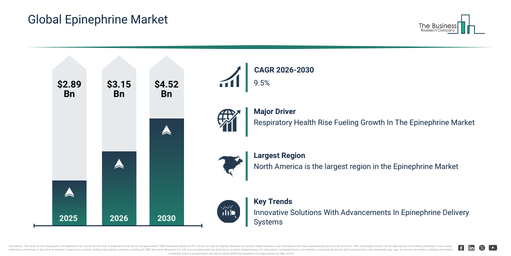
    Epinephrine Market Expected To Reach $4.52 Billion By 2030 At 9.5% CAGR

    The epinephrine market has experienced robust growth in recent times. Valued at $2.89 billion in 2025, it is projected to reach $3.15 billion by 2026, reflecting a compound annual growth rate (CAGR) of 8.8%. This historical expansion has been fueled by a higher occurrence of serious allergic reactions, a greater number of food and drug allergy cases, enhanced public understanding of how to handle anaphylaxis, the broadening of emergency medical services in hospitals, and the accessibility of name-brand epinephrine injectors.

    The epinephrine market is anticipated to experience robust expansion in the coming years, with projections indicating it will reach a value of $4.52 billion by 2030, reflecting a compound annual growth rate (CAGR) of 9.5%. This forecasted growth is driven by several factors, including the rise in self-administration devices, the broadening of school and public access epinephrine initiatives, increased use of online pharmacies, a higher number of generic drug approvals, and enhancements in cold-chain and drug delivery systems. Key developments shaping the market during this period involve a growing preference for auto-injectors in emergency scenarios, heightened demand for premade, prefilled epinephrine devices, the application of epinephrine in community and homecare settings, a focus on prolonging product shelf life and improving formulation stability, and an increasing emphasis on affordable generic epinephrine options.

    Download A Free Sample Report For Comprehensive Market Insights:

    https://www.thebusinessresearchcompany.com/sample.aspx?id=9967&type=smp&utm_source=BlogsPR&utm_medium=Paid&utm_campaign=Jul_PR

    Epinephrine Market Industry Drivers: What Is Driving Revenue Growth?

    The growing incidence of chronic respiratory conditions is anticipated to drive expansion in the epinephrine market moving forward. Chronic respiratory diseases are disorders impacting the lungs and airways of the body’s respiratory system, capable of causing infections or other illnesses that may result in numerous complications. Conditions like asthma, chronic obstructive pulmonary disease (COPD), interstitial lung disease, pulmonary sarcoidosis, and pneumoconiosis are on the rise, driven by factors such as air pollution and exposure to harmful environmental, occupational, and behavioral inhalants. Epinephrine serves as a crucial treatment for severe asthma episodes and anaphylactic reactions, which can lead to respiratory distress and life-threatening emergencies. For example, in December 2023, a research article published by JAMA Network Open, a peer-reviewed journal of the American Medical Association, projected that global COPD cases might approach 600 million by 2050, reflecting a 23% rise in prevalence. Consequently, as respiratory diseases become more common, the need for epinephrine is likewise expected to increase.

    Epinephrine Market Segmentation And Category Breakdown

    The epinephrine market covered in this report is segmented –

    1) By Type: Prefilled Syringe, Auto-injector, Ampoules And Vials

    2) By Application: Anaphylaxis, Cardiac Arrest, Superficial Bleeding, Respiratory Disorders, Other Applications

    3) By Distribution Channel: Hospital Pharmacies, Retail Pharmacies, Online Pharmacies

    Subsegments:

    1) By Prefilled Syringe: Single-Dose Prefilled Syringes, Multi-Dose Prefilled Syringes

    2) By Auto-Injector: Manual Auto-Injectors, Electronic Auto-Injectors

    3) By Ampoules And Vials: Single-Dose Ampoules, Multi-Dose Vials

    Epinephrine Market Growth Trends: What Is Influencing The Future Outlook?

    Major players in the epinephrine market are prioritizing the development of advanced solutions, such as sulfite-free injections and cutting-edge auto-injector technologies, to address the growing need for safer formulations, easier usability, and better emergency preparedness in anaphylaxis management. Sulfite-free epinephrine injections, which are preservative-free and free from sulfites, are designed to lower the risk of sulfite-related hypersensitivity, presenting a safer option than conventional sulfite-containing epinephrine products. A notable example occurred in March 2023 when American Regent, a pharmaceutical firm based in the United States, introduced its sulfite-free Epinephrine Injection, USP. This injection is intended for the emergency treatment of Type I allergic reactions, including anaphylaxis triggered by insect stings or bites, foods, medications, sera, diagnostic testing substances, and other allergens, as well as idiopathic or exercise-induced anaphylaxis. Additionally, epinephrine is used to elevate mean arterial blood pressure in adult patients experiencing hypotension due to septic shock.

    Epinephrine Market Competitive Analysis Of Major Industry Participants

    Major companies operating in the epinephrine market are Pfizer Inc., Teva Pharmaceutical Industries Ltd., Amneal Pharmaceuticals Inc., Bausch Health Companies Inc., Sanofi SA, Viatris Inc., Kaleo Inc., Gland Pharma Limited, Adamis Pharmaceuticals Corporation, Merit Pharmaceutical, Antares Pharma Inc., Sandoz International GmbH, Tianjin Jinyao Group Co. Ltd., Amphastar Pharmaceuticals Inc., Par Sterile Products LLC, Amedra Pharmaceuticals LLC, Intas Pharmaceuticals Ltd., Cipla Limited, Sun Pharmaceutical Industries Ltd., Mylan N V

    Access The Complete Epinephrine Market Report:

    https://www.thebusinessresearchcompany.com/report/epinephrine-global-market-report?utm_source=BlogsPR&utm_medium=Paid&utm_campaign=Jul_PR

    Epinephrine Market Global Footprint: Which Region Holds Market Leadership?

    North America was the largest region in the epinephrine market in 2025. The regions covered in the epinephrine market report are Asia-Pacific, South East Asia, Western Europe, Eastern Europe, North America, South America, Middle East, Africa.

    Get in touch with us:

    The Business Research Company: https://www.thebusinessresearchcompany.com/?utm_source=BlogsPR&utm_medium=Paid&utm_campaign=home_page_test

    Americas: +1 310-496-7795

    Asia: +44 7882 955267 & +91 8897263534

    Europe: +44 7882 955267

    Email us at: marketing@tbrc.info

    Follow us on:

    LinkedIn: https://in.linkedin.com/company/the-business-research-company

    YouTube: https://www.youtube.com/channel/UC24_fI0rV8cR5DxlCpgmyFQ

    Global Market Model: https://www.thebusinessresearchcompany.com/global-market-model
  • Epigenetics Drugs And Diagnostic Technologies Market Forecast Reveals Where Future Industry Value Will Be Created

    Epigenetics Drugs And Diagnostic Technologies Market Forecast Reveals Where Future Industry Value Will Be Created

    Delivering more actionable and strategically valuable research, The Business Research Company’s 2026 market reports feature market attractiveness analysis, total addressable market evaluation, company benchmarking matrices, interactive Excel dashboards, expanded supply chain intelligence, emerging startup coverage, and detailed product insights.

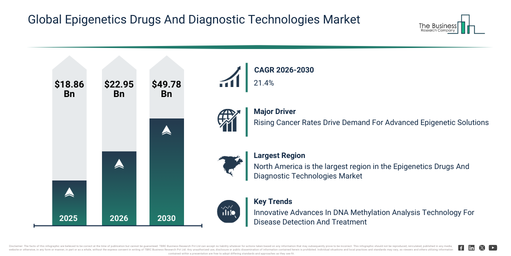
    Epigenetics Drugs And Diagnostic Technologies Market Growth From $22.95 Billion In 2026 To $49.78 Billion By 2030 At A CAGR Of 21.4%

    The epigenetics drugs and diagnostic technologies market has experienced substantial expansion over the past few years, surging from $18.86 billion in 2025 to an anticipated $22.95 billion in 2026, reflecting a compound annual growth rate (CAGR) of 21.7%. Key drivers behind the historical growth include limited availability of epigenetic diagnostic technologies, a persistent reliance on traditional genetic testing methods, rising incidence of oncology and inflammatory conditions, heightened awareness surrounding epigenetic therapies, and the increasing utilization of fundamental methylation and acetylation assays.

    Exponential growth is expected for the epigenetics drugs and diagnostic technologies market in the near future. By 2030, its value is projected to hit $49.78 billion, corresponding to a CAGR of 21.4%. This expansion during the forecast period is fueled by several factors, including breakthroughs in advanced microRNA and lncRNA therapeutics, the scaling up of high-throughput chromatin profiling platforms, heightened investment in personalized epigenetic medicine, broader adoption of bioinformatics tools tailored to epigenetic analysis, and the seamless integration of epigenetic diagnostics into routine clinical workflows. Among the major trends shaping this period are the widening use of epigenetic biomarker-based diagnostics, the increasing clinical application of histone modification inhibitors, ongoing development of therapeutics grounded in microRNA and lncRNA, a stronger emphasis on personalized epigenetic medicine, and the incorporation of high-throughput epigenetic profiling into clinical research settings.

    Download A Free Sample Report For Comprehensive Market Insights:

    https://www.thebusinessresearchcompany.com/sample.aspx?id=19418&type=smp&utm_source=BlogsPR&utm_medium=Paid&utm_campaign=Jul_PR

    Epigenetics Drugs And Diagnostic Technologies Market Demand Drivers: What Is Fueling Industry Growth?

    The anticipated expansion of the epigenetics drugs and diagnostic technologies market is being driven by the growing incidence of cancer. Cancer encompasses a range of diseases characterized by uncontrolled cell growth that may infiltrate or metastasize to other areas of the body. This rising prevalence stems from factors like aging populations, shifts in lifestyle, environmental toxins, hereditary predispositions, and advancements in diagnostic methods. Epigenetic drugs and diagnostic tools counteract this trend by targeting and regulating gene expression, which facilitates early detection and customized treatment approaches. For example, in February 2024, the World Health Organization—a Switzerland-based entity focused on global health policy and public health—projected over 35 million new cancer cases by 2050, reflecting a 77% jump from the estimated 20 million cases recorded in 2022. Consequently, the increasing frequency of cancer is fueling growth in the epigenetics drugs and diagnostic technologies market.

    Epigenetics Drugs And Diagnostic Technologies Market Segment Landscape: Which Areas Lead Market Development?

    The epigenetics drugs and diagnostic technologies market covered in this report is segmented –

    1) By Technology: Deoxyribonucleic Acid (DNA) Methylation, Histone Methylation, Histone Acetylation, Large Non Coding Ribonucleic Acid (RNA), MicroRNA Modification, Chromatin Structures

    2) By Application: Oncology, Solid Tumors, Liquid Tumors, Non Oncology, Inflammatory Diseases, Metabolic Diseases, Infectious Diseases, Cardiovascular Diseases, Other Applications

    3) By End-User: Hospitals And Clinics, Diagnostic Centers, Other End Users

    Subsegments:

    1) By Deoxyribonucleic Acid (DNA) Methylation: Methylation Inhibitors, Methylation Detection Kits, Methylation Profiling Technologies, Bisulfite Sequencing

    2) By Histone Methylation: Histone Methyltransferase Inhibitors, Histone Demethylase Inhibitors, Histone Methylation Assays, Chromatin Immunoprecipitation (ChIP) Techniques

    3) By Histone Acetylation: Histone Acetyltransferase Inhibitors, Histone Deacetylase Inhibitors (HDACi), Acetylation Detection Kits, Western Blotting for Acetylation

    4) By Large Non-Coding Ribonucleic Acid (RNA): lncRNA Expression Profiling, lncRNA Modulation Technologies, lncRNA Detection Kits, Bioinformatics Tools for lncRNA Analysis

    5) By MicroRNA Modification: MicroRNA Mimics, MicroRNA Inhibitors, MicroRNA Expression Analysis, MicroRNA Detection Assays

    6) By Chromatin Structures: Chromatin Remodeling Agents, Chromatin Accessibility Assays, 3D Chromatin Architecture Technologies, Nuclear Imaging Techniques

    Epigenetics Drugs And Diagnostic Technologies Market Innovation Trends: Which Developments Are Transforming The Industry?

    Key players in the epigenetics drugs and diagnostic technologies market are concentrating on creating cutting-edge solutions, such as DNA methylation analysis technology, to boost the accuracy and effectiveness of disease detection, refine tailored treatment approaches, and deepen insights into gene regulation across a range of illnesses. DNA methylation analysis technology encompasses a collection of methods designed to examine DNA methylation patterns, a chemical alteration of DNA where a methyl group is added to the cytosine base. For example, in August 2023, Watchmaker Genomics Inc., a biotechnology firm based in the US, joined forces with Exact Sciences Corp., a US molecular diagnostics company, to create and bring to market a groundbreaking DNA methylation analysis technique called TET-assisted pyridine borane sequencing (TAPS). This partnership seeks to improve cancer screening and diagnostic capabilities by utilizing Watchmaker’s proficiency in engineering DNA-modifying enzymes to refine TAPS chemistry. This development holds significance for early cancer detection and monitoring minimal residual disease (MRD) via liquid biopsies, where DNA methylation patterns act as biomarkers for health conditions.

    Epigenetics Drugs And Diagnostic Technologies Market Industry Leaders And Market Competition

    Major companies operating in the epigenetics drugs and diagnostic technologies market are Pfizer Inc., F. Hoffmann-La Roche Ltd., Merck & Co Inc., Novartis AG, Bristol-Myers Squibb Company, Thermo Fisher Scientific Inc., AstraZeneca PLC, Illumina Inc., QIAGEN NV, Exact Sciences Corporation, Abcam PLC, Syndax Pharmaceuticals Inc., Astex Pharmaceuticals Inc., Diagenode LLC, Cisbio Bioassays, 4SC AG, Verogen Inc., Watchmaker Genomics Inc., Oryzon Genomics SA, Cell Centric Ltd., Epiaxis Therapeutics

    Access The Complete Epigenetics Drugs And Diagnostic Technologies Market Report:

    https://www.thebusinessresearchcompany.com/report/epigenetics-drugs-and-diagnostic-technologies-global-market-report?utm_source=BlogsPR&utm_medium=Paid&utm_campaign=Jul_PR

    Epigenetics Drugs And Diagnostic Technologies Market Leading Geography: Which Region Generates The Most Revenue?

    North America was the largest region in the epigenetics drugs and diagnostic technologies market in 2025. Asia-Pacific is expected to be the fastest-growing region in the forecast period. The regions covered in the epigenetics drugs and diagnostic technologies market report are Asia-Pacific, South East Asia, Western Europe, Eastern Europe, North America, South America, Middle East, Africa.

    Get in touch with us:

    The Business Research Company: https://www.thebusinessresearchcompany.com/?utm_source=BlogsPR&utm_medium=Paid&utm_campaign=home_page_test

    Americas: +1 310-496-7795

    Asia: +44 7882 955267 & +91 8897263534

    Europe: +44 7882 955267

    Email us at: marketing@tbrc.info

    Follow us on:

    LinkedIn: https://in.linkedin.com/company/the-business-research-company

    YouTube: https://www.youtube.com/channel/UC24_fI0rV8cR5DxlCpgmyFQ

    Global Market Model: https://www.thebusinessresearchcompany.com/global-market-model