Month: July 2026

  • CD40 Ligand (CD40L) Antibody Market Forecast Reveals Where Future Industry Value Will Be Created

    CD40 Ligand (CD40L) Antibody Market Forecast Reveals Where Future Industry Value Will Be Created

    Delivering more actionable and strategically valuable research, The Business Research Company’s 2026 market reports feature market attractiveness analysis, total addressable market evaluation, company benchmarking matrices, interactive Excel dashboards, expanded supply chain intelligence, emerging startup coverage, and detailed product insights.

    CD40 Ligand (CD40L) Antibody Market Revenue Outlook: What CAGR Is Expected Through 2030?

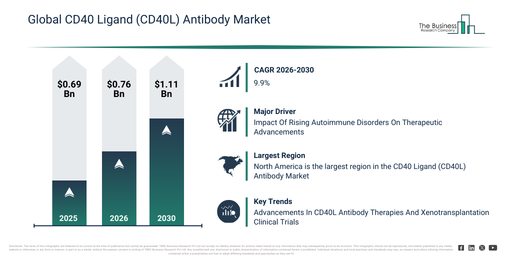
    The market for CD40 ligand (CD40L) antibodies has experienced rapid expansion in recent years. Between 2025 and 2026, its value is set to rise from $0.69 billion to $0.76 billion, reflecting a compound annual growth rate (CAGR) of 10.0%. This historical growth has been driven by progress in immunology research, a higher incidence of autoimmune diseases, advances in biologics development, increased funding for research, and enhancements in antibody engineering.

    The cd40 ligand antibody market is projected to experience significant expansion in the coming years, reaching a value of $1.11 billion by 2030 with a compound annual growth rate of 9.9%. This forecasted growth is fueled by factors such as the expansion of immunotherapy development initiatives, a higher number of transplant procedures, the broadening of targeted immune therapies, increased clinical trial efforts, and growing investments in biotechnology. Key trends shaping this period encompass heightened research into immune modulation treatments, greater progress in creating monoclonal cd40l antibodies, a stronger emphasis on autoimmune diseases and transplant-related applications, the growth of preclinical and clinical studies, and enhanced partnerships between pharmaceutical firms and research organizations.

    Download A Free Sample Report For Comprehensive Market Insights:

    https://www.thebusinessresearchcompany.com/sample.aspx?id=21132&type=smp&utm_source=BlogsPR&utm_medium=Paid&utm_campaign=Jul_PR

    CD40 Ligand (CD40L) Antibody Market Demand Drivers: What Is Fueling Industry Growth?

    The growth of the CD40 ligand (CD40L) antibody market is anticipated to be propelled by the increasing frequency of autoimmune disorders in the forecast period. These conditions, including rheumatoid arthritis, lupus, and type 1 diabetes, arise when the immune system mistakenly attacks the body’s own cells, leading to damage. A combination of factors—such as environmental influences, genetic susceptibility, shifts in lifestyle, and improved diagnostic practices—contributes to the growing prevalence and detection of autoimmune diseases. CD40L antibodies are gaining traction as a promising treatment strategy for these disorders by dampening the immune system’s excessive activity. Data from the University of Oxford, a UK-based research institution, showed in May 2023 that autoimmune illnesses affect approximately one-tenth of the global population, with 13% of women and 7% of men impacted across 19 studied conditions. Consequently, the rising number of autoimmune cases is fueling the expansion of the CD40L antibody market.

    CD40 Ligand (CD40L) Antibody Market Segment Analysis And Revenue Opportunities

    The cd40 ligand (cd40l) antibody market covered in this report is segmented –

    1) By Type: Monoclonal Antibody, Polyclonal Antibody

    2) By Application: Flow Cytometry, Enzyme-Linked Immunosorbent Assay (ELISA), Western Blot, Immunoprecipitation, Immunofluorescence, Other Applications

    3) By End-User: Hospitals, Research Institutes, Specialty Clinics, Other End-Users

    Subsegments:

    1) By Monoclonal Antibody: Fully Human Monoclonal Antibodies, Humanized Monoclonal Antibodies, Chimeric Monoclonal Antibodies

    2) By Polyclonal Antibody: Rabbit Polyclonal Antibodies, Goat Polyclonal Antibodies, Mouse Polyclonal Antibodies

    CD40 Ligand (CD40L) Antibody Market Innovation Trends: Which Developments Are Transforming The Industry?

    Leading firms in the CD40 ligand (CD40L) antibody market are concentrating on progressing clinical studies and broadening therapeutic uses, including CD40L-targeted immunomodulated xenotransplantation designed to improve graft survival in genetically modified pig-to-human heart transplants. This approach involves transplanting organs, tissues, or cells across species while applying therapies that block the CD40L pathway to control the recipient’s immune response, decrease organ rejection, and enhance graft survival. For example, in September 2023, Eledon Pharmaceuticals Inc., a biotechnology company based in the US, utilized the Tegoprubart anti-CD40L antibody in a clinical trial after the second-ever genetically modified pig heart transplant, with the research focusing on its effectiveness in preventing organ rejection and expanding therapeutic applications in transplantation. Additionally, Tegoprubart has demonstrated promise in treating autoimmune conditions by regulating immune responses.

    CD40 Ligand (CD40L) Antibody Market Leading Players Shaping Industry Direction

    Major companies operating in the cd40 ligand (cd40l) antibody market are Thermo Fisher Scientific Co. Ltd., Amgen Inc., Bio-Rad Laboratories Inc., Bio-Techne Corporation, Kiniksa Pharmaceuticals Ltd., BioLegend, Cytek Biosciences Inc., Sino Biological Inc., ACROBiosystems, Elabscience Biotechnology Inc., Cayman Chemical, Eledon Pharmaceuticals, Cell Signaling Technology, Enzo Biochem, GeneTex, GeminiBio, Creative Biolabs, BPS Bioscience Inc., LSBio, MyBiosource Inc., Boster Biological Technology, Bio X Cell, Assay Genie, Abeomics, Leinco Technologies Inc.

    Access The Complete CD40 Ligand (CD40L) Antibody Market Report:

    https://www.thebusinessresearchcompany.com/report/cd40-ligand-cd40l-antibody-global-market-report?utm_source=BlogsPR&utm_medium=Paid&utm_campaign=Jul_PR

    CD40 Ligand (CD40L) Antibody Market Geographic Distribution And Regional Opportunities

    North America was the largest region in the CD40 ligand (CD40L) antibody market in 2025. Asia-Pacific is expected to be the fastest-growing region in the forecast period. The regions covered in the cd40 ligand (cd40l) antibody market report are Asia-Pacific, South East Asia, Western Europe, Eastern Europe, North America, South America, Middle East, Africa.

    Get in touch with us:

    The Business Research Company: https://www.thebusinessresearchcompany.com/?utm_source=BlogsPR&utm_medium=Paid&utm_campaign=home_page_test

    Americas: +1 310-496-7795

    Asia: +44 7882 955267 & +91 8897263534

    Europe: +44 7882 955267

    Email us at: marketing@tbrc.info

    Follow us on:

    LinkedIn: https://in.linkedin.com/company/the-business-research-company

    YouTube: https://www.youtube.com/channel/UC24_fI0rV8cR5DxlCpgmyFQ

    Global Market Model: https://www.thebusinessresearchcompany.com/global-market-model
  • CD-19 Antibody Market Growth Through 2030 Creates New Strategic Opportunities

    CD-19 Antibody Market Growth Through 2030 Creates New Strategic Opportunities

    Enhanced with market attractiveness analysis, total addressable market evaluation, company benchmarking matrices, interactive Excel dashboards, expanded supply chain intelligence, emerging startup coverage, and detailed product insights, The Business Research Company’s 2026 market reports deliver more actionable and strategically valuable research.

    CD-19 Antibody Market Growth Analysis: How Will Revenue Expand During The Forecast Period?

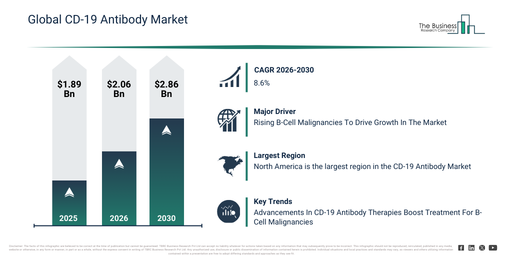
    The market for CD-19 antibodies has experienced robust expansion in recent years, with projections indicating an increase from $1.89 billion in 2025 to $2.06 billion in 2026, reflecting a compound annual growth rate (CAGR) of 8.7%. This historic growth has been driven by several factors, including significant progress in monoclonal antibody development, a higher incidence of leukemia and lymphoma, broader approvals for immunotherapies, heightened activity in oncology research, and greater investment in hematology.

    The CD-19 antibody market is projected to experience significant expansion over the coming years. By 2030, its value is anticipated to reach $2.86 billion, reflecting a compound annual growth rate (CAGR) of 8.6%. This forecasted growth is driven by factors such as the expansion of cell and gene therapies, increased adoption of precision oncology, broader use of combination immunotherapies, a rising incidence of cancer, and the development of specialized oncology centers. Key trends shaping this period include the growing application of CD-19-targeted immunotherapies, heightened utilization in treating B-cell malignancies, deeper integration with CAR-T cell therapies, progress in monoclonal antibody development, and a stronger emphasis on precision hematologic oncology.

    Download A Free Sample Report For Comprehensive Market Insights:

    https://www.thebusinessresearchcompany.com/sample.aspx?id=21130&type=smp&utm_source=BlogsPR&utm_medium=Paid&utm_campaign=Jul_PR

    CD-19 Antibody Market Growth Drivers: What Factors Are Accelerating Expansion?

    The growth of the CD-19 antibody market is expected to be driven forward by the increasing incidence of B-cell malignancies. These cancers arise from abnormal B lymphocytes and encompass conditions like B-cell lymphomas and leukemias, which impair the immune system and promote unchecked cellular proliferation. Several factors contribute to the rising prevalence of these malignancies, including an aging population, genetic predispositions, environmental exposures, lifestyle choices, enhanced diagnostic capabilities, and shifts in immune system function. CD19 antibodies are employed in treating B-cell malignancies by precisely targeting the CD19 protein found on malignant B cells, thereby inducing their destruction while preserving healthy cells and boosting the body’s immune defenses. For example, in January 2024, the American Cancer Society, a non-profit organization based in the United States, reported that roughly 80,620 new cases of non-Hodgkin lymphoma were anticipated in the USA, with approximately 20,240 deaths—44,590 among males and 36,030 among females—expected from this disease. Consequently, the growing frequency of B-cell malignancies is fueling expansion in the CD-19 antibody market.

    CD-19 Antibody Market Segmentation And Category Breakdown

    The cd-19 antibody market covered in this report is segmented –

    1) By Disease Type: B-Cell Non-Hodgkin Lymphoma, Chronic Lymphocytic Leukemia, Acute Lymphoblastic Leukemia, Other Disease Types

    2) By Type: Polyclonal, Monoclonal

    3) By Route Of Administration: Intravenous, Subcutaneous

    4) By Application: Enzyme Linked Immunosorbent Assay, Flow Cytometry, Immunohistochemistry Frozen, Immunohistochemistry Paraffin, Other Applications

    Subsegments:

    1) By B-Cell Non-Hodgkin Lymphoma: Diffuse Large B-Cell Lymphoma (DLBCL), Follicular Lymphoma, Mantle Cell Lymphoma

    2) By Chronic Lymphocytic Leukemia: Relapsed Or Refractory CLL, Treatment-Naïve CLL

    3) By Acute Lymphoblastic Leukemia: B-Cell Precursor ALL, Philadelphia Chromosome-Positive ALL

    4) By Other Disease Types: Hairy Cell Leukemia, Waldenström’s Macroglobulinemia, Marginal Zone Lymphoma

    CD-19 Antibody Market Trends: What Is Shaping Future Industry Growth?

    Key players in the CD-19 antibody sector are actively driving technological progress by advancing genetically modified autologous T-cell immunotherapy, aimed at improving cancer treatment outcomes, especially for hematologic malignancies. This approach involves engineering a patient’s own T cells so they can specifically recognize and attack malignant cells, after which they are reinfused to strengthen the body’s immune response against the disease. A notable example occurred in November 2024, when Autolus Therapeutics plc, a US-based biopharmaceutical firm, received U.S. FDA approval for AUCATZYL (obecabtagene autoleucel), intended for adults with relapsed or refractory B-cell precursor acute lymphoblastic leukemia (ALL). The therapy is designed to limit excessive T-cell activation, thereby lowering toxicity while improving the persistence of the therapeutic cells. It is delivered as a split-dose infusion on days 1 and 10, with the dosage tailored according to a pre-treatment bone marrow evaluation.

    CD-19 Antibody Market Competitive Analysis Of Major Industry Participants

    Major companies operating in the cd-19 antibody market are Pfizer Inc., F. Hoffmann-La Roche Ltd., AstraZeneca plc, Novartis AG, Thermo Fisher Scientific Inc., Amgen Inc., Bio-Rad Laboratories Inc., Miltenyi Biotec GmbH, Abcam Plc, Kite Pharma Inc., BioLegend Inc., Xencor Inc., Juno Therapeutics Inc., BD Biosciences, Zenas BioPharma Inc., Cell Signaling Technology Inc., Santa Cruz Biotechnology Inc., Novus Biologicals LLC, Tonbo Biosciences Inc., Bio X Cell Inc.

    Access The Complete CD-19 Antibody Market Report:

    https://www.thebusinessresearchcompany.com/report/cd-19-antibody-global-market-report?utm_source=BlogsPR&utm_medium=Paid&utm_campaign=Jul_PR

    CD-19 Antibody Market Largest Region By Revenue And Market Share

    North America was the largest region in the CD-19 antibody market in 2025. The regions covered in the cd-19 antibody market report are Asia-Pacific, South East Asia, Western Europe, Eastern Europe, North America, South America, Middle East, Africa.

    Get in touch with us:

    The Business Research Company: https://www.thebusinessresearchcompany.com/?utm_source=BlogsPR&utm_medium=Paid&utm_campaign=home_page_test

    Americas: +1 310-496-7795

    Asia: +44 7882 955267 & +91 8897263534

    Europe: +44 7882 955267

    Email us at: marketing@tbrc.info

    Follow us on:

    LinkedIn: https://in.linkedin.com/company/the-business-research-company

    YouTube: https://www.youtube.com/channel/UC24_fI0rV8cR5DxlCpgmyFQ

    Global Market Model: https://www.thebusinessresearchcompany.com/global-market-model
  • C-C Chemokine Receptor Type 4 Market Size Projected To Increase From $1.37 Billion To $1.96 Billion During The Forecast Period

    C-C Chemokine Receptor Type 4 Market Size Projected To Increase From $1.37 Billion To $1.96 Billion During The Forecast Period

    Through market attractiveness analysis, total addressable market evaluation, company benchmarking matrices, interactive Excel dashboards, expanded supply chain intelligence, emerging startup coverage, and detailed product insights, The Business Research Company’s 2026 market reports provide more actionable and strategically valuable research.

    C-C Chemokine Receptor Type 4 Market Forecast: What Market Value Is Expected By 2030?

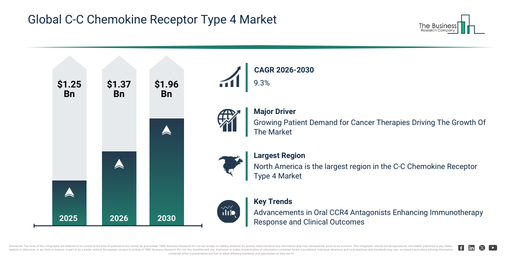
    The market for c-c chemokine receptor type 4 has demonstrated robust expansion in recent years, with projections indicating a rise from $1.25 billion in 2025 to $1.37 billion in 2026, reflecting a compound annual growth rate (CAGR) of 9.6%. This historical growth is driven by factors including a deeper comprehension of chemokine receptor biology, the broadening scope of immuno-oncology studies, a higher prevalence of immune-related conditions, advances in targeted therapeutic approaches, and amplified funding for biologic research.

    The market for c-c chemokine receptor type 4 is projected to experience robust expansion over the coming years, reaching an estimated $1.96 billion by 2030, with a compound annual growth rate (CAGR) of 9.3%. This anticipated increase during the forecast period is driven by a growing embrace of precision medicine, heightened demand for innovative immunotherapy targets, the broadening of personalized cancer treatments, a greater reliance on biomarker-guided drug development, and enhanced regulatory backing for advanced biologic therapies. Key developments to watch include the accelerated creation of monoclonal antibodies aimed at CCR4, a surge in research around combination immunotherapy approaches, a strengthened emphasis on therapies modulating T-cells, a rise in clinical trials within oncology and immunology, and a deeper focus on immune modulation treatments.

    Download A Free Sample Report For Comprehensive Market Insights:

    https://www.thebusinessresearchcompany.com/sample.aspx?id=28158&type=smp&utm_source=BlogsPR&utm_medium=Paid&utm_campaign=Jul_PR

    C-C Chemokine Receptor Type 4 Market Growth Factors Supporting Long-Term Expansion

    The anticipated rise in patient need for cancer treatments is set to fuel the expansion of the C-C chemokine receptor type 4 market in the coming period. Cancer therapies include a wide array of medical approaches, like chemotherapy, radiation, and focused immunotherapies, aimed at managing malignancies by eliminating cancer cells or halting their proliferation. This heightened demand for cancer treatments stems from the growing worldwide incidence of cancer, which is influenced by aging demographics, environmental factors, and enhanced screening programs that identify cases at earlier stages. The increasing patient urgency for such therapies amplifies the requirement for C-C chemokine receptor type 4 (CCR4) targeting agents, given their ability to specifically block CCR4-positive regulatory T cells (Tregs) within the tumor microenvironment, thereby boosting the body’s innate immune response against tumors and leading to better results for patients battling T-cell lymphomas and various solid tumors. As an illustration, in May 2024, IQVIA Holdings Inc., a clinical research firm based in the United States, reported that worldwide spending on cancer medicines reached $223 billion in 2023, a $25 billion increase from 2022, and projections indicate it will grow to $409 billion by 2028. Consequently, the growing patient demand for cancer therapies is propelling the advancement of the C-C chemokine receptor type 4 market.

    The increasing push for personalized medicine is anticipated to drive the growth of the C-C chemokine receptor type 4 market in the future. Personalization in healthcare refers to a strategy that adapts treatments and preventive actions based on an individual’s distinct genetic makeup, lifestyle choices, and environmental exposures. Interest in personalized medicine is expanding due to progress in genetic screening and data analytics, which facilitate more accurate and efficient therapies, minimizing guesswork in prescriptions and boosting patient recovery. This trend heightens the demand for C-C chemokine receptor type 4 (CCR4), as treatments that target this receptor can be customized to match a patient’s specific cancer or immune system features, allowing for more precise and impactful interventions. For example, in February 2024, the Personalized Medicine Coalition (PMC), a U.S.-based nonprofit organization, noted that the FDA cleared 16 new personalized treatments for patients with rare diseases in 2023, a significant jump from just six approvals in 2022. Hence, the rising demand for personalized medicine is propelling the expansion of the C-C chemokine receptor type 4 market.

    C-C Chemokine Receptor Type 4 Market Segment Outlook: Which Categories Are Expanding The Fastest?

    The c-c chemokine receptor type 4 market covered in this report is segmented –

    1) By Product Type: Monoclonal Antibodies, Small Molecule Inhibitors, Peptide-Based Therapeutics, Combination Therapy Products

    2) By Mode Of Administration: Injectables, Oral Tablets, Topical Applications, Nasal Sprays

    3) By Application: Immunology, Central Nervous System, Mycosis Fungoides, Other Applications

    4) By End-User: Pharmaceutical Companies, Biotechnology Companies, Research Institutions, Contract Research Organizations, Hospitals And Clinics

    Subsegments:

    1) By Monoclonal Antibodies: Humanized Monoclonal Antibodies, Fully Human Monoclonal Antibodies, Chimeric Monoclonal Antibodies, Antibody-Drug Conjugates (ADCs)

    2) By Small Molecule Inhibitors: Competitive Inhibitors, Allosteric Inhibitors, Reversible Inhibitors, Irreversible Inhibitors

    3) By Peptide-Based Therapeutics: Linear Peptides, Cyclic Peptides, Stapled Peptides, Peptidomimetics

    4) By Combination Therapy Products: Monoclonal Antibody And Chemotherapy, Small Molecule Inhibitor And Immunotherapy, Peptide Therapeutic And Monoclonal Antibody, Multi-Targeted Combination Therapies

    C-C Chemokine Receptor Type 4 Market Industry Trends Shaping Future Revenue Growth

    Major players within the C-C chemokine receptor type 4 sector are concentrating on the development of innovative treatments, like oral CCR4 antagonists used alongside anti–PD-1 immunotherapy, with the goal of boosting antitumor immune responses and tackling therapeutic resistance in solid tumors. These oral CCR4 antagonists are small-molecule drugs engineered to inhibit the CCR4 receptor, which plays a role in controlling immune-suppressive T-cells present in the tumor microenvironment, thereby enhancing the efficacy of checkpoint inhibitors. As an example, RAPT Therapeutics Inc., a clinical-stage biopharmaceutical firm from the United States, revealed encouraging Phase 2 data in April 2024 for Tivumecirnon (FLX475) when paired with pembrolizumab, targeting patients with head and neck cancer who had previously undergone checkpoint inhibitor therapy. This treatment showed notable clinical benefits, with elevated response rates particularly among HPV-positive individuals. Such a combination strategy is intended to enhance patient results and deliver a more potent therapeutic approach for challenging malignancies.

    C-C Chemokine Receptor Type 4 Market Key Companies And Competitive Benchmarking

    Major companies operating in the c-c chemokine receptor type 4 market are Pfizer Inc., Merck & Co. Inc., Bristol-Myers Squibb Company, Thermo Fisher Scientific Inc., GlaxoSmithKline plc (GSK), Amgen Inc., Astellas Pharma Inc., Daiichi Sankyo Company Limited, Ono Pharmaceutical Co. Ltd., Kyowa Kirin Co. Ltd., RAPT Therapeutics Inc., Abcam Plc, R&D Systems Inc., Sino Biological Inc., CUSABIO Technology LLC, Aurigene Oncology Limited, Creative Biolabs Inc., MyBioSource Inc., Multispan Inc., Shanghai Meiyue Biotech Development Co. Ltd.

    Access The Complete C-C Chemokine Receptor Type 4 Market Report:

    https://www.thebusinessresearchcompany.com/report/c-c-chemokine-receptor-type-4-global-market-report?utm_source=BlogsPR&utm_medium=Paid&utm_campaign=Jul_PR

    C-C Chemokine Receptor Type 4 Market Regional Analysis And Leading Geography

    North America was the largest region in the C-C chemokine receptor type 4 market in 2025. Asia-Pacific is expected to be the fastest-growing region in the forecast period. The regions covered in the c-c chemokine receptor type 4 market report are Asia-Pacific, South East Asia, Western Europe, Eastern Europe, North America, South America, Middle East, Africa.

    Get in touch with us:

    The Business Research Company: https://www.thebusinessresearchcompany.com/?utm_source=BlogsPR&utm_medium=Paid&utm_campaign=home_page_test

    Americas: +1 310-496-7795

    Asia: +44 7882 955267 & +91 8897263534

    Europe: +44 7882 955267

    Email us at: marketing@tbrc.info

    Follow us on:

    LinkedIn: https://in.linkedin.com/company/the-business-research-company

    YouTube: https://www.youtube.com/channel/UC24_fI0rV8cR5DxlCpgmyFQ

    Global Market Model: https://www.thebusinessresearchcompany.com/global-market-model
  • CBD Nutraceuticals Market Growth Outlook Reveals A CAGR Of 18.1% And A Market Value Of $23.73 Billion By 2030

    CBD Nutraceuticals Market Growth Outlook Reveals A CAGR Of 18.1% And A Market Value Of $23.73 Billion By 2030

    Delivering more actionable and strategically valuable research, The Business Research Company’s 2026 market reports feature market attractiveness analysis, total addressable market evaluation, company benchmarking matrices, interactive Excel dashboards, expanded supply chain intelligence, emerging startup coverage, and detailed product insights.

    CBD Nutraceuticals Market Size Outlook: How Fast Will Revenue Grow Through 2030?

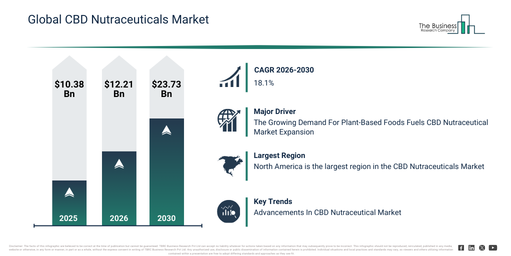
    The cbd nutraceuticals market has experienced significant growth over the past few years, expanding from $10.38 billion in 2025 to $12.21 billion in 2026, reflecting a compound annual growth rate (CAGR) of 17.6%. This historical expansion was driven by several key factors, including a heightened public awareness of the therapeutic benefits associated with cbd, the legalization of cannabis in certain areas, a rising prevalence of chronic health conditions, a growing preference for natural supplement options, and the advancement of full-spectrum cbd formulations.

    The market for CBD nutraceuticals is forecasted to undergo swift expansion in the coming years. By 2030, its value is projected to reach $23.73 billion, with a compound annual growth rate (CAGR) of 18.1%. This upward trajectory during the forecast period is fueled by several factors, including the broadening of retail and online sales platforms, enhanced extraction techniques, increased research and development efforts in nutraceutical products, collaborations between CBD brands and fitness or wellness enterprises, and the launch of novel dosage formats. Key developments shaping this period encompass the rising appeal of plant-based supplements, growing consciousness about health and wellness, the broadening of e-commerce distribution networks, consumer interest in tailored dosage options, and the advancement of functional and enriched foods.

    Download A Free Sample Report For Comprehensive Market Insights:

    https://www.thebusinessresearchcompany.com/sample.aspx?id=10594&type=smp&utm_source=BlogsPR&utm_medium=Paid&utm_campaign=Jul_PR

    CBD Nutraceuticals Market Demand Drivers Creating New Revenue Opportunities

    The growing consumer preference for plant-based food is anticipated to accelerate the expansion of the CBD nutraceuticals market. Herbal supplements, which are plant-based dietary aids, are derived from oils, roots, seeds, berries, or flowers of various herbs. These supplements are becoming more popular than conventional alternatives because they are sourced from nature and lack harmful chemicals. CBD nutraceuticals, extracted from cannabis plants, offer health advantages beyond the basic nutritional content found in foods. As a result, heightened demand for plant-based dietary supplements is driving increased sales of CBD nutraceuticals. For example, in April 2024, the Good Food Institute, a nonprofit organization based in the US, reported that global retail sales of plant-based meat and seafood hit $6.1 billion, marking an approximate 4% rise from 2023. Consequently, this rising demand for plant-based food is fueling growth in the CBD nutraceutical market.

    CBD Nutraceuticals Market Segment Landscape: Which Areas Lead Market Development?

    The cbd nutraceuticals market covered in this report is segmented –

    1) By Product: CBD Tinctures, Capsules and Soft Gels, CBD-Based Protein, CBD Gummies

    2) By Distribution Channel: Retail Stores, Pharmacies, E-Commerce Portals, Other Distribution Channels

    3) By Application: Wellness, Workout Supplements, Edibles And Fortified Foods

    Subsegments:

    1) By CBD Tinctures: Full-Spectrum CBD Tinctures, Broad-Spectrum CBD Tinctures, Isolate CBD Tinctures

    2) By Capsules And Soft Gels: CBD Oil Capsules, CBD Soft Gel Capsules, CBD Hemp Extract Capsules

    3) By CBD-Based Protein: CBD Protein Powders, CBD Protein Bars, CBD Protein Supplements

    4) By CBD Gummies: Regular CBD Gummies, Vegan CBD Gummies, Sugar-Free CBD Gummies

    CBD Nutraceuticals Market Trends Driving Strategic Industry Expansion

    Major players within the CBD nutraceutical industry are choosing to produce CBD soft gels in an effort to attract a wider range of customers, drive higher sales volumes, and boost revenue. A soft gel is a type of cannabidiol (CBD) product offered in either capsule or soft gel format. For example, in March 2023, Irwin Naturals Inc., a nutraceutical company headquartered in the United States, introduced its CBD 25mg Softgels. With this new launch, consumers now have the ability to easily incorporate high-quality cannabis-derived CBD into their daily wellness routines. The product range from Irwin Naturals Cannabis is set apart by its use of soft gels formulated with hemp seed oil and medium-chain triglyceride (MCT) oil. This comprehensive line features five specific formulations: THC (10 mg THC), CBD (25 mg CBD), 1:1 (10 mg CBD, 10 mg THC), 3:1 (30 mg CBD, 10 mg THC), and a distinctive 2:1 blend that pairs THC with the cannabinoid CBN (10 mg THC, 5 mg CBN).

    CBD Nutraceuticals Market Industry Leaders And Market Competition

    Major companies operating in the cbd nutraceuticals market are CV Sciences Inc., Elixinol LLC, Medterra CBD, Charlotte’s Web Holdings Inc., Diamond CBD Inc., Green Roads, Isodiol International Inc., Medical Marijuana Inc., Cannavedic Pvt. Ltd., Kats Botanicals Ltd., Medix CBD, Hemp Bombs, Harvest One Cannabis Inc., Joy Organics LLC, Shaman Botanicals LLC, Irwin Naturals Inc., HempFusion Wellness Inc., Lazarus Naturals Inc., NuLeaf Naturals LLC, CBDfx Inc., Receptra Naturals Inc., Bluebird Botanicals Inc.

    Access The Complete CBD Nutraceuticals Market Report:

    https://www.thebusinessresearchcompany.com/report/cbd-nutraceuticals-global-market-report?utm_source=BlogsPR&utm_medium=Paid&utm_campaign=Jul_PR

    CBD Nutraceuticals Market Geographic Analysis: Where Is Demand Growing The Fastest?

    North America was the largest region in the CBD nutraceuticals market in 2025. Asia-Pacific is expected to be the fastest-growing region in the global CBD nutraceuticals market report forecast period. The regions covered in the cbd nutraceuticals market report are Asia-Pacific, South East Asia, Western Europe, Eastern Europe, North America, South America, Middle East, Africa.

    Get in touch with us:

    The Business Research Company: https://www.thebusinessresearchcompany.com/?utm_source=BlogsPR&utm_medium=Paid&utm_campaign=home_page_test

    Americas: +1 310-496-7795

    Asia: +44 7882 955267 & +91 8897263534

    Europe: +44 7882 955267

    Email us at: marketing@tbrc.info

    Follow us on:

    LinkedIn: https://in.linkedin.com/company/the-business-research-company

    YouTube: https://www.youtube.com/channel/UC24_fI0rV8cR5DxlCpgmyFQ

    Global Market Model: https://www.thebusinessresearchcompany.com/global-market-model
  • Cathepsin Inhibitor Market Forecast Highlights Expansion From $0.91 Billion To $1.36 Billion Through 2030

    Cathepsin Inhibitor Market Forecast Highlights Expansion From $0.91 Billion To $1.36 Billion Through 2030

    Enhanced with market attractiveness analysis, total addressable market evaluation, company benchmarking matrices, interactive Excel dashboards, expanded supply chain intelligence, emerging startup coverage, and detailed product insights, The Business Research Company’s 2026 market reports deliver more actionable and strategically valuable research.

    Cathepsin Inhibitor Market Size, Value And Growth Trends Through 2030

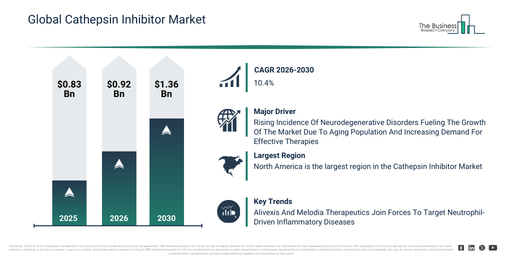
    The cathepsin inhibitor market has experienced rapid expansion in recent years, with projections indicating an increase from $0.83 billion in 2025 to $0.92 billion in 2026, reflecting a compound annual growth rate (CAGR) of 10.4%. This historical growth has been driven by progress in protease biology research, heightened activity in oncology drug discovery, expanded investigations into autoimmune diseases, collaborative efforts between academia and industry, and the availability of research funding.

    The market for cathepsin inhibitors is poised for significant expansion over the coming years, with projections indicating it will reach $1.36 billion by 2030, representing a compound annual growth rate (CAGR) of 10.4%. This anticipated growth during the forecast period is driven by several factors, including the expansion of targeted therapy pipelines, an intensified emphasis on precision medicine, heightened development of biologics and peptide inhibitors, progress in translational research, and greater involvement from contract research organizations (CROs). Key trends shaping this period include a heightened research focus on enzyme-targeted therapies, the growing use of cathepsin inhibitors in oncology studies, their increasing application in autoimmune and inflammatory conditions, rising investment in early-stage drug discovery, and enhanced collaborative efforts between pharmaceutical companies and research institutes.

    Download A Free Sample Report For Comprehensive Market Insights:

    https://www.thebusinessresearchcompany.com/sample.aspx?id=24185&type=smp&utm_source=BlogsPR&utm_medium=Paid&utm_campaign=Jul_PR

    Cathepsin Inhibitor Market Expansion Supported By Key Demand Factors

    The forecasted expansion of the cathepsin inhibitor market is being driven by the growing prevalence of neurodegenerative diseases. These conditions involve a gradual and often irreversible loss of neurons within the central nervous system, particularly in the brain, and they are closely tied to an aging global population. With longer life expectancies, age-linked illnesses such as Alzheimer’s and Parkinson’s are becoming more common, placing greater strain on healthcare services. Because cathepsin inhibitors can influence amyloid-beta production and reduce neuroinflammation, they are being investigated as possible treatments for these disorders. As an example, data from the Alzheimer’s Association, a nonprofit health organization in the United States, indicates that about 6.9 million Americans aged 65 and older had Alzheimer’s dementia in 2024, with projections suggesting this figure could almost double to 13.8 million by 2060. Consequently, the rising rate of neurodegenerative disorders is fueling growth in the cathepsin inhibitor market.

    Cathepsin Inhibitor Market Segments: Where Are The Largest Growth Opportunities?

    The cathepsin inhibitor market covered in this report is segmented –

    1) By Type: Small Molecule Inhibitors, Peptide Inhibitors, Monoclonal Antibodies

    2) By Application: Cancer Treatment, Autoimmune Diseases, Inflammatory Diseases, Neurodegenerative Disorders, Other Therapeutic Areas

    3) By Distribution Channel: Online Pharmacies, Retail Pharmacies, Hospitals And Clinics

    4) By End User: Pharmaceutical Companies, Academic And Research Institutes, Contract Research Organizations (CROs)

    Subsegments:

    1) By Small Molecule Inhibitors: Reversible Inhibitors, Irreversible Inhibitors, Synthetic Compounds, Natural Product-Derived Inhibitors

    2) By Peptide Inhibitors: Linear Peptides, Cyclic Peptides, Modified Peptides, Peptidomimetics

    3) By Monoclonal Antibodies: Humanized Monoclonal Antibodies, Fully Human Monoclonal Antibodies, Chimeric Monoclonal Antibodies, Bispecific Antibodies

    Cathepsin Inhibitor Market Growth Trends Influencing Competitive Dynamics

    Leading firms in the cathepsin inhibitor market are heavily prioritizing strategic partnerships to fuel innovation in drug development, broaden their product portfolios, and speed up their entry into the marketplace. These collaborative ventures are designed to combine complementary knowledge and assets, thereby improving the likelihood of clinical trial success and easing the path to regulatory approval. A concrete example occurred in June 2024 when Alivexis, a drug discovery company based in Japan, signed an exclusive licensing agreement with Melodia Therapeutics, a Swiss biotechnology firm. This deal granted Melodia worldwide rights to develop, produce, and market MDI-0151, a novel cathepsin C inhibitor. Originally identified through Alivexis’ MOD-A discovery initiative, MDI-0151 targets neutrophil-mediated inflammatory conditions, including ANCA-associated vasculitis. With this agreement, Melodia intends to commence IND-enabling activities, paving the way for Phase 1/2a studies in these disease areas, with the ultimate goal of achieving clinical proof of concept.

    Cathepsin Inhibitor Market Major Participants And Competitive Dynamics

    Major companies operating in the cathepsin inhibitor market are Merck KGaA, Eli Lilly and Company, Boehringer Ingelheim International GmbH, Bio-Techne Corporation, AddLife AB, BioVision, R&D Systems Inc., Cayman Chemical, Selleck Chemicals, Santa Cruz Animal Health, Tocris Bioscience, Virobay Inc., MedChemExpress, BOC Sciences, Biorbyt Ltd, GlpBio Technology, Echelon Biosciences, AG Scientific, ApexBio Technology, OXiGENE Inc.

    Access The Complete Cathepsin Inhibitor Market Report:

    https://www.thebusinessresearchcompany.com/report/cathepsin-inhibitor-global-market-report?utm_source=BlogsPR&utm_medium=Paid&utm_campaign=Jul_PR

    Cathepsin Inhibitor Market Global Footprint: Which Region Holds Market Leadership?

    North America was the largest region in the cathepsin Inhibitor market in 2025. Asia-Pacific is expected to be the fastest-growing region in the forecast period. The regions covered in the cathepsin inhibitor market report are Asia-Pacific, South East Asia, Western Europe, Eastern Europe, North America, South America, Middle East, Africa.

    Get in touch with us:

    The Business Research Company: https://www.thebusinessresearchcompany.com/?utm_source=BlogsPR&utm_medium=Paid&utm_campaign=home_page_test

    Americas: +1 310-496-7795

    Asia: +44 7882 955267 & +91 8897263534

    Europe: +44 7882 955267

    Email us at: marketing@tbrc.info

    Follow us on:

    LinkedIn: https://in.linkedin.com/company/the-business-research-company

    YouTube: https://www.youtube.com/channel/UC24_fI0rV8cR5DxlCpgmyFQ

    Global Market Model: https://www.thebusinessresearchcompany.com/global-market-model
  • Catecholamines Market Expected To Reach $5.66 Billion By 2030 As Growth Accelerates At 5.8% CAGR

    Catecholamines Market Expected To Reach $5.66 Billion By 2030 As Growth Accelerates At 5.8% CAGR

    Through market attractiveness analysis, total addressable market evaluation, company benchmarking matrices, interactive Excel dashboards, expanded supply chain intelligence, emerging startup coverage, and detailed product insights, The Business Research Company’s 2026 market reports provide more actionable and strategically valuable research.

    Catecholamines Market CAGR Analysis And Future Market Development

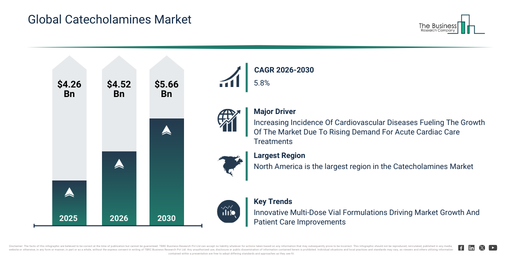
    The market for catecholamines has experienced notable expansion in recent years. Moving from a valuation of $4.26 billion in 2025, it is projected to reach $4.52 billion by 2026, reflecting a compound annual growth rate (CAGR) of 6.1%. Historical growth during this period was driven by factors such as the widening of emergency care services, advancements in cardiac arrest treatment, a rise in hospital intensive care unit capacities, increased reliance on injectable pharmaceuticals, and the development of trauma care protocols.

    The catecholamines market is projected to experience robust expansion over the coming years, reaching an estimated value of $5.66 billion by 2030, with a compound annual growth rate (CAGR) of 5.8%. This anticipated growth during the forecast period is driven by factors such as the development of emergency response infrastructure, the broadening of critical care services, the availability of pre-mixed formulations, advancements in pre-hospital care, and increased investments in acute care settings. Key trends shaping this period encompass the growing utilization of catecholamines in emergency medicine, the rising adoption of auto-injector delivery systems, the widening scope of critical care indications, heightened demand in cardiac emergency scenarios, and a shift toward convenient, ready-to-use injectable products.

    Download A Free Sample Report For Comprehensive Market Insights:

    https://www.thebusinessresearchcompany.com/sample.aspx?id=24496&type=smp&utm_source=BlogsPR&utm_medium=Paid&utm_campaign=Jul_PR

    Catecholamines Market Growth Drivers And Industry Catalysts

    The catecholamines market is expected to see growth driven by the rising occurrence of cardiovascular diseases in the coming years. Cardiovascular diseases (CVDs) encompass a range of disorders impacting the heart and blood vessels, including coronary artery disease, heart failure, and stroke. This increase in CVD prevalence is largely linked to physical inactivity, as sedentary lifestyles heighten risk factors like obesity, hypertension, and poor heart health. Catecholamines play a role in managing these conditions by boosting cardiac output, regulating vascular tone, and supporting blood pressure through their stimulatory action on adrenergic receptors. This helps improve blood flow to vital organs, stabilizes hemodynamics in acute situations like heart failure or shock, and provides short-term compensation for reduced cardiac function. For example, in October 2024, the Centers for Disease Control and Prevention (CDC), a US-based public health agency, reported that 919,032 people in the United States died from cardiovascular disease in 2023, accounting for roughly one in three deaths nationwide. Consequently, the increasing frequency of cardiovascular diseases is fueling growth in the catecholamines market.

    Catecholamines Market Segment Analysis: What Are The Major Market Categories?

    The catecholamines market covered in this report is segmented –

    1) By Type: Epinephrine, Norepinephrine, Dopamine

    2) By Indication: Anaphylaxis, Cardiac arrest, Shock, Acute Asthma, Hypertension, Other Indications

    3) By Formulation Type: Syrups, Injectables, Tablets, Inhalants

    4) By Distribution Channel: Hospital Pharmacy, Online Pharmacy, Retail Pharmacy

    5) By End-User: Hospitals And Clinics, Pharmaceutical Companies, Research Institutions, Emergency Medical Services

    Subsegments:

    1) By Epinephrine: Auto-Injectors, Prefilled Syringes, Vials And Ampoules

    2) By Norepinephrine: Concentrated Solution For Dilution, Ready-To-Use Formulations, Combination Therapies

    3) By Dopamine: Dopamine Hydrochloride Injection, Dopamine Infusion Concentrates, Pediatric And Adult-Specific Formulations

    Catecholamines Market Trends Influencing Long-Term Demand

    Key players in the catecholamines market are placing emphasis on creating novel product formats, particularly multi-dose vials, aimed at boosting dosing flexibility, increasing patient adherence, cutting down on medication waste, and simplifying usage in critical care environments. A multi-dose vial is a container that holds several doses of a drug, enabling repeated withdrawals without the risk of contamination. These vials contribute to less packaging waste, decreased therapy expenses, and more convenient dosing options for both medical staff and patients. As an example, in May 2025, Fresenius Kabi AG, a pharmaceutical firm based in Germany, introduced Epinephrine Injection, USP, offered in 30 mg per 30 mL multi-dose vials, representing a calculated enhancement of their injectable product line in the U.S. healthcare sector. This formulation is intended for urgent management of allergic reactions, such as anaphylaxis, in adult and pediatric populations, as well as for elevating mean arterial blood pressure in septic shock patients with hypotension.

    Catecholamines Market Leading Companies Driving Competitive Growth

    Major companies operating in the catecholamines market are Pfizer Inc., Fresenius Kabi USA LLC, Teva Pharmaceutical Industries Limited, Baxter International Inc., Amneal Pharmaceuticals Inc., Glenmark Pharmaceuticals Limited, Amphastar Pharmaceuticals Inc., ARS Pharmaceuticals Inc., Breckenridge Pharmaceutical Inc., Long Grove Pharmaceuticals LLC, Midas Pharma GmbH, Otto Chemie Private Limited, Central Drug House (P) Ltd., Kanto Chemical Co. Inc., Bowmed Ibisqus Limited, Lexicare Pharma Private Limited, Alice Pharma Private Limited, Junsei Chemical Co. Ltd., Adamis Pharmaceuticals Corporation, Nevakar Injectables Inc.

    Access The Complete Catecholamines Market Report:

    https://www.thebusinessresearchcompany.com/report/catecholamines-global-market-report?utm_source=BlogsPR&utm_medium=Paid&utm_campaign=Jul_PR

    Catecholamines Market Regional Distribution: Which Areas Drive Market Expansion?

    North America was the largest region in the catecholamines market in 2025. Asia-Pacific is expected to be the fastest-growing region in the forecast period. The regions covered in the catecholamines market report are Asia-Pacific, South East Asia, Western Europe, Eastern Europe, North America, South America, Middle East, Africa.

    Get in touch with us:

    The Business Research Company: https://www.thebusinessresearchcompany.com/?utm_source=BlogsPR&utm_medium=Paid&utm_campaign=home_page_test

    Americas: +1 310-496-7795

    Asia: +44 7882 955267 & +91 8897263534

    Europe: +44 7882 955267

    Email us at: marketing@tbrc.info

    Follow us on:

    LinkedIn: https://in.linkedin.com/company/the-business-research-company

    YouTube: https://www.youtube.com/channel/UC24_fI0rV8cR5DxlCpgmyFQ

    Global Market Model: https://www.thebusinessresearchcompany.com/global-market-model
  • Castration-Resistant Prostate Cancer (CRPC) Or Hormone-Refractory Prostate Cancer (HRPCA) Therapeutics Market Set To Grow From $8.92 Billion In 2026 To $11.04 Billion By 2030 At A CAGR Of 5.5%

    Castration-Resistant Prostate Cancer (CRPC) Or Hormone-Refractory Prostate Cancer (HRPCA) Therapeutics Market Set To Grow From $8.92 Billion In 2026 To $11.04 Billion By 2030 At A CAGR Of 5.5%

    Delivering more actionable and strategically valuable research, The Business Research Company’s 2026 market reports feature market attractiveness analysis, total addressable market evaluation, company benchmarking matrices, interactive Excel dashboards, expanded supply chain intelligence, emerging startup coverage, and detailed product insights.

    Castration-Resistant Prostate Cancer (CRPC) Or Hormone-Refractory Prostate Cancer (HRPCA) Therapeutics Market Expansion From $8.92 Billion In 2026 To $11.04 Billion In 2030

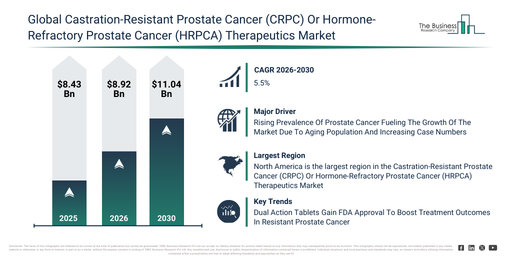
    In recent years, the market for castration-resistant prostate cancer (CRPC) and hormone-refractory prostate cancer (HRPCA) therapeutics has experienced substantial expansion. Projections indicate it will rise from $8.43 billion in 2025 to $8.92 billion in 2026, reflecting a compound annual growth rate (CAGR) of 5.8%. This historic growth is driven by factors such as the high prevalence of prostate cancer, the development of resistance to hormone therapies, progress in oncology drug innovation, the provision of cancer care within hospital settings, and an increasing demographic of older men.

    The market size for therapeutics targeting castration-resistant prostate cancer, also referred to as hormone-refractory prostate cancer, is projected to experience considerable expansion over the coming years. By 2030, this market is anticipated to reach $11.04 billion, reflecting a compound annual growth rate of 5.5%. This predicted growth during the forecast period is driven by factors such as the increasing reliance on biomarker-driven treatment strategies, the development of more advanced targeted therapies, a growing shift toward oral oncology medications, an expanding pipeline of oncology drugs, and a stronger emphasis on personalized cancer care. Key trends shaping the market in this period include the growing utilization of androgen receptor inhibitors, the expansion of PARP inhibitor therapies, the rising number of combination treatment protocols, a heightened focus on precision oncology, and a steady transition toward adopting oral oncology drugs.

    Download A Free Sample Report For Comprehensive Market Insights:

    https://www.thebusinessresearchcompany.com/sample.aspx?id=24495&type=smp&utm_source=BlogsPR&utm_medium=Paid&utm_campaign=Jul_PR

    Castration-Resistant Prostate Cancer (CRPC) Or Hormone-Refractory Prostate Cancer (HRPCA) Therapeutics Market Opportunity Drivers: What Is Creating New Revenue Potential?

    The increasing incidence of prostate cancer is expected to drive the growth of the castration-resistant prostate cancer (CRPC) or hormone-refractory prostate cancer (HRPCA) therapeutics market in the coming years. Prostate cancer is defined as a malignancy that develops in the prostate gland, a small male reproductive organ positioned beneath the bladder and in front of the rectum. This rise in prostate cancer cases is largely attributed to an aging population, given that the likelihood of developing this condition significantly escalates with advancing age. Therapeutics designed for castration-resistant prostate cancer (CRPC) or hormone-refractory prostate cancer (HRPCA) are utilized to manage the disease by focusing on its advanced phases, where it no longer reacts to standard hormone-based treatments. These therapies enhance patient outcomes by decelerating disease advancement and alleviating symptoms, which ultimately improves the quality of life. To illustrate, in October 2025, NHS Digital—a UK-based government body overseeing healthcare statistics—reported that England recorded 58,137 new prostate cancer cases in 2023, indicating a 6 percent rise from the previous year. Consequently, the growing prevalence of prostate cancer is fueling the expansion of the castration-resistant prostate cancer (CRPC) or hormone-refractory prostate cancer (HRPCA) therapeutics market.

    Castration-Resistant Prostate Cancer (CRPC) Or Hormone-Refractory Prostate Cancer (HRPCA) Therapeutics Market Segment Breakdown: Which Categories Generate The Most Revenue?

    The castration-resistant prostate cancer (crpc) or hormone-refractory prostate cancer (hrpca) therapeutics market covered in this report is segmented –

    1) By Therapy Type: Hormonal Therapy, Chemotherapy, Immunotherapy, Targeted Therapy, Radiation Therapy

    2) By Route Of Administration: Oral, Injectable, Intravenous

    3) By End User: Hospitals, Oncology Centers, Ambulatory Surgical Centers, Other End Users

    Subsegments:

    1) By Hormonal Therapy: Androgen Receptor (AR) Inhibitors, Androgen Synthesis Inhibitors, Luteinizing Hormone-Releasing Hormone (LHRH) Agonists Or Antagonists, Gonadotropin-Releasing Hormone (GnRH) Agonists Or Antagonists

    2) By Chemotherapy: Taxanes, Platinum-Based Agents, Other Chemotherapies

    3) By Immunotherapy: Immune Checkpoint Inhibitors, Cancer Vaccines

    4) By Targeted Therapy: Poly ADP-Ribose Polymerase (PARP) Inhibitors, Phosphoinositide 3-Kinase (PI3K) Or Protein Kinase B (PI3K) Or Mammalian Target Of Rapamycin (mTOR) Inhibitors, Tyrosine Kinase Inhibitors (TKIs), Deoxyribonucleic Acid Damage Response (DDR) Inhibitors

    5) By Radiation Therapy: External Beam Radiation Therapy, Brachytherapy, Radiopharmaceuticals

    Castration-Resistant Prostate Cancer (CRPC) Or Hormone-Refractory Prostate Cancer (HRPCA) Therapeutics Market Innovation Trends Driving Future Development

    Key players in the castration-resistant prostate cancer (CRPC) or hormone-refractory prostate cancer (HRPCA) therapeutic market are prioritizing the development of innovative products, including dual-action tablets, to improve treatment effectiveness and patient outcomes. These dual-action tablets are advanced formulations delivering two therapeutic agents in a single dose, designed to simultaneously target multiple pathways in the treatment of CRPC. A notable example occurred in August 2023, when Janssen Pharmaceuticals, a Belgium-based firm, secured U.S. Food and Drug Administration (FDA) approval for Akeega, a novel tablet intended for adults with BRCA-mutated metastatic castration-resistant prostate cancer (mCRPC). This precision medicine integrates a PARP inhibitor (niraparib) and a CYP17 inhibitor (abiraterone acetate), specifically tailored for patients with BRCA mutations. When administered with prednisone, it markedly extends radiographic progression-free survival (rPFS) relative to standard hormonal therapy.

    Castration-Resistant Prostate Cancer (CRPC) Or Hormone-Refractory Prostate Cancer (HRPCA) Therapeutics Market Key Players And Strategic Industry Positioning

    Major companies operating in the castration-resistant prostate cancer (crpc) or hormone-refractory prostate cancer (hrpca) therapeutics market are Pfizer Inc., Johnson And Johnson, Merck & Co. Inc., Bayer AG, Novartis AG, Sanofi S.A., Bristol-Myers Squibb Company, AstraZeneca plc, Takeda Pharmaceutical Company Limited, Astellas Pharma Inc., Daiichi Sankyo Co. Ltd., Lantheus Holdings Inc., POINT Biopharma Global Inc., Clovis Oncology Inc., Arvinas Inc., Clarity Pharmaceuticals Ltd, Modra Pharmaceuticals B.V., Oncternal Therapeutics Inc., Zenith Epigenetics Ltd., ESSA Pharma Inc.

    Access The Complete Castration-Resistant Prostate Cancer (CRPC) Or Hormone-Refractory Prostate Cancer (HRPCA) Therapeutics Market Report:

    https://www.thebusinessresearchcompany.com/report/castration-resistant-prostate-cancer-crpc-or-hormone-refractory-prostate-cancer-hrpca-therapeutics-global-market-report?utm_source=BlogsPR&utm_medium=Paid&utm_campaign=Jul_PR

    Castration-Resistant Prostate Cancer (CRPC) Or Hormone-Refractory Prostate Cancer (HRPCA) Therapeutics Market Leading Geography: Which Region Generates The Most Revenue?

    North America was the largest region in the castration-resistant prostate cancer (CRPC) or hormone-refractory prostate cancer (HRPCA) therapeutics market in 2025. Asia-Pacific is expected to be the fastest-growing region in the forecast period. The regions covered in the castration-resistant prostate cancer (crpc) or hormone-refractory prostate cancer (hrpca) therapeutics market report are Asia-Pacific, South East Asia, Western Europe, Eastern Europe, North America, South America, Middle East, Africa.

    Get in touch with us:

    The Business Research Company: https://www.thebusinessresearchcompany.com/?utm_source=BlogsPR&utm_medium=Paid&utm_campaign=home_page_test

    Americas: +1 310-496-7795

    Asia: +44 7882 955267 & +91 8897263534

    Europe: +44 7882 955267

    Email us at: marketing@tbrc.info

    Follow us on:

    LinkedIn: https://in.linkedin.com/company/the-business-research-company

    YouTube: https://www.youtube.com/channel/UC24_fI0rV8cR5DxlCpgmyFQ

    Global Market Model: https://www.thebusinessresearchcompany.com/global-market-model
  • Casein Protein Market Opportunities Are Emerging Beyond Traditional Growth Areas

    Casein Protein Market Opportunities Are Emerging Beyond Traditional Growth Areas

    Enhanced with market attractiveness analysis, total addressable market evaluation, company benchmarking matrices, interactive Excel dashboards, expanded supply chain intelligence, emerging startup coverage, and detailed product insights, The Business Research Company’s 2026 market reports deliver more actionable and strategically valuable research.

    Casein Protein Market Forecast Highlighting Growth From $5.32 Billion To $7.17 Billion

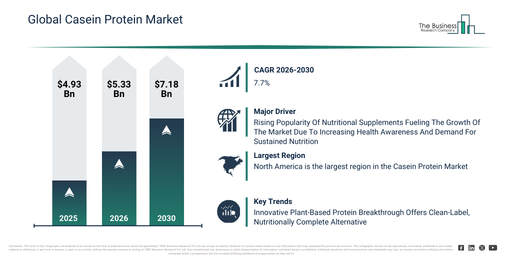
    The casein protein market has recorded substantial expansion over the past few years. From $4.93 billion in 2025, it is projected to rise to $5.33 billion in 2026, reflecting a compound annual growth rate (CAGR) of 8.1%. Driving forces behind past growth include the rise of fitness trends, increased focus on bodybuilding nutrition, a saturated whey protein segment, a growing network of supplement retailers, and heightened consumer awareness regarding protein consumption.

    The market for casein protein is projected to experience significant expansion in the coming years. By 2030, it is anticipated to reach a value of $7.18 billion, with a compound annual growth rate (CAGR) of 7.7%. This growth during the forecast period is driven by factors such as rising demand for sports nutrition, an increasingly active aging population, a preference for premium protein supplements, a focus on clean ingredient sourcing, and the growth of online supplement sales. Key trends shaping this period include a heightened demand for nighttime protein supplements, broader use in sports nutrition, the expansion of micellar casein products, the rise of clean label protein powders, and their adoption in muscle recovery nutrition.

    Download A Free Sample Report For Comprehensive Market Insights:

    https://www.thebusinessresearchcompany.com/sample.aspx?id=24494&type=smp&utm_source=BlogsPR&utm_medium=Paid&utm_campaign=Jul_PR

    Casein Protein Market Growth Momentum: Which Factors Are Influencing Demand?

    The projected expansion of the casein protein market is significantly fueled by the increasing demand for nutritional supplements. These supplements—which include vitamins, minerals, amino acids, or herbal ingredients—are designed to be taken orally to enhance dietary intake and support general wellness. Their growing appeal is largely driven by a heightened focus on health, with more people turning to preventive nutrition to boost immunity, ward off illness, and improve overall vitality. As a slow-digesting protein, casein provides a steady release of amino acids, which is particularly beneficial for muscle repair and sustained nourishment, especially during periods of fasting, thereby enhancing the effectiveness of supplementation. To illustrate, in December 2024, UNICEF, a U.S.-based humanitarian organization, reported that nearly 480 million vitamin A capsules were distributed across 71 countries in 2023, enabling over 320 million children to receive two doses—a 26 percent increase compared to prior years. This trend underscores how the rising popularity of nutritional supplements is directly propelling the casein protein market forward.

    Casein Protein Market Segmentation: How Is The Market Structured Across Key Categories?

    The casein protein market covered in this report is segmented –

    1) By Product Type: Micellar Casein, Casein Hydrolysate, Other Product Types

    2) By Function: Stabilizing, Emulsification, Foaming, Other Functions

    3) By Distribution Channel: Online Stores, Supermarkets Or Hypermarkets, Specialty Stores, Other Distribution Channels

    4) By Application: Nutritional Supplements, Food And Beverage, Agriculture Or Animal Feed, Cosmetics, Pharmaceutical, Other Applications

    5) By End-User: Athletes, Bodybuilders, General Consumers, Other End-Users

    Subsegments:

    1) By Micellar Casein: Micellar Casein Concentrate, Micellar Casein Isolate

    2) By Casein Hydrolysate: Partially Hydrolyzed Casein, Fully Hydrolyzed Casein

    3) By Other Product Types: Caseinates, Acid Casein, Rennet Casein

    Casein Protein Market Trends Reshaping Industry Growth

    Major industry players in the casein protein sector are concentrating their efforts on creating new offerings, like plant-based casein products, in order to satisfy the rising consumer interest in sustainable and alternative protein options. Plant-based casein is a type of protein product engineered to replicate the functional and nutritional attributes of dairy casein, yet it is sourced exclusively from plants rather than milk. A notable example occurred in May 2025, when Pureture Co. Ltd., a biotechnology firm based in the United States, introduced an emulsifier-free plant-based casein protein that skillfully mimics both the texture and nutritional profile of conventional dairy casein. This innovation eliminates the requirement for additives such as emulsifiers or stabilizers, resulting in a cleaner ingredient list that appeals to health-focused consumers. It provides a full complement of amino acids and achieves a PDCAAS score of 1.0, matching the nutritional value of dairy casein, all while facilitating clean-label and allergen-free product development.

    Casein Protein Market Competitive Landscape And Leading Companies

    Major companies operating in the casein protein market are Groupe Lactalis S.A., Arla Foods amba, Fonterra Co-operative Group Limited, Royal FrieslandCampina N.V., Agropur Dairy Cooperative, Leprino Foods Company Inc., Glanbia Nutritionals Inc., Actus Nutrition Inc., Sachsenmilch Leppersdorf GmbH, Ingredia SA, Numidia B.V, BioHealth Nutrition Inc., VRS Foods Ltd, Interfood Holding B.V., Eurial Groupe Agrial, American Casein Company, Clarion Casein Ltd., Pure Product Australia Pty Ltd, Swasthum Wellness Pvt. Ltd., Classik Casein Manufacturing Company

    Access The Complete Casein Protein Market Report:

    https://www.thebusinessresearchcompany.com/report/casein-protein-global-market-report?utm_source=BlogsPR&utm_medium=Paid&utm_campaign=Jul_PR

    Casein Protein Market Regional Outlook: Where Are The Largest Opportunities Located?

    North America was the largest region in the casein protein market in 2025. Asia-Pacific is expected to be the fastest-growing region in the forecast period. The regions covered in the casein protein market report are Asia-Pacific, South East Asia, Western Europe, Eastern Europe, North America, South America, Middle East, Africa.

    Get in touch with us:

    The Business Research Company: https://www.thebusinessresearchcompany.com/?utm_source=BlogsPR&utm_medium=Paid&utm_campaign=home_page_test

    Americas: +1 310-496-7795

    Asia: +44 7882 955267 & +91 8897263534

    Europe: +44 7882 955267

    Email us at: marketing@tbrc.info

    Follow us on:

    LinkedIn: https://in.linkedin.com/company/the-business-research-company

    YouTube: https://www.youtube.com/channel/UC24_fI0rV8cR5DxlCpgmyFQ

    Global Market Model: https://www.thebusinessresearchcompany.com/global-market-model
  • Casein Market Expansion Is Opening New Pathways For Strategic Investment

    Casein Market Expansion Is Opening New Pathways For Strategic Investment

    Through market attractiveness analysis, total addressable market evaluation, company benchmarking matrices, interactive Excel dashboards, expanded supply chain intelligence, emerging startup coverage, and detailed product insights, The Business Research Company’s 2026 market reports provide more actionable and strategically valuable research.

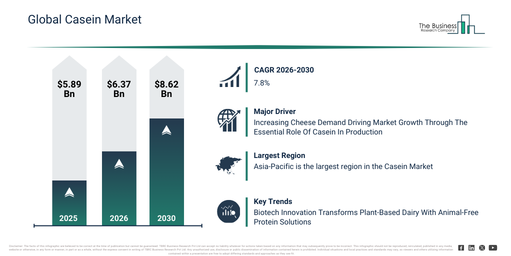
    Casein Market Revenue Growth Supported By A CAGR Of 8.61% Through 2030

    The casein market has experienced robust expansion in recent years, with projections indicating an increase from $5.89 billion in 2025 to $6.37 billion in 2026, reflecting a compound annual growth rate (CAGR) of 8.2%. This historical growth has been driven by factors such as the expansion of the dairy sector, advancements in food processing, heightened awareness of protein nutrition, rising demand for pharmaceutical excipients, and the utilization of casein in sports nutrition.

    The casein market is projected to experience robust expansion over the coming years, reaching a valuation of $8.62 billion by 2030, driven by a compound annual growth rate (CAGR) of 7.8%. This anticipated growth during the forecast period is fueled by increasing demand for functional foods, the rising popularity of clean label products, advancements in pharmaceutical formulations, the broadening scope of infant nutrition, and the growing use of casein in industrial protein applications. Key trends shaping this period include a heightened need for protein-enriched foods, the expanding role of casein as a pharmaceutical excipient, its growing adoption as a versatile functional ingredient, the development of dairy-based nutritional products, and its integration into clean label formulations.

    Download A Free Sample Report For Comprehensive Market Insights:

    https://www.thebusinessresearchcompany.com/sample.aspx?id=24493&type=smp&utm_source=BlogsPR&utm_medium=Paid&utm_campaign=Jul_PR

    Casein Market Expansion Drivers: What Is Shaping Future Growth?

    The surge in cheese consumption is anticipated to drive the casein market forward in the coming period. Cheese, a solid dairy product created through milk curdling and subsequently aged to achieve diverse flavors and textures, is witnessing heightened demand. This trend stems from consumers’ increasing preference for protein-rich, tasty, and convenient food options. As the primary milk protein that coagulates to form curds, casein plays a vital role in cheese production. For example, data from the U.S. Department of Agriculture, a government agency in the United States, revealed that cheese output reached 22.52 million metric tons in 2024-25, compared to 22.3 million metric tons in 2023-24. Consequently, the rising demand for cheese is fueling expansion in the casein market.

    Casein Market Segmentation Trends And Revenue Drivers

    The casein market covered in this report is segmented –

    1) By Product Type: Acid Casein, Rennet Casein

    2) By Source: Cow’s Milk, Goat’s Milk, Sheep’s Milk

    3) By Function: Emulsifying Agent, Texturizing Agent, Foaming Agent, Thickening Agent

    4) By End Use: Food And Beverages, Pharmaceuticals, Cosmetics, Industrial, Other End Uses

    Subsegments:

    1) By Acid Casein: Food Grade Acid Casein, Industrial Grade Acid Casein, Pharmaceutical Grade Acid Casein

    2) By Rennet Casein: Edible Rennet Casein, Technical Rennet Casein, Specialty Rennet Casein

    Casein Market Strategic Trends: What Is Defining The Next Phase Of Growth?

    Leading players in the casein market are prioritizing technological breakthroughs, particularly the creation of casein through precision fermentation, to replicate the authentic functionality of dairy in plant-based alternatives while taking environmental and ethical concerns into account. This bioidentical dairy protein, produced via microbial fermentation, shares an identical molecular structure and functional characteristics with conventional casein, yet eliminates the need for animal involvement. For example, in October 2024, Those Vegan Cowboys, a food technology company headquartered in Belgium, introduced animal-free casein derived from precision fermentation, an advanced biotechnological method that yields dairy-matching proteins without animal input. This development directly tackles a major hurdle in vegan cheese production—achieving the stretch and melt properties typical of traditional dairy cheese. By imitating the functional attributes of milk-sourced casein, this innovation supports the manufacture of plant-based cheeses that boast authentic textures and performance, significantly boosting the attractiveness and overall quality of vegan dairy substitutes.

    Casein Market Industry Leaders: Which Organizations Are Driving Competition?

    Major companies operating in the casein market are Nestlé S.A., Danone S.A., Arla Foods Ingredients Group P/S, Fonterra Co-operative Group Limited, Saputo Inc., Kerry Group, Savencia Fromage, Glanbia plc, Bega Cheese Ltd., Actus Nutrition, Tatua Co-operative Dairy Company Ltd., Parag Milk Foods Ltd., Producers Dairy Foods Inc., Ingredia SA, Batory Foods, Westland Milk Products, Meelunie B.V., Uelzena eG, Lactoprot Deutschland GmbH, Armor Proteines.

    Access The Complete Casein Market Report:

    https://www.thebusinessresearchcompany.com/report/casein-global-market-report?utm_source=BlogsPR&utm_medium=Paid&utm_campaign=Jul_PR

    Casein Market Geographic Landscape: Which Region Dominates Industry Growth?

    Asia-Pacific was the largest region in the casein market in 2025. Asia-Pacific is expected to be the fastest-growing region in the forecast period. The regions covered in the casein market report are Asia-Pacific, South East Asia, Western Europe, Eastern Europe, North America, South America, Middle East, Africa.

    Get in touch with us:

    The Business Research Company: https://www.thebusinessresearchcompany.com/?utm_source=BlogsPR&utm_medium=Paid&utm_campaign=home_page_test

    Americas: +1 310-496-7795

    Asia: +44 7882 955267 & +91 8897263534

    Europe: +44 7882 955267

    Email us at: marketing@tbrc.info

    Follow us on:

    LinkedIn: https://in.linkedin.com/company/the-business-research-company

    YouTube: https://www.youtube.com/channel/UC24_fI0rV8cR5DxlCpgmyFQ

    Global Market Model: https://www.thebusinessresearchcompany.com/global-market-model
  • Cas12 Protein Market Trends Are Creating New Opportunities For Industry Leaders

    Cas12 Protein Market Trends Are Creating New Opportunities For Industry Leaders

    Delivering more actionable and strategically valuable research, The Business Research Company’s 2026 market reports feature market attractiveness analysis, total addressable market evaluation, company benchmarking matrices, interactive Excel dashboards, expanded supply chain intelligence, emerging startup coverage, and detailed product insights.

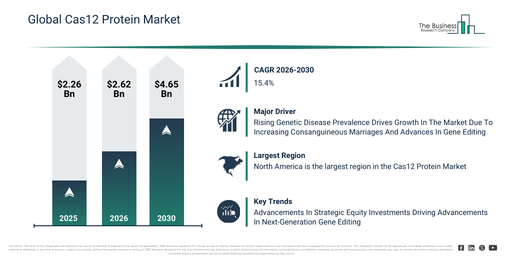
    Cas12 Protein Market Value Expansion And Long-Term Growth Outlook

    The cas12 protein market has experienced swift expansion in the past few years. Its valuation is projected to climb from $2.26 billion in 2025 to $2.62 billion in 2026, reflecting a compound annual growth rate (CAGR) of 15.9%. This historical growth was driven by the early application of CRISPR-Cas systems, a surge in academic research focused on gene editing, heightened demand for molecular biology tools, the advancement of genetic engineering studies, and the accessibility of fundamental cas12 protein variants.

    The cas12 protein market is anticipated to experience strong expansion over the coming years. By 2030, its value is projected to reach $4.65 billion, with a compound annual growth rate (CAGR) of 15.4%. This forecast period growth is driven by several factors, including the broader use of CRISPR-based diagnostics, the creation of more sophisticated delivery techniques, higher levels of investment in gene therapies, increased spending on research and development in the pharmaceutical and biotechnology sectors, and a growing number of regulatory approvals for CRISPR-based treatments. Key developments shaping the forecast period involve the more frequent application of cas12 in rapid molecular testing, a greater reliance on cas12 for accurate genome editing, the creation of enhanced and high-fidelity versions of cas12, the broadening of its use in therapeutic development, and an increased demand for stable, lyophilized formulations of cas12.

    Download A Free Sample Report For Comprehensive Market Insights:

    https://www.thebusinessresearchcompany.com/sample.aspx?id=27240&type=smp&utm_source=BlogsPR&utm_medium=Paid&utm_campaign=Jul_PR

    Cas12 Protein Market Development Factors: Which Trends Are Supporting Demand?

    The rising occurrence of genetic disorders is anticipated to fuel expansion in the Cas12 protein market moving forward. These illnesses stem from alterations or mutations in an individual’s DNA that impair normal physiological functions. Their growing frequency is largely attributed to a higher rate of consanguineous marriages, which elevates the risk of passing on hereditary conditions. Cas12 protein operates by targeting and cleaving DNA at precise locations, enabling the correction, removal, or replacement of defective genes, thereby facilitating highly accurate gene therapies for inherited diseases with minimal unintended consequences. To illustrate, data from July 2025 provided by the National Blood Authority—an Australian blood management organization—showed that 2,788 patients were living with hereditary haemophilia A (HMA) during 2023–2024, compared to 2,681 patients in 2022–2023. Consequently, the growing prevalence of genetic diseases is propelling the advancement of the Cas12 protein market.

    Cas12 Protein Market Segment Analysis Highlighting Growth Areas

    The cas12 protein market covered in this report is segmented –

    1) By Type: Natural Cas12 Proteins, Modified Cas12 Proteins, Integration With Other CRISPR Components

    2) By Formulation: Liquid Formulations, Lyophilized Powder, Plasmid-Derived Cas12 Proteins

    3) By Delivery Method: Viral Vectors, Lipid Nanoparticles, Electroporation, Microinjection

    4) By Application: Genome Editing, Gene Knockout, Gene Regulation, Genetic Engineering, Therapeutics Development

    5) By End User: Academic And Research Institutes, Pharmaceutical And Biotechnology Companies, Diagnostic Laboratories, Agricultural Companies

    Subsegments:

    1) By Natural Cas12 Proteins: Cas12a, Cas12b, Cas12c

    2) By Modified Cas12 Proteins: Engineered Cas12 Variants, High-Fidelity Cas12 Proteins, Fusion Proteins With Cas12

    3) By Integration With Other CRISPR Components: Cas12 With Cas9 Systems, Cas12 With Base Editors, Cas12 With Prime Editors

    Cas12 Protein Market Transformation Trends: Which Innovations Are Driving Change?

    Key players in the Cas12 protein market are prioritizing the creation of sophisticated tools—particularly through equity investments—so they can speed up innovation and broaden their capacities in gene editing. When a company makes an equity investment, it involves buying shares or ownership stakes in another firm, granting the investor partial control and the opportunity to earn returns tied to the company’s performance. A case in point comes from April 2024, when Regeneron Pharmaceuticals Inc., a US biotechnology business, put $100 million into Mammoth Biosciences. This capital was used to gain access to Mammoth’s ultracompact CRISPR enzymes, designed to enable in vivo gene editing therapies delivered via adeno-associated viruses (AAVs) to various tissues beyond just the liver. The collaboration brings together Mammoth’s tiny CRISPR enzymes with Regeneron’s sophisticated AAV delivery system, unlocking new potential for targeted gene therapies that extend beyond liver applications. Because these compact enzymes fit easily within AAV vectors, they allow for precise and efficient in vivo editing capabilities. Under the terms of the deal, Mammoth stands to receive significant funding, along with milestone payments and royalties, while Regeneron secures exclusive rights to these groundbreaking tools for more than five years. Their shared objective is to speed up the development of next-generation genetic medicines, aimed at addressing a wider spectrum of diseases.

    Cas12 Protein Market Leading Companies: Who Holds Significant Market Presence?

    Major companies operating in the cas12 protein market are Thermo Fisher Scientific Inc., Bio-Techne Corporation, Integrated DNA Technologies Inc., GenScript Biotech Corporation, Takara Bio Inc., Aldevron LLC, New England Biolabs Inc., Synthego Corporation, Mammoth Biosciences Inc., Editas Medicine Inc., VectorBuilder, Sherlock Biosciences, Inscripta Inc.

    Access The Complete Cas12 Protein Market Report:

    https://www.thebusinessresearchcompany.com/report/cas12-protein-global-market-report?utm_source=BlogsPR&utm_medium=Paid&utm_campaign=Jul_PR

    Cas12 Protein Market Largest Region: Which Geography Holds The Highest Market Share?

    North America was the largest region in the Cas12 protein market in 2025. Asia-Pacific is expected to be the fastest-growing region in the forecast period. The regions covered in the cas12 protein market report are Asia-Pacific, South East Asia, Western Europe, Eastern Europe, North America, South America, Middle East, Africa.

    Get in touch with us:

    The Business Research Company: https://www.thebusinessresearchcompany.com/?utm_source=BlogsPR&utm_medium=Paid&utm_campaign=home_page_test

    Americas: +1 310-496-7795

    Asia: +44 7882 955267 & +91 8897263534

    Europe: +44 7882 955267

    Email us at: marketing@tbrc.info

    Follow us on:

    LinkedIn: https://in.linkedin.com/company/the-business-research-company

    YouTube: https://www.youtube.com/channel/UC24_fI0rV8cR5DxlCpgmyFQ

    Global Market Model: https://www.thebusinessresearchcompany.com/global-market-model