Month: July 2026

  • Cyclin-Dependent Kinase (CDK) 4/6 Inhibitor Drugs Market Trends And Growth Drivers Point To Strong Future Potential

    Cyclin-Dependent Kinase (CDK) 4/6 Inhibitor Drugs Market Trends And Growth Drivers Point To Strong Future Potential

    Enhanced with market attractiveness analysis, total addressable market evaluation, company benchmarking matrices, interactive Excel dashboards, expanded supply chain intelligence, emerging startup coverage, and detailed product insights, The Business Research Company’s 2026 market reports deliver more actionable and strategically valuable research.

    Cyclin-Dependent Kinase (CDK) 4/6 Inhibitor Drugs Market Size, Value And Growth Trends Through 2030

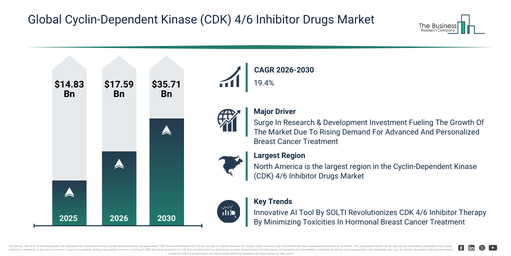
    The market for cyclin-dependent kinase (CDK) 4/6 inhibitor drugs has experienced a rapid expansion in recent years, with projections indicating a rise from $14.83 billion in 2025 to $17.59 billion in 2026, reflecting a compound annual growth rate (CAGR) of 18.6%. This historical growth has been driven by several key factors, including the U.S. Food and Drug Administration’s approval of palbociclib, an increasing incidence of HR-positive, HER2-negative breast cancer, the widespread adoption of targeted therapies in developed nations, a growing number of clinical trials focused on CDK4/6 inhibitors, and strategic partnerships among pharmaceutical companies dedicated to advancing oncology research.

    The market for cyclin-dependent kinase (cdk) 4/6 inhibitor drugs is projected to experience substantial expansion over the coming years. By 2030, its value is anticipated to reach $35.71 billion, reflecting a compound annual growth rate (CAGR) of 19.4%. This forecasted growth is driven by several factors, including an increasing elderly population affected by breast cancer, heightened recognition of the advantages offered by targeted therapies, improvements in oncology healthcare infrastructure within emerging economies, the incorporation of digital health tools for patient oversight, and intensified research and development efforts focused on next-generation cdk4/6 inhibitors. Key developments shaping this period involve customized treatment plans, the use of combination therapies, the creation of oral cdk4/6 inhibitor formulations, market expansion in emerging oncology regions, and the growing reliance on real-world data and patient monitoring practices.

    Download A Free Sample Report For Comprehensive Market Insights:

    https://www.thebusinessresearchcompany.com/sample.aspx?id=13121&type=smp&utm_source=BlogsPR&utm_medium=Paid&utm_campaign=Jul_PR

    Cyclin-Dependent Kinase (CDK) 4/6 Inhibitor Drugs Market Industry Drivers: What Is Driving Revenue Growth?

    The cyclin-dependent kinase (CDK) 4/6 inhibitor drugs market is anticipated to be driven forward by rising funding for research and development focused on breast cancer treatment. Breast cancer occurs when abnormal cells multiply uncontrollably within the breast, leading to tumor formation. There is a growing investment in breast cancer R&D, spurred by the increasing demand for more effective and individualized therapeutic options. These CDK 4/6 inhibitors work in breast cancer care by blocking the proteins that fuel cancer cell growth, thereby helping to decelerate or halt tumor advancement. As an example, in July 2025, the National Cancer Institute (NCI), a US governmental agency, earmarked an estimated $542.0 million for fiscal year 2023 exclusively for breast cancer research. Consequently, this rise in research and development investment for breast cancer treatment is fueling the expansion of the cyclin-dependent kinase (CDK) 4/6 inhibitor drug market.

    Cyclin-Dependent Kinase (CDK) 4/6 Inhibitor Drugs Market Segment Breakdown: Which Categories Generate The Most Revenue?

    The cyclin-dependent kinase (cdk) 4/6 inhibitor drugs market covered in this report is segmented –

    1) By Drug Type: Palbociclib (Ibrance), Ribociclib (Kisqali), Abermaciclib (Verzenio)

    2) By Patient: Pre-Menopausal, Post-Menopausal, Other Patients

    3) By End-Users: Hospitals, Clinics, Research Laboratories, Retail Pharmacies

    Cyclin-Dependent Kinase (CDK) 4/6 Inhibitor Drugs Market Growth Trends: What Is Influencing The Future Outlook?

    Key players in the cyclin-dependent kinase (CDK) 4/6 inhibitor drugs market are prioritizing the creation of advanced technological solutions, including an AI-powered tool that targets toxicities in hormone-driven breast cancer therapies for addressing pressing industry needs. This artificial intelligence system tailors treatment protocols to minimize harmful effects, forecast potential complications, and enable timely medical responses, thus boosting both safety and efficacy. In May 2024, SOLTI, an innovative breast cancer research firm from Spain, introduced this AI solution designed to reduce toxicities for patients with hormonal breast cancer. The tool assesses malignant and healthy components in breast tissue samples, which facilitates more precise predictions of therapy results and assists in identifying individuals who may be spared from intense chemotherapy. Through decreasing avoidable adverse reactions and enabling customized treatment strategies, this artificial intelligence innovation aims to improve patient well-being and elevate therapeutic success, building on promising outcomes from SOLTI’s PATRICIA study that demonstrated the advantages of merging hormone therapy with targeted approaches for advanced ER+/HER2+ breast cancer.

    Cyclin-Dependent Kinase (CDK) 4/6 Inhibitor Drugs Market Key Players And Strategic Industry Positioning

    Major companies operating in the cyclin-dependent kinase (cdk) 4/6 inhibitor drugs market are Pfizer Inc., Novartis AG, Eli Lilly and Company, AstraZeneca PLC, Roche Holding AG, Bristol-Myers Squibb Company, Merck & Co. Inc., Sanofi SA, Gilead Sciences Inc., Jiangsu Hengrui Medicine Co. Ltd., Innovent Biologics Inc., OncoMed Pharmaceuticals Inc., Puma Biotechnology Inc., Adlai Nortye Ltd., Arcus Biosciences Inc., Eisai Co. Ltd., G1 Therapeutics Inc., Simcere Pharmaceutical Group, Betta Pharmaceuticals Co. Ltd., Sihuan Pharmaceutical Holdings Group Ltd., Genor Biopharma Co. Ltd., Shanghai Fosun Pharmaceutical Group Co. Ltd.

    Access The Complete Cyclin-Dependent Kinase (CDK) 4/6 Inhibitor Drugs Market Report:

    https://www.thebusinessresearchcompany.com/report/cyclin-dependent-kinase-cdk-4-or-6-inhibitor-drugs-global-market-report?utm_source=BlogsPR&utm_medium=Paid&utm_campaign=Jul_PR

    Cyclin-Dependent Kinase (CDK) 4/6 Inhibitor Drugs Market Largest Region By Revenue And Market Share

    North America was the largest region in the cyclin-dependent kinase (CDK) 4/6 inhibitor drugs market in 2025. The regions covered in the cyclin-dependent kinase (cdk) 4/6 inhibitor drugs market report are Asia-Pacific, South East Asia, Western Europe, Eastern Europe, North America, South America, Middle East, Africa.

    Get in touch with us:

    The Business Research Company: https://www.thebusinessresearchcompany.com/?utm_source=BlogsPR&utm_medium=Paid&utm_campaign=home_page_test

    Americas: +1 310-496-7795

    Asia: +44 7882 955267 & +91 8897263534

    Europe: +44 7882 955267

    Email us at: marketing@tbrc.info

    Follow us on:

    LinkedIn: https://in.linkedin.com/company/the-business-research-company

    YouTube: https://www.youtube.com/channel/UC24_fI0rV8cR5DxlCpgmyFQ

    Global Market Model: https://www.thebusinessresearchcompany.com/global-market-model
  • C-X-C Chemokine Receptor Type 2 Market Expansion Is Reshaping Competitive Dynamics Across The Industry

    C-X-C Chemokine Receptor Type 2 Market Expansion Is Reshaping Competitive Dynamics Across The Industry

    Through market attractiveness analysis, total addressable market evaluation, company benchmarking matrices, interactive Excel dashboards, expanded supply chain intelligence, emerging startup coverage, and detailed product insights, The Business Research Company’s 2026 market reports provide more actionable and strategically valuable research.

    C-X-C Chemokine Receptor Type 2 Market CAGR Analysis And Future Market Development

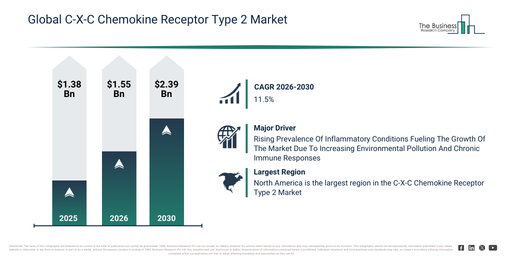
    The market for the c-x-c chemokine receptor type 2 has experienced significant expansion over the past few years, advancing from a valuation of $1.38 billion in 2025 to $1.55 billion in 2026, reflecting a compound annual growth rate (CAGR) of 11.8%. This historical growth was driven by several factors, including a constrained comprehension of CXCR2 biology, dependence on standard anti-inflammatory medications, intensified investigation into chemokine signaling, the initial phases of monoclonal antibody creation, and a rising incidence of inflammatory disorders.

    The c-x-c chemokine receptor type 2 market is anticipated to experience significant expansion over the coming years, reaching an estimated value of $2.39 billion by 2030 with a compound annual growth rate (CAGR) of 11.5%. This projected growth during the forecast period is driven by factors such as the creation of novel small molecule and peptide inhibitors, the broadening of clinical trials for CXCR2 therapies, a growing acceptance of personalized and targeted immunotherapies, the incorporation of digital biomarkers and AI-based drug discovery, and heightened pharmaceutical investment in oncology and autoimmune sectors. Key trends shaping this period include the emergence of selective CXCR2 inhibitors and dual CXCR1/2 inhibitors, progress in monoclonal antibody and peptide-based treatments, a wider range of applications in cancer, autoimmune, and inflammatory conditions, advances in gene therapy and RNA-based therapeutics aimed at CXCR2, and the integration of CXCR2-targeted therapies with individualized medical approaches.

    Download A Free Sample Report For Comprehensive Market Insights:

    https://www.thebusinessresearchcompany.com/sample.aspx?id=27268&type=smp&utm_source=BlogsPR&utm_medium=Paid&utm_campaign=Jul_PR

    #C-X-C Chemokine Receptor Type 2 Market Growth Factors: Which Forces Are Supporting Market Expansion?

    The projected expansion of the C-X-C chemokine receptor type 2 market is being driven by the increasing occurrence of inflammatory conditions. Such conditions encompass medical issues arising from the body’s immune reaction, characterized by swelling, redness, heat, pain, and impaired function in affected tissues or organs. This rise is largely attributed to heightened environmental pollution, which provokes immune responses and persistent inflammation. Through its ability to precisely control immune cell movement and inflammatory processes, CXCR2 facilitates the management of these disorders. It lessens unintended side effects by allowing small-molecule inhibitors and biologic drugs that specifically target CXCR2 activity, thereby boosting treatment effectiveness and patient outcomes. As an illustration, data from the Centers for Disease Control and Prevention, a US federal agency, released in May 2024, revealed that the rate of asthma in adults aged 18 and older in the United States climbed from 8.7% in 2022 to 8.9% in 2023. Consequently, the escalating prevalence of inflammatory conditions is fueling the advancement of the C-X-C chemokine receptor type 2 market.

    C-X-C Chemokine Receptor Type 2 Market Segmentation: How Is The Market Structured Across Key Categories?

    The c-x-c chemokine receptor type 2 market covered in this report is segmented –

    1) By Product Type: Antagonists, Agonists, Inhibitors, Other Product Types

    2) By Drug Type: Monoclonal Antibodies, Small Molecule Inhibitors, Peptide-based Therapeutics, Gene Therapy Products

    3) By Route Of Administration: Intravenous, Subcutaneous, Oral, Topical

    4) By Application: Cancer Treatment, Autoimmune Disorders, Infectious Diseases, Inflammatory Diseases, Other Applications

    5) By End User: Hospitals, Research Institutions, Pharmaceutical Companies, Contract Research Organizations, Other End Users

    Subsegments:

    1) By Antagonists: Small Molecule Antagonists, Peptide Antagonists, Monoclonal Antibody Antagonists, Synthetic Antagonists

    2) By Agonists: Chemokine-Based Agonists, Recombinant Protein Agonists, Peptide-Based Agonists, Modified Cytokine Agonists

    3) By Inhibitors: Selective CXCR2 Inhibitors, Dual CXCR1 Or 2 Inhibitors, Allosteric Inhibitors, Irreversible Inhibitors

    4) By Other Product Types: RNA-Based Therapeutics, Gene Therapy Vectors, Cell-Based Therapeutics, Biologic Response Modifiers

    C-X-C Chemokine Receptor Type 2 Market Competitive Landscape And Leading Companies

    Major companies operating in the c-x-c chemokine receptor type 2 market are AstraZeneca plc, GSK plc, Eli Lilly and Company, Bio-Techne Corporation, Dompé Farmaceutici S.p.A., Miltenyi Biotec B.V. & Co. KG, Abcam plc, Selleck Chemicals LLC, Cell Signaling Technology Inc., RayBiotech Inc., Bethyl Laboratories Inc., Creative Biolabs Inc., TargetMol LLC, MedChemExpress LLC, BioCompare Inc., Boster Biological Technology Co. Ltd., TME Pharma GmbH, InvivoChem Ltd., Abbexa Ltd., Abiocode Inc.

    Access The Complete C-X-C Chemokine Receptor Type 2 Market Report:

    https://www.thebusinessresearchcompany.com/report/c-x-c-chemokine-receptor-type-2-global-market-report?utm_source=BlogsPR&utm_medium=Paid&utm_campaign=Jul_PR

    C-X-C Chemokine Receptor Type 2 Market Regional Analysis And Leading Geography

    North America was the largest region in the C-X-C chemokine receptor type 2 market in 2025. Asia-Pacific is expected to be the fastest-growing region in the forecast period. The regions covered in the c-x-c chemokine receptor type 2 market report are Asia-Pacific, South East Asia, Western Europe, Eastern Europe, North America, South America, Middle East, Africa.

    Get in touch with us:

    The Business Research Company: https://www.thebusinessresearchcompany.com/?utm_source=BlogsPR&utm_medium=Paid&utm_campaign=home_page_test

    Americas: +1 310-496-7795

    Asia: +44 7882 955267 & +91 8897263534

    Europe: +44 7882 955267

    Email us at: marketing@tbrc.info

    Follow us on:

    LinkedIn: https://in.linkedin.com/company/the-business-research-company

    YouTube: https://www.youtube.com/channel/UC24_fI0rV8cR5DxlCpgmyFQ

    Global Market Model: https://www.thebusinessresearchcompany.com/global-market-model
  • Custom Antibody Market Forecast Reveals Where Future Industry Value Will Be Created

    Custom Antibody Market Forecast Reveals Where Future Industry Value Will Be Created

    Delivering more actionable and strategically valuable research, The Business Research Company’s 2026 market reports feature market attractiveness analysis, total addressable market evaluation, company benchmarking matrices, interactive Excel dashboards, expanded supply chain intelligence, emerging startup coverage, and detailed product insights.

    Custom Antibody Market Expansion From $0.53 Billion In 2026 To $0.85 Billion In 2030

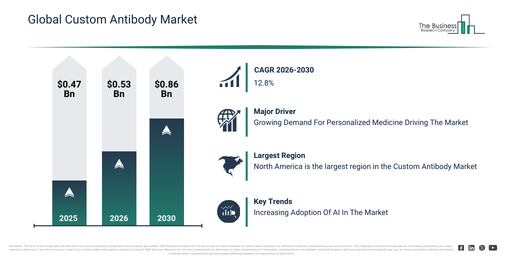
    The custom antibody market has experienced swift expansion over the recent period. Valued at $0.47 billion in 2025, it is projected to reach $0.53 billion by 2026, reflecting a compound annual growth rate (CAGR) of 12.9%. This historical growth has been driven by factors such as the rise in biomedical research, broadening of diagnostic testing, increased investment in pharmaceutical research and development, progress in antibody engineering, and the expansion of academic research activities.

    The custom antibody market is projected to experience swift expansion over the coming years, reaching a value of $0.86 billion by 2030 with a compound annual growth rate (CAGR) of 12.8%. This anticipated growth during the forecast period is driven by factors such as the rise of personalized medicine, the broadening of biologics research, greater utilization of contract research organizations (CROs), increasing needs in diagnostics, and advancements in precision oncology. Key trends shaping this period include a growing preference for specialized research antibodies, their expanding application in precise diagnostic methods, heightened integration into drug discovery processes, the evolution of recombinant antibody technologies, and a shift toward outsourcing to CROs.

    Download A Free Sample Report For Comprehensive Market Insights:

    https://www.thebusinessresearchcompany.com/sample.aspx?id=21162&type=smp&utm_source=BlogsPR&utm_medium=Paid&utm_campaign=Jul_PR

    Custom Antibody Market Demand Drivers: What Is Fueling Industry Growth?

    The upward trend in personalized medicine is anticipated to fuel expansion in the custom antibody market moving forward. Personalized medicine is a medical strategy that customizes treatments and preventive measures based on an individual’s genetic profile, lifestyle, and environmental influences. This rising demand stems from progress in genomics, a greater availability of biomarker-driven therapies, and a growing patient preference for tailored treatments that boost effectiveness while minimizing side effects. Custom antibodies support personalized medicine by supplying specific, customized immune reagents that improve disease detection, enable targeted therapies, and facilitate biomarker identification for individualized care. For example, in February 2024, the Personalized Medicine Coalition, a U.S.-based nonprofit organization, reported that the Food and Drug Administration (FDA) approved 16 new personalized treatments for rare disease patients in 2023, a notable increase from six in 2022. Consequently, the increasing demand for personalized medicine is propelling the custom antibody market’s growth.

    Custom Antibody Market Segmentation Trends And Revenue Drivers

    The custom antibody market covered in this report is segmented –

    1) By Type: Monoclonal Antibodies, Polyclonal Antibodies, Recombinant Antibodies, Other Types

    2) By Service: Antibody Development, Antibody Production And Purification, Antibody Fragmentation And Labeling

    3) By Source: Mice, Rabbit, Other Sources

    4) By Application: Oncology, Infectious Diseases, Neurology, Stem Cells, Immunology, Cardiovascular Diseases, Other Applications

    5) By End-User: Pharmaceutical And Biotechnology Companies, Academic And Research Institutes, Contract Research Organization, Hospitals And Clinics

    Subsegments:

    1) By Monoclonal Antibodies: Murine Monoclonal Antibodies, Chimeric Monoclonal Antibodies, Humanized Monoclonal Antibodies, Fully Human Monoclonal Antibodies

    2) By Polyclonal Antibodies: Rabbit Polyclonal Antibodies, Goat Polyclonal Antibodies, Sheep Polyclonal Antibodies, Other Animal-Derived Polyclonal Antibodies

    3) By Recombinant Antibodies: Single-Chain Variable Fragment (scFv), Nanobodies, Bispecific Antibodies, Antibody Fragments

    4) By Other Types: Aptamers, Nanobodies (Camelid Antibodies), Hybridomas

    Custom Antibody Market Innovation Trends: Which Developments Are Transforming The Industry?

    Major players in the custom antibody market are increasingly leveraging advanced technologies like artificial intelligence to boost antibody discovery, enhance specificity, and expedite development timelines. By facilitating better antigen selection, predicting interactions between antibodies and antigens, and using machine learning for efficient candidate screening, AI significantly accelerates and reduces the cost of biopharmaceutical research. A case in point is Archon Biosciences Inc., a biotechnology firm based in the US, which launched in October 2024 with $20 million in funding. Their focus is on developing computationally designed antibody cages that allow existing antibodies to be tailored for therapeutic purposes. These cages, built using Archon’s proprietary technology, enable modifications to the properties of antibodies without requiring changes to their fundamental structure. This approach is intended to improve antibody affinity for therapeutic targets, minimize off-target effects, and ultimately increase therapeutic efficacy.

    Custom Antibody Market Industry Leaders: Which Organizations Are Driving Competition?

    Major companies operating in the custom antibody market are Merck & Co. Inc., AbbVie Inc., Thermo Fisher Scientific Inc., Agilent Technologies Inc., Lonza Group AG, Bio-Rad Laboratories Inc., Bio-Techne Corporation, GenScript Biotech Corporation, BioLegend Inc., Abcam plc, Cusabio Biotech Co. Ltd., OriGene Technologies Inc., Cell Signaling Technology Inc., Abgent Inc., ProSci Incorporated, Santa Cruz Biotechnology Inc., Rockland Immunochemicals Inc., Creative Biolabs Inc., Novus Biologicals LLC, Creative Diagnostics Inc., Biorbyt Ltd., BIOTEM SAS, Capra Biosciences Inc., Pacific Immunology Inc., ProteoGenix SAS

    Access The Complete Custom Antibody Market Report:

    https://www.thebusinessresearchcompany.com/report/custom-antibody-global-market-report?utm_source=BlogsPR&utm_medium=Paid&utm_campaign=Jul_PR

    Custom Antibody Market Geographic Analysis: Where Is Demand Growing The Fastest?

    North America was the largest region in the custom antibody market in 2025. Asia-Pacific is expected to be the fastest-growing region in the forecast period. The regions covered in the custom antibody market report are Asia-Pacific, South East Asia, Western Europe, Eastern Europe, North America, South America, Middle East, Africa.

    Get in touch with us:

    The Business Research Company: https://www.thebusinessresearchcompany.com/?utm_source=BlogsPR&utm_medium=Paid&utm_campaign=home_page_test

    Americas: +1 310-496-7795

    Asia: +44 7882 955267 & +91 8897263534

    Europe: +44 7882 955267

    Email us at: marketing@tbrc.info

    Follow us on:

    LinkedIn: https://in.linkedin.com/company/the-business-research-company

    YouTube: https://www.youtube.com/channel/UC24_fI0rV8cR5DxlCpgmyFQ

    Global Market Model: https://www.thebusinessresearchcompany.com/global-market-model
  • CTLA4 Inhibitors Market Growth Through 2030 Creates New Strategic Opportunities

    CTLA4 Inhibitors Market Growth Through 2030 Creates New Strategic Opportunities

    Enhanced with market attractiveness analysis, total addressable market evaluation, company benchmarking matrices, interactive Excel dashboards, expanded supply chain intelligence, emerging startup coverage, and detailed product insights, The Business Research Company’s 2026 market reports deliver more actionable and strategically valuable research.

    CTLA4 Inhibitors Market Forecast Highlighting Growth From $6.54 Billion To $11.84 Billion

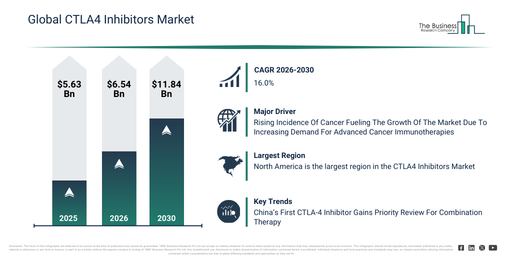
    The ctla4 inhibitors market has experienced rapid expansion in recent years, with projections indicating growth from $5.63 billion in 2025 to $6.54 billion in 2026, representing a compound annual growth rate (CAGR) of 16.2%. This historical rise can be credited to breakthroughs in cancer immunology research, the initial approval of CTLA-4 inhibitors, increasing cancer incidence rates, substantial funding allocated to oncology research and development, and heightened regulatory backing for biologic therapies.

    The ctla4 inhibitors market is projected to experience significant growth over the coming years, reaching a valuation of $11.84 billion by 2030, with a compound annual growth rate (CAGR) of 16.0%. This expansion during the forecast period can be linked to factors such as the increasing adoption of precision oncology, the extension of combination immunotherapy strategies, a growing need for durable responses in cancer treatment, heightened activity in oncology pipelines, and the worldwide development of cancer care facilities. Key developments anticipated in the forecast period include a rising reliance on immunotherapeutic approaches in oncology, broader integration of combination therapies for cancer, an increase in solid tumor clinical trials, a stronger emphasis on immune checkpoint modulation, and the advancement of next-generation CTLA4 inhibitors.

    Download A Free Sample Report For Comprehensive Market Insights:

    https://www.thebusinessresearchcompany.com/sample.aspx?id=23358&type=smp&utm_source=BlogsPR&utm_medium=Paid&utm_campaign=Jul_PR

    CTLA4 Inhibitors Market Growth Drivers: What Factors Are Accelerating Expansion?

    The increasing prevalence of cancer is anticipated to boost the expansion of the CTLA4 inhibitors market in the foreseeable future. Cancer represents a diverse set of diseases marked by the unregulated proliferation and dissemination of abnormal cells, which can infiltrate adjacent tissues and impair regular physiological processes. This upward trend in cancer incidence is fueled by sustained exposure to carcinogens, a major factor that directly induces genetic alterations leading to the transformation of malignant cells. Inhibitors targeting Cytotoxic T-Lymphocyte-Associated Protein 4 (CTLA-4) address the growing cancer burden by boosting the immune system’s capacity to detect and destroy cancerous cells, thus enhancing therapeutic effectiveness and introducing novel treatment alternatives for individuals suffering from advanced or therapy-resistant cancers. For example, in February 2024, the World Health Organization, an international public health entity headquartered in Switzerland, reported that approximately 20 million new cancer cases were recorded in 2022, resulting in around 10 million fatalities from the illness. Future estimates indicate that the yearly cancer case count could climb to 35 million by 2050, representing a 77% increase compared to 2022 levels. As such, the growing incidence of cancer is fueling the advancement of the CTLA4 inhibitors market.

    CTLA4 Inhibitors Market Segment Analysis Highlighting Growth Areas

    The ctla4 inhibitors market covered in this report is segmented –

    1) By Type: Monotherapy, Combination Therapy

    2) By Mechanism Of Action: Targeted Inhibition, Immune Checkpoint Blockade, Co-Stimulatory Boosting

    3) By Route Of Administration: Intravenous (IV), Subcutaneous

    4) By Indication: Melanoma, Non-Small Cell Lung Cancer (NSCLC), Colorectal Cancer, Other Malignancies

    5) By End User: Hospitals, Specialty Clinics, Research Institutions

    Subsegments:

    1) By Monotherapy: First-Line Treatment, Second-Line Treatment, Salvage Therapy

    2) By Combination Therapy Subsegments: CTLA-4 Inhibitors With PD-1/PD-L1 Inhibitors, CTLA-4 Inhibitors With Chemotherapy, CTLA-4 Inhibitors With Targeted Therapy, CTLA-4 Inhibitors With Radiotherapy, CTLA-4 Inhibitors With Other Immunotherapies

    CTLA4 Inhibitors Market Trends: What Is Shaping Future Industry Growth?

    Leading firms within the CTLA-4 inhibitor market are pursuing progress in immunotherapy through approaches like combination therapies, designed to strengthen the immune system’s attack on malignant cells and boost therapeutic results for individuals facing advanced or treatment-resistant cancers. This combination therapy strategy involves administering multiple treatments concurrently to tackle a disease, thereby amplifying the effect of CTLA-4 blockers by making the immune system more effective at eradicating cancer cells compared to monotherapy. As an example, in February 2025, Innovent Biologics Inc., a biotechnology enterprise based in China, disclosed that its New Drug Application (NDA) for ipilimumab injection was accepted by the Center for Drug Evaluation (CDE) under China’s National Medical Products Administration (NMPA), and it was awarded Priority Review status for use alongside sintilimab as a neoadjuvant therapy in resectable microsatellite instability-high (MSI-H) or mismatch repair deficient (dMMR) colon cancer. This marks the first domestically produced CTLA-4 inhibitor in China, highlighting the progress of indigenous innovations in cancer care.

    CTLA4 Inhibitors Market Leading Companies: Who Holds Significant Market Presence?

    Major companies operating in the ctla4 inhibitors market are Bristol-Myers Squibb Company, Agenus Inc., Akeso Inc., Harbour BioMed, MacroGenics Inc., NextCure Inc., Xilio Therapeutics Inc., Shattuck Labs Inc., CytomX Therapeutics Inc., Regeneron Pharmaceuticals Inc., AstraZeneca plc, Merck & Co. Inc., BeiGene Ltd., Innovent Biologics Inc., Incyte Corporation, Pfizer Inc., Amgen Inc., Eli Lilly and Company, Novartis AG, BioNTech SE

    Access The Complete CTLA4 Inhibitors Market Report:

    https://www.thebusinessresearchcompany.com/report/ctla4-inhibitors-global-market-report?utm_source=BlogsPR&utm_medium=Paid&utm_campaign=Jul_PR

    CTLA4 Inhibitors Market Global Footprint: Which Region Holds Market Leadership?

    North America was the largest region in the CTLA4 inhibitors market in 2025. Asia-Pacific is expected to be the fastest-growing region in the forecast period. The regions covered in the ctla4 inhibitors market report are Asia-Pacific, South East Asia, Western Europe, Eastern Europe, North America, South America, Middle East, Africa.

    Get in touch with us:

    The Business Research Company: https://www.thebusinessresearchcompany.com/?utm_source=BlogsPR&utm_medium=Paid&utm_campaign=home_page_test

    Americas: +1 310-496-7795

    Asia: +44 7882 955267 & +91 8897263534

    Europe: +44 7882 955267

    Email us at: marketing@tbrc.info

    Follow us on:

    LinkedIn: https://in.linkedin.com/company/the-business-research-company

    YouTube: https://www.youtube.com/channel/UC24_fI0rV8cR5DxlCpgmyFQ

    Global Market Model: https://www.thebusinessresearchcompany.com/global-market-model
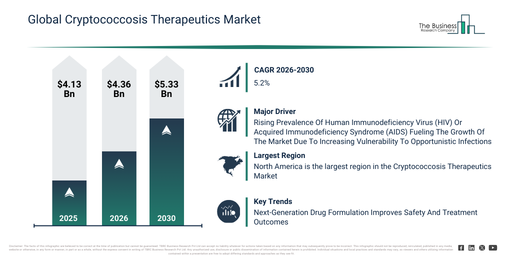
  • Cryptococcosis Therapeutics Market Size Projected To Increase From $4.36 Billion To $5.33 Billion During The Forecast Period

    Cryptococcosis Therapeutics Market Size Projected To Increase From $4.36 Billion To $5.33 Billion During The Forecast Period

    Through market attractiveness analysis, total addressable market evaluation, company benchmarking matrices, interactive Excel dashboards, expanded supply chain intelligence, emerging startup coverage, and detailed product insights, The Business Research Company’s 2026 market reports provide more actionable and strategically valuable research.

    Cryptococcosis Therapeutics Market Revenue Growth Supported By A CAGR Of 5.33% Through 2030

    The cryptococcosis therapeutics market has seen robust expansion in recent years, with projections indicating a rise from $4.13 billion in 2025 to $4.36 billion in 2026, reflecting a compound annual growth rate (CAGR) of 5.6%. Historical growth was driven by factors such as scarce antifungal treatment options, a significant population of immunocompromised patients, dependence on hospital-centric care, a strong preference for branded pharmaceuticals, and a gradual shift toward oral formulations.

    The market for cryptococcosis therapeutics is predicted to experience significant expansion over the coming years. By 2030, its value is projected to reach $5.33 billion, reflecting a compound annual growth rate (CAGR) of 5.2%. This anticipated growth during the forecast period is driven by several factors, including a higher prevalence of cryptococcosis in developing nations, the creation of innovative antifungal medicines, increased awareness among medical professionals, the growth of online pharmacy platforms, and escalating investment in both combination and targeted treatment approaches. Key developments expected to shape this period include a greater uptake of generic antifungal drugs, a growing preference for intravenous administration in severe disease cases, wider access through online and retail pharmacy networks, a heightened emphasis on early detection and management of cryptococcosis, and progress in combination therapies and new drug formulations.

    Download A Free Sample Report For Comprehensive Market Insights:

    https://www.thebusinessresearchcompany.com/sample.aspx?id=25733&type=smp&utm_source=BlogsPR&utm_medium=Paid&utm_campaign=Jul_PR

    Cryptococcosis Therapeutics Market Growth Factors Supporting Long-Term Expansion

    The growing incidence of human immunodeficiency virus (HIV) or acquired immunodeficiency syndrome (AIDS) is anticipated to drive the expansion of the cryptococcosis therapeutics market in the coming period. Human immunodeficiency virus (HIV) or acquired immunodeficiency syndrome (AIDS) is defined as a chronic, life-threatening disorder caused by a virus that compromises the immune system, leaving the body susceptible to infections and illnesses. The prevalence of HIV/AIDS is increasing in some areas due to restricted access to healthcare services, which impedes timely diagnosis, consistent treatment, and effective prevention strategies. Cryptococcosis therapeutics aid in managing HIV/AIDS by addressing opportunistic fungal infections that frequently affect individuals with weakened immune systems. These treatments enhance patient outcomes by lowering the likelihood of severe complications like cryptococcal meningitis, thus improving quality of life and facilitating sustained disease management. For example, in October 2024, the UK Health Security Agency, a government body in the UK, reported 6,008 HIV diagnoses in England (including individuals previously diagnosed abroad) in 2023, representing a 51% increase from the 3,975 cases recorded in 2022. Consequently, the rising prevalence of human immunodeficiency virus (HIV) or acquired immunodeficiency syndrome (AIDS) is fueling the growth of the cryptococcosis therapeutics market.

    The increase in healthcare spending is expected to boost the cryptococcosis therapeutics market moving forward. Healthcare spending encompasses the total funds allocated to medical services, treatments, facilities, research, and public health programs aimed at preserving or enhancing health outcomes. This rise in healthcare expenditure is largely driven by an aging population that demands more medical attention, therapies, and long-term care services. Greater healthcare expenditure benefits cryptococcosis therapeutics by facilitating access to advanced treatments, enabling early detection, and supporting research into more potent antifungal drugs. For instance, in December 2024, the Centers for Medicare & Medicaid Services (CMS), a US federal agency, noted that national health expenditures (NHE) increased by 7.5% to $4.9 trillion in 2023, representing 17.6% of the gross domestic product (GDP). Moreover, from 2023 to 2032, average national health expenditures (NHE) are forecast to expand at an average annual rate of 5.6%, raising the health spending share of gross domestic product (GDP) from 17.3% in 2022 to 19.7% in 2032. Thus, the rising healthcare expenditure is propelling the growth of the cryptococcosis therapeutics market.

    Cryptococcosis Therapeutics Market Segment Performance And Strategic Opportunities

    The cryptococcosis therapeutics market covered in this report is segmented –

    1) By Drug Type: Branded, Generic

    2) By Treatment: Amphotericin B, Flucytosine, Fluconazole, Other Treatments

    3) By Route Of Administration: Oral, Intravenous, Inhalation

    4) By Distribution Channel: Hospital Pharmacies, Retail Pharmacies, Online Pharmacies

    5) By End-User: Hospitals, Ambulatory Surgical Centers, Other End Users

    Subsegments:

    1) By Branded Drugs: Ambisome, Diflucan, Vfend, Noxafil, Cresemba

    2) By Generic Drugs: Amphotericin B Deoxycholate, Fluconazole, Flucytosine

    Cryptococcosis Therapeutics Market Industry Trends Shaping Future Revenue Growth

    Major pharmaceutical firms in the cryptococcosis therapeutics market are actively pursuing clinical trials aimed at creating novel therapies, including oral lipid-nanocrystal (LNC) formulations, to enhance treatment accessibility, lower toxicity, and improve patient outcomes. These oral LNC formulations function as drug delivery systems that encapsulate medications within minuscule lipid-based crystals, facilitating oral administration while directing action to tissues like the central nervous system and diminishing kidney toxicity when contrasted with conventional intravenous treatments. For example, in March 2023, Matinas BioPharma Holdings, Inc., a biopharmaceutical company based in the United States, introduced MAT2203, its oral LNC amphotericin B, through two oral presentations at the European Congress of Clinical Microbiology & Infectious Diseases (ECCMID). The Phase 2 EnACT trial for MAT2203 demonstrated mean early fungicidal activity surpassing the study’s predefined primary threshold, achieved approximately 95% two-week survival in an all-oral cohort of 40 patients, and exhibited no signs of kidney toxicity over six weeks of therapy. MAT2203 employs Matinas’ proprietary LNC platform to transform an antifungal that was previously limited to intravenous use into an oral treatment, underscoring its potential to revolutionize the current IV-centric treatment landscape.

    Cryptococcosis Therapeutics Market Key Players: Which Companies Shape Industry Competition?

    Major companies operating in the cryptococcosis therapeutics market are Pfizer Inc., Merck & Co. Inc., Gilead Sciences Inc., Asahi Kasei Pharma Corporation, Astellas Pharma Inc., Sun Pharmaceutical Industries Limited, Dr. Reddy’s Laboratories Ltd., Cipla Limited, Basilea Pharmaceutica AG, F2G Limited, Century Pharmaceuticals Ltd., LGM Pharma LLC, Zeon Health Industries Pvt. Ltd., Matinas BioPharma Holdings Inc.

    Access The Complete Cryptococcosis Therapeutics Market Report:

    https://www.thebusinessresearchcompany.com/report/cryptococcosis-therapeutics-global-market-report?utm_source=BlogsPR&utm_medium=Paid&utm_campaign=Jul_PR

    Cryptococcosis Therapeutics Market Regional Distribution: Which Areas Drive Market Expansion?

    North America was the largest region in the cryptococcosis therapeutics market in 2025. Asia-Pacific is expected to be the fastest-growing region in the forecast period. The regions covered in the cryptococcosis therapeutics market report are Asia-Pacific, South East Asia, Western Europe, Eastern Europe, North America, South America, Middle East, Africa.

    Get in touch with us:

    The Business Research Company: https://www.thebusinessresearchcompany.com/?utm_source=BlogsPR&utm_medium=Paid&utm_campaign=home_page_test

    Americas: +1 310-496-7795

    Asia: +44 7882 955267 & +91 8897263534

    Europe: +44 7882 955267

    Email us at: marketing@tbrc.info

    Follow us on:

    LinkedIn: https://in.linkedin.com/company/the-business-research-company

    YouTube: https://www.youtube.com/channel/UC24_fI0rV8cR5DxlCpgmyFQ

    Global Market Model: https://www.thebusinessresearchcompany.com/global-market-model
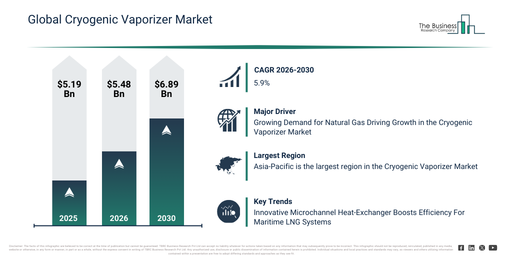
  • Cryogenic Vaporizer Market Growth Outlook Reveals A CAGR Of 5.9% And A Market Value Of $6.89 Billion By 2030

    Cryogenic Vaporizer Market Growth Outlook Reveals A CAGR Of 5.9% And A Market Value Of $6.89 Billion By 2030

    Delivering more actionable and strategically valuable research, The Business Research Company’s 2026 market reports feature market attractiveness analysis, total addressable market evaluation, company benchmarking matrices, interactive Excel dashboards, expanded supply chain intelligence, emerging startup coverage, and detailed product insights.

    Cryogenic Vaporizer Market Value Expansion And Long-Term Growth Outlook

    The cryogenic vaporizer market has experienced robust expansion in recent years, with projections indicating an increase from $5.19 billion in 2025 to $5.48 billion in 2026, reflecting a compound annual growth rate (CAGR) of 5.8%. This upward trend during the historical period has been driven by rising industrial gas consumption, the development of additional oil and gas processing plants, the widespread application of cryogenic storage systems, requirements from the metallurgy sector, and a greater utilization of oxygen and nitrogen gases.

    The cryogenic vaporizer market is anticipated to see robust expansion over the coming years, with projections indicating it will reach $6.89 billion by 2030, achieving a compound annual growth rate (CAGR) of 5.9%. This forecasted growth is largely driven by the ongoing development of LNG transportation infrastructure, increasing requirements for medical oxygen systems, the progress of hydrogen and clean energy initiatives, growing industrial automation, and the need for efficient gas handling equipment. Key trends shaping this period include the greater use of cryogenic gases in industrial processes, the adoption of ambient air heated vaporizers, the expansion of LNG infrastructure and distribution networks, rising demand from the healthcare and medical gas supply sector, and an intensified focus on energy-efficient vaporization systems.

    Download A Free Sample Report For Comprehensive Market Insights:

    https://www.thebusinessresearchcompany.com/sample.aspx?id=19019&type=smp&utm_source=BlogsPR&utm_medium=Paid&utm_campaign=Jul_PR

    Cryogenic Vaporizer Market Demand Drivers Creating New Revenue Opportunities

    An anticipated increase in natural gas consumption is expected to propel the cryogenic vaporizer market forward. This fossil fuel, composed primarily of methane, is employed for electricity generation, industrial operations, heating, and transportation. Its rising popularity stems from a lower carbon footprint relative to coal and oil. To meet this demand, the cryogenic vaporizer market enables the conversion of LNG into a gaseous state ready for immediate downstream use. For instance, according to the U.S. Energy Information Administration (EIA), a federal agency, natural gas consumption in the United States reached 2,428 billion cubic feet (2.428 trillion cubic feet) in June 2024, or 80.9 billion cubic feet daily, up from 78.8 billion cubic feet per day in June 2023—a daily increase of 2.1 billion cubic feet. Thus, the growing need for natural gas is driving expansion in the cryogenic vaporizer market.

    Cryogenic Vaporizer Market Segment Landscape And Growth Potential

    The cryogenic vaporizer market covered in this report is segmented –

    1) By Product: Ambient Air Heated Vaporizer, Steam Heated Vaporizer, Other Products

    2) By Cryogen Type: Nitrogen, Oxygen, Natural Gas, Argon, Other Cryogen Types

    3) By End-User: Oil And Gas Industry, Power, Food And Beverage, Chemical, Rubber And Plastics, Metallurgy, Healthcare, Shipping, Other End-Users

    Subsegments:

    1) By Ambient Air Heated Vaporizer: Natural Draft Ambient Vaporizer, Forced Draft Ambient Vaporizer

    2) By Steam Heated Vaporizer: Low-Pressure Steam Heated Vaporizer, High-Pressure Steam Heated Vaporizer

    3) By Other Products: Water Bath Vaporizer, Electric Heated Vaporizer, Direct Fired Vaporizer

    Cryogenic Vaporizer Market Trends Driving Strategic Industry Expansion

    Key players in the cryogenic vaporizer market are placing greater emphasis on developing cutting-edge solutions, such as microchannel heat-exchanger vaporizers, to address the growing need for compact, highly efficient regasification systems in the maritime LNG industry. These microchannel units, frequently taking the form of printed circuit heat exchangers (PCHEs), rely on precisely engineered, diffusion-welded microchannels to deliver an exceptionally high heat transfer area density within a reduced footprint, offering superior thermal performance and a lighter weight compared with conventional shell-and-tube vaporizers. As an example, in October 2025, Shensi Technology (Anhui) Co., Ltd., a China-based company specializing in thermal management and heat exchangers, introduced the PCHE-LNG heat exchanger tailored for the fuel gas supply system (FGSS) market. This advanced cryogenic microchannel device, constructed with state-of-the-art diffusion-welding methods, achieves a heat transfer area density of up to 6,400 m³/m³, enabling it to occupy half the space of open rack vaporizers (ORVs) while cutting energy usage by approximately 20%. It is compatible with both high- and low-pressure LNG setups, has proven its full-scale functionality in offshore environments, and has secured class approvals in China, Europe, and Japan, with both mass production and customization options now accessible.

    Cryogenic Vaporizer Market Competitive Landscape: Who Are The Leading Companies?

    Major companies operating in the cryogenic vaporizer market are Linde plc, Chart Industries Inc., Nikkiso Co. Ltd., Kobe Steel Ltd., Cryostar, Cryolor SA, Taylor-Wharton Cryogenics LLC, INOX India Pvt. Ltd., Cryonorm B.V., Cryeng Group Pty Ltd, Isisan Energy Solutions Private Limited, Incryo Systems Pvt. Ltd., Cryogas Equipment Private Limited, Super Cryogenic Systems Private Limited, GMS Interneer Co. Ltd., Kagla Vaportech Corporation, FIBA Technologies Inc., OPW Clean Energy Solutions, Iec Fabchem Limited, CryoVation

    Access The Complete Cryogenic Vaporizer Market Report:

    https://www.thebusinessresearchcompany.com/report/cryogenic-vaporizer-global-market-report?utm_source=BlogsPR&utm_medium=Paid&utm_campaign=Jul_PR

    Cryogenic Vaporizer Market Leading Geography: Which Region Generates The Most Revenue?

    Asia-Pacific was the largest region in the cryogenic vaporizer market in 2025. North America is expected to be the fastest-growing region in the forecast period. The regions covered in the cryogenic vaporizer market report are Asia-Pacific, South East Asia, Western Europe, Eastern Europe, North America, South America, Middle East, Africa.

    Get in touch with us:

    The Business Research Company: https://www.thebusinessresearchcompany.com/?utm_source=BlogsPR&utm_medium=Paid&utm_campaign=home_page_test

    Americas: +1 310-496-7795

    Asia: +44 7882 955267 & +91 8897263534

    Europe: +44 7882 955267

    Email us at: marketing@tbrc.info

    Follow us on:

    LinkedIn: https://in.linkedin.com/company/the-business-research-company

    YouTube: https://www.youtube.com/channel/UC24_fI0rV8cR5DxlCpgmyFQ

    Global Market Model: https://www.thebusinessresearchcompany.com/global-market-model
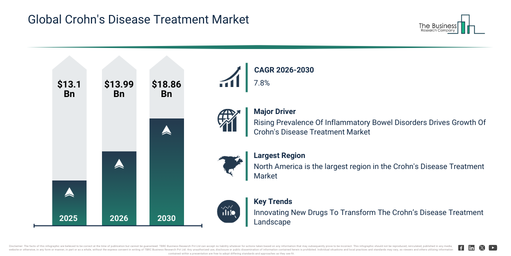
  • Crohn’s Disease Treatment Market Forecast Highlights Expansion From $13.98 Billion To $18.85 Billion Through 2030

    Crohn’s Disease Treatment Market Forecast Highlights Expansion From $13.98 Billion To $18.85 Billion Through 2030

    Enhanced with market attractiveness analysis, total addressable market evaluation, company benchmarking matrices, interactive Excel dashboards, expanded supply chain intelligence, emerging startup coverage, and detailed product insights, The Business Research Company’s 2026 market reports deliver more actionable and strategically valuable research.

    Crohn’s Disease Treatment Market Expected To Reach $18.85 Billion By 2030 At 7.8% CAGR

    The market for Crohn’s disease treatment has experienced substantial expansion over recent years. Projected to rise from $13.1 billion in 2025 to $13.99 billion in 2026, this growth reflects a compound annual growth rate (CAGR) of 6.8%. Historically, this upward trend has been driven by factors such as a higher prevalence of Crohn’s disease, greater public awareness surrounding inflammatory bowel conditions, the broadening reach of hospital pharmacy networks, the continued availability of conventional anti-inflammatory medications, and enhancements in diagnostic technologies.

    The Crohn’s disease treatment market is projected to experience substantial growth in the coming years. By 2030, its value is anticipated to reach $18.86 billion, expanding at a compound annual growth rate (CAGR) of 7.8%. This forecasted growth is driven by an expanding pipeline of biologics and small molecules, a growing demand for tailored treatment approaches, increased penetration of online pharmacies, rising healthcare spending in developing nations, and a greater emphasis on long-term disease management. Key trends shaping the market during this period include the growing adoption of biologic therapies, a shift toward earlier and more aggressive treatment strategies, an increased focus on minimizing steroid use, the emergence of oral small-molecule treatments, and the expansion of both online and specialty pharmacy channels.

    Download A Free Sample Report For Comprehensive Market Insights:

    https://www.thebusinessresearchcompany.com/sample.aspx?id=10852&type=smp&utm_source=BlogsPR&utm_medium=Paid&utm_campaign=Jul_PR

    Crohn’s Disease Treatment Market Expansion Supported By Key Demand Factors

    The growing frequency of inflammatory bowel disorders is set to drive the Crohn’s disease treatment market forward. These disorders are chronic conditions marked by inflammation of the gastrointestinal tract, potentially damaging any part of the digestive system from the mouth to the anus. Treatment with Crohn’s disease therapies works by reducing intestinal inflammation, preventing symptom flare-ups, and maintaining remission. For example, in September 2023, the National Center for Biotechnology Information, a US-based government body, reported that the prevalence of Crohn’s disease and ulcerative colitis has risen similarly, with inflammatory bowel disease estimated at 825 cases per 100,000 people in 2023—410 for Crohn’s disease, 414 for ulcerative colitis, and IBD-u. Consequently, the increasing prevalence of these conditions is driving growth in the market for Crohn’s disease treatments.

    Crohn’s Disease Treatment Market Categorization By Product Type And Application

    The crohn’s disease treatment market covered in this report is segmented –

    1) By Drug Type: Antibiotics, Amino Salicylates, Corticosteroids, Immunomodulators, Other Drug Types

    2) By Distribution Channel: Hospital Pharmacies, Retail Pharmacies, Online Pharmacies

    3) By Application: Neuropathic Pain, Fibromyalgia, Chronic Back Pain, Arthritic Pain, Migraine Post-Operative Pain, Cancer Pain, Other Applications

    Subsegments:

    1) By Antibiotics: Metronidazole, Ciprofloxacin, Other Antibiotics

    2) By Amino Salicylates: Mesalamine, Sulfasalazine, Other Amino Salicylates

    3) By Corticosteroids: Prednisone, Budesonide, Other Corticosteroids

    4) By Immunomodulators: Azathioprine, Methotrexate, Mercaptopurine

    5) By Other Drug Types: Biologics, Small Molecules, Other Treatments

    Crohn’s Disease Treatment Market Growth Trends Influencing Competitive Dynamics

    Leading industry players in the Crohn’s disease treatment market are continuously developing and securing regulatory approval for new therapies, including biosimilar ustekinumab, with the goal of delivering more effective and accessible options to patients, thereby enhancing clinical results and overall quality of life. A biosimilar version of ustekinumab is a biologic medicine that closely resembles the original ustekinumab, a monoclonal antibody employed in treating autoimmune disorders. As an example, during July 2024, Sandoz International GmbH, a pharmaceutical firm headquartered in Switzerland, introduced Pyzchiva (ustekinumab) throughout Europe, establishing it as the first ustekinumab biosimilar offered in all dosage forms, which encompasses a 130 mg vial tailored for Crohn’s disease. This treatment is indicated for individuals aged six and older suffering from plaque psoriasis, psoriatic arthritis, and Crohn’s disease, thereby strengthening Sandoz’s immunology portfolio and working to expand access to cost-effective therapies for chronic inflammatory conditions.

    Crohn’s Disease Treatment Market Company Landscape And Strategic Competition

    Major companies operating in the crohn’s disease treatment market are AbbVie Inc., Janssen Pharmaceuticals, Takeda Pharmaceutical Company Limited, Bristol-Myers Squibb Company, Galapagos NV, Teva Pharmaceutical Industries Ltd., Mylan N.V., Glenmark Pharmaceuticals, Tillotts Pharma AG, Dr. Falk Pharma GmbH, Shire Pharmaceuticals, Salix Pharmaceuticals, Prometheus Laboratories Inc., Pfizer Inc., Novartis AG, Sanofi S.A., Eli Lilly and Company, Boehringer Ingelheim GmbH, Arena Pharmaceuticals Inc., F. Hoffmann-La Roche Ltd.

    Access The Complete Crohn’s Disease Treatment Market Report:

    https://www.thebusinessresearchcompany.com/report/crohns-disease-treatment-global-market-report?utm_source=BlogsPR&utm_medium=Paid&utm_campaign=Jul_PR

    Crohn’s Disease Treatment Market Regional Outlook: Where Are The Largest Opportunities Located?

    North America was the largest region in the global Crohn’s disease treatment market in 2025. Asia-Pacific is expected to be the fastest-growing region in the forecast period. The regions covered in the crohn’s disease treatment market report are Asia-Pacific, South East Asia, Western Europe, Eastern Europe, North America, South America, Middle East, Africa.

    Get in touch with us:

    The Business Research Company: https://www.thebusinessresearchcompany.com/?utm_source=BlogsPR&utm_medium=Paid&utm_campaign=home_page_test

    Americas: +1 310-496-7795

    Asia: +44 7882 955267 & +91 8897263534

    Europe: +44 7882 955267

    Email us at: marketing@tbrc.info

    Follow us on:

    LinkedIn: https://in.linkedin.com/company/the-business-research-company

    YouTube: https://www.youtube.com/channel/UC24_fI0rV8cR5DxlCpgmyFQ

    Global Market Model: https://www.thebusinessresearchcompany.com/global-market-model
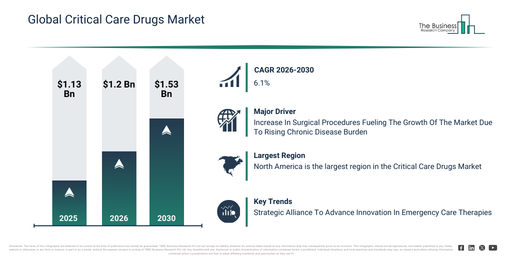
  • Critical Care Drugs Market Expected To Reach $1.52 Billion By 2030 As Growth Accelerates At 6.1% CAGR

    Critical Care Drugs Market Expected To Reach $1.52 Billion By 2030 As Growth Accelerates At 6.1% CAGR

    Through market attractiveness analysis, total addressable market evaluation, company benchmarking matrices, interactive Excel dashboards, expanded supply chain intelligence, emerging startup coverage, and detailed product insights, The Business Research Company’s 2026 market reports provide more actionable and strategically valuable research.

    Critical Care Drugs Market Size And Revenue Forecast Through 2030

    The market for critical care pharmaceuticals has experienced robust expansion in recent times. Its valuation is projected to rise from $1.13 billion in 2025 to $1.2 billion in 2026, reflecting a compound annual growth rate (CAGR) of 6.4%. Historically, this upward trend has been driven by factors such as a higher prevalence of critical conditions, a greater number of intensive care unit (ICU) admissions, the scarcity of sophisticated critical care medications, the development of hospital facilities, and an ongoing dependence on traditional sedatives and analgesics.

    The market for critical care drugs is projected to experience substantial expansion over the coming years. By 2030, it is anticipated to reach a value of $1.53 billion, achieving a compound annual growth rate (CAGR) of 6.1%. This growth during the forecast period is driven by factors such as the development of new opioids and sedatives, the incorporation of AI-based monitoring and dosing technologies, the enlargement of acute care protocols, increased government initiatives aimed at boosting ICU capacity, and a growing preference for precision medication in critical care therapy. Significant trends shaping this period include a heightened utilization of advanced sedatives and analgesics within ICU environments, a growing application of continuous monitoring and dose optimization systems, a rise in drugs designed for acute care and critical event management, the broader implementation of protocol-driven drug administration in operating rooms, and an intensified emphasis on ensuring safety by minimizing adverse drug reactions in critical care contexts.

    Download A Free Sample Report For Comprehensive Market Insights:

    https://www.thebusinessresearchcompany.com/sample.aspx?id=27266&type=smp&utm_source=BlogsPR&utm_medium=Paid&utm_campaign=Jul_PR

    Critical Care Drugs Market Growth Drivers And Industry Catalysts

    The growing volume of surgical operations is expected to drive the expansion of the critical care drugs market in the coming period. Surgical procedures involve medical interventions where physicians operate on the body to address or manage health conditions like injuries or diseases. These procedures are on the rise due to the increasing incidence of chronic illnesses that necessitate surgical treatment. Critical care drugs are administered during surgeries to control pain, maintain vital functions, prevent infections, and aid recovery both during and after the operation. For example, the Australian Institute of Health and Welfare, an Australian government organization, reported in May 2025 that in 2023–24, roughly 778,500 patients were admitted for surgery from public hospital waiting lists, representing a 5.8% increase compared to 2022–23. Consequently, the rising number of surgical procedures is fueling growth in the critical care drugs market.

    Critical Care Drugs Market Segment Analysis And Revenue Opportunities

    The critical care drugs market covered in this report is segmented –

    1) By Drug Type: Opioids, Morphine, Pethidine, Naloxone, Fentanyl, Benzodiazepines, Diazepam, Midazolam, Lorazepum, Other Types

    2) By Clinical Applications: Sepsis And Septic Shock, Acute Respiratory Distress Syndrome (ARDS), Acute Cardiovascular Events, Acute Kidney Injury, Traumatic Injuries

    3) By Route Of Administration: Intravenous (IV), Intramuscular (IM), Inhalation, Subcutaneous

    4) By End User: Intensive Care Unit (ICU), Coronary Care Unit (CCU), Operation Theatres, Trauma Centers

    Subsegments:

    1) By Opioids: Codeine, Hydromorphone, Oxycodone, Tapentadol, Methadone

    2) By Morphine: Immediate-Release Morphine, Extended-Release Morphine, Injectable Morphine, Oral Morphine Solutions

    3) By Pethidine: Injectable Pethidine, Oral Pethidine, Pethidine Combinations

    4) By Naloxone: Injectable Naloxone, Nasal Naloxone, Auto-injector Naloxone

    5) By Fentanyl: Transdermal Patches, Injectable Fentanyl, Buccal Tablets, Sublingual Spray, Lozenges

    6) By Benzodiazepines: Short-Acting Benzodiazepines, Intermediate-Acting Benzodiazepines, Long-Acting Benzodiazepines

    7) By Diazepam: Oral Tablets, Injectable Diazepam, Rectal Gel, Oral Solution

    8) By Midazolam: Injectable Midazolam, Nasal Spray, Buccal Formulation, Oral Syrup

    9) By Lorazepam: Oral Tablets, Injectable Lorazepam, Oral Concentrate

    10) By Other Types: Propofol, Ketamine, Dexmedetomidine, Etomidate, Clonidine

    Critical Care Drugs Market Trends Influencing Long-Term Demand

    Key players in the critical care drugs market are strategically forming alliances to broaden their product portfolios, boost research capabilities, expedite market entry, and solidify their foothold in rapidly expanding therapeutic segments. These collaborations accelerate drug development, research efforts, and market accessibility by combining specialized knowledge and resources. Through alliances with hospitals, research organizations, or biotech firms, pharmaceutical companies can improve drug innovation and streamline clinical trial procedures. A notable example occurred in March 2024, when Dr. Reddy’s Laboratories Ltd., an India-based pharmaceutical firm, joined forces with Pharmazz Inc., a US-based company, to launch and market Centhaquine—a groundbreaking resuscitation medication for hypovolemic shock—in India under the trade name Lyfaquin. This agreement grants Dr. Reddy’s exclusive distribution and marketing privileges in India and Nepal, with Pharmazz receiving initial payments and royalties. By adding this novel therapy, approved by the Drugs Controller General of India (DCGI) for emergency use, the partnership enhances Dr. Reddy’s critical care offerings and underscores its dedication to life-saving treatments for severely ill patients.

    Critical Care Drugs Market Leading Players Shaping Industry Direction

    Major companies operating in the critical care drugs market are Intas Pharmaceuticals, Sun Pharmaceutical Industries Ltd., Aurobindo Pharma, Dr. Reddy’s Laboratories Ltd., Cipla Ltd., Lupin Ltd., Zydus Lifesciences Limited, Cargus Biopharma, Glenmark Pharmaceuticals, Torrent Pharmaceuticals, Mankind Pharma, Novalab Healthcare, Arlak Biotech Ltd., Pax Healthcare, SwissChem Healthcare, Iskon Remedies, Salvus Pharma, Fortune Labs, H&I Critical Care, Biofield Pharma.

    Access The Complete Critical Care Drugs Market Report:

    https://www.thebusinessresearchcompany.com/report/critical-care-drugs-global-market-report?utm_source=BlogsPR&utm_medium=Paid&utm_campaign=Jul_PR

    Critical Care Drugs Market Geographic Landscape: Which Region Dominates Industry Growth?

    North America was the largest region in the critical care drugs market in 2025. Asia-Pacific is expected to be the fastest-growing region in the forecast period. The regions covered in the critical care drugs market report are Asia-Pacific, South East Asia, Western Europe, Eastern Europe, North America, South America, Middle East, Africa.

    Get in touch with us:

    The Business Research Company: https://www.thebusinessresearchcompany.com/?utm_source=BlogsPR&utm_medium=Paid&utm_campaign=home_page_test

    Americas: +1 310-496-7795

    Asia: +44 7882 955267 & +91 8897263534

    Europe: +44 7882 955267

    Email us at: marketing@tbrc.info

    Follow us on:

    LinkedIn: https://in.linkedin.com/company/the-business-research-company

    YouTube: https://www.youtube.com/channel/UC24_fI0rV8cR5DxlCpgmyFQ

    Global Market Model: https://www.thebusinessresearchcompany.com/global-market-model
  • Critical Care Antiarrhythmic Drugs Market Set To Grow From $1.12 Billion In 2026 To $1.38 Billion By 2030 At A CAGR Of 5.3%

    Critical Care Antiarrhythmic Drugs Market Set To Grow From $1.12 Billion In 2026 To $1.38 Billion By 2030 At A CAGR Of 5.3%

    Delivering more actionable and strategically valuable research, The Business Research Company’s 2026 market reports feature market attractiveness analysis, total addressable market evaluation, company benchmarking matrices, interactive Excel dashboards, expanded supply chain intelligence, emerging startup coverage, and detailed product insights.

    Critical Care Antiarrhythmic Drugs Market Growth From $1.12 Billion In 2026 To $1.38 Billion By 2030 At A CAGR Of 5.3%

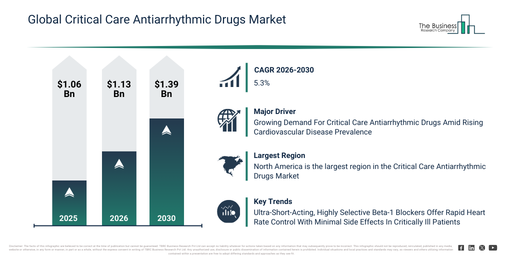
    The market for critical care antiarrhythmic drugs has experienced robust expansion in recent years. It is projected to increase from $1.06 billion in 2025 to $1.13 billion in 2026, reflecting a compound annual growth rate (CAGR) of 5.9%. This historic growth can be linked to several key factors: a high prevalence of acute cardiac arrhythmias, the well-established use of these medications in intensive care settings, the broadening of emergency cardiac care services, the accessibility of reliable intravenous drug formulations, and the ongoing development of hospital-based critical care infrastructure.

    The market for critical care antiarrhythmic drugs is projected to experience robust expansion over the coming years, reaching an estimated $1.39 billion by 2030, driven by a compound annual growth rate (CAGR) of 5.3%. This anticipated growth during the forecast period is fueled by factors such as the increasing incidence of cardiovascular diseases, a growing elderly population prone to cardiac risk factors, the broadening scope of intensive care and emergency medical services, a heightened emphasis on early intervention for arrhythmias, and the need for rapid stabilization treatments within critical care environments. Key trends shaping this period include a greater reliance on fast-acting intravenous antiarrhythmic medications, an increased adoption of evidence-based guidelines in critical care units, a more frequent use of combination therapies to manage severe arrhythmias, the expanding application of antiarrhythmic drugs in emergency cardiac treatment, and sustained demand for both established and generic critical care antiarrhythmics.

    Download A Free Sample Report For Comprehensive Market Insights:

    https://www.thebusinessresearchcompany.com/sample.aspx?id=16386&type=smp&utm_source=BlogsPR&utm_medium=Paid&utm_campaign=Jul_PR

    Critical Care Antiarrhythmic Drugs Market Opportunity Drivers: What Is Creating New Revenue Potential?

    As cardiovascular disease becomes more widespread, the critical care antiarrhythmic drugs market is set to experience significant growth in the coming years. These diseases affect the heart and blood vessels, often leading to serious issues like arrhythmias, heart attacks, and strokes. Their rising frequency is attributed to factors such as sedentary lifestyles, poor eating habits, smoking, and growing rates of obesity and high blood pressure. The market for critical care antiarrhythmic medications plays a vital role in emergency cardiac treatment by helping restore normal heart rhythms and preventing cardiac arrest in patients suffering from severe arrhythmias. A 2023 report from the World Heart Federation, a non-governmental organization based in Switzerland, projects that global deaths from cardiovascular disease will reach 22.2 million by 2030 and 32.3 million by 2050, highlighting a rapidly escalating global burden. Consequently, the increasing occurrence of cardiovascular disease is fueling expansion in the critical care antiarrhythmic drugs market.

    Critical Care Antiarrhythmic Drugs Market Segmentation And Category Breakdown

    The critical care antiarrhythmic drugs market covered in this report is segmented –

    1) By Type: Sodium Channel Blockers, Potassium Channel Blockers, Other Types

    2) By Disease Type: Ventricular Arrhythmias, Supraventricular Arrhythmias

    3) By Application: Hospitals, Other Applications

    Subsegments:

    1) By Sodium Channel Blockers: Class I Antiarrhythmic Drugs, Class Ia Antiarrhythmics, Class Ib Antiarrhythmics, Class Ic Antiarrhythmics

    2) By Potassium Channel Blockers: Class Iii Antiarrhythmic Drugs

    3) By Other Types: Adenosine, Magnesium Sulfate, Other Experimental Or Off-Label Drugs

    Critical Care Antiarrhythmic Drugs Market Innovation Trends Driving Future Development

    Major players in the critical care antiarrhythmic drugs space are emphasizing the creation of ultra-short-acting, highly selective beta-1 blocker treatments to better regulate heart rates and minimize side effects in patients with critical illnesses. Such therapies are medications designed to rapidly lower heart rate by exclusively acting on beta-1 receptors in the heart, with effects that quickly dissipate after delivery. An example of this is seen in November 2024, when AOP Orphan Pharmaceuticals GmbH, a pharmaceutical firm based in Austria, secured U.S. FDA approval for Rapiblyk (landiolol), intended for swift reduction of ventricular rate in adults experiencing supraventricular tachycardia—such as atrial fibrillation or atrial flutter—within critical care contexts. Rapiblyk comes as a lyophilized powder for intravenous injection, supplied in a 280 mg vial, and after reconstitution, it is administered at dosages ranging from 9.3 to 74.6 µg/kg/min; its extremely short half-life facilitates a 40–90% reduction in heart rate within about ten minutes, with only a slight effect on blood pressure, proving highly valuable in settings like the ICU, emergency room, perioperative care, and cardiac surgery. Its rapid onset and offset, combined with high ß1/ß2 selectivity (approximately 255:1), set it apart from traditional beta-blockers, enabling effective rate management without causing persistent systemic side effects.

    Critical Care Antiarrhythmic Drugs Market Competitive Analysis Of Major Industry Participants

    Major companies operating in the critical care antiarrhythmic drugs market are Pfizer Inc., F. Hoffmann-La Roche Ltd., Bayer AG, Sanofi S.A., Bristol Myers Squibb, Novartis AG, Viatris Inc., Teva Pharmaceutical Industries Ltd., Baxter International Inc., Fresenius Kabi AG, Sun Pharmaceutical Industries Ltd., Aurobindo Pharma Limited, Dr. Reddy’s Laboratories Ltd., Hikma Pharmaceuticals Plc, Amneal Pharmaceuticals Inc., Lupin Pharmaceutical Limited, Biocon Limited, Glenmark Pharmaceuticals Limited, Torrent Pharmaceuticals Ltd., Alembic Pharmaceuticals Ltd., Upsher-Smith Laboratories LLC., Mayne Pharma International Pty Ltd., Zydus Cadila Healthcare Limited, Amomed Pharma GmbH

    Access The Complete Critical Care Antiarrhythmic Drugs Market Report:

    https://www.thebusinessresearchcompany.com/report/critical-care-antiarrhythmic-drugs-global-market-report?utm_source=BlogsPR&utm_medium=Paid&utm_campaign=Jul_PR

    Critical Care Antiarrhythmic Drugs Market Largest Region: Which Geography Holds The Highest Market Share?

    North America was the largest region in the critical care antiarrhythmic drugs market in 2025. Europe is expected to be the fastest-growing region in the forecast period. The regions covered in the critical care antiarrhythmic drugs market report are Asia-Pacific, South East Asia, Western Europe, Eastern Europe, North America, South America, Middle East, Africa.

    Get in touch with us:

    The Business Research Company: https://www.thebusinessresearchcompany.com/?utm_source=BlogsPR&utm_medium=Paid&utm_campaign=home_page_test

    Americas: +1 310-496-7795

    Asia: +44 7882 955267 & +91 8897263534

    Europe: +44 7882 955267

    Email us at: marketing@tbrc.info

    Follow us on:

    LinkedIn: https://in.linkedin.com/company/the-business-research-company

    YouTube: https://www.youtube.com/channel/UC24_fI0rV8cR5DxlCpgmyFQ

    Global Market Model: https://www.thebusinessresearchcompany.com/global-market-model
  • COVID-19 Drug Associated APIs Market Opportunities Are Emerging Beyond Traditional Growth Areas

    COVID-19 Drug Associated APIs Market Opportunities Are Emerging Beyond Traditional Growth Areas

    Enhanced with market attractiveness analysis, total addressable market evaluation, company benchmarking matrices, interactive Excel dashboards, expanded supply chain intelligence, emerging startup coverage, and detailed product insights, The Business Research Company’s 2026 market reports deliver more actionable and strategically valuable research.

    COVID-19 Drug Associated APIs Market Expansion Outlook: What Revenue Opportunities Lie Ahead?

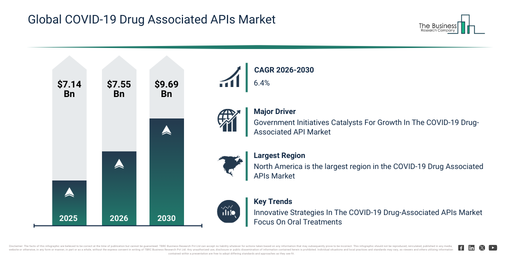
    The market for APIs linked to COVID-19 treatments has experienced significant expansion in recent years. Projected to rise from $7.14 billion in 2025 to $7.55 billion in 2026, it reflects a compound annual growth rate (CAGR) of 5.8%. This historical growth was driven by the early spike in COVID-19 infections, an immediate demand for repurposed medications, scarce supplies of antiviral APIs, heavy reliance on imports from the Asia-Pacific region, and fast-tracked emergency authorizations.

    The market for active pharmaceutical ingredients (APIs) used in COVID-19 drugs is anticipated to experience substantial expansion over the coming years. By 2030, its value is projected to reach $9.69 billion, reflecting a compound annual growth rate (CAGR) of 6.4%. Several key factors are driving this forecast period growth, including the advancement of next-generation antiviral and immunomodulator APIs, a broader push to establish domestic API manufacturing capabilities, the greater utilization of biotech synthesis methods, increased government funding allocated for pandemic readiness, and a rising need for a more diverse array of COVID-19 treatment options. Key developments shaping this period encompass a growing demand for both antiviral and antimalarial APIs, a heightened emphasis on both captive and merchant API production, the widening scope of synthetic and biotech-based API manufacturing, accelerated investment in research and development targeted at COVID-19 therapies, and tighter regulatory frameworks focused on API quality and supply chain integrity.

    Download A Free Sample Report For Comprehensive Market Insights:

    https://www.thebusinessresearchcompany.com/sample.aspx?id=3248&type=smp&utm_source=BlogsPR&utm_medium=Paid&utm_campaign=Jul_PR

    COVID-19 Drug Associated APIs Market Growth Momentum: Which Factors Are Influencing Demand?

    Government initiatives focused on healthcare research and development are anticipated to drive expansion in the COVID-19 drug-related API market going forward. These government initiatives encompass specific actions, programs, policies, or projects carried out by authorities at local, regional, national, or international levels to tackle particular issues, accomplish set goals, or foster beneficial societal transformations. The prevalence of such initiatives is increasing to foster innovation and speed up the discovery of novel therapies that tackle urgent public health challenges. COVID-19 drug-associated APIs contribute to these government research and development efforts in healthcare by supplying critical active ingredients that facilitate the rapid development, testing, and manufacturing of treatments and vaccines. As an example, in April 2025, the Office for National Statistics (ONS), a UK government agency, reported that UK net government R&D expenditure reached £17.4 ($20.10) billion in 2023, an increase from £16.1 billion in 2022. Consequently, government initiatives for healthcare research and development are propelling growth in the COVID-19 drug-associated API market.

    COVID-19 Drug Associated APIs Market Segment Outlook: Which Categories Are Expanding The Fastest?

    The covid-19 drug associated apis market covered in this report is segmented –

    1) By Drug Class: Antimalarials, Bronchodilators, Antibiotics, Antivirals, Other Drug Class

    2) By Synthesis Type: Synthetic, Biotech

    3) By Business Mode: Captive API, Merchant API

    Subsegments:

    1) By Antimalarials: Hydroxychloroquine, Chloroquine

    2) By Bronchodilators: Beta-Agonists, Anticholinergics

    3) By Antibiotics: Macrolides, Tetracyclines

    4) By Antivirals: Remdesivir, Favipiravir, Lopinavir Or Ritonavir

    5) By Other Drug Classes: Corticosteroids, Immunomodulators

    COVID-19 Drug Associated APIs Market Trends Reshaping Industry Growth

    Key players in the COVID-19 drug-associated APIs market are placing greater emphasis on developing novel products like oral COVID-19 treatments to strengthen their market position. These oral therapies are medications taken by mouth to address SARS-CoV-2 infections, the virus causing COVID-19. A notable example occurred in May 2023, when Pfizer Inc., an American pharmaceutical firm, introduced PAXLOVID following FDA approval. This oral investigational drug functions as a SARS-CoV-2 protease inhibitor and demonstrated an 89% reduction in hospitalization or mortality risk compared to a placebo among high-risk, non-hospitalized adults with COVID-19. Intended for early use, it is meant to be prescribed as soon as infection or exposure is suspected, which may help avert severe disease, the need for hospitalization, and death.

    COVID-19 Drug Associated APIs Market Key Companies And Competitive Benchmarking

    Major companies operating in the covid-19 drug associated apis market are Dr. Reddy’s Laboratories Ltd., Lianyungang Guike Pharmaceutical CO. LTD., Alembic Pharmaceuticals Ltd., Wockhardt Ltd., Sandoz Srl, Lupin Limited, Aurobindo Pharma Ltd., Shanghai Shyndec Pharmaceutical Co. Ltd., Zhejiang Yatai Pharmaceutical Co. Ltd., Zhejiang Guobang Pharmaceutical Co Ltd., Cipla Limited, Shandong Boyuan Pharmaceutical Co. Ltd., Aspiro Pharma Ltd., Qilu Antibiotics Pharmaceutical Co. Ltd., Shenzhen China Resources Jiuxin Pharmaceutical Co. Ltd., Zhejiang Cheng Yi Pharmaceutical, Star Lake Bioscience Co.Inc., Hetero Labs Ltd., Geno Pharmaceuticals Ltd., Mylan Laboratories Ltd., Ipca Laboratories Limited, Zydus Takeda Healthcare Private Limited, Mangalam Drugs & Organics, Wallace Pharmaceuticals, Zhejiang Hisun Pharmaceutical Co. Ltd., Zhejiang Huahai Pharmaceutical Co. Ltd., Zhejiang Jiuzhou Pharmaceutical Co. Ltd., Zhejiang NHU Co. Ltd., Zhejiang Xianju Pharmaceutical Co. Ltd., Zhejiang Yongtai Technology Co. Ltd., Zhejiang Zhebei Pharmaceutical Co. Ltd., Zhejiang Tianyu Pharmaceutical Co. Ltd., Zhejiang Aisheng Pharmaceutical Co. Ltd., Zhejiang Aokang Pharmaceutical Co. Ltd.

    Access The Complete COVID-19 Drug Associated APIs Market Report:

    https://www.thebusinessresearchcompany.com/report/covid19-drug-associated-api-global-market-report?utm_source=BlogsPR&utm_medium=Paid&utm_campaign=Jul_PR

    COVID-19 Drug Associated APIs Market Regional Analysis: Which Region Leads By Revenue?

    North America was the largest region in the COVID-19 drug-associated APIs market in 2025. Middle East is expected to be the fastest growing region in the global COVID-19 drug associated APIs market share during the forecast period. The regions covered in the covid-19 drug associated apis market report are Asia-Pacific, South East Asia, Western Europe, Eastern Europe, North America, South America, Middle East, Africa.

    Get in touch with us:

    The Business Research Company: https://www.thebusinessresearchcompany.com/?utm_source=BlogsPR&utm_medium=Paid&utm_campaign=home_page_test

    Americas: +1 310-496-7795

    Asia: +44 7882 955267 & +91 8897263534

    Europe: +44 7882 955267

    Email us at: marketing@tbrc.info

    Follow us on:

    LinkedIn: https://in.linkedin.com/company/the-business-research-company

    YouTube: https://www.youtube.com/channel/UC24_fI0rV8cR5DxlCpgmyFQ

    Global Market Model: https://www.thebusinessresearchcompany.com/global-market-model