Month: July 2026

  • Contract Development Manufacturing Organizations Market Size Projected To Increase From $309.9 Billion To $503.82 Billion During The Forecast Period

    Contract Development Manufacturing Organizations Market Size Projected To Increase From $309.9 Billion To $503.82 Billion During The Forecast Period

    Delivering more actionable and strategically valuable research, The Business Research Company’s 2026 market reports feature market attractiveness analysis, total addressable market evaluation, company benchmarking matrices, interactive Excel dashboards, expanded supply chain intelligence, emerging startup coverage, and detailed product insights.

    Contract Development Manufacturing Organizations Market Forecast Highlighting Growth From $309.9 Billion To $503.82 Billion

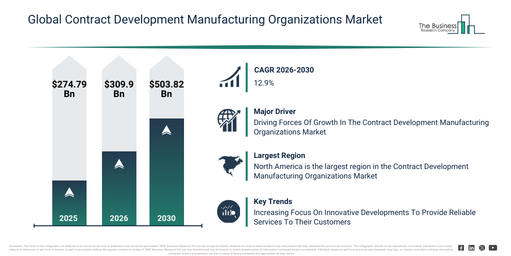
    The market for contract development and manufacturing organizations has seen swift expansion in recent years. Its value is projected to increase from $274.79 billion in 2025 to $309.9 billion in 2026, reflecting a compound annual growth rate of 12.8%. The historical growth has been driven by factors such as cost savings achieved through outsourcing, a surge in pharmaceutical research and development spending, a rise in generic drug manufacturing, heightened regulatory hurdles, and constrained internal production capabilities.

    Over the coming years, the market for contract development and manufacturing organizations is set to experience strong expansion. By 2030, its value is projected to hit $503.82 billion, expanding at a compound annual growth rate (CAGR) of 12.9%. Several factors are driving this anticipated growth, such as the expansion of biologics and advanced therapeutic modalities, a rising need for adaptable manufacturing capabilities, the growth of smaller and mid-sized pharmaceutical firms, a higher volume of clinical trials, and an expanding global pharmaceutical development pipeline. Key developments shaping the forecast period involve a greater reliance on outsourcing for drug development and manufacturing, heightened demand for integrated CDMO solutions, broadening capacities for biologics and biosimilars production, an increased emphasis on meeting regulatory standards and ensuring quality, and strategic capacity improvements worldwide.

    Download A Free Sample Report For Comprehensive Market Insights:

    https://www.thebusinessresearchcompany.com/sample.aspx?id=3885&type=smp&utm_source=BlogsPR&utm_medium=Paid&utm_campaign=Jul_PR

    Contract Development Manufacturing Organizations Market Opportunity Drivers: What Is Creating New Revenue Potential?

    An increasing need for pharmaceutical products, fueled by the rise in chronic illnesses and an aging population, has significantly boosted the contract development and manufacturing organization (CDMO) market. Because chronic diseases and elderly demographics are on the rise, pharmaceutical firms have accelerated their production of biologics and biosimilars; consequently, many have chosen to outsource their tasks, operations, and testing to contract manufacturing organizations that operate on a contractual basis. For example, data released in November 2023 by the European Federation of Pharmaceutical Industries and Associations (EFPIA), a trade association based in Belgium, indicates that total pharmaceutical production in Europe reached €390 billion ($422.8 billion) in 2023, compared to €363.3 billion ($393.9 billion) in 2022. As a result, this growing demand for pharmaceutical products is propelling the expansion of the contract development manufacturing organization market.

    Contract Development Manufacturing Organizations Market Segment Analysis And Revenue Opportunities

    The contract development manufacturing organizations market covered in this report is segmented –

    1) By Service: CMO, CRO

    2) By Product: Small Molecules, Biologics

    3) By End User: Big Pharma, Small and Mid-size Pharma, Generic Pharmaceutical Companies, Other End Users

    Subsegments:

    1) By CMO (Contract Manufacturing Organization): API (Active Pharmaceutical Ingredient) Manufacturing, Formulation Development, Finished Product Manufacturing, Packaging Services

    2) By CRO (Contract Research Organization): Preclinical Research Services, Clinical Trial Management, Data Management And Biostatistics, Regulatory Affairs Consulting

    Contract Development Manufacturing Organizations Market Innovation Trends Driving Future Development

    Major players in the contract development and manufacturing organization market are driving revenue growth through innovative initiatives like Lifera, a commercial-scale CDMO. In June 2023, the Public Investment Fund (PIF), Saudi Arabia’s global investment entity, launched Lifera. This company will concentrate on producing critical biopharmaceutical products, including insulin, vaccines, monoclonal antibodies, plasma treatments, cell and gene therapies, and advanced small molecules. To strengthen local capabilities and foster domestic manufacturing within this sector, Lifera intends to collaborate with leading local and international firms, while also attracting targeted investments. Key goals for Lifera encompass driving formulation development, drug development, and manufacturing activities.

    Contract Development Manufacturing Organizations Market Leading Players Shaping Industry Direction

    Major companies operating in the contract development manufacturing organizations market are Recipharm AB, AbbVie Contract Manufacturing LLC, Almac Group Limited, Baxter BioPharma Solutions LLC, Boehringer Ingelheim International GmbH, Catalent Pharma Solutions Inc., CMIC Holdings Co. Ltd., Covance Inc., Evotec SE, Famar Health Care Services Madrid SA, Jubilant Life Sciences Limited, Lonza Group Ltd., Patheon UK Limited, Pfizer CentreOne, Thermo Fisher Scientific Inc., Vetter Pharma International GmbH, Advanced BioScience Laboratories Inc., Adare Pharmaceuticals Inc., Aenova Holding GmbH, Ajinomoto Bio-Pharma Services, Albany Molecular Research Inc., Cambrex Corporation, CordenPharma International GmbH, EirGen Pharma Limited, Grand River Aseptic Manufacturing, Hovione LLC, Metrics Contract Services, NextPharma Technologies Holding Limited, Nitto Avecia Pharma Services Inc., Piramal Pharma Solutions Inc., Siegfried Holding AG, Therapure Biopharma Inc., Velesco Pharmaceutical Services, WuXi PharmaTech (Cayman) Inc.

    Access The Complete Contract Development Manufacturing Organizations Market Report:

    https://www.thebusinessresearchcompany.com/report/contract-development-manufacturing-organizations-global-market-report?utm_source=BlogsPR&utm_medium=Paid&utm_campaign=Jul_PR

    Contract Development Manufacturing Organizations Market Regional Analysis: Which Region Leads By Revenue?

    North America was the largest region in contract development manufacturing organizations market in 2025. The regions covered in the contract development manufacturing organizations market report are Asia-Pacific, South East Asia, Western Europe, Eastern Europe, North America, South America, Middle East, Africa.

    Get in touch with us:

    The Business Research Company: https://www.thebusinessresearchcompany.com/?utm_source=BlogsPR&utm_medium=Paid&utm_campaign=home_page_test

    Americas: +1 310-496-7795

    Asia: +44 7882 955267 & +91 8897263534

    Europe: +44 7882 955267

    Email us at: marketing@tbrc.info

    Follow us on:

    LinkedIn: https://in.linkedin.com/company/the-business-research-company

    YouTube: https://www.youtube.com/channel/UC24_fI0rV8cR5DxlCpgmyFQ

    Global Market Model: https://www.thebusinessresearchcompany.com/global-market-model
  • Contraceptives Market Growth Outlook Reveals A CAGR Of 7.7% And A Market Value Of $43.08 Billion By 2030

    Contraceptives Market Growth Outlook Reveals A CAGR Of 7.7% And A Market Value Of $43.08 Billion By 2030

    Enhanced with market attractiveness analysis, total addressable market evaluation, company benchmarking matrices, interactive Excel dashboards, expanded supply chain intelligence, emerging startup coverage, and detailed product insights, The Business Research Company’s 2026 market reports deliver more actionable and strategically valuable research.

    Contraceptives Market Revenue Growth Supported By A CAGR Of 43.08% Through 2030

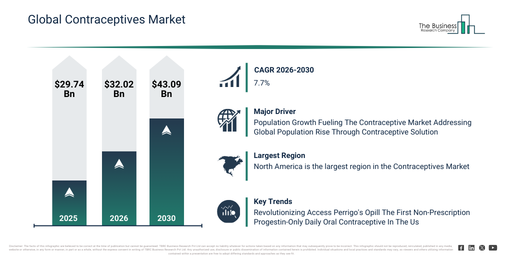
    The market for contraceptives has experienced robust expansion in recent years, with projections indicating an increase from $29.74 billion in 2025 to $32.02 billion in 2026, reflecting a compound annual growth rate (CAGR) of 7.7%. This historical growth has been driven by factors such as government-sponsored family planning programs, greater accessibility to oral contraceptive pills, a growing number of women joining the urban workforce, public health efforts aimed at population management, and the broader availability of contraceptive services through hospitals and clinics.

    The contraceptive market is anticipated to experience robust expansion in the coming years, projected to reach a valuation of $43.09 billion by 2030, reflecting a compound annual growth rate (CAGR) of 7.7%. This upward trajectory in the forecast period is driven by several key factors, including breakthroughs in non-hormonal and male contraceptive development, a growing presence of online pharmacies, heightened reproductive health education among younger populations, progress in implantable device technology, and favorable regulatory support for new contraceptive products. Significant trends shaping this period involve a growing preference for long-acting reversible contraceptives, a shift toward non-hormonal options, a heightened demand for female-controlled methods, an increase in over-the-counter and self-administered offerings, and a concentrated effort to improve contraceptive awareness among adolescents and young adults.

    Download A Free Sample Report For Comprehensive Market Insights:

    https://www.thebusinessresearchcompany.com/sample.aspx?id=6920&type=smp&utm_source=BlogsPR&utm_medium=Paid&utm_campaign=Jul_PR

    Contraceptives Market Growth Momentum: Which Factors Are Influencing Demand?

    The anticipated expansion of the global contraceptive market in the years ahead is being driven by increasing population rates worldwide. Population is defined as the total count of individuals, species, or people inhabiting a specific geographic area, a country, or the entire globe. By enabling individuals and couples to manage and plan their family size and the timing of children, contraceptives play a crucial role in slowing population growth. For example, in December 2024, the United States Census Bureau—a federal agency based in the US—reported that the U.S. population had climbed to 340.1 million as of July 1, 2024. This marks a 0.98% rise from 336.8 million in 2023, representing the highest annual growth rate ever recorded. Consequently, the upward trend in global population rates is fueling demand within the contraceptive market.

    Contraceptives Market Segmentation And Category Breakdown

    The contraceptives market covered in this report is segmented –

    1) By Product: Oral Contraceptive Pills, Topical Contraceptives, Injectables, Diaphragms, Vaginal Rings, Condoms, Contraceptive Sponges, Subdermal Implants, Intra-Uterine Devices

    2) By Age Group: 15-24 Years, 25-34 Years, 35-44 Years, 44 Years

    3) By Distribution Channel: Hospital Pharmacies, Independent Pharmacies, Online Pharmacies, Clinics, Other Distribution Channels

    Subsegments:

    1) By Oral Contraceptive Pills: Combination Pills, Progestin-Only Pills

    2) By Topical Contraceptives: Transdermal Patches, Gel Applications

    3) By Injectables: Hormonal Injectables, Non-Hormonal Injectables

    4) By Diaphragms: Silicone Diaphragms, Latex Diaphragms

    5) By Vaginal Rings: Hormonal Rings, Non-Hormonal Rings

    6) By Condoms: Male Condoms, Female Condoms

    7) By Contraceptive Sponges: Non-Hormonal Sponges, Hormonal Sponges

    8) By Subdermal Implants: Hormonal Implants, Non-Hormonal Implants

    9) By Intra-Uterine Devices (IUDs): Hormonal IUDs, Copper IUDs

    Contraceptives Market Trends Reshaping Industry Growth

    Key players in the contraceptives industry are placing a strong emphasis on developing groundbreaking products, including Opill, a progestin-only daily oral contraceptive, designed to more effectively address the requirements of their current customer base. These progestin-only daily oral contraceptives, commonly referred to as the mini-pill, represent a type of birth control pill that exclusively contains progestin, a synthetic form of the hormone progesterone. A notable example occurred in July 2023, when Perrigo Company plc, an Ireland-based manufacturer specializing in over-the-counter pharmaceuticals, secured approval from the U.S. Food and Drug Administration (FDA) for its Opill progestin-only daily oral contraceptive. This marks the first birth control pill ever made accessible without a prescription in the United States. By significantly enhancing women’s access to contraceptives, Opill stands as a clear reflection of Perrigo’s unwavering commitment to providing impactful solutions that aim to enhance quality of life.

    Contraceptives Market Competitive Analysis Of Major Industry Participants

    Major companies operating in the contraceptives market are Merck & Co. Inc., Bayer AG, Church & Dwight Co. Inc., Cipla Inc., Reckitt Benckiser Group plc, Agile Therapeutics Inc., Allergan Ltd., Aurobindo Pharma Limited, Famy Care Ltd., Glenmark Pharmaceuticals Limited, HLL Lifecare Limited, Johnson & Johnson, Laboratoire HRA Pharma SAS, Lupin Limited, Mankind Pharma Ltd., Mayer Laboratories Inc., Mithra Pharmaceuticals SA, Mylan NV, Okamoto Industries Inc., Pfizer Inc., Pregna International Ltd., Syncom Pharmaceuticals, Teva Pharmaceutical Industries Ltd., The Population Council, Veru Inc., Zydus Cadila, Shanghai Dahua Pharmaceutical Co. Ltd., Sichuan Kangdi Pharmaceutical Co. Ltd., Beijing Zhengyuan Pharmaceutical Co. Ltd., Zhejiang Huahai Pharmaceutical Co. Ltd., Chongqing Pharmaceutical Group Co. Ltd.

    Access The Complete Contraceptives Market Report:

    https://www.thebusinessresearchcompany.com/report/contraceptives-global-market-report?utm_source=BlogsPR&utm_medium=Paid&utm_campaign=Jul_PR

    Contraceptives Market Geographic Distribution And Regional Opportunities

    North America was the largest region in the contraceptives market in 2025. Asia-Pacific is expected to be the fastest-growing region in the forecast period. The regions covered in the contraceptives market report are Asia-Pacific, South East Asia, Western Europe, Eastern Europe, North America, South America, Middle East, Africa.

    Get in touch with us:

    The Business Research Company: https://www.thebusinessresearchcompany.com/?utm_source=BlogsPR&utm_medium=Paid&utm_campaign=home_page_test

    Americas: +1 310-496-7795

    Asia: +44 7882 955267 & +91 8897263534

    Europe: +44 7882 955267

    Email us at: marketing@tbrc.info

    Follow us on:

    LinkedIn: https://in.linkedin.com/company/the-business-research-company

    YouTube: https://www.youtube.com/channel/UC24_fI0rV8cR5DxlCpgmyFQ

    Global Market Model: https://www.thebusinessresearchcompany.com/global-market-model
  • Contraceptive Drugs And Devices Market Forecast Highlights Expansion From $28.9 Billion To $38.08 Billion Through 2030

    Contraceptive Drugs And Devices Market Forecast Highlights Expansion From $28.9 Billion To $38.08 Billion Through 2030

    Through market attractiveness analysis, total addressable market evaluation, company benchmarking matrices, interactive Excel dashboards, expanded supply chain intelligence, emerging startup coverage, and detailed product insights, The Business Research Company’s 2026 market reports provide more actionable and strategically valuable research.

    Contraceptive Drugs And Devices Market Value Expansion And Long-Term Growth Outlook

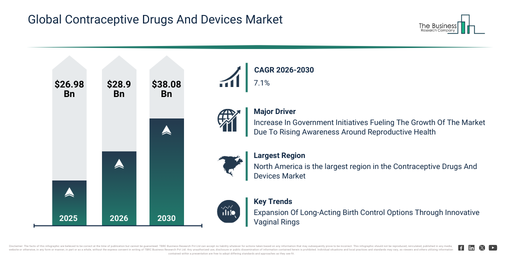
    The contraceptive drugs and devices market has experienced robust expansion in recent years. It is anticipated to increase from $26.98 billion in 2025 to $28.9 billion in 2026, reflecting a compound annual growth rate (CAGR) of 7.1%. This historic upswing has been driven by government-led family planning initiatives, heightened awareness of reproductive health, rising urbanization and education levels, broader accessibility of oral contraceptives, and public health campaigns focused on birth control.

    The contraceptive drugs and devices market is projected to experience robust expansion over the next several years, anticipated to reach $38.08 billion by 2030 at a compound annual growth rate of 7.1%. This forecasted growth is driven by several factors, including the increasing integration of digital health solutions, a rising preference for non-invasive contraceptive options, the broader availability of telehealth-based prescriptions, intensified research into male contraception, and the implementation of supportive reproductive health policies. Key developments expected to shape the sector during this period include a higher adoption rate of long-acting reversible contraceptives, the growing use of hormonal combination therapies, a stronger focus on female-centric contraceptive products, the widening accessibility of over-the-counter contraceptive items, and the expanding acceptance of digital platforms for contraception management.

    Download A Free Sample Report For Comprehensive Market Insights:

    https://www.thebusinessresearchcompany.com/sample.aspx?id=24197&type=smp&utm_source=BlogsPR&utm_medium=Paid&utm_campaign=Jul_PR

    Contraceptive Drugs And Devices Market Expansion Drivers: What Is Shaping Future Growth?

    The growing number of government programs focused on reproductive health is anticipated to drive the growth of the contraceptive drugs and devices market in the coming years. These governmental efforts advance reproductive health by providing education, financial support, and improved service access. An increase in such initiatives is observed due to a heightened acknowledgment of the necessity to tackle issues like maternal care, family planning, and the provision of vital health services, all of which are essential for broader societal progress and welfare. Government measures related to contraceptive drugs and devices are designed to enhance the availability of low-cost and effective family planning options, empowering individuals to make well-informed decisions regarding their reproductive health. For example, as reported in November 2024 by the Australian Government Department of Foreign Affairs and Trade, a federal agency in Australia, the country will commit $56.8 million to a new program promoting sexual and reproductive health and rights across Southeast Asia. Consequently, the proliferation of government initiatives on reproductive health is fueling the expansion of the contraceptive drugs and devices market.

    Contraceptive Drugs And Devices Market Segment Outlook: Which Categories Are Expanding The Fastest?

    The contraceptive drugs and devices market covered in this report is segmented –

    1) By Product: Contraceptive Drugs, Contraceptive Devices

    2) By Technology: Traditional Methods, Wearable Devices, Long-Acting Reversible Contraceptives (LARCs)

    3) By Distribution Channel: Hospital Pharmacy, Retail Pharmacy, Clinics, Online Channels, Public Channels And Non-Governmental Organizations, Other Distribution Channels

    4) By End User: Male, Female

    Subsegments:

    1) By Contraceptive Drugs: Oral Contraceptive Pills, Injectable Contraceptives, Contraceptive Patches, Vaginal Rings, Emergency Contraceptive Pills, Hormonal Implants

    2) By Contraceptive Devices: Male Condoms, Female Condoms, Intrauterine Devices (IUDs), Diaphragms And Cervical Caps, Contraceptive Sponges, Sterilization Devices

    Contraceptive Drugs And Devices Market Strategic Trends: What Is Defining The Next Phase Of Growth?

    Key players in the contraceptive drugs and devices market are introducing new products like contraceptive vaginal rings to improve ease of use and broaden the range of long-acting contraception. A contraceptive vaginal ring is a flexible device that releases hormones and is placed in the vagina to stop ovulation and prevent pregnancy. An example is EnilloRing, which was launched by Xiromed LLC, a pharmaceutical company based in the US, in October 2023. This soft and flexible contraceptive ring is inserted into the vagina, releasing a steady combination of etonogestrel, a progestin, and ethinyl estradiol, an estrogen, for three weeks to suppress ovulation. As a generic version that is bioequivalent to NuvaRing, it provides women with a convenient, discreet, and affordable monthly birth control solution that removes the need for a daily pill, while offering the same safety, effectiveness, and tolerance as the branded option.

    Contraceptive Drugs And Devices Market Key Companies And Competitive Benchmarking

    Major companies operating in the contraceptive drugs and devices market are Pfizer Inc., Johnson & Johnson Services Inc., Merck & Co Inc., Bayer AG, Viatris Inc., Teva Pharmaceuticals Ltd, Lupin Limited, CooperSurgical Inc., Mithra Pharmaceuticals, DKT International, Fuji Latex Co Ltd, Agile Therapeutics Inc., Cupid Limited, Veru Inc., Eskag Pharma Pvt. Ltd., Biosante Pharmaceuticals Inc., HLL Lifecare Limited, Afaxys Inc., The Female Health Company (FC2), Mayer Laboratories Inc., Daré Bioscience Inc.

    Access The Complete Contraceptive Drugs And Devices Market Report:

    https://www.thebusinessresearchcompany.com/report/contraceptive-drugs-and-devices-global-market-report?utm_source=BlogsPR&utm_medium=Paid&utm_campaign=Jul_PR

    Contraceptive Drugs And Devices Market Largest Region By Revenue And Market Share

    North America was the largest region in the contraceptive drugs and devices market in 2025. Asia-Pacific is expected to be the fastest-growing region in the forecast period. The regions covered in the contraceptive drugs and devices market report are Asia-Pacific, South East Asia, Western Europe, Eastern Europe, North America, South America, Middle East, Africa.

    Get in touch with us:

    The Business Research Company: https://www.thebusinessresearchcompany.com/?utm_source=BlogsPR&utm_medium=Paid&utm_campaign=home_page_test

    Americas: +1 310-496-7795

    Asia: +44 7882 955267 & +91 8897263534

    Europe: +44 7882 955267

    Email us at: marketing@tbrc.info

    Follow us on:

    LinkedIn: https://in.linkedin.com/company/the-business-research-company

    YouTube: https://www.youtube.com/channel/UC24_fI0rV8cR5DxlCpgmyFQ

    Global Market Model: https://www.thebusinessresearchcompany.com/global-market-model
  • Continuous Bio-Manufacturing Skid Market Expected To Reach $3.72 Billion By 2030 As Growth Accelerates At 13.3% CAGR

    Continuous Bio-Manufacturing Skid Market Expected To Reach $3.72 Billion By 2030 As Growth Accelerates At 13.3% CAGR

    Delivering more actionable and strategically valuable research, The Business Research Company’s 2026 market reports feature market attractiveness analysis, total addressable market evaluation, company benchmarking matrices, interactive Excel dashboards, expanded supply chain intelligence, emerging startup coverage, and detailed product insights.

    Continuous Bio-Manufacturing Skid Market Expected To Reach $3.72 Billion By 2030 At 13.3% CAGR

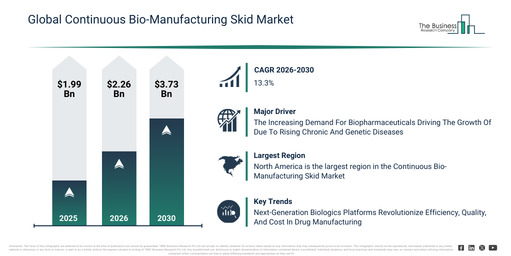
    In recent years, the continuous bio-manufacturing skid market size has undergone rapid expansion. Its value is projected to increase from $1.99 billion in 2025 to $2.26 billion in 2026, representing a compound annual growth rate (CAGR) of 13.6%. Historical growth can be explained by rising biologics production volumes, an early industry shift from batch processing toward continuous methods, greater adoption of modular manufacturing concepts, the expansion of vaccine and enzyme production facilities, and a growing need for flexible manufacturing setups.

    The continuous bio-manufacturing market is projected to experience rapid expansion over the coming years, with its valuation anticipated to reach $3.73 billion by 2030, reflecting a compound annual growth rate (CAGR) of 13.3%. This forecasted growth is driven by factors such as the increasing implementation of fully continuous biologics production processes, heightened investment in sophisticated bioprocess automation, a growing need for fast scale-up capabilities, the expansion of cell and gene therapy manufacturing, and a stronger emphasis on cost-efficient biologics production. Key trends shaping this period include the rising adoption of continuous and integrated bioprocessing skids, greater demand for modular and plug-and-play manufacturing systems, more widespread use of real-time process monitoring and control, the growth of single-use continuous biomanufacturing platforms, and an intensified focus on process efficiency and throughput.

    Download A Free Sample Report For Comprehensive Market Insights:

    https://www.thebusinessresearchcompany.com/sample.aspx?id=28999&type=smp&utm_source=BlogsPR&utm_medium=Paid&utm_campaign=Jul_PR

    Continuous Bio-Manufacturing Skid Market Development Factors: Which Trends Are Supporting Demand?

    The continuous bio-manufacturing skid market is anticipated to expand due to the rising need for biopharmaceuticals. These are therapeutic products derived from biological sources like proteins, nucleic acids, or living cells, designed to treat, prevent, or diagnose illnesses. This growing demand is largely fueled by the increasing occurrence of chronic and genetic conditions, which require advanced biologic therapies for effective care and management. Continuous bio-manufacturing skids improve the production of biopharmaceuticals by facilitating streamlined, automated, and scalable processes that boost efficiency, consistency, and speed in developing complex treatments. For example, Cardinal Health Inc., a U.S.-based healthcare firm, reported in January 2023 that the U.S. had 40 FDA-approved biosimilar products by 2023, with 25 available on the market. This compares to 33 FDA-approved biosimilars as of January 2022, of which 21 were commercially accessible. Consequently, the escalating demand for biopharmaceuticals is fueling growth in the continuous bio-manufacturing skid market.

    Continuous Bio-Manufacturing Skid Market Segment Landscape: Which Areas Lead Market Development?

    The continuous bio-manufacturing skid market covered in this report is segmented –

    1) By Product Type: Single-Use Skids, Multi-Use Skids, Modular Skids

    2) By Process: Upstream, Downstream, Integrated

    3) By Application: Biopharmaceutical Production, Vaccine Manufacturing, Enzyme Production, Cell And Gene Therapy, Other Applications

    4) By End-User: Pharmaceutical Companies, Biotechnology Companies, Contract Manufacturing Organizations, Research Institutes, Other End-Users

    Subsegments:

    1) By Single-Use Skids: Perfusion Bioreactor Skid, Tangential Flow Filtration Skid, Chromatography Skid, Buffer Preparation Skid

    2) By Multi-Use Skids: Fed-Batch Bioreactor Skid, Downstream Purification Skid, Ultrafiltration Skid, Viral Inactivation Skid

    3) By Modular Skid: Plug And Play Bioreactor Skid, Integrated Downstream Skid, Automated Sampling Skid, Real-Time Monitoring Skid

    Continuous Bio-Manufacturing Skid Market Transformation Trends: Which Innovations Are Driving Change?

    Major players in the continuous bio-manufacturing skid sector are concentrating on advancing innovative tools, including next-gen biologics production platforms, aimed at boosting efficiency, expandability, and product excellence. These advanced next-generation platforms represent sophisticated systems that support fully integrated, ongoing biologic manufacturing with live oversight, enhanced productivity, and steady output quality. For example, in October 2024, Enzene Biosciences Ltd., an Indian contract development and manufacturing organization, unveiled EnzeneX 2.0 at CPHI Milan 2024, which is the newest iteration of their fully integrated continuous manufacturing technology for biologics. This proprietary system allows seamless, unbroken processing from perfusion through to final drug substance production. By employing high-yield clones and optimized culture media, it increases output, raises target protein concentrations, and reduces variation between production batches. Additionally, the setup incorporates process analytical technology for real-time monitoring and control, delivering consistent quality and operational effectiveness, while providing a potential reduction of up to 50% in production expenses per gram. These platforms enable scalable, cost-efficient biologics production adaptable to various therapeutic modalities and media formulations.

    Continuous Bio-Manufacturing Skid Market Industry Leaders And Market Competition

    Major companies operating in the continuous bio-manufacturing skid market are Thermo Fisher Scientific Inc., Danaher Corporation, Merck KGaA, Garrett Industrial Systems Ltd., Sartorius AG, Getinge AB, ZETA GmbH, Pall Corporation, Repligen Corporation, ABEC Inc., Enzene Biosciences Limited, Pierre Guerin Technologies, Bioengineering AG, KeyPlants GmbH, G&G Technologies Pvt. Ltd., Scigenics Pvt. Ltd, Exentec B.V., PAK BioSolutions Inc., Stobbe Pharma GmbH, CPi Biotech Inc.

    Access The Complete Continuous Bio-Manufacturing Skid Market Report:

    https://www.thebusinessresearchcompany.com/report/continuous-bio-manufacturing-skid-global-market-report?utm_source=BlogsPR&utm_medium=Paid&utm_campaign=Jul_PR

    Continuous Bio-Manufacturing Skid Market Regional Analysis And Leading Geography

    North America was the largest region in the continuous bio-manufacturing skid market in 2025. The regions covered in the continuous bio-manufacturing skid market report are Asia-Pacific, South East Asia, Western Europe, Eastern Europe, North America, South America, Middle East, Africa.

    Get in touch with us:

    The Business Research Company: https://www.thebusinessresearchcompany.com/?utm_source=BlogsPR&utm_medium=Paid&utm_campaign=home_page_test

    Americas: +1 310-496-7795

    Asia: +44 7882 955267 & +91 8897263534

    Europe: +44 7882 955267

    Email us at: marketing@tbrc.info

    Follow us on:

    LinkedIn: https://in.linkedin.com/company/the-business-research-company

    YouTube: https://www.youtube.com/channel/UC24_fI0rV8cR5DxlCpgmyFQ

    Global Market Model: https://www.thebusinessresearchcompany.com/global-market-model
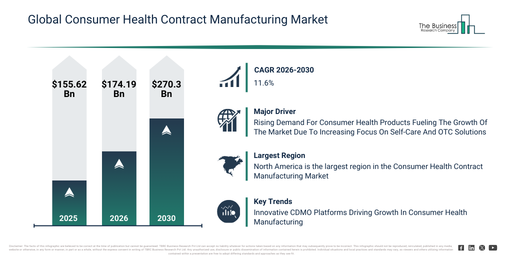
  • Consumer Health Contract Manufacturing Market Set To Grow From $174.19 Billion In 2026 To $270.3 Billion By 2030 At A CAGR Of 11.6%

    Consumer Health Contract Manufacturing Market Set To Grow From $174.19 Billion In 2026 To $270.3 Billion By 2030 At A CAGR Of 11.6%

    Enhanced with market attractiveness analysis, total addressable market evaluation, company benchmarking matrices, interactive Excel dashboards, expanded supply chain intelligence, emerging startup coverage, and detailed product insights, The Business Research Company’s 2026 market reports deliver more actionable and strategically valuable research.

    Consumer Health Contract Manufacturing Market Size And Revenue Forecast Through 2030

    The consumer health contract manufacturing market has experienced swift expansion in recent years, with its value projected to rise from $155.62 billion in 2025 to $174.19 billion in 2026, reflecting a compound annual growth rate (CAGR) of 11.9%. This historical growth was largely driven by factors such as constraints in internal manufacturing capabilities, a heightened demand for consumer health goods, a greater emphasis on cost efficiency, a surge in small- and medium-sized brands, and a deficit of specialized production know-how.

    The consumer health contract manufacturing market is projected to experience substantial expansion in the coming years, with its value anticipated to reach $270.3 billion by 2030, driven by an 11.6% compound annual growth rate. This forecasted growth is largely fueled by the broadening of contract production capabilities, the implementation of sophisticated automation and Industry 4.0 innovations, heightened consumer focus on health matters, a growing trend toward international outsourcing of personal care product manufacturing, and the incorporation of digitalized supply chain management systems. Key developments shaping the market during this period include an increasing preference for external over-the-counter pharmaceutical production, expansion within the nutritional supplement and personal care contract services sector, a heightened emphasis on adhering to regulatory standards and quality benchmarks, advancements in packaging and labeling offerings, and a growing inclination toward adaptable manufacturing collaborations.

    Download A Free Sample Report For Comprehensive Market Insights:

    https://www.thebusinessresearchcompany.com/sample.aspx?id=25727&type=smp&utm_source=BlogsPR&utm_medium=Paid&utm_campaign=Jul_PR

    Consumer Health Contract Manufacturing Market Industry Drivers: What Is Driving Revenue Growth?

    The growing demand for consumer health products is anticipated to boost the expansion of the consumer health contract manufacturing market moving forward. Consumer health products encompass over-the-counter medications, dietary supplements, and personal hygiene items used by individuals to maintain their health and wellness without a prescription. This demand is increasing as more people focus on self-care and turn to non-prescription solutions to address their health concerns, reducing the need for frequent medical appointments. By outsourcing production to specialized manufacturers, consumer health contract manufacturing enables companies to efficiently produce high-quality items, allowing brands to dedicate more resources to marketing and innovation. For example, in September 2024, data from July and August 2024, as reported by Barclays Bank UK PLC—a UK-based retail banking provider—indicates that the health and beauty sector is thriving, with consumer spending rising 7.3% year-on-year in August 2024. Consequently, the increasing appetite for consumer health products is fueling the growth of the contract manufacturing market in this sector.

    Consumer Health Contract Manufacturing Market Segments: Where Are The Largest Growth Opportunities?

    The consumer health contract manufacturing market covered in this report is segmented –

    1) By Product: Over-The-Counter (OTC) Drugs, Nutritional Supplements, Personal Care Products, Medical Devices, Other Products

    2) By Service: Active Pharmaceutical Ingredient (API) Manufacturing, Finished Dose Manufacturing, Medical Device Manufacturing, Packaging And Labelling, Other Services

    3) By End Use: Pharmaceutical And Biopharmaceutical Companies, Nutraceutical Companies, Cosmeceutical Companies, Medical Device Companies, Other End Uses

    Subsegments:

    1) By Over-The-Counter (OTC) Drugs: Pain Relief, Cold And Allergy, Digestive Health, Vitamins And Minerals, Respiratory Products, Topical Products

    2) By Nutritional Supplements: Vitamins, Minerals, Herbal Supplements, Protein And Sports Nutrition, Omega Fatty Acids, Probiotics

    3) By Personal Care Products: Skincare Products, Hair Care Products, Oral Care Products, Baby Care Products, Feminine Hygiene Products, Cosmetics And Makeup

    4) By Medical Devices: Diagnostic Devices, Monitoring Devices, Therapeutic Devices, Surgical Instruments, Consumables And Accessories

    5) By Other Products: Wellness Products, Functional Foods And Beverages, Home Health Care Products, Herbal And Traditional Medicines

    Consumer Health Contract Manufacturing Market Growth Trends: What Is Influencing The Future Outlook?

    Key players in the consumer health contract manufacturing market are prioritizing the introduction of innovative solutions—particularly contract development and manufacturing platforms—to optimize production workflows, improve scalability, and shorten the time required to bring consumer health products to market. A contract development and manufacturing platform is defined as an integrated service model that combines product development activities like formulation and testing with large-scale manufacturing capabilities in a single facility. For example, in October 2023, Lallemand Inc., a Canada-based company focused on microbial development, unveiled Expert Biome CDMO—a full-service contract development and manufacturing platform tailored to support the creation and production of advanced probiotics and live biotherapeutic strains. This platform provides comprehensive end-to-end services, which encompass microbial strain research and development, bioprocess scale-up, drug manufacturing, formulation, and regulatory assistance. Operating under stringent quality standards like cGMP Pharma, Expert Biome is designed to tackle major hurdles within the health supplements and live biotherapeutics sectors.

    Consumer Health Contract Manufacturing Market Major Participants And Competitive Dynamics

    Major companies operating in the consumer health contract manufacturing market are Sirio Pharma Co. Ltd., Aenova Group, Vit-Best Nutrition Inc., Robinson Pharma Inc., Trividia Health Inc., Tishcon Corporation, SCN BestCo, Akums Drugs And Pharmaceuticals, Bactolac Pharmaceutical Inc., ION Labs Inc., Captek Softgel International.

    Access The Complete Consumer Health Contract Manufacturing Market Report:

    https://www.thebusinessresearchcompany.com/report/consumer-health-contract-manufacturing-global-market-report?utm_source=BlogsPR&utm_medium=Paid&utm_campaign=Jul_PR

    Consumer Health Contract Manufacturing Market Geographic Analysis: Where Is Demand Growing The Fastest?

    North America was the largest region in the consumer health contract manufacturing market in 2025. Asia-Pacific is expected to be the fastest-growing region in the forecast period. The regions covered in the consumer health contract manufacturing market report are Asia-Pacific, South East Asia, Western Europe, Eastern Europe, North America, South America, Middle East, Africa.

    Get in touch with us:

    The Business Research Company: https://www.thebusinessresearchcompany.com/?utm_source=BlogsPR&utm_medium=Paid&utm_campaign=home_page_test

    Americas: +1 310-496-7795

    Asia: +44 7882 955267 & +91 8897263534

    Europe: +44 7882 955267

    Email us at: marketing@tbrc.info

    Follow us on:

    LinkedIn: https://in.linkedin.com/company/the-business-research-company

    YouTube: https://www.youtube.com/channel/UC24_fI0rV8cR5DxlCpgmyFQ

    Global Market Model: https://www.thebusinessresearchcompany.com/global-market-model
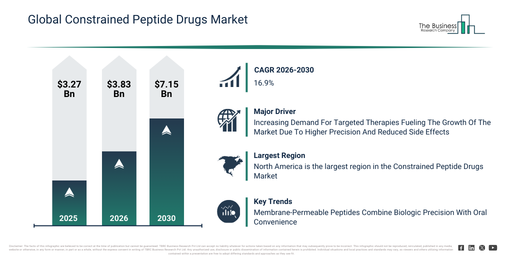
  • Constrained Peptide Drugs Market Opportunities Are Emerging Beyond Traditional Growth Areas

    Constrained Peptide Drugs Market Opportunities Are Emerging Beyond Traditional Growth Areas

    Through market attractiveness analysis, total addressable market evaluation, company benchmarking matrices, interactive Excel dashboards, expanded supply chain intelligence, emerging startup coverage, and detailed product insights, The Business Research Company’s 2026 market reports provide more actionable and strategically valuable research.

    Constrained Peptide Drugs Market Growth From $3.83 Billion In 2026 To $7.15 Billion By 2030 At A CAGR Of 16.9%

    The market for constrained peptide drugs has experienced swift expansion in recent times. Projected to rise from $3.27 billion in 2025 to $3.83 billion in 2026, it is expected to achieve a compound annual growth rate (CAGR) of 17.2%. This historical growth has been driven by factors such as the constraints of small molecules, progress in peptide synthesis, rivalry from biologics, investment in pharmaceutical research and development, and an increase in academic research activities.

    The market for constrained peptide drugs is projected to experience swift expansion over the coming years, reaching a valuation of $7.15 billion by 2030, with a compound annual growth rate (CAGR) of 16.9%. This anticipated growth during the forecast period is driven by factors such as the increasing demand for precision therapeutics, the application of artificial intelligence in drug design, the development of treatments for rare diseases, innovations in peptide delivery systems, and the broadening of pharmaceutical pipelines. Key trends shaping this period include a growing preference for cyclic and stapled peptides, an expansion in peptide drug pipelines, heightened utilization in oncology and rare disease contexts, a stronger emphasis on improving drug stability, and the advancement of targeted therapeutic approaches.

    Download A Free Sample Report For Comprehensive Market Insights:

    https://www.thebusinessresearchcompany.com/sample.aspx?id=24511&type=smp&utm_source=BlogsPR&utm_medium=Paid&utm_campaign=Jul_PR

    #Constrained Peptide Drugs Market Growth Factors: Which Forces Are Supporting Market Expansion?

    The constrained peptide drugs market is anticipated to grow due to the rising demand for targeted therapies. These therapies are designed to precisely attack molecular pathways responsible for disease progression and spread, offering greater accuracy and fewer side effects compared to conventional treatments. Their ability to focus on specific molecular targets enhances the development of constrained peptides by improving drug efficacy and reducing adverse effects, making them highly suitable for addressing complex diseases. For example, in December 2024, the American Society of Gene & Cell Therapy, a US-based nonprofit scientific organization, noted that the FDA approved six gene therapy products in 2023, an increase from five approvals in 2022. Consequently, the escalating need for targeted therapies is driving expansion in the constrained peptide drugs market.

    Constrained Peptide Drugs Market Segment Analysis: What Are The Major Market Categories?

    The constrained peptide drugs market covered in this report is segmented –

    1) By Drug Type: Cyclic Peptides, Stapled Peptides, Multivalent Peptides

    2) By Route Of Administration: Injectable, Intranasal, Transdermal, Oral

    3) By Application: Oncology, Metabolic Disorders, Cardiovascular Diseases, Infectious Diseases, Neurological Disorders

    4) By Distribution Channel: Direct Sales, Third-Party Distributors, Online Pharmacies, Retail Pharmacies

    5) By End User: Hospitals, Pharmaceutical Companies, Research Laboratories, Specialty Clinics

    Subsegments:

    1) By Cyclic Peptides: Natural Cyclic Peptides, Synthetic Cyclic Peptides, Disulfide-Bridged Peptides, Head-To-Tail Cyclized Peptides

    2) By Stapled Peptides: Alpha-Helix Stabilized Peptides, Hydrocarbon-Stapled Peptides, Double-Stapled Peptides, Backbone-Stapled Peptides

    3) By Multivalent Peptides: Bivalent Peptides, Trivalent Peptides, Tetravalent Peptides, Peptide-Drug Conjugates

    Constrained Peptide Drugs Market Industry Trends: What Changes Are Reshaping Demand?

    Leading players in the constrained peptide drugs market are placing significant emphasis on creating innovative drug delivery systems, specifically oral macrocyclic peptides, aimed at boosting bioavailability, enhancing patient adherence, and addressing diseases that were previously difficult to treat. Oral macrocyclic peptides are cyclic peptide-based medications deliberately designed to remain stable and be effectively absorbed when consumed by mouth, as opposed to being administered via injection. A case in point occurred in February 2024, when Insamo, a biotechnology firm based in the United States, unveiled oral cyclic peptides. These membrane-permeable, orally available macrocyclic peptides merge the high target specificity characteristic of biologics with the convenience offered by oral intake. The company’s platform incorporates machine learning-powered molecular design, ultra-high-throughput molecular biology, and parallel synthetic chemistry to quickly pinpoint preclinical candidates that possess favorable pharmacological profiles, even for drug targets that pose significant challenges.

    Constrained Peptide Drugs Market Leading Companies Driving Competitive Growth

    Major companies operating in the constrained peptide drugs market are Amgen Inc., Novo Nordisk A/S, Ipsen S.A., Sanofi S.A., Eli Lilly and Company, Roche Holding AG, Pfizer Inc., Takeda Pharmaceutical Company Limited, Johnson & Johnson, Bristol-Myers Squibb Company, Kymera Therapeutics Inc., Polyphor AG, Novartis Institutes for BioMedical Research (NIBR), Hoffmann-La Roche Ltd., Merck & Co. Inc., Almirall S.A., CSL Limited, Rhythm Pharmaceuticals Inc., Zogenix Inc., Ironwood Pharmaceuticals Inc.

    Access The Complete Constrained Peptide Drugs Market Report:

    https://www.thebusinessresearchcompany.com/report/constrained-peptide-drugs-global-market-report?utm_source=BlogsPR&utm_medium=Paid&utm_campaign=Jul_PR

    Constrained Peptide Drugs Market Global Footprint: Which Region Holds Market Leadership?

    North America was the largest region in the constrained peptide drugs market in 2025. The regions covered in the constrained peptide drugs market report are Asia-Pacific, South East Asia, Western Europe, Eastern Europe, North America, South America, Middle East, Africa.

    Get in touch with us:

    The Business Research Company: https://www.thebusinessresearchcompany.com/?utm_source=BlogsPR&utm_medium=Paid&utm_campaign=home_page_test

    Americas: +1 310-496-7795

    Asia: +44 7882 955267 & +91 8897263534

    Europe: +44 7882 955267

    Email us at: marketing@tbrc.info

    Follow us on:

    LinkedIn: https://in.linkedin.com/company/the-business-research-company

    YouTube: https://www.youtube.com/channel/UC24_fI0rV8cR5DxlCpgmyFQ

    Global Market Model: https://www.thebusinessresearchcompany.com/global-market-model
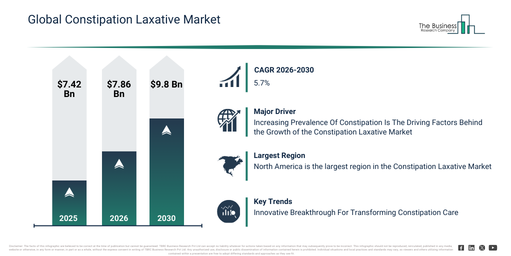
  • Constipation Laxative Market Expansion Is Opening New Pathways For Strategic Investment

    Constipation Laxative Market Expansion Is Opening New Pathways For Strategic Investment

    Delivering more actionable and strategically valuable research, The Business Research Company’s 2026 market reports feature market attractiveness analysis, total addressable market evaluation, company benchmarking matrices, interactive Excel dashboards, expanded supply chain intelligence, emerging startup coverage, and detailed product insights.

    Constipation Laxative Market Expansion Outlook: What Revenue Opportunities Lie Ahead?

    The constipation laxative market has experienced robust expansion over recent years, with projections indicating an increase from $7.42 billion in 2025 to $7.86 billion in 2026, reflecting a compound annual growth rate (CAGR) of 5.9%. This upward trajectory during the historical period is largely driven by the widespread occurrence of constipation-related conditions, the longstanding reliance on stimulant and osmotic laxatives, the broad accessibility of cost-effective over-the-counter solutions, the growing prevalence of sedentary urban lifestyles, and the well-established distribution networks through hospitals and retail pharmacies.

    Over the coming years, the laxative market for constipation is projected to experience robust expansion. By 2030, its value is anticipated to reach $9.8 billion, progressing at a compound annual growth rate (CAGR) of 5.7%. Several factors are expected to drive this growth during the forecast period, including an increasingly aging global population, a higher prevalence of chronic digestive disorders, heightened awareness regarding gut health, a rise in self-medication habits, and broader access facilitated by online pharmacy channels. Key trends shaping this period encompass a shift toward milder, long-term solutions for constipation management, growing demand for bulk-forming and fiber-based laxatives, wider application of osmotic laxatives in treating chronic constipation, greater over-the-counter availability, and an increasing uptake of oral laxative preparations.

    Download A Free Sample Report For Comprehensive Market Insights:

    https://www.thebusinessresearchcompany.com/sample.aspx?id=16021&type=smp&utm_source=BlogsPR&utm_medium=Paid&utm_campaign=Jul_PR

    Constipation Laxative Market Demand Drivers: What Is Fueling Industry Growth?

    The rising frequency of constipation is anticipated to drive expansion in the constipation laxative market moving forward. Constipation is a condition marked by infrequent bowel movements, usually less than three per week, and challenges in passing hard, dry stools. Its prevalence has increased due to multiple reasons, such as shifts in eating patterns, inactive lifestyles, insufficient water consumption, and specific health issues or medications. Constipation laxatives serve to relieve constipation by either promoting bowel movements or softening stools. They aid in restoring regularity and alleviating discomfort when modifications to diet and lifestyle are not enough. For example, in January 2024, a survey by Cureus, a US-based peer-reviewed journal, involving 1,139 participants aged 18 and above in Saudi Arabia, revealed that 811 participants, or 71.2% of the total, reported having experienced constipation either currently or in the past. Consequently, the growing occurrence of constipation is fueling the expansion of the constipation laxative market.

    Constipation Laxative Market Segment Breakdown: Which Categories Generate The Most Revenue?

    The constipation laxative market covered in this report is segmented –

    1) By Drug Type: Bulk-Forming Laxatives, Stimulant Laxatives, Osmotic Laxative, Other Drugs

    2) By Route Of Administration: Oral, Rectal

    3) By Distribution Channel: Hospital Pharmacies, Retail Pharmacies, Online Pharmacies, Drug Stores

    Subsegments:

    1) By Bulk-Forming Laxatives: Psyllium, Methylcellulose, Polycarbophil

    2) By Stimulant Laxatives: Bisacodyl, Senna, Castor Oil

    3) By Osmotic Laxatives: Lactulose, Polyethylene Glycol (PEG), Magnesium-Based Laxatives, Sorbitol

    4) By Other Drugs: Lubiprostone, Linaclotide, Plecanatide, Prucalopride

    Constipation Laxative Market Innovation Trends: Which Developments Are Transforming The Industry?

    Key players in the constipation laxative market are concentrating on developing new offerings, including ayurvedic liquid laxatives, to meet the demand from consumers who want an effective and pleasant-tasting remedy for constipation. An ayurvedic liquid laxative is a plant-based formulation intended to ease constipation by stimulating bowel movements, providing a natural choice among various constipation laxatives. For example, in December 2023, Lupin Life, a pharmaceutical firm based in India, introduced Softovac Liquifibre, a fully ayurvedic liquid laxative. This novel product blends Isabgol fiber with natural ingredients such as Sonamukhi, Harad, Mulethi, Saunf, Amaltas, and Gulab Dal. Softovac Liquifibre delivers a mild, non-addictive solution for constipation. It incorporates advanced technologies to achieve ideal particle size and a mango flavor, while also addressing consumer preferences for tasty and diabetic-friendly options.

    Constipation Laxative Market Key Players And Strategic Industry Positioning

    Major companies operating in the constipation laxative market are Procter & Gamble Corporation, Johnson & Johnson Services Inc., Merck & Co. Inc., Bayer AG, Sanofi S.A, AstraZeneca PLC, Abott Laboratories, GlaxoSmithKline Plc, Takeda Pharmaceutical Company Limited, Boehringer Ingelheim International GmBH, Reckitt Benckiser Group plc, Fresenius Kabi AG, Daiichi Sankya Company Limited, Eisai Co. Ltd, Sun Pharmaceutical Ltd, Shionogi & Co. Ltd, Dr. Reddy’s Laboratories Ltd., Cipla Limited, Mallinckrodt Pharmaceuticals, Ironwood Pharmaceuticals, Beutlich Pharmaceuticals LLC

    Access The Complete Constipation Laxative Market Report:

    https://www.thebusinessresearchcompany.com/report/constipation-laxative-global-market-report?utm_source=BlogsPR&utm_medium=Paid&utm_campaign=Jul_PR

    Constipation Laxative Market Regional Distribution: Which Areas Drive Market Expansion?

    North America was the largest region in the constipation laxative market in 2025. The regions covered in the constipation laxative market report are Asia-Pacific, South East Asia, Western Europe, Eastern Europe, North America, South America, Middle East, Africa.

    Get in touch with us:

    The Business Research Company: https://www.thebusinessresearchcompany.com/?utm_source=BlogsPR&utm_medium=Paid&utm_campaign=home_page_test

    Americas: +1 310-496-7795

    Asia: +44 7882 955267 & +91 8897263534

    Europe: +44 7882 955267

    Email us at: marketing@tbrc.info

    Follow us on:

    LinkedIn: https://in.linkedin.com/company/the-business-research-company

    YouTube: https://www.youtube.com/channel/UC24_fI0rV8cR5DxlCpgmyFQ

    Global Market Model: https://www.thebusinessresearchcompany.com/global-market-model
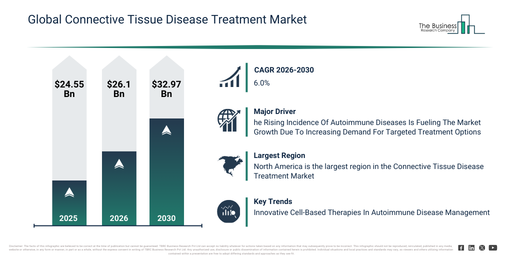
  • Connective Tissue Disease Treatment Market Trends Are Creating New Opportunities For Industry Leaders

    Connective Tissue Disease Treatment Market Trends Are Creating New Opportunities For Industry Leaders

    Enhanced with market attractiveness analysis, total addressable market evaluation, company benchmarking matrices, interactive Excel dashboards, expanded supply chain intelligence, emerging startup coverage, and detailed product insights, The Business Research Company’s 2026 market reports deliver more actionable and strategically valuable research.

    Connective Tissue Disease Treatment Market Growth Potential: How Will Market Size Change Through 2030?

    The connective tissue disease treatment market has experienced notable expansion over recent years. Projected to rise from $24.55 billion in 2025 to $26.1 billion in 2026, this growth reflects a compound annual growth rate (CAGR) of 6.3%. The historical period’s progress was largely driven by factors such as the restricted availability of biologic therapies, a continued dependence on conventional DMARDs, an increasing incidence of autoimmune connective tissue diseases, wider adoption of hospital-based treatment approaches, and heightened recognition of disease management programs.

    The market for treatments addressing connective tissue disorders is anticipated to exhibit robust expansion over the coming years. Projections indicate it will reach a value of $32.97 billion by 2030, reflecting a compound annual growth rate (CAGR) of 6.0%. This anticipated growth during the forecast period is driven by several factors, including the development of targeted synthetic disease-modifying antirheumatic drugs (DMARDs) and Janus kinase (JAK) inhibitors, increased investment in biologic therapies and immunosuppressive agents, the broader availability of homecare and outpatient treatment settings, a greater emphasis on personalized medicine and patient-centric approaches, and the growing incorporation of digital health tools along with telemedicine solutions. Key trends shaping the forecast period encompass the growing uptake of biologics and targeted therapies, a rising inclination towards customized treatment plans, the expansion of care delivery outside traditional hospital settings into home and outpatient environments, heightened demand for both oral and injectable drug administration methods, and a concentrated effort on early detection and comprehensive disease management programs.

    Download A Free Sample Report For Comprehensive Market Insights:

    https://www.thebusinessresearchcompany.com/sample.aspx?id=25726&type=smp&utm_source=BlogsPR&utm_medium=Paid&utm_campaign=Jul_PR

    Connective Tissue Disease Treatment Market Growth Drivers: What Factors Are Accelerating Expansion?

    The anticipated increase in autoimmune disease prevalence is set to drive expansion within the connective tissue disease treatment market moving forward. Autoimmune diseases occur when the immune system erroneously attacks the body’s own healthy tissues and organs. This growing incidence stems largely from genetic predispositions that render certain individuals more susceptible to immune system irregularities, combined with environmental influences including infections, dietary habits, stress, and toxin exposure, which can initiate or exacerbate these conditions. Connective tissue disease treatments address autoimmune disorders by focusing on the fundamental immune system dysfunction responsible for inflammation and tissue damage, consequently reducing symptoms, decelerating disease advancement, and enhancing patient quality of life for those with conditions like lupus, rheumatoid arthritis, and scleroderma. As an illustration, in February 2024, Arthritis Australia, an Australian non-profit organization, projected that roughly 562,378 Australians will be diagnosed with RA by 2025, comprising 14% of all arthritis cases that year, with this figure expected to climb by 33% to 748,721 individuals by 2040, representing an additional 186,343 Australians living with RA compared to 2025. Hence, the rising frequency of autoimmune diseases continues to fuel growth in the connective tissue disease treatment market.

    Connective Tissue Disease Treatment Market Segmentation: How Is The Market Structured Across Key Categories?

    The connective tissue disease treatment market covered in this report is segmented –

    1) By Drug Class: Anti-Inammatory Drugs, Immunosuppressants, Biologics And Targeted Therapy, Disease-Modifying Anti-Rheumatic Drugs (DMARDs), Other Drug Classes

    2) By Disease Type: Systemic Lupus Erythematosus (SLE), Rheumatoid Arthritis (RA), Scleroderma, Dermatomyositis, Mixed Connective Tissue Disease (MCTD), Polymyositis, Sjögren’s Syndrome, Vasculitis, Antiphospholipid Syndrome (APS)

    3) By Route Of Administration: Oral, Injectable, Topical

    4) By Distribution Channel: Hospital Pharmacies, Retail Pharmacies, Online Pharmacies

    5) By End-User: Hospitals, Clinics, Homecare Settings

    Subsegments:

    1) By Anti-Inflammatory Drugs: Nonsteroidal Anti-Inflammatory Drugs (NSAIDs), Systemic Corticosteroids

    2) By Immunosuppressants: Calcineurin Inhibitors, Mammalian Target Of Rapamycin (mTOR) Inhibitors, Antimetabolites, Alkylating Agents

    3) By Biologics And Targeted Therapy: Tumor Necrosis Factor (TNF) Inhibitors, Interleukin-6 (IL-6) Inhibitors, B-Cell Inhibitors, T-Cell Co-Stimulation Modulators, Janus Kinase (JAK) Inhibitors

    4) By Disease-Modifying Anti-Rheumatic Drugs (DMARDs): Conventional Synthetic Disease-Modifying Anti-Rheumatic Drugs (DMARDs), Biologic Disease-Modifying Anti-Rheumatic Drugs (DMARDs), Targeted Synthetic Disease-Modifying Anti-Rheumatic Drugs (DMARDs)

    5) By Other Drug Classes: Analgesics, Antimalarial Drugs, Antibiotics, Monoclonal Antibodies

    Connective Tissue Disease Treatment Market Trends: What Is Shaping Future Industry Growth?

    Key players in the connective tissue disease treatment market are intensifying their focus on clinical trials aimed at developing innovative therapies, including allogeneic CAR-NK cell approaches, to boost efficacy and tackle unmet needs in autoimmune disorders. This therapeutic modality employs natural killer cells sourced from healthy donors, which are engineered with a chimeric antigen receptor to precisely identify and eliminate pathogenic cells. It strengthens the immune system’s capacity to remove harmful B-cells implicated in autoimmune conditions, potentially offering a safer and more widely available alternative to conventional cell-based treatments. As an illustration, in July 2024, Nkarta Inc., a US-based biotechnology firm in the clinical stage, initiated the Ntrust-1 clinical study to investigate NKX019—an experimental allogeneic CAR-NK cell therapy—for lupus nephritis, and also secured FDA authorization to commence a separate investigation (Ntrust-2) targeting systemic sclerosis, idiopathic inflammatory myopathy, and ANCA-associated vasculitis. These efforts aim to address substantial unmet requirements in autoimmune diseases by enhancing the safety, accessibility, and effectiveness of cell therapies through genetically modified NK cells that specifically home in on CD19-positive B-cells.

    Connective Tissue Disease Treatment Market Competitive Landscape And Leading Companies

    Major companies operating in the connective tissue disease treatment market are Pfizer Inc., F. Hoffmann-La Roche AG, AbbVie Inc., Sanofi S.A., Bristol Myers Squibb Company, AstraZeneca PLC, Novartis AG, GlaxoSmithKline (GSK) PLC, Eli Lilly and Company, Amgen Inc., Biogen Inc., Vertex Pharmaceuticals, UCB S.A., Hikma Pharmaceuticals PLC, Innovent Biologics Inc., RemeGen Co. Ltd, Kymera Therapeutics, Adicet Bio, Equillium Inc.

    Access The Complete Connective Tissue Disease Treatment Market Report:

    https://www.thebusinessresearchcompany.com/report/connective-tissue-disease-treatment-global-market-report?utm_source=BlogsPR&utm_medium=Paid&utm_campaign=Jul_PR

    Connective Tissue Disease Treatment Market Leading Geography: Which Region Generates The Most Revenue?

    North America was the largest region in the connective tissue disease treatment market in 2025. Asia-Pacific is expected to be the fastest-growing region in the forecast period. The regions covered in the connective tissue disease treatment market report are Asia-Pacific, South East Asia, Western Europe, Eastern Europe, North America, South America, Middle East, Africa.

    Get in touch with us:

    The Business Research Company: https://www.thebusinessresearchcompany.com/?utm_source=BlogsPR&utm_medium=Paid&utm_campaign=home_page_test

    Americas: +1 310-496-7795

    Asia: +44 7882 955267 & +91 8897263534

    Europe: +44 7882 955267

    Email us at: marketing@tbrc.info

    Follow us on:

    LinkedIn: https://in.linkedin.com/company/the-business-research-company

    YouTube: https://www.youtube.com/channel/UC24_fI0rV8cR5DxlCpgmyFQ

    Global Market Model: https://www.thebusinessresearchcompany.com/global-market-model
  • Connected Drug Delivery Devices Market Growth Is Reshaping Competitive Advantage Across The Industry

    Connected Drug Delivery Devices Market Growth Is Reshaping Competitive Advantage Across The Industry

    Through market attractiveness analysis, total addressable market evaluation, company benchmarking matrices, interactive Excel dashboards, expanded supply chain intelligence, emerging startup coverage, and detailed product insights, The Business Research Company’s 2026 market reports provide more actionable and strategically valuable research.

    Connected Drug Delivery Devices Market Value Analysis: What Growth Is Expected Over The Forecast Period?

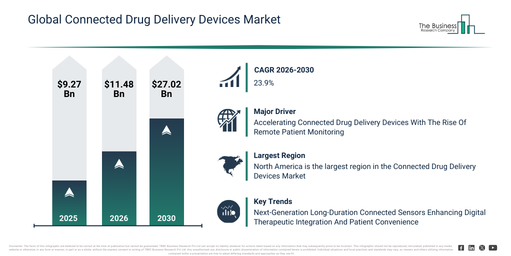
    The market for connected drug delivery devices has experienced remarkable expansion in recent years, with projections indicating a surge from $9.27 billion in 2025 to $11.48 billion in 2026, reflecting a compound annual growth rate of 23.8%. This historic period’s growth has been driven by factors such as the rising uptake of devices for managing chronic conditions, a heightened prevalence of diabetes and respiratory ailments, progress in smart syringe and inhaler technologies, growing efforts to digitize healthcare systems, and increased public understanding of the importance of sticking to medication regimens.

    The connected drug delivery devices market is anticipated to experience rapid expansion in the coming years, reaching $27.02 billion by 2030 with a compound annual growth rate (CAGR) of 23.9%. This projected growth during the forecast period is driven by increasing demand for remote patient monitoring, the expansion of interconnected healthcare systems, the incorporation of AI-driven predictive analytics, the rising prevalence of wearable drug delivery devices, and favorable government policies promoting digital health adoption. Key trends shaping this period include personalized monitoring of medication adherence, solutions for remote patient oversight, integration with electronic health records (EHR), data-guided dose adjustments, and the provision of real-time alerts and notifications.

    Download A Free Sample Report For Comprehensive Market Insights:

    https://www.thebusinessresearchcompany.com/sample.aspx?id=13962&type=smp&utm_source=BlogsPR&utm_medium=Paid&utm_campaign=Jul_PR

    Connected Drug Delivery Devices Market Growth Factors Supporting Long-Term Expansion

    The growing significance of remote patient monitoring is anticipated to drive expansion in the connected drug delivery device market moving forward. Remote patient monitoring refers to a healthcare approach that leverages technology to observe patient health and medical information from a distance. Connected drug delivery devices support RPM by enabling precise monitoring of medication usage and adherence, allowing for prompt interventions, and delivering customized care management. For example, in May 2024, the Journal of Medical Internet Research, a peer-reviewed publication based in Canada, reported that 38.78% of adults in the United States had utilized telehealth services within the previous year. Consequently, the rising emphasis on remote patient monitoring is fueling growth in the connected drug delivery device market.

    Connected Drug Delivery Devices Market Segmentation Trends And Revenue Drivers

    The connected drug delivery devices market covered in this report is segmented –

    1) By Type: Standalone Components And Software, Integrated Devices

    2) By Technology: Bluetooth, Near-Field Communication (NFC), Other Technologies

    3) By Administration: Parenteral, Inhalational

    4) By Application: Asthma, Chronic Obstructive Pulmonary Disease, Diabetes Management, Other Applications

    Subsegments:

    1) By Standalone Components And Software: Mobile Applications, Connectivity Modules, Data Analytics Software

    2) By Integrated Devices: Smart Inhalers, Smart Auto-injectors, Connected Syringes, Wearable Drug Delivery Devices

    Connected Drug Delivery Devices Market Industry Trends Shaping Future Revenue Growth

    Key players in the connected drug delivery devices market are prioritizing the development of advanced, durable, and deeply integrated digital health platforms designed to boost treatment convenience, refine monitoring precision, and facilitate effortless connectivity with automated therapy systems. For example, in November 2025, Dexcom, a U.S.-based healthcare firm, announced the launch of its G7 15 Day continuous glucose monitor in the United States starting December 1, 2025, targeting adults with diabetes. This device, which recently secured FDA approval, stands as the longest-wearing CGM available, providing up to 15.5 days of usage with an enhanced accuracy MARD of 8%. Upon its release, it will be accessible through DME providers and covered for Medicare beneficiaries. The upgraded sensor works seamlessly with the iLet Bionic Pancreas, Omnipod 5, and soon Tandem pumps, while also powering Dexcom’s new Smart Basal insulin optimization system. Offering fewer sensor replacements, water-resistant construction, smartwatch compatibility, and streamlined data logging, the G7 15 Day is designed to offer enhanced ease of use and superior long-term blood sugar management.

    Connected Drug Delivery Devices Market Industry Leaders: Which Organizations Are Driving Competition?

    Major companies operating in the connected drug delivery devices market are Pfizer Inc., Johnson & Johnson, Abbott Laboratories, Medtronic PLC, Eli Lilly and Company, Novo Nordisk A/S, Becton Dickinson and Company, Phillips-Medisize Corporation, AptarGroup Inc., Dexcom Inc., West Pharmaceutical Services Inc., Insulet Corporation, Tandem Diabetes Care Inc., Ypsomed AG, Meridian Medical Technologies LLC, Propeller Health, Findair Sp. z.o.o, Omron Healthcare Co. Ltd, Omnicell Inc., BD Medical

    Access The Complete Connected Drug Delivery Devices Market Report:

    https://www.thebusinessresearchcompany.com/report/connected-drug-delivery-devices-global-market-report?utm_source=BlogsPR&utm_medium=Paid&utm_campaign=Jul_PR

    Connected Drug Delivery Devices Market Regional Outlook: Where Are The Largest Opportunities Located?

    North America was the largest region in the connected drug delivery market in 2025. The regions covered in the connected drug delivery devices market report are Asia-Pacific, South East Asia, Western Europe, Eastern Europe, North America, South America, Middle East, Africa.

    Get in touch with us:

    The Business Research Company: https://www.thebusinessresearchcompany.com/?utm_source=BlogsPR&utm_medium=Paid&utm_campaign=home_page_test

    Americas: +1 310-496-7795

    Asia: +44 7882 955267 & +91 8897263534

    Europe: +44 7882 955267

    Email us at: marketing@tbrc.info

    Follow us on:

    LinkedIn: https://in.linkedin.com/company/the-business-research-company

    YouTube: https://www.youtube.com/channel/UC24_fI0rV8cR5DxlCpgmyFQ

    Global Market Model: https://www.thebusinessresearchcompany.com/global-market-model
  • Conjugated Monoclonal Antibodies Market Forecast Signals New Revenue Opportunities Through 2030

    Conjugated Monoclonal Antibodies Market Forecast Signals New Revenue Opportunities Through 2030

    Delivering more actionable and strategically valuable research, The Business Research Company’s 2026 market reports feature market attractiveness analysis, total addressable market evaluation, company benchmarking matrices, interactive Excel dashboards, expanded supply chain intelligence, emerging startup coverage, and detailed product insights.

    Conjugated Monoclonal Antibodies Market Size Forecast: How Large Could The Market Become By 2030?

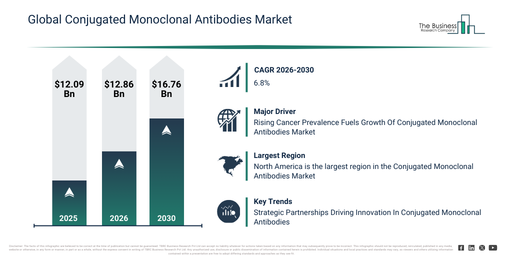
    The market for conjugated monoclonal antibodies has experienced robust expansion over the past few years. Projected to rise from $12.09 billion in 2025 to $12.86 billion in 2026, it reflects a compound annual growth rate (CAGR) of 6.4%. This historical growth has been driven by several factors, including the scarcity of these antibodies, a heavy dependence on traditional chemotherapy, an uptick in cancer cases, intensified investigation into targeted treatment approaches, and the early regulatory approvals granted for antibody-drug conjugates (ADCs).

    The conjugated monoclonal antibodies market is anticipated to experience robust expansion in the coming years. By 2030, its valuation is projected to reach $16.76 billion, reflecting a compound annual growth rate (CAGR) of 6.8%. This forecasted growth is driven by the emergence of innovative linker technologies, the broadening of antibody-drug conjugate (ADC) applications across various cancer types, a growing emphasis on personalized medicine strategies, enhanced funding directed at oncology studies, and a surge in both clinical trials and pipeline drugs. Key trends shaping the forecast period encompass the increasing utilization of conjugated monoclonal antibodies within oncology, progress in targeted therapies aimed at blood and solid tumors, the creation of cleavable and non-cleavable linker platforms, the expansion of precision oncology and personalized medicine, and heightened investment in cancer research and clinical trials.

    Download A Free Sample Report For Comprehensive Market Insights:

    https://www.thebusinessresearchcompany.com/sample.aspx?id=3424&type=smp&utm_source=BlogsPR&utm_medium=Paid&utm_campaign=Jul_PR

    Conjugated Monoclonal Antibodies Market Demand Drivers Creating New Revenue Opportunities

    The rising incidence of cancer is expected to drive forward the expansion of the conjugated monoclonal antibodies market. This disease encompasses disorders marked by the unchecked proliferation and dissemination of abnormal cells within the body. Its prevalence is increasing, particularly among aging populations, as the likelihood of developing cancer grows with age and individuals are living longer than in previous periods. Conjugated monoclonal antibodies offer a therapeutic approach to cancer by specifically targeting malignant cells and delivering powerful treatments directly to them, thereby enhancing the efficacy of therapy while reducing harm to healthy tissues. For example, data from October 2025 from NHS England, a publicly funded healthcare entity in the UK, revealed that 354,820 new cancer cases were recorded in 2023, representing an increase of 8,605 compared to 2022. Consequently, the high frequency of cancer cases is fueling the growth of the conjugated monoclonal antibodies market.

    Conjugated Monoclonal Antibodies Market Segment Analysis Highlighting Growth Areas

    The conjugated monoclonal antibodies market covered in this report is segmented –

    1) By Drugs: Adcetris, Kadcyla

    2) By Technology: Cleavable Linker, Non-cleavable Linker

    3) By Application: Blood Cancer, Breast Cancer, Ovarian Cancer, Lung Cancer, Brain Tumor, Other Applications

    Conjugated Monoclonal Antibodies Market Trends Driving Strategic Industry Expansion

    Major players within the conjugated monoclonal antibodies sector are increasingly utilizing strategic collaborations as a method to deliver full-spectrum solutions and enhance their operational capabilities. Such collaborative agreements allow businesses to combine their respective expertise and assets, working toward shared goals and overall success. A notable example occurred in July 2023, when BeiGene Ltd., a biotechnology firm based in the United States, entered into a partnership with Duality Biologics, a clinical-stage organization from China. Through this alliance, the two entities intend to co-develop and bring to market a preclinical antibody-drug conjugate (ADC) treatment designed for patients facing certain solid tumor types. By merging the distinct strengths of each company, the development process and eventual commercialization efforts for this ADC therapy are expected to be significantly expedited.

    Conjugated Monoclonal Antibodies Market Leading Companies: Who Holds Significant Market Presence?

    Major companies operating in the conjugated monoclonal antibodies market are Pfizer Inc., F. Hoffmann-La Roche AG, Bristol -Myers Squibb, Merck & Co. Inc., Immunomedics Inc., Takeda Pharmaceuticals Industries Ltd., Daiichi Sankyo Company Limited, Actinium Pharmaceutical, Nordic Nanovector Inc., AbbVie Inc., Bayer AG, AstraZeneca plc, Novartis AG, Amgen, Celgene, Genzyme, Incyte Corporation, MorphoSys AG, Regeneron Pharmaceuticals, Seattle Genetics

    Access The Complete Conjugated Monoclonal Antibodies Market Report:

    https://www.thebusinessresearchcompany.com/report/conjugated-monoclonal-antibodie-global-market-report?utm_source=BlogsPR&utm_medium=Paid&utm_campaign=Jul_PR

    Conjugated Monoclonal Antibodies Market Geographic Landscape: Which Region Dominates Industry Growth?

    North America was the largest region in the conjugated monoclonal antibody market in 2025. The Middle East is expected to be the fastest-growing region in the global conjugated monoclonal antibodies market share during the forecast period. The regions covered in the conjugated monoclonal antibodies market report are Asia-Pacific, South East Asia, Western Europe, Eastern Europe, North America, South America, Middle East, Africa.

    Get in touch with us:

    The Business Research Company: https://www.thebusinessresearchcompany.com/?utm_source=BlogsPR&utm_medium=Paid&utm_campaign=home_page_test

    Americas: +1 310-496-7795

    Asia: +44 7882 955267 & +91 8897263534

    Europe: +44 7882 955267

    Email us at: marketing@tbrc.info

    Follow us on:

    LinkedIn: https://in.linkedin.com/company/the-business-research-company

    YouTube: https://www.youtube.com/channel/UC24_fI0rV8cR5DxlCpgmyFQ

    Global Market Model: https://www.thebusinessresearchcompany.com/global-market-model