Month: July 2026

  • Anticoagulants Market Trends Are Creating New Opportunities For Industry Leaders

    Anticoagulants Market Trends Are Creating New Opportunities For Industry Leaders

    Enhanced with market attractiveness analysis, total addressable market evaluation, company benchmarking matrices, interactive Excel dashboards, expanded supply chain intelligence, emerging startup coverage, and detailed product insights, The Business Research Company’s 2026 market reports deliver more actionable and strategically valuable research.

    Anticoagulants Market Size Forecast: How Large Could The Market Become By 2030?

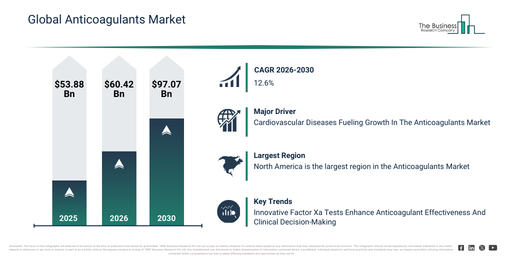
    The anticoagulants market has experienced substantial expansion in recent years, with an expected increase from $53.88 billion in 2025 to $60.42 billion in 2026, reflecting a compound annual growth rate (CAGR) of 12.1%. This historic growth has been driven by several factors, including a high prevalence of cardiovascular diseases, a rising incidence of venous thromboembolism, the established use of warfarin, an increase in hospital-based treatments, and growing awareness around stroke prevention.

    The market for anticoagulants is projected to experience significant expansion in the coming years, reaching an estimated $97.07 billion by 2030 with a compound annual growth rate (CAGR) of 12.6%. This upward trajectory during the forecast period is driven by factors such as the rising prevalence of atrial fibrillation, the wider utilization of factor Xa inhibitors, enhanced safety profiles of novel oral anticoagulants (NOACs), an increase in outpatient anticoagulation management, and greater adoption in emerging economies. Key developments shaping this period include a growing preference for direct oral anticoagulants, a transition from injectable to oral treatment options, the heightened use of long-term anticoagulation therapy, an intensified emphasis on patient adherence and safety, and the expanded application of these drugs in preventive cardiovascular care.

    Download A Free Sample Report For Comprehensive Market Insights:

    https://www.thebusinessresearchcompany.com/sample.aspx?id=5230&type=smp&utm_source=BlogsPR&utm_medium=Paid&utm_campaign=Jul_PR

    Anticoagulants Market Growth Drivers: What Factors Are Accelerating Expansion?

    The rising prevalence of cardiovascular diseases is a major contributor to the anticipated expansion of the anticoagulants market in the years ahead. Cardiovascular diseases (CVDs) refer to a range of disorders affecting the heart and blood vessels. These conditions remain the leading cause of death worldwide, with low- and middle-income nations bearing the burden of three-quarters of all CVD-related fatalities. Direct oral anticoagulants, a form of anticoagulation pharmacotherapy, are employed to reduce thrombosis across various cardiovascular scenarios. As an illustration, in September 2025, data from the British Heart Foundation, a charitable organization in the UK, revealed that over 7.6 million people across the United Kingdom—including more than 4 million men and over 3.6 million women—are currently living with cardiovascular disease. Further projections suggest that, fueled by an aging population and enhanced survival rates, the number of those affected could increase by roughly 1 million by 2030 and by approximately 2 million by 2040. Consequently, the growing incidence of cardiovascular diseases is a driving force behind the expansion of the anticoagulants market.

    Anticoagulants Market Segment Analysis And Revenue Opportunities

    The anticoagulants market covered in this report is segmented –

    1) By Drug Class: Factor Xa Inhibitor, Heparin And LMWH, Vitamin K Antagonist, Other Drug Classes

    2) By Route Of Administration: Oral Anticoagulant, Injectable Anticoagulant

    3) By Distribution Channel: Hospital Pharmacy, Retail Pharmacy, Online Pharmacy

    4) By Application: Venous Thromboembolism, Atrial Fibrillation Or Flutter, Coronary Artery Disease, Other Applications

    5) By End User: Hospitals, Homecare, Specialty Centers, Other End-Users

    Subsegments:

    1) By Factor Xa Inhibitor: Rivaroxaban, Apixaban, Edoxaban, Betrixaban

    2) By Heparin And LMWH (Low Molecular Weight Heparin): Unfractionated Heparin, Enoxaparin, Dalteparin, Tinzaparin

    3) By Vitamin K Antagonist: Warfarin, Acenocoumarol, Phenprocoumon

    4) By Other Drug Classes: Direct Thrombin Inhibitors, Novel Oral Anticoagulants (NOACs)

    Anticoagulants Market Trends: What Is Shaping Future Industry Growth?

    Key players in the anticoagulants market are prioritizing the creation of advanced solutions, such as factor Xa inhibitor assays, to address the increasing need for testing driven by the broader adoption of direct oral anticoagulants in treating stroke and other critical cardiovascular disorders. These Factor Xa Inhibitor Tests serve as diagnostic tools that assess how well anticoagulant drugs target factor Xa to prevent clot formation, offering insights into their effectiveness and safety across diverse medical scenarios. A notable example is from February 2024, when F. Hoffmann-La Roche Ltd., a biotechnology firm based in Switzerland, introduced coagulation tests for apixaban, edoxaban, and rivaroxaban. Designed with Roche’s innovative reagent cassette system, these new tests deliver consistent, high-quality results alongside efficient sample handling, and they incorporate standardization and automation to refine laboratory workflows. Their significance lies in assisting clinical judgments for patients on direct oral anticoagulants for stroke prevention, thereby addressing the worldwide demand for reliable diagnostics in managing serious conditions like coronary artery disease and peripheral arterial disease.

    Anticoagulants Market Leading Players Shaping Industry Direction

    Major companies operating in the anticoagulants market are GlaxoSmithKline plc, Leo Pharma A/S, Amphastar Pharmaceuticals Inc., Bayer AG, Boehringer Ingelheim International GmbH, Daiichi Sankyo Company Limited, Eisai Co. Ltd., Mylan N.V., Pfizer Inc., Sanofi S.A., Apotex Inc., Aspen Pharmacare Holdings Limited, AstraZeneca plc, Bristol-Myers Squibb Company, Dr. Reddy’s Laboratories Ltd., Fresenius Kabi AG, Hikma Pharmaceuticals plc, Johnson & Johnson, Lupin Limited, Mitsubishi Tanabe Pharma Corporation, Natco Pharma Limited, Novartis International AG, Portola Pharmaceuticals Inc., Strides Pharma Science Limited, Sun Pharmaceutical Industries Limited, Teva Pharmaceutical Industries Limited, Torrent Pharmaceuticals Limited, and Zydus Cadila Healthcare Limited.

    Access The Complete Anticoagulants Market Report:

    https://www.thebusinessresearchcompany.com/report/anticoagulant-global-market-report?utm_source=BlogsPR&utm_medium=Paid&utm_campaign=Jul_PR

    Anticoagulants Market Global Footprint: Which Region Holds Market Leadership?

    North America was the largest region in the anticoagulants market in 2025. The regions covered in the anticoagulants market report are Asia-Pacific, South East Asia, Western Europe, Eastern Europe, North America, South America, Middle East, Africa.

    Get in touch with us:

    The Business Research Company: https://www.thebusinessresearchcompany.com/?utm_source=BlogsPR&utm_medium=Paid&utm_campaign=home_page_test

    Americas: +1 310-496-7795

    Asia: +44 7882 955267 & +91 8897263534

    Europe: +44 7882 955267

    Email us at: marketing@tbrc.info

    Follow us on:

    LinkedIn: https://in.linkedin.com/company/the-business-research-company

    YouTube: https://www.youtube.com/channel/UC24_fI0rV8cR5DxlCpgmyFQ

    Global Market Model: https://www.thebusinessresearchcompany.com/global-market-model
  • Anticoagulant Reversal Drugs Market Growth Is Reshaping Competitive Advantage Across The Industry

    Anticoagulant Reversal Drugs Market Growth Is Reshaping Competitive Advantage Across The Industry

    Through market attractiveness analysis, total addressable market evaluation, company benchmarking matrices, interactive Excel dashboards, expanded supply chain intelligence, emerging startup coverage, and detailed product insights, The Business Research Company’s 2026 market reports provide more actionable and strategically valuable research.

    Anticoagulant Reversal Drugs Market Revenue Outlook: What CAGR Is Expected Through 2030?

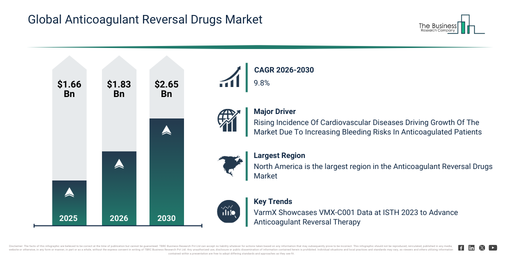
    The market for anticoagulant reversal drugs has experienced robust expansion in recent times. Its value is projected to rise from $1.66 billion in 2025 to $1.83 billion in 2026, reflecting a compound annual growth rate (CAGR) of 9.9%. This historical growth was driven by factors such as a greater adoption of anticoagulant medications, a higher frequency of bleeding emergencies, the regulatory approval of reversal agents, the broadening of emergency healthcare facilities, and an increase in the number of surgical interventions.

    The anticoagulant reversal drugs market is projected to experience robust expansion over the coming years, reaching $2.65 billion by 2030, driven by a compound annual growth rate (CAGR) of 9.8%. This forecasted growth is fueled by factors such as the heightened utilization of direct oral anticoagulants, a growing elderly demographic, the proliferation of trauma care centers, a heightened need for fast-acting reversal agents, and the enhancement of emergency response systems. Key trends shaping this period include the expanded application of emergency reversal treatments, a surge in the adoption of DOAC reversal agents, rising demand within critical care environments, the broadening of hospital-based emergency protocols, and an intensified emphasis on the rapid management of hemostasis.

    Download A Free Sample Report For Comprehensive Market Insights:

    https://www.thebusinessresearchcompany.com/sample.aspx?id=23308&type=smp&utm_source=BlogsPR&utm_medium=Paid&utm_campaign=Jul_PR

    Anticoagulant Reversal Drugs Market Growth Factors Supporting Long-Term Expansion

    The anticipated expansion of the anticoagulant reversal drugs market is expected to be fueled by the growing prevalence of cardiovascular diseases. Cardiovascular diseases (CVDs) encompass a range of conditions impacting the heart and blood vessels, such as coronary artery disease, stroke, and heart failure. The rise in these diseases is largely attributed to unhealthy lifestyle choices, including increased consumption of processed foods, lack of physical activity, and elevated stress levels, which collectively contribute to obesity, hypertension, and diabetes. To address the danger of excessive bleeding, anticoagulant reversal drugs become necessary for managing cardiovascular diseases, as patients on blood thinners for issues like atrial fibrillation or deep vein thrombosis face life-threatening hemorrhages that demand swift reversal to normalize blood clotting. By way of illustration, data from December 2024 provided by the Office for Health Improvement and Disparities—a government department in the UK—revealed that in England, 1,879,000 individuals (3%) had a general practice (GP) diagnosis of coronary heart disease (CHD) by the end of the fiscal year March 2023. Moreover, rates of heart failure admissions vary more significantly across local authorities compared to CHD, featuring a fourfold difference between areas, which reaches up to 396.5 admissions per 100,000 people in Hounslow. Consequently, the upward trend in cardiovascular disease incidence is propelling the growth of the anticoagulant reversal drugs market.

    Anticoagulant Reversal Drugs Market Segmentation And Category Breakdown

    The anticoagulant reversal drugs market covered in this report is segmented –

    1) By Product Type: Prothrombin Complex Concentrates, Phytonadione (Vitamin K), Andexanet Alfa, Idarucizumab, Protamine, Other Product Types

    2) By Route of Administration: Injectable, Oral

    3) By Distribution Channel: Hospital Pharmacy, Retail Pharmacy

    4) By Application: Direct Oral Anticoagulant (DOAC) Reversal, Warfarin Reversal, Heparin And Low-Molecular-Weight Heparin (LMWH) Reversal, Other Applications

    Subsegments:

    1) By Prothrombin Complex Concentrates (PCCs): 3-Factor PCC, 4-Factor PCC, Activated PCC (aPCC)

    2) By Phytonadione (Vitamin K): Oral Vitamin K, Intravenous (IV) Vitamin K, Subcutaneous (SC) Vitamin K

    3) By Andexanet Alfa: Reversal of Factor Xa Inhibitors (Apixaban, Rivaroxaban), Off-label Usage In Other Anticoagulants

    4) By Idarucizumab: Reversal of Dabigatran-induced Anticoagulation, Emergency Surgical Reversal

    5) By Protamine: Protamine Sulfate For Heparin Reversal, Protamine Variants For Low Molecular Weight Heparin (LMWH) Reversal

    6) By Other Product Types: Recombinant Factor VIIa (rFVIIa), Fresh Frozen Plasma (FFP), Desmopressin (DDAVP), Activated Charcoal (For DOAC Reversal)

    Anticoagulant Reversal Drugs Market Industry Trends Shaping Future Revenue Growth

    Key players in the anticoagulant reversal drugs market are prioritizing innovative therapeutic approaches, including the development of targeted reversal agents for direct oral anticoagulants (DOACs), aimed at enhancing patient safety and enabling controlled anticoagulation management. These Targeted Anticoagulant Reversal Agents facilitate the rapid restoration of normal coagulation, allow for precise monitoring through surrogate endpoints, and improve clinical care for patients at risk of bleeding or those needing urgent interventions. As an example, in June 2023, VarmX, a biotechnology firm based in the United States, unveiled two abstracts at the International Society on Thrombosis and Haemostasis (ISTH) Congress held in Montreal, revealing early data on its lead compound, VMX-C001. The findings highlighted the compound’s promise as a DOAC reversal agent and emphasized the utility of dRVVT and dPT assays in sensitively tracking FXa inhibitor activity, thereby supporting further clinical advancement and confirming surrogate endpoints for ongoing research.

    Anticoagulant Reversal Drugs Market Competitive Analysis Of Major Industry Participants

    Major companies operating in the anticoagulant reversal drugs market are Pfizer Inc., Bristol-Myers Squibb Company, AstraZeneca PLC, Takeda Pharmaceutical Company Limited, Boehringer Ingelheim International GmbH, CSL Behring LLC, Octapharma AG, Daiichi Sankyo Company Limited, Portola Pharmaceuticals Inc., Amphastar Pharmaceuticals Inc., Teva Pharmaceutical Industries Ltd., Amneal Pharmaceuticals LLC, AMAG Pharmaceuticals Inc., Glenmark Pharmaceuticals Inc. USA, Dr. Reddy’s Laboratories Ltd., Transo-Pharm USA LLC, Join Hub Pharma, Baxter International Inc., Grifols S.A., Kedrion Biopharma Inc.

    Access The Complete Anticoagulant Reversal Drugs Market Report:

    https://www.thebusinessresearchcompany.com/report/anticoagulant-reversal-drugs-global-market-report?utm_source=BlogsPR&utm_medium=Paid&utm_campaign=Jul_PR

    Anticoagulant Reversal Drugs Market Regional Distribution: Which Areas Drive Market Expansion?

    North America was the largest region in the anticoagulant reversal drugs market in 2025. The regions covered in the anticoagulant reversal drugs market report are Asia-Pacific, South East Asia, Western Europe, Eastern Europe, North America, South America, Middle East, Africa.

    Get in touch with us:

    The Business Research Company: https://www.thebusinessresearchcompany.com/?utm_source=BlogsPR&utm_medium=Paid&utm_campaign=home_page_test

    Americas: +1 310-496-7795

    Asia: +44 7882 955267 & +91 8897263534

    Europe: +44 7882 955267

    Email us at: marketing@tbrc.info

    Follow us on:

    LinkedIn: https://in.linkedin.com/company/the-business-research-company

    YouTube: https://www.youtube.com/channel/UC24_fI0rV8cR5DxlCpgmyFQ

    Global Market Model: https://www.thebusinessresearchcompany.com/global-market-model
  • Anticholinergic Drugs Market Forecast Signals New Revenue Opportunities Through 2030

    Anticholinergic Drugs Market Forecast Signals New Revenue Opportunities Through 2030

    Delivering more actionable and strategically valuable research, The Business Research Company’s 2026 market reports feature market attractiveness analysis, total addressable market evaluation, company benchmarking matrices, interactive Excel dashboards, expanded supply chain intelligence, emerging startup coverage, and detailed product insights.

    Anticholinergic Drugs Market Growth Analysis: How Will Revenue Expand During The Forecast Period?

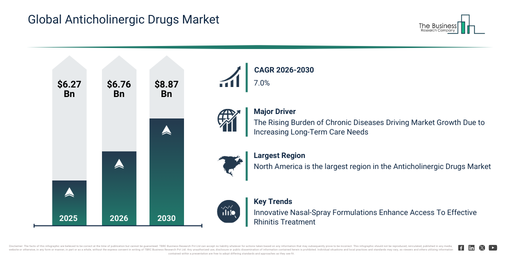
    The market for anticholinergic drugs has experienced significant expansion in recent years. Projections indicate an increase from $6.27 billion in 2025 to $6.76 billion in 2026, reflecting a compound annual growth rate (CAGR) of 7.8%. This growth during the historical period can be explained by factors such as the higher incidence of neurological conditions, a growing elderly demographic, broader hospital infrastructure, advances in pharmaceutical research, and an elevated need for therapies addressing muscle spasms.

    The anticholinergic drugs market is projected to experience robust expansion over the coming years, reaching a valuation of $8.87 billion by 2030, with a compound annual growth rate (CAGR) of 7.0%. Several key factors are anticipated to drive this growth during the forecast period, including innovations in drug formulations, the rising preference for parenteral administration, heightened awareness surrounding treatments for overactive bladder, the increasing role of online pharmacy platforms, and progress in therapeutics for chronic obstructive pulmonary disease. Meanwhile, noteworthy trends shaping this period encompass the emergence of novel anticholinergic therapies, the expanding elderly demographic and its related health conditions, the growing prevalence of neurological and muscular disorders, the broadening of both hospital and retail pharmacy networks, and a greater utilization of oral and parenteral drug delivery methods.

    Download A Free Sample Report For Comprehensive Market Insights:

    https://www.thebusinessresearchcompany.com/sample.aspx?id=16340&type=smp&utm_source=BlogsPR&utm_medium=Paid&utm_campaign=Jul_PR

    Anticholinergic Drugs Market Demand Drivers Creating New Revenue Opportunities

    The anticipated expansion of the anticholinergic drugs market is being driven forward by the growing prevalence of chronic diseases. These conditions are long-term health issues that demand continuous care and oversight, often impairing daily activities and diminishing overall well-being. Their increasing frequency stems from shifts in lifestyle habits, hereditary influences, and heightened contact with environmental contaminants like pollutants, chemicals, and toxins. Anticholinergic medications play a pivotal role in managing these diseases by curbing excessive cholinergic activity within the body, which aids in symptom control and enhances patient outcomes. For example, data from the U.S. Centers for Disease Control and Prevention (CDC), a national public health organization based in the United States, revealed that in April 2024, 76.4% of American adults—approximately 194 million individuals—had at least one chronic condition in 2023, while 51.4% (around 130 million people) were dealing with multiple such conditions. Hence, the escalating incidence of chronic diseases is fueling the market growth for anticholinergic drugs.

    Anticholinergic Drugs Market Segment Outlook: Which Categories Are Expanding The Fastest?

    The anticholinergic drugs market covered in this report is segmented –

    1) By Type: Synthetic Compounds, Natural, Semi-Synthetic Compounds

    2) By Route Of Administration: Parental, Oral, Topical

    3) By Application: Overactive Bladder, Parkinson Disease, Chronic Obstructive Pulmonary Disease, Muscle Spasms, Irritable Bowel Syndrome

    4) By Distribution Channel: Hospital Pharmacies, Retail Pharmacies, Online Pharmacies

    Subsegments:

    1) By Synthetic Compounds: Muscarinic Receptor Antagonists, Nicotinic Receptor Antagonists, Long-Acting Synthetic Anticholinergics, Short-Acting Synthetic Anticholinergics

    2) By Natural: Belladonna Alkaloids, Scopolamine (Hyoscine), Plant-Derived Anticholinergic Extracts

    3) By Semi-Synthetic Compounds: Atropine-Derived Semi-Synthetic Anticholinergics, Scopolamine-Modified Semi-Synthetic Compounds, Quaternary Ammonium Semi-Synthetic Anticholinergics

    Anticholinergic Drugs Market Trends Driving Strategic Industry Expansion

    Major players in the anticholinergic drugs market are concentrating on the development of novel solutions, such as enhanced generic nasal-spray formulations, aimed at improving treatment efficacy and broadening patient accessibility. These advanced generic nasal-spray versions represent improved iterations of pre-existing nasal medications, designed to administer drugs with greater efficiency and consistency, thereby leading to better therapeutic outcomes for patients. For example, in July 2025, Lupin Ltd, a pharmaceutical firm based in India, introduced Ipratropium Bromide Nasal Spray to the United States market as a generic alternative to the branded nasal formulation, offered in 0.03% and 0.06% concentrations. This product contains the anticholinergic agent ipratropium bromide, prepared as a nasal solution that acts by blocking muscarinic receptors within the nasal mucosa to curb excessive secretions. It is indicated for both adult and pediatric patients suffering from allergic and non-allergic rhinitis or rhinorrhea, provides a more convenient method of administration compared to intramuscular or systemic anticholinergic therapies, and improves patient access through a more affordable generic option.

    Anticholinergic Drugs Market Key Companies And Competitive Benchmarking

    Major companies operating in the anticholinergic drugs market are Pfizer Inc., Abbvie Inc., Sanofi SA, AstraZeneca plc, Novartis AG, Glaxosmithkline plc, Boehringer Ingelheim International GmbH, Astellas Pharma Inc., Sun Pharmaceutical Industries Ltd., Macleods Pharmaceuticals Ltd., Perrigo Company plc, Aurobindo Pharma Limited, Torrent Pharmaceuticals Ltd., Hikma Pharmaceuticals plc, Endo International plc, Lupin Limited, Glenmark Pharmaceuticals Ltd., Alkem Laboratories Limited, Indivior plc, Hisamitsu Pharmaceutical Co. Inc., Viatris Inc.

    Access The Complete Anticholinergic Drugs Market Report:

    https://www.thebusinessresearchcompany.com/report/anticholinergic-drugs-global-market-report?utm_source=BlogsPR&utm_medium=Paid&utm_campaign=Jul_PR

    Anticholinergic Drugs Market Leading Geography: Which Region Generates The Most Revenue?

    North America was the largest region in the anticholinergic drugs market in 2025. Asia- Pacific is expected to be the fastest-growing region in the forecast period. The regions covered in the anticholinergic drugs market report are Asia-Pacific, South East Asia, Western Europe, Eastern Europe, North America, South America, Middle East, Africa.

    Get in touch with us:

    The Business Research Company: https://www.thebusinessresearchcompany.com/?utm_source=BlogsPR&utm_medium=Paid&utm_campaign=home_page_test

    Americas: +1 310-496-7795

    Asia: +44 7882 955267 & +91 8897263534

    Europe: +44 7882 955267

    Email us at: marketing@tbrc.info

    Follow us on:

    LinkedIn: https://in.linkedin.com/company/the-business-research-company

    YouTube: https://www.youtube.com/channel/UC24_fI0rV8cR5DxlCpgmyFQ

    Global Market Model: https://www.thebusinessresearchcompany.com/global-market-model
  • Anti-CD20 Monoclonal Antibodies Market Growth Is Accelerating As Industry Transformation Continues

    Anti-CD20 Monoclonal Antibodies Market Growth Is Accelerating As Industry Transformation Continues

    Enhanced with market attractiveness analysis, total addressable market evaluation, company benchmarking matrices, interactive Excel dashboards, expanded supply chain intelligence, emerging startup coverage, and detailed product insights, The Business Research Company’s 2026 market reports deliver more actionable and strategically valuable research.

    Anti-CD20 Monoclonal Antibodies Market Forecast: What Market Value Is Expected By 2030?

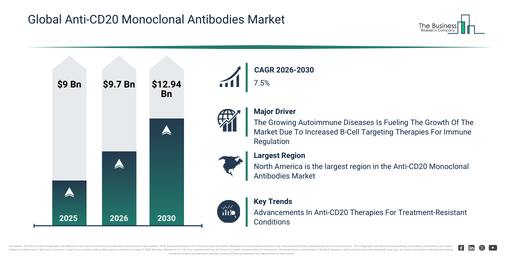
    The market for anti-CD20 monoclonal antibodies has experienced robust expansion over recent years. Projections indicate it will rise from $9 billion in 2025 to $9.7 billion in 2026, achieving a compound annual growth rate (CAGR) of 7.8%. This historic growth has been driven by several factors, including the approval and extensive adoption of rituximab, an increasing prevalence of non-Hodgkin’s lymphoma and chronic lymphocytic leukemia, heightened recognition of targeted therapeutic approaches, the accessibility of hospital pharmacy distribution networks, and a broadening range of intravenous administration pathways.

    The market for anti-cd20 monoclonal antibodies is anticipated to demonstrate significant growth over the next several years, reaching $12.94 billion by 2030 at a compound annual growth rate of 7.5%. This forecasted expansion is driven by the emergence of obinutuzumab and ofatumumab biosimilars, broader adoption of subcutaneous formulations, increased research and academic funding, the growth of ambulatory care centers, and rising demand for anti-cd20 therapies across multiple autoimmune conditions. During the forecast period, major trends will include greater use of monoclonal antibody treatments for B-cell malignancies, the creation of biosimilars and next-generation anti-cd20 antibodies, expanded subcutaneous and patient-friendly administration methods, a heightened emphasis on personalized and targeted immunotherapy, and an upsurge in clinical trials and research activities in both autoimmune and oncology indications.

    Download A Free Sample Report For Comprehensive Market Insights:

    https://www.thebusinessresearchcompany.com/sample.aspx?id=25693&type=smp&utm_source=BlogsPR&utm_medium=Paid&utm_campaign=Jul_PR

    Anti-CD20 Monoclonal Antibodies Market Expansion Supported By Key Demand Factors

    The anticipated increase in autoimmune conditions is set to drive forward the anti-CD20 monoclonal antibodies market. These disorders arise when the immune system mistakenly targets the body’s own cells as foreign and mounts an assault against them. Their prevalence is climbing due to heightened exposure to environmental contaminants, which can disrupt immune regulation and provoke attacks on bodily tissues. Anti-CD20 monoclonal antibodies address autoimmune diseases by removing B cells responsible for generating autoantibodies and triggering inflammation. This therapy aids in modulating immune responses and alleviating disease manifestations. As an example, in February 2024, Arthritis Australia, a non-profit entity based in Australia, reported that an estimated 562,378 Australians will be affected by rheumatoid arthritis (RA) in 2025, representing 14% of all arthritis cases that year. By 2040, this figure is projected to surge by 33% to 748,721 individuals, marking an increase of 186,343 Australians living with RA relative to 2025. Consequently, the rising incidence of autoimmune diseases is fueling expansion in the anti-CD20 monoclonal antibodies market.

    Anti-CD20 Monoclonal Antibodies Market Segment Landscape: Which Areas Lead Market Development?

    The anti-cd20 monoclonal antibodies market covered in this report is segmented –

    1) By Product Type: Rituximab, Obinutuzumab, Ofatumumab, Other Product Types

    2) By Route Of Administration: Intravenous, Subcutaneous

    3) By Distribution Channel: Hospital Pharmacies, Retail Pharmacies, Online Pharmacies

    4) By Application: Non-Hodgkin’s Lymphoma (NHL), Chronic Lymphocytic Leukemia (Cll), Rheumatoid Arthritis, Multiple Sclerosis, Pemphigus Vulgaris, Other Applications

    5) By End-User: Hospitals, Surgical Centers and Diagnostic Centers, Maternity Centers, Ambulatory Care Centers, Research And Academia, Other End-Users

    Subsegments:

    1) By Rituximab: Rituxan, Truxima, Ruxience, Reditux

    2) By Obinutuzumab: Gazyva, Biosimilar Candidates

    3) By Ofatumumab: Arzerra, Kesimpta

    4) By Other Product Types: Ublituximab, Veltuzumab, Ocrelizumab, Mosunetuzumab

    Anti-CD20 Monoclonal Antibodies Market Growth Trends Influencing Competitive Dynamics

    Key players within the anti-CD20 monoclonal antibody sector are concentrating on creating next-generation therapies like obinutuzumab to better address resistant or recurrent B-cell malignancies. Obinutuzumab, a humanized type II anti-CD20 monoclonal antibody, is engineered to identify and eliminate CD20-positive B cells that are involved in specific blood cancers and autoimmune conditions. As an illustration, in March 2025, Roche—a biopharmaceutical firm headquartered in Switzerland—revealed that the US Food and Drug Administration (FDA) had accepted a supplemental Biologics License Application (sBLA) for Gazyva/Gazyvaro (obinutuzumab) aimed at treating lupus nephritis. This decision is based on favorable findings from the Phase III REGENCY study, where obinutuzumab combined with conventional therapy resulted in a higher complete renal response (CRR) compared to conventional therapy alone. This development positions Gazyva/Gazyvaro as the only anti-CD20 monoclonal antibody to show this kind of advantage in lupus nephritis, a serious kidney inflammation brought on by lupus that may progress to kidney failure.

    Anti-CD20 Monoclonal Antibodies Market Industry Leaders And Market Competition

    Major companies operating in the anti-cd20 monoclonal antibodies market are F. Hoffmann-La Roche Ltd., Novartis AG, Biogen Idec, TG Therapeutics, Celltrion Inc., Shanghai Henlius Biotech Inc., Innovent Biologics, Dr. Reddy’s Laboratories Ltd., Genmab A/S, AbbVie Inc., Pfizer Inc., Teva Pharmaceutical Industries Ltd., Chugai Pharmaceutical Co. Ltd., Sanofi SA, Bristol-Myers Squibb Company, Samsung Bioepis, Sandoz International GmbH, Amneal Pharmaceuticals LLC, Viatris Inc., Intas Pharmaceuticals Ltd., Lupin Limited, Zydus Lifesciences Ltd., Aurobindo Pharma Ltd., Biocon Biologics Ltd., Fresenius Kabi AG, Sun Pharmaceutical Industries Ltd., Hetero Biopharma Ltd., Reliance Life Sciences Pvt. Ltd., Adello Biologics, Mabion SA, mAbxience, Probiomed S.A. de C.V., Prestige Biopharma Ltd., CinnaGen Co., JHL Biotech Inc., Amgen Biologics Pvt. Ltd.

    Access The Complete Anti-CD20 Monoclonal Antibodies Market Report:

    https://www.thebusinessresearchcompany.com/report/anti-cd20-monoclonal-antibodies-global-market-report?utm_source=BlogsPR&utm_medium=Paid&utm_campaign=Jul_PR

    Anti-CD20 Monoclonal Antibodies Market Regional Outlook: Where Are The Largest Opportunities Located?

    North America was the largest region in the Anti-CD20 monoclonal antibodies market in 2025. Asia-Pacific is expected to be the fastest-growing region in the forecast period. The regions covered in the anti-cd20 monoclonal antibodies market report are Asia-Pacific, South East Asia, Western Europe, Eastern Europe, North America, South America, Middle East, Africa.

    Get in touch with us:

    The Business Research Company: https://www.thebusinessresearchcompany.com/?utm_source=BlogsPR&utm_medium=Paid&utm_campaign=home_page_test

    Americas: +1 310-496-7795

    Asia: +44 7882 955267 & +91 8897263534

    Europe: +44 7882 955267

    Email us at: marketing@tbrc.info

    Follow us on:

    LinkedIn: https://in.linkedin.com/company/the-business-research-company

    YouTube: https://www.youtube.com/channel/UC24_fI0rV8cR5DxlCpgmyFQ

    Global Market Model: https://www.thebusinessresearchcompany.com/global-market-model
  • Anti-Cancer MAbS Market Outlook Highlights The Next Major Growth Opportunities

    Anti-Cancer MAbS Market Outlook Highlights The Next Major Growth Opportunities

    Through market attractiveness analysis, total addressable market evaluation, company benchmarking matrices, interactive Excel dashboards, expanded supply chain intelligence, emerging startup coverage, and detailed product insights, The Business Research Company’s 2026 market reports provide more actionable and strategically valuable research.

    Anti-Cancer MAbS Market Size Outlook: How Fast Will Revenue Grow Through 2030?

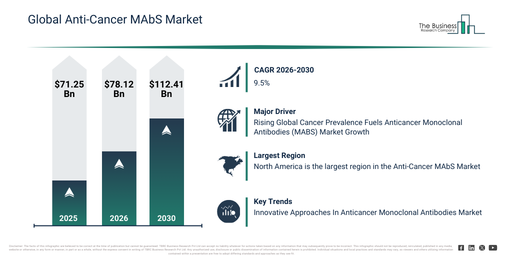
    The market for anti-cancer monoclonal antibodies has experienced robust expansion in recent years. Its value is projected to rise from $71.25 billion in 2025 to $78.12 billion in 2026, reflecting a compound annual growth rate (CAGR) of 9.6%. This historical growth has been driven by factors such as the increasing global prevalence of cancer, the demonstrated clinical effectiveness of mAbs, substantial investment in oncology research and development, the approval of biologic therapies by regulatory bodies, and improvements in survival rates achieved through cancer treatment.

    The market for anti-cancer monoclonal antibodies is anticipated to experience robust expansion over the coming years, reaching a projected value of $112.41 billion by 2030, which corresponds to a compound annual growth rate (CAGR) of 9.5%. This forecasted growth is driven by several key factors, including the increasing adoption of personalized cancer treatments, the broader availability of biosimilar mAbs, heightened healthcare spending specifically for oncology, continuous progress in antibody engineering technologies, and enhanced access to biologic therapies. Prominent trends shaping this period involve a growing preference for targeted immunotherapies, the wider utilization of humanized and bispecific antibody formats, greater integration of combination cancer therapies, a heightened emphasis on precision oncology approaches, and the ongoing improvement of scalable manufacturing processes for these antibodies.

    Download A Free Sample Report For Comprehensive Market Insights:

    https://www.thebusinessresearchcompany.com/sample.aspx?id=9041&type=smp&utm_source=BlogsPR&utm_medium=Paid&utm_campaign=Jul_PR

    Anti-Cancer MAbS Market Growth Drivers And Industry Catalysts

    The global rise in cancer incidence is anticipated to fuel the expansion of the anticancer monoclonal antibodies market moving forward. Cancer encompasses a range of disorders marked by uncontrolled cell proliferation that can invade and damage healthy tissues. This growing prevalence is driven by factors such as aging populations, shifts in lifestyle, environmental exposures, and improved diagnostic technologies that enhance detection rates. Anticancer monoclonal antibodies (mAbs) are engineered to target specific proteins on cancer cells, employing genetically modified versions of natural immune antibodies to identify and eliminate these cells; hence, a higher cancer prevalence boosts demand for the anticancer mAbs market. For example, as reported in February 2024 by the World Health Organization (WHO), a United Nations agency based in Switzerland, new cancer cases are expected to surpass 35 million by 2050, reflecting a 77% increase from the estimated 20 million cases recorded in 2022. Consequently, the worldwide surge in cancer prevalence is accelerating growth within the anticancer mAbs market.

    Anti-Cancer MAbS Market Segments: Where Are The Largest Growth Opportunities?

    The anti-cancer mabs market covered in this report is segmented –

    1) By Type: Murine Antibodies, Chimeric Antibodies, Humanized Antibodies, Other Types

    2) By Application: Blood Cancer, Breast Cancer, Lung Cancer, Melanoma, Colorectal Cancer, Liver Cancer, Other Applications

    3) By End User: Hospitals, Research Institutes, Other End Users

    Subsegments:

    1) By Murine Antibodies: Murine IgG, Murine IgM, Other Murine Isotypes

    2) By Chimeric Antibodies: Chimeric IgG, Chimeric IgM, Other Chimeric Isotypes

    3) By Humanized Antibodies: Humanized IgG, Humanized IgM, Other Humanized Isotypes

    4) By Other Types: Fully Human Antibodies, Bispecific Antibodies, Conjugated Antibodies, Other Novel Formats

    Anti-Cancer MAbS Market Trends Influencing Long-Term Demand

    Leading players in the anti-cancer monoclonal antibodies (mAbs) market are concentrating on creating advanced approaches, including early-phase clinical trials, to progress new therapeutic candidates and boost their market edge. Clinical trials are organized research efforts using human subjects to assess safety, dosage, and treatment effectiveness of novel medical interventions like targeted antibodies and radioimmunotherapies. As an example, in April 2023, Y-mAbs Therapeutics Inc., a clinical biopharmaceutical company based in the US, initiated a Phase I clinical trial exploring GD2-SADA, a pre-targeted radioimmunotherapy aimed at GD2-positive solid tumors such as small cell lung cancer, sarcoma, and malignant melanoma. This therapy employs a two-step process: first, the SADA protein binds selectively to tumor cells expressing GD2; then, the radioactive ligand 177Lu-DOTA is administered, attaching to the SADA protein to provide focused radiation. The goal is to achieve maximum tumor cell damage while reducing radiation exposure to healthy tissue.

    Anti-Cancer MAbS Market Major Participants And Competitive Dynamics

    Major companies operating in the anti-cancer mabs market are Amgen Inc., Bristol Myers Squibb Company, Eli Lilly and Company, F. Hoffmann-La Roche Ltd., GlaxoSmithKline plc, Johnson & Johnson, Novartis AG, Merck & Co. Inc., Spectrum Pharmaceuticals Inc., AstraZeneca plc., Pfizer Inc., Gilead Sciences Inc., Bayer HealthCare, ImmunoGen Inc., Genentech Inc., AbbVie Inc., Takeda Pharmaceuticals, Seattle Genetics, Regeneron Pharmaceuticals, Celgene, Ipsen, Daiichi Sankyo, ADC Therapeutics, MacroGenics Inc., Zymeworks Inc.

    Access The Complete Anti-Cancer MAbS Market Report:

    https://www.thebusinessresearchcompany.com/report/anti-cancer-mabs-global-market-report?utm_source=BlogsPR&utm_medium=Paid&utm_campaign=Jul_PR

    Anti-Cancer MAbS Market Geographic Landscape: Which Region Dominates Industry Growth?

    North America was the largest region in the anti-cancer MAbS market in 2025. Asia-Pacific is expected to be the fastest-growing region in the anti-cancer MAbS market during the forecast period. The regions covered in the anti-cancer mabs market report are Asia-Pacific, South East Asia, Western Europe, Eastern Europe, North America, South America, Middle East, Africa.

    Get in touch with us:

    The Business Research Company: https://www.thebusinessresearchcompany.com/?utm_source=BlogsPR&utm_medium=Paid&utm_campaign=home_page_test

    Americas: +1 310-496-7795

    Asia: +44 7882 955267 & +91 8897263534

    Europe: +44 7882 955267

    Email us at: marketing@tbrc.info

    Follow us on:

    LinkedIn: https://in.linkedin.com/company/the-business-research-company

    YouTube: https://www.youtube.com/channel/UC24_fI0rV8cR5DxlCpgmyFQ

    Global Market Model: https://www.thebusinessresearchcompany.com/global-market-model
  • Antibody Fragments Market Trends And Growth Drivers Point To Strong Future Potential

    Antibody Fragments Market Trends And Growth Drivers Point To Strong Future Potential

    Delivering more actionable and strategically valuable research, The Business Research Company’s 2026 market reports feature market attractiveness analysis, total addressable market evaluation, company benchmarking matrices, interactive Excel dashboards, expanded supply chain intelligence, emerging startup coverage, and detailed product insights.

    Antibody Fragments Market Size, Value And Growth Trends Through 2030

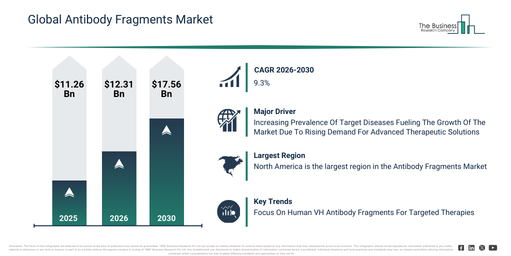
    The antibody fragments market has experienced robust expansion in recent times. Projected to rise from $11.26 billion in 2025 to $12.31 billion in 2026, this growth reflects a compound annual growth rate (CAGR) of 9.3%. Historic progress was driven by improvements in monoclonal antibody technologies, the clinical effectiveness of antibody-based treatments, heightened activity in cancer biologics research, broader application of diagnostic antibodies, and greater funding allocated to biologics research and development.

    The antibody fragments market is poised for substantial expansion over the coming years, with projections indicating it will reach $17.56 billion by 2030, representing a compound annual growth rate (CAGR) of 9.3%. This anticipated growth during the forecast period is driven by factors such as the rise of targeted cancer therapies, the broadening of antibody fragment pipelines, a heightened need for precision biologics, their growing application in companion diagnostics, and progress in recombinant antibody engineering. Key trends shaping this period encompass the increasing preference for fragment-based biologics, their expanded utilization in oncology and targeted treatments, a higher demand for high-penetration antibody formats, widening diagnostic uses, and an intensified emphasis on therapies with reduced immunogenicity.

    Download A Free Sample Report For Comprehensive Market Insights:

    https://www.thebusinessresearchcompany.com/sample.aspx?id=23307&type=smp&utm_source=BlogsPR&utm_medium=Paid&utm_campaign=Jul_PR

    Antibody Fragments Market Opportunity Drivers: What Is Creating New Revenue Potential?

    The growing frequency of target diseases is anticipated to fuel the expansion of the antibody fragments market moving forward. These target conditions refer to specific illnesses or health disorders that a medication, treatment, or research initiative aims to prevent, manage, or cure. Key examples of such diseases include cancer, infectious diseases, and bacterial infections. This rise in prevalence is largely driven by unhealthy lifestyles and pollution, which compromise the body’s natural defenses and contribute to chronic health issues. Antibody fragments offer highly precise, targeted, and adaptable solutions for managing a wide range of diseases, often resulting in fewer side effects compared to conventional approaches. Their capacity to be tailored and engineered for particular targets enhances their value as a crucial tool in contemporary healthcare. As an example, in January 2025, a report from the American Cancer Society, a US-based nonprofit, projected that the United States would see 2,041,910 new cancer cases and 618,120 cancer deaths in 2025, up from 2,001,140 cases and 611,720 deaths in 2024. Consequently, the escalating occurrence of target diseases is propelling the antibody fragments market forward.

    Antibody Fragments Market Segment Analysis: What Are The Major Market Categories?

    The antibody fragments market covered in this report is segmented –

    1) By Type: F(ab) Fragments, F(ab’)2 Fragments, Single-Chain Variable Fragments (scFvs), Single Domain Antibody Fragments (sdAbs), Other Types

    2) By Specificity: Monoclonal Antibody, Polyclonal Antibody

    3) By Delivery Method: Intravenous (IV), Subcutaneous (SC)

    4) By Application: Cancer, Immunodeficiencies, Other Applications

    5) By End User: Pharmaceutical Companies, Biotechnology Companies, Research Institutions, Diagnostic Laboratories, Contract Research Organizations (CROs)

    Subsegments:

    1) By F(ab) Fragments: Recombinant F(ab) Fragments, Enzymatically Derived F(ab) Fragments

    2) By F(ab’)2 Fragments: Pepsin-Derived F(ab’)2 Fragments, Recombinant F(ab’)2 Fragments

    3) By Single-Chain Variable Fragments (scFvs): Bacterial-Produced Single-Chain Variable Fragments (scFvs), Mammalian Cell-Produced Single-Chain Variable Fragments (scFvs), Yeast-Produced Single-Chain Variable Fragments (scFvs)

    4) By Single Domain Antibody Fragments (sdAbs): Camelid-Derived Single Domain Antibody Fragments (sdAbs), Shark-Derived Single Domain Antibody Fragments (sdAbs), Synthetic Single Domain Antibody Fragments (sdAbs)

    5) By Other Types: Bispecific Antibody Fragments, Multispecific Antibody Fragments, Fusion Protein Antibody Fragments

    Antibody Fragments Market Innovation Trends Driving Future Development

    Key players within the antibody fragments market are placing significant emphasis on advancing clinical trials to create novel solutions, particularly human VH antibody fragments, with the goal of boosting targeted therapy efficacy while minimizing immunogenicity when addressing cancers, autoimmune conditions, and infectious diseases. A human VH antibody fragment represents the variable domain derived from a human antibody’s heavy chain, uniquely capable of binding antigens on its own. It facilitates the formation of antibody fragments by acting as the critical antigen-binding region, frequently utilized independently or linked with other molecules to construct compact, stable, high-affinity antibodies for therapeutic or diagnostic applications. As an example, in May 2024, Zai Lab Limited, a pharmaceutical firm based in China, launched a global Phase 2 clinical trial to assess the effectiveness and safety of ZL-1102. ZL-1102 is an innovative human VH antibody fragment, also referred to as a Humabody, specifically targeting IL-17. It is being formulated as a topical treatment for mild-to-moderate chronic plaque psoriasis, aiming to enhance treatment accuracy and simultaneously reduce systemic side effects as well as immunogenic reactions.

    Antibody Fragments Market Leading Companies Driving Competitive Growth

    Major companies operating in the antibody fragments market are Pfizer Inc., Johnson & Johnson Services Inc., F. Hoffmann-La Roche AG, AbbVie Inc., Sanofi S.A., AstraZeneca PLC, Novartis AG, GSK plc, Eli Lilly and Company, Amgen Inc., Boehringer Ingelheim International GmbH, Regeneron Pharmaceuticals Inc., Biogen Inc., UCB S.A., Bio-Rad Laboratories Inc., Genmab A/S, WuXi Biologics Co. Ltd., Abcam plc, MacroGenics Inc., Harbour BioMed, Creative Biolabs Inc.

    Access The Complete Antibody Fragments Market Report:

    https://www.thebusinessresearchcompany.com/report/antibody-fragments-global-market-report?utm_source=BlogsPR&utm_medium=Paid&utm_campaign=Jul_PR

    Antibody Fragments Market Largest Region: Which Geography Holds The Highest Market Share?

    North America was the largest region in the antibody fragments market in 2025. Asia-Pacific is expected to be the fastest-growing region in the forecast period. The regions covered in the antibody fragments market report are Asia-Pacific, South East Asia, Western Europe, Eastern Europe, North America, South America, Middle East, Africa.

    Get in touch with us:

    The Business Research Company: https://www.thebusinessresearchcompany.com/?utm_source=BlogsPR&utm_medium=Paid&utm_campaign=home_page_test

    Americas: +1 310-496-7795

    Asia: +44 7882 955267 & +91 8897263534

    Europe: +44 7882 955267

    Email us at: marketing@tbrc.info

    Follow us on:

    LinkedIn: https://in.linkedin.com/company/the-business-research-company

    YouTube: https://www.youtube.com/channel/UC24_fI0rV8cR5DxlCpgmyFQ

    Global Market Model: https://www.thebusinessresearchcompany.com/global-market-model
  • Antibody Drug Conjugates Contract Manufacturing Market Expansion Is Reshaping Competitive Dynamics Across The Industry

    Antibody Drug Conjugates Contract Manufacturing Market Expansion Is Reshaping Competitive Dynamics Across The Industry

    Enhanced with market attractiveness analysis, total addressable market evaluation, company benchmarking matrices, interactive Excel dashboards, expanded supply chain intelligence, emerging startup coverage, and detailed product insights, The Business Research Company’s 2026 market reports deliver more actionable and strategically valuable research.

    Antibody Drug Conjugates Contract Manufacturing Market CAGR Analysis And Future Market Development

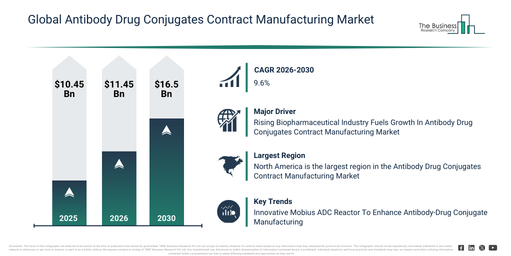
    The market for antibody drug conjugates contract manufacturing experienced robust expansion in recent times. Projections indicate it will rise from $10.45 billion in 2025 to $11.45 billion in 2026, reflecting a compound annual growth rate (CAGR) of 9.5%. This historical growth was driven by factors such as the increasing adoption of targeted cancer treatments, the intricate nature of ADC production, insufficient internal manufacturing capacities, promising early-stage clinical outcomes for ADCs, and the necessity of adhering to regulatory standards.

    The antibody drug conjugates contract manufacturing sector is projected to experience robust growth over the coming years, with its valuation anticipated to reach $16.5 billion by 2030, driven by a compound annual growth rate (CAGR) of 9.6%. This expansion in the forecast period can be linked to factors such as the broadening of oncology pipelines, a rise in approvals for ADC therapies, an increasing requirement for large-scale production, investments into specialized manufacturing facilities, and the establishment of long-term partnerships with contract development and manufacturing organizations (CDMOs). Significant developments shaping the forecast period include a growing inclination toward outsourcing the production of complex biologics, an escalating need for CDMO services focused on oncology, an enhanced emphasis on managing highly potent substances, the expansion of clinical-stage ADC manufacturing capabilities, and a wider adoption of advanced techniques for conjugating active compounds.

    Download A Free Sample Report For Comprehensive Market Insights:

    https://www.thebusinessresearchcompany.com/sample.aspx?id=18954&type=smp&utm_source=BlogsPR&utm_medium=Paid&utm_campaign=Jul_PR

    Antibody Drug Conjugates Contract Manufacturing Market Growth Momentum: Which Factors Are Influencing Demand?

    The ongoing expansion of the biopharmaceutical sector is anticipated to drive forward the market for antibody-drug conjugates contract manufacturing. This industry focuses on the development, production, and commercialization of drugs sourced from biological materials, leveraging biotechnology and molecular biology to craft innovative treatments and therapies. Its growth is fueled by swift progress in biotechnology, an escalating demand for personalized medicine, and heightened investments in R&D for novel therapeutic solutions. Contract manufacturing for antibody-drug conjugates (ADCs) bolsters this field by providing specialized production capabilities that aid in the development and market introduction of these advanced therapies. This enables biopharmaceutical firms to efficiently ramp up output and uphold rigorous quality benchmarks while dedicating efforts to their primary research and development pursuits. As an illustration, the European Federation of Pharmaceutical Industries and Associations (EFPIA), a Belgian trade body representing Europe’s pharmaceutical sector, reported in June 2023 that total pharmaceutical production across Europe hit €390,000 million ($422,803 million) in 2023, a rise from €363,300 million ($393,857 million) in 2022. Consequently, the burgeoning biopharmaceutical industry is propelling the growth of the antibody-drug conjugates contract manufacturing market.

    Antibody Drug Conjugates Contract Manufacturing Market Segment Breakdown: Which Categories Generate The Most Revenue?

    The antibody drug conjugates contract manufacturing market covered in this report is segmented –

    1) By Type: Immunoglobulin G1(Igg1), Immunoglobulin G4(Igg4)

    2) By Linker: Cleavable Linker, Non-Cleavable Linker

    3) By Condition: Myeloma, Lymphoma, Breast Cancer, Other Conditions

    4) By Phase: Clinical, Commercial

    Subsegments:

    1) By Immunoglobulin G1 (IgG1): High-Effector Function ADCs, Fc-Mediated Cytotoxicity-Enabled ADCs, Stable Conjugation IgG1 ADCs, Oncology-Targeted IgG1 ADCs

    2) By Immunoglobulin G4 (IgG4): Reduced Effector Function ADCs, Low Immunogenicity IgG4 ADCs, Site-Specific Conjugation IgG4 ADCs, Precision-Targeted IgG4 ADCs

    Antibody Drug Conjugates Contract Manufacturing Market Trends Reshaping Industry Growth

    Key players in the antibody-drug conjugates contract manufacturing market are actively concentrating on creating cutting-edge products, including single-use reactors, with the goal of improving production flexibility, lowering contamination risks, and simplifying the overall manufacturing process—all of which serves to boost the efficiency and scalability of ADC production. These single-use reactors are transforming the landscape of antibody-drug conjugates (ADC) contract manufacturing by delivering a contamination-free, adaptable, and highly efficient means of generating these intricate biologics. A notable example occurred in September 2024 when MilliporeSigma, a life science company based in the United States, introduced the Mobius ADC Reactor, a single-use system engineered specifically for the efficient production of antibody-drug conjugates. This reactor incorporates sophisticated mixing and control technologies that streamline the conjugation process, enhance scalability, and promote greater consistency, thereby supporting higher yields and superior quality control in ADC manufacturing to meet the rising demand for targeted cancer therapies that boast both improved safety and effectiveness.

    Antibody Drug Conjugates Contract Manufacturing Market Key Players And Strategic Industry Positioning

    Major companies operating in the antibody drug conjugates contract manufacturing market are Lonza Group AG, Catalent Inc., Recipharm AB, Curia, KBI Biopharma, Alcami Corporation, BioVectra Inc., Axplora, Abzena PLC, Cerbios-Pharma SA, Aurigene Pharmaceutical Services Ltd., Sterling Pharma Solutions, Formosa Laboratories, Avid Bioservices Inc., EirGenix Inc., Creative Biolabs, Sartorius AG, Sigma-Aldrich, ImmunoGen Inc., Eli Lilly and Company

    Access The Complete Antibody Drug Conjugates Contract Manufacturing Market Report:

    https://www.thebusinessresearchcompany.com/report/antibody-drug-conjugates-contract-manufacturing-global-market-report?utm_source=BlogsPR&utm_medium=Paid&utm_campaign=Jul_PR

    Antibody Drug Conjugates Contract Manufacturing Market Regional Analysis: Which Region Leads By Revenue?

    North America was the largest region in the antibody drug conjugates contract manufacturing market in 2025. Asia-Pacific is expected to be the fastest-growing region in the forecast period. The regions covered in the antibody drug conjugates contract manufacturing market report are Asia-Pacific, South East Asia, Western Europe, Eastern Europe, North America, South America, Middle East, Africa.

    Get in touch with us:

    The Business Research Company: https://www.thebusinessresearchcompany.com/?utm_source=BlogsPR&utm_medium=Paid&utm_campaign=home_page_test

    Americas: +1 310-496-7795

    Asia: +44 7882 955267 & +91 8897263534

    Europe: +44 7882 955267

    Email us at: marketing@tbrc.info

    Follow us on:

    LinkedIn: https://in.linkedin.com/company/the-business-research-company

    YouTube: https://www.youtube.com/channel/UC24_fI0rV8cR5DxlCpgmyFQ

    Global Market Model: https://www.thebusinessresearchcompany.com/global-market-model
  • Antibody Drug Conjugates Market Forecast Reveals Where Future Industry Value Will Be Created

    Antibody Drug Conjugates Market Forecast Reveals Where Future Industry Value Will Be Created

    Through market attractiveness analysis, total addressable market evaluation, company benchmarking matrices, interactive Excel dashboards, expanded supply chain intelligence, emerging startup coverage, and detailed product insights, The Business Research Company’s 2026 market reports provide more actionable and strategically valuable research.

    Antibody Drug Conjugates Market Expansion From $20.28 Billion In 2026 To $46.94 Billion In 2030

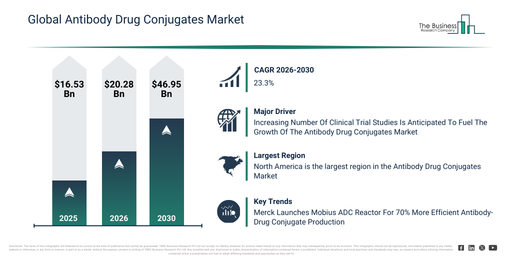
    The market for antibody drug conjugates has experienced rapid expansion over recent years, with projections indicating an increase from $16.53 billion in 2025 to $20.28 billion in 2026, reflecting a compound annual growth rate (CAGR) of 22.7%. This historical growth has been driven by factors such as the rising incidence of cancer, progress in monoclonal antibody technology, greater acceptance of targeted treatment approaches, an uptick in oncology drug clinical trials, and favorable regulatory environments.

    The antibody drug conjugates market is projected to experience remarkable expansion over the coming years, reaching an estimated $46.95 billion by 2030, driven by a compound annual growth rate (CAGR) of 23.3%. This anticipated growth during the forecast period is fueled by factors such as the increasing need for personalized medicine, the creation of next-generation ADCs featuring enhanced safety profiles, the incorporation of artificial intelligence in drug discovery processes, growth opportunities in emerging markets, and strategic collaborations between biotechnology and pharmaceutical firms. Key trends shaping the forecast period encompass the refinement of targeted drug delivery systems, advancements in linker and payload technologies, the integration of combination therapies with immunotherapy, a broadening scope of oncology indications, and the adoption of tailored cancer treatment approaches.

    Download A Free Sample Report For Comprehensive Market Insights:

    https://www.thebusinessresearchcompany.com/sample.aspx?id=2569&type=smp&utm_source=BlogsPR&utm_medium=Paid&utm_campaign=Jul_PR

    Antibody Drug Conjugates Market Expansion Drivers: What Is Shaping Future Growth?

    The growth of the antibody drug conjugates market is anticipated to be fueled by a rise in clinical trial activity. Clinical trials are research efforts where participants volunteer to assess new treatments, interventions, or diagnostic tools aimed at preventing, detecting, treating, or managing various illnesses. Antibody-drug conjugates have become a critical class of anticancer therapies, and a rapidly expanding number of such conjugates are currently being examined in clinical trials focused on blood cancers and solid tumors. For example, as reported in December 2024 by the Association of the British Pharmaceutical Industry (ABPI), a UK trade organization, the number of industry-led clinical trials launched in the United Kingdom climbed from 411 in 2022 to 426 in 2023. Consequently, the escalating volume of clinical trial studies is a key driver behind the expansion of the antibody drug conjugates market.

    Antibody Drug Conjugates Market Segmentation: How Is The Market Structured Across Key Categories?

    The antibody drug conjugates market covered in this report is segmented –

    1) By Type: Monoclonal Antibodies, Linker, Drug/Toxin, Other Types

    2) By Product Brand: Adcertis, Kadcyla, Other Product Brands

    3) By Technology: Immunogen Technology, Seattle Genetics Technology, Immunomedics Technology, Other Technology

    4) By Application: Blood Cancer, Breast Cancer, Ovarian Cancer, Lung Cancer, Brain Tumor, Other Applications

    5) By End User: Hospital, Clinics, Other End Users

    Subsegments:

    1) By Monoclonal Antibodies: IgG-based Monoclonal Antibodies, IgM-based Monoclonal Antibodies, Bispecific Antibodies

    2) By Linker: Cleavable Linkers, Non-cleavable Linkers, Stable Linkers

    3) By Drug/Toxin: Cytotoxic Drugs, Chemotherapeutic Agents, Radioisotopes

    4) By Other Types: Enzyme-Targeted ADCs, Antibody-Drug Conjugates with Immune Modulators

    Antibody Drug Conjugates Market Strategic Trends: What Is Defining The Next Phase Of Growth?

    Major players in the antibody-drug conjugate space are unveiling innovative breakthrough products, including the first single-use reactor purpose-built for the production of antibody-drug conjugates (ADCs). This pioneering single-use reactor, designed specifically for ADC manufacturing, supports quicker, more adaptable, and sterile production of these targeted cancer therapies by removing the need for cleaning and sterilization between different production runs. As an example, in September 2024, Merck & Co., Inc., a pharmaceutical company headquartered in the United States, introduced the Mobius ADC reactor. Addressing the rising demand for more effective and safer manufacturing methods for antibody-drug conjugates (ADCs), this novel reactor resolves the unique difficulties inherent in ADC production, achieving a 70% improvement in operational efficiency while markedly reducing the risks of cross-contamination and the demanding cleaning processes associated with traditional stainless steel or glass equipment. The Mobius ADC Reactor incorporates Ultimus Film technology, which strengthens bag integrity, durability, and leak prevention to ensure outstanding product quality.

    Antibody Drug Conjugates Market Competitive Landscape And Leading Companies

    Major companies operating in the antibody drug conjugates market are Pfizer Inc., F. Hoffmann-La Roche Ltd., AbbVie Inc., AstraZeneca plc, Takeda Pharmaceutical Company Limited, Millennium Pharmaceuticals Inc., Gilead Sciences Inc., Daiichi Sankyo Company Limited, Sorrento Therapeutics Inc., Astellas Pharma Inc., Seagen Inc., Synthon BV, Genentech Inc., ImmunoGen Inc., Nordic Nanovector ASA, ADC Therapeutics SA, Immunomedics Inc., Mersana Therapeutics Inc., Heidelberg Pharma AG, Celldex Therapeutics Inc., Oxford BioTherapeutics, Concortis Biotherapeutics Corp., Antikor BioPharma Ltd., Eisai Co. Ltd., Merck KGaA

    Access The Complete Antibody Drug Conjugates Market Report:

    https://www.thebusinessresearchcompany.com/report/antibody-drug-conjugates-global-market-report?utm_source=BlogsPR&utm_medium=Paid&utm_campaign=Jul_PR

    Antibody Drug Conjugates Market Geographic Distribution And Regional Opportunities

    North America was the largest region in the antibody-drug conjugates (ADCs) market in 2025. The Middle East is expected to be the fastest-growing region in the global antibody drug conjugates market share during the forecast period. The regions covered in the antibody drug conjugates market report are Asia-Pacific, South East Asia, Western Europe, Eastern Europe, North America, South America, Middle East, Africa.

    Get in touch with us:

    The Business Research Company: https://www.thebusinessresearchcompany.com/?utm_source=BlogsPR&utm_medium=Paid&utm_campaign=home_page_test

    Americas: +1 310-496-7795

    Asia: +44 7882 955267 & +91 8897263534

    Europe: +44 7882 955267

    Email us at: marketing@tbrc.info

    Follow us on:

    LinkedIn: https://in.linkedin.com/company/the-business-research-company

    YouTube: https://www.youtube.com/channel/UC24_fI0rV8cR5DxlCpgmyFQ

    Global Market Model: https://www.thebusinessresearchcompany.com/global-market-model
  • Antibody Discovery Market Growth Through 2030 Creates New Strategic Opportunities

    Antibody Discovery Market Growth Through 2030 Creates New Strategic Opportunities

    Delivering more actionable and strategically valuable research, The Business Research Company’s 2026 market reports feature market attractiveness analysis, total addressable market evaluation, company benchmarking matrices, interactive Excel dashboards, expanded supply chain intelligence, emerging startup coverage, and detailed product insights.

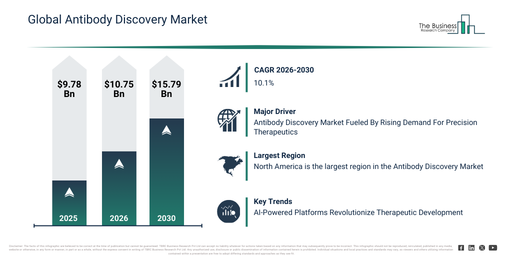
    Antibody Discovery Market Forecast Highlighting Growth From $10.74 Billion To $15.79 Billion

    The market for antibody discovery has experienced robust expansion in recent years, with projections showing an increase from $9.78 billion in 2025 to $10.75 billion in 2026, representing a compound annual growth rate (CAGR) of 9.8%. This historical growth can be explained by factors such as greater research and development funding dedicated to antibody discovery, a growing occurrence of both infectious and chronic illnesses, progress made through hybridoma technology, financial support from governments for biotech research, and partnerships formed between academic institutions and pharmaceutical companies.

    The antibody discovery market is projected to experience considerable expansion in the upcoming years. Its value is expected to reach $15.79 billion by 2030, advancing at a compound annual growth rate (CAGR) of 10.1%. Demand for personalized medicine, the integration of artificial intelligence and machine learning into drug development, the growing biologics sector, the use of high-throughput screening systems, and an increased emphasis on immunotherapy and targeted treatments are all driving this forecast period growth. Key developments anticipated during this timeframe involve progress in high-throughput screening methods, breakthroughs in monoclonal antibodies, customized antibody-based therapies, the creation of multi-specific antibodies, and innovations in antibody engineering.

    Download A Free Sample Report For Comprehensive Market Insights:

    https://www.thebusinessresearchcompany.com/sample.aspx?id=13783&type=smp&utm_source=BlogsPR&utm_medium=Paid&utm_campaign=Jul_PR

    Antibody Discovery Market Development Factors: Which Trends Are Supporting Demand?

    The rising demand for precision therapeutics is anticipated to fuel expansion in the antibody discovery market. Precision therapeutics, or personalized therapeutics, involves tailoring medical treatments and interventions to match each patient’s unique characteristics. In this context, antibody discovery plays a key role by facilitating the creation of targeted therapies, such as monoclonal antibodies, which are specifically engineered to interact with disease-related molecules or cells, offering more precise and customized treatment options. For example, IQVIA Holdings Inc., a US-based company specializing in advanced analytics, technology solutions, and clinical research services for life sciences and healthcare, reported in March 2024 that global expenditures on cell and gene therapies reached $5.9 billion in 2023, representing a 38% increase compared to 2022. Consequently, the increasing emphasis on precision therapeutics is set to propel growth in the antibody discovery market.

    Antibody Discovery Market Segmentation Trends And Revenue Drivers

    The antibody discovery market covered in this report is segmented –

    1) By Methods: Phage Display, Hybridoma, Other Methods

    2) By Antibody Type: Humanized Antibody, Human Antibody, Chimeric Antibody, Murine Antibody

    3) By End Users: Pharmaceutical And Biotechnology Industry, Research Laboratory, Academic Laboratory

    Subsegments:

    1) By Phage Display: Selection And Screening Techniques, Optimization Methods

    2) By Hybridoma: Monoclonal Antibody Production, Screening And Selection Processes

    3) By Other Methods: Transgenic Mouse Technology, B-Cell Engineering, Single-Cell Sorting Techniques

    Antibody Discovery Market Transformation Trends: Which Innovations Are Driving Change?

    Key players in the antibody discovery market are advancing cutting-edge technologies, including AI-powered computational platforms for antibody drug discovery, to enhance both the speed and accuracy of antibody development. Such a platform leverages artificial intelligence and computational methods to accelerate the identification and refinement of therapeutic antibodies. For example, in October 2023, SwiftPharma BV, a Belgium-based firm specializing in recombinant proteins from a plant-derived system, launched an AI-driven antibody discovery platform. This innovative system integrates artificial intelligence, big data, machine learning, and phage display techniques to rapidly forecast high-specificity, high-affinity antibody-antigen interactions. Similar to natural language processing, it generates numerous antibody variants, allowing SwiftPharma to efficiently construct extensive antibody libraries. This advanced solution facilitates the swift discovery of potential antibody drugs, achieving remarkable speed.

    Antibody Discovery Market Industry Leaders: Which Organizations Are Driving Competition?

    Major companies operating in the antibody discovery market are Charles River Laboratories, WuXi Biologics, Genmab A/S, Evotec, ChemPartner, Aragen Life Science Pvt. Ltd., GenScript Technology Corporation, Biocytogen, Twist Bioscience, BioDuro-Sundia, Fairjourney Biologics S.A., Harbour BioMed, Rockland Immunochemicals, Creative Biolabs, Synbio Technologies, ImmunoPrecise, Ablexis, Myrio Therapeutics, Antibody Solutions, MabSilico

    Access The Complete Antibody Discovery Market Report:

    https://www.thebusinessresearchcompany.com/report/antibody-discovery-global-market-report?utm_source=BlogsPR&utm_medium=Paid&utm_campaign=Jul_PR

    Antibody Discovery Market Largest Region By Revenue And Market Share

    North America was the largest region in the antibody discovery market in 2025. Asia-Pacific is expected to be the fastest-growing region in the forecast period. The regions covered in the antibody discovery market report are Asia-Pacific, South East Asia, Western Europe, Eastern Europe, North America, South America, Middle East, Africa.

    Get in touch with us:

    The Business Research Company: https://www.thebusinessresearchcompany.com/?utm_source=BlogsPR&utm_medium=Paid&utm_campaign=home_page_test

    Americas: +1 310-496-7795

    Asia: +44 7882 955267 & +91 8897263534

    Europe: +44 7882 955267

    Email us at: marketing@tbrc.info

    Follow us on:

    LinkedIn: https://in.linkedin.com/company/the-business-research-company

    YouTube: https://www.youtube.com/channel/UC24_fI0rV8cR5DxlCpgmyFQ

    Global Market Model: https://www.thebusinessresearchcompany.com/global-market-model
  • Antibiotics Market Size Projected To Increase From $93.36 Billion To $115.81 Billion During The Forecast Period

    Antibiotics Market Size Projected To Increase From $93.36 Billion To $115.81 Billion During The Forecast Period

    Enhanced with market attractiveness analysis, total addressable market evaluation, company benchmarking matrices, interactive Excel dashboards, expanded supply chain intelligence, emerging startup coverage, and detailed product insights, The Business Research Company’s 2026 market reports deliver more actionable and strategically valuable research.

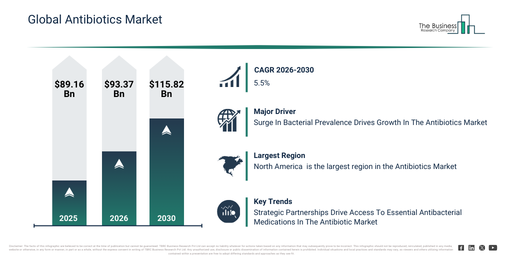
    Antibiotics Market Revenue Growth Supported By A CAGR Of 115.81% Through 2030

    The antibiotics market has experienced consistent expansion over the past few years, with projections indicating an increase from $89.16 billion in 2025 to $93.37 billion in 2026, reflecting a compound annual growth rate (CAGR) of 4.7%. Historical growth in this sector has been driven by several factors, including a higher prevalence of bacterial infections, greater demand for broad-spectrum antibiotics, improvements in hospital infrastructure, progress in the production of generic drugs, and various government health programs.

    The antibiotics market is projected to experience robust growth over the coming years, reaching USD 115.82 billion by 2030, driven by a compound annual growth rate (CAGR) of 5.5%. This expansion during the forecast period is fueled by factors such as the growing prevalence of antibiotic resistance, heightened emphasis on precision medicine, advancements in personalized healthcare, innovations in drug delivery technologies, and the broadening of emerging markets. Key trends shaping this future landscape include the management of antibiotic resistance, the creation of novel antibiotics, the adoption of personalized antibiotic therapies, the widening of hospital and retail distribution channels, and the strengthening of outbreak and infection control protocols.

    Download A Free Sample Report For Comprehensive Market Insights:

    https://www.thebusinessresearchcompany.com/sample.aspx?id=11923&type=smp&utm_source=BlogsPR&utm_medium=Paid&utm_campaign=Jul_PR

    Antibiotics Market Industry Drivers: What Is Driving Revenue Growth?

    A growing number of bacterial infections is anticipated to propel the antibiotics market forward. These infections, stemming from harmful bacteria, are capable of causing severe diseases like cholera, typhoid, and sepsis, which demand effective antibiotic intervention to avert complications and fatalities. Antibiotics prove highly beneficial in managing and preventing bacterial illnesses by inhibiting bacterial proliferation. For example, data released by the World Health Organization (WHO), an intergovernmental body based in Switzerland, revealed in December 2023 that, by November 15, 2023, preliminary reports from Member States indicated case numbers had surpassed those recorded in 2022, reaching over 610,000 cases and 3,500 deaths, with a corresponding case fatality rate (CFR) of 0.6%. Consequently, the increasing occurrence of bacterial infections is fueling expansion within the antibiotics market.

    Antibiotics Market Segment Analysis Highlighting Growth Areas

    The antibiotics market covered in this report is segmented –

    1) By Drug Class: Penicillin, Cephalosporin, Aminoglycosides, Tetracycline, Macrolides, Fluoroquinolones, Sulfonamides, Other Classes

    2) By Spectrum Of Activity: Broad-spectrum Antibiotic, Narrow-spectrum Antibiotic

    3) By Route Of Administration: Oral, Intravenous, Other Routes

    4) By Distribution Channel: Hospital Pharmacy, Retail Pharmacy, Online Pharmacy

    5) By Application: Skin Infections, Respiratory Infections, Urinary Tract Infections, Septicemia, Ear Infections, Gastrointestinal Infections, Other Applications

    Subsegments:

    1) By Penicillin: Natural Penicillins, Aminopenicillins, Penicillinase-resistant Penicillins, Extended-spectrum Penicillins

    2) By Cephalosporin: First-generation, Second-generation, Third-generation, Fourth-generation, Fifth-generation

    3) By Aminoglycosides: Gentamicin, Tobramycin, Amikacin, Neomycin

    4) By Tetracycline: Tetracycline, Doxycycline, Minocycline, Oxytetracycline

    5) By Macrolides: Erythromycin, Azithromycin, Clarithromycin

    6) By Fluoroquinolones: Ciprofloxacin, Levofloxacin, Moxifloxacin, Ofloxacin

    7) By Sulfonamides: Sulfamethoxazole, Sulfadiazine, Sulfasalazine

    8) By Other Classes: Glycopeptides, Lipopeptides, Streptogramins, Polymyxins

    Antibiotics Market Growth Trends: What Is Influencing The Future Outlook?

    To enhance access to novel antibacterial drugs, leading players in the antibiotics market are increasingly turning to strategic partnerships. This collaborative approach allows organizations to combine their distinct strengths and resources for shared advantages. For example, in June 2024, Orchid Pharma Limited, based in India, entered into an agreement with its domestic counterpart Cipla Limited. Through this arrangement, the innovative drug development expertise of Orchid Pharma is being paired with the broad distribution capabilities of Cipla. The goal is to effectively launch and distribute Cefepime-Enmetazobactam, a medication approved for treating complicated urinary tract infections and pneumonia. This initiative is designed to broaden access to this vital treatment throughout India, simultaneously tackling the escalating issue of antimicrobial resistance and encouraging more judicious antibiotic use among medical professionals.

    Antibiotics Market Leading Companies: Who Holds Significant Market Presence?

    Major companies operating in the antibiotics market are Pfizer Inc., Johnson & Johnson, F. Hoffmann-La Roche AG, Merck & Co Inc., AbbVie Inc., Bayer AG, Novartis AG, Sanofi SA, Bristol Myers Squibb (BMS), AstraZeneca plc, Abbott Laboratories, GlaxoSmithKline plc (GSK), Eli Lilly and Company, Gilead Sciences Inc., Boehringer Ingelheim, Viatris Inc, Teva Pharmaceutical Industries Ltd., Astellas Pharma Inc., Daiichi Sankyo Company, Sun Pharmaceutical Industries Limited, Cipla Ltd., Ferring Pharmaceuticals, Hikma Pharmaceuticals plc, Lupin Pharmaceuticals Inc., Torrent Pharmaceuticals Ltd., Glenmark Pharmaceuticals Limited, Basilea Pharmaceutica Ltd., Paratek Pharmaceuticals Inc., Spero Therapeutics Inc., Nabriva Therapeutics Plc

    Access The Complete Antibiotics Market Report:

    https://www.thebusinessresearchcompany.com/report/antibiotics-global-market-report?utm_source=BlogsPR&utm_medium=Paid&utm_campaign=Jul_PR

    Antibiotics Market Regional Analysis And Leading Geography

    North America was the largest region in the antibiotics market in 2025. Asia-Pacific is expected to be the fastest-growing region in the forecast period. The regions covered in the antibiotics market report are Asia-Pacific, South East Asia, Western Europe, Eastern Europe, North America, South America, Middle East, Africa.

    Get in touch with us:

    The Business Research Company: https://www.thebusinessresearchcompany.com/?utm_source=BlogsPR&utm_medium=Paid&utm_campaign=home_page_test

    Americas: +1 310-496-7795

    Asia: +44 7882 955267 & +91 8897263534

    Europe: +44 7882 955267

    Email us at: marketing@tbrc.info

    Follow us on:

    LinkedIn: https://in.linkedin.com/company/the-business-research-company

    YouTube: https://www.youtube.com/channel/UC24_fI0rV8cR5DxlCpgmyFQ

    Global Market Model: https://www.thebusinessresearchcompany.com/global-market-model