Month: July 2026

  • Antibacterial Silver Spray Market Growth Outlook Reveals A CAGR Of 13% And A Market Value Of $2.62 Billion By 2030

    Antibacterial Silver Spray Market Growth Outlook Reveals A CAGR Of 13% And A Market Value Of $2.62 Billion By 2030

    Through market attractiveness analysis, total addressable market evaluation, company benchmarking matrices, interactive Excel dashboards, expanded supply chain intelligence, emerging startup coverage, and detailed product insights, The Business Research Company’s 2026 market reports provide more actionable and strategically valuable research.

    Antibacterial Silver Spray Market Value Expansion And Long-Term Growth Outlook

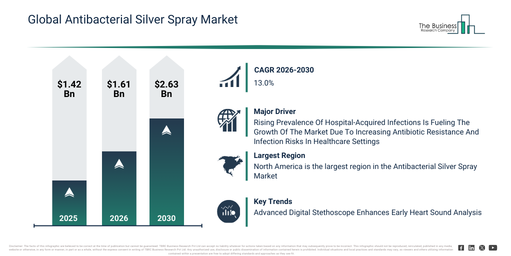
    The antibacterial silver spray market has experienced substantial expansion in recent years, with projections showing a rise from $1.42 billion in 2025 to $1.61 billion in 2026, reflecting a compound annual growth rate (CAGR) of 13.3%. This historical growth has been driven by several factors, including the increasing application of silver in wound management, the broader adoption of infection control measures within healthcare settings, the availability of both colloidal and ionic silver technologies, heightened use in veterinary and medical contexts, and a growing public awareness of antimicrobial resistance.

    The antibacterial silver spray market is projected to experience rapid expansion over the coming years, reaching a value of $2.63 billion by 2030 with a compound annual growth rate (CAGR) of 13.0%. This forecasted growth is driven by a rising need for sophisticated antimicrobial formulations, increased investment in nanotechnology-driven healthcare products, broader use in personal care and hygiene sectors, a heightened emphasis on infection control without antibiotics, and ongoing advancements in silver-based delivery mechanisms. Key trends shaping this period include the growing application of silver-based antimicrobial solutions, heightened demand for advanced wound care products, wider adoption in medical and personal hygiene contexts, the expansion of nano silver formulations, and a stronger focus on providing durable antimicrobial protection.

    Download A Free Sample Report For Comprehensive Market Insights:

    https://www.thebusinessresearchcompany.com/sample.aspx?id=28118&type=smp&utm_source=BlogsPR&utm_medium=Paid&utm_campaign=Jul_PR

    #Antibacterial Silver Spray Market Growth Factors: Which Forces Are Supporting Market Expansion?

    The anticipated expansion of the antibacterial silver spray market is driven by the growing frequency of hospital-acquired infections. These infections, referred to as nosocomial infections, emerge in patients during their stay in healthcare facilities and were neither present nor incubating at the time of admission. They encompass conditions such as surgical site infections (SSIs), catheter-associated urinary tract infections (CAUTIs), and similar ailments. Their rising occurrence is fueled by the excessive and inappropriate use of antibiotics, which fosters antibiotic-resistant bacteria that are more challenging to treat and disseminate more readily within medical environments. Antibacterial silver spray counters this issue by delivering potent antimicrobial defense on key surfaces, thereby elevating hygiene standards and creating safer conditions for both patients and healthcare workers. For example, in November 2024, the Centers for Disease Control and Prevention (CDC), a US government agency, reported that surgical site infections linked to combined surgical care improvement project (SCIP) procedures rose by 3% from 2022 to 2023, with an 8% increase specifically noted for those following abdominal hysterectomy operations. Consequently, the escalating prevalence of hospital-acquired infections is fueling the growth of the antibacterial silver spray market.

    The market for antibacterial silver spray is expected to be propelled forward by the increasing awareness of hygiene and sanitation. This awareness encompasses the comprehension and application of cleanliness, safe water, and proper waste disposal methods to prevent illness spread and foster well-being. It is gaining momentum due to a heightened emphasis on infection prevention, as more individuals acknowledge the vital role cleanliness plays in curbing disease transmission. Antibacterial silver spray aids in these efforts by offering robust antimicrobial coverage across diverse surfaces, effectively halting the proliferation of dangerous microbes. It also enhances cleanliness through its sustained action, improving safety in healthcare settings, households, and public spaces. As an illustration, in August 2025, the United Nations International Children’s Emergency Fund (UNICEF), a US-based humanitarian organization, noted that in 2024, 1.7 billion people still lacked fundamental hygiene services, with 611 million having no handwashing facilities whatsoever. Meanwhile, four nations had achieved universal access (over 99%) to basic hygiene services, and nine others were on a path to reach this goal by 2030. Hence, the growing awareness of hygiene and sanitation is propelling the antibacterial silver spray market.

    Antibacterial Silver Spray Market Segment Performance And Strategic Opportunities

    The antibacterial silver spray market covered in this report is segmented –

    1) By Product Type: Colloidal Silver Spray, Ionic Silver Spray, Nano Silver Spray, Other Product Types

    2) By Distribution Channel: Online Stores, Pharmacies, Supermarkets Or Hypermarkets, Other Distribution Channels

    3) By Application: Wound Care, Personal Care, Surface Disinfection, Medical Devices, Other Applications

    4) By End-User: Hospitals And Clinics, Households, Veterinary, Other End-Users

    Subsegments:

    1) By Colloidal Silver Spray: Oral Care Spray, Wound And Skin Healing Spray, Immune Support Spray, Pet Care Spray, Household Disinfectant Spray

    2) By Ionic Silver Spray: Nasal Spray, Throat Spray, Surface Sanitizer Spray, Veterinary Use Spray, Dietary Supplement Spray

    3) By Nano Silver Spray: Medical And Healthcare Spray, Textile And Fabric Protection Spray, Food Packaging Spray, Air And Surface Disinfectant Spray, Cosmetic And Personal Care Spray

    4) By Other Product Types: Silver Gel Spray, Silver-Based Mouth Freshener Spray, Silver Deodorizing Spray, Agriculture Spray, Industrial Antimicrobial Spray

    Antibacterial Silver Spray Market Industry Trends: What Changes Are Reshaping Demand?

    Leading players in the antibacterial silver spray market are concentrating on creating cutting-edge solutions, like silver-ion-based toilet cleaners, aimed at raising hygiene standards and broadening their product offerings. These silver-ion-infused cleaning products are designed to deliver potent antimicrobial effects and enduring defense against dangerous microbes on toilet surfaces. A notable example occurred in February 2025, when Lion Corporation, a manufacturing firm based in Japan, introduced the LOOK Plus whole toilet antibacterial and deodorizing fogger. This fumigant-type cleaner employs a silver-ion fog to disinfect the entire toilet area, reaching hard-to-access spots such as walls, ventilation fans, and areas behind cisterns. It eliminates odor-producing bacteria, preventing new smells for up to thirty days, and assists in stopping black mold stains from forming on toilet surfaces. The fogger revolutionizes toilet cleaning by requiring users to simply place it in water to release the antibacterial fog, delivering comprehensive deodorizing and antibacterial coverage across the entire toilet chamber.

    Antibacterial Silver Spray Market Key Players: Which Companies Shape Industry Competition?

    Major companies operating in the antibacterial silver spray market are Medline Industries L.P., Welland Medical Limited, Nano Alvand Arad, American Elements Inc., UMAX-TECH Technology Co. Ltd., MS Schippers, Nanoshel LLC, A C M Global Bio Tech Sdn. Bhd., Elegant Cosmed Private Limited, Kanak Biotech, Ntl Pharma, Pure Bioscience Inc., Safe & Sound, VetOne, Anson Bio-Technology Co. Ltd., Heenrgybiotech, NU Alter Remedies, Shri Zelco Foods Private Limited, Silver Mtn Solutions, Unosil

    Access The Complete Antibacterial Silver Spray Market Report:

    https://www.thebusinessresearchcompany.com/report/antibacterial-silver-spray-global-market-report?utm_source=BlogsPR&utm_medium=Paid&utm_campaign=Jul_PR

    Antibacterial Silver Spray Market Geographic Analysis: Where Is Demand Growing The Fastest?

    North America was the largest region in the antibacterial silver spray market in 2025. Asia-Pacific is expected to be the fastest-growing region in the forecast period. The regions covered in the antibacterial silver spray market report are Asia-Pacific, South East Asia, Western Europe, Eastern Europe, North America, South America, Middle East, Africa.

    Get in touch with us:

    The Business Research Company: https://www.thebusinessresearchcompany.com/?utm_source=BlogsPR&utm_medium=Paid&utm_campaign=home_page_test

    Americas: +1 310-496-7795

    Asia: +44 7882 955267 & +91 8897263534

    Europe: +44 7882 955267

    Email us at: marketing@tbrc.info

    Follow us on:

    LinkedIn: https://in.linkedin.com/company/the-business-research-company

    YouTube: https://www.youtube.com/channel/UC24_fI0rV8cR5DxlCpgmyFQ

    Global Market Model: https://www.thebusinessresearchcompany.com/global-market-model
  • Antibacterial Medicated Soap Market Forecast Highlights Expansion From $6.27 Billion To $8.69 Billion Through 2030

    Antibacterial Medicated Soap Market Forecast Highlights Expansion From $6.27 Billion To $8.69 Billion Through 2030

    Delivering more actionable and strategically valuable research, The Business Research Company’s 2026 market reports feature market attractiveness analysis, total addressable market evaluation, company benchmarking matrices, interactive Excel dashboards, expanded supply chain intelligence, emerging startup coverage, and detailed product insights.

    Antibacterial Medicated Soap Market Expected To Reach $8.69 Billion By 2030 At 8.5% CAGR

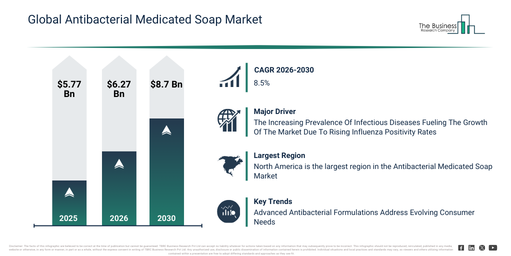
    The market for antibacterial medicated soap has experienced robust expansion in recent years. Projections indicate an increase from $5.77 billion in 2025 to $6.27 billion in 2026, reflecting a compound annual growth rate (CAGR) of 8.7%. Historically, this growth has been driven by heightened awareness of infection prevention, adherence to hospital hygiene protocols, the prevalent utilization of antibacterial products, the broadening of healthcare infrastructure, and rising personal care consumption.

    The antibacterial medicated soap market is projected to experience robust expansion over the coming years, reaching a valuation of $8.7 billion by 2030, with a compound annual growth rate (CAGR) of 8.5%. This anticipated growth during the forecast period is driven by factors such as heightened public health consciousness, the elevation of commercial hygiene protocols, a shift toward sustainable packaging options, expanded application within food processing facilities, and the development of innovative antimicrobial solutions. Key trends influencing this period include a greater focus on hygiene and infection prevention, increased demand stemming from healthcare and institutional environments, a rising preference for herbal and dermatologically gentle formulations, the widespread adoption of refillable and environmentally friendly packaging, and the expansion of hygiene products designed for institutional use.

    Download A Free Sample Report For Comprehensive Market Insights:

    https://www.thebusinessresearchcompany.com/sample.aspx?id=23306&type=smp&utm_source=BlogsPR&utm_medium=Paid&utm_campaign=Jul_PR

    Antibacterial Medicated Soap Market Demand Drivers: What Is Fueling Industry Growth?

    The growing incidence of infectious diseases is anticipated to boost the antibacterial medicated soap market in the coming years. Infectious diseases, triggered by bacteria, viruses, or other pathogens, can be transmitted through human contact, animals, or environmental exposure. Their rising frequency is largely driven by heightened global travel, which facilitates the rapid spread of viruses and bacteria across borders and continents. By eliminating or diminishing harmful microorganisms on the skin, antibacterial medicated soap plays a key role in curbing the transmission of these illnesses. For example, data from the UK Health Security Agency, a British government agency, released in November 2024, showed that during Week 46, the influenza positivity rate climbed to a weekly average of 3.9%, up from 3.3% the preceding week. Consequently, the escalating prevalence of infectious diseases is fueling expansion in the antibacterial medicated soap market.

    Antibacterial Medicated Soap Market Segment Landscape And Growth Potential

    The antibacterial medicated soap market covered in this report is segmented –

    1) By Product Type: Liquid Soap, Bar Soap, Foam Soap, Shower Gel

    2) By Active Ingredient: Triclosan, Chlorhexidine, Benzalkonium Chloride, Alcohol-Based Antiseptics

    3) By Packaging Type: Single Use Packs, Bulk Packaging, Convenient Pump Bottles, Refillable Containers

    4) By Application: Online Sales, Offline Sales

    5) By End User: Household, Commercial Institutions, Healthcare Facilities, Food Processing Industry

    Subsegments:

    1) By Liquid Soap: Alcohol-based, Triclosan-based, Chlorhexidine-based, Benzalkonium chloride-based, Herbal Or Plant-based

    2) By Bar Soap: Medicated bar soap, Herbal antibacterial bar, Moisturizing antibacterial bar, Fragrance-free bar, Children’s antibacterial bar

    3) By Foam Soap: Alcohol-based foam, Non-alcohol foam, Moisturizing foam, Scented foam, Sensitive skin foam

    4) By Shower Gel: Antibacterial body wash, Moisturizing antibacterial gel, Exfoliating shower gel, Herbal antibacterial gel, Fragrance-free shower gel

    Antibacterial Medicated Soap Market Innovation Trends: Which Developments Are Transforming The Industry?

    Major players in the antibacterial medicated soap sector are concentrating on product advancements, including high-performance antibacterial formulas, to address growing consumer expectations for improved hygiene, skin-friendly compositions, and defense against a wide range of microorganisms. Such high-performance antibacterial solutions represent advanced formulations capable of eliminating numerous harmful bacteria while maintaining safety and mildness on the skin. For example, in September 2023, ArLab, a cosmetics manufacturer headquartered in Russia, introduced an antibacterial soap under the SEPTIMA brand, offering customers an efficient everyday option for bacterial protection without compromising skin hydration and softness, thanks to a thoughtfully balanced, dermatologically considerate formula. These soaps are designed to ensure substantial antibacterial effectiveness while prioritizing skin safety. With a specialized composition that retains moisture through deliberately selected ingredients, the product lineup comes in several variations featuring refreshing fragrances and moisturizing properties, tailored for diverse consumer preferences. Available in convenient pump dispensers and multiple packaging designs, these soaps are well-suited for both household and professional settings.

    Antibacterial Medicated Soap Market Competitive Landscape: Who Are The Leading Companies?

    Major companies operating in the antibacterial medicated soap market are Johnson & Johnson Services Inc., Ecolab Inc., Kao Corporation, ITC Limited, Lion Corporation, Godrej Consumer Products Limited, Vi-Jon LLC, Betco Corporation, Vanguard Soap LLC, Kutol Products Company LLC, Weefsel Pharma, B4 Brands LLC, Anuspa Heritage Private Limited, Morgan’s Pomade Limited, Truworth Healthcare Private Limited, Trio Lifescience Private Limited, Swisskem Healthcare, Sanit Industries Limited, Mars Medi Soap, Morvin India Healthcare Private Limited

    Access The Complete Antibacterial Medicated Soap Market Report:

    https://www.thebusinessresearchcompany.com/report/antibacterial-medicated-soap-global-market-report?utm_source=BlogsPR&utm_medium=Paid&utm_campaign=Jul_PR

    Antibacterial Medicated Soap Market Global Footprint: Which Region Holds Market Leadership?

    North America was the largest region in the antibacterial medicated soap market in 2025. Asia-Pacific is expected to be the fastest-growing region in the forecast period. The regions covered in the antibacterial medicated soap market report are Asia-Pacific, South East Asia, Western Europe, Eastern Europe, North America, South America, Middle East, Africa.

    Get in touch with us:

    The Business Research Company: https://www.thebusinessresearchcompany.com/?utm_source=BlogsPR&utm_medium=Paid&utm_campaign=home_page_test

    Americas: +1 310-496-7795

    Asia: +44 7882 955267 & +91 8897263534

    Europe: +44 7882 955267

    Email us at: marketing@tbrc.info

    Follow us on:

    LinkedIn: https://in.linkedin.com/company/the-business-research-company

    YouTube: https://www.youtube.com/channel/UC24_fI0rV8cR5DxlCpgmyFQ

    Global Market Model: https://www.thebusinessresearchcompany.com/global-market-model
  • Anti-Asthmatics And COPD Drugs Market Expected To Reach $111.34 Billion By 2030 As Growth Accelerates At 5.7% CAGR

    Anti-Asthmatics And COPD Drugs Market Expected To Reach $111.34 Billion By 2030 As Growth Accelerates At 5.7% CAGR

    Enhanced with market attractiveness analysis, total addressable market evaluation, company benchmarking matrices, interactive Excel dashboards, expanded supply chain intelligence, emerging startup coverage, and detailed product insights, The Business Research Company’s 2026 market reports deliver more actionable and strategically valuable research.

    Anti-Asthmatics And COPD Drugs Market Size And Revenue Forecast Through 2030

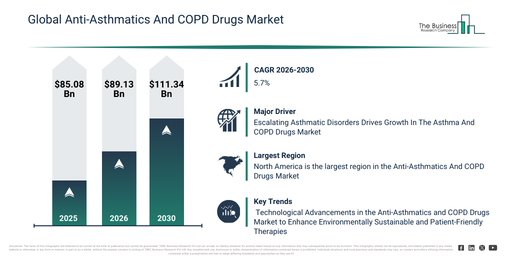
    The market for anti-asthmatics and COPD drugs has experienced consistent expansion over the past few years. Valued at $85.08 billion in 2025, it is projected to reach $89.13 billion by 2026, reflecting a compound annual growth rate (CAGR) of 4.8%. This historical growth is driven by a higher incidence of asthma and COPD, escalating rates of smoking and air pollution, insufficient awareness of preventive treatments, the widespread presence of generic bronchodilators, and the strengthening of hospital pharmacy networks.

    Over the coming years, the market for anti-asthmatics and COPD drugs is projected to see robust expansion. By 2030, its value is anticipated to reach $111.34 billion, reflecting a compound annual growth rate (CAGR) of 5.7%. This growth during the forecast period is driven by progress in biologics and monoclonal antibodies, the incorporation of artificial intelligence into treatment protocols, wider adoption of digital health tools, the rise of online pharmacy services, and the creation of specialized therapies aimed at severe COPD. Key developments expected in this period encompass personalized asthma care, telemedicine and remote monitoring of patients, the advent of inhalable biologics, an increased preference for combination drug regimens, and a focused effort on formulations for both pediatric and geriatric populations.

    Download A Free Sample Report For Comprehensive Market Insights:

    https://www.thebusinessresearchcompany.com/sample.aspx?id=3802&type=smp&utm_source=BlogsPR&utm_medium=Paid&utm_campaign=Jul_PR

    Anti-Asthmatics And COPD Drugs Market Growth Drivers: What Factors Are Accelerating Expansion?

    The anticipated expansion of the anti-asthmatics and COPD drugs market is significantly driven by the widespread prevalence of asthma-related conditions. Asthma is characterized as a chronic illness marked by airway inflammation and swelling, which constricts the passages responsible for transporting air from the nasal and oral cavities to the lungs. With the rising incidence of asthma cases, there has been a notable acceleration in the discovery of innovative anti-asthmatics and COPD drugs aimed at managing these respiratory disorders. For example, in June 2025, data from the UK-based Official Statistics agency revealed that emergency hospital admissions for asthma among adults aged 19 and over rose by 17% during the fiscal year ending 2024 compared to the preceding year. Consequently, the growing burden of asthmatic conditions fuels the creation of novel therapeutic agents, thereby propelling the forward momentum of the asthma drug market.

    Anti-Asthmatics And COPD Drugs Market Categorization By Product Type And Application

    The anti-asthmatics and copd drugs market covered in this report is segmented –

    1) By Drug Class: Bronchodilators, Anti-Inflammatory Drugs, Monoclonal Antibodies, Combination Drugs

    2) By Distribution Channel: Hospital Pharmacies, General Pharmacies, Online Retailers

    3) By End User: Asthma Patients, COPD Patients

    4) By Therapy: Preventive, Curative

    5) By Route Of Administration: Oral, Inhaled, Intravenous, Subcutaneous

    6) By Age Group: Below 5, 5-14, 15-60, Above 60

    Subsegments:

    1) By Bronchodilators: Short-Acting Beta-Agonists (SABAs), Long-Acting Beta-Agonists (LABAs), Anticholinergics (Short-Acting And Long-Acting), Methylxanthines

    2) By Anti-Inflammatory Drugs: Corticosteroids (Inhaled And Systemic), Leukotriene Modifiers, Phosphodiesterase-4 Inhibitors

    3) By Monoclonal Antibodies: Anti-IgE Antibodies, Anti-IL-5 Antibodies, Anti-IL-4 Or IL-13 Antibodies

    4) By Combination Drugs: Combination Bronchodilator Inhalers (LABA + LAMA), Inhaled Corticosteroid + Long-Acting Beta-Agonist (ICS + LABA)

    Anti-Asthmatics And COPD Drugs Market Trends: What Is Shaping Future Industry Growth?

    Major players in the anti-asthmatics and COPD drugs market are increasingly prioritizing technological innovation, particularly through the development of next-generation propellant inhalers, in response to growing demand for eco-friendly and patient-centric respiratory treatments. This advanced propellant technology replaces conventional hydrofluoroalkane (HFA) propellants with alternatives that feature near-zero Global Warming Potential (GWP), thereby significantly lowering the carbon footprint of pressurized metered-dose inhalers (pMDIs) while preserving drug delivery effectiveness. A notable example occurred in May 2025, when AstraZeneca plc, a UK-based biopharmaceutical firm, introduced Trixeo Aerosphere—a novel fixed-dose triple-combination therapy for COPD that combines budesonide, glycopyrronium, and formoterol fumarate, now administered using this next-generation propellant. This pMDI achieves bioequivalence with earlier formulations, maintains its well-established safety and efficacy profile, and delivers a 99.9% reduction in GWP relative to traditional propellants. By supporting sustainable healthcare practices without sacrificing clinical performance, Trixeo Aerosphere offers patients requiring inhaled respiratory therapy an effective, low-carbon-footprint solution.

    Anti-Asthmatics And COPD Drugs Market Company Landscape And Strategic Competition

    Major companies operating in the anti-asthmatics and copd drugs market are GlaxoSmithKline plc, AstraZeneca plc, Boehringer Ingelheim GmbH, Novartis AG, Sanofi S.A., Chiesi Farmaceutici S.p.A., Teva Pharmaceutical Industries Limited, Cipla Limited, Aurobindo Pharma Limited, KYORIN Holdings Inc., Nichi-Iko Pharmaceutical Co. Ltd., Otsuka Pharmaceutical Co. Ltd., Daewoong Pharmaceutical Co. Ltd, Lupin Limited, Abbott Laboratories, Pfizer, Vectura Group, Bayer, Apotex Inc., EMS Pharma, Hypermarcas, Ache, Eurofarma, Biolab Farmaceuticad, Cristalia, Libbs, Julphar, Neopharma, Adcock Ingram, Aspen Nigeria.

    Access The Complete Anti-Asthmatics And COPD Drugs Market Report:

    https://www.thebusinessresearchcompany.com/report/anti-asthmatics-and-copd-drugs-global-market-report?utm_source=BlogsPR&utm_medium=Paid&utm_campaign=Jul_PR

    Anti-Asthmatics And COPD Drugs Market Regional Distribution: Which Areas Drive Market Expansion?

    North America was the largest region in the anti-asthmatics and COPD drugs market in 2025. Middle East is expected to be the fastest-growing region in the global anti-asthmatics and COPD drugs market during the forecast period. The regions covered in the anti-asthmatics and copd drugs market report are Asia-Pacific, South East Asia, Western Europe, Eastern Europe, North America, South America, Middle East, Africa.

    Get in touch with us:

    The Business Research Company: https://www.thebusinessresearchcompany.com/?utm_source=BlogsPR&utm_medium=Paid&utm_campaign=home_page_test

    Americas: +1 310-496-7795

    Asia: +44 7882 955267 & +91 8897263534

    Europe: +44 7882 955267

    Email us at: marketing@tbrc.info

    Follow us on:

    LinkedIn: https://in.linkedin.com/company/the-business-research-company

    YouTube: https://www.youtube.com/channel/UC24_fI0rV8cR5DxlCpgmyFQ

    Global Market Model: https://www.thebusinessresearchcompany.com/global-market-model
  • Anti-Allergy Medicine Market Set To Grow From $45.92 Billion In 2026 To $63.26 Billion By 2030 At A CAGR Of 8.3%

    Anti-Allergy Medicine Market Set To Grow From $45.92 Billion In 2026 To $63.26 Billion By 2030 At A CAGR Of 8.3%

    Through market attractiveness analysis, total addressable market evaluation, company benchmarking matrices, interactive Excel dashboards, expanded supply chain intelligence, emerging startup coverage, and detailed product insights, The Business Research Company’s 2026 market reports provide more actionable and strategically valuable research.

    Anti-Allergy Medicine Market Growth From $45.92 Billion In 2026 To $63.26 Billion By 2030 At A CAGR Of 8.3%

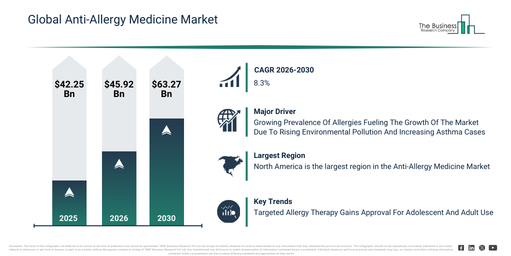
    The market for anti-allergy medications has experienced strong expansion in recent years. Its value is projected to rise from $42.25 billion in 2025 to $45.92 billion in 2026, reflecting a compound annual growth rate (CAGR) of 8.7%. This historic growth has been driven by factors such as seasonal allergies, urban pollution, over-the-counter drug availability, hospital-based allergy care, and the accessibility of antihistamines.

    Forecasted expansion of the anti-allergy medicine market is anticipated to be robust over the coming years, with projections reaching $63.27 billion by 2030, reflecting a compound annual growth rate (CAGR) of 8.3%. This upward trajectory during the forecast period is driven by factors such as rising allergies linked to climate change, the proliferation of digital pharmacies, the emergence of biologic treatments for allergies, increased awareness of pediatric allergy issues, and broader healthcare access. Key trends shaping this period encompass the growing prevalence of allergic conditions, the surge in over-the-counter allergy medications, a greater reliance on second-generation antihistamines, the rise of online pharmacy sales, and a focused emphasis on formulations tailored for children and the elderly.

    Download A Free Sample Report For Comprehensive Market Insights:

    https://www.thebusinessresearchcompany.com/sample.aspx?id=24463&type=smp&utm_source=BlogsPR&utm_medium=Paid&utm_campaign=Jul_PR

    Anti-Allergy Medicine Market Growth Factors Supporting Long-Term Expansion

    The rising incidence of allergies is anticipated to drive expansion in the anti-allergy medicine market in the future. Allergies are defined as exaggerated immune responses to triggers like pollen, dust mites, food, or pet dander, which can produce effects from minor discomfort to severe, potentially fatal reactions, and encompass conditions such as hay fever, asthma, eczema, food allergies, and allergic rhinitis. This increase in allergic conditions stems from escalating environmental pollution, which compromises the immune system and amplifies vulnerability to common allergens. Anti-allergy medications aid in controlling allergic reactions by offering focused alleviation from triggers, rendering them vital for people suffering from hay fever, asthma, and eczema, as they temper excessive immune responses by inhibiting histamines and other agents, thereby enhancing everyday ease and overall well-being. As an example, in May 2025, the UK Parliament—a government body based in the United Kingdom—reported that 3,886,879 individuals aged over six had received an asthma diagnosis during 2023-24, representing 6.5% of England’s population. Consequently, the growing occurrence of allergies is fueling the momentum of the anti-allergy medicine market.

    Anti-Allergy Medicine Market Segment Analysis And Revenue Opportunities

    The anti-allergy medicine market covered in this report is segmented –

    1) By Drug Class: Antihistamines, Corticosteroids, Decongestants, Leukotriene Inhibitors, Mast Cell Stabilizers, Other Drug Classes

    2) By Type Of Allergy: Seasonal Allergies, Perennial Allergies, Food Allergies, Skin Allergies, Insect Sting Allergies

    3) By Formulation: Tablets, Capsules, Syrups, Nasal Sprays, Eye Drops, Injectables

    4) By Application: Online Pharmacy, Hospital, Offline Pharmacy, Clinic, Other Applications

    5) By End User: Children, Adults, Geriatric Population, Pregnant Women

    Subsegments:

    1) By Antihistamines: First-Generation Antihistamines, Second-Generation Antihistamines, Third-Generation Antihistamines

    2) By Corticosteroids: Oral Corticosteroids, Nasal Corticosteroids, Inhaled Corticosteroids, Topical Corticosteroids

    3) By Decongestants: Oral Decongestants, Nasal Spray Decongestants, Topical Decongestants

    4) By Leukotriene Inhibitors: Leukotriene Receptor Antagonists, Leukotriene Synthesis Inhibitors

    5) By Mast Cell Stabilizers: Cromolyn Sodium, Nedocromil Sodium

    6) By Other Drug Classes: Immunotherapy Agents, Biologics, Monoclonal Antibodies

    Anti-Allergy Medicine Market Industry Trends Shaping Future Revenue Growth

    Leading players in the anti-allergy medicine sector are concentrating on creating groundbreaking treatments and securing regulatory approvals, particularly monoclonal antibody therapies, aimed at delivering targeted care, boosting effectiveness, minimizing adverse effects, and tackling persistent and severe allergic disorders. These monoclonal antibody therapies are proteins synthesized in laboratories that replicate the body’s immune response to dangerous allergens by precisely targeting and inhibiting immune pathways responsible for allergic reactions, thus providing accurate and durable relief. As a case in point, in December 2024, Galderma SA, a pharmaceutical firm headquartered in Switzerland, obtained approval from the Food and Drug Administration (FDA) for Nemluvio (nemolizumab-ilto) to treat adults and pediatric patients aged 12 years and older who have moderate to severe atopic dermatitis, when used alongside topical corticosteroids and/or calcineurin inhibitors. This particular monoclonal antibody functions as an interleukin-31 receptor antagonist, operating by obstructing IL-31 signaling, which is a primary contributor to inflammation and itching in atopic dermatitis, consequently lessening symptoms and enhancing skin condition.

    Anti-Allergy Medicine Market Leading Players Shaping Industry Direction

    Major companies operating in the anti-allergy medicine market are Pfizer Inc., Johnson & Johnson, F. Hoffmann-La Roche AG, Merck & Co. Inc., Bayer AG, Sanofi S.A., AstraZeneca plc, Novartis AG, GSK plc, Amgen Inc., Teva Pharmaceutical Industries Ltd., Regeneron Pharmaceuticals Inc., Perrigo Company plc, Cipla Limited, Dr. Reddy’s Laboratories, Lupin Limited, Zydus Lifesciences Limited, Takeda Pharmaceutical Company Limited, Torrent Pharmaceuticals Ltd., ALK-Abelló A/S, Torii Pharmaceutical Co. Ltd., Biomay Aktiengesellschaft, Kaléo Inc., Immunomic Therapeutics Inc., Circassia Group plc, Sun Pharmaceutical Industries Ltd., Anergis S.A., Aravax Pty Ltd., DBV Technologies S.A., Desentum Oy.

    Access The Complete Anti-Allergy Medicine Market Report:

    https://www.thebusinessresearchcompany.com/report/anti-allergy-medicine-global-market-report?utm_source=BlogsPR&utm_medium=Paid&utm_campaign=Jul_PR

    Anti-Allergy Medicine Market Leading Geography: Which Region Generates The Most Revenue?

    North America was the largest region in the anti-allergy medicine market in 2025. Asia-Pacific is expected to be the fastest-growing region in the forecast period. The regions covered in the anti-allergy medicine market report are Asia-Pacific, South East Asia, Western Europe, Eastern Europe, North America, South America, Middle East, Africa.

    Get in touch with us:

    The Business Research Company: https://www.thebusinessresearchcompany.com/?utm_source=BlogsPR&utm_medium=Paid&utm_campaign=home_page_test

    Americas: +1 310-496-7795

    Asia: +44 7882 955267 & +91 8897263534

    Europe: +44 7882 955267

    Email us at: marketing@tbrc.info

    Follow us on:

    LinkedIn: https://in.linkedin.com/company/the-business-research-company

    YouTube: https://www.youtube.com/channel/UC24_fI0rV8cR5DxlCpgmyFQ

    Global Market Model: https://www.thebusinessresearchcompany.com/global-market-model
  • Anti-Aging Supplements Market Opportunities Are Emerging Beyond Traditional Growth Areas

    Anti-Aging Supplements Market Opportunities Are Emerging Beyond Traditional Growth Areas

    Delivering more actionable and strategically valuable research, The Business Research Company’s 2026 market reports feature market attractiveness analysis, total addressable market evaluation, company benchmarking matrices, interactive Excel dashboards, expanded supply chain intelligence, emerging startup coverage, and detailed product insights.

    Anti-Aging Supplements Market Expansion Outlook: What Revenue Opportunities Lie Ahead?

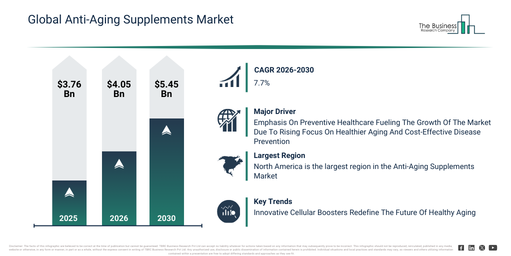
    The market for anti-aging supplements has experienced robust expansion in recent years. Its value is projected to increase from $3.76 billion in 2025 to $4.05 billion in 2026, reflecting a compound annual growth rate (CAGR) of 7.7%. Several factors drove growth during the historical period, including a rising aging population, heightened awareness of cosmetic wellness, increased use of vitamin supplements, advancements in oxidative stress research, and greater availability of supplements through retail channels.

    The market for anti-aging supplements is projected to experience robust expansion over the coming years. By 2030, its value is anticipated to reach $5.45 billion, driven by a compound annual growth rate (CAGR) of 7.7%. This forecasted growth is fueled by factors such as the increasing embrace of preventive healthcare, innovations in bioactive ingredients, a rising demand for personalized nutrition, a stronger emphasis on healthy aging, and higher consumption of premium supplements. Key trends shaping this period include a growing preference for nutrition aimed at extending longevity, the proliferation of antioxidant-based products, wider use of collagen and peptide supplements, the expansion of wellness programs focused on preventing age-related decline, and a notable shift toward natural and herbal anti-aging solutions.

    Download A Free Sample Report For Comprehensive Market Insights:

    https://www.thebusinessresearchcompany.com/sample.aspx?id=24144&type=smp&utm_source=BlogsPR&utm_medium=Paid&utm_campaign=Jul_PR

    Anti-Aging Supplements Market Demand Drivers Creating New Revenue Opportunities

    An increasing focus on preventive healthcare is anticipated to drive expansion within the anti-aging supplements market. This approach encompasses actions aimed at averting illness and enhancing general health, including immunizations, routine screenings, and lifestyle adjustments. The rise in importance of such healthcare practices stems from their ability to curb long-term medical costs by managing conditions before they become severe, thereby sidestepping costly treatments and reducing overall healthcare spending. Anti-aging supplements play a role in this preventive framework by fostering healthier aging, diminishing chances of age-associated ailments, and bolstering general wellness through tailored nutritional aid. As an illustration, a December 2024 report from the Office for National Statistics, a UK-based government entity, indicated that between 2021 and 2023, healthy life expectancy for males in England was 61.5 years, marginally exceeding the 60.3 years noted in Wales; for females, it stood at 61.9 years in England compared to 59.6 years in Wales. Consequently, the intensified emphasis on preventive healthcare is propelling the growth of the anti-aging supplements market.

    Anti-Aging Supplements Market Segmentation And Category Breakdown

    The anti-aging supplements market covered in this report is segmented –

    1) By Type: Oral Supplements, Powdered Supplements

    2) By Ingredient Type: Vitamins And Minerals, Antioxidants, Enzymes, Herbal Extracts, Amino Acids, Other Ingredient Types

    3) By Distribution Channel: Online Stores, Supermarkets Or Hypermarkets, Specialty Stores, Other Distribution Channels

    4) By Application: Hair, Skin, And Nail Care, Bone And Joint Health, Energy And Stamina, Other Applications

    5) By End-User: Men, Women

    Subsegments:

    1) By Oral Supplements: Collagen Peptides, Omega-3 Fatty Acids, Resveratrol, Coenzyme Q10, Nicotinamide Adenine Dinucleotide Precursors

    2) By Powdered Supplements: Protein And Collagen Powders, Antioxidant Blend Powders, Greens And Phytonutrient Powders, Amino Acid Complexes

    Anti-Aging Supplements Market Trends Driving Strategic Industry Expansion

    Leading companies within the anti-aging supplements sector are increasingly investing in the creation of innovative products, including sophisticated anti-aging formulas, aimed at delivering enhanced support for cellular performance and fostering healthy aging. These advanced anti-aging supplements represent specifically crafted items that incorporate ingredients intended to decelerate the aging process, boost skin condition, and sustain general vitality by addressing cellular wellness, lowering oxidative damage, and promoting regenerative processes. For example, in November 2024, Eternum Labs, an Australian health supplement firm, released NAD+ Ultra and NMN Ultra, a fresh lineup of cellular health enhancers crafted to encourage healthy aging and longevity. These supplements are scientifically developed to boost cellular energy generation, optimize DNA repair systems, and reinforce the body’s capacity to withstand oxidative stress. Utilizing bioavailable types of nicotinamide adenine dinucleotide (NAD⁺) and nicotinamide mononucleotide (NMN), these offerings are designed to deliver focused and potent anti-aging advantages, representing a notable progression in supplement development.

    Anti-Aging Supplements Market Competitive Analysis Of Major Industry Participants

    Major companies operating in the anti-aging supplements market are Nestlé S.A., Amway Corporation, Herbalife Nutrition Ltd., Glanbia plc, Shaklee Corporation, Unicity International Inc., Nature’s Bounty Co., Blackmores Limited, NOW Foods, Vitabiotics Ltd., Niagen Bioscience, Life Extension, Solgar Inc., Kinohimitsu Pte. Ltd., DSM-Firmenich AG, BASF SE, Archer Daniels Midland Company, Cargill Incorporated, Evonik Industries AG, Bayer Aktiengesellschaft

    Access The Complete Anti-Aging Supplements Market Report:

    https://www.thebusinessresearchcompany.com/report/anti-aging-supplements-global-market-report?utm_source=BlogsPR&utm_medium=Paid&utm_campaign=Jul_PR

    Anti-Aging Supplements Market Regional Outlook: Where Are The Largest Opportunities Located?

    North America was the largest region in the anti-aging supplements market in 2025. Asia-Pacific is expected to be the fastest-growing region in the forecast period. The regions covered in the anti-aging supplements market report are Asia-Pacific, South East Asia, Western Europe, Eastern Europe, North America, South America, Middle East, Africa.

    Get in touch with us:

    The Business Research Company: https://www.thebusinessresearchcompany.com/?utm_source=BlogsPR&utm_medium=Paid&utm_campaign=home_page_test

    Americas: +1 310-496-7795

    Asia: +44 7882 955267 & +91 8897263534

    Europe: +44 7882 955267

    Email us at: marketing@tbrc.info

    Follow us on:

    LinkedIn: https://in.linkedin.com/company/the-business-research-company

    YouTube: https://www.youtube.com/channel/UC24_fI0rV8cR5DxlCpgmyFQ

    Global Market Model: https://www.thebusinessresearchcompany.com/global-market-model
  • Anti-Aging Drugs Market Expansion Is Opening New Pathways For Strategic Investment

    Anti-Aging Drugs Market Expansion Is Opening New Pathways For Strategic Investment

    Enhanced with market attractiveness analysis, total addressable market evaluation, company benchmarking matrices, interactive Excel dashboards, expanded supply chain intelligence, emerging startup coverage, and detailed product insights, The Business Research Company’s 2026 market reports deliver more actionable and strategically valuable research.

    Anti-Aging Drugs Market Growth Potential: How Will Market Size Change Through 2030?

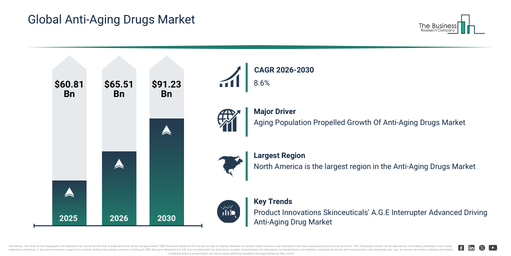
    The market for anti-aging drugs has experienced robust expansion in recent years. Projected to increase from $60.81 billion in 2025 to $65.51 billion in 2026, it reflects a compound annual growth rate (CAGR) of 7.7%. This historic growth is driven by several factors, including a growing elderly demographic, heightened awareness of skin aging, the expanding wellness and beauty sector, the accessibility of anti-aging supplements, and progress made in dermatological treatments.

    The anti-aging drugs sector is poised to experience significant expansion in the coming years, reaching an estimated value of $91.23 billion by 2030, with a compound annual growth rate of 8.6%. This projected growth is fueled by advances in technological integration for anti-aging treatments, a growing preference for personalized medicine, the rise of home-based anti-aging solutions, the broadening nutraceutical industry, and heightened investment in stem cell and regenerative therapies. Key emerging trends shaping this period include the adoption of individualized anti-aging approaches, the use of natural and botanical ingredients, the incorporation of nutraceuticals, less invasive administration techniques, and a stronger emphasis on preventive health and overall wellness.

    Download A Free Sample Report For Comprehensive Market Insights:

    https://www.thebusinessresearchcompany.com/sample.aspx?id=10231&type=smp&utm_source=BlogsPR&utm_medium=Paid&utm_campaign=Jul_PR

    Anti-Aging Drugs Market Expansion Supported By Key Demand Factors

    The anticipated expansion of the anti-aging drugs market is largely driven by the growing number of older individuals. This demographic trend, defined by a higher proportion of people aged 60 and above relative to other groups, stems from healthcare improvements that prolong life, reduced birth rates, and shifts in societal and economic frameworks. These medications are designed to extend a person’s healthy years while preserving youthful characteristics. By January 2024, as reported by the Population Reference Bureau—a nonprofit based in Kenya—the U.S. population aged 65 and over is forecasted to increase from 58 million in 2022 to 82 million by 2050, marking a 47% rise. Additionally, this group’s share of the total population is expected to climb from 17% to 23% over the same timeframe. Consequently, the rise in the aging population is fueling progress in the anti-aging drugs market.

    Anti-Aging Drugs Market Segment Outlook: Which Categories Are Expanding The Fastest?

    The anti-aging drugs market covered in this report is segmented –

    1) By Product Form: Serums, Creams, Gels, Other Products

    2) By Drug Class: Hormonal Therapy, Antioxidants, Enzymes, Stem Cells

    3) By Type: Injectable, Oral, Topical

    4) By Ingredient: Retinoid, Hyaluronic Acid, Alpha Hydroxy Acid, Other Ingredients

    5) By Drug Application: Skin And Hair, Skeletal And Muscles, Age Related Disorders, Other Applications

    Subsegments:

    1) By Serums: Anti-Aging Vitamin C Serums, Retinol Serums, Peptide Serums

    2) By Creams: Moisturizing Anti-Aging Creams, Night Creams, Eye Creams

    3) By Gels: Hydrating Anti-Aging Gels, Firming Gels, Exfoliating Gels

    4) By Other Products: Masks, Supplements, Treatments

    Anti-Aging Drugs Market Growth Trends Influencing Competitive Dynamics

    Major players within the anti-aging drug sector are prioritizing the creation of cutting-edge skincare solutions aimed at addressing age-related issues, extending lifespan, and enhancing overall health and wellness. These advanced anti-aging skincare solutions include innovative products and treatments designed to specifically reduce signs of aging, thereby improving skin health and appearance through state-of-the-art technologies and formulations. For example, in April 2023, SkinCeuticals, an advanced skincare firm based in the United States, introduced a new corrective cream called A.G.E Interrupter Advanced. This product works to strengthen collagen matrix integrity. Its formulation includes wild fruit flavonoids, glycyrrhetinic acid, and a concentrated amount of proxy lane (20% higher than the original A.G.E Interrupter). A.G.E. Interrupter Advanced surpasses standard anti-aging offerings by addressing every phase of the glycation process, correcting existing aging indicators, and providing protection against fresh and persistent damage resulting from A.G.E. formation.

    Anti-Aging Drugs Market Key Companies And Competitive Benchmarking

    Major companies operating in the anti-aging drugs market are L’Oréal S.A., Galderma S.A., Merz Pharma GmbH & Co. KGaA, Sanofi S.A., Elysium Health Inc., Estée Lauder Companies Inc., AbbVie Inc., Nu Skin Enterprises Inc., Dermafix Biotech Private Limited, The Procter & Gamble Company, Johnson & Johnson Services Inc., Sun Pharmaceutical Industries Ltd., BioTime Inc., PT. Daewoong Pharmaceutical Co. Ltd., Allergan plc, MMJ PhytoTech Limited, Revitacare, SciVision Biotech, Canbex Therapeutics Ltd., Lumenis Ltd., Cynosure Inc., Age Sciences Inc., ALMA LASERS Ltd., Bausch Health Companies Inc., Hansen Supplements, Ponce De Leon Health Inc., Youth & Earth, Vitality Pro

    Access The Complete Anti-Aging Drugs Market Report:

    https://www.thebusinessresearchcompany.com/report/anti-aging-drugs-global-market-report?utm_source=BlogsPR&utm_medium=Paid&utm_campaign=Jul_PR

    Anti-Aging Drugs Market Geographic Landscape: Which Region Dominates Industry Growth?

    North America was the largest region in the anti-aging drugs market in 2025. The regions covered in the anti-aging drugs market report are Asia-Pacific, South East Asia, Western Europe, Eastern Europe, North America, South America, Middle East, Africa.

    Get in touch with us:

    The Business Research Company: https://www.thebusinessresearchcompany.com/?utm_source=BlogsPR&utm_medium=Paid&utm_campaign=home_page_test

    Americas: +1 310-496-7795

    Asia: +44 7882 955267 & +91 8897263534

    Europe: +44 7882 955267

    Email us at: marketing@tbrc.info

    Follow us on:

    LinkedIn: https://in.linkedin.com/company/the-business-research-company

    YouTube: https://www.youtube.com/channel/UC24_fI0rV8cR5DxlCpgmyFQ

    Global Market Model: https://www.thebusinessresearchcompany.com/global-market-model
  • Anti-Aging Market Trends Are Creating New Opportunities For Industry Leaders

    Anti-Aging Market Trends Are Creating New Opportunities For Industry Leaders

    Through market attractiveness analysis, total addressable market evaluation, company benchmarking matrices, interactive Excel dashboards, expanded supply chain intelligence, emerging startup coverage, and detailed product insights, The Business Research Company’s 2026 market reports provide more actionable and strategically valuable research.

    Anti-Aging Market Value Analysis: What Growth Is Expected Over The Forecast Period?

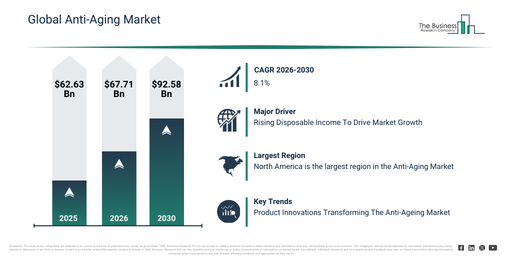
    The anti-aging market has recorded robust expansion in recent times. Its valuation is projected to climb from $62.63 billion in 2025 to $67.71 billion in 2026, reflecting a compound annual growth rate (CAGR) of 8.1%. Several factors drove this growth in the historical period, including a growing elderly demographic, higher levels of disposable income, enhanced consciousness about physical appearance, the proliferation of dermatology practices, and the early uptake of cosmetic injectables.

    Significant expansion is anticipated for the anti-aging market in the coming years, with projections indicating it will reach $92.58 billion by 2030, driven by a compound annual growth rate (CAGR) of 8.1%. This forecasted growth is fueled by progress in peptide and regenerative therapies, a rising preference for non-surgical options, increased involvement from male consumers, the growing popularity of at-home anti-aging devices, and the heightened impact of social media and beauty influencers. Key trends shaping this period include tailored anti-aging approaches, a shift toward minimally invasive cosmetic procedures, the proliferation of medical aesthetic clinics, a focus on preventive anti-aging among younger demographics, and the blending of wellness with aesthetic care.

    Download A Free Sample Report For Comprehensive Market Insights:

    https://www.thebusinessresearchcompany.com/sample.aspx?id=5842&type=smp&utm_source=BlogsPR&utm_medium=Paid&utm_campaign=Jul_PR

    Anti-Aging Market Growth Drivers And Industry Catalysts

    The rise in disposable income is anticipated to drive growth in the anti-aging market moving forward. When households have more disposable income, they have greater capacity to spend or save, which typically results in higher consumption levels. With improved financial accessibility, consumers are able to direct a larger portion of their budgets toward premium anti-aging products and treatments, thereby increasing market demand. For example, as reported in October 2024 by the Bureau of Economic Analysis, a U.S. government agency, disposable personal income reached $21,782 billion in August 2024, up from $20,666 billion in August 2023. Consequently, the upward trend in disposable income is fueling expansion in the anti-aging market.

    Anti-Aging Market Segment Landscape: Which Areas Lead Market Development?

    The anti-aging market covered in this report is segmented –

    1) By Product Type: UV Absorbers, Anti-Wrinkle Products, Dermal Fillers, Botox, Anti-Stretch Mark Products

    2) By Treatment: Chemical Peel, Other Treatments

    3) By Demographic: Generation X, Baby Boomers, Generation Y, Generation Z

    4) By Application: Anti-Wrinkle Treatment, Anti-Pigmentation, Skin Resurfacing, Other Applications

    5) By End-User: Hospitals, Clinics, Home Healthcare

    Subsegments:

    1) By UV Absorbers: Chemical UV Filters, Physical UV Filters, Sunscreen Formulations

    2) By Anti-Wrinkle Products: Creams And Serums, Eye Care Products, Retinoids

    3) By Dermal Fillers: Hyaluronic Acid Fillers, Calcium Hydroxylapatite Fillers, Poly-L-lactic Acid Fillers

    4) By Botox: Botox Cosmetic, Dysport, Xeomin

    5) By Anti-Stretch Mark Products: Creams And Lotions, Oils, Treatments With Active Ingredients

    Anti-Aging Market Trends Influencing Long-Term Demand

    Key players in the anti-ageing market are focusing on the creation of innovative anti-ageing masks as a strategy to strengthen their market position. Designed specifically to combat visible aging signs like wrinkles, fine lines, and sagging skin, these masks deliver hydrating and targeted active ingredients. A notable example occurred in March 2023, when the French fashion house Christian Dior SE, in partnership with French LED technology company Lucibel, unveiled the Dior Skin Light, an anti-ageing LED mask. This product leverages photobiomodulation through red light exposure, which stimulates skin cells and promotes collagen and elastin synthesis, thereby enhancing overall skin renewal. According to Dior, just a twelve-minute session with this mask can mitigate redness, minimize pore size, and regulate sebum production, culminating in a smoother, more radiant, and plumper complexion.

    Anti-Aging Market Industry Leaders And Market Competition

    Major companies operating in the anti-aging market are L’Oréal SA, Beiersdorf AG, Estée Lauder Companies Inc., Procter & Gamble Company, Shiseido Co. Ltd., Unilever plc, Nu Skin Enterprises Inc., Galderma SA, AbbVie Inc., Johnson & Johnson Services Inc., ZO Skin Health Inc., Clarins Group, Revlon Inc., Avon Products Inc., Lancôme Parfums et Beauté & Cie SA, Clinique Laboratories LLC, Elizabeth Arden Inc., Natura Bissé International S.A., Pierre Fabre SA, Lumenis Ltd., Alma Lasers Ltd., Candela Corporation, PhotoMedex Inc., Home Skinovations Ltd., Koninklijke Philips NV, Hologic Inc.

    Access The Complete Anti-Aging Market Report:

    https://www.thebusinessresearchcompany.com/report/anti-aging-global-market-report?utm_source=BlogsPR&utm_medium=Paid&utm_campaign=Jul_PR

    Anti-Aging Market Largest Region: Which Geography Holds The Highest Market Share?

    North America was the largest region in the anti-aging market in 2025. Asia-Pacific is expected to be the fastest-growing region in the forecast period. The regions covered in the anti-aging market report are Asia-Pacific, South East Asia, Western Europe, Eastern Europe, North America, South America, Middle East, Africa.

    Get in touch with us:

    The Business Research Company: https://www.thebusinessresearchcompany.com/?utm_source=BlogsPR&utm_medium=Paid&utm_campaign=home_page_test

    Americas: +1 310-496-7795

    Asia: +44 7882 955267 & +91 8897263534

    Europe: +44 7882 955267

    Email us at: marketing@tbrc.info

    Follow us on:

    LinkedIn: https://in.linkedin.com/company/the-business-research-company

    YouTube: https://www.youtube.com/channel/UC24_fI0rV8cR5DxlCpgmyFQ

    Global Market Model: https://www.thebusinessresearchcompany.com/global-market-model
  • Anti Microbial Peptides Market Growth Is Reshaping Competitive Advantage Across The Industry

    Anti Microbial Peptides Market Growth Is Reshaping Competitive Advantage Across The Industry

    Delivering more actionable and strategically valuable research, The Business Research Company’s 2026 market reports feature market attractiveness analysis, total addressable market evaluation, company benchmarking matrices, interactive Excel dashboards, expanded supply chain intelligence, emerging startup coverage, and detailed product insights.

    Anti Microbial Peptides Market Size Forecast: How Large Could The Market Become By 2030?

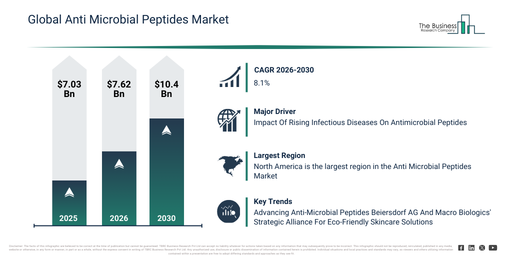
    The antimicrobial peptides market has experienced robust growth in recent years, with its value projected to rise from $7.03 billion in 2025 to $7.62 billion in 2026, reflecting a compound annual growth rate (CAGR) of 8.4%. This historical growth can be explained by several factors, including escalating worries about antimicrobial resistance, ongoing academic investigations into innate immunity peptides, the initiation of early-stage clinical trials, greater financial backing for alternative antimicrobial agents, and an expansion in peptide synthesis capabilities.

    The antimicrobial peptides market is projected to experience robust expansion over the coming years, reaching an estimated value of $10.4 billion by 2030, which corresponds to a compound annual growth rate of 8.1%. This anticipated growth during the forecast period is driven by the heightened commercialization of AMP-based therapeutic products, a growing application of these peptides in antiviral and antifungal treatments, as well as their increasing use in agricultural and veterinary contexts. Additional factors include rising investments dedicated to peptide drug platforms and greater regulatory support aimed at facilitating the introduction of novel antimicrobial agents. Key trends shaping this period include intensified research into antibiotics alternatives, the development of broad-spectrum antimicrobial peptides with a wider range of activity, and an expansion of clinical applications beyond bacterial infections. There is also a pronounced focus on creating therapies that are resilient to resistance, along with significant enhancements in peptide engineering techniques.

    Download A Free Sample Report For Comprehensive Market Insights:

    https://www.thebusinessresearchcompany.com/sample.aspx?id=20465&type=smp&utm_source=BlogsPR&utm_medium=Paid&utm_campaign=Jul_PR

    Anti Microbial Peptides Market Opportunity Drivers: What Is Creating New Revenue Potential?

    The growth of the antimicrobial peptide market is anticipated to be driven forward by the rising occurrence of infectious diseases. These diseases stem from harmful microorganisms such as bacteria, viruses, fungi, or parasites. Their increasing prevalence is linked to climate change, the emergence of drug-resistant pathogens, and poor dietary habits. Antimicrobial peptides present a viable approach to tackling infectious diseases through novel treatment options that overcome antibiotic resistance and the shortcomings of standard therapies. For example, according to Gov.UK, a UK public sector information website, in England, HIV diagnoses numbered 2,451 in 2022, escalating by 15% to 2,810 in 2023. Consequently, the growing frequency of infectious diseases is fueling the antimicrobial peptide market.

    Anti Microbial Peptides Market Segments: Where Are The Largest Growth Opportunities?

    The anti microbial peptides market covered in this report is segmented –

    1) By Type: Plant Antimicrobial Peptides, Bacterial Antimicrobial Peptides, Animal Antimicrobial Peptides, Insect Antimicrobial Peptides

    2) By Ailments: Pneumonia, Hepatitis, Bacterial infections, Human Immunodeficiency Viruses

    3) By Route of Administration: Topical, Subcutaneous, Intravenous

    4) By Distribution Channel: Hospital, Research Institutes, Specialty Clinic, Pharmacies

    5) By End-User: Pharma And Healthcare, Agriculture Industry, Biological Engineering

    Subsegments:

    1) By Plant Antimicrobial Peptides: Defensins, Thionins, Hevein-Like Peptides, Plant Defensin-Like Peptides, Lipid Transfer Proteins (LTPs)

    2) By Bacterial Antimicrobial Peptides: Bacitracin, Nisin, Magainins, Protegrins, Bacillocins

    3) By Animal Antimicrobial Peptides: Cathelicidins, Defensins, Histatins, Lactoferrin, Cationic Antimicrobial Peptides (CAMPs)

    4) By Insect Antimicrobial Peptides: Cecropins, Defensins, Attacins, Diptericins, Melittin

    Anti Microbial Peptides Market Innovation Trends Driving Future Development

    Major players in the antimicrobial peptides market are focusing on the creation of new products like biodegradable antimicrobial peptides, aimed at tackling growing antimicrobial resistance issues and improving therapeutic effectiveness. These biodegradable antimicrobial peptides consist of short proteins engineered to decompose naturally into harmless substances after they have eliminated or suppressed dangerous microorganisms, including bacteria, viruses, and fungi. A notable example occurred in September 2024, when Beiersdorf AG, a German personal care product manufacturer, entered into a partnership with Macro Biologics, a US-based bioengineering firm, to advance antimicrobial peptide development. Through this alliance, the companies seek to deliver innovative solutions centered on biodegradable antimicrobial peptides, highlighting an increasing shift within the cosmetics industry toward leveraging advanced biotechnologies to meet both performance and sustainability goals.

    Anti Microbial Peptides Market Major Participants And Competitive Dynamics

    Major companies operating in the anti microbial peptides market are Wuxi AppTec, Sigma Aldrich Chemicals Private Limited, Ipsen S.A., Novozymes A/S, GenScript Biotech, Bachem Holding AG, Basilea Pharmaceutica Ltd., Probiotec Limited, Migenix Inc., Zymeworks Inc., Venatorx Pharmaceuticals Inc., AMPS Biotech Pvt. Ltd., AnaSpec Inc., MediGene AG, Hycult Biotech, Phoenix Biotechnology Inc., Shenzhen Sunsmile Biotechnology Co. Ltd., WatsonBio Sciences, Helix BioMedix, Jiangsu ProteLight Pharmaceutical and Biotechnology Co Ltd.

    Access The Complete Anti Microbial Peptides Market Report:

    https://www.thebusinessresearchcompany.com/report/anti-microbial-peptides-global-market-report?utm_source=BlogsPR&utm_medium=Paid&utm_campaign=Jul_PR

    Anti Microbial Peptides Market Regional Analysis: Which Region Leads By Revenue?

    North America was the largest region in the anti-microbial Peptides market in 2025. Asia-Pacific is expected to be the fastest-growing region in the forecast period. The regions covered in the anti microbial peptides market report are Asia-Pacific, South East Asia, Western Europe, Eastern Europe, North America, South America, Middle East, Africa.

    Get in touch with us:

    The Business Research Company: https://www.thebusinessresearchcompany.com/?utm_source=BlogsPR&utm_medium=Paid&utm_campaign=home_page_test

    Americas: +1 310-496-7795

    Asia: +44 7882 955267 & +91 8897263534

    Europe: +44 7882 955267

    Email us at: marketing@tbrc.info

    Follow us on:

    LinkedIn: https://in.linkedin.com/company/the-business-research-company

    YouTube: https://www.youtube.com/channel/UC24_fI0rV8cR5DxlCpgmyFQ

    Global Market Model: https://www.thebusinessresearchcompany.com/global-market-model
  • Anthrax Vaccine Market Forecast Signals New Revenue Opportunities Through 2030

    Anthrax Vaccine Market Forecast Signals New Revenue Opportunities Through 2030

    Enhanced with market attractiveness analysis, total addressable market evaluation, company benchmarking matrices, interactive Excel dashboards, expanded supply chain intelligence, emerging startup coverage, and detailed product insights, The Business Research Company’s 2026 market reports deliver more actionable and strategically valuable research.

    Anthrax Vaccine Market Revenue Outlook: What CAGR Is Expected Through 2030?

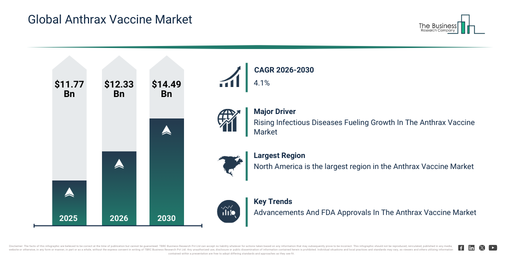
    The market for anthrax vaccines has seen consistent expansion in recent times. With a compound annual growth rate (CAGR) of 4.7%, its value is projected to rise from $11.77 billion in 2025 to $12.33 billion in 2026. This historical upswing is driven by several factors, including the widespread occurrence of anthrax among livestock, government-sponsored immunization programs, advances in immunological research, constraints on vaccine manufacturing capabilities, and growing recognition of workplace-related exposure risks.

    The market for anthrax vaccines is anticipated to experience consistent expansion over the coming years. By 2030, its value is projected to reach $14.49 billion, reflecting a compound annual growth rate (CAGR) of 4.1%. This forecasted growth is driven by factors such as the creation of recombinant and next-generation vaccines, an increasing need for prophylactic measures in both humans and animals, enhancements in vaccine administration technologies, the broadening of biodefense initiatives, and strengthened partnerships between the pharmaceutical and defense industries. Key trends shaping this period involve the refinement of vaccine compositions, the broadening of immunization schedules, progress in cold chain and storage methods, heightened focus on biodefense and pandemic readiness, and vaccination campaigns led by governments and military organizations.

    Download A Free Sample Report For Comprehensive Market Insights:

    https://www.thebusinessresearchcompany.com/sample.aspx?id=15511&type=smp&utm_source=BlogsPR&utm_medium=Paid&utm_campaign=Jul_PR

    Anthrax Vaccine Market Growth Momentum: Which Factors Are Influencing Demand?

    The growing occurrence of infectious diseases is anticipated to accelerate the expansion of the anthrax vaccine market moving forward. Infectious diseases are conditions caused by harmful microorganisms like bacteria, viruses, parasites, or fungi, capable of being transmitted either directly or indirectly between individuals, with manifestations that can vary from mild to severe and occasionally result in death, influenced by the specific pathogen and the affected person’s immune system. The uptick in infectious diseases stems from shifts in global population demographics, urban expansion, alterations in environmental conditions and land utilization, as well as modifications in human conduct. The anthrax vaccine is mainly employed for protection against anthrax, but its possible broader application in preventing other infectious ailments is being investigated via studies on its immune-boosting traits and flexibility. For example, in February 2023, data from the Council on Foreign Relations, a nonprofit based in the United States, showed that up to 75% of new or emerging infectious diseases and 60% of recognized ones have zoonotic sources. Moreover, worldwide, zoonotic diseases lead to 2.7 million human deaths and 2.5 billion instances of illness in people annually. Consequently, the increasing frequency of diseases is fueling the advancement of the anthrax vaccine market.

    Anthrax Vaccine Market Segment Analysis: What Are The Major Market Categories?

    The anthrax vaccine market covered in this report is segmented –

    1) By Vaccine Type: Cell-Free Protective Antigen (PA) Vaccine, Live Attenuated Vaccine

    2) By Application Type: Animal Use, Human Use

    3) By Distribution Channel: Hospitals, Pharmacies, Other Distribution Channels

    Subsegments:

    1) By Cell-Free Protective Antigen (PA) Vaccine: Recombinant Protective Antigen (rPA) Vaccine, Adjuvanted rPA Vaccine

    2) By Live Attenuated Vaccine: Live Attenuated Bacillus anthracis Vaccine, Genetically Modified Live Attenuated Vaccine

    Anthrax Vaccine Market Trends Reshaping Industry Growth

    Key players in the anthrax vaccine market are prioritizing the creation of novel products and obtaining FDA approvals to confirm the safety, efficacy, and accessibility of their vaccines for individuals at risk of anthrax exposure. Authorization from the FDA signifies that the vaccine has undergone rigorous clinical trials and has been validated as safe for public administration, thereby safeguarding people against possible adverse reactions. For example, in July 2023, Emergent BioSolutions Inc., a biopharmaceutical firm based in the United States, secured FDA approval for CYFENDUS (Anthrax Vaccine Adsorbed, Adjuvanted), formerly referred to as AV7909. This approval relied on data from a Phase 2 trial that assessed Cyfendus’s lack of interference with antibacterial drugs, alongside Phase 3 research that contrasted its immunogenicity and safety profile with BioThrax, the earlier anthrax vaccine. Additionally, the development of safer and more effective adjuvants is crucial to resolving reactogenicity issues and boosting the overall performance of anthrax vaccines.

    Anthrax Vaccine Market Leading Companies Driving Competitive Growth

    Major companies operating in the anthrax vaccine market are Emergent BioSolutions Inc., Indian Immunologicals Limited, GC Biopharma, Valneva SE, PharmAthene Inc., Porton Biopharma Limited, Choong Ang Vaccine Laboratories Co. Ltd., Colorado Serum Company Inc., Botswana Vaccine Institute, VECOL S.A., Biological E Limited, Serum Institute of India Pvt. Ltd., Panacea Biotec Ltd., China National Biotec Group, Sinovac Biotech Ltd., Instituto Butantan, Razi Vaccine and Serum Research Institute, Federal State Unitary Enterprise Microgen, KM Biologics Co. Ltd., Haffkine Bio-Pharmaceutical Corporation Ltd.

    Access The Complete Anthrax Vaccine Market Report:

    https://www.thebusinessresearchcompany.com/report/anthrax-vaccine-global-market-report?utm_source=BlogsPR&utm_medium=Paid&utm_campaign=Jul_PR

    Anthrax Vaccine Market Geographic Distribution And Regional Opportunities

    North America was the largest region in the anthrax vaccine market in 2025. Asia-Pacific is expected to be the fastest-growing region in the forecast period. The regions covered in the anthrax vaccine market report are Asia-Pacific, South East Asia, Western Europe, Eastern Europe, North America, South America, Middle East, Africa.

    Get in touch with us:

    The Business Research Company: https://www.thebusinessresearchcompany.com/?utm_source=BlogsPR&utm_medium=Paid&utm_campaign=home_page_test

    Americas: +1 310-496-7795

    Asia: +44 7882 955267 & +91 8897263534

    Europe: +44 7882 955267

    Email us at: marketing@tbrc.info

    Follow us on:

    LinkedIn: https://in.linkedin.com/company/the-business-research-company

    YouTube: https://www.youtube.com/channel/UC24_fI0rV8cR5DxlCpgmyFQ

    Global Market Model: https://www.thebusinessresearchcompany.com/global-market-model
  • Anthracycline Market Growth Is Accelerating As Industry Transformation Continues

    Anthracycline Market Growth Is Accelerating As Industry Transformation Continues

    Through market attractiveness analysis, total addressable market evaluation, company benchmarking matrices, interactive Excel dashboards, expanded supply chain intelligence, emerging startup coverage, and detailed product insights, The Business Research Company’s 2026 market reports provide more actionable and strategically valuable research.

    Anthracycline Market Growth Analysis: How Will Revenue Expand During The Forecast Period?

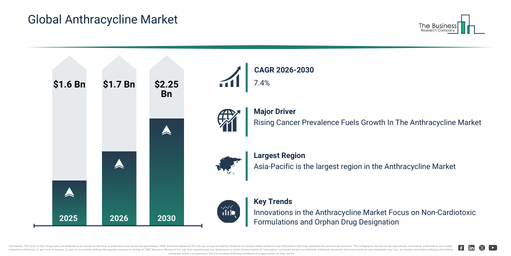
    The size of the anthracycline market has experienced robust expansion in recent years. From $1.6 billion in 2025, it is projected to reach $1.7 billion by 2026, achieving a compound annual growth rate (CAGR) of 6.3%. This historical growth has been largely driven by the rising incidence of breast cancer and blood cancers, the proven therapeutic effectiveness of anthracyclines, their widespread integration into conventional chemotherapy regimens, an increase in chemotherapy treatments administered within hospitals, and the early regulatory clearance granted to major anthracycline drugs.

    The market for anthracyclines is projected to experience substantial expansion over the next several years. By 2030, it is anticipated to reach a value of $2.25 billion, driven by a compound annual growth rate (CAGR) of 7.4%. This forecasted growth is fueled by progress in liposomal and targeted drug delivery systems, a higher incidence of cancer in developing nations, increased funding for oncology drug research, the proliferation of outpatient and specialized cancer treatment centers, and a rising preference for affordable generic chemotherapeutic options. Key developments shaping this period include the creation of liposomal anthracycline variants, a heightened emphasis on strategies to mitigate cardiotoxicity, broader application of anthracyclines within combination therapies, greater uptake of generic anthracycline medications, and refinements in dosing schedules to enhance patient tolerability.

    Download A Free Sample Report For Comprehensive Market Insights:

    https://www.thebusinessresearchcompany.com/sample.aspx?id=12914&type=smp&utm_source=BlogsPR&utm_medium=Paid&utm_campaign=Jul_PR

    Anthracycline Market Expansion Drivers: What Is Shaping Future Growth?

    The rising incidence of cancer is set to fuel the growth of the anthracycline market in the coming years. Cancer refers to a group of diseases that may start in nearly any organ or tissue when abnormal cells grow uncontrollably, exceed their normal boundaries, and invade adjacent body parts or spread to other organs. As a class of chemotherapeutic agents, anthracyclines are critical in oncology by disrupting DNA structure and halting its function, thereby preventing cell division. As an example, the American Cancer Society, a professional organization headquartered in the US, reported in September 2025 that around 313,780 new cases of prostate cancer are anticipated in the United States during 2025. The likelihood of developing prostate cancer grows significantly with age, with risk climbing from 0.2% in men under 50 to 6.5% among those aged 70 to 79. Consequently, the growing prevalence of cancer is accelerating the expansion of the anthracycline market.

    Anthracycline Market Segment Breakdown: Which Categories Generate The Most Revenue?

    The anthracycline market covered in this report is segmented –

    1) By Drugs: Daunorubicin, Doxorubicin, Epirubicin, Idarubicin, Valrubicin

    2) By Dosage: Powder, Solution, Injection, Other Dosages

    3) By Application: Acute Lymphocytic Leukemia, Acute Myelogenous Leukemia, Hodgkin’s Lymphoma, Non-Hodgkin’s Lymphoma, Bladder Cancer, Breast Cancer, Other Metastatic Cancers

    4) By End User: Hospitals, Specialty Clinics, Other End Users

    Anthracycline Market Strategic Trends: What Is Defining The Next Phase Of Growth?

    Key players in the anthracycline market are increasingly prioritizing the creation of novel products, particularly non-cardiotoxic formulations, to enhance the safety of chemotherapy regimens. These non-cardiotoxic formulations are specifically crafted to reduce or prevent heart damage, notably the adverse cardiac effects frequently caused by drugs like anthracyclines, which can result in heart failure or other cardiovascular complications. As an example, in April 2024, the European Medicines Agency, based in the Netherlands, granted Orphan Drug Designation to Annamycin, a next-generation anthracycline intended for treating acute myeloid leukemia (AML). This designation provides substantial benefits for developing therapies aimed at rare conditions, including a seven-year period of market exclusivity once approved, barring other companies from marketing a similar drug for the same use. Moreover, pharmaceutical firms can take advantage of tax credits covering up to 50% of clinical trial expenses, exemptions from application fees, and regulatory guidance from the FDA, all intended to ease the financial challenges tied to creating drugs for limited patient groups.

    Anthracycline Market Key Players And Strategic Industry Positioning

    Major companies operating in the anthracycline market are Pfizer Inc., F. Hoffmann-La Roche Ltd., Novartis AG, Bristol-Myers Squibb Company, Fresenius SE & Co. KGaA, Merck & Co. Inc., Zydus Lifesciences Limited, Viatris Inc., Baxter International Inc., Teva Pharmaceutical Industries Ltd., Sun Pharmaceutical Industries Limited, Gland Pharma Limited, Dr. Reddy’s Laboratories Ltd., Hikma Pharmaceuticals PLC, Endo Pharmaceuticals Inc., Amneal Pharmaceuticals Inc., Zhejiang Hisun Pharmaceutical Co. Ltd., Accord Healthcare Limited, Athenex Inc., Miracalus Pharma Pvt. Ltd., Transo-Pharm USA LLC, BluePoint Laboratories, Areva Pharmaceuticals Inc., GeneraMedix Inc., Salius Pharma Pvt. Ltd.

    Access The Complete Anthracycline Market Report:

    https://www.thebusinessresearchcompany.com/report/anthracycline-global-market-report?utm_source=BlogsPR&utm_medium=Paid&utm_campaign=Jul_PR

    Anthracycline Market Largest Region By Revenue And Market Share

    Asia-Pacific was the largest region in the anthracycline market in 2025. The regions covered in the anthracycline market report are Asia-Pacific, South East Asia, Western Europe, Eastern Europe, North America, South America, Middle East, Africa.

    Get in touch with us:

    The Business Research Company: https://www.thebusinessresearchcompany.com/?utm_source=BlogsPR&utm_medium=Paid&utm_campaign=home_page_test

    Americas: +1 310-496-7795

    Asia: +44 7882 955267 & +91 8897263534

    Europe: +44 7882 955267

    Email us at: marketing@tbrc.info

    Follow us on:

    LinkedIn: https://in.linkedin.com/company/the-business-research-company

    YouTube: https://www.youtube.com/channel/UC24_fI0rV8cR5DxlCpgmyFQ

    Global Market Model: https://www.thebusinessresearchcompany.com/global-market-model