Month: July 2026

  • Aurora Kinase B Market Trends And Growth Drivers Point To Strong Future Potential

    Aurora Kinase B Market Trends And Growth Drivers Point To Strong Future Potential

    Through market attractiveness analysis, total addressable market evaluation, company benchmarking matrices, interactive Excel dashboards, expanded supply chain intelligence, emerging startup coverage, and detailed product insights, The Business Research Company’s 2026 market reports provide more actionable and strategically valuable research.

    Aurora Kinase B Market Revenue Growth Supported By A CAGR Of 2.22% Through 2030

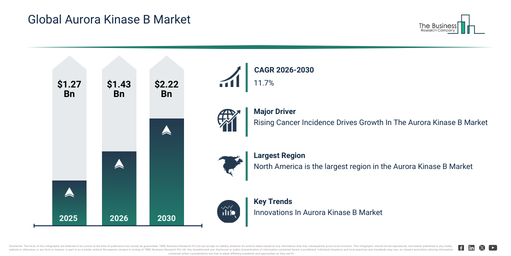
    The aurora kinase b market has experienced rapid expansion in recent years, with projections indicating an increase from $1.27 billion in 2025 to $1.43 billion in 2026, reflecting a compound annual growth rate (CAGR) of 12.0%. This historical growth has been driven by progress in molecular oncology research, the recognition of aurora kinase b as a viable cancer target, the broadening of clinical trial capabilities, heightened funding directed at targeted cancer treatments, and advancements in the development of kinase inhibitors.

    The aurora kinase b market is anticipated to experience significant expansion over the coming years. By 2030, its value is projected to reach $2.22 billion, reflecting a compound annual growth rate (CAGR) of 11.7%. This upcoming growth is driven by several key factors, including a rising need for precision cancer treatments, an increasing adoption of personalized medicine, a surge in oncology clinical trials, heightened funding for novel kinase inhibitors, and more favorable regulatory frameworks for targeted cancer drugs. Among the main developments shaping this forecast period are the accelerated creation of selective aurora kinase b inhibitors, a stronger focus on drug combinations in oncology, the broadening of precision oncology development pipelines, a heightened emphasis on therapies that target mitotic processes, and enhanced patient selection based on biomarkers.

    Download A Free Sample Report For Comprehensive Market Insights:

    https://www.thebusinessresearchcompany.com/sample.aspx?id=20496&type=smp&utm_source=BlogsPR&utm_medium=Paid&utm_campaign=Jul_PR

    Aurora Kinase B Market Growth Factors Supporting Long-Term Expansion

    The projected expansion of the aurora kinase B market is anticipated to be driven by the growing prevalence of cancer. Cancer encompasses a range of disorders marked by the unregulated proliferation and dissemination of abnormal cells, which can invade adjacent tissues and spread to distant organs throughout the body. The uptick in cancer diagnoses is fueled by an aging demographic, shifts in lifestyle habits, environmental influences, and enhanced screening and diagnostic methods. Aurora kinase B is essential during mitosis, and its elevated expression is associated with genomic instability and the advancement of cancer. Because it plays a key role in tumor cell division, it is frequently pursued as a target in oncological treatments. As an example, in February 2024, data from the World Health Organization, an intergovernmental entity headquartered in Switzerland, revealed approximately 20 million new cancer diagnoses and 9.7 million fatalities in 2022. Projections suggest that by 2050, new cancer cases could surpass 35 million, marking a 77% rise compared to 2022. Consequently, the rising frequency of cancer is fueling the aurora kinase B market’s growth.

    Aurora Kinase B Market Segment Breakdown: Which Categories Generate The Most Revenue?

    The aurora kinase b market covered in this report is segmented –

    1) By Type: AZD-2811, CS-2164, Danusertib, Ilorasertib, NMI-900, Other Types

    2) By Application: Anaplastic Large Cell Lymphoma, Kidney Cancer, Lung Cancer, Prostate Cancer, Other Applications

    3) By End-User: Hospitals, Research Institutes, Diagnostic Laboratories, Other End-Users

    Subsegments:

    1) By AZD-2811: Phase I Clinical Trials AZD-2811, Preclinical Development of AZD-2811, AZD-2811 in Combination Therapy, Targeted Cancer Treatment with AZD-2811

    2) By CS-2164: Phase II Clinical Trials CS-2164, Preclinical Development of CS-2164, CS-2164 in Targeted Cancer Therapy, CS-2164 Combination Therapy in Clinical Studies

    3) By Danusertib: Phase III Clinical Trials Danusertib, Danusertib for Hematological Malignancies, Danusertib for Solid Tumors, Combination Therapy with Danusertib

    4) By Ilorasertib: Preclinical Development of Ilorasertib, Ilorasertib in Solid Tumor Treatment, Phase I and II Clinical Trials of Ilorasertib, Ilorasertib in Combination with Chemotherapies

    5) By NMI-900: NMI-900 in Early-Stage Clinical Trials, NMI-900 for Targeted Cancer Therapy, Preclinical Studies of NMI-900, NMI-900 Combination Therapy Trials

    6) By Other Types: Other Aurora Kinase B Inhibitors in Development, Novel Targeted Aurora Kinase B Drugs, Combination Therapies Involving Aurora Kinase B Inhibitors, Investigational Aurora Kinase B Inhibitors in Oncology

    Aurora Kinase B Market Industry Trends Shaping Future Revenue Growth

    Key players in the aurora kinase B market are introducing advanced solutions, like aurora kinase inhibitors, with the aim of precisely interfering with essential cell division mechanisms. These inhibitors function by suppressing the activity of Aurora kinases, which play a vital role in mitosis, thus hindering cancer cell growth and possibly slowing tumor development. A notable example occurred in June 2023, when Ellipses Pharma, a biotechnology firm based in the UK, received approval from the U.S. Food and Drug Administration (FDA) for its candidate EP0042. This compound is a dual inhibitor that targets both FLT-3 and Aurora kinase. Developed to address acute myeloid leukemia (AML), EP0042 is particularly intended for patients whose disease has become resistant to FLT3 inhibitors alone. Studies indicate that by inhibiting both FLT3 and Aurora kinase, it is possible to overcome such acquired resistance, as shown in both laboratory experiments and animal models.

    Aurora Kinase B Market Key Players And Strategic Industry Positioning

    Major companies operating in the aurora kinase b market are Pfizer Inc., Johnson & Johnson, Roche Holding AG, Merck & Co. Inc., AbbVie Inc., Sanofi SA, Bristol-Myers Squibb Company, AstraZeneca PLC, Novartis AG, GlaxoSmithKline plc, Takeda Pharmaceutical Company Limited, Boehringer Ingelheim International GmbH, Amgen Inc., Astellas Pharma Inc., Promega Corporation, Rigel Pharmaceuticals Inc., Tocris Bioscience, BPS Bioscience Inc., Advenchen Laboratories LLC, Shenzhen Chipscreen Biosciences Co. Ltd., Cyclacel Pharmaceuticals Inc., Sareum Holdings plc

    Access The Complete Aurora Kinase B Market Report:

    https://www.thebusinessresearchcompany.com/report/aurora-kinase-b-global-market-report?utm_source=BlogsPR&utm_medium=Paid&utm_campaign=Jul_PR

    Aurora Kinase B Market Geographic Distribution And Regional Opportunities

    North America was the largest region in the aurora kinase B market in 2025. Asia-Pacific is expected to be the fastest-growing region in the forecast period. The regions covered in the aurora kinase b market report are Asia-Pacific, South East Asia, Western Europe, Eastern Europe, North America, South America, Middle East, Africa.

    Get in touch with us:

    The Business Research Company: https://www.thebusinessresearchcompany.com/?utm_source=BlogsPR&utm_medium=Paid&utm_campaign=home_page_test

    Americas: +1 310-496-7795

    Asia: +44 7882 955267 & +91 8897263534

    Europe: +44 7882 955267

    Email us at: marketing@tbrc.info

    Follow us on:

    LinkedIn: https://in.linkedin.com/company/the-business-research-company

    YouTube: https://www.youtube.com/channel/UC24_fI0rV8cR5DxlCpgmyFQ

    Global Market Model: https://www.thebusinessresearchcompany.com/global-market-model
  • Atypical Hemolytic Uremic Syndrome Treatment Market Expansion Is Reshaping Competitive Dynamics Across The Industry

    Atypical Hemolytic Uremic Syndrome Treatment Market Expansion Is Reshaping Competitive Dynamics Across The Industry

    Delivering more actionable and strategically valuable research, The Business Research Company’s 2026 market reports feature market attractiveness analysis, total addressable market evaluation, company benchmarking matrices, interactive Excel dashboards, expanded supply chain intelligence, emerging startup coverage, and detailed product insights.

    Atypical Hemolytic Uremic Syndrome Treatment Market Value Expansion And Long-Term Growth Outlook

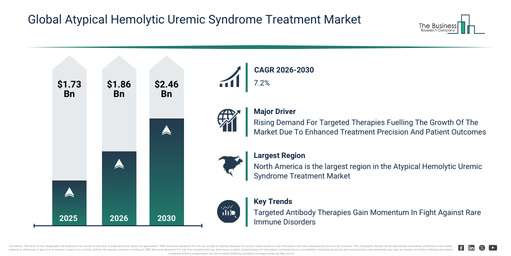
    The atypical hemolytic uremic syndrome treatment market has experienced robust expansion in recent years, with projections indicating a rise from $1.73 billion in 2025 to $1.86 billion in 2026, corresponding to a compound annual growth rate (CAGR) of 7.2%. This historic growth has been driven by factors such as an increase in rare disease diagnoses, the broader adoption of plasma exchange procedures, a growing number of kidney failure cases, approvals of biologic drugs, and the expansion of nephrology services within hospitals.

    The market for atypical hemolytic uremic syndrome treatments is projected to experience robust expansion over the coming years. By 2030, its value is anticipated to reach $2.46 billion, reflecting a compound annual growth rate (CAGR) of 7.2%. This upward trajectory in the forecast period is driven by factors such as the uptake of precision medicine, ongoing investigation into the complement pathway, incentives for orphan drugs, implementation of genetic screening programs, and advances in biologics. Key developments shaping the future include a greater reliance on complement inhibitor therapies, wider availability of genetic diagnostic testing, a stronger emphasis on ongoing disease management, a surge in the use of targeted biologic agents, and more attention to improving access to treatments for rare conditions.

    Download A Free Sample Report For Comprehensive Market Insights:

    https://www.thebusinessresearchcompany.com/sample.aspx?id=24156&type=smp&utm_source=BlogsPR&utm_medium=Paid&utm_campaign=Jul_PR

    Atypical Hemolytic Uremic Syndrome Treatment Market Demand Drivers Creating New Revenue Opportunities

    The increasing appetite for precision medicines is set to boost the atypical hemolytic uremic syndrome treatment market in the coming period. These therapies are designed to directly target and disrupt the molecular processes that drive disease progression and dissemination. Their growing popularity stems from their capacity to deliver highly accurate treatments, resulting in fewer adverse effects, better patient recovery rates, and viable substitutes for older, less tailored approaches. In the context of atypical hemolytic uremic syndrome (aHUS), such treatments work by specifically inhibiting excessive complement system activation, the underlying cause of the disorder, thus facilitating precise action that reduces harm to the renal system and blood vessels. A clear illustration comes from October 2023, when NHS England reported that 11 million hormone replacement therapy (HRT) items were dispensed in England—a 47% rise compared to 2021–22—and roughly 2.3 million patients obtained prescriptions, reflecting a 29% annual increase. Consequently, the heightened demand for targeted therapies is fueling expansion in the atypical hemolytic uremic syndrome treatment market.

    Atypical Hemolytic Uremic Syndrome Treatment Market Segmentation: How Is The Market Structured Across Key Categories?

    The atypical hemolytic uremic syndrome treatment market covered in this report is segmented –

    1) By Treatment Type: Complement Inhibitors, Plasma Exchange Therapy, Supportive Care, Antibiotics

    2) By Route of Administration: Intravenous, Subcutaneous, Oral

    3) By Technology: Genetic Testing And Diagnostic Tools, Realtime Monitoring And Complement Activation Technologies, Treatment Delivery Systems, Digital Health Solutions

    4) By End User: Hospital, Speciality Clinics, Home care Settings, Ambulatory Care Centres

    Subsegments:

    1) By Complement Inhibitors: Eculizumab, Ravulizumab, C5 Inhibitors, Factor H Inhibitors

    2) By Plasma Exchange Therapy: Fresh Frozen Plasma (FFP) Exchange, Therapeutic Plasma Exchange (TPE), Plasma Filtration

    3) By Supportive Care: Dialysis, Kidney Transplantation, Red Blood Cell Transfusions, Platelet Transfusions, Anticoagulants

    4) By Antibiotics: Broad-Spectrum Antibiotics, Targeted Antibiotics, Prophylactic Antibiotics

    Atypical Hemolytic Uremic Syndrome Treatment Market Trends Driving Strategic Industry Expansion

    Key players in the atypical hemolytic uremic syndrome treatment market are concentrating on creating novel treatment options such as monoclonal antibodies to achieve more precise complement suppression and boost patient recovery rates. Monoclonal antibodies are engineered proteins that replicate the immune response by attaching to particular disease-associated proteins. AstraZeneca Pharma India Limited secured authorization from the Central Drugs Standard Control Organisation in January 2025 for the importation, marketing, and distribution of eculizumab, sold under the brand name Soliris, within India. The antibody binds precisely to the complement C5 protein, preventing its cleavage and consequently halting the assembly of the terminal complement complex that drives immune-mediated cellular damage. This therapy is employed for managing severe rare diseases including paroxysmal nocturnal hemoglobinuria, atypical hemolytic uremic syndrome, generalized myasthenia gravis, and neuromyelitis optica spectrum disorder by averting complement-triggered tissue injury.

    Atypical Hemolytic Uremic Syndrome Treatment Market Competitive Landscape And Leading Companies

    Major companies operating in the atypical hemolytic uremic syndrome treatment market are F. Hoffmann-La Roche Ltd., Bristol-Myers Squibb Company, AstraZeneca plc, Novartis AG, Amgen Inc., Teva Pharmaceutical Industries Ltd., Chugai Pharmaceutical Co. Ltd., Alnylam Pharmaceuticals Inc., Vifor Pharma Ltd., Samsung Bioepis Co. Ltd., Fuji Pharma Co. Ltd., Aevitas Therapeutics Inc., Pharmasyntez JSC, Omeros Corporation, ChemoCentryx Inc., ISU Abxis Co. Ltd., Greenovation Biotech GmbH, Akari Therapeutics plc, NovelMed Therapeutics Inc., Eleva GmbH.

    Access The Complete Atypical Hemolytic Uremic Syndrome Treatment Market Report:

    https://www.thebusinessresearchcompany.com/report/atypical-hemolytic-uremic-syndrome-treatment-global-market-report?utm_source=BlogsPR&utm_medium=Paid&utm_campaign=Jul_PR

    Atypical Hemolytic Uremic Syndrome Treatment Market Largest Region By Revenue And Market Share

    North America was the largest region in the atypical hemolytic uremic syndrome treatment market in 2025. Asia-Pacific is expected to be the fastest-growing region in the forecast period. The regions covered in the atypical hemolytic uremic syndrome treatment market report are Asia-Pacific, South East Asia, Western Europe, Eastern Europe, North America, South America, Middle East, Africa.

    Get in touch with us:

    The Business Research Company: https://www.thebusinessresearchcompany.com/?utm_source=BlogsPR&utm_medium=Paid&utm_campaign=home_page_test

    Americas: +1 310-496-7795

    Asia: +44 7882 955267 & +91 8897263534

    Europe: +44 7882 955267

    Email us at: marketing@tbrc.info

    Follow us on:

    LinkedIn: https://in.linkedin.com/company/the-business-research-company

    YouTube: https://www.youtube.com/channel/UC24_fI0rV8cR5DxlCpgmyFQ

    Global Market Model: https://www.thebusinessresearchcompany.com/global-market-model
  • Attention Deficit Hyperactivity Disorder (ADHD) Therapeutics Market Forecast Reveals Where Future Industry Value Will Be Created

    Attention Deficit Hyperactivity Disorder (ADHD) Therapeutics Market Forecast Reveals Where Future Industry Value Will Be Created

    Enhanced with market attractiveness analysis, total addressable market evaluation, company benchmarking matrices, interactive Excel dashboards, expanded supply chain intelligence, emerging startup coverage, and detailed product insights, The Business Research Company’s 2026 market reports deliver more actionable and strategically valuable research.

    Attention Deficit Hyperactivity Disorder (ADHD) Therapeutics Market Expected To Reach $17.85 Billion By 2030 At 5% CAGR

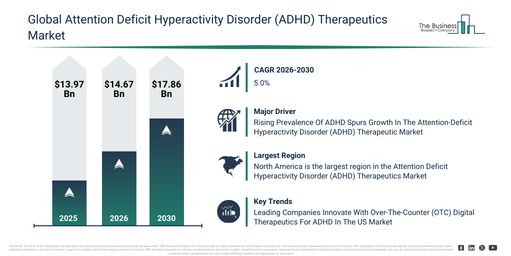
    The market for attention deficit hyperactivity disorder (ADHD) therapeutics has experienced robust expansion in recent years. Projected to rise from $13.97 billion in 2025 to $14.67 billion in 2026, it reflects a compound annual growth rate (CAGR) of 5.0%. This historical growth has been driven by factors such as higher ADHD diagnosis rates, heightened mental health awareness, the accessibility of stimulant medications, a growing number of pediatric ADHD cases, and the implementation of early intervention initiatives.

    The attention deficit hyperactivity disorder (ADHD) therapeutics market is anticipated to experience notable expansion in the coming years, with projections indicating it will reach $17.86 billion by 2030, reflecting a compound annual growth rate (CAGR) of 5.0%. This forecasted growth stems from several key factors, including progress in precision medicine tailored for ADHD, the rise of digital therapeutic solutions, the broader availability of telehealth services, the incorporation of artificial intelligence into ADHD management, and a higher frequency of adult ADHD diagnoses. Key emerging trends within this period encompass the development of customized ADHD treatment plans, remote management through telehealth, the use of digital therapeutics and mobile applications specifically for ADHD, a growing emphasis on non-pharmacological approaches, and the incorporation of behavioral and cognitive therapies into standard care.

    Download A Free Sample Report For Comprehensive Market Insights:

    https://www.thebusinessresearchcompany.com/sample.aspx?id=14042&type=smp&utm_source=BlogsPR&utm_medium=Paid&utm_campaign=Jul_PR

    Attention Deficit Hyperactivity Disorder (ADHD) Therapeutics Market Expansion Supported By Key Demand Factors

    The growing frequency of attention-deficit hyperactivity disorder diagnoses is anticipated to drive expansion in the market for ADHD therapeutics moving forward. This rise reflects a higher number of individuals being identified with this neurodevelopmental condition across time. Treatments for ADHD target the disorder’s diverse characteristics, seeking to improve symptom control, reduce functional limitations, enhance quality of life, and boost the overall well-being of those affected. As an example, in May 2025, NHS England Digital, a UK-based national information and technology partner, reported that approximately 2,498,000 people in England are currently living with ADHD, encompassing both diagnosed and undiagnosed instances. Consequently, the escalating number of ADHD cases is accelerating growth in the attention-deficit hyperactivity disorder therapeutic market.

    Attention Deficit Hyperactivity Disorder (ADHD) Therapeutics Market Segmentation Trends And Revenue Drivers

    The attention deficit hyperactivity disorder (adhd) therapeutics market covered in this report is segmented –

    1) By Drug Type: Stimulants, Non-Stimulants

    2) By Psychotherapy: Behavior Therapy, Cognitive Behavioral Therapy, Family Therapy

    3) By Age Group: Pediatric And Adolescent, Adult

    4) By Distribution Channel: Hospital Pharmacies, Specialty Clinics, Retail Pharmacies

    Subsegments:

    1) By Stimulants: Amphetamine-Based Stimulants, Methylphenidate-Based Stimulants

    2) By Non-Stimulants: Atomoxetine, Guanfacine, Clonidine

    Attention Deficit Hyperactivity Disorder (ADHD) Therapeutics Market Growth Trends Influencing Competitive Dynamics

    Key players in the attention-deficit hyperactivity disorder (ADHD) therapeutics market are concentrating on digital innovations, like offering Endeavor over-the-counter (OTC) digital therapeutics for ADHD, to address the growing demand for digital tools and the increasing preference for remote healthcare. Digital therapeutics are software-driven, evidence-based medical interventions intended to prevent, manage, or treat health conditions. They can be applied on their own or alongside traditional medical approaches. For example, in June 2023, Akili, a digital health firm based in the US, released an OTC version of its video game-based digital therapy aimed at adults with ADHD. This OTC product, named EndeavorOTC, focuses on enhancing attention, time management, and organizational capabilities. This initiative follows the prior achievement of EndeavorRx, Akili’s FDA-approved prescription game treatment for children with ADHD. With the OTC option, adults now have access to a non-pharmaceutical treatment alternative for managing ADHD.

    Attention Deficit Hyperactivity Disorder (ADHD) Therapeutics Market Industry Leaders: Which Organizations Are Driving Competition?

    Major companies operating in the attention deficit hyperactivity disorder (adhd) therapeutics market are Pfizer Inc, Johnson & Johnson, Novartis AG, GlaxoSmithKline plc, Takeda Pharmaceutical Company Limited, Eli Lilly and Company, Otsuka Pharmaceutical Co Ltd, UCB S.A., Amneal Pharmaceuticals LLC, Lupin Limited, Mallinckrodt Pharmaceuticals Inc, Arbor Pharmaceuticals LLC, Tris Pharma Inc, NEOS Therapeutic Inc, Rhodes Pharmaceuticals L.P., KemPharm Inc, Ironshore Pharmaceuticals Inc, Purdue Pharma L.P., Aevi Genomic Medicine, Highland Therapeutics Inc

    Access The Complete Attention Deficit Hyperactivity Disorder (ADHD) Therapeutics Market Report:

    https://www.thebusinessresearchcompany.com/report/attention-deficit-hyperactivity-disorder-adhd-therapeutics-global-market-report?utm_source=BlogsPR&utm_medium=Paid&utm_campaign=Jul_PR

    Attention Deficit Hyperactivity Disorder (ADHD) Therapeutics Market Regional Analysis And Leading Geography

    North America was the largest region in the attention deficit hyperactivity disorder (ADHD) therapeutic market in 2025. Asia-Pacific is expected to be the fastest-growing region in the forecast period. The regions covered in the attention deficit hyperactivity disorder (adhd) therapeutics market report are Asia-Pacific, South East Asia, Western Europe, Eastern Europe, North America, South America, Middle East, Africa.

    Get in touch with us:

    The Business Research Company: https://www.thebusinessresearchcompany.com/?utm_source=BlogsPR&utm_medium=Paid&utm_campaign=home_page_test

    Americas: +1 310-496-7795

    Asia: +44 7882 955267 & +91 8897263534

    Europe: +44 7882 955267

    Email us at: marketing@tbrc.info

    Follow us on:

    LinkedIn: https://in.linkedin.com/company/the-business-research-company

    YouTube: https://www.youtube.com/channel/UC24_fI0rV8cR5DxlCpgmyFQ

    Global Market Model: https://www.thebusinessresearchcompany.com/global-market-model
  • Atopic Dermatitis Cream Market Growth Through 2030 Creates New Strategic Opportunities

    Atopic Dermatitis Cream Market Growth Through 2030 Creates New Strategic Opportunities

    Through market attractiveness analysis, total addressable market evaluation, company benchmarking matrices, interactive Excel dashboards, expanded supply chain intelligence, emerging startup coverage, and detailed product insights, The Business Research Company’s 2026 market reports provide more actionable and strategically valuable research.

    Atopic Dermatitis Cream Market Size And Revenue Forecast Through 2030

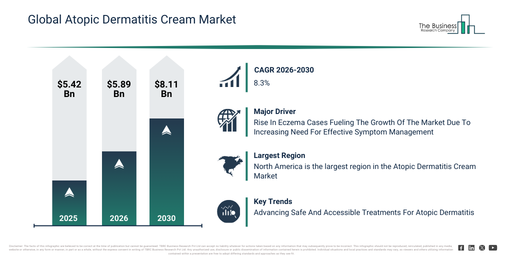
    The atopic dermatitis cream market has experienced robust expansion in recent years. By 2025, its value reached $5.42 billion, and projections indicate an increase to $5.89 billion in 2026, driven by a compound annual growth rate (CAGR) of 8.6%. Several key factors fueled growth during the historical period, including a rising incidence of atopic dermatitis across various age demographics, heightened public awareness regarding the management of chronic eczema, broader access to topical corticosteroid treatments, an uptick in visits to dermatologists, and a growing range of dermatological products available through retail channels.

    The atopic dermatitis cream market is projected to experience significant expansion in the coming years, with its value anticipated to reach $8.11 billion by 2030, driven by a compound annual growth rate (CAGR) of 8.3%. This forecasted growth is fueled by several key factors, including the accelerated development of targeted topical therapies, a heightened demand for personalized dermatological treatments, the broadening reach of online pharmacy distribution channels, an increased emphasis on restoring the skin barrier over the long term, and a growing adoption of non-steroidal innovations. Notable trends shaping this period involve a rising preference for non-steroidal anti-inflammatory creams, an uptick in demand for ceramide-based formulations focused on barrier repair, a stronger inclination toward steroid-sparing treatment approaches, the introduction of improved pediatric-safe topical therapies, and a more pronounced commitment to managing flares over the long haul.

    Download A Free Sample Report For Comprehensive Market Insights:

    https://www.thebusinessresearchcompany.com/sample.aspx?id=28144&type=smp&utm_source=BlogsPR&utm_medium=Paid&utm_campaign=Jul_PR

    Atopic Dermatitis Cream Market Growth Drivers And Industry Catalysts

    The growing incidence of eczema is anticipated to drive expansion in the atopic dermatitis cream market. Eczema is a dermatological condition characterized by itching, redness, dryness, and inflammation. As more individuals develop allergies and sensitive skin, the need for effective treatments and skincare products has increased, fueling demand for eczema care. Atopic dermatitis cream aids in managing eczema by alleviating inflammation, calming itchiness, restoring the skin’s natural barrier, and preventing additional irritation or infection, thus supporting healing and long-term skin health in affected regions. For example, in December 2024, the Royal Australian College of General Practitioners, an Australian research body, reported that approximately 16% of Australians suffer from eczema, with about 25% of those cases being severe. Consequently, the rising prevalence of eczema is propelling the growth of the atopic dermatitis cream market.

    Atopic Dermatitis Cream Market Segment Analysis Highlighting Growth Areas

    The atopic dermatitis cream market covered in this report is segmented –

    1) By Product Type: Corticosteroid Creams, Calcineurin Inhibitor Creams, PDE4 Inhibitor Creams, Moisturizing Creams, Other Product Types

    2) By Age Group: Pediatric, Adult, Geriatric

    3) By Distribution Channel: Hospital Pharmacies, Retail Pharmacies, Online Pharmacies, Other Distribution Channels

    Subsegments:

    1) By Corticosteroid Creams: Low-Potency Corticosteroids, Medium-Potency Corticosteroids, High-Potency Corticosteroids, Ultra-High Potency Corticosteroids

    2) By Calcineurin Inhibitor Creams: Tacrolimus Ointment, Pimecrolimus Cream, Other Calcineurin Inhibitors

    3) By PDE4 Inhibitor Creams: Crisaborole Ointment, Roflumilast Cream, Other PDE4 Inhibitors

    4) By Moisturizing Creams: Emollient-Based Moisturizers, Humectant-Based Moisturizers, Occlusive Moisturizers, Ceramide-Containing Moisturizers

    5) By Other Product Types: JAK Inhibitor Creams, Antihistamine Creams, Herbal Or Natural Topical Creams, Combination Creams

    Atopic Dermatitis Cream Market Trends Influencing Long-Term Demand

    Major players in the atopic dermatitis cream sector are concentrating on creating innovative steroid-free therapies, improving patient access via insurance schemes and support initiatives, and providing safer topical options for effective long-term disease control. Steroid-free therapies serve as alternatives to corticosteroids, treating inflammation and skin conditions safely without the hazards tied to steroids. An example occurred in July 2024 when Arcutis Biotherapeutics Inc., a biopharmaceutical company based in the United States, introduced ZORYVE (roflumilast) cream 0.15% in the U.S. market for the treatment of mild to moderate atopic dermatitis in both adults and children aged six and older. This once-daily, steroid-free cream is formulated to deliver rapid itching relief, enhance disease clearance, and facilitate sustained disease management while avoiding the typical side effects associated with conventional topical treatments. ZORYVE is now available at pharmacies, with immediate insurance coverage secured under certain pharmacy benefit managers (PBMs) agreements.

    Atopic Dermatitis Cream Market Leading Companies: Who Holds Significant Market Presence?

    Major companies operating in the atopic dermatitis cream market are Pfizer Inc., AbbVie Inc., Bayer AG, Sanofi S.A., AstraZeneca plc, GlaxoSmithKline plc, Eli Lilly and Company, Teva Pharmaceutical Industries Ltd., Viatris Inc, Regeneron Pharmaceuticals Inc., Astellas Pharma Inc., Bausch Health Companies Inc., Organon & Co., Galderma S.A., Incyte Corporation, Leo Pharma A/S, Almirall S.A., Boehringer Ingelheim, Arcutis Biotherapeutics Inc., Medimetriks Pharmaceuticals Inc.

    Access The Complete Atopic Dermatitis Cream Market Report:

    https://www.thebusinessresearchcompany.com/report/atopic-dermatitis-cream-global-market-report?utm_source=BlogsPR&utm_medium=Paid&utm_campaign=Jul_PR

    Atopic Dermatitis Cream Market Geographic Analysis: Where Is Demand Growing The Fastest?

    North America was the largest region in the atopic dermatitis cream market in 2025. Asia-Pacific is expected to be the fastest-growing region in the forecast period. The regions covered in the atopic dermatitis cream market report are Asia-Pacific, South East Asia, Western Europe, Eastern Europe, North America, South America, Middle East, Africa.

    Get in touch with us:

    The Business Research Company: https://www.thebusinessresearchcompany.com/?utm_source=BlogsPR&utm_medium=Paid&utm_campaign=home_page_test

    Americas: +1 310-496-7795

    Asia: +44 7882 955267 & +91 8897263534

    Europe: +44 7882 955267

    Email us at: marketing@tbrc.info

    Follow us on:

    LinkedIn: https://in.linkedin.com/company/the-business-research-company

    YouTube: https://www.youtube.com/channel/UC24_fI0rV8cR5DxlCpgmyFQ

    Global Market Model: https://www.thebusinessresearchcompany.com/global-market-model
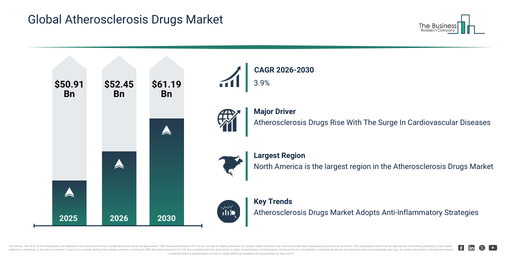
  • Atherosclerosis Drugs Market Size Projected To Increase From $52.44 Billion To $61.19 Billion During The Forecast Period

    Atherosclerosis Drugs Market Size Projected To Increase From $52.44 Billion To $61.19 Billion During The Forecast Period

    Delivering more actionable and strategically valuable research, The Business Research Company’s 2026 market reports feature market attractiveness analysis, total addressable market evaluation, company benchmarking matrices, interactive Excel dashboards, expanded supply chain intelligence, emerging startup coverage, and detailed product insights.

    Atherosclerosis Drugs Market Growth From $52.44 Billion In 2026 To $61.19 Billion By 2030 At A CAGR Of 3.9%

    The market for atherosclerosis medications has experienced consistent expansion in recent times. Projections indicate an increase from $50.91 billion in 2025 to $52.45 billion in 2026, reflecting a compound annual growth rate (CAGR) of 3.0%. This historical growth has been driven by factors such as the growing incidence of cardiovascular conditions, heightened public awareness regarding heart wellness, widespread use of statins and other cholesterol-reducing agents, governmental efforts focused on cardiovascular treatment, and the development of hospital and retail pharmacy networks.

    The market for atherosclerosis medications is projected to experience consistent expansion over the coming years. By 2030, its valuation is anticipated to reach $61.19 billion, reflecting a compound annual growth rate (CAGR) of 3.9%. Several factors are fueling this growth during the forecast period, including the broader application of precision medicine in cardiovascular care, the growing use of digital health monitoring devices, an increasing preference for combination treatment approaches, a rising elderly population, and ongoing breakthroughs in novel anti-atherosclerosis drug categories. Key trends shaping the market include the shift toward personalized atherosclerosis therapies, the development of multi-drug formulations, the integration of minimally invasive treatment options, a greater emphasis on preventive heart health, and enhanced patient adherence supported by digital monitoring tools.

    Download A Free Sample Report For Comprehensive Market Insights:

    https://www.thebusinessresearchcompany.com/sample.aspx?id=12621&type=smp&utm_source=BlogsPR&utm_medium=Paid&utm_campaign=Jul_PR

    Atherosclerosis Drugs Market Opportunity Drivers: What Is Creating New Revenue Potential?

    The rising occurrence of cardiovascular conditions is anticipated to accelerate the expansion of the atherosclerosis drug market in the coming years. Cardiovascular diseases encompass all disorders affecting the heart and blood vessels, while atherosclerosis specifically involves the accumulation of fats, cholesterol, and other materials on the arterial walls. This condition, marked by plaque buildup inside the arteries, leads to serious cardiovascular issues such as coronary heart disease and stroke. Medications for atherosclerosis are employed to address cardiovascular diseases by minimizing complication risks and managing underlying problems like elevated cholesterol levels and blood clot formation. As an example, in January 2024, the American Heart Association, a nonprofit organization based in the United States, reported that the age-adjusted death rate from cardiovascular disease climbed to 233.3 per 100,000 in 2024, representing a 4.0% increase from 224.4 per 100,000 in 2023. Consequently, the high prevalence of cardiovascular diseases is expected to be a key driver for the atherosclerosis drug market.

    Atherosclerosis Drugs Market Segment Performance And Strategic Opportunities

    The atherosclerosis drugs market covered in this report is segmented –

    1) By Drug Class: Anti-Platelet Medications, Fibric Acid And Omega-3 Fatty Acid Derivatives, Angiotensin-Covering Enzyme (ACE) Inhibitors, Diuretics, Cholesterol Lowering Medication, Beta Blockers, Calcium Channel Blockers, Other Drug Classes

    2) By Route Of Administration: Oral, Injectable

    3) By Distribution Channel: Hospital Pharmacies, Online Pharmacies, Retail Pharmacies, Other Distribution Channels

    Subsegments:

    1) By Anti-Platelet Medications: Aspirin, Clopidogrel, Ticagrelor

    2) By Fibric Acid And Omega-3 Fatty Acid Derivatives: Fenofibrate, Gemfibrozil, Omega-3 Fatty Acid Supplements

    3) By Angiotensin-Covering Enzyme (ACE) Inhibitors: Lisinopril, Enalapril, Ramipril

    4) By Diuretics: Thiazide Diuretics, Loop Diuretics, Potassium-Sparing Diuretics

    5) By Cholesterol Lowering Medication: Statins, PCSK9 Inhibitors, Bile Acid Sequestrants

    6) By Beta Blockers: Metoprolol, Atenolol, Carvedilol

    7) By Calcium Channel Blockers: Amlodipine, Diltiazem, Verapamil

    8) By Other Drug Classes: Anticoagulants, Vasodilators, Cholesterol Absorption Inhibitors

    Atherosclerosis Drugs Market Innovation Trends Driving Future Development

    Major players in the atherosclerosis drug market are focusing on the development of innovative products, particularly anti-inflammatory medications, to enhance their profitability in this sector. Atherosclerosis anti-inflammatory drugs are pharmaceutical agents intended to reduce inflammation linked to atherosclerosis, a disease marked by arterial plaque accumulation. In June 2023, AGEPHA Pharma, a European medical products firm, introduced LODOCO. LODOCO (colchicine, 0.5 mg tablet) received U.S. FDA approval as the first anti-inflammatory atheroprotective cardiovascular treatment. This drug has shown effectiveness in decreasing the incidence of myocardial infarction, stroke, coronary revascularization, and cardiovascular death among adults suffering from atherosclerotic disease or presenting multiple cardiovascular risk factors. By targeting residual inflammation, which plays a significant role in atherosclerotic cardiovascular disease (ASCVD), LODOCO represents a major advancement in cardiac care. It is approved for use as a standalone therapy or in combination with cholesterol-lowering agents.

    Atherosclerosis Drugs Market Key Players: Which Companies Shape Industry Competition?

    Major companies operating in the atherosclerosis drugs market are Johnson And Johnson Private Limited, Pfizer Inc., F. Hoffmann-La Roche AG, AbbVie Inc., Bayer AG, Janssen Pharmaceuticals Inc., Novartis AG, Merck And Co. Inc., Sanofi S.A., AstraZeneca plc, Abbott Laboratories, GSK plc, Takeda Pharmaceutical Company Limited, Eli Lilly and Company, Amgen Inc., Novo Nordisk A/S, Boehringer Ingelheim International GmbH, Viatris Inc., Teva Pharmaceutical Industries Ltd., Otsuka Holdings Co. Ltd., Regeneron Pharmaceuticals Inc., Lupin Limited, Alnylam Pharmaceuticals Inc., Ionis Pharmaceuticals Inc., Amarin Corporation plc, Esperion Therapeutics Inc., Kowa Pharmaceuticals America Inc.

    Access The Complete Atherosclerosis Drugs Market Report:

    https://www.thebusinessresearchcompany.com/report/atherosclerosis-drugs-global-market-report?utm_source=BlogsPR&utm_medium=Paid&utm_campaign=Jul_PR

    Atherosclerosis Drugs Market Global Footprint: Which Region Holds Market Leadership?

    North America was the largest region in the atherosclerosis drugs market in 2025. Asia-Pacific is expected to be the fastest-growing region in the forecast period. The regions covered in the atherosclerosis drugs market report are Asia-Pacific, South East Asia, Western Europe, Eastern Europe, North America, South America, Middle East, Africa.

    Get in touch with us:

    The Business Research Company: https://www.thebusinessresearchcompany.com/?utm_source=BlogsPR&utm_medium=Paid&utm_campaign=home_page_test

    Americas: +1 310-496-7795

    Asia: +44 7882 955267 & +91 8897263534

    Europe: +44 7882 955267

    Email us at: marketing@tbrc.info

    Follow us on:

    LinkedIn: https://in.linkedin.com/company/the-business-research-company

    YouTube: https://www.youtube.com/channel/UC24_fI0rV8cR5DxlCpgmyFQ

    Global Market Model: https://www.thebusinessresearchcompany.com/global-market-model
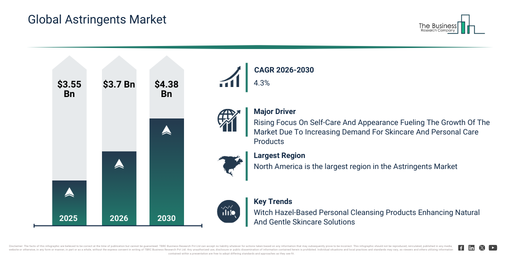
  • Astringents Market Growth Outlook Reveals A CAGR Of 4.3% And A Market Value Of $4.38 Billion By 2030

    Astringents Market Growth Outlook Reveals A CAGR Of 4.3% And A Market Value Of $4.38 Billion By 2030

    Enhanced with market attractiveness analysis, total addressable market evaluation, company benchmarking matrices, interactive Excel dashboards, expanded supply chain intelligence, emerging startup coverage, and detailed product insights, The Business Research Company’s 2026 market reports deliver more actionable and strategically valuable research.

    Astringents Market Expansion Outlook: What Revenue Opportunities Lie Ahead?

    The astringents market has experienced consistent expansion over the recent period. Forecasts indicate an increase from $3.55 billion in 2025 to $3.7 billion in 2026, reflecting a compound annual growth rate (CAGR) of 4.2%. This historical growth has been driven by factors such as the expansion of the cosmetics sector, rising demand for wound care solutions, heightened awareness of personal hygiene, increased utilization of dermatological products, and the broadening scope of oral care applications.

    Over the coming years, the astringents market is anticipated to experience consistent expansion. By 2030, it is projected to reach $4.38 billion, progressing at a compound annual growth rate (CAGR) of 4.3%. This forecasted growth is driven by a shift toward natural ingredients, increasing demand for premium skincare products, ongoing innovations in cosmetics, the rising prominence of clinical wound care, and the development of multifunctional formulations. Notable trends shaping this period include the heightened preference for natural astringents, a broader utilization in skincare and cosmetic products, an expanding role in wound care management, a growing presence in oral care items, and a strong consumer inclination toward formulations that serve multiple purposes.

    Download A Free Sample Report For Comprehensive Market Insights:

    https://www.thebusinessresearchcompany.com/sample.aspx?id=24154&type=smp&utm_source=BlogsPR&utm_medium=Paid&utm_campaign=Jul_PR

    Astringents Market Growth Momentum: Which Factors Are Influencing Demand?

    The anticipated expansion of the astringents market is being driven forward by an increasing appetite for skincare and personal care items. These products, which encompass a wide variety used for cleansing, safeguarding, and improving the condition and aesthetics of the skin, hair, and body, are seeing heightened demand as consumers place greater emphasis on self-care and physical appearance, fostering a stronger interest in solutions that support healthier skin and overall wellness. Within this realm, astringents serve a valuable role by tightening the skin, controlling excess oil, and lessening the visibility of pores, making them particularly advantageous for those with oily or acne-prone complexions. A case in point is data from the British Beauty Council, a UK-based nonprofit, which reported in August 2024 that the personal care sector directly contributed nearly half of its overall gross domestic product (GDP) share in 2023, equating to 13.5 billion British pounds (GBP) and representing 0.5% of the United Kingdom’s total GDP, from a complete industry contribution of 17.1 billion US dollars. As a result, the rising demand for skincare and personal care products is fueling growth in the astringents market.

    Astringents Market Segment Landscape And Growth Potential

    The astringents market covered in this report is segmented –

    1) By Astringent Type: Thrombin-Based Astringent, Oxidized Regenerated Cellulose Based Astringent, Combination Astringent, Gelatin-Based Astringent, Collagen-Based Astringent

    2) By Product Type: Natural Astringents, Synthetic Astringents

    3) By Distribution Channel: Online Retail, Supermarkets Or Hypermarkets, Specialty Stores, Other Distribution Channels

    4) By Application: Skin Care, Oral Care, Hair Care, Cosmetics

    5) By End-User: Personal Care, Pharmaceuticals, Food Industry, Other End-Users

    Subsegments:

    1) By Thrombin-Based Astringent: Human Thrombin-Based, Bovine Thrombin-Based, Recombinant Thrombin-Based

    2) By Oxidized Regenerated Cellulose Based Astringent: Knitted ORC, Non-Knitted ORC, ORC With Fabric Composites

    3) By Combination Astringent: Thrombin + Gelatin Combinations, ORC + Collagen Combinations, Fibrin Sealant Combinations

    4) By Gelatin-Based Astringent: Gelatin Sponges, Gelatin Powder, Gelatin Matrices

    5) By Collagen-Based Astringent: Microfibrillar Collagen, Collagen Fleece, Collagen Sponges

    Astringents Market Trends Reshaping Industry Growth

    Major players in the astringents market are concentrating on creating new solutions, including witch hazel-based personal care cleansers, to address the rising customer demand for natural, mild, and versatile skincare options. Such witch hazel-infused personal cleansing products consist of formulas containing extract from the Hamamelis virginiana plant, a naturally occurring astringent recognized for its capability to minimize pore size, decrease swelling, calm irritation, and purify skin without resorting to strong chemicals or artificial components. For example, in October 2024, T.N. Dickinson’s, a natural skincare enterprise based in the US, unveiled its Cleanse & Care Personal Cleansing Foams. This newly introduced lineup includes delicate, pH-balanced foam cleansers enriched with unadulterated witch hazel extract, intended for both intimate and overall body cleansing while preserving the skin’s inherent moisture balance. These formulations take advantage of witch hazel’s inherent astringent and calming characteristics to purify, renew, and soothe delicate skin regions, offering users an organic substitute for conventional cleaning items that often rely on aggressive detergents or synthetic scents.

    Astringents Market Competitive Landscape: Who Are The Leading Companies?

    Major companies operating in the astringents market are L’Oréal S.A., The Estée Lauder Companies Inc., Shiseido Company Limited, Mary Kay Inc., Clarins Groupe S.A., Avon Products Inc., Yves Rocher S.A.S., Murad LLC, Himalaya Wellness Company, Paula’s Choice LLC, Burt’s Bees Inc., Oriflame Holding AG, Mario Badescu Skin Care Inc., Desert Essence, W.S. Badger Company Inc., Alba Botanica, Earth Science Naturals Inc., Humphreys Pharmacal Inc., Thayers Natural Remedies, Sebapharma GmbH & Co. KG, Dickinson Brands Inc.

    Access The Complete Astringents Market Report:

    https://www.thebusinessresearchcompany.com/report/astringents-global-market-report?utm_source=BlogsPR&utm_medium=Paid&utm_campaign=Jul_PR

    Astringents Market Regional Distribution: Which Areas Drive Market Expansion?

    North America was the largest region in the astringents market in 2025. The regions covered in the astringents market report are Asia-Pacific, South East Asia, Western Europe, Eastern Europe, North America, South America, Middle East, Africa.

    Get in touch with us:

    The Business Research Company: https://www.thebusinessresearchcompany.com/?utm_source=BlogsPR&utm_medium=Paid&utm_campaign=home_page_test

    Americas: +1 310-496-7795

    Asia: +44 7882 955267 & +91 8897263534

    Europe: +44 7882 955267

    Email us at: marketing@tbrc.info

    Follow us on:

    LinkedIn: https://in.linkedin.com/company/the-business-research-company

    YouTube: https://www.youtube.com/channel/UC24_fI0rV8cR5DxlCpgmyFQ

    Global Market Model: https://www.thebusinessresearchcompany.com/global-market-model
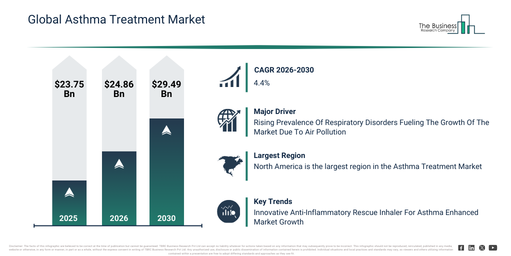
  • Asthma Treatment Market Forecast Highlights Expansion From $24.86 Billion To $29.49 Billion Through 2030

    Asthma Treatment Market Forecast Highlights Expansion From $24.86 Billion To $29.49 Billion Through 2030

    Through market attractiveness analysis, total addressable market evaluation, company benchmarking matrices, interactive Excel dashboards, expanded supply chain intelligence, emerging startup coverage, and detailed product insights, The Business Research Company’s 2026 market reports provide more actionable and strategically valuable research.

    Asthma Treatment Market Growth Potential: How Will Market Size Change Through 2030?

    The asthma treatment market has experienced consistent expansion over the past few years. Valued at $23.75 billion in 2025, it is projected to reach $24.86 billion by 2026, reflecting a compound annual growth rate (CAGR) of 4.7%. This historical growth has been driven by factors such as the rising global incidence of asthma, dependence on short-acting beta-agonists (SABA), insufficient understanding of maintenance therapies, widespread use of traditional inhalers, and the broadening of hospital pharmacy networks.

    The asthma treatment market is projected to experience consistent expansion over the coming years, reaching an estimated value of $29.49 billion by 2030, with a compound annual growth rate (CAGR) of 4.4%. This anticipated growth during the forecast period is driven by factors such as the development of novel biologics and ultra therapies, the uptake of digital inhalers and smart monitoring systems, the growth of online pharmacy distribution channels, heightened awareness regarding combination therapies, and increased investment in personalized medicine along with patient adherence programs. Key trends shaping the forecast period include a growing preference for biologics and targeted therapies, a greater reliance on combination drugs for managing asthma, the rise of home-based and remote monitoring devices, the expansion of both online and retail pharmacy outlets, and a stronger emphasis on creating individualized asthma management strategies.

    Download A Free Sample Report For Comprehensive Market Insights:

    https://www.thebusinessresearchcompany.com/sample.aspx?id=25703&type=smp&utm_source=BlogsPR&utm_medium=Paid&utm_campaign=Jul_PR

    Asthma Treatment Market Expansion Drivers: What Is Shaping Future Growth?

    The anticipated growth of the asthma treatment market is significantly driven by the increasing incidence of respiratory disorders. These conditions, which include chronic obstructive pulmonary disease (COPD), bronchitis, and asthma, are defined by their impact on lung function and breathing. A primary factor behind the surge in respiratory disorders is air pollution, where substances like particulate matter and nitrogen oxides inflame and irritate airways, causing breathing difficulties and exacerbating asthma. This growing prevalence fuels the demand for asthma management strategies, encompassing medications, inhalers, and lifestyle adjustments to control symptoms and airway inflammation. For example, the National Library of Medicine, a US-based institution, reported in December 2023 that COPD cases in low- and middle-income countries are forecast to more than double those in high-income nations by 2050, with sub-Saharan Africa anticipated to see a 59% rise and lead the world in COPD prevalence and cases by 2040. Thus, the rising frequency of respiratory disorders is propelling the expansion of the asthma treatment market.

    Asthma Treatment Market Categorization By Product Type And Application

    The asthma treatment market covered in this report is segmented –

    1) By Treatment: Long-Term Control Medications, Quick-Relief Medications

    2) By Device Type: Inhalers, Dry Powder, Metered Dose, Soft Mist Nebulizers

    3) By Drug Class: Short-Acting Beta-Agonists (SABA), Long-Acting Beta-Agonists (LABA), Inhaled Corticosteroids (ICS), Leukotriene Modifiers, Immunomodulators, Combination Drugs, Other Drug Class

    4) By Route Of Administration: Oral, Inhaled, Intravenous, Subcutaneous

    5) By Distribution Channel: Hospital Pharmacies, Retail Pharmacies, Online Pharmacies, Other Distribution Channels

    Subsegments:

    1) By Long-Term Control Medications: Inhaled Corticosteroids (ICS), Long-Acting Beta-Agonists (LABA), Leukotriene Receptor Antagonists (LTRA), Long-Acting Muscarinic Antagonists (LAMA), Methylxanthines, Biologics

    2) By Quick-Relief Medications: Short-Acting Beta-Agonists (SABA), Systemic Corticosteroids, Anticholinergics

    Asthma Treatment Market Strategic Trends: What Is Defining The Next Phase Of Growth?

    Major players in the asthma treatment sector are channeling their efforts into creating breakthrough solutions, including anti-inflammatory rescue inhalers, designed to deliver fast symptom relief while simultaneously tackling the root cause of airway inflammation in individuals with asthma. These anti-inflammatory rescue inhalers are specifically defined as devices that offer immediate relief from asthma symptoms through their rescue function, while also working to reduce airway inflammation via their anti-inflammatory action during an asthma episode. A notable example occurred in January 2024 when AstraZeneca, a biopharmaceutical firm based in the United Kingdom, introduced AIRSUPRA (albuterol/budesonide)—a pioneering inhaler for asthma management. This product stands as the first and only FDA-approved fixed-dose combination that merges albuterol, a short-acting beta2-agonist (SABA), with budesonide, an inhaled corticosteroid (ICS), formulated to serve as a rescue medication for asthma. It provides quick bronchodilation while concurrently addressing airway inflammation during asthma flare-ups, effectively handling both symptoms and the underlying inflammatory process with a single dose. Targeted at patients aged 18 and over, this inhaler promotes enhanced overall asthma control and diminishes the need for separate controller therapies.

    Asthma Treatment Market Company Landscape And Strategic Competition

    Major companies operating in the asthma treatment market are Pfizer Inc., Johnson & Johnson, F. Hoffmann-La Roche Ltd., Merck & Co. Inc., AbbVie Inc., Novartis AG, Sanofi S.A., AstraZeneca PLC, GlaxoSmithKline plc, Amgen Inc., Boehringer Ingelheim International GmbH, Teva Pharmaceutical Industries Limited, Regeneron Pharmaceuticals Inc., Sun Pharmaceutical Industries Limited, Genentech Inc., Chiesi Farmaceutici S.p.A., Cipla Limited.

    Access The Complete Asthma Treatment Market Report:

    https://www.thebusinessresearchcompany.com/report/asthma-treatment-global-market-report?utm_source=BlogsPR&utm_medium=Paid&utm_campaign=Jul_PR

    Asthma Treatment Market Leading Geography: Which Region Generates The Most Revenue?

    North America was the largest region in the asthma treatment market in 2025. Asia-Pacific is expected to be the fastest-growing region in the forecast period. The regions covered in the asthma treatment market report are Asia-Pacific, South East Asia, Western Europe, Eastern Europe, North America, South America, Middle East, Africa.

    Get in touch with us:

    The Business Research Company: https://www.thebusinessresearchcompany.com/?utm_source=BlogsPR&utm_medium=Paid&utm_campaign=home_page_test

    Americas: +1 310-496-7795

    Asia: +44 7882 955267 & +91 8897263534

    Europe: +44 7882 955267

    Email us at: marketing@tbrc.info

    Follow us on:

    LinkedIn: https://in.linkedin.com/company/the-business-research-company

    YouTube: https://www.youtube.com/channel/UC24_fI0rV8cR5DxlCpgmyFQ

    Global Market Model: https://www.thebusinessresearchcompany.com/global-market-model
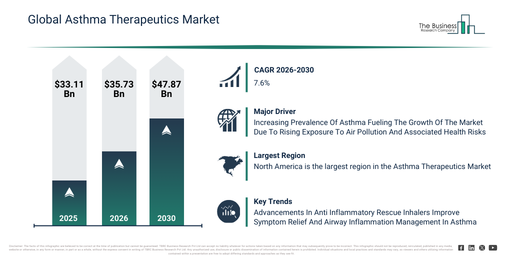
  • Asthma Therapeutics Market Expected To Reach $47.87 Billion By 2030 As Growth Accelerates At 7.6% CAGR

    Asthma Therapeutics Market Expected To Reach $47.87 Billion By 2030 As Growth Accelerates At 7.6% CAGR

    Delivering more actionable and strategically valuable research, The Business Research Company’s 2026 market reports feature market attractiveness analysis, total addressable market evaluation, company benchmarking matrices, interactive Excel dashboards, expanded supply chain intelligence, emerging startup coverage, and detailed product insights.

    Asthma Therapeutics Market Value Analysis: What Growth Is Expected Over The Forecast Period?

    The asthma therapeutics sector has experienced robust expansion in recent years. Its projected growth is from $33.11 billion in 2025 to $35.73 billion in 2026, reflecting a compound annual growth rate (CAGR) of 7.9%. Historical market gains were driven by constrained access to biologics, a heavy dependence on short-acting beta agonists, the worldwide increase in asthma prevalence, a greater frequency of hospital and specialty clinic visits, and the growing use of both oral and inhaled treatments.

    Over the coming years, the asthma therapeutics market is projected to experience robust expansion. By 2030, its value is anticipated to reach $47.87 billion, reflecting a compound annual growth rate (CAGR) of 7.6%. Several factors are expected to drive this growth during the forecast period, including the emergence of novel biologics and combination therapies, the expansion of telemedicine and digital health monitoring, greater awareness of preventive treatment, improved healthcare accessibility in emerging economies, and increased investment in research and drug development. Key trends shaping the market in the future encompass a growing preference for personalized asthma treatments, higher usage of inhalers and biologics, the broadening of homecare and remote monitoring services, an increased shift toward combination inhaler products, and a stronger emphasis on managing asthma in pediatric and geriatric populations.

    Download A Free Sample Report For Comprehensive Market Insights:

    https://www.thebusinessresearchcompany.com/sample.aspx?id=25702&type=smp&utm_source=BlogsPR&utm_medium=Paid&utm_campaign=Jul_PR

    Asthma Therapeutics Market Development Factors: Which Trends Are Supporting Demand?

    The rising incidence of asthma is anticipated to boost the expansion of the asthma therapeutics market in the future. Asthma is a chronic condition characterized by inflammation and swelling of the airways, which leads to their narrowing and hinders the transport of air from the nose and mouth to the lungs. This increase in asthma cases is largely attributed to growing levels of pollutants, which aggravate the airways and heighten the likelihood of developing the disorder. Asthma therapeutics are utilized to treat the condition by reducing airway inflammation, alleviating symptoms, and preventing attacks. For example, as reported by the UK Parliament, a government body in the United Kingdom, in May 2025, 3,886,879 people over the age of six were diagnosed with asthma in England during 2023-24, representing 6.5% of the population. Consequently, the escalating prevalence of asthma is fueling the growth of the asthma therapeutics market.

    Asthma Therapeutics Market Segment Analysis And Revenue Opportunities

    The asthma therapeutics market covered in this report is segmented –

    1) By Drug Class: Inhaled Corticosteroids (ICS), Long-Acting Beta Agonists (LABA), Leukotriene Receptor Antagonists (LTRA), Short-Acting Beta Agonists (SABA), Biologics, Combination Inhalers (ICS + LABA)

    2) By Treatment Stage: Acute Treatment, Long-Term Control, Preventive Treatment, Maintenance Regimens, Rescue Medications

    3) By Route Of administration: Oral, Inhaled, Intravenous, Subcutaneous

    4) By Distribution Channel: Hospital Pharmacies, Retail Pharmacies, Online Pharmacies

    5) By End-User: Hospitals, Homecare, Specialty Clinics

    Subsegments:

    1) By Inhaled Corticosteroids (ICS): Fluticasone, Budesonide, Beclomethasone, Mometasone, Ciclesonide

    2) By Long-Acting Beta Agonists (LABA): Salmeterol, Formoterol, Indacaterol, Olodaterol

    3) By Leukotriene Receptor Antagonists (LTRA): Montelukast, Zafirlukast, Pranlukast

    4) By Short-Acting Beta Agonists (SABA): Albuterol (Salbutamol), Levalbuterol, Terbutaline

    5) By Biologics: Omalizumab, Mepolizumab, Benralizumab, Dupilumab, Reslizumab

    6) By Combination Inhalers (ICS + LABA): Fluticasone + Salmeterol, Budesonide + Formoterol, Mometasone + Indacaterol, Beclomethasone + Formoterol

    Asthma Therapeutics Market Transformation Trends: Which Innovations Are Driving Change?

    Key players in the asthma therapeutics market are concentrating on creating advanced therapies, including anti-inflammatory rescue inhalers, to improve symptom management, control inflammation, and optimize overall disease care. This type of inhaler represents a dual-action treatment that merges a rapid-acting bronchodilator with an inhaled corticosteroid within one device, offering fast airway widening, immediate reduction of inflammation on demand, and prevention of serious asthma episodes. A notable example is AstraZeneca plc, a UK-based biopharmaceutical firm, which debuted AIRSUPRA in January 2024. This FDA-approved rescue inhaler provides quick symptom relief combined with prompt anti-inflammatory effects, using an as-needed dual-mechanism dosage, real-time suppression of airway inflammation, and support in averting lung function deterioration linked to exacerbations. By enhancing asthma management, lowering the likelihood of severe attacks, and boosting overall rescue therapy performance, AIRSUPRA delivers significant clinical benefits.

    Asthma Therapeutics Market Leading Players Shaping Industry Direction

    Major companies operating in the asthma therapeutics market are Roche Holding AG, Merck & Co Inc., Pfizer Inc., AstraZeneca plc, Sanofi S.A., Novartis AG, GlaxoSmithKline plc, Boehringer Ingelheim GmbH, Teva Pharmaceutical Industries Ltd., Regeneron Pharmaceuticals Inc., Sun Pharmaceutical Industries Ltd., Chiesi Farmaceutici S.p.A., Cipla Limited, Mylan N.V.

    Access The Complete Asthma Therapeutics Market Report:

    https://www.thebusinessresearchcompany.com/report/asthma-therapeutics-global-market-report?utm_source=BlogsPR&utm_medium=Paid&utm_campaign=Jul_PR

    Asthma Therapeutics Market Regional Outlook: Where Are The Largest Opportunities Located?

    North America was the largest region in the asthma therapeutics market in 2025. Asia-Pacific is expected to be the fastest-growing region in the forecast period. The regions covered in the asthma therapeutics market report are Asia-Pacific, South East Asia, Western Europe, Eastern Europe, North America, South America, Middle East, Africa.

    Get in touch with us:

    The Business Research Company: https://www.thebusinessresearchcompany.com/?utm_source=BlogsPR&utm_medium=Paid&utm_campaign=home_page_test

    Americas: +1 310-496-7795

    Asia: +44 7882 955267 & +91 8897263534

    Europe: +44 7882 955267

    Email us at: marketing@tbrc.info

    Follow us on:

    LinkedIn: https://in.linkedin.com/company/the-business-research-company

    YouTube: https://www.youtube.com/channel/UC24_fI0rV8cR5DxlCpgmyFQ

    Global Market Model: https://www.thebusinessresearchcompany.com/global-market-model
  • Asthma Drugs Market Set To Grow From $26.3 Billion In 2026 To $33.61 Billion By 2030 At A CAGR Of 6.3%

    Asthma Drugs Market Set To Grow From $26.3 Billion In 2026 To $33.61 Billion By 2030 At A CAGR Of 6.3%

    Enhanced with market attractiveness analysis, total addressable market evaluation, company benchmarking matrices, interactive Excel dashboards, expanded supply chain intelligence, emerging startup coverage, and detailed product insights, The Business Research Company’s 2026 market reports deliver more actionable and strategically valuable research.

    Asthma Drugs Market Size Forecast: How Large Could The Market Become By 2030?

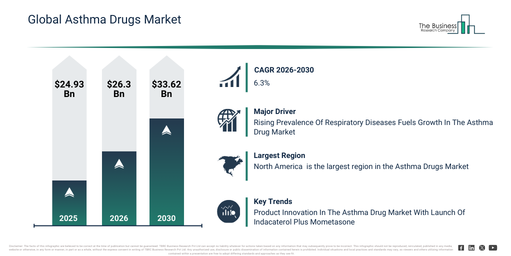
    The asthma drugs market has seen robust growth over the past several years. Projections indicate an increase from $24.93 billion in 2025 to $26.3 billion in 2026, reflecting a compound annual growth rate (CAGR) of 5.5%. This historical expansion has been driven by factors such as a growing number of asthma cases, restricted availability of advanced treatment options, a high frequency of respiratory infections, continued reliance on conventional inhalers, and heightened awareness fostered by health organization campaigns.

    The market for asthma medications is projected to experience robust expansion in the coming years, reaching an estimated value of $33.62 billion by 2030, which represents a compound annual growth rate (CAGR) of 6.3%. This anticipated growth during the forecast period is primarily driven by factors such as the rise of biologics and monoclonal antibodies, the increasing adoption of smart inhalers, the integration of digital health technologies, the expansion of preventive care initiatives, and the growing number of pediatric asthma diagnoses. Key trends shaping the market outlook include a shift towards personalized asthma treatment strategies, the growing use of telemedicine and remote patient monitoring, the ongoing development of biologic and targeted therapies, advancements in inhalation device technology, and a heightened emphasis on pediatric asthma management.

    Download A Free Sample Report For Comprehensive Market Insights:

    https://www.thebusinessresearchcompany.com/sample.aspx?id=11924&type=smp&utm_source=BlogsPR&utm_medium=Paid&utm_campaign=Jul_PR

    Asthma Drugs Market Industry Drivers: What Is Driving Revenue Growth?

    The growing occurrence of respiratory illnesses is set to accelerate growth in the asthma drug market. Respiratory diseases encompass disorders impacting the respiratory system, which comprises the lungs, bronchi, trachea, larynx, pharynx, and nasal passages. The widespread nature of these conditions fuels the utilization of asthma medications designed to control and ease symptoms linked to respiratory ailments. With respiratory diseases becoming more common, especially asthma marked by persistent inflammation and narrowing of airways, there is a heightened need for effective treatment options. As an example, a study released in December 2023 by JAMA Network Open, a medical journal from the American Medical Association, projected that global cases of chronic obstructive pulmonary disease (COPD) might approach nearly 600 million by 2050, reflecting a 23% rise in prevalence. Consequently, the escalating prevalence of respiratory diseases will propel the asthma drug market forward.

    Asthma Drugs Market Segmentation And Category Breakdown

    The asthma drugs market covered in this report is segmented –

    1) By Type Of Asthma: Allergic, Non-Allergic

    2) By Asthma Trigger Type: Adult-Onset Asthma, Child-Onset Asthma, Cough-Induced Asthma, Exercise-Induced Asthma, Occupational Asthma, Nocturnal Asthma, Steroid-Resistant Asthma

    3) By Therapy: Preventive

    4) By Drug Class: Bronchodilators, Monoclonal Antibodies, Anti-Inflammatory Drugs, Combination Drugs

    5) By End-User: Asthma Patients

    Subsegments:

    1) By Allergic: Inhaled Corticosteroids (ICS), Leukotriene Receptor Antagonists (LTRAs), Monoclonal Antibodies

    2) By Non-Allergic: Short-Acting Beta Agonists (SABAs), Long-Acting Beta Agonists (LABAs), Oral Corticosteroids

    Asthma Drugs Market Growth Trends: What Is Influencing The Future Outlook?

    Major players in the asthma drug market are placing a strong emphasis on product innovation, particularly the development of fixed-dose triple-drug combinations aimed at enhancing lung function, achieving better symptom control, and lowering the frequency of exacerbations for patients whose asthma remains uncontrolled. These triple-drug formulations integrate several active agents into one inhaler, thereby simplifying treatment regimens and boosting both adherence and overall effectiveness. A notable example occurred in January 2023, when Lupin Ltd., a pharmaceutical firm headquartered in India, introduced DIFIZMA—a fixed-dose combination containing indacaterol, glycopyrronium, and mometasone—specifically for managing asthma that is inadequately controlled in adults and adolescents aged twelve years and above. With approval from the Drug Controller General of India (DCGI), DIFIZMA became the sole fixed-dose triple-drug combination in Lupin’s respiratory portfolio, addressing the needs of asthma patients requiring more effective symptom management. Lupin is widely recognized for its expertise in developing and manufacturing a diverse array of pharmaceutical products, including inhalation therapies tailored for respiratory conditions.

    Asthma Drugs Market Competitive Analysis Of Major Industry Participants

    Major companies operating in the asthma drugs market are Pfizer Inc., Roche Holding AG, Merck & Co. Inc., Sanofi S.A., AstraZeneca PLC., GlaxoSmithKline PLC., Boehringer Ingelheim International GmbH, Teva Pharmaceutical Industries Ltd., Novartis International AG, Mylan N.V., Cipla Limited, Chiesi Farmaceutici S.p.A., Sun Pharmaceutical Industries Limited, Hikma Pharmaceuticals, Mundipharma International Limited, Lupin Limited, Glenmark Pharmaceuticals Limited, Hetero Drugs Limited, Alembic Pharmaceuticals Limited, Sunovion Pharmaceuticals Inc., Amphastar Pharmaceuticals Inc., Beximco Pharmaceuticals Ltd., Innoviva Inc., Vectura Group, Circassia Group PLC, Pulmatrix Inc.

    Access The Complete Asthma Drugs Market Report:

    https://www.thebusinessresearchcompany.com/report/asthma-drugs-global-market-report?utm_source=BlogsPR&utm_medium=Paid&utm_campaign=Jul_PR

    Asthma Drugs Market Geographic Landscape: Which Region Dominates Industry Growth?

    North America was the largest region in the asthma drugs market in 2025. Asia Pacific is expected to be the fastest-growing region in the forecast period. The regions covered in the asthma drugs market report are Asia-Pacific, South East Asia, Western Europe, Eastern Europe, North America, South America, Middle East, Africa.

    Get in touch with us:

    The Business Research Company: https://www.thebusinessresearchcompany.com/?utm_source=BlogsPR&utm_medium=Paid&utm_campaign=home_page_test

    Americas: +1 310-496-7795

    Asia: +44 7882 955267 & +91 8897263534

    Europe: +44 7882 955267

    Email us at: marketing@tbrc.info

    Follow us on:

    LinkedIn: https://in.linkedin.com/company/the-business-research-company

    YouTube: https://www.youtube.com/channel/UC24_fI0rV8cR5DxlCpgmyFQ

    Global Market Model: https://www.thebusinessresearchcompany.com/global-market-model
  • Asthma Disease Market Opportunities Are Emerging Beyond Traditional Growth Areas

    Asthma Disease Market Opportunities Are Emerging Beyond Traditional Growth Areas

    Through market attractiveness analysis, total addressable market evaluation, company benchmarking matrices, interactive Excel dashboards, expanded supply chain intelligence, emerging startup coverage, and detailed product insights, The Business Research Company’s 2026 market reports provide more actionable and strategically valuable research.

    Asthma Disease Market Revenue Outlook: What CAGR Is Expected Through 2030?

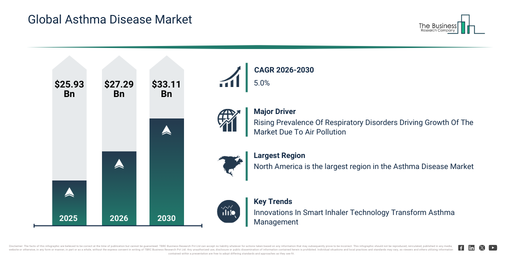
    The market for asthma disease has experienced robust expansion over the past few years. Valued at $25.93 billion in 2025, it is projected to reach $27.29 billion by 2026, achieving a compound annual growth rate (CAGR) of 5.2%. This historic growth has been driven by factors such as restricted knowledge regarding asthma management, a heavy dependence on rescue medications, the absence of advanced biologic therapies, inadequate homecare infrastructure, and rising levels of urban pollution.

    The asthma treatment market is predicted to experience consistent expansion over the coming years, reaching a valuation of $33.11 billion by 2030 with a compound annual growth rate (CAGR) of 5.0%. Factors driving this growth during the forecast period include the emergence of innovative biologic agents and combination medications, a heightened reliance on maintenance therapies, the broadening of specialized treatment centers and home-based support services, intensified public awareness campaigns and educational initiatives, and the incorporation of digital health monitoring tools along with intelligent inhaler technologies. Key developments shaping the market in the future encompass the worldwide escalation of asthma cases, a greater utilization of inhaled treatment methods, the progression of biologic and targeted therapeutic options, the expansion of outpatient care and expert clinical facilities, and an intensified commitment to customized and precision-based medical strategies.

    Download A Free Sample Report For Comprehensive Market Insights:

    https://www.thebusinessresearchcompany.com/sample.aspx?id=25701&type=smp&utm_source=BlogsPR&utm_medium=Paid&utm_campaign=Jul_PR

    #Asthma Disease Market Growth Factors: Which Forces Are Supporting Market Expansion?

    The anticipated expansion of the asthma disease market is being driven by the growing incidence of respiratory conditions. These conditions encompass a range of illnesses impacting lung function and breathing, such as chronic obstructive pulmonary disease (COPD), bronchitis, and asthma itself. Their increasing frequency results from particulate matter and nitrogen oxides irritating and inflaming the respiratory tract, causing breathing problems and exacerbating asthma. Moreover, respiratory ailments can induce inflammation and structural changes in the airways, triggering or worsening asthma attacks. According to the National Library of Medicine, a US-based resource, in December 2023, it was projected that by 2050, COPD cases in low- and middle-income nations would exceed those in high-income countries by more than twofold. Sub-Saharan Africa is forecasted to see a 59% surge, taking the global lead in COPD prevalence and case numbers by 2040. Consequently, the upward trend in respiratory disorder prevalence is fueling the asthma disease market’s growth.

    Asthma Disease Market Segment Outlook: Which Categories Are Expanding The Fastest?

    The asthma disease market covered in this report is segmented –

    1) By Treatment Type: Controller Medications, Rescue Medications, Biologics, Combination Therapy

    2) By Cause Of Asthma: Allergic Asthma, Non-Allergic Asthma, Exercise-Induced Asthma, Occupational Asthma

    3) By Severity: Mild Intermittent, Mild Persistent, Moderate Persistent, Severe Persistent

    4) By Route Of Administration: Oral, Inhaled, Intravenous, Other Route Of Administration

    5) By End-Users: Hospitals, Homecare, Specialty Clinics , Other End-Users

    Subsegments:

    1) By Controller Medications: Inhaled Corticosteroids (ICS), Long-Acting Beta-Agonists (LABA), Leukotriene Receptor Antagonists (LTRA), Long-Acting Muscarinic Antagonists (LAMA), Methylxanthines

    2) By Rescue Medications: Short-Acting Beta-Agonists (SABA), Systemic Corticosteroids, Anticholinergics

    3) By Biologics: Anti-IGE Therapy, Anti-IL-5 Therapy, Anti-IL-4/IL-13 Therapy, Anti-TSLP Therapy

    4) By Combination Therapy: ICS Or LABA Combinations, ICS Or LABA Or LAMA Combinations, ICS Or LAMA Combinations

    Asthma Disease Market Industry Trends: What Changes Are Reshaping Demand?

    Leading players in the asthma market are placing greater emphasis on deploying cutting-edge technologies like Bluetooth-enabled sensor-equipped inhalers to boost medication adherence, facilitate real-time usage tracking, and enable more personalized disease management. These integrated Bluetooth sensor inhalers feature built-in digital sensors that transmit usage data to a smartphone application, allowing asthma patients to monitor their medication intake, receive adherence-boosting reminders, and generate data that aids in improved symptom tracking and control. A notable example occurred in July 2023 when Teva Pharmaceutical Industries Limited, a pharmaceutical firm headquartered in Israel, introduced the GoResp Digihaler (budesonide and formoterol) in the UK—marking the first fully integrated digital inhaler system for asthma and COPD in Europe. Made in Ireland, this device contains sensors that capture and log inspiratory flow and usage quality, linking to a patient-facing app that categorizes inhalation performance as good, fair, or low or no, while also enabling report sharing with healthcare providers via email or a clinician dashboard. The app further supplies medication reminders to support consistent therapy adherence, offering clinicians deeper visibility into individual technique and compliance trends, thus fostering more customized care strategies.

    Asthma Disease Market Key Companies And Competitive Benchmarking

    Major companies operating in the asthma disease market are Pfizer Inc., Merck & Co. Inc., Novartis AG, Sanofi S.A., AstraZeneca PLC, GlaxoSmithKline plc, Boehringer Ingelheim GmbH, Teva Pharmaceutical Industries Ltd., Regeneron Pharmaceuticals Inc., Chiesi Farmaceutici S.p.A., Cipla Limited

    Access The Complete Asthma Disease Market Report:

    https://www.thebusinessresearchcompany.com/report/asthma-disease-global-market-report?utm_source=BlogsPR&utm_medium=Paid&utm_campaign=Jul_PR

    Asthma Disease Market Largest Region: Which Geography Holds The Highest Market Share?

    North America was the largest region in the asthma disease market in 2025. The regions covered in the asthma disease market report are Asia-Pacific, South East Asia, Western Europe, Eastern Europe, North America, South America, Middle East, Africa.

    Get in touch with us:

    The Business Research Company: https://www.thebusinessresearchcompany.com/?utm_source=BlogsPR&utm_medium=Paid&utm_campaign=home_page_test

    Americas: +1 310-496-7795

    Asia: +44 7882 955267 & +91 8897263534

    Europe: +44 7882 955267

    Email us at: marketing@tbrc.info

    Follow us on:

    LinkedIn: https://in.linkedin.com/company/the-business-research-company

    YouTube: https://www.youtube.com/channel/UC24_fI0rV8cR5DxlCpgmyFQ

    Global Market Model: https://www.thebusinessresearchcompany.com/global-market-model