Month: July 2026

  • Frontotemporal Dementia Market Forecast Highlights Expansion From $3.53 Billion To $4.99 Billion Through 2030

    Delivering more actionable and strategically valuable research, The Business Research Company’s 2026 market reports feature market attractiveness analysis, total addressable market evaluation, company benchmarking matrices, interactive Excel dashboards, expanded supply chain intelligence, emerging startup coverage, and detailed product insights.

    Frontotemporal Dementia Market Expansion Outlook: What Revenue Opportunities Lie Ahead?

    The frontotemporal dementia market size has observed strong growth in recent years. It is projected to expand from $3.25 billion in 2025 to $3.53 billion in 2026, at a compound annual growth rate (CAGR) of 8.8%. The historical growth can be attributed to improved clinical recognition of frontotemporal dementia, the expansion of specialized neurology clinics, increased availability of neuroimaging technologies, rising awareness among healthcare professionals, and the development of standardized diagnostic criteria.

    The frontotemporal dementia market is projected to experience substantial growth in the upcoming years, with its size expected to reach $4.99 billion by 2030, exhibiting a compound annual growth rate (CAGR) of 9.0%. This anticipated expansion during the forecast period is driven by factors such as increasing investments in neurodegenerative disease research, a rising adoption of precision medicine approaches, the broadening availability of digital health tools for cognitive assessment, a growing emphasis on disease-modifying therapies, and the proliferation of caregiver support and management programs. Furthermore, significant trends foreseen in this period include the increased utilization of advanced neuroimaging diagnostics, a rising embrace of genetic and biomarker testing, a heightened focus on early and accurate disease differentiation, the expansion of multidisciplinary care models, and the enhanced integration of digital cognitive assessment tools.

    Download A Free Sample Report For Comprehensive Market Insights:

    https://www.thebusinessresearchcompany.com/sample.aspx?id=33114&type=smp&utm_source=Blogs&utm_medium=Paid&utm_campaign=Jul_PR

    Frontotemporal Dementia Market Demand Drivers: What Is Fueling Industry Growth?

    The expanding field of precision medicine is anticipated to propel the future growth of the frontotemporal dementia market. This approach involves tailoring medical treatment to an individual’s distinct biological and lifestyle characteristics. Its adoption is on the rise, spurred by progress in genomics and biotechnology, which enable more precise identification of disease origins and focused therapies, thereby enhancing patient outcomes. For frontotemporal dementia (FTD), precision medicine facilitates early and accurate diagnosis via genetic and biomarker analysis, and it also directs the creation of targeted treatments that address specific molecular pathways implicated in the condition, leading to improved treatment efficacy and slower disease progression. For instance, according to the Personalized Medicine Coalition, a US-based non-profit organization, the US Food and Drug Administration (FDA) sanctioned 16 new personalized treatments for rare disease patients, an increase from six in 2022. Among the new personalized treatments approved for 2023 were also seven cancer drugs and three for various other diseases and conditions. Consequently, the expansion of precision medicine is acting as a key driver for the frontotemporal dementia market’s growth.

    Frontotemporal Dementia Market Segment Outlook: Which Categories Are Expanding The Fastest?

    The frontotemporal dementia market covered in this report is segmented –

    1) By Disease Type: Behavioral Variant Frontotemporal Dementia (bvFTD); Primary Progressive Aphasia (PPA); Frontotemporal Dementia With Motor Neuron Disease (FTD-MND)

    2) By Drug Class: Cholinesterase Inhibitors; N-Methyl-D-Aspartate (NMDA) Receptor Antagonists; Antidepressants; Antipsychotics

    3) By Diagnostic Methods: Clinical Evaluation; Neuroimaging; Genetic Testing

    4) By Treatment Approach: Symptom Management; Medications; Speech And Occupational Therapy

    5) By End User: Hospitals; Specialty Clinics; Long-Term Care Facilities

    Subsegments:

    1) By Behavioral Variant Frontotemporal Dementia (bvFTD): Disinhibited Type; Apathetic Type; Stereotypic Type; Hyperorality Type

    2) By Primary Progressive Aphasia (PPA): Nonfluent Variant; Semantic Variant; Logopenic Variant

    3) By Frontotemporal Dementia With Motor Neuron Disease (FTD-MND): Amyotrophic Lateral Sclerosis Associated; Progressive Muscular Atrophy Associated; Primary Lateral Sclerosis Associated

    Frontotemporal Dementia Market Innovation Trends: Which Developments Are Transforming The Industry?

    Leading companies operating within the frontotemporal dementia market are concentrating on developing innovative solutions like monoclonal antibody therapy to slow disease progression and address underlying pathological mechanisms. Monoclonal antibody therapy involves a treatment that uses laboratory-made antibodies, specifically designed to target particular proteins or cells in the body, aiding in disease treatment by blocking, neutralizing, or marking harmful cells for destruction. For instance, in February 2024, Alector Inc., a US-based clinical-stage biotechnology company, partnered with GSK Plc., a UK-based biopharma company, and received the FDA Breakthrough Therapy Designation for latozinemab (AL001). This therapy is engineered to treat frontotemporal dementia due to progranulin gene mutation (FTD-GRN) by inhibiting the sortilin receptor and elevating progranulin (PGRN) levels in the brain to tackle lysosomal dysfunction and neurodegeneration. Phase 2 trials indicated safe, sustained PGRN increases (over 2-fold in plasma/CSF) with trends suggesting a slowing of clinical progression.

    Frontotemporal Dementia Market Key Companies And Competitive Benchmarking

    Major companies operating in the frontotemporal dementia market are Novartis AG, Eli Lilly and Company, Siemens Healthineers AG, Alector Inc., Denali Therapeutics Inc., Sangamo Therapeutics Inc., QurAlis Inc., TauRx Pharmaceuticals Ltd., AC Immune SA, AviadoBio Ltd., Passage Bio Inc., Muna Therapeutics Inc., Neurimmune Therapeutics Inc., Coya Therapeutics Inc., Aquinnah Pharmaceuticals Inc., Asceneuron SA, CAMP4 Therapeutics Inc., Libra Therapeutics Inc., SOLA Biosciences Inc., Transposon Therapeutics Inc.

    Access The Complete Frontotemporal Dementia Market Report:

    https://www.thebusinessresearchcompany.com/report/frontotemporal-dementia-market-report?utm_source=Blogs&utm_medium=Paid&utm_campaign=Jul_PR

    Frontotemporal Dementia Market Geographic Distribution And Regional Opportunities

    North America was the largest region in the frontotemporal dementia market in 2025. Asia-Pacific is expected to be the fastest-growing region in the forecast period. The regions covered in the frontotemporal dementia market report are Asia-Pacific, South East Asia, Western Europe, Eastern Europe, North America, South America, Middle East, Africa.

    Get in touch with us:

    The Business Research Company: https://www.thebusinessresearchcompany.com/

    Americas: +1 310-496-7795

    Asia: +44 7882 955267 & +91 8897263534

    Europe: +44 7882 955267

    Email us at: marketing@tbrc.info

    Follow us on:

    LinkedIn: https://in.linkedin.com/company/the-business-research-company

    YouTube: https://www.youtube.com/channel/UC24_fI0rV8cR5DxlCpgmyFQ

    Global Market Model: https://www.thebusinessresearchcompany.com/global-market-model
  • Fertility Tracking Sensor  Market Opportunities Are Emerging Beyond Traditional Growth Areas

    Fertility Tracking Sensor Market Opportunities Are Emerging Beyond Traditional Growth Areas

    Delivering more actionable and strategically valuable research, The Business Research Company’s 2026 market reports feature market attractiveness analysis, total addressable market evaluation, company benchmarking matrices, interactive Excel dashboards, expanded supply chain intelligence, emerging startup coverage, and detailed product insights.

    Fertility Tracking Sensor Market Size Forecast: How Large Could The Market Become By 2030?

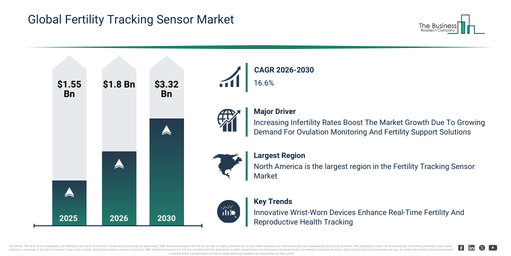
    The fertility tracking sensor market size has experienced rapid expansion in recent years. It is forecast to grow from $1.55 billion in 2025 to $1.8 billion in 2026, achieving a compound annual growth rate (CAGR) of 16.4%. The expansion observed in the past can be attributed to several factors including rising awareness of reproductive health management, increased adoption of digital health wearables, a growing demand for natural family planning tools, the expansion of women-focused health technology, and the availability of affordable sensor technologies.

    The fertility tracking sensor market is anticipated to experience significant expansion over the next few years, projected to reach $3.32 billion by 2030 with a compound annual growth rate (CAGR) of 16.6%. This growth during the forecast period is largely attributable to factors such as the expanding application of AI-powered fertility analytics, a heightened need for tailored reproductive health insights, the broadening of telehealth-supported fertility management, the increasing acceptance of remote patient monitoring, and the greater integration of fertility data platforms into healthcare systems. Key trends expected within this period involve the rising uptake of continuous ovulation monitoring devices, increased utilization of wearable fertility sensors, the deepening integration of AI-based cycle prediction algorithms, the proliferation of smartphone-connected fertility tracking solutions, and an intensified focus on non-invasive monitoring technologies.

    Download A Free Sample Report For Comprehensive Market Insights:

    https://www.thebusinessresearchcompany.com/sample.aspx?id=33111&type=smp&utm_source=Blogs&utm_medium=Paid&utm_campaign=Jul_PR

    #Fertility Tracking Sensor Market Demand Drivers Creating New Revenue Opportunities

    The rising incidence of infertility is projected to stimulate the expansion of the fertility tracking sensor market moving forward. Infertility denotes a reproductive condition where a couple is unable to conceive naturally despite persistent attempts over an extended period. This increase in infertility is largely attributable to delayed parenthood, as more individuals opt to have children later in life, when natural fertility declines and the risk of reproductive health issues rises. Fertility tracking sensors assist with infertility by continuously monitoring essential reproductive indicators, such as basal body temperature and hormone-related changes, enabling couples to accurately identify their fertile window and improve conception probabilities. For instance, in April 2023, the World Health Organization (WHO), a Switzerland-based intergovernmental organization, stated that approximately 17.5% of the adult population, or about 1 in 6 people globally, contend with infertility, emphasizing the critical need to enhance access to affordable, high-quality fertility care for those impacted. Thus, the growing prevalence of infertility is propelling the growth of the fertility tracking sensor market.

    Fertility Tracking Sensor Market Segment Analysis: What Are The Major Market Categories?

    The fertility tracking sensor market covered in this report is segmented –

    1) By Product Type: Wearable Sensors; Implantable Sensors; Patch Sensors; Other Product Types

    2) By Technology: Temperature Sensors; Hormone Sensors; Electrochemical Sensors; Optical Sensors; Other Technologies

    3) By Application: Ovulation Prediction; Menstrual Cycle Tracking; Pregnancy Detection; Other Applications

    4) By Distribution Channel: Online; Pharmacies; Retail Stores; Other Distribution Channels

    5) By End-User: Homecare Settings; Hospitals And Clinics; Fertility Centers; Other End-Users

    Subsegments:

    1) By Wearable Sensors: Smart Wristbands; Smart Rings; Smart Patches; Smart Garments

    2) By Implantable Sensors: Subcutaneous Implants; Intrauterine Devices; Microchip Implants

    3) By Patch Sensors: Adhesive Skin Patches; Transdermal Patches; Disposable Patches

    4) By Other Product Types: Portable Monitors; Smartphone Compatible Devices; Non Invasive Devices

    Fertility Tracking Sensor Market Trends Driving Strategic Industry Expansion

    Leading firms within the fertility tracking sensor market are prioritizing the creation of novel solutions, including wrist-worn wearables. These innovations aim to offer immediate fertility monitoring, enhance the precision of menstrual cycles, and assist in managing women’s reproductive health by leveraging data-driven observations. A wrist-worn wearable is defined as a small electronic gadget worn on the wrist. It gathers and interprets physiological data like temperature, heart rate, or signals related to hormones, for the purpose of monitoring health indicators and delivering practical insights, which encompass fertility and reproductive health details. As an illustration, in January 2026 , Natural Cycles , a digital health company based in Sweden , introduced an NC° Band . This device streamlines fertility tracking by automatically taking temperature measurements during sleep. Its design facilitates effortless fertility tracking, eliminating the need for manual thermometers by autonomously recording overnight skin temperature, heart rate, and movement. The device’s primary function is to feed the app’s NC° Fertility algorithm. This algorithm identifies fertile windows, thereby supporting hormone-free birth control (with a 93% typical effectiveness ), planning pregnancies, and providing assistance during postpartum and perimenopause stages.

    Fertility Tracking Sensor Market Leading Companies Driving Competitive Growth

    Major companies operating in the fertility tracking sensor market are Swiss Precision Diagnostics GmbH, Natural Cycles Nordic AB, Alfa Scientific Designs Inc., kegg Inc., Quidel Corporation, Tempdrop Ltd., Valley Electronics AG., Babystart Ltd., Bongmi Technology, Fairhaven Health LLC, Femometer Inc., Inito Health Tech Private Limited, Oura Health Oy, Prima-Temp LLC, Quanovate Tech Inc., Raiing Medical Company, Samplytics Technologies Pvt. Ltd., YONO Labs Inc., bioZhena Corporation, Welltwigs.

    Access The Complete Fertility Tracking Sensor Market Report:

    https://www.thebusinessresearchcompany.com/report/fertility-tracking-sensor-market-report?utm_source=Blogs&utm_medium=Paid&utm_campaign=Jul_PR

    Fertility Tracking Sensor Market Geographic Analysis: Where Is Demand Growing The Fastest?

    North America was the largest region in the fertility tracking sensor market in 2025. Asia-Pacific is expected to be the fastest-growing region in the forecast period. The regions covered in the fertility tracking sensor market report are Asia-Pacific, South East Asia, Western Europe, Eastern Europe, North America, South America, Middle East, Africa.

    Get in touch with us:

    The Business Research Company: https://www.thebusinessresearchcompany.com/

    Americas: +1 310-496-7795

    Asia: +44 7882 955267 & +91 8897263534

    Europe: +44 7882 955267

    Email us at: marketing@tbrc.info

    Follow us on:

    LinkedIn: https://in.linkedin.com/company/the-business-research-company

    YouTube: https://www.youtube.com/channel/UC24_fI0rV8cR5DxlCpgmyFQ

    Global Market Model: https://www.thebusinessresearchcompany.com/global-market-model
  • Excessive Daytime Sleepiness  Market Trends Are Creating New Opportunities For Industry Leaders

    Excessive Daytime Sleepiness Market Trends Are Creating New Opportunities For Industry Leaders

    Through market attractiveness analysis, total addressable market evaluation, company benchmarking matrices, interactive Excel dashboards, expanded supply chain intelligence, emerging startup coverage, and detailed product insights, The Business Research Company’s 2026 market reports provide more actionable and strategically valuable research.

    Excessive Daytime Sleepiness Market Growth Analysis: How Will Revenue Expand During The Forecast Period?

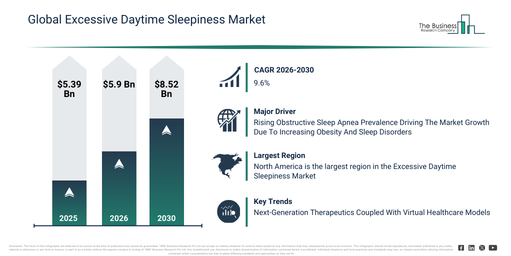
    The excessive daytime sleepiness market size has experienced strong growth in recent years. It is anticipated to expand from $5.39 billion in 2025 to $5.9 billion in 2026, exhibiting a compound annual growth rate (CAGR) of 9.4%. This historical growth can be attributed to several factors including the rising prevalence of sleep disorders, increased awareness regarding the effects of sleep health, the expansion of sleep clinic infrastructure, the availability of pharmacological wake-promoting agents, and the broader provision of diagnostic sleep testing services.

    The market for excessive daytime sleepiness is projected to experience substantial expansion over the upcoming years, reaching a valuation of $8.52 billion by 2030, driven by a compound annual growth rate (CAGR) of 9.6%. This projected growth is largely due to factors such as the rising demand for customized sleep treatment options, the growing incorporation of digital therapeutics in sleep management, wider acceptance of remote patient monitoring, an increased emphasis on preventative sleep health, and greater investment in sleep medicine research. Key developments anticipated during this timeframe involve the wider adoption of wearable devices for sleep monitoring, an increase in combination therapy strategies, the broadening of home-based solutions for sleep disorder management, a heightened focus on early detection and screening initiatives, and improved integration of digital sleep health platforms.

    Download A Free Sample Report For Comprehensive Market Insights:

    https://www.thebusinessresearchcompany.com/sample.aspx?id=33109&type=smp&utm_source=Blogs&utm_medium=Paid&utm_campaign=Jul_PR

    #Excessive Daytime Sleepiness Market Growth Drivers And Industry Catalysts

    The increasing occurrence of obstructive sleep apnea (OSA) is anticipated to stimulate the growth of the excessive daytime sleepiness (EDS) market moving forward. Obstructive sleep apnea is a sleep condition marked by recurrent breathing interruptions during sleep, caused by upper airway obstruction, which results in disrupted sleep and lower sleep quality. The rise in obstructive sleep apnea cases is attributed to increasing obesity rates, where surplus fat in the neck and throat constricts the airway, leading to breathing pauses during sleep. Excessive daytime sleepiness is a frequent and weakening symptom of obstructive sleep apnea, often persisting in a considerable number of patients, thereby necessitating focused therapeutic and management approaches. For example, in August 2026, the National Library of Medicine, a US-based medical library, estimated that by 2050, roughly 76.6 million adults aged 30–69 in the United States are projected to be impacted by obstructive sleep apnea. Consequently, the growing prevalence of obstructive sleep apnea is propelling the expansion of the excessive daytime sleepiness market.

    Excessive Daytime Sleepiness Market Segmentation: How Is The Market Structured Across Key Categories?

    The excessive daytime sleepiness market covered in this report is segmented –

    1) By Treatment Type: Pharmacological Treatment; Behavioral Therapy; Continuous Positive Airway Pressure Therapy; Lifestyle Modification Programs; Combination Therapies

    2) By Diagnosis Method: Polysomnography; Multiple Sleep Latency Test; Actigraphy; Clinical Evaluation; Questionnaire Based Assessments

    3) By Type Of Disorder: Narcolepsy; Obstructive Sleep Apnea; Insomnia; Circadian Rhythm Disorders; Idiopathic Hypersomnia; Restless Legs Syndrome; Other Type Of Disorders

    4) By Distribution Channel: Hospital Pharmacies; Retail Pharmacies; Online Pharmacies

    5) By End User: Hospitals; Sleep Clinics; Ambulatory Surgical Centers; Home Care Settings

    Subsegments:

    1) By Pharmacological Treatment: Wake Promoting Medications; Central Nervous System Stimulant Medications; Dopamine Reuptake Inhibitor Medications; Histamine Receptor Modulating Medications

    2) By Behavioral Therapy: Cognitive Behavioral Therapy For Sleep; Sleep Hygiene Education Programs; Stimulus Control Therapy; Sleep Restriction Therapy

    3) By Continuous Positive Airway Pressure Therapy: Fixed Pressure Airway Therapy; Auto Adjusting Airway Therapy; Bilevel Airway Therapy; Adaptive Pressure Support Therapy

    4) By Lifestyle Modification Programs: Sleep Schedule Regulation Programs; Diet And Nutrition Management Programs; Physical Activity And Exercise Programs; Stress Management And Relaxation Programs

    5) By Combination Therapies: Medication And Behavioral Therapy Combinations; Airway Therapy And Lifestyle Modification Combinations; Medication And Airway Therapy Combinations; Integrated Multimodal Treatment Approaches

    #Excessive Daytime Sleepiness Market Trends Influencing Long-Term Demand

    Leading companies operating within the excessive daytime sleepiness market are focusing on creating innovative solutions, such as central nervous system depressants, to boost wakefulness and elevate patients’ quality of life. A central nervous system depressant is a substance that reduces nervous system activity, leading to sedation, calmness, or sleep. For instance, in September 2025, Amneal Pharmaceuticals Inc., a US-based pharmaceutical company, secured approval from the FDA for sodium oxybate oral solution, which directly treats excessive daytime sleepiness (EDS) in narcolepsy patients. This solution enhances treatment continuity by enabling virtual specialist consultations, remote prescription fulfillment, and improved patient reach in underserved regions, with the aim of expanding access, improving affordability, and aligning established pharmacotherapy with evolving digital and telehealth-driven care models for excessive daytime sleepiness.

    Excessive Daytime Sleepiness Market Competitive Landscape And Leading Companies

    Major companies operating in the excessive daytime sleepiness market are Eli Lilly and Company, Takeda Pharmaceutical Company Limited, Teva Pharmaceutical Industries Ltd., Cleveland Clinic, EisAI Co. Ltd, Jazz Pharmaceuticals plc., Emory Healthcare Inc., Alkermes plc., Fisher & Paykel Healthcare Corporation Limited, Harmony Biosciences Holdings Inc., Medanta, Axsome Therapeutics Inc., Compumedics Limited, BIOPROJET, Apnimed Inc., Nox Health Inc., Somnogen Canada Inc., Suven Life Sciences Limited, Theranexus, XWPharma, NLS Pharmaceutics AG.

    Access The Complete Excessive Daytime Sleepiness Market Report:

    https://www.thebusinessresearchcompany.com/report/excessive-daytime-sleepiness-market-report?utm_source=Blogs&utm_medium=Paid&utm_campaign=Jul_PR

    Excessive Daytime Sleepiness Market Regional Distribution: Which Areas Drive Market Expansion?

    North America was the largest region in the excessive daytime sleepiness market in 2025. Asia-Pacific is expected to be the fastest-growing region in the forecast period. The regions covered in the excessive daytime sleepiness market report are Asia-Pacific, South East Asia, Western Europe, Eastern Europe, North America, South America, Middle East, Africa.

    Get in touch with us:

    The Business Research Company: https://www.thebusinessresearchcompany.com/

    Americas: +1 310-496-7795

    Asia: +44 7882 955267 & +91 8897263534

    Europe: +44 7882 955267

    Email us at: marketing@tbrc.info

    Follow us on:

    LinkedIn: https://in.linkedin.com/company/the-business-research-company

    YouTube: https://www.youtube.com/channel/UC24_fI0rV8cR5DxlCpgmyFQ

    Global Market Model: https://www.thebusinessresearchcompany.com/global-market-model
  • Epitranscriptomic Therapies  Market Growth Is Reshaping Competitive Advantage Across The Industry

    Epitranscriptomic Therapies Market Growth Is Reshaping Competitive Advantage Across The Industry

    Delivering more actionable and strategically valuable research, The Business Research Company’s 2026 market reports feature market attractiveness analysis, total addressable market evaluation, company benchmarking matrices, interactive Excel dashboards, expanded supply chain intelligence, emerging startup coverage, and detailed product insights.

    Epitranscriptomic Therapies Market Forecast: What Market Value Is Expected By 2030?

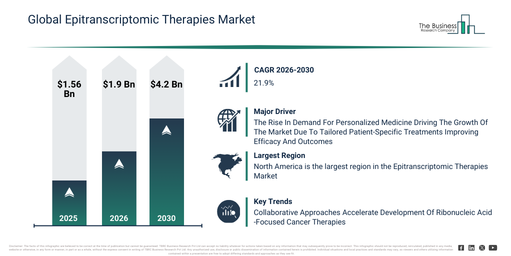
    The epitranscriptomic therapies market has experienced substantial growth in recent years. It is forecast to increase from $1.56 billion in 2025 to $1.9 billion in 2026, exhibiting a compound annual growth rate (CAGR) of 21.6%. This past expansion can be linked to progress in RNA biology research, an improved understanding of gene regulation mechanisms, the expansion of oncology research programs, the accessibility of advanced sequencing technologies, and a rise in translational medicine initiatives.

    The epitranscriptomic therapies market size is projected to experience substantial growth in the coming years, reaching $4.2 billion by 2030 with a compound annual growth rate (CAGR) of 21.9%. This anticipated expansion during the forecast period is attributed to factors like increasing investments in RNA-based therapeutics, a rising demand for targeted cancer treatments, the broader adoption of personalized medicine approaches, heightened clinical trial activity in epitranscriptomics, and increased regulatory engagement for novel RNA therapies. Major trends expected in this period include the accelerated development of epitranscriptomic drug pipelines, the growing utilization of RNA modification profiling tools, an expansion of combination epitranscriptomic therapies, increasing integration of bioinformatics in therapy design, and an enhanced focus on precision medicine applications.

    Download A Free Sample Report For Comprehensive Market Insights:

    https://www.thebusinessresearchcompany.com/sample.aspx?id=33108&type=smp&utm_source=Blogs&utm_medium=Paid&utm_campaign=Jul_PR

    Epitranscriptomic Therapies Market Opportunity Drivers: What Is Creating New Revenue Potential?

    The anticipated expansion of the epitranscriptomic therapies market is set to be driven by the escalating need for personalized medicine. This medical approach involves customizing healthcare decisions, treatments, and interventions to align with each patient’s unique characteristics, such as their genetic profile, lifestyle, and environment. The primary force behind the rising demand for personalized medicine is the increasing prevalence of chronic and complex diseases, as tailored treatments are more effective in addressing individual patient requirements and enhancing outcomes. Personalized medicine bolsters epitranscriptomic therapies by adapting treatments to an individual’s specific RNA modification patterns, thereby boosting therapeutic effectiveness while mitigating the risk of adverse effects. For instance, in February 2024, data from the Personalized Medicine Coalition, a US-based non-profit organization, revealed that the U.S. Food and Drug Administration (FDA) approved 16 new personalized treatments for rare disease patients in 2023, marking an increase from six in 2022. The personalized treatments newly approved in 2023 also encompassed seven cancer drugs and three for other diseases and conditions. Therefore, the growing demand for personalized medicine is a significant catalyst for the growth of the epitranscriptomic therapies market.

    Epitranscriptomic Therapies Market Segmentation Trends And Revenue Drivers

    The epitranscriptomic therapies market covered in this report is segmented –

    1) By Therapy Type: Small Molecule Inhibitors; Ribonucleic Acid Modifying Enzymes; Antisense Oligonucleotides; Other Therapy Types

    2) By Route of Administration: Injectable; Oral; Other Routes Of Administration

    3) By Application: Cancer; Neurological Disorders; Metabolic Diseases; Infectious Diseases; Other Applications

    4) By End-User: Hospitals; Research Institutes; Pharmaceutical And Biotechnology Companies; Other End-Users

    Subsegments:

    1) By Small Molecule Inhibitors: Methyltransferase Inhibitors; Demethylase Inhibitors; Reader Protein Inhibitors; Writer Enzyme Inhibitors; Eraser Enzyme Inhibitors

    2) By Ribonucleic Acid Modifying Enzymes: Methyltransferase Enzymes; Demethylase Enzymes; Pseudouridine Synthase Enzymes; Adenosine Deaminase Enzymes; Cytidine Deaminase Enzymes

    3) By Antisense Oligonucleotides: Gapmer Oligonucleotides; Splice Modulating Oligonucleotides; Translation Blocking Oligonucleotides; Exon Skipping Oligonucleotides; Gene Expression Silencing Oligonucleotides

    4) By Other Therapy Types: Ribonucleic Acid Interference Based Therapies; Messenger Ribonucleic Acid Editing Therapies; Epitranscriptomic Vaccine Platforms; Gene Regulation Modulation Therapies; Combination Epitranscriptomic Therapies

    Epitranscriptomic Therapies Market Innovation Trends Driving Future Development

    Prominent companies within the epitranscriptomic therapies market are concentrating on forming strategic partnerships to create groundbreaking RNA-modifying cancer treatments. Strategic partnerships involve cooperative arrangements where organizations pool resources, knowledge, or capabilities to achieve common objectives, leading to quicker growth, reduced operational risks, and stronger market competitiveness. For example, in January 2026, STORM Therapeutics Ltd., a UK-based biotechnology company, collaborated with Alida Biosciences Inc., a US-based technology company, to further develop cancer therapies focused on epitranscriptomic mechanisms. This collaboration is centered on integrating AlidaBio’s EpiPlex and EpiScout platforms with STORM’s clinical trials for STC-15, a first-in-class METTL3 inhibitor. The partnership intends to identify and validate m6A RNA modification biomarkers that can predict patient responses and enhance therapeutic strategies. This joint effort combines drug development with advanced RNA profiling, representing a significant progression in epitranscriptomic cancer therapies.

    #Epitranscriptomic Therapies Market Industry Leaders: Which Organizations Are Driving Competition?

    Major companies operating in the epitranscriptomic therapies market are AstraZeneca PLC, GSK plc, Moderna Inc., Alnylam Pharmaceuticals Inc., Ionis Pharmaceuticals Inc., Arcturus Therapeutics Holdings Inc., Arrakis Therapeutics Inc., AIRNA Corporation, CD Genomics, ProQR Therapeutics N.V., Nimbus Therapeutics LLC, Envisagenics Inc., Skyhawk Therapeutics Inc., Avidity Biosciences Inc., STORM Therapeutics Ltd., Omega Therapeutics Inc., Korro Bio Inc., Accent Therapeutics Inc., Alida Biosciences Inc., and O2nix Bio.

    Access The Complete Epitranscriptomic Therapies Market Report:

    https://www.thebusinessresearchcompany.com/report/epitranscriptomic-therapies-market-report?utm_source=Blogs&utm_medium=Paid&utm_campaign=Jul_PR

    Epitranscriptomic Therapies Market Leading Geography: Which Region Generates The Most Revenue?

    North America was the largest region in the epitranscriptomic therapies market in 2025. Asia-Pacific is expected to be the fastest-growing region in the forecast period. The regions covered in the epitranscriptomic therapies market report are Asia-Pacific, South East Asia, Western Europe, Eastern Europe, North America, South America, Middle East, Africa.

    Get in touch with us:

    The Business Research Company: https://www.thebusinessresearchcompany.com/

    Americas: +1 310-496-7795

    Asia: +44 7882 955267 & +91 8897263534

    Europe: +44 7882 955267

    Email us at: marketing@tbrc.info

    Follow us on:

    LinkedIn: https://in.linkedin.com/company/the-business-research-company

    YouTube: https://www.youtube.com/channel/UC24_fI0rV8cR5DxlCpgmyFQ

    Global Market Model: https://www.thebusinessresearchcompany.com/global-market-model

  • Enzymatic Deoxyribonucleic Acid (DNA) Synthesis Technology  Market Forecast Signals New Revenue Opportunities Through 2030

    Enzymatic Deoxyribonucleic Acid (DNA) Synthesis Technology Market Forecast Signals New Revenue Opportunities Through 2030

    Enhanced with market attractiveness analysis, total addressable market evaluation, company benchmarking matrices, interactive Excel dashboards, expanded supply chain intelligence, emerging startup coverage, and detailed product insights, The Business Research Company’s 2026 market reports deliver more actionable and strategically valuable research.

    Enzymatic Deoxyribonucleic Acid (DNA) Synthesis Technology Market Size Outlook: How Fast Will Revenue Grow Through 2030?

    The enzymatic deoxyribonucleic acid (dna) synthesis technology market size has seen significant growth in recent years. It is anticipated to increase from $3.05 billion in 2025 to $3.77 billion in 2026, achieving a compound annual growth rate (CAGR) of 23.3%. This historical expansion can be linked to the rising adoption of synthetic biology in research, the inherent drawbacks of chemical dna synthesis methods, advancements in genomics and gene editing research, an increase in biotech research funding, and the accessibility of enzyme engineering technologies.

    The enzymatic deoxyribonucleic acid (dna) synthesis technology market is anticipated to show significant expansion in the near future, with projections indicating it will reach $8.77 billion by 2030, exhibiting a compound annual growth rate (CAGR) of 23.5%. This growth during the forecast period is primarily driven by an escalating need for scalable DNA manufacturing, the increasing adoption of DNA-based data storage methods, the broadening scope of biopharmaceutical development pipelines, growing financial commitments to sustainable biotech processes, and the rising deployment of automated and microfluidic synthesis systems. Prominent trends for this period include the wider embrace of enzymatic DNA synthesis platforms, a growing demand for long and high-fidelity DNA constructs, the expansion of benchtop and cloud-based synthesis models, an intensified focus on environmentally sustainable DNA manufacturing, and enhanced integration within synthetic biology workflows.

    Download A Free Sample Report For Comprehensive Market Insights:

    https://www.thebusinessresearchcompany.com/sample.aspx?id=33107&type=smp&utm_source=Blogs&utm_medium=Paid&utm_campaign=Jul_PR

    Enzymatic Deoxyribonucleic Acid (DNA) Synthesis Technology Market Growth Momentum: Which Factors Are Influencing Demand?

    The anticipated expansion of the enzymatic DNA synthesis technology market is linked to the increasing embrace of genomics and personalized medicine in the future. Genomics and personalized medicine describe practices that leverage genetic data and precise healthcare methods to customize diagnostic tools, therapies, and preventative measures for unique genetic profiles. The uptake of genomics and personalized medicine is growing, driven by ongoing progress in sequencing technologies which have reduced expenses and accelerated analysis schedules, consequently improving clinical results and enhancing the efficiency of care. Enzymatic DNA synthesis technology facilitates genomics and personalized medicine through its capacity for scalable, highly accurate DNA generation, which is crucial for manufacturing tailored genetic sequences and devising specific treatments. As an illustration, in February 2024, the Personalized Medicine Coalition, a US-based nonprofit organization, reported that the Food and Drug Administration had greenlit 16 new personalized treatments for rare diseases in 2023, marking a significant rise from 6 approvals recorded in 2022. Consequently, the increased integration of genomics and personalized medicine is propelling the expansion of the enzymatic DNA synthesis technology market.

    Enzymatic Deoxyribonucleic Acid (DNA) Synthesis Technology Market Segment Analysis Highlighting Growth Areas

    The enzymatic deoxyribonucleic acid (dna) synthesis technology market covered in this report is segmented –

    1) By Technology: Polymerase Mediated Synthesis; Terminal Deoxynucleotidyl Transferase (TdT); Template Free Ligase Based Synthesis; Hybrid Chemical Enzymatic Workflows; Xeno Nucleic Acid (XNA) Synthesis Platforms

    2) By Fragment: Short Oligos; Gene Fragments; Long Constructs

    3) By Delivery Model: Benchtop Instrument; Outsourced Service; Cloud Based As A Service

    4) By Application: Synthetic Biology; Genomics And Gene Editing; Biopharmaceutical Development; Diagnostics And Research Tools; Biotechnology Research And Development

    5) By End-User Or Application: Academic And Government Research Institutes; Pharmaceutical And Biotechnology Companies; Diagnostic Companies; Agricultural Biotech Companies; Industrial Biotech And Chemical Companies

    Subsegments:

    1) By Polymerase Mediated Synthesis: Polymerase Chain Reaction Based Synthesis; Isothermal Amplification Based Synthesis; Rolling Circle Amplification Based Synthesis; Strand Displacement Amplification Based Synthesis; Primer Extension Based Synthesis

    2) By Terminal Deoxynucleotidyl Transferase (TdT): Single Nucleotide Addition Synthesis; Homopolymer Tail Synthesis; Random Oligonucleotide Tail Synthesis; Labeling And Tagging Synthesis; Enzyme Mediated Extension Synthesis

    3) By Template Free Ligase Based Synthesis: Enzymatic Ligation Synthesis; Oligonucleotide Assembly Synthesis; Fragment Ligation Synthesis; Cyclic Ligation Synthesis; Automated Ligase Synthesis

    4) By Hybrid Chemical Enzymatic Workflows: Phosphoramidite Enzymatic Integration Synthesis; Chemical Precursor Enzymatic Extension Synthesis; Stepwise Hybrid Synthesis; Enzyme Assisted Chemical Assembly Synthesis; Automated Hybrid Workflow Synthesis

    5) By Xeno Nucleic Acid (XNA) Synthesis Platforms: Peptide Nucleic Acid Synthesis; Locked Nucleic Acid Synthesis; Glycol Nucleic Acid Synthesis; Threose Nucleic Acid Synthesis; Cyclohexenyl Nucleic Acid Synthesis

    Enzymatic Deoxyribonucleic Acid (DNA) Synthesis Technology Market Trends Reshaping Industry Growth

    Leading companies in the enzymatic deoxyribonucleic acid (DNA) synthesis technology market are concentrating on developing sophisticated solutions, such as algorithm-driven enzymatic DNA synthesis platforms, to facilitate the creation of longer, more complex, and highly accurate synthetic DNA sequences. Algorithm-driven enzymatic DNA synthesis platforms utilize advanced computational models to direct enzyme-based, stepwise DNA synthesis in vitro. These systems improve sequence fidelity, scalability, and output by continually adjusting synthesis conditions using real-time error prediction and correction mechanisms. For example, in May 2025, Ribbon Bio, an Austria-based synthetic biology company, launched its MiroSynth DNA molecules, designed to enable a new generation of complex and long synthetic DNA constructs. This algorithm-driven technology permits the assembly of DNA sequences that are considerably longer and more precise than those produced by conventional methods, supporting advanced applications in gene therapy, synthetic biology, and industrial biotechnology. The solution incorporates proprietary enzymatic processes to reduce error rates, boost scalability, and uphold high sequence accuracy, making it suitable for demanding downstream biological applications. It is engineered to cater to the growing demand for intricate DNA architectures while providing better reliability, sustainability, and design flexibility compared to traditional DNA synthesis technologies.

    Enzymatic Deoxyribonucleic Acid (DNA) Synthesis Technology Market Leading Companies: Who Holds Significant Market Presence?

    Major companies operating in the enzymatic deoxyribonucleic acid (dna) synthesis technology market are Thermo Fisher Scientific Inc, Almac Group Limited, Twist Bioscience Corporation, DNA Script SAS, Synbio Technologies, Telesis Bio Inc., Touchlight Genetics Limited, Yeasen Biotechnology, CD Genomics, Bioneer Corporation, Ansa Biotechnologies Inc., Elegen Corporation, Molecular Assemblies Inc., Moligo Technologies AB, Evonetix Ltd, Camena Bioscience Limited, Baseclick GmbH, Kern Systems, Ribbon Bio, and Helixworks.

    Access The Complete Enzymatic Deoxyribonucleic Acid (DNA) Synthesis Technology Market Report:

    https://www.thebusinessresearchcompany.com/report/enzymatic-deoxyribonucleic-acid-dna-synthesis-technology-market-report?utm_source=Blogs&utm_medium=Paid&utm_campaign=Jul_PR

    Enzymatic Deoxyribonucleic Acid (DNA) Synthesis Technology Market Regional Outlook: Where Are The Largest Opportunities Located?

    North America was the largest region in the enzymatic deoxyribonucleic acid (DNA) synthesis technology market in 2025. Asia-Pacific is expected to be the fastest-growing region in the forecast period. The regions covered in the enzymatic deoxyribonucleic acid (dna) synthesis technology market report are Asia-Pacific, South East Asia, Western Europe, Eastern Europe, North America, South America, Middle East, Africa.

    Get in touch with us:

    The Business Research Company: https://www.thebusinessresearchcompany.com/

    Americas: +1 310-496-7795

    Asia: +44 7882 955267 & +91 8897263534

    Europe: +44 7882 955267

    Email us at: marketing@tbrc.info

    Follow us on:

    LinkedIn: https://in.linkedin.com/company/the-business-research-company

    YouTube: https://www.youtube.com/channel/UC24_fI0rV8cR5DxlCpgmyFQ

    Global Market Model: https://www.thebusinessresearchcompany.com/global-market-model
  • Endothelial Dysfunction  Market Forecast Reveals Where Future Industry Value Will Be Created

    Endothelial Dysfunction Market Forecast Reveals Where Future Industry Value Will Be Created

    Delivering more actionable and strategically valuable research, The Business Research Company’s 2026 market reports feature market attractiveness analysis, total addressable market evaluation, company benchmarking matrices, interactive Excel dashboards, expanded supply chain intelligence, emerging startup coverage, and detailed product insights.

    Endothelial Dysfunction Market Revenue Growth Supported By A CAGR Of 3.88% Through 2030

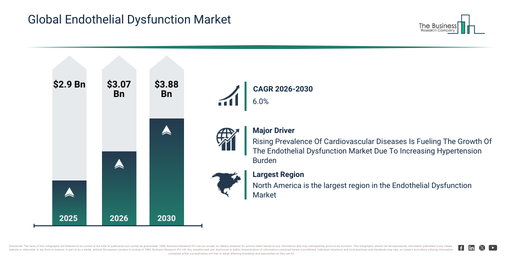
    The market size for endothelial dysfunction has demonstrated robust growth in recent years. It is projected to expand from $2.9 billion in 2025 to $3.07 billion in 2026, showing a compound annual growth rate (CAGR) of 5.8%. This growth during the historic period can be largely attributed to the escalating occurrence of cardiovascular ailments, a surge in metabolic conditions, the broadening scope of preventive health checks, the accessibility of endothelial biomarkers, and an intensifying clinical emphasis on vascular well-being.

    The endothelial dysfunction market is projected to experience substantial expansion in the coming years, reaching a valuation of $3.88 billion by 2030, driven by a compound annual growth rate (CAGR) of 6.0%. This anticipated growth during the forecast period is primarily due to several factors, including the increasing adoption of precision medicine approaches, rising demand for remote patient monitoring, expansion of AI-driven cardiovascular diagnostics, growing investments in preventive cardiology, and an increasing focus on personalized treatment pathways. Key trends expected within this period encompass the increasing use of advanced endothelial function diagnostics, rising adoption of biomarker-based screening, growing integration of digital health monitoring tools, expansion of personalized vascular treatment approaches, and an enhanced focus on early cardiovascular risk detection.

    Download A Free Sample Report For Comprehensive Market Insights:

    https://www.thebusinessresearchcompany.com/sample.aspx?id=33102&type=smp&utm_source=Blogs&utm_medium=Paid&utm_campaign=Jul_PR

    Endothelial Dysfunction Market Demand Drivers: What Is Fueling Industry Growth?

    The increasing occurrence of cardiovascular diseases is projected to stimulate expansion in the endothelial dysfunction market in the future. These conditions, which involve disorders of the heart and blood vessels, are becoming more common worldwide due to changes in demographics and health risks associated with lifestyle. The growing impact of cardiovascular diseases is primarily fueled by an aging population, urban growth, poor dietary habits, lack of physical activity, and sustained exposure to metabolic and vascular stress, all of which progressively harm the endothelium. Endothelial dysfunction is crucial in how cardiovascular diseases develop and advance, as compromised endothelial control leads to vascular inflammation, lower nitric oxide availability, irregular vasodilation, and the formation of atherosclerotic plaques. For example, in January 2024, the American Heart Association, a US-based non-profit organization, reported that the age-adjusted death rate from cardiovascular disease rose to 233.3 per 100,000 in 2024, marking a 4.0% increase from 224.4 per 100,000 in 2023. Consequently, the escalating prevalence and burden of cardiovascular diseases are driving the growth of the endothelial dysfunction market.

    Endothelial Dysfunction Market Segmentation And Category Breakdown

    The endothelial dysfunction market covered in this report is segmented –

    1) By Product Type: Diagnostics; Therapeutics; Digital Health Solutions; Pharmacological Agents; Non-Pharmacological Interventions; Biological Therapies

    2) By Technology: Biotechnology; Nanotechnology; Genomics; Proteomics

    3) By Application: Cardiovascular Risk; Metabolic Syndrome; Chronic Kidney Disease; Other Application

    4) By End User: Hospitals; Diagnostic Laboratories; Specialty Clinics; Primary Care Providers

    Subsegments:

    1) By Diagnostics: Endothelial Function Assays; Vascular Imaging Tests; Biomarker Panels; Nitric Oxide Measurement Kits; Flow-Mediated Dilation Tests

    2) By Therapeutics: Pharmacological Treatments; Lifestyle Modification Programs; Physiotherapy Interventions; Surgical Procedures; Nutritional Interventions

    3) By Digital Health Solutions: Remote Patient Monitoring Platforms; Telehealth Consultation Systems; Mobile Health Applications; Wearable Health Devices; Cloud-Based Analytics Solutions

    4) By Pharmacological Agents: Statins; Angiotensin Converting Enzyme Inhibitors; Beta Blockers; Calcium Channel Blockers; Anti-Inflammatory Agents

    5) By Non-Pharmacological Interventions: Dietary Programs; Exercise Regimens; Stress Management Programs; Smoking Cessation Programs; Behavioral Therapy

    6) By Biological Therapies: Gene Therapy Treatments; Stem Cell Therapies; Monoclonal Antibody Treatments; Endothelial Progenitor Cell Therapy; Protein-Based Therapeutics

    Endothelial Dysfunction Market Competitive Analysis Of Major Industry Participants

    Major companies operating in the endothelial dysfunction market are F. Hoffmann-La Roche AG, Merck & Co. Inc., Pfizer Inc., Bayer Aktiengesellschaft, Sanofi S.A., Novartis Aktiengesellschaft, Bristol-Myers Squibb Company, Abbott Laboratories, GlaxoSmithKline plc, Eli Lilly and Company, Takeda Pharmaceutical Company Limited, Amgen Inc., Gilead Sciences Inc., Siemens Healthineers AG, Boehringer Ingelheim International GmbH, Teva Pharmaceutical Industries Limited, Boston Scientific Corporation, Astellas Pharma Inc., Daiichi Sankyo Company Limited, Biogen Inc., ChugAI Pharmaceutical Co. Ltd., ZOLL Medical Corporation, OrbusNeich Medical Group Holdings Limited, Stealth Peptides Inc., Perimed AB, and Glucox Biotech AB.

    Access The Complete Endothelial Dysfunction Market Report:

    https://www.thebusinessresearchcompany.com/report/endothelial-dysfunction-market-report?utm_source=Blogs&utm_medium=Paid&utm_campaign=Jul_PR

    Endothelial Dysfunction Market Largest Region By Revenue And Market Share

    North America was the largest region in the endothelial dysfunction market in 2025. Asia-Pacific is expected to be the fastest-growing region in the forecast period. The regions covered in the endothelial dysfunction market report are Asia-Pacific, South East Asia, Western Europe, Eastern Europe, North America, South America, Middle East, Africa.

    Get in touch with us:

    The Business Research Company: https://www.thebusinessresearchcompany.com/

    Americas: +1 310-496-7795

    Asia: +44 7882 955267 & +91 8897263534

    Europe: +44 7882 955267

    Email us at: marketing@tbrc.info

    Follow us on:

    LinkedIn: https://in.linkedin.com/company/the-business-research-company

    YouTube: https://www.youtube.com/channel/UC24_fI0rV8cR5DxlCpgmyFQ

    Global Market Model: https://www.thebusinessresearchcompany.com/global-market-model
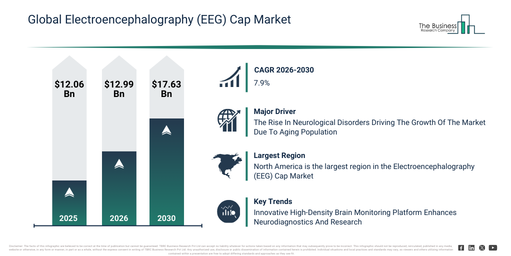
  • Electroencephalography (EEG) Cap  Market Size Projected To Increase From $12.99 Billion To $17.63 Billion During The Forecast Period

    Electroencephalography (EEG) Cap Market Size Projected To Increase From $12.99 Billion To $17.63 Billion During The Forecast Period

    Through market attractiveness analysis, total addressable market evaluation, company benchmarking matrices, interactive Excel dashboards, expanded supply chain intelligence, emerging startup coverage, and detailed product insights, The Business Research Company’s 2026 market reports provide more actionable and strategically valuable research.

    Electroencephalography (EEG) Cap Market Expected To Reach $17.63 Billion By 2030 At 7.9% CAGR

    The electroencephalography (EEG) cap market has experienced robust growth in recent years. It is projected to expand from $12.06 billion in 2025 to $12.99 billion in 2026, achieving a compound annual growth rate (CAGR) of 7.7%. This historical progression can be credited to the wider adoption of clinical neurology diagnostics, the rising occurrence of neurological disorders, the expanded application of EEG in sleep studies, increased academic neuroscience research, and the presence of standardized electrode placement systems.

    The electroencephalography (eeg) cap market is anticipated to experience robust growth in the upcoming years. It is projected to expand to $17.63 billion by 2030, exhibiting a compound annual growth rate (CAGR) of 7.9%. This growth during the forecast period is attributable to the increasing adoption of brain–computer interface research, a rising demand for remote neurological monitoring, the expansion of digital health integration in diagnostics, growing investments in neuroscience research, and the increasing use of eeg in personalized medicine. Prominent trends for the forecast period include the increasing adoption of wireless eeg caps, a rising demand for high-density electrode configurations, the growing use of dry and semi-dry electrode technologies, the expansion of portable and home-based eeg monitoring solutions, and an enhanced focus on patient comfort and signal accuracy.

    Download A Free Sample Report For Comprehensive Market Insights:

    https://www.thebusinessresearchcompany.com/sample.aspx?id=33100&type=smp&utm_source=Blogs&utm_medium=Paid&utm_campaign=Jul_PR

    Electroencephalography (EEG) Cap Market Growth Factors Supporting Long-Term Expansion

    The increasing incidence of neurological disorders is projected to fuel the expansion of the electroencephalography (EEG) cap market moving forward. A neurological disorder refers to any illness or condition that impacts the normal structure or operation of the central nervous system (brain and spinal cord) or the peripheral nervous system. This growth in neurological disorder prevalence is mainly attributable to aging populations, given that the risk of conditions such as Alzheimer’s, Parkinson’s, and stroke escalates with age, leading to a higher overall occurrence in older age groups. Electroencephalography (EEG) caps aid in managing neurological disorders by facilitating real-time observation of brain activity, which supports accurate diagnosis, treatment planning, and tracking of therapeutic outcomes. For example, in March 2023, data from the Alzheimer’s Association, a US-based nonprofit voluntary health organization, indicated that approximately 6.7 million Americans aged 65 and older were living with Alzheimer’s dementia in 2023, a number forecast to grow to 13.8 million by 2060. Therefore, the rising prevalence of neurological disorders is a primary driver for the growth of the electroencephalography (EEG) cap market.

    Electroencephalography (EEG) Cap Market Segment Landscape: Which Areas Lead Market Development?

    The electroencephalography (eeg) cap market covered in this report is segmented –

    1) By Type: Electroencephalography (EEG) Caps for Adults; Electroencephalography (EEG) Caps for Babies

    2) By Technology: Wireless Electroencephalography (EEG) Caps; High-Density Electroencephalography (EEG) Caps

    3) By Application: Clinical Diagnostics; Neurology; Epilepsy Monitoring; Sleep Studies; Brain–Computer Interface Research; Neuroscience Research

    4) By End-User: Hospitals; Diagnostic Centers; Clinics And Ambulatory Surgical Centers; Academic And Research Institutes; Home-Care Settings

    Subsegments:

    1) By Electroencephalography (EEG) Caps for Adults: Wet Electrode Caps; Dry Electrode Caps; Semi-Dry Electrode Caps; Wireless Electroencephalography Caps; High-Density Electrode Caps

    2) By Electroencephalography (EEG) Caps for Babies: Soft Fabric Caps; Stretchable Silicone Caps; Wireless Baby Electroencephalography Caps; High-Density Electrode Caps For Babies; Infant Sleep Monitoring Caps

    Electroencephalography (EEG) Cap Market Industry Trends Shaping Future Revenue Growth

    Leading companies in the electroencephalography (EEG) cap market are prioritizing the development of innovative solutions, such as high-density electroencephalography platforms, to elevate brain monitoring, neurodiagnostics, and research capabilities. A high-density electroencephalography platform is an advanced system for monitoring the brain, utilizing hundreds of closely positioned electrodes to record highly detailed electrical brain activity for both research and clinical applications. For instance, in September 2025, Electrical Geodesics Inc., a US-based technology company, introduced the Geodesic EEG System 500 (GES 500) with the goal of advancing high-resolution brain monitoring and neuroscience research. The platform accommodates up to 256 channels of high-density EEG data capture, enabling precise mapping of brain activity. It integrates hardware and software into a unified ecosystem that is compatible with both proprietary analytics and widely used open-source neuroscience tools. Moreover, the GES 500 facilitates combined recording and stimulation workflows, including interoperability with transcranial magnetic stimulation (TMS) systems, which aids in conducting cutting-edge studies on brain function, neurological disorders, and cognitive research.

    Electroencephalography (EEG) Cap Market Industry Leaders And Market Competition

    Major companies operating in the electroencephalography (eeg) cap market are NeuroSky Inc., ADInstruments Pty Ltd, Inomed Medizintechnik GmbH, Brain Products GmbH, Emotiv Inc., ANT Neuro B.V., BioSemi B.V., Electrical Geodesics Inc., BIOPAC Systems Inc., Medical Computer Systems GmbH, Compumedics Neuroscan, Neuroelectrics SL, Electro-Cap International Inc., MAG & More GmbH, Mind Media B.V., NIRx Medizintechnik GmbH, NR Sign Ltd, TELEMEDX Inc., Tenocom Medical GmbH, Wearable Sensing LLC.

    Access The Complete Electroencephalography (EEG) Cap Market Report:

    https://www.thebusinessresearchcompany.com/report/electroencephalography-eeg-cap-market-report?utm_source=Blogs&utm_medium=Paid&utm_campaign=Jul_PR

    Electroencephalography (EEG) Cap Market Geographic Analysis: Where Is Demand Growing The Fastest?

    North America was the largest region in the EEG cap market in 2025. Asia-Pacific is expected to be the fastest-growing region in the forecast period. The regions covered in the electroencephalography (eeg) cap market report are Asia-Pacific, South East Asia, Western Europe, Eastern Europe, North America, South America, Middle East, Africa.

    Get in touch with us:

    The Business Research Company: https://www.thebusinessresearchcompany.com/

    Americas: +1 310-496-7795

    Asia: +44 7882 955267 & +91 8897263534

    Europe: +44 7882 955267

    Email us at: marketing@tbrc.info

    Follow us on:

    LinkedIn: https://in.linkedin.com/company/the-business-research-company

    YouTube: https://www.youtube.com/channel/UC24_fI0rV8cR5DxlCpgmyFQ

    Global Market Model: https://www.thebusinessresearchcompany.com/global-market-model
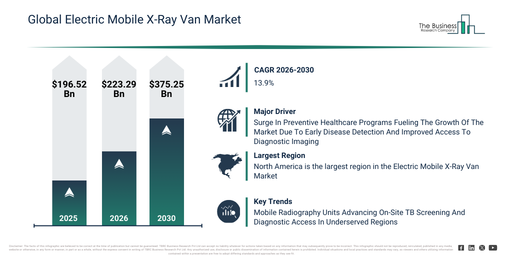
  • Electric Mobile X-Ray Van  Market Growth Outlook Reveals A CAGR Of 13.9% And A Market Value Of $375.25 Billion By 2030

    Electric Mobile X-Ray Van Market Growth Outlook Reveals A CAGR Of 13.9% And A Market Value Of $375.25 Billion By 2030

    Delivering more actionable and strategically valuable research, The Business Research Company’s 2026 market reports feature market attractiveness analysis, total addressable market evaluation, company benchmarking matrices, interactive Excel dashboards, expanded supply chain intelligence, emerging startup coverage, and detailed product insights.

    #Electric Mobile X-Ray Van Market Size And Revenue Forecast Through 2030

    The electric mobile x-ray van market has experienced rapid expansion in recent years. It is forecast to grow from $196.52 billion in 2025 to $223.29 billion in 2026, exhibiting a compound annual growth rate (CAGR) of 13.6%. This historical growth can be linked to the broadening of mobile healthcare programs, a rising need for diagnostic services in rural locations, progress in digital imaging technologies, an increasing emphasis on population health screening, and the accessibility of electric vehicle platforms for medical applications.

    The electric mobile x-ray van market is expected to witness substantial expansion in the coming years, projected to attain a size of $375.25 billion by 2030, driven by a compound annual growth rate (CAGR) of 13.9%. This anticipated growth stems from several factors, including increasing investments in electric healthcare mobility, the rising adoption of telemedicine-supported diagnostics, the expansion of public health outreach programs, a growing focus on sustainable medical transport solutions, and the increasing integration of AI-assisted image analysis. Prominent trends identified for the forecast period involve the increasing deployment of electric mobile diagnostic units, a rising adoption of digital radiography systems in mobile vans, a growing demand for low-emission healthcare vehicles, the expansion of community-based diagnostic services, and an enhanced focus on remote and preventive healthcare.

    Download A Free Sample Report For Comprehensive Market Insights:

    https://www.thebusinessresearchcompany.com/sample.aspx?id=33099&type=smp&utm_source=Blogs&utm_medium=Paid&utm_campaign=Jul_PR

    #Electric Mobile X-Ray Van Market Demand Drivers Creating New Revenue Opportunities

    The anticipated expansion of preventive healthcare initiatives is projected to boost the electric mobile X-ray van market’s growth in the future. Healthcare programs encompass structured efforts or services aimed at enhancing, preserving, or recovering health, frequently concentrating on particular demographics, illnesses, or objectives related to preventive care. The rise in preventive healthcare programs stems from an increased emphasis by governments and payers on identifying diseases early and lowering costs via proactive health measures. Electric mobile X-ray vans assist healthcare programs by delivering superior diagnostic imaging services straight to individuals in distant, neglected, or immediate care environments, thereby enhancing accessibility, facilitating prompt diagnosis, and ensuring timely medical treatment. As an illustration, the Office for National Statistics, a UK-based government department, reported in May 2024 that healthcare expenditure in the UK saw a 5.6% increase between 2022 and 2023, contrasting with a 0.9% rise in 2022. In 2023, the total healthcare expenditure in the UK reached approximately $317.63 billion (£292 billion). Consequently, the expansion of preventive healthcare programs is stimulating the growth within the electric mobile X-ray van market.

    Electric Mobile X-Ray Van Market Segments: Where Are The Largest Growth Opportunities?

    The electric mobile x-ray van market covered in this report is segmented –

    1) By Vehicle Type: Light Duty; Medium Duty; Heavy Duty

    2) By Power Source: Battery Electric; Hybrid Electric

    3) By Technology: Digital Radiography Systems; Computed Radiography Systems; Battery-Electric Propulsion

    4) By Application: Hospitals; Diagnostic Centers; Emergency Services; Military And Defense; Other Applications

    5) By End-User: Public Sector; Private Sector

    Subsegments:

    1) By Light Duty: Passenger Van; Compact Utility Van; Small Box Van

    2) By Medium Duty: Step Van; Medium Box Truck; Chassis Cab Truck

    3) By Heavy Duty: Large Box Truck; Rigid Truck; Specialty Medical Truck

    Electric Mobile X-Ray Van Market Trends Driving Strategic Industry Expansion

    Companies within the electric mobile X-ray van market are prioritizing the creation of advanced solutions, specifically mobile radiography units designed for TB screening, to facilitate swift, on-site chest imaging, enhance early disease identification, and broaden diagnostic availability in isolated and poorly serviced areas. These Mobile Radiography Units for TB Screening are essentially self-contained diagnostic systems, mounted on vehicles and equipped with digital chest X-ray technology, enabling on-site tuberculosis screening and prompt detection in remote, rural, or underserved locations. An illustrative example occurred in February 2024, when the Philippine Business for Social Progress (PBSP), a non-profit organization based in the Philippines, collaborated with the Philippines’ Department of Health, a government agency, to introduce a mobile TB X-ray van aimed at improving access to tuberculosis (TB) care. This van is equipped with integrated facilities for TB screening and diagnosis, allowing for early detection and quicker commencement of treatment directly within local communities. It facilitates decentralized service provision by offering testing, consultation, and follow-up services nearer to patients, thereby cutting down travel time and removing access impediments. Furthermore, its design supports awareness initiatives, patient tracking, and coordination with local health systems, contributing to stronger TB care outreach, uninterrupted treatment, and a more robust overall public health strategy.

    Electric Mobile X-Ray Van Market Major Participants And Competitive Dynamics

    Major companies operating in the electric mobile x-ray van market are Siemens Healthineers AG, Royal Philips N.V., GE HealthCare Technologies Inc., Hologic Inc., Agfa HealthCare, Hubei Ruitu Technology Co. Ltd., Chengli Special Automobile Co. Ltd., Summit Bodyworks Inc., Shimadzu Medical Systems, Canon Medical Systems Corporation, Hubei Hengsheng Special Vehicle Co. Ltd., Fujifilm Medical Systems, MinXray Inc., Craftsmen Industries Inc.

    Access The Complete Electric Mobile X-Ray Van Market Report:

    https://www.thebusinessresearchcompany.com/report/electric-mobile-x-ray-van-market-report?utm_source=Blogs&utm_medium=Paid&utm_campaign=Jul_PR

    Electric Mobile X-Ray Van Market Global Footprint: Which Region Holds Market Leadership?

    North America was the largest region in the electric mobile X-ray van market in 2025. Asia-Pacific is expected to be the fastest-growing region in the forecast period. The regions covered in the electric mobile x-ray van market report are Asia-Pacific, South East Asia, Western Europe, Eastern Europe, North America, South America, Middle East, Africa.

    Get in touch with us:

    The Business Research Company: https://www.thebusinessresearchcompany.com/

    Americas: +1 310-496-7795

    Asia: +44 7882 955267 & +91 8897263534

    Europe: +44 7882 955267

    Email us at: marketing@tbrc.info

    Follow us on:

    LinkedIn: https://in.linkedin.com/company/the-business-research-company

    YouTube: https://www.youtube.com/channel/UC24_fI0rV8cR5DxlCpgmyFQ

    Global Market Model: https://www.thebusinessresearchcompany.com/global-market-model
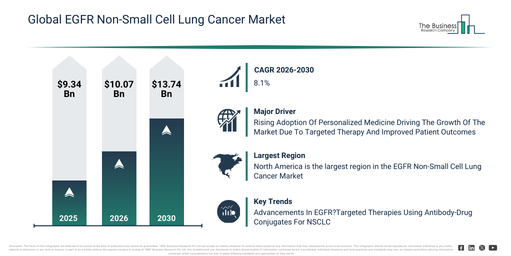
  • EGFR Non-Small Cell Lung Cancer  Market Forecast Highlights Expansion From $10.07 Billion To $13.74 Billion Through 2030

    EGFR Non-Small Cell Lung Cancer Market Forecast Highlights Expansion From $10.07 Billion To $13.74 Billion Through 2030

    Enhanced with market attractiveness analysis, total addressable market evaluation, company benchmarking matrices, interactive Excel dashboards, expanded supply chain intelligence, emerging startup coverage, and detailed product insights, The Business Research Company’s 2026 market reports deliver more actionable and strategically valuable research.

    EGFR Non-Small Cell Lung Cancer Market Growth From $10.07 Billion In 2026 To $13.74 Billion By 2030 At A CAGR Of 8.1%

    The egfr non-small cell lung cancer market has witnessed robust growth in recent years. It is anticipated to expand from $9.34 billion in 2025 to $10.07 billion in 2026, achieving a compound annual growth rate (CAGR) of 7.8%. This historical growth can be ascribed to several factors, including the increasing prevalence of non-small cell lung cancer, advancements in molecular diagnostics, rising awareness of egfr mutation testing, the expansion of oncology specialty centers, and the increased availability of targeted therapies.

    The egfr non-small cell lung cancer market is projected to experience substantial expansion in the coming years, reaching $13.74 billion by 2030, driven by an 8.1% compound annual growth rate (CAGR). This anticipated growth during the forecast period is largely due to a burgeoning pipeline of next-generation EGFR inhibitors, the increasing acceptance of precision oncology strategies, the broadened implementation of biomarker-driven treatment frameworks, the expanding incorporation of real-world data into oncology practice, and a heightened emphasis on patient-centered cancer care. Key trends expected over the forecast horizon encompass a greater uptake of targeted EGFR therapies, an increase in the utilization of companion diagnostic testing, a developing emphasis on tailored treatment pathways, the widening scope of combination therapy strategies, and a stronger incorporation of multidisciplinary cancer management.

    Download A Free Sample Report For Comprehensive Market Insights:

    https://www.thebusinessresearchcompany.com/sample.aspx?id=33098&type=smp&utm_source=Blogs&utm_medium=Paid&utm_campaign=Jul_PR

    EGFR Non-Small Cell Lung Cancer Market Expansion Supported By Key Demand Factors

    A growing emphasis on personalized medicine methods is anticipated to boost the epidermal growth factor receptor (EGFR) non-small cell lung cancer market moving forward. Personalized medicine is a medical practice that adapts prevention, diagnosis, and treatment plans according to an individual’s genetic, environmental, and lifestyle factors. The adoption of personalized medicine strategies is increasing due to enhanced access to genetic and molecular profiling, which allows for the precise identification of disease-specific targets and permits treatments to be customized for improved patient outcomes. These personalized medicine approaches assist in managing epidermal growth factor receptor (EGFR) non-small cell lung cancer by identifying specific EGFR mutations in patients, thereby enabling physicians to prescribe targeted therapies that maximize efficacy while minimizing adverse effects. For instance, in February 2024, the Personalized Medicine Coalition, a US-based non-profit organization, reported that the FDA cleared 16 new personalized therapies for patients suffering from rare diseases in 2023, marking a significant increase from the six approvals observed in 2022. As a result, the heightened attention on personalized medicine techniques is driving the expansion of the epidermal growth factor receptor (EGFR) non-small cell lung cancer market.

    EGFR Non-Small Cell Lung Cancer Market Segment Analysis: What Are The Major Market Categories?

    The egfr non-small cell lung cancer market covered in this report is segmented –

    1) By Drug Type: Tyrosine Kinase Inhibitors (TKIs); Monoclonal Antibodies; Late Phase

    2) By Mutation Type: Exon 19 Deletions; Exon 21 L858R Substitution Mutations; Exon 20 Insertion Mutations; Other Mutation Types

    3) By Treatment Type: Monotherapy; Combination Therapy

    4) By Route of Administration: Oral; Intravenous

    5) By End User: Hospitals; Specialty Oncology Centers; Cancer Research Institutes; Academic Institutes; Other End Users

    Subsegments:

    1) By Tyrosine Kinase Inhibitors: First Generation Tyrosine Kinase Inhibitors; Second Generation Tyrosine Kinase Inhibitors; Third Generation Tyrosine Kinase Inhibitors

    2) By Monoclonal Antibodies: Anti Epidermal Growth Factor Receptor Monoclonal Antibodies; Dual Target Monoclonal Antibodies; Antibody Drug Conjugates

    3) By Late Phase: Patritumab Deruxtecan; Other Late Phase Pipeline Therapies

    EGFR Non-Small Cell Lung Cancer Market Growth Trends Influencing Competitive Dynamics

    Leading firms within the epidermal growth factor receptor (EGFR) non-small cell lung cancer market are prioritizing the creation of novel therapies, including antibody drug conjugates, with the aim of enhancing treatment effectiveness while simultaneously lessening systemic side effects when contrasted with conventional chemotherapy. An antibody-drug conjugate (ADC) represents a therapeutic approach that combines a potent pharmaceutical agent with an antibody designed to target cancer, thereby enabling the drug to be delivered precisely to malignant cells, without affecting healthy cells. For example, in June 2025, AstraZeneca Plc, a UK-based biopharmaceutical company, revealed that Datroway (datopotamab deruxtecan or Dato-DXd) secured authorization in the U.S. for the treatment of adult patients suffering from locally advanced or metastatic EGFR-mutated non-small cell lung cancer (NSCLC) who had previously received EGFR-targeted therapy and platinum-based chemotherapy. This specific use received expedited approval supported by the demonstrated objective response rate (ORR) and duration of response (DoR), with ongoing approval relying on corroboration of clinical advantages in a forthcoming study. The U.S. FDA issued the authorization after undergoing Priority Review and Breakthrough Therapy Designation. The ruling drew support from an analysis of a specific patient group within the TROPION-Lung05 Phase II trial, as well as further data from the TROPION-Lung01 Phase III trial.

    EGFR Non-Small Cell Lung Cancer Market Leading Companies Driving Competitive Growth

    Major companies operating in the egfr non-small cell lung cancer market are Johnson & Johnson Services Inc., F. Hoffmann-La Roche Ltd, Pfizer Inc., AstraZeneca Plc, Bayer AG, Eli Lilly and Company, Takeda Pharmaceuticals Company Ltd., Boehringer Ingelheim Pharmaceuticals Inc., Teva Pharmaceutical Industries Ltd., Daiichi Sankyo Co. Ltd., Taiho Pharmaceutical Co. Ltd., Jiangsu Hansoh Pharmaceutical Co. Ltd., Betta Pharmaceuticals Co. Ltd., ShanghAI Allist Pharmaceuticals Co. Ltd., Oric Pharmaceuticals Inc., Black Diamond Therapeutics Inc., G1 Therapeutics Inc., Dizal Pharmaceutical, ArriVent BioPharma Inc., and Cullinan Therapeutics Inc.

    Access The Complete EGFR Non-Small Cell Lung Cancer Market Report:

    https://www.thebusinessresearchcompany.com/report/egfr-non-small-cell-lung-cancer-market-report?utm_source=Blogs&utm_medium=Paid&utm_campaign=Jul_PR

    EGFR Non-Small Cell Lung Cancer Market Regional Distribution: Which Areas Drive Market Expansion?

    North America was the largest region in the epidermal growth factor receptor (EGFR) non-small cell lung cancer market in 2025. Asia-Pacific is expected to be the fastest-growing region in the forecast period. The regions covered in the egfr non-small cell lung cancer market report are Asia-Pacific, South East Asia, Western Europe, Eastern Europe, North America, South America, Middle East, Africa.

    Get in touch with us:

    The Business Research Company: https://www.thebusinessresearchcompany.com/

    Americas: +1 310-496-7795

    Asia: +44 7882 955267 & +91 8897263534

    Europe: +44 7882 955267

    Email us at: marketing@tbrc.info

    Follow us on:

    LinkedIn: https://in.linkedin.com/company/the-business-research-company

    YouTube: https://www.youtube.com/channel/UC24_fI0rV8cR5DxlCpgmyFQ

    Global Market Model: https://www.thebusinessresearchcompany.com/global-market-model
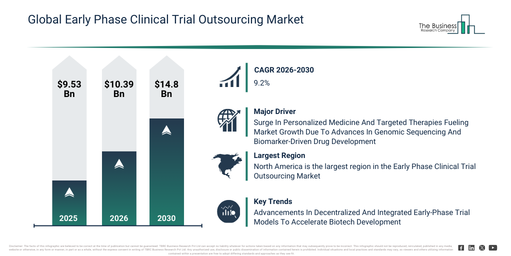
  • Early Phase Clinical Trial Outsourcing  Market Expected To Reach $14.8 Billion By 2030 As Growth Accelerates At 9.2% CAGR

    Early Phase Clinical Trial Outsourcing Market Expected To Reach $14.8 Billion By 2030 As Growth Accelerates At 9.2% CAGR

    Through market attractiveness analysis, total addressable market evaluation, company benchmarking matrices, interactive Excel dashboards, expanded supply chain intelligence, emerging startup coverage, and detailed product insights, The Business Research Company’s 2026 market reports provide more actionable and strategically valuable research.

    Early Phase Clinical Trial Outsourcing Market Expansion Outlook: What Revenue Opportunities Lie Ahead?

    The early phase clinical trial outsourcing market size has experienced significant expansion in recent years. It is projected to grow from $9.53 billion in 2025 to $10.39 billion in 2026, at a compound annual growth rate (CAGR) of 9.0%. The historic period’s growth can be attributed to factors such as the increasing complexity of drug development pipelines, rising cost pressures on pharmaceutical sponsors, the expansion of biotech startup activity, a growing need for regulatory expertise, and increased reliance on specialized clinical research organizations.

    The early phase clinical trial outsourcing market is projected to experience substantial expansion over the upcoming years. This market is forecast to reach $14.8 billion by 2030, exhibiting a compound annual growth rate (CAGR) of 9.2%. Several factors are expected to drive this growth during the forecast period, including the greater uptake of decentralized trial components, an increased emphasis on precision medicine investigations, the broadening scope of rare disease clinical research, the expanding application of AI-powered trial analytics, and the enhanced global alignment of early-phase regulatory frameworks. Key trends anticipated during this period encompass a rise in the outsourcing of Phase I clinical studies, a heightened demand for integrated early-phase CRO services, the increasing implementation of data-driven trial design methodologies, the growth of adaptive and first-in-human trials, and a stronger emphasis on expedited study timelines.

    Download A Free Sample Report For Comprehensive Market Insights:

    https://www.thebusinessresearchcompany.com/sample.aspx?id=33097&type=smp&utm_source=Blogs&utm_medium=Paid&utm_campaign=Jul_PR

    #Early Phase Clinical Trial Outsourcing Market Growth Drivers And Industry Catalysts

    An escalating emphasis on personalized medicine is projected to stimulate the expansion of the early-phase clinical trial outsourcing market in the future. This approach, known as personalized medicine, signifies a rising focus within healthcare and life sciences on creating and administering therapies precisely customized for individual patients or specific patient groups, utilizing their unique genetic and molecular profiles. The heightened attention on personalized medicine is largely driven by progress in genomic sequencing and molecular diagnostics, allowing for accurate identification of disease-specific genetic and biomarker patterns. Outsourcing early-phase clinical trials facilitates personalized medicine and targeted treatments through its provision of expert knowledge, flexible trial frameworks, and biomarker-led study capacities, which ensure accurate patient categorization and swift validation of concepts. As an illustration, data from February 2024, supplied by the Personalized Medicine Coalition (PMC), a US-based nonprofit organization, revealed that personalized therapies for rare diseases saw a doubling in number, rising from 6 in 2022 to 16 in 2023. Consequently, the expanding prominence of personalized medicine is fueling the growth of the early-phase clinical trial outsourcing market.

    Early Phase Clinical Trial Outsourcing Market Segment Breakdown: Which Categories Generate The Most Revenue?

    The early phase clinical trial outsourcing market covered in this report is segmented –

    1) By Type: Regulatory Services; Clinical Data Management (CDM); Medical Writing; Site Management; Pharmacovigilance (PV); Risk-Based Monitoring; Bio Statistical Services; Protocol Development; Other Types

    2) By Therapeutic Area: Oncology; Central Nervous System (CNS) And Neurology; Cardiovascular And Metabolic Diseases; Infectious Diseases; Immunology And Inflammatory Diseases; Rare Diseases And Genetic Disorders

    3) By Trial Phase: Phase 0; Phase 1; Phase 2

    4) By Applications: Pharmaceutical Companies; Biopharmaceutical Companies; Drug Discovery Companies; Medical Devices Companies; Other Applications

    Subsegments:

    1) By Regulatory Services: Regulatory Strategy Planning; Regulatory Submission Preparation; Health Authority Liaison; Ethics Committee Submission Management; Regulatory Compliance Auditing; Trial Registration Support

    2) By Clinical Data Management (CDM): Case Report Form Design; Data Entry And Validation; Database Development And Maintenance; Data Cleaning And Query Management; Clinical Data Integration; Data Lock And Archival

    3) By Medical Writing: Clinical Study Protocol Writing; Investigator Brochure Development; Clinical Study Report Writing; Informed Consent Document Preparation; Regulatory Dossier Writing; Scientific Publication Support

    4) By Site Management: Site Feasibility Assessment; Site Selection And Initiation; Investigator Training And Support; Site Performance Management; Site Close Out Services; Vendor Coordination At Site Level

    5) By Pharmacovigilance (PV): Safety Data Collection; Adverse Event Processing; Serious Adverse Event Reporting; Safety Database Management; Signal Detection And Evaluation; Periodic Safety Report Preparation

    6) By Risk-Based Monitoring: Risk Assessment And Categorization; Centralized Monitoring Activities; Key Risk Indicator Development; Remote Monitoring Services; On Site Monitoring Optimization; Monitoring Plan Design

    7) By Bio Statistical Services: Statistical Analysis Plan Development; Sample Size Determination; Randomization Design; Interim Analysis; Final Statistical Analysis; Data Interpretation And Reporting

    8) By Protocol Development: Study Design Consulting; Endpoint Definition; Eligibility Criteria Development; Schedule Of Assessments Design; Protocol Amendment Management; Feasibility Driven Protocol Optimization

    9) By Other Types: Clinical Trial Supply Management; Patient Recruitment Support; Quality Assurance Services; Trial Master File Management; Vendor And Project Management

    #Early Phase Clinical Trial Outsourcing Market Trends Influencing Long-Term Demand

    Major companies in the early-phase clinical trial outsourcing market are concentrating on technological advancements in decentralized and hybrid early-phase clinical trial models, such as integrated early development trial ecosystems. This effort aims to satisfy the increasing demand from biotechnology sponsors for faster execution, greater scientific rigor, and diminished risk in early-stage clinical development. Integrated early development trial ecosystems refer to purpose-built clinical research environments that consolidate specialized infrastructure, experienced early-phase investigators, real-time safety monitoring, and optimized regulatory and operational workflows, thereby enhancing efficiency and consistency in early-phase trials. For instance, in October 2025, Avance Clinical, an Australia-based contract research organization, announced the launch of a Dedicated Center of Excellence designed to accelerate early-phase biotech trials. This initiative intends to improve operational efficiency, scientific rigor, and speed-to-market for emerging biotechnology companies. The Dedicated Center of Excellence provides a centralized early-phase trial environment that integrates specialized clinical units, experienced early-phase investigators, and coordinated operational oversight to expedite study start-up and execution.

    Early Phase Clinical Trial Outsourcing Market Key Players And Strategic Industry Positioning

    Major companies operating in the early phase clinical trial outsourcing market are IQVIA Holdings Inc., ICON plc, Syneos Health Inc., Parexel International Corporation, Medpace Holdings Inc., Pharmaron Beijing Co. Ltd., Premier Research Group Limited, ProPharma Group Holdings Inc., Precision for Medicine Group LLC, Worldwide Clinical Trials LLC, Catalyst Clinical Research LLC, Avance Clinical Pty Ltd, Quanticate International Ltd, Clinilabs Drug Development Corporation, Optimapharm d.o.o., RICe – Richmond Pharmacology Ltd, Novotech Health Holdings Pty Ltd, CMIC Holdings Co. Ltd., Medpace Reference Laboratories Inc., iNGENu CRO Pty Ltd

    Access The Complete Early Phase Clinical Trial Outsourcing Market Report:

    https://www.thebusinessresearchcompany.com/report/early-phase-clinical-trial-outsourcing-market-report?utm_source=Blogs&utm_medium=Paid&utm_campaign=Jul_PR

    Early Phase Clinical Trial Outsourcing Market Leading Geography: Which Region Generates The Most Revenue?

    North America was the largest region in the early phase clinical trial outsourcing market in 2025. Asia-Pacific is expected to be the fastest-growing region in the forecast period. The regions covered in the early phase clinical trial outsourcing market report are Asia-Pacific, South East Asia, Western Europe, Eastern Europe, North America, South America, Middle East, Africa.

    Get in touch with us:

    The Business Research Company: https://www.thebusinessresearchcompany.com/

    Americas: +1 310-496-7795

    Asia: +44 7882 955267 & +91 8897263534

    Europe: +44 7882 955267

    Email us at: marketing@tbrc.info

    Follow us on:

    LinkedIn: https://in.linkedin.com/company/the-business-research-company

    YouTube: https://www.youtube.com/channel/UC24_fI0rV8cR5DxlCpgmyFQ

    Global Market Model: https://www.thebusinessresearchcompany.com/global-market-model