Month: July 2026

  • High-Fidelity Long-Read Sequencing  Market Forecast Reveals Where Future Industry Value Will Be Created

    High-Fidelity Long-Read Sequencing Market Forecast Reveals Where Future Industry Value Will Be Created

    Through market attractiveness analysis, total addressable market evaluation, company benchmarking matrices, interactive Excel dashboards, expanded supply chain intelligence, emerging startup coverage, and detailed product insights, The Business Research Company’s 2026 market reports provide more actionable and strategically valuable research.

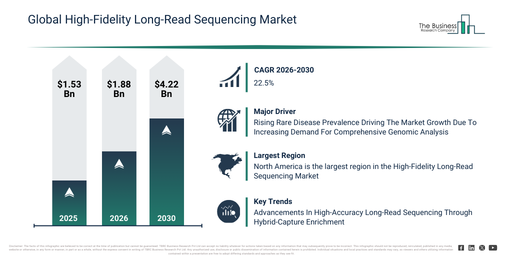
    High-Fidelity Long-Read Sequencing Market Growth From $1.88 Billion In 2026 To $4.22 Billion By 2030 At A CAGR Of 22.5%

    The high-fidelity long-read sequencing market has experienced rapid expansion over the last few years. Projections indicate it will expand from $1.53 billion in 2025 to $1.88 billion in 2026, demonstrating a compound annual growth rate (CAGR) of 22.2%. Historically, this growth has stemmed from breakthroughs in sequencing chemistry precision, initial uptake within genomics research facilities, the proliferation of extensive genome initiatives, a rising need for structural variant assessment, and enhancements in sequencing hardware capabilities.

    The high-fidelity long-read sequencing market size is anticipated to undergo significant expansion in the coming years, with projections indicating a growth to $4.22 billion by 2030, reflecting a compound annual growth rate (CAGR) of 22.5%. This projected growth during the forecast period is primarily driven by factors such as the increasing implementation of precision medicine strategies, greater investments in genomics-focused drug discovery, an expansion in rare disease research, the rising clinical integration of long-read sequencing, and continuous improvements in sequencing cost efficiency. Key trends expected over the forecast period include the broader acceptance of long-read sequencing in clinical diagnostics, an escalating demand for highly accurate variant detection, the growing application of de novo genome assembly techniques, an expansion in epigenetic and transcriptomic analysis applications, and enhanced integration of sophisticated bioinformatics tools.

    Download A Free Sample Report For Comprehensive Market Insights:

    https://www.thebusinessresearchcompany.com/sample.aspx?id=33166&type=smp&utm_source=Blogs&utm_medium=Paid&utm_campaign=Jul_PR

    High-Fidelity Long-Read Sequencing Market Expansion Drivers: What Is Shaping Future Growth?

    The increasing occurrence of rare diseases is anticipated to boost the growth of the HiFi long-read sequencing market in the future. Rare diseases are conditions that affect a limited number of individuals, often presenting with intricate symptoms and restricted treatment options. The rise in rare diseases is attributed to advancements in genetic sequencing and diagnostic technologies, which facilitate earlier and more accurate identification of previously undiagnosed or misclassified conditions. HiFi long-read sequencing helps address rare diseases by enabling highly accurate, comprehensive detection of complex genetic variations frequently overlooked by short-read sequencing, thereby leading to faster and more precise diagnoses. For instance, in July 2023, according to the Department of Health & Social Care, a UK-based government department, it is estimated that more than 7,000 rare diseases exist, with new conditions consistently being discovered as research progresses. Approximately 80% of these rare diseases are known to have a genetic basis. Therefore, the growing incidence of rare diseases is driving the expansion of the HiFi long-read sequencing market.

    High-Fidelity Long-Read Sequencing Market Segment Outlook: Which Categories Are Expanding The Fastest?

    The high-fidelity long-read sequencing market covered in this report is segmented –

    1) By Product Type: Instruments; Consumables; Software

    2) By Sequencing Technology: Single-Molecule Real-Time Sequencing; Nanopore Sequencing; Other Sequencing Technologies

    3) By Application: Clinical Diagnostics; Genomics Research; Oncology; Rare Disease Detection; Agriculture And Animal Research; Other Applications

    4) By End-User: Academic And Research Institutes; Hospitals And Clinics; Pharmaceutical And Biotechnology Companies; Other End-Users

    Subsegments:

    1) By Instruments: Sequencers; Library Preparation Systems; Sample Preparation Instruments; Data Collection Devices; Quality Control Instruments

    2) By Consumables: Sequencing Kits; Flow Cells; Reagents; Pipette Tips; Sample Tubes

    3) By Software: Data Analysis Software; Visualization Software; Sequence Alignment Software; Genome Assembly Software; Quality Assessment Software

    High-Fidelity Long-Read Sequencing Market Strategic Trends: What Is Defining The Next Phase Of Growth?

    Companies operating within the HiFi long-read sequencing market are concentrating on developing advanced solutions, such as hybrid-capture target enrichment. These efforts aim to boost sequencing accuracy, broaden coverage of intricate genomic regions, and hasten the identification of structural variants for sophisticated research and clinical uses. Hybrid-capture target enrichment refers to a genomic sequencing method that selectively separates specific DNA or RNA regions from a sample using complementary probes. This allows for focused, highly accurate sequencing of target areas while minimizing the sequencing of non-relevant segments. For example, in July 2025, QIAGEN N.V., a biotechnology company based in the Netherlands, released its QIAseq xHYB Long Read Panels, expanding its range of next-generation sequencing (NGS) products. This product utilizes hybrid-capture enrichment to facilitate accurate long-read sequencing of complex genomic areas like repeats and structural variants, overcoming the drawbacks of short-read methods. The panels deliver outstanding uniformity, specificity, and full coverage for applications such as cancer profiling, HLA typing, and haplotype phasing. They come in adaptable fixed or custom formats and support integrated workflows from DNA preparation to bioinformatics analysis. Benefits include improved efficiency and more in-depth insights for precision medicine.

    High-Fidelity Long-Read Sequencing Market Key Companies And Competitive Benchmarking

    Major companies operating in the high-fidelity long-read sequencing market are Azenta Inc., BGI Genomics Co. Ltd., GenScript Biotech Corporation, Novogene Co. Ltd., Takara Bio Inc., Pacific Biosciences of California Inc., Macrogen Inc., MedGenome Inc., MGI Tech Co. Ltd., Discovery Life Sciences Inc., Eurofins Genomics LLC, CD Genomics, BaseClear B.V., Psomagen Inc., Health in Code S.L., Creative Biogene Inc., Nucleome Informatics Private Limited, Genevia Technologies Oy, JS Link Co. Ltd., SeqCenter LLC, Theragen Bio Co. Ltd.

    Access The Complete High-Fidelity Long-Read Sequencing Market Report:

    https://www.thebusinessresearchcompany.com/report/high-fidelity-long-read-sequencing-market-report?utm_source=Blogs&utm_medium=Paid&utm_campaign=Jul_PR

    High-Fidelity Long-Read Sequencing Market Geographic Analysis: Where Is Demand Growing The Fastest?

    North America was the largest region in the HiFi long-read sequencing market in 2025. Asia-Pacific is expected to be the fastest-growing region in the forecast period. The regions covered in the high-fidelity long-read sequencing market report are Asia-Pacific, South East Asia, Western Europe, Eastern Europe, North America, South America, Middle East, Africa.

    Get in touch with us:

    The Business Research Company: https://www.thebusinessresearchcompany.com/

    Americas: +1 310-496-7795

    Asia: +44 7882 955267 & +91 8897263534

    Europe: +44 7882 955267

    Email us at: marketing@tbrc.info

    Follow us on:

    LinkedIn: https://in.linkedin.com/company/the-business-research-company

    YouTube: https://www.youtube.com/channel/UC24_fI0rV8cR5DxlCpgmyFQ

    Global Market Model: https://www.thebusinessresearchcompany.com/global-market-model
  • Hemophilia B Gene Therapy  Market Forecast Highlights Expansion From $0.71 Billion To $2.01 Billion Through 2030

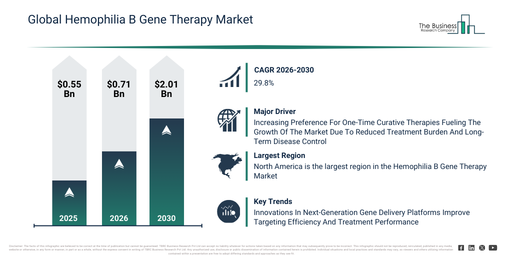
    Hemophilia B Gene Therapy Market Forecast Highlights Expansion From $0.71 Billion To $2.01 Billion Through 2030

    Delivering more actionable and strategically valuable research, The Business Research Company’s 2026 market reports feature market attractiveness analysis, total addressable market evaluation, company benchmarking matrices, interactive Excel dashboards, expanded supply chain intelligence, emerging startup coverage, and detailed product insights.

    Hemophilia B Gene Therapy Market Size Forecast: How Large Could The Market Become By 2030?

    The hemophilia b gene therapy market has experienced considerable expansion in recent years. It is anticipated to grow from $0.55 billion in 2025 to $0.71 billion in 2026, at a compound annual growth rate (CAGR) of 29.6%. This past growth can be attributed to several factors including advances in gene delivery technologies, improved understanding of hemophilia b genetics, the broadening of clinical research programs, the escalating burden of lifelong replacement therapy, and the establishment of specialized treatment centers.

    The hemophilia b gene therapy market size is projected to experience substantial growth in the coming years, with expectations to reach $2.01 billion by 2030, demonstrating a compound annual growth rate (CAGR) of 29.8%. This expansion during the forecast period is attributed to increasing approvals of gene therapies, rising investments in rare disease treatments, a growing demand for durable therapeutic outcomes, the expansion of advanced manufacturing capabilities, and an increase in patient access programs. Major trends anticipated in this period include enhanced progress in one-time curative therapies, a greater focus on long-term factor IX expression, continuous optimization of AAV vector design, the expansion of personalized gene therapy approaches, and improved regulatory alignment for advanced therapies.

    Download A Free Sample Report For Comprehensive Market Insights:

    https://www.thebusinessresearchcompany.com/sample.aspx?id=33162&type=smp&utm_source=Blogs&utm_medium=Paid&utm_campaign=Jul_PR

    Hemophilia B Gene Therapy Market Demand Drivers: What Is Fueling Industry Growth?

    The growing volume of gene therapy clinical trials is anticipated to boost the expansion of the hemophilia B gene therapy market in the future. These trials are investigative studies aimed at assessing the safety, effectiveness, and lasting therapeutic promise of gene-based treatments in human subjects. The surge in gene therapy clinical trials stems from increased capital inflow from biopharmaceutical firms, progress in viral vector technology, supportive regulatory environments, and the imperative to tackle rare genetic conditions with significant unmet medical demands, such as hemophilia B. Hemophilia B gene therapy gains advantages from this expanding field of clinical trials by utilizing existing clinical development routes, regulatory know-how, and production capabilities linked to in vivo gene delivery methods. For instance, in January 2026, according to Bioindustry Association (BIA) a UK-based national trade association, UK recorded 193 ongoing advanced therapy clinical trials, broadly similar to 2024, with over half in early stages, around 80% commercially sponsored, and more than 80% focused on gene therapies, evenly split between ex vivo and in vivo approaches. Consequently, the increasing number of cell and gene therapy clinical trials is stimulating growth in the hemophilia B gene therapy market.

    Hemophilia B Gene Therapy Market Segment Breakdown: Which Categories Generate The Most Revenue?

    The hemophilia b gene therapy market covered in this report is segmented –

    1) By Therapy: Adeno-Associated Viral (AAV) Vectors; Lentiviral Vectors; Retroviral Vectors

    2) By Disease Severity: Severe Hemophilia B; Moderate Hemophilia B; Mild Hemophilia B

    3) By Treatment Type: On-Demand; Cure; Prophylaxis

    4) By Patient Age Group: Geriatric; Adults; Pediatric

    5) By Distribution Channel: Hospital Pharmacies; Specialty Pharmacies

    Subsegments:

    1) By Adeno-Associated Viral Vectors: Single-Stranded Adeno-Associated Viral Vectors; Self-Complementary Adeno-Associated Viral Vectors; Tissue Specific Promoter Adeno-Associated Viral Vectors; Capsid Modified Adeno-Associated Viral Vectors

    2) By Lentiviral Vectors: Integrating Lentiviral Vectors; Non-Integrating Lentiviral Vectors; Self-Inactivating Lentiviral Vectors; Pseudotyped Lentiviral Vectors

    3) By Retroviral Vectors: Gamma Retroviral Vectors; Alpha Retroviral Vectors; Moloney Murine Leukemia Virus Retroviral Vectors; Spumaretroviral Vectors

    Hemophilia B Gene Therapy Market Innovation Trends: Which Developments Are Transforming The Industry?

    Leading companies in the hemophilia B gene therapy market are increasingly prioritizing innovations in advanced gene delivery platforms, particularly optimized adeno-associated virus (AAV)–based vector systems, to enhance treatment effectiveness and patient safety. These refined AAV-based vector systems function as sophisticated viral delivery mechanisms, enabling the efficient and controlled transfer of functional clotting factor IX genes into target hepatocytes, thereby supporting long-term endogenous factor production. For instance, in May 2023, CSL Behring GmbH, a Germany-based biotechnology company, obtained European Commission approval for HEMGENIX, which is the first gene therapy authorized for the treatment of hemophilia B. HEMGENIX is prescribed for adult patients with severe or moderate hemophilia B who do not have a history of factor IX inhibitors and is designed to reduce or eliminate the requirement for routine factor IX prophylaxis. Results from the pivotal HOPE-B clinical study showed that a significant number of treated patients no longer needed regular factor IX infusions, demonstrating a sustained therapeutic benefit and emphasizing the potential of next-generation AAV-based gene therapies in long-term disease management.

    Hemophilia B Gene Therapy Market Key Players And Strategic Industry Positioning

    Major companies operating in the hemophilia b gene therapy market are REGENXBIO Inc., Pfizer Inc., Bayer Aktiengesellschaft (Bayer AG), Thermo Fisher Scientific Inc., Takeda Pharmaceutical Company Limited, Merck KGaA, CSL Behring LLC, Lonza Group AG, Alnylam Pharmaceuticals Inc., GenScript ProBio LLC, Ultragenyx Pharmaceutical Inc., Takara Bio Inc., Sangamo Therapeutics Inc., Precision BioSciences Inc., Synthego Corporation, MaxCyte Inc., uniQure N.V., Freeline Therapeutics Ltd., Be Biopharma Inc., Asklepios BioPharmaceutical Inc., Cellectis S.A.

    Access The Complete Hemophilia B Gene Therapy Market Report:

    https://www.thebusinessresearchcompany.com/report/hemophilia-b-gene-therapy-market-report?utm_source=Blogs&utm_medium=Paid&utm_campaign=Jul_PR

    Hemophilia B Gene Therapy Market Regional Outlook: Where Are The Largest Opportunities Located?

    North America was the largest region in the hemophilia b gene therapy market in 2025. Asia-Pacific is expected to be the fastest-growing region in the forecast period. The regions covered in the hemophilia b gene therapy market report are Asia-Pacific, South East Asia, Western Europe, Eastern Europe, North America, South America, Middle East, Africa.

    Get in touch with us:

    The Business Research Company: https://www.thebusinessresearchcompany.com/

    Americas: +1 310-496-7795

    Asia: +44 7882 955267 & +91 8897263534

    Europe: +44 7882 955267

    Email us at: marketing@tbrc.info

    Follow us on:

    LinkedIn: https://in.linkedin.com/company/the-business-research-company

    YouTube: https://www.youtube.com/channel/UC24_fI0rV8cR5DxlCpgmyFQ

    Global Market Model: https://www.thebusinessresearchcompany.com/global-market-model
  • Gynecomastia Treatment  Market Growth Outlook Reveals A CAGR Of 8.6% And A Market Value Of $4.49 Billion By 2030

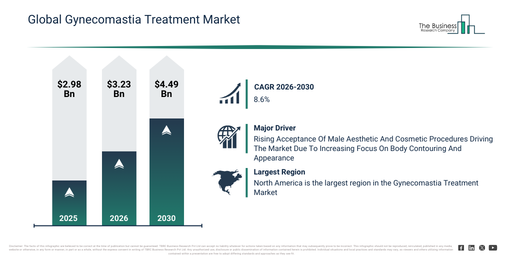
    Gynecomastia Treatment Market Growth Outlook Reveals A CAGR Of 8.6% And A Market Value Of $4.49 Billion By 2030

    Delivering more actionable and strategically valuable research, The Business Research Company’s 2026 market reports feature market attractiveness analysis, total addressable market evaluation, company benchmarking matrices, interactive Excel dashboards, expanded supply chain intelligence, emerging startup coverage, and detailed product insights.

    Gynecomastia Treatment Market Growth Potential: How Will Market Size Change Through 2030?

    The gynecomastia treatment market has demonstrated robust expansion over recent years. Projections indicate its value will escalate from $2.98 billion in 2025 to $3.23 billion in 2026, advancing at a compound annual growth rate (CAGR) of 8.4%. This historical growth can be linked to factors such as higher diagnosis rates for gynecomastia, increased public awareness regarding male health conditions, the availability of advanced surgical interventions, the broadening scope of aesthetic medicine services, and a greater willingness to embrace corrective treatments.

    The gynecomastia treatment market is projected to experience substantial expansion in the coming years, with its size expected to reach $4.49 billion by 2030, driven by a compound annual growth rate (CAGR) of 8.6%. This growth during the forecast period is fueled by several factors, including an escalating demand for personalized treatment plans, the increasing integration of advanced liposuction technologies, the proliferation of outpatient surgical facilities, a heightened focus on psychological well-being, and greater investment in male health services. Prominent trends anticipated in the forecast period involve the rising adoption of minimally invasive surgical techniques, an increasing need for hormone-based medical therapies, a growing preference for combined treatment approaches, the expansion of specialized aesthetic clinics, and an intensified commitment to patient counseling and post-treatment support.

    Download A Free Sample Report For Comprehensive Market Insights:

    https://www.thebusinessresearchcompany.com/sample.aspx?id=33147&type=smp&utm_source=Blogs&utm_medium=Paid&utm_campaign=Jul_PR

    #Gynecomastia Treatment Market Demand Drivers Creating New Revenue Opportunities

    The expanding adoption of male aesthetic and cosmetic procedures is projected to fuel the expansion of the gynecomastia treatment market moving ahead. These procedures involve medical or surgical interventions aimed at improving men’s physical appearance, addressing areas like body shape, facial features, skin condition, and hair. This growing acceptance stems from evolving societal perspectives on male grooming and body image, influenced by media and increased understanding of available aesthetic treatments. The rise in men undergoing aesthetic and cosmetic procedures has consequently prompted them to pursue gynecomastia treatment for a more defined, masculine chest. For instance, in June 2024, data from the American Society of Plastic Surgeons (ASPS), a US-based professional body, indicated that men represented a 6 % share of all cosmetic procedures carried out in 2023, with male body-focused procedures seeing an 18 % increase and face and neck procedures a 15 % increase compared to the prior year. Thus, the increasing embrace of male aesthetic and cosmetic procedures is propelling the growth of the gynecomastia treatment market.

    Gynecomastia Treatment Market Segmentation Trends And Revenue Drivers

    The gynecomastia treatment market covered in this report is segmented –

    1) By Treatment Type: Medications; Surgical Treatments; Alternative Therapies

    2) By Age Group: Adolescents; Adults; Middle Aged And Older

    3) By Distribution Channel: Direct Sales; Distributor Sales; Online Sales

    4) By End User: Hospitals; Aesthetic Clinics; Ambulatory Surgical Centers; Endocrinology Clinics

    Subsegments:

    1) By Medications: Hormone Regulating Drug Therapies; Estrogen Blocking Drug Therapies; Testosterone Modulating Drug Therapies

    2) By Surgical Treatments: Liposuction Based Breast Reduction Procedures; Glandular Tissue Excision Procedures; Combined Liposuction And Excision Procedures

    3) By Alternative Therapies: Lifestyle And Weight Management Programs; Dietary And Nutritional Support Therapies; Herbal And Natural Supplement Therapies

    #Gynecomastia Treatment Market Industry Leaders: Which Organizations Are Driving Competition?

    Major companies operating in the gynecomastia treatment market are Spire Healthcare Group Plc, Max Healthcare Institute, InMode Ltd., Cynosure Inc., Pristyn Care Private Limited, Sterling Hospital, Paras Hospital, Prettislim Clinic, Allure Medspa, Lux Hospitals, Florida Plastic Surgery Group, Dermawear, DermaVue, AK Clinics Pvt. Ltd., BioZen, Medifyhome, PinkApple Aesthetics, The Aesthetica, Austin Gynecomastia Center, and Carely Clinic.

    Access The Complete Gynecomastia Treatment Market Report:

    https://www.thebusinessresearchcompany.com/report/gynecomastia-treatment-market-report?utm_source=Blogs&utm_medium=Paid&utm_campaign=Jul_PR

    Gynecomastia Treatment Market Geographic Distribution And Regional Opportunities

    North America was the largest region in the gynecomastia treatment market in 2025. Asia-Pacific is expected to be the fastest-growing region in the forecast period. The regions covered in the gynecomastia treatment market report are Asia-Pacific, South East Asia, Western Europe, Eastern Europe, North America, South America, Middle East, Africa.

    Get in touch with us:

    The Business Research Company: https://www.thebusinessresearchcompany.com/

    Americas: +1 310-496-7795

    Asia: +44 7882 955267 & +91 8897263534

    Europe: +44 7882 955267

    Email us at: marketing@tbrc.info

    Follow us on:

    LinkedIn: https://in.linkedin.com/company/the-business-research-company

    YouTube: https://www.youtube.com/channel/UC24_fI0rV8cR5DxlCpgmyFQ

    Global Market Model: https://www.thebusinessresearchcompany.com/global-market-model
  • Gynecological Dilators  Market Forecast Highlights Expansion From $1.85 Billion To $2.36 Billion Through 2030

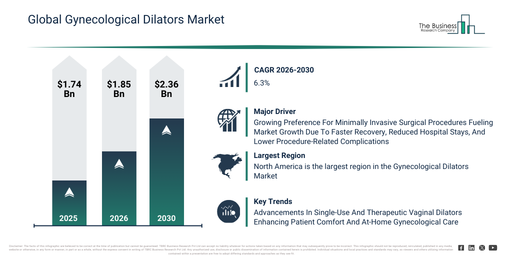
    Gynecological Dilators Market Forecast Highlights Expansion From $1.85 Billion To $2.36 Billion Through 2030

    Enhanced with market attractiveness analysis, total addressable market evaluation, company benchmarking matrices, interactive Excel dashboards, expanded supply chain intelligence, emerging startup coverage, and detailed product insights, The Business Research Company’s 2026 market reports deliver more actionable and strategically valuable research.

    Gynecological Dilators Market Value Analysis: What Growth Is Expected Over The Forecast Period?

    The market size for gynecological dilators has demonstrated strong growth in recent years. Its value is projected to increase from $1.74 billion in 2025 to $1.85 billion in 2026, at a compound annual growth rate (CAGR) of 6.1%. This historical expansion can be attributed to several factors, including an increasing number of gynecological procedures, rising awareness of vaginal health therapies, the expansion of hospital and clinic infrastructure, the availability of diverse dilator materials, and growth in outpatient gynecological care.

    The gynecological dilators market is anticipated to experience robust expansion in the coming years, with its valuation expected to reach $2.36 billion by 2030, growing at a compound annual growth rate (CAGR) of 6.3%. This projected growth during the forecast period is driven by an intensified focus on patient-centric medical devices, the increasing adoption of minimally invasive gynecological treatments, the expansion of online medical device distribution networks, a growing demand for personalized treatment solutions, and a stronger emphasis on hygiene and safety standards. Key trends anticipated in this period include the increasing use of medical-grade silicone dilators, a rising demand for customizable and graduated dilator sets, a growing preference for reusable and sterilizable devices, the expansion of home-based therapeutic applications, and an enhanced focus on patient comfort and safety.

    Download A Free Sample Report For Comprehensive Market Insights:

    https://www.thebusinessresearchcompany.com/sample.aspx?id=33146&type=smp&utm_source=Blogs&utm_medium=Paid&utm_campaign=Jul_PR

    Gynecological Dilators Market Expansion Supported By Key Demand Factors

    The increasing preference for minimally invasive surgical procedures is projected to drive the expansion of the gynecological dilators market in the future. These interventions involve gynecological operations that utilize smaller entry points and sophisticated methods such as hysteroscopy, laparoscopy, and image-guided tools, contrasting with traditional open surgeries. The rising adoption of such procedures is due to benefits including accelerated patient recovery, shorter hospital stays, reduced post-operative pain, and lower risks of complications related to the procedure. Gynecological dilators are essential for minimally invasive surgical procedures as they facilitate gradual and controlled cervical or vaginal dilation with minimal tissue trauma, thereby providing safe access to the uterine cavity and reproductive organs during diagnostic and therapeutic interventions. For instance, in 2024, according to the American Society of Plastic Surgeons, a US-based non-profit organization, minimally invasive procedures increased by 1.5% from 25,442,640 in 2023 to 28,243,407 in 2024. This growing inclination towards minimally invasive surgical procedures is thus propelling the growth of the gynecological dilators market.

    Gynecological Dilators Market Segment Analysis Highlighting Growth Areas

    The gynecological dilators market covered in this report is segmented –

    1) By Product Type: Silicone Dilators; Plastic Dilators; Metal Dilators; Glass Dilators

    2) By Size: Medium Dilators; Small Dilators; Large Dilators; Customizable Size Dilators

    3) By Application: Medical; Personal

    4) By Distribution Channel: Hospitals And Clinics; Online Retailers; Medical Supply Stores; Pharmacies

    Subsegments:

    1) By Silicone Dilators: Medical Grade Silicone Dilators; Soft Silicone Dilators; Graduated Silicone Dilators; Flexible Silicone Dilators

    2) By Plastic Dilators: Polyethylene Dilators; Polypropylene Dilators; Polycarbonate Dilators; Disposable Plastic Dilators

    3) By Metal Dilators: Stainless Steel Dilators; Titanium Dilators; Reusable Metal Dilators; Surgical Grade Metal Dilators

    4) By Glass Dilators: Borosilicate Glass Dilators; Tempered Glass Dilators; Reusable Glass Dilators; Medical Grade Glass Dilators

    Gynecological Dilators Market Growth Trends Influencing Competitive Dynamics

    Leading companies within the gynecological dilators market are prioritizing advancements in therapeutic vaginal dilators, specifically single-use and disposable models, designed for both at-home and clinical settings. This focus aims to address the increasing demand for effective management of gynecological conditions such as vaginismus, pelvic floor dysfunction, and dyspareunia, concurrently enhancing patient comfort, safety, and adherence to therapy. Therapeutic vaginal dilators are medical devices engineered to gently stretch and relax vaginal tissues, aiding in the restoration of elasticity, reduction of pain, and improvement of vaginal function. They are commonly employed in pelvic floor therapy, post-surgical recovery, radiation therapy aftercare, and the treatment of conditions including vaginismus and vaginal stenosis. For instance, in June 2024, Materna Medical, Inc., a U.S.-based obstetrics and gynecology (OBGYN) platform company, initiated a virtual clinical trial to evaluate the Milli Vaginal Dilator. This innovative device is designed for controlled vaginal dilation and symptom management in patients with vaginismus. The Milli Vaginal Dilator is constructed from medical-grade materials and features a user-friendly, ergonomic design suitable for both at-home and clinical use, offering gradual and comfortable tissue expansion, guided therapy protocols, and reduced anxiety and discomfort compared with traditional rigid dilators.

    Gynecological Dilators Market Leading Companies: Who Holds Significant Market Presence?

    Major companies operating in the gynecological dilators market are Medline Industries L.P., STERIS plc, Hologic Inc., Karl Storz SE & Co. KG, Cook Medical LLC, Integra LifeSciences Corporation, CooperSurgical Inc., KLS Martin Group, MedGyn Products Inc., Sklar Surgical Instruments Corporation, MEDICON eG, Advin Health Care, Medicem Group a.s., Pelican Feminine Healthcare Ltd., Intimate Rose LLC, Syracuse Medical Products Inc., Laboratoires Gyneas, Surgical Holdings, Vagiwell AB, Panpac Medical Corp., Aqueduct Medical Inc., Sculape India Pvt. Ltd.

    Access The Complete Gynecological Dilators Market Report:

    https://www.thebusinessresearchcompany.com/report/gynecological-dilators-market-report?utm_source=Blogs&utm_medium=Paid&utm_campaign=Jul_PR

    Gynecological Dilators Market Largest Region By Revenue And Market Share

    North America was the largest region in the gynecological dilators market in 2025. Asia-Pacific is expected to be the fastest-growing region in the forecast period. The regions covered in the gynecological dilators market report are Asia-Pacific, South East Asia, Western Europe, Eastern Europe, North America, South America, Middle East, Africa.

    Get in touch with us:

    The Business Research Company: https://www.thebusinessresearchcompany.com/

    Americas: +1 310-496-7795

    Asia: +44 7882 955267 & +91 8897263534

    Europe: +44 7882 955267

    Email us at: marketing@tbrc.info

    Follow us on:

    LinkedIn: https://in.linkedin.com/company/the-business-research-company

    YouTube: https://www.youtube.com/channel/UC24_fI0rV8cR5DxlCpgmyFQ

    Global Market Model: https://www.thebusinessresearchcompany.com/global-market-model
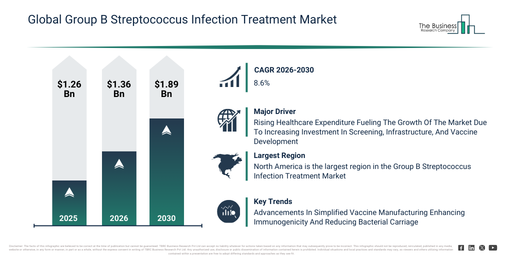
  • Group B Streptococcus Infection Treatment  Market Set To Grow From $1.36 Billion In 2026 To $1.89 Billion By 2030 At A CAGR Of 8.6%

    Group B Streptococcus Infection Treatment Market Set To Grow From $1.36 Billion In 2026 To $1.89 Billion By 2030 At A CAGR Of 8.6%

    Delivering more actionable and strategically valuable research, The Business Research Company’s 2026 market reports feature market attractiveness analysis, total addressable market evaluation, company benchmarking matrices, interactive Excel dashboards, expanded supply chain intelligence, emerging startup coverage, and detailed product insights.

    Group B Streptococcus Infection Treatment Market Revenue Outlook: What CAGR Is Expected Through 2030?

    The market size for Group B Streptococcus infection treatment has seen considerable growth in recent years. It is anticipated to expand from $1.26 billion in 2025 to $1.36 billion in 2026, demonstrating a compound annual growth rate (CAGR) of 8.3%. The expansion observed in prior periods can be attributed to a heightened awareness of neonatal infections, the extension of prenatal care programs, the widespread application of beta-lactam antibiotics, an increase in hospital-based screening protocols, and the accessibility of microbiological testing services.

    The group b streptococcus infection treatment market size is set to experience robust expansion over the forthcoming years. It is projected to reach $1.89 billion by 2030, exhibiting a compound annual growth rate (CAGR) of 8.6%. This anticipated growth during the forecast period is fueled by the accelerating development of gbs vaccines, increasing uptake of point-of-care diagnostics, a heightened focus on antimicrobial resistance management, the expansion of molecular testing infrastructure, and a growing emphasis on preventive maternal healthcare. Significant trends anticipated in this period encompass the rising adoption of rapid molecular diagnostic testing, a greater concentration on prenatal gbs screening programs, the expanding implementation of antibiotic stewardship protocols, the broadening of pipeline therapies aimed at gbs prevention, and enhanced monitoring of maternal and neonatal outcomes.

    Download A Free Sample Report For Comprehensive Market Insights:

    https://www.thebusinessresearchcompany.com/sample.aspx?id=33144&type=smp&utm_source=Blogs&utm_medium=Paid&utm_campaign=Jul_PR

    Group B Streptococcus Infection Treatment Market Opportunity Drivers: What Is Creating New Revenue Potential?

    The increasing healthcare expenditure is anticipated to drive the expansion of the group B streptococcus infection treatment market in the future. Healthcare expenditure encompasses all financial resources allocated to medical services, preventative measures, pharmaceutical products, healthcare facilities, and associated health activities aimed at preserving or enhancing public health. This expenditure is escalating primarily due to the growing occurrence of chronic and infectious diseases, which in turn fuels consistent demand for extended treatments, sophisticated therapies, and ongoing medical attention. Increased healthcare spending bolsters the group B Streptococcus infection treatment by facilitating greater investment in prenatal screening, clinical infrastructure, and vaccine research. These collective efforts lead to better early detection, prevention, and successful management of GBS infections in both mothers and newborns. For example, in April 2025, as reported by the Office for National Statistics, a UK-based government organization, total healthcare spending saw a rise of 6.5% from 2023 to 2024, demonstrating an acceleration when compared to the 6.3% growth recorded in 2023. Consequently, the upward trend in healthcare expenditure is a significant factor propelling the growth of the group B streptococcus infection treatment market.

    #Group B Streptococcus Infection Treatment Market Segment Landscape And Growth Potential

    The group b streptococcus infection treatment market covered in this report is segmented –

    1) By Treatment Type: Antibiotic Therapy; Intravenous Immunoglobulin (IVIG); Experimental Therapies

    2) By Drug Class: Beta-Lactam Antibiotic; Clindamycin And Alternatives; Pipeline Therapies

    3) By Route of Administration: Oral Administration; Intravenous Administration; Topical Application

    4) By Patient Type: Newborns; Pregnant Women; Immunocompromised Patients; Elderly Population

    5) By End User: Hospitals; Clinics; Research Institutions; Home Care Settings

    Subsegments:

    1) By Antibiotic Therapy: Penicillin Based Antibiotics; Cephalosporin Antibiotics; Macrolide Antibiotics; Aminoglycoside Antibiotics

    2) By Intravenous Immunoglobulin (IVIG): Standard Polyclonal Immunoglobulin; High Dose Immunoglobulin Therapy; Adjunctive Immunoglobulin Therapy

    3) By Experimental Therapies: Vaccine Based Therapies; Monoclonal Antibody Therapies; Bacteriophage Therapies; Immunomodulatory Therapies

    Group B Streptococcus Infection Treatment Market Innovation Trends Driving Future Development

    Major companies operating in the group B streptococcus infection treatment market are focusing on developing innovative products, such as polysaccharide conjugate vaccines, to reduce asymptomatic bacterial carriage. These immunizations, known as polysaccharide conjugate vaccines, chemically link bacterial surface sugars to a carrier protein to enhance immune recognition and generate a strong, long-lasting protective response, especially in infants and young children. For instance, in September 2023, Omniose, a US-based biotechnology company, announced a grant award of up to $3.0 million from the National Institute of Allergy and Infectious Diseases at the U.S. National Institutes of Health to support the development of a Group B Streptococcus (GBS) vaccine. The vaccine’s unique feature lies in its aim to achieve high efficacy through a highly simplified manufacturing approach. Omniose’s platform leverages synthetic biology and a one-step enzymatic process within a single re-engineered E. coli cell to produce GBS polysaccharide conjugate vaccines, eliminating conventional chemical conjugation steps. This process preserves 100% of sialic acid residues on each capsular polysaccharide, a factor shown to be critical for inducing strong functional antibody responses against specific GBS serotypes.

    Group B Streptococcus Infection Treatment Market Competitive Landscape: Who Are The Leading Companies?

    Major companies operating in the group b streptococcus infection treatment market are Merck & Co. Inc., Pfizer Inc., Sanofi S.A., Novartis AG, GlaxoSmithKline plc, Biological E. Limited, Serum Institute of India Pvt. Ltd., Walvax Biotechnology Co. Ltd., Vaxcyte Inc., Bharat Biotech International Limited, Clover Biopharmaceuticals Ltd., Biovac Institute (Pty) Ltd., Inventprise Inc., BioNet Asia Co. Ltd., GeneOne Life Science Inc., Alopexx Enterprises LLC, Wellstat Vaccines LLC, MinervaX ApS, and ShanghAI Zerun Biotechnology Co. Ltd.

    Access The Complete Group B Streptococcus Infection Treatment Market Report:

    https://www.thebusinessresearchcompany.com/report/group-b-streptococcus-infection-treatment-market-report?utm_source=Blogs&utm_medium=Paid&utm_campaign=Jul_PR

    Group B Streptococcus Infection Treatment Market Geographic Analysis: Where Is Demand Growing The Fastest?

    North America was the largest region in the group B streptococcus infection treatment market in 2025. Asia-Pacific is expected to be the fastest-growing region in the forecast period. The regions covered in the group b streptococcus infection treatment market report are Asia-Pacific, South East Asia, Western Europe, Eastern Europe, North America, South America, Middle East, Africa.

    Get in touch with us:

    The Business Research Company: https://www.thebusinessresearchcompany.com/

    Americas: +1 310-496-7795

    Asia: +44 7882 955267 & +91 8897263534

    Europe: +44 7882 955267

    Email us at: marketing@tbrc.info

    Follow us on:

    LinkedIn: https://in.linkedin.com/company/the-business-research-company

    YouTube: https://www.youtube.com/channel/UC24_fI0rV8cR5DxlCpgmyFQ

    Global Market Model: https://www.thebusinessresearchcompany.com/global-market-model
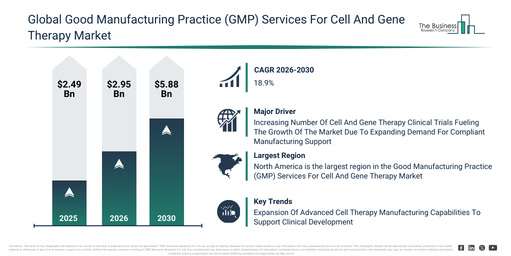
  • Good Manufacturing Practice (GMP) Services For Cell And Gene Therapy  Market Growth Is Reshaping Competitive Advantage Across The Industry

    Good Manufacturing Practice (GMP) Services For Cell And Gene Therapy Market Growth Is Reshaping Competitive Advantage Across The Industry

    Through market attractiveness analysis, total addressable market evaluation, company benchmarking matrices, interactive Excel dashboards, expanded supply chain intelligence, emerging startup coverage, and detailed product insights, The Business Research Company’s 2026 market reports provide more actionable and strategically valuable research.

    Good Manufacturing Practice (GMP) Services For Cell And Gene Therapy Market Size Outlook: How Fast Will Revenue Grow Through 2030?

    The good manufacturing practice (gmp) services for cell and gene therapy market has experienced rapid expansion in recent years. This market is set to expand from $2.49 billion in 2025 to $2.95 billion in 2026, achieving a compound annual growth rate (CAGR) of 18.6%. The historical growth of this market can be attributed to several factors, including an increase in clinical trials for advanced therapies, the enlargement of cell therapy research programs, greater regulatory standardization, the establishment of early-stage gmp facilities, and rising investment within biopharmaceutical manufacturing.

    The market for good manufacturing practice (gmp) services in cell and gene therapy is anticipated to experience swift expansion over the coming years. This market is projected to reach $5.88 billion by 2030, exhibiting a compound annual growth rate (CAGR) of 18.9%. This projected expansion is fueled by factors such as the increasing commercialization of gene therapies, a greater need for scalable manufacturing capabilities, the broadening of personalized medicine pipelines, an uptick in outsourcing to CDMOs, and the wider implementation of automated quality control systems. Key trends anticipated during this period involve a heightened demand for commercial-scale manufacturing of cell and gene therapies, an increase in the use of viral vector production services, a stronger emphasis on GMP-compliant automation, the growth of fill-finish and cold chain services, and an increased focus on regulatory compliance.

    Download A Free Sample Report For Comprehensive Market Insights:

    https://www.thebusinessresearchcompany.com/sample.aspx?id=33124&type=smp&utm_source=Blogs&utm_medium=Paid&utm_campaign=Jul_PR

    Good Manufacturing Practice (GMP) Services For Cell And Gene Therapy Market Growth Factors Supporting Long-Term Expansion

    The market for good manufacturing practice (GMP) services catering to cell and gene therapy is anticipated to grow due to a rising number of cell and gene therapy clinical trials. These trials are regulated investigations assessing the safety, effectiveness, and quality of advanced therapies that utilize genetically modified or living cells to address conditions like cancer, rare genetic disorders, and autoimmune diseases. This increase in trials is driven by heightened research and development in advanced therapies, greater financial contributions from biotechnology and pharmaceutical firms, and a growing need for novel treatments for previously unaddressed medical conditions. Since numerous trial sponsors do not possess internal GMP manufacturing capabilities, they increasingly depend on specialized GMP service providers for manufacturing compliance, analytical testing, quality control, and quality assurance. Such services are essential to guarantee a secure, uniform, and prompt provision of clinical-grade materials throughout all trial stages. As an example, the Bioindustry Association (BIA), a national trade association based in the UK, reported 193 active advanced therapy clinical trials in the UK in January 2026, with over half being in early stages and more than 80% specifically targeting gene therapies. Consequently, the rising volume of cell and gene therapy clinical trials is propelling the expansion of the good manufacturing practice (GMP) services for cell and gene therapy market.

    Good Manufacturing Practice (GMP) Services For Cell And Gene Therapy Market Segment Analysis: What Are The Major Market Categories?

    The good manufacturing practice (gmp) services for cell and gene therapy market covered in this report is segmented –

    1) By Service Type: Process Development; Manufacturing; Analytical and Quality Control; Fill-Finish; Other Service Types

    2) By Therapy Type: Cell Therapy; Gene Therapy; Combination Therapy

    3) By Phase: Preclinical; Clinical; Commercial

    4) By End-User: Pharmaceutical and Biotechnology Companies; Academic and Research Institutes; Other End-Users

    Subsegments:

    1) By Process Development: Vector Design Optimization; Cell Line Development; Upstream Process Optimization; Downstream Purification Development; Process Scale Up Studies

    2) By Manufacturing: Clinical Trial Material Production; Commercial Scale Manufacturing; Viral Vector Manufacturing; Plasmid Production Services; Cell Therapy Manufacturing

    3) By Analytical and Quality Control: Method Development And Validation; Potency And Efficacy Testing; Safety And Sterility Testing; Stability And Shelf Life Studies; Release Testing Services

    4) By Fill-Finish: Aseptic Filling Services; Vial And Syringe Filling; Lyophilization Services; Packaging And Labeling; Cold Chain Handling

    5) By Other Service Types: Regulatory Support Services; Technology Transfer Services; Supply Chain Management; Storage And Distribution; Post Manufacturing Support

    Good Manufacturing Practice (GMP) Services For Cell And Gene Therapy Market Industry Trends Shaping Future Revenue Growth

    Leading companies operating within the good manufacturing practice (GMP) services for cell and gene therapy market are increasingly prioritizing the expansion of advanced manufacturing capabilities, particularly cell therapy manufacturing, to aid regional clinical trials and accelerate the development of therapies. Cell therapy manufacturing involves GMP-compliant processes for the collection, modification, expansion, and formulation of therapeutic cells, ensuring product safety, quality, and clinical effectiveness. For example, in July 2025, AGC Biologics, a US-based contract development and manufacturing organization (CDMO), initiated cell therapy process development and clinical manufacturing services at its Yokohama Technical Center in Japan. This facility provides GMP-compliant production support for preclinical and clinical trials, including CAR-T therapies, induced pluripotent stem cells, and other stem cell platforms. This strategic expansion enhances AGC Biologics’ global GMP footprint across Europe, North America, and Asia, enabling faster and more compliant advancement of cell and gene therapies towards commercialization.

    Good Manufacturing Practice (GMP) Services For Cell And Gene Therapy Market Leading Companies Driving Competitive Growth

    Major companies operating in the good manufacturing practice (gmp) services for cell and gene therapy market are Novartis AG, Boehringer Ingelheim BioXcellence GmbH, Batavia Biosciences B.V., FUJIFILM Diosynth Biotechnologies, AGC Biologics Inc., Lonza Group AG, WuXi AppTec Co. Ltd., BioNTech Innovative Manufacturing Services, Charles River Laboratories International Inc., Catalent Inc., Samsung Biologics Co. Ltd., Miltenyi Biotec GmbH, SK pharmteco Co. Ltd., KBI Biopharma Inc., Oxford Biomedica plc, OmniaBio Inc., RoslinCT Ltd., Pluri CDMO, SCTbio Inc., Made Scientific Inc., ENCell Co. Ltd.

    Access The Complete Good Manufacturing Practice (GMP) Services For Cell And Gene Therapy Market Report:

    https://www.thebusinessresearchcompany.com/report/good-manufacturing-practice-gmp-services-for-cell-and-gene-therapy-market-report?utm_source=Blogs&utm_medium=Paid&utm_campaign=Jul_PR

    Good Manufacturing Practice (GMP) Services For Cell And Gene Therapy Market Largest Region By Revenue And Market Share

    North America was the largest region in the good manufacturing practice (GMP) services for cell and gene therapy market in 2025. Asia-Pacific is expected to be the fastest-growing region in the forecast period. The regions covered in the good manufacturing practice (gmp) services for cell and gene therapy market report are Asia-Pacific, South East Asia, Western Europe, Eastern Europe, North America, South America, Middle East, Africa.

    Get in touch with us:

    The Business Research Company: https://www.thebusinessresearchcompany.com/

    Americas: +1 310-496-7795

    Asia: +44 7882 955267 & +91 8897263534

    Europe: +44 7882 955267

    Email us at: marketing@tbrc.info

    Follow us on:

    LinkedIn: https://in.linkedin.com/company/the-business-research-company

    YouTube: https://www.youtube.com/channel/UC24_fI0rV8cR5DxlCpgmyFQ

    Global Market Model: https://www.thebusinessresearchcompany.com/global-market-model
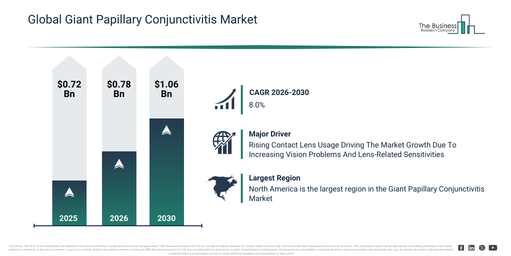
  • Giant Papillary Conjunctivitis  Market Forecast Signals New Revenue Opportunities Through 2030

    Giant Papillary Conjunctivitis Market Forecast Signals New Revenue Opportunities Through 2030

    Delivering more actionable and strategically valuable research, The Business Research Company’s 2026 market reports feature market attractiveness analysis, total addressable market evaluation, company benchmarking matrices, interactive Excel dashboards, expanded supply chain intelligence, emerging startup coverage, and detailed product insights.

    Giant Papillary Conjunctivitis Market Size, Value And Growth Trends Through 2030

    The giant papillary conjunctivitis market has experienced robust expansion in recent years. It is projected to increase in value from $0.72 billion in 2025 to $0.78 billion in 2026, demonstrating a compound annual growth rate (CAGR) of 7.8%. This historical growth can be attributed to several factors, including the increasing prevalence of contact lens usage, a rising incidence of ocular allergies, improved diagnostic awareness among medical professionals, the availability of topical antihistamine treatments, and the expansion of outpatient ophthalmology services.

    The giant papillary conjunctivitis market size is anticipated to experience robust growth in the upcoming years, projected to reach $1.06 billion by 2030, demonstrating a compound annual growth rate (CAGR) of 8.0%. This expansion during the forecast period can be attributed to factors such as the increasing development of targeted anti-inflammatory therapies, a rising demand for non-steroidal treatment options, the expansion of tele-ophthalmology services, a growing focus on early diagnosis, and increasing investment in ophthalmic drug development. Major trends anticipated in this period include the increasing use of combination ocular therapies, a rising adoption of preservative-free eye drops, an intensifying focus on long-term disease management, the expansion of allergy-related ophthalmic treatments, and an enhanced emphasis on patient-centric care.

    Download A Free Sample Report For Comprehensive Market Insights:

    https://www.thebusinessresearchcompany.com/sample.aspx?id=33123&type=smp&utm_source=Blogs&utm_medium=Paid&utm_campaign=Jul_PR

    #Giant Papillary Conjunctivitis Market Demand Drivers Creating New Revenue Opportunities

    The growing adoption of contact lenses is projected to boost the allergic papillary conjunctivitis market in the coming years. Contact lenses are slender, curved optical devices applied directly to the eye’s surface (cornea) to correct vision, safeguard the eye, or improve cosmetic appearance. Their usage is escalating due to a rise in vision issues like myopia, largely influenced by increased screen time and digital device use. Allergic papillary conjunctivitis (APC) assists contact lens wearers by pinpointing sensitivity issues, enabling them to select suitable lenses or treatments to lessen irritation and enhance comfort. For instance, in January 2025, the Contact Lens Spectrum, a US-based professional publication, reported that practitioners estimate 59% of their patients purchase contact lenses directly from their practices (an increase from 56% in 2023), while 23% acquire them online, consistent with 2023 figures. Consequently, the expanding use of contact lenses is propelling the growth of the allergic papillary conjunctivitis market. The rising healthcare expenditures are expected to stimulate the growth of the giant papillary conjunctivitis market moving forward. Healthcare expenditures encompass the total costs incurred for the delivery, management, and consumption of health services, products, and preventive care. These expenditures are increasing because an aging demographic necessitates more medical attention and extended treatment for chronic conditions. Healthcare expenditures contribute to managing giant papillary conjunctivitis by covering expenses for medical consultations, medications, therapeutic contact lenses, and follow-up care aimed at reducing inflammation and averting vision problems. For example, in December 2024, the Centers for Medicare & Medicaid Services, a US-based agency, stated that in 2023, U.S. healthcare expenditures saw a 7.5% increase, reaching $4.9 trillion, which is approximately $14,570 per individual. Therefore, the escalation in healthcare expenditures is driving the growth of the giant papillary conjunctivitis market.

    Giant Papillary Conjunctivitis Market Segment Breakdown: Which Categories Generate The Most Revenue?

    The giant papillary conjunctivitis market covered in this report is segmented –

    1) By Drug Class: Antihistamines; Mast Cell Stabilizers; Corticosteroids

    2) By Treatment: Medications; Surgical Interventions

    3) By Route of Administration: Topical Eye Drops; Ophthalmic Inserts; Systemic Therapy

    4) By Distribution Channel: Hospital Pharmacies; Retail Pharmacies; Online Pharmacies

    Subsegments:

    1) By Antihistamines: Topical Antihistamine Drops; Dual Action Antihistamine Agents; Oral Antihistamine Medications

    2) By Mast Cell Stabilizers: Sodium Cromoglycate Preparations; Lodoxamide Based Formulations; Nedocromil Based Treatments

    3) By Corticosteroids: Topical Steroid Eye Drops; Low Potency Corticosteroids; Short Term Corticosteroid Therapy

    Giant Papillary Conjunctivitis Market Key Players And Strategic Industry Positioning

    Major companies operating in the giant papillary conjunctivitis market are Johnson & Johnson Vision Care Inc., AbbVie Inc., Novartis AG, Teva Pharmaceutical Industries Ltd., Bausch Health Companies Inc., Alcon Inc., Cleveland Clinic, Sun Pharmaceutical Industries Ltd., CooperVision Inc., Cipla Limited, Lupin Limited, Santen Pharmaceutical Co. Ltd., Mankind Pharma Pvt. Ltd., Eton Pharmaceuticals Inc., Micro Labs Limited, Specsavers Optical Group Ltd., Harrow Health Inc., Ocular Therapeutix Inc., Eyevance Pharmaceuticals LLC, Iskon Remedies Pvt. Ltd., The Eye Practice Ltd.

    Access The Complete Giant Papillary Conjunctivitis Market Report:

    https://www.thebusinessresearchcompany.com/report/giant-papillary-conjunctivitis-market-report?utm_source=Blogs&utm_medium=Paid&utm_campaign=Jul_PR

    Giant Papillary Conjunctivitis Market Regional Analysis And Leading Geography

    North America was the largest region in the giant papillary conjunctivitis market in 2025. Asia-Pacific is expected to be the fastest-growing region in the forecast period. The regions covered in the giant papillary conjunctivitis market report are Asia-Pacific, South East Asia, Western Europe, Eastern Europe, North America, South America, Middle East, Africa.

    Get in touch with us:

    The Business Research Company: https://www.thebusinessresearchcompany.com/

    Americas: +1 310-496-7795

    Asia: +44 7882 955267 & +91 8897263534

    Europe: +44 7882 955267

    Email us at: marketing@tbrc.info

    Follow us on:

    LinkedIn: https://in.linkedin.com/company/the-business-research-company

    YouTube: https://www.youtube.com/channel/UC24_fI0rV8cR5DxlCpgmyFQ

    Global Market Model: https://www.thebusinessresearchcompany.com/global-market-model
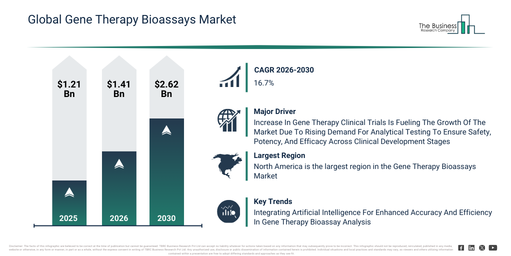
  • Gene Therapy Bioassays  Market Expansion Is Reshaping Competitive Dynamics Across The Industry

    Gene Therapy Bioassays Market Expansion Is Reshaping Competitive Dynamics Across The Industry

    Enhanced with market attractiveness analysis, total addressable market evaluation, company benchmarking matrices, interactive Excel dashboards, expanded supply chain intelligence, emerging startup coverage, and detailed product insights, The Business Research Company’s 2026 market reports deliver more actionable and strategically valuable research.

    Gene Therapy Bioassays Market Revenue Growth Supported By A CAGR Of 2.62% Through 2030

    The gene therapy bioassays market has experienced significant growth in recent years. It is projected to expand from $1.21 billion in 2025 to $1.41 billion in 2026, achieving a compound annual growth rate (CAGR) of 16.5%. The expansion witnessed in previous periods can be attributed to the increase in gene therapy research programs, the scaling up of viral vector manufacturing, a rise in clinical trial activity, the implementation of standardized bioassay protocols, and growing regulatory scrutiny on gene therapy products.

    The gene therapy bioassays market size is set to experience substantial expansion in the upcoming years. It is projected to climb to $2.62 billion by 2030, demonstrating a compound annual growth rate (CAGR) of 16.7%. This anticipated growth is linked to the increasing commercialization of gene therapies, a rising need for high-throughput bioassay solutions, the broadening field of personalized genetic medicine, growing investments in advanced cell and gene therapy pipelines, and a greater emphasis on assay automation and reproducibility. Significant trends expected during this period involve the increasing adoption of cell-based potency assays, a rising demand for viral vector characterization tests, the growing use of automated bioassay platforms, the expansion of regulatory-compliant assay validation, and an enhanced focus on functional gene expression analysis.

    Download A Free Sample Report For Comprehensive Market Insights:

    https://www.thebusinessresearchcompany.com/sample.aspx?id=33119&type=smp&utm_source=Blogs&utm_medium=Paid&utm_campaign=Jul_PR

    Gene Therapy Bioassays Market Growth Momentum: Which Factors Are Influencing Demand?

    An increasing volume of gene therapy clinical trials is projected to stimulate growth in the gene therapy bioassays market. These trials are designed to evaluate the safety, efficacy, and biological performance of gene-based treatments in human subjects. The expansion of these trials is fueled by intensified research and development efforts and rising investment from biopharmaceutical companies aiming to address unmet medical needs via innovative genetic therapies. Gene therapy bioassays facilitate clinical development by offering essential analytical tests to assess biological activity, potency, safety, and mechanism of action at each development stage, with regulatory requirements escalating as programs advance through clinical phases. For instance, in January 2026, the Bioindustry Association (BIA), a UK-based national trade association, reported that the UK had 193 ongoing advanced therapy clinical trials, with over 80% concentrating on gene therapies. Thus, the proliferation of gene therapy clinical trials is a significant driver for the growth of the gene therapy bioassays market.

    Gene Therapy Bioassays Market Segment Performance And Strategic Opportunities

    The gene therapy bioassays market covered in this report is segmented –

    1) By Product Type: Cell-Based Assays; Viral Vector-Based Assays; Non-Viral Vector-Based Assays; Other Product Types

    2) By Service Type: Assay Development Services; Assay Validation Services; Quality Control Testing Services; Regulatory Support Services; Data Analysis And Reporting Services; Custom Bioassay Design Services

    3) By Application: Research And Development; Clinical Testing; Quality Control; Other Applications

    4) By End User: Biotechnology Companies; Pharmaceutical Companies; Contract Research Organizations; Academic And Research Institutes; Regulatory Laboratories

    Subsegments:

    1) By Cell-Based Assays: Reporter Gene Expression Assays; Cell Viability And Cytotoxicity Assays; Transduction Efficiency Assays; Functional Potency Cell Assays; Cellular Uptake And Localization Assays

    2) By Viral Vector-Based Assays: Adeno Associated Virus Vector Assays; Lentiviral Vector Characterization Assays; Retroviral Vector Titer Assays; Vector Genome Integrity Assays; Infectivity And Transduction Assays

    3) By Non-Viral Vector-Based Assays: Plasmid Deoxyribonucleic Acid Delivery Assays; Lipid Nanoparticle Transfection Assays; Polymeric Carrier Efficiency Assays; Physical Gene Delivery Evaluation Assays; Non Viral Vector Stability Assays

    4) By Other Product Types: Immunogenicity Assessment Assays; Biodistribution And Persistence Assays; Safety And Toxicity Bioassays; Analytical Method Development Assays; Custom Gene Therapy Bioassays

    Gene Therapy Bioassays Market Trends Reshaping Industry Growth

    Major companies within the gene therapy bioassays market are increasingly incorporating artificial intelligence and machine learning into bioassay analysis. This integration, notably seen in AI-enabled digital PCR data interpretation, aims to enhance accuracy, reduce experimental variability, accelerate result turnaround, and optimize the assessment of therapeutic efficacy and safety in gene therapy development. AI-powered dPCR data interpretation utilizes advanced algorithms to automate result analysis, differentiate true signals from background noise, and precisely quantify viral genomes or vector copy numbers with minimal human intervention. For instance, in April 2025, QIAGEN N.V., a Germany-based molecular diagnostics company, launched expanded QIAcuity lentivirus solutions, including the QIAcuity RCL Quant Kit and CGT dPCR assays. These solutions feature algorithm-driven absolute quantification, compatibility for multiplex and singleplex assays in vector genome and vector copy number analysis, and software-assisted data analysis workflows designed to support regulatory-compliant decision-making in gene therapy bioassay applications.

    Gene Therapy Bioassays Market Key Players: Which Companies Shape Industry Competition?

    Major companies operating in the gene therapy bioassays market are Boehringer Ingelheim BioXcellence, AGC Biologics, ICON plc, Lonza Group AG, SGS SA, Eurofins Scientific SE, WuXi AppTec, Charles River Laboratories International Inc., Catalent Inc, Recipharm AB, KBI Biopharma, Syngene International Limited, QPS Holdings LLC, BioAgilytix Labs (operationally independent CRO), Oxford Biomedica plc, Viralgen Vector S.L., ProtaGene Inc., Center for Breakthrough Medicines, RoslinCT, Immunologix Labs, Genezen Laboratories

    Access The Complete Gene Therapy Bioassays Market Report:

    https://www.thebusinessresearchcompany.com/report/gene-therapy-bioassays-market-report?utm_source=Blogs&utm_medium=Paid&utm_campaign=Jul_PR

    Gene Therapy Bioassays Market Leading Geography: Which Region Generates The Most Revenue?

    North America was the largest region in the gene therapy bioassays market in 2025. Asia-Pacific is expected to be the fastest-growing region in the forecast period. The regions covered in the gene therapy bioassays market report are Asia-Pacific, South East Asia, Western Europe, Eastern Europe, North America, South America, Middle East, Africa.

    Get in touch with us:

    The Business Research Company: https://www.thebusinessresearchcompany.com/

    Americas: +1 310-496-7795

    Asia: +44 7882 955267 & +91 8897263534

    Europe: +44 7882 955267

    Email us at: marketing@tbrc.info

    Follow us on:

    LinkedIn: https://in.linkedin.com/company/the-business-research-company

    YouTube: https://www.youtube.com/channel/UC24_fI0rV8cR5DxlCpgmyFQ

    Global Market Model: https://www.thebusinessresearchcompany.com/global-market-model
  • G Protein-Coupled Receptor Family C Group 5 Member D (GPRC5D) Targeted Therapies  Market Size Projected To Increase From $0.78 Billion To $2.42 Billion During The Forecast Period

    G Protein-Coupled Receptor Family C Group 5 Member D (GPRC5D) Targeted Therapies Market Size Projected To Increase From $0.78 Billion To $2.42 Billion During The Forecast Period

    Enhanced with market attractiveness analysis, total addressable market evaluation, company benchmarking matrices, interactive Excel dashboards, expanded supply chain intelligence, emerging startup coverage, and detailed product insights, The Business Research Company’s 2026 market reports deliver more actionable and strategically valuable research.

    #G Protein-Coupled Receptor Family C Group 5 Member D (GPRC5D) Targeted Therapies Market Size And Revenue Forecast Through 2030

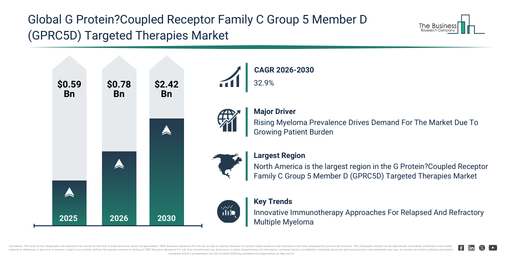
    The g protein-coupled receptor family c group 5 member d (gprc5d) targeted therapies market has seen significant expansion in its size over recent years. This market is projected to expand from $0.59 billion in 2025 to $0.78 billion in 2026, demonstrating a compound annual growth rate (CAGR) of 32.7%. The growth observed historically is largely attributable to advancements in targeted cancer therapy research, an increasing prevalence of multiple myeloma cases, the expansion of monoclonal antibody development programs, improvements in clinical trial infrastructure, and rising investments in oncology drug discovery.

    The g protein-coupled receptor family c group 5 member d (gprc5d) targeted therapies market is set for significant expansion in the coming years, with projections indicating it will reach $2.42 billion by 2030, exhibiting a compound annual growth rate (CAGR) of 32.9%. This projected growth during the forecast period is primarily fueled by a surge in regulatory approvals for targeted biologics, the escalating demand for individualized cancer treatments, the ongoing development of next-generation immunotherapy platforms, increased financial commitments to precision medicine ecosystems, and the wider adoption of biomarker-guided therapy selection. Key developments expected during this timeframe involve the accelerating creation of bispecific antibody therapies, an intensifying focus on gprc5d biomarker-informed patient screening, the broadened use of CAR-T cell platforms, an expansion in precision oncology clinical trial pipelines, and the enhanced incorporation of companion diagnostics.

    Download A Free Sample Report For Comprehensive Market Insights:

    https://www.thebusinessresearchcompany.com/sample.aspx?id=33116&type=smp&utm_source=Blogs&utm_medium=Paid&utm_campaign=Jul_PR

    G Protein-Coupled Receptor Family C Group 5 Member D (GPRC5D) Targeted Therapies Market Industry Drivers: What Is Driving Revenue Growth?

    An increase in myeloma prevalence is projected to boost the expansion of the GPRC5D-targeted therapies market in the future. Myeloma, a cancer affecting plasma cells within the bone marrow, interferes with the regular production of blood cells and may lead to issues such as bone damage, anemia, and kidney dysfunction. The occurrence of myeloma is growing, partly attributable to aging demographics, given that the likelihood of developing plasma cell disorders increases with age as genetic mutations accrue over time. GPRC5D-targeted therapies provide a treatment approach for myeloma by attaching to the GPRC5D protein found on malignant plasma cells and guiding the immune system, particularly T cells, to specifically eliminate these cancerous cells, largely preserving healthy ones. For example, in January 2026, the American Cancer Society, a US-based professional organization, reported expectations for 2026 that the United States will see around 36,000 new cases of multiple myeloma, with 20,150 cases in men and 15,850 cases in women, and an anticipated 10,850 deaths, consisting of 5,780 men and 5,070 women. Consequently, the increasing prevalence of myeloma is propelling the expansion of the GPRC5D-targeted therapies market.

    G Protein-Coupled Receptor Family C Group 5 Member D (GPRC5D) Targeted Therapies Market Segment Analysis And Revenue Opportunities

    The g protein-coupled receptor family c group 5 member d (gprc5d) targeted therapies market covered in this report is segmented –

    1) By Therapy Type: Monoclonal Antibodies; Bispecific Antibodies; Chimeric Antigen Receptor (CAR-T) Cell Therapies; Other Therapy Types

    2) By Indication: Multiple Myeloma; Solid Tumors; Other Indications

    3) By Technology: Precision Medicine Approaches; Molecular Targeted Therapy; Cancer Immunotherapy Platforms; Biopharmaceutical Drug Delivery Systems

    4) By Route Of Administration: Intravenous; Subcutaneous; Other Routes Of Administration

    5) By End-User: Hospitals; Specialty Clinics; Research Institutes; Other End-Users

    Subsegments:

    1) By Monoclonal Antibodies: Fully Human Monoclonal Antibodies; Humanized Monoclonal Antibodies; Chimeric Monoclonal Antibodies; Murine Monoclonal Antibodies

    2) By Bispecific Antibodies: Dual Targeting Bispecific Antibodies; Cross Linking Bispecific Antibodies; Immune Cell Engaging Bispecific Antibodies; Cytotoxic Bispecific Antibodies

    3) By Chimeric Antigen Receptor (CAR-T) Cell Therapies: Autologous Car T Cell Therapies; Allogeneic Car T Cell Therapies; Next Generation Car T Cell Therapies; Gene Edited Car T Cell Therapies

    4) By Other Therapy Types: Targeted Small Molecule Drugs; Receptor Specific Inhibitors; Injectable Biologics; Oral Targeted Therapeutics

    #G Protein-Coupled Receptor Family C Group 5 Member D (GPRC5D) Targeted Therapies Market Growth Trends: What Is Influencing The Future Outlook?

    Leading companies in the GPRC5D targeted therapies market are concentrating on developing innovative solutions, such as bispecific T cell engagers, to enhance immune-mediated targeting of cancer cells and improve treatment effectiveness. A bispecific T-cell engager (BiTE) is a type of immunotherapy molecule engineered to connect T-cells directly to cancer cells through simultaneous binding, thereby activating the T-cells to eliminate the specified cancer cells. For instance, in August 2023, Johnson & Johnson, a US-based healthcare company, secured approval from the European Commission for TALVEY (talquetamab), Janssen’s bispecific antibody therapy targeting GPRC5D, intended for relapsed and refractory multiple myeloma (RRMM) in patients who have received at least three prior therapies. This is a first-in-class bispecific T-cell engager that targets GPRC5D on multiple myeloma cells and CD3 on T cells for treating relapsed/refractory multiple myeloma in heavily pretreated patients. Its main goal is to provide durable responses (ORR >70% in trials) after at least four prior therapies, with advantages including subcutaneous dosing, sustained quality-of-life benefits, and efficacy even after bispecifics or CAR-T, thus addressing an unmet need in late-line disease.

    G Protein-Coupled Receptor Family C Group 5 Member D (GPRC5D) Targeted Therapies Market Leading Players Shaping Industry Direction

    Major companies operating in the g protein-coupled receptor family c group 5 member d (gprc5d) targeted therapies market are Johnson And Johnson, F. Hoffmann-La Roche AG., AbbVie Inc., Sanofi S.A., AstraZeneca plc, Bristol Myers Squibb Company, Genmab A/S, Genentech Inc., Simcere Zaiming Biotechnology Co. Ltd., Innovent Biologics Inc., Essen Biotech Co. Ltd., Nanjing IASO Biotechnology Co. Ltd., CARsgen Therapeutics Holdings Limited, Oricell Therapeutics Co. Ltd., Integral Molecular Inc., Overland Therapeutics Inc., Qilu Pharmaceutical Co. Ltd., Leads Biolabs Ltd., ShanghAI Yake Biotechnology Co. Ltd., Guangzhou Bio-gene Technology Co. Ltd.

    Access The Complete G Protein-Coupled Receptor Family C Group 5 Member D (GPRC5D) Targeted Therapies Market Report:

    https://www.thebusinessresearchcompany.com/report/g-protein-coupled-receptor-family-c-group-5-member-d-gprc5d-targeted-therapies-market-report?utm_source=Blogs&utm_medium=Paid&utm_campaign=Jul_PR

    #G Protein-Coupled Receptor Family C Group 5 Member D (GPRC5D) Targeted Therapies Market Largest Region: Which Geography Holds The Highest Market Share?

    North America was the largest region in the GPRC5D targeted therapies market in 2025. Asia-Pacific is expected to be the fastest-growing region in the forecast period. The regions covered in the g protein-coupled receptor family c group 5 member d (gprc5d) targeted therapies market report are Asia-Pacific, South East Asia, Western Europe, Eastern Europe, North America, South America, Middle East, Africa.

    Get in touch with us:

    The Business Research Company: https://www.thebusinessresearchcompany.com/

    Americas: +1 310-496-7795

    Asia: +44 7882 955267 & +91 8897263534

    Europe: +44 7882 955267

    Email us at: marketing@tbrc.info

    Follow us on:

    LinkedIn: https://in.linkedin.com/company/the-business-research-company

    YouTube: https://www.youtube.com/channel/UC24_fI0rV8cR5DxlCpgmyFQ

    Global Market Model: https://www.thebusinessresearchcompany.com/global-market-model
  • Frontotemporal Dementia  Market Forecast Highlights Expansion From $3.53 Billion To $4.99 Billion Through 2030

    Frontotemporal Dementia Market Forecast Highlights Expansion From $3.53 Billion To $4.99 Billion Through 2030

    Delivering more actionable and strategically valuable research, The Business Research Company’s 2026 market reports feature market attractiveness analysis, total addressable market evaluation, company benchmarking matrices, interactive Excel dashboards, expanded supply chain intelligence, emerging startup coverage, and detailed product insights.

    Frontotemporal Dementia Market Expansion Outlook: What Revenue Opportunities Lie Ahead?

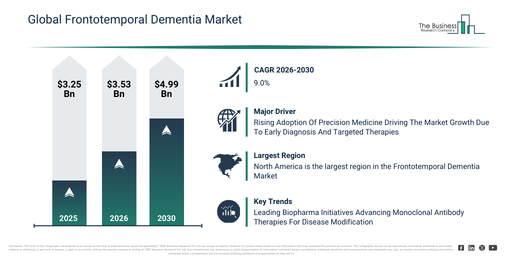
    The frontotemporal dementia market size has observed strong growth in recent years. It is projected to expand from $3.25 billion in 2025 to $3.53 billion in 2026, at a compound annual growth rate (CAGR) of 8.8%. The historical growth can be attributed to improved clinical recognition of frontotemporal dementia, the expansion of specialized neurology clinics, increased availability of neuroimaging technologies, rising awareness among healthcare professionals, and the development of standardized diagnostic criteria.

    The frontotemporal dementia market is projected to experience substantial growth in the upcoming years, with its size expected to reach $4.99 billion by 2030, exhibiting a compound annual growth rate (CAGR) of 9.0%. This anticipated expansion during the forecast period is driven by factors such as increasing investments in neurodegenerative disease research, a rising adoption of precision medicine approaches, the broadening availability of digital health tools for cognitive assessment, a growing emphasis on disease-modifying therapies, and the proliferation of caregiver support and management programs. Furthermore, significant trends foreseen in this period include the increased utilization of advanced neuroimaging diagnostics, a rising embrace of genetic and biomarker testing, a heightened focus on early and accurate disease differentiation, the expansion of multidisciplinary care models, and the enhanced integration of digital cognitive assessment tools.

    Download A Free Sample Report For Comprehensive Market Insights:

    https://www.thebusinessresearchcompany.com/sample.aspx?id=33114&type=smp&utm_source=Blogs&utm_medium=Paid&utm_campaign=Jul_PR

    Frontotemporal Dementia Market Demand Drivers: What Is Fueling Industry Growth?

    The expanding field of precision medicine is anticipated to propel the future growth of the frontotemporal dementia market. This approach involves tailoring medical treatment to an individual’s distinct biological and lifestyle characteristics. Its adoption is on the rise, spurred by progress in genomics and biotechnology, which enable more precise identification of disease origins and focused therapies, thereby enhancing patient outcomes. For frontotemporal dementia (FTD), precision medicine facilitates early and accurate diagnosis via genetic and biomarker analysis, and it also directs the creation of targeted treatments that address specific molecular pathways implicated in the condition, leading to improved treatment efficacy and slower disease progression. For instance, according to the Personalized Medicine Coalition, a US-based non-profit organization, the US Food and Drug Administration (FDA) sanctioned 16 new personalized treatments for rare disease patients, an increase from six in 2022. Among the new personalized treatments approved for 2023 were also seven cancer drugs and three for various other diseases and conditions. Consequently, the expansion of precision medicine is acting as a key driver for the frontotemporal dementia market’s growth.

    Frontotemporal Dementia Market Segment Outlook: Which Categories Are Expanding The Fastest?

    The frontotemporal dementia market covered in this report is segmented –

    1) By Disease Type: Behavioral Variant Frontotemporal Dementia (bvFTD); Primary Progressive Aphasia (PPA); Frontotemporal Dementia With Motor Neuron Disease (FTD-MND)

    2) By Drug Class: Cholinesterase Inhibitors; N-Methyl-D-Aspartate (NMDA) Receptor Antagonists; Antidepressants; Antipsychotics

    3) By Diagnostic Methods: Clinical Evaluation; Neuroimaging; Genetic Testing

    4) By Treatment Approach: Symptom Management; Medications; Speech And Occupational Therapy

    5) By End User: Hospitals; Specialty Clinics; Long-Term Care Facilities

    Subsegments:

    1) By Behavioral Variant Frontotemporal Dementia (bvFTD): Disinhibited Type; Apathetic Type; Stereotypic Type; Hyperorality Type

    2) By Primary Progressive Aphasia (PPA): Nonfluent Variant; Semantic Variant; Logopenic Variant

    3) By Frontotemporal Dementia With Motor Neuron Disease (FTD-MND): Amyotrophic Lateral Sclerosis Associated; Progressive Muscular Atrophy Associated; Primary Lateral Sclerosis Associated

    Frontotemporal Dementia Market Innovation Trends: Which Developments Are Transforming The Industry?

    Leading companies operating within the frontotemporal dementia market are concentrating on developing innovative solutions like monoclonal antibody therapy to slow disease progression and address underlying pathological mechanisms. Monoclonal antibody therapy involves a treatment that uses laboratory-made antibodies, specifically designed to target particular proteins or cells in the body, aiding in disease treatment by blocking, neutralizing, or marking harmful cells for destruction. For instance, in February 2024, Alector Inc., a US-based clinical-stage biotechnology company, partnered with GSK Plc., a UK-based biopharma company, and received the FDA Breakthrough Therapy Designation for latozinemab (AL001). This therapy is engineered to treat frontotemporal dementia due to progranulin gene mutation (FTD-GRN) by inhibiting the sortilin receptor and elevating progranulin (PGRN) levels in the brain to tackle lysosomal dysfunction and neurodegeneration. Phase 2 trials indicated safe, sustained PGRN increases (over 2-fold in plasma/CSF) with trends suggesting a slowing of clinical progression.

    Frontotemporal Dementia Market Key Companies And Competitive Benchmarking

    Major companies operating in the frontotemporal dementia market are Novartis AG, Eli Lilly and Company, Siemens Healthineers AG, Alector Inc., Denali Therapeutics Inc., Sangamo Therapeutics Inc., QurAlis Inc., TauRx Pharmaceuticals Ltd., AC Immune SA, AviadoBio Ltd., Passage Bio Inc., Muna Therapeutics Inc., Neurimmune Therapeutics Inc., Coya Therapeutics Inc., Aquinnah Pharmaceuticals Inc., Asceneuron SA, CAMP4 Therapeutics Inc., Libra Therapeutics Inc., SOLA Biosciences Inc., Transposon Therapeutics Inc.

    Access The Complete Frontotemporal Dementia Market Report:

    https://www.thebusinessresearchcompany.com/report/frontotemporal-dementia-market-report?utm_source=Blogs&utm_medium=Paid&utm_campaign=Jul_PR

    Frontotemporal Dementia Market Geographic Distribution And Regional Opportunities

    North America was the largest region in the frontotemporal dementia market in 2025. Asia-Pacific is expected to be the fastest-growing region in the forecast period. The regions covered in the frontotemporal dementia market report are Asia-Pacific, South East Asia, Western Europe, Eastern Europe, North America, South America, Middle East, Africa.

    Get in touch with us:

    The Business Research Company: https://www.thebusinessresearchcompany.com/

    Americas: +1 310-496-7795

    Asia: +44 7882 955267 & +91 8897263534

    Europe: +44 7882 955267

    Email us at: marketing@tbrc.info

    Follow us on:

    LinkedIn: https://in.linkedin.com/company/the-business-research-company

    YouTube: https://www.youtube.com/channel/UC24_fI0rV8cR5DxlCpgmyFQ

    Global Market Model: https://www.thebusinessresearchcompany.com/global-market-model