Month: July 2026

  • Point-Of-Care International Normalized Ratio (INR) Testing Market Forecast Signals New Revenue Opportunities Through 2030

    Point-Of-Care International Normalized Ratio (INR) Testing Market Forecast Signals New Revenue Opportunities Through 2030

    Delivering more actionable and strategically valuable research, The Business Research Company’s 2026 market reports feature market attractiveness analysis, total addressable market evaluation, company benchmarking matrices, interactive Excel dashboards, expanded supply chain intelligence, emerging startup coverage, and detailed product insights.

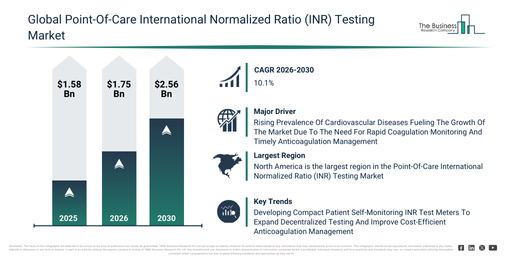
    Point-Of-Care International Normalized Ratio (INR) Testing Market Expected To Reach $2.56 Billion By 2030 At 10.1% CAGR

    The point-of-care inr testing market size has experienced rapid expansion recently. It is anticipated to grow from $1.58 billion in 2025 to $1.75 billion in 2026, at a compound annual growth rate (CAGR) of 10.4%. Historically, this growth was driven by factors such as the increasing prevalence of cardiovascular diseases, the growing adoption of anticoagulant therapy, a rising incidence of atrial fibrillation, the expansion of outpatient and homecare settings, and an increasing demand for rapid coagulation testing.

    The point-of-care inr testing market is projected for swift expansion over the coming years. Its valuation is anticipated to reach $2.56 billion by 2030, demonstrating a compound annual growth rate (CAGR) of 10.1%. This growth during the forecast period is primarily driven by an escalating demand for at-home monitoring solutions, the expanding elderly demographic receiving long-term anticoagulation therapy, an intensifying emphasis on individualized anticoagulation management, the proliferation of decentralized healthcare frameworks, and greater integration into primary care settings. Key trends projected for this period encompass technological enhancements in portable coagulation analysis devices, breakthroughs in biosensor and microfluidic advancements, progress in wireless connectivity and data integration capabilities, ongoing research and development into highly accurate test strips, and improvements in smartphone-assisted inr testing.

    Download A Free Sample Report For Comprehensive Market Insights:

    https://www.thebusinessresearchcompany.com/sample.aspx?id=30703&type=smp&utm_source=Blogs&utm_medium=Paid&utm_campaign=Jul_PR

    #Point-Of-Care International Normalized Ratio (INR) Testing Market Demand Drivers Creating New Revenue Opportunities

    The increasing occurrence of heart-related ailments is projected to boost the expansion of the point-of-care International Normalized Ratio (INR) testing market in the future. These conditions encompass diseases impacting the heart and blood vessels, such as cardiac arrests, cerebrovascular accidents, and high blood pressure. The rise in cardiovascular diseases is attributable to unhealthy habits like inadequate nutrition, insufficient physical activity, and tobacco use. Point-of-care International Normalized Ratio (INR) testing assists in diagnosing cardiovascular conditions by allowing for quick evaluation of blood clotting at patient’s side or in a clinical setting. This method enhances medical decision-making through its capacity for prompt identification of coagulation irregularities and for directing anticoagulant treatments. For example, data from the Centers for Disease Control, a US-based government entity, indicated that in October 2024, around 919,032 individuals succumbed to cardiovascular disease in 2023, representing 1 in every 3 fatalities. Consequently, the growing incidence of cardiovascular illnesses is fueling the expansion of the point-of-care International Normalized Ratio (INR) testing market.

    Point-Of-Care International Normalized Ratio (INR) Testing Market Segmentation And Category Breakdown

    The point-of-care international normalized ratio (inr) testing market covered in this report is segmented –

    1) By Product Type: Devices, Consumables, Software

    2) By Technology: Electrochemical, Optical, Others

    3) By Distribution Channel: Direct Sales, Retail Pharmacies, Online Or E-Commerce, Others

    4) By Application: Hospitals, Clinics, Home Care, Diagnostic Centers, Others

    5) By End-User: Healthcare Professionals, Patients

    Subsegments:

    1) By Devices: Portable Testing Devices, Handheld Testing Devices, Desktop Testing Devices

    2) By Consumables: Test Strips, Cartridges, Control Solutions

    3) By Software: Data Management Software, Remote Monitoring Software, Analytical Software

    Point-Of-Care International Normalized Ratio (INR) Testing Market Trends Driving Strategic Industry Expansion

    Companies operating in the point-of-care International Normalized Ratio (INR) testing market are concentrating on developing sophisticated products, such as patient self-monitoring coagulation analyzers, to expand decentralized testing and redirect recurring demand towards lower-cost consumables. These patient self-monitoring coagulation analyzers are portable devices that enable individuals to perform PT/INR testing at home using a small capillary blood sample, thereby supporting frequent monitoring and reducing the need for clinical visits. For instance, in March 2024, Universal Biosensors, an Australia-based medical device company, introduced the Xprecia Prime 4U Coagulation Analyzer specifically for patient self-monitoring. This self-monitoring coagulation analyzer is designed to fit in the palm of the hand, delivers rapid PT/INR results from just one drop of capillary blood, and employs an electrochemical strip format that supports various regulatory approvals, including 510(k) clearance and CLIA waiver for the U.S. market. This launch represents a significant stride in INR testing by facilitating wider access to home monitoring, increasing the frequency of tests, and improving cost efficiency through enhanced consumable utilization, all while maintaining clinical accuracy.

    Point-Of-Care International Normalized Ratio (INR) Testing Market Competitive Analysis Of Major Industry Participants

    Major companies operating in the point-of-care international normalized ratio (inr) testing market are Abbott Laboratories, Danaher Corporation, Siemens Healthineers AG, Becton, Dickinson and Company, Hoffmann-La Roche Ltd., QuidelOrtho Corporation, Sysmex Corporation, Bio-Rad Laboratories Inc., Werfen S.A., HORIBA Ltd., Microvisk Ltd., Randox Laboratories Ltd., Nova Biomedical Corporation, Agappe Diagnostics Ltd., Visby Medical Inc., EKF Diagnostics Holdings plc, Trinity Biotech plc, HemoSonics LLC, Human Diagnostics Worldwide GmbH, CoaguSense Inc.

    Access The Complete Point-Of-Care International Normalized Ratio (INR) Testing Market Report:

    https://www.thebusinessresearchcompany.com/report/point-of-care-international-normalized-ratio-inr-testing-market-report?utm_source=Blogs&utm_medium=Paid&utm_campaign=Jul_PR

    Point-Of-Care International Normalized Ratio (INR) Testing Market Regional Distribution: Which Areas Drive Market Expansion?

    North America was the largest region in the Point-of-Care INR Testing market in 2025. Asia-Pacific is expected to be the fastest-growing region in the forecast period. The regions covered in the point-of-care international normalized ratio (inr) testing market report are Asia-Pacific, South East Asia, Western Europe, Eastern Europe, North America, South America, Middle East, Africa.

    Get in touch with us:

    The Business Research Company: https://www.thebusinessresearchcompany.com/

    Americas: +1 310-496-7795

    Asia: +44 7882 955267 & +91 8897263534

    Europe: +44 7882 955267

    Email us at: marketing@tbrc.info

    Follow us on:

    LinkedIn: https://in.linkedin.com/company/the-business-research-company

    YouTube: https://www.youtube.com/channel/UC24_fI0rV8cR5DxlCpgmyFQ

    Global Market Model: https://www.thebusinessresearchcompany.com/global-market-model
  • Peritoneal Dialysis Remote Monitoring Hubs Market Opportunities Are Emerging Beyond Traditional Growth Areas

    Peritoneal Dialysis Remote Monitoring Hubs Market Opportunities Are Emerging Beyond Traditional Growth Areas

    Delivering more actionable and strategically valuable research, The Business Research Company’s 2026 market reports feature market attractiveness analysis, total addressable market evaluation, company benchmarking matrices, interactive Excel dashboards, expanded supply chain intelligence, emerging startup coverage, and detailed product insights.

    Peritoneal Dialysis Remote Monitoring Hubs Market CAGR Analysis And Future Market Development

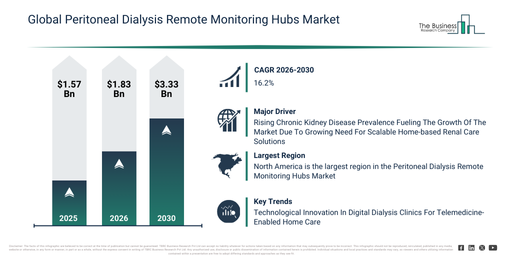
    The peritoneal dialysis remote monitoring hubs market size has experienced rapid expansion in recent years. It is anticipated to grow from $1.57 billion in 2025 to $1.83 billion in 2026, at a compound annual growth rate (CAGR) of 16.5%. The market’s growth in the historic period is attributable to increasing chronic kidney disease incidence, rising demand for home-based dialysis, growing awareness of patient-centric care, expansion of telehealth adoption, and increasing healthcare expenditure.

    The peritoneal dialysis remote monitoring hubs market is projected to experience substantial growth in the coming years. It is anticipated to reach $3.33 billion by 2030, growing at a compound annual growth rate (CAGR) of 16.2%. This expansion throughout the forecast period is driven by factors such as the increasing adoption of remote monitoring systems, the rising integration of IoT and cloud platforms, a greater emphasis on patient convenience, the expansion of home healthcare infrastructure, and increased investment in digital health solutions. Noteworthy trends expected during this period include technological progress in remote patient monitoring, innovations in automated peritoneal dialysis devices, research and developments in AI-driven fluid management, the creation of cloud-based and wireless monitoring platforms, and advancements in connected medical devices and sensors.

    Download A Free Sample Report For Comprehensive Market Insights:

    https://www.thebusinessresearchcompany.com/sample.aspx?id=30691&type=smp&utm_source=Blogs&utm_medium=Paid&utm_campaign=Jul_PR

    #Peritoneal Dialysis Remote Monitoring Hubs Market Demand Drivers Creating New Revenue Opportunities

    The increasing prevalence of chronic kidney disease (CKD) is projected to drive the expansion of the peritoneal dialysis remote monitoring hubs market moving forward. This escalating prevalence refers to the growing number of individuals suffering from a progressive loss of kidney function, ultimately leading to end-stage renal disease and the requirement for renal replacement therapy. Advances in telehealth and connected health technologies are instrumental in managing this rising CKD prevalence, as they offer scalable solutions for remote patient monitoring and help reduce the burden on in-center dialysis facilities. Peritoneal dialysis remote monitoring hubs contribute to creating safe and effective home treatment programs by collecting treatment data in real-time and alerting healthcare teams to potential complications, thereby ensuring patient compliance and safety. For instance, in February 2025, data from the Scientific Registry of Transplant Recipients (SRTR), a US-based entity responsible for the national database of organ transplantation, indicated that the total number of adult candidates waiting for a kidney transplant in 2023 (including those listed at multiple centers) saw a slight rise to 141,886, compared with 140,124 in 2022. Therefore, the growing prevalence of chronic kidney disease is a key driver for the growth of the peritoneal dialysis remote monitoring hubs market.

    Peritoneal Dialysis Remote Monitoring Hubs Market Segment Analysis And Revenue Opportunities

    The peritoneal dialysis remote monitoring hubs market covered in this report is segmented –

    1) By Product Type: Hardware, Software, Services

    2) By Connectivity: Wired, Wireless

    3) By Application: Chronic Kidney Disease, Acute Kidney Injury, Other Applications

    4) By End-User: Hospitals, Home Care Settings, Dialysis Centers, Other End Users

    Subsegments:

    1) By Hardware: Monitoring Devices, Connectivity Modules, Sensor Enabled Units, Data Transmission Equipment, Integrated Control Consoles

    2) By Software: Remote Monitoring Platforms, Data Analytics Systems, Cloud Management Solutions, Patient Tracking Software, Care Coordination Applications

    3) By Services: Installation Services, Remote Support Services, Maintenance Services, Training And Education Services, Managed Monitoring Services

    Peritoneal Dialysis Remote Monitoring Hubs Market Trends Driving Strategic Industry Expansion

    Major companies engaged in the peritoneal dialysis remote monitoring hubs market are increasingly concentrating on technological progress, such as developing digital dialysis clinics that merge automated treatment equipment with telemedicine supervision platforms. These integrated frameworks allow patients to conduct dialysis exchanges securely at home while remaining under continuous remote observation from healthcare professionals. These professionals can adjust prescriptions and address problems in real-time through cloud-connected dashboards. As an example, in January 2023, liberDi Ltd., an Israel-based medical device company, secured U.S. Food and Drug Administration (FDA) 510(k) clearance for its Intelligent Dialysis Assistant (IDA). This system operates as a digital dialysis clinic, enabling patients to perform automatic peritoneal dialysis exchanges outside of clinical settings, with remote oversight from physicians provided via a dedicated medical supervision portal and a patient-facing smartphone application.

    Peritoneal Dialysis Remote Monitoring Hubs Market Leading Players Shaping Industry Direction

    Major companies operating in the peritoneal dialysis remote monitoring hubs market are Medtronic plc, Fresenius Medical Care AG & Co. KGaA, Asahi Kasei Corporation, DaVita Inc., Baxter International Inc., B. Braun Melsungen AG, Nipro Corporation, Nikkiso Co. Ltd., NxStage Medical Inc., Outset Medical Inc., DigiGone LLC, CloudCath Inc., JMS Co. Ltd.

    Access The Complete Peritoneal Dialysis Remote Monitoring Hubs Market Report:

    https://www.thebusinessresearchcompany.com/report/peritoneal-dialysis-remote-monitoring-hubs-market-report?utm_source=Blogs&utm_medium=Paid&utm_campaign=Jul_PR

    Peritoneal Dialysis Remote Monitoring Hubs Market Leading Geography: Which Region Generates The Most Revenue?

    North America was the largest region in the peritoneal dialysis remote monitoring hubs in 2025. Asia-Pacific is expected to be the fastest-growing region in the forecast period. The regions covered in the peritoneal dialysis remote monitoring hubs market report are Asia-Pacific, South East Asia, Western Europe, Eastern Europe, North America, South America, Middle East, Africa.

    Get in touch with us:

    The Business Research Company: https://www.thebusinessresearchcompany.com/

    Americas: +1 310-496-7795

    Asia: +44 7882 955267 & +91 8897263534

    Europe: +44 7882 955267

    Email us at: marketing@tbrc.info

    Follow us on:

    LinkedIn: https://in.linkedin.com/company/the-business-research-company

    YouTube: https://www.youtube.com/channel/UC24_fI0rV8cR5DxlCpgmyFQ

    Global Market Model: https://www.thebusinessresearchcompany.com/global-market-model
  • Overground Walking Systems Market Growth Is Reshaping Competitive Advantage Across The Industry

    Overground Walking Systems Market Growth Is Reshaping Competitive Advantage Across The Industry

    Delivering more actionable and strategically valuable research, The Business Research Company’s 2026 market reports feature market attractiveness analysis, total addressable market evaluation, company benchmarking matrices, interactive Excel dashboards, expanded supply chain intelligence, emerging startup coverage, and detailed product insights.

    Overground Walking Systems Market Revenue Growth Supported By A CAGR Of 2.95% Through 2030

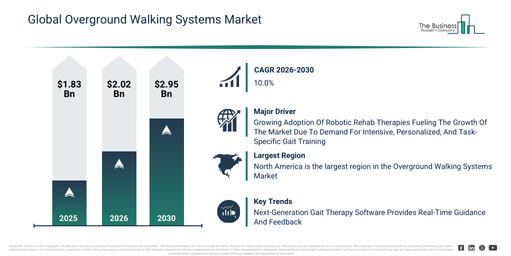
    The overground walking systems market has shown substantial growth in recent years. Its valuation is expected to rise from $1.83 billion in 2025 to $2.02 billion in 2026, exhibiting a compound annual growth rate (CAGR) of 10.3%. This historical expansion can be attributed to several factors, including an increasing aging population, the rising prevalence of neurological disorders, heightened awareness regarding rehabilitation, the development of healthcare infrastructure, and the growing incorporation of these systems in research and clinical studies.

    The overground walking systems market is anticipated to experience substantial growth in the upcoming years. It is projected to expand to $2.95 billion by 2030, driven by a compound annual growth rate (CAGR) of 10.0%. This expansion during the forecast period can be attributed to an increasing inclination towards home-based rehabilitation, heightened investment from significant market participants, augmented government and institutional financial support, a rise in orthopedic conditions, and a growing number of physical therapy professionals. Prominent trends for the forecast period encompass technological advancements in robotics and sensors, innovations in wearable and motion capture devices, the evolution of portable and lightweight systems, ongoing research and development in data-driven personalized therapy, and the integration of tele-rehabilitation and remote monitoring solutions.

    Download A Free Sample Report For Comprehensive Market Insights:

    https://www.thebusinessresearchcompany.com/sample.aspx?id=30688&type=smp&utm_source=Blogs&utm_medium=Paid&utm_campaign=Jul_PR

    Overground Walking Systems Market Opportunity Drivers: What Is Creating New Revenue Potential?

    The increasing use of robotic rehabilitation therapies is projected to fuel the expansion of the overground walking systems market in the future. These robotic rehab therapies refer to the application of automated, programmable devices to help patients regain motor function after sustaining injuries or neurological disorders. The acceptance of robotic rehab therapies is escalating as healthcare providers seek highly repeatable, task-specific training that can offer intensive, personalized exercises with precise motion tracking and objective progress data for the expanding populations of stroke and neuro-musculoskeletal patients. Overground walking systems aid robotic rehabilitation therapies by enabling natural gait training, complete with real-time assistance and feedback in controlled environments. They improve patient recovery by enhancing mobility, balance, and functional independence during rehabilitation programs. For instance, in October 2024, the International Federation of Robotics, a Germany-based robotics industry organization, reported that sales of medical robots grew by 36% to approximately 6,100 units in 2023, while sales of rehabilitation and non-invasive therapy robots surged by 128%, reflecting significant growth in healthcare robotics adoption. Therefore, the rising adoption of robotic rehab therapies is stimulating the growth of the overground walking systems market.

    Overground Walking Systems Market Segment Landscape: Which Areas Lead Market Development?

    The overground walking systems market covered in this report is segmented –

    1) By Product Type: Treadmill-Based Systems, Robotic Systems, Exoskeletons, Others Product Types

    2) By Technology: Mechanical Systems, Electromechanical Or Robotic Systems, Sensor And Tracking Systems

    3) By Application: Rehabilitation Centers, Hospitals, Clinics, Home Care Settings

    4) By End-User: Adults, Pediatrics, Geriatrics

    Subsegments:

    1) By Treadmill-Based Systems: Self Paced Treadmill, Body Weight Support Treadmill, Split Belt Treadmill, Rehabilitation Training Treadmill

    2) By Robotic Systems: Robotic Gait Trainer, Robotic Walker System, Overground Robotic Mobility Device, Robotic Assistive Walking Platform

    3) By Exoskeletons: Lower Limb Exoskeleton, Full Body Exoskeleton, Pediatric Exoskeleton, Rehabilitation Support Exoskeleton

    4) By Others Product Types: Hybrid Walking Support Device, Multi Modal Mobility System, Assistive Walking Aid, Experimental Gait Training Device

    Overground Walking Systems Market Innovation Trends Driving Future Development

    Leading companies in the overground walking systems market are concentrating on developing advanced software, such as next-generation gait therapy software, to optimize the functionality of robotic exoskeletons. This next-generation gait therapy software equips therapists with specific, real-time guidance and feedback during sessions, simplifying the operation of robotic devices and enabling more targeted adjustments to address individual patient deficits, which consequently enhances user trust and operational efficiency in clinical settings. For instance, in January 2024, Ekso Bionics Holdings Inc., a US-based developer of exoskeleton solutions for medical and industrial use, launched its GaitCoach software for the EksoNR device. This platform is engineered to serve as an additional set of clinical eyes by offering impactful feedback and goals-based guidance, integrating features that help customize sessions for a broad spectrum of patients. The solution also provides next-generation gait therapy software that 96% of users found easy to use, accelerating patient progression and making robotic rehabilitation more accessible to less experienced therapists.

    Overground Walking Systems Market Industry Leaders And Market Competition

    Major companies operating in the overground walking systems market are Ottobock SE & Co. KGaA, Shanghai Fourier Intelligence Co. Ltd., HIWIN Technologies Corp., Wandercraft SAS, Cyberdyne Inc., CYBERDYNE Inc., Tyromotion GmbH, Hocoma AG, Motek Medical B.V., Ekso Bionics Holdings Inc., ExoAtlet Global SA, Aretech LLC, B-Temia Inc., Rex Bionics Ltd., Trexo Robotics Inc., Aretech LLC, Technaid S.L., Able Human Motion S.L., Shenzhen MileBot Robotics Co. Ltd., Roki Robotics, Beijing Hypershell Technology Co. Ltd.

    Access The Complete Overground Walking Systems Market Report:

    https://www.thebusinessresearchcompany.com/report/overground-walking-systems-market-report?utm_source=Blogs&utm_medium=Paid&utm_campaign=Jul_PR

    #Overground Walking Systems Market Largest Region: Which Geography Holds The Highest Market Share?

    North America was the largest region in the overground walking systems market in 2025. Asia-Pacific is expected to be the fastest-growing region in the forecast period. The regions covered in the overground walking systems market report are Asia-Pacific, South East Asia, Western Europe, Eastern Europe, North America, South America, Middle East, Africa.

    Get in touch with us:

    The Business Research Company: https://www.thebusinessresearchcompany.com/

    Americas: +1 310-496-7795

    Asia: +44 7882 955267 & +91 8897263534

    Europe: +44 7882 955267

    Email us at: marketing@tbrc.info

    Follow us on:

    LinkedIn: https://in.linkedin.com/company/the-business-research-company

    YouTube: https://www.youtube.com/channel/UC24_fI0rV8cR5DxlCpgmyFQ

    Global Market Model: https://www.thebusinessresearchcompany.com/global-market-model
  • Online Adaptive Radiotherapy Systems Market Outlook Highlights The Next Major Growth Opportunities

    Online Adaptive Radiotherapy Systems Market Outlook Highlights The Next Major Growth Opportunities

    Delivering more actionable and strategically valuable research, The Business Research Company’s 2026 market reports feature market attractiveness analysis, total addressable market evaluation, company benchmarking matrices, interactive Excel dashboards, expanded supply chain intelligence, emerging startup coverage, and detailed product insights.

    #Online Adaptive Radiotherapy Systems Market Size And Revenue Forecast Through 2030

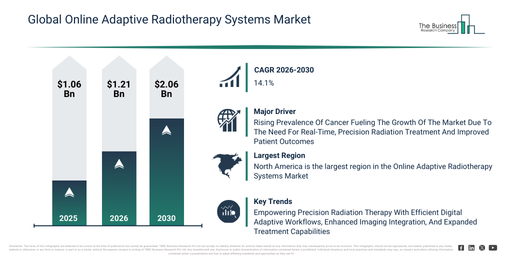
    The market size for online adaptive radiotherapy systems has experienced swift expansion recently. It is projected to increase from $1.06 billion in 2025 to $1.21 billion in 2026, demonstrating a compound annual growth rate (CAGR) of 14.3%. Historically, this growth can be ascribed to factors such as rising cancer incidence, increased demand for precision radiation therapy, the expanding use of real-time imaging, greater investment in oncology infrastructure, a growing necessity to minimize side effects, enhanced clinical acceptance of adaptive therapy, the development of integrated radiotherapy solutions, heightened awareness among clinicians, the increasing requirement for improved targeting accuracy, and advancements in radiotherapy technology research and development.

    The online adaptive radiotherapy systems market size is projected to experience significant expansion in the coming years. It is forecast to reach $2.06 billion by 2030, exhibiting a compound annual growth rate (CAGR) of 14.1%. This expansion during the forecast period is propelled by factors such as rising cancer cases in developing regions, increased investment in oncology advancement, a growing demand for personalized treatment, expanded use of imaging-guided radiotherapy, the rising adoption of dose-adaptation workflows, increasing global healthcare spending, growing institutional support for advanced radiotherapy, more frequent collaborations between tech firms and hospitals, wider use of remote radiotherapy systems, and increasing awareness of adaptive therapy. Significant trends expected in this timeframe involve advancements in AI-driven solutions, progress in automation technologies, enhanced data analytics applications, innovation in product design and functionality, improvements in process optimization, novel sustainable and eco-friendly methods, the integration of IoT and smart devices, the incorporation of cloud-based platforms, the use of predictive analytics for decision making, and the integration of personalized and customized solutions.

    Download A Free Sample Report For Comprehensive Market Insights:

    https://www.thebusinessresearchcompany.com/sample.aspx?id=30684&type=smp&utm_source=Blogs&utm_medium=Paid&utm_campaign=Jul_PR

    Online Adaptive Radiotherapy Systems Market Development Factors: Which Trends Are Supporting Demand?

    The expanding occurrence of cancer is projected to fuel the advancement of the online adaptive radiotherapy systems market in the future. Cancer is a condition defined by the uncontrolled multiplication and dispersion of irregular cells, which can harm nearby tissues and organs if left untreated. The incidence of cancer is on the rise, attributed to lifestyle factors like unhealthy eating habits, tobacco use, alcohol intake, and exposure to environmental contaminants, which collectively heighten the chances of developing diverse forms of cancer. Online adaptive radiotherapy systems assist in managing cancer through constant, real-time modifications to radiation treatment plans, adapting to shifts in tumor dimensions, form, or patient’s bodily structure. These systems enhance patient results by boosting the accuracy of treatment, minimizing harm to healthy cells, and elevating the overall efficacy of therapy. As an illustration, in October 2025, data from NHS Digital, a UK government organisation, revealed 354,820 new cancer diagnoses in England during 2023, averaging 972 daily diagnoses and showing an increment of 8,605 cases compared to 2022. Prostate cancer emerged as the most frequently identified cancer, accounting for 58,137 new cases, which signified a 6% rise in registrations over the preceding year. Consequently, the growing occurrence of cancer is fueling the expansion of the online adaptive radiotherapy systems market.

    Online Adaptive Radiotherapy Systems Market Segment Breakdown: Which Categories Generate The Most Revenue?

    The online adaptive radiotherapy systems market covered in this report is segmented –

    1) By Component: Hardware, Software, Services

    2) By Product Type: MRI-Linac Systems, CT-Linac Systems, CBCT-Based Systems, Ultrasound-Guided Systems

    3) By Technology: MR Guided Online Adaptive RT, CT Or CBCT Guided Online Adaptive RT, AI Driven Adaptive Planning

    4) By Application: Prostate Cancer, Head And Neck Cancer, Lung Cancer, Breast Cancer, Other Applications

    5) By End User: Hospitals, Cancer Treatment Centers, Research Institutes, Other End Users

    Subsegments:

    1) By Hardware: Sensors, Processors, Communication Modules, Power Or Battery Systems, Displays, Wearable Enclosures, Embedded Boards, Data Storage Units

    2) By Software: Mobile Applications, Cloud Platforms, Data Analytics Tools, Device Management Software, Real-Time Monitoring Dashboards, Firmware, API And Integration Software, Predictive Analytics Software

    3) By Services: Installation Services, Maintenance Services, Training And Support, Remote Monitoring Services, Consulting Services, Data Management Services, Subscription Services, Customization Services

    Online Adaptive Radiotherapy Systems Market Transformation Trends: Which Innovations Are Driving Change?

    Major companies within the online adaptive radiotherapy systems market are prioritizing the development of advanced technologies, such as the HyperSight imaging solution, to enhance workflow automation, personalize treatment, and improve clinical outcomes in cancer care. The HyperSight imaging solution is a high-speed cone-beam CT imaging platform integrated into radiotherapy systems, offering CT-like image quality, accurate Hounsfield Units, and an expanded field of view to enable precise and workflow-efficient adaptive radiation treatment. For example, in July 2024, Varian Medical Systems Inc., a US-based provider of radiotherapy solutions, introduced significant new functionality for its Ethos adaptive radiotherapy system, aimed at increasing its versatility and connectivity for real-time treatment adjustments. These latest updates provide clinical teams with streamlined daily adaptation workflows across a wider array of anatomical sites, enhanced algorithms that improve the Intelligent Optimization Engine for faster planning and dose delivery, direct integration of HyperSight imaging data into the planning software for precise, same-day anatomical dose calculations, and an expanded library of AI-segmented anatomical structures to decrease manual contouring time. Additionally, these advancements support seamless data exchange with oncology management systems, boosting both clinical and operational efficiency in adaptive radiotherapy delivery.

    Online Adaptive Radiotherapy Systems Market Key Players And Strategic Industry Positioning

    Major companies operating in the online adaptive radiotherapy systems market are Hitachi Ltd., Siemens Healthineers AG, General Electric (GE) Healthcare, Sumitomo Heavy Industries Ltd., Elekta AB, United Imaging Healthcare Co. Ltd., Mirion Technologies Inc., Ion Beam Applications S.A., Accuray Incorporated, Brainlab AG, RaySearch Laboratories AB, Mevion Medical Systems Inc., ViewRay Inc., Vision RT Ltd., Provision Healthcare LLC, Optivus Proton Therapy Inc., Mvision AI Ltd., Radformation Inc., ProNova Solutions LLC, Therapanacea SAS, Spectronic Medical AB, OncoSoft Inc., Perspective Therapeutics Inc.

    Access The Complete Online Adaptive Radiotherapy Systems Market Report:

    https://www.thebusinessresearchcompany.com/report/one-to-one-platform-for-online-english-foreign-teachers-market-report?utm_source=Blogs&utm_medium=Paid&utm_campaign=Jul_PR

    Online Adaptive Radiotherapy Systems Market Largest Region By Revenue And Market Share

    North America was the largest region in the online adaptive radiotherapy systems market in 2025. Asia-Pacific is expected to be the fastest-growing region in the forecast period. The regions covered in the online adaptive radiotherapy systems market report are Asia-Pacific, South East Asia, Western Europe, Eastern Europe, North America, South America, Middle East, Africa.

    Get in touch with us:

    The Business Research Company: https://www.thebusinessresearchcompany.com/

    Americas: +1 310-496-7795

    Asia: +44 7882 955267 & +91 8897263534

    Europe: +44 7882 955267

    Email us at: marketing@tbrc.info

    Follow us on:

    LinkedIn: https://in.linkedin.com/company/the-business-research-company

    YouTube: https://www.youtube.com/channel/UC24_fI0rV8cR5DxlCpgmyFQ

    Global Market Model: https://www.thebusinessresearchcompany.com/global-market-model
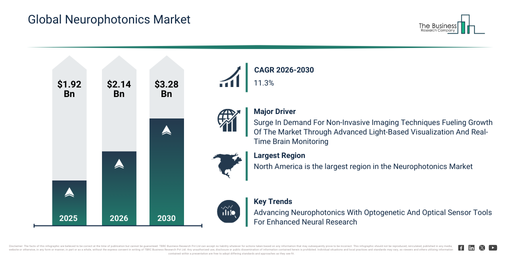
  • Neurophotonics Market Growth Outlook Reveals A CAGR Of 11.3% And A Market Value Of $3.28 Billion By 2030

    Neurophotonics Market Growth Outlook Reveals A CAGR Of 11.3% And A Market Value Of $3.28 Billion By 2030

    Delivering more actionable and strategically valuable research, The Business Research Company’s 2026 market reports feature market attractiveness analysis, total addressable market evaluation, company benchmarking matrices, interactive Excel dashboards, expanded supply chain intelligence, emerging startup coverage, and detailed product insights.

    Neurophotonics Market Revenue Outlook: What CAGR Is Expected Through 2030?

    The neurophotonics market has experienced substantial expansion in recent years. It is projected to grow from $1.92 billion in 2025 to $2.14 billion in 2026, achieving a compound annual growth rate (CAGR) of 11.6%. The historical growth of this market can be attributed to factors such as the increasing demand for noninvasive neuroimaging, the growing integration of optical imaging in neuroscience research, the rising prevalence of neurological disorders driving diagnostic requirements, the expanding application of brain mapping technologies in academic institutions, and increasing investment in biomedical photonics by government and private organizations.

    The neurophotonics market is projected to experience substantial expansion over the upcoming years, with its size anticipated to reach $3.28 billion by 2030, exhibiting a compound annual growth rate (CAGR) of 11.3%. This projected growth during the forecast period is fueled by a heightened emphasis on early diagnosis of mental health conditions and neurodegenerative ailments, the expanding use of optical neuromodulation in therapeutic contexts, the increasing incorporation of artificial intelligence into the analysis of neuroimaging data, a rise in clinical trials utilizing photonic tools for brain monitoring, and greater commercial deployment of sophisticated laser-based neurotechnology platforms. Key developments expected within this timeframe include progress in optical coherence and functional spectroscopy technologies, new developments in multimodal brain imaging systems, swift advancements in noninvasive neural stimulation technology, ongoing research and development efforts in monitoring photonic brain signals, and the incorporation of cloud-based and real-time analytical tools for neuroscience data.

    Download A Free Sample Report For Comprehensive Market Insights:

    https://www.thebusinessresearchcompany.com/sample.aspx?id=30679&type=smp&utm_source=Blogs&utm_medium=Paid&utm_campaign=Jul_PR

    #Neurophotonics Market Demand Drivers Creating New Revenue Opportunities

    The anticipated expansion of the neurophotonics market is primarily driven by the increasing need for non-invasive imaging methods. These techniques enable researchers and medical professionals to observe internal neurological structures and their activity, bypassing surgical intervention or bodily penetration, by employing technologies like MRI, fMRI, EEG, MEG, and optical imaging. The heightened demand for such techniques stems from neuroscience research’s growing need for tools that are safer, repeatable, and offer high resolution to study brain structure and function without posing risks to participants. Neurophotonics addresses this need by offering sophisticated light-based imaging solutions, facilitating accurate visualization of neural circuits and real-time observation of brain activity. For example, the ultra-high-resolution Connectome 2.0 MRI scanner was developed in 2023, as per the National Institutes of Health (NIH) BRAIN Initiative, a US government research program, reported in July 2025. Consequently, the neurophotonics market is projected to grow at a compound annual growth rate (CAGR) of approximately 10.7–11.2% from 2025 to 2033, with estimates showing a market valuation of about USD 5.1 billion by 2033, spurred by the increasing clinical and research integration of light-based neuroimaging. This reaffirms that the escalating requirement for non-invasive imaging techniques is indeed fueling the expansion of the neurophotonics market.

    Neurophotonics Market Categorization By Product Type And Application

    The neurophotonics market covered in this report is segmented –

    1) By Component: Devices And Equipment, Software And Data Analysis Platforms, Consumables And Accessories, Services

    2) By Technology: Optical Coherence Tomography, Laser Stimulation And Modulation Systems, Photoacoustic Imaging, Optogenetics, Fluorescence Imaging, Functional Near-Infrared Spectroscopy, Two-Photon Microscopy

    3) By Distribution Channel: Online Platforms, Distributors And Channel Partners, Direct Sales

    4) By Application: Research, Diagnostics, Therapeutics

    5) By End-User: Academic And Research Institutes, Hospitals And Clinics, Pharma And Biotech Companies

    Subsegments:

    1) By Devices And Equipment: Optical Neuroimaging Devices, Laser Stimulation Systems, Photonic Sensors, Fiber Optic Instruments, Imaging Accessories

    2) By Software And Data Analysis Platforms: Neuroimaging Data Analysis Software, Brain Mapping Software, Visualization Platforms, Signal Processing Software, Cloud Based Analytics Platforms

    3) By Consumables And Accessories: Optical Fibers, Imaging Reagents, Laser Safety Equipment, Photonic Consumables, Calibration Kits

    4) By Services: Training And Support Services, Research And Development Services, Clinical Consultation Services, Data Management Services

    Neurophotonics Market Trends Driving Strategic Industry Expansion

    Prominent companies operating in the Neurophotonics market are dedicating resources to developing advanced tools, such as optogenetic and optical sensor instruments, to enhance the measurement and control of neural activity, alongside translational neuroscience research. Optogenetic and optical sensor instruments are defined as engineered light delivery systems and optical sensors capable of stimulating and recording neural activity at cellular resolution, providing crucial insights into nervous system function. For instance, in September 2025, the NIH Common Fund Venture Program allocated grants under the Advancing Non Invasive Optical Imaging Approaches for Biological Systems initiative to bolster the creation of real-time optical imaging systems that can achieve deep tissue imaging and molecular contrast, encompassing methods like synthetic wavelength imaging. These federally funded programs play a key role in enabling the development of next-generation neurophotonics tools for adoption and commercialization by industry players in research and clinical settings.

    Neurophotonics Market Company Landscape And Strategic Competition

    Major companies operating in the neurophotonics market are Hitachi Ltd., Olympus Corporation, Coherent Corp., Bruker Corporation, HORIBA Ltd., Hamamatsu Photonics K.K., Leica Microsystems GmbH, Thorlabs Inc., Spectra-Physics, NeuroLight Technologies Ltd., Inscopix Inc., NeuroNexus Technologies Inc., Intelligent Imaging Innovations Inc., Femtonics Limited, NIRx Medical Technologies LLC, Hemophotonics S.L., Carl Zeiss AG, Artinis Medical Systems B.V., Plexon Inc., Vielight Inc., Nanoscope Technologies LLC, Neurophotometrics Ltd.

    Access The Complete Neurophotonics Market Report:

    https://www.thebusinessresearchcompany.com/report/neurophotonics-market-report?utm_source=Blogs&utm_medium=Paid&utm_campaign=Jul_PR

    Neurophotonics Market Regional Outlook: Where Are The Largest Opportunities Located?

    North America was the largest region in the neurophotonics market in 2025. Asia-Pacific is expected to be the fastest-growing region in the forecast period. The regions covered in the neurophotonics market report are Asia-Pacific, South East Asia, Western Europe, Eastern Europe, North America, South America, Middle East, Africa.

    Get in touch with us:

    The Business Research Company: https://www.thebusinessresearchcompany.com/

    Americas: +1 310-496-7795

    Asia: +44 7882 955267 & +91 8897263534

    Europe: +44 7882 955267

    Email us at: marketing@tbrc.info

    Follow us on:

    LinkedIn: https://in.linkedin.com/company/the-business-research-company

    YouTube: https://www.youtube.com/channel/UC24_fI0rV8cR5DxlCpgmyFQ

    Global Market Model: https://www.thebusinessresearchcompany.com/global-market-model
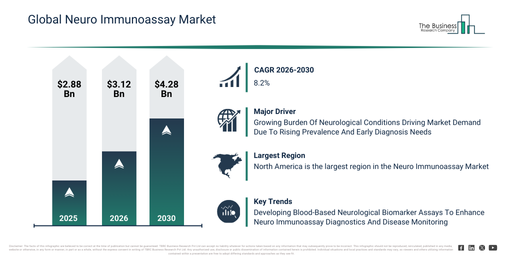
  • Neuro Immunoassay Market Set To Grow From $3.12 Billion In 2026 To $4.28 Billion By 2030 At A CAGR Of 8.2%

    Neuro Immunoassay Market Set To Grow From $3.12 Billion In 2026 To $4.28 Billion By 2030 At A CAGR Of 8.2%

    Delivering more actionable and strategically valuable research, The Business Research Company’s 2026 market reports feature market attractiveness analysis, total addressable market evaluation, company benchmarking matrices, interactive Excel dashboards, expanded supply chain intelligence, emerging startup coverage, and detailed product insights.

    Neuro Immunoassay Market Size Outlook: How Fast Will Revenue Grow Through 2030?

    The neuro immunoassay (NIA) market size has experienced significant expansion in recent years. It is anticipated to increase from $2.88 billion in 2025 to $3.12 billion in 2026, demonstrating a compound annual growth rate (CAGR) of 8.5%. The historical growth of this market can be attributed to the escalating demand for sensitive neurological diagnostics, the increased integration of immunoassay techniques in neuroscience research, the rising incidence of neurodegenerative disorders, the expansion of clinical and research laboratories, and an intensified focus on early disease detection and monitoring.

    The neuro immunoassay (NIA) market is projected to experience substantial expansion in the coming years, reaching $4.28 billion by 2030, driven by a compound annual growth rate (CAGR) of 8.2%. This growth during the forecast period is attributable to several factors, including the increasing integration of neuro immunoassay (NIA) with artificial intelligence (AI) for data analysis, rising investments in biomarker discovery, wider adoption of personalized medicine and therapeutic monitoring, the expansion of high-throughput screening platforms, and an increasing demand for automated and precise immunoassay systems. Key trends anticipated over the forecast period encompass technology-driven innovations enhancing assay sensitivity and specificity, progress in artificial intelligence (AI)-enabled data interpretation, the evolution of multiplexed and lab-on-a-chip immunoassay systems, intensified research and development efforts in identifying neuro biomarkers, and novel integrated and automated neurodiagnostic platforms.

    Download A Free Sample Report For Comprehensive Market Insights:

    https://www.thebusinessresearchcompany.com/sample.aspx?id=30676&type=smp&utm_source=Blogs&utm_medium=Paid&utm_campaign=Jul_PR

    Neuro Immunoassay Market Opportunity Drivers: What Is Creating New Revenue Potential?

    The escalating occurrence of neurological disorders is anticipated to propel the future growth of the neuro immunoassay market. Neurological disorders are medical conditions that impact the brain, spinal cord, and nerves, thereby disrupting normal nervous system function and resulting in impairments concerning movement, cognition, sensation, behavior, or overall bodily control. The increasing prevalence of these disorders arises from unhealthy lifestyle habits, such as poor diet, physical inactivity, smoking, excessive alcohol consumption, and chronic stress. Neuro immunoassays assist in detecting specific biomarkers within the nervous system, facilitating early diagnosis and targeted treatment for neurological patients. For instance, in April 2024, according to the National Institutes of Health (NIH), a US-based government agency, an estimated 6.9 million Americans aged 65 and older are currently living with Alzheimer’s dementia, and this figure is projected to nearly double to 13.8 million by 2060. Consequently, the rising prevalence of neurological disorders drives the neuro immunoassay market.

    Neuro Immunoassay Market Segment Outlook: Which Categories Are Expanding The Fastest?

    The neuro immunoassay market covered in this report is segmented –

    1) By Product Type: Reagents And Kits, Analyzers

    2) By Technology: Radioimmunoassays (RIA), Polymerase Chain Reaction (PCR), Enzyme-Linked Immunosorbent Assay (ELISA), Western Blot, Rapid Tests, Enzyme-Linked Immunospot Assay (ELISPOT)

    3) By Analyte Or Biomarker Type: Amyloid-Beta (Aß), Tau Protein (p-Tau), Alpha-Synuclein (a-syn), Neurofilament Light Chain (NfL), Autoantibodies, Cytokines, Glial Fibrillary Acidic Protein (GFAP), Neuron-Specific Enolase (NSE), Ubiquitin C-Terminal Hydrolase L1 (UCH-L1), Brain-Derived Neurotrophic Factor (BDNF)

    4) By Application: Alzheimer’s Disease, Parkinson’s Disease (PD), Huntington’s Disease, Amyotrophic Lateral Sclerosis (ALS), Spinal Muscular Atrophy (SMA)

    5) By End-User: Hospitals, Clinics, Academic Organizations, Biopharmaceutical Companies, Pharmaceutical Companies, Other End-Users

    Subsegments:

    1) By Reagents And Kits: Enzyme Linked Immunosorbent Assay Reagents, Western Blotting Kits, Multiplex Assay Kits

    2) By Analyzers: Automated Immunoassay Analysers, Point Of Care Immunoassay Analysers, High Throughput Immunoassay Analysers

    Neuro Immunoassay Market Innovation Trends Driving Future Development

    Leading firms within the neuro immunoassay market are concentrating on creating sophisticated solutions, including blood-based neurological biomarker assays, to improve the tracking of diseases, elevate prognostic precision, and assist clinical choices for neurological conditions. These blood-based assays are tests designed to quantify particular proteins, like Neurofilament Light Chain (NfL), found in human serum or plasma, with the goal of evaluating neuronal damage and the level of disease activity. An illustrative instance occurred in June 2024, when Siemens Healthineers, an in vitro diagnostics company based in Germany, obtained CE marking for its Neurofilament Light Chain blood test, intended for deployment on the Atellica IM Analyzer and ADVIA Centaur systems. This particular test measures NfL levels to assist in foreseeing the risk of neuronal injury in adults experiencing relapsing multiple sclerosis, serving as an addition to existing clinical, imaging, and laboratory evaluations. The CE mark signifies adherence to European In Vitro Diagnostic Regulations, thereby broadening the availability of standardized neuro immunoassay diagnostics across laboratories throughout Europe.

    Neuro Immunoassay Market Key Companies And Competitive Benchmarking

    Major companies operating in the neuro immunoassay market are Thermo Fisher Scientific Inc., Merck KGaA, Bio-Rad Laboratories Inc., GenScript Biotech Corporation, Abcam plc, BioLegend Inc., Meso Scale Diagnostics LLC, Sino Biological Inc., Quanterix Corporation, Cusabio Technology LLC, OriGene Technologies Inc., Elabscience Biotechnology Inc., RayBiotech Life Inc., Enzo Life Sciences Inc., Rockland Immunochemicals Inc., Assay Genie Ltd., Novus Biologicals LLC, Creative Diagnostics, MyBioSource Inc., Immuno-Biological Laboratories Co. Ltd., Boster Biological Technology, Cloud-Clone Corp., FineTest Biotech Inc., Abbexa Ltd.

    Access The Complete Neuro Immunoassay Market Report:

    https://www.thebusinessresearchcompany.com/report/neuro-immunoassay-market-report?utm_source=Blogs&utm_medium=Paid&utm_campaign=Jul_PR

    Neuro Immunoassay Market Regional Analysis: Which Region Leads By Revenue?

    North America was the largest region in the neuro immunoassay (NIA) market in 2025. Asia-Pacific is expected to be the fastest-growing region in the forecast period. The regions covered in the neuro immunoassay market report are Asia-Pacific, South East Asia, Western Europe, Eastern Europe, North America, South America, Middle East, Africa.

    Get in touch with us:

    The Business Research Company: https://www.thebusinessresearchcompany.com/

    Americas: +1 310-496-7795

    Asia: +44 7882 955267 & +91 8897263534

    Europe: +44 7882 955267

    Email us at: marketing@tbrc.info

    Follow us on:

    LinkedIn: https://in.linkedin.com/company/the-business-research-company

    YouTube: https://www.youtube.com/channel/UC24_fI0rV8cR5DxlCpgmyFQ

    Global Market Model: https://www.thebusinessresearchcompany.com/global-market-model
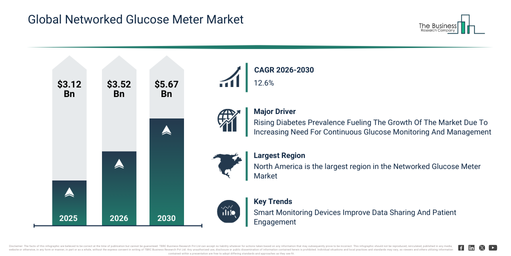
  • Networked Glucose Meter Market Expansion Is Opening New Pathways For Strategic Investment

    Networked Glucose Meter Market Expansion Is Opening New Pathways For Strategic Investment

    Through market attractiveness analysis, total addressable market evaluation, company benchmarking matrices, interactive Excel dashboards, expanded supply chain intelligence, emerging startup coverage, and detailed product insights, The Business Research Company’s 2026 market reports provide more actionable and strategically valuable research.

    Networked Glucose Meter Market CAGR Analysis And Future Market Development

    The networked glucose meter market size has demonstrated rapid expansion in recent years. Its projected growth is from $3.12 billion in 2025 to $3.52 billion in 2026, achieving a compound annual growth rate (CAGR) of 12.9%. Historically, this growth has been driven by increasing diabetes prevalence, the growing adoption of digital health tools, a rising demand for real-time glucose data, the expanding acceptance of connected medical devices, and the increasing usage of smartphones for health monitoring.

    The networked glucose meter market size is anticipated to experience substantial growth over the next few years. It is expected to expand to $5.67 billion in 2030, demonstrating a compound annual growth rate (CAGR) of 12.6%. This expansion during the forecast period can be attributed to an increasing shift towards remote patient monitoring, the growing integration of AI-based diabetes management, a rising preference for personalized glucose insights, the broader expansion of cloud-connected healthcare platforms, and the increasing uptake of wearable glucose monitoring devices. Noteworthy trends for the forecast period encompass technological advancements in continuous glucose monitoring, innovations in multi-sensor wearable devices, progress in cloud-based diabetes analytics, ongoing research and development in non-invasive glucose monitoring, and improvements in smartphone-integrated health ecosystems.

    Download A Free Sample Report For Comprehensive Market Insights:

    https://www.thebusinessresearchcompany.com/sample.aspx?id=30674&type=smp&utm_source=Blogs&utm_medium=Paid&utm_campaign=Jul_PR

    Networked Glucose Meter Market Expansion Drivers: What Is Shaping Future Growth?

    The increasing incidence of diabetes is projected to fuel the expansion of the networked glucose meter market moving forward. Diabetes is a chronic health condition characterized by the body’s inability to properly regulate blood sugar or glucose levels. This rising prevalence of diabetes is largely attributed to escalating obesity rates, which elevate the likelihood of developing type 2 diabetes. Networked glucose meters support diabetes management by continuously tracking blood glucose levels and sending data to healthcare providers instantaneously. They enhance patient outcomes through enabling swift interventions, tailored treatment adjustments, and improved overall glycemic control. For instance, in April 2025, the UK Parliament, a UK-based parliamentary digital service, stated that the number of individuals with type 2 diabetes using continuous glucose monitoring increased from 37,000 in 2022-23 to 95,000 in 2023-24, reaching 155,000 in 2024-25. Thus, the growing prevalence of diabetes is propelling the growth of the networked glucose meter market.

    Networked Glucose Meter Market Segments: Where Are The Largest Growth Opportunities?

    The networked glucose meter market covered in this report is segmented –

    1) By Product Type: Continuous Glucose Monitoring Systems (CGMS), Traditional Glucose Meters

    2) By Features: Real-Time Data Tracking, Data Sharing Capabilities, Personalized Alerts And Notifications

    3) By Connectivity: Bluetooth, Wi-Fi, Cellular, Other Connectives

    4) By Distribution Channel: Online Retail, Pharmacies, Healthcare Institutions

    5) By End-User: Homecare Settings, Healthcare Facilities, Self-Monitoring Patients

    Subsegments:

    1) By Continuous Glucose Monitoring Systems: Real-Time Monitoring Systems, Intermittent Scan Monitoring Systems, Implantable Sensor Systems, Professional Continuous Monitoring Systems

    2) By Traditional Glucose Meters: Basic Blood Glucose Monitors, Advanced Blood Glucose Monitors, Voice Assisted Glucose Meters, Compact Travel Glucose Meters

    Networked Glucose Meter Market Strategic Trends: What Is Defining The Next Phase Of Growth?

    Leading companies within the networked glucose meter market are concentrating on developing advanced products, such as cellular-enabled glucose meters, to elevate chronic care management. These cellular-enabled glucose meters are blood glucose monitoring devices equipped with integrated cellular connectivity, which allows them to automatically transmit glucose readings over mobile networks to cloud platforms, healthcare providers, or care management systems. For instance, in May 2024, Smart Meter LLC, a US-based supplier of cellular remote patient monitoring solutions, unveiled the iGlucose Plus. This cellular-enabled glucose meter is engineered to enhance diabetes management by providing real-time data transmission and multi-language capabilities, featuring a color LED screen for clear instructions and on-device alerts for medication and dietary reminders. The solution also incorporates AI-driven test strip auto-replenishment and over-the-air software updates, aiming to foster consistent testing behaviors and improve long-term health outcomes for patients managing chronic conditions.

    Networked Glucose Meter Market Major Participants And Competitive Dynamics

    Major companies operating in the networked glucose meter market are Abbott Laboratories, Medtronic plc, Dexcom Inc., Nipro Corporation, LifeScan Inc., Ascensia Diabetes Care, Sinocare Inc., Arkray Inc., BeatO, Roche Diabetes Care Ltd., Bionime Corporation, ACON Diabetes Care, i-Sens Inc., Senseonics Holdings, A. Menarini Diagnostics, Dr. Morepen Laboratories Ltd., Sensa Core Medical Instrumentation Pvt. Ltd., MicroTech Medical, Medtrum Technologies, Nemaura Medical, Biochemical Systems International S.p.A., Biolinq, AndesFit Health

    Access The Complete Networked Glucose Meter Market Report:

    https://www.thebusinessresearchcompany.com/report/networked-glucose-meter-market-report?utm_source=Blogs&utm_medium=Paid&utm_campaign=Jul_PR

    Networked Glucose Meter Market Largest Region By Revenue And Market Share

    North America was the largest region in the networked glucose meter market in 2025. Asia-Pacific is expected to be the fastest-growing region in the forecast period. The regions covered in the networked glucose meter market report are Asia-Pacific, South East Asia, Western Europe, Eastern Europe, North America, South America, Middle East, Africa.

    Get in touch with us:

    The Business Research Company: https://www.thebusinessresearchcompany.com/

    Americas: +1 310-496-7795

    Asia: +44 7882 955267 & +91 8897263534

    Europe: +44 7882 955267

    Email us at: marketing@tbrc.info

    Follow us on:

    LinkedIn: https://in.linkedin.com/company/the-business-research-company

    YouTube: https://www.youtube.com/channel/UC24_fI0rV8cR5DxlCpgmyFQ

    Global Market Model: https://www.thebusinessresearchcompany.com/global-market-model
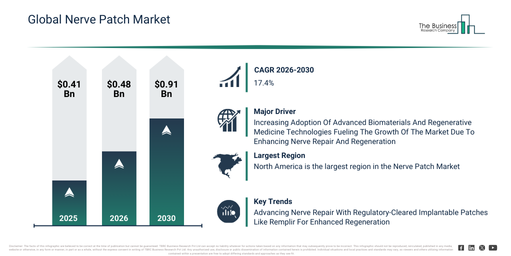
  • Nerve Patch Market Growth Is Reshaping Competitive Advantage Across The Industry

    Nerve Patch Market Growth Is Reshaping Competitive Advantage Across The Industry

    Enhanced with market attractiveness analysis, total addressable market evaluation, company benchmarking matrices, interactive Excel dashboards, expanded supply chain intelligence, emerging startup coverage, and detailed product insights, The Business Research Company’s 2026 market reports deliver more actionable and strategically valuable research.

    Nerve Patch Market Forecast Highlighting Growth From $0.48 Billion To $0.91 Billion

    The nerve patch market size has seen rapid growth in recent years. It is projected to increase from $0.41 billion in 2025 to $0.48 billion in 2026, exhibiting a compound annual growth rate (CAGR) of 17.7%. The expansion observed historically is attributable to factors including the increasing incidence of traumatic nerve injuries, the growing adoption of biomaterial-based implants, a rising demand for peripheral nerve repair procedures, the expansion of neurosurgical infrastructure, and increasing clinical success rates of regenerative therapies.

    The nerve patch market size is projected to experience significant expansion over the next few years. It is anticipated to reach $0.91 billion by 2030, growing at a compound annual growth rate (CAGR) of 17.4%. The rise during this forecast period can be attributed to an increasing preference for minimally invasive nerve repair, greater investment in regenerative medicine research, a rising demand for advanced biologics aimed at nerve regeneration, expanding healthcare expenditure in developing regions, and an intensified focus on improving sensory and motor function recovery outcomes. Major trends expected in the forecast period include technological advancements in bioengineered scaffolds, innovations in stem cell-integrated nerve patches, developments in nanotechnology-based regenerative materials, research and advancements in three-dimensional bioprinted implants, and progress in growth factor-loaded nerve regeneration systems.

    Download A Free Sample Report For Comprehensive Market Insights:

    https://www.thebusinessresearchcompany.com/sample.aspx?id=30672&type=smp&utm_source=Blogs&utm_medium=Paid&utm_campaign=Jul_PR

    Nerve Patch Market Industry Drivers: What Is Driving Revenue Growth?

    The increasing integration of advanced biomaterials and regenerative medicine technologies is set to drive the expansion of the nerve patch market. These technologies represent an interdisciplinary field focused on developing and applying engineered materials and biological approaches to mend, replace, restore, or regenerate damaged tissues and organs through interaction with the body’s biological systems. The rise in their adoption stems from progress in material science, including biodegradable polymers and bioactive scaffolds, alongside growing clinical confidence in regenerative methods that reduce the need for autografts and minimize surgical complications. Nerve patches support this trend by offering next-generation biomaterial-based solutions that provide structural support, stimulate nerve regeneration, and enhance surgical precision in nerve repair procedures. For instance, data published by the European Medicines Agency (EMA) in July 2024 indicated that bioengineered nerve repair products undergoing clinical evaluation or holding market authorization in the EU increased from 18 products in 2021 to 29 products in 2024, demonstrating a growth of more than 60% over three years. Therefore, the growing adoption of advanced biomaterials and regenerative medicine technologies is a key factor propelling the nerve patch market’s growth.

    Nerve Patch Market Segment Breakdown: Which Categories Generate The Most Revenue?

    The nerve patch market covered in this report is segmented –

    1) By Product Type: Biological Nerve Patches, Synthetic Nerve Patches, Hybrid Composite Nerve Patches, Collagen Based Nerve Patches, Polymer Based Nerve Patches, Biologic Growth Factor Integrated Nerve Patches

    2) By Distribution Channel: Direct Hospital And Clinic Sales, Medical Device Distributors, Online Medical Procurement Platforms, Tender Based Government Or Defense Supply

    3) By Application: Peripheral Nerve Repair, Central Nerve Repair, Brachial Plexus Injury, Spinal Cord Injury, Cranial Nerve Injury, Nerve Damage Due To Trauma Or Surgical Complications, Diabetic Neuropathy Intervention

    4) By End User: Hospitals, Specialized Surgical Centers, Ambulatory Surgical Centers, Research Institutes And Universities

    Subsegments:

    1) By Biological Nerve Patches: Autologous Nerve Graft, Allogenic Nerve Graft, Xenogeneic Nerve Graft, Extracellular Matrix Derived Patch, Decellularized Nerve Scaffold

    2) By Synthetic Nerve Patches: Polylactic Acid Patch, Polyglycolic Acid Patch, Polycaprolactone Patch, Polyurethane Based Patch, Synthetic Polymer Composite Patch

    3) By Hybrid Composite Nerve Patches: Polymer And Collagen Composite Patch, Polymer And Extracellular Matrix Composite Patch, Biologic And Synthetic Composite Patch, Growth Factor Loaded Composite Patch, Nanofiber Reinforced Composite Patch

    4) By Collagen Based Nerve Patches: Type I Collagen Patch, Type III Collagen Patch, Crosslinked Collagen Patch, Freeze Dried Collagen Patch, Collagen Hydrogel Patch

    5) By Polymer Based Nerve Patches: Polylactic Acid Based Patch, Polyglycolic Acid Based Patch, Polycaprolactone Based Patch, Polyethylene Glycol Based Patch, Biodegradable Polymer Blend

    6) By Biologic Growth Factor Integrated Nerve Patches: Nerve Growth Factor Loaded Patch, Brain Derived Neurotrophic Factor Loaded Patch, Glial Cell Line Derived Neurotrophic Factor Patch, Vascular Endothelial Growth Factor Patch, Fibroblast Growth Factor Loaded Patch

    #Nerve Patch Market Growth Trends: What Is Influencing The Future Outlook?

    Leading companies in the nerve patch market are prioritizing regulatory-approved implantable repair materials, such as Remplir, to aid nerve regeneration, connect damaged peripheral nerves, and enhance surgical results. Remplir is described as a biocompatible collagen wrap engineered to offer structural support around injured nerve tissue, stimulate axonal growth, and progressively resorb as the nerve recovers, creating an optimal environment for its repair. For example, in April 2025, Orthocell Ltd., an Australia-based regenerative medicine firm, received 510(k) clearance from the United States Food and Drug Administration (FDA) for Remplir, their key nerve repair product. Intended for clinical application in peripheral nerve injuries, this product is characterized by a sterile, single-use implantable collagen wrap supplied in multiple size options, maintains its mechanical strength when wet, and promotes axonal regrowth to restore nerve function after injury.

    Nerve Patch Market Key Players And Strategic Industry Positioning

    Major companies operating in the nerve patch market are Applied Biological Materials Inc., Baxter International Inc., Polyganics B.V., Shanghai P&P Biotech Co. Ltd., Jiangsu Ruier Medical Devices Co. Ltd., MicroPort NeuroTech, AxoGen Europe GmbH, Renerva LLC, BioWave Corporation, Neural Repair Technologies Inc., Tissium S.A., Collagen Matrix Inc., CheckPoint Surgical Inc., BMT Medizintechnik GmbH, Synovis Micro Companies Alliance Inc., Neuraptive Therapeutics Inc., Alafair Biosciences Inc., BioAxone BioSciences Inc., Shanghai Kindly Medical Instruments, NerveGen Pharma Corp.

    Access The Complete Nerve Patch Market Report:

    https://www.thebusinessresearchcompany.com/report/nerve-patch-market-report?utm_source=Blogs&utm_medium=Paid&utm_campaign=Jul_PR

    Nerve Patch Market Geographic Analysis: Where Is Demand Growing The Fastest?

    North America was the largest region in the nerve patch market in 2025. Asia-Pacific is expected to be the fastest-growing region in the forecast period. The regions covered in the nerve patch market report are Asia-Pacific, South East Asia, Western Europe, Eastern Europe, North America, South America, Middle East, Africa.

    Get in touch with us:

    The Business Research Company: https://www.thebusinessresearchcompany.com/

    Americas: +1 310-496-7795

    Asia: +44 7882 955267 & +91 8897263534

    Europe: +44 7882 955267

    Email us at: marketing@tbrc.info

    Follow us on:

    LinkedIn: https://in.linkedin.com/company/the-business-research-company

    YouTube: https://www.youtube.com/channel/UC24_fI0rV8cR5DxlCpgmyFQ

    Global Market Model: https://www.thebusinessresearchcompany.com/global-market-model
  • Neonatal Radiant Warmer Market Forecast Signals New Revenue Opportunities Through 2030

    Neonatal Radiant Warmer Market Forecast Signals New Revenue Opportunities Through 2030

    Through market attractiveness analysis, total addressable market evaluation, company benchmarking matrices, interactive Excel dashboards, expanded supply chain intelligence, emerging startup coverage, and detailed product insights, The Business Research Company’s 2026 market reports provide more actionable and strategically valuable research.

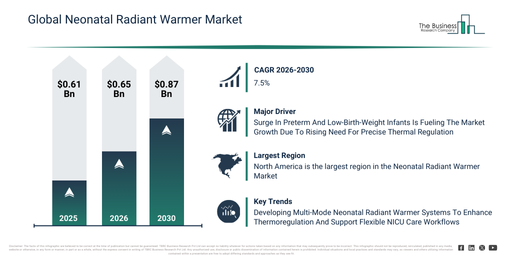
    Neonatal Radiant Warmer Market Revenue Growth Supported By A CAGR Of 0.87% Through 2030

    The neonatal radiant warmer market size has demonstrated significant expansion in recent years. It is projected to increase from $0.61 billion in 2025 to $0.65 billion in 2026, reflecting a compound annual growth rate (CAGR) of 7.7%. This historic growth is attributable to several factors, including rising neonatal mortality rates, an increasing prevalence of preterm births, heightened awareness of neonatal hypothermia management, the expansion of maternal and child healthcare programs, and a rise in hospital births in urban areas.

    The neonatal radiant warmer market is projected to experience substantial expansion over the upcoming years. This market is anticipated to reach a valuation of $0.87 billion by 2030, driven by a compound annual growth rate (CAGR) of 7.5%. Factors contributing to this growth during the forecast timeframe include a global rise in preterm birth rates, escalating investments in neonatal intensive care units, increased healthcare spending in developing nations, the expansion of hospital facilities and birthing centers, and heightened awareness regarding sophisticated neonatal thermal care. Key trends shaping the forecast period encompass technological progress in radiant warmer temperature management, breakthroughs in integrated monitoring and sensor technologies, the creation of energy-efficient neonatal warmers, ongoing research and development in intelligent and automated warming solutions, and improvements in the design of portable and compact radiant warmers.

    Download A Free Sample Report For Comprehensive Market Insights:

    https://www.thebusinessresearchcompany.com/sample.aspx?id=30671&type=smp&utm_source=Blogs&utm_medium=Paid&utm_campaign=Jul_PR

    #Neonatal Radiant Warmer Market Growth Factors: Which Forces Are Supporting Market Expansion?

    The increasing requirement for precise thermal management in premature and low-birth-weight infants is projected to drive the expansion of the neonatal radiant warmer market. Precise thermal regulation involves maintaining a newborn’s body temperature within a safe range, a critical need for infants, especially those born prematurely or with low birth weight, who lack sufficient physiological thermoregulation. This rising demand is attributed to an uptick in preterm deliveries, often caused by maternal health complications, advanced maternal age, and a higher incidence of multiple pregnancies. Neonatal radiant warmers facilitate accurate thermal regulation in these vulnerable infants by providing controlled, consistent warmth to help maintain a stable body temperature. These devices enhance neonatal outcomes by preventing hypothermia and supporting essential physiological functions during early critical care. For example, in August 2024, data from the Centers for Disease Control and Prevention, a US-based national public health agency, indicated that the percentage of infants born preterm remained largely consistent, moving from 10.38% in 2022 to 10.41% in 2023, while the proportion of infants born early term saw a 2% increase, from 29.31% in 2022 to 29.84% in 2023. Thus, the growing need for precise thermal regulation in premature and low-birth-weight infants is a significant factor propelling the growth of the neonatal radiant warmer market.

    Neonatal Radiant Warmer Market Segmentation: How Is The Market Structured Across Key Categories?

    The neonatal radiant warmer market covered in this report is segmented –

    1) By Product Type: Conventional Radiant Warmers, Intensive Care Radiant Warmers, Transportable Radiant Warmers, Phototherapy Radiant Warmers

    2) By Component: Heating Units, Control Panels, Ultraviolet Lamps, Temperature Sensors

    3) By Technology: Infrared Technology, Contact Heating Systems, Integrated Heating Systems, Smart Technologies For Temperature Control

    4) By End-User: Hospitals, Clinics, Ambulatory Surgical Centers, Other End-Users

    Subsegments:

    1) By Conventional Radiant Warmers: Basic Radiant Warmers, Servo-Controlled Warmers, Open-Bed Warmers, Height-Adjustable Warmers, Standard Hospital-Grade Warmers

    2) By Intensive Care Radiant Warmers: Advanced neonatal ICU warmers, Integrated monitoring warmers, Warmers with ventilator compatibility, High-acuity thermal management warmers, Warmers with built-in resuscitation units

    3) By Transportable Radiant Warmers: Portable Emergency Transport Warmers, Ambulance-Compatible Warmers, Battery-Powered Mobile Warmers, Lightweight Intra-Hospital Transport Warmers, Foldable Or Compact Transport Warmers

    4) By Phototherapy Radiant Warmers: LED Phototherapy Warmers, Dual-Function Radiant Warmer And Phototherapy Units, UV-Based Phototherapy Warmers, Fiber-Optic Phototherapy Warmers, Jaundice Treatment Phototherapy Warmers

    Neonatal Radiant Warmer Market Industry Trends: What Changes Are Reshaping Demand?

    Major companies operating in the neonatal radiant warmer market are concentrating on developing advanced systems, such as multi-mode radiant warmer systems, engineered to support open care, closed care, and transport by synchronizing various heat sources to maintain optimal neonatal temperatures. These multi-mode radiant warmer systems are technologies specifically designed to offer stable thermoregulation, enable swift clinical access, and facilitate the safe handling of newborns across diverse care settings. For example, in March 2024, Drägerwerk AG, a Germany-based provider of acute care and neonatal equipment, unveiled the Babyleo TN500 IncuWarmer. This advanced thermoregulation system intelligently combines convective heating, multi-mode radiant warming, and a heated mattress, ensuring stable body temperature while allowing quick access for clinical staff throughout various NICU workflows. This launch signifies a substantial technological progression, integrating multi-mode warming and incubator functionalities to link traditional neonatal care with flexible, workflow-optimized solutions, thereby providing clinicians with a scalable and efficient system to enhance neonatal outcomes.

    Neonatal Radiant Warmer Market Competitive Landscape And Leading Companies

    Major companies operating in the neonatal radiant warmer market are Koninklijke Philips N.V., General Electric (GE) Healthcare, Drägerwerk AG & Co. KGaA (Dräger), Natus Medical Incorporated, Heal Force Bio-Medical Engineering, Shenzhen Comen Medical Instruments Co. Ltd., Comen Medical Instruments Co. Ltd., Advent International LP, Okuman Medikal Sistemler Anonim Sirketi, Ningbo David Medical Device Co. Ltd., Fanem Indústria e Comércio Ltd., IndoSurgicals Private Limited, Löwenstein Medical GmbH & Co. KG, Zhengzhou Dison Instrument and Meter Co. Ltd., Phoenix Medical Systems Pvt. Ltd., Procare Medical Furnishings, Atom Medical International Co. Ltd., Weyer GmbH, Western Surgical, Anhui Weemed Medical Co. Ltd.

    Access The Complete Neonatal Radiant Warmer Market Report:

    https://www.thebusinessresearchcompany.com/report/neonatal-radiant-warmer-market-report?utm_source=Blogs&utm_medium=Paid&utm_campaign=Jul_PR

    Neonatal Radiant Warmer Market Global Footprint: Which Region Holds Market Leadership?

    North America was the largest region in the neonatal radiant warmer market in 2025. Asia-Pacific is expected to be the fastest-growing region in the forecast period. The regions covered in the neonatal radiant warmer market report are Asia-Pacific, South East Asia, Western Europe, Eastern Europe, North America, South America, Middle East, Africa.

    Get in touch with us:

    The Business Research Company: https://www.thebusinessresearchcompany.com/

    Americas: +1 310-496-7795

    Asia: +44 7882 955267 & +91 8897263534

    Europe: +44 7882 955267

    Email us at: marketing@tbrc.info

    Follow us on:

    LinkedIn: https://in.linkedin.com/company/the-business-research-company

    YouTube: https://www.youtube.com/channel/UC24_fI0rV8cR5DxlCpgmyFQ

    Global Market Model: https://www.thebusinessresearchcompany.com/global-market-model
  • Neonatal Intensive Care Respiratory Devices Market Growth Is Accelerating As Industry Transformation Continues

    Neonatal Intensive Care Respiratory Devices Market Growth Is Accelerating As Industry Transformation Continues

    Delivering more actionable and strategically valuable research, The Business Research Company’s 2026 market reports feature market attractiveness analysis, total addressable market evaluation, company benchmarking matrices, interactive Excel dashboards, expanded supply chain intelligence, emerging startup coverage, and detailed product insights.

    Neonatal Intensive Care Respiratory Devices Market Value Expansion And Long-Term Growth Outlook

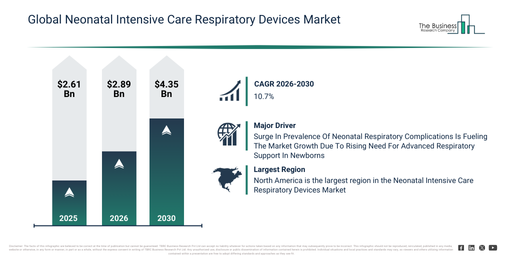
    The neonatal intensive care respiratory devices market size has seen rapid growth in recent years. It is expected to grow from $2.61 billion in 2025 to $2.89 billion in 2026, achieving a compound annual growth rate (CAGR) of 11.0%. This historical expansion can be attributed to an increasing incidence of preterm births, a rising demand for advanced neonatal respiratory support, and a growing awareness of neonatal health complications. Key drivers also include the increasing adoption of ventilators in NICUs, the rising number of neonatal intensive care units globally, a growing use of non-invasive respiratory assistance, and increasing investments in neonatal healthcare infrastructure. Additionally, the rising prevalence of neonatal respiratory disorders, the growing availability of technologically advanced devices, and an increasing focus on improving neonatal survival rates have contributed to this growth.

    The neonatal intensive care respiratory devices market is projected to experience substantial expansion in the coming years. This market is anticipated to reach $4.35 billion by 2030, exhibiting a compound annual growth rate (CAGR) of 10.7%. Several factors will drive this growth during the forecast period, including the increased uptake of non-invasive respiratory technologies, a heightened demand for sophisticated NICU respiratory equipment, rising investments in neonatal critical care, a greater imperative for enhanced neonatal survival outcomes, heightened awareness regarding preterm birth complications, increased healthcare expenditure on infant care, expanded deployment of automated respiratory monitoring, ongoing technological improvements in neonatal devices, an intensified emphasis on early intervention respiratory support, and a stronger inclination towards secure and efficient ventilation systems. Key trends expected over the forecast horizon encompass progress in non-invasive neonatal ventilation, developments in compact and portable respiratory equipment, enhancements in automated respiratory monitoring, novel approaches in neonatal oxygen delivery systems, innovations in AI-assisted ventilation instruments, breakthroughs in high-flow nasal cannula devices, the incorporation of smart monitoring sensors, integration with real-time NICU data platforms, the inclusion of tele-neonatology functionalities, and advancements in hybrid ventilation technologies.

    Download A Free Sample Report For Comprehensive Market Insights:

    https://www.thebusinessresearchcompany.com/sample.aspx?id=30670&type=smp&utm_source=Blogs&utm_medium=Paid&utm_campaign=Jul_PR

    Neonatal Intensive Care Respiratory Devices Market Demand Drivers: What Is Fueling Industry Growth?

    The expanding occurrence of neonatal respiratory complications is projected to drive the expansion of the neonatal intensive care respiratory devices market moving forward. These complications, which include breathing disorders like respiratory distress syndrome and transient tachypnea, impede lung function shortly after birth and are a primary factor in neonatal morbidity and mortality. The increase in these breathing issues is attributed to higher rates of prematurity and greater medical complexities at birth, necessitating more infants to receive intensive respiratory support. Neonatal intensive care respiratory devices aid in managing these complications through assisted ventilation, precise oxygen delivery, and continuous respiratory monitoring, thereby helping clinicians stabilize infants and enhance survival outcomes. For example, in October 2024, data from the Royal College of Paediatrics and Child Health, a UK-based professional medical body, revealed that the percentage of babies experiencing bronchopulmonary dysplasia or death differed by region, ranging from 32.6% in the East of England to 46.8% in the Northern Operational Delivery Network, with individual neonatal units reporting rates between 0% and 61.7% for units treating at least 10 eligible babies. Consequently, the rising prevalence of neonatal respiratory complications is stimulating the growth of the neonatal intensive care respiratory devices market. The increasing financial commitment to neonatal care equipment is anticipated to stimulate the growth of the neonatal intensive care respiratory devices market. This investment involves governments and public health organizations dedicating financial resources to acquire and upgrade medical devices and infrastructure specifically for newborn health services, which includes neonatal intensive care devices. The upward trend in investment stems from the increasing requirement for precise thermal regulation, as preterm and low-birth-weight infants struggle to maintain a stable body temperature independently. Elevated investment in neonatal care equipment improves neonatal intensive care respiratory devices by facilitating the development and adoption of advanced technologies that deliver accurate and reliable respiratory support for premature and critically ill infants. This leads to improved survival rates, a reduction in complications, and better overall neonatal outcomes. For instance, in November 2025, according to the OECD, a Paris-based international economic organization, the average annual capital expenditure on health across member countries increased from 0.60% of GDP in 2024 to 0.62% of GDP in 2025, with a notable share allocated to medical equipment, indicating a year-on-year rise in public sector investment in health infrastructure and devices, including neonatal care equipment. Therefore, growing investment in neonatal care equipment is propelling the growth of the neonatal intensive care respiratory devices market.

    Neonatal Intensive Care Respiratory Devices Market Segmentation Trends And Revenue Drivers

    The neonatal intensive care respiratory devices market covered in this report is segmented –

    1) By Product Type: Ventilators, Continuous Positive Airway Pressure (CPAP) Devices, Oxygen Delivery Devices, Inhalers, Humidifiers, Others Product Types

    2) By Modality: Invasive Ventilation, Non-Invasive Ventilation, Combined Or Hybrid Systems

    3) By Gestational Age: Extremely Preterm (<28 Weeks), Very Preterm (28–32 Weeks), Moderate To Late Preterm (32–37 Weeks), Full Term With Respiratory Conditions

    4) By End User: Hospitals, Neonatal Clinics, Ambulatory Surgical Centers, Others End User

    Subsegments:

    1) By Ventilators: Invasive Mechanical Ventilators, Non-Invasive Ventilators, Portable Ventilators, Intensive Care Unit (ICU) Ventilators, Emergency Or Transport Ventilators

    2) By Continuous Positive Airway Pressure (CPAP) Devices: Fixed-Pressure CPAP Devices, Auto-Adjusting (APAP) CPAP Devices, Bi-Level Positive Airway Pressure (BiPAP) Devices, Portable Or Home CPAP Devices, Hospital Or Clinical CPAP Devices

    3) By Oxygen Delivery Devices: Oxygen Concentrators, Oxygen Cylinders Or Tanks, Oxygen Masks, Nasal Cannulas, Portable Oxygen Systems

    4) By Inhalers: Metered Dose Inhalers (MDI), Dry Powder Inhalers (DPI), Soft Mist Inhalers (SMI), Nebulizer Inhalers, Combination Drug Inhalers

    5) By Humidifiers: Ultrasonic Humidifiers, Evaporative Humidifiers, Steam Vaporizers, Impeller Humidifiers, Hospital-Grade Respiratory Humidifiers

    6) By Others Product Types: Nebulizers (Standalone), Suction Devices, Respiratory Monitors, Airway Clearance Devices, Tracheostomy Care Devices

    #Neonatal Intensive Care Respiratory Devices Market Industry Leaders: Which Organizations Are Driving Competition?

    Major companies operating in the neonatal intensive care respiratory devices market are Medtronic plc, Koninklijke Philips N.V., GE Healthcare Technologies Inc., Becton, Dickinson and Company (BD), ResMed Inc., Drägerwerk AG & Co. KGaA, Getinge AB, Smiths Group plc, Teleflex Incorporated, Masimo Corporation, Fisher & Paykel Healthcare Limited, Comen Medical, Hamilton Medical AG, GaleMed Corporation, Heyer Medical AG, Inspiration Healthcare Group plc, Mercury Medical, Trudell Medical International Co., Atom Medical International Co. Ltd., Airon Corporation, Lowenstein Medical Technology GmbH

    Access The Complete Neonatal Intensive Care Respiratory Devices Market Report:

    https://www.thebusinessresearchcompany.com/report/neonatal-intensive-care-respiratory-devices-market-report?utm_source=Blogs&utm_medium=Paid&utm_campaign=Jul_PR

    Neonatal Intensive Care Respiratory Devices Market Regional Distribution: Which Areas Drive Market Expansion?

    North America was the largest region in the neonatal intensive care respiratory devices market in 2025. Asia-Pacific is expected to be the fastest-growing region in the forecast period. The regions covered in the neonatal intensive care respiratory devices market report are Asia-Pacific, South East Asia, Western Europe, Eastern Europe, North America, South America, Middle East, Africa.

    Get in touch with us:

    The Business Research Company: https://www.thebusinessresearchcompany.com/

    Americas: +1 310-496-7795

    Asia: +44 7882 955267 & +91 8897263534

    Europe: +44 7882 955267

    Email us at: marketing@tbrc.info

    Follow us on:

    LinkedIn: https://in.linkedin.com/company/the-business-research-company

    YouTube: https://www.youtube.com/channel/UC24_fI0rV8cR5DxlCpgmyFQ

    Global Market Model: https://www.thebusinessresearchcompany.com/global-market-model