Month: October 2026

  • Small Molecule Targeted Therapy Market Growth Forecast: Market Size, Key Trends And Emerging Opportunities Through 2030

    Small Molecule Targeted Therapy Market Growth Forecast: Market Size, Key Trends And Emerging Opportunities Through 2030

    Built to provide research that’s more actionable and strategically valuable, The Business Research Company’s 2026 market reports include market attractiveness analysis, total addressable market sizing, company benchmarking matrices, interactive Excel dashboards, broader supply chain intelligence, emerging startup tracking, and in-depth product insights.

    Small Molecule Targeted Therapy Market Forecast: What Value Will The Market Reach By 2030?

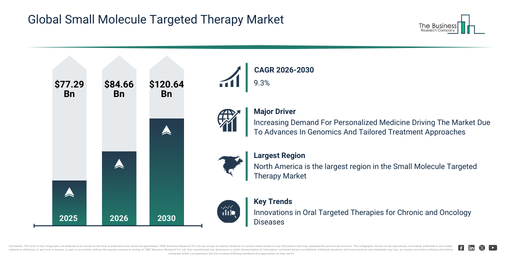
    The market size for small molecule targeted therapy has experienced significant growth in recent years. It will grow from $77.29 billion in 2025 to $84.66 billion in 2026 at a compound annual growth rate (CAGR) of 9.5%. The expansion witnessed during the historic period can be attributed to progress in molecular biology research, the increasing occurrence of chronic diseases, the enlargement of pharmaceutical R&D pipelines, the regulatory approval of targeted therapies, and advancements in drug screening technologies.

    The small molecule targeted therapy market is anticipated to exhibit substantial growth in the forthcoming years. It is projected to expand to $120.64 billion in 2030, achieving a compound annual growth rate (CAGR) of 9.3%. This expansion during the forecast period is fueled by several factors, including the increasing demand for personalized medicine approaches, the rising integration of genomics into drug development, the extension of targeted therapies beyond oncology, a heightened focus on designing drugs optimized for safety, and increased investment in precision therapeutics. Significant trends expected during this time involve the increasing expansion of target-specific drug development, the rising use of pathway-modulating therapies, growing adoption of oral small molecule treatments, an enhanced focus on disease-specific molecular targets, and the broader application of combination small molecule regimens.

    Get A Free Sample Report With In-Depth Market Insights:

    https://thebusinessresearchcompany.com/sample_request?id=28332&type=smp&name=Small%20Molecule%20Targeted%20Therapy%20Market%20Report%202026&utm_source=Blogs&utm_medium=Paid&utm_campaign=Oct_PR

    Small Molecule Targeted Therapy Market Demand Drivers: What’s Powering Industry Growth?

    The escalating prioritization of personalized medicine is anticipated to stimulate the expansion of the small molecule targeted therapy market moving forward. Personalized medicine is defined as a healthcare methodology that customizes prevention, diagnosis, and treatment according to an individual’s genetic, environmental, and lifestyle factors. The rise of personalized medicine is propelled by breakthroughs in genomics, which enable a more thorough understanding of individual genetic variations and facilitate more precise, targeted treatments that improve patient outcomes and reduce trial-and-error in therapies. Small molecule targeted therapy contributes to personalized medicine by specifically aiming at a patient’s unique molecular or genetic disease profile, enhancing treatment efficacy and lessening side effects. For instance, in February 2024, as per the Personalized Medicine Coalition, a US-based non-profit organization, in 2023, the FDA granted approval to 16 new personalized treatments for rare disease patients, an increase from six in 2022. The newly approved personalized treatments for 2023 additionally comprised seven cancer drugs and three for other diseases and conditions. Therefore, the growing emphasis on personalized medicine is driving the growth of the small molecule targeted therapy market.

    Small Molecule Targeted Therapy Market Segment Landscape: Which Areas Lead Development?

    The small molecule targeted therapy market covered in this report is segmented –

    1) By Type Of Therapy: Chemotherapy, Targeted Therapy, Immunotherapy

    2) By Drug Class: Monoclonal Antibodies, Small Molecule Inhibitors, Combination Therapies

    3) By Mechanism Of Action: Kinase Inhibitors, Proteasome Inhibitors, Aromatic Hydrocarbon Receptor (Ahr) Modulators, Cell Cycle Inhibitors

    4) By Disease Indication: Cancer, Autoimmune Diseases, Infectious Diseases

    5) By Route Of Administration: Oral, Intravenous, Subcutaneous

    Subsegments:

    1) By Chemotherapy: Alkylating Agents, Antimetabolites, Anti-microtubule Agents

    2) By Targeted Therapy: Kinase Inhibitors, Proteasome Inhibitors, Aromatic Hydrocarbon Receptor (AhR) Modulators

    3) By Immunotherapy: Immune Checkpoint Inhibitors, Cancer Vaccines, Monoclonal Antibodies

    Small Molecule Targeted Therapy Market Innovation Trends: What Developments Are Reshaping The Industry?

    Major companies operating within the small molecule targeted therapy sector are prioritizing the development of innovative solutions, such as oral small molecules, to enhance targeted delivery, improve patient compliance, and address specific molecular pathways in oncology and other chronic diseases. An oral small molecule is defined as a low-molecular-weight drug that can be administered by mouth, designed to easily enter cells and specifically target disease-related proteins or pathways. For example, in June 2025, Kura Oncology Inc., a US-based biotech company, received FDA approval for a New Drug Application (NDA) for ziftomenib to treat adult patients with relapsed or refractory acute myeloid leukemia (AML) with nucleophosmin 1 (NPM1) mutations. This oral targeted therapy is specifically formulated for adult patients with relapsed or refractory AML carrying NPM1 mutations, thereby addressing a critical unmet medical need. It features a favorable safety profile and has shown encouraging efficacy, including significant complete remission rates in clinical trials. By selectively inhibiting the menin-KMT2A interaction, ziftomenib disrupts leukemic cell growth and supports new therapeutic options for this hard-to-treat AML subtype.

    Small Molecule Targeted Therapy Market Industry Leaders And Competitive Landscape

    Major companies operating in the small molecule targeted therapy market are F. Hoffmann-La Roche AG (Roche), Merck KGaA, Pfizer Inc., Bayer AG, Sanofi S.A., Novartis International AG, AstraZeneca PLC, Bristol-Myers Squibb Company, GlaxoSmithKline plc (GSK), Eli Lilly and Company, Amgen Inc., Regeneron Pharmaceuticals Inc., Astellas Pharma Inc., Lonza Group AG, Blueprint Medicines Corporation, Kura Oncology Inc., G1 Therapeutics Inc., Ascentage Pharma Group International Inc., Rgenta Therapeutics Inc., Verastem Inc.

    View The Full Small Molecule Targeted Therapy Market Report:

    https://thebusinessresearchcompany.com/report/small-molecule-targeted-therapy-global-market-report?utm_source=Blogs&utm_medium=Paid&utm_campaign=Oct_PR

    Small Molecule Targeted Therapy Market Regional Analysis: Which Region Leads By Revenue?

    North America was the largest region in the small molecule targeted therapy market in 2025. Asia Pacific is expected to be the fastest-growing region in the forecast period. The regions covered in the small molecule targeted therapy market report are Asia-Pacific, South East Asia, Western Europe, Eastern Europe, North America, South America, Middle East, Africa.

    Reach Out To Our Team:

    The Business Research Company: https://www.thebusinessresearchcompany.com/

    Americas: +1 310-496-7795

    Asia: +44 7882 955267 & +91 8897263534

    Europe: +44 7882 955267

    Email us at: marketing@tbrc.info

    Follow us on:

    LinkedIn: https://in.linkedin.com/company/the-business-research-company

    YouTube: https://www.youtube.com/channel/UC24_fI0rV8cR5DxlCpgmyFQ

    Global Market Model: https://www.thebusinessresearchcompany.com/global-market-model

  • Small Molecule Targeted Cancer Therapy Market CAGR Forecast Through 2030: Key Trends Shaping Industry Expansion

    Small Molecule Targeted Cancer Therapy Market CAGR Forecast Through 2030: Key Trends Shaping Industry Expansion

    Backed by market attractiveness analysis, total addressable market sizing, company benchmarking matrices, interactive Excel dashboards, wider supply chain intelligence, emerging startup coverage, and detailed product-level insights, The Business Research Company’s 2026 market reports are designed to offer research that is more actionable and strategically valuable than ever.

    Small Molecule Targeted Cancer Therapy Market Size Outlook: How Quickly Will Revenue Expand Through 2030?

    The small molecule targeted cancer therapy market has demonstrated robust growth in recent years. It is projected to expand from $85.35 billion in 2025 to $93.17 billion in 2026, reflecting a compound annual growth rate (CAGR) of 9.2%. This historic period of expansion can be ascribed to elements such as increasing cancer incidence rates, a heightened comprehension of molecular oncology pathways, the broadening of targeted drug discovery initiatives, regulatory approvals for initial targeted inhibitors, and rising investments in oncology research.

    The market for small molecule targeted cancer therapy is projected to experience substantial expansion over the upcoming years. This market is anticipated to reach a valuation of $130.9 billion by 2030, exhibiting a compound annual growth rate (CAGR) of 8.9%. Factors driving this growth during the forecast period include the increasing adoption of personalized cancer medicine, the escalating development of next-generation inhibitors, the expanding utilization of companion diagnostics, a heightened emphasis on strategies for managing resistance, and augmented activity within the oncology drug pipeline. Key trends predicted for the forecast period encompass a surge in the development of mutation-specific inhibitors, the increasing uptake of precision oncology therapies, a growing emphasis on oral small molecule drugs, the broader implementation of combination targeted therapy regimens, and an intensified focus on biomarker-driven treatment selection.

    Get A Free Sample Report With In-Depth Market Insights:

    https://thebusinessresearchcompany.com/sample_request?id=28331&type=smp&name=Small%20Molecule%20Targeted%20Cancer%20Therapy%20Market%20Report%202026&utm_source=Blogs&utm_medium=Paid&utm_campaign=Oct_PR

    Small Molecule Targeted Cancer Therapy Market Growth Drivers: What’s Behind The Acceleration?

    The increasing requirement for personalized medicine is projected to drive the growth of the small molecule targeted therapy market moving forward. Personalized medicine signifies a medical approach designed to customize the prevention, diagnosis, and treatment of illnesses according to the distinct characteristics of each individual patient. This surge in demand for personalized medicine arises from the growing necessity for targeted interventions that enhance effectiveness and mitigate adverse reactions. Small molecule targeted therapy is instrumental in addressing this demand for personalized medicine by improving the specificity of treatments, enhancing patient responses, minimizing undesirable side effects, and enabling therapies that are precisely tailored to individual genetic and molecular profiles. As an illustration, in February 2024, the Personalized Medicine Coalition, a US-based non-profit organization, stated that in 2023, the US Food and Drug Administration (FDA) authorized 16 new personalized treatments for rare disease patients, which was a notable increase from the six approvals observed in 2022. Consequently, the expanding demand for personalized medicine is propelling the growth of the small molecule targeted therapy market.

    Small Molecule Targeted Cancer Therapy Market Segments: Where Is Growth Concentrated?

    The small molecule targeted cancer therapy market covered in this report is segmented –

    1) By Therapy Type: Tyrosine Kinase Inhibitors, Proteasome Inhibitors, Histone Deacetylase Inhibitors, PARP Inhibitors, CDK Inhibitors, BCL-2 Inhibitors, mTOR Inhibitors, Other Small Molecule Inhibitors

    2) By Cancer Type: Lung Cancer, Breast Cancer, Colorectal Cancer, Leukemia, Prostate Cancer, Other Cancer Types

    3) By Mode Of Administration: Oral, Intravenous, Other Modes

    4) By Distribution Channel: Hospital Pharmacy, Retail Pharmacy, Online Pharmacy, Direct Sales

    5) By End User: Hospitals, Specialty Clinics, Research Institutes, Other End Users

    Subsegments:

    1) By Tyrosine Kinase Inhibitors: EGFR Inhibitors, VEGFR Inhibitors, ALK Inhibitors, BCR-ABL Inhibitors, HER2 Inhibitors

    2) By Proteasome Inhibitors: Bortezomib, Carfilzomib, Ixazomib

    3) By Histone Deacetylase Inhibitors: Pan-Histone Deacetylase Inhibitors, Class-specific Histone Deacetylase Inhibitors

    4) By PARP Inhibitors: Olaparib, Niraparib, Rucaparib, Talazoparib

    5) By CDK Inhibitors: CDK4/6 Inhibitors, CDK1/2 Inhibitors, Pan-CDK Inhibitors

    6) By BCL-2 Inhibitors: Venetoclax, Navitoclax

    7) By mTOR Inhibitors: Rapamycin Analogs (Rapalogs), ATP-competitive mTOR Inhibitors, Dual mTOR/PI3K Inhibitors

    8) By Other Small Molecule Inhibitors: MEK Inhibitors, PI3K Inhibitors, RAF Inhibitors

    Small Molecule Targeted Cancer Therapy Market Trends: What’s Defining The Industry’s Next Phase?

    Leading companies in the breast cancer small-molecule targeted therapy market are prioritizing the development of innovative treatments, such as PI3K inhibitors and CDK4/6 inhibitor combinations, to improve treatment efficacy and more effectively target specific cancer cell signaling pathways. PI3K inhibitors are targeted cancer therapies designed to block the phosphatidylinositol-3-kinase pathway, which is involved in tumor growth and survival, while CDK4/6 inhibitor combinations are specifically formulated to halt cell cycle progression in hormone receptor-positive cancer cells. For instance, in October 2024, Genentech, Inc., a US-based biotechnology company, secured approval from the U.S. Food and Drug Administration (FDA) for inavolisib (Itovebi) in combination with palbociclib (Ibrance) and fulvestrant (Faslodex). This approval is for the treatment of adults with endocrine-resistant, PIK3CA-mutated, hormone receptor-positive, HER2-negative, locally advanced, or metastatic breast cancer. The basis for this approval came from the INAVO120 trial results, which showcased a significant enhancement in progression-free survival and objective response rate compared to using palbociclib and fulvestrant by themselves. This represents a major stride in personalized therapy for HR-positive, HER2-negative breast cancer, presenting a targeted treatment option for patients harboring PIK3CA mutations.

    Small Molecule Targeted Cancer Therapy Market Key Participants And Competitive Landscape

    Major companies operating in the small molecule targeted cancer therapy market are Johnson & Johnson Services Inc., F. Hoffmann-La Roche Ltd., Merck & Co. Inc., Pfizer Inc., AbbVie Inc., Bayer AG, Sanofi S.A., Novartis International AG, AstraZeneca plc, Bristol-Myers Squibb Company, GlaxoSmithKline plc (GSK), Eli Lilly and Company, Takeda Pharmaceutical Company Limited, Amgen Inc., Gilead Sciences Inc., Boehringer Ingelheim International GmbH, Astellas Pharma Inc., Daiichi Sankyo Company Limited, Eisai Co. Ltd., Ipsen Biopharmaceuticals Inc.

    View The Full Small Molecule Targeted Cancer Therapy Market Report:

    https://thebusinessresearchcompany.com/report/small-molecule-targeted-cancer-therapy-global-market-report?utm_source=Blogs&utm_medium=Paid&utm_campaign=Oct_PR

    Small Molecule Targeted Cancer Therapy Market Geographic Distribution And Regional Opportunities

    North America was the largest region in the small molecule targeted cancer therapy market in 2025. Asia-Pacific is expected to be the fastest-growing region in the forecast period. The regions covered in the small molecule targeted cancer therapy market report are Asia-Pacific, South East Asia, Western Europe, Eastern Europe, North America, South America, Middle East, Africa.

    Reach Out To Our Team:

    The Business Research Company: https://www.thebusinessresearchcompany.com/

    Americas: +1 310-496-7795

    Asia: +44 7882 955267 & +91 8897263534

    Europe: +44 7882 955267

    Email us at: marketing@tbrc.info

    Follow us on:

    LinkedIn: https://in.linkedin.com/company/the-business-research-company

    YouTube: https://www.youtube.com/channel/UC24_fI0rV8cR5DxlCpgmyFQ

    Global Market Model: https://www.thebusinessresearchcompany.com/global-market-model

  • Small Molecule Injectable Drugs Market To Witness 10.5% CAGR Growth Through 2030: Key Industry Drivers

    Small Molecule Injectable Drugs Market To Witness 10.5% CAGR Growth Through 2030: Key Industry Drivers

    Featuring market attractiveness scoring, total addressable market sizing, company benchmarking matrices, interactive Excel dashboards, deeper supply chain intelligence, emerging startup tracking, and granular product-level insights, The Business Research Company’s 2026 market reports are built to deliver research that is both more actionable and more strategically valuable.

    Small Molecule Injectable Drugs Market Size, Value And Growth Trajectory Through 2030

    The market size for small molecule injectable drugs has experienced rapid expansion in recent years. This market is anticipated to expand from $245.97 billion in 2025 to $276.3 billion in 2026, achieving a compound annual growth rate (CAGR) of 12.3%. The historical period’s growth can be ascribed to factors such as the increasing prevalence of chronic diseases, greater adoption of injectable therapeutics, advancements in drug formulation technologies, the expansion of hospital infrastructure, and heightened awareness regarding infection management.

    The small molecule injectable drugs market is anticipated to undergo significant expansion over the next few years. It is predicted to attain a value of $412.35 billion in 2030, advancing at a compound annual growth rate (CAGR) of 10.5%. This growth during the forecast period is propelled by factors such as the increasing demand for personalized medicine, developments in oncology and antiviral treatments, technological progress in drug delivery systems, the expansion of home care and outpatient services, and heightened investment in biologics and combination therapies. Noteworthy trends for this period include a rising preference for injectable drug delivery methods, the growth of hospital and clinic infusion services, an increase in targeted chemotherapy treatments, the proliferation of antiviral small molecule drugs, and a demand for low molecular weight drug formulations.

    Get A Free Sample Report With In-Depth Market Insights:

    https://thebusinessresearchcompany.com/sample_request?id=66029161&type=smp&name=Small%20Molecule%20Injectable%20Drugs%20Market%20Report%202026&utm_source=Blogs&utm_medium=Paid&utm_campaign=Oct_PR

    Small Molecule Injectable Drugs Market Growth Factors Behind Sustained Expansion

    The small-molecule injectable drug market is anticipated to expand due to the increasing prevalence of chronic diseases. These are health issues that persist over extended periods and typically progress gradually. Their increase stems from various factors like inactive lifestyles, poor eating habits, tobacco consumption, and elevated stress levels. Such lifestyle choices foster the emergence of conditions such as obesity, diabetes, cardiovascular diseases, and certain cancers. Small-molecule injectable drugs are crucial in handling chronic conditions through targeted treatments, enhanced patient adherence, disease alteration, combined treatment methods, and possibilities for monitoring therapy. For instance, as reported in June 2024 by the National Health Service, a UK-based government department, 3,615,330 individuals registered with a general practitioner (GP) had a diagnosis of non-diabetic hyperglycemia or pre-diabetes—a condition involving elevated blood sugar not severe enough to be categorized as diabetes—in 2023. This represented an 18% rise from 3,065,825 cases recorded in 2022. Consequently, the growing incidence of chronic diseases acts as a key driver for the small-molecule injectable drug market.

    Small Molecule Injectable Drugs Market Segment Analysis: What Are The Core Market Categories?

    The small molecule injectable drugs market covered in this report is segmented –

    1) By Drug Class: Small Molecule Antibiotics, Analgesics, Chemotherapy, Antivirals, Anticoagulant, Skeletal Muscle Relaxants, Anticonvulsants, Other Drug Class

    2) By Indication: Pain Management, Oncology, Infectious Diseases, Cardiovascular Diseases, CNS Diseases, Other Indications

    3) By Mode of Delivery: IV Set, Intravenous Injection, Infusion Pump, Intramuscular Injection, Subcutaneous Injection

    4) By End User: Hospitals, Ambulatory Clinics, Outpatient Facility, Infusion Therapy Center, Home Care, Other End Users

    Subsegments:

    1) By Small Molecule Antibiotics: Penicillin-Based Antibiotics, Cephalosporins, Aminoglycosides, Macrolides, Tetracyclines

    2) By Analgesics: Nonsteroidal Anti-inflammatory Drugs (NSAIDs), Opioids, Acetaminophen

    3) By Chemotherapy: Alkylating Agents, Antimetabolites, Mitotic Inhibitors, Topoisomerase Inhibitors

    4) By Antivirals: Nucleoside Analogues, Protease Inhibitors, Reverse Transcriptase Inhibitors

    5) By Anticoagulant: Heparin, Low Molecular Weight Heparins

    6) By Skeletal Muscle Relaxants: Baclofen, Methocarbamol

    7) By Anticonvulsants: Benzodiazepines, Phenytoin

    8) By Other Drug Class: Immunosuppressants, Hormonal Therapies

    Small Molecule Injectable Drugs Market Industry Trends Fueling Future Revenue Growth

    Leading companies in the small-molecule injectable drug market are concentrating on developing innovative solutions, such as combination regimens, to enhance efficacy and patient outcomes. A combination regimen represents a treatment strategy that employs two or more drugs in concert to boost effectiveness, reduce resistance, or address diverse aspects of a disease. For instance, in November 2025, AbbVie Inc., a US-based biopharmaceutical company, obtained approval from the U.S. Food and Drug Administration (FDA) for EPKINLY (epcoritamab-bysp) to be used in combination with rituximab and lenalidomide for adult patients with relapsed or refractory follicular lymphoma (FL). This drug is a humanized bispecific IgG1 antibody that simultaneously binds to the CD3 receptor on T cells and the CD20 receptor on B cells, including malignant lymphoma cells, thereby engaging and activating T cells for the targeted killing of cancerous B cells. Administered subcutaneously, it functions as a chemotherapy-free treatment option and is specifically designed for combination use with rituximab and lenalidomide for relapsed or refractory follicular lymphoma. EPKINLY provides a novel immune-mediated approach that enables efficient T-cell activation and durable depletion of lymphoma cells, offering a convenient outpatient therapy with a fixed-duration regimen.

    Small Molecule Injectable Drugs Market Top Companies Driving Competitive Growth

    Major companies operating in the small molecule injectable drugs market are Pfizer Inc., Johnson & Johnson Services Inc., F. Hoffmann-La Roche AG, Merck & Co. Inc., AbbVie Inc., Sanofi S.A., Bristol-Myers Squibb Company, AstraZeneca plc, Abbott Laboratories, Novartis AG, Fresenius Kabi AG, GlaxoSmithKline plc, Eli Lilly and Company, Gilead Sciences Inc., Amgen Inc., Becton Dickinson and Company, Teva Pharmaceutical Industries Ltd., Baxter International Inc., Sun Pharmaceutical Industries Ltd., Aurobindo Pharma Ltd., Dr. Reddy’s Laboratories Ltd., Cipla Limited, Hikma Pharmaceuticals plc, BioCryst Pharmaceuticals Inc., Mylan N.V.

    View The Full Small Molecule Injectable Drugs Market Report:

    https://thebusinessresearchcompany.com/report/small-molecule-injectable-drugs-global-market-report?utm_source=Blogs&utm_medium=Paid&utm_campaign=Oct_PR

    Small Molecule Injectable Drugs Market Largest Region By Revenue And Market Share

    North America was the largest region in the small molecule injectable drugs market in 2025. Europe is expected to be the fastest-growing region in the forecast period. The regions covered in the small molecule injectable drugs market report are Asia-Pacific, South East Asia, Western Europe, Eastern Europe, North America, South America, Middle East, Africa.

    Reach Out To Our Team:

    The Business Research Company: https://www.thebusinessresearchcompany.com/

    Americas: +1 310-496-7795

    Asia: +44 7882 955267 & +91 8897263534

    Europe: +44 7882 955267

    Email us at: marketing@tbrc.info

    Follow us on:

    LinkedIn: https://in.linkedin.com/company/the-business-research-company

    YouTube: https://www.youtube.com/channel/UC24_fI0rV8cR5DxlCpgmyFQ

    Global Market Model: https://www.thebusinessresearchcompany.com/global-market-model

  • Small Molecule Drug Discovery Market Projected For Strong Expansion Through 2030: Key Trends And Future Outlook

    Small Molecule Drug Discovery Market Projected For Strong Expansion Through 2030: Key Trends And Future Outlook

    Built to provide research that’s more actionable and strategically valuable, The Business Research Company’s 2026 market reports include market attractiveness analysis, total addressable market sizing, company benchmarking matrices, interactive Excel dashboards, broader supply chain intelligence, emerging startup tracking, and in-depth product insights.

    Small Molecule Drug Discovery Market CAGR Outlook And Future Development

    The market for small molecule drug discovery has seen rapid expansion in recent years. It is projected to grow from $67.94 billion in 2025 to $75.56 billion in 2026, at a compound annual growth rate (CAGR) of 11.2%. This historical growth can be attributed to increased R&D investments by pharmaceutical companies, a rise in chronic disease prevalence, advancements in molecular biology techniques, a growing demand for cost-effective therapeutics, and the emergence of contract research organizations (CROs).

    The small molecule drug discovery market is projected to experience substantial expansion over the upcoming years. It is anticipated to reach $117.05 billion in 2030, demonstrating a compound annual growth rate (CAGR) of 11.6%. This anticipated growth during the prediction period stems from factors such as the incorporation of AI and machine learning into drug discovery processes, the broadening scope of precision medicine efforts, heightened collaboration between biotechnology and pharmaceutical firms, the implementation of automated high-throughput systems, and an intensifying focus on addressing rare and intricate diseases. Key developments foreseen in this period encompass the uptake of high-throughput screening, progress in combinatorial chemistry, the incorporation of nanotechnology into drug design, the evolution of personalized medicine, and improvements in target validation and lead optimization.

    Get A Free Sample Report With In-Depth Market Insights:

    https://thebusinessresearchcompany.com/sample_request?id=89471392&type=smp&name=Small%20Molecule%20Drug%20Discovery%20Market%20Report%202026&utm_source=Blogs&utm_medium=Paid&utm_campaign=Oct_PR

    Small Molecule Drug Discovery Market Demand Drivers Opening New Revenue Streams

    The increasing prevalence of chronic illnesses is anticipated to propel the expansion of the small molecule drug discovery market. Chronic diseases are defined as conditions persisting for a year or more, impeding daily activities, necessitating ongoing medical attention, or a combination thereof. Small-molecule medications effectively address various chronic conditions, including HIV, cancer, infections, heart disease, and renal disease, and are typically more cost-effective for individuals managing such long-term health issues. Consequently, the growing occurrence of chronic diseases is expected to stimulate the small molecule drug discovery market. For instance, a 2023 report from the National Institutes of Health (NIH), a US-based biomedical research agency, indicates that the number of Americans aged 50 and older living with at least one chronic illness is projected to reach 142.66 million by 2050. Furthermore, the population experiencing multimorbidity is forecast to increase to 14.968 million by the same year. Hence, the rising incidence of chronic diseases is a key driver for the growth of the small molecule drug discovery market.

    Small Molecule Drug Discovery Market Segment Breakdown: Which Categories Lead On Revenue?

    The small molecule drug discovery market covered in this report is segmented –

    1) By Drug Type: Small Molecule Drugs, Biologic Drugs

    2) By Technology: High Throughput Screening, Pharmacogenomics, Combinatorial Chemistry, Nanotechnology, Others

    3) By Therapeutic Area: Oncology, Central Nervous System, Cardiovascular, Respiratory, Metabolic Disorders, Gastrointestinal, Others

    4) By Process Or Phase: Target ID Or Validation, Hit Generation And Selection, Lead Identification, Lead Optimization

    5) By End-User: Pharmaceutical Companies, Contract Research Organizations, Others

    Subsegments:

    1) By Small Molecule Drugs: Generic Small Molecule Drugs, Novel Small Molecule Drugs

    2) By Biologic Drugs: Monoclonal Antibodies, Vaccines, Recombinant Proteins, Cell And Gene Therapies

    Small Molecule Drug Discovery Market Trends Powering Strategic Industry Growth

    Key companies within the small molecule drug discovery sector are forming alliances to boost their market revenues. Collaborations frequently encourage innovation by uniting the specialized knowledge of various organizations. For example, in November 2023, Evommune, a US-based non-profit organization, and Accutar Biotechnology, a US-based biotechnology company, revealed a strategic partnership focused on AI-based drug discovery, specifically targeting chronic inflammatory diseases. This joint effort seeks to utilize Accutar’s proprietary AI platform and Evommune’s expertise to uncover novel small molecule drug candidates.

    Small Molecule Drug Discovery Market Leading Players And Competitive Positioning

    Major companies operating in the small molecule drug discovery market are Pfizer Inc., GlaxoSmithKline plc, AstraZeneca, Boehringer Ingelheim International GmbH, Bristol-Myers Squibb Company, Johnson & Johnson, Gilead Sciences Inc., Merck KGaA, Novartis AG, 4SC AG, Teva Pharmaceutical Industries Ltd., Takeda Pharmaceutical Company Limited, Labcorp Drug Development, ICON Public Limited Company, Charles River Laboratories, Aluda Pharmaceuticals, Corcept Therapeutics, Edison Oncology, Escend Pharmaceuticals, Terray Therapeutics, Apollomics, Astex Pharmaceuticals, Pardes Biosciences, Xynomic Pharmaceuticals, Zevra Therapeutics, UNION therapeutics, Allarity Therapeutics, Cyteir Therapeutics, BigHat Biosciences

    View The Full Small Molecule Drug Discovery Market Report:

    https://thebusinessresearchcompany.com/report/small-molecule-drug-discovery-global-market-report?utm_source=Blogs&utm_medium=Paid&utm_campaign=Oct_PR

    Small Molecule Drug Discovery Market Regional Analysis And Leading Geography

    North America was the largest region in the small molecule drug discovery market in 2025. Europe is expected to be the fastest-growing region in the small molecule drug discovery market report during the forecast period. The regions covered in the small molecule drug discovery market report are Asia-Pacific, South East Asia, Western Europe, Eastern Europe, North America, South America, Middle East, Africa.

    Reach Out To Our Team:

    The Business Research Company: https://www.thebusinessresearchcompany.com/

    Americas: +1 310-496-7795

    Asia: +44 7882 955267 & +91 8897263534

    Europe: +44 7882 955267

    Email us at: marketing@tbrc.info

    Follow us on:

    LinkedIn: https://in.linkedin.com/company/the-business-research-company

    YouTube: https://www.youtube.com/channel/UC24_fI0rV8cR5DxlCpgmyFQ

    Global Market Model: https://www.thebusinessresearchcompany.com/global-market-model

  • Small Molecule CMO/CDMO Market Outlook 2026–2030: Growth Trends, Market Dynamics And Emerging Opportunities

    Small Molecule CMO/CDMO Market Outlook 2026–2030: Growth Trends, Market Dynamics And Emerging Opportunities

    Backed by market attractiveness analysis, total addressable market sizing, company benchmarking matrices, interactive Excel dashboards, wider supply chain intelligence, emerging startup coverage, and detailed product-level insights, The Business Research Company’s 2026 market reports are designed to offer research that is more actionable and strategically valuable than ever.

    Small Molecule CMO/CDMO Market Set To Climb From $58.55 Billion In 2026 To $78.4 Billion By 2030

    The small molecule cmo/cdmo market size has experienced robust expansion in recent times. This market is projected to expand from $54.42 billion in 2025 to $58.55 billion in 2026, demonstrating a compound annual growth rate (CAGR) of 7.6%. Historically, this growth can be ascribed to several factors, including the increase in generic drug manufacturing, the growing incidence of chronic diseases, the broader scope of pharmaceutical R&D, the outsourcing of drug production, and a regulatory emphasis on quality and safety.

    The small molecule cmo/cdmo market size is projected to experience substantial growth in the upcoming years. It is forecast to expand to $78.41 billion in 2030, driven by a compound annual growth rate (CAGR) of 7.6%. The expansion during this period can be attributed to several factors including the rising demand for personalized medicine, increased investments in biologics and small-molecule hybrid therapies, the spread into emerging markets, advancements in synthesis and formulation technologies, and the growing requirement for expedited regulatory approvals. Significant trends expected in the forecast period include the widening scope of contract development and manufacturing services, greater adoption of continuous manufacturing processes, an increase in the custom synthesis of small-molecule APIs, an intensified focus on regulatory compliance and quality assurance, and strategic collaborations between pharmaceutical companies and CMOs.

    Get A Free Sample Report With In-Depth Market Insights:

    https://thebusinessresearchcompany.com/sample_request?id=97744751&type=smp&name=Small%20Molecule%20CMO%2FCDMO%20Market%20Report%202026&utm_source=Blogs&utm_medium=Paid&utm_campaign=Oct_PR

    Small Molecule CMO/CDMO Market Growth Backed By Core Demand Fundamentals

    The increasing need for pharmaceutical products is anticipated to boost the expansion of the small-molecule CMO/CDMO market in the future. This sector, known as the pharmaceutical industry, encompasses the finding, creation, and manufacturing of medications and drugs by both public and private organizations. Within the pharmaceutical industry, small-molecule CMO/CDMO facilities are utilized to externalize diverse services, such as the formulation, production, and packaging of small-molecule medicines, thereby enabling pharmaceutical firms to decrease expenses, conserve duration, and optimize workflows. To illustrate, in January 2023, data from Cardinal Health Inc., a US-based healthcare company, indicated that by January 2022, the U.S. had 33 biosimilar products approved by the FDA, with 21 of them available on the market, and this figure climbed to 40 FDA-approved biosimilars by 2023, with 25 becoming commercially accessible. Consequently, the growing requirement for pharmaceuticals is fueling the expansion of the small-molecule CMO/CDMO market.

    Small Molecule CMO/CDMO Market Segmentation: How Does The Market Break Down By Category?

    The small molecule cmo/cdmo market covered in this report is segmented –

    1) By Product: Small Molecule Drug Product, Small Molecule API

    2) By Stage Type: Clinical, Commercial, Preclinical

    3) By Therapeutic Area: Oncology, Neurology, Infectious Disease, Cardiovascular Disease, Respiratory Disorders, Metabolic Disorders, Other Therapeutics

    4) By Application: Cardiovascular, Oncology, Diabetes, Immunological Disorders

    Subsegments:

    1) By Small Molecule Drug Product: Solid Dosage Forms (Tablets, Capsules), Liquid Dosage Forms (Injectables, Solutions), Topical Dosage Forms

    2) By Small Molecule API (Active Pharmaceutical Ingredient): Generic APIs, Branded APIs, Custom Synthesis APIs

    Small Molecule CMO/CDMO Market Growth Trends Reshaping The Competitive Landscape

    Major companies operating in the small-molecule CMO/CDMO market are increasingly focusing on advanced technologies, such as the sophisticated small-molecule platform in Shanghai, to improve CDMO services. This state-of-the-art small-molecule platform represents the forefront of technological advancements for developing and producing small-molecule drugs, aiming to create pharmaceutical compounds that are safer, more effective, and more efficiently manufactured. For example, in June 2023, Porton Pharma Solutions Ltd., a pharmaceutical company based in China, launched a state-of-the-art small-molecule platform in Shanghai, which enhanced its CDMO services. An advanced small molecule platform embodies a comprehensive strategy, combining cutting-edge technologies and methodologies to advance the entire lifecycle of small molecule pharmaceuticals, offering one-stop-shop solutions, an end-to-end platform, flexibility and availability, and digital transformation.

    Small Molecule CMO/CDMO Market Competitive Overview And Top Companies

    Major companies operating in the small molecule cmo/cdmo market are Patheon NV (Thermo Fisher Scientific), Johnson Matthey plc, Lonza Group Ltd., WuXi AppTec, Catalent Inc., Aurobindo Pharma, Fareva, Aesica Pharmaceuticals Limited, Siegfried holdings AG, Recipharm AB, Jubilant Life Sciences Limited, Almac Group, Piramal Pharma Solutions, Oxford Chemicals Inc., Syngene International Limited, Novasep, Pfizer CentreOne, GVK Biosciences, ChemPartner, Dishman Carbogen Amcis Ltd, ProChem Inc., Metrics Contract Services

    View The Full Small Molecule CMO/CDMO Market Report:

    https://thebusinessresearchcompany.com/report/small-molecule-cmo-or-cdmo-global-market-report?utm_source=Blogs&utm_medium=Paid&utm_campaign=Oct_PR

    Small Molecule CMO/CDMO Market Geographic Analysis: Where Is Demand Accelerating Fastest?

    North America was the largest region in the small molecule CMO/CDMO market in 2025. The regions covered in the small molecule cmo/cdmo market report are Asia-Pacific, South East Asia, Western Europe, Eastern Europe, North America, South America, Middle East, Africa.

    Reach Out To Our Team:

    The Business Research Company: https://www.thebusinessresearchcompany.com/

    Americas: +1 310-496-7795

    Asia: +44 7882 955267 & +91 8897263534

    Europe: +44 7882 955267

    Email us at: marketing@tbrc.info

    Follow us on:

    LinkedIn: https://in.linkedin.com/company/the-business-research-company

    YouTube: https://www.youtube.com/channel/UC24_fI0rV8cR5DxlCpgmyFQ

    Global Market Model: https://www.thebusinessresearchcompany.com/global-market-model

  • Small Molecule API Market Growth Outlook From $232.51 Billion In 2026 To $312.83 Billion By 2030

    Small Molecule API Market Growth Outlook From $232.51 Billion In 2026 To $312.83 Billion By 2030

    Featuring market attractiveness scoring, total addressable market sizing, company benchmarking matrices, interactive Excel dashboards, deeper supply chain intelligence, emerging startup tracking, and granular product-level insights, The Business Research Company’s 2026 market reports are built to deliver research that is both more actionable and more strategically valuable.

    Small Molecule API Market Forecast: Value Set To Climb From $232.51 Billion To $312.83 Billion

    The small molecule api market has demonstrated substantial growth in recent years. It is projected to expand from $216.27 billion in 2025 to $232.51 billion in 2026, achieving a compound annual growth rate (CAGR) of 7.5%. This historical expansion can be linked to several factors, including increasing pharmaceutical drug development activities, the broadening of generic drug manufacturing, the readily available chemical synthesis expertise, the rise of contract development services, and the escalating global medicine consumption.

    The small molecule api market is projected to experience robust expansion over the coming years. Its valuation is anticipated to reach $312.83 billion in 2030, demonstrating a compound annual growth rate (CAGR) of 7.7%. This anticipated growth during the forecast timeframe is primarily driven by escalating investments in expanding production capacity, the increasing integration of green chemistry methods, a surge in the need for oncology and CNS pharmaceuticals, the development of personalized medicine product lines, and enhanced automation within API manufacturing. Key developments expected during the forecast period encompass a greater reliance on outsourced API production, a heightened concentration on refining processes and boosting yield, an escalating requirement for high-purity small molecule APIs, the broader implementation of continuous manufacturing approaches, and an intensified commitment to adhering to regulatory standards.

    Get A Free Sample Report With In-Depth Market Insights:

    https://thebusinessresearchcompany.com/sample_request?id=63384439&type=smp&name=Small%20Molecule%20API%20Market%20Report%202026&utm_source=Blogs&utm_medium=Paid&utm_campaign=Oct_PR

    Small Molecule API Market Growth Catalysts And Demand Drivers

    The expanding occurrence of chronic diseases is anticipated to drive the small molecules API market forward. Chronic diseases are illnesses that persist for three months or longer and may worsen over time. Such conditions, including cardiovascular diseases, diabetes, and cancer, necessitate extended medication, ensuring continuous demand for pharmaceutical therapies. Small-molecule APIs are crucial for formulating drugs with enhanced bioavailability, better pharmacokinetics, and fewer side effects, thereby improving the efficacy and patient acceptance of long-term treatments for these conditions. For instance, in September 2023, the World Health Organization, a Switzerland-based specialized agency of the United Nations, reported 41 million deaths, accounting for 74% of all fatalities globally caused by non-communicable diseases (NCDs) or chronic diseases annually. Consequently, the rising prevalence of chronic diseases is a significant factor in the growth of the small molecule API market.

    Small Molecule API Market Segment Trends And Revenue Contributors

    The small molecule api market covered in this report is segmented –

    1) By Type: Synthetic, Biotech

    2) By Manufacturer: In-House, Outsourced

    3) By Application: Cardiology, Oncology, CNS And Neurology, Orthopedic, Endocrinology, Other Applications

    Subsegments:

    1) By Synthetic: Chemical Synthesis, Process Development, Custom Synthesis

    2) By Biotech: Recombinant Proteins, Monoclonal Antibodies, Peptides

    Small Molecule API Market Trends Shaping Long-Term Demand

    Leading entities within the small-molecule API market are prioritizing the establishment of strategic alliances aimed at improving drug creation, streamlining production methods, and expediting the provision of effective pharmaceuticals. The objective of these joint ventures is to merge specific knowledge in therapeutic innovation with extensive production capacities, thereby guaranteeing smooth technology transfer and worldwide availability of small-molecule APIs. An illustrative case occurred in March 2023, when CatSci Ltd., a pharmaceutical firm based in the UK, collaborated with AGC Pharma Chemicals, a Spanish pharmaceutical company, with the goal of strengthening drug development efforts. CatSci’s expertise in non-clinical areas now utilizes AGC’s robust manufacturing capabilities to back projects in their clinical phases. Clients of AGC gain access to CatSci’s sophisticated proficiencies in therapeutic advancement, particularly emphasizing scalable small molecule API production and a variety of technologies. This partnership emphasizes uninterrupted technological transfer, with the intent of offering strategic advantages, shortening drug development schedules, and supplying impactful small molecule API-based medications worldwide.

    Small Molecule API Market Competitive Landscape: Which Companies Lead The Industry?

    Major companies operating in the small molecule api market are Merck & Co. Inc., AbbVie Inc., Bristol-Myers Squibb Company, Boehringer Ingelheim International GmbH, Dr. Reddy’s Laboratories Ltd., Aurobindo Pharma, Sun Pharmaceutical Industries Ltd., Teva Pharmaceutical Industries Ltd., Viatris Inc., Cambrex Corporation, Lonza Group AG, Siegfried Holding AG, AstraZeneca, F. Hoffmann-La Roche AG, Nanjing King-friend Biochemical Pharmaceutical Co. Ltd, Albany Molecular Research Inc., BASF SE, Gilead Sciences Inc., GlaxoSmithKline PLC, Johnson Matthey PLC, Novartis AG

    View The Full Small Molecule API Market Report:

    https://thebusinessresearchcompany.com/report/small-molecule-API-global-market-report?utm_source=Blogs&utm_medium=Paid&utm_campaign=Oct_PR

    Small Molecule API Market Global Footprint: Which Region Leads The Industry?

    North America was the largest region in the small molecule API market in 2025. Asia-Pacific is expected to be the fastest-growing region in the forecast period. The regions covered in the small molecule api market report are Asia-Pacific, South East Asia, Western Europe, Eastern Europe, North America, South America, Middle East, Africa.

    Reach Out To Our Team:

    The Business Research Company: https://www.thebusinessresearchcompany.com/

    Americas: +1 310-496-7795

    Asia: +44 7882 955267 & +91 8897263534

    Europe: +44 7882 955267

    Email us at: marketing@tbrc.info

    Follow us on:

    LinkedIn: https://in.linkedin.com/company/the-business-research-company

    YouTube: https://www.youtube.com/channel/UC24_fI0rV8cR5DxlCpgmyFQ

    Global Market Model: https://www.thebusinessresearchcompany.com/global-market-model

  • Small Molecule Active Pharmaceutical Ingredient Market Forecast To Reach $299.82 Billion By 2030: Key Growth Drivers And Industry Trends

    Small Molecule Active Pharmaceutical Ingredient Market Forecast To Reach $299.82 Billion By 2030: Key Growth Drivers And Industry Trends

    Built to provide research that’s more actionable and strategically valuable, The Business Research Company’s 2026 market reports include market attractiveness analysis, total addressable market sizing, company benchmarking matrices, interactive Excel dashboards, broader supply chain intelligence, emerging startup tracking, and in-depth product insights.

    Small Molecule Active Pharmaceutical Ingredient Market Revenue Growth On Track For A 7.6% CAGR Through 2030

    The small molecule active pharmaceutical ingredient market has shown significant growth in recent years. This market is anticipated to expand from $207.67 billion in 2025 to $223.59 billion in 2026, achieving a compound annual growth rate (CAGR) of 7.7%. The historical growth of this market can be attributed to several factors such as growth of generic drug manufacturing, patent expirations of blockbuster drugs, increasing prevalence of chronic diseases, established chemical synthesis capabilities, and the expansion of pharmaceutical manufacturing bases in Asia.

    The small molecule active pharmaceutical ingredient market size is anticipated to experience substantial expansion over the coming years. This market is projected to reach $299.83 billion by 2030, demonstrating a compound annual growth rate (CAGR) of 7.6%. This anticipated expansion during the forecast period is fueled by several factors, including the increasing demand for oncology and metabolic drugs, the expansion of contract API manufacturing, improvements in synthetic chemistry techniques, a rise in regulatory approvals for generic drugs, and the broadening pharmaceutical pipelines within emerging markets. Key trends expected over the forecast horizon encompass the proliferation of generic small molecule APIs, greater reliance on outsourcing to contract manufacturing organizations, a heightened requirement for high-purity and potent APIs, efforts towards process optimization to achieve cost-efficient API production, and an intensified emphasis on regulatory adherence and quality benchmarks.

    Get A Free Sample Report With In-Depth Market Insights:

    https://thebusinessresearchcompany.com/sample_request?id=87632021&type=smp&name=Small%20Molecule%20Active%20Pharmaceutical%20Ingredient%20Market%20Report%202026&utm_source=Blogs&utm_medium=Paid&utm_campaign=Oct_PR

    Small Molecule Active Pharmaceutical Ingredient Market Opportunity Drivers: What’s Unlocking New Revenue Potential?

    The escalating incidence of diseases is a significant factor propelling the small molecule active pharmaceutical ingredient (API) market. A disease is defined as a specific abnormal state, a structural or functional impairment, that affects the patient’s body. Active pharmaceutical ingredients (APIs) are the core components in a pharmaceutical drug, designed to produce the desired effect on the body for treating various ailments. For example, in March 2023, data from reports shared by the American Society of Clinical Oncology (ASCO), a professional organization located in the US, estimated that more than 12,000 people in the US were diagnosed with neuroendocrine tumors each year. Furthermore, roughly 171,000 individuals were living with this diagnosis in 2023. Cardiovascular diseases have led to the deaths of 17.9 million people globally. Thus, the rising prevalence of diseases will persist as a crucial driver within the small molecule API market.

    Small Molecule Active Pharmaceutical Ingredient Market Segment Analysis Spotlighting Growth Areas

    The small molecule active pharmaceutical ingredient market covered in this report is segmented –

    1) By Type: Synthetic, Chemical, Biological

    2) By Therapeutic Type: Autoimmune Diseases, Oncology, Metabolic Diseases, Ophthalmology, Cardiovascular Diseases, Infectious Diseases, Neurology, Respiratory Disorders, Dermatology, Urology

    3) By Manufacturing Method: In-House, Contract

    4) By Application: Clinical, Commercial

    Subsegments:

    1) By Synthetic: Small Molecule Drugs, Generic Drugs

    2) By Chemical: Organic Compounds, Inorganic Compounds

    3) By Biological: Natural Products, Semi-Synthetic Compounds

    Small Molecule Active Pharmaceutical Ingredient Market Innovation Trends Shaping Future Development

    Major companies operating within the small molecule active pharmaceutical ingredient (API) market are prioritizing the implementation of advanced development platforms to accelerate API process design, boost efficiency, and reduce time-to-market. These platforms aim to streamline initial development phases, enhance scalability, and support robust, cost-effective API manufacturing. For instance, in May 2025, Lonza Group AG, a Switzerland-based pharmaceutical manufacturing company, unveiled its Design2Optimize Platform, specifically designed to streamline small molecule API development. The platform integrates digital tools, data-driven process optimization, and advanced automation to speed up route scouting, improve process robustness, and minimize development timelines. By providing end-to-end optimization capabilities, Design2Optimize helps drug developers in enhancing API quality, reducing associated risks, and achieving faster, more efficient scale-up for commercial production.

    Small Molecule Active Pharmaceutical Ingredient Market Leading Companies: Who Holds The Strongest Market Presence?

    Major companies operating in the small molecule active pharmaceutical ingredient market are Pfizer Inc., BASF SE, Roche Holding AG, F. Hoffmann-La Roche Limited, AbbVie Inc., Allergan plc, Bayer AG, Novartis AG, Sanofi SA, Bristol Myers Squibb Company, AstraZeneca plc, Glaxo Smith Kline plc, China Resources Pharmaceutical Group Limited, Takeda Pharmaceutical Company Limited, Eli Lilly and Company, Gilead Sciences Inc., Boehringer Ingelheim International GmbH, Merck KGaA, Viatris Inc., Teva Pharmaceutical Industries Limited, Johnson Matthey plc, Astellas Pharma Inc., Albemarle Corporation, Sun Pharmaceutical Industries Limited, Aurobindo Pharma Limited, Dr Reddy’s Laboratories Limited, Siegfried Holding AG, Albany Molecular Research Inc., Cipla Inc., Cambrex Corporation, Daiichi Sankyo Company Ltd., Eisai Co Ltd., Otsuka Holdings Co Ltd.

    View The Full Small Molecule Active Pharmaceutical Ingredient Market Report:

    https://thebusinessresearchcompany.com/report/small-molecule-active-pharmaceutical-ingredient-global-market-report?utm_source=Blogs&utm_medium=Paid&utm_campaign=Oct_PR

    Small Molecule Active Pharmaceutical Ingredient Market Regional Distribution: Which Areas Power Market Growth?

    North America was the largest region in the small molecule active pharmaceutical ingredient market in 2025. Asia-Pacific is expected to be the fastest-growing region in the forecast period. The regions covered in the small molecule active pharmaceutical ingredient market report are Asia-Pacific, South East Asia, Western Europe, Eastern Europe, North America, South America, Middle East, Africa.

    Reach Out To Our Team:

    The Business Research Company: https://www.thebusinessresearchcompany.com/

    Americas: +1 310-496-7795

    Asia: +44 7882 955267 & +91 8897263534

    Europe: +44 7882 955267

    Email us at: marketing@tbrc.info

    Follow us on:

    LinkedIn: https://in.linkedin.com/company/the-business-research-company

    YouTube: https://www.youtube.com/channel/UC24_fI0rV8cR5DxlCpgmyFQ

    Global Market Model: https://www.thebusinessresearchcompany.com/global-market-model

  • Small Interfering Ribonucleic Acid (RNA) Market Research 2026: Market Size, Trends, Segments And Growth Forecast

    Small Interfering Ribonucleic Acid (RNA) Market Research 2026: Market Size, Trends, Segments And Growth Forecast

    Backed by market attractiveness analysis, total addressable market sizing, company benchmarking matrices, interactive Excel dashboards, wider supply chain intelligence, emerging startup coverage, and detailed product-level insights, The Business Research Company’s 2026 market reports are designed to offer research that is more actionable and strategically valuable than ever.

    Small Interfering Ribonucleic Acid (RNA) Market Value Growth And Long-Term Outlook

    The small interfering ribonucleic acid (rna) market size has experienced significant expansion recently. It is forecast to increase from $18.86 billion in 2025 to $22.69 billion in 2026, demonstrating a compound annual growth rate (CAGR) of 20.3%. The market’s past growth can be ascribed to progress in molecular biology research, a rise in genetic and chronic disease prevalence, early achievements of rna-based therapies, greater investment in genomics research, and the elucidation of rna interference mechanisms.

    The small interfering ribonucleic acid (rna) market is projected to experience substantial growth over the coming years, reaching $47.07 billion by 2030, driven by a compound annual growth rate (CAGR) of 20.0%. This anticipated expansion is fueled by factors such as the rise in regulatory clearances for RNA-based therapies, an increasing need for personalized medical treatments, advancements in nanoparticle delivery systems, heightened investment from pharmaceutical firms, and the wider use of siRNA in addressing infectious and rare diseases. Key developments during this period are expected to involve the greater clinical acceptance of RNA interference therapies, an intensified focus on gene silencing techniques, the proliferation of sophisticated siRNA delivery platforms, increased funding for the development of precision therapeutics, and a stronger emphasis on scalable RNA production.

    Get A Free Sample Report With In-Depth Market Insights:

    https://thebusinessresearchcompany.com/sample_request?id=27211027&type=smp&name=Small%20Interfering%20Ribonucleic%20Acid%20%28RNA%29%20Market%20Report%202026&utm_source=Blogs&utm_medium=Paid&utm_campaign=Oct_PR

    Small Interfering Ribonucleic Acid (RNA) Market Growth Momentum: What Factors Are Shaping Demand?

    The escalating need for personalized medicine is projected to fuel the expansion of the small interfering ribonucleic acid (RNA) market in the future. This medical strategy customizes treatments for individual patients, considering their genetic makeup, environmental influences, and lifestyle choices, thereby enhancing results and quality of care. The growing need for personalized medicine stems from progress in genomic technologies, allowing for the accurate detection of genetic variations and the creation of customized treatments for specific individuals. Small interfering ribonucleic acid (siRNA) contributes to personalized medicine through its capacity for targeted gene silencing, positioning it as an effective option for addressing particular genetic conditions and illnesses. By precisely blocking disease-causing mRNA, it minimizes unintended effects, leading to improved therapeutic effectiveness and better patient results. As an illustration, in February 2024, the Personalized Medicine Coalition (PMC), a US-based nonprofit organization, reported that the U.S. Food and Drug Administration (FDA) granted approval to 26 novel personalized medicines in 2023, marking a considerable rise from the 12 approved in 2022. Consequently, the increased demand for personalized medicine is serving as a primary catalyst for the expansion of the small interfering ribonucleic acid (RNA) market.

    Small Interfering Ribonucleic Acid (RNA) Market Segment Performance And Emerging Opportunities

    The small interfering ribonucleic acid (rna) market covered in this report is segmented –

    1) By Type: Liposome Systemic Therapy, Nanoparticle-Based Systemic Therapy

    2) By Indication: Cardiovascular Diseases, Respiratory Diseases, Oncology, Neurodegenerative Diseases, Infectious Diseases

    3) By End-User: Hospital, Research Institutions, Pharmaceutical And Biotechnology Companies, Academic Institutions

    Subsegments:

    1) By Liposome Systemic Therapy: Cationic Liposome Delivery, Neutral Liposome Delivery, Pegylated Liposome Delivery, Targeted Liposome Delivery

    2) By Nanoparticle-Based Systemic Therapy: Lipid Nanoparticle Delivery, Polymer Nanoparticle Delivery, Gold Nanoparticle Delivery, Silica Nanoparticle Delivery

    Small Interfering Ribonucleic Acid (RNA) Market Trends Redefining Industry Growth

    Major companies engaged in the small interfering ribonucleic acid (siRNA) therapeutics market are prioritizing the acquisition of regulatory authorizations for new mechanisms to treat rare genetic diseases, aiming to deliver sustained effects and reduce the frequency of administration for patients. Regulatory approvals are formal clearances issued by authorities, allowing a drug or therapy to be safely evaluated, commercialized, or utilized in patients. For instance, in March 2025, Alnylam Pharmaceuticals Inc., a US-based biopharmaceutical company, obtained approval from the U.S. Food and Drug Administration (FDA) for Qfitlia (fitusiran), which stands as the first small interfering ribonucleic acid (siRNA)-based treatment for adults and adolescents aged 12 years and older diagnosed with hemophilia A or B, regardless of inhibitor status. It is designed to lower antithrombin levels, thereby enhancing thrombin generation to promote clot formation and decrease bleeding episodes. Qfitlia offers a subcutaneous, once-every-two-month dosing regimen, providing a novel, non-factor therapeutic option for the management of hemophilia.

    Small Interfering Ribonucleic Acid (RNA) Market Key Players: Which Companies Lead Industry Competition?

    Major companies operating in the small interfering ribonucleic acid (rna) market are Novartis AG, Thermo Fisher Scientific Inc., GlaxoSmithKline plc, Sanofi S.A., Sarepta Therapeutics Inc., Alnylam Pharmaceuticals Inc., Ionis Pharmaceuticals Inc., Wave Life Sciences Ltd., Silence Therapeutics plc, Arrowhead Pharmaceuticals Inc., Quark Pharmaceuticals Inc., Arbutus Biopharma Corporation, Evox Therapeutics Ltd., Phio Pharmaceuticals Inc., Genecon Biotechnologies Co. Ltd., Olix Pharmaceuticals Inc., Benitec Biopharma Ltd., Bio-Path Holdings Inc., Calando Pharmaceuticals Inc., Sirnaomics Ltd.

    View The Full Small Interfering Ribonucleic Acid (RNA) Market Report:

    https://thebusinessresearchcompany.com/report/global-small-interfering-ribonucleic-acid-rna-market-report?utm_source=Blogs&utm_medium=Paid&utm_campaign=Oct_PR

    Small Interfering Ribonucleic Acid (RNA) Market Leading Geography: Which Region Contributes The Most Revenue?

    North America was the largest region in the small interfering ribonucleic acid (RNA) market in 2025. The regions covered in the small interfering ribonucleic acid (rna) market report are Asia-Pacific, South East Asia, Western Europe, Eastern Europe, North America, South America, Middle East, Africa.

    Reach Out To Our Team:

    The Business Research Company: https://www.thebusinessresearchcompany.com/

    Americas: +1 310-496-7795

    Asia: +44 7882 955267 & +91 8897263534

    Europe: +44 7882 955267

    Email us at: marketing@tbrc.info

    Follow us on:

    LinkedIn: https://in.linkedin.com/company/the-business-research-company

    YouTube: https://www.youtube.com/channel/UC24_fI0rV8cR5DxlCpgmyFQ

    Global Market Model: https://www.thebusinessresearchcompany.com/global-market-model
  • Small Cell Lung Cancer Therapeutics Market Forecast 2026: Market Size, Competitive Landscape And Growth Drivers

    Small Cell Lung Cancer Therapeutics Market Forecast 2026: Market Size, Competitive Landscape And Growth Drivers

    Featuring market attractiveness scoring, total addressable market sizing, company benchmarking matrices, interactive Excel dashboards, deeper supply chain intelligence, emerging startup tracking, and granular product-level insights, The Business Research Company’s 2026 market reports are built to deliver research that is both more actionable and more strategically valuable.

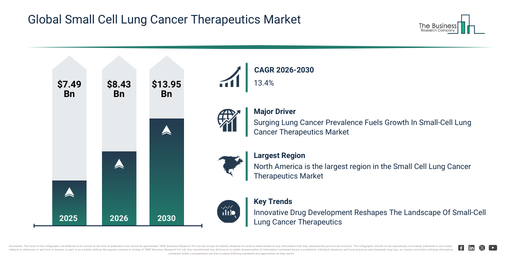
    Small Cell Lung Cancer Therapeutics Market Poised To Hit $13.95 Billion By 2030 With A 13.4% CAGR

    The market for small cell lung cancer therapeutics has experienced significant expansion recently. This market is projected to expand from $7.49 billion in 2025 to $8.43 billion in 2026, exhibiting a compound annual growth rate (CAGR) of 12.5%. Historically, this expansion has been driven by factors such as the increasing incidence of smoking-related lung cancers, the high fatality rate associated with small cell lung cancer, a scarcity of treatment choices in the past, enhanced public knowledge of lung cancer, and increasing funding dedicated to oncology research.

    The small cell lung cancer therapeutics market is expected to experience significant expansion over the next few years. It is forecast to grow to $13.95 billion in 2030, demonstrating a compound annual growth rate (CAGR) of 13.4%. This growth during the forecast period can be attributed to progress in immunotherapy and targeted therapies, the integration of artificial intelligence in treatment planning, increasing adoption of precision medicine, an uptick in early detection technologies, and the global expansion of cancer therapy centers. Prominent trends for the forecast period include advancements in immunotherapy, the development of combination therapies, sophisticated early detection and diagnosis tools, customized treatment protocols, and effective drug resistance management strategies.

    Get A Free Sample Report With In-Depth Market Insights:

    https://thebusinessresearchcompany.com/sample_request?id=86744455&type=smp&name=Small%20Cell%20Lung%20Cancer%20Therapeutics%20Market%20Report%202026&utm_source=Blogs&utm_medium=Paid&utm_campaign=Oct_PR

    Small Cell Lung Cancer Therapeutics Market Expansion Drivers: What’s Shaping Future Growth?

    The escalating occurrence of lung cancer is anticipated to propel the expansion of the small-cell lung cancer therapeutics market in the future. Lung cancer, a malignant ailment characterized by the unchecked proliferation of abnormal cells within lung tissues, presents with symptoms such as coughing, chest pain, and difficulty breathing. Managing lung cancer, including small cell lung cancer, typically involves a combination of chemotherapy, radiation therapy, and in certain instances, targeted therapies, all designed to offer extended survival and enhanced quality of life for affected patients. For example, in January 2023, data from the American Cancer Society Facts and Figures, provided by a US-based professional organizations company, showed that new lung and bronchus cancer cases were estimated at 236,740 in 2022 and 238,340 in 2023, while estimated deaths totaled 130,180 in 2022 and 127,070 in 2023. Consequently, the rising prevalence of lung cancer is a significant factor driving the growth of the small-cell lung cancer therapeutics market.

    Small Cell Lung Cancer Therapeutics Market Segment Landscape And Growth Outlook

    The small cell lung cancer therapeutics market covered in this report is segmented –

    1) By Drug Type: Atezolizumab, Topotecan, Lurbinectedin, Durvalumab, Methotrexate, Pembrolizumab

    2) By Treatment Type: Chemotherapy, Targeted Therapy, Other Treatment Types

    3) By Route Of Administration: Oral, Parenteral, Other Routes Of Administrations

    4) By End-Users: Hospitals, Cancer Therapy Centers, Other End-Users

    Small Cell Lung Cancer Therapeutics Market Strategic Trends: What Defines The Next Growth Phase?

    Leading companies in small-cell lung cancer therapeutics are concentrating on developing innovative products like monoclonal antibodies to improve targeted treatment efficacy and enhance patient outcomes. Monoclonal antibodies are laboratory-created molecules designed to specifically bind to certain antigens, ensuring uniformity and precision from a single clone of immune cells. Their targeted action leads to widespread use in therapies for cancer and autoimmune diseases. For instance, in March 2024, PT Kalbe Farma Tbk, an Indonesian-based healthcare provider, introduced Serplulimab to lung cancer patients. Serplulimab, a fully humanized anti-PD-1 monoclonal antibody, has shown significant efficacy as a first-line treatment for extensive-stage small cell lung cancer (ES-SCLC), extending median overall survival to 15.4 months compared to 10.9 months with chemotherapy alone. Clinical trials also demonstrated improved progression-free survival and a higher objective response rate, establishing it as a promising choice for patients not previously treated for this aggressive cancer type.

    Small Cell Lung Cancer Therapeutics Market Competitive Landscape: Who Leads The Industry?

    Major companies operating in the small cell lung cancer therapeutics market are Pfizer Inc., F. Hoffmann-La Roche AG, AbbVie Inc, Bayer AG, Janssen Pharmaceuticals, Novartis AG, Merck and Co. Inc., Sanofi S.A, Bristol-Myers Squibb Company, Astrazeneca plc, GSK plc, Eli Lilly and Company, Gilead Sciences Inc, Boehringer Ingelheim International GmbH, Otsuka Pharmaceutical Co. Ltd., Teva Pharmaceutical Industries Ltd., Regeneron Pharmaceuticals, Mylan N.V., Astellas Pharma Inc., Daiichi Sankyo Company Ltd., Aurobindo Pharma Limited, Kyowa Kirin Co. Ltd.

    View The Full Small Cell Lung Cancer Therapeutics Market Report:

    https://thebusinessresearchcompany.com/report/small-cell-lung-cancer-therapeutics-global-market-report?utm_source=Blogs&utm_medium=Paid&utm_campaign=Oct_PR

    Small Cell Lung Cancer Therapeutics Market Regional Outlook: Where Is Opportunity Concentrated?

    North America was the largest region in the small cell Lung cancer therapeutics market in 2025. Asia-Pacific is expected to be the fastest-growing region in the forecast period. The regions covered in the small cell lung cancer therapeutics market report are Asia-Pacific, South East Asia, Western Europe, Eastern Europe, North America, South America, Middle East, Africa.

    Reach Out To Our Team:

    The Business Research Company: https://www.thebusinessresearchcompany.com/

    Americas: +1 310-496-7795

    Asia: +44 7882 955267 & +91 8897263534

    Europe: +44 7882 955267

    Email us at: marketing@tbrc.info

    Follow us on:

    LinkedIn: https://in.linkedin.com/company/the-business-research-company

    YouTube: https://www.youtube.com/channel/UC24_fI0rV8cR5DxlCpgmyFQ

    Global Market Model: https://www.thebusinessresearchcompany.com/global-market-model
  • Sleeping Pills Market Size In 2026: Regional Growth, Key Segments And Future Outlook

    Sleeping Pills Market Size In 2026: Regional Growth, Key Segments And Future Outlook

    Built to provide research that’s more actionable and strategically valuable, The Business Research Company’s 2026 market reports include market attractiveness analysis, total addressable market sizing, company benchmarking matrices, interactive Excel dashboards, broader supply chain intelligence, emerging startup tracking, and in-depth product insights.

    Sleeping Pills Market Size And Revenue Outlook Through 2030

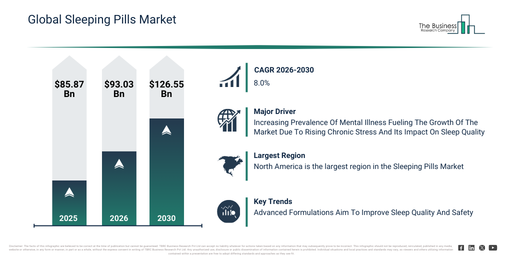
    The sleeping pills market has experienced significant expansion in recent years. Projections indicate its size will increase from $85.87 billion in 2025 to $93.03 billion in 2026, demonstrating a compound annual growth rate (CAGR) of 8.3%. Historically, this growth can be linked to factors such as the restricted accessibility of sleep disorder treatments, a rise in the prevalence of insomnia, the strong presence of prescription sleeping pills, established pharmacy distribution networks, and a general lack of understanding regarding sleep hygiene.

    The sleeping pills market is projected to experience substantial expansion over the upcoming years. This market is anticipated to reach a value of $126.55 billion by 2030, exhibiting a compound annual growth rate (CAGR) of 8.0%. Key factors contributing to this expansion during the forecast period include the introduction of innovative non-benzodiazepine medications, a growing preference for melatonin and herbal sleep aids, deeper penetration of online pharmacies, tailored sleep treatment initiatives, and an enlarging base of elderly and adult consumers. Significant trends expected in the same period involve a worldwide increase in sleep disorder diagnoses, a higher uptake of over-the-counter sleep solutions, an intensifying emphasis on individualized sleep therapies, the broadening reach of online pharmacies and e-commerce platforms, and heightened awareness regarding natural and herbal sleep supplements.

    Get A Free Sample Report With In-Depth Market Insights:

    https://thebusinessresearchcompany.com/sample_request?id=86847056&type=smp&name=Sleeping%20Pills%20Market%20Report%202026&utm_source=Blogs&utm_medium=Paid&utm_campaign=Oct_PR

    Sleeping Pills Market Development Factors: What’s Supporting Demand?

    The expanding occurrence of mental health conditions is projected to drive the growth of the sleeping pills market in the future. Mental illness encompasses various psychological states that impact an individual’s mood, thought processes, conduct, and general functionality. The rise in mental illness can be attributed to heightened chronic stress, given that extended stress interferes with brain activity and either initiates or exacerbates mental health issues. Sleeping pills assist in addressing mental illness by enhancing sleep quality, a crucial factor for maintaining emotional and cognitive balance. These medications contribute to alleviating anxiety and depression symptoms by facilitating restorative sleep, thereby improving overall mental well-being and daily performance. For example, data from 2025, provided by US-based health agencies National Alliance on Mental Illness and NextStep Solutions Behavioral Health, indicated that the prevalence of serious mental illness (SMI) was approximately 5.44% among adults in 2023 and stayed nearly consistent at about 5.6% in 2024, demonstrating steadiness within this severe category. Consequently, the growing incidence of mental illness is a primary factor propelling the expansion of the sleeping pills market.

    Sleeping Pills Market Breakdown By Product Type And Application

    The sleeping pills market covered in this report is segmented –

    1) By Medication Type: Prescription Sleeping Pills, Over The Counter (OTC) Sleeping Pills

    2) By Product Type: Benzodiazepines, Non Benzodiazepines

    3) By Sleep Disorder: Insomnia, Sleep Disorder, Restless Leg Syndrome Narcolepsy, Sleepwalking

    4) By Consumer Demographics: Age Groups, Gender, Health Conditions

    5) By Distribution Channel: Retail Pharmacies, Online Pharmacies, Hospitals And Clinics, Health And Wellness Stores

    Subsegments:

    1) By Prescription Sleeping Pills: Benzodiazepines, Non-Benzodiazepines, Antidepressants, Antihistamines, Melatonin Receptor Agonists, Orexin Receptor Antagonists

    2) By Over The Counter (OTC): Diphenhydramine, Doxylamine, Melatonin Supplements, Valerian Root

    Sleeping Pills Market Transformation Trends: What Innovations Are Driving Change?

    Companies operating within the sleeping pills market are concentrating on developing advanced formulations, such as innovative drug compositions, to improve sleep quality, reduce dependency risks, and minimize side effects. Novel drug formulations entail the creation of new medication compositions designed to enhance efficacy, boost absorption, decrease adverse reactions, and offer more targeted and patient-friendly treatment options. As an illustration, in October 2024, Neurovalens, a UK-based medical device company, introduced Modius Sleep, a Food and Drug Administration (FDA)-cleared, physician-prescribed medical device intended to treat chronic insomnia in adults aged 22 and older. This device utilizes low-level electrical vestibular nerve stimulation to target the hypothalamus and brainstem, areas responsible for regulating sleep and circadian rhythms. Worn on the head for 30 minutes each evening, typically 1–2 hours before bedtime, its intensity is adjustable for user comfort. Modius Sleep is straightforward to use, portable, and can be worn while engaging in activities such as reading or watching TV.

    Sleeping Pills Market Company Landscape And Competitive Strategy

    Major companies operating in the sleeping pills market are Pfizer Inc., Johnson & Johnson, F. Hoffmann-La Roche AG, Merck & Co. Inc., Sanofi S.A., Abbott Laboratories, GSK plc, Takeda Pharmaceutical Company Limited, Eli Lilly and Company, Viatris Inc., Teva Pharmaceutical Industries Ltd., Eisai Co Ltd., Sun Pharmaceutical Industries Ltd., Apotex Inc., Cipla Limited, Aurobindo Pharma Ltd. , Dr. Reddy’s Laboratories Ltd., Hikma Pharmaceuticals plc, Lupin Limited, Glenmark Pharmaceuticals Ltd., Torrent Pharmaceuticals Ltd., Perrigo Company plc, Mallinckrodt Pharmaceuticals plc, Idorsia Pharmaceuticals Ltd, Procter & Gamble Health Limited (P&G Health), Allegiant Health

    View The Full Sleeping Pills Market Report:

    https://thebusinessresearchcompany.com/report/sleeping-pills-global-market-report?utm_source=Blogs&utm_medium=Paid&utm_campaign=Oct_PR

    Sleeping Pills Market Geographic Landscape: Which Region Leads Industry Growth?

    North America was the largest region in the sleeping pills market in 2025. Europe is expected to be the fastest-growing region in the forecast period. The regions covered in the sleeping pills market report are Asia-Pacific, South East Asia, Western Europe, Eastern Europe, North America, South America, Middle East, Africa.

    Reach Out To Our Team:

    The Business Research Company: https://www.thebusinessresearchcompany.com/

    Americas: +1 310-496-7795

    Asia: +44 7882 955267 & +91 8897263534

    Europe: +44 7882 955267

    Email us at: marketing@tbrc.info

    Follow us on:

    LinkedIn: https://in.linkedin.com/company/the-business-research-company

    YouTube: https://www.youtube.com/channel/UC24_fI0rV8cR5DxlCpgmyFQ

    Global Market Model: https://www.thebusinessresearchcompany.com/global-market-model