Month: October 2026

  • Serum Market Valued At $2.55 Billion In 2026: Key Trends And Growth Drivers

    Serum Market Valued At $2.55 Billion In 2026: Key Trends And Growth Drivers

    Built to provide research that’s more actionable and strategically valuable, The Business Research Company’s 2026 market reports include market attractiveness analysis, total addressable market sizing, company benchmarking matrices, interactive Excel dashboards, broader supply chain intelligence, emerging startup tracking, and in-depth product insights.

    Serum Market Value Analysis: What Growth Lies Ahead Over The Forecast Period?

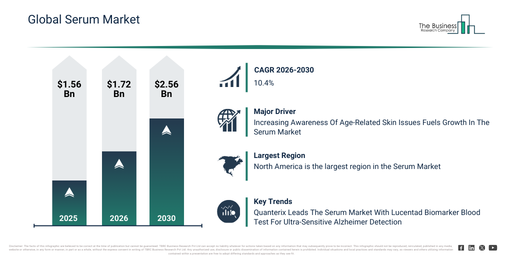
    The serum market has seen rapid expansion in recent years. It is forecast to rise from $1.56 billion in 2025 to $1.72 billion in 2026, exhibiting a compound annual growth rate (CAGR) of 10.5%. In the preceding period, this growth was primarily due to increased academic research funding, the wider adoption of cell culture techniques, an uptick in the use of bovine serum within laboratories, a rise in diagnostic testing volumes, and the initial emergence of biopharmaceutical manufacturing.

    The serum market is projected to experience substantial expansion in the coming years, reaching $2.56 billion by 2030, driven by a compound annual growth rate (CAGR) of 10.4%. This anticipated growth during the forecast period is fueled by several factors, including a surge in the production of vaccines and biologics, the growing uptake of precision medicine, the expansion of research pipelines focused on cell-based therapies, an increased need for high-purity serum grades, and the overall growth in global biopharmaceutical manufacturing capacity. Key developments expected during this period include an escalating demand for serum in cell culture media, a move towards greater standardization of serum quality, an increase in the utilization of heat-inactivated serum products, broader applications of serum in vaccine development, and a stronger preference for serum sources that are traceable and certified.

    Get A Free Sample Report With In-Depth Market Insights:

    https://thebusinessresearchcompany.com/sample_request?id=17685384&type=smp&name=Serum%20Market%20Report%202026&utm_source=Blogs&utm_medium=Paid&utm_campaign=Oct_PR

    Serum Market Opportunity Drivers: What’s Unlocking New Revenue Potential?

    Increased understanding of age-associated dermatological concerns is projected to fuel the expansion of the serum market in the future. These issues encompass skin conditions prevalent in older individuals, including wrinkles, expression lines, and similar concerns. Serums address various age-related skin problems like dullness, hyperpigmentation, dehydration, wrinkles, and decreased firmness, while also unifying skin tone, brightening it, diminishing visible imperfections, and providing nourishment. As an illustration, in 2023, Cancer Australia, a government agency based in Australia, reported that around 8,257 new melanoma of the skin cases were diagnosed, which represented 2.6% of total cancer-related fatalities. Consequently, heightened awareness regarding age-associated skin conditions is propelling the growth of the serum market.

    Serum Market Segmentation: How Does The Market Break Down By Category?

    The serum market covered in this report is segmented –

    1) By Type: Bovine Serum, Fetal bovine serum (FBS), Other Types

    2) By Inactivation Technique: Heat Inactivated, Non-Heat Inactivated

    3) By Application: Biological Products, Research, Cell Culture, Biopharmaceutical Drugs, Vaccine Products, Diagnostic Products, Other Applications

    Subsegments:

    1) By Bovine Serum: Raw Bovine Serum, Processed Bovine Serum, Fetal Bovine Serum (FBS)

    2) By Fetal Bovine Serum (FBS): FBS (Heat-Inactivated), FBS (Non-Heat-Inactivated)

    3) By Other Types: Equine Serum, Porcine Serum, Human Serum

    Serum Market Innovation Trends Shaping Future Development

    Leading companies in the serum market are concentrating on introducing advanced solutions, such as ultrasensitive biomarker detection, to gain a competitive advantage. Ultrasensitive biomarker detection refers to the capability to identify and measure biomarkers at exceptionally low concentrations, enabling earlier disease detection. For example, in July 2023, Quanterix, a US-based company providing digitizing biomarker analysis, launched the LucentAD Biomarker Blood Test. This test measures an isoform of phosphorylated tau protein in plasma, designed to assist physicians in diagnosing Alzheimer’s disease in patients. The test uses a serum sample, and its results are interpreted alongside other diagnostic tools. This innovation enhances the accuracy and efficiency of Alzheimer’s disease diagnosis, ultimately providing benefits to both patients and healthcare providers.

    Serum Market Competitive Overview And Top Companies

    Major companies operating in the serum market are Merck Group, Thermo Fisher Scientific Inc., Danaher Corp, Corning Incorporated, Sartorius AG, Bio-Techne Corporation, Takara Bio Inc., Atlas Biologicals Inc., Proliant Health & Biologicals, Seracare Life Sciences Inc., Lampire Biological Labs Inc., Altogen Labs, Innovative Research Inc., Lee Biosolutions Inc., Bovogen Biologicals Pty. Ltd., Caisson Labs Inc., Gemini BioProducts Holding Inc., Valley Biomedical Products & Services Inc., Equitech-Bio Inc., Rocky Mountain Biologicals, PAN-Biotech GmbH, BIOWEST SAS, Moregate Biotech, Tissue Culture Biologicals, Kerafast Inc., Access Biologicals LLC, Animal Technologies Inc., Cell Applications Inc., Cell Sciences Inc.

    View The Full Serum Market Report:

    https://thebusinessresearchcompany.com/report/serum-global-market-report?utm_source=Blogs&utm_medium=Paid&utm_campaign=Oct_PR

    Serum Market Regional Outlook: Where Is Opportunity Concentrated?

    North America was the largest region in the serum market in 2025. The regions covered in the serum market report are Asia-Pacific, South East Asia, Western Europe, Eastern Europe, North America, South America, Middle East, Africa.

    Reach Out To Our Team:

    The Business Research Company: https://www.thebusinessresearchcompany.com/

    Americas: +1 310-496-7795

    Asia: +44 7882 955267 & +91 8897263534

    Europe: +44 7882 955267

    Email us at: marketing@tbrc.info

    Follow us on:

    LinkedIn: https://in.linkedin.com/company/the-business-research-company

    YouTube: https://www.youtube.com/channel/UC24_fI0rV8cR5DxlCpgmyFQ

    Global Market Model: https://www.thebusinessresearchcompany.com/global-market-model

  • Sensorineural In Hearing Loss Disease Treatment Market Size In 2026: Growth Outlook And Forecast Through 2030

    Sensorineural In Hearing Loss Disease Treatment Market Size In 2026: Growth Outlook And Forecast Through 2030

    Backed by market attractiveness analysis, total addressable market sizing, company benchmarking matrices, interactive Excel dashboards, wider supply chain intelligence, emerging startup coverage, and detailed product-level insights, The Business Research Company’s 2026 market reports are designed to offer research that is more actionable and strategically valuable than ever.

    Sensorineural In Hearing Loss Disease Treatment Market Size Forecast: How Big Could The Market Get By 2030?

    The sensorineural in hearing loss disease treatment market size has demonstrated significant expansion in recent years. This market is expected to grow from $7.38 billion in 2025 to $8.03 billion in 2026, registering a compound annual growth rate (CAGR) of 8.7%. The increase observed in the historic period can be linked to factors such as the limited availability of advanced hearing devices, a rising elderly population, insufficient awareness of sensorineural hearing loss treatments, a reliance on conventional corticosteroid therapy, and the growing number of otology clinics.

    The sensorineural in hearing loss disease treatment market size is anticipated to expand significantly over the next few years. It is projected to reach $11.09 billion in 2030, demonstrating a compound annual growth rate (CAGR) of 8.4%. This expansion during the forecast period is primarily driven by the development of pediatric and adult cochlear implants, alongside technological advancements in hearing aids. Further contributing factors include increasing research into stem cell therapies, the broadening scope of mobile and app-based tinnitus management, and the integration of digital and AI-enabled hearing healthcare solutions. Dominant trends within this forecast period comprise the rising adoption of hearing aids and cochlear implants, the escalating prevalence of age-related and noise-induced hearing loss, enhanced research in stem cell therapy for sensorineural hearing loss, progress in tinnitus management tools and mobile applications, and the expansion of ambulatory and otology clinic services.

    Get A Free Sample Report With In-Depth Market Insights:

    https://thebusinessresearchcompany.com/sample_request?id=76817118&type=smp&name=Sensorineural%20In%20Hearing%20Loss%20Disease%20Treatment%20Market%20Report%202026&utm_source=Blogs&utm_medium=Paid&utm_campaign=Oct_PR

    Sensorineural In Hearing Loss Disease Treatment Market Growth Momentum: What Factors Are Shaping Demand?

    An increase in noise pollution is projected to advance the growth of the sensorineural hearing loss disease treatment market in the coming years. Noise pollution signifies the presence of excessive or bothersome sound in the surroundings, adversely affecting human health, wildlife, and overall quality of life. This escalation in noise pollution is attributed to accelerated urbanization, alongside a surge in transportation and industrial endeavors. As urban centers expand, the proliferation of vehicles, construction projects, and manufacturing facilities leads to elevated noise levels. Treatment for sensorineural hearing loss disease aims to alleviate the detrimental impacts of noise pollution by reinstating auditory function and diminishing the long-term repercussions of environmental noise on hearing health. For instance, in 2023, the Environmental Protection Department, a US-based federal agency tasked with environmental protection, reported an increase in noise pollution complaints from 5,590 in 2022 to 5,858 in 2023, signifying a 5% rise specifically in noise pollution-related grievances. Consequently, the escalating noise pollution is stimulating the growth of the sensorineural hearing loss disease treatment market.

    Sensorineural In Hearing Loss Disease Treatment Market Segment Trends And Revenue Contributors

    The sensorineural in hearing loss disease treatment market covered in this report is segmented –

    1) By Treatment Type: Hearing Aids, Cochlear Implants, Corticosteroids, Stem Cell Therapy, Tinnitus Management Tools

    2) By Application: Age-Related Hearing Loss (Presbycusis), Noise-Induced Hearing Loss, Sudden Sensorineural Hearing Loss (SSNHL), Congenital Sensorineural Hearing Loss, Ototoxicity-Induced Hearing Loss

    3) By End Use: Hospitals, Otology Clinics, Ambulatory Clinics

    Subsegments:

    1) By Hearing Aids: Behind-The-Ear (BTE), In-The-Ear (ITE), In-The-Canal (ITC), Completely-In-Canal (CIC), Receiver-In-Canal (RIC), Invisible-In-Canal (IIC)

    2) By Cochlear Implants: Unilateral Cochlear Implants, Bilateral Cochlear Implants, Adult Cochlear Implants, Pediatric Cochlear Implants

    3) By Corticosteroids: Oral Corticosteroids, Intratympanic Corticosteroids, Intravenous Corticosteroids

    4) By Stem Cell Therapy: Embryonic Stem Cells, Adult Stem Cells, Induced Pluripotent Stem Cells (iPSCs)

    5) By Tinnitus Management Tools: Sound Therapy Devices, Cognitive Behavioral Therapy (CBT) Programs, Tinnitus Maskers, Biofeedback Tools, Mobile App-Based Tinnitus Management Systems

    Sensorineural In Hearing Loss Disease Treatment Market Trends Redefining Industry Growth

    Leading companies within the sensorineural hearing loss disease treatment market are focusing their efforts on conducting clinical trials to develop innovative products, such as oral anti-inflammatory capsules, aiming to enhance hearing restoration and reduce inner ear inflammation. These oral anti-inflammatory capsules are orally administered medications that work to diminish inflammation throughout the body, including within the inner ear. They aid in treating sensorineural hearing loss by targeting and reducing inflammation-related damage to auditory cells, which could potentially improve hearing function and prevent further hearing deterioration. For instance, in December 2024, Sound Pharmaceuticals, Inc., a US-based pharmaceutical company, announced the successful completion of its Phase 3 clinical trial for SPI-1005, an oral anti-inflammatory capsule containing ebselen, which demonstrated significant improvements in hearing restoration and speech discrimination in patients with Meniere’s disease, a form of sensorineural hearing loss. The trial, known as STOPMD-3, enrolled 221 patients in a randomized, double-blind, placebo-controlled study and achieved its co-primary efficacy endpoints, showing statistically significant improvement in low-frequency hearing thresholds and word recognition in noise.

    Sensorineural In Hearing Loss Disease Treatment Market Competitive Landscape: Which Companies Lead The Industry?

    Major companies operating in the sensorineural in hearing loss disease treatment market are Novartis AG, Astellas Pharma Inc., Contineum Therapeutics, Akouos Inc., Frequency Therapeutics, Sensorion, Myrtelle Inc., Heyu (Suzhou) Pharmaceutical Technology, Otonomy Inc., Acousia Therapeutics, Audion Therapeutics BV, Sound Pharmaceuticals Inc., Cilcare, Autifony Therapeutics Ltd., NeurAegis Inc., Prime Medicine Inc., ReNeuron Group Plc, AudioCure Pharma, Cochlear Limited, MED-EL Elektromedizinische Geräte GmbH, Advanced Bionics AG, Sonova Holding AG, GN Hearing A/S, Starkey Laboratories Inc., Oticon Medical, Envoy Medical Corporation, Eargo Inc.

    View The Full Sensorineural In Hearing Loss Disease Treatment Market Report:

    https://thebusinessresearchcompany.com/report/sensorineural-in-hearing-loss-disease-treatment-global-market-report?utm_source=Blogs&utm_medium=Paid&utm_campaign=Oct_PR

    Sensorineural In Hearing Loss Disease Treatment Market Geographic Landscape: Which Region Leads Industry Growth?

    North America was the largest region in the sensorineural in hearing loss disease treatment market in 2025. Asia-Pacific is expected to be the fastest-growing region in the forecast period. The regions covered in the sensorineural in hearing loss disease treatment market report are Asia-Pacific, South East Asia, Western Europe, Eastern Europe, North America, South America, Middle East, Africa.

    Reach Out To Our Team:

    The Business Research Company: https://www.thebusinessresearchcompany.com/

    Americas: +1 310-496-7795

    Asia: +44 7882 955267 & +91 8897263534

    Europe: +44 7882 955267

    Email us at: marketing@tbrc.info

    Follow us on:

    LinkedIn: https://in.linkedin.com/company/the-business-research-company

    YouTube: https://www.youtube.com/channel/UC24_fI0rV8cR5DxlCpgmyFQ

    Global Market Model: https://www.thebusinessresearchcompany.com/global-market-model

  • Sensitive Tooth Serum Market Trends Supporting 9.8% CAGR Growth Through 2030

    Sensitive Tooth Serum Market Trends Supporting 9.8% CAGR Growth Through 2030

    Featuring market attractiveness scoring, total addressable market sizing, company benchmarking matrices, interactive Excel dashboards, deeper supply chain intelligence, emerging startup tracking, and granular product-level insights, The Business Research Company’s 2026 market reports are built to deliver research that is both more actionable and more strategically valuable.

    Sensitive Tooth Serum Market Revenue Outlook: What CAGR Lies Ahead Through 2030?

    The sensitive tooth serum market has witnessed substantial growth in recent years. This market is projected to expand from $1.24 billion in 2025 to $1.37 billion in 2026, exhibiting a compound annual growth rate (CAGR) of 10.1%. Historically, this expansion has been propelled by factors such as the increasing occurrence of tooth sensitivity, enhanced awareness regarding oral hygiene, the broadening availability of over-the-counter dental care products, the presence of fluoride-based formulations, and a rise in consumer spending on oral health.

    The sensitive tooth serum market is projected to experience substantial expansion over the upcoming years. It is anticipated to reach $1.99 billion by 2030, exhibiting a compound annual growth rate (CAGR) of 9.8%. This expansion during the forecast period is propelled by factors such as a rise in demand for non-invasive dental care, an increasing inclination towards natural oral care items, the growth of online oral care retail, a heightened emphasis on enamel remineralization, and a greater awareness of preventive dental health. Key developments expected during this period involve a surge in demand for enamel-strengthening products, a growing embrace of natural and herbal components, a rising preference for home-based sensitivity treatments, the proliferation of multi-action oral care serums, and an intensified focus on proactive dental care.

    Get A Free Sample Report With In-Depth Market Insights:

    https://thebusinessresearchcompany.com/sample_request?id=45672491&type=smp&name=Sensitive%20Tooth%20Serum%20Market%20Report%202026&utm_source=Blogs&utm_medium=Paid&utm_campaign=Oct_PR

    Sensitive Tooth Serum Market Expansion Drivers: What’s Shaping Future Growth?

    The anticipated expansion of the sensitive tooth serum market is linked to the growing expenditure on dental care. This spending encompasses all funds allocated by individuals or households for oral health goods and services, including various treatments, preventative measures, and hygiene items. The primary factor behind the surge in dental-care spending is heightened consciousness regarding oral health and proactive care. Greater investment in preventive oral health products through increased dental-care spending boosts the acceptance of sensitive tooth serums. This trend fuels the need for sophisticated products like enamel-repair and sensitivity-relief serums, leading to improved dental care results. For example, in December 2024, the American Dental Association (ADA), a US-based professional organization, reported that U.S. dental expenditures rose by $4 billion, marking a 2.5% year-over-year growth from 2022 to 2023. Consequently, the uptick in dental-care spending is a key contributor to the expansion of the sensitive tooth serum market.

    Sensitive Tooth Serum Market Segment Analysis Spotlighting Growth Areas

    The sensitive tooth serum market covered in this report is segmented –

    1) By Product Type: Whitening Serum, Repair Serum, Herbal Or Natural Serum, Fluoride-Based Serum, Other Product Types

    2) By Ingredient Type: Potassium Nitrate, Stannous Fluoride, Herbal Extracts, Other Ingredient Types

    3) By Distribution Channel: Online Retail, Pharmacies Or Drug Stores, Supermarkets Or Hypermarkets, Other Distribution Channels

    4) By Application: Home Use, Dental Clinics, Other Applications

    Subsegments:

    1) By Whitening Serum: Enamel-Safe Whitening Serum, Nano-Hydroxyapatite Whitening Serum, Herbal Whitening Serum

    2) By Repair Serum: Enamel Repair Serum, Dentin Tubule Sealing Serum, Calcium And Phosphate Remineralizing Serum

    3) By Herbal Or Natural Serum: Aloe Vera-Based Serum, Chamomile Extract Serum, Green Tea Extract Serum, Ayurvedic Or Traditional Herbal Serum

    4) By Fluoride-Based Serum: Sodium Fluoride Serum, Stannous Fluoride Serum, Amine Fluoride Serum

    5) By Other Product Types: Multi-Action Serum, Enzyme-Based Serum, Probiotic Oral Serum

    Sensitive Tooth Serum Market Strategic Trends: What Defines The Next Growth Phase?

    Leading companies in the sensitive tooth serum market are concentrating on developing innovative products, such as hydroxyapatite-based serum, to effectively restore enamel, alleviate tooth sensitivity, and improve overall oral health. A hydroxyapatite-based serum is a dental care formulation containing hydroxyapatite, a biomimetic mineral that assists in remineralizing tooth enamel, reducing sensitivity, and protecting teeth from decay. For example, in July 2024, Enlighten Smiles, a UK-based company specializing in professional teeth whitening products, introduced Enlighten Serum, a dental sensitivity serum positioned as an enamel repair toothpaste. This product is specifically designed to target dentin hypersensitivity, restore enamel integrity, and support improved whitening outcomes. It is formulated with hydroxyapatite, a biomimetic compound that makes up 97% of natural tooth enamel, and it encourages the repair of enamel wear, erosion, and micro-damage while offering targeted sensitivity relief and sustained enamel strengthening.

    Sensitive Tooth Serum Market Leading Companies: Who Holds The Strongest Market Presence?

    Major companies operating in the sensitive tooth serum market are Colgate-Palmolive Company, Sunstar Suisse S.A., Win Medicare Ltd., BioMin Technologies Ltd., SDI Limited, S4S Dental Design Co. Ltd., GC Corporation, Smile Brilliant LLC, Sensodyne, White Wash Laboratories Ltd., Crest, PerioSciences Inc., Enlighten Global Pty Ltd, Lumineux Global Inc., Moon Oral Care LLC, Auraglow LLC, CosmoLab Ltd., MySweetSmile LLC, Chipper Consumer Private Limited, Purexa Global Private Limited, Bio-Atoms Co. Ltd., Molar Values Private Limited

    View The Full Sensitive Tooth Serum Market Report:

    https://thebusinessresearchcompany.com/report/sensitive-tooth-serum-global-market-report?utm_source=Blogs&utm_medium=Paid&utm_campaign=Oct_PR

    Sensitive Tooth Serum Market Largest Region: Which Geography Holds The Biggest Share?

    North America was the largest region in the sensitive tooth serum market in 2025. Asia-Pacific is expected to be the fastest-growing region in the forecast period. The regions covered in the sensitive tooth serum market report are Asia-Pacific, South East Asia, Western Europe, Eastern Europe, North America, South America, Middle East, Africa.

    Reach Out To Our Team:

    The Business Research Company: https://www.thebusinessresearchcompany.com/

    Americas: +1 310-496-7795

    Asia: +44 7882 955267 & +91 8897263534

    Europe: +44 7882 955267

    Email us at: marketing@tbrc.info

    Follow us on:

    LinkedIn: https://in.linkedin.com/company/the-business-research-company

    YouTube: https://www.youtube.com/channel/UC24_fI0rV8cR5DxlCpgmyFQ

    Global Market Model: https://www.thebusinessresearchcompany.com/global-market-model
  • Semaglutides Market Forecast Highlights A $45.42 Billion Opportunity For Industry Participants

    Semaglutides Market Forecast Highlights A $45.42 Billion Opportunity For Industry Participants

    Built to provide research that’s more actionable and strategically valuable, The Business Research Company’s 2026 market reports include market attractiveness analysis, total addressable market sizing, company benchmarking matrices, interactive Excel dashboards, broader supply chain intelligence, emerging startup tracking, and in-depth product insights.

    Semaglutides Market Growth Analysis: How Will Revenue Trend Over The Forecast Period?

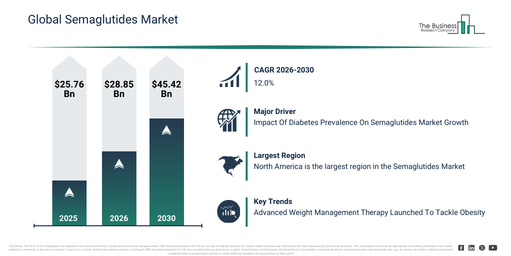
    The semaglutides market size has expanded rapidly over recent years. It is anticipated to grow from $25.76 billion in 2025 to $28.85 billion in 2026, achieving a compound annual growth rate (CAGR) of 12.0%. The growth observed in the historic period is attributable to the increasing prevalence of type 2 diabetes, rising global obesity rates, the limitations of traditional antidiabetic drugs, the clinical success of glp-1 receptor agonists, and growing physician confidence in injectable therapies.

    The semaglutides market is anticipated to experience substantial growth in the upcoming years, with its valuation expected to climb to $45.42 billion in 2030, progressing at a compound annual growth rate (CAGR) of 12.0%. This expansion during the forecast period is fueled by several factors such as the broadening indications for obesity management, a rising demand for efficacious weight loss medications, an increasing awareness of their cardiometabolic benefits, the ongoing development of next-generation GLP-1 therapies, and a heightened healthcare focus on preventive metabolic care. Prominent trends throughout this period include the rapid proliferation of GLP-1 receptor agonist adoption, an expanding use of semaglutide for obesity beyond its role in diabetes, a growing inclination towards once-weekly injectable treatments, enhanced acceptance of oral GLP-1 formulations, and a greater need for sustained management of metabolic diseases.

    Get A Free Sample Report With In-Depth Market Insights:

    https://thebusinessresearchcompany.com/sample_request?id=77772666&type=smp&name=Semaglutides%20Market%20Report%202026&utm_source=Blogs&utm_medium=Paid&utm_campaign=Oct_PR

    Semaglutides Market Development Factors: What’s Supporting Demand?

    The increasing incidence of diabetes is projected to boost the semaglutide market. This chronic illness is characterized by elevated blood sugar levels due to the body’s inability to produce or properly utilize insulin. Factors contributing to the rise in diabetes include escalating obesity rates, inactive lifestyles, and poor eating habits. Semaglutide assists in managing diabetes by imitating the GLP-1 hormone, which in turn stimulates insulin production, decreases glucagon release, and delays gastric emptying, thereby reducing blood glucose and assisting with weight management. For example, according to Diabetes Canada, a non-profit organization based in Canada, approximately 2.4 million people in Canada were living with diabetes or prediabetes in 2023, with this figure expected to reach 3 million by 2033. Consequently, the rising occurrence of diabetes is propelling the expansion of the semaglutide market.

    Semaglutides Market Segment Performance And Emerging Opportunities

    The semaglutides market covered in this report is segmented –

    1) By Brands: Ozempic, Wegovy, Rybelsus

    2) By Route Of Administration: Oral, Injection

    3) By Application: Type 2 Diabetes, Obesity Management

    4) By End-User: Hospitals Pharmacies, Retail Pharmacies, Online Pharmacies

    Semaglutides Market Transformation Trends: What Innovations Are Driving Change?

    Leading companies in the semaglutide market are concentrating on developing innovative products, specifically next-generation, long-acting, and patient-friendly formulations, to enhance weight management, glycemic control, and cardiovascular health outcomes. These advanced drug formulations are designed to operate over prolonged durations, decreasing the frequency of doses and making the treatment process simpler and more convenient for patients. For example, in July 2025, Novo Nordisk A/S, a pharmaceutical firm based in Denmark, introduced its new anti-obesity medication, Wegovy (semaglutide), in India to address the issue of chronic weight management. This medication provides substantial weight loss benefits, validated by clinical trials, and is available in various dosage strengths. To boost its availability, Novo Nordisk decreased the price of Wegovy by 37%, thereby increasing its affordability amidst India’s increasing challenge with obesity.

    Semaglutides Market Key Players: Which Companies Lead Industry Competition?

    Major companies operating in the semaglutides market are Novo Nordisk A/S, Eli Lilly and Company, Biocon Limited, Dr. Reddy’s Laboratories Ltd., Cipla Limited, Teva Pharmaceutical Industries Ltd., Sun Pharmaceutical Industries Ltd., Aurobindo Pharma Limited, Lupin Limited, Glenmark Pharmaceuticals Limited, Intas Pharmaceuticals Ltd., Torrent Pharmaceuticals Ltd., Hanmi Pharmaceutical Co. Ltd., Samsung Bioepis, Celltrion Healthcare Co. Ltd., Alvotech, Sandoz Group AG, Zydus Lifesciences Ltd., Amneal Pharmaceuticals LLC, Adocia SA

    View The Full Semaglutides Market Report:

    https://thebusinessresearchcompany.com/report/semaglutides-global-market-report?utm_source=Blogs&utm_medium=Paid&utm_campaign=Oct_PR

    Semaglutides Market Regional Analysis: Which Geography Leads On Revenue?

    North America was the largest region in the semaglutides market in 2025. Asia-Pacific is expected to be the fastest-growing region in the forecast period. The regions covered in the semaglutides market report are Asia-Pacific, South East Asia, Western Europe, Eastern Europe, North America, South America, Middle East, Africa.

    Reach Out To Our Team:

    The Business Research Company: https://www.thebusinessresearchcompany.com/

    Americas: +1 310-496-7795

    Asia: +44 7882 955267 & +91 8897263534

    Europe: +44 7882 955267

    Email us at: marketing@tbrc.info

    Follow us on:

    LinkedIn: https://in.linkedin.com/company/the-business-research-company

    YouTube: https://www.youtube.com/channel/UC24_fI0rV8cR5DxlCpgmyFQ

    Global Market Model: https://www.thebusinessresearchcompany.com/global-market-model
  • Seed Protein Supplements Market Analysis: How The Industry Is Evolving Toward A $3.29 Billion Future

    Seed Protein Supplements Market Analysis: How The Industry Is Evolving Toward A $3.29 Billion Future

    Backed by market attractiveness analysis, total addressable market sizing, company benchmarking matrices, interactive Excel dashboards, wider supply chain intelligence, emerging startup coverage, and detailed product-level insights, The Business Research Company’s 2026 market reports are designed to offer research that is more actionable and strategically valuable than ever.

    Seed Protein Supplements Market Forecast: What Value Will The Market Reach By 2030?

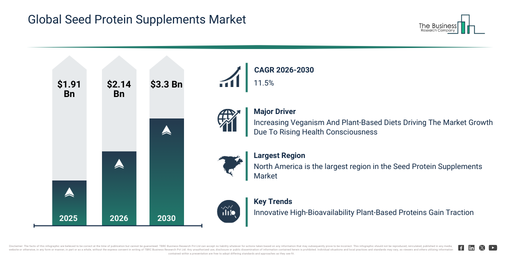
    The seed protein supplements market size has experienced rapid growth in recent years. It is forecast to grow from $1.91 billion in 2025 to $2.14 billion in 2026, exhibiting a compound annual growth rate (CAGR) of 11.7%. The historical expansion can be attributed to factors such as increasing consumer awareness of plant-based nutrition, the rising prevalence of fitness-focused lifestyles, the expansion of vegan and vegetarian populations, improved availability of seed protein raw materials, and the growth of sports nutrition consumption.

    The seed protein supplements market is projected for significant expansion in the coming years. It is anticipated to reach $3.3 billion by 2030, exhibiting a compound annual growth rate (CAGR) of 11.5%. This projected growth stems from factors such as a surge in demand for sustainable protein options, increasing consumer interest in personalized nutrition, the expansion of e-commerce platforms for supplement sales, a heightened focus on eco-friendly food items, and continuous innovation in plant protein extraction methods. Key trends driving this period involve a rising preference for plant-based protein alternatives, wider adoption of clean-label nutritional products, the growing appeal of sustainable protein sources, the development of diverse functional protein supplement formulations, and a stronger emphasis on allergen-free protein items.

    Get A Free Sample Report With In-Depth Market Insights:

    https://thebusinessresearchcompany.com/sample_request?id=49846351&type=smp&name=Seed%20Protein%20Supplements%20Market%20Report%202026&utm_source=Blogs&utm_medium=Paid&utm_campaign=Oct_PR

    Seed Protein Supplements Market Industry Drivers: What’s Behind The Revenue Growth?

    The expanding adoption of veganism and plant-based diets is projected to drive the growth of the seed protein supplements market in the future. These dietary patterns involve either completely excluding or substantially reducing animal products, instead prioritizing foods sourced from plants, including seeds, nuts, legumes, and grains. The increasing prevalence of vegan and plant-based diets is attributed to heightened health consciousness, as consumers increasingly recognize the potential advantages of plant-based nutrition in mitigating the risk of chronic ailments like cardiovascular disease and diabetes. This rising embrace of plant-based eating considerably amplifies the demand for seed protein supplements, given that individuals transitioning to or following these diets actively seek concentrated, premium plant protein sources to adequately fulfill their nutritional requirements and maintain sufficient protein intake. Illustratively, in February 2023, Veganuary, a UK-based nonprofit organization, observed an increase in its official campaign participants from 629,000 in 2022 to 706,965 in 2023, indicating a clear rise. Thus, the growth in veganism and plant-based diets is a key factor propelling the seed protein supplements market.

    Seed Protein Supplements Market Segment Landscape And Growth Outlook

    The seed protein supplements market covered in this report is segmented –

    1) By Seed Type: Hemp, Pumpkin, Sunflower, Other Seeds Types

    2) By Form: Powder, Protein Bars, Ready-To-Drink Shakes, Other Forms

    3) By Distribution Channel: Online Or E-commerce, Chemists Or Pharmacies, Hypermarkets And Supermarkets, Health Food Shops, Other Distribution Channels

    4) By End Use: Sports Nutrition, Supplement Nutrition

    Subsegments:

    1) By Hemp: Hemp Seed Protein Powder, Hemp Protein Isolate, Organic Hemp Protein, Flavored Hemp Protein Supplements

    2) By Pumpkin: Pumpkin Seed Protein Powder, Pumpkin Protein Isolate, Organic Pumpkin Protein, Flavored Pumpkin Protein Supplements

    3) By Sunflower: Sunflower Seed Protein Powder, Sunflower Protein Isolate, Organic Sunflower Protein, Flavored Sunflower Protein Supplements

    4) By Other Seed Types: Chia Seed Protein Powder, Flaxseed Protein Supplements, Sesame Seed Protein, Mixed Seed Protein Blends

    #Seed Protein Supplements Market Growth Trends: What’s Shaping The Future Outlook?

    Major companies operating in the seed protein supplements market are concentrating on developing innovative products, such as high-bioavailability plant-based proteins, to satisfy the escalating consumer demand for sustainable, easily digestible, and nutrient-dense protein sources. High-bioavailability plant-based proteins are plant-derived proteins engineered for maximum absorption and efficient utilization of amino acids in the body, contributing to improved muscle recovery, energy levels, and overall nutrition when compared to standard plant proteins. For instance, in August 2025, NNB Nutrition Co., Ltd., a China-based manufacturing company, launched TruSeed P and TruSeed W, which are next-generation protein powders sourced from pumpkin seeds and watermelon seeds, respectively. These proteins are produced using proprietary extraction and filtration technologies that safeguard essential nutrients while enhancing digestibility and amino acid absorption. TruSeed P and W are allergen-free, support muscle recovery, promote gut-friendly digestion, and provide sustained energy, making them ideal for sports nutrition, functional foods, and wellness supplements. By offering a clean-label, sustainable alternative to conventional protein sources, they address the growing consumer demand for high-quality, plant-based nutrition.

    Seed Protein Supplements Market Competitive Landscape: Who Leads The Industry?

    Major companies operating in the seed protein supplements market are Orgain Inc., Garden of Life LLC, Huel Ltd., Nutiva Inc., Bioriginal Food & Science Corporation, NutraBio Labs Inc., Sunwarrior Inc., Medikonda Nutrients Pvt. Ltd., BulkSupplements LLC, Perfect Supplements Inc., Green Source Organics Inc., Happy Viking Inc., Future Kind Ltd., Sprout Living Inc., Anthony’s Goods LLC, Ora Organic Inc., Nuzest Ltd., NNB Nutrition Inc., ZEGO Foods Inc., Bombay Hemp Company Pvt. Ltd.

    View The Full Seed Protein Supplements Market Report:

    https://thebusinessresearchcompany.com/report/global-seed-protein-supplements-market-report?utm_source=Blogs&utm_medium=Paid&utm_campaign=Oct_PR

    Seed Protein Supplements Market Geographic Spread And Regional Opportunities

    North America was the largest region in the seed protein supplements market in 2025. The regions covered in the seed protein supplements market report are Asia-Pacific, South East Asia, Western Europe, Eastern Europe, North America, South America, Middle East, Africa.

    Reach Out To Our Team:

    The Business Research Company: https://www.thebusinessresearchcompany.com/

    Americas: +1 310-496-7795

    Asia: +44 7882 955267 & +91 8897263534

    Europe: +44 7882 955267

    Email us at: marketing@tbrc.info

    Follow us on:

    LinkedIn: https://in.linkedin.com/company/the-business-research-company

    YouTube: https://www.youtube.com/channel/UC24_fI0rV8cR5DxlCpgmyFQ

    Global Market Model: https://www.thebusinessresearchcompany.com/global-market-model

  • Sedative-Hypnotic Drugs Market Outlook Through 2030: Understanding The Growth Opportunity

    Sedative-Hypnotic Drugs Market Outlook Through 2030: Understanding The Growth Opportunity

    Featuring market attractiveness scoring, total addressable market sizing, company benchmarking matrices, interactive Excel dashboards, deeper supply chain intelligence, emerging startup tracking, and granular product-level insights, The Business Research Company’s 2026 market reports are built to deliver research that is both more actionable and more strategically valuable.

    Sedative-Hypnotic Drugs Market Size Outlook: How Quickly Will Revenue Expand Through 2030?

    The sedative-hypnotic drugs market has experienced significant growth in recent years. It is anticipated to increase from $3.86 billion in 2025 to $4.18 billion in 2026, with a compound annual growth rate (CAGR) of 8.3%. This historical expansion can be attributed to the high prevalence of sleep disorders, the widespread use of benzodiazepines in anxiety treatment, a rise in surgical procedures requiring anesthesia, increasing stress-related disorders, and the availability of low-cost generic sedatives.

    The sedative-hypnotic drugs market size is anticipated to experience substantial expansion over the upcoming years. It will grow to $5.51 billion in 2030 at a compound annual growth rate (CAGR) of 7.2%. This growth during the forecast period is primarily driven by factors such as an escalating incidence of insomnia and various sleep disturbances, a progressively aging demographic, the increasing need for safer long-term sleep medications, the broadening of nonbenzodiazepine drug categories, and an enhanced understanding of mental health conditions. Prominent trends anticipated within this timeframe include a rising inclination towards nonbenzodiazepine sleep aids, a greater preference for short-acting sedative formulations, an intensified focus on minimizing dependency and the risk of abuse, the expansion of home-based solutions for managing sleep disorders, and an increased emphasis on safety profiles for chronic usage.

    Get A Free Sample Report With In-Depth Market Insights:

    https://thebusinessresearchcompany.com/sample_request?id=57147807&type=smp&name=Sedative-Hypnotic%20Drugs%20Market%20Report%202026&utm_source=Blogs&utm_medium=Paid&utm_campaign=Oct_PR

    Sedative-Hypnotic Drugs Market Growth Factors: What’s Supporting Expansion?

    The expanding stress levels are projected to fuel the growth of the sedative-hypnotic drugs market in the coming years. Stress signifies the mental or emotional pressure caused by demanding or unpredictable circumstances, including financial difficulties, professional pressures, political unrest, and broader social or psychological stressors. The escalation in stress levels stems from factors such as financial instability, heightened job expectations, and enduring societal disruptions, all of which have cumulatively contributed to increased emotional strain among adults. Sedative-hypnotic drugs assist mental well-being by mitigating anxiety, inducing tranquility, and improving the quality of sleep, thereby addressing the intensifying burden of stress experienced by individuals. For example, in May 2024, the American Psychiatric Association, a US-based organization, reported that 43% of U.S. adults in 2024 experienced more anxiety compared to the previous year, an increase from 37% in 2023 and 32% in 2022, indicating an upward trend in anxiety levels. Consequently, the rising stress levels are stimulating the expansion of the sedative-hypnotic drugs market.

    Sedative-Hypnotic Drugs Market Breakdown By Product Type And Application

    The sedative-hypnotic drugs market covered in this report is segmented –

    1) By Drug Class: Benzodiazepines, Barbiturates, Antihistamines, Nonbenzodiazepine, Other Drug Classes

    2) By Route of Administration: Oral, Parenteral, Other Routes of Administration

    3) By Disease Type: Sleep Disorders, Anesthesia, Pain, Other Disease Types

    4) By Distribution Channel: Hospital Pharmacy, Retail Pharmacy, Online Pharmacy, Other Distribution Channels

    5) By End-Users: Hospitals, Specialty Clinics, Homecare, Other End-Users

    Subsegments:

    1) By Benzodiazepines: Diazepam, Lorazepam, Alprazolam

    2) By Barbiturates: Phenobarbital, Thiopental, Pentobarbital

    3) By Antihistamines: Diphenhydramine, Hydroxyzine

    4) By Nonbenzodiazepine: Zolpidem, Eszopiclone, Zaleplon

    5) By Other Drug Classes: Melatonin Receptor Agonists, Orexin Receptor Antagonists

    Sedative-Hypnotic Drugs Market Industry Trends: What’s Reshaping Demand?

    Leading companies in the sedative-hypnotic drugs market are directing their attention towards creating innovative solutions like next-generation insomnia therapies to enhance sleep quality and safety. These next-generation insomnia therapies are sophisticated treatments developed to improve sleep quality and safety by targeting specific sleep mechanisms, resulting in fewer side effects than conventional sedative-hypnotics. For example, in June 2025, Simcere Pharmaceutical Group Limited, a China-based biopharmaceutical company, collaborated with Idorsia Ltd., a Switzerland-based biopharmaceutical company, to launch QUVIVIQ (Daridorexant Hydrochloride Tablets), an anti-insomnia drug, into the Chinese market. The National Medical Products Administration (NMPA) subsequently approved this drug for treating adult patients with insomnia characterized by difficulties both falling and staying asleep. Importantly, QUVIVIQ is exempt from a psychotropic drug control classification, thereby presenting a treatment choice free from the typical regulatory constraints associated with sedative-hypnotic drugs.

    Sedative-Hypnotic Drugs Market Company Landscape And Competitive Strategy

    Major companies operating in the sedative-hypnotic drugs market are Pfizer Inc., Sun Pharmaceutical Industries Inc., F. Hoffmann-La Roche Ltd., Merck & Co. Inc., Sanofi-Aventis AG, AstraZeneca Plc, GlaxoSmithKline plc, Takeda Pharmaceutical Company Limited, Boehringer Ingelheim International GmbH, Eli Lilly and Co., Teva Pharmaceutical Industries Ltd., Mylan N.V., Aurobindo Pharma Limited, Cipla Inc., Dr. Reddy’s Laboratories Ltd., Hikma Pharmaceuticals plc, Lupin Pharmaceuticals Inc., Glenmark Pharmaceuticals Inc., Torrent Pharmaceuticals Ltd., Abbott Laboratories

    View The Full Sedative-Hypnotic Drugs Market Report:

    https://thebusinessresearchcompany.com/report/sedative-hypnotic-drugs-global-market-report?utm_source=Blogs&utm_medium=Paid&utm_campaign=Oct_PR

    Sedative-Hypnotic Drugs Market Top Region By Revenue And Market Share

    North America was the largest region in the sedative-hypnotic drugs market in 2025. The regions covered in the sedative-hypnotic drugs market report are Asia-Pacific, South East Asia, Western Europe, Eastern Europe, North America, South America, Middle East, Africa.

    Reach Out To Our Team:

    The Business Research Company: https://www.thebusinessresearchcompany.com/

    Americas: +1 310-496-7795

    Asia: +44 7882 955267 & +91 8897263534

    Europe: +44 7882 955267

    Email us at: marketing@tbrc.info

    Follow us on:

    LinkedIn: https://in.linkedin.com/company/the-business-research-company

    YouTube: https://www.youtube.com/channel/UC24_fI0rV8cR5DxlCpgmyFQ

    Global Market Model: https://www.thebusinessresearchcompany.com/global-market-model
  • Schizophrenia Drugs Market Growth Potential: What The Latest Forecast Reveals

    Schizophrenia Drugs Market Growth Potential: What The Latest Forecast Reveals

    Built to provide research that’s more actionable and strategically valuable, The Business Research Company’s 2026 market reports include market attractiveness analysis, total addressable market sizing, company benchmarking matrices, interactive Excel dashboards, broader supply chain intelligence, emerging startup tracking, and in-depth product insights.

    Schizophrenia Drugs Market Size, Value And Growth Trajectory Through 2030

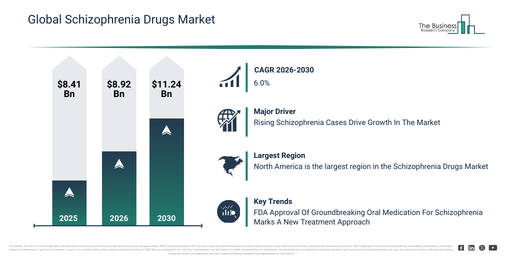
    The schizophrenia drugs market size has demonstrated robust expansion in recent years. It is anticipated to grow from $8.41 billion in 2025 to $8.92 billion in 2026, achieving a compound annual growth rate (CAGR) of 6.0%. The expansion witnessed historically can be attributed to increased schizophrenia diagnosis, the adoption of atypical antipsychotics, the enlargement of psychiatric hospitals, improved mental health awareness, and the proliferation of generic drugs.

    The schizophrenia drugs market size is projected to undergo significant expansion over the next few years. It is expected to reach $11.24 billion by 2030, exhibiting a compound annual growth rate (CAGR) of 6.0%. This anticipated growth can be linked to factors such as a rising mental health burden, advancements in injectable therapies, broader access to psychiatric care, the incorporation of digital mental health services, and increased healthcare funding. Noteworthy trends during this forecast period include the increasing use of second and third-generation antipsychotics, a greater uptake of long-acting injectable therapies, an intensified focus on long-term disease management, the expansion of community-based mental healthcare initiatives, and a stronger emphasis on treatment adherence.

    Get A Free Sample Report With In-Depth Market Insights:

    https://thebusinessresearchcompany.com/sample_request?id=80955657&type=smp&name=Schizophrenia%20Drugs%20Market%20Report%202026&utm_source=Blogs&utm_medium=Paid&utm_campaign=Oct_PR

    Schizophrenia Drugs Market Demand Drivers: What’s Powering Industry Growth?

    An anticipated increase in schizophrenia cases is projected to fuel the expansion of the schizophrenia drugs market in the future. Schizophrenia constitutes a chronic mental disorder characterized by disturbances in thought processes, perceptions, emotions, and conduct, often manifesting as hallucinations and delusions. The escalation in schizophrenia incidents stems from various causes, including genetic susceptibility, environmental pressures, drug misuse, and imbalances in brain chemistry. Medications for schizophrenia are employed to alleviate the condition’s severity by managing symptoms efficiently, thereby lessening the disorder’s effect on patients’ everyday activities and enhancing general therapeutic results. For example, data from February 2024, provided by the National Library of Medicine, a US-based biomedical library, indicated that schizophrenia and associated psychotic disorders affected between 0.25% and 0.64% of the US population. Additionally, in January 2024, the British Columbia Schizophrenia Society, a Canada-based nonprofit organization, reported that schizophrenia is a significant reason for mental illness hospitalizations, accounting for 19.9% of general hospital admissions and 30.9% of psychiatric hospital stays. Consequently, the increasing prevalence of schizophrenia is expected to stimulate the expansion of the schizophrenia drugs market.

    Schizophrenia Drugs Market Segment Analysis And Revenue Potential

    The schizophrenia drugs market covered in this report is segmented –

    1) By Therapeutic Class: Second Generation, Third Generation, Other Therapeutic Classes

    2) By Treatment: Oral, Injectable

    3) By Distribution Channel: Hospital Pharmacies, Retail Pharmacies, Online Pharmacies, Other Distribution Channels

    Subsegments:

    1) By Second Generation: Risperidone, Olanzapine, Quetiapine, Aripiprazole, Paliperidone, Ziprasidone, Others

    2) By Third Generation: Brexpiprazole, Cariprazine, Others

    3) By Other Therapeutic Classes: First-Generation Antipsychotics, Combination Therapies, Others

    Schizophrenia Drugs Market Innovation Trends: What Developments Are Reshaping The Industry?

    Leading companies operating within the schizophrenia drugs market are focusing on developing sophisticated products, such as oral medications for schizophrenia, to streamline and enhance patient care and treatment outcomes. Oral medications for schizophrenia are pharmaceuticals taken by mouth to address the disorder’s symptoms, often consisting of antipsychotics that help stabilize mood, thoughts, and perceptions. For instance, in September 2024, Bristol Myers Squibb, a US-based biopharmaceutical company, announced the U.S. Food and Drug Administration (FDA) approved Cobenfy, a groundbreaking oral medication designed to treat schizophrenia in adults. This innovative drug combines xanomeline and trospium chloride, marking a significant departure from traditional antipsychotics by targeting cholinergic receptors instead of dopamine receptors. This novel approach has the potential to provide relief from symptoms such as delusions and disorganized thinking while reducing the common side effects associated with older antipsychotic medications, positioning Cobenfy as a promising alternative in the schizophrenia treatment landscape.

    Schizophrenia Drugs Market Key Players Shaping Industry Direction

    Major companies operating in the schizophrenia drugs market are Pfizer Inc., Johnson & Johnson Services Inc., Merck & Co., Novartis AG, Sanofi S.A., Bristol Myers Squibb, AstraZeneca PLC, Eli Lilly and Company, F. Hoffmann-La Roche Ltd., Teva Pharmaceutical Industries Ltd., UCB S.A., Sun Pharmaceutical Industries Ltd., AbbVie Inc., H. Lundbeck A/S, Cipla Ltd., Lupin Limited, Alkermes plc, Vanda Pharmaceuticals Inc., Sumitomo Pharma Co. Ltd., Mylan NV, Otsuka Pharmaceutical Co. Ltd., Reviva Pharmaceuticals Holdings Inc., Lifegenix, Flagship Biotech International Pvt. Ltd.

    View The Full Schizophrenia Drugs Market Report:

    https://thebusinessresearchcompany.com/report/schizophrenia-drugs-global-market-report?utm_source=Blogs&utm_medium=Paid&utm_campaign=Oct_PR

    Schizophrenia Drugs Market Regional Analysis And Top Geography

    North America was the largest region in the schizophrenia drugs market in 2025. Asia-Pacific is expected to be the fastest-growing region in the forecast period. The regions covered in the schizophrenia drugs market report are Asia-Pacific, South East Asia, Western Europe, Eastern Europe, North America, South America, Middle East, Africa.

    Reach Out To Our Team:

    The Business Research Company: https://www.thebusinessresearchcompany.com/

    Americas: +1 310-496-7795

    Asia: +44 7882 955267 & +91 8897263534

    Europe: +44 7882 955267

    Email us at: marketing@tbrc.info

    Follow us on:

    LinkedIn: https://in.linkedin.com/company/the-business-research-company

    YouTube: https://www.youtube.com/channel/UC24_fI0rV8cR5DxlCpgmyFQ

    Global Market Model: https://www.thebusinessresearchcompany.com/global-market-model
  • Scar Treatment Market Growth Outlook: Why Analysts Expect Continued Expansion

    Scar Treatment Market Growth Outlook: Why Analysts Expect Continued Expansion

    Backed by market attractiveness analysis, total addressable market sizing, company benchmarking matrices, interactive Excel dashboards, wider supply chain intelligence, emerging startup coverage, and detailed product-level insights, The Business Research Company’s 2026 market reports are designed to offer research that is more actionable and strategically valuable than ever.

    Scar Treatment Market CAGR Outlook And Future Development

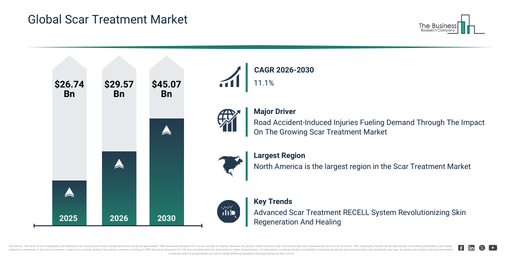
    Recent years have witnessed a rapid expansion in the size of the scar treatment market. Forecasts indicate an expansion from $26.74 billion in 2025 to $29.57 billion in 2026, at a compound annual growth rate (CAGR) of 10.6%. Several factors contributed to this historical expansion, including an uptick in acne cases and surgical operations, a heightened consciousness regarding aesthetic appearance, the proliferation of dermatology and cosmetic clinics, the wide availability of both topical and laser treatments, and skin damage resulting from urbanization and lifestyle trends.

    The scar treatment market is projected to experience substantial expansion in the coming years. By 2030, its valuation is anticipated to reach $45.07 billion, demonstrating a compound annual growth rate (CAGR) of 11.1%. This anticipated growth throughout the forecast period stems from several factors, including ongoing advancements in laser and regenerative technologies, the rise in medical tourism for cosmetic procedures, an increase in disposable income within emerging economies, the growing need for tailored scar management solutions, and the broadening of e-commerce distribution channels. Key trends expected during this period involve a heightened demand for minimally invasive scar treatments, wider adoption of laser and energy-based therapies, a growing preference for combined scar treatment methods, the expanding application of injectable and dermal filler solutions, and an increase in over-the-counter and home-use scar care products.

    Get A Free Sample Report With In-Depth Market Insights:

    https://thebusinessresearchcompany.com/sample_request?id=81208128&type=smp&name=Scar%20Treatment%20Market%20Report%202026&utm_source=Blogs&utm_medium=Paid&utm_campaign=Oct_PR

    Scar Treatment Market Growth Drivers: What’s Behind The Acceleration?

    A growing incidence of road accidents is anticipated to propel the expansion of the scar treatment market going forward. Road accidents are defined as events involving at least one vehicle on a public road that lead to at least one person being harmed or losing their life. Accidental burns, abrasions, scrapes, or cuts to the skin trigger a natural healing and tissue replacement process that frequently leaves scars. The visibility of these scars can be significantly diminished through unique scar treatments that address the damaged layers of skin and produce noticeable results. For instance, in May 2025, according to Transport Canada, a Canada-based government agency, motor vehicle fatalities in 2023 reached 1,964, indicating a 1.7% increase from the 1,931 deaths recorded in 2022. Consequently, the increasing number of road accidents is driving the growth of the scar treatment market.

    Scar Treatment Market Segmentation And Category Overview

    The scar treatment market covered in this report is segmented –

    1) By Scar Type: Atrophic Scars, Hypertrophic And Keloid Scars, Contracture Scars, Other Scar Types

    2) By Treatment Type: Topical, Laser, Surface, Surgical, Injectable

    3) By End User: Hospitals, Clinics, Pharmacies and Drug Store, E-commerce

    Subsegments:

    1) By Atrophic Scars: Acne Scars, Surgical Scars, Other Atrophic Scars

    2) By Hypertrophic And Keloid Scars: Hypertrophic Scars, Keloid Scars

    3) By Contracture Scars: Post-Burn Contracture Scars, Other Contracture Scars

    4) By Other Scar Types: Stretch Marks, Other Types of Scars

    Scar Treatment Market Trends: What’s Defining The Industry’s Next Phase?

    Leading companies in the scar treatment market are prioritizing advanced solutions, such as the RECELL System, to accelerate skin regeneration, enhance scar healing, and provide personalized treatment choices. The RECELL System functions as a regenerative medicine device that utilizes a small sample of the patient’s skin to create a suspension of skin cells, thereby promoting faster healing and lessening scarring in burn and wound treatments. For instance, in June 2023, AVITA Medical, a US-based medical device company, secured FDA approval for the RECELL System to treat full-thickness skin defects, expanding its application beyond thermal burn wounds. This authorization enables the management of severe wound types, including traumatic injuries, surgical excisions, and resections for skin cancer. The RECELL System’s Spray-On Skin technology allows for immediate application at the point of care, reducing the need for donor skin grafting and mitigating risks associated with traditional autografting, such as pain, infection, and extended recovery times.

    Scar Treatment Market Competitive Analysis Of Leading Industry Participants

    Major companies operating in the scar treatment market are Smith & Nephew plc, Lumenis Ltd, Merz Pharmaceuticals GmbH, Sonoma Pharmaceuticals Inc, Cynosure LLC, Avita Medical Limited, Mölnlycke Health Care AB, Sientra Inc, Sisram Medical Ltd, Scarguard Labs LLC, Scar Heal Inc, Syneron Medical Ltd, Beijing Toplaser Technology Co Ltd, Suneva Medical Inc, Stratpharma AG, Galderma Laboratories LP, Acelity LP Inc, Advanced Medical Solutions Group plc, Apyx Medical Corporation, Cutera Inc, Derma Sciences Inc, Ellipse AS, EndyMed Medical Ltd, Erchonia Corporation, Fotona doo, InMode Ltd, Lutronic Corporation

    View The Full Scar Treatment Market Report:

    https://thebusinessresearchcompany.com/report/scar-treatment-global-market-report?utm_source=Blogs&utm_medium=Paid&utm_campaign=Oct_PR

    Scar Treatment Market Geographic Analysis: Where Is Demand Rising Fastest?

    North America was the largest region in the scar treatment market in 2025. Asia-Pacific is expected to be the fastest-growing region in the global scar treatment market report during the forecast period. The regions covered in the scar treatment market report are Asia-Pacific, South East Asia, Western Europe, Eastern Europe, North America, South America, Middle East, Africa.

    Reach Out To Our Team:

    The Business Research Company: https://www.thebusinessresearchcompany.com/

    Americas: +1 310-496-7795

    Asia: +44 7882 955267 & +91 8897263534

    Europe: +44 7882 955267

    Email us at: marketing@tbrc.info

    Follow us on:

    LinkedIn: https://in.linkedin.com/company/the-business-research-company

    YouTube: https://www.youtube.com/channel/UC24_fI0rV8cR5DxlCpgmyFQ

    Global Market Model: https://www.thebusinessresearchcompany.com/global-market-model
  • Sartans Market Forecast Insights: The Road To $27.13 Billion By 2030

    Sartans Market Forecast Insights: The Road To $27.13 Billion By 2030

    Featuring market attractiveness scoring, total addressable market sizing, company benchmarking matrices, interactive Excel dashboards, deeper supply chain intelligence, emerging startup tracking, and granular product-level insights, The Business Research Company’s 2026 market reports are built to deliver research that is both more actionable and more strategically valuable.

    Sartans Market Set To Climb From $23.09 Billion In 2026 To $27.13 Billion By 2030

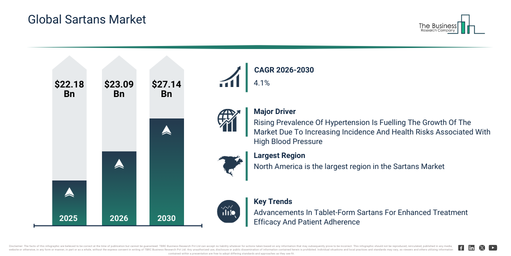
    The sartans market size has experienced consistent expansion in recent years. This market is projected to grow from $22.18 billion in 2025 to $23.09 billion in 2026, achieving a compound annual growth rate (CAGR) of 4.1%. The historic period’s growth can be linked to factors like the high global hypertension prevalence, the burden of cardiovascular disease, generic drug adoption, hospital-based prescribing, and the long-term safety profile of sartans.

    The sartans market is anticipated to show steady expansion in the coming years, growing to $27.14 billion in 2030 at a compound annual growth rate (CAGR) of 4.1%. This projected growth during the forecast period is fueled by an aging population, an increasing incidence of kidney disease, the demand for cost-effective therapeutic options, the expansion of outpatient treatment services, and the rise of digital pharmacies. Significant trends for the forecast period include the growing utilization in hypertension management, the proliferation of generic angiotensin receptor blockers, a preference for combination cardiovascular therapies, the broadening reach of online pharmacy distribution, and a concentrated focus on renal and cardiovascular protection.

    Get A Free Sample Report With In-Depth Market Insights:

    https://thebusinessresearchcompany.com/sample_request?id=61596071&type=smp&name=Sartans%20Market%20Report%202026&utm_source=Blogs&utm_medium=Paid&utm_campaign=Oct_PR

    Sartans Market Growth Factors Behind Sustained Expansion

    The expanding prevalence of hypertension is projected to stimulate the growth of the sartans market. Hypertension is characterized by persistently elevated blood pressure, which can heighten the risk of heart disease, stroke, and other severe health complications. The rising occurrence of this condition is linked to diets abundant in salt and processed foods, contributing to fluid retention and increased cardiac strain. Sartans function by treating hypertension through the blockade of angiotensin II, a hormone known to narrow blood vessels. This mechanism aids in relaxing and widening these vessels, which in turn lowers blood pressure and reduces the heart’s workload. For example, in September 2025, data from the World Health Organization, a Switzerland-based international public health agency, indicated that an estimated 1.4 billion adults aged 30–79 years worldwide were living with hypertension in 2024, representing approximately 33% of the global population. Therefore, the increasing prevalence of hypertension is a key driver for the expansion of the sartans market.

    Sartans Market Segment Outlook: Which Categories Are Growing Fastest?

    The sartans market covered in this report is segmented –

    1) By Product Type: Valsartan, Telmisartan, Losartan, Irbesartan, Azilsartan, Olmesartan

    2) By Distribution Channel: Hospital Pharmacies, Retail Pharmacies, Online Pharmacies, Other Distribution Channels

    3) By Application: Hypertension, Cardiovascular Diseases, Kidney Diseases, Other Applications

    4) By End-User: Hospitals, Other End-Users

    Subsegments:

    1) By Valsartan: Film-Coated Tablets, Oral Powder Sachets, Triple-Combination Tablets, Ready-To-Use Liquid Formulations

    2) By Telmisartan: Soft Gel Capsules, Mouth-Dissolving Strips, Sustained-Release Tablets, Sachet-Packed Granules

    3) By Losartan: Chewable Tablets, Pediatric Oral Drops, Effervescent Tablets, Dispersible Tablets

    4) By Irbesartan: High-Potency Tablets, Scored Tablets, Hospital Bulk Packs, Blister Strip Packs

    5) By Azilsartan: Nanoparticle-Based Tablets, Rapid-Onset Tablets, Unit-Dose Capsules, Microgranule Sachets

    6) By Olmesartan: Oral Jelly Formulations, Oral Thin Films, Powder-For-Suspension Packs, Dual-Layer Tablets

    Sartans Market Industry Trends Fueling Future Revenue Growth

    Companies prominent in the sartans market are concentrating on developing advanced products, such as tablet-form sartans, to improve treatment efficacy and patient adherence. These tablet-form sartans are oral medications containing sartan drugs, which function by blocking the effects of angiotensin II, thereby promoting blood vessel relaxation and reducing blood pressure. For instance, in July 2024, Zydus Lifesciences, an India-based pharmaceutical company, obtained US Food and Drug Administration (FDA) approval for Valsartan Tablets USP (40 mg, 80 mg). These tablets are sold under the brand name Diovan. These tablets are prescribed for treating hypertension and heart failure, and to enhance survival after a heart attack in adults, while also being suitable for pediatric patients aged one year and older.

    Sartans Market Leading Companies And Competitive Benchmarking

    Major companies operating in the sartans market are Viatris Inc., Teva Pharmaceutical Industries Ltd., Intas Pharmaceuticals Ltd., Sun Pharmaceutical Industries Ltd., Apotex Inc., Aurobindo Pharma Ltd., Dr. Reddy’s Laboratories Ltd., Cipla Ltd., Cadila Pharmaceuticals Ltd., Lupin Ltd., Zydus Lifesciences Ltd., Torrent Pharmaceuticals Ltd., Alembic Pharmaceuticals Ltd., Unichem Laboratories Ltd., Emcure Pharmaceuticals Ltd., Mylan N.V., Hikma Pharmaceuticals PLC, Glenmark Pharmaceuticals Ltd., Abbott Laboratories, Novartis AG, Pfizer Inc., Sanofi S.A., Takeda Pharmaceutical Company Limited, Bayer AG, Merck & Co. Inc.

    View The Full Sartans Market Report:

    https://thebusinessresearchcompany.com/report/sartans-global-market-report?utm_source=Blogs&utm_medium=Paid&utm_campaign=Oct_PR

    Sartans Market Global Footprint: Which Region Leads The Market?

    North America was the largest region in the sartans market in 2025. Asia-Pacific is expected to be the fastest-growing region in the forecast period. The regions covered in the sartans market report are Asia-Pacific, South East Asia, Western Europe, Eastern Europe, North America, South America, Middle East, Africa.

    Reach Out To Our Team:

    The Business Research Company: https://www.thebusinessresearchcompany.com/

    Americas: +1 310-496-7795

    Asia: +44 7882 955267 & +91 8897263534

    Europe: +44 7882 955267

    Email us at: marketing@tbrc.info

    Follow us on:

    LinkedIn: https://in.linkedin.com/company/the-business-research-company

    YouTube: https://www.youtube.com/channel/UC24_fI0rV8cR5DxlCpgmyFQ

    Global Market Model: https://www.thebusinessresearchcompany.com/global-market-model
  • Sarcoma Drugs Market Explained: What Is Fueling Growth To $2.36 Billion By 2030?

    Sarcoma Drugs Market Explained: What Is Fueling Growth To $2.36 Billion By 2030?

    Built to provide research that’s more actionable and strategically valuable, The Business Research Company’s 2026 market reports include market attractiveness analysis, total addressable market sizing, company benchmarking matrices, interactive Excel dashboards, broader supply chain intelligence, emerging startup tracking, and in-depth product insights.

    Sarcoma Drugs Market Forecast: Value Set To Climb From $1.61 Billion To $2.36 Billion

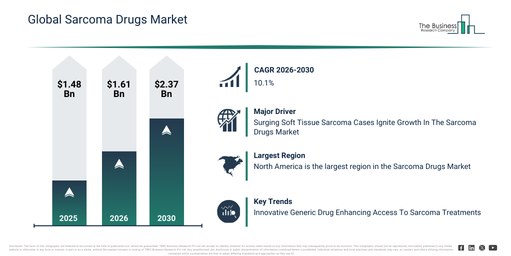
    The sarcoma drugs market size has shown strong growth in recent years. It is projected to expand from $1.48 billion in 2025 to $1.61 billion in 2026, achieving a compound annual growth rate (CAGR) of 9.2%. This historical growth can be attributed to factors such as increasing incidence of soft tissue sarcoma, advancements in chemotherapy protocols, growing oncology healthcare infrastructure, rising awareness of rare cancers, and expansion of hospital oncology departments.

    The sarcoma drugs market size is anticipated to experience rapid growth over the next few years. It is projected to expand to $2.37 billion in 2030, demonstrating a compound annual growth rate (CAGR) of 10.1%. This growth during the forecast period is attributable to an increase in targeted therapy approvals, rising investment in sarcoma clinical trials, a greater adoption of precision medicine, expanding access to specialty oncology drugs, and supportive orphan drug policies. Major trends identified for the forecast period include the increasing uptake of targeted therapies in sarcoma care, the broadening of combination drug regimens, a heightened focus on rare sarcoma subtypes, an expansion in hospital-based oncology treatment access, and accelerated regulatory approvals for orphan drugs.

    Get A Free Sample Report With In-Depth Market Insights:

    https://thebusinessresearchcompany.com/sample_request?id=21286711&type=smp&name=Sarcoma%20Drugs%20Market%20Report%202026&utm_source=Blogs&utm_medium=Paid&utm_campaign=Oct_PR

    Sarcoma Drugs Market Demand Drivers Opening New Revenue Streams

    The sarcoma drug market is set to be driven by the growing number of soft tissue sarcoma cases. Soft tissue sarcoma is a type of cancer that begins in the body’s soft tissues, such as muscles, fat, tendons, lymph, and nerves. Sarcoma drugs are utilized in the healthcare industry for treating bone and soft tissue sarcoma by attacking and dividing cancer cells. For instance, in January 2023, the American Cancer Society, a US-based cancer-fighting organization, published a report stating that approximately 13,400 new soft tissue sarcomas are expected to be diagnosed in the US, and around 5,140 people are projected to die from soft tissue sarcomas in 2023. Therefore, the increasing prevalence of soft tissue sarcoma is fueling the growth of the sarcoma drugs market.

    Sarcoma Drugs Market Segment Landscape: Which Areas Lead Development?

    The sarcoma drugs market covered in this report is segmented –

    1) By Treatment Type: Chemotherapy, Targeted Therapy

    2) By Disease Indication: Malignant Bone Tumors, Soft Tissue Sarcomaz

    3) By Distribution Channel: Hospital Pharmacies, Retail Pharmacies, Other Distribution Channels

    Subsegments:

    1) By Chemotherapy: Anthracyclines, Alkylating Agents, Antimetabolites, Other Chemotherapeutic Agents

    2) By Targeted Therapy: Tyrosine Kinase Inhibitors, MTOR Inhibitors, Other Targeted Therapies

    Sarcoma Drugs Market Trends Powering Strategic Industry Growth

    Major companies operating in the sarcoma drugs market are concentrating on developing innovative, advanced oral medications to boost patient adherence and improve treatment outcomes. Oral medications are drugs ingested orally in the form of tablets, capsules, or liquid solutions. They are absorbed through the digestive system, offering a convenient and non-invasive method for administering treatment. For instance, in April 2024, Novugen Pharma LLC, a US-based pharmaceutical company, introduced pazopanib tablets, 200 mg, as a generic alternative to Votrient, approved by the USFDA for treating advanced renal cell carcinoma (RCC) and advanced soft tissue sarcoma (STS). This launch highlights Novugen’s expertise in complex anticancer formulations and expands patient access to effective therapies, significantly impacting the sarcoma drug market by addressing a previously limited competition landscape.

    Sarcoma Drugs Market Industry Leaders And Competitive Landscape

    Major companies operating in the sarcoma drugs market are Bayer AG, Eisai Co Ltd, F Hoffmann La Roche Ltd, Novartis AG, Pfizer Inc, Pharma Mar SA, Ipsen SA, Shenzhen Chipscreen Biosciences Co Ltd, Monopar Therapeutics Inc, Roche Holding AG, Takeda Pharmaceutical Company Limited, AstraZeneca plc, Sanofi SA, Merck & Co Inc, Bristol Myers Squibb Company, Incyte Corporation, Daiichi Sankyo Company Limited, Amgen Inc, Eli Lilly and Company, Johnson & Johnson Services Inc

    View The Full Sarcoma Drugs Market Report:

    https://thebusinessresearchcompany.com/report/sarcoma-drugs-global-market-report?utm_source=Blogs&utm_medium=Paid&utm_campaign=Oct_PR

    Sarcoma Drugs Market Regional Split: Which Areas Are Fueling Growth?

    North America was the largest region in the sarcoma drugs market in 2025. The regions covered in the sarcoma drugs market report are Asia-Pacific, South East Asia, Western Europe, Eastern Europe, North America, South America, Middle East, Africa.

    Reach Out To Our Team:

    The Business Research Company: https://www.thebusinessresearchcompany.com/

    Americas: +1 310-496-7795

    Asia: +44 7882 955267 & +91 8897263534

    Europe: +44 7882 955267

    Email us at: marketing@tbrc.info

    Follow us on:

    LinkedIn: https://in.linkedin.com/company/the-business-research-company

    YouTube: https://www.youtube.com/channel/UC24_fI0rV8cR5DxlCpgmyFQ

    Global Market Model: https://www.thebusinessresearchcompany.com/global-market-model