Month: October 2026

  • Interstitial Cystitis Drugs Market Set To Expand From $1.81 Billion In 2026: Growth Outlook Through 2030

    Interstitial Cystitis Drugs Market Set To Expand From $1.81 Billion In 2026: Growth Outlook Through 2030

    Featuring market attractiveness scoring, total addressable market sizing, company benchmarking matrices, interactive Excel dashboards, deeper supply chain intelligence, emerging startup tracking, and granular product-level insights, The Business Research Company’s 2026 market reports are built to deliver research that is both more actionable and more strategically valuable.

    Interstitial Cystitis Drugs Market Forecast: What Value Will The Market Reach By 2030?

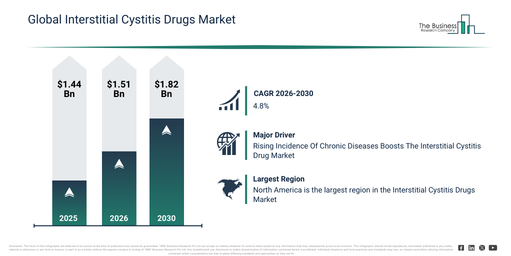
    The interstitial cystitis drugs market size has experienced consistent growth in recent years. This market is projected to expand from $1.44 billion in 2025 to $1.51 billion in 2026, exhibiting a compound annual growth rate (CAGR) of 4.8%. Historically, the market’s expansion was influenced by factors such as limited awareness of ic, reliance on conventional therapies, high prevalence of misdiagnosis, restricted r&d funding, and low adoption of intravesical therapy.

    The interstitial cystitis drugs market is projected to experience consistent expansion over the upcoming years. Its valuation is anticipated to reach $1.82 billion in 2030, exhibiting a compound annual growth rate (CAGR) of 4.8%. This expansion during the projection period stems from factors such as the increasing embrace of targeted therapies, greater investment in IC research, a rise in bladder disorder prevalence, innovations in drug delivery technology, and the development of healthcare infrastructure. Key trends anticipated during this period encompass individualized treatment methods, non-invasive drug delivery solutions, the evolution of combination therapies, improved bladder lining repair interventions, and a heightened emphasis on symptom control.

    Get A Free Sample Report With In-Depth Market Insights:

    https://thebusinessresearchcompany.com/sample_request?id=51888144&type=smp&name=Interstitial%20Cystitis%20Drugs%20Market%20Report%202026&utm_source=Blogs&utm_medium=Paid&utm_campaign=Oct_PR

    Interstitial Cystitis Drugs Market Expansion Drivers: What’s Shaping Future Growth?

    The interstitial cystitis drug market is anticipated to expand due to the increasing prevalence of chronic diseases. These long-term health conditions typically last for a person’s entire life. Medications for cystitis work by identifying and eradicating the bacteria that cause urinary tract infections. These treatments resolve the core infection in the urinary tract, thereby easing symptoms like painful urination, frequent urination, and urgency, which are often associated with various chronic conditions such as urinary tract infections (UTIs). As an illustration, data from the National Institute of Health, a US-based public health research agency, revealed that in January 2023, urinary tract infections led to over 1 million emergency department visits in the US, ranking as the seventh most frequent cause. Among these, 22% (220,000) were classified as complicated urinary tract infections (UTIs), with approximately 100,000 patients requiring annual hospital admissions. Consequently, the increasing occurrence of chronic diseases is fueling the expansion of the interstitial cystitis drug market. Increased pharmaceutical drug production is projected to boost the interstitial cystitis drug market in the future. This production involves the entire manufacturing journey of pharmaceutical items, including the creation, formulation, and packaging of medicines intended for therapeutic use. Various elements contribute to the heightened demand for drug manufacturing within the pharmaceutical sector, such as an aging demographic, ongoing research and development, public health campaigns, and the need for generic drugs. Enhanced drug production improves treatment choices for interstitial cystitis by fostering the creation of new therapies that address the rising demand for effective medications, spurred by greater understanding and detection of the condition. Better manufacturing capacities allow for quick adjustments to market requirements, ensuring patients can access the most current treatments. For instance, in June 2023, the European Federation of Pharmaceutical Industries and Associations (EFPIA), a Belgium-based trade association representing the European pharmaceutical industry, reported that Europe’s overall pharmaceutical output was €390,000 million ($422,803 million) in 2023, an increase from €363,300 million ($393,857 million) in 2022. Therefore, the rising incidence of chronic diseases is driving the growth of the interstitial cystitis drug market.

    Interstitial Cystitis Drugs Market Segment Landscape And Growth Outlook

    The interstitial cystitis drugs market covered in this report is segmented –

    1) By Drugs: Pentosan Polysulfate Sodium, Dimethyl Sulfoxide, Other Drugs

    2) By Type: Oral Therapy, Intravesical Therapy

    3) By Distribution Channel: Hospital Pharmacies, Retail Pharmacies, Online Pharmacies

    Subsegments:

    1) By Pentosan Polysulfate Sodium: Oral Pentosan Polysulfate Sodium, Injectable Pentosan Polysulfate Sodium

    2) By Dimethyl Sulfoxide (DMSO): Intravesical DMSO (Bladder Instillation)

    3) By Other Drugs: Amitriptyline, Hydroxyzine, Cimetidine, Gabapentin

    Interstitial Cystitis Drugs Market Competitive Landscape: Who Leads The Industry?

    Major companies operating in the interstitial cystitis drugs market are Pfizer Inc., Johnson & Johnson , Merck & Co. Inc., AbbVie Inc., Bayer AG, Novartis AG, Sanofi SA, GlaxoSmithKline PLC, Eli Lilly and Company, Amgen Inc., Viatris Inc., Teva Pharmaceutical Industries Ltd., Astellas Pharma Inc., Boehringer Ingelheim International GmbH, UCB S.A., Sun Pharmaceutical Industries Ltd., Perrigo Company PLC, Cipla Limited, Ferring B.V., Grunenthal Pharma, Kyorin Pharmaceutical Co. Ltd, Seikagaku Corporation, UroGen Pharma, Alivio Therapeutics, Lipella Pharmaceuticals, GlycoMira Therapeutics Inc.

    View The Full Interstitial Cystitis Drugs Market Report:

    https://thebusinessresearchcompany.com/report/interstitial-cystitis-drugs-global-market-report?utm_source=Blogs&utm_medium=Paid&utm_campaign=Oct_PR

    Interstitial Cystitis Drugs Market Regional Analysis And Top Geography

    North America was the largest region in the interstitial cystitis drugs market in 2025. Asia-Pacific is expected to be the fastest-growing region in the forecast period. The regions covered in the interstitial cystitis drugs market report are Asia-Pacific, South East Asia, Western Europe, Eastern Europe, North America, South America, Middle East, Africa.

    Reach Out To Our Team:

    The Business Research Company: https://www.thebusinessresearchcompany.com/

    Americas: +1 310-496-7795

    Asia: +44 7882 955267 & +91 8897263534

    Europe: +44 7882 955267

    Email us at: marketing@tbrc.info

    Follow us on:

    LinkedIn: https://in.linkedin.com/company/the-business-research-company

    YouTube: https://www.youtube.com/channel/UC24_fI0rV8cR5DxlCpgmyFQ

    Global Market Model: https://www.thebusinessresearchcompany.com/global-market-model

  • InterLeukin6 IL6 Inhibitor Market Size And Growth In 2026: Key Factors Shaping Future Demand

    InterLeukin6 IL6 Inhibitor Market Size And Growth In 2026: Key Factors Shaping Future Demand

    Built to provide research that’s more actionable and strategically valuable, The Business Research Company’s 2026 market reports include market attractiveness analysis, total addressable market sizing, company benchmarking matrices, interactive Excel dashboards, broader supply chain intelligence, emerging startup tracking, and in-depth product insights.

    InterLeukin6 IL6 Inhibitor Market Size Outlook: How Quickly Will Revenue Expand Through 2030?

    The interleukin6 il6 inhibitor market has experienced swift expansion in recent years. This market is projected to expand from $35.77 billion in 2025 to $39.44 billion in 2026, exhibiting a compound annual growth rate (CAGR) of 10.3%. Factors contributing to its historical growth include an increase in rheumatoid arthritis prevalence, advancements in monoclonal antibody development, expansion of biologics manufacturing, improved diagnosis of inflammatory diseases, and the growth of specialty pharmacies.

    The interleukin6 (IL-6) inhibitor market is anticipated to experience substantial growth over the coming years, with projections indicating it will reach a value of $58.33 billion by 2030, exhibiting a compound annual growth rate (CAGR) of 10.3%. This expansion during the forecast period is primarily driven by the increasing occurrence of autoimmune disorders, broader applications within oncology, a rise in biologics approvals, augmented healthcare spending, and the adoption of personalized immunotherapy. Key trends influencing this period include the rising acceptance of targeted immunotherapies, an increased utilization of IL-6 inhibitors in autoimmune conditions, the expansion of biologic drug development pipelines, growing clinical applications in inflammatory and cytokine-driven conditions, and an elevated demand for advanced injectable biologics.

    Get A Free Sample Report With In-Depth Market Insights:

    https://thebusinessresearchcompany.com/sample_request?id=52658888&type=smp&name=InterLeukin6%20IL6%20Inhibitor%20Market%20Report%202026&utm_source=Blogs&utm_medium=Paid&utm_campaign=Oct_PR

    InterLeukin6 IL6 Inhibitor Market Development Factors: What’s Supporting Demand?

    An anticipated expansion of the interleukin-6 (IL-6) inhibitor market is linked to the growing occurrence of neurological disorders. These disorders encompass conditions impacting the brain, spinal cord, and peripheral nerves, thereby affecting cognitive, motor, and sensory capabilities. Factors contributing to this increase include an aging demographic, advancements in diagnostic methods, and lifestyle elements like persistent stress and inactive habits. The interleukin-6 (IL-6) inhibitor market aids neurological patient care through its ability to diminish inflammation and irregular immune responses within the central nervous system, which assists in relieving symptoms and impeding disease progression. For example, data from March 2023, sourced from the US-based National Library of Medicine, indicated approximately 0.0067 billion Americans aged 65 and older had Alzheimer’s dementia in 2023, with projections suggesting a potential increase to 0.0138 billion by 2060. Consequently, the expanding incidence of neurological conditions is fueling the expansion of the interleukin-6 (IL-6) inhibitor market.

    InterLeukin6 IL6 Inhibitor Market Breakdown By Product Type And Application

    The interleukin6 il6 inhibitor market covered in this report is segmented –

    1) By Drug Type: Tocilizumab, Siltuximab, Sylvant

    2) By Route Of Administration: Intravenous (IV), Subcutaneous (SC), Other Route Of Administration

    3) By Indication: Rheumatoid Arthritis, Oncology, Systemic Juvenile Idiopathic Arthritis, Giant Cell Arteritis, COVID-19-Related Cytokine Storm, Other Indications

    4) By Distribution Channel: Retail Pharmacies, Hospital Pharmacies, Specialty Pharmacies, Online Pharmacies, Other Distribution Channels

    Subsegments:

    1) By Tocilizumab: Injectable Tocilizumab, Intravenous Tocilizumab, Subcutaneous Tocilizumab

    2) By Siltuximab: Injectable Siltuximab, Monotherapy Siltuximab, Combination Therapy Siltuximab

    3) By Sylvant: Injectable Sylvant, Sylvant For Multicentric Castleman Disease, Sylvant In Combination Treatments

    InterLeukin6 IL6 Inhibitor Market Transformation Trends: What Innovations Are Driving Change?

    Major companies in the interleukin-6 (IL-6) inhibitor market are concentrating on developing advanced solutions, such as the first approved tocilizumab biosimilar, to expand treatment options, improve accessibility, and enhance patient outcomes. This initial approved tocilizumab biosimilar is a highly similar version of the reference biologic Actemra, engineered to block the IL-6 receptor and reduce inflammation in conditions like rheumatoid arthritis and juvenile idiopathic arthritis, while providing comparable safety, efficacy, and quality at a more affordable cost. For instance, in November 2023, Fresenius Kabi, a Germany-based healthcare company, launched Tyenne, a tocilizumab biosimilar for various inflammatory and immune-mediated conditions. It features flexible administration options, including subcutaneous delivery through prefilled syringes and autoinjectors, as well as intravenous administration via vials, offering clinicians customizable treatment choices and providing European patients with a high-quality, accessible alternative to the originator therapy.

    InterLeukin6 IL6 Inhibitor Market Company Landscape And Competitive Strategy

    Major companies operating in the interleukin6 il6 inhibitor market are F. Hoffmann-La Roche Ltd, Genentech Inc., Chugai Pharmaceutical Co. Ltd., Johnson & Johnson, Regeneron Pharmaceuticals Inc., Sanofi S.A., Celltrion Inc., Novartis AG, GlaxoSmithKline plc, Amgen Inc., Merck KGaA, Astellas Pharma Inc., Galapagos N.V., AbbVie Inc., Bristol Myers Squibb Company, Eli Lilly and Company, Pfizer Inc., AstraZeneca PLC, Takeda Pharmaceutical Company Limited, Kyowa Kirin Co. Ltd.

    View The Full InterLeukin6 IL6 Inhibitor Market Report:

    https://thebusinessresearchcompany.com/report/interleukin6-il6-inhibitor-global-market-report?utm_source=Blogs&utm_medium=Paid&utm_campaign=Oct_PR

    InterLeukin6 IL6 Inhibitor Market Geographic Analysis: Where Is Demand Rising Fastest?

    Asia-Pacific was the largest region in the interleukin6 IL6 inhibitor market in 2025. North America is expected to be the fastest-growing region in the forecast period. The regions covered in the interleukin6 il6 inhibitor market report are Asia-Pacific, South East Asia, Western Europe, Eastern Europe, North America, South America, Middle East, Africa.

    Reach Out To Our Team:

    The Business Research Company: https://www.thebusinessresearchcompany.com/

    Americas: +1 310-496-7795

    Asia: +44 7882 955267 & +91 8897263534

    Europe: +44 7882 955267

    Email us at: marketing@tbrc.info

    Follow us on:

    LinkedIn: https://in.linkedin.com/company/the-business-research-company

    YouTube: https://www.youtube.com/channel/UC24_fI0rV8cR5DxlCpgmyFQ

    Global Market Model: https://www.thebusinessresearchcompany.com/global-market-model
  • Meditation Software Market Forecast To Reach $7.64 Billion By 2030: Key Growth Drivers And Industry Trends

    Meditation Software Market Forecast To Reach $7.64 Billion By 2030: Key Growth Drivers And Industry Trends

    Backed by market attractiveness analysis, total addressable market sizing, company benchmarking matrices, interactive Excel dashboards, wider supply chain intelligence, emerging startup coverage, and detailed product-level insights, The Business Research Company’s 2026 market reports are designed to offer research that is more actionable and strategically valuable than ever.

    Meditation Software Market Revenue Outlook: What CAGR Lies Ahead Through 2030?

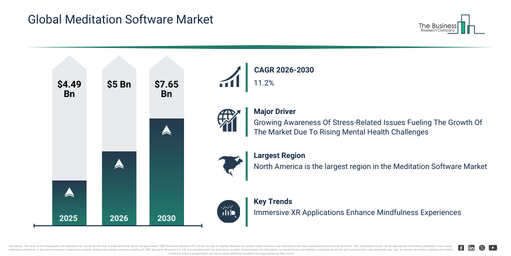
    The meditation software market has shown significant expansion in recent years. Its valuation is projected to increase from $4.49 billion in 2025 to $5 billion in 2026, at a compound annual growth rate (CAGR) of 11.4%. Key drivers for this market’s historical development include escalating stress levels associated with modern living, the pervasive use of smartphones, enhanced public consciousness regarding mental well-being, the development of digital health applications, and the broadening of subscription-based wellness offerings.

    The meditation software market size is anticipated to experience significant expansion over the next few years. It will grow to $7.65 billion in 2030 at a compound annual growth rate (CAGR) of 11.2%. This growth during the forecast period is propelled by factors such as the rise in workplace mental health programs, the increasing application of AI-driven personalization, the growing adoption of digital therapeutics, the expansion of remote and hybrid work models, and the increasing acceptance of preventive mental healthcare. Prominent trends expected in the forecast period include the expanding adoption of guided meditation applications, the increasing use of personalized mindfulness programs, the rising integration of meditation apps with wearables, the broadening of corporate wellness meditation platforms, and the increasing demand for tools dedicated to stress and anxiety management.

    Get A Free Sample Report With In-Depth Market Insights:

    https://thebusinessresearchcompany.com/sample_request?id=84585199&type=smp&name=Meditation%20Software%20Market%20Report%202026&utm_source=Blogs&utm_medium=Paid&utm_campaign=Oct_PR

    Meditation Software Market Industry Drivers: What’s Behind The Revenue Growth?

    The increasing understanding of stress-related problems is anticipated to fuel the expansion of the meditation software market in the future. These issues encompass physical, emotional, or psychological difficulties stemming from undue stress. A heightened consciousness regarding stress-related challenges is emerging, with workplaces progressively acknowledging stress’s influence on staff productivity and overall welfare, prompting the implementation of mental health initiatives and support structures. Meditation software assists in addressing stress-related issues through providing guided sessions, breathing drills, and mindfulness methods, which serve to tranquilize the mind, alleviate apprehension, decrease cortisol levels, and foster emotional equilibrium. To illustrate, a May 2024 report from the American Psychiatric Association, a US-based professional organization, indicated that in 2024, 43% of adults reported feeling more anxious compared to the prior year, an increase from 37% in 2023 and 32% in 2022. Consequently, the rising recognition of stress-related concerns is propelling the expansion of the meditation software market.

    Meditation Software Market Segment Breakdown: Which Categories Lead On Revenue?

    The meditation software market covered in this report is segmented –

    1) By Type Of Meditation: Guided Meditation, Mindfulness Meditation, Transcendental Meditation, Zen Meditation, Yoga Meditation

    2) By Platform: Mobile Applications, Web-Based Platforms, Desktop Applications, Wearable Devices, Smart Speakers

    3) By Features Offered: Scheduled Reminders, Progress Tracking, Personalized Content, Community Features, Offline Accessibility

    4) By Subscription Model: Freemium Models, Monthly Subscription, Annual Subscription, One-Time Purchase, In-App Purchases

    5) By Target Audience: Individuals, Corporate Clients, Therapists And Counselors, Yoga Studios And Health Coaches, Educational Institutions

    Subsegments:

    1) By Guided Meditation: Sleep-Focused Meditation, Stress And Anxiety Relief, Healing And Recovery Sessions, Productivity And Focus, Self-Improvement And Affirmations

    2) By Mindfulness Meditation: Breath Awareness, Body Scan Meditation, Emotion Regulation, Present Moment Awareness, Mindful Eating

    3) By Transcendental Meditation: Personalized Mantra Sessions, Silent Mantra Repetition, Advanced Transcendental Meditation Techniques, Transcendental Meditation For Stress Management, Transcendental Meditation For Cognitive Enhancement

    4) By Zen Meditation: Zazen, Koan Practice, Walking Meditation, Breathing And Posture Guidance, Zen Mindfulness Practices

    5) By Yoga Meditation: Kundalini Meditation, Chakra Meditation, Yoga Nidra, Pranayama-Based Meditation, Bhakti And Mantra Meditation

    #Meditation Software Market Growth Trends: What’s Shaping The Future Outlook?

    Leading firms within the meditation software market are prioritizing immersive functionalities, including extended-reality (XR) meditation applications. These software solutions leverage virtual reality (VR) or mixed reality (MR) to facilitate meditation, exploration, play, and breathwork for users within intricately designed spatial environments. As an illustration, in March 2024, Headspace, a US-based digital mental health firm, launched Headspace XR, a mindfulness application designed for virtual reality on Meta Quest. This app incorporates mood-enhancing games aimed at emotional balance, personalized guided meditation sessions led by Headspace instructors, and physical and breathing exercises intended to foster a stronger mind-body link.

    Meditation Software Market Leading Players And Competitive Positioning

    Major companies operating in the meditation software market are Headspace Inc, Calm.com Inc., Aura Health Inc., Committee for Children, Mindvalley LLC, Insight Timer, Breethe, Abide, Mindfulness Everywhere Ltd., Ipnos Software Inc., Deep Relax, Smiling Mind, Inner Explorer, Stop Breathe & Think PBC, The Mindfulness App, Ten Percent Happier, Insights Network Inc., Meditation Moments B.V., Sattva Inc., Meditopia Inc.

    View The Full Meditation Software Market Report:

    https://thebusinessresearchcompany.com/report/meditation-software-global-market-report?utm_source=Blogs&utm_medium=Paid&utm_campaign=Oct_PR

    Meditation Software Market Largest Region: Which Geography Holds The Biggest Share?

    North America was the largest region in the meditation software market in 2025. Asia-Pacific is expected to be the fastest-growing region in the forecast period. The regions covered in the meditation software market report are Asia-Pacific, South East Asia, Western Europe, Eastern Europe, North America, South America, Middle East, Africa.

    Reach Out To Our Team:

    The Business Research Company: https://www.thebusinessresearchcompany.com/

    Americas: +1 310-496-7795

    Asia: +44 7882 955267 & +91 8897263534

    Europe: +44 7882 955267

    Email us at: marketing@tbrc.info

    Follow us on:

    LinkedIn: https://in.linkedin.com/company/the-business-research-company

    YouTube: https://www.youtube.com/channel/UC24_fI0rV8cR5DxlCpgmyFQ

    Global Market Model: https://www.thebusinessresearchcompany.com/global-market-model
  • Medicinal Mushroom Market Research 2026: Market Size, Trends, Segments And Growth Forecast

    Medicinal Mushroom Market Research 2026: Market Size, Trends, Segments And Growth Forecast

    Featuring market attractiveness scoring, total addressable market sizing, company benchmarking matrices, interactive Excel dashboards, deeper supply chain intelligence, emerging startup tracking, and granular product-level insights, The Business Research Company’s 2026 market reports are built to deliver research that is both more actionable and more strategically valuable.

    Medicinal Mushroom Market Growth Analysis: How Will Revenue Trend Over The Forecast Period?

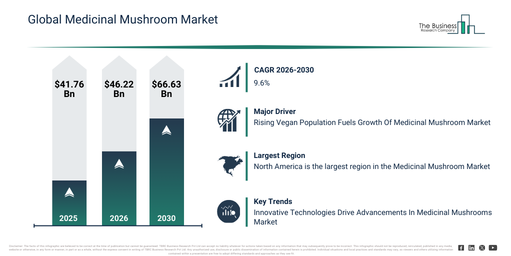
    The medicinal mushroom market has experienced rapid expansion in recent years. It is forecast to grow from $41.76 billion in 2025 to $46.22 billion in 2026, exhibiting a compound annual growth rate (CAGR) of 10.7%. The market’s past growth is attributable to the traditional application of medicinal mushrooms in Asian medicine, increasing global appetite for herbal and natural remedies, a heightened understanding of their immune health benefits, their early integration into dietary supplements, and the accessibility of various mushroom species possessing verified bioactive properties.

    The medicinal mushroom market is projected to experience substantial expansion over the upcoming years. Its valuation is anticipated to reach $66.63 billion by 2030, demonstrating a compound annual growth rate (CAGR) of 9.6%. This expansion during the forecast period is attributable to several factors, including a heightened global emphasis on immunity and wellness, a surging need for plant-derived and natural supplements, the enlargement of functional food and beverage sectors, expanding research confirming the advantages of medicinal mushrooms, and the greater prevalence of e-commerce wellness platforms. Key trends for this period involve a rising consumer preference for natural and functional health products, an escalating requirement for immune-enhancing nutraceutical components, the integration of medicinal mushrooms into dietary supplements and beverages, their increased application in preventive healthcare, and continuous product development in forms such as extracts, powders, and capsules.

    Get A Free Sample Report With In-Depth Market Insights:

    https://thebusinessresearchcompany.com/sample_request?id=74920203&type=smp&name=Medicinal%20Mushroom%20Market%20Report%202026&utm_source=Blogs&utm_medium=Paid&utm_campaign=Oct_PR

    Medicinal Mushroom Market Growth Factors: What’s Supporting Expansion?

    The expanding vegan demographic is anticipated to fuel the expansion of the medicinal mushroom market in the future. This population segment comprises individuals who abstain from all products derived from animals, instead depending on plant-based diets due to ethical considerations, environmental concerns, health advantages, informational choices, or cultural traditions. The number of vegans is on the rise, driven by increasing consciousness regarding animal welfare, ecological sustainability, and the health improvements linked with plant-centric eating. The medicinal mushroom market caters to vegan consumers by delivering functional, plant-derived ingredients that are rich in nutrients, offering immune system reinforcement, powerful antioxidant qualities, and adaptable culinary uses. For instance, in 2023, as per the Vegan Society, a UK-based educational charity, around 0.0026 billion individuals in Europe identified themselves as vegan, constituting 3.2% of the European populace. Consequently, the increasing vegan population is a significant impetus for the medicinal mushroom market.

    Medicinal Mushroom Market Segmentation: How Does The Market Break Down By Category?

    The medicinal mushroom market covered in this report is segmented –

    1) By Type: Shiitake, Reishi, Maitake, Chaga, Cordyceps, Turkey Tail, Other Types

    2) By Form: Fresh, Dried, Other Forms

    3) By Application: Antioxidants, Immune Enhancer, Anti-Cancer, Skin Care, Other Applications

    4) By Distribution Channel: Supermarkets And Hypermarkets, Convenience Stores, E-Commerce

    Subsegments:

    1) By Shiitake: Dried Shiitake Mushrooms, Shiitake Mushroom Extracts, Shiitake Powder, Shiitake Mushroom Capsules Or Tablets, Shiitake Mushroom Teas

    2) By Reishi: Dried Reishi Mushrooms, Reishi Mushroom Extracts, Reishi Mushroom Powder, Reishi Mushroom Capsules Or Tablets

    3) By Maitake: Dried Maitake Mushrooms, Maitake Mushroom Extracts, Maitake Mushroom Powder, Maitake Mushroom Capsules Or Tablets, Maitake Mushroom Teas

    4) By Chaga: Dried Chaga Mushrooms, Chaga Mushroom Extracts, Chaga Mushroom Powder, Chaga Mushroom Capsules Or Tablets, Chaga Tea, Organic Chaga Mushrooms

    5) By Cordyceps: Dried Cordyceps Mushrooms, Cordyceps Mushroom Extracts, Cordyceps Mushroom Powder, Cordyceps Mushroom Capsules Or Tablets, Cordyceps Mushroom Teas

    6) By Turkey Tail: Dried Turkey Tail Mushrooms, Turkey Tail Mushroom Extracts, Turkey Tail Mushroom Powder, Turkey Tail Mushroom Capsules Or Tablets, Turkey Tail Mushroom Teas

    7) By Other Types: Lion’s Mane Mushroom, Agaricus Blazei, Tremella Mushroom, Phellinus Linteus, Birch Polypore, Enoki Mushroom, King Oyster Mushroom, Polypore Mushrooms

    Medicinal Mushroom Market Industry Trends: What’s Reshaping Demand?

    Major companies in the medicinal mushroom market are prioritizing the development of innovative products utilizing advanced technologies, such as pulsed UV light technology, to improve cultivation efficiency, elevate bioactive compound levels, and address the increasing consumer demand for high-potency functional ingredients. Pulsed UV light technology involves exposing mushroom materials to short, intense bursts of ultraviolet light to enhance safety, boost nutritional content, and transform natural fungal sterols into beneficial nutrients like vitamin D2, thereby improving the overall nutraceutical profile of medicinal mushroom products. For example, in October 2023, Nammex, a US-based producer of organic mushroom extracts, launched ErgoGold and a mushroom-derived vitamin D ingredient. ErgoGold is formulated as a Golden Oyster mushroom extract, rich in ergothioneine, beta-glucans, ergosterol, fiber, and other secondary metabolites. The vitamin D ingredient, on the other hand, is created using pulsed UV light technology to convert ergosterol into high-potency vitamin D2, offering a vegan, non-synthetic source that can provide the recommended daily allowance with as little as 60 mg.

    Medicinal Mushroom Market Competitive Overview And Top Companies

    Major companies operating in the medicinal mushroom market are Nature’s Way Brands, Bio-Botanica, Banken Champignons B.V., Aloha Medicinals, Fungi Perfecti, Hirano Mushroom LLC, Fungi Ally, Far West Fungi, FreshCap Mushrooms, Swadeshi Mushroom, Asia Pacific Farm Enterprises, Gourmet Mushrooms Inc., Mycoterra Farm, Green Box Mushrooms, Four Sigmatic, Woodland Mushrooms, Fungaia Farm, Vitality Mushrooms, Annanda Chaga Mushrooms, Monterey Mushrooms LLC

    View The Full Medicinal Mushroom Market Report:

    https://thebusinessresearchcompany.com/report/medicinal-mushroom-global-market-report?utm_source=Blogs&utm_medium=Paid&utm_campaign=Oct_PR

    Medicinal Mushroom Market Regional Analysis: Which Geography Leads On Revenue?

    North America was the largest region in the medicinal mushroom market in 2025. Asia-Pacific is expected to be the fastest-growing region in the forecast period. The regions covered in the medicinal mushroom market report are Asia-Pacific, South East Asia, Western Europe, Eastern Europe, North America, South America, Middle East, Africa.

    Reach Out To Our Team:

    The Business Research Company: https://www.thebusinessresearchcompany.com/

    Americas: +1 310-496-7795

    Asia: +44 7882 955267 & +91 8897263534

    Europe: +44 7882 955267

    Email us at: marketing@tbrc.info

    Follow us on:

    LinkedIn: https://in.linkedin.com/company/the-business-research-company

    YouTube: https://www.youtube.com/channel/UC24_fI0rV8cR5DxlCpgmyFQ

    Global Market Model: https://www.thebusinessresearchcompany.com/global-market-model
  • Medicated Skincare Market Forecast 2026: Market Size, Competitive Landscape And Growth Drivers

    Medicated Skincare Market Forecast 2026: Market Size, Competitive Landscape And Growth Drivers

    Built to provide research that’s more actionable and strategically valuable, The Business Research Company’s 2026 market reports include market attractiveness analysis, total addressable market sizing, company benchmarking matrices, interactive Excel dashboards, broader supply chain intelligence, emerging startup tracking, and in-depth product insights.

    Medicated Skincare Market Forecast: What Value Will The Market Reach By 2030?

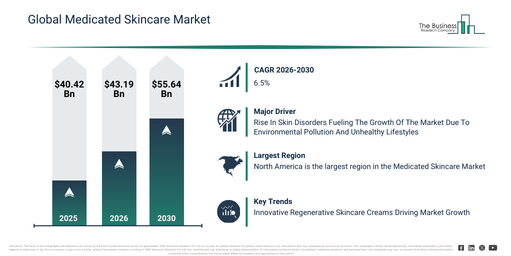
    The medicated skincare market has experienced robust expansion in recent times. This market is projected to expand from $40.42 billion in 2025 to $43.19 billion in 2026, demonstrating a compound annual growth rate (CAGR) of 6.9%. Historically, factors contributing to this growth include the constrained supply of prescription skincare, a dependence on conventional creams and ointments, an increase in dermatologist endorsements, the rising incidence of conditions like acne and eczema, and insufficient consumer understanding of medicated skincare’s advantages.

    The medicated skincare market size is expected to show substantial expansion over the next few years. It is projected to reach $55.64 billion in 2030, exhibiting a compound annual growth rate (CAGR) of 6.5%. This growth in the forecast period can be attributed to the creation of sophisticated topical formulations, a growing inclination towards natural and organic active ingredients, the proliferation of e-commerce and online pharmacy platforms, increased investment in dermatology clinics, and an expanding emphasis on customized skincare solutions. Significant trends during the forecast period involve a surging demand for specific acne treatments, an uptick in prescription skincare product usage, wider adoption of natural and organic components, the expansion of online and retail pharmacy channels, and enhanced awareness regarding post-procedure skincare and anti-aging items.

    Get A Free Sample Report With In-Depth Market Insights:

    https://thebusinessresearchcompany.com/sample_request?id=79316959&type=smp&name=Medicated%20Skincare%20Market%20Report%202026&utm_source=Blogs&utm_medium=Paid&utm_campaign=Oct_PR

    Medicated Skincare Market Demand Drivers: What’s Powering Industry Growth?

    The increasing incidence of skin conditions is anticipated to fuel the expansion of the medicated skincare market moving forward. Skin disorders encompass health issues that impact the skin’s look, feel, or proper functioning, resulting in problems like rashes, inflammation, infections, or persistent ailments. This growth in skin disorder prevalence is linked to heightened pollution in urban environments, where damaging pollutants breach the skin’s natural barrier, leading to inflammation, premature aging, and an elevated susceptibility to conditions such as eczema, acne, and dermatitis. Medicated skincare products prove effective in managing skin disorders because they incorporate active components designed to target foundational problems like inflammation, irritation, or microbial imbalances within the skin. For example, data from May 2023, provided by the City of Hope, a US-based national cancer institute, indicates that melanoma presently constitutes 5.5% of all yearly cancer diagnoses, amounting to about 97,000 cases annually. Furthermore, projections show this percentage is expected to climb to 7.1% by 2030, reaching approximately 151,000 cases each year. Consequently, the growing occurrence of skin disorders is a primary catalyst for the medicated skincare market’s advancement.

    Medicated Skincare Market Segment Trends And Revenue Contributors

    The medicated skincare market covered in this report is segmented –

    1) By Product: Pharmaceutical Grade Skincare, Prescription (Rx) Skincare

    2) By Skin Condition: Acne, Psoriasis, Eczema, Rosacea, Other Skin Conditions

    3) By Ingredient: Anti-Inflammatories, Antibacterials, Antifungals, Antioxidants, Moisturizers, Synthetic Ingredients, Natural Or Organic Ingredients, Chemical-Based Ingredients

    4) By Distribution Channel: Dermatology Clinics, Online Pharmacies, Retail Pharmacies, Other Distribution Channels

    5) By Application: Creams, Lotions, Ointments, Gels, Serums

    Subsegments:

    1) By Pharmaceutical Grade Skincare: Anti-Acne Treatments, Anti-Aging Products, Skin Brightening Agents, Moisturizers With Active Ingredients, Sunscreens With Medicinal Properties, Post-Procedure Skincare

    2) By Prescription (Rx) Skincare: Topical Antibiotics, Topical Corticosteroids, Antifungal Creams, Prescription Retinoids, Psoriasis Treatments, Rosacea Medications

    Medicated Skincare Market Innovation Trends: What Developments Are Reshaping The Industry?

    Major companies operating in the medicated skincare market are concentrating on launching innovative solutions, such as regenerative skincare cream, to expedite skin repair, diminish signs of aging, improve efficacy, and foster healthier skin regeneration. Regenerative skincare cream signifies a medicated formulation rich in active ingredients like peptides and growth factors, which help mend damaged skin, promote cell regeneration, and restore a healthier, more youthful appearance. For example, in May 2025, SkinCeuticals, a US-based provider of skincare products, unveiled Advanced RGN-6, a regenerative skincare cream drawing inspiration from laser regeneration science. This formulation is crafted to visibly tackle six key indicators of aging and skin tone irregularities, including redness, post-acne marks, dark spots, wrinkles, loss of firmness, and reduced smoothness. Advanced RGN-6 features a collaborative blend of six active ingredients: 10% Glyco-Repair, 1% Eperuline, 2% Niacinamide, 3% Acetyl Tetrapeptide-9, 0.2% Ectoin, and 0.2% Bioceramide 603, engineered to support both deep and superficial skin repair mechanisms. Clinical assessments reveal that with consistent daily application, the cream notably enhances skin texture and tone, providing visible improvements in as little as one week. Furthermore, when applied after laser treatment, it assists in accelerating recovery by minimizing downtime and enhancing skin hydration and smoothness.

    Medicated Skincare Market Competitive Landscape: Which Companies Lead The Industry?

    Major companies operating in the medicated skincare market are Obagi Medical Products Inc., Murad LLC, Laboratoire Bioderma, Revision Skincare Inc., Innovative Skincare Inc., PCA Skin Inc., Sesderma S.L., SkinMedica Inc., Neocutis Inc., Zota Health Care Limited, Alastin Skincare Inc., Dr. Wu Cosmetic Enterprise Co. Ltd., ZO Skin Health Inc., Skinbetter Science LLC, Alna Biotech Private Ltd., Epionce Inc., SkinCeuticals Inc., Canbro Healthcare, Scot Derma Private Ltd., Vibcare Pharma Private Ltd., TiZO Products Inc., Stelon Biotech Private Ltd., Hedge & Hedge Pharmaceutical.

    View The Full Medicated Skincare Market Report:

    https://thebusinessresearchcompany.com/report/medicated-skincare-global-market-report?utm_source=Blogs&utm_medium=Paid&utm_campaign=Oct_PR

    Medicated Skincare Market Geographic Spread And Regional Opportunities

    North America was the largest region in the medicated skincare market in 2025. Asia-Pacific is expected to be the fastest-growing region in the forecast period. The regions covered in the medicated skincare market report are Asia-Pacific, South East Asia, Western Europe, Eastern Europe, North America, South America, Middle East, Africa.

    Reach Out To Our Team:

    The Business Research Company: https://www.thebusinessresearchcompany.com/

    Americas: +1 310-496-7795

    Asia: +44 7882 955267 & +91 8897263534

    Europe: +44 7882 955267

    Email us at: marketing@tbrc.info

    Follow us on:

    LinkedIn: https://in.linkedin.com/company/the-business-research-company

    YouTube: https://www.youtube.com/channel/UC24_fI0rV8cR5DxlCpgmyFQ

    Global Market Model: https://www.thebusinessresearchcompany.com/global-market-model
  • Medical Marijuana Market Size In 2026: Regional Growth, Key Segments And Future Outlook

    Medical Marijuana Market Size In 2026: Regional Growth, Key Segments And Future Outlook

    Backed by market attractiveness analysis, total addressable market sizing, company benchmarking matrices, interactive Excel dashboards, wider supply chain intelligence, emerging startup coverage, and detailed product-level insights, The Business Research Company’s 2026 market reports are designed to offer research that is more actionable and strategically valuable than ever.

    Medical Marijuana Market Size Outlook: How Quickly Will Revenue Expand Through 2030?

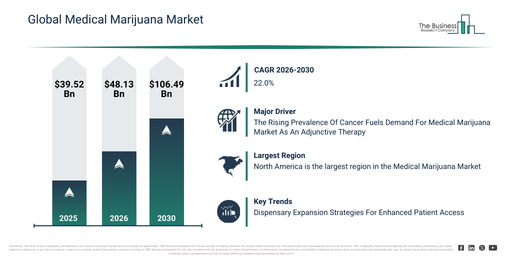
    The medical marijuana market has experienced significant expansion in recent years. It is forecast to grow from $39.52 billion in 2025 to $48.13 billion in 2026, achieving a compound annual growth rate (CAGR) of 21.8%. Historically, this market’s development has been propelled by factors such as the legalization of medical cannabis in early markets, the rising prevalence of chronic pain and associated conditions, the limitations of traditional pharmaceuticals in symptom management, increasing patient advocacy and public awareness, and expanding research into cannabis’s therapeutic potential.

    The medical marijuana market is anticipated to undergo substantial growth in the coming years. By 2030, its valuation is set to reach $106.49 billion, demonstrating a robust compound annual growth rate (CAGR) of 22.0%. This projected expansion is driven by several factors, including the global spread of cannabis legalization, innovations in cannabis extraction and formulation methods, the integration of digital health solutions and telemedicine for cannabis product distribution, increasing financial commitments to cannabis pharmaceutical research and development, and a rising embrace of personalized medicine strategies. Key developments expected during this period involve the increased use of medical marijuana for managing pain, the broadening scope of pharmaceutical research focused on cannabis, the expansion of e-commerce platforms and online dispensaries for cannabis items, heightened consumer understanding of alternative treatment options, and the creation of new ways to deliver cannabis, such as oils, tinctures, and edibles.

    Get A Free Sample Report With In-Depth Market Insights:

    https://thebusinessresearchcompany.com/sample_request?id=85175589&type=smp&name=Medical%20Marijuana%20Market%20Report%202026&utm_source=Blogs&utm_medium=Paid&utm_campaign=Oct_PR

    Medical Marijuana Market Growth Drivers: What’s Behind The Acceleration?

    The escalating occurrence of cancer is anticipated to propel the demand within the medical marijuana market in the future. Cancer describes a state where certain cells within the body multiply uncontrollably and disseminate to various parts of the body. For individuals afflicted with cancer, medical marijuana offers therapeutic assistance in managing conditions such as neuropathy, nausea, pain, vomiting, as well as improving appetite and addressing weight loss. For example, in February 2024, the World Health Organization, a Switzerland-based specialized agency responsible for international public health, reported projections of over 35 million new cancer cases by 2050. This figure represents a 77% rise compared to the estimated 20 million cases in 2022. Consequently, the expanding occurrence of cancer is set to fuel the expansion of the medical marijuana market.

    Medical Marijuana Market Segment Analysis Spotlighting Growth Areas

    The medical marijuana market covered in this report is segmented –

    1) By Product: Dried Flower, Extract Form

    2) By Formulation: Flower, Concentrate, Edibles, Other Types

    3) By Application: Pain Management, Tourette Syndrome, Alzheimer’s disease, Migraines, Depression And Anxiety, Multiple Sclerosis, Cancer, Other Applications

    4) By Distribution Channel: Retail Pharmacy, E-Commerce, Other Distribution Channels

    Subsegments:

    1) By Dried Flower: Indica Strains, Sativa Strains, Hybrid Strains

    2) By Extract Form: Oils, Tinctures, Concentrates, Edibles

    Medical Marijuana Market Trends: What’s Defining The Industry’s Next Phase?

    Major companies in the medical marijuana market are significantly investing in business expansion, primarily through the establishment of medical marijuana dispensaries. This initiative aims to enhance patient accessibility and strengthen their presence in the evolving landscape of medical cannabis distribution. Medical marijuana dispensaries are authorized facilities or stores where individuals holding valid medical marijuana prescriptions or cards can legally purchase medicinal cannabis products. For example, in July 2023, Botanical Sciences, a medical cannabis provider based in Georgia, launched a medical cannabis dispensary in Pooler, near Savannah, with plans for extensive expansion. Additional outlets are scheduled for establishment in Columbus and Evans, and the company intends to further extend its footprint by opening dispensaries in Augusta, Chamblee, Marietta, and Stockbridge. In adherence to Georgia’s regulations, MMJ operators are permitted to open up to six dispensaries each.

    Medical Marijuana Market Leading Companies: Who Holds The Strongest Market Presence?

    Major companies operating in the medical marijuana market are Curaleaf Holdings Inc., Trulieve Cannabis Corp, Green Thumb Industries GTI Inc., Cresco Labs Inc., Tilray Inc, Aphria Inc., Canopy Growth Corporation, Jushi Holdings Inc., TerrAscend Corp, Aurora Cannabis Inc., HEXO Corp, MedMen Enterprises Inc., Organigram Holdings Inc., Charlotte’s Web Holdings Inc., Vireo Health International Inc., Medical Marijuana Inc., VIVO Cannabis Inc., Valens GroWorks Corp, Green Relief Inc., Harborside Inc., MediPharm Labs Inc., Tikun Olam Cannbit Ltd., Emerald Health Therapeutics Inc., MedReleaf Corporation, GB Sciences Inc., CanniMed Therapeutics Inc., The Cronos Group Inc., Planet 13 Holdings Inc.

    View The Full Medical Marijuana Market Report:

    https://thebusinessresearchcompany.com/report/medical-marijuana-global-market-report?utm_source=Blogs&utm_medium=Paid&utm_campaign=Oct_PR

    Medical Marijuana Market Top Region By Revenue And Market Share

    North America was the largest region in the medical marijuana market in 2025. Asia-Pacific is expected to be the fastest-growing region in the global medical marijuana market during forecast period. The regions covered in the medical marijuana market report are Asia-Pacific, South East Asia, Western Europe, Eastern Europe, North America, South America, Middle East, Africa.

    Reach Out To Our Team:

    The Business Research Company: https://www.thebusinessresearchcompany.com/

    Americas: +1 310-496-7795

    Asia: +44 7882 955267 & +91 8897263534

    Europe: +44 7882 955267

    Email us at: marketing@tbrc.info

    Follow us on:

    LinkedIn: https://in.linkedin.com/company/the-business-research-company

    YouTube: https://www.youtube.com/channel/UC24_fI0rV8cR5DxlCpgmyFQ

    Global Market Model: https://www.thebusinessresearchcompany.com/global-market-model
  • Medical Foods Market Growth Forecast Through 2030: Market Size And Trends In 2026

    Medical Foods Market Growth Forecast Through 2030: Market Size And Trends In 2026

    Featuring market attractiveness scoring, total addressable market sizing, company benchmarking matrices, interactive Excel dashboards, deeper supply chain intelligence, emerging startup tracking, and granular product-level insights, The Business Research Company’s 2026 market reports are built to deliver research that is both more actionable and more strategically valuable.

    Medical Foods Market Size, Value And Growth Trajectory Through 2030

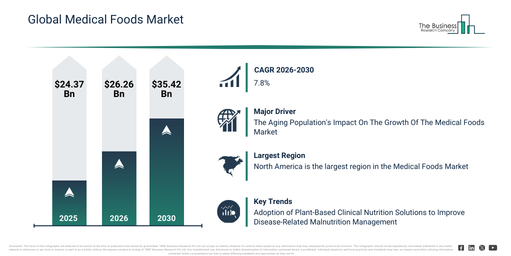
    The medical foods market has experienced robust growth over recent years. It is projected to expand from $24.37 billion in 2025 to $26.26 billion in 2026, demonstrating a compound annual growth rate (CAGR) of 7.8%. The expansion witnessed in previous periods can be attributed to factors such as the increasing incidence of chronic illnesses, a growing elderly demographic, heightened understanding of therapeutic nutrition, breakthroughs in medical research, and the development of hospital and clinical infrastructure.

    The medical foods market is projected to experience substantial expansion over the coming years. Its valuation is anticipated to reach $35.42 billion by 2030, demonstrating a compound annual growth rate (CAGR) of 7.8%. This projected increase can be attributed to factors such as the incorporation of technology into nutritional monitoring, the expansion of online and institutional distribution channels, a rise in the uptake of disease-specific medical foods, growing investments in research and development for functional ingredients, and the broadening of home healthcare services. Key trends during this period are expected to encompass personalized nutritional solutions, specialized disease-specific formulations, adherence to regulatory compliance and safety standards, advancements in functional ingredients, and the increasing embrace of home healthcare.

    Get A Free Sample Report With In-Depth Market Insights:

    https://thebusinessresearchcompany.com/sample_request?id=80038839&type=smp&name=Medical%20Foods%20Market%20Report%202026&utm_source=Blogs&utm_medium=Paid&utm_campaign=Oct_PR

    Medical Foods Market Growth Factors Behind Sustained Expansion

    The rising number of elderly individuals is a major factor driving the expansion of the medical foods market. Aging, when viewed at the molecular and cellular levels, stems from the gradual buildup of diverse biomolecular damage over time. This process leads to a progressive decline in functional capabilities, alongside a heightened susceptibility to illnesses and ultimately, mortality. Such transformations are neither linear nor uninterrupted, bearing only a remote connection to an individual’s actual chronological age. With advancing age, individuals become increasingly reliant on specific nutritional products, particularly medical foods, to manage chronic and age-related health conditions. For example, a report from October 2025 by the World Health Organization (WHO), the Switzerland-based international public health authority, projects that by 2030, 1 in 6 people globally will be 60 years old or over. Furthermore, by 2050, the world’s population aged 60 and above is expected to double (2.1 billion). Consequently, the growing geriatric population is anticipated to fuel the expansion of the medical foods market.

    Medical Foods Market Segment Performance And Emerging Opportunities

    The medical foods market covered in this report is segmented –

    1) By Type: Pills, Powder, Other Types

    2) By Application: Alzheimer’s Disease, Diabetic Neuropathy, Nutritional Deficiency, ADHD, Other Applications

    3) By Sales Channel: Retail Sales, Online Sales, Institutional Sales

    Subsegments:

    1) By Pills: Tablets, Capsules, Softgels

    2) By Powder: Nutritional Powders, Fiber Powders

    3) By Other Types: Liquid Formulations, Ready-To-Drink Products, Functional Bars And Snacks

    Medical Foods Market Industry Trends Fueling Future Revenue Growth

    Leading companies within the medical foods market are concentrating on developing innovative solutions, such as plant-based, nutritionally complete oral medical nutrition drinks, to address the increasing demand for clinically appropriate, lactose-free, allergy-friendly, and environmentally aligned nutrition options for patients under medical supervision. A plant-based medical nutrition drink leverages non-dairy protein sources like pea and soy, delivering comprehensive macro- and micronutrient profiles comparable to conventional dairy-based formulations, while also improving gastrointestinal tolerance and suitability for vegan and milk-allergic patients. For instance, in January 2023, Nutricia, a Netherlands-based medical nutrition company, launched Fortimel PlantBased Energy, its inaugural plant-based Food for Special Medical Purposes (FSMP) designed for the dietary management of disease-related malnutrition. This product offers energy-dense, nutritionally complete nourishment utilizing a pea-and-soy protein blend, supports patients with cow’s-milk protein allergy, is suitable for vegan and flexitarian diets, and is available in two flavors to enhance adherence in both clinical and home-care settings.

    Medical Foods Market Key Players: Which Companies Lead Industry Competition?

    Major companies operating in the medical foods market are Nestlé SA, Danone SA, Fresenius Kabi AG, Mead Johnson & Company LLC, Primus Pharmaceuticals Inc., Abbott Nutrition Inc., Accera Inc., Ajinomoto Cambrooke Inc., Applied Food Sciences Inc., Cambrooke Therapeutics Inc., Danone Nutricia North America Inc., Health and Happiness (H&H) Group Limited, RFI Ingredients LLC, Solace Nutrition LLC, Targeted Medical Pharma Inc., VAYA Pharma Inc., Baxter Healthcare Corporation, Braun Melsungen AG, DuPont Nutrition & Biosciences, Enteral Nutrition Holdings Inc., Fresenius Medical Care AG & Co. KGaA, Nutricia North America Inc., Otsuka Pharmaceutical Co. Ltd., Koninklijke DSM NV, Total Parenteral Nutrition Solutions Inc.

    View The Full Medical Foods Market Report:

    https://thebusinessresearchcompany.com/report/medical-foods-global-market-report?utm_source=Blogs&utm_medium=Paid&utm_campaign=Oct_PR

    Medical Foods Market Regional Analysis And Top Geography

    North America was the largest region in the medical foods market in 2025. Asia-Pacific is expected to be the fastest-growing region in the forecast period. The regions covered in the medical foods market report are Asia-Pacific, South East Asia, Western Europe, Eastern Europe, North America, South America, Middle East, Africa.

    Reach Out To Our Team:

    The Business Research Company: https://www.thebusinessresearchcompany.com/

    Americas: +1 310-496-7795

    Asia: +44 7882 955267 & +91 8897263534

    Europe: +44 7882 955267

    Email us at: marketing@tbrc.info

    Follow us on:

    LinkedIn: https://in.linkedin.com/company/the-business-research-company

    YouTube: https://www.youtube.com/channel/UC24_fI0rV8cR5DxlCpgmyFQ

    Global Market Model: https://www.thebusinessresearchcompany.com/global-market-model

  • Medical Device Clinical Trials Market Analysis: $19.36 Billion Market Size In 2026 And Future Growth Prospects

    Medical Device Clinical Trials Market Analysis: $19.36 Billion Market Size In 2026 And Future Growth Prospects

    Built to provide research that’s more actionable and strategically valuable, The Business Research Company’s 2026 market reports include market attractiveness analysis, total addressable market sizing, company benchmarking matrices, interactive Excel dashboards, broader supply chain intelligence, emerging startup tracking, and in-depth product insights.

    Medical Device Clinical Trials Market CAGR Outlook And Future Development

    The medical device clinical trials market has experienced significant expansion in recent years. This market is projected to rise from $18.07 billion in 2025 to $19.36 billion in 2026, demonstrating a compound annual growth rate (CAGR) of 7.2%. Historically, this growth can be ascribed to several factors, including an increase in medical device innovation, strict regulatory approval mandates, a heightened demand for patient safety validation, the enlargement of hospital-based clinical research, and greater investment in generating clinical evidence.

    The medical device clinical trials market size is projected to experience substantial expansion over the upcoming years. It is forecast to reach $25.35 billion in 2030, exhibiting a compound annual growth rate (CAGR) of 7.0%. Factors contributing to this anticipated growth during the forecast period include the rise of wearable and connected medical technologies, heightened regulatory oversight concerning device effectiveness, the proliferation of digital platforms for trials, a greater embrace of remote patient monitoring within studies, and the growing internationalization of clinical research. Key trends anticipated during the same period encompass the growing implementation of decentralized clinical trials, the expanding application of real-world evidence in device studies, an intensified emphasis on post-market approval and prolonged safety evaluations, the broadening of adaptive and hybrid trial methodologies, and a heightened need for trial management that adheres strictly to regulatory standards.

    Get A Free Sample Report With In-Depth Market Insights:

    https://thebusinessresearchcompany.com/sample_request?id=61859328&type=smp&name=Medical%20Device%20Clinical%20Trials%20Market%20Report%202026&utm_source=Blogs&utm_medium=Paid&utm_campaign=Oct_PR

    Medical Device Clinical Trials Market Demand Drivers Opening New Revenue Streams

    The increasing occurrence of chronic diseases is projected to drive the growth of the medical device clinical trials market moving forward. These are long-term health conditions that advance slowly and necessitate continuous medical management. The proliferation of chronic diseases stems from sedentary lifestyles, where individuals spend extended hours seated at desks or engaged with electronic devices. This behavior reduces calorie expenditure and weakens cardiovascular health, contributing to conditions such as obesity, diabetes, and hypertension. The escalating incidence of chronic diseases, in turn, boosts the requirement for medical device clinical trials to create and validate innovative devices for effective diagnosis, treatment, and management. For instance, in June 2023, the Institute for Health Metrics and Evaluation, a US-based public health research institute, reported that over half a billion people globally were living with diabetes. This number is expected to more than double, reaching 1.3 billion people by 2050. Therefore, the rising prevalence of chronic diseases is accelerating the growth of the medical device clinical trials market.

    Medical Device Clinical Trials Market Segment Landscape And Growth Outlook

    The medical device clinical trials market covered in this report is segmented –

    1) By Study Type: Feasibility And Pilot Study, Pivotal Study, FDA Premarket Approval (PMA) Application, Post-Approval Study

    2) By Indication: Cardiovascular Devices, Neurology Devices, Orthopedic Devices, Diagnostic Imaging, Anesthesia And Respiratory Devices, Other Indications

    3) By Study Design: Interventional, Observational, Expanded Access

    Subsegments:

    1) By Feasibility And Pilot Study: First-in-Human (FIH) Trials, Device Safety Assessment, Procedural Feasibility Studies, Prototype Testing

    2) By Pivotal Study: Comparative Effectiveness Studies, Randomized Controlled Trials (RCTs), Non-Inferiority Trials, Superiority Trials

    3) By FDA PMA (Pre-Market Approval) Application: Clinical Data Submission, Device Risk Analysis, Effectiveness Evidence Studies

    4) By Post-Approval Study: Long-Term Safety Monitoring, Real-World Evidence Collection, Registry Studies, Comparative Outcome Studies

    Medical Device Clinical Trials Market Trends Powering Strategic Industry Growth

    Major companies active in the medical device clinical trials market are concentrating on developing AI-powered medical device software to streamline clinical trial protocols and resource allocation, aiming to boost trial efficiency and reduce expenditures. AI-powered medical device software refers to healthcare software that employs artificial intelligence algorithms, particularly machine learning or deep learning, to support or automate medical functions. For instance, in January 2025, Risklick, a pharmaceutical firm based in Switzerland, launched Protocol AI, an AI-driven software designed to accelerate and optimize clinical trials for medical devices. Protocol AI utilizes Natural Language Processing (NLP) and Machine Learning (ML) to analyze clinical data, publications, and regulatory documents, thereby automatically drafting clinical trial protocols within minutes. This innovation significantly decreases the time and cost associated with protocol development, which traditionally takes approximately six months, and has already shown up to a 50% reduction in document development time for medicinal products.

    Medical Device Clinical Trials Market Competitive Landscape: Who Leads The Industry?

    Major companies operating in the medical device clinical trials market are Abbott Laboratories, Siemens Healthineers, Stryker Corporation, Philips Healthcare, Baxter International, Roche Diagnostics, ICON, Intuitive Surgical, Edwards Lifesciences, Fortrea, Medidata, NAMSA, Veranex, TFS HealthScience, Avania, Parexel, Meditrial, Syneos Health, Qserve CRO, Clinius Ltd, Eclevar Medtech, 1med Sa, ISS AG

    View The Full Medical Device Clinical Trials Market Report:

    https://thebusinessresearchcompany.com/report/medical-device-clinical-trials-global-market-report?utm_source=Blogs&utm_medium=Paid&utm_campaign=Oct_PR

    Medical Device Clinical Trials Market Geographic Analysis: Where Is Demand Rising Fastest?

    North America was the largest region in the medical device clinical trials market in 2025. Asia-Pacific is expected to be the fastest-growing region in the forecast period. The regions covered in the medical device clinical trials market report are Asia-Pacific, South East Asia, Western Europe, Eastern Europe, North America, South America, Middle East, Africa.

    Reach Out To Our Team:

    The Business Research Company: https://www.thebusinessresearchcompany.com/

    Americas: +1 310-496-7795

    Asia: +44 7882 955267 & +91 8897263534

    Europe: +44 7882 955267

    Email us at: marketing@tbrc.info

    Follow us on:

    LinkedIn: https://in.linkedin.com/company/the-business-research-company

    YouTube: https://www.youtube.com/channel/UC24_fI0rV8cR5DxlCpgmyFQ

    Global Market Model: https://www.thebusinessresearchcompany.com/global-market-model

  • Medical Amino Acid Market 2026 Market Size And Growth Forecast: Key Trends To Watch

    Medical Amino Acid Market 2026 Market Size And Growth Forecast: Key Trends To Watch

    Backed by market attractiveness analysis, total addressable market sizing, company benchmarking matrices, interactive Excel dashboards, wider supply chain intelligence, emerging startup coverage, and detailed product-level insights, The Business Research Company’s 2026 market reports are designed to offer research that is more actionable and strategically valuable than ever.

    Medical Amino Acid Market Set To Climb From $4.44 Billion In 2026 To $5.99 Billion By 2030

    The medical amino acid market has demonstrated robust expansion in recent years. This market is projected to expand from $4.11 billion in 2025 to $4.44 billion in 2026, exhibiting a compound annual growth rate (CAGR) of 8.0%. Key factors that contributed to its growth in the historic period include limited awareness of amino acid therapies, a reliance on conventional protein supplements, the increasing adoption by hospitals and clinics, growth in nutraceutical research, and the restricted availability of specialty amino acids.

    The medical amino acid market is expected to show significant expansion over the next few years, with its size projected to reach $5.99 billion in 2030 at a compound annual growth rate (CAGR) of 7.8%. This anticipated growth is driven by advancements in medical amino acid synthesis, an increasing demand for personalized nutrition, the broader application in clinical and hospital environments, a rise in pharmaceutical and cell culture research, and the introduction of novel amino acid delivery methods. Important trends within this forecast period include a growing demand for amino acid-based medical nutrition, the development of specialized supplements for metabolic conditions, increased adoption of injectable amino acid formulations, the expanding use of amino acids in pharmaceutical intermediates, and a focused effort on high-purity and clinical-grade amino acid products.

    Get A Free Sample Report With In-Depth Market Insights:

    https://thebusinessresearchcompany.com/sample_request?id=20862937&type=smp&name=Medical%20Amino%20Acid%20Market%20Report%202026&utm_source=Blogs&utm_medium=Paid&utm_campaign=Oct_PR

    Medical Amino Acid Market Growth Backed By Core Demand Fundamentals

    The increasing prevalence of liver diseases is projected to stimulate the expansion of the medical amino acid market. Liver disease, a broad category of conditions that negatively impact the liver’s structure or function, is on the rise, primarily due to growing obesity rates that contribute to non-alcoholic fatty liver disease as excessive fat accumulates in liver cells. Medical amino acids play a vital role in nutritional therapy for affected individuals by addressing liver-related metabolic imbalances and fostering liver cell regeneration. As an illustration, in September 2025, the Centers for Disease Control and Prevention (CDC) stated that chronic liver disease and cirrhosis caused 52,222 deaths in the United States in 2023, making it the ninth leading cause of death. Thus, the escalating incidence of liver diseases is a significant catalyst for the medical amino acid market.

    Medical Amino Acid Market Breakdown By Product Type And Application

    The medical amino acid market covered in this report is segmented –

    1) By Product Type: L-Glutamine, L-Arginine, L-Lysine, L-Leucine, L-Isoleucine, L-Valine, Other Product Types

    2) By Application: Medical Supplements, Medicinal Foods, Active Pharmaceutical Ingredients (API), Pharmaceutical Intermediates, Cell Culture Ingredients

    3) By End-User: Hospitals, Research Laboratories, Clinics, Pharmaceutical Companies, Nutraceutical Companies

    Subsegments:

    1) By L-Glutamine: Powder Form, Capsule Form, Injectable Form

    2) By L-Arginine: Oral Solution, Tablets, Intravenous Injection

    3) By L-Lysine: Hydrochloride Form, Acetate Form, Supplement Blends

    4) By L-Leucine: Branched-Chain Form, Micronized Powder, Pharmaceutical Grade

    5) By L-Isoleucine: Isolated Form, Blended BCAA Form, Medical Nutrition Formulas

    6) By L-Valine: Standalone Supplement, BCAA Combination, Clinical Nutrition Use

    7) By Other Product Types: L-Tryptophan, L-Carnitine, L-Threonine, L-Histidine, Specialty Amino Acids

    Medical Amino Acid Market Growth Trends Reshaping The Competitive Landscape

    Major companies within the medical amino acid market are concentrating on developing innovative formulations, such as high-calorie parenteral nutrition injections, to enhance patient nutrition and support recovery in individuals unable to consume food orally. These high-calorie parenteral nutrition injections are nutrient-rich solutions administered intravenously, containing amino acids, glucose, electrolytes, and vitamins, which aid in supporting energy needs, protein synthesis, and recovery for patients unable to eat or absorb nutrients normally. For instance, in November 2024, Otsuka Pharmaceutical Factory Inc., a Japan-based pharmaceutical and nutrition company, introduced KIDPAREN Injection, a kit formulation for high-calorie parenteral nutrition specifically designed for CKD patients. This product consists of a 1,050 mL three-chamber bag that combines amino acids, glucose, electrolytes (excluding potassium and phosphorus), and multivitamins; it delivers approximately 1,500 kcal in a fluid-restricted volume and facilitates easy aseptic mixing by breaking the centre seal before infusion. In contrast to traditional parenteral nutrition, which frequently necessitates the separate preparation of amino acid solutions, TPN bases, vitamins, and electrolytes, thereby increasing preparation time and the risk of compounding errors, this kit simplifies administration, reduces the burden on healthcare settings, and is optimized for patients who cannot tolerate standard feeding.

    Medical Amino Acid Market Company Landscape And Competitive Strategy

    Major companies operating in the medical amino acid market are Evonik Industries AG, Ajinomoto Co. Inc., Nippon Kayaku Co. Ltd., FUJIFILM Irvine Scientific, Kyowa Hakko Bio Co. Ltd., Aelicure Pharma, Shanghai Kyowa Amino Acid Co. Ltd.

    View The Full Medical Amino Acid Market Report:

    https://thebusinessresearchcompany.com/report/medical-amino-acid-global-market-report?utm_source=Blogs&utm_medium=Paid&utm_campaign=Oct_PR

    Medical Amino Acid Market Global Footprint: Which Region Leads The Market?

    North America was the largest region in the medical amino acid market in 2025. Asia-Pacific is expected to be the fastest-growing region in the forecast period. The regions covered in the medical amino acid market report are Asia-Pacific, South East Asia, Western Europe, Eastern Europe, North America, South America, Middle East, Africa.

    Reach Out To Our Team:

    The Business Research Company: https://www.thebusinessresearchcompany.com/

    Americas: +1 310-496-7795

    Asia: +44 7882 955267 & +91 8897263534

    Europe: +44 7882 955267

    Email us at: marketing@tbrc.info

    Follow us on:

    LinkedIn: https://in.linkedin.com/company/the-business-research-company

    YouTube: https://www.youtube.com/channel/UC24_fI0rV8cR5DxlCpgmyFQ

    Global Market Model: https://www.thebusinessresearchcompany.com/global-market-model
  • Mastocytosis Drug Market Size Forecast: How The Industry Is Expected To Grow From 2026 To 2030

    Mastocytosis Drug Market Size Forecast: How The Industry Is Expected To Grow From 2026 To 2030

    Featuring market attractiveness scoring, total addressable market sizing, company benchmarking matrices, interactive Excel dashboards, deeper supply chain intelligence, emerging startup tracking, and granular product-level insights, The Business Research Company’s 2026 market reports are built to deliver research that is both more actionable and more strategically valuable.

    Mastocytosis Drug Market Forecast: Value Set To Climb From $1.28 Billion To $1.83 Billion

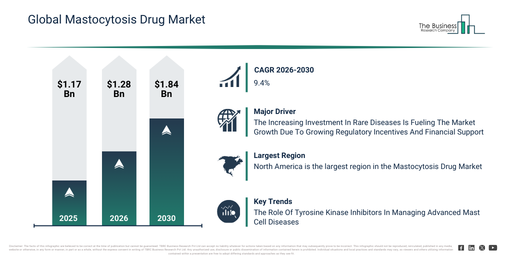
    The mastocytosis drug market has exhibited significant growth in recent years. Its valuation is anticipated to rise from $1.17 billion in 2025 to $1.28 billion in 2026, achieving a compound annual growth rate (CAGR) of 9.7%. This expansion observed historically is attributable to elements like the recognition of rare diseases, symptom control through antihistamines, diagnosis primarily performed in hospitals, the limited availability of therapeutic options, and care delivered by specialists.

    The mastocytosis drug market is projected for substantial expansion over the coming years. Its valuation is set to reach $1.84 billion by 2030, exhibiting a compound annual growth rate (CAGR) of 9.4%. This projected increase is driven by factors such as targeted drug approvals, incentives for orphan drugs, advancements in genetic mutation profiling, the growth of specialty clinics, and enhanced diagnostic capabilities. Key developments anticipated during this period encompass a heightened focus on uncommon mast cell disorders, wider adoption of targeted therapies, an increase in symptom management medications, growing understanding of systemic mastocytosis, and the creation of customized treatment plans.

    Get A Free Sample Report With In-Depth Market Insights:

    https://thebusinessresearchcompany.com/sample_request?id=27684029&type=smp&name=Mastocytosis%20Drug%20Market%20Report%202026&utm_source=Blogs&utm_medium=Paid&utm_campaign=Oct_PR

    Mastocytosis Drug Market Growth Catalysts And Demand Drivers

    The increasing financial commitment to rare diseases is expected to stimulate the expansion of the mastocytosis drug market going forward. Rare diseases are defined as medical conditions affecting a small segment of the population, typically fewer than 200,000 people in the United States or fewer than 1 in 2,000 people in Europe. This heightened investment in rare diseases is predominantly fueled by growing regulatory incentives, such as orphan drug designations, prolonged market exclusivity, and tax credits, which work to reduce development risks and enhance profitability for pharmaceutical companies. Mastocytosis drugs provide targeted treatment that not only alleviates symptoms of mastocytosis but also contributes to broader therapeutic advancements for other rare diseases with similar immune and cellular pathways. For instance, in April 2024, according to Global Genes, a US-based nonprofit organization, in the first quarter of 2024, companies developing drugs for rare diseases secured $7.1 billion through public equity and debt financings, representing a 307% surge compared to the $1.8 billion raised during the same period in 2023. Thus, the escalating investment in rare diseases is driving the growth of the mastocytosis drug market.

    Mastocytosis Drug Market Segment Analysis And Revenue Potential

    The mastocytosis drug market covered in this report is segmented –

    1) By Drug Type: Antihistamines, Corticosteroids, Mast Cell Stabilizers

    2) By Disease Type: Systemic Mastocytosis, Cutaneous Mastocytosis, Mast Cell Activation Syndrome

    3) By Route Of Administration: Oral, Intravenous, Subcutaneous

    4) By Distribution Channel: Hospital Pharmacy, Online Pharmacy, Retailers, Other Distribution Channels

    5) By End Users: Hospitals, Homecare, Specialty Clinics, Other End Users

    Subsegments:

    1) By Antihistamines: H1-Receptor Antagonists, H2-Receptor Antagonists

    2) By Corticosteroids: Topical Corticosteroids, Oral Corticosteroids, Intravenous Corticosteroids

    3) By Mast Cell Stabilizers: Cromolyn sodium, Ketotifen, Nedocromil

    Mastocytosis Drug Market Trends Shaping Long-Term Demand

    Leading companies in the mastocytosis drug market are concentrating on developing innovative products, such as tyrosine kinase inhibitors, to enhance treatment efficacy and deliver targeted therapies for individuals with advanced mast cell diseases. A tyrosine kinase inhibitor is a medication that obstructs enzymes responsible for abnormal cell proliferation, and in the context of mastocytosis, it helps by inhibiting the excessive growth of mast cells and alleviating symptoms like rashes and inflammation. For instance, in May 2023, Blueprint Medicines Corporation, a US-based biotechnology company, obtained U.S. Food and Drug Administration approval for Ayvakit (avapritinib) for the treatment of adults with indolent systemic mastocytosis (ISM). This approval signifies a substantial breakthrough in the treatment of ISM, a rare and chronic condition characterized by an overproduction of mast cells. Ayvakit acts as a selective inhibitor of the KIT D816V mutation, which is frequently found in patients with ISM, providing a targeted therapeutic alternative to manage symptoms and the disease.

    Mastocytosis Drug Market Key Players Shaping Industry Direction

    Major companies operating in the mastocytosis drug market are Pfizer Inc., Johnson & Johnson, Bayer AG, Sanofi S.A., Novartis AG, GSK plc, Teva Pharmaceutical Industries Limited, Alcon Inc., Bausch Health Companies Inc., Genentech Inc., Lupin Limited, Blueprint Medicines Corporation, Don Valley Pharma (Pvt.) Ltd., Vivan Life Sciences Private Limited, AB Science S.A., Medoz Pharmaceutical Private Limited, Zumax Biocare Private Limited, Hi-Cure Biotech Private Limited, Zenomed Healthcare Private Limited, Biosynth AG

    View The Full Mastocytosis Drug Market Report:

    https://thebusinessresearchcompany.com/report/mastocytosis-drug-global-market-report?utm_source=Blogs&utm_medium=Paid&utm_campaign=Oct_PR

    Mastocytosis Drug Market Regional Split: Which Areas Are Fueling Growth?

    North America was the largest region in the mastocytosis drug market in 2025. Asia-Pacific is expected to be the fastest-growing region in the forecast period. The regions covered in the mastocytosis drug market report are Asia-Pacific, South East Asia, Western Europe, Eastern Europe, North America, South America, Middle East, Africa.

    Reach Out To Our Team:

    The Business Research Company: https://www.thebusinessresearchcompany.com/

    Americas: +1 310-496-7795

    Asia: +44 7882 955267 & +91 8897263534

    Europe: +44 7882 955267

    Email us at: marketing@tbrc.info

    Follow us on:

    LinkedIn: https://in.linkedin.com/company/the-business-research-company

    YouTube: https://www.youtube.com/channel/UC24_fI0rV8cR5DxlCpgmyFQ

    Global Market Model: https://www.thebusinessresearchcompany.com/global-market-model