Month: October 2026

  • Leukemia Inhibitory Factor (LIF) Market Trends Reshaping Industry Growth Through 2030

    Leukemia Inhibitory Factor (LIF) Market Trends Reshaping Industry Growth Through 2030

    Featuring market attractiveness scoring, total addressable market sizing, company benchmarking matrices, interactive Excel dashboards, deeper supply chain intelligence, emerging startup tracking, and granular product-level insights, The Business Research Company’s 2026 market reports are built to deliver research that is both more actionable and more strategically valuable.

    Leukemia Inhibitory Factor (LIF) Market Size Outlook: How Quickly Will Revenue Expand Through 2030?

    The leukemia inhibitory factor (lif) market has experienced significant expansion recently. This market is projected to expand from $0.92 billion in 2025 to $1 billion in 2026, exhibiting a compound annual growth rate (CAGR) of 8.7%. Historically, this expansion was driven by factors such as the restricted supply of recombinant LIF, dependence on animal-sourced cytokines, burgeoning stem cell research programs, wider application in cancer research, and increased understanding of fertility treatment options.

    The leukemia inhibitory factor (lif) market size is projected to undergo significant expansion in the next few years. It is set to reach $1.37 billion in 2030, growing at a compound annual growth rate (CAGR) of 8.2%. This projected growth can be ascribed to advancements in human recombinant and animal-free lif development, the broadening of applications in neurological disorders, increased investments in biotechnology research, the uptake of monoclonal antibodies and ADC therapies, and their incorporation into precision medicine platforms. Prominent trends for the forecast period encompass a surging demand for recombinant leukemia inhibitory factor products, the expansion of applications within stem cell research, greater adoption in fertility treatments, a rise in cancer therapy research employing lif, and a heightened focus on preclinical and diagnostic antibody development.

    Get A Free Sample Report With In-Depth Market Insights:

    https://thebusinessresearchcompany.com/sample_request?id=97575493&type=smp&name=Leukemia%20Inhibitory%20Factor%20%28LIF%29%20Market%20Report%202026&utm_source=Blogs&utm_medium=Paid&utm_campaign=Oct_PR

    Leukemia Inhibitory Factor (LIF) Market Growth Factors: What’s Supporting Expansion?

    A growing volume of clinical trials is anticipated to stimulate the expansion of the leukemia inhibitory factor (LIF) market in the future. These trials are investigative studies conducted on human subjects to assess the safety, efficacy, and potential adverse reactions of novel medical interventions, pharmaceuticals, treatments, or equipment. The surge in clinical trials stems from increased financial commitments to pharmaceutical research and development, expediting the creation of cutting-edge therapies and necessitating extensive testing for their safety and effectiveness. Clinical trials bolster the demand for leukemia inhibitory factors (LIF) by providing scientific proof of its utility in managing conditions such as cancer and neurodegenerative disorders, thereby enhancing its reliability and fostering broader adoption in medical research and the advancement of therapies. For example, data from December 2024, provided by the Association of the British Pharmaceutical Industry, a UK-based trade organization, shows that the count of industry-led clinical trial projects rose to 426 in 2023, an increase from 411 in 2022. Consequently, the expanding volume of clinical trials propels the growth of the leukemia inhibitory factor (LIF) market.

    Leukemia Inhibitory Factor (LIF) Market Segments: Where Is Growth Concentrated?

    The leukemia inhibitory factor (lif) market covered in this report is segmented –

    1) By Product Type: Recombinant Leukemia Inhibitory Factor, Monoclonal Antibodies, Antibodies And Antibody-Drug Conjugates, Cytokine Mixes

    2) By Distribution Channel: Direct Sales, Online Sales, Third-Party Retailers

    3) By Application: Cancer Treatment, Stem Cell Research, Neurological Disorders, Fertility Treatment, Other Applications

    4) By End-User: Hospitals, Research Institutes, Biotechnology Companies, Other End Users

    Subsegments:

    1) By Recombinant Leukemia Inhibitory Factor: Human Recombinant Leukemia Inhibitory Factor, Mouse Recombinant Leukemia Inhibitory Factor, Rat Recombinant Leukemia Inhibitory Factor, GMP-Grade Leukemia Inhibitory Factor, Animal-Free Recombinant Leukemia Inhibitory Factor

    2) By Monoclonal Antibodies: Anti-Leukemia Inhibitory Factor Monoclonal Antibodies, Anti-Leukemia Inhibitory Factor Receptor Antibodies, Neutralizing Monoclonal Antibodies, Diagnostic Use Monoclonal Antibodies

    3) By Antibodies and Antibody-Drug Conjugates: Leukemia Inhibitory Factor Targeted Antibody-Drug Conjugates, Bispecific Antibodies Involving Leukemia Inhibitory Factor, Antibody Fragments Against Leukemia Inhibitory Factor, Preclinical Antibody-Drug Conjugate Candidates

    4) By Cytokine Mixes: Leukemia Inhibitory Factor With IL-6 Cytokine Mix, Leukemia Inhibitory Factor With BMP And FGF Mixes, Stem Cell Culture Cytokine Cocktails Containing Leukemia Inhibitory Factor, Tumor Microenvironment Cytokine Panels Including Leukemia Inhibitory Factor

    Leukemia Inhibitory Factor (LIF) Market Industry Trends: What’s Reshaping Demand?

    Leading companies within the leukemia inhibitory factor (LIF) market are concentrating on creating sophisticated solutions, including stem cell research, to advance the development of innovative regenerative therapies and broaden LIF’s clinical utility in tissue repair and cell differentiation. Stem cell research involves examining stem cells to explore their capacity for regenerating tissues and devising treatments for various conditions. For example, in August 2023, Sino Biological Inc., a China-based biotech firm, released a range of GMP-grade recombinant cytokines to aid stem cell research, offering high-purity, high-bioactivity reagents that comply with strict clinical and manufacturing guidelines. Produced in line with stringent good manufacturing practice (GMP) standards, these cytokines are free from endotoxins, animal-derived components, and microbial contaminants. Each batch undergoes rigorous testing to confirm its safety, stability, and biological activity. These qualities make them optimal for advanced applications such as stem cell preservation, differentiation, and tissue repair, ensuring consistent research findings and accelerating progress toward clinical applications in regenerative medicine and cell therapy.

    Leukemia Inhibitory Factor (LIF) Market Key Participants And Competitive Landscape

    Major companies operating in the leukemia inhibitory factor (lif) market are Thermo Fisher Scientific Inc., Merck KGaA, Bio-Techne Corporation, STEMCELL Technologies Inc., GenScript Biotech Corporation, Abcam Plc, BioLegend Inc., Sino Biological Inc., Cell Signaling Technology Inc., RayBiotech Inc., Proteintech Group Inc., Santa Cruz Biotechnology Inc., Creative BioMart Inc., Aviva Systems Biology Corporation, ReproCELL Inc., G Biosciences, Abbiotec LLC, Boster Biological Technology Co. Ltd., ProSpec-Tany TechnoGene Ltd., and InVitria.

    View The Full Leukemia Inhibitory Factor (LIF) Market Report:

    https://thebusinessresearchcompany.com/report/leukemia-inhibitory-factor-lif-global-market-report?utm_source=Blogs&utm_medium=Paid&utm_campaign=Oct_PR

    Leukemia Inhibitory Factor (LIF) Market Regional Analysis And Leading Geography

    North America was the largest region in the leukemia inhibitory factor (LIF) market in 2025. Asia-Pacific is expected to be the fastest-growing region in the forecast period. The regions covered in the leukemia inhibitory factor (lif) market report are Asia-Pacific, South East Asia, Western Europe, Eastern Europe, North America, South America, Middle East, Africa.

    Reach Out To Our Team:

    The Business Research Company: https://www.thebusinessresearchcompany.com/

    Americas: +1 310-496-7795

    Asia: +44 7882 955267 & +91 8897263534

    Europe: +44 7882 955267

    Email us at: marketing@tbrc.info

    Follow us on:

    LinkedIn: https://in.linkedin.com/company/the-business-research-company

    YouTube: https://www.youtube.com/channel/UC24_fI0rV8cR5DxlCpgmyFQ

    Global Market Model: https://www.thebusinessresearchcompany.com/global-market-model
  • Leukapheresis Market Growth To $104.27 Billion Creates New Opportunities Across The Industry

    Leukapheresis Market Growth To $104.27 Billion Creates New Opportunities Across The Industry

    Built to provide research that’s more actionable and strategically valuable, The Business Research Company’s 2026 market reports include market attractiveness analysis, total addressable market sizing, company benchmarking matrices, interactive Excel dashboards, broader supply chain intelligence, emerging startup tracking, and in-depth product insights.

    Leukapheresis Market Size, Value And Growth Trajectory Through 2030

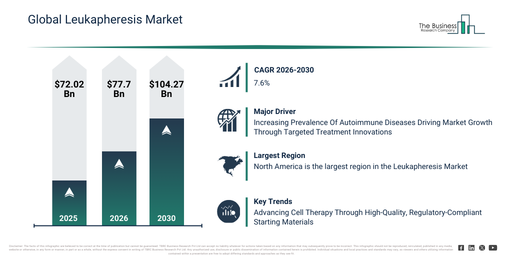
    The leukapheresis market has experienced robust expansion in recent years. It is projected to increase from $72.02 billion in 2025 to $77.7 billion in 2026, demonstrating a compound annual growth rate (CAGR) of 7.9%. The historical growth of this market can be attributed to several factors, including a rise in hematologic disorders, the broadening of cancer research programs, increased utilization of apheresis in blood centers, advancements in centrifugation technologies, and a surge in clinical research funding.

    The leukapheresis market is projected to experience substantial expansion over the upcoming years. This market is anticipated to reach $104.27 billion by 2030, exhibiting a compound annual growth rate (CAGR) of 7.6%. This projected growth can be ascribed to several factors, including the expansion of CAR-T and other cell-based therapies, heightened investment in immunology research, a growing need for personalized medicine, the enlargement of biopharmaceutical manufacturing capabilities, and improvements in apheresis automation technology. Key developments expected during this period involve the increasing application of leukapheresis in cell and gene therapies, a greater requirement for immune cell collection in oncology, the wider implementation of automated apheresis systems, the broader integration of leukapheresis into clinical research, and an intensified emphasis on patient-safe disposable apheresis kits.

    Get A Free Sample Report With In-Depth Market Insights:

    https://thebusinessresearchcompany.com/sample_request?id=65373316&type=smp&name=Leukapheresis%20Market%20Report%202026&utm_source=Blogs&utm_medium=Paid&utm_campaign=Oct_PR

    Leukapheresis Market Demand Drivers: What’s Powering Industry Growth?

    The increasing incidence of autoimmune diseases is projected to drive the expansion of the leukapheresis market in the future. These conditions are characterized by the immune system erroneously targeting and damaging the body’s healthy tissues. Factors such as decreased microbial exposure in early life and contemporary environmental influences are disturbing immune equilibrium, contributing to an increase in autoimmune disorders. Leukapheresis offers a therapeutic approach for autoimmune diseases through the selective extraction of detrimental white blood cells responsible for the immune system’s assault on the body’s intrinsic tissues. For example, data from September 2025, provided by GetValue.co, a US-based online digital platform, indicates that autoimmune diseases impact an estimated 3–10% of the worldwide population, which corresponds to approximately 600–800 million individuals globally. Consequently, the growing prevalence of autoimmune diseases is a key factor boosting the growth of the leukapheresis market.

    Leukapheresis Market Segment Analysis: What Are The Core Market Categories?

    The leukapheresis market covered in this report is segmented –

    1) By Apheresis Type: Granulocyte Apheresis, Lymphocyte Apheresis, Monocyte Apheresis

    2) By Product: Leukapheresis Devices, Centrifugal Devices, Membrane Separators, Leukapheresis Disposables

    3) By Application: Research Application, Cancer Research, Immunology Research, Therapeutics Application, Hematologic Disorders, Autoimmune Diseases, Other Applications

    4) By End User: Blood Component Providers And Blood Centers, Academic And Research Institutes, Pharmaceutical And Biotechnology Companies, Hospitals And Transfusion Centers

    Subsegments:

    1) By Granulocyte Apheresis: Neutrophil Apheresis, Eosinophil Apheresis, Basophil Apheresis

    2) By Lymphocyte Apheresis: T-Cell Apheresis, B-Cell Apheresis, Natural Killer (NK) Cell Apheresis

    3) By Monocyte Apheresis: Classical Monocytes, Non-Classical Monocytes, Intermediate Monocytes

    Leukapheresis Market Innovation Trends: What Developments Are Reshaping The Industry?

    Leading companies operating within the leukapheresis market are concentrating on advancements, including the development of GMP-grade leukopaks, to improve the quality and efficiency of manufacturing for cell therapies. GMP-grade leukopaks represent products derived from leukapheresis, processed under rigorous good manufacturing practice (GMP) standards, which guarantees the high viability and functionality of the collected cells for their therapeutic uses. For instance, in November 2024, Sanguine Biosciences, a US-based biotechnology company, launched LeukoCer, a GMP-grade leukopak designed to optimize workflows and accelerate the development of cell therapies. LeukoCert delivers high-quality starting materials, offered in fresh whole or half packs, produced according to strict GMP standards, thereby empowering researchers to further their research and introduce new cell therapies to the market at a faster pace.

    Leukapheresis Market Top Companies Driving Competitive Growth

    Major companies operating in the leukapheresis market are Fresenius Kabi, Grifols S.A., Terumo BCT Inc., Nikkiso Co., Haemonetics Corporation, Macopharma, MEDICA S.p.A, Caltag Medsystems Ltd., Miltenyi Biotec, Puriblood Medical, Cytopheron Technologies, STEMCELL Technologies Inc., Discovery Life Sciences, BioIVT LLC, StemExpress LLC, AllCells LLC, HemaCare Corporation, Key Biologics LLC, Immune Therapy Holdings AB, Cellsep Laboratories

    View The Full Leukapheresis Market Report:

    https://thebusinessresearchcompany.com/report/leukapheresis-global-market-report?utm_source=Blogs&utm_medium=Paid&utm_campaign=Oct_PR

    Leukapheresis Market Geographic Analysis: Where Is Demand Accelerating Fastest?

    North America was the largest region in the leukapheresis market in 2025. Asia-Pacific is expected to be the fastest-growing region in the forecast period. The regions covered in the leukapheresis market report are Asia-Pacific, South East Asia, Western Europe, Eastern Europe, North America, South America, Middle East, Africa.

    Reach Out To Our Team:

    The Business Research Company: https://www.thebusinessresearchcompany.com/

    Americas: +1 310-496-7795

    Asia: +44 7882 955267 & +91 8897263534

    Europe: +44 7882 955267

    Email us at: marketing@tbrc.info

    Follow us on:

    LinkedIn: https://in.linkedin.com/company/the-business-research-company

    YouTube: https://www.youtube.com/channel/UC24_fI0rV8cR5DxlCpgmyFQ

    Global Market Model: https://www.thebusinessresearchcompany.com/global-market-model

  • Lentiviral Vector Market Forecast: Breaking Down The Numbers Behind Future Expansion

    Lentiviral Vector Market Forecast: Breaking Down The Numbers Behind Future Expansion

    Backed by market attractiveness analysis, total addressable market sizing, company benchmarking matrices, interactive Excel dashboards, wider supply chain intelligence, emerging startup coverage, and detailed product-level insights, The Business Research Company’s 2026 market reports are designed to offer research that is more actionable and strategically valuable than ever.

    Lentiviral Vector Market CAGR Outlook And Future Development

    The lentiviral vector market size has experienced rapid expansion in recent years. This market is projected to expand from $16.48 billion in 2025 to $18.95 billion in 2026, achieving a compound annual growth rate (CAGR) of 15.0%. The growth observed historically can be attributed to the advancement of stable lentiviral production techniques, the rising occurrence of genetic disorders, an increase in academic and clinical research activities, greater investments in gene therapy R&D, and the availability of transduction and packaging kits.

    The lentiviral vector market is projected to experience substantial expansion over the coming years. Its valuation is anticipated to reach $30.66 billion by 2030, exhibiting a compound annual growth rate (CAGR) of 12.8%. This growth during the forecast period can be primarily attributed to several factors, including the increasing number of gene therapy pipelines, the implementation of automated systems for vector production, strategic partnerships between biotechnology and pharmaceutical firms, the emergence of innovative applications for lentiviral vectors, and heightened demand from developing markets. Key trends expected to shape this period encompass the rising adoption of gene therapies, advancements in viral vector engineering, accelerated regulatory compliance and approvals, increased financial investment in research for genetic disorders, and the broadening of contract manufacturing capabilities.

    Get A Free Sample Report With In-Depth Market Insights:

    https://thebusinessresearchcompany.com/sample_request?id=14742&type=smp&name=Lentiviral%20Vector%20Market%20Report%202026&utm_source=Blogs&utm_medium=Paid&utm_campaign=Oct_PR

    Lentiviral Vector Market Growth Drivers: What’s Behind The Acceleration?

    The future growth of the lentiviral vectors market is anticipated to be driven by the rising occurrence of chronic diseases. Chronic diseases are defined as long-term medical conditions that typically advance slowly and can last for years or a lifetime. Their prevalence is increasing due to factors such as aging populations, unhealthy lifestyles, urbanization, and environmental influences. Lentiviral vectors provide adaptable and effective tools for creating vaccines and treatment approaches for chronic diseases, thereby fulfilling unmet medical needs and enhancing patient outcomes. For instance, the British Heart Foundation, a UK-based cardiovascular research charity, reported in September 2024 that approximately 7.6 million individuals in the UK are impacted by heart and circulatory diseases, comprising about 4 million males and 3.6 million females. These conditions account for roughly 27% of all deaths in the UK, totaling over 170,000 deaths each year, which is equivalent to about 480 deaths daily, or one death every three minutes. Consequently, the expanding prevalence of chronic diseases is stimulating the growth of the lentiviral vectors market.

    Lentiviral Vector Market Segment Breakdown: Which Categories Lead On Revenue?

    The lentiviral vector market covered in this report is segmented –

    1) By Product Type: Kits, Reagents And Consumables

    2) By Indication: Cancer, Genetic Disorder, Infectious Disease, Veterinary Disease, Other Indications

    3) By End User: Biotechnology Companies, Pharmaceutical Companies, Contract Research Organization (CRO), Academic And Research Institutes

    Subsegments:

    1) By Kits: Lentiviral Transduction Kits, Lentiviral Packaging Kits, Lentiviral Vector Production Kits

    2) By Reagents and Consumables: Lentiviral Packaging Reagents, Lentiviral Vector Concentration Reagents, Transfection Reagents for Lentiviral Vectors

    Lentiviral Vector Market Trends: What’s Defining The Industry’s Next Phase?

    Key players in the lentiviral vectors market are concentrating on establishing LV vector production platforms, such as LentiSure, to improve the effectiveness and resilience of creating lentivirus vectors for cell-based immuno-oncology treatments. LentiSure serves as an LV vector production platform, manufacturing lentiviral vectors employed in cell-based immuno-oncology therapies, and is engineered to enhance efficiency and robustness in vector generation. For instance, in May 2023, Yposkesi sk pharmteco, a France-based producer of viral vectors, introduced LentiSure, a sophisticated platform developed to amplify the production of lentiviral (LV) vectors, aiming to strengthen the durability and efficiency of lentivirus manufacturing. This platform addresses the escalating need for dependable and economically scalable viral-vector manufacturing technologies in cell and gene therapies. It provides consistent product quality with average titers at cell culture harvest reaching 10e7 IG/mL bioreactor volume, thereby guaranteeing superior productivity and successful outcomes for cell therapy developers.

    Lentiviral Vector Market Leading Players And Competitive Positioning

    Major companies operating in the lentiviral vector market are Thermo Fisher Scientific Inc., Lonza Group AG, Cytiva, Takara Bio Inc., Promega Corporation, Bio-Rad Laboratories Inc., Merck KGaA, Agilent Technologies Inc., Oxford Biomedica, Sirion-Biotech GmbH, Yposkesi, Applied Biological Materials Inc., OriGene Technologies Inc., Sino Biological Inc., Charles River Laboratories, Vigene Biosciences, VectorBuilder, Cell Biolabs Inc., Addgene, GeneCopoeia Inc.

    View The Full Lentiviral Vector Market Report:

    https://thebusinessresearchcompany.com/report/lentiviral-vector-global-market-report?utm_source=Blogs&utm_medium=Paid&utm_campaign=Oct_PR

    Lentiviral Vector Market Global Footprint: Which Region Leads The Industry?

    North America was the largest region in the lentiviral vector market in 2025. Asia-Pacific is expected to be the fastest-growing region in the forecast period. The regions covered in the lentiviral vector market report are Asia-Pacific, South East Asia, Western Europe, Eastern Europe, North America, South America, Middle East, Africa.

    Reach Out To Our Team:

    The Business Research Company: https://www.thebusinessresearchcompany.com/

    Americas: +1 310-496-7795

    Asia: +44 7882 955267 & +91 8897263534

    Europe: +44 7882 955267

    Email us at: marketing@tbrc.info

    Follow us on:

    LinkedIn: https://in.linkedin.com/company/the-business-research-company

    YouTube: https://www.youtube.com/channel/UC24_fI0rV8cR5DxlCpgmyFQ

    Global Market Model: https://www.thebusinessresearchcompany.com/global-market-model

  • Lennox Gastaut Syndrome Market Expected To Grow At 6.9% CAGR Through 2030: What Businesses Need To Know

    Lennox Gastaut Syndrome Market Expected To Grow At 6.9% CAGR Through 2030: What Businesses Need To Know

    Featuring market attractiveness scoring, total addressable market sizing, company benchmarking matrices, interactive Excel dashboards, deeper supply chain intelligence, emerging startup tracking, and granular product-level insights, The Business Research Company’s 2026 market reports are built to deliver research that is both more actionable and more strategically valuable.

    Lennox Gastaut Syndrome Market Set To Climb From $0.79 Billion In 2026 To $1.03 Billion By 2030

    The market size for Lennox Gastaut Syndrome has experienced robust growth in recent years. It is projected to expand from $0.74 billion in 2025 to $0.79 billion in 2026, exhibiting a compound annual growth rate (CAGR) of 7.2%. Contributing to this historical growth are elements like limited seizure control options, the prevalence of pediatric epilepsy, hospital-based neurology care, the development of antiepileptic drugs, and greater caregiver awareness.

    The lennox gastaut syndrome market size is anticipated to experience substantial growth in the upcoming years. It is forecast to reach $1.04 billion by 2030, progressing at a compound annual growth rate (CAGR) of 6.9%. This expansion throughout the forecast period stems from factors such as novel antiepileptic drug pipelines, personalized seizure management strategies, wider CBD approvals, dedicated rare disease funding programs, and improved diagnostic rates. Significant trends for the forecast period include the increasing uptake of cannabidiol-based therapies, an expansion in pediatric neurology treatments, a greater utilization of multimodal seizure management techniques, the development of dietary and device-based therapies, and an intensified focus on rare neurological disorders.

    Get A Free Sample Report With In-Depth Market Insights:

    https://thebusinessresearchcompany.com/sample_request?id=23807946&type=smp&name=Lennox%20Gastaut%20Syndrome%20Market%20Report%202026&utm_source=Blogs&utm_medium=Paid&utm_campaign=Oct_PR

    Lennox Gastaut Syndrome Market Growth Factors Behind Sustained Expansion

    A growing occurrence of brain abnormalities is projected to fuel the expansion of the lennox gastaut syndrome market moving forward. Brain abnormalities are defined as structural or functional irregularities in the brain that deviate from typical development or function. The rise in brain abnormalities is due to increased exposure to environmental toxins, such as air pollutants and industrial chemicals, which can disrupt brain development and neurological function, particularly during early childhood. Lennox-gastaut syndrome (LGS) treatment is necessary to manage brain abnormalities because the condition causes severe, drug-resistant seizures that, without proper intervention, can lead to developmental delays, cognitive impairments, and long-term neurological damage. For instance, in November 2024, according to the Centers for Disease Control and Prevention (CDC), a U.S.-based federal health agency, among babies born each year in the United States, anencephaly occurs in about 1 in 5,246 births (~700 babies annually), encephalocele occurs in about 1 in 10,365 births (~354 babies annually), and spina bifida (without anencephaly) occurs in about 1 in 2,875 births (~1,278 babies annually). Consequently, the increasing incidences of brain abnormalities will stimulate the growth of the lennox gastaut syndrome market.

    Lennox Gastaut Syndrome Market Segmentation: How Does The Market Break Down By Category?

    The lennox gastaut syndrome market covered in this report is segmented –

    1) By Treatment: Antiepileptic Drugs, Vagus Nerve Stimulation, Ketogenic Diet, Cannabidiol, Cannabinoids

    2) By Epileptic Type: Atonic Seizures, Myoclonic Seizures, Tonic Seizures, Atypical Absence Seizures, Other Types

    3) By Age Group: Pediatric, Adult, Geriatric

    4) By Route of Administration: Oral, Parenteral

    5) By End-Users: Hospitals, Specialty Clinics, Other End Users

    Subsegments:

    1) By Antiepileptic Drugs: Valproate, Lamotrigine, Topiramate, Rufinamide, Clobazam, Felbamate, Levetiracetam, Other Antiepileptic Drugs

    2) By Ketogenic Diet: Classic Ketogenic Diet, Modified Atkins Diet, Medium Chain Triglyceride (MCT) Diet, Low Glycemic Index Treatment

    3) By Vagus Nerve Stimulation: Implantable Vagus Nerve Stimulation Devices, External Vagus Nerve Stimulation Devices

    4) By Cannabidiol: Epidiolex (FDA Approved), Other Prescription Cannabidiol Products

    5) By Cannabinoids: THC-based Products, Synthetic Cannabinoids, Combined THC or CBD Formulations

    Lennox Gastaut Syndrome Market Industry Trends Fueling Future Revenue Growth

    Leading companies within the lennox gastaut syndrome market are concentrating on developing innovative products, such as fenfluramine oral solutions, to address the increasing demand for more effective complementary therapies for LGS-related treatment-resistant seizures. Fenfluramine oral solution is a pharmaceutical treatment that operates by adjusting serotonin activity in the brain, helping to lessen the frequency and severity of seizures. For instance, in February 2023, UCB, a Belgium-based biopharmaceutical company, introduced Fintepla oral solution in the European Union as an adjunctive therapy for seizures associated with LGS. Fintepla is a meticulously crafted solution enabling precise dosing based on patient weight, offering straightforward oral administration, and has demonstrated considerable reductions in seizure frequency during clinical trials. Its distinctive advantages include an inventive mechanism separate from standard antiseizure medications, potential enhancements in the overall quality of life for patients, and suitability for long-term application under medical supervision.

    Lennox Gastaut Syndrome Market Competitive Overview And Top Companies

    Major companies operating in the lennox gastaut syndrome market are GW Pharmaceuticals plc, Pfizer Inc., Novartis AG, Sun Pharmaceutical Industries Ltd., Dr. Reddy’s Laboratories Ltd., Aurobindo Pharma Ltd., Zydus Lifesciences Ltd., Lupin Limited, Glenmark Pharmaceuticals Ltd., Abbott Laboratories, Medtronic plc, Boston Scientific Corporation, LivaNova PLC, SK Biopharmaceuticals Co. Ltd., Otsuka Pharmaceutical Co. Ltd., Bial – Portela & Cª S.A., Eisai Co. Ltd., UCB Pharma S.A., Teva Pharmaceutical Industries Ltd., Marinus Pharmaceuticals Inc., Supernus Pharmaceuticals Inc., Xenon Pharmaceuticals Inc., Ovid Therapeutics Inc., Aquestive Therapeutics Inc., Neurocrine Biosciences Inc., Sunovion Pharmaceuticals Inc., Alkem Laboratories Ltd., Cipla Ltd., Torrent Pharmaceuticals Ltd., Hikma Pharmaceuticals PLC.

    View The Full Lennox Gastaut Syndrome Market Report:

    https://thebusinessresearchcompany.com/report/lennox-gastaut-syndrome-global-market-report?utm_source=Blogs&utm_medium=Paid&utm_campaign=Oct_PR

    Lennox Gastaut Syndrome Market Regional Distribution: Which Areas Power Market Growth?

    North America was the largest region in the lennox gastaut syndrome market in 2025. The regions covered in the lennox gastaut syndrome market report are Asia-Pacific, South East Asia, Western Europe, Eastern Europe, North America, South America, Middle East, Africa.

    Reach Out To Our Team:

    The Business Research Company: https://www.thebusinessresearchcompany.com/

    Americas: +1 310-496-7795

    Asia: +44 7882 955267 & +91 8897263534

    Europe: +44 7882 955267

    Email us at: marketing@tbrc.info

    Follow us on:

    LinkedIn: https://in.linkedin.com/company/the-business-research-company

    YouTube: https://www.youtube.com/channel/UC24_fI0rV8cR5DxlCpgmyFQ

    Global Market Model: https://www.thebusinessresearchcompany.com/global-market-model
  • Lenalidomide Market Forecast To Reach $17.83 Billion By 2030: Key Trends Explained

    Lenalidomide Market Forecast To Reach $17.83 Billion By 2030: Key Trends Explained

    Built to provide research that’s more actionable and strategically valuable, The Business Research Company’s 2026 market reports include market attractiveness analysis, total addressable market sizing, company benchmarking matrices, interactive Excel dashboards, broader supply chain intelligence, emerging startup tracking, and in-depth product insights.

    Lenalidomide Market Forecast: Value Set To Climb From $13.77 Billion To $17.83 Billion

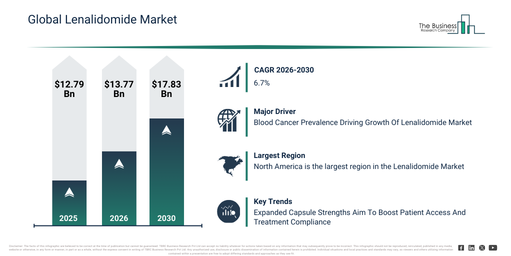
    The lenalidomide market has experienced significant growth recently. It is projected to expand from $12.79 billion in 2025 to $13.77 billion in 2026, demonstrating a compound annual growth rate (CAGR) of 7.7%. This historical market expansion can be ascribed to several factors, including the established clinical efficacy of lenalidomide in multiple myeloma, its approval for the treatment of myelodysplastic syndromes, improved survival outcomes when compared to older therapies, widespread adoption within oncology treatment guidelines, and the availability of multiple dosage strengths for flexible therapy.

    The lenalidomide market is anticipated to experience substantial expansion over the coming years. It is projected to grow to $17.83 billion in 2030, achieving a compound annual growth rate (CAGR) of 6.7%. This increase in size during the projection period stems from factors such as the increasing global incidence of multiple myeloma, wider integration of maintenance therapy protocols, improved availability of cancer treatments in developing regions, the escalating application of combination and sequential therapeutic approaches, and persistent demand for potent immunomodulatory medications for cancer. Key developments expected within this timeframe involve the sustained application of lenalidomide as a foundational treatment in multiple myeloma, its increasing incorporation into combination therapy plans, a greater supply of generic lenalidomide options, the rising implementation of maintenance therapy for enduring myeloma management, and an expansion of lenalidomide’s utility across other hematological indications.

    Get A Free Sample Report With In-Depth Market Insights:

    https://thebusinessresearchcompany.com/sample_request?id=50024941&type=smp&name=Lenalidomide%20Market%20Report%202026&utm_source=Blogs&utm_medium=Paid&utm_campaign=Oct_PR

    Lenalidomide Market Demand Drivers Opening New Revenue Streams

    The rising incidence of blood cancer cases is anticipated to drive the expansion of the lenalidomide market in the future. Blood cancer encompasses a category of cancers impacting blood cells, bone marrow, or the lymphatic system, thereby interfering with typical blood formation and immune system operation. The growing occurrence of blood cancer is attributed to factors such as an aging demographic, exposure to environmental toxins, inherited predispositions, and lifestyle choices. The lenalidomide market aids in blood cancer treatment through therapies designed to modulate immune reactions, suppress the multiplication of cancer cells, and encourage the eradication of cancerous cells. For example, data from the Cancer Facts & Figures 2023 report, issued by the American Cancer Society, a US-based non-profit, indicated that in January 2023, new myeloma cases in the United States were projected to be 35,730 in 2023, with 19,860 males and 15,870 females. Furthermore, roughly 184,720 people were anticipated to receive a diagnosis of leukemia, lymphoma, or myeloma in 2023. Consequently, the rising prevalence of blood cancer cases is fueling the expansion of the lenalidomide market.

    Lenalidomide Market Segment Trends And Revenue Contributors

    The lenalidomide market covered in this report is segmented –

    1) By Type: 5Mg Capsules, 10Mg Capsules, 15Mg Capsules, 25Mg Capsules

    2) By Application: Multiple Myeloma (MM), Myelodysplastic Syndromes (MDS), Lymphoma, Other Applications

    3) By End-User: Hospitals, Cancer Treatment Centers, Research Institutes

    Lenalidomide Market Trends Powering Strategic Industry Growth

    Key entities operating within the lenalidomide market are concentrating on developing innovative approaches, such as complex generic capsule formulations, to improve drug accessibility and enhance patient adherence. Complex generic capsule formulations are sophisticated versions of existing medicines crafted to mirror the original product’s effectiveness and safety while overcoming manufacturing or delivery hurdles. For instance, in March 2023, Teva Pharmaceutical Industries Ltd., an Israel-based pharmaceutical company, teamed up with Natco Pharma Limited, an India-based pharmaceutical company, to release additional strengths, 2.5 mg and 20 mg, for the generic version of Revlimid® (lenalidomide capsules) in the United States. This expansion boosts patient access to an essential treatment for multiple myeloma and related ailments. Their partnership supports a wider spectrum of therapy options by making the complete range of lenalidomide capsules strengths available by prescription.

    Lenalidomide Market Competitive Landscape: Which Companies Lead The Industry?

    Major companies operating in the lenalidomide market are Bristol-Myers Squibb Company, Teva Pharmaceutical Industries Ltd., Sun Pharmaceutical Industries Ltd., Intas Pharmaceuticals Ltd, Aurobindo Pharma, Dr. Reddy’s Laboratories, Cipla Limited, Apotex Inc, Zydus Lifesciences Limited, Alvogen, Lotus Pharmaceutical, Natco Pharma Limited, Accord Healthcare, Avra Laboratories Pvt. Ltd., Camber Pharmaceuticals Inc., Rochem International Inc, Florencia Healthcare, Alleviare Life Sciences Pvt Ltd., Sarv Biolabs Pvt Ltd, Speciality Medicines Private Limited, Healthiza Lifescience Private Limited.

    View The Full Lenalidomide Market Report:

    https://thebusinessresearchcompany.com/report/lenalidomide-global-market-report?utm_source=Blogs&utm_medium=Paid&utm_campaign=Oct_PR

    Lenalidomide Market Leading Geography: Which Region Contributes The Most Revenue?

    North America was the largest region in the lenalidomide market in 2025. Asia-Pacific is expected to be the fastest-growing region in the forecast period. The regions covered in the lenalidomide market report are Asia-Pacific, South East Asia, Western Europe, Eastern Europe, North America, South America, Middle East, Africa.

    Reach Out To Our Team:

    The Business Research Company: https://www.thebusinessresearchcompany.com/

    Americas: +1 310-496-7795

    Asia: +44 7882 955267 & +91 8897263534

    Europe: +44 7882 955267

    Email us at: marketing@tbrc.info

    Follow us on:

    LinkedIn: https://in.linkedin.com/company/the-business-research-company

    YouTube: https://www.youtube.com/channel/UC24_fI0rV8cR5DxlCpgmyFQ

    Global Market Model: https://www.thebusinessresearchcompany.com/global-market-model
  • Leiomyosarcoma Drug Market Analysis Through 2030: Market Size, Growth Trends And Industry Outlook

    Leiomyosarcoma Drug Market Analysis Through 2030: Market Size, Growth Trends And Industry Outlook

    Backed by market attractiveness analysis, total addressable market sizing, company benchmarking matrices, interactive Excel dashboards, wider supply chain intelligence, emerging startup coverage, and detailed product-level insights, The Business Research Company’s 2026 market reports are designed to offer research that is more actionable and strategically valuable than ever.

    Leiomyosarcoma Drug Market Revenue Growth On Track For A 8.3% CAGR Through 2030

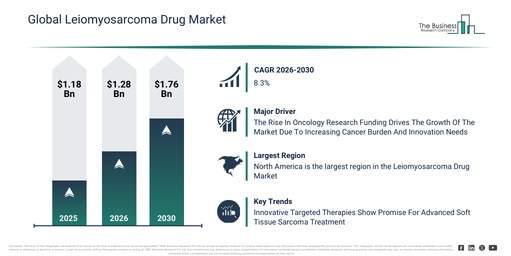
    The leiomyosarcoma drug market has experienced significant expansion in recent years. Its valuation is projected to increase from $1.18 billion in 2025 to $1.28 billion in 2026, demonstrating a compound annual growth rate (CAGR) of 8.6%. This historical growth can be attributed to several factors including chemotherapy-based sarcoma treatment, limitations in surgical outcomes, the broadening of the oncology drug pipeline, hospital-based cancer care, and incentives for orphan drugs.

    The leiomyosarcoma drug market size is projected to experience substantial growth in the upcoming years. It is forecast to reach $1.76 billion in 2030, demonstrating a compound annual growth rate (CAGR) of 8.3%. This anticipated expansion over the forecast period stems from factors such as the widespread adoption of precision oncology, enhanced molecular profiling of tumors, the broadening of clinical trials for rare cancers, the evolution of combination immunotherapy, and supportive regulatory frameworks for orphan drugs. Prominent developments expected in this timeframe include the increasing uptake of targeted cancer therapies, the diversification of combination treatment regimens, a heightened emphasis on drug development for rare cancers, the expanding influence of immunotherapy, and continuous progress in precision oncology.

    Get A Free Sample Report With In-Depth Market Insights:

    https://thebusinessresearchcompany.com/sample_request?id=13237394&type=smp&name=Leiomyosarcoma%20Drug%20Market%20Report%202026&utm_source=Blogs&utm_medium=Paid&utm_campaign=Oct_PR

    Leiomyosarcoma Drug Market Growth Backed By Core Demand Fundamentals

    The expanding investment in oncology research is anticipated to boost the leiomyosarcoma drug market’s growth moving forward. Oncology research is defined as the scientific investigation into the origins, progression, diagnosis, treatment, and prevention of cancer. This increased investment is primarily propelled by the escalating burden of cancer cases, which necessitates sophisticated treatments and enhanced patient outcomes. In turn, leiomyosarcoma drug development contributes to oncology research investment by fostering innovation in targeted therapies and encouraging funding for rare cancer treatment breakthroughs. For example, in 2023, the National Institutes of Health (NIH) received $51 billion in funding, with $9.988 billion allocated to the National Cancer Institute (NCI), representing a $2.7 billion rise from 2022, according to the American Society for Radiation Oncology (ASTRO). Consequently, the growing investment in oncology research is a key driver for the growth of the leiomyosarcoma drug market.

    Leiomyosarcoma Drug Market Segment Analysis Spotlighting Growth Areas

    The leiomyosarcoma drug market covered in this report is segmented –

    1) By Drug Type: Chemotherapy Agents, Targeted Therapy, Immunotherapy, Radiation Therapy, Combination Therapy

    2) By Drug Class: Anthracyclines, Alkylating Agents, Antimetabolites, Other Drug Class

    3) By Route of Administration: Oral, Intravenous, Subcutaneous, Topical, Intramuscular

    4) By Distribution Channel: Hospital Pharmacies, Retail Pharmacies, Online Pharmacies, Other Distribution Channels

    5) By End User: Hospitals, Specialized Clinics, Research Laboratories, Homecare Settings, Pharmaceutical Companies

    Subsegments:

    1) By Chemotherapy Agents: Anthracyclines, Alkylating Agents, Antimetabolites, Topoisomerase Inhibitors, Taxanes

    2) By Targeted Therapy: Deoxyribonucleic Acid Minor Groove Binders, Tyrosine Kinase Inhibitors, Mechanistic Target Of Rapamycin Inhibitors, Vascular Endothelial Growth Factor Inhibitors

    3) By Immunotherapy: Immune Checkpoint Inhibitors, Cancer Vaccines, Adoptive Cell Transfer

    4) By Radiation Therapy: External Beam Radiation Therapy, Stereotactic Body Radiation Therapy, Intensity-Modulated Radiation Therapy

    5) By Combination Therapy: Chemotherapy + Targeted Therapy, Chemotherapy + Radiation Therapy, Immunotherapy + Targeted Therapy

    Leiomyosarcoma Drug Market Growth Trends Reshaping The Competitive Landscape

    Leading companies in the leiomyosarcoma drug market are concentrating on developing innovative targeted therapies, such as lurbinectedin-based regimens, to improve patient treatment outcomes for those with advanced or resistant tumors. Lurbinectedin-based regimens are specific cancer treatments that employ the drug lurbinectedin to precisely target leiomyosarcoma cells and enhance therapeutic effectiveness. For instance, in October 2023, Pharma Mar S.A., a Spain-based pharmaceutical firm, initiated the Phase IIb/III clinical trial named SaLuDo to investigate the effectiveness of Zepzelca (lurbinectedin) combined with doxorubicin in treating patients with metastatic leiomyosarcoma (LMS). The trial aims to evaluate whether this combination can deliver superior outcomes compared to current treatments for this challenging cancer. It focuses on measuring progression-free survival and overall survival to determine the therapy’s potential advantages. If successful, the SaLuDo trial could establish a new standard of care, offering renewed hope for patients with metastatic leiomyosarcoma.

    Leiomyosarcoma Drug Market Leading Companies: Who Holds The Strongest Market Presence?

    Major companies operating in the leiomyosarcoma drug market are Pfizer Inc., Johnson And Johnson, Merck And Co. Inc., Bayer AG, Bristol-Myers Squibb Company, AstraZeneca Plc, Novartis AG, GlaxoSmithKline plc, Eli Lilly And Co, Philogen S.p.A, Eisai Co. Ltd, Incyte Corp, PharmaMar SA, Karyopharm Therapeutics Inc., Taiho Pharmaceutical Co. Ltd., Agenus Inc., Adaptimmune Therapeutics plc, BioInvent International AB, Advenchen Laboratories LLC, Radiopharm Theranostics Limited.

    View The Full Leiomyosarcoma Drug Market Report:

    https://thebusinessresearchcompany.com/report/leiomyosarcoma-drug-global-market-report?utm_source=Blogs&utm_medium=Paid&utm_campaign=Oct_PR

    Leiomyosarcoma Drug Market Regional Outlook: Where Is Opportunity Concentrated?

    North America was the largest region in the leiomyosarcoma drug market in 2025. Asia-Pacific is expected to be the fastest-growing region in the forecast period. The regions covered in the leiomyosarcoma drug market report are Asia-Pacific, South East Asia, Western Europe, Eastern Europe, North America, South America, Middle East, Africa.

    Reach Out To Our Team:

    The Business Research Company: https://www.thebusinessresearchcompany.com/

    Americas: +1 310-496-7795

    Asia: +44 7882 955267 & +91 8897263534

    Europe: +44 7882 955267

    Email us at: marketing@tbrc.info

    Follow us on:

    LinkedIn: https://in.linkedin.com/company/the-business-research-company

    YouTube: https://www.youtube.com/channel/UC24_fI0rV8cR5DxlCpgmyFQ

    Global Market Model: https://www.thebusinessresearchcompany.com/global-market-model
  • Lecithin Supplements Market Outlook From 2026 To 2030: Key Growth Factors And Future Opportunities

    Lecithin Supplements Market Outlook From 2026 To 2030: Key Growth Factors And Future Opportunities

    Featuring market attractiveness scoring, total addressable market sizing, company benchmarking matrices, interactive Excel dashboards, deeper supply chain intelligence, emerging startup tracking, and granular product-level insights, The Business Research Company’s 2026 market reports are built to deliver research that is both more actionable and more strategically valuable.

    Lecithin Supplements Market Value Growth And Long-Term Outlook

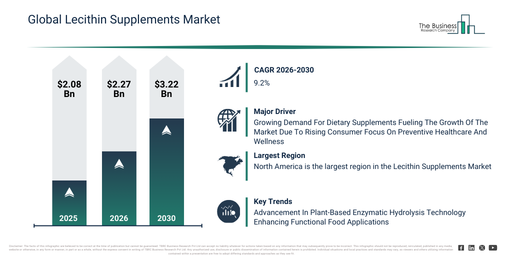
    The lecithin supplements market size has shown substantial growth in recent years. It is projected to increase from $2.08 billion in 2025 to $2.27 billion in 2026, at a compound annual growth rate (CAGR) of 9.3%. This expansion in the past can be attributed to rising dietary supplement consumption, enhanced awareness of lipid metabolism benefits, the broader production of soy and sunflower lecithin, a growing population of health-conscious consumers, and the availability of diverse lecithin formulations.

    The lecithin supplements market size is anticipated to undergo significant expansion in the coming years. It is forecast to achieve a value of $3.22 billion in 2030, advancing at a compound annual growth rate (CAGR) of 9.2%. The projected growth is propelled by factors such as the increasing embrace of plant-based nutrition, rising consumer demand for cognitive and liver health supplements, the expansion of clean-label supplement markets, growing penetration of e-commerce platforms, and advancements in lecithin extraction technologies. Prominent trends throughout the forecast period include an escalating demand for plant-based lecithin sources, an increase in the utilization of non-GMO and clean-label supplements, expanding applications in brain and heart health nutrition, the diversification of multi-format supplement offerings, and an intensified focus on functional lipid nutrition.

    Get A Free Sample Report With In-Depth Market Insights:

    https://thebusinessresearchcompany.com/sample_request?id=30771670&type=smp&name=Lecithin%20Supplements%20Market%20Report%202026&utm_source=Blogs&utm_medium=Paid&utm_campaign=Oct_PR

    Lecithin Supplements Market Growth Catalysts And Demand Drivers

    The escalating demand for dietary supplements is anticipated to underpin the future expansion of the lecithin supplements market. Dietary supplements encompass a broad spectrum of items, such as vitamins, minerals, amino acids, and other nutrients, specifically formulated to complement one’s diet and promote general well-being. This rising demand for these supplements stems from heightened health consciousness among consumers and an increased emphasis on preventive healthcare and wellness. Lecithin supplements are employed to support brain health, liver function, and fat metabolism, though individual usage varies. For instance, in September 2025, the Australian Bureau of Statistics reported that in 2023, approximately one in three Australians (33.6%) indicated they used a dietary supplement, with usage notably higher among adult females (43.7%) compared to adult males (30.8%). Consequently, the growing demand for dietary supplements is propelling the growth of the lecithin supplements market.

    Lecithin Supplements Market Segment Performance And Emerging Opportunities

    The lecithin supplements market covered in this report is segmented –

    1) By Product Form: Liquid Lecithin, Granulated Lecithin, Softgel Capsules, Powdered Lecithin

    2) By Type: Soy Lecithin, Sunflower Lecithin, Egg Lecithin, Other Types

    3) By Consumer Demographics: Age Groups, Gender, Health Conscious Consumers

    4) By Distribution Channel: Online Retail, Health Food Stores, Pharmacies, Supermarkets And Hypermarkets

    5) By End-User: Dietary Supplements, Food And Beverages, Pharmaceuticals, Cosmetics And Personal Care Products

    Subsegments:

    1) By Liquid Lecithin: Soy-Based Liquid Lecithin, Sunflower-Based Liquid Lecithin, Rapeseed-Based Liquid Lecithin, Egg-Based Liquid Lecithin, Non-GMO Liquid Lecithin

    2) By Granulated Lecithin: Soy Granulated Lecithin, Sunflower Granulated Lecithin, Rapeseed Granulated Lecithin, Egg Granulated Lecithin

    3) By Softgel Capsules: Soy Lecithin Softgels, Sunflower Lecithin Softgels, Non-GMO Lecithin Softgels, Phosphatidylcholine-Rich Softgels

    4) By Powdered Lecithin: Soy Powdered Lecithin, Sunflower Powdered Lecithin, Rapeseed Powdered Lecithin, Egg Powdered Lecithin, Non-GMO Powdered Lecithin

    Lecithin Supplements Market Trends Shaping Long-Term Demand

    Leading companies within the lecithin supplements market are prioritizing the creation of novel plant-based formulations, leveraging enzymatic hydrolysis to improve product functionality, sustainability, and suitability for contemporary nutritional and functional food applications. Enzymatic hydrolysis, a method where enzymes facilitate the breakdown of intricate molecules into simpler constituents through the addition of water, is central to this innovation. For example, in June 2025, Austrade Inc., a US-based food and beverage firm, unveiled a non-GMO hydrolyzed sunflower lecithin powder specifically intended for functional beverage applications. This ingredient, manufactured through enzymatic hydrolysis and concentration technology, attains a Hydrophilic-Lipophilic Balance (HLB) of 9–10, thereby optimizing oil-in-water emulsion performance. This sophisticated lecithin powder offers enhanced functionality even at lower dosage levels, all while preserving a neutral color and flavor, which makes it well-suited for applications such as plant-based coffee creamers, nutritional drinks, protein formulations, and frozen desserts. The introduction highlights Austrade’s dedication to sustainable, inventive solutions that not only tackle formulation complexities but also satisfy the increasing need for clean-label, plant-based ingredients within the functional beverage industry.

    Lecithin Supplements Market Key Players: Which Companies Lead Industry Competition?

    Major companies operating in the lecithin supplements market are Cargill Incorporated, Archer Daniels Midland Company (ADM), Louis Dreyfus Company, NOW Health Group Inc., Robinson Pharma Inc., Swanson Health Products Inc., Jarrow Formulas Inc., Life Extension Foundation Buyers Club Inc., Nature’s Way Products LLC, Swanson Health Products Inc., Natrol LLC, Integrative Therapeutics LLC, Pure Encapsulations LLC, Solgar Inc., Bulksupplements.com LLC, Jamieson Wellness Inc., Weihai Baihe Biology Technological Co. Ltd., Solaray Inc., Austrade Inc., NutraBlast Inc.

    View The Full Lecithin Supplements Market Report:

    https://thebusinessresearchcompany.com/report/global-lecithin-supplements-market-report?utm_source=Blogs&utm_medium=Paid&utm_campaign=Oct_PR

    Lecithin Supplements Market Geographic Landscape: Which Region Leads Industry Growth?

    North America was the largest region in the lecithin supplements market in 2025. Asia-Pacific is expected to be the fastest-growing region in the forecast period. The regions covered in the lecithin supplements market report are Asia-Pacific, South East Asia, Western Europe, Eastern Europe, North America, South America, Middle East, Africa.

    Reach Out To Our Team:

    The Business Research Company: https://www.thebusinessresearchcompany.com/

    Americas: +1 310-496-7795

    Asia: +44 7882 955267 & +91 8897263534

    Europe: +44 7882 955267

    Email us at: marketing@tbrc.info

    Follow us on:

    LinkedIn: https://in.linkedin.com/company/the-business-research-company

    YouTube: https://www.youtube.com/channel/UC24_fI0rV8cR5DxlCpgmyFQ

    Global Market Model: https://www.thebusinessresearchcompany.com/global-market-model
  • Laxatives Market Growth Forecast: Market Size, Key Trends And Emerging Opportunities Through 2030

    Laxatives Market Growth Forecast: Market Size, Key Trends And Emerging Opportunities Through 2030

    Built to provide research that’s more actionable and strategically valuable, The Business Research Company’s 2026 market reports include market attractiveness analysis, total addressable market sizing, company benchmarking matrices, interactive Excel dashboards, broader supply chain intelligence, emerging startup tracking, and in-depth product insights.

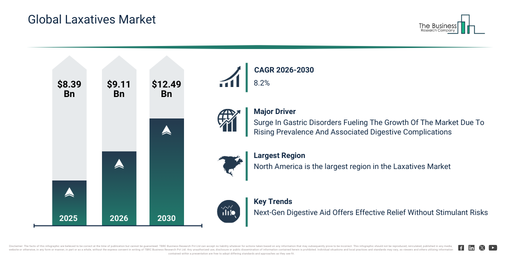
    Laxatives Market Poised To Hit $12.48 Billion By 2030 With A 8.2% CAGR

    The laxatives market has experienced substantial expansion in recent years. This market is anticipated to expand from $8.39 billion in 2025 to $9.11 billion in 2026, achieving a compound annual growth rate (CAGR) of 8.5%. Historically, this growth can be ascribed to factors such as inadequate dietary fiber, inactive lifestyles, an increasing elderly population, the management of constipation in hospitals, and the availability of over-the-counter (OTC) drugs.

    The laxatives market is anticipated to experience robust growth in the coming years, with its valuation expected to reach $12.49 billion in 2030, progressing at a compound annual growth rate (CAGR) of 8.2%. This growth during the forecast period is driven by an increased focus on preventive digestive health, the rising demand for clean-label laxatives, the expansion of e-commerce pharmacies, a greater prevalence of IBS, and innovative formulations for pediatric and geriatric users. Significant trends for the forecast period include a growing demand for over-the-counter digestive remedies, the increasing popularity of fiber-based and natural laxatives, enhanced awareness surrounding gut health, the continued expansion of online pharmacy sales, and product developments in gentle formulations.

    Get A Free Sample Report With In-Depth Market Insights:

    https://thebusinessresearchcompany.com/sample_request?id=37173090&type=smp&name=Laxatives%20Market%20Report%202026&utm_source=Blogs&utm_medium=Paid&utm_campaign=Oct_PR

    Laxatives Market Opportunity Drivers: What’s Unlocking New Revenue Potential?

    The expanding occurrence of gastric issues is anticipated to fuel the expansion of the laxatives market in the foreseeable future. Gastric disorders are medical ailments impacting the stomach’s structure and function, leading to symptoms like discomfort, digestive upset, and swelling. The frequency of gastric disorders is increasing, largely attributed to a greater intake of processed and fast foods. These food types commonly upset gut equilibrium by fostering inflammation and an imbalance of acid. Laxatives contribute to managing gastric conditions by facilitating bowel movements, alleviating constipation, and diminishing unease resulting from blockages in the digestive system. For instance, in February 2025, according to Cancer Australia, an Australia-based government agency, in 2023, an estimated 2,576 new stomach cancer cases were diagnosed, with a lifetime diagnosis risk by age 85 of 0.85% overall (1.1% for males and 0.61% for females). Consequently, the growing incidence of gastric disorders is propelling the growth of the laxatives market.

    Laxatives Market Segment Landscape And Growth Outlook

    The laxatives market covered in this report is segmented –

    1) By Type: Hypertonic Laxative, Lubricating Laxative, Stimulant Laxative, Swelling Laxative, Other Types

    2) By Formulation: Tablets, Powder, Liquid, Suppositories, Gels

    3) By Applications: Chronic Constipation, Irritable Bowel Syndrome (IBS), Post-Surgery Recovery, Weight Loss And Detox

    4) By End User: Hospitals, Clinics, Retail Pharmacies, Other End-Users

    Subsegments:

    1) By Hypertonic Laxative: Saline Laxatives, Osmotic Laxatives, Fleet Phospho-soda, Lactulose

    2) By Lubricating Laxative: Mineral Oil, Glycerin Suppositories, Emollient Enemas

    3) By Stimulant Laxative: Bisacodyl, Senna (Sennosides), Castor Oil, Sodium Picosulfate

    4) By Swelling Laxative: Psyllium Husk, Methylcellulose, Calcium Polycarbophil, Bran

    5) By Other Types: Enemas, Suppositories, Herbal Laxatives, Probiotic-Based Laxatives

    Laxatives Market Innovation Trends Shaping Future Development

    Leading companies within the laxatives market are concentrating on developing advanced solutions, such as osmotic laxatives, aimed at improving digestive health outcomes while fulfilling consumer desires for safer, non-habit-forming alternatives. Osmotic laxatives operate as non-stimulant agents that draw water into the intestines, which softens stool and encourages bowel movements. These products frequently contain polyethylene glycol (PEG) or lactulose. For example, in June 2024, Glenmark Pharmaceuticals, an India-based pharmaceutical enterprise, introduced LaxaGo, an over-the-counter osmotic laxative. LaxaGo is characterized by a polyethylene glycol (PEG) 3350 formulation, featuring balanced electrolytes for effective yet mild relief, enhanced palatability with a neutral taste to improve patient compliance, and a non-stimulant mode of action that avoids dependency risks linked with long-term application.

    Laxatives Market Competitive Landscape: Who Leads The Industry?

    Major companies operating in the laxatives market are Pfizer Inc., The Procter & Gamble Company, Johnson & Johnson, Sanofi S.A., Abbott Laboratories, GlaxoSmithKline plc, Takeda Pharmaceutical Company Limited, Reckitt Benckiser Group plc, Bausch Health Companies Inc., Nestlé Health Science, Sun Pharmaceutical Industries Ltd., Aurobindo Pharma Limited, Dr. Reddy’s Laboratories Ltd., Zydus Lifesciences Limited, Glenmark Pharmaceuticals Ltd., Purdue Pharma L.P., Boiron S.A., Ironwood Pharmaceuticals Inc., Ferring Pharmaceuticals, C.B. Fleet Company Inc.

    View The Full Laxatives Market Report:

    https://thebusinessresearchcompany.com/report/laxatives-global-market-report?utm_source=Blogs&utm_medium=Paid&utm_campaign=Oct_PR

    Laxatives Market Largest Region: Which Geography Holds The Biggest Share?

    North America was the largest region in the laxatives market in 2025. Asia-Pacific is expected to be the fastest-growing region in the forecast period. The regions covered in the laxatives market report are Asia-Pacific, South East Asia, Western Europe, Eastern Europe, North America, South America, Middle East, Africa.

    Reach Out To Our Team:

    The Business Research Company: https://www.thebusinessresearchcompany.com/

    Americas: +1 310-496-7795

    Asia: +44 7882 955267 & +91 8897263534

    Europe: +44 7882 955267

    Email us at: marketing@tbrc.info

    Follow us on:

    LinkedIn: https://in.linkedin.com/company/the-business-research-company

    YouTube: https://www.youtube.com/channel/UC24_fI0rV8cR5DxlCpgmyFQ

    Global Market Model: https://www.thebusinessresearchcompany.com/global-market-model
  • Lateral Epicondylitis Treatment Market CAGR Forecast Through 2030: Key Trends Shaping Industry Expansion

    Lateral Epicondylitis Treatment Market CAGR Forecast Through 2030: Key Trends Shaping Industry Expansion

    Backed by market attractiveness analysis, total addressable market sizing, company benchmarking matrices, interactive Excel dashboards, wider supply chain intelligence, emerging startup coverage, and detailed product-level insights, The Business Research Company’s 2026 market reports are designed to offer research that is more actionable and strategically valuable than ever.

    Lateral Epicondylitis Treatment Market Size And Revenue Outlook Through 2030

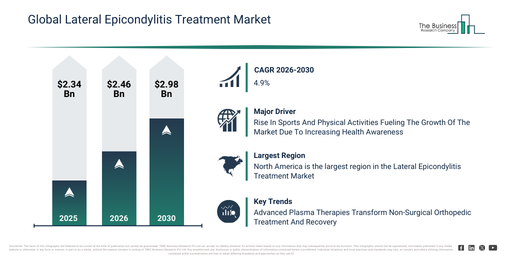
    The market size for lateral epicondylitis treatment has demonstrated substantial growth in recent years. Projections indicate its expansion from $2.34 billion in 2025 to $2.46 billion in 2026, achieving a compound annual growth rate (CAGR) of 5.2%. Historically, this growth is primarily a result of factors such as the widespread occurrence of sports-related injuries, repetitive occupational strain, the proliferation of orthopedic clinics, the acceptance of traditional physiotherapy, and pain management utilizing NSAIDs.

    The lateral epicondylitis treatment market is projected to experience consistent expansion over the upcoming years. Its valuation is anticipated to reach $2.98 billion in 2030, demonstrating a compound annual growth rate (CAGR) of 4.9%. This expansion during the projection period is primarily driven by the increasing embrace of minimally invasive treatments, the demographic shift towards an aging workforce, the proliferation of digital physiotherapy platforms, a heightened demand for swift recovery methods, and ongoing advancements in outpatient surgical procedures. Key developments during this forecast timeframe encompass a rising inclination towards non-surgical approaches, a greater uptake of physical therapy regimens, increased utilization of image-guided injections, the broadening scope of outpatient orthopedic services, and the seamless integration of rehabilitation with pain management strategies.

    Get A Free Sample Report With In-Depth Market Insights:

    https://thebusinessresearchcompany.com/sample_request?id=87842372&type=smp&name=Lateral%20Epicondylitis%20Treatment%20Market%20Report%202026&utm_source=Blogs&utm_medium=Paid&utm_campaign=Oct_PR

    Lateral Epicondylitis Treatment Market Growth Momentum: What Factors Are Shaping Demand?

    The increasing engagement in sports and physical activities is projected to propel the lateral epicondylitis treatment market’s development in the future. These activities refer to structured or recreational bodily movements undertaken to enhance physical fitness, maintain health, or participate in competitive or leisure pursuits. The rise in sports and physical activities stems from heightened health awareness, as more individuals prioritize fitness to avert diseases and elevate their mental and physical well-being. Lateral epicondylitis treatment proves advantageous for sports and physical activities by helping to restore pain-free arm function, thereby enabling individuals to execute movements like gripping and swinging without discomfort or restriction. As an illustration, in February 2024, the Sports and Fitness Industry Association (SFIA), a US-based trade association, reported that 78.8% of Americans, or 242 million people, engaged in at least one physical activity in 2023, which represents a 2.2% rise from 2022. Thus, the expansion of sports and physical activities is a significant driver for the growth of the lateral epicondylitis treatment market.

    Lateral Epicondylitis Treatment Market Breakdown By Product Type And Application

    The lateral epicondylitis treatment market covered in this report is segmented –

    1) By Treatment Type: Non-Surgical Treatment, Surgical Treatment

    2) By Age Group: Pediatric, Adult, Geriatric

    3) By Application: Athlete, Other Applications

    4) By End Use: Hospitals, Ambulatory Surgical Centers, Orthopedic Clinics, Homecare Settings, Other End Uses

    Subsegments:

    1) By Non-Surgical Treatment: Physical Therapy, Pharmacological Therapy, Orthotic Devices, Injections

    2) By Surgical Treatment: Open Surgery, Arthroscopic Surgery

    Lateral Epicondylitis Treatment Market Trends Redefining Industry Growth

    Leading companies within the lateral epicondylitis treatment market are concentrating on introducing novel solutions, specifically plasma therapies, aimed at broadening available treatment options and delivering sophisticated, non-surgical alternatives for individuals with orthopedic ailments. These therapies leverage elements from blood plasma, notably antibodies or growth factors, to address diverse medical conditions and bolster the body’s innate healing mechanisms. An example of this trend is seen in December 2023, when Tree Top Hospital (TTH), a cutting-edge hospital situated in the Maldives, introduced platelet-rich plasma (PRP) treatments within its comprehensive advanced orthopedic care services. This pioneering treatment capitalizes on the body’s inherent healing capabilities to tackle specific musculoskeletal issues like lateral epicondylitis (tennis elbow), early-stage knee arthritis, and tendon injuries linked to sports. Through the implementation of PRP therapy, TTH endeavors to improve patient recuperation using minimally invasive, scientifically supported regenerative approaches, thereby decreasing the reliance on surgical procedures.

    Lateral Epicondylitis Treatment Market Company Landscape And Competitive Strategy

    Major companies operating in the lateral epicondylitis treatment market are Merck & Co. Inc., 3M Company, Mayo Foundation for Medical Education and Research (MFMER), Cleveland Clinic, Chugai Pharmaceutical, Johns Hopkins Medicine, MedStar Health, Cipla Inc., Enovis Corporation, OttoBock HealthCare, Ossur Corporate, Max Healthcare, Seikagaku Corporation, Texas Orthopedic Specialists, Johari Digital, Mediheal Group of Hospitals, Scandinavian Physiotherapy Center, Veritas Health LLC, Folsom Orthopaedics & Sports Medicine, ReLiva Physiotherapy & Rehab, Molecular Pharmacology Limited

    View The Full Lateral Epicondylitis Treatment Market Report:

    https://thebusinessresearchcompany.com/report/lateral-epicondylitis-treatment-global-market-report?utm_source=Blogs&utm_medium=Paid&utm_campaign=Oct_PR

    Lateral Epicondylitis Treatment Market Regional Analysis: Which Geography Leads On Revenue?

    North America was the largest region in the lateral epicondylitis treatment market in 2025. Asia-Pacific is expected to be the fastest-growing region in the forecast period. The regions covered in the lateral epicondylitis treatment market report are Asia-Pacific, South East Asia, Western Europe, Eastern Europe, North America, South America, Middle East, Africa.

    Reach Out To Our Team:

    The Business Research Company: https://www.thebusinessresearchcompany.com/

    Americas: +1 310-496-7795

    Asia: +44 7882 955267 & +91 8897263534

    Europe: +44 7882 955267

    Email us at: marketing@tbrc.info

    Follow us on:

    LinkedIn: https://in.linkedin.com/company/the-business-research-company

    YouTube: https://www.youtube.com/channel/UC24_fI0rV8cR5DxlCpgmyFQ

    Global Market Model: https://www.thebusinessresearchcompany.com/global-market-model
  • Late Stage Chronic Kidney Disease Drugs Market To Witness 11.7% CAGR Growth Through 2030: Key Industry Drivers

    Late Stage Chronic Kidney Disease Drugs Market To Witness 11.7% CAGR Growth Through 2030: Key Industry Drivers

    Featuring market attractiveness scoring, total addressable market sizing, company benchmarking matrices, interactive Excel dashboards, deeper supply chain intelligence, emerging startup tracking, and granular product-level insights, The Business Research Company’s 2026 market reports are built to deliver research that is both more actionable and more strategically valuable.

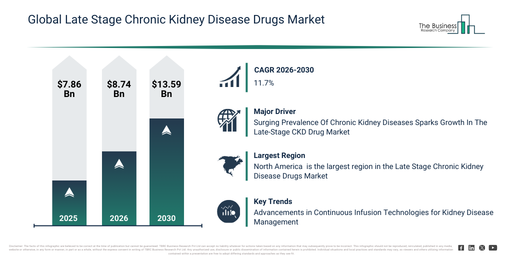
    Late Stage Chronic Kidney Disease Drugs Market Growth From $8.73 Billion In 2026 To $13.58 Billion By 2030 At A CAGR Of 11.7%

    The market for late stage chronic kidney disease drugs has seen significant expansion in recent years. This market is projected to expand from $7.86 billion in 2025 to $8.74 billion in 2026, demonstrating a compound annual growth rate (CAGR) of 11.1%. Factors contributing to this expansion during the historical period include the increasing incidence of chronic kidney disease, inadequate awareness regarding late-stage therapeutic choices, a rise in dialysis dependence, an expanding elderly population, and limitations in accessing specialized care.

    The late stage chronic kidney disease drugs market size is projected to experience substantial expansion in the coming years. It is anticipated to reach a size of $13.59 billion in 2030, demonstrating a compound annual growth rate (CAGR) of 11.7%. This projected growth during the forecast period can be linked to factors such as progress in precision medicine, the incorporation of digital health platforms, an increase in the use of new drug therapies, enhanced government healthcare programs, and increased funding for patient monitoring technologies. Key trends expected over this period involve personalized treatment plans, innovative drug formulations tailored for late-stage ckd, improved symptom management, solutions for patient adherence and monitoring, and tools to support healthcare provider decision-making.

    Get A Free Sample Report With In-Depth Market Insights:

    https://thebusinessresearchcompany.com/sample_request?id=42195674&type=smp&name=Late%20Stage%20Chronic%20Kidney%20Disease%20Drugs%20Market%20Report%202026&utm_source=Blogs&utm_medium=Paid&utm_campaign=Oct_PR

    Late Stage Chronic Kidney Disease Drugs Market Expansion Drivers: What’s Shaping Future Growth?

    The widespread occurrence of chronic kidney diseases is expected to propel the growth of the late-stage chronic kidney disease drug market going forward. Chronic kidney diseases encompass a diverse range of conditions impacting the structure and operation of the kidneys. Late-stage chronic kidney disease drugs are utilized to control blood pressure in patients and decrease protein loss, aiming to halt the progression of kidney impairment, manage symptoms, and avoid consequences. For instance, in May 2024, according to the Centers for Disease Control and Prevention (CDC), a US-based public health agency, an estimated 14% of U.S. adults, or around 35.5 million people, are living with chronic kidney diseases. Therefore, the prevalence of chronic kidney disease is driving the growth of the late-stage chronic kidney disease drug market.

    Late Stage Chronic Kidney Disease Drugs Market Segment Analysis And Revenue Potential

    The late stage chronic kidney disease drugs market covered in this report is segmented –

    1) By Product Type: Calcimimetics, Vitamin D, Sterols, Potassium Binders, Calcium-Based Phosphate Binders

    2) By Indication Type: Late Stage Chronic Kidney Disease Induced Hyperparathyroidism, Late Stage Chronic Kidney Disease Induced Hyperphosphatemia, Late Stage Chronic Kidney Disease Induced Hyperkalemia

    3) By Distribution Channel: Hospital Pharmacies, Online Pharmacies, Retail Pharmacies

    Subsegments:

    1) By Calcimimetics: Cinacalcet, Etelcalcetide

    2) By Vitamin D: Calcitriol, Doxercalciferol, Paricalcitol

    3) By Sterols: Ergocalciferol, Cholecalciferol

    4) By Potassium Binders: Sodium Polystyrene Sulfonate, Patiromer, Sodium Zirconium Cyclosilicate

    5) By Calcium-Based Phosphate Binders: Calcium Acetate, Calcium Carbonate

    Late Stage Chronic Kidney Disease Drugs Market Strategic Trends: What Defines The Next Growth Phase?

    Leading companies in the late-stage chronic kidney disease drugs market are developing advanced technologies, such as continuous subcutaneous infusion approaches, to improve the effectiveness of treatments, enhance patient outcomes, and optimize the drug development lifecycle. Continuous subcutaneous infusion technology facilitates the consistent delivery of medication using a small device positioned under the skin, ensuring stable therapeutic concentrations and boosting patient adherence. For instance, in January 2024, AbbVie Inc., a US-based pharmaceutical company, introduced PRODUODOPA (for levodopa/foscarbidopa). PRODUODOPA enables a continuous infusion of levodopa, which aids in maintaining stable dopamine levels in the bloodstream. This is essential for effectively managing symptoms, as it prolongs ‘on’ time periods when symptoms are well-controlled and minimizes ‘off’ time periods when symptoms resurface.

    Late Stage Chronic Kidney Disease Drugs Market Key Players Shaping Industry Direction

    Major companies operating in the late stage chronic kidney disease drugs market are Pfizer Inc., Johnson & Johnson, AbbVie Inc., Bayer AG, Novartis AG, Sanofi SA, Bristol-Myers Squibb Company, AstraZeneca plc, Eli Lilly and Company, C.H. Boehringer Sohn AG & Co. KG, Amgen Inc., Novo Nordisk A/S, Teva Pharmaceutical Industries Ltd., Otsuka Pharmaceutical Co. Ltd., Takeda Pharmaceutical Company Limited, Kyowa Kirin Co Ltd., OPKO Health Inc., Akebia Therapeutics Inc., Ardelyx Inc., Pharmaxis Limited, Deltanoid Pharmaceuticals Inc., Liminal BioSciences Inc., Chinook Therapeutics Inc., Allena Pharmaceuticals Inc., Shield Therapeutics Plc

    View The Full Late Stage Chronic Kidney Disease Drugs Market Report:

    https://thebusinessresearchcompany.com/report/late-stage-chronic-kidney-disease-drugs-global-market-report?utm_source=Blogs&utm_medium=Paid&utm_campaign=Oct_PR

    Late Stage Chronic Kidney Disease Drugs Market Geographic Spread And Regional Opportunities

    North America was the largest region in the late-stage chronic kidney disease drugs market in 2025. The regions covered in the late stage chronic kidney disease drugs market report are Asia-Pacific, South East Asia, Western Europe, Eastern Europe, North America, South America, Middle East, Africa.

    Reach Out To Our Team:

    The Business Research Company: https://www.thebusinessresearchcompany.com/

    Americas: +1 310-496-7795

    Asia: +44 7882 955267 & +91 8897263534

    Europe: +44 7882 955267

    Email us at: marketing@tbrc.info

    Follow us on:

    LinkedIn: https://in.linkedin.com/company/the-business-research-company

    YouTube: https://www.youtube.com/channel/UC24_fI0rV8cR5DxlCpgmyFQ

    Global Market Model: https://www.thebusinessresearchcompany.com/global-market-model