Month: October 2026

  • Inhalation CDMO Market Analysis: Understanding The Drivers Behind 6.6% CAGR Through 2030 Growth

    Inhalation CDMO Market Analysis: Understanding The Drivers Behind 6.6% CAGR Through 2030 Growth

    Featuring market attractiveness scoring, total addressable market sizing, company benchmarking matrices, interactive Excel dashboards, deeper supply chain intelligence, emerging startup tracking, and granular product-level insights, The Business Research Company’s 2026 market reports are built to deliver research that is both more actionable and more strategically valuable.

    Inhalation CDMO Market Revenue Outlook: What CAGR Lies Ahead Through 2030?

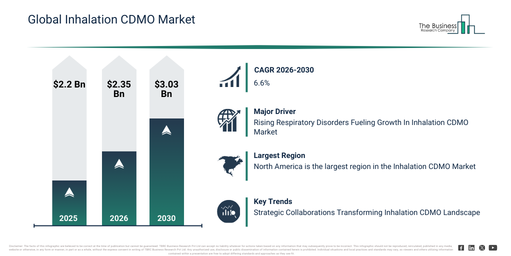
    The inhalation CDMO market has experienced robust expansion in recent years. This sector is projected to grow from $2.2 billion in 2025 to $2.35 billion in 2026, demonstrating a compound annual growth rate (CAGR) of 6.4%. The historical increase in the market size can be attributed to factors such as the rising prevalence of asthma and COPD, an increasing demand for inhalation therapies, the growth of biologics and specialized drug formulations, advancements in formulation technologies, and the increasing outsourcing by pharmaceutical companies.

    The inhalation cdmo market is projected to experience substantial expansion over the upcoming years. Its valuation is anticipated to reach $3.03 billion by 2030, exhibiting a compound annual growth rate (CAGR) of 6.6%. This projected increase during the forecast timeframe stems from factors such as the broadening use of digital and smart inhalers, the progression of personalized medicine and precision therapy, enhanced capital expenditure in inhalation cdmo infrastructure, the growing implementation of advanced manufacturing techniques, and a rise in partnerships between biotechnology companies and CDMOs. Key developments expected within this period encompass the evolution of personalized inhalation therapies, sophisticated formulation and drug delivery methodologies, improved regulatory adherence and quality assurance measures, the growth of contract manufacturing services for small and medium enterprises, and the incorporation of smart inhalers with digital health monitoring systems.

    Get A Free Sample Report With In-Depth Market Insights:

    https://thebusinessresearchcompany.com/sample_request?id=45955921&type=smp&name=Inhalation%20CDMO%20Market%20Report%202026&utm_source=Blogs&utm_medium=Paid&utm_campaign=Oct_PR

    Inhalation CDMO Market Growth Factors: What’s Supporting Expansion?

    The inhalation CDMO market is anticipated to expand due to the rising occurrence of respiratory conditions. These disorders encompass various medical issues impacting the respiratory system, which comprises the organs and structures essential for breathing. Inhalation CDMOs play a crucial role in developing and manufacturing products for respiratory ailments, leveraging their proficiency in drug formulation and delivery to the lungs. They provide pharmaceutical firms with specialized knowledge, facilities, and assets necessary for introducing innovative inhalation treatments. For example, data from December 2023, released by the National Library of Medicine, a US-based medical library, indicates that worldwide chronic obstructive pulmonary disease (COPD) cases among individuals 25 and older are forecast to increase by 23% by 2050, totaling almost 600 million. Consequently, the growing frequency of respiratory disorders is fueling the expansion of the inhalation CDMO market.

    Inhalation CDMO Market Segment Analysis And Revenue Potential

    The inhalation cdmo market covered in this report is segmented –

    1) By Product: Dry Powder Inhaler (DPIs), Metered Dose Inhaler (MDIs), Nebulizer, Soft Mist Inhaler

    2) By Disease Indication: Asthma, Chronic Obstructive Pulmonary Disease (COPD), Pulmonary Arterial Hypertension, Acute Respiratory Distress Syndrome, Pulmonary Fibrosis

    3) By Technology: Manual Inhalers (SMI), Digital Inhalers

    4) By End-User: Big Pharmaceutical Companies, Small and Medium-sized Pharmaceutical Companies, Generic Pharmaceutical Companies, Other End-Users

    Subsegments:

    1) By Dry Powder Inhaler (DPIs): Capsule-Based DPIs, Diskus-Style DPIs, Multi-Dose DPIs, Unit-Dose DPIs

    2) By Metered Dose Inhaler (MDIs): Pressurized MDIs (pMDIs), Breath-Actuated MDIs, Soft Mist MDIs

    3) By Nebulizer: Jet Nebulizers, Ultrasonic Nebulizers, Mesh Nebulizers, Portable Nebulizers

    4) By Soft Mist Inhaler: Respimat Inhalers, Other Soft Mist Inhalation Devices

    Inhalation CDMO Market Industry Trends: What’s Reshaping Demand?

    Leading companies operating in the inhalation CDMO industry are increasingly adopting a strategic partnership approach to provide specialized drug development and delivery services. Such a partnership constitutes a long-term, mutually beneficial arrangement between two or more organizations working together to achieve shared objectives. For instance, in May 2023, Hovione, a Portugal-based Contract Development and Manufacturing Organization, collaborated with H&T Presspart, a UK-based manufacturer of high-precision metal and plastic components for the pharmaceutical industry, to advance Presspart’s Sunrise Capsule-based Dry Powder Inhaler platform. This alliance is centered on creating new technologies designed to deliver higher drug doses and improve the efficiency of drug delivery to the lungs.

    Inhalation CDMO Market Key Players Shaping Industry Direction

    Major companies operating in the inhalation cdmo market are Baxter’s BioPharma Solutions, Lonza Group AG, Catalent Inc., Siegfried Holding AG, Recipharm AB, Stevanato Group SpA, CordenPharma, Nemera, Hovione FarmaCiencia SA, Vectura Group Ltd., CARBOGEN AMCIS, Kindeva Drug Delivery Ltd., Frontage Laboratories Inc, Sanner GmbH, H&T Presspart Ltd., Astech Projects Ltd, Cliantha Research, Copley Scientific, Cambrex Corporation, AptarGroup Inc.

    View The Full Inhalation CDMO Market Report:

    https://thebusinessresearchcompany.com/report/inhalation-cdmo-global-market-report?utm_source=Blogs&utm_medium=Paid&utm_campaign=Oct_PR

    Inhalation CDMO Market Leading Geography: Which Region Contributes The Most Revenue?

    North America was the largest region in the inhalation contract development and manufacturing organization (CDMO) market in 2025. The regions covered in the inhalation cdmo market report are Asia-Pacific, South East Asia, Western Europe, Eastern Europe, North America, South America, Middle East, Africa.

    Reach Out To Our Team:

    The Business Research Company: https://www.thebusinessresearchcompany.com/

    Americas: +1 310-496-7795

    Asia: +44 7882 955267 & +91 8897263534

    Europe: +44 7882 955267

    Email us at: marketing@tbrc.info

    Follow us on:

    LinkedIn: https://in.linkedin.com/company/the-business-research-company

    YouTube: https://www.youtube.com/channel/UC24_fI0rV8cR5DxlCpgmyFQ

    Global Market Model: https://www.thebusinessresearchcompany.com/global-market-model
  • Inhalation Anesthesia Market Growth To $2.5 Billion By 2030: What’s Driving The Expansion?

    Inhalation Anesthesia Market Growth To $2.5 Billion By 2030: What’s Driving The Expansion?

    Built to provide research that’s more actionable and strategically valuable, The Business Research Company’s 2026 market reports include market attractiveness analysis, total addressable market sizing, company benchmarking matrices, interactive Excel dashboards, broader supply chain intelligence, emerging startup tracking, and in-depth product insights.

    Inhalation Anesthesia Market Growth Analysis: How Will Revenue Trend Over The Forecast Period?

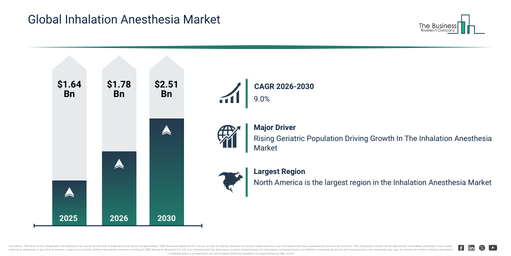
    The inhalation anesthesia market size has shown significant growth in recent years. Its expansion is anticipated, reaching from $1.64 billion in 2025 to $1.78 billion in 2026, at a compound annual growth rate (CAGR) of 8.6%. This historical growth can be attributed to factors such as an increase in surgical procedures, greater hospital investments, advancements in anesthesia equipment technology, heightened awareness of patient safety, and the expansion of healthcare infrastructure.

    The inhalation anesthesia market size is anticipated to expand significantly in the near future. Its valuation is set to reach $2.51 billion by 2030, exhibiting a compound annual growth rate (CAGR) of 9.0%. This growth during the forecast period is propelled by factors such as the increasing adoption of AI-assisted anesthesia, a rising demand for sustainable anesthetic agents, the integration of Internet of Things (IoT) in operating rooms, an increase in outpatient surgeries, and advancements in smart anesthesia delivery systems. Key developments expected in this period encompass improved patient safety protocols, sophisticated anesthesia delivery systems, support for minimally invasive surgical procedures, continuous real-time anesthesia monitoring, and the advent of environmentally friendly anesthetic agents.

    Get A Free Sample Report With In-Depth Market Insights:

    https://thebusinessresearchcompany.com/sample_request?id=60796776&type=smp&name=Inhalation%20Anesthesia%20Market%20Report%202026&utm_source=Blogs&utm_medium=Paid&utm_campaign=Oct_PR

    Inhalation Anesthesia Market Demand Drivers: What’s Powering Industry Growth?

    The expanding older adult demographic is set to drive the growth of the inhalation anesthesia market in the coming years. This demographic increase significantly impacts the market because seniors are more prone to chronic and degenerative conditions, leading to an increased need for surgical procedures and various treatments. Furthermore, the greater susceptibility of the elderly to health issues like cardiovascular, neurological, respiratory, and degenerative disorders further contributes to market expansion. Administering anesthesia intravenously to older patients often presents difficulties due to fragile blood vessels and cooperation challenges. For example, data from the UK Parliament’s House of Commons Library, a UK-based government administration, in 2022 showed 12.7 million individuals aged 65 or older in the UK. This figure is predicted to climb to 22.1 million by 2072, representing 27% of the population. Consequently, the rising number of elderly individuals is anticipated to enhance the demand for inhalation anesthesia throughout the forecast period.

    Inhalation Anesthesia Market Segmentation And Category Overview

    The inhalation anesthesia market covered in this report is segmented –

    1) By Product: Sevoflurane, Desflurane, Isoflurane, Nitrous Oxide

    2) By Application: Induction, Maintenance

    3) By End User: Hospitals, Ambulatory Surgical Centers

    Inhalation Anesthesia Market Competitive Analysis Of Leading Industry Participants

    Major companies operating in the inhalation anesthesia market are AbbVie Inc., Baxter International Inc., Sandoz AG, Piramal Enterprises Limited, Fresenius SE & Co KGaA, Hikma Pharmaceuticals PLC, Jiangsu Hengrui Medicine Co Ltd, Lunan Pharmaceutical Group Co Ltd, Troikaa Pharmaceuticals Ltd, Dechra Pharmaceuticals PLC, Aspen Pharmacare Holdings Limited, Maruishi Pharmaceutical Co Ltd, Nikko Chemicals (Japan), GlaxoSmithKline PLC, Boehringer Ingelheim International GmbH, Halocarbon Products Corporation, Abbott Laboratories, Baxter Healthcare (distinct manufacturing division) , Fresenius Kabi AG, Sedana Medical AB

    View The Full Inhalation Anesthesia Market Report:

    https://thebusinessresearchcompany.com/report/inhalation-anesthesia-global-market-report?utm_source=Blogs&utm_medium=Paid&utm_campaign=Oct_PR

    Inhalation Anesthesia Market Regional Outlook: Where Is Opportunity Concentrated?

    North America was the largest region in the inhalation anesthesia market in 2025. Asia-Pacific is expected to be the fastest-growing region in the forecast period. The regions covered in the inhalation anesthesia market report are Asia-Pacific, South East Asia, Western Europe, Eastern Europe, North America, South America, Middle East, Africa.

    Reach Out To Our Team:

    The Business Research Company: https://www.thebusinessresearchcompany.com/

    Americas: +1 310-496-7795

    Asia: +44 7882 955267 & +91 8897263534

    Europe: +44 7882 955267

    Email us at: marketing@tbrc.info

    Follow us on:

    LinkedIn: https://in.linkedin.com/company/the-business-research-company

    YouTube: https://www.youtube.com/channel/UC24_fI0rV8cR5DxlCpgmyFQ

    Global Market Model: https://www.thebusinessresearchcompany.com/global-market-model
  • Inhalation And Nasal Spray Generic Drugs Market Trends Reshaping Industry Growth Through 2030

    Inhalation And Nasal Spray Generic Drugs Market Trends Reshaping Industry Growth Through 2030

    Backed by market attractiveness analysis, total addressable market sizing, company benchmarking matrices, interactive Excel dashboards, wider supply chain intelligence, emerging startup coverage, and detailed product-level insights, The Business Research Company’s 2026 market reports are designed to offer research that is more actionable and strategically valuable than ever.

    Inhalation And Nasal Spray Generic Drugs Market Forecast: What Value Will The Market Reach By 2030?

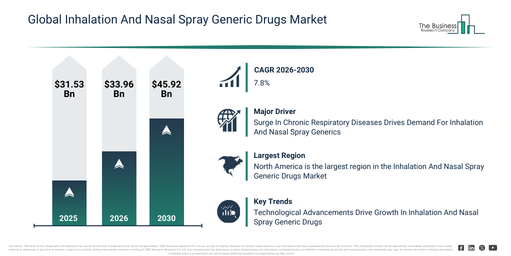
    The inhalation and nasal spray generic drugs market size has experienced strong growth in recent years. It is anticipated to increase from $31.53 billion in 2025 to $33.96 billion in 2026, at a compound annual growth rate (CAGR) of 7.7%. During the historical period, this expansion was driven by factors including the rising prevalence of asthma and COPD, the expiration of branded drug patents, increasing healthcare cost pressures, growing awareness of respiratory conditions, and an expansion in generic drug approvals.

    The inhalation and nasal spray generic drugs market size is anticipated to demonstrate significant expansion over the next few years. It is expected to grow to $45.92 billion in 2030 at a compound annual growth rate (CAGR) of 7.8%. This projected growth can be attributed to an aging population dealing with chronic respiratory conditions, increasing levels of air pollution, the expansion of home-based respiratory care, growing market penetration in emerging economies, and the continuous development of advanced inhalation devices. Prominent trends for the forecast period include the rising adoption of generic inhalers and nasal sprays, an increasing focus on cost-effective respiratory therapies, a surging demand for metered-dose and dry powder inhalers, the broadening of combination drug formulations, and improved drug delivery device designs to enhance patient compliance.

    Get A Free Sample Report With In-Depth Market Insights:

    https://thebusinessresearchcompany.com/sample_request?id=34138947&type=smp&name=Inhalation%20And%20Nasal%20Spray%20Generic%20Drugs%20Market%20Report%202026&utm_source=Blogs&utm_medium=Paid&utm_campaign=Oct_PR

    Inhalation And Nasal Spray Generic Drugs Market Growth Drivers: What’s Behind The Acceleration?

    An increasing global prevalence of chronic respiratory ailments is anticipated to drive the demand for generic inhalation and nasal spray medications. These conditions impact the respiratory pathways and associated pulmonary components. The surge in chronic respiratory diseases is attributed to heightened exposure to atmospheric pollutants, tobacco use, and various environmental irritants, all of which compromise lung functionality. Generic inhalation and nasal spray drugs offer therapeutic support for chronic respiratory conditions by providing rapid, localized relief directly to the airways, thereby enhancing symptom management and facilitating easier daily respiration. As an illustration, a research study released in December 2023 by JAMA Network Open, a medical journal affiliated with the American Medical Association, forecast that the global incidence of chronic obstructive pulmonary disease (COPD) could approach nearly 600 million cases worldwide by 2050, representing a 23% rise in its prevalence. Consequently, the growing global occurrence of chronic respiratory diseases is expected to stimulate market expansion.

    Inhalation And Nasal Spray Generic Drugs Market Segment Outlook: Which Categories Are Growing Fastest?

    The inhalation and nasal spray generic drugs market covered in this report is segmented –

    1) By Drug Class: Corticosteroids, Bronchodilators, Antihistamines, Combinations, Decongestant Sprays

    2) By Indication: Asthma, Chronic Obstructive Pulmonary Disease (COPD), Allergic Rhinitis, Other Indications

    3) By Patient Demographics: Geriatric Patient, Adult Patient, Pediatric Patient

    4) By End-User: Hospitals, Homecare, Other End-Users

    Subsegments:

    1) By Corticosteroids: Fluticasone, Budesonide, Beclomethasone, Mometasone

    2) By Bronchodilators: Short-Acting Beta Agonists (SABAs), Long-Acting Beta Agonists (LABAs), Anticholinergics

    3) By Antihistamines: Azelastine, Olopatadine, Levocabastine

    4) By Combinations: Corticosteroid And Long-Acting Beta Agonist (LABA) Combinations, Antihistamine And Decongestant Combinations

    5) By Decongestant Sprays: Oxymetazoline, Phenylephrine, Xylometazoline

    Inhalation And Nasal Spray Generic Drugs Market Trends: What’s Defining The Industry’s Next Phase?

    Leading companies within the inhalation and nasal spray generic drugs market are concentrating on developing innovative offerings, such as sophisticated generic nasal spray formulations. This focus aims to address the growing demand for cost-effective respiratory therapies, enhanced accessibility, and clinically equivalent options to branded products. These advanced generic nasal sprays are specifically engineered to match the reference product’s delivery performance, deposition profile, and therapeutic efficacy, while simultaneously providing more economical treatment choices compared to traditional branded sprays. For example, in January 2025, Lupin Limited, an India-based global pharmaceutical company, secured FDA approval for its ANDA for Ipratropium Bromide Nasal Solution (0.06%), which is a generic equivalent of Boehringer Ingelheim’s Atrovent Nasal Spray. This solution, manufactured at Lupin’s Pithampur facility, offers anticholinergic action to relieve rhinorrhea in adults and children aged 5 years and older, providing consistent dosing, localized treatment, reduced systemic exposure, and a more affordable alternative for patients.

    Inhalation And Nasal Spray Generic Drugs Market Leading Companies And Competitive Benchmarking

    Major companies operating in the inhalation and nasal spray generic drugs market are Teva Pharmaceuticals Inc., Sandoz International GmbH, Akorn Operating Company LLC, Cipla Inc., Apotex Inc., Impax Laboratories LLC, Bausch Health Companies Inc., Hikma Pharmaceuticals PLC, Lupin Limited, Sun Pharmaceutical Industries Ltd., Dr. Reddy’s Laboratories Ltd., Aurobindo Pharma Limited, Zydus Lifesciences Ltd., Torrent Pharmaceuticals Limited, Glenmark Pharmaceuticals Limited, Jubilant Biosys Limited, Alembic Pharmaceuticals Limited, Laurus Labs Limited, Macleods Pharmaceuticals Ltd., Intas Pharmaceuticals Ltd., Wockhardt Limited, Alkem Laboratories Limited, Unichem Laboratories Limited, Indoco Remedies Limited, Natco Pharma Limited, Aesica Pharmaceuticals Limited, Labiana Pharmaceuticals S.L.U., Summit Biosciences Inc.

    View The Full Inhalation And Nasal Spray Generic Drugs Market Report:

    https://thebusinessresearchcompany.com/report/inhalation-and-nasal-spray-generic-drugs-global-market-report?utm_source=Blogs&utm_medium=Paid&utm_campaign=Oct_PR

    Inhalation And Nasal Spray Generic Drugs Market Geographic Landscape: Which Region Leads Industry Growth?

    North America was the largest region in the inhalation and nasal spray generic drugs market in 2025. Asia-Pacific is expected to be the fastest-growing region in the forecast period. The regions covered in the inhalation and nasal spray generic drugs market report are Asia-Pacific, South East Asia, Western Europe, Eastern Europe, North America, South America, Middle East, Africa.

    Reach Out To Our Team:

    The Business Research Company: https://www.thebusinessresearchcompany.com/

    Americas: +1 310-496-7795

    Asia: +44 7882 955267 & +91 8897263534

    Europe: +44 7882 955267

    Email us at: marketing@tbrc.info

    Follow us on:

    LinkedIn: https://in.linkedin.com/company/the-business-research-company

    YouTube: https://www.youtube.com/channel/UC24_fI0rV8cR5DxlCpgmyFQ

    Global Market Model: https://www.thebusinessresearchcompany.com/global-market-model
  • Inhalable Drugs Market Growth To $53.59 Billion Creates New Opportunities Across The Industry

    Inhalable Drugs Market Growth To $53.59 Billion Creates New Opportunities Across The Industry

    Featuring market attractiveness scoring, total addressable market sizing, company benchmarking matrices, interactive Excel dashboards, deeper supply chain intelligence, emerging startup tracking, and granular product-level insights, The Business Research Company’s 2026 market reports are built to deliver research that is both more actionable and more strategically valuable.

    Inhalable Drugs Market Size Outlook: How Quickly Will Revenue Expand Through 2030?

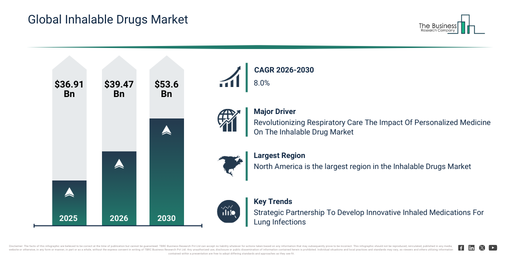
    The inhalable drugs market has demonstrated substantial growth in recent years. It is anticipated to expand from $36.91 billion in 2025 to $39.47 billion in 2026, achieving a compound annual growth rate (CAGR) of 6.9%. The historical expansion can be attributed to the widespread prevalence of asthma and COPD, limited understanding of inhalable therapies, a high dependence on hospital pharmacies, the prevalence of metered dose inhalers, and stringent regulatory processes.

    The inhalable drugs market size is projected to undergo robust growth in the coming years. It is forecast to expand to $53.6 billion by 2030, achieving a compound annual growth rate (CAGR) of 8.0%. This anticipated expansion during the forecast period is fueled by elements such as the increasing uptake of smart inhalers, the development of precision medicine, growing public understanding of respiratory health, the proliferation of pharmacy retail chains, and the integration of telehealth platforms. Significant trends for the forecast period include personalized inhalation therapy, advanced smart inhaler devices, environmentally friendly and biodegradable inhalers, telemedicine-incorporated respiratory care, and fast-acting formulations.

    Get A Free Sample Report With In-Depth Market Insights:

    https://thebusinessresearchcompany.com/sample_request?id=41142695&type=smp&name=Inhalable%20Drugs%20Market%20Report%202026&utm_source=Blogs&utm_medium=Paid&utm_campaign=Oct_PR

    Inhalable Drugs Market Growth Factors Behind Sustained Expansion

    The increasing emphasis on personalized medicine is projected to boost the expansion of the inhalable drug market in the coming future. Personalized medicine, also known as precision medicine, represents an innovative approach to disease treatment and healthcare, factoring in individual differences in patients’ genes, environment, and lifestyles. Within inhalable pharmaceuticals, personalized medicine involves tailoring therapies based on a person’s hereditary, biomarker, and clinical attributes. This methodology holds the potential to improve the effectiveness of inhalable medication therapy and enhance overall patient satisfaction in respiratory care. For instance, in February 2024, the USFDA sanctioned 16 new personalized treatments for rare disease patients in 2023, a significant increase from 6 personalized treatments in 2022, according to the Personalized Medicine Coalition, a US-based nonprofit organization. Consequently, the rising focus on personalized medicine is propelling the inhalable drug market.

    Inhalable Drugs Market Segment Landscape: Which Areas Lead Development?

    The inhalable drugs market covered in this report is segmented –

    1) By Product: Aerosol, Dry Powder Formulation, Spray

    2) By Distribution Channel: Hospital Pharmacy, Pharmacy Stores, Other Distribution Channels

    3) By Application: Respiratory Diseases, Non-Respiratory Diseases

    4) By End Users: Adults, Pediatric, Geriatric

    Subsegments:

    1) By Aerosol: Metered Dose Inhalers (MDIs), Nebulizers, Soft Mist Inhalers

    2) By Dry Powder Formulation: Dry Powder Inhalers (DPIs), Blister Packs, Capsules

    3) By Spray: Nasal Sprays, Oral Sprays, Subcutaneous Sprays

    Inhalable Drugs Market Industry Trends Fueling Future Revenue Growth

    Leading companies in the inhalable drug market are increasingly utilizing a strategic partnership model to create inhaled treatments for lung infections. These strategic partnerships involve organizations pooling their strengths and resources to achieve mutual advantages and shared success. For example, in November 2023, Qnovia, Inc., a US-based pharmaceutical and medtech company, announced a collaboration with the University of Virginia (UVA), a US-based public research university, to further develop novel inhaled medication options for addressing bacterial infections in the lungs. This alliance merges Qnovia’s specialized knowledge in inhaled medicine delivery with UVA’s distinctive collection of antimicrobial peptides. Their joint endeavor aims to combat antibiotic-resistant and biodefense pathogens that lead to potentially fatal illnesses. As a result of this agreement, Qnovia will integrate two new assets into its development pipeline. QN-05 is formulated to treat pneumonia, while QN-06 is designed to target lung infections caused by exposure to the biological defense organism Bacillus anthracis, which is the source of anthrax.

    Inhalable Drugs Market Industry Leaders And Competitive Landscape

    Major companies operating in the inhalable drugs market are Pfizer Inc., Merck & Co. Inc., Novartis AG, Sanofi SA, AstraZeneca plc, GlaxoSmithKline Plc, Boehringer Ingelheim International GmbH, Teva Pharmaceutical Industries Ltd., Cipla Inc., Glenmark Pharmaceuticals Inc., Sunovion Pharmaceuticals Inc., Vectura Group Limited, Abiogen Pharma, AeroGen Pharma, Alaxia S.A.S., Pharmaxis Ltd., Avalyn Pharma Inc., TFF Pharmaceuticals Inc., Mylan NV, Chiesi Farmaceutici S.p.A., Vectura Therapeutics Ltd

    View The Full Inhalable Drugs Market Report:

    https://thebusinessresearchcompany.com/report/inhalable-drugs-global-market-report?utm_source=Blogs&utm_medium=Paid&utm_campaign=Oct_PR

    Inhalable Drugs Market Largest Region: Which Geography Holds The Biggest Share?

    North America was the largest region in the inhalable drugs market in 2025. Asia-Pacific is expected to be the fastest-growing region in the forecast period. The regions covered in the inhalable drugs market report are Asia-Pacific, South East Asia, Western Europe, Eastern Europe, North America, South America, Middle East, Africa.

    Reach Out To Our Team:

    The Business Research Company: https://www.thebusinessresearchcompany.com/

    Americas: +1 310-496-7795

    Asia: +44 7882 955267 & +91 8897263534

    Europe: +44 7882 955267

    Email us at: marketing@tbrc.info

    Follow us on:

    LinkedIn: https://in.linkedin.com/company/the-business-research-company

    YouTube: https://www.youtube.com/channel/UC24_fI0rV8cR5DxlCpgmyFQ

    Global Market Model: https://www.thebusinessresearchcompany.com/global-market-model
  • Inhalable Biologics Market Forecast: Breaking Down The Numbers Behind Future Expansion

    Inhalable Biologics Market Forecast: Breaking Down The Numbers Behind Future Expansion

    Built to provide research that’s more actionable and strategically valuable, The Business Research Company’s 2026 market reports include market attractiveness analysis, total addressable market sizing, company benchmarking matrices, interactive Excel dashboards, broader supply chain intelligence, emerging startup tracking, and in-depth product insights.

    Inhalable Biologics Market Size, Value And Growth Trajectory Through 2030

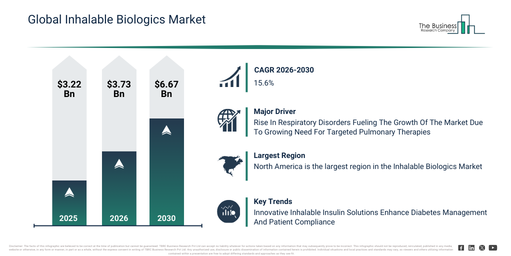
    The inhalable biologics market size has seen rapid expansion in recent years. Its valuation is set to rise from $3.22 billion in 2025 to $3.73 billion in 2026, exhibiting a compound annual growth rate (CAGR) of 15.7%. This historical growth can be linked to the increasing occurrence of respiratory diseases, the constraints of injectable biologics, progress in inhalation device technology, a developing biologics pipeline, and an uptick in hospital-based respiratory care.

    The inhalable biologics market is expected to demonstrate significant expansion in the upcoming years, projected to reach $6.67 billion in 2030 with a compound annual growth rate (CAGR) of 15.6%. This growth during the forecast period is fueled by an increase in chronic respiratory disorders, the extension of inhalable biologics applications beyond respiratory indications, a rising patient preference for non-invasive treatment options, advancements in formulation stability, and heightened investments in pulmonary drug delivery research. Key trends anticipated in the forecast period include the broadening use of pulmonary delivery for systemic biologics, an increasing adoption of dry powder inhalers for biologic drugs, a stronger emphasis on targeted lung drug delivery, the growing development of inhalable monoclonal antibodies, and the integration of patient-friendly, non-invasive biologic therapies.

    Get A Free Sample Report With In-Depth Market Insights:

    https://thebusinessresearchcompany.com/sample_request?id=61431756&type=smp&name=Inhalable%20Biologics%20Market%20Report%202026&utm_source=Blogs&utm_medium=Paid&utm_campaign=Oct_PR

    Inhalable Biologics Market Demand Drivers Opening New Revenue Streams

    The growing prevalence of respiratory conditions is projected to drive the expansion of the inhalable biologics market in the future. These conditions encompass illnesses and disorders affecting the lungs, airways, and nasal passages within the respiratory system. Their widespread occurrence is linked to rising air pollution, which worsens ailments like asthma, chronic obstructive pulmonary disease (COPD), and lung cancer through exposure to detrimental particulate matter and various pollutants. Inhalable biologics offer advantages for these conditions by providing targeted treatment directly to the lungs, thereby alleviating inflammation and enhancing lung function with reduced systemic adverse effects. For instance, in June 2024, data from the Australian Institute of Health and Welfare, an Australia-based government agency, indicated that in 2023, COPD accounted for 3.6% of the overall disease burden and 50% of the burden from respiratory diseases. Consequently, the rise in respiratory conditions plays a substantial role in the expansion of the inhalable biologics market.

    Inhalable Biologics Market Segments: Where Is Growth Concentrated?

    The inhalable biologics market covered in this report is segmented –

    1) By Type: Peptides And Proteins, Vaccines, Monoclonal Antibodies, RNAi-Based Therapeutics, Other Types

    2) By Dosage Form: Dry Powder Inhalers, Metered Dose Inhalers, Nebulizers, Other Dosage Forms

    3) By Distribution Channel: Hospital Pharmacies, Retail Pharmacies, Online Pharmacies

    4) By Application: Respiratory Diseases, Diabetes, Cancer, Other Applications

    Subsegments:

    1) By Peptides And Proteins: Insulin, Growth Hormones, Enzyme Replacement Therapies, Other Peptides And Proteins

    2) By Vaccines: Influenza Vaccines, Other Respiratory Vaccines

    3) By Monoclonal Antibodies: Respiratory Monoclonal Antibodies, Immunomodulatory Monoclonal Antibodies, Other Monoclonal Antibodies

    4) By RNAi-Based Therapeutics: RNA-Based Drugs For Respiratory Diseases, Other RNAi-Based Therapeutics

    5) By Other Types: Gene Therapies, Small Molecule Inhalable Drugs, Other Innovative Inhalable Biologics

    Inhalable Biologics Market Trends Powering Strategic Industry Growth

    Leading companies operating in the inhalable biologics market are concentrating on developing innovative solutions, such as inhaled insulin, to enhance patient compliance and achieve rapid glycemic control. Inhaled insulin represents a form of insulin administered into the bloodstream through the lungs via inhalation, rather than through injections or insulin pumps. This approach involves inhaling insulin in a powder or aerosolized form, which is then absorbed by the lungs and quickly enters the bloodstream to assist in regulating blood sugar levels. For instance, in February 2025, Cipla Limited, an India-based pharmaceutical company, secured regulatory approval from the Central Drugs Standard Control Organization for Afrezza, recognized as the world’s fastest inhaled insulin, providing a revolutionary, needle-free option for adults with type 1 and type 2 diabetes. This ultra-rapid-acting insulin takes effect within 12 to 15 minutes of inhalation, closely mirroring the natural insulin response to meals and improving blood sugar management. The inhaled insulin offers a more comfortable alternative to multiple daily injections, particularly benefiting patients with injection anxiety and boosting adherence to insulin therapy.

    Inhalable Biologics Market Key Participants And Competitive Landscape

    Major companies operating in the inhalable biologics market are Bayer AG, Sanofi SA, AstraZeneca plc, Novartis AG, GlaxoSmithKline plc, Moderna Inc., Pfizer Inc. and BioNTech SE, Teva Pharmaceuticals, Baxter International, Lonza Group AG, CanSino Biologics Inc., Cipla Ltd., Insmed Incorporated, Kamada Pharmaceuticals, Vectura Group plc, F. Hoffmann‑La Roche Ltd, Iconovo AB, Synairgen plc, Ab Initio Pharma LLC, Nanopharm Ltd, Ocugen Inc., MannKind Corporation

    View The Full Inhalable Biologics Market Report:

    https://thebusinessresearchcompany.com/report/inhalable-biologics-global-market-report?utm_source=Blogs&utm_medium=Paid&utm_campaign=Oct_PR

    Inhalable Biologics Market Regional Analysis: Which Geography Leads On Revenue?

    North America was the largest region in the inhalable biologics market in 2025. Asia-Pacific is expected to be the fastest-growing region in the forecast period. The regions covered in the inhalable biologics market report are Asia-Pacific, South East Asia, Western Europe, Eastern Europe, North America, South America, Middle East, Africa.

    Reach Out To Our Team:

    The Business Research Company: https://www.thebusinessresearchcompany.com/

    Americas: +1 310-496-7795

    Asia: +44 7882 955267 & +91 8897263534

    Europe: +44 7882 955267

    Email us at: marketing@tbrc.info

    Follow us on:

    LinkedIn: https://in.linkedin.com/company/the-business-research-company

    YouTube: https://www.youtube.com/channel/UC24_fI0rV8cR5DxlCpgmyFQ

    Global Market Model: https://www.thebusinessresearchcompany.com/global-market-model
  • Influenza Vaccines Market Expected To Grow At 7.8% CAGR Through 2030: What Businesses Need To Know

    Influenza Vaccines Market Expected To Grow At 7.8% CAGR Through 2030: What Businesses Need To Know

    Backed by market attractiveness analysis, total addressable market sizing, company benchmarking matrices, interactive Excel dashboards, wider supply chain intelligence, emerging startup coverage, and detailed product-level insights, The Business Research Company’s 2026 market reports are designed to offer research that is more actionable and strategically valuable than ever.

    Influenza Vaccines Market CAGR Outlook And Future Development

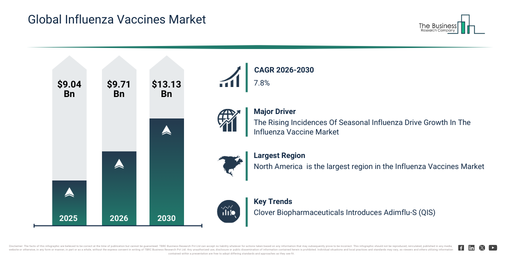
    The influenza vaccines market has experienced substantial expansion in recent years. This market is projected to increase from $9.04 billion in 2025 to $9.71 billion in 2026, reflecting a compound annual growth rate (CAGR) of 7.4%. Historically, this expansion resulted from factors such as the increasing prevalence of seasonal influenza, a limited public awareness during the early 2000s, the widespread use of trivalent vaccines, insufficient global manufacturing capacity, and a dependence on conventional egg-based production methods.

    Projections indicate significant expansion for the influenza vaccines market size in the coming years. This market is projected to reach $13.13 billion in 2030, demonstrating a compound annual growth rate (CAGR) of 7.8%. This anticipated growth during the forecast period can be primarily linked to the wider acceptance of quadrivalent vaccines, the broadening scope of precision medicine approaches, an increase in governmental vaccination programs, advancements in cell-based and recombinant vaccine technologies, and improvements in cold chain and distribution networks. Key trends anticipated during this period encompass the refinement of seasonal vaccine formulations, the growth of pediatric immunization initiatives, a rise in government-backed flu vaccination drives, the incorporation of new adjuvants to boost immunogenicity, and an expansion of vaccine delivery options in home and outpatient settings.

    Get A Free Sample Report With In-Depth Market Insights:

    https://thebusinessresearchcompany.com/sample_request?id=84543780&type=smp&name=Influenza%20Vaccines%20Market%20Report%202026&utm_source=Blogs&utm_medium=Paid&utm_campaign=Oct_PR

    Influenza Vaccines Market Growth Backed By Core Demand Fundamentals

    The influenza vaccine market is anticipated to expand due to increasing seasonal influenza occurrences. Seasonal influenza is defined as a respiratory illness caused by influenza viruses that commonly circulate and lead to infections during particular times of the year, typically in colder months. This increase is a result of antigenic drift, population susceptibility, various environmental factors, incomplete vaccine coverage, and the absence of universal vaccination. Influenza vaccines play a crucial role in lowering the incidences of seasonal influenza by providing immunization against the circulating strains of the virus. For instance, in November 2023, the Centers for Disease Control and Prevention (CDC) reported that the 2022-2023 flu season saw approximately 31 million flu-related illnesses, 14 million flu-related medical visits, 360,000 flu-related hospitalizations, and 21,000 flu-related deaths. Therefore, the rising incidences of seasonal influenza are directly fueling the growth of the influenza vaccines market.

    Influenza Vaccines Market Segment Analysis: What Are The Core Market Categories?

    The influenza vaccines market covered in this report is segmented –

    1) By Vaccine Type: Inactivated, Live Attenuated

    2) By Valency: Quadrivalent, Trivalent

    3) By Route Of Administration: Injection, Nasal Spray

    4) By Age Group: Pediatric, Adult

    5) By Distribution Channel: Hospitals And Pharmacies, Government And Institutional Supply, Other Distribution Channels

    Subsegments:

    1) By Inactivated: Trivalent Inactivated Vaccines (TIV), Quadrivalent Inactivated Vaccines (QIV)

    2) By Live Attenuated: Live Attenuated Influenza Vaccines (LAIV), Quadrivalent Live Attenuated Influenza Vaccines (QLAIV)

    Influenza Vaccines Market Growth Trends Reshaping The Competitive Landscape

    Major companies in the influenza vaccine market are adopting advanced product innovations, such as quadrivalent seasonal influenza vaccines, to strengthen their respiratory vaccine franchise and financial profile. A quadrivalent seasonal influenza vaccine is engineered to protect against four different flu viruses, specifically two influenza A viruses and two influenza B viruses. For instance, in September 2023, Clover Biopharmaceuticals Ltd., a biotechnology company based in China, launched AdimFlu-S (QIS), a quadrivalent seasonal influenza vaccine. This vaccine represents the sole imported quadrivalent seasonal influenza vaccine approved for use in individuals aged three years and older in China. The quadrivalent composition of the vaccine improves its capability to achieve high vaccine effectiveness, irrespective of which influenza B strain becomes seasonally prevalent, when compared to trivalent options.

    Influenza Vaccines Market Top Companies Driving Competitive Growth

    Major companies operating in the influenza vaccines market are Pfizer Inc., Merck & Co Inc., Sanofi-Aventis LLC, GlaxoSmithKline plc, Serum Institute of India Private Limited, Seqirus Inc., CSL Limited, Daiichi Sankyo Company Limited, Moderna Inc., Novavax AB, Bharat Biotech International Limited, Valneva SE, Shionogi & Co Ltd., Sinovac Biotech Co Ltd., Walvax Biotechnology Co Ltd., Hualan Biological Engineering Inc., China National Pharmaceutical Group Corporation, Green Cross Corporation, Mitsubishi Tanabe Pharma Corporation, Osivax, Vaxess Technologies Inc., Gamma Vaccines Pty Ltd

    View The Full Influenza Vaccines Market Report:

    https://thebusinessresearchcompany.com/report/influenza-vaccines-global-market-report?utm_source=Blogs&utm_medium=Paid&utm_campaign=Oct_PR

    Influenza Vaccines Market Geographic Spread And Regional Opportunities

    North America was the largest region in the influenza vaccines market in 2025. Asia-Pacific is expected to be the fastest-growing region in the forecast period. The regions covered in the influenza vaccines market report are Asia-Pacific, South East Asia, Western Europe, Eastern Europe, North America, South America, Middle East, Africa.

    Reach Out To Our Team:

    The Business Research Company: https://www.thebusinessresearchcompany.com/

    Americas: +1 310-496-7795

    Asia: +44 7882 955267 & +91 8897263534

    Europe: +44 7882 955267

    Email us at: marketing@tbrc.info

    Follow us on:

    LinkedIn: https://in.linkedin.com/company/the-business-research-company

    YouTube: https://www.youtube.com/channel/UC24_fI0rV8cR5DxlCpgmyFQ

    Global Market Model: https://www.thebusinessresearchcompany.com/global-market-model
  • Influenza Treatment Market Forecast To Reach $8.19 Billion By 2030: Key Trends Explained

    Influenza Treatment Market Forecast To Reach $8.19 Billion By 2030: Key Trends Explained

    Featuring market attractiveness scoring, total addressable market sizing, company benchmarking matrices, interactive Excel dashboards, deeper supply chain intelligence, emerging startup tracking, and granular product-level insights, The Business Research Company’s 2026 market reports are built to deliver research that is both more actionable and more strategically valuable.

    Influenza Treatment Market Set To Climb From $7.1 Billion In 2026 To $8.19 Billion By 2030

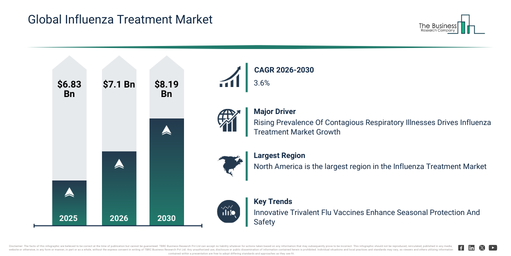
    The influenza treatment market has experienced consistent growth in recent years. Its valuation is anticipated to increase from $6.83 billion in 2025 to $7.1 billion in 2026, demonstrating a compound annual growth rate (CAGR) of 4.0%. This historical expansion can be linked to recurring seasonal influenza outbreaks worldwide, the established clinical effectiveness of neuraminidase inhibitors, the widespread availability of antiviral drugs through pharmacies, a public health focus on minimizing influenza complications, and the long-standing hospital utilization of antiviral treatments.

    The influenza treatment market size is anticipated to experience consistent expansion over the next few years. This market is projected to reach a valuation of $8.19 billion by 2030, exhibiting a compound annual growth rate (CAGR) of 3.6%. The projected increase is due to several factors such as the increasing occurrence of both seasonal and pandemic influenza strains, heightened awareness regarding the advantages of prompt influenza treatment, an expanding elderly demographic susceptible to severe influenza, improved availability of antiviral medications, and a continuous requirement for quick management of flu symptoms. Key trends expected during this period encompass the sustained application of antiviral therapies for managing seasonal influenza, a rising inclination towards starting antiviral treatment early, greater uptake of single-dose and shorter-duration antiviral regimens, an increasing need for oral influenza treatment alternatives, and ongoing dependence on existing antiviral molecules during flu epidemics.

    Get A Free Sample Report With In-Depth Market Insights:

    https://thebusinessresearchcompany.com/sample_request?id=37594702&type=smp&name=Influenza%20Treatment%20Market%20Report%202026&utm_source=Blogs&utm_medium=Paid&utm_campaign=Oct_PR

    Influenza Treatment Market Growth Catalysts And Demand Drivers

    The increasing occurrence of contagious respiratory illnesses is anticipated to drive the expansion of the influenza treatment market in the coming years. These illnesses encompass infectious conditions such as influenza, measles, and respiratory syncytial virus (RSV), which transmit through contact with infected individuals, respiratory droplets, contaminated surfaces, or shared objects. The prevalence of contagious respiratory illnesses is rising due to factors including higher population densities, inadequate healthcare infrastructure, misuse of antibiotics, and increased international travel. The influenza treatment market supports the management of respiratory infections by providing antiviral therapies and vaccines used to treat and prevent illnesses like influenza, COVID-19, and other respiratory viral infections. For instance, in September 2023, the Centers for Disease Control and Prevention (CDC), a US-based national public health agency, reported that RSV-related hospitalizations rose from 2 hospitalizations per 100,000 people during the week ending August 5, 2023, to 7 hospitalizations per 100,000 people by the week ending August 19, 2023. Thus, the heightened prevalence of contagious respiratory illnesses is propelling the growth of the influenza treatment market.

    Influenza Treatment Market Segment Breakdown: Which Categories Lead On Revenue?

    The influenza treatment market covered in this report is segmented –

    1) By Product Type: Peramivir, Zanamivir, Oseltamivir Phosphate, Baloxavir Marboxil, Other Products

    2) By Route Of Administration: Oral, Other Routes Of Administration

    3) By Distribution Channel: Retail Pharmacy, Hospital Pharmacy, Other Distribution Channels

    Subsegments:

    1) By Peramivir: Intravenous Peramivir, Peramivir Injection

    2) By Zanamivir: Inhaled Zanamivir, Zanamivir Diskhaler

    3) By Oseltamivir Phosphate: Oseltamivir Capsules, Oseltamivir Oral Suspension

    4) By Baloxavir Marboxil: Baloxavir Tablets, Baloxavir Granules For Oral Suspension

    5) By Other Products: Rimantadine, Amantadine

    Influenza Treatment Market Trends Shaping Long-Term Demand

    Leading companies in the influenza treatment market are concentrating on developing innovative solutions, such as trivalent inactivated influenza vaccines, to bolster immune protection and prevent seasonal flu outbreaks. These trivalent inactivated influenza vaccines are flu shots that incorporate three killed virus strains, designed to offer defense against the most common influenza viruses each season. For example, in September 2025, Zydus Lifesciences Limited, an India-based pharmaceutical company, introduced VaxiFlu, India’s first trivalent influenza vaccine, in alignment with WHO’s global recommendations. VaxiFlu is approved for individuals aged six months and above, containing updated WHO-recommended virus strains (A/H1N1, A/H3N2, and a B/Victoria lineage) to ensure seasonal relevance, while intentionally excluding the B/Yamagata lineage, which has not circulated widely in recent years. This vaccine’s formulation enables precision-targeted vaccination, thereby reducing unnecessary antigen exposure and improving safety profiles compared to earlier quadrivalent formulations. Furthermore, this method is consistent with public health strategies in countries where B/Yamagata lineage viruses are no longer prevalent.

    Influenza Treatment Market Leading Players And Competitive Positioning

    Major companies operating in the influenza treatment market are F. Hoffmann-La Roche Ltd., GlaxoSmithKline Plc, Takeda Pharmaceutical Company, Gilead Sciences Inc., Viatris Inc., Teva Pharmaceutical Industries Ltd., Sun Pharmaceutical Industries Limited, Cipla Ltd, Dr. Reddy’s Laboratories Ltd., Lupin Limited, NATCO Pharma Limited, Aurobindo Pharma Limited, Zydus Lifesciences Limited, Torrent Pharmaceuticals Ltd., Hetero Drugs Limited, BioCryst Pharmaceuticals Inc., NanoViricides Inc., Shionogi & Co. Ltd., Chugai Pharmaceutical Co. Ltd., Alkem Laboratories Limited

    View The Full Influenza Treatment Market Report:

    https://thebusinessresearchcompany.com/report/influenza-treatment-global-market-report?utm_source=Blogs&utm_medium=Paid&utm_campaign=Oct_PR

    Influenza Treatment Market Top Region By Revenue And Market Share

    North America was the largest region in the influenza treatment market in 2025. Asia-Pacific is expected to be the fastest-growing region in the forecast period. The regions covered in the influenza treatment market report are Asia-Pacific, South East Asia, Western Europe, Eastern Europe, North America, South America, Middle East, Africa.

    Reach Out To Our Team:

    The Business Research Company: https://www.thebusinessresearchcompany.com/

    Americas: +1 310-496-7795

    Asia: +44 7882 955267 & +91 8897263534

    Europe: +44 7882 955267

    Email us at: marketing@tbrc.info

    Follow us on:

    LinkedIn: https://in.linkedin.com/company/the-business-research-company

    YouTube: https://www.youtube.com/channel/UC24_fI0rV8cR5DxlCpgmyFQ

    Global Market Model: https://www.thebusinessresearchcompany.com/global-market-model
  • Influenza Drug Market Analysis Through 2030: Market Size, Growth Trends And Industry Outlook

    Influenza Drug Market Analysis Through 2030: Market Size, Growth Trends And Industry Outlook

    Built to provide research that’s more actionable and strategically valuable, The Business Research Company’s 2026 market reports include market attractiveness analysis, total addressable market sizing, company benchmarking matrices, interactive Excel dashboards, broader supply chain intelligence, emerging startup tracking, and in-depth product insights.

    Influenza Drug Market Forecast: Value Set To Climb From $1.1 Billion To $1.39 Billion

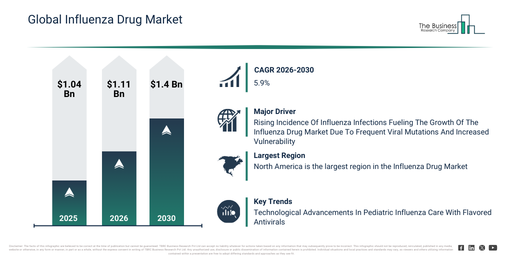
    The influenza drug market size has demonstrated robust expansion in recent years. It is projected to increase from $1.04 billion in 2025 to $1.11 billion in 2026, reflecting a compound annual growth rate (CAGR) of 6.2%. This growth during the historical period is attributable to factors such as seasonal influenza outbreaks, the rising global incidence of influenza, the advancement of first-generation antiviral drugs, an expanding hospital and clinic infrastructure, and heightened public awareness regarding flu prevention.

    The influenza drug market size is anticipated to expand significantly in the coming years. By 2030, this market is forecasted to reach $1.4 billion, demonstrating a compound annual growth rate (CAGR) of 5.9%. This projected growth during the forecast period stems from several factors, including the introduction of advanced antiviral treatments, intensified vaccination drives, the uptake of digital health monitoring instruments, a rise in governmental efforts aimed at flu prevention, and increased research into host-targeted therapies. Key trends anticipated within the forecast timeframe encompass the wider use of rapid influenza diagnostic tests, a growing need for versatile broad-spectrum antiviral medications, the broadening of vaccination schemes and proactive healthcare strategies, the incorporation of telemedicine and remote patient observation, and the development of customized and specific influenza therapies.

    Get A Free Sample Report With In-Depth Market Insights:

    https://thebusinessresearchcompany.com/sample_request?id=26501984&type=smp&name=Influenza%20Drug%20Market%20Report%202026&utm_source=Blogs&utm_medium=Paid&utm_campaign=Oct_PR

    Influenza Drug Market Opportunity Drivers: What’s Unlocking New Revenue Potential?

    The growth of the influenza drug market is anticipated to be driven by the increasing occurrence of influenza infections. These infections are contagious respiratory illnesses caused by influenza viruses, leading to symptoms such as fever, cough, sore throat, and body aches. The escalating incidence of influenza infections is attributed to frequent viral mutations, which reduce vaccine effectiveness and make populations more vulnerable to outbreaks. Influenza drugs play a vital role in addressing this by providing effective treatment options that help mitigate disease severity and control widespread transmission. For instance, in September 2023, the Centers for Disease Control and Prevention (CDC), a US-based national public health agency of the United States, reported preliminary in-season estimates for the 2022–2023 season, indicating that influenza virus infections in the United States resulted in 31 million symptomatic illnesses, 14 million medical visits, 360,000 hospitalizations, and 21,000 deaths. Therefore, the rising incidence of influenza infections is a primary driver for the expansion of the influenza drug market.

    Influenza Drug Market Segmentation: How Does The Market Break Down By Category?

    The influenza drug market covered in this report is segmented –

    1) By Type: Influenza A, Influenza B, Influenza C

    2) By Distribution Channel: Hospital Pharmacies, Retail Pharmacies, Online Pharmacies

    3) By Route Of Administration: Oral, Intranasal, Intravenous

    4) By Mechanism Of Action: Neuraminidase Inhibitors, Cap-Dependent Endonuclease Inhibitors, Fusion Inhibitors, M2 Ion Channel Inhibitors, Host Cell Protease Inhibitors, Immunomodulatory Agents, Ribonucleic Acid (RNA) Polymerase Inhibitors, Hemagglutinin Stem Binders, Host Factor Targeting

    5) By End-User: Hospitals And Clinics, Pharmacies, Research Institutions, Government Health Agencies, Long-Term Care Facilities, Community Health Centers, Corporate Health Programs

    Influenza Drug Market Innovation Trends Shaping Future Development

    Leading businesses within the influenza drug market are concentrating on technological breakthroughs, particularly in drug formulation, to improve the efficacy of treatments, patient adherence, and overall health results. This process generally entails mixing inactive substances and excipients with active pharmaceutical ingredients (APIs) to create effective drug products possessing specific characteristics. As an illustration, F. Hoffmann-La Roche Ltd., a Swiss firm specializing in pharmaceuticals and diagnostics, introduced Baloxavir Marboxil for Suspension in August 2024. This new product is a strawberry-flavored, single-dose oral antiviral specifically developed for pediatric use, allowing parents to precisely manage weight-based doses, thereby simplifying administration and improving adherence. This particular innovation offers an exact home-based medication delivery solution, consistent with prescription delivery services, empowering caregivers to conveniently manage children’s influenza treatment at home according to a prescription. Its advantages encompass a unique mechanism of action and better adherence, though the potential for resistance could arise over time, particularly in children.

    Influenza Drug Market Competitive Overview And Top Companies

    Major companies operating in the influenza drug market are F. Hoffmann-La Roche Ltd., Pfizer Inc., AstraZeneca PLC, GlaxoSmithKline plc, Daiichi Sankyo Co. Ltd., Shionogi & Co. Ltd., Green Cross Corp, Emergent BioSolutions Inc., BioCryst Pharmaceuticals Inc., SAB Biotherapeutics Inc., Viriom Inc., Cocrystal Pharma Inc.

    View The Full Influenza Drug Market Report:

    https://thebusinessresearchcompany.com/report/influenza-drug-global-market-report?utm_source=Blogs&utm_medium=Paid&utm_campaign=Oct_PR

    Influenza Drug Market Regional Analysis And Top Geography

    North America was the largest region in the influenza drug market in 2025. Asia-Pacific is expected to be the fastest-growing region in the forecast period. The regions covered in the influenza drug market report are Asia-Pacific, South East Asia, Western Europe, Eastern Europe, North America, South America, Middle East, Africa.

    Reach Out To Our Team:

    The Business Research Company: https://www.thebusinessresearchcompany.com/

    Americas: +1 310-496-7795

    Asia: +44 7882 955267 & +91 8897263534

    Europe: +44 7882 955267

    Email us at: marketing@tbrc.info

    Follow us on:

    LinkedIn: https://in.linkedin.com/company/the-business-research-company

    YouTube: https://www.youtube.com/channel/UC24_fI0rV8cR5DxlCpgmyFQ

    Global Market Model: https://www.thebusinessresearchcompany.com/global-market-model
  • Inflammatory Bowel Disease Treatment Market Outlook From 2026 To 2030: Key Growth Factors And Future Opportunities

    Inflammatory Bowel Disease Treatment Market Outlook From 2026 To 2030: Key Growth Factors And Future Opportunities

    Backed by market attractiveness analysis, total addressable market sizing, company benchmarking matrices, interactive Excel dashboards, wider supply chain intelligence, emerging startup coverage, and detailed product-level insights, The Business Research Company’s 2026 market reports are designed to offer research that is more actionable and strategically valuable than ever.

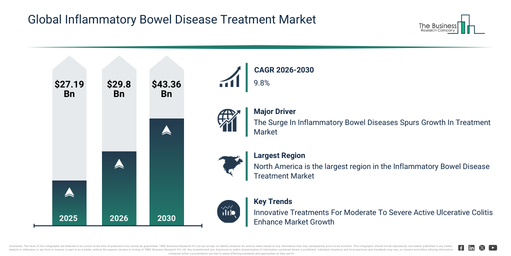
    Inflammatory Bowel Disease Treatment Market Revenue Growth On Track For A 9.8% CAGR Through 2030

    The inflammatory bowel disease treatment market has witnessed significant expansion in recent years. Its valuation is forecast to climb from $27.19 billion in 2025 to $29.8 billion in 2026, advancing at a compound annual growth rate (CAGR) of 9.6%. This historical growth can be linked to the increasing prevalence of ulcerative colitis and Crohn’s disease, enhanced awareness of available IBD treatment options, the broadening of hospital and retail pharmacy networks, the accessibility of generic aminosalicylates, and the early embrace of biologics in more developed areas.

    The inflammatory bowel disease treatment market is projected to experience robust expansion over the coming years. Its valuation is set to reach $43.36 billion in 2030, demonstrating a compound annual growth rate (CAGR) of 9.8%. This anticipated growth during the projection period stems from heightened investment in precision medicine, the creation of innovative anti-inflammatory treatments, the incorporation of digital health platforms for monitoring patients, increased adoption of biologics and biosimilars, and expanded availability of ibd treatment in developing markets. Significant trends during the forecast period encompass the evolution of personalized ibd therapy, a rise in the application of biologics for treatment, the emergence of minimally invasive drug delivery methods, an increased emphasis on patient adherence initiatives, and the expansion of specialty pharmacies catering to ibd.

    Get A Free Sample Report With In-Depth Market Insights:

    https://thebusinessresearchcompany.com/sample_request?id=88477813&type=smp&name=Inflammatory%20Bowel%20Disease%20Treatment%20Market%20Report%202026&utm_source=Blogs&utm_medium=Paid&utm_campaign=Oct_PR

    Inflammatory Bowel Disease Treatment Market Growth Momentum: What Factors Are Shaping Demand?

    The increasing incidence of Crohn’s disease and ulcerative colitis is a significant factor propelling the inflammatory bowel disease treatment market. Crohn’s disease and ulcerative colitis are forms of inflammatory bowel diseases (IBD) that lead to inflammation and sores (ulcers) within the digestive tract. The growing number of Crohn’s disease and ulcerative colitis cases is anticipated to heighten the demand for inflammatory bowel disease treatments, as these are widely utilized to alleviate bowel inflammation and to lessen and prevent medical complications. For example, in November 2024, data from the Crohn’s & Colitis Foundation, a US-based Non-profit organization, revealed that approximately 100,429 children and adolescents in the United States under 20 years old are affected by IBD, which includes both Crohn’s disease and ulcerative colitis. Among this young population, Crohn’s disease is more common, showing a prevalence of 71 per 100,000, compared to 44 per 100,000 for ulcerative colitis. Thus, the escalating prevalence of Crohn’s disease and ulcerative colitis is expected to drive the growth of the inflammatory bowel disease treatment market.

    Inflammatory Bowel Disease Treatment Market Segment Trends And Revenue Contributors

    The inflammatory bowel disease treatment market covered in this report is segmented –

    1) By Drug Class: Aminosalicylates, Corticosteroids, TNF inhibitors, IL inhibitors, Anti-integrin, JAK inhibitors, Other Drug Classes

    2) By Type: Crohn’s Disease, Ulcerative Colitis

    3) By Route Of Administration: Oral, Injectable

    4) By Distribution Channel: Hospital Pharmacy, Retail Pharmacy, Online Pharmacy

    Subsegments:

    1) By Aminosalicylates: Mesalamine, Sulfasalazine, Balsalazide

    2) By Corticosteroids: Prednisone, Budesonide, Hydrocortisone

    3) By TNF Inhibitors: Infliximab, Adalimumab, Certolizumab pegol

    4) By IL Inhibitors: Ustekinumab, Guselkumab

    5) By Anti-Integrin: Vedolizumab, Natalizumab

    6) By JAK Inhibitors: Tofacitinib, Filgotinib

    7) By Other Drug Classes: Antibiotics, Immunosuppressants, Other Novel Therapies

    Inflammatory Bowel Disease Treatment Market Trends Redefining Industry Growth

    Companies within the inflammatory bowel disease treatment market are innovating new products, including therapies for moderate to severe active ulcerative colitis, aiming to expand their customer reach, boost sales, and generate higher revenue. These treatments for moderate to severe active ulcerative colitis generally involve pharmaceuticals and, in some cases, surgical procedures. As an example, in October 2023, the US-based pharmaceutical firm, Eli Lilly and Company, disclosed that the U. S. Food and Drug Administration (FDA) had approved Omvoh (mirikizumab-mrkz). This product, offered as both an infusion (300 mg/15 mL) and an injection (100 mg/mL), stands as the first and only interleukin-23p19 (IL-23p19) antagonist developed to address moderately to severely active ulcerative colitis (UC) in adults. Omvoh is engineered to target the p19 subunit of IL-23, thereby inhibiting the IL-23 pathway, which is a key driver of the inflammation central to UC’s progression. The therapeutic approach for Omvoh commences with three 300-mg IV infusions, given once a week every four weeks, followed by a maintenance stage consisting of two 100-mg subcutaneous self-injections administered every four weeks.

    Inflammatory Bowel Disease Treatment Market Competitive Landscape: Which Companies Lead The Industry?

    Major companies operating in the inflammatory bowel disease treatment market are AbbVie Inc., Biogen Inc., Johnson & Johnson, Amgen Inc., Boehringer Ingelheim International GmbH, Bristol-Myers Squibb Company, Celgene Corporation, Eli Lilly and Company, Gilead Sciences Inc., GlaxoSmithKline plc, Merck & Co. Inc., Novartis International AG, Pfizer Inc., F. Hoffmann-La Roche Ltd, Takeda Pharmaceutical Company Limited, Salix Pharmaceuticals Inc., Vifor Pharma AG, Zydus Pharmaceuticals (USA) Inc., Advanced Gastroenterology and Surgery Associates P.A., Atlanta Gastroenterology Associates LLC, Digestive Disease Associates of Rockland P.C., Gastrointestinal Specialists Inc., Illinois Gastroenterology Group LLC, Massachusetts General Hospital, Mayo Clinic, Mount Sinai Health System Inc., The Oregon Clinic – Gastroenterology West P.C.

    View The Full Inflammatory Bowel Disease Treatment Market Report:

    https://thebusinessresearchcompany.com/report/inflammatory-bowel-disease-treatment-global-market-report?utm_source=Blogs&utm_medium=Paid&utm_campaign=Oct_PR

    Inflammatory Bowel Disease Treatment Market Geographic Analysis: Where Is Demand Rising Fastest?

    North America was the largest region in the inflammatory bowel disease treatment market in 2025. Asia-Pacific is expected to be the fastest-growing region in the forecast period. The regions covered in the inflammatory bowel disease treatment market report are Asia-Pacific, South East Asia, Western Europe, Eastern Europe, North America, South America, Middle East, Africa.

    Reach Out To Our Team:

    The Business Research Company: https://www.thebusinessresearchcompany.com/

    Americas: +1 310-496-7795

    Asia: +44 7882 955267 & +91 8897263534

    Europe: +44 7882 955267

    Email us at: marketing@tbrc.info

    Follow us on:

    LinkedIn: https://in.linkedin.com/company/the-business-research-company

    YouTube: https://www.youtube.com/channel/UC24_fI0rV8cR5DxlCpgmyFQ

    Global Market Model: https://www.thebusinessresearchcompany.com/global-market-model
  • Incretin-Based Drugs Market Growth Forecast: Market Size, Key Trends And Emerging Opportunities Through 2030

    Incretin-Based Drugs Market Growth Forecast: Market Size, Key Trends And Emerging Opportunities Through 2030

    Featuring market attractiveness scoring, total addressable market sizing, company benchmarking matrices, interactive Excel dashboards, deeper supply chain intelligence, emerging startup tracking, and granular product-level insights, The Business Research Company’s 2026 market reports are built to deliver research that is both more actionable and more strategically valuable.

    Incretin-Based Drugs Market Value Growth And Long-Term Outlook

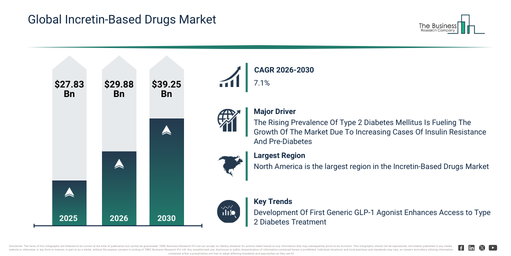
    The incretin-based drugs market has witnessed substantial expansion in recent years. This market is anticipated to expand from $27.83 billion in 2025 to $29.88 billion in 2026, achieving a compound annual growth rate (CAGR) of 7.4%. The increase observed in the preceding period is attributable to factors such as the widespread prevalence of type 2 diabetes, existing insulin resistance rates, the rise in lifestyle-related metabolic disorders, the greater adoption of endocrinology drugs, and the establishment of hospital diabetes programs.

    The incretin-based drugs market is anticipated to experience substantial expansion over the coming years. This market is projected to reach $39.25 billion in 2030, exhibiting a compound annual growth rate (CAGR) of 7.1%. This projected growth stems from factors such as the global obesity epidemic, the increasing demand for weight management drugs, advancements in long-acting incretin innovation, the rise of personalized diabetes care, and a heightened focus on preventive metabolic health. Key developments expected during this period involve the swift embrace of GLP-1 receptor agonists, the broadening of indications for obesity management, a rise in the application of oral incretin therapies, the development of more combination therapy approaches, and enhanced patient adherence due to weekly dosing regimens.

    Get A Free Sample Report With In-Depth Market Insights:

    https://thebusinessresearchcompany.com/sample_request?id=13362513&type=smp&name=Incretin-Based%20Drugs%20Market%20Report%202026&utm_source=Blogs&utm_medium=Paid&utm_campaign=Oct_PR

    Incretin-Based Drugs Market Expansion Drivers: What’s Shaping Future Growth?

    An increasing incidence of type 2 diabetes mellitus is anticipated to significantly boost the expansion of the incretin-based drugs market in the future. This condition is a persistent metabolic ailment marked by the body’s resistance to insulin and reduced insulin production, resulting in elevated blood sugar concentrations. Its widespread occurrence stems from unhealthy dietary habits and a lack of physical activity, which induce insulin resistance, diminishing the body’s capacity to manage blood sugar. Incretin-based medications manage type 2 diabetes by enhancing insulin secretion post-meals and decreasing glucagon output, thereby contributing to lower blood glucose. Furthermore, they extend gastric emptying time and suppress appetite, which assists in glycemic management and contributes to weight reduction. As an illustration, the National Health Service, a UK-based government department, reported in June 2024 that during 2023, approximately 549,000 additional individuals in England were identified as being at risk of developing type 2 diabetes, elevating the total pre-diabetic population to more than 3.6 million, representing a nearly 20% surge from 2022. Consequently, the increasing prevalence of type 2 diabetes mellitus is propelling the growth of the incretin-based drugs market.

    Incretin-Based Drugs Market Segment Analysis Spotlighting Growth Areas

    The incretin-based drugs market covered in this report is segmented –

    1) By Type: Glucagon-Like Peptide-1 Receptor (GLP-1) Agonists, Dipeptidyl Peptidase-4 (DPP-4) Inhibitors

    2) By Route Of Administration: Oral, Injectable

    3) By Distribution Channel: Hospital Pharmacies, Retail Pharmacies, Online Pharmacies

    4) By Application: Type 2 Diabetes, Obesity, Other Applications

    Subsegments:

    1) By Glucagon-Like Peptide-1 Receptor (GLP-1) Agonists: Exenatide, Liraglutide, Dulaglutide, Semaglutide, Lixisenatide

    2) By Dipeptidyl Peptidase-4 (DPP-4) Inhibitors: Sitagliptin, Saxagliptin, Linagliptin, Alogliptin, Vildagliptin

    Incretin-Based Drugs Market Strategic Trends: What Defines The Next Growth Phase?

    Companies operating in the incretin-based drugs market are prioritizing the development of generic drug versions to offer more effective and patient-friendly treatment options for type 2 diabetes. A generic drug is a medication that possesses the same active ingredients, strength, dosage form, and route of administration as a brand-name drug, but it is marketed under its chemical name without brand labeling. For instance, in December 2024, Hikma Pharmaceuticals PLC, a UK-based pharmaceutical company, introduced the first generic version of Victoza (liraglutide) injection, 6 mg/mL, in the United States. This product received Food and Drug Administration (FDA) approval. It is indicated as an adjunct to diet and exercise to improve glycemic control in adults and pediatric patients aged 10 years and older with type 2 diabetes, providing a new, more affordable option during ongoing shortages of GLP-1 medications.

    Incretin-Based Drugs Market Leading Companies: Who Holds The Strongest Market Presence?

    Major companies operating in the incretin-based drugs market are Pfizer Inc., Johnson & Johnson, Roche Holding AG, AbbVie Inc., Bristol-Myers Squibb Company, AstraZeneca PLC, Novartis AG, GlaxoSmithKline plc, Eli Lilly and Company, Takeda Pharmaceutical Company Limited, Amgen Inc., Novo Nordisk A/S, Viatris, Boehringer Ingelheim GmbH, Astellas Pharma Inc., Daiichi Sankyo Company Limited, Sun Pharmaceutical Industries Ltd., Sumitomo Dainippon Pharma Co. Ltd., Hikma Pharmaceuticals PLC, Lupin Limited, Mitsubishi Tanabe Pharma Corporation

    View The Full Incretin-Based Drugs Market Report:

    https://thebusinessresearchcompany.com/report/incretin-based-drugs-global-market-report?utm_source=Blogs&utm_medium=Paid&utm_campaign=Oct_PR

    Incretin-Based Drugs Market Global Footprint: Which Region Leads The Market?

    North America was the largest region in the incretin-based drugs market in 2025. Asia-Pacific is expected to be the fastest-growing region in the forecast period. The regions covered in the incretin-based drugs market report are Asia-Pacific, South East Asia, Western Europe, Eastern Europe, North America, South America, Middle East, Africa.

    Reach Out To Our Team:

    The Business Research Company: https://www.thebusinessresearchcompany.com/

    Americas: +1 310-496-7795

    Asia: +44 7882 955267 & +91 8897263534

    Europe: +44 7882 955267

    Email us at: marketing@tbrc.info

    Follow us on:

    LinkedIn: https://in.linkedin.com/company/the-business-research-company

    YouTube: https://www.youtube.com/channel/UC24_fI0rV8cR5DxlCpgmyFQ

    Global Market Model: https://www.thebusinessresearchcompany.com/global-market-model