Month: October 2026

  • Disposable Flow-Battery Bioreactor Market Analysis: $1.54 Billion Market Size In 2026 And Future Growth Prospects

    Disposable Flow-Battery Bioreactor Market Analysis: $1.54 Billion Market Size In 2026 And Future Growth Prospects

    Built to provide research that’s more actionable and strategically valuable, The Business Research Company’s 2026 market reports include market attractiveness analysis, total addressable market sizing, company benchmarking matrices, interactive Excel dashboards, broader supply chain intelligence, emerging startup tracking, and in-depth product insights.

    Disposable Flow-Battery Bioreactor Market Size Forecast: How Big Could The Market Get By 2030?

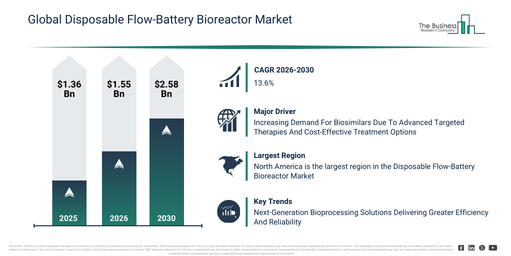
    The disposable flow-battery bioreactor market size has experienced rapid growth in recent years. It is anticipated to increase from $1.36 billion in 2025 to $1.55 billion in 2026, achieving a compound annual growth rate (CAGR) of 13.9%. This historical growth can be attributed to several factors, including growth in biopharmaceutical manufacturing, rising demand for flexible production systems, expansion of contract manufacturing activities, increased adoption of disposable bioprocessing equipment, and a focus on contamination risk reduction.

    The disposable flow-battery bioreactor market size is projected to experience substantial expansion over the upcoming years. This market is anticipated to reach a valuation of $2.58 billion by 2030, exhibiting a compound annual growth rate (CAGR) of 13.6%. Factors driving this expansion during the projection period include escalating investments in sophisticated biomanufacturing technologies, a surge in the embrace of continuous processing models, the broadening scope of cell and gene therapy manufacturing, a heightened focus on economical bioproduction, and a rising need for adaptable single-use systems. Key developments anticipated within the forecast timeframe encompass the wider acceptance of single-use bioprocessing systems, an escalating requirement for continuous bioproduction solutions, the increasing incorporation of energy-efficient flow technologies, the proliferation of modular bioreactor configurations, and an intensified commitment to sterility and operational adaptability.

    Get A Free Sample Report With In-Depth Market Insights:

    https://thebusinessresearchcompany.com/sample_request?id=44345666&type=smp&name=Disposable%20Flow-Battery%20Bioreactor%20Market%20Report%202026&utm_source=Blogs&utm_medium=Paid&utm_campaign=Oct_PR

    Disposable Flow-Battery Bioreactor Market Demand Drivers Opening New Revenue Streams

    The disposable flow-battery bioreactor market is anticipated to expand due to the escalating need for biosimilars. These biosimilars are cost-effective versions of approved biologics that are remarkably similar and show no significant clinical differences. The increasing preference for biosimilars stems from patients and healthcare providers actively seeking advanced, targeted treatments that promise enhanced outcomes, greater accessibility, and reduced expenses for managing chronic and complex conditions. Disposable flow-battery bioreactors play a crucial role in supporting biosimilar production by offering an adaptable, scalable, and contamination-resistant platform. This platform facilitates efficient cell culture, allows for precise control over process parameters, and enables swift production cycles, thereby accelerating development timelines, lowering manufacturing costs, and guaranteeing the consistent quality and effectiveness of biosimilar products. For example, Samsung Bioepis Co. Ltd., a biopharmaceutical firm based in South Korea, reported that in 2024, the Food and Drug Administration (FDA), a federal agency in the US, granted approval to 45 biosimilars, of which 38 were launched in the US, indicating substantial market adoption relative to the total approvals. Consequently, the rising demand for biologics and biosimilars is a key factor propelling the disposable flow-battery bioreactor market. The growth of the disposable flow battery reactor market is expected to be propelled by the increasing demand for biopharmaceutical manufacturing. This manufacturing process involves creating therapeutic medications using living cells, biological molecules, and biotechnological methods, ensuring the production of safe, effective, and consistent medicines for medical applications. The surge in demand for biopharmaceutical manufacturing is linked to the rising global incidence of chronic and complex diseases, which in turn necessitates advanced, targeted therapies that are more efficacious and personalized than traditional treatments. Disposable flow-battery reactors support biopharmaceutical manufacturing by enabling the efficient, scalable, and contamination-resistant production of biologics. This capability leads to faster process development, consistent product quality, and reduced operational expenses. For instance, in 2023, according to the Pharmaceutical Research and Manufacturers Association (PhRMA), a government organization based in the US, biopharmaceutical companies in the U.S. allocated approximately $96 billion to research and development, accounting for over 20 percent of their total sales. Thus, the escalating demand for biopharmaceutical manufacturing is a significant driver for the disposable flow battery reactor market.

    Disposable Flow-Battery Bioreactor Market Breakdown By Product Type And Application

    The disposable flow-battery bioreactor market covered in this report is segmented –

    1) By Product Type: Single-Use Flow-Battery Bioreactors, Multi-Use Disposable Flow-Battery Bioreactors

    2) By Application: Biopharmaceutical Production, Cell Therapy, Vaccine Manufacturing, Research and Development

    3) By End-User: Pharmaceutical And Biotechnology Companies, Academic And Research Institutes, Contract Manufacturing Organizations, Other End-Users

    Subsegments:

    1) By Single-Use Flow-Battery Bioreactors: Modular Single-Use Flow-Battery Bioreactors, Integrated Single-Use Flow-Battery Bioreactors, Compact Single-Use Flow-Battery Bioreactors, Large-Scale Single-Use Flow-Battery Bioreactors

    2) By Multi-Use Disposable Flow-Battery Bioreactors: Hybrid Multi-Use Disposable Flow-Battery Bioreactors, Automated Multi-Use Disposable Flow-Battery Bioreactors, Pilot-Scale Multi-Use Disposable Flow-Battery Bioreactors, Industrial-Scale Multi-Use Disposable Flow-Battery Bioreactors

    Disposable Flow-Battery Bioreactor Market Trends Powering Strategic Industry Growth

    Major entities operating within the disposable flow-battery bioreactor market are prioritizing innovations such as single-user reactor systems, aiming to elevate process efficiency, mitigate contamination risks, and facilitate quicker production of complex biologics. A single-use reactor is essentially a disposable bioreactor system intended for one-time application in biopharmaceutical manufacturing, thereby eliminating the requirement for cleaning and sterilization between subsequent batches. For example, in September 2024, Merck KGaA, a Germany-based biopharmaceutical organization, introduced its first single-use reactor specifically engineered for the manufacture of antibody drug conjugates (ADCs). ADCs are a rapidly expanding group of therapeutic agents designed to precisely target and eradicate tumor cells without harming healthy tissue. This reactor significantly improves manufacturing efficiency by 70% compared to traditional stainless steel or glass approaches, features Ultimus Film for exceptional leak resistance, and marks the advent of the first scalable single-use mixer exclusively dedicated to ADC production.

    Disposable Flow-Battery Bioreactor Market Company Landscape And Competitive Strategy

    Major companies operating in the disposable flow-battery bioreactor market are Thermo Fisher Scientific, Sartorius AG, Merck KGaA, Eppendorf AG, GE Healthcare, PBS Biotech Inc., Getinge, Distek Inc., Donaldson (Solaris Biotech), Cellexus Ltd., ABEC Inc., Pierre Guerin Technologies, Bioengineering AG, Infors HT, ZETA GmbH, Corning Incorporated, Tofflon Life Sciences, CerCell ApS, Beckman Coulter, Meissner Filtration Products Inc

    View The Full Disposable Flow-Battery Bioreactor Market Report:

    https://thebusinessresearchcompany.com/report/disposable-flow-battery-bioreactor-global-market-report?utm_source=Blogs&utm_medium=Paid&utm_campaign=Oct_PR

    Disposable Flow-Battery Bioreactor Market Leading Geography: Which Region Contributes The Most Revenue?

    North America was the largest region in the disposable flow-battery bioreactor market in 2025. Asia-Pacific is expected to be the fastest-growing region in the forecast period. The regions covered in the disposable flow-battery bioreactor market report are Asia-Pacific, South East Asia, Western Europe, Eastern Europe, North America, South America, Middle East, Africa.

    Reach Out To Our Team:

    The Business Research Company: https://www.thebusinessresearchcompany.com/

    Americas: +1 310-496-7795

    Asia: +44 7882 955267 & +91 8897263534

    Europe: +44 7882 955267

    Email us at: marketing@tbrc.info

    Follow us on:

    LinkedIn: https://in.linkedin.com/company/the-business-research-company

    YouTube: https://www.youtube.com/channel/UC24_fI0rV8cR5DxlCpgmyFQ

    Global Market Model: https://www.thebusinessresearchcompany.com/global-market-model

  • Dipeptide Peptidase 4 Inhibitors Market 2026 Market Size And Growth Forecast: Key Trends To Watch

    Dipeptide Peptidase 4 Inhibitors Market 2026 Market Size And Growth Forecast: Key Trends To Watch

    Backed by market attractiveness analysis, total addressable market sizing, company benchmarking matrices, interactive Excel dashboards, wider supply chain intelligence, emerging startup coverage, and detailed product-level insights, The Business Research Company’s 2026 market reports are designed to offer research that is more actionable and strategically valuable than ever.

    Dipeptide Peptidase 4 Inhibitors Market Revenue Outlook: What CAGR Lies Ahead Through 2030?

    The dipeptide peptidase 4 inhibitors market has experienced consistent expansion in recent years. It is projected to increase from $11.81 billion in 2025 to $12.39 billion in 2026, exhibiting a compound annual growth rate (CAGR) of 5.0%. The past growth can be attributed to several factors including the rising global occurrence of type 2 diabetes, the necessity for glucose-reducing treatments with minimal hypoglycemia risk, the broad clinical acceptance of incretin-based therapies, the availability of various branded DPP-4 inhibitors, and the expansion of diabetes management in outpatient settings.

    The market for dipeptide peptidase 4 inhibitors is projected to experience consistent expansion over the upcoming years. By 2030, this market is anticipated to reach a valuation of $14.78 billion, exhibiting a compound annual growth rate (CAGR) of 4.5%. Factors contributing to this expansion during the projection period include an increasing worldwide diabetic population, greater uptake of combination treatments for diabetes, an emphasis on convenient oral medications for patients, improved availability of diabetes care in developing regions, and ongoing requirements for economical glycemic management solutions. Significant trends expected in the forecast period encompass the ongoing application of DPP-4 inhibitors as supplementary therapy for type 2 diabetes, a stronger inclination towards oral antidiabetic drugs, wider use of DPP-4 inhibitors among older diabetic patients, an escalating need for fixed-dose combination treatments, and a gradual move towards generic versions of DPP-4 inhibitor formulations.

    Get A Free Sample Report With In-Depth Market Insights:

    https://thebusinessresearchcompany.com/sample_request?id=48217868&type=smp&name=Dipeptide%20Peptidase%204%20Inhibitors%20Market%20Report%202026&utm_source=Blogs&utm_medium=Paid&utm_campaign=Oct_PR

    Dipeptide Peptidase 4 Inhibitors Market Growth Backed By Core Demand Fundamentals

    The growing incidence of diabetes is projected to fuel the expansion of the dipeptide peptidase 4 inhibitors market in the coming years. Diabetes, a long-term health condition, impacts how the body processes glucose, which serves as a vital energy source for its cells. The increase in diabetes cases largely stems from the widespread adoption of inactive lifestyles and poor dietary habits in modern societies. Dipeptidyl peptidase 4 inhibitors are employed in managing diabetes to improve blood sugar regulation by preventing the breakdown of incretin hormones. For example, in 2024, data from the International Diabetes Federation, a health organization based in Belgium, indicated that 537 million adults (1 in 10) had diabetes in 2021, a number anticipated to climb to 643 million by 2030 and reach 783 million by 2045. Consequently, the increasing occurrence of diabetes is a significant force propelling the dipeptide peptidase 4 inhibitors market.

    Dipeptide Peptidase 4 Inhibitors Market Segment Analysis And Revenue Potential

    The dipeptide peptidase 4 inhibitors market covered in this report is segmented –

    1) By Type: Sitagliptin, Saxagliptin, Linagliptin, Alogliptin, Vildagliptin, Other Types

    2) By Distribution Channel: Hospital Pharmacies, Retail Pharmacies, Online Channels

    3) By Application: Type 2 Diabetes, Gestational Diabetes, Metabolic Syndrome, Other Applications

    Subsegments:

    1) By Sitagliptin: Branded Sitagliptin, Generic Sitagliptin, Sitagliptin Monotherapy, Sitagliptin Combination Therapy

    2) By Saxagliptin: Branded Saxagliptin, Generic Saxagliptin, Saxagliptin Monotherapy, Saxagliptin Combination Therapy

    3) By Linagliptin: Branded Linagliptin, Generic Linagliptin, Linagliptin Monotherapy, Linagliptin Combination Therapy

    4) By Alogliptin: Branded Alogliptin, Generic Alogliptin, Alogliptin Monotherapy, Alogliptin Combination Therapy

    5) By Vildagliptin: Branded Vildagliptin, Generic Vildagliptin, Vildagliptin Monotherapy, Vildagliptin Combination Therapy

    6) By Other Types: Teneligliptin, Anagliptin, Gemigliptin, Trelagliptin

    Dipeptide Peptidase 4 Inhibitors Market Key Players Shaping Industry Direction

    Major companies operating in the dipeptide peptidase 4 inhibitors market are Merck & Co. Inc., Novartis AG, Bristol Myers Squibb Company, AstraZeneca Plc, Boehringer Ingelheim International GmbH, Takeda Pharmaceutical Company Limited, Daiichi Sankyo Company Limited, Macleods Pharmaceuticals Ltd., Mitsubishi Tanabe Pharma Corp., Dr. Reddy’s Laboratories Ltd., Cipla Limited, Cadila Healthcare Limited, Lupin Limited, Zydus Lifesciences Ltd., Glenmark Pharmaceuticals Ltd., Aurobindo Pharma Limited, Alkem Laboratories Ltd., Torrent Pharmaceuticals Limited, Biocon Limited, LG Life Sciences, USV Private Limited, Sanwa Kagaku Kenkyusho Co. Ltd., Kowa Company Ltd

    View The Full Dipeptide Peptidase 4 Inhibitors Market Report:

    https://thebusinessresearchcompany.com/report/dipeptide-peptidase-4-inhibitors-global-market-report?utm_source=Blogs&utm_medium=Paid&utm_campaign=Oct_PR

    Dipeptide Peptidase 4 Inhibitors Market Regional Outlook: Where Is Opportunity Concentrated?

    Asia-Pacific was the largest region in the dipeptide peptidase 4 inhibitors market in 2025. Latin America is expected to be the fastest-growing region in the forecast period. The regions covered in the dipeptide peptidase 4 inhibitors market report are Asia-Pacific, South East Asia, Western Europe, Eastern Europe, North America, South America, Middle East, Africa.

    Reach Out To Our Team:

    The Business Research Company: https://www.thebusinessresearchcompany.com/

    Americas: +1 310-496-7795

    Asia: +44 7882 955267 & +91 8897263534

    Europe: +44 7882 955267

    Email us at: marketing@tbrc.info

    Follow us on:

    LinkedIn: https://in.linkedin.com/company/the-business-research-company

    YouTube: https://www.youtube.com/channel/UC24_fI0rV8cR5DxlCpgmyFQ

    Global Market Model: https://www.thebusinessresearchcompany.com/global-market-model

  • Digital Therapeutics Post-Stroke Rehab Market Size Forecast: How The Industry Is Expected To Grow From 2026 To 2030

    Digital Therapeutics Post-Stroke Rehab Market Size Forecast: How The Industry Is Expected To Grow From 2026 To 2030

    Featuring market attractiveness scoring, total addressable market sizing, company benchmarking matrices, interactive Excel dashboards, deeper supply chain intelligence, emerging startup tracking, and granular product-level insights, The Business Research Company’s 2026 market reports are built to deliver research that is both more actionable and more strategically valuable.

    Digital Therapeutics Post-Stroke Rehab Market Growth Analysis: How Will Revenue Trend Over The Forecast Period?

    The digital therapeutics post-stroke rehab market size has experienced significant growth in recent years. This market is projected to expand from $1.31 billion in 2025 to $1.58 billion in 2026, achieving a compound annual growth rate (CAGR) of 20.3%. The historical period’s growth can be attributed to several factors, including the increasing incidence of stroke cases, the expansion of rehabilitation services, a rising acceptance of tele-rehabilitation models, continuous improvements in digital therapy platforms, and a growing demand for home-based recovery solutions.

    The digital therapeutics post-stroke rehab market size is anticipated to experience substantial growth in the coming years. Its valuation is set to reach $3.28 billion in 2030, demonstrating a compound annual growth rate (CAGR) of 20.0%. This expansion over the forecast period is fueled by increasing investments in digital rehabilitation technologies, a rising adoption of AI-driven therapy personalization, the expansion of remote monitoring in post-acute care, a growing focus on value-based rehabilitation outcomes, and increasing integration with conventional therapy pathways. Notable trends during this period include the increasing adoption of remote rehabilitation platforms, the rising use of gamified therapy programs, the growing integration of wearable motion sensors, the expansion of virtual reality-based rehabilitation, and an enhanced focus on outcome tracking and analytics.

    Get A Free Sample Report With In-Depth Market Insights:

    https://thebusinessresearchcompany.com/sample_request?id=47030479&type=smp&name=Digital%20Therapeutics%20Post-Stroke%20Rehab%20Market%20Report%202026&utm_source=Blogs&utm_medium=Paid&utm_campaign=Oct_PR

    Digital Therapeutics Post-Stroke Rehab Market Growth Catalysts And Demand Drivers

    The increase in healthcare spending is anticipated to boost the expansion of the digital therapeutics post-stroke rehab market in the future. Healthcare expenditure signifies the overall investment in medical services, devices, and technologies focused on enhancing health results. This spending is expanding because of a heightened demand for cutting-edge medical technologies, as healthcare facilities like hospitals and clinics dedicate more resources to inventive equipment and digital platforms to elevate patient care and recovery. Greater healthcare expenditure facilitates digital therapeutics post-stroke rehab by allowing hospitals and rehabilitation centers to channel more funding into extensive post-stroke care initiatives, encompassing tailored therapy and ongoing monitoring systems. For example, in June 2025, the Centers for Medicare & Medicaid Services, a US-based government agency, reported that in 2023, national health expenditures (NHE) rose by 7.5%, reaching $4.9 trillion, which averages $14,570 per person and accounts for 17.6% of the Gross Domestic Product (GDP). Medicare spending saw an 8.1% increase, reaching $1,029.8 billion, constituting 21% of the total NHE. Consequently, the escalating healthcare expenditure is propelling the growth of the digital therapeutics post-stroke rehab market.

    Digital Therapeutics Post-Stroke Rehab Market Segmentation And Category Overview

    The digital therapeutics post-stroke rehab market covered in this report is segmented –

    1) By Product Type: Software, Devices, Services

    2) By Patient Type: Adult: Geriatric, Pediatric

    3) By Application: Motor Skills Rehabilitation, Cognitive Rehabilitation, Speech And Language Therapy

    4) By Distribution Channel: Online, Offline

    5) By End-User: Hospitals, Rehabilitation Centers, Homecare Settings

    Subsegments:

    1) By Software: Rehabilitation Management Platforms, Cognitive Retraining Applications, Virtual Reality Therapy Programs, Motion Tracking Software, Remote Patient Monitoring Systems, Gamified Exercise Applications

    2) By Devices: Wearable Motion Sensors, Robotic Rehabilitation Systems, Smart Gloves And Exoskeletons, Balance Training Devices, Neurostimulation Devices, Tablet And Mobile-Based Therapy Kits

    3) By Services: Tele-Rehabilitation Services, Clinical Support And Consultation, Patient Engagement And Coaching Services, Data Analytics And Outcome Tracking, Maintenance And Technical Support Services, Training And Integration Services

    Digital Therapeutics Post-Stroke Rehab Market Trends Shaping Long-Term Demand

    Major companies operating in the digital therapeutics post-stroke rehab market are increasingly focusing on developing strategic collaborations to access new customer bases and markets that might be difficult to reach independently. These strategic collaborations represent partnerships between companies, designed to jointly achieve objectives, leverage each other’s strengths, and expand their overall market presence. For example, in September 2025, Flint Rehab, a US-based developer of stroke rehabilitation systems, joined forces with Tenovi, a US-based medical equipment manufacturer, to launch a landmark NIH-funded trial aimed at testing remote therapeutic monitoring (RTM) in stroke rehabilitation. This collaboration led to one of the country’s first randomized controlled trials utilizing an RTM program to track home exercises in stroke recovery. It presents a novel approach for therapists to monitor patient progress and maintain engagement throughout the crucial early recovery period. The trial integrates Flint Rehab’s FDA-listed MiGo Tracker, a wearable wrist device, with Tenovi’s Cellular-Connected Gateway to securely transmit exercise data in real time to Tenovi’s RTM platform. This straightforward system requires no smartphones, apps, or Wi-Fi, offering therapists a simplified, Medicare-billable method to oversee patients, intervene rapidly, and adjust care plans based on live activity.

    Digital Therapeutics Post-Stroke Rehab Market Competitive Analysis Of Leading Industry Participants

    Major companies operating in the digital therapeutics post-stroke rehab market are Fourier Intelligence Co. Ltd., OneStep HealthTech, kaia health, Neofect, SWORD Health, Tyromotion, XRHealth, Saebo, Blue Marble Health Co., Neuro Rehab VR, Bionik Laboratories Corp., Flint Rehab, Eodyne, Neurofenix Inc., GripAble Ltd., i-BrainTech Ltd., neurobridge LLC, medrhythms Inc., MIRA Rehab, Rehametrics, Rewire Rehab, Strolll, immersive Rehab.

    View The Full Digital Therapeutics Post-Stroke Rehab Market Report:

    https://thebusinessresearchcompany.com/report/digital-therapeutics-post-stroke-rehab-global-market-report?utm_source=Blogs&utm_medium=Paid&utm_campaign=Oct_PR

    Digital Therapeutics Post-Stroke Rehab Market Geographic Landscape: Which Region Leads Industry Growth?

    North America was the largest region in the digital therapeutics post-stroke rehab market in 2025. Asia-Pacific is expected to be the fastest-growing region in the forecast period. The regions covered in the digital therapeutics post-stroke rehab market report are Asia-Pacific, South East Asia, Western Europe, Eastern Europe, North America, South America, Middle East, Africa.

    Reach Out To Our Team:

    The Business Research Company: https://www.thebusinessresearchcompany.com/

    Americas: +1 310-496-7795

    Asia: +44 7882 955267 & +91 8897263534

    Europe: +44 7882 955267

    Email us at: marketing@tbrc.info

    Follow us on:

    LinkedIn: https://in.linkedin.com/company/the-business-research-company

    YouTube: https://www.youtube.com/channel/UC24_fI0rV8cR5DxlCpgmyFQ

    Global Market Model: https://www.thebusinessresearchcompany.com/global-market-model
  • Digital Therapeutics For Tinnitus Market Reaches $5.88 Billion In 2026: Forecast And Growth Opportunities

    Digital Therapeutics For Tinnitus Market Reaches $5.88 Billion In 2026: Forecast And Growth Opportunities

    Built to provide research that’s more actionable and strategically valuable, The Business Research Company’s 2026 market reports include market attractiveness analysis, total addressable market sizing, company benchmarking matrices, interactive Excel dashboards, broader supply chain intelligence, emerging startup tracking, and in-depth product insights.

    Digital Therapeutics For Tinnitus Market Forecast: What Value Will The Market Reach By 2030?

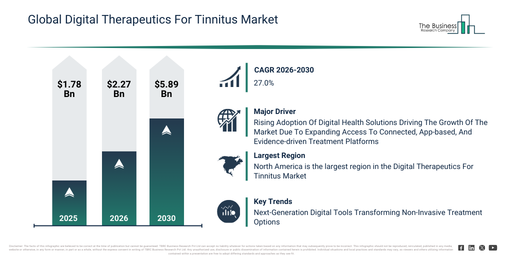
    The digital therapeutics for tinnitus market has experienced substantial growth in recent years. Projections indicate it will expand from $1.78 billion in 2025 to $2.27 billion in 2026, exhibiting a compound annual growth rate (CAGR) of 27.3%. This historical expansion is attributable to several factors, including an increasing prevalence of hearing-related disorders, heightened awareness of tinnitus management options, a rise in mobile health application usage, the expansion of digital audiology services, and the limitations of conventional tinnitus treatments.

    The digital therapeutics for tinnitus market is poised for significant expansion in the coming years. This market is projected to reach $5.89 billion by 2030, demonstrating a compound annual growth rate (CAGR) of 27.0%. This anticipated growth is driven by the escalating demand for personalized auditory therapies, the increasing adoption of AI-driven sound optimization technologies, the broadening availability of remote audiology services, the deeper integration of digital therapeutics with hearing devices, and a stronger focus on managing tinnitus symptoms over the long term. Prominent trends for the forecast period include the rising popularity of sound therapy applications, an increased reliance on personalized tinnitus management programs, the growing incorporation of AI-based audio modulation, the expansion of mobile-based behavioral therapies, and an intensified commitment to continuous patient engagement.

    Get A Free Sample Report With In-Depth Market Insights:

    https://thebusinessresearchcompany.com/sample_request?id=88883396&type=smp&name=Digital%20Therapeutics%20For%20Tinnitus%20Market%20Report%202026&utm_source=Blogs&utm_medium=Paid&utm_campaign=Oct_PR

    Digital Therapeutics For Tinnitus Market Opportunity Drivers: What’s Unlocking New Revenue Potential?

    The growing embrace of digital health solutions is anticipated to stimulate the expansion of the digital therapeutics for tinnitus market moving forward. Digital health pertains to utilizing digital technologies, interconnected instruments, and data-driven platforms to enhance healthcare delivery, improve patient outcomes, and support health management. The adoption of digital health solutions is accelerating as more individuals gain access to smartphones and the internet, allowing patients to connect with healthcare services at any time and from anywhere. Digital therapeutics for tinnitus leverage this connectivity by offering accessible and convenient mobile health apps, telemedicine platforms, and evidence-based interventions. For instance, in December 2023, the National Health Service, a UK-based government department, noted that digital health app users reached 33.6 million, an increase from 16.8 million in 2022, with monthly logins climbing 54% from 16.8 million to 25.8 million. Thus, the increasing uptake of digital health solutions is fueling the growth of the digital therapeutics for tinnitus market.

    Digital Therapeutics For Tinnitus Market Segment Outlook: Which Categories Are Growing Fastest?

    The digital therapeutics for tinnitus market covered in this report is segmented –

    1) By Product Type: Software Applications, Devices, Services

    2) By Therapy: Cognitive Behavioral Therapy, Sound Therapy, Educational Therapy, Other Therapies

    3) By Distribution Channel: Online Platforms, Hospitals And Clinics, Other Distribution Channels

    4) By End User: Adults, Pediatrics, Geriatrics

    Subsegments:

    1) By Software Application: Mobile Applications, Web Based Applications, Cloud Based Applications, Standalone Applications

    2) By Devices: Wearable Devices, Hearing Aids Integrated Devices, Sound Therapy Devices, Neuromodulation Devices

    3) By Services: Remote Monitoring Services, Counseling Services, Subscription Based Services, Customized Therapy Services

    Digital Therapeutics For Tinnitus Market Innovation Trends Shaping Future Development

    Leading companies in the digital therapeutics for tinnitus market are concentrating on technological advancements, such as digital therapeutics (DTx) for neuro-behavioral disorders, to improve auditory processing and mental health outcomes. A digital therapeutic (DTx) for Neuro-Behavioral Disorders refers to software-driven, evidence-based interventions designed to prevent, manage, or treat neurological and behavioral conditions like tinnitus, depression, or anxiety, by delivering personalized digital programs that enhance cognitive, emotional, or sensory functions. For example, in February 2025, Neurive, a South Korea-based neurotechnology company, launched SoriCLEAR, a digital therapeutic aimed at addressing tinnitus and depression. Developed under the leadership of CEO Jae-Jun Song, a professor at Korea University specializing in neuromodulation, dementia, and depression, SoriCLEAR leverages artificial intelligence to evaluate factors such as age, gender, tinnitus frequency, and severity. This data-driven methodology allows for the creation of customized treatment plans tailored to individual patient profiles. SoriCLEAR has been approved by Korea’s Ministry of Food and Drug Safety, establishing it as the country’s fifth digital therapeutic for tinnitus. The platform is currently operational in clinical settings, presenting a promising solution for patients seeking non-invasive treatment options for these challenging conditions.

    Digital Therapeutics For Tinnitus Market Leading Companies And Competitive Benchmarking

    Major companies operating in the digital therapeutics for tinnitus market are Sonova Holding AG, Starkey Hearing Technologies, Oticon A/S, ASKA Pharmaceutical Co. Ltd., Beltone, InfectoPharm Arzneimittel und Consilium GmbH, Signia, Oto Health Inc., Neuromod Devices Ltd., Mahana Therapeutics Inc., AudioCardio Inc., Neuromonics Inc., Treble Health Ltd., Sound Oasis LLC, AppyHapps Inc., Auricle Inc., TrueSilence Inc., MindEar Ltd., Tinnitracks, Tonal Tinnitus Therapy

    View The Full Digital Therapeutics For Tinnitus Market Report:

    https://thebusinessresearchcompany.com/report/digital-therapeutics-for-tinnitus-global-market-report?utm_source=Blogs&utm_medium=Paid&utm_campaign=Oct_PR

    Digital Therapeutics For Tinnitus Market Largest Region: Which Geography Holds The Biggest Share?

    North America was the largest region in the digital therapeutics for tinnitus market in 2025. Asia-Pacific is expected to be the fastest-growing region in the forecast period. The regions covered in the digital therapeutics for tinnitus market report are Asia-Pacific, South East Asia, Western Europe, Eastern Europe, North America, South America, Middle East, Africa.

    Reach Out To Our Team:

    The Business Research Company: https://www.thebusinessresearchcompany.com/

    Americas: +1 310-496-7795

    Asia: +44 7882 955267 & +91 8897263534

    Europe: +44 7882 955267

    Email us at: marketing@tbrc.info

    Follow us on:

    LinkedIn: https://in.linkedin.com/company/the-business-research-company

    YouTube: https://www.youtube.com/channel/UC24_fI0rV8cR5DxlCpgmyFQ

    Global Market Model: https://www.thebusinessresearchcompany.com/global-market-model

  • Digital Therapeutics For Migraine Market Growth In 2026: Market Size, Key Drivers And Future Outlook

    Digital Therapeutics For Migraine Market Growth In 2026: Market Size, Key Drivers And Future Outlook

    Backed by market attractiveness analysis, total addressable market sizing, company benchmarking matrices, interactive Excel dashboards, wider supply chain intelligence, emerging startup coverage, and detailed product-level insights, The Business Research Company’s 2026 market reports are designed to offer research that is more actionable and strategically valuable than ever.

    Digital Therapeutics For Migraine Market Size Outlook: How Quickly Will Revenue Expand Through 2030?

    The digital therapeutics for migraine market has seen significant expansion in recent years. Its expansion is forecast to be from $1.7 billion in 2025 to $2.09 billion by 2026, achieving a compound annual growth rate (CAGR) of 23.5%. Factors contributing to its historical growth include the increasing prevalence of migraine disorders, the rising utilization of mobile health applications, enhanced accessibility to digital healthcare platforms, growing public understanding of non-pharmacological migraine management, and the broader integration of telemedicine.

    The digital therapeutics for migraine market size is projected to undergo significant expansion over the next few years. It is expected to reach a value of $4.82 billion by 2030, demonstrating a compound annual growth rate (CAGR) of 23.2%. This anticipated growth during the forecast period is driven by several factors, including the increasing need for preventive migraine care solutions, the rising adoption of AI-enabled migraine prediction tools, the broadening of remote patient engagement models, the growing integration of digital therapeutics within clinical workflows, and an enhanced focus on personalized migraine treatment strategies. Additionally, prominent trends for the forecast period include the increasing uptake of migraine tracking applications, a rising utilization of behavior modification digital programs, the expanding integration of wearables for trigger detection, the wider availability of preventive digital therapy solutions, and a stronger emphasis on real-time patient feedback.

    Get A Free Sample Report With In-Depth Market Insights:

    https://thebusinessresearchcompany.com/sample_request?id=41214154&type=smp&name=Digital%20Therapeutics%20For%20Migraine%20Market%20Report%202026&utm_source=Blogs&utm_medium=Paid&utm_campaign=Oct_PR

    Digital Therapeutics For Migraine Market Growth Momentum: What Factors Are Shaping Demand?

    The expanding adoption of smartphones is poised to drive the growth of the digital therapeutics for migraine market in the coming period. These devices integrate telecommunication features with sophisticated computing power, internet connectivity, and diverse applications. The rise in smartphone ownership stems from their enhanced affordability and widespread availability, which provides greater access to mobile connectivity and digital services. This growing smartphone penetration consequently improves access to digital therapeutics for migraine, allowing for more extensive utilization of app-based management and treatment options. As an illustration, the GSM Association (GSMA), a UK-based industry body representing mobile network operators, indicated in February 2023 that smartphone penetration in sub-Saharan Africa is anticipated to climb considerably, from 51% in 2022 to 87% by 2030. Thus, the expanding reach of smartphones is acting as a key driver for the digital therapeutics for migraine market’s expansion.

    Digital Therapeutics For Migraine Market Segment Landscape: Which Areas Lead Development?

    The digital therapeutics for migraine market covered in this report is segmented –

    1) By Product Type: Software, Devices, Services

    2) By Patient Type: Adult, Pediatric

    3) By Distribution Channel: Healthcare Providers, Online Platforms, Pharmacies

    4) By Application: Prevention, Acute Treatment, Patient Education, Other Applications

    5) By End User: Hospitals, Clinics, Homecare, Other End Users

    Subsegments:

    1) By Software: Mobile Applications, Web Applications, Desktop Applications

    2) By Devices: Wearable Devices, Monitoring Devices, Therapeutic Devices

    3) By Services: Consultation Services, Coaching Services, Support Services

    Digital Therapeutics For Migraine Market Trends Redefining Industry Growth

    Leading companies in the digital therapeutics for migraine market are concentrating on advanced innovations, such as prescription-grade mobile software, to improve treatment effectiveness, enhance patient adherence, and support the increasing demand for non-pharmacological migraine management. Prescription-grade mobile software refers to mobile applications that are clinically validated and approved by regulatory authorities to provide evidence-based therapeutic interventions. For instance, in April 2025, Click Therapeutics, Inc., a US-based company specializing in prescription digital therapeutics, unveiled CT-132, which is the first prescription digital therapeutic authorized by the FDA for the preventive treatment of episodic migraine in the United States. This regulated mobile application is engineered to deliver sustainable and effective migraine management through software-based behavioral strategies. It incorporates clinically validated digital interventions to help patients manage stress-triggered migraine risk and reduce monthly migraine days. The solution ensures high treatment efficacy, patient adherence, and integration into formal healthcare systems compared to conventional wellness applications.

    Digital Therapeutics For Migraine Market Industry Leaders And Competitive Landscape

    Major companies operating in the digital therapeutics for migraine market are Pfizer Inc., Theranica Bio Electronics Ltd., Dr. Reddy’s Laboratories, Evidation Health Inc., Aptar Digital Health SAS, Click Therapeutics Inc., Salvia BioElectronics B.V., Tonix Pharmaceuticals Holding Corp, Neurolief Ltd., AndHealth LLC., Nordic Brain Tech AS., Curelator Inc., Lin Health Inc., Schmerzklinik Kiel GmbH., Juva Health Inc., Migrevention OÜ., Newsenselab GmbH., Ebby Health Inc., Care Tuner Inc., Peachy Day Inc.

    View The Full Digital Therapeutics For Migraine Market Report:

    https://thebusinessresearchcompany.com/report/digital-therapeutics-for-migraine-global-market-report?utm_source=Blogs&utm_medium=Paid&utm_campaign=Oct_PR

    Digital Therapeutics For Migraine Market Regional Analysis: Which Geography Leads On Revenue?

    North America was the largest region in the digital therapeutics for migraine market in 2025. Asia-Pacific is expected to be the fastest-growing region in the forecast period. The regions covered in the digital therapeutics for migraine market report are Asia-Pacific, South East Asia, Western Europe, Eastern Europe, North America, South America, Middle East, Africa.

    Reach Out To Our Team:

    The Business Research Company: https://www.thebusinessresearchcompany.com/

    Americas: +1 310-496-7795

    Asia: +44 7882 955267 & +91 8897263534

    Europe: +44 7882 955267

    Email us at: marketing@tbrc.info

    Follow us on:

    LinkedIn: https://in.linkedin.com/company/the-business-research-company

    YouTube: https://www.youtube.com/channel/UC24_fI0rV8cR5DxlCpgmyFQ

    Global Market Model: https://www.thebusinessresearchcompany.com/global-market-model

  • Digital Therapeutics For Fibromyalgia Market Size And Forecast 2026–2030: Trends Driving Industry Expansion

    Digital Therapeutics For Fibromyalgia Market Size And Forecast 2026–2030: Trends Driving Industry Expansion

    Featuring market attractiveness scoring, total addressable market sizing, company benchmarking matrices, interactive Excel dashboards, deeper supply chain intelligence, emerging startup tracking, and granular product-level insights, The Business Research Company’s 2026 market reports are built to deliver research that is both more actionable and more strategically valuable.

    Digital Therapeutics For Fibromyalgia Market Size, Value And Growth Trajectory Through 2030

    The digital therapeutics for fibromyalgia market size has experienced significant expansion in recent years. It is anticipated to expand from $1.19 billion in 2025 to $1.44 billion in 2026, achieving a compound annual growth rate (CAGR) of 21.1%. The market’s growth during the preceding period is attributable to heightened awareness of fibromyalgia management requirements, increasing adoption of digital health solutions, expanded smartphone penetration within healthcare, the spread of telehealth services, and the constraints of traditional pain management methods.

    The digital therapeutics for fibromyalgia market size is projected to experience substantial growth over the next few years. It is expected to expand to $3.07 billion in 2030, exhibiting a compound annual growth rate (CAGR) of 20.8%. This expansion in the projected period is driven by factors such as the increasing demand for personalized chronic pain management, the rising integration of AI-driven therapy optimization, the broadening of remote care reimbursement models, an amplified focus on data-driven treatment personalization, and enhanced collaboration between clinicians and digital health providers. Prominent trends for the forecast period include a growing adoption of mobile therapies for symptom tracking, the increasing utilization of personalized digital care plans, the expanding integration of wearables with therapeutic platforms, the widening scope of remote patient monitoring programs, and a strengthened emphasis on patient engagement and adherence.

    Get A Free Sample Report With In-Depth Market Insights:

    https://thebusinessresearchcompany.com/sample_request?id=10687978&type=smp&name=Digital%20Therapeutics%20For%20Fibromyalgia%20Market%20Report%202026&utm_source=Blogs&utm_medium=Paid&utm_campaign=Oct_PR

    Digital Therapeutics For Fibromyalgia Market Expansion Drivers: What’s Shaping Future Growth?

    Increased understanding of digital health tools is anticipated to fuel the expansion of the digital therapeutics for fibromyalgia market in the future. These solutions encompass software-driven tools and services, including patient applications, patient portals, and virtual care platforms, designed to provide information, monitoring, and therapeutic interventions via digital channels. This rising recognition of digital health solutions stems from government-supported initiatives and the broad uptake of official health applications, which make accessing care online a common practice. Digital therapeutics for fibromyalgia capitalize on this heightened awareness by engaging patients through these familiar digital avenues, simplifying the process of starting and consistently using app-based cognitive behavioral therapy, pacing, and sleep programs, all while allowing for clinician supervision. As an illustration, in December 2023, data from the National Health Service, a UK-based government department, indicated that digital health app users totaled 33.6 million, an increase from 16.8 million in 2022. Furthermore, monthly logins saw a 54% jump, moving from 16.8 million to 25.8 million. Consequently, the expanding understanding of digital health solutions is propelling the digital therapeutics for fibromyalgia market.

    Digital Therapeutics For Fibromyalgia Market Segments: Where Is Growth Concentrated?

    The digital therapeutics for fibromyalgia market covered in this report is segmented –

    1) By Product Type: Software Applications, Devices, Platforms

    2) By Therapy Area: Cognitive Behavioral Therapy, Mindfulness-Based Interventions, Pain Management, Other Therapy Types

    3) By Distribution Channel: Online, Offline

    4) By Application: Chronic Pain Management, Sleep Disorders, Fatigue Management, Other Applications

    5) By End-User: Hospitals, Clinics, Homecare, Other End-Users

    Subsegments:

    1) By Software Applications: Mobile Applications, Web-Based Applications, Cloud-Based Applications, Virtual Reality Applications

    2) By Devices: Wearable Devices, Handheld Devices, Smart Monitoring Devices, Connected Therapeutics Devices

    3) By Platforms: Telehealth Platforms, Remote Monitoring Platforms, Patient Engagement Platforms, Data Analytics Platforms

    Digital Therapeutics For Fibromyalgia Market Strategic Trends: What Defines The Next Growth Phase?

    Major companies in the digital therapeutics for fibromyalgia market are prioritizing technological advancements, such as computerized behavioral therapy devices, to offer evidence-based interventions. These interventions aim to improve pain management, reduce fatigue, enhance sleep quality, and support mental health, all delivered via scalable, patient-centric digital platforms. A computerized behavioral therapy device is a software-based digital platform or application that provides structured, evidence-based cognitive or behavioral therapy interventions to patients remotely, often utilizing interactive modules, exercises, and real-time feedback to manage symptoms of conditions like fibromyalgia. For instance, in May 2023, Swing Therapeutics, Inc., a US-based biopharmaceutical company, launched Stanza following U.S. FDA De Novo marketing authorization (DEN220083). It provides a 12-week, self-guided acceptance and commitment therapy (ACT) program for fibromyalgia, with a randomized controlled trial reported in the lancet showing significant clinical improvements. This therapy is delivered through smartphones (iOS or Android), offering patients convenient, in-app, at-home treatment.

    Digital Therapeutics For Fibromyalgia Market Key Participants And Competitive Landscape

    Major companies operating in the digital therapeutics for fibromyalgia market are Grünenthal GmbH, Hinge Health Inc., DarioHealth Corp., Kaia Health, CogniFit Inc., Big Health Ltd., Remedee Labs, HelloBetter GmbH, AppliedVR Inc., PainDrainer, Swing Therapeutics Inc., Fern Health Inc., JOGO Health Inc., LIN Health Inc., MoreGoodDays, Happify Health Inc., Click Therapeutics Inc., Wellthy Therapeutics Pvt. Ltd., FlexifyMe, SleepioRx

    View The Full Digital Therapeutics For Fibromyalgia Market Report:

    https://thebusinessresearchcompany.com/report/digital-therapeutics-for-fibromyalgia-global-market-report?utm_source=Blogs&utm_medium=Paid&utm_campaign=Oct_PR

    Digital Therapeutics For Fibromyalgia Market Geographic Spread And Regional Opportunities

    North America was the largest region in the digital therapeutics for fibromyalgia market in 2025. Asia-Pacific is expected to be the fastest-growing region in the forecast period. The regions covered in the digital therapeutics for fibromyalgia market report are Asia-Pacific, South East Asia, Western Europe, Eastern Europe, North America, South America, Middle East, Africa.

    Reach Out To Our Team:

    The Business Research Company: https://www.thebusinessresearchcompany.com/

    Americas: +1 310-496-7795

    Asia: +44 7882 955267 & +91 8897263534

    Europe: +44 7882 955267

    Email us at: marketing@tbrc.info

    Follow us on:

    LinkedIn: https://in.linkedin.com/company/the-business-research-company

    YouTube: https://www.youtube.com/channel/UC24_fI0rV8cR5DxlCpgmyFQ

    Global Market Model: https://www.thebusinessresearchcompany.com/global-market-model

  • Digital Therapeutics For Atopic Dermatitis Market 2026 Outlook: Market Size, CAGR And Key Growth Opportunities

    Digital Therapeutics For Atopic Dermatitis Market 2026 Outlook: Market Size, CAGR And Key Growth Opportunities

    Built to provide research that’s more actionable and strategically valuable, The Business Research Company’s 2026 market reports include market attractiveness analysis, total addressable market sizing, company benchmarking matrices, interactive Excel dashboards, broader supply chain intelligence, emerging startup tracking, and in-depth product insights.

    Digital Therapeutics For Atopic Dermatitis Market CAGR Outlook And Future Development

    The digital therapeutics for atopic dermatitis market size has experienced substantial expansion in recent years. It is anticipated to increase from $0.57 billion in 2025 to $0.7 billion in 2026, demonstrating a compound annual growth rate (CAGR) of 21.5%. The historical growth in this market can be attributed to factors such as the increasing prevalence of atopic dermatitis, the growing adoption of digital health tools in dermatology, heightened patient demand for remote care, early clinical validation of digital dermatology solutions, and the expansion of mobile health platforms.

    The market size for digital therapeutics in atopic dermatitis is poised for significant expansion in the coming years. It is projected to reach $1.5 billion by 2030, exhibiting a compound annual growth rate (CAGR) of 21.2%. This anticipated growth during the forecast period is fueled by the increased deployment of prescription digital therapeutics in dermatology, enhanced integration with connected monitoring devices, the broadening of preventive and long-term care initiatives, rising investments in digital skin health platforms, and greater acceptance from healthcare providers. Noteworthy trends during this period include a surge in the adoption of app-based disease management tools, an increased reliance on wearable skin monitoring devices, the proliferation of personalized treatment support platforms, a rise in the integration of teledermatology solutions, and a stronger emphasis on treatment adherence and patient education.

    Get A Free Sample Report With In-Depth Market Insights:

    https://thebusinessresearchcompany.com/sample_request?id=94875395&type=smp&name=Digital%20Therapeutics%20For%20Atopic%20Dermatitis%20Market%20Report%202026&utm_source=Blogs&utm_medium=Paid&utm_campaign=Oct_PR

    Digital Therapeutics For Atopic Dermatitis Market Development Factors: What’s Supporting Demand?

    The expanding use of smartphones is anticipated to drive the expansion of the digital therapeutics for atopic dermatitis market in the future. These handheld gadgets combine communication, internet connectivity, and computing capabilities into one unit. Their growing prevalence is attributed to increased internet access, which enables a greater number of individuals to conveniently utilize online services, social media, and digital entertainment via their devices. Significant smartphone penetration benefits digital therapeutics for atopic dermatitis by offering patients straightforward and consistent access to mobile applications and digital platforms. This facilitates real-time monitoring of symptoms, timely treatment reminders, and tailored advice, ultimately enhancing patient adherence and overall disease management. As an illustration, a February 2023 report from Uswitch Limited, a UK-based comparison service, indicated 71.8 million active mobile connections in 2022. Furthermore, by 2025, it is projected that 95% of the 68.3 million residents in the UK will possess smartphones. Consequently, the rising adoption of smartphones is poised to boost the growth of the digital therapeutics for atopic dermatitis market.

    Digital Therapeutics For Atopic Dermatitis Market Segment Analysis: What Are The Core Market Categories?

    The digital therapeutics for atopic dermatitis market covered in this report is segmented –

    1) By Product Type: Software Applications, Devices, Platforms

    2) By Application: Disease Management, Preventive Care, Treatment Support

    3) By End-User: Patients, Healthcare Providers, Payers, Other End-Users

    4) By Distribution Channel: Online, Offline

    Subsegments:

    1) By Software Applications: Mobile Applications, Web Applications, Desktop Applications, Cloud-Based Applications

    2) By Devices: Wearable Devices, Monitoring Devices, Diagnostic Devices, Therapeutic Devices

    3) By Platforms: Patient Management Platforms, Clinician Support Platforms, Data Analytics Platforms, Telehealth Platforms

    Digital Therapeutics For Atopic Dermatitis Market Transformation Trends: What Innovations Are Driving Change?

    Major companies operating in the digital therapeutics for atopic dermatitis market are keenly focused on establishing seed funds, aiming to provide mentorship, industry connections, and strategic guidance in addition to financial support. Seed funds represent investment capital allocated to startups at their foundational stage, designed to assist in refining their ideas, developing products, and scaling business operations. For example, in May 2023, Nia Health, a Germany-based company offering AI-powered dermatological imaging solutions, declared it had successfully raised $4.1 million (€3.5 million) in a seed funding round. This investment will enable the company to further develop its digital therapeutics app for atopic dermatitis, which was initially conceived at Charité Universitätsmedizin Berlin. The funding is earmarked to bolster growth by strengthening its footprint in German-speaking regions, expanding into other EU countries over the upcoming two years, and preparing for entry into the US market. Additionally, these funds will be deployed to advance the app’s AI-driven features, encompassing machine vision, natural language processing, and teledermatology functionalities.

    Digital Therapeutics For Atopic Dermatitis Market Top Companies Driving Competitive Growth

    Major companies operating in the digital therapeutics for atopic dermatitis market are Pfizer Inc., AbbVie Inc., Sanofi, Eli Lilly and Company, Boehringer Ingelheim International GmbH, Otsuka Pharmaceutical Co. Ltd., OMRON Corporation, Galderma S.A., Incyte Corporation, Chugai Pharmaceutical Co. Ltd., Teladoc Health Inc., LEO Pharma A/S, Almirall S.A., Biofourmis Inc., Click Therapeutics Inc., DarioHealth Corp., Sidekick Health GmbH, Digital Diagnostics Inc., Liva Healthcare A/S, 3Derm Systems

    View The Full Digital Therapeutics For Atopic Dermatitis Market Report:

    https://thebusinessresearchcompany.com/report/digital-therapeutics-for-atopic-dermatitis-global-market-report?utm_source=Blogs&utm_medium=Paid&utm_campaign=Oct_PR

    Digital Therapeutics For Atopic Dermatitis Market Top Region By Revenue And Market Share

    North America was the largest region in the digital therapeutics for atopic dermatitis market in 2025. Asia-Pacific is expected to be the fastest-growing region in the forecast period. The regions covered in the digital therapeutics for atopic dermatitis market report are Asia-Pacific, South East Asia, Western Europe, Eastern Europe, North America, South America, Middle East, Africa.

    Reach Out To Our Team:

    The Business Research Company: https://www.thebusinessresearchcompany.com/

    Americas: +1 310-496-7795

    Asia: +44 7882 955267 & +91 8897263534

    Europe: +44 7882 955267

    Email us at: marketing@tbrc.info

    Follow us on:

    LinkedIn: https://in.linkedin.com/company/the-business-research-company

    YouTube: https://www.youtube.com/channel/UC24_fI0rV8cR5DxlCpgmyFQ

    Global Market Model: https://www.thebusinessresearchcompany.com/global-market-model

  • Digital Therapeutics Endometriosis Market Size Growth: From $2.08 Billion In 2026 To $4.64 Billion By 2030

    Digital Therapeutics Endometriosis Market Size Growth: From $2.08 Billion In 2026 To $4.64 Billion By 2030

    Backed by market attractiveness analysis, total addressable market sizing, company benchmarking matrices, interactive Excel dashboards, wider supply chain intelligence, emerging startup coverage, and detailed product-level insights, The Business Research Company’s 2026 market reports are designed to offer research that is more actionable and strategically valuable than ever.

    Digital Therapeutics Endometriosis Market Set To Climb From $2.08 Billion In 2026 To $4.64 Billion By 2030

    The digital therapeutics endometriosis market has witnessed significant growth in recent years. It is anticipated to expand from $1.7 billion in 2025 to $2.09 billion in 2026, achieving a compound annual growth rate (CAGR) of 22.5%. The historical market expansion is primarily due to the increasing prevalence of endometriosis diagnosis, a rise in the use of mobile health applications, growing patient demand for non-invasive management choices, early regulatory acceptance of digital therapeutics, and the broader availability of women’s health digital platforms.

    The digital therapeutics endometriosis market size is anticipated to undergo substantial expansion over the next few years. It is forecast to grow to $4.65 billion in 2030 at a compound annual growth rate (CAGR) of 22.2%. The expansion during the projected timeframe stems from various factors, including increasing clinical validation of digital endometriosis therapies, a growing need for tools to manage chronic conditions over the long term, the expansion of cloud-based digital health platforms, rising integration with wearable health devices, and increased adoption by both payers and providers. Significant trends expected in the forecast period involve a greater uptake of personalized digital treatment programs, increased utilization of symptom and fertility tracking applications, the proliferation of behavior-based therapy platforms, a rise in the integration of remote care and teleconsultation tools, and an enhanced focus on patient education and engagement.

    Get A Free Sample Report With In-Depth Market Insights:

    https://thebusinessresearchcompany.com/sample_request?id=85842063&type=smp&name=Digital%20Therapeutics%20Endometriosis%20Market%20Report%202026&utm_source=Blogs&utm_medium=Paid&utm_campaign=Oct_PR

    Digital Therapeutics Endometriosis Market Industry Drivers: What’s Behind The Revenue Growth?

    The swift adoption of smartphones is projected to drive the expansion of the digital therapeutics endometriosis market in the foreseeable future. Smartphones are compact handheld devices that integrate communication, internet access, and computing capabilities into a single unit. Their increasing prevalence is attributed to rising internet penetration, which enables more individuals to conveniently access online services, social media, and digital entertainment from their devices. Widespread smartphone ownership facilitates digital therapeutics for endometriosis by offering users effortless and constant access to personalized therapeutic applications, thereby allowing real-time symptom tracking, data monitoring, and evidence-based treatment guidance at any time and in any location. For example, in February 2023, a report issued by Uswitch Limited, a UK-based online and telephone comparison and switching service provider, indicated that there were 71.8 million active mobile connections in 2022, and it is anticipated that by 2025, 95% of the 68.3 million people living in the UK will own smartphones. Consequently, the rapid embrace of smartphones is expected to propel the growth of the digital therapeutics endometriosis market.

    Digital Therapeutics Endometriosis Market Segment Breakdown: Which Categories Lead On Revenue?

    The digital therapeutics endometriosis market covered in this report is segmented –

    1) By Product Type: Software, Devices, Services

    2) By Deployment Mode: On-Premises, Cloud-Based

    3) By Application: Pain Management, Symptom Tracking, Fertility Management, Education And Awareness, Other Applications

    4) By End User: Hospitals And Clinics, Homecare, Research Institutes, Other End Users

    Subsegments:

    1) By Software: Mobile Applications, Web-Based Platforms, Cloud-Based Solutions, Decision Support Tools

    2) By Devices: Wearable Monitoring Devices, Smart Therapeutic Devices, Digital Diagnostic Tools, Connected Medical Devices

    3) By Services: Remote Patient Monitoring Services, Teleconsultation Services, Therapy Management Services, Data Analytics And Support Services

    #Digital Therapeutics Endometriosis Market Growth Trends: What’s Shaping The Future Outlook?

    Key companies operating within the digital therapeutics endometriosis market are emphasizing the establishment of strategic collaborations. These partnerships aim to accelerate innovation by integrating diverse perspectives and specialized skills. Collaborations signify alliances where multiple entities join forces to achieve shared objectives, combine resources, or leverage each other’s strengths. For example, in March 2024, Endometriosis Australia, a nationally accredited Australian charity, teamed up with CHARLI, an Australia-based digital health company. Their aim was to unveil a groundbreaking platform intended to support thousands of Australians impacted by endometriosis. This joint venture culminated in the creation of an app, developed by medical and health experts in conjunction with consumers. The application utilizes AI to help women monitor menstruation, fertility, sexual health, pregnancy, and peri/menopause, while also assisting in detecting pain or potential conditions such as endometriosis. By partnering with Endometriosis Australia, the app delivers crucial support to the one in seven Australians affected by the condition, thereby enabling quicker diagnosis and more accessible care.

    Digital Therapeutics Endometriosis Market Leading Players And Competitive Positioning

    Major companies operating in the digital therapeutics endometriosis market are Bayer AG, Kissei Pharmaceutical Co. Ltd., Abbott Laboratories, Luna Endoscore, Chugai Pharmaceutical Co. Ltd., Sword health inc., Charli , Maven Clinic Co., Flo Health Inc., Hinge Health Inc., PrecisionLife Ltd., TiumBio, EpicentRx Inc., Syrona Health, Matilda Health Care, ELANZA Wellness Inc., iCareBetter Inc., Endocare Clinic Fz LLc, Herabiotech, Ziwig Biotech, Hera Biotech Inc.

    View The Full Digital Therapeutics Endometriosis Market Report:

    https://thebusinessresearchcompany.com/report/digital-therapeutics-endometriosis-global-market-report?utm_source=Blogs&utm_medium=Paid&utm_campaign=Oct_PR

    Digital Therapeutics Endometriosis Market Regional Analysis And Top Geography

    North America was the largest region in the digital therapeutics endometriosis market in 2025. Asia-Pacific is expected to be the fastest-growing region in the forecast period. The regions covered in the digital therapeutics endometriosis market report are Asia-Pacific, South East Asia, Western Europe, Eastern Europe, North America, South America, Middle East, Africa.

    Reach Out To Our Team:

    The Business Research Company: https://www.thebusinessresearchcompany.com/

    Americas: +1 310-496-7795

    Asia: +44 7882 955267 & +91 8897263534

    Europe: +44 7882 955267

    Email us at: marketing@tbrc.info

    Follow us on:

    LinkedIn: https://in.linkedin.com/company/the-business-research-company

    YouTube: https://www.youtube.com/channel/UC24_fI0rV8cR5DxlCpgmyFQ

    Global Market Model: https://www.thebusinessresearchcompany.com/global-market-model
  • Digital Therapeutics Complex Regional Pain Syndrome Market Analysis 2026: Market Size, Growth Trends And Industry Outlook

    Digital Therapeutics Complex Regional Pain Syndrome Market Analysis 2026: Market Size, Growth Trends And Industry Outlook

    Featuring market attractiveness scoring, total addressable market sizing, company benchmarking matrices, interactive Excel dashboards, deeper supply chain intelligence, emerging startup tracking, and granular product-level insights, The Business Research Company’s 2026 market reports are built to deliver research that is both more actionable and more strategically valuable.

    Digital Therapeutics Complex Regional Pain Syndrome Market Forecast: Value Set To Climb From $1.24 Billion To $2.36 Billion

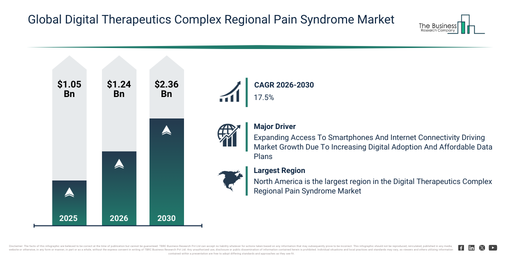
    The digital therapeutics complex regional pain syndrome market size has expanded quickly over recent years. It is projected to increase from $1.05 billion in 2025 to $1.24 billion in 2026, at a compound annual growth rate (CAGR) of 17.8%. The historical growth of this market stemmed from factors such as growing awareness of CRPS treatment gaps, the rising adoption of digital health solutions for pain management, increased acceptance of telehealth platforms, initial clinical validation of digital therapeutics, and an escalating focus on non-pharmacological therapies.

    The digital therapeutics complex regional pain syndrome market is anticipated to experience significant expansion over the coming years. This market is projected to reach $2.36 billion by 2030, demonstrating a compound annual growth rate (CAGR) of 17.5%. This expansion during the forecast period is primarily driven by factors such as the greater acceptance of prescription digital therapeutics, a heightened demand for pain management solutions administered at home, the spread of digital care models supported by clinicians, the rising incorporation of wearable monitoring devices, and enhanced reimbursement for digital therapeutics. Key developments expected throughout this period encompass the wider use of software-based pain management programs, a greater integration of remote patient monitoring tools, the broadening of personalized therapy algorithms, an increased utilization of data-driven symptom tracking platforms, and an elevated emphasis on patient engagement and adherence.

    Get A Free Sample Report With In-Depth Market Insights:

    https://thebusinessresearchcompany.com/sample_request?id=48141240&type=smp&name=Digital%20Therapeutics%20Complex%20Regional%20Pain%20Syndrome%20Market%20Report%202026&utm_source=Blogs&utm_medium=Paid&utm_campaign=Oct_PR

    Digital Therapeutics Complex Regional Pain Syndrome Market Growth Factors: What’s Supporting Expansion?

    Future growth in the digital therapeutics complex regional pain syndrome market is anticipated to be driven by increasing accessibility to smartphones and internet connectivity. These terms denote mobile devices capable of internet access, allowing individuals to communicate, explore information, and utilize online services at any time or location. The rise in smartphone and internet access is fueled by rapid urbanization, where dense urban centers generate infrastructure needs and economic environments conducive to the quick rollout of mobile networks and broadband. Increased adoption of smartphones and the internet fosters the expansion of digital therapeutics for complex regional pain syndrome by facilitating ongoing patient interaction, distant monitoring, and customized therapy delivery via easily accessible mobile platforms, which in turn enhances treatment compliance, gathers real-time data, and improves general pain management results. For example, data from the Federal Communications Commission, a US-based government agency, in May 2025, showed that total connections saw an increase of approximately 2.5% from June 2023 to June 2024, reaching 549 million. During this period, mobile connections climbed 2.5% year over year to 416 million by June 2024, while fixed connections also rose by about 2.3% to 133 million. Consequently, the expanding availability of smartphones and internet connectivity is a key driver for the growth of the digital therapeutics complex regional pain syndrome market.

    Digital Therapeutics Complex Regional Pain Syndrome Market Segmentation: How Does The Market Break Down By Category?

    The digital therapeutics complex regional pain syndrome market covered in this report is segmented –

    1) By Product Type: Software, Devices, Platforms

    2) By Distribution Channel: Online Platforms, Pharmacies, Direct Sales, Other Distribution Channels

    3) By Application: Pain Management, Rehabilitation, Patient Education, Other Applications

    4) By End-User: Hospitals, Clinics, Homecare, Research Institutes, Other End Users

    Subsegments:

    1) By Software: Pain Management Software, Cognitive Behavioral Therapy Software, Symptom Tracking Software, Telehealth Integration Software

    2) By Devices: Wearable Pain Monitoring Devices, Biofeedback Devices, Peripheral Nerve Stimulation Devices, Rehabilitation Support Devices

    3) By Platforms: Patient Engagement Platforms, Clinician Management Platforms, Data Analytics Platforms, Telemedicine Platforms

    Digital Therapeutics Complex Regional Pain Syndrome Market Competitive Overview And Top Companies

    Major companies operating in the digital therapeutics complex regional pain syndrome market are Abbott Laboratories, Hinge Health Inc., MedBridge Inc., Luna Innovations Inc., BioWave Inc., Kaia Health Software GmbH, XRHealth Inc., Vori Health Inc., AppliedVR Inc., Theranica Bio-Electronics Ltd., PainDrainer Inc., Physitrack Ltd., WellBrain Inc., Vitrue Health Inc., Upswing Health Inc., Flowly Inc., Plethy Inc., PainChek Ltd., Oska Wellness Inc., DarioHealth Corp.

    View The Full Digital Therapeutics Complex Regional Pain Syndrome Market Report:

    https://thebusinessresearchcompany.com/report/digital-therapeutics-complex-regional-pain-syndrome-global-market-report?utm_source=Blogs&utm_medium=Paid&utm_campaign=Oct_PR

    Digital Therapeutics Complex Regional Pain Syndrome Market Geographic Analysis: Where Is Demand Rising Fastest?

    North America was the largest region in the digital therapeutics complex regional pain syndrome market in 2025. Asia-Pacific is expected to be the fastest-growing region in the forecast period. The regions covered in the digital therapeutics complex regional pain syndrome market report are Asia-Pacific, South East Asia, Western Europe, Eastern Europe, North America, South America, Middle East, Africa.

    Reach Out To Our Team:

    The Business Research Company: https://www.thebusinessresearchcompany.com/

    Americas: +1 310-496-7795

    Asia: +44 7882 955267 & +91 8897263534

    Europe: +44 7882 955267

    Email us at: marketing@tbrc.info

    Follow us on:

    LinkedIn: https://in.linkedin.com/company/the-business-research-company

    YouTube: https://www.youtube.com/channel/UC24_fI0rV8cR5DxlCpgmyFQ

    Global Market Model: https://www.thebusinessresearchcompany.com/global-market-model
  • Digital Assistants In Health care Market Forecast To 2030: Starting From $6.66 Billion In 2026

    Digital Assistants In Health care Market Forecast To 2030: Starting From $6.66 Billion In 2026

    Built to provide research that’s more actionable and strategically valuable, The Business Research Company’s 2026 market reports include market attractiveness analysis, total addressable market sizing, company benchmarking matrices, interactive Excel dashboards, broader supply chain intelligence, emerging startup tracking, and in-depth product insights.

    Digital Assistants In Health care Market Revenue Growth On Track For A 28.4% CAGR Through 2030

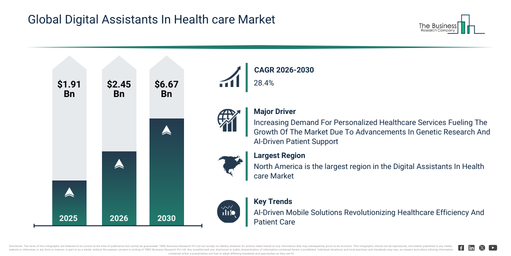
    The market for digital assistants in health care has seen rapid expansion recently. It is projected to increase from $1.91 billion in 2025 to $2.45 billion in 2026, exhibiting a compound annual growth rate (CAGR) of 28.7%. This historic growth is largely due to factors like rising healthcare digitization, a shortage of clinical staff, increasing patient engagement needs, the adoption of electronic health records, and the growth of telehealth services.

    The market size for digital assistants in health care is anticipated to experience substantial growth over the coming years. This sector is projected to expand to $6.67 billion by 2030, achieving a compound annual growth rate (CAGR) of 28.4%. This projected growth can be ascribed to several factors, including developments in conversational AI, the broadening of virtual care models, an increasing need for operational efficiency, the proliferation of remote monitoring solutions, and heightened investment in digital health platforms. Noteworthy trends for the forecast period encompass the escalating adoption of AI-driven virtual assistants, a rising prevalence of voice-enabled healthcare interfaces, enhanced integration with electronic health records, the expansion of tools for remote patient engagement, and a greater emphasis on workflow automation within healthcare.

    Get A Free Sample Report With In-Depth Market Insights:

    https://thebusinessresearchcompany.com/sample_request?id=72319784&type=smp&name=Digital%20Assistants%20In%20Health%20care%20Market%20Report%202026&utm_source=Blogs&utm_medium=Paid&utm_campaign=Oct_PR

    Digital Assistants In Health care Market Demand Drivers: What’s Powering Industry Growth?

    The rising need for tailored medical care is anticipated to drive the expansion of the digital assistants in healthcare market in the future. Personalized healthcare involves medical solutions specifically adapted to an individual’s genetic makeup, lifestyle choices, and health records, aiming for greater precision and efficacy in treatment. This encompasses bespoke medicines, individualized therapies, diagnostic procedures, and wellness strategies. The expansion of personalized healthcare is fueled by progress in genetic research, which allows for highly specific and potent treatments aligned with a person’s unique genetic characteristics. Within healthcare, digital assistants improve personalized services by providing customized health data and assistance via artificial intelligence-powered interactions. These assistants enhance patient involvement by automating functions such as symptom evaluation and scheduling appointments, thereby boosting access to care and its operational effectiveness. As an illustration, in February 2024, the Personalized Medicine Coalition (PMC), a US-based nonprofit, reported that the U.S. Food and Drug Administration (FDA) authorized 26 new personalized medicines in 2023, marking a considerable rise from the 12 approved in 2022. Consequently, the growing demand for personalized healthcare services is stimulating the growth of the digital assistants in healthcare market.

    Digital Assistants In Health care Market Segment Trends And Revenue Contributors

    The digital assistants in health care market covered in this report is segmented –

    1) By Type: Smart Speaker, Chatbot, Other Types

    2) By Technology: Artificial Intelligence (AI)-Powered Assistants, Rule-Based Assistants, Natural Language Processing (NLP) Assistants, Machine Learning Assistants, Robotic Process Automation (RPA) Assistants

    3) By Application: Diagnosis, Virtual Nursing Assistance, Patient Tracking, Other Applications

    4) By End-User: Healthcare Providers, Healthcare Payers, Patients, Other End Users

    Subsegments:

    1) By Smart Speaker: Voice-activated Healthcare Assistants, Speech Recognition Systems for Healthcare, Virtual Health Assistants (VHA)

    2) By Chatbot: Symptom Checking Chatbots, Patient Support and Engagement Chatbots, Virtual Health Coaching Chatbots, Mental Health Support Chatbots

    Digital Assistants In Health care Market Innovation Trends: What Developments Are Reshaping The Industry?

    Key companies within the digital assistants in healthcare market are concentrating on developing advanced technological solutions, such as artificial intelligence (AI)-powered mobile solutions, to automate routine operations, improve patient care, and assist in clinical decision-making. An AI-powered mobile solution refers to a mobile application that harnesses artificial intelligence to deliver personalized, efficient, and data-driven services, thereby enhancing user experience and supporting healthcare tasks like diagnostics, patient engagement, and remote monitoring. For instance, in July 2024, Oracle Corporation, a US-based computer software company, unveiled an Oracle Clinical Digital Assistant. This mobile solution is integrated with the Oracle health electronic health record (EHR) and utilizes artificial intelligence (AI) and voice technology to automate clinical documentation and streamline workflows, notably reducing the administrative burden on physicians. This allows doctors to conserve time, enhance patient interaction, and boost overall healthcare efficiency.

    Digital Assistants In Health care Market Competitive Landscape: Which Companies Lead The Industry?

    Major companies operating in the digital assistants in health care market are Amazon.com Inc., Apple Inc., Google LLC, Samsung Electronics Co. Ltd, Microsoft Corporation, IBM Corporation, Siemens Healthineers AG, Koninklijke Philips N.V., GE HealthCare Technologies Inc., Babylon Holdings Limited, Verint Systems Inc., eGain Corporation, Suki Inc., Ada Health GmbH, K Health Inc., Infermedica Sp. z o.o, Your.MD Ltd, Fabric Labs Inc., Mediktor, MediSprout

    View The Full Digital Assistants In Health care Market Report:

    https://thebusinessresearchcompany.com/report/digital-assistants-in-health-care-global-market-report?utm_source=Blogs&utm_medium=Paid&utm_campaign=Oct_PR

    Digital Assistants In Health care Market Global Footprint: Which Region Leads The Market?

    North America was the largest region in the digital assistants in the healthcare market in 2025. Asia-Pacific is expected to be the fastest-growing region in the forecast period. The regions covered in the digital assistants in health care market report are Asia-Pacific, South East Asia, Western Europe, Eastern Europe, North America, South America, Middle East, Africa.

    Reach Out To Our Team:

    The Business Research Company: https://www.thebusinessresearchcompany.com/

    Americas: +1 310-496-7795

    Asia: +44 7882 955267 & +91 8897263534

    Europe: +44 7882 955267

    Email us at: marketing@tbrc.info

    Follow us on:

    LinkedIn: https://in.linkedin.com/company/the-business-research-company

    YouTube: https://www.youtube.com/channel/UC24_fI0rV8cR5DxlCpgmyFQ

    Global Market Model: https://www.thebusinessresearchcompany.com/global-market-model