Month: October 2026

  • Digestive Health Supplements Market Size In 2026 And Beyond: Understanding Future Growth Potential

    Digestive Health Supplements Market Size In 2026 And Beyond: Understanding Future Growth Potential

    Backed by market attractiveness analysis, total addressable market sizing, company benchmarking matrices, interactive Excel dashboards, wider supply chain intelligence, emerging startup coverage, and detailed product-level insights, The Business Research Company’s 2026 market reports are designed to offer research that is more actionable and strategically valuable than ever.

    Digestive Health Supplements Market Value Growth And Long-Term Outlook

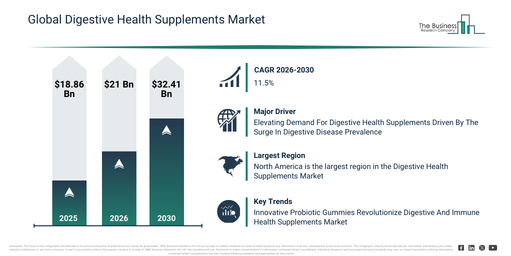
    The digestive health supplements market has seen substantial expansion in recent years. Its size is expected to increase from $18.86 billion in 2025 to $21 billion in 2026, achieving a compound annual growth rate (CAGR) of 11.3%. This growth during the historical period can be attributed to several factors, including the rising incidence of digestive disorders, increased consumer awareness regarding gut health, a greater adoption of probiotics and enzymes, the expansion of retail pharmacy distribution channels, and an increase in disposable income within emerging economies.

    The digestive health supplements market is projected to experience significant expansion in the coming years. Its valuation is predicted to reach $32.41 billion by 2030, demonstrating a compound annual growth rate (CAGR) of 11.5%. This anticipated growth during the forecast period is primarily driven by breakthroughs in microbiome research, a growing desire for customized nutrition, the rise of online platforms for supplements, an aging demographic with specific digestive requirements, and an increasing emphasis on proactive healthcare. Key developments expected in this period encompass tailored gut health products, natural and clean-label digestive aids, the creation of synbiotic and multi-strain solutions, the embrace of preventive digestive well-being, and the broadening of e-commerce and direct-to-consumer sales channels.

    Get A Free Sample Report With In-Depth Market Insights:

    https://thebusinessresearchcompany.com/sample_request?id=28153099&type=smp&name=Digestive%20Health%20Supplements%20Market%20Report%202026&utm_source=Blogs&utm_medium=Paid&utm_campaign=Oct_PR

    Digestive Health Supplements Market Growth Drivers: What’s Behind The Acceleration?

    The expanding occurrence of digestive diseases is anticipated to boost the growth of the digestive health supplement market going forward. A digestive disease refers to any health problem impacting the digestive tract, with severity ranging from mild to severe. Digestive health supplements, including probiotics, prebiotics, and enzymes, provide assistance for digestive issues such as diarrhea, constipation, inflammatory bowel disease, irritable bowel disease, urinary tract infections, and other gastrointestinal-related digestive problems. For instance, in November 2025, the Canadian Cancer Society, a Canada-based national cancer charity, projected that around 7,100 individuals in Canada would be diagnosed with pancreatic cancer, with roughly 6,300 expected to succumb to the disease, indicating a notably high mortality rate compared to the number of new cases. Therefore, the increasing prevalence of digestive diseases will fuel the growth of the digestive health supplements market.

    Digestive Health Supplements Market Segment Analysis Spotlighting Growth Areas

    The digestive health supplements market covered in this report is segmented –

    1) By Product: Prebiotics, Probiotics, Enzymes, Other Product

    2) By Form: Capsules, Tablets, Powders, Liquids, Other Form

    3) By Distribution Channel: Supermarkets/Hypermarkets, Convenience Store, Specialty Store, Pharmacies, E-Commerce, Other Distribution Channels

    Subsegments:

    1) By Prebiotics: Inulin, Oligofructose, Fructooligosaccharides (FOS), Galactooligosaccharides (GOS), Other Prebiotics

    2) By Probiotics: Lactobacillus, Bifidobacterium, Saccharomyces, Streptococcus, Other Probiotics

    3) By Enzymes: Amylase, Protease, Lipase, Cellulase, Other Digestive Enzymes

    4) By Other Products: Herbal Supplements, Fiber Supplements, Digestive Health Blends, Other Natural Ingredients

    Digestive Health Supplements Market Trends: What’s Defining The Industry’s Next Phase?

    Major companies in the market are focusing on creating advanced products such as Probiotic Gummies to expand their product ranges and boost revenue share. Nutrazee Probiotic Gummies are specifically formulated to withstand stomach acid and maintain stability at room temperature throughout their shelf life, offering practical and effective gut health assistance. For instance, in March 2023, Nutrazee, an India-based vegan dietary supplement company, introduced its latest offering, the Nutrazee Probiotic Gummies for Digestive and Immune Health, which includes prebiotic fiber to foster beneficial gut bacteria growth. This new product in Nutrazee’s portfolio is engineered to bolster digestive and immune health for both children and adults. The Nutrazee Probiotic Gummies feature a patented and clinically validated probiotic strain, Bacillus coagulans, known for its powerful health advantages. This strain has demonstrated efficacy in alleviating irritable bowel syndrome (IBS) symptoms in children, including common issues like abdominal discomfort, bloating, and stool irregularities, while also improving stool consistency.

    Digestive Health Supplements Market Leading Companies: Who Holds The Strongest Market Presence?

    Major companies operating in the digestive health supplements market are Amway Corp., Bayer AG, NOW Foods, Alimentary Health Limited, Garden of Life LLC, Better Body Co., Florastor – Biocodex, Culturelle – i-Health Inc., Pure Encapsulations LLC, Bio-K Probiotic Inc., Renew Life Formulas Inc., The Nature’s Bounty Co., Nature Made – Pharmavite LLC, Align – The Procter & Gamble Company, Nature’s Way Products LLC, Schiff Nutrition International Inc., Rainbow Light Nutritional Systems, Jarrow Formulas Inc., Enzymedica Inc., Thorne Research Inc., New Chapter Inc., Solgar Inc., Gaia Herbs Inc., MegaFood, Country Life LLC, Bluebonnet Nutrition Corporation, Nature’s Plus – Natural Organics Inc., Carlson Laboratories Inc., Irwin Naturals

    View The Full Digestive Health Supplements Market Report:

    https://thebusinessresearchcompany.com/report/digestive-health-supplements-global-market-report?utm_source=Blogs&utm_medium=Paid&utm_campaign=Oct_PR

    Digestive Health Supplements Market Regional Split: Which Areas Are Fueling Growth?

    North America was the largest region in the digestive health supplements market in 2025. Asia-Pacific is expected to be the fastest-growing region in the forecast period. The regions covered in the digestive health supplements market report are Asia-Pacific, South East Asia, Western Europe, Eastern Europe, North America, South America, Middle East, Africa.

    Reach Out To Our Team:

    The Business Research Company: https://www.thebusinessresearchcompany.com/

    Americas: +1 310-496-7795

    Asia: +44 7882 955267 & +91 8897263534

    Europe: +44 7882 955267

    Email us at: marketing@tbrc.info

    Follow us on:

    LinkedIn: https://in.linkedin.com/company/the-business-research-company

    YouTube: https://www.youtube.com/channel/UC24_fI0rV8cR5DxlCpgmyFQ

    Global Market Model: https://www.thebusinessresearchcompany.com/global-market-model
  • Digestive Health Market Reaches $117.03 Billion In 2026: Key Developments Shaping Expansion

    Digestive Health Market Reaches $117.03 Billion In 2026: Key Developments Shaping Expansion

    Featuring market attractiveness scoring, total addressable market sizing, company benchmarking matrices, interactive Excel dashboards, deeper supply chain intelligence, emerging startup tracking, and granular product-level insights, The Business Research Company’s 2026 market reports are built to deliver research that is both more actionable and more strategically valuable.

    Digestive Health Market Poised To Hit $117.03 Billion By 2030 With A 12.1% CAGR

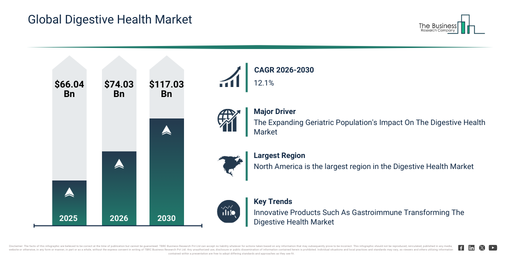
    The digestive health market size has undergone rapid expansion in recent years. It is projected to grow from $66.04 billion in 2025 to $74.03 billion in 2026, achieving a compound annual growth rate (CAGR) of 12.1%. The market’s historical growth can be attributed to several factors, including the rising prevalence of digestive disorders, increased consumer understanding of gut health, a surge in functional food consumption, the expansion of retail outlets for dietary supplements, and doctors’ recommendations for probiotics.

    The digestive health market is set for significant expansion over the next few years. It is forecast to achieve a valuation of $117.03 billion by 2030, growing at a compound annual growth rate (CAGR) of 12.1%. This anticipated growth during the forecast period can be attributed to the rising adoption of personalized nutrition, the expansion of e-commerce health platforms, breakthroughs in probiotic strains, an increasing aging population, and increased spending on preventive healthcare. Prominent trends expected in this period include a growing demand for probiotic and prebiotic offerings, the development of functional foods aimed at digestive wellness, a preference for natural and herbal solutions for digestion, the proliferation of online pharmacies and direct-to-consumer distribution, and a greater emphasis on gut health within preventive healthcare.

    Get A Free Sample Report With In-Depth Market Insights:

    https://thebusinessresearchcompany.com/sample_request?id=69707250&type=smp&name=Digestive%20Health%20Market%20Report%202026&utm_source=Blogs&utm_medium=Paid&utm_campaign=Oct_PR

    Digestive Health Market Growth Factors Behind Sustained Expansion

    The expanding older adult demographic is fueling the digestive health market. This group includes individuals aged 65 and above. As individuals age, the digestive system frequently loses its speed and efficiency because various biological functions slow down. Over time, the muscles within the digestive system stiffen, become softer, and are less effective. Digestive health products assist the body in effectively digesting food and absorbing nutrients, thereby supporting overall health. For instance, in October 2025, the World Health Organization (WHO), a Switzerland-based United Nations (UN) organization, stated that by 2030, one in six people globally will be aged 60 or older, with this population projected to double to 2.1 billion by 2050. Consequently, the increasing geriatric population is expected to drive growth in the digestive health market.

    Digestive Health Market Segment Performance And Emerging Opportunities

    The digestive health market covered in this report is segmented –

    1) By Product Type: Functional Foods and Beverages, Vitamins And Dietary Supplements, Other Products

    2) By Ingredient Type: Probiotics, Prebiotics, Digestive Enzymes, Other Ingredients

    3) By Distribution Channel: Supermarkets Or Hypermarkets, Hospital Pharmacies, Online Pharmacies, Other Distribution Channels

    Subsegments:

    1) By Functional Foods And Beverages: Probiotic Yogurts, Prebiotic Foods, Fiber-Enriched Products, Fermented Foods, Digestive Health Beverages

    2) By Vitamins And Dietary Supplements: Probiotic Supplements, Digestive Enzymes, Fiber Supplements, Multivitamins With Digestive Support, Herbal Supplements

    3) By Other Products: Dietary Aids, Over-The-Counter Digestive Health Products

    Digestive Health Market Industry Trends Fueling Future Revenue Growth

    Major companies in the digestive health market are introducing innovative products like GastroImmune to expand their portfolios and gain a competitive advantage. Daiwa GastroImmune is specifically formulated to support digestive wellness and a robust mucosal immune system through the combination of ImmunoLin with essential nutrients. For example, in April 2023, Daiwa Health Development, Inc., a US-based dietary supplement company, launched GastroImmune, a dietary supplement designed to aid digestive function and a healthy mucosal immune system. GastroImmune is powered by ImmunoLin, an agglomerated powder purified from edible bovine plasma, which is rich in immunoglobulins, peptides, and growth factors naturally found in milk or colostrum. This advanced supplement contains more than 50% immunoglobulins and over 180 unique proteins, which were identified using proteomics techniques. ImmunoLin, also known as serum-derived bovine immunoglobulin/protein isolate (SBI), is produced in an FDA-inspected facility under stringent quality control standards.

    Digestive Health Market Key Players: Which Companies Lead Industry Competition?

    Major companies operating in the digestive health market are Chr. Hansen Holdings A/S, Yakult Honsha Co. Ltd., Nestlé SA, DuPont de Nemours Inc., PepsiCo Inc., Abbott Laboratories, ANI Pharmaceuticals Inc., Carlson Labs, Biovencer Healthcare Private Limited, Evoke Pharma Inc., Swanson Health, GlaxoSmithKline PLC, Solgar Inc., Mac Twins – The Gut Stuff Limited, Culturelle – i-Health Inc., Jarrow Formulas Inc., SmartyPants Inc., Takeda Pharmaceutical Company Limited, Enzymedica Inc., Gaia Herbs Inc., Zeria Pharmaceutical Co. Ltd., Thorne Research Inc., The Nature’s Bounty Co.

    View The Full Digestive Health Market Report:

    https://thebusinessresearchcompany.com/report/digestive-health-global-market-report?utm_source=Blogs&utm_medium=Paid&utm_campaign=Oct_PR

    Digestive Health Market Top Region: Where Does Most Revenue Come From?

    North America was the largest region in the digestive health market in 2025. The regions covered in the digestive health market report are Asia-Pacific, South East Asia, Western Europe, Eastern Europe, North America, South America, Middle East, Africa.

    Reach Out To Our Team:

    The Business Research Company: https://www.thebusinessresearchcompany.com/

    Americas: +1 310-496-7795

    Asia: +44 7882 955267 & +91 8897263534

    Europe: +44 7882 955267

    Email us at: marketing@tbrc.info

    Follow us on:

    LinkedIn: https://in.linkedin.com/company/the-business-research-company

    YouTube: https://www.youtube.com/channel/UC24_fI0rV8cR5DxlCpgmyFQ

    Global Market Model: https://www.thebusinessresearchcompany.com/global-market-model
  • Digestive Enzymes Market Growth Outlook For 2026: Drivers, Trends And Future Opportunities

    Digestive Enzymes Market Growth Outlook For 2026: Drivers, Trends And Future Opportunities

    Built to provide research that’s more actionable and strategically valuable, The Business Research Company’s 2026 market reports include market attractiveness analysis, total addressable market sizing, company benchmarking matrices, interactive Excel dashboards, broader supply chain intelligence, emerging startup tracking, and in-depth product insights.

    Digestive Enzymes Market Size And Revenue Outlook Through 2030

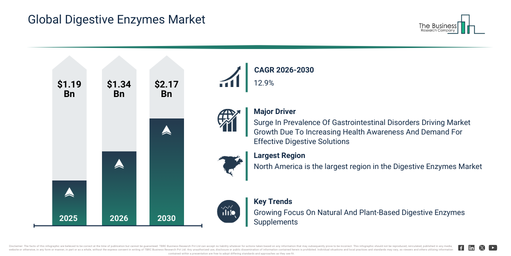
    The market size for digestive enzymes has experienced rapid expansion in recent years. This market is expected to increase from $1.19 billion in 2025 to $1.34 billion in 2026, at a compound annual growth rate (CAGR) of 12.4%. The historic growth of the market can be attributed to factors such as the growing prevalence of digestive disorders, increased awareness regarding enzyme therapy, a rising aging population, the expansion of pharmaceutical enzyme formulations, and the growth of retail pharmacy networks.

    The digestive enzymes market is projected to experience substantial expansion over the upcoming years, reaching $2.17 billion in 2030 at a compound annual growth rate (CAGR) of 12.9%. This anticipated expansion throughout the forecast period stems from factors such as increasing consumer need for customized digestive remedies, a heightened emphasis on maintaining gut health, the rise in plant-derived enzyme manufacturing, the broadening reach of online sales for health-related products, and advancements in enzyme formulation techniques. Key developments expected during this period involve a greater uptake of enzyme supplements for digestive well-being, an increasing preference for enzymes from plant and microbial sources, the wider availability and use of over-the-counter digestive aids, the expanding application of enzymes in managing chronic digestive ailments, and the growth of internet-based channels for distributing digestive enzyme products.

    Get A Free Sample Report With In-Depth Market Insights:

    https://thebusinessresearchcompany.com/sample_request?id=13172301&type=smp&name=Digestive%20Enzymes%20Market%20Report%202026&utm_source=Blogs&utm_medium=Paid&utm_campaign=Oct_PR

    Digestive Enzymes Market Demand Drivers Opening New Revenue Streams

    The increasing incidence of gastrointestinal conditions across various age demographics propels the expansion of the digestive enzymes market. These disorders encompass issues within the entire gastrointestinal tract, from the mouth to the anus, often resulting from insufficient digestive enzymes. The growing frequency of these conditions stems from factors such as smoking, dietary habits and genetics, poor sanitation, heightened antibiotic usage, and evolving environmental conditions linked to industrialization and urbanization. An illustrative example is found in September 2025, where the UK Health Security Agency (UKHSA), a UK-based government agency responsible for all health security in England, reported a 27.0 percent rise in Campylobacter, a pathogen causing gastrointestinal infections, with its rate per 100,000 population climbing from 96.1 in 2022 to 122.0 in 2024, based on laboratory findings. Consequently, the greater occurrence of digestive ailments contributes significantly to the expansion of the digestive enzymes market.

    Digestive Enzymes Market Segment Landscape And Growth Outlook

    The digestive enzymes market covered in this report is segmented –

    1) By Enzyme Type: Carbohydrates, Protease, Lipase, Other Enzyme Types

    2) By Origin: Animal, Fungi, Microbial, Plant

    3) By Application: Indigestion, Chronic Pancreatitis, Irritable Bowel Syndrome, Other Applications

    4) By Distribution Channel: Retail Stores, Online Stores

    Subsegments:

    1) By Carbohydrates: Amylase, Alpha-Galactosidase, Lactase, Sucrase, Maltase

    2) By Protease: Pepsin, Trypsin, Chymotrypsin, Bromelain, Papain

    3) By Lipase: Pancreatic Lipase, Gastric Lipase, Lingual Lipase

    4) By Other Enzyme Types: Cellulase, Lactase, Phytase, Beta-Glucanase, Xylanase

    Digestive Enzymes Market Trends Powering Strategic Industry Growth

    Leading companies within the digestive enzymes market are concentrating on developing innovative solutions, such as enzymatic digestibility enhancers, to satisfy increasing consumer demand for healthier alternatives. An enzymatic digestibility enhancer is a substance or supplement that contains enzymes specifically formulated to improve the breakdown and assimilation of nutrients in food. For example, in September 2023, Huvepharma EOOD, a pharmaceutical company based in Bulgaria, introduced its enzymatic digestibility enhancer, Huvezym neXo, throughout the European Union, with the purpose of enhancing feed efficiency in growing poultry. This product, part of the Huvezym brand, comprises a complex of enzymes that improve nutrient absorption by lowering intestinal viscosity, liberating encapsulated nutrients, and releasing prebiotic oligosaccharides. Clinical trials have indicated that Huvezym neXo can increase growth rates by 4.4% and enhance feed conversion by 3.5%.

    Digestive Enzymes Market Competitive Landscape: Who Leads The Industry?

    Major companies operating in the digestive enzymes market are Garden of Life LLC, Biotics Research Corporation, Klaire Laboratories, Abbott Nutrition, Amway Corporation, Food State Inc., Matsun Nutrition, Metagenics Inc., Twinlab Corporation, AST Enzymes, Vemo Corp., Advanced Vital Enzymes Pvt. Ltd., Zeus Biotech Limited, Vox Nutrition Inc., Enzyme Bioscience Pvt. Ltd., XYMOGEN Inc., Douglas Laboratories, Thorne Research Inc., Integrative Therapeutics LLC, Pure Encapsulations Inc., Ortho Molecular Products Inc., Designs for Health Inc., Master Supplements Inc., Proteozymes Pvt Ltd., Chr. Hansen Holding A/S, DSM Nutritional Products AG, DuPont de Nemours Inc., Kerry Group plc, Koninklijke DSM N.V., Nestle S.A., Pfizer Inc., Sanofi S.A., Specialty Enzymes & Biotechnologies Co.

    View The Full Digestive Enzymes Market Report:

    https://thebusinessresearchcompany.com/report/digestive-enzyme-global-market-report?utm_source=Blogs&utm_medium=Paid&utm_campaign=Oct_PR

    Digestive Enzymes Market Regional Breakdown: Where Is Demand Concentrated?

    North America was the largest region in the digestive enzymes market in 2025. Middle East is expected to be the largest growing region in the digestive enzymes market report during the forecast period. The regions covered in the digestive enzymes market report are Asia-Pacific, South East Asia, Western Europe, Eastern Europe, North America, South America, Middle East, Africa.

    Reach Out To Our Team:

    The Business Research Company: https://www.thebusinessresearchcompany.com/

    Americas: +1 310-496-7795

    Asia: +44 7882 955267 & +91 8897263534

    Europe: +44 7882 955267

    Email us at: marketing@tbrc.info

    Follow us on:

    LinkedIn: https://in.linkedin.com/company/the-business-research-company

    YouTube: https://www.youtube.com/channel/UC24_fI0rV8cR5DxlCpgmyFQ

    Global Market Model: https://www.thebusinessresearchcompany.com/global-market-model

  • Digestive and Intestinal Remedies Market Size Forecast From 2026 To 2030: Key Industry Trends

    Digestive and Intestinal Remedies Market Size Forecast From 2026 To 2030: Key Industry Trends

    Backed by market attractiveness analysis, total addressable market sizing, company benchmarking matrices, interactive Excel dashboards, wider supply chain intelligence, emerging startup coverage, and detailed product-level insights, The Business Research Company’s 2026 market reports are designed to offer research that is more actionable and strategically valuable than ever.

    Digestive and Intestinal Remedies Market Growth From $23.66 Billion In 2026 To $30.42 Billion By 2030 At A CAGR Of 6.5%

    The market size for digestive and intestinal remedies has witnessed significant growth in recent years. This market is anticipated to expand from $22.28 billion in 2025 to $23.67 billion in 2026, demonstrating a compound annual growth rate (CAGR) of 6.2%. The historical expansion can be attributed to several factors, including the increasing prevalence of gastrointestinal disorders, a rise in the usage of antacids and PPIs, enhanced awareness regarding digestive health, the development of hospital and clinic infrastructure, and the uptake of herbal remedies.

    The digestive and intestinal remedies market size is anticipated to expand significantly in the forthcoming years. It is projected to reach $30.43 billion in 2030, demonstrating a compound annual growth rate (CAGR) of 6.5%. This expected growth during the forecast period can be attributed to several factors such as advancements in gut microbiome therapies, the integration of AI in digestive health diagnostics, the increasing development of personalized nutrition and supplements, the expansion of online pharmaceutical platforms, and a rising geriatric population experiencing digestive issues. Key trends anticipated in the forecast period include the rise of personalized digestive health solutions, growth in herbal and natural remedies, an increased focus on gut microbiome research, the expansion of online pharmacy and e-pharmacy channels, and a growing awareness of preventive gastrointestinal care.

    Get A Free Sample Report With In-Depth Market Insights:

    https://thebusinessresearchcompany.com/sample_request?id=31044238&type=smp&name=Digestive%20and%20Intestinal%20Remedies%20Market%20Report%202026&utm_source=Blogs&utm_medium=Paid&utm_campaign=Oct_PR

    Digestive and Intestinal Remedies Market Growth Backed By Core Demand Fundamentals

    The digestive and intestinal remedy market is anticipated to expand due to an increase in gastrointestinal disorder cases. These disorders are a collective term for conditions like nausea, vomiting, food poisoning, and diarrhea, which impair the overall biological functioning of the gastrointestinal (GI) tract. The escalating incidence of gastrointestinal disorders has resulted in a heightened demand for effective digestive and intestinal remedies. For instance, in January 2024, according to the American Cancer Society, a US-based non-profit organization, approximately 26,890 new cases of stomach cancer are projected in the U.S. in 2024, comprising 16,160 cases in men and 10,730 in women, potentially leading to about 10,880 deaths, which include 6,490 men and 4,390 women. Consequently, the rising number of gastrointestinal disorder cases is expected to fuel the growth of the digestive and intestinal remedy market.

    Digestive and Intestinal Remedies Market Breakdown By Product Type And Application

    The digestive and intestinal remedies market covered in this report is segmented –

    1) By Type: Digestive Medicines, Remedies Against Gastrointestinal Complaints, Natural And Synthetic Agents

    2) By Age Group: Pediatric, Adults

    3) By Distribution Channel: Online, Offline

    Subsegments:

    1) By Digestive Medicines: Antacids, Digestive Enzymes, Proton Pump Inhibitors (PPIs), H2-Receptor Antagonists

    2) By Remedies Against Gastrointestinal Complaints: Anti-Nausea Medications, Antidiarrheal Agents, Laxatives, Gastroprotective Agents

    3) By Natural And Synthetic Agents: Herbal Remedies, Synthetic Antispasmodics, Probiotics And Prebiotics

    Digestive and Intestinal Remedies Market Growth Trends Reshaping The Competitive Landscape

    Leading companies within the digestive and intestinal remedy market are developing innovative offerings, such as digital platforms, to reach a broader customer base, increase sales, and boost revenue. Digital platforms are defined as online technology-based systems or frameworks designed to facilitate the creation, delivery, and interaction of digital content, services, or products. For example, in April 2023, Owlstone Medical, a biotechnology firm based in the UK, introduced OMED Health, with the goal of enabling patients to grasp their gut microbiome and effectively manage their digestive well-being. Initially focused on digestive ailments, OMED Health aims to improve the quality of life for individuals dealing with gut health issues by providing enhanced and faster comprehension and control over their conditions. In the context of digestive health, breath testing is emerging as an effective method for patients to monitor and regulate symptoms. The distinguishing feature of OMED Health’s gut health tests is their capability to detect minimal concentrations of hydrogen and methane gases in breath, offering a convenient process for collection at home. These gases act as significant indicators of gut health, pointing to specific conditions and diseases.

    Digestive and Intestinal Remedies Market Company Landscape And Competitive Strategy

    Major companies operating in the digestive and intestinal remedies market are Bayer AG, Abbott Laboratories, Bausch Health Companies Inc., Eli Lilly and Company, GlaxoSmithKline PLC, Jiangzhong Pharmaceutical Co. Ltd., Johnson & Johnson Pvt. Ltd., Menarini Group, Merck Co. & KGaA, Pfizer Inc., Prestige Consumer Healthcare Inc., Procter & Gamble Company, Reckitt Benckiser Group PLC, Sanofi SA, Takeda Pharmaceutical Company Limited, AbbVie Inc., Alfa Wassermann and Sigma-Tau, Allergan PLC, AstraZeneca PLC, Boehringer Ingelheim International GmbH, Daiichi Sankyo Chemical Pharma Co. Ltd., Evoke Pharma Inc., Ipsen SA, Ironwood Pharmaceuticals Inc., Mundipharma, Mylan NV, Norgine Pharmaceuticals Ltd., Novartis AG, Otsuka Pharmaceutical Co. Ltd., Perrigo Company, Recordati S.p.A., RedHill Biopharma Ltd., Ritter Pharmaceuticals Inc., Salix Pharmaceuticals Inc.

    View The Full Digestive and Intestinal Remedies Market Report:

    https://thebusinessresearchcompany.com/report/digestive-and-intestinal-remedies-global-market-report?utm_source=Blogs&utm_medium=Paid&utm_campaign=Oct_PR

    Digestive and Intestinal Remedies Market Geographic Landscape: Which Region Dominates Industry Growth?

    North America was the largest region in the digestive and intestinal remedies market in 2025. Asia-Pacific is expected to be the fastest-growing region in the forecast period. The regions covered in the digestive and intestinal remedies market report are Asia-Pacific, South East Asia, Western Europe, Eastern Europe, North America, South America, Middle East, Africa.

    Reach Out To Our Team:

    The Business Research Company: https://www.thebusinessresearchcompany.com/

    Americas: +1 310-496-7795

    Asia: +44 7882 955267 & +91 8897263534

    Europe: +44 7882 955267

    Email us at: marketing@tbrc.info

    Follow us on:

    LinkedIn: https://in.linkedin.com/company/the-business-research-company

    YouTube: https://www.youtube.com/channel/UC24_fI0rV8cR5DxlCpgmyFQ

    Global Market Model: https://www.thebusinessresearchcompany.com/global-market-model

  • Diffuse Large B-cell Lymphoma Therapeutics Market 2026: Market Size, Growth Drivers And Emerging Opportunities

    Diffuse Large B-cell Lymphoma Therapeutics Market 2026: Market Size, Growth Drivers And Emerging Opportunities

    Featuring market attractiveness scoring, total addressable market sizing, company benchmarking matrices, interactive Excel dashboards, deeper supply chain intelligence, emerging startup tracking, and granular product-level insights, The Business Research Company’s 2026 market reports are built to deliver research that is both more actionable and more strategically valuable.

    Diffuse Large B-cell Lymphoma Therapeutics Market Expansion Outlook: What Revenue Opportunities Are Ahead?

    The diffuse large b-cell lymphoma therapeutics market has experienced robust expansion over recent years. It is anticipated to increase from $5.1 billion in 2025 to $5.48 billion in 2026, achieving a compound annual growth rate (CAGR) of 7.6%. The historical growth trajectory can be linked to several factors, including a higher incidence of non-hodgkin lymphoma, the extensive uptake of rituximab-based therapies, more accurate diagnostic methods, an expanding hospital-based oncology infrastructure, and greater awareness regarding lymphoma treatment options.

    The diffuse large b-cell lymphoma therapeutics market is forecast to undergo significant expansion in the upcoming years, with its valuation expected to reach $7.54 billion in 2030 at a compound annual growth rate (CAGR) of 8.3%. This anticipated growth across the forecast period can be attributed to several factors including the expanding development pipeline for targeted therapies, the increasing application of combination immunochemotherapy, the proliferation of oncology specialty clinics, rising healthcare investments in emerging economies, and progress in personalized medicine techniques. Prominent trends for the forecast period encompass the wider implementation of immunotherapy-based treatment plans, a surge in the adoption of combination chemotherapy protocols, more frequent use of monoclonal antibody therapies, the progression of individualized treatment pathways, and an increased focus on improving treatment tolerability.

    Get A Free Sample Report With In-Depth Market Insights:

    https://thebusinessresearchcompany.com/sample_request?id=58590847&type=smp&name=Diffuse%20Large%20B-cell%20Lymphoma%20Therapeutics%20Market%20Report%202026&utm_source=Blogs&utm_medium=Paid&utm_campaign=Oct_PR

    Diffuse Large B-cell Lymphoma Therapeutics Market Growth Catalysts And Demand Drivers

    A rising prevalence of diffuse large B-cell lymphoma (DLBCL) is anticipated to stimulate expansion in the diffuse large B-cell lymphoma therapeutics market moving forward. Diffuse large B-cell lymphoma (DLBCL) is an aggressive malignancy originating from B-cells within the lymphatic system, characterized by swift and widespread growth. It is classified as a type of non-Hodgkin lymphoma (NHL). The diffuse large B-cell lymphoma therapeutics aim to enhance patient outcomes for those already diagnosed by targeting and managing the cancer cells. For example, the American Cancer Society, a US-based voluntary health organization, forecasted that approximately 80,550 individuals (44,880 males and 35,670 females) would be diagnosed with non-Hodgkin’s lymphoma (NHL) in 2023, with roughly 20,180 people expected to die from NHL. Therefore, the increasing incidence of diffuse large B-cell lymphoma (DLBCL) fuels the growth of the diffuse large B-cell lymphoma therapeutics market.

    Diffuse Large B-cell Lymphoma Therapeutics Market Segment Analysis And Revenue Potential

    The diffuse large b-cell lymphoma therapeutics market covered in this report is segmented –

    1) By Drug Class: Cisplatin, Carboplatin, 5-fluorouracil, Docetaxel, Paclitaxel, Methotrexate, Other Drugs

    2) By Therapy: Targeted Therapy, Immunotherapy, Chemotherapy, Other Therapies

    3) By Route of Administration: Oral, Parenteral, Other Routes

    4) By End User: Hospitals, Clinics, Other End-Users

    Diffuse Large B-cell Lymphoma Therapeutics Market Trends Shaping Long-Term Demand

    Major companies in the diffuse large B-cell lymphoma therapeutics market are developing new drugs, such as novel CD19-targeting immunotherapies, to enhance treatment efficacy and expand options for patients with relapsed or refractory disease. Novel CD19-targeting immunotherapies are defined as next-generation antibody-based or antibody-derived treatments designed to recognize the CD19 antigen on B-cell lymphoma cells, thereby activating immune mechanisms like antibody-dependent cellular cytotoxicity or enhanced immune cell engagement to improve tumor cell elimination. For instance, in June 2023, MINJUVI (tafasitamab), developed by Specialized Therapeutics Asia Pte Ltd (STA), a Singapore-based biopharmaceutical company, received approval from the Therapeutic Goods Administration (TGA). MINJUVI, in combination with lenalidomide, is indicated for adult patients with relapsed or refractory diffuse large B-cell lymphoma (DLBCL) who are not eligible for autologous stem cell transplant (ASCT). This therapy, a CD19-targeting immunotherapy, stimulates an immune response against B-cell lymphoma cells. MINJUVI has demonstrated a favorable side effect profile and high response rates in patients with relapsed disease. Its approval via a provisional regulatory pathway and participation in the Modified Project Orbis initiative highlight efforts to expedite availability for Australian patients. The decision was based on positive data from the Phase 2 L-MIND study, and continued approval depends on findings from the confirmatory Phase 3 frontMIND study.

    Diffuse Large B-cell Lymphoma Therapeutics Market Key Players Shaping Industry Direction

    Major companies operating in the diffuse large b-cell lymphoma therapeutics market are Novartis AG, Pfizer Inc., Merck & Co Inc., GlaxoSmithKline plc, F. Hoffmann-La Roche AG, CTI BioPharma Corp., Celltrion Healthcare Co Ltd., Bristol-Myers Squibb Company, AbbVie Inc., Gilead Sciences Inc., Seagen Inc., Kite Pharma Inc., ADC Therapeutics SA, Bayer AG, Xencor Inc., Autolus Therapeutics plc, Allogene Therapeutics Inc., Spectrum Pharmaceuticals Inc., AstraZeneca PLC, Aptevo Therapeutics Inc., Takeda Pharmaceutical Company Limited, Johnson & Johnson, Celgene Corporation, Eli Lilly and Company, Sanofi SA, Seattle Genetics Inc., Karyopharm Therapeutics Inc., TG Therapeutics Inc., MorphoSys AG

    View The Full Diffuse Large B-cell Lymphoma Therapeutics Market Report:

    https://thebusinessresearchcompany.com/report/diffuse-large-B-cell-lymphoma-therapeutics-global-market-report?utm_source=Blogs&utm_medium=Paid&utm_campaign=Oct_PR

    Diffuse Large B-cell Lymphoma Therapeutics Market Largest Region: Which Geography Holds The Highest Market Share?

    North America was the largest region in the global diffuse large B-cell lymphoma therapeutics market in 2025. Asia-Pacific is expected to be the fastest-growing region in the forecast period. The regions covered in the diffuse large b-cell lymphoma therapeutics market report are Asia-Pacific, South East Asia, Western Europe, Eastern Europe, North America, South America, Middle East, Africa.

    Reach Out To Our Team:

    The Business Research Company: https://www.thebusinessresearchcompany.com/

    Americas: +1 310-496-7795

    Asia: +44 7882 955267 & +91 8897263534

    Europe: +44 7882 955267

    Email us at: marketing@tbrc.info

    Follow us on:

    LinkedIn: https://in.linkedin.com/company/the-business-research-company

    YouTube: https://www.youtube.com/channel/UC24_fI0rV8cR5DxlCpgmyFQ

    Global Market Model: https://www.thebusinessresearchcompany.com/global-market-model
  • Diet Pills Market Set To Expand From $3.51 Billion In 2026: Growth Outlook Through 2030

    Diet Pills Market Set To Expand From $3.51 Billion In 2026: Growth Outlook Through 2030

    Built to provide research that’s more actionable and strategically valuable, The Business Research Company’s 2026 market reports include market attractiveness analysis, total addressable market sizing, company benchmarking matrices, interactive Excel dashboards, broader supply chain intelligence, emerging startup tracking, and in-depth product insights.

    Diet Pills Market Growth Potential: How Will Market Size Shift Through 2030?

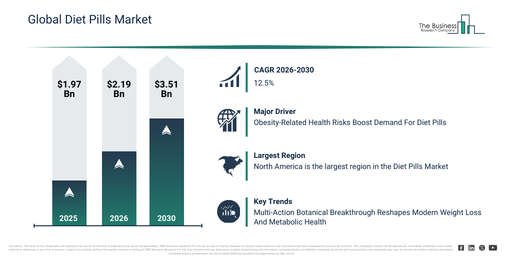
    The diet pills market has seen swift expansion in recent years. It is projected to expand from $1.97 billion in 2025 to $2.19 billion in 2026, reflecting a compound annual growth rate (CAGR) of 11.5%. Historically, this growth can be attributed to the escalating prevalence of obesity, the adoption of increasingly sedentary urban lifestyles, greater consumer awareness of weight management, the expansion of retail pharmacy networks, and assertive marketing strategies for diet supplements.

    The diet pills market is poised for substantial expansion in the coming years, projected to reach $3.51 billion in 2030, demonstrating a compound annual growth rate (CAGR) of 12.5%. This increase over the forecast period is driven by factors such as a growing inclination towards preventive healthcare, an increasing demand for natural and herbal products, the expanding reach of e-commerce pharmacies, advancements in weight management research, and rising disposable incomes in emerging economies. Prominent trends expected during this period include a surge in demand for appetite suppression pills, the development of herbal and natural diet pills, the increasing popularity of over-the-counter weight loss pills, the growth of online pharmacy sales, and an intensified focus on formulations that boost metabolism.

    Get A Free Sample Report With In-Depth Market Insights:

    https://thebusinessresearchcompany.com/sample_request?id=59981419&type=smp&name=Diet%20Pills%20Market%20Report%202026&utm_source=Blogs&utm_medium=Paid&utm_campaign=Oct_PR

    Diet Pills Market Opportunity Drivers: What’s Unlocking New Revenue Potential?

    The escalating issue of obesity is anticipated to significantly drive the expansion of the diet pill market moving forward. Obesity is characterized by abnormal or excessive weight gain, typically defined by a body mass index (BMI) greater than 30, which poses substantial health risks. This condition increases the likelihood of mortality from various cancers, including those of the esophagus, colon, rectum, liver, gallbladder, pancreas, and kidney. Moreover, it contributes to the development of disorders such as type 2 diabetes (T2D) and cardiovascular diseases (CVD). Obese individuals frequently turn to diet pills as a medical intervention to facilitate weight loss, as these medications work by reducing appetite and food cravings. For instance, data released in June 2024 by the American Heart Association, Inc., a US-based non-profit entity, projects that by 2050, over 150 million people in the U.S. will have a poor diet. This trend is expected to contribute to an approximate 40% increase in adult obesity (from 43.6% to 60.6%) and more than a 60% rise in child obesity (from 20.6% to 33%), while 61% of adults are forecast to have cardiovascular disease, with the most pronounced obesity growth occurring among adults aged 20-64. Therefore, the increasing prevalence of obesity is a key factor propelling the growth of the diet pill market.

    Diet Pills Market Segmentation And Category Overview

    The diet pills market covered in this report is segmented –

    1) By Product Type: Prescription, Over The Counter, Herbal Supplements

    2) By Age: Teenagers, Adults

    3) By Distribution Channel: Hospital Pharmacies, Retail Pharmacies, Online Pharmacies, Drug Stores

    4) By Application: Appetite Suppression, Fat Blocking, Other Applications

    Subsegments:

    1) By Prescription: Prescription Weight Loss Pills, Prescription Appetite Suppressants, Prescription Fat Blockers

    2) By Over The Counter: Non-Prescription Weight Loss Pills, Appetite Control Tablets, Fat Burners, Metabolism Boosters

    3) By Herbal Supplements: Herbal Weight Loss Pills, Herbal Appetite Suppressants, Natural Fat Burners, Traditional Herbal Formulations

    Diet Pills Market Innovation Trends Shaping Future Development

    Major companies operating in the diet pills market are concentrating on developing advanced solutions, such as multi-action botanical formulations, to improve weight loss assistance and metabolic health. These multi-action botanical formulations utilize clinically studied plant-based extracts that function synergistically to support healthy fat reduction, increased energy expenditure, and enhanced feelings of fullness. This strategy aims to supply consumers with science-backed weight management support without requiring pharmaceutical ingredients. For instance, in July 2025 Herbalife Ltd., a US-based nutrition company, launched MultiBurn, which features a blend of Morosil from Moro blood oranges, Metabolaid from hibiscus and lemon verbena, and Capsifen, combining red chili pepper and fenugreek. The product includes caffeine to stimulate metabolism and provide energy, along with chromium to help maintain blood sugar levels already within the normal range. It is gluten-free, appropriate for vegans, and manufactured without synthetic colors or dyes. It contributes to overall weight loss, healthy fat reduction, healthy energy expenditure, and a feeling of fullness, aligning with Herbalife’s emphasis on clean-label, science-backed wellness solutions.

    Diet Pills Market Competitive Analysis Of Leading Industry Participants

    Major companies operating in the diet pills market are GlaxoSmithKline plc, Iovate Health Sciences International Inc., Novo Nordisk A/S, Gelesis Inc., VIVUS Inc., Creative Biosciences Pvt. Ltd., Applied Nutrition Ltd. (India), Herbalife Nutrition India Private Limited, Camillotek India Pvt. Ltd., NOW Foods, MuscleTech Research and Development LLC, Healthviva Group of Companies, Nalpropion Pharmaceuticals LLC, Chong’s Health Care Pte. Ltd., Currax Pharmaceuticals LLC, TEVA PHARMACEUTICAL INDUSTRIES LTD, Eli Lilly and Company, Arena Pharmaceuticals GmbH & Co. KG, Orexigen Therapeutics Inc., Takeda Pharmaceutical Company Limited, Sanofi SA, Boehringer Ingelheim International GmbH, Merck & Co. Inc., Johnson & Johnson, Abbott Laboratories

    View The Full Diet Pills Market Report:

    https://thebusinessresearchcompany.com/report/diet-pills-global-market-report?utm_source=Blogs&utm_medium=Paid&utm_campaign=Oct_PR

    Diet Pills Market Regional Analysis: Which Region Leads By Revenue?

    North America was the largest region in the diet pills market in 2025. The regions covered in the diet pills market report are Asia-Pacific, South East Asia, Western Europe, Eastern Europe, North America, South America, Middle East, Africa.

    Reach Out To Our Team:

    The Business Research Company: https://www.thebusinessresearchcompany.com/

    Americas: +1 310-496-7795

    Asia: +44 7882 955267 & +91 8897263534

    Europe: +44 7882 955267

    Email us at: marketing@tbrc.info

    Follow us on:

    LinkedIn: https://in.linkedin.com/company/the-business-research-company

    YouTube: https://www.youtube.com/channel/UC24_fI0rV8cR5DxlCpgmyFQ

    Global Market Model: https://www.thebusinessresearchcompany.com/global-market-model

  • Diagnostic Specialty Antibodies Market Size And Growth In 2026: Key Factors Shaping Future Demand

    Diagnostic Specialty Antibodies Market Size And Growth In 2026: Key Factors Shaping Future Demand

    Backed by market attractiveness analysis, total addressable market sizing, company benchmarking matrices, interactive Excel dashboards, wider supply chain intelligence, emerging startup coverage, and detailed product-level insights, The Business Research Company’s 2026 market reports are designed to offer research that is more actionable and strategically valuable than ever.

    Diagnostic Specialty Antibodies Market Value Analysis: What Growth Lies Ahead Over The Forecast Period?

    The diagnostic specialty antibodies market size has experienced robust expansion in recent years. Projections indicate it will grow from $30.96 billion in 2025 to $32.82 billion in 2026, at a compound annual growth rate (CAGR) of 6.0%. This historical growth can be linked to factors such as the increasing prevalence of infectious diseases, the expansion of hospital-based diagnostic testing, rising adoption of immunoassay techniques, growing awareness of early disease detection, and the availability of conventional monoclonal antibody technologies.

    The diagnostic specialty antibodies market size is anticipated to experience robust expansion over the next few years. It is projected to reach $42.84 billion in 2030, displaying a compound annual growth rate (CAGR) of 6.9%. This projected growth can be attributed to several factors such as the expansion of oncology diagnostics, an increasing need for rapid diagnostic tests, the establishment of more diagnostic laboratories in emerging markets, progress in recombinant antibody engineering, and rising investments in biomarker-based diagnostics. Notable trends expected during this forecast period include the increasing adoption of precision diagnostics, the broadening of infectious disease testing panels, a growing demand for high-specificity monoclonal antibodies, the development of more point-of-care diagnostic assays, and improvements in the standardization of antibody validation and quality control.

    Get A Free Sample Report With In-Depth Market Insights:

    https://thebusinessresearchcompany.com/sample_request?id=59747583&type=smp&name=Diagnostic%20Specialty%20Antibodies%20Market%20Report%202026&utm_source=Blogs&utm_medium=Paid&utm_campaign=Oct_PR

    Diagnostic Specialty Antibodies Market Growth Momentum: What Factors Are Shaping Demand?

    The expanding patient population for HIV diagnosis is projected to drive the growth of the diagnostic specialty antibodies market. An increasing number of individuals being diagnosed with HIV (Human Immunodeficiency Virus) indicates a growing patient pool. As more people receive an HIV diagnosis, the market for diagnostic specialty antibodies expands, creating opportunities for manufacturers to develop and supply specialized antibody-based diagnostic products for HIV testing. These products facilitate the detection of specific biomarkers related to the virus, aiding in the early identification and monitoring of HIV infection. For instance, in October 2024, a report from the UK Health Security Agency, a UK-based government body, revealed an 11% increase in the HIV testing rate between 2022 and 2023. In 2023, the highest testing rate was observed among gay, bisexual, and other men who have sex with men (GBMSM), reaching 52,255 per 100,000. In contrast, the rates for heterosexual men and heterosexual and bisexual women were notably lower, at 1,894 and 3,106 per 100,000, respectively. Therefore, the expanding patient pool for HIV diagnoses is a key factor propelling the diagnostic specialty antibodies market.

    Diagnostic Specialty Antibodies Market Segment Outlook: Which Categories Are Growing Fastest?

    The diagnostic specialty antibodies market covered in this report is segmented –

    1) By Antibody Type: Monoclonal Antibodies, Polyclonal Antibodies, Recombinant Polyclonal Antibodies

    2) By Application: Hepatitis, Tuberculosis, Dengue, Oncology, Human Immunodeficiency Virus (HIV), Infectious Disease, Other Applications

    3) By End User: Diagnostic Laboratories, Hospitals

    Subsegments:

    1) By Monoclonal Antibodies: Murine Monoclonal Antibodies, Chimeric Monoclonal Antibodies, Humanized Monoclonal Antibodies, Fully Human Monoclonal Antibodies

    2) By Polyclonal Antibodies: Rabbit Polyclonal Antibodies, Goat Polyclonal Antibodies, Sheep Polyclonal Antibodies

    3) By Recombinant Polyclonal Antibodies: Single-Chain Variable Fragment (scFv), Fab Fragments

    Diagnostic Specialty Antibodies Market Trends Redefining Industry Growth

    Companies operating in the diagnostic specialty antibodies market are dedicating efforts to developing innovative assays, such as antibody assays, for the diagnosis of rare bleeding disorders and to secure a competitive advantage. An antibody assay is a laboratory method utilized to identify and quantify the existence and concentration of antibodies within a biological sample. For example, in May 2023, Versiti, a US-based nonprofit organization, introduced the Anti-von Willebrand Factor (VWF) Antibody Assay. This innovative assay is designed to aid clinicians in recognizing patients with suspected acquired von Willebrand Disease (aVWD). Developed through research at the Versiti Blood Research Institute, the assay identifies both inhibitory and non-inhibitory antibodies that bind to VWF, thus providing additional avenues for anti-VWF antibody detection.

    Diagnostic Specialty Antibodies Market Leading Companies And Competitive Benchmarking

    Major companies operating in the diagnostic specialty antibodies market are F. Hoffmann-La Roche AG, Thermo Fisher Scientific Inc., Abbott Laboratories, Danaher Corporation, Merck KGaA, Becton Dickinson and Company, Agilent Technologies Inc., Sartorius AG, Bio-Rad Laboratories Inc., STEMCELL Technologies Inc., Abcam PLC, Enzo Life Sciences Inc., Rockland Immunochemicals Inc., Santa Cruz Biotechnology Inc., Creative Diagnostics, Novus Biologicals LLC, Precirix NV, Creative Biolabs Inc., Polymun Scientific Immunbiologische Forschung GmbH, Telix Pharmaceuticals Limited

    View The Full Diagnostic Specialty Antibodies Market Report:

    https://thebusinessresearchcompany.com/report/diagnostic-specialty-antibodies-global-market-report?utm_source=Blogs&utm_medium=Paid&utm_campaign=Oct_PR

    Diagnostic Specialty Antibodies Market Geographic Distribution And Regional Opportunities

    North America was the largest region in the diagnostic specialty antibodies market in 2025. Asia-Pacific is expected to be the fastest-growing region in the diagnostic specialty antibodies market report during the forecast period. The regions covered in the diagnostic specialty antibodies market report are Asia-Pacific, South East Asia, Western Europe, Eastern Europe, North America, South America, Middle East, Africa.

    Reach Out To Our Team:

    The Business Research Company: https://www.thebusinessresearchcompany.com/

    Americas: +1 310-496-7795

    Asia: +44 7882 955267 & +91 8897263534

    Europe: +44 7882 955267

    Email us at: marketing@tbrc.info

    Follow us on:

    LinkedIn: https://in.linkedin.com/company/the-business-research-company

    YouTube: https://www.youtube.com/channel/UC24_fI0rV8cR5DxlCpgmyFQ

    Global Market Model: https://www.thebusinessresearchcompany.com/global-market-model
  • Diagnostic Enzyme Market Forecast 2026–2030: Market Size, Trends And Growth Opportunities

    Diagnostic Enzyme Market Forecast 2026–2030: Market Size, Trends And Growth Opportunities

    Featuring market attractiveness scoring, total addressable market sizing, company benchmarking matrices, interactive Excel dashboards, deeper supply chain intelligence, emerging startup tracking, and granular product-level insights, The Business Research Company’s 2026 market reports are built to deliver research that is both more actionable and more strategically valuable.

    Diagnostic Enzyme Market Size Forecast: How Big Could The Market Get By 2030?

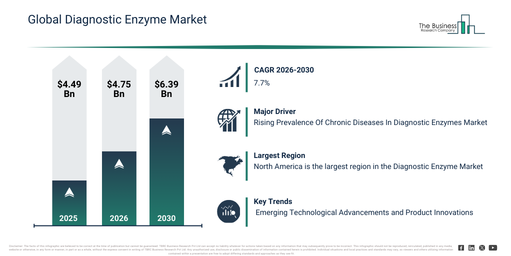
    The diagnostic enzyme market size has demonstrated robust growth in recent years. Its expansion is anticipated to be from $4.49 billion in 2025 to $4.75 billion in 2026, at a compound annual growth rate (CAGR) of 5.7%. The historical growth can be attributed to limited availability of high-purity diagnostic enzymes, reliance on traditional assay methods, increasing prevalence of chronic diseases, growing biotechnology and research initiatives, and rising awareness of enzyme-based diagnostics.

    The diagnostic enzyme market size is projected to experience robust expansion over the coming years. By 2030, its value is anticipated to reach $6.39 billion, exhibiting a compound annual growth rate (CAGR) of 7.7%. This anticipated growth during the projected timeframe stems from several factors, including the advancement of sophisticated enzyme engineering methods, the incorporation of diagnostics into digital health systems, a greater embrace of point-of-care testing, the broadening of pharmaceutical and biotech research and development efforts, and increased public and private investment in diagnostic breakthroughs. Key developments expected within this period encompass the growing use of enzyme-based diagnostic kits, the progress in personalized medicine and the identification of biomarkers, an enlargement of research and biotechnology uses, a heightened need for enzymes offering high specificity and sensitivity, and the incorporation of enzyme diagnostics into point-of-care testing.

    Get A Free Sample Report With In-Depth Market Insights:

    https://thebusinessresearchcompany.com/sample_request?id=17648846&type=smp&name=Diagnostic%20Enzyme%20Market%20Report%202026&utm_source=Blogs&utm_medium=Paid&utm_campaign=Oct_PR

    Diagnostic Enzyme Market Expansion Drivers: What’s Shaping Future Growth?

    The increasing occurrence of chronic illnesses is expected to drive the expansion of the diagnostic enzymes market in the future. Chronic conditions are defined as persistent health issues lasting for more than three months. Diagnostic enzymes play a crucial role in the diagnosis and ongoing monitoring of diverse chronic diseases and medical conditions, enabling healthcare professionals to evaluate the seriousness of a disease, track how well treatments are working, and modify therapeutic strategies when necessary. For example, data from January 2023, provided by the US-based National Library of Medicine, projected that the population in the US aged 50 and above suffering from at least one chronic ailment would see a 99.5% rise, escalating from 71.522 million to 142.66 million by 2050. Consequently, the escalating incidence of chronic diseases is a key factor propelling the growth of the diagnostic enzymes market.

    Diagnostic Enzyme Market Segment Landscape: Which Areas Lead Development?

    The diagnostic enzyme market covered in this report is segmented –

    1) By Product Type: Carbohydrases, Polymerases And Nucleases, Protease, Other Product Types

    2) By Source: Animals, Microorganisms, Plants

    3) By Application: Biocatalysts, Diagnostics, Pharmaceuticals, Research & Biotechnology

    Subsegments:

    1) By Carbohydrases: Amylases, Cellulases, Lactases, Glucosidases

    2) By Polymerases And Nucleases: DNA Polymerases, RNA Polymerases, Restriction Endonucleases, Exonucleases

    3) By Protease: Serine Proteases, Cysteine Proteases, Metalloproteases, Aspartic Proteases

    4) By Other Product Types: Oxidoreductases, Transferases, Lyases, Hydrolases

    Diagnostic Enzyme Market Strategic Trends: What Defines The Next Growth Phase?

    Leading companies in the diagnostic enzyme market are increasingly prioritizing technological advancements, such as digital PCR platforms, to address the growing need for highly sensitive and absolute quantification in clinical diagnostics, especially within oncology and infectious disease testing. Digital PCR (dPCR) is a method that separates a sample into thousands of nanoliter-scale reactions, allowing for the absolute quantification of target nucleic acids without relying on standard curves. This differs from traditional quantitative PCR (qPCR), which estimates concentrations using reference standards and can be less precise, particularly at low target abundance. For example, in September 2024, QIAGEN N.V., a Germany-based biotechnology company, launched its QIAcuityDx Digital PCR System, a dPCR instrument designed for clinical use. This system integrates partitioning, thermocycling, and imaging into a single automated device, enabling the absolute quantification of DNA and RNA for applications like minimally invasive liquid biopsies in cancer monitoring. Its significant features include IVDR certification in Europe, 510(k) exemption in the U.S., user-friendly software, and flexible scheduling, while also supporting companion-diagnostic development through its GeneGlobe platform. The QIAcuityDx improves precision and laboratory efficiency by cutting down on hands-on time and delivering reproducible results, even for low-abundance targets.

    Diagnostic Enzyme Market Industry Leaders And Competitive Landscape

    Major companies operating in the diagnostic enzyme market are Sanofi S.A., Advanced Enzymes Technologies, Aldevron LLC, Amano Enzymes Inc., Codexis Inc., EKF Diagnostic, Kaneka Eurogentec, Roche Holding AG, Sekisui Diagnostics LLC, Thermo Fisher Scientific Inc., Charles River Laboratories, Biocatalysts, Merck & Co. Inc., Chr. Hansen, Kerry Group, Dyadic International, Creative Enzymes, Pfizer Inc., Eli Lilly and Company, Bristol-Myers Squibb Company, GlaxoSmithKline plc, Johnson & Johnson, AbbVie Inc., Amgen Inc., Biogen Inc., Gilead Sciences Inc., Regeneron Pharmaceuticals Inc.

    View The Full Diagnostic Enzyme Market Report:

    https://thebusinessresearchcompany.com/report/Diagnostic-Enzymes-global-market-report?utm_source=Blogs&utm_medium=Paid&utm_campaign=Oct_PR

    Diagnostic Enzyme Market Largest Region By Revenue And Market Share

    North America was the largest region in the enzymes market in 2025. Middle East is expected to be the fastest-growing region in the diagnostic enzyme market report during the forecast period. The regions covered in the diagnostic enzyme market report are Asia-Pacific, South East Asia, Western Europe, Eastern Europe, North America, South America, Middle East, Africa.

    Reach Out To Our Team:

    The Business Research Company: https://www.thebusinessresearchcompany.com/

    Americas: +1 310-496-7795

    Asia: +44 7882 955267 & +91 8897263534

    Europe: +44 7882 955267

    Email us at: marketing@tbrc.info

    Follow us on:

    LinkedIn: https://in.linkedin.com/company/the-business-research-company

    YouTube: https://www.youtube.com/channel/UC24_fI0rV8cR5DxlCpgmyFQ

    Global Market Model: https://www.thebusinessresearchcompany.com/global-market-model
  • Diabetic Foot Ulcer Biologics Market Size Reaches $2.09 Billion In 2026: What Is Driving Growth?

    Diabetic Foot Ulcer Biologics Market Size Reaches $2.09 Billion In 2026: What Is Driving Growth?

    Built to provide research that’s more actionable and strategically valuable, The Business Research Company’s 2026 market reports include market attractiveness analysis, total addressable market sizing, company benchmarking matrices, interactive Excel dashboards, broader supply chain intelligence, emerging startup tracking, and in-depth product insights.

    Diabetic Foot Ulcer Biologics Market Revenue Outlook: What CAGR Lies Ahead Through 2030?

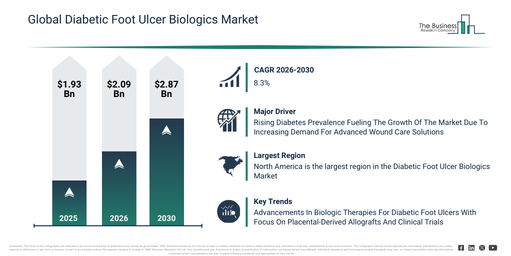
    The diabetic foot ulcer biologics market size has shown robust expansion in recent years. It will grow from $1.93 billion in 2025 to $2.09 billion in 2026 at a compound annual growth rate (CAGR) of 8.3%. The market’s growth in previous periods can be attributed to elements such as the limited availability of advanced biologics, a reliance on conventional wound care treatments, the increasing prevalence of diabetes-related foot ulcers, rising adoption within hospitals and clinics, and the absence of standardized treatment protocols.

    The diabetic foot ulcer biologics market is anticipated to experience substantial expansion in the coming years, with its size projected to reach $2.87 billion by 2030, driven by a compound annual growth rate (CAGR) of 8.3%. This projected growth can be primarily attributed to technological advancements in stem cell and gene therapy, along with growing investment in tissue engineering research. Further contributing factors include the increasing adoption of autologous and allogeneic cell-based biologics, the expansion of long-term care and ambulatory surgical centers, and a rising awareness of personalized wound care solutions. Significant trends during the forecast period involve the increasing uptake of stem cell and gene therapies, a rising use of collagen-based biologics for wound healing, the expansion of skin substitutes in diabetic foot ulcer management, the integration of advanced tissue engineering techniques, and an intensified focus on personalized and targeted biologics treatments.

    Get A Free Sample Report With In-Depth Market Insights:

    https://thebusinessresearchcompany.com/sample_request?id=14117652&type=smp&name=Diabetic%20Foot%20Ulcer%20Biologics%20Market%20Report%202026&utm_source=Blogs&utm_medium=Paid&utm_campaign=Oct_PR

    Diabetic Foot Ulcer Biologics Market Development Factors: What’s Supporting Demand?

    The increasing incidence of diabetes is projected to fuel the expansion of the diabetic foot ulcer biologics market in the future. This chronic ailment is defined by elevated blood sugar levels, occurring when the body either fails to produce insulin or cannot utilize it properly. The growth in diabetes cases primarily stems from inactive lifestyles, which, in turn, generates a greater need for sustained care options that manage blood sugar efficiently without significantly disrupting daily routines. Diabetic foot ulcer biologics play a crucial role in diabetes management by speeding up wound recovery, averting infections, and mitigating issues associated with persistent foot ulcers. As an illustration, in April 2025, data from the International Diabetes Federation (IDF) Atlas, a Belgium-based non-profit body, indicated that in 2024, 9.5 million of the 589 million adults with diabetes had type 1, and this figure is anticipated to climb to 853 million by 2050. Consequently, the escalating occurrence of diabetes is propelling the development of the diabetic foot ulcer biologics market.

    Diabetic Foot Ulcer Biologics Market Segments: Where Is Growth Concentrated?

    The diabetic foot ulcer biologics market covered in this report is segmented –

    1) By Type: Growth Factors, Skin Substitutes, Collagen-Based Biologics, Cell-Based Biologics

    2) By Indication: Neuro-Ischemic Ulcers, Neuropathic Diabetic Foot Ulcer, Ischemic Diabetic Foot Ulcer

    3) By Technology: Gene Therapy, Stem Cell Therapy, Tissue Engineering

    4) By End User: Hospitals, Clinics, Ambulatory Surgical Centers, Long-Term Care Settings, Other End Users

    Subsegments:

    1) By Growth Factors: Platelet-Derived Growth Factor, Epidermal Growth Factor, Fibroblast Growth Factor, Vascular Endothelial Growth Factor

    2) By Skin Substitutes: Synthetic Skin Substitutes, Biological Skin Substitutes, Composite Skin Substitutes

    3) By Collagen-Based Biologics: Bovine-Derived Collagen, Porcine-Derived Collagen, Human-Derived Collagen

    4) By Cell-Based Biologics: Autologous Cell-Based Biologics, Allogeneic Cell-Based Biologics, Stem Cell-Based Biologics

    Diabetic Foot Ulcer Biologics Market Transformation Trends: What Innovations Are Driving Change?

    Major companies operating in the diabetic foot ulcer biologics market are concentrating their research and development efforts on biologic therapies, such as placental-derived allograft, to improve wound healing, decrease complications, and enhance patient outcomes in the management of chronic foot ulcers. A placental-derived allograft is a biological tissue graft derived from donated human placental tissues, including the amnion or chorion, and applied in medical settings to foster healing, diminish inflammation, and support tissue regeneration. For example, in January 2025, BioStem Technologies Inc., a US-based pharmaceutical company, commenced a clinical trial utilizing its BioREtain technology with Vendaje for the treatment of diabetic foot ulcers. This study evaluates Vendaje combined with standard care versus standard care solely to demonstrate its effectiveness in promoting the healing of non-healing diabetic foot ulcers. It also features a follow-up phase to assess the long-term durability and stability of healed wounds, ensuring enduring treatment success and reducing the likelihood of ulcer recurrence.

    Diabetic Foot Ulcer Biologics Market Key Participants And Competitive Landscape

    Major companies operating in the diabetic foot ulcer biologics market are Smith & Nephew plc, Integra LifeSciences Holdings Corp., Organogenesis Holdings Inc., MIMEDX Group Inc., LifeNet Health, Aroa Biosurgery, Tissue Regenix Group plc, Stempeutics Research, ACell Inc.,

    View The Full Diabetic Foot Ulcer Biologics Market Report:

    https://thebusinessresearchcompany.com/report/diabetic-foot-ulcer-biologics-global-market-report?utm_source=Blogs&utm_medium=Paid&utm_campaign=Oct_PR

    Diabetic Foot Ulcer Biologics Market Regional Analysis And Leading Geography

    North America was the largest region in the diabetic foot ulcer biologics market in 2025. Asia-Pacific is expected to be the fastest-growing region in the forecast period. The regions covered in the diabetic foot ulcer biologics market report are Asia-Pacific, South East Asia, Western Europe, Eastern Europe, North America, South America, Middle East, Africa.

    Reach Out To Our Team:

    The Business Research Company: https://www.thebusinessresearchcompany.com/

    Americas: +1 310-496-7795

    Asia: +44 7882 955267 & +91 8897263534

    Europe: +44 7882 955267

    Email us at: marketing@tbrc.info

    Follow us on:

    LinkedIn: https://in.linkedin.com/company/the-business-research-company

    YouTube: https://www.youtube.com/channel/UC24_fI0rV8cR5DxlCpgmyFQ

    Global Market Model: https://www.thebusinessresearchcompany.com/global-market-model
  • Diabetes Therapeutics Market Valued At $278.96 Billion In 2026: Key Trends And Growth Drivers

    Diabetes Therapeutics Market Valued At $278.96 Billion In 2026: Key Trends And Growth Drivers

    Backed by market attractiveness analysis, total addressable market sizing, company benchmarking matrices, interactive Excel dashboards, wider supply chain intelligence, emerging startup coverage, and detailed product-level insights, The Business Research Company’s 2026 market reports are designed to offer research that is more actionable and strategically valuable than ever.

    Diabetes Therapeutics Market Growth Analysis: How Will Revenue Trend Over The Forecast Period?

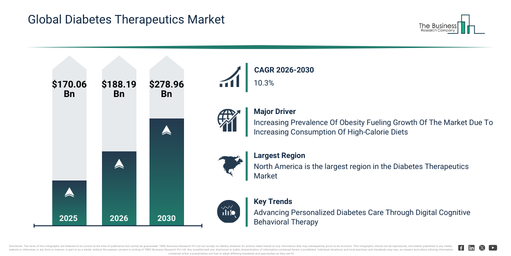
    The diabetes therapeutics market has experienced substantial expansion in recent years. It is anticipated to increase from $170.06 billion in 2025 to $188.19 billion in 2026, reflecting a compound annual growth rate (CAGR) of 10.7%. Historically, this growth was influenced by factors such as the limited availability of advanced therapeutics, a reliance on traditional oral anti-diabetic drugs, low awareness of preventive care, constrained distribution channels, and the growing burden of type 2 diabetes.

    The diabetes therapeutics market is projected to experience substantial expansion in the coming years. By 2030, its value is anticipated to reach $278.96 billion, exhibiting a compound annual growth rate (CAGR) of 10.3%. This forecasted increase is primarily driven by factors such as the creation of new insulin analogs, the proliferation of combination treatments, the uptake of digital tools for diabetes management, improvements in healthcare infrastructure dedicated to diabetes care, and the incorporation of telemedicine alongside remote monitoring services. Key trends observed during this period encompass the escalating global incidence of diabetes, the heightened utilization of GLP-1 receptor agonists and SGLT-2 inhibitors, the broadening reach of online and physical pharmacies, a greater emphasis on individualized diabetes management approaches, and improved understanding of preventative measures and timely detection.

    Get A Free Sample Report With In-Depth Market Insights:

    https://thebusinessresearchcompany.com/sample_request?id=73676434&type=smp&name=Diabetes%20Therapeutics%20Market%20Report%202026&utm_source=Blogs&utm_medium=Paid&utm_campaign=Oct_PR

    Diabetes Therapeutics Market Industry Drivers: What’s Behind The Revenue Growth?

    The rising incidence of obesity is anticipated to drive expansion in the diabetes therapeutics market moving ahead. Obesity, defined as an unhealthy excess accumulation of body fat, poses a significant health risk and stands as a primary contributor to type 2 diabetes. This growing occurrence of obesity stems from a higher intake of calorie-dense diets, as more individuals consume processed and fast foods rich in sugar and fat while undertaking reduced physical activity, resulting in substantial weight gain. Diabetes treatments aid in managing obesity by enhancing blood sugar regulation and facilitating weight reduction via medications like GLP-1 receptor agonists, which work to decrease appetite and prolong digestion, thereby improving the overall metabolic well-being of obese individuals. For example, in May 2024, a report released by the Office for Health Improvement and Disparities, a UK-based government department, indicated that from 2022 to 2023, approximately 64% of adults aged 18 and over were categorized as overweight or obese, marking an increase from the preceding year’s figure of 63.8%. Consequently, the expanding prevalence of obesity is fueling the development of the diabetes therapeutics market.

    Diabetes Therapeutics Market Segment Analysis: What Are The Core Market Categories?

    The diabetes therapeutics market covered in this report is segmented –

    1) By Drug: Oral Anti-Diabetic Drugs, Insulin, Non-Insulin Injectable Drug, Combination Drug

    2) By Type: Diabetes 1, Diabetes 2

    3) By Route Of Administration: Oral, Subcutaneous, Intravenous

    4) By Distribution Channel: Online Pharmacies, Hospital Pharmacies, Retail Pharmacies

    5) By Application: Preventive, Treatment Or Care

    Subsegments:

    1) By Oral Anti-Diabetic Drugs: Biguanides, Sulfonylureas, DPP-4 Inhibitors, SGLT-2 Inhibitors, Thiazolidinediones, Meglitinides, Alpha-Glucosidase Inhibitors

    2) By Insulin: Rapid-Acting Insulin, Short-Acting Insulin, Intermediate-Acting Insulin, Long-Acting Insulin, Premixed Insulin

    3) By Non-Insulin Injectable Drug: GLP-1 Receptor Agonists, Amylin Analogs

    4) By Combination Drug: Oral Combination Therapies, Oral and Injectable Combination Therapies

    #Diabetes Therapeutics Market Growth Trends: What’s Shaping The Future Outlook?

    Leading firms within the diabetes therapeutics sector are prioritizing the creation of novel solutions, including cognitive behavioral therapy (CBT), with the aim of advancing individualized diabetes care and optimizing glycemic control for individuals living with type 2 diabetes. Cognitive behavioral therapy (CBT) is defined as a systematic, evidence-supported psychological intervention designed to assist people in recognizing and modifying detrimental thought processes and actions. As an illustration, in October 2023, Better Therapeutics Inc., a digital therapeutics company based in the US, introduced AspyreRx, a digital application for diabetes therapy. AspyreRx, having secured FDA authorization for addressing type 2 diabetes, delivers customized cognitive behavioral therapy (CBT) to patients aged 18 and older, thereby facilitating behavioral modifications conducive to enhanced diabetes management. Previously identified as BT-001, AspyreRx exhibited statistically and clinically meaningful, sustained decreases in A1c when contrasted with conventional care, in addition to benefits in blood pressure, weight, mood, and overall quality of life during a randomized controlled trial.

    Diabetes Therapeutics Market Top Companies Driving Competitive Growth

    Major companies operating in the diabetes therapeutics market are Pfizer Inc., Merck & Co Inc., Novartis AG, Sanofi S.A., AstraZeneca PLC, Takeda Pharmaceutical Company Limited, Eli Lilly and Company, Novo Nordisk A/S, Boehringer Ingelheim International GmbH, Biocon Biologics Limited, MannKind Corporation, Lexicon Pharmaceuticals Inc., Adocia S.A., Oramed Pharmaceuticals Inc.

    View The Full Diabetes Therapeutics Market Report:

    https://thebusinessresearchcompany.com/report/diabetes-therapeutics-global-market-report?utm_source=Blogs&utm_medium=Paid&utm_campaign=Oct_PR

    Diabetes Therapeutics Market Geographic Analysis: Where Is Demand Accelerating Fastest?

    North America was the largest region in the diabetes therapeutics market in 2025. Asia-Pacific is expected to be the fastest-growing region in the forecast period. The regions covered in the diabetes therapeutics market report are Asia-Pacific, South East Asia, Western Europe, Eastern Europe, North America, South America, Middle East, Africa.

    Reach Out To Our Team:

    The Business Research Company: https://www.thebusinessresearchcompany.com/

    Americas: +1 310-496-7795

    Asia: +44 7882 955267 & +91 8897263534

    Europe: +44 7882 955267

    Email us at: marketing@tbrc.info

    Follow us on:

    LinkedIn: https://in.linkedin.com/company/the-business-research-company

    YouTube: https://www.youtube.com/channel/UC24_fI0rV8cR5DxlCpgmyFQ

    Global Market Model: https://www.thebusinessresearchcompany.com/global-market-model