Month: October 2026

  • Filgrastim Biosimilars Market Outlook Through 2030: Understanding The Growth Opportunity

    Filgrastim Biosimilars Market Outlook Through 2030: Understanding The Growth Opportunity

    Featuring market attractiveness scoring, total addressable market sizing, company benchmarking matrices, interactive Excel dashboards, deeper supply chain intelligence, emerging startup tracking, and granular product-level insights, The Business Research Company’s 2026 market reports are built to deliver research that is both more actionable and more strategically valuable.

    Filgrastim Biosimilars Market Revenue Growth On Track For A 11.9% CAGR Through 2030

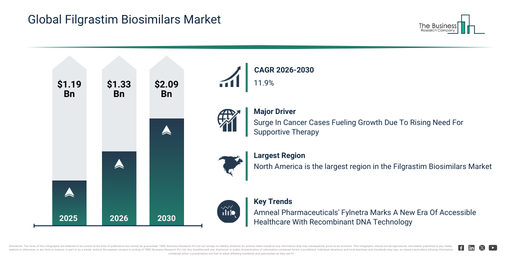
    The filgrastim biosimilars market size has experienced rapid growth in recent years. It is anticipated to increase from $1.19 billion in 2025 to $1.33 billion in 2026, achieving a compound annual growth rate (CAGR) of 11.5%. The expansion witnessed in the historic period can be linked to the high cost of originator filgrastim, the rising prevalence of cancer and blood disorders, constrained access to biologics in developing regions, advancing hospital infrastructure, and swift approvals of biosimilars by regulatory authorities.

    The filgrastim biosimilars market size is projected to experience swift expansion over the coming years. It will grow to $2.09 billion in 2030 at a compound annual growth rate (CAGR) of 11.9%. This anticipated growth is driven by several factors, including the introduction of advanced filgrastim biosimilars, broader contract manufacturing collaborations, increased application in chronic and autoimmune conditions, augmented government backing and reimbursement frameworks, and the evolution of patient-focused distribution and delivery strategies. Key developments expected during this period encompass the growing integration of filgrastim biosimilars in oncology and blood disorder therapies, the expansion of contract manufacturing organizations dedicated to biosimilar production, a greater reliance on internal vertically integrated manufacturing sites, a developing preference for hospital and retail pharmacy distribution channels, and a concentrated effort on affordable biologics and market accessibility in developing regions.

    Get A Free Sample Report With In-Depth Market Insights:

    https://thebusinessresearchcompany.com/sample_request?id=38601368&type=smp&name=Filgrastim%20Biosimilars%20Market%20Report%202026&utm_source=Blogs&utm_medium=Paid&utm_campaign=Oct_PR

    Filgrastim Biosimilars Market Growth Factors: What’s Supporting Expansion?

    An anticipated increase in cancer cases is projected to fuel the expansion of the filgrastim biosimilars market in the future. Cancer encompasses various illnesses characterized by the unchecked proliferation and dissemination of atypical cells within the body, stemming from genetic alterations that impair regular cellular control. This surge in cancer occurrence is partially attributable to an aging populace, given that extended lifespans increase the probability of genetic mutations contributing to cancer development. Filgrastim biosimilars assist individuals with cancer by stimulating the production of white blood cells, thereby mitigating the danger of neutropenia induced by chemotherapy and facilitating safer, uninterrupted cancer therapy. For example, the National Health Service (NHS), a government health organization in the UK, reported in October 2025 that 2023 saw 354,820 new cancer diagnoses, averaging 972 daily, marking an increase of 8,605 from 2022. Consequently, the escalating rate of cancer incidence is propelling the filgrastim biosimilars market.

    Filgrastim Biosimilars Market Segmentation And Category Overview

    The filgrastim biosimilars market covered in this report is segmented –

    1) By Type Of Manufacturing: In-House Manufacturing, Contract Manufacturing organization

    2) By Application: Oncology, Chronic And Autoimmune Diseases, Blood Disorders, Other Applications

    3) By Distribution Channel: Hospital Pharmacy, Retail Pharmacy, Online Pharmacy

    Subsegments:

    1) By In-House Manufacturing: Proprietary In-House Manufacturing Facilities, Company-Owned Production Plants, Vertically Integrated Manufacturing

    2) By Contract Manufacturing Organization: Full-Service Contract Manufacturing, Fill and Finish Services, API (Active Pharmaceutical Ingredient) Manufacturing, Specialized Biosimilar Manufacturing Services

    Filgrastim Biosimilars Market Industry Trends: What’s Reshaping Demand?

    Leading companies in the filgrastim biosimilar market are advancing product development by utilizing sophisticated technologies, such as recombinant DNA technology, to manufacture biosimilars. Recombinant DNA technology is a process involving the creation of hybrid or chimeric DNA by inserting an external sequence into an organism’s DNA. For instance, in May 2023, Amneal Pharmaceuticals, a US-based pharmaceutical company, launched FYLNETRA (pegfilgrastim-pbbk) in the United States. This product, a biosimilar to Amgen’s NEULASTA, is indicated for both the treatment and prevention of febrile neutropenia. It works by encouraging the growth and specialization of neutrophils derived from dedicated precursor cells, triggering their maturation, and improving the viability and efficiency of fully developed neutrophils, which leads to dosage-dependent increases in neutrophil counts. The introduction of Fylnetra contributes to the next generation of affordable medications and expands access for patients, healthcare providers, and payors.

    Filgrastim Biosimilars Market Competitive Analysis Of Leading Industry Participants

    Major companies operating in the filgrastim biosimilars market are Teva Pharmaceutical Industries Ltd, Biocon Limited, Intas Biopharmaceuticals, Dr. Reddy’s Laboratories, Cadila Healthcare Ltd, Reliance Life Science Pvt. Ltd, Gennova Biopharmaceuticals (Emcure), Sandoz Pty Ltd, Mylan, Lupin Limited, Coherus Biosciences Inc., Tonghua Dongbaoare, Adello Biologics, Apobiologix (Apotex), Hospira, Tanvex BioPharma.

    View The Full Filgrastim Biosimilars Market Report:

    https://thebusinessresearchcompany.com/report/Filgrastim-Biosimilar-global-market-report?utm_source=Blogs&utm_medium=Paid&utm_campaign=Oct_PR

    Filgrastim Biosimilars Market Regional Breakdown: Where Is Demand Concentrated?

    North America was the largest region in the filgrastim biosimilar markets market in 2025. Middle East is expected to be the fastest growing region in the global filgrastim biosimilar markets market during the forecast period. The regions covered in the filgrastim biosimilars market report are Asia-Pacific, South East Asia, Western Europe, Eastern Europe, North America, South America, Middle East, Africa.

    Reach Out To Our Team:

    The Business Research Company: https://www.thebusinessresearchcompany.com/

    Americas: +1 310-496-7795

    Asia: +44 7882 955267 & +91 8897263534

    Europe: +44 7882 955267

    Email us at: marketing@tbrc.info

    Follow us on:

    LinkedIn: https://in.linkedin.com/company/the-business-research-company

    YouTube: https://www.youtube.com/channel/UC24_fI0rV8cR5DxlCpgmyFQ

    Global Market Model: https://www.thebusinessresearchcompany.com/global-market-model
  • Fibroblast Activation Protein Inhibitors Market Growth Potential: What The Latest Forecast Reveals

    Fibroblast Activation Protein Inhibitors Market Growth Potential: What The Latest Forecast Reveals

    Built to provide research that’s more actionable and strategically valuable, The Business Research Company’s 2026 market reports include market attractiveness analysis, total addressable market sizing, company benchmarking matrices, interactive Excel dashboards, broader supply chain intelligence, emerging startup tracking, and in-depth product insights.

    Fibroblast Activation Protein Inhibitors Market Value Growth And Long-Term Outlook

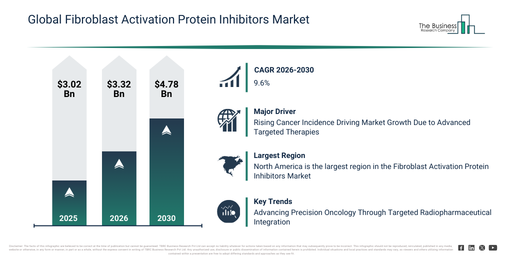
    The market size for fibroblast activation protein inhibitors has experienced substantial growth in recent years. This market is projected to expand from $3.02 billion in 2025 to $3.32 billion in 2026, representing a compound annual growth rate (CAGR) of 9.9%. Historically, this growth can be attributed to factors such as fibrotic disease prevalence, unmet medical needs, pharmaceutical r&d growth, hospital specialty care, and the evolution of biologics.

    The fibroblast activation protein inhibitors market is projected to experience substantial growth over the coming years, with its size anticipated to reach $4.78 billion by 2030, demonstrating a compound annual growth rate (CAGR) of 9.6%. This expansion during the forecast period can be primarily attributed to the increasing demand for precision therapeutics, the broadening scope of clinical trials, the significant burden of chronic diseases, the approval of targeted drugs, and the growth in specialty pharmacy services. Key trends shaping the market in the forecast period include an increased focus on anti-fibrotic therapies, the expansion of targeted small molecule drugs, advancements in chronic inflammatory disease research, the rising adoption of precision medicine, and the diversification of treatment pipelines for fibrosis indications.

    Get A Free Sample Report With In-Depth Market Insights:

    https://thebusinessresearchcompany.com/sample_request?id=44545693&type=smp&name=Fibroblast%20Activation%20Protein%20Inhibitors%20Market%20Report%202026&utm_source=Blogs&utm_medium=Paid&utm_campaign=Oct_PR

    Fibroblast Activation Protein Inhibitors Market Demand Drivers: What’s Powering Industry Growth?

    The increasing incidence of cancer is anticipated to drive the expansion of the fibroblast activation protein inhibitors market. Cancer is defined as a disease marked by the uncontrolled multiplication of abnormal cells that can infiltrate and spread throughout the body, developing in various tissues and organs and categorized by its cell or tissue of origin. The rising occurrence of cancer stems from factors such as aging populations, evolving lifestyles, environmental elements, and enhanced detection methods. Fibroblast activation protein inhibitors play a role in cancer treatment by targeting and disrupting fibroblasts that support tumors, thereby boosting the efficacy of diagnostic imaging and therapeutic delivery. For instance, in August 2024, Macmillan Cancer Support, a UK-based charity aiding cancer patients, reported that over 3 million people in the UK were living with cancer in 2024; this figure is projected to climb to 3.5 million by 2025, 4 million by 2030, and 5.3 million by 2040. Thus, the growing cancer incidence is a significant catalyst for the fibroblast activation protein inhibitors market.

    Fibroblast Activation Protein Inhibitors Market Segment Outlook: Which Categories Are Growing Fastest?

    The fibroblast activation protein inhibitors market covered in this report is segmented –

    1) By Type: Small Molecule Inhibitors, Monoclonal Antibodies, Peptide Inhibitors

    2) By Indication: Crohn’s, Irritable Bowel, Chronic Prostatitis, Other Indications

    3) By Route Of Administration: Oral, Intravenous, Subcutaneous

    4) By Distribution Channel: Hospital Pharmacy, Online Pharmacy, Retail Pharmacy

    5) By End User: Hospitals, Homecare, Specialty Clinics, Other End Users

    Subsegments:

    1) By Small Molecule Inhibitors: Protease Inhibitors, Multi-Targeted Agents

    2) By Monoclonal Antibodies: Humanized Antibodies, Fully Human Antibodies, Bispecific Antibodies

    3) By Peptide Inhibitors: Synthetic Peptides, Natural Peptide Derivatives, Peptide-Based Conjugates

    Fibroblast Activation Protein Inhibitors Market Innovation Trends: What Developments Are Reshaping The Industry?

    Leading companies in the fibroblast activation protein inhibitors market are actively integrating SAR chelator technology with FAP to improve the targeted delivery of radiopharmaceuticals, enhance the accuracy of diagnostic imaging, and boost therapeutic effectiveness in cancer treatment. SAR chelator technology utilizes specific molecules that tightly bind radioactive metals, enabling researchers to investigate how structural changes influence performance. Its primary application involves precisely guiding radioactive drugs to cancer cells for either imaging or therapy. For instance, in December 2024, Clarity Pharmaceuticals, an Australia-based radiopharmaceutical company, introduced its innovative optimized fibroblast activation protein (FAP)-targeted radiopharmaceutical, representing a breakthrough therapy designed for precision oncology applications. This development expands Clarity’s product pipeline, offering a highly targeted treatment approach for cancers with high FAP expression, with the potential to improve diagnostic accuracy and therapeutic outcomes. The innovation further emphasizes Clarity’s commitment to advancing radiopharmaceuticals for personalized cancer care.

    Fibroblast Activation Protein Inhibitors Market Leading Companies And Competitive Benchmarking

    Major companies operating in the fibroblast activation protein inhibitors market are Telix Pharmaceuticals Ltd., 3B Pharmaceuticals GmbH, Heidelberg Pharma AG, Clovis Oncology, Fusion Pharmaceuticals, POINT Biopharma (Eli Lilly subsidiary), Pentixapharm AG, iTheranostics, Blue Earth Diagnostics (Bracco Group), SOFIE Biosciences (FAP radioligands), Lantheus Holdings Inc., RadioMedix Inc., ImaginAb Inc., Theragnostics Ltd., Isotopen Technologien München (ITM), Q BioMed Inc., Abcam plc, Sino Biological Inc., Creative Biolabs, Bachem Holding AG

    View The Full Fibroblast Activation Protein Inhibitors Market Report:

    https://thebusinessresearchcompany.com/report/fibroblast-activation-protein-inhibitors-global-market-report?utm_source=Blogs&utm_medium=Paid&utm_campaign=Oct_PR

    Fibroblast Activation Protein Inhibitors Market Geographic Landscape: Which Region Dominates Industry Growth?

    North America was the largest region in the fibroblast activation protein inhibitors market in 2025. The regions covered in the fibroblast activation protein inhibitors market report are Asia-Pacific, South East Asia, Western Europe, Eastern Europe, North America, South America, Middle East, Africa.

    Reach Out To Our Team:

    The Business Research Company: https://www.thebusinessresearchcompany.com/

    Americas: +1 310-496-7795

    Asia: +44 7882 955267 & +91 8897263534

    Europe: +44 7882 955267

    Email us at: marketing@tbrc.info

    Follow us on:

    LinkedIn: https://in.linkedin.com/company/the-business-research-company

    YouTube: https://www.youtube.com/channel/UC24_fI0rV8cR5DxlCpgmyFQ

    Global Market Model: https://www.thebusinessresearchcompany.com/global-market-model
  • Fibrate Drugs Market Growth Outlook: Why Analysts Expect Continued Expansion

    Fibrate Drugs Market Growth Outlook: Why Analysts Expect Continued Expansion

    Backed by market attractiveness analysis, total addressable market sizing, company benchmarking matrices, interactive Excel dashboards, wider supply chain intelligence, emerging startup coverage, and detailed product-level insights, The Business Research Company’s 2026 market reports are designed to offer research that is more actionable and strategically valuable than ever.

    Fibrate Drugs Market Poised To Hit $5.13 Billion By 2030 With A 7.7% CAGR

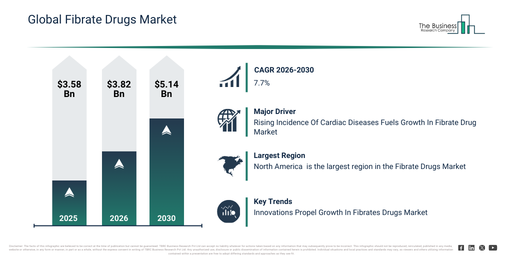
    The fibrate drugs market size has demonstrated substantial growth in recent years. It is projected to expand from $3.58 billion in 2025 to $3.82 billion in 2026, achieving a compound annual growth rate (CAGR) of 6.6%. This historical growth can be ascribed to a number of factors, including the increasing prevalence of hypercholesterolemia, a rising incidence of cardiovascular diseases, the preference for fibrate drugs over established lipid-lowering therapies, the expansion of hospital pharmacy networks, and various awareness campaigns focused on heart health.

    The fibrate drugs market is projected to experience substantial expansion in the coming years. This market is predicted to reach $5.14 billion by 2030, exhibiting a compound annual growth rate (CAGR) of 7.7%. This anticipated growth during the forecast period is driven by factors such as advancements in drug formulations, the rise of telemedicine and online pharmacies, a growing need for combination therapies, regulatory clearances for new fibrate drugs, an expanding elderly population, and various preventive healthcare programs. Key trends expected over this period encompass personalized fibrate treatment, combined drug formulations, a heightened emphasis on cardiovascular well-being, the proliferation of online pharmacies, and an increase in preventative health strategies.

    Get A Free Sample Report With In-Depth Market Insights:

    https://thebusinessresearchcompany.com/sample_request?id=35915371&type=smp&name=Fibrate%20Drugs%20Market%20Report%202026&utm_source=Blogs&utm_medium=Paid&utm_campaign=Oct_PR

    Fibrate Drugs Market Growth Drivers: What’s Behind The Acceleration?

    The rising occurrence of cardiac diseases is anticipated to stimulate the expansion of the fibrate drug market in the future. Cardiac diseases cover various ailments impacting both the heart and its associated blood vessels, including conditions such as coronary heart disease and congenital heart disease. Fibrates serve as a therapeutic intervention designed to avert subsequent heart attacks and strokes in individuals already suffering from circulatory system disorders, thereby fueling the fibrate drug market. As an illustration, in September 2024, data released by the Minnesota Department of Health, a US state health agency, indicated that approximately 30% of adults in Minnesota, equating to nearly 1.4 million people, reported having high blood pressure in 2023. Furthermore, in 2022, hypertensive diseases were identified as the primary or secondary cause of death for 14,225 residents, accounting for almost 28% of all fatalities within the state. Consequently, the growing prevalence of cardiac diseases is a key factor driving the growth of the fibrate drugs market.

    Fibrate Drugs Market Segment Landscape: Which Areas Lead Development?

    The fibrate drugs market covered in this report is segmented –

    1) By Drug Type: Clofibrate, Fenofibrates, Fenofibric Acids, Gemfibrozil, Other Drugs

    2) By Indication: Hypercholesterolemia, Heart Attacks, Other Indications

    3) By Distribution Channel: Hospital Pharmacy, Online Pharmacy, Retail Pharmacy

    4) By End User: Hospitals, Homecare, Specialty Clinics, Other End Users

    Subsegments:

    1) By Clofibrate: Standard Clofibrate, Combination Products

    2) By Fenofibrates: Fenofibrate Capsules, Fenofibrate Tablets, Combination Products

    3) By Fenofibric Acids: Fenofibric Acid Capsules, Combination Products

    4) By Gemfibrozil: Standard Gemfibrozil, Combination Products

    5) By Other Drugs: Other Fibrate Formulations, Emerging Fibrate Drugs

    Fibrate Drugs Market Trends: What’s Defining The Industry’s Next Phase?

    Leading firms within the fibrate drugs market are concentrating on creating novel solutions, including fixed-dose combinations, to maintain their competitive standing. A fixed-dose combination is defined as a pharmaceutical preparation containing two or more active components within one dosage unit, which facilitates easier administration and may lead to enhanced therapeutic results. An example illustrating this occurred in May 2023, when Intercept Pharmaceuticals Inc., a US-based biopharmaceutical company, secured U.S. Food and Drug Administration (FDA) approval for orphan drug designation for the fixed-dose combination involving obeticholic acid (OCA) and bezafibrate. This particular combination, functioning as a peroxisome proliferator-activated receptor (PPAR) agonist, is currently under investigation for its potential in treating patients afflicted with primary biliary cholangitis (PBC). While OCA, a farnesoid X receptor (FXR) agonist, is sold by Intercept under the brand Ocaliva in the United States for PBC treatment, bezafibrate, identified as a pan-PPAR agonist, presently lacks U.S. approval for any therapeutic use.

    Fibrate Drugs Market Industry Leaders And Competitive Landscape

    Major companies operating in the fibrate drugs market are Pfizer Inc., F. Hoffmann-La Roche AG, Merck & Co Inc., AbbVie Inc., Bayer AG, Novartis AG, Sanofi SA, Kowa Company Ltd., Bristol-Myers Squibb Co, Abbott Laboratories, AstraZeneca plc, GlaxoSmithKline Plc, Takeda Pharmaceutical Company, Boehringer Ingelheim International GmbH, Teva Pharmaceutical Industries Ltd., Mylan N.V., Daiichi Sankyo Co Ltd., Macleods Pharmaceuticals Ltd., Sun Pharmaceutical Industries Ltd., Dr. Reddy’s Laboratories Ltd., Aurobindo Pharma Limited, Cipla Inc., Zydus Lifesciences Ltd, Lupin Limited, Glenmark Pharmaceuticals, Torrent Pharmaceuticals Ltd., Natco Pharma, Hetero Drugs Ltd

    View The Full Fibrate Drugs Market Report:

    https://thebusinessresearchcompany.com/report/fibrate-drugs-global-market-report?utm_source=Blogs&utm_medium=Paid&utm_campaign=Oct_PR

    Fibrate Drugs Market Largest Region: Which Geography Holds The Highest Market Share?

    North America was the largest region in the fibrate drugs market in 2025. The regions covered in the fibrate drugs market report are Asia-Pacific, South East Asia, Western Europe, Eastern Europe, North America, South America, Middle East, Africa.

    Reach Out To Our Team:

    The Business Research Company: https://www.thebusinessresearchcompany.com/

    Americas: +1 310-496-7795

    Asia: +44 7882 955267 & +91 8897263534

    Europe: +44 7882 955267

    Email us at: marketing@tbrc.info

    Follow us on:

    LinkedIn: https://in.linkedin.com/company/the-business-research-company

    YouTube: https://www.youtube.com/channel/UC24_fI0rV8cR5DxlCpgmyFQ

    Global Market Model: https://www.thebusinessresearchcompany.com/global-market-model
  • Fetal Bovine Serum Market Forecast Insights: The Road To $1.39 Billion By 2030

    Fetal Bovine Serum Market Forecast Insights: The Road To $1.39 Billion By 2030

    Featuring market attractiveness scoring, total addressable market sizing, company benchmarking matrices, interactive Excel dashboards, deeper supply chain intelligence, emerging startup tracking, and granular product-level insights, The Business Research Company’s 2026 market reports are built to deliver research that is both more actionable and more strategically valuable.

    Fetal Bovine Serum Market Size And Revenue Outlook Through 2030

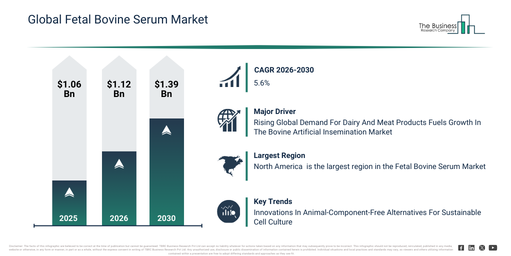
    The fetal bovine serum market has shown substantial growth over recent years. Its valuation is anticipated to rise from $1.06 billion in 2025 to $1.12 billion in 2026, reflecting a compound annual growth rate (CAGR) of 5.2%. The expansion observed historically is attributable to several factors, including the increasing utilization of FBS in cell culture research, the development of the biotechnology and pharmaceutical industries, a surge in in vitro fertilization procedures, improvements in vaccine production technologies, and the expansion of academic research institutes.

    The fetal bovine serum market is projected for significant expansion over the coming years. This market is anticipated to reach a valuation of $1.39 billion by 2030, demonstrating a compound annual growth rate (CAGR) of 5.6%. Factors driving this projected growth include a move towards serum-free and xeno-free alternatives, the escalating need for precision medicine, increased funding in biotech research, the expansion of human and animal vaccine manufacturing, and the implementation of automated cell culture systems. Key trends anticipated during this period encompass improvements in cell culture media formulations, the creation of serum-free and alternative media, greater emphasis on quality standardization and regulatory adherence, wider application in vaccine manufacturing, and extended use in academic and research fields.

    Get A Free Sample Report With In-Depth Market Insights:

    https://thebusinessresearchcompany.com/sample_request?id=75380469&type=smp&name=Fetal%20Bovine%20Serum%20Market%20Report%202026&utm_source=Blogs&utm_medium=Paid&utm_campaign=Oct_PR

    Fetal Bovine Serum Market Growth Factors Behind Sustained Expansion

    The expanding need for dairy and meat items is projected to fuel the expansion of the fetal bovine artificial insemination market. These products encompass edible goods resulting from milk processing and the slaughter of livestock, featuring examples like cheese, yogurt, beef, and pork. Heightened understanding of the nutritional advantages, such as protein, calcium, and other vital nutrients found in dairy and meat, has spurred their consumption. Fetal Bovine technology assists in meeting this rising demand by enhancing herd genetics, boosting reproductive efficiency, and elevating both the productivity and quality of livestock. As an illustration, figures from August 2023, released by the European Commission (EC), the Belgium-based executive branch of the European Union (EU), indicated that raw milk output in the EU grew by 0.8% over the initial 6 months of 2023. Consequently, the increasing requirement for dairy and meat products is a significant catalyst for the growth of the fetal bovine market.

    Fetal Bovine Serum Market Segments: Where Is Growth Concentrated?

    The fetal bovine serum market covered in this report is segmented –

    1) By Product: Charcoal Stripped, Chromatographic, Dialyzed Fetal Bovine Serum, Exosome Depleted, Stem Cell, Other Products

    2) By Application: Drug Discovery, Cell Culture Media, In Vitro Fertilization, Human And Animal Vaccine Production, Diagnostics, Other Applications

    3) By End-User: Research And Academic Institutes, Biotechnology And Pharmaceutical Industry, Other End-Users

    Subsegments:

    1) By Charcoal Stripped: Standard Charcoal Stripped FBS, Heat-Inactivated Charcoal Stripped FBS

    2) By Chromatographic: Ion Exchange Chromatography Purified FBS, Affinity Chromatography Purified FBS

    3) By Dialyzed Fetal Bovine Serum: Standard Dialyzed FBS, Heat-Inactivated Dialyzed FBS

    4) By Exosome Depleted: Standard Exosome Depleted FBS, Heat-Inactivated Exosome Depleted FBS

    5) By Stem Cell: Stem Cell Grade FBS, Knockout Serum Replacement

    6) By Other Products: Serum from Specific Animal Breeds, Custom-Processed FBS

    Fetal Bovine Serum Market Industry Trends Fueling Future Revenue Growth

    Leading companies active in the fetal bovine serum market are prioritizing the creation of innovative solutions, such as animal-component-free alternatives, to boost sustainability, lessen ethical worries, and support the expanding cultivated meat and cell culture industries. An animal-component-free alternative functions as a serum substitute that encourages cell proliferation in culture without any animal-derived components. For instance, in December 2024, Multus Biotechnology Limited, a UK-based biotech firm, unveiled Proliferum B for cultivated meat production. This product aids robust cell expansion, decreases reliance on animal sources, and accelerates the market entry of sustainable cultured meat products. Through delivering a scalable and ethically sourced answer, Multus intends to resolve both cost and supply limitations within the cultivated meat sector while fostering more sustainable protein manufacturing.

    Fetal Bovine Serum Market Key Participants And Competitive Landscape

    Major companies operating in the fetal bovine serum market are Thermo Fisher Scientific Inc., Merck KGaA, Corning Incorporated, Cytiva, VWR International, Sartorius AG, Bio-Techne Corporation, Atlas Biologicals Inc., R&D Systems Inc., Atlanta Biologicals Inc., Cyagen Biosciences, GenClone Inc., Gemini Bio-Products, Access Biologicals LLC, Nucleus Biologics, ZenBio Inc., Biowest, Bovogen Biologicals Pty Ltd., TCS Biosciences Ltd., J R Scientific Inc., Rocky Mountain Biologicals Inc., Tissue Culture Biologicals, Moregate Biotech, Cell Applications Inc., Altogen Biosystems, Axil Scientific Pte Ltd., Animal Technologies Inc., PAN- Biotech, PAA Laboratories GmbH, Peak Serum Inc.

    View The Full Fetal Bovine Serum Market Report:

    https://thebusinessresearchcompany.com/report/fetal-bovine-serum-global-market-report?utm_source=Blogs&utm_medium=Paid&utm_campaign=Oct_PR

    Fetal Bovine Serum Market Regional Analysis: Which Region Leads By Revenue?

    North America was the largest region in the fetal bovine serum market in 2025. Asia-Pacific recorded the fastest growth during the forecast period. The regions covered in the fetal bovine serum market report are Asia-Pacific, South East Asia, Western Europe, Eastern Europe, North America, South America, Middle East, Africa.

    Reach Out To Our Team:

    The Business Research Company: https://www.thebusinessresearchcompany.com/

    Americas: +1 310-496-7795

    Asia: +44 7882 955267 & +91 8897263534

    Europe: +44 7882 955267

    Email us at: marketing@tbrc.info

    Follow us on:

    LinkedIn: https://in.linkedin.com/company/the-business-research-company

    YouTube: https://www.youtube.com/channel/UC24_fI0rV8cR5DxlCpgmyFQ

    Global Market Model: https://www.thebusinessresearchcompany.com/global-market-model
  • Fertility Drugs Market Explained: What Is Fueling Growth To $4.76 Billion By 2030?

    Fertility Drugs Market Explained: What Is Fueling Growth To $4.76 Billion By 2030?

    Built to provide research that’s more actionable and strategically valuable, The Business Research Company’s 2026 market reports include market attractiveness analysis, total addressable market sizing, company benchmarking matrices, interactive Excel dashboards, broader supply chain intelligence, emerging startup tracking, and in-depth product insights.

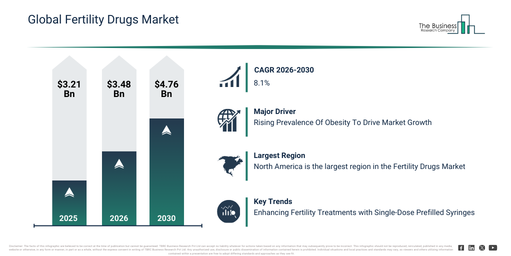
    Fertility Drugs Market Growth From $3.48 Billion In 2026 To $4.76 Billion By 2030 At A CAGR Of 8.1%

    The fertility drugs market size has demonstrated robust growth in recent years. It will grow from $3.21 billion in 2025 to $3.48 billion in 2026 at a compound annual growth rate (CAGR) of 8.4%. This historical expansion can be attributed to factors such as the limited availability of fertility drugs, the increasing prevalence of infertility, a reliance on conventional ovulation tracking methods, the growing awareness of fertility supplements, and the expansion of hospital and clinic infrastructure.

    The fertility drugs market size is projected to experience robust expansion over the coming years. It is anticipated to reach $4.76 billion in 2030 at a compound annual growth rate (CAGR) of 8.1%. This anticipated growth during the forecast period can be primarily ascribed to the advancement of personalized fertility therapies, the increasing prevalence of telemedicine for fertility consultations, the uptake of digital fertility monitors, growing government backing for reproductive health initiatives, and the expansion of online pharmacy sales and distribution channels. Prominent trends identified for this period include an increase in infertility rates among couples, a rising inclination towards prescription fertility drugs compared to over-the-counter choices, enhanced awareness regarding ovulation tracking and fertility planning, the broadening of online pharmacies and e-commerce platforms for fertility products, and the integration of customized fertility treatment plans and monitoring.

    Get A Free Sample Report With In-Depth Market Insights:

    https://thebusinessresearchcompany.com/sample_request?id=53816368&type=smp&name=Fertility%20Drugs%20Market%20Report%202026&utm_source=Blogs&utm_medium=Paid&utm_campaign=Oct_PR

    Fertility Drugs Market Demand Drivers Opening New Revenue Streams

    The growth of the fertility drugs market is anticipated to be driven by the rising prevalence of obesity. Obesity is a medical state characterized by an excessive accumulation of body fat to a degree that it can adversely impact an individual’s health. It is a known factor contributing to infertility in both male and female individuals. This elevated demand is spurred by the need for specialized treatments, greater public understanding, supportive governmental policies, and continuous research and development efforts aimed at resolving fertility challenges linked to obesity. For example, in March 2023, the World Heart Federation, a Switzerland-based non-government global cardiovascular community, indicated that approximately 2.3 billion adults and children worldwide were obese or overweight, and with current obesity trends, it is projected that the number of people living with obesity will reach 2.7 billion by 2025. Consequently, the increasing occurrence of obesity is propelling the expansion of the fertility drugs market.

    Fertility Drugs Market Segment Analysis: What Are The Core Market Categories?

    The fertility drugs market covered in this report is segmented –

    1) By Type Of Drug: Prescription Fertility Drugs, Over-The-Counter Fertility drugs

    2) By Route of Administration: Oral, Intravenous, Subcutaneous, Intramuscular

    3) By Distribution Channel: Hospital Pharmacies, Retail Pharmacies, Online Pharmacies

    Subsegments:

    1) By Prescription Fertility Drugs: Gonadotropins, Clomiphene Citrate, Letrozole, GnRH Agonists, GnRH Antagonists, Progesterone

    2) By Over-The-Counter Fertility Drugs: Nutritional Fertility Supplements, Herbal Fertility Aids

    Fertility Drugs Market Trends Powering Strategic Industry Growth

    Leading companies in the fertility drugs market are concentrating on developing advanced solutions, including peptide-based injectable treatments, to improve reproductive health results. Peptide-based injectable treatments are medications that employ synthetic or natural peptides to either stimulate or regulate hormonal activity, particularly concerning fertility and reproductive health. For example, in February 2024, Lupin Limited, an India-based pharmaceutical company, introduced a ganirelix acetate injection in the United States. This medication is frequently utilized within assisted reproductive technology (ART) protocols to prevent premature ovulation during controlled ovarian stimulation in women undergoing in vitro fertilization (IVF). Ganirelix acetate functions as a GnRH antagonist, aiding in the regulation of hormone levels, which allows for enhanced control of the ovarian stimulation process. This US launch demonstrates Lupin’s continued dedication to expanding its product portfolio in the reproductive health sector, alongside its commitment to addressing the needs of patients receiving fertility treatments.

    Fertility Drugs Market Top Companies Driving Competitive Growth

    Major companies operating in the fertility drugs market are Merck & Co., Ferring Pharmaceuticals Inc., Bayer AG, Berlex Laboratories Inc., Pfizer Inc., Novartis AG, Zydus Lifesciences Limited, Livzon Pharmaceutical Group Inc., Abbott Laboratories, Sanofi S.A., Eli Lilly and Company, Serono Inc., Takeda Pharmaceutical Co. Ltd., Aurobindo Pharma Ltd., Schering-Plough Corporation, Organon Group, Mankind Pharma

    View The Full Fertility Drugs Market Report:

    https://thebusinessresearchcompany.com/report/Fertility-Drugs-Global-Market-Report?utm_source=Blogs&utm_medium=Paid&utm_campaign=Oct_PR

    Fertility Drugs Market Geographic Distribution And Regional Opportunities

    North America was the largest region in the fertility drugs market in 2025. The Middle East is expected to be the fastest-growing region in the drugs for infertility market during the forecast period. The regions covered in the fertility drugs market report are Asia-Pacific, South East Asia, Western Europe, Eastern Europe, North America, South America, Middle East, Africa.

    Reach Out To Our Team:

    The Business Research Company: https://www.thebusinessresearchcompany.com/

    Americas: +1 310-496-7795

    Asia: +44 7882 955267 & +91 8897263534

    Europe: +44 7882 955267

    Email us at: marketing@tbrc.info

    Follow us on:

    LinkedIn: https://in.linkedin.com/company/the-business-research-company

    YouTube: https://www.youtube.com/channel/UC24_fI0rV8cR5DxlCpgmyFQ

    Global Market Model: https://www.thebusinessresearchcompany.com/global-market-model
  • Fentanyl Market Forecast To Reach $23.8 Billion By 2030: Key Trends Explained

    Fentanyl Market Forecast To Reach $23.8 Billion By 2030: Key Trends Explained

    Backed by market attractiveness analysis, total addressable market sizing, company benchmarking matrices, interactive Excel dashboards, wider supply chain intelligence, emerging startup coverage, and detailed product-level insights, The Business Research Company’s 2026 market reports are designed to offer research that is more actionable and strategically valuable than ever.

    Fentanyl Market Expansion Outlook: What Revenue Opportunities Are Ahead?

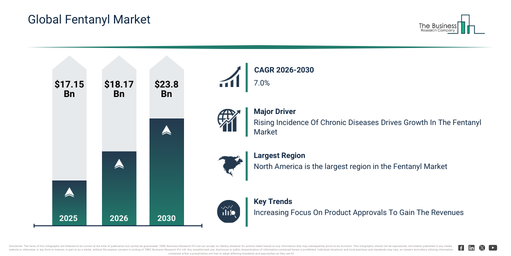
    The fentanyl market has experienced significant expansion over recent years. Its projected growth will see it increase from $17.15 billion in 2025 to $18.17 billion in 2026, demonstrating a compound annual growth rate (CAGR) of 5.9%. This historical progression can be linked to factors such as the increasing incidence of chronic and cancer-related pain, a rise in surgeries after operations, an expanding elderly demographic, widespread use of injectable opioids, and the development of hospital and clinical facilities.

    The fentanyl market is anticipated to experience substantial expansion over the coming years, with its size projected to reach $23.8 billion by 2030, exhibiting a compound annual growth rate (CAGR) of 7.0%. This projected growth can be attributed to several factors, including the creation of new fentanyl formulations, the incorporation of AI into pain management strategies, a growing need for home-based palliative care services, an intensified focus on opioid safety and regulatory measures, and the expansion of ambulatory surgical centers. Key developments expected during this forecast period encompass personalized approaches to pain management, innovative transdermal drug delivery systems, less invasive anesthesia methods, opioid stewardship initiatives, and the advancement of new formulations.

    Get A Free Sample Report With In-Depth Market Insights:

    https://thebusinessresearchcompany.com/sample_request?id=48969210&type=smp&name=Fentanyl%20Market%20Report%202026&utm_source=Blogs&utm_medium=Paid&utm_campaign=Oct_PR

    Fentanyl Market Growth Backed By Core Demand Fundamentals

    The rising occurrence of chronic illnesses is anticipated to drive expansion in the fentanyl market in the future. A chronic ailment is defined as a health condition lasting an extended duration, typically at least three months, and frequently spanning an individual’s lifetime. Fentanyl finds its primary application in chronic conditions for addressing intense, ongoing pain when other treatments or therapies prove insufficient. For example, reports from October 2025 by the Australian Institute of Health and Welfare, an Australia-based government agency, indicated that during 2023, an estimated 57,100 adults aged 25 and above suffered acute coronary events, which translates to an average of roughly 156 incidents per day. Consequently, the expanding incidence of chronic diseases is propelling the growth of the fentanyl market.

    Fentanyl Market Segment Breakdown: Which Categories Lead On Revenue?

    The fentanyl market covered in this report is segmented –

    1) By Type: Fentanyl Injections, Fentanyl TTS (Transdermal Therapeutic System)

    2) By Application: Inducting Anesthesia, Maintain Anesthesia, General Analgesic, Postoperative Analgesia, Breakthrough Cancer Pain

    3) By End User: Hospitals, Clinics, Ambulatory Surgical Centers, Other End Users

    Subsegments:

    1) By Fentanyl Injections: Injectable Solutions, Premixed Injection Formulations

    2) By Fentanyl TTS (Transdermal Therapeutic System): Patch Formulations, Matrix Patch Systems

    Fentanyl Market Growth Trends Reshaping The Competitive Landscape

    Leading companies in the fentanyl market are innovating with products like Opvee and securing regulatory approvals to expand their customer base, increase sales, and boost revenue. Opvee (nalmefene) acts as a potent opioid receptor blocker, effective in treating confirmed or suspected opioid overdoses caused by both natural and synthetic opioids, including fentanyl. For instance, in May 2023, Indivior PLC, a US-based pharmaceutical company, gained U.S. Food and Drug Administration approval for its Opvee nasal spray. This medication works by inhibiting the effects of opioids on the brain, which helps patients who have recently overdosed restore normal respiration and blood pressure. Delivered as a nasal spray, Opvee offers ease of administration during emergency situations. It is a vital component among the treatments used to combat opioid overdoses and save lives.

    Fentanyl Market Leading Players And Competitive Positioning

    Major companies operating in the fentanyl market are Pfizer Inc., Johnson & Johnson, Fresenius Kabi Oncology Ltd., Viatris Inc., Baxter International Inc., Teva Pharmaceutical Industries Limited, Hisamitsu Pharmaceutical Co. Inc., Alvogen, Insys Therapeutics Inc., Paladin Labs Inc., Apotex Inc., Kyowa Kirin Co. Ltd., Luye Pharma Group, Henan Lingrui Pharmaceutical Ltd., Sinopharm Group, Jiangsu Nhwa Pharmaceutical Co. Ltd., Cephalon LLC, Validus Pharmaceuticals LLC, Quality Care Products LLC, Bryant Ranch Prepack Inc., Exela Pharma Sciences LLC

    View The Full Fentanyl Market Report:

    https://thebusinessresearchcompany.com/report/fentanyl-global-market-report?utm_source=Blogs&utm_medium=Paid&utm_campaign=Oct_PR

    Fentanyl Market Largest Region By Revenue And Market Share

    North America was the largest region in the fentanyl market in 2025. Asia-Pacific is expected to be the fastest-growing region in the forecast period. The regions covered in the fentanyl market report are Asia-Pacific, South East Asia, Western Europe, Eastern Europe, North America, South America, Middle East, Africa.

    Reach Out To Our Team:

    The Business Research Company: https://www.thebusinessresearchcompany.com/

    Americas: +1 310-496-7795

    Asia: +44 7882 955267 & +91 8897263534

    Europe: +44 7882 955267

    Email us at: marketing@tbrc.info

    Follow us on:

    LinkedIn: https://in.linkedin.com/company/the-business-research-company

    YouTube: https://www.youtube.com/channel/UC24_fI0rV8cR5DxlCpgmyFQ

    Global Market Model: https://www.thebusinessresearchcompany.com/global-market-model
  • Fat Burn Supplements Market Analysis: Understanding The Drivers Behind 9.5% CAGR Through 2030 Growth

    Fat Burn Supplements Market Analysis: Understanding The Drivers Behind 9.5% CAGR Through 2030 Growth

    Featuring market attractiveness scoring, total addressable market sizing, company benchmarking matrices, interactive Excel dashboards, deeper supply chain intelligence, emerging startup tracking, and granular product-level insights, The Business Research Company’s 2026 market reports are built to deliver research that is both more actionable and more strategically valuable.

    Fat Burn Supplements Market Growth Potential: How Will Market Size Shift Through 2030?

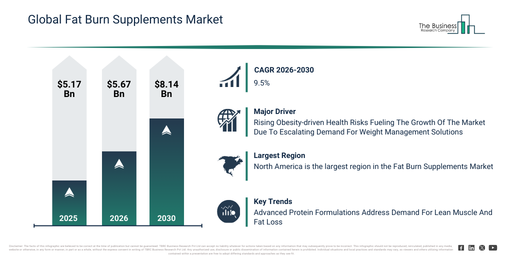
    The fat burn supplements market size has demonstrated robust growth in recent years. It is anticipated to expand from $5.17 billion in 2025 to $5.67 billion in 2026, achieving a compound annual growth rate (CAGR) of 9.8%. The historical expansion of this market can be attributed to factors such as obesity prevalence, the proliferation of gym culture, increased dietary supplement usage, broader retail expansion, and the rise of lifestyle disorders.

    The fat burn supplements market is projected to experience substantial expansion over the coming years. Its valuation is anticipated to reach $8.14 billion in 2030, exhibiting a compound annual growth rate (CAGR) of 9.5%. This growth during the forecast period is propelled by factors such as a heightened focus on preventive wellness, the expansion of e-commerce, personalized nutrition approaches, integration with fitness applications, and a demand for clean supplements. Key trends influencing this period include an increasing appetite for weight management solutions, the proliferation of natural and herbal supplements, a surge in online direct-to-consumer sales, greater awareness of fitness and wellness, and the adoption of clean-label ingredients.

    Get A Free Sample Report With In-Depth Market Insights:

    https://thebusinessresearchcompany.com/sample_request?id=78182274&type=smp&name=Fat%20Burn%20Supplements%20Market%20Report%202026&utm_source=Blogs&utm_medium=Paid&utm_campaign=Oct_PR

    Fat Burn Supplements Market Growth Catalysts And Demand Drivers

    The future expansion of the fat burn supplements market is anticipated to be fueled by a rise in health issues linked to obesity. These health issues encompass various medical conditions and complex problems stemming from excessive body fat, including conditions like type 2 diabetes, heart disease, and specific types of cancer. The escalation of obesity-related health problems is attributed to inactive lifestyles and the wider accessibility of energy-dense, processed food products. Frequently, fat-burn supplements are promoted as a remedy to address these obesity-related health challenges through encouraging weight reduction and diminishing surplus body fat. As an illustration, a report in May 2025 from the World Health Organization, a Switzerland-based health organization, indicated that by 2022, 2.5 billion adults globally were overweight, with more than 890 million of these individuals classified as obese. Furthermore, around 35 million children younger than the age of 5 were categorized as overweight in 2024. Consequently, the growing prevalence of obesity-related health concerns is acting as a primary catalyst for the expansion of the fat burn supplements market.

    Fat Burn Supplements Market Segmentation: How Does The Market Break Down By Category?

    The fat burn supplements market covered in this report is segmented –

    1) By Product Type: Thermogenic Fat Burners, Appetite Suppressants, Fat Blockers, Carb Blockers, Other Product Types

    2) By Form: Capsules, Tablets, Powders, Liquids, Other Forms

    3) By Distribution Channel: Online Stores, Supermarkets Or Hypermarkets, Specialty Stores, Other Distribution Channels

    4) By End-User: Men, Women, Unisex

    Subsegments:

    1) By Thermogenic Fat Burners: Stimulant-Based Thermogenics, Non-Stimulant Thermogenics, Green Tea Extract-Based, Caffeine-Based, Capsaicin-Based

    2) By Appetite Suppressants: Fiber-Based Suppressants, Natural Herbal Suppressants, Serotonin Boosters

    3) By Fat Blockers: Chitosan-Based Blockers, Plant Extract-Based Blockers

    4) By Carb Blockers: White Kidney Bean Extract-Based, Alpha-Amylase Inhibitors, Green Tea Extract-Based Carb Blockers

    5) By Other Product Types: Meal Replacement Shakes, Conjugated Linoleic Acid (CLA) Supplements, L-Carnitine Supplements, Raspberry Ketones, Forskolin-Based Products

    Fat Burn Supplements Market Trends Shaping Long-Term Demand

    Leading companies in the fat burn supplements market are prioritizing the development of technologically innovative solutions, such as whey protein, to satisfy the expanding market demand. Whey protein is a high-grade protein obtained from milk during the cheese-making process, commonly employed to support muscle growth and recuperation. For example, in May 2025, GNC Holdings, LLC, a US-based enterprise focused on health and wellness products, launched Keto Surge Whey Protein. This is an advanced protein supplement crafted to aid fat-burning and ketogenic aspirations. It combines high-quality whey protein with MCTs (medium-chain triglycerides) to foster energy, muscle recovery, and metabolism. This product is ideal for individuals seeking to build lean muscle while maintaining a low-carb, high-fat diet.

    Fat Burn Supplements Market Competitive Overview And Top Companies

    Major companies operating in the fat burn supplements market are Herbalife Nutrition Ltd., GNC Holdings Inc., Iovate Health Sciences International Inc., Performix LLC, Universal Nutrition Inc., MuscleTech, Grenade (UK) Ltd., Optimum Nutrition Inc., BPI Sports LLC, Nutrex Research Inc., RSP Nutrition Inc., Bio-Engineered Supplements and Nutrition Inc., Cellucor, German American Technologies Inc. (GAT Sport), Evlution Nutrition LLC, Welbloom Bio-Tech Co. Ltd., Leanbean, JYM Supplement Science, Old School Labs, Instant Knockout

    View The Full Fat Burn Supplements Market Report:

    https://thebusinessresearchcompany.com/report/fat-burn-supplements-global-market-report?utm_source=Blogs&utm_medium=Paid&utm_campaign=Oct_PR

    Fat Burn Supplements Market Regional Analysis And Leading Geography

    North America was the largest region in the fat burn supplements market in 2025. Asia-Pacific is expected to be the fastest-growing region in the forecast period. The regions covered in the fat burn supplements market report are Asia-Pacific, South East Asia, Western Europe, Eastern Europe, North America, South America, Middle East, Africa.

    Reach Out To Our Team:

    The Business Research Company: https://www.thebusinessresearchcompany.com/

    Americas: +1 310-496-7795

    Asia: +44 7882 955267 & +91 8897263534

    Europe: +44 7882 955267

    Email us at: marketing@tbrc.info

    Follow us on:

    LinkedIn: https://in.linkedin.com/company/the-business-research-company

    YouTube: https://www.youtube.com/channel/UC24_fI0rV8cR5DxlCpgmyFQ

    Global Market Model: https://www.thebusinessresearchcompany.com/global-market-model
  • Fast Melt Tablets Market Growth To $7.72 Billion By 2030: What’s Driving The Expansion?

    Fast Melt Tablets Market Growth To $7.72 Billion By 2030: What’s Driving The Expansion?

    Built to provide research that’s more actionable and strategically valuable, The Business Research Company’s 2026 market reports include market attractiveness analysis, total addressable market sizing, company benchmarking matrices, interactive Excel dashboards, broader supply chain intelligence, emerging startup tracking, and in-depth product insights.

    Fast Melt Tablets Market Value Analysis: What Growth Lies Ahead Over The Forecast Period?

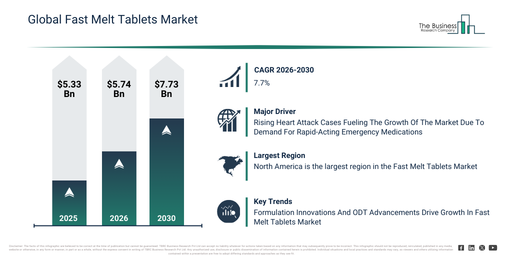
    The market for fast melt tablets has demonstrated substantial growth in recent years. This market is projected to expand from $5.33 billion in 2025 to $5.74 billion in 2026, exhibiting a compound annual growth rate (CAGR) of 7.8%. This historical growth is attributable to several factors, including the challenge of swallowing conventional tablets, an increase in pediatric and geriatric populations, the early uptake in allergy and CNS drugs, the rising demand for rapid onset formulations, and the broader availability of OTC fast-dissolving medicines.

    The fast melt tablets market size is expected to undergo significant expansion in the coming years. This market is set to reach $7.73 billion in 2030, demonstrating a compound annual growth rate (CAGR) of 7.7%. The anticipated growth within this period stems from an increased focus on patient adherence, a rise in neurological and psychiatric disorders, the demand for convenient drug delivery systems, the expansion of homecare medication usage, and innovations within oral thin-film technologies. Notable trends during the forecast period encompass a growing demand for patient-friendly oral dosage forms, increased application in pediatric and geriatric medications, an expansion of CNS and pain management uses, a rising preference for water-free drug administration, and broader adoption for travel-friendly and emergency situations.

    Get A Free Sample Report With In-Depth Market Insights:

    https://thebusinessresearchcompany.com/sample_request?id=45973233&type=smp&name=Fast%20Melt%20Tablets%20Market%20Report%202026&utm_source=Blogs&utm_medium=Paid&utm_campaign=Oct_PR

    Fast Melt Tablets Market Opportunity Drivers: What’s Unlocking New Revenue Potential?

    The increasing occurrence of heart attacks is anticipated to drive expansion in the fast melt tablets market moving ahead. A heart attack constitutes a critical medical event where the heart muscle’s blood supply is obstructed, typically by a blood clot or plaque accumulation within the coronary arteries. This surge in heart attack cases is linked to greater intake of processed foods, resulting in elevated cholesterol and increased arterial plaque formation. Fast melt tablets facilitate swift drug absorption, allowing for the rapid administration of vital medications like aspirin or nitroglycerin. This helps avert additional damage during a heart attack, thereby enhancing patient recovery by reinstating blood flow and mitigating the likelihood of serious complications. As an illustration, the British Heart Foundation, a UK-based cardiovascular research charity, reported in September 2025 that an extra one million individuals in the UK might be living with cardiovascular disease by 2030, escalating to two million more than current figures by 2040. This projected increase represents the highest figure ever recorded. Consequently, the escalating frequency of heart attacks is a key factor boosting the expansion of the fast melt tablets market.

    Fast Melt Tablets Market Segment Trends And Revenue Contributors

    The fast melt tablets market covered in this report is segmented –

    1) By Type: Anti Psychotics, Anti Epileptics, Central Nervous System (CNS) Stimulants, Anxiolytics, Anti Parkinsonian Drugs, Anti Hypertensive, Non-Steroidal Anti-Inflammatory Drugs (NSAIDS), Anti Allergy Drugs, Proton Pump Inhibitors, Other Types

    2) By Indication: Pain Management, Allergy And Respiratory Disorders, Neurological Disorders, Gastrointestinal Disorders, Cardiovascular Disorders, Other Indications

    3) By Dosage Form: Oral, Sublingual, Buccal, Chewable

    4) By Age Group: Adult, Pediatrics, Geriatrics

    5) By Distribution Channel: Hospital Pharmacies, Retail Pharmacies, Drug Stores, Online Pharmacies

    Subsegments:

    1) By Anti Psychotics: Atypical Antipsychotics, Typical Antipsychotics

    2) By Anti Epileptics: Sodium Channel Blockers, Gamma-Aminobutyric Acid (GABA) Analogs

    3) By Central Nervous System (CNS) Stimulants: Amphetamines, Methylphenidate, Modafinil

    4) By Anxiolytics: Benzodiazepines, Azapirones, Antihistamines

    5) By Anti Parkinsonian Drugs: Dopamine Agonists, Monoamine Oxidase-B (MAO-B) Inhibitors, Anticholinergics

    6) By Anti Hypertensive: Beta Blockers, Calcium Channel Blockers

    7) By Non-Steroidal Anti-Inflammatory Drugs (NSAIDS): Cyclooxygenase-1 (COX-1) Inhibitors

    8) By Anti Allergy Drugs: Antihistamines, Leukotriene Receptor Antagonists

    9) By Proton Pump Inhibitors: Omeprazole, Esomeprazole, Lansoprazole, Pantoprazole

    10) By Other Types: Antiemetics, Antidepressants, Analgesics

    Fast Melt Tablets Market Innovation Trends Shaping Future Development

    Major companies engaged in the fast melt tablets market are focusing on innovative formulations, such as orally disintegrating tablet (ODT) technologies designed for rapid dissolution without water, to improve medication adherence, convenience, and accessibility for patients with chronic neurological conditions. Orally Disintegrating Tablet (ODT) Technology delivers active ingredients in a fast-melt format that breaks down on the tongue in mere seconds, offering ease of administration for patients experiencing difficulty swallowing traditional tablets or those needing discreet, portable dosing options. For instance, in February2023, Cycle Pharmaceuticals Ltd., a U.K.-based rare disease and specialty pharmaceuticals company, launched TASCENSO ODT (fingolimod), which is the first FDA-approved orally disintegrating tablet for treating relapsing forms of multiple sclerosis (MS) in patients aged 10 years and older. This bioequivalent non-generic ODT, developed using Catalent’s ZYDIS fast-dissolve platform, ensures continuity of care for U.S. patients losing access to Gilenya support services and is supported by Cycle’s dedicated patient platform, Cycle Vita, offering co-pay assistance, bridge programs, and in-home baseline assessments to maintain uninterrupted fingolimod therapy.

    Fast Melt Tablets Market Competitive Landscape: Which Companies Lead The Industry?

    Major companies operating in the fast melt tablets market are Pfizer Inc., Johnson & Johnson, Teva Pharmaceutical Industries Ltd., Sun Pharmaceutical Industries Ltd., Aurobindo Pharma Limited, Glenmark Pharmaceuticals Ltd., Torrent Pharmaceuticals Ltd., Unichem Laboratories Ltd., Lannett Company Inc., Perrigo Company plc, Catalent Inc., SPI Pharma Inc., Fuji Chemical Industries Co. Ltd., Melt Pharmaceuticals Inc., Akina Inc., Church & Dwight Co. Inc., Windmill Health Products LLC, The Procter & Gamble Company, Hikma Pharmaceuticals plc, Dr. Reddy’s Laboratories Ltd.

    View The Full Fast Melt Tablets Market Report:

    https://thebusinessresearchcompany.com/report/fast-melt-tablets-global-market-report?utm_source=Blogs&utm_medium=Paid&utm_campaign=Oct_PR

    Fast Melt Tablets Market Geographic Analysis: Where Is Demand Accelerating Fastest?

    North America was the largest region in the fast melt tablets market in 2025. Asia-Pacific is expected to be the fastest-growing region in the forecast period. The regions covered in the fast melt tablets market report are Asia-Pacific, South East Asia, Western Europe, Eastern Europe, North America, South America, Middle East, Africa.

    Reach Out To Our Team:

    The Business Research Company: https://www.thebusinessresearchcompany.com/

    Americas: +1 310-496-7795

    Asia: +44 7882 955267 & +91 8897263534

    Europe: +44 7882 955267

    Email us at: marketing@tbrc.info

    Follow us on:

    LinkedIn: https://in.linkedin.com/company/the-business-research-company

    YouTube: https://www.youtube.com/channel/UC24_fI0rV8cR5DxlCpgmyFQ

    Global Market Model: https://www.thebusinessresearchcompany.com/global-market-model
  • Farber’s Disease Market Trends Reshaping Industry Growth Through 2030

    Farber’s Disease Market Trends Reshaping Industry Growth Through 2030

    Backed by market attractiveness analysis, total addressable market sizing, company benchmarking matrices, interactive Excel dashboards, wider supply chain intelligence, emerging startup coverage, and detailed product-level insights, The Business Research Company’s 2026 market reports are designed to offer research that is more actionable and strategically valuable than ever.

    Farber’s Disease Market Size Forecast: How Big Could The Market Get By 2030?

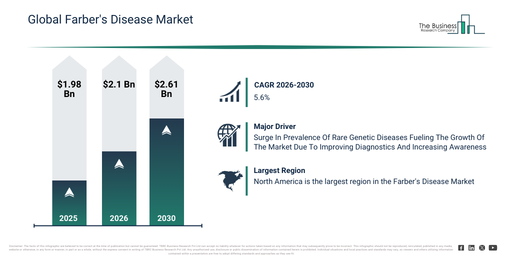
    The farber’s disease market has shown significant expansion in recent years. Its value is expected to rise from $1.98 billion in 2025 to $2.1 billion in 2026, achieving a compound annual growth rate (CAGR) of 5.9%. This past growth can be ascribed to several factors, including the identification of rare diseases, the availability of pediatric genetic testing, established supportive care protocols, increased hospital specialization, and dedicated research funding.

    The farber’s disease market is anticipated to experience substantial expansion in the coming years. By 2030, this market is projected to reach $2.61 billion, exhibiting a compound annual growth rate (CAGR) of 5.6%. This anticipated growth during the forecast period is attributable to several factors, including developments in gene therapy pipelines, incentives for orphan drugs, initiatives for early diagnosis, establishment of rare disease registries, and sophisticated genetic tools. Key trends expected over the forecast period encompass a heightened emphasis on rare pediatric conditions, broadening gene therapy research, an increase in the adoption of supportive care, the emergence of multidisciplinary treatment strategies, and advancements in genetic diagnostics.

    Get A Free Sample Report With In-Depth Market Insights:

    https://thebusinessresearchcompany.com/sample_request?id=93612145&type=smp&name=Farber%27s%20Disease%20Market%20Report%202026&utm_source=Blogs&utm_medium=Paid&utm_campaign=Oct_PR

    Farber’s Disease Market Growth Momentum: What Factors Are Shaping Demand?

    The increasing occurrence of rare genetic disorders is projected to fuel the expansion of the Farber’s disease market going forward. Rare genetic diseases are defined as inherited conditions stemming from DNA mutations that impact a very small segment of the population. The rising incidence of these disorders is attributed to enhanced diagnostic technologies, which allow for earlier and more precise identification of conditions that were previously undiagnosed or misdiagnosed. Farber’s disease plays a vital role in addressing this growing prevalence by serving as a framework for developing targeted therapies and advancing research in enzyme replacement treatments for ultra-rare conditions. For instance, in February 2023, the European Commission (EC), a Belgium-based government entity, reported that up to 36 million people in the European Union live with a rare disease; the EU is home to more than 6,000 distinct rare diseases, and approximately 80% of rare diseases have a genetic origin. Thus, the increasing prevalence of rare genetic diseases is driving the growth of the Farber’s disease market. Higher investment in clinical trials is anticipated to boost the Farber’s disease market moving forward. Clinical trials are research studies performed on humans to evaluate the safety, effectiveness, and results of medical interventions such as drugs, treatments, or devices. This surge in clinical trial investment is due to the growing demand for innovative treatments, which is driven by advancements in medical science, personalized medicine, and the urgent need to address unmet healthcare needs. Farber’s disease contributes by emphasizing the critical requirement for research into rare and underserved genetic disorders. For instance, in October 2024, Citeline, a US-based pharma intelligence solutions provider, stated that TrialTrove captured 9,959 Phase I–III clinical trials with a 2024 start date investigating at least one drug, representing a 9.4% increase from 2023. Therefore, the increasing investment in clinical trials is driving the growth of the Farber’s disease market.

    Farber’s Disease Market Segment Analysis Spotlighting Growth Areas

    The farber’s disease market covered in this report is segmented –

    1) By Type Of Farber’s Disease: Classical Farber’s Disease, Non-Classical Farber’s Disease

    2) By Treatment: Enzyme Replacement Therapy, Symptomatic Treatment, Gene Therapy, Bone Marrow Transplant, Supportive Care

    3) By Clinical Symptoms: Joint Involvement And Deformities, Hearing Loss, Respiratory Distress, Dermatological Manifestations

    4) By End-User: Hospitals, Specialty Clinics, Diagnostic Centers, Other End-Users

    Subsegments:

    1) By Classical Farber’s Disease: Type 1 Severe Infantile Form, Type 2 Intermediate Childhood Form, Type 3 Juvenile-Onset Form

    2) By Non-Classical Farber’s Disease: Type 4 Neurological Predominant Form, Type 5 Visceral Predominant Form, Type 6 Cardiopulmonary Involvement Form

    Farber’s Disease Market Leading Companies: Who Holds The Strongest Market Presence?

    Major companies operating in the farber’s disease market are National Institutes of Health (NIH), U.S. National Institute of Neurological Disorders and Stroke (NINDS), Mount Sinai Icahn School of Medicine, Cincinnati Children’s Hospital Medical Center, University of Pennsylvania Gene Therapy Program, Seattle Children’s Research Institute, Genethon (AFM-Téléthon), Sarepta Therapeutics Inc., REGENXBIO Inc., Abeona Therapeutics Inc., Rocket Pharmaceuticals Inc., Passage Bio Inc., Spark Therapeutics Inc., Takeda Rare Disease Research, Orchard Therapeutics plc, Avrobio Inc., bluebird bio Inc., JCR Pharmaceuticals Co. Ltd., Protalix BioTherapeutics Inc., Ultragenyx Pharmaceutical Inc., BioMarin Pharmaceutical Inc., Amicus Therapeutics Inc.

    View The Full Farber’s Disease Market Report:

    https://thebusinessresearchcompany.com/report/farbers-disease-global-market-report?utm_source=Blogs&utm_medium=Paid&utm_campaign=Oct_PR

    Farber’s Disease Market Global Footprint: Which Region Leads The Industry?

    North America was the largest region in the farber’s disease market in 2025. Asia-Pacific is expected to be the fastest-growing region in the forecast period. The regions covered in the farber’s disease market report are Asia-Pacific, South East Asia, Western Europe, Eastern Europe, North America, South America, Middle East, Africa.

    Reach Out To Our Team:

    The Business Research Company: https://www.thebusinessresearchcompany.com/

    Americas: +1 310-496-7795

    Asia: +44 7882 955267 & +91 8897263534

    Europe: +44 7882 955267

    Email us at: marketing@tbrc.info

    Follow us on:

    LinkedIn: https://in.linkedin.com/company/the-business-research-company

    YouTube: https://www.youtube.com/channel/UC24_fI0rV8cR5DxlCpgmyFQ

    Global Market Model: https://www.thebusinessresearchcompany.com/global-market-model
  • Familial Mediterranean Fever Pharmaceuticals Market Growth To $2.2 Billion Creates New Opportunities Across The Industry

    Familial Mediterranean Fever Pharmaceuticals Market Growth To $2.2 Billion Creates New Opportunities Across The Industry

    Featuring market attractiveness scoring, total addressable market sizing, company benchmarking matrices, interactive Excel dashboards, deeper supply chain intelligence, emerging startup tracking, and granular product-level insights, The Business Research Company’s 2026 market reports are built to deliver research that is both more actionable and more strategically valuable.

    Familial Mediterranean Fever Pharmaceuticals Market Revenue Outlook: What CAGR Lies Ahead Through 2030?

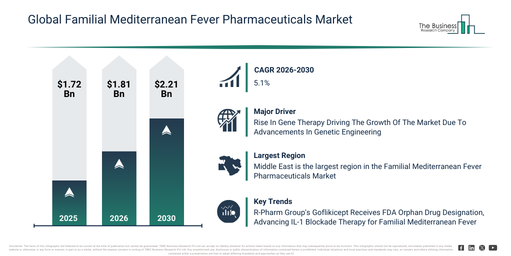
    The familial mediterranean fever pharmaceuticals market has experienced substantial growth in recent years. It is projected to expand from $1.72 billion in 2025 to $1.81 billion in 2026, demonstrating a compound annual growth rate (CAGR) of 5.1%. The market’s historical growth is attributable to the established effectiveness of colchicine, its genetic prevalence in Mediterranean populations, the scarcity of alternative therapies, increased disease awareness, and refined diagnostic criteria.

    The familial mediterranean fever pharmaceuticals market is projected to experience substantial expansion over the coming years. Its valuation is anticipated to reach $2.21 billion by 2030, exhibiting a compound annual growth rate (CAGR) of 5.1%. Key drivers for this growth during the forecast period include an increase in diagnosis rates beyond endemic areas, the rising adoption of biologics, the expansion of orphan drug initiatives, advancements in genetic screening, and a heightened emphasis on preventing long-term complications. Significant trends anticipated in this period encompass the ongoing dependence on colchicine therapy, a rise in the utilization of interleukin-1 inhibitors, the broadening of biologic treatments for resistant FMF, an increased focus on preventing amyloidosis, and enhanced genetic diagnostic methods facilitating earlier intervention.

    Get A Free Sample Report With In-Depth Market Insights:

    https://thebusinessresearchcompany.com/sample_request?id=17954713&type=smp&name=Familial%20Mediterranean%20Fever%20Pharmaceuticals%20Market%20Report%202026&utm_source=Blogs&utm_medium=Paid&utm_campaign=Oct_PR

    Familial Mediterranean Fever Pharmaceuticals Market Expansion Drivers: What’s Shaping Future Growth?

    The familial Mediterranean fever (FMF) pharmaceuticals market is projected to grow, driven by the expanding field of gene therapy. This medical approach involves modifying or replacing faulty genes to address or prevent diseases at their genetic origin. The increase in gene therapy is attributed to advancements in genetic engineering, which enable precise targeting and correction of genetic disorders, offering potential cures for conditions previously considered untreatable. Gene therapy positively influences familial Mediterranean fever (FMF) pharmaceuticals by targeting the underlying mutations in the MEFV (Mediterranean fever) gene, potentially offering a long-term or permanent solution rather than just symptom management. For instance, in July 2024, according to the American Society of Gene & Cell Therapy (ASGCT), a US-based non-profit organization, 76 gene therapy trials were initiated in the second quarter of 2024, marking a 25% increase from the previous quarter. Therefore, the growth of gene therapy is a key factor boosting the familial Mediterranean fever (FMF) pharmaceuticals market.

    Familial Mediterranean Fever Pharmaceuticals Market Segment Performance And Emerging Opportunities

    The familial mediterranean fever pharmaceuticals market covered in this report is segmented –

    1) By Drug Type: Colchicine, Interleukin-1 Inhibitors, Anti-IL-6 Drugs

    2) By Route Of Administration: Oral, Injectable

    3) By End Users: Hospitals, Clinical Diagnostic Laboratories, Other End Users

    Subsegments:

    1) By Colchicine: Oral Colchicine, Intravenous Colchicine

    2) By Interleukin-1 Inhibitors: Anakinra, Canakinumab, Rilonacept

    3) By Anti-IL-6 Drugs: Tocilizumab, Off-Label IL-6 Receptor Antagonists, Refractory FMF Supportive IL-6 Modulation

    Familial Mediterranean Fever Pharmaceuticals Market Strategic Trends: What Defines The Next Growth Phase?

    Leading pharmaceutical firms within the familial mediterranean fever pharmaceuticals market are prioritizing advanced biologic treatments, specifically approaches like dual interleukin-1 (IL-1a and IL-1ß) blockade mechanisms and strategies involving orphan drug designation. This strategic direction aims to ensure long-term disease remission and broaden the array of available treatments for individuals suffering from autoinflammatory conditions. These dual interleukin-1 blockade mechanisms utilize heterodimeric hybrid proteins designed to concurrently attach with strong affinity to both IL-1a and IL-1ß cytokines, effectively halting the inflammatory cascade responsible for initiating and progressing familial Mediterranean fever and associated ailments. An illustrative example is R-Pharm Group, a pharmaceutical company based in Russia, which, in November 2024, was granted U.S. Food and Drug Administration (FDA) Orphan Drug Designation for Goflikicept. This particular drug is a new heterodimeric hybrid protein specifically designed to target both IL-1a and IL-1ß for treating familial Mediterranean fever (FMF) and idiopathic recurrent pericarditis (IRP). R-Pharm Group successfully concluded Phase 2/3 clinical trials for IRP and secured marketing authorization in Russia. Concurrently, the firm is progressing a Phase 2 study for FMF across Turkey, Russia, and Armenia, thereby solidifying IL-1 blockade’s position as a primary method for achieving prolonged remission in various autoinflammatory diseases.

    Familial Mediterranean Fever Pharmaceuticals Market Key Players: Which Companies Lead Industry Competition?

    Major companies operating in the familial mediterranean fever pharmaceuticals market are Novartis International AG, Swedish Orphan Biovitrum AB, Granules Pharmaceuticals Inc., Hikma Pharmaceuticals plc, Camber Pharmaceuticals Inc., Teva Pharmaceutical Industries Ltd., Amgen Inc., Indena S.p.A., Harman Finochem, Alchem International, Honour Lab Ltd., Maithri Drugs Pvt. Ltd., Vital Laboratories Pvt. Ltd., Enomark Biotech Pvt. Ltd., Gonane Pharma, Ennature Biopharma, R-Pharm Group, Sun Pharmaceutical Industries Ltd., Dr. Reddy’s Laboratories Ltd., Lupin Limited

    View The Full Familial Mediterranean Fever Pharmaceuticals Market Report:

    https://thebusinessresearchcompany.com/report/familial-mediterranean-fever-pharmaceuticals-global-market-report?utm_source=Blogs&utm_medium=Paid&utm_campaign=Oct_PR

    Familial Mediterranean Fever Pharmaceuticals Market Regional Distribution: Which Areas Power Market Growth?

    Middle East was the largest region in the familial mediterranean fever pharmaceuticals market in 2025. Asia-Pacific is expected to be the fastest-growing region in the forecast period. The regions covered in the familial mediterranean fever pharmaceuticals market report are Asia-Pacific, South East Asia, Western Europe, Eastern Europe, North America, South America, Middle East, Africa.

    Reach Out To Our Team:

    The Business Research Company: https://www.thebusinessresearchcompany.com/

    Americas: +1 310-496-7795

    Asia: +44 7882 955267 & +91 8897263534

    Europe: +44 7882 955267

    Email us at: marketing@tbrc.info

    Follow us on:

    LinkedIn: https://in.linkedin.com/company/the-business-research-company

    YouTube: https://www.youtube.com/channel/UC24_fI0rV8cR5DxlCpgmyFQ

    Global Market Model: https://www.thebusinessresearchcompany.com/global-market-model