Month: October 2026

  • Cytotoxic T-Lymphocyte-Associated Protein 4 (CTLA-4) Inhibitors Market CAGR Forecast Through 2030: Key Trends Shaping Industry Expansion

    Cytotoxic T-Lymphocyte-Associated Protein 4 (CTLA-4) Inhibitors Market CAGR Forecast Through 2030: Key Trends Shaping Industry Expansion

    Backed by market attractiveness analysis, total addressable market sizing, company benchmarking matrices, interactive Excel dashboards, wider supply chain intelligence, emerging startup coverage, and detailed product-level insights, The Business Research Company’s 2026 market reports are designed to offer research that is more actionable and strategically valuable than ever.

    Cytotoxic T-Lymphocyte-Associated Protein 4 (CTLA-4) Inhibitors Market CAGR Outlook And Future Development

    The market for cytotoxic t-lymphocyte-associated protein 4 (ctla-4) inhibitors has experienced rapid expansion in recent years. It is forecast to grow from $11.88 billion in 2025 to $13.6 billion in 2026, reflecting a compound annual growth rate (CAGR) of 14.4%. The historical increase can be ascribed to advancements in immuno-oncology research, the effectiveness of ipilimumab in melanoma treatment, a rising global prevalence of cancer, the expansion of oncology clinical trials, and an uptick in regulatory approvals for checkpoint inhibitors.

    The cytotoxic t-lymphocyte-associated protein 4 (ctla-4) inhibitors market size is projected for swift expansion over the coming years, reaching $23.13 billion in 2030 with a compound annual growth rate (CAGR) of 14.2%. This anticipated increase during the forecast period is fueled by several factors, including the surge in combination cancer therapies, the introduction of these inhibitors into new solid tumor indications, a rise in oncology healthcare expenditure, greater embrace of precision immunotherapy, and the growth of specialty oncology centers. Key developments expected during this timeframe involve an escalation in the use of combination immunotherapy regimens, broadened application in advanced and metastatic cancers, a heightened emphasis on immune checkpoint inhibition strategies, the extension of ctla-4 inhibitors across diverse cancer types, and an increase in hospital-administered immunotherapy.

    Get A Free Sample Report With In-Depth Market Insights:

    https://thebusinessresearchcompany.com/sample_request?id=34099924&type=smp&name=Cytotoxic%20T-Lymphocyte-Associated%20Protein%204%20%28CTLA-4%29%20Inhibitors%20Market%20Report%202026&utm_source=Blogs&utm_medium=Paid&utm_campaign=Oct_PR

    Cytotoxic T-Lymphocyte-Associated Protein 4 (CTLA-4) Inhibitors Market Growth Momentum: What Factors Are Shaping Demand?

    The increasing financial commitment to oncology research and development is anticipated to drive the expansion of the cytotoxic T-lymphocyte-associated protein 4 (CTLA-4) inhibitors market moving forward. This surge in oncology R&D funding stems from the escalating worldwide prevalence of cancer, progress in immunotherapy and precision treatments, and a significant need for novel therapies that enhance patient longevity and well-being. Such financial input in oncology R&D propels the CTLA-4 inhibitors market forward by expediting the identification of new treatments and strengthening clinical studies aimed at refining immune checkpoint therapies for cancer. Illustratively, in May 2023, the American Society for Radiation Oncology (ASTRO), a US-based entity, reported that the National Cancer Institute (NCI) sought $9.988 billion for cancer research funding in 2024, representing a $2.7 billion rise from the $7.3 billion provided in 2023. Consequently, the escalating investment directed towards oncology research and development is stimulating the expansion of the cytotoxic T-lymphocyte-associated protein 4 (CTLA-4) inhibitors market.

    Cytotoxic T-Lymphocyte-Associated Protein 4 (CTLA-4) Inhibitors Market Segment Analysis And Revenue Potential

    The cytotoxic t-lymphocyte-associated protein 4 (ctla-4) inhibitors market covered in this report is segmented –

    1) By Type: Monotherapy, Combination Therapy

    2) By Application: Melanoma, Renal Cell Carcinoma, Colorectal Cancer, Other Applications

    3) By Distribution Channel: Hospital Pharmacies, Retail Pharmacies, Online Pharmacies, Other Distribution Channels

    Cytotoxic T-Lymphocyte-Associated Protein 4 (CTLA-4) Inhibitors Market Trends Redefining Industry Growth

    Key companies engaged in the cytotoxic T-lymphocyte-associated protein 4 (CTLA-4) inhibitors market are concentrating on conducting clinical trials to evaluate the efficacy of new drug formulations, refine dosage schedules, and improve treatment response rates for cancer patients. These clinical trials aim to investigate the potential of CTLA-4 inhibitors when combined with other immunotherapies, with the goal of expanding their applications beyond melanoma and enhancing overall survival rates across various cancer types. For instance, in December 2024, Akeso Inc., a China-based biopharmaceutical company, announced the phase Ib/II clinical study (AK104-IIT-018) of cadonilimab, a combination therapy for patients with advanced or metastatic non-small cell lung cancer (NSCLC) whose disease had progressed after prior programmed cell death ligand 1 (PD-L1) inhibitor treatment. Cadonilimab, a programmed cell death protein 1 (PD-1)/ cytotoxic T-lymphocyte-associated protein 4 (CTLA-4) bispecific antibody, functions by simultaneously blocking the PD-1 and CTLA-4 immune checkpoints, thereby enhancing T-cell activation and the immune response against tumors while simultaneously reducing immune suppression.

    Cytotoxic T-Lymphocyte-Associated Protein 4 (CTLA-4) Inhibitors Market Key Players Shaping Industry Direction

    Major companies operating in the cytotoxic t-lymphocyte-associated protein 4 (ctla-4) inhibitors market are Pfizer Inc., Merck & Co. Inc., Bristol Myers Squibb, AstraZeneca plc, Novartis AG, GSK plc, Eli Lilly and Company, BioNTech SE, Regeneron Pharmaceuticals Inc., Astellas Pharma Inc., Shanghai Fosun Pharmaceutical (Group) Co. Ltd., Jiangsu Hengrui Pharmaceuticals Co. Ltd., Incyte Corporation, Ono Pharmaceutical Co. Ltd., Innovent Biologics Inc., Akeso Inc., Shanghai Junshi Biosciences Co. Ltd., Xencor, Agenus Inc., Harbour BioMed, Molecular Templates Inc., BioAtla Inc., OncoC4 Inc., Xilio Therapeutics Inc.

    View The Full Cytotoxic T-Lymphocyte-Associated Protein 4 (CTLA-4) Inhibitors Market Report:

    https://thebusinessresearchcompany.com/report/cytotoxic-t-lymphocyte-associated-protein-4-ctla-4-inhibitors-global-market-report?utm_source=Blogs&utm_medium=Paid&utm_campaign=Oct_PR

    Cytotoxic T-Lymphocyte-Associated Protein 4 (CTLA-4) Inhibitors Market Regional Analysis And Leading Geography

    North America was the largest region in the cytotoxic T-lymphocyte-associated protein 4 (CTLA-4) market in 2025. Asia-Pacific is expected to be the fastest-growing region in the forecast period. The regions covered in the cytotoxic t-lymphocyte-associated protein 4 (ctla-4) inhibitors market report are Asia-Pacific, South East Asia, Western Europe, Eastern Europe, North America, South America, Middle East, Africa.

    Reach Out To Our Team:

    The Business Research Company: https://www.thebusinessresearchcompany.com/

    Americas: +1 310-496-7795

    Asia: +44 7882 955267 & +91 8897263534

    Europe: +44 7882 955267

    Email us at: marketing@tbrc.info

    Follow us on:

    LinkedIn: https://in.linkedin.com/company/the-business-research-company

    YouTube: https://www.youtube.com/channel/UC24_fI0rV8cR5DxlCpgmyFQ

    Global Market Model: https://www.thebusinessresearchcompany.com/global-market-model
  • Cytotoxic Drugs Market To Witness 4.9% CAGR Growth Through 2030: Key Industry Drivers

    Cytotoxic Drugs Market To Witness 4.9% CAGR Growth Through 2030: Key Industry Drivers

    Featuring market attractiveness scoring, total addressable market sizing, company benchmarking matrices, interactive Excel dashboards, deeper supply chain intelligence, emerging startup tracking, and granular product-level insights, The Business Research Company’s 2026 market reports are built to deliver research that is both more actionable and more strategically valuable.

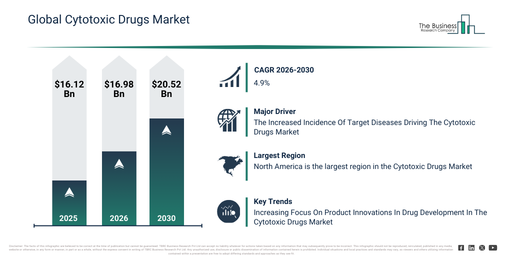
    Cytotoxic Drugs Market Set To Climb From $16.97 Billion In 2026 To $20.52 Billion By 2030

    The cytotoxic drugs market size has experienced strong growth in recent years. It is projected to expand from $16.12 billion in 2025 to $16.98 billion in 2026, at a compound annual growth rate (CAGR) of 5.3%. This historical growth can be attributed to the long-standing role of chemotherapy in cancer treatment, the widespread availability of generic cytotoxic drugs, the expansion of hospital-based oncology services, their established clinical efficacy across multiple cancer types, and the growth of public cancer treatment programs.

    The cytotoxic drugs market size is projected to experience consistent expansion over the coming years. This market is forecast to reach a valuation of $20.52 billion in 2030, exhibiting a compound annual growth rate (CAGR) of 4.9%. The factors contributing to this growth during the projected timeframe include the escalating worldwide prevalence of cancer, enhanced availability of oncology treatment in emerging markets, the ongoing application of cytotoxic backbones alongside targeted therapeutic approaches, an increase in combination therapy protocols, and a heightened need for economical cancer treatments. Key trends anticipated within this period encompass the sustained integration of cytotoxic drugs into multi-drug cancer therapies, a rising requirement for broad-spectrum chemotherapeutic agents, a greater emphasis on refining dosages and managing adverse effects, continued dependence on proven chemotherapy methods, and the extended application of cytotoxic drugs for conditions beyond cancer.

    Get A Free Sample Report With In-Depth Market Insights:

    https://thebusinessresearchcompany.com/sample_request?id=53295740&type=smp&name=Cytotoxic%20Drugs%20Market%20Report%202026&utm_source=Blogs&utm_medium=Paid&utm_campaign=Oct_PR

    Cytotoxic Drugs Market Expansion Drivers: What’s Shaping Future Growth?

    The cytotoxic drugs market is anticipated to expand due to the rising occurrence of target diseases. These target diseases encompass specific ailments, such as cancer, autoimmune disorders, and genetic conditions, which are prioritized for research and treatment. The growing prevalence of these diseases stems from factors like genetic predisposition, environmental impacts, and unequal access to healthcare services. The cytotoxic drugs market plays a crucial role in therapy by supplying medications designed to eliminate or impede the proliferation of abnormal cells, thereby mitigating disease advancement and dissemination. For example, data from February 2024, provided by the International Agency for Research on Cancer (IARC), a specialized cancer agency of the World Health Organization (WHO) based in France, revealed that around 0.02 billion new cancer cases and 0.0097 billion deaths were reported globally in 2022. Forecasts suggest a significant 77% surge, leading to over 0.035 billion new cases by 2050. Furthermore, lung cancer alone constituted 0.0025 billion new cases (12.4%), while female breast cancer followed closely with 0.0023 billion cases (11.6%). Consequently, the rising occurrence of target diseases is a key factor propelling the expansion of the cytotoxic drugs market.

    Cytotoxic Drugs Market Segmentation And Category Overview

    The cytotoxic drugs market covered in this report is segmented –

    1) By Drug Type: Alkylating Agents, Antitumor Antibiotics, Antimetabolites, Plant Alkaloids, Other Drug Types

    2) By Application: Oncology, Rheumatoid Arthritis, Multiple Sclerosis, Other Applications

    3) By End User: Hospitals, Cancer Research Centers, Drug Testing Laboratories, Contract Development And Manufacturing Organizations (CDMOs)

    Subsegments:

    1) By Alkylating Agents: Nitrogen Mustards, Ethyleneimines, Alkyl Sulfonates, Triazenes

    2) By Antitumor Antibiotics: Anthracyclines, Bleomycin, Mitomycin

    3) By Antimetabolites: Methotrexate, 5-Fluorouracil, Purine Analogs

    4) By Plant Alkaloids: Vinca Alkaloids, Taxanes, Camptothecin Analogs

    5) By Other Drug Types: Platinum-Based Compounds, Antibody-Drug Conjugates (ADCs), Nitrosoureas

    Cytotoxic Drugs Market Strategic Trends: What Defines The Next Growth Phase?

    Major companies engaged in the cytotoxic drugs market are concentrating on developing advanced and innovative solutions such as chimeric antigen receptor (CAR) T cell therapies to provide transformative treatment options for patients with difficult-to-treat blood cancers. CAR T cell therapy involves a highly specialized immunotherapy where a patient’s T cells are genetically engineered to express a chimeric antigen receptor that recognizes and destroys cancer cells, representing a major advancement in personalized oncology care. For example, in March 2024, Bristol Myers Squibb, a US-based biopharmaceutical company, obtained U.S. FDA approval for Breyanzi, a CD19-directed CAR T cell therapy for adults with relapsed or refractory chronic lymphocytic leukemia or small lymphocytic lymphoma, offering a personalized treatment approach that delivers improved efficacy for patients who have limited therapeutic options and showcasing significant progress in the evolution of cytotoxic drug therapies.

    Cytotoxic Drugs Market Competitive Analysis Of Leading Industry Participants

    Major companies operating in the cytotoxic drugs market are Pfizer Inc., Johnson & Johnson Services Inc., Roche Holding AG, Merck & Co., AbbVie Inc., Novartis AG, Sanofi S.A., Bristol-Myers Squibb Company, AstraZeneca plc, Fresenius Kabi AG, GlaxoSmithKline Plc, Takeda Pharmaceutical Company Limited, Eli Lilly and Company, Amgen Inc., Boehringer Ingelheim International GmbH, Merck KGaA, Evonik Industries AG, Teva Pharmaceutical Industries Ltd., Baxter International Inc., Daiichi Sankyo Company Limited, Lonza, Eisai Co. Ltd., Sun Pharmaceuticals, Sumitomo Dainippon Pharma, Jazz Pharma, Ipsen Pharma, Kyowa Kirin Co. Ltd., Cipla Ltd., Mallinckrodt Pharmaceuticals, Hansoh Pharmaceutical Group Company Limited, Piramal Group

    View The Full Cytotoxic Drugs Market Report:

    https://thebusinessresearchcompany.com/report/cytotoxic-drugs-global-market-report?utm_source=Blogs&utm_medium=Paid&utm_campaign=Oct_PR

    Cytotoxic Drugs Market Geographic Analysis: Where Is Demand Accelerating Fastest?

    North America was the largest region in the cytotoxic drugs market in 2025. Asia-Pacific is expected to be the fastest-growing region in the forecast period. The regions covered in the cytotoxic drugs market report are Asia-Pacific, South East Asia, Western Europe, Eastern Europe, North America, South America, Middle East, Africa.

    Reach Out To Our Team:

    The Business Research Company: https://www.thebusinessresearchcompany.com/

    Americas: +1 310-496-7795

    Asia: +44 7882 955267 & +91 8897263534

    Europe: +44 7882 955267

    Email us at: marketing@tbrc.info

    Follow us on:

    LinkedIn: https://in.linkedin.com/company/the-business-research-company

    YouTube: https://www.youtube.com/channel/UC24_fI0rV8cR5DxlCpgmyFQ

    Global Market Model: https://www.thebusinessresearchcompany.com/global-market-model
  • Cytokine-Based Therapies And Inhibitors Market Projected For Strong Expansion Through 2030: Key Trends And Future Outlook

    Cytokine-Based Therapies And Inhibitors Market Projected For Strong Expansion Through 2030: Key Trends And Future Outlook

    Built to provide research that’s more actionable and strategically valuable, The Business Research Company’s 2026 market reports include market attractiveness analysis, total addressable market sizing, company benchmarking matrices, interactive Excel dashboards, broader supply chain intelligence, emerging startup tracking, and in-depth product insights.

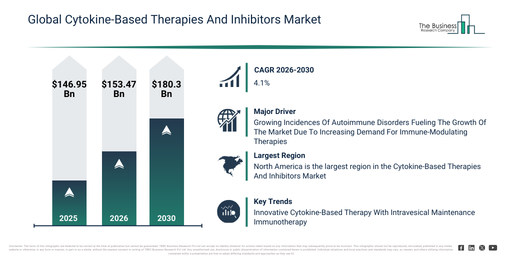
    Cytokine-Based Therapies And Inhibitors Market Forecast: Value Set To Climb From $153.47 Billion To $180.3 Billion

    The market size for cytokine-based therapies and inhibitors has experienced consistent growth in recent years. It is forecast to rise from $146.95 billion in 2025 to $153.47 billion in 2026, demonstrating a compound annual growth rate (CAGR) of 4.4%. This historical growth can be attributed to several factors, including the limited availability of cytokine modulators, early-stage research in immunotherapies, a reliance on conventional treatment methods, the increasing prevalence of cancer and autoimmune diseases, and limited biologics manufacturing capabilities.

    The market for cytokine-based therapies and inhibitors is anticipated to experience consistent expansion over the upcoming years. This market is projected to reach $180.3 billion in 2030, exhibiting a compound annual growth rate (CAGR) of 4.1%. This anticipated growth during the forecast period is fueled by progress in recombinant cytokine engineering, increased funding for immuno-oncology and inflammatory disease therapies, the incorporation of AI into drug discovery, an expanding biopharmaceutical manufacturing base, and the broadening of clinical trials and personalized medicine efforts. Key developments expected during this time include a greater uptake of cytokine-based treatments in cancer care, the broadening of targeted immune modulation therapies, an increase in biopharmaceutical research and clinical trials, a heightened emphasis on personalized and precision medicine, and improved adherence to regulatory and safety standards in drug development.

    Get A Free Sample Report With In-Depth Market Insights:

    https://thebusinessresearchcompany.com/sample_request?id=45566055&type=smp&name=Cytokine-Based%20Therapies%20And%20Inhibitors%20Market%20Report%202026&utm_source=Blogs&utm_medium=Paid&utm_campaign=Oct_PR

    Cytokine-Based Therapies And Inhibitors Market Development Factors: What’s Supporting Demand?

    The increasing occurrence of autoimmune conditions is anticipated to drive the expansion of the cytokine-based therapies and inhibitors market in the future. Autoimmune disorders are characterized by the immune system erroneously targeting and attacking the body’s own healthy cells and tissues, treating them as external threats. The surge in these disorders stems from dietary shifts, especially the rising intake of heavily processed foods, which can disturb gut bacteria balance and impair immune system control. These therapies and inhibitors operate by adjusting the immune response through targeting particular cytokines linked to inflammation, thus proving beneficial in addressing autoimmune conditions. For example, data from February 2024, provided by Arthritis Australia, an Australian non-profit, indicates that approximately 562,378 Australians are projected to have RA by 2025, representing 14% of all arthritis cases in that year. By 2040, this figure is forecast to increase by 33% to reach 748,721 people. This signifies an additional 186,343 Australians living with RA in 2040 when contrasted with 2025. Consequently, the increasing prevalence of autoimmune disorders is a key factor propelling the expansion of the cytokine-based therapies and inhibitors market.

    Cytokine-Based Therapies And Inhibitors Market Segment Outlook: Which Categories Are Growing Fastest?

    The cytokine-based therapies and inhibitors market covered in this report is segmented –

    1) By Type: Interleukins, Tumor Necrosis Factor, Epidermal Growth Factor, Interferon, Chemokine

    2) By Application: Cancer And Malignancies, Inflammatory And Immune Disorders, Infectious Diseases, Asthma And Airway Inflammation, Other Applications

    3) By End User: Hospitals, Clinics, Research Laboratories, Academic And Research Institutes, Specialty Centers, Other End Users

    Subsegments:

    1) By Interleukins: Interleukin-2, Interleukin-6, Interleukin-10, Interleukin-12, Interleukin-17, Interleukin-23

    2) By Tumor Necrosis Factor (TNF): Tumor Necrosis Factor-Alpha Inhibitors, Tumor Necrosis Factor-Beta Inhibitors

    3) By Epidermal Growth Factor (EGF): Epidermal Growth Factor Receptor Inhibitors, Human Epidermal Growth Factor Receptor 2 Inhibitors

    4) By Interferon: Interferon-Alpha, Interferon-Beta, Interferon-Gamma

    5) By Chemokine: C-C Chemokine Receptor Type 5 Antagonists, C-X-C Chemokine Receptor Type 4 Inhibitors, C-X-C Chemokine Receptor Type 1/2 Inhibitors

    Cytokine-Based Therapies And Inhibitors Market Transformation Trends: What Innovations Are Driving Change?

    Companies operating in the cytokine-based therapy and inhibitor market are channeling their efforts into innovative treatments like intravesical cytokine maintenance immunotherapy. The objective is to improve the sustained nature of complete responses and lower recurrence rates for patients with Bacillus Calmette-Guérin-unresponsive non-muscle invasive bladder cancer (BCG-unresponsive NMIBC). Intravesical cytokine maintenance immunotherapy entails the direct introduction of immune-activating proteins into the bladder, followed by consistent maintenance dosing to continually stimulate local immune responses and suppress tumor regrowth. For example, in April 2024, the US-based Food and Drug Administration approved nogapendekin alfa inbakicept-pmln (Anktiva), a new cytokine-based therapy sanctioned for use in conjunction with Bacillus Calmette-Guérin (BCG). This advanced immunotherapy acts as a fusion protein, targeting interleukin-15 (IL-15) pathways to activate CD122-positive immune cells such as natural killer (NK) cells and CD8-positive T cells. This mechanism is consistent with the core tenets of cytokine-based therapy, which leverages signaling proteins like IL-15 to enhance the body’s immune surveillance and anti-tumor capabilities.

    Cytokine-Based Therapies And Inhibitors Market Leading Companies And Competitive Benchmarking

    Major companies operating in the cytokine-based therapies and inhibitors market are Pfizer Inc., Johnson & Johnson, F. Hoffmann-La Roche Ltd, AbbVie Inc., Novartis AG, Sanofi SA, Bristol-Myers Squibb Company, AstraZeneca Plc, GlaxoSmithKline plc, Eli Lilly and Company, Amgen Inc, UCB S.A., Biocon Limited.

    View The Full Cytokine-Based Therapies And Inhibitors Market Report:

    https://thebusinessresearchcompany.com/report/cytokine-based-therapies-and-inhibitors-global-market-report?utm_source=Blogs&utm_medium=Paid&utm_campaign=Oct_PR

    Cytokine-Based Therapies And Inhibitors Market Global Footprint: Which Region Leads The Industry?

    North America was the largest region in the cytokine-based therapies and inhibitors market in 2025. Asia-Pacific is expected to be the fastest-growing region in the forecast period. The regions covered in the cytokine-based therapies and inhibitors market report are Asia-Pacific, South East Asia, Western Europe, Eastern Europe, North America, South America, Middle East, Africa.

    Reach Out To Our Team:

    The Business Research Company: https://www.thebusinessresearchcompany.com/

    Americas: +1 310-496-7795

    Asia: +44 7882 955267 & +91 8897263534

    Europe: +44 7882 955267

    Email us at: marketing@tbrc.info

    Follow us on:

    LinkedIn: https://in.linkedin.com/company/the-business-research-company

    YouTube: https://www.youtube.com/channel/UC24_fI0rV8cR5DxlCpgmyFQ

    Global Market Model: https://www.thebusinessresearchcompany.com/global-market-model
  • Cytokine Release Syndrome Treatment Market Outlook 2026–2030: Growth Trends, Market Dynamics And Emerging Opportunities

    Cytokine Release Syndrome Treatment Market Outlook 2026–2030: Growth Trends, Market Dynamics And Emerging Opportunities

    Backed by market attractiveness analysis, total addressable market sizing, company benchmarking matrices, interactive Excel dashboards, wider supply chain intelligence, emerging startup coverage, and detailed product-level insights, The Business Research Company’s 2026 market reports are designed to offer research that is more actionable and strategically valuable than ever.

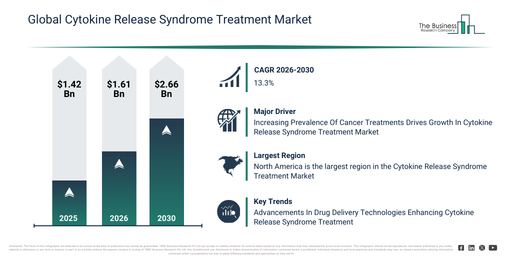
    Cytokine Release Syndrome Treatment Market Revenue Growth On Track For A 13.3% CAGR Through 2030

    The cytokine release syndrome treatment market has seen rapid growth in recent years. This market is expected to expand from $1.42 billion in 2025 to $1.61 billion in 2026, achieving a compound annual growth rate (CAGR) of 13.6%. The historical growth can be attributed to several factors, including the rise of advanced immunotherapy treatments, increased adoption of CAR-T cell therapy, the availability of corticosteroids for immune modulation, heightened clinical awareness of cytokine storms, and improvements in critical care infrastructure.

    The cytokine release syndrome treatment market size is set to experience substantial growth in the upcoming years. It is projected to expand to $2.66 billion in 2030, driven by a compound annual growth rate (CAGR) of 13.3%. This expansion over the forecast period is attributable to the increasing utilization of next-generation immunotherapies, rising investments in cytokine modulation research, the expansion of oncology treatment centers, a growing emphasis on personalized immune management, and the development of novel anti-inflammatory biologics. Prominent trends for this period include the increased adoption of IL-6 and IL-1 targeted therapies, a rising uptake of monoclonal antibodies for CRS management, the broadening of hospital-based CRS treatment protocols, an expanding integration of early diagnostic monitoring, and enhanced supportive care management strategies.

    Get A Free Sample Report With In-Depth Market Insights:

    https://thebusinessresearchcompany.com/sample_request?id=27495251&type=smp&name=Cytokine%20Release%20Syndrome%20Treatment%20Market%20Report%202026&utm_source=Blogs&utm_medium=Paid&utm_campaign=Oct_PR

    Cytokine Release Syndrome Treatment Market Industry Drivers: What’s Behind The Revenue Growth?

    The rising adoption of cancer therapies is anticipated to fuel the expansion of the cytokine release syndrome (CRS) treatment market in the coming period. This increase in cancer treatments stems from a global rise in cancer cases and progress in diagnostic tools, leading to earlier diagnoses and a wider array of available therapies. Furthermore, better patient survival outcomes and broader access to healthcare services contribute to the escalating need for these treatments. Managing CRS involves providing supportive care, administering anti-cytokine drugs, and continuous patient monitoring to alleviate symptoms and reduce the inflammatory reactions induced by cancer therapies. As an illustration, data from May 2024 published by the National Health Service (NHS), a healthcare system in the UK, revealed that nearly 340,000 individuals initiated their first cancer treatment during the year spanning April 2023 to March 2024. Moreover, urgent referrals for suspected cancer reached an unprecedented level in March 2024, with 12,554 patients being seen daily, surpassing the earlier high of 12,376 patients per working day recorded in July 2023. Consequently, the expanding use of cancer treatments is propelling the cytokine release syndrome (CRS) treatment market.

    Cytokine Release Syndrome Treatment Market Segment Landscape: Which Areas Lead Development?

    The cytokine release syndrome treatment market covered in this report is segmented –

    1) By Drug Type: Corticosteroids, Monoclonal Antibodies, Other Immunosuppressants

    2) By Administration: Intravenous, Subcutaneous, Oral

    3) By Application: Oncological Treatments, Autoimmune Disorders, Other Applications

    4) By End User: Hospitals, Specialty Clinics, Home Care Settings

    Subsegments:

    1) Corticosteroids: Prednisone, Dexamethasone, Methylprednisolone

    2) Monoclonal Antibodies: Tocilizumab (IL-6 Inhibitor), Siltuximab (IL-6 Inhibitor), Anakinra (IL-1 Receptor Antagonist)

    3) Other Immunosuppressants: Janus Kinase (JAK) Inhibitors, Calcineurin Inhibitors, Tumor Necrosis Factor (TNF) Inhibitors

    #Cytokine Release Syndrome Treatment Market Growth Trends: What’s Shaping The Future Outlook?

    Prominent companies within the cytokine release syndrome treatment market are developing sophisticated drug delivery methods, such as intravenous infusion, to boost treatment accuracy, diminish side effects, and achieve better patient results. Intravenous infusion, when used for cytokine release syndrome, facilitates swift and precise drug delivery directly into the bloodstream, guaranteeing a quick therapeutic response. For instance, in September 2023, Chugai Pharmaceutical Co. Ltd., a pharmaceutical company based in Japan, secured regulatory clearance for Actemra (tocilizumab), which is a humanized anti-IL-6 receptor monoclonal antibody, from the Ministry of Health, Labor, and Welfare, a government authority also in Japan. This approval is designated for treating cytokine release syndrome (CRS) caused by various cancer therapies. Actemra Intravenous Infusion (available in 80 mg, 200 mg, and 400 mg doses) serves as an extended indication for addressing cytokine release syndrome (CRS) that originates from cancer therapy. With this updated indication, Actemra can now be utilized as an anti-cytokine therapy for CRS stemming from cancer treatments beyond specific tumor-targeting T-cell infusion therapy.

    Cytokine Release Syndrome Treatment Market Industry Leaders And Competitive Landscape

    Major companies operating in the cytokine release syndrome treatment market are Pfizer Inc., Johnson & Johnson, F. Hoffmann-La Roche AG, Merck & Co. Inc., AbbVie Inc., Bayer AG, Sanofi S.A., Thermo Fisher Scientific Inc., Novartis AG, GlaxoSmithKline plc, Takeda Pharmaceutical Company Limited, Eli Lilly and Company, Gilead Sciences Inc., Amgen Inc., Regeneron Pharmaceuticals Inc., Chugai Pharmaceutical Co. Ltd., Incyte Corporation, Swedish Orphan Biovitrum AB (publ), Bio-Techne Corporation, GenScript Biotech Corporation, Abcam plc, Applied Biological Materials Inc., Poolbeg Pharma, arigo Biolaboratories Corp., CytoAgents Inc, bluebird bio Inc.

    View The Full Cytokine Release Syndrome Treatment Market Report:

    https://thebusinessresearchcompany.com/report/cytokine-release-syndrome-treatment-global-market-report?utm_source=Blogs&utm_medium=Paid&utm_campaign=Oct_PR

    Cytokine Release Syndrome Treatment Market Regional Distribution: Which Areas Power Market Growth?

    North America was the largest region in the cytokine release syndrome treatment market in 2025. The regions covered in the cytokine release syndrome treatment market report are Asia-Pacific, South East Asia, Western Europe, Eastern Europe, North America, South America, Middle East, Africa.

    Reach Out To Our Team:

    The Business Research Company: https://www.thebusinessresearchcompany.com/

    Americas: +1 310-496-7795

    Asia: +44 7882 955267 & +91 8897263534

    Europe: +44 7882 955267

    Email us at: marketing@tbrc.info

    Follow us on:

    LinkedIn: https://in.linkedin.com/company/the-business-research-company

    YouTube: https://www.youtube.com/channel/UC24_fI0rV8cR5DxlCpgmyFQ

    Global Market Model: https://www.thebusinessresearchcompany.com/global-market-model
  • Cystic Fibrosis (CF) Therapeutics Market Growth Outlook From $8.9 Billion In 2026 To $11.72 Billion By 2030

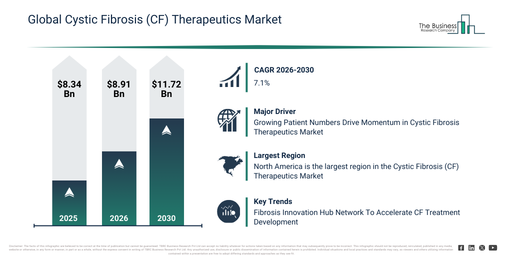
    Cystic Fibrosis (CF) Therapeutics Market Growth Outlook From $8.9 Billion In 2026 To $11.72 Billion By 2030

    Featuring market attractiveness scoring, total addressable market sizing, company benchmarking matrices, interactive Excel dashboards, deeper supply chain intelligence, emerging startup tracking, and granular product-level insights, The Business Research Company’s 2026 market reports are built to deliver research that is both more actionable and more strategically valuable.

    Cystic Fibrosis (CF) Therapeutics Market Value Growth And Long-Term Outlook

    The cystic fibrosis (cf) therapeutics market has demonstrated robust growth in recent years. Its valuation is projected to rise from $8.34 billion in 2025 to $8.91 billion in 2026, exhibiting a compound annual growth rate (CAGR) of 6.8%. The growth experienced in prior periods can be attributed to factors such as the high prevalence of cystic fibrosis, the limited availability of early diagnostic tools, the reliance on traditional mucolytic therapies, the gradual adoption of CFTR modulators, and variations in regional healthcare infrastructure.

    The cystic fibrosis (cf) therapeutics market size is projected to experience substantial expansion over the next few years. It is anticipated to grow to $11.72 billion in 2030, demonstrating a compound annual growth rate (CAGR) of 7.1%. This expected increase during the forecast period can be attributed to several factors such as advancements in gene therapy, a greater embrace of digital health solutions, an increase in precision medicine applications, the broadening of pediatric cf treatment programs, and growing financial commitments to therapeutics for rare diseases. Prominent trends for the upcoming period include personalized cystic fibrosis therapies, sophisticated pulmonary drug delivery methods, research into gene editing and cftr gene therapy, solutions for patient adherence and remote monitoring, and the development of orphan drugs for uncommon cf mutations.

    Get A Free Sample Report With In-Depth Market Insights:

    https://thebusinessresearchcompany.com/sample_request?id=23177739&type=smp&name=Cystic%20Fibrosis%20%28CF%29%20Therapeutics%20Market%20Report%202026&utm_source=Blogs&utm_medium=Paid&utm_campaign=Oct_PR

    Cystic Fibrosis (CF) Therapeutics Market Growth Factors: What’s Supporting Expansion?

    The increasing number of patients diagnosed with cystic fibrosis is projected to propel the expansion of the cystic fibrosis (CF) therapeutics market moving forward. Cystic fibrosis (CF) is a hereditary condition that severely damages the body’s lungs, digestive system, and other vital organs. Cystic fibrosis therapeutics are utilized to manage the disorder by making the mucus in the lungs thinner and easier to expel. Consequently, an increase in the number of individuals suffering from cystic fibrosis is expected to boost the cystic fibrosis (CF) therapeutics market. For instance, in 2023, according to the Cystic Fibrosis Foundation, a U.S.-based nonprofit, non-governmental organization (NGO), the CF Patient Registry contained 32,547 individuals in 2022, which grew to 33,288 in 2023, indicating an increase of nearly 2.3%. Therefore, the rising number of patients affected by cystic fibrosis is driving the growth of the cystic fibrosis (CF) therapeutics market.

    Cystic Fibrosis (CF) Therapeutics Market Segments: Where Is Growth Concentrated?

    The cystic fibrosis (cf) therapeutics market covered in this report is segmented –

    1) By Drug Class: Pancreatic Enzyme Supplements, Mucolytic, Bronchodilators, CFTR Modulators

    2) By Route Of Administration: Oral, Inhaled

    3) By Treatment Method: Medication, Devices

    Subsegments:

    1) By Pancreatic Enzyme Supplements: Lipase, Amylase, Protease

    2) By Mucolytics: Dornase Alfa (Pulmozyme), Hypertonic Saline

    3) By Bronchodilators: Short-Acting Beta Agonists (SABAs), Long-Acting Beta Agonists (LABAs), Anticholinergics

    4) By CFTR Modulators: Ivacaftor, Lumacaftor Or Ivacaftor (Orkambi), Tezacaftor Or Ivacaftor (Symdeko), Elexacaftor Or Tezacaftor Or Ivacaftor

    Cystic Fibrosis (CF) Therapeutics Market Industry Trends: What’s Reshaping Demand?

    Major companies within the cystic fibrosis (CF) therapeutics market are advancing treatment and patient care through innovative solutions, such as the cystic fibrosis innovation hub network. These networks aim to speed up research, enhance treatment possibilities, and foster greater cooperation in creating new therapies for CF patients. The cystic fibrosis innovation hub network itself functions as a collaborative platform or initiative specifically designed to accelerate the research and development of novel cystic fibrosis (CF) treatments. For instance, in October 2024, LifeArc, a UK-based charity and life sciences company dedicated to translating scientific research into effective healthcare solutions, launched the first Cystic Fibrosis Innovation Hub Network in the UK. This network is structured to improve research and development for cystic fibrosis (CF) treatments, promoting collaboration among healthcare providers, researchers, and patients. It was introduced as part of a wider effort to accelerate innovation in cystic fibrosis therapies, with a focus on identifying new routes for drug development and enhancing patient outcomes.

    Cystic Fibrosis (CF) Therapeutics Market Key Participants And Competitive Landscape

    Major companies operating in the cystic fibrosis (cf) therapeutics market are Teva Pharmaceutical Industries Ltd., F. Hoffmann-La Roche AG, Vertex Pharmaceuticals Incorporated, Chiesi Farmaceutici SpA, PTC Therapeutics LIMITED, Genentech Inc., Alaxia, AstraZeneca, Beyond Air Inc., Pfizer Inc., Alcresta Therapeutics Inc., Laurent Pharmaceuticals, Nestlé HealthScience, Pharmaxis, Bayer AG, AbbVie Inc., Novartis AG, Arcturus Therapeutics Holdings Inc., Arrowhead Pharmaceuticals Inc, ProQR Therapeutics N.V., Enterprise Therapeutics Ltd. , Corbus Pharmaceuticals Holdings Inc, Eloxx Pharmaceuticals , Translate Bio Inc, Zambon S.p.A

    View The Full Cystic Fibrosis (CF) Therapeutics Market Report:

    https://thebusinessresearchcompany.com/report/cystic-fibrosis-CF-therapeutics-global-market-report?utm_source=Blogs&utm_medium=Paid&utm_campaign=Oct_PR

    Cystic Fibrosis (CF) Therapeutics Market Leading Geography: Which Region Contributes The Most Revenue?

    North America was the largest region in the cystic fibrosis (CF) therapeutics market in 2025. Asia-Pacific is expected to be the fastest-growing region in the cystic fibrosis (CF) therapeutics market during the forecast period. The regions covered in the cystic fibrosis (cf) therapeutics market report are Asia-Pacific, South East Asia, Western Europe, Eastern Europe, North America, South America, Middle East, Africa.

    Reach Out To Our Team:

    The Business Research Company: https://www.thebusinessresearchcompany.com/

    Americas: +1 310-496-7795

    Asia: +44 7882 955267 & +91 8897263534

    Europe: +44 7882 955267

    Email us at: marketing@tbrc.info

    Follow us on:

    LinkedIn: https://in.linkedin.com/company/the-business-research-company

    YouTube: https://www.youtube.com/channel/UC24_fI0rV8cR5DxlCpgmyFQ

    Global Market Model: https://www.thebusinessresearchcompany.com/global-market-model

  • Cyclosporine Drugs Market Forecast To Reach $2.31 Billion By 2030: Key Growth Drivers And Industry Trends

    Cyclosporine Drugs Market Forecast To Reach $2.31 Billion By 2030: Key Growth Drivers And Industry Trends

    Built to provide research that’s more actionable and strategically valuable, The Business Research Company’s 2026 market reports include market attractiveness analysis, total addressable market sizing, company benchmarking matrices, interactive Excel dashboards, broader supply chain intelligence, emerging startup tracking, and in-depth product insights.

    Cyclosporine Drugs Market Poised To Hit $2.31 Billion By 2030 With A 6% CAGR

    The cyclosporine drugs market has shown robust expansion in recent years. It is anticipated to increase from $1.73 billion in 2025 to $1.83 billion in 2026, achieving a compound annual growth rate (CAGR) of 6.0%. The historical growth of this market can be attributed to several factors including an uptick in organ transplant procedures, its proven effectiveness in immune suppression, the growing incidence of autoimmune diseases, its long history of clinical application, and the availability of generic versions.

    The cyclosporine drugs market anticipates substantial expansion in the coming years. This market is projected to reach $2.32 billion in 2030, displaying a compound annual growth rate (CAGR) of 6.0%. Factors contributing to this growth over the projected period include a rise in the transplant patient population, broader ophthalmic treatment applications, the creation of enhanced drug delivery mechanisms, a growing need for individualized immunosuppressive treatments, and innovations in formulation technologies. Significant developments expected during this forecast span encompass an expanding role in organ transplant immunosuppression, wider utilization in autoimmune conditions, heightened demand for modified release versions, an increase in ophthalmic cyclosporine offerings, and a greater emphasis on optimizing dosages and ensuring safety.

    Get A Free Sample Report With In-Depth Market Insights:

    https://thebusinessresearchcompany.com/sample_request?id=12677323&type=smp&name=Cyclosporine%20Drugs%20Market%20Report%202026&utm_source=Blogs&utm_medium=Paid&utm_campaign=Oct_PR

    Cyclosporine Drugs Market Demand Drivers: What’s Powering Industry Growth?

    The future expansion of the cyclosporine drugs market is expected due to the growing need for organ transplantation. Organ transplantation is a medical procedure that involves replacing a non-functional or impaired organ in a patient with a healthy one from a donor. This procedure is becoming more common partly because of the rising incidence of end-stage organ conditions, as advancements in medical diagnosis and therapies have prolonged patient lives, resulting in more people needing organ replacement. Cyclosporine drugs are essential for these transplant operations because they inhibit the immune system’s inherent reaction against foreign tissues, thereby helping to safeguard the transplanted organ from rejection and damage by the recipient’s immune cells. An illustration of this trend is seen in preliminary data from January 2025, released by the Organ Procurement and Transplantation Network (OPTN), a US-based government health system overseen by the Health Resources and Services Administration. This data indicated that the United States conducted 48,149 organ transplants in 2024, which signifies a 3.3% rise compared to the transplants performed in 2023. Consequently, the expanding demand for organ transplantation is fueling the growth of the cyclosporine drugs market.

    Cyclosporine Drugs Market Segment Analysis: What Are The Core Market Categories?

    The cyclosporine drugs market covered in this report is segmented –

    1) By Type: Oral, Parenteral

    2) By Drug Formulation: Capsules, Oral Solutions, Injectable Forms, Topical Preparations

    3) By Application: Organ Transplantation, Autoimmune Disorders, Ophthalmic Disorders, Dermatological Disorders

    4) By End-User: Hospitals, Specialty Clinics, Homecare Settings, Pharmaceutical Retail

    Subsegments:

    1) By Oral: Capsules, Tablets, Oral Solution

    2) By Parenteral: Intravenous Injection, Intravenous Infusion

    Cyclosporine Drugs Market Innovation Trends: What Developments Are Reshaping The Industry?

    Companies active in the cyclosporine drugs market are concentrating on creating sophisticated solutions, like ophthalmic medications, to deliver focused treatment directly to the eyes. Ophthalmic medications are pharmaceutical products specifically formulated to address various eye conditions, including infections, inflammation, and dry eye, commonly provided as drops, ointments, or gels. For instance, in June 2023, Novaliq GmbH, a Germany-based biopharmaceutical company, declared the U.S. Food and Drug Administration (FDA) approval of VEVYE, recognized as the initial water-free and preservative-free 0.1% cyclosporine ophthalmic solution. VEVYE, developed utilizing Novaliq’s proprietary EyeSol technology, offers an innovative method for treating dry eye disease, exhibiting substantial effectiveness within four weeks. Its distinct water-free formulation enhances drug stability and improves patient comfort while diminishing irritation. This approval signifies a considerable progression in ophthalmic drug delivery, allowing for more precise targeting of inflammation.

    Cyclosporine Drugs Market Top Companies Driving Competitive Growth

    Major companies operating in the cyclosporine drugs market are Pfizer Inc., Merck & Co. Inc., AbbVie Inc., Novartis AG, Teva Pharmaceutical Industries Ltd., Intas Pharmaceuticals Limited, Astellas Pharma Inc., Apotex Inc., Dr. Reddy’s Laboratories Limited, Cipla Limited, Hikma Pharmaceuticals PLC, Santen Pharmaceutical Co. Ltd., Biocon Limited, Glenmark Pharmaceuticals Limited, Alkem Laboratories Limited, Concord Biotech Limited, CKD Bio Corporation, ChemWerth Inc., Strides Pharma Science Limited, Fishfa Biogenics.

    View The Full Cyclosporine Drugs Market Report:

    https://thebusinessresearchcompany.com/report/cyclosporine-drugs-global-market-report?utm_source=Blogs&utm_medium=Paid&utm_campaign=Oct_PR

    Cyclosporine Drugs Market Regional Outlook: Where Is Opportunity Concentrated?

    North America was the largest region in the cyclosporine drugs market in 2025. Asia-Pacific is expected to be the fastest-growing region in the forecast period. The regions covered in the cyclosporine drugs market report are Asia-Pacific, South East Asia, Western Europe, Eastern Europe, North America, South America, Middle East, Africa.

    Reach Out To Our Team:

    The Business Research Company: https://www.thebusinessresearchcompany.com/

    Americas: +1 310-496-7795

    Asia: +44 7882 955267 & +91 8897263534

    Europe: +44 7882 955267

    Email us at: marketing@tbrc.info

    Follow us on:

    LinkedIn: https://in.linkedin.com/company/the-business-research-company

    YouTube: https://www.youtube.com/channel/UC24_fI0rV8cR5DxlCpgmyFQ

    Global Market Model: https://www.thebusinessresearchcompany.com/global-market-model
  • Cyclosporine Market Research 2026: Market Size, Trends, Segments And Growth Forecast

    Cyclosporine Market Research 2026: Market Size, Trends, Segments And Growth Forecast

    Backed by market attractiveness analysis, total addressable market sizing, company benchmarking matrices, interactive Excel dashboards, wider supply chain intelligence, emerging startup coverage, and detailed product-level insights, The Business Research Company’s 2026 market reports are designed to offer research that is more actionable and strategically valuable than ever.

    Cyclosporine Market Size And Revenue Outlook Through 2030

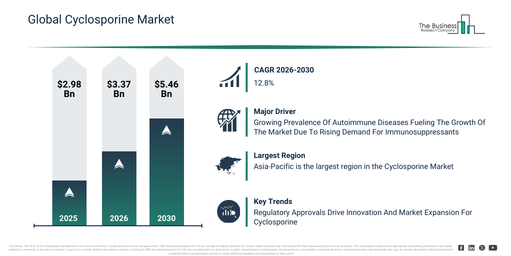
    The cyclosporine market has experienced rapid growth in recent years. It is projected to expand from $2.98 billion in 2025 to $3.37 billion in 2026, exhibiting a compound annual growth rate (CAGR) of 13.0%. The growth observed in the past can be attributed to factors such as the increasing number of organ transplant procedures, its proven effectiveness in immune suppression, the rising incidence of autoimmune diseases, early regulatory approvals, and the broader implementation of hospital-based immunotherapy.

    The cyclosporine market size is projected to experience substantial growth in the coming years. It is forecast to reach $5.46 billion by 2030, exhibiting a compound annual growth rate (CAGR) of 12.8%. This expansion during the forecast period is primarily driven by factors such as an increase in chronic autoimmune conditions, a growing burden of ophthalmic diseases, improved transplant survival rates, broader availability of generic medications, and the rising use of outpatient immunosuppressive therapy. Key trends anticipated in this period include the broadening application of cyclosporine in autoimmune disease management, increased adoption of ophthalmic cyclosporine formulations, a surge in demand for long-term immunosuppressive therapies, greater integration into organ transplant maintenance protocols, and the expansion of generic cyclosporine product offerings.

    Get A Free Sample Report With In-Depth Market Insights:

    https://thebusinessresearchcompany.com/sample_request?id=77682638&type=smp&name=Cyclosporine%20Market%20Report%202026&utm_source=Blogs&utm_medium=Paid&utm_campaign=Oct_PR

    Cyclosporine Market Growth Drivers: What’s Behind The Acceleration?

    The increasing occurrence of autoimmune diseases is anticipated to boost the expansion of the cyclosporine market in the future. Autoimmune diseases are defined as disorders where the immune system erroneously targets the body’s own cells, leading to inflammation, harm to tissues, and persistent sickness. The rising occurrence of these conditions stems from genetic predisposition, with improvements in genetic testing revealing more people with inherited risks, thus increasing their vulnerability to these disorders. Cyclosporine effectively treats autoimmune diseases by inhibiting T-cell activation, consequently diminishing detrimental immune reactions against healthy tissues in illnesses like rheumatoid arthritis, psoriasis, and lupus. For example, a thorough review released in October 2024 by Signal Transduction and Targeted Therapy, a journal from Nature, a UK-based peer-reviewed scientific publisher, indicated that around 8.4 million individuals globally are affected by rheumatoid arthritis, with its overall incidence rate rising by 2-3% each year; furthermore, utilizing the Markov model approach, the number of affected individuals is projected to be approximately 13.5-17.4 million by 2040. Consequently, the increasing prevalence of autoimmune diseases is propelling the expansion of the cyclosporine market.

    Cyclosporine Market Segment Breakdown: Which Categories Lead On Revenue?

    The cyclosporine market covered in this report is segmented –

    1) By Indication: Transplant Rejection Prophylaxis, Rheumatoid Arthritis, Psoriasis, Autoimmune Myasthenia Gravis, Dry Eye, Other Indications

    2) By Dosage Form: Capsule, Eye Drops, Liquid Solutions, Creams And Ointments

    3) By Route Of Administration: Oral, Topical, Parenteral

    4) By Distribution Channel: Hospital Pharmacies, Retail Pharmacies, Online Pharmacies

    5) By End-Users: Hospitals, Homecare, Speciality Centres, Other End-Users

    Subsegments:

    1) By Transplant Rejection Prophylaxis: Kidney Transplant, Liver Transplant, Heart Transplant, Lung Transplant, Other Transplants

    2) By Rheumatoid Arthritis: Moderate Rheumatoid Arthritis, Severe Rheumatoid Arthritis

    3) By Psoriasis: Plaque Psoriasis, Erythrodermic Psoriasis, Guttate Psoriasis, Pustular Psoriasis

    4) By Autoimmune Myasthenia Gravis: Generalized Myasthenia Gravis, Ocular Myasthenia Gravis

    5) By Dry Eye: Chronic Dry Eye, Severe Dry Eye

    6) By Other Indications: Atopic Dermatitis, Uveitis, Nephrotic Syndrome, Inflammatory Bowel Disease (IBD)

    Cyclosporine Market Trends: What’s Defining The Industry’s Next Phase?

    Leading companies in the cyclosporine market are concentrating on securing regulatory clearances to broaden their product offerings and strengthen their presence in the market. Obtaining regulatory approvals for cyclosporine confirms its safety and effectiveness, which facilitates market entry and boosts confidence among prescribers and patients. For example, in June 2023, Novaliq GmbH, a biopharmaceutical company based in Germany, obtained approval from the U.S. FDA for VEVYE (cyclosporine ophthalmic solution) 0.1%. This distinctive water-free ophthalmic medication was developed for addressing dry eye disease (DED). It represents the first and only cyclosporine-based solution for this condition, demonstrating effectiveness within a mere four weeks. VEVYE incorporates an innovative water-free technology called EyeSol, which improves cyclosporine’s bioavailability and its retention on the ocular surface without requiring preservatives, oils, or surfactants. The solution operates as a calcineurin inhibitor, contributing to the reduction of inflammation linked to dry eye disease.

    Cyclosporine Market Leading Players And Competitive Positioning

    Major companies operating in the cyclosporine market are Novartis AG, Viatris Inc., Teva Pharmaceutical Industries Ltd, Sandoz International GmbH, Sun Pharmaceutical Industries Ltd, Apotex Inc., Cipla Ltd, Dr. Reddy’s Laboratories Ltd, Lupin Limited, Glenmark Pharmaceuticals Ltd, Taj Pharmaceuticals Limited, Panacea Biotec Ltd, Novaliq GmbH, Simson Pharma Limited, Strides Pharma Science Ltd, AdvaCare Pharma, JoinHub Pharma, Grevis Pharmaceuticals Pvt Ltd, GMT Pharma International, Logos Pharma.

    View The Full Cyclosporine Market Report:

    https://thebusinessresearchcompany.com/report/cyclosporine-global-market-report?utm_source=Blogs&utm_medium=Paid&utm_campaign=Oct_PR

    Cyclosporine Market Geographic Landscape: Which Region Leads Industry Growth?

    Asia-Pacific was the largest region in the cyclosporine market in 2025. North America is expected to be the fastest-growing region in the forecast period. The regions covered in the cyclosporine market report are Asia-Pacific, South East Asia, Western Europe, Eastern Europe, North America, South America, Middle East, Africa.

    Reach Out To Our Team:

    The Business Research Company: https://www.thebusinessresearchcompany.com/

    Americas: +1 310-496-7795

    Asia: +44 7882 955267 & +91 8897263534

    Europe: +44 7882 955267

    Email us at: marketing@tbrc.info

    Follow us on:

    LinkedIn: https://in.linkedin.com/company/the-business-research-company

    YouTube: https://www.youtube.com/channel/UC24_fI0rV8cR5DxlCpgmyFQ

    Global Market Model: https://www.thebusinessresearchcompany.com/global-market-model
  • Cyclin-Dependent Kinase (CDK) 4/6 Inhibitor Drugs Market Forecast 2026: Market Size, Competitive Landscape And Growth Drivers

    Cyclin-Dependent Kinase (CDK) 4/6 Inhibitor Drugs Market Forecast 2026: Market Size, Competitive Landscape And Growth Drivers

    Featuring market attractiveness scoring, total addressable market sizing, company benchmarking matrices, interactive Excel dashboards, deeper supply chain intelligence, emerging startup tracking, and granular product-level insights, The Business Research Company’s 2026 market reports are built to deliver research that is both more actionable and more strategically valuable.

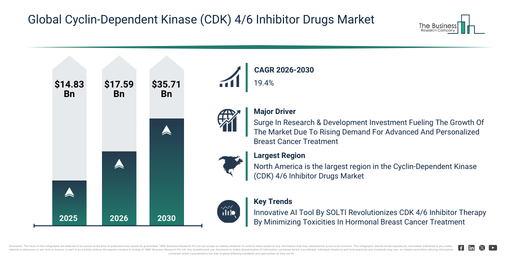
    Cyclin-Dependent Kinase (CDK) 4/6 Inhibitor Drugs Market Growth From $17.58 Billion In 2026 To $35.71 Billion By 2030 At A CAGR Of 19.4%

    The cyclin-dependent kinase (cdk) 4/6 inhibitor drugs market size has experienced rapid expansion in recent years. It is projected to grow from $14.83 billion in 2025 to $17.59 billion in 2026, achieving a compound annual growth rate (CAGR) of 18.6%. The historical growth can be attributed to various factors, including the approval of palbociclib by fda, the increasing incidence of hr-positive her2-negative breast cancer, the adoption of targeted therapies in developed countries, a rise in clinical trials for cdk4/6 inhibitors, and partnerships between pharma companies for oncology research.

    The market for cyclin-dependent kinase (cdk) 4/6 inhibitor drugs is anticipated to undergo significant expansion in the coming years. This sector is projected to reach $35.71 billion by 2030, demonstrating a compound annual growth rate (CAGR) of 19.4%. The expected growth during this forecast period is driven by an aging population with breast cancer, increasing recognition of the advantages of targeted therapy, the development of oncology healthcare infrastructure in new markets, the incorporation of digital health solutions for tracking patients, and intensified research and development into advanced cdk4/6 inhibitors. Prominent trends for the forecast period include customized treatment approaches, multi-drug therapy methods, oral cdk4/6 inhibitor preparations, wider reach in developing oncology markets, and the use of real-world data alongside patient monitoring.

    Get A Free Sample Report With In-Depth Market Insights:

    https://thebusinessresearchcompany.com/sample_request?id=56241607&type=smp&name=Cyclin-Dependent%20Kinase%20%28CDK%29%204%2F6%20Inhibitor%20Drugs%20Market%20Report%202026&utm_source=Blogs&utm_medium=Paid&utm_campaign=Oct_PR

    Cyclin-Dependent Kinase (CDK) 4/6 Inhibitor Drugs Market Growth Factors Behind Sustained Expansion

    The market for cyclin-dependent kinase (CDK) 4/6 inhibitor drugs is anticipated to grow, driven by increased investment in research and development for breast cancer treatment. Breast cancer involves the uncontrolled proliferation of abnormal cells that form tumors. The escalating need for more effective and personalized treatment approaches is stimulating this rise in breast cancer R&D. CDK 4/6 inhibitor drugs are utilized in breast cancer therapy to block proteins that promote cancer cell growth, thereby helping to slow or halt tumor progression. As an illustration, the National Cancer Institute (NCI), a US-based government agency, earmarked an estimated $542.0 million in FY 2023 specifically for breast cancer research, as reported in July 2025. Thus, increased investment in breast cancer treatment R&D is a key driver for the expansion of the cyclin-dependent kinase (CDK) 4/6 inhibitor drug market.

    Cyclin-Dependent Kinase (CDK) 4/6 Inhibitor Drugs Market Segmentation: How Does The Market Break Down By Category?

    The cyclin-dependent kinase (cdk) 4/6 inhibitor drugs market covered in this report is segmented –

    1) By Drug Type: Palbociclib (Ibrance), Ribociclib (Kisqali), Abermaciclib (Verzenio)

    2) By Patient: Pre-Menopausal, Post-Menopausal, Other Patients

    3) By End-Users: Hospitals, Clinics, Research Laboratories, Retail Pharmacies

    Cyclin-Dependent Kinase (CDK) 4/6 Inhibitor Drugs Market Industry Trends Fueling Future Revenue Growth

    Leading companies in the cyclin-dependent kinase (CDK) 4/6 inhibitor drugs market are focusing on the development of technologically advanced solutions. One such solution is an AI-based tool designed to prevent treatment toxicities, addressing several critical industry demands. AI tools for hormonal breast cancer treatment enable personalized therapies to minimize toxicities, predict adverse effects, and support timely interventions, ultimately enhancing the safety and effectiveness of treatment. For instance, in May 2024, SOLTI, a Spain-based innovative breast cancer research company, launched an AI-based tool created to minimize toxicities in the treatment of hormonal breast cancer patients. This innovative tool analyzes both cancerous and non-cancerous elements in breast tissue samples, allowing for more accurate predictions of treatment outcomes and helping to identify patients who may not require aggressive chemotherapy. By reducing unnecessary side effects and facilitating personalized treatment plans, the AI tool aims to improve patient quality of life and enhance overall treatment efficacy. This development follows promising results from SOLTI’s PATRICIA study, which highlighted the benefits of combining hormone therapy with targeted treatments for advanced ER+/HER2+ breast cancer.

    Cyclin-Dependent Kinase (CDK) 4/6 Inhibitor Drugs Market Competitive Overview And Top Companies

    Major companies operating in the cyclin-dependent kinase (cdk) 4/6 inhibitor drugs market are Pfizer Inc., Novartis AG, Eli Lilly and Company, AstraZeneca PLC, Roche Holding AG, Bristol-Myers Squibb Company, Merck & Co. Inc., Sanofi SA, Gilead Sciences Inc., Jiangsu Hengrui Medicine Co. Ltd., Innovent Biologics Inc., OncoMed Pharmaceuticals Inc., Puma Biotechnology Inc., Adlai Nortye Ltd., Arcus Biosciences Inc., Eisai Co. Ltd., G1 Therapeutics Inc., Simcere Pharmaceutical Group, Betta Pharmaceuticals Co. Ltd., Sihuan Pharmaceutical Holdings Group Ltd., Genor Biopharma Co. Ltd., Shanghai Fosun Pharmaceutical Group Co. Ltd.

    View The Full Cyclin-Dependent Kinase (CDK) 4/6 Inhibitor Drugs Market Report:

    https://thebusinessresearchcompany.com/report/cyclin-dependent-kinase-cdk-4-or-6-inhibitor-drugs-global-market-report?utm_source=Blogs&utm_medium=Paid&utm_campaign=Oct_PR

    Cyclin-Dependent Kinase (CDK) 4/6 Inhibitor Drugs Market Largest Region: Which Geography Holds The Biggest Share?

    North America was the largest region in the cyclin-dependent kinase (CDK) 4/6 inhibitor drugs market in 2025. The regions covered in the cyclin-dependent kinase (cdk) 4/6 inhibitor drugs market report are Asia-Pacific, South East Asia, Western Europe, Eastern Europe, North America, South America, Middle East, Africa.

    Reach Out To Our Team:

    The Business Research Company: https://www.thebusinessresearchcompany.com/

    Americas: +1 310-496-7795

    Asia: +44 7882 955267 & +91 8897263534

    Europe: +44 7882 955267

    Email us at: marketing@tbrc.info

    Follow us on:

    LinkedIn: https://in.linkedin.com/company/the-business-research-company

    YouTube: https://www.youtube.com/channel/UC24_fI0rV8cR5DxlCpgmyFQ

    Global Market Model: https://www.thebusinessresearchcompany.com/global-market-model
  • C-X-C Chemokine Receptor Type 2 Market Size In 2026: Regional Growth, Key Segments And Future Outlook

    C-X-C Chemokine Receptor Type 2 Market Size In 2026: Regional Growth, Key Segments And Future Outlook

    Built to provide research that’s more actionable and strategically valuable, The Business Research Company’s 2026 market reports include market attractiveness analysis, total addressable market sizing, company benchmarking matrices, interactive Excel dashboards, broader supply chain intelligence, emerging startup tracking, and in-depth product insights.

    C-X-C Chemokine Receptor Type 2 Market Expansion Outlook: What Revenue Opportunities Are Ahead?

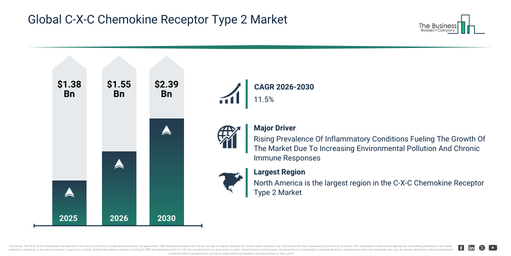
    The c-x-c chemokine receptor type 2 market has seen rapid expansion in recent years. It is projected to grow from $1.38 billion in 2025 to $1.55 billion in 2026, achieving a compound annual growth rate (CAGR) of 11.8%. Historically, the market’s expansion can be ascribed to factors including a limited understanding of cxcr2 biology, a reliance on conventional anti-inflammatory drugs, increasing research into chemokine signaling, the early-stage development of monoclonal antibodies, and a growing prevalence of inflammatory diseases.

    The c-x-c chemokine receptor type 2 market is projected to witness significant growth over the next few years, expanding to $2.39 billion in 2030 at a compound annual growth rate (CAGR) of 11.5%. This anticipated growth can be attributed to factors such as the development of novel small molecule and peptide inhibitors, an expansion of clinical trials for CXCR2 therapies, the increasing adoption of personalized and targeted immunotherapies, the integration of digital biomarkers and AI-based drug discovery, and rising pharmaceutical investment in oncology and autoimmune markets. Key trends expected in the forecast period include the development of selective CXCR2 inhibitors and dual CXCR1/2 inhibitors, advancements in monoclonal antibody and peptide-based therapeutics, the expansion of applications in cancer, autoimmune, and inflammatory diseases, growth in gene therapy and RNA-based therapeutics targeting CXCR2, and the integration of CXCR2 targeted therapies with personalized medicine approaches.

    Get A Free Sample Report With In-Depth Market Insights:

    https://thebusinessresearchcompany.com/sample_request?id=12594624&type=smp&name=C-X-C%20Chemokine%20Receptor%20Type%202%20Market%20Report%202026&utm_source=Blogs&utm_medium=Paid&utm_campaign=Oct_PR

    C-X-C Chemokine Receptor Type 2 Market Demand Drivers Opening New Revenue Streams

    The growing occurrence of inflammatory conditions is projected to stimulate the expansion of the C-X-C chemokine receptor type 2 market in the future. Inflammatory conditions are medical disorders stemming from the body’s immune response, characterized by swelling, redness, heat, pain, and functional impairment in affected tissues or organs. The increase in inflammatory conditions is primarily driven by rising environmental pollution, which triggers immune system reactions and chronic inflammation. C-X-C Chemokine Receptor Type 2 (CXCR2) supports treatments for these conditions by precisely regulating immune cell movement and inflammatory responses. It reduces unintended side effects by enabling small-molecule inhibitors and biologics that specifically modulate CXCR2 activity, thereby enhancing treatment efficacy and patient outcomes. For instance, in May 2024, according to the Centers for Disease Control and Prevention, a US-based government agency, the prevalence of asthma among adults aged 18 and over in the United States increased from 8.7% in 2022 to 8.9% in 2023. Consequently, the rising prevalence of inflammatory conditions is fueling the growth of the C-X-C chemokine receptor type 2 market. A heightened emphasis on targeted therapies is anticipated to drive the C-X-C chemokine receptor type 2 market’s growth going forward. Targeted therapies are treatments designed to specifically identify and inhibit molecular abnormalities in cancer or other diseases, aiming to improve treatment precision and minimize harm to healthy cells. The increasing focus on targeted therapies is mainly propelled by advancements in precision medicine, which facilitates personalized, more effective treatments based on individual genetic profiles. C-X-C chemokine receptor type 2 enables targeted therapies by guiding immune responses, supporting precise treatments for autoimmune and inflammatory diseases. It supports precision medicine by allowing the development of small-molecule inhibitors and biologics that specifically modulate CXCR2 activity, improving therapeutic efficacy and reducing off-target effects. For instance, in December 2024, according to the American Society of Gene & Cell Therapy (ASGCT), a US-based non-profit medical and scientific organization, the Food and Drug Administration (FDA) approved 6 gene therapy products in 2023, an increase from 5 approvals in 2022. Therefore, the increasing focus on targeted therapies is driving the growth of the C-X-C chemokine receptor type 2 market.

    C-X-C Chemokine Receptor Type 2 Market Segment Trends And Revenue Contributors

    The c-x-c chemokine receptor type 2 market covered in this report is segmented –

    1) By Product Type: Antagonists, Agonists, Inhibitors, Other Product Types

    2) By Drug Type: Monoclonal Antibodies, Small Molecule Inhibitors, Peptide-based Therapeutics, Gene Therapy Products

    3) By Route Of Administration: Intravenous, Subcutaneous, Oral, Topical

    4) By Application: Cancer Treatment, Autoimmune Disorders, Infectious Diseases, Inflammatory Diseases, Other Applications

    5) By End User: Hospitals, Research Institutions, Pharmaceutical Companies, Contract Research Organizations, Other End Users

    Subsegments:

    1) By Antagonists: Small Molecule Antagonists, Peptide Antagonists, Monoclonal Antibody Antagonists, Synthetic Antagonists

    2) By Agonists: Chemokine-Based Agonists, Recombinant Protein Agonists, Peptide-Based Agonists, Modified Cytokine Agonists

    3) By Inhibitors: Selective CXCR2 Inhibitors, Dual CXCR1 Or 2 Inhibitors, Allosteric Inhibitors, Irreversible Inhibitors

    4) By Other Product Types: RNA-Based Therapeutics, Gene Therapy Vectors, Cell-Based Therapeutics, Biologic Response Modifiers

    C-X-C Chemokine Receptor Type 2 Market Competitive Landscape: Which Companies Lead The Industry?

    Major companies operating in the c-x-c chemokine receptor type 2 market are AstraZeneca plc, GSK plc, Eli Lilly and Company, Bio-Techne Corporation, Dompé Farmaceutici S.p.A., Miltenyi Biotec B.V. & Co. KG, Abcam plc, Selleck Chemicals LLC, Cell Signaling Technology Inc., RayBiotech Inc., Bethyl Laboratories Inc., Creative Biolabs Inc., TargetMol LLC, MedChemExpress LLC, BioCompare Inc., Boster Biological Technology Co. Ltd., TME Pharma GmbH, InvivoChem Ltd., Abbexa Ltd., Abiocode Inc.

    View The Full C-X-C Chemokine Receptor Type 2 Market Report:

    https://thebusinessresearchcompany.com/report/c-x-c-chemokine-receptor-type-2-global-market-report?utm_source=Blogs&utm_medium=Paid&utm_campaign=Oct_PR

    C-X-C Chemokine Receptor Type 2 Market Regional Analysis: Which Geography Leads On Revenue?

    North America was the largest region in the C-X-C chemokine receptor type 2 market in 2025. Asia-Pacific is expected to be the fastest-growing region in the forecast period. The regions covered in the c-x-c chemokine receptor type 2 market report are Asia-Pacific, South East Asia, Western Europe, Eastern Europe, North America, South America, Middle East, Africa.

    Reach Out To Our Team:

    The Business Research Company: https://www.thebusinessresearchcompany.com/

    Americas: +1 310-496-7795

    Asia: +44 7882 955267 & +91 8897263534

    Europe: +44 7882 955267

    Email us at: marketing@tbrc.info

    Follow us on:

    LinkedIn: https://in.linkedin.com/company/the-business-research-company

    YouTube: https://www.youtube.com/channel/UC24_fI0rV8cR5DxlCpgmyFQ

    Global Market Model: https://www.thebusinessresearchcompany.com/global-market-model
  • Custom Antibody Market Growth Forecast Through 2030: Market Size And Trends In 2026

    Custom Antibody Market Growth Forecast Through 2030: Market Size And Trends In 2026

    Backed by market attractiveness analysis, total addressable market sizing, company benchmarking matrices, interactive Excel dashboards, wider supply chain intelligence, emerging startup coverage, and detailed product-level insights, The Business Research Company’s 2026 market reports are designed to offer research that is more actionable and strategically valuable than ever.

    Custom Antibody Market Growth Potential: How Will Market Size Shift Through 2030?

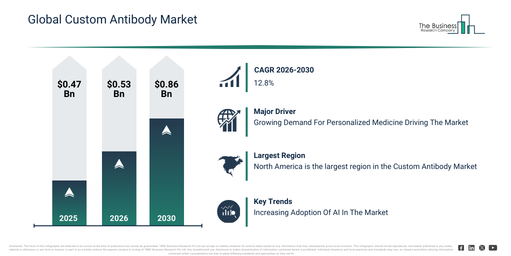
    The custom antibody market size has seen rapid expansion in recent years. It is projected to expand from $0.47 billion in 2025 to $0.53 billion in 2026, achieving a compound annual growth rate (CAGR) of 12.9%. Historically, this growth has been driven by increased biomedical research, the expansion of diagnostics testing, higher pharmaceutical R&D spending, progress in antibody engineering, and the overall growth of academic research.

    The custom antibody market size is anticipated to experience substantial expansion over the coming years. Its valuation is projected to reach $0.86 billion by 2030, exhibiting a compound annual growth rate (CAGR) of 12.8%. This expansion during the forecast period is driven by factors such as the rise of personalized medicine, broader biologics research, increased utilization of contract research organizations (CROs), growing demand for diagnostics, and advancements in precision oncology. Key developments anticipated in this period encompass a heightened need for customized research antibodies, their greater application in precision diagnostics, broader integration into drug discovery pathways, the spread of recombinant antibody technologies, and more outsourcing to CROs.

    Get A Free Sample Report With In-Depth Market Insights:

    https://thebusinessresearchcompany.com/sample_request?id=21162&type=smp&name=Custom%20Antibody%20Market%20Report%202026&utm_source=Blogs&utm_medium=Paid&utm_campaign=Oct_PR

    Custom Antibody Market Growth Backed By Core Demand Fundamentals

    The increasing need for personalized medicine is projected to drive the expansion of the custom antibody market in the future. This medical approach involves customizing treatment and prevention plans based on an individual’s unique genetic profile, lifestyle choices, and environmental influences. The rising call for personalized medicine stems from progress in genomics, the broader availability of therapies relying on biomarkers, and a greater patient preference for customized treatments that are more effective and have fewer side effects. Custom antibody supports personalized medicine through the provision of specific and custom-made immune reagents, which improve disease identification, target therapies, and locate biomarkers for tailored treatment plans. As an example, the Personalized Medicine Coalition, a US-based non-profit organization, reported in February 2024 that the Food and Drug Administration (FDA) gave its approval to 16 novel personalized treatments for patients with rare diseases in 2023, marking an increase from 6 approvals in 2022. Consequently, the escalating demand for personalized medicine is fueling the growth of the custom antibody market.

    Custom Antibody Market Segment Analysis Spotlighting Growth Areas

    The custom antibody market covered in this report is segmented –

    1) By Type: Monoclonal Antibodies, Polyclonal Antibodies, Recombinant Antibodies, Other Types

    2) By Service: Antibody Development, Antibody Production And Purification, Antibody Fragmentation And Labeling

    3) By Source: Mice, Rabbit, Other Sources

    4) By Application: Oncology, Infectious Diseases, Neurology, Stem Cells, Immunology, Cardiovascular Diseases, Other Applications

    5) By End-User: Pharmaceutical And Biotechnology Companies, Academic And Research Institutes, Contract Research Organization, Hospitals And Clinics

    Subsegments:

    1) By Monoclonal Antibodies: Murine Monoclonal Antibodies, Chimeric Monoclonal Antibodies, Humanized Monoclonal Antibodies, Fully Human Monoclonal Antibodies

    2) By Polyclonal Antibodies: Rabbit Polyclonal Antibodies, Goat Polyclonal Antibodies, Sheep Polyclonal Antibodies, Other Animal-Derived Polyclonal Antibodies

    3) By Recombinant Antibodies: Single-Chain Variable Fragment (scFv), Nanobodies, Bispecific Antibodies, Antibody Fragments

    4) By Other Types: Aptamers, Nanobodies (Camelid Antibodies), Hybridomas

    Custom Antibody Market Growth Trends Reshaping The Competitive Landscape

    Leading companies within the custom antibody market are increasingly incorporating advanced technologies, such as artificial intelligence, to refine antibody discovery processes, boost specificity, and quicken development timelines. Artificial intelligence facilitates bespoke antibody creation by refining antigen selection, forecasting antibody-antigen interactions, and optimizing candidate screening through machine learning, which results in more rapid and economical biopharmaceutical research. A notable example is Archon Biosciences Inc., a US-based biotechnology firm, which launched in October 2024 after securing $20 million in funding. This company aims to create computationally engineered antibody cages designed to adapt existing antibodies for various therapeutic uses. Archon’s unique method involves constructing antibodies into cage formations, allowing their characteristics to be altered without impacting their fundamental architecture. The objective of this breakthrough is to strengthen antibody affinity for therapeutic targets while simultaneously minimizing unintended interactions, thereby improving overall effectiveness and safety.

    Custom Antibody Market Leading Companies: Who Holds The Strongest Market Presence?

    Major companies operating in the custom antibody market are Merck & Co. Inc., AbbVie Inc., Thermo Fisher Scientific Inc., Agilent Technologies Inc., Lonza Group AG, Bio-Rad Laboratories Inc., Bio-Techne Corporation, GenScript Biotech Corporation, BioLegend Inc., Abcam plc, Cusabio Biotech Co. Ltd., OriGene Technologies Inc., Cell Signaling Technology Inc., Abgent Inc., ProSci Incorporated, Santa Cruz Biotechnology Inc., Rockland Immunochemicals Inc., Creative Biolabs Inc., Novus Biologicals LLC, Creative Diagnostics Inc., Biorbyt Ltd., BIOTEM SAS, Capra Biosciences Inc., Pacific Immunology Inc., ProteoGenix SAS

    View The Full Custom Antibody Market Report:

    https://thebusinessresearchcompany.com/report/custom-antibody-global-market-report?utm_source=Blogs&utm_medium=Paid&utm_campaign=Oct_PR

    Custom Antibody Market Geographic Spread And Regional Opportunities

    North America was the largest region in the custom antibody market in 2025. Asia-Pacific is expected to be the fastest-growing region in the forecast period. The regions covered in the custom antibody market report are Asia-Pacific, South East Asia, Western Europe, Eastern Europe, North America, South America, Middle East, Africa.

    Reach Out To Our Team:

    The Business Research Company: https://www.thebusinessresearchcompany.com/

    Americas: +1 310-496-7795

    Asia: +44 7882 955267 & +91 8897263534

    Europe: +44 7882 955267

    Email us at: marketing@tbrc.info

    Follow us on:

    LinkedIn: https://in.linkedin.com/company/the-business-research-company

    YouTube: https://www.youtube.com/channel/UC24_fI0rV8cR5DxlCpgmyFQ

    Global Market Model: https://www.thebusinessresearchcompany.com/global-market-model