Month: October 2026

  • Cosmetic Ingredients Market Size In 2026 And Beyond: Understanding Future Growth Potential

    Cosmetic Ingredients Market Size In 2026 And Beyond: Understanding Future Growth Potential

    Built to provide research that’s more actionable and strategically valuable, The Business Research Company’s 2026 market reports include market attractiveness analysis, total addressable market sizing, company benchmarking matrices, interactive Excel dashboards, broader supply chain intelligence, emerging startup tracking, and in-depth product insights.

    Cosmetic Ingredients Market Revenue Growth On Track For A 7% CAGR Through 2030

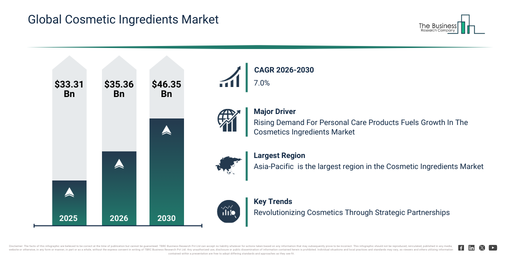
    The cosmetic ingredients market has demonstrated significant growth in recent years. Its valuation is projected to increase from $33.31 billion in 2025 to $35.36 billion in 2026, achieving a compound annual growth rate (CAGR) of 6.2%. The expansion seen in the historic period is attributable to the development of the personal care and beauty industry, rising urbanization and disposable income, the broadening of global cosmetic manufacturing, increasing awareness surrounding personal grooming, and the wide selection of diverse synthetic ingredients.

    The cosmetic ingredients market is projected to experience substantial growth in the upcoming years. It is expected to expand to $46.35 billion by 2030, demonstrating a compound annual growth rate (CAGR) of 7.0%. This anticipated growth can be attributed to a surge in demand for clean and sustainable beauty products, ongoing innovation in bio-based and specialty ingredients, an increasing focus on anti-aging and functional cosmetics, the expansion of premium skin and hair care segments, and a regulatory push for safer cosmetic formulations. Prominent trends throughout this forecast period include a rising demand for natural and herbal cosmetic ingredients, the growing use of multifunctional ingredients in various formulations, an increased adoption of specialty and active ingredients, a clear shift toward clean label and transparent ingredient sourcing, and the customization of cosmetic ingredients for specific applications.

    Get A Free Sample Report With In-Depth Market Insights:

    https://thebusinessresearchcompany.com/sample_request?id=42418457&type=smp&name=Cosmetic%20Ingredients%20Market%20Report%202026&utm_source=Blogs&utm_medium=Paid&utm_campaign=Oct_PR

    Cosmetic Ingredients Market Demand Drivers Opening New Revenue Streams

    The rising need for personal care items is anticipated to fuel the expansion of the cosmetic ingredients market in the future. Personal care products encompass various items typically utilized for hygiene, beauty enhancement, and cleansing, aiming to improve individual well-being, cleanliness, and appearance. Within these products, cosmetic ingredients offer diverse advantages and functions, serving distinct roles that enhance overall performance, effectiveness, and the sensory experience. Consequently, the heightened demand for personal care items directly drives the growth of the cosmetics ingredients sector. An example illustrating this trend comes from August 2024, where a report from the British Beauty Council, a UK-based organization, indicated that in 2023, the personal care sector added £27.2 billion ($30.44 billion) to the GDP, representing an 11% increase from 2022. This expansion resulted from a 10% rise in household expenditure on personal care goods and services across the UK. Thus, the escalating demand for personal care products is clearly propelling the cosmetic ingredients market forward.

    Cosmetic Ingredients Market Segmentation: How Does The Market Break Down By Category?

    The cosmetic ingredients market covered in this report is segmented –

    1) By Ingredient Type: Synthetic Chemical Ingredients, Natural Or Herbal Ingredients, Specialty Ingredients, Oleochemical, Botanical Extract, Rheology Modifier, Preservatives, Emulsifier And Stabilizer, Other Ingredient Types

    2) By Functionality: Cleansing Agents And Foamers, Aroma, Moisturizing, Specialty, Other Functionalities

    3) By Application: Skin Care, Oral Care, Hair Care, Make-Up, Fragrance, Other Applications

    Subsegments:

    1) By Synthetic Chemical Ingredients: Emollients, Surfactants, Synthetic Fragrances

    2) By Natural Or Herbal Ingredients: Essential Oils, Plant Oils, Natural Extracts

    3) By Specialty Ingredients: Peptides, Hyaluronic Acid, Anti-aging Agents

    4) By Oleochemical: Fatty Acids, Glycerin, Fatty Alcohols

    5) By Botanical Extract: Flower Extracts, Leaf Extracts, Root Extracts

    6) By Rheology Modifier: Thickeners, Gelling Agents, Stabilizers

    7) By Preservatives: Parabens, Organic Acids, Antioxidants

    8) By Emulsifier And Stabilizer: Anionic Emulsifiers, Cationic Emulsifiers, Non-ionic Emulsifiers

    9) By Other Ingredient Types: Colorants, Fragrance Modifiers, Sun Protection Agents

    Cosmetic Ingredients Market Trends Powering Strategic Industry Growth

    Prominent companies operating within the cosmetic ingredients market are adopting a strategic partnership approach to combine innovative, sustainable, and cutting-edge biotechnological-based cosmetic ingredients. Such strategic partnerships denote a process where companies leverage each other’s strengths and resources to achieve mutual benefits and success. For instance, in August 2023, Cosmecca Korea Co., a K beauty manufacturing company based in South Korea, partnered with Vytrus, a cosmetic ingredient manufacturing company from Spain. Through this partnership, they aim to develop new cosmetic ingredients that are both innovative and sustainable using biotechnology, specifically by leveraging Vytrus’ plant stem cell technology.

    Cosmetic Ingredients Market Competitive Overview And Top Companies

    Major companies operating in the cosmetic ingredients market are BASF SE, Unilever, The Dow Chemical Company, L’Oréal International, Evonik Industries AG, Solvay S.A., The Estée Lauder Companies Inc., DuPont, International Flavors & Fragrances Inc., Kao Chemicals, Eastman Chemical Company, DSM, Wacker Chemie AG, Givaudan, Lonza Group Ltd., Clariant AG, KCC Corporation, Symrise, Croda International PLC., Ashland Inc., P2 Science Inc., Spira Inc., Naturbeads Ltd., Allozymes, Ardra Bio, Firmenich, Protameen Chemicals, Lipoid Kosmetik, Ecogreen Oleochemicals, Aqia

    View The Full Cosmetic Ingredients Market Report:

    https://thebusinessresearchcompany.com/report/cosmetic-ingredients-global-market-report?utm_source=Blogs&utm_medium=Paid&utm_campaign=Oct_PR

    Cosmetic Ingredients Market Geographic Distribution And Regional Opportunities

    Asia-Pacific was the largest region in the cosmetic ingredients market in 2025. North America is expected to be the fastest-growing region in the forecast period. The regions covered in the cosmetic ingredients market report are Asia-Pacific, South East Asia, Western Europe, Eastern Europe, North America, South America, Middle East, Africa.

    Reach Out To Our Team:

    The Business Research Company: https://www.thebusinessresearchcompany.com/

    Americas: +1 310-496-7795

    Asia: +44 7882 955267 & +91 8897263534

    Europe: +44 7882 955267

    Email us at: marketing@tbrc.info

    Follow us on:

    LinkedIn: https://in.linkedin.com/company/the-business-research-company

    YouTube: https://www.youtube.com/channel/UC24_fI0rV8cR5DxlCpgmyFQ

    Global Market Model: https://www.thebusinessresearchcompany.com/global-market-model
  • Cosmeceuticals Market Reaches $99.6 Billion In 2026: Key Developments Shaping Expansion

    Cosmeceuticals Market Reaches $99.6 Billion In 2026: Key Developments Shaping Expansion

    Backed by market attractiveness analysis, total addressable market sizing, company benchmarking matrices, interactive Excel dashboards, wider supply chain intelligence, emerging startup coverage, and detailed product-level insights, The Business Research Company’s 2026 market reports are designed to offer research that is more actionable and strategically valuable than ever.

    Cosmeceuticals Market Value Growth And Long-Term Outlook

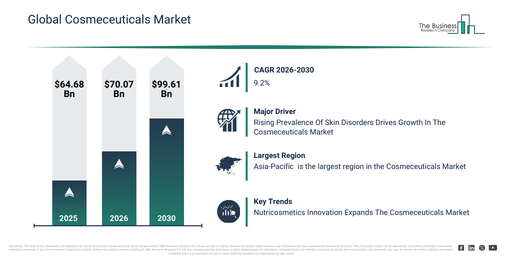
    The cosmeceuticals market size has witnessed robust expansion in recent years. It is anticipated to increase from $64.68 billion in 2025 to $70.07 billion in 2026, achieving a compound annual growth rate (CAGR) of 8.3%. This historical growth can be linked to factors such as growing consciousness regarding skin health, rising urbanization along with pollution exposure, an increase in middle-class spending on personal care, the proliferation of dermatology clinics, and the growing occurrence of various skin conditions.

    The cosmeceuticals market is projected to undergo significant expansion in the coming years. It is forecast to reach $99.61 billion by 2030, exhibiting a compound annual growth rate (CAGR) of 9.2%. This anticipated growth throughout the forecast period stems from factors such as innovations in active ingredient formulations, a rising consumer inclination towards premium cosmeceuticals, the expansion of male grooming products, market penetration into emerging economies, and the increasing influence of social media and beauty professionals. Prominent trends for this period include a heightened demand for anti-aging and preventative skincare products, the escalating popularity of clean label and natural cosmeceuticals, a greater uptake of dermatologist-recommended items, the proliferation of injectable and minimally invasive aesthetic treatments, and the swift growth of online and direct-to-consumer sales channels.

    Get A Free Sample Report With In-Depth Market Insights:

    https://thebusinessresearchcompany.com/sample_request?id=31524022&type=smp&name=Cosmeceuticals%20Market%20Report%202026&utm_source=Blogs&utm_medium=Paid&utm_campaign=Oct_PR

    Cosmeceuticals Market Growth Backed By Core Demand Fundamentals

    The increasing occurrence of skin disorders is projected to propel the growth of the cosmeceuticals market going forward. These disorders are defined as conditions affecting the skin’s appearance, structure, texture, or overall health. Cosmeceuticals themselves are skincare products formulated with bioactive ingredients, offering therapeutic advantages and serving as a complement to treatments for various skin disorders, including photo-melanosis, photo-tanning, and pigmentation issues such as melasma or freckles. As an illustration, in 2023, Cancer Australia, an Australia-based government agency, documented approximately 8,257 new cases of melanoma of the skin, which represented 2.6% of all deaths from cancer. Consequently, the rising prevalence of skin disorders is expected to fuel the growth of the cosmeceuticals market.

    Cosmeceuticals Market Segment Trends And Revenue Contributors

    The cosmeceuticals market covered in this report is segmented –

    1) By Product Type: Skincare, Haircare, Injectable, Oral Care, Other Product Types

    2) By Ingredients: Proteins, Antioxidants, Vitamins, Metals, Ceramides, Peptides, Amines, Acids, Exfoliants, Other Ingredients

    3) By Distribution Channel: Supermarket, Pharmacy, Drug Stores, Beauty Salon, Online Retailing Store, Other Distribution Channels

    Subsegments:

    1) By Skincare: Anti-Aging Products, Moisturizers, Sunscreens, Acne Treatments, Exfoliants

    2) By Haircare: Hair Growth Products, Anti-Dandruff Treatments, Conditioners And Masks, Hair Styling Products

    3) By Injectable: Botulinum Toxin, Dermal Fillers, Other Injectables

    4) By Oral Care: Whitening Products, Anti-Cavity Treatments, Gum Health Products

    5) By Other Product Types: Body Care Products, Foot Care Products, Nail Care Products, Men’s Grooming Products

    Cosmeceuticals Market Growth Trends Reshaping The Competitive Landscape

    Major companies in the cosmeceuticals market are concentrating on developing nutricosmetics products. These are cosmetic items consumed orally, typically in the form of supplements or functional foods, to enhance skin health and beauty from within. For instance, in March 2023, Symrise AG, a Germany-based chemicals company, launched Diana food bioactives specifically for “Beauty from within” products. Through the creation of these distinct and innovative nutricosmetic ingredients, the company is broadening its offerings. This collection provides solutions for skin conditioning and anti-aging, skin brightening, and hair and nail care. It is composed of naturally derived bioactives, including collagen type I, vitamins C and A, and polyphenols from various fruits. This introduction of cosmetic ingredients further enhances Symrise’s extensive history in the beauty industry.

    Cosmeceuticals Market Competitive Landscape: Which Companies Lead The Industry?

    Major companies operating in the cosmeceuticals market are BASF SE, Johnson & Johnson, LVMH (Moët Hennessy Louis Vuitton), Givenchy, The Procter & Gamble Company, Unilever Plc, L’Oréal S.A., Henkel AG & Co. KGaA, The Estée Lauder Companies Inc., Chanel LTD, Allergan plc, Beiersdorf AG, Shiseido Company Limited, Natura &Co S.A, Coty Inc., Amorepacific Corporation, Avon Products Inc., Clarins, Revlon Inc., Croda International plc, Elementis plc, Lady Burd, Sabinsa Corporation, Nardo’s Naturals, SBLC Cosmetics GmbH, Mineral Mine

    View The Full Cosmeceuticals Market Report:

    https://thebusinessresearchcompany.com/report/cosmeceuticals-global-market-report?utm_source=Blogs&utm_medium=Paid&utm_campaign=Oct_PR

    Cosmeceuticals Market Largest Region By Revenue And Market Share

    Asia-Pacific was the largest region in the cosmeceuticals market in 2025. Asia-Pacific is expected to be the fastest-growing region in the forecast period. The regions covered in the cosmeceuticals market report are Asia-Pacific, South East Asia, Western Europe, Eastern Europe, North America, South America, Middle East, Africa.

    Reach Out To Our Team:

    The Business Research Company: https://www.thebusinessresearchcompany.com/

    Americas: +1 310-496-7795

    Asia: +44 7882 955267 & +91 8897263534

    Europe: +44 7882 955267

    Email us at: marketing@tbrc.info

    Follow us on:

    LinkedIn: https://in.linkedin.com/company/the-business-research-company

    YouTube: https://www.youtube.com/channel/UC24_fI0rV8cR5DxlCpgmyFQ

    Global Market Model: https://www.thebusinessresearchcompany.com/global-market-model
  • Corticosteroids Market Growth Outlook For 2026: Drivers, Trends And Future Opportunities

    Corticosteroids Market Growth Outlook For 2026: Drivers, Trends And Future Opportunities

    Featuring market attractiveness scoring, total addressable market sizing, company benchmarking matrices, interactive Excel dashboards, deeper supply chain intelligence, emerging startup tracking, and granular product-level insights, The Business Research Company’s 2026 market reports are built to deliver research that is both more actionable and more strategically valuable.

    Corticosteroids Market Poised To Hit $8.33 Billion By 2030 With A 7.1% CAGR

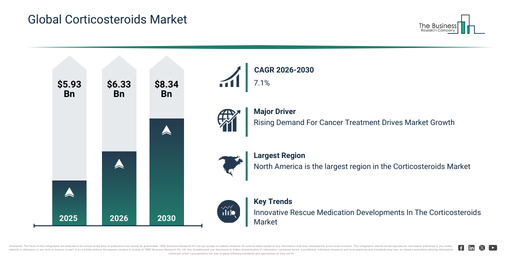
    The corticosteroids market has experienced significant expansion in recent years. It is projected to increase from $5.93 billion in 2025 to $6.33 billion in 2026, exhibiting a compound annual growth rate (CAGR) of 6.7%. This historic growth is attributable to factors such as the increasing occurrence of asthma and allergies, the confirmed clinical effectiveness of corticosteroids, extensive implementation of steroid treatments by hospitals, enhanced understanding of inflammatory disease management, and a growth in pharmaceutical production capabilities.

    The corticosteroids market size is anticipated to expand significantly in the coming years, with projections indicating it will reach $8.34 billion by 2030, progressing at a compound annual growth rate (CAGR) of 7.1%. This expansion during the forecast period is propelled by factors such as the increasing burden of autoimmune and respiratory diseases, the development of safer steroid formulations, a globally aging population, enhanced healthcare access in emerging economies, and greater investment in corticosteroid research. Key trends expected over the forecast period include the advent of targeted corticosteroid formulations, therapies employing low doses and short durations, a rise in the use of topical and inhaled corticosteroids, combination therapies with bronchodilators, and an expanded application in acute respiratory care.

    Get A Free Sample Report With In-Depth Market Insights:

    https://thebusinessresearchcompany.com/sample_request?id=17092912&type=smp&name=Corticosteroids%20Market%20Report%202026&utm_source=Blogs&utm_medium=Paid&utm_campaign=Oct_PR

    Corticosteroids Market Growth Catalysts And Demand Drivers

    The increasing need for cancer treatment is projected to boost the corticosteroid market. Cancer treatment involves diverse therapies like surgery, chemotherapy, radiation therapy, immunotherapy, and targeted treatments, all aimed at eliminating cancer cells and relieving symptoms. This escalating demand for cancer treatment is fueled by several factors, including a rise in cancer incidence, improved awareness and screening efforts, enhanced access to healthcare, and the availability of supportive care services. Corticosteroids play a vital role by mitigating symptoms and improving the tolerability of cancer therapies, which leads to better patient outcomes and supports the expanding requirement for holistic cancer care. An illustrative example comes from May 2024, when the UK’s healthcare system, the National Health Service (NHS), reported record-high treatment activity, with more than 1,400 patients starting cancer treatment every working day. Furthermore, approximately 340,000 individuals received their first cancer treatment between April 2023 and March 2024. Ultimately, the growing demand for cancer treatment is a key driver for the corticosteroid market’s expansion.

    Corticosteroids Market Segment Analysis Spotlighting Growth Areas

    The corticosteroids market covered in this report is segmented –

    1) By Product: Glucocorticoids, Mineralocorticoids

    2) By Application: Skin Allergies, Rheumatology Indications, Endocrinology, Acute Respiratory Diseases, Other Applications

    3) By End User: Hospitals, Clinics, Research Institutes, Other End Users

    Subsegments:

    1) By Glucocorticoids: Hydrocortisone, Prednisone, Dexamethasone, Methylprednisolone, Triamcinolone, Betamethasone, Other Glucocorticoids

    2) By Mineralocorticoids: Fludrocortisone, Aldosterone, Other Mineralocorticoids

    Corticosteroids Market Trends Shaping Long-Term Demand

    Major companies operating in the corticosteroids market are developing innovative products like rescue medications to cater to larger customer bases, boost sales, and increase revenue. Rescue medication refers to a type of treatment or drug employed to provide quick and immediate relief from acute and severe symptoms of a medical condition or a sudden worsening of a chronic ailment. For instance, in January 2023, AstraZeneca PLC, a UK-based pharmaceutical company, announced the FDA approval for Airsupra (albuterol/budesonide). A distinctive characteristic of this product is its role as the first-in-class pressurized metered-dose inhaler (pMDI), a fixed-dose combination rescue medication. It contains albuterol, a short-acting beta2-agonist (SABA), and budesonide, an inhaled corticosteroid (ICS) with anti-inflammatory properties. This product is indicated for individuals aged 18 years and older and can be utilized on an as-needed basis for the treatment or prevention of bronchoconstriction. It also assists in lowering the risk of asthma exacerbations. This combination is available in the United States and is under development by AstraZeneca in collaboration with Avillion.

    Corticosteroids Market Leading Companies: Who Holds The Strongest Market Presence?

    Major companies operating in the corticosteroids market are McKesson Corporation, Pfizer Inc., Johnson and Johnson Services Inc., Merck & Co.Inc., Bayer AG, Novartis International AG., Sanofi SA, Bristol Myers Squibb Company, AstraZeneca plc, Abbott Laboratories, GlaxoSmithKline plc, Takeda Pharmaceutical Company Limited, Eli Lilly and Company, Boehringer Ingelheim International GmbH, Novo Nordisk A/S, Teva Pharmaceutical Industries Ltd., Sun Pharmaceutical Industries Ltd., Cipla Limited, Dr. Reddy’s Laboratories Ltd., Endo International plc, Lupin Limited, Mallinckrodt Pharmaceuticals Ltd., LEO Pharma A/S, Glenmark Pharmaceuticals Ltd., Wockhardt Limited, Allergan plc, Hikma Pharmaceuticals pl.

    View The Full Corticosteroids Market Report:

    https://thebusinessresearchcompany.com/report/Corticosteroid-global-market-report?utm_source=Blogs&utm_medium=Paid&utm_campaign=Oct_PR

    Corticosteroids Market Regional Analysis And Leading Geography

    North America was the largest region in the corticosteroids therapy market share in 2025. Middle East is expected to be the largest growing region in the global corticosteroids market during the forecast period. The regions covered in the corticosteroids market report are Asia-Pacific, South East Asia, Western Europe, Eastern Europe, North America, South America, Middle East, Africa.

    Reach Out To Our Team:

    The Business Research Company: https://www.thebusinessresearchcompany.com/

    Americas: +1 310-496-7795

    Asia: +44 7882 955267 & +91 8897263534

    Europe: +44 7882 955267

    Email us at: marketing@tbrc.info

    Follow us on:

    LinkedIn: https://in.linkedin.com/company/the-business-research-company

    YouTube: https://www.youtube.com/channel/UC24_fI0rV8cR5DxlCpgmyFQ

    Global Market Model: https://www.thebusinessresearchcompany.com/global-market-model
  • Corticosteroid Eyedrops Market Size Forecast From 2026 To 2030: Key Industry Trends

    Corticosteroid Eyedrops Market Size Forecast From 2026 To 2030: Key Industry Trends

    Built to provide research that’s more actionable and strategically valuable, The Business Research Company’s 2026 market reports include market attractiveness analysis, total addressable market sizing, company benchmarking matrices, interactive Excel dashboards, broader supply chain intelligence, emerging startup tracking, and in-depth product insights.

    Corticosteroid Eyedrops Market Size And Revenue Outlook Through 2030

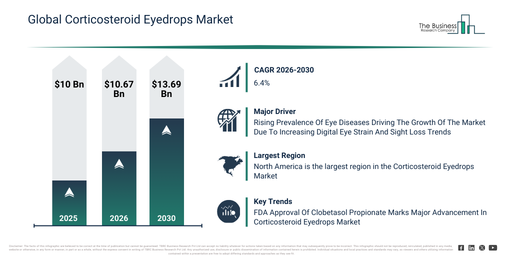
    The corticosteroid eyedrops market has experienced robust expansion recently. This market is projected to expand from $10 billion in 2025 to $10.67 billion by 2026, demonstrating a compound annual growth rate (CAGR) of 6.8%. Factors contributing to this historical growth include the constrained supply of corticosteroid formulations, dependence on hospital pharmacies, a rise in ophthalmic surgeries, increased understanding of ocular inflammation treatment, and the established use of prednisolone and dexamethasone.

    The corticosteroid eyedrops market is projected to experience robust expansion over the coming years, set to reach $13.69 billion by 2030, demonstrating a compound annual growth rate (CAGR) of 6.4%. This growth during the forecast period is expected to stem from the advancement of combination therapy eyedrops, an increase in pediatric ophthalmology treatments, the expansion of online pharmacy distribution channels, greater adoption of patient-centric drug delivery devices, and new regulatory approvals for innovative corticosteroid formulations. Key trends anticipated in this period encompass the increasing incidence of eye conditions necessitating anti-inflammatory treatment, a rising preference for combination therapy eyedrops, wider integration of pediatric-friendly formulations, an expansion of both online and traditional retail pharmacy outlets, and a strong emphasis on enhancing drug stability and patient adherence.

    Get A Free Sample Report With In-Depth Market Insights:

    https://thebusinessresearchcompany.com/sample_request?id=31515602&type=smp&name=Corticosteroid%20Eyedrops%20Market%20Report%202026&utm_source=Blogs&utm_medium=Paid&utm_campaign=Oct_PR

    Corticosteroid Eyedrops Market Opportunity Drivers: What’s Unlocking New Revenue Potential?

    The expanding occurrence of eye conditions is anticipated to fuel the expansion of the corticosteroid eyedrops market in the future. Eye diseases are defined as ailments impacting the eyes’ health and function, which can potentially result in vision impairments or even blindness if not adequately addressed. The increase in eye disease prevalence stems from greater screen time, which causes digital eye strain and contributes to issues like dry eye and blurred vision. Corticosteroid eyedrops are frequently employed to manage eye conditions by diminishing inflammation and alleviating symptoms such as redness, swelling, and discomfort. For instance, in May 2024, a report from the Joint Strategic Needs Assessment, a UK-based community health center, indicated that approximately 2 million individuals in the UK currently experience some level of sight loss, a figure expected to reach 2.7 million by 2030. Consequently, the growing prevalence of eye diseases is propelling the corticosteroid eyedrops market’s growth.

    Corticosteroid Eyedrops Market Segment Performance And Emerging Opportunities

    The corticosteroid eyedrops market covered in this report is segmented –

    1) By Product Type: Topical Corticosteroid Eyedrops, Systemic Corticosteroid Eyedrops, Combination Therapy Eyedrops

    2) By Delivery Device: Dropper Bottles, Spray Formulations, Ointments And Gels, Punctal Plugs

    3) By Distribution Channel: Hospital Pharmacy, Retail Pharmacy, Online Pharmacy, Other Distribution Channels

    4) By Application: Adult, Children

    5) By End User: Hospitals, Specialty Clinics, Community Pharmacies, Online Pharmacies

    Subsegments:

    1) By Topical Corticosteroid Eyedrops: Prednisolone Acetate Eyedrops, Dexamethasone Eyedrops, Fluorometholone Eyedrops, Loteprednol Etabonate Eyedrops, Rimexolone Eyedrops

    2) By Systemic Corticosteroid Eyedrops: Hydrocortisone-Based Eyedrops, Methylprednisolone-Based Eyedrops, Triamcinolone-Based Eyedrops, Betamethasone-Based Eyedrops

    3) By Combination Therapy Eyedrops: Corticosteroid + Antibiotic Combination Eyedrops, Corticosteroid + Non-Steroidal Anti-Inflammatory Drug (NSAID) Eyedrops, Corticosteroid + Antihistamine Eyedrops, Corticosteroid + Antiglaucoma Agent Eyedrops

    Corticosteroid Eyedrops Market Innovation Trends Shaping Future Development

    Leading companies in the corticosteroid eyedrops market are concentrating on securing regulatory approvals to broaden their product portfolios and enhance market access. Regulatory approvals denote the official authorization granted by health authorities, ensuring that corticosteroid eyedrops comply with required safety, efficacy, and quality standards before being commercialized and prescribed to patients. For instance, in March 2024, Formosa Pharmaceuticals Inc., a Taiwan-based pharmaceutical company, and AimMax Therapeutics, a US-based pharmaceutical company, obtained FDA approval for clobetasol propionate ophthalmic suspension 0.05% (APP13007) designed for the management of postoperative inflammation and pain following ocular surgery. Developed using Formosa’s APNT nanoparticle technology, this corticosteroid formulation facilitates effective drug delivery through a simple twice-daily dosing for 14 days without tapering. Clinical trials demonstrated its strong anti-inflammatory effects, positioning it as a promising addition to corticosteroid treatment options for alleviating inflammation and pain after eye surgery. As the first ophthalmic corticosteroid containing clobetasol and the first new steroid approved in this category in over 15 years, it signifies a major advancement in ocular corticosteroid therapy.

    Corticosteroid Eyedrops Market Key Players: Which Companies Lead Industry Competition?

    Major companies operating in the corticosteroid eyedrops market are Pfizer Inc., AbbVie Inc., Novartis AG, Alcon Inc., Bausch Health Companies Inc., Sun Pharmaceutical Industries Ltd., Cipla Ltd., Santen Pharmaceutical Co. Ltd., Lupin Limited, Zydus Lifesciences Limited, Glenmark Pharmaceuticals Ltd., Alkem Laboratories Ltd., Sunways Pvt. Ltd., FDC Limited, Eurocrit Labs International Pvt. Ltd., Entod Pharmaceuticals Pvt. Ltd., Akorn Pharmaceuticals Inc., Kala Pharmaceuticals Inc.

    View The Full Corticosteroid Eyedrops Market Report:

    https://thebusinessresearchcompany.com/report/corticosteroid-eyedrops-global-market-report?utm_source=Blogs&utm_medium=Paid&utm_campaign=Oct_PR

    Corticosteroid Eyedrops Market Geographic Analysis: Where Is Demand Accelerating Fastest?

    North America was the largest region in the corticosteroid eyedrops market in 2025. Asia-Pacific is expected to be the fastest-growing region in the forecast period. The regions covered in the corticosteroid eyedrops market report are Asia-Pacific, South East Asia, Western Europe, Eastern Europe, North America, South America, Middle East, Africa.

    Reach Out To Our Team:

    The Business Research Company: https://www.thebusinessresearchcompany.com/

    Americas: +1 310-496-7795

    Asia: +44 7882 955267 & +91 8897263534

    Europe: +44 7882 955267

    Email us at: marketing@tbrc.info

    Follow us on:

    LinkedIn: https://in.linkedin.com/company/the-business-research-company

    YouTube: https://www.youtube.com/channel/UC24_fI0rV8cR5DxlCpgmyFQ

    Global Market Model: https://www.thebusinessresearchcompany.com/global-market-model
  • Controlled Substance Market 2026: Market Size, Growth Drivers And Emerging Opportunities

    Controlled Substance Market 2026: Market Size, Growth Drivers And Emerging Opportunities

    Backed by market attractiveness analysis, total addressable market sizing, company benchmarking matrices, interactive Excel dashboards, wider supply chain intelligence, emerging startup coverage, and detailed product-level insights, The Business Research Company’s 2026 market reports are designed to offer research that is more actionable and strategically valuable than ever.

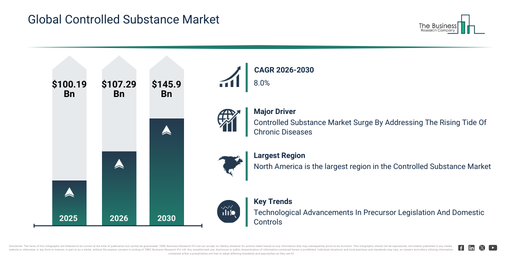
    Controlled Substance Market Growth From $107.28 Billion In 2026 To $145.9 Billion By 2030 At A CAGR Of 8%

    The controlled substance market has experienced substantial expansion in recent years. This market is projected to expand from $100.19 billion in 2025 to $107.29 billion in 2026, demonstrating a compound annual growth rate (CAGR) of 7.1%. Historically, this growth has stemmed from factors such as stringent government regulations, an increase in chronic diseases, growing opioid prescriptions, progress in drug formulation, and insufficient awareness regarding drug misuse.

    The controlled substance market is projected to experience substantial expansion in the coming years, with its size anticipated to reach $145.9 billion by 2030, demonstrating a compound annual growth rate (CAGR) of 8.0%. This growth during the forecast period is fueled by factors such as the increasing integration of digital monitoring solutions, the proliferation of online pharmacies, the rise of telemedicine services, a surge in investments towards precision medicine, and the ongoing development of non-addictive alternatives. Key developments expected in this period include heightened vigilance in monitoring prescription drug abuse, the advancement of telepharmacy and digital dispensing methods, a greater focus on individualized medication strategies, the broadening scope of controlled substance regulations, and the implementation of intelligent drug tracking systems.

    Get A Free Sample Report With In-Depth Market Insights:

    https://thebusinessresearchcompany.com/sample_request?id=11905794&type=smp&name=Controlled%20Substance%20Market%20Report%202026&utm_source=Blogs&utm_medium=Paid&utm_campaign=Oct_PR

    Controlled Substance Market Growth Momentum: What Factors Are Shaping Demand?

    The rising occurrence of chronic illnesses is anticipated to fuel the expansion of the controlled substance market in the future. A chronic disease is defined as an ailment lasting at least three months, with potential for progression. Controlled substances play a role in the management and treatment of symptoms associated with chronic conditions such as pain, neuropsychiatric disorders, autoimmune diseases, cardiovascular diseases, and inflammatory disorders. An illustration of this trend comes from January 2023 data by the US-based National Library of Medicine, indicating that the population in the US aged 50 and older suffering from at least one chronic condition is projected to rise by 99.5%, reaching 142.66 million by 2050. Consequently, the growing prevalence of chronic illnesses serves as a primary driver for the expansion of the controlled substance market.

    Controlled Substance Market Segment Landscape And Growth Outlook

    The controlled substance market covered in this report is segmented –

    1) By Drug: Opioids, Stimulant, Depressants, Cannabinoids

    2) By Distribution Channel: Hospital Pharmacy, Retail Pharmacy, Online Pharmacy

    3) By Application: Pain Management, Sleep Disorders, Depression And Anxiety, Seizure, Attention Deficit Hyperactivity Disorder (ADHD), Other Applications

    Subsegments:

    1) By Opioids: Natural Opioids, Semi-Synthetic Opioids, Synthetic Opioids

    2) By Stimulants: Amphetamines, Methylphenidate, Cocaine

    3) By Depressants: Benzodiazepines, Barbiturates, Sleep Medications

    4) By Cannabinoids: THC (Tetrahydrocannabinol), CBD (Cannabidiol), Synthetic Cannabinoids

    Controlled Substance Market Trends Redefining Industry Growth

    Major companies operating in the controlled substance market are introducing technologically advanced solutions, such as precursor legislation and domestic controls, to enhance regulatory compliance and improve monitoring capabilities. Precursor legislation and domestic controls refer to the comprehensive framework of national laws, regulations, and tracking measures that govern the production, trade, use, and surveillance of precursor chemicals within a country to prevent their diversion into illicit drug manufacturing. For instance, in May 2024, the International Narcotics Control Board (INCB), an Austria-based independent treaty body, launched two new digital tools to assist authorities in preventing the diversion of controlled precursors and related chemicals. One tool offers an expanded list of chemical relatives of internationally controlled precursors, helping regulators identify substitute chemicals often used to evade current controls. The second tool provides an advanced compendium of national drug precursor legislation and domestic controls, allowing competent authorities to compare regulatory frameworks across countries and assess risks linked to cross-border chemical movements. These innovations illustrate the market’s move toward digitalized, data-driven control mechanisms, following earlier advancements like the INCB’s e-module, and highlight technology’s increasing role in safeguarding the legal supply chain of controlled substances.

    Controlled Substance Market Competitive Landscape: Who Leads The Industry?

    Major companies operating in the controlled substance market are Merck & Co. Inc., Johnson and Johnson Services Inc., GW Pharmaceuticals plc, Alkermes plc, Sun Pharmaceutical Ltd., F. Hoffmann-La Roche Ltd., AbbVie Inc., Pfizer Inc., Novartis AG, GlaxoSmithKline plc, Sanofi S.A., Bristol-Myers Squibb, Eli Lilly and Company, AstraZeneca, Teva Pharmaceutical Industries, Viatris Inc., Boehringer Ingelheim, Gilead Sciences, Amgen, Regeneron Pharmaceuticals, Abbott Laboratories, Mallinckrodt Pharmaceuticals, Endo International, Indivior plc, Ipsen SA, Cambrex Corporation, Catalent, Lonza Group, Orbis Biosciences Inc., Corium Inc.

    View The Full Controlled Substance Market Report:

    https://thebusinessresearchcompany.com/report/controlled-substance-global-market-report?utm_source=Blogs&utm_medium=Paid&utm_campaign=Oct_PR

    Controlled Substance Market Global Footprint: Which Region Leads The Industry?

    North America was the largest region in the controlled substance market in 2025. Asia-Pacific is expected to be the fastest-growing region in the controlled substance market report during the forecast period. The regions covered in the controlled substance market report are Asia-Pacific, South East Asia, Western Europe, Eastern Europe, North America, South America, Middle East, Africa.

    Reach Out To Our Team:

    The Business Research Company: https://www.thebusinessresearchcompany.com/

    Americas: +1 310-496-7795

    Asia: +44 7882 955267 & +91 8897263534

    Europe: +44 7882 955267

    Email us at: marketing@tbrc.info

    Follow us on:

    LinkedIn: https://in.linkedin.com/company/the-business-research-company

    YouTube: https://www.youtube.com/channel/UC24_fI0rV8cR5DxlCpgmyFQ

    Global Market Model: https://www.thebusinessresearchcompany.com/global-market-model

  • Controlled Release Drug Delivery Market Set To Expand From $133.82 Billion In 2026: Growth Outlook Through 2030

    Controlled Release Drug Delivery Market Set To Expand From $133.82 Billion In 2026: Growth Outlook Through 2030

    Featuring market attractiveness scoring, total addressable market sizing, company benchmarking matrices, interactive Excel dashboards, deeper supply chain intelligence, emerging startup tracking, and granular product-level insights, The Business Research Company’s 2026 market reports are built to deliver research that is both more actionable and more strategically valuable.

    Controlled Release Drug Delivery Market Expansion Outlook: What Revenue Opportunities Are Ahead?

    The controlled release drug delivery market has shown rapid expansion in recent years. Its value is projected to climb from $72.34 billion in 2025 to $81.31 billion in 2026, demonstrating a compound annual growth rate (CAGR) of 12.4%. Historically, this market’s growth can be linked to the rising prevalence of chronic diseases, increasing r&d in pharmaceutical formulations, the demand for sustained-release medicines, advancements in polymer and biomaterial science, and a growing awareness of drug adherence benefits.

    The controlled release drug delivery market is projected to experience significant expansion in the coming years, reaching $133.82 billion in 2030 at a compound annual growth rate (CAGR) of 13.3%. This anticipated increase is driven by factors such as the rise of personalized medicine, broader use of nanotechnology applications, the incorporation of artificial intelligence into drug delivery design, a growing elderly demographic, and favorable regulatory support for controlled release treatments. Prominent trends expected during this period encompass tailored drug delivery mechanisms, nanotechnology-facilitated delivery methods, environmentally friendly and biodegradable transport agents, sophisticated oral and injectable pharmaceutical preparations, and patient-focused adherence strategies.

    Get A Free Sample Report With In-Depth Market Insights:

    https://thebusinessresearchcompany.com/sample_request?id=24290202&type=smp&name=Controlled%20Release%20Drug%20Delivery%20Market%20Report%202026&utm_source=Blogs&utm_medium=Paid&utm_campaign=Oct_PR

    Controlled Release Drug Delivery Market Expansion Drivers: What’s Shaping Future Growth?

    Increasing allocations in healthcare spending are anticipated to boost the expansion of the controlled release drug delivery market in the foreseeable future. Healthcare expenditure represents the total financial resources, both public and private, allocated to the healthcare domain within a defined geographical area, nation, or economy over a specific timeframe. Investment in controlled release medicinal delivery within healthcare is a multifaceted commitment covering the entire lifecycle of a medicinal product, from initial research phases to post-market surveillance, aiming to enhance treatment outcomes, patient compliance, and overall healthcare effectiveness. For example, in May 2024, the Office for National Statistics, a UK-based statistics authority, reported that healthcare expenditure in the UK in 2023 was around £292 billion, indicating a nominal rise of 5.6%. Furthermore, spending on long-term health and social care increased by 2.8% in real terms in 2022. Consequently, the rise in healthcare spending is fueling the controlled release drug delivery market.

    Controlled Release Drug Delivery Market Breakdown By Product Type And Application

    The controlled release drug delivery market covered in this report is segmented –

    1) By Technology: Wurster Technique, Coacervation, Micro Encapsulation, Implants, Transdermal, Targeted Delivery, Other Technologies

    2) By Release Mechanism: Polymer Based Systems, Micro Reservoir Partition Controlled Drug Delivery Systems, Feedback Regulated Drug Delivery Systems, Activation-Modulated Drug Delivery Systems, Chemically Activated,

    3) By Application: Metered Dose Inhalers, Injectable, Transdermal And Ocular Patches, Other Applications

    4) By End User: Hospitals, Clinics, Personal, Research, Other End Users

    Subsegments:

    1) By Wurster Technique: Spray Coating, Fluid Bed Coating

    2) By Coacervation: Simple Coacervation, Complex Coacervation

    3) By Micro Encapsulation: Polymer-Based Micro Encapsulation, Lipid-Based Micro Encapsulation

    4) By Implants: Biodegradable Implants, Non-Biodegradable Implants

    5) By Transdermal: Microneedle Patches, Reservoir Systems, Matrix Systems

    6) By Targeted Delivery: Nanoparticles, Antibody-Drug Conjugates, Liposomes

    7) By Other Technologies: Osmotic Pumps, In Situ Gelling Systems

    Controlled Release Drug Delivery Market Strategic Trends: What Defines The Next Growth Phase?

    Leading companies within the chocolate syrup market are adopting a strategic partnership approach, aiming to expand ophthalmic applications. These strategic alliances involve businesses leveraging each other’s strengths and resources to achieve mutual benefits and success. For instance, in March 2023, Hovione, a contract drug manufacturing company based in Portugal, announced a partnership with Ripple Therapeutics Inc. to broaden the usage of Ripple’s Epidel technology beyond ophthalmic applications. This collaboration with Hovione marks an exciting next step in the expansion of the Epidel platform beyond the ophthalmology area, thanks to a mix of technical synergy, innovative vision, and cultural fit. Hovione’s expertise in regulated, sustained drug administration, combined with their knowledge of chemical synthesis and pharmaceutical manufacture, contributes to an excellent collaboration. Ripple Therapeutics Inc. is a pharmaceutical company headquartered in Canada.

    Controlled Release Drug Delivery Market Company Landscape And Competitive Strategy

    Major companies operating in the controlled release drug delivery market are Johnson & Johnson Services Inc., Merck & Co. Inc., Alkermes plc, Coating Place Inc., Corium International Inc., Depomed Inc., Pfizer Inc., Aradigm Corporation, Capsugel LLC, GlaxoSmithKline plc, Bayer Healthcare LLC, Collegium Pharmaceuticals Inc., GE HealthCare Technologies Inc., Adare Pharmaceuticals Inc., Allergan plc, Novartis AG, Lonza Group AG, Colorcon Inc., SKY Pharmaceuticals Pvt. Ltd., AstraZeneca plc, Biogen Inc., Orbis Biosciences Inc., Alza Corporation, MicroCHIPS Inc., Endo International plc, Heron Therapeutics Inc., Intellipharmaceutics International Inc., Ipsen Biopharmaceuticals Inc., Luye Pharma Group Ltd., Medtronic plc, Nektar Therapeutics, Novo Nordisk A/S, Ocular Therapeutix Inc., Pacira BioSciences Inc., Progenity Inc., Sanofi S.A., Teva Pharmaceutical Industries Ltd., Titan Pharmaceuticals Inc., Vectura Group plc, West Pharmaceutical Services Inc., Zosano Pharma Corporation, Zynerba Pharmaceuticals Inc.

    View The Full Controlled Release Drug Delivery Market Report:

    https://thebusinessresearchcompany.com/report/controlled-release-drug-delivery-global-market-report?utm_source=Blogs&utm_medium=Paid&utm_campaign=Oct_PR

    Controlled Release Drug Delivery Market Regional Distribution: Which Areas Power Market Growth?

    North America was the largest region in the controlled release drug delivery market in 2025. The regions covered in the controlled release drug delivery market report are Asia-Pacific, South East Asia, Western Europe, Eastern Europe, North America, South America, Middle East, Africa.

    Reach Out To Our Team:

    The Business Research Company: https://www.thebusinessresearchcompany.com/

    Americas: +1 310-496-7795

    Asia: +44 7882 955267 & +91 8897263534

    Europe: +44 7882 955267

    Email us at: marketing@tbrc.info

    Follow us on:

    LinkedIn: https://in.linkedin.com/company/the-business-research-company

    YouTube: https://www.youtube.com/channel/UC24_fI0rV8cR5DxlCpgmyFQ

    Global Market Model: https://www.thebusinessresearchcompany.com/global-market-model

  • Contract Research And Manufacturing Services (CRAMS) Market Size And Growth In 2026: Key Factors Shaping Future Demand

    Contract Research And Manufacturing Services (CRAMS) Market Size And Growth In 2026: Key Factors Shaping Future Demand

    Built to provide research that’s more actionable and strategically valuable, The Business Research Company’s 2026 market reports include market attractiveness analysis, total addressable market sizing, company benchmarking matrices, interactive Excel dashboards, broader supply chain intelligence, emerging startup tracking, and in-depth product insights.

    Contract Research And Manufacturing Services (CRAMS) Market Growth Potential: How Will Market Size Shift Through 2030?

    The market for contract research and manufacturing services (crams) has experienced rapid expansion in recent years. Its value is projected to increase from $155.61 billion in 2025 to $171.86 billion in 2026, exhibiting a compound annual growth rate (CAGR) of 10.4%. Historically, this growth can be attributed to several factors including rising research and development costs in the pharmaceutical sector, an increasing demand for innovative drugs, limited in-house manufacturing capabilities, growing regulatory complexities, and the emergence of biotechnology companies.

    The contract research and manufacturing services (crams) market size is projected to experience swift expansion over the next few years. This market is anticipated to reach a valuation of $258.36 billion by 2030, demonstrating a compound annual growth rate (CAGR) of 10.7%. The projected growth during this period can be attributed to factors such as the increasing integration of biologics and advanced therapeutic solutions, the broadened scope of clinical trial outsourcing, the escalating need for personalized medicine, advancements in manufacturing automation technology, and the rise in contract manufacturing for medical devices. Key trends anticipated during the forecast period involve the outsourcing of pharmaceutical research and development, an increase in biologics manufacturing services, a heightened requirement for analytical testing and quality control, the expansion of custom synthesis and production offerings, and the growing uptake of contract manufacturing for medical devices.

    Get A Free Sample Report With In-Depth Market Insights:

    https://thebusinessresearchcompany.com/sample_request?id=50960471&type=smp&name=Contract%20Research%20And%20Manufacturing%20Services%20%28CRAMS%29%20Market%20Report%202026&utm_source=Blogs&utm_medium=Paid&utm_campaign=Oct_PR

    Contract Research And Manufacturing Services (CRAMS) Market Development Factors: What’s Supporting Demand?

    The expansion of the contract research and manufacturing services (CRAMS) market during the forecast period is expected to be favorably influenced by the growing elderly demographic suffering from various chronic conditions. The global ageing population is experiencing rapid growth, a trend anticipated to persist throughout the forecast period. With a larger geriatric population, there will be a corresponding rise in the prevalence of numerous diseases, including cancer, diabetes, Alzheimer’s, and arthritis, which will, in turn, increase the need for various drugs and medicines. Consequently, the demand for contract research and manufacturing services will also grow. An example illustrating this trend is provided by the Australian Bureau of Statistics in September 2023, which reported that Australia’s population, standing at 26 million in 2022, is projected to reach between 34.3 million and 45.9 million by 2071. Additionally, the median age, currently 38.5 years, is forecast to rise to between 43.8 and 47.6 years. Therefore, the increasing ageing population is a significant factor driving the growth of the contract research and manufacturing services (CRAMS) market.

    Contract Research And Manufacturing Services (CRAMS) Market Segment Analysis And Revenue Potential

    The contract research and manufacturing services (crams) market covered in this report is segmented –

    1) By Services: Manufacturing, Research

    2) By End User: Pharmaceutical And Biotechnology Companies, Medical Device Companies, Academic Institutes

    3) By Product: API (Active Pharmaceutical Ingredient) Services, Finished Dosage Form (FDF) Services, Biologics / Cell & Gene Therapy Services, Formulation Development & Packaging

    Subsegments:

    1) By Manufacturing: Active Pharmaceutical Ingredient (API) Manufacturing, Finished Dosage Form (FDF) Manufacturing, Biologics Manufacturing, Contract Manufacturing Of Medical Devices, Formulation Development And Manufacturing, Packaging And Labeling Services, Analytical Testing And Quality Control, Custom Synthesis And Production

    2) By Research: Preclinical Research, Clinical Research (Phase I-IV), Drug Discovery And Development Services, Regulatory Affairs And Consulting, Bioanalytical Testing Services, Toxicology Testing, Process Development And Optimization, Clinical Trial Management And Monitoring, Pharmacovigilance And Safety Services

    Contract Research And Manufacturing Services (CRAMS) Market Transformation Trends: What Innovations Are Driving Change?

    The contract research and manufacturing services (CRAMS) market is increasingly leveraging Artificial intelligence (AI) to strengthen its market position. Artificial intelligence is defined as a branch of computer science that deals with simulating human behavior in machines. AI can assist in avoiding expensive maintenance by predicting when it is needed and also supports the healthcare system. For instance, in June 2024, Medidata, a US-based technology company, launched the Medidata clinical data studio. This platform specializes in integrating and managing clinical trial data from various sources to enhance the efficiency and accuracy of clinical research. It utilizes artificial intelligence to streamline data review and reconciliation, empowering study teams to more effectively identify potential data issues and safety signals. The platform offers a comprehensive workspace for data integration, transformation, and management, allowing users to adopt strong risk-based quality management strategies and gain access to real-time insights.

    Contract Research And Manufacturing Services (CRAMS) Market Key Players Shaping Industry Direction

    Major companies operating in the contract research and manufacturing services (crams) market are Lonza Group, Catalent Inc., WuXi AppTec, Boehringer Ingelheim, Charles River Laboratories, Jubilant Life Sciences, PRA Health Sciences, Syngene International Ltd., Samsung Biologics, Evotec AG, AMRI (Albany Molecular Research Inc.), Parexel International Corporation, ICON plc, IQVIA Holdings Inc., PPD (Pharmaceutical Product Development), Recipharm AB, Curia Global Inc., Cambrex Corporation, Labcorp Drug Development, CordenPharma, Medpace Holdings Inc., FAMAR Health Care Services, Rentschler Biopharma SE, PCI Pharma Services, Dishman Carbogen Amcis Ltd., Thermo Fisher Scientific Inc., ProPharma Group, Siegfried AG

    View The Full Contract Research And Manufacturing Services (CRAMS) Market Report:

    https://thebusinessresearchcompany.com/report/contract-research-and-manufacturing-services-global-market-report?utm_source=Blogs&utm_medium=Paid&utm_campaign=Oct_PR

    Contract Research And Manufacturing Services (CRAMS) Market Leading Geography: Which Region Contributes The Most Revenue?

    North America was the largest region in the contract research and manufacturing services (CRAMS) market in 2025. Asia-Pacific region is expected to grow at a faster pace in the forecast period. The regions covered in the contract research and manufacturing services (crams) market report are Asia-Pacific, South East Asia, Western Europe, Eastern Europe, North America, South America, Middle East, Africa.

    Reach Out To Our Team:

    The Business Research Company: https://www.thebusinessresearchcompany.com/

    Americas: +1 310-496-7795

    Asia: +44 7882 955267 & +91 8897263534

    Europe: +44 7882 955267

    Email us at: marketing@tbrc.info

    Follow us on:

    LinkedIn: https://in.linkedin.com/company/the-business-research-company

    YouTube: https://www.youtube.com/channel/UC24_fI0rV8cR5DxlCpgmyFQ

    Global Market Model: https://www.thebusinessresearchcompany.com/global-market-model

  • Cardiac Biomarkers Testing Market Analysis 2026: Market Size, Growth Trends And Industry Outlook

    Cardiac Biomarkers Testing Market Analysis 2026: Market Size, Growth Trends And Industry Outlook

    Featuring market attractiveness scoring, total addressable market sizing, company benchmarking matrices, interactive Excel dashboards, deeper supply chain intelligence, emerging startup tracking, and granular product-level insights, The Business Research Company’s 2026 market reports are built to deliver research that is both more actionable and more strategically valuable.

    Cardiac Biomarkers Testing Market Size, Value And Growth Trajectory Through 2030

    The cardiac biomarkers testing market has experienced rapid expansion over recent years. Its valuation is projected to increase from $14.95 billion in 2025 to $16.7 billion by 2026, reflecting a compound annual growth rate (CAGR) of 11.7%. This market’s past growth is attributable to factors such as a rise in cardiovascular disease cases, greater public understanding of heart health, innovations in laboratory diagnostics, expanding hospital infrastructure, and a surge in government-led healthcare programs.

    The cardiac biomarkers testing market is projected to experience substantial expansion over the upcoming years. This market is forecast to reach $25.92 billion by 2030, exhibiting a compound annual growth rate (CAGR) of 11.6%. This anticipated growth during the forecast period is primarily driven by factors such as the integration of AI in diagnostics, the increasing prevalence of home-based and remote monitoring solutions, advancements in precision medicine, the creation of multi-biomarker panels, and a heightened need for real-time cardiac monitoring. Key trends expected during the same period encompass the wider adoption of point-of-care testing, the emergence of miniaturized and portable diagnostic devices, advancements in biomarker multiplexing technologies, the development of personalized cardiac risk profiling, and the incorporation of wearables for cardiac monitoring.

    Get A Free Sample Report With In-Depth Market Insights:

    https://www.thebusinessresearchcompany.com/sample.aspx?id=9436&type=smp&utm_source=Blogs&utm_medium=Paid&utm_campaign=Oct_PR

    Cardiac Biomarkers Testing Market Growth Catalysts And Demand Drivers

    The increasing occurrence of cardiovascular diseases is projected to drive the growth of the cardiac biomarkers testing market moving forward. Cardiovascular disease refers to a range of conditions affecting the heart or its blood vessels. Cardiac biomarker tests assist in measuring biomarker levels to quickly ascertain the severity and extent of a heart attack. Therefore, a higher prevalence of cardiovascular diseases will lead to increased demand for cardiac biomarker testing solutions. For instance, in January 2024, the American Heart Association, a US-based non-profit organization, stated that the age-adjusted death rate from cardiovascular disease increased to 233.3 per 100,000 in 2024, which is up 4.0% from 224.4 per 100,000 in 2023. Consequently, the rising prevalence of cardiovascular diseases is fueling the expansion of the cardiac biomarkers testing market.

    Cardiac Biomarkers Testing Market Segmentation And Category Overview

    The cardiac biomarkers testing market covered in this report is segmented –

    1) By Biomarkers Type: Creatine Kinase (CK-MB), Troponins, Myoglobin, Natriuretic Peptides (BNP And NT-proBNP), Ischemia Modified Albumin (IMA), Other Biomarkers Types

    2) By Application: Congestive Heart Failure, Acute Coronary Syndrome, Myocardial Infarction, Atherosclerosis, Other Applications

    3) By End-User: Hospitals, Specialty Clinics

    Cardiac Biomarkers Testing Market Trends Shaping Long-Term Demand

    Leading companies in the cardiac biomarker testing market are forming strategic alliances to deliver technology aimed at identifying early indications of heart conditions and enhancing patient results. These collaborations within cardiac biomarker testing promote cooperation among firms, enabling the development of innovative diagnostic tools, expanding their market presence, and accelerating the availability of advanced testing solutions for improved cardiovascular care. For instance, in September 2024, MediBuddy, an Indian-based healthcare technology company that offers a comprehensive platform for telehealth services, health management, and insurance assistance, joined forces with Philips, a Netherlands-based conglomerate corporation. Through this partnership, they intend to improve cardiac care in India by integrating Philips’ HeartPrint technology, which allows for regular monitoring and risk assessment of heart health. This innovative strategy provides users with sophisticated tools on the MediBuddy platform, encouraging active management of heart health and leading to better outcomes.

    Cardiac Biomarkers Testing Market Competitive Analysis Of Leading Industry Participants

    Major companies operating in the cardiac biomarkers testing market are Abbott Laboratories, Bio-Rad Laboratories Inc., Danaher Corporation, F. Hoffmann-La Roche Ltd., Siemens Healthineers AG, Thermo Fisher Scientific Inc., Biomérieux SA, Becton Dickinson and Company, Randox Laboratories Ltd., Enzo Biochem Inc., Creative Diagnostics Inc., Merck Co. & KGaA, Beckman Coulter Inc., QIAGEN N.V., PerkinElmer Inc., Tosoh Corporation, Eurolyser Diagnostica GmbH, Cortez Diagnostics Inc., DIALAB GmbH, CardioGenics Holdings Inc., Lepu Medical Technology (Beijing) Co. Ltd., Biosynex SA, Charles River Laboratories, Quidel Corporation, Life Diagnostics, Trinity Biotech plc, Guangzhou Wondfo Biotech Co. Ltd., Nova Biomedical Corp., Ortho Clinical Diagnostics Inc., Sekisui Diagnostics Inc., Abcam plc, Bio-Techne Corporation

    View The Full Cardiac Biomarkers Testing Market Report:

    https://www.thebusinessresearchcompany.com/report/cardiac-biomarkers-testing-global-market-report?utm_source=Blogs&utm_medium=Paid&utm_campaign=Oct_PR

    Cardiac Biomarkers Testing Market Regional Analysis: Which Geography Leads On Revenue?

    North America was the largest region in the cardiac biomarkers testing market in 2025. The regions covered in the cardiac biomarkers testing market report are Asia-Pacific, South East Asia, Western Europe, Eastern Europe, North America, South America, Middle East, Africa.

    Reach Out To Our Team:

    The Business Research Company: https://www.thebusinessresearchcompany.com/

    Americas: +1 310-496-7795

    Asia: +44 7882 955267 & +91 8897263534

    Europe: +44 7882 955267

    Email us at: marketing@tbrc.info

    Follow us on:

    LinkedIn: https://in.linkedin.com/company/the-business-research-company

    YouTube: https://www.youtube.com/channel/UC24_fI0rV8cR5DxlCpgmyFQ

    Global Market Model: https://www.thebusinessresearchcompany.com/global-market-model

  • Carbapenem-Based Antibiotics Market Forecast To 2030: Starting From $6.39 Billion In 2026

    Carbapenem-Based Antibiotics Market Forecast To 2030: Starting From $6.39 Billion In 2026

    Built to provide research that’s more actionable and strategically valuable, The Business Research Company’s 2026 market reports include market attractiveness analysis, total addressable market sizing, company benchmarking matrices, interactive Excel dashboards, broader supply chain intelligence, emerging startup tracking, and in-depth product insights.

    Carbapenem-Based Antibiotics Market CAGR Outlook And Future Development

    The carbapenem-based antibiotics market has experienced strong growth in recent years. It is projected to increase from $4.78 billion in 2025 to $5.03 billion in 2026, exhibiting a compound annual growth rate (CAGR) of 5.3%. This historical expansion can be attributed to the rising prevalence of bacterial infections, improvements in antibiotic formulations, heightened awareness regarding nosocomial infections, an aging global population, and the broadening of hospital networks.

    The carbapenem-based antibiotics market is set for significant expansion in the coming years, with projections indicating it will reach $6.4 billion by 2030, demonstrating a compound annual growth rate (CAGR) of 6.2%. This anticipated growth over the forecast period is primarily driven by the emergence of multidrug-resistant bacteria, the ongoing development of combination therapies, improved healthcare access in developing economies, the adoption of precision medicine approaches, and increased investment in novel carbapenem derivatives. Notable trends during this period include a rise in antibiotic resistance, an increase in hospital-acquired infections, the expansion of hospital infrastructure, a growth in surgical procedures, and a heightened demand for pediatric and geriatric antibiotics.

    Get A Free Sample Report With In-Depth Market Insights:

    https://www.thebusinessresearchcompany.com/sample.aspx?id=12035&type=smp&utm_source=Blogs&utm_medium=Paid&utm_campaign=Oct_PR

    Carbapenem-Based Antibiotics Market Opportunity Drivers: What’s Unlocking New Revenue Potential?

    The carbapenem-based antibiotics market is anticipated to expand due to the rising prevalence of bacterial infections. These infections are caused by bacteria, which are microscopic organisms capable of invading the body and triggering a range of diseases and symptoms. Carbapenem-based antibiotics are specifically used for treating severe or multidrug-resistant bacterial infections, including those caused by both gram-positive and gram-negative bacteria. For instance, a report published in July 2024 by the Centers for Disease Control and Prevention, a US-based government agency, indicated that during 2023, 78% of all bacterial infections in the historic catchment area were diagnosed by CIDTs, with 46% diagnosed exclusively using CIDTs. Therefore, the growing incidence of bacterial infections is a significant factor driving the growth of the carbapenem-based antibiotics market.

    Carbapenem-Based Antibiotics Market Segment Outlook: Which Categories Are Growing Fastest?

    The carbapenem-based antibiotics market covered in this report is segmented –

    1) By Type: Meropenem, Imipenem, Doripenem, Tebipenem, Other Types

    2) By Indication: Intra-abdominal Infections, Urinary Tract Infections, Pneumonia, Bacterial Meningitis, Skin And Skin Structure Infections, Acute Pelvic Infections, Prophylaxis of Surgical Site Infection, Respiratory Tract Infections, Gynecological Infections, Other Indications

    3) By Distribution Channel: Hospital Pharmacies, Retail Pharmacies, Online Pharmacies

    Subsegments:

    1) By Meropenem: Meropenem Injection, Meropenem and Vaborbactam Combination, Meropenem for Pediatric Use

    2) By Imipenem: Imipenem and Cilastatin Combination, Imipenem and Relebactam Combination, Imipenem Monotherapy

    3) By Doripenem: Doripenem Injection, Doripenem for Complicated Infections

    4) By Tebipenem: Tebipenem for Oral Administration, Tebipenem Pediatric Formulations, Tebipenem for Resistant Infections

    5) By Other Types: Ertapenem, Panipenem, Faropenem, Combinations with Beta-Lactamase Inhibitors

    Carbapenem-Based Antibiotics Market Innovation Trends Shaping Future Development

    Leading firms within the carbapenem-based antibiotics market are developing novel financial and distribution strategies to maintain their position and promote responsible antibiotic management. These subscription approaches seek to separate income generation from the quantity of product sold, thereby fostering judicious usage while guaranteeing pharmaceutical businesses remain profitable. An example is the groundbreaking subscription initiative introduced in August 2024 by the National Health Service (NHS), a UK government department, in partnership with the pharmaceutical industry, to tackle antimicrobial resistance (AMR). This novel framework enables drug manufacturers to obtain consistent annual payments, reaching up to $23.12 million (£20 million) for each medication, irrespective of the volume prescribed, thereby eliminating encouragement for excessive use. With an estimated value of around £1.9 billion across 16 years, the program intends to spur the creation of new antibiotics, such as carbapenems, by securing financial stability for pharmaceutical producers. The NHS gives precedence to products that target crucial pathogens designated by the World Health Organization, further strengthening its dedication to ethical antibiotic management and simultaneously encouraging advancements in antibiotic creation.

    Carbapenem-Based Antibiotics Market Leading Companies And Competitive Benchmarking

    Major companies operating in the carbapenem-based antibiotics market are Pfizer Inc., Merck & Co. Inc., Fresenius Kabi LLC, Teva Pharmaceutical Industries Ltd., Meiji Holdings Co. Ltd., Sandoz International GmbH, Sumitomo Dainippon Pharma Co. Ltd., Shionogi & Co Ltd., Aurobindo Pharma Ltd., Daewoong Pharmaceutical Co. Ltd., ACS Dobfar S.p.A, JW Pharmaceutical Corp, Centrient Pharmaceuticals Co, Spero Therapeutics Inc., Kopran Limited, Savior Lifetec Corporation, Flagship Biotech International Pvt. Ltd., Iterum Therapeutics plc, Cam Carbapenem-based antibiotics BV, Intelicure Lifesciences, Ikeda Corporation

    View The Full Carbapenem-Based Antibiotics Market Report:

    https://www.thebusinessresearchcompany.com/report/carbapenem-based-antibiotics-global-market-report?utm_source=Blogs&utm_medium=Paid&utm_campaign=Oct_PR

    Carbapenem-Based Antibiotics Market Geographic Spread And Regional Opportunities

    North America was the largest region in the Carbapenem-Based Antibiotics market in 2025. Asia-Pacific is expected to be the fastest-growing region in the forecast period. The regions covered in the carbapenem-based antibiotics market report are Asia-Pacific, South East Asia, Western Europe, Eastern Europe, North America, South America, Middle East, Africa.

    Reach Out To Our Team:

    The Business Research Company: https://www.thebusinessresearchcompany.com/

    Americas: +1 310-496-7795

    Asia: +44 7882 955267 & +91 8897263534

    Europe: +44 7882 955267

    Email us at: marketing@tbrc.info

    Follow us on:

    LinkedIn: https://in.linkedin.com/company/the-business-research-company

    YouTube: https://www.youtube.com/channel/UC24_fI0rV8cR5DxlCpgmyFQ

    Global Market Model: https://www.thebusinessresearchcompany.com/global-market-model

  • Capsaicin Pain Relief Patch Market Size In 2026 And Beyond: Understanding Future Growth Potential

    Capsaicin Pain Relief Patch Market Size In 2026 And Beyond: Understanding Future Growth Potential

    Backed by market attractiveness analysis, total addressable market sizing, company benchmarking matrices, interactive Excel dashboards, wider supply chain intelligence, emerging startup coverage, and detailed product-level insights, The Business Research Company’s 2026 market reports are designed to offer research that is more actionable and strategically valuable than ever.

    Capsaicin Pain Relief Patch Market Set To Climb From $1.36 Billion In 2026 To $1.94 Billion By 2030

    The capsaicin pain relief patch market has demonstrated robust growth in recent years. It is anticipated to expand from $1.24 billion in 2025 to $1.36 billion in 2026, at a compound annual growth rate (CAGR) of 9.6%. This historical market expansion can be ascribed to several factors, including the rising incidence of musculoskeletal and neuropathic pain, the broader availability of topical analgesic products, an increasing embrace of alternative pain management therapies, the proliferation of retail pharmacy networks, and a heightened understanding of opioid-related risks.

    The market size for capsaicin pain relief patches is anticipated to experience substantial growth in the coming years. It is projected to expand to $1.94 billion in 2030, with a compound annual growth rate (CAGR) of 9.2%. The increase during this forecast period is largely due to factors such as a greater need for self-management solutions for chronic pain, the increasing use of high-concentration prescription patches, the broadening of homecare pain treatment alternatives, an intensified focus on sustained-release topical technologies, and an expanding elderly demographic facing pain conditions. Significant trends emerging in the forecast period include the increasing uptake of long-acting topical solutions for pain relief, a growing demand for non-opioid pain management products, a rising preference for localized and targeted pain therapies, an expansion in the availability of over-the-counter capsaicin patches, and a heightened emphasis on managing chronic pain.

    Get A Free Sample Report With In-Depth Market Insights:

    https://www.thebusinessresearchcompany.com/sample.aspx?id=28155&type=smp&utm_source=Blogs&utm_medium=Paid&utm_campaign=Oct_PR

    Capsaicin Pain Relief Patch Market Growth Momentum: What Factors Are Shaping Demand?

    The increasing occurrence of chronic pain conditions is anticipated to drive the expansion of the capsaicin pain relief patch market in the future. Chronic pain conditions are defined as ongoing or recurring pain that persists for three months or more, hindering daily activities and diminishing overall quality of life. This increase in chronic pain is attributed to a global aging population, given that older individuals are more prone to degenerative joint diseases and other long-term ailments causing continuous discomfort. Capsaicin pain relief patches assist in managing chronic pain by providing focused treatment, which decreases the transmission of pain signals for effective alleviation. They deliver prolonged effects through local application, enhancing comfort and facilitating sustained pain management. For example, in 2024, the UK Pain Messages report from the Faculty of Pain Medicine, a professional medical organization in the UK, indicated that an estimated 43% of adults (approximately 28 million individuals) currently experience some level of chronic pain in the United Kingdom, with this figure climbing to 62% for those aged 75 and older; chronic pain cases are projected to increase by 32% by 2040 due to an aging demographic. Consequently, the growing prevalence of chronic pain conditions is fostering the growth of the capsaicin pain relief patch market. The increasing popularity of home-based therapies is anticipated to drive the expansion of the capsaicin pain relief patch market in the future. Home-based therapies encompass medical treatments and care services provided or managed within a patient’s own home, as opposed to traditional clinical environments. This rising preference for home-based therapies stems from an aging population and a greater emphasis on patient comfort and ease, as receiving care at home allows individuals to undergo treatment in familiar surroundings, preserve their independence, and lower healthcare expenditures. Capsaicin pain relief patches augment home-based therapies by offering localized pain management, making them appropriate for chronic conditions managed outside of clinical settings. They decrease the need for frequent medical appointments by providing ongoing relief, thereby enhancing convenience and overall quality of life. For instance, in April 2024, the Bureau of Labor Statistics, a US federal government agency, reported that the number of employees working as home health and personal care aides rose from 3,504,230 in May 2022 to 3,689,350 in May 2023, indicating an increase of 185,120 workers. Thus, the growing inclination towards home-based therapies is stimulating the growth of the capsaicin pain relief patch market.

    Capsaicin Pain Relief Patch Market Segment Landscape: Which Areas Lead Development?

    The capsaicin pain relief patch market covered in this report is segmented –

    1) By Product Type: Low Concentration, High Concentration

    2) By Distribution Channel: Hospital Pharmacies, Retail Pharmacies, Online Pharmacies, Other Distribution Channels

    3) By Application: Musculoskeletal Pain, Neuropathic Pain, Arthritis, Back Pain, Other Applications

    4) By End-User: Hospitals, Clinics, Home Care, Other End-Users

    Subsegments:

    1) By Low Concentration: Over-The-Counter (OTC) Patches, Prescription Patches, General Pain Relief Patches, Sports Injury Relief Patches

    2) By High Concentration: Prescription-Strength Patches, Chronic Pain Management Patches, Neuropathic Pain Relief Patches, Post-Surgical Pain Relief Patches

    Capsaicin Pain Relief Patch Market Industry Leaders And Competitive Landscape

    Major companies operating in the capsaicin pain relief patch market are Novartis AG, Teva Pharmaceutical Industries Ltd, Meijer Inc., Sun Pharmaceutical Industries Limited, Cipla Limited, Grünenthal GmbH, Hisamitsu Pharmaceutical Co Inc, Luye Pharma Group Ltd, Lohmann Therapie-Systeme AG, Teikoku Seiyaku Co Ltd, Indoco Remedies Limited, Formosa Laboratories Inc, The Mentholatum Company Inc, Mco Hospital Aids Private Limited, AdvaCare Pharma, Veridian Healthcare LLC, Dr Sabharwal’s Wound Care, Sparsha Pharma International Pvt Ltd, Anhui Xuanwuyan Pharmaceutical Co Ltd

    View The Full Capsaicin Pain Relief Patch Market Report:

    https://www.thebusinessresearchcompany.com/report/capsaicin-pain-relief-patch-global-market-report?utm_source=Blogs&utm_medium=Paid&utm_campaign=Oct_PR

    Capsaicin Pain Relief Patch Market Top Region By Revenue And Market Share

    North America was the largest region in the capsaicin pain relief patch market in 2025. Asia-Pacific is expected to be the fastest-growing region in the forecast period. The regions covered in the capsaicin pain relief patch market report are Asia-Pacific, South East Asia, Western Europe, Eastern Europe, North America, South America, Middle East, Africa.

    Reach Out To Our Team:

    The Business Research Company: https://www.thebusinessresearchcompany.com/

    Americas: +1 310-496-7795

    Asia: +44 7882 955267 & +91 8897263534

    Europe: +44 7882 955267

    Email us at: marketing@tbrc.info

    Follow us on:

    LinkedIn: https://in.linkedin.com/company/the-business-research-company

    YouTube: https://www.youtube.com/channel/UC24_fI0rV8cR5DxlCpgmyFQ

    Global Market Model: https://www.thebusinessresearchcompany.com/global-market-model