Month: October 2026

  • Epidermal Growth Factor Patch Market Growth In 2026: Market Size, Key Drivers And Future Outlook

    Epidermal Growth Factor Patch Market Growth In 2026: Market Size, Key Drivers And Future Outlook

    Featuring market attractiveness scoring, total addressable market sizing, company benchmarking matrices, interactive Excel dashboards, deeper supply chain intelligence, emerging startup tracking, and granular product-level insights, The Business Research Company’s 2026 market reports are built to deliver research that is both more actionable and more strategically valuable.

    Epidermal Growth Factor Patch Market Size, Value And Growth Trajectory Through 2030

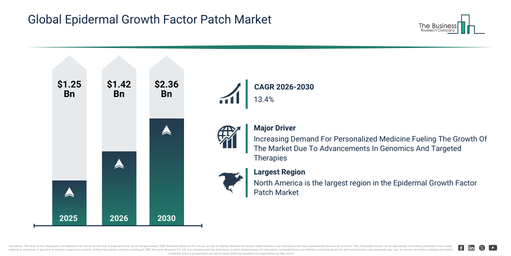
    The epidermal growth factor patch market size has experienced swift expansion in recent years. It is anticipated to grow from $1.25 billion in 2025 to $1.42 billion in 2026, achieving a compound annual growth rate (CAGR) of 13.8%. This historical growth stems from factors such as the increasing utilization of growth factors in dermatology, the wider adoption of wound care products, a heightened demand for aesthetic skin treatments, the progressive availability of advanced transdermal technologies, and the rising acceptance of patch-based therapies.

    The epidermal growth factor patch market is projected to experience swift expansion in the coming years. It is anticipated to reach $2.36 billion by 2030, exhibiting a compound annual growth rate (CAGR) of 13.4%. This growth during the projection period stems from factors such as the increasing acceptance of regenerative skincare solutions, a rising need for scar and anti-aging remedies, the broadening scope of home-based dermatological care, increased investment in sophisticated biomaterial research, and a greater emphasis on patient-friendly delivery methods. Key trends expected over the forecast horizon encompass the growing uptake of transdermal growth factor application, wider utilization of microneedle patch technologies, an increasing call for non-invasive wound healing options, the spread of advanced skincare patch uses, and a sharpened focus on the engineering of controlled-release patches.

    Get A Free Sample Report With In-Depth Market Insights:

    https://thebusinessresearchcompany.com/sample_request?id=72874637&type=smp&name=Epidermal%20Growth%20Factor%20Patch%20Market%20Report%202026&utm_source=Blogs&utm_medium=Paid&utm_campaign=Oct_PR

    Epidermal Growth Factor Patch Market Growth Catalysts And Demand Drivers

    The rising demand for personalized medicine is projected to drive the expansion of the epidermal growth factor patch market in the coming years. Personalized medicine is defined as a healthcare strategy that customizes treatment and prevention plans to suit an individual’s unique genetic profile, lifestyle, and environment. The increasing adoption of personalized medicine is predominantly attributed to advancements in genomics, which enable precise detection of genetic variations and the creation of tailored treatments for individuals. Epidermal Growth Factor (EGF) patches enhance personalized medicine by offering targeted and localized delivery of growth factors, making them highly effective for wound healing and skin regeneration. They expedite recovery by promoting cell proliferation and tissue repair, leading to improved patient-specific treatment outcomes. For example, in February 2024, as reported by the Personalized Medicine Coalition (PMC), a US-based nonprofit organization, the U.S. Food and Drug Administration (FDA) approved 26 new personalized medicines in 2023, a significant rise from the 12 approvals in 2022. Therefore, the growing demand for personalized medicine is a key factor propelling the growth of the epidermal growth factor patch market.

    Epidermal Growth Factor Patch Market Segment Analysis: What Are The Core Market Categories?

    The epidermal growth factor patch market covered in this report is segmented –

    1) By Product Type: Hydrogel Patches, Microneedle Patches, Film Patches, Other Product Types

    2) By Application: Wound Healing, Anti-Aging, Scar Treatment, Skin Rejuvenation, Other Applications

    3) By Distribution Channel: Online Pharmacies, Retail Pharmacies, Hospital Pharmacies, Other Distribution Channels

    4) By End-User: Hospitals And Clinics, Dermatology Centers, Home Care, Other End-Users

    Subsegments:

    1) By Hydrogel Patches: Moisturizing Repair, Anti Aging, Scar Reduction, Wound Healing

    2) By Microneedle Patches: Epidermal Growth Factor Delivery, Vaccine Delivery, Pain Management, Cosmetic Treatment

    3) By Film Patches: Skin Brightening, Anti Wrinkle, Acne Treatment, Hydration Boost

    4) By Other Product Types: Cooling Soothing, Anti Inflammatory, Detoxifying, Skin Firming

    Epidermal Growth Factor Patch Market Top Companies Driving Competitive Growth

    Major companies operating in the epidermal growth factor patch market are Nissha Co. Ltd., Daewoong Pharmaceutical Co. Ltd., Kindeva Drug Delivery L.L.C., LTS Lohmann Therapie-Systeme AG, Teikoku Seiyaku Co. Ltd., Katecho Inc., QuadMedicine Inc., DermaJect AB, Micropoint Technologies Ltd., CD Bioparticles Inc., CosMED Pharmaceutical Co. Ltd., Alliqua BioMedical Inc., NEXGEL Inc., Pocono Pharma Inc., Micron Biomedical Inc., Raphas Co. Ltd., Heber Biotech S.A., Zosano Pharma Corporation, Hebei Feifan Biotechnology Co. Ltd., QuadMedicine Inc.

    View The Full Epidermal Growth Factor Patch Market Report:

    https://thebusinessresearchcompany.com/report/epidermal-growth-factor-patch-global-market-report?utm_source=Blogs&utm_medium=Paid&utm_campaign=Oct_PR

    Epidermal Growth Factor Patch Market Global Footprint: Which Region Leads The Industry?

    North America was the largest region in the epidermal growth factor patch market in 2025. Asia-Pacific is expected to be the fastest-growing region in the forecast period. The regions covered in the epidermal growth factor patch market report are Asia-Pacific, South East Asia, Western Europe, Eastern Europe, North America, South America, Middle East, Africa.

    Reach Out To Our Team:

    The Business Research Company: https://www.thebusinessresearchcompany.com/

    Americas: +1 310-496-7795

    Asia: +44 7882 955267 & +91 8897263534

    Europe: +44 7882 955267

    Email us at: marketing@tbrc.info

    Follow us on:

    LinkedIn: https://in.linkedin.com/company/the-business-research-company

    YouTube: https://www.youtube.com/channel/UC24_fI0rV8cR5DxlCpgmyFQ

    Global Market Model: https://www.thebusinessresearchcompany.com/global-market-model
  • E-Pharmacy Market Size And Forecast 2026–2030: Trends Driving Industry Expansion

    E-Pharmacy Market Size And Forecast 2026–2030: Trends Driving Industry Expansion

    Built to provide research that’s more actionable and strategically valuable, The Business Research Company’s 2026 market reports include market attractiveness analysis, total addressable market sizing, company benchmarking matrices, interactive Excel dashboards, broader supply chain intelligence, emerging startup tracking, and in-depth product insights.

    E-Pharmacy Market CAGR Outlook And Future Development

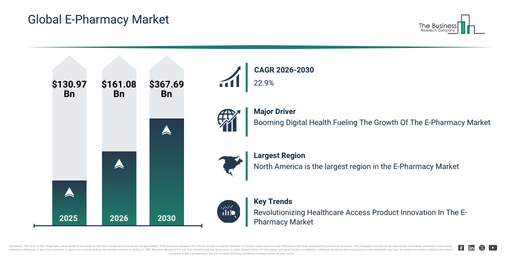
    The e-pharmacy market has experienced significant expansion in recent years. Its valuation is set to rise from $130.97 billion in 2025 to $161.08 billion in 2026, achieving a compound annual growth rate (CAGR) of 23.0%. The historical growth trajectory can be ascribed to elements such as increased internet penetration, a growing urban population, the escalating prevalence of chronic illnesses, broader smartphone adoption, and the timely acceptance of online retail models.

    The e-pharmacy market is projected to experience significant expansion over the coming years, reaching a valuation of $367.69 billion by 2030, with a compound annual growth rate (CAGR) of 22.9%. This expansion during the forecast period is propelled by factors such as the incorporation of AI into pharmacy operations, a heightened need for doorstep healthcare, greater adoption of digital payment methods, regulatory backing for electronic prescriptions, and broadened access to in both semi-urban and rural regions. Key trends anticipated for this period encompass the swift rise of app-centric e-pharmacy platforms, an increase in home delivery and same-day fulfillment options, greater uptake of e-prescriptions and digital refill services, a surge in demand for chronic disease medication subscriptions, and an evolving consumer preference for pharmacy services that are contactless.

    Get A Free Sample Report With In-Depth Market Insights:

    https://thebusinessresearchcompany.com/sample_request?id=58979311&type=smp&name=E-Pharmacy%20Market%20Report%202026&utm_source=Blogs&utm_medium=Paid&utm_campaign=Oct_PR

    E-Pharmacy Market Opportunity Drivers: What’s Unlocking New Revenue Potential?

    The thriving digital health sector is projected to drive the growth of healthcare IT and telemedicine markets in the upcoming years. Digital health encompasses various technologies such as telemedicine, mobile health applications, wearable devices, and virtual consultations that improve access to care, patient involvement, and healthcare efficiency. The rise in the adoption of digital health is propelled by patient demand for convenient care, advancements in technology, and supportive regulatory frameworks. For instance, in May 2024, a report published by Eurostat, a Luxembourg-based government agency, indicated that in 2023, 8.5% of individuals in the EU aged 16 to 74 utilized the internet for online consultations. Hence, the increasing deployment of digital health solutions is fostering market expansion.

    E-Pharmacy Market Segment Breakdown: Which Categories Lead On Revenue?

    The e-pharmacy market covered in this report is segmented –

    1) By Drug Type: Prescription Drugs, Over-The-Counter (OTC) Drugs

    2) By Product Type: Skin Care, Dental, Cold And Flu, Vitamins, Weight Loss, Other Product Types

    3) By Payment Method: Cash on Delivery, Online Payment

    4) By Platform: App-Based, Web-Based

    Subsegments:

    1) By Prescription Drugs: Chronic Disease Medications, Acute Disease Medications, Specialty Drugs, Controlled Substances

    2) By Over-The-Counter (OTC) Drugs: Pain Relievers, Cold And Allergy Medications, Digestive Health Products, Vitamins And Supplements

    E-Pharmacy Market Innovation Trends Shaping Future Development

    Leading companies within the E-Pharmacy market are harnessing digital technology to improve patient access to medicines, providing services such as at-home delivery, virtual consultations, and individualized medication management to enhance healthcare convenience and adherence. For example, in January 2024, Eli Lilly and Company, a US-based pharmaceutical firm, launched LillyDirect, a new digital healthcare experience in the U.S. This unique platform is specifically designed to simplify healthcare access for patients living with chronic conditions like obesity, migraine, and diabetes, offering personalized disease management resources, telehealth services, and direct home delivery of medications. LillyDirect incorporates LillyDirect Pharmacy Solutions, a component that allows patients to order select Lilly medications online for direct delivery to their homes via partnered online pharmacy fulfillment services, thereby increasing user convenience.

    E-Pharmacy Market Leading Players And Competitive Positioning

    Major companies operating in the e-pharmacy market are Walgreen Company, Express Scripts Holding Company, CVS Health Corporation, DocMorris N. V, OptumRx Holdings LLC, PharmEasy, Tata 1mg, Netmeds, Amazon Inc., Apollo Pharmacy Ltd., Rowlands Phamacy, The Kroger Co., Wal-Mart Stores Inc., Medlife International Private Limited, MedPlus Health Services Private Limited, Medikabazaar Private Limited, MedPlusMart Private Limited, MedsIndia Limited, MedsOnCall Healthcare Private Limited, MedsSure Healthcare Private Limited, MedsDelight Healthcare Private Limited, MedsBazaar Healthcare Private Limited

    View The Full E-Pharmacy Market Report:

    https://thebusinessresearchcompany.com/report/E-pharmacy-global-market-report?utm_source=Blogs&utm_medium=Paid&utm_campaign=Oct_PR

    E-Pharmacy Market Regional Distribution: Which Areas Power Market Growth?

    North America was the largest region in the e-pharmacy market in 2025. Asia-Pacific is expected to be the fastest-growing region in the forecast period. The regions covered in the e-pharmacy market report are Asia-Pacific, South East Asia, Western Europe, Eastern Europe, North America, South America, Middle East, Africa.

    Reach Out To Our Team:

    The Business Research Company: https://www.thebusinessresearchcompany.com/

    Americas: +1 310-496-7795

    Asia: +44 7882 955267 & +91 8897263534

    Europe: +44 7882 955267

    Email us at: marketing@tbrc.info

    Follow us on:

    LinkedIn: https://in.linkedin.com/company/the-business-research-company

    YouTube: https://www.youtube.com/channel/UC24_fI0rV8cR5DxlCpgmyFQ

    Global Market Model: https://www.thebusinessresearchcompany.com/global-market-model
  • Enzymes Market 2026 Outlook: Market Size, CAGR And Key Growth Opportunities

    Enzymes Market 2026 Outlook: Market Size, CAGR And Key Growth Opportunities

    Backed by market attractiveness analysis, total addressable market sizing, company benchmarking matrices, interactive Excel dashboards, wider supply chain intelligence, emerging startup coverage, and detailed product-level insights, The Business Research Company’s 2026 market reports are designed to offer research that is more actionable and strategically valuable than ever.

    Enzymes Market Set To Climb From $17.28 Billion In 2026 To $28.7 Billion By 2030

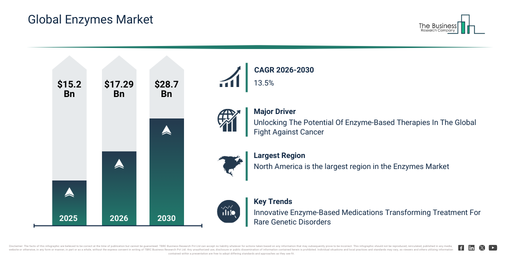
    The enzymes market has experienced substantial expansion in recent years. It will grow from $15.2 billion in 2025 to $17.29 billion in 2026 at a compound annual growth rate (CAGR) of 13.7%. Historically, this growth is linked to factors such as an increasing need for therapeutic enzymes, advancements in microbial fermentation technology, enhanced biotechnology research, the implementation of enzyme-based diagnostic tools, and the enlargement of pharmaceutical production.

    The enzymes market is projected for swift expansion in the coming years, reaching $28.7 billion in 2030 with a compound annual growth rate (CAGR) of 13.5%. This projected growth during the forecast period stems from factors such as the rise of personalized medicine, progress in protein engineering, increased demand for industrial enzymes in the food and beverage sectors, a greater emphasis on sustainable enzyme manufacturing, and the expansion of developing markets in the Asia-Pacific region. Key trends anticipated for this period encompass enzyme engineering and protein design, the broadening of industrial enzyme applications, personalized enzyme therapy, advancements in microbial enzymes, and the development of eco-friendly and sustainable enzyme production methods.

    Get A Free Sample Report With In-Depth Market Insights:

    https://thebusinessresearchcompany.com/sample_request?id=64981146&type=smp&name=Enzymes%20Market%20Report%202026&utm_source=Blogs&utm_medium=Paid&utm_campaign=Oct_PR

    Enzymes Market Growth Momentum: What Factors Are Shaping Demand?

    The escalating incidence of cancer, which necessitates drug-metabolizing enzymes (DMEs) for effective chemotherapy, is projected to propel the expansion of the enzyme market in the coming years. The activation of enzymes within the human body plays a vital role in eliminating cancer cells and breaking down tumors. Therefore, the expression and proper functioning of drug-metabolizing enzymes (DMEs) in the tumor tissues and metabolic organs of cancer patients are indispensable, providing crucial support for patients who exhibit low reaction to anticancer drugs and poor response to chemotherapy. For instance, in September 2025, according to the American Cancer Society, a US-based professional organization, an estimated 313,780 new cases of prostate cancer are anticipated in the United States in 2025. The risk of developing prostate cancer also increases sharply with age, escalating from 0.2% in men under 50 to 6.5% in those aged 70–79. Consequently, the rising prevalence of cancer conditions amenable to treatment with therapeutic enzymes is expected to fuel the enzyme market growth.

    Enzymes Market Segmentation: How Does The Market Break Down By Category?

    The enzymes market covered in this report is segmented –

    1) By Product Type: Asparaginase, Lipase, Protease, Nattokinase, Chitinase, Serratiopeptidase, Collagenase, Ligase, Other Products

    2) By Application: Leukemia, Stomach Disorders, Antitumor, Skin Ulcers, Gaucher Disease, Fabry Disease, Other Applications

    3) By End User: Drug Manufacturers, Hospitals, Private Clinics, Research Laboratories

    Subsegments:

    1) By Asparaginase: L-asparaginase, Erwinia Asparaginase, Pegylated Asparaginase

    2) By Lipase: Gastric Lipase, Pancreatic Lipase, Fungal Lipase, Bacterial Lipase

    3) By Protease: Serine Proteases, Cysteine Proteases, Aspartic Proteases, Metalloproteases

    4) By Nattokinase: Nattokinase Powder, Nattokinase Capsules

    5) By Chitinase: Plant Chitinase, Microbial Chitinase

    6) By Serratiopeptidase: Serratiopeptidase Tablets, Serratiopeptidase Capsules

    7) By Collagenase: Type I Collagenase, Type II Collagenase, Type III Collagenase

    8) By Ligase: DNA Ligase, RNA Ligase

    9) By Other Products: Amylase, Cellulase, Beta-Glucanase

    Enzymes Market Trends Redefining Industry Growth

    Key players in the enzyme market are actively developing innovative products, such as Lamzede, to enhance patient care. Lamzede (velmanase alfa) is a medication specifically designed for the treatment of alpha-mannosidosis, a rare genetic condition resulting from deficient activity of the lysosomal alpha-galactosidase-A enzyme. For instance, in May 2023, Chiesi Global Rare Diseases, a US-based pharmaceutical manufacturing company, secured FDA approval for Lamzede (velmanase alfa) for managing non-neurological symptoms in patients with mild-to-moderate alpha-mannosidosis. This drug, Lamzede, is a recombinant form of human alpha-mannosidase, engineered in mammalian Chinese hamster ovary (CHO) cells through recombinant DNA technology. It holds the distinction of being the first enzyme replacement therapy approved in the U.S. for addressing the non-central nervous system manifestations of alpha-mannosidosis.

    Enzymes Market Competitive Overview And Top Companies

    Major companies operating in the enzymes market are Novozymes A/S, DuPont Industrial Biosciences, BASF SE, Koninklijke DSM N.V., Chr. Hansen Holding A/S, Roche Holding AG, Advanced Enzyme Technologies Ltd., AB Enzymes GmbH, Codexis Inc., Dyadic International Inc., Amano Enzyme Inc., Adisseo France SAS, Biocatalysts Ltd., Amano Enzyme Inc., Enzyme Development Corporation, Creative Enzymes, Hayashibara Co. Ltd., Thermo Fisher Scientific Inc., Associated British Foods Plc, Lonza Group AG, Novus International Inc., Epygen Biotech, DSM Nutritional Products AG, Soufflet Biotechnologies SAS, Beijing Leili Marine Bioindustry Inc., Jiangsu Boli Bioproducts Co. Ltd.

    View The Full Enzymes Market Report:

    https://thebusinessresearchcompany.com/report/Enzyme-global-market-report?utm_source=Blogs&utm_medium=Paid&utm_campaign=Oct_PR

    Enzymes Market Leading Geography: Which Region Contributes The Most Revenue?

    North America was the largest region in the enzymes market in 2025. The regions covered in the enzymes market report are Asia-Pacific, South East Asia, Western Europe, Eastern Europe, North America, South America, Middle East, Africa.

    Reach Out To Our Team:

    The Business Research Company: https://www.thebusinessresearchcompany.com/

    Americas: +1 310-496-7795

    Asia: +44 7882 955267 & +91 8897263534

    Europe: +44 7882 955267

    Email us at: marketing@tbrc.info

    Follow us on:

    LinkedIn: https://in.linkedin.com/company/the-business-research-company

    YouTube: https://www.youtube.com/channel/UC24_fI0rV8cR5DxlCpgmyFQ

    Global Market Model: https://www.thebusinessresearchcompany.com/global-market-model
  • Enzyme Replacement Therapy Market Size Growth: From $13.42 Billion In 2026 To $19.28 Billion By 2030

    Enzyme Replacement Therapy Market Size Growth: From $13.42 Billion In 2026 To $19.28 Billion By 2030

    Featuring market attractiveness scoring, total addressable market sizing, company benchmarking matrices, interactive Excel dashboards, deeper supply chain intelligence, emerging startup tracking, and granular product-level insights, The Business Research Company’s 2026 market reports are built to deliver research that is both more actionable and more strategically valuable.

    Enzyme Replacement Therapy Market Forecast: Value Set To Climb From $13.42 Billion To $19.28 Billion

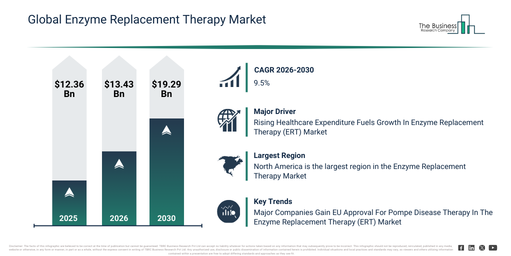
    The enzyme replacement therapy market has experienced robust expansion in recent years. Its value is anticipated to rise from $12.36 billion in 2025 to $13.43 billion in 2026, reflecting a compound annual growth rate (CAGR) of 8.6%. This past growth can be ascribed to factors such as the increasing incidence of lysosomal storage disorders, developments in recombinant DNA technology, heightened awareness regarding rare diseases, improved hospital infrastructure, and government efforts supporting treatments for rare conditions.

    The enzyme replacement therapy market is projected to experience robust expansion over the coming years. This market is anticipated to reach $19.29 billion by 2030, exhibiting a compound annual growth rate (CAGR) of 9.5%. Factors contributing to this growth during the forecast period include the broadening scope of precision medicine, the creation of innovative enzyme formulations, a rise in the use of home infusion therapies, the incorporation of digital health solutions, and an increase in partnerships between biotechnology firms and research institutions. Key trends anticipated for the forecast period encompass individualized enzyme replacement therapies, the enlargement of programs for treating rare diseases, the advancement of extended-release enzyme formulations, the utilization of less invasive administration methods, and the incorporation of real-world data for optimizing therapeutic approaches.

    Get A Free Sample Report With In-Depth Market Insights:

    https://thebusinessresearchcompany.com/sample_request?id=10512&type=smp&name=Enzyme%20Replacement%20Therapy%20Market%20Report%202026&utm_source=Blogs&utm_medium=Paid&utm_campaign=Oct_PR

    Enzyme Replacement Therapy Market Expansion Drivers: What’s Shaping Future Growth?

    The growth of the enzyme replacement therapy (ERT) market is expected to be propelled by increasing healthcare expenditure. This expenditure refers to the total amount of money allocated to , related goods, and activities within a specific healthcare system or economy over a defined period. Healthcare expenditure is essential for enzyme replacement therapy (ERT) primarily due to the specialized and often costly nature of these treatments, specifically for research and development and clinical trials and testing. For instance, in June 2025, the US-based federal agency, Centers for Medicare & Medicaid Services (CMS), indicated that National Health Expenditure (NHE) saw a 7.5% increase to $4.9 trillion in 2023, amounting to $14,570 per person, and constituting 17.6% of Gross Domestic Product (GDP). Hospital expenditures climbed 10.4% to $1,519.7 billion in 2023, which was a faster expansion compared to the 3.2% growth in 2022. Therefore, the rising healthcare expenditures are a key factor driving the expansion of the enzyme replacement therapy (ERT) market.

    Enzyme Replacement Therapy Market Segment Trends And Revenue Contributors

    The enzyme replacement therapy market covered in this report is segmented –

    1) By Enzyme Type: Agalsidase Alfa, Agalsidase Beta, Galsulfase, Other Enzyme Types

    2) By Route Of Administration: Oral, Parenteral

    3) By Application: Gaucher Disease, Pompe Disease, Fabry Disease, Other Applications

    4) By End-Users: Hospitals, Infusion Centers, Other End-Users

    Enzyme Replacement Therapy Market Strategic Trends: What Defines The Next Growth Phase?

    Leading companies in the enzyme replacement therapy (ERT) market are prioritizing innovative treatment products and seeking approval for Pompe disease therapies to address the significant unmet medical needs of patients with late-onset Pompe disease. Illustratively, a treatment for Pompe disease available in the European Union, which comprises Pombiliti (cipaglucosidase alfa) and Opfolda (miglustat), serves as an enzyme replacement therapy for adults with late-onset Pompe disease. As a specific example, in June 2023, Amicus Therapeutics, a US-based biotechnology company, announced the approval and launch of a novel Pompe disease therapy in the European Union. This initiative was undertaken to meet the unmet medical need for patients with late-onset Pompe disease, bolstered by clinical data, and driven by potential market opportunities and regulatory support. This therapy, consisting of Pombiliti (cipaglucosidase alfa) and Opfolda (miglustat), functions as an enzyme replacement therapy for adults with late-onset Pompe disease.

    Enzyme Replacement Therapy Market Competitive Landscape: Which Companies Lead The Industry?

    Major companies operating in the enzyme replacement therapy market are Biomarin Pharmaceutical Inc., Leadiant Biosciences Inc., Pfizer Inc., Sanofi S.A., AbbVie Inc., Alexion Pharmaceuticals Inc., Recordati Rare Diseases Inc., JCR Pharmaceuticals Co. Ltd., Horizon Pharma Public Limited Company, Protalix Biotherapeutics Ltd., Amicus Therapeutics Inc., AstraZeneca plc, Novartis AG, Roche Holding AG, GlaxoSmithKline plc, Merck & Co. Inc., Eli Lilly and Company, Bristol-Myers Squibb Company, Retrophin Inc., Abeona Therapeutics Inc., Orchard Therapeutics plc, Ultragenyx Pharmaceutical Inc.

    View The Full Enzyme Replacement Therapy Market Report:

    https://thebusinessresearchcompany.com/report/enzyme-replacement-therapy-global-market-report?utm_source=Blogs&utm_medium=Paid&utm_campaign=Oct_PR

    Enzyme Replacement Therapy Market Regional Outlook: Where Is Opportunity Concentrated?

    North America was the largest region in the enzyme replacement therapy market in 2025. Asia-Pacific is expected to be the fastest-growing region in the global enzyme replacement therapy market report during the forecast period. The regions covered in the enzyme replacement therapy market report are Asia-Pacific, South East Asia, Western Europe, Eastern Europe, North America, South America, Middle East, Africa.

    Reach Out To Our Team:

    The Business Research Company: https://www.thebusinessresearchcompany.com/

    Americas: +1 310-496-7795

    Asia: +44 7882 955267 & +91 8897263534

    Europe: +44 7882 955267

    Email us at: marketing@tbrc.info

    Follow us on:

    LinkedIn: https://in.linkedin.com/company/the-business-research-company

    YouTube: https://www.youtube.com/channel/UC24_fI0rV8cR5DxlCpgmyFQ

    Global Market Model: https://www.thebusinessresearchcompany.com/global-market-model
  • Enzyme Inhibitor Market Analysis 2026: Market Size, Growth Trends And Industry Outlook

    Enzyme Inhibitor Market Analysis 2026: Market Size, Growth Trends And Industry Outlook

    Built to provide research that’s more actionable and strategically valuable, The Business Research Company’s 2026 market reports include market attractiveness analysis, total addressable market sizing, company benchmarking matrices, interactive Excel dashboards, broader supply chain intelligence, emerging startup tracking, and in-depth product insights.

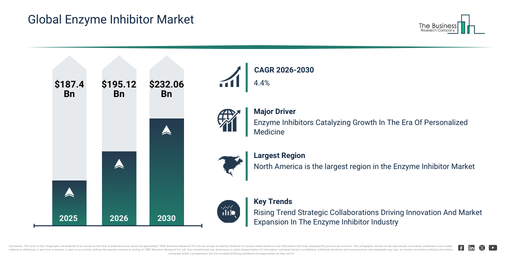
    Enzyme Inhibitor Market Revenue Growth On Track For A 4.4% CAGR Through 2030

    The enzyme inhibitor market size has experienced steady growth in recent years. It is forecast to rise from $187.4 billion in 2025 to $195.12 billion in 2026, at a compound annual growth rate (CAGR) of 4.1%. This expansion in the past can be attributed to several factors including the increasing prevalence of chronic diseases, a growth in pharmaceutical R&D spending, robust demand for ppIs and statins, a rising aging population, and the broadening availability of generic enzyme inhibitor drugs.

    The enzyme inhibitor market size is projected to experience consistent expansion over the upcoming years. It will grow to $232.06 billion in 2030 at a compound annual growth rate (CAGR) of 4.4%. This anticipated expansion during the forecast period is driven by progress in precision medicine, a surge in oncology drug development pipelines, increasing investments within the biotechnology sector, a growing need for tailored treatments, and broader applications in non-pharmaceutical fields. Key developments expected during this period include a greater uptake of targeted enzyme inhibitor treatments, wider application of enzyme inhibitors for managing chronic diseases, enhanced research and development efforts toward more selective and safer inhibitors, an increase in the utilization of enzyme inhibitors beyond therapeutic uses, and a move towards combination drug strategies.

    Get A Free Sample Report With In-Depth Market Insights:

    https://thebusinessresearchcompany.com/sample_request?id=43144344&type=smp&name=Enzyme%20Inhibitor%20Market%20Report%202026&utm_source=Blogs&utm_medium=Paid&utm_campaign=Oct_PR

    Enzyme Inhibitor Market Development Factors: What’s Supporting Demand?

    The rising demand for personalized medicine is anticipated to boost the expansion of the enzyme inhibitor market in the coming years. Personalized medicine, also known as precision medicine, represents a healthcare and treatment framework that considers an individual’s distinct genetic makeup, environment, and lifestyle. The increasing adoption of personalized medicine is propelled by developments in targeted therapies, precision diagnostics, and drug discovery, where enzyme inhibitors are essential as they can be customized for specific patients or disease subtypes. For instance, in February 2024, according to the Personalised Medicine Coalition, a US-based hospital and health care organization, in 2023, the FDA approved 16 new personalized treatments for rare disease patients, a rise from 6 in 2022. As a result, the growing need for personalized medicine is fueling the growth of the enzyme inhibitor market.

    Enzyme Inhibitor Market Segment Analysis Spotlighting Growth Areas

    The enzyme inhibitor market covered in this report is segmented –

    1) By Type: Proton Pump Inhibitors (PPIs), Protease Inhibitors, Reverse Transcriptase Inhibitors, Aromatase Inhibitors, Kinase Inhibitors, Neuraminidase Inhibitors, Statins, Other Types

    2) By Disease Indication: Chronic Obstructive Pulmonary Disorders, Cardiovascular Disease, Gastrointestinal Disorders, Arthritis, Inflammatory Diseases, Other Disease Indications

    3) By Application: Chemotherapy, Antibiotics, Pesticides, Cardiovascular Treatments, Other Applications

    4) By End User: Pharmaceutical, Biotechnology, Food And Beverage, Other End Users

    Subsegments:

    1) By Proton Pump Inhibitors (PPIs): Omeprazole, Esomeprazole, Lansoprazole, Pantoprazole, Rabeprazole

    2) By Protease Inhibitors: Ritonavir, Lopinavir, Atazanavir, Saquinavir, Darunavir

    3) By Reverse Transcriptase Inhibitors: NRTIs (Nucleoside Reverse Transcriptase Inhibitors), NNRTIs (Non-Nucleoside Reverse Transcriptase Inhibitors)

    4) By Aromatase Inhibitors: Anastrozole, Letrozole, Exemestane

    5) By Kinase Inhibitors: BCR-ABL Inhibitors, EGFR Inhibitors, ALK Inhibitors, MEK Inhibitors

    6) By Neuraminidase Inhibitors: Oseltamivir, Zanamivir, Peramivir

    7) By Statins: Atorvastatin, Simvastatin, Rosuvastatin, Lovastatin

    8) By Other Types: Antifolates, Phosphodiesterase Inhibitors, Cyclooxygenase Inhibitors

    Enzyme Inhibitor Market Transformation Trends: What Innovations Are Driving Change?

    Major companies in the enzyme inhibitor market are concentrating on developing innovative therapies, such as selective kinase inhibitors, to enhance therapeutic options and patient results across various medical conditions. Jaypirca (pirtobrutinib), a highly selective, non-covalent Bruton’s tyrosine kinase (BTK) inhibitor, received FDA approval for adult patients suffering from relapsed or refractory mantle cell lymphoma after at least two prior systemic therapies. For instance, in January 2023, Loxo Oncology at Lilly, the oncology division of US-based pharmaceutical company Eli Lilly and Company, introduced Jaypirca tablets. This medication stands as the first and sole non-covalent (reversible) Bruton’s tyrosine kinase (BTK) inhibitor to be approved by the Food and Drug Administration, a US-based health organization. This approval marks a considerable stride for mantle cell lymphoma patients who face restricted treatment avenues following progression on existing therapies, as Jaypirca offers a new method to target the BTK pathway, which could lead to better outcomes for this patient group.

    Enzyme Inhibitor Market Leading Companies: Who Holds The Strongest Market Presence?

    Major companies operating in the enzyme inhibitor market are Abbott Laboratories, Amgen Inc., AstraZeneca plc, Bayer AG, F. Hoffmann-La Roche AG, Pfizer Inc., Takeda Pharmaceutical Company, Merck and Co. Inc., Eli Lilly and Company, Bristol-Myers Squibb Company, Cipla USA Inc., AbbVie Inc., Teva Pharmaceutical Industries Ltd., Janssen Pharmaceuticals, Acellera Ltd., BioSolveIT GmbH, Cresset BioMolecular Discovery Ltd., Dotmatics Limited, Inte:Ligand GmbH, LeadIT, Chemical Computing Group Inc.

    View The Full Enzyme Inhibitor Market Report:

    https://thebusinessresearchcompany.com/report/enzyme-inhibitor-global-market-report?utm_source=Blogs&utm_medium=Paid&utm_campaign=Oct_PR

    Enzyme Inhibitor Market Geographic Landscape: Which Region Leads Industry Growth?

    North America was the largest region in the enzyme inhibitor market in 2025. Asia-Pacific is expected to be the fastest-growing region in the forecast period. The regions covered in the enzyme inhibitor market report are Asia-Pacific, South East Asia, Western Europe, Eastern Europe, North America, South America, Middle East, Africa.

    Reach Out To Our Team:

    The Business Research Company: https://www.thebusinessresearchcompany.com/

    Americas: +1 310-496-7795

    Asia: +44 7882 955267 & +91 8897263534

    Europe: +44 7882 955267

    Email us at: marketing@tbrc.info

    Follow us on:

    LinkedIn: https://in.linkedin.com/company/the-business-research-company

    YouTube: https://www.youtube.com/channel/UC24_fI0rV8cR5DxlCpgmyFQ

    Global Market Model: https://www.thebusinessresearchcompany.com/global-market-model
  • Environmental Biotechnology Market Forecast To 2030: Starting From $34.68 Billion In 2026

    Environmental Biotechnology Market Forecast To 2030: Starting From $34.68 Billion In 2026

    Backed by market attractiveness analysis, total addressable market sizing, company benchmarking matrices, interactive Excel dashboards, wider supply chain intelligence, emerging startup coverage, and detailed product-level insights, The Business Research Company’s 2026 market reports are designed to offer research that is more actionable and strategically valuable than ever.

    Environmental Biotechnology Market Value Growth And Long-Term Outlook

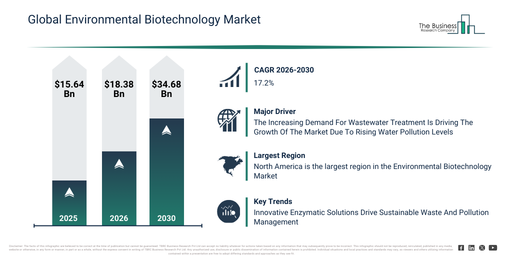
    The environmental biotechnology sector has experienced swift expansion recently. Forecasts indicate its valuation will ascend from $15.64 billion in 2025 to $18.38 billion in 2026, exhibiting a compound annual growth rate (CAGR) of 17.5%. Historically, this growth was influenced by factors such as a developing understanding of environmental biotechnology solutions, a predominant reliance on traditional chemical treatments, the increasing production of industrial wastewater, the absence of robust regulatory guidelines for microbial applications, and the gradual integration into agricultural practices and waste management processes.

    The environmental biotechnology market is projected to experience substantial growth in the upcoming years, expanding to $34.68 billion in 2030, at a compound annual growth rate (CAGR) of 17.2%. This projected increase is attributed to advancements in microbial consortia and enzyme formulations, heightened government incentives for sustainable practices, an increase in environmental regulations for treating wastewater and soil, the broadening of industrial and agricultural bioremediation applications, and rising investment in genetically engineered microorganisms. Prominent trends throughout this period include the increased adoption of microbial blends for waste treatment, a growing reliance on enzymes for pollution control, the expansion of nutrient-based bioremediation solutions, more widespread applications in soil and water bioremediation, and a focused effort on genetically engineered microorganisms for environmental problem-solving.

    Get A Free Sample Report With In-Depth Market Insights:

    https://thebusinessresearchcompany.com/sample_request?id=33903847&type=smp&name=Environmental%20Biotechnology%20Market%20Report%202026&utm_source=Blogs&utm_medium=Paid&utm_campaign=Oct_PR

    Environmental Biotechnology Market Industry Drivers: What’s Behind The Revenue Growth?

    The growing necessity for wastewater processing is set to boost the environmental biotechnology market’s expansion moving forward. Wastewater treatment refers to the procedure for eliminating harmful substances, pollutants, and contaminants from water that has been used, making it safe for either environmental release or repurposing. This increased demand for wastewater treatment primarily arises from escalating water pollution levels that endanger public health, natural ecosystems, and the availability of clean water. Environmental biotechnology enhances wastewater treatment by employing biological processes and organisms to efficiently break down pollutants, lessen toxic waste, and promote the discharge of cleaner water. For instance, in 2025, according to the report published by the American Society of Civil Engineers, a US-based professional organization, in 2024, the estimated annual investment gap for water infrastructure, including drinking water, wastewater, and stormwater, was $99 billion, an increase from the $81 billion. Therefore, the increasing demand for wastewater treatment is driving the growth of the environmental biotechnology market.

    Environmental Biotechnology Market Segment Performance And Emerging Opportunities

    The environmental biotechnology market covered in this report is segmented –

    1) By Product: Microbial Blends, Nutrients, Enzymes, Microbes

    2) By Technology: Cell-Based Assays, Nanobiotechnology, Fermentation, Deoxyribonucleic Acid (DNA) Sequencing, Polymerase Chain Reaction Technology, Other Technologies

    3) By Application: Wastewater Treatment, Bioremediation, Other Applications

    4) By End User: Agriculture, Water Treatment, Energy, Waste Management, Food And Beverage, Pharmaceuticals

    Subsegments:

    1) By Microbial Blends: Bioaugmentation Blends, Bioremediation Microbial Consortia, Waste Decomposition Microbial Mixes, Odor Control Microbial Formulations

    2) By Nutrients: Nitrogen Supplements, Phosphorus Additives, Trace Mineral Blends, Carbon Source Additives

    3) By Enzymes: Waste Degrading Enzymes, Oil And Grease-Degrading Enzymes, Sludge Reduction Enzymes, Odor Control Enzymes

    4) By Microbes: Bacteria, Fungi, Algae, Genetically Engineered Microorganisms

    #Environmental Biotechnology Market Growth Trends: What’s Shaping The Future Outlook?

    Major companies in the environmental biotechnology market are concentrating on developing novel solutions, such as enzyme-based biocatalysts, to improve the efficiency and sustainability of pollution control and waste treatment processes. These enzyme-based biocatalysts are biological molecules that accelerate chemical reactions, facilitating faster and more effective processes in environmental applications like waste degradation and pollutant removal. For example, in November 2024, Novonesis A/S, a Denmark-based biotechnology company, introduced Eversa Advance, an enzymatic biosolution designed to enhance the efficiency and sustainability of biodiesel feedstock processing, particularly for materials containing up to 20% free fatty acids. This groundbreaking solution enables biodiesel producers to process waste-based feedstocks without needing acid esterification, thereby cutting pretreatment operating costs by up to 45% and simultaneously reducing equipment wear and downtime. By boosting feedstock flexibility, this solution aids in increasing plant profitability and fostering more sustainable biodiesel production.

    Environmental Biotechnology Market Key Players: Which Companies Lead Industry Competition?

    Major companies operating in the environmental biotechnology market are BASF SE, Dow Chemical Company, Evonik Industries AG, Ecolab Inc., DuPont de Nemours Inc., Suez SA, Novonesis A/S, Ginkgo Bioworks Holdings Inc., Praj Industries Limited, Genomatica Inc., LanzaTech Global Inc., Biorem Inc., Green Biologics Ltd., Veolia Environnement S.A.

    View The Full Environmental Biotechnology Market Report:

    https://thebusinessresearchcompany.com/report/environmental-biotechnology-global-market-report?utm_source=Blogs&utm_medium=Paid&utm_campaign=Oct_PR

    Environmental Biotechnology Market Largest Region: Which Geography Holds The Biggest Share?

    North America was the largest region in the environmental biotechnology market in 2025. The regions covered in the environmental biotechnology market report are Asia-Pacific, South East Asia, Western Europe, Eastern Europe, North America, South America, Middle East, Africa.

    Reach Out To Our Team:

    The Business Research Company: https://www.thebusinessresearchcompany.com/

    Americas: +1 310-496-7795

    Asia: +44 7882 955267 & +91 8897263534

    Europe: +44 7882 955267

    Email us at: marketing@tbrc.info

    Follow us on:

    LinkedIn: https://in.linkedin.com/company/the-business-research-company

    YouTube: https://www.youtube.com/channel/UC24_fI0rV8cR5DxlCpgmyFQ

    Global Market Model: https://www.thebusinessresearchcompany.com/global-market-model
  • Enteral Feeding Formula Market Size In 2026 And Beyond: Understanding Future Growth Potential

    Enteral Feeding Formula Market Size In 2026 And Beyond: Understanding Future Growth Potential

    Featuring market attractiveness scoring, total addressable market sizing, company benchmarking matrices, interactive Excel dashboards, deeper supply chain intelligence, emerging startup tracking, and granular product-level insights, The Business Research Company’s 2026 market reports are built to deliver research that is both more actionable and more strategically valuable.

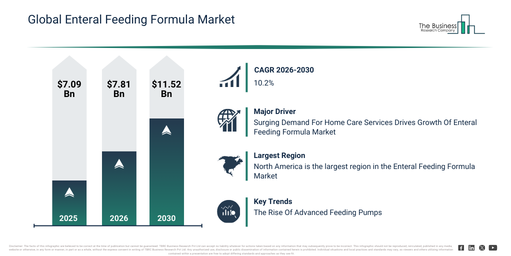
    Enteral Feeding Formula Market Poised To Hit $11.51 Billion By 2030 With A 10.2% CAGR

    The enteral feeding formula market size has expanded considerably in recent years. Its valuation is anticipated to increase from $7.09 billion in 2025 to $7.81 billion in 2026, demonstrating a compound annual growth rate (CAGR) of 10.1%. The expansion observed historically is attributable to several factors, including a rise in ICU admissions, the growing prevalence of chronic diseases, an expanding aging population, the enhancement of hospital infrastructure, and increased awareness regarding clinical nutrition.

    The enteral feeding formula market is projected to experience substantial growth over the next few years. It is expected to expand to $11.52 billion by 2030, achieving a compound annual growth rate (CAGR) of 10.2%. This projected increase during the forecast period stems from factors such as the expansion of home healthcare nutrition, a rising incidence of cancer and neurological disorders, increased demand for personalized nutrition, technological advancements in feeding tubes and pumps, and broadening healthcare access in emerging economies. Significant trends anticipated for the forecast period include a growing requirement for disease-specific enteral formulas, an increased focus on high-protein and specialized nutrition, the rising adoption of pediatric enteral nutrition, wider use of enteral feeding within home care settings, and innovations aimed at improving taste, texture, and patient tolerance.

    Get A Free Sample Report With In-Depth Market Insights:

    https://thebusinessresearchcompany.com/sample_request?id=96928795&type=smp&name=Enteral%20Feeding%20Formula%20Market%20Report%202026&utm_source=Blogs&utm_medium=Paid&utm_campaign=Oct_PR

    Enteral Feeding Formula Market Growth Factors: What’s Supporting Expansion?

    The rising need for home care services is anticipated to propel the market for enteral feeding formulas going forward. Home care services refer to a broad spectrum of supportive offerings for individuals who require assistance with daily activities but wish to remain in the comfort of their own homes. Enteral feeding is seeing increased application in home-based care for patients needing long-term nutritional support. For instance, in November 2024, according to the U.S. Bureau of Labor Statistics, a U.S.-based federal agency, in May 2023, New York had 60 home health and personal care aide jobs per 1,000, which was 2.5 times higher than the national average of 24 per 1,000. Consequently, the increasing demand for home care services will drive the growth of the enteral feeding formula market.

    Enteral Feeding Formula Market Segment Landscape And Growth Outlook

    The enteral feeding formula market covered in this report is segmented –

    1) By Product: Standard Formulas, Disease-Specific Formulas

    2) By Stage: Adults, Pediatrics

    3) By Application: Oncology, Gastroenterology, Neurology, Diabetes, Critical Care, Other Applications

    4) By End User: Hospitals, Long-Term Care Facilities

    Subsegments:

    1) By Standard Formulas: Polymer-Based Formulas, Oligomeric Formulas, High-Protein Formulas

    2) By Disease-Specific Formulas: Diabetic Formulas, Renal Formulas, Pulmonary Formulas, Oncology Formulas

    Enteral Feeding Formula Market Industry Trends: What’s Reshaping Demand?

    Leading companies in the enteral feeding formulas market are innovating with technologically advanced products, such as enteral feeding pumps, to bolster their product lines. An enteral feeding pump serves as a medical instrument designed to administer liquid nutrition directly into a patient’s stomach or intestines via a feeding tube, ensuring accurate and regulated nutrient delivery for individuals who cannot eat orally. For example, in September 2023, Cardinal Health, a US-based healthcare firm, unveiled the Kangaroo OMNI enteral feeding pump. This device is engineered to offer enteral feeding patients improved options customized to their personal needs, emphasizing portability and versatility to deliver viscous formulas and hydration across diverse care settings. It boasts enhanced water resistance, permitting cleaning under running water, and comes with compatible accessories like a pole clamp and table stand. Additionally, the pump can present screen content in 19 distinct languages.

    Enteral Feeding Formula Market Competitive Landscape: Who Leads The Industry?

    Major companies operating in the enteral feeding formula market are Abbott Laboratories, Nestlé S.A., Danone S.A., Fresenius Kabi AG, B. Braun Melsungen AG, Meiji Holdings Co. Ltd., Real Food Blends, Ajinomoto Cambrooke Inc., Otsuka Pharmaceutical Co. Ltd., Medtrition Inc., Nutri-Force Nutrition, Global Health Product Inc., VICTUS, Kate Farms, Baxter International Inc., Perrigo Nutritionals LLC, Reckitt Benckiser Group plc, Bio-Serv Inc., Nutrabalace Ltd., Med-Diet Laboratories Inc., Precision Foods-Kent Corporation, SimplyThick LLC, Vitaflow LLC

    View The Full Enteral Feeding Formula Market Report:

    https://thebusinessresearchcompany.com/report/enteral-feeding-formula-global-market-report?utm_source=Blogs&utm_medium=Paid&utm_campaign=Oct_PR

    Enteral Feeding Formula Market Regional Analysis: Which Geography Leads On Revenue?

    North America was the largest region in the enteral feeding formula market in 2025. Asia-Pacific is expected to be the fastest-growing region in the forecast period. The regions covered in the enteral feeding formula market report are Asia-Pacific, South East Asia, Western Europe, Eastern Europe, North America, South America, Middle East, Africa.

    Reach Out To Our Team:

    The Business Research Company: https://www.thebusinessresearchcompany.com/

    Americas: +1 310-496-7795

    Asia: +44 7882 955267 & +91 8897263534

    Europe: +44 7882 955267

    Email us at: marketing@tbrc.info

    Follow us on:

    LinkedIn: https://in.linkedin.com/company/the-business-research-company

    YouTube: https://www.youtube.com/channel/UC24_fI0rV8cR5DxlCpgmyFQ

    Global Market Model: https://www.thebusinessresearchcompany.com/global-market-model
  • Entecavir Market Reaches $0.9 Billion In 2026: Key Developments Shaping Expansion

    Entecavir Market Reaches $0.9 Billion In 2026: Key Developments Shaping Expansion

    Built to provide research that’s more actionable and strategically valuable, The Business Research Company’s 2026 market reports include market attractiveness analysis, total addressable market sizing, company benchmarking matrices, interactive Excel dashboards, broader supply chain intelligence, emerging startup tracking, and in-depth product insights.

    Entecavir Market Size And Revenue Outlook Through 2030

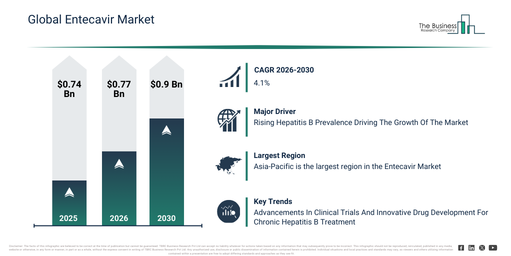
    The entecavir market size has demonstrated consistent expansion in recent years. It is anticipated to grow from $0.74 billion in 2025 to $0.77 billion in 2026, showing a compound annual growth rate (CAGR) of 4.2%. The historical growth can be credited to several factors including the significant global prevalence of hepatitis b, the clinical effectiveness of nucleoside analogs, the broadening of antiviral treatment guidelines, enhanced hepatitis b diagnosis rates, and an increasing burden of liver disease.

    The entecavir market is projected for consistent expansion in the coming years. It is anticipated to reach $0.9 billion in 2030 at a compound annual growth rate (CAGR) of 4.1%. This anticipated growth during the forecast period is attributable to several factors, including an expanding pool of chronic hepatitis B patients, enhanced access to antiviral treatments in developing markets, greater uptake of long-term viral suppression methods, the enlargement of public health initiatives for hepatitis, and an increasing need for economical generic options. Key trends expected within the forecast timeframe encompass an upsurge in the adoption of prolonged antiviral therapy, a heightened emphasis on managing chronic hepatitis B, a burgeoning demand for oral antiviral drugs, wider availability of generic entecavir, and enhanced monitoring of viral load suppression.

    Get A Free Sample Report With In-Depth Market Insights:

    https://thebusinessresearchcompany.com/sample_request?id=23403095&type=smp&name=Entecavir%20Market%20Report%202026&utm_source=Blogs&utm_medium=Paid&utm_campaign=Oct_PR

    Entecavir Market Demand Drivers: What’s Powering Industry Growth?

    The future expansion of the entecavir market is anticipated to be significantly boosted by the growing incidence of hepatitis B. This viral infection targets the liver, manifesting symptoms like jaundice, fatigue, and abdominal pain, and has the potential to progress into severe conditions such as chronic liver disease or liver cancer if not properly managed. The rise in hepatitis B infections stems from various factors, including unprotected sexual encounters, the sharing of needles, transmission from mother to child during birth, and inadequate vaccination rates in specific areas. Entecavir’s efficacy in treating hepatitis B comes from its ability to block the replication of the hepatitis B virus (HBV) DNA, thereby lowering the viral load and averting liver damage. As an illustration, the Centers for Disease Control and Prevention, a US-based government agency, reported in August 2025 that in 2023, the rate of newly identified chronic hepatitis B cases among non-Hispanic Asian/Pacific Islander individuals was approximately 10 times greater compared to that of non-Hispanic White individuals. Consequently, the increasing occurrence of hepatitis B is a primary force propelling the expansion of the entecavir market.

    Entecavir Market Breakdown By Product Type And Application

    The entecavir market covered in this report is segmented –

    1) By Product Type: Tablets, Oral Solution

    2) By Application: Hepatitis B Treatment, Liver Transplantation, Other Applications

    3) By Distribution Channel: Hospital Pharmacies, Retail Pharmacies, Online Pharmacies

    Subsegments:

    1) By Tablets: Standard Dose Tablets, High Dose Tablets

    2) By Oral Solution: Ready-to-Use Liquid Solution, Powder For Oral Solution

    Entecavir Market Innovation Trends: What Developments Are Reshaping The Industry?

    Major companies operating in the entecavir market are working on innovative drug development through clinical trials to improve efficacy and patient treatment outcomes for chronic hepatitis B, potentially leading to reduced resistance and enhanced long-term viral suppression. Clinical trials are research investigations carried out to evaluate the safety, effectiveness, and possible side effects of novel treatments, drugs, or therapies in human subjects. For example, in October 2024, Aligos Therapeutics Inc., a US-based biotechnology company, is conducting a phase 2 clinical trial for ALG-000184 for managing hepatitis B. ALG-000184 is a type of therapy known as a capsid assembly modulator, which operates by disrupting the formation of the capsid, the protective structure enveloping a virus’s genetic material. The fourth stage of the study is currently assessing the long-term impact of ALG-000184 (300 mg), either as a sole treatment or in combination with the approved antiviral entecavir, in patients with chronic hepatitis B. The combination of ALG-000184 and entecavir resulted in more significant decreases in viral load compared to entecavir alone, with ALG-000184 showing similar effectiveness whether or not it was used alongside entecavir. The virus remained consistently suppressed throughout the study, in both HBeAg-positive and HBeAg-negative patients.

    Entecavir Market Company Landscape And Competitive Strategy

    Major companies operating in the entecavir market are Bristol-Myers Squibb Company, GSK plc, Teva Pharmaceutical Industries Ltd., Qingfeng Pharmaceutical Group, Aurobindo Pharma Ltd., ScinoPharm Taiwan Ltd., Dr. Reddy’s Laboratories Ltd., Cipla Inc., Zhejiang Huahai Pharmaceuticals Co. Ltd., Qianjin Group, Genix Pharma Ltd., Dawnrays Pharmaceutical Holidings Ltd., Zhejiang Ausun Pharmaceutical Co. Ltd., Hunan Warrant Chiral Pharmaceutical Co. Ltd., Camber Pharmaceuticals Inc., Century Pharmaceuticals Ltd., Aligos Therapeutics Inc. , HRV Global Life Sceince, Solco Healthcare LLC, Accela ChemBio Inc.

    View The Full Entecavir Market Report:

    https://thebusinessresearchcompany.com/report/entecavir-global-market-report?utm_source=Blogs&utm_medium=Paid&utm_campaign=Oct_PR

    Entecavir Market Geographic Spread And Regional Opportunities

    Asia-Pacific was the largest region in the entecavir market in 2025. North America is expected to be the fastest-growing region in the forecast period. The regions covered in the entecavir market report are Asia-Pacific, South East Asia, Western Europe, Eastern Europe, North America, South America, Middle East, Africa.

    Reach Out To Our Team:

    The Business Research Company: https://www.thebusinessresearchcompany.com/

    Americas: +1 310-496-7795

    Asia: +44 7882 955267 & +91 8897263534

    Europe: +44 7882 955267

    Email us at: marketing@tbrc.info

    Follow us on:

    LinkedIn: https://in.linkedin.com/company/the-business-research-company

    YouTube: https://www.youtube.com/channel/UC24_fI0rV8cR5DxlCpgmyFQ

    Global Market Model: https://www.thebusinessresearchcompany.com/global-market-model
  • Ensartinib Market Growth Outlook For 2026: Drivers, Trends And Future Opportunities

    Ensartinib Market Growth Outlook For 2026: Drivers, Trends And Future Opportunities

    Backed by market attractiveness analysis, total addressable market sizing, company benchmarking matrices, interactive Excel dashboards, wider supply chain intelligence, emerging startup coverage, and detailed product-level insights, The Business Research Company’s 2026 market reports are designed to offer research that is more actionable and strategically valuable than ever.

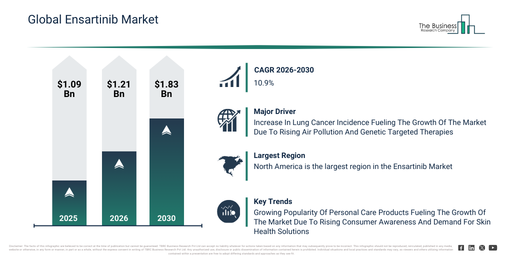
    Ensartinib Market Growth From $1.2 Billion In 2026 To $1.82 Billion By 2030 At A CAGR Of 10.9%

    The ensartinib market has experienced significant expansion over recent years. It is anticipated to increase from $1.09 billion in 2025 to $1.21 billion in 2026, demonstrating a compound annual growth rate (CAGR) of 11.2%. This historical growth can be linked to several factors, including the rising incidence of alk-positive lung cancer, the shortcomings of first-generation alk inhibitors, the proliferation of oncology specialty clinics, an uptick in molecular diagnostic testing, and heightened awareness of targeted cancer therapies.

    The ensartinib market size is anticipated to undergo swift growth over the upcoming years. Its value is expected to escalate to $1.83 billion in 2030, demonstrating a compound annual growth rate (CAGR) of 10.9%. This projected expansion can be linked to factors such as the broadening of biomarker-driven treatment methodologies, a rise in approvals for specific oncology drugs, increasing requirements for second- and third-line cancer therapies, augmented investment in precision medicine research, and a greater emphasis on elevating patient survival outcomes. Noteworthy trends for the forecast period include the increasing uptake of next-generation ALK inhibitors, a stronger focus on precision oncology interventions, a wider application of targeted therapy in resistant NSCLC cases, the development of personalized cancer treatment protocols, and improved clinical oversight of therapeutic results.

    Get A Free Sample Report With In-Depth Market Insights:

    https://thebusinessresearchcompany.com/sample_request?id=66893754&type=smp&name=Ensartinib%20Market%20Report%202026&utm_source=Blogs&utm_medium=Paid&utm_campaign=Oct_PR

    Ensartinib Market Growth Drivers: What’s Behind The Acceleration?

    The growing prevalence of lung cancer is projected to boost the expansion of the ensartinib market in the future. Lung cancer is characterized by the unchecked proliferation of aberrant cells within the lungs, frequently forming masses that hinder normal respiration and can disseminate to other bodily regions. The rise in lung cancer cases is attributed to extended contact with air pollution, especially minute particulate matter that causes cumulative damage to lung tissue. Ensartinib functions as a treatment for lung cancer by inhibiting the atypical action of the ALK gene, thereby aiding in the regulation of tumor progression in individuals with ALK-positive non-small cell lung cancer. For example, in June 2025, data from the US-based government agency, the Centers for Disease Control and Prevention, showed that new lung cancer diagnoses in the United States climbed from 218,893 in 2022 to 238,340 in 2023. Consequently, the escalating occurrence of lung cancer is propelling the demand within the ensartinib market. Ensartinib Market Driver: Rising Healthcare Expenditure Driving The Growth Of The Market Due To Increasing Access To Advanced Cancer Treatments

    Ensartinib Market Segment Analysis And Revenue Potential

    The ensartinib market covered in this report is segmented –

    1) By Drug Type: Oral, Injectable

    2) By Patient Demographics: Pediatric Patients, Adult Patients, Geriatric Patients

    3) By Indication: Non-Small Cell Lung Cancer (NSCLC), Other Lung Cancers, Potential New Indications

    4) By Treatment Line: First-Line Treatment, Second-Line Treatment, Third-Line And Beyond Treatment

    5) By End-User: Hospitals, Specialty Clinics, Other End-Users

    Subsegments:

    1) By Oral: Capsules, Tablets, Liquid Formulations, Powder For Oral Suspension

    2) By Injectable: Vials, Prefilled Syringes, Lyophilized Powder, Solution For Injection

    Ensartinib Market Trends: What’s Defining The Industry’s Next Phase?

    Leading entities within the ensartinib market are concentrating on securing regulatory authorizations to expand patient availability throughout significant global regions and achieve label extensions for further ALK-positive NSCLC indications. These regulatory approvals denote the official consent from health authorities, permitting a medication like ensartinib to be sold and prescribed once its safety, effectiveness, and quality have been demonstrated. As an illustration, during December 2024, Xcovery Holdings, Inc., a biopharmaceutical firm based in the US, was granted FDA approval for ensartinib (commercialized as Ensacove) for managing adult individuals suffering from anaplastic lymphoma kinase (ALK)-positive locally advanced or metastatic non-small cell lung cancer (NSCLC) who have not been treated with an ALK inhibitor before. This approval stemmed from the phase 3 eXALT3 trial, where ensartinib exhibited a notable enhancement in progression-free survival when benchmarked against crizotinib (median 25.8 vs 12.7 months), notwithstanding comparable overall survival rates between the cohorts. Ensartinib functions as a second-generation ALK inhibitor, engineered to surmount drug resistance and precisely target irregular ALK proteins; frequently reported adverse reactions encompass rash, muscle pain, constipation, cough, itching, nausea, swelling, fever, and fatigue.

    Ensartinib Market Key Players Shaping Industry Direction

    Major companies operating in the ensartinib market are Xcovery Holdings Inc., Betta Pharmaceuticals Co. Ltd.

    View The Full Ensartinib Market Report:

    https://thebusinessresearchcompany.com/report/ensartinib-global-market-report?utm_source=Blogs&utm_medium=Paid&utm_campaign=Oct_PR

    Ensartinib Market Top Region By Revenue And Market Share

    North America was the largest region in the ensartinib market in 2025. Asia-Pacific is expected to be the fastest-growing region in the forecast period. The regions covered in the ensartinib market report are Asia-Pacific, South East Asia, Western Europe, Eastern Europe, North America, South America, Middle East, Africa.

    Reach Out To Our Team:

    The Business Research Company: https://www.thebusinessresearchcompany.com/

    Americas: +1 310-496-7795

    Asia: +44 7882 955267 & +91 8897263534

    Europe: +44 7882 955267

    Email us at: marketing@tbrc.info

    Follow us on:

    LinkedIn: https://in.linkedin.com/company/the-business-research-company

    YouTube: https://www.youtube.com/channel/UC24_fI0rV8cR5DxlCpgmyFQ

    Global Market Model: https://www.thebusinessresearchcompany.com/global-market-model
  • Endometrial Cancer Treatment Market Size Forecast From 2026 To 2030: Key Industry Trends

    Endometrial Cancer Treatment Market Size Forecast From 2026 To 2030: Key Industry Trends

    Featuring market attractiveness scoring, total addressable market sizing, company benchmarking matrices, interactive Excel dashboards, deeper supply chain intelligence, emerging startup tracking, and granular product-level insights, The Business Research Company’s 2026 market reports are built to deliver research that is both more actionable and more strategically valuable.

    Endometrial Cancer Treatment Market Expansion Outlook: What Revenue Opportunities Are Ahead?

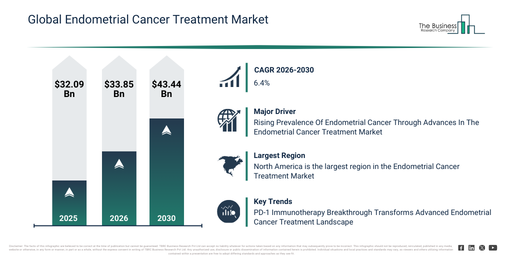
    The endometrial cancer treatment market has experienced significant expansion in recent years. It is projected to expand from $32.09 billion in 2025 to $33.85 billion in 2026, achieving a compound annual growth rate (CAGR) of 5.5%. This historical expansion is due to several factors including an increasing incidence of endometrial cancer, the scarcity of effective early diagnostic instruments, a prevailing preference for conventional chemotherapy approaches, a shortage of targeted therapeutic options, and insufficient public knowledge regarding preventive measures.

    The endometrial cancer treatment market is projected to experience robust expansion over the coming years. This market is set to reach a value of $43.44 billion by 2030, exhibiting a compound annual growth rate (CAGR) of 6.4%. This anticipated growth is primarily driven by progress in genomics and precision medicine, greater acceptance of AI-powered diagnostics, an increase in targeted and immunotherapy drug development, a growing elderly demographic, and better healthcare facilities. Key trends expected during this period encompass individualized treatment methods, less invasive surgical procedures, the advancement of targeted therapies, combination treatment plans, and improved patient observation and aftercare.

    Get A Free Sample Report With In-Depth Market Insights:

    https://thebusinessresearchcompany.com/sample_request?id=43175987&type=smp&name=Endometrial%20Cancer%20Treatment%20Market%20Report%202026&utm_source=Blogs&utm_medium=Paid&utm_campaign=Oct_PR

    Endometrial Cancer Treatment Market Growth Factors Behind Sustained Expansion

    The increasing occurrence of endometrial cancer is anticipated to drive expansion in the endometrial cancer treatment market in the future. This prevalence signifies a rise in new endometrial cancer cases within a defined population or timeframe. This increase stems from evolving risk factors, enhanced detection and diagnostic techniques, heightened public awareness, and an older demographic. Treatments for endometrial cancer aid in early identification, offer specific therapeutic approaches, prevent disease return, and involve clinical trials and research to refine options. Consequently, with the ongoing increase in endometrial cancer prevalence and the development of more advanced treatment alternatives, the endometrial cancer treatment market is projected to expand. For example, Cancer.Net, an online resource with oncologist-approved cancer data, projected that approximately 66,200 individuals in the United States would receive a diagnosis of uterine or endometrial cancer in 2023. Thus, the escalating prevalence of endometrial cancer acts as a key driver for the expansion of the endometrial cancer treatment market.

    Endometrial Cancer Treatment Market Segmentation And Category Overview

    The endometrial cancer treatment market covered in this report is segmented –

    1) By Type: Adenocarcinoma, Uterine Carcinosarcoma, Squamous Cell Carcinoma, Small Cell Carcinoma, Transitional Carcinoma, Serous Carcinoma, Other Types

    2) By Diagnosis Method: Biopsy, Pelvic Ultrasound, Hysteroscopy, CT Scan, Other Diagnosis Methods

    3) By Route Of Administration: Oral, Intravenous

    4) By Distribution Channel: Hospital Pharmacies, Retail Pharmacies, Online Pharmacies

    Subsegments:

    1) By Adenocarcinoma: Endometrioid Adenocarcinoma, Non-Endometrioid Adenocarcinoma

    2) By Uterine Carcinosarcoma: High-Grade Uterine Carcinosarcoma, Low-Grade Uterine Carcinosarcoma

    3) By Squamous Cell Carcinoma: Keratinizing Squamous Cell Carcinoma, Non-Keratinizing Squamous Cell Carcinoma

    4) By Small Cell Carcinoma: Small Cell Neuroendocrine Carcinoma

    5) By Transitional Carcinoma: Transitional Cell Carcinoma Of The Uterus

    6) By Serous Carcinoma: High-Grade Serous Carcinoma, Low-Grade Serous Carcinoma

    7) By Other Types: Mixed Cell Type Carcinomas, Undifferentiated Carcinoma, Other Rare Histological Types

    Endometrial Cancer Treatment Market Industry Trends Fueling Future Revenue Growth

    Companies operating within the endometrial cancer treatment market are concentrating on creating sophisticated therapies, such as PD-1 pathway blocking immunotherapy, to improve treatment efficacy and the durability of patient responses. This specific immunotherapy functions by stopping cancer cells from utilizing the PD-1 mechanism to escape detection by the immune system, thereby enabling immune cells to more accurately identify and attack tumors. Such an approach offers a targeted therapeutic alternative for advanced or recurrent disease where traditional chemotherapy has frequently yielded only limited long-term advantages. A notable example is the launch of Jemperli by GSK Plc, a biopharma company from the UK, in August 2025, which incorporates a PD-1 blocking mechanism. This treatment marks India’s inaugural approved immunotherapy for the second-line management of advanced endometrial cancer characterized by mismatch repair deficiency or high microsatellite instability, demonstrating an objective response rate of 45.5 percent in the GARNET trial. Furthermore, it exhibits a strong likelihood of maintaining a sustained response at 12 and 24 months, coupled with a manageable safety profile. Its introduction addresses a significant gap in treatment options within India, especially for numerous patients who present with advanced stages of the disease and require more efficacious and reliable therapies.

    Endometrial Cancer Treatment Market Competitive Analysis Of Leading Industry Participants

    Major companies operating in the endometrial cancer treatment market are Novartis AG, GlaxoSmithKline plc, F. Hoffmann-La Roche AG, Merck & Co. Inc., Sanofi-Aventis, Teva Pharmaceutical Industries Limited, AstraZeneca plc, Pfizer Inc., Bristol-Myers Squibb Company, Eisai Co. Ltd., AbbVie Inc., Roche Holding AG, Janssen Biotech Inc., Takeda Pharmaceutical Company Limited, Amgen Inc., Bayer AG, Eli Lilly and Company, Varian Medical Systems Inc., Seattle Genetics Inc., Spectrum Pharmaceuticals Inc., Stemline Therapeutics Inc.

    View The Full Endometrial Cancer Treatment Market Report:

    https://thebusinessresearchcompany.com/report/endometrial-cancer-treatment-global-market-report?utm_source=Blogs&utm_medium=Paid&utm_campaign=Oct_PR

    Endometrial Cancer Treatment Market Regional Analysis And Top Geography

    North America was the largest region in the endometrial cancer treatment market in 2025. Asia-Pacific is expected to be the fastest-growing region in the global endometrial cancer treatment market report during the forecast period. The regions covered in the endometrial cancer treatment market report are Asia-Pacific, South East Asia, Western Europe, Eastern Europe, North America, South America, Middle East, Africa.

    Reach Out To Our Team:

    The Business Research Company: https://www.thebusinessresearchcompany.com/

    Americas: +1 310-496-7795

    Asia: +44 7882 955267 & +91 8897263534

    Europe: +44 7882 955267

    Email us at: marketing@tbrc.info

    Follow us on:

    LinkedIn: https://in.linkedin.com/company/the-business-research-company

    YouTube: https://www.youtube.com/channel/UC24_fI0rV8cR5DxlCpgmyFQ

    Global Market Model: https://www.thebusinessresearchcompany.com/global-market-model