Month: October 2026

  • Androgen Deprivation Therapy Market Growth Outlook From $8.83 Billion In 2026 To $11.1 Billion By 2030

    Androgen Deprivation Therapy Market Growth Outlook From $8.83 Billion In 2026 To $11.1 Billion By 2030

    Featuring market attractiveness scoring, total addressable market sizing, company benchmarking matrices, interactive Excel dashboards, deeper supply chain intelligence, emerging startup tracking, and granular product-level insights, The Business Research Company’s 2026 market reports are built to deliver research that is both more actionable and more strategically valuable.

    Androgen Deprivation Therapy Market Size Outlook: How Quickly Will Revenue Expand Through 2030?

    The androgen deprivation therapy market has witnessed substantial expansion in recent years. Its value is projected to climb from $8.31 billion in 2025 to $8.83 billion in 2026, reflecting a compound annual growth rate (CAGR) of 6.3%. Historically, this growth stemmed from conditions such as limited available treatment options for prostate cancer, a prevailing reliance on conventional surgical procedures, the gradual adoption of injectable therapies, insufficient patient awareness concerning androgen deprivation therapy, and constraints in the availability of advanced therapeutic methods.

    The androgen deprivation therapy market is projected to experience substantial expansion over the upcoming years, reaching a valuation of $11.1 billion by 2030, exhibiting a compound annual growth rate (CAGR) of 5.9%. This anticipated growth can be linked to several factors, including the emergence of innovative anti-androgen medications, increased capital allocation towards gene and immunotherapies, a growing elderly male demographic, the expansion of specialized clinics and hospital oncology units, and the incorporation of digital oversight and telehealth services. Key developments expected during this forecast period involve the increased adoption of LHRH agonists and antagonists, greater utilization of combination and targeted treatments, the proliferation of minimally invasive surgical techniques, an intensified focus on personalized and age-appropriate patient care, and improved surveillance and follow-up protocols for individuals with prostate cancer.

    Get A Free Sample Report With In-Depth Market Insights:

    https://www.thebusinessresearchcompany.com/sample.aspx?id=25692&type=smp&utm_source=Blogs&utm_medium=Paid&utm_campaign=Oct_PR

    Androgen Deprivation Therapy Market Growth Factors: What’s Supporting Expansion?

    The rising occurrence of prostate cancer is projected to propel the expansion of the androgen deprivation therapy market in the foreseeable future. This cancer develops in the prostate gland, an organ within the male reproductive system that produces seminal fluid. Its frequency is increasing, primarily attributable to extended life expectancies, given that advanced age notably elevates the likelihood of contracting the condition. Androgen deprivation therapy (ADT) serves as a key therapeutic approach for prostate cancer, designed to reduce androgen levels, which stimulate tumor proliferation. This treatment is commonly employed in advanced or metastatic stages to impede the advancement of the disease. For instance, a January 2025 report from Prostate Cancer UK, a UK-based organization focused on prostate cancer research, awareness, and support, revealed that in England, prostate cancer diagnoses grew from 50,751 cases in 2022 to 55,033 cases in 2023, showing a clear annual increase. Consequently, the rising prevalence of prostate cancer is driving the growth of the androgen deprivation therapy market.

    Androgen Deprivation Therapy Market Segment Analysis: What Are The Core Market Categories?

    The androgen deprivation therapy market covered in this report is segmented –

    1) By Type: Medicine, Surgery, Other Types

    2) By Route Of Administration: Injectable, Oral

    3) By Patient Demographics: Men Aged 40-60, Men Aged 61-75, Men Above 75

    4) By Application: Prostate Cancer, Other Applications

    5) By End-User: Hospitals, Specialty Clinics, Other End-Users

    Subsegments:

    1) By Medicine: LHRH Agonists, LHRH Antagonists, Anti-Androgens, CYP17 Inhibitors, Steroidal Anti-Androgens, Non-Steroidal Anti-Androgens, Estrogen-Based Therapies, Combination Therapies

    2) By Surgery: Bilateral Orchiectomy, Subcapsular Orchiectomy, Simple Orchiectomy

    3) By Other Types: Radiopharmaceutical Therapy, Gene Therapy, Immunotherapy, Targeted Therapy, Cryotherapy, High-Intensity Focused Ultrasound (HIFU

    Androgen Deprivation Therapy Market Industry Trends: What’s Reshaping Demand?

    Leading firms within the androgen deprivation therapy (ADT) market are concentrating on creating sophisticated treatments, including oral androgen receptor inhibitors (ARIs), to offer more accessible, manageable, and potent therapeutic choices for individuals with prostate cancer. These oral ARIs represent targeted interventions designed to directly impede androgen receptor activity in prostate cancer cells, thereby inhibiting tumor progression without the necessity of regular, clinic-administered hormone-suppressing injections. A notable example occurred in June 2025, when Bayer AG, a Germany-based multinational pharmaceutical company, obtained US Food and Drug Administration (FDA) approval for Nubeqa (darolutamide), an oral ARI prescribed alongside ADT for managing metastatic hormone-sensitive prostate cancer (mHSPC). Intended to enhance clinical results and patients’ quality of life, Nubeqa effectively curbs androgen receptor signaling due to its strong binding affinity, exhibits negligible blood–brain barrier penetration to mitigate central nervous system adverse effects, and demonstrated a 46% reduction in the likelihood of radiological progression or death when compared to a placebo combined with ADT, as confirmed by the Phase III ARANOTE trial.

    Androgen Deprivation Therapy Market Top Companies Driving Competitive Growth

    Major companies operating in the androgen deprivation therapy market are Johnson & Johnson Services Inc., Astellas Pharma Inc., Ipsen S.A., Ferring Pharmaceuticals SA, Tolmar Pharmaceuticals Inc., Pfizer Inc., Novartis AG, Dr. Reddy’s Laboratories Ltd., Orion Corporation, Besins Healthcare S.A., Veru Inc., Kintor Pharmaceutical Limited, Foresee Pharmaceuticals Co. Ltd., Lawley Pharmaceuticals Pty Ltd., AbbVie Inc., Sanofi S.A., Teva Pharmaceutical Industries Ltd., Sun Pharmaceutical Industries Ltd., Hikma Pharmaceuticals PLC, Lupin Limited, Cipla Ltd., Accord Healthcare Ltd., Mylan N.V. (Viatris), Zydus Lifesciences Ltd., Apotex Inc., Amneal Pharmaceuticals LLC, Glenmark Pharmaceuticals Ltd., Alembic Pharmaceuticals Ltd., Intas Pharmaceuticals Ltd., Torrent Pharmaceuticals Ltd., Aurobindo Pharma Ltd., Alvogen Inc., BCN Peptides SA, Chugai Pharmaceutical Co. Ltd., Sumitomo Pharma Co. Ltd.

    View The Full Androgen Deprivation Therapy Market Report:

    https://www.thebusinessresearchcompany.com/report/androgen-deprivation-therapy-global-market-report?utm_source=Blogs&utm_medium=Paid&utm_campaign=Oct_PR

    Androgen Deprivation Therapy Market Largest Region: Which Geography Holds The Highest Market Share?

    North America was the largest region in the androgen deprivation therapy market in 2025. Asia-Pacific is expected to be the fastest-growing region in the forecast period. The regions covered in the androgen deprivation therapy market report are Asia-Pacific, South East Asia, Western Europe, Eastern Europe, North America, South America, Middle East, Africa.

    Reach Out To Our Team:

    The Business Research Company: https://www.thebusinessresearchcompany.com/

    Americas: +1 310-496-7795

    Asia: +44 7882 955267 & +91 8897263534

    Europe: +44 7882 955267

    Email us at: marketing@tbrc.info

    Follow us on:

    LinkedIn: https://in.linkedin.com/company/the-business-research-company

    YouTube: https://www.youtube.com/channel/UC24_fI0rV8cR5DxlCpgmyFQ

    Global Market Model: https://www.thebusinessresearchcompany.com/global-market-model
  • Analgesics Market Forecast To Reach $132.6 Billion By 2030: Key Growth Drivers And Industry Trends

    Analgesics Market Forecast To Reach $132.6 Billion By 2030: Key Growth Drivers And Industry Trends

    Built to provide research that’s more actionable and strategically valuable, The Business Research Company’s 2026 market reports include market attractiveness analysis, total addressable market sizing, company benchmarking matrices, interactive Excel dashboards, broader supply chain intelligence, emerging startup tracking, and in-depth product insights.

    Analgesics Market Size, Value And Growth Trajectory Through 2030

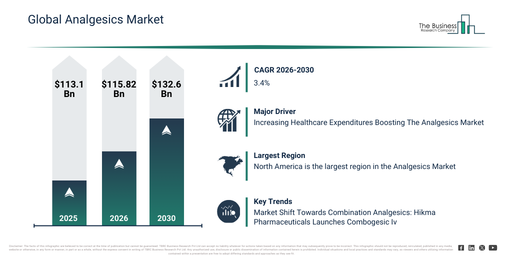
    The analgesics market has experienced consistent growth in recent years. This market is projected to expand from $113.1 billion in 2025 to $115.82 billion in 2026, at a compound annual growth rate (CAGR) of 2.4%. The growth observed in the historic period can be attributed to an increase in global musculoskeletal disorders, a rise in surgical procedures, growing cancer incidence, the expansion of hospital infrastructure, and the widespread availability of generic analgesics.

    The analgesics market is anticipated to experience consistent expansion over the upcoming years, with projections indicating a rise to $132.6 billion by 2030, exhibiting a compound annual growth rate (CAGR) of 3.4%. This projected growth throughout the forecast period stems from factors such as progress in personalized medicine, enhanced research and development into opioid alternatives, the expansion of e-pharmacies and digital healthcare services, an increasing elderly demographic, and the incorporation of smart manufacturing within the pharmaceutical sector. Key developments expected during this period involve tailored pain management approaches, an increase in the development of both opioid and non-opioid medications, wider accessibility through hospital and retail pharmacy networks, a heightened need for chronic and cancer pain treatments, and greater public understanding of responsible analgesic consumption.

    Get A Free Sample Report With In-Depth Market Insights:

    https://www.thebusinessresearchcompany.com/sample.aspx?id=2438&type=smp&utm_source=Blogs&utm_medium=Paid&utm_campaign=Oct_PR

    Analgesics Market Demand Drivers: What’s Powering Industry Growth?

    The increasing healthcare spending is anticipated to fuel the expansion of the analgesics market moving ahead. These expenditures encompass all expenses related to delivering health services, family planning activities, nutritional initiatives, and emergency aid, all centered on health. An uptick in healthcare spending stimulates pharmaceutical research and development, leading to novel and enhanced analgesic medications. As an illustration, the Office for National Statistics, a UK-based government department, reported in May 2024 that overall healthcare spending nominally increased by 5.6% from 2022 to 2023. Consequently, the escalation in healthcare expenditures is propelling the growth of the analgesics market.

    Analgesics Market Segment Breakdown: Which Categories Lead On Revenue?

    The analgesics market covered in this report is segmented –

    1) By Type: Non-opioids, Opioids

    2) By Distribution Channel: Hospital Pharmacies, Retail Pharmacies, Drug Stores

    3) By Application: Internal Analgesics, External Analgesics

    Subsegments:

    1) By Non-Opioids: Nonsteroidal Anti-Inflammatory Drugs (NSAIDs), Acetaminophen (Paracetamol), Salicylates

    2) By Opioids: Natural Opioids, Semi-Synthetic Opioids, Synthetic Opioids

    Analgesics Market Innovation Trends: What Developments Are Reshaping The Industry?

    Leading companies within the analgesic market are increasingly prioritizing the introduction of combination pain relievers to secure a competitive edge. These combination analgesics are medications featuring a blend of two or more distinct pain-alleviating drugs, often formulated to deliver more potent pain relief by engaging multiple mechanisms. For instance, in February 2024, Hikma Pharmaceuticals plc, a UK-based pharmaceutical company, launched COMBOGESIC IV (acetaminophen and ibuprofen) in the United States. COMBOGESIC IV is an intravenous formulation that unites acetaminophen (paracetamol) and ibuprofen, offering dual-action pain relief through the combined analgesic and anti-inflammatory properties of both medications. Positioned as a new non-opioid choice for pain management, this intravenous formulation administers 1,000 mg of acetaminophen and 300 mg of ibuprofen, providing a potent alternative amidst increasing worries about opioid usage. COMBOGESIC IV offers over twice the pain relief compared to its individual components, along with a more rapid onset and a commendable safety profile.

    Analgesics Market Leading Players And Competitive Positioning

    Major companies operating in the analgesics market are Pfizer Inc., Johnson & Johnson Services Inc., Medley Pharmaceuticals Limited, AbbVie Inc., Bayer HealthCare Pharmaceuticals LLC, Novartis International AG, Sanofi SA, Bristol-Myers Squibb Co., AstraZeneca Plc., Abbott Laboratories, GlaxoSmithKline plc, Takeda Pharmaceutical company Limited, Eli Lilly and Company, Reckitt Benckiser Group plc, Viatris Inc., Teva Pharmaceuticals Industries Ltd., Sun Pharmaceutical Industries Limited, Purdue Pharma L.P, Cipla Limited, Allergan Inc., Endo International plc, Amneal Pharmaceuticals LLC, Mallinckrodt Pharmaceuticals Ltd., Chattem Inc., Hisamitsu Pharmaceutical Co.Inc., GW Pharmaceuticals, Verve Health Care Ltd., Alder BioPharmaceuticals Inc., Achelios Therapeutics Inc., WEX Pharmaceuticals Inc., Zynerba Pharmaceuticals, McNeil Consumer & Specialty Medical Products, Innovative Med Concepts LLC

    View The Full Analgesics Market Report:

    https://www.thebusinessresearchcompany.com/report/analgesics-global-market-report?utm_source=Blogs&utm_medium=Paid&utm_campaign=Oct_PR

    Analgesics Market Regional Analysis: Which Region Leads By Revenue?

    North America was the largest region in the analgesics market in 2025. Middle East is expected to be the fastest-growing region in the global analgesics market during the forecast period. The regions covered in the analgesics market report are Asia-Pacific, South East Asia, Western Europe, Eastern Europe, North America, South America, Middle East, Africa.

    Reach Out To Our Team:

    The Business Research Company: https://www.thebusinessresearchcompany.com/

    Americas: +1 310-496-7795

    Asia: +44 7882 955267 & +91 8897263534

    Europe: +44 7882 955267

    Email us at: marketing@tbrc.info

    Follow us on:

    LinkedIn: https://in.linkedin.com/company/the-business-research-company

    YouTube: https://www.youtube.com/channel/UC24_fI0rV8cR5DxlCpgmyFQ

    Global Market Model: https://www.thebusinessresearchcompany.com/global-market-model
  • Anakinra Market Research 2026: Market Size, Trends, Segments And Growth Forecast

    Anakinra Market Research 2026: Market Size, Trends, Segments And Growth Forecast

    Backed by market attractiveness analysis, total addressable market sizing, company benchmarking matrices, interactive Excel dashboards, wider supply chain intelligence, emerging startup coverage, and detailed product-level insights, The Business Research Company’s 2026 market reports are designed to offer research that is more actionable and strategically valuable than ever.

    Anakinra Market CAGR Outlook And Future Development

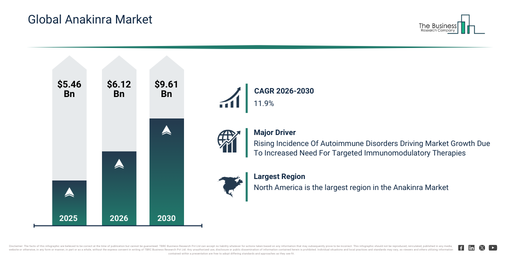
    The anakinra market has experienced rapid expansion in recent years. It is anticipated to grow from $5.46 billion in 2025 to $6.12 billion in 2026, at a compound annual growth rate (CAGR) of 12.1%. This historical growth can be attributed to factors such as the rising prevalence of rheumatoid arthritis, increased adoption of biologics, the expansion of specialty clinics, improved diagnosis of rare diseases, and intensified immunology research.

    The anakinra market size is projected to experience substantial expansion in the coming years, reaching $9.61 billion in 2030, exhibiting a compound annual growth rate (CAGR) of 11.9%. This anticipated growth during the forecast period can be attributed to several factors, including the increasing development of biologic therapies, a rise in rare disease diagnoses, the broadening of homecare environments, a surge in immunology trials, and improved access to healthcare. Key developments expected during this period involve the escalating application of biologic anti-inflammatory treatments, greater acceptance in managing rare autoinflammatory conditions, a heightened emphasis on sustained disease management, the proliferation of home-based injection therapies, and an expanded use in off-label inflammatory ailments.

    Get A Free Sample Report With In-Depth Market Insights:

    https://www.thebusinessresearchcompany.com/sample.aspx?id=21095&type=smp&utm_source=Blogs&utm_medium=Paid&utm_campaign=Oct_PR

    Anakinra Market Growth Drivers: What’s Behind The Acceleration?

    The increasing occurrence of autoimmune conditions is anticipated to fuel the expansion of the anakinra market. These disorders are characterized by the immune system mistakenly attacking and destroying the body’s healthy tissues and organs, perceiving them as threats. Their increasing prevalence stems from genetic factors and environmental influences like infections, pollution, and changes in diet. Anakinra offers a treatment for autoimmune disorders by inhibiting interleukin-1 (IL-1) activity, which in turn lessens inflammation in conditions such as rheumatoid arthritis, Still’s disease, and periodic fever syndromes. For example, as reported in February 2025 by the Australian Broadcasting Corporation, an Australia-based national public broadcaster, inflammatory bowel disease affects nearly 180,000 Australians today, with Crohn’s Disease impacting 93,700 and Ulcerative Colitis affecting 80,430 people, a figure projected to increase to 200,000 within the next 10 years. Consequently, the growing frequency of autoimmune disorders is propelling the anakinra market’s expansion.

    Anakinra Market Segmentation: How Does The Market Break Down By Category?

    The anakinra market covered in this report is segmented –

    1) By Indication: Rheumatoid Arthritis, Cryopyrin-Associated Periodic Syndromes, Familial Cold Autoinflammatory Syndrome, Systemic Juvenile Idiopathic Arthritis, Adult-Onset Still’s Disease, Neonatal-Onset Multisystem Inflammatory Disease, Other Indications

    2) By Distribution Channel: Hospital Pharmacies, Retail Pharmacies, Online Pharmacies, Wholesale Pharmacies

    3) By End-User: Hospitals, Clinics, Homecare Settings

    Subsegments:

    1) By Rheumatoid Arthritis: Moderate-to-Severe Disease, Early-stage Disease

    2) By Cryopyrin-Associated Periodic Syndromes: Muckle-Wells Syndrome, Neonatal-Onset Multisystem Inflammatory Disease

    3) By Familial Cold Autoinflammatory Syndrome: Acute Episodes, Chronic Symptoms

    4) By Systemic Juvenile Idiopathic Arthritis: Active Systemic Disease, Inactive Disease With Flares

    5) By Adult-Onset Still’s Disease: Active Disease, Remission Induction

    6) By Neonatal-Onset Multisystem Inflammatory Disease: Acute Disease Episodes, Long-term Disease Management

    7) By Other Indications: Gouty Arthritis, Spondyloarthritis

    Anakinra Market Competitive Overview And Top Companies

    Major companies operating in the anakinra market are Swedish Orphan Biovitrum AB, Boehringer Ingelheim, Amgen Inc.

    View The Full Anakinra Market Report:

    https://www.thebusinessresearchcompany.com/report/anakinra-global-market-report?utm_source=Blogs&utm_medium=Paid&utm_campaign=Oct_PR

    Anakinra Market Geographic Distribution And Regional Opportunities

    North America was the largest region in the anakinra market in 2025. Asia-Pacific is expected to be the fastest-growing region in the forecast period. The regions covered in the anakinra market report are Asia-Pacific, South East Asia, Western Europe, Eastern Europe, North America, South America, Middle East, Africa.

    Reach Out To Our Team:

    The Business Research Company: https://www.thebusinessresearchcompany.com/

    Americas: +1 310-496-7795

    Asia: +44 7882 955267 & +91 8897263534

    Europe: +44 7882 955267

    Email us at: marketing@tbrc.info

    Follow us on:

    LinkedIn: https://in.linkedin.com/company/the-business-research-company

    YouTube: https://www.youtube.com/channel/UC24_fI0rV8cR5DxlCpgmyFQ

    Global Market Model: https://www.thebusinessresearchcompany.com/global-market-model
  • Aminoglycosides Market Forecast 2026: Market Size, Competitive Landscape And Growth Drivers

    Aminoglycosides Market Forecast 2026: Market Size, Competitive Landscape And Growth Drivers

    Featuring market attractiveness scoring, total addressable market sizing, company benchmarking matrices, interactive Excel dashboards, deeper supply chain intelligence, emerging startup tracking, and granular product-level insights, The Business Research Company’s 2026 market reports are built to deliver research that is both more actionable and more strategically valuable.

    Aminoglycosides Market Set To Climb From $2.02 Billion In 2026 To $2.55 Billion By 2030

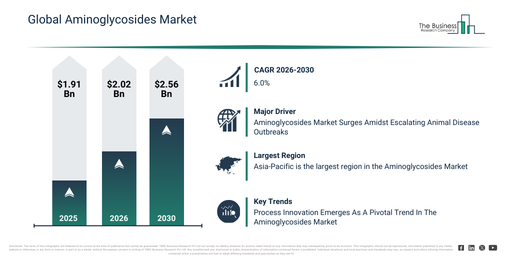
    The market for aminoglycosides has experienced strong growth in recent years. Its value is forecast to expand from $1.91 billion in 2025 to $2.02 billion in 2026, reflecting a compound annual growth rate (CAGR) of 5.8%. This historical expansion can be attributed to factors such as a high incidence of abdominal and urinary tract infections, the widespread use of broad-spectrum antibiotics, conventional manufacturing processes, limited regulatory oversight in veterinary applications, and robust demand in ophthalmic solutions.

    The aminoglycosides market size is projected to experience robust expansion over the coming years. This market is predicted to reach $2.56 billion by 2030, exhibiting a compound annual growth rate (CAGR) of 6.0%. This anticipated growth during the forecast period stems from factors such as heightened R&D efforts in targeted aminoglycoside treatments, growing recognition of antibiotic resistance, the implementation of sophisticated drug delivery methods, the enlarging veterinary healthcare sector, and the rise in personalized medicine applications. Key developments expected in the forecast period encompass an increasing incidence of gram-negative infections, greater application of aminoglycosides in veterinary contexts, the creation of new aminoglycoside derivatives, a move towards injectable and targeted formulations, and the widening scope of ophthalmic and inhalation uses.

    Get A Free Sample Report With In-Depth Market Insights:

    https://www.thebusinessresearchcompany.com/sample.aspx?id=8515&type=smp&utm_source=Blogs&utm_medium=Paid&utm_campaign=Oct_PR

    Aminoglycosides Market Growth Factors Behind Sustained Expansion

    A significant factor projected to fuel the expansion of the aminoglycosides market is the increasing occurrence of animal disease outbreaks. An animal disease is defined as a disruption to an animal’s normal condition that interferes with or alters its vital processes. Aminoglycosides, including amikacin and gentamicin, find widespread application in veterinary medicine. For example, GOV.UK, a government agency based in the UK, indicated in July 2025 that laboratory-confirmed leptospirosis cases in England grew from 70 in 2023 to 102 in 2024, an increase of 45.7%. Additionally, 890 cases of pasteurellosis were recorded in 2024, up from 815 in 2023. Consequently, the growing frequency of animal disease outbreaks will consistently propel the aminoglycosides market. The projected expansion of the aminoglycosides market is further driven by a rise in pet ownership. Pet ownership involves the practice of housing and looking after animals, commonly known as pets, within one’s residence. A surge in pet ownership boosts the aminoglycoside market by expanding the consumer base, promoting a focus on proactive pet healthcare, and stimulating investment in veterinary pharmaceuticals to meet the varied health requirements of companion animals. For instance, as of March 2023, Improve International, a US-based veterinary educational resource, reported that 38 million pets reside in 16.2 million UK households, equating to approximately 57% of all households. Thus, the increasing prevalence of pet ownership is a key factor propelling the growth of the aminoglycosides market.

    Aminoglycosides Market Segment Trends And Revenue Contributors

    The aminoglycosides market covered in this report is segmented –

    1) By Product: Neomycin, Tobramycin, Gentamicin, Amikacin, Paromomycin, Streptomycin, Kanamycin, Other Products

    2) By Route Of Administration: Injectables (Parenteral), Feed, Intra-Mammary, Topical, Oral

    3) By Application: Veterinary, Skin Infection, Respiratory Diseases, UTI And Pelvic Diseases, Other Diseases

    Aminoglycosides Market Industry Trends Fueling Future Revenue Growth

    Companies operating in the aminoglycosides market are prioritizing the development of innovative solutions, such as improvements in advanced manufacturing and formulation processes, to meet the growing demand for highly effective, next-generation antibiotics capable of treating resistant bacterial infections. These process innovations lead to enhanced purity, stability, and therapeutic efficiency compared to traditional aminoglycoside production methods. For instance, in February 2024, Cipla Limited, an India-based pharmaceutical company, obtained approval from the Central Drugs Standard Control Organization (CDSCO) for ZEMDRI (plazomicin), an intravenous aminoglycoside antibiotic, in India. This antibiotic is specifically indicated for managing complicated urinary tract infections (cUTIs), including pyelonephritis.

    Aminoglycosides Market Competitive Landscape: Which Companies Lead The Industry?

    Major companies operating in the aminoglycosides market are Kremoint Pharma Pvt. Ltd., Vega Pharma Ltd., Jiangxi Bolai Pharmacy Co. Ltd., Xian Wison Biological Technology Co. Ltd., Hangzhou Uniwise International Co. Ltd., HuvePharma Inc., Yi Chang Veterinary Medicine Factory, Medson Pharmaceuticals, Medico Remedies Pvt. Ltd., Cipla Limited, Pfizer Inc., Teva Pharmaceutical Industries Ltd., Zoetis Inc., Novartis AG, Johnson & Johnson Inc., Sandoz International GmbH, Sun Pharmaceutical Industries Ltd., Zydus Lifescience Limited, Lupin Limited, Aurobindo Pharma Limited, Fresenius Kabi AG, Aspen Pharmacare Holdings Limited, Mylan N.V., Sanofi SA, Wyeth Pharmaceuticals Inc., Zhejiang Hisun Pharmaceutical Co. Ltd., GlaxoSmithKline plc, Allergan PLC, Bristol Myers Squibb Company

    View The Full Aminoglycosides Market Report:

    https://www.thebusinessresearchcompany.com/report/aminoglycosides-global-market-report?utm_source=Blogs&utm_medium=Paid&utm_campaign=Oct_PR

    Aminoglycosides Market Largest Region By Revenue And Market Share

    Asia-Pacific was the largest region in the aminoglycosides market in 2025. North America is expected to be the fastest-growing region in the forecast period. The regions covered in the aminoglycosides market report are Asia-Pacific, South East Asia, Western Europe, Eastern Europe, North America, South America, Middle East, Africa.

    Reach Out To Our Team:

    The Business Research Company: https://www.thebusinessresearchcompany.com/

    Americas: +1 310-496-7795

    Asia: +44 7882 955267 & +91 8897263534

    Europe: +44 7882 955267

    Email us at: marketing@tbrc.info

    Follow us on:

    LinkedIn: https://in.linkedin.com/company/the-business-research-company

    YouTube: https://www.youtube.com/channel/UC24_fI0rV8cR5DxlCpgmyFQ

    Global Market Model: https://www.thebusinessresearchcompany.com/global-market-model
  • Alzheimer’s Drugs Market Size In 2026: Regional Growth, Key Segments And Future Outlook

    Alzheimer’s Drugs Market Size In 2026: Regional Growth, Key Segments And Future Outlook

    Built to provide research that’s more actionable and strategically valuable, The Business Research Company’s 2026 market reports include market attractiveness analysis, total addressable market sizing, company benchmarking matrices, interactive Excel dashboards, broader supply chain intelligence, emerging startup tracking, and in-depth product insights.

    Alzheimer’s Drugs Market Forecast: Value Set To Climb From $10.98 Billion To $15.39 Billion

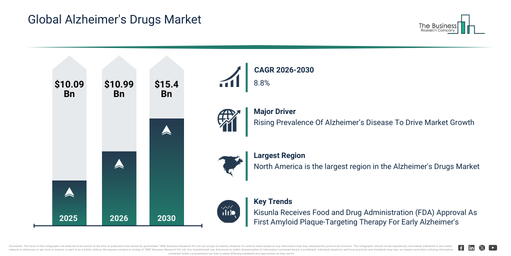
    The alzheimer’s drugs market has experienced substantial growth in recent years. It is anticipated to expand from $10.09 billion in 2025 to $10.99 billion in 2026, at a compound annual growth rate (CAGR) of 8.9%. This historical expansion can be attributed to an increasing elderly population, the rising prevalence of Alzheimer’s disease, growing awareness surrounding dementia care, the limited treatment options available in earlier periods, and advancements in neuroscience research.

    The Alzheimer’s drugs market size is anticipated to undergo significant growth in the upcoming years. This sector is expected to expand to $15.4 billion in 2030, exhibiting a compound annual growth rate (CAGR) of 8.8%. This expansion over the forecast period can be attributed to various factors such as advancements in precision medicine, the integration of AI in drug development, an increase in healthcare infrastructure, governmental support and funding allocated to dementia research, and the rise of digital health monitoring solutions. Dominant trends during this period include the development of personalized Alzheimer’s therapies, innovations in neuroprotective drugs, improved early diagnosis and screening solutions, the introduction of combination and multi-target drugs, and enhanced patient adherence and monitoring solutions.

    Get A Free Sample Report With In-Depth Market Insights:

    https://www.thebusinessresearchcompany.com/sample.aspx?id=9040&type=smp&utm_source=Blogs&utm_medium=Paid&utm_campaign=Oct_PR

    Alzheimer’s Drugs Market Demand Drivers Opening New Revenue Streams

    The escalating occurrence of Alzheimer’s disease is projected to fuel the expansion of the Alzheimer’s drugs market. This neurological condition progressively deteriorates, causing brain shrinkage and cell death over time. Medications designed for Alzheimer’s disease are utilized to manage memory impairment, cognitive challenges in thinking and reasoning, and difficulties in performing daily tasks. These drugs play a role in enhancing patients’ quality of life and helping them maintain independence. A notable illustration comes from a May 2024 report by the Alzheimer’s Association, a US-based nonprofit organization committed to Alzheimer’s care, support, and research, which revealed that the count of Americans aged 65 and older diagnosed with Alzheimer’s dementia grew from 6.5 million in 2022 to an estimated 6.9 million in 2024. Thus, the rising incidence of Alzheimer’s disease is significantly propelling the growth of the Alzheimer’s drugs market.

    Alzheimer’s Drugs Market Segment Analysis Spotlighting Growth Areas

    The alzheimer’s drugs market covered in this report is segmented –

    1) By Drugs: Donepezil, Rivastigmine, Galantamine, Memantine

    2) By Distribution Channel: Hospital Pharmacy, Retail Pharmacy, Online Pharmacy

    3) By Application: Early To Moderate Stages, Moderate To Severe Stages

    Alzheimer’s Drugs Market Trends Powering Strategic Industry Growth

    Leading companies within the Alzheimer’s drugs market are engaged in the development of innovative products, including amyloid plaque-targeting therapy, aiming to advance treatment options and improve patient outcomes. Amyloid plaque-targeting therapy represents a treatment strategy for Alzheimer’s disease that focuses on either decreasing or preventing the buildup of amyloid-beta plaques within the brain. For instance, in June 2024, Eli Lilly and Company, a US-based pharmaceutical company, secured approval for Kisunla (donanemab-azbt) from the Food and Drug Administration (FDA), a US-based federal agency responsible for safeguarding public health. Kisunla (donanemab-azbt) holds the distinction of being the first and only amyloid plaque-targeting therapy for early symptomatic Alzheimer’s disease. Its mechanism involves assisting the body in clearing excess amyloid plaques from the brain, which are correlated with cognitive decline in Alzheimer’s patients. Kisunla is administered through an intravenous infusion every four weeks. The initial dosing regimen consists of 700 mg for the first three doses, subsequently increasing to 1400 mg. Kisunla is specifically indicated for adults presenting with mild cognitive impairment (MCI) and mild dementia stages of Alzheimer’s disease, provided they have confirmed amyloid pathology.

    Alzheimer’s Drugs Market Leading Companies: Who Holds The Strongest Market Presence?

    Major companies operating in the alzheimer’s drugs market are AbbVie Inc., Daiichi Sankyo Company Limited, F Hoffmann-La Roche AG, Merck & Co Inc., Novartis AG, Biogen Inc., AstraZeneca PLC, Eisai Co Ltd., Eli Lilly and Company, H Lundbeck A/S, Pfizer Inc., Allergan PLC, Johnson & Johnson, Lupin Pharmaceuticals Inc., Actiza Pharmaceutical Private Limited, Neurotrope Inc., AC Immune SA, Adamas Pharmaceuticals Inc, Alzheon Inc., Anavex Life Sciences Corp, Axsome Therapeutics Inc., Cassava Sciences Inc., Cognition Therapeutics Inc., Cortexyme Inc., Denali Therapeutics Inc.

    View The Full Alzheimer’s Drugs Market Report:

    https://www.thebusinessresearchcompany.com/report/alzheimers-drugs-global-market-report?utm_source=Blogs&utm_medium=Paid&utm_campaign=Oct_PR

    Alzheimer’s Drugs Market Regional Analysis And Leading Geography

    North Americawas the largest region in the Alzheimer’s drugs market in 2025. Asia-Pacific is expected to be the fastest-growing region in the Alzheimer’s drugs market during the forecast period. The regions covered in the alzheimer’s drugs market report are Asia-Pacific, South East Asia, Western Europe, Eastern Europe, North America, South America, Middle East, Africa.

    Reach Out To Our Team:

    The Business Research Company: https://www.thebusinessresearchcompany.com/

    Americas: +1 310-496-7795

    Asia: +44 7882 955267 & +91 8897263534

    Europe: +44 7882 955267

    Email us at: marketing@tbrc.info

    Follow us on:

    LinkedIn: https://in.linkedin.com/company/the-business-research-company

    YouTube: https://www.youtube.com/channel/UC24_fI0rV8cR5DxlCpgmyFQ

    Global Market Model: https://www.thebusinessresearchcompany.com/global-market-model

  • Alzheimer’s Disease Treatment Market Growth Forecast Through 2030: Market Size And Trends In 2026

    Alzheimer’s Disease Treatment Market Growth Forecast Through 2030: Market Size And Trends In 2026

    Backed by market attractiveness analysis, total addressable market sizing, company benchmarking matrices, interactive Excel dashboards, wider supply chain intelligence, emerging startup coverage, and detailed product-level insights, The Business Research Company’s 2026 market reports are designed to offer research that is more actionable and strategically valuable than ever.

    Alzheimer’s Disease Treatment Market Revenue Growth On Track For A 6.6% CAGR Through 2030

    The alzheimer’s disease treatment market size has demonstrated substantial growth in recent years. It is anticipated to expand from $6.94 billion in 2025 to $7.37 billion in 2026, at a compound annual growth rate (CAGR) of 6.2%. Historically, this growth can be ascribed to the increasing prevalence of alzheimer’s disease, an aging global population, limited availability of effective therapies, growing awareness regarding cognitive disorders, and the rising healthcare infrastructure for neurological diseases.

    The Alzheimer’s disease treatment market is projected to experience substantial expansion in the coming years. Its valuation is anticipated to reach $9.51 billion in 2030, exhibiting a compound annual growth rate (CAGR) of 6.6%. This projected growth during the forecast period is driven by factors such as the advancement of beta-amyloid targeted immunotherapies, the broader availability of monoclonal antibody treatments, the increasing use of combination therapies, the rise of home care and telemedicine services for Alzheimer’s patients, and increased funding for early detection and diagnostic biomarkers. Key developments expected during this period include a surge in investment in immunotherapy and monoclonal antibodies, a greater embrace of multi-pathway combination drugs, an increase in early diagnosis and biomarker-guided treatments, a heightened focus on preserving cognitive function and enhancing memory, and the incorporation of home-based care and remote monitoring for Alzheimer’s patients.

    Get A Free Sample Report With In-Depth Market Insights:

    https://www.thebusinessresearchcompany.com/sample.aspx?id=3409&type=smp&utm_source=Blogs&utm_medium=Paid&utm_campaign=Oct_PR

    Alzheimer’s Disease Treatment Market Growth Backed By Core Demand Fundamentals

    Government-led efforts are projected to boost the expansion of the Alzheimer’s disease treatment market. Such initiatives involve governmental plans or actions designed to tackle particular problems or issues, drawing funding from diverse sources like taxes, grants, and donations. In the context of Alzheimer’s disease treatment, these initiatives support research endeavors, specifically clinical trials for novel drugs and therapies. For example, the American Medical Association, a US-based professional organization, reported in April 2025 that U.S. health spending surged by 7.5% to reach $4.9 trillion, equating to $14,570 per capita in 2023, a rise that exceeded the 4.6% increase recorded in 2022. Consequently, these governmental endeavors are a primary catalyst for the expansion of the Alzheimer’s disease treatment market.

    Alzheimer’s Disease Treatment Market Segment Performance And Emerging Opportunities

    The alzheimer’s disease treatment market covered in this report is segmented –

    1) By Drug Class: Cholinergic, Memantine, Combined Drug, AChE inhibitors, Immunoglobulins

    2) By Drug Type: Cholinesterase Inhibitors, NMDA Receptor Antagonists

    Subsegments:

    1) By Cholinergic: Donepezil, Galantamine, Rivastigmine

    2) By Memantine: Memantine Hydrochloride, Extended-Release Memantine

    3) By Combined Drug: Donepezil and Memantine Combination

    4) By AChE Inhibitors: Tacrine, Physical Inhibitors

    5) By Immunoglobulins: IVIG (Intravenous Immunoglobulin), Monoclonal Antibodies

    Alzheimer’s Disease Treatment Market Growth Trends Reshaping The Competitive Landscape

    Leading companies operating within the Alzheimer’s disease treatment market are concentrating on achieving regulatory approvals to gain a competitive advantage and enhance their product offerings. Regulatory approvals signify the formal authorization granted by government agencies, such as the U.S. Food and Drug Administration (FDA) or the European Medicines Agency (EMA), for a product to be commercially marketed and sold to the public. For instance, in July 2024, Eli Lilly and Company, a US-based pharmaceutical company, obtained FDA approval for its Alzheimer’s treatment, Kisunla (donanemab-azbt), which is indicated for adults with early symptomatic Alzheimer’s disease, including those experiencing mild cognitive impairment and mild dementia. The drug is delivered via monthly intravenous infusion and has demonstrated effectiveness in slowing the progression of the disease in clinical trials. The approval reflects its potential impact, having received Fast Track, Priority Review, and Breakthrough Therapy designations.

    Alzheimer’s Disease Treatment Market Key Players: Which Companies Lead Industry Competition?

    Major companies operating in the alzheimer’s disease treatment market are Pfizer Inc., F. Hoffmann-La Roche Ltd., AbbVie Inc., Bayer AG, Novartis AG, Bristol-Myers Squibb Company, AstraZeneca plc, Merck Sharp & Dohme Corp., Takeda Pharmaceutical Company Limited, Eli Lilly and Company, Amgen Inc., Teva Pharmaceutical Industries Ltd., Biogen Inc., UCB S.A., Eisai Co. Ltd., Forest Laboratories LLC, Ono Pharmaceutical Co. Ltd., H. Lundbeck A/S, Allergan plc, Luye Pharma Group, Avanir Pharmaceuticals Inc., Denali Therapeutics Inc., Athira Pharma Inc., ProMIS Neurosciences Inc., AC Immune SA, vTv Therapeutics Inc., AB Science SA, TauRx Pharmaceuticals Ltd., Alzheon Inc.

    View The Full Alzheimer’s Disease Treatment Market Report:

    https://www.thebusinessresearchcompany.com/report/alzheimer-disease-treatment-global-market-report?utm_source=Blogs&utm_medium=Paid&utm_campaign=Oct_PR

    Alzheimer’s Disease Treatment Market Geographic Analysis: Where Is Demand Accelerating Fastest?

    North America is the largest region in the Alzheimer’s disease treatment market in 2025. Middle East is expected to be the fastest growing region in the Alzheimer’s disease treatment market share during the forecast period. The regions covered in the alzheimer’s disease treatment market report are Asia-Pacific, South East Asia, Western Europe, Eastern Europe, North America, South America, Middle East, Africa.

    Reach Out To Our Team:

    The Business Research Company: https://www.thebusinessresearchcompany.com/

    Americas: +1 310-496-7795

    Asia: +44 7882 955267 & +91 8897263534

    Europe: +44 7882 955267

    Email us at: marketing@tbrc.info

    Follow us on:

    LinkedIn: https://in.linkedin.com/company/the-business-research-company

    YouTube: https://www.youtube.com/channel/UC24_fI0rV8cR5DxlCpgmyFQ

    Global Market Model: https://www.thebusinessresearchcompany.com/global-market-model
  • Alpha Methyldopa Market Analysis: $12.31 Billion Market Size In 2026 And Future Growth Prospects

    Alpha Methyldopa Market Analysis: $12.31 Billion Market Size In 2026 And Future Growth Prospects

    Featuring market attractiveness scoring, total addressable market sizing, company benchmarking matrices, interactive Excel dashboards, deeper supply chain intelligence, emerging startup tracking, and granular product-level insights, The Business Research Company’s 2026 market reports are built to deliver research that is both more actionable and more strategically valuable.

    Alpha Methyldopa Market Value Growth And Long-Term Outlook

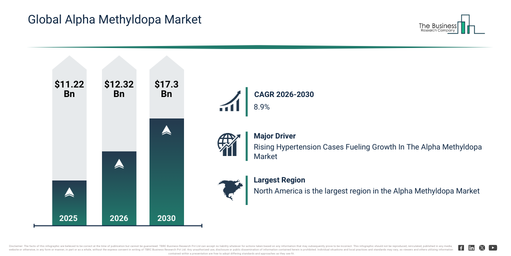
    The alpha methyldopa market size has demonstrated strong growth in recent years. It is anticipated to increase from $11.22 billion in 2025 to $12.32 billion in 2026, achieving a compound annual growth rate (CAGR) of 9.8%. The expansion witnessed in the past can be credited to factors such as limited treatment alternatives for hypertension, an escalating prevalence of preeclampsia, the adoption of established oral antihypertensive therapies, enhanced awareness regarding hypertension management, and the expansion of hospital and clinical facilities.

    The alpha methyldopa market is anticipated to experience substantial expansion over the next few years, with its size expected to ascend to $17.3 billion in 2030, achieving a compound annual growth rate (CAGR) of 8.9%. This projected growth is driven by factors such as the refinement of high-purity alpha methyldopa tablets and injectables, its increasing use in maternal healthcare, the rising preference for oral dosage forms, its incorporation into telemedicine-based hypertension monitoring, and the expansion of global programs for hypertension treatment. Major shifts expected during this period include a worldwide increase in hypertension prevalence, the broader application of alpha methyldopa for conditions related to pregnancy, a growing preference for oral administration over injectable solutions, the proliferation of hospital and clinic-based hypertension management initiatives, and the ongoing development of high-purity alpha methyldopa formulations.

    Get A Free Sample Report With In-Depth Market Insights:

    https://www.thebusinessresearchcompany.com/sample.aspx?id=17059&type=smp&utm_source=Blogs&utm_medium=Paid&utm_campaign=Oct_PR

    Alpha Methyldopa Market Growth Catalysts And Demand Drivers

    The alpha methyldopa market is anticipated to expand due to the growing incidence of hypertension. Hypertension, recognized as elevated blood pressure, is a condition characterized by persistently excessive force of blood against artery walls. Factors contributing to the increase in hypertension cases include unhealthy diets, insufficient physical activity, obesity, and heightened stress. Alpha methyldopa addresses hypertension by lowering specific blood chemicals, leading to the relaxation and widening of blood vessels, thereby reducing blood pressure. An example from January 2024, provided by the Heart Foundation, an Australia-based charity, indicates that around 1 in 4 adults in Australia suffer from high blood pressure (23%). It also noted that hypertension affects men more than women, with 25% of men and 22% of women impacted. Consequently, the rising number of hypertension cases is projected to boost the growth of the α-methyldopa market.

    Alpha Methyldopa Market Segment Landscape And Growth Outlook

    The alpha methyldopa market covered in this report is segmented –

    1) By Type: Oral, Intravenous Drip

    2) By Purity Type: Purity: ≥98%, Purity:≥99%

    3) By Application: Parkinsonism, Hepatic Coma

    Subsegments:

    1) By Oral: Tablets, Capsules

    2) By Intravenous Drip: Injectable Solutions, Pre-filled Syringes

    Alpha Methyldopa Market Competitive Landscape: Who Leads The Industry?

    Major companies operating in the alpha methyldopa market are Pfizer Inc., Merck & Co. Inc., Bayer AG, Novartis International AG, Abbott Laboratories, GlaxoSmithKline plc, Teva Pharmaceutical Industries Ltd., Dr. Reddy’s Laboratories Ltd., Mylan N.V., Bausch Health Companies Inc., Intas Pharmaceuticals Ltd., Apotex Inc., Glenmark Pharmaceuticals Ltd., Alkem Laboratories Ltd., Torrent Pharmaceuticals Ltd., Alembic Pharmaceuticals Ltd., Wockhardt Ltd., Laboratories Confab, Globela Pharma Pvt. Ltd., Pro Doc Ltée, AA Pharma inc., LGM Pharma

    View The Full Alpha Methyldopa Market Report:

    https://www.thebusinessresearchcompany.com/report/alpha-methyldopa-global-market-report?utm_source=Blogs&utm_medium=Paid&utm_campaign=Oct_PR

    Alpha Methyldopa Market Global Footprint: Which Region Leads The Industry?

    North America was the largest region in the alpha methyldopa market in 2025. The regions covered in the alpha methyldopa market report are Asia-Pacific, South East Asia, Western Europe, Eastern Europe, North America, South America, Middle East, Africa.

    Reach Out To Our Team:

    The Business Research Company: https://www.thebusinessresearchcompany.com/

    Americas: +1 310-496-7795

    Asia: +44 7882 955267 & +91 8897263534

    Europe: +44 7882 955267

    Email us at: marketing@tbrc.info

    Follow us on:

    LinkedIn: https://in.linkedin.com/company/the-business-research-company

    YouTube: https://www.youtube.com/channel/UC24_fI0rV8cR5DxlCpgmyFQ

    Global Market Model: https://www.thebusinessresearchcompany.com/global-market-model
  • Alpha Mannosidosis Market 2026 Market Size And Growth Forecast: Key Trends To Watch

    Alpha Mannosidosis Market 2026 Market Size And Growth Forecast: Key Trends To Watch

    Built to provide research that’s more actionable and strategically valuable, The Business Research Company’s 2026 market reports include market attractiveness analysis, total addressable market sizing, company benchmarking matrices, interactive Excel dashboards, broader supply chain intelligence, emerging startup tracking, and in-depth product insights.

    Alpha Mannosidosis Market Poised To Hit $39.41 Billion By 2030 With A 17% CAGR

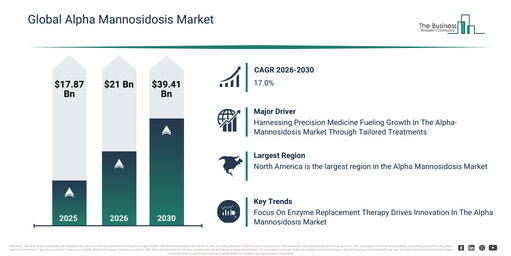
    The alpha mannosidosis market has experienced rapid expansion recently. Projections indicate it will expand from $17.87 billion in 2025 to reach $21 billion by 2026, demonstrating a compound annual growth rate (CAGR) of 17.5%. Historically, this growth was influenced by factors such as underdeveloped diagnostic infrastructure, a lack of awareness regarding the disease, a dependence on traditional treatments, inconsistent treatment protocols, and limited investment in research and development.

    The alpha mannosidosis market size is projected to experience substantial growth in the upcoming years. It is expected to reach $39.41 billion in 2030, with a compound annual growth rate (CAGR) of 17.0%. This expansion during the forecast period can be attributed to increased investment in gene therapies, a rising adoption of enzyme replacement therapies, the development of healthcare infrastructure, advancements in diagnostic technologies, and regulatory incentives for rare diseases. Key trends anticipated in the forecast period include early genetic screening programs, the development of orphan drugs, personalized enzyme replacement therapy, the expansion of rare disease clinics, and collaborative research initiatives.

    Get A Free Sample Report With In-Depth Market Insights:

    https://www.thebusinessresearchcompany.com/sample.aspx?id=4093&type=smp&utm_source=Blogs&utm_medium=Paid&utm_campaign=Oct_PR

    Alpha Mannosidosis Market Opportunity Drivers: What’s Unlocking New Revenue Potential?

    The increasing need for precision medicine is projected to stimulate the expansion of the alpha mannosidosis market. Precision medicine, a customized healthcare strategy, takes into account distinct patient characteristics such as genetic makeup, environmental factors, and lifestyle choices to enhance treatment and preventative measures. The growing adoption of precision medicine stems from progress in genomic technologies and data analytics, facilitating a more precise detection of genetic variations and their consequences for health. Furthermore, a heightened desire for individualized treatment plans, coupled with an increasing recognition of the shortcomings of standardized approaches, has intensified focus on customized healthcare remedies. This approach to medicine aids in developing targeted therapies specifically designed for the genetic mutations and patient profiles linked to this uncommon condition. To illustrate, in February 2024, data from the Personalized Medicine Coalition (PMC), a US-based nonprofit organization, indicated that in 2023, the FDA sanctioned 16 new personalized treatments for rare diseases, representing a notable rise from merely six approvals in 2022. Consequently, the escalating demand for precision medicine is fueling the expansion of the alpha mannosidosis market.

    Alpha Mannosidosis Market Breakdown By Product Type And Application

    The alpha mannosidosis market covered in this report is segmented –

    1) By Therapy Type: Bone Marrow Transplant (BMT), Enzyme Replacement Therapy (ERT), Other Therapies

    2) By Indication: Type I, Type II, Type III

    3) By End-User: Hospitals, Speciality Clinics

    Subsegments:

    1) By Bone Marrow Transplant (BMT): Autologous BMT, Allogeneic BMT

    2) By Enzyme Replacement Therapy (ERT): Recombinant Enzymes, Long-acting Enzyme Formulations

    3) By Other Therapies: Symptomatic Treatments, Gene Therapy, Supportive Care

    Alpha Mannosidosis Market Innovation Trends Shaping Future Development

    Companies active in the alpha mannosidosis market are concentrating on developing enzyme replacement therapy for rare alpha-mannosidosis. This therapy helps diminish the build-up of mannose-rich oligosaccharides in various tissues and organs by providing exogenous alpha-mannosidase. Such accumulation is a hallmark of alpha-mannosidosis and contributes to its pathological effects. For example, in February 2023, Chiesi Global Rare Diseases, a US-based pharmaceutical company, launched Lamzede (velmanase alfa). This product is the first enzyme replacement therapy authorized in the United States for treating alpha-mannosidosis, a rare genetic disorder characterized by the absence of the alpha-mannosidase enzyme in the body, and its manifestations outside the central nervous system. Lamzede works to restore normal cellular activity in patients by mimicking the function of the human body’s alpha-mannosidase enzyme. Patients receive a 10 mg injection of Lamzede once a week.

    Alpha Mannosidosis Market Company Landscape And Competitive Strategy

    Major companies operating in the alpha mannosidosis market are Chiesi Farmaceutici S.p.A., Cipla, Daiichi Sankyo Company, Ultragenyx Pharmaceutical Inc, Mitsubishi Tanabe Pharma, Zymenex A/S, Albumedix Ltd, Freeline Therapeutics, Avectas, DiNAQOR AG, Vivet Therapeutics, Herantis Pharma Plc, PTC Therapeutics, Biocad, Sanofi, Orchard Therapeutics, Shire Pharmaceuticals, Amicus Therapeutics, BioMarin Pharmaceutical Inc, Genzyme

    View The Full Alpha Mannosidosis Market Report:

    https://www.thebusinessresearchcompany.com/report/alphas-mannosidosis-global-market-report?utm_source=Blogs&utm_medium=Paid&utm_campaign=Oct_PR

    Alpha Mannosidosis Market Regional Distribution: Which Areas Power Market Growth?

    North America was the largest region in the alpha mannosidosis market in 2025. Asia-Pacific is expected to be the fastest-growing region in the forecast period. The regions covered in the alpha mannosidosis market report are Asia-Pacific, South East Asia, Western Europe, Eastern Europe, North America, South America, Middle East, Africa.

    Reach Out To Our Team:

    The Business Research Company: https://www.thebusinessresearchcompany.com/

    Americas: +1 310-496-7795

    Asia: +44 7882 955267 & +91 8897263534

    Europe: +44 7882 955267

    Email us at: marketing@tbrc.info

    Follow us on:

    LinkedIn: https://in.linkedin.com/company/the-business-research-company

    YouTube: https://www.youtube.com/channel/UC24_fI0rV8cR5DxlCpgmyFQ

    Global Market Model: https://www.thebusinessresearchcompany.com/global-market-model

  • Alpha Glucosidase Inhibitors Market Size Forecast: How The Industry Is Expected To Grow From 2026 To 2030

    Alpha Glucosidase Inhibitors Market Size Forecast: How The Industry Is Expected To Grow From 2026 To 2030

    Backed by market attractiveness analysis, total addressable market sizing, company benchmarking matrices, interactive Excel dashboards, wider supply chain intelligence, emerging startup coverage, and detailed product-level insights, The Business Research Company’s 2026 market reports are designed to offer research that is more actionable and strategically valuable than ever.

    Alpha Glucosidase Inhibitors Market Size And Revenue Outlook Through 2030

    The alpha glucosidase inhibitors market has experienced robust growth in recent years. This market is projected to expand from $4.84 billion in 2025 to $5.19 billion by 2026, demonstrating a compound annual growth rate (CAGR) of 7.2%. Historically, this expansion has been driven by factors such as the increasing prevalence of type 2 diabetes, the growing elderly population, governmental efforts to raise diabetes awareness, the constrained access to sophisticated treatments in developing economies, and increased research activity concerning alpha-glucosidase inhibitors.

    The alpha glucosidase inhibitors market size is poised for significant expansion over the next few years. It is anticipated to grow to $7.05 billion in 2030, demonstrating a compound annual growth rate (CAGR) of 8.0%. This growth during the forecast period is driven by factors such as technological progress in drug formulation, the increasing adoption of combination therapies, greater investment in digital health monitoring, the expansion of online pharmacy channels, and the development of precision medicine solutions. Prominent trends expected in this period include personalized diabetes management solutions, the creation of therapies that incorporate low-glycemic diets, an enhanced focus on hypoglycemia-safe medications, the rise of combination therapy approaches, and the broadening of patient-centric digital health platforms.

    Get A Free Sample Report With In-Depth Market Insights:

    https://www.thebusinessresearchcompany.com/sample.aspx?id=11880&type=smp&utm_source=Blogs&utm_medium=Paid&utm_campaign=Oct_PR

    Alpha Glucosidase Inhibitors Market Growth Momentum: What Factors Are Shaping Demand?

    The global rise in diabetes prevalence is projected to drive the expansion of the alpha-glucosidase inhibitors market. Diabetes is a chronic metabolic disorder defined by elevated blood glucose levels, which can lead to severe damage to the heart, blood vessels, eyes, kidneys, and nerves over an extended period. Alpha-glucosidase inhibitors work by inhibiting carbohydrate absorption from the small intestine, thereby preventing the increase in postprandial blood glucose concentrations and assisting in diabetes control. For instance, in June 2024, according to the National Health Service, a UK-based government department, in 2023, the NHS identified over 549,000 new individuals in England at risk of developing type 2 diabetes, bringing the total number of people with non-diabetic hyperglycemia, or pre-diabetes, registered with a GP to 3,615,330. This represents a notable increase compared to 3,065,825 in 2022, indicating a rise of nearly 20%. Consequently, the increasing prevalence of diabetes worldwide is fueling the growth of the alpha-glucosidase inhibitors market.

    Alpha Glucosidase Inhibitors Market Segment Analysis And Revenue Potential

    The alpha glucosidase inhibitors market covered in this report is segmented –

    1) By Type: Dumping Syndrome, Type 2 Diabetes

    2) By Drug Class: Acarbose, Miglitol, Voglibose

    3) By Constituent: Glucoamylase, Isomaltase, Maltase, Sucrase

    4) By Distribution Channel: Online Pharmacies, Retail Pharmacies, Hospital Pharmacies

    Subsegments:

    1) By Dumping Syndrome: Post-Gastric Surgery Management, Symptomatic Treatment

    2) By Type 2 Diabetes: Monotherapy, Combination Therapy

    Alpha Glucosidase Inhibitors Market Trends Redefining Industry Growth

    Leading companies active in the type 2 diabetes market are concentrating on developing novel therapies to enhance glycemic control and improve patient outcomes. SGLT2 inhibitors operate by promoting the excretion of glucose through urine, aiding in the reduction of blood sugar levels for individuals with type 2 diabetes. For instance, in January 2023, TheracosBio, a US-based pharmaceutical entity, secured approval from the U.S. Food and Drug Administration (FDA) for Brenzavvy (bexagliflozin) intended for the treatment of adults with type 2 diabetes. Brenzavvy is a distinctive oral inhibitor of sodium-glucose cotransporter 2 (SGLT2). It is advised as a complement to diet and exercise to help people with type 2 diabetes better manage their blood sugar levels by prompting the kidneys to eliminate sugar through urine.

    Alpha Glucosidase Inhibitors Market Key Players Shaping Industry Direction

    Major companies operating in the alpha glucosidase inhibitors market are Bayer AG, Merck & Co., Alkem Laboratories Ltd., Cipla Limited, Dr. Reddy’s Laboratories Ltd., Emcure Pharmaceuticals Ltd., Lupin Ltd., Novartis AG, Sanofi SA, Sun Pharmaceutical Industries Ltd., Takeda Pharmaceutical Company, Torrent Pharmaceuticals Ltd., Unichem Laboratories Ltd., Pfizer Inc., Boehringer Ingelheim International GmbH, AstraZeneca PLC, Mitsubishi Tanabe Pharma Corporation, Eli Lilly and Company, Johnson & Johnson, Bristol-Myers Squibb, Teva Pharmaceutical Industries Ltd., Hanmi Pharmaceuticals Co. Ltd., Eisai Co. Ltd., Biocon Limited, Cadila Pharmaceuticals Ltd

    View The Full Alpha Glucosidase Inhibitors Market Report:

    https://www.thebusinessresearchcompany.com/report/alpha-glucosidase-inhibitors-global-market-report?utm_source=Blogs&utm_medium=Paid&utm_campaign=Oct_PR

    Alpha Glucosidase Inhibitors Market Leading Geography: Which Region Contributes The Most Revenue?

    North America was the largest region in the alpha glucosidase inhibitors market in 2025. Middle-East is expected to be the fastest-growing region in the forecast period. The regions covered in the alpha glucosidase inhibitors market report are Asia-Pacific, South East Asia, Western Europe, Eastern Europe, North America, South America, Middle East, Africa.

    Reach Out To Our Team:

    The Business Research Company: https://www.thebusinessresearchcompany.com/

    Americas: +1 310-496-7795

    Asia: +44 7882 955267 & +91 8897263534

    Europe: +44 7882 955267

    Email us at: marketing@tbrc.info

    Follow us on:

    LinkedIn: https://in.linkedin.com/company/the-business-research-company

    YouTube: https://www.youtube.com/channel/UC24_fI0rV8cR5DxlCpgmyFQ

    Global Market Model: https://www.thebusinessresearchcompany.com/global-market-model
  • Alopecia Treatment Market Reaches $13.74 Billion In 2026: Forecast And Growth Opportunities

    Alopecia Treatment Market Reaches $13.74 Billion In 2026: Forecast And Growth Opportunities

    Featuring market attractiveness scoring, total addressable market sizing, company benchmarking matrices, interactive Excel dashboards, deeper supply chain intelligence, emerging startup tracking, and granular product-level insights, The Business Research Company’s 2026 market reports are built to deliver research that is both more actionable and more strategically valuable.

    Alopecia Treatment Market Growth From $10.76 Billion In 2026 To $13.74 Billion By 2030 At A CAGR Of 6.3%

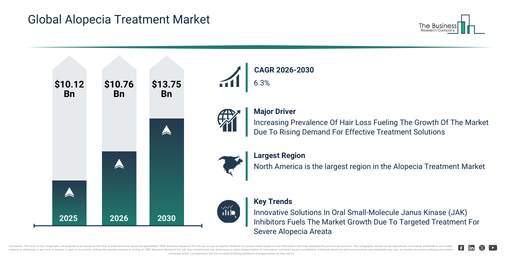
    The alopecia treatment market size has shown substantial growth in recent years. It is forecast to increase from $10.12 billion in 2025 to $10.76 billion in 2026, exhibiting a compound annual growth rate (CAGR) of 6.3%. This historical expansion can be attributed to several factors including cosmetic treatment demand growth, the diagnosis of alopecia areata, the widespread use of topical therapy, the expansion of dermatology services, and a rise in aesthetic awareness.

    The alopecia treatment market size is anticipated to expand significantly in the coming years, with projections indicating it will reach $13.75 billion by 2030, exhibiting a compound annual growth rate (CAGR) of 6.3%. This growth during the forecast period is fueled by advancements in autoimmune research, the approval of biologic drugs, increased adoption of minimally invasive therapies, the growth of medical tourism, and personalized dermatology. Prominent trends for this period encompass the rising uptake of janus kinase inhibitors, an increase in hair transplant procedures, a growing demand for non-invasive therapies, the expansion of dermatology clinics, and a heightened focus on managing autoimmune alopecia.

    Get A Free Sample Report With In-Depth Market Insights:

    https://www.thebusinessresearchcompany.com/sample.aspx?id=24140&type=smp&utm_source=Blogs&utm_medium=Paid&utm_campaign=Oct_PR

    Alopecia Treatment Market Expansion Drivers: What’s Shaping Future Growth?

    The rising occurrence of hair loss is anticipated to drive the expansion of the alopecia treatment market in the future. Hair loss describes a condition characterized by an individual losing hair, either partially or entirely, from their scalp or other bodily areas. The frequency of hair loss is escalating, attributed to elevated stress levels. These stress levels can interfere with the natural hair growth cycle and provoke conditions like telogen effluvium, resulting in significant hair shedding. With a growing number of people looking for effective ways to manage and reverse hair loss, the need for sophisticated and readily available alopecia treatments is increasing. To illustrate, in October 2024, data from the American Academy of Dermatology, a US-based professional medical association specializing in dermatology, indicated that 80 million Americans experienced hair loss, comprising 50 million men and 30 million women. Consequently, the growing prevalence of hair loss is a primary factor fueling the expansion of the alopecia treatment market.

    Alopecia Treatment Market Segmentation And Category Overview

    The alopecia treatment market covered in this report is segmented –

    1) By Dosage Form: Drug Therapy, Hair Transplant Services, Low-Level Laser Therapy

    2) By Route of Administration: Topical, Injectable, Oral

    3) By Indication: Alopecia Areata, Alopecia Totalis, Alopecia Universalis, Alopecia Barbae, Chemotherapy Induced Alopecia, Other Indications

    4) By Gender Type: Male, Female

    5) By End User: Hospitals And Physicians Offices, Dermatology Clinics, Other End Users

    Subsegments:

    1) By Drug Therapy: Topical Solutions, Oral Medications, Injectable Treatments, Immunosuppressants, Janus Kinase Inhibitors

    2) By Hair Transplant Services: Follicular Unit Transplantation (FUT), Follicular Unit Extraction (FUE), Robotic Hair Transplantation, Direct Hair Implantation (DHI)

    3) By Low-Level Laser Therapy (LLLT): Laser Helmets, Laser Combs, Laser Caps, In-Clinic Laser Devices

    Alopecia Treatment Market Strategic Trends: What Defines The Next Growth Phase?

    Leading companies in the alopecia treatment market are focusing on developing innovative solutions, such as oral small-molecule Janus kinase (JAK) inhibitors, to boost treatment efficacy, accelerate hair regrowth, and provide targeted therapy for patients with severe or resistant forms of alopecia areata. Oral small-molecule Janus kinase (JAK) inhibitors represent a class of targeted pharmaceutical drugs designed to obstruct the activity of one or more of the Janus kinase enzymes (JAK1, JAK2, JAK3, and TYK2). For instance, in July 2024, Sun Pharmaceutical Industries Limited, an India-based pharmaceutical company, secured US Food and Drug Administration (FDA) approval for LEQSELVI, an oral Janus kinase (JAK) inhibitor, for the treatment of adults with severe alopecia areata. This drug acts as a selective inhibitor of JAK1 and JAK2 enzymes, which are implicated in the immune system’s attack on hair follicles in this autoimmune disorder. The recommended dosage is 8 mg orally twice daily, with or without food. This approval of LEQSELVI introduces a new, effective treatment option for individuals grappling with this condition, which can have significant physical, emotional, and social consequences.

    Alopecia Treatment Market Competitive Analysis Of Leading Industry Participants

    Major companies operating in the alopecia treatment market are Pfizer Inc., Eli Lilly and Company, Sun Pharmaceutical Industries Inc., Incyte Corporation, Hims & Hers Health Inc., Bosley Inc., Hair Club Co., Dermavant Sciences Inc., Histogen Inc., Capillus llc, Aclaris Therapeutics Inc., Nutrafol, Alvi Armani Co, Rogaine, Theradome Inc., Viviscal Ltd, Cassiopea SA, Follica Inc., RepliCel Life Sciences Inc., HairClone Ltd, Revian Inc., Nioxin.

    View The Full Alopecia Treatment Market Report:

    https://www.thebusinessresearchcompany.com/report/alopecia-treatment-global-market-report?utm_source=Blogs&utm_medium=Paid&utm_campaign=Oct_PR

    Alopecia Treatment Market Regional Outlook: Where Is Opportunity Concentrated?

    North America was the largest region in the alopecia treatment market in 2025. Asia-Pacific is expected to be the fastest-growing region in the forecast period. The regions covered in the alopecia treatment market report are Asia-Pacific, South East Asia, Western Europe, Eastern Europe, North America, South America, Middle East, Africa.

    Reach Out To Our Team:

    The Business Research Company: https://www.thebusinessresearchcompany.com/

    Americas: +1 310-496-7795

    Asia: +44 7882 955267 & +91 8897263534

    Europe: +44 7882 955267

    Email us at: marketing@tbrc.info

    Follow us on:

    LinkedIn: https://in.linkedin.com/company/the-business-research-company

    YouTube: https://www.youtube.com/channel/UC24_fI0rV8cR5DxlCpgmyFQ

    Global Market Model: https://www.thebusinessresearchcompany.com/global-market-model