Month: October 2026

  • Anthelmintic Drugs Market Forecast: Breaking Down The Numbers Behind Future Expansion

    Anthelmintic Drugs Market Forecast: Breaking Down The Numbers Behind Future Expansion

    Backed by market attractiveness analysis, total addressable market sizing, company benchmarking matrices, interactive Excel dashboards, wider supply chain intelligence, emerging startup coverage, and detailed product-level insights, The Business Research Company’s 2026 market reports are designed to offer research that is more actionable and strategically valuable than ever.

    Anthelmintic Drugs Market Poised To Hit $4.31 Billion By 2030 With A 5.2% CAGR

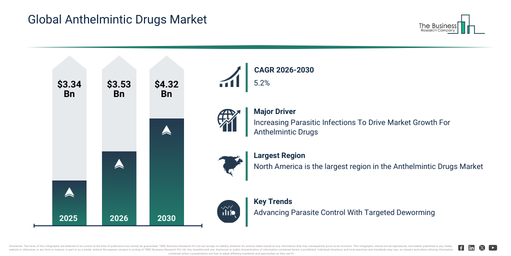
    The anthelmintic drugs market has demonstrated robust growth over recent years. It is projected to increase from $3.34 billion in 2025 to $3.53 billion in 2026, achieving a compound annual growth rate (CAGR) of 5.5%. This market’s historical expansion is largely attributable to the widespread occurrence of parasitic infections, constrained availability of advanced anthelmintic drugs, continued reliance on traditional drug classes, a rising understanding of helminth infections, and the development of hospital and clinic infrastructure.

    The anthelmintic drugs market size is anticipated to experience robust expansion over the forthcoming years. It is projected to reach $4.32 billion in 2030, demonstrating a compound annual growth rate (CAGR) of 5.2%. This projected growth stems from several factors, including the development of novel anthelmintic compounds, a greater embrace of combination therapies, increasing applications in veterinary and livestock sectors, the widening reach of online and retail pharmacy channels, and government-led initiatives for parasite control programs. Significant trends expected during this period include a rising prevalence of helminth infections across human and animal populations, the growing preference for oral anthelmintics and injectable formulations, an escalating demand for veterinary anthelmintics in managing livestock, the continued expansion of retail and online pharmacy outlets for these medications, and a strategic focus on combination therapies and broad-spectrum anthelmintics.

    Get A Free Sample Report With In-Depth Market Insights:

    https://www.thebusinessresearchcompany.com/sample.aspx?id=19291&type=smp&utm_source=Blogs&utm_medium=Paid&utm_campaign=Oct_PR

    Anthelmintic Drugs Market Growth Drivers: What’s Behind The Acceleration?

    A significant occurrence of parasitic infections is anticipated to boost the expansion of the anthelmintic drugs market in the future. These infections are illnesses resulting from organisms like protozoa, worms, or ectoparasites residing on or within a host. Factors contributing to parasitic infections include insufficient sanitation, tainted food or water, direct exposure to infected people or animals, poor hygiene, and limited availability of clean resources. Medications known as anthelmintic drugs are administered to address infections caused by parasitic worms, efficiently targeting and removing these parasites from the host. These drugs operate by disturbing the parasites’ bodily functions, which results in their expulsion or demise. For example, in September 2025, information released by the Centers for Disease Control and Prevention, a US-based national public health agency, indicated that by September 16, 2025, the CDC had recorded 990 cases of cyclosporiasis contracted within the United States. Consequently, the widespread occurrence of parasitic infections is propelling the expansion of the anthelmintic drugs market.

    Anthelmintic Drugs Market Segment Trends And Revenue Contributors

    The anthelmintic drugs market covered in this report is segmented –

    1) By Drug Class: Benzimidazoles, Macrocyclic lactones, Pyrazinoisoquinolones, Tetrahydropyrimidines, Other Drug Classes

    2) By Route Of Administration: Oral, Injectable

    3) By Infection Type: Nematode Infections, Cestode Infections, Trematode Infections, Mixed Infections

    4) By Distribution Channel: Hospitals And Clinics, Retail Pharmacies, Online Pharmacies, Veterinary Clinics And Supply Stores

    5) By Application: Human Anthelmintics, Veterinary Anthelmintics

    Subsegments:

    1) By Benzimidazoles: Albendazole, Mebendazole, Fenbendazole, Oxfendazole, Thiabendazole

    2) By Macrocyclic Lactones: Ivermectin, Moxidectin, Doramectin, Eprinomectin, Milbemycin Oxime

    3) By Pyrazinoisoquinolones: Praziquantel, Cysticide

    4) By Tetrahydropyrimidines: Pyrantel Pamoate, Pyrantel Tartrate

    5) By Other Drug Classes: Imidazothiazoles, Aminoacetonitrile Derivatives, Spiroindoles, Arsenicals

    Anthelmintic Drugs Market Trends: What’s Defining The Industry’s Next Phase?

    Leading companies in the anthelmintic drugs market are focusing on creating advanced solutions, such as targeted, evidence-based deworming programs, to enhance parasite control, mitigate drug resistance, and encourage the sustainable application of anthelmintics, departing from conventional blanket deworming strategies that often involve frequent, untargeted treatments. These focused deworming programs employ diagnostic testing, parasite load evaluations, and strategic dosing schedules to maximize treatment effectiveness while minimizing environmental and resistance risks. For example, in April 2025, Zoetis Inc., a US-based animal health company, launched the “Buy Less Dewormer” campaign aimed at equine populations, advocating for evidence-based parasite management. This program integrates educational resources with guidelines on fecal egg count monitoring and strategic anthelmintic selection; it operates by advising horse owners and veterinarians to administer treatments solely when essential, determined by the parasite burden and risk assessment. Its distinct features encompass integrated educational materials, recommendations for risk-based treatments, and support for responsible anthelmintic stewardship. The applications extend to equine herd health management, the prevention of parasite resistance, and optimized deworming timetables, yielding benefits such as reduced anthelmintic overuse, improved parasite control results, decreased costs for owners, and the promotion of lasting drug efficacy.

    Anthelmintic Drugs Market Competitive Landscape: Which Companies Lead The Industry?

    Major companies operating in the anthelmintic drugs market are Pfizer Inc., Johnson & Johnson, F. Hoffmann-La Roche Ltd., Merck & Co. Inc., Bayer AG, Sanofi S.A., Novartis AG, GlaxoSmithKline plc, Boehringer Ingelheim International GmbH, Teva Pharmaceutical Industries Limited, Zoetis Inc., Hetero Labs Limited, Sun Pharmaceutical Industries Ltd., Galderma S.A., Cipla Inc., Ferring Pharmaceuticals Inc., Amneal Pharmaceuticals Inc., Zydus Lifesciences Limited, Glenmark Pharmaceuticals Ltd., Mankind Pharma Ltd., Reese Pharmaceutical Company

    View The Full Anthelmintic Drugs Market Report:

    https://www.thebusinessresearchcompany.com/report/anthelmintic-drugs-global-market-report?utm_source=Blogs&utm_medium=Paid&utm_campaign=Oct_PR

    Anthelmintic Drugs Market Regional Analysis: Which Geography Leads On Revenue?

    North America was the largest region in the anthelmintic drugs market in 2025. Asia-Pacific is expected to be the fastest-growing region in the forecast period. The regions covered in the anthelmintic drugs market report are Asia-Pacific, South East Asia, Western Europe, Eastern Europe, North America, South America, Middle East, Africa.

    Reach Out To Our Team:

    The Business Research Company: https://www.thebusinessresearchcompany.com/

    Americas: +1 310-496-7795

    Asia: +44 7882 955267 & +91 8897263534

    Europe: +44 7882 955267

    Email us at: marketing@tbrc.info

    Follow us on:

    LinkedIn: https://in.linkedin.com/company/the-business-research-company

    YouTube: https://www.youtube.com/channel/UC24_fI0rV8cR5DxlCpgmyFQ

    Global Market Model: https://www.thebusinessresearchcompany.com/global-market-model
  • Antacids Market Expected To Grow At 3.3% CAGR Through 2030: What Businesses Need To Know

    Antacids Market Expected To Grow At 3.3% CAGR Through 2030: What Businesses Need To Know

    Featuring market attractiveness scoring, total addressable market sizing, company benchmarking matrices, interactive Excel dashboards, deeper supply chain intelligence, emerging startup tracking, and granular product-level insights, The Business Research Company’s 2026 market reports are built to deliver research that is both more actionable and more strategically valuable.

    Antacids Market Size And Revenue Outlook Through 2030

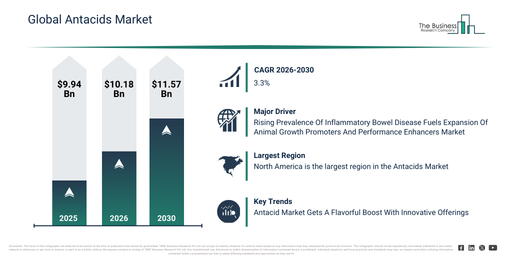
    The antacids market size has observed steady growth in recent years. It is anticipated to expand from $9.94 billion in 2025 to $10.18 billion in 2026, registering a compound annual growth rate (CAGR) of 2.5%. The historical increase in this market can be attributed to the rising prevalence of acid reflux and heartburn, greater awareness of digestive health, the expansion of retail pharmacy networks, the introduction of proton pump inhibitors, and the development of liquid and chewable formulations.

    The antacids market is anticipated to experience consistent expansion in the coming years, projected to reach $11.57 billion in 2030 with a compound annual growth rate (CAGR) of 3.3%. This anticipated growth during the forecast period is driven by factors such as the increasing adoption of personalized medicine, a rising demand for natural and herbal antacids, the expansion of e-pharmacy and online sales channels, technological advancements in drug delivery, and market penetration in emerging regions. Significant trends expected during this period include a greater availability of over-the-counter products, the development of more combination antacid formulations, an increasing focus on pediatric and geriatric care, the proliferation of home healthcare solutions, and a pronounced shift towards natural and herbal antacids.

    Get A Free Sample Report With In-Depth Market Insights:

    https://www.thebusinessresearchcompany.com/sample.aspx?id=2415&type=smp&utm_source=Blogs&utm_medium=Paid&utm_campaign=Oct_PR

    Antacids Market Growth Factors Behind Sustained Expansion

    The rising occurrence of inflammatory bowel disease (IBD) is projected to boost the expansion of the antacids market. IBD encompasses conditions marked by ongoing inflammation within the digestive system. Antacids are medicines developed to control stomach acid and are frequently used to treat heartburn and indigestion. For example, the International Foundation for Gastrointestinal Disorders (IFFGD) estimated that 5–10% of the worldwide population would experience IBS in 2023, with 25 and 45 million individuals in the United States suffering from it. Furthermore, a survey by the American Gastroenterological Association covering 33 countries on 6 continents, examining the prevalence of functional gastrointestinal disorders, found that over 40% of the 73,076 adult participants globally suffer from functional gastrointestinal disorders (FGID), which impact their quality of life and healthcare utilization. Consequently, the expanding incidence of inflammatory bowel disease is set to propel the growth of the antacids market in the future.

    Antacids Market Segment Analysis Spotlighting Growth Areas

    The antacids market covered in this report is segmented –

    1) By Drug Class: Proton Pump Inhibitors, H2 Antagonist, Acid Neutralizers, Pro-Motility Agents

    2) By Formulation Type: Tablet, Liquid, Powder, Other Formulation Types

    3) By Distribution Channel: Hospital Pharmacies, Retail Pharmacies, Other Distribution Channels

    Subsegments:

    1) By Proton Pump Inhibitors (PPIs): Omeprazole, Esomeprazole, Lansoprazole, Pantoprazole, Rabeprazole

    2) By H2 Antagonists: Ranitidine, Famotidine, Cimetidine, Nizatidine

    3) By Acid Neutralizers: Antacids, Sodium Bicarbonate

    4) By Pro-Motility Agents: Metoclopramide, Domperidone

    Antacids Market Industry Trends Fueling Future Revenue Growth

    Major companies operating in the antacids market are introducing new products, including a variety of antacid flavors, to boost their profitability. Antacid flavors refer to the diverse taste options available for antacid products. For instance, in March 2023, Wonderbelly, a US-based digestive medicine company, launched three antacid flavors: Fruity Cereal (an exclusive to Target stores), Strawberry Milkshake, and Watermelon Mint. While Wonderbelly Antacid contains calcium carbonate, the same active ingredient as other brands, it differentiates itself by being a non-GMO and vegan product, free from talc, dyes, gluten, dairy, common allergens, synthetic sweeteners, artificial flavors, parabens, and preservatives. These products were developed in collaboration with gastroenterologists and pharmaceutical manufacturers to ensure their quality.

    Major companies within the antacids market are innovating new products, such as anti-reflux antacids, to meet the rising consumer demand for effective heartburn and acid reflux solutions. Anti-reflux antacids are medications specifically designed to alleviate symptoms of gastroesophageal reflux disease (GERD) and related conditions through stomach acid neutralization. For example, in June 2024, Akums Drugs and Pharmaceuticals, an India-based pharmaceutical preparation manufacturing company, introduced a new chewable tablet for heartburn relief, which combines sodium alginate and potassium bicarbonate. Approved by the Drugs Controller General of India (DCGI), this dual-action formulation aims to provide effective relief from gastroesophageal reflux disease (GERD) symptoms. Sodium alginate forms a protective gel barrier to prevent acid reflux, while potassium bicarbonate neutralizes stomach acid for immediate relief.

    Antacids Market Leading Companies: Who Holds The Strongest Market Presence?

    Major companies operating in the antacids market are Walmart Equate LLC, Private Label, Pfizer Inc, Bayer AG, Sanofi S.A., Abbott Laboratories, GlaxoSmithKline plc, Takeda Pharmaceutical Company Limited, Boehringer Ingelheim GmbH, Reckitt Benckiser Group plc, WellSpring Pharmaceutical Corporation, Xiuzheng Pharmaceutical Group Company Limited, Bausch Health Companies Inc., Sun Pharmaceuticals Industries Ltd., Dr. Reddy’s Laboratories Ltd., Hikma Pharmaceuticals plc, Alkem Laboratories Ltd., Conba Group Co. Ltd., Chattem Chemicals Inc., China Resources Sanjiu Medical & Pharmaceutical Co. Ltd., Thornton and Ross Ltd., McNeil Consumer Pharmaceuticals Co., Advance Pharmaceutical Inc.

    View The Full Antacids Market Report:

    https://www.thebusinessresearchcompany.com/report/antacids-global-market-report?utm_source=Blogs&utm_medium=Paid&utm_campaign=Oct_PR

    Antacids Market Geographic Spread And Regional Opportunities

    North America was the largest region in the antacids market in 2025. The Middle East is expected to be the fastest-growing region in the global antacids market share. The regions covered in the antacids market report are Asia-Pacific, South East Asia, Western Europe, Eastern Europe, North America, South America, Middle East, Africa.

    Reach Out To Our Team:

    The Business Research Company: https://www.thebusinessresearchcompany.com/

    Americas: +1 310-496-7795

    Asia: +44 7882 955267 & +91 8897263534

    Europe: +44 7882 955267

    Email us at: marketing@tbrc.info

    Follow us on:

    LinkedIn: https://in.linkedin.com/company/the-business-research-company

    YouTube: https://www.youtube.com/channel/UC24_fI0rV8cR5DxlCpgmyFQ

    Global Market Model: https://www.thebusinessresearchcompany.com/global-market-model
  • Animal Model Market Forecast To Reach $2.97 Billion By 2030: Key Trends Explained

    Animal Model Market Forecast To Reach $2.97 Billion By 2030: Key Trends Explained

    Built to provide research that’s more actionable and strategically valuable, The Business Research Company’s 2026 market reports include market attractiveness analysis, total addressable market sizing, company benchmarking matrices, interactive Excel dashboards, broader supply chain intelligence, emerging startup tracking, and in-depth product insights.

    Animal Model Market Growth From $2.24 Billion In 2026 To $2.97 Billion By 2030 At A CAGR Of 7.3%

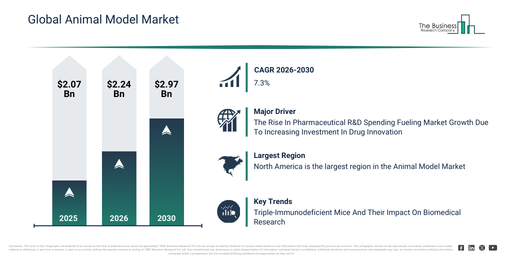
    The animal model market size has shown significant expansion in recent years. It is anticipated to expand from $2.07 billion in 2025 to $2.24 billion in 2026, achieving a compound annual growth rate (CAGR) of 8.5%. The historical growth in this market was largely driven by factors including the increasing incidence of chronic diseases, a greater demand for preclinical research, growth within pharmaceutical R&D, technological improvements in laboratory equipment, and the expansion of academic research institutions.

    The animal model market is anticipated to show significant expansion in the upcoming years. It is projected to achieve a value of $2.97 billion by 2030, growing at a compound annual growth rate (CAGR) of 7.3%. The growth observed during this forecast period is attributable to several factors, including the adoption of AI and machine learning in preclinical studies, the rise of precision medicine initiatives, the growth of CROs and outsourcing, the expansion of genetically modified animal models, and an increased focus on translational research. Key trends for the forecast period include the development of advanced animal models, the increasing use of genetically engineered models, the application of high-throughput screening in preclinical studies, the integration of imaging and diagnostic tools, and the expansion of contract research organizations.

    Get A Free Sample Report With In-Depth Market Insights:

    https://www.thebusinessresearchcompany.com/sample.aspx?id=15510&type=smp&utm_source=Blogs&utm_medium=Paid&utm_campaign=Oct_PR

    Animal Model Market Demand Drivers Opening New Revenue Streams

    The escalating investment in pharmaceutical research and development (R&D) is projected to stimulate the growth of the animal model market. This pharmaceutical R&D process involves the discovery, development, and assessment of new therapeutic approaches, requiring extensive preclinical studies to ascertain their safety, efficacy, and underlying biological mechanisms before progressing to human trials. The increase in R&D spending is largely attributed to the rising demand for innovative treatments, the expanding prevalence of complex illnesses, and continuous advancements in scientific understanding. Animal models play an indispensable role in this sequence by providing reliable preclinical environments that mirror human physiology, allowing for a predictive evaluation of drug performance. For example, in November 2023, a report issued by the European Federation of Pharmaceutical Industries and Associations, a Belgium-based trade group, revealed that pharmaceutical industry research and development expenditure surged to 50,000 million in 2023, an increase from 47,010 million in 2022. Therefore, the growing pharmaceutical R&D expenditure is a primary driver for the expansion of the animal model market.

    Animal Model Market Segment Performance And Emerging Opportunities

    The animal model market covered in this report is segmented –

    1) By Animal Type: Mice, Rat, Guinea Pigs, Rabbits, Hamsters, Other Animal Types

    2) By Technology: Clustered Regularly Interspaced Short Palindromic Repeats (CRISPR), Embryonic Stem Cell Injection, Nuclear Transfer, Other Technologies

    3) By Application: Drug Discovery And Development, Basic Research, Other Applications

    4) By End User: Research Institutes, Educational Institutes, Pharmaceutical Companies, Contract Research Organizations

    Subsegments:

    1) By Mice: Inbred Mice, Outbred Mice, Knockout Mice, Transgenic Mice

    2) By Rat: Inbred Rats, Outbred Rats, Transgenic Rats, Knockout Rats

    3) By Guinea Pigs: Standard Guinea Pigs, Immunodeficient Guinea Pigs

    4) By Rabbits: New Zealand White Rabbits, Dutch Belted Rabbits, Other Rabbit Breeds

    5) By Hamsters: Syrian Hamsters, Chinese Hamsters

    6) By Other Animal Types: Non-Human Primates (Monkeys, Chimpanzees), Dogs, Pigs, Sheep, Ferrets, Other Small Animals (Ferrets, Gerbils)

    Animal Model Market Trends Powering Strategic Industry Growth

    Leading companies in the animal model sector are concentrating on creating advanced products like triple-immunodeficient animal models. This effort aims to improve the precision and dependability of preclinical investigations, foster sophisticated biomedical research, and accelerate the discovery of new treatments for intricate human ailments. These models, usually mice, are specifically designed animals missing three vital immune system elements. They prove extremely valuable in biomedical research, especially for investigating human illnesses and innovating new therapies. An example is the launch of NCG mouse strains by Charles River Laboratories International, Inc., a US-based pharmaceutical company, in January 2024. These are triple-immunodeficient mouse models intended for oncology research. NCG mice possess triple immunodeficiency, meaning they lack functional or mature T, B, and NK cells, and also show diminished macrophage and dendritic cell functionality. Such animal models are capable of supporting xenograft cells, tissues, and human immune system components. This specific mouse model is perfectly suited for studies across oncology, immunology, tumor biology, infectious diseases, graft-versus-host disease (GvHD), diabetes, regenerative medicine, hematopoiesis, and tissue transplant investigations. Furthermore, NCG mice can be used to generate humanized mice through the engraftment of PBMCs or CD34+ stem cells, thereby closely replicating the human immune system.

    Animal Model Market Key Players: Which Companies Lead Industry Competition?

    Major companies operating in the animal model market are Eurofins Scientific SE, Charles River Laboratories International Inc., Pharmaron Beijing Co Ltd, Inotiv Inc., Biocytogen, Taconic Biosciences Incorporation, Cyagen Biosciences, Trans Genic Incorporation, Crown Bioscience Incorporation, Harbor BioMed, PharmaLegacy, PsychoGenics, Biomere Biomedical Research Models Inc., Genoway S.A, Alloy Therapeutics, Janvier Labs, Hera Biolabs, Ozgene Pty Ltd, Transposagen Biopharmaceuticals Inc., KMT Hepatech Inc., AniLocus Inc., BioXpert, Harlan Sprague Dawley Inc.

    View The Full Animal Model Market Report:

    https://www.thebusinessresearchcompany.com/report/animal-model-global-market-report?utm_source=Blogs&utm_medium=Paid&utm_campaign=Oct_PR

    Animal Model Market Top Region By Revenue And Market Share

    North America was the largest region in the animal model market in 2025. Asia-Pacific is expected to be the fastest-growing region in the forecast period. The regions covered in the animal model market report are Asia-Pacific, South East Asia, Western Europe, Eastern Europe, North America, South America, Middle East, Africa.

    Reach Out To Our Team:

    The Business Research Company: https://www.thebusinessresearchcompany.com/

    Americas: +1 310-496-7795

    Asia: +44 7882 955267 & +91 8897263534

    Europe: +44 7882 955267

    Email us at: marketing@tbrc.info

    Follow us on:

    LinkedIn: https://in.linkedin.com/company/the-business-research-company

    YouTube: https://www.youtube.com/channel/UC24_fI0rV8cR5DxlCpgmyFQ

    Global Market Model: https://www.thebusinessresearchcompany.com/global-market-model

  • Angiotensin Receptor Blockers (ARBs) Market Analysis Through 2030: Market Size, Growth Trends And Industry Outlook

    Angiotensin Receptor Blockers (ARBs) Market Analysis Through 2030: Market Size, Growth Trends And Industry Outlook

    Backed by market attractiveness analysis, total addressable market sizing, company benchmarking matrices, interactive Excel dashboards, wider supply chain intelligence, emerging startup coverage, and detailed product-level insights, The Business Research Company’s 2026 market reports are designed to offer research that is more actionable and strategically valuable than ever.

    Angiotensin Receptor Blockers (ARBs) Market Expansion Outlook: What Revenue Opportunities Are Ahead?

    The market for angiotensin receptor blockers (arbs) has experienced continuous expansion in recent years. It is anticipated to increase from $8.78 billion in 2025 to $9.18 billion in 2026, demonstrating a compound annual growth rate (CAGR) of 4.6%. The expansion observed historically can be ascribed to several factors, including the rising occurrence of hypertension, increased public awareness regarding cardiovascular ailments, the expansion of hospital infrastructures, the development of new arb molecules, and intensified research efforts in kidney disease treatments.

    The angiotensin receptor blockers (ARBs) market size is projected to demonstrate consistent expansion over the upcoming years, with expectations to reach $11.02 billion in 2030, driven by a compound annual growth rate (CAGR) of 4.7%. This growth during the forecast period is primarily attributed to an aging population, the increasing demand for personalized medicine, ongoing technological advancements in drug delivery systems, a rise in healthcare expenditure, and the continued expansion of specialty clinics. Prominent trends for the forecast period include personalized hypertension management, an increase in treatments for chronic kidney disease, the broadening scope of cardiovascular disease therapies, a higher adoption rate of oral ARB formulations, and a noticeable rise in prescriptions originating from hospitals and specialty clinics.

    Get A Free Sample Report With In-Depth Market Insights:

    https://www.thebusinessresearchcompany.com/sample.aspx?id=8943&type=smp&utm_source=Blogs&utm_medium=Paid&utm_campaign=Oct_PR

    Angiotensin Receptor Blockers (ARBs) Market Growth Backed By Core Demand Fundamentals

    The escalating occurrence of cardiovascular diseases is projected to drive the expansion of the angiotensin receptor blockers market moving forward. Cardiovascular disease (CVD) encompasses any ailment affecting the heart or blood vessels, commonly linked with the accumulation of fatty deposits within arteries (atherosclerosis) and a heightened probability of blood clots. Angiotensin receptor blockers work by reducing blood pressure and enhancing the heart’s pumping capability by facilitating the relaxation of veins and arteries, thereby mitigating the risk of cardiovascular disease. For instance, in January 2024, according to the American Heart Association, a US-based non-profit organization, the age-adjusted death rate from cardiovascular disease climbed to 233.3 per 100,000 in 2024, an increase of 4.0% from 224.4 per 100,000 in 2023. Thus, the increasing incidence of cardiovascular diseases is propelling the growth of the angiotensin receptor blockers market.

    Angiotensin Receptor Blockers (ARBs) Market Segment Landscape And Growth Outlook

    The angiotensin receptor blockers (arbs) market covered in this report is segmented –

    1) By Product: Valsartan, Telmisartan, Losartan, Irbesartan, Azilsartan, Olmesartan

    2) By Application: Hypertension, Cardiovascular Diseases, Kidney Diseases, Other Applications

    3) By End User: Hospitals, Specialty Clinics, Ambulatory Surgical Centers

    Angiotensin Receptor Blockers (ARBs) Market Growth Trends Reshaping The Competitive Landscape

    Leading companies in the angiotensin receptor blocker market are developing advanced products, such as angiotensin receptor neprilysin inhibitors, to enhance treatment options and improve patient outcomes for cardiovascular conditions. Angiotensin receptor neprilysin inhibitors (ARNIs) represent a class of medications employed in treating heart failure. For instance, in January 2023, Glenmark Pharmaceuticals, an India-based pharmaceutical company, introduced sacubitril + valsartan tablets, specifically targeting heart failure, particularly heart failure with reduced ejection fraction (HFrEF). This combination is classified under ARNI (angiotensin receptor neprilysin inhibitors). Sacubitril functions by boosting the natriuretic peptide (NP) system, which helps alleviate fluid overload and encourages blood vessel dilation, while valsartan works by obstructing the renin-angiotensin system (RAS) to reduce blood pressure and lessen the heart’s strain. Together, they effectively mitigate heart failure symptoms, decrease the risk of cardiovascular mortality, and lower the chances of hospitalization due to heart failure. These are sold under the brand name Sacu V.

    Angiotensin Receptor Blockers (ARBs) Market Competitive Landscape: Who Leads The Industry?

    Major companies operating in the angiotensin receptor blockers (arbs) market are Pfizer Inc., Novartis AG, Merck & Co. Inc., AstraZeneca Plc., Bristol-Myers Squibb Company, GlaxoSmithKline plc, Teva Pharmaceutical Industries Ltd., Daiichi Sankyo Company Limited, Lupin Limited, Dr. Reddy’s Laboratories Ltd., Takeda Pharmaceutical Company Limited, Sanofi, Johnson & Johnson, Eli Lilly, Bayer AG, AbbVie Inc., Mylan N.V., Sun Pharmaceutical Industries Ltd., Torrent Pharmaceuticals Ltd., Zydus Cadila, Glenmark Pharmaceuticals Ltd., Cipla Ltd., Hikma Pharmaceuticals PLC, Amneal Pharmaceuticals LLC, Zhejiang Huahai Pharmaceutical Co. Ltd., Boehringer Ingelheim Ltd., Astellas Pharma, Thermo Fisher Scientific.

    View The Full Angiotensin Receptor Blockers (ARBs) Market Report:

    https://www.thebusinessresearchcompany.com/report/angiotensin-receptor-blockers-arbs-global-market-report?utm_source=Blogs&utm_medium=Paid&utm_campaign=Oct_PR

    Angiotensin Receptor Blockers (ARBs) Market Regional Analysis And Top Geography

    North America was the largest region in the angiotensin receptor blockers (ARBs) market share in 2025. The regions covered in the angiotensin receptor blockers (arbs) market report are Asia-Pacific, South East Asia, Western Europe, Eastern Europe, North America, South America, Middle East, Africa.

    Reach Out To Our Team:

    The Business Research Company: https://www.thebusinessresearchcompany.com/

    Americas: +1 310-496-7795

    Asia: +44 7882 955267 & +91 8897263534

    Europe: +44 7882 955267

    Email us at: marketing@tbrc.info

    Follow us on:

    LinkedIn: https://in.linkedin.com/company/the-business-research-company

    YouTube: https://www.youtube.com/channel/UC24_fI0rV8cR5DxlCpgmyFQ

    Global Market Model: https://www.thebusinessresearchcompany.com/global-market-model
  • Angioedema Treatment Market Outlook From 2026 To 2030: Key Growth Factors And Future Opportunities

    Angioedema Treatment Market Outlook From 2026 To 2030: Key Growth Factors And Future Opportunities

    Featuring market attractiveness scoring, total addressable market sizing, company benchmarking matrices, interactive Excel dashboards, deeper supply chain intelligence, emerging startup tracking, and granular product-level insights, The Business Research Company’s 2026 market reports are built to deliver research that is both more actionable and more strategically valuable.

    Angioedema Treatment Market Growth Potential: How Will Market Size Shift Through 2030?

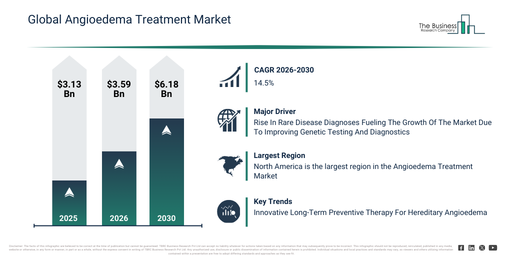
    The angioedema treatment market has seen rapid expansion in recent years. Its valuation is set to rise from $3.13 billion in 2025 to $3.59 billion in 2026, demonstrating a compound annual growth rate (CAGR) of 14.8%. Historically, this market’s growth can be attributed to elements like emergency allergy management, hospital-based care, the utilization of corticosteroids, the presence of antihistamine options, and the limited availability of highly targeted medications.

    The angioedema treatment market is anticipated to experience significant expansion over the coming years, reaching $6.18 billion in 2030 at a compound annual growth rate (CAGR) of 14.5%. This projected increase during the forecast period is largely due to advancements in biologic drug development, the rise in genetic testing, the establishment of specialized allergy clinics, enhanced patient education, and a greater emphasis on preventive care. Key developments expected during this period involve a rise in targeted bradykinin therapies, an increase in hereditary angioedema treatments, the broader implementation of emergency treatment protocols, improved understanding of diagnostics, and a focus on proactive therapeutic strategies.

    Get A Free Sample Report With In-Depth Market Insights:

    https://www.thebusinessresearchcompany.com/sample.aspx?id=24460&type=smp&utm_source=Blogs&utm_medium=Paid&utm_campaign=Oct_PR

    Angioedema Treatment Market Growth Catalysts And Demand Drivers

    The angioedema treatment market is anticipated to expand moving forward due to an uptick in the occurrence of rare diseases. Rare diseases are defined as medical conditions that affect a very small segment of the population, often presenting with limited therapeutic options and considerable health consequences. The increasing prevalence of rare diseases is attributed to breakthroughs in genetic testing and diagnostic technologies, enabling healthcare professionals to detect and accurately diagnose conditions previously overlooked, thereby leading to a higher reported frequency. Angioedema treatment proves beneficial for rare diseases like hereditary angioedema by delivering targeted therapies that assist in preventing and managing severe swelling episodes, thus improving patient outcomes. For instance, in November 2024, the Food and Drug Administration, a US-based federal agency, reported that over 7,000 rare diseases impacted more than 30 million individuals in the United States. Therefore, the growing incidence of rare diseases is fueling the expansion of the angioedema treatment market.

    Angioedema Treatment Market Breakdown By Product Type And Application

    The angioedema treatment market covered in this report is segmented –

    1) By Type: Allergic Angioedema, Drug-Induced Angioedema, Idiopathic Angioedema, Hereditary Angioedema

    2) By Route Of Administration: Injection, Oral

    3) By End Use: Hospitals, Clinics, Research Organizations

    Subsegments:

    1) By Allergic Angioedema: Antihistamines, Corticosteroids, Epinephrine, Immunotherapy, Allergen Avoidance Therapies

    2) By Drug-Induced Angioedema: Discontinuation of Causative Drug, Antihistamines, Corticosteroids, Epinephrine, Bradykinin Pathway Inhibitors

    3) By Idiopathic Angioedema: Empirical Antihistamine Therapy, Corticosteroid Therapy, Leukotriene Receptor Antagonists, Monoclonal Antibodies, Observation and Symptom Management

    4) By Hereditary Angioedema: C1 Esterase Inhibitor Replacement Therapy, Bradykinin B2 Receptor Antagonists, Kallikrein Inhibitors, Attenuated Androgens, Antifibrinolytics

    Angioedema Treatment Market Trends Shaping Long-Term Demand

    Leading companies in the angioedema treatment market are concentrating on developing innovative therapies, such as subcutaneous injections, to provide patients suffering from acute hereditary angioedema (HAE) attacks with more convenient and rapid relief. Subcutaneous injections involve administering medication into the fatty tissue just beneath the skin for slow and steady absorption into the bloodstream. As an illustration, in April 2025, CSL Limited, an Australia-based biotechnology company, launched ANDEMBRY (garadacimab), a novel, fully human monoclonal antibody treatment aimed at preventing acute attacks in individuals with hereditary angioedema (HAE). ANDEMBRY stands as the first pre-filled pen designed for once-monthly subcutaneous administration, offering a convenient long-term prophylactic alternative. This drug functions by inhibiting activated Factor XII (Factor XIIa), a crucial initiator in the cascade that leads to angioedema. It signifies a substantial advancement in HAE management by delivering effective, patient-centric disease control.

    Angioedema Treatment Market Company Landscape And Competitive Strategy

    Major companies operating in the angioedema treatment market are Sanofi SA, Takeda Pharmaceutical Company Limited, Viatris Inc., Otsuka Pharmaceutical Co. Ltd., Fresenius Kabi AG, Bausch Health Companies Inc., Apotex Inc., Aurobindo Pharma Ltd., Dr. Reddy’s Laboratories Ltd, Cipla Inc., Alnylam Pharmaceuticals Inc, Ionis Pharmaceuticals Inc., Salix Pharmaceuticals Ltd, BioCryst Pharmaceuticals Inc., Pharming Group NV, Pharvaris Netherlands B.V, Astria Therapeutics, Intellia Therapeutics, KalVista Pharmaceuticals Ltd., ADARx Pharmaceuticals, Adverum Biotechnologies Inc.

    View The Full Angioedema Treatment Market Report:

    https://www.thebusinessresearchcompany.com/report/angioedema-treatment-global-market-report?utm_source=Blogs&utm_medium=Paid&utm_campaign=Oct_PR

    Angioedema Treatment Market Geographic Analysis: Where Is Demand Rising Fastest?

    North America was the largest region in the angioedema treatment market in 2025. The regions covered in the angioedema treatment market report are Asia-Pacific, South East Asia, Western Europe, Eastern Europe, North America, South America, Middle East, Africa.

    Reach Out To Our Team:

    The Business Research Company: https://www.thebusinessresearchcompany.com/

    Americas: +1 310-496-7795

    Asia: +44 7882 955267 & +91 8897263534

    Europe: +44 7882 955267

    Email us at: marketing@tbrc.info

    Follow us on:

    LinkedIn: https://in.linkedin.com/company/the-business-research-company

    YouTube: https://www.youtube.com/channel/UC24_fI0rV8cR5DxlCpgmyFQ

    Global Market Model: https://www.thebusinessresearchcompany.com/global-market-model
  • Angina Pectoris Drugs Market Growth Forecast: Market Size, Key Trends And Emerging Opportunities Through 2030

    Angina Pectoris Drugs Market Growth Forecast: Market Size, Key Trends And Emerging Opportunities Through 2030

    Built to provide research that’s more actionable and strategically valuable, The Business Research Company’s 2026 market reports include market attractiveness analysis, total addressable market sizing, company benchmarking matrices, interactive Excel dashboards, broader supply chain intelligence, emerging startup tracking, and in-depth product insights.

    Angina Pectoris Drugs Market Value Analysis: What Growth Lies Ahead Over The Forecast Period?

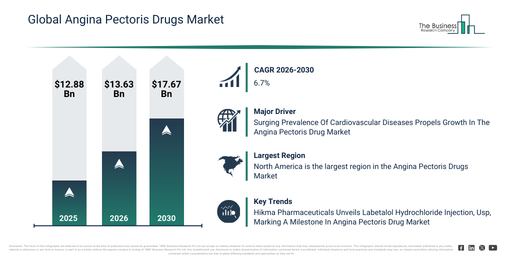
    The angina pectoris drugs market size has demonstrated strong growth in recent years. Its value is expected to expand from $12.88 billion in 2025 to $13.63 billion in 2026, exhibiting a compound annual growth rate (CAGR) of 5.8%. This historical growth can be linked to factors such as the increasing occurrence of coronary heart disease, heightened awareness of angina symptoms, the introduction of beta-blockers, the expansion of hospital infrastructure, and the growing adoption of calcium channel blockers.

    The angina pectoris drugs market is anticipated to demonstrate robust growth in the near future. The market is set to expand to $17.67 billion by 2030, achieving a compound annual growth rate (CAGR) of 6.7%. This expansion during the projection period stems from factors such as advancements in precision medicine, an increase in wearable cardiac monitoring devices, a heightened need for combination therapies, greater investment in research and development for anti-ischemic agents, and the integration of telehealth in cardiac care. Key trends expected over the forecast horizon encompass personalized angina management, the development of minimally invasive drug delivery systems, the adoption of fixed-dose combination therapies, an expanding geriatric patient demographic, and the wider use of telemedicine and remote cardiac monitoring.

    Get A Free Sample Report With In-Depth Market Insights:

    https://www.thebusinessresearchcompany.com/sample.aspx?id=10797&type=smp&utm_source=Blogs&utm_medium=Paid&utm_campaign=Oct_PR

    Angina Pectoris Drugs Market Opportunity Drivers: What’s Unlocking New Revenue Potential?

    The escalating incidence of cardiovascular diseases is anticipated to fuel the expansion of the angina pectoris drug market moving forward. These diseases encompass various conditions impacting the heart and blood vessels, including coronary artery disease, high blood pressure, heart failure, and stroke. The growing prevalence of cardiovascular diseases can be attributed to several factors, such as an aging population, unhealthy lifestyles, and the obesity epidemic. Angina pectoris medications, like nitrates, beta-blockers, and calcium channel blockers, effectively ease chest pain and discomfort resulting from insufficient blood flow to the heart, thereby enhancing patients’ overall quality of life. For instance, in January 2024, according to the American Heart Association, a US-based non-profit organization, the age-adjusted death rate from cardiovascular disease climbed to 233.3 per 100,000 in 2024, an increase of 4.0% from 224.4 per 100,000 in 2023. Thus, the increasing prevalence of cardiovascular diseases is propelling the growth of the angina pectoris drug market.

    Angina Pectoris Drugs Market Segment Analysis And Revenue Potential

    The angina pectoris drugs market covered in this report is segmented –

    1) By Drugs: Nitrates, Antiplatelet Agents, Beta-adrenergic Blocking Agents, Calcium Channel Blockers, Anti-ischemic Agents, Statins

    2) By Indication: Stable Angina, Unstable Angina, Prinzmetal’s Angina

    3) By Route of Administration: Oral, Parenteral, Transdermal, Other Route Of Administrations

    4) By End User: Hospitals, Homecare, Specialty Clinics, Other End Users

    Subsegments:

    1) By Nitrates: Short-Acting Nitrates, Long-Acting Nitrates

    2) By Antiplatelet Agents: Aspirin, Clopidogrel

    3) By Beta-Adrenergic Blocking Agents: Non-Selective Beta Blockers, Selective Beta Blockers

    4) By Calcium Channel Blockers: Dihydropyridine Calcium Channel Blockers, Non-dihydropyridine Calcium Channel Blockers

    5) By Anti-Ischemic Agents: Ranolazine, Ivabradine

    6) By Statins: Atorvastatin, Rosuvastatin

    Angina Pectoris Drugs Market Innovation Trends Shaping Future Development

    Leading companies in the angina pectoris drug market are concentrating on embracing novel technologies to maintain their market standing, exemplified by the U.S. Food and Drug Administration’s approval of Labetalol Hydrochloride Injection for angina treatment to better serve current consumers. Additionally, Nitrostat (Nitroglycerin Sublingual Tablets) has been authorized by the United States Food and Drug Administration (FDA) for the immediate management or acute prevention of angina pectoris. As an illustration, in March 2023, Hikma Pharmaceuticals PLC, a pharmaceutical firm based in the UK, introduced Labetalol Hydrochloride Injection, USP, in a prefilled syringe. This specific product has been sanctioned by the Food and Drug Administration of the United States. Within hospital settings, 10 mg/2 mL PFS is utilized for managing severe hypertension and reducing blood pressure.

    Angina Pectoris Drugs Market Key Players Shaping Industry Direction

    Major companies operating in the angina pectoris drugs market are Astellas Pharma Inc., Bayer AG, Novartis AG, AstraZeneca PLC, Bausch Health Companies Inc., Merck & Co Inc., Eli Lilly and Company, Pfizer Inc., Abbott Laboratories, Sun Pharmaceutical Industries Limited, Sanofi SA, Boehringer Ingelheim International GmbH, Bristol-Myers Squibb Company, Johnson & Johnson, AbbVie Inc., Amgen Inc., GlaxoSmithKline plc, Lupin Pharmaceuticals Inc., Merck KGaA, Takeda Pharmaceutical Company Limited, Teva Pharmaceutical Industries Ltd., UCB S.A., Servier Laboratories, Otsuka Pharmaceutical Co. Ltd., Regeneron Pharmaceuticals Inc., Ipsen S.A., H. Lundbeck A/S

    View The Full Angina Pectoris Drugs Market Report:

    https://www.thebusinessresearchcompany.com/report/angina-pectoris-drugs-global-market-report?utm_source=Blogs&utm_medium=Paid&utm_campaign=Oct_PR

    Angina Pectoris Drugs Market Global Footprint: Which Region Leads The Market?

    North America was the largest region in the angina pectoris drugs market in 2025. Asia-Pacific is expected to be the fastest-growing region in the forecast period. The regions covered in the angina pectoris drugs market report are Asia-Pacific, South East Asia, Western Europe, Eastern Europe, North America, South America, Middle East, Africa.

    Reach Out To Our Team:

    The Business Research Company: https://www.thebusinessresearchcompany.com/

    Americas: +1 310-496-7795

    Asia: +44 7882 955267 & +91 8897263534

    Europe: +44 7882 955267

    Email us at: marketing@tbrc.info

    Follow us on:

    LinkedIn: https://in.linkedin.com/company/the-business-research-company

    YouTube: https://www.youtube.com/channel/UC24_fI0rV8cR5DxlCpgmyFQ

    Global Market Model: https://www.thebusinessresearchcompany.com/global-market-model
  • Anesthetics Market CAGR Forecast Through 2030: Key Trends Shaping Industry Expansion

    Anesthetics Market CAGR Forecast Through 2030: Key Trends Shaping Industry Expansion

    Backed by market attractiveness analysis, total addressable market sizing, company benchmarking matrices, interactive Excel dashboards, wider supply chain intelligence, emerging startup coverage, and detailed product-level insights, The Business Research Company’s 2026 market reports are designed to offer research that is more actionable and strategically valuable than ever.

    Anesthetics Market Size Forecast: How Big Could The Market Get By 2030?

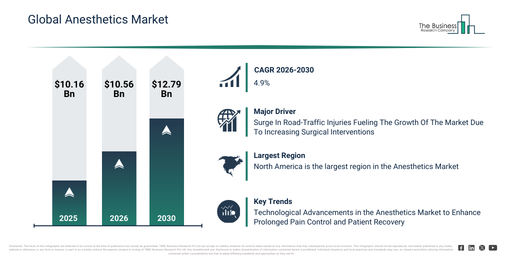
    The anesthetics market has consistently expanded in its size over recent years. It will grow from $10.16 billion in 2025 to $10.56 billion in 2026 at a compound annual growth rate (CAGR) of 3.9%. Historically, this expansion has been driven by several factors, including enhanced anesthetic drug compositions, an increase in surgical interventions worldwide, the development of healthcare facilities, a heightened need for outpatient procedures, and the integration of sophisticated monitoring technology.

    The anesthetics market size is anticipated to experience consistent expansion in the coming years. This market is projected to reach $12.79 billion by 2030, demonstrating a compound annual growth rate (CAGR) of 4.9%. This expansion during the forecast period is driven by factors such as the advancement of precision and personalized anesthesia, the incorporation of AI into anesthesia management, an increase in minimally invasive surgical procedures, the growth of healthcare infrastructure in developing economies, and a heightened emphasis on patient safety and post-operative recovery. Significant patterns observed for the forecast duration encompass individualized anesthesia management, support for minimally invasive surgeries, anesthetic formulations that allow for quick onset and recovery, improved patient safety and monitoring solutions, and affordable, accessible anesthesia options.

    Get A Free Sample Report With In-Depth Market Insights:

    https://www.thebusinessresearchcompany.com/sample.aspx?id=2537&type=smp&utm_source=Blogs&utm_medium=Paid&utm_campaign=Oct_PR

    Anesthetics Market Growth Momentum: What Factors Are Shaping Demand?

    A rise in the number of accidents is projected to propel the growth of the anesthetic market going forward. Accidents are unforeseen and unplanned events that cause harm, injury, or damage. The frequency of accidents is increasing due to growing road traffic congestion, which leads to more collision risks. Anesthetics are utilized in accident cases to relieve pain and enable safe emergency procedures or surgeries. For instance, in May 2025, according to the UK Department for Transport, there were 1,633 road fatalities in 2024, a 1 % increase from 2023, reflecting sustained severe accident rates. Therefore, escalating road‑traffic injuries are driving the growth of the anesthetic market.

    Anesthetics Market Segmentation And Category Overview

    The anesthetics market covered in this report is segmented –

    1) By Type: General Anesthetics, Local Anesthetics

    2) By Route of Administration: Inhalation Anesthesia Drugs, Intravenous Anesthesia Drugs, Topical Anesthesia Drugs

    3) By Application: General Surgeries, Plastic Surgery, Cosmetic Surgeries, Dental Surgeries, Other Applications

    Subsegments:

    1) By General Anesthetics: Inhalational Anesthetics, Intravenous Anesthetics

    2) By Local Anesthetics: Esters, Amides

    Anesthetics Market Trends Redefining Industry Growth

    Leading companies in the anesthetics market are concentrating on technological breakthroughs, such as liposomal and extended-release local anesthetic preparations, to address the increasing need for longer-lasting pain management, reduced systemic toxicity, and better patient recovery outcomes. These preparations encapsulate traditional anesthetic agents (e.g., bupivacaine) in lipid-based carriers that gradually release the drug over an extended duration, providing continuous anesthesia in contrast to standard injectable local anesthetics that necessitate repeated administration. For example, in November 2023, Pacira BioSciences, a US-based biotechnology company, expanded the use of its flagship EXPAREL (bupivacaine liposome injectable suspension) by gaining FDA approval for single-dose infiltration in pediatric patients aged six and older; this formulation employs multivesicular liposomes to maintain local anesthetic concentrations for up to 72 hours, minimize peaks in systemic exposure, and decrease the requirement for opioid pain relief. This sustained-release mechanism lessens pain recurrence, reduces the risk of systemic adverse effects, and improves patient comfort and satisfaction after surgical interventions.

    Anesthetics Market Competitive Analysis Of Leading Industry Participants

    Major companies operating in the anesthetics market are Pfizer Inc., Novartis International AG, Abbott Laboratories Inc., Fresenius SE & Co. KGaA, Viatris Inc., Baxter International Inc., Teva Pharmaceutical Industries Limited, B. Braun Melsungen AG, Sun Pharmaceutical Industries Ltd., Reddy’s Laboratories Inc., Hikma Pharmaceuticals plc, Aspen Pharmacare Holdings Limited, Amneal Pharmaceuticals LLC, Mallinckrodt Pharmaceuticals Ltd., Pacira BioSciences Inc., Claris Lifesciences Limited, Paion AG, Hameln Pharmaceuticals Ltd., Piramal Enterprises Limited, Maruishi Pharmaceuticals Co. Ltd.

    View The Full Anesthetics Market Report:

    https://www.thebusinessresearchcompany.com/report/anesthetics-global-market-report?utm_source=Blogs&utm_medium=Paid&utm_campaign=Oct_PR

    Anesthetics Market Regional Split: Which Areas Are Fueling Growth?

    North America was the largest region in the anesthetics market in 2025. Middle East is expected to be the fastest-growing region in the global anesthetics market during the forecast period. The regions covered in the anesthetics market report are Asia-Pacific, South East Asia, Western Europe, Eastern Europe, North America, South America, Middle East, Africa.

    Reach Out To Our Team:

    The Business Research Company: https://www.thebusinessresearchcompany.com/

    Americas: +1 310-496-7795

    Asia: +44 7882 955267 & +91 8897263534

    Europe: +44 7882 955267

    Email us at: marketing@tbrc.info

    Follow us on:

    LinkedIn: https://in.linkedin.com/company/the-business-research-company

    YouTube: https://www.youtube.com/channel/UC24_fI0rV8cR5DxlCpgmyFQ

    Global Market Model: https://www.thebusinessresearchcompany.com/global-market-model
  • Anemia Drugs Market To Witness 7.6% CAGR Growth Through 2030: Key Industry Drivers

    Anemia Drugs Market To Witness 7.6% CAGR Growth Through 2030: Key Industry Drivers

    Featuring market attractiveness scoring, total addressable market sizing, company benchmarking matrices, interactive Excel dashboards, deeper supply chain intelligence, emerging startup tracking, and granular product-level insights, The Business Research Company’s 2026 market reports are built to deliver research that is both more actionable and more strategically valuable.

    Anemia Drugs Market Revenue Outlook: What CAGR Lies Ahead Through 2030?

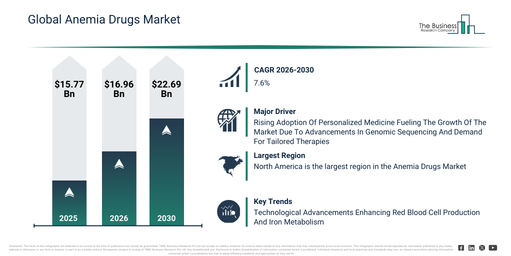
    The anemia drugs market has experienced substantial growth in recent years. It is anticipated to expand from $15.77 billion in 2025 to $16.96 billion in 2026, at a compound annual growth rate (CAGR) of 7.5%. This historical expansion can be attributed to factors such as the prevalence of iron deficiency, the increasing incidence of chronic kidney disease, the extensive use of hospital transfusions, the occurrence of maternal anemia, and various dietary deficiencies.

    The anemia drugs market size is projected to experience substantial growth over the coming years. It is anticipated to reach $22.69 billion in 2030, demonstrating a compound annual growth rate (CAGR) of 7.6%. This expansion during the forecast period is attributable to several factors, including an aging population, the management of chronic disease anemia, the adoption of injectable iron, the expansion of home healthcare, and preventive supplementation. Noteworthy trends for the forecast period comprise the increasing use of erythropoiesis-stimulating agents, the development of intravenous iron therapy, the broadening of home-based anemia management, a heightened focus on chronic disease anemia, and a shift towards combination supplement therapy.

    Get A Free Sample Report With In-Depth Market Insights:

    https://www.thebusinessresearchcompany.com/sample.aspx?id=24141&type=smp&utm_source=Blogs&utm_medium=Paid&utm_campaign=Oct_PR

    Anemia Drugs Market Expansion Drivers: What’s Shaping Future Growth?

    A growing emphasis on personalized medicine is anticipated to boost the expansion of the anemia drugs market moving forward. This medical approach customizes treatment and healthcare choices according to an individual’s unique genetic profile, lifestyle, and environmental factors. The heightened attention on personalized medicine stems from progress in genomic sequencing, enabling more accurate detection of individual genetic variations connected to diseases and how patients respond to treatments. It aids in the development of anemia drugs by facilitating customized treatments derived from individual genetic profiles, thereby enhancing drug effectiveness and reducing unwanted side effects, which leads to improved patient results. As an example, in February 2024, data from the Personalized Medicine Coalition, a US-based non-profit organization, revealed that the U.S. Food and Drug Administration (FDA) sanctioned 16 novel personalized treatments for rare disease patients in 2023, marking a considerable rise from 6 approvals in 2022. Consequently, the heightened emphasis on personalized medicine is a key driver for the expansion of the anemia drugs market.

    Anemia Drugs Market Segment Outlook: Which Categories Are Growing Fastest?

    The anemia drugs market covered in this report is segmented –

    1) By Drug Type: Dietary Supplements, Medicines

    2) By Therapy Type: Oral Iron Therapy, Red Blood Cell Transfusion, Parental Iron Therapy, Other Therapy Types

    3) By Anemia Type: Iron Deficiency Anemia, Sickle Cell Anemia, Aplastic Anemia, Hemolytic Anemia, Pernicious Anemia, Other Anemia Types

    4) By Distribution Channel: Hospitals Pharmacy, Online Pharmacy, Pharmacy

    5) By End-User: Clinic, Healthcare, Home Healthcare

    Subsegments:

    1) By Dietary Supplements: Iron Supplements, Vitamin B12 Supplements, Folic Acid Supplements, Multivitamin And Mineral Supplements

    2) By Medicines: Erythropoiesis-Stimulating Agents (ESAs), Iron Chelating Agents, Corticosteroids, Immunosuppressants, Luspatercept And Related Agents

    Anemia Drugs Market Strategic Trends: What Defines The Next Growth Phase?

    Companies operating within the anemia drugs market are primarily directing their efforts towards developing innovative medications, such as oral HIF-PHI (hypoxia-inducible factor prolyl hydroxylase inhibitors), with the aim of refining iron metabolism and stimulating red blood cell production for more effective treatments for anemia. Oral HIF-PHI refers to a group of orally administered drugs that specifically target and hinder prolyl hydroxylase enzymes, which are key regulators of the hypoxia-inducible factor (HIF) pathway. As an illustration, GSK plc, a pharmaceutical firm based in the UK, unveiled Jesduvroq in February 2023. This treatment is intended to improve red blood cell formation and manage anemia in adult individuals affected by chronic kidney disease. This advanced anemia drug system features enhanced iron metabolism, increased red blood cell production, and individualized therapeutic approaches. Jesduvroq proves highly effective, stimulating red blood cell generation and addressing anemia in chronic kidney disease patients by optimizing iron metabolism, leading to superior treatment outcomes.

    Anemia Drugs Market Leading Companies And Competitive Benchmarking

    Major companies operating in the anemia drugs market are Pfizer Inc., AbbVie Inc., Bayer Aktiengesellschaft, Sanofi S.A., GlaxoSmithKline plc, Takeda Pharmaceutical Company Limited, Amgen Inc., Fresenius SE & Co. KGaA, Daiichi Sankyo Company Limited, Sun Pharmaceutical Industries Ltd., Biocon Limited, Akebia Therapeutics Inc., Apellis Pharmaceuticals Inc., Rockwell Medical Inc., Pharmacosmos A/S, Shield Therapeutics plc, Covis Pharma GmbH, AdvaCare Pharma LLC, BioLineRx Ltd., Bluebird Bio Inc.

    View The Full Anemia Drugs Market Report:

    https://www.thebusinessresearchcompany.com/report/anemia-drugs-global-market-report?utm_source=Blogs&utm_medium=Paid&utm_campaign=Oct_PR

    Anemia Drugs Market Top Region: Where Does Most Revenue Come From?

    North America was the largest region in the anemia drugs market in 2025. Asia-Pacific is expected to be the fastest-growing region in the forecast period. The regions covered in the anemia drugs market report are Asia-Pacific, South East Asia, Western Europe, Eastern Europe, North America, South America, Middle East, Africa.

    Reach Out To Our Team:

    The Business Research Company: https://www.thebusinessresearchcompany.com/

    Americas: +1 310-496-7795

    Asia: +44 7882 955267 & +91 8897263534

    Europe: +44 7882 955267

    Email us at: marketing@tbrc.info

    Follow us on:

    LinkedIn: https://in.linkedin.com/company/the-business-research-company

    YouTube: https://www.youtube.com/channel/UC24_fI0rV8cR5DxlCpgmyFQ

    Global Market Model: https://www.thebusinessresearchcompany.com/global-market-model

  • Anemia And Other Blood Disorder Drugs Market Projected For Strong Expansion Through 2030: Key Trends And Future Outlook

    Anemia And Other Blood Disorder Drugs Market Projected For Strong Expansion Through 2030: Key Trends And Future Outlook

    Built to provide research that’s more actionable and strategically valuable, The Business Research Company’s 2026 market reports include market attractiveness analysis, total addressable market sizing, company benchmarking matrices, interactive Excel dashboards, broader supply chain intelligence, emerging startup tracking, and in-depth product insights.

    Anemia And Other Blood Disorder Drugs Market Growth Analysis: How Will Revenue Trend Over The Forecast Period?

    The anemia and other blood disorder drugs market has shown robust growth over recent years. Its size is expected to increase from $12.46 billion in 2025 to $13.14 billion in 2026, achieving a compound annual growth rate (CAGR) of 5.5%. This market’s past expansion can be linked to several factors, including the frequent occurrence of iron deficiency anemia, the prevalence of chronic kidney disease, the necessity of blood transfusions, the sustained application of ESAs, and the adoption of established hematology treatment protocols.

    The anemia and other blood disorder drugs market is anticipated to experience substantial expansion in the coming years. It is projected to reach $16.88 billion by 2030, exhibiting a compound annual growth rate (CAGR) of 6.5%. This projected growth is driven by factors such as the increasing adoption of gene therapy, a growing aging population, heightened awareness of blood disorders, the establishment of more specialty hematology clinics, and enhanced diagnostic rates. Key developments expected during this forecast period encompass a rising incidence of chronic blood disorders, a greater reliance on injectable therapies, the broader application of gene therapy for rare anemias, an increased emphasis on personalized hematology treatments, and better availability of crucial blood disorder medications.

    Get A Free Sample Report With In-Depth Market Insights:

    https://www.thebusinessresearchcompany.com/sample.aspx?id=2465&type=smp&utm_source=Blogs&utm_medium=Paid&utm_campaign=Oct_PR

    Anemia And Other Blood Disorder Drugs Market Development Factors: What’s Supporting Demand?

    The increasing need for individualized healthcare approaches is anticipated to fuel the expansion of the anemia and other blood disorder drugs market in the future. This medical strategy, known as personalized medicine, utilizes a person’s unique genetic information to inform choices regarding disease prevention, identification, and therapy. The heightened call for personalized medicine stems from its capacity to provide highly effective, specific treatments, leading to better patient results and enduring well-being. Within the anemia and other blood disorder drugs market, personalized care is facilitated through customized treatment strategies that target distinct genetic or molecular traits of these conditions. For example, data from May 2024, provided by the American Psychiatric Association, a US-based non-profit entity, indicates that 43% of adults reported increased anxiety compared to the previous year, rising from 37% in 2023 and 32% in 2022. Consequently, the expanding requirement for personalized medicine is stimulating the development of the anemia and other blood disorder drugs market.

    Anemia And Other Blood Disorder Drugs Market Segment Landscape: Which Areas Lead Development?

    The anemia and other blood disorder drugs market covered in this report is segmented –

    1) By Type: Iron Deficiency Anemia, Chronic Kidney Disease Anemia, Sickle Cell Anemia, Aplastic Anemia

    2) By Route of Administration: Oral, Injectable

    3) By Distribution Channel: Hospitals Pharmacy, Online Pharmacy, Pharmacy

    Subsegments:

    1) By Iron Deficiency Anemia: Oral Iron Supplements, Injectable Iron Supplements, Iron Fortified Foods

    2) By Chronic Kidney Disease Anemia: Erythropoiesis-Stimulating Agents (ESAs), Iron Supplements, Blood Transfusion

    3) By Sickle Cell Anemia: Hydroxyurea, Blood Transfusions, Gene Therapy, Pain Management Drugs

    4) By Aplastic Anemia: Immunosuppressive Therapy, Stem Cell Transplantation, Erythropoiesis-Stimulating Agents (ESAs)

    Anemia And Other Blood Disorder Drugs Market Transformation Trends: What Innovations Are Driving Change?

    Leading companies in the anemia and other blood disorder drugs market are concentrating on introducing innovative medications to enhance therapeutic results, broaden treatment possibilities, and strengthen their competitive standing. Novel medications are defined as advanced pharmaceutical therapies that present new mechanisms of action, superior effectiveness, or improved safety profiles compared to existing treatments, addressing unmet needs in conditions such as anemia and myelodysplastic syndromes. For example, in August 2023, Bristol-Myers Squibb Company, a US-based pharmaceutical company, obtained FDA approval for Reblozyl for the first-line treatment of anemia in adults with lower-risk myelodysplastic syndromes. This marked the first therapy to demonstrate superiority over an erythropoiesis-stimulating agent in this specific setting, supported by Phase 3 COMMANDS trial data revealing that nearly twice as many Reblozyl-treated patients achieved at least 12 weeks of transfusion independence with concurrent hemoglobin improvement compared to those receiving Epoetin alfa.

    Anemia And Other Blood Disorder Drugs Market Industry Leaders And Competitive Landscape

    Major companies operating in the anemia and other blood disorder drugs market are Amgen Inc, GlaxoSmithKline plc, Akebia Therapeutics Inc., Bayer AG, Pfizer Inc, F. Hoffmann-La Roche Ltd., Merck Sharp & Dohme Corp., Novartis AG, Global Blood Therapeutics Inc., Eli Lilly and Company, FibroGen Inc., bluebird bio Inc., Acceleron Pharma Inc., AMAG Pharmaceuticals Inc., Vifor Pharma Management Ltd., Sanofi S.A., AbbVie Inc., Johnson & Johnson, Daiichi Sankyo Company Limited, Pharmacosmos A/S, Emmaus Medical Inc., Takeda Pharmaceutical Company Limited, Bristol-Myers Squibb Company, Merck & Co. Inc., Gilead Sciences Inc., Vertex Pharmaceuticals Incorporated, Alexion Pharmaceuticals Inc., Grifols S.A.

    View The Full Anemia And Other Blood Disorder Drugs Market Report:

    https://www.thebusinessresearchcompany.com/report/anemia-and-other-blood-disorder-drugs-global-market-report?utm_source=Blogs&utm_medium=Paid&utm_campaign=Oct_PR

    Anemia And Other Blood Disorder Drugs Market Regional Breakdown: Where Is Demand Concentrated?

    North America was the largest region in the anemia and other blood disorder drugs market in 2025. Middle East is expected to be the fastest-growing region in the anemia and other blood disorder drugs market during the forecast period. The regions covered in the anemia and other blood disorder drugs market report are Asia-Pacific, South East Asia, Western Europe, Eastern Europe, North America, South America, Middle East, Africa.

    Reach Out To Our Team:

    The Business Research Company: https://www.thebusinessresearchcompany.com/

    Americas: +1 310-496-7795

    Asia: +44 7882 955267 & +91 8897263534

    Europe: +44 7882 955267

    Email us at: marketing@tbrc.info

    Follow us on:

    LinkedIn: https://in.linkedin.com/company/the-business-research-company

    YouTube: https://www.youtube.com/channel/UC24_fI0rV8cR5DxlCpgmyFQ

    Global Market Model: https://www.thebusinessresearchcompany.com/global-market-model

  • Androgenetic Alopecia Treatment Market Outlook 2026–2030: Growth Trends, Market Dynamics And Emerging Opportunities

    Androgenetic Alopecia Treatment Market Outlook 2026–2030: Growth Trends, Market Dynamics And Emerging Opportunities

    Backed by market attractiveness analysis, total addressable market sizing, company benchmarking matrices, interactive Excel dashboards, wider supply chain intelligence, emerging startup coverage, and detailed product-level insights, The Business Research Company’s 2026 market reports are designed to offer research that is more actionable and strategically valuable than ever.

    Androgenetic Alopecia Treatment Market Forecast: What Value Will The Market Reach By 2030?

    The androgenetic alopecia treatment market has demonstrated robust expansion in recent years. Its valuation is projected to rise from $2.44 billion in 2025 to $2.62 billion in 2026, exhibiting a compound annual growth rate (CAGR) of 7.2%. The growth observed in the past can be attributed to rising awareness about hair loss solutions, the growing prevalence of androgenetic alopecia, increasing use of finasteride and minoxidil, the expansion of dermatology clinics, and the adoption of traditional hair transplant procedures.

    The androgenetic alopecia treatment market is poised for significant expansion over the coming years. This market is projected to reach a valuation of $3.37 billion by 2030, exhibiting a compound annual growth rate (CAGR) of 6.5%. This anticipated growth during the forecast period is attributable to several factors, including advancements in laser and device therapies, the emergence of personalized and precision medicine approaches, the integration of AI in diagnosing hair loss, the expansion of teledermatology platforms, and an increasing demand for minimally invasive hair restoration procedures. Key trends anticipated during this period encompass personalized hair loss treatments, minimally invasive hair restoration methods, natural and herbal solutions for hair growth, the use of teledermatology and remote hair care consultations, and various combination therapy approaches.

    Get A Free Sample Report With In-Depth Market Insights:

    https://www.thebusinessresearchcompany.com/sample.aspx?id=15721&type=smp&utm_source=Blogs&utm_medium=Paid&utm_campaign=Oct_PR

    Androgenetic Alopecia Treatment Market Industry Drivers: What’s Behind The Revenue Growth?

    An increase in hair loss incidents is anticipated to drive the expansion of the androgenetic alopecia treatment market in the future. Hair loss, also known as alopecia, denotes the shedding of hair, either partially or entirely, from the scalp or other bodily regions. Instances of hair loss are linked to factors such as inadequate nutrition, shifts in hormones, genetic predisposition, and elevated stress levels. Treatments for androgenetic alopecia operate via diverse approaches, such as balancing hormones, encouraging follicle activity, and performing surgical repair, all aimed at controlling hair loss and fostering new hair growth. To illustrate, in 2024, the National Health Service, a government body based in the UK, reported that approximately 8 million women and 6.5 million men in the UK suffer from hair loss. Furthermore, over 650,000 hair transplants are performed annually. Consequently, the growing number of hair loss occurrences fuels the androgenetic alopecia treatment market.

    Androgenetic Alopecia Treatment Market Segments: Where Is Growth Concentrated?

    The androgenetic alopecia treatment market covered in this report is segmented –

    1) By Treatment Type: Pharmaceutical, Device

    2) By Medication Type: Prescription, Over-The-Counter

    3) By Gender: Male, Female

    4) By End-User: Homecare Settings, Dermatology, Clinics, Other End-Users

    Subsegments:

    1) By Pharmaceutical: Oral Medications ( Finasteride), Topical Medications (Minoxidil), Hormonal Therapy

    2) By Device: Laser Therapy Devices, Hair Transplant Devices, Scalp Micropigmentation Devices

    #Androgenetic Alopecia Treatment Market Growth Trends: What’s Shaping The Future Outlook?

    Leading companies in the androgenetic alopecia treatment market are actively developing innovative pharmaceutical options to address hair loss. These advancements involve diverse mechanisms such as stimulating hair follicle regeneration, blocking hormones responsible for hair loss, and employing advanced delivery systems including topical applications and oral drugs. As an illustration, in June 2023, Pfizer Inc., a US-based healthcare company, announced that the FDA had approved LITFULO (ritlecitinib). This is an oral, once-daily treatment for individuals 12 years of age and older who have severe alopecia areata. LITFULO functions as a kinase inhibitor, specifically targeting Janus kinase 3 (JAK3) and the tyrosine kinase expressed in the hepatocellular carcinoma (TEC) family of kinases. The FDA approval was granted based on findings from the ALLEGRO Phase 2b/3 trial, which indicated that 23% of patients treated with LITFULO 50mg achieved 80% or more scalp hair coverage after six months, compared to 1.6% in the placebo group. This solution offers a new therapeutic choice for individuals experiencing significant hair loss, thereby addressing a previously unmet need in the treatment of alopecia areata.

    Androgenetic Alopecia Treatment Market Key Participants And Competitive Landscape

    Major companies operating in the androgenetic alopecia treatment market are Merck & Co. Inc., Johnson & Johnson, Sun Pharmaceutical Industries Ltd., Allergan Plc, Aurobindo Pharma Limited, Dr. Reddy’s Laboratories Ltd., Cipla Limited, Fagron Inc., Curallux LLC, Theradome Inc., Lexington International, Apira Science Inc., Freedom Laser Therapy Inc., Follica Inc., Histogen Inc., Aclaris Therapeutics Inc., HCell Inc., Cosmo Pharmaceuticals N.V., AbbVie Inc., Daiichi Sankyo Company Limited

    View The Full Androgenetic Alopecia Treatment Market Report:

    https://www.thebusinessresearchcompany.com/report/androgenetic-alopecia-treatment-global-market-report?utm_source=Blogs&utm_medium=Paid&utm_campaign=Oct_PR

    Androgenetic Alopecia Treatment Market Geographic Landscape: Which Region Dominates Industry Growth?

    North America was the largest region in the androgenetic alopecia treatment market in 2025. Asia-Pacific is expected to be the fastest-growing region in the forecast period. The regions covered in the androgenetic alopecia treatment market report are Asia-Pacific, South East Asia, Western Europe, Eastern Europe, North America, South America, Middle East, Africa.

    Reach Out To Our Team:

    The Business Research Company: https://www.thebusinessresearchcompany.com/

    Americas: +1 310-496-7795

    Asia: +44 7882 955267 & +91 8897263534

    Europe: +44 7882 955267

    Email us at: marketing@tbrc.info

    Follow us on:

    LinkedIn: https://in.linkedin.com/company/the-business-research-company

    YouTube: https://www.youtube.com/channel/UC24_fI0rV8cR5DxlCpgmyFQ

    Global Market Model: https://www.thebusinessresearchcompany.com/global-market-model