Month: October 2026

  • Artificial Intelligence (AI) Psychological Counseling Market Size Growth: From $5.39 Billion In 2026 To $10.77 Billion By 2030

    Artificial Intelligence (AI) Psychological Counseling Market Size Growth: From $5.39 Billion In 2026 To $10.77 Billion By 2030

    Built to provide research that’s more actionable and strategically valuable, The Business Research Company’s 2026 market reports include market attractiveness analysis, total addressable market sizing, company benchmarking matrices, interactive Excel dashboards, broader supply chain intelligence, emerging startup tracking, and in-depth product insights.

    Artificial Intelligence (AI) Psychological Counseling Market Size Forecast: How Big Could The Market Get By 2030?

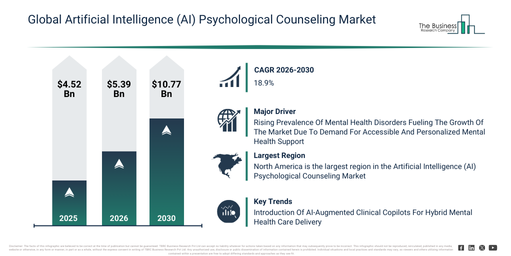
    Recent years have seen a rapid expansion in the market size for artificial intelligence (AI) psychological counseling. This sector is projected to expand from $4.52 billion in 2025 to $5.39 billion in 2026, demonstrating a compound annual growth rate (CAGR) of 19.2%. Historical growth within this market can be linked to several factors, including the increased embrace of AI tools in mental health, greater capital allocation towards digital therapeutics, a heightened understanding of mental health concerns, the proliferation of telehealth platforms, and the initial progress in natural language processing (NLP) and machine learning applications.

    The artificial intelligence (AI) psychological counseling market size is projected to undergo rapid expansion in the next few years. It is predicted to grow to $10.77 billion in 2030, demonstrating a compound annual growth rate (CAGR) of 18.9%. This anticipated growth can be attributed to several factors including an increasing demand for personalized mental health solutions, the growing adoption of cloud-based AI counseling, the rising integration of wearables and IoT for monitoring, the expansion of hybrid human-AI therapy models, and increasing investment in AI mental health startups. Additionally, major trends during this forecast period are expected to encompass technological advancements in generative AI and NLP, innovations in multimodal AI analytics, the development of personalized AI interventions, ongoing research in explainable AI (XAI), and further integration with digital therapeutics and telehealth platforms.

    Get A Free Sample Report With In-Depth Market Insights:

    https://thebusinessresearchcompany.com/sample_request?id=74976960&type=smp&name=Artificial%20Intelligence%20%28AI%29%20Psychological%20Counseling%20Market%20Report%202026&utm_source=Blogs&utm_medium=Paid&utm_campaign=Oct_PR

    Artificial Intelligence (AI) Psychological Counseling Market Demand Drivers: What’s Powering Industry Growth?

    The increasing occurrence of mental health conditions is anticipated to fuel the expansion of the artificial intelligence (AI) psychological counseling market in the future. These disorders are defined as states that markedly impact an individual’s feelings, cognition, actions, and general psychological well-being. The surge in mental health issues stems from heightened stress linked to contemporary living, encompassing demands at work, lack of social connection, and continuous engagement with digital platforms. Artificial intelligence (AI) psychological counseling assists in tackling mental health disorders by offering individualized, readily available, and expandable mental health assistance via virtual exchanges and insights derived from data. This approach enhances patient results through facilitating prompt intervention, ongoing observation, and customized therapeutic advice. For example, data from May 2024 indicates that, as per the American Psychiatric Association, a US-based non-profit organization, in 2024, 43% of adults report feeling more anxious than they did the year before, an increase from 37% in 2023 and 32% in 2022. Consequently, the growing occurrence of mental health conditions is propelling the development of the artificial intelligence (AI) psychological counseling market.

    Artificial Intelligence (AI) Psychological Counseling Market Segment Analysis: What Are The Core Market Categories?

    The artificial intelligence (AI) psychological counseling market covered in this report is segmented –

    1) By Component: Software, Hardware, Services

    2) By Deployment Mode: On-Premises, Cloud

    3) By Application: Clinical Therapy, Self-Help Tools, Mental Health Monitoring, Other Applications

    4) By End-User: Hospitals, Clinics, Research Institutes, Other End-Users

    Subsegments:

    1) By Software: Virtual Counseling Platforms, Emotion Recognition Algorithms, Natural Language Understanding Systems, Behavioral Analytics Software, Therapy Session Management Tools

    2) By Hardware: Wearable Monitoring Devices, Smart Therapeutic Headsets, Sensor Enabled Biofeedback Devices, Mental Health Tracking Devices, Home Based Diagnostic Tools

    3) By Services: Online Counseling Services, Professional Therapy Support Services, Technical Integration And Deployment Services, Training And Consultation Services, Maintenance And Remote Monitoring Services

    Artificial Intelligence (AI) Psychological Counseling Market Innovation Trends: What Developments Are Reshaping The Industry?

    Leading companies operating in the artificial intelligence (AI) psychological counseling market are concentrating on developing advanced mental health solutions, such as AI-powered clinical copilots, to enhance the effectiveness and efficiency of human therapists. AI-powered clinical copilots refer to artificial intelligence-driven software tools designed to assist healthcare professionals in clinical decision-making, documentation, and workflow management, thereby improving efficiency, accuracy, and patient care. For instance, in November 2024, Wysa Inc., a US-based provider of AI-driven mental health support, introduced Wysa Copilot. This platform is designed to elevate mental health therapy by seamlessly integrating AI support with human clinical care, offering secure, real-time and asynchronous messaging for patient-therapist communication. The solution enables clinicians to provide AI-guided tools to patients, monitor their progress through automated assessments, and receive alerts for crisis situations, effectively bridging the gap between digital self-help and professional therapy.

    Artificial Intelligence (AI) Psychological Counseling Market Competitive Analysis Of Leading Industry Participants

    Major companies operating in the artificial intelligence (AI) psychological counseling market are Lyra Health Inc., Noom Inc., Headspace Health Inc., Spring Health Inc., Cerebral Inc., Calm.com Inc., SonderMind Inc., WellDoc Inc., Meru Health Inc., Woebot Health Inc., Mindstrong Health Inc., Cognito Therapeutics Inc., Hume AI Inc., Wysa Ltd., Limbic Limited, RealizedCare Inc., Naluri Hidup Sdn Bhd, Youper Inc., Elomia Inc., Replika Inc., Videra Health Inc.

    View The Full Artificial Intelligence (AI) Psychological Counseling Market Report:

    https://thebusinessresearchcompany.com/report/artificial-intelligence-ai-psychological-counseling-market-report?utm_source=Blogs&utm_medium=Paid&utm_campaign=Oct_PR

    Artificial Intelligence (AI) Psychological Counseling Market Geographic Spread And Regional Opportunities

    North America was the largest region in the artificial intelligence (AI) psychological counseling market in 2025. Asia-Pacific is expected to be the fastest-growing region in the forecast period. The regions covered in the artificial intelligence (AI) psychological counseling market report are Asia-Pacific, South East Asia, Western Europe, Eastern Europe, North America, South America, Middle East, Africa.

    Reach Out To Our Team:

    The Business Research Company: https://www.thebusinessresearchcompany.com/

    Americas: +1 310-496-7795

    Asia: +44 7882 955267 & +91 8897263534

    Europe: +44 7882 955267

    Email us at: marketing@tbrc.info

    Follow us on:

    LinkedIn: https://in.linkedin.com/company/the-business-research-company

    YouTube: https://www.youtube.com/channel/UC24_fI0rV8cR5DxlCpgmyFQ

    Global Market Model: https://www.thebusinessresearchcompany.com/global-market-model
  • Artificial Intelligence (AI) Mental Service Robot Market Size In 2026 And Beyond: Understanding Future Growth Potential

    Artificial Intelligence (AI) Mental Service Robot Market Size In 2026 And Beyond: Understanding Future Growth Potential

    Built to provide research that’s more actionable and strategically valuable, The Business Research Company’s 2026 market reports include market attractiveness analysis, total addressable market sizing, company benchmarking matrices, interactive Excel dashboards, broader supply chain intelligence, emerging startup tracking, and in-depth product insights.

    Artificial Intelligence (AI) Mental Service Robot Market Forecast: What Value Will The Market Reach By 2030?

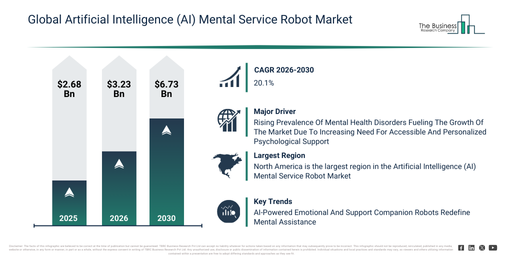
    The artificial intelligence (AI) mental service robot market has seen significant expansion in recent years. This market is projected to expand from $2.68 billion in 2025 to $3.23 billion in 2026, reflecting a compound annual growth rate (CAGR) of 20.4%. The historical development of this market can be linked to factors such as increased awareness of mental health, rising levels of stress and anxiety, an expanding elderly demographic, the broader adoption of digital health services, and an increasing need for tailored emotional assistance.

    The artificial intelligence (AI) mental service robot market size is projected to experience substantial growth over the upcoming years, with forecasts indicating it will reach $6.73 billion in 2030 at a compound annual growth rate (CAGR) of 20.1%. This anticipated expansion during the forecast period is primarily driven by the increasing adoption of AI mental service robots, their growing integration with telehealth platforms, rising investment in healthcare robotics, the expansion of corporate wellness programs, and a growing demand for cognitive-behavioral and mindfulness support. Significant trends for this period include technological advancements in emotion recognition, innovations in conversational AI and natural language processing (NLP), continued research and development in cognitive-behavioral assistance, ongoing developments in human-robot interaction, and progress in cloud-based AI and data analytics.

    Get A Free Sample Report With In-Depth Market Insights:

    https://thebusinessresearchcompany.com/sample_request?id=35059985&type=smp&name=Artificial%20Intelligence%20%28AI%29%20Mental%20Service%20Robot%20Market%20Report%202026&utm_source=Blogs&utm_medium=Paid&utm_campaign=Oct_PR

    Artificial Intelligence (AI) Mental Service Robot Market Demand Drivers Opening New Revenue Streams

    The increasing occurrence of mental health conditions is projected to drive the expansion of the artificial intelligence (AI) mental service robot market. Mental health disorders are defined as states that significantly influence an individual’s emotions, thoughts, actions, and overall psychological well-being. The rise in these disorders stems from heightened stress associated with contemporary lifestyles, including workplace pressures, social isolation, and continuous digital engagement. Artificial intelligence (AI) mental service robots contribute to addressing mental health disorders by offering interactive, tailored support and supervision for patients. They improve the accessibility and consistency of care by providing immediate counseling, behavioral guidance, and emotional aid in conjunction with conventional therapeutic approaches. For instance, in May 2024, the American Psychiatric Association, a US-based non-profit organization, reported that in 2024, 43% of adults experienced greater anxiety compared to the previous year, an increase from 37% in 2023 and 32% in 2022. Thus, the growing prevalence of mental health disorders is stimulating the growth of the artificial intelligence (AI) mental service robot market.

    Artificial Intelligence (AI) Mental Service Robot Market Segment Trends And Revenue Contributors

    The artificial intelligence (AI) mental service robot market covered in this report is segmented –

    1) By Component: Hardware, Software, Services

    2) By Type: Humanoid Or Anthropomorphic, Animal-Like Or Companion, Screen Or Virtual Assistants

    3) By Technology: Natural Language Processing, Machine Learning, Computer Vision, Emotional Recognition

    4) By Sales Channel: Direct Manufacturer Sales, Robotics Distributors, Online Sales Channels, Health-Technology Integrators

    5) By End Use: Health Care Facilities, Educational Institutions, Home Care, Research Institutes

    Subsegments:

    1) By Hardware: Sensors And Actuators, Cameras And Vision Modules, Processors And Control Units, Mobility And Locomotion Components, Communication And Connectivity Modules, Structural And Body Components

    2) By Software: Natural Language Understanding Software, Emotion Recognition Software, Learning And Adaptation Software, Interaction And Behavior Control Software, Navigation And Environmental Mapping Software, Safety And Compliance Monitoring Software

    3) By Services: Installation And Setup Services, Customization And Configuration Services, Training And User Support Services, Maintenance And Repair Services, System Integration Services, Remote Monitoring And Update Services

    Artificial Intelligence (AI) Mental Service Robot Market Trends Powering Strategic Industry Growth

    Leading companies in the artificial intelligence (AI) mental service robot market are concentrating on creating sophisticated products, such as AI-driven emotional support systems, to improve mental well-being, deliver therapy, and alleviate loneliness. AI-driven emotional support systems are intelligent platforms in companion robots capable of understanding, responding to, and adapting to a user’s emotional state through conversation, touch, and personalized interaction. For instance, in January 2025, Mind with Heart Robotics Co. Ltd., a China-based robotics company, launched AnAn, a bionic AI-powered panda cub robot. This advanced biomimetic robot features a patented tactile sensing system where realistic fur covers over 10 tactile sensor suites, allowing it to react to touch with unique sounds. It includes an intelligent AI Brain with core and long-term memory and reminder functions, functioning as a personal assistant for seniors and offering personalized companionship without operator intervention. It also incorporates a dedicated app for customizing the panda’s personality and connects users to a global community, expanding its therapeutic applications and fostering emotional bonds for users across diverse demographics.

    Artificial Intelligence (AI) Mental Service Robot Market Key Participants And Competitive Landscape

    Major companies operating in the artificial intelligence (AI) mental service robot market are Sony Group Corporation, UBTECH Robotics Corp. Ltd., Emotix Private Limited, GROOVE X Inc., Soul Machines Limited, Hanson Robotics Ltd., Blue Frog Robotics S.A.S., Realbotix Corp, LuxAI S.A., Yukai Engineering Inc., RoboKind Inc., PAL Robotics S.L., PARO Robots U.S. Inc., Tombot Inc., Pandorabots Inc., Embodied Inc., Luvozo Public Benefit Corporation, Intuition Robotics Ltd., Furhat Robotics AB, Kindroid Inc.

    View The Full Artificial Intelligence (AI) Mental Service Robot Market Report:

    https://thebusinessresearchcompany.com/report/artificial-intelligence-ai-mental-service-robot-market-report?utm_source=Blogs&utm_medium=Paid&utm_campaign=Oct_PR

    Artificial Intelligence (AI) Mental Service Robot Market Geographic Analysis: Where Is Demand Rising Fastest?

    North America was the largest region in the artificial intelligence (AI) mental service robot market in 2025. Asia-Pacific is expected to be the fastest-growing region in the forecast period. The regions covered in the artificial intelligence (AI) mental service robot market report are Asia-Pacific, South East Asia, Western Europe, Eastern Europe, North America, South America, Middle East, Africa.

    Reach Out To Our Team:

    The Business Research Company: https://www.thebusinessresearchcompany.com/

    Americas: +1 310-496-7795

    Asia: +44 7882 955267 & +91 8897263534

    Europe: +44 7882 955267

    Email us at: marketing@tbrc.info

    Follow us on:

    LinkedIn: https://in.linkedin.com/company/the-business-research-company

    YouTube: https://www.youtube.com/channel/UC24_fI0rV8cR5DxlCpgmyFQ

    Global Market Model: https://www.thebusinessresearchcompany.com/global-market-model
  • Artificial Intelligence (AI) In Rehabilitation Robotics Market Set To Expand From $10.85 Billion In 2026: Growth Outlook Through 2030

    Artificial Intelligence (AI) In Rehabilitation Robotics Market Set To Expand From $10.85 Billion In 2026: Growth Outlook Through 2030

    Featuring market attractiveness scoring, total addressable market sizing, company benchmarking matrices, interactive Excel dashboards, deeper supply chain intelligence, emerging startup tracking, and granular product-level insights, The Business Research Company’s 2026 market reports are built to deliver research that is both more actionable and more strategically valuable.

    Artificial Intelligence (AI) In Rehabilitation Robotics Market Forecast: Value Set To Climb From $5.23 Billion To $10.85 Billion

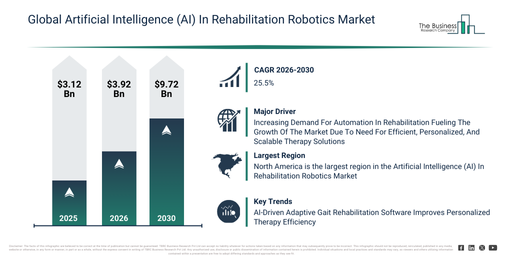
    The artificial intelligence (AI) in rehabilitation robotics market size has experienced substantial growth in recent years. It is projected to expand from $3.12 billion in 2025 to $3.92 billion in 2026, achieving a compound annual growth rate (CAGR) of 25.7%. The market’s historical growth can be attributed to the increasing adoption of robotic-assisted therapy, the growing prevalence of neurological disorders, a rising demand for personalized rehabilitation, expanding investments in AI-based healthcare technologies, and the increasing use of sensor-based patient monitoring.

    The artificial intelligence (AI) in rehabilitation robotics market is anticipated to undergo substantial expansion in the coming years. Its valuation is projected to reach $9.72 billion in 2030, exhibiting a compound annual growth rate (CAGR) of 25.5%. This projected surge in the forecast period stems from factors such as the increasing demand for home-based rehabilitation solutions, the expanding integration of AI with robotic hardware, a rise in investments within digital health ecosystems, the broadening clinical acceptance of data-driven therapy models, and the expanding elderly demographic requiring prolonged rehabilitation. Prominent trends throughout this period also include technological breakthroughs in AI-powered rehabilitation systems, advancements in human-robot interaction and motion analysis, progress in cloud-based and remote therapy platforms, ongoing research and development in soft robotics and adaptive control, and the growing incorporation of virtual and augmented reality in rehabilitation.

    Get A Free Sample Report With In-Depth Market Insights:

    https://thebusinessresearchcompany.com/sample_request?id=84562450&type=smp&name=Artificial%20Intelligence%20%28AI%29%20In%20Rehabilitation%20Robotics%20Market%20Report%202026&utm_source=Blogs&utm_medium=Paid&utm_campaign=Oct_PR

    Artificial Intelligence (AI) In Rehabilitation Robotics Market Expansion Drivers: What’s Shaping Future Growth?

    The projected expansion of the artificial intelligence (AI) in rehabilitation robotics market going forward is significantly influenced by the increasing demand for automation in rehabilitation. Automation in rehabilitation encompasses the utilization of robotic devices, AI-driven systems, and computer vision to precisely monitor, guide, and administer physical therapy exercises, leading to improved patient recovery and progress tracking. This rising demand for automation in rehabilitation is attributed to aging populations and a growing prevalence of chronic conditions, which heighten the necessity for consistent, high-intensity therapy. Robotic systems can deliver this more efficiently than traditional methods, offering personalized sessions with real-time feedback and remote monitoring. AI in Rehabilitation Robotics enhances automation by enabling adaptive robotic systems to analyze patient movements, adjust therapy intensity in real time, and deliver customized rehabilitation support. For instance, in October 2024, the International Federation of Robotics, a Germany-based robotics industry organization, noted that sales of medical robots surged by 36% to approximately 6,100 units in 2023, concurrently with a 128% rise in sales of rehabilitation and non-invasive therapy robots, highlighting strong growth in healthcare robotics adoption. Thus, the increasing demand for automation in rehabilitation is a key driver for the growth of the artificial intelligence (AI) in rehabilitation robotics market.

    Artificial Intelligence (AI) In Rehabilitation Robotics Market Segment Analysis And Revenue Potential

    The artificial intelligence (AI) in rehabilitation robotics market covered in this report is segmented –

    1) By Component: Hardware, Software, Services

    2) By Therapy Type: Physical Therapy, Occupational Therapy, Speech Therap, Other Therapy Types

    3) By Application: Neurological Rehabilitation, Orthopedic Rehabilitation, Geriatric Rehabilitation, Other Applications

    4) By End-User: Hospitals, Rehabilitation Centers, Home Care Settings, Clinics, Other End-Users

    Subsegments:

    1) By Hardware: Sensors, Actuators, Control Units, Power Systems, Embedded Processing Modules

    2) By Software: Motion Analysis Software, Rehabilitation Planning Software, Patient Monitoring Software, Artificial Intelligence Algorithms, User Interface Software

    3) By Services: Installation Services, Maintenance Services, Training Services, Technical Support Services, System Integration Services

    Artificial Intelligence (AI) In Rehabilitation Robotics Market Strategic Trends: What Defines The Next Growth Phase?

    Leading entities within the artificial intelligence (AI) in rehabilitation robotics market are concentrating on creating sophisticated systems, including intelligent gait therapy solutions, designed to analyze patient mobility and offer instantaneous feedback to facilitate personalized rehabilitation strategies and improve patient results. These intelligent gait therapy systems specifically denote software seamlessly incorporated into robotic exoskeletons, employing machine learning algorithms to decipher gait patterns, adapt support levels responsively, and furnish practical insights to medical professionals for enhancing walking therapy. An illustrative case occurred in January 2024, when Ekso Bionics Holdings Inc., a medical robotics firm based in the US, introduced its GaitCoach software, compatible with the EksoNR device. This extensive software suite is engineered to streamline the application of robotics, with the goal of fostering greater user confidence, supplying adaptive feedback, and delivering precise guidance, effectively serving as an additional pair of clinical observations.

    Artificial Intelligence (AI) In Rehabilitation Robotics Market Competitive Landscape: Who Leads The Industry?

    Major companies operating in the artificial intelligence (AI) in rehabilitation robotics market are Ottobock SE & Co. KGaA, Fourier Intelligence Co. Ltd., Neura Robotics GmbH, Kinova Inc., Myomo Inc., Wandercraft SAS, Cyberdyne Inc., EGZOTech Sp. z o.o., Hocoma AG , Ekso Bionics Holdings Inc., Tyromotion GmbH, Lifeward Ltd., ReWalk Robotics Ltd., AlterG Inc., DIH Medical Group, Rehab-Robotics Co. Ltd., Able Human Motion SL, B-Temia Inc., Reha Technology AG, Moterum Technologies Inc., INROBICS

    View The Full Artificial Intelligence (AI) In Rehabilitation Robotics Market Report:

    https://thebusinessresearchcompany.com/report/artificial-intelligence-ai-in-rehabilitation-robotics-market-report?utm_source=Blogs&utm_medium=Paid&utm_campaign=Oct_PR

    Artificial Intelligence (AI) In Rehabilitation Robotics Market Geographic Landscape: Which Region Dominates Industry Growth?

    North America was the largest region in the artificial intelligence (AI) in rehabilitation robotics market in 2025. Asia-Pacific is expected to be the fastest-growing region in the forecast period. The regions covered in the artificial intelligence (AI) in rehabilitation robotics market report are Asia-Pacific, South East Asia, Western Europe, Eastern Europe, North America, South America, Middle East, Africa.

    Reach Out To Our Team:

    The Business Research Company: https://www.thebusinessresearchcompany.com/

    Americas: +1 310-496-7795

    Asia: +44 7882 955267 & +91 8897263534

    Europe: +44 7882 955267

    Email us at: marketing@tbrc.info

    Follow us on:

    LinkedIn: https://in.linkedin.com/company/the-business-research-company

    YouTube: https://www.youtube.com/channel/UC24_fI0rV8cR5DxlCpgmyFQ

    Global Market Model: https://www.thebusinessresearchcompany.com/global-market-model
  • Artificial Intelligence (AI) In Blood Pressure Monitoring Market Forecast 2026–2030: Market Size, Trends And Growth Opportunities

    Artificial Intelligence (AI) In Blood Pressure Monitoring Market Forecast 2026–2030: Market Size, Trends And Growth Opportunities

    Backed by market attractiveness analysis, total addressable market sizing, company benchmarking matrices, interactive Excel dashboards, wider supply chain intelligence, emerging startup coverage, and detailed product-level insights, The Business Research Company’s 2026 market reports are designed to offer research that is more actionable and strategically valuable than ever.

    Artificial Intelligence (AI) In Blood Pressure Monitoring Market Value Growth And Long-Term Outlook

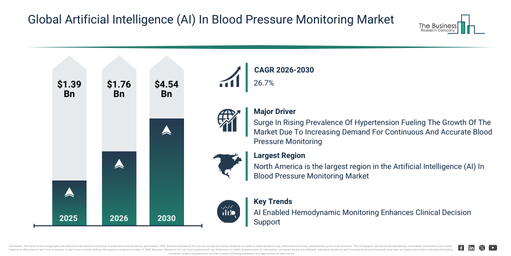
    The artificial intelligence (AI) in blood pressure monitoring market has expanded significantly over recent years. Its size is anticipated to grow from $1.39 billion in 2025 to $1.76 billion in 2026, achieving a compound annual growth rate (CAGR) of 27.0%. This market’s past growth can be ascribed to factors such as the increasing prevalence of hypertension, the rising adoption of digital health tools, greater awareness of home monitoring, the expanding use of wearable sensors, and increased healthcare expenditure.

    The artificial intelligence (AI) in blood pressure monitoring market is anticipated to experience substantial expansion over the next few years. It is projected to achieve a size of $4.54billion by 2030, demonstrating a compound annual growth rate (CAGR) of 26.7%. This growth during the forecast period is fueled by an escalating demand for continuous monitoring, the increasing integration of artificial intelligence (AI)-powered diagnostics, broader telehealth adoption, a heightened focus on preventive healthcare, and expanding investment in medical artificial intelligence. Prominent trends expected in this period include technological improvements in sensor accuracy, innovations in artificial intelligence (AI)-driven predictive analytics, advancements in cuffless monitoring solutions, ongoing research and development in multimodal biometrics, and enhancements in cloud-based health data platforms.

    Get A Free Sample Report With In-Depth Market Insights:

    https://thebusinessresearchcompany.com/sample_request?id=10527066&type=smp&name=Artificial%20Intelligence%20%28AI%29%20In%20Blood%20Pressure%20Monitoring%20Market%20Report%202026&utm_source=Blogs&utm_medium=Paid&utm_campaign=Oct_PR

    Artificial Intelligence (AI) In Blood Pressure Monitoring Market Industry Drivers: What’s Behind The Revenue Growth?

    The increasing incidence of hypertension is anticipated to drive the expansion of artificial intelligence (AI) within the blood pressure monitoring market moving ahead. Hypertension, a chronic health condition, is defined by consistently high blood pressure, which heightens the likelihood of cardiovascular ailments, strokes, and kidney issues, frequently necessitating continuous monitoring and long-term management. The occurrence of hypertension is increasing due to various factors including diets rich in salt and fat, lack of physical activity, obesity, stress, and an aging demographic, leading to an increasing population requiring consistent and precise blood pressure checks. AI-driven blood pressure monitoring solutions aid in managing hypertension through features like continuous or real-time tracking, predictive analysis, and customized alerts, which facilitate early detection of irregular patterns and support prompt medical interventions. For example, data from March 2025, released by the U.S. National Center for Biotechnology Information (NCBI), a US-based government research institution, indicated that the age-adjusted prevalence of hypertension among adults climbed to 27.5% in 2023 from 27.2% in 2022, demonstrating a consistent rise in instances of high blood pressure. Consequently, the growing prevalence of hypertension is accelerating the acceptance and expansion of artificial intelligence (AI) within the blood pressure monitoring market.

    Artificial Intelligence (AI) In Blood Pressure Monitoring Market Segment Outlook: Which Categories Are Growing Fastest?

    The artificial intelligence (AI) in blood pressure monitoring market covered in this report is segmented –

    1) By Product Type: Wearable Devices, Smart Cuffs, Mobile Applications, Standalone Artificial Intelligence (AI) Systems

    2) By Delivery Mode: On-Device Artificial Intelligence (AI), Cloud-Based Artificial Intelligence (AI), Hybrid Artificial Intelligence (AI)

    3) By Technology: Machine Learning Algorithms, Natural Language Processing (NLP), Computer Vision Techniques

    4) By Application: Continuous Monitoring, Diagnostic Support, Remote Patient Management, Clinical Decision Support

    5) By End Use: Hospitals, Home Healthcare, Ambulatory Care Centers, Specialty Clinics

    Subsegments:

    1) By Wearable Devices: Smart Wristbands, Smart Watches, Chest Strap Monitors, Arm Band Sensors, Finger Clip Sensors

    2) By Smart Cuffs: Upper Arm Smart Cuffs, Wrist Smart Cuffs, Forearm Smart Cuffs, Bluetooth Enabled Cuffs, Voice Assisted Smart Cuffs

    3) By Mobile Applications: Blood Pressure Tracking Applications, Heart Health Management Applications, Lifestyle And Wellness Monitoring Applications, Remote Patient Monitoring Applications, Data Analytics And Insights Applications

    4) By Standalone Artificial Intelligence (AI) Systems: Clinic Based AI Monitoring Systems, Home Based AI Monitoring Stations, Real Time Diagnostic AI Systems, Cloud Connected AI Monitoring Platforms, Predictive Health Assessment Systems

    #Artificial Intelligence (AI) In Blood Pressure Monitoring Market Growth Trends: What’s Shaping The Future Outlook?

    Major companies engaged in the AI in blood pressure monitoring market are concentrating on developing innovative solutions, such as hemodynamic monitoring platforms, to achieve a competitive edge. Hemodynamic monitoring platforms refer to systems and devices that consistently measure and assess the blood flow, blood pressure, and cardiac output within the cardiovascular system to inform patient management and treatment decisions. For instance, in April 2025, BD, a US-based medical technology company, introduced the Hemosphere Alta advanced hemodynamic monitoring platform, which includes the cerebral autoregulation index for individualized blood flow assessment, the Acumen hypotension prediction index for early detection of blood pressure drops, and a high resolution touchscreen with voice and gesture controls for enhanced usability. The platform also enables smooth integration with electronic health record systems, facilitating thorough patient data management.

    Artificial Intelligence (AI) In Blood Pressure Monitoring Market Key Players Shaping Industry Direction

    Major companies operating in the artificial intelligence (AI) in blood pressure monitoring market are Apple Inc., Samsung Electronics Co. Ltd., Huawei Technologies Co. Ltd., Masimo Corporation, Shen AI, Omron Healthcare Inc., A&D Company Limited, Valencell Inc., Binah.ai Ltd., Lifelight.AI, BioIntelliSense Inc., Nanowear Inc., FaceHeart Corporation, Hilo Group GmbH, Vastmindz AI Ltd., Biospectal SA, Briah.ai, Biobeat Technologies, Biozen LLC, Dynocardia Inc., Sensifree Co. Ltd.

    View The Full Artificial Intelligence (AI) In Blood Pressure Monitoring Market Report:

    https://thebusinessresearchcompany.com/report/artificial-intelligence-ai-in-blood-pressure-monitoring-market-report?utm_source=Blogs&utm_medium=Paid&utm_campaign=Oct_PR

    Artificial Intelligence (AI) In Blood Pressure Monitoring Market Regional Analysis: Which Region Leads By Revenue?

    North America was the largest region in the artificial intelligence (AI) in blood pressure monitoring market in 2025. Asia-Pacific is expected to be the fastest-growing region in the forecast period. The regions covered in the artificial intelligence (AI) in blood pressure monitoring market report are Asia-Pacific, South East Asia, Western Europe, Eastern Europe, North America, South America, Middle East, Africa.

    Reach Out To Our Team:

    The Business Research Company: https://www.thebusinessresearchcompany.com/

    Americas: +1 310-496-7795

    Asia: +44 7882 955267 & +91 8897263534

    Europe: +44 7882 955267

    Email us at: marketing@tbrc.info

    Follow us on:

    LinkedIn: https://in.linkedin.com/company/the-business-research-company

    YouTube: https://www.youtube.com/channel/UC24_fI0rV8cR5DxlCpgmyFQ

    Global Market Model: https://www.thebusinessresearchcompany.com/global-market-model
  • Artificial Intelligence (AI) Brain Magnetic Resonance Imaging (MRI) Lesion Detection Market Trends Supporting 27.9% CAGR Growth Through 2030

    Artificial Intelligence (AI) Brain Magnetic Resonance Imaging (MRI) Lesion Detection Market Trends Supporting 27.9% CAGR Growth Through 2030

    Featuring market attractiveness scoring, total addressable market sizing, company benchmarking matrices, interactive Excel dashboards, deeper supply chain intelligence, emerging startup tracking, and granular product-level insights, The Business Research Company’s 2026 market reports are built to deliver research that is both more actionable and more strategically valuable.

    Artificial Intelligence (AI) Brain Magnetic Resonance Imaging (MRI) Lesion Detection Market Expansion Outlook: What Revenue Opportunities Are Ahead?

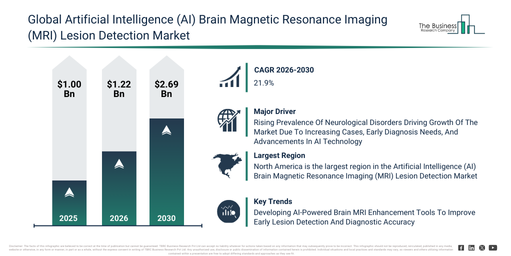
    The market size for AI brain MRI lesion detection has experienced rapid expansion over recent years. Its valuation is projected to increase from $1.00 billion in 2025 to $1.22 billion in 2026, demonstrating a compound annual growth rate (CAGR) of 22.2%. Historically, this growth has been driven by factors such as the greater utilization of MRI in neurology, the increasing acceptance of digital radiology, the rising occurrence of brain tumors and stroke, expanding investments by hospitals in imaging systems, and a growing demand for prompt disease diagnosis.

    The AI brain MRI lesion detection market is projected to experience substantial growth over the coming years. This market is forecast to reach $2.69 billion in 2030, advancing at a compound annual growth rate (CAGR) of 21.9%. This anticipated growth, along with major trends during the forecast period, is primarily attributed to an escalating demand for AI-enabled diagnostics, increased governmental backing for AI within healthcare, the expanding adoption of cloud medical imaging, greater integration of AI with PACS systems, and rising investment in tele-radiology solutions.

    Get A Free Sample Report With In-Depth Market Insights:

    https://thebusinessresearchcompany.com/sample_request?id=63098240&type=smp&name=Artificial%20Intelligence%20%28AI%29%20Brain%20Magnetic%20Resonance%20Imaging%20%28MRI%29%20Lesion%20Detection%20Market%20Report%202026&utm_source=Blogs&utm_medium=Paid&utm_campaign=Oct_PR

    Artificial Intelligence (AI) Brain Magnetic Resonance Imaging (MRI) Lesion Detection Market Growth Factors Behind Sustained Expansion

    The rising occurrence of neurological disorders is anticipated to fuel the expansion of the artificial intelligence (AI) brain MRI lesion detection market in the future. These conditions are medical ailments impacting the brain, spinal cord, and nerves, thereby disturbing typical nervous system operations and resulting in impairments in movement, cognition, sensation, behavior, or overall bodily control. The growing incidence of neurological disorders stems from detrimental lifestyle practices, such as inadequate diet, lack of physical activity, smoking, excessive alcohol intake, and persistent stress. AI brain MRI lesion detection offers assistance to individuals suffering from neurological disorders by allowing for quicker and more precise identification of brain abnormalities, which aids in early diagnosis, tailored treatment strategies, and enhanced patient results. For example, in April 2024, as per the National Institutes of Health (NIH), a leading US government biomedical research institution, approximately 6.9 million Americans aged 65 and above are presently afflicted with Alzheimer’s dementia, a number predicted to nearly double to 13.8 million by 2060. Consequently, the increasing prevalence of neurological disorders is a key driver for the artificial intelligence (AI) brain MRI lesion detection market.

    Artificial Intelligence (AI) Brain Magnetic Resonance Imaging (MRI) Lesion Detection Market Segment Breakdown: Which Categories Lead On Revenue?

    The artificial intelligence (AI) brain magnetic resonance imaging (mri) lesion detection market covered in this report is segmented –

    1) By Component: Software, Hardware, Services

    2) By Lesion Type: Tumor Lesions, Vascular Lesions, Demyelinating Lesions, Traumatic Lesions, Other Lesion Types

    3) By Modality: 3D MRI, 2D MRI, Other Modalitys

    4) By Application: Tumor Detection, Multiple Sclerosis, Stroke, Traumatic Brain Injury, Other Applications

    5) By End-User: Hospitals, Diagnostic Imaging Centers, Research Institutes, Other End-Users

    Subsegments:

    1) By Software: Deep Learning Detection Software, Image Processing Software, Clinical Decision Support Software, Diagnostic Reporting Software, Annotation and Labeling Software

    2) By Hardware: Magnetic Resonance Imaging Scanners, Graphics Processing Units, Edge Computing Devices, Image Acquisition Systems

    3) By Services: Installation And Integration Services, Model Training And Customization Services, Maintenance And Support Services, Data Annotation And Validation Services

    Artificial Intelligence (AI) Brain Magnetic Resonance Imaging (MRI) Lesion Detection Market Industry Trends Fueling Future Revenue Growth

    Leading companies in the artificial intelligence (AI) brain MRI lesion detection market are prioritizing the creation of advanced solutions, such as AI-driven contrast enhancement systems, to improve the early identification of subtle brain abnormalities and elevate diagnostic precision. These AI-powered systems employ sophisticated algorithms to enhance lesion visibility on contrast-enhanced MRI scans, consequently improving lesion-to-brain and contrast-to-noise ratios without modifying standard acquisition protocols. For example, in October 2024, Bracco Diagnostics, a US-based medical imaging company, and Subtle Medical, a US-based AI healthcare company, introduced AiMIFY software. This AI-based brain MRI enhancement tool increases contrast enhancement up to two times compared with standard gadolinium-based imaging and improves the clarity of lesions while preserving existing scanning workflows. This launch signifies a substantial technological step forward, integrating AI with conventional imaging and linking advanced computational analysis with clinical radiology practice. It delivers a scalable, efficient method for strengthening diagnostic confidence and enabling early lesion detection in neurological imaging.

    Artificial Intelligence (AI) Brain Magnetic Resonance Imaging (MRI) Lesion Detection Market Key Participants And Competitive Landscape

    Major companies operating in the artificial intelligence (AI) brain magnetic resonance imaging (mri) lesion detection market are Aidoc Medical Ltd., RapidAI Inc., Annalise.ai Pty Ltd., Quibim S.L., Olea Medical Imaging SAS, DeepTek.ai Inc., Image Analysis Group Ltd., Subtle Medical Inc., Gleamer SAS, Raidium Ltd., Invicro LLC, CorTechs.ai Inc., Omniscient Neurotechnology Inc., NeoSoma Inc., Oxipit Ltd., Cerebriu Inc., BrainReader ApS, MedImaging AI Solutions Ltd., NeuroVision Imaging Inc., NeuroQuant Analytics Inc.

    View The Full Artificial Intelligence (AI) Brain Magnetic Resonance Imaging (MRI) Lesion Detection Market Report:

    https://thebusinessresearchcompany.com/report/artificial-intelligence-ai-brain-magnetic-resonance-imaging-mri-lesion-detection-market-report?utm_source=Blogs&utm_medium=Paid&utm_campaign=Oct_PR

    Artificial Intelligence (AI) Brain Magnetic Resonance Imaging (MRI) Lesion Detection Market Geographic Analysis: Where Is Demand Accelerating Fastest?

    North America was the largest region in the AI brain MRI lesion detection market in 2025. Asia-Pacific is expected to be the fastest-growing region in the forecast period. The regions covered in the artificial intelligence (AI) brain magnetic resonance imaging (mri) lesion detection market report are Asia-Pacific, South East Asia, Western Europe, Eastern Europe, North America, South America, Middle East, Africa.

    Reach Out To Our Team:

    The Business Research Company: https://www.thebusinessresearchcompany.com/

    Americas: +1 310-496-7795

    Asia: +44 7882 955267 & +91 8897263534

    Europe: +44 7882 955267

    Email us at: marketing@tbrc.info

    Follow us on:

    LinkedIn: https://in.linkedin.com/company/the-business-research-company

    YouTube: https://www.youtube.com/channel/UC24_fI0rV8cR5DxlCpgmyFQ

    Global Market Model: https://www.thebusinessresearchcompany.com/global-market-model
  • Artificial Intelligence (AI) Arrhythmia Burden Analytics Market Forecast Highlights A $8.72 Billion Opportunity For Industry Participants

    Artificial Intelligence (AI) Arrhythmia Burden Analytics Market Forecast Highlights A $8.72 Billion Opportunity For Industry Participants

    Built to provide research that’s more actionable and strategically valuable, The Business Research Company’s 2026 market reports include market attractiveness analysis, total addressable market sizing, company benchmarking matrices, interactive Excel dashboards, broader supply chain intelligence, emerging startup tracking, and in-depth product insights.

    Artificial Intelligence (AI) Arrhythmia Burden Analytics Market Growth Potential: How Will Market Size Shift Through 2030?

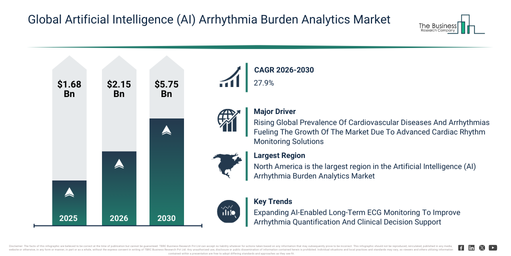
    The market size for artificial intelligence (AI) arrhythmia burden analytics has recently undergone exponential growth. This market is anticipated to expand from $1.68 billion in 2025 to $2.15 billion in 2026, at a compound annual growth rate (CAGR) of 28.2%. Its past growth can be ascribed to several contributing factors, including the increasing prevalence of cardiovascular diseases, the growing adoption of wearable ECG monitors, a rising demand for early arrhythmia detection, the expansion of remote patient monitoring platforms, and elevated investment in digital health infrastructure.

    The artificial intelligence (AI) arrhythmia burden analytics market size is projected to experience substantial growth in the coming years. This market is anticipated to reach $5.75 billion by 2030, demonstrating a compound annual growth rate (CAGR) of 27.9%. The expansion during the forecast period can be attributed to various factors, including the increasing integration of AI into healthcare IT systems, a growing focus on predictive and personalized cardiac care, the rising deployment of cloud-based AI solutions, the expansion of AI research and development efforts, and increasing regulatory support for AI-driven medical devices. Significant trends for the forecast period include innovation in predictive algorithms, advancements in cloud-based deployment, the integration of technology with wearable devices, investment in data analytics platforms, and the development of AI-enabled diagnostic software.

    Get A Free Sample Report With In-Depth Market Insights:

    https://thebusinessresearchcompany.com/sample_request?id=65783777&type=smp&name=Artificial%20Intelligence%20%28AI%29%20Arrhythmia%20Burden%20Analytics%20Market%20Report%202026&utm_source=Blogs&utm_medium=Paid&utm_campaign=Oct_PR

    Artificial Intelligence (AI) Arrhythmia Burden Analytics Market Demand Drivers Opening New Revenue Streams

    The increasing global incidence of cardiovascular diseases and arrhythmias is projected to drive the expansion of the artificial intelligence (AI) arrhythmia burden analytics market. Cardiovascular diseases and arrhythmias encompass a rising number of individuals globally suffering from heart and blood vessel conditions, including irregular heart rhythms such as atrial fibrillation, which are primary causes of death and disability worldwide. This increase in prevalence is attributed to aging populations and greater exposure to risk factors like hypertension, obesity, and diabetes, which elevate the probability of arrhythmias. Artificial intelligence (AI) arrhythmia burden analytics assists in managing cardiovascular diseases and arrhythmias by enabling ongoing, accurate analysis of cardiac rhythm data, thereby improving the early detection and management of arrhythmic events. For instance, in August 2025, data from the Centers for Disease Control and Prevention, a Switzerland-based public health agency, revealed that 90% of the nation’s 4.9 trillion dollars in annual health care spending is allocated to individuals with chronic and mental health conditions, with over 84,000 Americans dying each year from heart disease or stroke, and costs associated with cardiovascular diseases are anticipated to reach roughly 2 trillion dollars by 2050. Hence, the rising global prevalence of cardiovascular diseases and arrhythmias is fueling the growth of the artificial intelligence (AI) arrhythmia burden analytics market.

    Artificial Intelligence (AI) Arrhythmia Burden Analytics Market Segmentation: How Does The Market Break Down By Category?

    The artificial intelligence (AI) arrhythmia burden analytics market covered in this report is segmented –

    1) By Component: Software, Hardware, Services

    2) By Technology: Machine Learning (ML), Deep Learning (DL), Natural Language Processing (NLP)

    3) By Deployment Mode: On-Premises, Cloud-Based

    4) By Application: Arrhythmia Detection, Burden Quantification, Predictive Risk Assessment, Treatment Efficacy Monitoring, Clinical Decision Support

    5) By End-User: Healthcare Providers, Diagnostic Centers, Academic And Research Institutes, Other End-Users

    Subsegments:

    1) By Software: Data Management, Predictive Analytics, Visualization Tools, Reporting Platforms, Algorithm Development

    2) By Hardware: Monitoring Devices, Wearable Sensors, Data Storage Units, Processing Units, Connectivity Modules

    3) By Services: Consulting Services, Implementation Services, Maintenance And Support, Training Services, Cloud Hosting Services

    Artificial Intelligence (AI) Arrhythmia Burden Analytics Market Trends Powering Strategic Industry Growth

    Major companies in the artificial intelligence (AI) arrhythmia burden analytics market are prioritizing the development of advanced products, such as AI-powered arrhythmia detection systems, to bolster diagnostic accuracy, improve patient compliance, and reduce the chance of misdiagnosis and repeat testing. These AI-powered arrhythmia detection systems involve sophisticated algorithms within cardiac monitors that automatically analyze continuous electrocardiogram (ECG) data to precisely identify and categorize irregular heart rhythms. As an illustration, in May 2025, iRhythm Technologies, a US-based digital health company, launched its Zio ECG Recording and Analysis System in Japan. This is a prescription-only, long-term continuous monitoring system that incorporates a deep-learned artificial intelligence (AI) algorithm approved by Japan’s Pharmaceuticals and Medical Devices Agency (PMDA). It consists of a patch-based monitor, worn for up to 14 days, and an analysis service providing comprehensive reports, which facilitates the seamless detection of 13 arrhythmia types without significant patient burden. Additionally, it includes certified clinical review and is linked to a high diagnostic yield and low retesting rates, ultimately enhancing clinical efficiency for healthcare providers.

    Artificial Intelligence (AI) Arrhythmia Burden Analytics Market Top Companies Driving Competitive Growth

    Major companies operating in the artificial intelligence (AI) arrhythmia burden analytics market are Medtronic plc, Koninklijke Philips N.V., GE HealthCare Technologies Inc., Boston Scientific Corporation, iRhythm Technologies Inc., Bittium Corporation, Cardiac Rhythm Management, AliveCor Inc., VivaLNK Inc., Biotricity Inc., InfoBionic Inc., Cardiac Insight Inc., Cortrium ApS, Eko Health Inc., CardioComm Solutions Inc., Medi-Lynx Cardiac Monitoring LLC, QT Medical Inc., Wearable Sensors Ltd., HeartVista Inc., iCardiac Technologies Inc.

    View The Full Artificial Intelligence (AI) Arrhythmia Burden Analytics Market Report:

    https://thebusinessresearchcompany.com/report/artificial-intelligence-ai-arrhythmia-burden-analytics-market-report?utm_source=Blogs&utm_medium=Paid&utm_campaign=Oct_PR

    Artificial Intelligence (AI) Arrhythmia Burden Analytics Market Global Footprint: Which Region Leads The Industry?

    North America was the largest region in the artificial intelligence (AI) arrhythmia burden analytics market in 2025. Asia-Pacific is expected to be the fastest-growing region in the forecast period. The regions covered in the artificial intelligence (AI) arrhythmia burden analytics market report are Asia-Pacific, South East Asia, Western Europe, Eastern Europe, North America, South America, Middle East, Africa.

    Reach Out To Our Team:

    The Business Research Company: https://www.thebusinessresearchcompany.com/

    Americas: +1 310-496-7795

    Asia: +44 7882 955267 & +91 8897263534

    Europe: +44 7882 955267

    Email us at: marketing@tbrc.info

    Follow us on:

    LinkedIn: https://in.linkedin.com/company/the-business-research-company

    YouTube: https://www.youtube.com/channel/UC24_fI0rV8cR5DxlCpgmyFQ

    Global Market Model: https://www.thebusinessresearchcompany.com/global-market-model
  • 4D Radiotherapy Equipment Market Growth To $2.99 Billion Creates New Opportunities Across The Industry

    4D Radiotherapy Equipment Market Growth To $2.99 Billion Creates New Opportunities Across The Industry

    Featuring market attractiveness scoring, total addressable market sizing, company benchmarking matrices, interactive Excel dashboards, deeper supply chain intelligence, emerging startup tracking, and granular product-level insights, The Business Research Company’s 2026 market reports are built to deliver research that is both more actionable and more strategically valuable.

    4D Radiotherapy Equipment Market Revenue Growth On Track For A 9.3% CAGR Through 2030

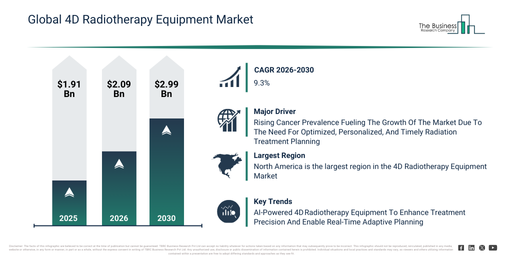
    The 4D radiotherapy equipment market size has experienced significant expansion over recent years. It is anticipated to increase from $1.91 billion in 2025 to $2.09 billion in 2026, demonstrating a compound annual growth rate (CAGR) of 9.6%. This historical growth can be ascribed to several factors, including the rising demand for motion-adaptive radiation therapy, the increasing adoption of advanced imaging systems, a heightened focus on minimizing treatment errors, the expanding utilization of real-time patient monitoring, and a growing preference for high-precision radiotherapy.

    The 4D radiotherapy equipment market is projected to experience robust expansion over the coming years. This market is anticipated to reach $2.99 billion by 2030, demonstrating a compound annual growth rate (CAGR) of 9.3%. This anticipated growth during the forecast period stems from factors such as increasing investments in advanced radiotherapy technologies, the wider acceptance of 4D treatment systems, a heightened need for precise tumor-tracking solutions, the broadened incorporation of AI-powered motion management, and a growing requirement for individualized radiation therapy. Key developments anticipated for this period encompass technological progress in motion-synchronized radiotherapy systems, breakthroughs in real-time imaging functionalities, the evolution of adaptive treatment delivery platforms, ongoing research and development in tumor-tracking innovations, and improvements in imaging-guided radiotherapy solutions.

    Get A Free Sample Report With In-Depth Market Insights:

    https://thebusinessresearchcompany.com/sample_request?id=22834228&type=smp&name=4D%20Radiotherapy%20Equipment%20Market%20Report%202026&utm_source=Blogs&utm_medium=Paid&utm_campaign=Oct_PR

    4D Radiotherapy Equipment Market Growth Factors Behind Sustained Expansion

    An anticipated surge in cancer cases is projected to fuel the expansion of the 4D radiotherapy equipment market in the future. Cancer, a condition marked by the unchecked proliferation and dissemination of abnormal cells, can harm adjacent tissues and organs if left untreated. The rise in cancer prevalence stems from lifestyle-related factors such as unhealthy eating habits, smoking, alcohol intake, and exposure to environmental contaminants, all of which heighten the risk of developing various forms of cancer. 4D radiotherapy equipment aids in cancer treatment by delivering exceptionally precise, motion-compensated radiation therapies that account for tumor movement during respiration. This technology enhances patient results by optimizing tumor targeting, reducing harm to healthy tissues, and boosting treatment efficacy. For example, in October 2025, NHS Digital, a UK government organisation, reported 354,820 new cancer diagnoses in England during 2023, equating to an average of 972 diagnoses daily and indicating an increase of 8,605 cases compared to 2022. Prostate cancer was the most frequently diagnosed at 58,137 new cases, showing a 6% rise in registrations over the prior year. Consequently, the increasing incidence of cancer is propelling the growth of the 4D radiotherapy equipment market. The growth of the 4D radiotherapy equipment market is anticipated to be propelled by increasing healthcare expenditure. Healthcare spending in emerging markets involves investments by governmental bodies, private entities, and medical service providers aimed at enhancing medical infrastructure, access to advanced therapies, and patient care services. This spending is escalating in emerging markets due to expanding middle-class populations experiencing greater incomes and extended lifespans, which, in turn, boosts the need for superior medical services, hospital facilities, and insurance coverage. 4D radiotherapy equipment supports this trend by delivering precise, image-guided radiation treatment that accounts for tumor movement, thereby improving treatment results while minimizing harm to surrounding healthy tissue. As an illustration, in June 2025, according to Statistics Austria, the national statistical office of Austria, total healthcare expenditure in Austria reached approximately $61.6 billion (€57 billion) in 2024, with contributions from both public and private sectors. This represented an increase of about $4.6 billion (€4.25 billion) compared to the previous year, and the share of healthcare spending as a proportion of gross domestic product rose from 11.2% in 2023 to 11.8% in 2024. Therefore, the rising healthcare spending in emerging markets is a key driver for the 4D radiotherapy equipment market.

    4D Radiotherapy Equipment Market Segment Analysis: What Are The Core Market Categories?

    The 4D radiotherapy equipment market covered in this report is segmented –

    1) By Product Type Or Component: 4D Gating/RT Systems, Linear Accelerators (LINACs), 4D Imaging Modalities, SGRT Systems, Treatment Planning Software

    2) By Motion Management Technique: Respiratory Gating, Real-Time Tumor Tracking, Breath-Hold Techniques, Adaptive Radiotherapy (ART)

    3) By Application: Lung Cancer, Liver Cancers, Pancreatic Cancer, Breast Cancer, Lymphoma, Other Cancers

    4) By End User: Hospitals, Cancer Treatment Centers, Specialty Radiotherapy Clinics, Research Institutions

    Subsegments:

    1) By 4D Gating / RT Systems: Respiratory Gating Systems, Real-Time Tumor Tracking Systems, Motion Management Platforms, Adaptive Radiation Delivery Systems

    2) By Linear Accelerators: Standard Linear Accelerators, Image Guided Linear Accelerators, Motion Compensated Linear Accelerators, Stereotactic Body Radiation Therapy Linear Accelerators

    3) By 4D Imaging Modalities: Four Dimensional Computed Tomography, Four Dimensional Magnetic Resonance Imaging, Four Dimensional Positron Emission Tomography, Four Dimensional Cone Beam Computed Tomography

    4) By SGRT Systems: Surface Guided Patient Positioning Systems, Optical Surface Monitoring Systems, Real-Time Surface Tracking Systems, Motion Compensated Surface Imaging Systems

    5) By Treatment Planning Software: Motion Adaptive Planning Software, Dose Calculation Software, Image Fusion Planning Software, Tumor Contouring And Delineation Software

    4D Radiotherapy Equipment Market Industry Trends Fueling Future Revenue Growth

    Major companies engaged in the 4D radiotherapy equipment market are concentrating on developing advanced imaging systems, such as AI-powered CT-Linac platforms, to improve treatment accuracy, facilitate real-time adjustments to treatment plans, and enhance operational efficiency. AI-powered CT-Linac platforms refer to integrated computed tomography–linear accelerator systems that utilize artificial intelligence for high-definition imaging, adaptive treatment planning, and real-time dose adjustments to deliver highly precise personalized radiation therapy for cancer patients. For instance, in May 2024, Elekta AB, a medical technology company based in Sweden, introduced Elekta Evo, a CT-Linac equipped with AI-enhanced imaging and both online and offline adaptive radiotherapy capabilities. This system allows clinicians to visualize target anatomy with clarity and modify radiation delivery during each session to account for patient movement and anatomical changes. This launch signifies a substantial technological advancement by incorporating high-precision imaging and adaptive therapy into routine clinical workflows, bridging traditional radiotherapy with AI-driven adaptive 4D planning, and providing clinicians with a scalable, efficient solution for improved patient outcomes.

    4D Radiotherapy Equipment Market Top Companies Driving Competitive Growth

    Major companies operating in the 4D radiotherapy equipment market are Hitachi Ltd., Siemens Healthineers AG, GE HealthCare Technologies Inc., Koninklijke Philips N.V., Varian Medical Systems Inc., Elekta AB, Shanghai United Imaging Healthcare Co. Ltd., Accuray Incorporated, Brainlab AG, Canon Medical Systems Corporation, RefleXion Medical, Vision RT Ltd., C-Rad AB, MVision AI Ltd., Anzai Medical Co. Ltd., ViewRay Technologies Inc., DYN’R Medical Systems, Ion Beam Applications SA (IBA SA)

    View The Full 4D Radiotherapy Equipment Market Report:

    https://thebusinessresearchcompany.com/report/4d-radiotherapy-equipment-market-report?utm_source=Blogs&utm_medium=Paid&utm_campaign=Oct_PR

    4D Radiotherapy Equipment Market Global Footprint: Which Region Leads The Market?

    North America was the largest region in the 4D radiotherapy equipment market in 2025. Asia-Pacific is expected to be the fastest-growing region in the forecast period. The regions covered in the 4D radiotherapy equipment market report are Asia-Pacific, South East Asia, Western Europe, Eastern Europe, North America, South America, Middle East, Africa.

    Reach Out To Our Team:

    The Business Research Company: https://www.thebusinessresearchcompany.com/

    Americas: +1 310-496-7795

    Asia: +44 7882 955267 & +91 8897263534

    Europe: +44 7882 955267

    Email us at: marketing@tbrc.info

    Follow us on:

    LinkedIn: https://in.linkedin.com/company/the-business-research-company

    YouTube: https://www.youtube.com/channel/UC24_fI0rV8cR5DxlCpgmyFQ

    Global Market Model: https://www.thebusinessresearchcompany.com/global-market-model
  • 3D Neuroscience Market Forecast: Breaking Down The Numbers Behind Future Expansion

    3D Neuroscience Market Forecast: Breaking Down The Numbers Behind Future Expansion

    Built to provide research that’s more actionable and strategically valuable, The Business Research Company’s 2026 market reports include market attractiveness analysis, total addressable market sizing, company benchmarking matrices, interactive Excel dashboards, broader supply chain intelligence, emerging startup tracking, and in-depth product insights.

    3D Neuroscience Market Value Growth And Long-Term Outlook

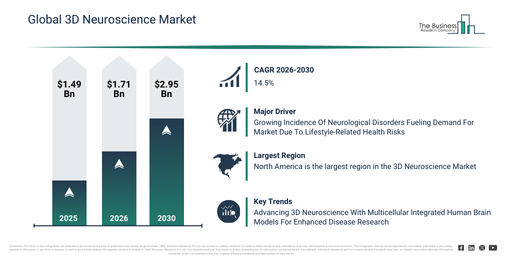
    The three-dimensional (3D) neuroscience market has experienced swift expansion recently. It will grow from $1.49 billion in 2025 to $1.71 billion in 2026 at a compound annual growth rate (CAGR) of 14.8%. Historically, this expansion is linked to the increased embrace of three-dimensional (3D) brain modeling techniques, a heightened need for sophisticated neurological research instruments, its expanding application in drug discovery and neuropharmacology, the development of imaging and visualization technologies, and a greater emphasis on comprehending intricate neural networks.

    The three-dimensional (3D) neuroscience market size is expected to experience rapid growth in the coming years, projected to reach $2.95 billion in 2030 at a compound annual growth rate (CAGR) of 14.5%. This growth over the forecast period is attributable to the increasing integration of three-dimensional (3D) models with artificial intelligence (AI) analytics, rising investment in personalized neuroscience research, growing adoption in disease modeling and therapeutic development, the expansion of high-resolution imaging and data acquisition platforms, and a rise in demand for predictive and translational neuroscience studies. Major trends for this period include technology-driven innovations in three-dimensional (3D) neural tissue modeling, advancements in artificial intelligence (AI)-enabled data analysis, developments in organoid and lab-grown neural systems, rising research and development in imaging and simulation platforms, and innovation in integrated neuroscience modeling and visualization tools.

    Get A Free Sample Report With In-Depth Market Insights:

    https://thebusinessresearchcompany.com/sample_request?id=51372795&type=smp&name=3D%20Neuroscience%20Market%20Report%202026&utm_source=Blogs&utm_medium=Paid&utm_campaign=Oct_PR

    3D Neuroscience Market Demand Drivers Opening New Revenue Streams

    The expanding occurrence of neurological conditions is anticipated to fuel the expansion of the 3D neuroscience market in the future. These medical conditions impact the brain, spinal cord, and nerves, interfering with typical nervous system operations and resulting in difficulties with movement, thought, feeling, conduct, or general body regulation. The rise in these disorders stems from detrimental lifestyle practices such as inadequate nutrition, lack of physical activity, smoking, heavy drinking, and prolonged stress. 3D neuroscience improves comprehension of the brain’s anatomy and operation, facilitating more accurate diagnoses and tailored therapies for individuals with neurological issues. For example, as reported in April 2024 by the National Institutes of Health (NIH), a US-based government agency, approximately 6.9 million Americans aged 65 and above are presently suffering from Alzheimer’s dementia, a number predicted to almost double to 13.8 million by 2060. Consequently, the rising incidence of neurological disorders propels the 3D neuroscience market.

    3D Neuroscience Market Segment Breakdown: Which Categories Lead On Revenue?

    The 3D neuroscience market covered in this report is segmented –

    1) By Component: Instruments And Consumables, Software And Services

    2) By Technology: Brain Imaging, Neuro-Microscopy, Electrophysiology, Neurophotonic Analysis, Other Technologies

    3) By Scale Of Analysis: Macro-Scale Connectomics (MSC), Meso-Scale Connectomics (MeSC), Micro-Scale Connectomics (MiSC), Nanoscale Or Synaptic Analysis (NSA)

    4) By Application: Disease Modeling And Drug Discovery, Brain Mapping And Connectomics, Developmental Neuroscience, Diagnostics And Surgical Planning

    5) By End-User: Hospitals, Diagnostic Laboratories, Research and Academic Institutes, Other End-Users

    Subsegments:

    1) By Instruments And Consumables: Imaging Devices, Microelectrodes, Sensors, Reagents, Laboratory Consumables

    2) By Software And Services: Data Analysis Software, Visualization Software, Modeling And Simulation Software, Technical Support Services, Training And Consultation Services

    3D Neuroscience Market Trends Powering Strategic Industry Growth

    Major companies operating in the 3D neuroscience market are prioritizing the development of advanced 3D human brain tissue platforms, such as multicellular integrated brain models. This focus aims to improve disease modeling, accelerate drug testing, and produce more physiologically relevant outcomes. Multicellular integrated brain models are defined as laboratory-cultured three-dimensional constructs derived from induced pluripotent stem cells, integrating multiple primary brain cell types. This allows for in-depth examination of cellular interactions, pathology, and responses to drugs. For instance, in November 2025, Massachusetts Institute of Technology (MIT), a US-based research institution, launched Multicellular Integrated Brains (miBrains), a customizable 3D human brain tissue system. This platform incorporates six major brain cell types, supports genetic engineering for personalized disease studies, and can be scaled for large-scale research projects, thus enhancing the availability and utility of complex in vitro models for neuroscience research.

    3D Neuroscience Market Leading Players And Competitive Positioning

    Major companies operating in the 3D neuroscience market are Siemens Healthineers AG, Merck KGaA, Koninklijke Philips N.V., GE Healthcare Technologies Inc., Corning Incorporated, Bruker Corporation, STEMCELL Technologies Inc., Greiner Bio-One International GmbH, American Type Culture Collection, Cellink AB, Aspect Biosystems Ltd., InSphero AG, Axion BioSystems Inc., Emulate Inc., Mimetas B.V., NeuroNexus Technologies Inc., Tessara Therapeutics Inc., TheWell Bioscience Inc., Kirkstall Ltd., Pelobiotech GmbH, 3D Biotek LLC, Mightex Systems Inc., Advanced BioMatrix Inc.

    View The Full 3D Neuroscience Market Report:

    https://thebusinessresearchcompany.com/report/3d-neuroscience-market-report?utm_source=Blogs&utm_medium=Paid&utm_campaign=Oct_PR

    3D Neuroscience Market Regional Split: Which Areas Are Fueling Growth?

    North America was the largest region in the three dimensional (3D) neuroscience market in 2025. Asia-Pacific is expected to be the fastest-growing region in the forecast period. The regions covered in the 3D neuroscience market report are Asia-Pacific, South East Asia, Western Europe, Eastern Europe, North America, South America, Middle East, Africa.

    Reach Out To Our Team:

    The Business Research Company: https://www.thebusinessresearchcompany.com/

    Americas: +1 310-496-7795

    Asia: +44 7882 955267 & +91 8897263534

    Europe: +44 7882 955267

    Email us at: marketing@tbrc.info

    Follow us on:

    LinkedIn: https://in.linkedin.com/company/the-business-research-company

    YouTube: https://www.youtube.com/channel/UC24_fI0rV8cR5DxlCpgmyFQ

    Global Market Model: https://www.thebusinessresearchcompany.com/global-market-model
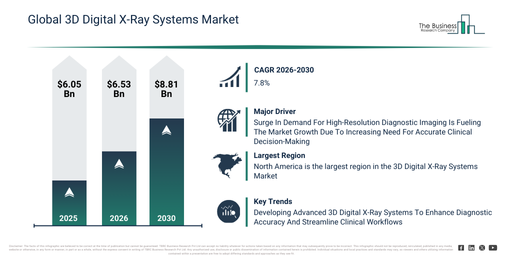
  • 3D Digital X-Ray Systems Market Expected To Grow At 7.8% CAGR Through 2030: What Businesses Need To Know

    3D Digital X-Ray Systems Market Expected To Grow At 7.8% CAGR Through 2030: What Businesses Need To Know

    Backed by market attractiveness analysis, total addressable market sizing, company benchmarking matrices, interactive Excel dashboards, wider supply chain intelligence, emerging startup coverage, and detailed product-level insights, The Business Research Company’s 2026 market reports are designed to offer research that is more actionable and strategically valuable than ever.

    3D Digital X-Ray Systems Market Poised To Hit $8.81 Billion By 2030 With A 7.8% CAGR

    The 3D digital X-Ray systems market has demonstrated robust expansion in recent years. Its value is projected to climb from $6.05 billion in 2025 to $6.53 billion in 2026, at a compound annual growth rate (CAGR) of 8.1%. The growth observed in prior periods is attributable to factors such as a heightened demand for advanced diagnostic imaging, an increasing occurrence of chronic and orthopedic illnesses, broader acceptance of digital radiography, expanded application of 3D imaging in dental treatments, greater public awareness concerning early disease identification, a general movement toward diagnostic procedures that are minimally invasive, enhanced incorporation of imaging technologies in outpatient environments, escalating healthcare spending, the wider availability of portable 3D x-ray devices, and a stronger inclination towards highly precise diagnostic tools.

    The 3D digital X-Ray systems market is anticipated to experience robust expansion in the coming years. It is projected to reach $8.81 billion by 2030, demonstrating a compound annual growth rate (CAGR) of 7.8%. This growth during the forecast period can be attributed to the increasing adoption of digital radiography, a rising preference for accurate 3D imaging, a growing demand for early diagnosis tools, increased investment in imaging innovations, the rise of hospital modernization programs, the expanding use of imaging in chronic disease management, a shift towards automated radiology tools, increasing tele-radiology adoption, a growing preference for low-dose imaging, and the increasing deployment of portable digital x-ray units. Significant trends anticipated in this period include advancements in high-resolution 3D imaging technology, progress in low-dose radiation solutions, developments in portable 3D x-ray devices, innovations in AI-based diagnostic tools, new approaches to automated image enhancement, novel workflow-digital platforms, integration with cloud-based storage, integration within hospital digital ecosystems, the merging of 3D imaging with robotics, and advancements making digital radiography more affordable.

    Get A Free Sample Report With In-Depth Market Insights:

    https://thebusinessresearchcompany.com/sample_request?id=62183297&type=smp&name=3D%20Digital%20X-Ray%20Systems%20Market%20Report%202026&utm_source=Blogs&utm_medium=Paid&utm_campaign=Oct_PR

    3D Digital X-Ray Systems Market Growth Backed By Core Demand Fundamentals

    The burgeoning need for high-resolution diagnostic imaging is anticipated to drive the expansion of the 3D Digital X-Ray Systems market moving forward. High-resolution diagnostic imaging involves medical imaging methods that produce clear, detailed views of internal bodily structures, facilitating precise diagnoses and effective clinical choices. This demand for advanced imaging is increasing as healthcare systems broaden their services to identify intricate illnesses sooner, enhance patient care, and boost diagnostic efficiency. The 3D Digital X-Ray Systems facilitates high-resolution diagnostic imaging by offering sophisticated imaging solutions that provide excellent image resolution, boost diagnostic accuracy, and optimize patient flow in clinical environments. For example, in March 2024, data from the Australian Institute of Health and Welfare (AIHW), an Australia-based government health authority, revealed that nearly 2 in 5 Australians (39%) utilized more than 27 million Medicare-subsidised diagnostic imaging services, with the rate of imaging services per 100 people climbing from 103 in 2022–23 to 106 in 2023–24, demonstrating a year-over-year increase and expanded adoption of advanced imaging technologies. Consequently, the increasing requirement for high-resolution diagnostic imaging is fueling the growth of the 3D Digital X-Ray Systems market.

    3D Digital X-Ray Systems Market Segmentation: How Does The Market Break Down By Category?

    The 3D digital x-ray systems market covered in this report is segmented –

    1) By Product Type: Stationary 3D Digital X-Ray Systems, Portable 3D Digital X-Ray Systems, Mobile 3D Digital X-Ray Systems

    2) By Detector Type: Flat Panel Detectors, Charge-Coupled Devices (CCD), Image Intensifier Detectors, Computed Radiography (CR) Systems, Line-Scanning Detectors

    3) By Technology: Computed Tomography (CT) Systems, Digital Radiography (DR) Systems, Fluoroscopy Systems, X-Ray Systems With Dual Energy, Portable X-Ray Systems

    4) By Application: Orthopedics, Dental Imaging, Oncology, Pediatric Imaging, Cardiology

    5) By End-User: Hospitals, Diagnostic Imaging Centers, Outpatient Surgery Centers, Research Institutions, Veterinary Clinics

    Subsegments:

    1) By Stationary 3D Digital X-Ray Systems: Fixed-Room 3D Imaging Systems, Hospital Radiology Department Systems, High-Capacity 3D X-Ray Units, Floor-Mounted 3D X-Ray Systems, Ceiling-Mounted 3D X-Ray Systems, Advanced Diagnostic 3D Systems, Large-Format 3D Orthopedic Imaging Units

    2) By Portable 3D Digital X-Ray Systems: Handheld 3D X-Ray Devices, Backpack-Style Portable 3D Systems, Battery-Powered Portable 3D X-Ray Units, Emergency Or Trauma Portable 3D Systems, Field-Use Portable 3D Devices, Compact Point-Of-Care 3D X-Ray Units

    3) By Mobile 3D Digital X-Ray Systems: Cart-Based Mobile 3D X-Ray Systems, Motorized Mobile 3D Systems, Mobile 3D C-Arm Units, ICU Or Mobile Ward 3D Imaging Systems, Mobile Surgical 3D X-Ray Units, Mobile Diagnostic Screening Units

    3D Digital X-Ray Systems Market Growth Trends Reshaping The Competitive Landscape

    Leading companies within the 3D digital X-ray systems market are concentrating on the creation of clinical imaging solutions, such as multi-purpose 3D dental imaging platforms, to improve diagnostic precision, facilitate treatment planning, and streamline surgical procedures. These platforms are technologies designed to acquire volumetric images, assist in planning interventions, and support accurate clinical decision-making in dental and oral surgery practices. For instance, in September 2024, Dental Imaging Technologies Corporation (DEXIS), a US-based firm specializing in dental imaging technology, introduced the ORTHOPANTOMOGRAPH OP 3D EX. This particular 3D X-ray platform features adaptable field of view choices, sophisticated imaging software tailored for chairside treatment planning, and built-in tools that enable rapid generation of surgical guides within clinical settings. It is specifically developed for general practitioners who aim to enhance their diagnostic capacities using 3D imaging, offering support for various clinical indications through a broad spectrum of field of view sizes.

    3D Digital X-Ray Systems Market Competitive Overview And Top Companies

    Major companies operating in the 3D digital x-ray systems market are Siemens Healthineers AG, Fujifilm Holdings Corporation, Koninklijke Philips N.V., GE HealthCare Technologies Inc., Mindray Medical International Limited, Dentsply Sirona Inc., Shimadzu Corporation, Canon Medical Systems Corporation, Acteon Group Ltd., United Imaging Healthcare Co. Ltd., Hamamatsu Photonics K.K., Agfa-Gevaert Group, Carestream Health Inc., Samsung Medison Co. Ltd., Analogic Corporation, Planmed Oy, Vatech Co. Ltd., Carestream Dental LLC, Ziehm Imaging GmbH, EOS Imaging S.A.

    View The Full 3D Digital X-Ray Systems Market Report:

    https://thebusinessresearchcompany.com/report/3d-digital-x-ray-systems-market-report?utm_source=Blogs&utm_medium=Paid&utm_campaign=Oct_PR

    3D Digital X-Ray Systems Market Top Region: Where Does Most Revenue Come From?

    North America was the largest region in the 3D digital X-Ray systems market in 2025. Asia-Pacific is expected to be the fastest-growing region in the forecast period. The regions covered in the 3D digital x-ray systems market report are Asia-Pacific, South East Asia, Western Europe, Eastern Europe, North America, South America, Middle East, Africa.

    Reach Out To Our Team:

    The Business Research Company: https://www.thebusinessresearchcompany.com/

    Americas: +1 310-496-7795

    Asia: +44 7882 955267 & +91 8897263534

    Europe: +44 7882 955267

    Email us at: marketing@tbrc.info

    Follow us on:

    LinkedIn: https://in.linkedin.com/company/the-business-research-company

    YouTube: https://www.youtube.com/channel/UC24_fI0rV8cR5DxlCpgmyFQ

    Global Market Model: https://www.thebusinessresearchcompany.com/global-market-model

  • Alloy Steel Forging Market Forecast To Reach $19.81 Billion By 2030: Key Trends Explained

    Backed by market attractiveness analysis, total addressable market sizing, company benchmarking matrices, interactive Excel dashboards, wider supply chain intelligence, emerging startup coverage, and detailed product-level insights, The Business Research Company’s 2026 market reports are designed to offer research that is more actionable and strategically valuable than ever.

    Alloy Steel Forging Market Size, Value And Growth Trajectory Through 2030

    The alloy steel forging market size has seen significant expansion in recent years. Its value is expected to increase from $14.10 billion in 2025 to $15.12 billion in 2026, driven by a compound annual growth rate (CAGR) of 7.3%. Historically, this growth can be ascribed to escalating demand within automotive manufacturing, expanding applications across construction and heavy machinery, a heightened requirement for robust components in oil and gas operations, and the increasing integration of forged alloy steel in aerospace equipment.

    The alloy steel forging market is projected to undergo significant expansion over the next few years, with its valuation expected to climb to $19.81 billion by 2030, demonstrating a compound annual growth rate (CAGR) of 7.0%. This projected increase is largely due to the expanding output of electric vehicles, a worldwide surge in infrastructure investments, continuous technological progress in forging automation, the rising demand for stronger yet lighter materials, and the increasing application of precision forging in demanding industries. Dominant trends anticipated during this period encompass enhancements in automated forging presses and robotics, novel developments in heat treatment and alloy composition optimization, the integration of digital twins and simulation-driven forging design, improvements in energy-efficient forging techniques, and new innovations in near-net-shape forging methodologies.

    Get A Free Sample Report With In-Depth Market Insights:

    https://thebusinessresearchcompany.com/sample_request?id=30496&type=smp&name=Alloy%20Steel%20Forging%20Market%20Report%202026&utm_source=Blogs&utm_medium=Paid&utm_campaign=Oct_PR

    Alloy Steel Forging Market Industry Drivers: What’s Behind The Revenue Growth?

    The increasing need from the automotive and aerospace sectors is anticipated to drive expansion in the alloy steel forging market in the future. These industries encompass fields involved in creating, producing, and servicing land vehicles like cars, trucks, and buses, alongside aerial and extraterrestrial vehicles such as airplanes, helicopters, satellites, and spacecraft. The demand from these sectors is escalating because manufacturers are increasingly focusing on lightweight, high-performance parts to boost fuel economy, comply with strict emission regulations, and improve overall safety and dependability. Alloy steel forging aids these industries by allowing the mass production of parts with superior mechanical characteristics that fulfill rigorous performance criteria for both vehicles and aircraft. For example, reports from the US government body, the Securities and Exchange Commission, in April 2025, showed that total revenue for 2024 reached around $7.4 billion, marking a 12% rise from 2023, primarily due to significant annual growth across all three aerospace segments. Consequently, the increased demand from the automotive and aerospace industries is a key factor propelling the expansion of the alloy steel forging market.

    Alloy Steel Forging Market Segmentation And Category Overview

    The alloy steel forging market covered in this report is segmented –

    1) By Type: Open Die Forging, Closed Die Forging, Ring Rolling, Upset Forging

    2) By Alloy Type: Low Alloy Steel, Medium Alloy Steel, High Alloy Steel

    3) By End-Use Industry: Automotive, Aerospace And Defense, Oil And Gas, Construction, Heavy Engineering, Mining, Power Generation

    Subsegments:

    1) By Open Die Forging: Heavy Shaft Forging, Large Rotor Forging, Bar And Billet Forging, Disc And Plate Forging, Block Forging, Custom Large-Component Forging

    2) By Closed Die Forging: Precision Automotive Parts Forging, Aerospace Components Forging, Industrial Machinery Parts Forging, Medical Implant Forging, Hardware And Tools Forging, Small-To-Medium Complex Shape Forging

    3) By Ring Rolling: Seamless Rolled Rings, Large-Diameter Rings, Thin-Wall Rings, Bearing Rings, Gear And Turbine Rings, Aerospace Or Defense Rings

    4) By Upset Forging: Bolts And Fasteners, Flanges, Valve Components, Automotive Axle And Drive Components, Pipe Fittings, Engine Parts

    Alloy Steel Forging Market Competitive Analysis Of Leading Industry Participants

    Major companies operating in the alloy steel forging market are Nippon Steel Corporation, Thyssenkrupp AG, Howmet Aerospace Inc., Allegheny Technologies Incorporated, OTTO FUCHS KG, Aichi Steel Corporation, The Japan Steel Works Ltd., Bharat Forge Limited, Sundram Fasteners Limited, Doncasters Group Limited, ELLWOOD Group Inc., Ramkrishna Forgings Limited, Cornell Forge Company, Kobe Steel Ltd., MM Forgings Limited, A. Finkl & Sons Company, Scot Forge Company, SIFCO Industries Inc., FRISA Forjados S.A. de C.V., Balu Forge Industries Limited, Western Forge & Flange Company, Ladish Company Inc., Saarschmiede GmbH Freiformschmiede, Happy Forgings Limited, North American Forgemasters Inc.

    View The Full Alloy Steel Forging Market Report:

    https://thebusinessresearchcompany.com/report/alloy-steel-forging-market-report?utm_source=Blogs&utm_medium=Paid&utm_campaign=Oct_PR

    Alloy Steel Forging Market Geographic Spread And Regional Opportunities

    Asia-Pacific was the largest region in the alloy steel forging market in 2025. Asia-Pacific is expected to be the fastest-growing region in the forecast period. The regions covered in the alloy steel forging market report are Asia-Pacific, South East Asia, Western Europe, Eastern Europe, North America, South America, Middle East, Africa.

    Reach Out To Our Team:

    The Business Research Company: https://www.thebusinessresearchcompany.com/

    Americas: +1 310-496-7795

    Asia: +44 7882 955267 & +91 8897263534

    Europe: +44 7882 955267

    Email us at: marketing@tbrc.info

    Follow us on:

    LinkedIn: https://in.linkedin.com/company/the-business-research-company

    YouTube: https://www.youtube.com/channel/UC24_fI0rV8cR5DxlCpgmyFQ

    Global Market Model: https://www.thebusinessresearchcompany.com/global-market-model